Visual abstracts
New randomized trials and meta-analyses from leading journals at a glance: who was studied, what was compared, and what was found. Every paper is free to read in full.
All specialtiesCardiology 4877Oncology 4138Gastroenterology & Hepatology 1942Infectious Disease 3837Neurology 1905Psychiatry & Mental Health 2273Pulmonology 2143Critical Care 1365Endocrinology & Diabetes 2580Pediatrics 2980Surgery 2559Orthopedics & Sports Medicine 931Neurosurgery 537Cardiothoracic & Vascular Surgery 674Plastic & Reconstructive Surgery 591Nephrology 1133Rheumatology 823Hematology 1109Dermatology 621Ophthalmology 543Obstetrics & Gynecology 1686Public & Global Health 1058Radiology & Imaging 648Anesthesiology 986Urology 764ENT (Otolaryngology) 503Emergency Medicine 511Allergy & Immunology 313Geriatrics 981Family Medicine & Primary Care 562Medical Genetics & Genomics 676Pathology & Laboratory Medicine 159Physical Medicine & Rehabilitation 757Palliative Care 444Nutrition 1588Digital Health & AI 2201General Medicine 321
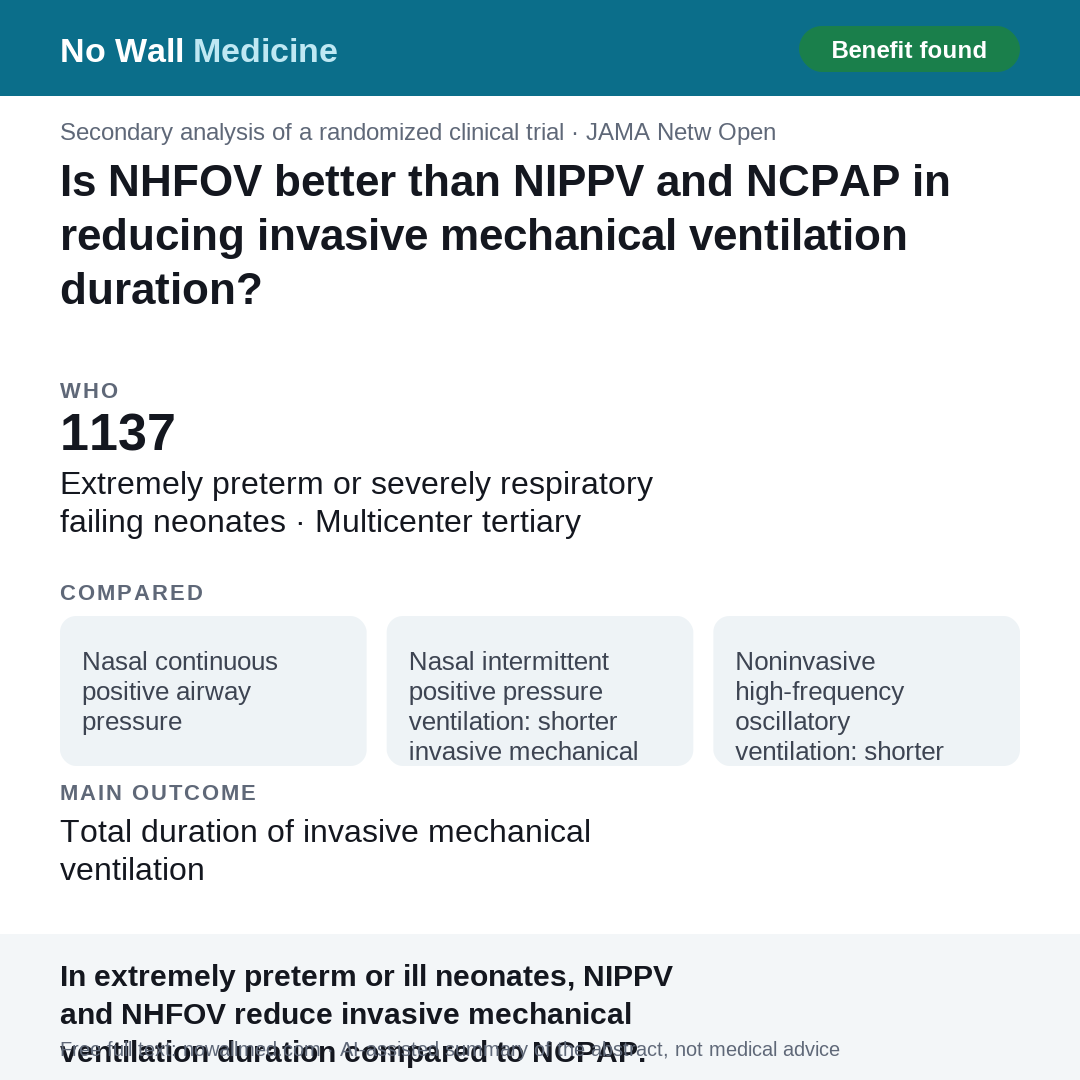
Effectiveness of Nasal Continuous Positive Airway Pressure vs Nasal Intermittent Positive Pressure Ventilation vs Noninvasive High-Frequency Oscillatory Ventilation as Support After Extubation of Neonates Born Extremely Preterm or With More Severe Respiratory Failure: A Secondary Analysis of a Randomized Clinical Trial
Secondary analysis of a randomized clinical trialBenefit found
Is NHFOV better than NIPPV and NCPAP in reducing invasive mechanical ventilation duration?
Who
1137
Extremely preterm or severely respiratory failing neonates · Multicenter tertiary academic neonatal intensive care units in China
Compared
Nasal continuous positive airway pressure
Nasal intermittent positive pressure ventilation: shorter invasive mechanical ventilation
Noninvasive high-frequency oscillatory ventilation: shorter invasive mechanical ventilation
Main outcome
Total duration of invasive mechanical ventilation
Result: mean difference range, -5.0 days [95% CI, -6.8 to -3.1 days] to -2.3 days [95% CI, -4.1 to -0.4 days]
Bottom line: In extremely preterm or ill neonates, NIPPV and NHFOV reduce invasive mechanical ventilation duration compared to NCPAP.
JAMA Netw Open · 2023-07-03Download image
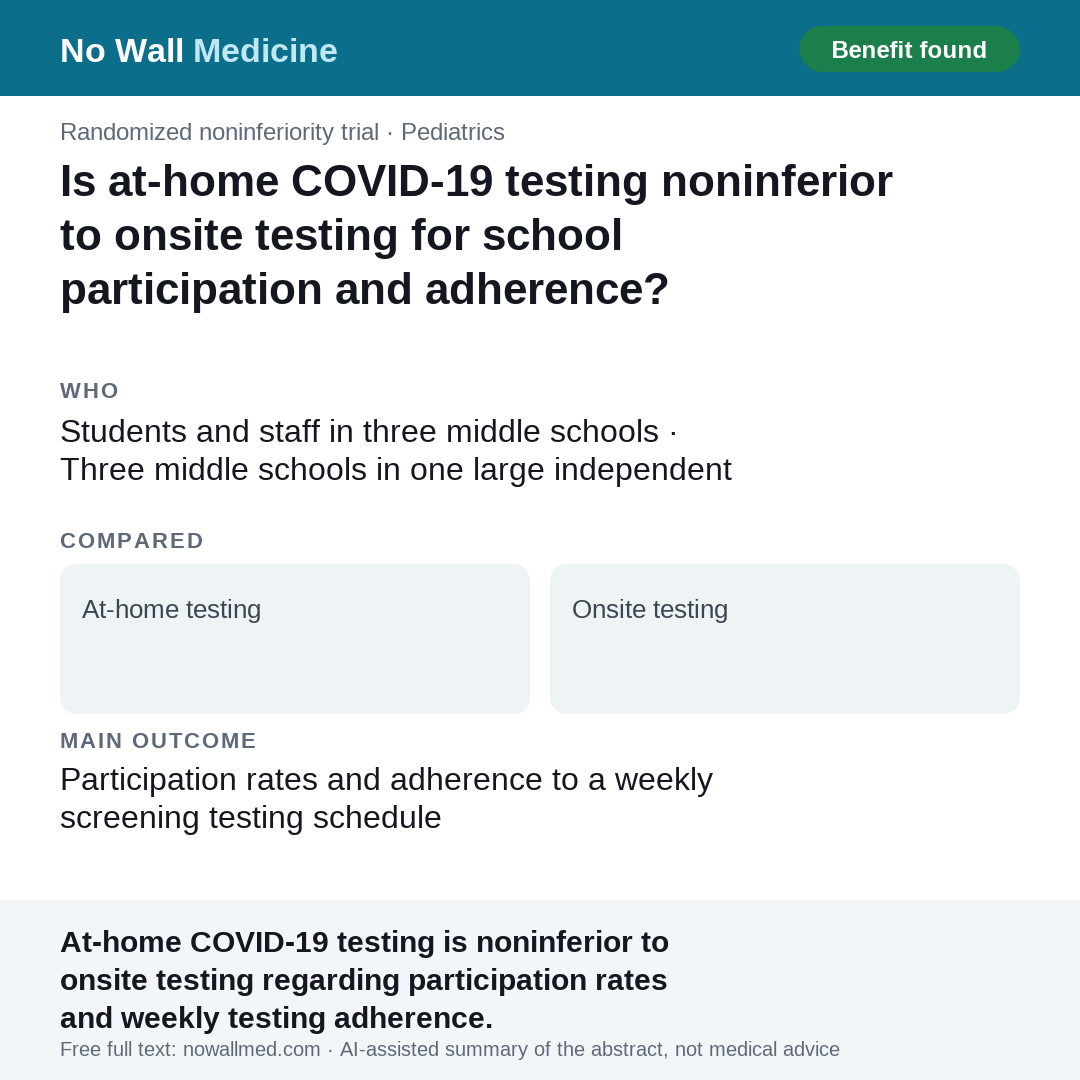
At-Home Versus Onsite COVID-19 School-based Testing: A Randomized Noninferiority Trial
Randomized noninferiority trialBenefit found
Is at-home COVID-19 testing noninferior to onsite testing for school participation and adherence?
Who
Students and staff in three middle schools · Three middle schools in one large independent school district
Compared
At-home testing
Onsite testing
Main outcome
Participation rates and adherence to a weekly screening testing schedule
Bottom line: At-home COVID-19 testing is noninferior to onsite testing regarding participation rates and weekly testing adherence.
Pediatrics · 2023-07-03Download image
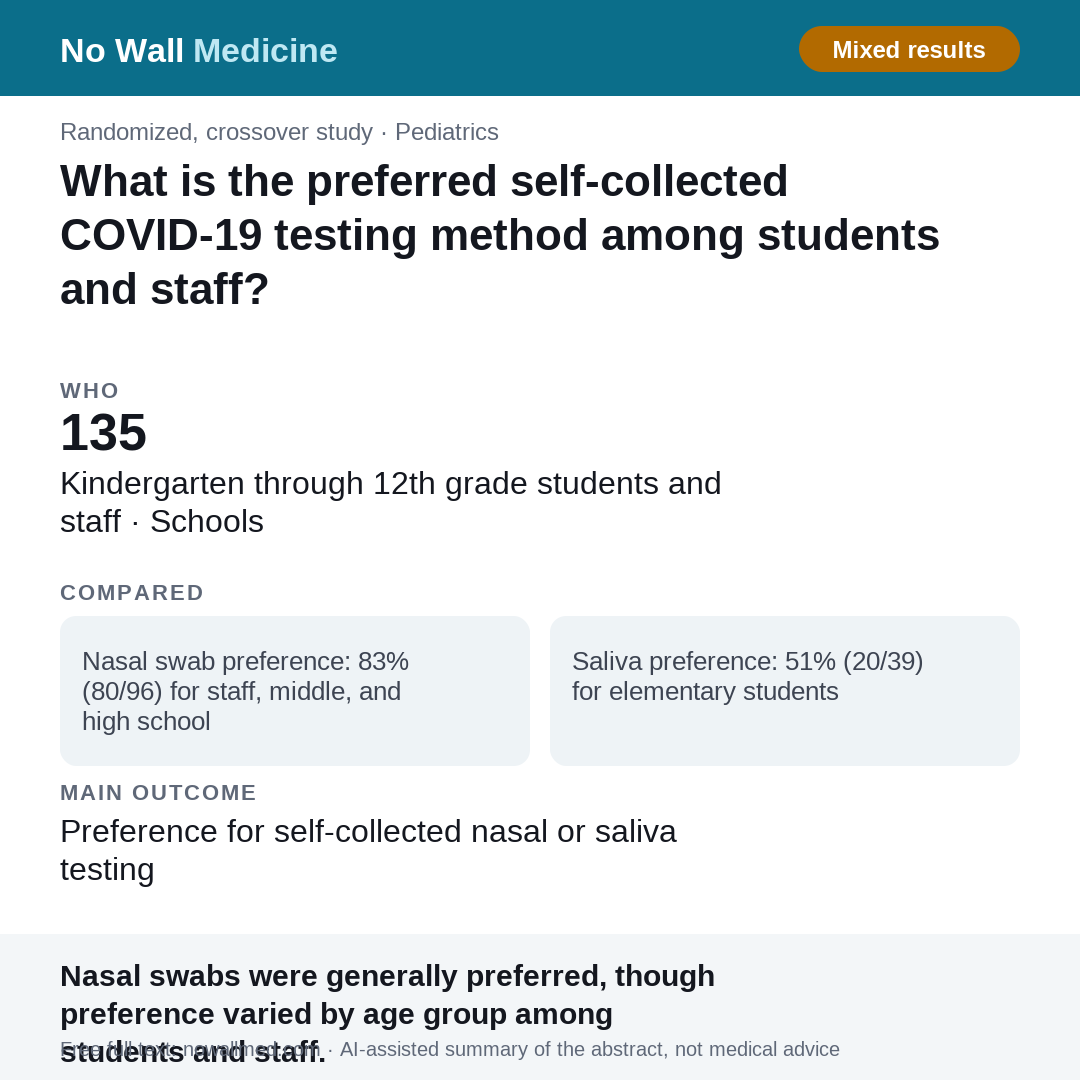
A COVID-19 Testing Preference Study in Schools
Randomized, crossover studyMixed results
What is the preferred self-collected COVID-19 testing method among students and staff?
Who
135
Kindergarten through 12th grade students and staff · Schools
Compared
Nasal swab preference: 83% (80/96) for staff, middle, and high school
Saliva preference: 51% (20/39) for elementary students
Main outcome
Preference for self-collected nasal or saliva testing
Bottom line: Nasal swabs were generally preferred, though preference varied by age group among students and staff.
Pediatrics · 2023-07-03Download image
Preliminary Reach of an Information Technology Approach to Support COVID-19 Testing in Schools
Randomized trialBenefit found
Can information technology approaches support COVID-19 testing in kindergarten through 12th-grade schools?
Who
2323
Parents or guardians of kindergarten through 12th-grade students · 6 participating schools
Compared
Text messaging: 19.1% (n = 354) engaged
Text messaging plus health navigation
Usual care
Main outcome
Engagement with text messaging
Bottom line: Text messaging and health navigation are feasible ways to reach parents for COVID-19 screening messages.
Pediatrics · 2023-07-03Download image

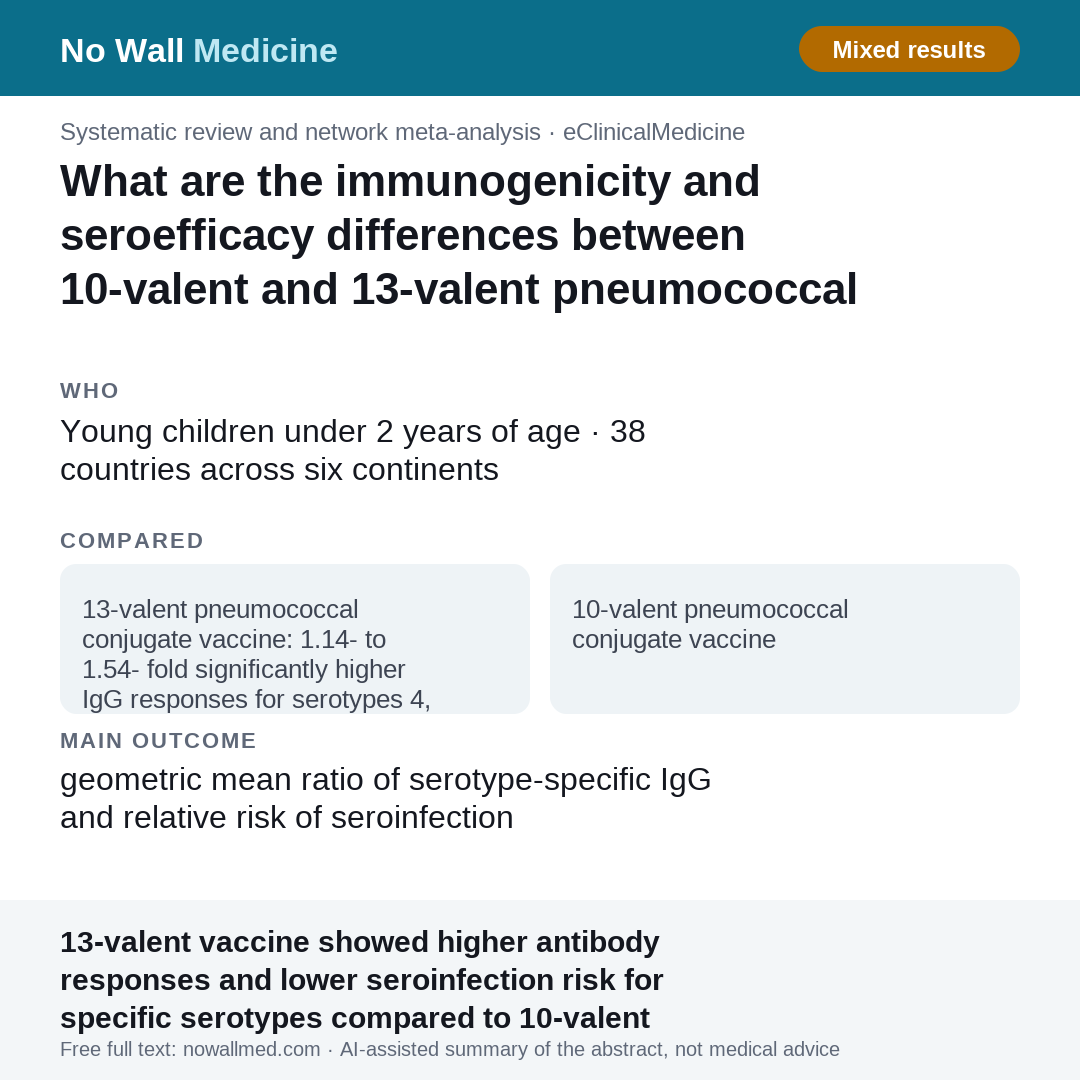
Immunogenicity and seroefficacy of 10-valent and 13-valent pneumococcal conjugate vaccines: a systematic review and network meta-analysis of individual participant data
Systematic review and network meta-analysisMixed results
What are the immunogenicity and seroefficacy differences between 10-valent and 13-valent pneumococcal conjugate vaccines?
Who
Young children under 2 years of age · 38 countries across six continents
Compared
13-valent pneumococcal conjugate vaccine: 1.14- to 1.54- fold significantly higher IgG responses for serotypes 4, 9V, and 23F
10-valent pneumococcal conjugate vaccine
Main outcome
geometric mean ratio of serotype-specific IgG and relative risk of seroinfection
Bottom line: 13-valent vaccine showed higher antibody responses and lower seroinfection risk for specific serotypes compared to 10-valent vaccine.
Limitation: Significant heterogeneity and inconsistency were present for most serotypes and for both outcomes.
Funded by: NIHR Health Technology Assessment Programme
eClinicalMedicine · 2023-07-01Download image
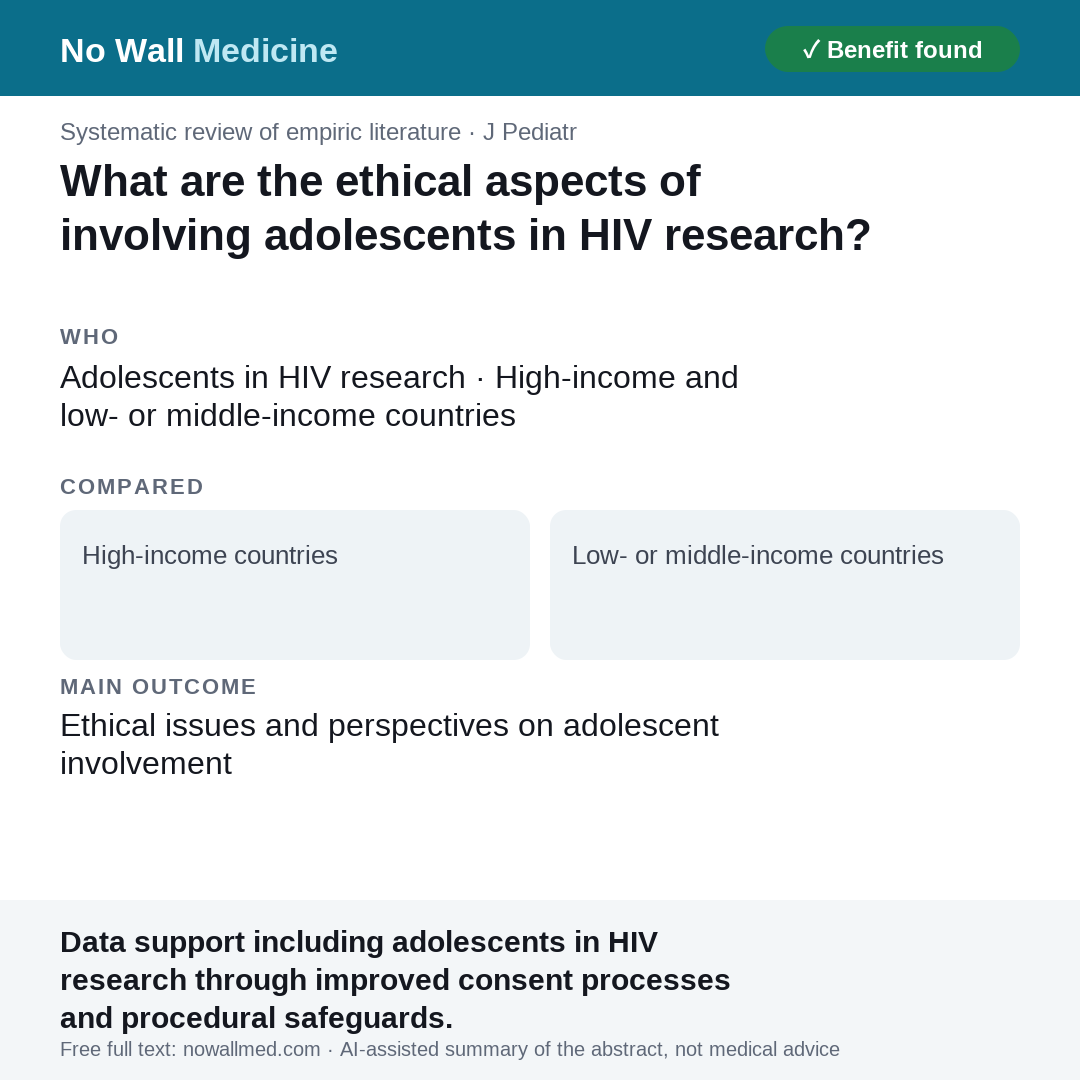
Ethical Aspects of Involving Adolescents in HIV Research: A Systematic Review of the Empiric Literature
Systematic review of empiric literatureBenefit found
What are the ethical aspects of involving adolescents in HIV research?
Who
41
Adolescents in HIV research · High-income and low- or middle-income countries
Compared
High-income countries
Low- or middle-income countries
Main outcome
Ethical issues and perspectives on adolescent involvement
Bottom line: Data support including adolescents in HIV research through improved consent processes and procedural safeguards.
J Pediatr · 2023-07-01Download image
Proof-of-concept and Randomized, Placebo-controlled Trials of an FcRn Inhibitor, Batoclimab, for Thyroid Eye Disease
Randomized, double-blind, placebo-controlled trialsMixed results
Does batoclimab affect thyroid eye disease pathology and proptosis?
Who
65
Patients with moderate-to-severe, active thyroid eye disease · Multicenter
Compared
Batoclimab
Placebo
Main outcome
12-week proptosis response
Bottom line: Batoclimab reduced pathogenic antibodies and orbital muscle volume but showed no significant difference in proptosis response.
J Clin Endocrinol Metab · 2023-06-30Download image

Virtual Reality for Upper Limb Rehabilitation in Patients With Obstetric Brachial Palsy: Systematic Review and Meta-Analysis of Randomized Controlled Trials
Systematic review and meta-analysis of randomized controlled trialsMixed results
Is virtual reality effective for upper limb rehabilitation in obstetric brachial palsy?
Who
138
Children aged under 18 years diagnosed with obstetric brachial palsy
Compared
Virtual reality
Conventional therapy
Main outcome
Upper limb function rehabilitation outcomes
Result: standardized mean difference -0.97 (95% CI -1.67 to -0.27) for hand-to-mouth subtest
Bottom line: Virtual reality showed benefit only for the hand-to-mouth subtest; overall evidence is insufficient to strongly recommend its use.
Limitation: Small sample sizes, limited long-term analysis, lack of dose testing, and absence of International Classification of Functioning outcomes.
J Med Internet Res · 2023-06-30Download image

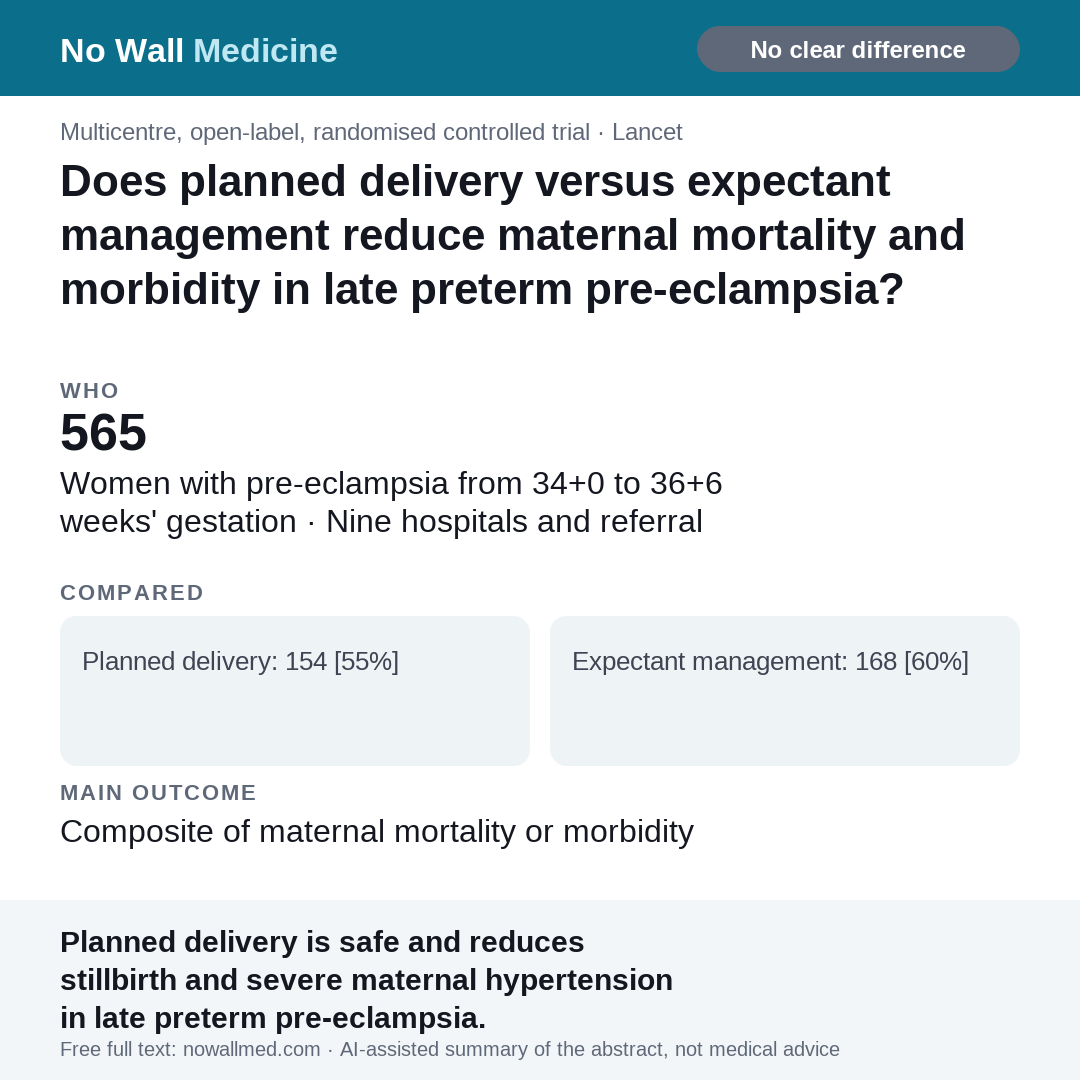
Planned delivery or expectant management for late preterm pre-eclampsia in low-income and middle-income countries (CRADLE-4): a multicentre, open-label, randomised controlled trial
Multicentre, open-label, randomised controlled trialNo clear difference
Does planned delivery versus expectant management reduce maternal mortality and morbidity in late preterm pre-eclampsia?
Who
565
Women with pre-eclampsia from 34+0 to 36+6 weeks' gestation · Nine hospitals and referral facilities in India and Zambia
Compared
Planned delivery: 154 [55%]
Expectant management: 168 [60%]
Main outcome
Composite of maternal mortality or morbidity
Result: adjusted risk ratio 0·91, 95% CI 0·79 to 1·05
Bottom line: Planned delivery is safe and reduces stillbirth and severe maternal hypertension in late preterm pre-eclampsia.
Funded by: UK Medical Research Council and Indian Department of Biotechnology
Lancet · 2023-06-29Download image
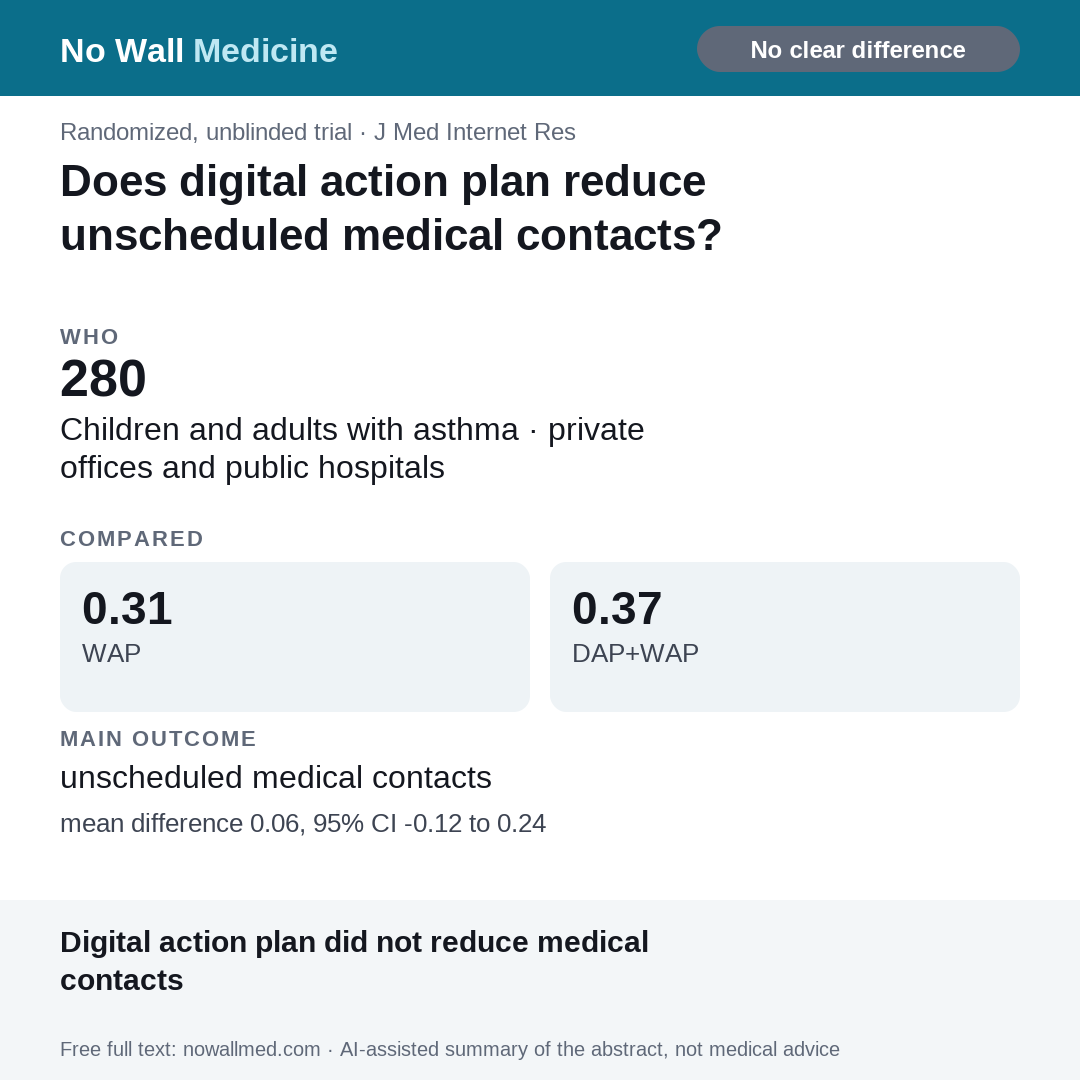
Digital Action Plan (Web App) for Managing Asthma Exacerbations: Randomized Controlled Trial
Randomized, unblinded trialNo clear difference
Does digital action plan reduce unscheduled medical contacts?
Who
280
Children and adults with asthma · private offices and public hospitals
Compared
0.31WAP
0.37DAP+WAP
Main outcome
unscheduled medical contacts
Result: mean difference 0.06, 95% CI -0.12 to 0.24
Bottom line: Digital action plan did not reduce medical contacts
J Med Internet Res · 2023-06-29Download image
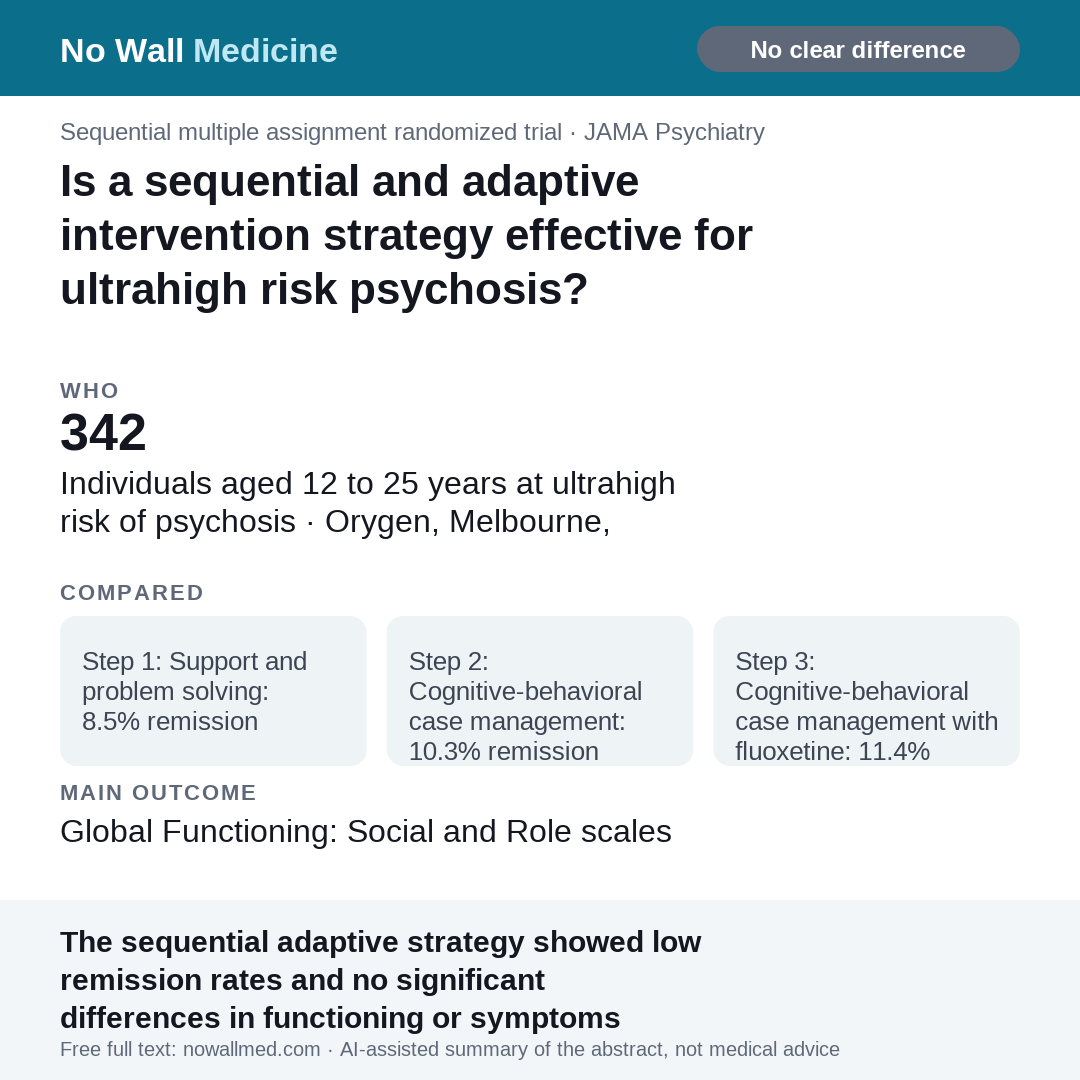
A Sequential Adaptive Intervention Strategy Targeting Remission and Functional Recovery in Young People at Ultrahigh Risk of Psychosis: The Staged Treatment in Early Psychosis (STEP) Sequential Multiple Assignment Randomized Trial
Sequential multiple assignment randomized trialNo clear difference
Is a sequential and adaptive intervention strategy effective for ultrahigh risk psychosis?
Who
342
Individuals aged 12 to 25 years at ultrahigh risk of psychosis · Orygen, Melbourne, Australia
Compared
Step 1: Support and problem solving: 8.5% remission
Step 2: Cognitive-behavioral case management: 10.3% remission
Step 3: Cognitive-behavioral case management with fluoxetine: 11.4% remission
Main outcome
Global Functioning: Social and Role scales
Bottom line: The sequential adaptive strategy showed low remission rates and no significant differences in functioning or symptoms between treatment arms.
JAMA Psychiatry · 2023-06-28Download image
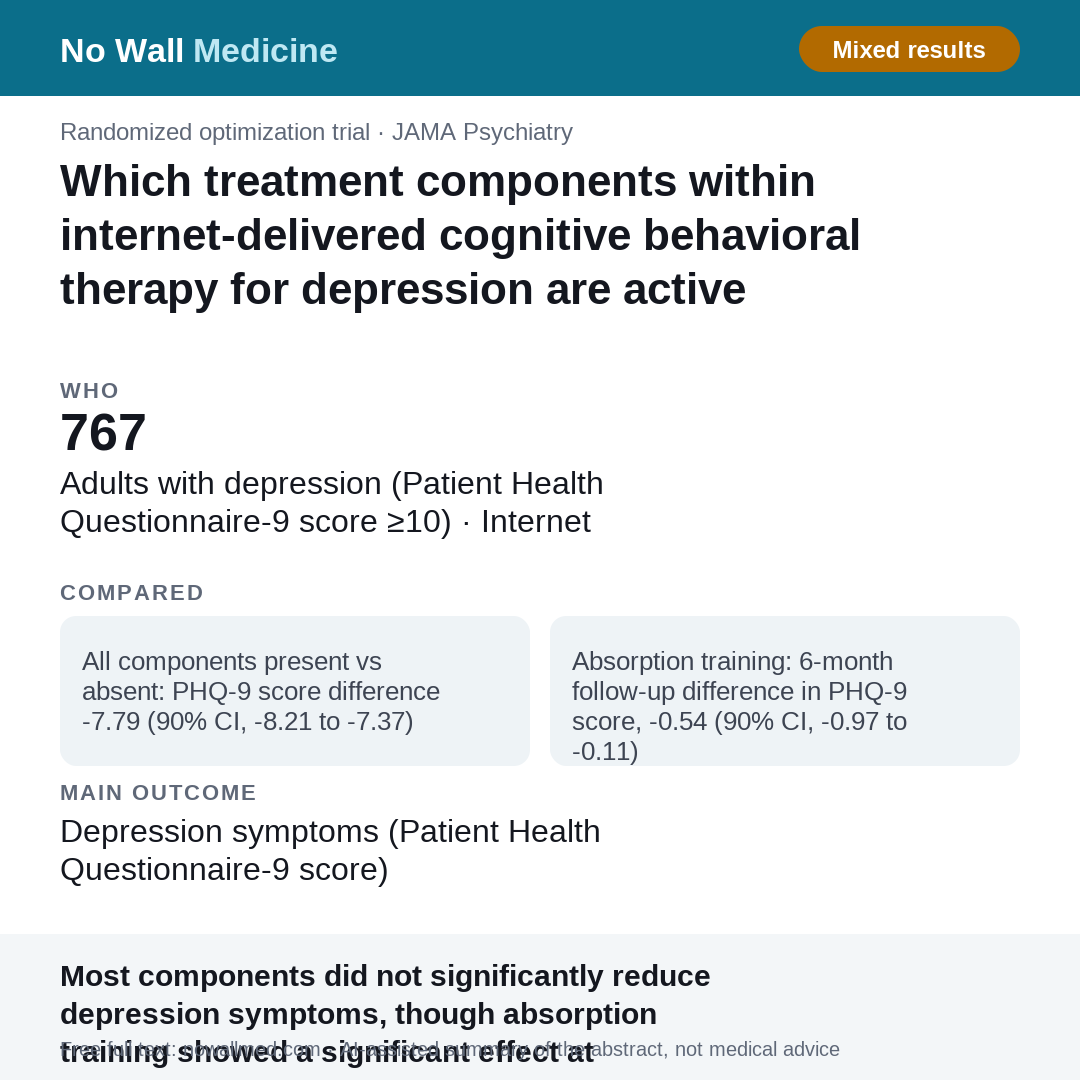
Investigation of Active Ingredients Within Internet-Delivered Cognitive Behavioral Therapy for Depression: A Randomized Optimization Trial
Randomized optimization trialMixed results
Which treatment components within internet-delivered cognitive behavioral therapy for depression are active ingredients?
Who
767
Adults with depression (Patient Health Questionnaire-9 score ≥10) · Internet advertising and UK National Health Service
Compared
All components present vs absent: PHQ-9 score difference -7.79 (90% CI, -8.21 to -7.37)
Absorption training: 6-month follow-up difference in PHQ-9 score, -0.54 (90% CI, -0.97 to -0.11)
Main outcome
Depression symptoms (Patient Health Questionnaire-9 score)
Result: 6-month follow-up difference in PHQ-9 score, -0.54 (90% CI, -0.97 to -0.11)
Bottom line: Most components did not significantly reduce depression symptoms, though absorption training showed a significant effect at 6-month follow-up.
JAMA Psychiatry · 2023-06-28Download image
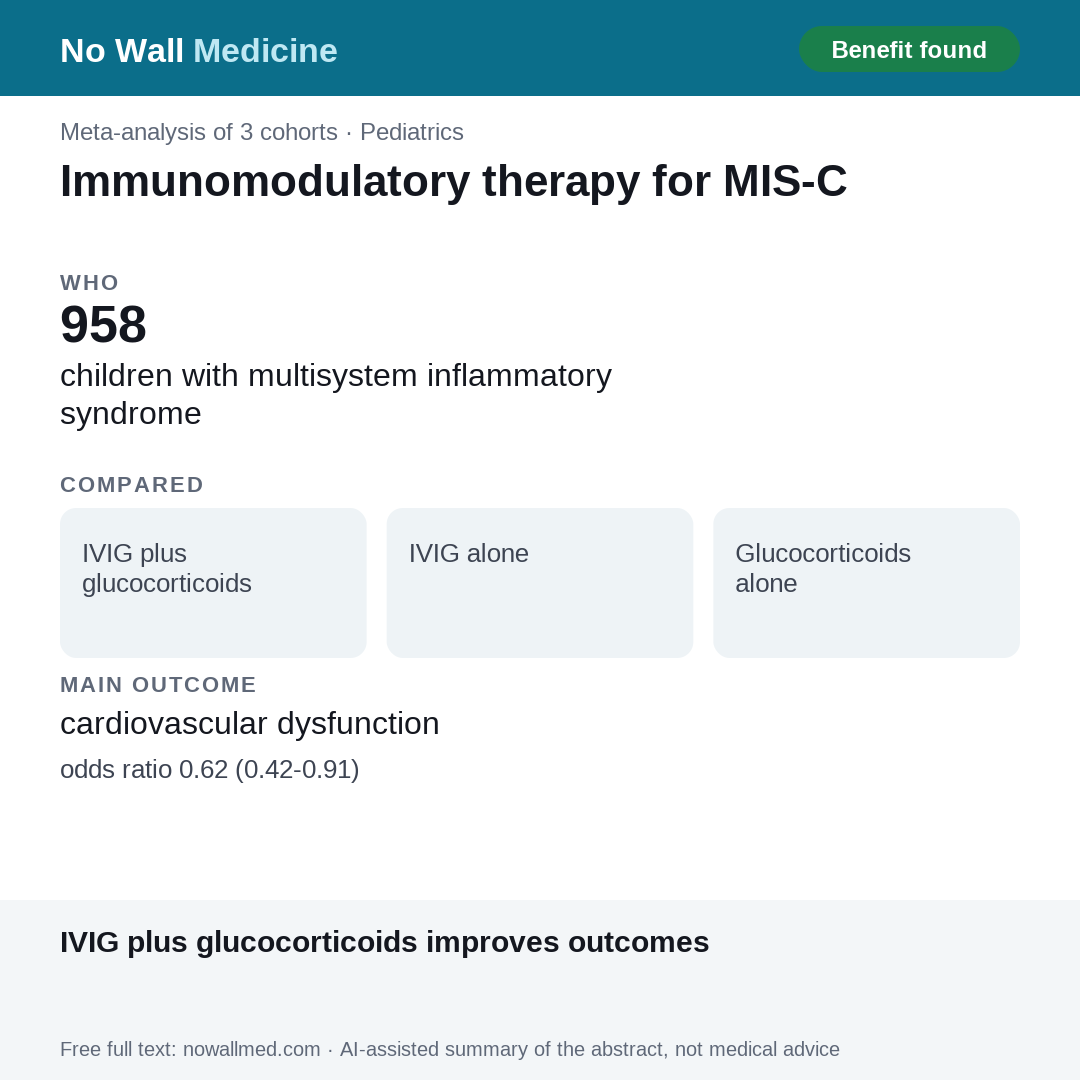
Immunomodulatory Therapy for MIS-C
Meta-analysis of 3 cohortsBenefit found
Immunomodulatory therapy for MIS-C
Who
958
children with multisystem inflammatory syndrome
Compared
IVIG plus glucocorticoids
IVIG alone
Glucocorticoids alone
Main outcome
cardiovascular dysfunction
Result: odds ratio 0.62 (0.42-0.91)
Bottom line: IVIG plus glucocorticoids improves outcomes
Limitation: nonrandomized studies
Pediatrics · 2023-06-28Download image
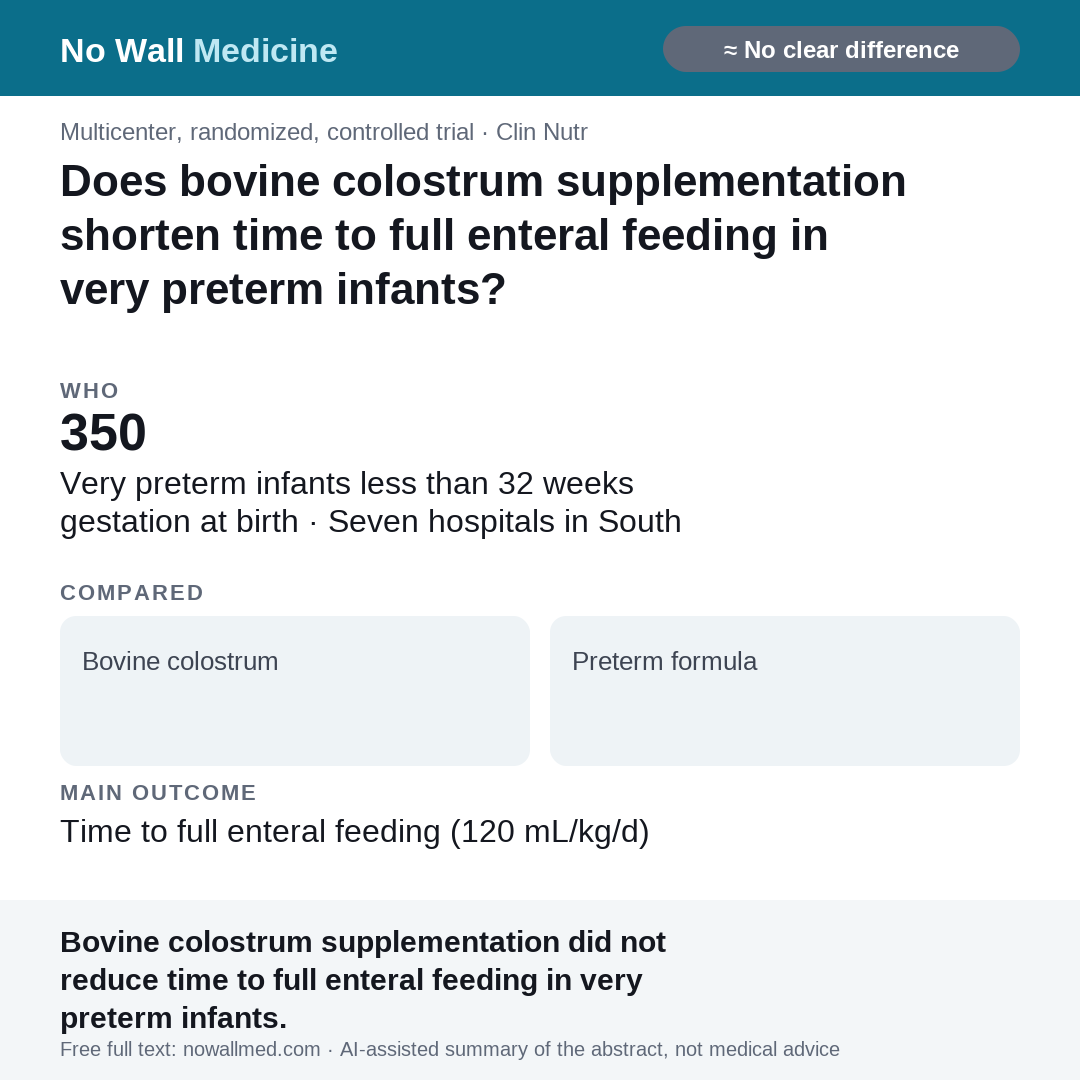
Bovine colostrum to supplement the first feeding of very preterm infants: The PreColos randomized controlled trial
Multicenter, randomized, controlled trialNo clear difference
Does bovine colostrum supplementation shorten time to full enteral feeding in very preterm infants?
Who
350
Very preterm infants less than 32 weeks gestation at birth · Seven hospitals in South China
Compared
Bovine colostrum
Preterm formula
Main outcome
Time to full enteral feeding (120 mL/kg/d)
Result: adjusted hazard ratio 0.82 (95% CI 0.64, 1.06)
Bottom line: Bovine colostrum supplementation did not reduce time to full enteral feeding in very preterm infants.
Clin Nutr · 2023-06-28Download image
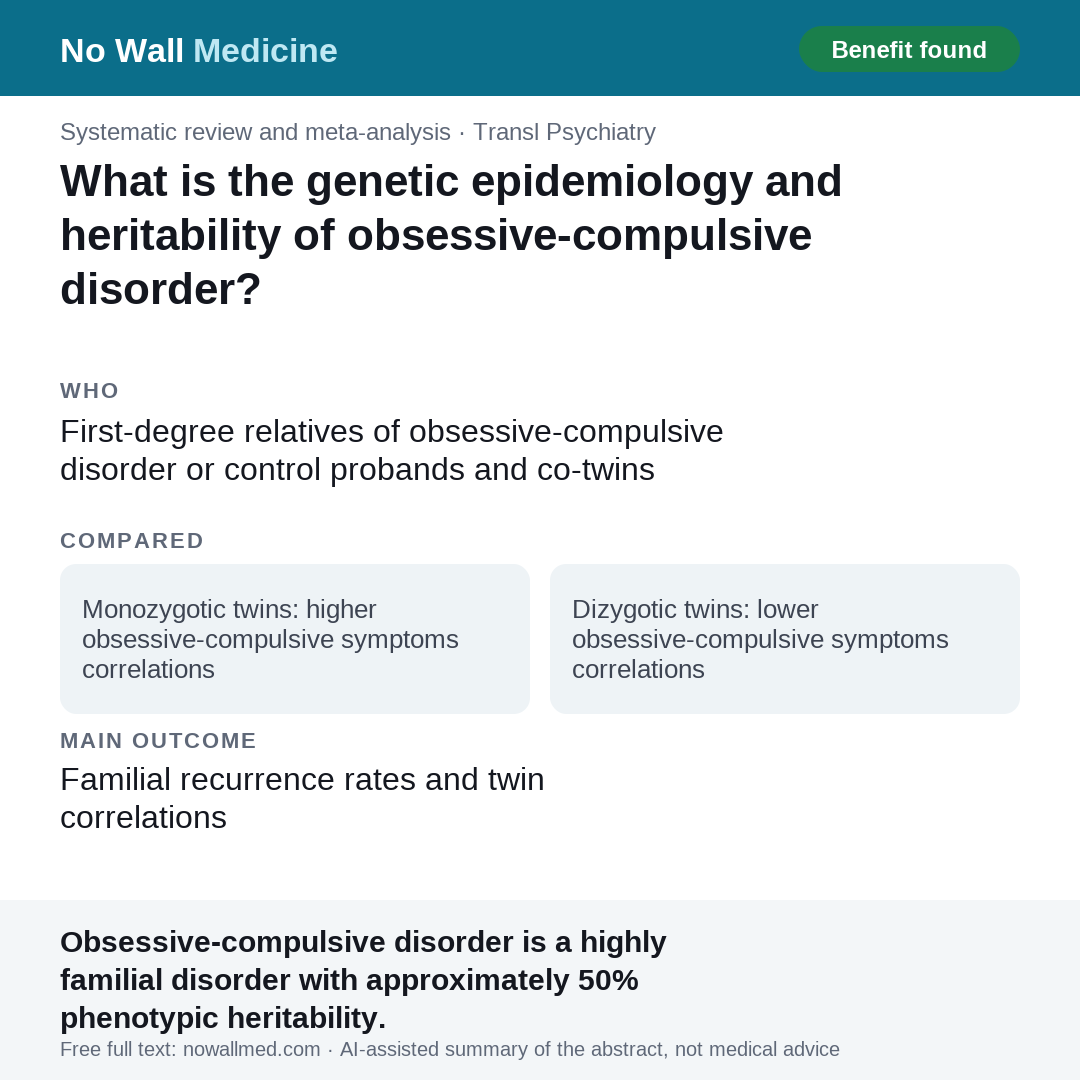
The genetic epidemiology of obsessive-compulsive disorder: a systematic review and meta-analysis
Systematic review and meta-analysisBenefit found
What is the genetic epidemiology and heritability of obsessive-compulsive disorder?
Who
First-degree relatives of obsessive-compulsive disorder or control probands and co-twins
Compared
Monozygotic twins: higher obsessive-compulsive symptoms correlations
Dizygotic twins: lower obsessive-compulsive symptoms correlations
Main outcome
Familial recurrence rates and twin correlations
Result: phenotypic heritability of around 50%
Bottom line: Obsessive-compulsive disorder is a highly familial disorder with approximately 50% phenotypic heritability.
Transl Psychiatry · 2023-06-28Download image
Impact of antibiotics on gut microbiome composition and resistome in the first years of life in low- to middle-income countries: A systematic review
Systematic review of randomized controlled trialsHarm found
How do antibiotics impact infant gut microbiome and resistome in low- to middle-income countries?
Who
10
Children below the age of 2 in low- and middle-income countries · Low- and middle-income countries
Compared
Antibiotic treatment: reduced gut microbiome diversity and increased antibiotic-specific resistance gene abundance
Placebo
Main outcome
gut microbiome composition and resistome composition
Bottom line: Antibiotics reduce gut microbiome diversity and increase resistance gene abundance in infants in low- and middle-income countries.
Limitation: Paucity of available studies and limited range of antibiotics assessed.
PLOS Med · 2023-06-27Download image

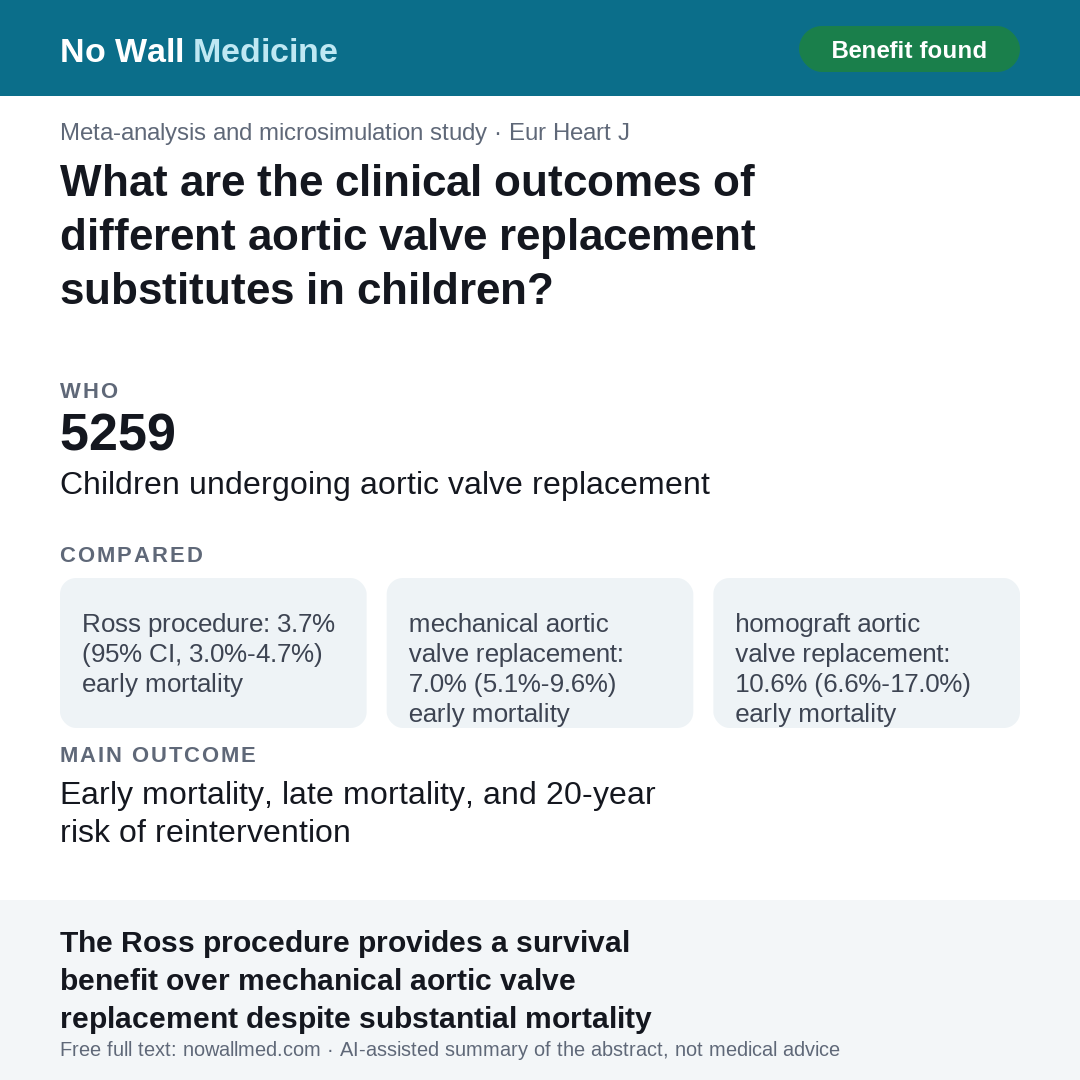
Paediatric aortic valve replacement: a meta-analysis and microsimulation study
Meta-analysis and microsimulation studyBenefit found
What are the clinical outcomes of different aortic valve replacement substitutes in children?
Who
5259
Children undergoing aortic valve replacement
Compared
Ross procedure: 3.7% (95% CI, 3.0%-4.7%) early mortality
mechanical aortic valve replacement: 7.0% (5.1%-9.6%) early mortality
homograft aortic valve replacement: 10.6% (6.6%-17.0%) early mortality
Main outcome
Early mortality, late mortality, and 20-year risk of reintervention
Bottom line: The Ross procedure provides a survival benefit over mechanical aortic valve replacement despite substantial mortality and reintervention hazards.
Eur Heart J · 2023-06-27Download image
Interventions to prevent alcohol use: systematic review of economic evaluations
Systematic review of economic evaluationsBenefit found
What is the cost-effectiveness of interventions to prevent alcohol use?
Who
69
People across the lifespan
Compared
Universal prevention interventions: cost-saving
Selective or indicated prevention interventions: cost-saving
School-based and parent/carer interventions: cost-effective
Interventions for older adults: no interventions were cost-effective
Main outcome
Cost-effectiveness and return-on-investment of alcohol prevention interventions
Bottom line: Alcohol prevention interventions, especially universal and selective ones, show promising evidence of being cost-effective.
BJPsych Open · 2023-06-27Download image

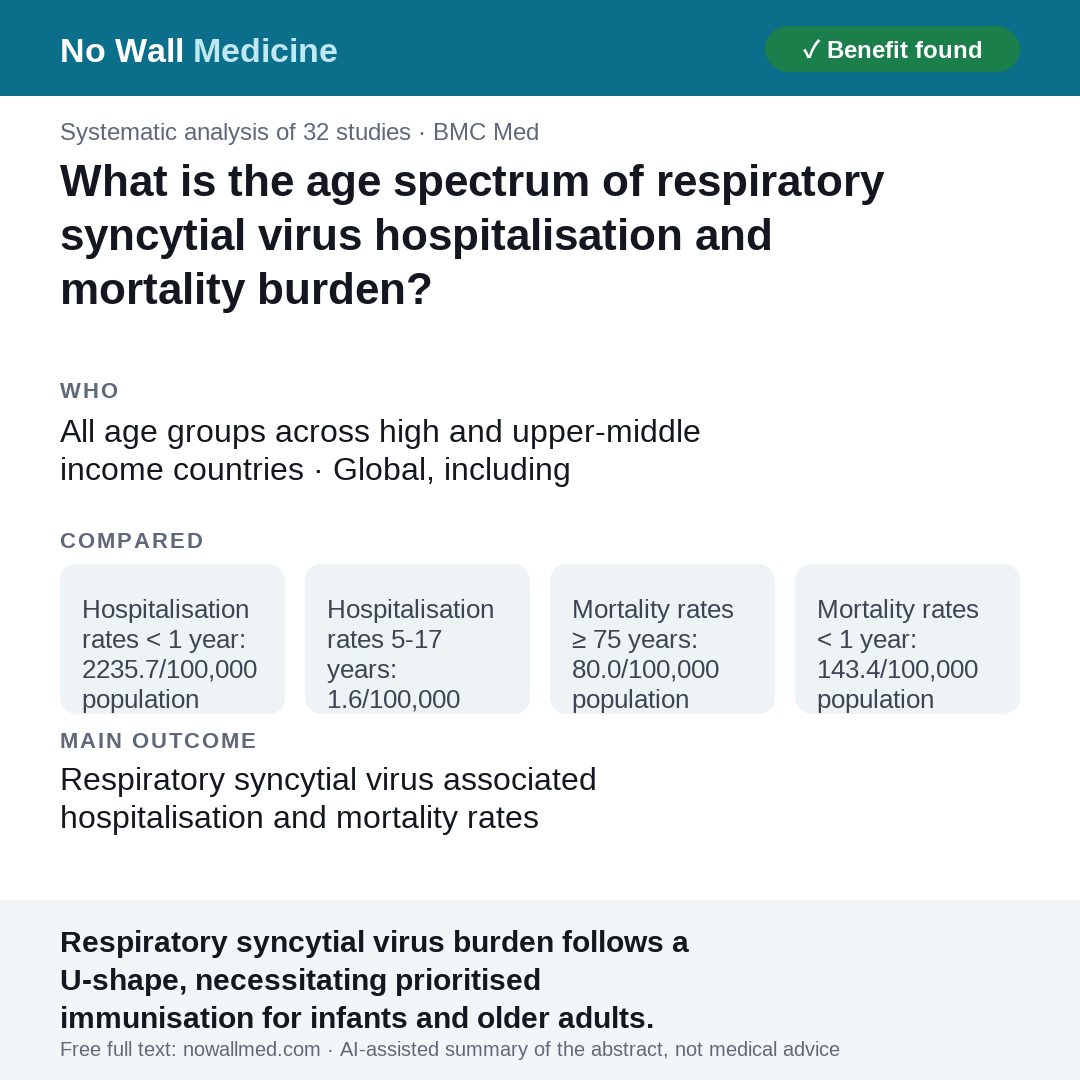
Understanding the age spectrum of respiratory syncytial virus associated hospitalisation and mortality burden based on statistical modelling methods: a systematic analysis
Systematic analysis of 32 studiesBenefit found
What is the age spectrum of respiratory syncytial virus hospitalisation and mortality burden?
Who
32
All age groups across high and upper-middle income countries · Global, including high-income and upper-middle income countries
Compared
Hospitalisation rates < 1 year: 2235.7/100,000 population
Hospitalisation rates 5-17 years: 1.6/100,000 population
Mortality rates ≥ 75 years: 80.0/100,000 population
Mortality rates < 1 year: 143.4/100,000 population
Main outcome
Respiratory syncytial virus associated hospitalisation and mortality rates
Bottom line: Respiratory syncytial virus burden follows a U-shape, necessitating prioritised immunisation for infants and older adults.
BMC Med · 2023-06-26Download image
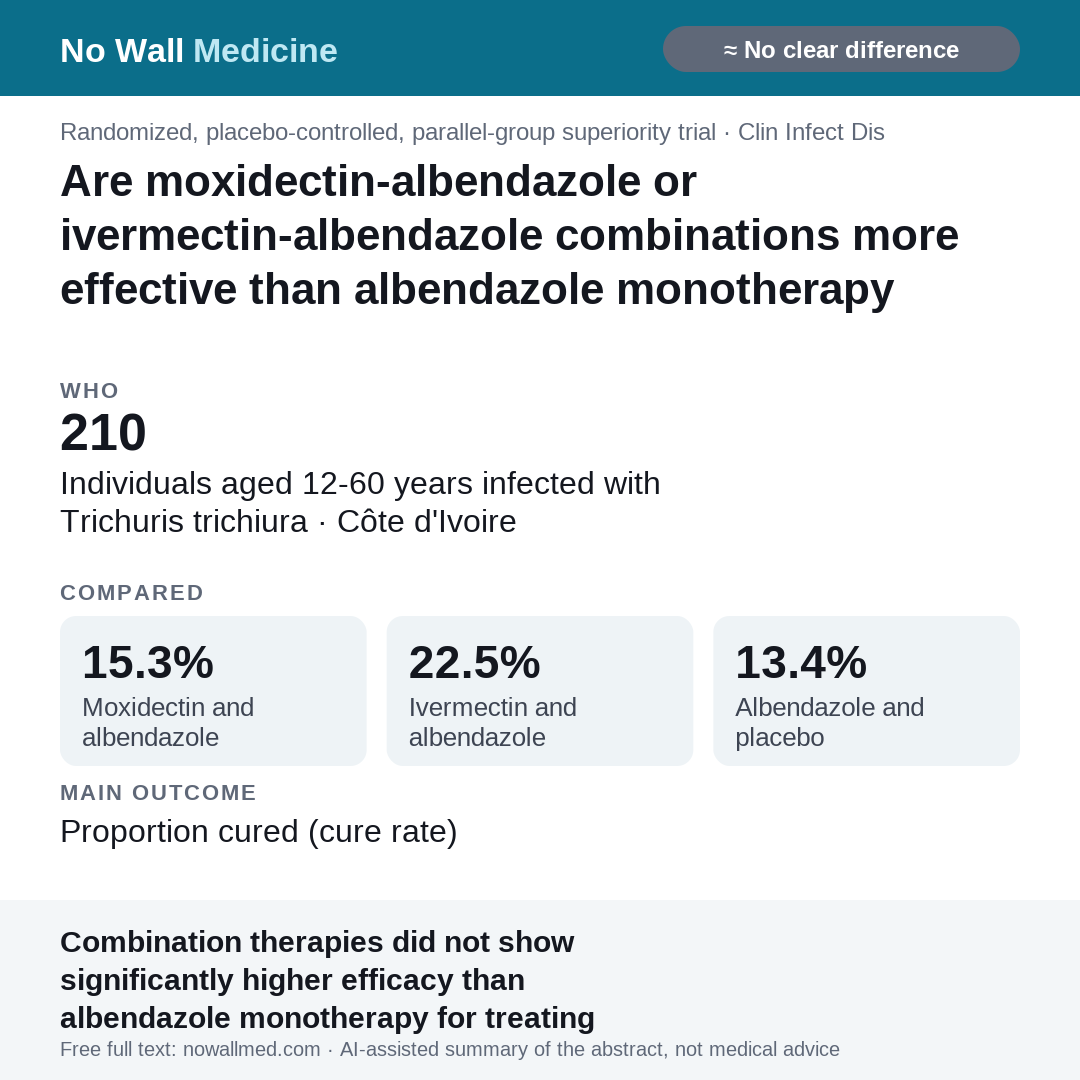
Efficacy and Safety of Moxidectin-Albendazole and Ivermectin-Albendazole Combination Therapy Compared to Albendazole Monotherapy in Adolescents and Adults Infected with Trichuris trichiura: A Randomized, Controlled Superiority Trial
Randomized, placebo-controlled, parallel-group superiority trialNo clear difference
Are moxidectin-albendazole or ivermectin-albendazole combinations more effective than albendazole monotherapy for Trichuris trichiura?
Who
210
Individuals aged 12-60 years infected with Trichuris trichiura · Côte d'Ivoire
Compared
15.3%Moxidectin and albendazole
22.5%Ivermectin and albendazole
13.4%Albendazole and placebo
Main outcome
Proportion cured (cure rate)
Result: differences: 1.8%-points [95% confidence interval: -10.1 to 13.6] and 9.1%-points [-3.9 to 21.8]
Bottom line: Combination therapies did not show significantly higher efficacy than albendazole monotherapy for treating trichuriasis in Côte d'Ivoire.
Clin Infect Dis · 2023-06-26Download image