Visual abstracts
New randomized trials and meta-analyses from leading journals at a glance: who was studied, what was compared, and what was found. Every paper is free to read in full.
All specialtiesCardiology 4877Oncology 4138Gastroenterology & Hepatology 1942Infectious Disease 3837Neurology 1905Psychiatry & Mental Health 2273Pulmonology 2143Critical Care 1365Endocrinology & Diabetes 2580Pediatrics 2980Surgery 2559Orthopedics & Sports Medicine 931Neurosurgery 537Cardiothoracic & Vascular Surgery 674Plastic & Reconstructive Surgery 591Nephrology 1133Rheumatology 823Hematology 1109Dermatology 621Ophthalmology 543Obstetrics & Gynecology 1686Public & Global Health 1058Radiology & Imaging 648Anesthesiology 986Urology 764ENT (Otolaryngology) 503Emergency Medicine 511Allergy & Immunology 313Geriatrics 981Family Medicine & Primary Care 562Medical Genetics & Genomics 676Pathology & Laboratory Medicine 159Physical Medicine & Rehabilitation 757Palliative Care 444Nutrition 1588Digital Health & AI 2201General Medicine 321
Anticipatory charging of the defibrillator: a systematic review
Systematic reviewMixed results
Does anticipatory defibrillator charging improve patient outcomes and resuscitation performance?
Who
Patients and simulation participants in cardiac arrest · MEDLINE, EMBASE, and Cochrane library
Compared
Anticipatory charging: consistently reduced pre-shock and peri-shock pauses
Charging after rhythm analysis
Main outcome
Patient outcomes and resuscitation performance
Bottom line: Anticipatory charging reduces chest compression interruptions but its impact on survival and neurological outcomes remains uncertain.
Limitation: Very low certainty of evidence due to high risk of bias and indirectness.
Resusc Plus · 2026-04-28Download image

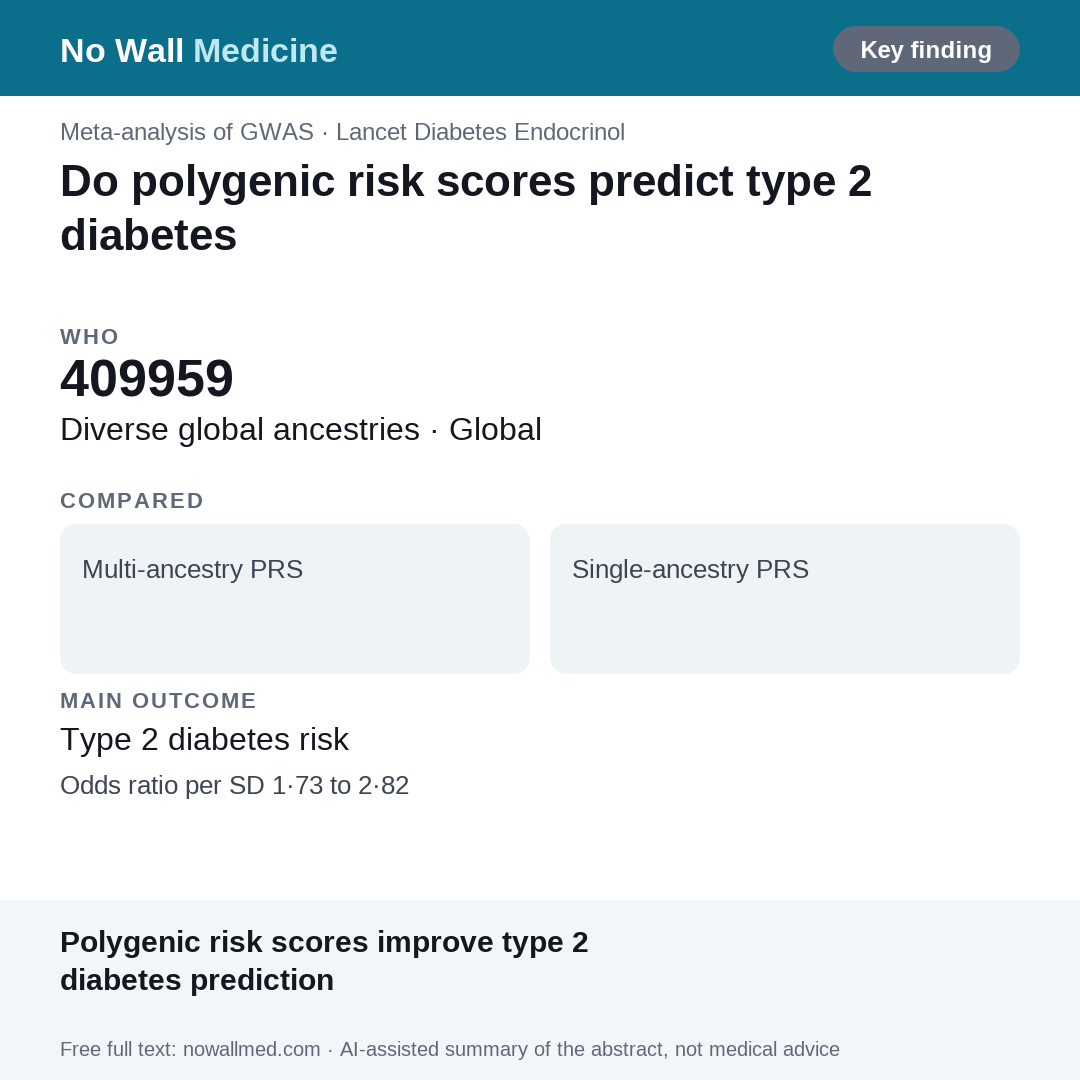
Multi-ancestry polygenic risk scores for the prediction of type 2 diabetes and complications in diverse ancestries
Meta-analysis of GWASBenefit found
Do polygenic risk scores predict type 2 diabetes
Who
409959
Diverse global ancestries · Global
Compared
Multi-ancestry PRS
Single-ancestry PRS
Main outcome
Type 2 diabetes risk
Result: Odds ratio per SD 1·73 to 2·82
Bottom line: Polygenic risk scores improve type 2 diabetes prediction
Limitation: Poor performance in non-European populations
Funded by: National Human Genome Research Institute
Lancet Diabetes Endocrinol · 2026-04-27Download image
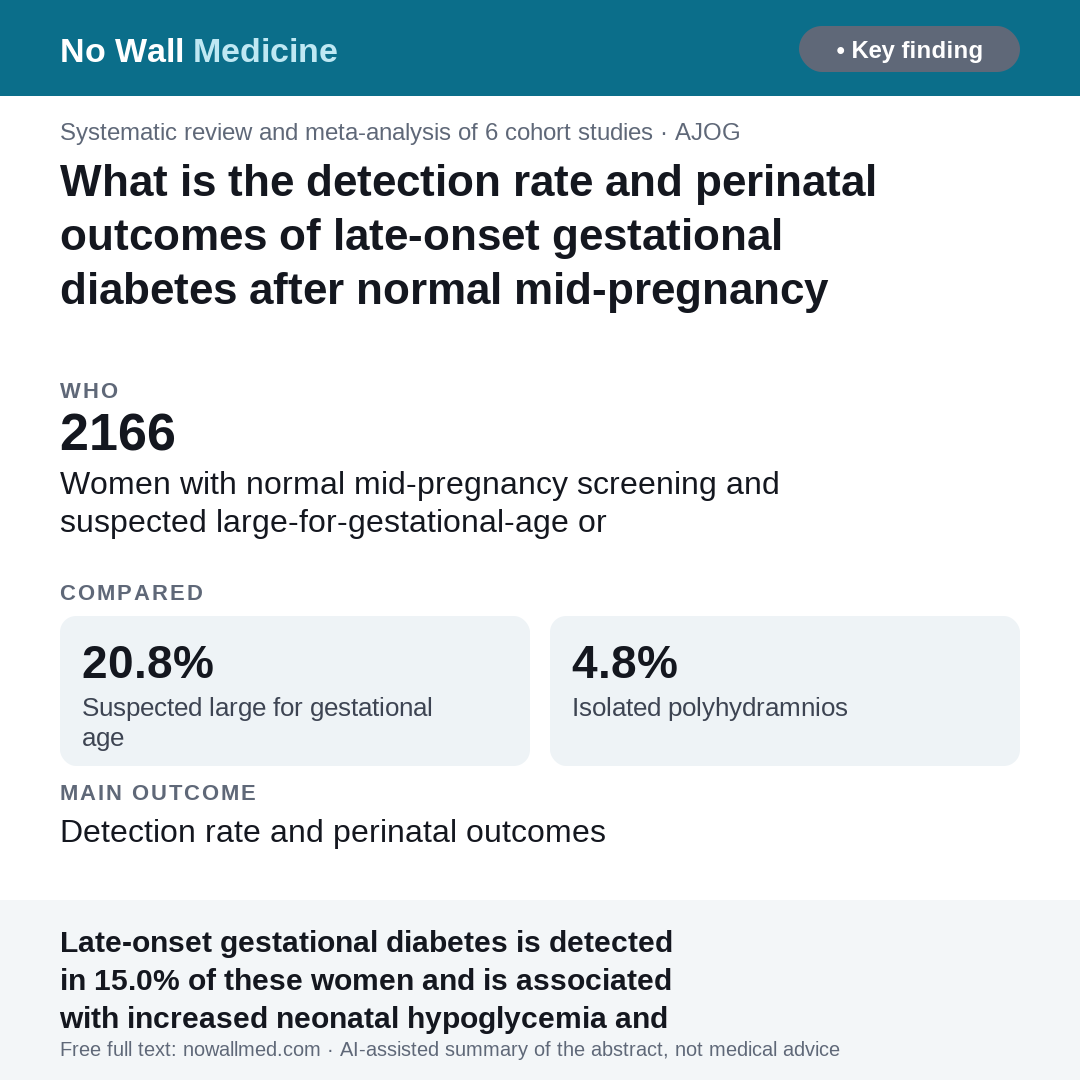
Late-onset diagnosis of gestational diabetes after normal mid-pregnancy screening in women with large for gestational age or polyhydramnios: a systematic review and meta-analysis
Systematic review and meta-analysis of 6 cohort studiesHarm found
What is the detection rate and perinatal outcomes of late-onset gestational diabetes after normal mid-pregnancy screening?
Who
2166
Women with normal mid-pregnancy screening and suspected large-for-gestational-age or polyhydramnios
Compared
20.8%Suspected large for gestational age (95% confidence interval, 17.4%-24.6%)
4.8%Isolated polyhydramnios (95% confidence interval, 2.0%-10.8%)
Main outcome
Detection rate and perinatal outcomes
Result: pooled detection rate 15.0% (95% confidence interval, 9.9%-21.0%)
Bottom line: Late-onset gestational diabetes is detected in 15.0% of these women and is associated with increased neonatal hypoglycemia and cesarean delivery.
AJOG · 2026-04-27Download image
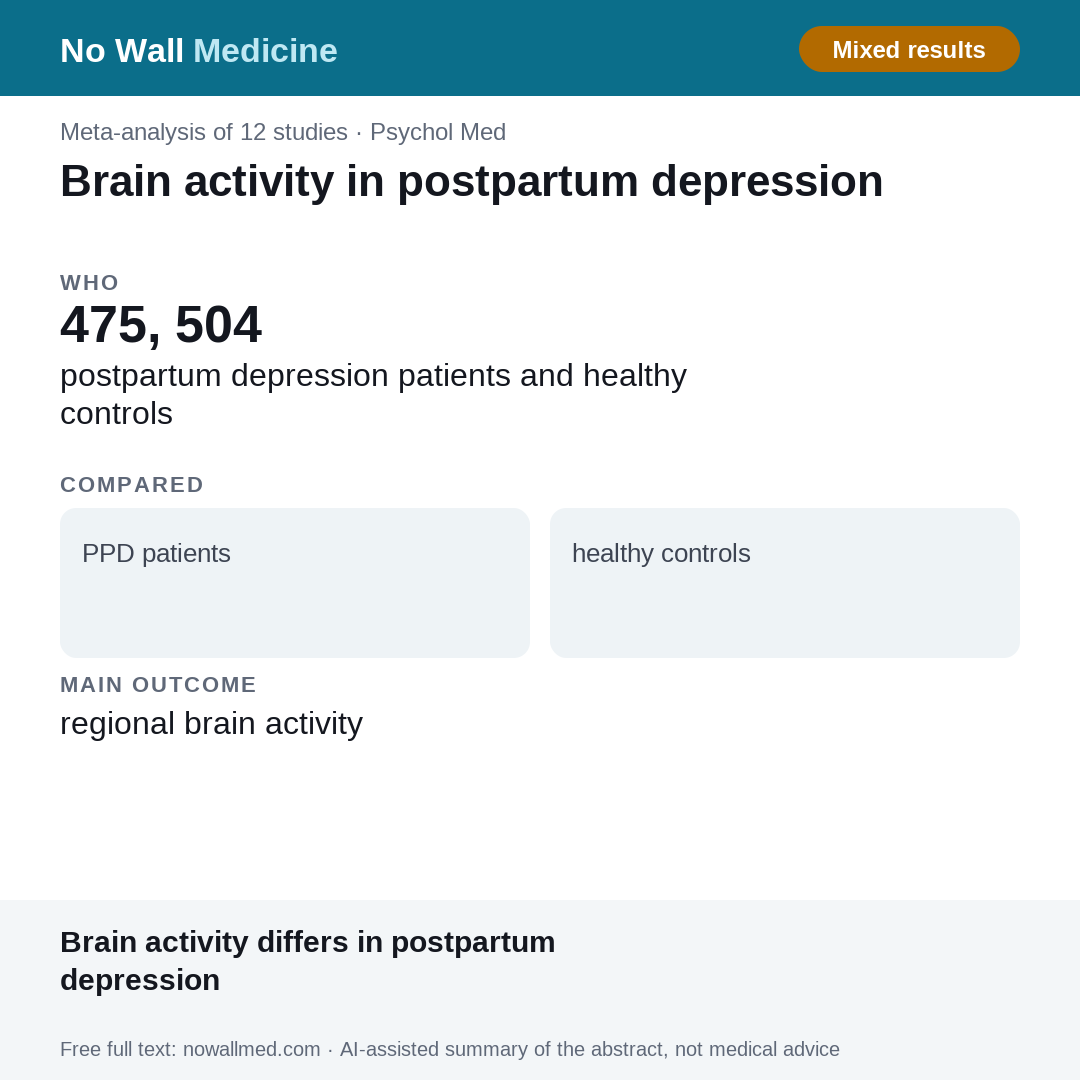
Intrinsic regional brain activity differences and its relationship with neurotransmitter and gene expression in postpartum depression: a voxel-based meta-analysis
Meta-analysis of 12 studiesMixed results
Brain activity in postpartum depression
Who
475, 504
postpartum depression patients and healthy controls
Compared
PPD patients
healthy controls
Main outcome
regional brain activity
Bottom line: Brain activity differs in postpartum depression
Psychol Med · 2026-04-27Download image
Dietary Strategies and Nutritional Management in Patients Receiving GLP-1 and Dual GIP/GLP-1 Receptor Agonists as Adjuncts to Lifestyle Interventions: A Systematic Review of Randomised Clinical Trials
Systematic review of randomized clinical trialsMixed results
What are the nutritional and gastrointestinal effects of GLP-1 and dual GIP/GLP-1 receptor agonists?
Who
7096
Adults receiving GLP-1 or dual GIP/GLP-1 agonists with lifestyle or dietary guidance
Compared
GLP-1 and dual agonists: increased gastrointestinal symptoms such as nausea, diarrhoea, constipation and vomiting
Lean mass: generally preserved, with reductions proportional to overall weight loss
Main outcome
gastrointestinal symptoms, muscle and bone health and nutritional adequacy
Bottom line: These medications frequently cause gastrointestinal discomfort but tend to preserve lean mass during weight loss.
Limitation: Evidence on optimal nutritional approaches remains limited and no study directly assessed bone health.
Diabetes Obes Metab · 2026-04-27Download image

Effects of vitamin D on biochemical markers of osteoporosis: a meta-analysis of randomised trials
Meta-analysis of randomized trialsBenefit found
What are the effects of vitamin D supplements on bone turnover markers?
Who
2695
Participants in trials of vitamin D versus placebo
Compared
Vitamin D
Placebo
Main outcome
Plasma levels of P1NP and CTX
Result: -3.3 % (95 % CI -5.6, -1.0) for P1NP and -3.8 % (95 % CI -6.8, -0.8) for CTX
Bottom line: Vitamin D supplementation was associated with modest reductions in both P1NP and CTX bone turnover markers.
Br J Nutr · 2026-04-27Download image

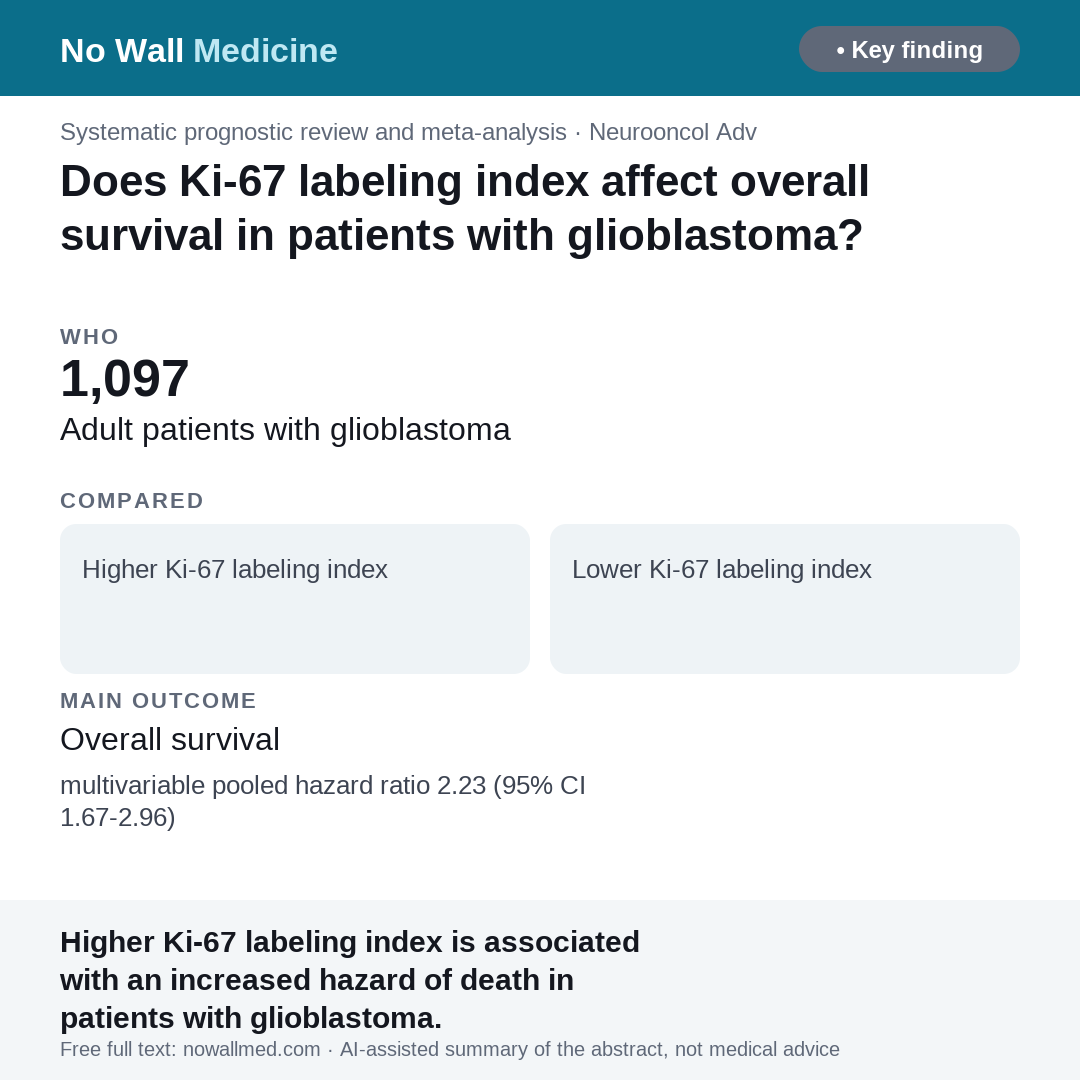
Ki-67 and overall survival in patients with glioblastoma: A systematic prognostic review and meta-analysis
Systematic prognostic review and meta-analysisHarm found
Does Ki-67 labeling index affect overall survival in patients with glioblastoma?
Who
1,097
Adult patients with glioblastoma
Compared
Higher Ki-67 labeling index
Lower Ki-67 labeling index
Main outcome
Overall survival
Result: multivariable pooled hazard ratio 2.23 (95% CI 1.67-2.96)
Bottom line: Higher Ki-67 labeling index is associated with an increased hazard of death in patients with glioblastoma.
Limitation: Concerns for selective study participation and heterogeneous Ki-67 cutoffs.
Neurooncol Adv · 2026-04-27Download image
Long-Term Outcomes of Transcatheter Aortic Valve Replacement in Low-Flow Low-Gradient Aortic Stenosis: A Reconstructed Time-to-Event and Multivariate Meta-Analysis
Reconstructed time-to-event and multivariate meta-analysisHarm found
What are the long-term outcomes of TAVR for different types of severe aortic stenosis?
Who
20493
Patients with high-gradient, classical low-flow low-gradient, or paradoxical low-flow low-gradient aortic stenosis
Compared
High-gradient aortic stenosis
Classical low-flow low-gradient aortic stenosis: hazard ratio 1.92 (95% CI 1.62-2.27)
Paradoxical low-flow low-gradient aortic stenosis: hazard ratio 1.20 (95% CI 1.07-1.34)
Main outcome
5-year all-cause mortality
Result: hazard ratio 1.92 (95% CI 1.62-2.27) for classical and 1.20 (95% CI 1.07-1.34) for paradoxical
Bottom line: Classical and paradoxical low-flow low-gradient aortic stenosis are associated with higher mortality following transcatheter aortic valve replacement.
J Am Heart Assoc · 2026-04-27Download image

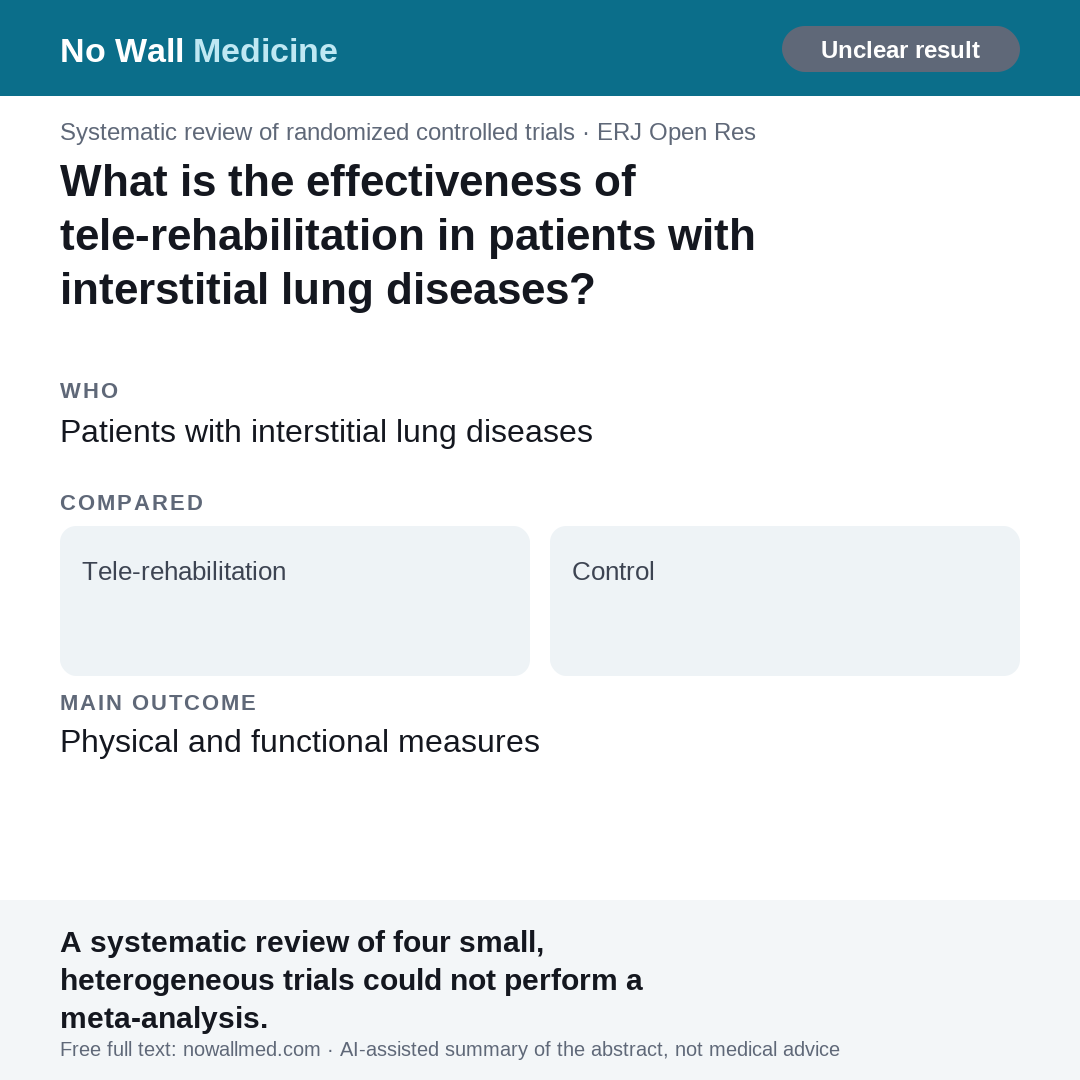
Home-based rehabilitation in interstitial lung disease: picturing the present and drawing the future through a systematic review of the literature
Systematic review of randomized controlled trialsUnclear result
What is the effectiveness of tele-rehabilitation in patients with interstitial lung diseases?
Who
Patients with interstitial lung diseases
Compared
Tele-rehabilitation
Control
Main outcome
Physical and functional measures
Bottom line: A systematic review of four small, heterogeneous trials could not perform a meta-analysis.
ERJ Open Res · 2026-04-27Download image
The past, present and future of control architectures in lower-limb cable-driven robots for gait rehabilitation
Systematic reviewMixed results
What are the control strategies for lower-limb cable-driven rehabilitation robots?
Who
70
Lower-limb cable-driven rehabilitation robots
Compared
Traditional classical control
Personalized adaptive and learning-based methods
Main outcome
Control strategies and their evolution
Bottom line: Control strategies are evolving from traditional classical methods toward personalized, adaptive, and intention-driven frameworks.
J Neuroeng Rehabil · 2026-04-27Download image

Palliative care symptoms of people living with rapidly progressive prion diseases: a systematic review
Systematic reviewMixed results
What are the palliative care symptoms of people living with Creutzfeldt-Jakob disease?
Who
4,434
People living with sporadic, iatrogenic, and acquired Creutzfeldt-Jakob disease
Compared
17.6%Motor impairments
17.6%Coordination, balance and vestibular issues
23.5%Behavioural, psychiatric and emotional symptoms
10.1%Speech and language disorders
Main outcome
Identification and categorization of palliative care symptoms
Bottom line: Creutzfeldt-Jakob disease involves a complex symptom burden, most frequently involving behavioural, psychiatric, motor, and coordination impairments.
Limitation: Limited evidence regarding social or spiritual symptoms, quality of life, or symptom progression.
BMC Palliat Care · 2026-04-27Download image

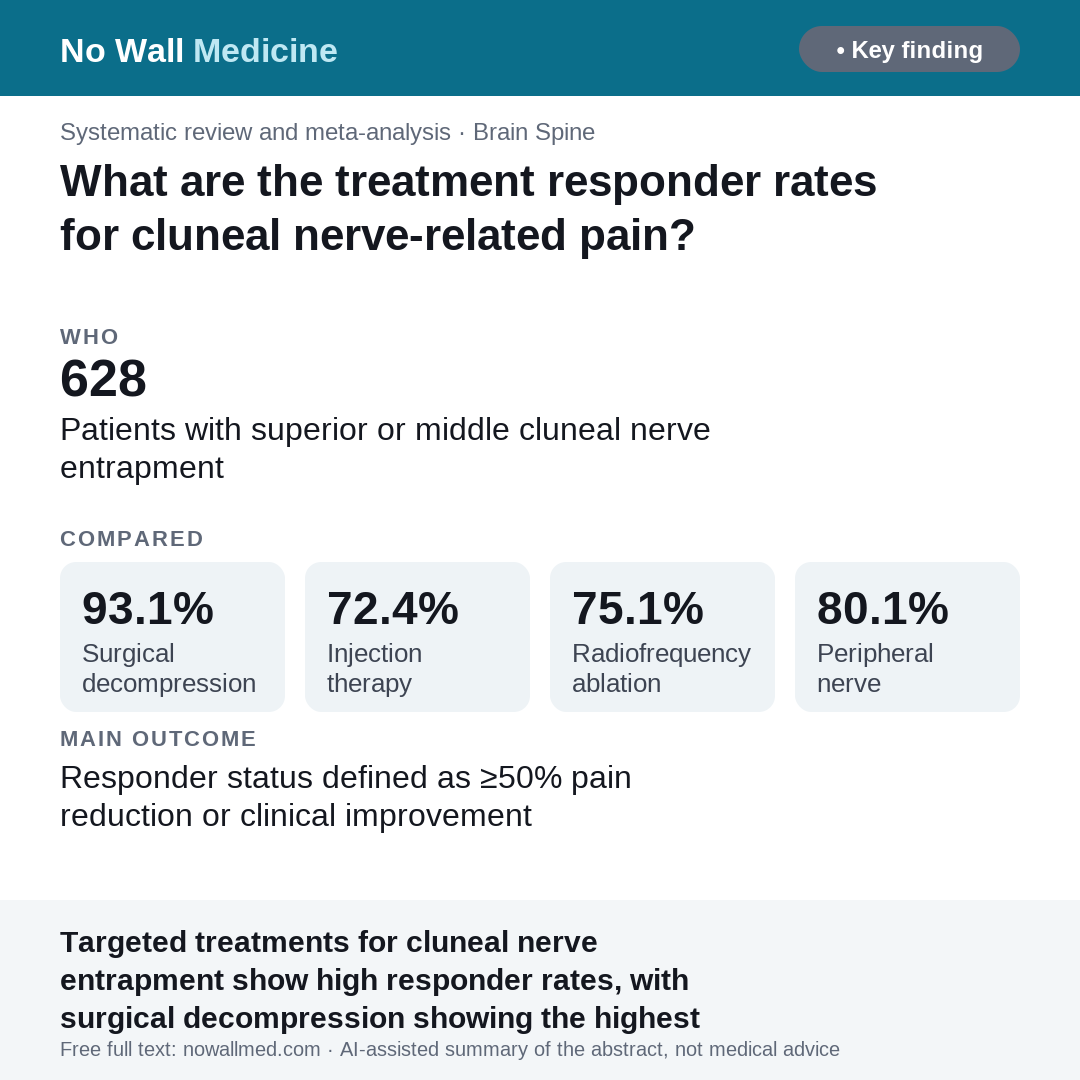
Treatment outcomes for cluneal neuropathy: a systematic review and meta-analysis
Systematic review and meta-analysisBenefit found
What are the treatment responder rates for cluneal nerve-related pain?
Who
628
Patients with superior or middle cluneal nerve entrapment
Compared
93.1%Surgical decompression (95% CI 84.9-97.0)
72.4%Injection therapy (95% CI 65.9-78.1)
75.1%Radiofrequency ablation (95% CI 62.1-84.7)
80.1%Peripheral nerve stimulation (95% CI 58.5-92.0)
Main outcome
Responder status defined as ≥50% pain reduction or clinical improvement
Result: 78.3% (95% CI 72.9-82.9) at ≥3 months
Bottom line: Targeted treatments for cluneal nerve entrapment show high responder rates, with surgical decompression showing the highest proportion.
Limitation: Predominantly observational, non-comparative evidence with heterogeneity in diagnostic criteria and potential confounding by indication.
Brain Spine · 2026-04-27Download image
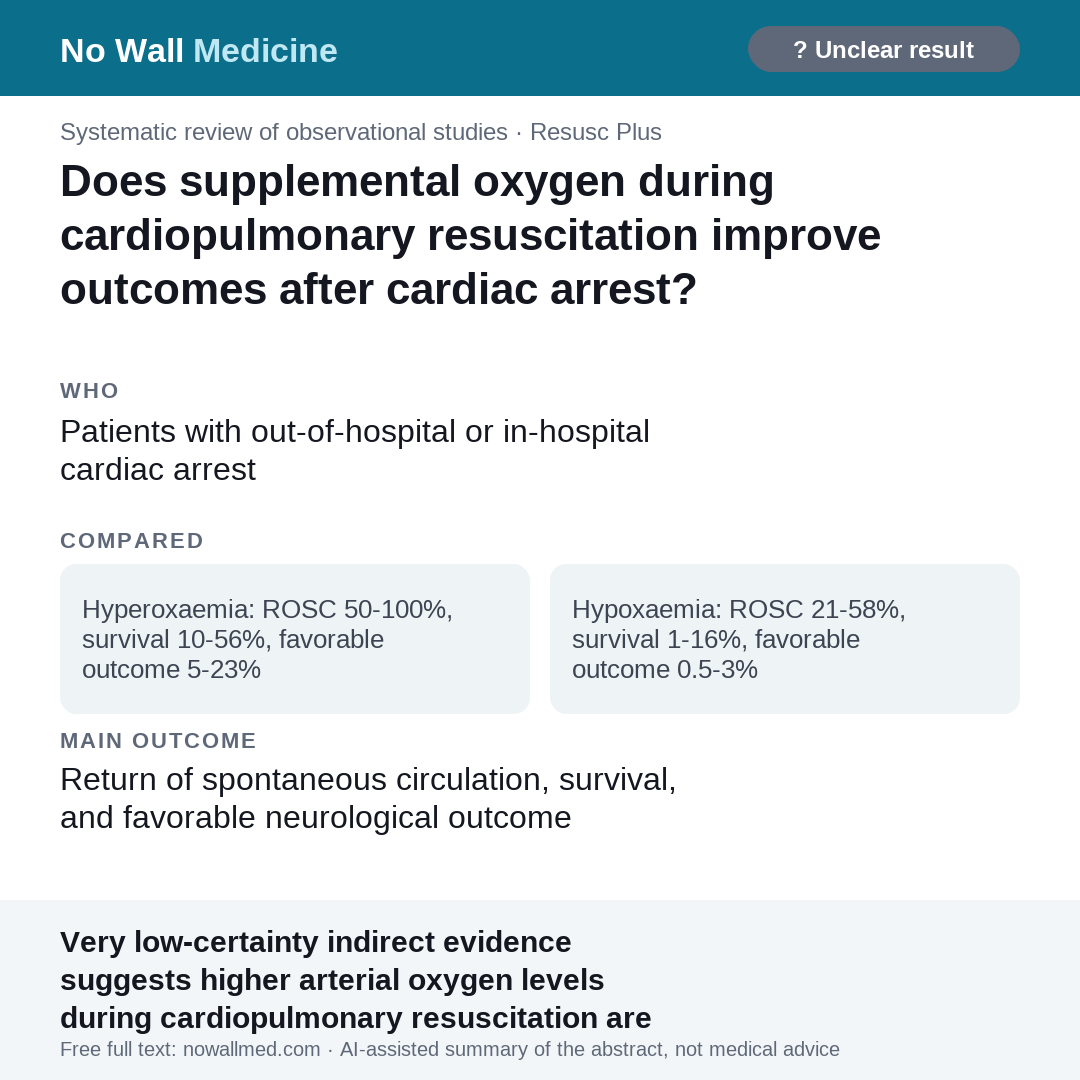
The use of supplemental oxygen during cardiopulmonary resuscitation - a systematic review of the literature
Systematic review of observational studiesUnclear result
Does supplemental oxygen during cardiopulmonary resuscitation improve outcomes after cardiac arrest?
Who
Patients with out-of-hospital or in-hospital cardiac arrest
Compared
Hyperoxaemia: ROSC 50-100%, survival 10-56%, favorable outcome 5-23%
Hypoxaemia: ROSC 21-58%, survival 1-16%, favorable outcome 0.5-3%
Main outcome
Return of spontaneous circulation, survival, and favorable neurological outcome
Bottom line: Very low-certainty indirect evidence suggests higher arterial oxygen levels during cardiopulmonary resuscitation are associated with improved outcomes.
Limitation: All included studies were observational and judged to be at critical risk of bias.
Resusc Plus · 2026-04-27Download image
Global complications among patients with mpox: a systematic review and meta-analysis
Systematic review and meta-analysisMixed results
What is the incidence of complications among patients with mpox?
Who
127,564
Patients with laboratory-confirmed mpox of all ages · Global
Compared
Non-severe mpox: hospitalization occurred in 4.4%
Severe mpox: All-cause mortality, abscess, sepsis, tonsillitis, keratitis, and mechanical ventilation occurred in 2.5%-5.5%
Main outcome
Incidence of complications among patients with mpox
Bottom line: Non-severe mpox has low complication rates, while severe disease carries substantial risks of life-threatening complications and death.
Limitation: low certainty evidence for hospitalization rates
Funded by: World Health Organization
eClinicalMedicine · 2026-04-25Download image

The effects of metformin and exercise training on cardiorespiratory, blood pressure, and metabolic adaptations across the spectrum of glucose dysregulation: a systematic review and meta-analysis
Systematic review and meta-analysisHarm found
Does adding metformin to exercise affect cardiorespiratory, blood pressure, and metabolic adaptations?
Who
827
Adults with conditions across the spectrum of glucose dysregulation
Compared
Exercise plus metformin
Exercise alone
Main outcome
Peak oxygen uptake, body composition, blood pressure, glycaemic markers, and lipids
Result: mean difference -1.19 (95% CI -2.33 to -0.04) for VO2peak
Bottom line: Adding metformin to exercise may modestly attenuate improvements in cardiorespiratory fitness and blood pressure.
Limitation: Certainty of evidence was low to very low for most glycaemic and lipid markers.
eClinicalMedicine · 2026-04-25Download image

Multi-Factorial and Multi-Component Fall Prevention Interventions Initiated From the Emergency Department: A Systemic Review and Meta-Analysis
Systematic review and meta-analysisNo clear difference
Are emergency department based fall prevention interventions effective for older patients?
Who
Older patients aged 60 years or older · Emergency department and outpatient settings
Compared
Interventions
Control
Main outcome
Risk of falls and recurrent healthcare use
Result: risk difference 0.05 95% CI [0.00; 0.09] at 3 months
Bottom line: Emergency department based fall prevention interventions did not decrease falls or recurrent healthcare use in older adults.
Limitation: Comparisons are limited by heterogeneity in intervention types, compliance, and timing of outcomes.
Acad Emerg Med · 2026-04-25Download image

Passive digital health technologies for Alzheimer's disease screening and diagnosis: a systematic review
Systematic reviewBenefit found
Can passive digital health technologies screen and diagnose Alzheimer's disease and related dementias?
Who
Individuals for Alzheimer's disease and related dementias screening or diagnosis · Six major databases
Compared
Passive digital health technologies: median accuracy, sensitivity, specificity, and precision between 80-90%
F1-score and AUC: medians approaching 78%
Main outcome
Accuracy, sensitivity, specificity, precision, F1-score, and area under the curve
Bottom line: Passive digital health technologies show promise as low-burden triage tools for population-level Alzheimer's disease and related dementias screening.
NPJ Digit Med · 2026-04-25Download image

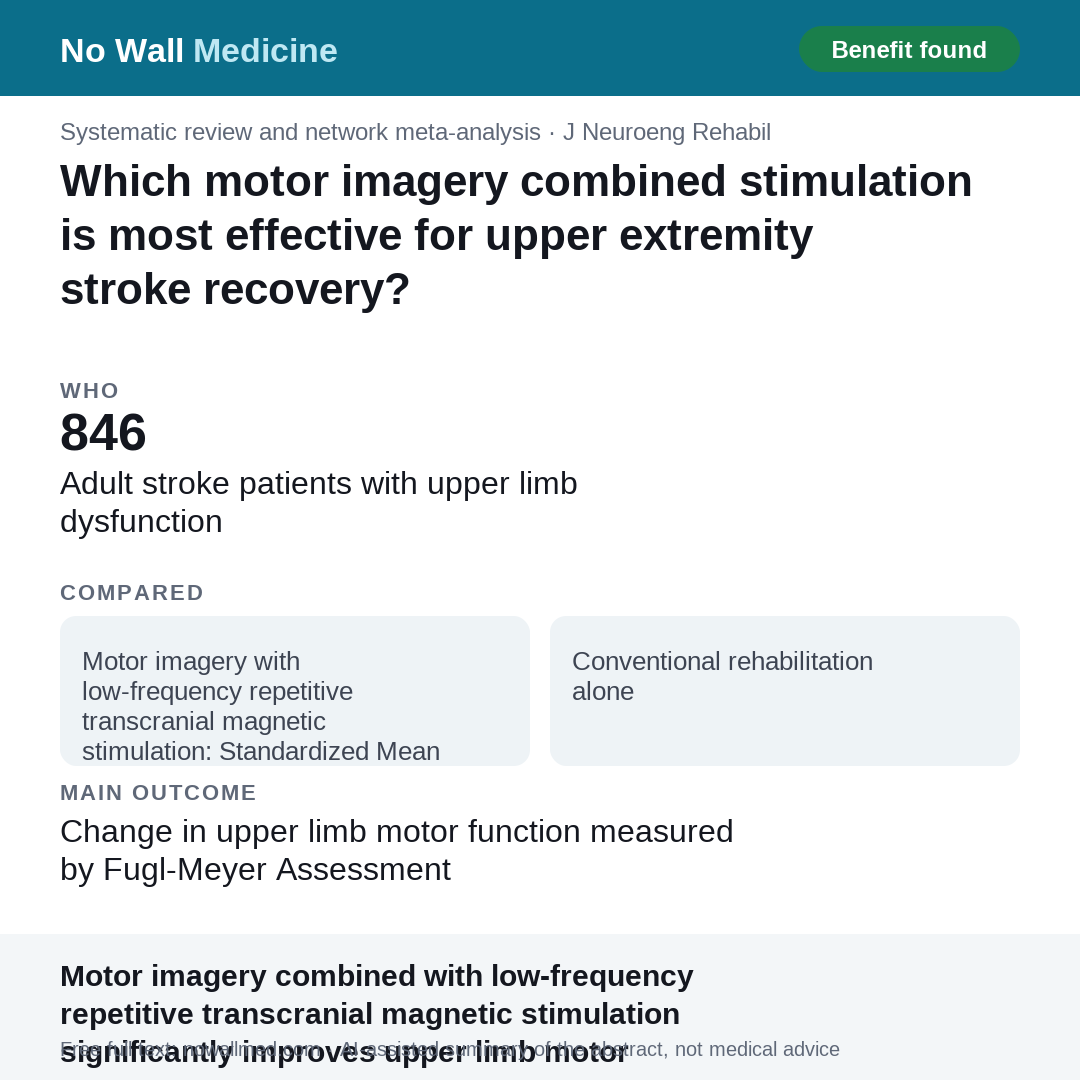
Comparative efficacy of motor imagery augmented with central non-invasive brain stimulation versus peripheral electrical stimulation for upper extremity rehabilitation post-stroke: a systematic review and network meta-analysis
Systematic review and network meta-analysisBenefit found
Which motor imagery combined stimulation is most effective for upper extremity stroke recovery?
Who
846
Adult stroke patients with upper limb dysfunction
Compared
Motor imagery with low-frequency repetitive transcranial magnetic stimulation: Standardized Mean Difference 1.755
Conventional rehabilitation alone
Main outcome
Change in upper limb motor function measured by Fugl-Meyer Assessment
Result: Standardized Mean Difference 1.755 (95% CI 0.631 to 2.879)
Bottom line: Motor imagery combined with low-frequency repetitive transcranial magnetic stimulation significantly improves upper limb motor function compared to conventional rehabilitation.
Limitation: Heterogeneity was influenced by brain-computer interface use, publication year, and patient mean age.
J Neuroeng Rehabil · 2026-04-25Download image
Editor's Choice - Global Temporal Trends in the Incidence of Major Lower Limb Amputations: A Systematic Review and Meta-analysis
Systematic review and meta-analysisMixed results
What are the global temporal trends in the incidence of major lower limb amputations?
Who
General population and people with diabetes · Global
Compared
All cause major amputations: average annual percentage change -3.44%
Diabetes related major amputations: average annual percentage change -7.13
Main outcome
Incidence of major lower limb amputations
Result: average annual percentage change -3.44% (95% CI -5.17 to -1.67) and -7.13 (95% CI -8.60 to -5.64)
Bottom line: Major amputation incidence is falling globally but rising in low and middle income countries.
Eur J Vasc Endovasc Surg · 2026-04-24Download image

The effectiveness of hormonal treatment to improve reproductive outcomes in normogonadotropic men with abnormal semen parameters: results of 2 linked systematic reviews
Two linked systematic reviewsMixed results
Does hormonal treatment improve reproductive outcomes in normogonadotropic men with abnormal semen parameters?
Who
735
Normogonadotropic men with abnormal semen parameters
Compared
Follicle-stimulating hormone: sperm count mean difference 11.0 (95% CI, 7.2-14.8)
Placebo or no treatment
Main outcome
Semen quality and pregnancy
Result: mean difference 11.0 (95% CI, 7.2-14.8)
Bottom line: Follicle-stimulating hormone may modestly improve sperm count, concentration, and motility, but pregnancy benefits remain uncertain.
Limitation: Expected benefits are modest and short-term, with uncertain translation to pregnancy or live birth.
J Clin Endocrinol Metab · 2026-04-24Download image