Visual abstracts
New randomized trials and meta-analyses from leading journals at a glance: who was studied, what was compared, and what was found. Every paper is free to read in full.
All specialtiesCardiology 4763Oncology 4042Gastroenterology & Hepatology 1902Infectious Disease 3756Neurology 1872Psychiatry & Mental Health 2214Pulmonology 2042Critical Care 1319Endocrinology & Diabetes 2544Pediatrics 2889Surgery 2479Orthopedics & Sports Medicine 917Neurosurgery 525Cardiothoracic & Vascular Surgery 656Plastic & Reconstructive Surgery 574Nephrology 1107Rheumatology 810Hematology 1090Dermatology 611Ophthalmology 532Obstetrics & Gynecology 1645Public & Global Health 1037Radiology & Imaging 617Anesthesiology 957Urology 745ENT (Otolaryngology) 494Emergency Medicine 481Allergy & Immunology 309Geriatrics 972Family Medicine & Primary Care 533Medical Genetics & Genomics 659Pathology & Laboratory Medicine 156Physical Medicine & Rehabilitation 734Palliative Care 421Nutrition 1560Digital Health & AI 2133General Medicine 318
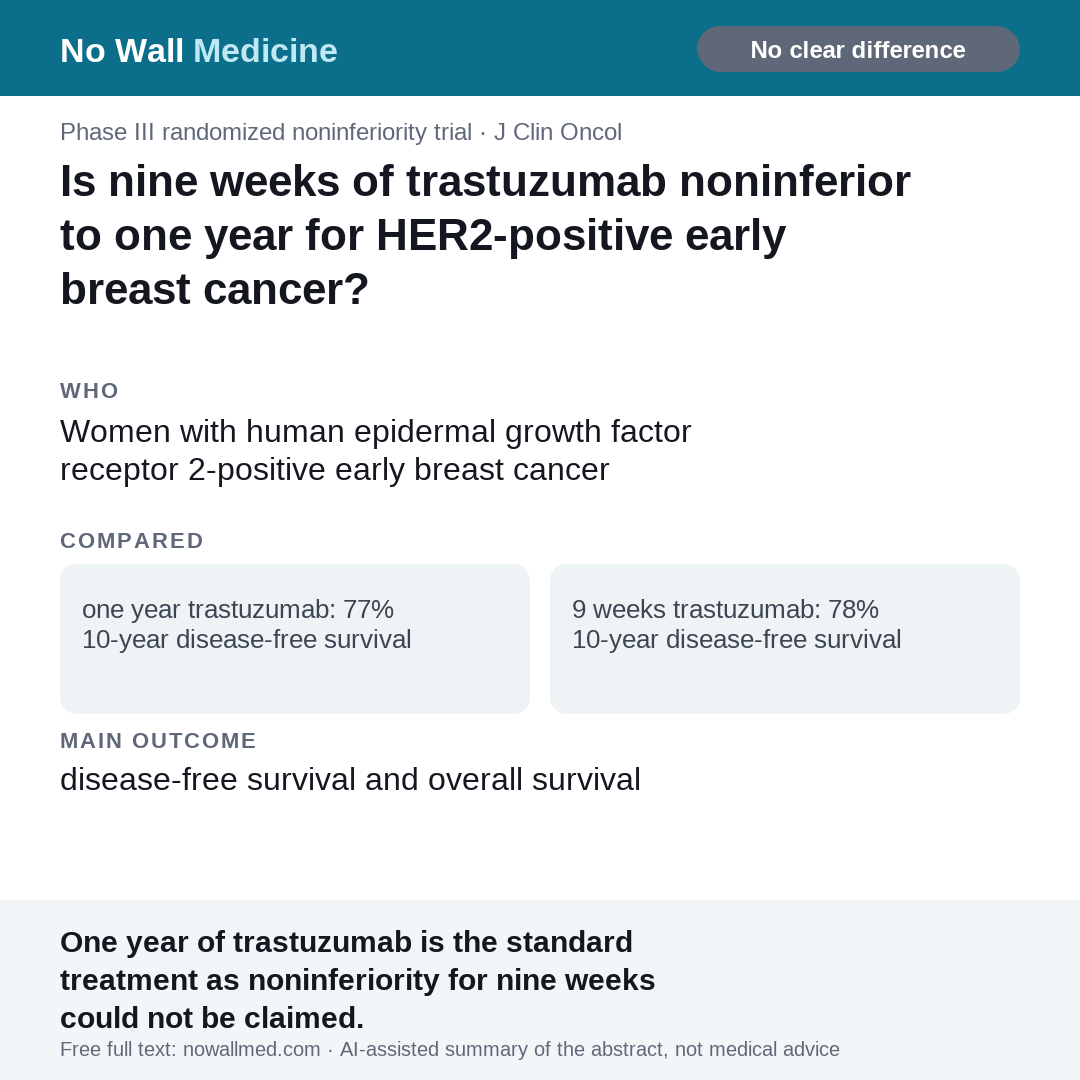
Nine-Week Versus One-Year Trastuzumab for Early Human Epidermal Growth Factor Receptor 2-Positive Breast Cancer: 10-Year Update of the ShortHER Phase III Randomized Trial
Phase III randomized noninferiority trialNo clear difference
Is nine weeks of trastuzumab noninferior to one year for HER2-positive early breast cancer?
Who
Women with human epidermal growth factor receptor 2-positive early breast cancer
Compared
one year trastuzumab: 77% 10-year disease-free survival
9 weeks trastuzumab: 78% 10-year disease-free survival
Main outcome
disease-free survival and overall survival
Bottom line: One year of trastuzumab is the standard treatment as noninferiority for nine weeks could not be claimed.
J Clin Oncol · 2023-09-25Download image
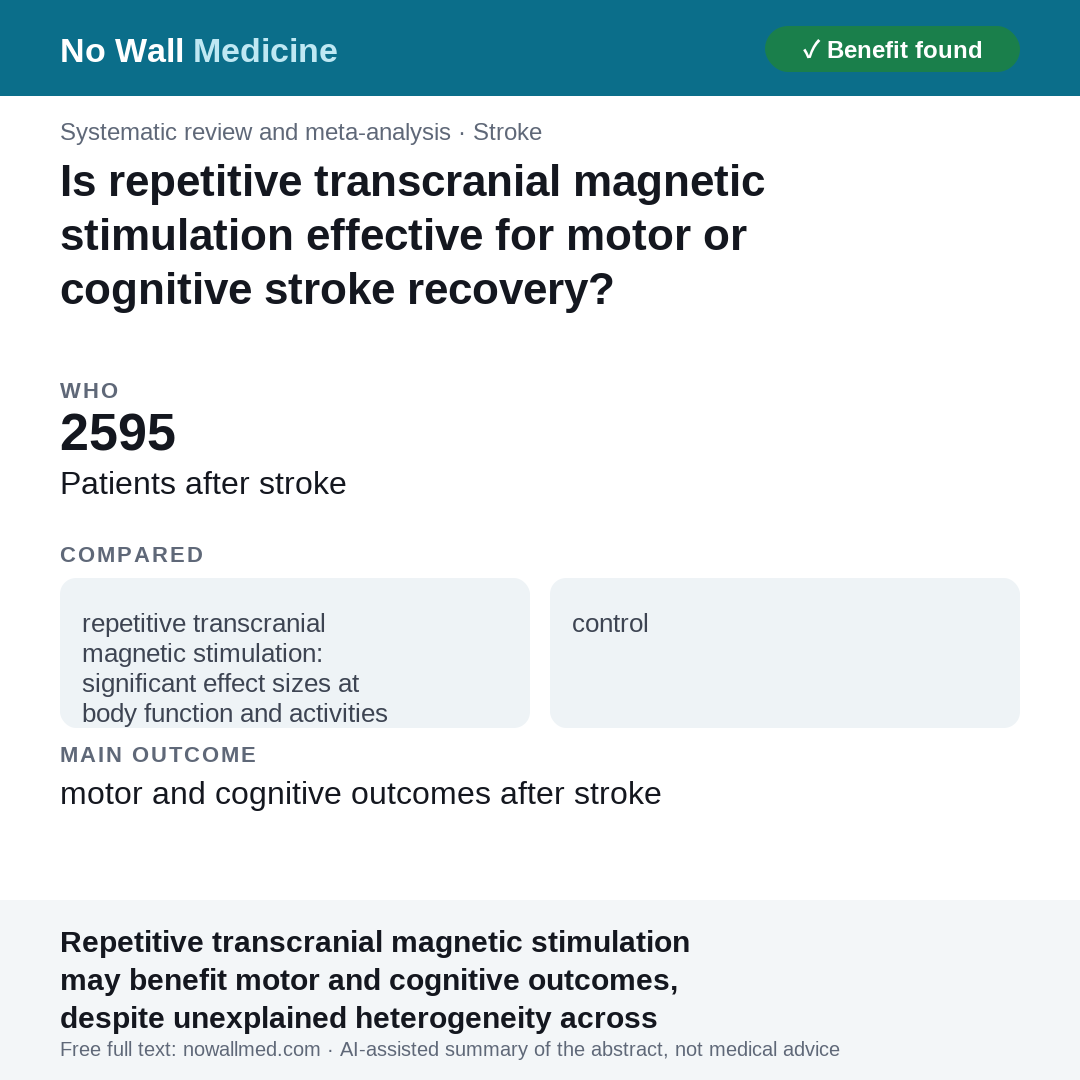
Evidence of rTMS for Motor or Cognitive Stroke Recovery: Hype or Hope?
Systematic review and meta-analysisBenefit found
Is repetitive transcranial magnetic stimulation effective for motor or cognitive stroke recovery?
Who
2595
Patients after stroke
Compared
repetitive transcranial magnetic stimulation: significant effect sizes at body function and activities
control
Main outcome
motor and cognitive outcomes after stroke
Bottom line: Repetitive transcranial magnetic stimulation may benefit motor and cognitive outcomes, despite unexplained heterogeneity across small trials.
Limitation: unexplained heterogeneity across many small sampled trials
Stroke · 2023-09-25Download image
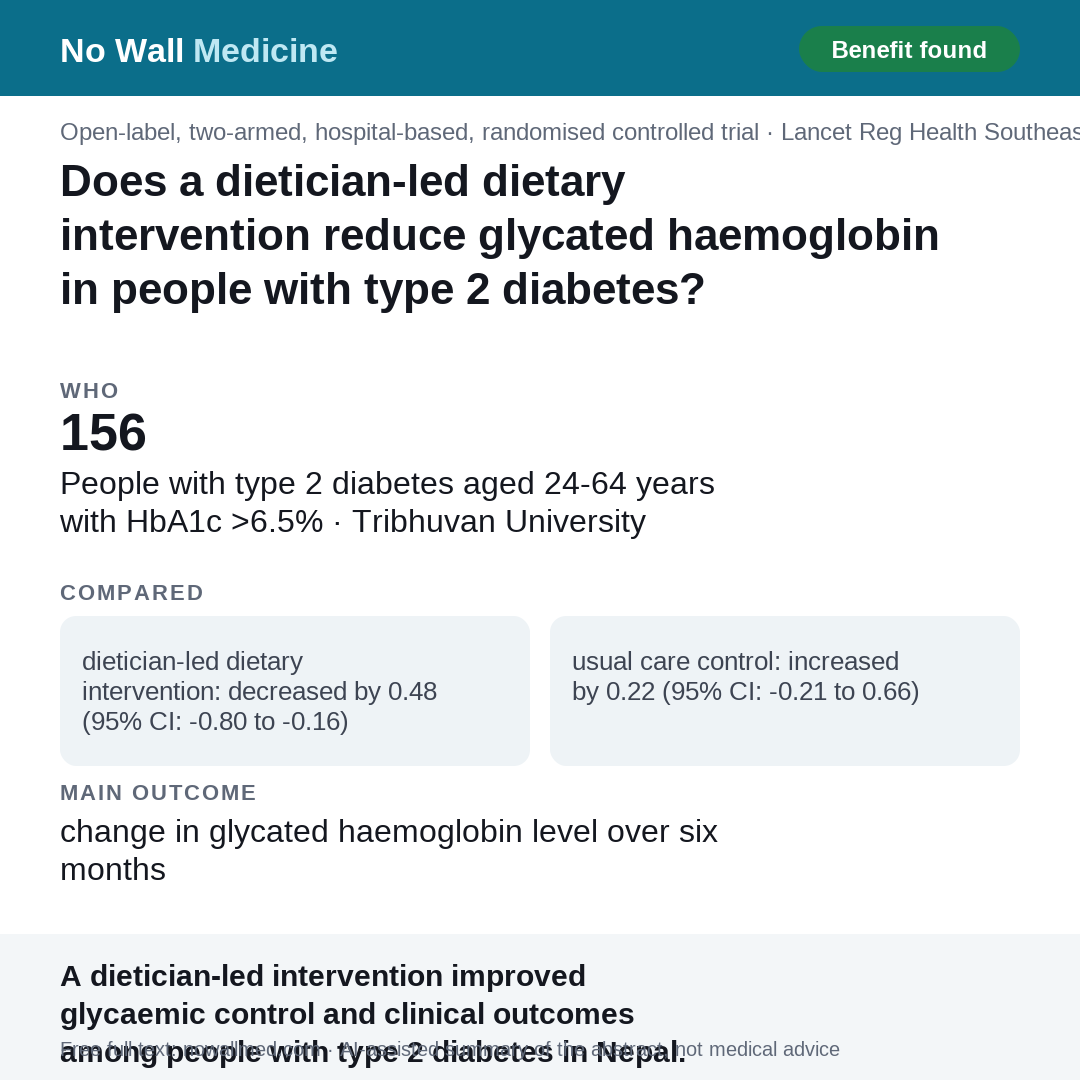
Effectiveness of a dietician-led intervention in reducing glycated haemoglobin among people with type 2 diabetes in Nepal: a single centre, open-label, randomised controlled trial
Open-label, two-armed, hospital-based, randomised controlled trialBenefit found
Does a dietician-led dietary intervention reduce glycated haemoglobin in people with type 2 diabetes?
Who
156
People with type 2 diabetes aged 24-64 years with HbA1c >6.5% · Tribhuvan University Teaching Hospital, Kathmandu, Nepal
Compared
dietician-led dietary intervention: decreased by 0.48 (95% CI: -0.80 to -0.16)
usual care control: increased by 0.22 (95% CI: -0.21 to 0.66)
Main outcome
change in glycated haemoglobin level over six months
Result: 0.61 (95% CI: -1.04 to -0.17; p = 0.006)
Bottom line: A dietician-led intervention improved glycaemic control and clinical outcomes among people with type 2 diabetes in Nepal.
Funded by: University Grants Commission (UGC), Nepal
Lancet Reg Health Southeast Asia · 2023-09-25Download image
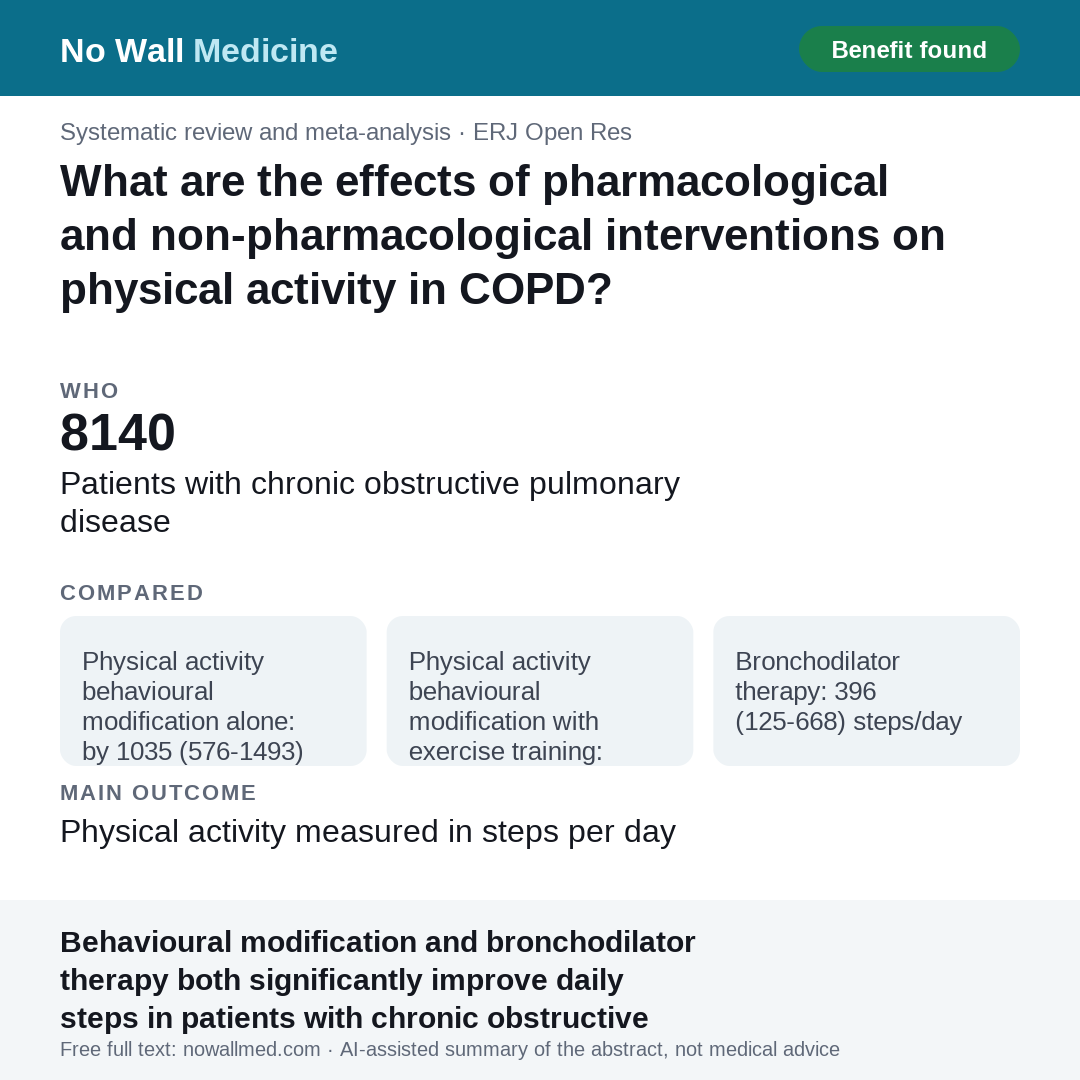
Effects of pharmacological and non-pharmacological interventions on physical activity outcomes in COPD: a systematic review and meta-analysis
Systematic review and meta-analysisBenefit found
What are the effects of pharmacological and non-pharmacological interventions on physical activity in COPD?
Who
8140
Patients with chronic obstructive pulmonary disease
Compared
Physical activity behavioural modification alone: by 1035 (576-1493) steps/day
Physical activity behavioural modification with exercise training: by 679 (93-1266) steps/day
Bronchodilator therapy: 396 (125-668) steps/day
Main outcome
Physical activity measured in steps per day
Bottom line: Behavioural modification and bronchodilator therapy both significantly improve daily steps in patients with chronic obstructive pulmonary disease.
ERJ Open Res · 2023-09-25Download image
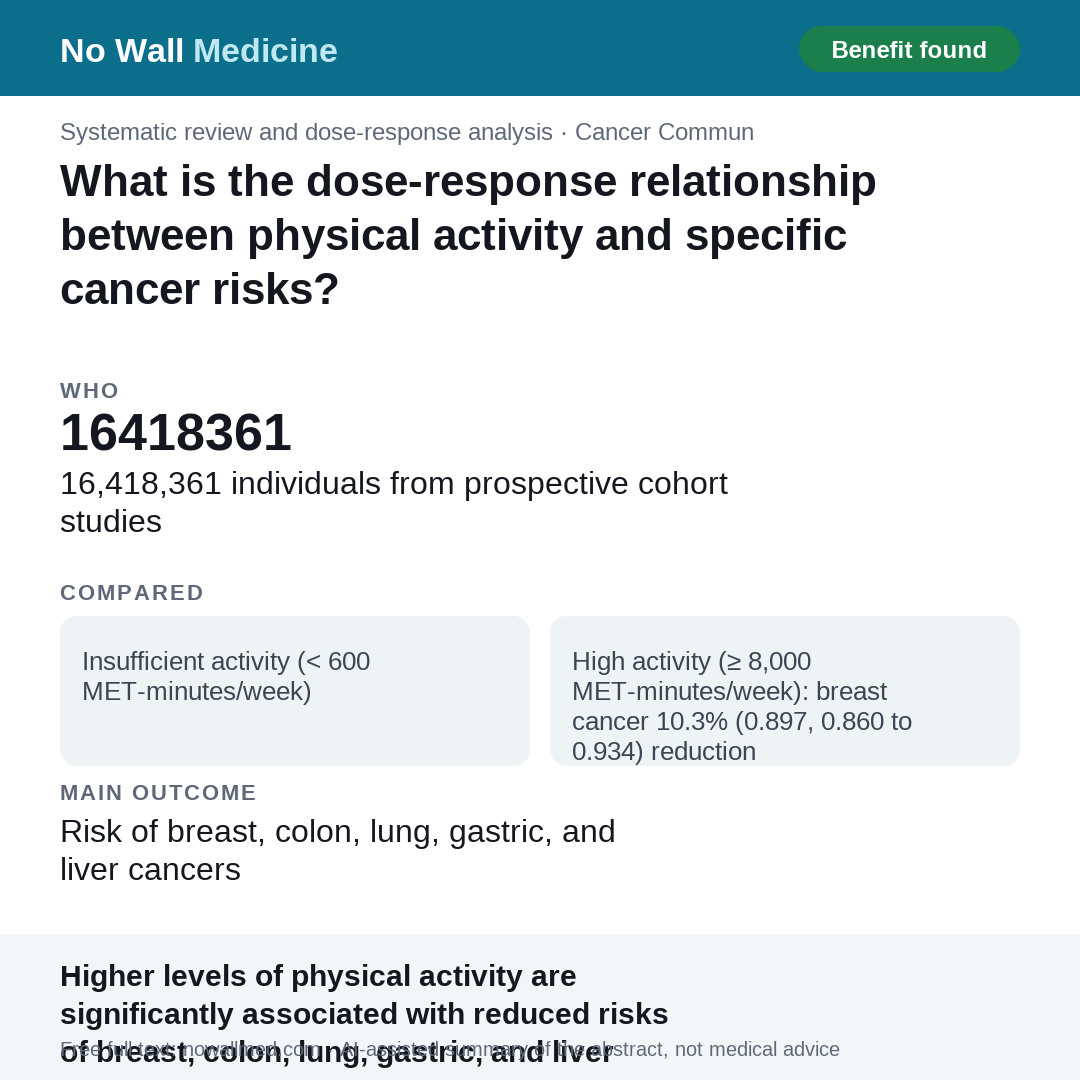
Physical activity and cancer risk: a dose-response analysis for the Global Burden of Disease Study 2019
Systematic review and dose-response analysisKey finding
What is the dose-response relationship between physical activity and specific cancer risks?
Who
16418361
16,418,361 individuals from prospective cohort studies
Compared
Insufficient activity (< 600 MET-minutes/week)
High activity (≥ 8,000 MET-minutes/week): breast cancer 10.3% (0.897, 0.860 to 0.934) reduction
Main outcome
Risk of breast, colon, lung, gastric, and liver cancers
Result: lung cancer risk reduction 14.7% (relative risk 0.853, uncertainty interval 0.798 to 0.912)
Bottom line: Higher levels of physical activity are significantly associated with reduced risks of breast, colon, lung, gastric, and liver cancers.
Cancer Commun · 2023-09-24Download image
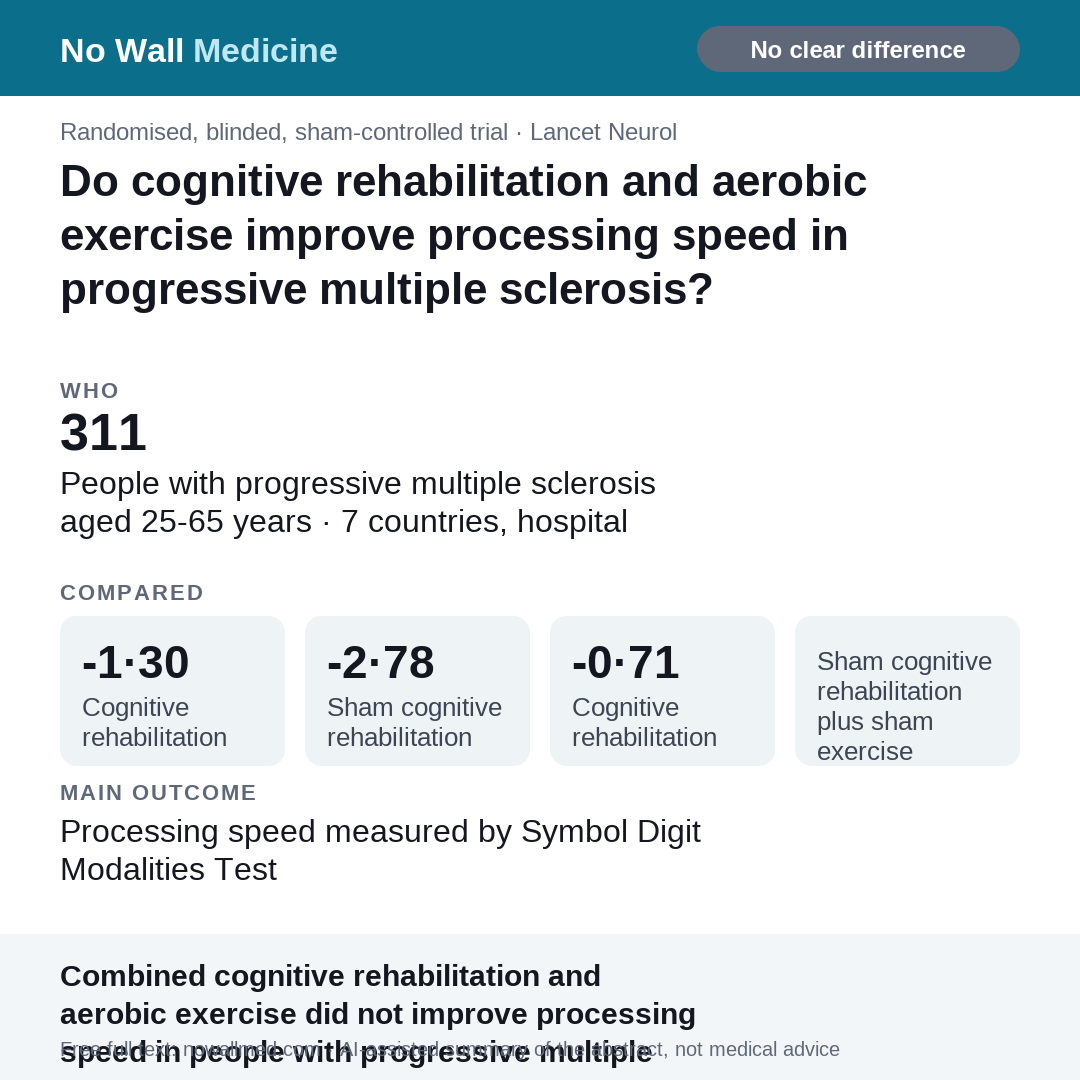
Cognitive rehabilitation and aerobic exercise for cognitive impairment in people with progressive multiple sclerosis (CogEx): a randomised, blinded, sham-controlled trial
Randomised, blinded, sham-controlled trialNo clear difference
Do cognitive rehabilitation and aerobic exercise improve processing speed in progressive multiple sclerosis?
Who
311
People with progressive multiple sclerosis aged 25-65 years · 7 countries, hospital clinics, universities, and rehabilitation centres
Compared
-1·30Cognitive rehabilitation plus exercise (95% CI -3·75 to 1·16)
-2·78Sham cognitive rehabilitation plus exercise (-5·23 to -0·33)
-0·71Cognitive rehabilitation plus sham exercise (-3·11 to 1·70)
Sham cognitive rehabilitation plus sham exercise
Main outcome
Processing speed measured by Symbol Digit Modalities Test
Result: p=0·85
Bottom line: Combined cognitive rehabilitation and aerobic exercise did not improve processing speed in people with progressive multiple sclerosis.
Limitation: Sham interventions were not inactive.
Funded by: MS Canada
Lancet Neurol · 2023-09-23Download image
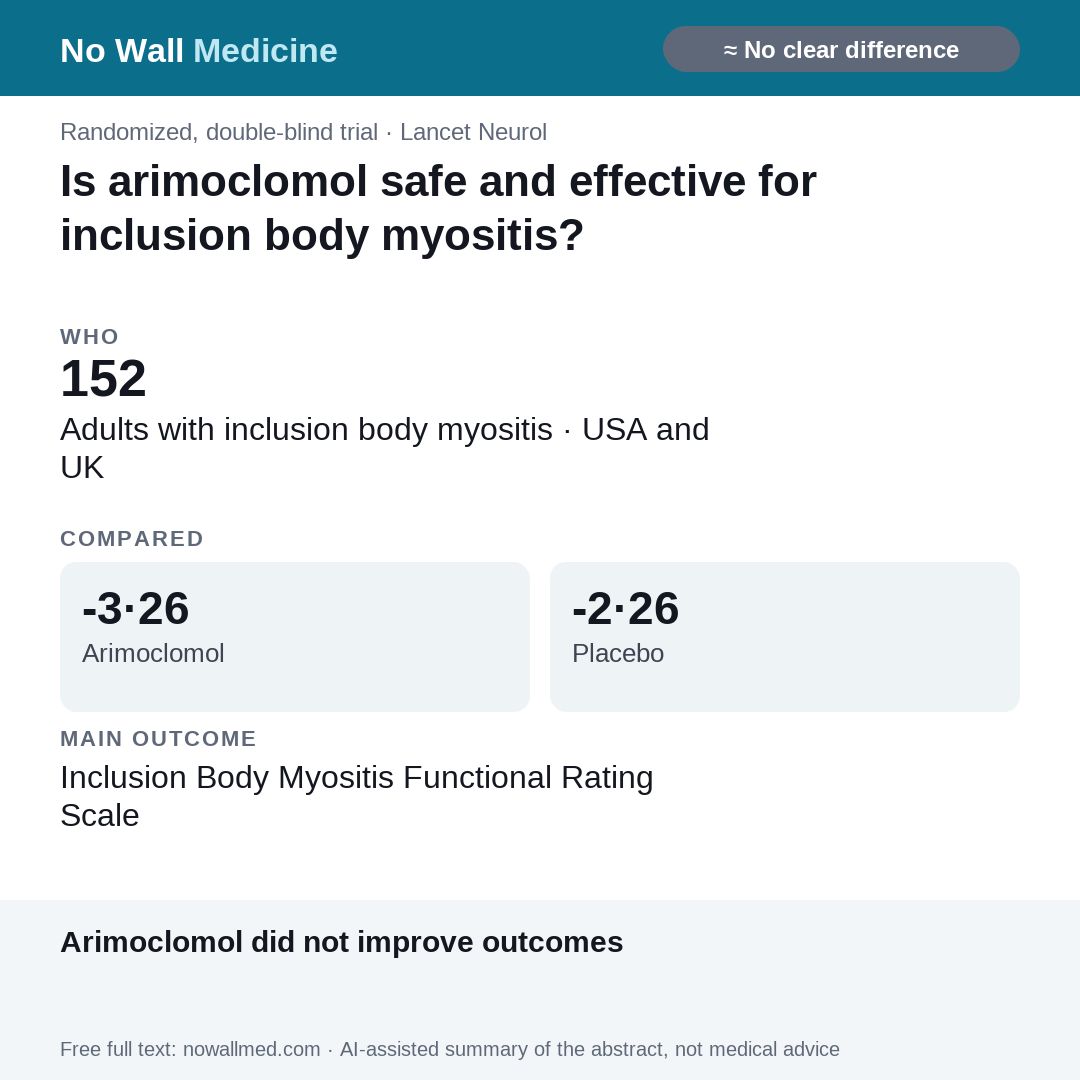
Safety and efficacy of arimoclomol for inclusion body myositis: a multicentre, randomised, double-blind, placebo-controlled trial
Randomized, double-blind trialNo clear difference
Is arimoclomol safe and effective for inclusion body myositis?
Who
152
Adults with inclusion body myositis · USA and UK
Compared
-3·26Arimoclomol
-2·26Placebo
Main outcome
Inclusion Body Myositis Functional Rating Scale
Result: mean difference -0·99 (95% CI -2·23 to 0·24)
Bottom line: Arimoclomol did not improve outcomes
Funded by: US Food and Drug Administration and Orphazyme
Lancet Neurol · 2023-09-23Download image
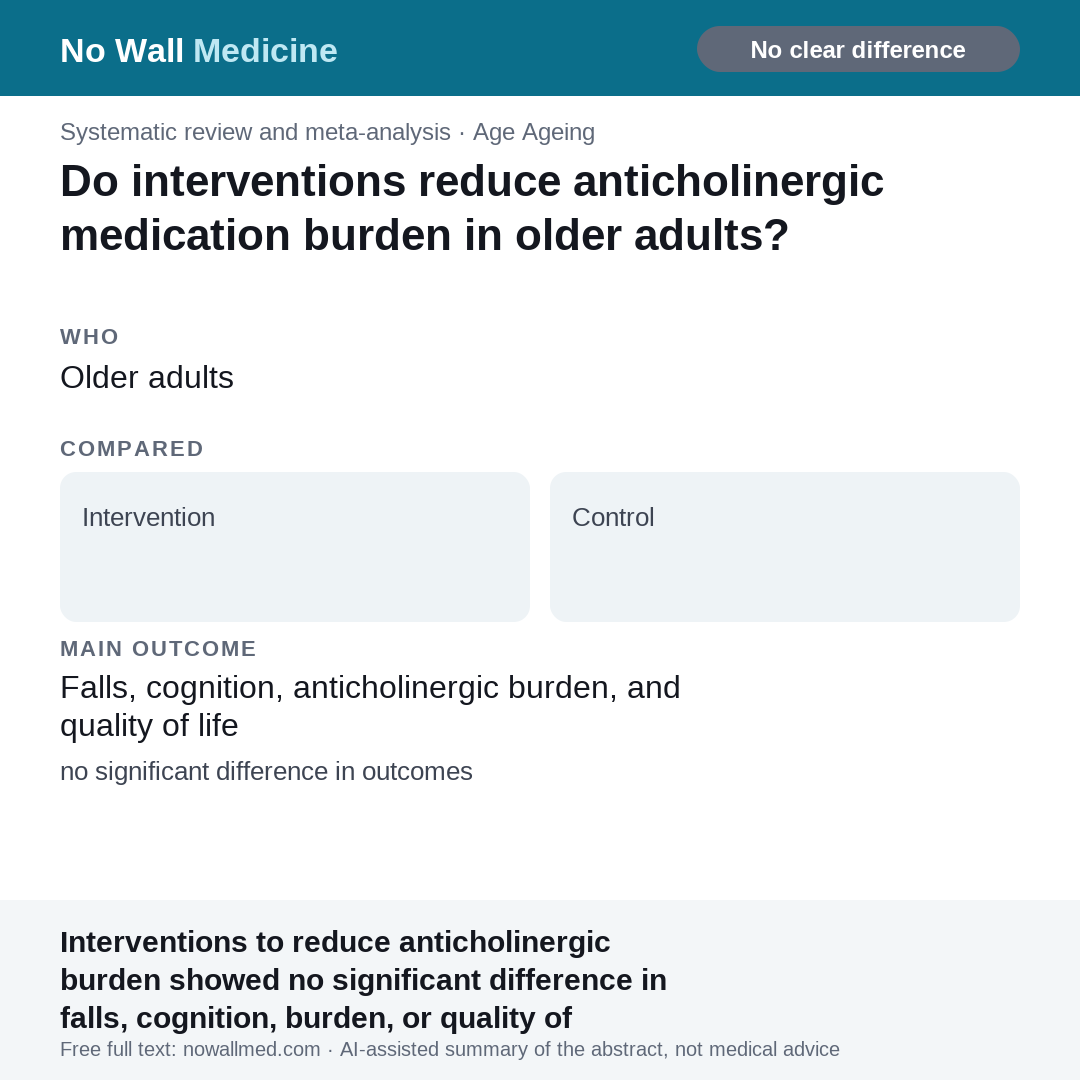
Interventions for reducing anticholinergic medication burden in older adults-a systematic review and meta-analysis
Systematic review and meta-analysisNo clear difference
Do interventions reduce anticholinergic medication burden in older adults?
Who
Older adults
Compared
Intervention
Control
Main outcome
Falls, cognition, anticholinergic burden, and quality of life
Result: no significant difference in outcomes
Bottom line: Interventions to reduce anticholinergic burden showed no significant difference in falls, cognition, burden, or quality of life.
Age Ageing · 2023-09-23Download image
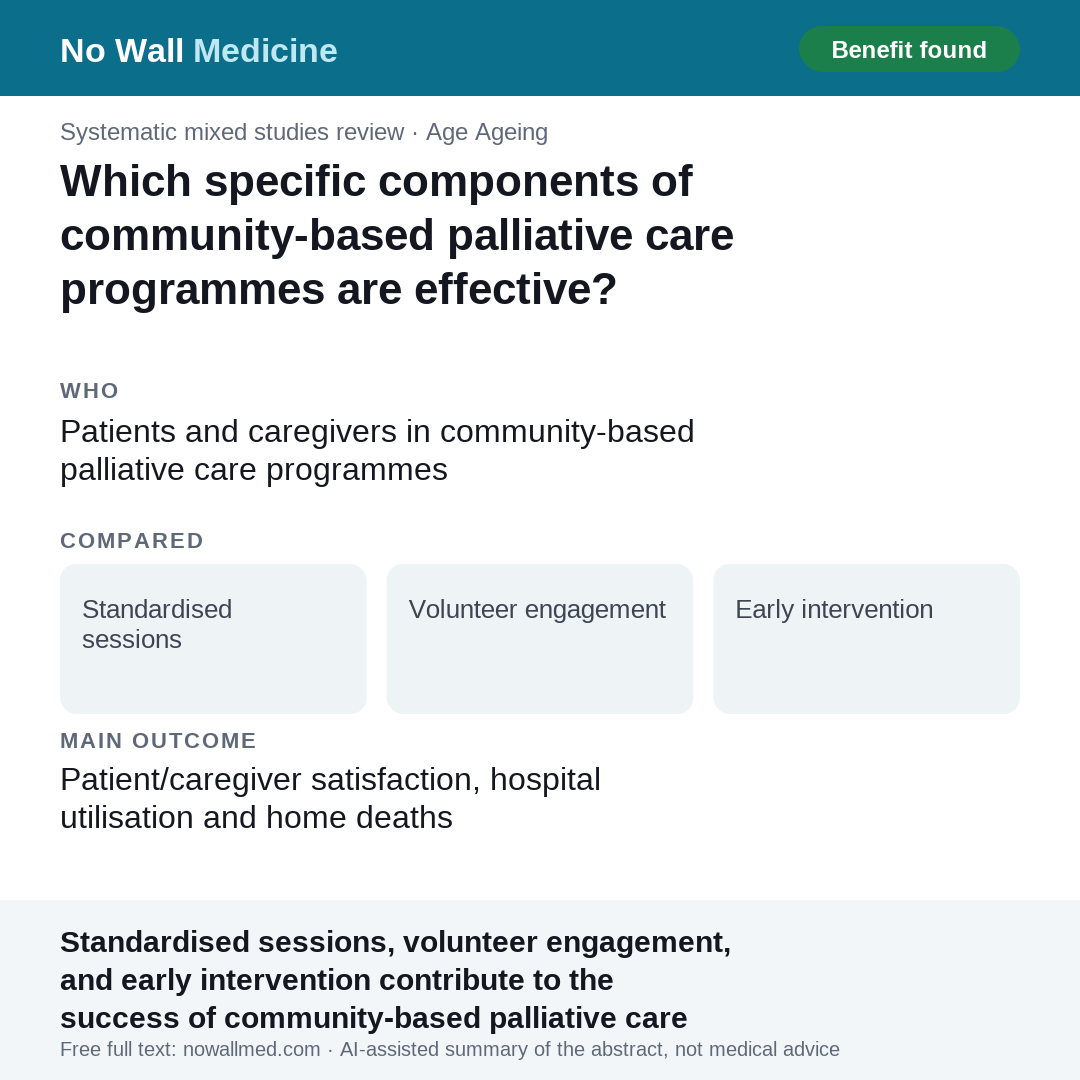
The effectiveness of community-based palliative care programme components: a systematic review
Systematic mixed studies reviewBenefit found
Which specific components of community-based palliative care programmes are effective?
Who
Patients and caregivers in community-based palliative care programmes
Compared
Standardised sessions
Volunteer engagement
Early intervention
Main outcome
Patient/caregiver satisfaction, hospital utilisation and home deaths
Bottom line: Standardised sessions, volunteer engagement, and early intervention contribute to the success of community-based palliative care programmes.
Limitation: More research is needed on the cost-effectiveness of individual programme components.
Age Ageing · 2023-09-23Download image
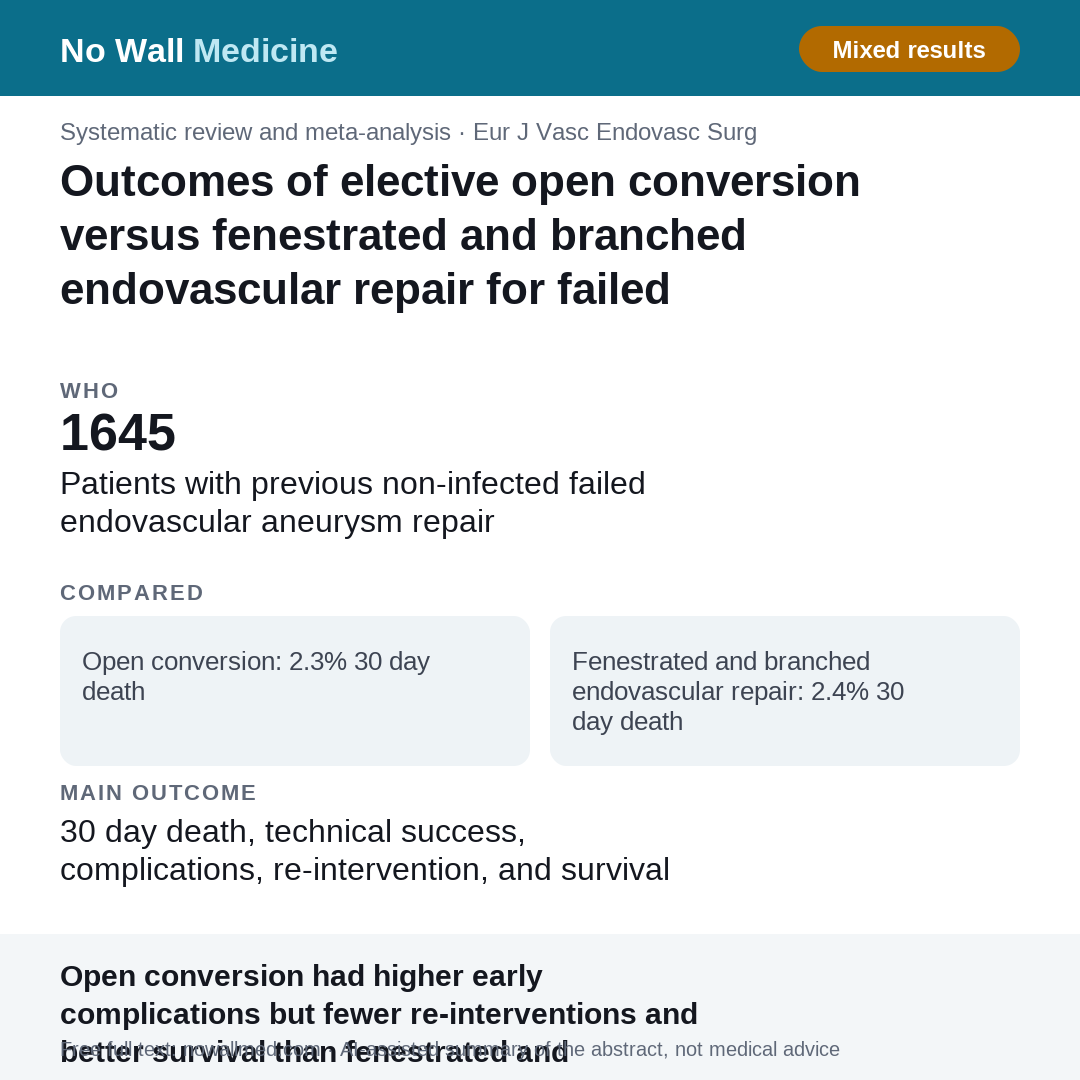
Systematic Review and Meta-Analysis of Elective Open Conversion versus Fenestrated and Branched Endovascular Repair for Previous Non-Infected Failed Endovascular Aneurysm Repair
Systematic review and meta-analysisMixed results
Outcomes of elective open conversion versus fenestrated and branched endovascular repair for failed endovascular aneurysm repair
Who
1645
Patients with previous non-infected failed endovascular aneurysm repair
Compared
Open conversion: 2.3% 30 day death
Fenestrated and branched endovascular repair: 2.4% 30 day death
Main outcome
30 day death, technical success, complications, re-intervention, and survival
Bottom line: Open conversion had higher early complications but fewer re-interventions and better survival than fenestrated and branched endovascular repair.
Limitation: The quality of evidence was generally limited and certainty was low or very low.
Eur J Vasc Endovasc Surg · 2023-09-23Download image
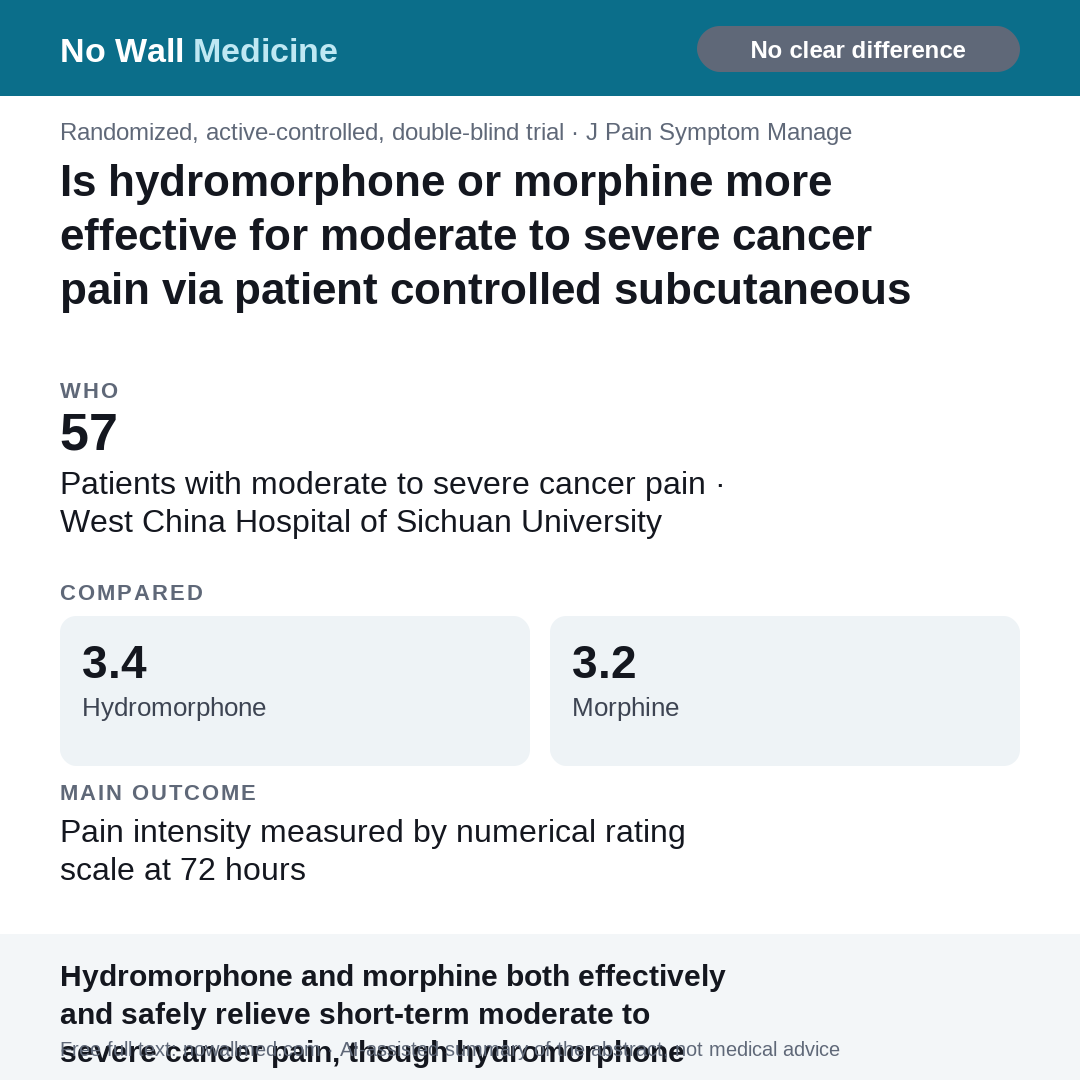
Patient Controlled Subcutaneous Analgesia of Hydromorphone Versus Morphine to Treat Moderate and Severe Cancer Pain: A Randomized Double-Blind Controlled Trial
Randomized, active-controlled, double-blind trialNo clear difference
Is hydromorphone or morphine more effective for moderate to severe cancer pain via patient controlled subcutaneous analgesia?
Who
57
Patients with moderate to severe cancer pain · West China Hospital of Sichuan University
Compared
3.4Hydromorphone (1.8)
3.2Morphine (1.5)
Main outcome
Pain intensity measured by numerical rating scale at 72 hours
Bottom line: Hydromorphone and morphine both effectively and safely relieve short-term moderate to severe cancer pain, though hydromorphone acts more quickly.
J Pain Symptom Manage · 2023-09-23Download image
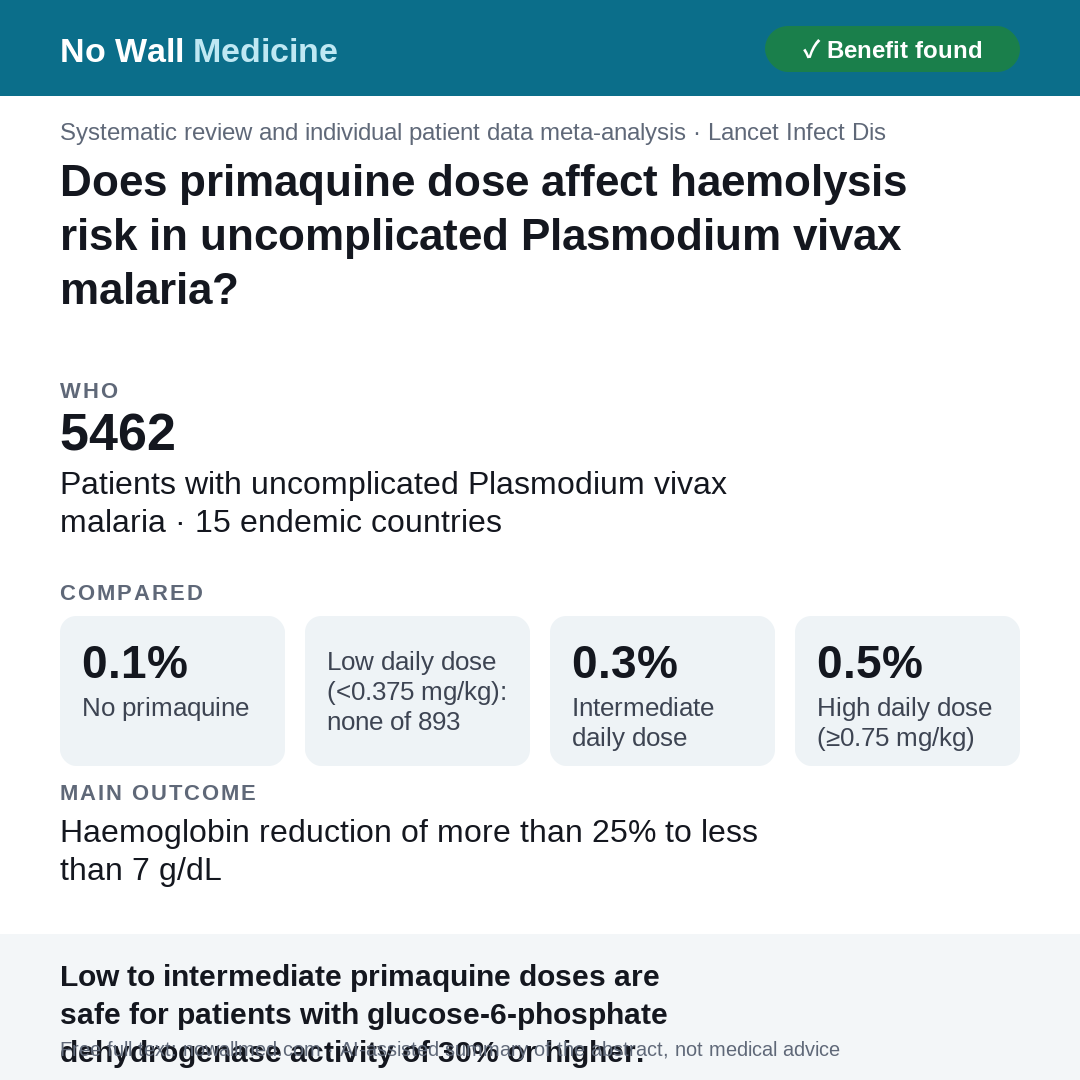
Diet Quality and Risk of SARS-CoV-2 Infection or COVID-19: A Systematic Review of Observational Studies
Systematic review of observational studiesKey finding
Does diet quality associate with risk of SARS-CoV-2 infection or COVID-19?
Who
Adult populations
Compared
Mediterranean diet: decreased risk of SARS-CoV-2 infection
Dietary Approaches to Stop Hypertension diet: OR: 0.19
Healthy plant-based diet: HR: 0.91
Main outcome
Risk of SARS-CoV-2 infection or COVID-19
Bottom line: Nutritious diets might lower the risk of SARS-CoV-2 infection or COVID-19 according to observational studies.
Limitation: Only observational studies were included
Adv Nutr · 2023-09-23Download image
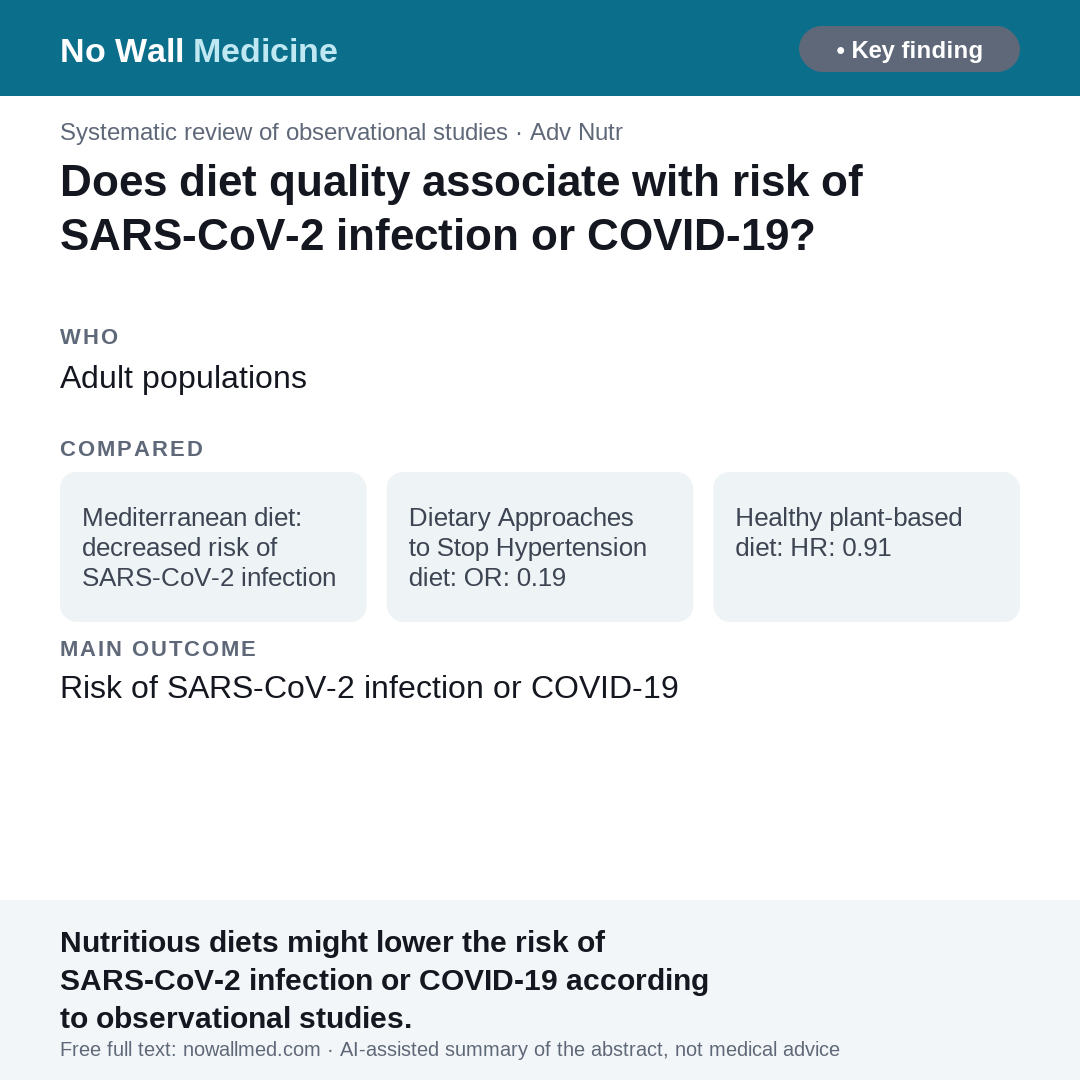
Factors influencing the outcome of volumetry tools for pulmonary nodule analysis: a systematic review and attempted meta-analysis
Systematic review and meta-analysisUnclear result
factors influencing volumetry tools
Who
patients with pulmonary nodules
Compared
volumetry with factors
volumetry without factors
Main outcome
clinical significance of volumetry
Bottom line: many factors influence volumetry tools
Limitation: heterogeneity among studies
Insights Imaging · 2023-09-23Download image
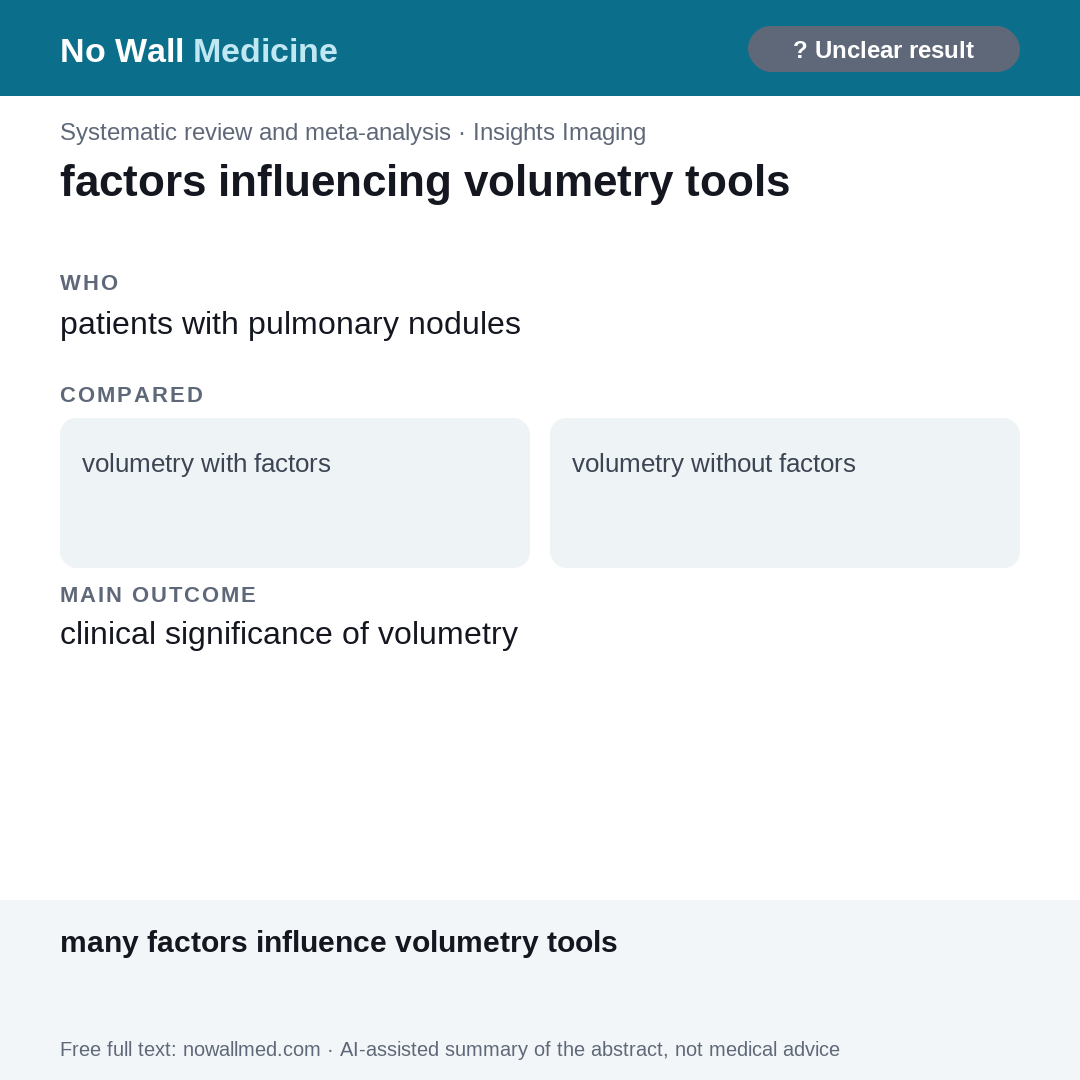
Single-plane versus real-time biplane approaches for ultrasound-guided central venous catheterization in critical care patients: a randomized controlled trial
Randomized controlled trialBenefit found
Does real-time biplane ultrasound improve success and safety of central venous catheterization?
Who
256
Critical care patients requiring central venous catheterization
Compared
74.7%Single-plane ultrasound
91.6%Biplane ultrasound
Main outcome
First-puncture success rate
Result: relative risk 1.226 (95% CI 1.069-1.405)
Bottom line: Real-time biplane imaging improves first-puncture success and reduces complications compared to single-plane ultrasound.
Crit Care · 2023-09-23Download image
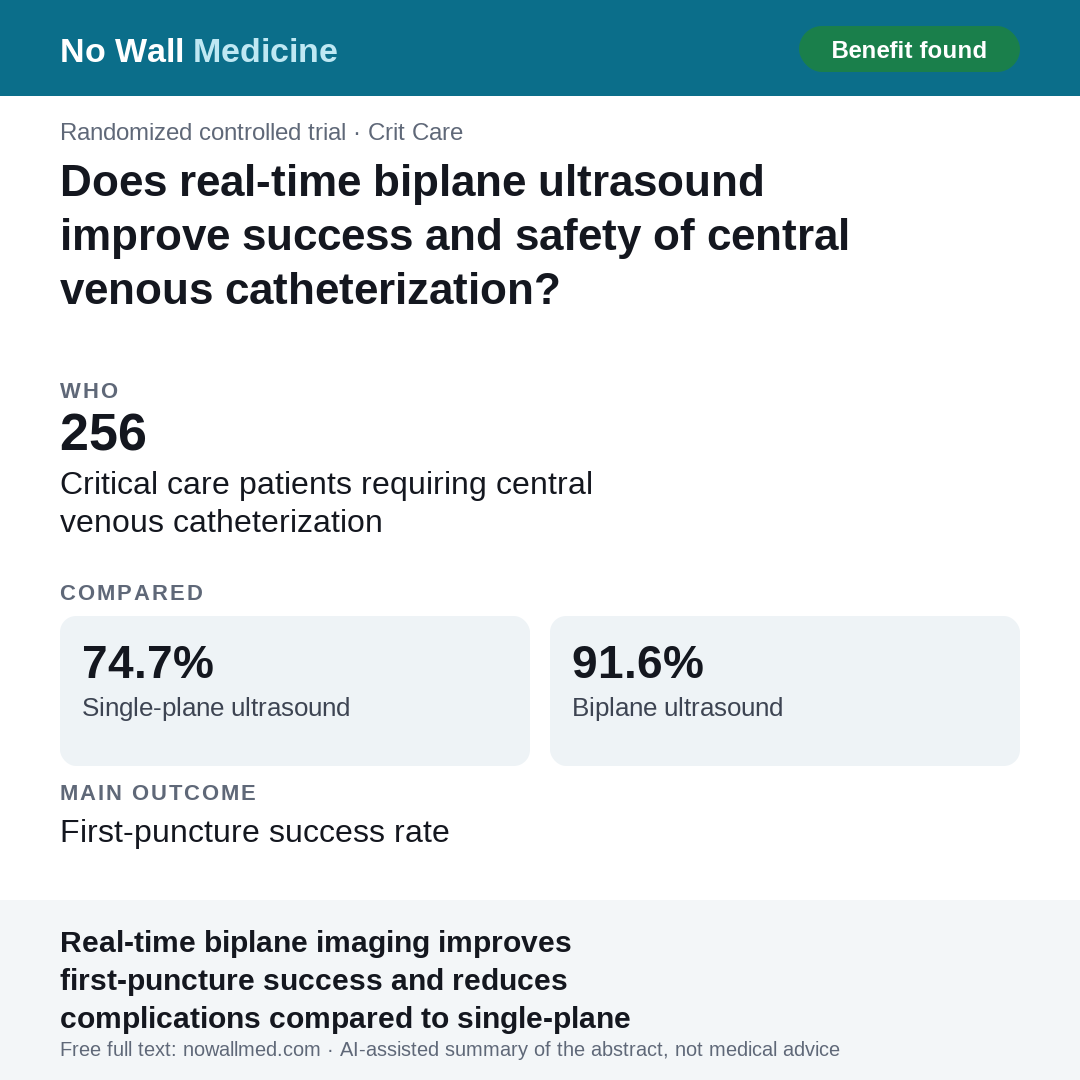
Primaquine dose and the risk of haemolysis in patients with uncomplicated Plasmodium vivax malaria: a systematic review and individual patient data meta-analysis
Systematic review and individual patient data meta-analysisBenefit found
Does primaquine dose affect haemolysis risk in uncomplicated Plasmodium vivax malaria?
Who
5462
Patients with uncomplicated Plasmodium vivax malaria · 15 endemic countries
Compared
0.1%No primaquine (1/1208)
Low daily dose (<0.375 mg/kg): none of 893
0.3%Intermediate daily dose (0.375 to <0.75 mg/kg) (5/1464)
0.5%High daily dose (≥0.75 mg/kg) (6/1269)
Main outcome
Haemoglobin reduction of more than 25% to less than 7 g/dL
Bottom line: Low to intermediate primaquine doses are safe for patients with glucose-6-phosphate dehydrogenase activity of 30% or higher.
Limitation: The analysis included a small number of patients with glucose-6-phosphate dehydrogenase activity between 30% and 70%.
Lancet Infect Dis · 2023-09-22Download image
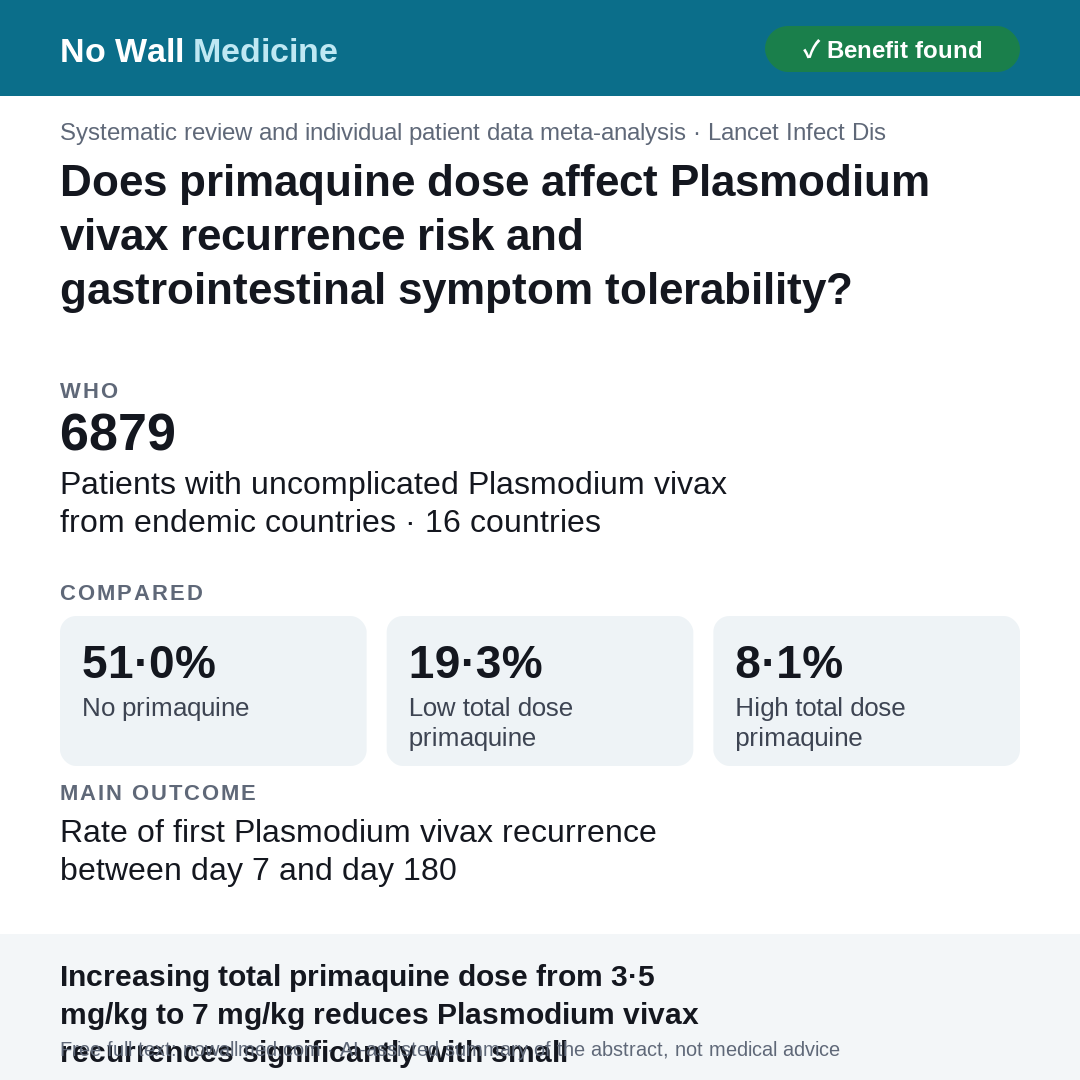
Effect of primaquine dose on the risk of recurrence in patients with uncomplicated Plasmodium vivax: a systematic review and individual patient data meta-analysis
Systematic review and individual patient data meta-analysisBenefit found
Does primaquine dose affect Plasmodium vivax recurrence risk and gastrointestinal symptom tolerability?
Who
6879
Patients with uncomplicated Plasmodium vivax from endemic countries · 16 countries
Compared
51·0%No primaquine (95% CI 48·2-53·9)
19·3%Low total dose primaquine (16·9-21·9)
8·1%High total dose primaquine (7·0-9·4)
Main outcome
Rate of first Plasmodium vivax recurrence between day 7 and day 180
Result: adjusted hazard ratio 0·10, 95% CI 0·08-0·12
Bottom line: Increasing total primaquine dose from 3·5 mg/kg to 7 mg/kg reduces Plasmodium vivax recurrences significantly with small gastrointestinal symptom increases.
Lancet Infect Dis · 2023-09-22Download image
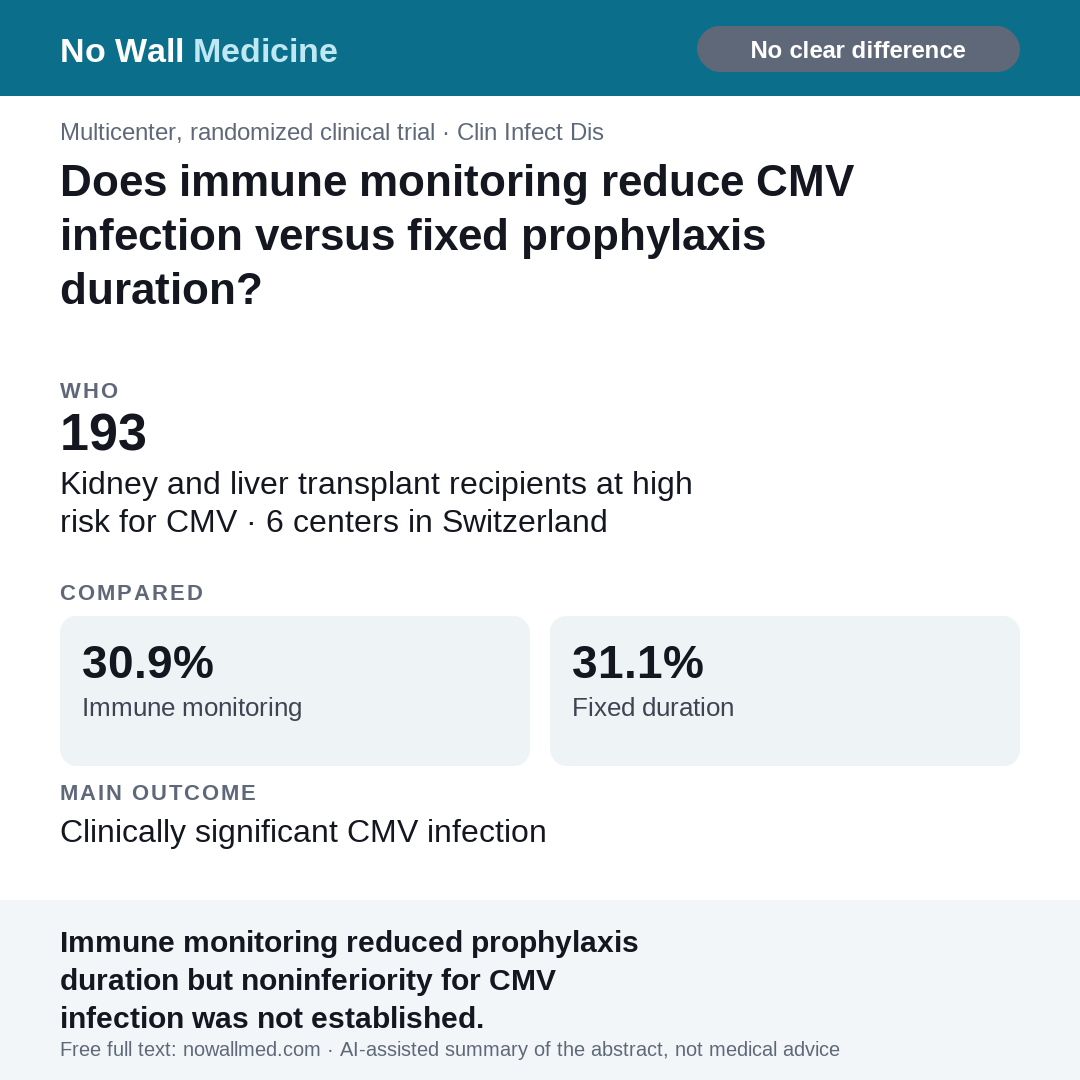
Immune Monitoring-Guided Versus Fixed Duration of Antiviral Prophylaxis Against Cytomegalovirus in Solid-Organ Transplant Recipients: A Multicenter, Randomized Clinical Trial
Multicenter, randomized clinical trialNo clear difference
Does immune monitoring reduce CMV infection versus fixed prophylaxis duration?
Who
193
Kidney and liver transplant recipients at high risk for CMV · 6 centers in Switzerland
Compared
30.9%Immune monitoring
31.1%Fixed duration
Main outcome
Clinically significant CMV infection
Result: adjusted risk difference, -0.1; 95% confidence interval [CI], -13.0% to 12.7%
Bottom line: Immune monitoring reduced prophylaxis duration but noninferiority for CMV infection was not established.
Clin Infect Dis · 2023-09-22Download image
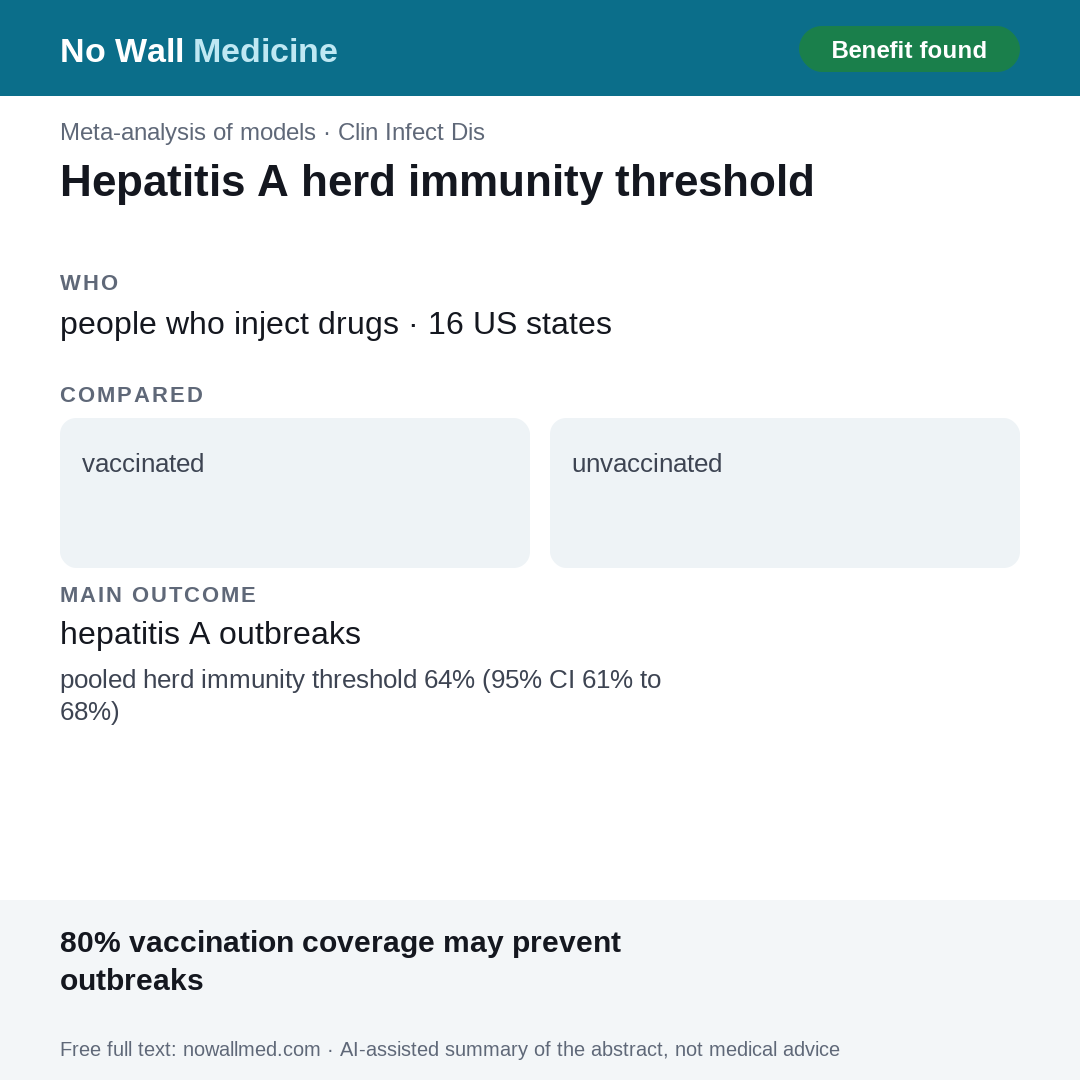
Determining Herd Immunity Thresholds for Hepatitis A Virus Transmission to Inform Vaccination Strategies Among People Who Inject Drugs in 16 US States
Meta-analysis of modelsBenefit found
Hepatitis A herd immunity threshold
Who
people who inject drugs · 16 US states
Compared
vaccinated
unvaccinated
Main outcome
hepatitis A outbreaks
Result: pooled herd immunity threshold 64% (95% CI 61% to 68%)
Bottom line: 80% vaccination coverage may prevent outbreaks
Clin Infect Dis · 2023-09-22Download image
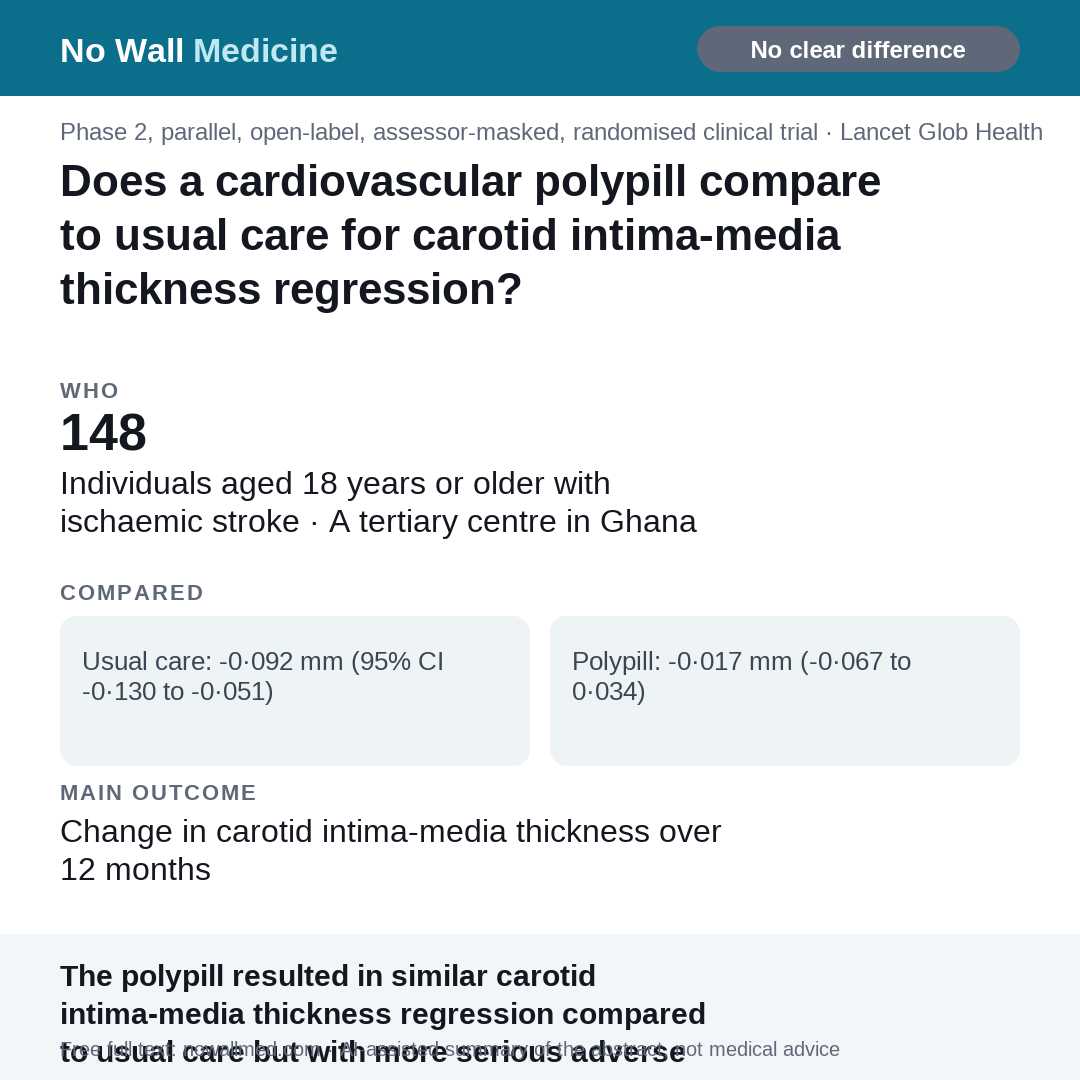
A cardiovascular polypill for secondary stroke prevention in a tertiary centre in Ghana (SMAART): a phase 2 randomised clinical trial
Phase 2, parallel, open-label, assessor-masked, randomised clinical trialNo clear difference
Does a cardiovascular polypill compare to usual care for carotid intima-media thickness regression?
Who
148
Individuals aged 18 years or older with ischaemic stroke · A tertiary centre in Ghana
Compared
Usual care: -0·092 mm (95% CI -0·130 to -0·051)
Polypill: -0·017 mm (-0·067 to 0·034)
Main outcome
Change in carotid intima-media thickness over 12 months
Result: adjusted mean difference of 0·049 (-0·008 to 0·109; p=0·11)
Bottom line: The polypill resulted in similar carotid intima-media thickness regression compared to usual care but with more serious adverse events.
Limitation: The main reason for loss to follow-up was participants not completing the study.
Funded by: US National Institutes of Health
Lancet Glob Health · 2023-09-22Download image
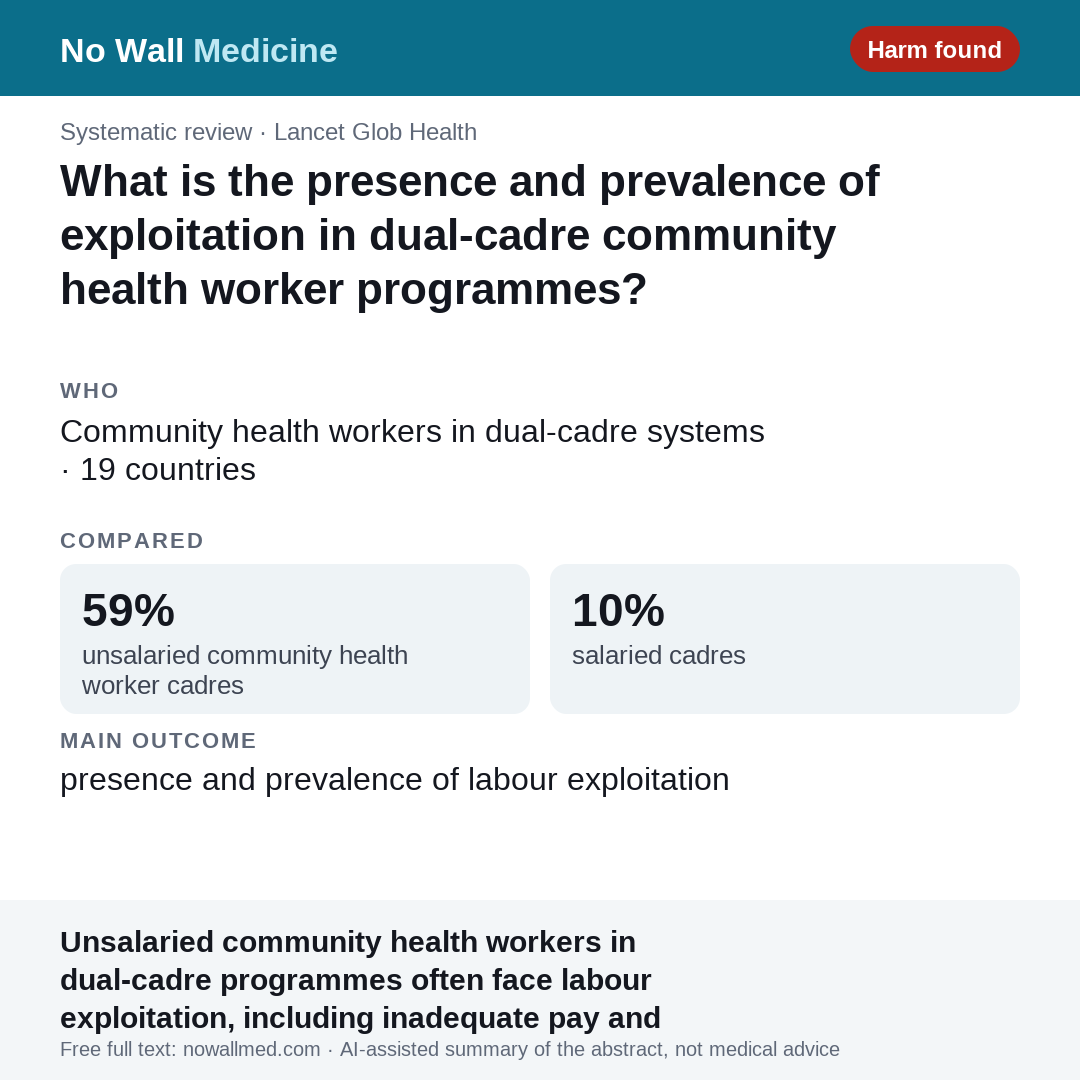
Labour conditions in dual-cadre community health worker programmes: a systematic review
Systematic reviewHarm found
What is the presence and prevalence of exploitation in dual-cadre community health worker programmes?
Who
Community health workers in dual-cadre systems · 19 countries
Compared
59%unsalaried community health worker cadres
10%salaried cadres
Main outcome
presence and prevalence of labour exploitation
Bottom line: Unsalaried community health workers in dual-cadre programmes often face labour exploitation, including inadequate pay and overburdensome workloads.
Lancet Glob Health · 2023-09-22Download image