Visual abstracts
New randomized trials and meta-analyses from leading journals at a glance: who was studied, what was compared, and what was found. Every paper is free to read in full.
All specialtiesCardiology 4877Oncology 4138Gastroenterology & Hepatology 1942Infectious Disease 3837Neurology 1905Psychiatry & Mental Health 2273Pulmonology 2143Critical Care 1365Endocrinology & Diabetes 2580Pediatrics 2980Surgery 2559Orthopedics & Sports Medicine 931Neurosurgery 537Cardiothoracic & Vascular Surgery 674Plastic & Reconstructive Surgery 591Nephrology 1133Rheumatology 823Hematology 1109Dermatology 621Ophthalmology 543Obstetrics & Gynecology 1686Public & Global Health 1058Radiology & Imaging 648Anesthesiology 986Urology 764ENT (Otolaryngology) 503Emergency Medicine 511Allergy & Immunology 313Geriatrics 981Family Medicine & Primary Care 562Medical Genetics & Genomics 676Pathology & Laboratory Medicine 159Physical Medicine & Rehabilitation 757Palliative Care 444Nutrition 1588Digital Health & AI 2201General Medicine 321
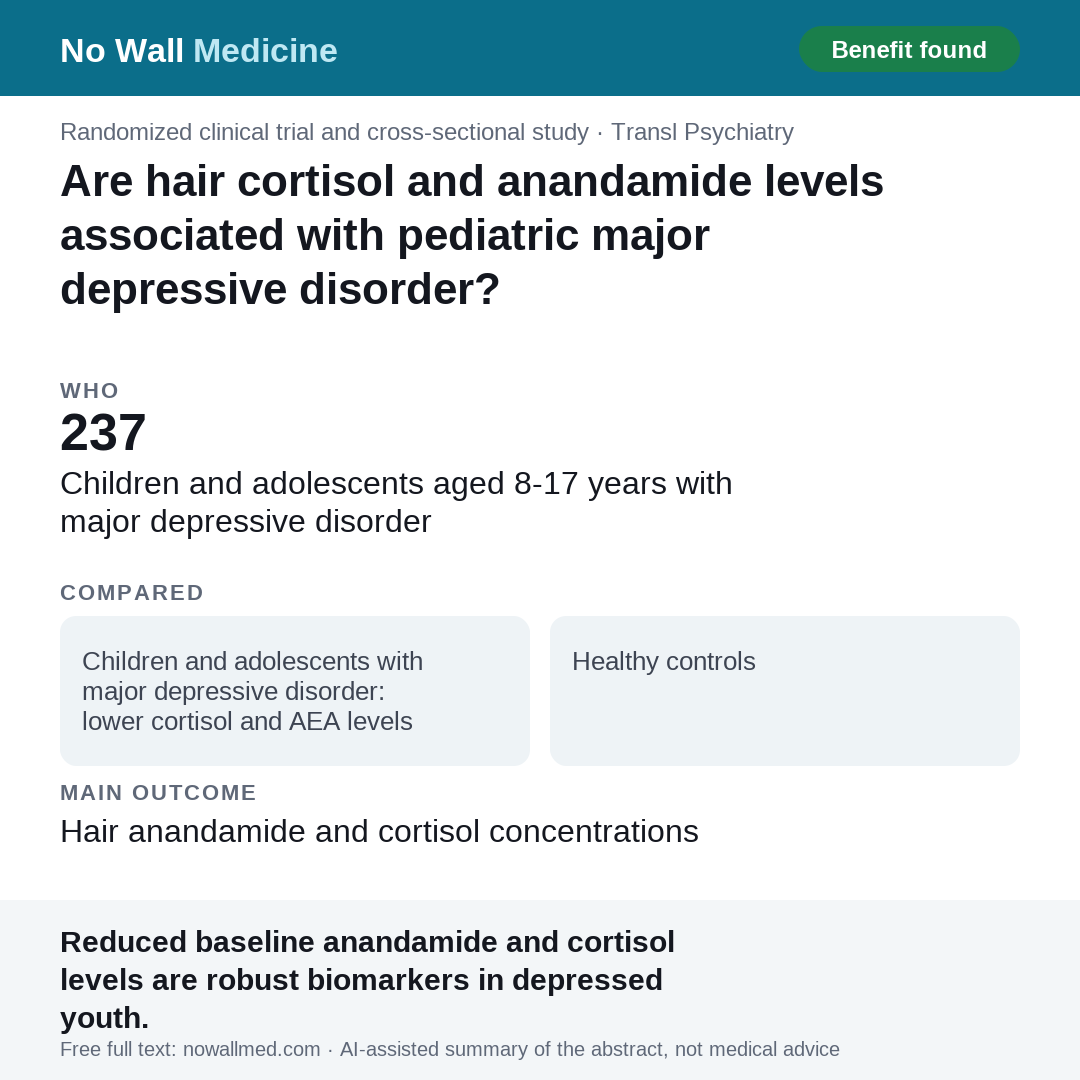
Major depressive disorder in children and adolescents is associated with reduced hair cortisol and anandamide (AEA): cross-sectional and longitudinal evidence from a large randomized clinical trial
Randomized clinical trial and cross-sectional studyBenefit found
Are hair cortisol and anandamide levels associated with pediatric major depressive disorder?
Who
237
Children and adolescents aged 8-17 years with major depressive disorder
Compared
Children and adolescents with major depressive disorder: lower cortisol and AEA levels
Healthy controls
Main outcome
Hair anandamide and cortisol concentrations
Bottom line: Reduced baseline anandamide and cortisol levels are robust biomarkers in depressed youth.
Transl Psychiatry · 2025-05-24Download image
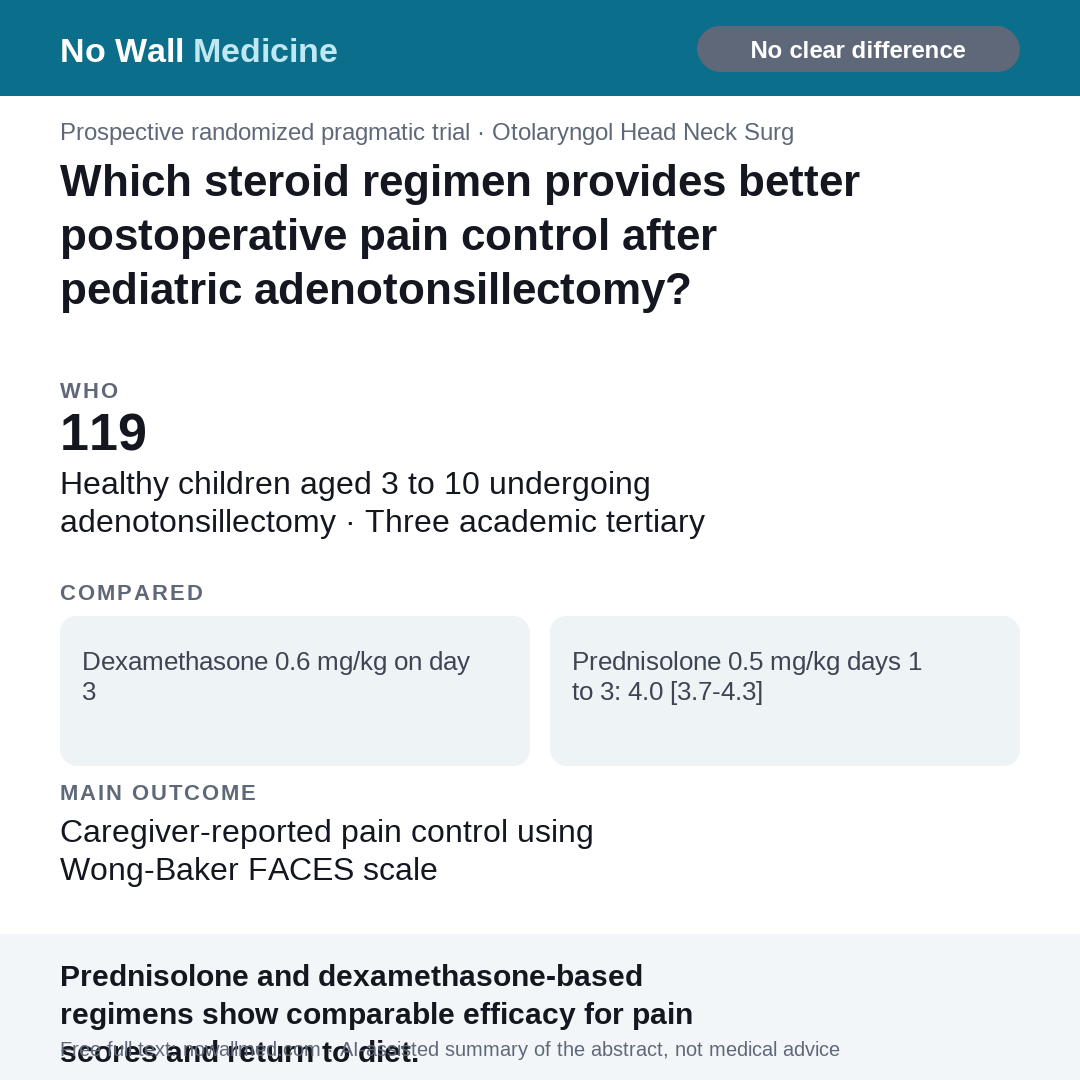
Steroids for Pediatric Adenotonsillectomy Pain-A Prospective Multicenter Randomized Trial
Prospective randomized pragmatic trialNo clear difference
Which steroid regimen provides better postoperative pain control after pediatric adenotonsillectomy?
Who
119
Healthy children aged 3 to 10 undergoing adenotonsillectomy · Three academic tertiary care children's hospitals
Compared
Dexamethasone 0.6 mg/kg on day 3
Prednisolone 0.5 mg/kg days 1 to 3: 4.0 [3.7-4.3]
Main outcome
Caregiver-reported pain control using Wong-Baker FACES scale
Result: b = 0.00 (95% CI -0.52 to 0.52)
Bottom line: Prednisolone and dexamethasone-based regimens show comparable efficacy for pain scores and return to diet.
Otolaryngol Head Neck Surg · 2025-05-23Download image
A Dutch clinical practice guideline for paediatric palliative care: a systematic review and recommendations on psychosocial care including preloss and bereavement care
GuidelineUnclear result
How to optimize psychosocial care
Who
Children with life-threatening conditions and families
Compared
Psychological interventions
Spiritual support interventions
Bereavement care intervention
Main outcome
Psychosocial outcomes
Bottom line: Some interventions improve psychosocial outcomes
Limitation: Lack of evidence
BMC Palliat Care · 2025-05-23Download image

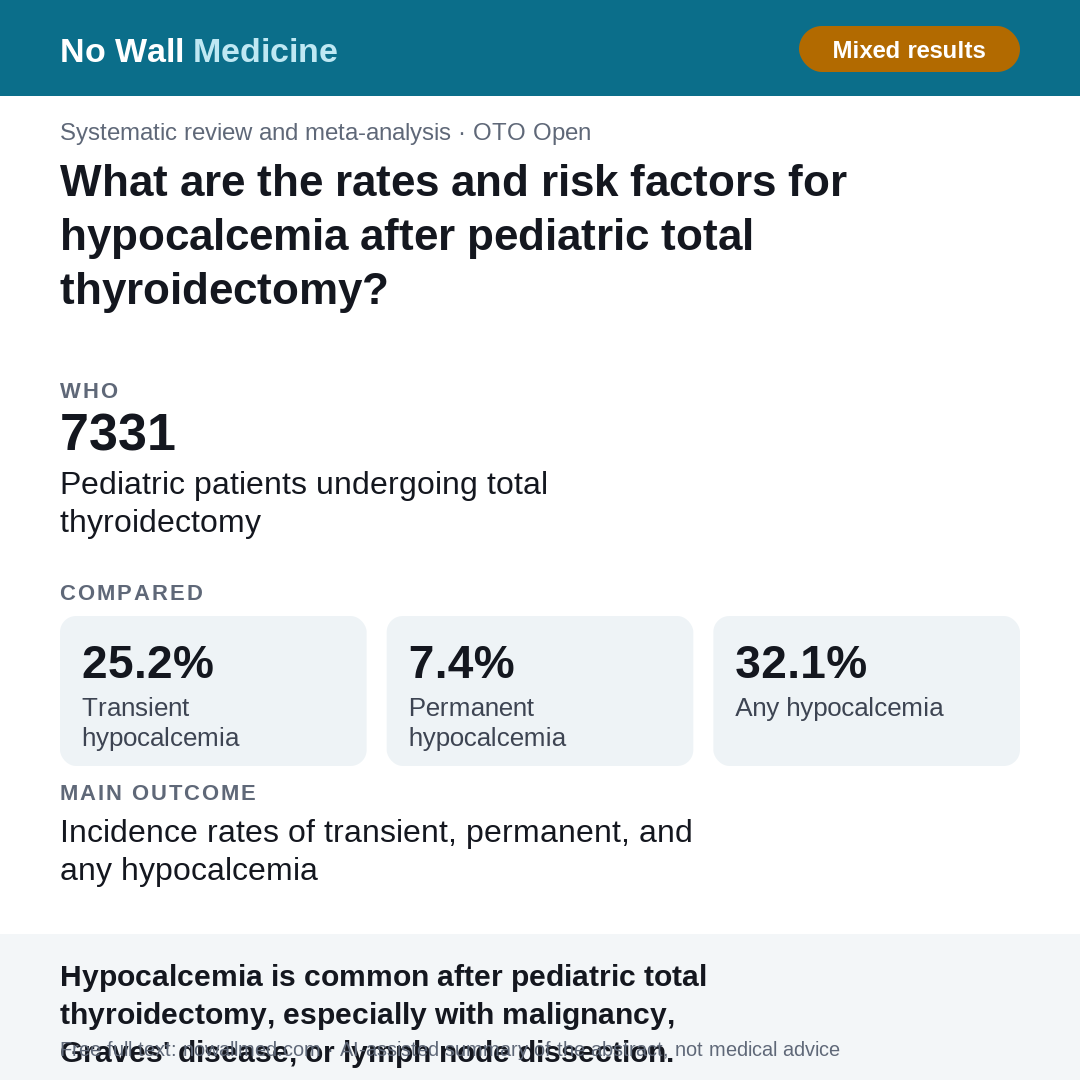
Risk Factors and Rates for Hypocalcemia After Pediatric Thyroidectomy: A Systematic Review and Meta-analysis
Systematic review and meta-analysisMixed results
What are the rates and risk factors for hypocalcemia after pediatric total thyroidectomy?
Who
7331
Pediatric patients undergoing total thyroidectomy
Compared
25.2%Transient hypocalcemia (95% CI 0.20-0.31)
7.4%Permanent hypocalcemia (95% CI 0.05-0.10)
32.1%Any hypocalcemia (95% CI 0.26-0.39)
Main outcome
Incidence rates of transient, permanent, and any hypocalcemia
Bottom line: Hypocalcemia is common after pediatric total thyroidectomy, especially with malignancy, Graves' disease, or lymph node dissection.
OTO Open · 2025-05-23Download image
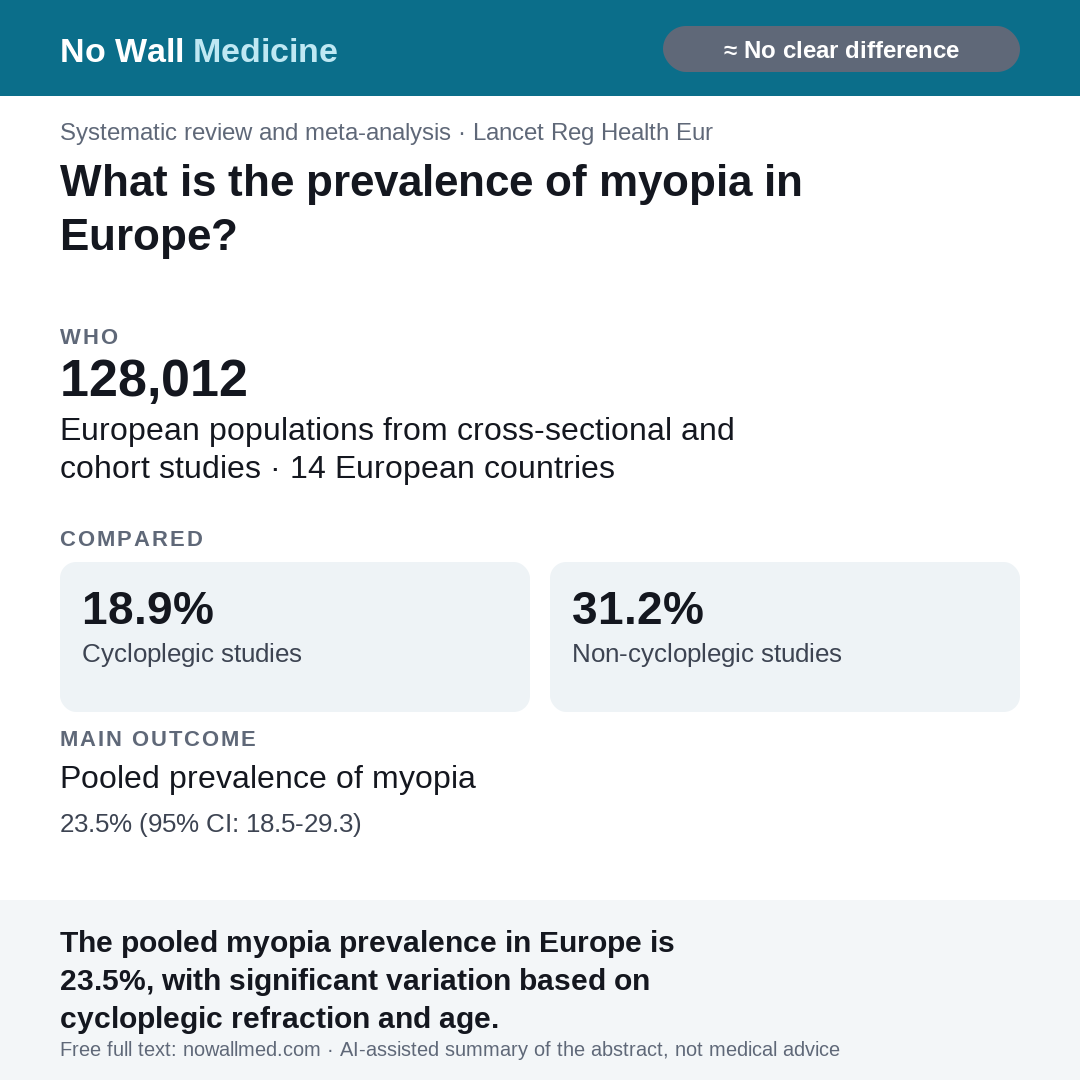
Prevalence of myopia in Europe: a systematic review and meta-analysis of data from 14 countries
Systematic review and meta-analysisNo clear difference
What is the prevalence of myopia in Europe?
Who
128,012
European populations from cross-sectional and cohort studies · 14 European countries
Compared
18.9%Cycloplegic studies (95% CI: 13.2-26.5%)
31.2%Non-cycloplegic studies (95% CI: 24.9-38.3%)
Main outcome
Pooled prevalence of myopia
Result: 23.5% (95% CI: 18.5-29.3)
Bottom line: The pooled myopia prevalence in Europe is 23.5%, with significant variation based on cycloplegic refraction and age.
Funded by: Fundação Ciência e Tecnologia, IP
Lancet Reg Health Eur · 2025-05-22Download image
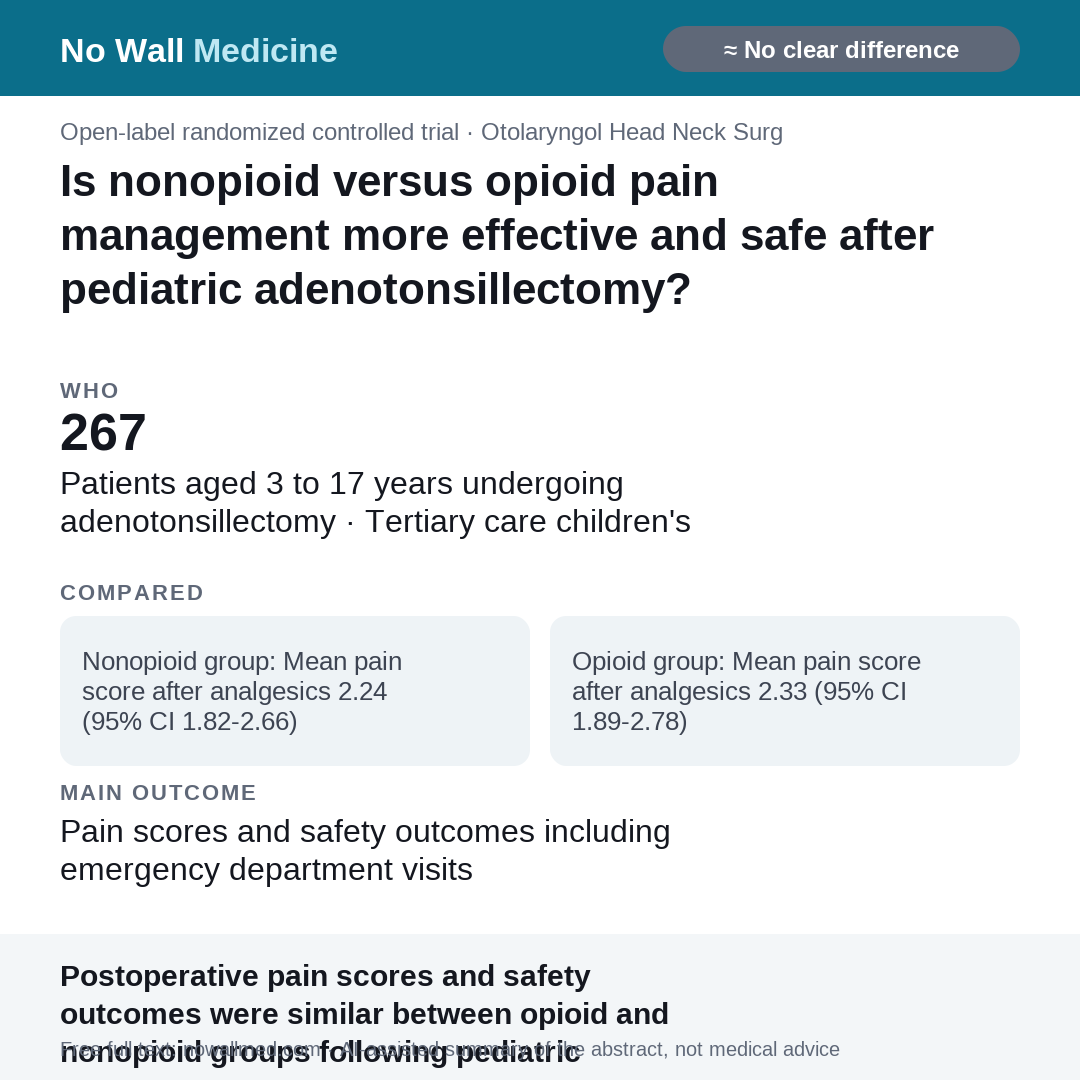
Opioid Analgesia Following Pediatric Adenotonsillectomy: A Randomized Clinical Trial
Open-label randomized controlled trialNo clear difference
Is nonopioid versus opioid pain management more effective and safe after pediatric adenotonsillectomy?
Who
267
Patients aged 3 to 17 years undergoing adenotonsillectomy · Tertiary care children's hospital
Compared
Nonopioid group: Mean pain score after analgesics 2.24 (95% CI 1.82-2.66)
Opioid group: Mean pain score after analgesics 2.33 (95% CI 1.89-2.78)
Main outcome
Pain scores and safety outcomes including emergency department visits
Bottom line: Postoperative pain scores and safety outcomes were similar between opioid and nonopioid groups following pediatric adenotonsillectomy.
Limitation: Only 144 of 267 patients completed the postoperative pain diary.
Otolaryngol Head Neck Surg · 2025-05-21Download image
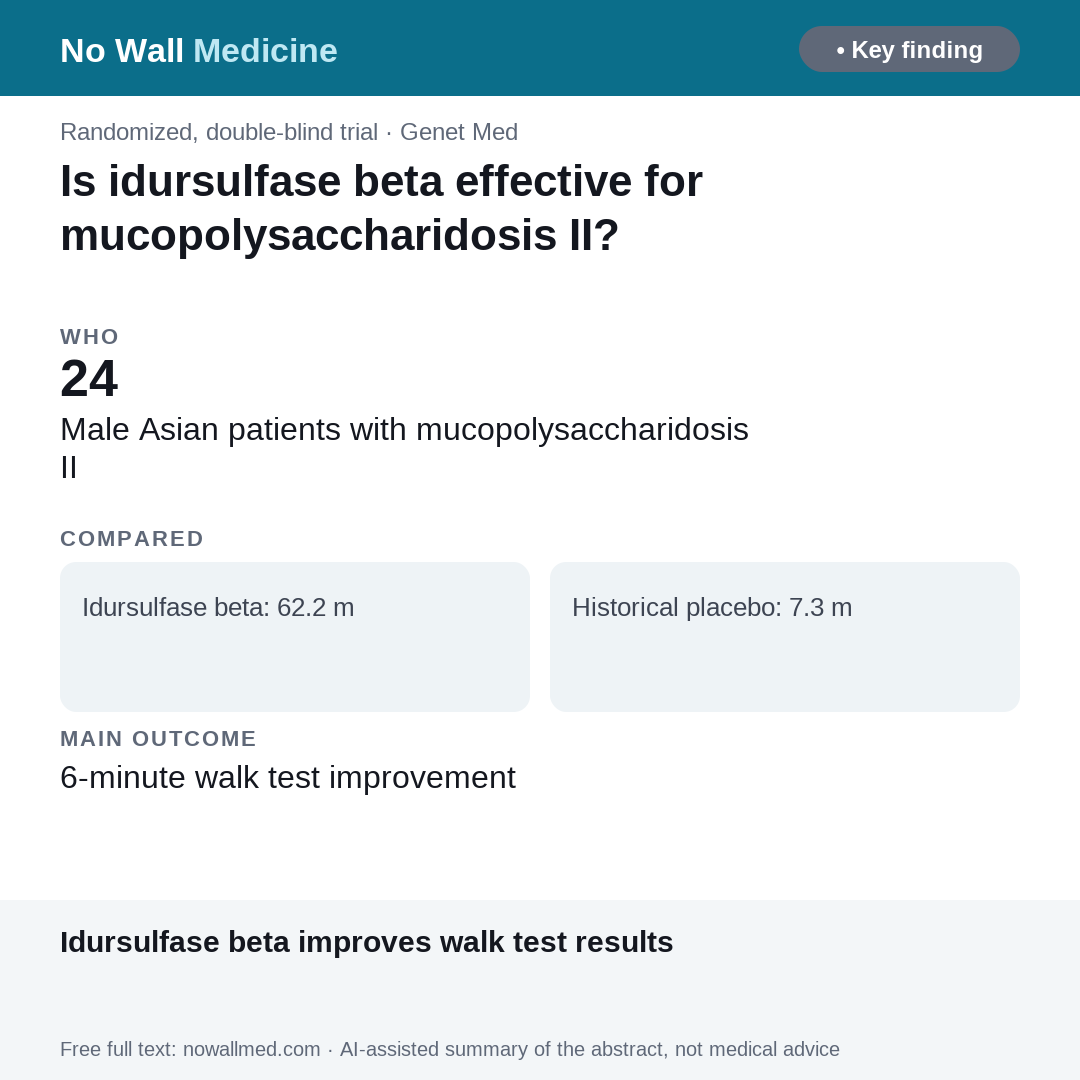
Efficacy and safety of idursulfase beta in the treatment of mucopolysaccharidosis II: A phase-3, 2-part study compared with a historical placebo cohort
Randomized, double-blind trialBenefit found
Is idursulfase beta effective for mucopolysaccharidosis II?
Who
24
Male Asian patients with mucopolysaccharidosis II
Compared
Idursulfase beta: 62.2 m
Historical placebo: 7.3 m
Main outcome
6-minute walk test improvement
Bottom line: Idursulfase beta improves walk test results
Genet Med · 2025-05-21Download image
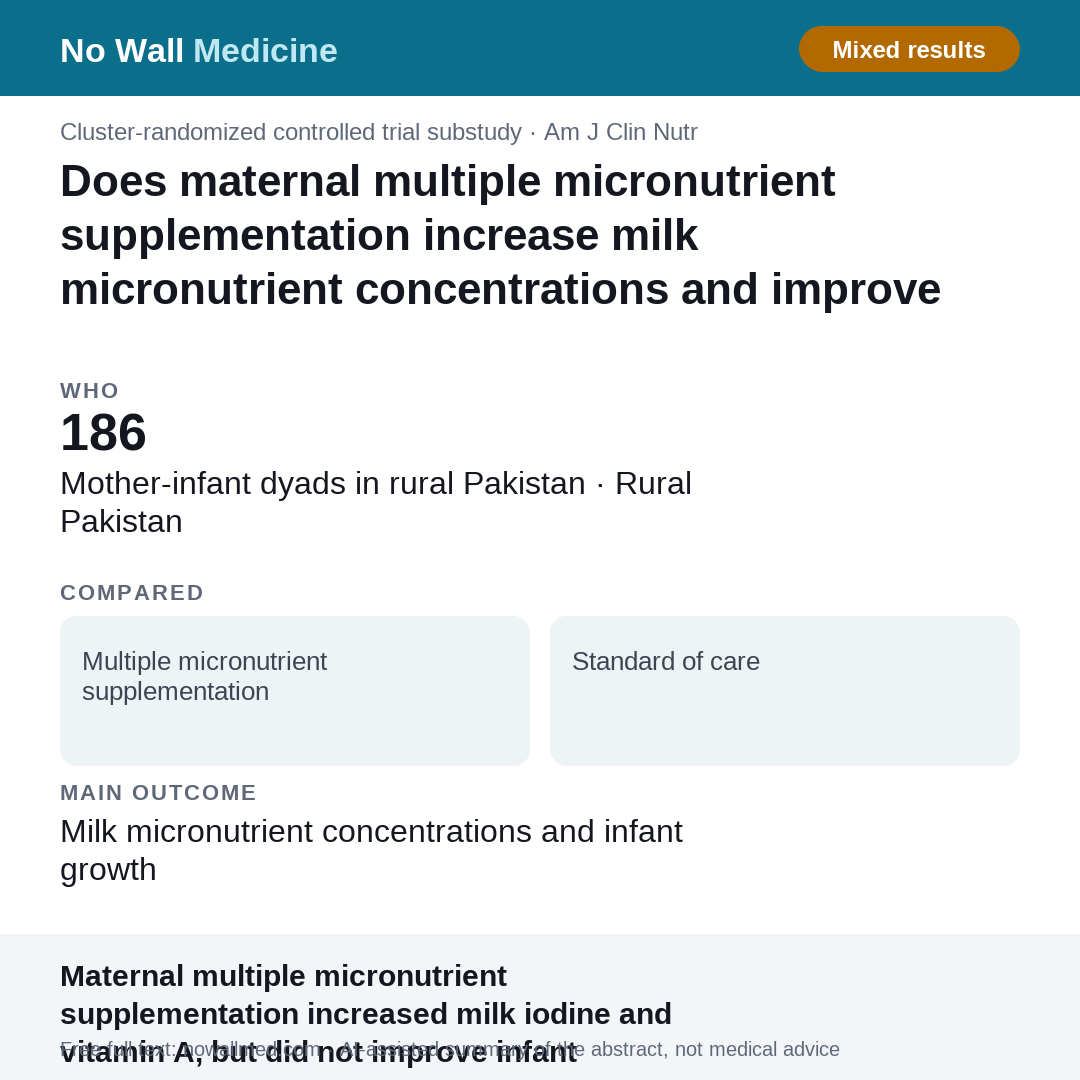
Maternal multiple micronutrient supplementation in rural Pakistan increased some milk micronutrient concentrations, but not infant growth, at three-months postpartum: a randomized controlled trial substudy
Cluster-randomized controlled trial substudyMixed results
Does maternal multiple micronutrient supplementation increase milk micronutrient concentrations and improve infant growth?
Who
186
Mother-infant dyads in rural Pakistan · Rural Pakistan
Compared
Multiple micronutrient supplementation
Standard of care
Main outcome
Milk micronutrient concentrations and infant growth
Bottom line: Maternal multiple micronutrient supplementation increased milk iodine and vitamin A, but did not improve infant growth.
Limitation: Few milk sample micronutrients in either arm were above adequacy estimates.
Am J Clin Nutr · 2025-05-21Download image
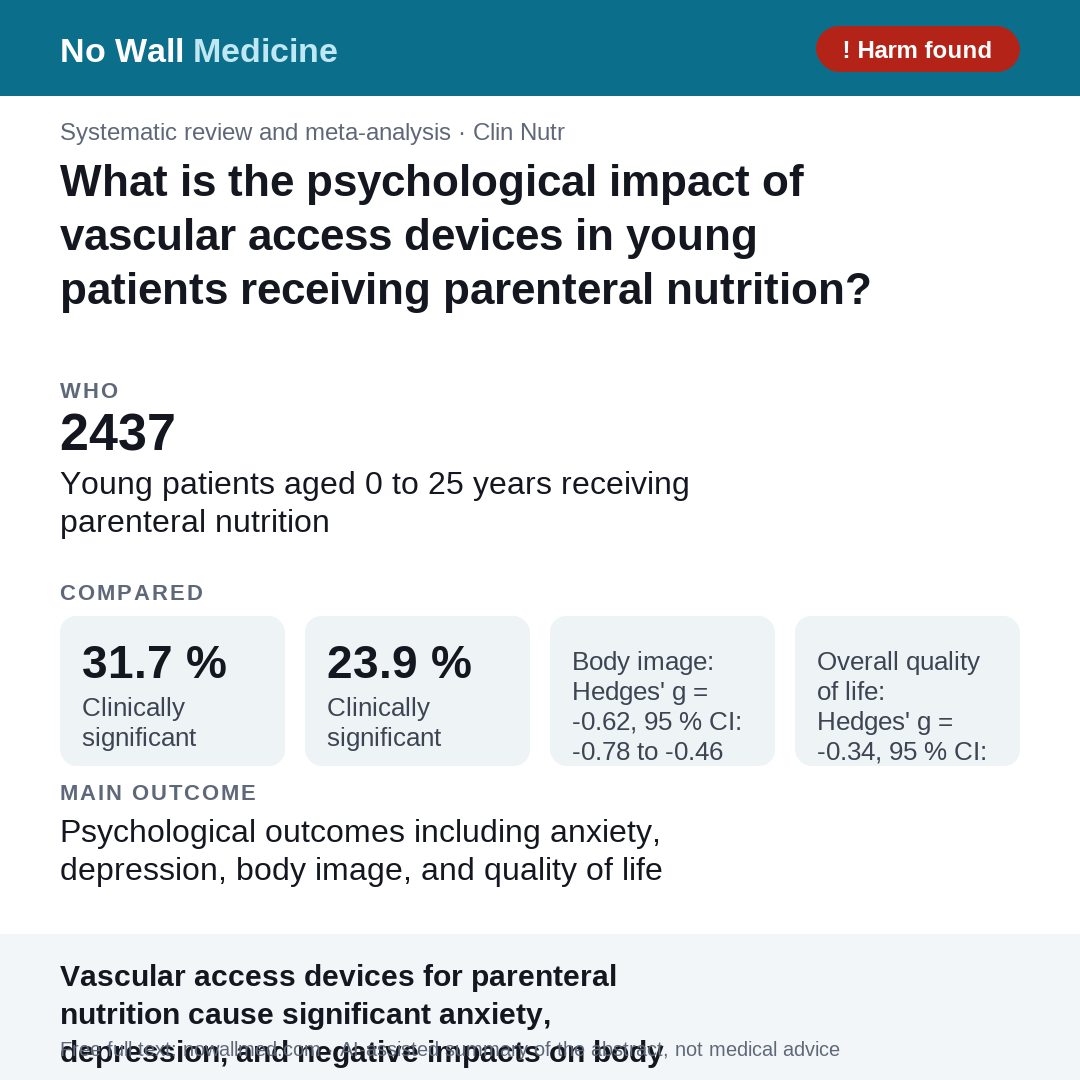
Psychological impact of vascular access devices in young patients receiving parenteral nutrition: A meta-analysis
Systematic review and meta-analysisHarm found
What is the psychological impact of vascular access devices in young patients receiving parenteral nutrition?
Who
2437
Young patients aged 0 to 25 years receiving parenteral nutrition
Compared
31.7 %Clinically significant anxiety (95 % CI: 26.4-37.5 %)
23.9 %Clinically significant depression (95 % CI: 19.2-29.3 %)
Body image: Hedges' g = -0.62, 95 % CI: -0.78 to -0.46
Overall quality of life: Hedges' g = -0.34, 95 % CI: -0.47 to -0.21
Main outcome
Psychological outcomes including anxiety, depression, body image, and quality of life
Bottom line: Vascular access devices for parenteral nutrition cause significant anxiety, depression, and negative impacts on body image and quality of life.
Clin Nutr · 2025-05-21Download image
Meta-analysis of shotgun sequencing of gut microbiota in obese children with MASLD or MASH
Meta-analysis and cohort studyBenefit found
How does the gut microbiome differ in obese children with MASLD or MASH?
Who
Obese children with or without MASLD or MASH
Compared
MASLD: significantly different in alpha- and beta-diversity (p < 0.001)
MASH: significantly different in alpha- and beta-diversity (p < 0.001)
Obese and healthy controls
Main outcome
Gut microbiome composition and diversity
Bottom line: Gut microbial composition is increasingly altered as metabolic dysfunction-associated steatotic liver disease progresses toward steatohepatitis.
Gut Microbes · 2025-05-21Download image

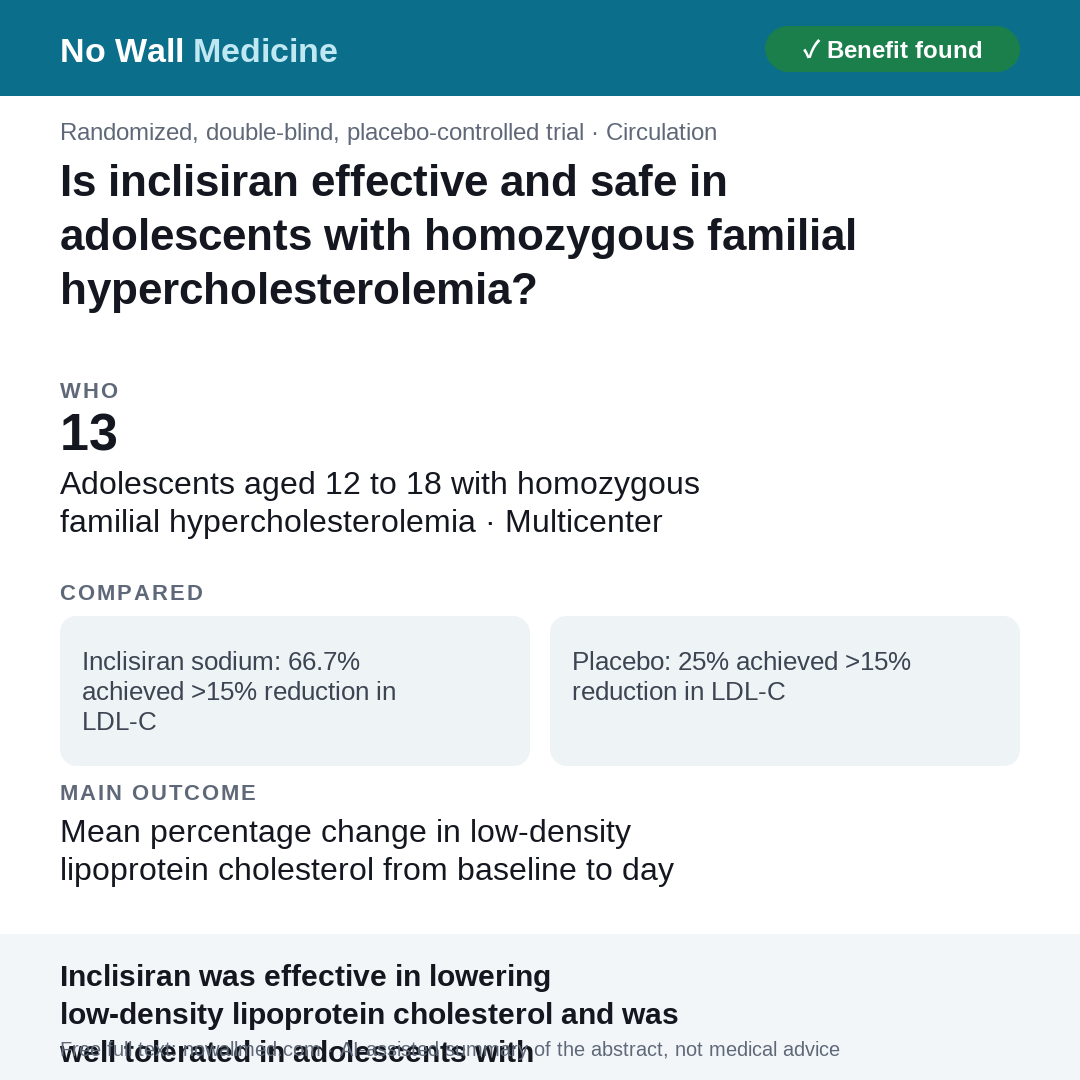
Efficacy and Safety of Inclisiran in Adolescents With Genetically Confirmed Homozygous Familial Hypercholesterolemia: Results From the Double-Blind, Placebo-Controlled Part of the ORION-13 Randomized Trial
Randomized, double-blind, placebo-controlled trialBenefit found
Is inclisiran effective and safe in adolescents with homozygous familial hypercholesterolemia?
Who
13
Adolescents aged 12 to 18 with homozygous familial hypercholesterolemia · Multicenter study
Compared
Inclisiran sodium: 66.7% achieved >15% reduction in LDL-C
Placebo: 25% achieved >15% reduction in LDL-C
Main outcome
Mean percentage change in low-density lipoprotein cholesterol from baseline to day 330
Result: -33.3% (-59.2% to -7.3%)
Bottom line: Inclisiran was effective in lowering low-density lipoprotein cholesterol and was well tolerated in adolescents with homozygous familial hypercholesterolemia.
Circulation · 2025-05-20Download image
Long-term management strategies for pegvaliase use in phenylketonuria: Lessons learned from the phase-3 PRISM open-label extension study
Pharmacokinetic/pharmacodynamic model analysisBenefit found
How does pegvaliase pharmacokinetics and tolerization affect blood phenylalanine management in phenylketonuria?
Who
Participants in the phase-3 PRISM trials with phenylketonuria
Compared
Maintenance phase: drug clearance declines
High sensitivity period: increased blood Phe volatility
Main outcome
blood phenylalanine patterns and drug clearance
Bottom line: Pegvaliase induces immune tolerization, suggesting a staged approach of tolerance induction, diet liberalization, and gradual dose adjustment.
Genet Med · 2025-05-20Download image

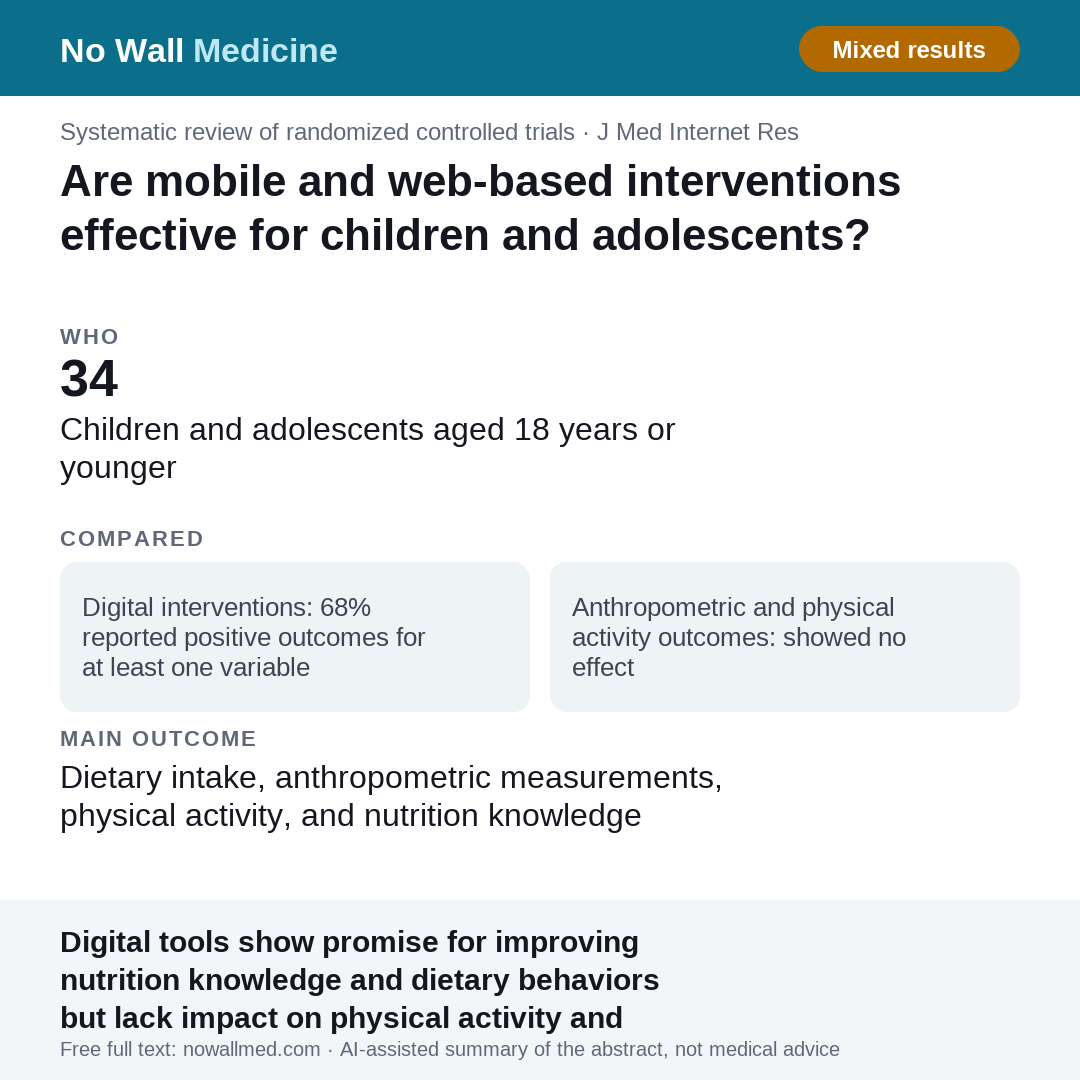
Mobile- and Web-Based Interventions for Promoting Healthy Diets, Preventing Obesity, and Improving Health Behaviors in Children and Adolescents: Systematic Review of Randomized Controlled Trials
Systematic review of randomized controlled trialsMixed results
Are mobile and web-based interventions effective for children and adolescents?
Who
34
Children and adolescents aged 18 years or younger
Compared
Digital interventions: 68% reported positive outcomes for at least one variable
Anthropometric and physical activity outcomes: showed no effect
Main outcome
Dietary intake, anthropometric measurements, physical activity, and nutrition knowledge
Bottom line: Digital tools show promise for improving nutrition knowledge and dietary behaviors but lack impact on physical activity and anthropometric measures.
Limitation: Evidence for long-term sustainability and impact on anthropometric and physical activity outcomes remains limited.
J Med Internet Res · 2025-05-20Download image
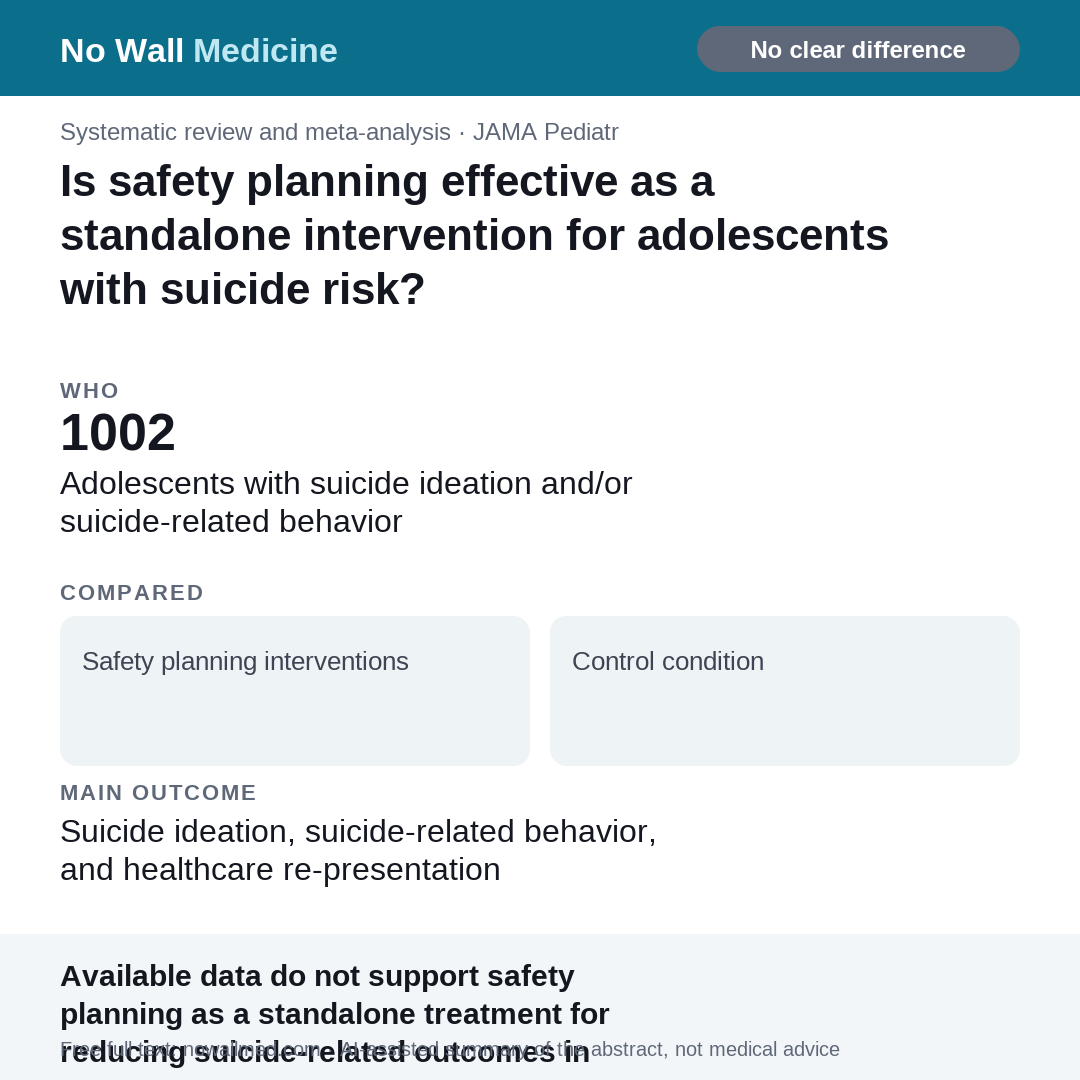
Safety Planning Interventions for Suicide Prevention in Children and Adolescents: A Systematic Review and Meta-Analysis
Systematic review and meta-analysisNo clear difference
Is safety planning effective as a standalone intervention for adolescents with suicide risk?
Who
1002
Adolescents with suicide ideation and/or suicide-related behavior
Compared
Safety planning interventions
Control condition
Main outcome
Suicide ideation, suicide-related behavior, and healthcare re-presentation
Result: Hedges g 0.11 (95% CI, 0.01-0.21) for suicide ideation
Bottom line: Available data do not support safety planning as a standalone treatment for reducing suicide-related outcomes in adolescents.
Limitation: Risk of bias for the majority of studies was moderate to high.
JAMA Pediatr · 2025-05-19Download image
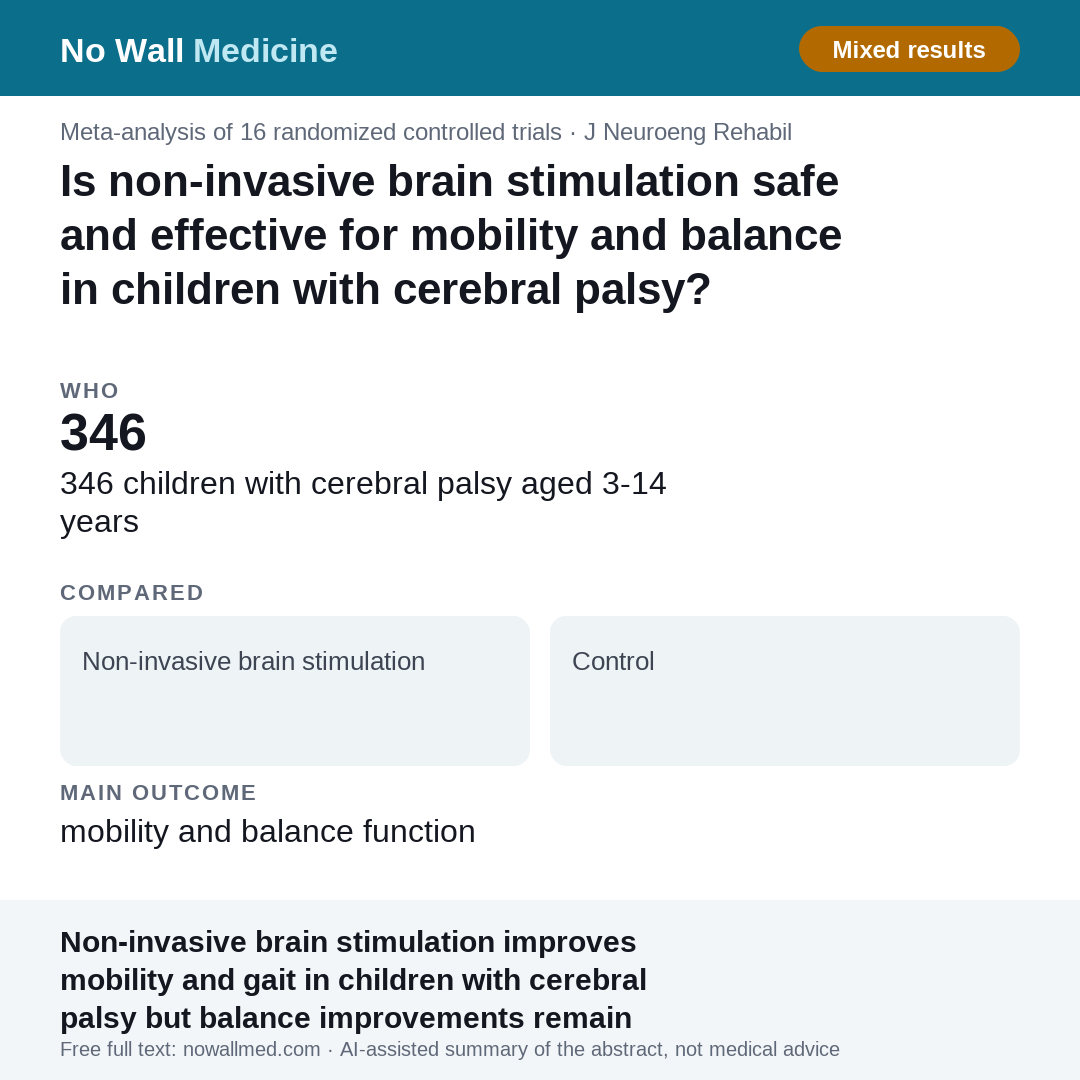
Safety and effectiveness of non-invasive brain stimulation on mobility and balance function in children with cerebral palsy: a systematic review and meta-analysis
Meta-analysis of 16 randomized controlled trialsMixed results
Is non-invasive brain stimulation safe and effective for mobility and balance in children with cerebral palsy?
Who
346
346 children with cerebral palsy aged 3-14 years
Compared
Non-invasive brain stimulation
Control
Main outcome
mobility and balance function
Result: standard mean difference 0.47 to 0.63 for Gross Motor Function Measure
Bottom line: Non-invasive brain stimulation improves mobility and gait in children with cerebral palsy but balance improvements remain inconclusive.
Limitation: Future research should focus on extending follow-up periods and increasing sample sizes.
J Neuroeng Rehabil · 2025-05-18Download image
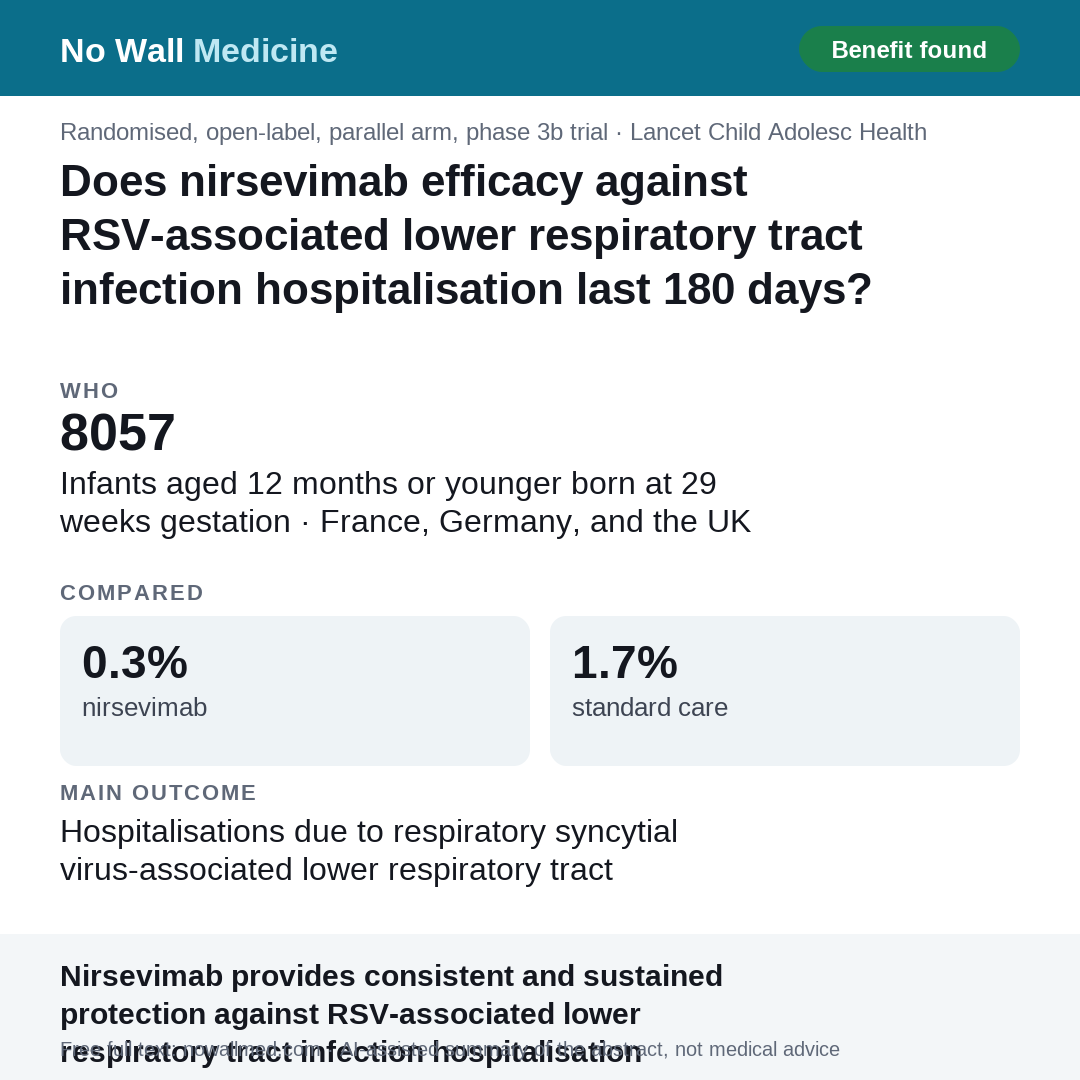
180-day efficacy of nirsevimab against hospitalisation for respiratory syncytial virus lower respiratory tract infections in infants (HARMONIE): a randomised, controlled, phase 3b trial
Randomised, open-label, parallel arm, phase 3b trialBenefit found
Does nirsevimab efficacy against RSV-associated lower respiratory tract infection hospitalisation last 180 days?
Who
8057
Infants aged 12 months or younger born at 29 weeks gestation · France, Germany, and the UK
Compared
0.3%nirsevimab
1.7%standard care
Main outcome
Hospitalisations due to respiratory syncytial virus-associated lower respiratory tract infection
Result: 82.7% (95% CI 67.8-91.5)
Bottom line: Nirsevimab provides consistent and sustained protection against RSV-associated lower respiratory tract infection hospitalisation for at least 6 months.
Funded by: Sanofi and AstraZeneca
Lancet Child Adolesc Health · 2025-05-17Download image
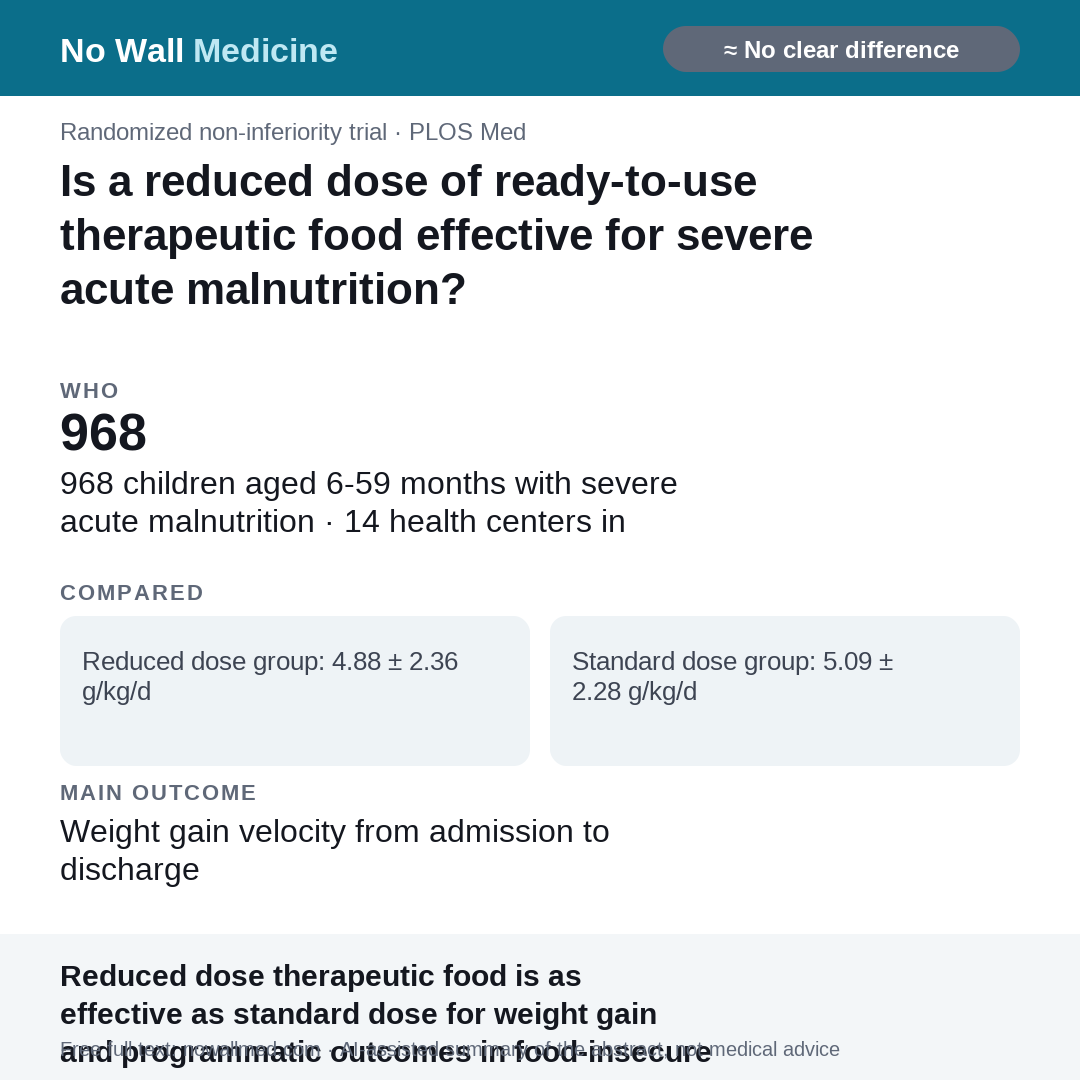
Effectiveness of a reduced dose of ready-to-use therapeutic food in community-based management of severe acute malnutrition: A non-inferiority randomized controlled trial in the Democratic Republic of Congo
Randomized non-inferiority trialNo clear difference
Is a reduced dose of ready-to-use therapeutic food effective for severe acute malnutrition?
Who
968
968 children aged 6-59 months with severe acute malnutrition · 14 health centers in Democratic Republic of Congo
Compared
Reduced dose group: 4.88 ± 2.36 g/kg/d
Standard dose group: 5.09 ± 2.28 g/kg/d
Main outcome
Weight gain velocity from admission to discharge
Result: difference -0.09 g/kg/d (95% CI [-0.33, 0.15])
Bottom line: Reduced dose therapeutic food is as effective as standard dose for weight gain and programmatic outcomes in food-insecure contexts.
Limitation: MUAC gain velocity was lower in the reduced dose group.
PLOS Med · 2025-05-16Download image
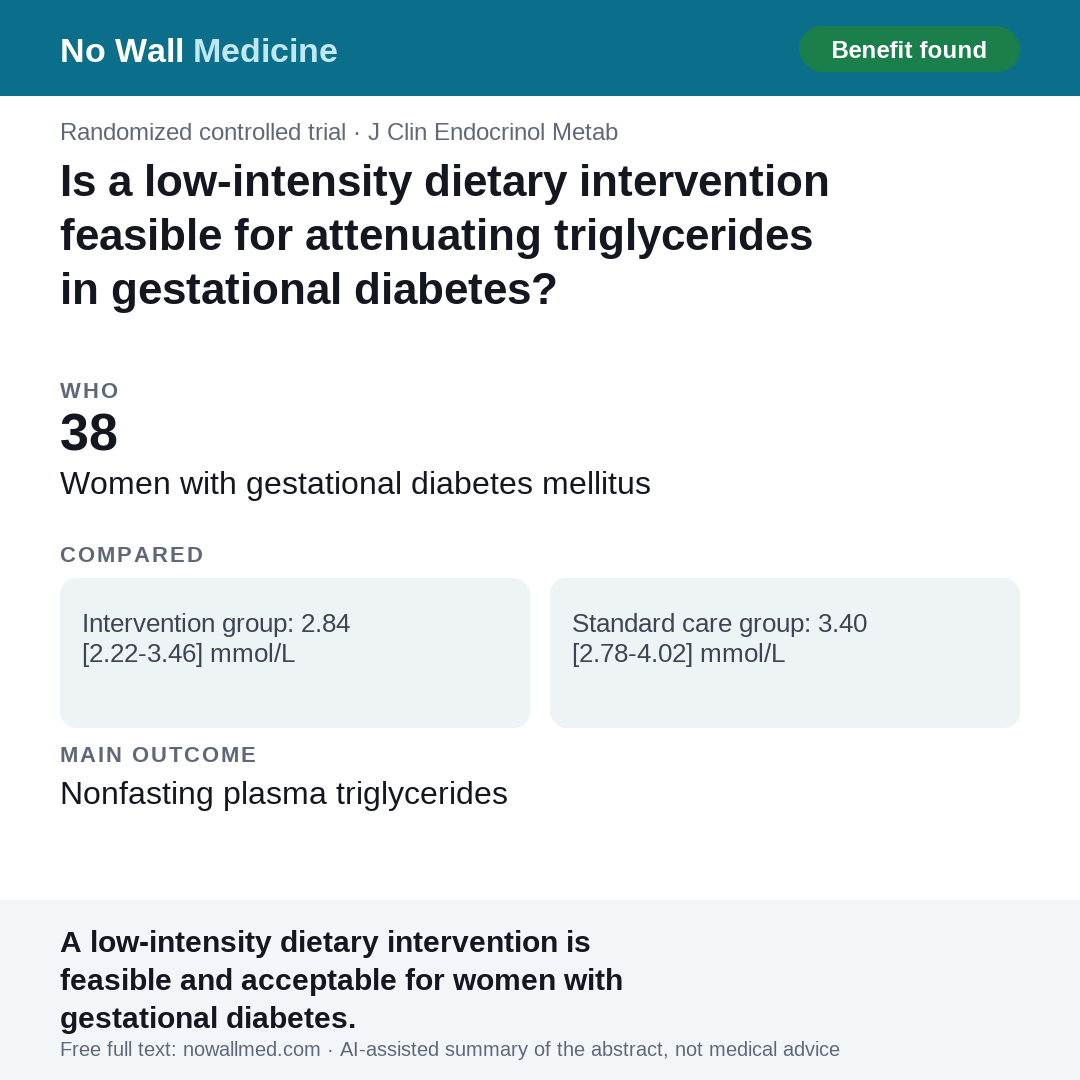
A Low-Intensity Nutrition Intervention Targeting Triglycerides in Gestational Diabetes: A Feasibility RCT
Randomized controlled trialBenefit found
Is a low-intensity dietary intervention feasible for attenuating triglycerides in gestational diabetes?
Who
38
Women with gestational diabetes mellitus
Compared
Intervention group: 2.84 [2.22-3.46] mmol/L
Standard care group: 3.40 [2.78-4.02] mmol/L
Main outcome
Nonfasting plasma triglycerides
Bottom line: A low-intensity dietary intervention is feasible and acceptable for women with gestational diabetes.
J Clin Endocrinol Metab · 2025-05-16Download image
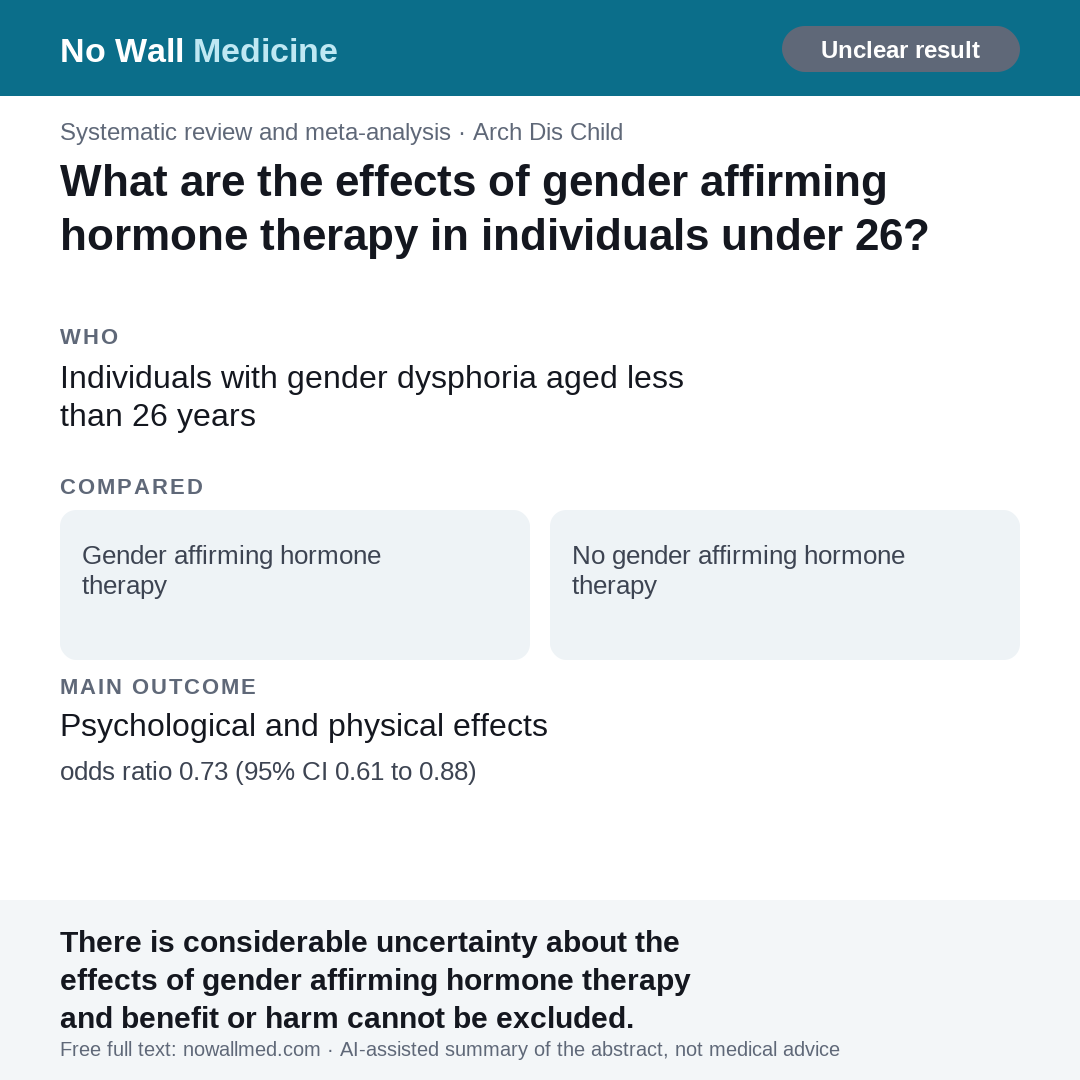
Gender affirming hormone therapy for individuals with gender dysphoria aged <26 years: a systematic review and meta-analysis
Systematic review and meta-analysisUnclear result
What are the effects of gender affirming hormone therapy in individuals under 26?
Who
Individuals with gender dysphoria aged less than 26 years
Compared
Gender affirming hormone therapy
No gender affirming hormone therapy
Main outcome
Psychological and physical effects
Result: odds ratio 0.73 (95% CI 0.61 to 0.88)
Bottom line: There is considerable uncertainty about the effects of gender affirming hormone therapy and benefit or harm cannot be excluded.
Limitation: Evidence provided was mostly very low certainty and methodologically rigorous prospective studies are needed.
Arch Dis Child · 2025-05-16Download image
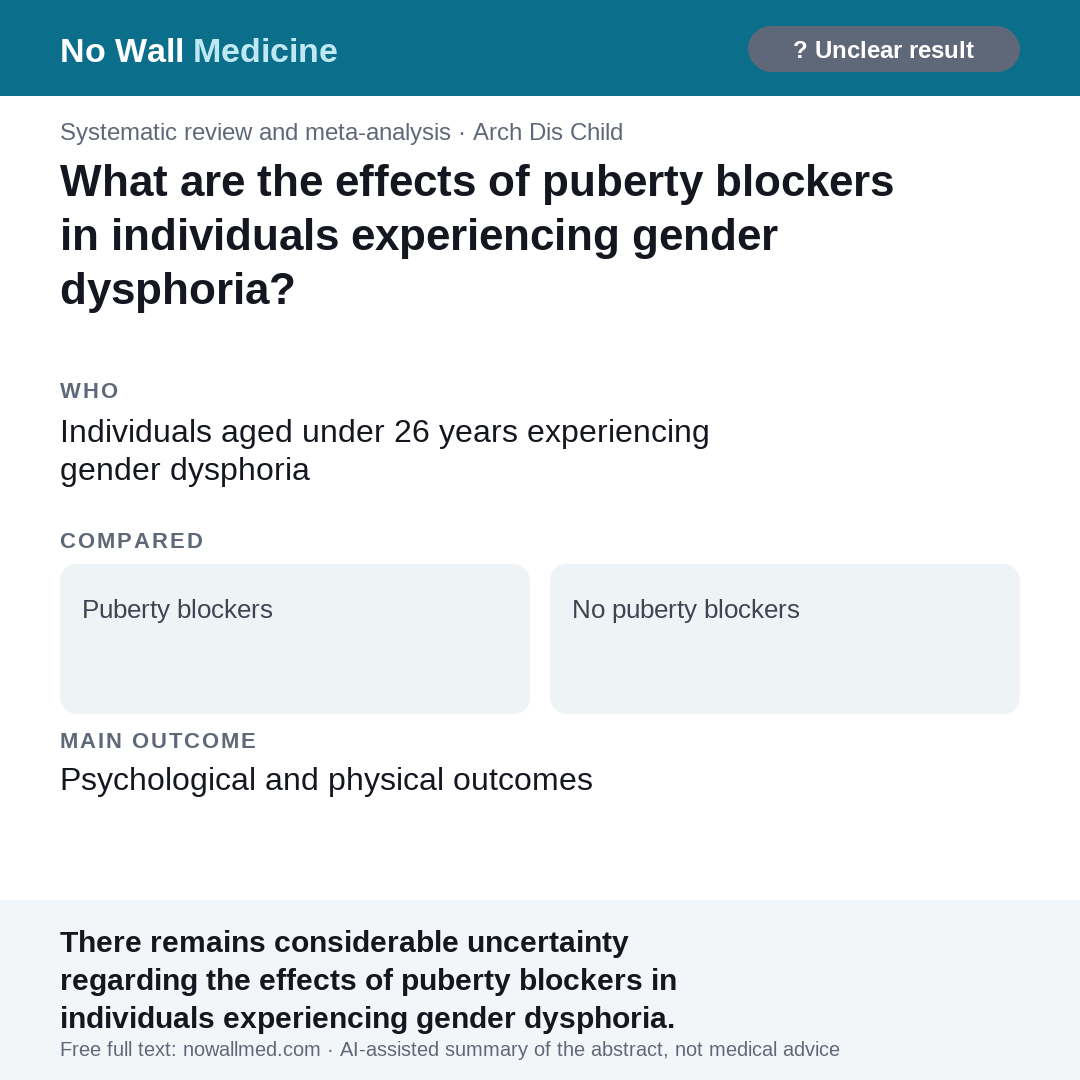
Puberty blockers for gender dysphoria in youth: A systematic review and meta-analysis
Systematic review and meta-analysisUnclear result
What are the effects of puberty blockers in individuals experiencing gender dysphoria?
Who
Individuals aged under 26 years experiencing gender dysphoria
Compared
Puberty blockers
No puberty blockers
Main outcome
Psychological and physical outcomes
Bottom line: There remains considerable uncertainty regarding the effects of puberty blockers in individuals experiencing gender dysphoria.
Limitation: Very low certainty of evidence from included observational and before-after studies.
Arch Dis Child · 2025-05-16Download image