Visual abstracts
New randomized trials and meta-analyses from leading journals at a glance: who was studied, what was compared, and what was found. Every paper is free to read in full.
All specialtiesCardiology 4763Oncology 4042Gastroenterology & Hepatology 1902Infectious Disease 3756Neurology 1872Psychiatry & Mental Health 2214Pulmonology 2042Critical Care 1319Endocrinology & Diabetes 2544Pediatrics 2889Surgery 2479Orthopedics & Sports Medicine 917Neurosurgery 525Cardiothoracic & Vascular Surgery 656Plastic & Reconstructive Surgery 574Nephrology 1107Rheumatology 810Hematology 1090Dermatology 611Ophthalmology 532Obstetrics & Gynecology 1645Public & Global Health 1037Radiology & Imaging 617Anesthesiology 957Urology 745ENT (Otolaryngology) 494Emergency Medicine 481Allergy & Immunology 309Geriatrics 972Family Medicine & Primary Care 533Medical Genetics & Genomics 659Pathology & Laboratory Medicine 156Physical Medicine & Rehabilitation 734Palliative Care 421Nutrition 1560Digital Health & AI 2133General Medicine 318
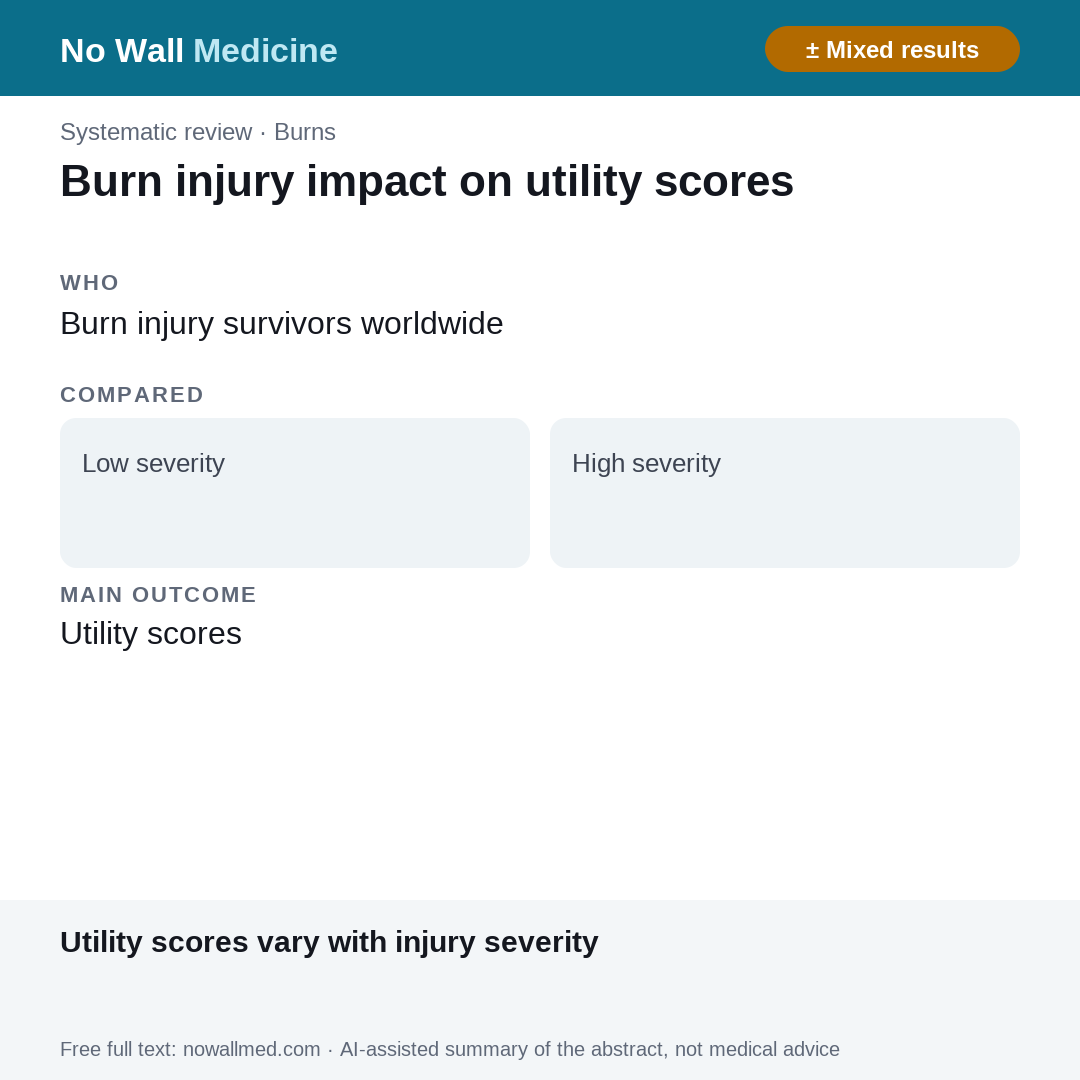
Health utilities in burn injury survivors: A systematic review
Systematic reviewMixed results
Burn injury impact on utility scores
Who
Burn injury survivors worldwide
Compared
Low severity
High severity
Main outcome
Utility scores
Bottom line: Utility scores vary with injury severity
Limitation: Differences in study design and settings
Burns · 2021-09-17Download image
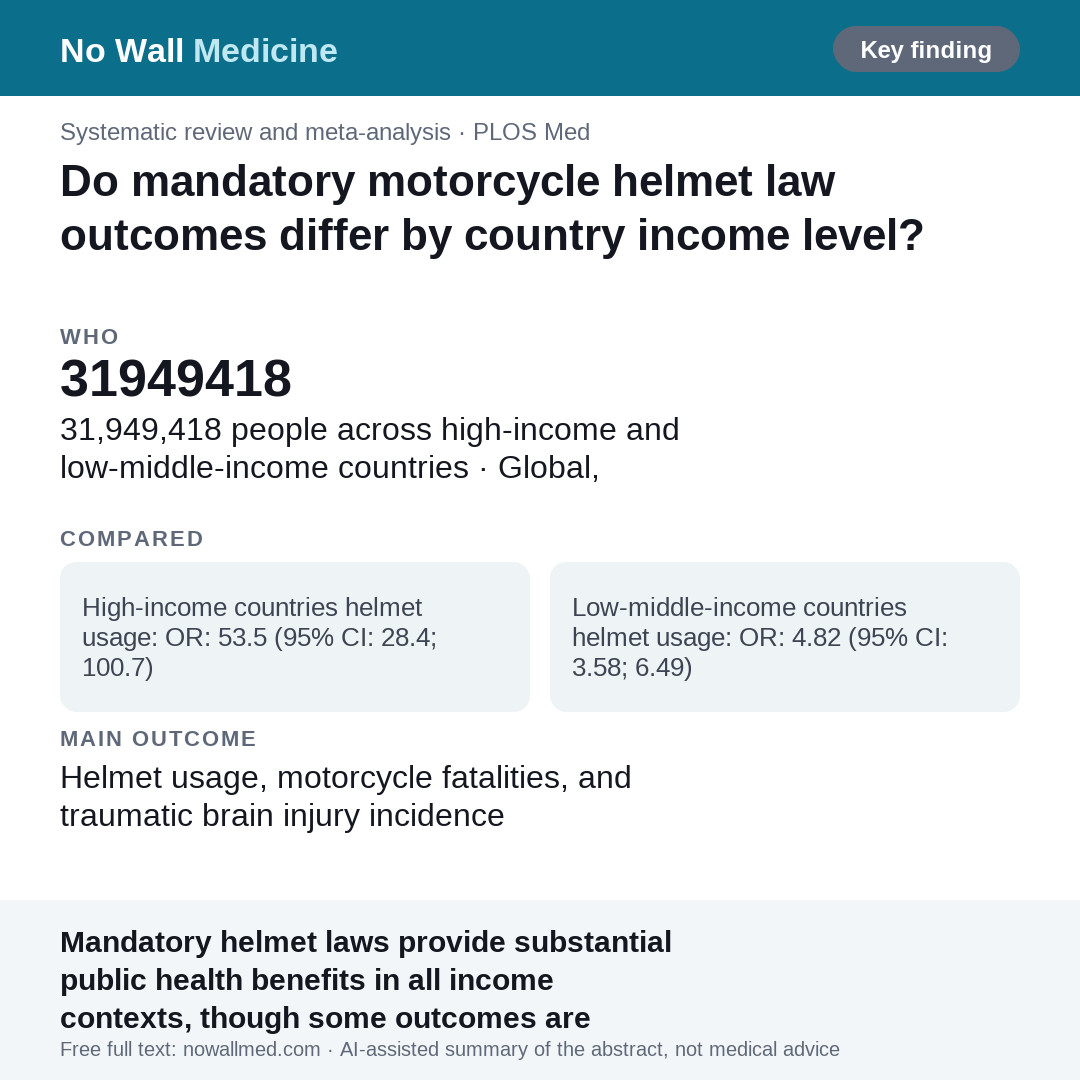
Differences in outcomes of mandatory motorcycle helmet legislation by country income level: A systematic review and meta-analysis
Systematic review and meta-analysisKey finding
Do mandatory motorcycle helmet law outcomes differ by country income level?
Who
31949418
31,949,418 people across high-income and low-middle-income countries · Global, including high-income and low-middle-income countries
Compared
High-income countries helmet usage: OR: 53.5 (95% CI: 28.4; 100.7)
Low-middle-income countries helmet usage: OR: 4.82 (95% CI: 3.58; 6.49)
Main outcome
Helmet usage, motorcycle fatalities, and traumatic brain injury incidence
Result: OR: 0.71 (95% CI: 0.61; 0.83) for motorcycle fatalities
Bottom line: Mandatory helmet laws provide substantial public health benefits in all income contexts, though some outcomes are diminished in low-middle-income settings.
Limitation: Variability in methodologies, data sources, and lack of literature from lowest income countries or African WHO region.
PLOS Med · 2021-09-17Download image
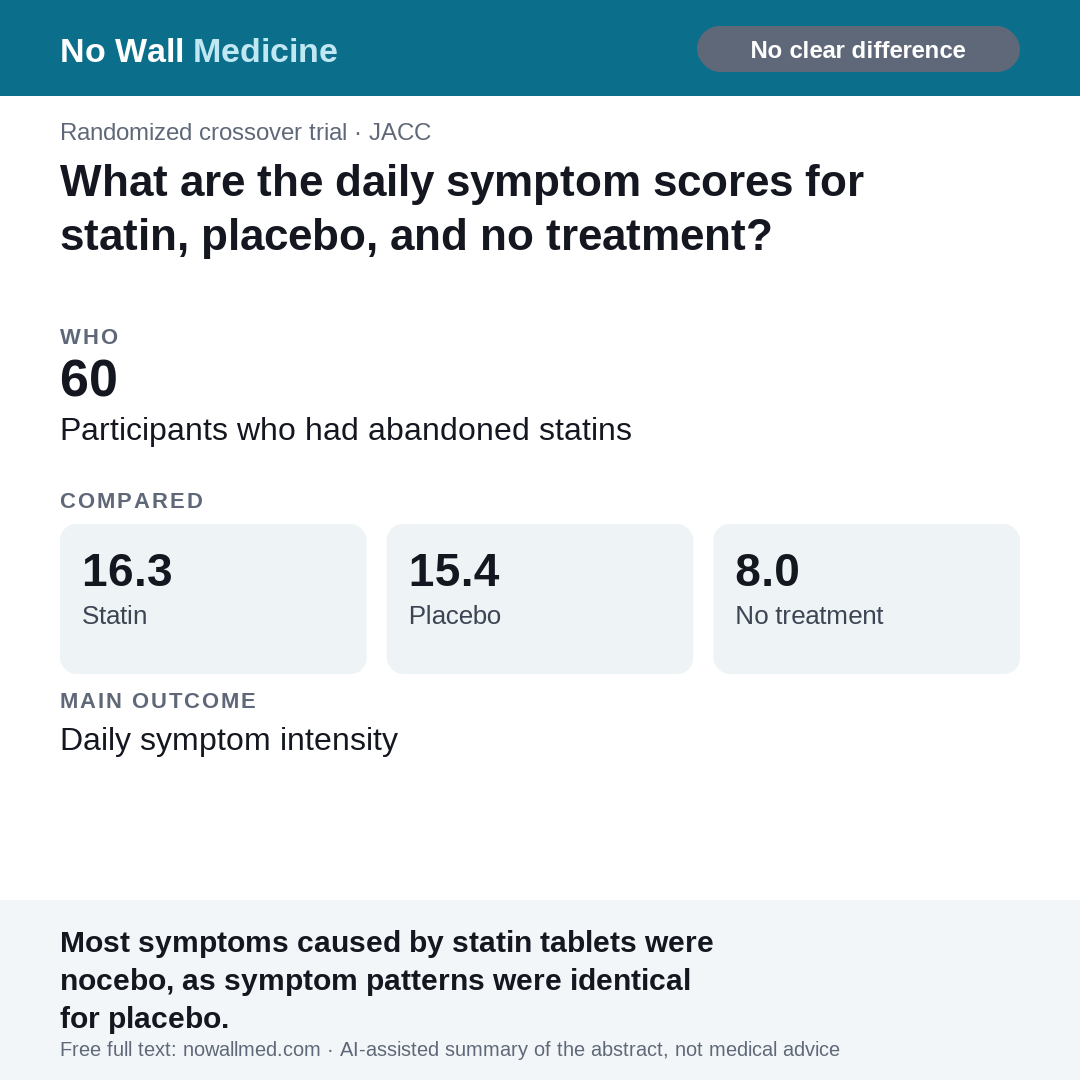
Side Effect Patterns in a Crossover Trial of Statin, Placebo, and No Treatment
Randomized crossover trialNo clear difference
What are the daily symptom scores for statin, placebo, and no treatment?
Who
60
Participants who had abandoned statins
Compared
16.3Statin (95% CI: 13.0-19.6)
15.4Placebo (95% CI: 12.1-18.7)
8.0No treatment (95% CI: 4.7-11.3)
Main outcome
Daily symptom intensity
Bottom line: Most symptoms caused by statin tablets were nocebo, as symptom patterns were identical for placebo.
JACC · 2021-09-17Download image
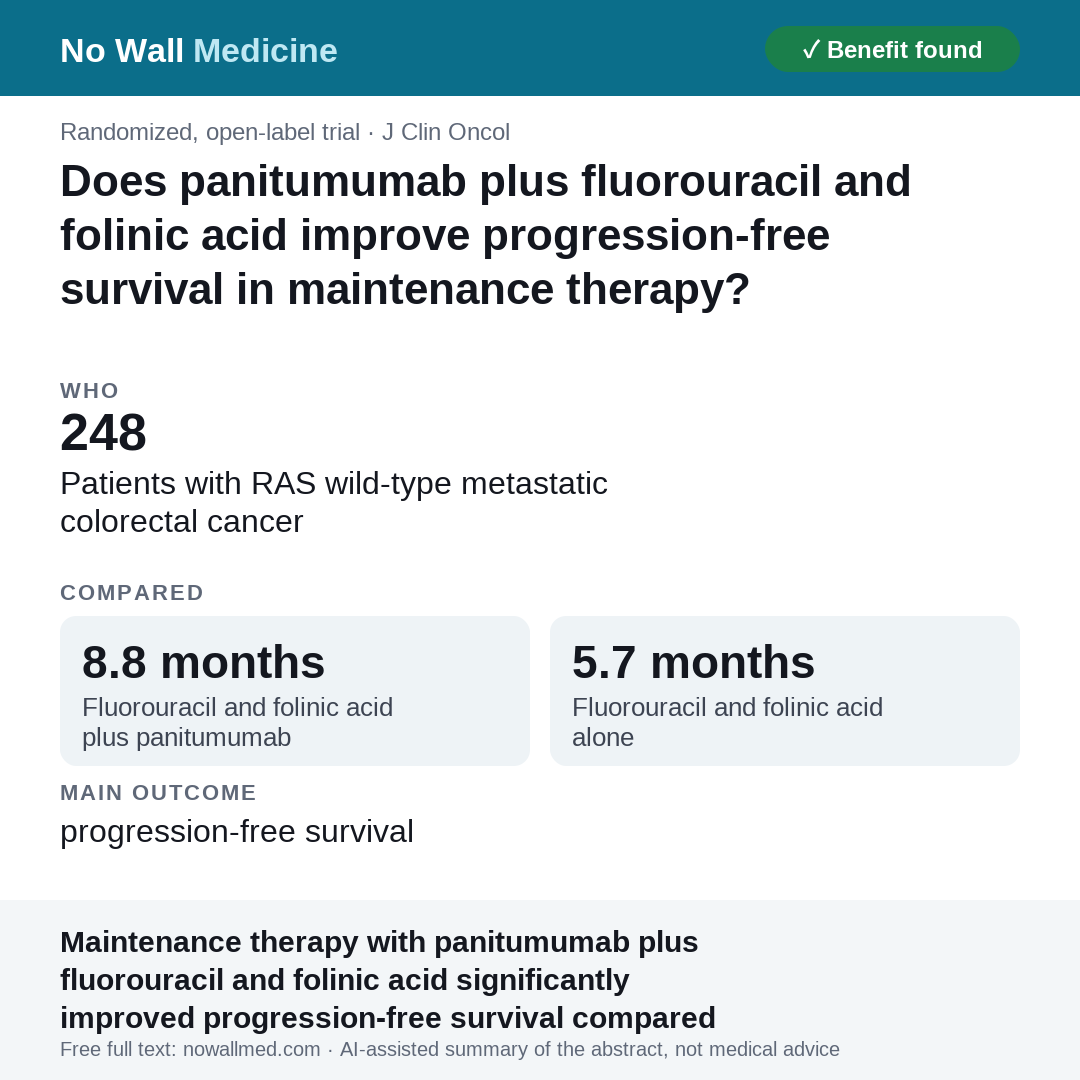
Panitumumab Plus Fluorouracil and Folinic Acid Versus Fluorouracil and Folinic Acid Alone as Maintenance Therapy in RAS Wild-Type Metastatic Colorectal Cancer: The Randomized PANAMA Trial (AIO KRK 0212)
Randomized, open-label trialBenefit found
Does panitumumab plus fluorouracil and folinic acid improve progression-free survival in maintenance therapy?
Who
248
Patients with RAS wild-type metastatic colorectal cancer
Compared
8.8 monthsFluorouracil and folinic acid plus panitumumab
5.7 monthsFluorouracil and folinic acid alone
Main outcome
progression-free survival
Result: hazard ratio 0.72 (95% CI 0.60 to 0.85)
Bottom line: Maintenance therapy with panitumumab plus fluorouracil and folinic acid significantly improved progression-free survival compared to fluorouracil and folinic acid alone.
J Clin Oncol · 2021-09-17Download image
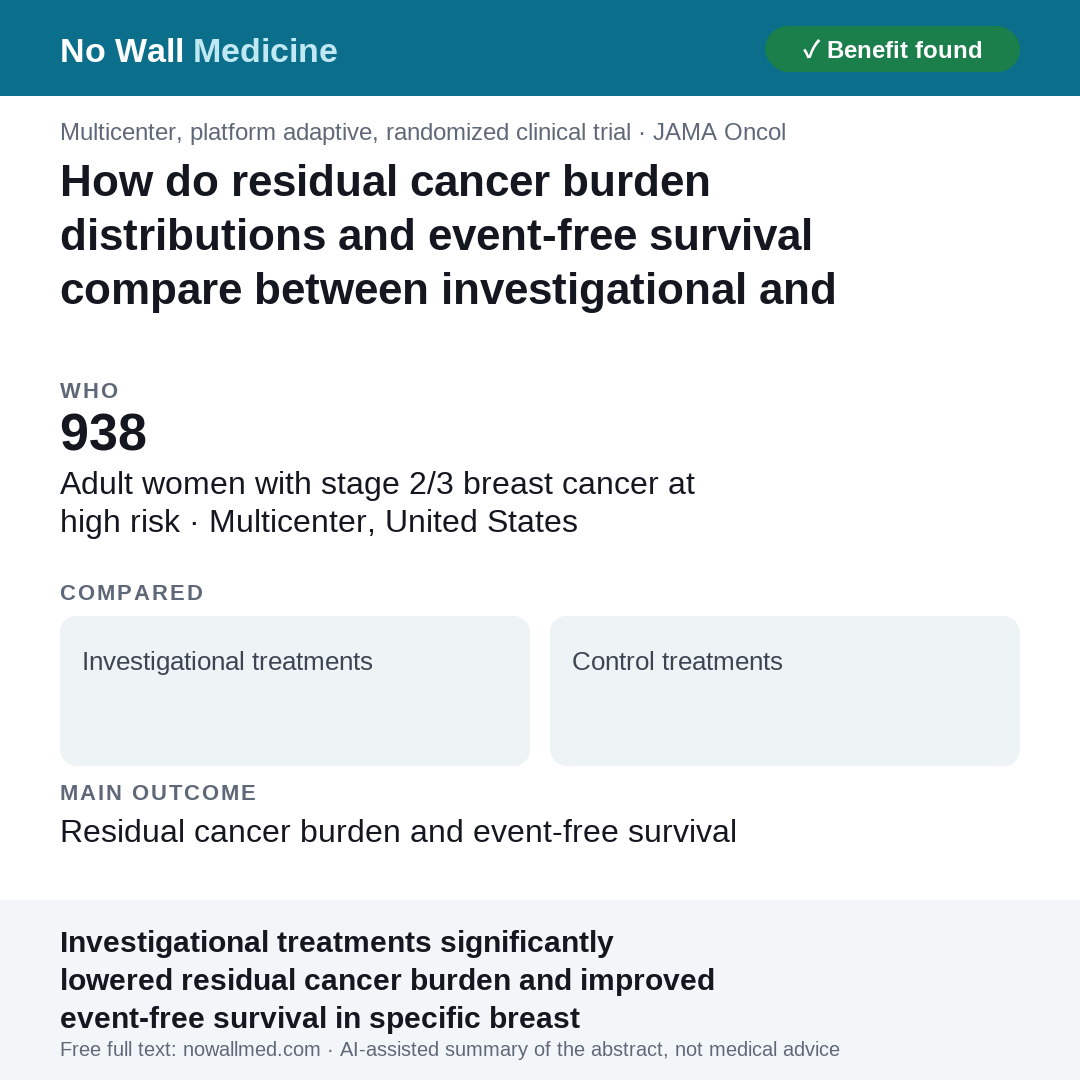
Assessment of Residual Cancer Burden and Event-Free Survival in Neoadjuvant Treatment for High-risk Breast Cancer: An Analysis of Data From the I-SPY2 Randomized Clinical Trial
Multicenter, platform adaptive, randomized clinical trialBenefit found
How do residual cancer burden distributions and event-free survival compare between investigational and control treatments?
Who
938
Adult women with stage 2/3 breast cancer at high risk · Multicenter, United States
Compared
Investigational treatments
Control treatments
Main outcome
Residual cancer burden and event-free survival
Result: hazard ratio 0.61 (95% CI 0.41 to 0.93)
Bottom line: Investigational treatments significantly lowered residual cancer burden and improved event-free survival in specific breast cancer subtypes.
JAMA Oncol · 2021-09-17Download image
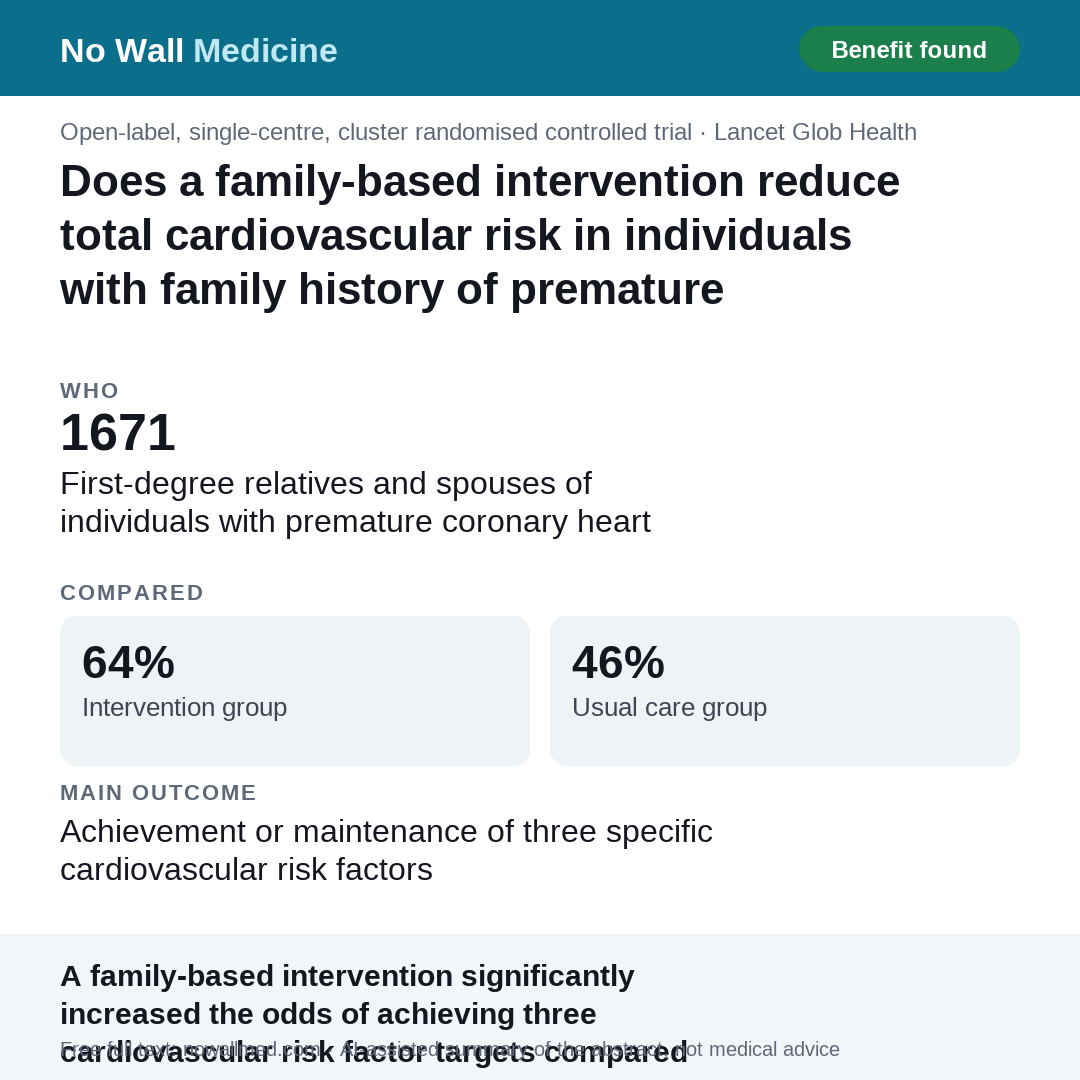
Efficacy of a family-based cardiovascular risk reduction intervention in individuals with a family history of premature coronary heart disease in India (PROLIFIC): an open-label, single-centre, cluster randomised controlled trial
Open-label, single-centre, cluster randomised controlled trialBenefit found
Does a family-based intervention reduce total cardiovascular risk in individuals with family history of premature coronary heart disease?
Who
1671
First-degree relatives and spouses of individuals with premature coronary heart disease · Tertiary care speciality hospital in Kerala, India
Compared
64%Intervention group (514/803)
46%Usual care group (379/819)
Main outcome
Achievement or maintenance of three specific cardiovascular risk factors
Result: odds ratio 2·2 (95% CI 1·7-2·7)
Bottom line: A family-based intervention significantly increased the odds of achieving three cardiovascular risk factor targets compared to usual care.
Funded by: Wellcome Trust, Department of Biotechnology, Government of India, and India Alliance
Lancet Glob Health · 2021-09-17Download image
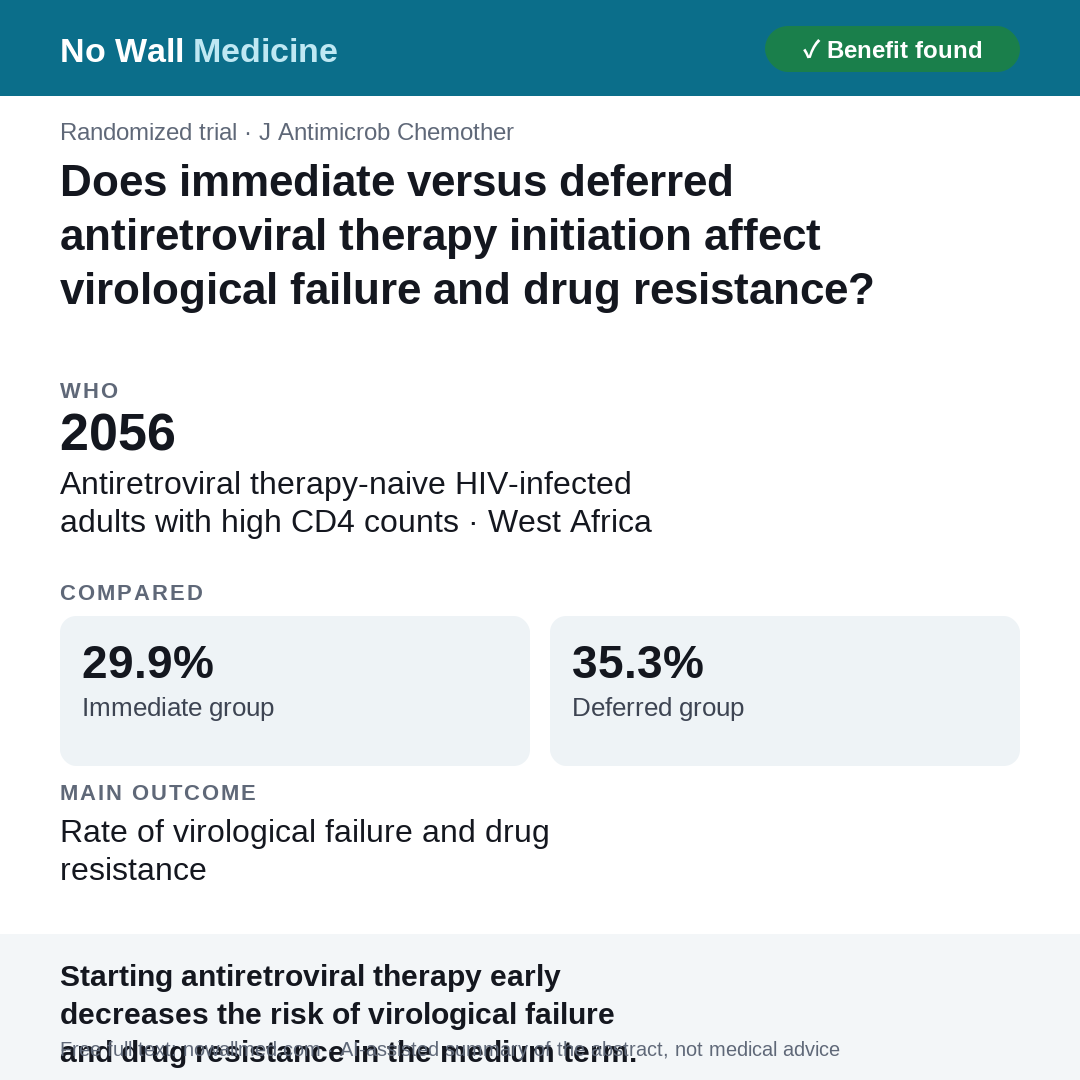
Virological failure and drug resistance in West African HIV-infected adults who started ART immediately or deferred ART initiation
Randomized trialBenefit found
Does immediate versus deferred antiretroviral therapy initiation affect virological failure and drug resistance?
Who
2056
Antiretroviral therapy-naive HIV-infected adults with high CD4 counts · West Africa
Compared
29.9%Immediate group
35.3%Deferred group
Main outcome
Rate of virological failure and drug resistance
Bottom line: Starting antiretroviral therapy early decreases the risk of virological failure and drug resistance in the medium term.
J Antimicrob Chemother · 2021-09-17Download image
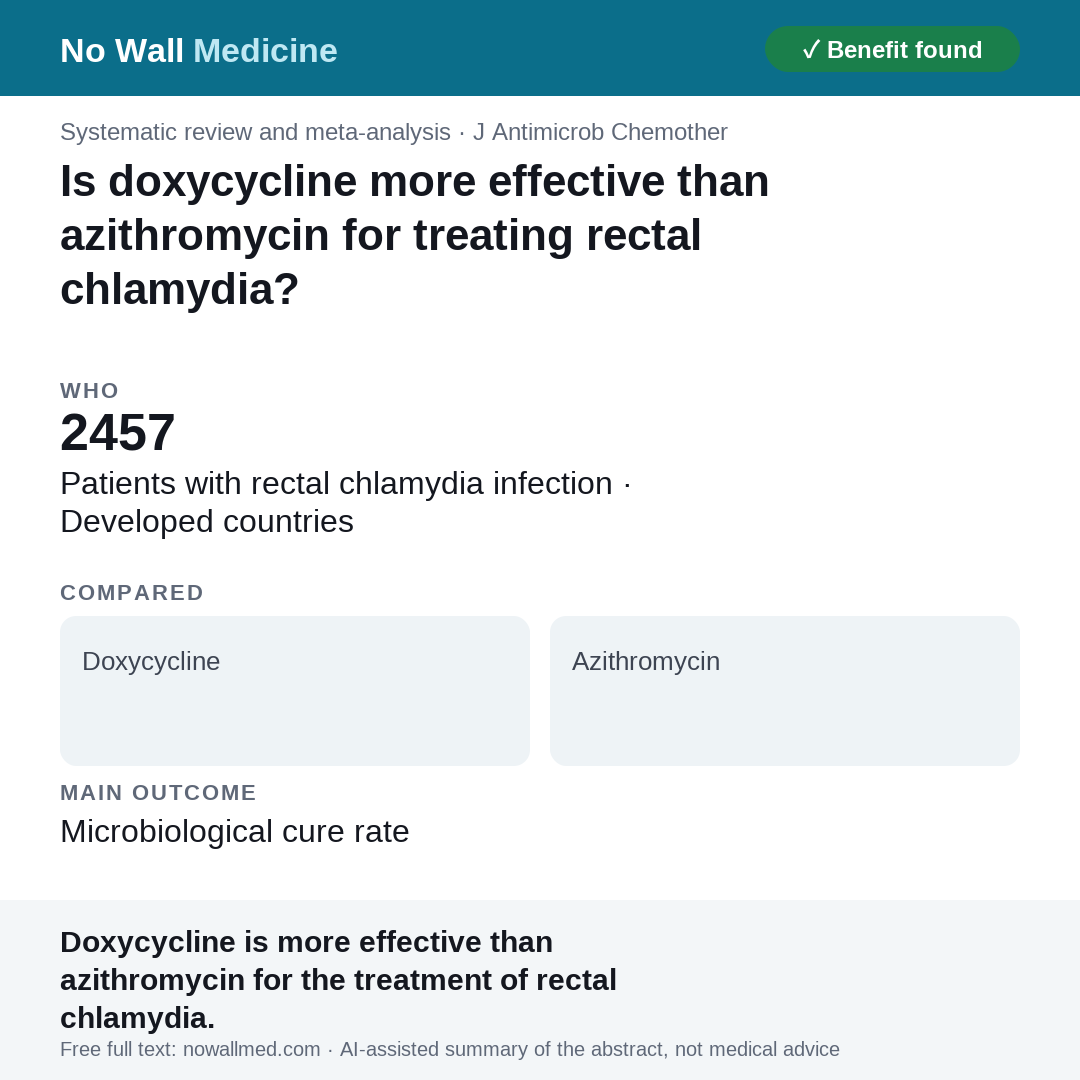
Efficacy of doxycycline versus azithromycin for the treatment of rectal chlamydia: a systematic review and meta-analysis
Systematic review and meta-analysisBenefit found
Is doxycycline more effective than azithromycin for treating rectal chlamydia?
Who
2457
Patients with rectal chlamydia infection · Developed countries
Compared
Doxycycline
Azithromycin
Main outcome
Microbiological cure rate
Result: risk ratio 1.21 (95% CI 1.15-1.28)
Bottom line: Doxycycline is more effective than azithromycin for the treatment of rectal chlamydia.
Limitation: More randomized controlled trials from developing countries are warranted.
J Antimicrob Chemother · 2021-09-17Download image
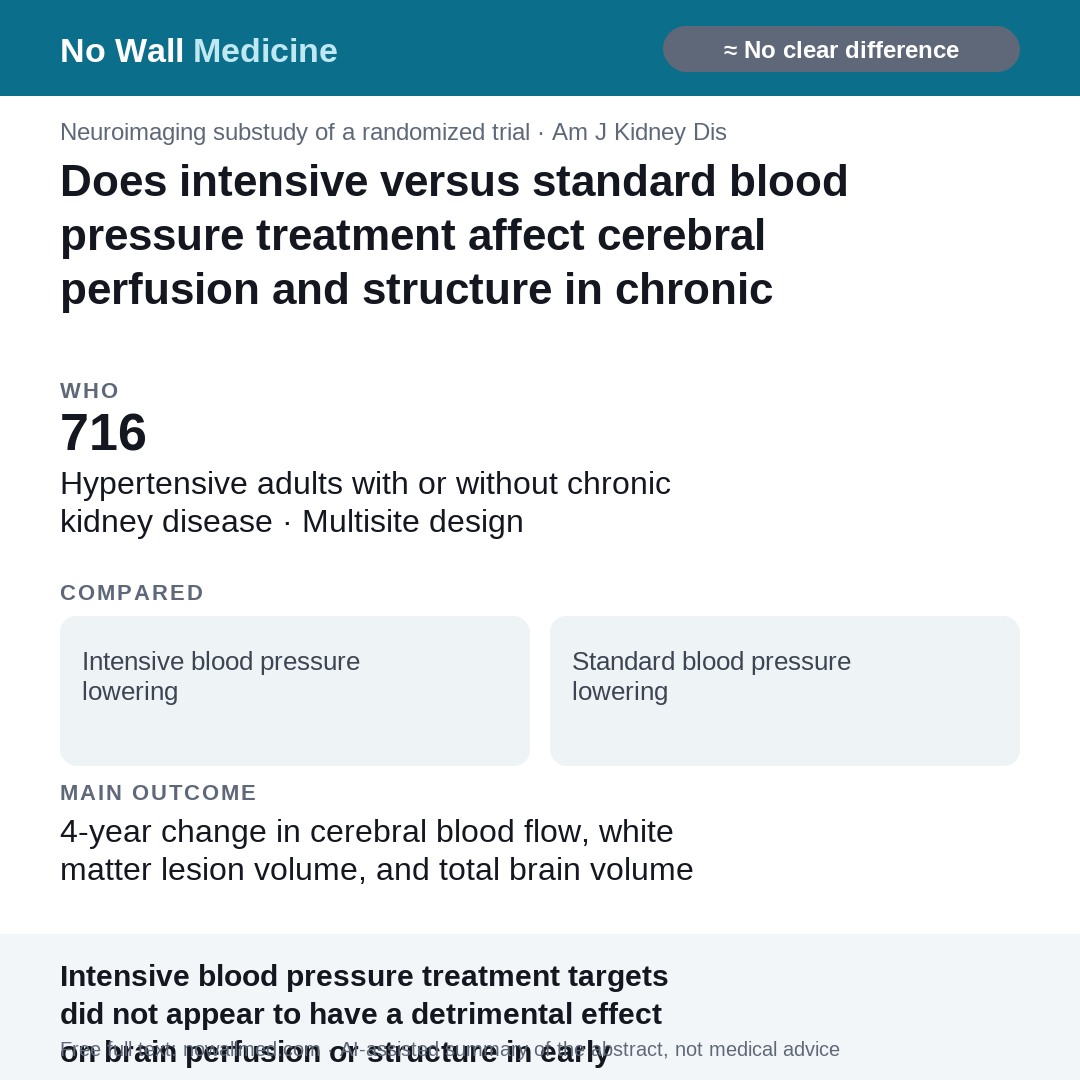
Kidney Disease, Hypertension Treatment, and Cerebral Perfusion and Structure
Neuroimaging substudy of a randomized trialNo clear difference
Does intensive versus standard blood pressure treatment affect cerebral perfusion and structure in chronic kidney disease?
Who
716
Hypertensive adults with or without chronic kidney disease · Multisite design
Compared
Intensive blood pressure lowering
Standard blood pressure lowering
Main outcome
4-year change in cerebral blood flow, white matter lesion volume, and total brain volume
Bottom line: Intensive blood pressure treatment targets did not appear to have a detrimental effect on brain perfusion or structure in early kidney disease.
Limitation: Measurement variability due to multisite design.
Funded by: National Institutes of Health and National Institute of Diabetes and Kidney Diseases
Am J Kidney Dis · 2021-09-17Download image
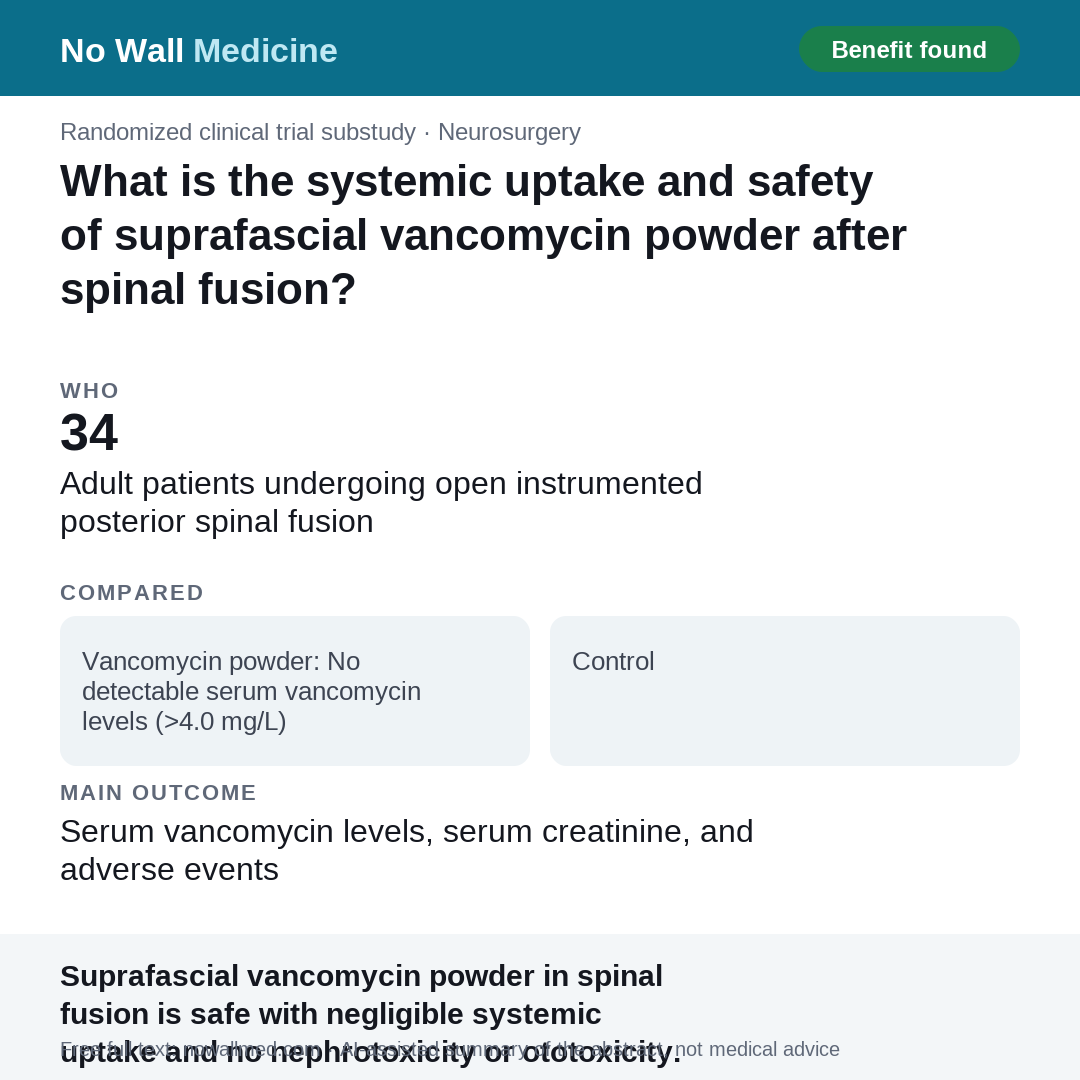
Negligible Systemic Uptake of Suprafascial Vancomycin Powder Following Instrumented Posterior Spinal Fusion-Preliminary Results From A Randomized Clinical Trial (VANCO Trial)
Randomized clinical trial substudyBenefit found
What is the systemic uptake and safety of suprafascial vancomycin powder after spinal fusion?
Who
34
Adult patients undergoing open instrumented posterior spinal fusion
Compared
Vancomycin powder: No detectable serum vancomycin levels (>4.0 mg/L)
Control
Main outcome
Serum vancomycin levels, serum creatinine, and adverse events
Result: odds ratio 3.12 (95% CI 0.52 to 19.38)
Bottom line: Suprafascial vancomycin powder in spinal fusion is safe with negligible systemic uptake and no nephrotoxicity or ototoxicity.
Limitation: Final results are needed for conclusive data on efficacy and wound healing.
Neurosurgery · 2021-09-17Download image
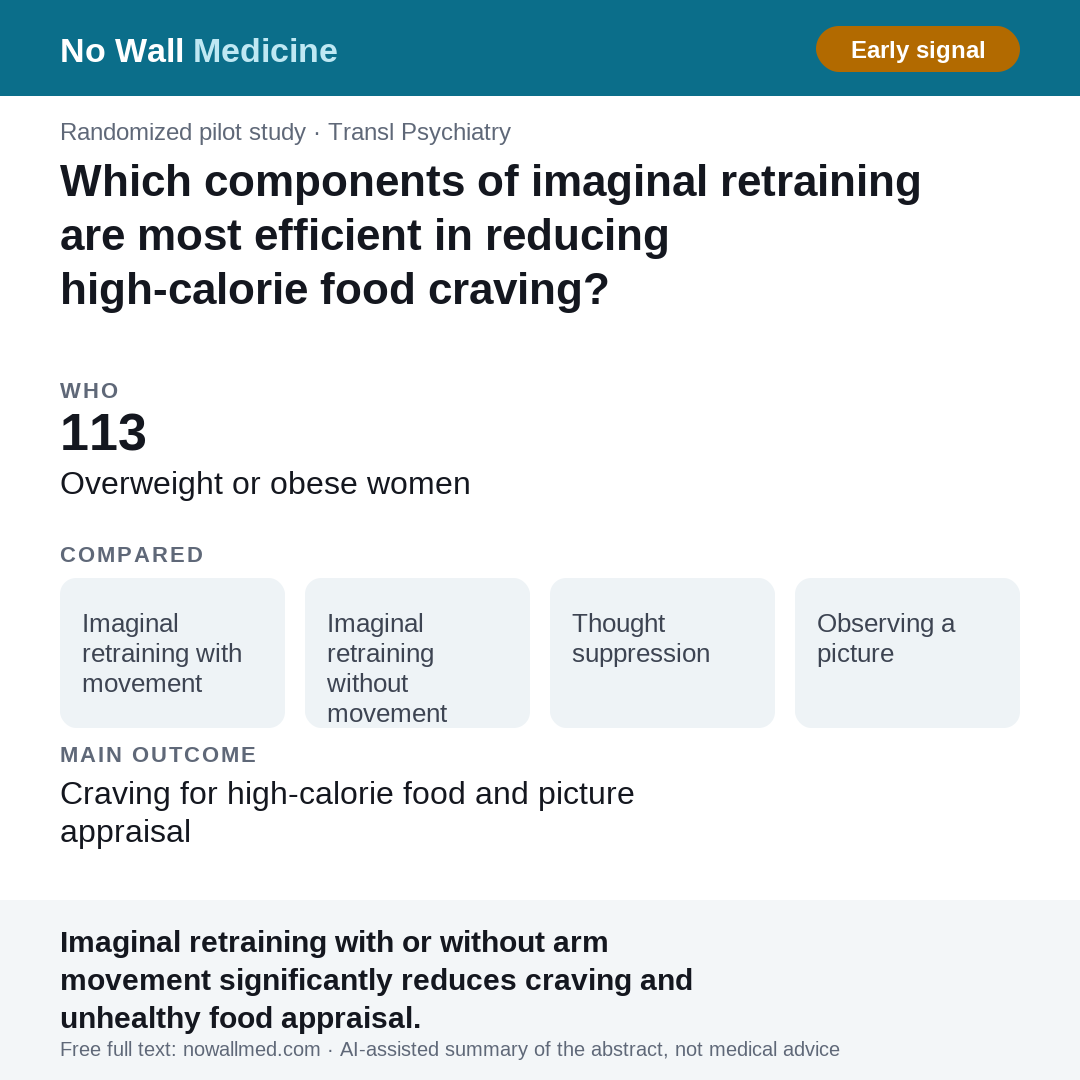
A dismantling study on imaginal retraining in overweight or obese women
Randomized pilot studyEarly signal
Which components of imaginal retraining are most efficient in reducing high-calorie food craving?
Who
113
Overweight or obese women
Compared
Imaginal retraining with movement
Imaginal retraining without movement
Thought suppression
Observing a picture
Main outcome
Craving for high-calorie food and picture appraisal
Bottom line: Imaginal retraining with or without arm movement significantly reduces craving and unhealthy food appraisal.
Limitation: Future studies should repeat the experiment in situations of high craving.
Transl Psychiatry · 2021-09-17Download image
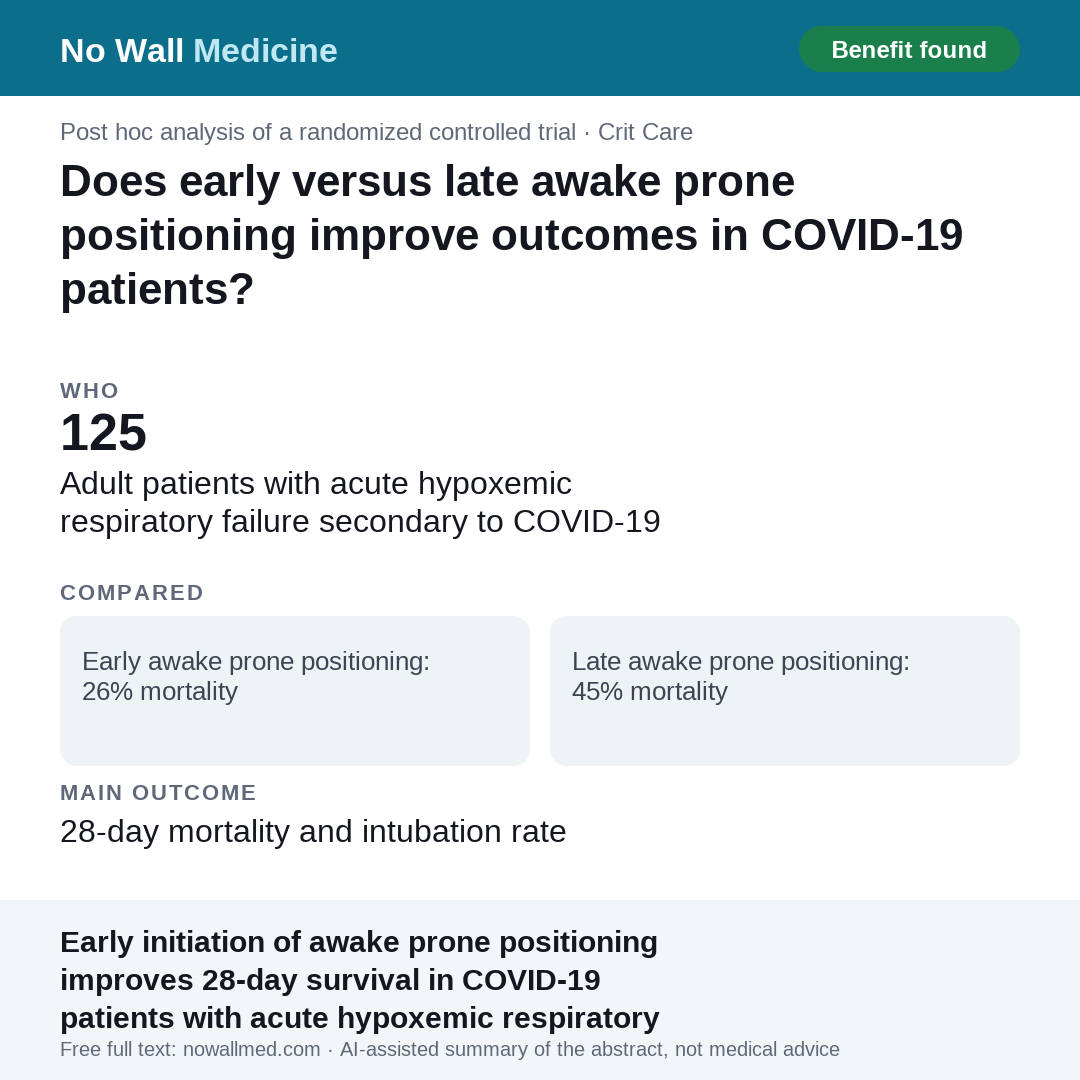
Early versus late awake prone positioning in non-intubated patients with COVID-19
Post hoc analysis of a randomized controlled trialBenefit found
Does early versus late awake prone positioning improve outcomes in COVID-19 patients?
Who
125
Adult patients with acute hypoxemic respiratory failure secondary to COVID-19
Compared
Early awake prone positioning: 26% mortality
Late awake prone positioning: 45% mortality
Main outcome
28-day mortality and intubation rate
Bottom line: Early initiation of awake prone positioning improves 28-day survival in COVID-19 patients with acute hypoxemic respiratory failure.
Crit Care · 2021-09-17Download image
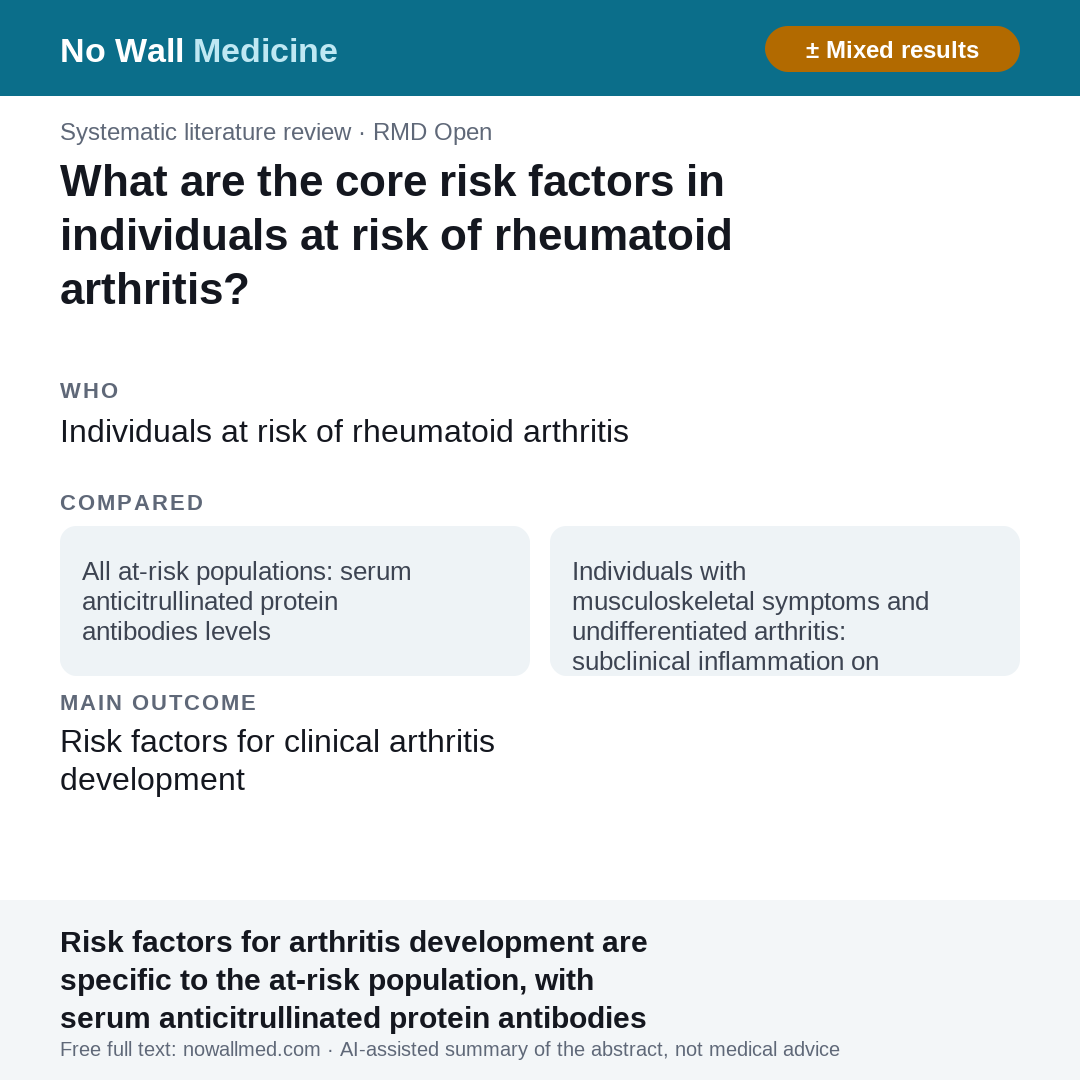
A core set of risk factors in individuals at risk of rheumatoid arthritis: a systematic literature review informing the EULAR points to consider for conducting clinical trials and observational studies in individuals at risk of rheumatoid arthritis
Systematic literature reviewMixed results
What are the core risk factors in individuals at risk of rheumatoid arthritis?
Who
Individuals at risk of rheumatoid arthritis
Compared
All at-risk populations: serum anticitrullinated protein antibodies levels
Individuals with musculoskeletal symptoms and undifferentiated arthritis: subclinical inflammation on ultrasound, MRI and clinical features
Main outcome
Risk factors for clinical arthritis development
Bottom line: Risk factors for arthritis development are specific to the at-risk population, with serum anticitrullinated protein antibodies conferring risk in all populations.
RMD Open · 2021-09-17Download image
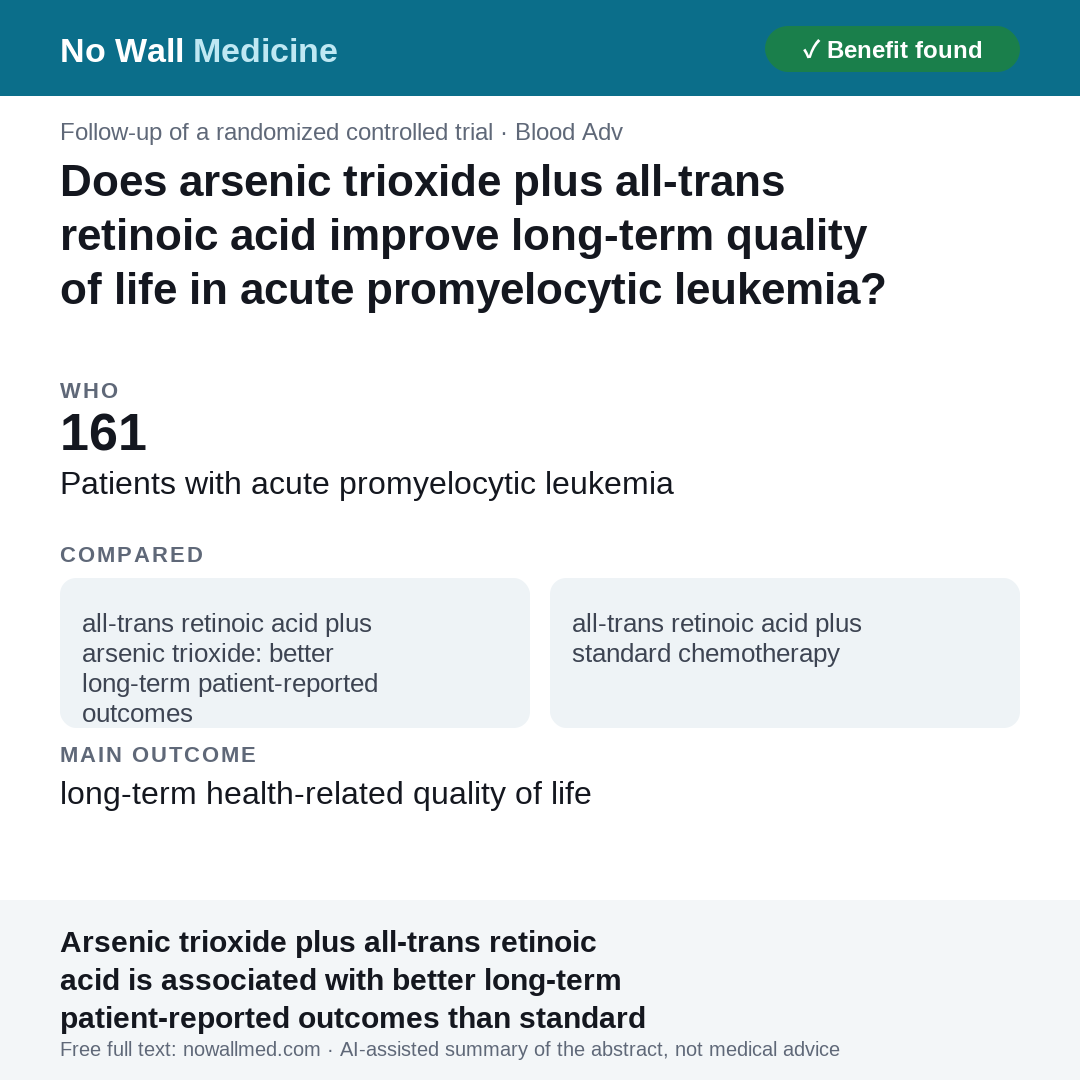
Long-term quality of life of patients with acute promyelocytic leukemia treated with arsenic trioxide vs chemotherapy
Follow-up of a randomized controlled trialBenefit found
Does arsenic trioxide plus all-trans retinoic acid improve long-term quality of life in acute promyelocytic leukemia?
Who
161
Patients with acute promyelocytic leukemia
Compared
all-trans retinoic acid plus arsenic trioxide: better long-term patient-reported outcomes
all-trans retinoic acid plus standard chemotherapy
Main outcome
long-term health-related quality of life
Bottom line: Arsenic trioxide plus all-trans retinoic acid is associated with better long-term patient-reported outcomes than standard chemotherapy.
Blood Adv · 2021-09-17Download image
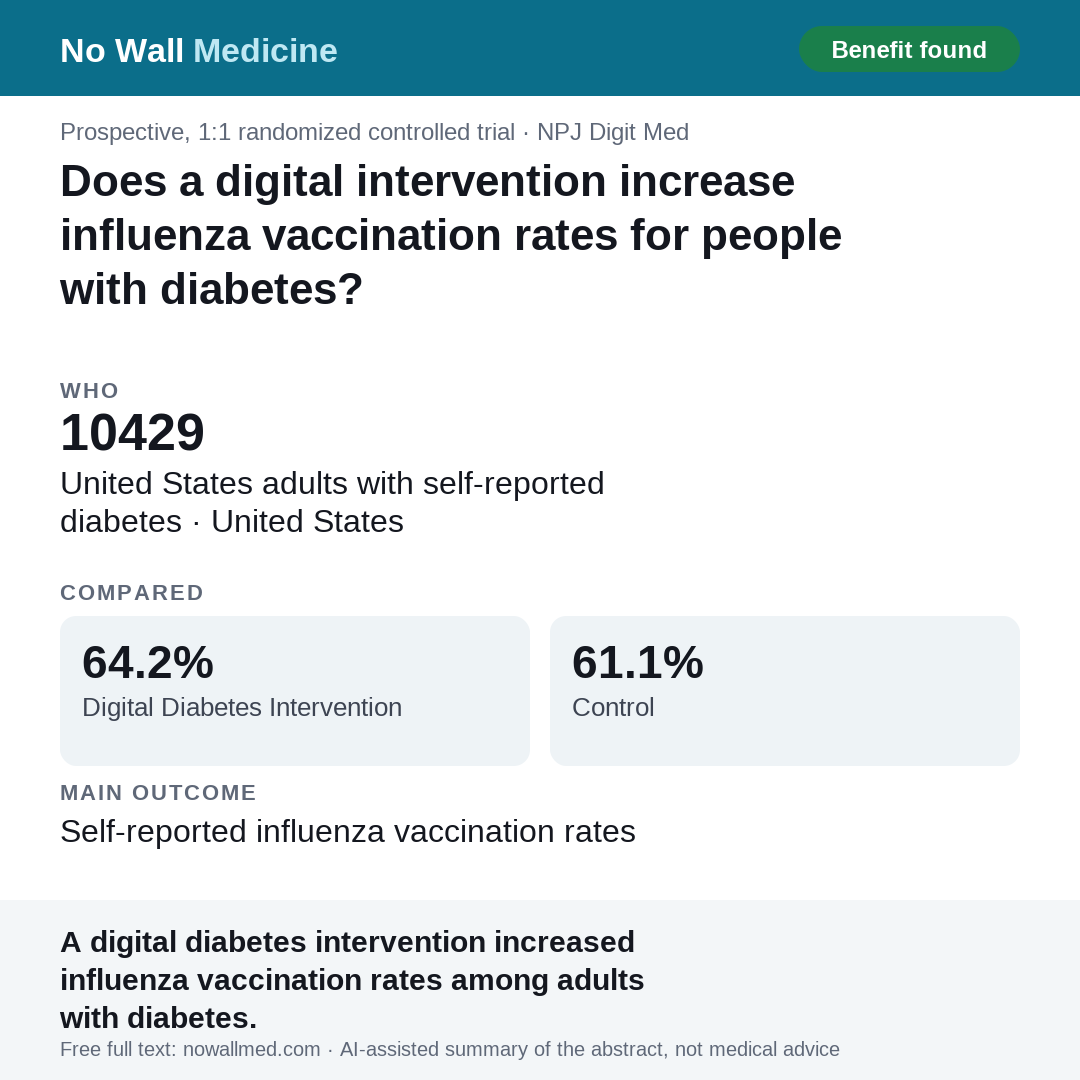
Digital intervention increases influenza vaccination rates for people with diabetes in a decentralized randomized trial
Prospective, 1:1 randomized controlled trialBenefit found
Does a digital intervention increase influenza vaccination rates for people with diabetes?
Who
10429
United States adults with self-reported diabetes · United States
Compared
64.2%Digital Diabetes Intervention
61.1%Control
Main outcome
Self-reported influenza vaccination rates
Result: relative risk 1.05 (95% CI 1.02 to 1.08)
Bottom line: A digital diabetes intervention increased influenza vaccination rates among adults with diabetes.
NPJ Digit Med · 2021-09-17Download image
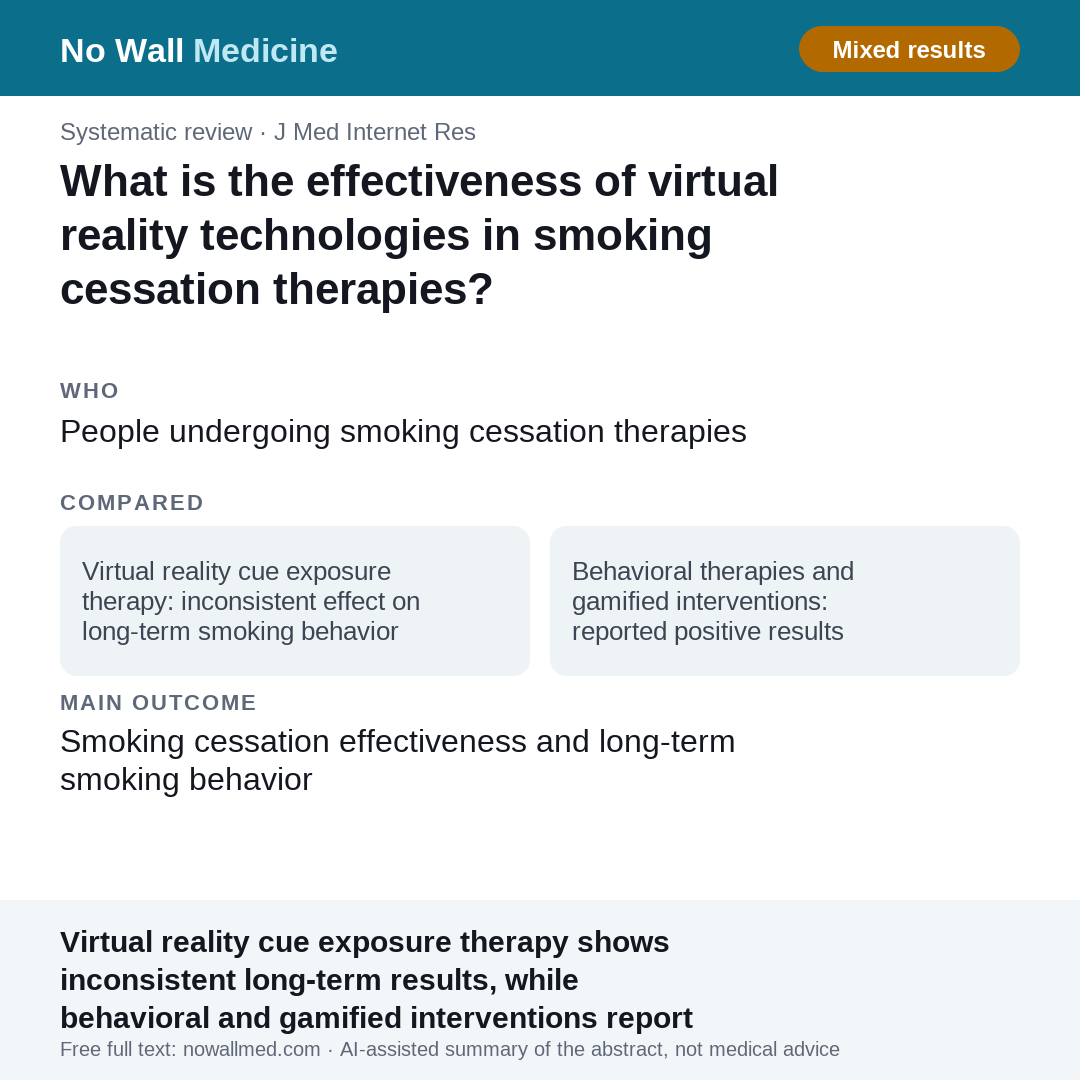
Virtual Reality Technology Use in Cigarette Craving and Smoking Interventions (I "Virtually" Quit): Systematic Review
Systematic reviewMixed results
What is the effectiveness of virtual reality technologies in smoking cessation therapies?
Who
People undergoing smoking cessation therapies
Compared
Virtual reality cue exposure therapy: inconsistent effect on long-term smoking behavior
Behavioral therapies and gamified interventions: reported positive results
Main outcome
Smoking cessation effectiveness and long-term smoking behavior
Bottom line: Virtual reality cue exposure therapy shows inconsistent long-term results, while behavioral and gamified interventions report positive outcomes.
J Med Internet Res · 2021-09-17Download image
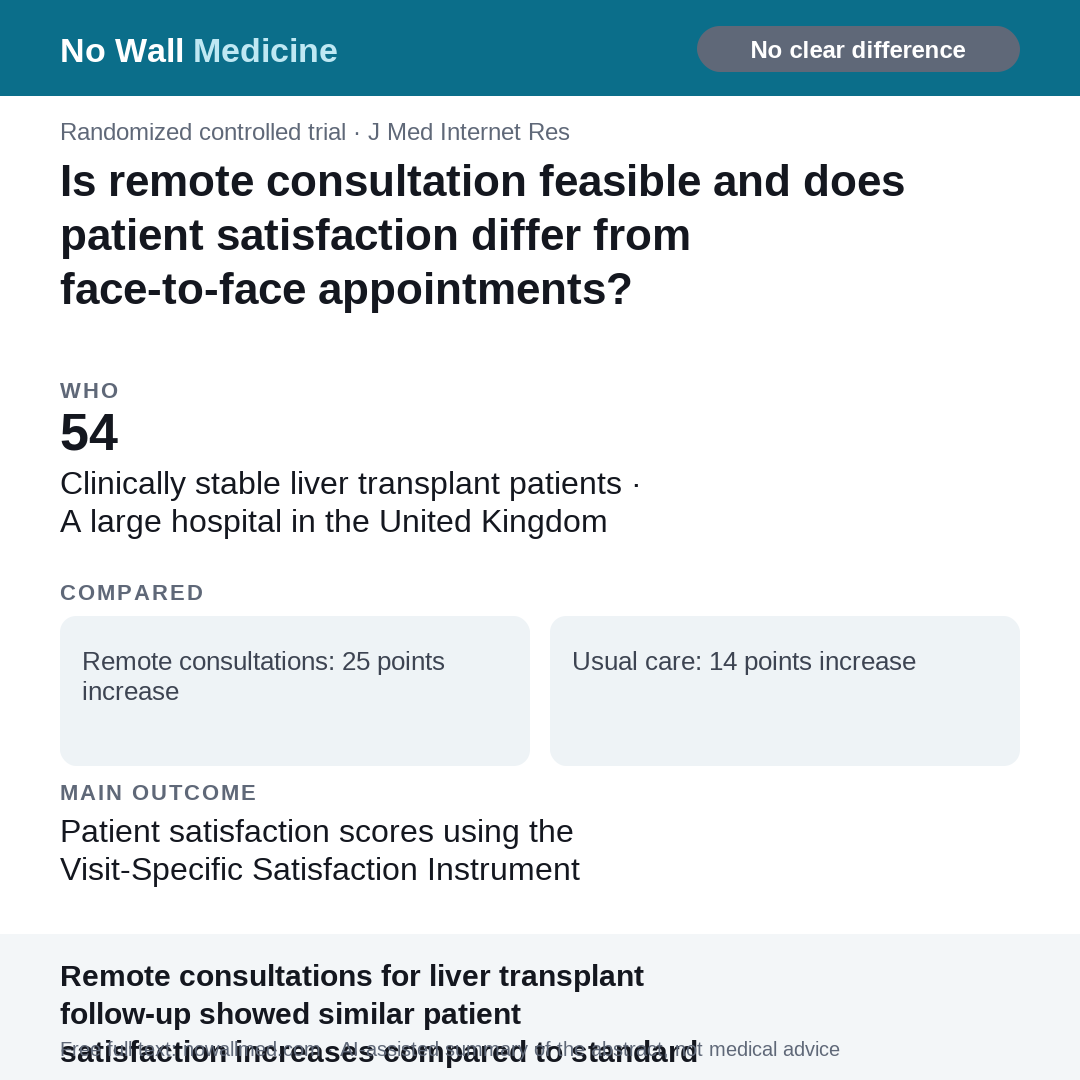
Remote Consultations Versus Standard Face-to-Face Appointments for Liver Transplant Patients in Routine Hospital Care: Feasibility Randomized Controlled Trial of myVideoClinic
Randomized controlled trialNo clear difference
Is remote consultation feasible and does patient satisfaction differ from face-to-face appointments?
Who
54
Clinically stable liver transplant patients · A large hospital in the United Kingdom
Compared
Remote consultations: 25 points increase
Usual care: 14 points increase
Main outcome
Patient satisfaction scores using the Visit-Specific Satisfaction Instrument
Result: P=.10
Bottom line: Remote consultations for liver transplant follow-up showed similar patient satisfaction increases compared to standard face-to-face appointments.
Limitation: High crossover between study arms and common technical problems with the software.
J Med Internet Res · 2021-09-17Download image
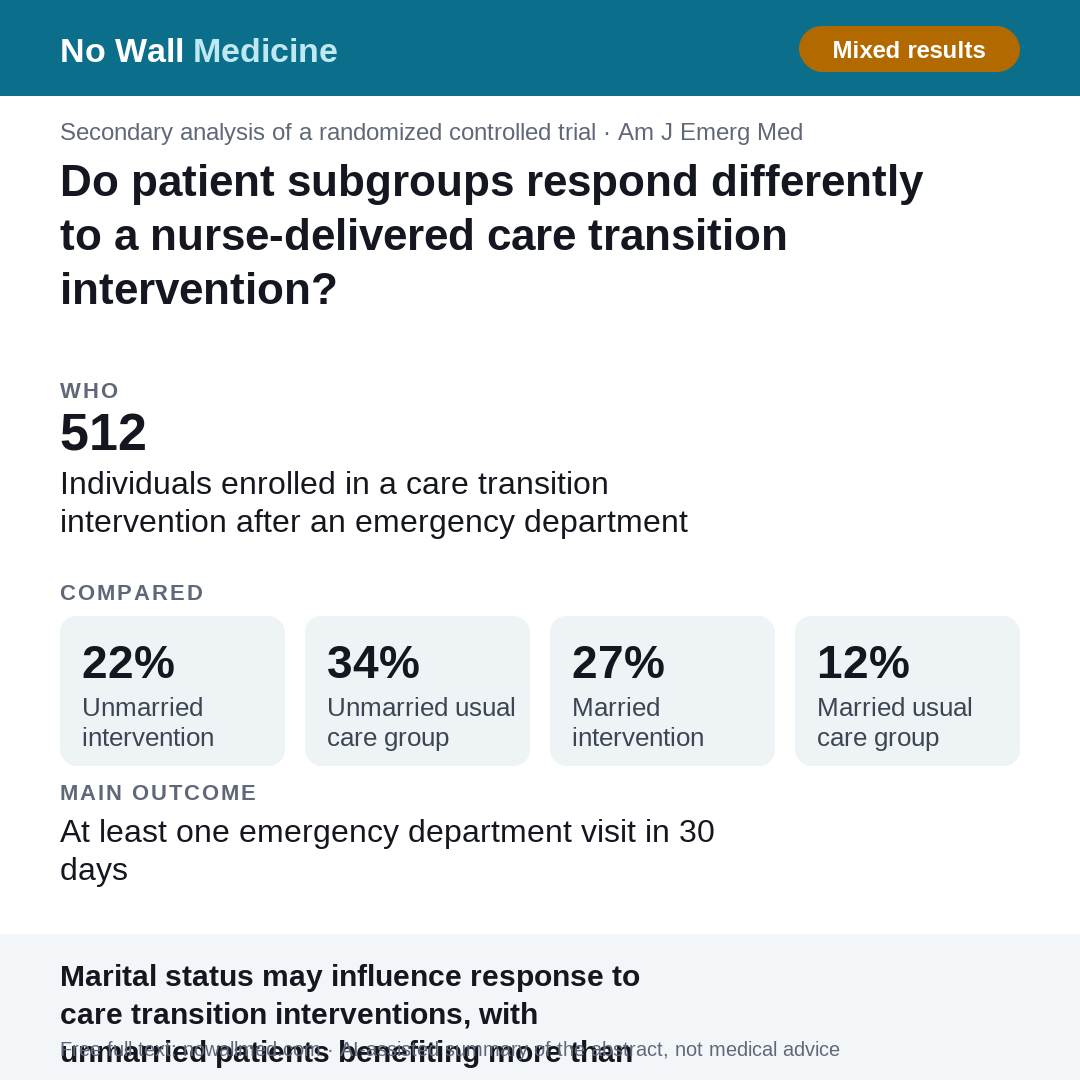
Exploring differential response to an emergency department-based care transition intervention
Secondary analysis of a randomized controlled trialMixed results
Do patient subgroups respond differently to a nurse-delivered care transition intervention?
Who
512
Individuals enrolled in a care transition intervention after an emergency department visit
Compared
22%Unmarried intervention group
34%Unmarried usual care group
27%Married intervention group
12%Married usual care group
Main outcome
At least one emergency department visit in 30 days
Bottom line: Marital status may influence response to care transition interventions, with unmarried patients benefiting more than married patients.
Limitation: The results are exploratory and based on a secondary analysis.
Am J Emerg Med · 2021-09-16Download image
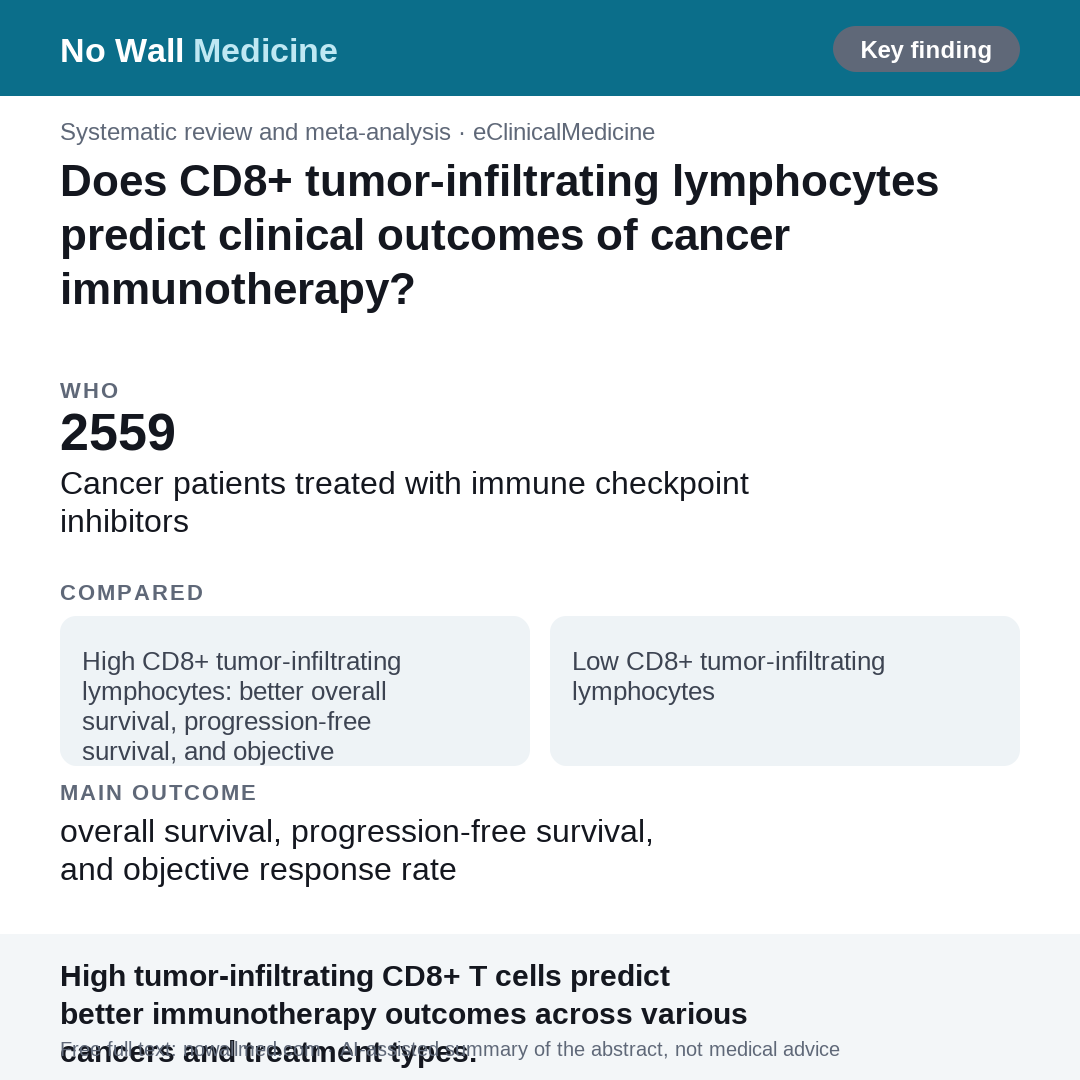
The association between CD8+ tumor-infiltrating lymphocytes and the clinical outcome of cancer immunotherapy: A systematic review and meta-analysis
Systematic review and meta-analysisKey finding
Does CD8+ tumor-infiltrating lymphocytes predict clinical outcomes of cancer immunotherapy?
Who
2559
Cancer patients treated with immune checkpoint inhibitors
Compared
High CD8+ tumor-infiltrating lymphocytes: better overall survival, progression-free survival, and objective response rate
Low CD8+ tumor-infiltrating lymphocytes
Main outcome
overall survival, progression-free survival, and objective response rate
Result: hazard ratio 0.52 (95% confidence interval: 0.41-0.67)
Bottom line: High tumor-infiltrating CD8+ T cells predict better immunotherapy outcomes across various cancers and treatment types.
Funded by: China National Science Foundation and other Chinese research grants
eClinicalMedicine · 2021-09-16Download image
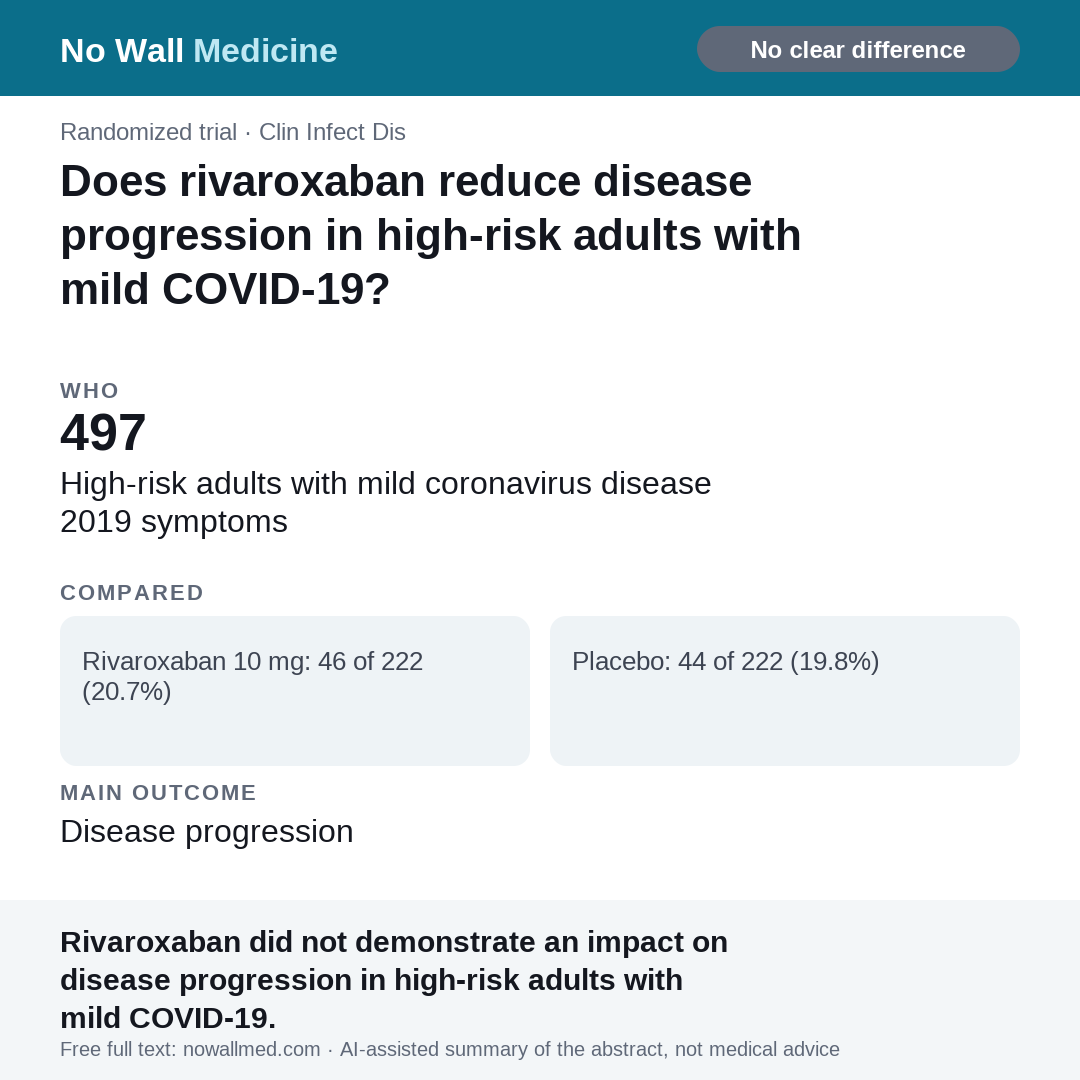
Randomized Study of Rivaroxaban vs Placebo on Disease Progression and Symptoms Resolution in High-Risk Adults With Mild Coronavirus Disease 2019
Randomized trialNo clear difference
Does rivaroxaban reduce disease progression in high-risk adults with mild COVID-19?
Who
497
High-risk adults with mild coronavirus disease 2019 symptoms
Compared
Rivaroxaban 10 mg: 46 of 222 (20.7%)
Placebo: 44 of 222 (19.8%)
Main outcome
Disease progression
Result: risk difference -1.0 (95% confidence interval, -6.4 to 8.4)
Bottom line: Rivaroxaban did not demonstrate an impact on disease progression in high-risk adults with mild COVID-19.
Clin Infect Dis · 2021-09-16Download image