Visual abstracts
New randomized trials and meta-analyses from leading journals at a glance: who was studied, what was compared, and what was found. Every paper is free to read in full.
All specialtiesCardiology 311Oncology 235Gastroenterology & Hepatology 133Infectious Disease 245Neurology 142Psychiatry & Mental Health 210Pulmonology 139Critical Care 91Endocrinology & Diabetes 186Pediatrics 138Surgery 91Orthopedics & Sports Medicine 60Neurosurgery 17Cardiothoracic & Vascular Surgery 34Plastic & Reconstructive Surgery 62Nephrology 63Rheumatology 59Hematology 74Dermatology 31Ophthalmology 52Obstetrics & Gynecology 89Public & Global Health 94Radiology & Imaging 26Anesthesiology 52Urology 72ENT (Otolaryngology) 40Emergency Medicine 29Allergy & Immunology 30Geriatrics 91Family Medicine & Primary Care 46Medical Genetics & Genomics 28Pathology & Laboratory Medicine 5Physical Medicine & Rehabilitation 76Palliative Care 45Nutrition 109Digital Health & AI 260General Medicine 40
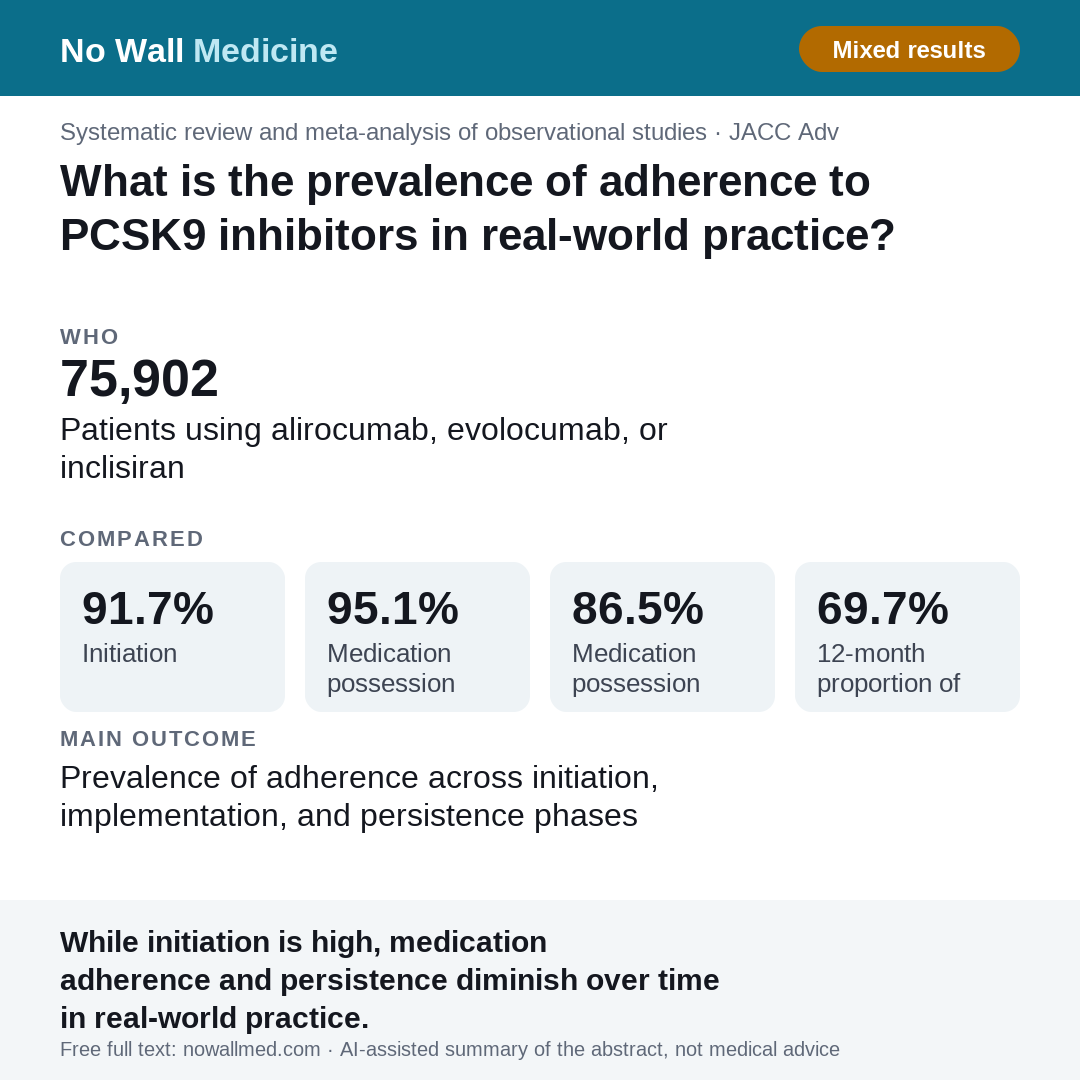
Adherence to PCSK9 Inhibitors in Clinical Practice: Systematic Review and Meta-Analysis of Observational Studies
Systematic review and meta-analysis of observational studiesMixed results
What is the prevalence of adherence to PCSK9 inhibitors in real-world practice?
Who
75,902
Patients using alirocumab, evolocumab, or inclisiran
Compared
91.7%Initiation (95% CI: 83.6-96.0)
95.1%Medication possession ratio at 6 months (95% CI: 92.7-97.5)
86.5%Medication possession ratio at 24 months (95% CI: 80.2-92.9)
69.7%12-month proportion of days covered (95% CI: 55.9-83.5)
Main outcome
Prevalence of adherence across initiation, implementation, and persistence phases
Bottom line: While initiation is high, medication adherence and persistence diminish over time in real-world practice.
Limitation: Limited evidence beyond 24 months of follow-up and for inclisiran.
JACC Adv · 2026-04-17Download image
Referral uptake after diabetic retinopathy screening with artificial intelligence-assisted care pathways: a systematic review and meta-analysis
Systematic review and meta-analysisBenefit found
Does artificial intelligence-assisted screening improve diabetic retinopathy referral uptake compared to standard care?
Who
Patients undergoing diabetic retinopathy screening · Not specified
Compared
Artificial intelligence-assisted screening
Standard of care
Main outcome
Diabetic retinopathy referral uptake
Result: relative risk 1.89 (95% CI 1.18 to 3.03)
Bottom line: Artificial intelligence-assisted screening increases diabetic retinopathy referral uptake compared to the standard of care.
Limitation: High heterogeneity among included studies (I2 = 91.9%)
NPJ Digit Med · 2026-04-17Download image

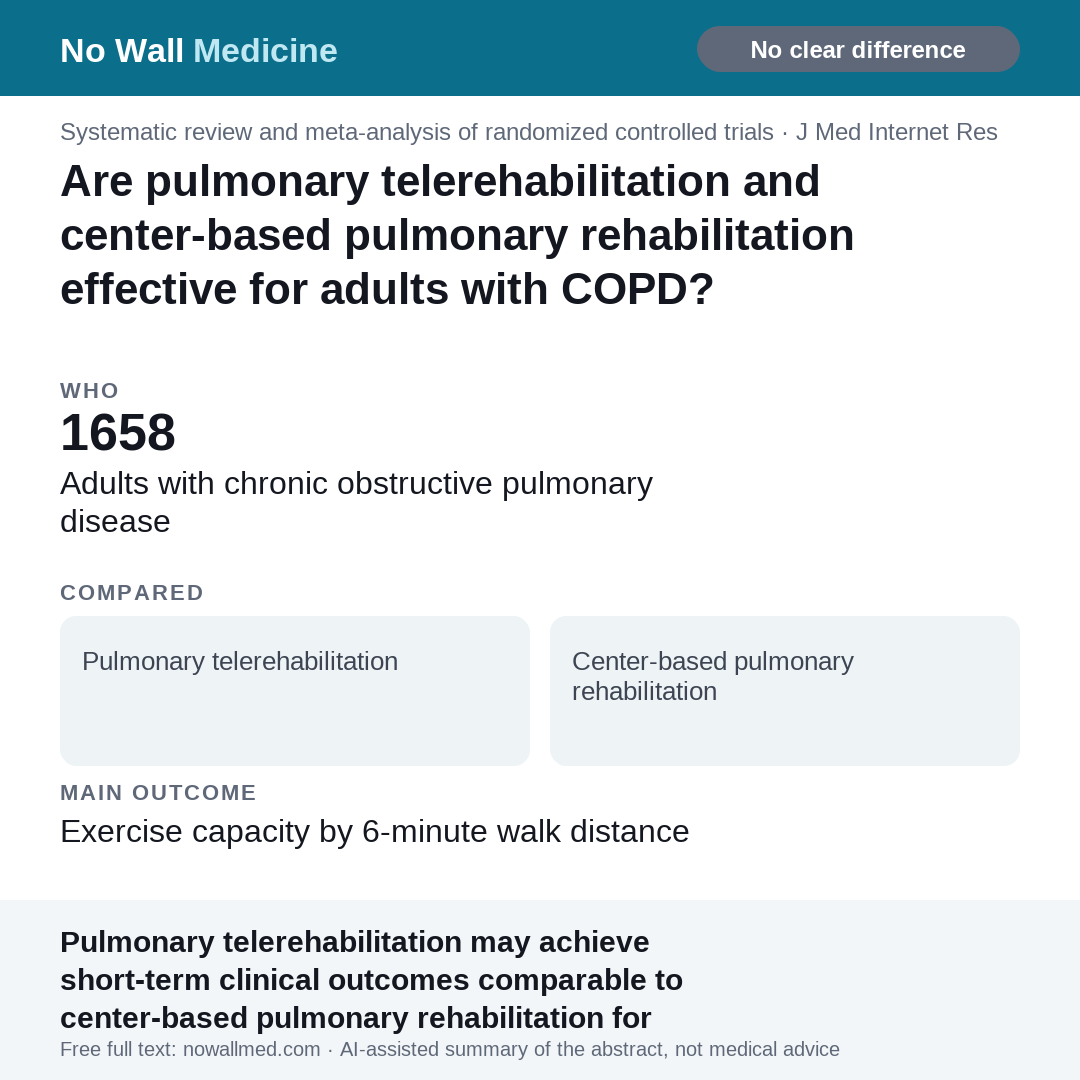
Comparing Pulmonary Telerehabilitation and Center-Based Pulmonary Rehabilitation for Effectiveness and Adherence in Chronic Obstructive Pulmonary Disease: Systematic Review and Meta-Analysis of Randomized Controlled Trials
Systematic review and meta-analysis of randomized controlled trialsNo clear difference
Are pulmonary telerehabilitation and center-based pulmonary rehabilitation effective for adults with COPD?
Who
1658
Adults with chronic obstructive pulmonary disease
Compared
Pulmonary telerehabilitation
Center-based pulmonary rehabilitation
Main outcome
Exercise capacity by 6-minute walk distance
Result: mean difference -5.37 m, 95% CI -15.68 to 4.95
Bottom line: Pulmonary telerehabilitation may achieve short-term clinical outcomes comparable to center-based pulmonary rehabilitation for exercise capacity.
Limitation: Certainty of evidence was downgraded for performance bias, inconsistency across intervention models, and imprecision.
J Med Internet Res · 2026-04-17Download image
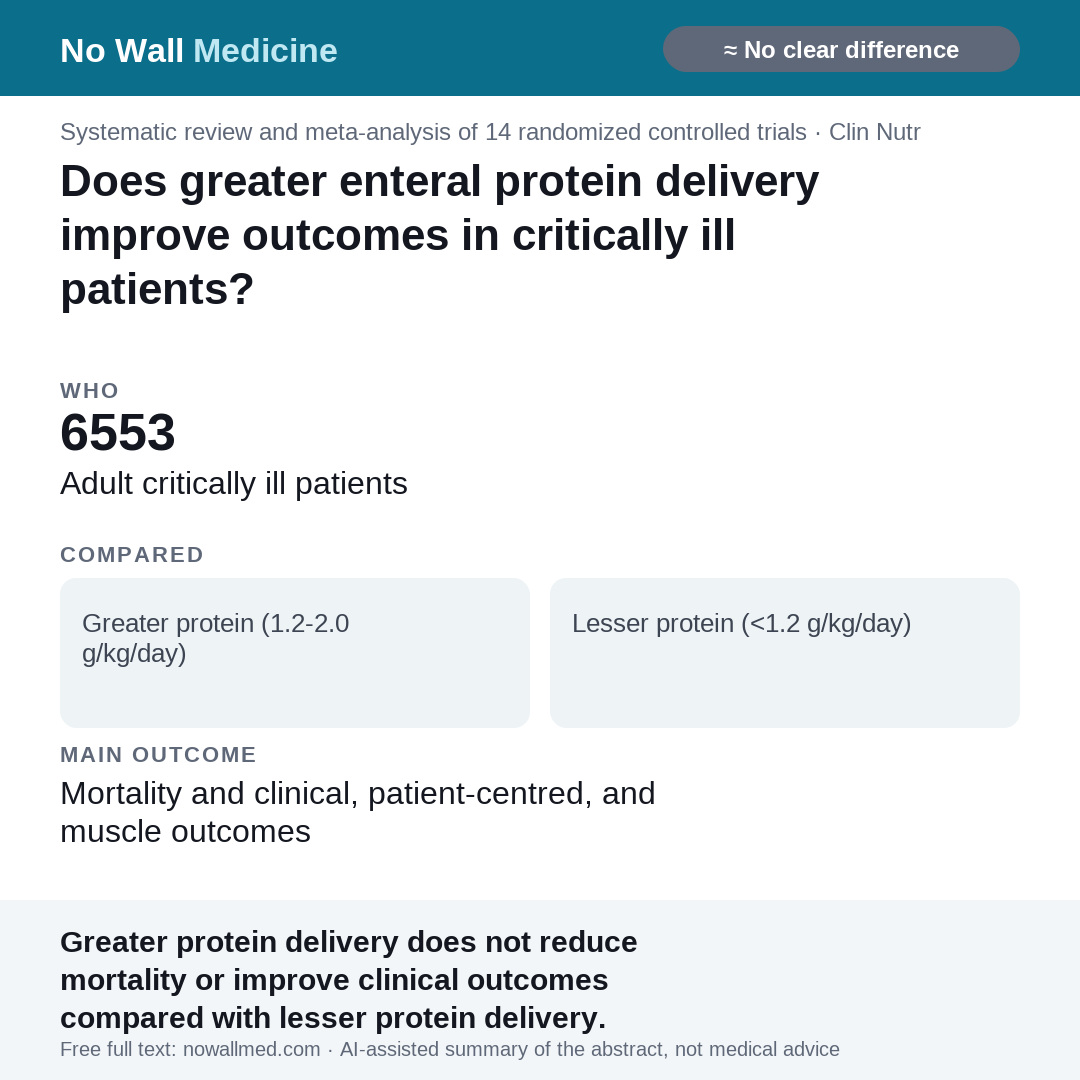
Optimal delivery of enteral protein in the critically ill: A systematic review and meta-analysis of randomised controlled trials
Systematic review and meta-analysis of 14 randomized controlled trialsNo clear difference
Does greater enteral protein delivery improve outcomes in critically ill patients?
Who
6553
Adult critically ill patients
Compared
Greater protein (1.2-2.0 g/kg/day)
Lesser protein (<1.2 g/kg/day)
Main outcome
Mortality and clinical, patient-centred, and muscle outcomes
Result: pooled risk ratio 1.01 (95% CI 0.92, 1.12)
Bottom line: Greater protein delivery does not reduce mortality or improve clinical outcomes compared with lesser protein delivery.
Limitation: Subgroup definitions for acute kidney injury varied across trials.
Clin Nutr · 2026-04-16Download image
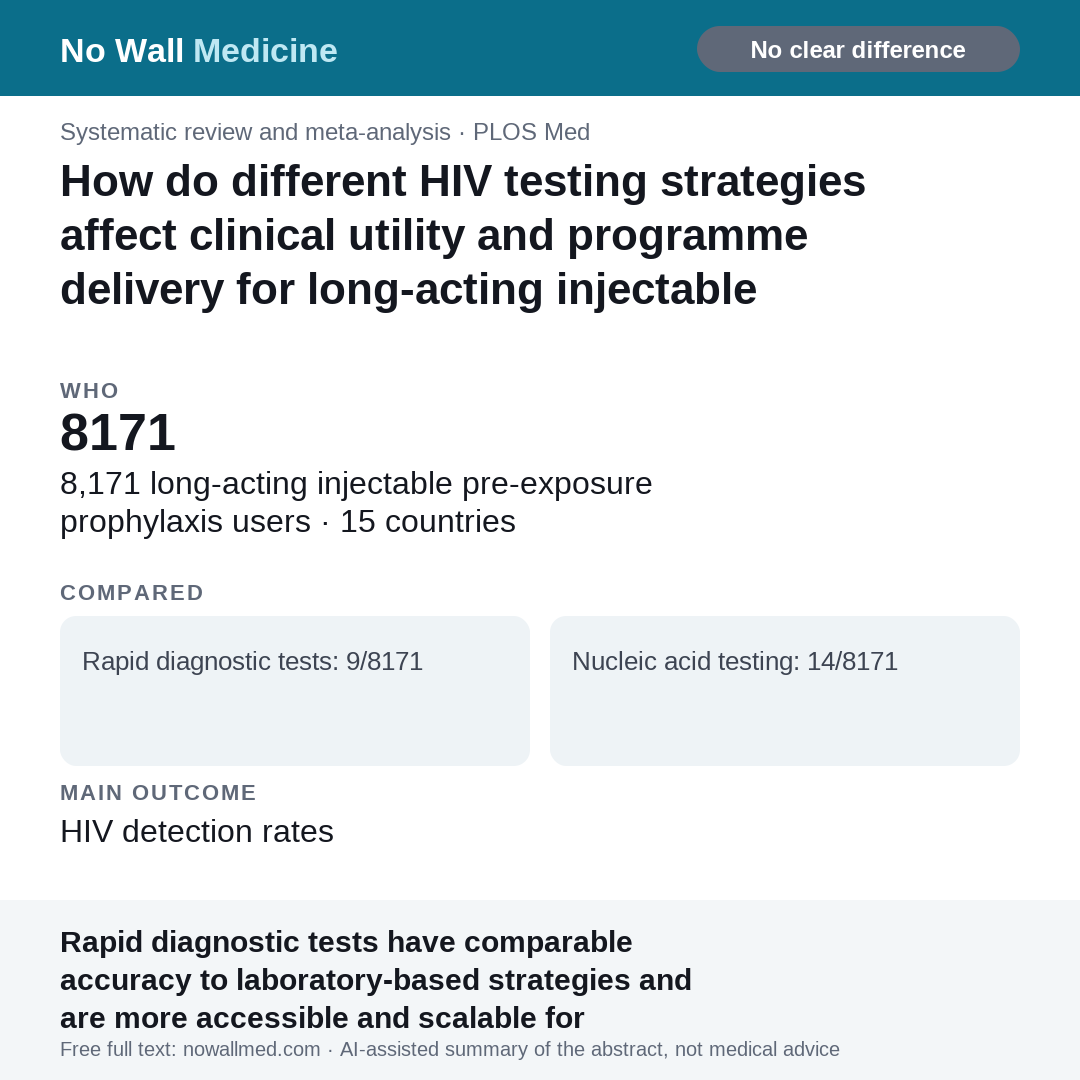
Rapid diagnostic tests, laboratory-based immunoassay and nucleic acid testing strategies for long-acting injectable pre-exposure prophylaxis: A systematic review and meta-analysis
Systematic review and meta-analysisNo clear difference
How do different HIV testing strategies affect clinical utility and programme delivery for long-acting injectable pre-exposure prophylaxis?
Who
8171
8,171 long-acting injectable pre-exposure prophylaxis users · 15 countries
Compared
Rapid diagnostic tests: 9/8171
Nucleic acid testing: 14/8171
Main outcome
HIV detection rates
Result: odds ratio 0.66 (95% confidence interval: 0.29-1.50)
Bottom line: Rapid diagnostic tests have comparable accuracy to laboratory-based strategies and are more accessible and scalable for long-acting injectable pre-exposure prophylaxis.
Limitation: Assessment of performance accuracy in different testing strategies may introduce selection bias.
PLOS Med · 2026-04-16Download image
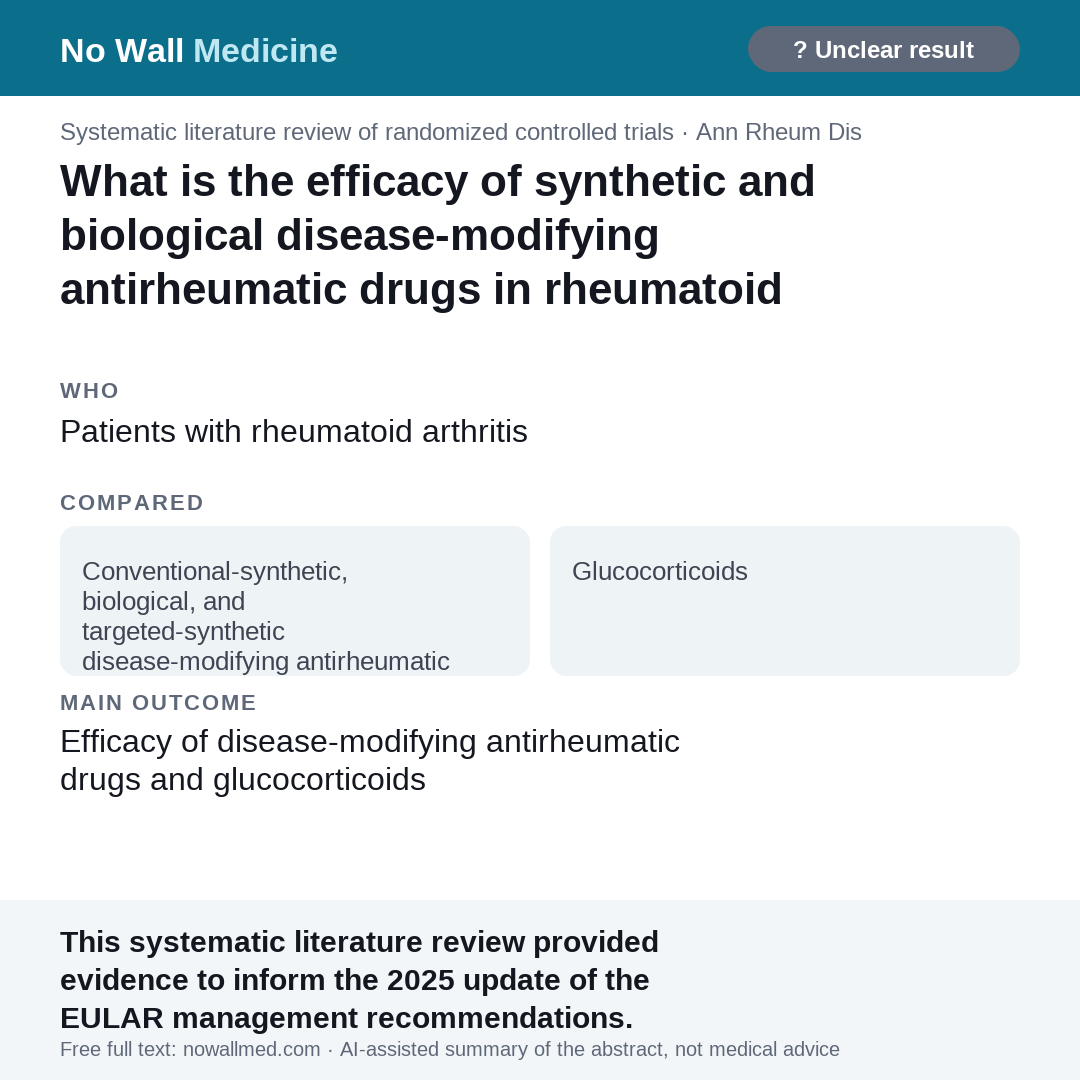
Efficacy of synthetic and biological DMARDs: a systematic literature review informing the 2025 update of the EULAR recommendations for the management of rheumatoid arthritis
Systematic literature review of randomized controlled trialsUnclear result
What is the efficacy of synthetic and biological disease-modifying antirheumatic drugs in rheumatoid arthritis?
Who
Patients with rheumatoid arthritis
Compared
Conventional-synthetic, biological, and targeted-synthetic disease-modifying antirheumatic drugs
Glucocorticoids
Main outcome
Efficacy of disease-modifying antirheumatic drugs and glucocorticoids
Bottom line: This systematic literature review provided evidence to inform the 2025 update of the EULAR management recommendations.
Ann Rheum Dis · 2026-04-16Download image
Cardiometabolic Profiles of Oral and Subcutaneous Glucagon-Like Peptide-1 Receptor Mono-Agonists in Adults With Overweight or Obesity: A Systematic Review and Network Meta-Analysis
Systematic review and network meta-analysisBenefit found
What are the cardiometabolic profiles of oral and subcutaneous glucagon-like peptide-1 receptor mono-agonists?
Who
13117
Adults with overweight or obesity, with or without type 2 diabetes
Compared
0.86semaglutide 7.2 mg
0.68orforglipron 36 mg
0.66semaglutide 2.4 mg
Main outcome
cardiometabolic efficacy index
Bottom line: Higher-dose glucagon-like peptide-1 receptor mono-agonists demonstrated the most consistent multidimensional cardiometabolic improvements.
Diabetes Obes Metab · 2026-04-16Download image

Best practice in obstetric general anaesthesia: an umbrella review of pharmacological strategies for induction of general anaesthesia
Umbrella reviewBenefit found
What are the best pharmacological strategies for induction of general anaesthesia for caesarean delivery?
Who
Patients undergoing caesarean delivery
Compared
Short-acting opioids: maternal haemodynamic benefit without negative neonatal consequences
Propofol: lower risk of maternal accidental awareness during general anaesthesia
Rocuronium at dose of ≥ 1 mg.kg-1: comparable tracheal intubation conditions to suxamethonium
Main outcome
maternal and neonatal physiology and outcomes
Bottom line: Short-acting opioids, propofol, and rocuronium are safe and effective for induction of anaesthesia during caesarean delivery.
Anaesthesia · 2026-04-16Download image

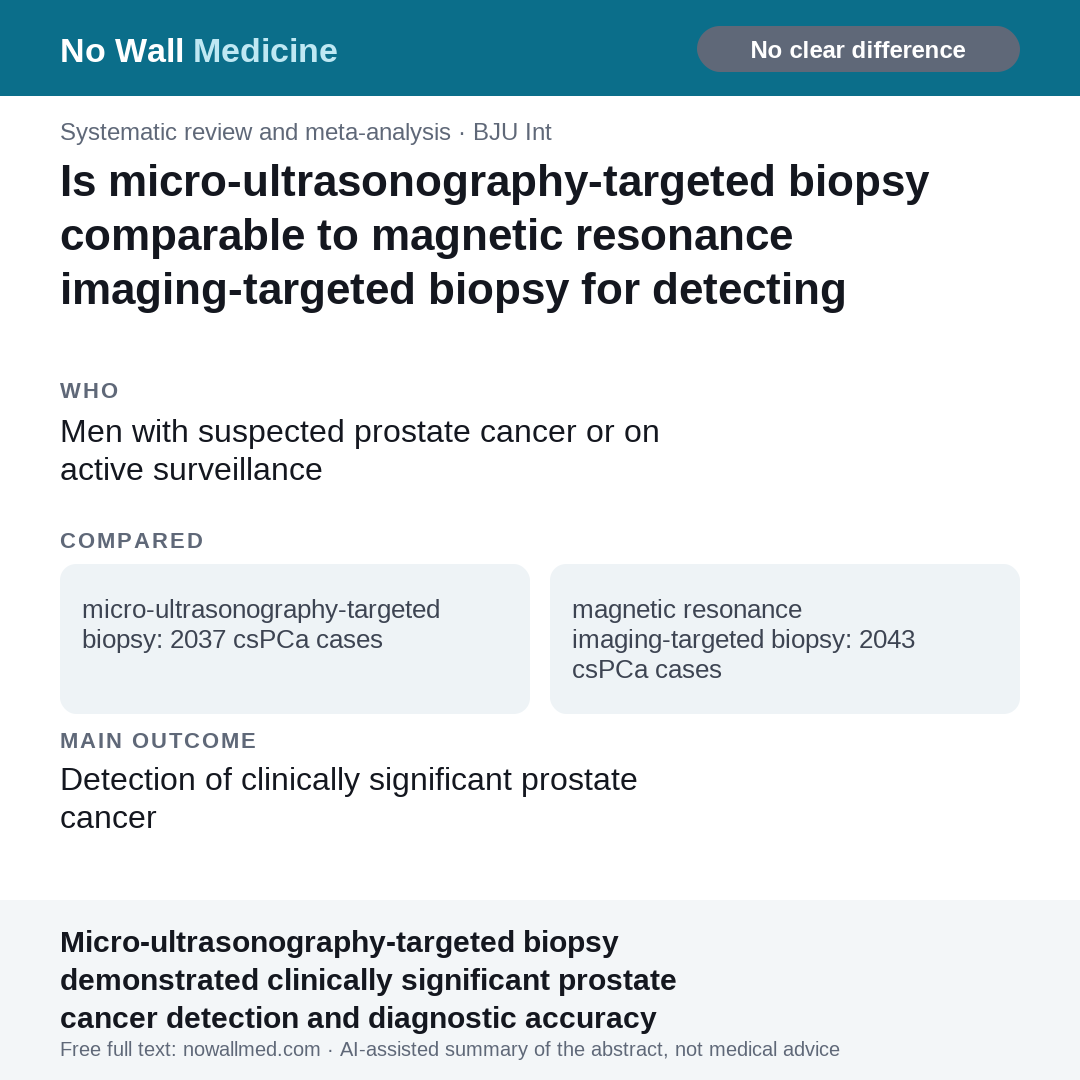
Micro-ultrasonography- vs MRI-targeted biopsy in prostate cancer: Updated systematic review and meta-analysis
Systematic review and meta-analysisNo clear difference
Is micro-ultrasonography-targeted biopsy comparable to magnetic resonance imaging-targeted biopsy for detecting clinically significant prostate cancer?
Who
Men with suspected prostate cancer or on active surveillance
Compared
micro-ultrasonography-targeted biopsy: 2037 csPCa cases
magnetic resonance imaging-targeted biopsy: 2043 csPCa cases
Main outcome
Detection of clinically significant prostate cancer
Result: pooled detection ratio 1.04 (95% confidence interval 0.95-1.15)
Bottom line: Micro-ultrasonography-targeted biopsy demonstrated clinically significant prostate cancer detection and diagnostic accuracy comparable to magnetic resonance imaging-targeted biopsy.
Limitation: Further cost-effectiveness studies are warranted to better define its role in clinical practice.
BJU Int · 2026-04-16Download image
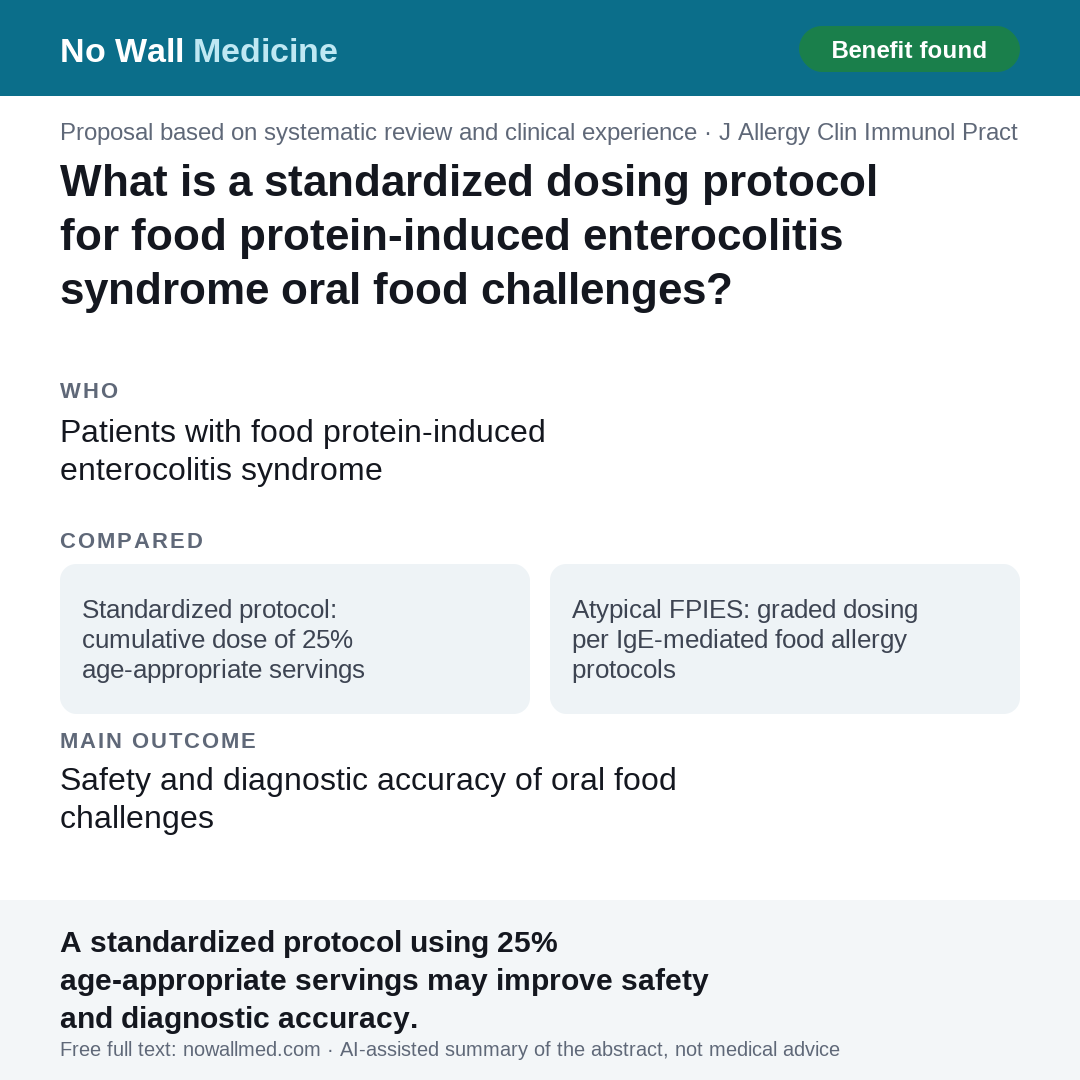
Age-Appropriate Low Dosing for Food Protein-Induced Enterocolitis Syndrome Oral Food Challenges: Proposing a Standardized Approach
Proposal based on systematic review and clinical experienceBenefit found
What is a standardized dosing protocol for food protein-induced enterocolitis syndrome oral food challenges?
Who
Patients with food protein-induced enterocolitis syndrome
Compared
Standardized protocol: cumulative dose of 25% age-appropriate servings
Atypical FPIES: graded dosing per IgE-mediated food allergy protocols
Main outcome
Safety and diagnostic accuracy of oral food challenges
Bottom line: A standardized protocol using 25% age-appropriate servings may improve safety and diagnostic accuracy.
J Allergy Clin Immunol Pract · 2026-04-16Download image
Does mental health mediate the effect of nonsurgical exposures on pain and functional outcomes in osteoarthritis? A systematic review
Systematic reviewBenefit found
Does mental health mediate nonsurgical exposures on pain and functional outcomes in osteoarthritis?
Who
8069
People with osteoarthritis
Compared
Depression as mediator: 6 of 9 studies indicated mediation
Anxiety and general mental health: mediated the relationships tested
Main outcome
Pain and functional outcomes
Bottom line: Mental health may mediate the effect of nonsurgical exposures on functional outcomes in people with osteoarthritis.
Limitation: High heterogeneity across proposed models and key methodological weaknesses in included studies.
Osteoarthritis Cartilage · 2026-04-16Download image

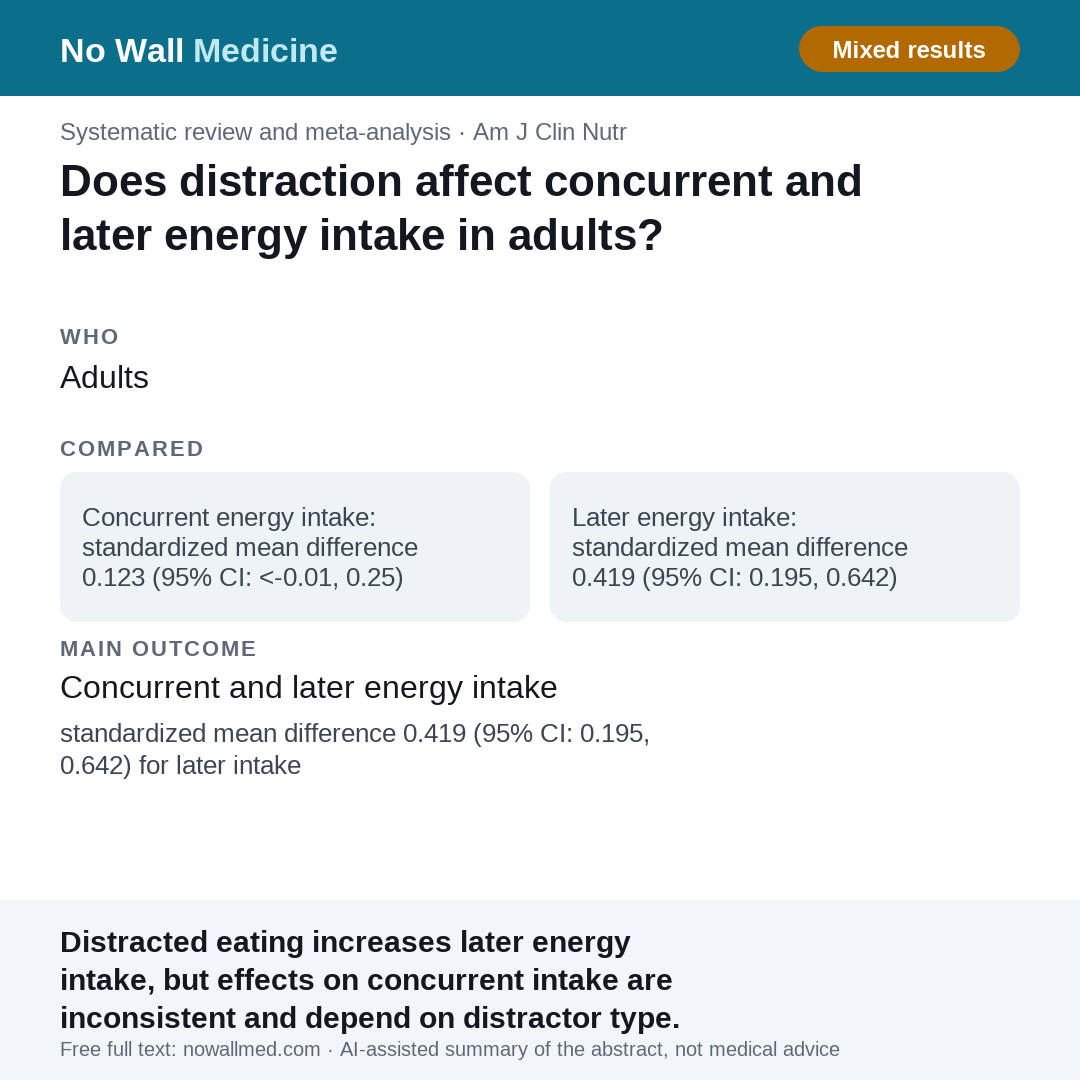
Eating while distracted: a systematic review and meta-analysis of the effect of distraction on concurrent and later energy intake in adults
Systematic review and meta-analysisMixed results
Does distraction affect concurrent and later energy intake in adults?
Who
Adults
Compared
Concurrent energy intake: standardized mean difference 0.123 (95% CI: <-0.01, 0.25)
Later energy intake: standardized mean difference 0.419 (95% CI: 0.195, 0.642)
Main outcome
Concurrent and later energy intake
Result: standardized mean difference 0.419 (95% CI: 0.195, 0.642) for later intake
Bottom line: Distracted eating increases later energy intake, but effects on concurrent intake are inconsistent and depend on distractor type.
Am J Clin Nutr · 2026-04-16Download image
Dietary Patterns and Cardiovascular Diseases in Individuals with Type 2 Diabetes: A Systematic Review and Meta-Analysis of Prospective Observational Studies
Systematic review and meta-analysis of prospective observational studiesBenefit found
Do dietary patterns associate with cardiovascular disease risk in individuals with type 2 diabetes?
Who
Individuals with type 2 diabetes
Compared
Mediterranean diet: SRR per 1 point: 0.95
Dietary Approaches to Stop Hypertension: per 5 points: 0.96
EAT-Lancet diet: per 3 points: 0.65
Country-specific dietary guidelines: high compared with low: 0.80
Main outcome
cardiovascular disease outcomes
Bottom line: Plant-based dietary patterns may be associated with lower cardiovascular disease risk in individuals with type 2 diabetes.
Limitation: Most studies were rated as high risk of bias due to confounding.
Adv Nutr · 2026-04-16Download image

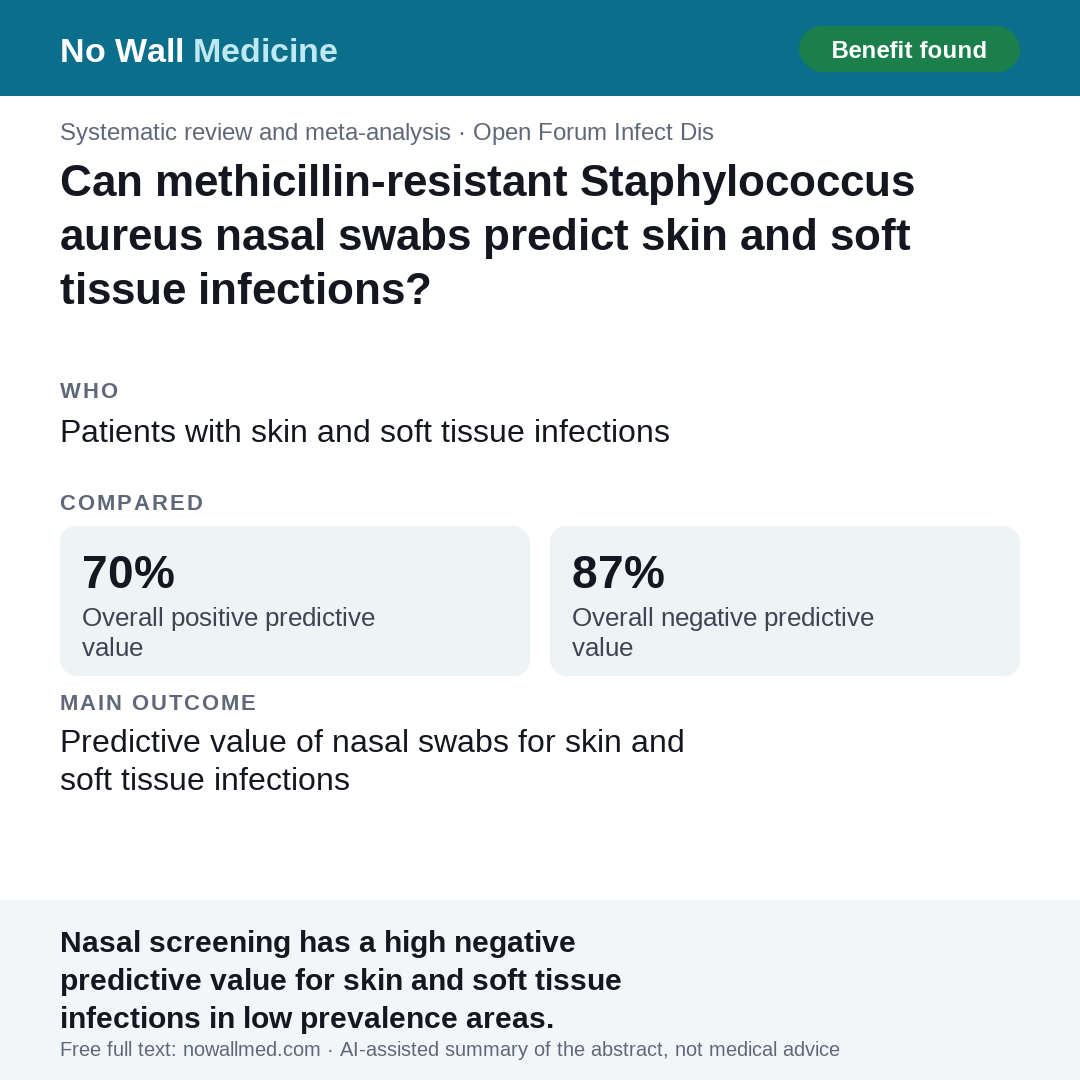
Methicillin-Resistant Staphylococcus aureus Nasal Swab Utilization as a Predictor for Methicillin-Resistant Staphylococcus aureus Skin and Soft Tissue Infections: A Systematic Review and Meta-analysis
Systematic review and meta-analysisBenefit found
Can methicillin-resistant Staphylococcus aureus nasal swabs predict skin and soft tissue infections?
Who
Patients with skin and soft tissue infections
Compared
70%Overall positive predictive value
87%Overall negative predictive value
Main outcome
Predictive value of nasal swabs for skin and soft tissue infections
Bottom line: Nasal screening has a high negative predictive value for skin and soft tissue infections in low prevalence areas.
Open Forum Infect Dis · 2026-04-16Download image
Intensive Versus Standard Blood Pressure Control After Endovascular Thrombectomy in Acute Ischemic Stroke: A Meta-Analysis of Randomized Controlled Trials
Meta-analysis of 6 randomized controlled trialsHarm found
Is intensive versus standard blood pressure control better after mechanical thrombectomy for stroke?
Who
Patients with acute ischemic stroke due to large vessel occlusion
Compared
Intensive blood pressure control
Standard blood pressure control
Main outcome
Good functional outcome and all-cause mortality
Result: OR 0.70 (95% CI 0.54-0.91) for good functional outcome
Bottom line: Intensive blood pressure control may cause harm, including reduced good functional outcomes, increased mortality, and more hypotensive episodes.
J Am Heart Assoc · 2026-04-16Download image

Decoding kratom: molecular mechanisms and epigenetic factors in use and dependence
Systematic review of 20 studiesMixed results
What are the molecular, pharmacological, and epigenetic effects of kratom?
Who
20
In vitro and in vivo models · Scopus and Web of Science
Compared
Mitragynine exposure: reduced histone acetylation and increased HDAC2 expression
Safety concerns: inhibited cardiac ion channels and altered CYP450 enzyme expression
Main outcome
molecular, pharmacological, and epigenetic effects
Bottom line: Kratom shows analgesic potential but carries risks of cardiotoxicity and drug-drug interactions.
Limitation: limitations in pharmacokinetic data, standardized dosing, and long-term safety
Transl Psychiatry · 2026-04-16Download image

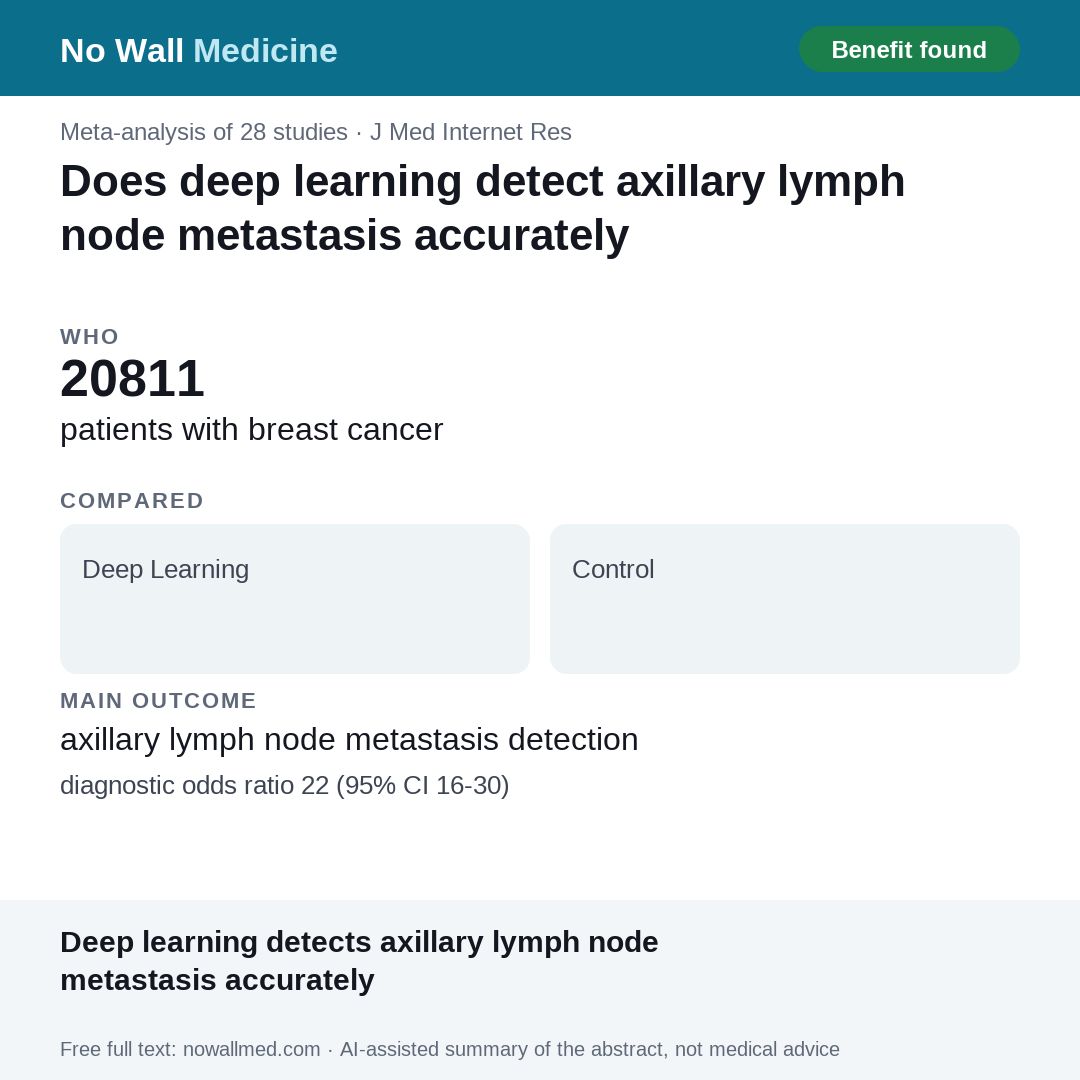
Accuracy of Deep Learning for Detecting Axillary Lymph Node Metastasis in Breast Cancer: Systematic Review and Meta-Analysis
Meta-analysis of 28 studiesBenefit found
Does deep learning detect axillary lymph node metastasis accurately
Who
20811
patients with breast cancer
Compared
Deep Learning
Control
Main outcome
axillary lymph node metastasis detection
Result: diagnostic odds ratio 22 (95% CI 16-30)
Bottom line: Deep learning detects axillary lymph node metastasis accurately
J Med Internet Res · 2026-04-16Download image
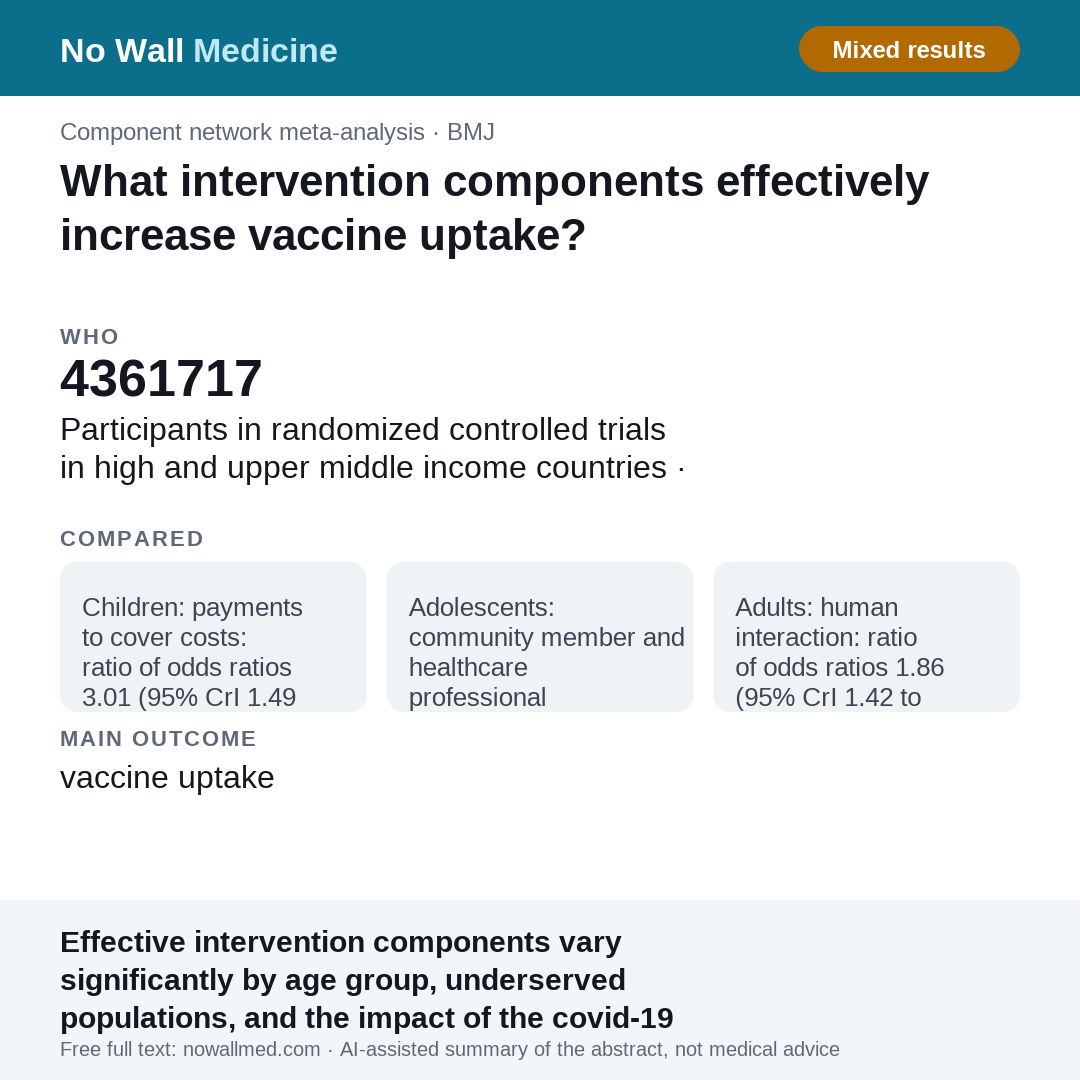
Effectiveness of interventions to increase vaccine uptake: component network meta-analysis
Component network meta-analysisMixed results
What intervention components effectively increase vaccine uptake?
Who
4361717
Participants in randomized controlled trials in high and upper middle income countries · High and upper middle income countries
Compared
Children: payments to cover costs: ratio of odds ratios 3.01 (95% CrI 1.49 to 6.06)
Adolescents: community member and healthcare professional delivery: ratio of odds ratios 6.42 (95% CrI 1.94 to 25.62)
Adults: human interaction: ratio of odds ratios 1.86 (95% CrI 1.42 to 2.45)
Main outcome
vaccine uptake
Bottom line: Effective intervention components vary significantly by age group, underserved populations, and the impact of the covid-19 pandemic.
BMJ · 2026-04-15Download image
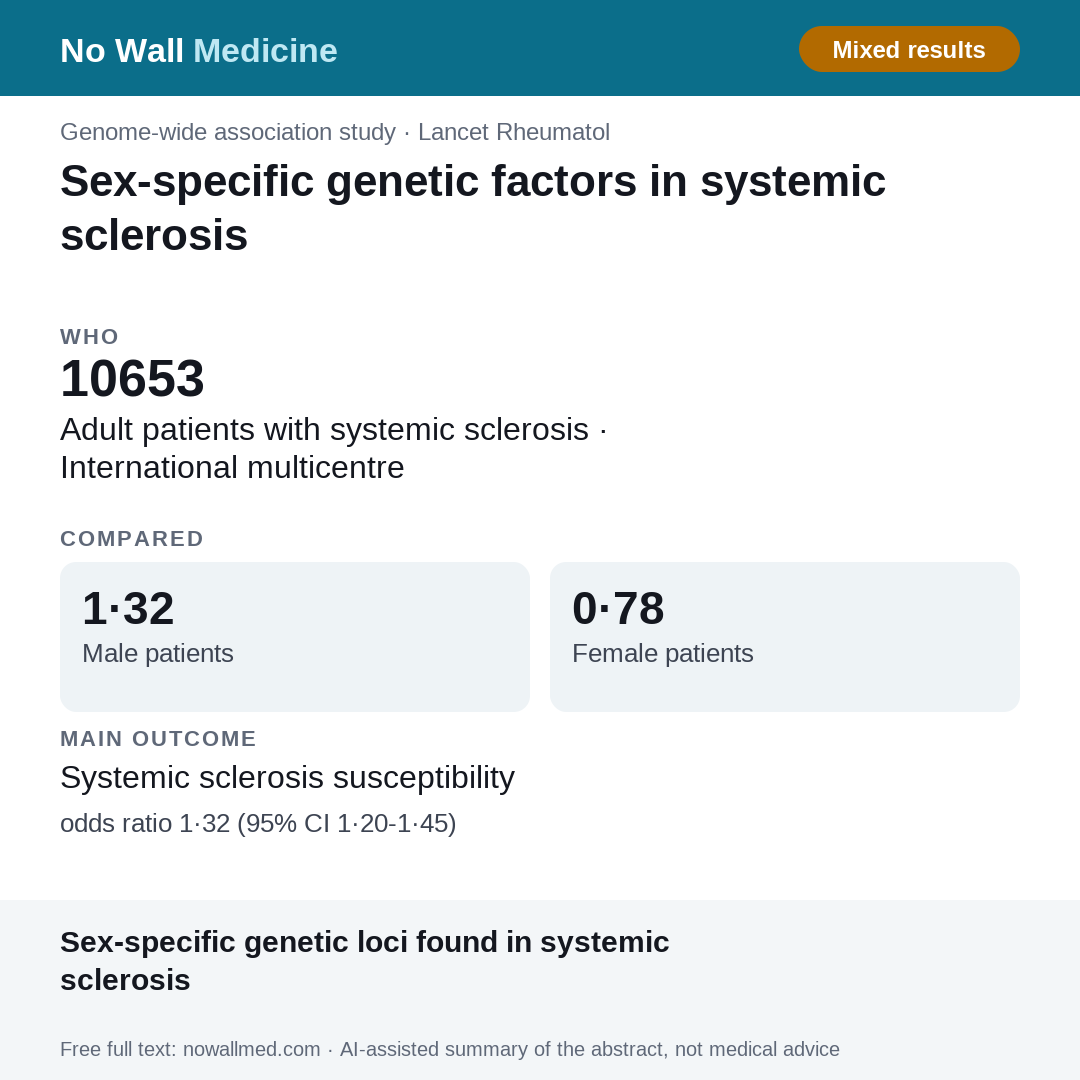
Sex-specific autosomal susceptibility loci in systemic sclerosis: a genome-wide association study
Genome-wide association studyMixed results
Sex-specific genetic factors in systemic sclerosis
Who
10653
Adult patients with systemic sclerosis · International multicentre
Compared
1·32Male patients (1·20-1·45)
0·78Female patients (0·71-0·85)
Main outcome
Systemic sclerosis susceptibility
Result: odds ratio 1·32 (95% CI 1·20-1·45)
Bottom line: Sex-specific genetic loci found in systemic sclerosis
Funded by: Instituto de Salud Carlos III
Lancet Rheumatol · 2026-04-15Download image
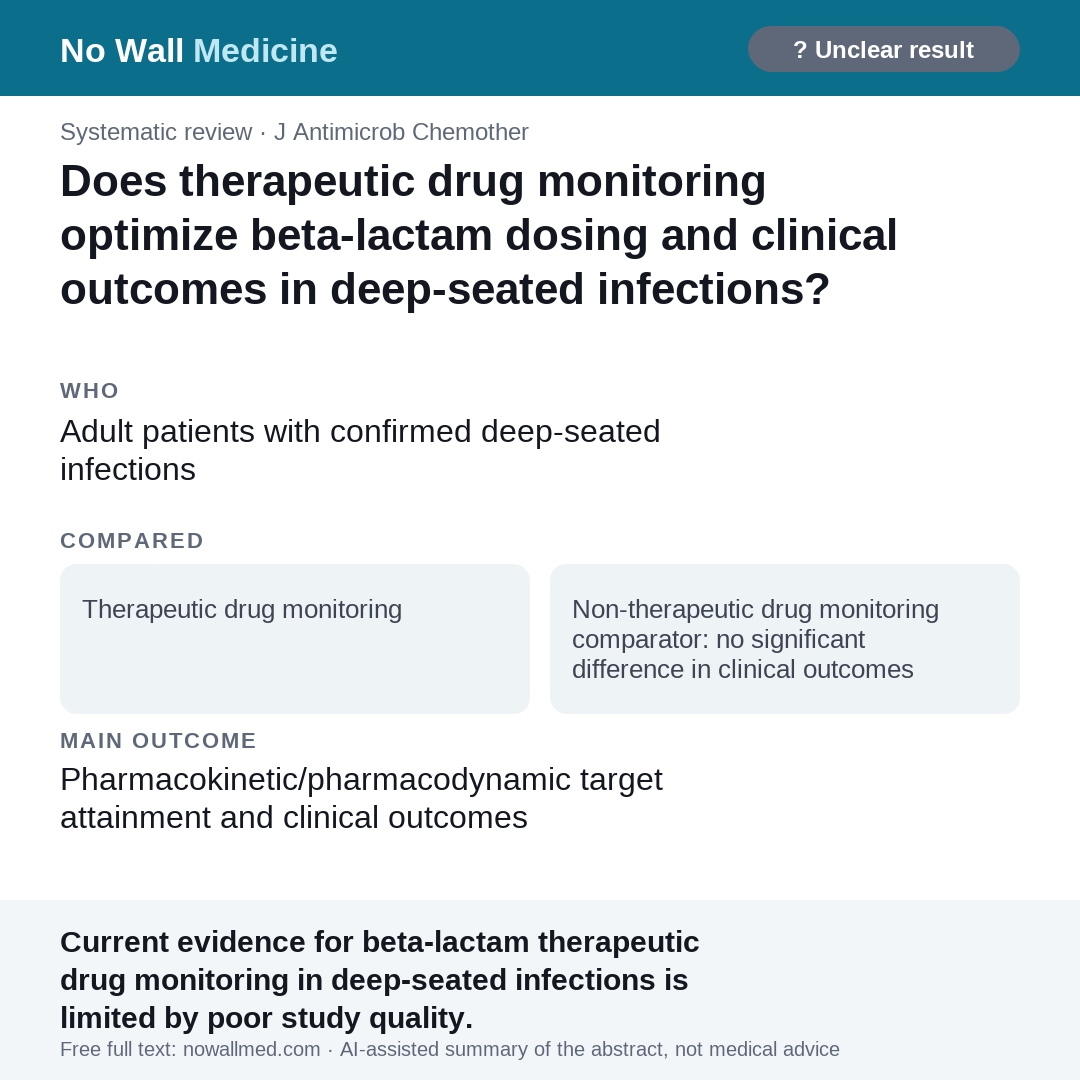
Therapeutic drug monitoring and the role of pharmacokinetics/pharmacodynamics in optimizing beta-lactam antibiotic dosing for deep-seated infections: a systematic review
Systematic reviewUnclear result
Does therapeutic drug monitoring optimize beta-lactam dosing and clinical outcomes in deep-seated infections?
Who
Adult patients with confirmed deep-seated infections
Compared
Therapeutic drug monitoring
Non-therapeutic drug monitoring comparator: no significant difference in clinical outcomes
Main outcome
Pharmacokinetic/pharmacodynamic target attainment and clinical outcomes
Bottom line: Current evidence for beta-lactam therapeutic drug monitoring in deep-seated infections is limited by poor study quality.
Limitation: Methodological heterogeneity and eleven of twelve studies were rated as poor quality.
J Antimicrob Chemother · 2026-04-15Download image