Visual abstracts
New randomized trials and meta-analyses from leading journals at a glance: who was studied, what was compared, and what was found. Every paper is free to read in full.
All specialtiesCardiology 2802Oncology 2380Gastroenterology & Hepatology 1085Infectious Disease 1786Neurology 1128Psychiatry & Mental Health 1292Pulmonology 1170Critical Care 774Endocrinology & Diabetes 1442Pediatrics 1658Surgery 1451Orthopedics & Sports Medicine 509Neurosurgery 341Cardiothoracic & Vascular Surgery 313Plastic & Reconstructive Surgery 407Nephrology 585Rheumatology 424Hematology 607Dermatology 331Ophthalmology 320Obstetrics & Gynecology 924Public & Global Health 520Radiology & Imaging 391Anesthesiology 565Urology 465ENT (Otolaryngology) 323Emergency Medicine 310Allergy & Immunology 175Geriatrics 597Family Medicine & Primary Care 320Medical Genetics & Genomics 323Pathology & Laboratory Medicine 92Physical Medicine & Rehabilitation 450Palliative Care 243Nutrition 760Digital Health & AI 1333General Medicine 201
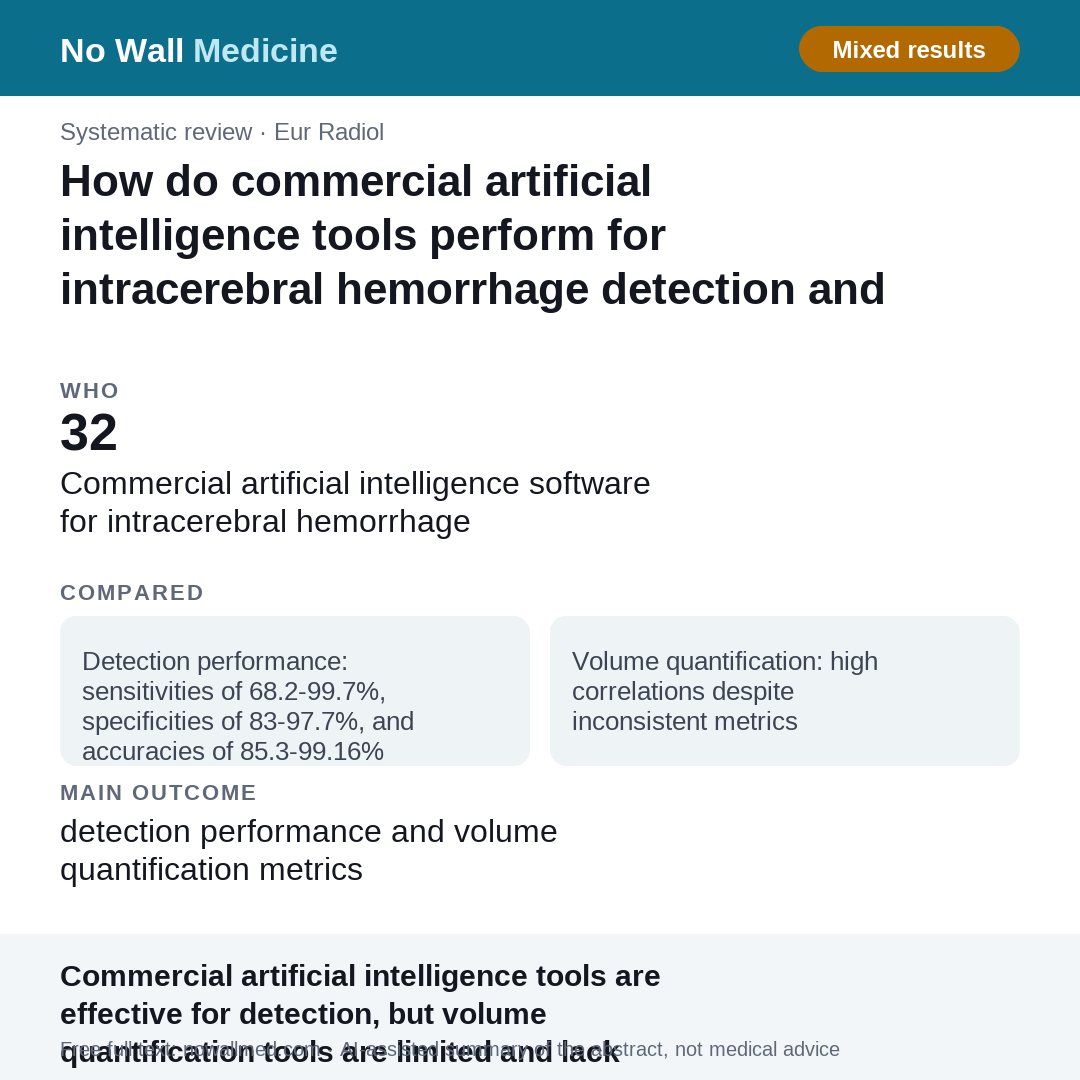
Systematic review of commercial artificial intelligence tools for the detection and volume quantification in intracerebral hemorrhage
Systematic reviewMixed results
How do commercial artificial intelligence tools perform for intracerebral hemorrhage detection and volume quantification?
Who
32
Commercial artificial intelligence software for intracerebral hemorrhage
Compared
Detection performance: sensitivities of 68.2-99.7%, specificities of 83-97.7%, and accuracies of 85.3-99.16%
Volume quantification: high correlations despite inconsistent metrics
Main outcome
detection performance and volume quantification metrics
Bottom line: Commercial artificial intelligence tools are effective for detection, but volume quantification tools are limited and lack standardized validation.
Limitation: None of the identified tools disclosed internal validation studies.
Eur Radiol · 2025-07-24Download image
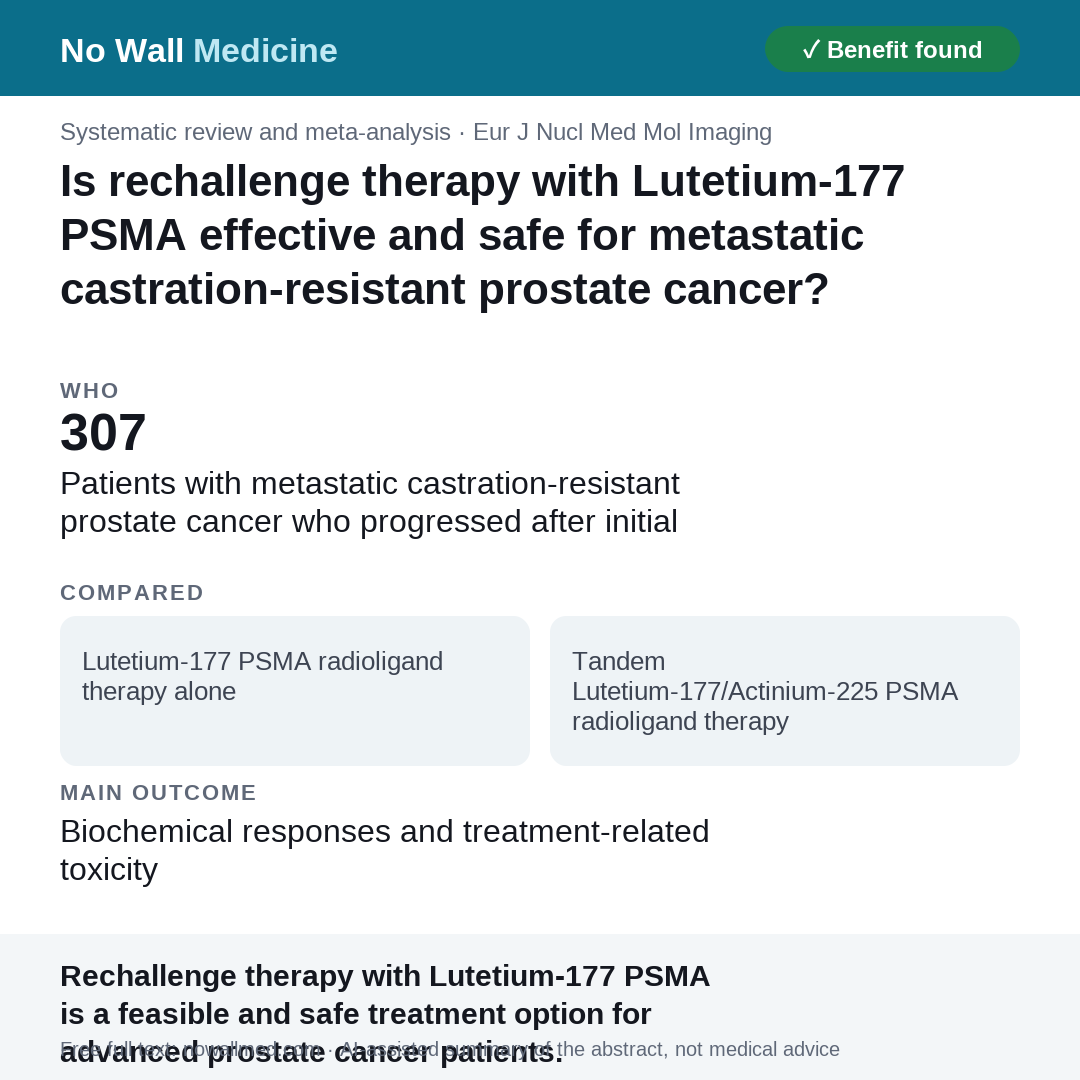
Efficacy and safety of rechallenge therapy with [177Lu]Lu-PSMA in metastatic castration-resistant prostate cancer: a systematic review and meta-analysis
Systematic review and meta-analysisBenefit found
Is rechallenge therapy with Lutetium-177 PSMA effective and safe for metastatic castration-resistant prostate cancer?
Who
307
Patients with metastatic castration-resistant prostate cancer who progressed after initial Lutetium-177 PSMA therapy
Compared
Lutetium-177 PSMA radioligand therapy alone
Tandem Lutetium-177/Actinium-225 PSMA radioligand therapy
Main outcome
Biochemical responses and treatment-related toxicity
Result: PSA decline more than 50% 0.45 (95% CI: 0.36–0.54)
Bottom line: Rechallenge therapy with Lutetium-177 PSMA is a feasible and safe treatment option for advanced prostate cancer patients.
Limitation: Findings require confirmation in prospective, randomized studies comparing different rechallenge strategies.
Eur J Nucl Med Mol Imaging · 2025-07-24Download image
Enhancing clinical translation of analgesics for neuropathic pain: a systematic review and meta-analysis on the role of non-evoked pain assessment in preclinical trials
Systematic review and meta-analysisBenefit found
Do standard analgesics relieve non-evoked pain in preclinical neuropathic pain models?
Who
196
Animals with traumatic nerve injury, nontraumatic neuropathies, or spinal cord injuries · Preclinical studies
Compared
Tricyclic antidepressants and selective serotonin reuptake inhibitors: highest efficacy
Gabapentinoids and strong opioids: followed
Nonsteroidal anti-inflammatory drugs and mild opioids: no significant effect
Main outcome
Relief of non-evoked pain associated with neuropathic pain
Bottom line: Standard analgesics demonstrate robust preclinical efficacy in alleviating non-evoked pain, mirroring their clinical performance.
Pain · 2025-07-24Download image

Diagnosis and Management of Hypersensitivity to Antiplatelet Drugs: EAACI Position Paper
Position paperUnclear result
Hypersensitivity to antiplatelet drugs
Who
patients with hypersensitivity reactions
Compared
aspirin
clopidogrel
Main outcome
hypersensitivity reactions
Bottom line: Desensitization is effective and safe
Allergy · 2025-07-24Download image
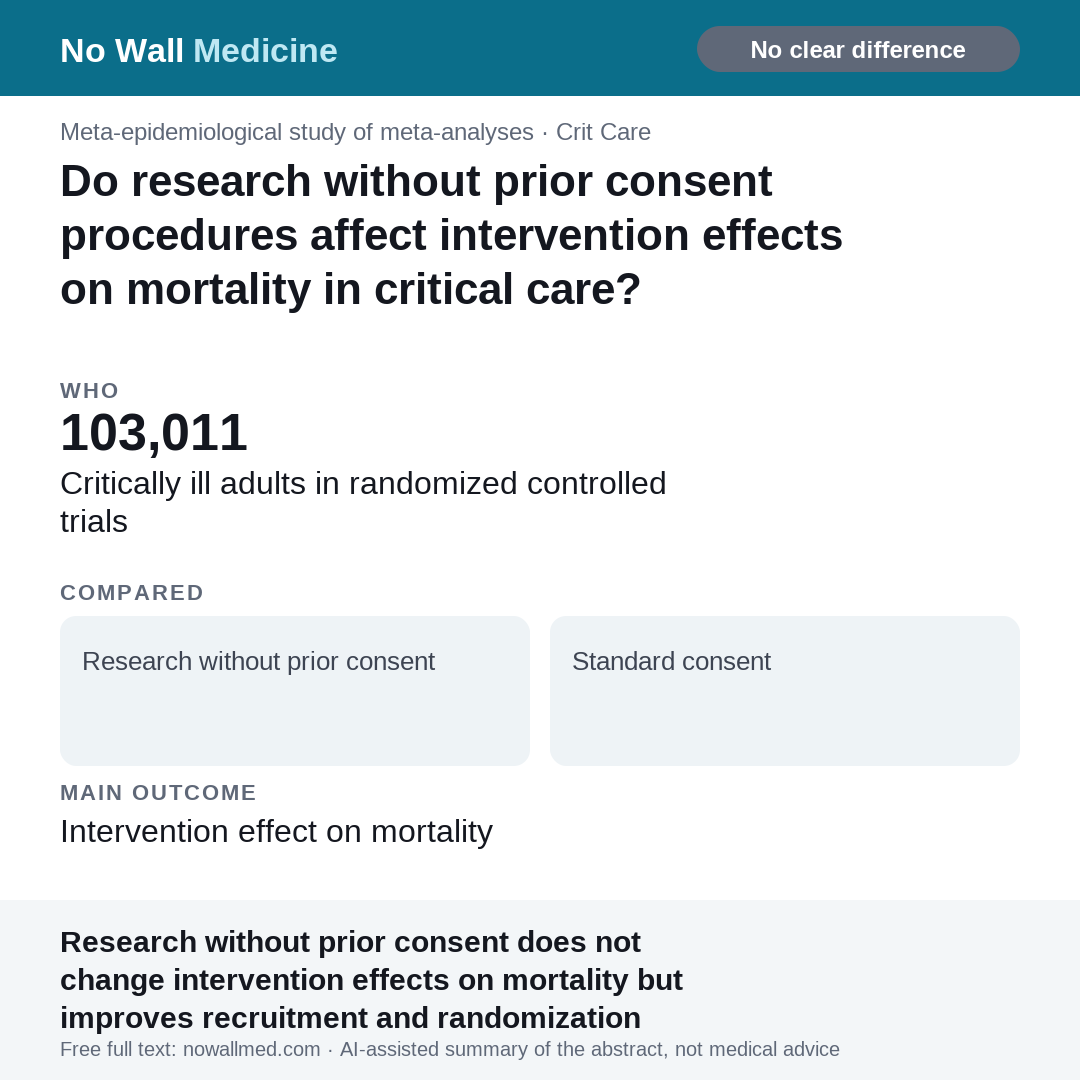
Research without prior consent procedure and intervention effect on mortality in critical care: a meta-epidemiological study of randomized controlled trials
Meta-epidemiological study of meta-analysesNo clear difference
Do research without prior consent procedures affect intervention effects on mortality in critical care?
Who
103,011
Critically ill adults in randomized controlled trials
Compared
Research without prior consent
Standard consent
Main outcome
Intervention effect on mortality
Result: ratio of odds ratios 1.05 (95% CI 0.83-1.34)
Bottom line: Research without prior consent does not change intervention effects on mortality but improves recruitment and randomization speed.
Crit Care · 2025-07-24Download image
Extracellular vesicles as a biomarkers in traumatic brain injury: a systematic review of animal and clinical studies
Systematic reviewUnclear result
Can extracellular vesicles serve as biomarkers in traumatic brain injury?
Who
Animal models and human traumatic brain injury patients
Compared
Animal studies: miRNAs were the most frequently identified biomarker
Human studies: proteins were most common
Main outcome
Extracellular vesicle-based biomarker identification and diagnostic accuracy
Bottom line: Extracellular vesicles show potential as biomarkers, but standardized protocols and more prognostic research are required.
Limitation: Significant heterogeneity in experimental design, isolation methods, and study populations.
Crit Care · 2025-07-24Download image

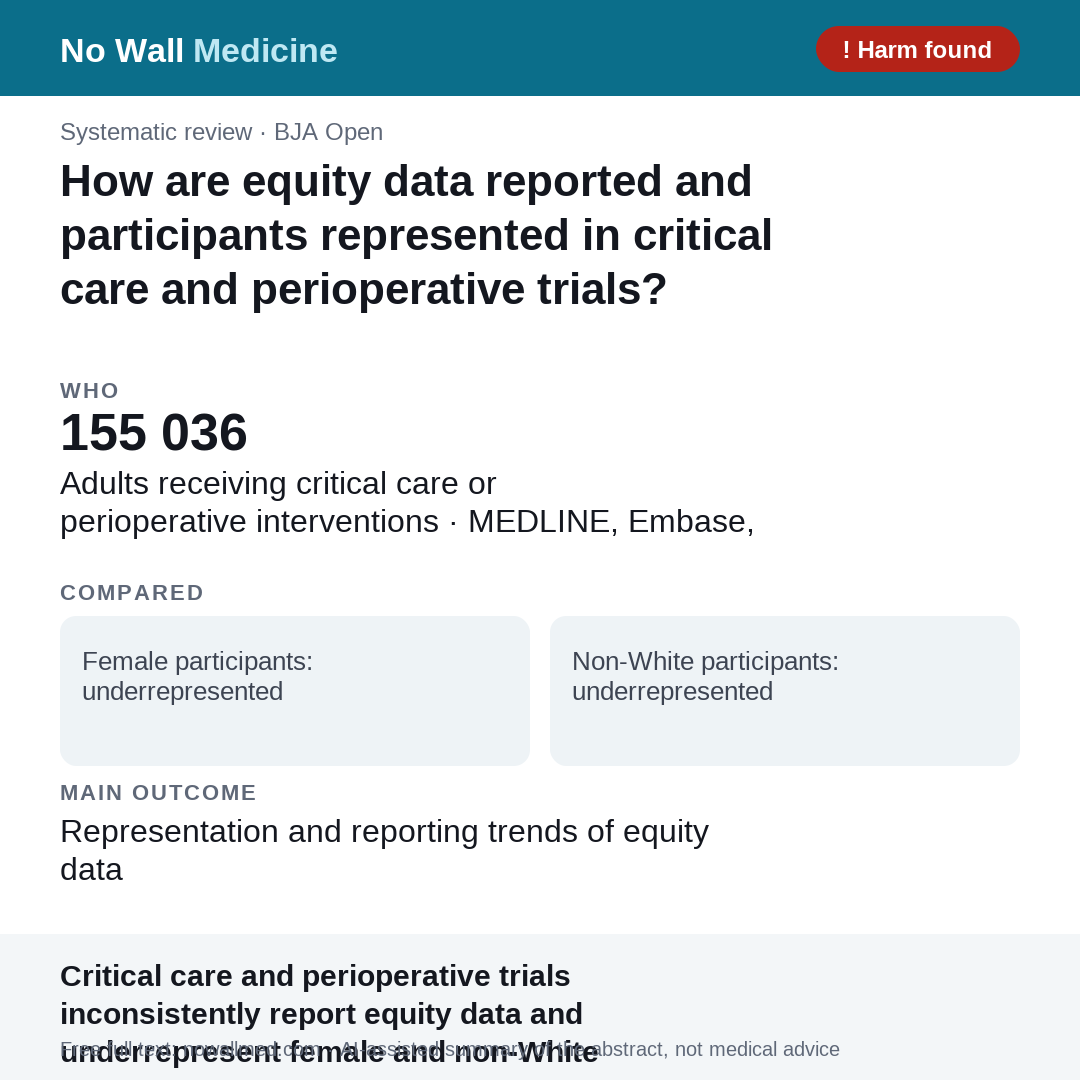
Equity of participants in clinical trials in critical care and perioperative medicine research: a systematic review
Systematic reviewHarm found
How are equity data reported and participants represented in critical care and perioperative trials?
Who
155 036
Adults receiving critical care or perioperative interventions · MEDLINE, Embase, and Clinicaltrials.gov
Compared
Female participants: underrepresented
Non-White participants: underrepresented
Main outcome
Representation and reporting trends of equity data
Bottom line: Critical care and perioperative trials inconsistently report equity data and underrepresent female and non-White participants.
BJA Open · 2025-07-24Download image
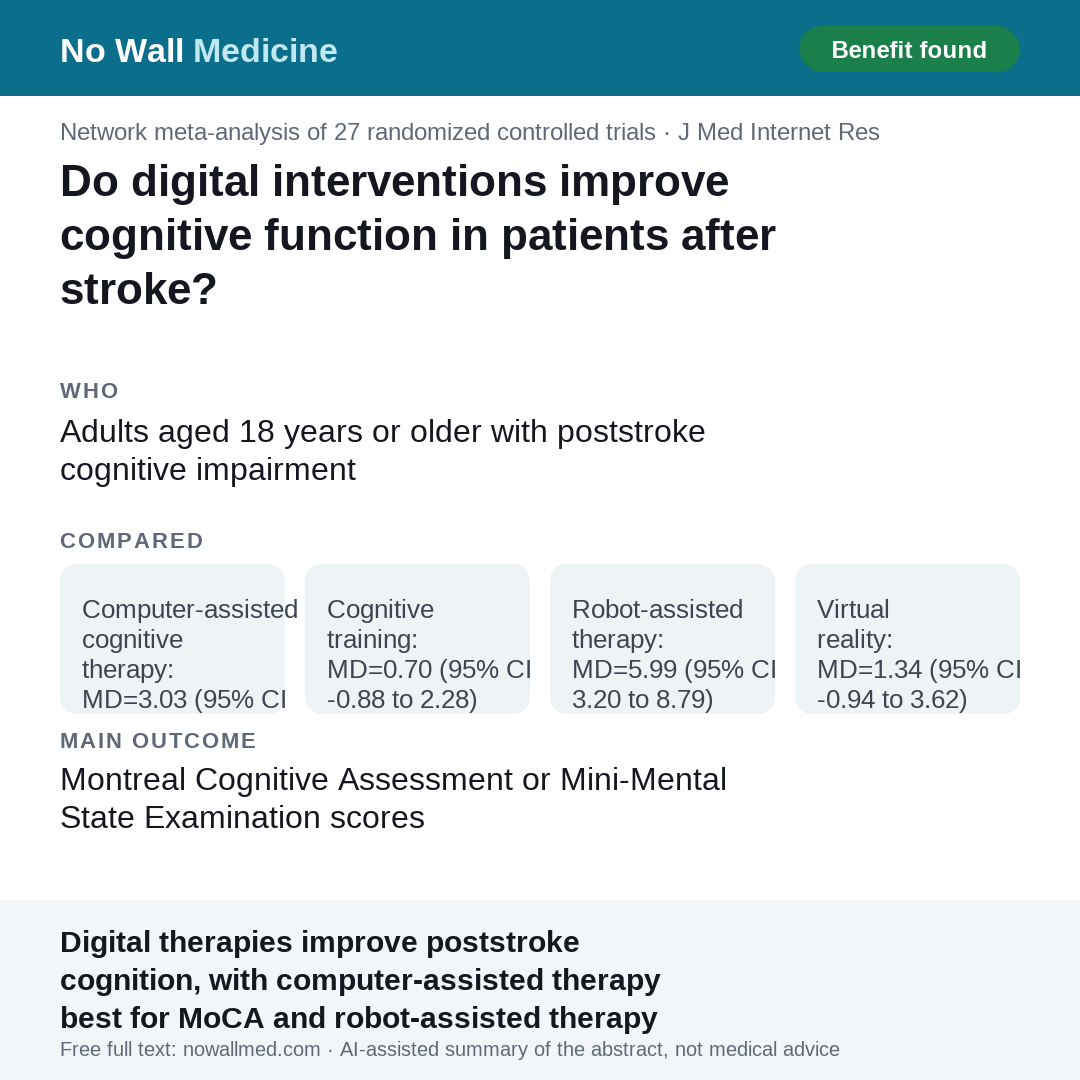
Digital Interventions for Cognitive Dysfunction in Patients With Stroke: Systematic Review and Meta-Analysis
Network meta-analysis of 27 randomized controlled trialsBenefit found
Do digital interventions improve cognitive function in patients after stroke?
Who
Adults aged 18 years or older with poststroke cognitive impairment
Compared
Computer-assisted cognitive therapy: MD=3.03 (95% CI 1.69 to 4.38) for MoCA
Cognitive training: MD=0.70 (95% CI -0.88 to 2.28) for MoCA
Robot-assisted therapy: MD=5.99 (95% CI 3.20 to 8.79) for MMSE
Virtual reality: MD=1.34 (95% CI -0.94 to 3.62) for MMSE
Main outcome
Montreal Cognitive Assessment or Mini-Mental State Examination scores
Bottom line: Digital therapies improve poststroke cognition, with computer-assisted therapy best for MoCA and robot-assisted therapy best for MMSE.
Limitation: Heterogeneity of included studies, risk of bias, and limited sample sizes in some studies.
J Med Internet Res · 2025-07-24Download image
The Oral Health Disparity Among Refugee Children: A Systematic Review
Systematic reviewHarm found
What are the oral health problems among refugee children in developed nations?
Who
30
Refugee children resettled in developed nations · Developed nations
Compared
Refugee children: 78% with dental caries
Age-and sex-matched children
Main outcome
Oral health status and dental caries prevalence
Bottom line: Refugee children face higher risks of oral disease than nonrefugee immigrant and native-born populations.
Limitation: Lack of standardized or comprehensive measures of oral health.
Laryngoscope Investig Otolaryngol · 2025-07-24Download image

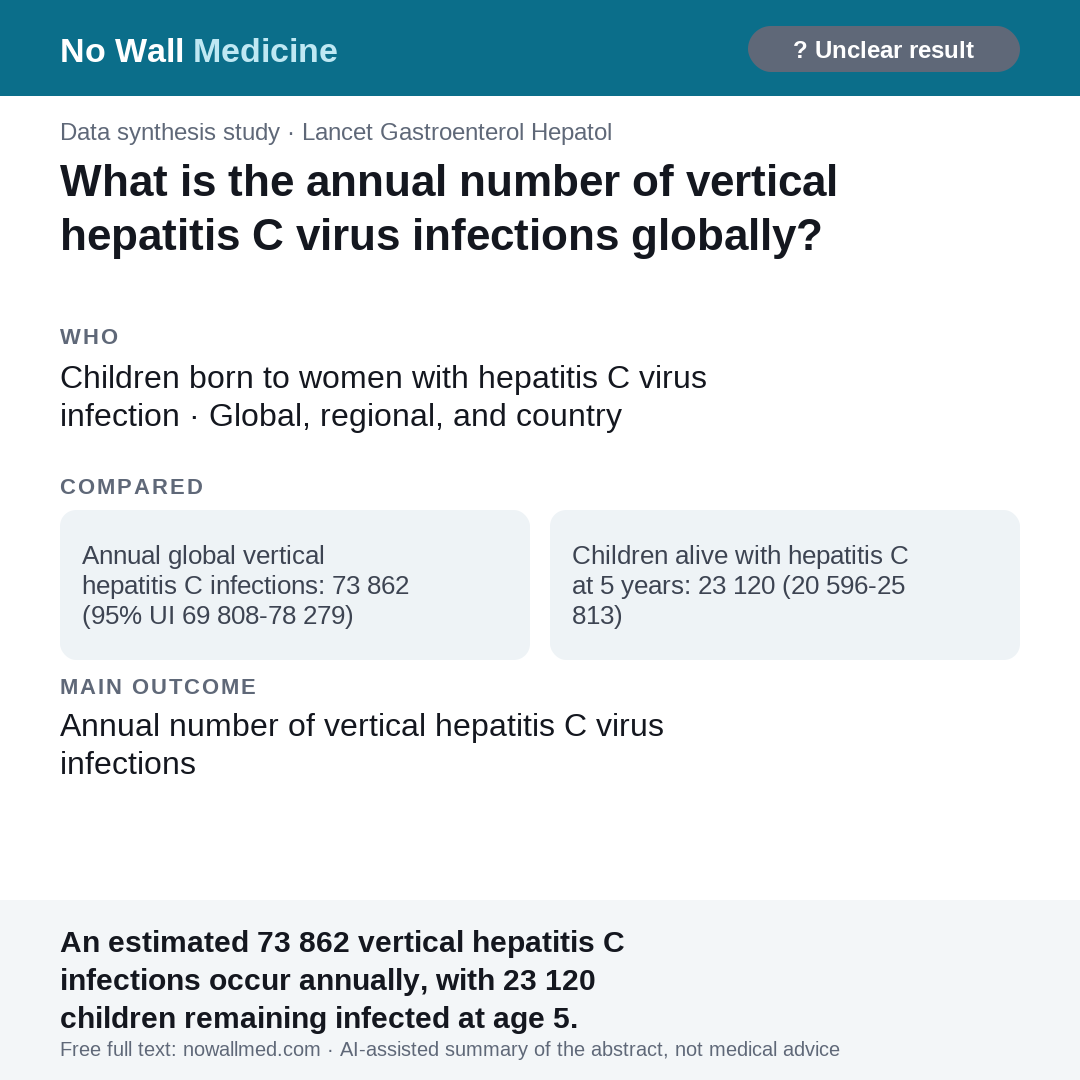
Estimating the annual number of hepatitis C virus infections through vertical transmission at country, regional, and global levels: a data synthesis study
Data synthesis studyUnclear result
What is the annual number of vertical hepatitis C virus infections globally?
Who
Children born to women with hepatitis C virus infection · Global, regional, and country levels
Compared
Annual global vertical hepatitis C infections: 73 862 (95% UI 69 808-78 279)
Children alive with hepatitis C at 5 years: 23 120 (20 596-25 813)
Main outcome
Annual number of vertical hepatitis C virus infections
Bottom line: An estimated 73 862 vertical hepatitis C infections occur annually, with 23 120 children remaining infected at age 5.
Limitation: Data on the safety of hepatitis C treatments in pregnant women are required.
Lancet Gastroenterol Hepatol · 2025-07-23Download image
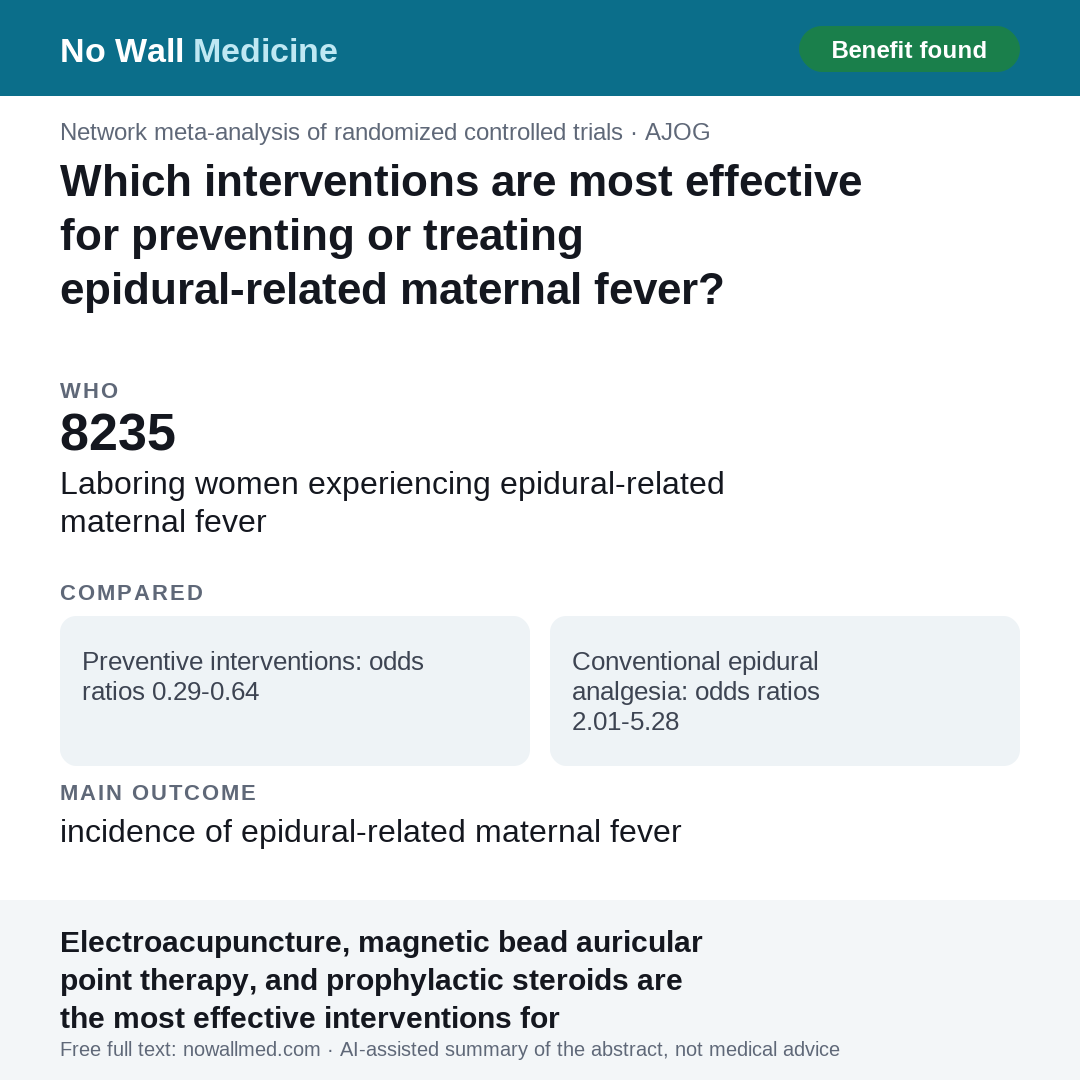
Comparative effectiveness of diverse strategies for the prevention or treatment of epidural-related maternal fever: a systematic review and network meta-analysis of randomized controlled trials
Network meta-analysis of randomized controlled trialsBenefit found
Which interventions are most effective for preventing or treating epidural-related maternal fever?
Who
8235
Laboring women experiencing epidural-related maternal fever
Compared
Preventive interventions: odds ratios 0.29-0.64
Conventional epidural analgesia: odds ratios 2.01-5.28
Main outcome
incidence of epidural-related maternal fever
Bottom line: Electroacupuncture, magnetic bead auricular point therapy, and prophylactic steroids are the most effective interventions for preventing epidural-related maternal fever.
AJOG · 2025-07-23Download image
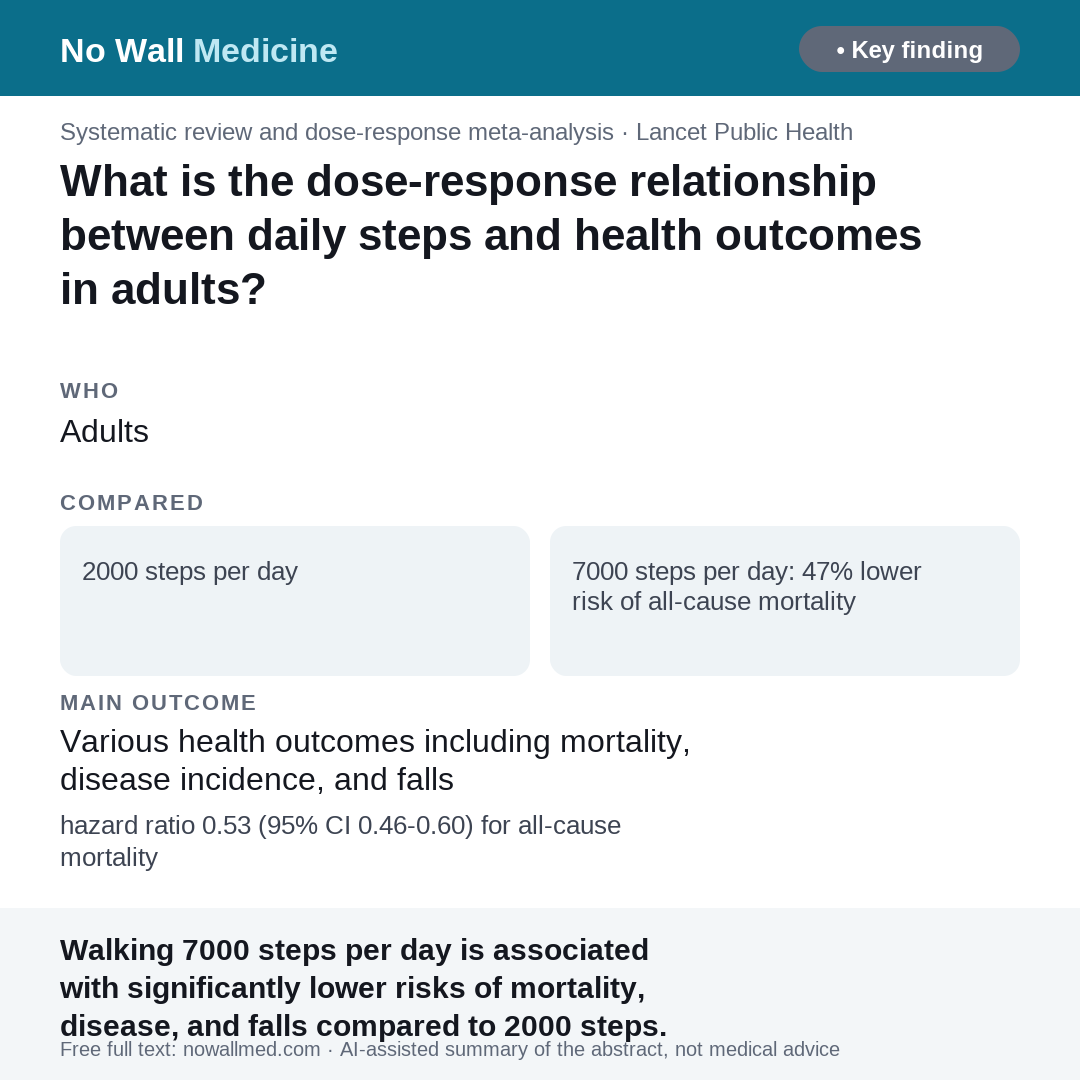
Daily steps and health outcomes in adults: a systematic review and dose-response meta-analysis
Systematic review and dose-response meta-analysisBenefit found
What is the dose-response relationship between daily steps and health outcomes in adults?
Who
Adults
Compared
2000 steps per day
7000 steps per day: 47% lower risk of all-cause mortality
Main outcome
Various health outcomes including mortality, disease incidence, and falls
Result: hazard ratio 0.53 (95% CI 0.46-0.60) for all-cause mortality
Bottom line: Walking 7000 steps per day is associated with significantly lower risks of mortality, disease, and falls compared to 2000 steps.
Limitation: Small number of studies for most outcomes, lack of age-specific analysis, and potential residual confounding.
Funded by: National Health and Medical Research Council, New South Wales Health, and Ian Potter Foundation
Lancet Public Health · 2025-07-23Download image
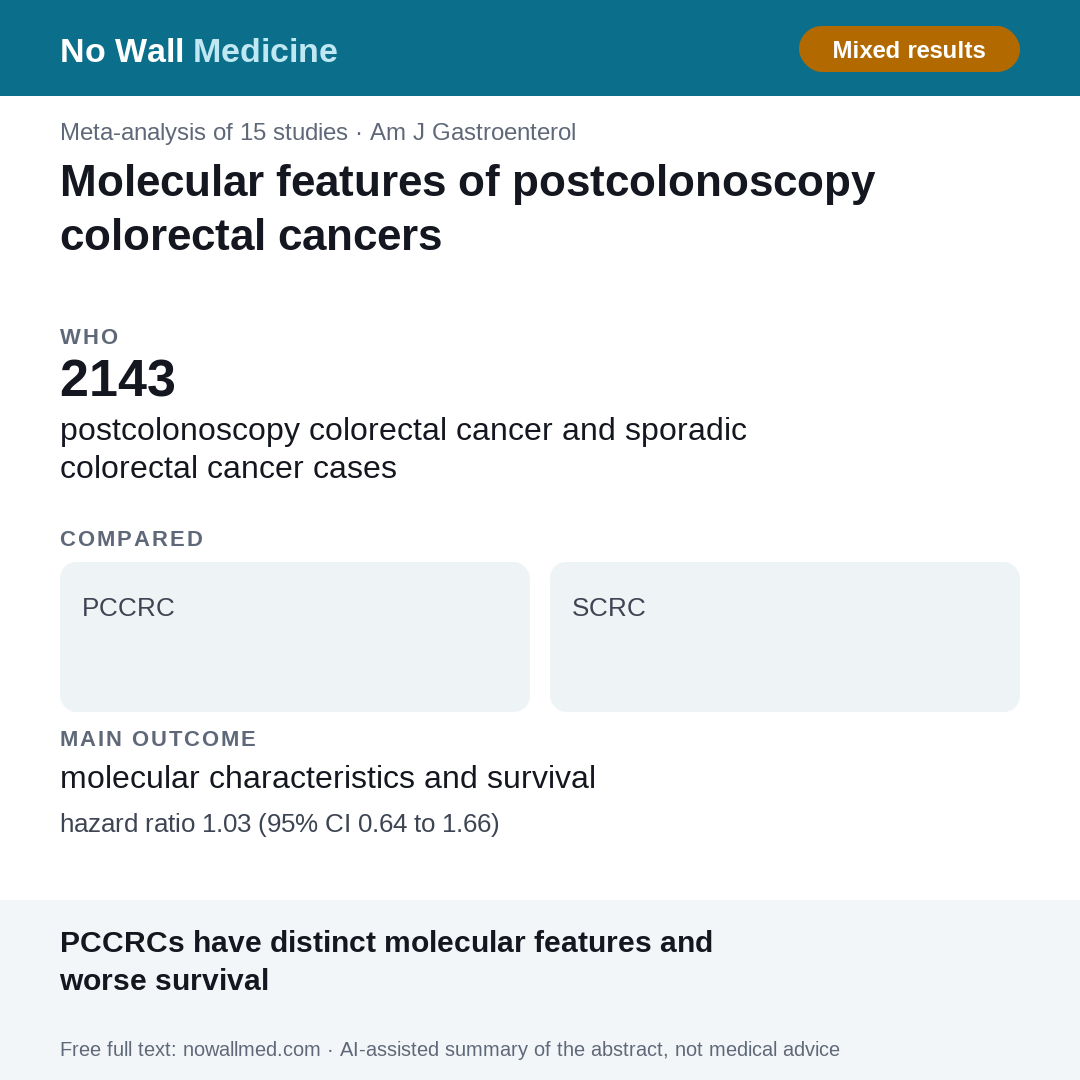
Predominant Serrated Molecular Signature in Postcolonoscopy Colorectal Cancer: A Systematic Review and Meta-Analysis
Meta-analysis of 15 studiesMixed results
Molecular features of postcolonoscopy colorectal cancers
Who
2143
postcolonoscopy colorectal cancer and sporadic colorectal cancer cases
Compared
PCCRC
SCRC
Main outcome
molecular characteristics and survival
Result: hazard ratio 1.03 (95% CI 0.64 to 1.66)
Bottom line: PCCRCs have distinct molecular features and worse survival
Am J Gastroenterol · 2025-07-23Download image
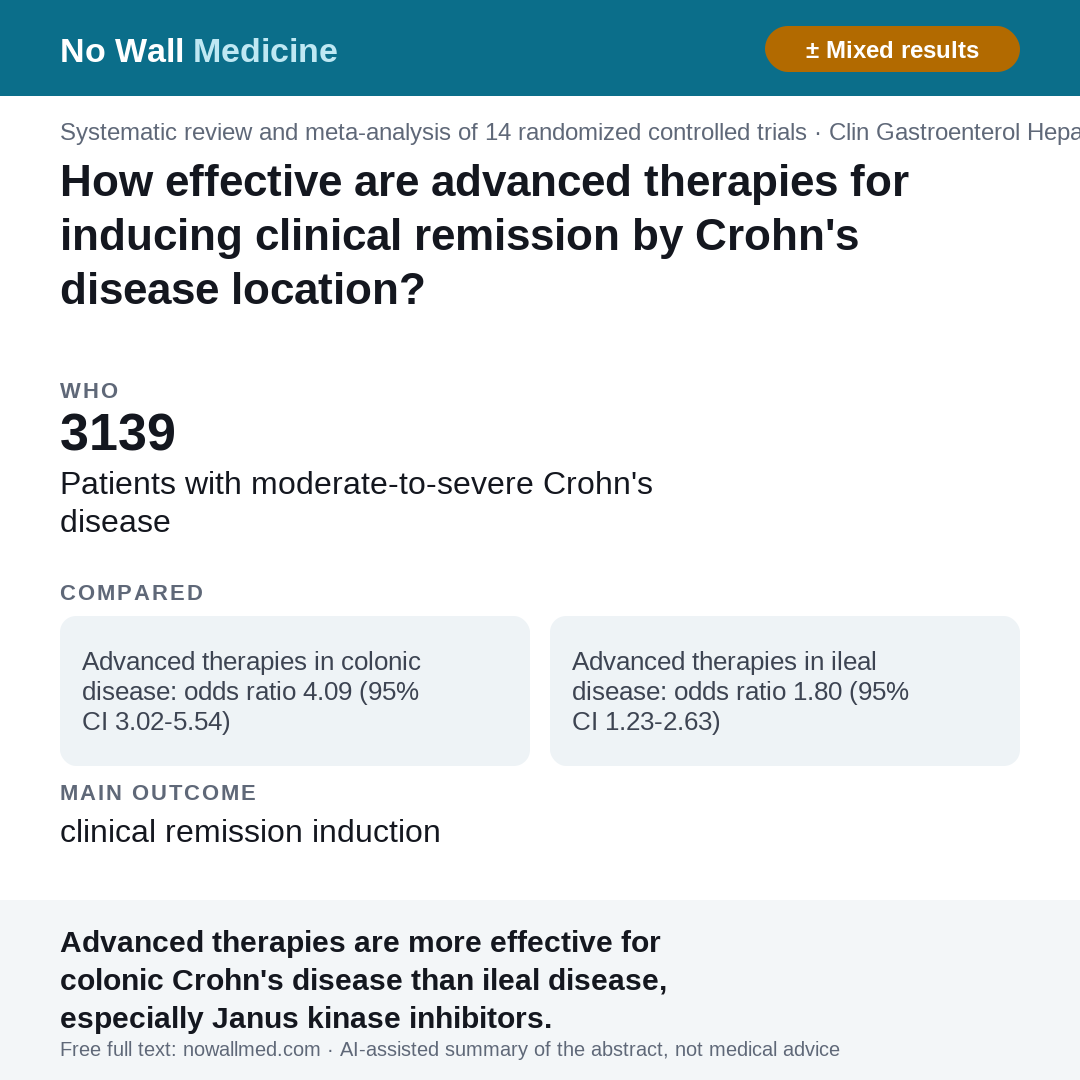
Efficacy of Advanced Therapies in Achieving Remission by Disease Location in Crohn's Disease: A Systematic Review and Meta-analysis
Systematic review and meta-analysis of 14 randomized controlled trialsMixed results
How effective are advanced therapies for inducing clinical remission by Crohn's disease location?
Who
3139
Patients with moderate-to-severe Crohn's disease
Compared
Advanced therapies in colonic disease: odds ratio 4.09 (95% CI 3.02-5.54)
Advanced therapies in ileal disease: odds ratio 1.80 (95% CI 1.23-2.63)
Main outcome
clinical remission induction
Result: odds ratio 4.09 (95% CI 3.02-5.54) vs 1.80 (95% CI 1.23-2.63)
Bottom line: Advanced therapies are more effective for colonic Crohn's disease than ileal disease, especially Janus kinase inhibitors.
Limitation: All analyses had minimal to moderate heterogeneity.
Clin Gastroenterol Hepatol · 2025-07-23Download image
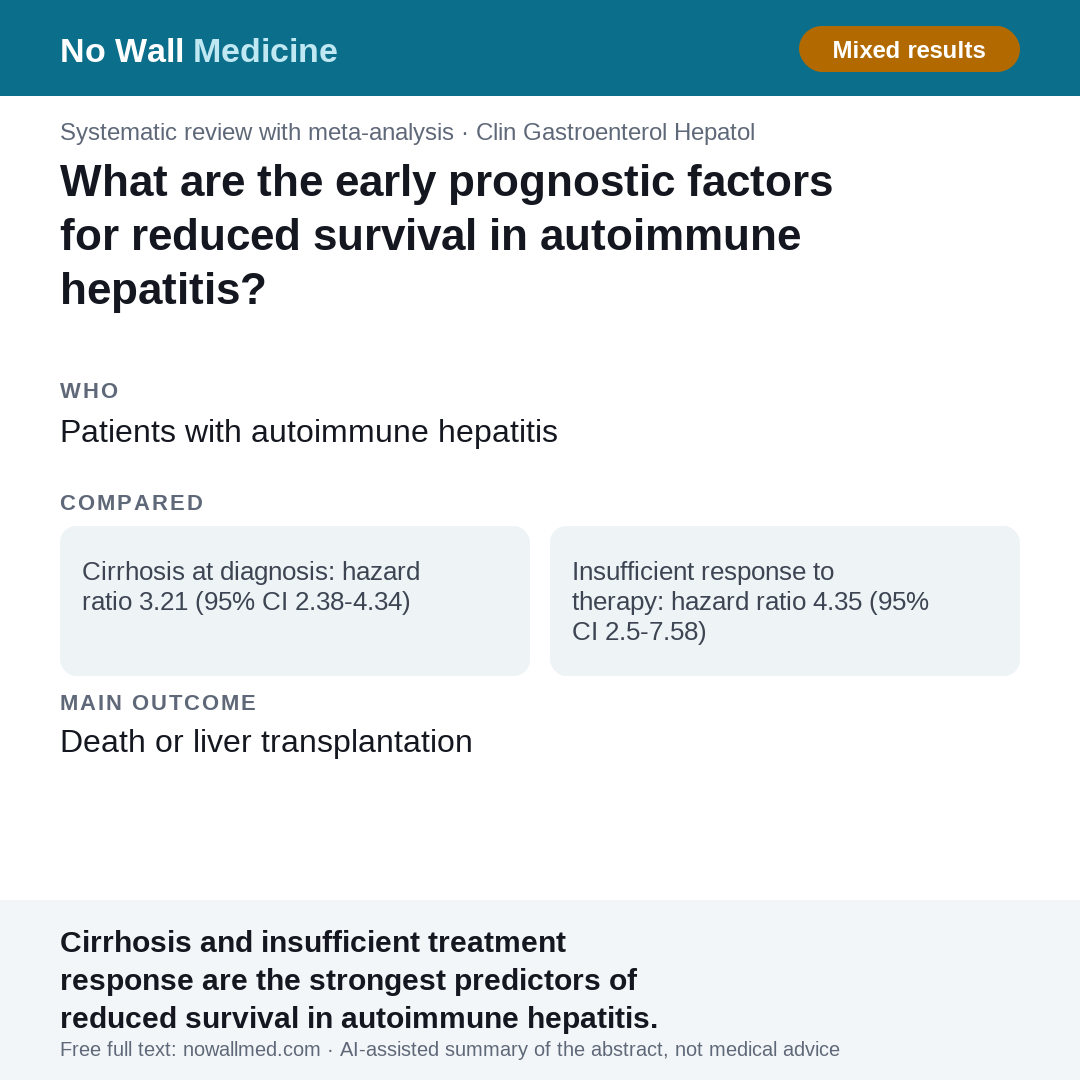
Early Prognostic Factors for Reduced Survival in Autoimmune Hepatitis: A Systematic Review With Meta-Analysis
Systematic review with meta-analysisMixed results
What are the early prognostic factors for reduced survival in autoimmune hepatitis?
Who
Patients with autoimmune hepatitis
Compared
Cirrhosis at diagnosis: hazard ratio 3.21 (95% CI 2.38-4.34)
Insufficient response to therapy: hazard ratio 4.35 (95% CI 2.5-7.58)
Main outcome
Death or liver transplantation
Bottom line: Cirrhosis and insufficient treatment response are the strongest predictors of reduced survival in autoimmune hepatitis.
Clin Gastroenterol Hepatol · 2025-07-23Download image
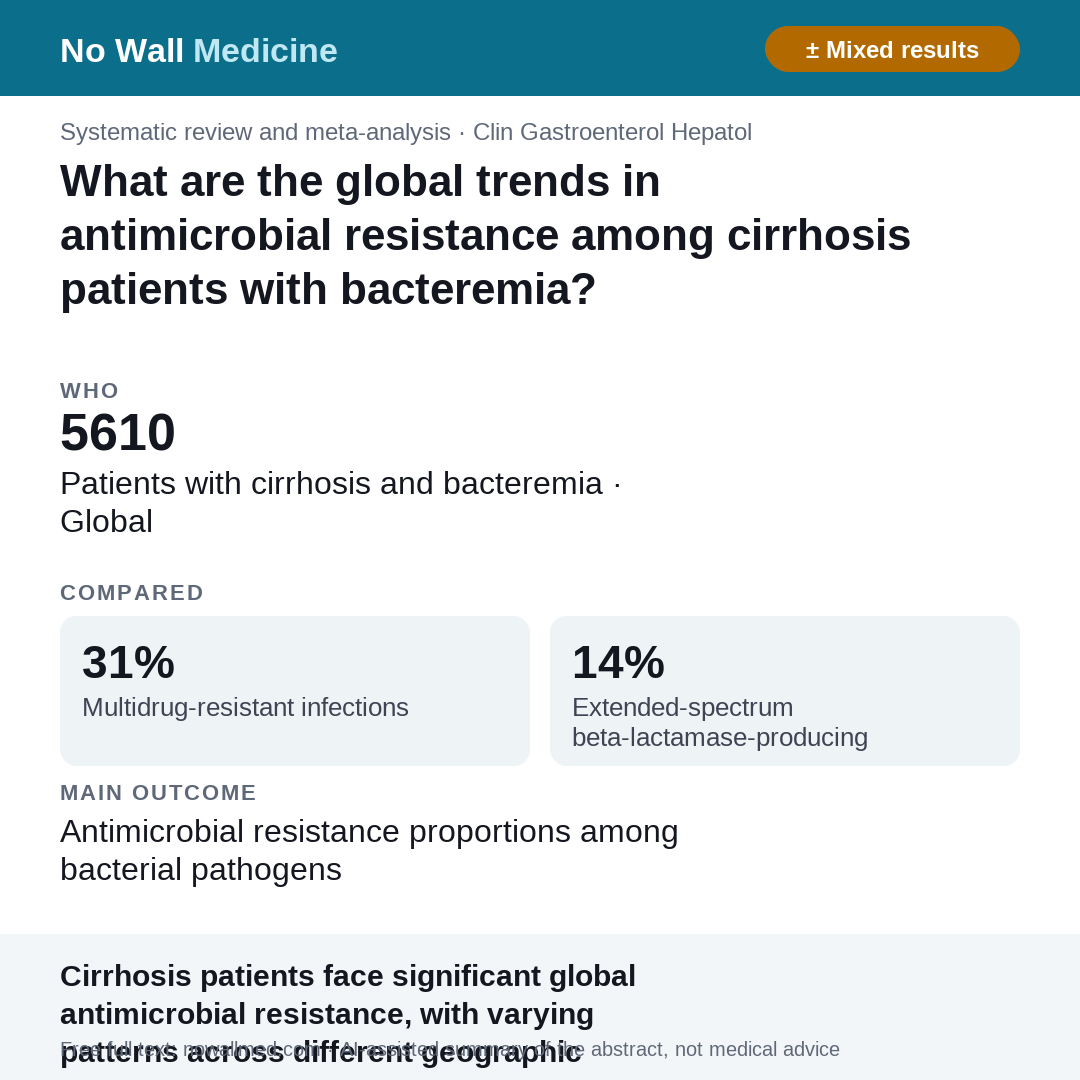
Global Trends in Antimicrobial Resistance Among Cirrhosis Patients With Bacteremia: A Systematic Review and Meta-analysis
Systematic review and meta-analysisMixed results
What are the global trends in antimicrobial resistance among cirrhosis patients with bacteremia?
Who
5610
Patients with cirrhosis and bacteremia · Global
Compared
31%Multidrug-resistant infections (95% CI, 19%-44%)
14%Extended-spectrum beta-lactamase-producing Escherichia coli (95% CI, 7%-22%)
Main outcome
Antimicrobial resistance proportions among bacterial pathogens
Bottom line: Cirrhosis patients face significant global antimicrobial resistance, with varying patterns across different geographic regions.
Clin Gastroenterol Hepatol · 2025-07-23Download image
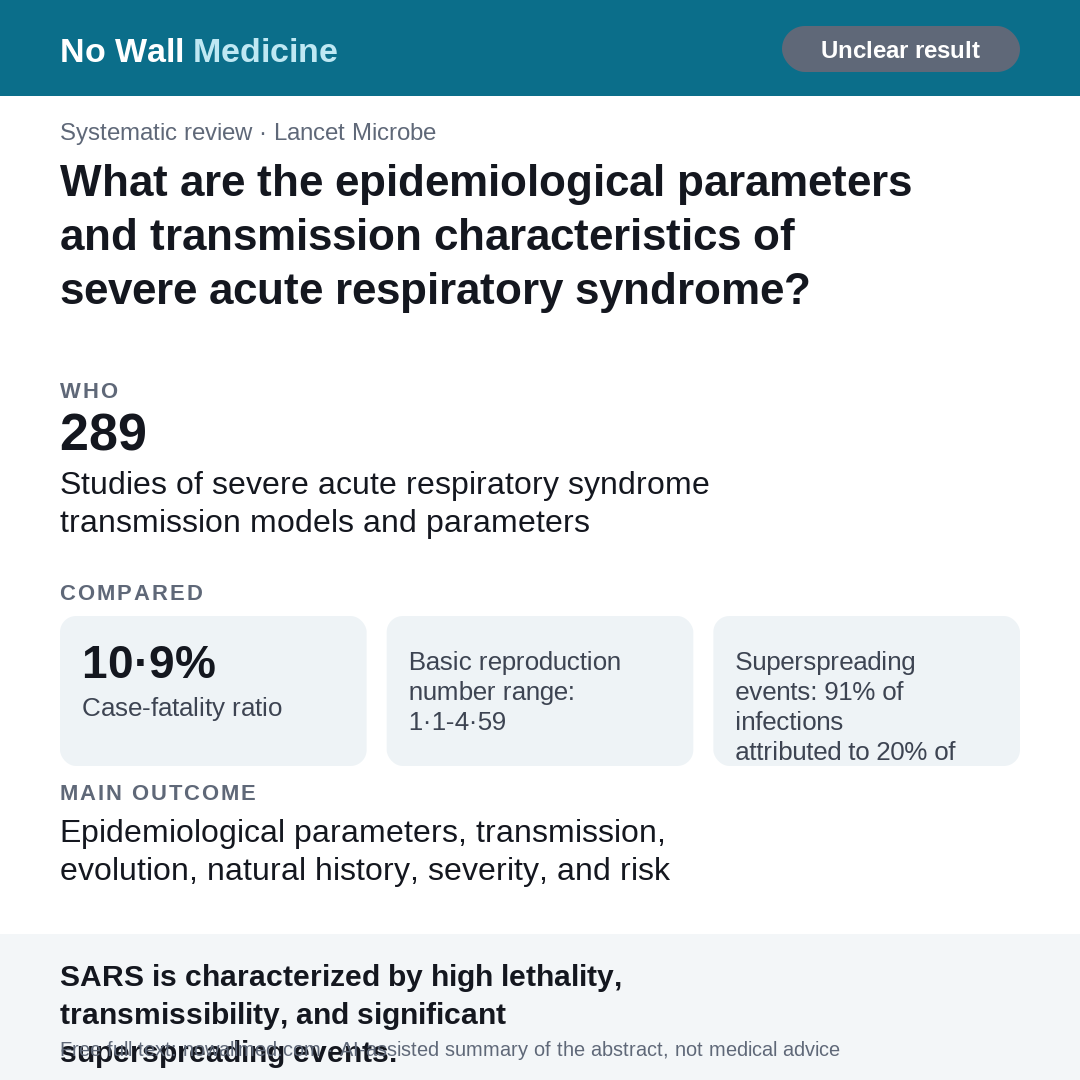
Severe acute respiratory syndrome (SARS) mathematical models and disease parameters: a systematic review
Systematic reviewUnclear result
What are the epidemiological parameters and transmission characteristics of severe acute respiratory syndrome?
Who
289
Studies of severe acute respiratory syndrome transmission models and parameters
Compared
10·9%Case-fatality ratio
Basic reproduction number range: 1·1-4·59
Superspreading events: 91% of infections attributed to 20% of individuals
Main outcome
Epidemiological parameters, transmission, evolution, natural history, severity, and risk factors
Bottom line: SARS is characterized by high lethality, transmissibility, and significant superspreading events.
Limitation: The natural history of SARS was poorly characterised, except for incubation and hospitalization delays.
Lancet Microbe · 2025-07-23Download image
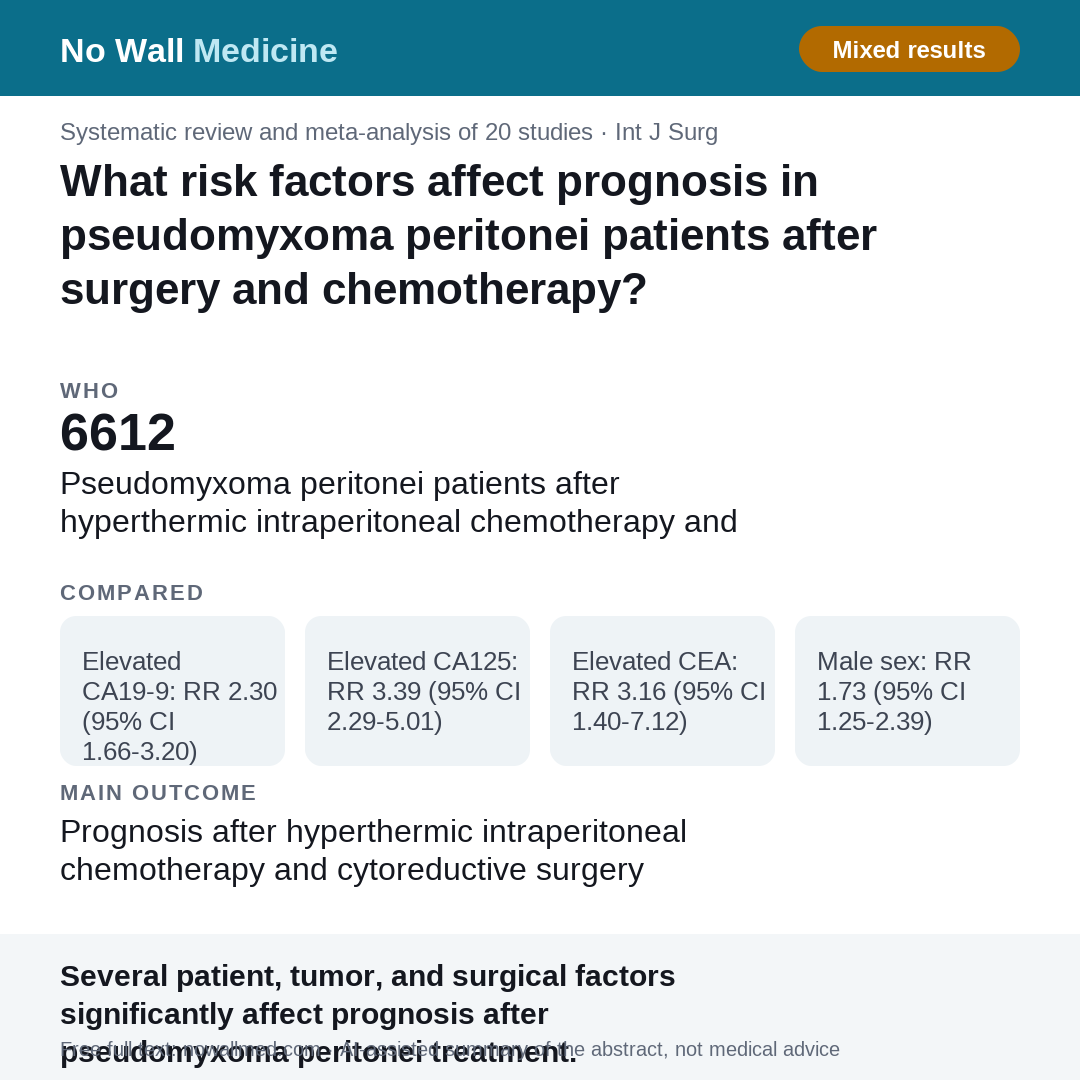
Risk factors affecting prognosis in pseudomyxoma peritonei patients after hyperthermic intraperitoneal chemotherapy and cytoreductive surgery: a systematic review and meta-analysis
Systematic review and meta-analysis of 20 studiesMixed results
What risk factors affect prognosis in pseudomyxoma peritonei patients after surgery and chemotherapy?
Who
6612
Pseudomyxoma peritonei patients after hyperthermic intraperitoneal chemotherapy and cytoreductive surgery
Compared
Elevated CA19-9: RR 2.30 (95% CI 1.66-3.20)
Elevated CA125: RR 3.39 (95% CI 2.29-5.01)
Elevated CEA: RR 3.16 (95% CI 1.40-7.12)
Male sex: RR 1.73 (95% CI 1.25-2.39)
Main outcome
Prognosis after hyperthermic intraperitoneal chemotherapy and cytoreductive surgery
Bottom line: Several patient, tumor, and surgical factors significantly affect prognosis after pseudomyxoma peritonei treatment.
Int J Surg · 2025-07-23Download image
A comparative analysis of tip-bendable suction ureteral access sheath versus traditional sheath in retrograde intrarenal stone surgery: a systematic review and meta-analysis of comparative studies
Systematic review and meta-analysisBenefit found
Is tip-bendable suction ureteral access sheath better than traditional sheath in stone surgery?
Who
1981
Patients undergoing retrograde intrarenal stone surgery
Compared
Tip-bendable suction ureteral access sheath
Traditional ureteral access sheath
Main outcome
Stone-free rates and complication rates
Result: immediate stone-free rate RR 1.57 (95% CI 1.18-2.09)
Bottom line: Tip-bendable suction ureteral access sheaths improve stone-free rates and reduce complication rates compared to traditional sheaths.
Int J Surg · 2025-07-23Download image

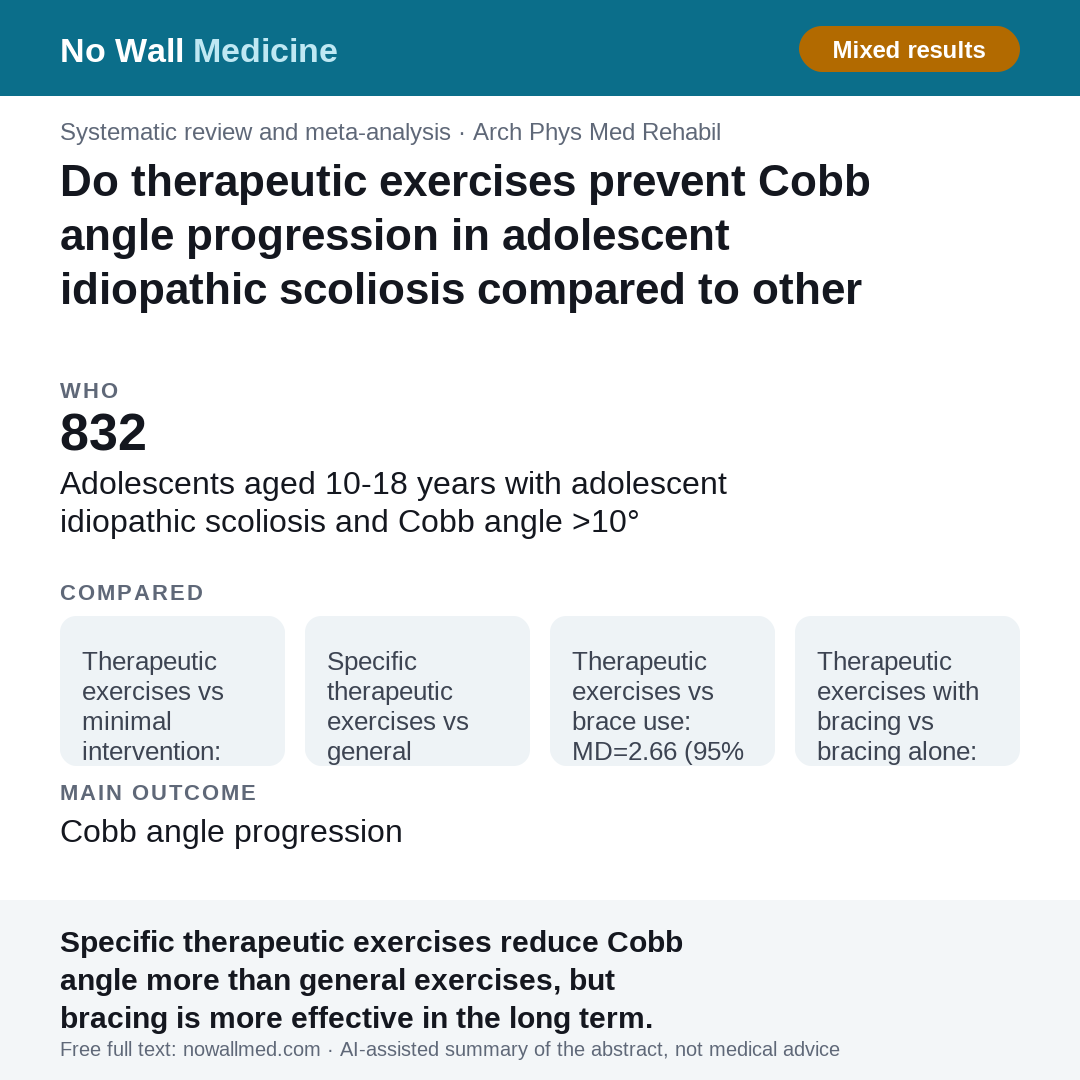
Impact of Therapeutic Exercises Versus General Conservative Modalities and Brace on the Progression of Adolescent Idiopathic Scoliosis: Systematic Review and Meta-analysis
Systematic review and meta-analysisMixed results
Do therapeutic exercises prevent Cobb angle progression in adolescent idiopathic scoliosis compared to other treatments?
Who
832
Adolescents aged 10-18 years with adolescent idiopathic scoliosis and Cobb angle >10°
Compared
Therapeutic exercises vs minimal intervention: mean difference -1.33 (95% CI -4.87 to 2.22)
Specific therapeutic exercises vs general exercises: MD=-6.00 (95% CI, -6.88 to -5.12) long term
Therapeutic exercises vs brace use: MD=2.66 (95% CI, 0.18-5.14) long term
Therapeutic exercises with bracing vs bracing alone: MD=2.25 (95% CI, -3.86 to -0.63) short term
Main outcome
Cobb angle progression
Bottom line: Specific therapeutic exercises reduce Cobb angle more than general exercises, but bracing is more effective in the long term.
Limitation: Further high-quality trials are needed to establish optimal treatment protocols.
Arch Phys Med Rehabil · 2025-07-23Download image