Visual abstracts
New randomized trials and meta-analyses from leading journals at a glance: who was studied, what was compared, and what was found. Every paper is free to read in full.
All specialtiesCardiology 4832Oncology 4114Gastroenterology & Hepatology 1934Infectious Disease 3824Neurology 1899Psychiatry & Mental Health 2256Pulmonology 2082Critical Care 1345Endocrinology & Diabetes 2572Pediatrics 2940Surgery 2525Orthopedics & Sports Medicine 926Neurosurgery 534Cardiothoracic & Vascular Surgery 671Plastic & Reconstructive Surgery 591Nephrology 1124Rheumatology 823Hematology 1104Dermatology 620Ophthalmology 543Obstetrics & Gynecology 1684Public & Global Health 1056Radiology & Imaging 641Anesthesiology 962Urology 754ENT (Otolaryngology) 503Emergency Medicine 489Allergy & Immunology 313Geriatrics 981Family Medicine & Primary Care 541Medical Genetics & Genomics 675Pathology & Laboratory Medicine 157Physical Medicine & Rehabilitation 751Palliative Care 424Nutrition 1580Digital Health & AI 2195General Medicine 321
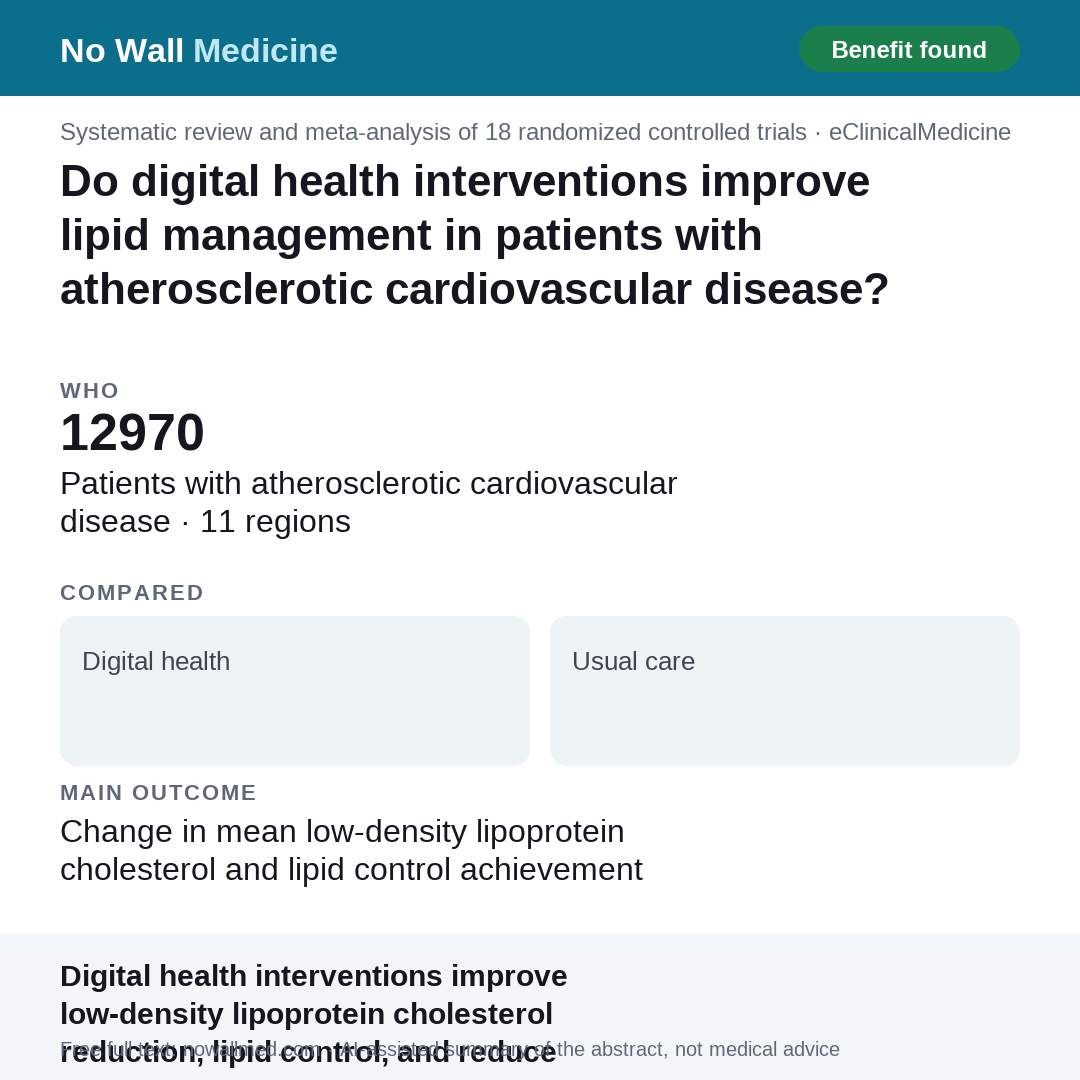
Digital health interventions for lipid management in atherosclerotic cardiovascular disease: a systematic review and meta-analysis of randomised controlled trials
Systematic review and meta-analysis of 18 randomized controlled trialsBenefit found
Do digital health interventions improve lipid management in patients with atherosclerotic cardiovascular disease?
Who
12970
Patients with atherosclerotic cardiovascular disease · 11 regions
Compared
Digital health
Usual care
Main outcome
Change in mean low-density lipoprotein cholesterol and lipid control achievement
Result: mean difference -0.10 mmol/L (95% CI -0.17 to -0.04)
Bottom line: Digital health interventions improve low-density lipoprotein cholesterol reduction, lipid control, and reduce hospitalization risk in patients with atherosclerotic cardiovascular disease.
Limitation: High heterogeneity and high risk of bias were observed across studies.
Funded by: Innovative Health Initiative Joint Undertaking
eClinicalMedicine · 2026-04-10Download image
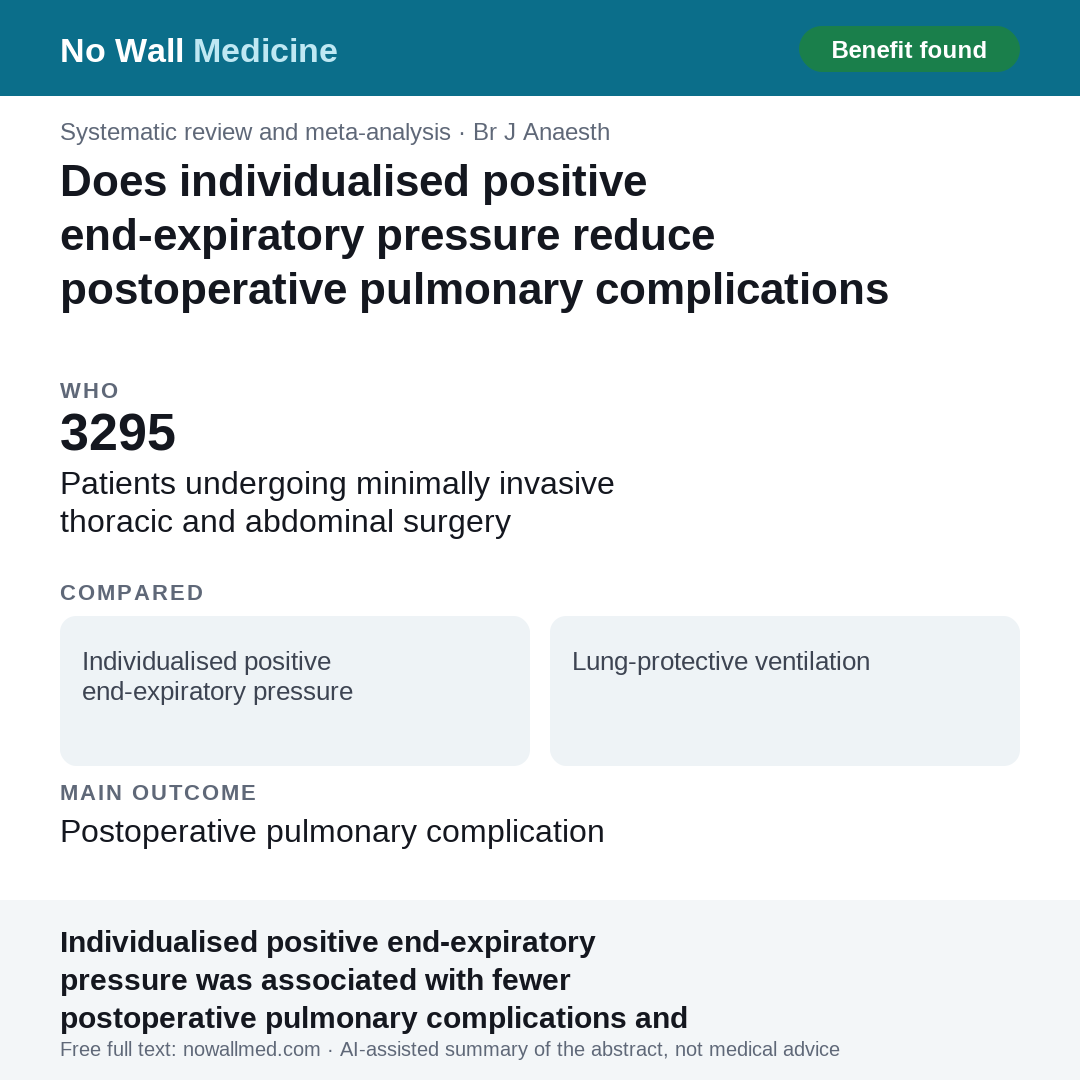
Individualised positive end-expiratory pressure to minimise driving pressure and postoperative pulmonary complications in minimally invasive thoracic and abdominal surgery a systematic review and meta-analysis
Systematic review and meta-analysisBenefit found
Does individualised positive end-expiratory pressure reduce postoperative pulmonary complications and driving pressure?
Who
3295
Patients undergoing minimally invasive thoracic and abdominal surgery
Compared
Individualised positive end-expiratory pressure
Lung-protective ventilation
Main outcome
Postoperative pulmonary complication
Result: risk ratio 0.67 (95% CI 0.56-0.79)
Bottom line: Individualised positive end-expiratory pressure was associated with fewer postoperative pulmonary complications and lower driving pressures.
Limitation: Showing causality requires further research.
Br J Anaesth · 2026-04-10Download image
Interventions to prevent antipsychotic-induced weight gain and metabolic complications in individuals with a first-episode psychosis and minimal antipsychotic exposure: a systematic review and meta-analysis
Systematic review and meta-analysisBenefit found
Are interventions effective in preventing antipsychotic-induced weight gain in first-episode psychosis?
Who
Individuals with a first-episode psychosis
Compared
Behavioral interventions: 3.05 kg less weight gain
Treatment-as-usual
Main outcome
Weight gain and cardiometabolic markers
Result: 3.05 kg less weight gain (95% CI 1.36 kg to 4.73 kg)
Bottom line: Multidisciplinary team behavioral interventions effectively prevent weight gain in individuals with first-episode psychosis.
Psychol Med · 2026-04-10Download image

Primary care and community interventions for multimorbidity involving depression or anxiety: systematic review with meta-analysis
Systematic review with meta-analysisBenefit found
Are primary care or community interventions effective for multimorbidity involving depression or anxiety?
Who
9487
Adults with depression or anxiety and one or more long term physical conditions
Compared
Organisational interventions: standardised mean difference -0.25 (95% CI -0.43 to -0.06) for depression
Patient oriented interventions: standardised mean difference -0.46 (95% CI -0.71 to -0.21) for depression
Main outcome
mental health, physical health, and quality of life
Bottom line: Interventions improved mental health, physical health, and quality of life, but effects were small and diminished over time for patient oriented interventions.
Limitation: Effects for patient oriented interventions were diminished at the late follow-up period.
BMJ Med · 2026-04-10Download image

Occupational exposure to toxic particles and risk of pulmonary sarcoidosis: a systematic review and meta-analysis
Systematic review and meta-analysisMixed results
Are occupational toxic particles associated with an increased risk of pulmonary sarcoidosis?
Who
Individuals with occupational exposure to toxic particles
Compared
Silica, pesticides, mould, and WTC dust: increased odds
Gold exposure: protective factor
Main outcome
Risk of developing pulmonary sarcoidosis
Bottom line: Occupational silica, pesticides, mould, and World Trade Center dust increase pulmonary sarcoidosis risk, while gold exposure is protective.
BMJ Open Respir Res · 2026-04-10Download image

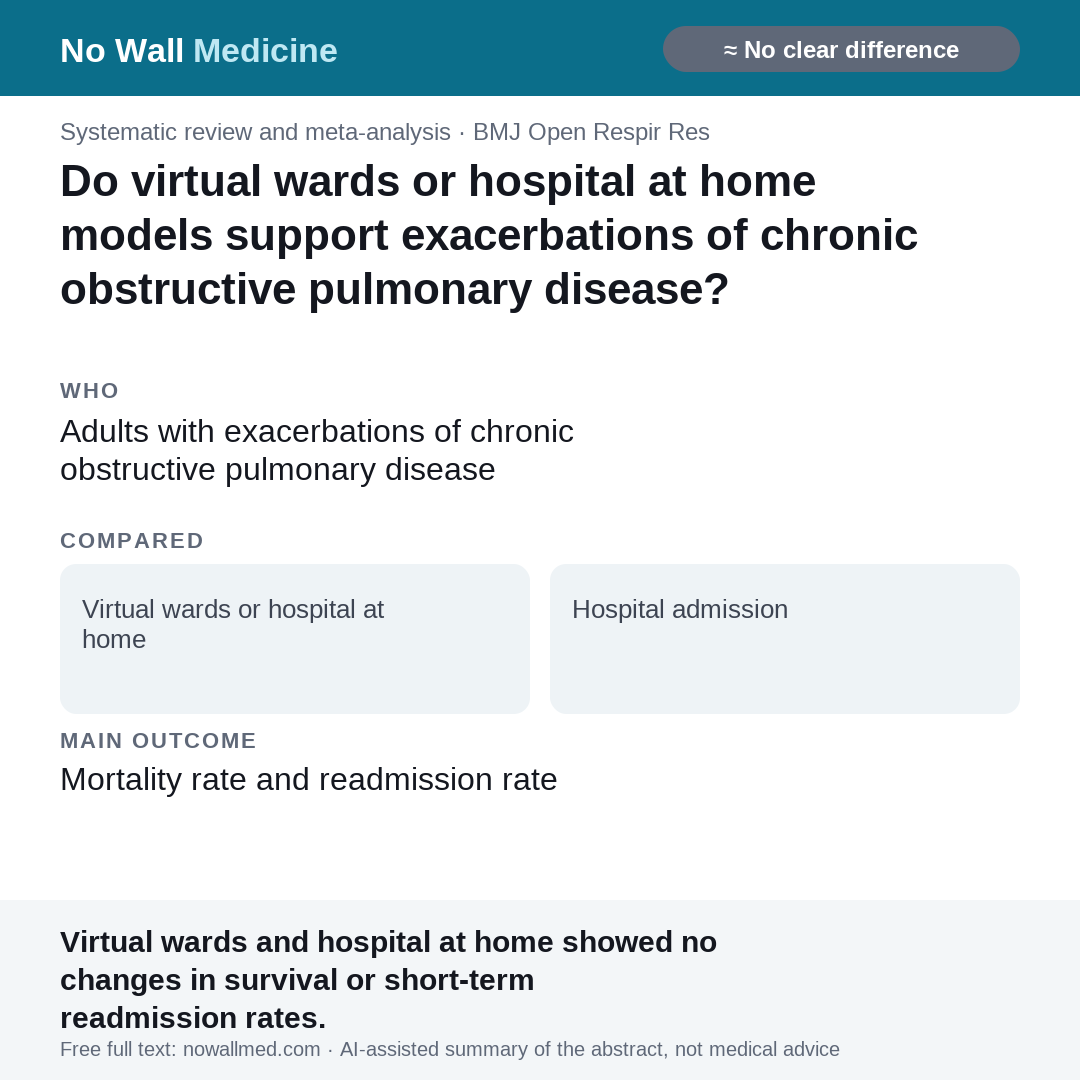
What is the evidence for virtual wards or hospital-at-home care pathways for exacerbations of chronic obstructive pulmonary disease? A systematic review and meta-analysis
Systematic review and meta-analysisNo clear difference
Do virtual wards or hospital at home models support exacerbations of chronic obstructive pulmonary disease?
Who
Adults with exacerbations of chronic obstructive pulmonary disease
Compared
Virtual wards or hospital at home
Hospital admission
Main outcome
Mortality rate and readmission rate
Bottom line: Virtual wards and hospital at home showed no changes in survival or short-term readmission rates.
Limitation: More evidence is needed to support widespread roll-out of these pathways.
BMJ Open Respir Res · 2026-04-10Download image
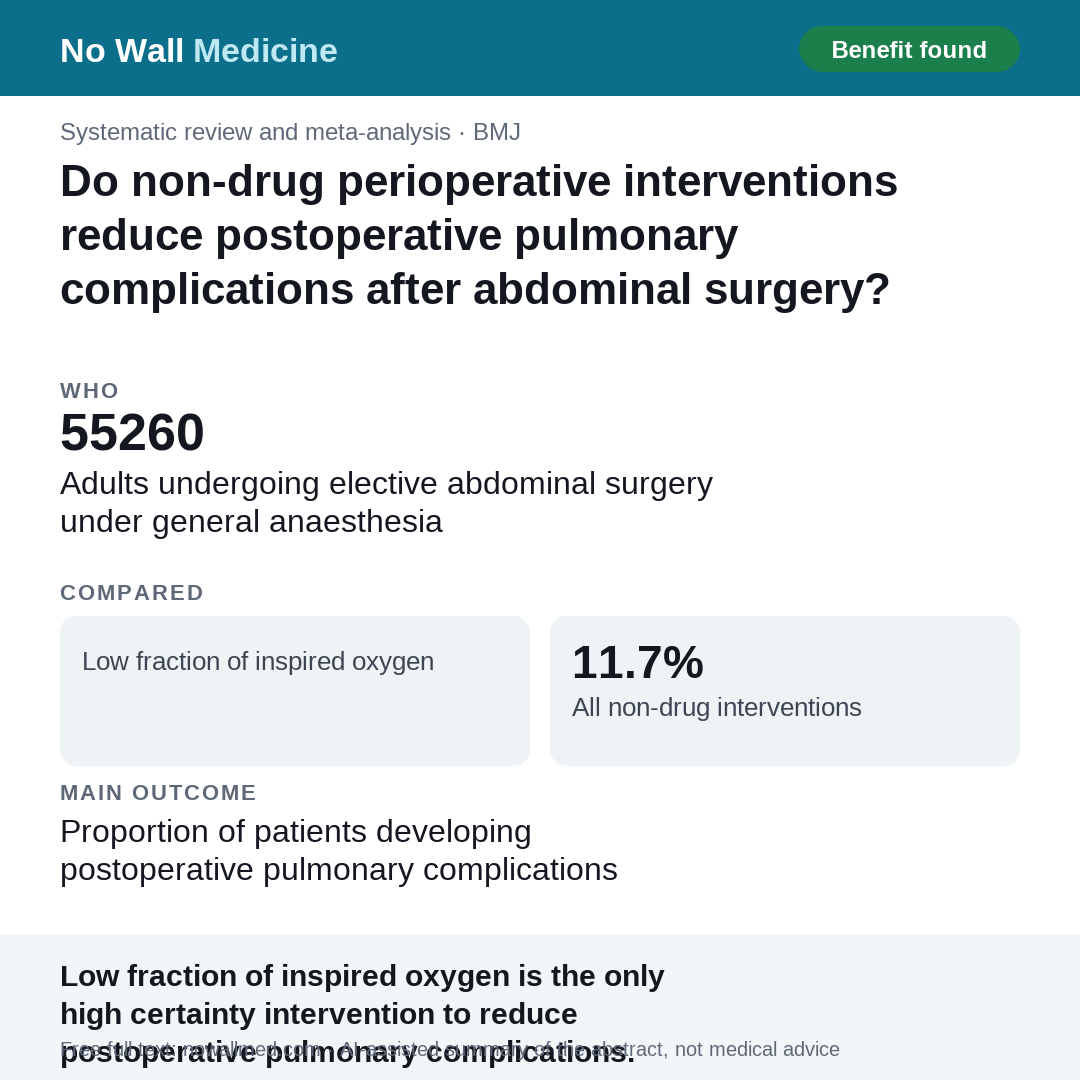
Non-drug perioperative interventions to reduce postoperative pulmonary complications after abdominal surgery: systematic review and meta-analysis
Systematic review and meta-analysisBenefit found
Do non-drug perioperative interventions reduce postoperative pulmonary complications after abdominal surgery?
Who
55260
Adults undergoing elective abdominal surgery under general anaesthesia
Compared
Low fraction of inspired oxygen
11.7%All non-drug interventions
Main outcome
Proportion of patients developing postoperative pulmonary complications
Result: risk ratio 0.81 (95% confidence interval 0.71 to 0.92)
Bottom line: Low fraction of inspired oxygen is the only high certainty intervention to reduce postoperative pulmonary complications.
BMJ · 2026-04-09Download image
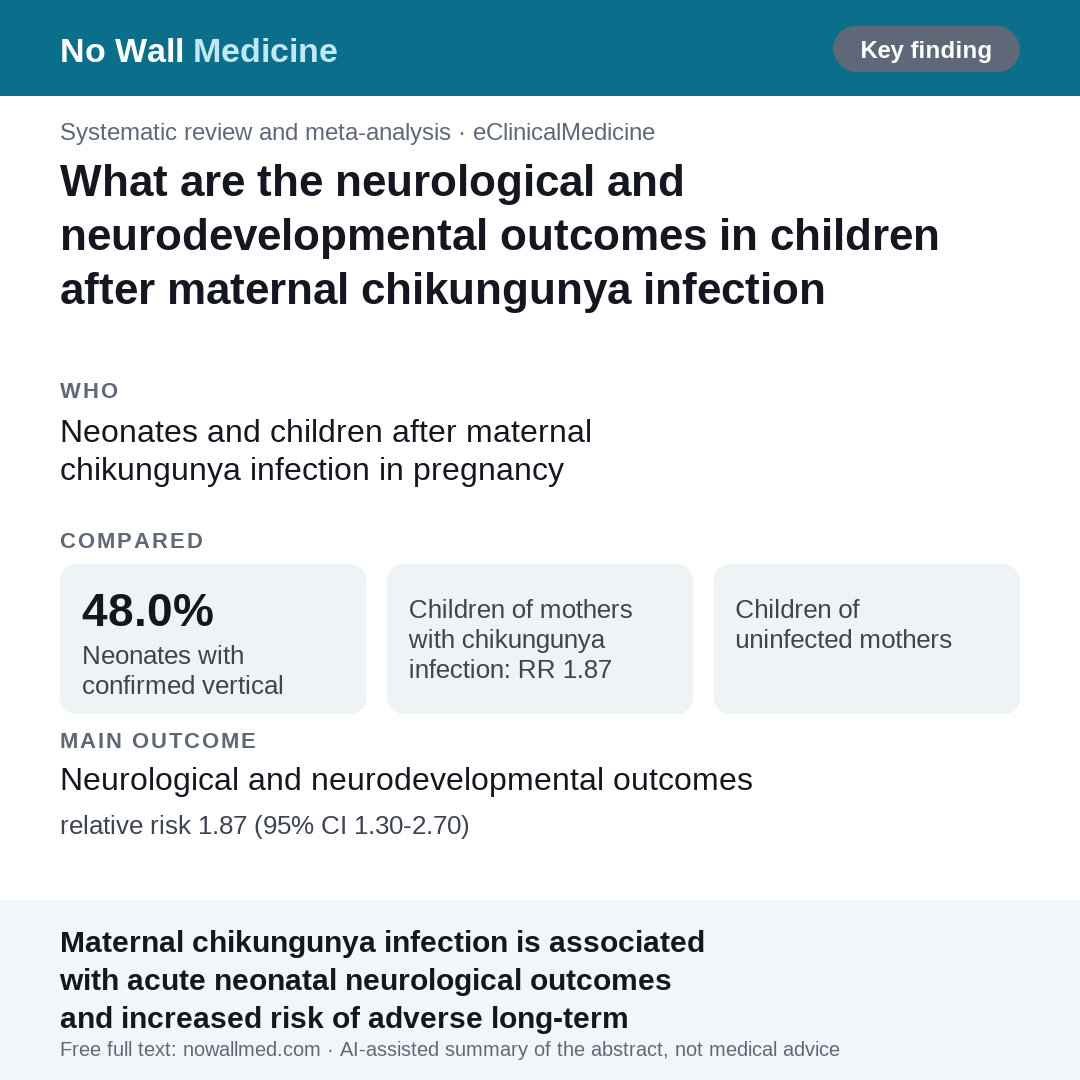
Neurological and neurodevelopmental outcomes in neonates and children after maternal chikungunya infection in pregnancy: a systematic review and meta-analysis
Systematic review and meta-analysisHarm found
What are the neurological and neurodevelopmental outcomes in children after maternal chikungunya infection during pregnancy?
Who
Neonates and children after maternal chikungunya infection in pregnancy
Compared
48.0%Neonates with confirmed vertical chikungunya infection (95% CI 24.0-73.0)
Children of mothers with chikungunya infection: RR 1.87
Children of uninfected mothers
Main outcome
Neurological and neurodevelopmental outcomes
Result: relative risk 1.87 (95% CI 1.30-2.70)
Bottom line: Maternal chikungunya infection is associated with acute neonatal neurological outcomes and increased risk of adverse long-term neurodevelopment.
Limitation: Small, predominantly observational evidence base with heterogeneous outcome definitions and ascertainment.
eClinicalMedicine · 2026-04-09Download image
Post-acute sequelae after Nipah virus infection: a systematic review and meta-analysis
Systematic review and meta-analysisHarm found
What is the prevalence and incidence of post-acute sequelae in Nipah virus survivors?
Who
Survivors of Nipah virus infection · Malaysia and Singapore
Compared
24%Total survivors of Nipah infection (95% CI 9-49; I2 = 0%)
45%Survivors with acute Nipah encephalitis (95% CI 11-85; I2 = 64%)
Main outcome
Prevalence of total residual neurological deficits
Bottom line: Nipah virus survivors face a substantial long-term disease burden, including significant residual neurological deficits.
Limitation: Estimates based on limited data, subjective outcome assessment, and heterogeneous populations.
eClinicalMedicine · 2026-04-09Download image

Psychological Burden and Interventional Outcomes in Symptomatic Vitreous Opacities: A Systematic Review
Systematic reviewBenefit found
What is the psychological burden of symptomatic vitreous opacities and interventional outcomes?
Who
635
Patients with symptomatic vitreous opacities · Europe, Asia, and the Americas
Compared
Symptomatic vitreous opacities: significantly higher levels of depression, anxiety, and perceived stress
Healthy controls
Main outcome
Psychological burden and psychological changes following interventions
Bottom line: Symptomatic vitreous opacities cause significant psychological distress, which can improve following laser or surgical interventions.
Am J Ophthalmol · 2026-04-09Download image

The effectiveness and safety of restorative reproductive medicine (RRM) compared to assisted reproductive technology or medically unassisted conception: a systematic review
Systematic reviewUnclear result
Is restorative reproductive medicine effective and safe compared to assisted reproductive technology or unassisted conception?
Who
Couples experiencing infertility
Compared
Restorative reproductive medicine
Assisted reproductive technology or unassisted conception
Main outcome
Reproductive and safety outcomes
Bottom line: No comparative studies exist to provide reliable estimates of restorative reproductive medicine effectiveness or safety.
Fertil Steril · 2026-04-09Download image

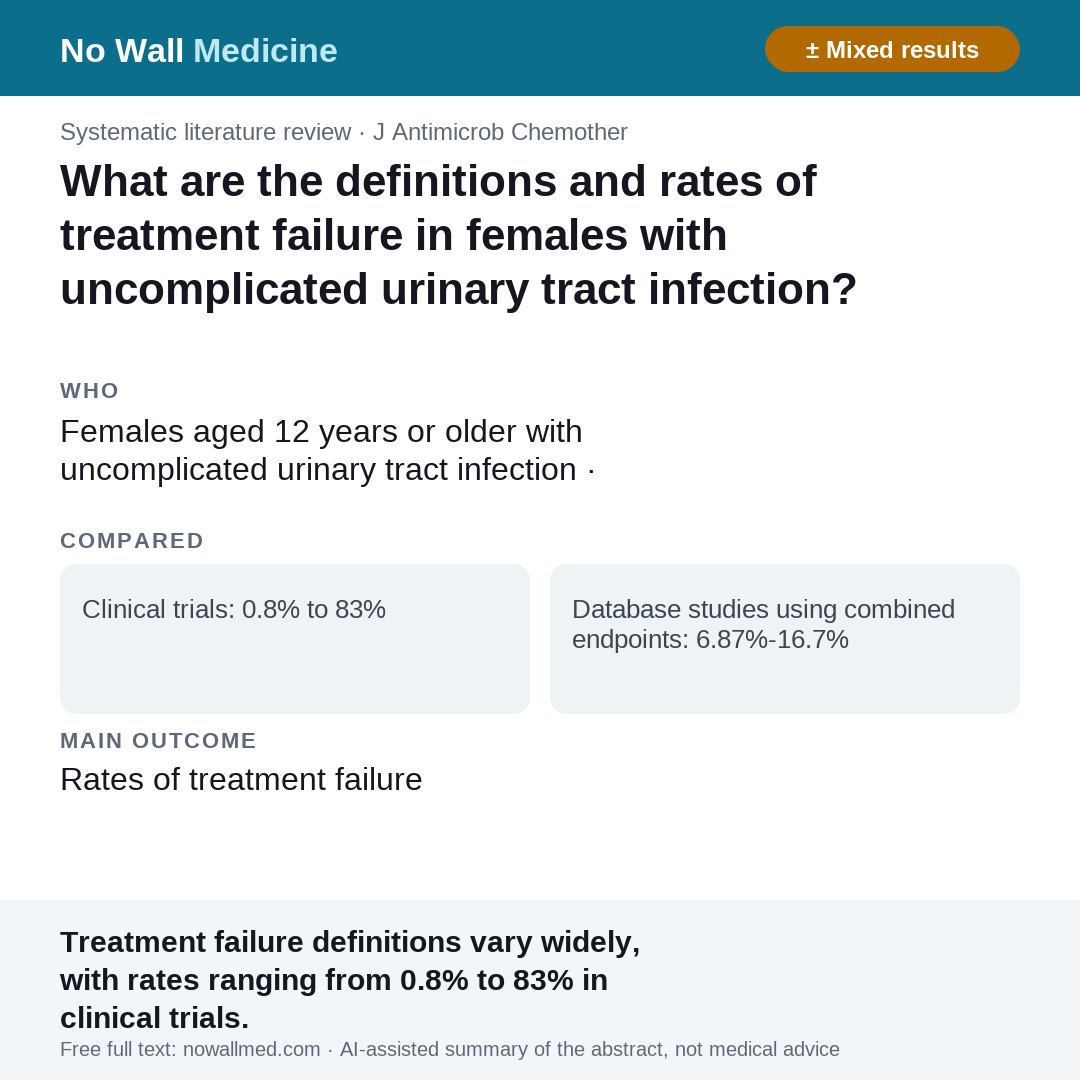
Definitions and rates of treatment failure in females with uncomplicated urinary tract infection: a systematic literature review
Systematic literature reviewMixed results
What are the definitions and rates of treatment failure in females with uncomplicated urinary tract infection?
Who
Females aged 12 years or older with uncomplicated urinary tract infection · MEDLINE, Embase and CENTRAL databases
Compared
Clinical trials: 0.8% to 83%
Database studies using combined endpoints: 6.87%-16.7%
Main outcome
Rates of treatment failure
Bottom line: Treatment failure definitions vary widely, with rates ranging from 0.8% to 83% in clinical trials.
J Antimicrob Chemother · 2026-04-09Download image
Effects of Nonpharmacological and Nonsurgical Intervention for Lower Urinary Tract Symptoms in Parkinson's Disease: A Systematic Review and Meta-analysis
Systematic review and meta-analysisBenefit found
Do nonpharmacological and nonsurgical interventions improve lower urinary tract symptoms in Parkinson's disease?
Who
Adults with Parkinson's disease
Compared
Nonpharmacological and nonsurgical interventions
No intervention, sham/placebo, or usual care
Main outcome
24-hour bladder-diary episodes and quality-of-life scales
Result: mean difference -0.91 episodes/24 h (95% confidence interval -1.74 to -0.08)
Bottom line: Nonpharmacological and nonsurgical interventions may improve urinary incontinence episodes in Parkinson's disease patients.
Limitation: Substantial heterogeneity and low certainty for many outcomes; publication bias could not be assessed.
Eur Urol Open Sci · 2026-04-09Download image

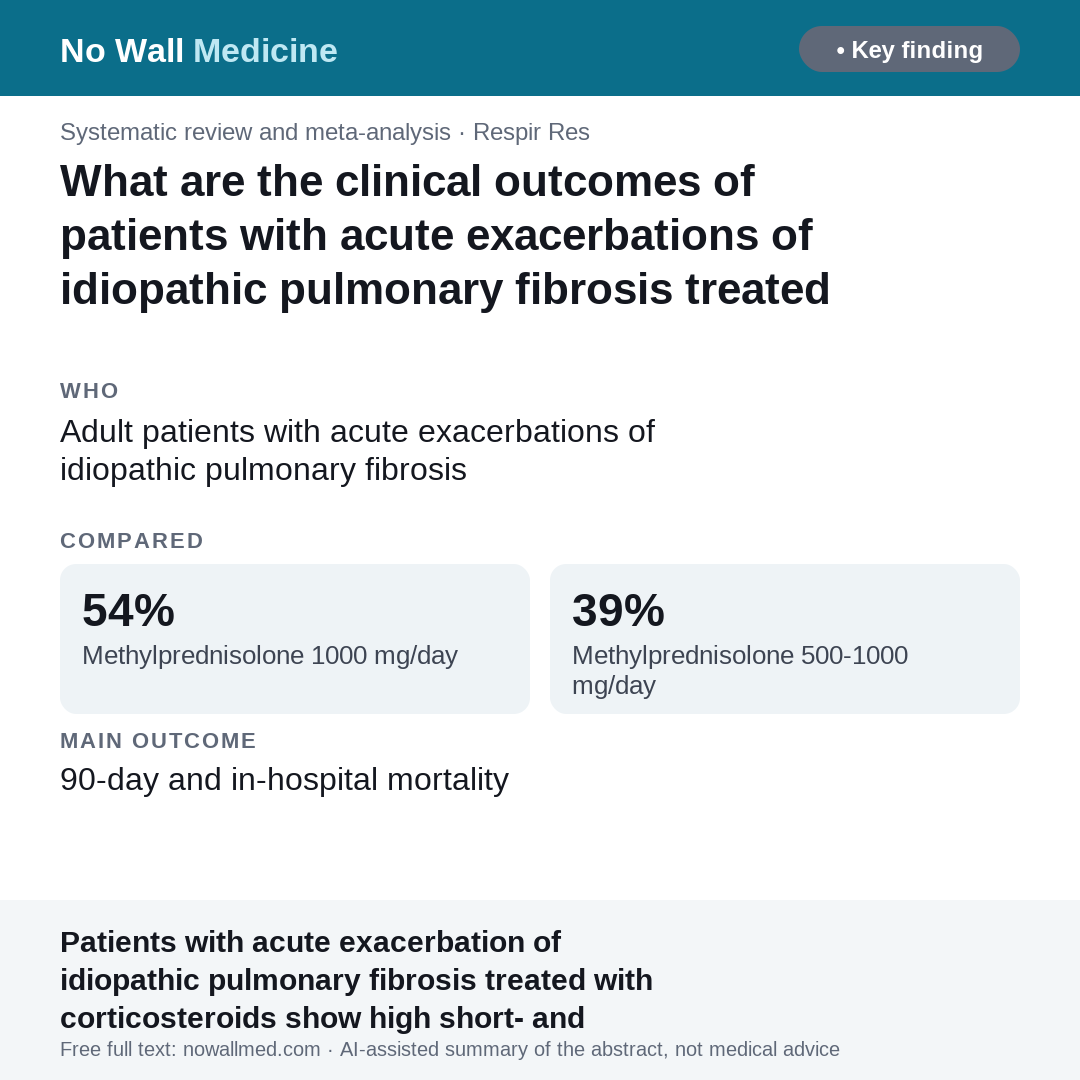
Outcomes of patients with acute exacerbations of idiopathic pulmonary fibrosis treated with corticosteroids: a systematic review and meta-analysis
Systematic review and meta-analysisHarm found
What are the clinical outcomes of patients with acute exacerbations of idiopathic pulmonary fibrosis treated with corticosteroids?
Who
32
Adult patients with acute exacerbations of idiopathic pulmonary fibrosis
Compared
54%Methylprednisolone 1000 mg/day (95% CI = 11-94%)
39%Methylprednisolone 500-1000 mg/day (95% CI = 12 to 71%)
Main outcome
90-day and in-hospital mortality
Bottom line: Patients with acute exacerbation of idiopathic pulmonary fibrosis treated with corticosteroids show high short- and long-term mortality.
Respir Res · 2026-04-09Download image
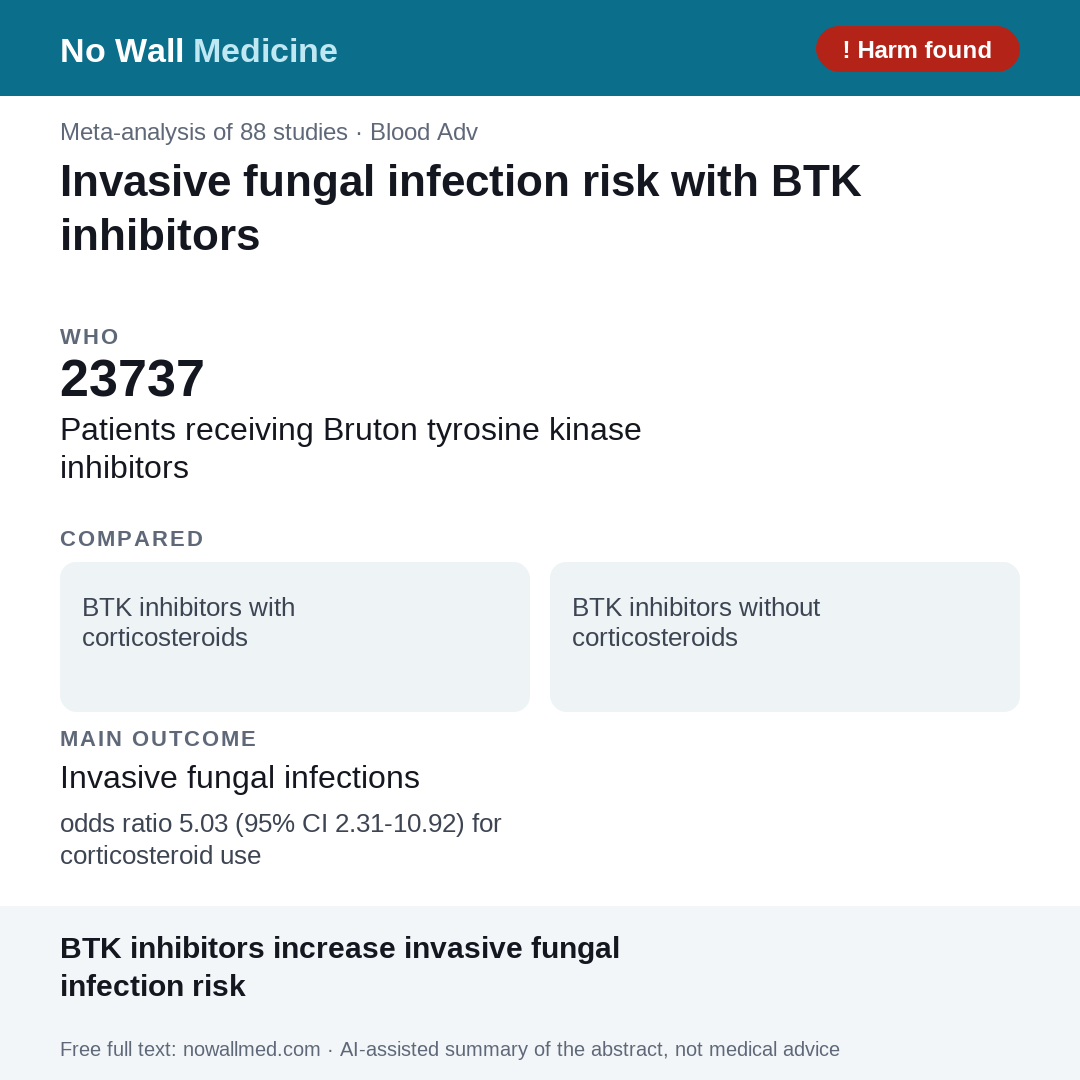
Invasive fungal infections after Bruton tyrosine kinase inhibitor treatment: a systematic review and meta-analysis
Meta-analysis of 88 studiesHarm found
Invasive fungal infection risk with BTK inhibitors
Who
23737
Patients receiving Bruton tyrosine kinase inhibitors
Compared
BTK inhibitors with corticosteroids
BTK inhibitors without corticosteroids
Main outcome
Invasive fungal infections
Result: odds ratio 5.03 (95% CI 2.31-10.92) for corticosteroid use
Bottom line: BTK inhibitors increase invasive fungal infection risk
Limitation: Data on prophylaxis limited and inconclusive
Blood Adv · 2026-04-09Download image
Agent-specific, histopathology-stratified hematologic malignancy risk among dpp-4 inhibitors, glp-1 receptor agonists, and SGLT2 inhibitors: a network meta-analysis of 270,471 participants
Network meta-analysis of randomized controlled trialsMixed results
What are the hematologic malignancy risks of specific dipeptidyl peptidase-4, glucagon-like peptide-1, and sodium-glucose cotransporter 2 inhibitors?
Who
270471
270,471 participants in randomized controlled trials
Compared
Dulaglutide: RR = 2.17 (95% CIs = 1.14–4.17)
Tirzepatide: RR = 0.22 (95% CIs = 0.06–0.78)
Linagliptin: RR = 0.51 (95% CIs = 0.27–0.95)
Main outcome
incident hematologic malignancy
Result: RR = 2.17, 95% CIs = 1.14–4.17 for dulaglutide
Bottom line: Dulaglutide increased hematologic malignancy risk, while tirzepatide and linagliptin showed reduced overall risk.
J Hematol Oncol · 2026-04-09Download image

Innovations in Deaf Health Care Communication: Systematic Review of Sign Language Recognition Systems
Systematic reviewUnclear result
What is the evidence on sign language recognition systems for deaf health care communication?
Who
23
Deaf individuals and hearing health professionals · Various health care settings
Compared
Image-based systems: 25% to 100% accuracy
Sensor-based systems: 72% to 99.7% accuracy
Main outcome
Accuracy of sign language recognition systems
Bottom line: Sign language recognition systems show wide accuracy variability and fail to address bidirectional communication or facial expressions.
J Med Internet Res · 2026-04-09Download image

Safety of synthetic and biological DMARDs: a systematic literature review informing the 2025 update of the EULAR recommendations for the management of rheumatoid arthritis
Systematic literature reviewMixed results
What is the safety profile of synthetic and biological disease-modifying antirheumatic drugs in rheumatoid arthritis?
Who
Patients with rheumatoid arthritis
Compared
Biological disease-modifying antirheumatic drugs
Conventional synthetic disease-modifying antirheumatic drugs
Janus kinase inhibitors
Main outcome
Safety outcomes including infections, malignancy, and cardiovascular events
Bottom line: Serious infections were more common with biological drugs, while Janus kinase inhibitors showed higher herpes zoster and venous thromboembolism risks.
Limitation: A substantial proportion of studies relied on claims databases, which carries important methodological limitations.
Ann Rheum Dis · 2026-04-08Download image

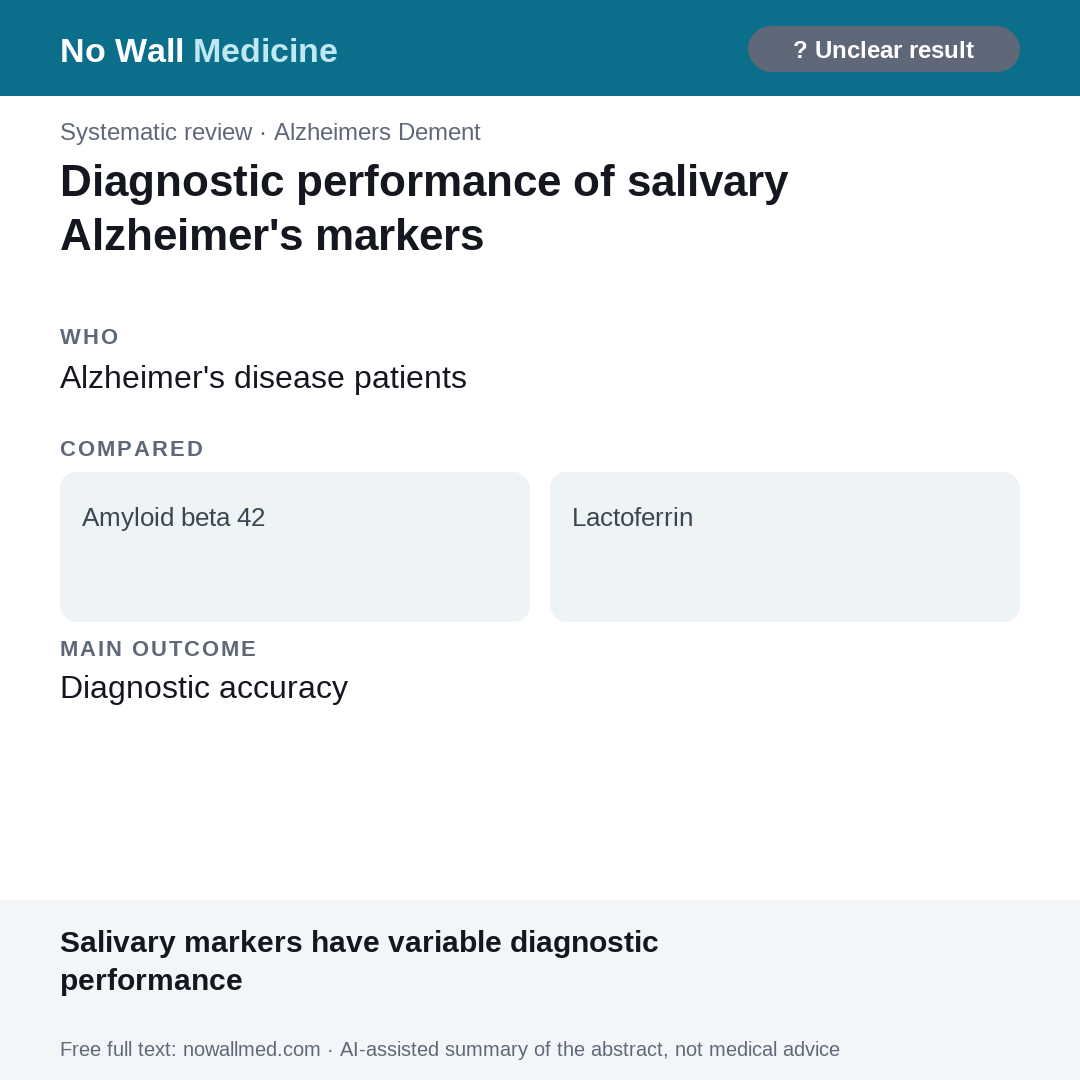
Diagnostic performance of salivary markers of Alzheimer's disease: A systematic review
Systematic reviewUnclear result
Diagnostic performance of salivary Alzheimer's markers
Who
Alzheimer's disease patients
Compared
Amyloid beta 42
Lactoferrin
Main outcome
Diagnostic accuracy
Bottom line: Salivary markers have variable diagnostic performance
Alzheimers Dement · 2026-04-08Download image
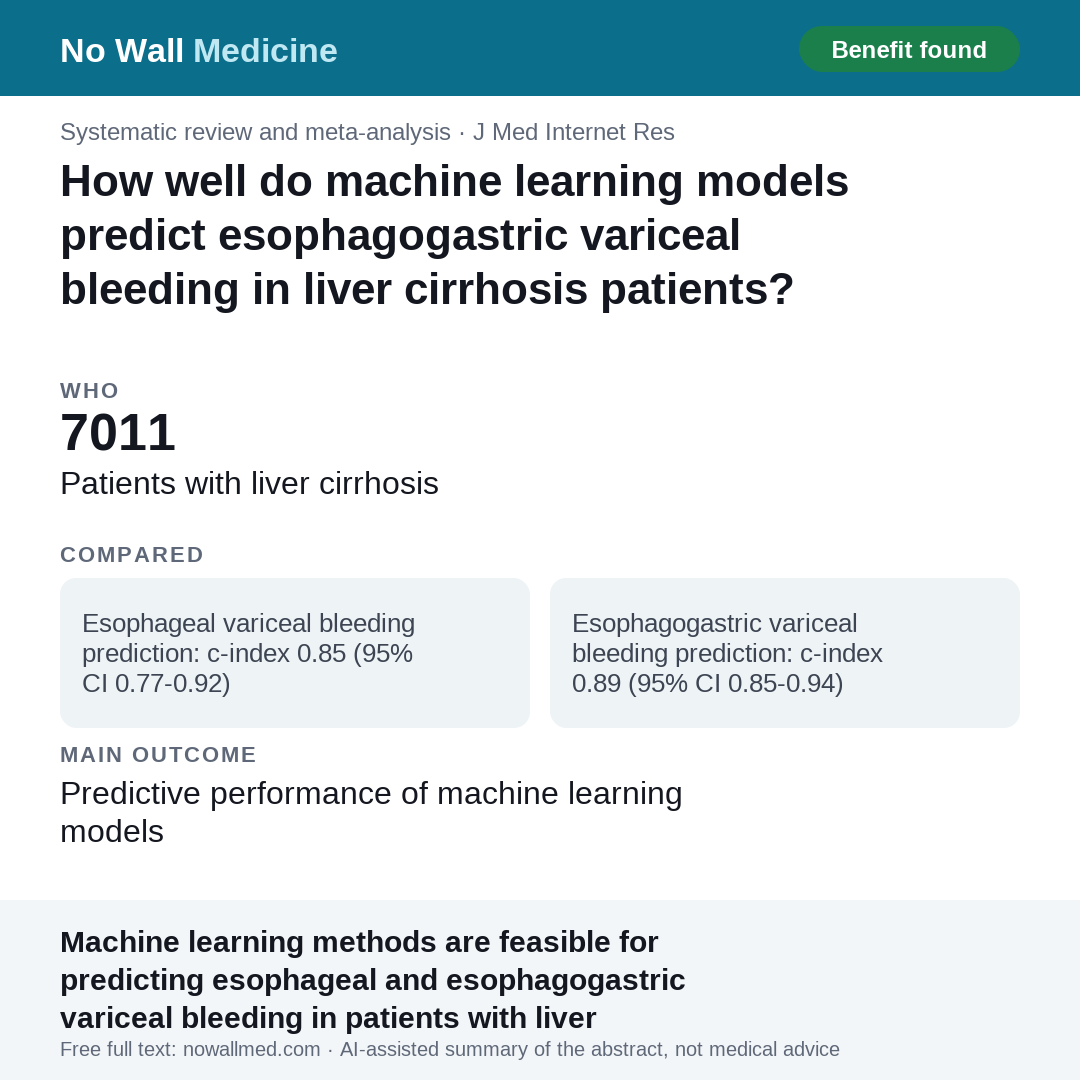
Machine Learning in Predicting the Risk of Esophagogastric Variceal Bleeding Among Patients With Liver Cirrhosis: Systematic Review and Meta-Analysis
Systematic review and meta-analysisBenefit found
How well do machine learning models predict esophagogastric variceal bleeding in liver cirrhosis patients?
Who
7011
Patients with liver cirrhosis
Compared
Esophageal variceal bleeding prediction: c-index 0.85 (95% CI 0.77-0.92)
Esophagogastric variceal bleeding prediction: c-index 0.89 (95% CI 0.85-0.94)
Main outcome
Predictive performance of machine learning models
Result: c-index 0.85 (95% CI 0.77-0.92) for esophageal and 0.89 (95% CI 0.85-0.94) for esophagogastric
Bottom line: Machine learning methods are feasible for predicting esophageal and esophagogastric variceal bleeding in patients with liver cirrhosis.
Limitation: The number of included original studies is limited.
J Med Internet Res · 2026-04-08Download image