Visual abstracts
New randomized trials and meta-analyses from leading journals at a glance: who was studied, what was compared, and what was found. Every paper is free to read in full.
All specialtiesCardiology 3288Oncology 2815Gastroenterology & Hepatology 1293Infectious Disease 2215Neurology 1325Psychiatry & Mental Health 1564Pulmonology 1391Critical Care 928Endocrinology & Diabetes 1671Pediatrics 1989Surgery 1757Orthopedics & Sports Medicine 592Neurosurgery 388Cardiothoracic & Vascular Surgery 382Plastic & Reconstructive Surgery 466Nephrology 707Rheumatology 513Hematology 727Dermatology 406Ophthalmology 367Obstetrics & Gynecology 1112Public & Global Health 625Radiology & Imaging 464Anesthesiology 673Urology 560ENT (Otolaryngology) 362Emergency Medicine 357Allergy & Immunology 202Geriatrics 690Family Medicine & Primary Care 380Medical Genetics & Genomics 408Pathology & Laboratory Medicine 108Physical Medicine & Rehabilitation 515Palliative Care 300Nutrition 967Digital Health & AI 1569General Medicine 231
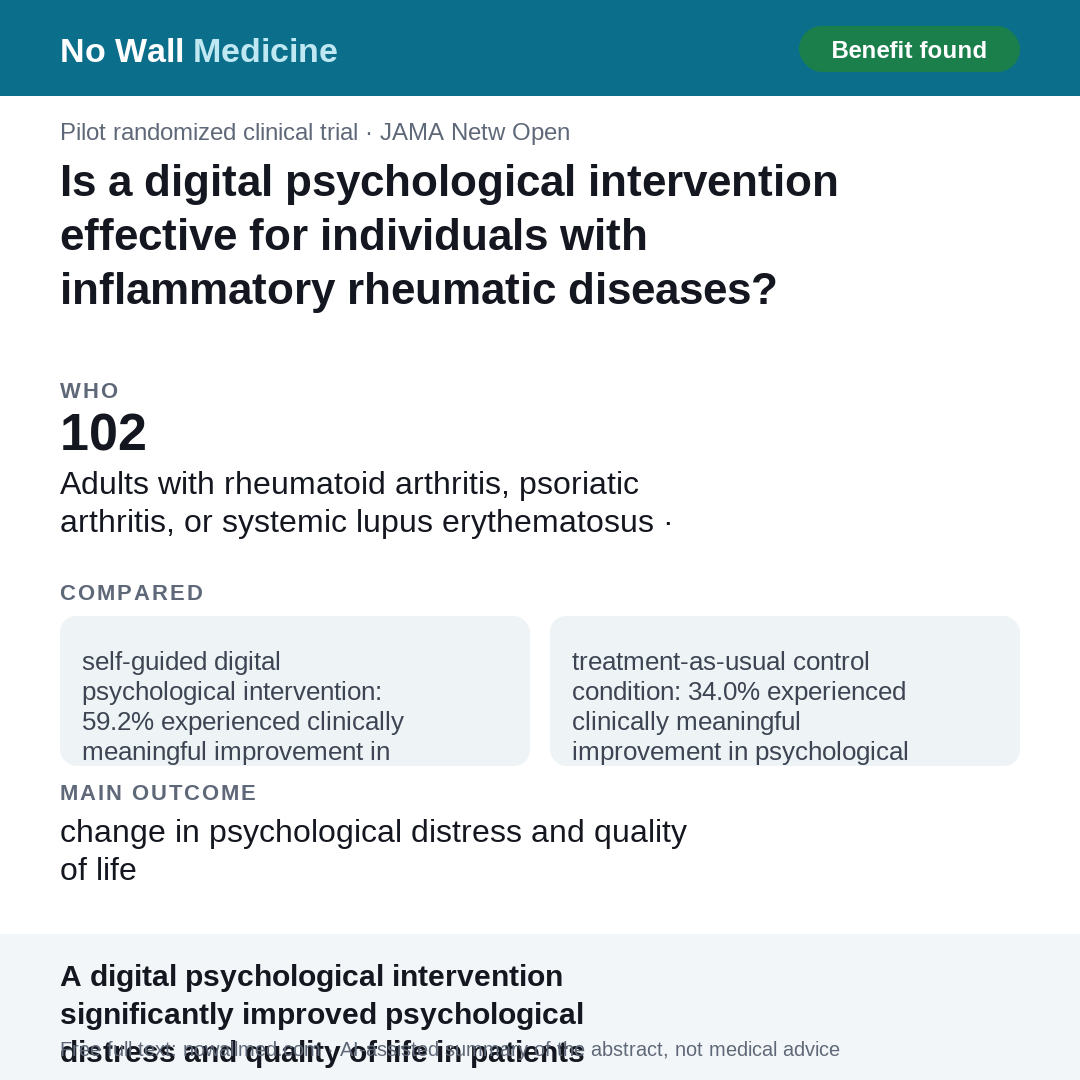
Digital Psychological Intervention for Inflammatory Rheumatic Diseases: A Pilot Randomized Clinical Trial
Pilot randomized clinical trialBenefit found
Is a digital psychological intervention effective for individuals with inflammatory rheumatic diseases?
Who
102
Adults with rheumatoid arthritis, psoriatic arthritis, or systemic lupus erythematosus · Germany
Compared
self-guided digital psychological intervention: 59.2% experienced clinically meaningful improvement in psychological distress
treatment-as-usual control condition: 34.0% experienced clinically meaningful improvement in psychological distress
Main outcome
change in psychological distress and quality of life
Result: least-squares mean difference -3.60 (95% CI, -5.73 to -1.47)
Bottom line: A digital psychological intervention significantly improved psychological distress and quality of life in patients with inflammatory rheumatic diseases.
JAMA Netw Open · 2025-09-02Download image
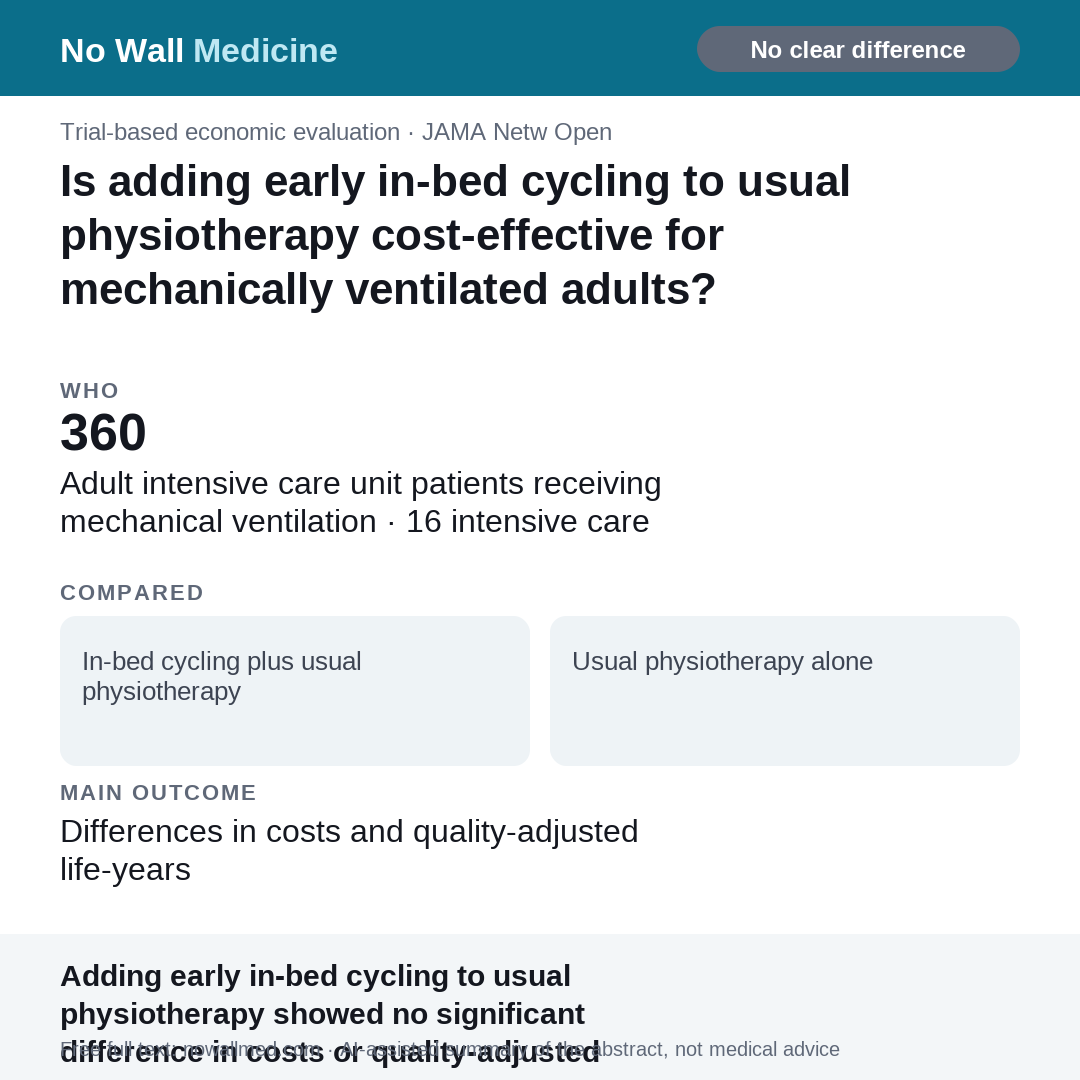
Cost-Effectiveness of In-Bed Cycling and Routine Physiotherapy for Patients Receiving Mechanical Ventilation
Trial-based economic evaluationNo clear difference
Is adding early in-bed cycling to usual physiotherapy cost-effective for mechanically ventilated adults?
Who
360
Adult intensive care unit patients receiving mechanical ventilation · 16 intensive care units in Canada, US, and Australia
Compared
In-bed cycling plus usual physiotherapy
Usual physiotherapy alone
Main outcome
Differences in costs and quality-adjusted life-years
Result: cost difference CA$5841 (95% CI -CA$7666 to CA$18 797); QALY difference -0.0009 (95% CI -0.0185 to 0.0182)
Bottom line: Adding early in-bed cycling to usual physiotherapy showed no significant difference in costs or quality-adjusted life-years.
JAMA Netw Open · 2025-09-02Download image
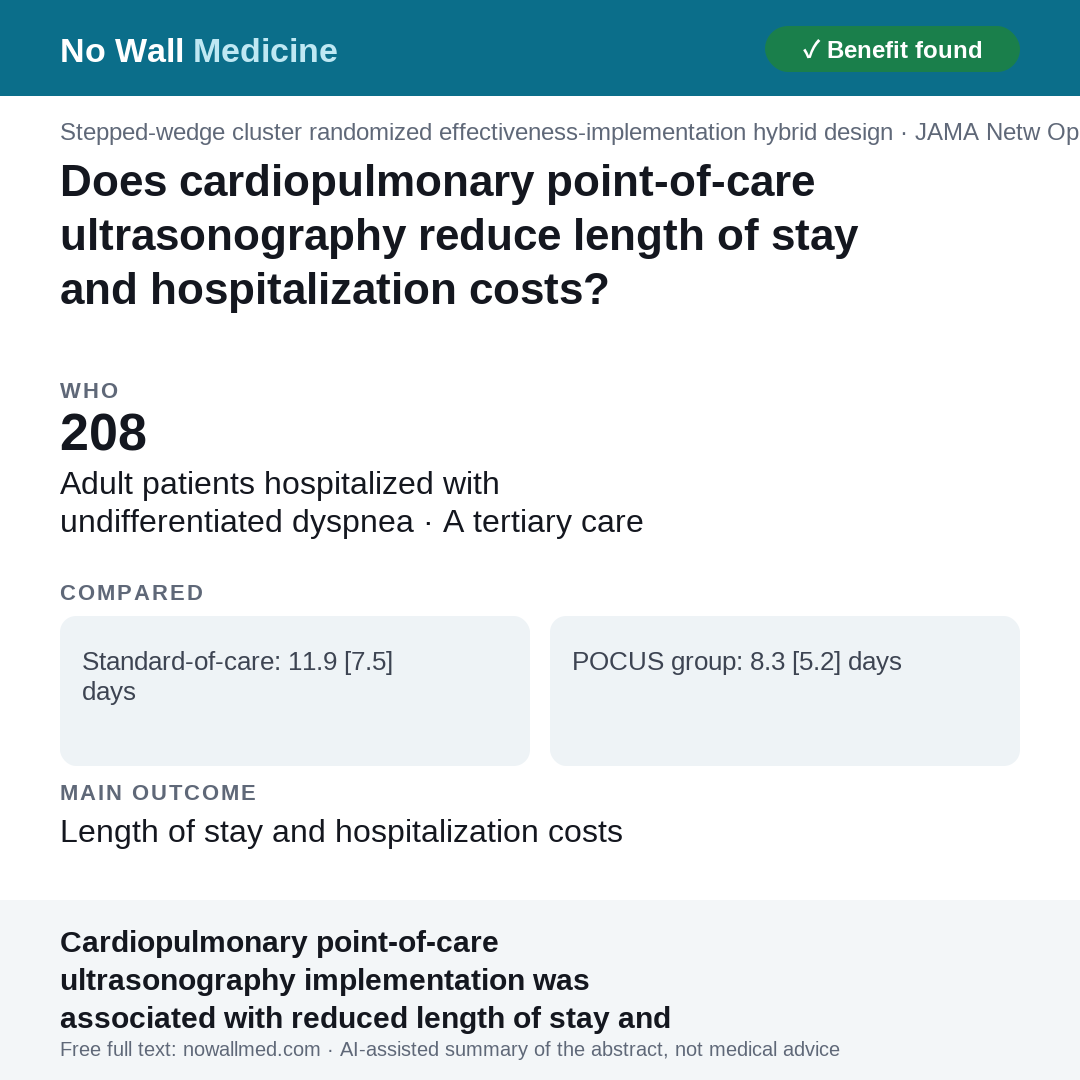
Cardiopulmonary Point-of-Care Ultrasonography for Hospitalist Management of Undifferentiated Dyspnea
Stepped-wedge cluster randomized effectiveness-implementation hybrid designBenefit found
Does cardiopulmonary point-of-care ultrasonography reduce length of stay and hospitalization costs?
Who
208
Adult patients hospitalized with undifferentiated dyspnea · A tertiary care hospital in the US
Compared
Standard-of-care: 11.9 [7.5] days
POCUS group: 8.3 [5.2] days
Main outcome
Length of stay and hospitalization costs
Result: 30.3% (95% CI, 5.5%-48.9%) reduction in expected length of stay
Bottom line: Cardiopulmonary point-of-care ultrasonography implementation was associated with reduced length of stay and hospitalization costs.
Limitation: Adoption and implementation by hospitalists remained limited despite comprehensive training.
JAMA Netw Open · 2025-09-02Download image
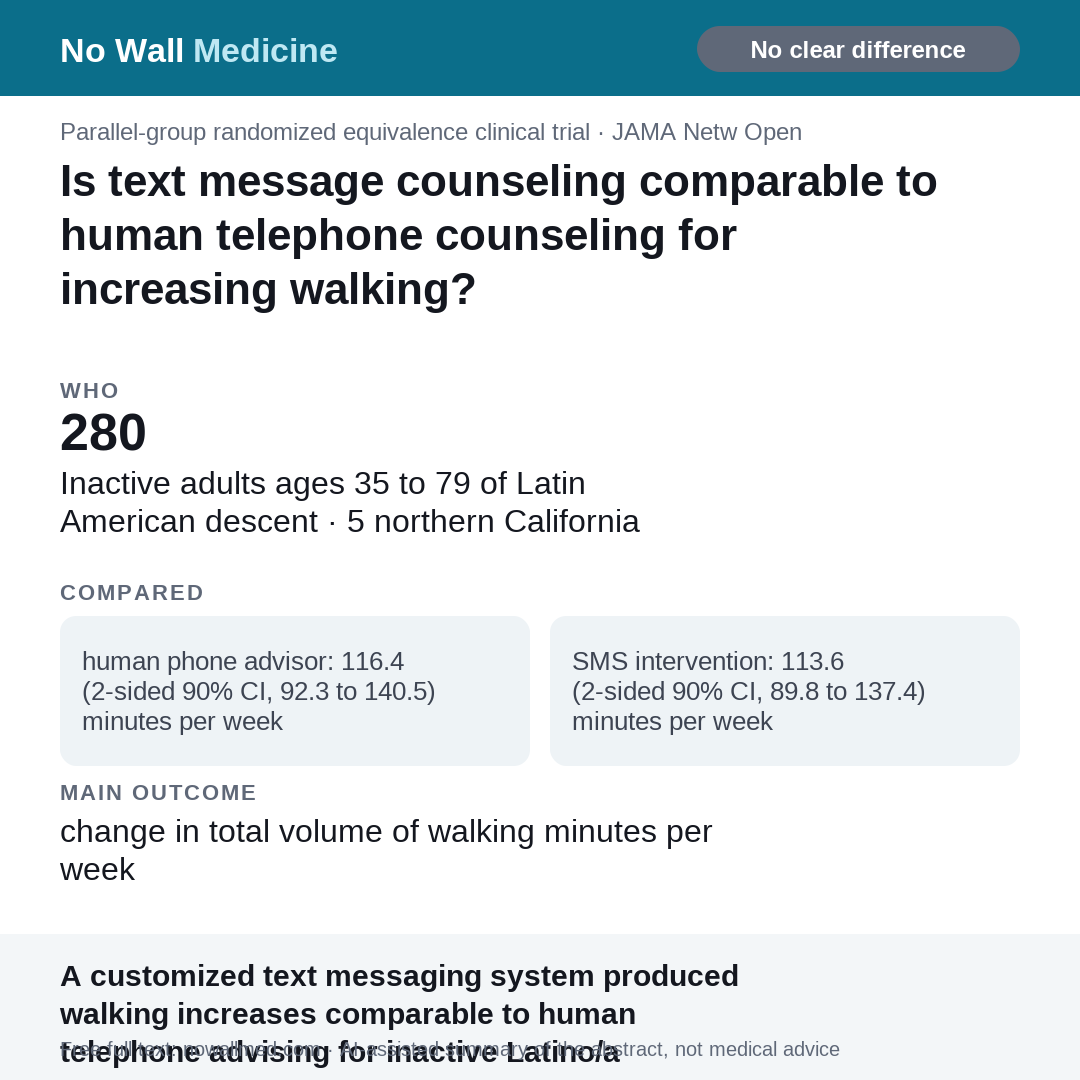
Human Telephone vs Text Message Counseling and Physical Activity Among Midlife and Older Adults: A Randomized Clinical Trial
Parallel-group randomized equivalence clinical trialNo clear difference
Is text message counseling comparable to human telephone counseling for increasing walking?
Who
280
Inactive adults ages 35 to 79 of Latin American descent · 5 northern California counties
Compared
human phone advisor: 116.4 (2-sided 90% CI, 92.3 to 140.5) minutes per week
SMS intervention: 113.6 (2-sided 90% CI, 89.8 to 137.4) minutes per week
Main outcome
change in total volume of walking minutes per week
Result: difference, 2.8 [90% CI, -23.8 to 29.4] minutes per week
Bottom line: A customized text messaging system produced walking increases comparable to human telephone advising for inactive Latino/a adults.
JAMA Netw Open · 2025-09-02Download image
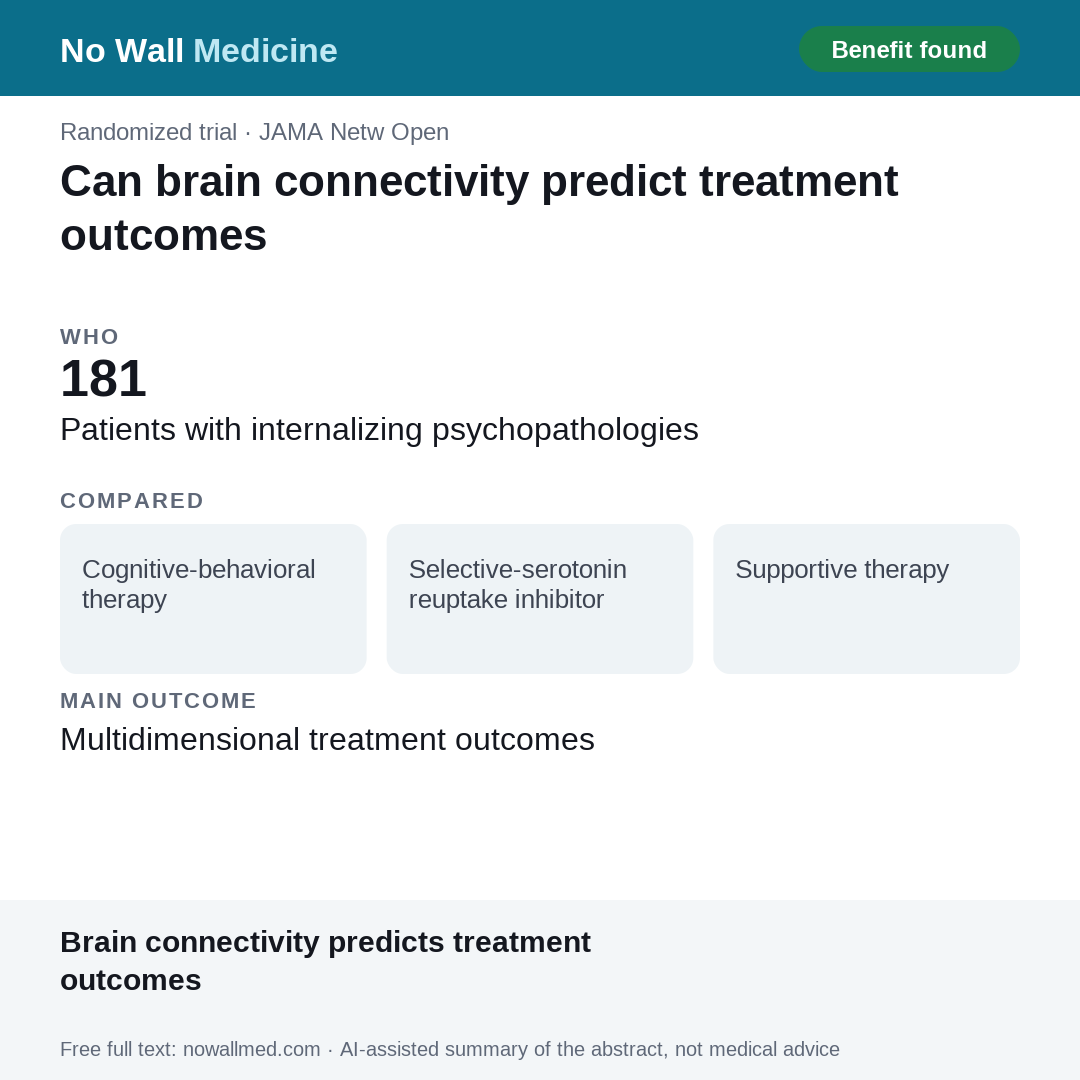
Functional Connectivity Predicting Transdiagnostic Treatment Outcomes in Internalizing Psychopathologies
Randomized trialBenefit found
Can brain connectivity predict treatment outcomes
Who
181
Patients with internalizing psychopathologies
Compared
Cognitive-behavioral therapy
Selective-serotonin reuptake inhibitor
Supportive therapy
Main outcome
Multidimensional treatment outcomes
Bottom line: Brain connectivity predicts treatment outcomes
JAMA Netw Open · 2025-09-02Download image
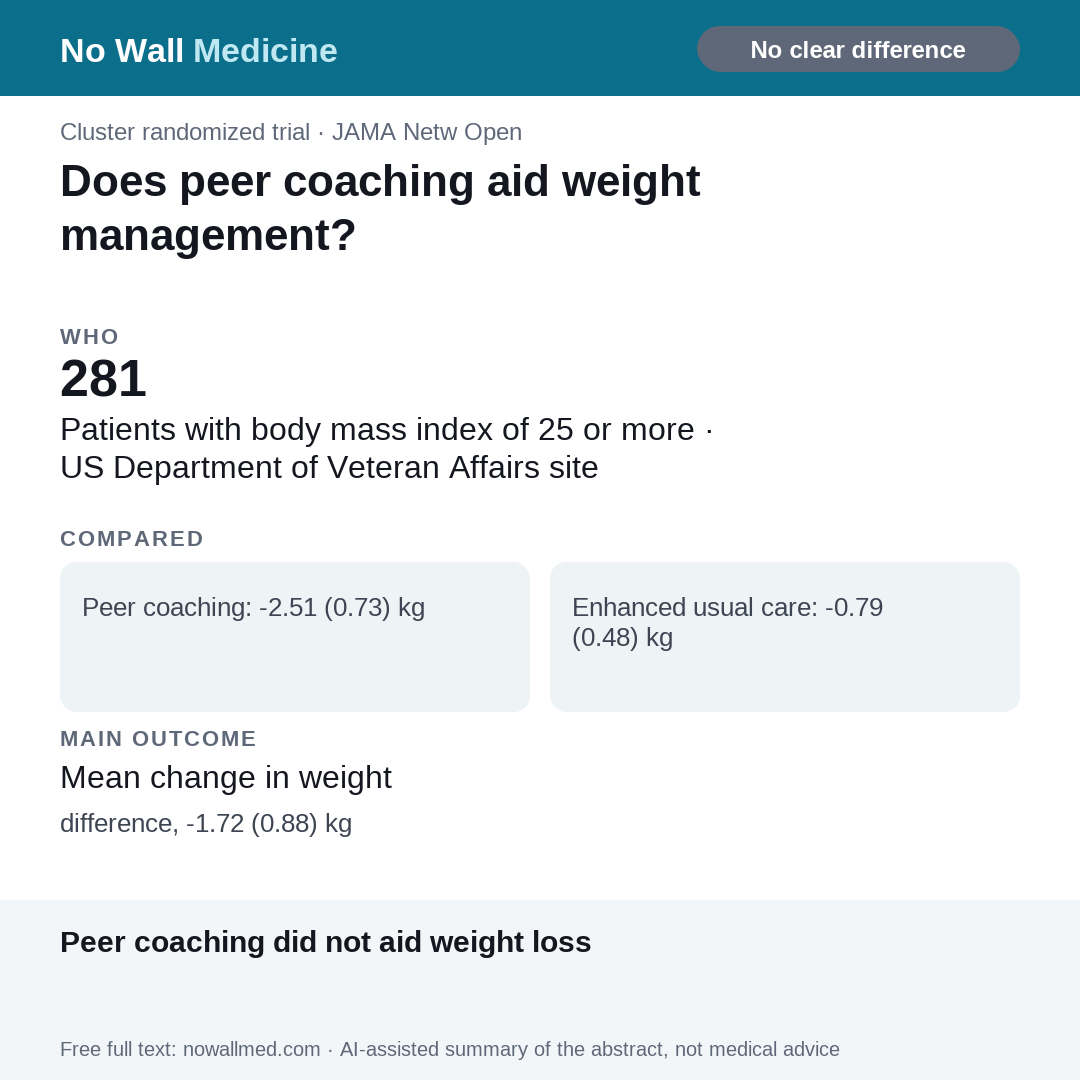
Peer Coaching to Support Weight Management in Primary Care: A Cluster Randomized Clinical Trial
Cluster randomized trialNo clear difference
Does peer coaching aid weight management?
Who
281
Patients with body mass index of 25 or more · US Department of Veteran Affairs site
Compared
Peer coaching: -2.51 (0.73) kg
Enhanced usual care: -0.79 (0.48) kg
Main outcome
Mean change in weight
Result: difference, -1.72 (0.88) kg
Bottom line: Peer coaching did not aid weight loss
JAMA Netw Open · 2025-09-02Download image
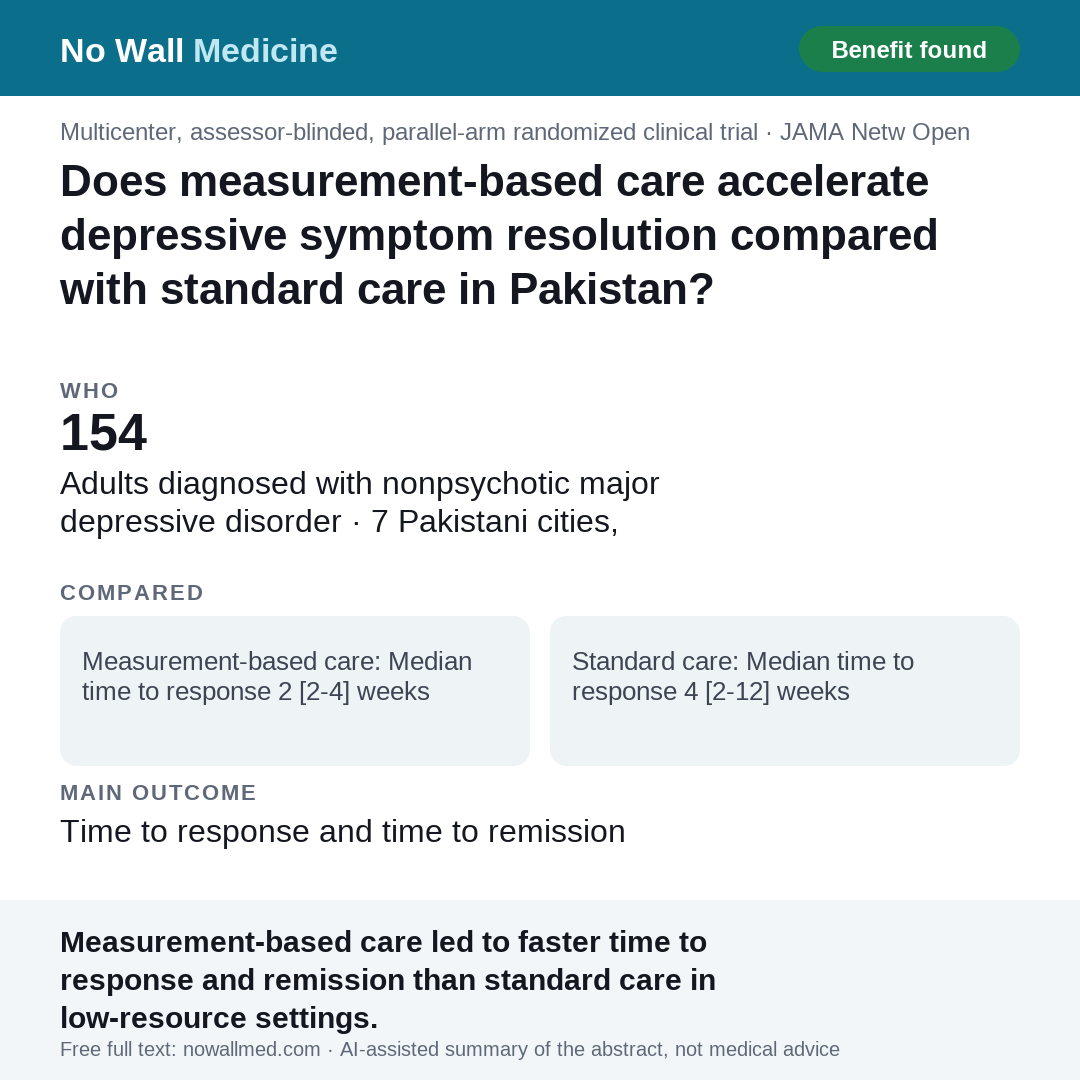
Measurement-Based Care to Enhance Antidepressant Treatment Outcomes in Major Depressive Disorder: A Randomized Clinical Trial
Multicenter, assessor-blinded, parallel-arm randomized clinical trialBenefit found
Does measurement-based care accelerate depressive symptom resolution compared with standard care in Pakistan?
Who
154
Adults diagnosed with nonpsychotic major depressive disorder · 7 Pakistani cities, psychiatric hospitals and primary care centers
Compared
Measurement-based care: Median time to response 2 [2-4] weeks
Standard care: Median time to response 4 [2-12] weeks
Main outcome
Time to response and time to remission
Result: -18.1 [95% CI, 16.4-19.6] points vs -17.0 [95% CI, 15.6-18.5] points
Bottom line: Measurement-based care led to faster time to response and remission than standard care in low-resource settings.
Limitation: Future studies need to confirm clinical effectiveness and assess cost-effectiveness in low- and middle-income countries.
JAMA Netw Open · 2025-09-02Download image
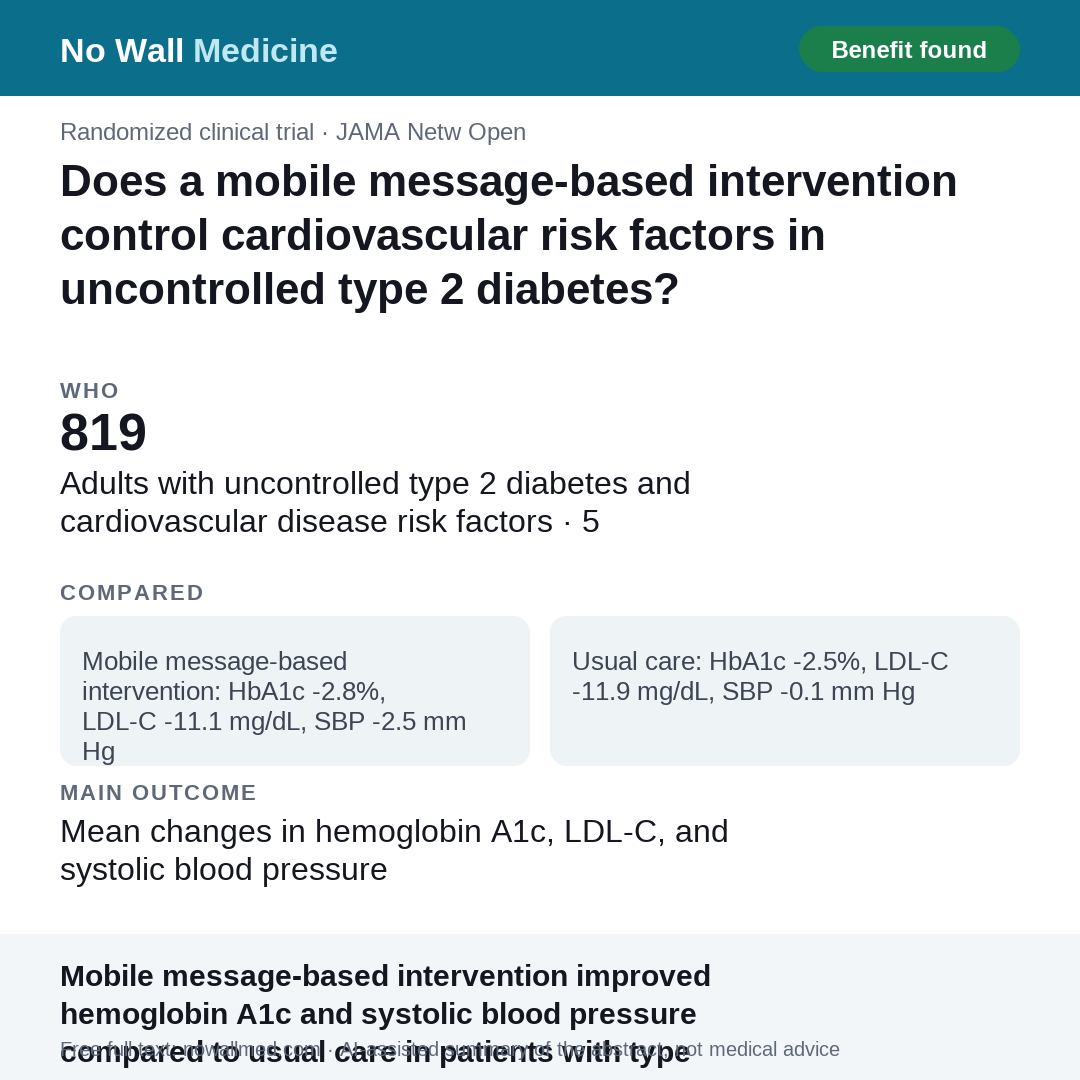
Mobile App-Based Intervention and Cardiovascular Risk Factors in Patients With Uncontrolled Type 2 Diabetes: A Randomized Clinical Trial
Randomized clinical trialBenefit found
Does a mobile message-based intervention control cardiovascular risk factors in uncontrolled type 2 diabetes?
Who
819
Adults with uncontrolled type 2 diabetes and cardiovascular disease risk factors · 5 clinical centers in China
Compared
Mobile message-based intervention: HbA1c -2.8%, LDL-C -11.1 mg/dL, SBP -2.5 mm Hg
Usual care: HbA1c -2.5%, LDL-C -11.9 mg/dL, SBP -0.1 mm Hg
Main outcome
Mean changes in hemoglobin A1c, LDL-C, and systolic blood pressure
Result: -0.3% (95% CI, -0.5% to -0.0%) for HbA1c
Bottom line: Mobile message-based intervention improved hemoglobin A1c and systolic blood pressure compared to usual care in patients with type 2 diabetes.
JAMA Netw Open · 2025-09-02Download image
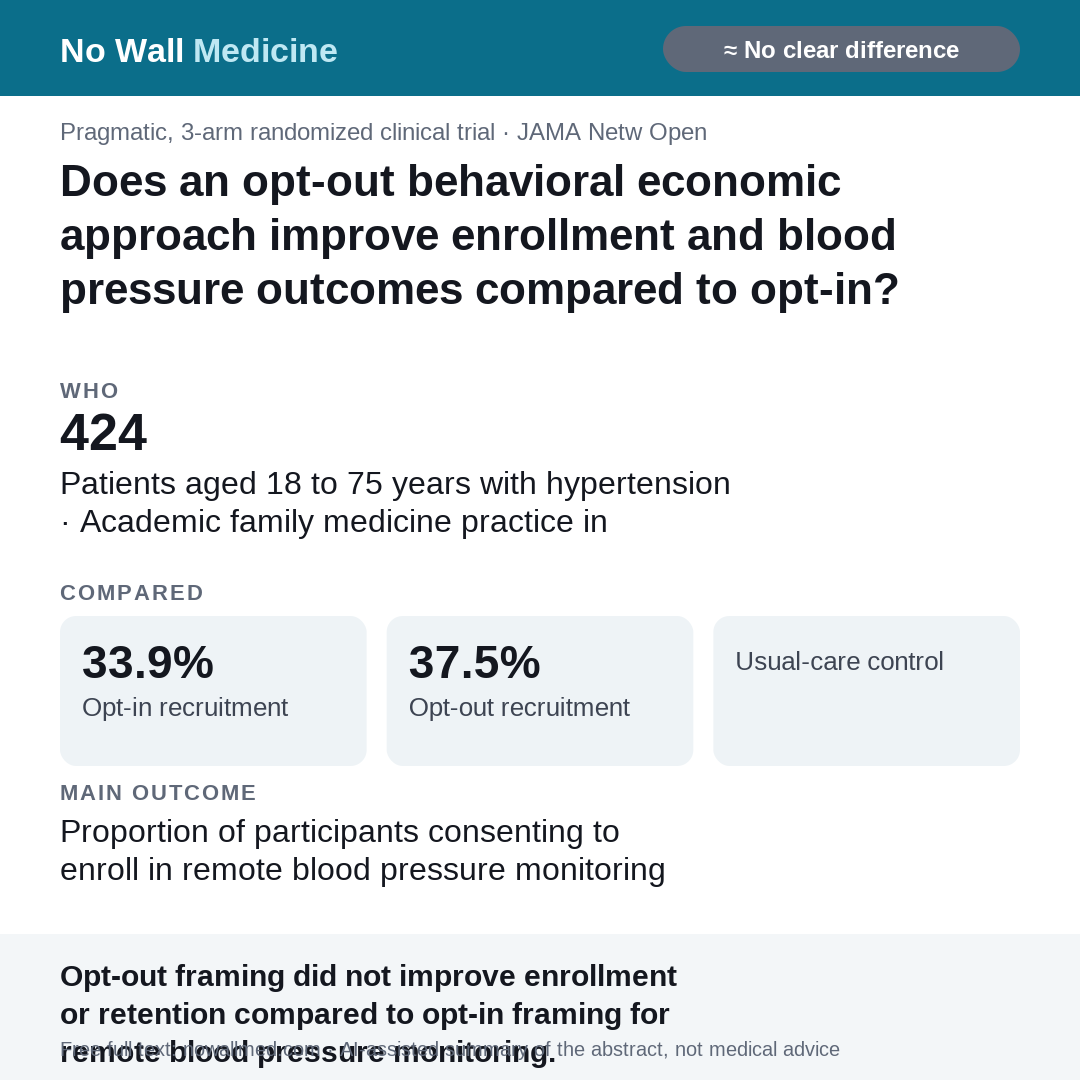
Behavioral Economic Framing for Enrollment and Retention of Patients in Remote Blood Pressure Monitoring: A Randomized Clinical Trial
Pragmatic, 3-arm randomized clinical trialNo clear difference
Does an opt-out behavioral economic approach improve enrollment and blood pressure outcomes compared to opt-in?
Who
424
Patients aged 18 to 75 years with hypertension · Academic family medicine practice in Philadelphia
Compared
33.9%Opt-in recruitment
37.5%Opt-out recruitment
Usual-care control
Main outcome
Proportion of participants consenting to enroll in remote blood pressure monitoring
Result: 3.6 percentage points (90% CI, -5.0 to 12.1 pp)
Bottom line: Opt-out framing did not improve enrollment or retention compared to opt-in framing for remote blood pressure monitoring.
JAMA Netw Open · 2025-09-02Download image
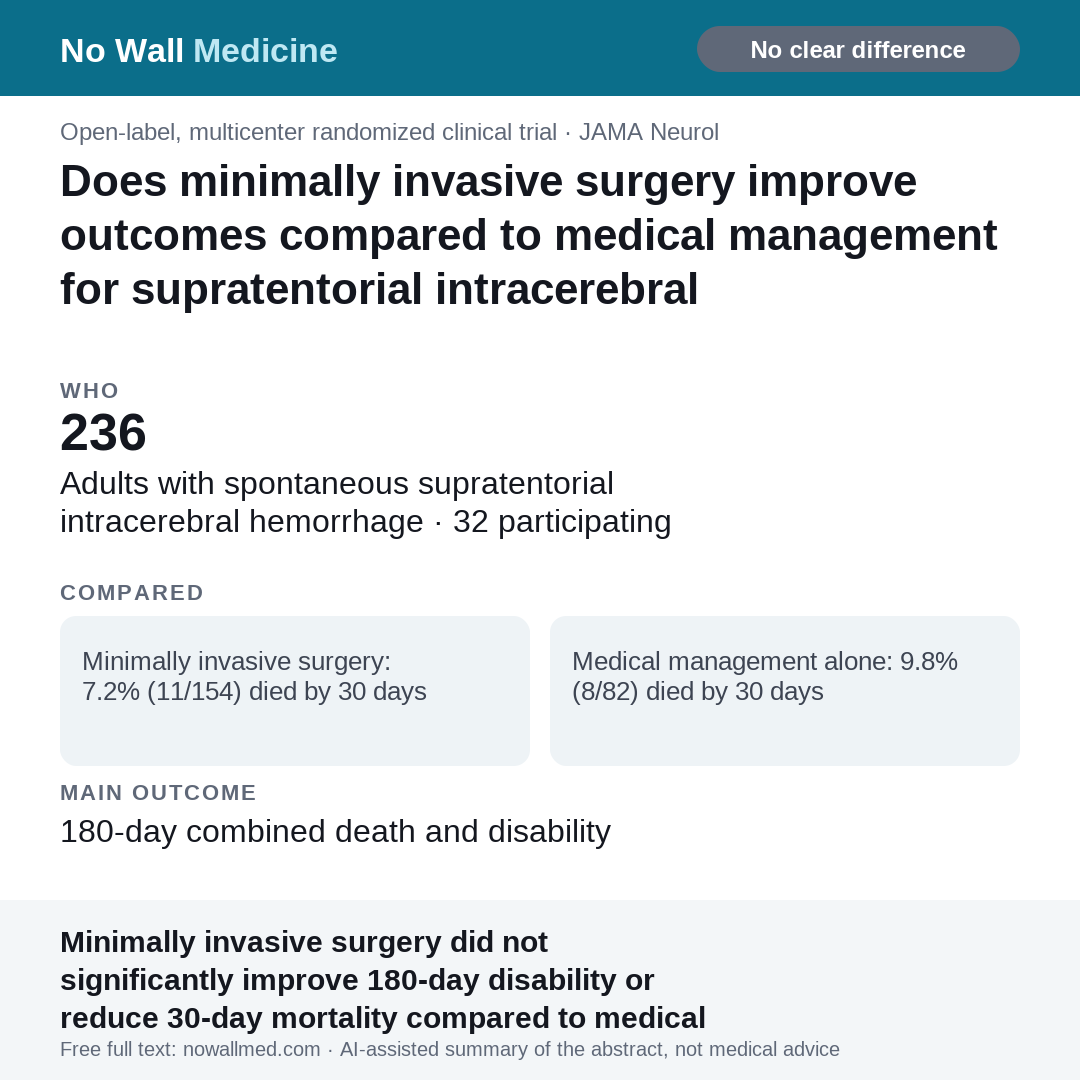
Minimally Invasive Surgery vs Medical Management Alone for Intracerebral Hemorrhage: The MIND Randomized Clinical Trial
Open-label, multicenter randomized clinical trialNo clear difference
Does minimally invasive surgery improve outcomes compared to medical management for supratentorial intracerebral hemorrhage?
Who
236
Adults with spontaneous supratentorial intracerebral hemorrhage · 32 participating global sites
Compared
Minimally invasive surgery: 7.2% (11/154) died by 30 days
Medical management alone: 9.8% (8/82) died by 30 days
Main outcome
180-day combined death and disability
Result: odds ratio 1.03 (96% CI, 0.62-1.72)
Bottom line: Minimally invasive surgery did not significantly improve 180-day disability or reduce 30-day mortality compared to medical management alone.
JAMA Neurol · 2025-09-02Download image
Rademikibart monotherapy for moderate-to-severe atopic dermatitis in a 1-year, randomized phase II trial (SEASIDE CHINA): initial 2-week dosing, followed by 2-week or 4-week dosing
Randomized, double-blind, phase II trialBenefit found
Is rademikibart effective for moderate-to-severe atopic dermatitis in Chinese patients?
Who
330
Chinese adults and adolescents with moderate-to-severe atopic dermatitis
Compared
29.0%Rademikibart every 2 weeks
5.9%Placebo
Main outcome
Proportion of patients with vIGA 0/1 and ≥ 2-point reduction
Bottom line: Rademikibart induced rapid improvements in atopic dermatitis lesions and pruritus, which were maintained with every 2 or 4 weeks dosing.
Br J Dermatol · 2025-09-02Download image

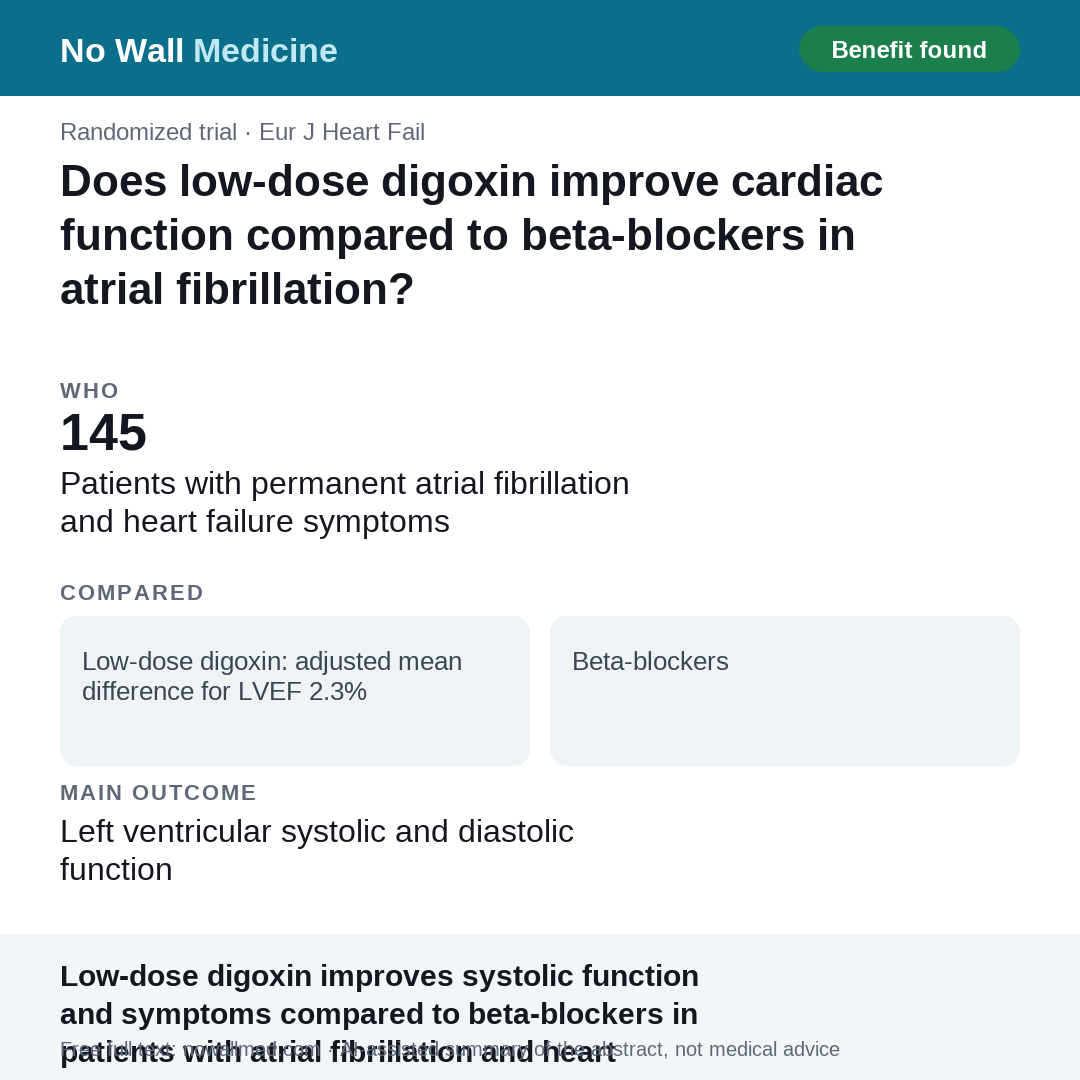
Low-dose digoxin improves cardiac function in patients with heart failure, preserved ejection fraction and atrial fibrillation - the RATE-AF randomized trial
Randomized trialBenefit found
Does low-dose digoxin improve cardiac function compared to beta-blockers in atrial fibrillation?
Who
145
Patients with permanent atrial fibrillation and heart failure symptoms
Compared
Low-dose digoxin: adjusted mean difference for LVEF 2.3%
Beta-blockers
Main outcome
Left ventricular systolic and diastolic function
Result: adjusted mean difference for LVEF 2.3% (95% CI 0.3-4.2)
Bottom line: Low-dose digoxin improves systolic function and symptoms compared to beta-blockers in patients with atrial fibrillation and heart failure.
Eur J Heart Fail · 2025-09-02Download image
Reliability and Responsiveness of Endoscopic Indices for Assessing Crohn's Disease Postoperative Recurrence in the PREVENT Trial
Prospective, multicenter, randomized, double-blind, placebo-controlled trialMixed results
How reliable and responsive are endoscopic indices for assessing postoperative Crohn's disease activity?
Who
70
Patients undergoing surgical resection for Crohn's disease · Multicenter
Compared
Infliximab group
Placebo group
Main outcome
Reliability and responsiveness of endoscopic indices
Bottom line: Endoscopic indices are reliable and responsive in the neoterminal ileum but suboptimal for the anastomosis or distal colon.
Clin Gastroenterol Hepatol · 2025-09-02Download image
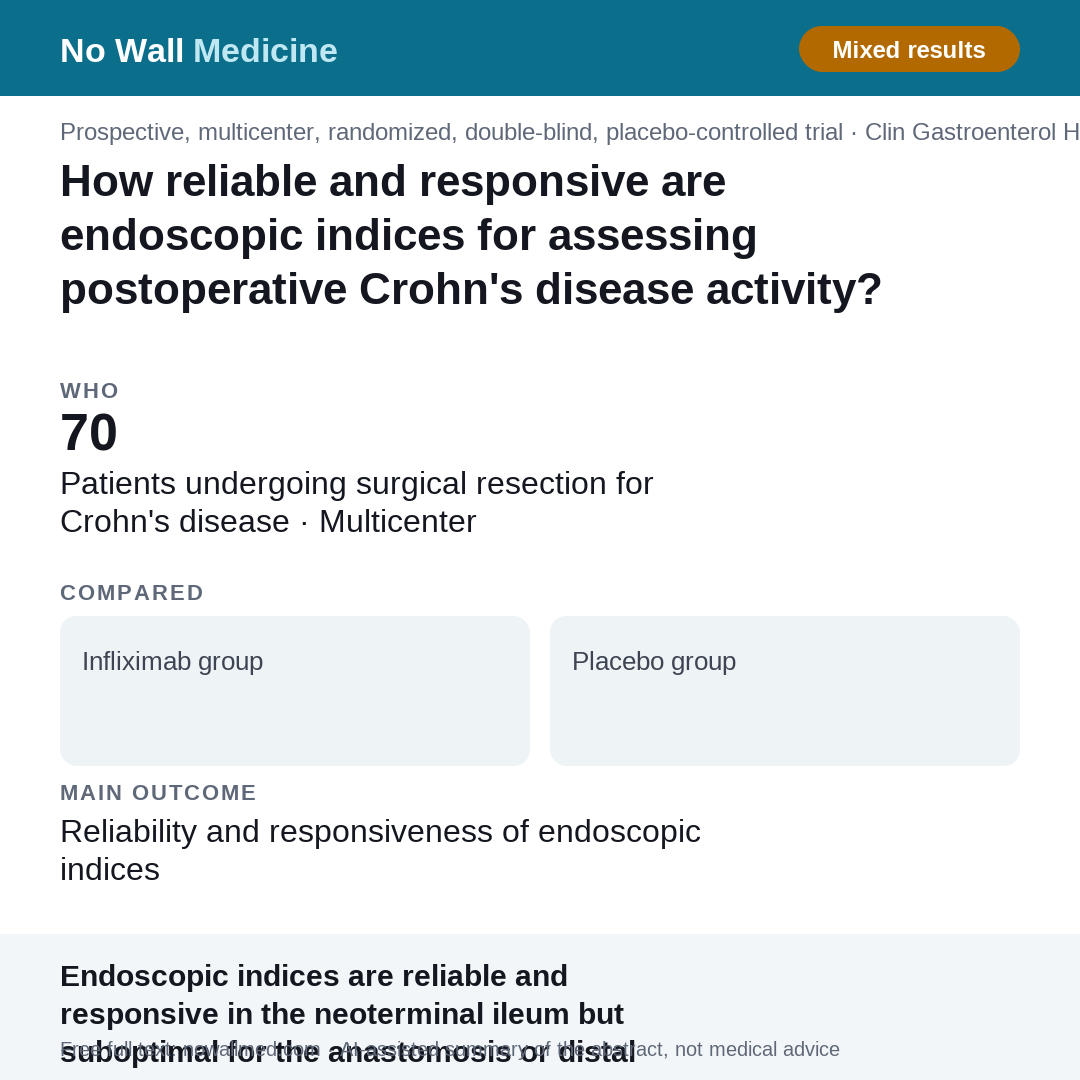
Apixaban and Recurrent Stroke Risk With Left Ventricular Dysfunction: A Secondary Analysis of the ARCADIA Trial
Randomized trial, post hoc analysisBenefit found
Does apixaban versus aspirin reduce recurrent ischemic stroke risk in patients with left ventricular systolic dysfunction?
Who
964
Patients with cryptogenic stroke and atrial cardiopathy · 185 sites in the United States and Canada
Compared
Apixaban with left ventricular systolic dysfunction
Aspirin with left ventricular systolic dysfunction
Apixaban without left ventricular systolic dysfunction
Aspirin without left ventricular systolic dysfunction
Main outcome
recurrent ischemic stroke
Result: hazard ratio 0.24 (95% CI 0.07-0.87) for apixaban vs aspirin with dysfunction
Bottom line: Apixaban significantly reduced recurrent ischemic stroke risk compared to aspirin in patients with left ventricular systolic dysfunction.
Stroke · 2025-09-02Download image
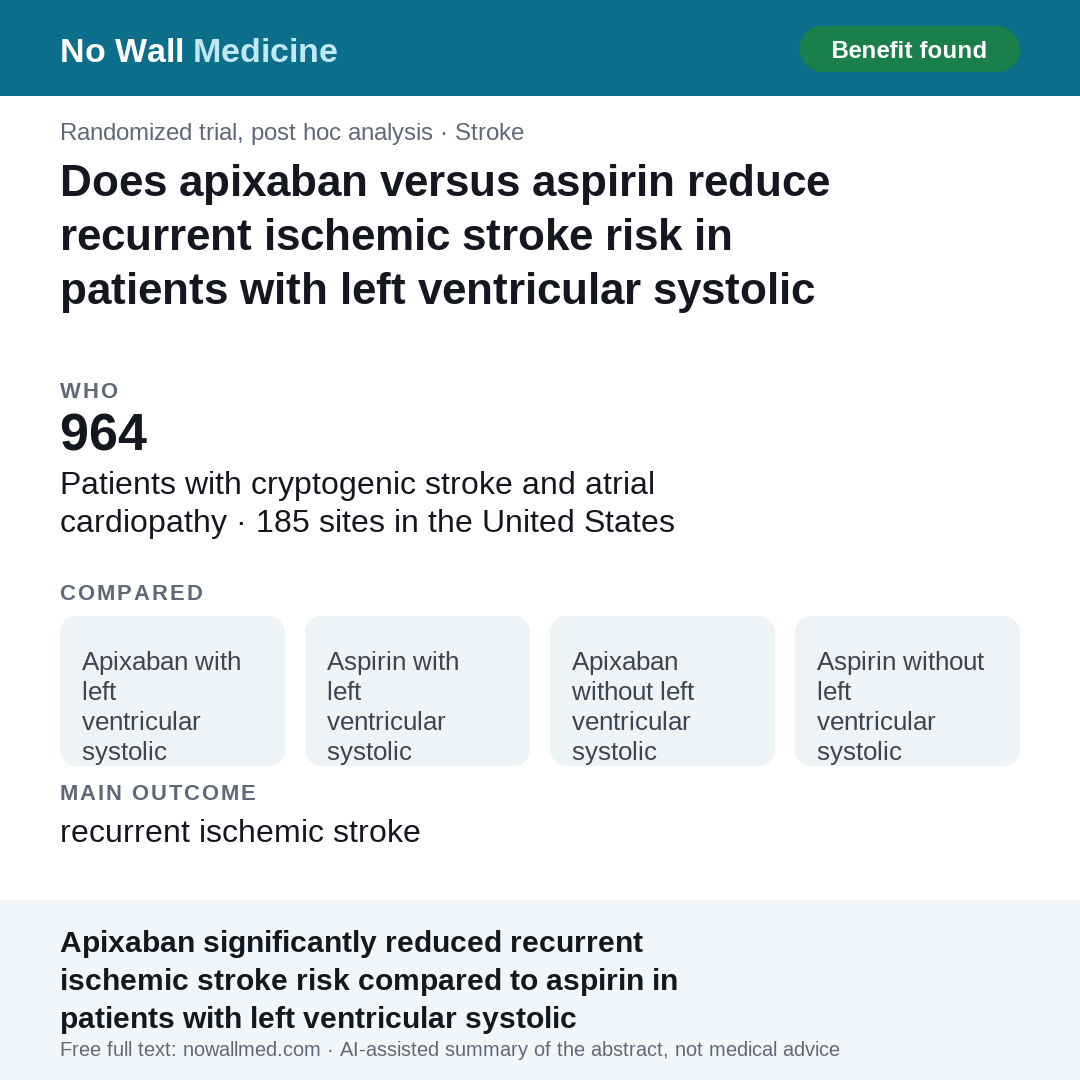
Assessing the effects of naltrexone-bupropion on hepatic steatosis and fibrosis in patients with T2DM and overweight or obesity: Insights from a placebo-controlled trial
Randomized, double-blind, placebo-controlled trialBenefit found
Does naltrexone-bupropion affect hepatic steatosis and fibrosis in patients with type 2 diabetes?
Who
505
505 adults with type 2 diabetes and overweight or obesity
Compared
naltrexone/bupropion: HSI -2.9
placebo: HSI -1.2
Main outcome
Hepatic Steatosis Index, Metabolic Dysfunction-Associated Fibrosis-5 and Fibrosis-4
Bottom line: Naltrexone/bupropion improved hepatic steatosis and fibrosis indices through greater weight loss compared to placebo.
Diabetes Obes Metab · 2025-09-02Download image
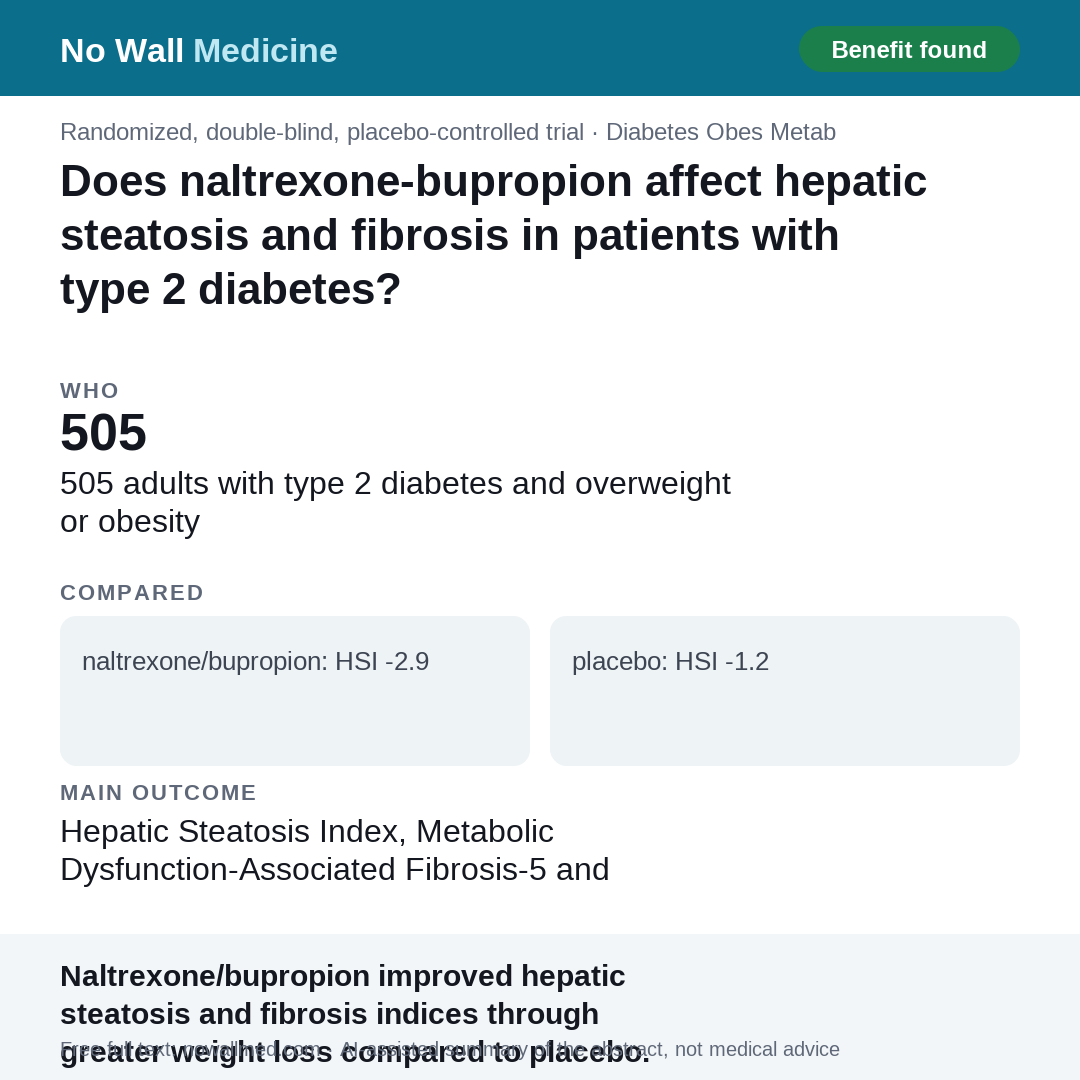
Effect of collagen scaffold vs. intrauterine device on preventing recurrence of intrauterine adhesions: a multicenter randomized controlled trial
Multicenter, open-label, randomized controlled trialBenefit found
Does collagen scaffold prevent intrauterine adhesion recurrence better than an intrauterine device?
Who
195
Patients aged 20-40 years with moderate intrauterine adhesions · Multicenter
Compared
78.6%collagen scaffold
58.8%intrauterine device
Main outcome
rate of no intrauterine adhesion recurrence at second-look hysteroscopy
Result: relative risk 1.4 (95% confidence interval 1.1-1.6)
Bottom line: Collagen scaffold is superior to intrauterine device in preventing adhesion recurrence after hysteroscopic adhesiolysis in moderate intrauterine adhesions.
Fertil Steril · 2025-09-02Download image
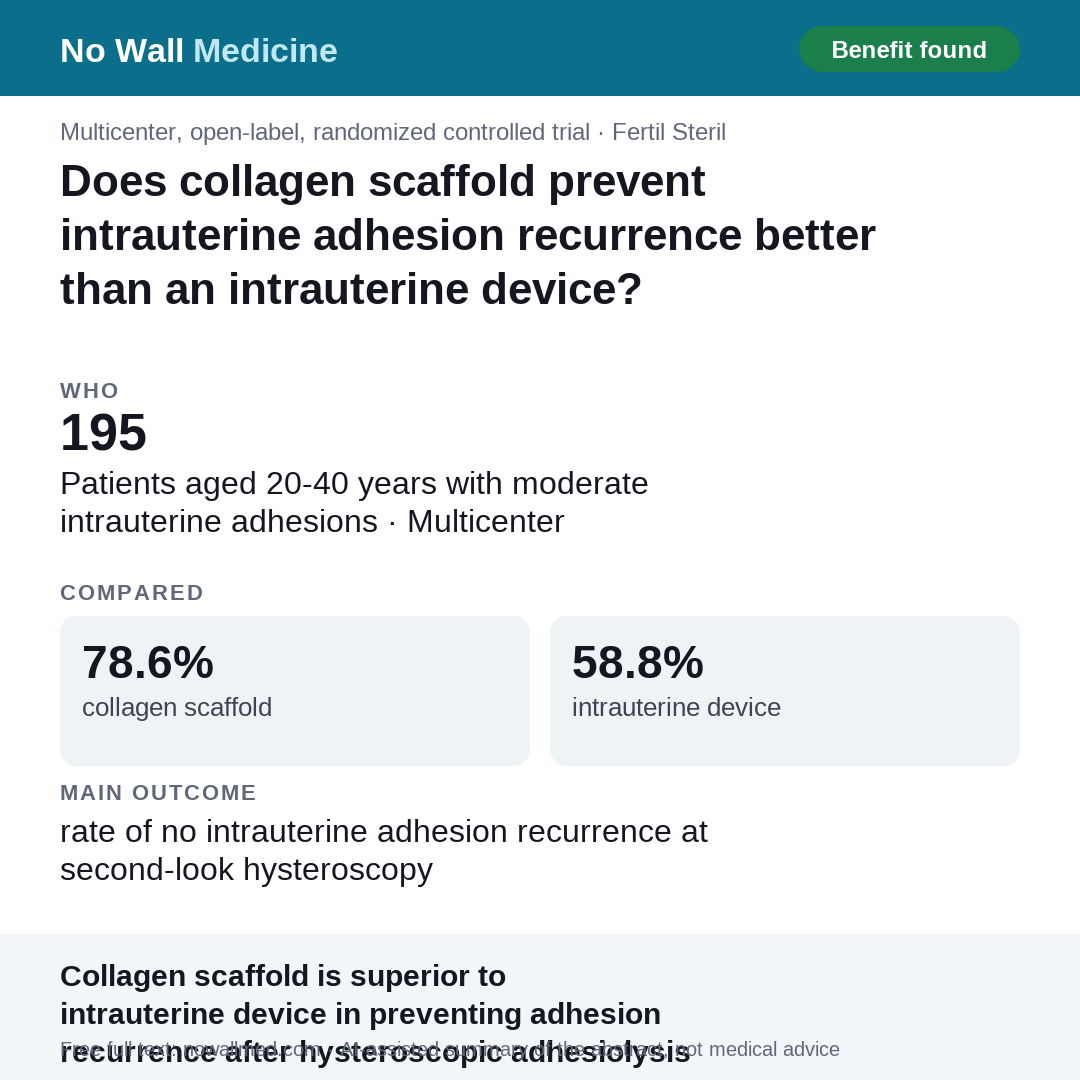
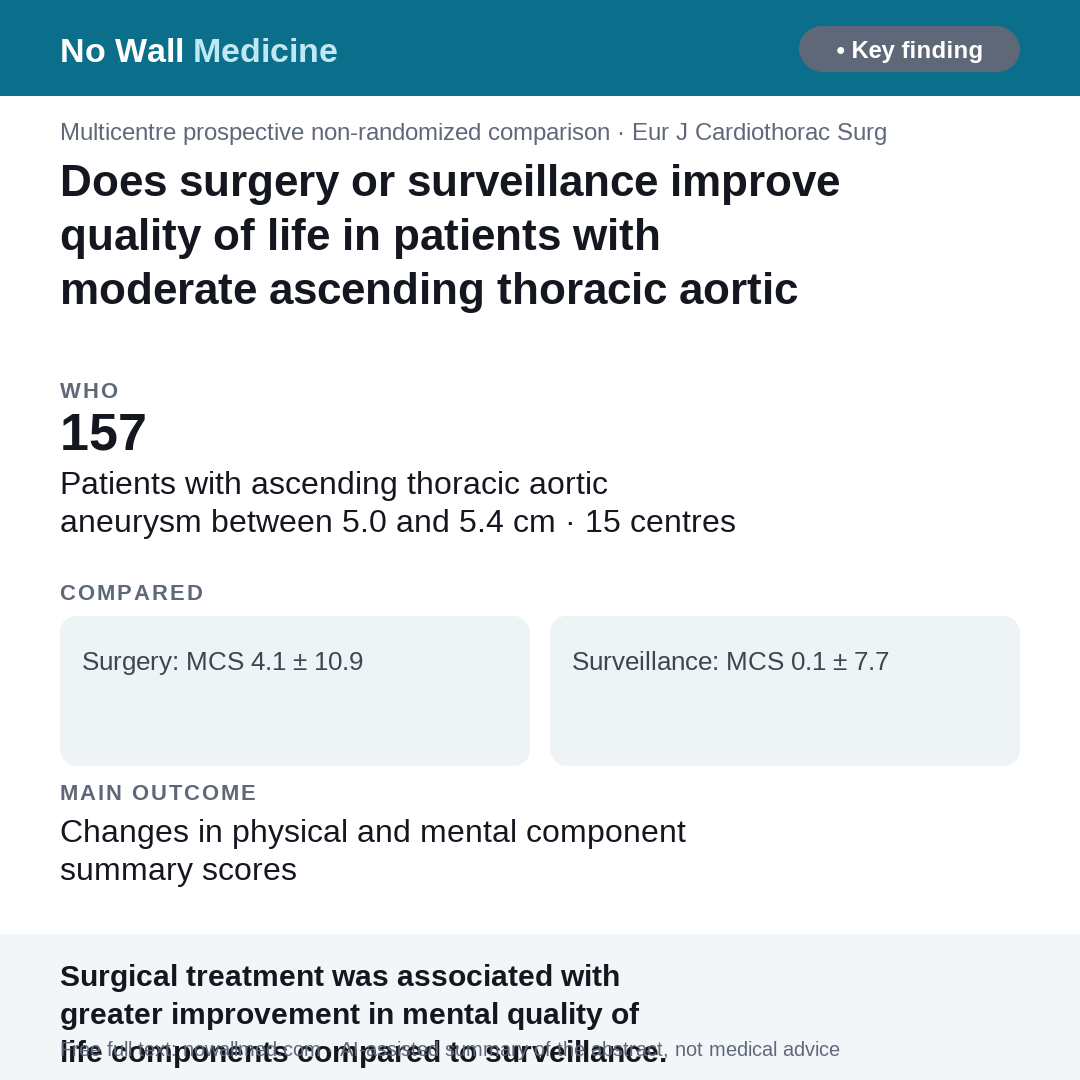
Surgery Versus Surveillance: A Quality-of-Life Analysis of Patients With Moderately Dilated Aortic Root or Ascending Aorta
Multicentre prospective non-randomized comparisonBenefit found
Does surgery or surveillance improve quality of life in patients with moderate ascending thoracic aortic aneurysms?
Who
157
Patients with ascending thoracic aortic aneurysm between 5.0 and 5.4 cm · 15 centres
Compared
Surgery: MCS 4.1 ± 10.9
Surveillance: MCS 0.1 ± 7.7
Main outcome
Changes in physical and mental component summary scores
Bottom line: Surgical treatment was associated with greater improvement in mental quality of life components compared to surveillance.
Eur J Cardiothorac Surg · 2025-09-02Download image
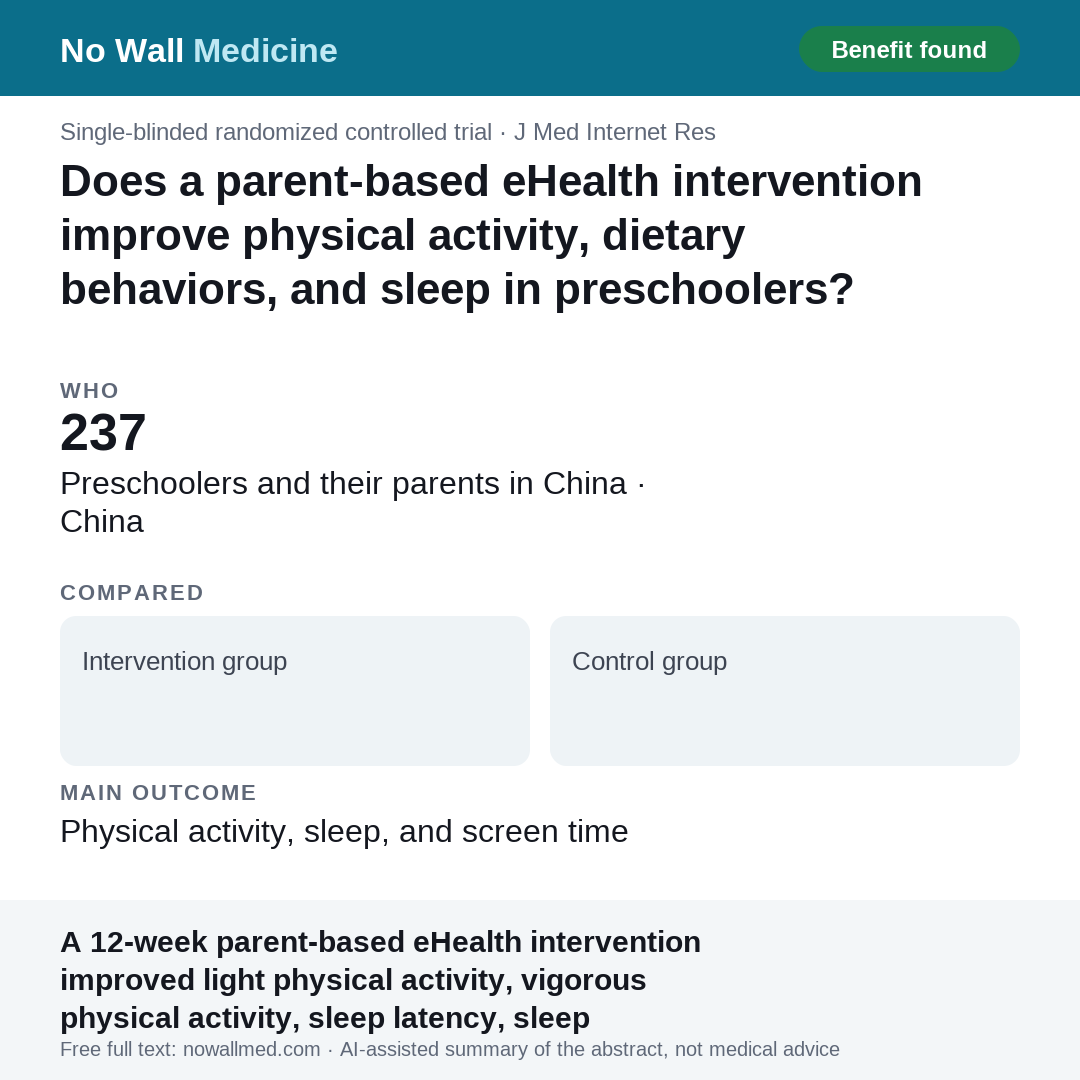
Effectiveness of a Parent-Based eHealth Intervention on Physical Activity, Dietary Behaviors, and Sleep in Preschoolers: Randomized Controlled Trial
Single-blinded randomized controlled trialBenefit found
Does a parent-based eHealth intervention improve physical activity, dietary behaviors, and sleep in preschoolers?
Who
237
Preschoolers and their parents in China · China
Compared
Intervention group
Control group
Main outcome
Physical activity, sleep, and screen time
Result: adjusted mean difference -151.61 minutes/7 days (95% CI -418.18 to -96.67) for light physical activity
Bottom line: A 12-week parent-based eHealth intervention improved light physical activity, vigorous physical activity, sleep latency, sleep efficiency, and screen time.
Limitation: Results cannot be generalized to other regions.
J Med Internet Res · 2025-09-02Download image
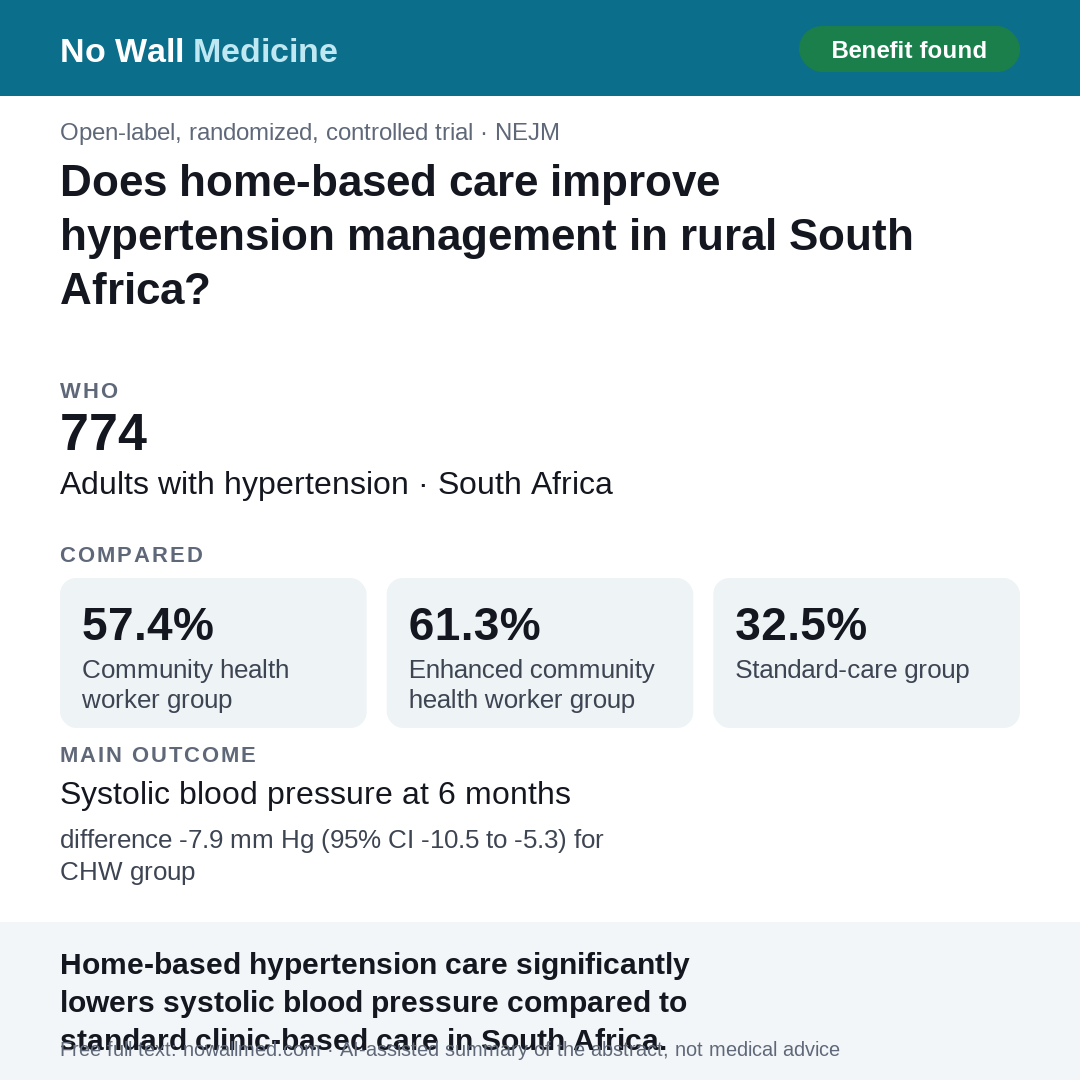
Home-Based Care for Hypertension in Rural South Africa
Open-label, randomized, controlled trialBenefit found
Does home-based care improve hypertension management in rural South Africa?
Who
774
Adults with hypertension · South Africa
Compared
57.4%Community health worker group
61.3%Enhanced community health worker group
32.5%Standard-care group
Main outcome
Systolic blood pressure at 6 months
Result: difference -7.9 mm Hg (95% CI -10.5 to -5.3) for CHW group
Bottom line: Home-based hypertension care significantly lowers systolic blood pressure compared to standard clinic-based care in South Africa.
Funded by: National Institutes of Health and others
NEJM · 2025-09-01Download image
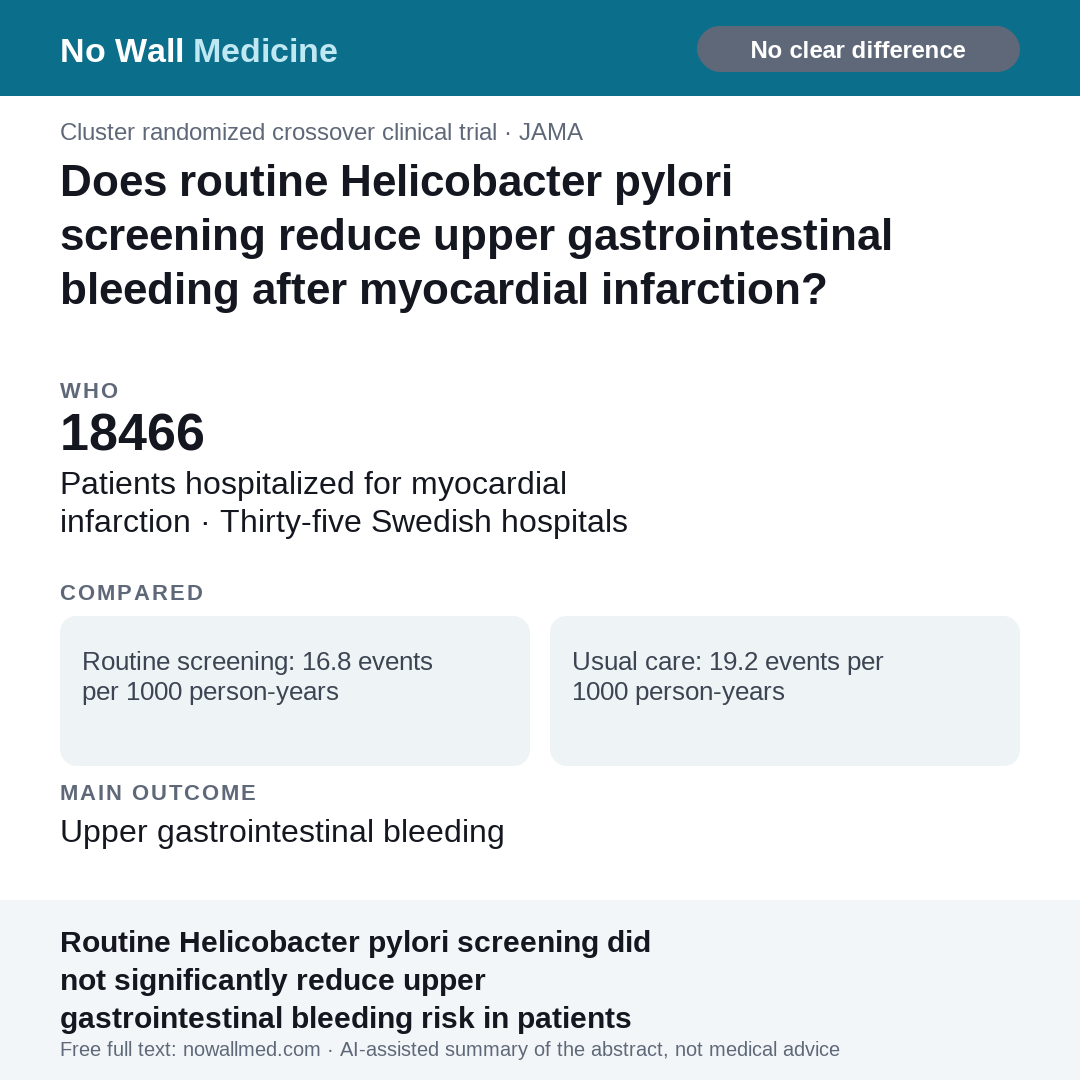
Helicobacter pylori Screening After Acute Myocardial Infarction: The Cluster Randomized Crossover HELP-MI SWEDEHEART Trial
Cluster randomized crossover clinical trialNo clear difference
Does routine Helicobacter pylori screening reduce upper gastrointestinal bleeding after myocardial infarction?
Who
18466
Patients hospitalized for myocardial infarction · Thirty-five Swedish hospitals
Compared
Routine screening: 16.8 events per 1000 person-years
Usual care: 19.2 events per 1000 person-years
Main outcome
Upper gastrointestinal bleeding
Result: rate ratio 0.90 (95% CI, 0.77-1.05)
Bottom line: Routine Helicobacter pylori screening did not significantly reduce upper gastrointestinal bleeding risk in patients with acute myocardial infarction.
JAMA · 2025-09-01Download image