Visual abstracts
New randomized trials and meta-analyses from leading journals at a glance: who was studied, what was compared, and what was found. Every paper is free to read in full.
All specialtiesCardiology 4877Oncology 4138Gastroenterology & Hepatology 1942Infectious Disease 3837Neurology 1905Psychiatry & Mental Health 2273Pulmonology 2143Critical Care 1365Endocrinology & Diabetes 2580Pediatrics 2980Surgery 2559Orthopedics & Sports Medicine 931Neurosurgery 537Cardiothoracic & Vascular Surgery 674Plastic & Reconstructive Surgery 591Nephrology 1133Rheumatology 823Hematology 1109Dermatology 621Ophthalmology 543Obstetrics & Gynecology 1686Public & Global Health 1058Radiology & Imaging 648Anesthesiology 986Urology 764ENT (Otolaryngology) 503Emergency Medicine 511Allergy & Immunology 313Geriatrics 981Family Medicine & Primary Care 562Medical Genetics & Genomics 676Pathology & Laboratory Medicine 159Physical Medicine & Rehabilitation 757Palliative Care 444Nutrition 1588Digital Health & AI 2201General Medicine 321
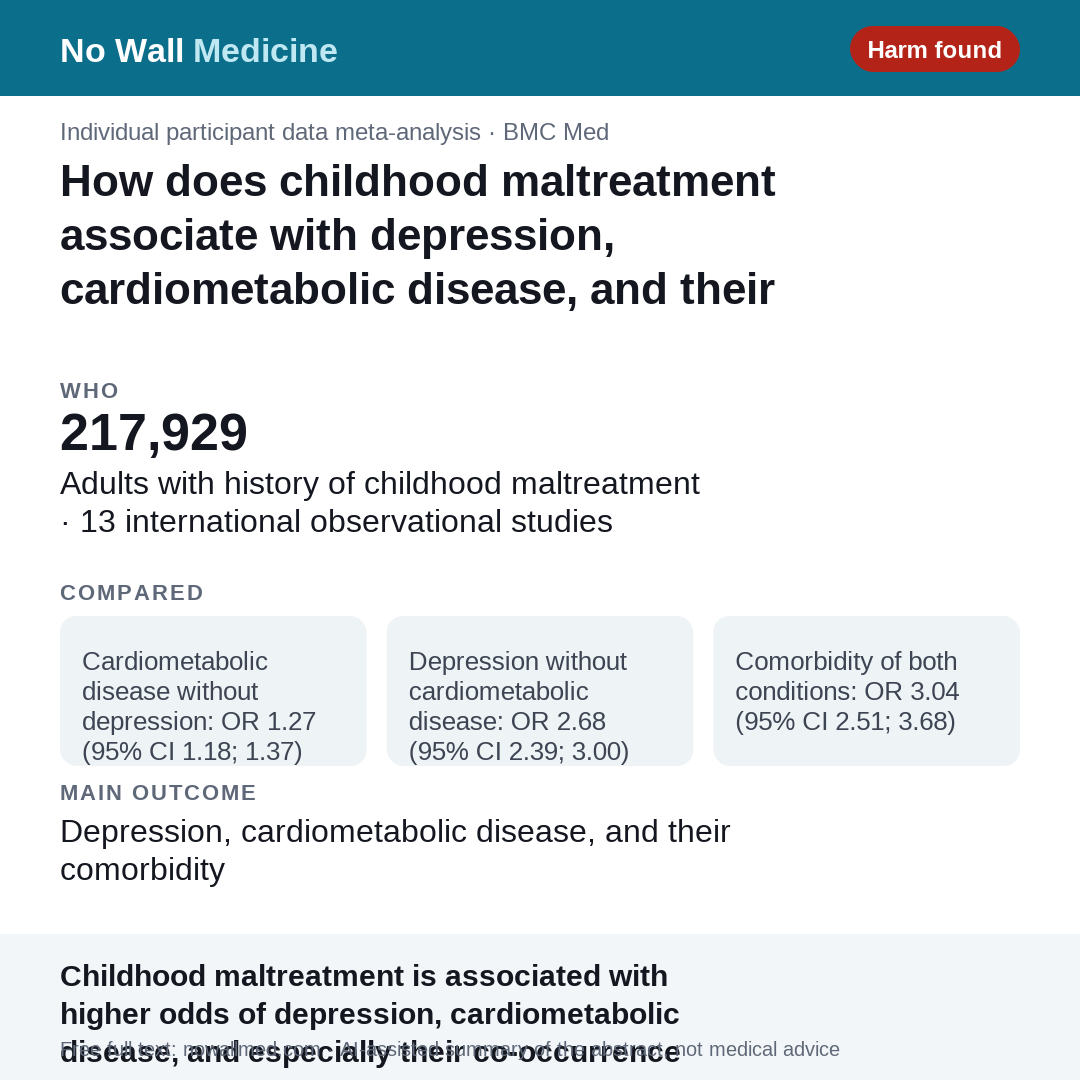
Depression, cardiometabolic disease, and their co-occurrence after childhood maltreatment: an individual participant data meta-analysis including over 200,000 participants
Individual participant data meta-analysisHarm found
How does childhood maltreatment associate with depression, cardiometabolic disease, and their comorbidity?
Who
217,929
Adults with history of childhood maltreatment · 13 international observational studies
Compared
Cardiometabolic disease without depression: OR 1.27 (95% CI 1.18; 1.37)
Depression without cardiometabolic disease: OR 2.68 (95% CI 2.39; 3.00)
Comorbidity of both conditions: OR 3.04 (95% CI 2.51; 3.68)
Main outcome
Depression, cardiometabolic disease, and their comorbidity
Result: OR 3.04 (95% CI 2.51; 3.68) for comorbidity
Bottom line: Childhood maltreatment is associated with higher odds of depression, cardiometabolic disease, and especially their co-occurrence in adulthood.
BMC Med · 2023-03-13Download image
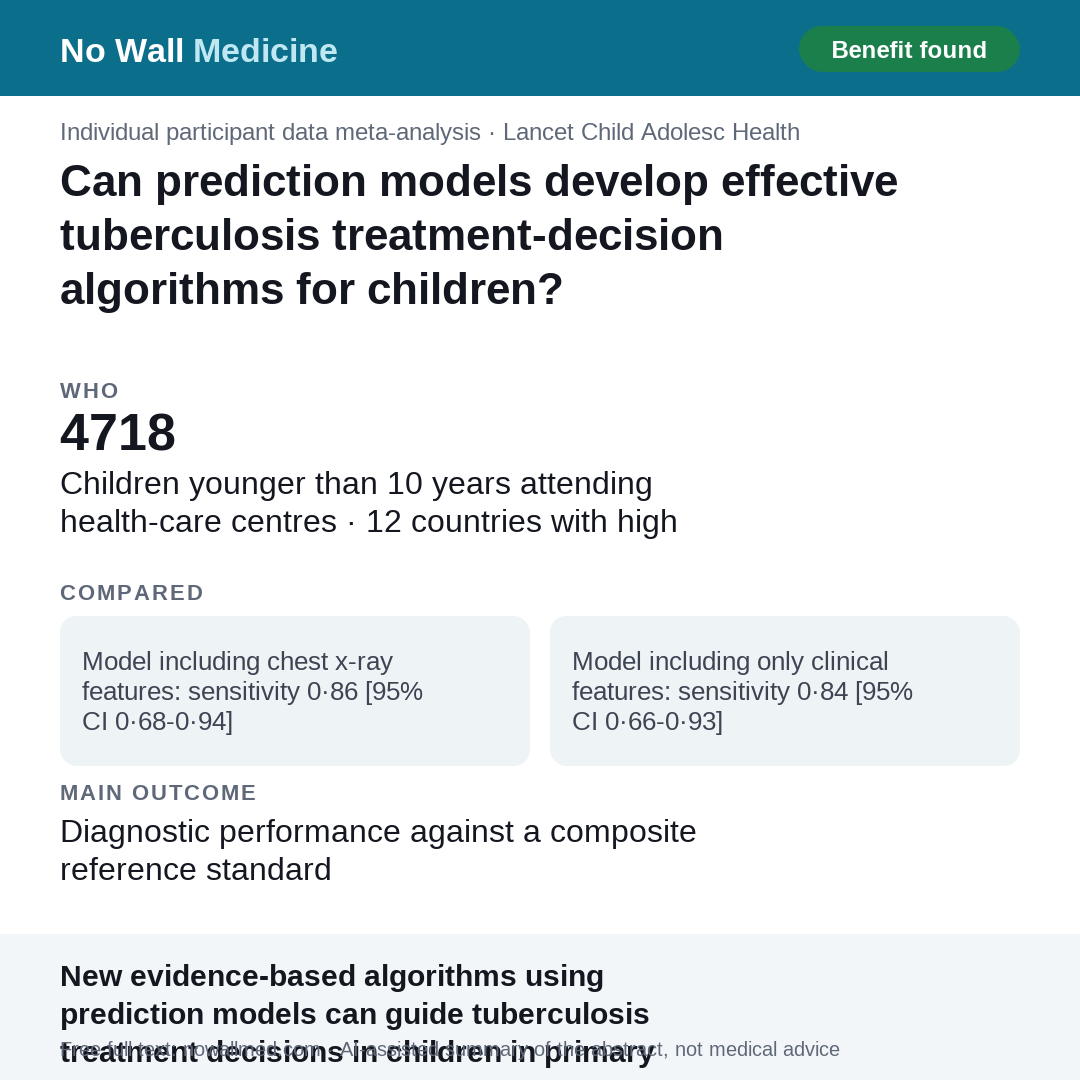
Development of treatment-decision algorithms for children evaluated for pulmonary tuberculosis: an individual participant data meta-analysis
Individual participant data meta-analysisBenefit found
Can prediction models develop effective tuberculosis treatment-decision algorithms for children?
Who
4718
Children younger than 10 years attending health-care centres · 12 countries with high tuberculosis incidence
Compared
Model including chest x-ray features: sensitivity 0·86 [95% CI 0·68-0·94]
Model including only clinical features: sensitivity 0·84 [95% CI 0·66-0·93]
Main outcome
Diagnostic performance against a composite reference standard
Bottom line: New evidence-based algorithms using prediction models can guide tuberculosis treatment decisions in children in primary health-care settings.
Limitation: Future prospective evaluation of algorithms is necessary to investigate clinical performance.
Funded by: WHO, US National Institutes of Health
Lancet Child Adolesc Health · 2023-03-13Download image
Comparison of paediatric emergency department visits for attempted suicide, self-harm, and suicidal ideation before and during the COVID-19 pandemic: a systematic review and meta-analysis
Systematic review and meta-analysisMixed results
Did paediatric emergency department visits for suicide-related issues change during the COVID-19 pandemic?
Who
11
Children and adolescents aged under 19 years · 18 countries
Compared
During pandemic
Before pandemic
Main outcome
Emergency department visits for attempted suicide, self-harm, and suicidal ideation
Result: rate ratio 1.22 (90% CI 1.08-1.37) for attempted suicide
Bottom line: Attempted suicide visits increased, while other mental illness indications and total paediatric visits declined during the pandemic.
Lancet Psychiatry · 2023-03-09Download image

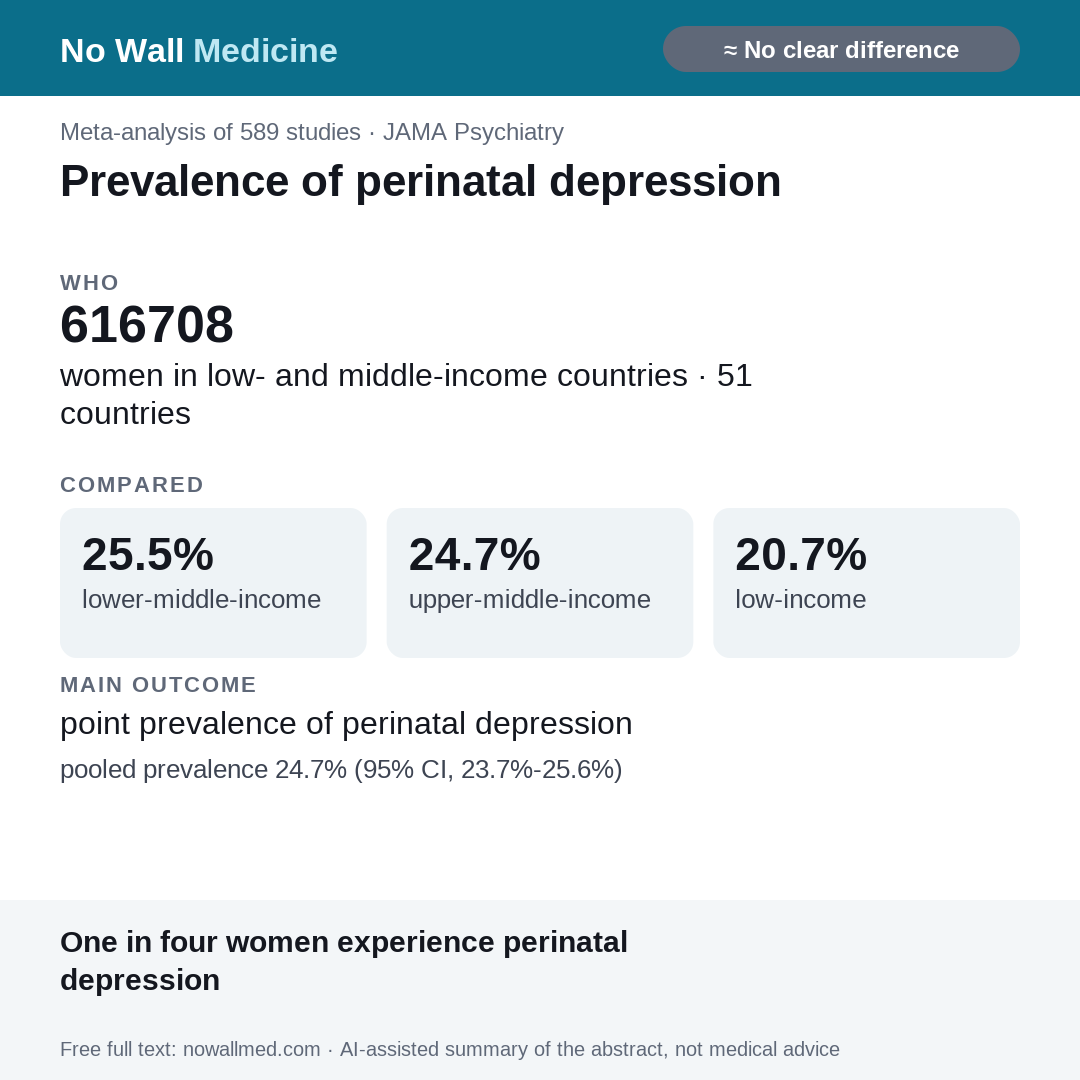
Prevalence of Perinatal Depression in Low- and Middle-Income Countries: A Systematic Review and Meta-analysis
Meta-analysis of 589 studiesNo clear difference
Prevalence of perinatal depression
Who
616708
women in low- and middle-income countries · 51 countries
Compared
25.5%lower-middle-income (95% CI, 23.8%-27.1%)
24.7%upper-middle-income (95% CI, 23.6%-25.9%)
20.7%low-income (95% CI, 18.4%-23.0%)
Main outcome
point prevalence of perinatal depression
Result: pooled prevalence 24.7% (95% CI, 23.7%-25.6%)
Bottom line: One in four women experience perinatal depression
JAMA Psychiatry · 2023-03-09Download image
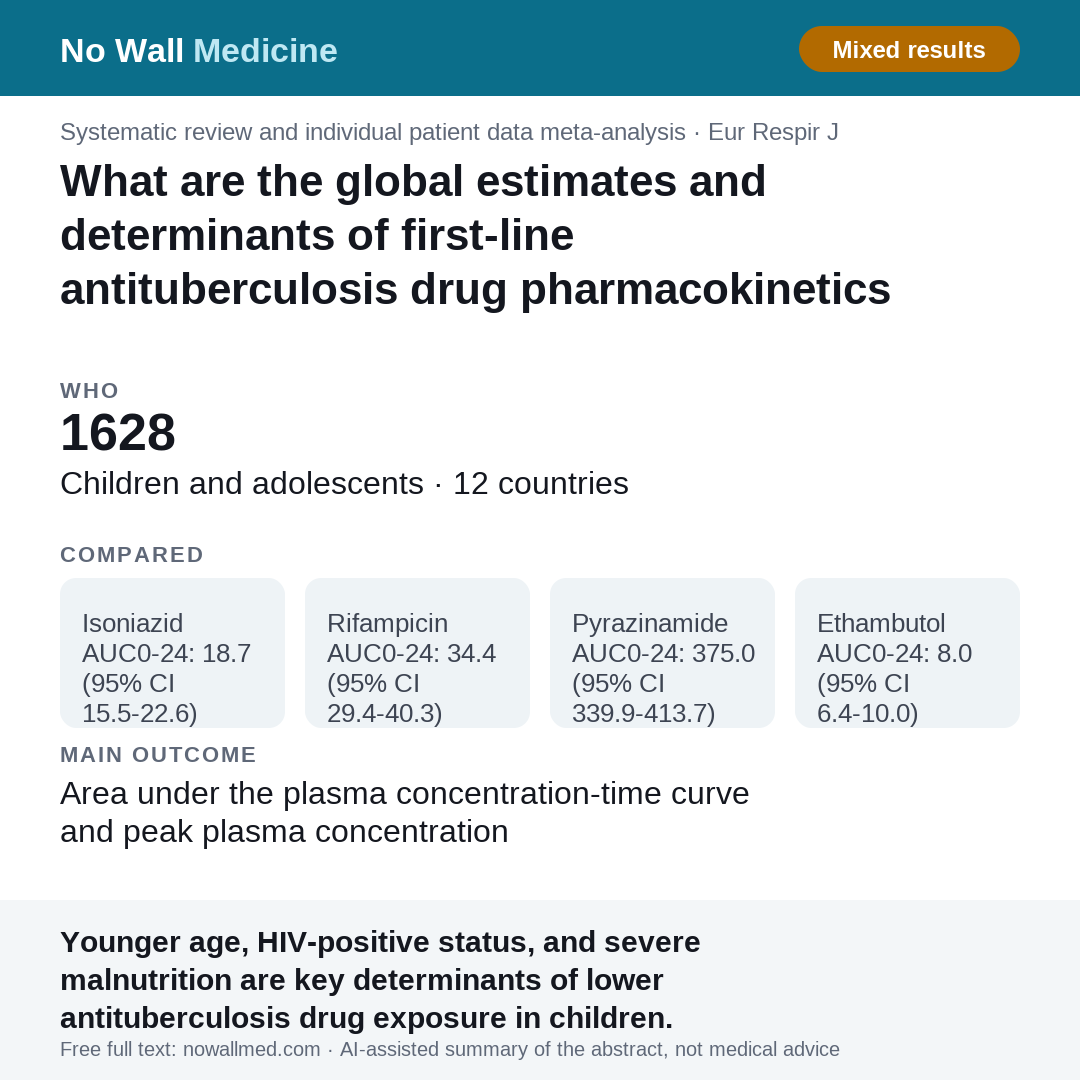
Global estimates and determinants of antituberculosis drug pharmacokinetics in children and adolescents: a systematic review and individual patient data meta-analysis
Systematic review and individual patient data meta-analysisMixed results
What are the global estimates and determinants of first-line antituberculosis drug pharmacokinetics in children and adolescents?
Who
1628
Children and adolescents · 12 countries
Compared
Isoniazid AUC0-24: 18.7 (95% CI 15.5-22.6) h·mg·L-1
Rifampicin AUC0-24: 34.4 (95% CI 29.4-40.3) h·mg·L-1
Pyrazinamide AUC0-24: 375.0 (95% CI 339.9-413.7) h·mg·L-1
Ethambutol AUC0-24: 8.0 (95% CI 6.4-10.0) h·mg·L-1
Main outcome
Area under the plasma concentration-time curve and peak plasma concentration
Bottom line: Younger age, HIV-positive status, and severe malnutrition are key determinants of lower antituberculosis drug exposure in children.
Eur Respir J · 2023-03-09Download image
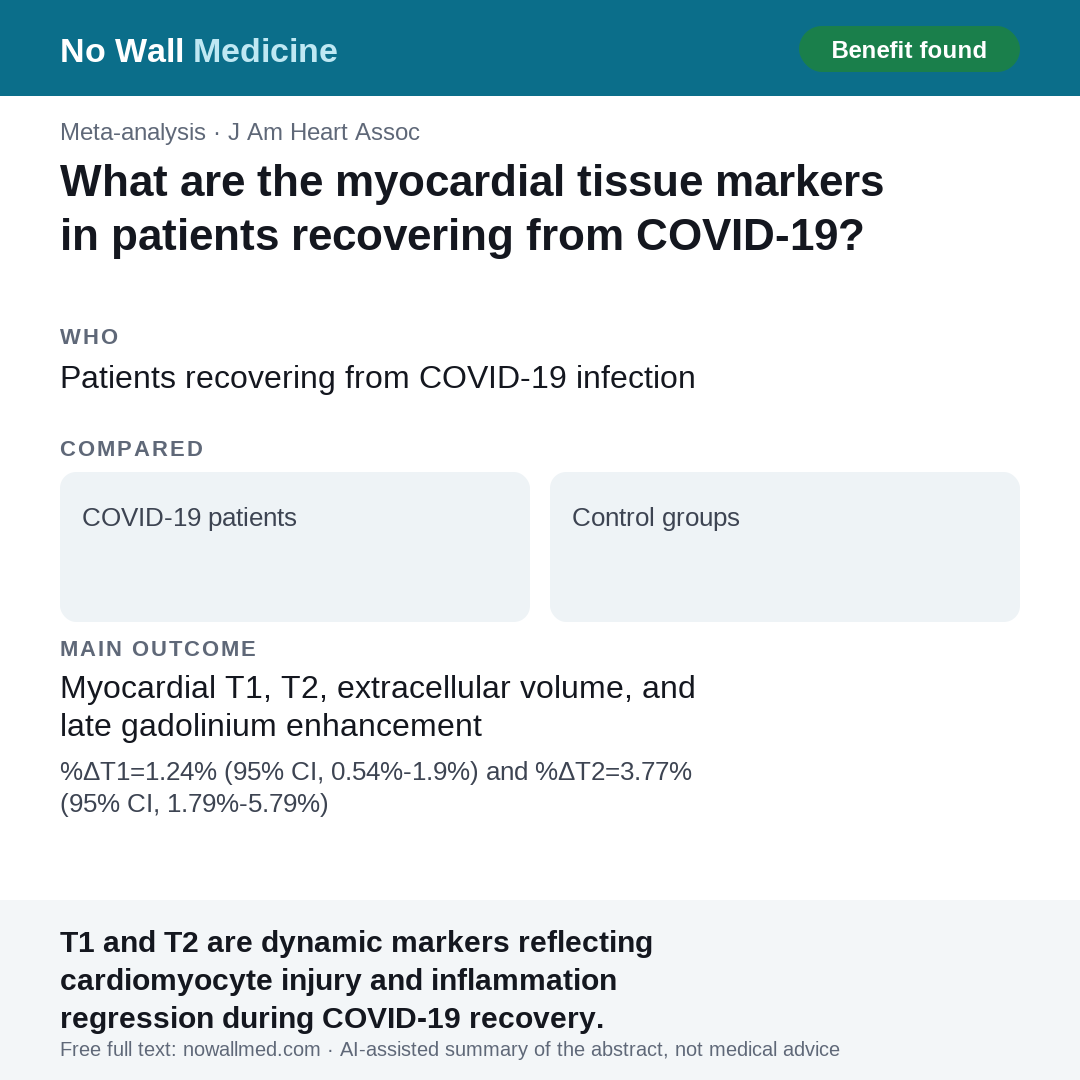
Myocardial Tissue Characterization in Cardiac Magnetic Resonance Studies of Patients Recovering From COVID-19: A Meta-Analysis
Meta-analysisBenefit found
What are the myocardial tissue markers in patients recovering from COVID-19?
Who
Patients recovering from COVID-19 infection
Compared
COVID-19 patients
Control groups
Main outcome
Myocardial T1, T2, extracellular volume, and late gadolinium enhancement
Result: %ΔT1=1.24% (95% CI, 0.54%-1.9%) and %ΔT2=3.77% (95% CI, 1.79%-5.79%)
Bottom line: T1 and T2 are dynamic markers reflecting cardiomyocyte injury and inflammation regression during COVID-19 recovery.
J Am Heart Assoc · 2023-03-09Download image
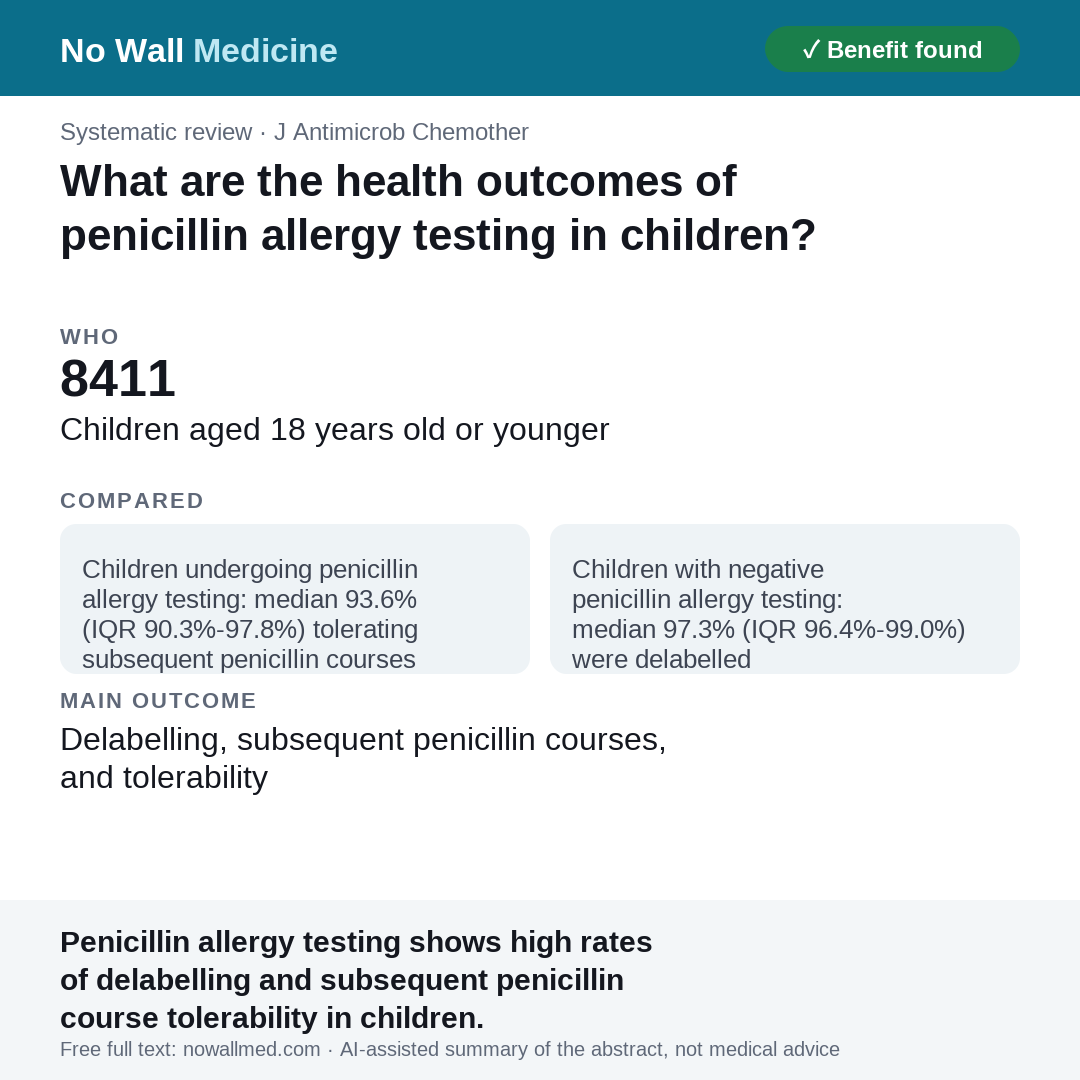
Health outcomes of penicillin allergy testing in children: a systematic review
Systematic reviewBenefit found
What are the health outcomes of penicillin allergy testing in children?
Who
8411
Children aged 18 years old or younger
Compared
Children undergoing penicillin allergy testing: median 93.6% (IQR 90.3%-97.8%) tolerating subsequent penicillin courses
Children with negative penicillin allergy testing: median 97.3% (IQR 96.4%-99.0%) were delabelled
Main outcome
Delabelling, subsequent penicillin courses, and tolerability
Bottom line: Penicillin allergy testing shows high rates of delabelling and subsequent penicillin course tolerability in children.
J Antimicrob Chemother · 2023-03-08Download image
Effects of water, sanitation, and hygiene interventions on detection of enteropathogens and host-specific faecal markers in the environment: a systematic review and individual participant data meta-analysis
Systematic review and individual participant data meta-analysisMixed results
Do water, sanitation, and hygiene interventions reduce environmental enteropathogens and faecal markers?
Who
Environmental samples including drinking water, hand rinses, soil, and flies · not specified
Compared
Interventions
Control
Main outcome
Prevalence of enteropathogens and microbial source tracking markers
Result: pooled prevalence ratio 0·94 (95% CI 0·90-0·99) for any pathogen
Bottom line: Interventions reduced pathogen prevalence slightly but had no effect on human or animal faecal markers.
Limitation: Few trials measured sanitation interventions and most individual study effects could not be distinguished from chance.
Funded by: Bill and Melinda Gates Foundation and UK Foreign and Commonwealth Development Office
Lancet Planet Health · 2023-03-08Download image

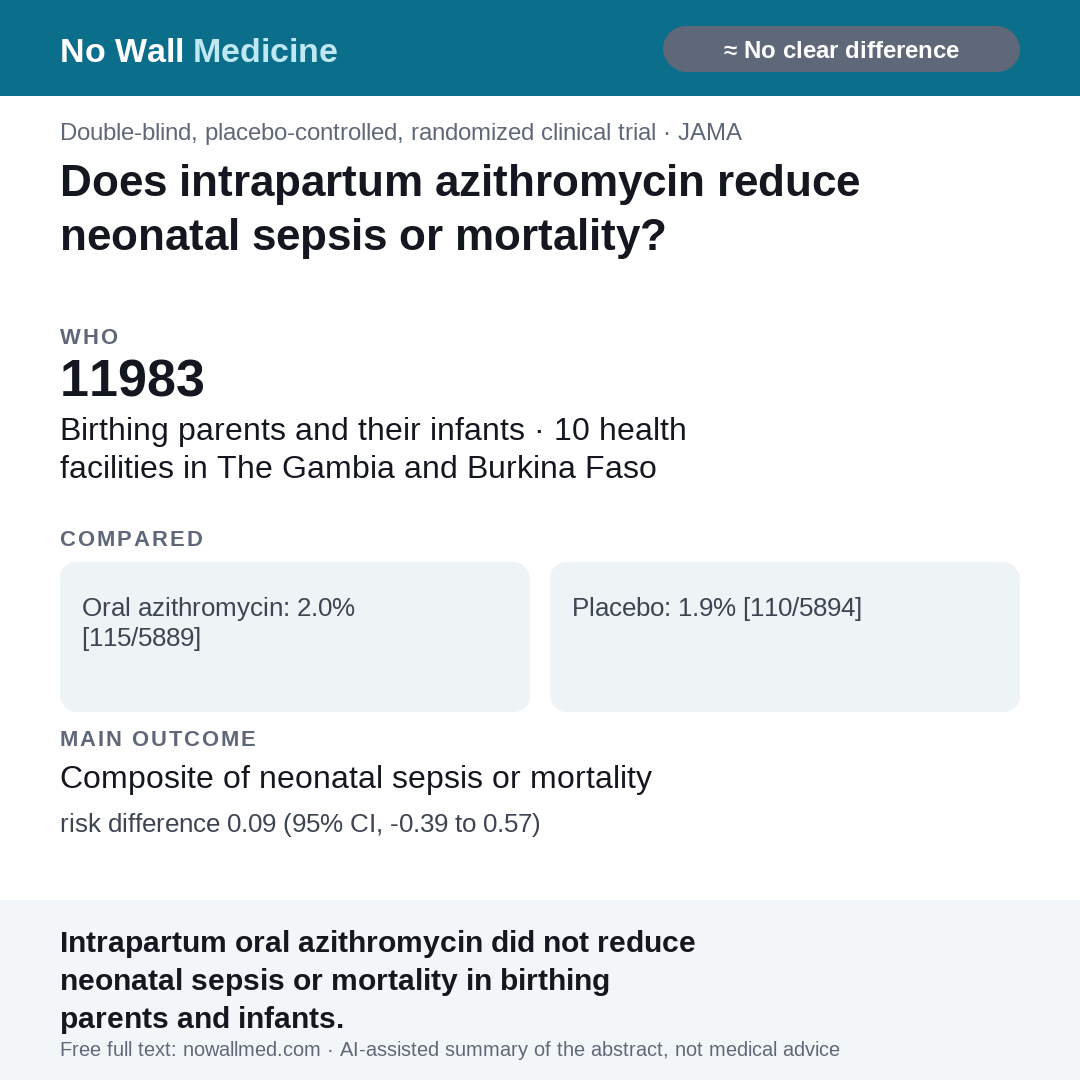
Effect of Intrapartum Azithromycin vs Placebo on Neonatal Sepsis and Death: A Randomized Clinical Trial
Double-blind, placebo-controlled, randomized clinical trialNo clear difference
Does intrapartum azithromycin reduce neonatal sepsis or mortality?
Who
11983
Birthing parents and their infants · 10 health facilities in The Gambia and Burkina Faso
Compared
Oral azithromycin: 2.0% [115/5889]
Placebo: 1.9% [110/5894]
Main outcome
Composite of neonatal sepsis or mortality
Result: risk difference 0.09 (95% CI, -0.39 to 0.57)
Bottom line: Intrapartum oral azithromycin did not reduce neonatal sepsis or mortality in birthing parents and infants.
JAMA · 2023-03-07Download image
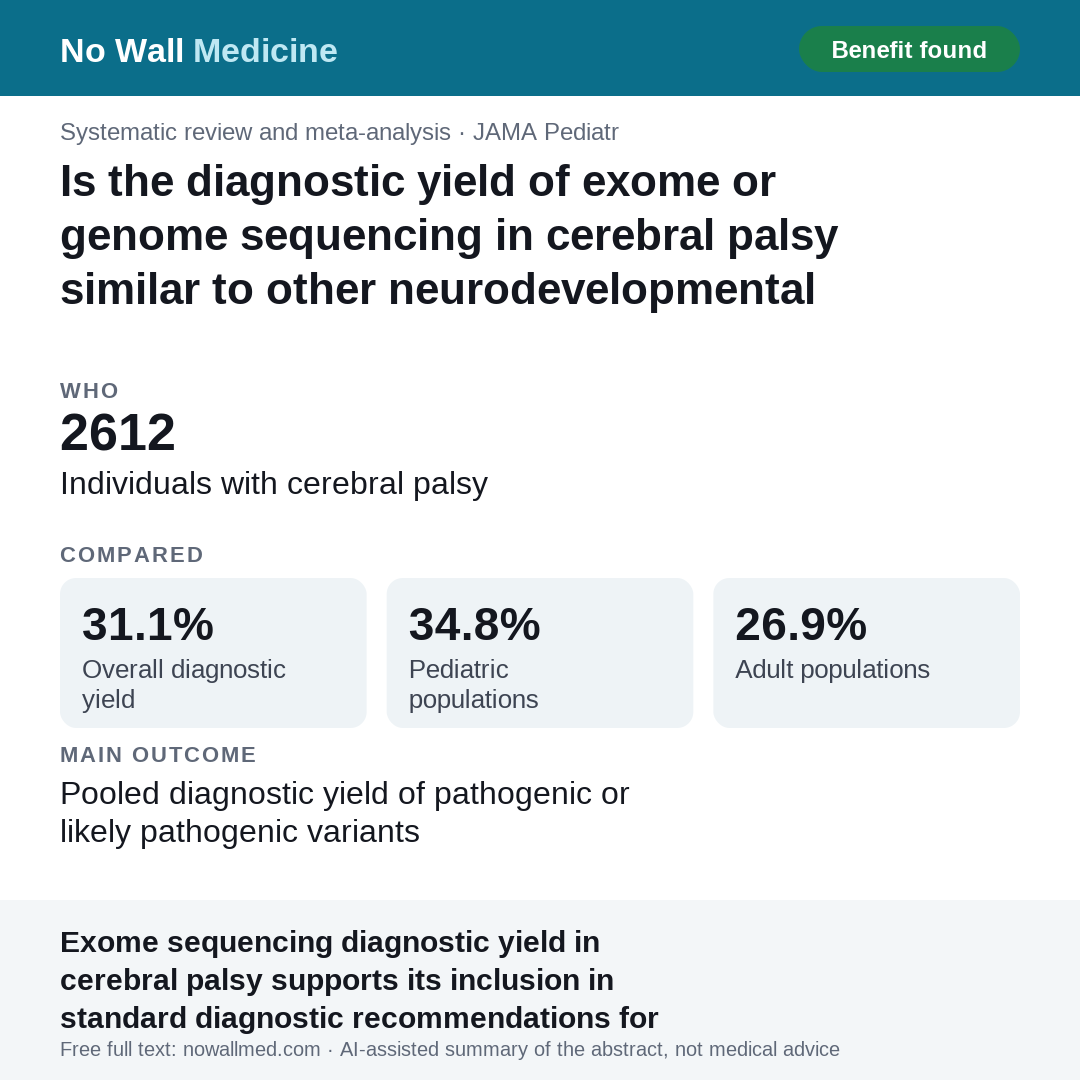
Diagnostic Yield of Exome Sequencing in Cerebral Palsy and Implications for Genetic Testing Guidelines: A Systematic Review and Meta-analysis
Systematic review and meta-analysisBenefit found
Is the diagnostic yield of exome or genome sequencing in cerebral palsy similar to other neurodevelopmental disorders?
Who
2612
Individuals with cerebral palsy
Compared
31.1%Overall diagnostic yield (95% CI, 24.2%-38.6%)
34.8%Pediatric populations (95% CI, 28.3%-41.5%)
26.9%Adult populations (95% CI, 1.2%-68.8%)
Main outcome
Pooled diagnostic yield of pathogenic or likely pathogenic variants
Result: 31.1% (95% CI, 24.2%-38.6%)
Bottom line: Exome sequencing diagnostic yield in cerebral palsy supports its inclusion in standard diagnostic recommendations for neurodevelopmental disorders.
Limitation: High heterogeneity was observed (I2 = 91%).
JAMA Pediatr · 2023-03-07Download image
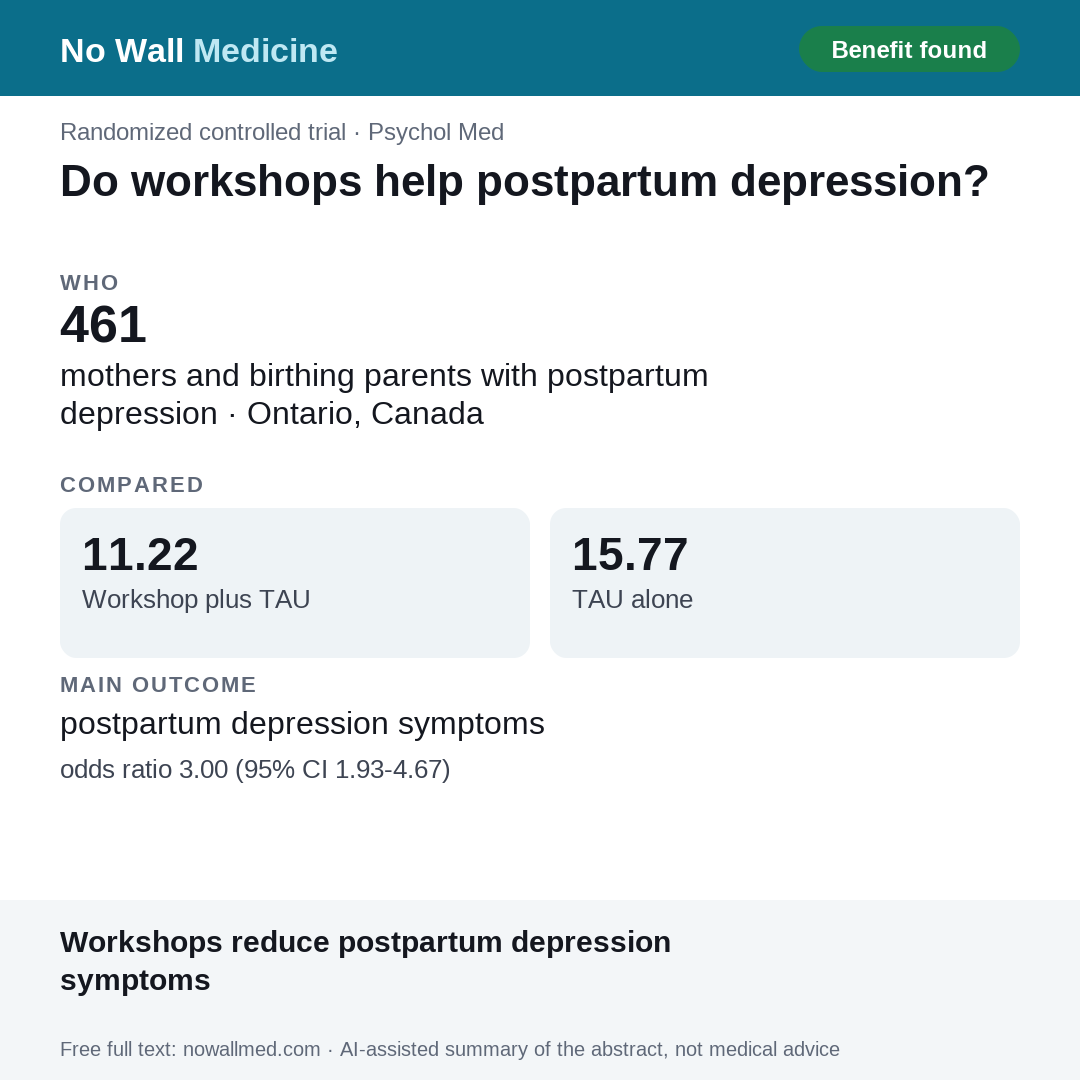
In-person 1-day cognitive behavioral therapy-based workshops for postpartum depression: a randomized controlled trial
Randomized controlled trialBenefit found
Do workshops help postpartum depression?
Who
461
mothers and birthing parents with postpartum depression · Ontario, Canada
Compared
11.22Workshop plus TAU
15.77TAU alone
Main outcome
postpartum depression symptoms
Result: odds ratio 3.00 (95% CI 1.93-4.67)
Bottom line: Workshops reduce postpartum depression symptoms
Psychol Med · 2023-03-07Download image
Exploring Human Milk, Nutrition, Growth, and Breastfeeding Rates at Discharge(HUMMINGBIRD Study): a protocol for a pilot randomised controlled trial
Non-blinded randomized controlled trialUnclear result
Does longer duration of donor human milk exposure increase breastfeeding rates?
Who
Babies born less than 33 weeks gestation or birth weight less than 1500 g
Compared
Control
Intervention
Main outcome
Breastfeeding at discharge
Bottom line: This is a protocol for a pilot study to assess feasibility and breastfeeding rates.
BMJ Paediatr Open · 2023-03-07Download image

Family outcome disparities between sexual minority and heterosexual families: a systematic review and meta-analysis
Systematic review and meta-analysisBenefit found
Are there disparities in family outcomes between sexual minority and heterosexual families?
Who
Sexual minority and heterosexual families
Compared
Sexual minority families: better in children's psychological adjustment and parent-child relationship
Heterosexual families
Main outcome
Family outcomes including psychological adjustment and relationship satisfaction
Result: standardised mean difference -0.13 (95% CI -0.20 to -0.05) for children's psychological adjustment
Bottom line: Sexual minority families show better children's psychological adjustment and parent-child relationships, while most other outcomes are similar.
BMJ Glob Health · 2023-03-06Download image

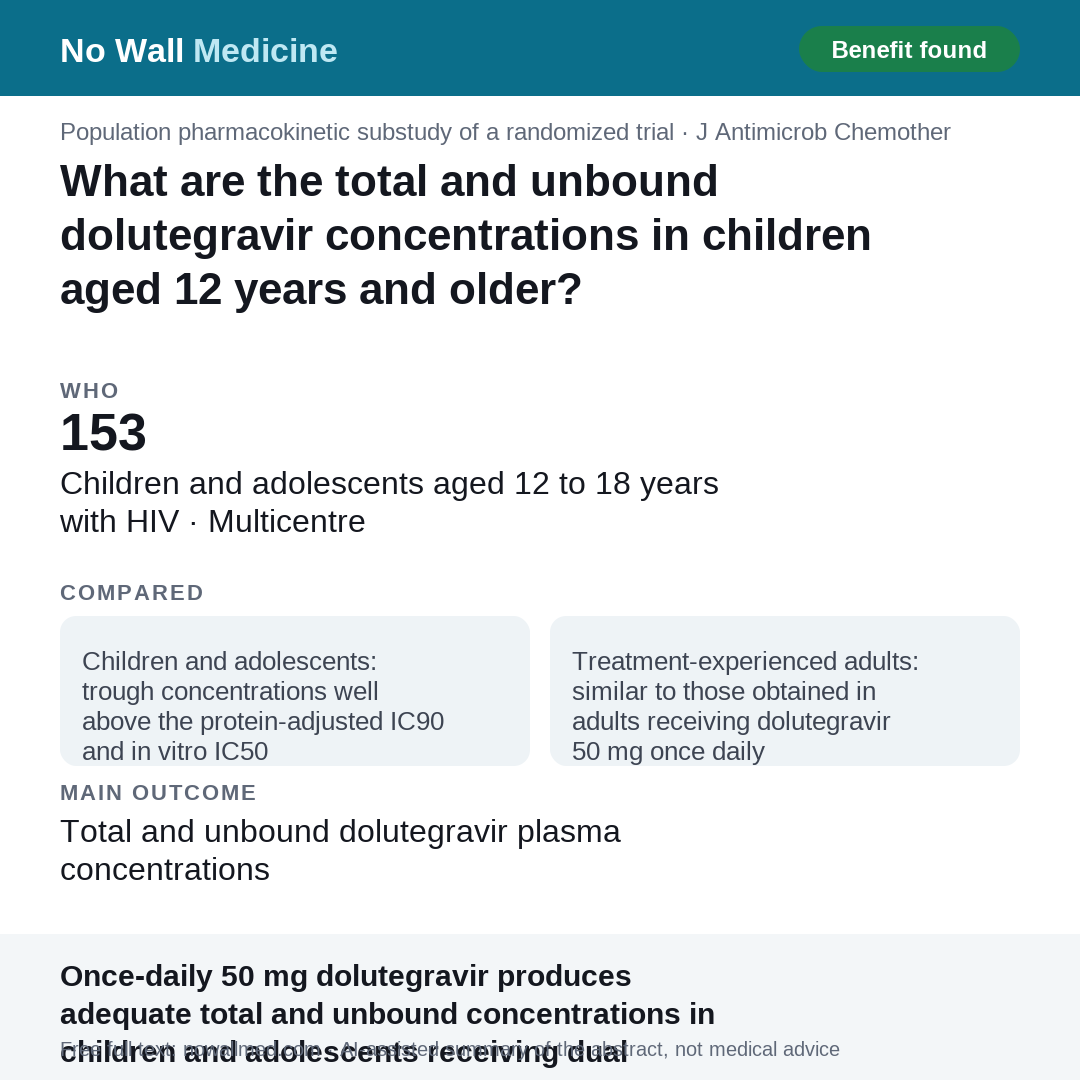
Population pharmacokinetics of unbound and total dolutegravir concentrations in children aged 12 years and older: a PK substudy of the SMILE trial
Population pharmacokinetic substudy of a randomized trialBenefit found
What are the total and unbound dolutegravir concentrations in children aged 12 years and older?
Who
153
Children and adolescents aged 12 to 18 years with HIV · Multicentre
Compared
Children and adolescents: trough concentrations well above the protein-adjusted IC90 and in vitro IC50
Treatment-experienced adults: similar to those obtained in adults receiving dolutegravir 50 mg once daily
Main outcome
Total and unbound dolutegravir plasma concentrations
Bottom line: Once-daily 50 mg dolutegravir produces adequate total and unbound concentrations in children and adolescents receiving dual therapy.
J Antimicrob Chemother · 2023-03-05Download image
Comparison of the efficacy and safety of conventional curettage adenoidectomy with those of other adenoidectomy surgical techniques: a systematic review and network meta-analysis
Systematic review and network meta-analysisMixed results
Is conventional curettage adenoidectomy more safe and effective than other surgical techniques?
Who
Children with enlarged and symptomatic adenoids
Compared
Conventional curettage adenoidectomy
Other surgical techniques
Main outcome
Intraoperative blood loss, surgical time, residual tissue, and complications
Bottom line: No single technique is best for all outcomes; choice depends on specific clinical characteristics and desired results.
J Otolaryngol Head Neck Surg · 2023-03-04Download image

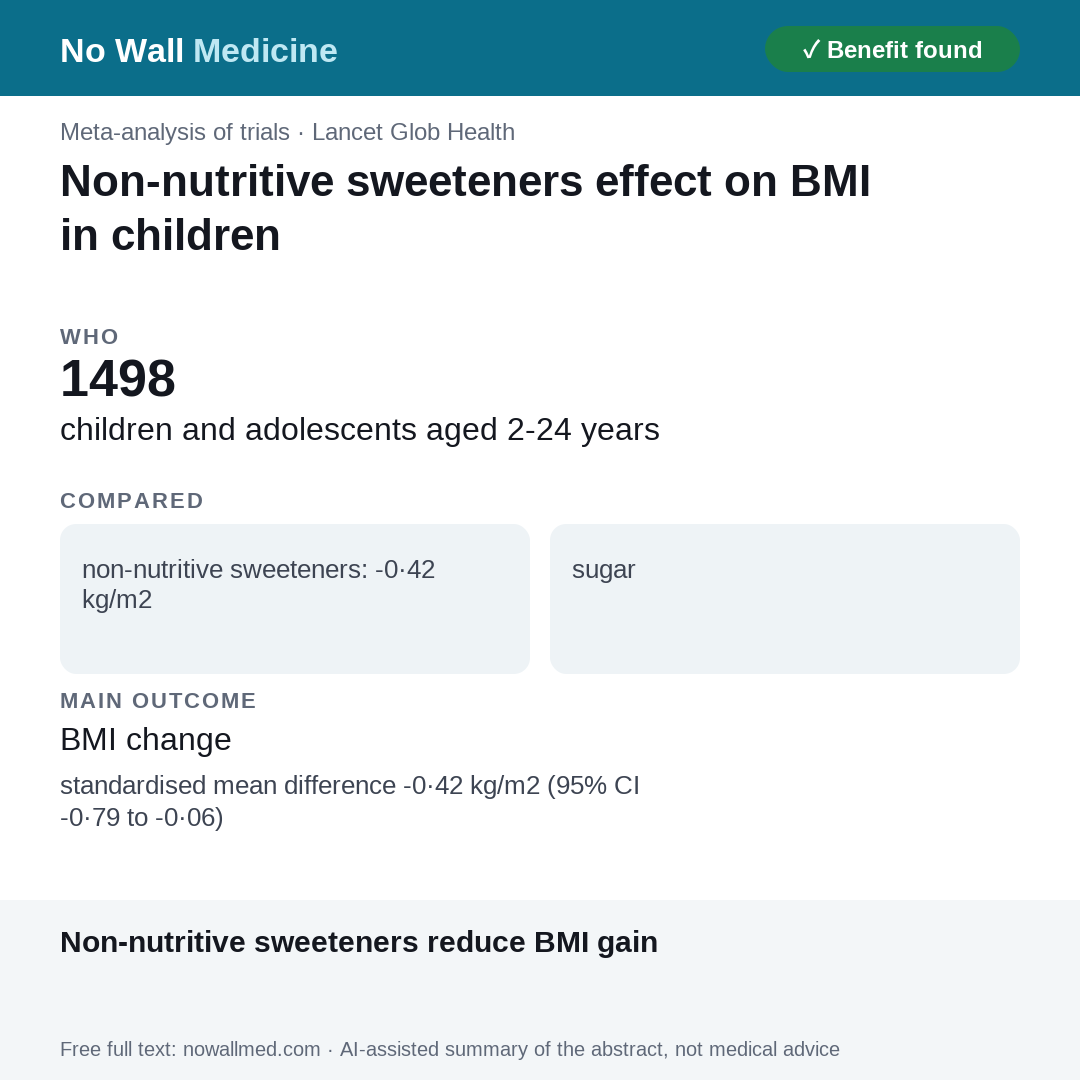
Effects of non-nutritive sweeteners on the BMI of children and adolescents: a systematic review and meta-analysis of randomised controlled trials and prospective cohort studies
Meta-analysis of trialsBenefit found
Non-nutritive sweeteners effect on BMI in children
Who
1498
children and adolescents aged 2-24 years
Compared
non-nutritive sweeteners: -0·42 kg/m2
sugar
Main outcome
BMI change
Result: standardised mean difference -0·42 kg/m2 (95% CI -0·79 to -0·06)
Bottom line: Non-nutritive sweeteners reduce BMI gain
Lancet Glob Health · 2023-03-03Download image
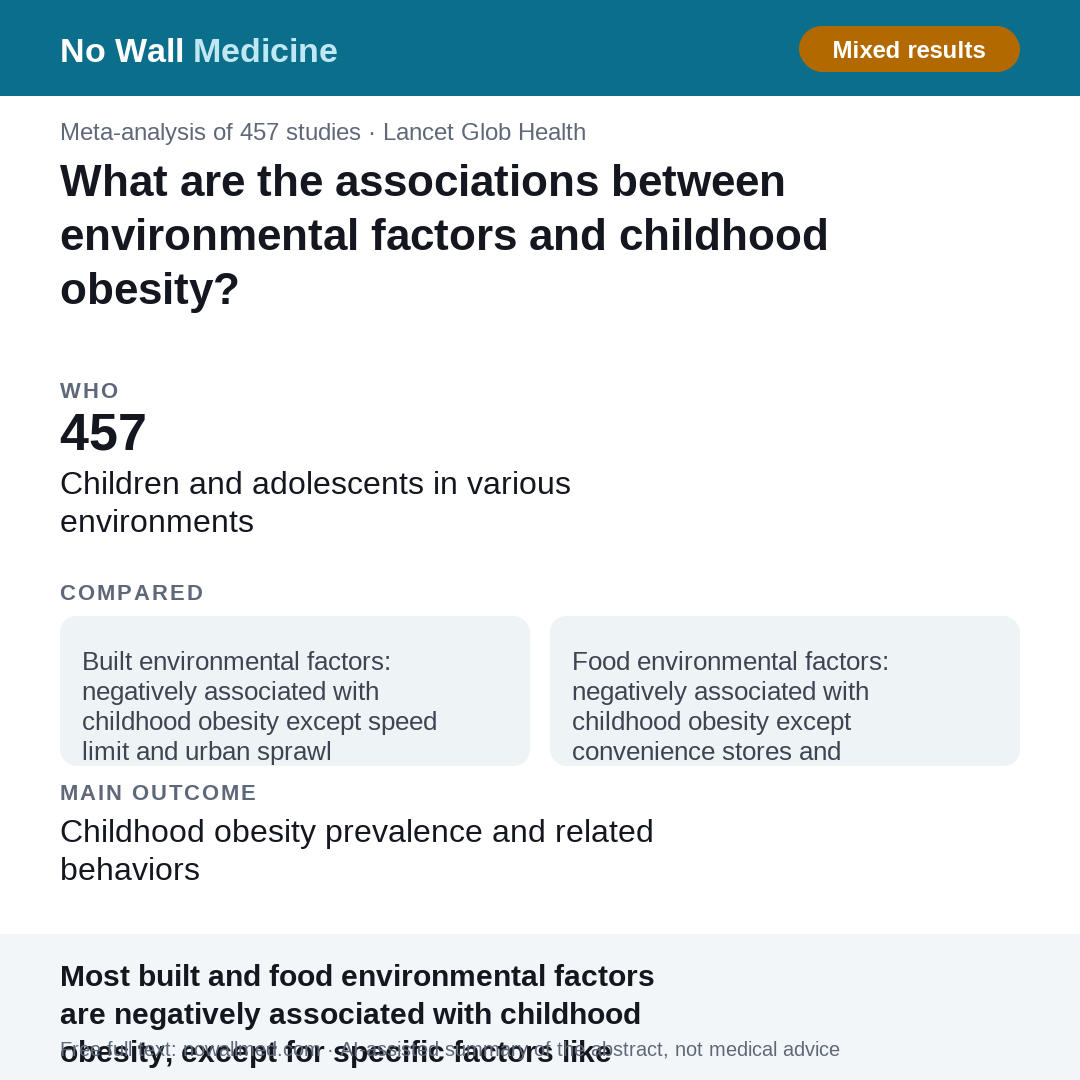
Environmental determinants of childhood obesity: a meta-analysis
Meta-analysis of 457 studiesMixed results
What are the associations between environmental factors and childhood obesity?
Who
457
Children and adolescents in various environments
Compared
Built environmental factors: negatively associated with childhood obesity except speed limit and urban sprawl
Food environmental factors: negatively associated with childhood obesity except convenience stores and fast-food restaurants
Main outcome
Childhood obesity prevalence and related behaviors
Bottom line: Most built and food environmental factors are negatively associated with childhood obesity, except for specific factors like fast-food access.
Funded by: National Natural Science Foundation of China and others
Lancet Glob Health · 2023-03-03Download image
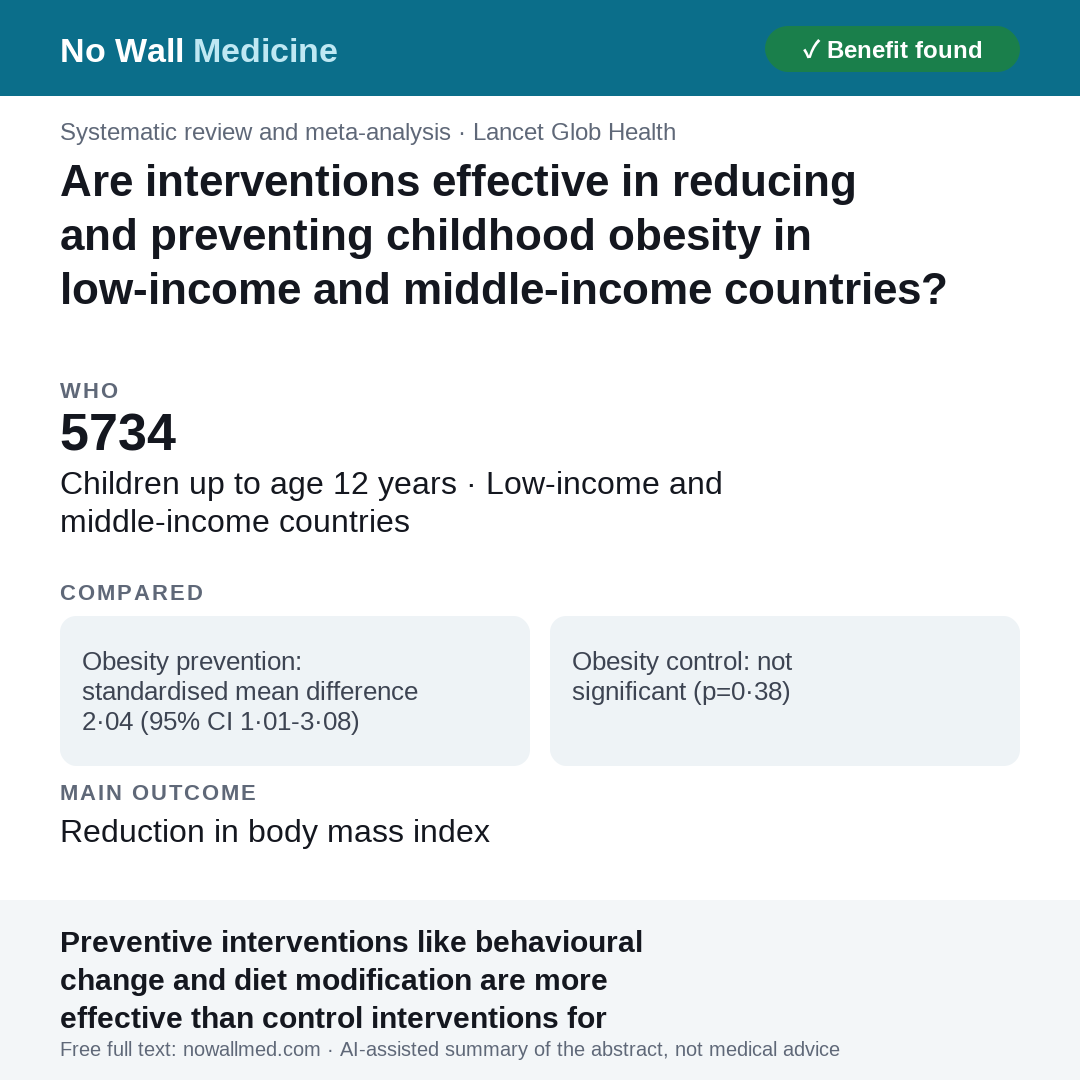
Interventions to reduce and prevent childhood obesity in low-income and middle-income countries: a systematic review and meta-analysis
Systematic review and meta-analysisBenefit found
Are interventions effective in reducing and preventing childhood obesity in low-income and middle-income countries?
Who
5734
Children up to age 12 years · Low-income and middle-income countries
Compared
Obesity prevention: standardised mean difference 2·04 (95% CI 1·01-3·08)
Obesity control: not significant (p=0·38)
Main outcome
Reduction in body mass index
Result: standardised mean difference 0.23 to 3.10
Bottom line: Preventive interventions like behavioural change and diet modification are more effective than control interventions for childhood obesity.
Limitation: High statistical heterogeneity (I2>75%)
Lancet Glob Health · 2023-03-03Download image
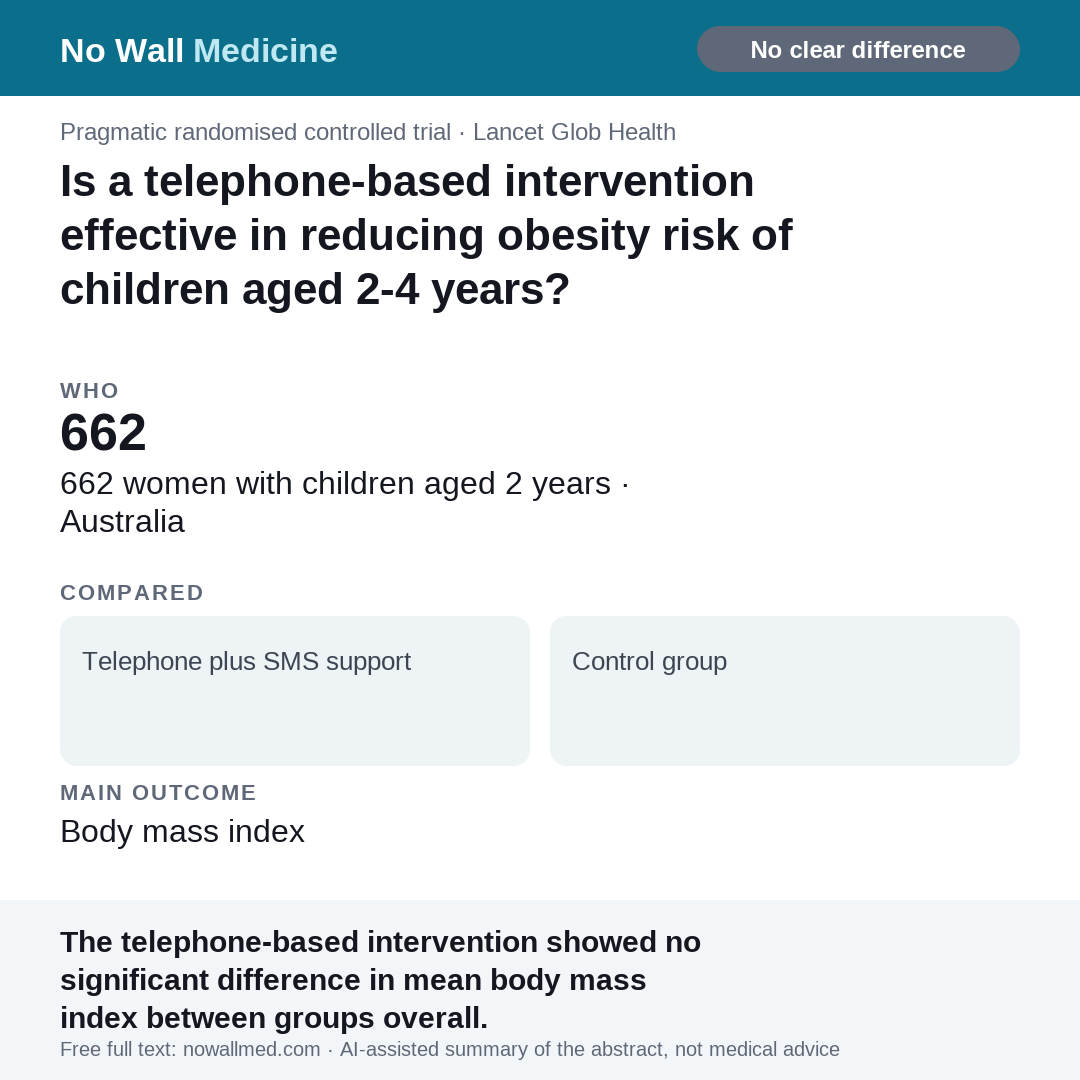
Effectiveness and co-benefits of a telephone-based intervention in reducing obesity risk of children aged 2-4 years: findings from a pragmatic randomised controlled trial during the COVID-19 pandemic in Australia
Pragmatic randomised controlled trialNo clear difference
Is a telephone-based intervention effective in reducing obesity risk of children aged 2-4 years?
Who
662
662 women with children aged 2 years · Australia
Compared
Telephone plus SMS support
Control group
Main outcome
Body mass index
Bottom line: The telephone-based intervention showed no significant difference in mean body mass index between groups overall.
Funded by: NSW Health and National Health and Medical Research Council
Lancet Glob Health · 2023-03-03Download image
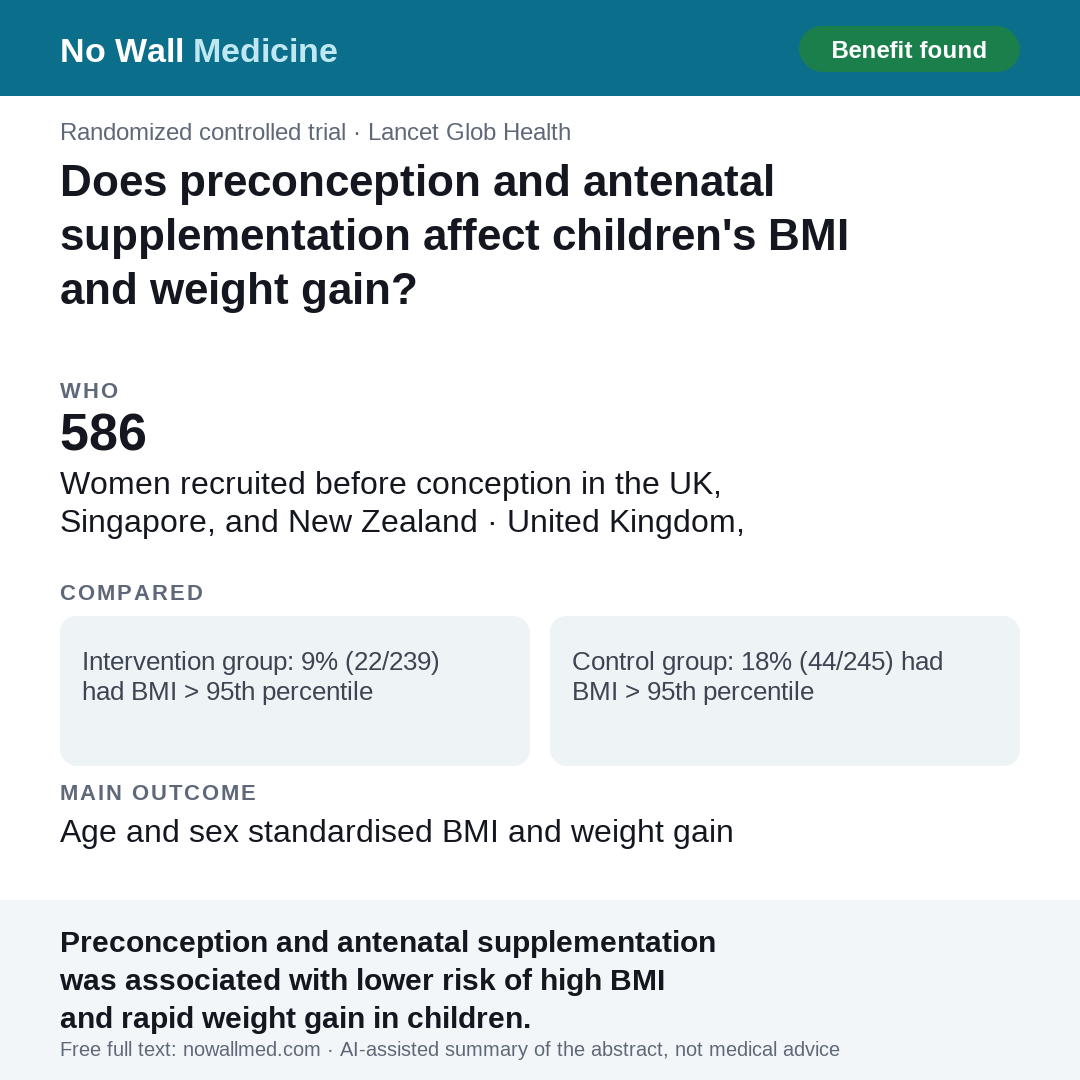
The effect of a preconception and antenatal nutritional supplement on children's BMI and weight gain over the first 2 years of life: findings from the NiPPeR randomised controlled trial
Randomized controlled trialBenefit found
Does preconception and antenatal supplementation affect children's BMI and weight gain?
Who
586
Women recruited before conception in the UK, Singapore, and New Zealand · United Kingdom, Singapore, and New Zealand
Compared
Intervention group: 9% (22/239) had BMI > 95th percentile
Control group: 18% (44/245) had BMI > 95th percentile
Main outcome
Age and sex standardised BMI and weight gain
Result: adjusted risk ratio 0·51, 95% CI 0·31-0·82
Bottom line: Preconception and antenatal supplementation was associated with lower risk of high BMI and rapid weight gain in children.
Limitation: Long-term follow-up is required to assess the longevity of these benefits.
Funded by: National Institute for Health Research and others
Lancet Glob Health · 2023-03-03Download image