Visual abstracts
New randomized trials and meta-analyses from leading journals at a glance: who was studied, what was compared, and what was found. Every paper is free to read in full.
All specialtiesCardiology 3288Oncology 2815Gastroenterology & Hepatology 1293Infectious Disease 2215Neurology 1325Psychiatry & Mental Health 1563Pulmonology 1391Critical Care 928Endocrinology & Diabetes 1671Pediatrics 1989Surgery 1757Orthopedics & Sports Medicine 591Neurosurgery 388Cardiothoracic & Vascular Surgery 382Plastic & Reconstructive Surgery 466Nephrology 707Rheumatology 513Hematology 727Dermatology 406Ophthalmology 367Obstetrics & Gynecology 1112Public & Global Health 625Radiology & Imaging 464Anesthesiology 673Urology 560ENT (Otolaryngology) 362Emergency Medicine 357Allergy & Immunology 202Geriatrics 690Family Medicine & Primary Care 379Medical Genetics & Genomics 408Pathology & Laboratory Medicine 108Physical Medicine & Rehabilitation 515Palliative Care 300Nutrition 967Digital Health & AI 1569General Medicine 231
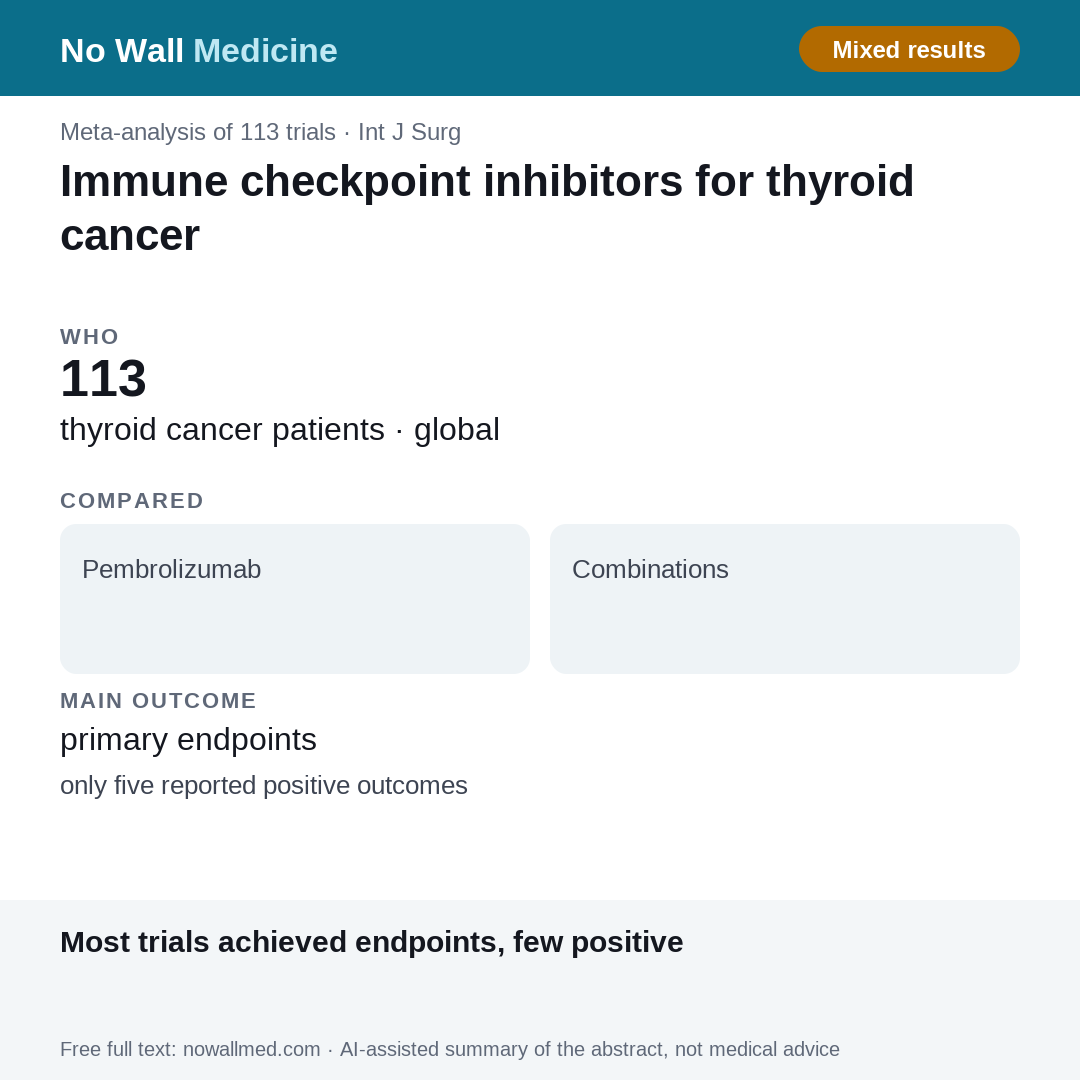
Immune checkpoint inhibitors against thyroid cancer
Meta-analysis of 113 trialsMixed results
Immune checkpoint inhibitors for thyroid cancer
Who
113
thyroid cancer patients · global
Compared
Pembrolizumab
Combinations
Main outcome
primary endpoints
Result: only five reported positive outcomes
Bottom line: Most trials achieved endpoints, few positive
Int J Surg · 2025-07-02Download image
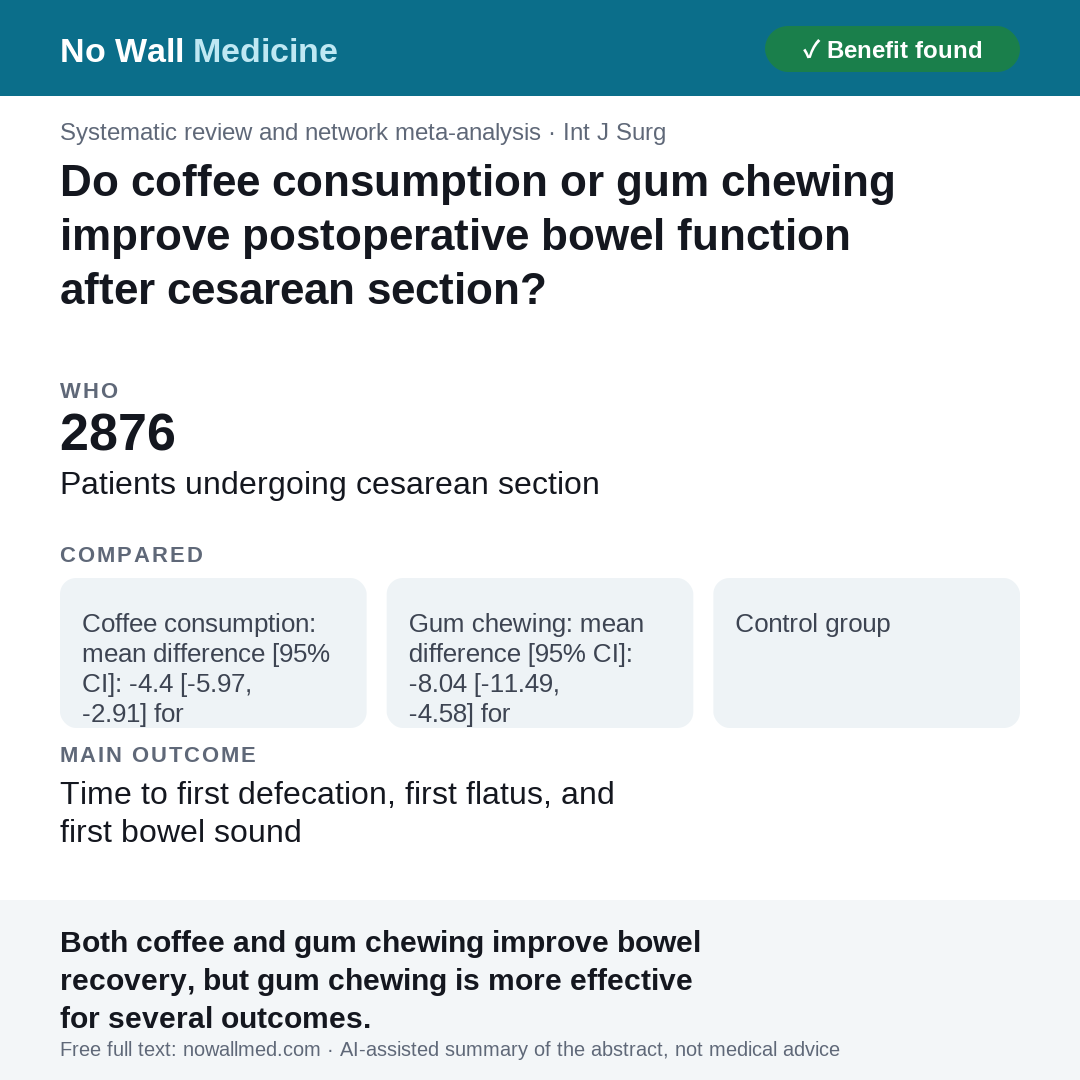
The effects of coffee versus gum chewing after cesarean on bowel functions: a systematic review and network meta-analysis
Systematic review and network meta-analysisBenefit found
Do coffee consumption or gum chewing improve postoperative bowel function after cesarean section?
Who
2876
Patients undergoing cesarean section
Compared
Coffee consumption: mean difference [95% CI]: -4.4 [-5.97, -2.91] for defecation
Gum chewing: mean difference [95% CI]: -8.04 [-11.49, -4.58] for defecation
Control group
Main outcome
Time to first defecation, first flatus, and first bowel sound
Bottom line: Both coffee and gum chewing improve bowel recovery, but gum chewing is more effective for several outcomes.
Int J Surg · 2025-07-02Download image
Comparison of ureteroscopic lithotripsy and laparoscopic ureterolithotomy in the treatment of large proximal ureteral stones in developing countries: a systematic review and meta-analysis
Systematic review and meta-analysis of randomized controlled trialsBenefit found
Is laparoscopic ureterolithotomy better than ureteroscopic lithotripsy for large proximal ureteral stones?
Who
Patients with large proximal ureteral stones larger than 10 mm · Developing countries
Compared
Laparoscopic ureterolithotomy
Ureteroscopic lithotripsy
Main outcome
Stone-free rate and complication incidence
Bottom line: Laparoscopic ureterolithotomy provides higher stone-free rates and fewer complications than ureteroscopic lithotripsy for large proximal ureteral stones.
Int J Surg · 2025-07-02Download image

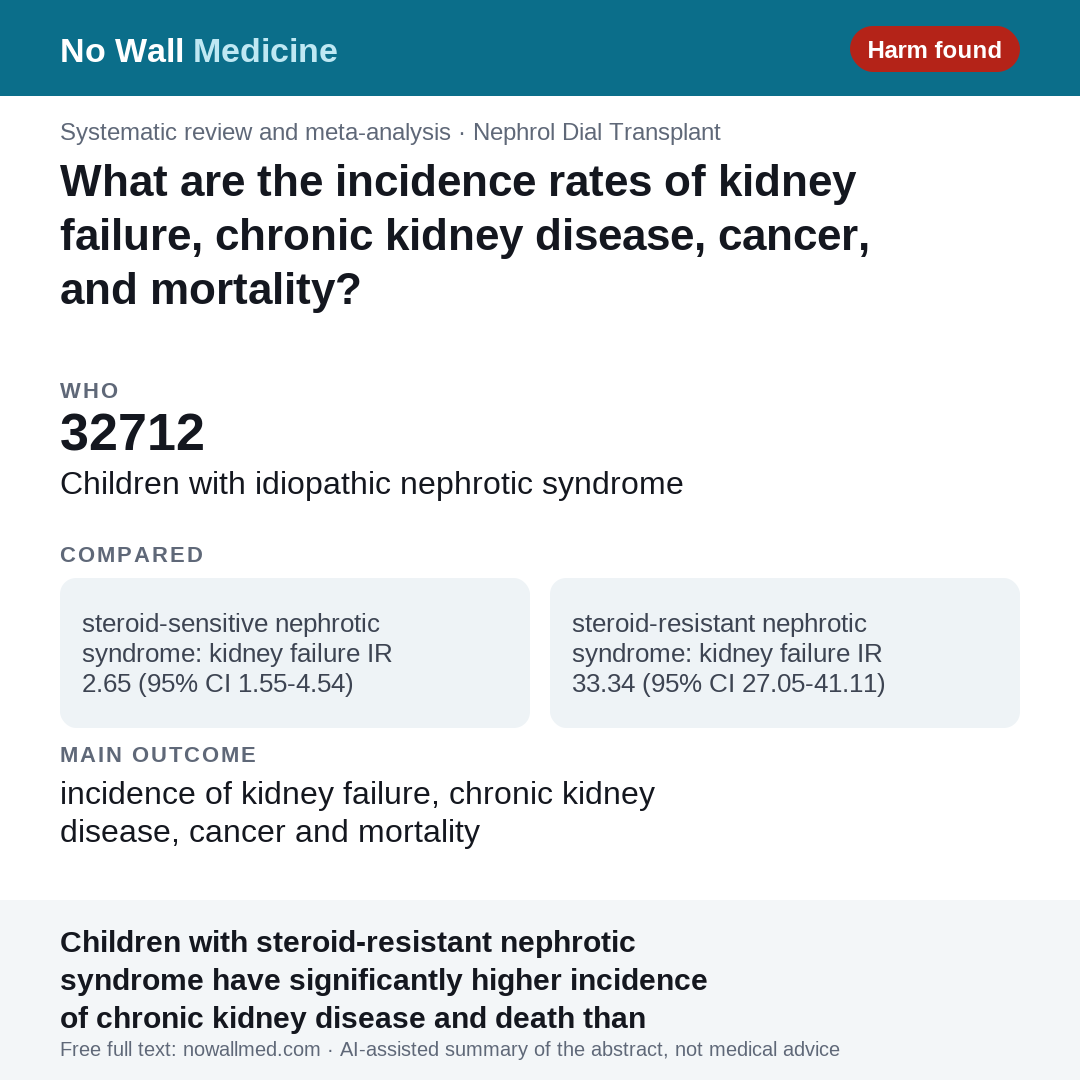
Kidney function and mortality in childhood nephrotic syndrome
Systematic review and meta-analysisHarm found
What are the incidence rates of kidney failure, chronic kidney disease, cancer, and mortality?
Who
32712
Children with idiopathic nephrotic syndrome
Compared
steroid-sensitive nephrotic syndrome: kidney failure IR 2.65 (95% CI 1.55-4.54)
steroid-resistant nephrotic syndrome: kidney failure IR 33.34 (95% CI 27.05-41.11)
Main outcome
incidence of kidney failure, chronic kidney disease, cancer and mortality
Bottom line: Children with steroid-resistant nephrotic syndrome have significantly higher incidence of chronic kidney disease and death than steroid-sensitive children.
Limitation: Many studies were at moderate-to-high risk of bias and used variable surveillance strategies and outcome definitions.
Nephrol Dial Transplant · 2025-07-02Download image
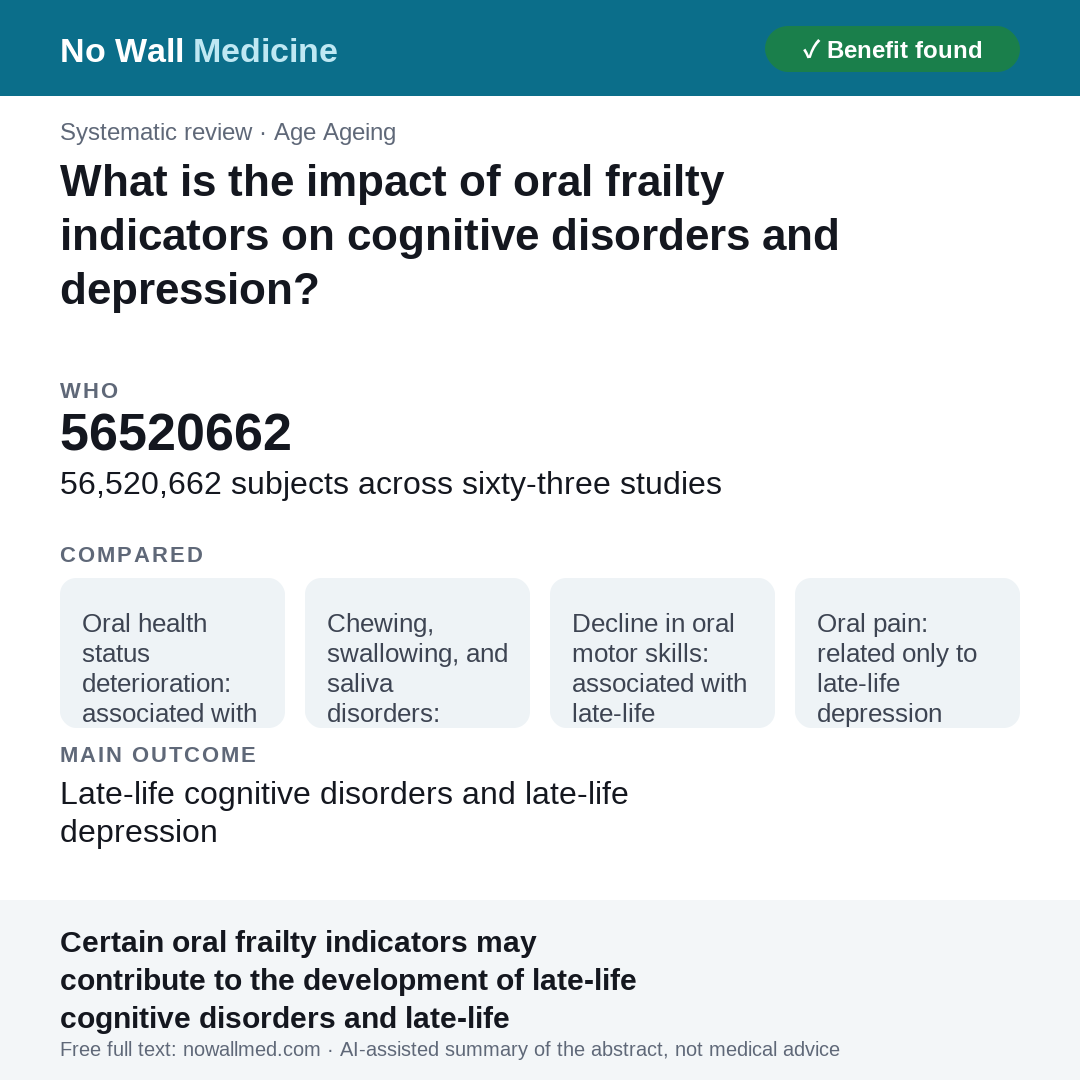
Targeting oral frailty indicators of late-life cognitive disorders and depression: a systematic review
Systematic reviewBenefit found
What is the impact of oral frailty indicators on cognitive disorders and depression?
Who
56520662
56,520,662 subjects across sixty-three studies
Compared
Oral health status deterioration: associated with cognitive impairment, mild cognitive impairment, dementia, and late-life depression
Chewing, swallowing, and saliva disorders: associated with cognitive impairment, mild cognitive impairment, dementia, and late-life depression
Decline in oral motor skills: associated with late-life cognitive impairment/decline
Oral pain: related only to late-life depression
Main outcome
Late-life cognitive disorders and late-life depression
Bottom line: Certain oral frailty indicators may contribute to the development of late-life cognitive disorders and late-life depression.
Age Ageing · 2025-07-02Download image
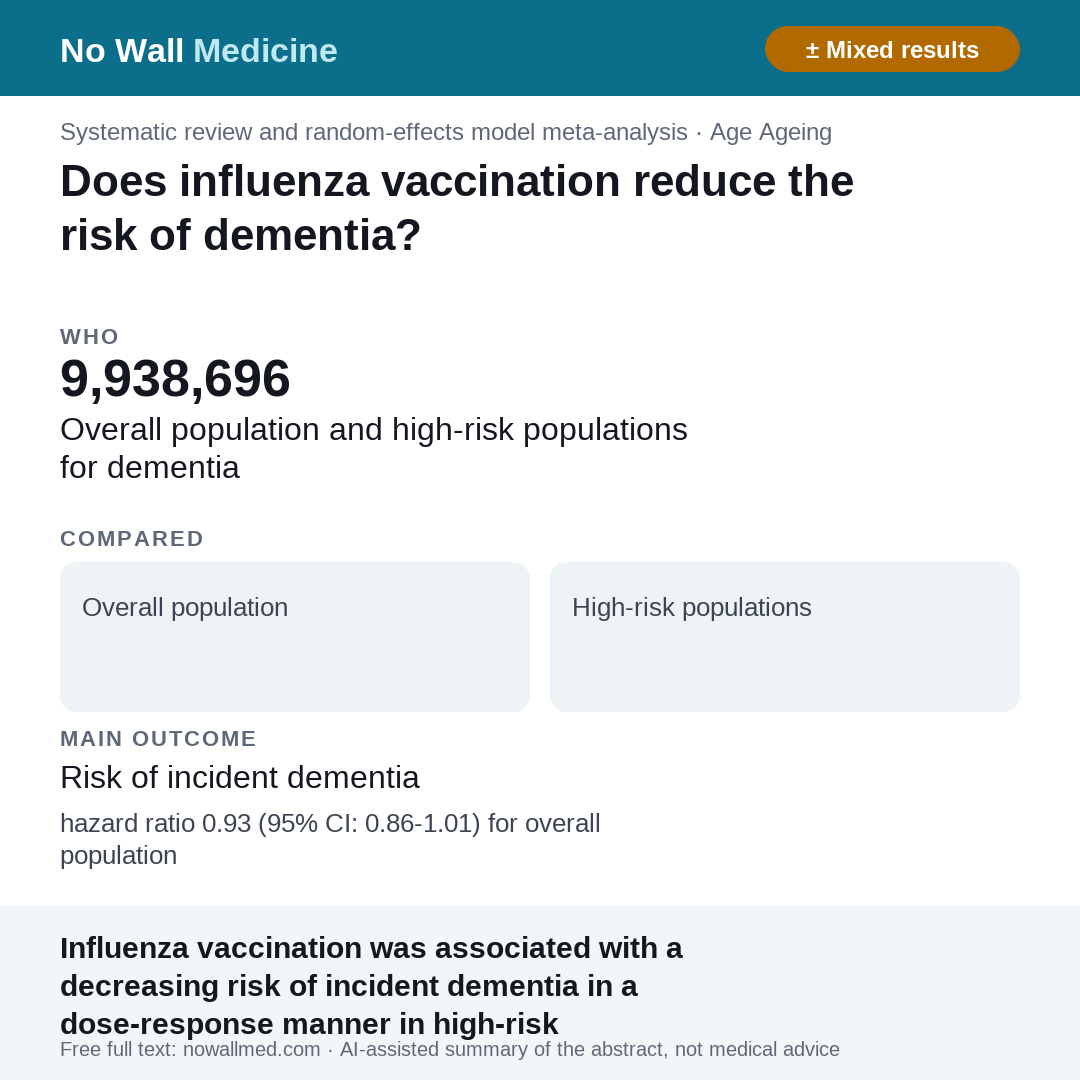
Influenza vaccination and risk of dementia: a systematic review and meta-analysis
Systematic review and random-effects model meta-analysisMixed results
Does influenza vaccination reduce the risk of dementia?
Who
9,938,696
Overall population and high-risk populations for dementia
Compared
Overall population
High-risk populations
Main outcome
Risk of incident dementia
Result: hazard ratio 0.93 (95% CI: 0.86-1.01) for overall population
Bottom line: Influenza vaccination was associated with a decreasing risk of incident dementia in a dose-response manner in high-risk populations.
Age Ageing · 2025-07-02Download image
A systematic review of consumers' knowledge, attitudes and experiences of primary health professionals' role in genomic medicine
Systematic reviewMixed results
Consumers' views on genomic medicine
Who
3557
consumers of primary health services · primary care
Compared
positive experience
negative experience
Main outcome
consumer experiences
Bottom line: Consumers have mixed views on genomic medicine
Eur J Hum Genet · 2025-07-02Download image

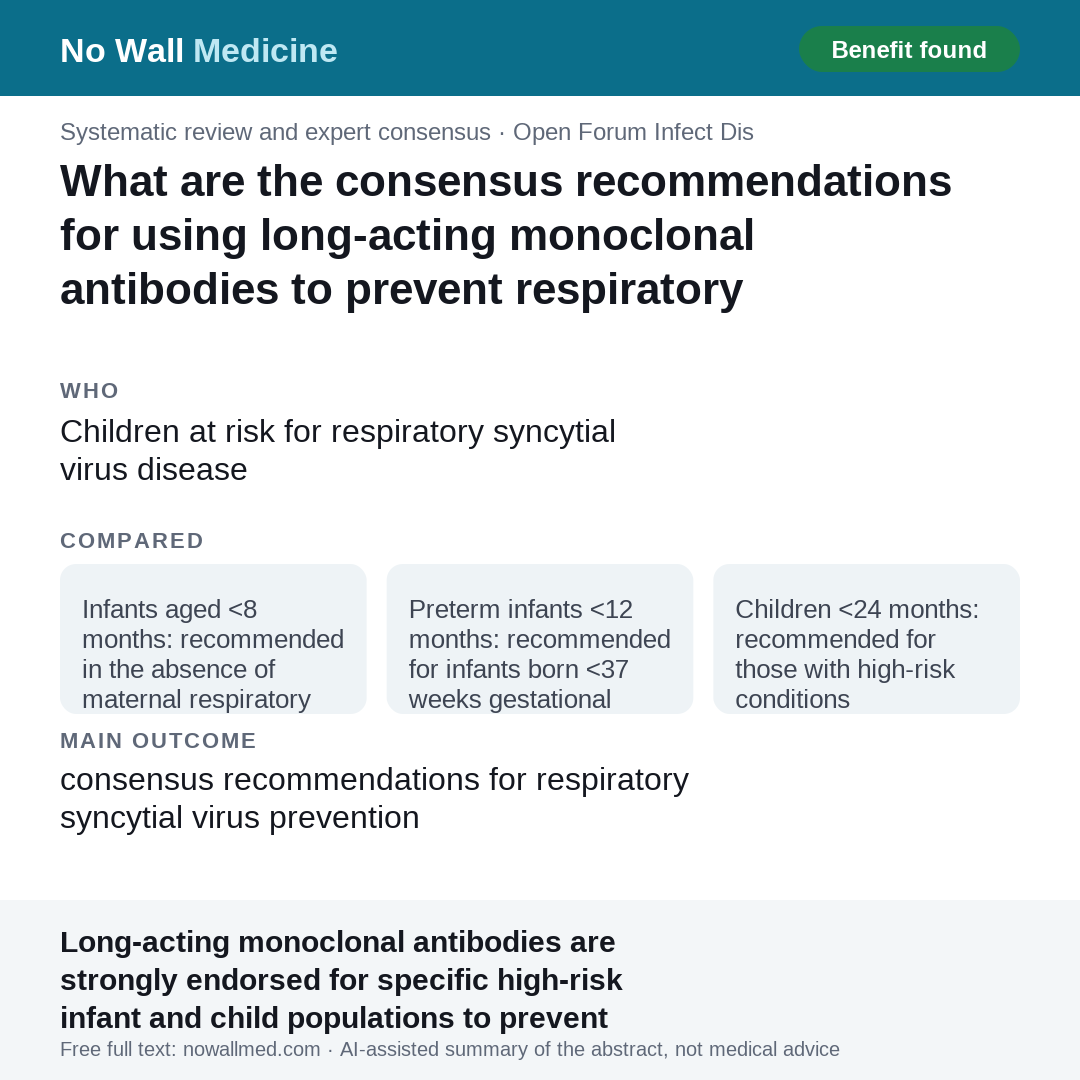
Systematic Review and Expert Consensus on the Use of Long-acting Monoclonal Antibodies for Prevention of Respiratory Syncytial Virus Disease: ARMADA (Advancing RSV Management And Disease Awareness) Taskforce
Systematic review and expert consensusBenefit found
What are the consensus recommendations for using long-acting monoclonal antibodies to prevent respiratory syncytial virus?
Who
Children at risk for respiratory syncytial virus disease
Compared
Infants aged <8 months: recommended in the absence of maternal respiratory syncytial virus vaccination
Preterm infants <12 months: recommended for infants born <37 weeks gestational age
Children <24 months: recommended for those with high-risk conditions
Main outcome
consensus recommendations for respiratory syncytial virus prevention
Bottom line: Long-acting monoclonal antibodies are strongly endorsed for specific high-risk infant and child populations to prevent respiratory syncytial virus.
Open Forum Infect Dis · 2025-07-02Download image
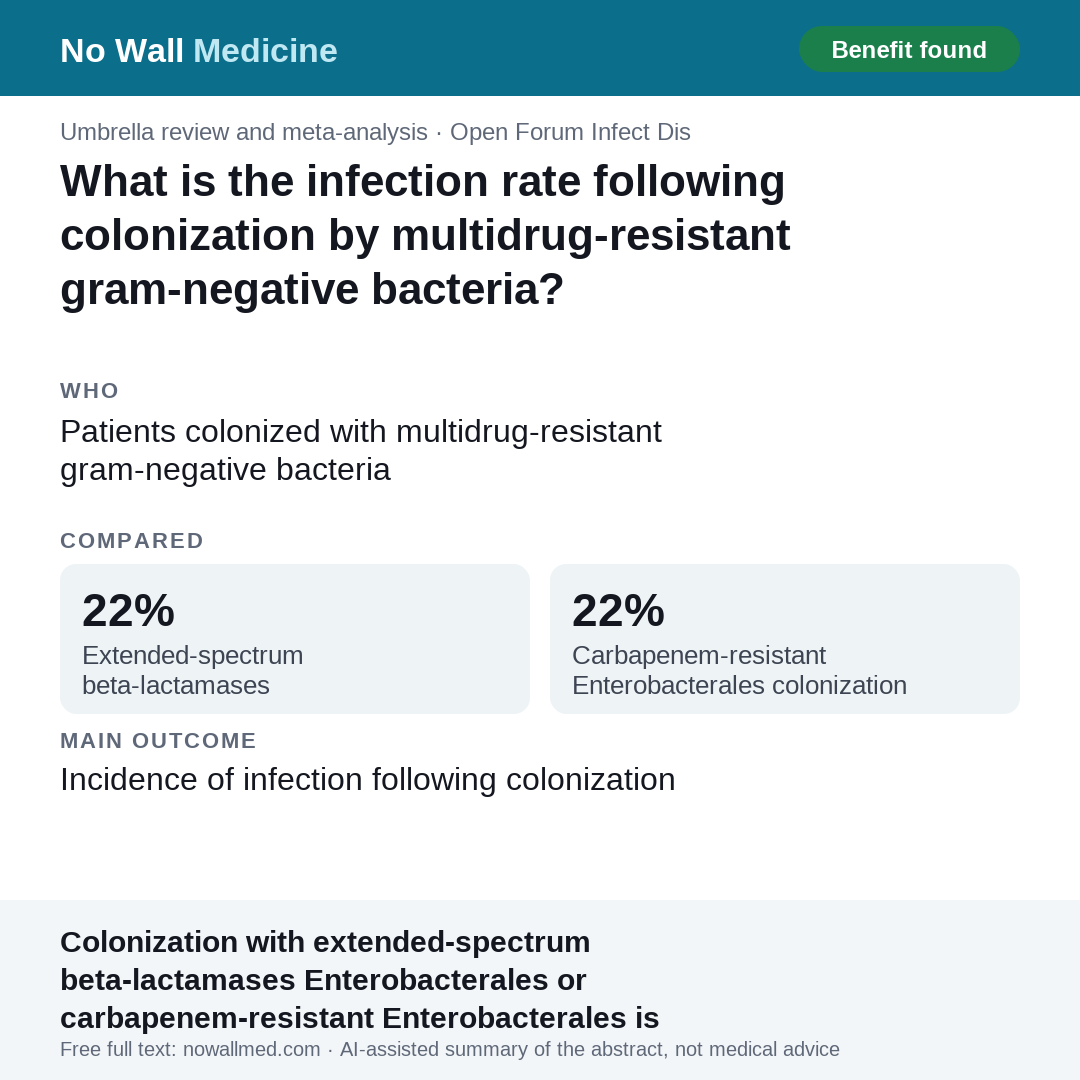
Infection Risk Associated With Colonization by Multidrug-Resistant Gram-Negative Bacteria: An Umbrella Review and Meta-analysis
Umbrella review and meta-analysisBenefit found
What is the infection rate following colonization by multidrug-resistant gram-negative bacteria?
Who
Patients colonized with multidrug-resistant gram-negative bacteria
Compared
22%Extended-spectrum beta-lactamases Enterobacterales colonization
22%Carbapenem-resistant Enterobacterales colonization
Main outcome
Incidence of infection following colonization
Bottom line: Colonization with extended-spectrum beta-lactamases Enterobacterales or carbapenem-resistant Enterobacterales is associated with a 22% infection rate.
Limitation: Heterogeneity of the included populations may limit the generalizability of these findings.
Open Forum Infect Dis · 2025-07-02Download image
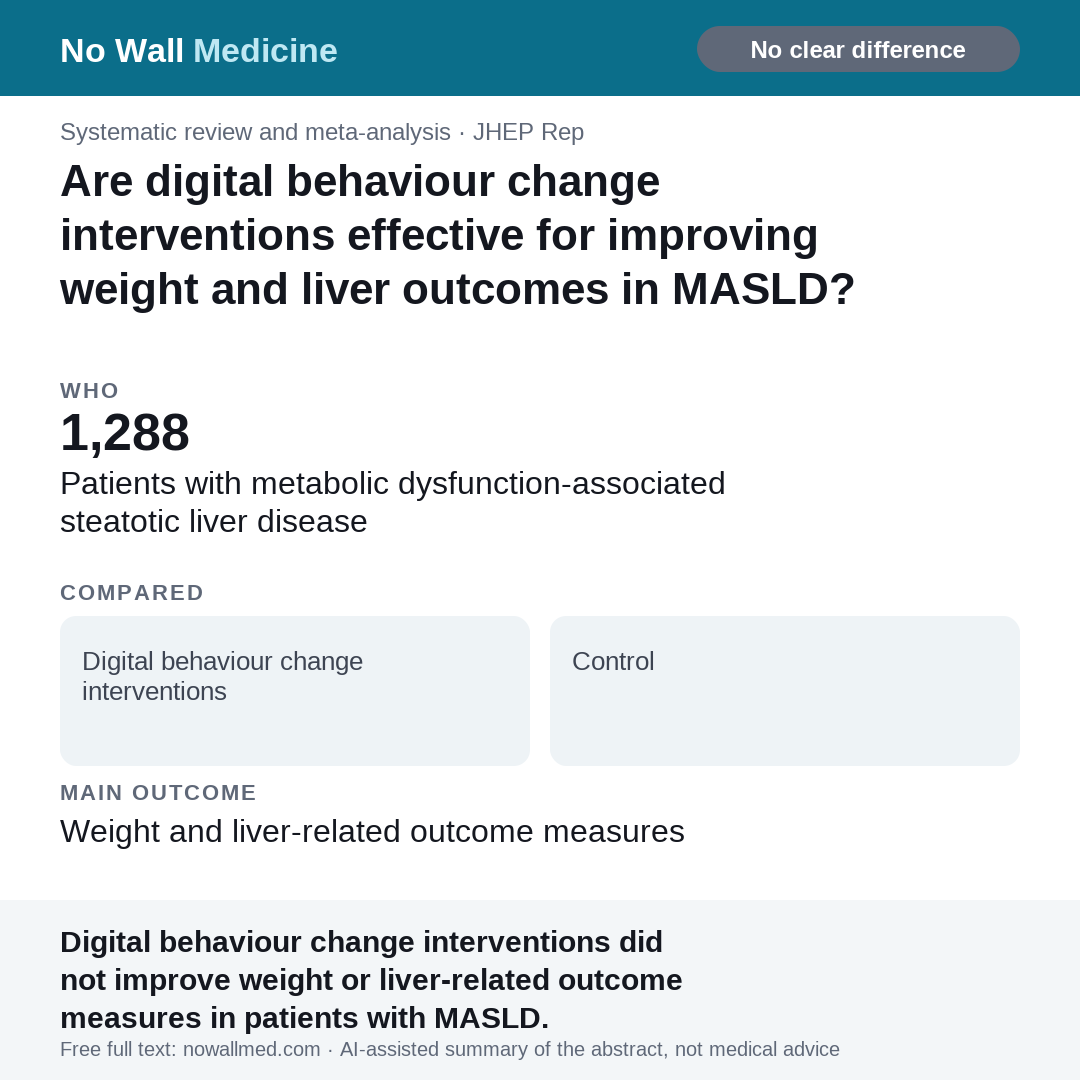
Effectiveness and active ingredients of digital behaviour change interventions for MASLD: A systematic review and meta-analysis
Systematic review and meta-analysisNo clear difference
Are digital behaviour change interventions effective for improving weight and liver outcomes in MASLD?
Who
1,288
Patients with metabolic dysfunction-associated steatotic liver disease
Compared
Digital behaviour change interventions
Control
Main outcome
Weight and liver-related outcome measures
Result: weighted mean difference -2.07 kg [-6.08 to 1.94 kg]
Bottom line: Digital behaviour change interventions did not improve weight or liver-related outcome measures in patients with MASLD.
Limitation: Significant heterogeneity between interventions in delivery, content, duration, and frequency.
JHEP Rep · 2025-07-02Download image
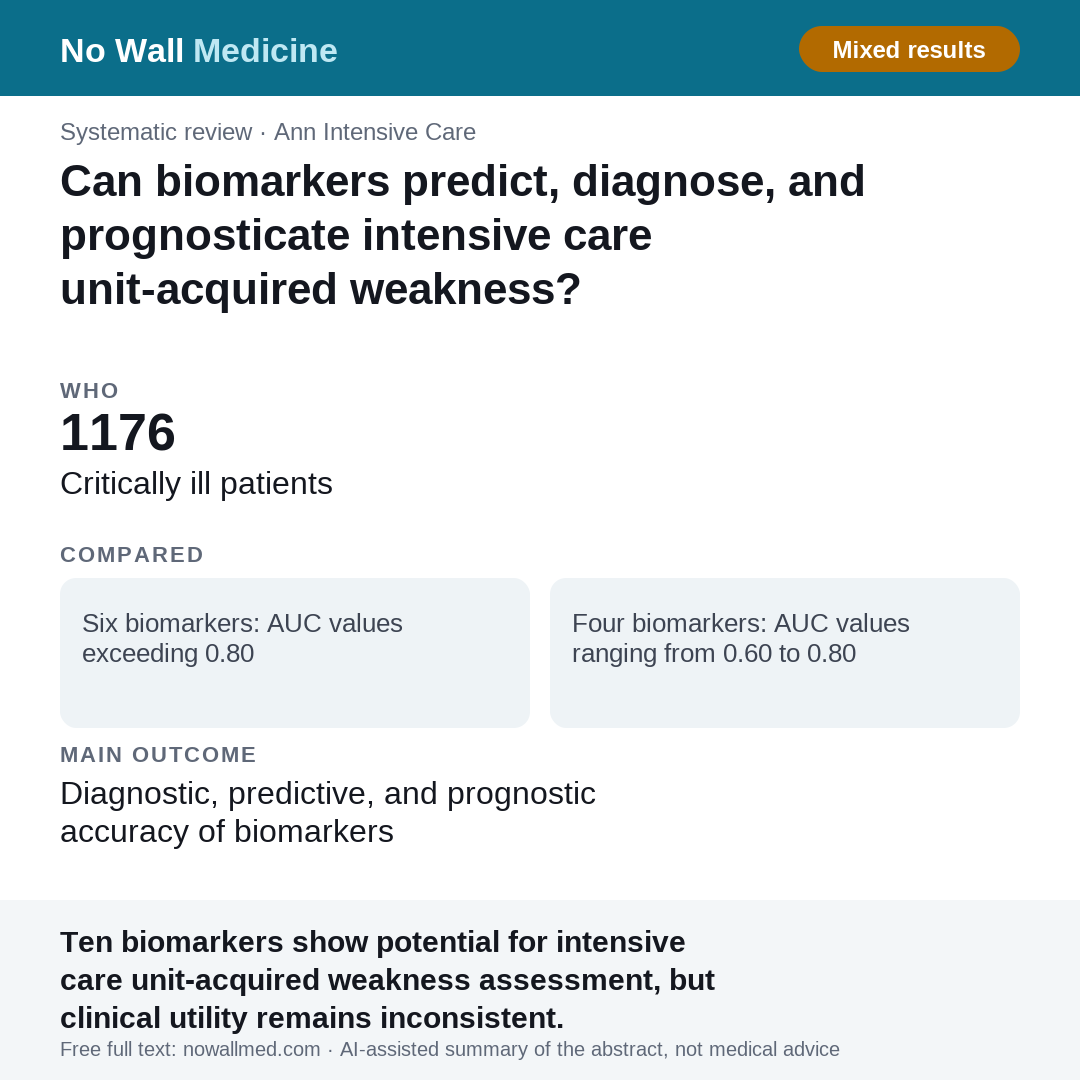
Biomarkers for intensive care unit-acquired weakness: a systematic review for prediction, diagnosis and prognosis
Systematic reviewMixed results
Can biomarkers predict, diagnose, and prognosticate intensive care unit-acquired weakness?
Who
1176
Critically ill patients
Compared
Six biomarkers: AUC values exceeding 0.80
Four biomarkers: AUC values ranging from 0.60 to 0.80
Main outcome
Diagnostic, predictive, and prognostic accuracy of biomarkers
Bottom line: Ten biomarkers show potential for intensive care unit-acquired weakness assessment, but clinical utility remains inconsistent.
Ann Intensive Care · 2025-07-02Download image
eHealth Literacy and Its Outcomes Among Postsecondary Students: Systematic Review
Systematic review of 89 cross-sectional studiesBenefit found
What are the eHealth literacy levels and associated outcomes among postsecondary students?
Who
89
Postsecondary students
Compared
Cognitive outcomes: positively associated
Emotional outcomes: linked to higher psychosocial well-being and positive emotions
Behavioral outcomes: associated with greater use of electronic information and disease prevention
Main outcome
eHealth literacy levels and associated cognitive, emotional, and behavioral outcomes
Bottom line: eHealth literacy is positively associated with cognitive, emotional, and behavioral health outcomes among postsecondary students.
Limitation: Variations in results due to inconsistent assessment tools.
J Med Internet Res · 2025-07-02Download image

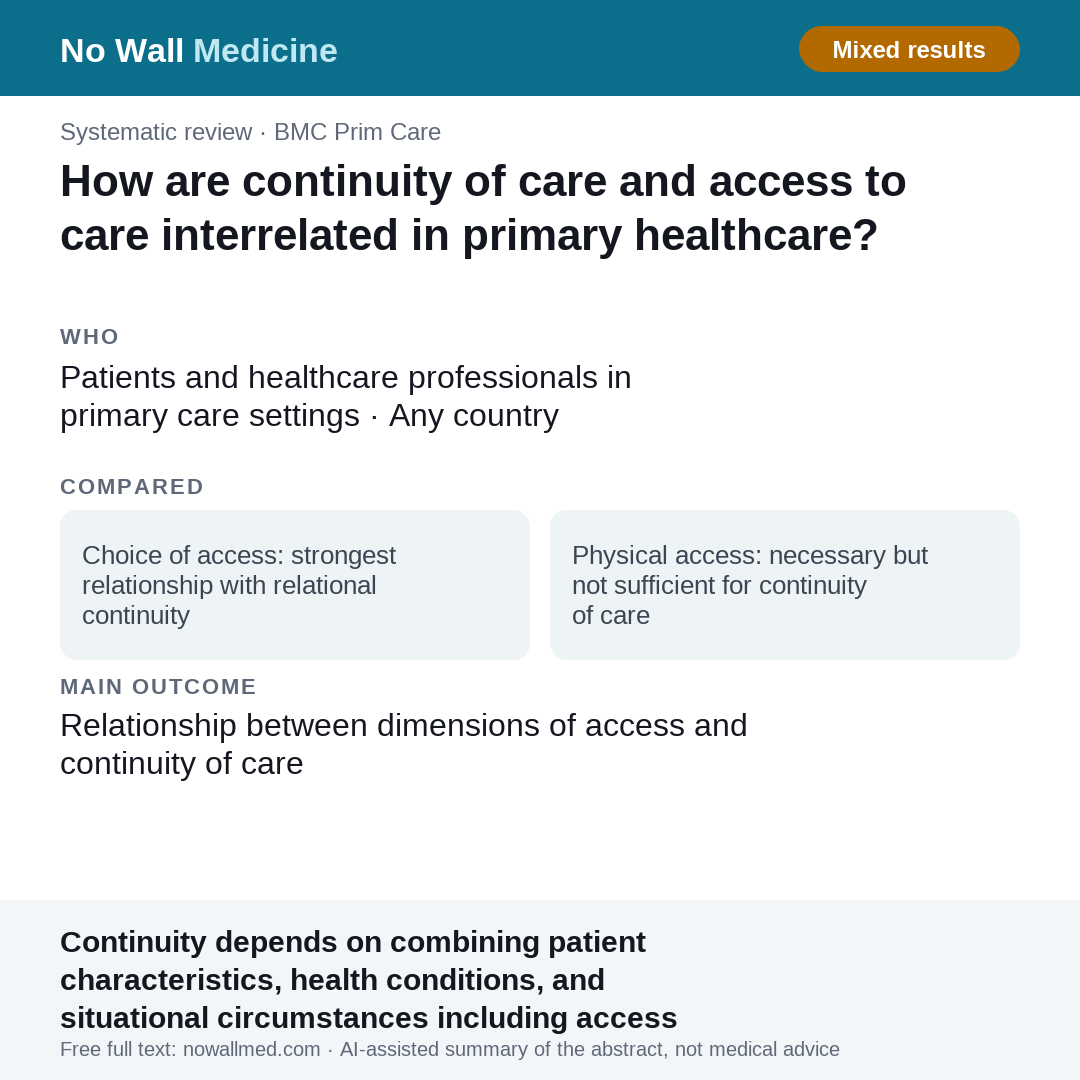
Evaluating the Impact of the COVID-19 Pandemic on Telepharmaceutical Service Effectiveness: Systematic Review and Meta-Analysis
Meta-analysis of 40 randomized controlled trialsBenefit found
Did the effectiveness of telepharmaceutical services change before and after the COVID-19 pandemic?
Who
Patients receiving telepharmaceutical services
Compared
Telepharmaceutical services: RD 0.15 (95% CI 0.09-0.20) for medication adherence
No telepharmaceutical services or usual care
Main outcome
Medication adherence, adverse events, and patient satisfaction
Result: RD 0.15 (95% CI 0.09-0.20) for medication adherence
Bottom line: Telepharmaceutical services improved medication adherence and satisfaction without significant changes in effectiveness after the COVID-19 pandemic outbreak.
J Med Internet Res · 2025-07-02Download image
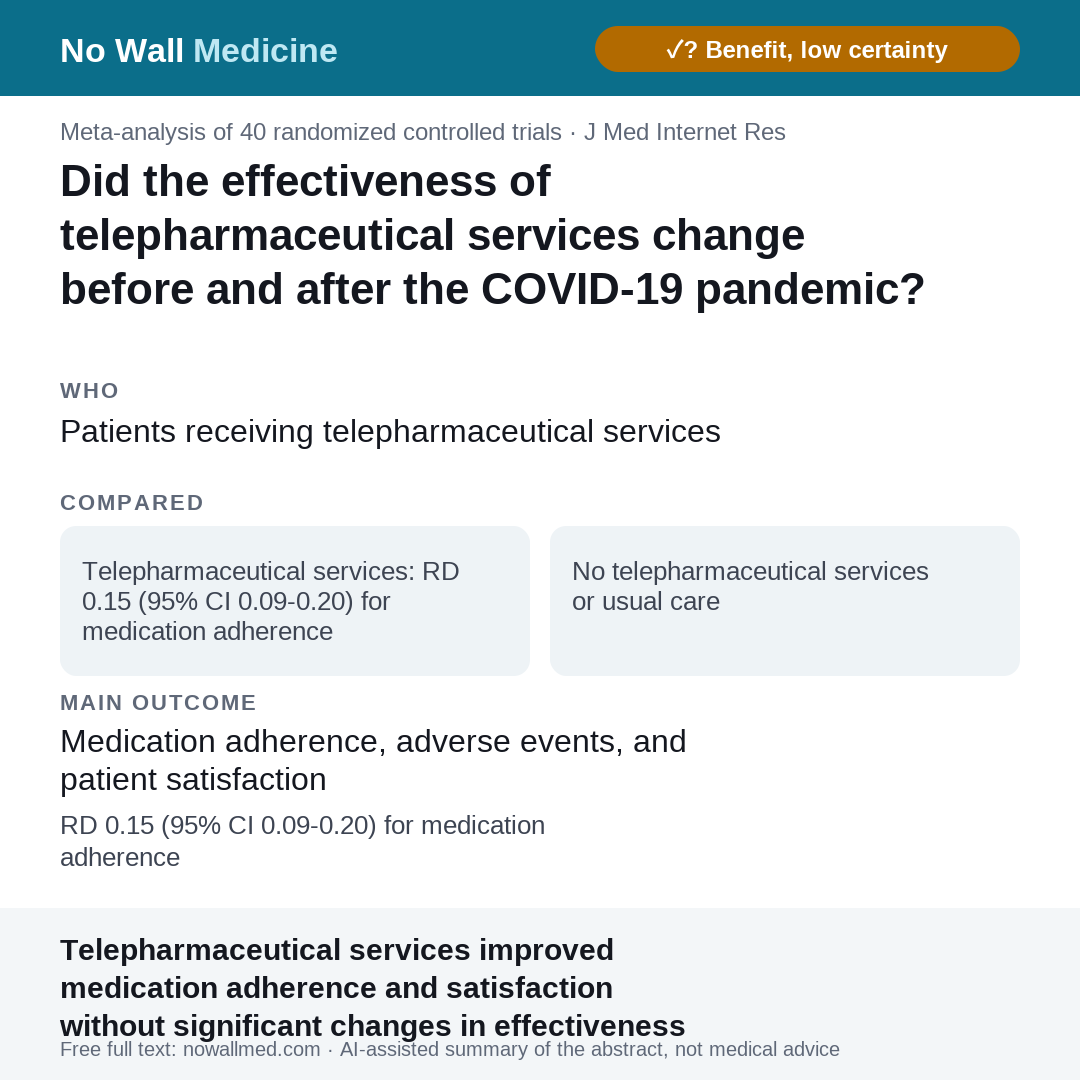
Access or continuity: a zero sum game? A systematic review of the literature examining the relationship between access and continuity in primary healthcare
Systematic reviewMixed results
How are continuity of care and access to care interrelated in primary healthcare?
Who
Patients and healthcare professionals in primary care settings · Any country
Compared
Choice of access: strongest relationship with relational continuity
Physical access: necessary but not sufficient for continuity of care
Main outcome
Relationship between dimensions of access and continuity of care
Bottom line: Continuity depends on combining patient characteristics, health conditions, and situational circumstances including access dimensions.
BMC Prim Care · 2025-07-02Download image
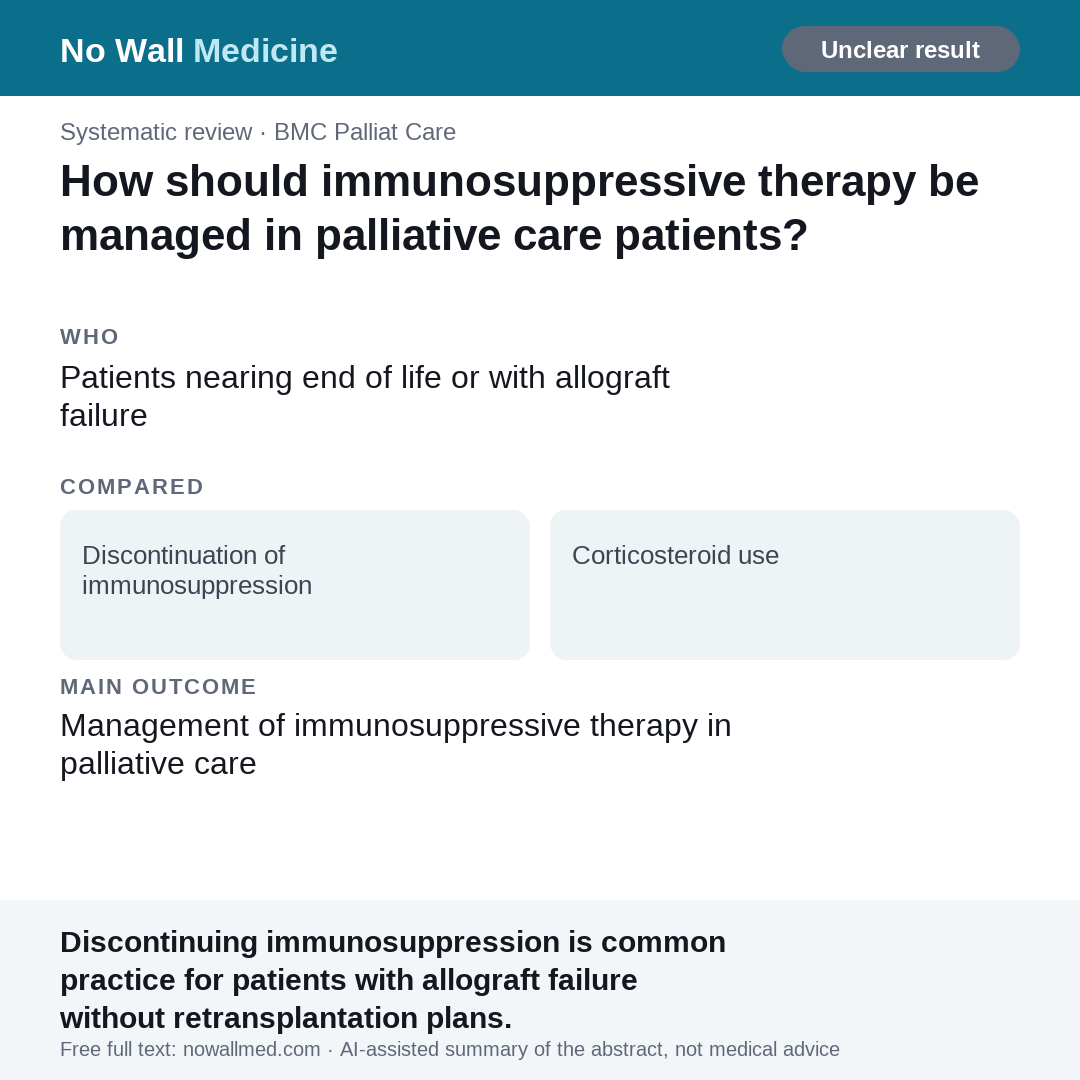
Immunosuppressant management in palliative care: a systematic review
Systematic reviewUnclear result
How should immunosuppressive therapy be managed in palliative care patients?
Who
Patients nearing end of life or with allograft failure
Compared
Discontinuation of immunosuppression
Corticosteroid use
Main outcome
Management of immunosuppressive therapy in palliative care
Bottom line: Discontinuing immunosuppression is common practice for patients with allograft failure without retransplantation plans.
BMC Palliat Care · 2025-07-02Download image
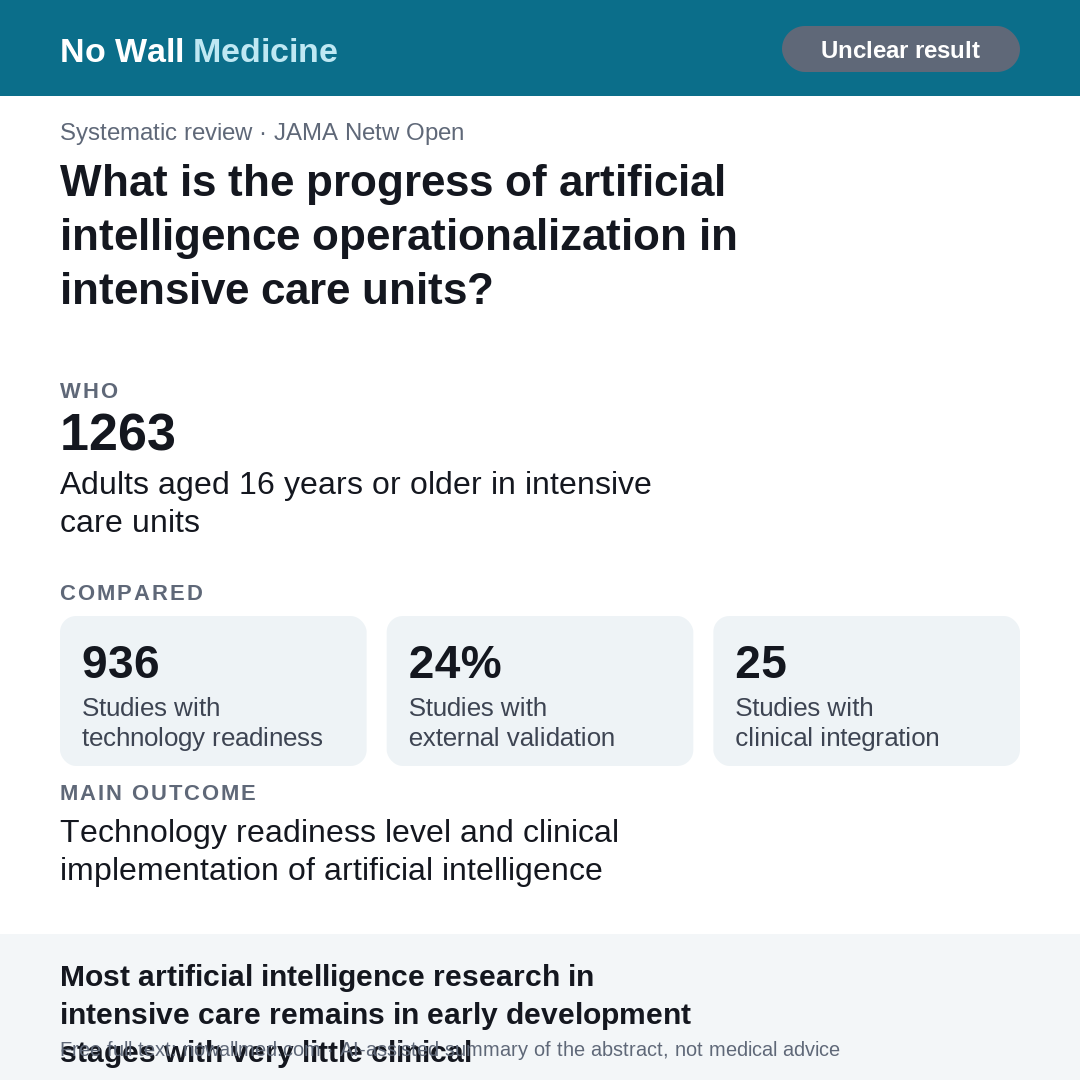
Operationalization of Artificial Intelligence Applications in the Intensive Care Unit: A Systematic Review
Systematic reviewUnclear result
What is the progress of artificial intelligence operationalization in intensive care units?
Who
1263
Adults aged 16 years or older in intensive care units
Compared
936Studies with technology readiness level 4 or below (74%)
24%Studies with external validation
25Studies with clinical integration (2%)
Main outcome
Technology readiness level and clinical implementation of artificial intelligence
Bottom line: Most artificial intelligence research in intensive care remains in early development stages with very little clinical implementation.
Limitation: High risk of bias was identified in 53% of studies due to methodological shortcomings.
JAMA Netw Open · 2025-07-01Download image
Guidelines on Placenta Accreta Spectrum Disorders: A Systematic Review
Systematic reviewMixed results
What are the areas of consensus and gaps in placenta accreta spectrum clinical practice guidelines?
Who
Clinical practice guidelines for placenta accreta spectrum · Global, including high-income and low- to middle-income countries
Compared
High agreement areas: specialized expertise (100%), antenatal management (88.9%), diagnosis (76.9%), and epidemiology (75.0%)
Poor consensus areas: cesarean hysterectomy management (38.5% insufficient evidence and 23.0% disagreement)
Main outcome
Consensus and evidence levels in clinical practice guidelines
Bottom line: Guidelines show high consensus in diagnosis and antenatal management but significant gaps in hemorrhage and postnatal management evidence.
Limitation: Only 5.6% of articles specifically addressed low- to middle-income countries.
JAMA Netw Open · 2025-07-01Download image

Strategies to Increase Professional Interpreting in Clinical Settings: A Systematic Review
Systematic reviewMixed results
Strategies to increase professional interpreting
Who
Patients using languages other than English · Medical settings
Compared
Intervention
Control
Main outcome
Professional interpreting measures
Bottom line: Most studies showed increase in interpreting measures
Limitation: Heterogeneity and risk of bias
JAMA Netw Open · 2025-07-01Download image

Electronic Health Record Interventions to Reduce Risk of Hospital Readmissions: A Systematic Review and Meta-Analysis
Systematic review and meta-analysis of randomized clinical trialsBenefit found
Do electronic health record interventions reduce the risk of hospital readmissions?
Who
204523
Hospitalized adults
Compared
Electronic health record interventions
Controls
Main outcome
30-day all-cause hospital readmission
Result: odds ratio 0.83 (95% CI 0.70-0.99)
Bottom line: Electronic health record-based interventions are associated with reduced 30-day and 90-day hospital readmissions.
Limitation: Future research should examine additional components to understand remaining gaps in effectiveness.
JAMA Netw Open · 2025-07-01Download image

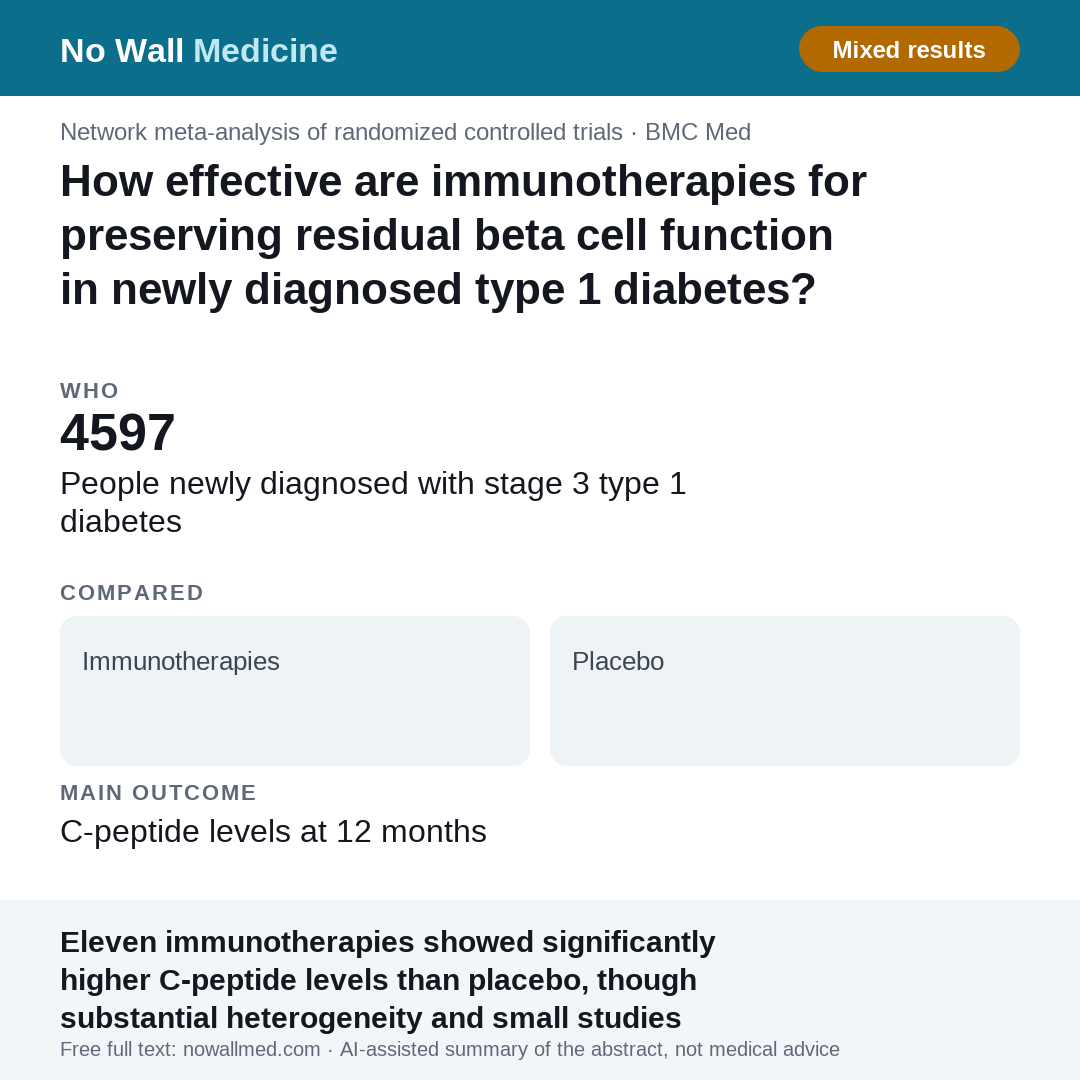
A systematic review and network meta-analysis of interventions to preserve insulin-secreting beta cell function in people newly diagnosed with type 1 diabetes: results from randomised controlled trials of immunomodulatory therapies
Network meta-analysis of randomized controlled trialsMixed results
How effective are immunotherapies for preserving residual beta cell function in newly diagnosed type 1 diabetes?
Who
4597
People newly diagnosed with stage 3 type 1 diabetes
Compared
Immunotherapies
Placebo
Main outcome
C-peptide levels at 12 months
Bottom line: Eleven immunotherapies showed significantly higher C-peptide levels than placebo, though substantial heterogeneity and small studies exist.
Limitation: Substantial heterogeneity and data for some interventions originated from small studies.
BMC Med · 2025-07-01Download image