Visual abstracts
New randomized trials and meta-analyses from leading journals at a glance: who was studied, what was compared, and what was found. Every paper is free to read in full.
All specialtiesCardiology 3696Oncology 3166Gastroenterology & Hepatology 1461Infectious Disease 2636Neurology 1482Psychiatry & Mental Health 1747Pulmonology 1577Critical Care 1045Endocrinology & Diabetes 1884Pediatrics 2237Surgery 1956Orthopedics & Sports Medicine 699Neurosurgery 433Cardiothoracic & Vascular Surgery 448Plastic & Reconstructive Surgery 501Nephrology 807Rheumatology 597Hematology 833Dermatology 458Ophthalmology 407Obstetrics & Gynecology 1268Public & Global Health 715Radiology & Imaging 506Anesthesiology 758Urology 599ENT (Otolaryngology) 404Emergency Medicine 394Allergy & Immunology 227Geriatrics 773Family Medicine & Primary Care 427Medical Genetics & Genomics 484Pathology & Laboratory Medicine 123Physical Medicine & Rehabilitation 574Palliative Care 338Nutrition 1111Digital Health & AI 1721General Medicine 263
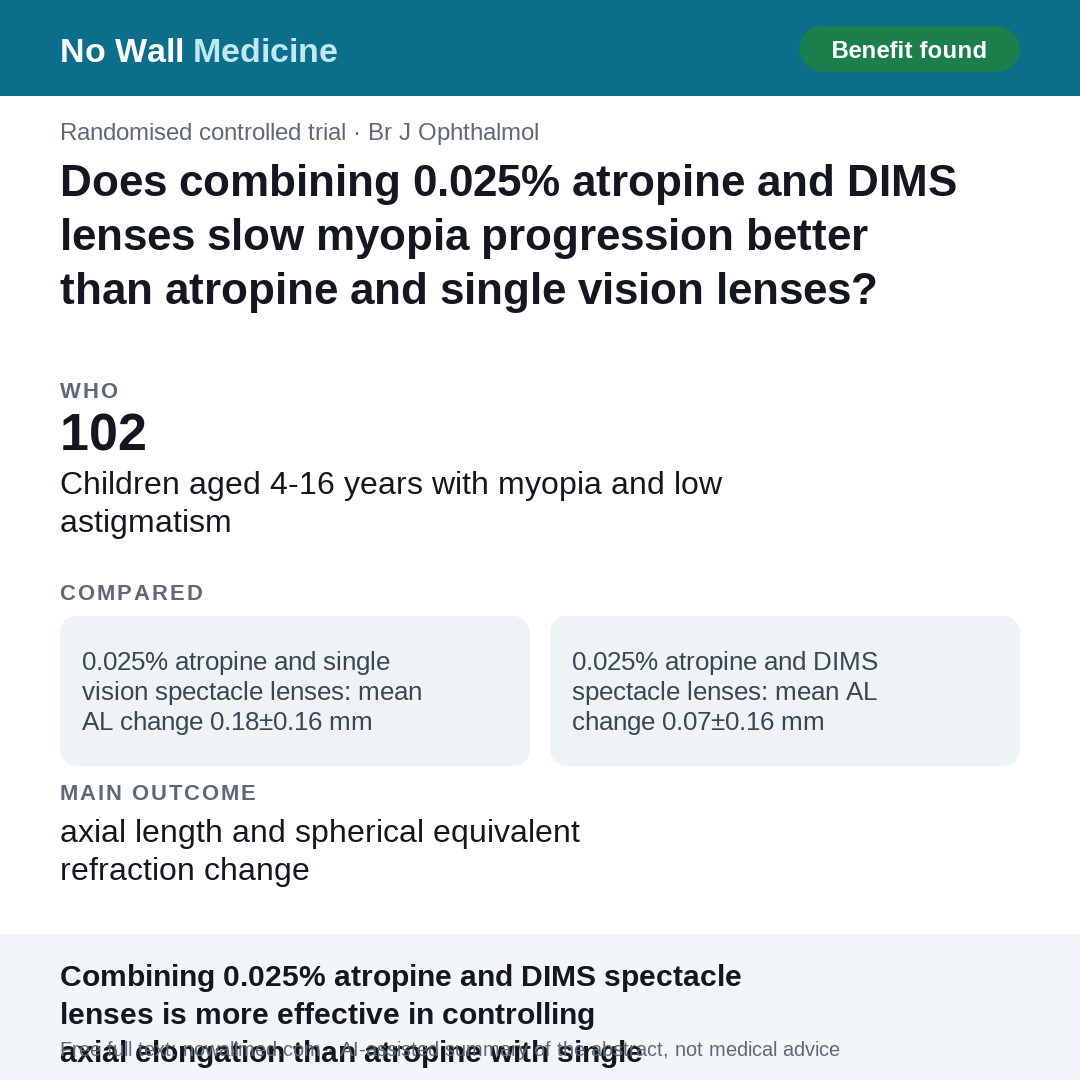
Atropine and Spectacle lens Combination Treatment (ASPECT): 12-month results of a randomised controlled trial for myopia control using a combination of Defocus Incorporated Multiple Segments (DIMS) lenses and 0.025% atropine
Randomised controlled trialBenefit found
Does combining 0.025% atropine and DIMS lenses slow myopia progression better than atropine and single vision lenses?
Who
102
Children aged 4-16 years with myopia and low astigmatism
Compared
0.025% atropine and single vision spectacle lenses: mean AL change 0.18±0.16 mm
0.025% atropine and DIMS spectacle lenses: mean AL change 0.07±0.16 mm
Main outcome
axial length and spherical equivalent refraction change
Result: mean difference 0.11, 95% CI 0.05 to 0.17
Bottom line: Combining 0.025% atropine and DIMS spectacle lenses is more effective in controlling axial elongation than atropine with single vision lenses.
Br J Ophthalmol · 2025-08-20Download image
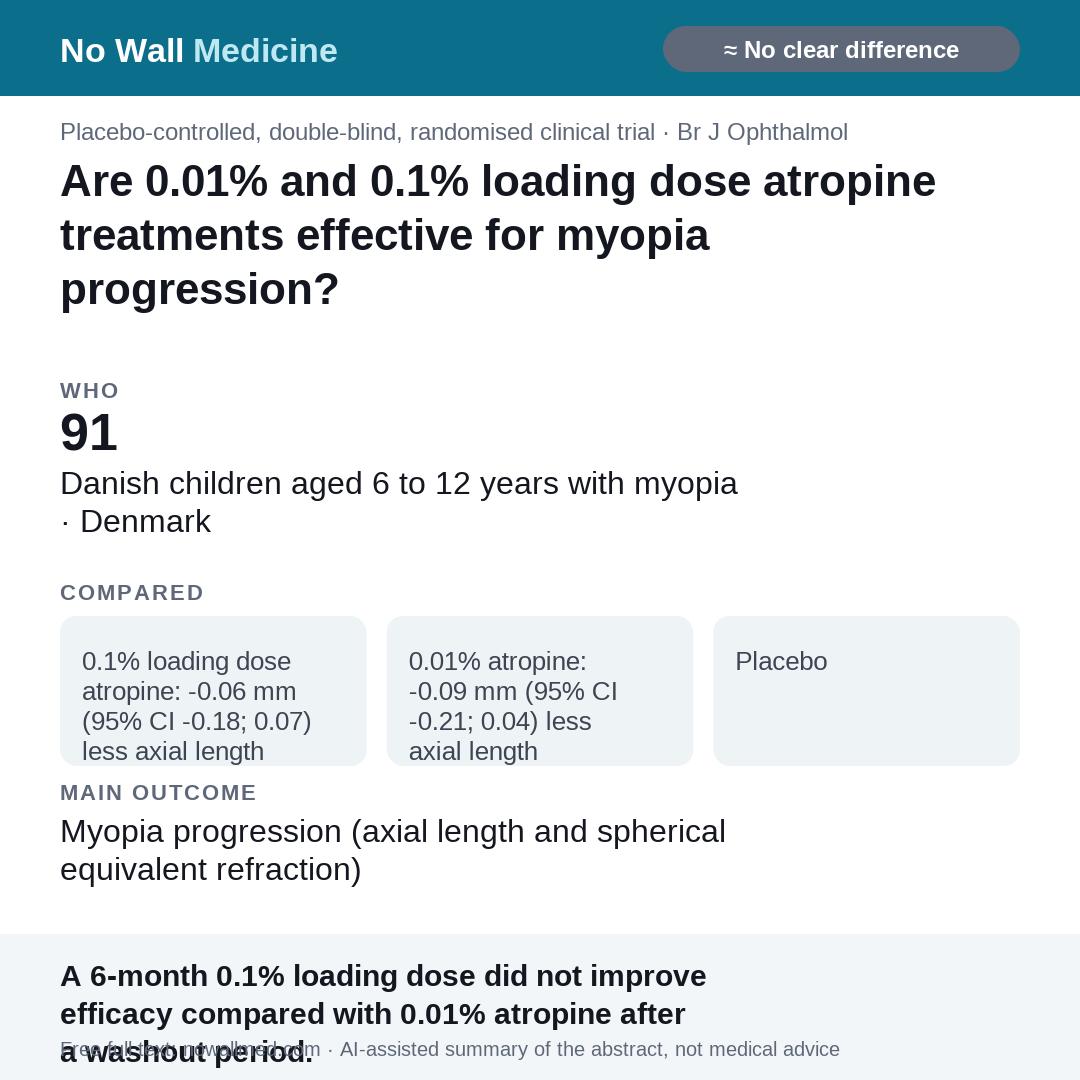
3-year results of 0.01% and 0.1% loading dose atropine treatment including washout in Danish children with myopia: a placebo-controlled, randomised clinical trial
Placebo-controlled, double-blind, randomised clinical trialNo clear difference
Are 0.01% and 0.1% loading dose atropine treatments effective for myopia progression?
Who
91
Danish children aged 6 to 12 years with myopia · Denmark
Compared
0.1% loading dose atropine: -0.06 mm (95% CI -0.18; 0.07) less axial length
0.01% atropine: -0.09 mm (95% CI -0.21; 0.04) less axial length
Placebo
Main outcome
Myopia progression (axial length and spherical equivalent refraction)
Bottom line: A 6-month 0.1% loading dose did not improve efficacy compared with 0.01% atropine after a washout period.
Br J Ophthalmol · 2025-08-20Download image
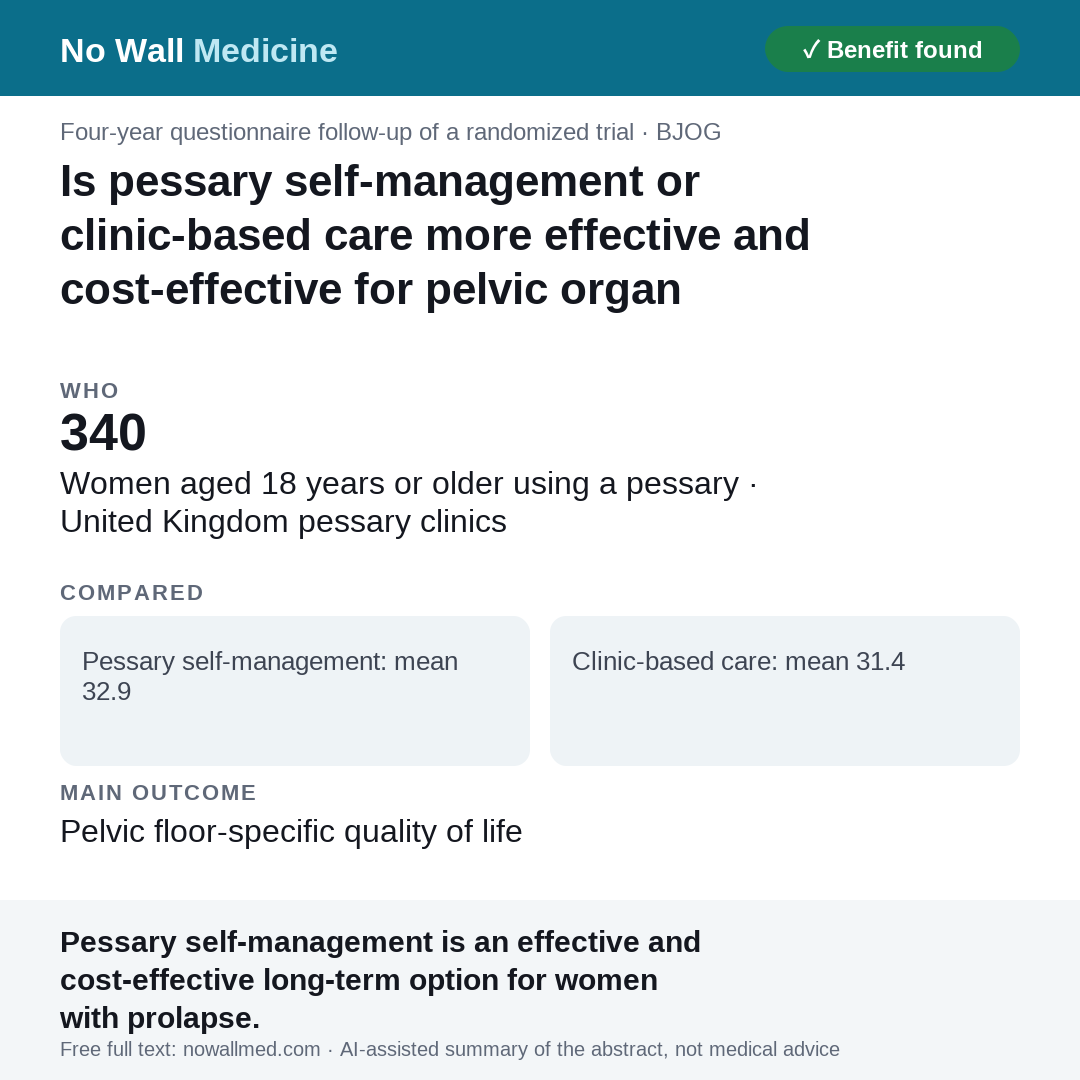
Four Year Clinical and Cost Effectiveness of Vaginal Pessary Self-Management Versus Clinic-Based Care for Pelvic Organ Prolapse (TOPSY): Long Term Follow-Up of a Randomised Controlled Superiority Trial
Four-year questionnaire follow-up of a randomized trialBenefit found
Is pessary self-management or clinic-based care more effective and cost-effective for pelvic organ prolapse?
Who
340
Women aged 18 years or older using a pessary · United Kingdom pessary clinics
Compared
Pessary self-management: mean 32.9
Clinic-based care: mean 31.4
Main outcome
Pelvic floor-specific quality of life
Result: adjusted mean difference 4.86, 95% CI -6.41 to 16.12
Bottom line: Pessary self-management is an effective and cost-effective long-term option for women with prolapse.
Limitation: Participants were invited to opt into a 4-year follow-up.
BJOG · 2025-08-20Download image
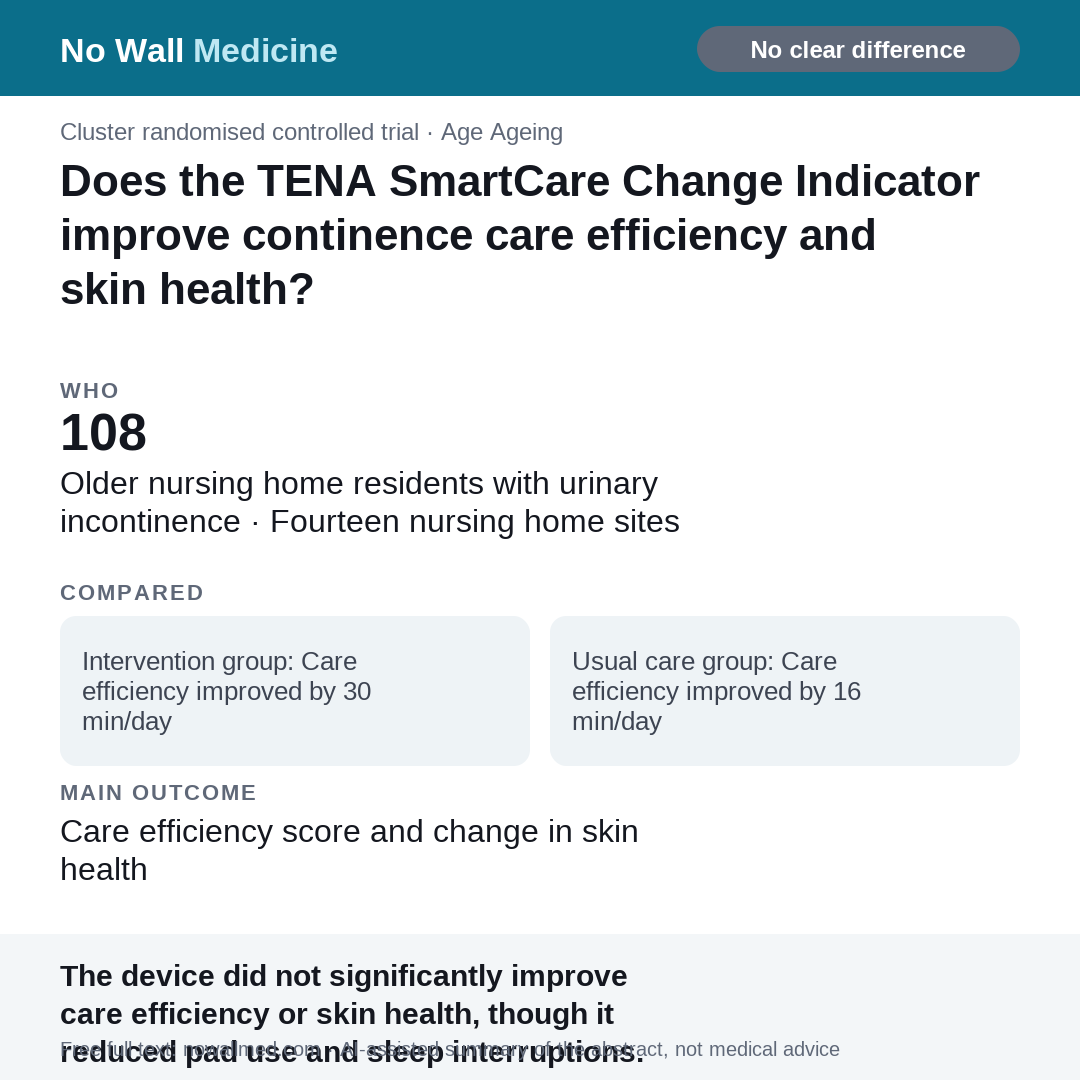
A post-market, cluster randomised controlled trial of the effect of the TENA SmartCare Change Indicator on continence care efficiency and skin health in nursing homes
Cluster randomised controlled trialNo clear difference
Does the TENA SmartCare Change Indicator improve continence care efficiency and skin health?
Who
108
Older nursing home residents with urinary incontinence · Fourteen nursing home sites
Compared
Intervention group: Care efficiency improved by 30 min/day
Usual care group: Care efficiency improved by 16 min/day
Main outcome
Care efficiency score and change in skin health
Bottom line: The device did not significantly improve care efficiency or skin health, though it reduced pad use and sleep interruptions.
Age Ageing · 2025-08-20Download image
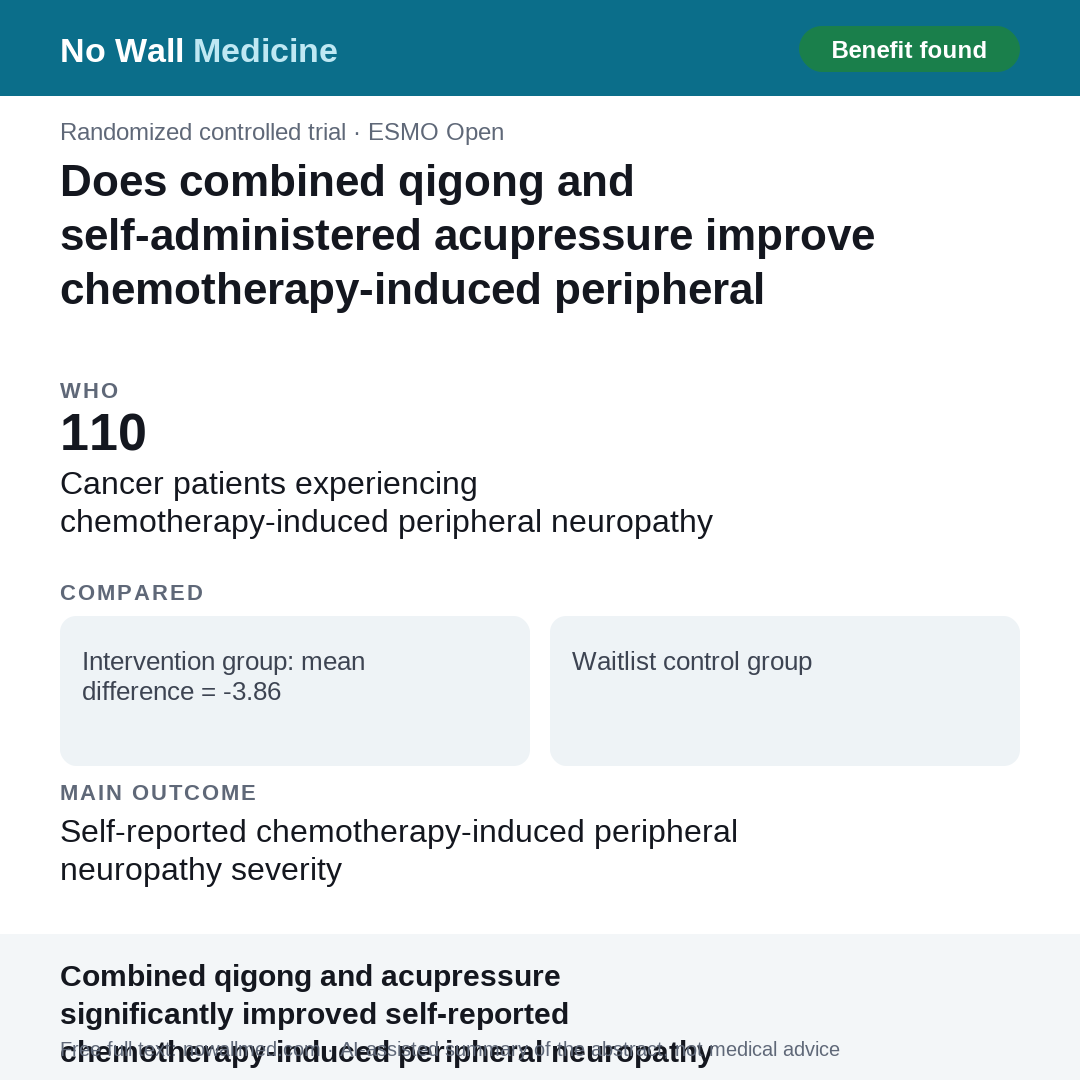
Improving chemotherapy-induced peripheral neuropathy in cancer patients using a combined qigong and self-administered acupressure intervention: a randomized controlled trial
Randomized controlled trialBenefit found
Does combined qigong and self-administered acupressure improve chemotherapy-induced peripheral neuropathy?
Who
110
Cancer patients experiencing chemotherapy-induced peripheral neuropathy
Compared
Intervention group: mean difference = -3.86
Waitlist control group
Main outcome
Self-reported chemotherapy-induced peripheral neuropathy severity
Result: mean difference = -3.86 (95% CI -6.14 to -1.58)
Bottom line: Combined qigong and acupressure significantly improved self-reported chemotherapy-induced peripheral neuropathy severity in cancer patients.
ESMO Open · 2025-08-20Download image
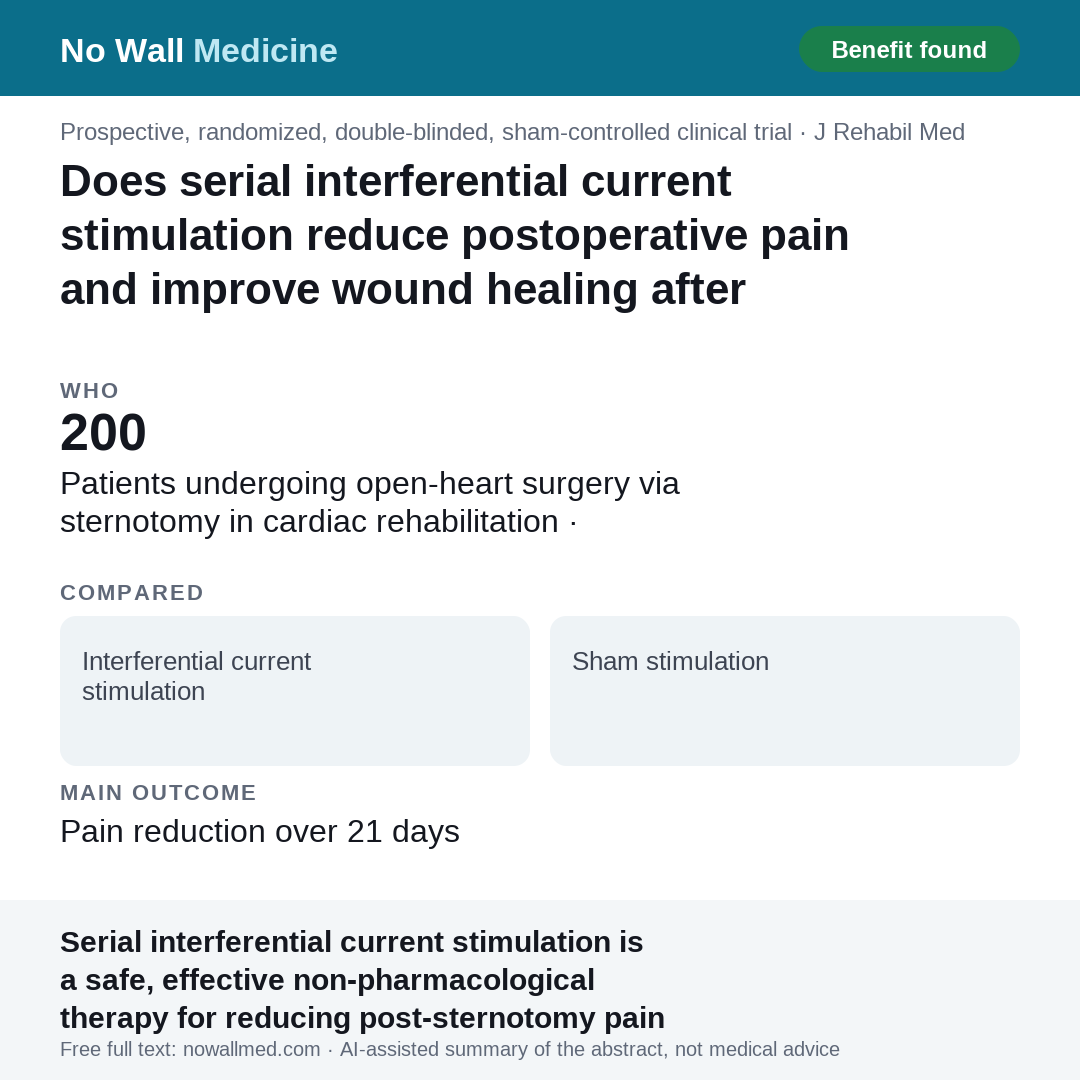
Sternal interferential current stimulation after sternotomy: A randomized, sham-controlled trial on pain and wound healing
Prospective, randomized, double-blinded, sham-controlled clinical trialBenefit found
Does serial interferential current stimulation reduce postoperative pain and improve wound healing after sternotomy?
Who
200
Patients undergoing open-heart surgery via sternotomy in cardiac rehabilitation · Inpatient cardiac rehabilitation
Compared
Interferential current stimulation
Sham stimulation
Main outcome
Pain reduction over 21 days
Bottom line: Serial interferential current stimulation is a safe, effective non-pharmacological therapy for reducing post-sternotomy pain and analgesic use.
J Rehabil Med · 2025-08-20Download image
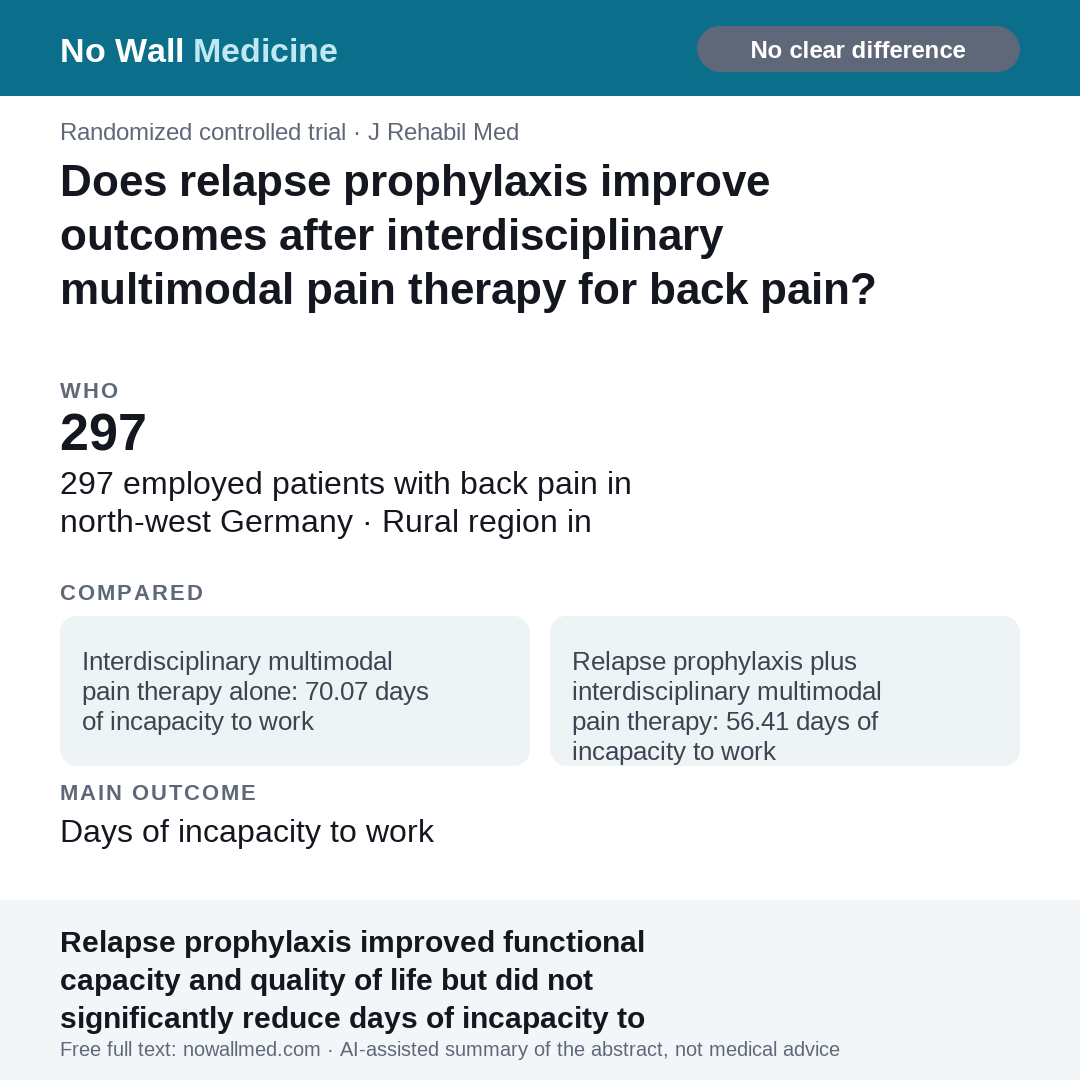
Evaluating relapse prophylaxis in addition to interdisciplinary multimodal pain therapy for back pain: a randomised controlled trial
Randomized controlled trialNo clear difference
Does relapse prophylaxis improve outcomes after interdisciplinary multimodal pain therapy for back pain?
Who
297
297 employed patients with back pain in north-west Germany · Rural region in north-west Germany
Compared
Interdisciplinary multimodal pain therapy alone: 70.07 days of incapacity to work
Relapse prophylaxis plus interdisciplinary multimodal pain therapy: 56.41 days of incapacity to work
Main outcome
Days of incapacity to work
Bottom line: Relapse prophylaxis improved functional capacity and quality of life but did not significantly reduce days of incapacity to work.
J Rehabil Med · 2025-08-20Download image
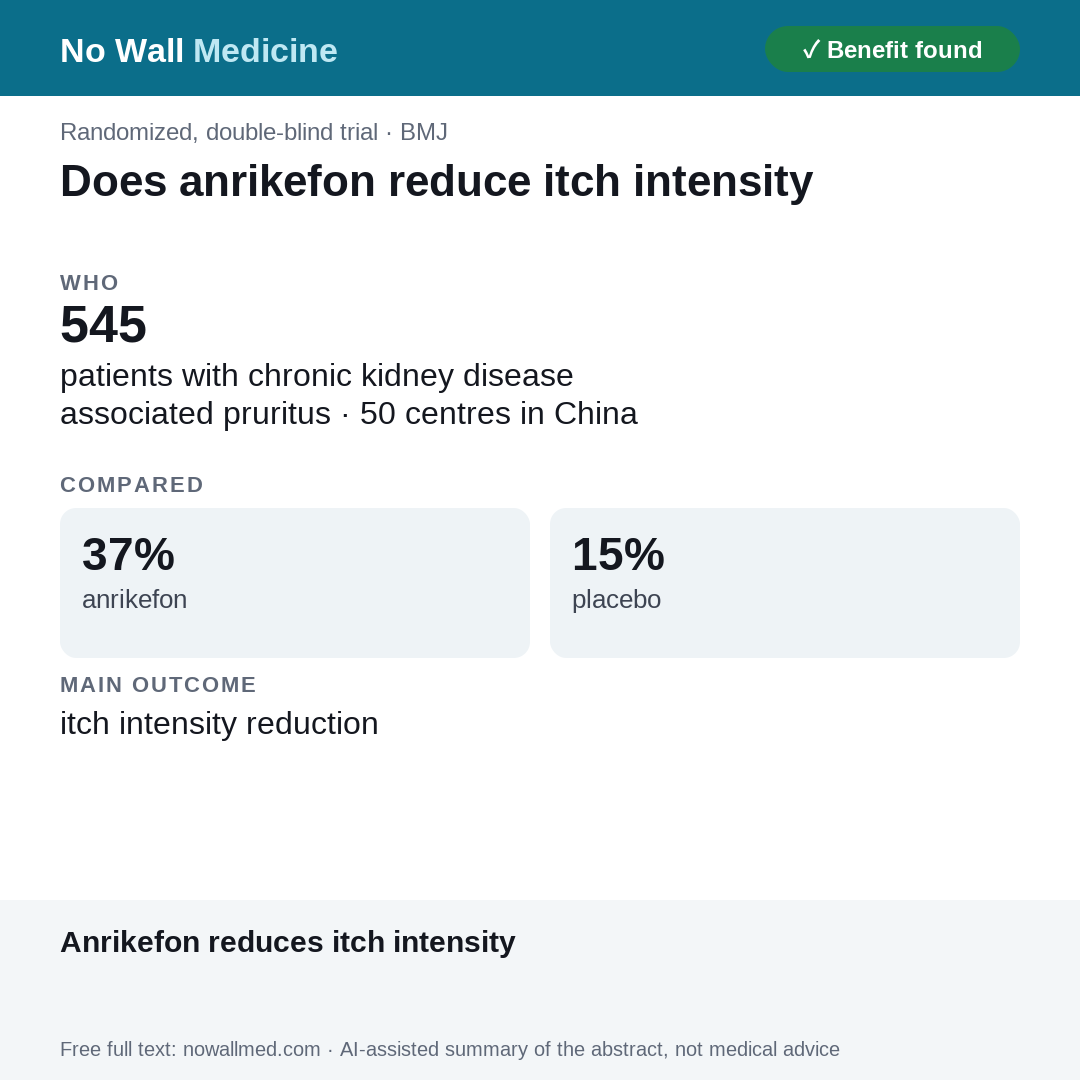
Efficacy and safety of anrikefon in patients with pruritus undergoing haemodialysis: multicentre, double blind, randomised placebo controlled phase 3 trial
Randomized, double-blind trialBenefit found
Does anrikefon reduce itch intensity
Who
545
patients with chronic kidney disease associated pruritus · 50 centres in China
Compared
37%anrikefon
15%placebo
Main outcome
itch intensity reduction
Bottom line: Anrikefon reduces itch intensity
BMJ · 2025-08-19Download image
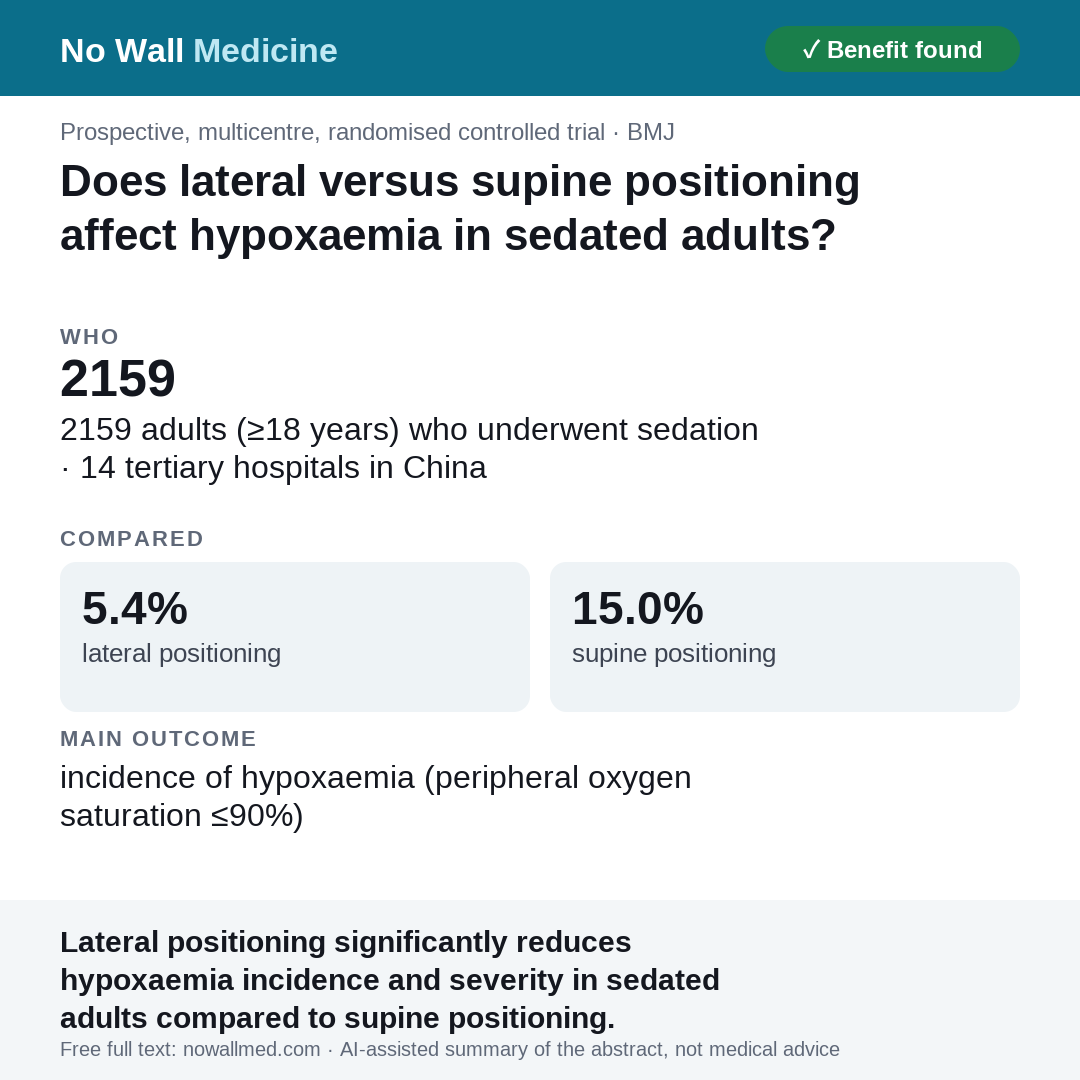
Effect of lateral versus supine positioning on hypoxaemia in sedated adults: multicentre randomised controlled trial
Prospective, multicentre, randomised controlled trialBenefit found
Does lateral versus supine positioning affect hypoxaemia in sedated adults?
Who
2159
2159 adults (≥18 years) who underwent sedation · 14 tertiary hospitals in China
Compared
5.4%lateral positioning (58/1073)
15.0%supine positioning (161/1070)
Main outcome
incidence of hypoxaemia (peripheral oxygen saturation ≤90%)
Result: adjusted risk ratio 0.36, 95% confidence interval (CI) 0.27 to 0.49
Bottom line: Lateral positioning significantly reduces hypoxaemia incidence and severity in sedated adults compared to supine positioning.
BMJ · 2025-08-19Download image
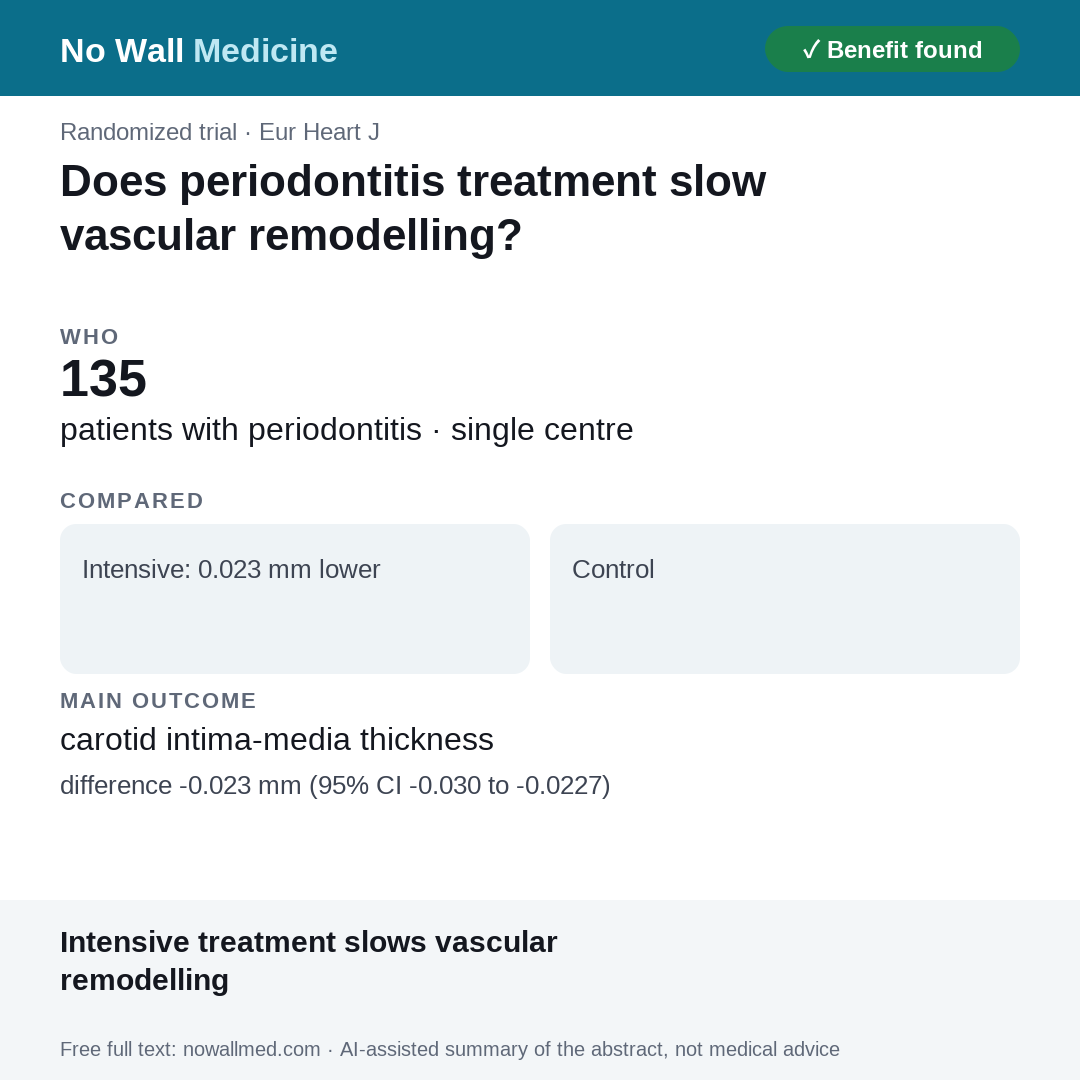
Periodontitis treatment and progression of carotid intima-media thickness: a randomized trial
Randomized trialBenefit found
Does periodontitis treatment slow vascular remodelling?
Who
135
patients with periodontitis · single centre
Compared
Intensive: 0.023 mm lower
Control
Main outcome
carotid intima-media thickness
Result: difference -0.023 mm (95% CI -0.030 to -0.0227)
Bottom line: Intensive treatment slows vascular remodelling
Eur Heart J · 2025-08-19Download image
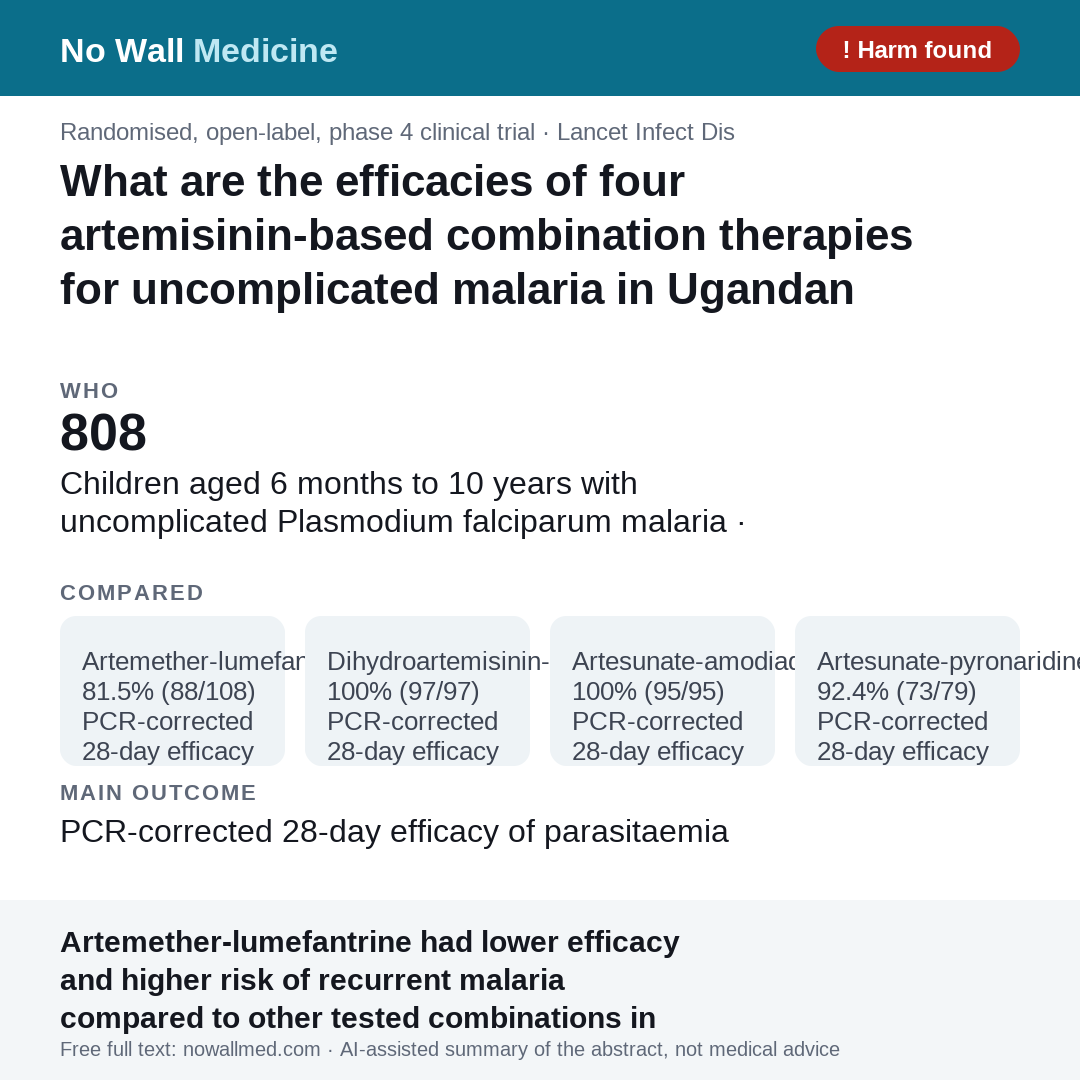
Efficacies of artemether-lumefantrine, artesunate-amodiaquine, dihydroartemisinin-piperaquine, and artesunate-pyronaridine for the treatment of uncomplicated Plasmodium falciparum malaria in children aged 6 months to 10 years in Uganda: a randomised, open-label, phase 4 clinical trial
Randomised, open-label, phase 4 clinical trialHarm found
What are the efficacies of four artemisinin-based combination therapies for uncomplicated malaria in Ugandan children?
Who
808
Children aged 6 months to 10 years with uncomplicated Plasmodium falciparum malaria · Three sites in Uganda
Compared
Artemether-lumefantrine: 81.5% (88/108) PCR-corrected 28-day efficacy
Dihydroartemisinin-piperaquine: 100% (97/97) PCR-corrected 28-day efficacy
Artesunate-amodiaquine: 100% (95/95) PCR-corrected 28-day efficacy
Artesunate-pyronaridine: 92.4% (73/79) PCR-corrected 28-day efficacy
Main outcome
PCR-corrected 28-day efficacy of parasitaemia
Bottom line: Artemether-lumefantrine had lower efficacy and higher risk of recurrent malaria compared to other tested combinations in Ugandan children.
Limitation: The trial was open-label, though investigators and outcome assessors were masked.
Funded by: US President's Malaria Initiative, US Agency for International Development
Lancet Infect Dis · 2025-08-19Download image
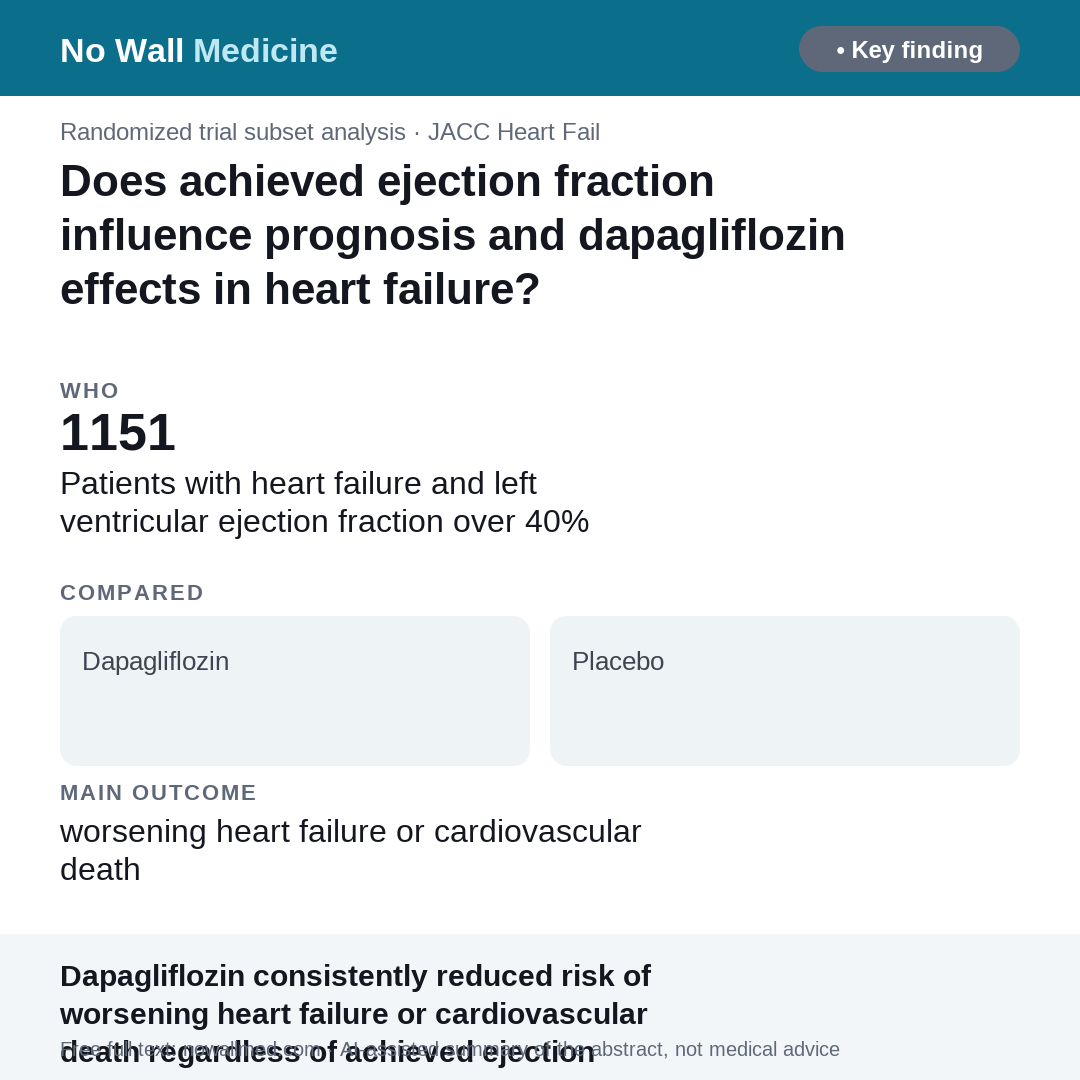
Achieved Ejection Fraction and Effects of Dapagliflozin in Heart Failure With Improved Ejection Fraction
Randomized trial subset analysisBenefit found
Does achieved ejection fraction influence prognosis and dapagliflozin effects in heart failure?
Who
1151
Patients with heart failure and left ventricular ejection fraction over 40%
Compared
Dapagliflozin
Placebo
Main outcome
worsening heart failure or cardiovascular death
Bottom line: Dapagliflozin consistently reduced risk of worsening heart failure or cardiovascular death regardless of achieved ejection fraction.
JACC Heart Fail · 2025-08-19Download image
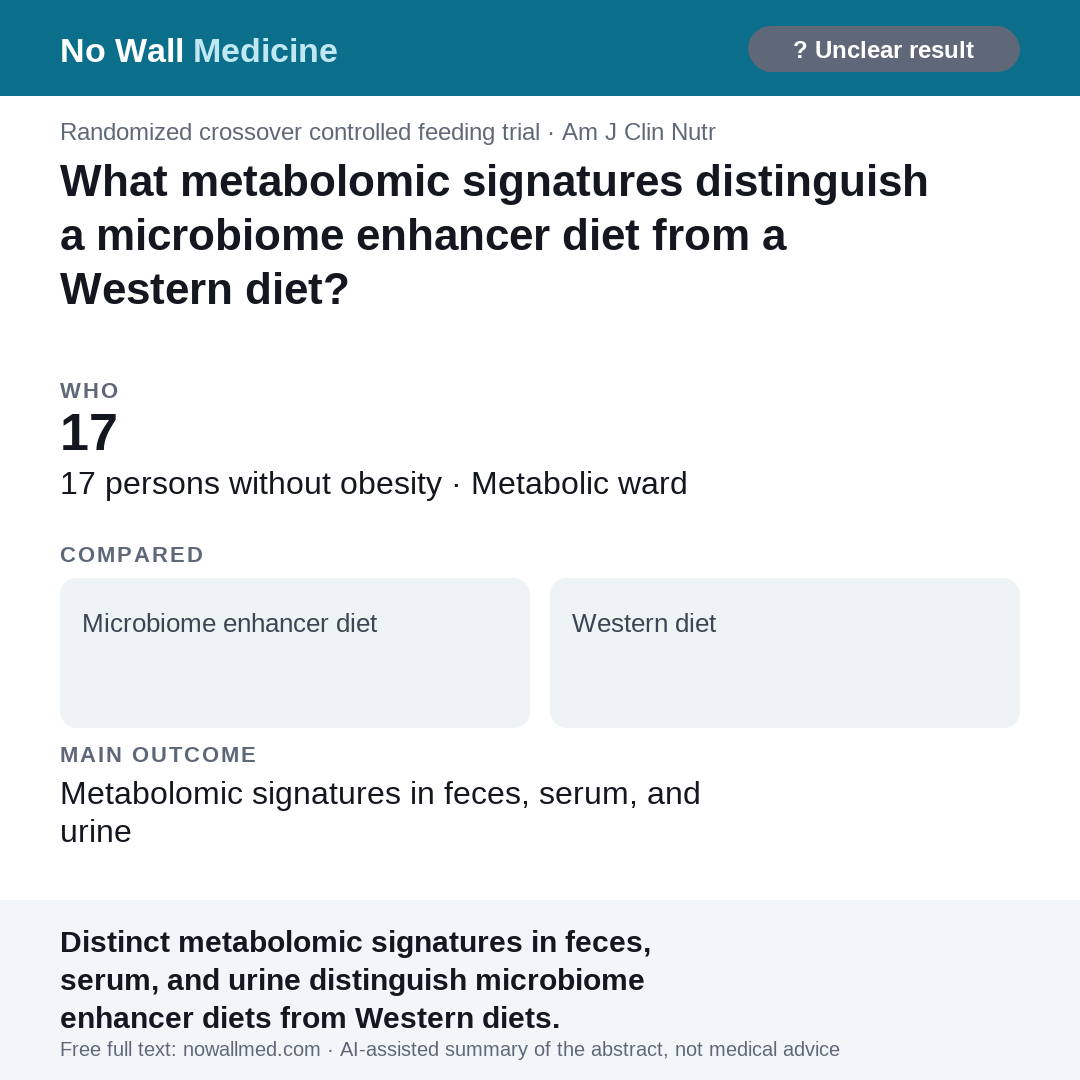
Global Metabolite Profiling in Feces, Serum, and Urine Yields Insights into Energy Balance Phenotypes Induced by Diet-Driven Microbiome Remodeling
Randomized crossover controlled feeding trialUnclear result
What metabolomic signatures distinguish a microbiome enhancer diet from a Western diet?
Who
17
17 persons without obesity · Metabolic ward
Compared
Microbiome enhancer diet
Western diet
Main outcome
Metabolomic signatures in feces, serum, and urine
Bottom line: Distinct metabolomic signatures in feces, serum, and urine distinguish microbiome enhancer diets from Western diets.
Am J Clin Nutr · 2025-08-19Download image
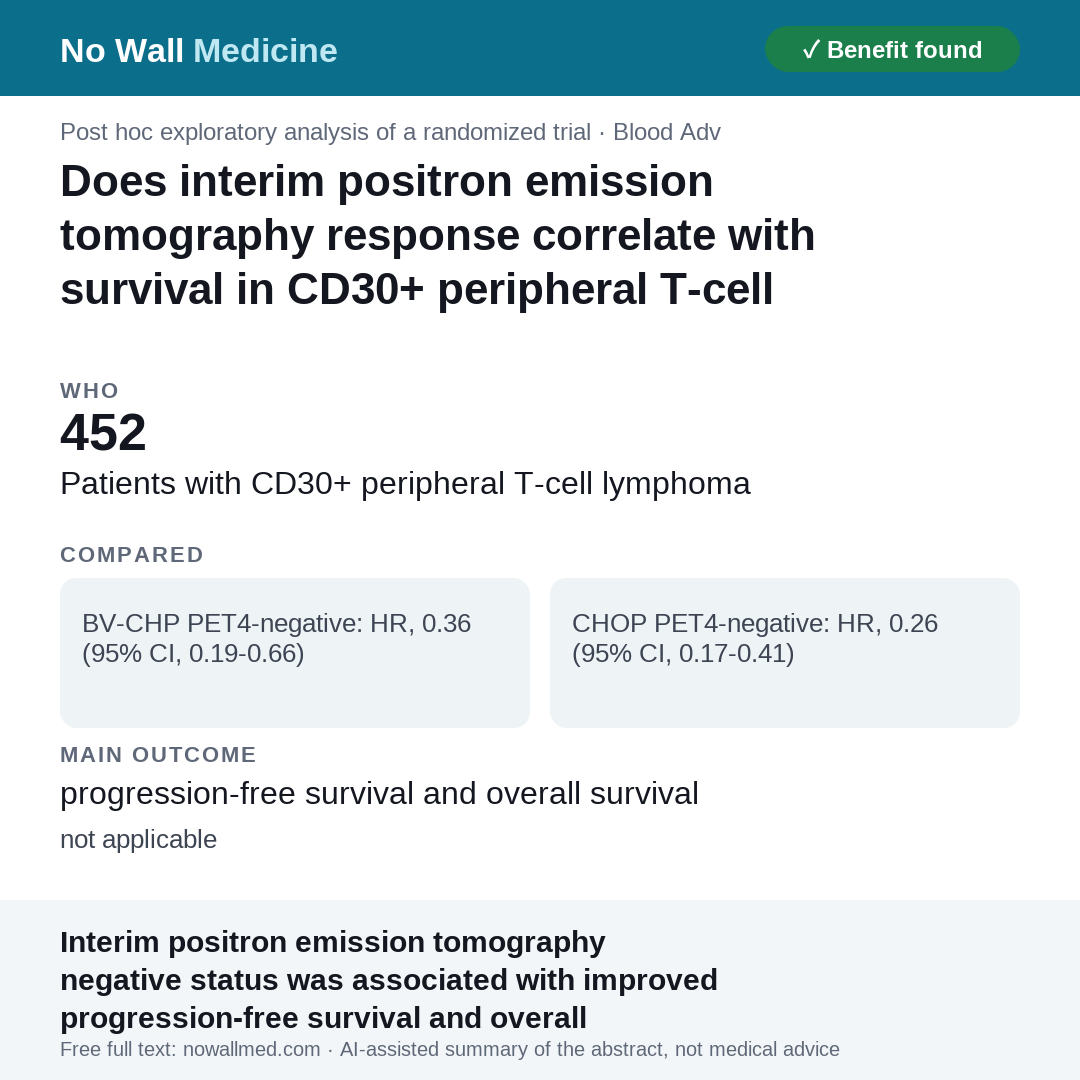
Association of PET4 response with outcomes of BV-CHP vs CHOP in the ECHELON-2 trial in CD30+ peripheral T-cell lymphoma
Post hoc exploratory analysis of a randomized trialBenefit found
Does interim positron emission tomography response correlate with survival in CD30+ peripheral T-cell lymphoma?
Who
452
Patients with CD30+ peripheral T-cell lymphoma
Compared
BV-CHP PET4-negative: HR, 0.36 (95% CI, 0.19-0.66)
CHOP PET4-negative: HR, 0.26 (95% CI, 0.17-0.41)
Main outcome
progression-free survival and overall survival
Result: not applicable
Bottom line: Interim positron emission tomography negative status was associated with improved progression-free survival and overall survival in both treatment arms.
Blood Adv · 2025-08-19Download image
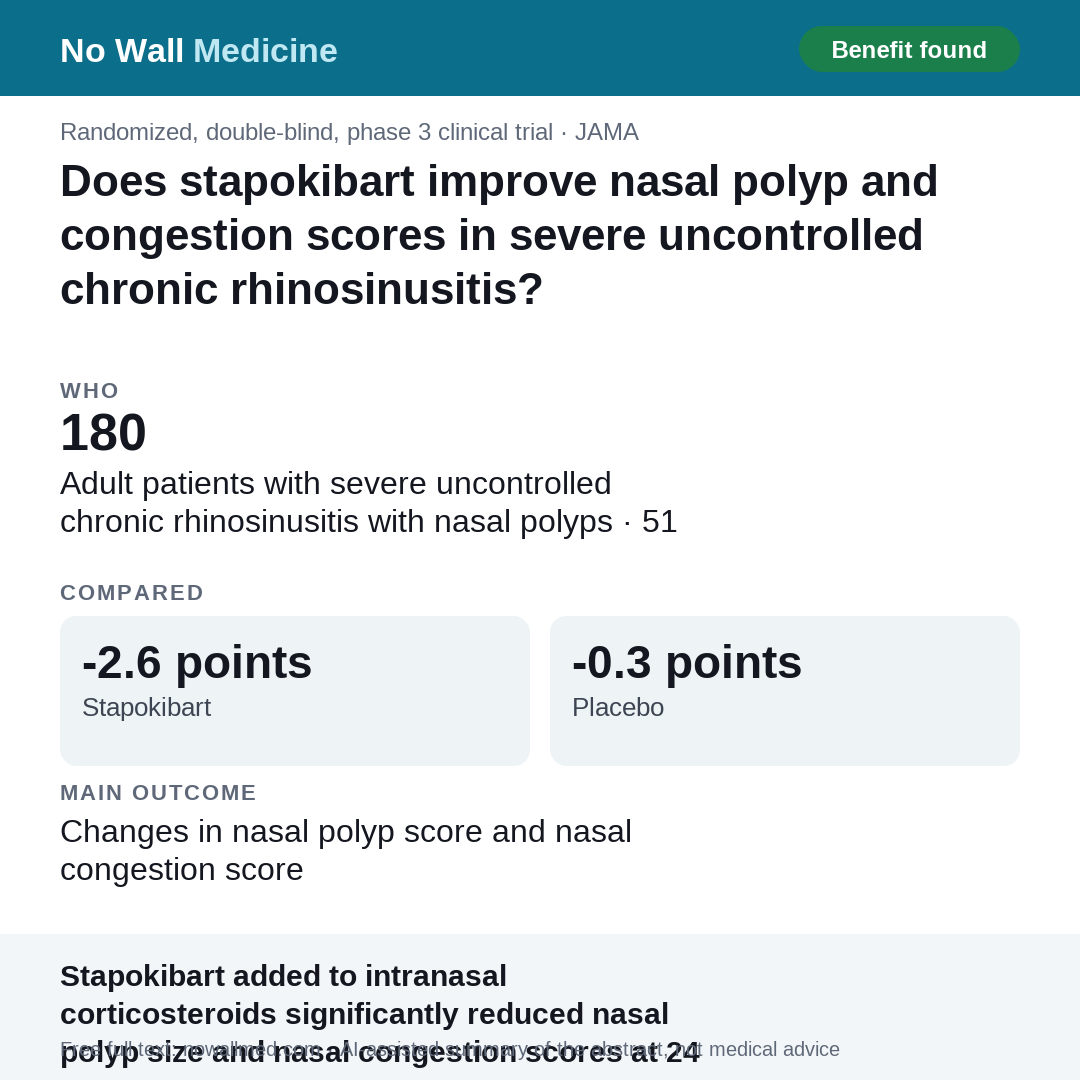
Stapokibart for Severe Uncontrolled Chronic Rhinosinusitis With Nasal Polyps: The CROWNS-2 Randomized Clinical Trial
Randomized, double-blind, phase 3 clinical trialBenefit found
Does stapokibart improve nasal polyp and congestion scores in severe uncontrolled chronic rhinosinusitis?
Who
180
Adult patients with severe uncontrolled chronic rhinosinusitis with nasal polyps · 51 hospitals in China
Compared
-2.6 pointsStapokibart (nasal polyp score)
-0.3 pointsPlacebo (nasal polyp score)
Main outcome
Changes in nasal polyp score and nasal congestion score
Result: LS mean difference -2.3 (95% CI, -2.6 to -1.9)
Bottom line: Stapokibart added to intranasal corticosteroids significantly reduced nasal polyp size and nasal congestion scores at 24 weeks.
JAMA · 2025-08-18Download image
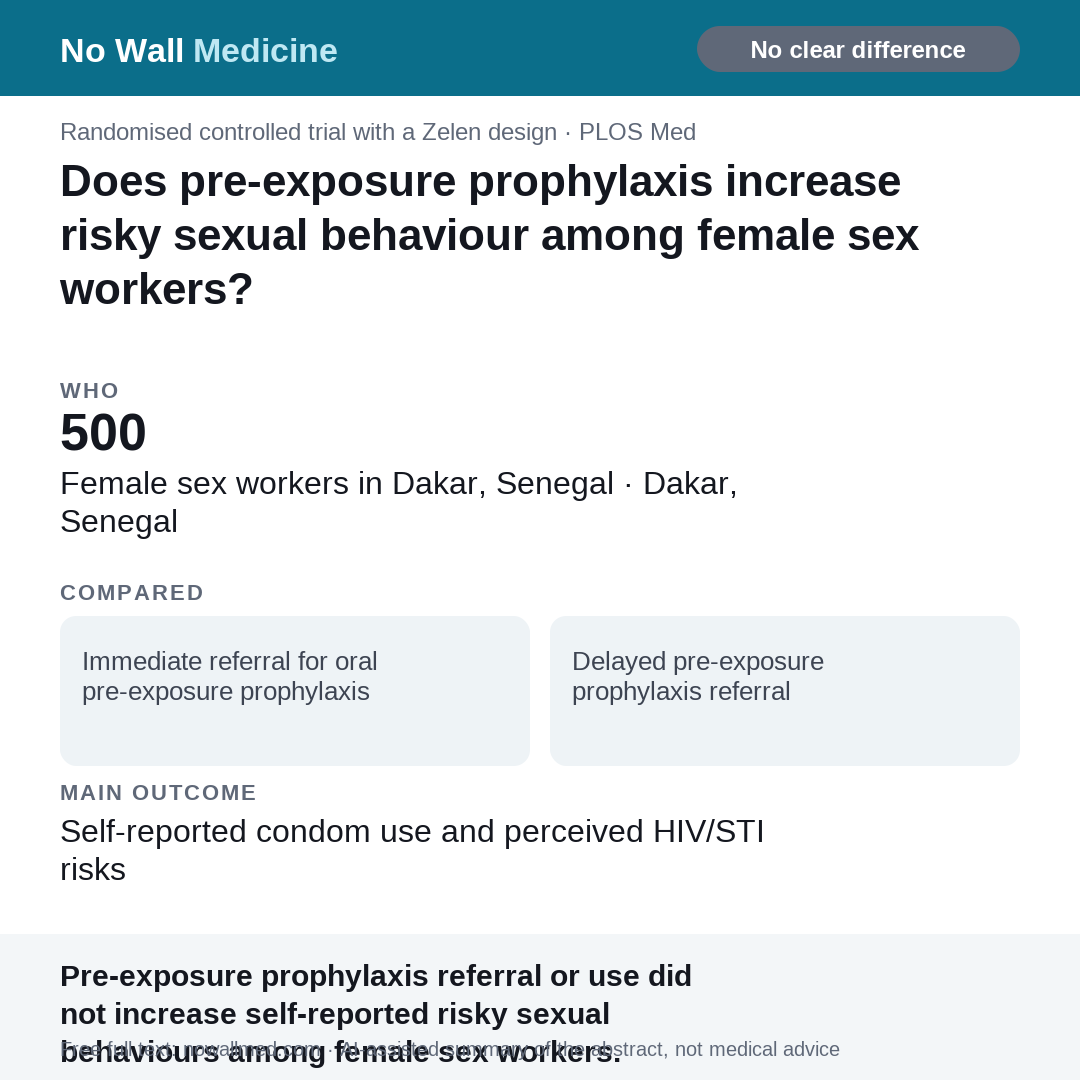
Effect of pre-exposure prophylaxis on risky sexual behaviour of female sex workers in Dakar, Senegal: A randomised controlled trial
Randomised controlled trial with a Zelen designNo clear difference
Does pre-exposure prophylaxis increase risky sexual behaviour among female sex workers?
Who
500
Female sex workers in Dakar, Senegal · Dakar, Senegal
Compared
Immediate referral for oral pre-exposure prophylaxis
Delayed pre-exposure prophylaxis referral
Main outcome
Self-reported condom use and perceived HIV/STI risks
Bottom line: Pre-exposure prophylaxis referral or use did not increase self-reported risky sexual behaviours among female sex workers.
Limitation: Low power, high attrition, self-reported outcomes, and a limited follow-up period.
PLOS Med · 2025-08-18Download image
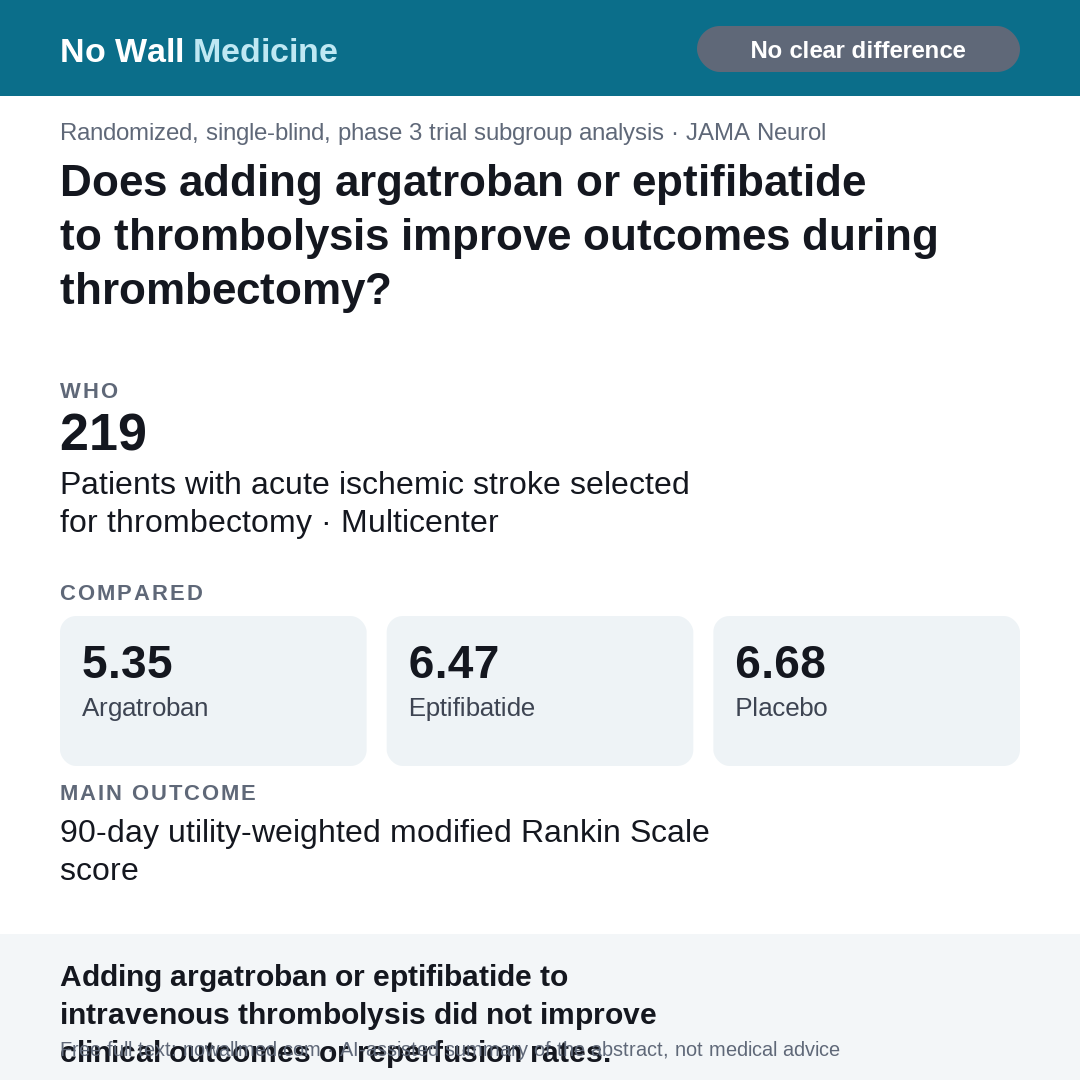
Intravenous Argatroban or Eptifibatide in Patients Undergoing Mechanical Thrombectomy: A Subgroup Analysis of the MOST Randomized Clinical Trial
Randomized, single-blind, phase 3 trial subgroup analysisNo clear difference
Does adding argatroban or eptifibatide to thrombolysis improve outcomes during thrombectomy?
Who
219
Patients with acute ischemic stroke selected for thrombectomy · Multicenter
Compared
5.35Argatroban (95% CI, 4.13-6.58)
6.47Eptifibatide (95% CI, 5.79-7.15)
6.68Placebo (95% CI, 5.98-7.39)
Main outcome
90-day utility-weighted modified Rankin Scale score
Bottom line: Adding argatroban or eptifibatide to intravenous thrombolysis did not improve clinical outcomes or reperfusion rates.
JAMA Neurol · 2025-08-18Download image
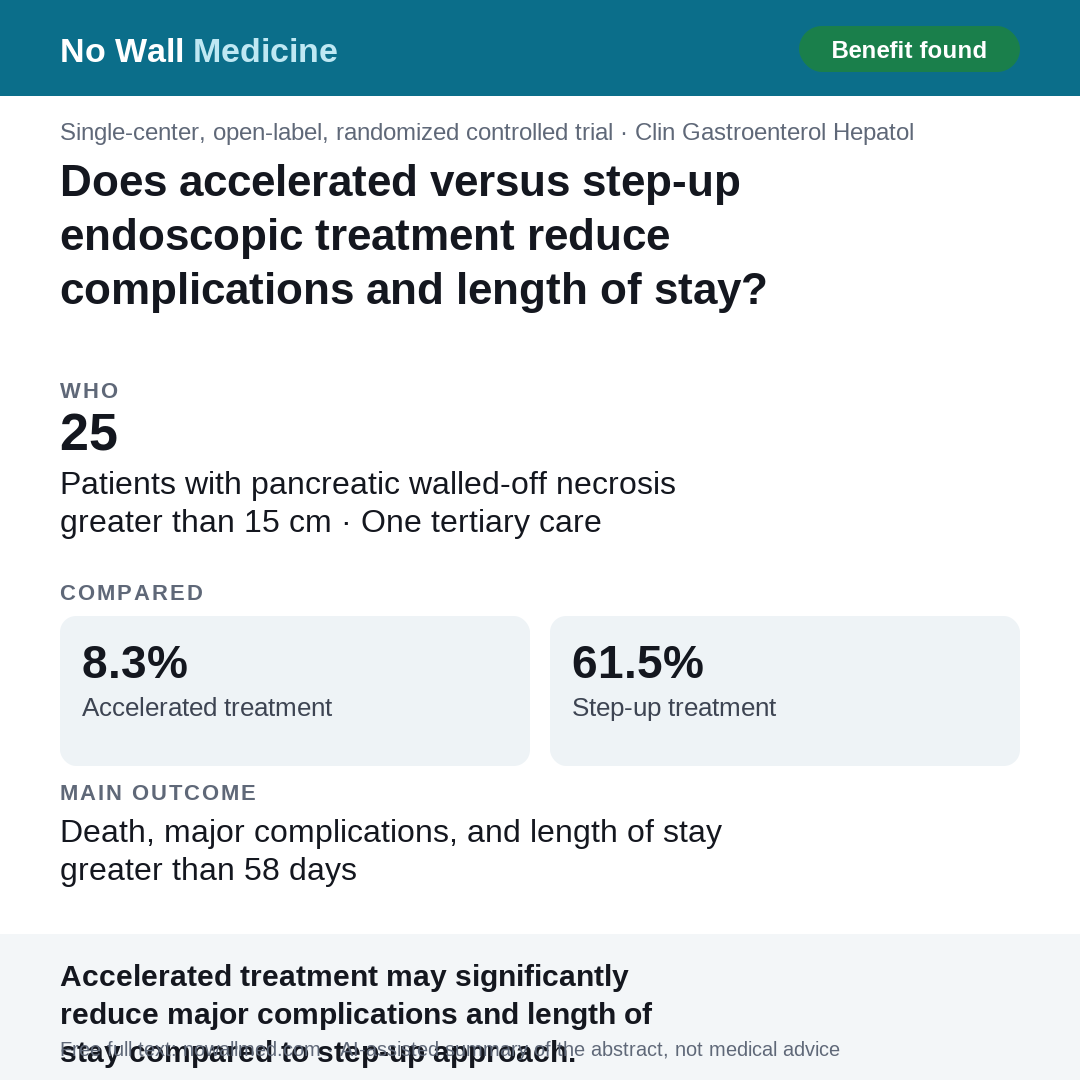
Accelerated vs Step-Up Endoscopic Treatment for Pancreatic Walled-Off Necrosis: A Randomized Controlled Trial (ACCELERATE)
Single-center, open-label, randomized controlled trialBenefit found
Does accelerated versus step-up endoscopic treatment reduce complications and length of stay?
Who
25
Patients with pancreatic walled-off necrosis greater than 15 cm · One tertiary care facility in Denmark
Compared
8.3%Accelerated treatment
61.5%Step-up treatment
Main outcome
Death, major complications, and length of stay greater than 58 days
Result: relative risk 0.14
Bottom line: Accelerated treatment may significantly reduce major complications and length of stay compared to step-up approach.
Limitation: The trial was prematurely terminated due to safety concerns in the step-up group.
Clin Gastroenterol Hepatol · 2025-08-18Download image
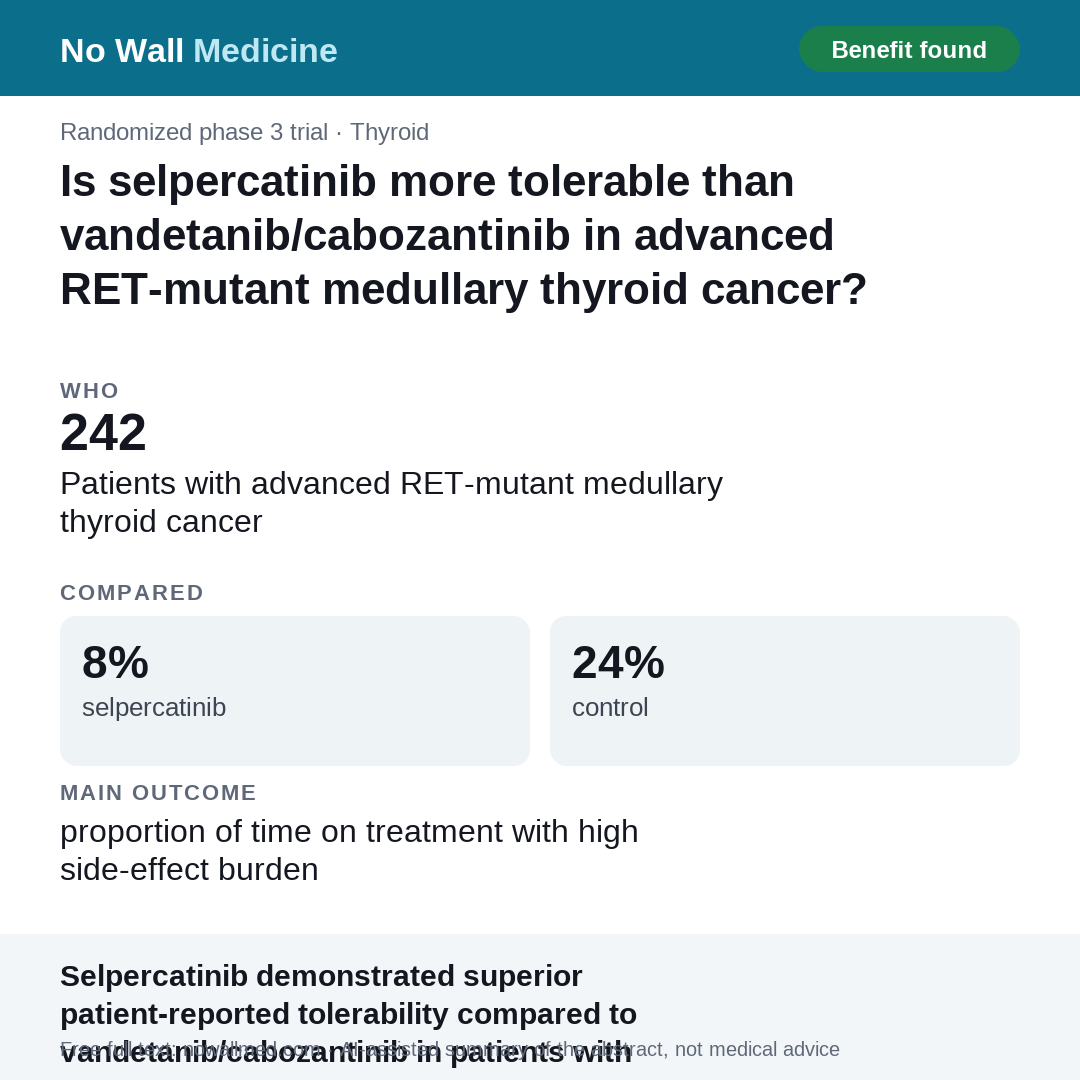
Patient-Reported Tolerability of Selpercatinib Compared to Cabozantinib/Vandetanib: A Secondary Analysis of the LIBRETTO-531 Randomized-Controlled Trial in RET-Mutant Medullary Thyroid Cancer
Randomized phase 3 trialBenefit found
Is selpercatinib more tolerable than vandetanib/cabozantinib in advanced RET-mutant medullary thyroid cancer?
Who
242
Patients with advanced RET-mutant medullary thyroid cancer
Compared
8%selpercatinib
24%control
Main outcome
proportion of time on treatment with high side-effect burden
Bottom line: Selpercatinib demonstrated superior patient-reported tolerability compared to vandetanib/cabozantinib in patients with advanced RET-mutant medullary thyroid cancer.
Thyroid · 2025-08-18Download image
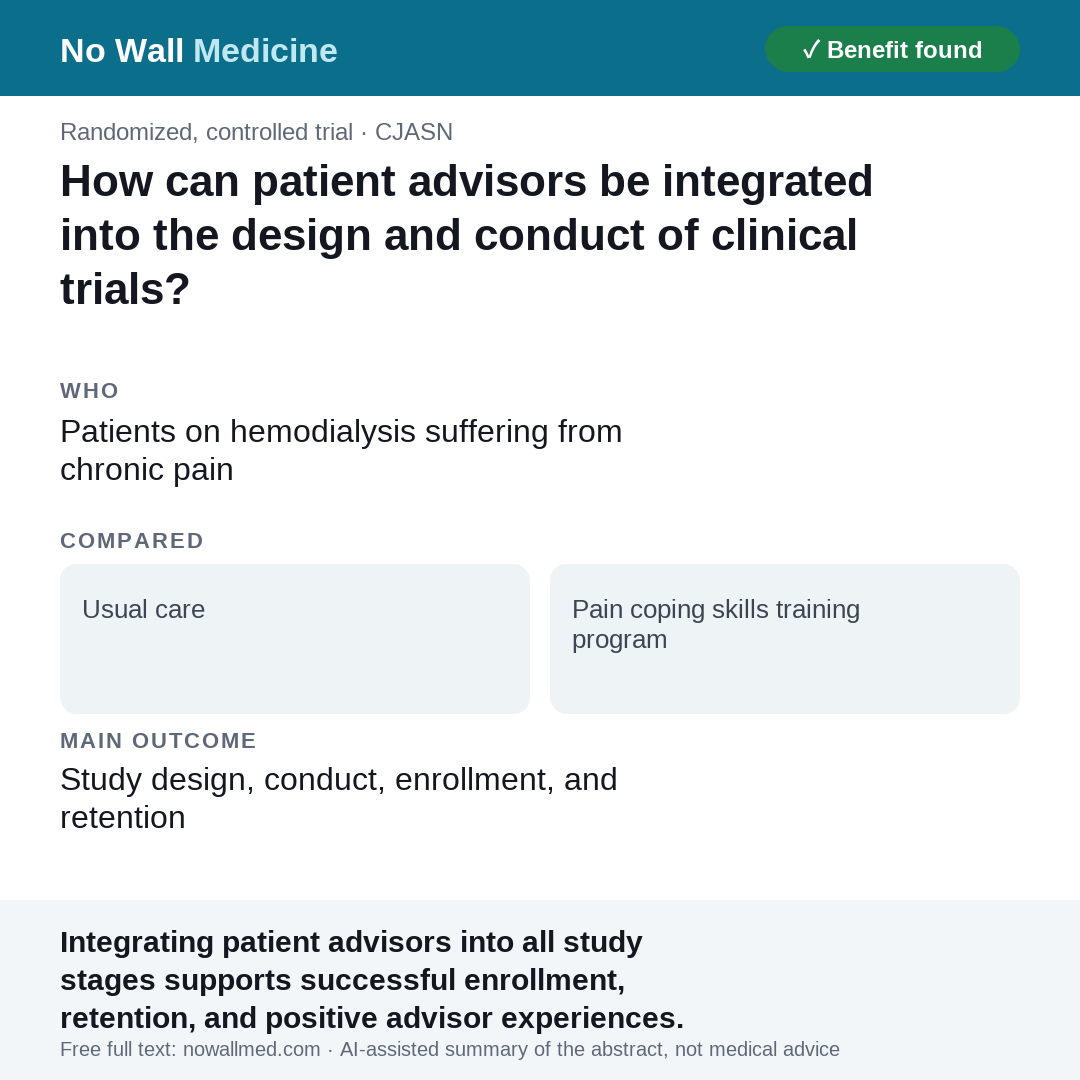
Patient Engagement in the Design and Conduct of the HOPE Trial: Addressing Chronic Pain in Hemodialysis Patients
Randomized, controlled trialBenefit found
How can patient advisors be integrated into the design and conduct of clinical trials?
Who
Patients on hemodialysis suffering from chronic pain
Compared
Usual care
Pain coping skills training program
Main outcome
Study design, conduct, enrollment, and retention
Bottom line: Integrating patient advisors into all study stages supports successful enrollment, retention, and positive advisor experiences.
Funded by: National Institute of Diabetes and Digestive and Kidney Diseases
CJASN · 2025-08-18Download image