Visual abstracts
New randomized trials and meta-analyses from leading journals at a glance: who was studied, what was compared, and what was found. Every paper is free to read in full.
All specialtiesCardiology 4757Oncology 4058Gastroenterology & Hepatology 1904Infectious Disease 3750Neurology 1877Psychiatry & Mental Health 2226Pulmonology 2043Critical Care 1325Endocrinology & Diabetes 2532Pediatrics 2893Surgery 2486Orthopedics & Sports Medicine 915Neurosurgery 527Cardiothoracic & Vascular Surgery 658Plastic & Reconstructive Surgery 581Nephrology 1103Rheumatology 810Hematology 1089Dermatology 615Ophthalmology 534Obstetrics & Gynecology 1641Public & Global Health 1034Radiology & Imaging 634Anesthesiology 957Urology 745ENT (Otolaryngology) 491Emergency Medicine 478Allergy & Immunology 309Geriatrics 969Family Medicine & Primary Care 537Medical Genetics & Genomics 651Pathology & Laboratory Medicine 156Physical Medicine & Rehabilitation 740Palliative Care 422Nutrition 1549Digital Health & AI 2178General Medicine 317
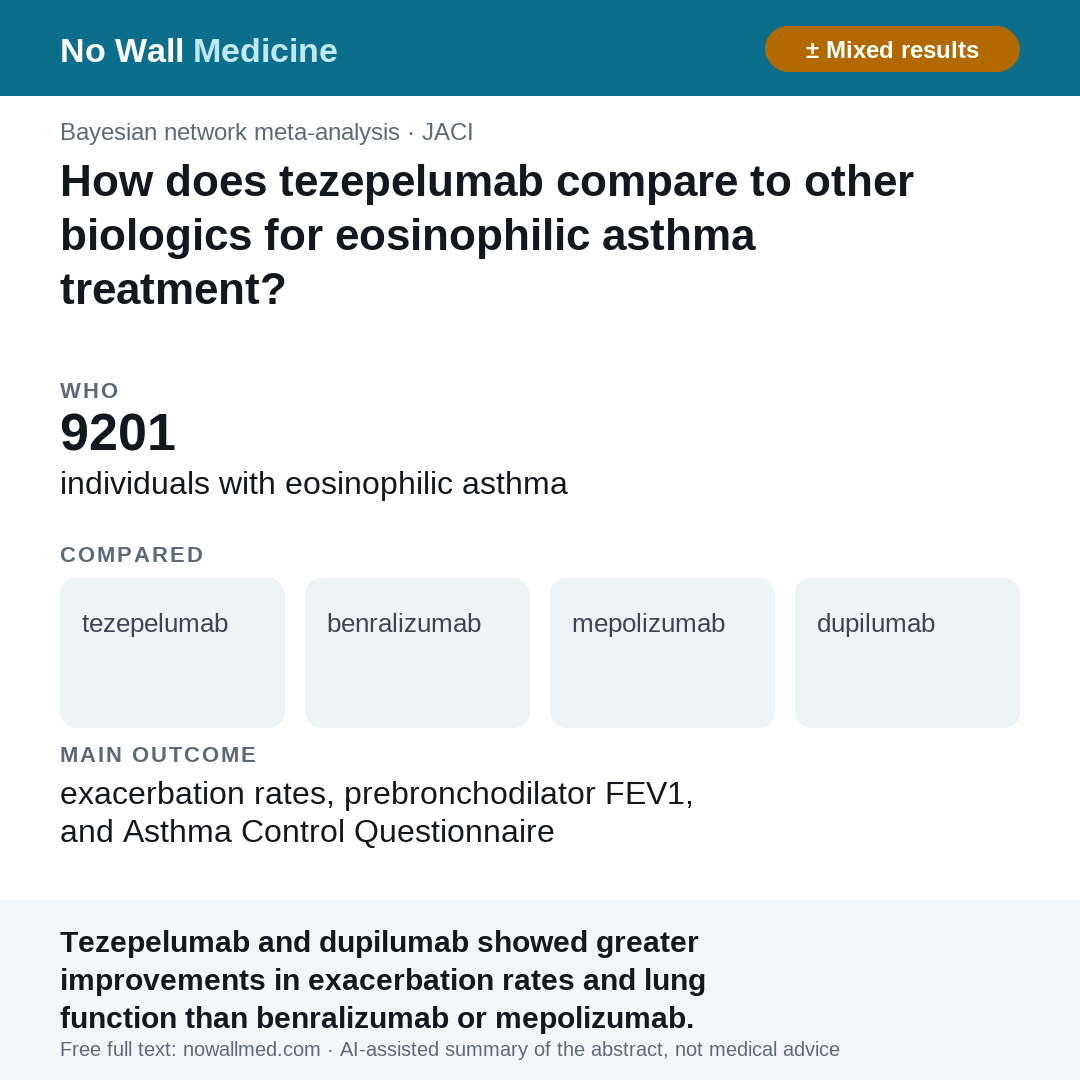
Comparative efficacy of tezepelumab to mepolizumab, benralizumab, and dupilumab in eosinophilic asthma: A Bayesian network meta-analysis
Bayesian network meta-analysisMixed results
How does tezepelumab compare to other biologics for eosinophilic asthma treatment?
Who
9201
individuals with eosinophilic asthma
Compared
tezepelumab
benralizumab
mepolizumab
dupilumab
Main outcome
exacerbation rates, prebronchodilator FEV1, and Asthma Control Questionnaire
Result: relative risk 0.63 (95% credible interval 0.46-0.86) for tezepelumab vs benralizumab
Bottom line: Tezepelumab and dupilumab showed greater improvements in exacerbation rates and lung function than benralizumab or mepolizumab.
JACI · 2022-12-17Download image
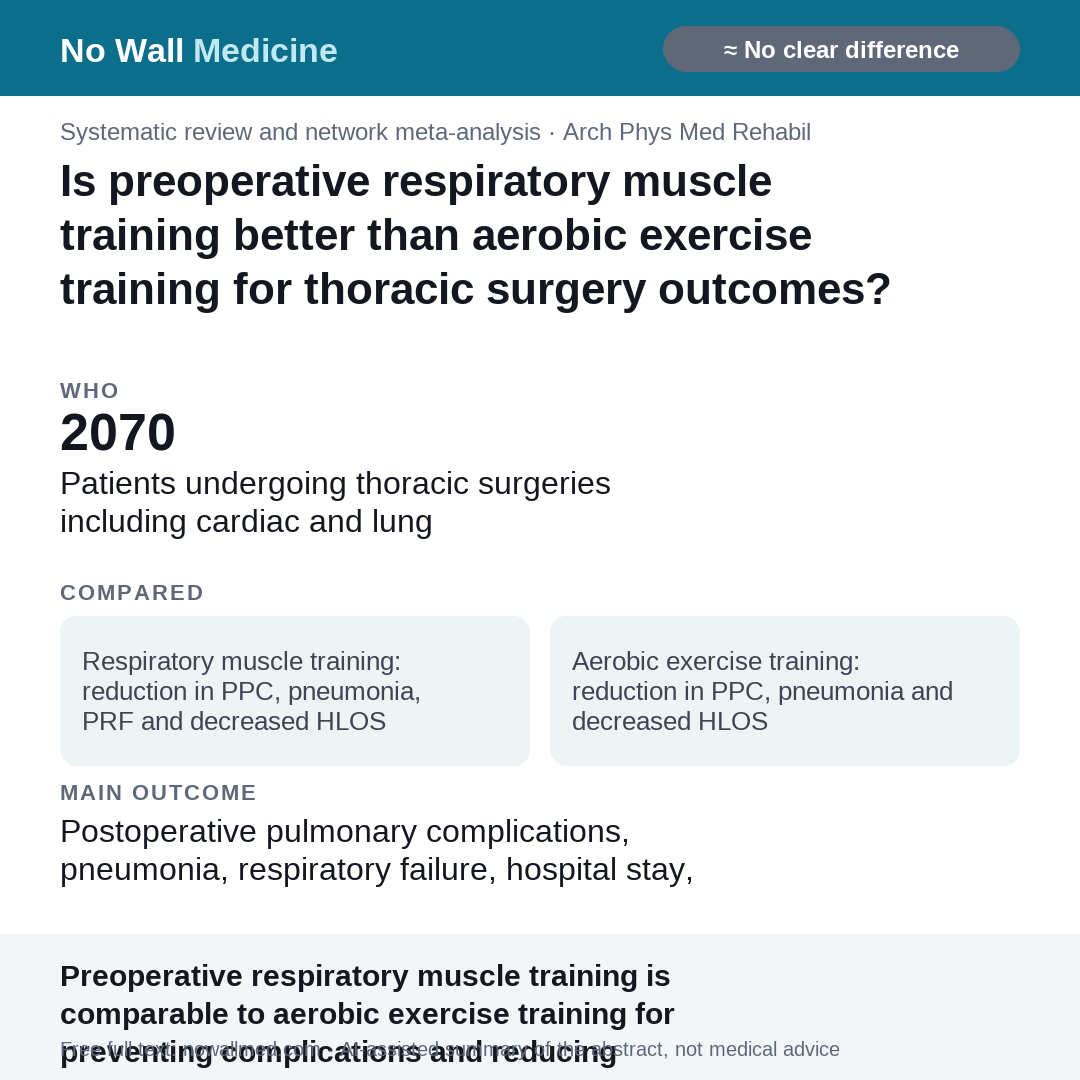
Post-Operative Outcomes of Pre-Thoracic Surgery Respiratory Muscle Training vs Aerobic Exercise Training: A Systematic Review and Network Meta-analysis
Systematic review and network meta-analysisNo clear difference
Is preoperative respiratory muscle training better than aerobic exercise training for thoracic surgery outcomes?
Who
2070
Patients undergoing thoracic surgeries including cardiac and lung
Compared
Respiratory muscle training: reduction in PPC, pneumonia, PRF and decreased HLOS
Aerobic exercise training: reduction in PPC, pneumonia and decreased HLOS
Main outcome
Postoperative pulmonary complications, pneumonia, respiratory failure, hospital stay, and mortality
Bottom line: Preoperative respiratory muscle training is comparable to aerobic exercise training for preventing complications and reducing hospital stay.
Arch Phys Med Rehabil · 2022-12-17Download image
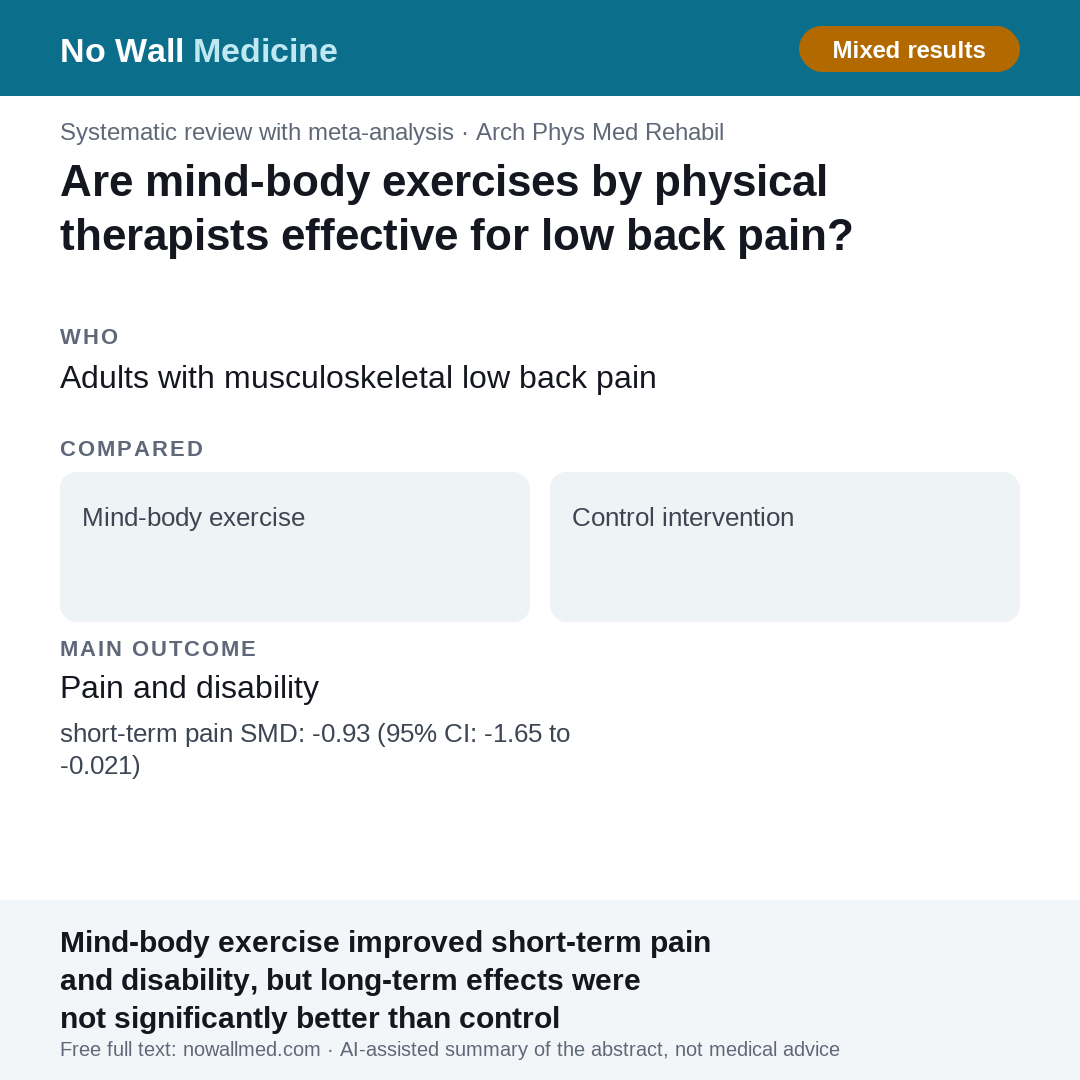
Mind-Body Exercise Performed by Physical Therapists for Reducing Pain and Disability in Low Back Pain: A Systematic Review With Meta-analysis
Systematic review with meta-analysisMixed results
Are mind-body exercises by physical therapists effective for low back pain?
Who
Adults with musculoskeletal low back pain
Compared
Mind-body exercise
Control intervention
Main outcome
Pain and disability
Result: short-term pain SMD: -0.93 (95% CI: -1.65 to -0.021)
Bottom line: Mind-body exercise improved short-term pain and disability, but long-term effects were not significantly better than control interventions.
Limitation: Quality of the evidence ranged from very low to low.
Arch Phys Med Rehabil · 2022-12-17Download image
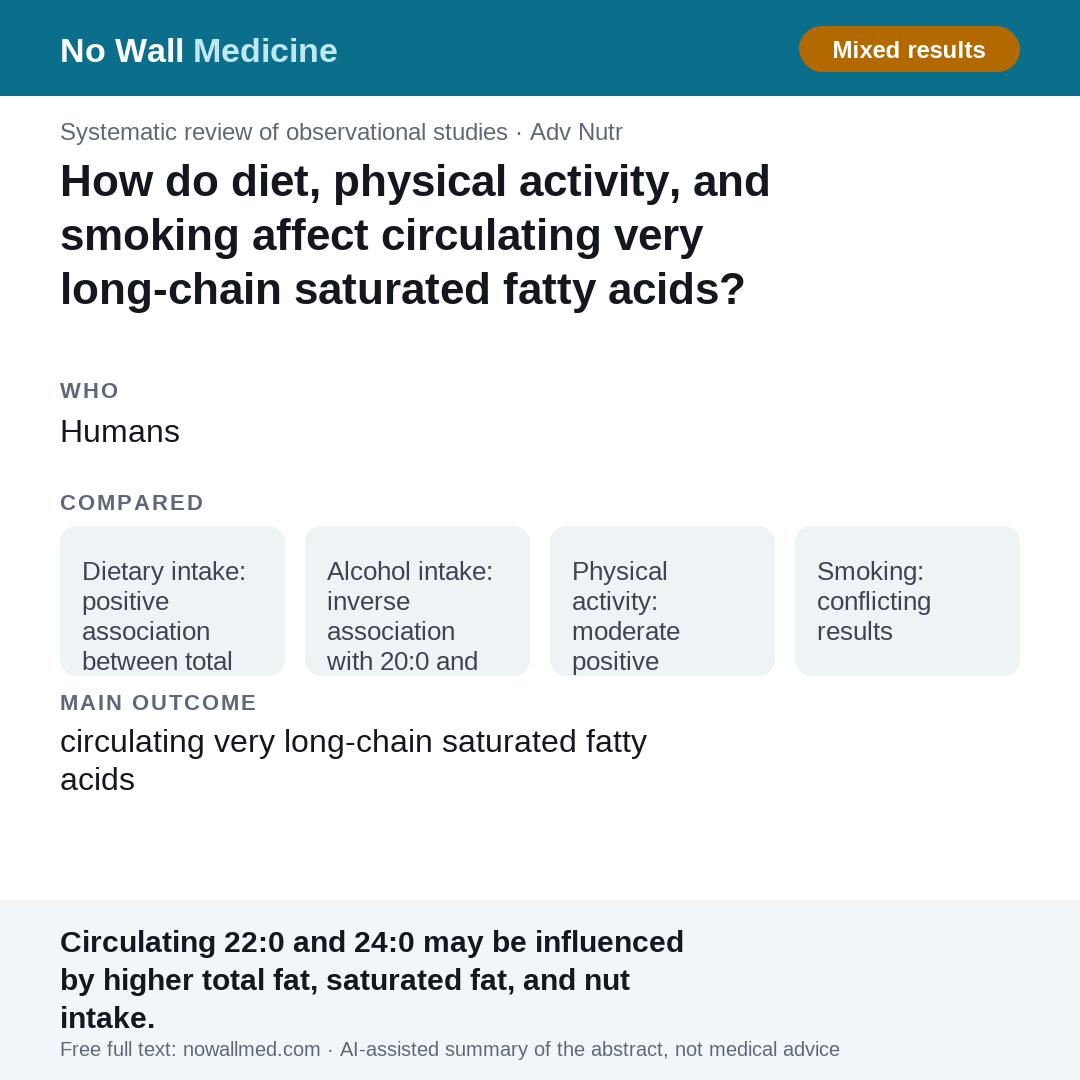
Lifestyle Factors Associated with Circulating Very Long-Chain Saturated Fatty Acids in Humans: A Systematic Review of Observational Studies
Systematic review of observational studiesMixed results
How do diet, physical activity, and smoking affect circulating very long-chain saturated fatty acids?
Who
Humans
Compared
Dietary intake: positive association between total fat and peanut intake with 22:0 and 24:0
Alcohol intake: inverse association with 20:0 and 22:0
Physical activity: moderate positive association with 22:0 and 24:0
Smoking: conflicting results
Main outcome
circulating very long-chain saturated fatty acids
Bottom line: Circulating 22:0 and 24:0 may be influenced by higher total fat, saturated fat, and nut intake.
Limitation: findings are limited by the bi-variate analyses presented in the majority of included studies
Adv Nutr · 2022-12-17Download image
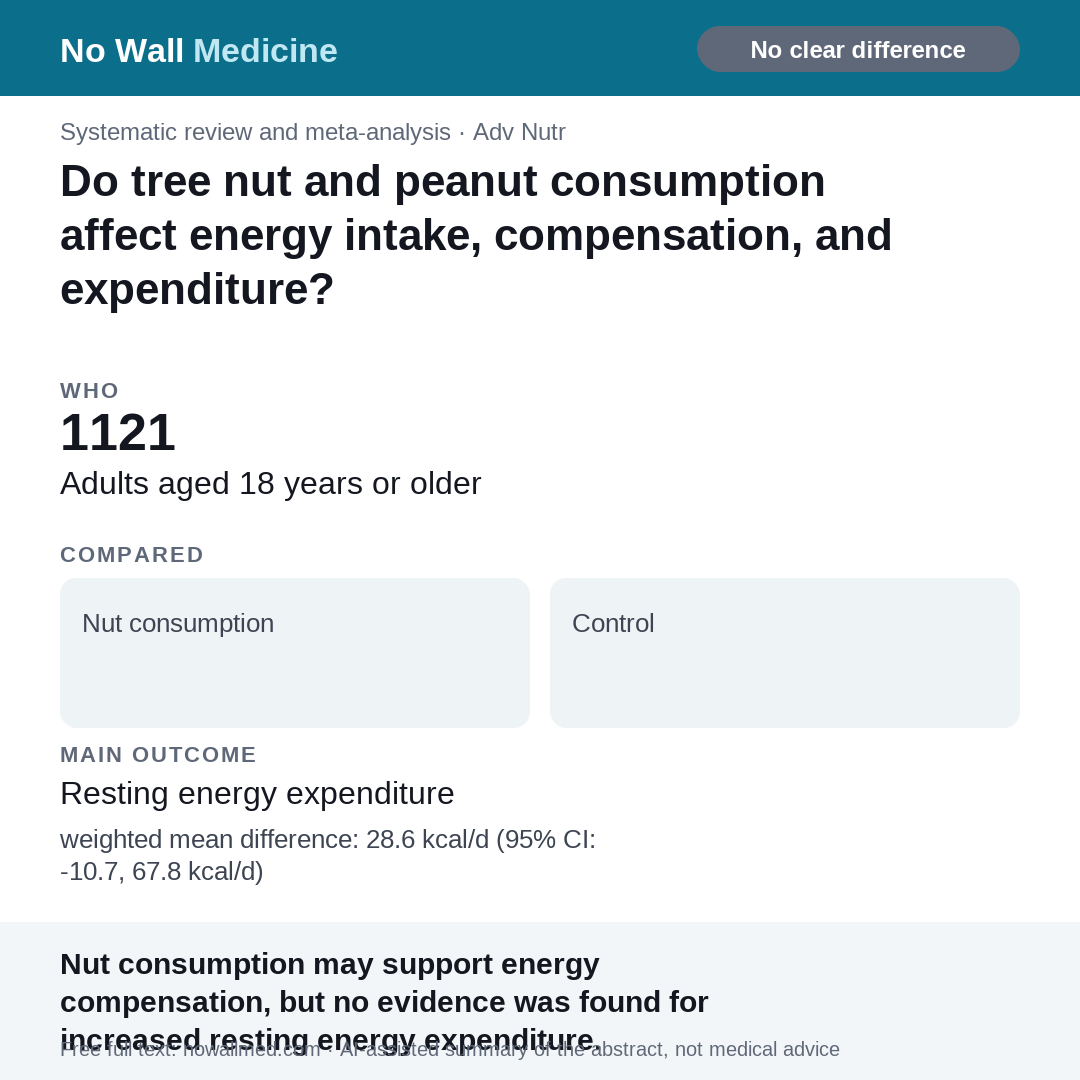
The Effects of Tree Nut and Peanut Consumption on Energy Compensation and Energy Expenditure: A Systematic Review and Meta-Analysis
Systematic review and meta-analysisNo clear difference
Do tree nut and peanut consumption affect energy intake, compensation, and expenditure?
Who
1121
Adults aged 18 years or older
Compared
Nut consumption
Control
Main outcome
Resting energy expenditure
Result: weighted mean difference: 28.6 kcal/d (95% CI: -10.7, 67.8 kcal/d)
Bottom line: Nut consumption may support energy compensation, but no evidence was found for increased resting energy expenditure.
Adv Nutr · 2022-12-17Download image
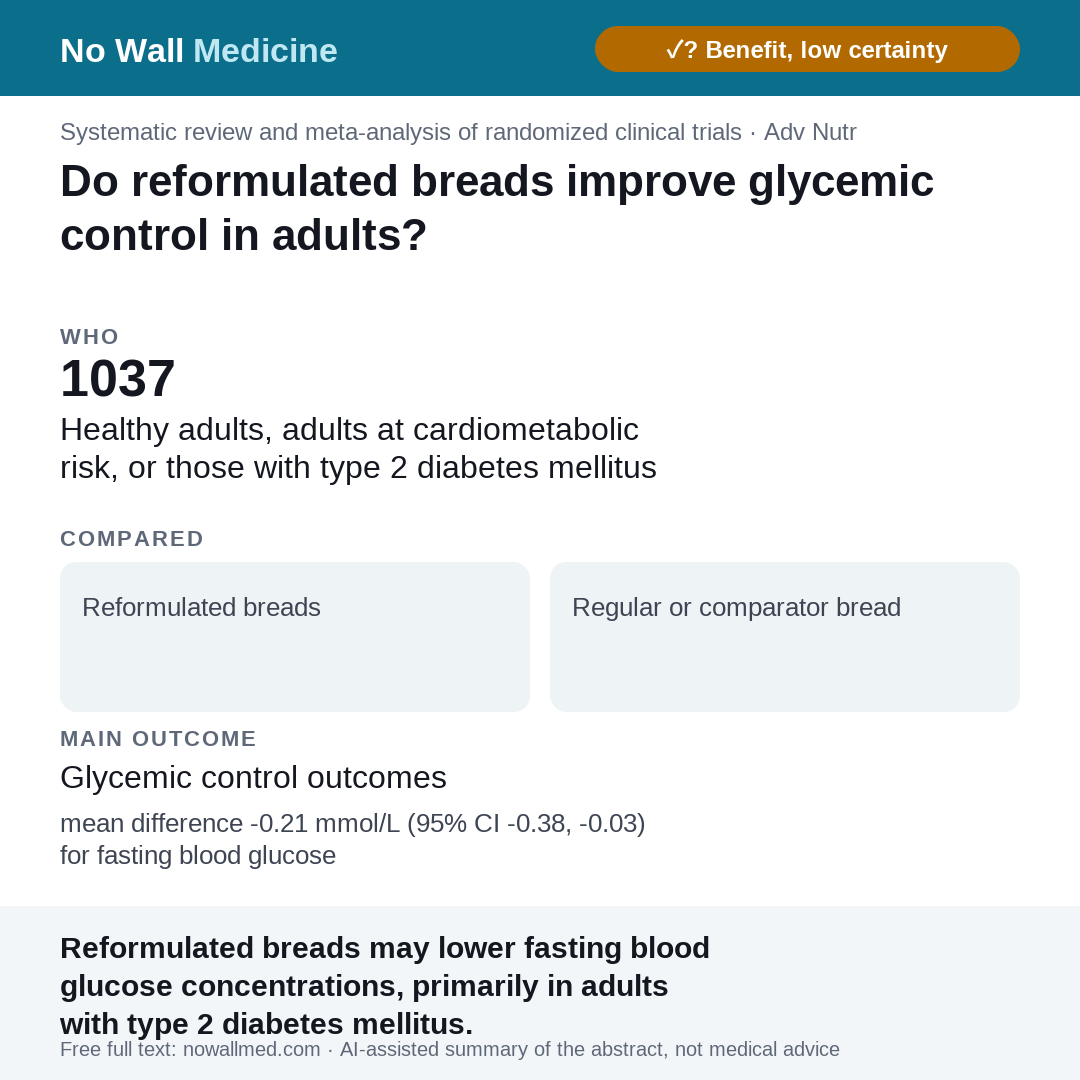
The Effect of Regular Consumption of Reformulated Breads on Glycemic Control: A Systematic Review and Meta-Analysis of Randomized Clinical Trials
Systematic review and meta-analysis of randomized clinical trialsBenefit found
Do reformulated breads improve glycemic control in adults?
Who
1037
Healthy adults, adults at cardiometabolic risk, or those with type 2 diabetes mellitus
Compared
Reformulated breads
Regular or comparator bread
Main outcome
Glycemic control outcomes
Result: mean difference -0.21 mmol/L (95% CI -0.38, -0.03) for fasting blood glucose
Bottom line: Reformulated breads may lower fasting blood glucose concentrations, primarily in adults with type 2 diabetes mellitus.
Adv Nutr · 2022-12-17Download image
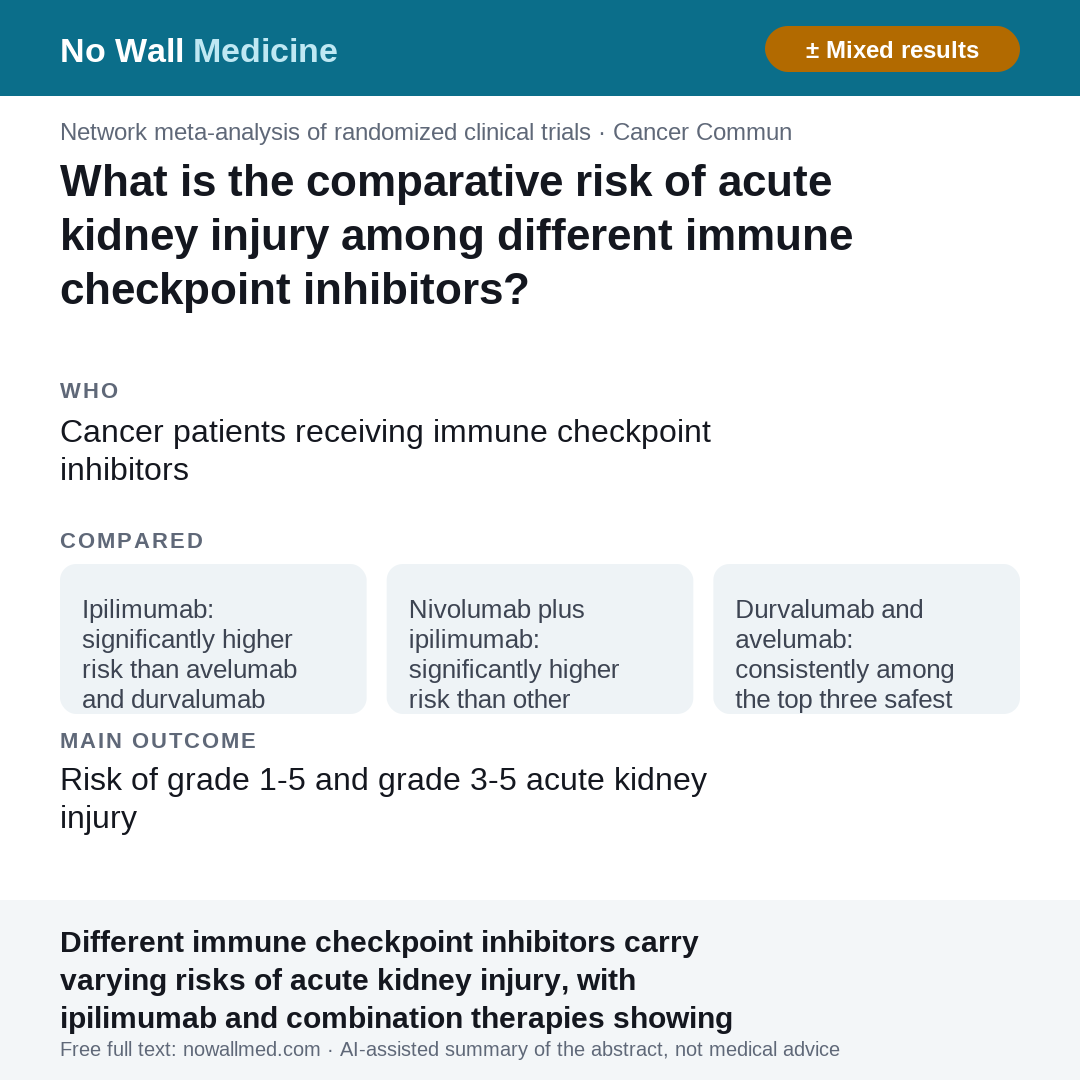
Comparative risk of acute kidney injury among cancer patients treated with immune checkpoint inhibitors
Network meta-analysis of randomized clinical trialsMixed results
What is the comparative risk of acute kidney injury among different immune checkpoint inhibitors?
Who
85
Cancer patients receiving immune checkpoint inhibitors
Compared
Ipilimumab: significantly higher risk than avelumab and durvalumab
Nivolumab plus ipilimumab: significantly higher risk than other groups
Durvalumab and avelumab: consistently among the top three safest treatments
Main outcome
Risk of grade 1-5 and grade 3-5 acute kidney injury
Bottom line: Different immune checkpoint inhibitors carry varying risks of acute kidney injury, with ipilimumab and combination therapies showing higher risks.
Cancer Commun · 2022-12-17Download image
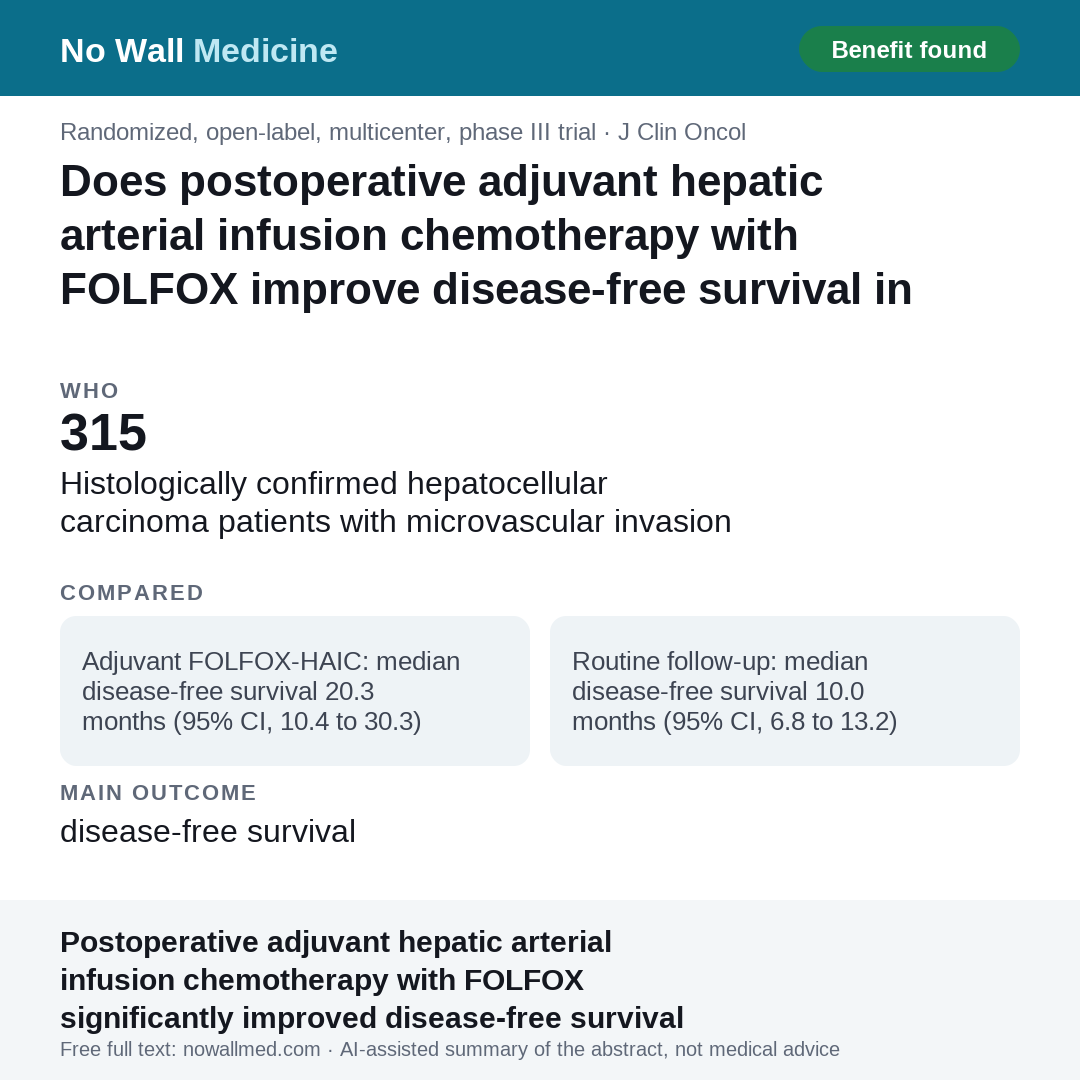
Postoperative Adjuvant Hepatic Arterial Infusion Chemotherapy With FOLFOX in Hepatocellular Carcinoma With Microvascular Invasion: A Multicenter, Phase III, Randomized Study
Randomized, open-label, multicenter, phase III trialBenefit found
Does postoperative adjuvant hepatic arterial infusion chemotherapy with FOLFOX improve disease-free survival in hepatocellular carcinoma with microvascular invasion?
Who
315
Histologically confirmed hepatocellular carcinoma patients with microvascular invasion · Five centers
Compared
Adjuvant FOLFOX-HAIC: median disease-free survival 20.3 months (95% CI, 10.4 to 30.3)
Routine follow-up: median disease-free survival 10.0 months (95% CI, 6.8 to 13.2)
Main outcome
disease-free survival
Result: hazard ratio 0.59 (95% CI 0.43 to 0.81)
Bottom line: Postoperative adjuvant hepatic arterial infusion chemotherapy with FOLFOX significantly improved disease-free survival in patients with microvascular invasion.
J Clin Oncol · 2022-12-16Download image
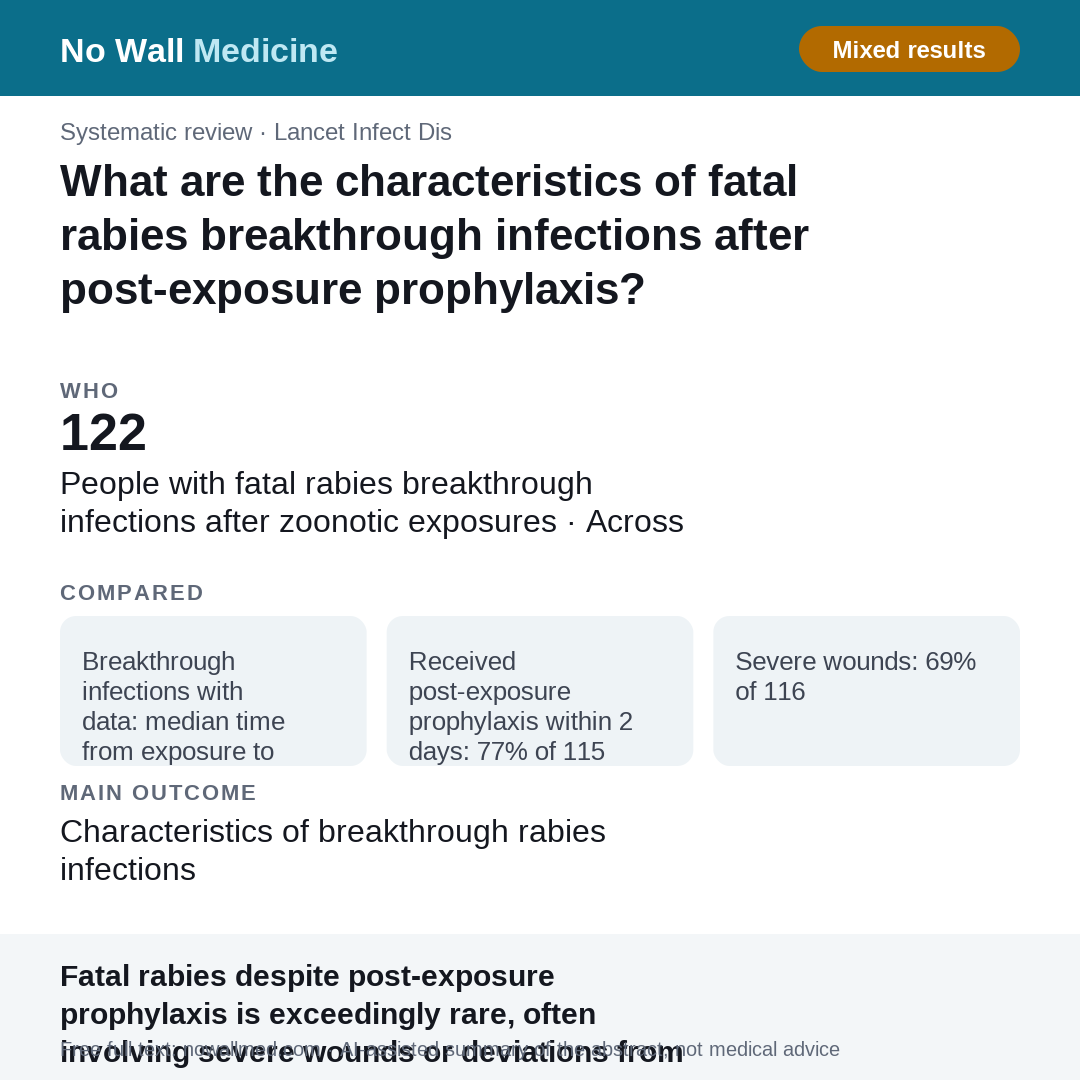
Human rabies despite post-exposure prophylaxis: a systematic review of fatal breakthrough infections after zoonotic exposures
Systematic reviewMixed results
What are the characteristics of fatal rabies breakthrough infections after post-exposure prophylaxis?
Who
122
People with fatal rabies breakthrough infections after zoonotic exposures · Across all continents
Compared
Breakthrough infections with data: median time from exposure to symptom onset was 20 days (IQR 16-24)
Received post-exposure prophylaxis within 2 days: 77% of 115
Severe wounds: 69% of 116
Main outcome
Characteristics of breakthrough rabies infections
Bottom line: Fatal rabies despite post-exposure prophylaxis is exceedingly rare, often involving severe wounds or deviations from core practices.
Lancet Infect Dis · 2022-12-16Download image
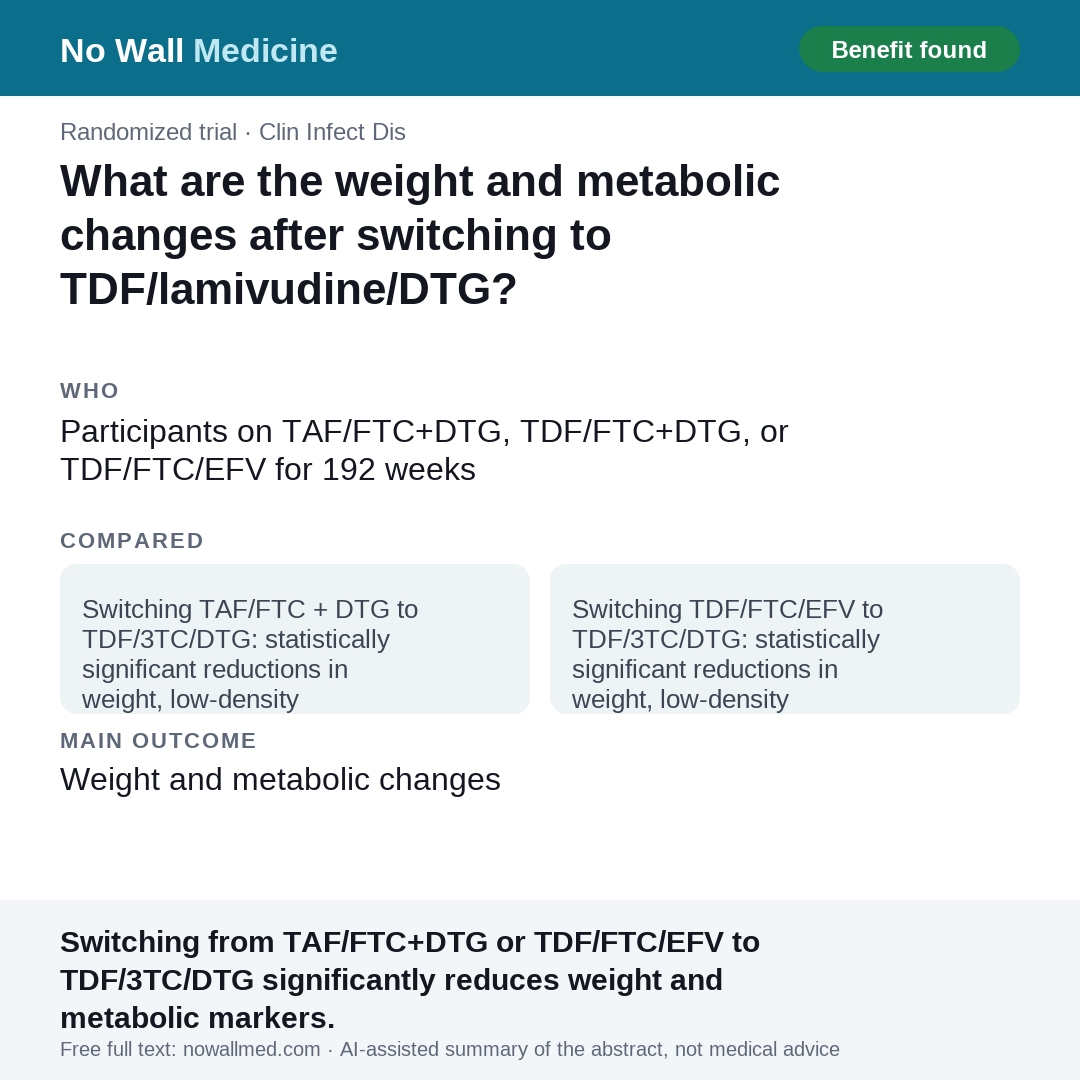
Weight and Metabolic Changes After Switching From Tenofovir Alafenamide/Emtricitabine (FTC)+Dolutegravir (DTG), Tenofovir Disoproxil Fumarate (TDF)/FTC + DTG, and TDF/FTC/Efavirenz to TDF/Lamivudine/DTG
Randomized trialBenefit found
What are the weight and metabolic changes after switching to TDF/lamivudine/DTG?
Who
Participants on TAF/FTC+DTG, TDF/FTC+DTG, or TDF/FTC/EFV for 192 weeks
Compared
Switching TAF/FTC + DTG to TDF/3TC/DTG: statistically significant reductions in weight, low-density lipoprotein, triglycerides, glucose and glycated hemoglobin
Switching TDF/FTC/EFV to TDF/3TC/DTG: statistically significant reductions in weight, low-density lipoprotein, triglycerides, glucose and glycated hemoglobin
Main outcome
Weight and metabolic changes
Bottom line: Switching from TAF/FTC+DTG or TDF/FTC/EFV to TDF/3TC/DTG significantly reduces weight and metabolic markers.
Clin Infect Dis · 2022-12-16Download image
Supportive Self-Management Program for People With Chronic Headaches and Migraine: A Randomized Controlled Trial and Economic Evaluation
Pragmatic randomized controlled trialNo clear difference
Does a group self-management program improve headache-related quality of life?
Who
736
Adults with chronic migraine or chronic tension-type headache · General practices
Compared
Self-management intervention
Usual care plus relaxation material
Main outcome
Headache related quality of life using Headache Impact Test-6
Result: adjusted mean difference -0.3 (95% CI -1.23 to 0.67)
Bottom line: A brief group education and self-management program showed no benefit for quality of life or monthly headache days.
Neurology · 2022-12-16Download image

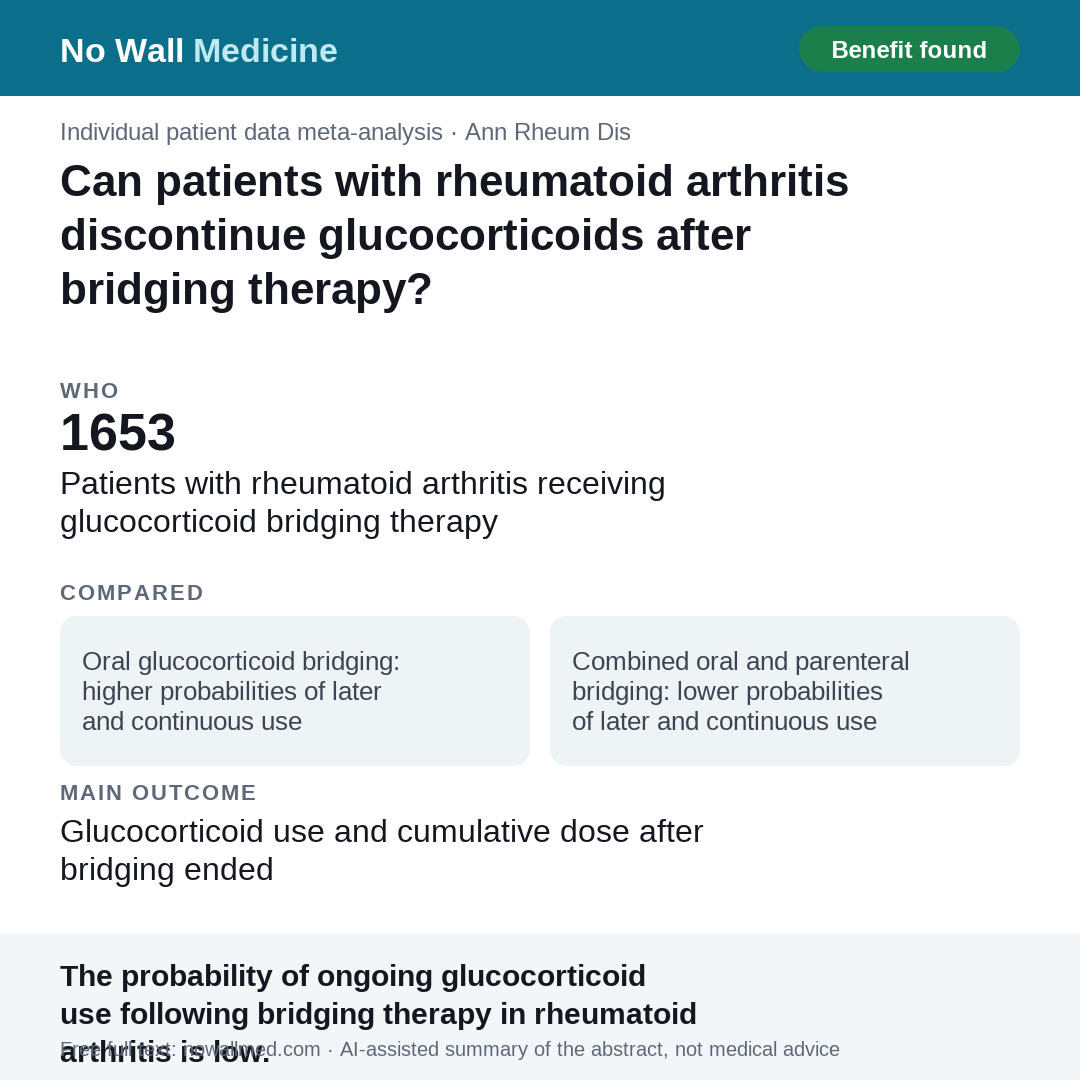
Individual patient data meta-analysis on continued use of glucocorticoids after their initiation as bridging therapy in patients with rheumatoid arthritis
Individual patient data meta-analysisBenefit found
Can patients with rheumatoid arthritis discontinue glucocorticoids after bridging therapy?
Who
1653
Patients with rheumatoid arthritis receiving glucocorticoid bridging therapy
Compared
Oral glucocorticoid bridging: higher probabilities of later and continuous use
Combined oral and parenteral bridging: lower probabilities of later and continuous use
Main outcome
Glucocorticoid use and cumulative dose after bridging ended
Bottom line: The probability of ongoing glucocorticoid use following bridging therapy in rheumatoid arthritis is low.
Ann Rheum Dis · 2022-12-16Download image
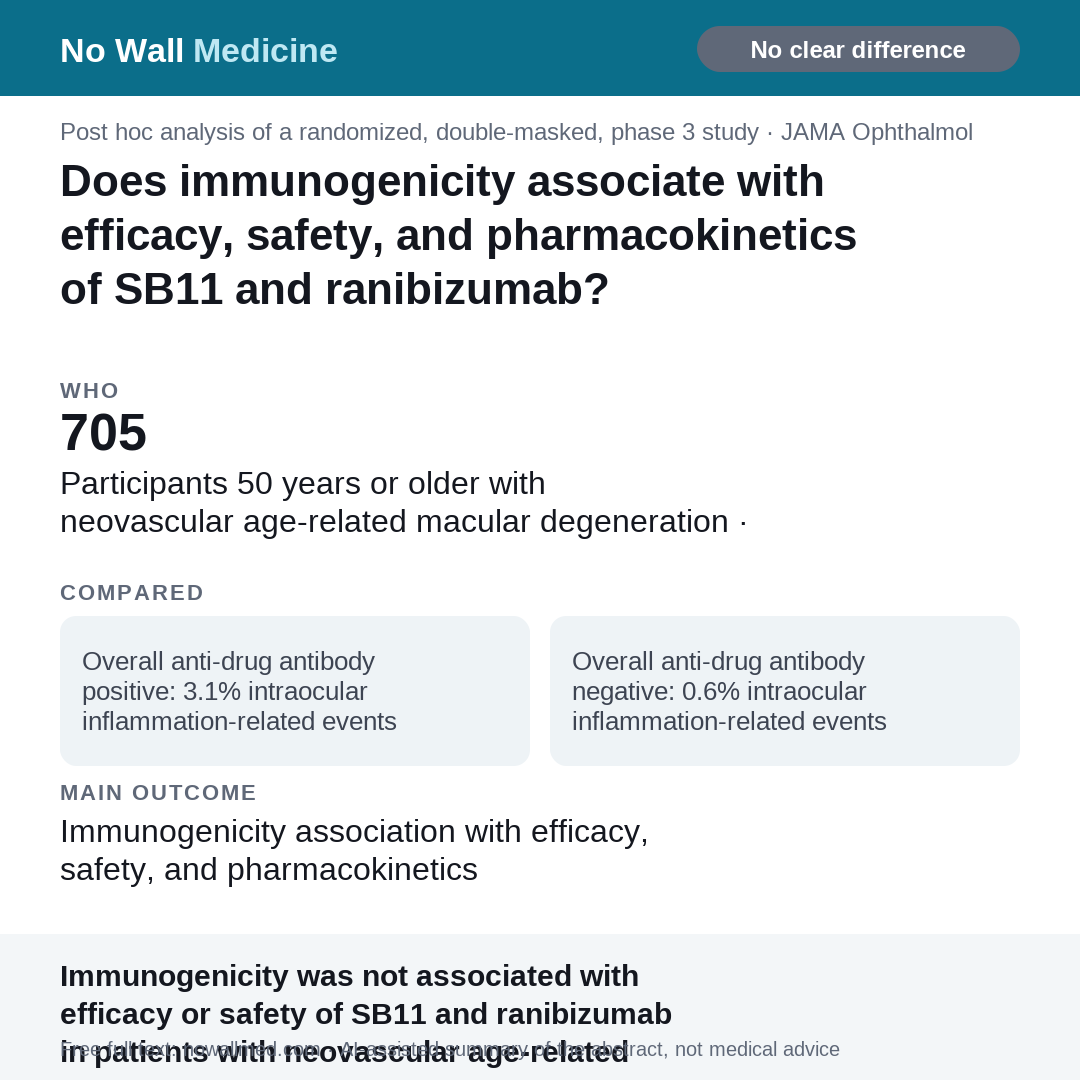
Immunogenicity With Ranibizumab Biosimilar SB11 (Byooviz) and Reference Product Lucentis and Association With Efficacy, Safety, and Pharmacokinetics: A Post Hoc Analysis of a Phase 3 Randomized Clinical Trial
Post hoc analysis of a randomized, double-masked, phase 3 studyNo clear difference
Does immunogenicity associate with efficacy, safety, and pharmacokinetics of SB11 and ranibizumab?
Who
705
Participants 50 years or older with neovascular age-related macular degeneration · 75 centers in 9 countries
Compared
Overall anti-drug antibody positive: 3.1% intraocular inflammation-related events
Overall anti-drug antibody negative: 0.6% intraocular inflammation-related events
Main outcome
Immunogenicity association with efficacy, safety, and pharmacokinetics
Bottom line: Immunogenicity was not associated with efficacy or safety of SB11 and ranibizumab in patients with neovascular age-related macular degeneration.
JAMA Ophthalmol · 2022-12-16Download image
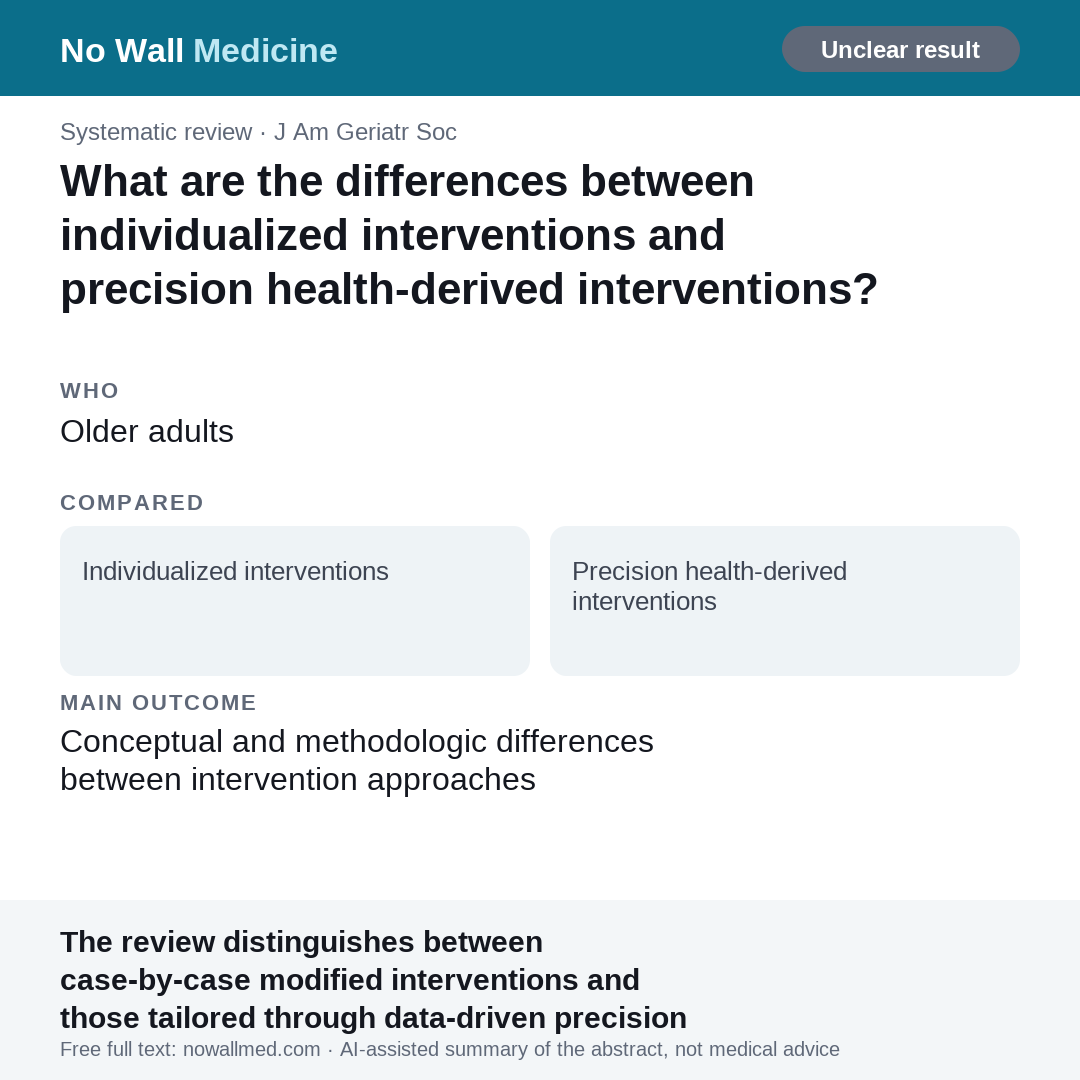
Individualized interventions and precision health: Lessons learned from a systematic review and implications for analytics-driven geriatric research
Systematic reviewUnclear result
What are the differences between individualized interventions and precision health-derived interventions?
Who
Older adults
Compared
Individualized interventions
Precision health-derived interventions
Main outcome
Conceptual and methodologic differences between intervention approaches
Bottom line: The review distinguishes between case-by-case modified interventions and those tailored through data-driven precision health analytics.
J Am Geriatr Soc · 2022-12-16Download image
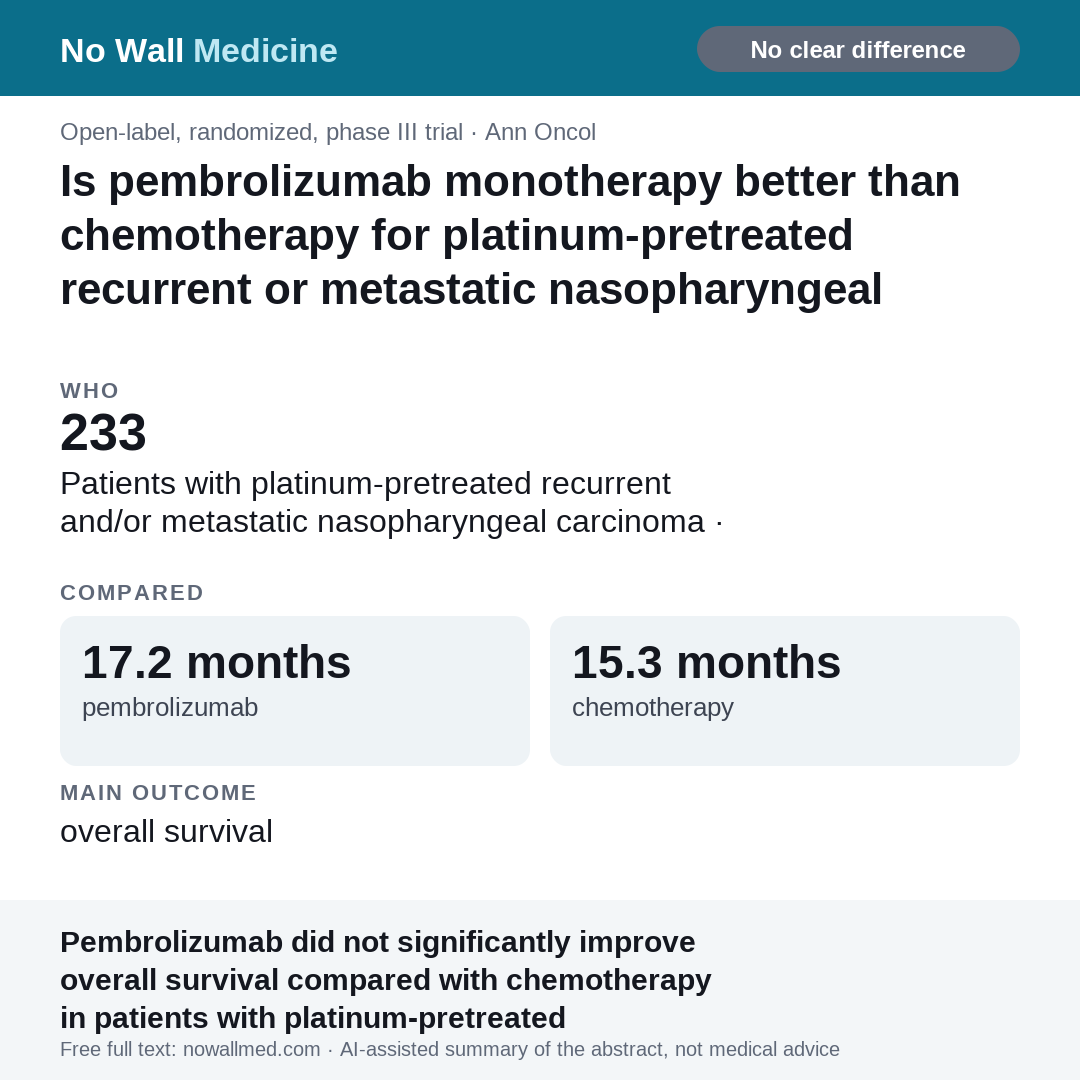
Pembrolizumab monotherapy versus chemotherapy in platinum-pretreated, recurrent or metastatic nasopharyngeal cancer (KEYNOTE-122): an open-label, randomized, phase III trial
Open-label, randomized, phase III trialNo clear difference
Is pembrolizumab monotherapy better than chemotherapy for platinum-pretreated recurrent or metastatic nasopharyngeal carcinoma?
Who
233
Patients with platinum-pretreated recurrent and/or metastatic nasopharyngeal carcinoma · 29 sites, globally
Compared
17.2 monthspembrolizumab
15.3 monthschemotherapy
Main outcome
overall survival
Result: hazard ratio 0.90 (95% CI 0.67-1.19; P = 0.2262)
Bottom line: Pembrolizumab did not significantly improve overall survival compared with chemotherapy in patients with platinum-pretreated recurrent or metastatic nasopharyngeal carcinoma.
Ann Oncol · 2022-12-16Download image
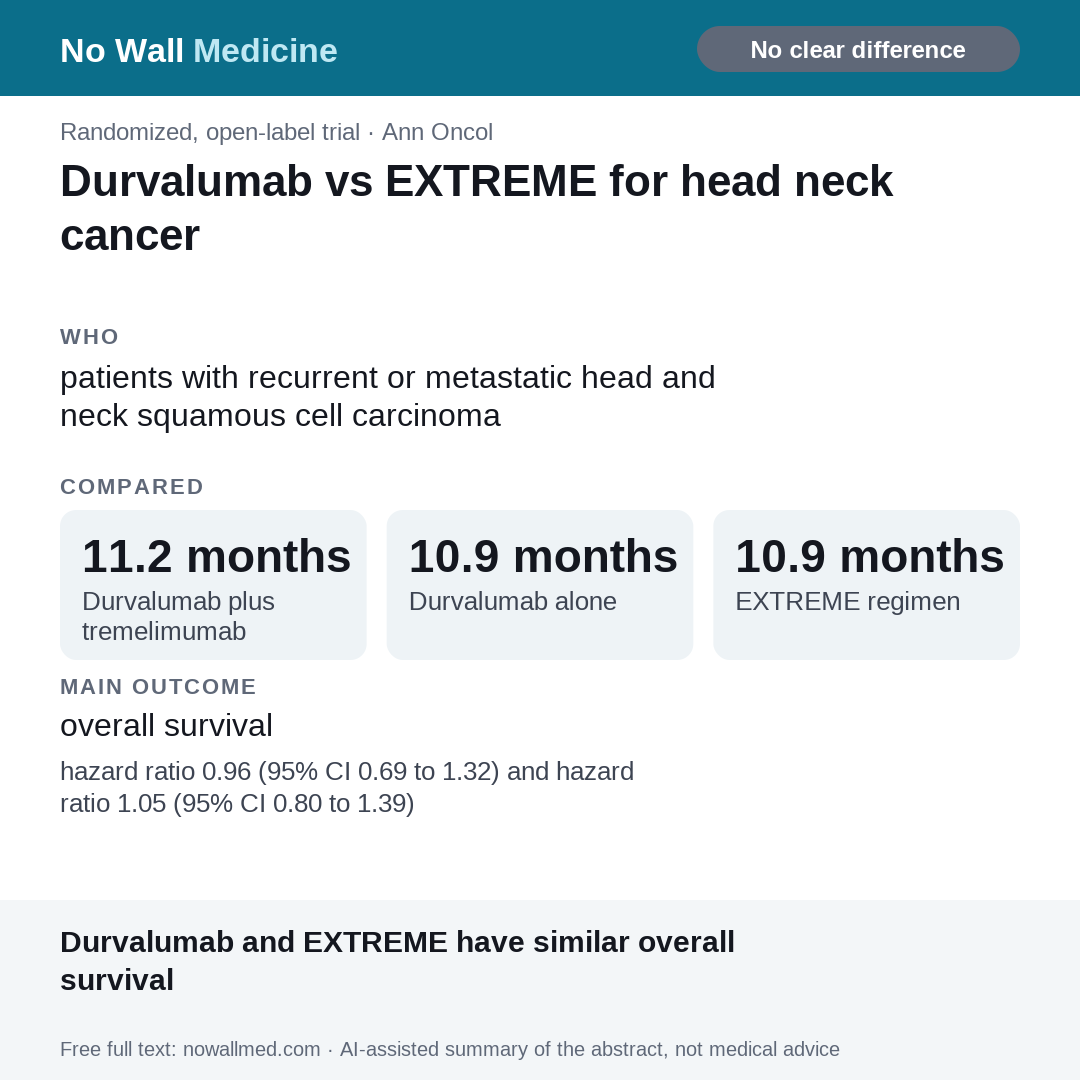
Durvalumab with or without tremelimumab versus the EXTREME regimen as first-line treatment for recurrent or metastatic squamous cell carcinoma of the head and neck: KESTREL, a randomized, open-label, phase III study
Randomized, open-label trialNo clear difference
Durvalumab vs EXTREME for head neck cancer
Who
patients with recurrent or metastatic head and neck squamous cell carcinoma
Compared
11.2 monthsDurvalumab plus tremelimumab
10.9 monthsDurvalumab alone
10.9 monthsEXTREME regimen
Main outcome
overall survival
Result: hazard ratio 0.96 (95% CI 0.69 to 1.32) and hazard ratio 1.05 (95% CI 0.80 to 1.39)
Bottom line: Durvalumab and EXTREME have similar overall survival
Limitation: subsequent immunotherapy use affected outcomes
Ann Oncol · 2022-12-16Download image
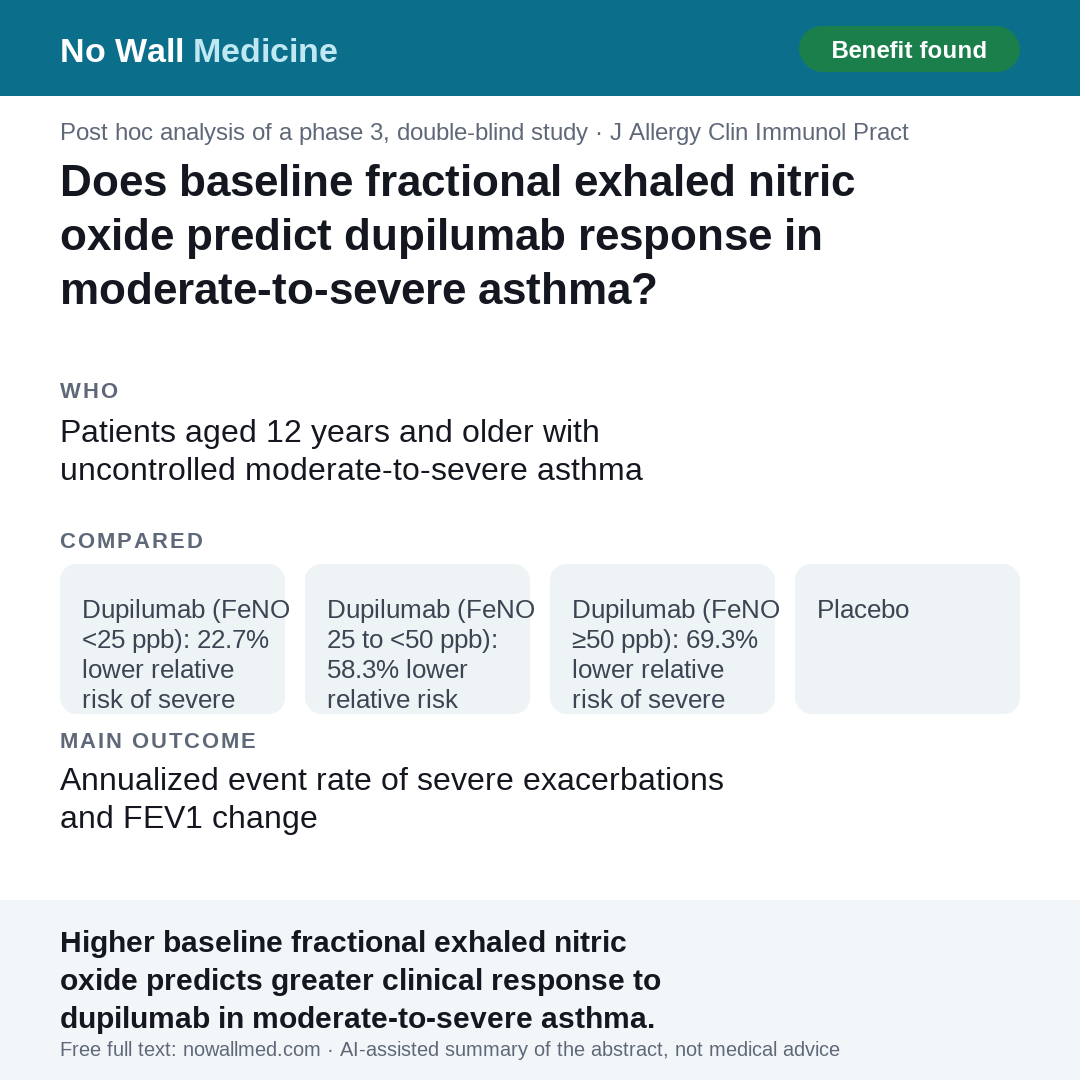
Baseline FeNO Independently Predicts the Dupilumab Response in Patients With Moderate-to-Severe Asthma
Post hoc analysis of a phase 3, double-blind studyBenefit found
Does baseline fractional exhaled nitric oxide predict dupilumab response in moderate-to-severe asthma?
Who
Patients aged 12 years and older with uncontrolled moderate-to-severe asthma
Compared
Dupilumab (FeNO <25 ppb): 22.7% lower relative risk of severe exacerbations
Dupilumab (FeNO 25 to <50 ppb): 58.3% lower relative risk of severe exacerbations
Dupilumab (FeNO ≥50 ppb): 69.3% lower relative risk of severe exacerbations
Placebo
Main outcome
Annualized event rate of severe exacerbations and FEV1 change
Bottom line: Higher baseline fractional exhaled nitric oxide predicts greater clinical response to dupilumab in moderate-to-severe asthma.
J Allergy Clin Immunol Pract · 2022-12-16Download image
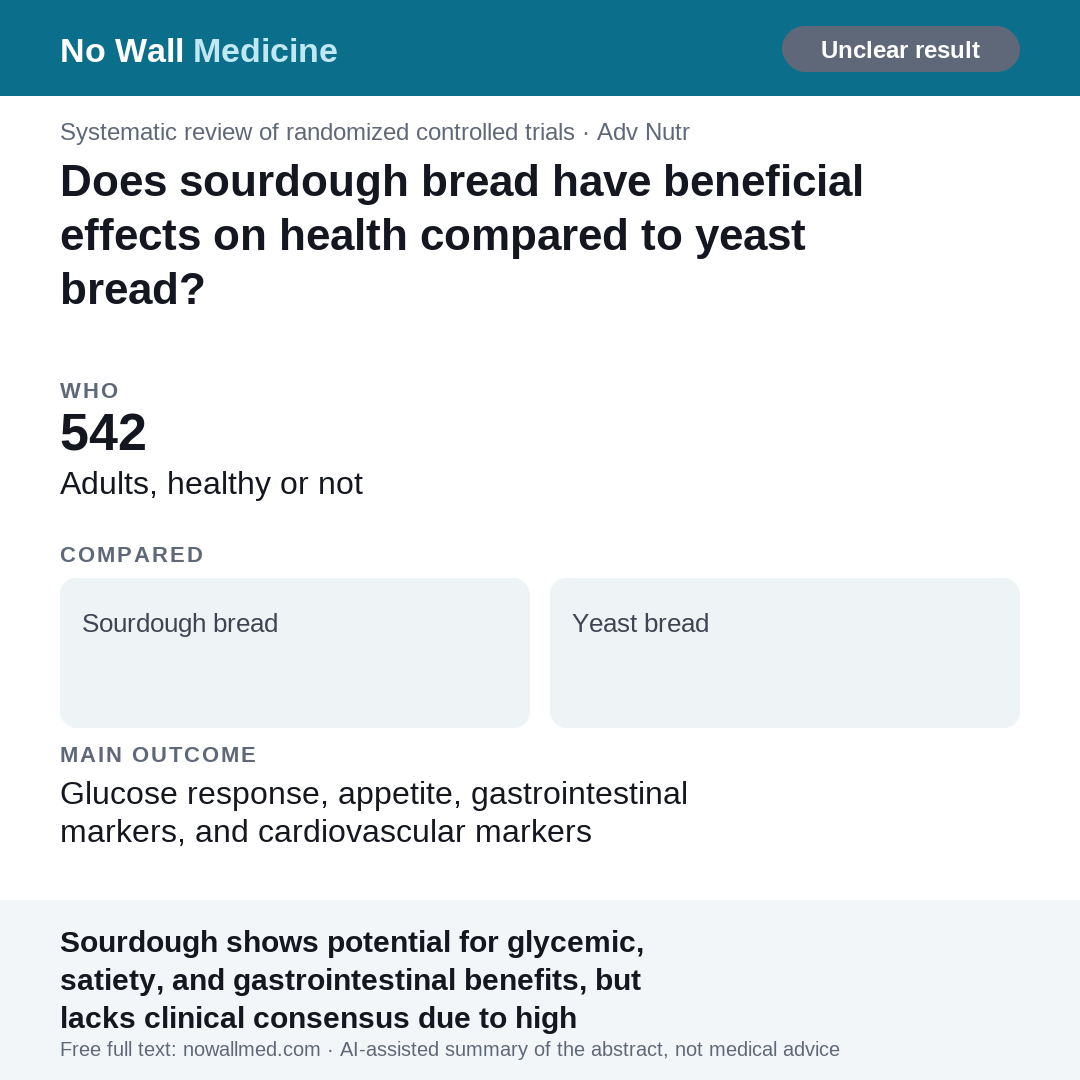
Nutritional benefits of sourdoughs: A systematic review
Systematic review of randomized controlled trialsUnclear result
Does sourdough bread have beneficial effects on health compared to yeast bread?
Who
542
Adults, healthy or not
Compared
Sourdough bread
Yeast bread
Main outcome
Glucose response, appetite, gastrointestinal markers, and cardiovascular markers
Bottom line: Sourdough shows potential for glycemic, satiety, and gastrointestinal benefits, but lacks clinical consensus due to high variability.
Limitation: Variety of factors like microbial composition and fermentation parameters influence nutritional properties.
Adv Nutr · 2022-12-16Download image
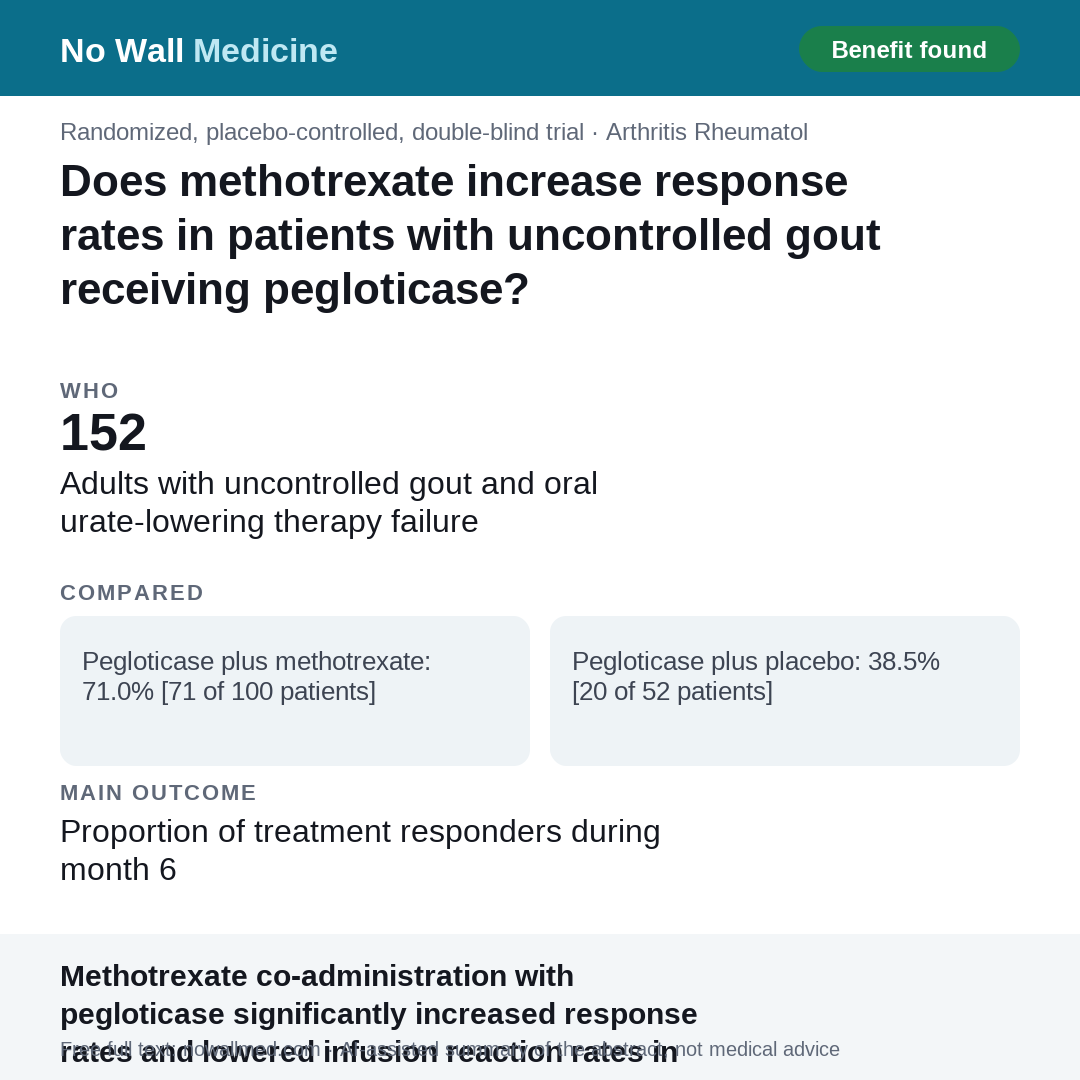
A Randomized, Placebo-Controlled Study of Methotrexate to Increase Response Rates in Patients with Uncontrolled Gout Receiving Pegloticase: Primary Efficacy and Safety Findings
Randomized, placebo-controlled, double-blind trialBenefit found
Does methotrexate increase response rates in patients with uncontrolled gout receiving pegloticase?
Who
152
Adults with uncontrolled gout and oral urate-lowering therapy failure
Compared
Pegloticase plus methotrexate: 71.0% [71 of 100 patients]
Pegloticase plus placebo: 38.5% [20 of 52 patients]
Main outcome
Proportion of treatment responders during month 6
Result: between-group difference 32.3% [95% confidence interval 16.3%, 48.3%]
Bottom line: Methotrexate co-administration with pegloticase significantly increased response rates and lowered infusion reaction rates in uncontrolled gout patients.
Arthritis Rheumatol · 2022-12-16Download image
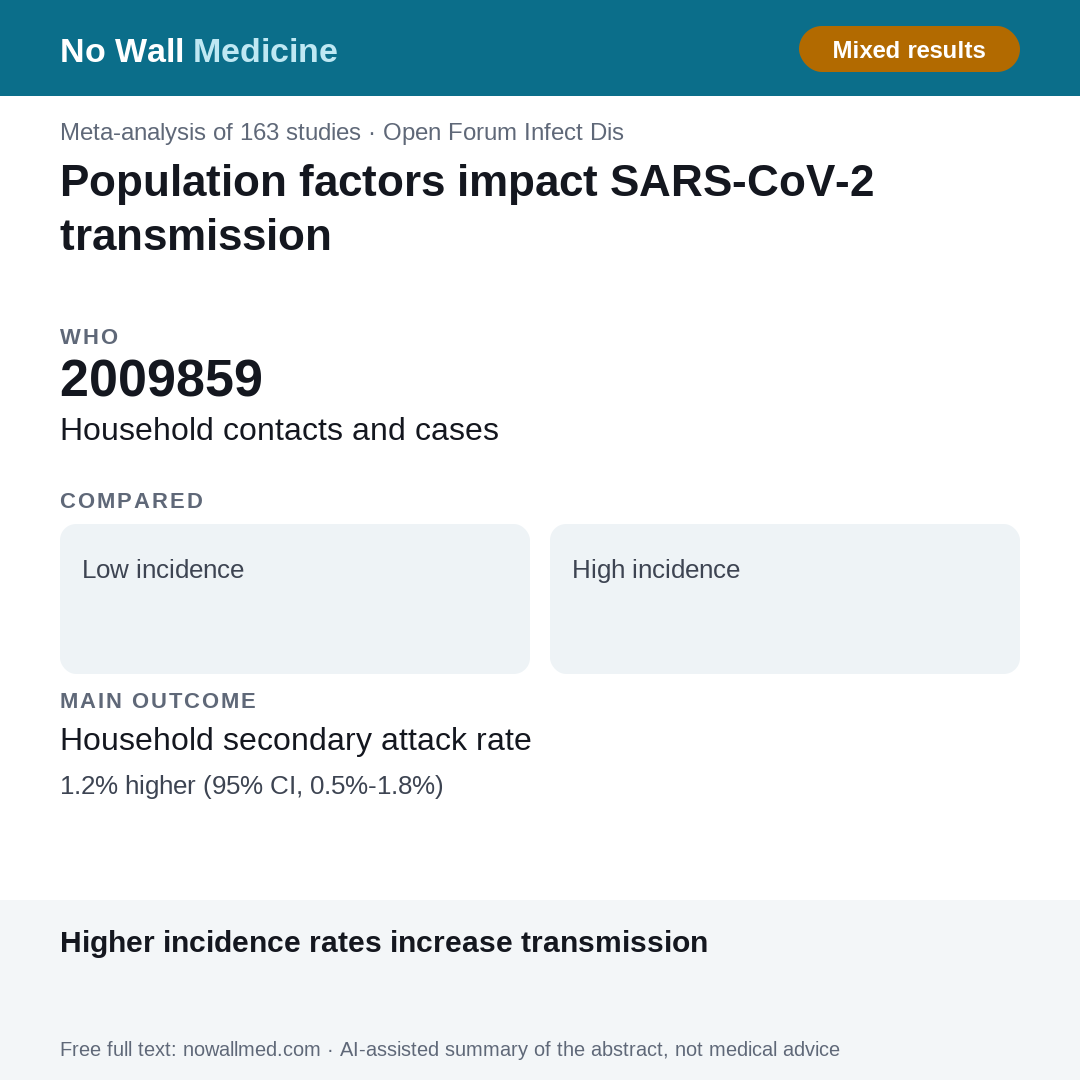
Association Between Population-Level Factors and Household Secondary Attack Rate of SARS-CoV-2: A Systematic Review and Meta-analysis
Meta-analysis of 163 studiesMixed results
Population factors impact SARS-CoV-2 transmission
Who
2009859
Household contacts and cases
Compared
Low incidence
High incidence
Main outcome
Household secondary attack rate
Result: 1.2% higher (95% CI, 0.5%-1.8%)
Bottom line: Higher incidence rates increase transmission
Open Forum Infect Dis · 2022-12-16Download image