Visual abstracts
New randomized trials and meta-analyses from leading journals at a glance: who was studied, what was compared, and what was found. Every paper is free to read in full.
All specialtiesCardiology 847Oncology 766Gastroenterology & Hepatology 308Infectious Disease 626Neurology 353Psychiatry & Mental Health 430Pulmonology 368Critical Care 253Endocrinology & Diabetes 480Pediatrics 541Surgery 331Orthopedics & Sports Medicine 163Neurosurgery 101Cardiothoracic & Vascular Surgery 87Plastic & Reconstructive Surgery 132Nephrology 197Rheumatology 108Hematology 182Dermatology 80Ophthalmology 97Obstetrics & Gynecology 262Public & Global Health 167Radiology & Imaging 98Anesthesiology 119Urology 162ENT (Otolaryngology) 102Emergency Medicine 85Allergy & Immunology 58Geriatrics 160Family Medicine & Primary Care 111Medical Genetics & Genomics 91Pathology & Laboratory Medicine 24Physical Medicine & Rehabilitation 148Palliative Care 81Nutrition 223Digital Health & AI 460General Medicine 101
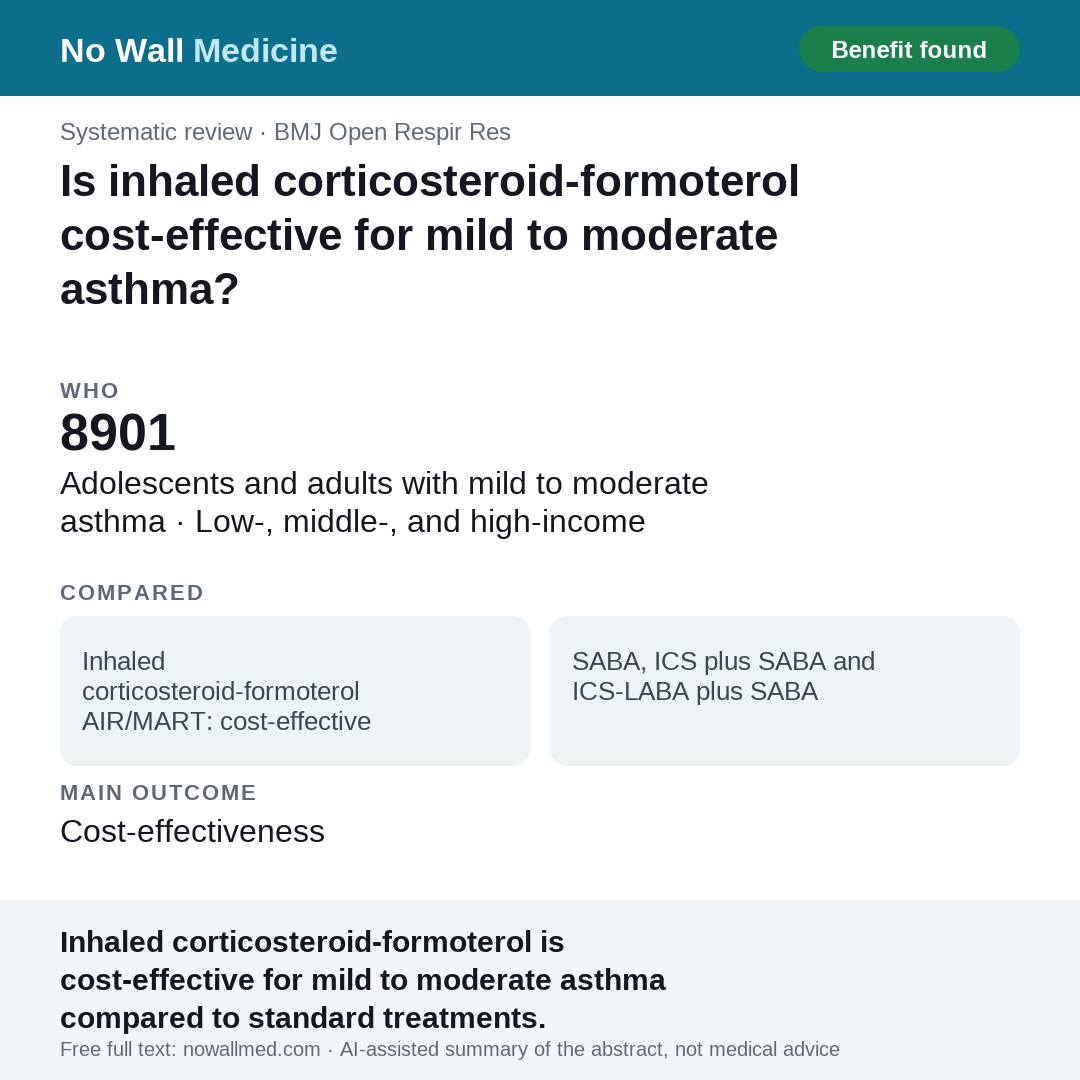
Cost-effectiveness of anti-inflammatory reliever (AIR) or maintenance and reliever therapy (MART) for mild to moderate asthma: a systematic review
Systematic reviewBenefit found
Is inhaled corticosteroid-formoterol cost-effective for mild to moderate asthma?
Who
8901
Adolescents and adults with mild to moderate asthma · Low-, middle-, and high-income countries
Compared
Inhaled corticosteroid-formoterol AIR/MART: cost-effective
SABA, ICS plus SABA and ICS-LABA plus SABA
Main outcome
Cost-effectiveness
Bottom line: Inhaled corticosteroid-formoterol is cost-effective for mild to moderate asthma compared to standard treatments.
BMJ Open Respir Res · 2026-10-08Download image
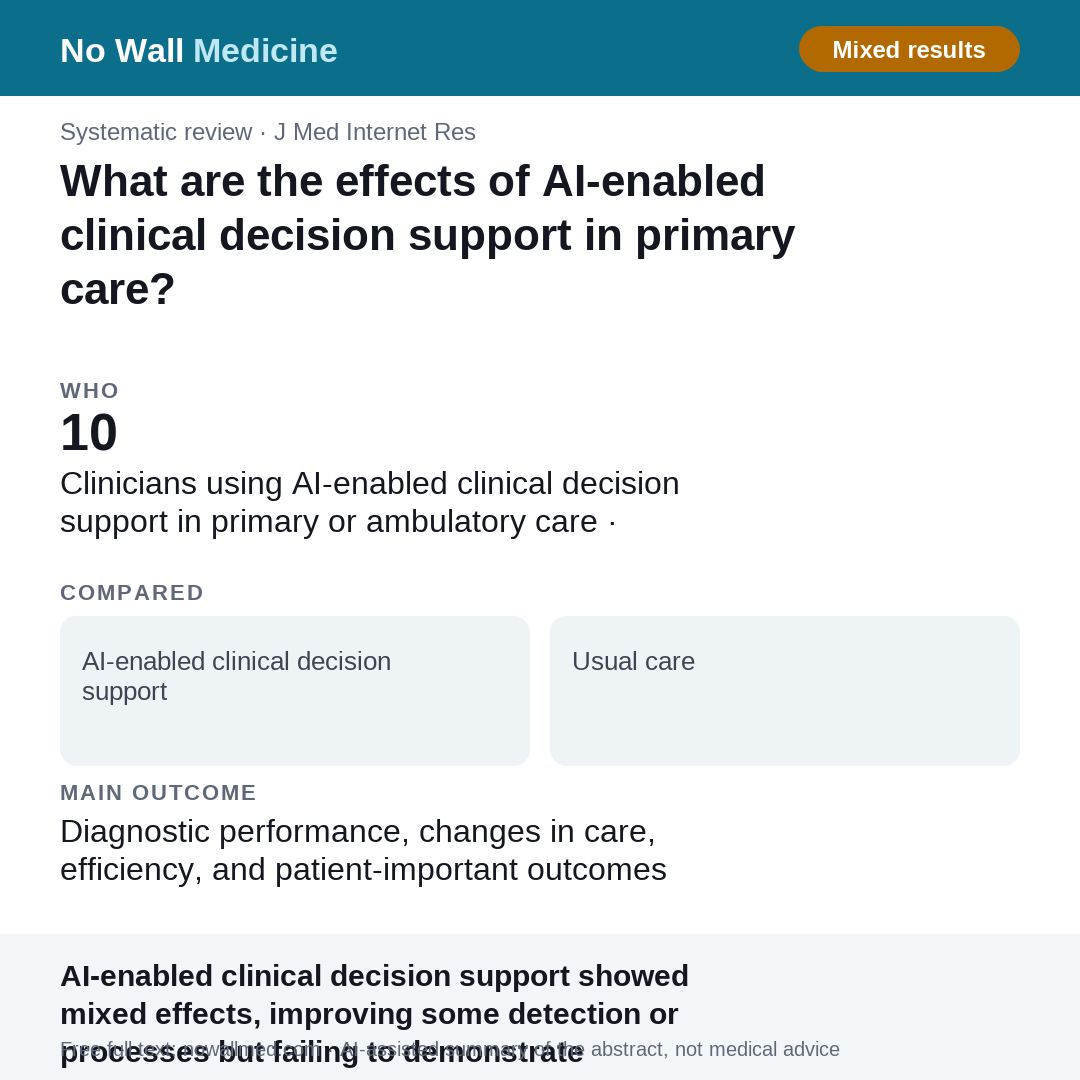
Real-World Effectiveness of AI-Enabled Clinical Decision Support in Primary Care: Systematic Review
Systematic reviewMixed results
What are the effects of AI-enabled clinical decision support in primary care?
Who
10
Clinicians using AI-enabled clinical decision support in primary or ambulatory care · Primary or ambulatory care
Compared
AI-enabled clinical decision support
Usual care
Main outcome
Diagnostic performance, changes in care, efficiency, and patient-important outcomes
Bottom line: AI-enabled clinical decision support showed mixed effects, improving some detection or processes but failing to demonstrate patient-important benefits.
Limitation: Heterogeneity and limited outcome measurement prevented causal explanations for differences.
J Med Internet Res · 2026-10-08Download image
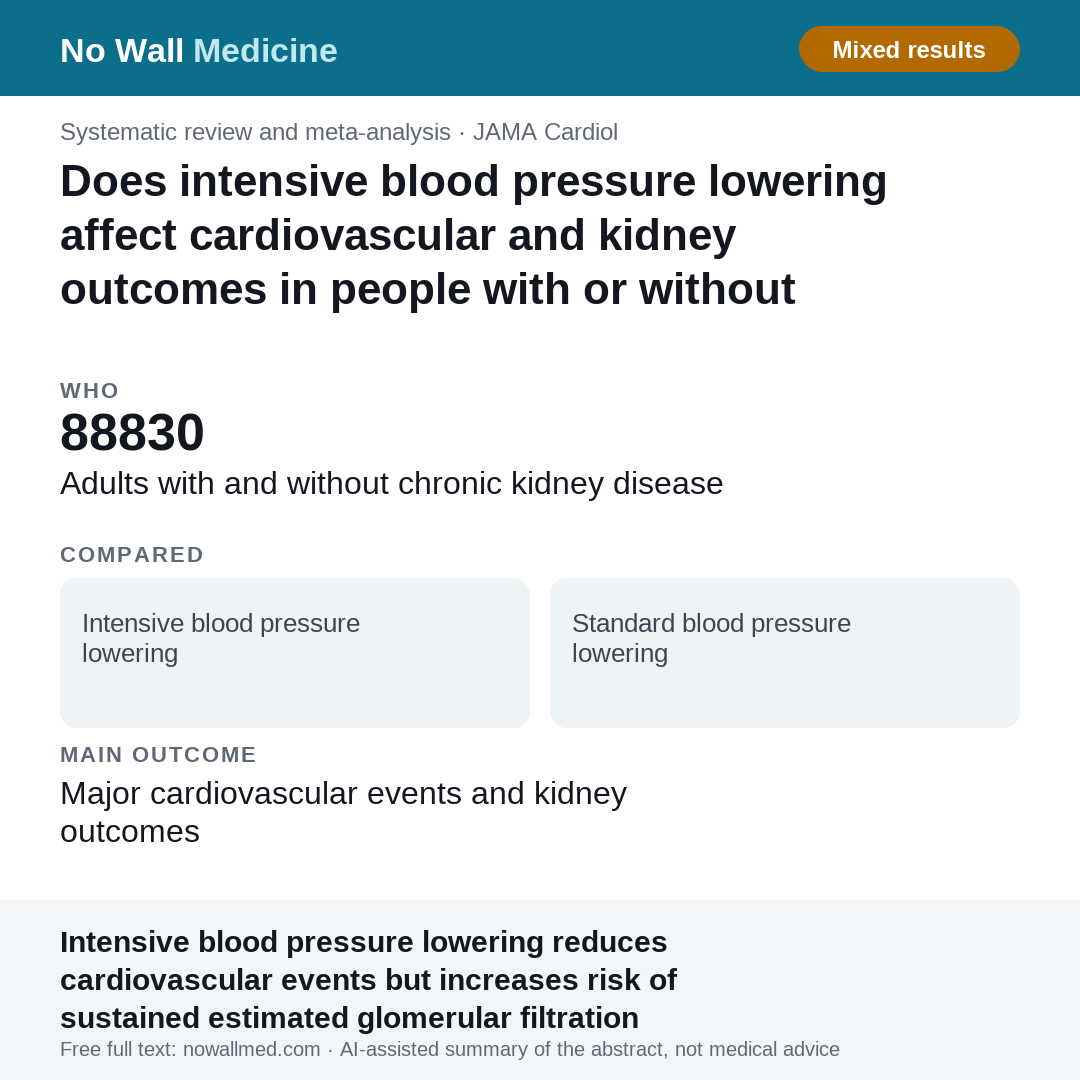
Intensive vs Standard Blood Pressure Lowering in People With and Without Chronic Kidney Disease: A Systematic Review and Meta-Analysis
Systematic review and meta-analysisMixed results
Does intensive blood pressure lowering affect cardiovascular and kidney outcomes in people with or without chronic kidney disease?
Who
88830
Adults with and without chronic kidney disease
Compared
Intensive blood pressure lowering
Standard blood pressure lowering
Main outcome
Major cardiovascular events and kidney outcomes
Result: relative risk 0.85 (95% CI, 0.81-0.89) for cardiovascular events
Bottom line: Intensive blood pressure lowering reduces cardiovascular events but increases risk of sustained estimated glomerular filtration rate declines in adults.
JAMA Cardiol · 2026-10-07Download image
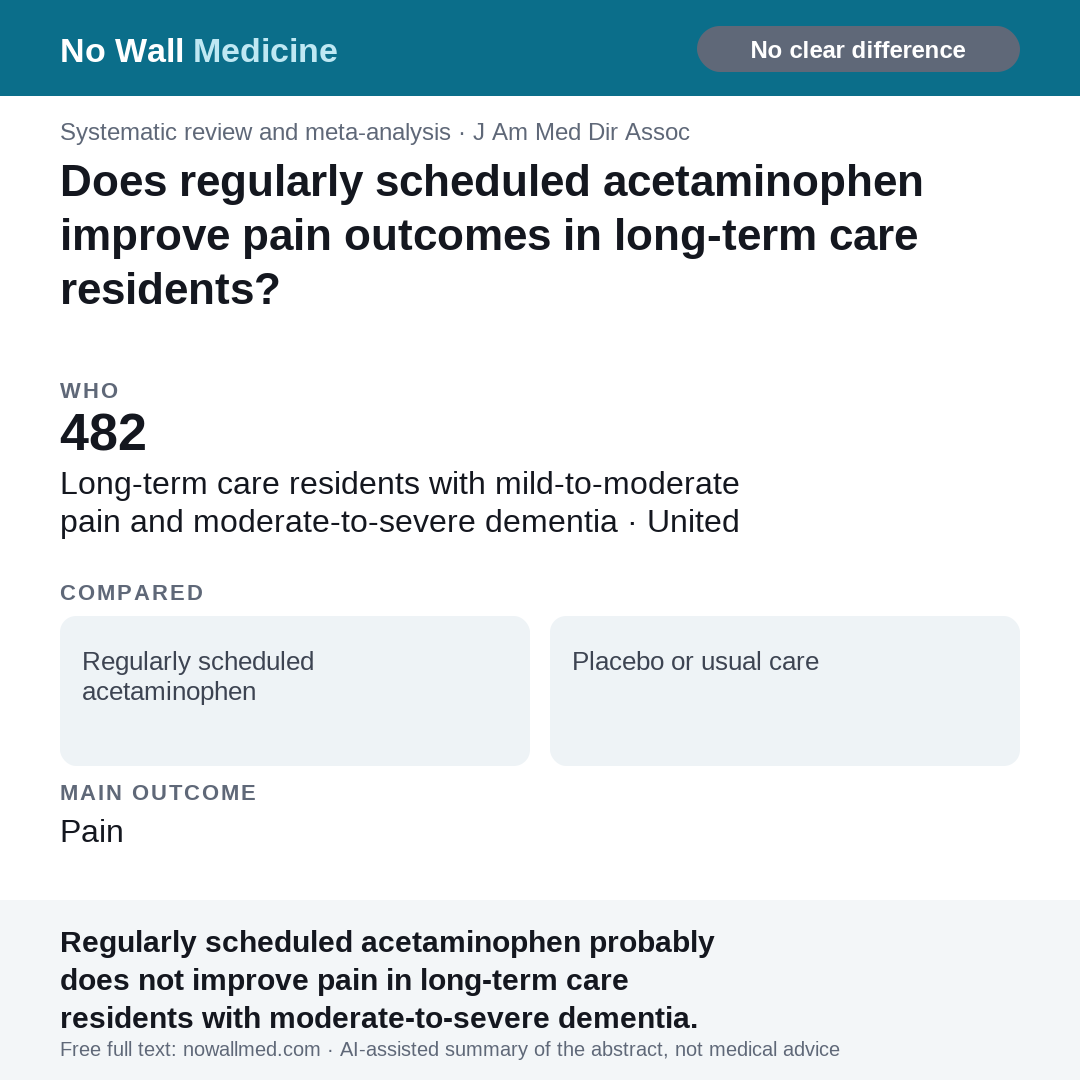
Regularly Scheduled Acetaminophen for Pain in Long-Term Care: Systematic Review and Meta-Analysis
Systematic review and meta-analysisNo clear difference
Does regularly scheduled acetaminophen improve pain outcomes in long-term care residents?
Who
482
Long-term care residents with mild-to-moderate pain and moderate-to-severe dementia · United States and Europe
Compared
Regularly scheduled acetaminophen
Placebo or usual care
Main outcome
Pain
Result: standardized mean difference -0.14 (95% CI -0.39 to 0.11)
Bottom line: Regularly scheduled acetaminophen probably does not improve pain in long-term care residents with moderate-to-severe dementia.
Limitation: Incomplete reporting of study methods and outcomes
J Am Med Dir Assoc · 2026-10-07Download image
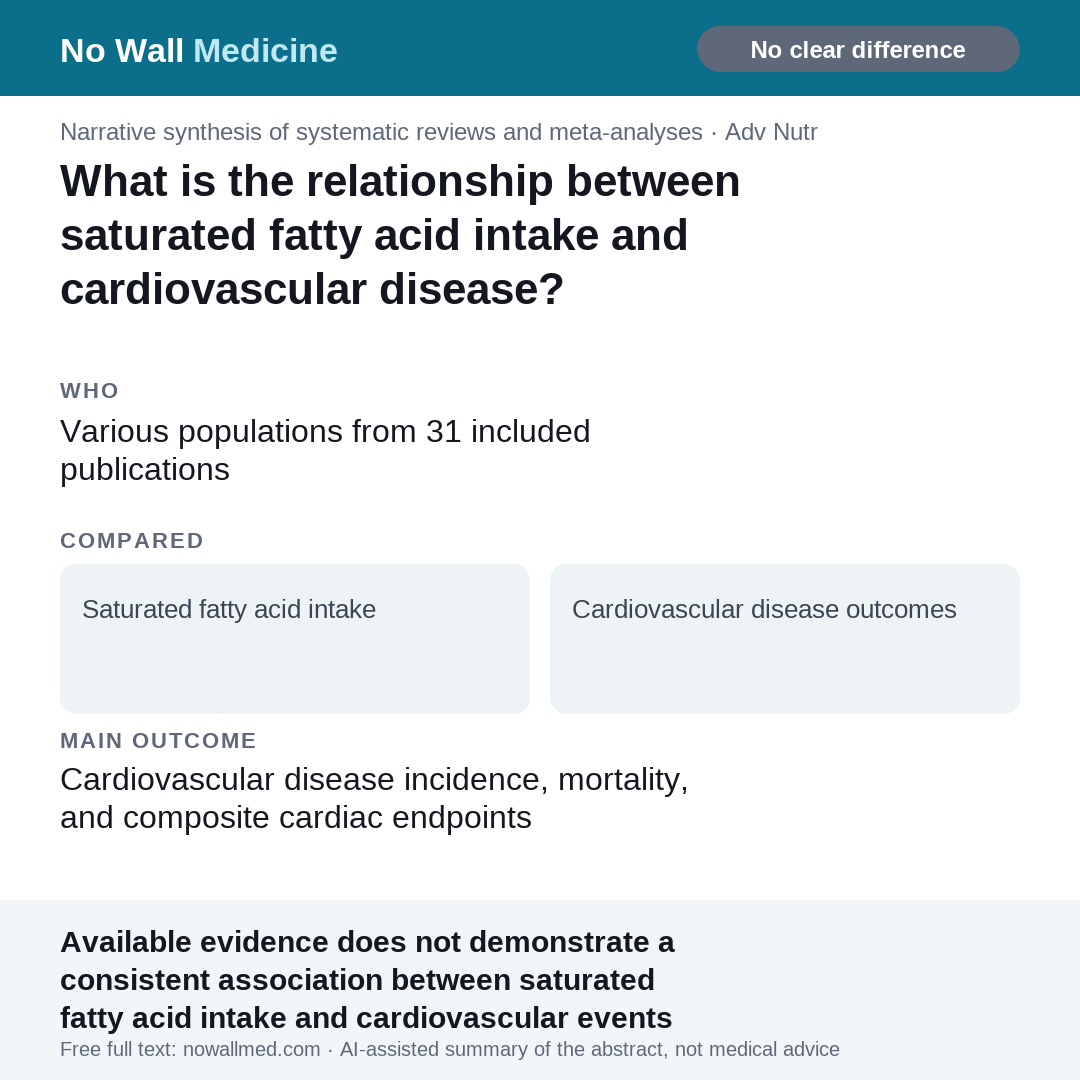
Revisiting the Evidence Underlying Dietary Recommendations on Saturated Fats and Cardiovascular Disease: A Narrative Synthesis of Systematic Reviews and Meta-Analyses
Narrative synthesis of systematic reviews and meta-analysesNo clear difference
What is the relationship between saturated fatty acid intake and cardiovascular disease?
Who
Various populations from 31 included publications
Compared
Saturated fatty acid intake
Cardiovascular disease outcomes
Main outcome
Cardiovascular disease incidence, mortality, and composite cardiac endpoints
Bottom line: Available evidence does not demonstrate a consistent association between saturated fatty acid intake and cardiovascular events or mortality.
Adv Nutr · 2026-10-07Download image
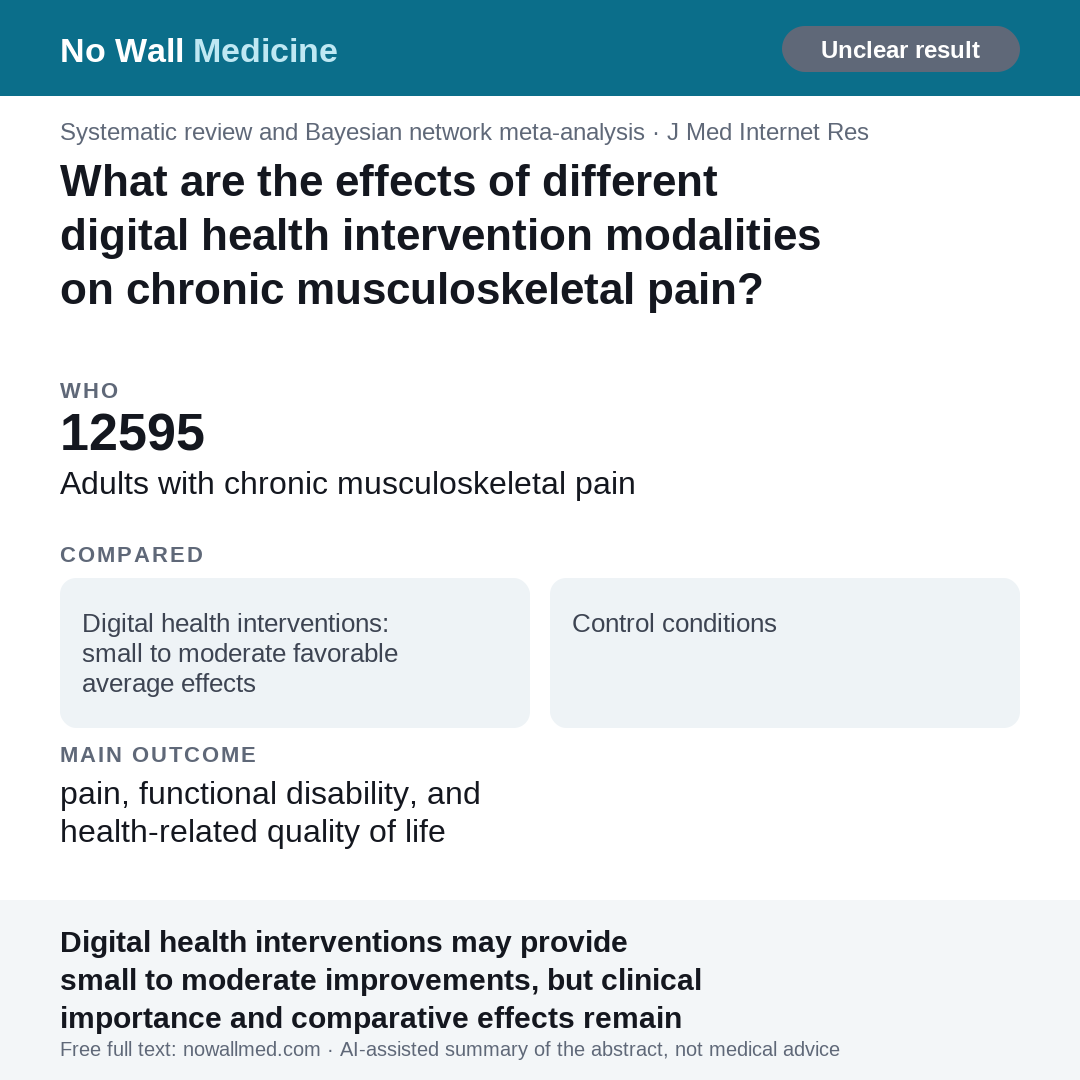
Effects of Digital Health Interventions in Chronic Musculoskeletal Pain: Systematic Review and Bayesian Network Meta-Analysis of Randomized Controlled Trials
Systematic review and Bayesian network meta-analysisUnclear result
What are the effects of different digital health intervention modalities on chronic musculoskeletal pain?
Who
12595
Adults with chronic musculoskeletal pain
Compared
Digital health interventions: small to moderate favorable average effects
Control conditions
Main outcome
pain, functional disability, and health-related quality of life
Bottom line: Digital health interventions may provide small to moderate improvements, but clinical importance and comparative effects remain uncertain.
Limitation: The certainty of evidence was predominantly low or very low.
J Med Internet Res · 2026-10-07Download image
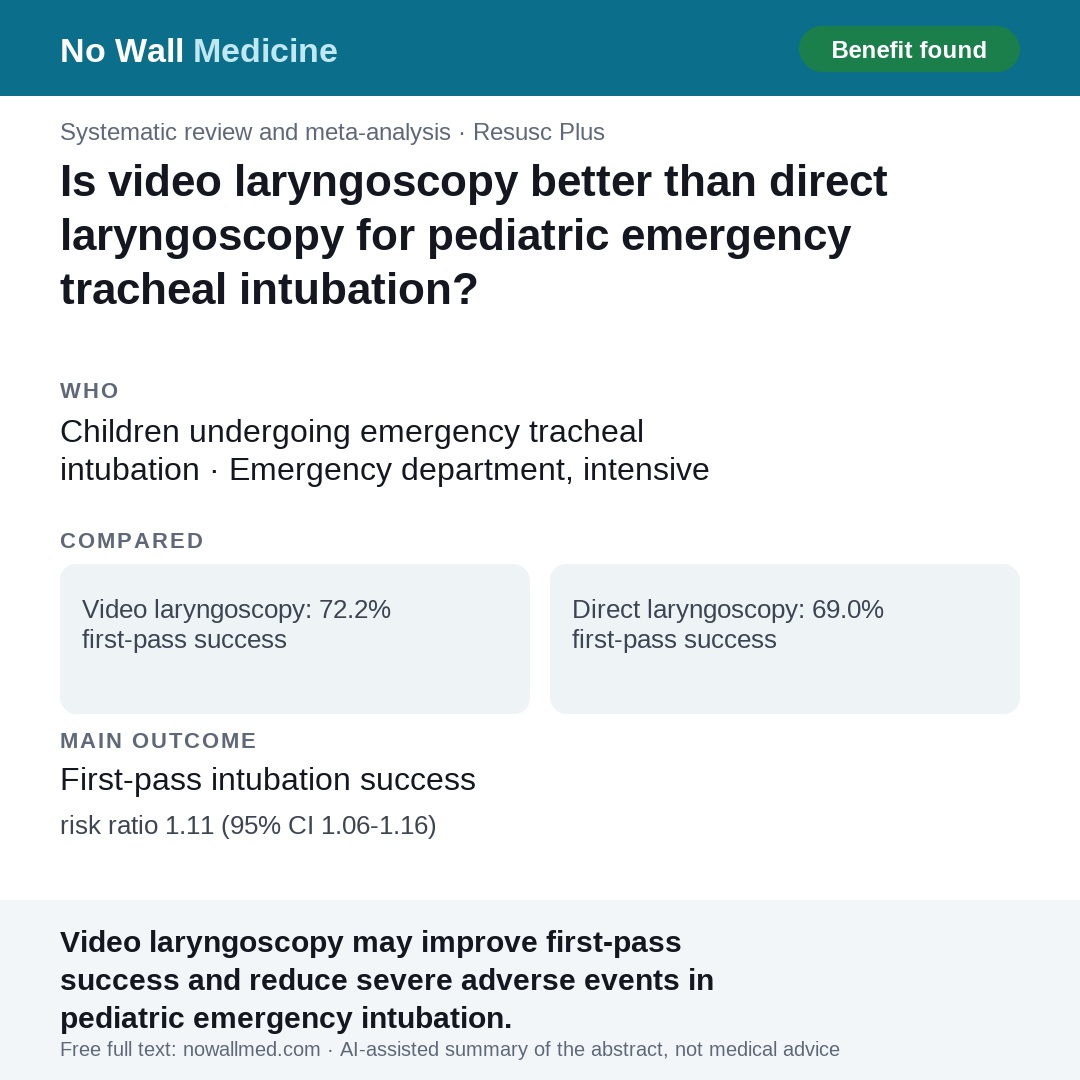
Video laryngoscopy versus direct laryngoscopy for pediatric emergency tracheal intubation: a systematic review and meta-analysis
Systematic review and meta-analysisBenefit found
Is video laryngoscopy better than direct laryngoscopy for pediatric emergency tracheal intubation?
Who
Children undergoing emergency tracheal intubation · Emergency department, intensive care, and prehospital settings
Compared
Video laryngoscopy: 72.2% first-pass success
Direct laryngoscopy: 69.0% first-pass success
Main outcome
First-pass intubation success
Result: risk ratio 1.11 (95% CI 1.06-1.16)
Bottom line: Video laryngoscopy may improve first-pass success and reduce severe adverse events in pediatric emergency intubation.
Limitation: Certainty of evidence is very low and causal inferences are limited.
Resusc Plus · 2026-10-07Download image
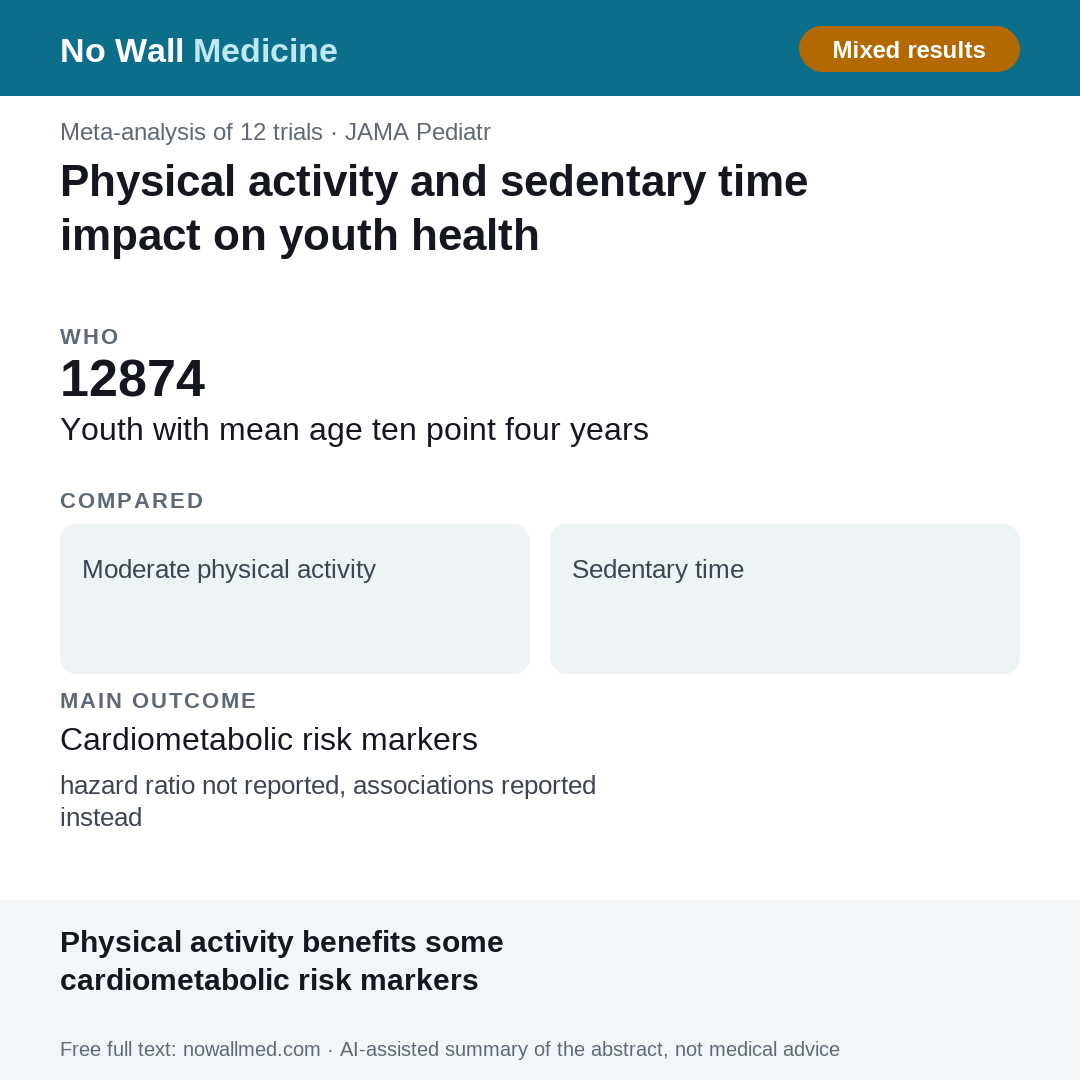
Device-Measured Physical Activity, Sedentary Time, and Cardiometabolic Risk Markers in Youth: A Harmonized Individual Participant Data Meta-Analysis
Meta-analysis of 12 trialsMixed results
Physical activity and sedentary time impact on youth health
Who
12874
Youth with mean age ten point four years
Compared
Moderate physical activity
Sedentary time
Main outcome
Cardiometabolic risk markers
Result: hazard ratio not reported, associations reported instead
Bottom line: Physical activity benefits some cardiometabolic risk markers
Limitation: Associations were weak and heterogeneous
JAMA Pediatr · 2026-10-06Download image
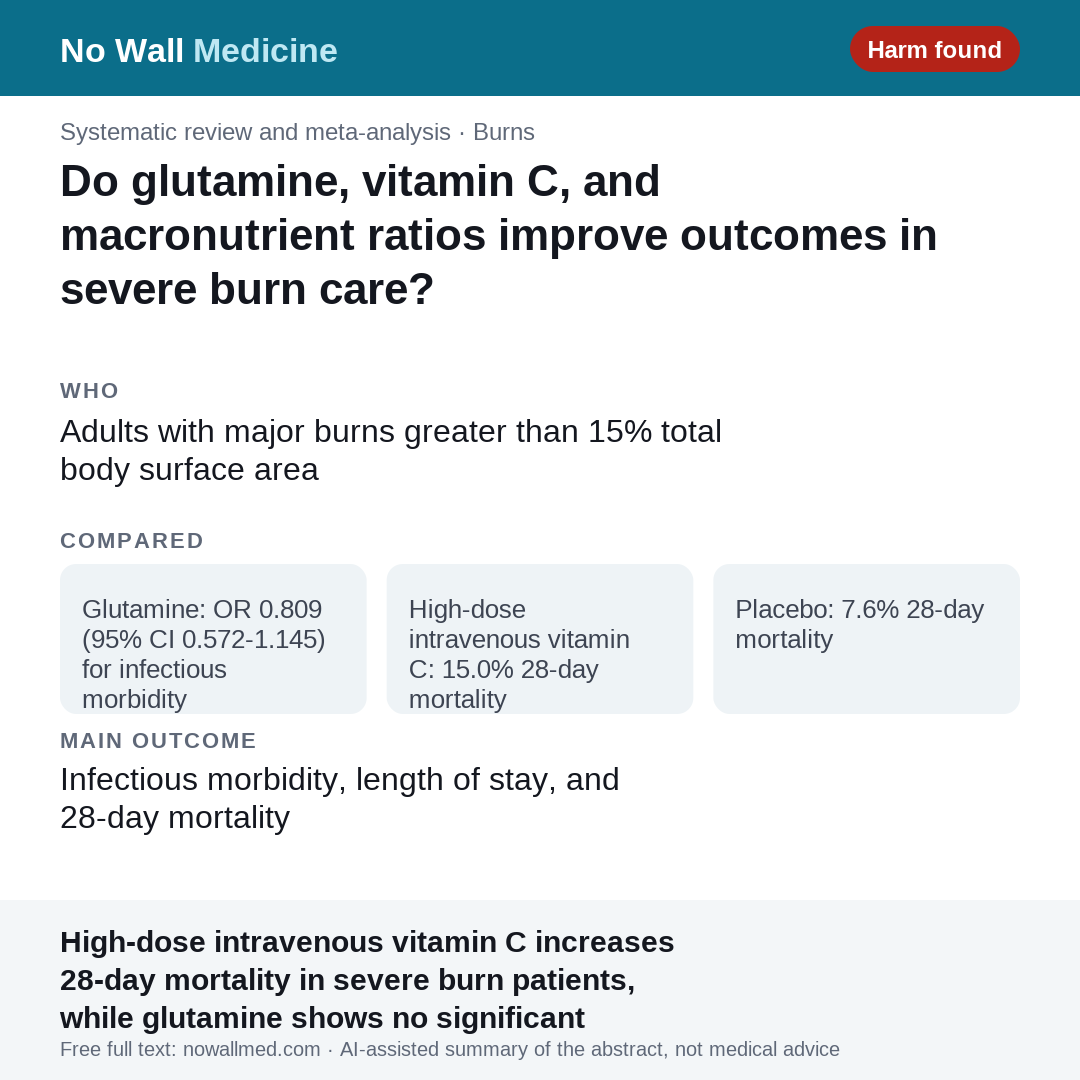
Contemporary nutritional strategies in severe burn care: A systematic review and meta-analysis on glutamine supplementation, vitamin C, and macronutrient ratios
Systematic review and meta-analysisHarm found
Do glutamine, vitamin C, and macronutrient ratios improve outcomes in severe burn care?
Who
Adults with major burns greater than 15% total body surface area
Compared
Glutamine: OR 0.809 (95% CI 0.572-1.145) for infectious morbidity
High-dose intravenous vitamin C: 15.0% 28-day mortality
Placebo: 7.6% 28-day mortality
Main outcome
Infectious morbidity, length of stay, and 28-day mortality
Result: RR 1.96 (95% CI 1.32-2.90) for 28-day mortality
Bottom line: High-dose intravenous vitamin C increases 28-day mortality in severe burn patients, while glutamine shows no significant benefit.
Limitation: High-carbohydrate, low-fat strategy results are based on a single retrospective cohort.
Burns · 2026-10-06Download image
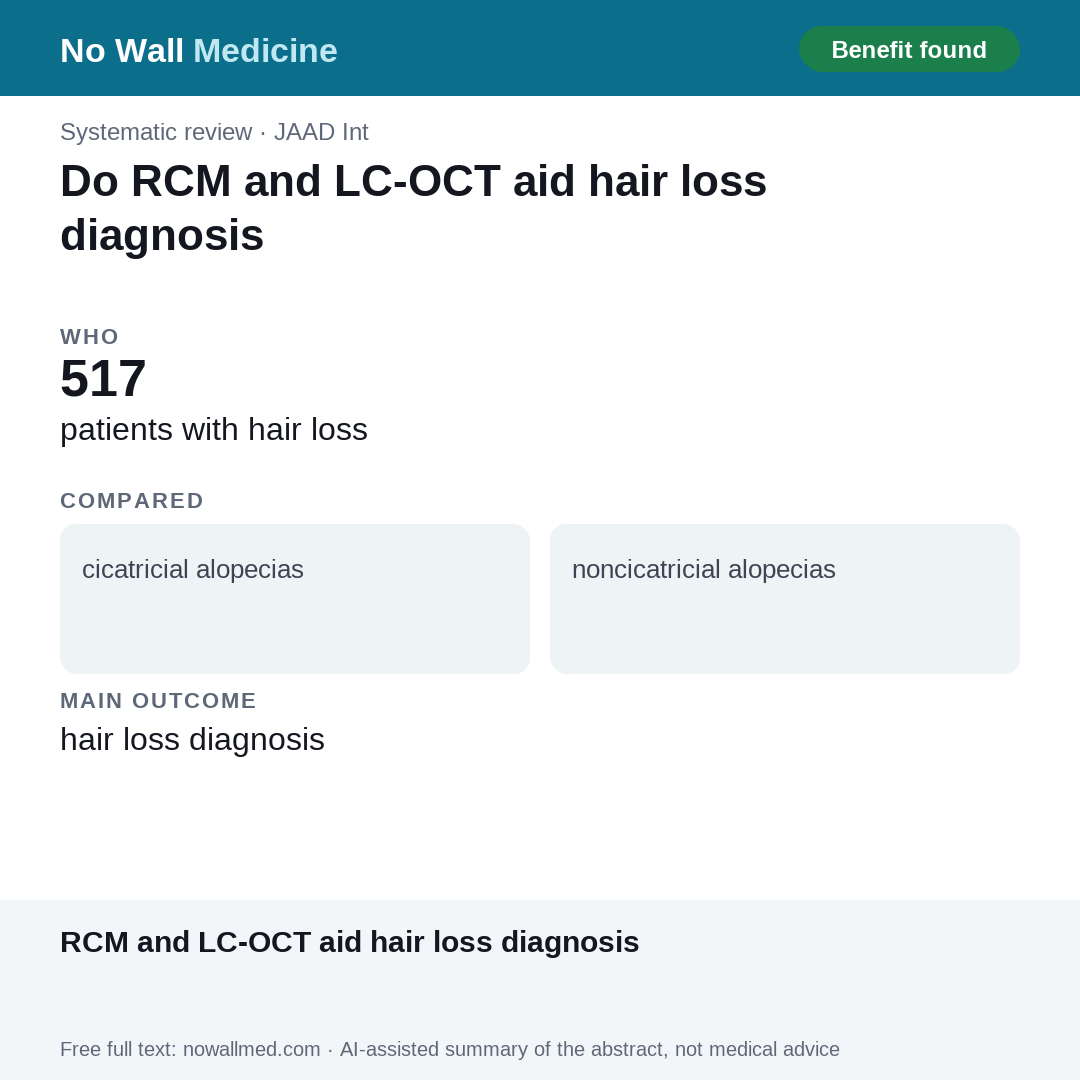
Reflectance confocal microscopy and line-field confocal optical coherence tomography in hair loss: A systematic review and a glossary of nomenclature
Systematic reviewBenefit found
Do RCM and LC-OCT aid hair loss diagnosis
Who
517
patients with hair loss
Compared
cicatricial alopecias
noncicatricial alopecias
Main outcome
hair loss diagnosis
Bottom line: RCM and LC-OCT aid hair loss diagnosis
Limitation: low number of included studies
JAAD Int · 2026-10-06Download image
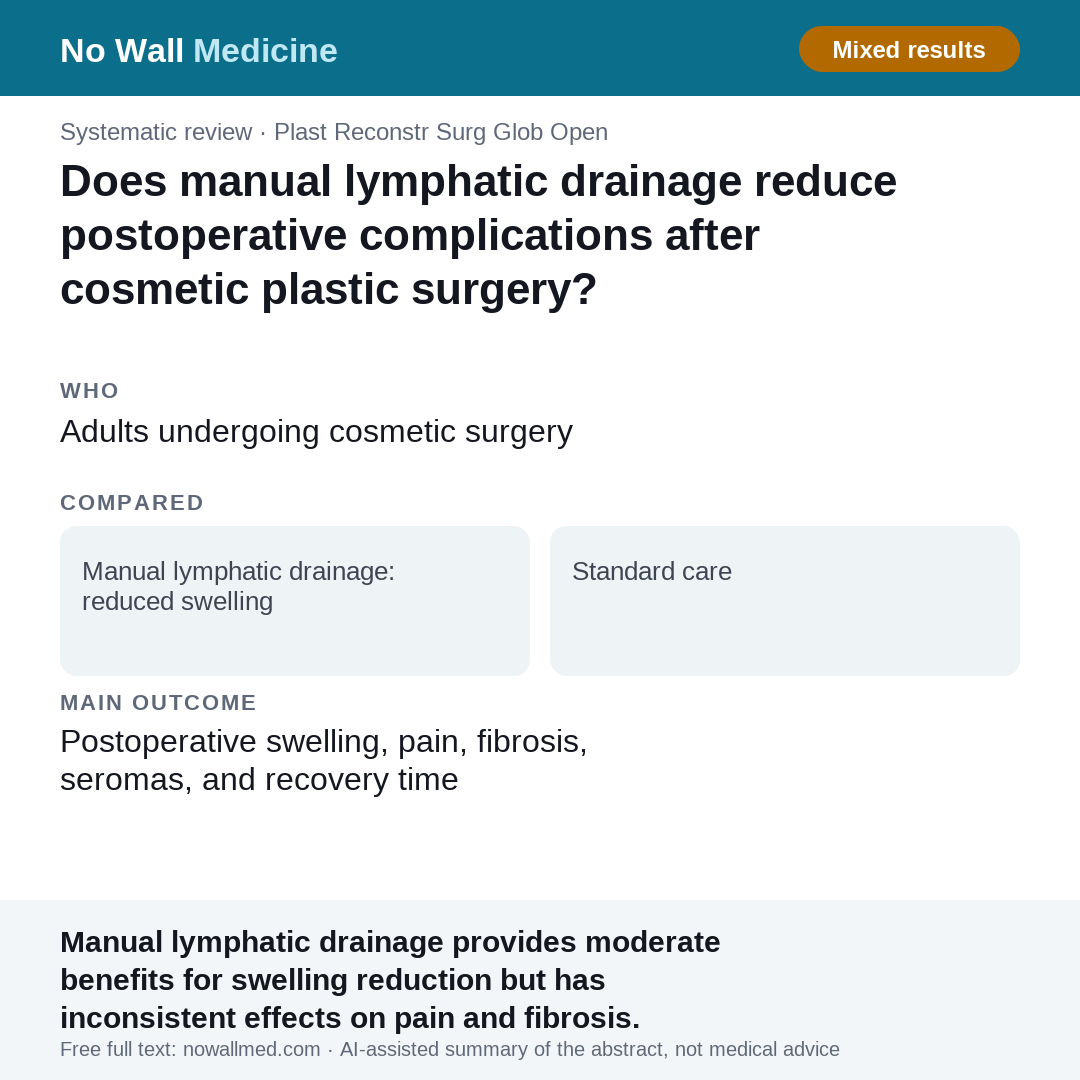
Efficacy of Manual Lymphatic Drainage in Reducing Postoperative Complications After Cosmetic Plastic Surgery: A Systematic Review
Systematic reviewMixed results
Does manual lymphatic drainage reduce postoperative complications after cosmetic plastic surgery?
Who
Adults undergoing cosmetic surgery
Compared
Manual lymphatic drainage: reduced swelling
Standard care
Main outcome
Postoperative swelling, pain, fibrosis, seromas, and recovery time
Bottom line: Manual lymphatic drainage provides moderate benefits for swelling reduction but has inconsistent effects on pain and fibrosis.
Limitation: High-quality randomized controlled trials are needed to refine protocols and confirm long-term efficacy.
Plast Reconstr Surg Glob Open · 2026-10-06Download image
Outcomes of Modified Sistrunk Procedure for Pediatric Thyroglossal Duct Cyst Removal: Systematic Review and Meta-Analysis
Meta-analysis of 5 studiesBenefit found
What are the safety and efficacy of the modified Sistrunk procedure in pediatric patients?
Who
937
Pediatric patients with thyroglossal duct cyst
Compared
Modified Sistrunk procedure: 4% recurrence rate
Modified Sistrunk procedure: 12% complication rate
Main outcome
recurrence, complications, infection, postoperative drainage and operative time
Result: recurrence rate 4% (95% CI: 0.02, 0.07)
Bottom line: The modified Sistrunk procedure is a safe approach for managing thyroglossal duct cysts in pediatric patients.
Limitation: Heterogeneity in technique highlights the need for standardized definitions and high-quality studies.
OTO Open · 2026-10-06Download image
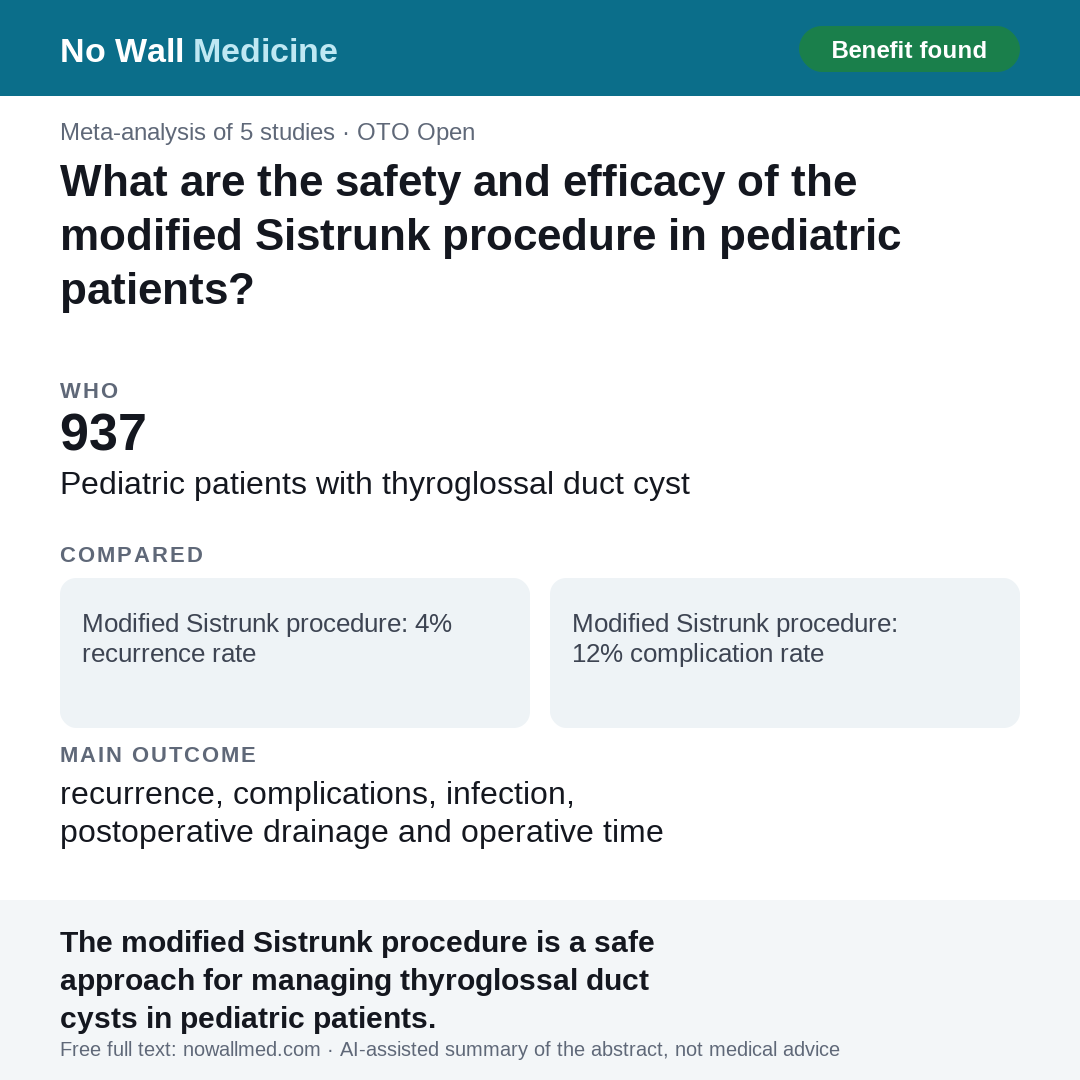
Intraventricular tumours: An individual patient data meta-analysis of conventional craniotomy versus minimally invasive techniques
Individual patient data meta-analysisNo clear difference
Are conventional craniotomy or minimally invasive techniques better for intraventricular tumours?
Who
1500
Patients with intraventricular tumours
Compared
67%Conventional craniotomy (n = 830)
Minimally invasive surgery: 46% (n = 103) for endoscopic and 76% (n = 26) for tubular-assisted
Main outcome
Gross total resection rates, complications, and permanent cerebrospinal fluid diversion
Result: OR 0.38, 95% CrI 0.13-1.13
Bottom line: Conventional and minimally invasive approaches for intraventricular tumours achieve comparable gross total resection and permanent cerebrospinal fluid diversion rates.
Brain Spine · 2026-10-06Download image
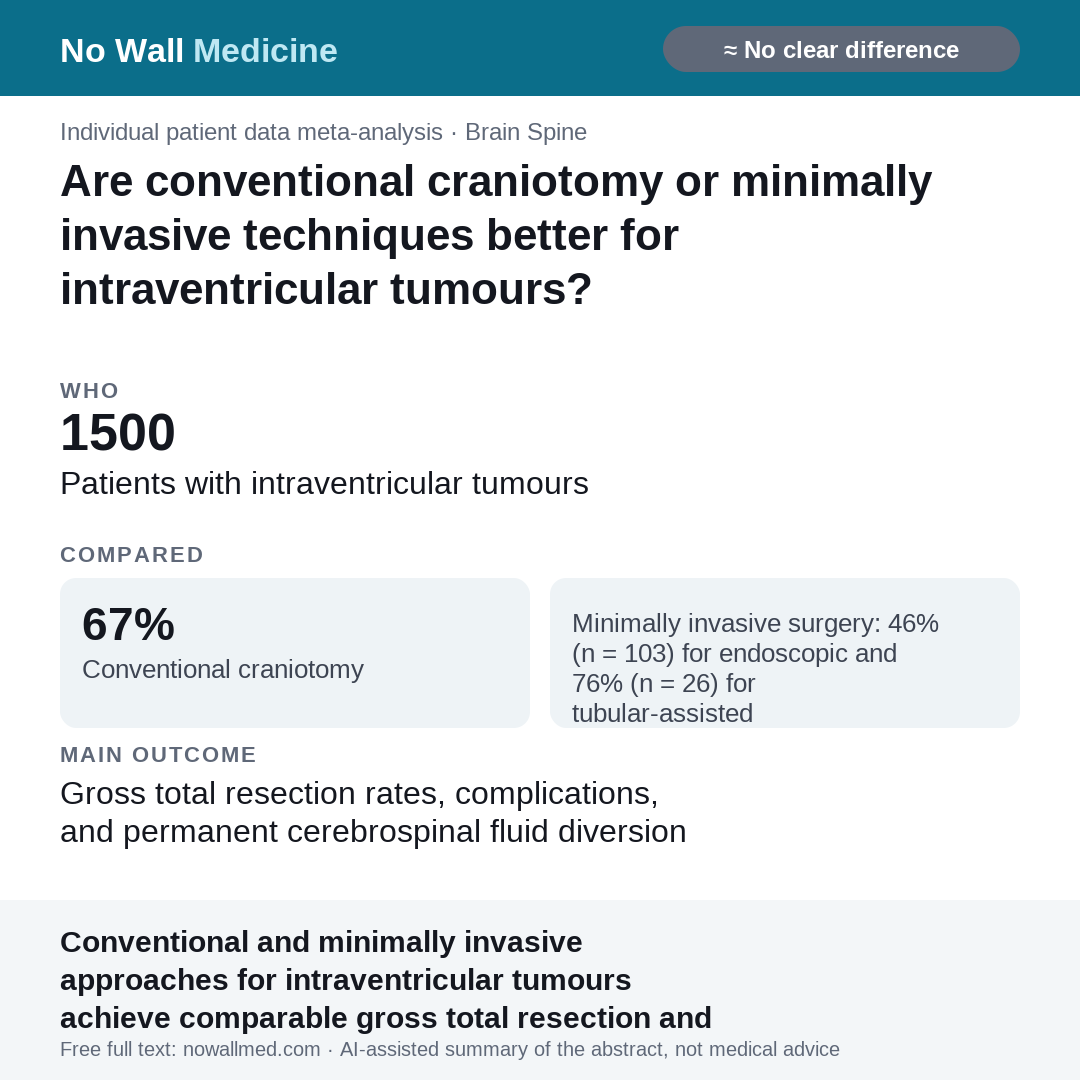
Preclinical and clinical outcomes in patients with high rheumatoid factor levels treated with TNF inhibitors:a systematic review
Systematic review of 21 studiesBenefit found
Do TNF inhibitors work for rheumatoid arthritis patients
Who
8910
adult patients with rheumatoid arthritis
Compared
high RF Fc-free
low RF
Main outcome
clinical disease activity
Bottom line: Fc-free TNF inhibitors may help
Ann Rheum Dis · 2026-10-05Download image
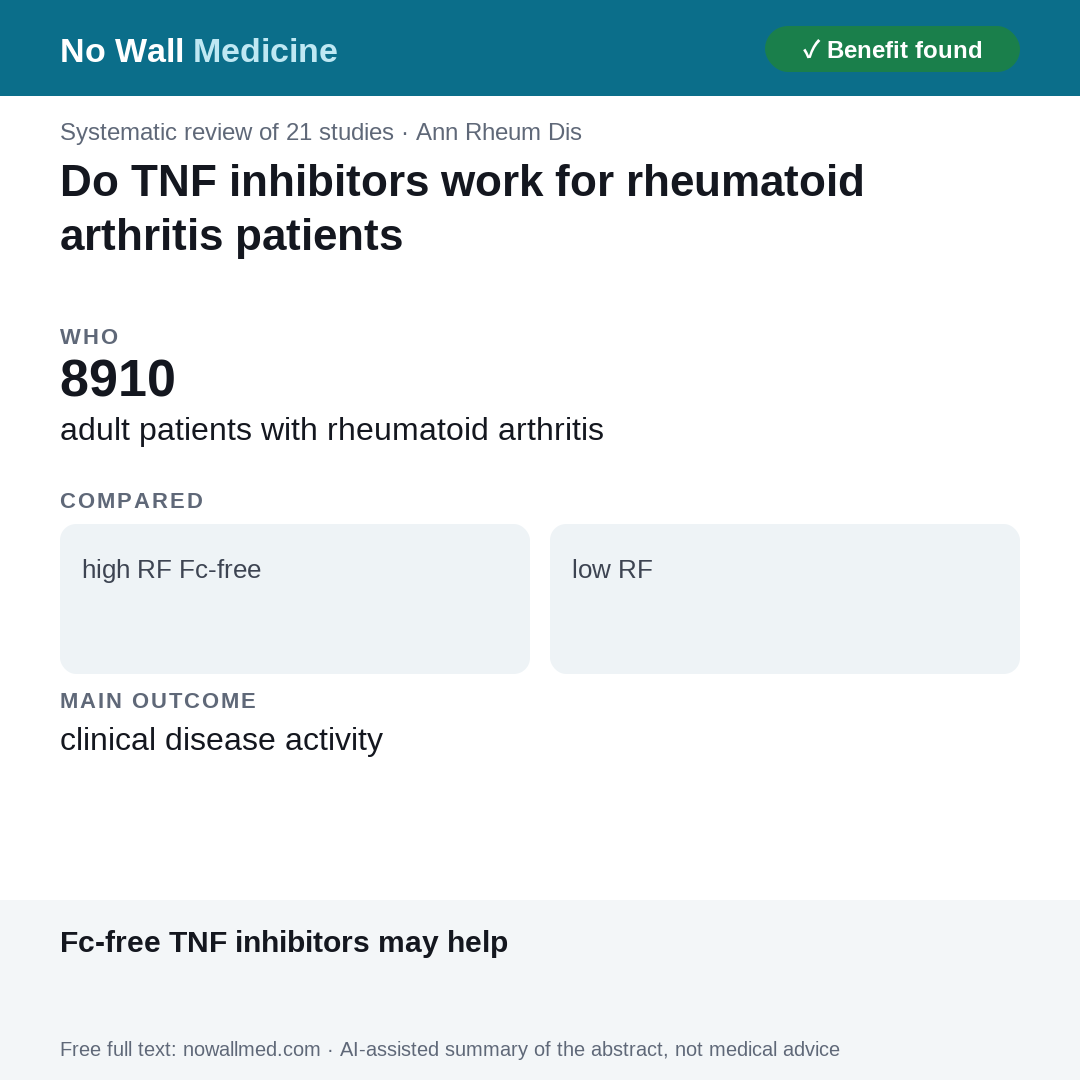
Evolution of Stakeholder Involvement and Scope of Research Priority-Setting Studies in Kidney Disease: A Systematic Review
Systematic reviewBenefit found
How have kidney disease research priority-setting studies evolved in scope and stakeholder involvement?
Who
3609
Studies involving patients, caregivers, researchers, clinicians, or policymakers · 5 high income countries
Compared
Before 2015: 25% (4 of 16) patient and caregiver involvement
2015 or later: 89% (16 of 18) patient and caregiver involvement
Main outcome
Evolution of stakeholder involvement and clinical scope of priorities
Bottom line: Kidney research priority-setting is increasingly including patients and caregivers while broadening scope beyond medical treatments.
Limitation: Restricted to peer-reviewed, English-language publications and lacks data from low- and middle-income settings.
Am J Kidney Dis · 2026-10-05Download image
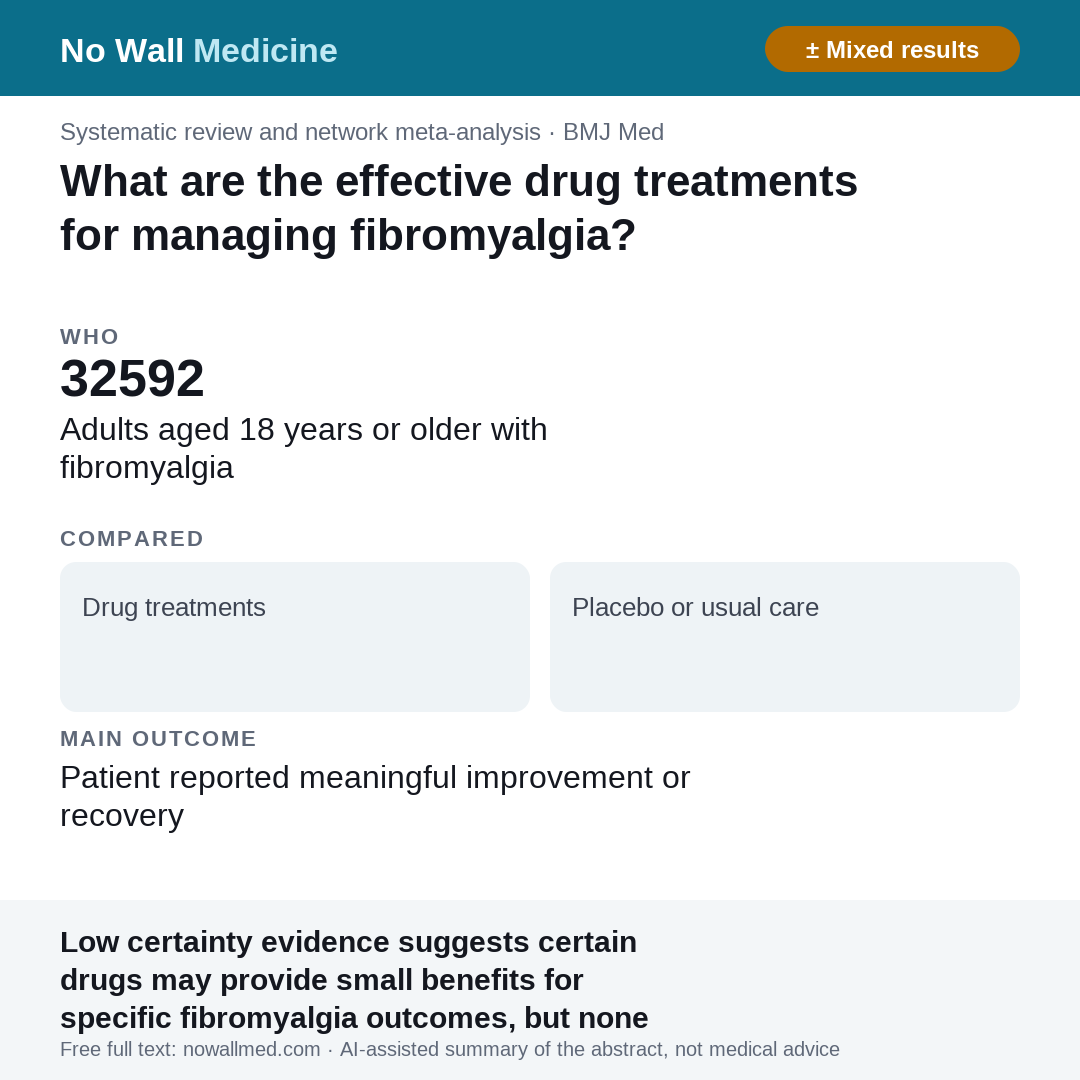
Drug treatments for fibromyalgia: systematic review and network meta-analysis of randomised trials
Systematic review and network meta-analysisMixed results
What are the effective drug treatments for managing fibromyalgia?
Who
32592
Adults aged 18 years or older with fibromyalgia
Compared
Drug treatments
Placebo or usual care
Main outcome
Patient reported meaningful improvement or recovery
Result: risk difference 105 to 283 more per 1000 patients
Bottom line: Low certainty evidence suggests certain drugs may provide small benefits for specific fibromyalgia outcomes, but none exceeded clinical importance thresholds.
BMJ Med · 2026-10-05Download image
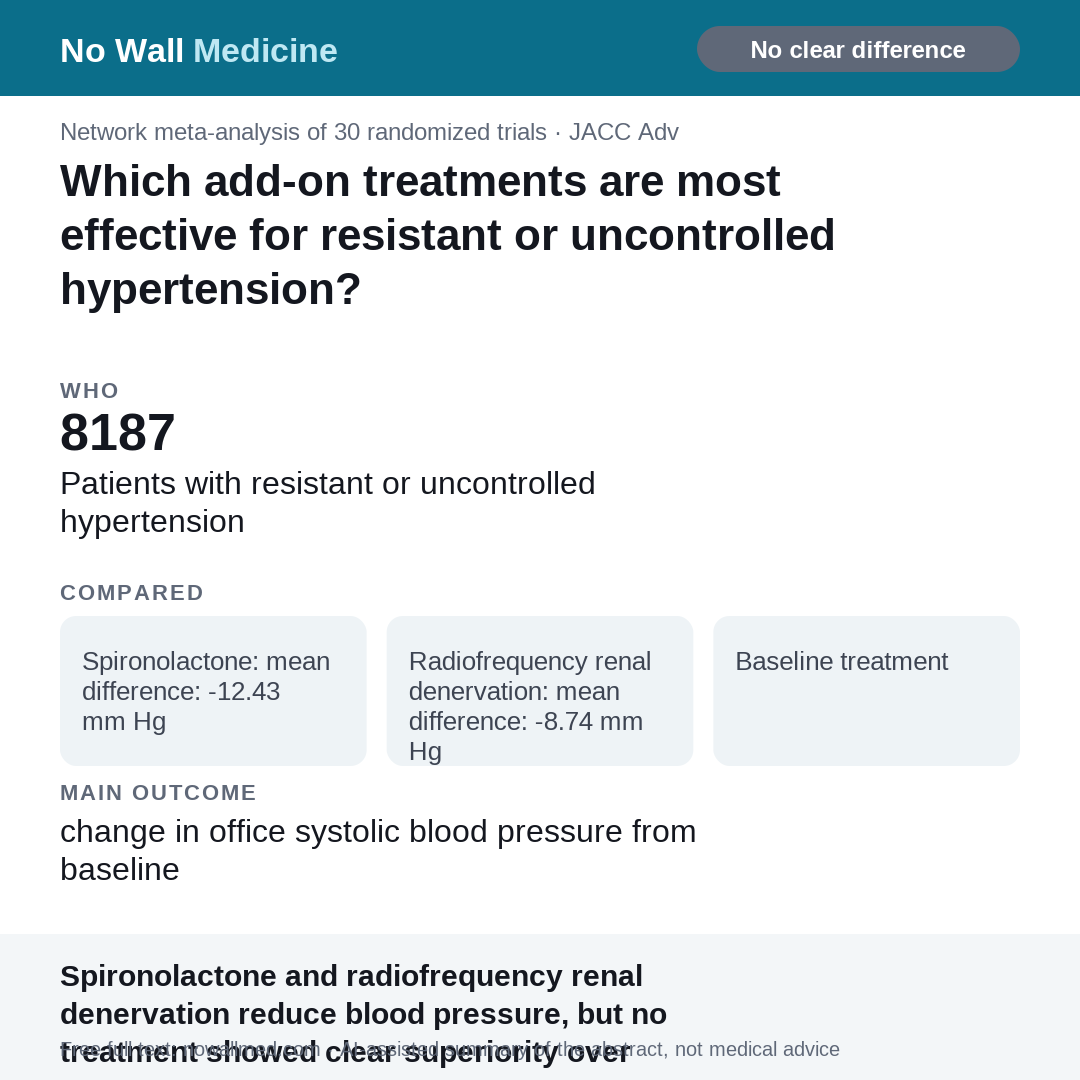
Comparative Efficacy of Treatments for Resistant or Uncontrolled Hypertension: A Network Meta-Analysis of Randomized Trials
Network meta-analysis of 30 randomized trialsNo clear difference
Which add-on treatments are most effective for resistant or uncontrolled hypertension?
Who
8187
Patients with resistant or uncontrolled hypertension
Compared
Spironolactone: mean difference: -12.43 mm Hg
Radiofrequency renal denervation: mean difference: -8.74 mm Hg
Baseline treatment
Main outcome
change in office systolic blood pressure from baseline
Result: no significant differences were observed between add-on treatments
Bottom line: Spironolactone and radiofrequency renal denervation reduce blood pressure, but no treatment showed clear superiority over another.
JACC Adv · 2026-10-05Download image
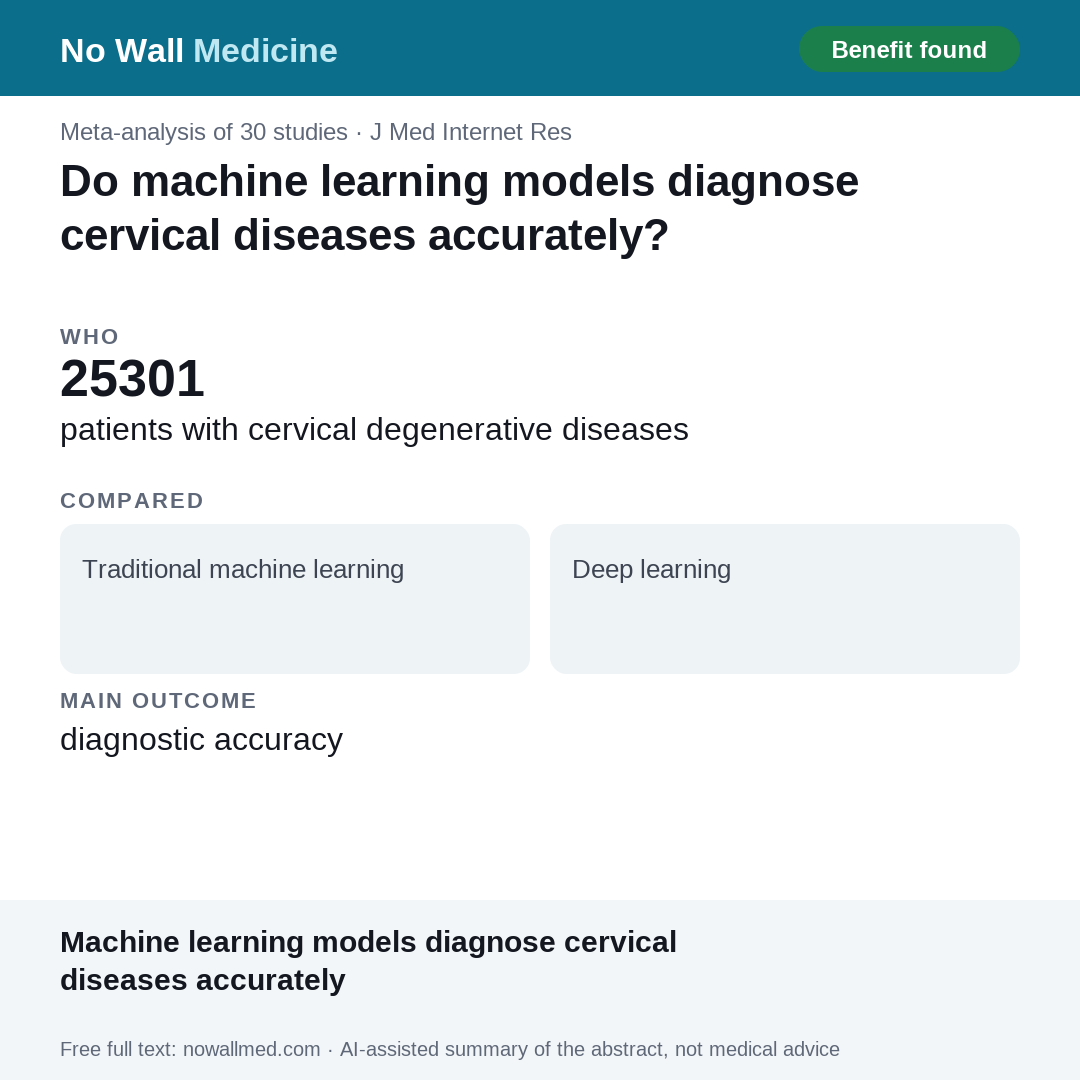
Machine Learning and Deep Learning for the Diagnosis of Cervical Degenerative Diseases: Systematic Review and Meta-Analysis
Meta-analysis of 30 studiesBenefit found
Do machine learning models diagnose cervical diseases accurately?
Who
25301
patients with cervical degenerative diseases
Compared
Traditional machine learning
Deep learning
Main outcome
diagnostic accuracy
Bottom line: Machine learning models diagnose cervical diseases accurately
Limitation: low certainty of evidence
J Med Internet Res · 2026-10-05Download image
Longitudinal associations between loneliness and outcomes of Common Mental Disorders (CMDs): A systematic review and meta-analysis
Systematic review and meta-analysisBenefit found
Is loneliness longitudinally associated with mental health outcomes in individuals with common mental disorders?
Who
22
Adults aged 16 years or older with common mental disorders · Clinical, community, and treatment settings
Compared
Lonely individuals
Not lonely individuals
Main outcome
Binary depression outcomes reflecting unfavourable course
Result: adjusted odds ratio 3.26 (95% CI 2.26 to 4.70)
Bottom line: Loneliness is consistently associated with poorer subsequent depression outcomes in people with common mental disorders.
Limitation: Only one of the four meta-analyzed studies adjusted for baseline depressive symptom severity.
BMC Med · 2026-10-03Download image

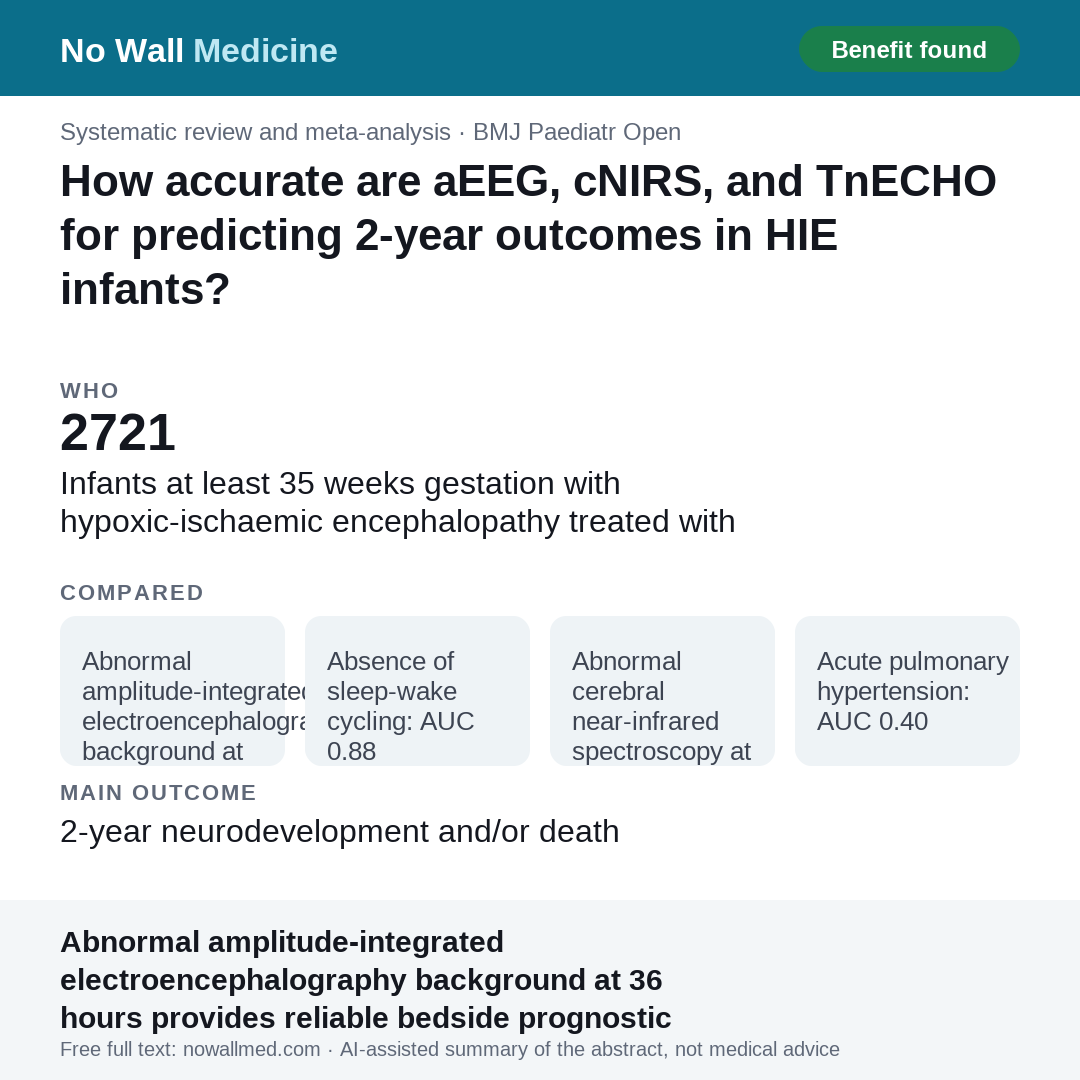
Haemodynamic and neurophysiological assessments for 2-year outcome prediction in neonates with hypoxic-ischaemic encephalopathy treated with therapeutic hypothermia: a systematic review and meta-analysis
Systematic review and meta-analysisBenefit found
How accurate are aEEG, cNIRS, and TnECHO for predicting 2-year outcomes in HIE infants?
Who
2721
Infants at least 35 weeks gestation with hypoxic-ischaemic encephalopathy treated with therapeutic hypothermia
Compared
Abnormal amplitude-integrated electroencephalography background at 36 hours: AUC 0.88
Absence of sleep-wake cycling: AUC 0.88
Abnormal cerebral near-infrared spectroscopy at 36 hours: AUC 0.86
Acute pulmonary hypertension: AUC 0.40
Main outcome
2-year neurodevelopment and/or death
Bottom line: Abnormal amplitude-integrated electroencephalography background at 36 hours provides reliable bedside prognostic information for 2-year outcomes.
Limitation: Right ventricular dysfunction showed substantial heterogeneity.
BMJ Paediatr Open · 2026-10-03Download image