Visual abstracts
New randomized trials and meta-analyses from leading journals at a glance: who was studied, what was compared, and what was found. Every paper is free to read in full.
All specialtiesCardiology 3288Oncology 2815Gastroenterology & Hepatology 1293Infectious Disease 2215Neurology 1325Psychiatry & Mental Health 1563Pulmonology 1391Critical Care 928Endocrinology & Diabetes 1671Pediatrics 1989Surgery 1757Orthopedics & Sports Medicine 591Neurosurgery 388Cardiothoracic & Vascular Surgery 382Plastic & Reconstructive Surgery 466Nephrology 707Rheumatology 513Hematology 727Dermatology 406Ophthalmology 367Obstetrics & Gynecology 1112Public & Global Health 625Radiology & Imaging 464Anesthesiology 673Urology 560ENT (Otolaryngology) 362Emergency Medicine 357Allergy & Immunology 202Geriatrics 690Family Medicine & Primary Care 379Medical Genetics & Genomics 408Pathology & Laboratory Medicine 108Physical Medicine & Rehabilitation 515Palliative Care 300Nutrition 967Digital Health & AI 1569General Medicine 231
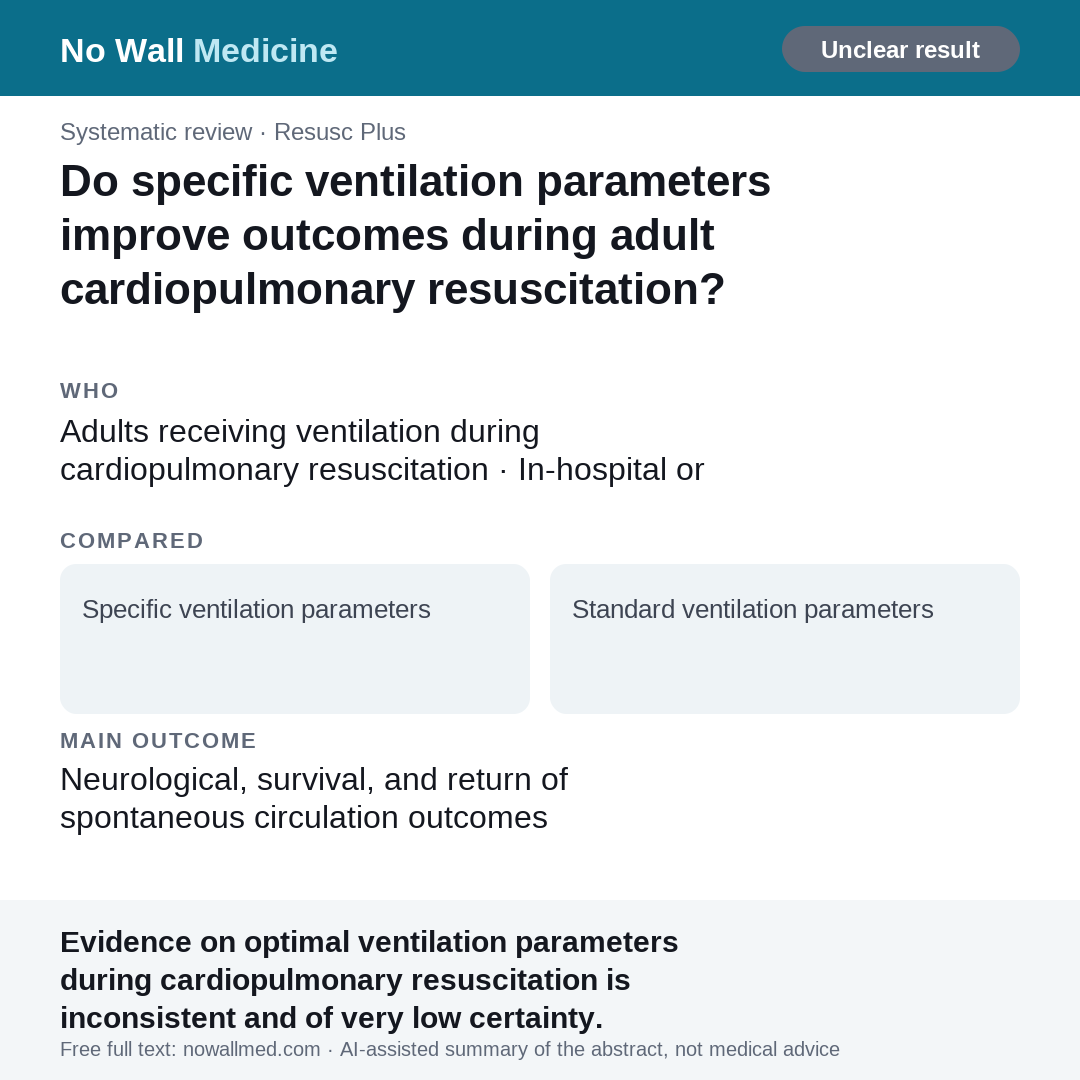
Ventilation parameters during adult cardiopulmonary resuscitation: a systematic review
Systematic reviewUnclear result
Do specific ventilation parameters improve outcomes during adult cardiopulmonary resuscitation?
Who
Adults receiving ventilation during cardiopulmonary resuscitation · In-hospital or out-of-hospital cardiac arrest
Compared
Specific ventilation parameters
Standard ventilation parameters
Main outcome
Neurological, survival, and return of spontaneous circulation outcomes
Bottom line: Evidence on optimal ventilation parameters during cardiopulmonary resuscitation is inconsistent and of very low certainty.
Limitation: Very low certainty limited by bias, inconsistency, indirectness, and imprecision.
Resusc Plus · 2026-03-27Download image
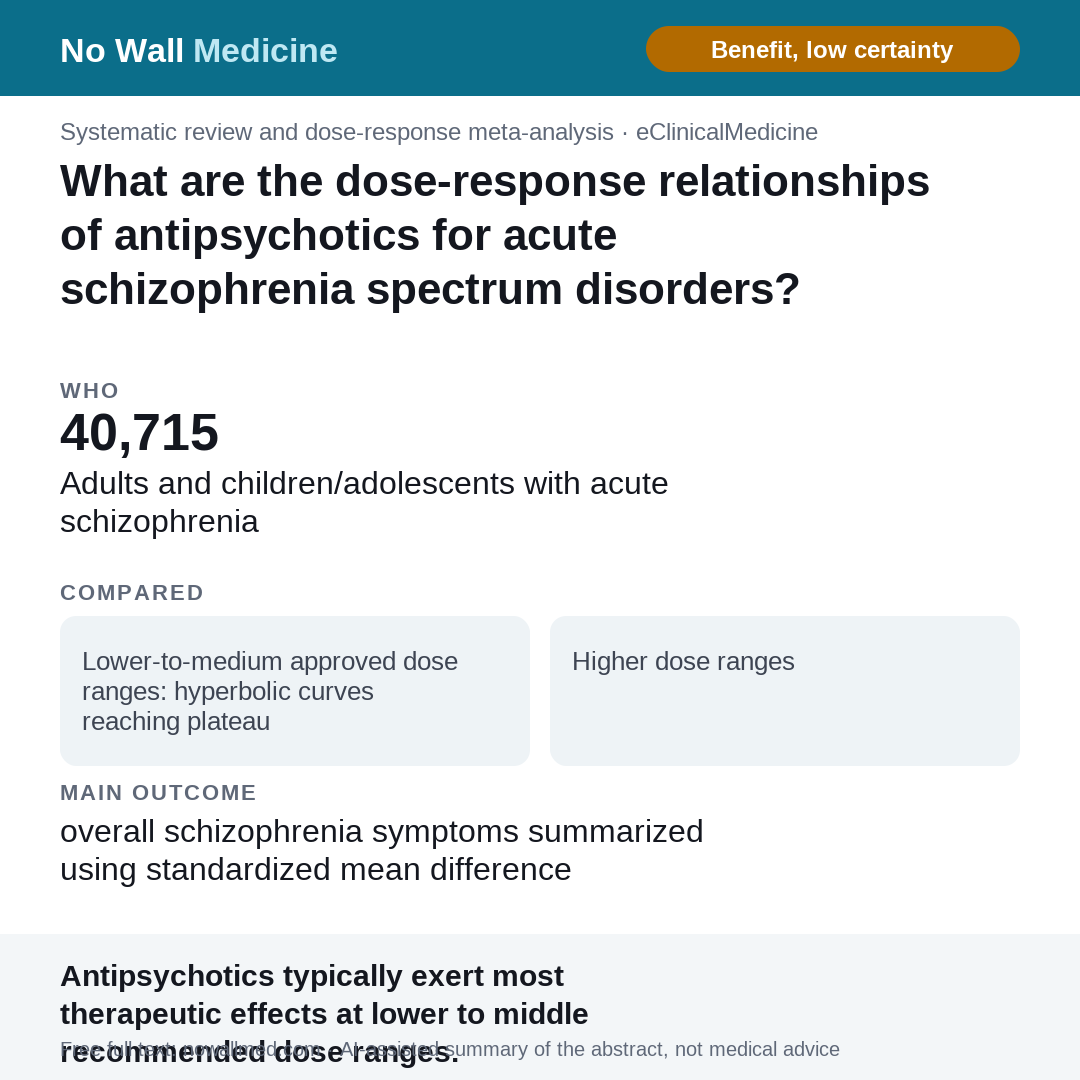
Antipsychotic dose and efficacy for acute schizophrenia spectrum disorders: an updated systematic review and dose-response meta-analysis
Systematic review and dose-response meta-analysisBenefit found
What are the dose-response relationships of antipsychotics for acute schizophrenia spectrum disorders?
Who
40,715
Adults and children/adolescents with acute schizophrenia
Compared
Lower-to-medium approved dose ranges: hyperbolic curves reaching plateau
Higher dose ranges
Main outcome
overall schizophrenia symptoms summarized using standardized mean difference
Bottom line: Antipsychotics typically exert most therapeutic effects at lower to middle recommended dose ranges.
Funded by: German Research Foundation, DZPG, BMFTR, and SENSHIN Medical Research Foundation
eClinicalMedicine · 2026-03-26Download image
Artificial Intelligence in Cardiovascular Medicine: Focus on Hypertension
Systematic reviewBenefit found
Can artificial intelligence improve hypertension management across the care continuum?
Who
Patients with hypertension
Compared
Artificial intelligence applications
Conventional care models
Main outcome
Hypertension management effectiveness
Bottom line: Artificial intelligence has the potential to shift hypertension management toward a predictive, personalized, and patient-centered model.
Limitation: Requires rigorous validation, thoughtful implementation, and alignment with ethical and equity principles.
Hypertension · 2026-03-26Download image

Eclampsia Incidence, Management and Outcomes Across Multi-Country Surveillance Cohorts: Individual Participant Data Meta-Analysis
Individual participant data meta-analysisMixed results
What are the incidence, profiles, and outcomes of eclampsia across seven countries?
Who
615
All women admitted with eclampsia in seven countries · Seven countries in Europe and Suriname
Compared
High-income countries: 2.2 per 10,000 deliveries
Suriname: 36.6 per 10,000 deliveries
Main outcome
Incidence of eclampsia and maternal and perinatal outcomes
Bottom line: Eclampsia incidence was significantly higher in Suriname compared to high-income countries, with varying maternal and perinatal outcomes.
Limitation: Potential ascertainment bias limits causal interpretation.
BJOG · 2026-03-26Download image

Biomarkers Associated With Extranodal Extension (ENE) in Oropharyngeal Squamous Cell Carcinoma (OPSCC): A Systematic Review
Systematic reviewMixed results
Which molecular biomarkers are associated with extranodal extension in oropharyngeal squamous cell carcinoma?
Who
Patients with oropharyngeal squamous cell carcinoma
Compared
Tumor tissue modified viral HPV DNA: not associated with extranodal extension
Other biomarkers: NOTCH-1, WNT mutations, podoplanin, Her3, and myoferlin
Main outcome
Association of molecular biomarkers with extranodal extension
Bottom line: Multiple genomic and molecular biomarkers are associated with extranodal extension in oropharyngeal squamous cell carcinoma.
Head Neck · 2026-03-26Download image

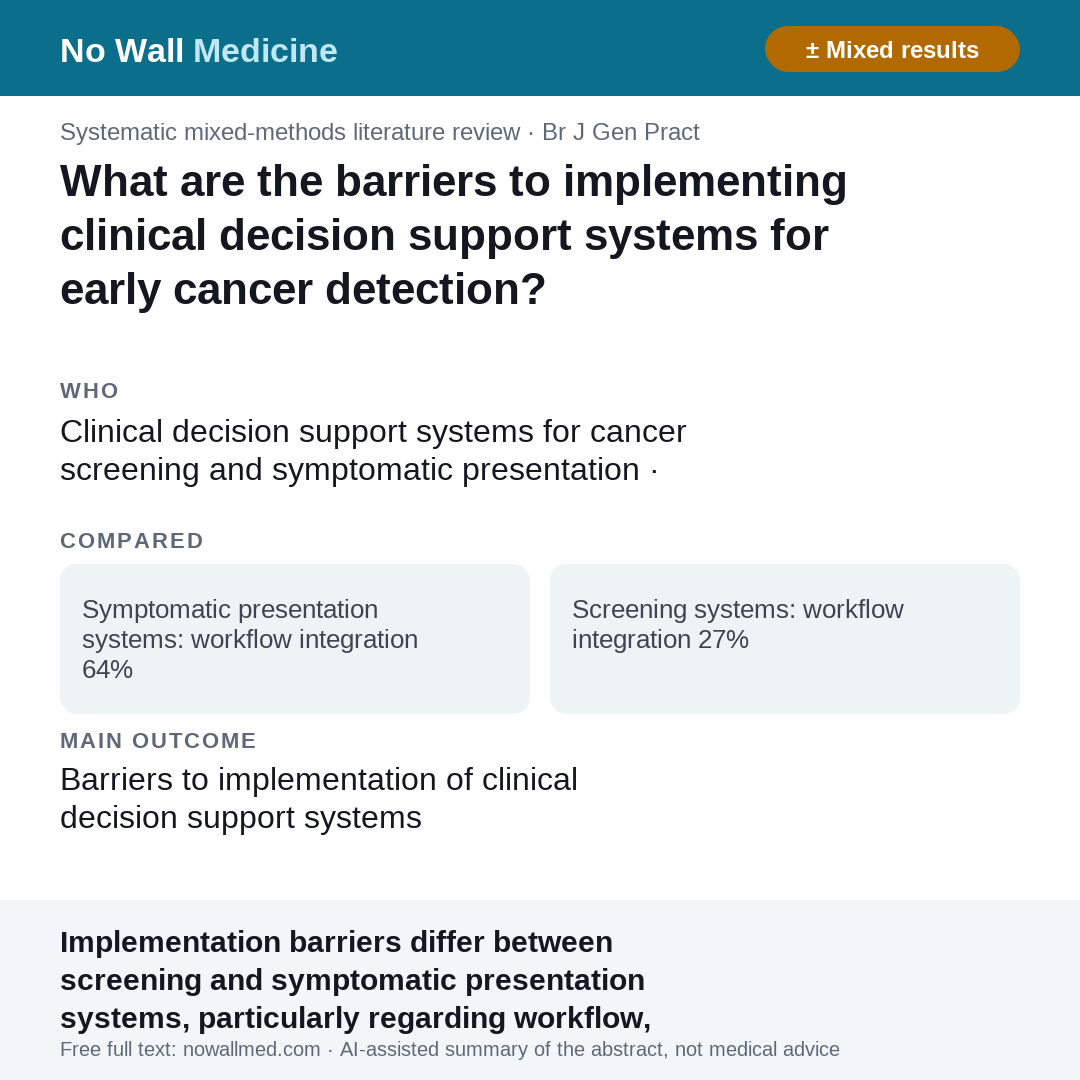
Why aren't they used? Systematic review of barriers to implementation of clinical decision support systems for early cancer detection in primary care
Systematic mixed-methods literature reviewMixed results
What are the barriers to implementing clinical decision support systems for early cancer detection?
Who
Clinical decision support systems for cancer screening and symptomatic presentation · Primary care
Compared
Symptomatic presentation systems: workflow integration 64%
Screening systems: workflow integration 27%
Main outcome
Barriers to implementation of clinical decision support systems
Bottom line: Implementation barriers differ between screening and symptomatic presentation systems, particularly regarding workflow, medicolegal uncertainty, and skills.
Br J Gen Pract · 2026-03-26Download image
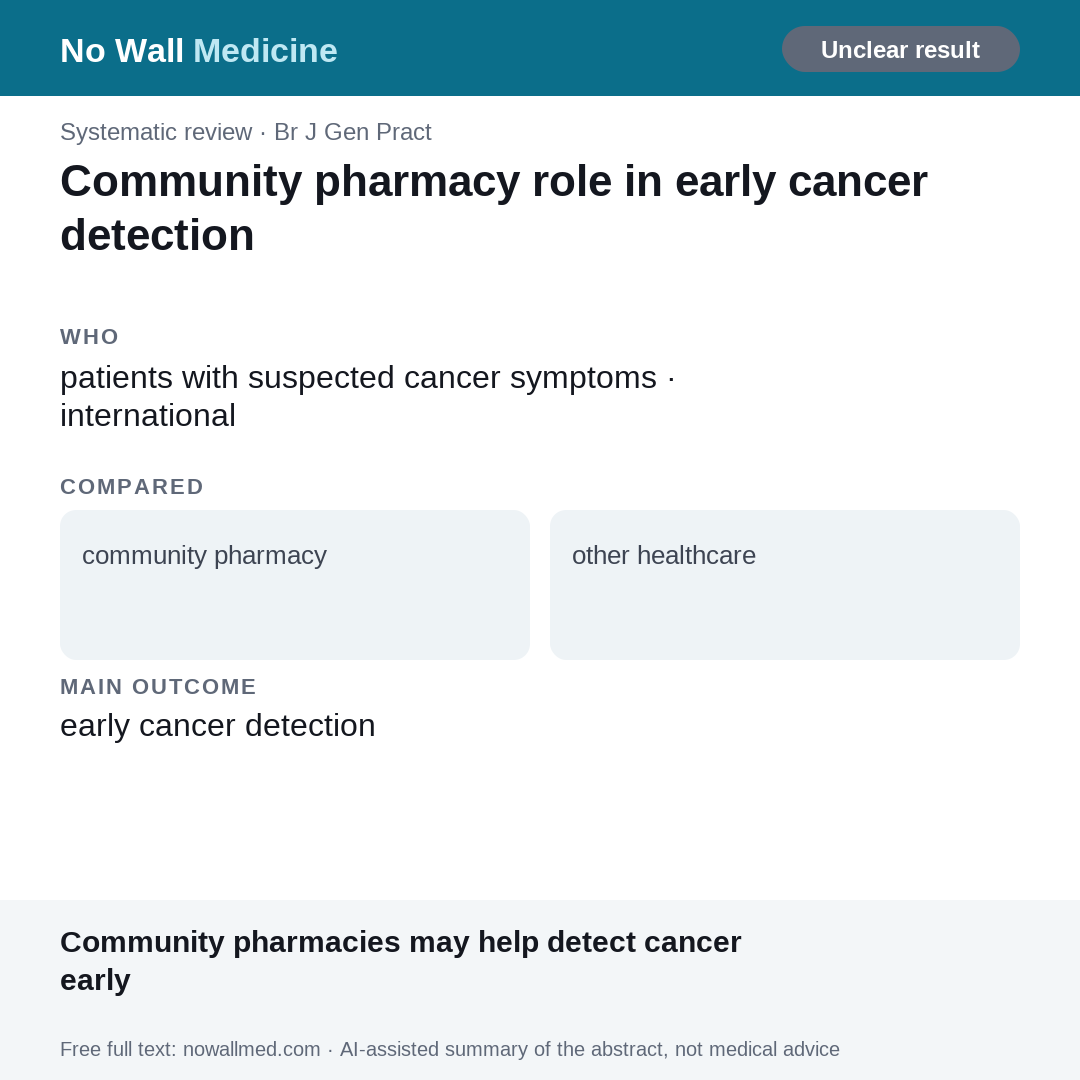
Early cancer diagnosis and community pharmacies: a systematic review
Systematic reviewUnclear result
Community pharmacy role in early cancer detection
Who
patients with suspected cancer symptoms · international
Compared
community pharmacy
other healthcare
Main outcome
early cancer detection
Bottom line: Community pharmacies may help detect cancer early
Limitation: lack of large-scale clinical trials
Br J Gen Pract · 2026-03-26Download image
Clinical outcomes of glucagon-like peptide-1 receptor agonist therapy in kidney transplant recipients: a systematic review and meta-analysis
Systematic review and meta-analysisBenefit found
What are the clinical outcomes of glucagon-like peptide-1 receptor agonist therapy in kidney transplant recipients?
Who
54680
Adult kidney transplant recipients
Compared
Glucagon-like peptide-1 receptor agonist therapy
Control
Main outcome
All-cause mortality, cardiovascular events, renal function, and metabolic endpoints
Result: hazard ratio 0.53 (95% CI 0.36-0.79)
Bottom line: Glucagon-like peptide-1 receptor agonists improve mortality, cardiovascular events, glycemic control, and weight in kidney transplant recipients.
Clin Kidney J · 2026-03-26Download image

Associations of triglyceride-glucose-related composite obesity indices with cardiovascular diseases and mortality: a systematic review and meta-analysis
Systematic review and meta-analysisBenefit found
Do triglyceride-glucose-based composite obesity indices associate with cardiovascular disease and mortality?
Who
Participants from 85 observational studies · PubMed, EMBASE, and Web of Science
Compared
TyG-BMI: 17% increase in cardiovascular disease risk
TyG-WC: 20% increase in cardiovascular disease risk
TyG-WHtR: 19% increase in cardiovascular disease risk
Main outcome
Cardiovascular disease and mortality outcomes
Bottom line: Triglyceride-glucose-based composite obesity indices are associated with increased cardiovascular disease and mortality risk.
Limitation: Future multicenter prospective studies are needed to validate causal associations and generalizability.
Cardiovasc Diabetol · 2026-03-26Download image

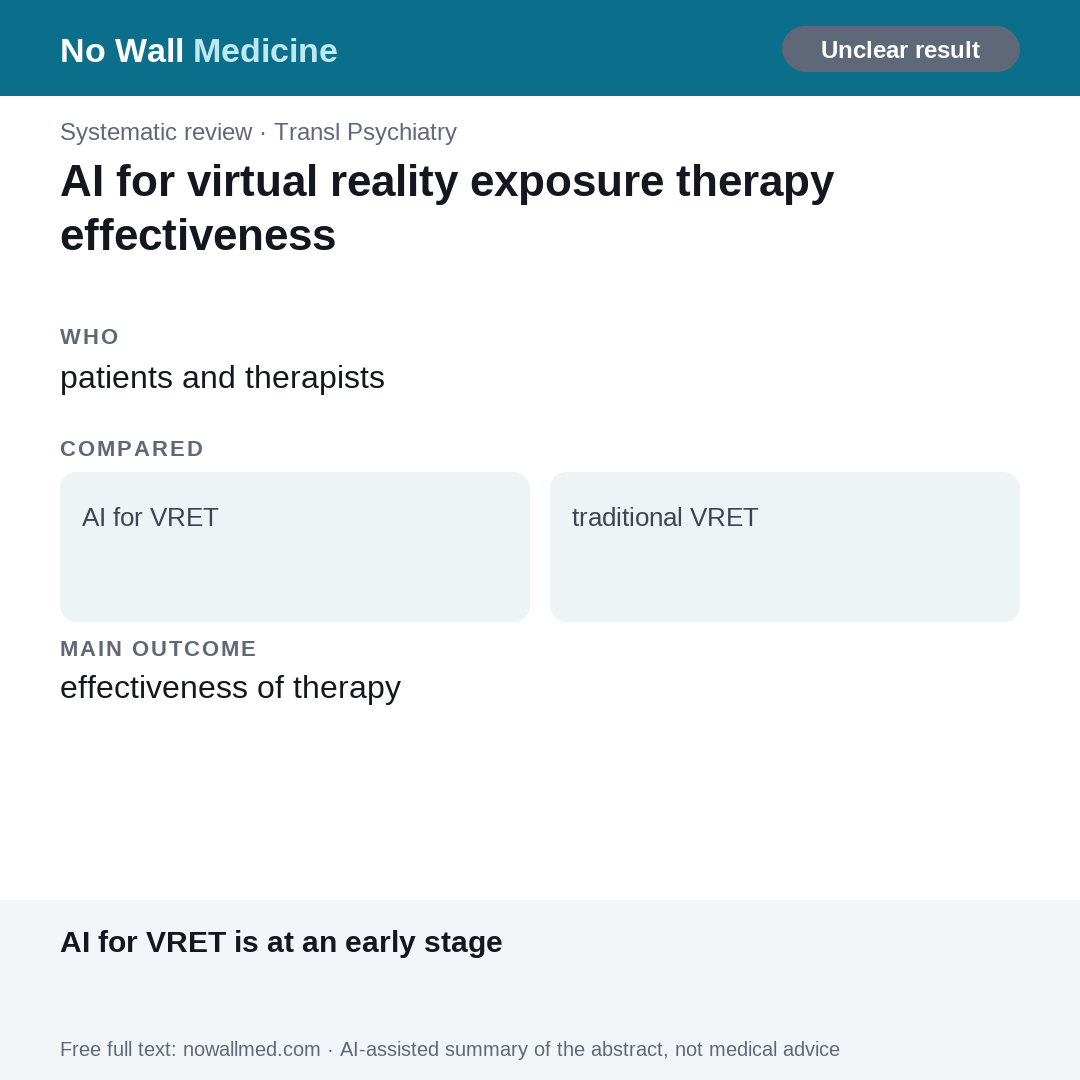
Artificial intelligence (AI) for virtual reality exposure therapy (VRET): A systematic review
Systematic reviewUnclear result
AI for virtual reality exposure therapy effectiveness
Who
patients and therapists
Compared
AI for VRET
traditional VRET
Main outcome
effectiveness of therapy
Bottom line: AI for VRET is at an early stage
Limitation: lack of stakeholder involvement
Transl Psychiatry · 2026-03-26Download image
Non-ICANS neurologic toxicity after BCMA CAR-T therapy: a systematic review and meta-analysis of 4630 patients with multiple myeloma
Systematic review and meta-analysisMixed results
What is the incidence and risk of non-ICANS neurologic toxicities after BCMA-directed CAR-T therapy?
Who
4630
Patients with relapsed or refractory multiple myeloma
Compared
4.6%ciltacabtagene autoleucel
0.5%idecabtagene vicleucel
0.3%experimental BCMA-directed constructs
Main outcome
Non-ICANS neurologic toxicities
Result: 0.81% (95% confidence interval, 0.37%-1.77%)
Bottom line: Non-ICANS neurologic toxicities are rare but occur more frequently with ciltacabtagene autoleucel than idecabtagene vicleucel.
Limitation: Standardized definitions and improved reporting of non-ICANS neurologic toxicities are needed.
Blood Adv · 2026-03-26Download image

Cervicovaginal detection of genital mycoplasmas is associated with preterm birth and low birth weight: a systematic review and multivariate meta-analysis of adverse pregnancy outcomes
Systematic review and multivariate meta-analysisMixed results
Are genital mycoplasmas associated with adverse pregnancy outcomes?
Who
Pregnant women with genital mycoplasmas
Compared
Genital mycoplasmas detected
No genital mycoplasmas
Main outcome
Adverse pregnancy outcomes
Bottom line: Cervicovaginal detection of certain mycoplasmas is associated with preterm birth and low birthweight.
Limitation: Observational nature of the available data and residual confounding.
AJOG · 2026-03-25Download image

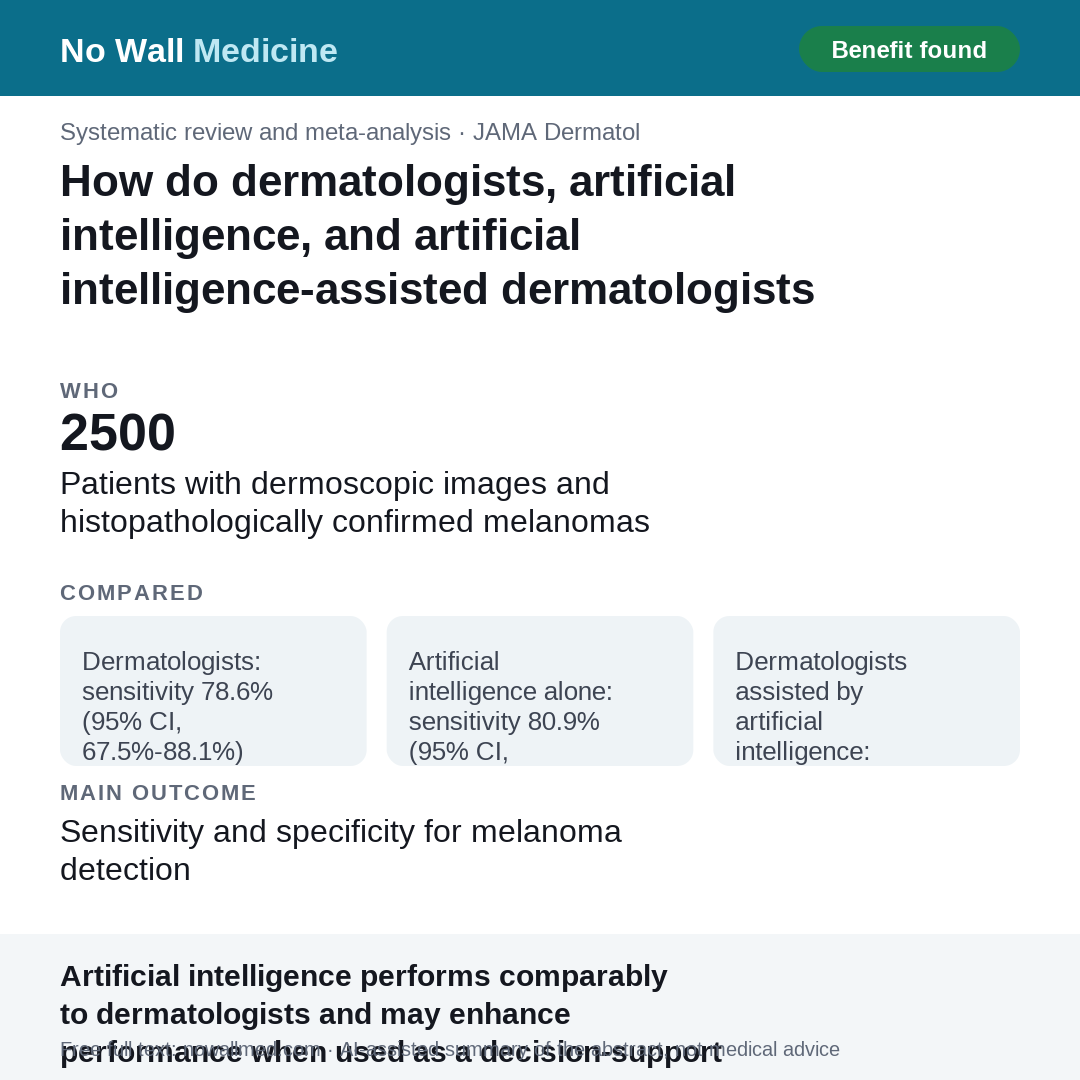
Prospective Evidence on Artificial Intelligence-Assisted Melanoma Diagnostics: A Systematic Review and Meta-Analysis
Systematic review and meta-analysisBenefit found
How do dermatologists, artificial intelligence, and artificial intelligence-assisted dermatologists perform in melanoma detection?
Who
2500
Patients with dermoscopic images and histopathologically confirmed melanomas
Compared
Dermatologists: sensitivity 78.6% (95% CI, 67.5%-88.1%)
Artificial intelligence alone: sensitivity 80.9% (95% CI, 63.6%-94.5%)
Dermatologists assisted by artificial intelligence: sensitivity 91.9%
Main outcome
Sensitivity and specificity for melanoma detection
Bottom line: Artificial intelligence performs comparably to dermatologists and may enhance performance when used as a decision-support tool.
Limitation: High risk of bias in patient selection and index test domains due to preselected lesions.
JAMA Dermatol · 2026-03-25Download image
Tumor Deposits in Gastric Cancer: A Systematic Review of the Literature With Meta-Analysis on Prevalence and Prognostic Implications
Systematic review and meta-analysisHarm found
What is the prevalence and prognostic impact of tumor deposits in gastric cancer?
Who
18,056
Gastric cancer patients undergoing surgical resection with curative intent
Compared
Patients with tumor deposits
Patients without tumor deposits
Main outcome
5-year overall survival
Result: hazard ratio 1.308 (P value < 0.05)
Bottom line: Tumor deposits are frequent in gastric cancer and are associated with worse 5-year overall survival.
Limitation: All included studies were retrospective in nature and showed significant heterogeneity and bias.
Ann Surg Open · 2026-03-25Download image

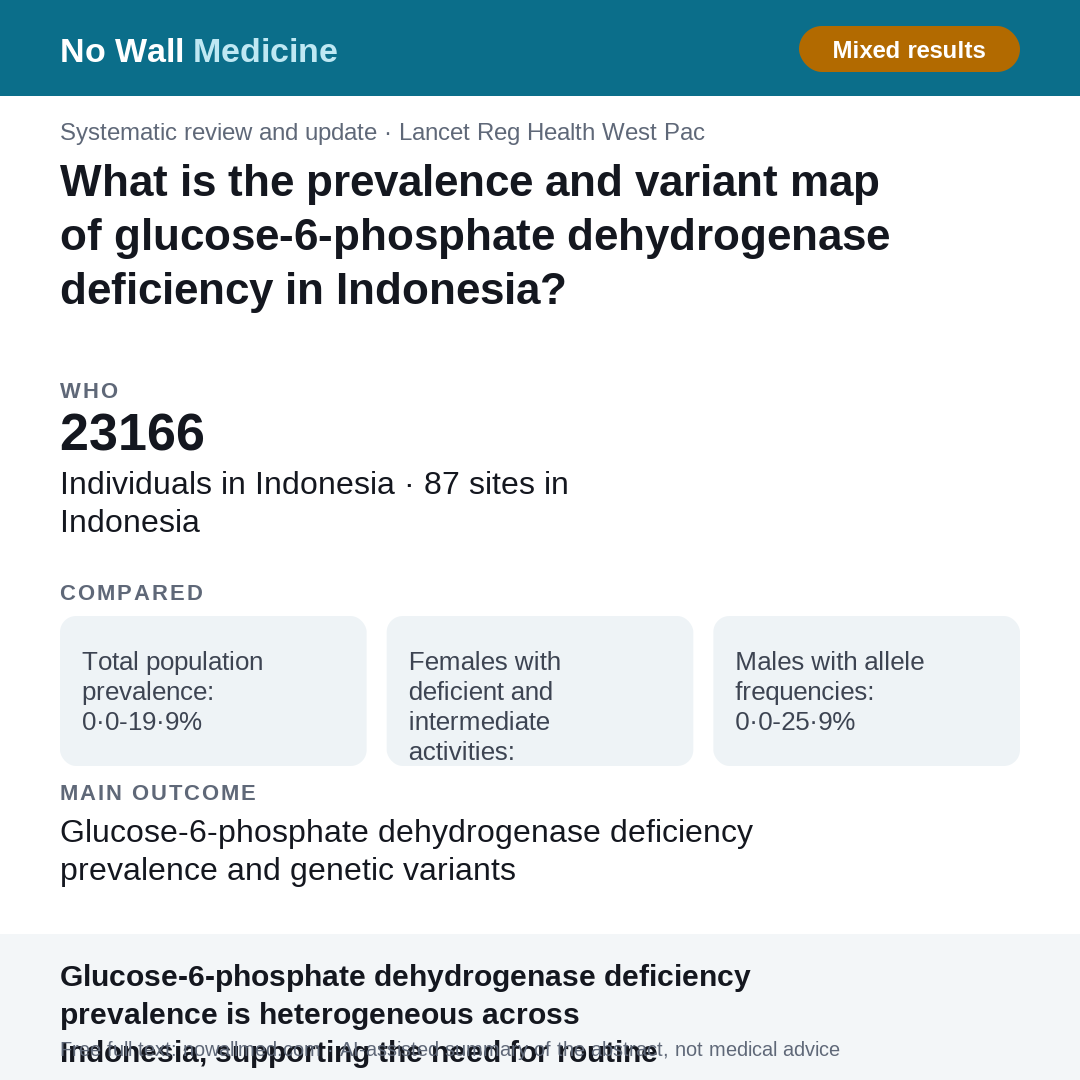
G6PD deficiency in Indonesia: a systematic review and update of prevalence and variant maps in the context of malaria elimination
Systematic review and updateMixed results
What is the prevalence and variant map of glucose-6-phosphate dehydrogenase deficiency in Indonesia?
Who
23166
Individuals in Indonesia · 87 sites in Indonesia
Compared
Total population prevalence: 0·0-19·9%
Females with deficient and intermediate activities: 0·8-44·6%
Males with allele frequencies: 0·0-25·9%
Main outcome
Glucose-6-phosphate dehydrogenase deficiency prevalence and genetic variants
Bottom line: Glucose-6-phosphate dehydrogenase deficiency prevalence is heterogeneous across Indonesia, supporting the need for routine screening for malaria treatment.
Limitation: No relevant data were available for many areas, including those with high malaria incidences.
Funded by: Bill & Melinda Gates Foundation
Lancet Reg Health West Pac · 2026-03-25Download image
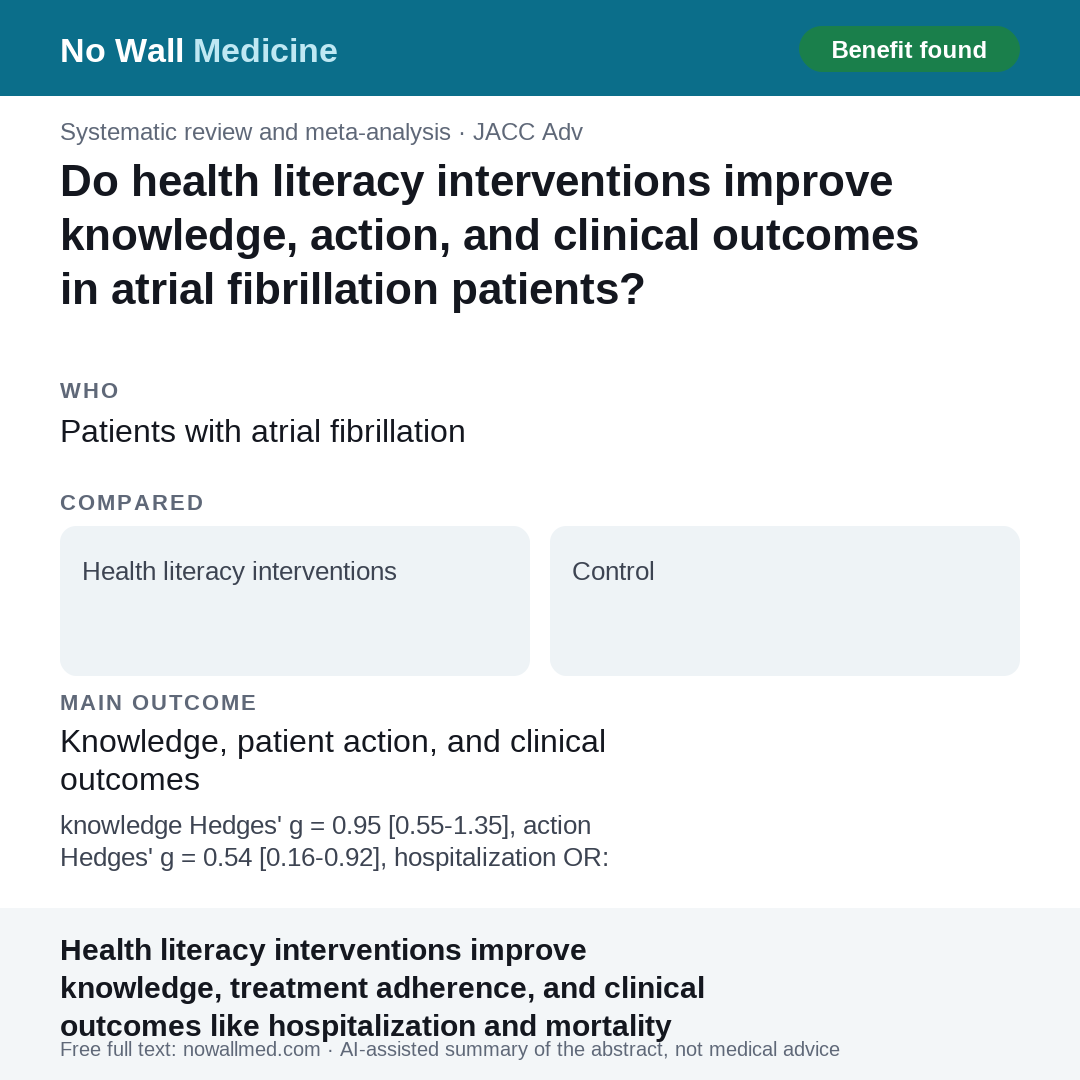
Health Literacy Interventions and Outcomes in Patients WithAtrial Fibrillation: A Systematic Review and Meta-Analysis
Systematic review and meta-analysisBenefit found
Do health literacy interventions improve knowledge, action, and clinical outcomes in atrial fibrillation patients?
Who
53
Patients with atrial fibrillation
Compared
Health literacy interventions
Control
Main outcome
Knowledge, patient action, and clinical outcomes
Result: knowledge Hedges' g = 0.95 [0.55-1.35], action Hedges' g = 0.54 [0.16-0.92], hospitalization OR: 0.56 [0.44-0.73], mortality OR: 0.64 [0.49-0.82]
Bottom line: Health literacy interventions improve knowledge, treatment adherence, and clinical outcomes like hospitalization and mortality in atrial fibrillation patients.
JACC Adv · 2026-03-25Download image
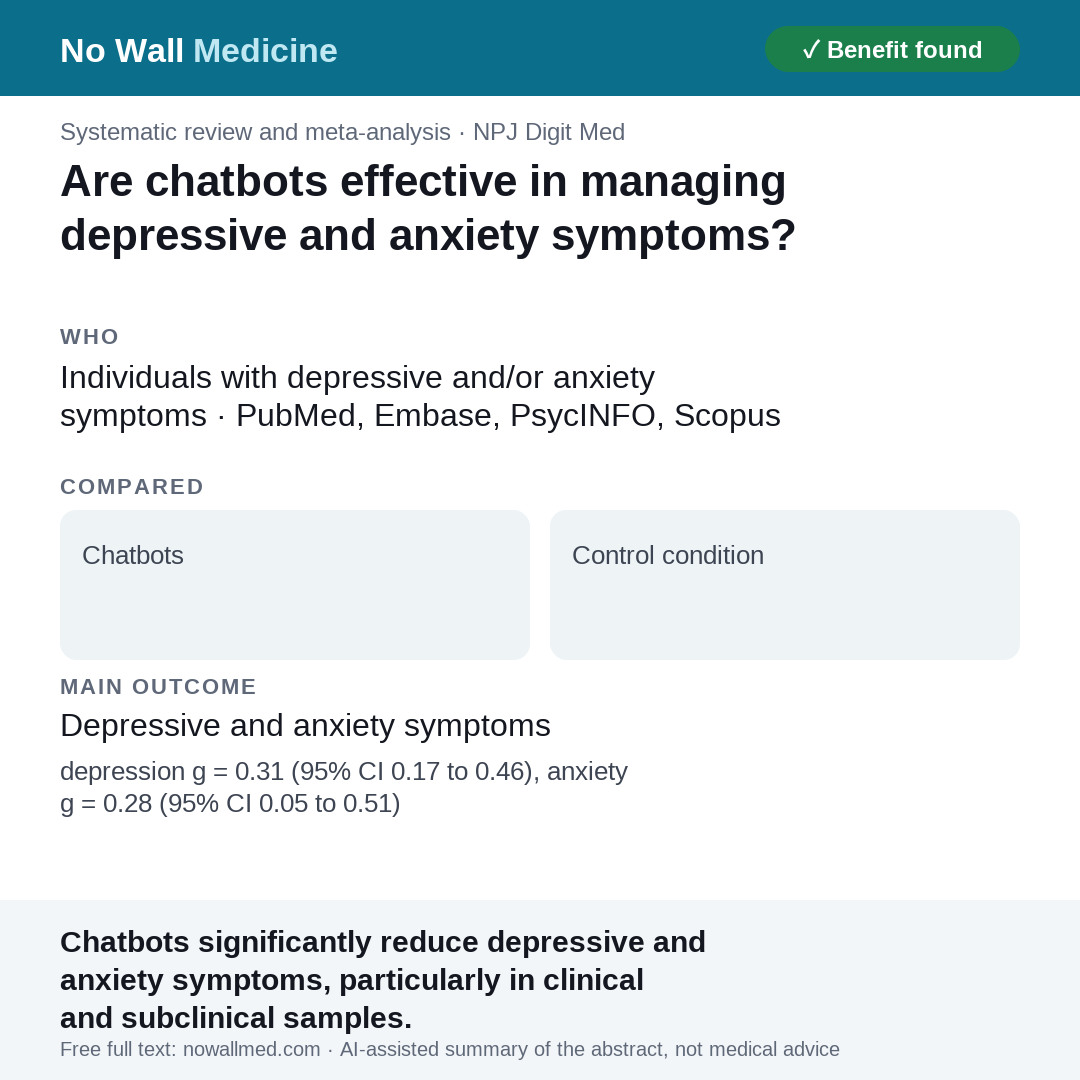
Systematic review and meta analysis of chatbots in the management of depressive and anxiety symptoms
Systematic review and meta-analysisBenefit found
Are chatbots effective in managing depressive and anxiety symptoms?
Who
Individuals with depressive and/or anxiety symptoms · PubMed, Embase, PsycINFO, Scopus and Web of Science
Compared
Chatbots
Control condition
Main outcome
Depressive and anxiety symptoms
Result: depression g = 0.31 (95% CI 0.17 to 0.46), anxiety g = 0.28 (95% CI 0.05 to 0.51)
Bottom line: Chatbots significantly reduce depressive and anxiety symptoms, particularly in clinical and subclinical samples.
NPJ Digit Med · 2026-03-25Download image
Multimodal AI for Alzheimer Disease Diagnosis: Systematic Review of Datasets, Models, and Modalities
Systematic reviewBenefit found
How do multimodal artificial intelligence models perform for Alzheimer disease diagnosis and prognosis?
Who
66
Studies on Alzheimer disease, mild cognitive impairment, and dementia
Compared
Multimodal models: consistently outperformed single-modal baselines
Single-modal models
Main outcome
Diagnostic performance, prognosis, and risk prediction
Bottom line: Multimodal artificial intelligence models consistently outperform single-modal models for Alzheimer disease diagnosis, prognosis, and risk prediction.
Limitation: Generalizability was limited by substantial heterogeneity in dataset composition, outcome definitions, validation, and prevalent risks of bias.
J Med Internet Res · 2026-03-25Download image

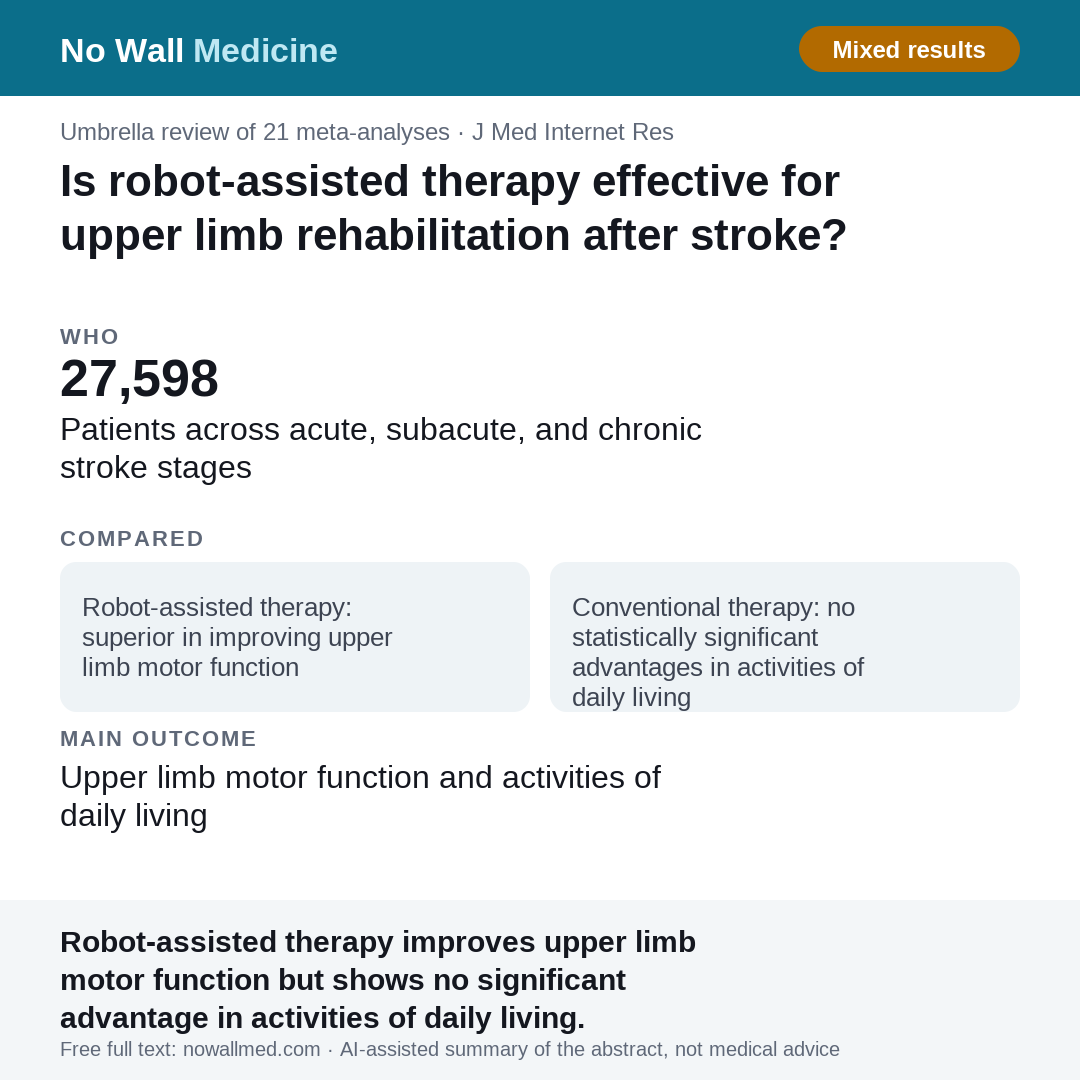
Robot-Assisted Therapy for Upper Limb Rehabilitation After Stroke: Umbrella Review
Umbrella review of 21 meta-analysesMixed results
Is robot-assisted therapy effective for upper limb rehabilitation after stroke?
Who
27,598
Patients across acute, subacute, and chronic stroke stages
Compared
Robot-assisted therapy: superior in improving upper limb motor function
Conventional therapy: no statistically significant advantages in activities of daily living
Main outcome
Upper limb motor function and activities of daily living
Bottom line: Robot-assisted therapy improves upper limb motor function but shows no significant advantage in activities of daily living.
Limitation: Significant outcome heterogeneity and methodological limitations inherent to umbrella reviews.
J Med Internet Res · 2026-03-25Download image
Treatment of patients with spinal cavernous malformations: a systematic review
Systematic reviewUnclear result
What is the optimal treatment strategy for patients with spinal cavernous malformations?
Who
2328
2328 patients with spinal cavernous malformations
Compared
Surgical treatment: neurological outcome improved in 45%
Conservative management: neurological outcome improved in 16%
Main outcome
neurological outcome, independent ambulation, and hemorrhage rates
Bottom line: High risk of bias and low methodological quality preclude definitive conclusions regarding the optimal treatment strategy.
Limitation: Low methodological quality and high risk of bias complicated direct comparisons.
Brain Spine · 2026-03-25Download image