Visual abstracts
New randomized trials and meta-analyses from leading journals at a glance: who was studied, what was compared, and what was found. Every paper is free to read in full.
All specialtiesCardiology 4877Oncology 4138Gastroenterology & Hepatology 1942Infectious Disease 3837Neurology 1905Psychiatry & Mental Health 2273Pulmonology 2143Critical Care 1365Endocrinology & Diabetes 2580Pediatrics 2980Surgery 2559Orthopedics & Sports Medicine 931Neurosurgery 537Cardiothoracic & Vascular Surgery 674Plastic & Reconstructive Surgery 591Nephrology 1133Rheumatology 823Hematology 1109Dermatology 621Ophthalmology 543Obstetrics & Gynecology 1686Public & Global Health 1058Radiology & Imaging 648Anesthesiology 986Urology 764ENT (Otolaryngology) 503Emergency Medicine 511Allergy & Immunology 313Geriatrics 981Family Medicine & Primary Care 562Medical Genetics & Genomics 676Pathology & Laboratory Medicine 159Physical Medicine & Rehabilitation 757Palliative Care 444Nutrition 1588Digital Health & AI 2201General Medicine 321
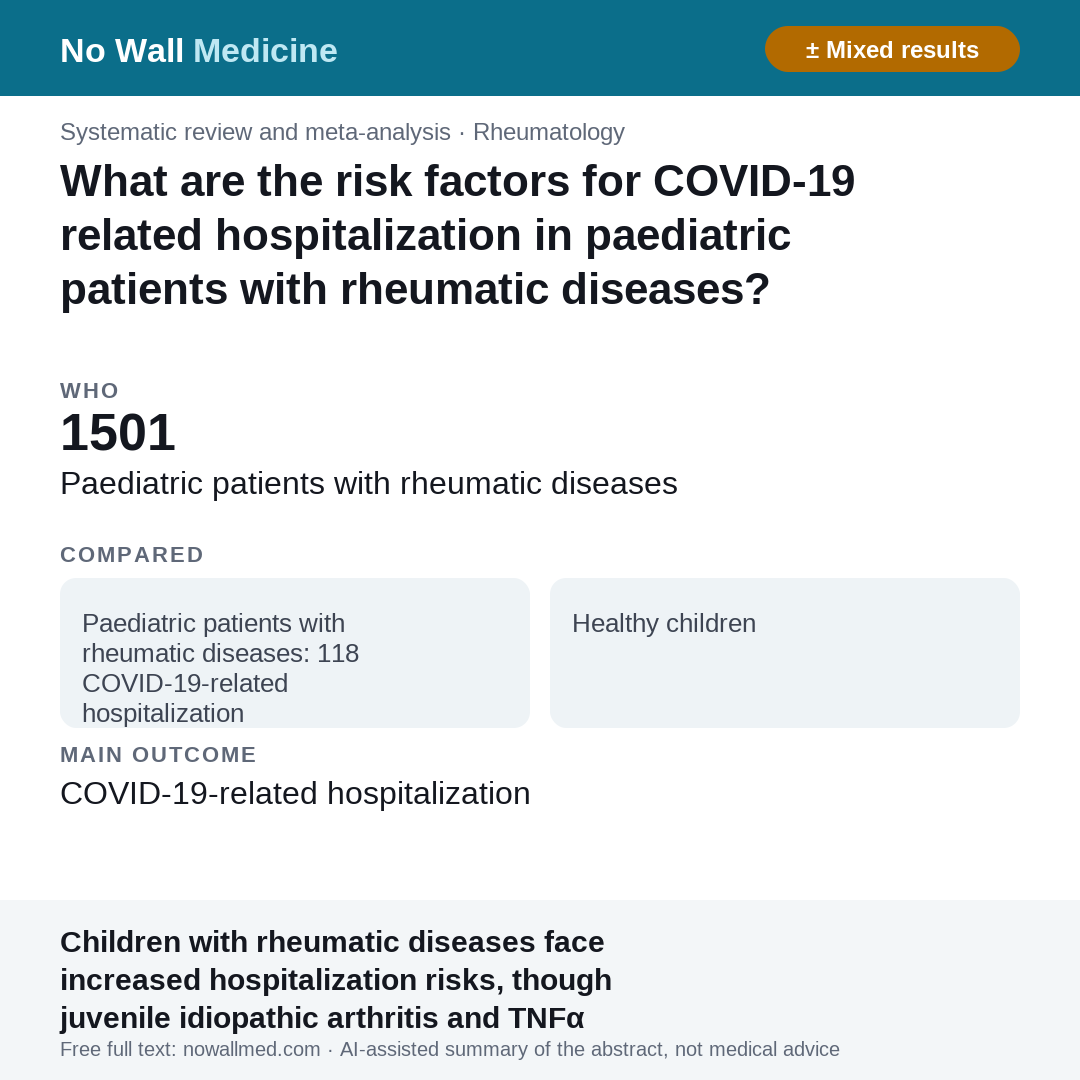
Risk factors of COVID-19 related hospitalization of paediatric patients with rheumatic diseases: a systematic review and meta-analysis
Systematic review and meta-analysisMixed results
What are the risk factors for COVID-19 related hospitalization in paediatric patients with rheumatic diseases?
Who
1501
Paediatric patients with rheumatic diseases
Compared
Paediatric patients with rheumatic diseases: 118 COVID-19-related hospitalization
Healthy children
Main outcome
COVID-19-related hospitalization
Bottom line: Children with rheumatic diseases face increased hospitalization risks, though juvenile idiopathic arthritis and TNFα inhibitors may reduce risk.
Rheumatology · 2024-12-15Download image
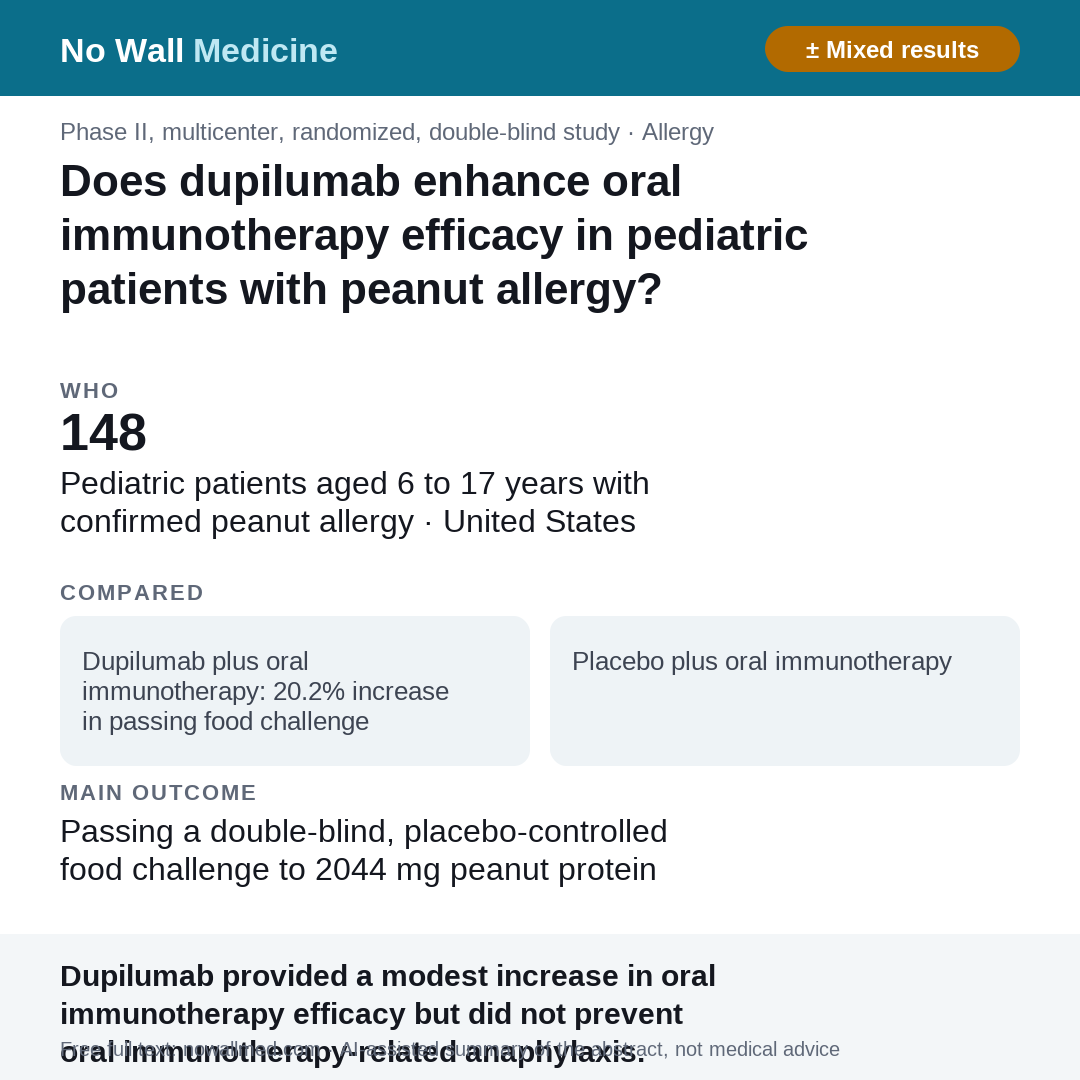
Dupilumab as an Adjunct to Oral Immunotherapy in Pediatric Patients With Peanut Allergy
Phase II, multicenter, randomized, double-blind studyMixed results
Does dupilumab enhance oral immunotherapy efficacy in pediatric patients with peanut allergy?
Who
148
Pediatric patients aged 6 to 17 years with confirmed peanut allergy · United States
Compared
Dupilumab plus oral immunotherapy: 20.2% increase in passing food challenge
Placebo plus oral immunotherapy
Main outcome
Passing a double-blind, placebo-controlled food challenge to 2044 mg peanut protein
Result: 16.6% difference (95% CI -9.7, 42.8)
Bottom line: Dupilumab provided a modest increase in oral immunotherapy efficacy but did not prevent oral immunotherapy-related anaphylaxis.
Allergy · 2024-12-14Download image
Neuroimaging of postoperative pediatric cerebellar mutism syndrome: a systematic review
Systematic reviewMixed results
What are the neuroimaging features of postoperative pediatric cerebellar mutism syndrome?
Who
Children undergoing posterior fossa tumor surgery
Compared
Children with ppCMS: midline tumor localization, brainstem, superior cerebellar peduncle, or middle cerebellar peduncle involvement
Children without ppCMS
Main outcome
Neuroimaging features including structural, diffusion, and functional imaging
Bottom line: Postoperative cerebellar mutism syndrome is associated with efferent cerebellar pathway injury and frontal lobe hypoperfusion.
Limitation: Unclear ppCMS definition and qualitative image analysis without blinding for diagnosis.
Neurooncol Adv · 2024-12-14Download image

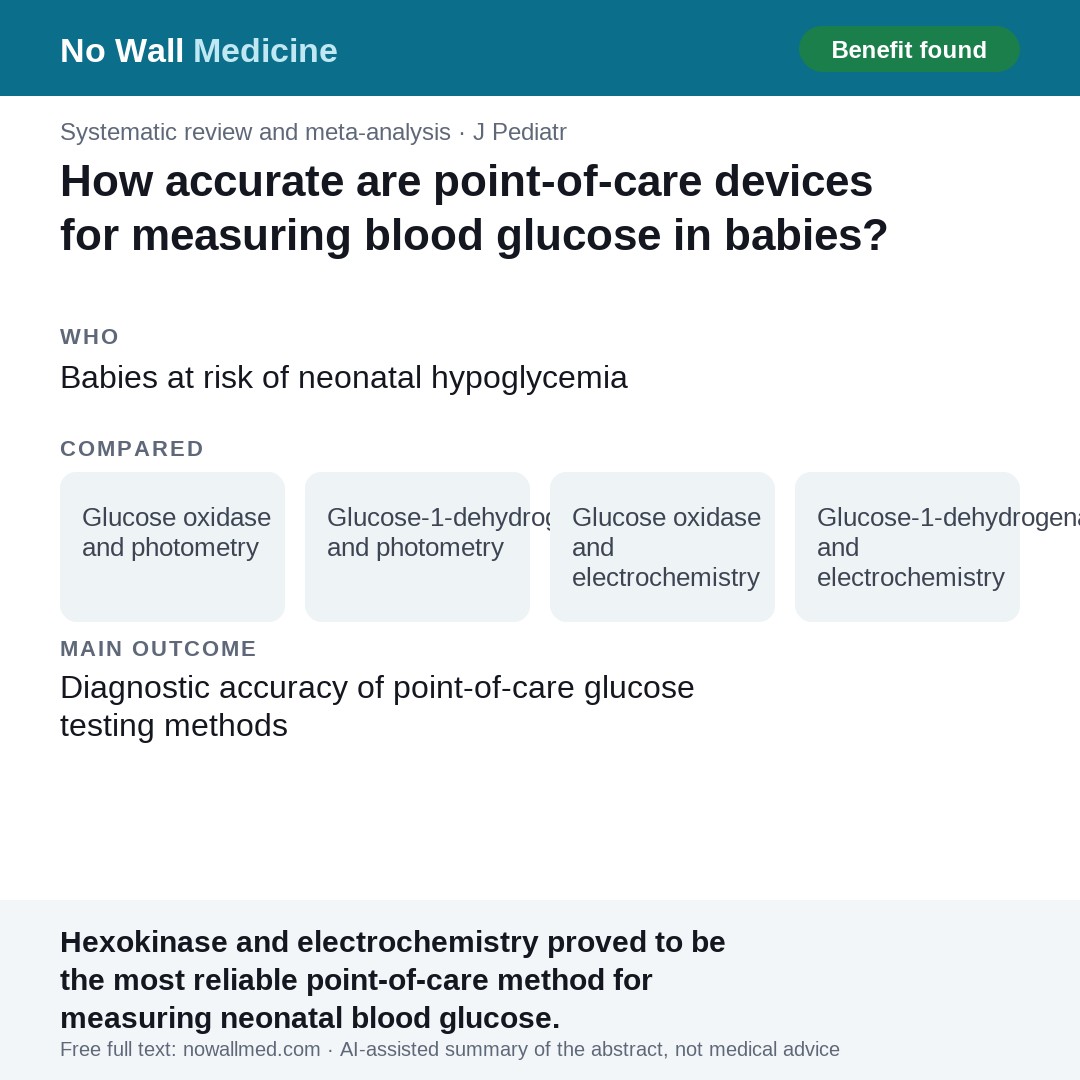
Glucose Testing Methods: A Systematic Review and Meta-Analysis of Diagnostic Accuracy of Point-of-Care Devices for Neonatal Hypoglycemia
Systematic review and meta-analysisBenefit found
How accurate are point-of-care devices for measuring blood glucose in babies?
Who
Babies at risk of neonatal hypoglycemia
Compared
Glucose oxidase and photometry
Glucose-1-dehydrogenase and photometry
Glucose oxidase and electrochemistry
Glucose-1-dehydrogenase and electrochemistry
Main outcome
Diagnostic accuracy of point-of-care glucose testing methods
Bottom line: Hexokinase and electrochemistry proved to be the most reliable point-of-care method for measuring neonatal blood glucose.
Limitation: Limited number of studies using the hexokinase and electrochemistry method.
J Pediatr · 2024-12-13Download image
Biomarkers in paediatric bacterial meningitis: a systematic review and meta-analysis of diagnostic test accuracy
Systematic review and meta-analysisBenefit found
What is the diagnostic accuracy of cerebrospinal fluid and blood biomarkers for paediatric bacterial meningitis?
Who
Paediatric patients aged 0 to 18 years suspected of central nervous system infection
Compared
Cerebrospinal fluid CRP and ferritin: sAUC 0.94 (95% CI, 0.92-0.97; 0.94 (95% CI, 0.90-1.0))
Cerebrospinal fluid IL-6 and procalcitonin: sAUC 0.98 (95% CI, 0.96-1.00); sAUC 0.96 (95% CI, 0.94-0.99)
Blood procalcitonin: AUC, 0.89 (95% CI, 0.68-1.00)
Main outcome
Diagnostic accuracy of cerebrospinal fluid and blood biomarkers
Bottom line: Several cerebrospinal fluid biomarkers show high diagnostic accuracy, but blood biomarkers do not exhibit excellent discrimination.
Limitation: Validation in prospective, well-designed diagnostic accuracy studies in children is needed.
Clin Microbiol Infect · 2024-12-12Download image

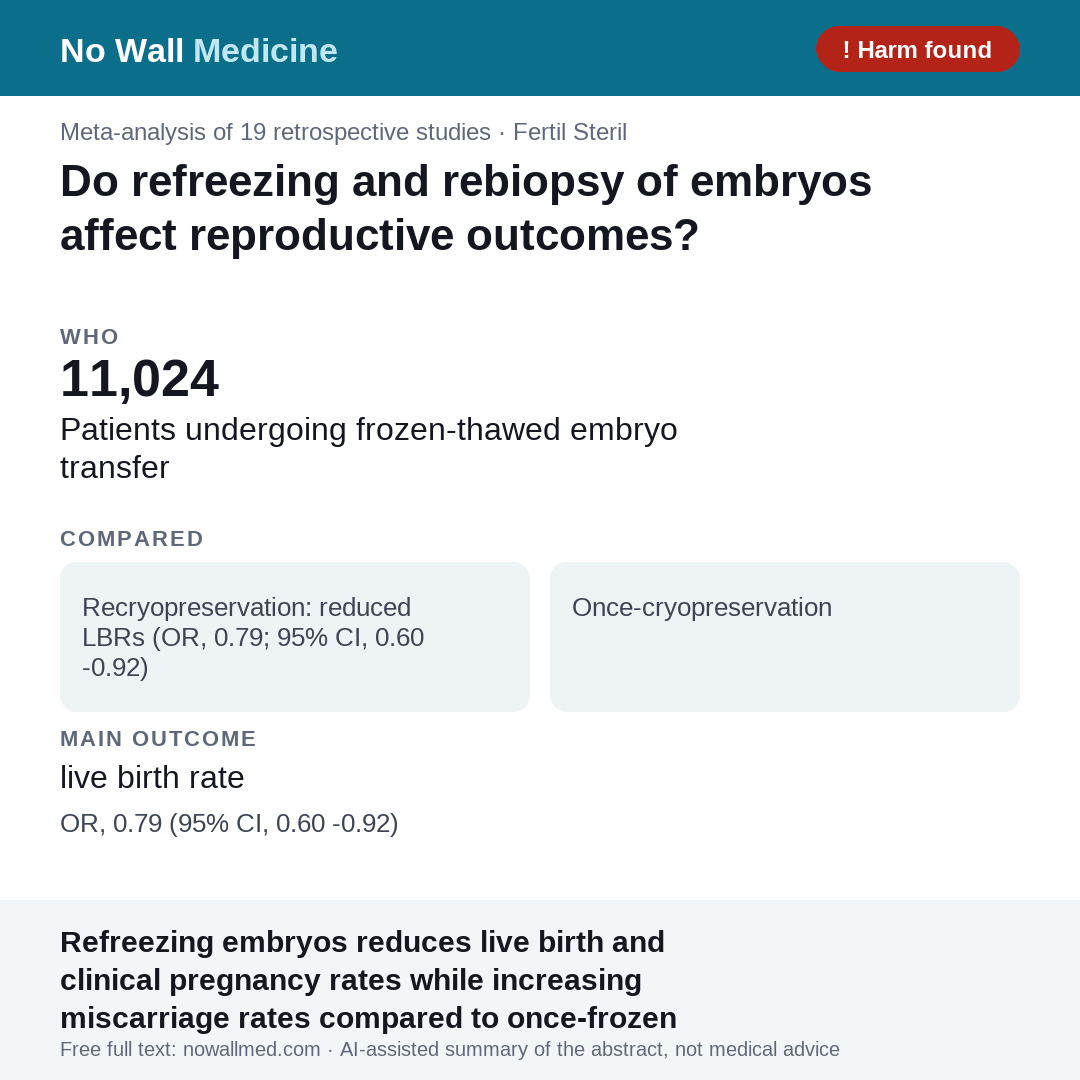
Systematic review and meta-analysis of the impact of the refreezing and rebiopsy embryos on reproductive outcomes in patients undergoing freeze-thaw embryo transfer
Meta-analysis of 19 retrospective studiesHarm found
Do refreezing and rebiopsy of embryos affect reproductive outcomes?
Who
11,024
Patients undergoing frozen-thawed embryo transfer
Compared
Recryopreservation: reduced LBRs (OR, 0.79; 95% CI, 0.60 -0.92)
Once-cryopreservation
Main outcome
live birth rate
Result: OR, 0.79 (95% CI, 0.60 -0.92)
Bottom line: Refreezing embryos reduces live birth and clinical pregnancy rates while increasing miscarriage rates compared to once-frozen embryos.
Fertil Steril · 2024-12-12Download image
Prehospital critical care beyond advanced life support for out-of-hospital cardiac arrest: A systematic review
Systematic review and meta-analysisBenefit found
Do prehospital critical care teams improve outcomes for out-of-hospital cardiac arrest patients?
Who
1,192,158
Patients with out-of-hospital cardiac arrest
Compared
Prehospital critical care
Non-critical care teams
Main outcome
Survival and neurological outcomes
Result: OR 1.95 (95% CI 1.35-2.82) for survival to hospital admission
Bottom line: Prehospital critical care teams are associated with improved survival and neurological outcomes for cardiac arrest patients.
Limitation: All included studies were non-randomised and certainty of evidence was low to very low.
Resusc Plus · 2024-12-12Download image

Neurofeedback for Attention-Deficit/Hyperactivity Disorder: A Systematic Review and Meta-Analysis
Meta-analysis of 38 randomized clinical trialsNo clear difference
Does neurofeedback improve ADHD symptoms and neuropsychological outcomes?
Who
2472
Participants aged 5 to 40 years with ADHD
Compared
Neurofeedback
Control
Main outcome
ADHD total symptom severity
Result: standardized mean difference 0.04 (95% CI -0.10 to 0.18)
Bottom line: Neurofeedback did not meaningfully benefit individuals with ADHD clinically or neuropsychologically at the group level.
JAMA Psychiatry · 2024-12-11Download image

Genetic and environment influences on childhood victimization: a systematic review and meta-analysis
Systematic review and meta-analysis of twin studiesMixed results
What are the genetic and environmental influences on childhood victimization?
Who
62,794
Participants in twin studies
Compared
40%Genetic influences
20%Shared environmental influences
40%Non-shared environmental influences
Main outcome
Variance in childhood victimization
Bottom line: Genetic and non-shared environmental influences account for 40% each, while shared environment accounts for 20% of variance.
Mol Psychiatry · 2024-12-11Download image

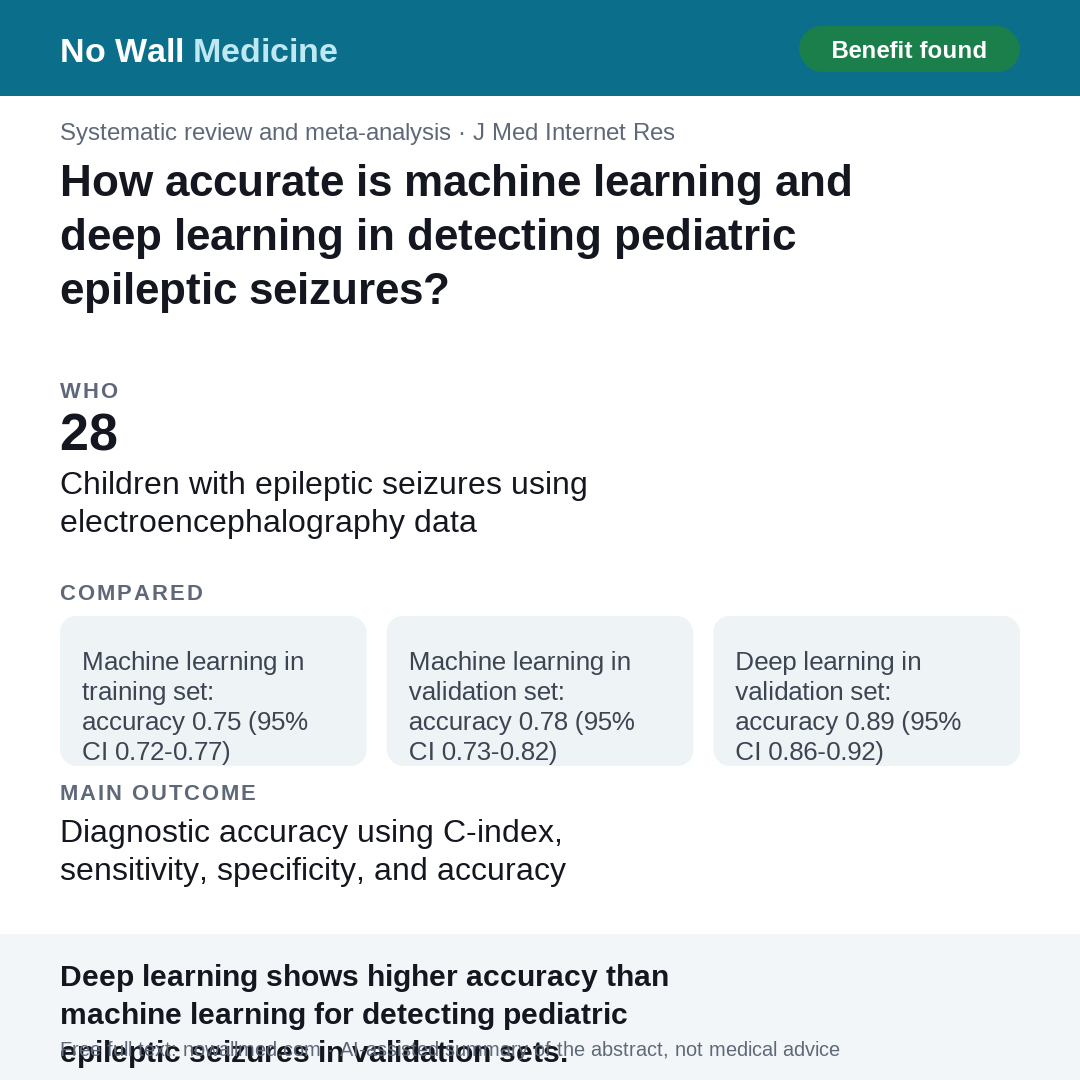
Accuracy of Machine Learning in Detecting Pediatric Epileptic Seizures: Systematic Review and Meta-Analysis
Systematic review and meta-analysisBenefit found
How accurate is machine learning and deep learning in detecting pediatric epileptic seizures?
Who
28
Children with epileptic seizures using electroencephalography data
Compared
Machine learning in training set: accuracy 0.75 (95% CI 0.72-0.77)
Machine learning in validation set: accuracy 0.78 (95% CI 0.73-0.82)
Deep learning in validation set: accuracy 0.89 (95% CI 0.86-0.92)
Main outcome
Diagnostic accuracy using C-index, sensitivity, specificity, and accuracy
Result: deep learning validation C-index 0.91 (95% CI 0.88-0.94)
Bottom line: Deep learning shows higher accuracy than machine learning for detecting pediatric epileptic seizures in validation sets.
J Med Internet Res · 2024-12-11Download image
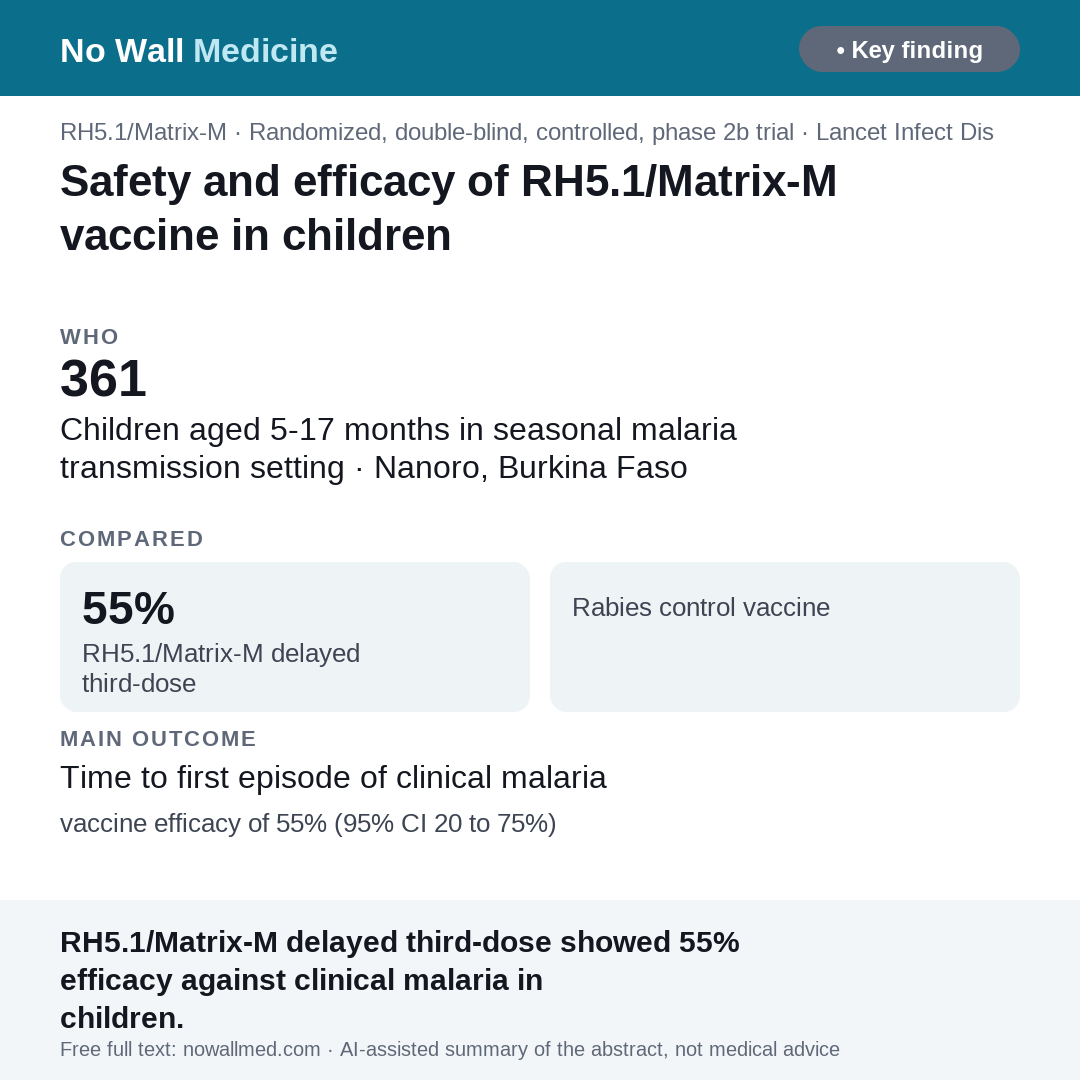
Safety and efficacy of the blood-stage malaria vaccine RH5.1/Matrix-M in Burkina Faso: interim results of a double-blind, randomised, controlled, phase 2b trial in children
Double-blind, randomised, controlled, phase 2b trialMixed results
Is the RH5.1/Matrix-M vaccine safe and effective against clinical malaria in children?
Who
361
Children aged 5-17 months in Nanoro, Burkina Faso · Nanoro, Burkina Faso
Compared
55%RH5.1/Matrix-M delayed third-dose regimen (95% CI 20 to 75%)
40%RH5.1/Matrix-M monthly regimen (-3 to 65%)
Pooled control groups
Main outcome
Protective efficacy against clinical malaria
Result: vaccine efficacy 55% (95% CI 20 to 75%)
Bottom line: RH5.1/Matrix-M is safe and shows promising efficacy with a delayed third-dose regimen, but efficacy was not significant with monthly dosing.
Limitation: This is an ongoing trial to further monitor efficacy over time.
Funded by: EDCTP, UK Medical Research Council, NIHR, NIAID, USAID, Wellcome Trust
Lancet Infect Dis · 2024-12-10Download image
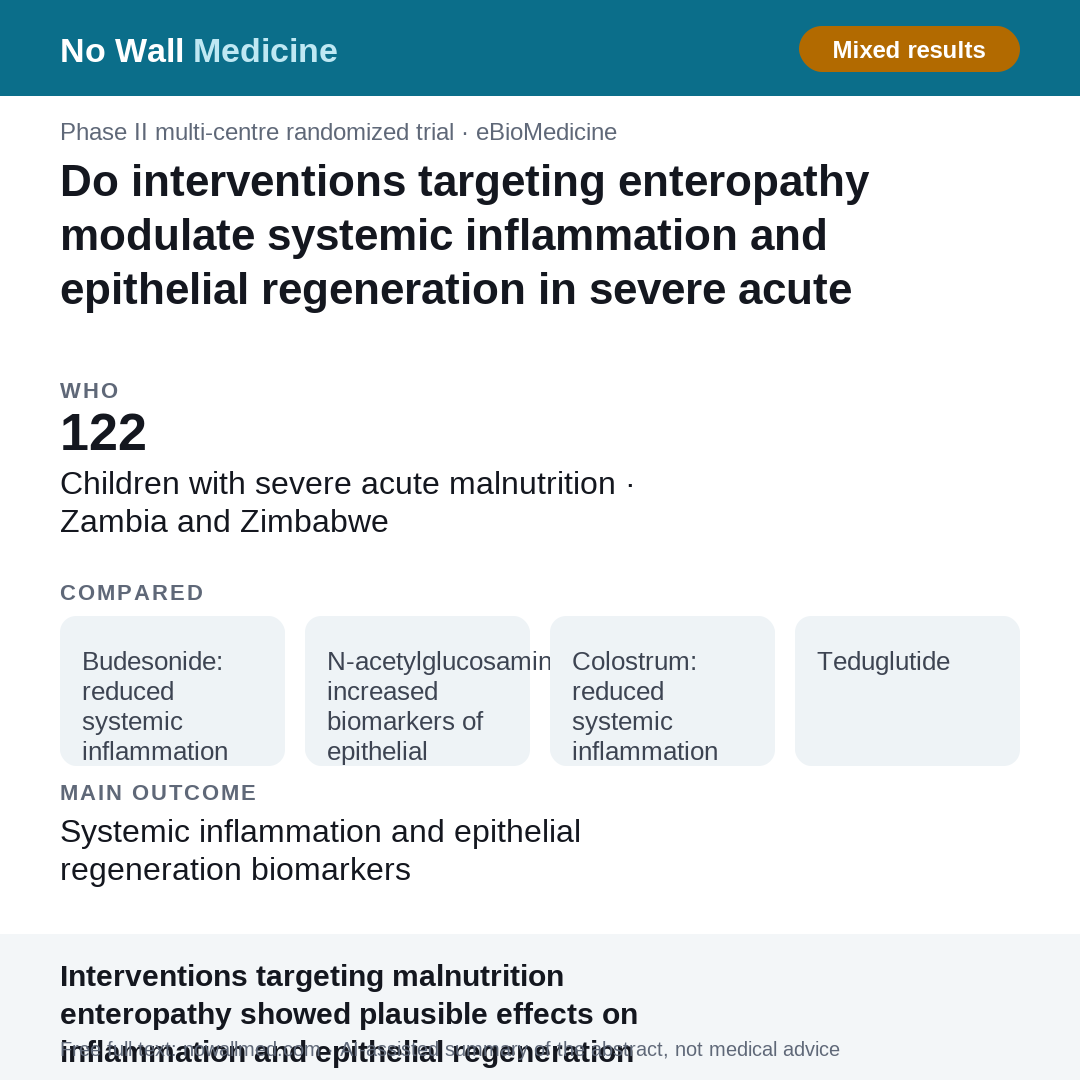
Therapeutic interventions targeting enteropathy in severe acute malnutrition modulate systemic and vascular inflammation and epithelial regeneration
Phase II multi-centre randomized trialMixed results
Do interventions targeting enteropathy modulate systemic inflammation and epithelial regeneration in severe acute malnutrition?
Who
122
Children with severe acute malnutrition · Zambia and Zimbabwe
Compared
Budesonide: reduced systemic inflammation
N-acetylglucosamine: increased biomarkers of epithelial regeneration and circulating growth factors
Colostrum: reduced systemic inflammation and suggested better restoration of epithelial barrier function
Teduglutide
Main outcome
Systemic inflammation and epithelial regeneration biomarkers
Bottom line: Interventions targeting malnutrition enteropathy showed plausible effects on inflammation and epithelial regeneration biomarkers in children.
Funded by: Wellcome, Medical Research Council (UK), and Takeda UK
eBioMedicine · 2024-12-10Download image
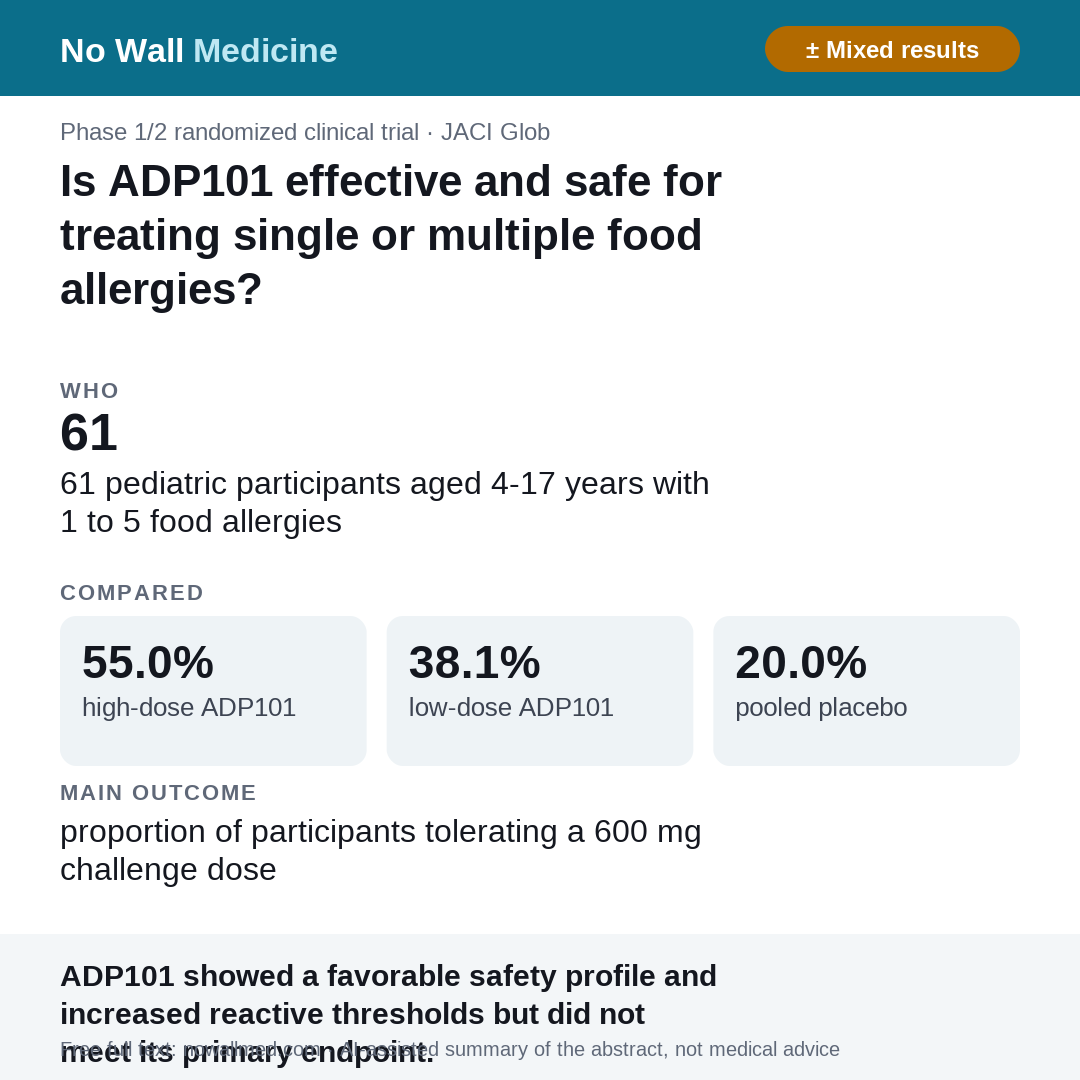
ADP101 multifood oral immunotherapy for food-allergic patients: Harmony phase 1/2 randomized clinical trial
Phase 1/2 randomized clinical trialMixed results
Is ADP101 effective and safe for treating single or multiple food allergies?
Who
61
61 pediatric participants aged 4-17 years with 1 to 5 food allergies
Compared
55.0%high-dose ADP101
38.1%low-dose ADP101
20.0%pooled placebo
Main outcome
proportion of participants tolerating a 600 mg challenge dose
Bottom line: ADP101 showed a favorable safety profile and increased reactive thresholds but did not meet its primary endpoint.
Limitation: The study did not meet its primary endpoint after adjusting for multiple comparisons.
JACI Glob · 2024-12-10Download image
Characteristics and Popularity of Videos of Abusive Head Trauma Prevention: Systematic Appraisal
Systematic appraisalMixed results
What are the characteristics and popularity of abusive head trauma prevention videos?
Who
53
English or French videos of abusive head trauma prevention · Internet
Compared
Depicting infant being shaken: β=1.74, 95% CI 1.06-2.85
Use of text or headers: β=2.15, 95% CI 1.08-4.26
Main outcome
Video Power Index popularity
Bottom line: Prevention videos were high quality but popularity was associated with depicting shaking and using text or headers.
J Med Internet Res · 2024-12-10Download image

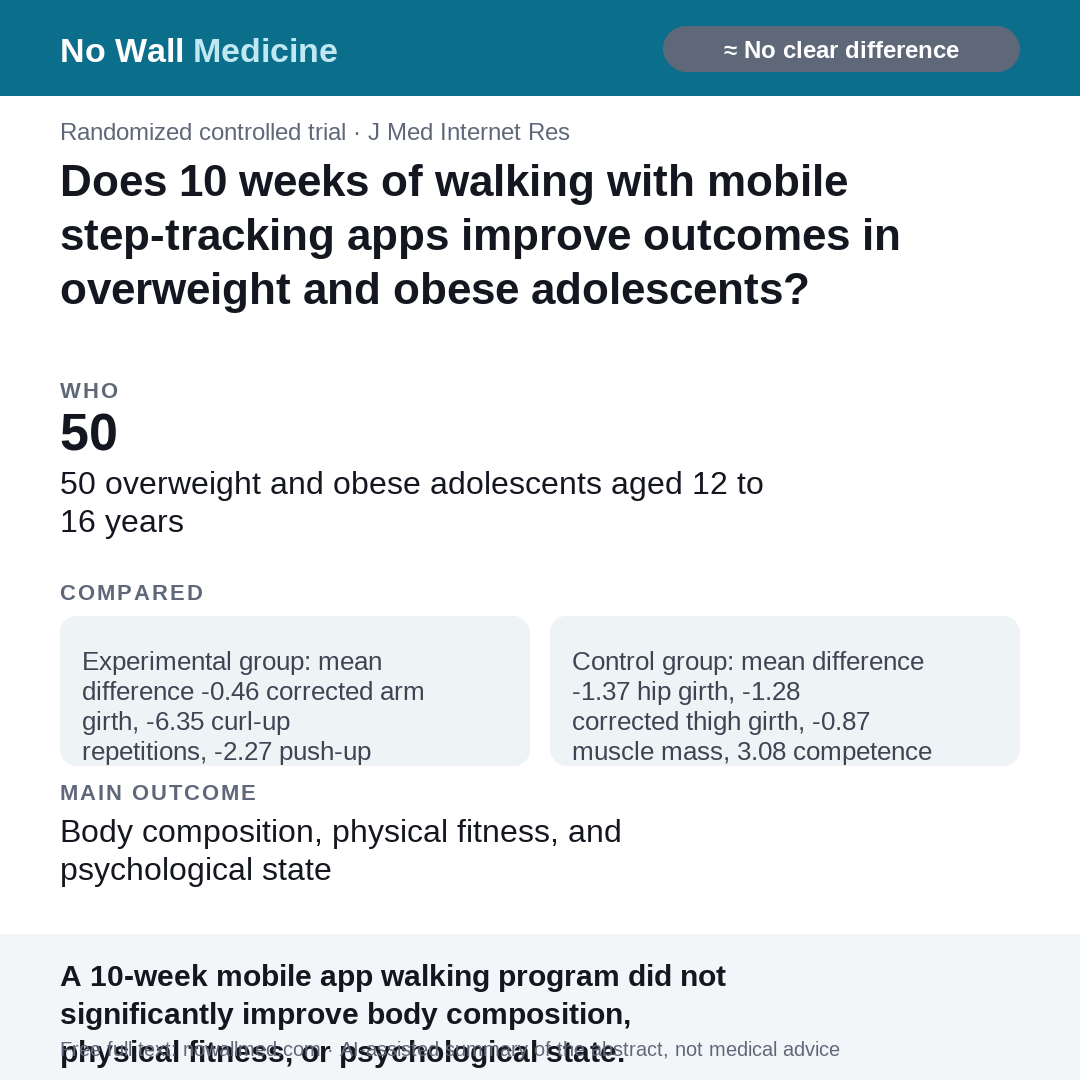
Effects of 10 Weeks of Walking With Mobile Step-Tracking Apps on Body Composition, Fitness, and Psychological State in Adolescents Who Are Overweight and Obese: Randomized Controlled Trial
Randomized controlled trialNo clear difference
Does 10 weeks of walking with mobile step-tracking apps improve outcomes in overweight and obese adolescents?
Who
50
50 overweight and obese adolescents aged 12 to 16 years
Compared
Experimental group: mean difference -0.46 corrected arm girth, -6.35 curl-up repetitions, -2.27 push-up repetitions
Control group: mean difference -1.37 hip girth, -1.28 corrected thigh girth, -0.87 muscle mass, 3.08 competence
Main outcome
Body composition, physical fitness, and psychological state
Bottom line: A 10-week mobile app walking program did not significantly improve body composition, physical fitness, or psychological state.
J Med Internet Res · 2024-12-10Download image
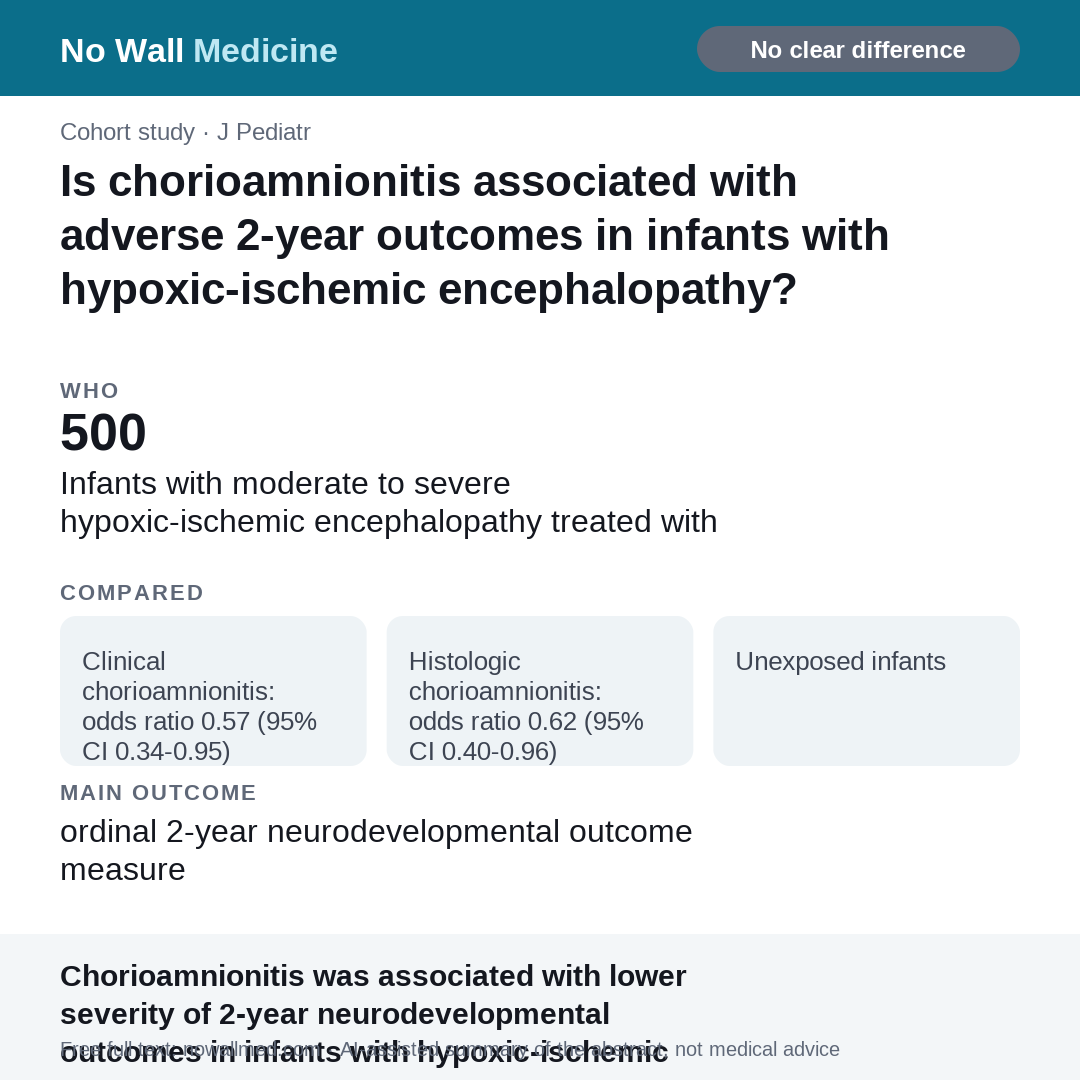
Chorioamnionitis and Two-Year Outcomes in Infants with Hypoxic-Ischemic Encephalopathy
Cohort studyNo clear difference
Is chorioamnionitis associated with adverse 2-year outcomes in infants with hypoxic-ischemic encephalopathy?
Who
500
Infants with moderate to severe hypoxic-ischemic encephalopathy treated with therapeutic hypothermia
Compared
Clinical chorioamnionitis: odds ratio 0.57 (95% CI 0.34-0.95)
Histologic chorioamnionitis: odds ratio 0.62 (95% CI 0.40-0.96)
Unexposed infants
Main outcome
ordinal 2-year neurodevelopmental outcome measure
Result: odds ratio 0.57 (95% CI 0.34-0.95) for clinical chorioamnionitis
Bottom line: Chorioamnionitis was associated with lower severity of 2-year neurodevelopmental outcomes in infants with hypoxic-ischemic encephalopathy.
J Pediatr · 2024-12-09Download image
Dry-powder inhaler use in primary school-aged children with asthma: a systematic review
Systematic reviewBenefit found
Can children use dry powder inhalers
Who
primary school-aged children with asthma
Compared
peak flow measurement
physician assessment
efficacy compared
Main outcome
ability to use dry powder inhaler
Bottom line: Most children can use dry powder inhalers
Limitation: evidence limited during acute illness
ERJ Open Res · 2024-12-09Download image

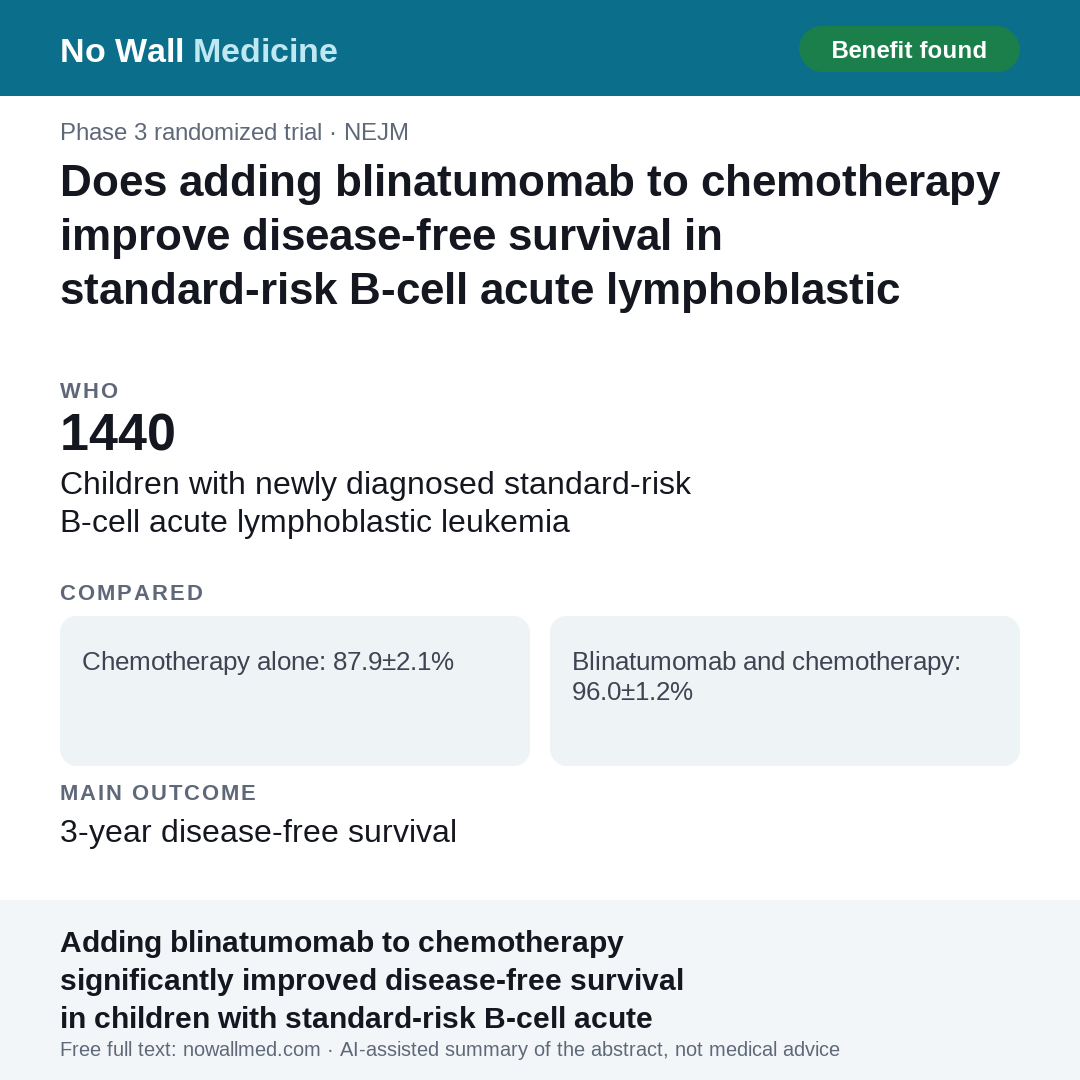
Blinatumomab in Standard-Risk B-Cell Acute Lymphoblastic Leukemia in Children
Phase 3 randomized trialBenefit found
Does adding blinatumomab to chemotherapy improve disease-free survival in standard-risk B-cell acute lymphoblastic leukemia?
Who
1440
Children with newly diagnosed standard-risk B-cell acute lymphoblastic leukemia
Compared
Chemotherapy alone: 87.9±2.1%
Blinatumomab and chemotherapy: 96.0±1.2%
Main outcome
3-year disease-free survival
Result: difference in restricted mean survival time, 72 days (95% CI 36 to 108)
Bottom line: Adding blinatumomab to chemotherapy significantly improved disease-free survival in children with standard-risk B-cell acute lymphoblastic leukemia.
Funded by: National Institutes of Health and others
NEJM · 2024-12-07Download image
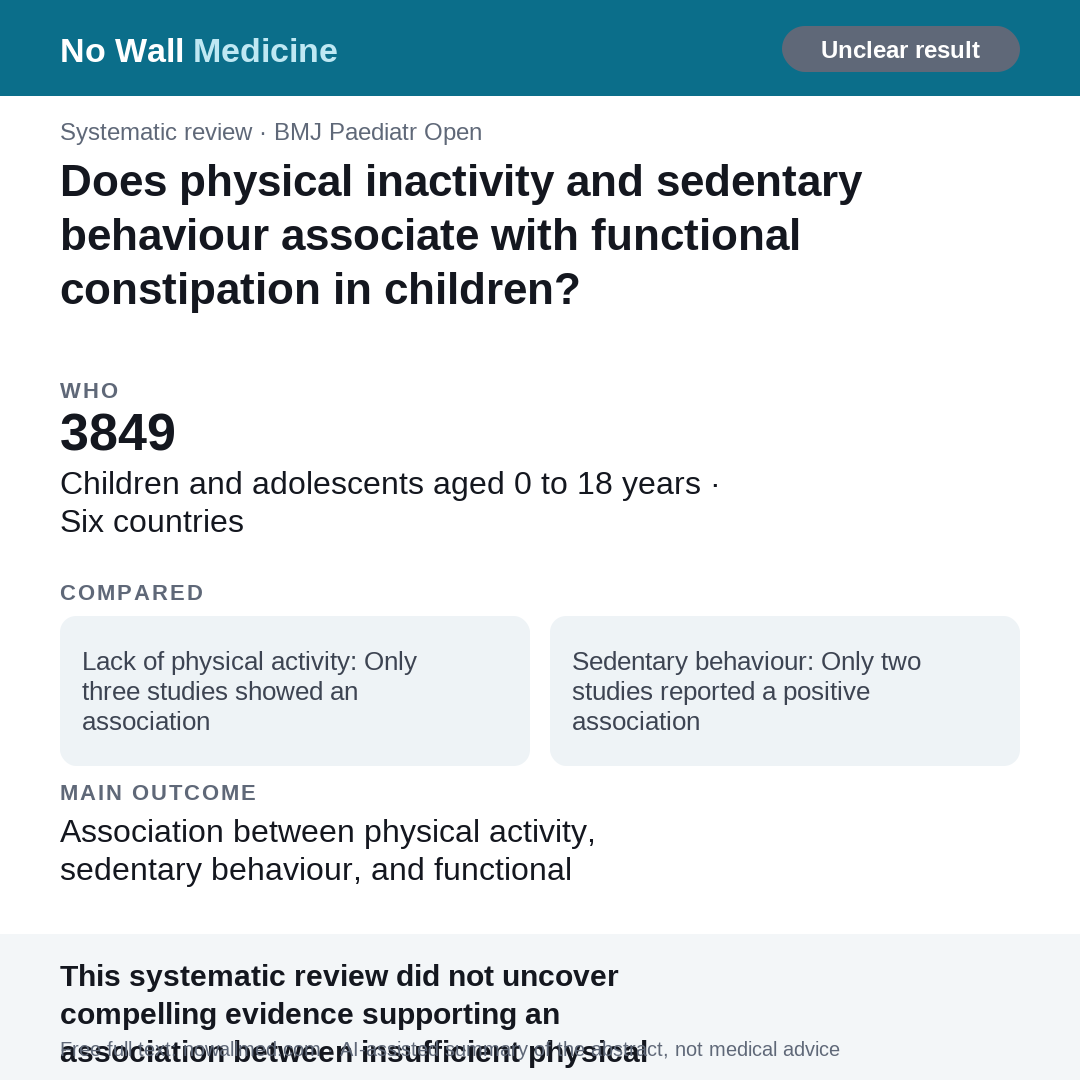
Impact of physical inactivity and sedentary behaviour on functional constipation in children and adolescents: a systematic review
Systematic reviewUnclear result
Does physical inactivity and sedentary behaviour associate with functional constipation in children?
Who
3849
Children and adolescents aged 0 to 18 years · Six countries
Compared
Lack of physical activity: Only three studies showed an association
Sedentary behaviour: Only two studies reported a positive association
Main outcome
Association between physical activity, sedentary behaviour, and functional constipation
Bottom line: This systematic review did not uncover compelling evidence supporting an association between insufficient physical activity, sedentary behaviour, and functional constipation.
Limitation: All nine studies included in the systematic review were rated as having high risk of bias.
BMJ Paediatr Open · 2024-12-05Download image
Psychological Interventions for Pediatric Posttraumatic Stress Disorder: A Systematic Review and Network Meta-Analysis
Systematic review and network meta-analysisBenefit found
What are the most effective psychological interventions for pediatric posttraumatic stress disorder?
Who
5528
Children and adolescents 19 years and younger with PTSD
Compared
Trauma-focused cognitive behavior therapies: g, 1.06 (95% CI, 0.86-1.26)
Eye movement desensitization and reprocessing: g, 0.86 (95% CI, 0.54-1.18)
Multidisciplinary treatments: g, 0.88 (95% CI, 0.53-1.23)
Non-trauma-focused interventions: g, 0.95 (95% CI, 0.62-1.28)
Main outcome
Standardized mean differences in posttraumatic stress disorder severity
Bottom line: Trauma-focused cognitive behavior therapies provided the largest reductions in pediatric posttraumatic stress disorder severity.
Limitation: More long-term data are needed for eye movement desensitization and reprocessing, multidisciplinary treatments, and non-trauma-focused interventions.
JAMA Psychiatry · 2024-12-04Download image