Visual abstracts
New randomized trials and meta-analyses from leading journals at a glance: who was studied, what was compared, and what was found. Every paper is free to read in full.
All specialtiesCardiology 4763Oncology 4043Gastroenterology & Hepatology 1903Infectious Disease 3756Neurology 1872Psychiatry & Mental Health 2216Pulmonology 2044Critical Care 1319Endocrinology & Diabetes 2544Pediatrics 2889Surgery 2480Orthopedics & Sports Medicine 917Neurosurgery 525Cardiothoracic & Vascular Surgery 656Plastic & Reconstructive Surgery 574Nephrology 1107Rheumatology 810Hematology 1090Dermatology 611Ophthalmology 532Obstetrics & Gynecology 1645Public & Global Health 1037Radiology & Imaging 619Anesthesiology 958Urology 745ENT (Otolaryngology) 494Emergency Medicine 481Allergy & Immunology 309Geriatrics 972Family Medicine & Primary Care 534Medical Genetics & Genomics 659Pathology & Laboratory Medicine 156Physical Medicine & Rehabilitation 734Palliative Care 421Nutrition 1560Digital Health & AI 2137General Medicine 318
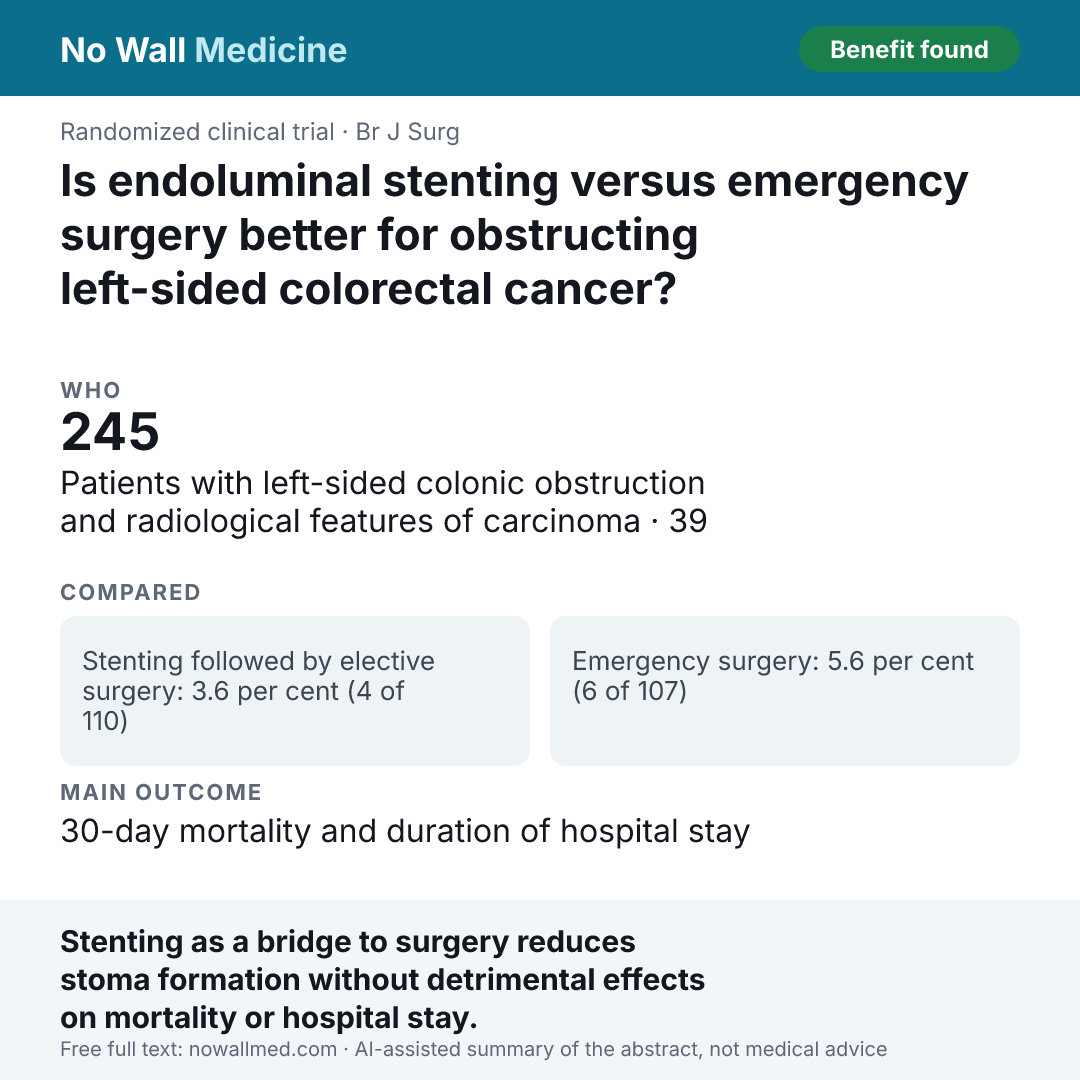
Colorectal Endoscopic Stenting Trial (CReST) for obstructing left-sided colorectal cancer: randomized clinical trial
Randomized clinical trialBenefit found
Is endoluminal stenting versus emergency surgery better for obstructing left-sided colorectal cancer?
Who
245
Patients with left-sided colonic obstruction and radiological features of carcinoma · 39 hospitals
Compared
Stenting followed by elective surgery: 3.6 per cent (4 of 110)
Emergency surgery: 5.6 per cent (6 of 107)
Main outcome
30-day mortality and duration of hospital stay
Bottom line: Stenting as a bridge to surgery reduces stoma formation without detrimental effects on mortality or hospital stay.
Br J Surg · 2022-08-21 · Save PNG
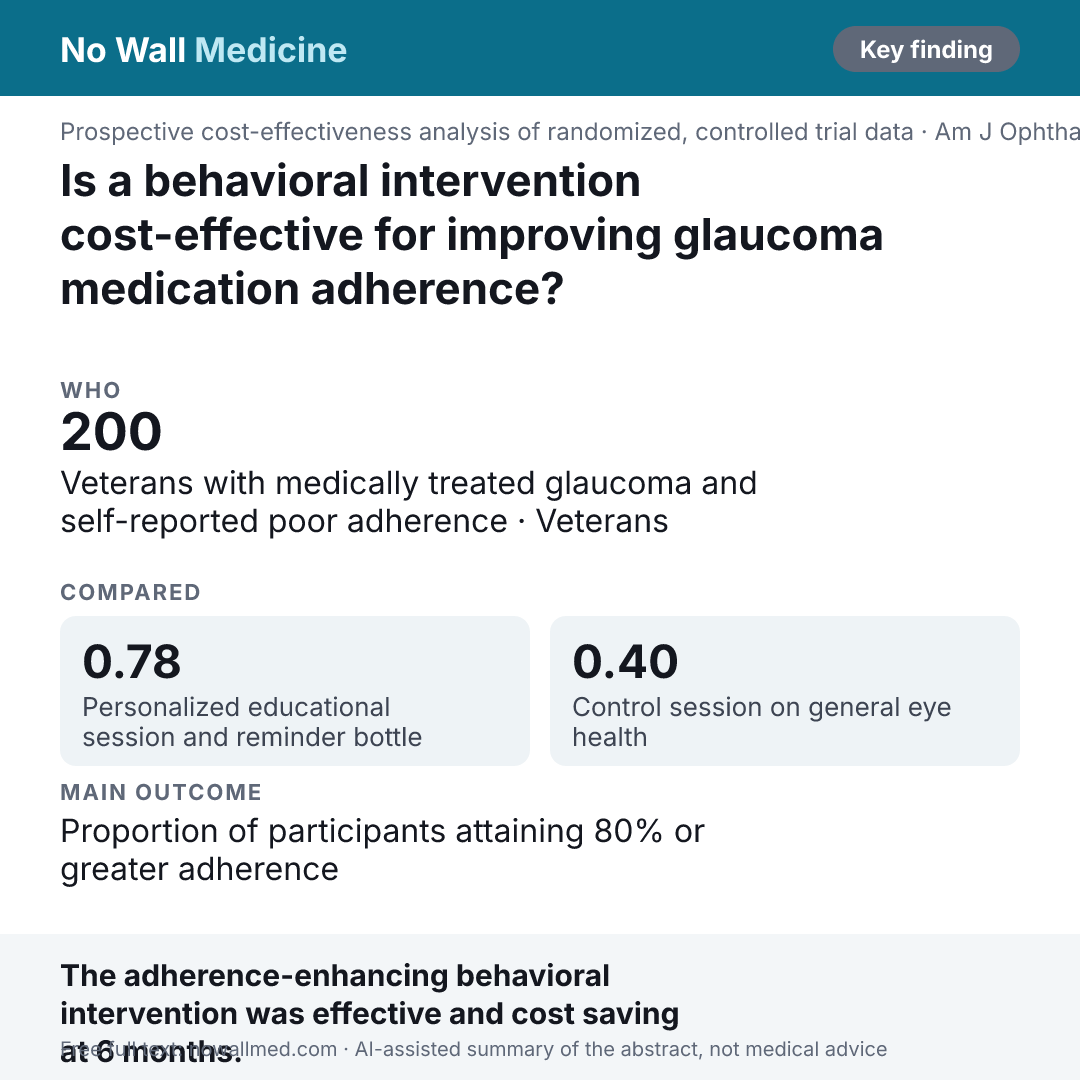
Within-Trial Cost-Effectiveness of an Adherence-Enhancing Educational Intervention for Glaucoma
Prospective cost-effectiveness analysis of randomized, controlled trial dataKey finding
Is a behavioral intervention cost-effective for improving glaucoma medication adherence?
Who
200
Veterans with medically treated glaucoma and self-reported poor adherence · Veterans Affairs eye clinic
Compared
0.78Personalized educational session and reminder bottle
0.40Control session on general eye health
Main outcome
Proportion of participants attaining 80% or greater adherence
Bottom line: The adherence-enhancing behavioral intervention was effective and cost saving at 6 months.
Am J Ophthalmol · 2022-08-21 · Save PNG
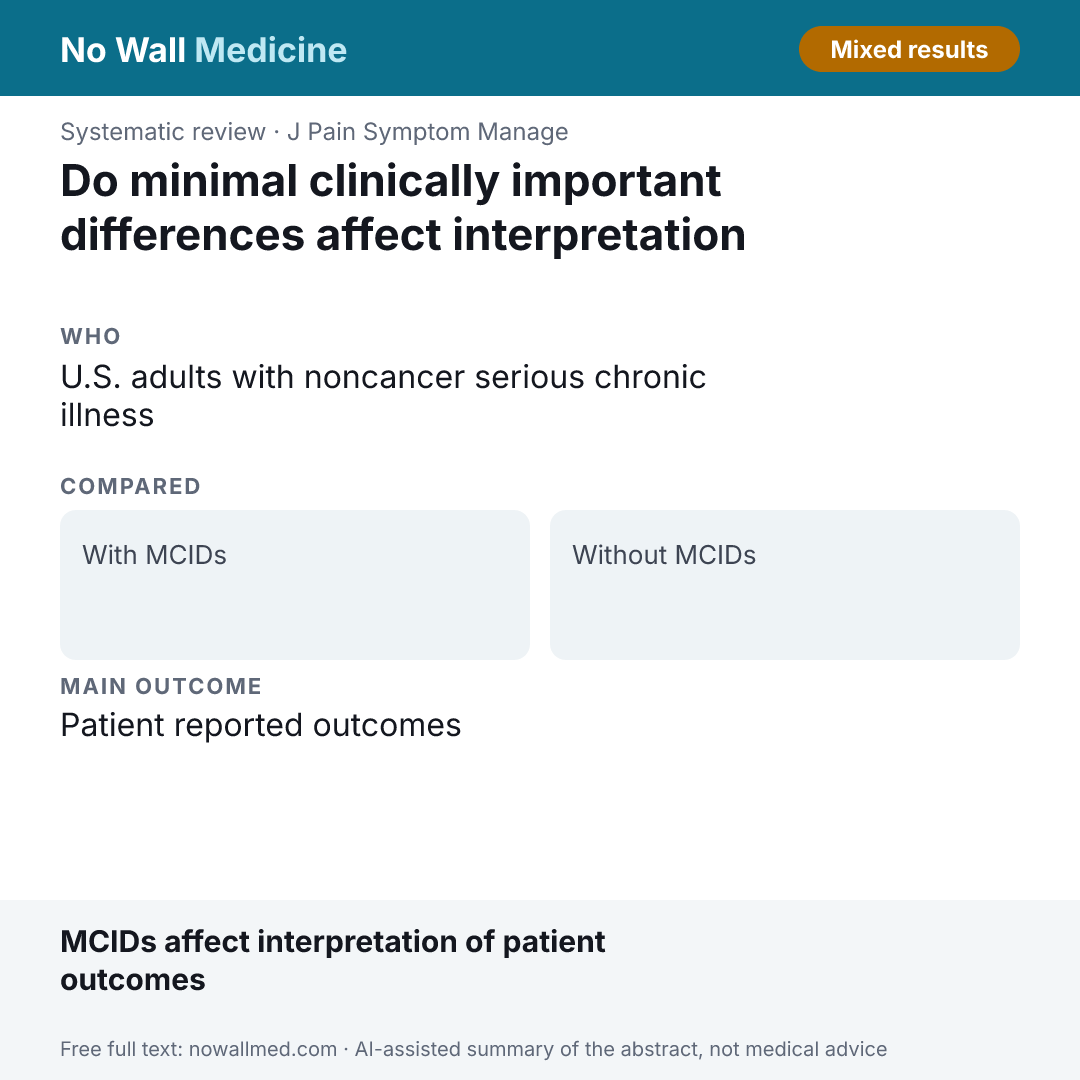
The Application of Minimal Clinically Important Differences in Palliative Research: Interpretation of Results of a Systematic Review
Systematic reviewMixed results
Do minimal clinically important differences affect interpretation
Who
U.S. adults with noncancer serious chronic illness
Compared
With MCIDs
Without MCIDs
Main outcome
Patient reported outcomes
Bottom line: MCIDs affect interpretation of patient outcomes
J Pain Symptom Manage · 2022-08-21 · Save PNG
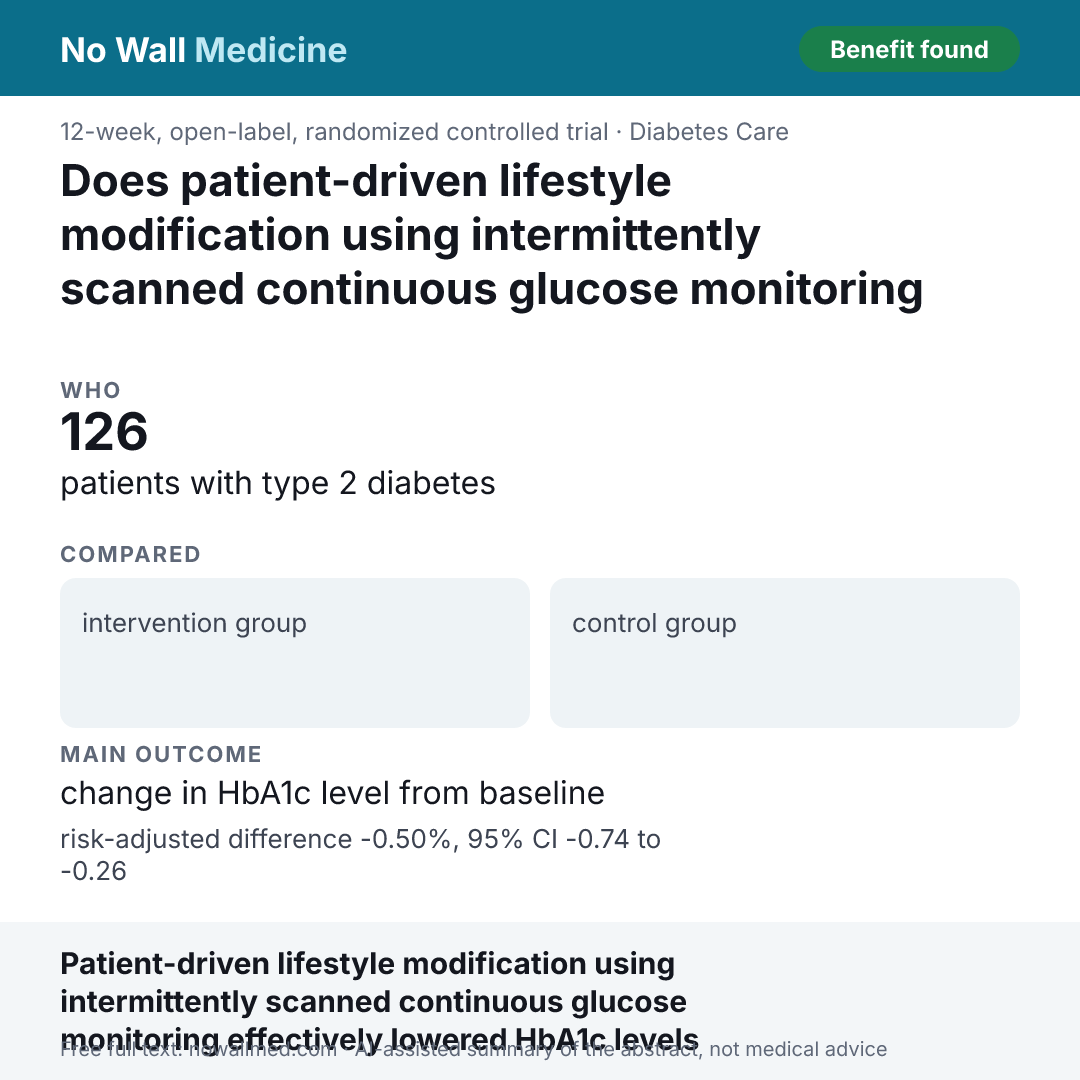
Effects of Patient-Driven Lifestyle Modification Using Intermittently Scanned Continuous Glucose Monitoring in Patients With Type 2 Diabetes: Results From the Randomized Open-label PDF Study
12-week, open-label, randomized controlled trialBenefit found
Does patient-driven lifestyle modification using intermittently scanned continuous glucose monitoring improve HbA1c in type 2 diabetes?
Who
126
patients with type 2 diabetes
Compared
intervention group
control group
Main outcome
change in HbA1c level from baseline
Result: risk-adjusted difference -0.50%, 95% CI -0.74 to -0.26
Bottom line: Patient-driven lifestyle modification using intermittently scanned continuous glucose monitoring effectively lowered HbA1c levels in patients with type 2 diabetes.
Diabetes Care · 2022-08-20 · Save PNG
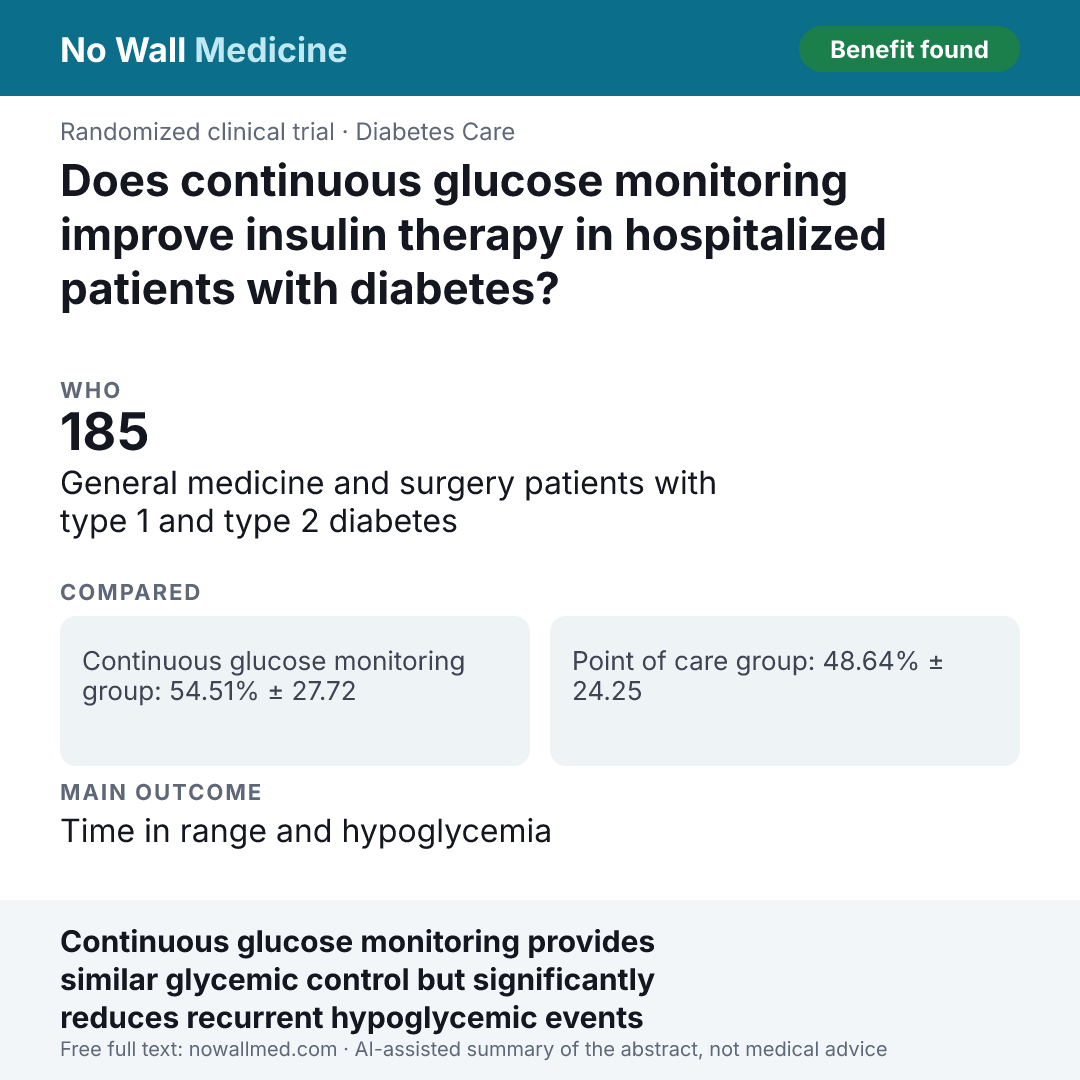
Continuous Glucose Monitoring-Guided Insulin Administration in Hospitalized Patients With Diabetes: A Randomized Clinical Trial
Randomized clinical trialBenefit found
Does continuous glucose monitoring improve insulin therapy in hospitalized patients with diabetes?
Who
185
General medicine and surgery patients with type 1 and type 2 diabetes
Compared
Continuous glucose monitoring group: 54.51% ± 27.72
Point of care group: 48.64% ± 24.25
Main outcome
Time in range and hypoglycemia
Result: incidence rate ratio <70 mg/dL 0.53 (95% CI 0.31-0.92)
Bottom line: Continuous glucose monitoring provides similar glycemic control but significantly reduces recurrent hypoglycemic events compared to point of care testing.
Diabetes Care · 2022-08-20 · Save PNG
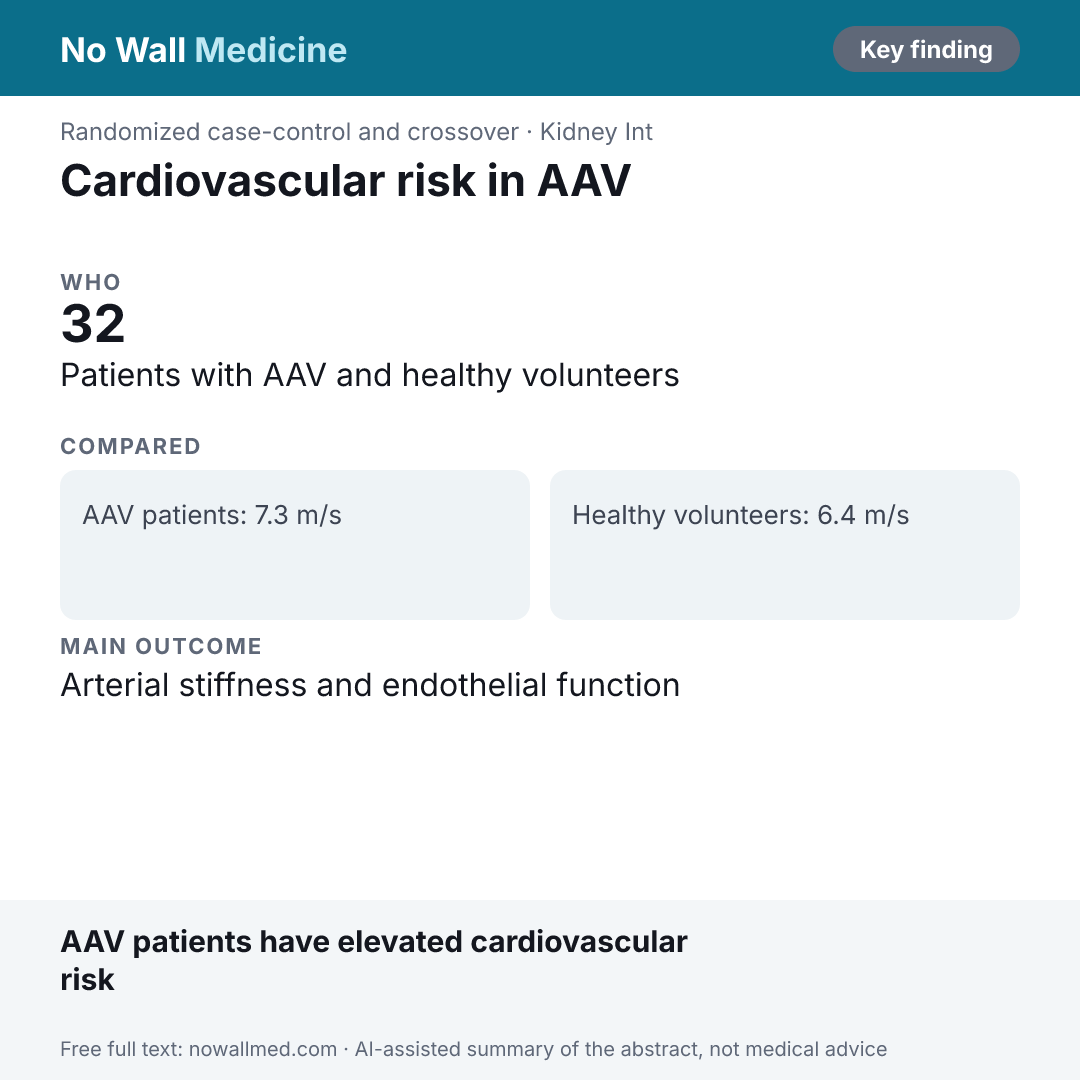
Arterial stiffness, endothelial dysfunction and impaired fibrinolysis are pathogenic mechanisms contributing to cardiovascular risk in ANCA-associated vasculitis
Randomized case-control and crossoverKey finding
Cardiovascular risk in AAV
Who
32
Patients with AAV and healthy volunteers
Compared
AAV patients: 7.3 m/s
Healthy volunteers: 6.4 m/s
Main outcome
Arterial stiffness and endothelial function
Bottom line: AAV patients have elevated cardiovascular risk
Kidney Int · 2022-08-20 · Save PNG
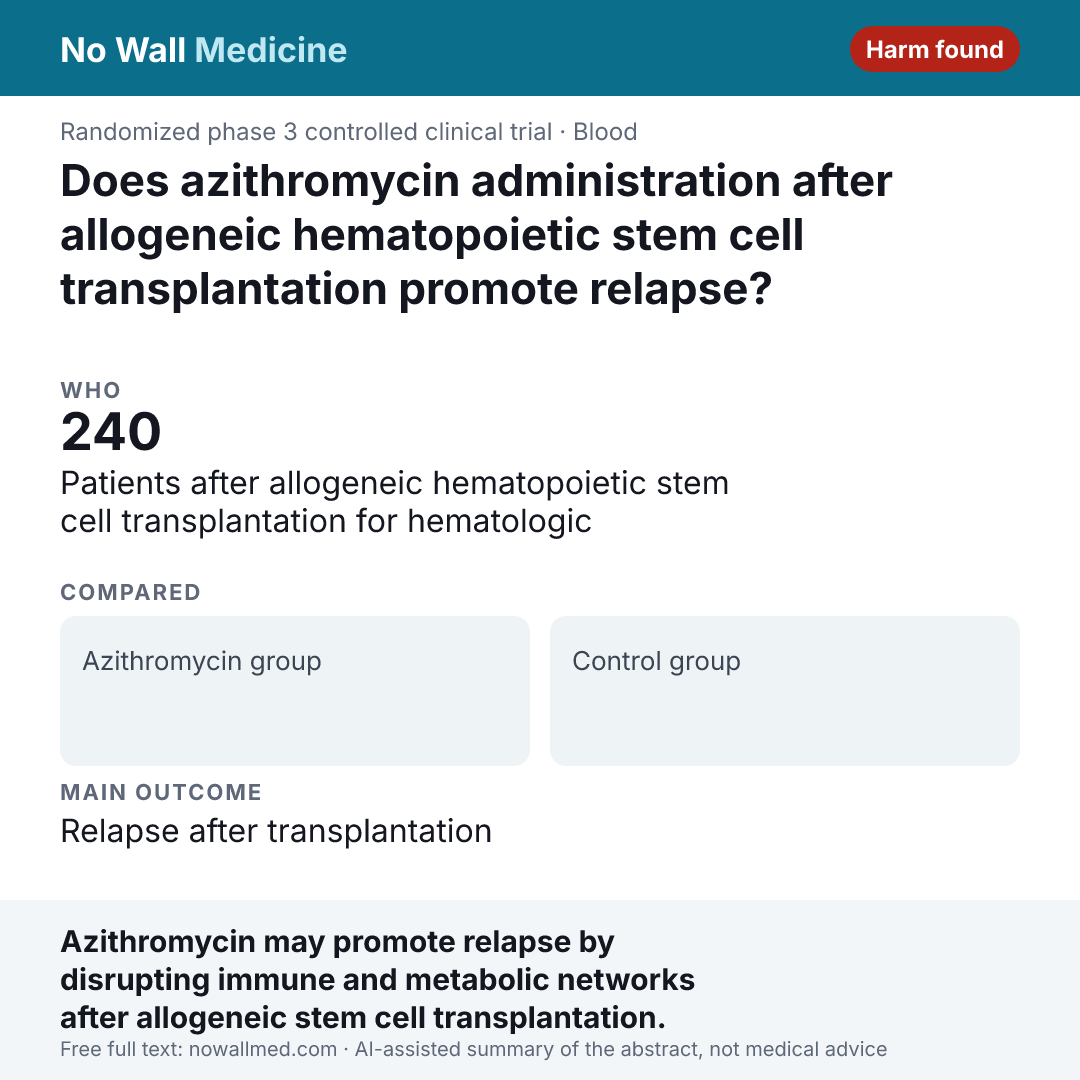
Azithromycin promotes relapse by disrupting immune and metabolic networks after allogeneic stem cell transplantation
Randomized phase 3 controlled clinical trialHarm found
Does azithromycin administration after allogeneic hematopoietic stem cell transplantation promote relapse?
Who
240
Patients after allogeneic hematopoietic stem cell transplantation for hematologic malignancies
Compared
Azithromycin group
Control group
Main outcome
Relapse after transplantation
Bottom line: Azithromycin may promote relapse by disrupting immune and metabolic networks after allogeneic stem cell transplantation.
Blood · 2022-08-20 · Save PNG
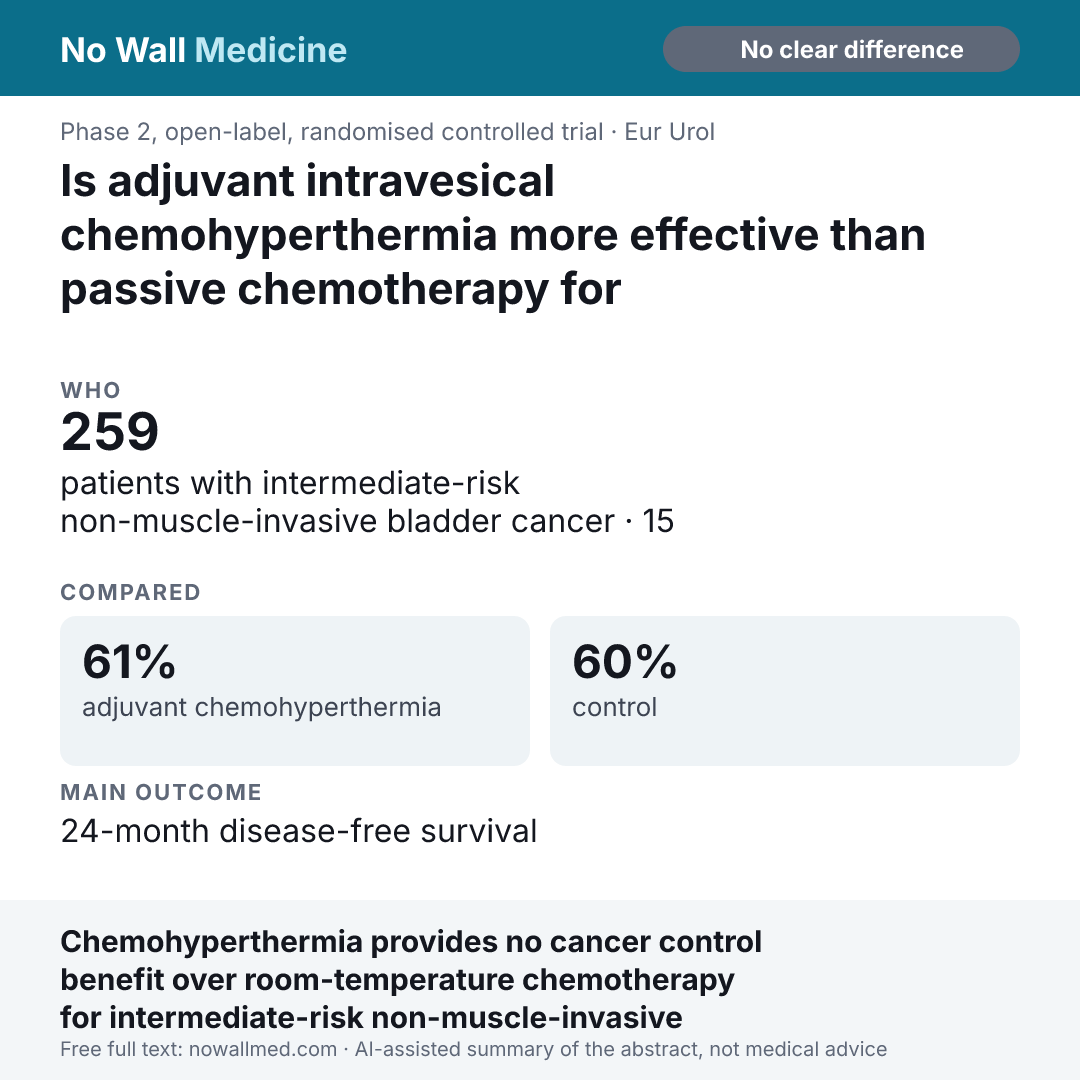
Adjuvant Intravesical Chemohyperthermia Versus Passive Chemotherapy in Patients with Intermediate-risk Non-muscle-invasive Bladder Cancer (HIVEC-II): A Phase 2, Open-label, Randomised Controlled Trial
Phase 2, open-label, randomised controlled trialNo clear difference
Is adjuvant intravesical chemohyperthermia more effective than passive chemotherapy for intermediate-risk non-muscle-invasive bladder cancer?
Who
259
patients with intermediate-risk non-muscle-invasive bladder cancer · 15 centres
Compared
61%adjuvant chemohyperthermia (95% confidence interval 51-69%)
60%control (95% confidence interval 50-68%)
Main outcome
24-month disease-free survival
Result: hazard ratio 0.92 (95% CI 0.62-1.37)
Bottom line: Chemohyperthermia provides no cancer control benefit over room-temperature chemotherapy for intermediate-risk non-muscle-invasive bladder cancer.
Eur Urol · 2022-08-20 · Save PNG
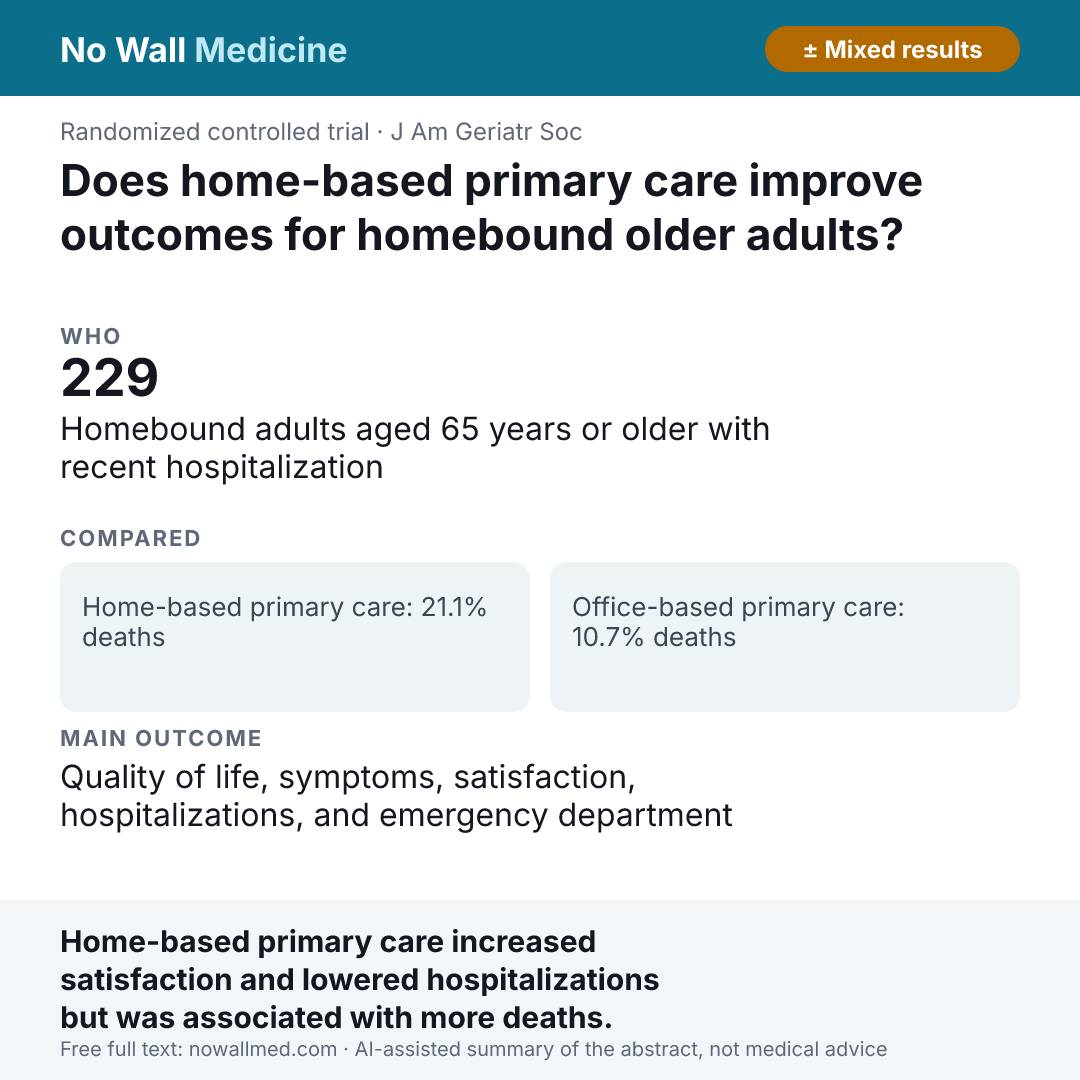
Outcomes of home-based primary care for homebound older adults: A randomized clinical trial
Randomized controlled trialMixed results
Does home-based primary care improve outcomes for homebound older adults?
Who
229
Homebound adults aged 65 years or older with recent hospitalization
Compared
Home-based primary care: 21.1% deaths
Office-based primary care: 10.7% deaths
Main outcome
Quality of life, symptoms, satisfaction, hospitalizations, and emergency department visits
Bottom line: Home-based primary care increased satisfaction and lowered hospitalizations but was associated with more deaths.
Limitation: Recruitment was terminated early because more deaths were observed for intervention patients.
J Am Geriatr Soc · 2022-08-20 · Save PNG
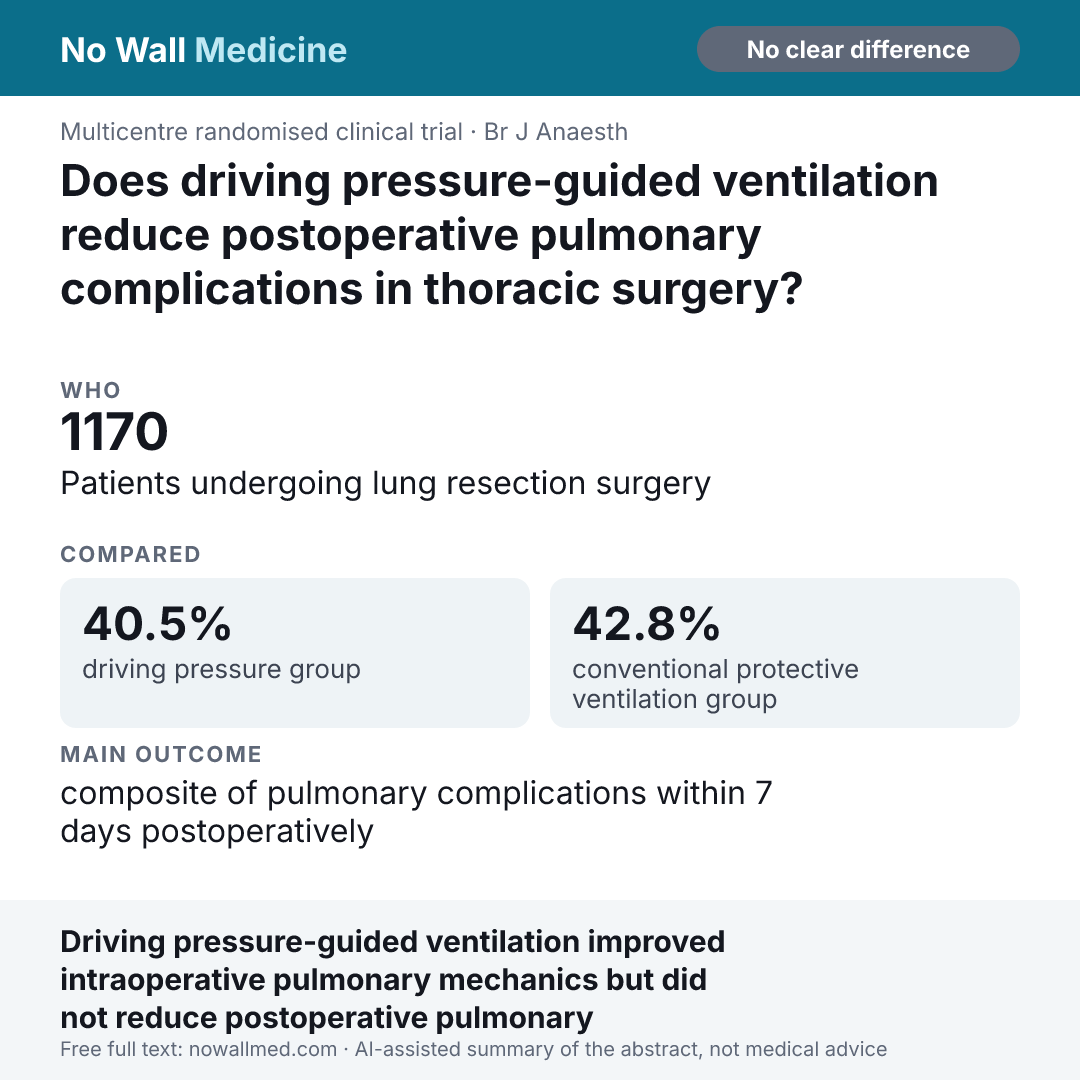
Driving pressure-guided ventilation and postoperative pulmonary complications in thoracic surgery: a multicentre randomised clinical trial
Multicentre randomised clinical trialNo clear difference
Does driving pressure-guided ventilation reduce postoperative pulmonary complications in thoracic surgery?
Who
1170
Patients undergoing lung resection surgery
Compared
40.5%driving pressure group (233/576)
42.8%conventional protective ventilation group (254/594)
Main outcome
composite of pulmonary complications within 7 days postoperatively
Result: risk difference -2.3% (95% CI, -8.0% to 3.3%)
Bottom line: Driving pressure-guided ventilation improved intraoperative pulmonary mechanics but did not reduce postoperative pulmonary complications.
Br J Anaesth · 2022-08-20 · Save PNG
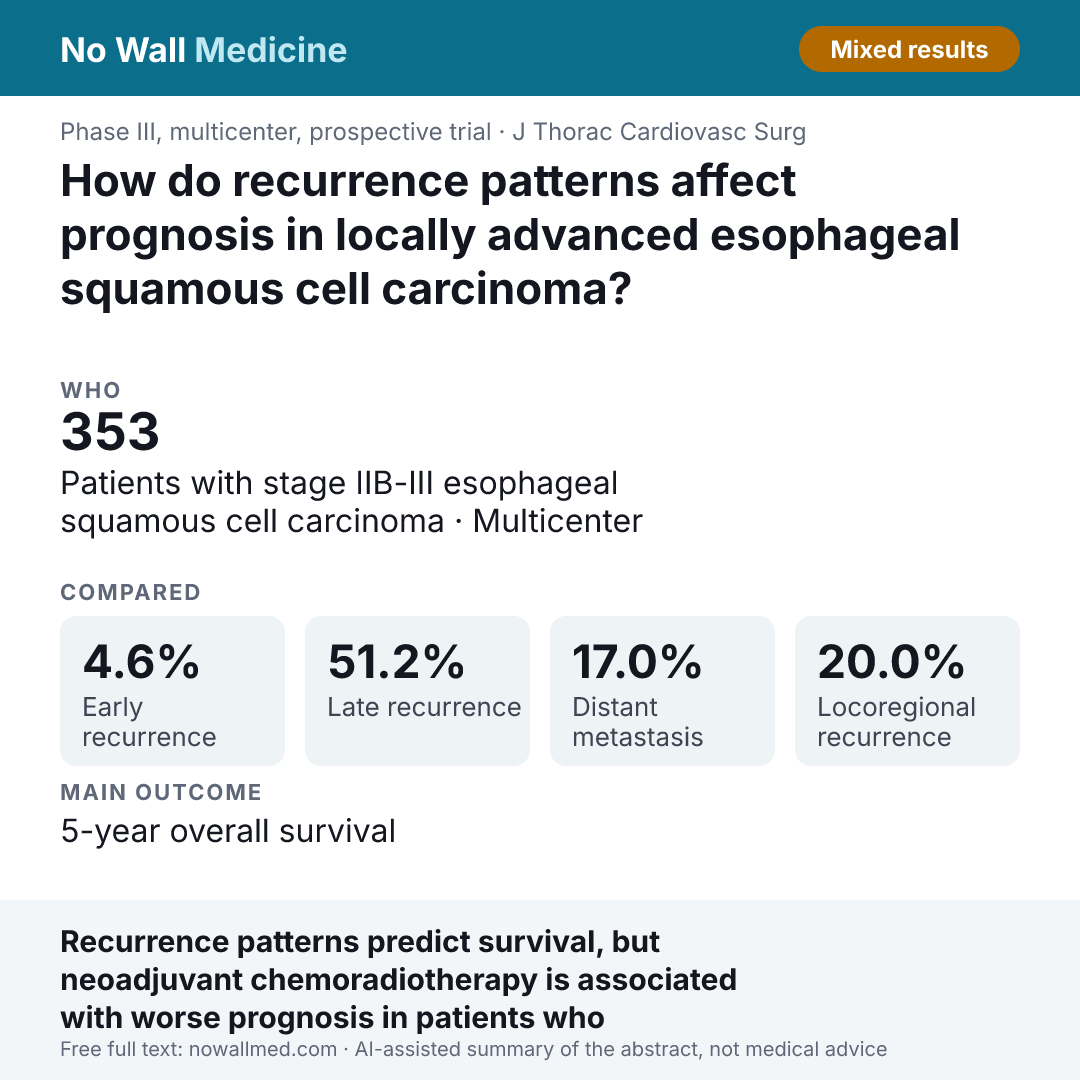
Prognostic value of recurrence pattern in locally advanced esophageal squamous cell carcinoma: Results from the phase III trial NEOCRTEC5010
Phase III, multicenter, prospective trialMixed results
How do recurrence patterns affect prognosis in locally advanced esophageal squamous cell carcinoma?
Who
353
Patients with stage IIB-III esophageal squamous cell carcinoma · Multicenter
Compared
4.6%Early recurrence
51.2%Late recurrence
17.0%Distant metastasis
20.0%Locoregional recurrence
Main outcome
5-year overall survival
Result: hazard ratio 1.541 (95% confidence interval 1.047-2.268)
Bottom line: Recurrence patterns predict survival, but neoadjuvant chemoradiotherapy is associated with worse prognosis in patients who experience recurrence.
J Thorac Cardiovasc Surg · 2022-08-20 · Save PNG
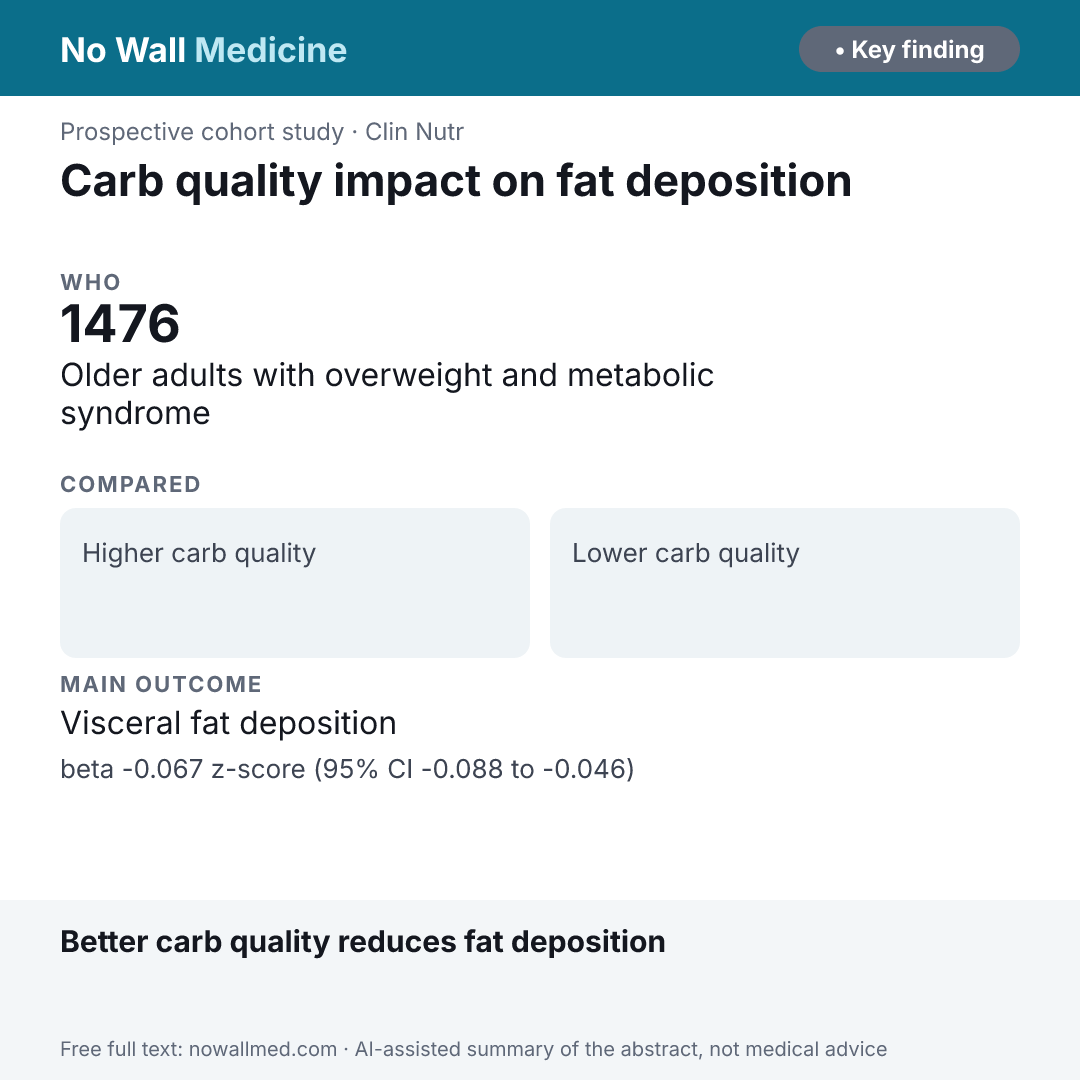
Longitudinal association of dietary carbohydrate quality with visceral fat deposition and other adiposity indicators
Prospective cohort studyKey finding
Carb quality impact on fat deposition
Who
1476
Older adults with overweight and metabolic syndrome
Compared
Higher carb quality
Lower carb quality
Main outcome
Visceral fat deposition
Result: beta -0.067 z-score (95% CI -0.088 to -0.046)
Bottom line: Better carb quality reduces fat deposition
Clin Nutr · 2022-08-20 · Save PNG
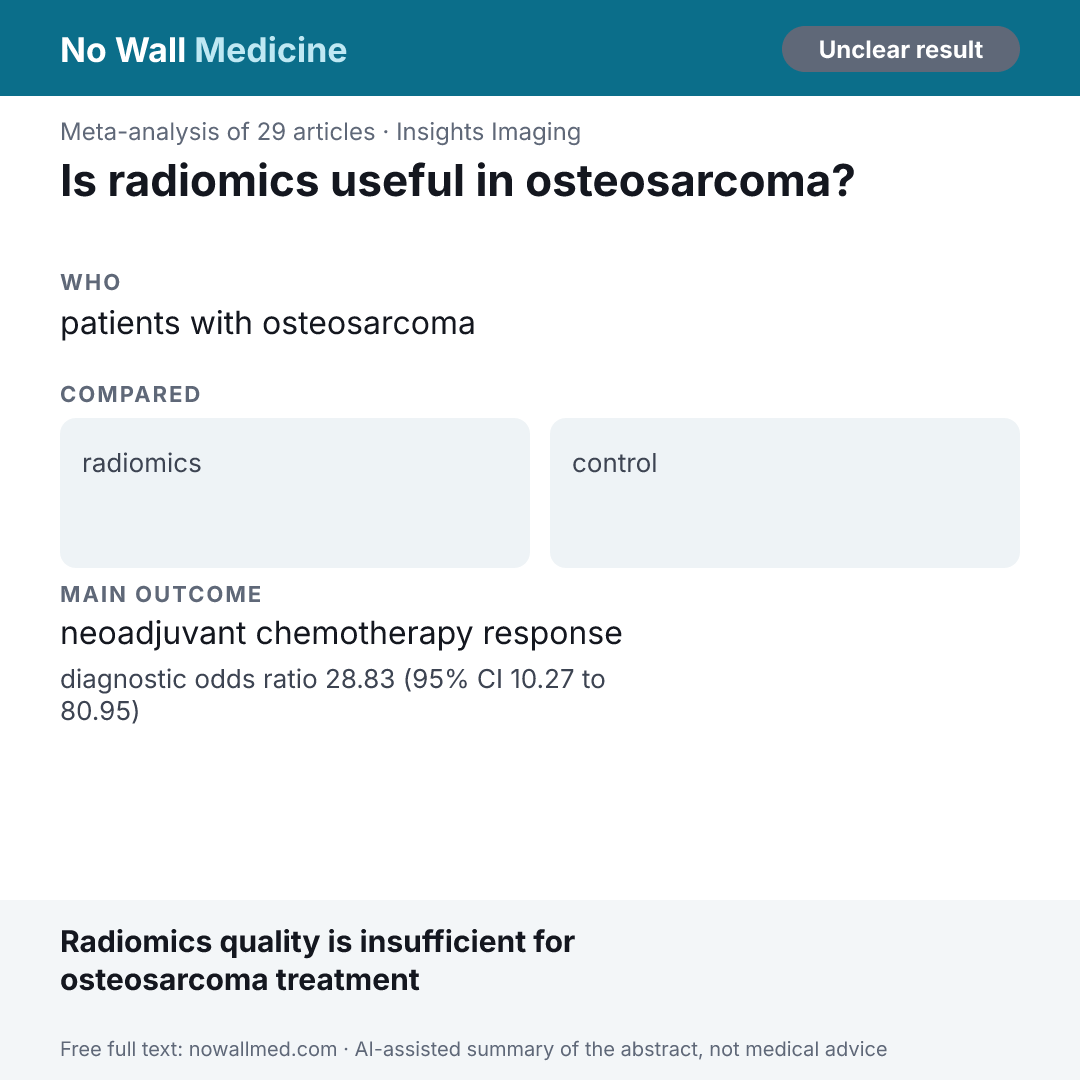
An updated systematic review of radiomics in osteosarcoma: utilizing CLAIM to adapt the increasing trend of deep learning application in radiomics
Meta-analysis of 29 articlesUnclear result
Is radiomics useful in osteosarcoma?
Who
patients with osteosarcoma
Compared
radiomics
control
Main outcome
neoadjuvant chemotherapy response
Result: diagnostic odds ratio 28.83 (95% CI 10.27 to 80.95)
Bottom line: Radiomics quality is insufficient for osteosarcoma treatment
Limitation: risk of bias and applicability concerns
Insights Imaging · 2022-08-20 · Save PNG
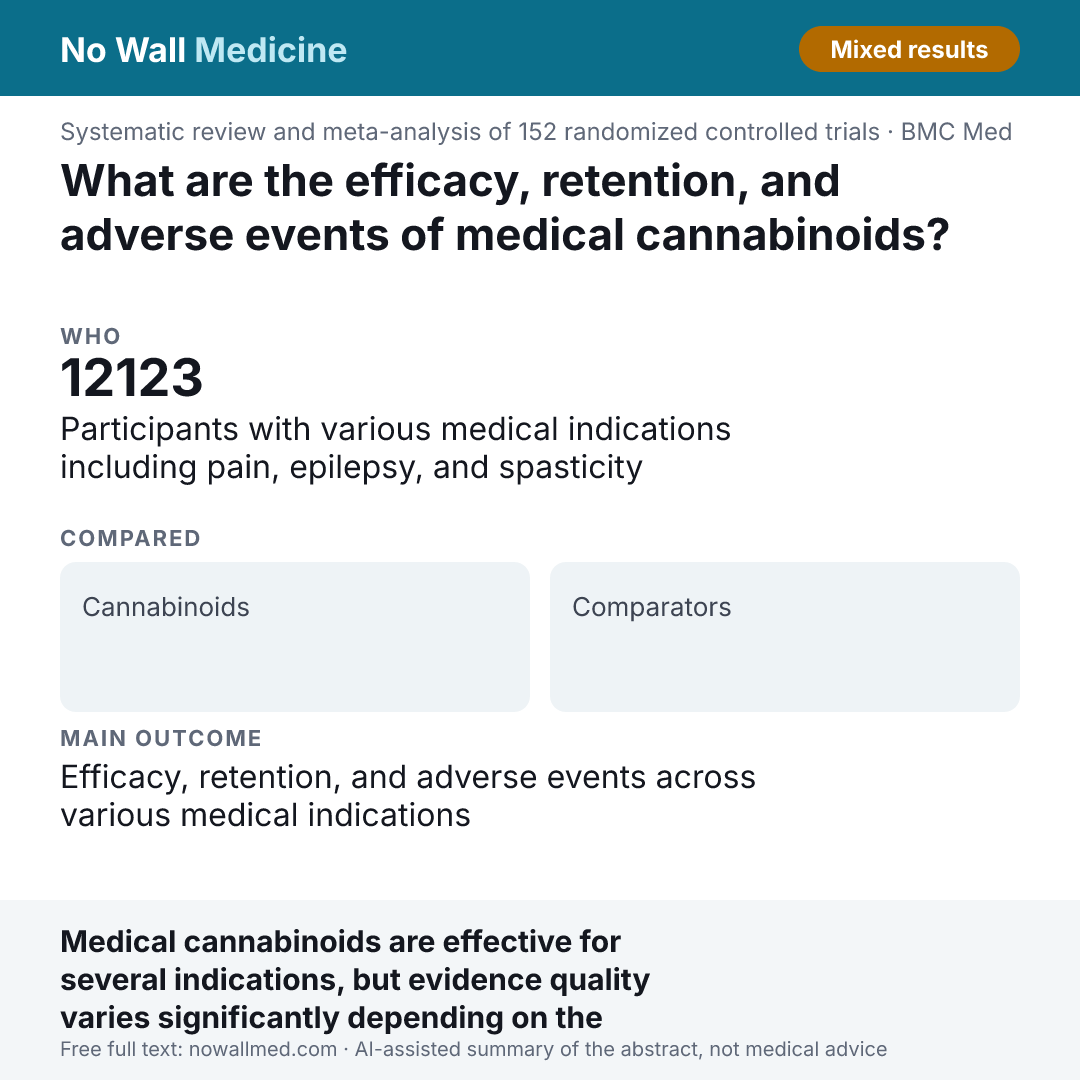
Medical cannabinoids: a pharmacology-based systematic review and meta-analysis for all relevant medical indications
Systematic review and meta-analysis of 152 randomized controlled trialsMixed results
What are the efficacy, retention, and adverse events of medical cannabinoids?
Who
12123
Participants with various medical indications including pain, epilepsy, and spasticity
Compared
Cannabinoids
Comparators
Main outcome
Efficacy, retention, and adverse events across various medical indications
Bottom line: Medical cannabinoids are effective for several indications, but evidence quality varies significantly depending on the cannabinoid type.
Limitation: Significant therapeutic effects show large variability in the grade of evidence.
BMC Med · 2022-08-19 · Save PNG
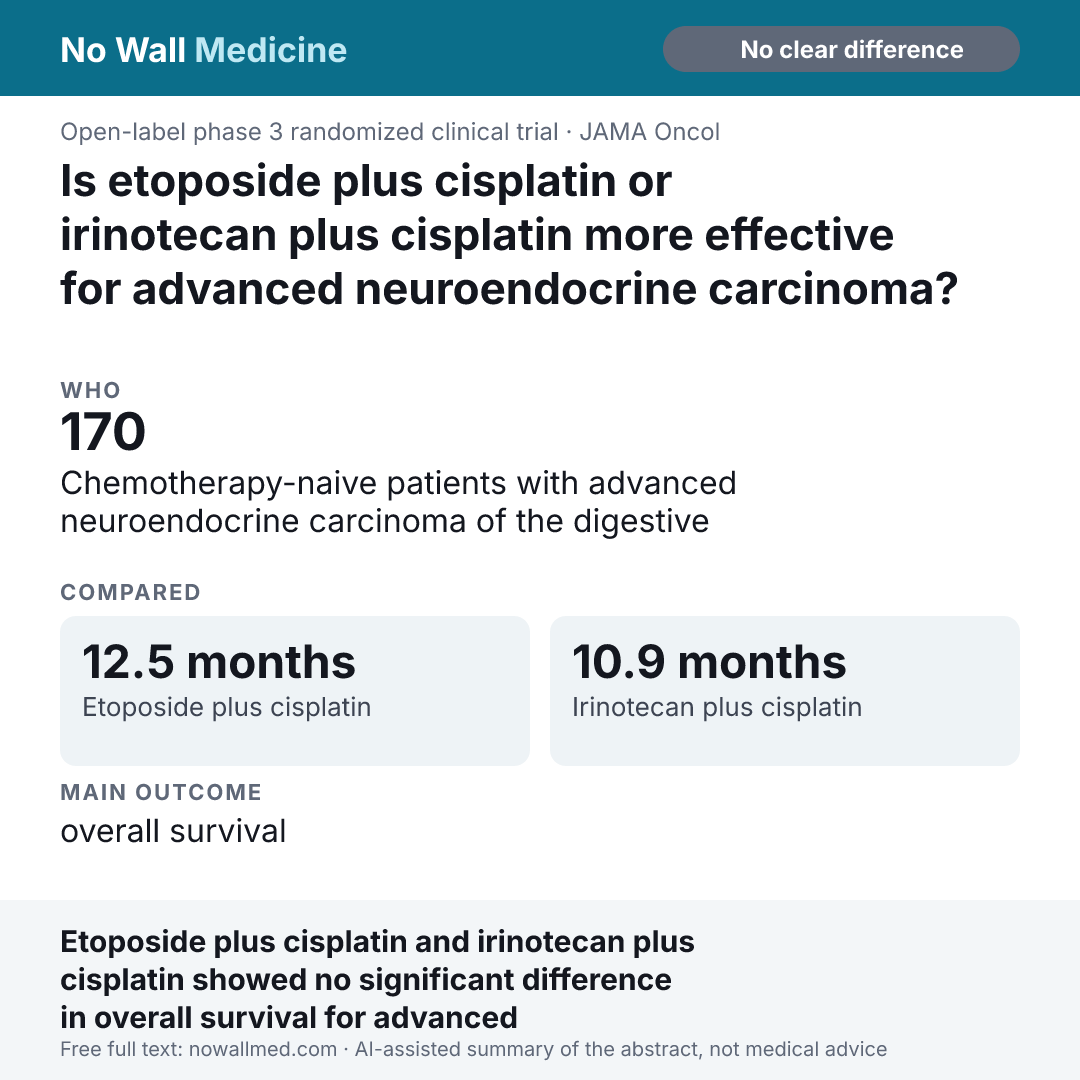
Effectiveness of Etoposide and Cisplatin vs Irinotecan and Cisplatin Therapy for Patients With Advanced Neuroendocrine Carcinoma of the Digestive System: The TOPIC-NEC Phase 3 Randomized Clinical Trial
Open-label phase 3 randomized clinical trialNo clear difference
Is etoposide plus cisplatin or irinotecan plus cisplatin more effective for advanced neuroendocrine carcinoma?
Who
170
Chemotherapy-naive patients with advanced neuroendocrine carcinoma of the digestive system · 50 institutions in Japan
Compared
12.5 monthsEtoposide plus cisplatin
10.9 monthsIrinotecan plus cisplatin
Main outcome
overall survival
Result: hazard ratio 1.04 (90% CI, 0.79-1.37)
Bottom line: Etoposide plus cisplatin and irinotecan plus cisplatin showed no significant difference in overall survival for advanced neuroendocrine carcinoma.
JAMA Oncol · 2022-08-19 · Save PNG
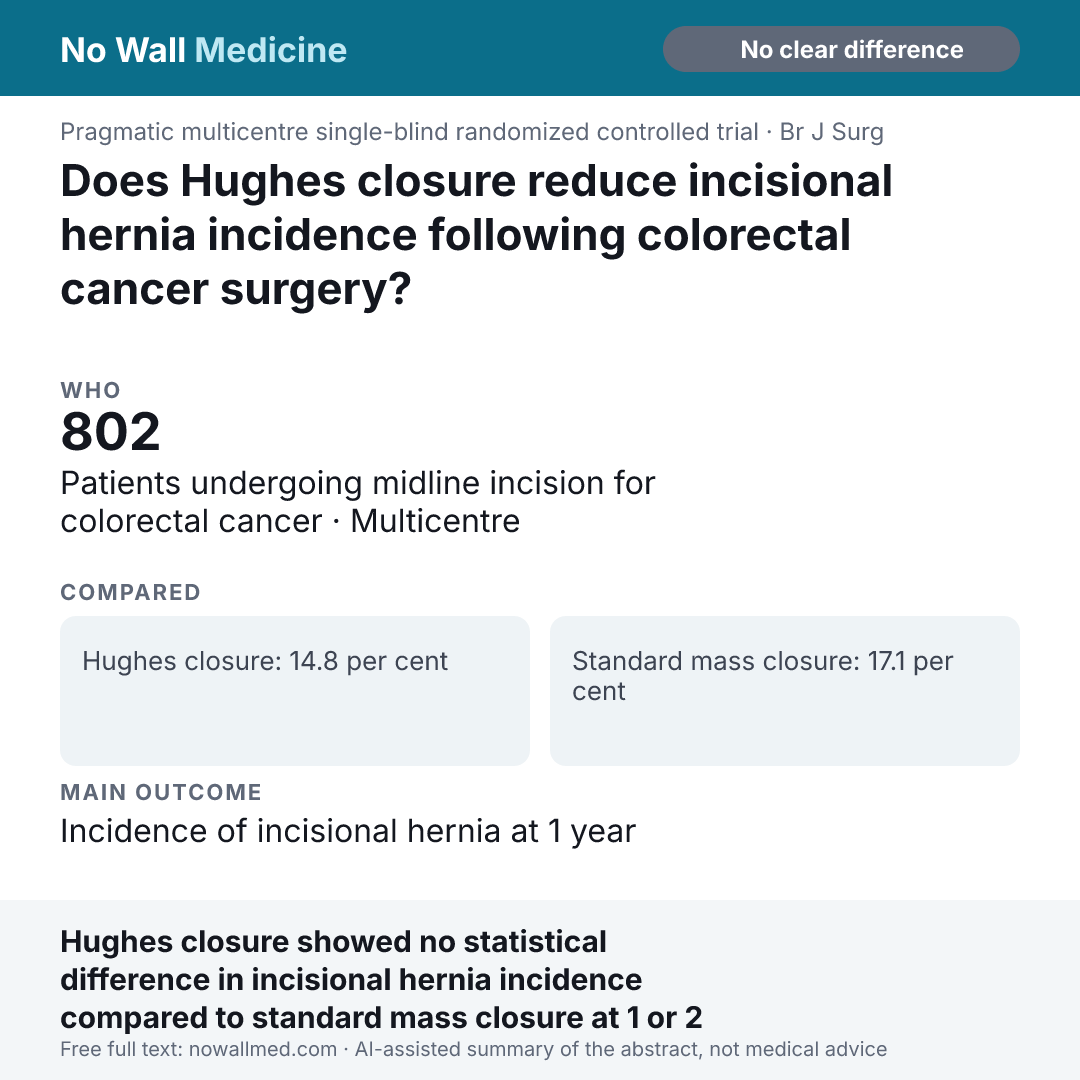
Incisional hernia following colorectal cancer surgery according to suture technique: Hughes Abdominal Repair Randomized Trial (HART)
Pragmatic multicentre single-blind randomized controlled trialNo clear difference
Does Hughes closure reduce incisional hernia incidence following colorectal cancer surgery?
Who
802
Patients undergoing midline incision for colorectal cancer · Multicentre
Compared
Hughes closure: 14.8 per cent
Standard mass closure: 17.1 per cent
Main outcome
Incidence of incisional hernia at 1 year
Result: OR 0.84, 95 per cent c.i. 0.55 to 1.27
Bottom line: Hughes closure showed no statistical difference in incisional hernia incidence compared to standard mass closure at 1 or 2 years.
Br J Surg · 2022-08-19 · Save PNG
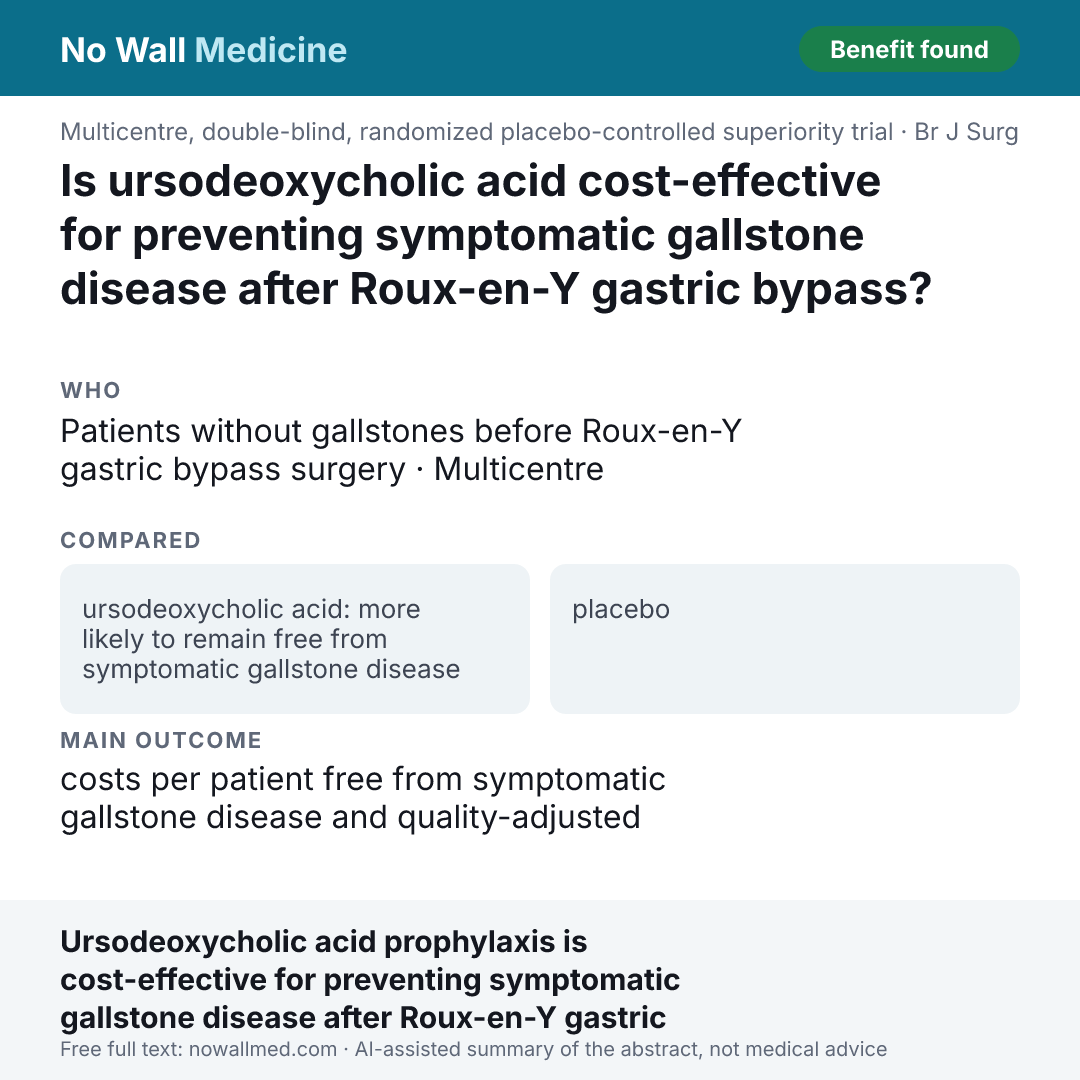
Cost-effectiveness of ursodeoxycholic acid in preventing new-onset symptomatic gallstone disease after Roux-en-Y gastric bypass surgery
Multicentre, double-blind, randomized placebo-controlled superiority trialBenefit found
Is ursodeoxycholic acid cost-effective for preventing symptomatic gallstone disease after Roux-en-Y gastric bypass?
Who
Patients without gallstones before Roux-en-Y gastric bypass surgery · Multicentre
Compared
ursodeoxycholic acid: more likely to remain free from symptomatic gallstone disease
placebo
Main outcome
costs per patient free from symptomatic gallstone disease and quality-adjusted life-years
Result: relative risk 1.06 (95 per cent c.i. 1.02 to 1.11)
Bottom line: Ursodeoxycholic acid prophylaxis is cost-effective for preventing symptomatic gallstone disease after Roux-en-Y gastric bypass surgery.
Br J Surg · 2022-08-19 · Save PNG
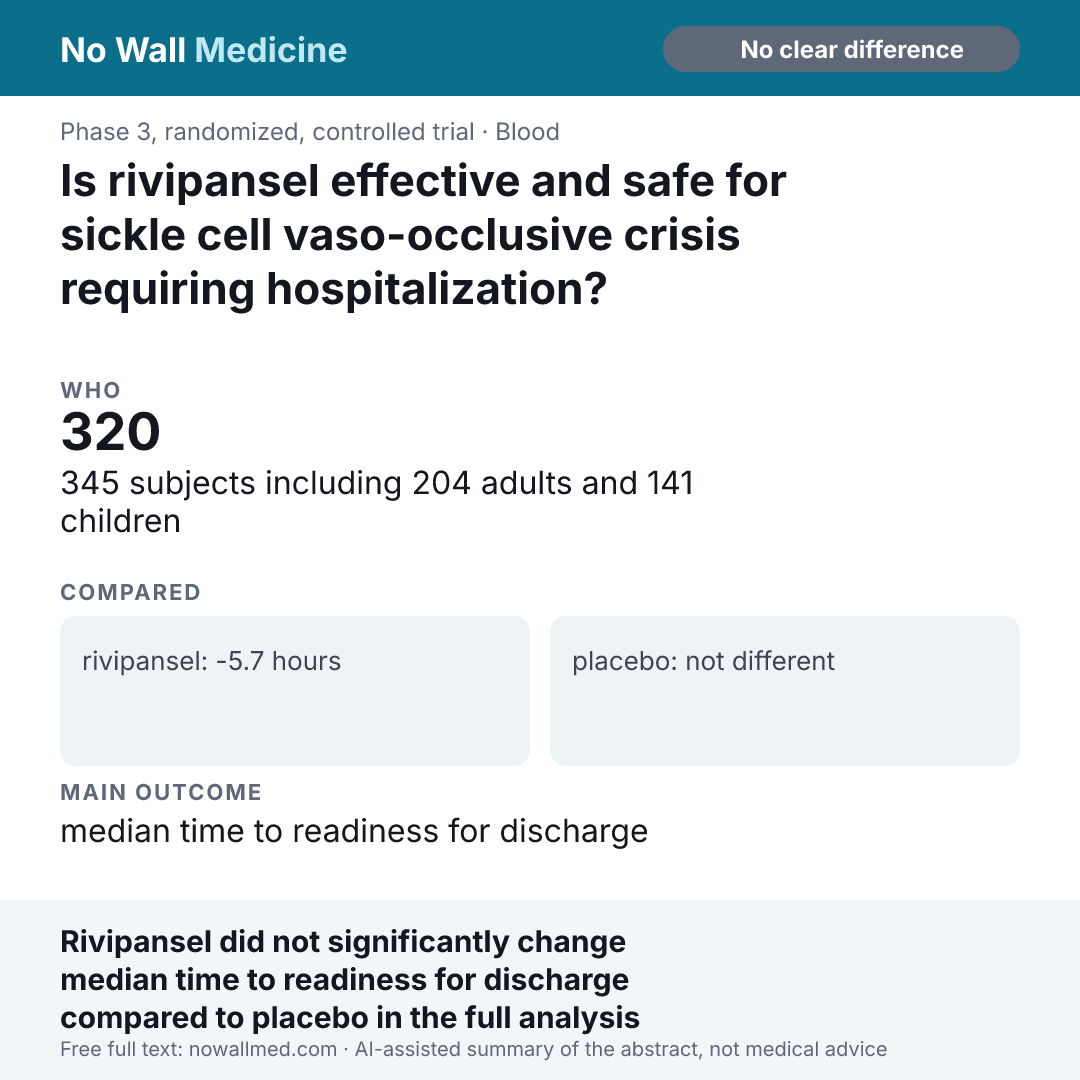
A randomized clinical trial of the efficacy and safety of rivipansel for sickle cell vaso-occlusive crisis
Phase 3, randomized, controlled trialNo clear difference
Is rivipansel effective and safe for sickle cell vaso-occlusive crisis requiring hospitalization?
Who
320
345 subjects including 204 adults and 141 children
Compared
rivipansel: -5.7 hours
placebo: not different
Main outcome
median time to readiness for discharge
Result: hazard ratio 0.97
Bottom line: Rivipansel did not significantly change median time to readiness for discharge compared to placebo in the full analysis population.
Blood · 2022-08-19 · Save PNG
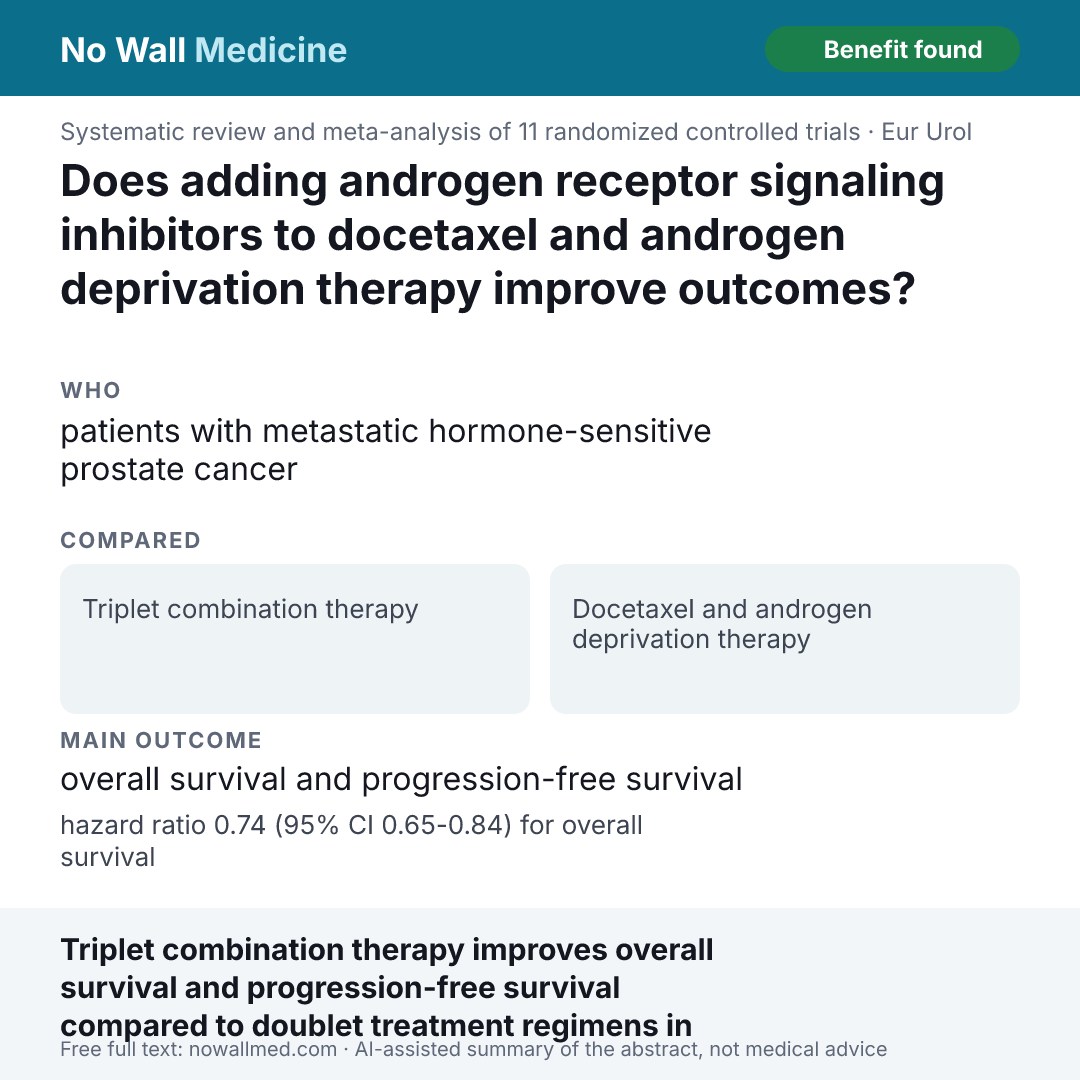
Androgen Receptor Signaling Inhibitors in Addition to Docetaxel with Androgen Deprivation Therapy for Metastatic Hormone-sensitive Prostate Cancer: A Systematic Review and Meta-analysis
Systematic review and meta-analysis of 11 randomized controlled trialsBenefit found
Does adding androgen receptor signaling inhibitors to docetaxel and androgen deprivation therapy improve outcomes?
Who
patients with metastatic hormone-sensitive prostate cancer
Compared
Triplet combination therapy
Docetaxel and androgen deprivation therapy
Main outcome
overall survival and progression-free survival
Result: hazard ratio 0.74 (95% CI 0.65-0.84) for overall survival
Bottom line: Triplet combination therapy improves overall survival and progression-free survival compared to doublet treatment regimens in metastatic hormone-sensitive prostate cancer.
Limitation: Findings need confirmation in head-to-head trials with longer follow-up.
Eur Urol · 2022-08-19 · Save PNG
Understanding the comorbidity between posttraumatic stress severity and coronary artery disease using genome-wide information and electronic health records
Mendelian randomization and electronic health record analysisMixed results
Is there a bidirectional relationship between posttraumatic stress disorder and coronary artery disease?
Who
Million Veteran Program, UK Biobank, and other genomic consortia · Multiple international genomic and electronic health record databases
Compared
Genetically-determined PTSD symptom severity: odds ratio 1.04 (95% CI 1.01-1.06)
Coronary artery disease genetic liability: beta -0.42 (95% CI -0.04 to -0.81)
Main outcome
Coronary artery disease risk and posttraumatic stress disorder symptom severity
Result: odds ratio 1.04 (95% CI 1.01-1.06)
Bottom line: Genetic and electronic health record analyses suggest a bidirectional relationship between posttraumatic stress disorder and coronary artery disease.
Mol Psychiatry · 2022-08-19 · Save PNG