Visual abstracts
New randomized trials and meta-analyses from leading journals at a glance: who was studied, what was compared, and what was found. Every paper is free to read in full.
All specialtiesCardiology 3696Oncology 3166Gastroenterology & Hepatology 1461Infectious Disease 2636Neurology 1482Psychiatry & Mental Health 1747Pulmonology 1577Critical Care 1045Endocrinology & Diabetes 1884Pediatrics 2237Surgery 1956Orthopedics & Sports Medicine 699Neurosurgery 433Cardiothoracic & Vascular Surgery 448Plastic & Reconstructive Surgery 501Nephrology 807Rheumatology 597Hematology 833Dermatology 458Ophthalmology 407Obstetrics & Gynecology 1268Public & Global Health 715Radiology & Imaging 506Anesthesiology 758Urology 599ENT (Otolaryngology) 404Emergency Medicine 394Allergy & Immunology 227Geriatrics 773Family Medicine & Primary Care 427Medical Genetics & Genomics 484Pathology & Laboratory Medicine 123Physical Medicine & Rehabilitation 574Palliative Care 338Nutrition 1111Digital Health & AI 1721General Medicine 263
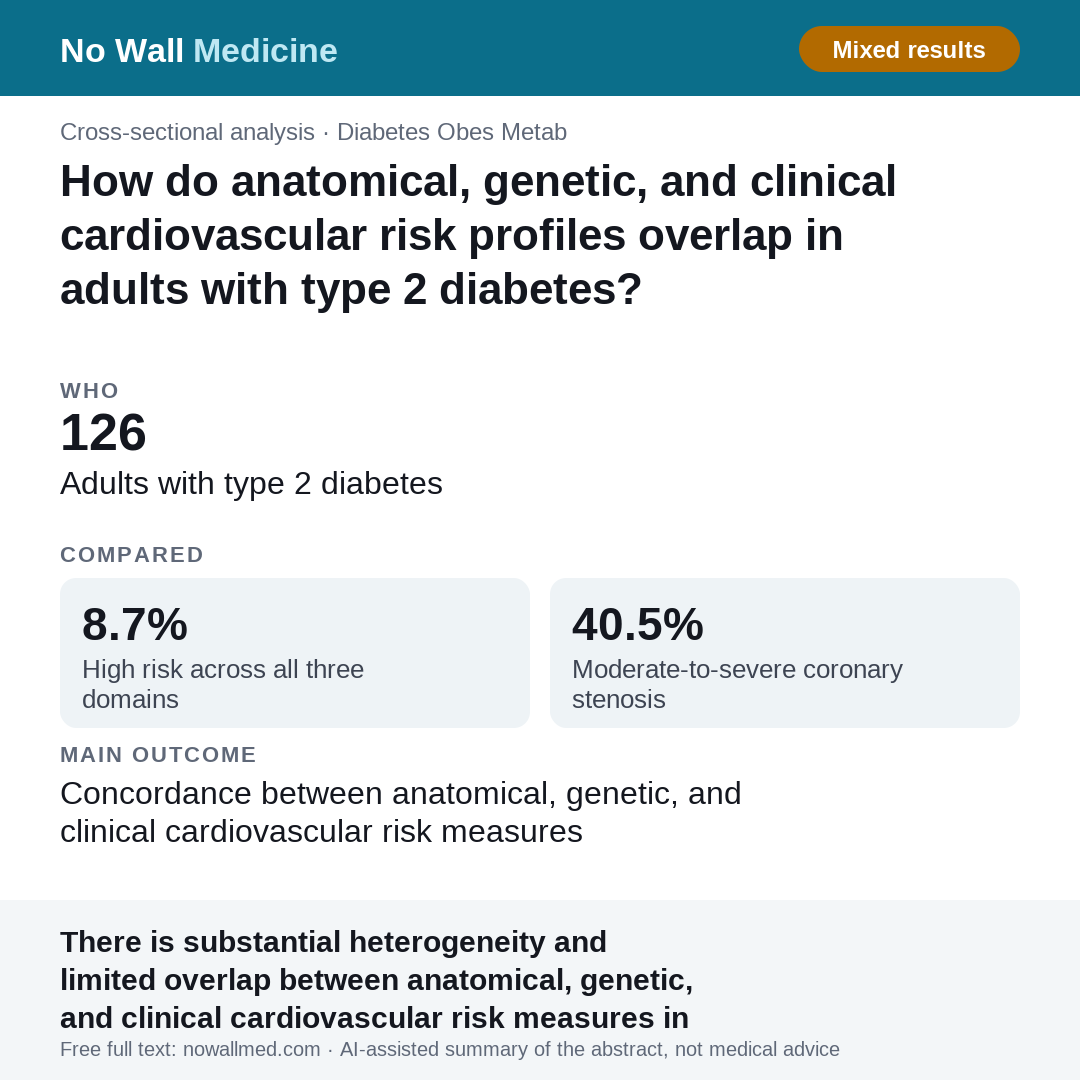
Baseline Computed Tomography Coronary Angiography and Polygenic Risk Profiles in Adults With Type 2 Diabetes: A Cross-Sectional Analysis From the VOLTAIRE Study
Cross-sectional analysisMixed results
How do anatomical, genetic, and clinical cardiovascular risk profiles overlap in adults with type 2 diabetes?
Who
126
Adults with type 2 diabetes
Compared
8.7%High risk across all three domains
40.5%Moderate-to-severe coronary stenosis
Main outcome
Concordance between anatomical, genetic, and clinical cardiovascular risk measures
Bottom line: There is substantial heterogeneity and limited overlap between anatomical, genetic, and clinical cardiovascular risk measures in type 2 diabetes.
Diabetes Obes Metab · 2026-07-08Download image
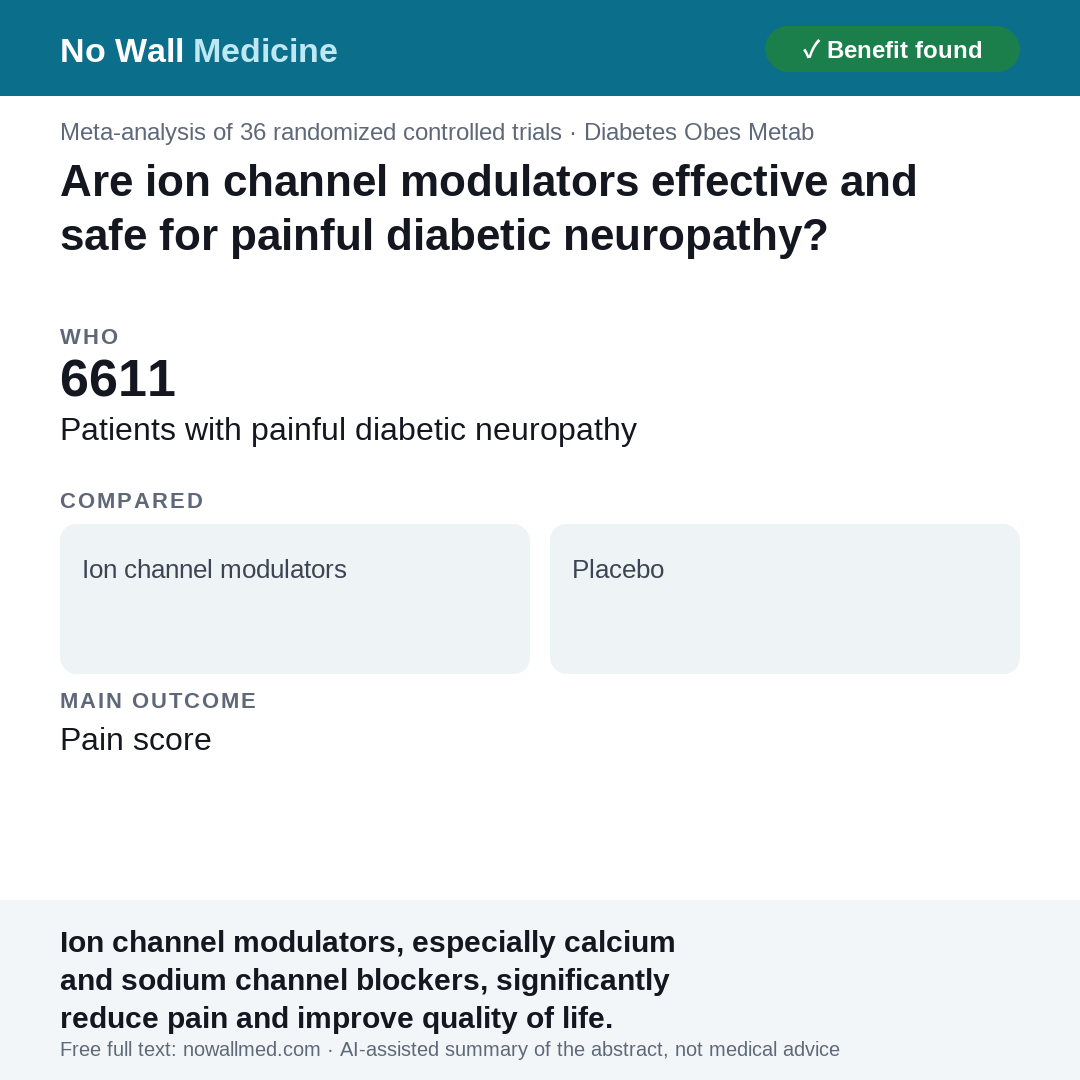
Efficacy and Safety of Ion Channel Modulators in Painful Diabetic Neuropathy
Meta-analysis of 36 randomized controlled trialsBenefit found
Are ion channel modulators effective and safe for painful diabetic neuropathy?
Who
6611
Patients with painful diabetic neuropathy
Compared
Ion channel modulators
Placebo
Main outcome
Pain score
Bottom line: Ion channel modulators, especially calcium and sodium channel blockers, significantly reduce pain and improve quality of life.
Diabetes Obes Metab · 2026-07-08Download image
Autograft Versus Allograft in Indirect Corneal Neurotization: A Systematic Review
Systematic review and narrative synthesisNo clear difference
Are autologous nerve grafts or processed nerve allografts better for indirect corneal neurotization?
Who
150
Patients with neurotrophic keratopathy or corneal anesthesia
Compared
Autograft: mean Cochet-Bonnet esthesiometry increasing from 2.7 to 31.1 mm
Allograft: mean Cochet-Bonnet esthesiometry increasing from 5.23 to 41.7 mm
Main outcome
Corneal sensation, epithelial healing, and visual outcomes
Bottom line: Both autografts and allografts improve corneal sensation and healing, but no clear superiority was identified.
Limitation: All included studies were at serious risk of bias and certainty of evidence was very low.
Am J Ophthalmol · 2026-07-08Download image

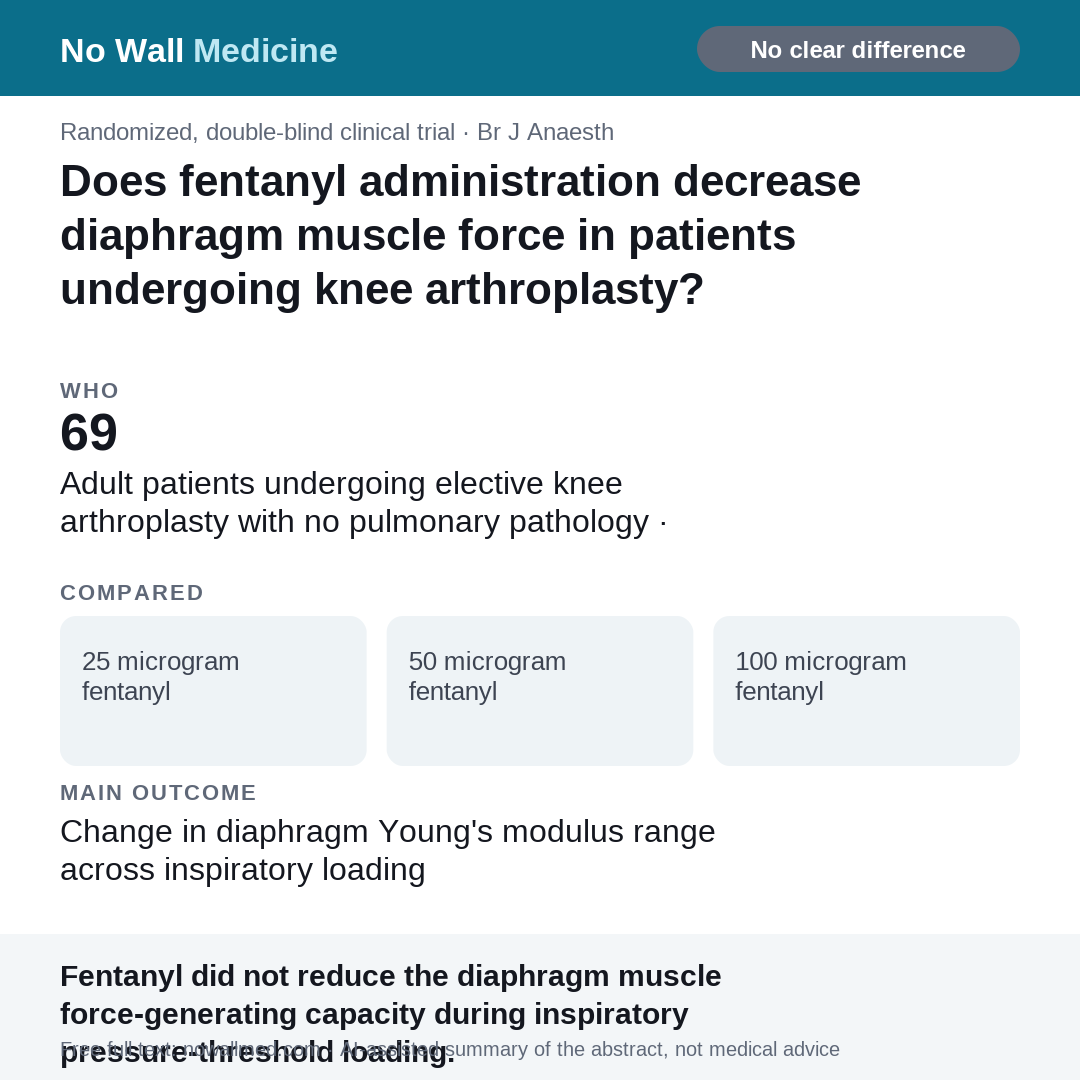
Effects of fentanyl on diaphragm muscle force in patients undergoing knee arthroplasty: a randomised double-blind clinical trial
Randomized, double-blind clinical trialNo clear difference
Does fentanyl administration decrease diaphragm muscle force in patients undergoing knee arthroplasty?
Who
69
Adult patients undergoing elective knee arthroplasty with no pulmonary pathology · Single-institution
Compared
25 microgram fentanyl
50 microgram fentanyl
100 microgram fentanyl
Main outcome
Change in diaphragm Young's modulus range across inspiratory loading
Bottom line: Fentanyl did not reduce the diaphragm muscle force-generating capacity during inspiratory pressure-threshold loading.
Br J Anaesth · 2026-07-08Download image
Prostate morcellation devices: a systematic review and meta-analysis of clinical outcomes and efficiency
Systematic review and meta-analysisMixed results
What are the efficiency and safety of different prostate morcellators during enucleation?
Who
5980
5980 patients undergoing prostate enucleation
Compared
Piranha: 7.80 g/min (95% CI 6.26-9.34 g/min)
VersaCut: 4.70 g/min (95% CI 3.61-5.79 g/min)
DrillCut: 5.90 g/min (95% CI 3.16-8.64 g/min)
MultiCut: 9.59 g/min (95% CI 4.78-14.39 g/min)
Main outcome
morcellation efficiency in grams per minute
Result: risk ratio 3.22, 95% CI 1.81-5.71
Bottom line: Oscillating blade systems like Piranha showed higher efficiency and better safety than reciprocating blade devices like VersaCut.
BJU Int · 2026-07-08Download image

Bridging the functional gap by synergy of exome/genome and RNA sequencing: A systematic semi-quantitative review demonstrating enhanced diagnostic yield in genetic diagnostics
Systematic semi-quantitative reviewBenefit found
Does adding RNA sequencing to exome or genome sequencing improve diagnostic yield?
Who
200
Studies reporting exome/genome sequencing or followed by RNA sequencing
Compared
0.37Exome/genome sequencing alone (95% CI: 0.35-0.39)
0.44Exome/genome sequencing followed by RNA sequencing (ranging from 0.34 to 0.53)
Main outcome
Diagnostic rate
Result: odds ratio 1.31 (95% CI 1.08-1.58)
Bottom line: Integrating RNA sequencing into exome or genome sequencing workflows improves the molecular diagnosis of genetic diseases.
Genet Med · 2026-07-08Download image

Genetic dissection of stool frequency implicates vitamin B1 metabolism and other actionable pathways in the modulation of gut motility
Multiancestry genome-wide association study meta-analysisBenefit found
What genes and mechanisms are involved in gut motility and stool frequency?
Who
268606
European and East Asian individuals
Compared
European: 7.0% heritability
East Asian: 5.6% heritability
Main outcome
Stool frequency heritability and genetic correlations
Bottom line: Genetic analysis identifies vitamin B1 metabolism and bile acid synthesis as key pathways modulating gut motility.
Gut · 2026-07-08Download image

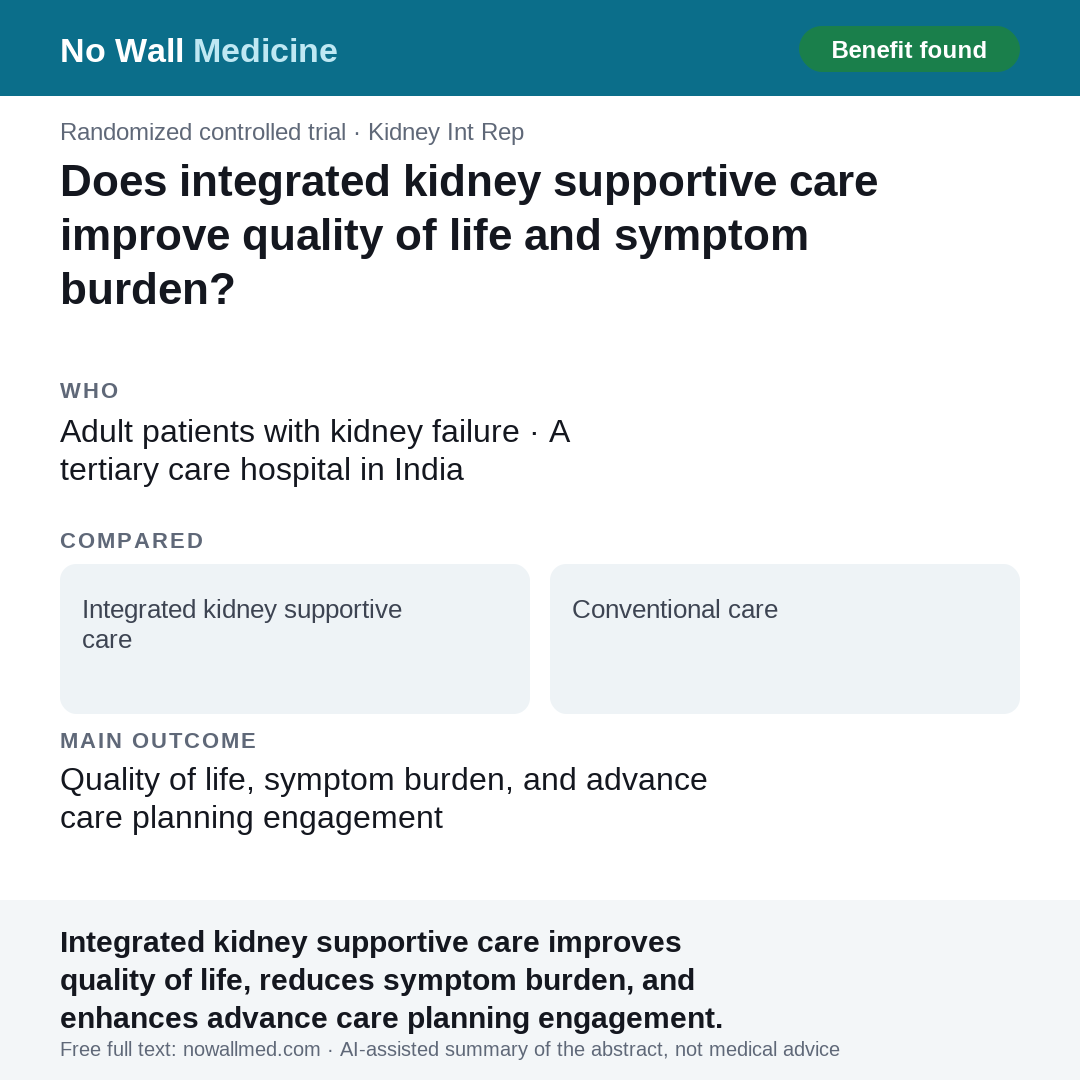
Randomized Controlled Trial of Integrated Kidney Supportive Care in End-Stage Kidney Disease
Randomized controlled trialBenefit found
Does integrated kidney supportive care improve quality of life and symptom burden?
Who
Adult patients with kidney failure · One tertiary care hospital in India
Compared
Integrated kidney supportive care: significant improvements in quality of life and symptom burden
Conventional care
Main outcome
Quality of life, symptom burden, and advance care planning engagement
Bottom line: Integrated kidney supportive care improves quality of life, reduces symptom burden, and enhances advance care planning engagement.
Kidney Int Rep · 2026-07-08Download image
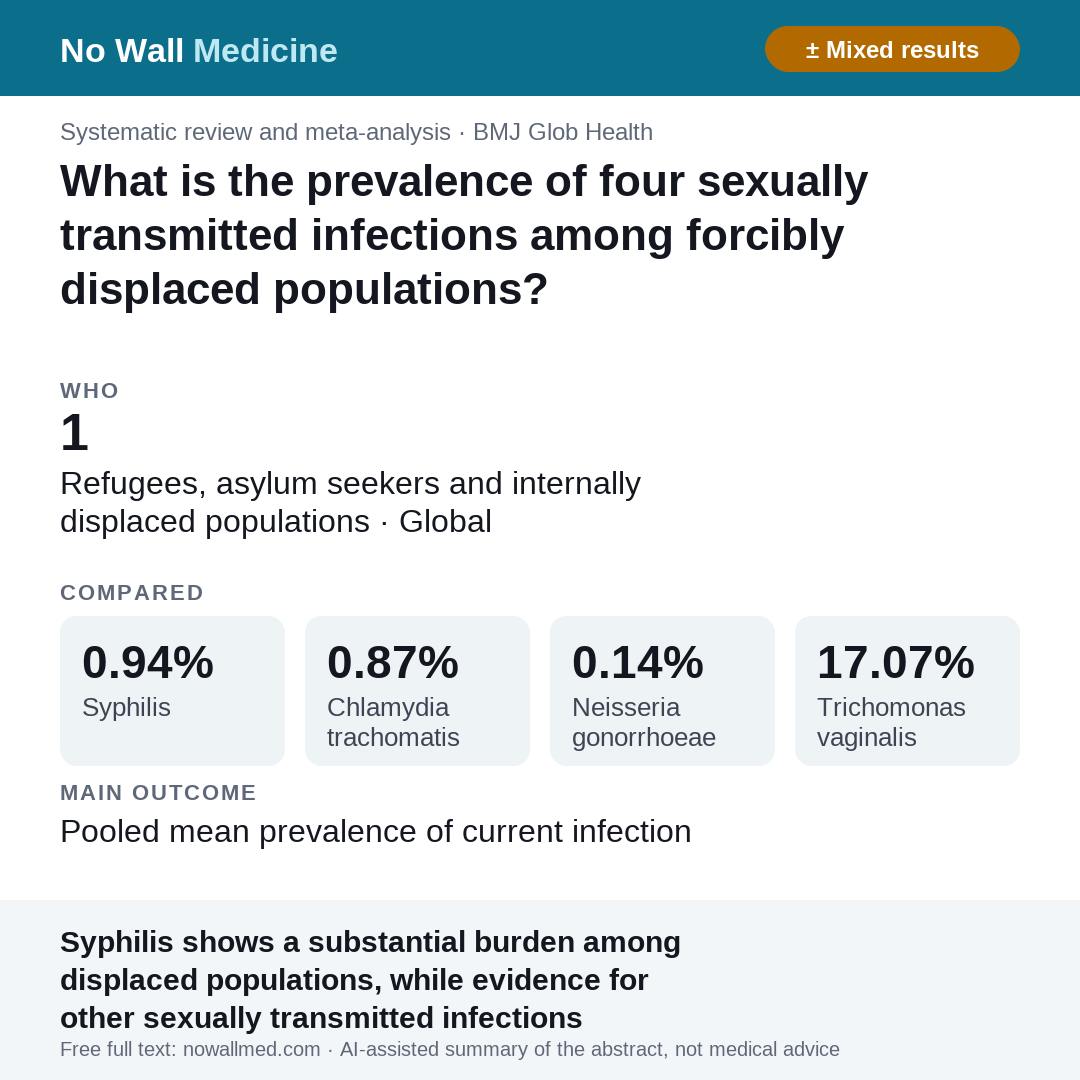
Epidemiology of Treponema pallidum, Chlamydia trachomatis, Neisseria gonorrhoeae and Trichomonas vaginalis among forcibly displaced populations: a global systematic review and meta-analysis
Systematic review and meta-analysisMixed results
What is the prevalence of four sexually transmitted infections among forcibly displaced populations?
Who
1
Refugees, asylum seekers and internally displaced populations · Global
Compared
0.94%Syphilis (95% CI 0.53% to 1.45%)
0.87%Chlamydia trachomatis (95% CI 0.33% to 1.61%)
0.14%Neisseria gonorrhoeae (95% CI 0.06% to 0.32%)
17.07%Trichomonas vaginalis (95% CI 0.07% to 51.37%)
Main outcome
Pooled mean prevalence of current infection
Bottom line: Syphilis shows a substantial burden among displaced populations, while evidence for other sexually transmitted infections remains more limited.
Limitation: Evidence for the other curable sexually transmitted infections is more limited.
BMJ Glob Health · 2026-07-08Download image
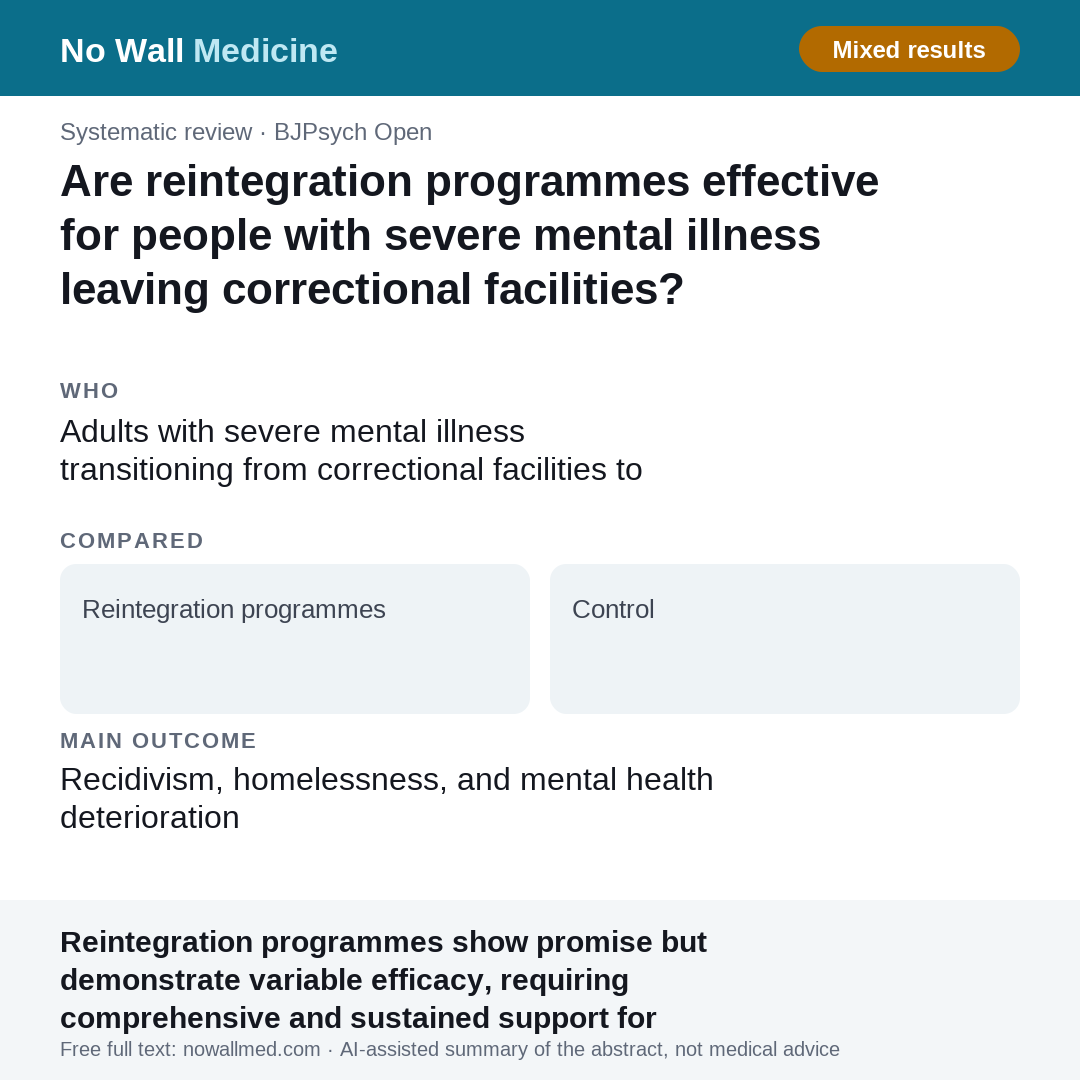
Reintegration programmes for people with severe mental illnesses released from correctional institutions: systematic review
Systematic reviewMixed results
Are reintegration programmes effective for people with severe mental illness leaving correctional facilities?
Who
Adults with severe mental illness transitioning from correctional facilities to community settings
Compared
Reintegration programmes
Control
Main outcome
Recidivism, homelessness, and mental health deterioration
Bottom line: Reintegration programmes show promise but demonstrate variable efficacy, requiring comprehensive and sustained support for success.
Limitation: Heterogeneity of methodologies and outcomes
BJPsych Open · 2026-07-08Download image
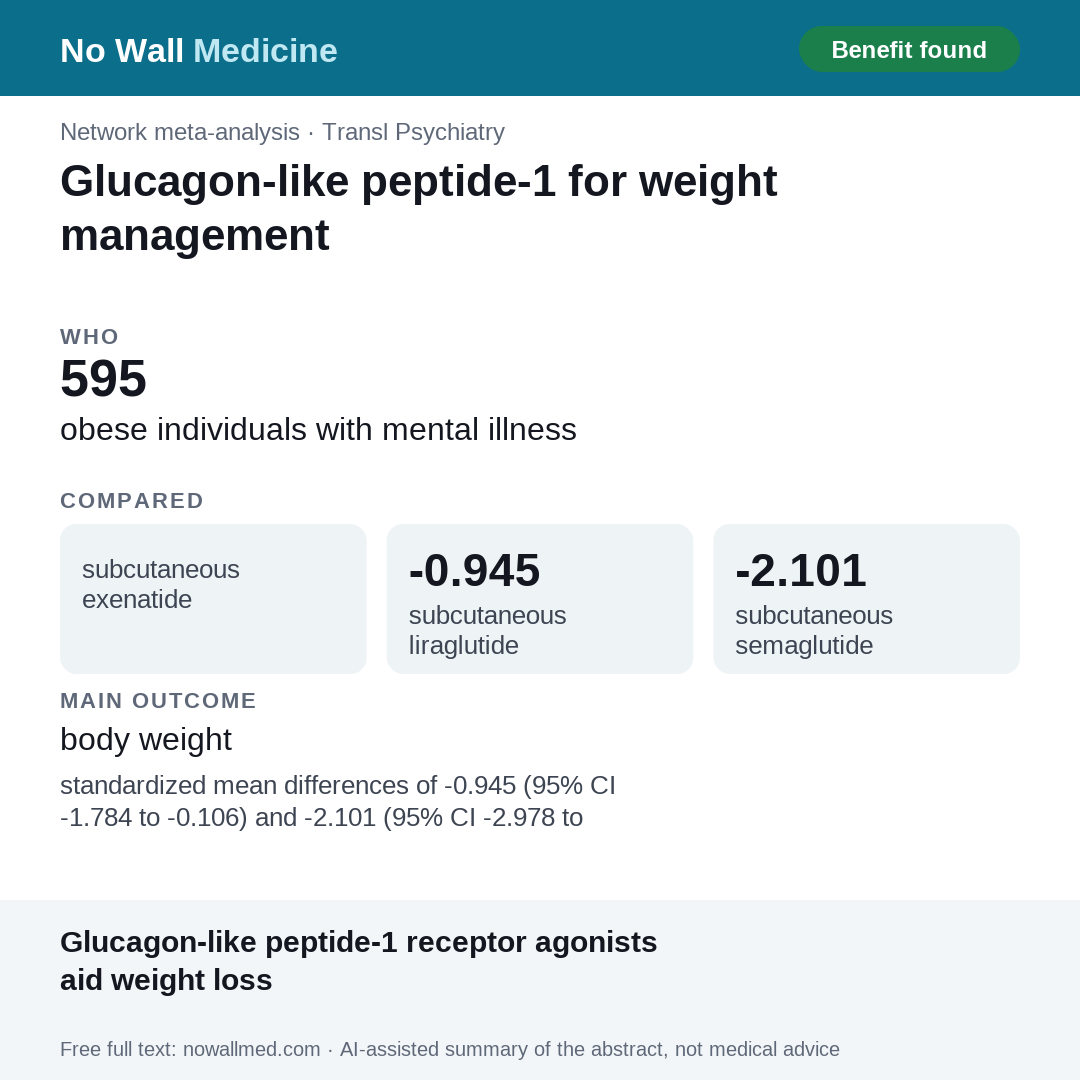
Glucagon-like peptide-1 receptor agonists for weight management in mental illness: a network meta-analysis
Network meta-analysisBenefit found
Glucagon-like peptide-1 for weight management
Who
595
obese individuals with mental illness
Compared
subcutaneous exenatide
-0.945subcutaneous liraglutide (standardized mean difference)
-2.101subcutaneous semaglutide (standardized mean difference)
Main outcome
body weight
Result: standardized mean differences of -0.945 (95% CI -1.784 to -0.106) and -2.101 (95% CI -2.978 to -1.224)
Bottom line: Glucagon-like peptide-1 receptor agonists aid weight loss
Limitation: sparse networks and substantial heterogeneity
Transl Psychiatry · 2026-07-08Download image
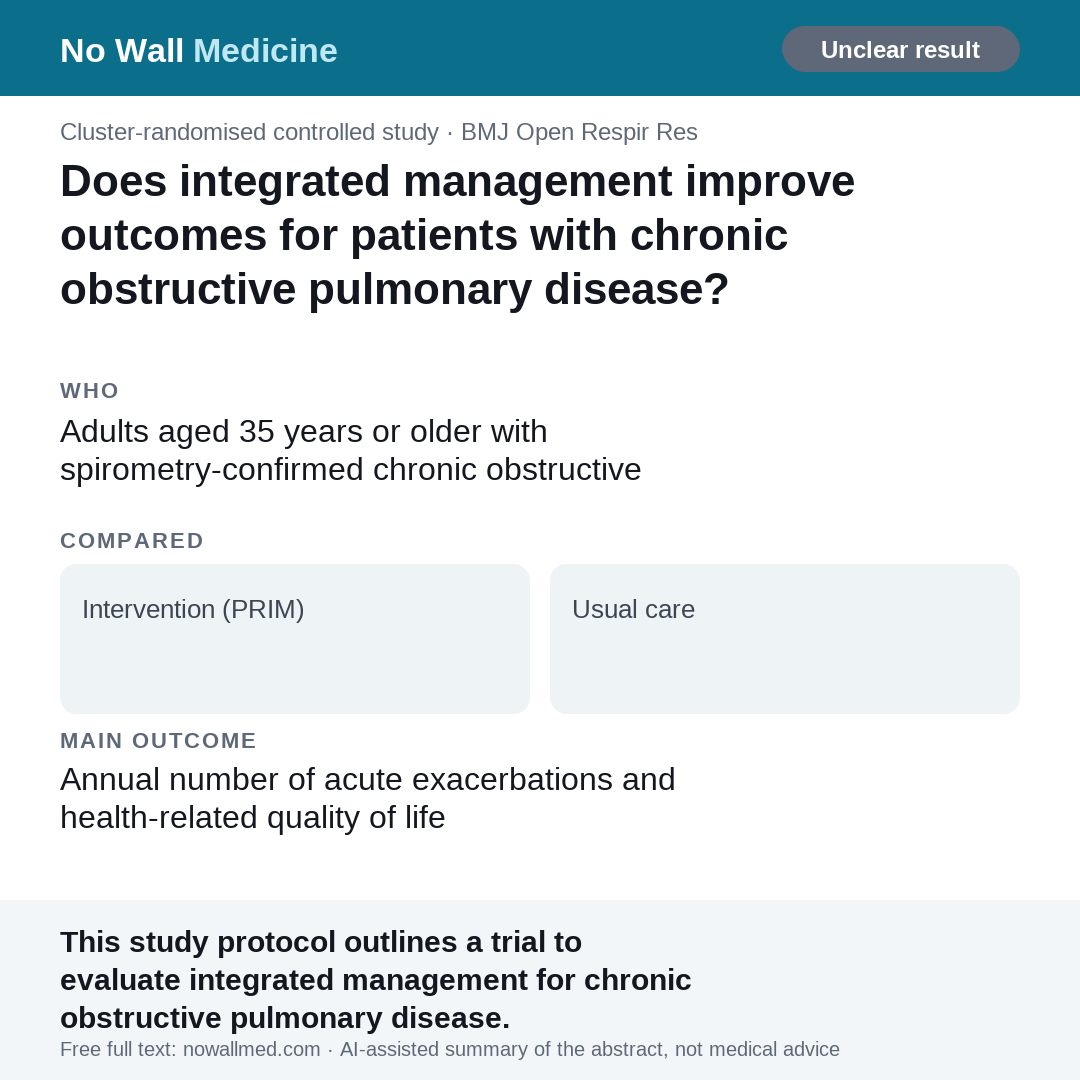
Primary Care Integrated Management of chronic obstructive pulmonary disease (PRIM-COPD): study protocol for a cluster-randomised controlled trial
Cluster-randomised controlled studyUnclear result
Does integrated management improve outcomes for patients with chronic obstructive pulmonary disease?
Who
Adults aged 35 years or older with spirometry-confirmed chronic obstructive pulmonary disease · Seven pilot regions in China
Compared
Intervention (PRIM)
Usual care
Main outcome
Annual number of acute exacerbations and health-related quality of life
Bottom line: This study protocol outlines a trial to evaluate integrated management for chronic obstructive pulmonary disease.
BMJ Open Respir Res · 2026-07-08Download image
Evaluation of Two Web-Based Interventions (REMOTION and Res-Up!) for Clients From Psychotherapy Waitlists in Routine Outpatient Psychotherapy (Therapy Online Plus-TOP): Randomized Controlled Trial
Randomized controlled trialNo clear difference
Are web-based interventions more effective than waiting for psychotherapy for symptom severity?
Who
421
Adult participants recruited from psychotherapy waiting lists · 4 outpatient centers in Germany
Compared
REMOTION
Res-Up!
Control group
Main outcome
Symptom severity
Bottom line: Transdiagnostic internet-based interventions were not more effective than simply waiting for psychotherapy for symptom severity.
J Med Internet Res · 2026-07-08Download image
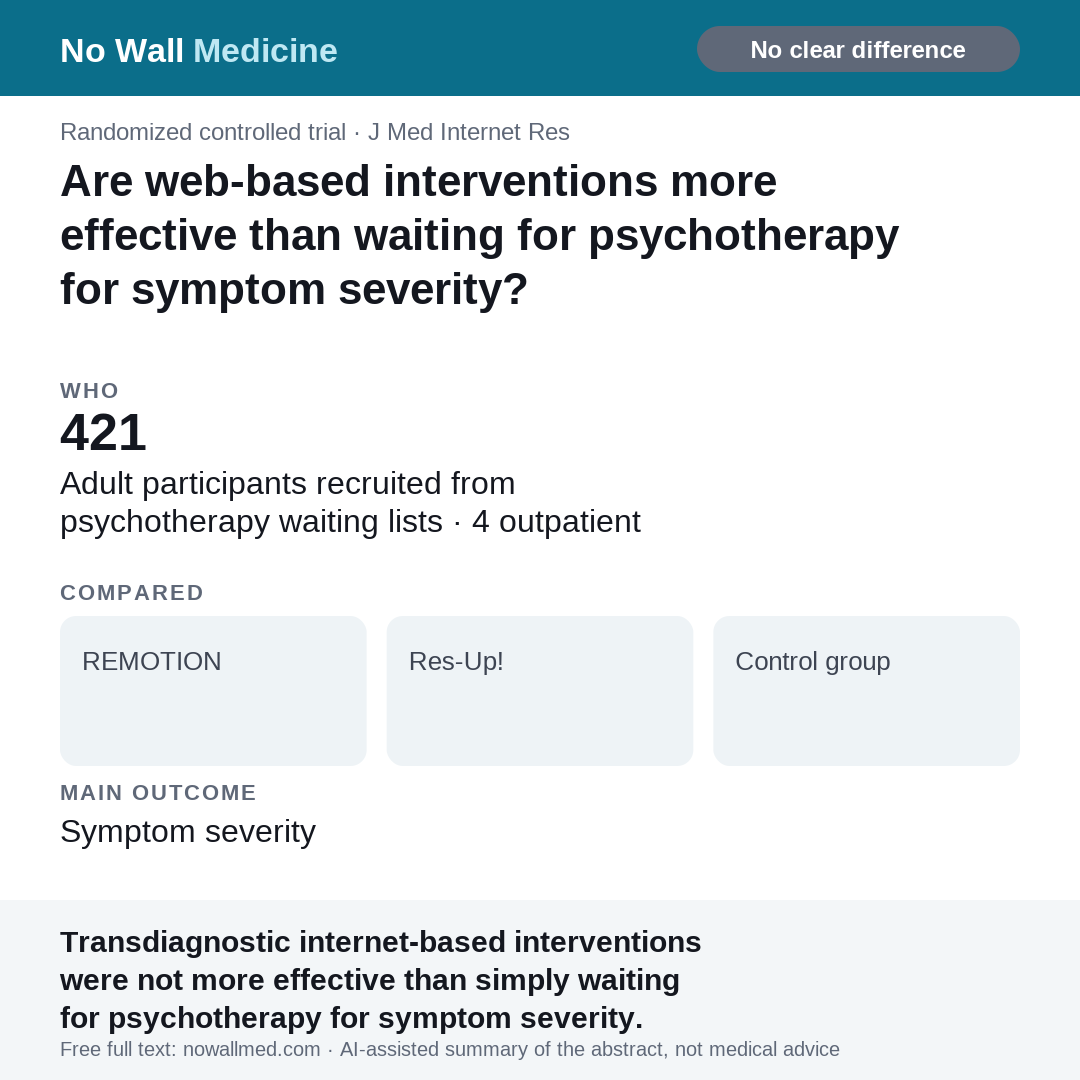
Artificial Intelligence Diagnosis of Obstructive Sleep Apnea Using Overnight Pulse Oximetry: A Systematic Review and Bayesian Meta-Analysis
Meta-analysis of 25 studiesBenefit found
Can AI diagnose sleep apnea?
Who
23171
people with suspected sleep apnea
Compared
91.1%AI models (sensitivity)
Traditional methods
Main outcome
sleep apnea diagnosis
Result: pooled sensitivity 91.1% (95% CrI 89.7%-92.4%)
Bottom line: AI models accurately diagnose sleep apnea
Limitation: need external validation
J Med Internet Res · 2026-07-08Download image
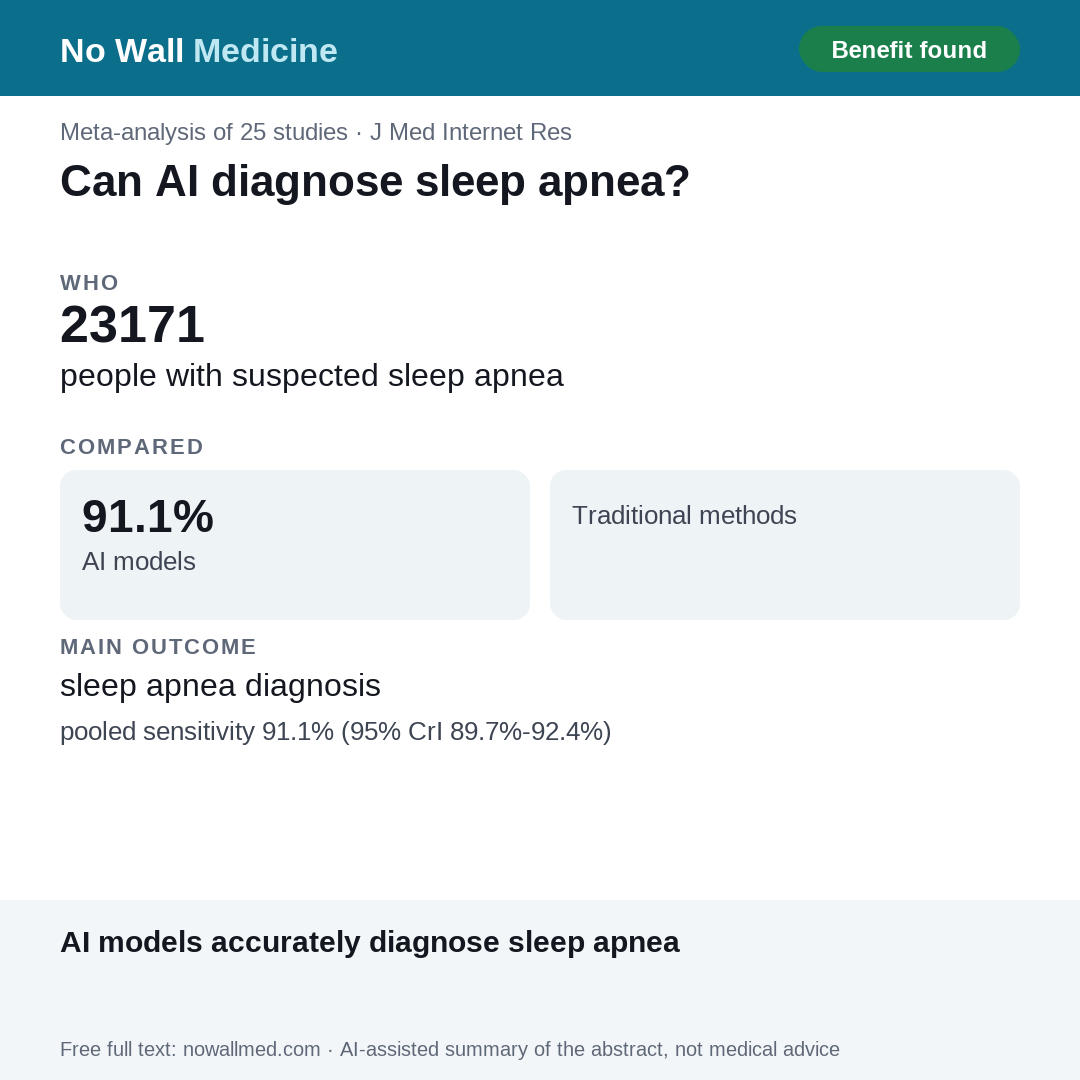
A Web-Based Intervention for Reducing Sexually Transmitted Infections and Substance Use During Pregnancy: Randomized Controlled Trial
Randomized controlled trialNo clear difference
Does a web-based intervention reduce sexually transmitted infections and substance use during pregnancy?
Who
176
Pregnant women at risk for alcohol, drug, or sexually transmitted infections · Clinics and social media in Michigan
Compared
Health Check-Up for Expectant Moms intervention
Attention, time, and information-matched control
Main outcome
Alcohol, drug, or cannabis use and unprotected sexual occasions
Bottom line: The web-based intervention did not significantly reduce substance use or condomless sex compared to the control group.
Limitation: The sample was largely low-risk, making intervention effects difficult to observe due to spontaneous self-change.
J Med Internet Res · 2026-07-08Download image
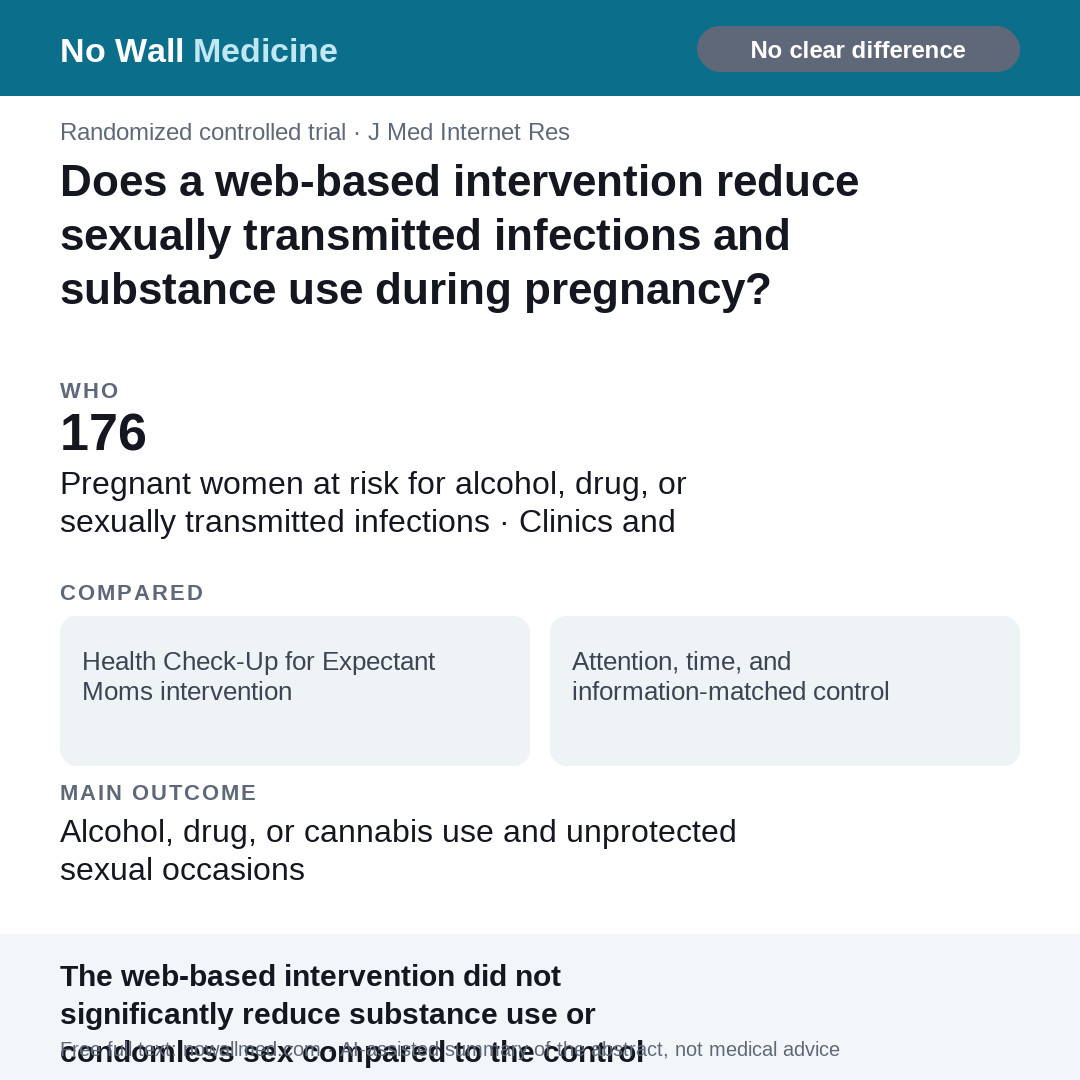
Effectiveness of eHealth Interventions for Adolescents and Young Adults With Congenital Heart Disease: Systematic Review
Systematic review and narrative synthesisMixed results
What is the effectiveness of eHealth interventions for adolescents and young adults with complex congenital heart disease?
Who
551
Adolescents and young adults aged 10-29 years with complex congenital heart disease
Compared
eHealth intervention groups: reported improvements in disease-specific knowledge, self-management, physical activity, psychosocial impact, and transition readiness
Control groups
Main outcome
disease-specific knowledge, self-management, physical activity, psychosocial impact, and transition readiness
Bottom line: Evidence for eHealth interventions in this population is inconsistent and limited by heterogeneity and high risk of bias.
Limitation: High risk of bias, heterogeneity, absence of theoretical foundations, and high dropout rates.
J Med Internet Res · 2026-07-08Download image
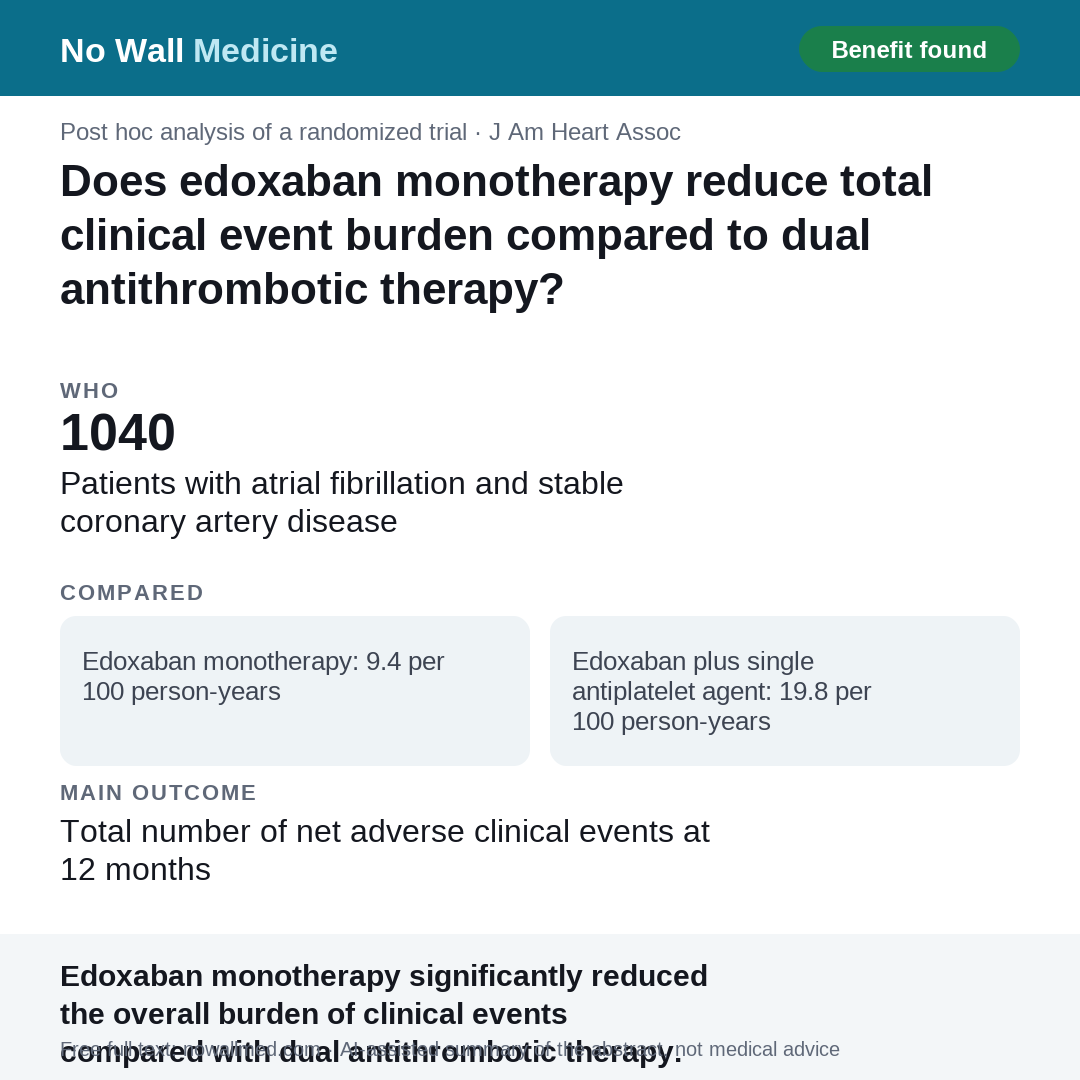
Total Clinical Event Burden With Edoxaban Monotherapy Versus Dual Antithrombotic Therapy in Atrial Fibrillation and Stable Coronary Artery Disease: Insights From the EPIC-CAD Trial
Post hoc analysis of a randomized trialBenefit found
Does edoxaban monotherapy reduce total clinical event burden compared to dual antithrombotic therapy?
Who
1040
Patients with atrial fibrillation and stable coronary artery disease
Compared
Edoxaban monotherapy: 9.4 per 100 person-years
Edoxaban plus single antiplatelet agent: 19.8 per 100 person-years
Main outcome
Total number of net adverse clinical events at 12 months
Result: incidence rate ratio, 0.47 (95% CI, 0.34-0.67)
Bottom line: Edoxaban monotherapy significantly reduced the overall burden of clinical events compared with dual antithrombotic therapy.
J Am Heart Assoc · 2026-07-08Download image
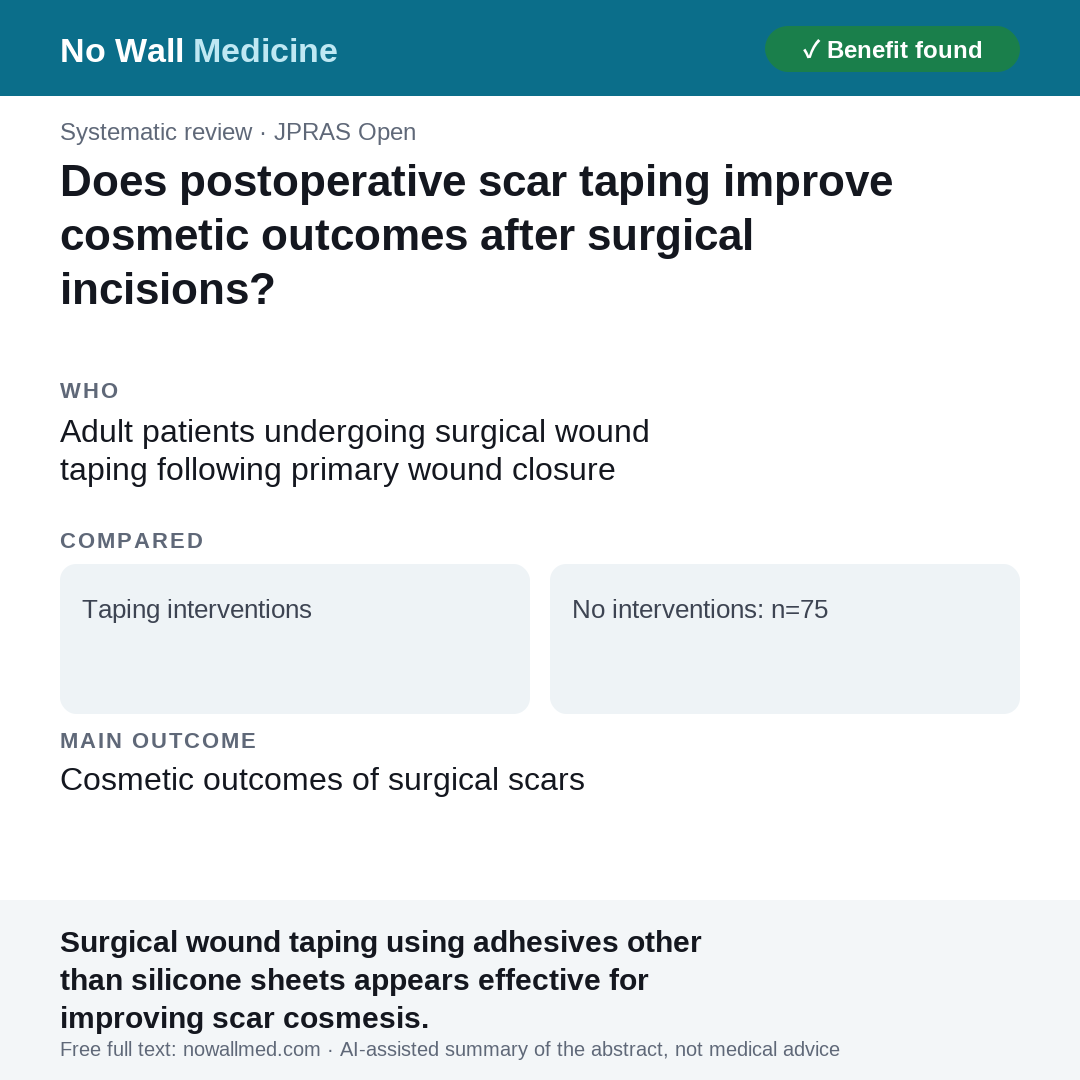
Cosmetic outcomes of postoperative scar taping after surgical incisions: A systematic review
Systematic reviewBenefit found
Does postoperative scar taping improve cosmetic outcomes after surgical incisions?
Who
Adult patients undergoing surgical wound taping following primary wound closure
Compared
Taping interventions
No interventions: n=75
Main outcome
Cosmetic outcomes of surgical scars
Bottom line: Surgical wound taping using adhesives other than silicone sheets appears effective for improving scar cosmesis.
JPRAS Open · 2026-07-08Download image
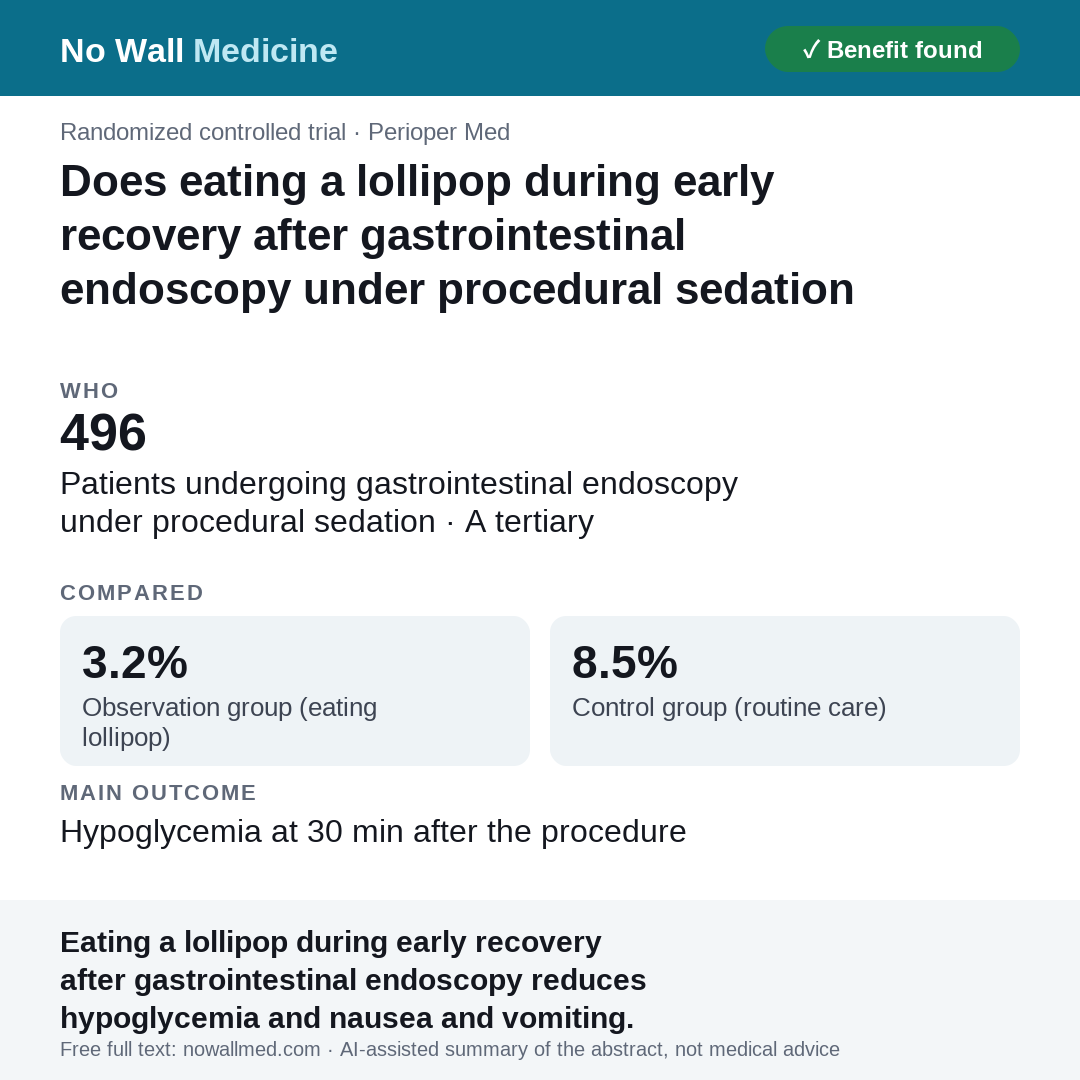
The effect of eating lollipop at early stage of recovery after gastrointestinal endoscopy under procedural sedation: a randomized controlled trial
Randomized controlled trialBenefit found
Does eating a lollipop during early recovery after gastrointestinal endoscopy under procedural sedation reduce adverse reactions?
Who
496
Patients undergoing gastrointestinal endoscopy under procedural sedation · A tertiary hospital in Sichuan Province, China
Compared
3.2%Observation group (eating lollipop)
8.5%Control group (routine care)
Main outcome
Hypoglycemia at 30 min after the procedure
Result: relative risk, 0.38 (95% CI, 0.17-0.84)
Bottom line: Eating a lollipop during early recovery after gastrointestinal endoscopy reduces hypoglycemia and nausea and vomiting.
Perioper Med · 2026-07-08Download image
Bispecific 10E8.4/iMab broadly neutralizing antibody in people with or without HIV-1: a partially randomized phase 1 trial
Partially randomized phase 1 trialBenefit found
What are the safety and tolerability of bispecific 10E8.4/iMab antibody?
Who
54
People living with or without HIV-1
Compared
10E8.4/iMab: No treatment-related serious adverse events or adverse events grade 3 or higher
Placebo
Main outcome
Safety and tolerability within 2 weeks of administration
Bottom line: The bispecific 10E8.4/iMab antibody was met for safety and tolerability in people with or without HIV-1.
Nat Med · 2026-07-07Download image