Visual abstracts
New randomized trials and meta-analyses from leading journals at a glance: who was studied, what was compared, and what was found. Every paper is free to read in full.
All specialtiesCardiology 4877Oncology 4138Gastroenterology & Hepatology 1942Infectious Disease 3837Neurology 1905Psychiatry & Mental Health 2273Pulmonology 2143Critical Care 1365Endocrinology & Diabetes 2580Pediatrics 2980Surgery 2559Orthopedics & Sports Medicine 931Neurosurgery 537Cardiothoracic & Vascular Surgery 674Plastic & Reconstructive Surgery 591Nephrology 1133Rheumatology 823Hematology 1109Dermatology 621Ophthalmology 543Obstetrics & Gynecology 1686Public & Global Health 1058Radiology & Imaging 648Anesthesiology 986Urology 764ENT (Otolaryngology) 503Emergency Medicine 511Allergy & Immunology 313Geriatrics 981Family Medicine & Primary Care 562Medical Genetics & Genomics 676Pathology & Laboratory Medicine 159Physical Medicine & Rehabilitation 757Palliative Care 444Nutrition 1588Digital Health & AI 2201General Medicine 321
FujiLAM for the diagnosis of childhood tuberculosis: a systematic review
Systematic reviewBenefit found
What is the diagnostic performance of FujiLAM for diagnosing paediatric tuberculosis?
Who
698
698 children
Compared
FujiLAM using microbiological reference standard: sensitivity 60% (95% CI 15 to 95), 42% (95% CI 31 to 53) and 63% (95% CI 50 to 75)
FujiLAM using composite reference standard: sensitivity 11% (95% CI 4 to 22), 27% (95% CI 20 to 34) and 33% (95% CI 26 to 40)
Main outcome
diagnostic performance of FujiLAM
Bottom line: FujiLAM shows high specificity, making it a potential point-of-care rule-in test for paediatric tuberculosis.
Limitation: Small number of studies and considerable study heterogeneity.
BMJ Paediatr Open · 2022-09-02Download image

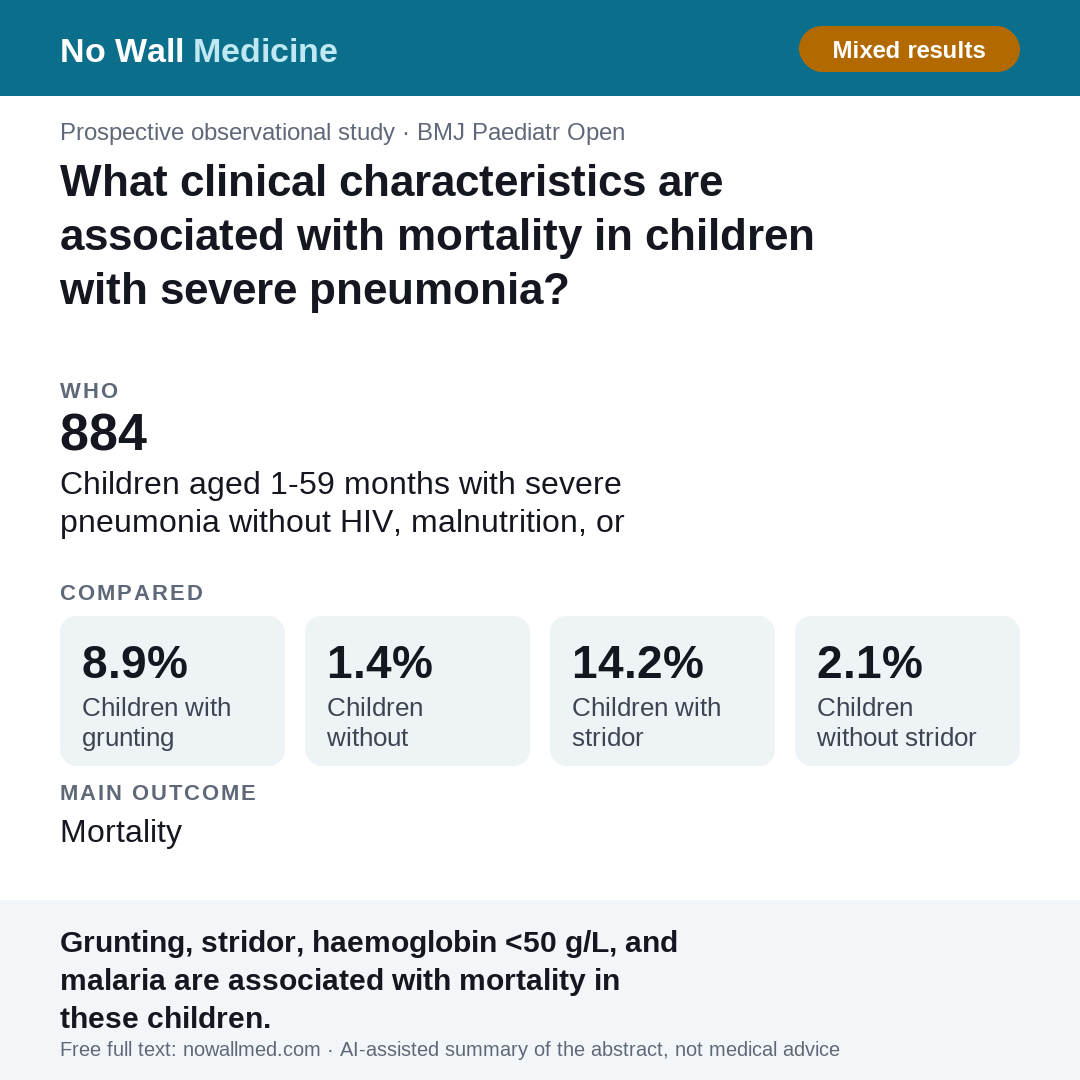
Identifying modifiable risk factors for mortality in children aged 1-59 months admitted with WHO-defined severe pneumonia: a single-centre observational cohort study from rural Malawi
Prospective observational studyMixed results
What clinical characteristics are associated with mortality in children with severe pneumonia?
Who
884
Children aged 1-59 months with severe pneumonia without HIV, malnutrition, or hypoxaemia · Salima District Hospital in Malawi
Compared
8.9%Children with grunting (10/112)
1.4%Children without grunting (11/771)
14.2%Children with stridor (2/14)
2.1%Children without stridor (19/870)
Main outcome
Mortality
Bottom line: Grunting, stridor, haemoglobin <50 g/L, and malaria are associated with mortality in these children.
BMJ Paediatr Open · 2022-09-02Download image
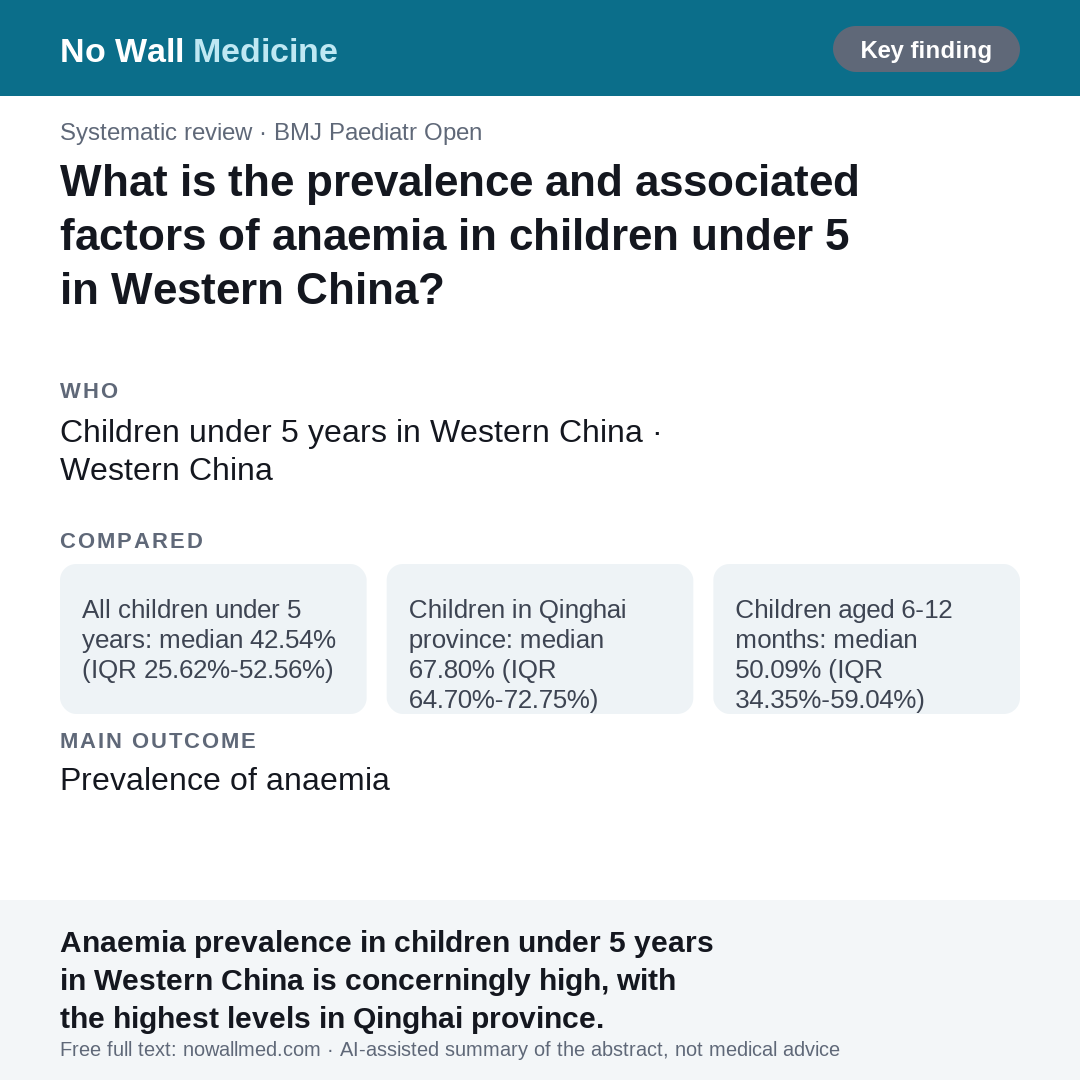
Anaemia prevalence and its associated factors in children under 5 years in Western China: a systematic review
Systematic reviewHarm found
What is the prevalence and associated factors of anaemia in children under 5 in Western China?
Who
Children under 5 years in Western China · Western China
Compared
All children under 5 years: median 42.54% (IQR 25.62%-52.56%)
Children in Qinghai province: median 67.80% (IQR 64.70%-72.75%)
Children aged 6-12 months: median 50.09% (IQR 34.35%-59.04%)
Main outcome
Prevalence of anaemia
Bottom line: Anaemia prevalence in children under 5 years in Western China is concerningly high, with the highest levels in Qinghai province.
BMJ Paediatr Open · 2022-09-02Download image
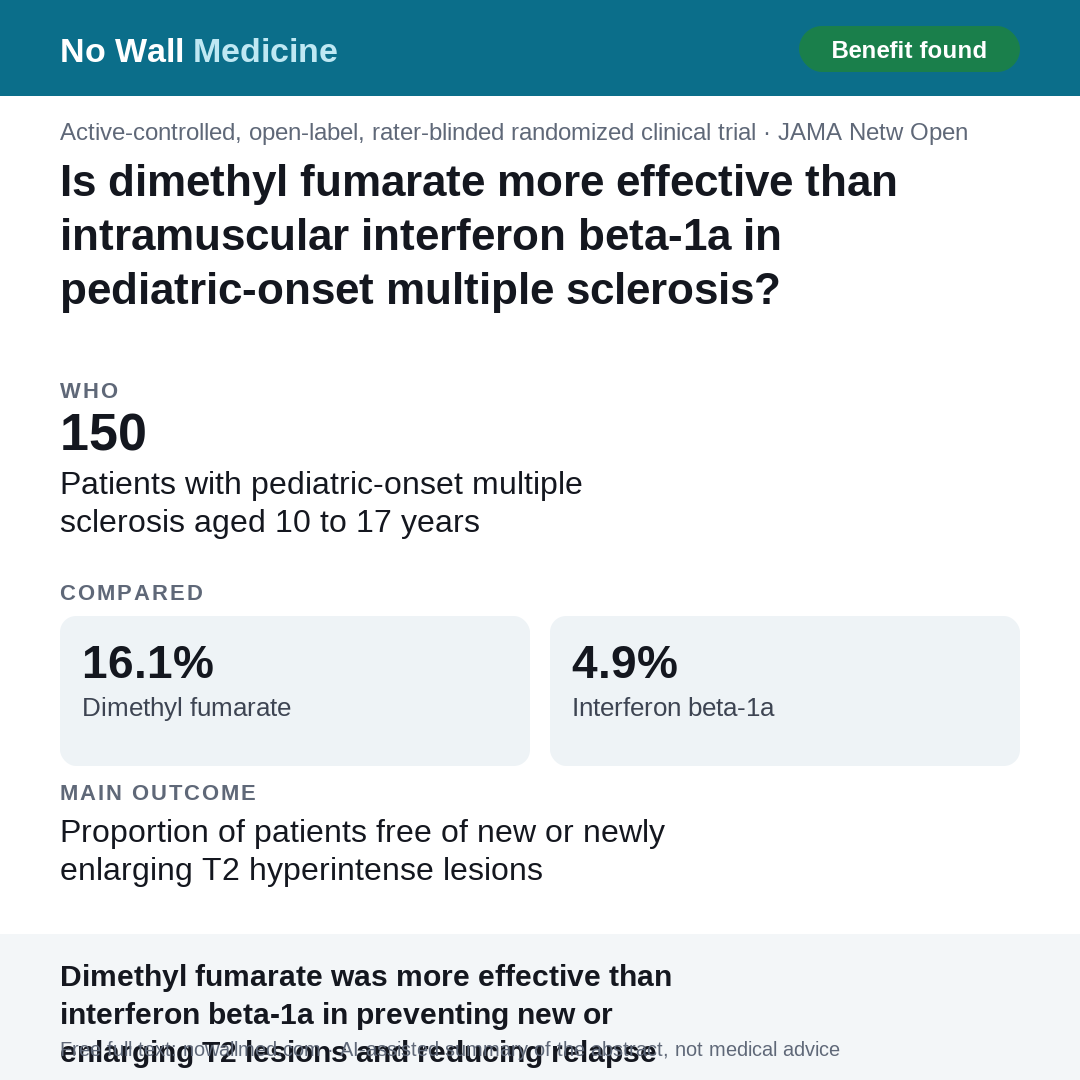
Effect of Dimethyl Fumarate vs Interferon β-1a in Patients With Pediatric-Onset Multiple Sclerosis: The CONNECT Randomized Clinical Trial
Active-controlled, open-label, rater-blinded randomized clinical trialBenefit found
Is dimethyl fumarate more effective than intramuscular interferon beta-1a in pediatric-onset multiple sclerosis?
Who
150
Patients with pediatric-onset multiple sclerosis aged 10 to 17 years
Compared
16.1%Dimethyl fumarate (95% CI, 8.0%-27.7%)
4.9%Interferon beta-1a (95% CI, 0.6%-16.5%)
Main outcome
Proportion of patients free of new or newly enlarging T2 hyperintense lesions
Result: rate ratio 0.46 (95% CI, 0.26-0.80)
Bottom line: Dimethyl fumarate was more effective than interferon beta-1a in preventing new or enlarging T2 lesions and reducing relapse rates.
Limitation: The study was an open-label trial.
JAMA Netw Open · 2022-09-01Download image
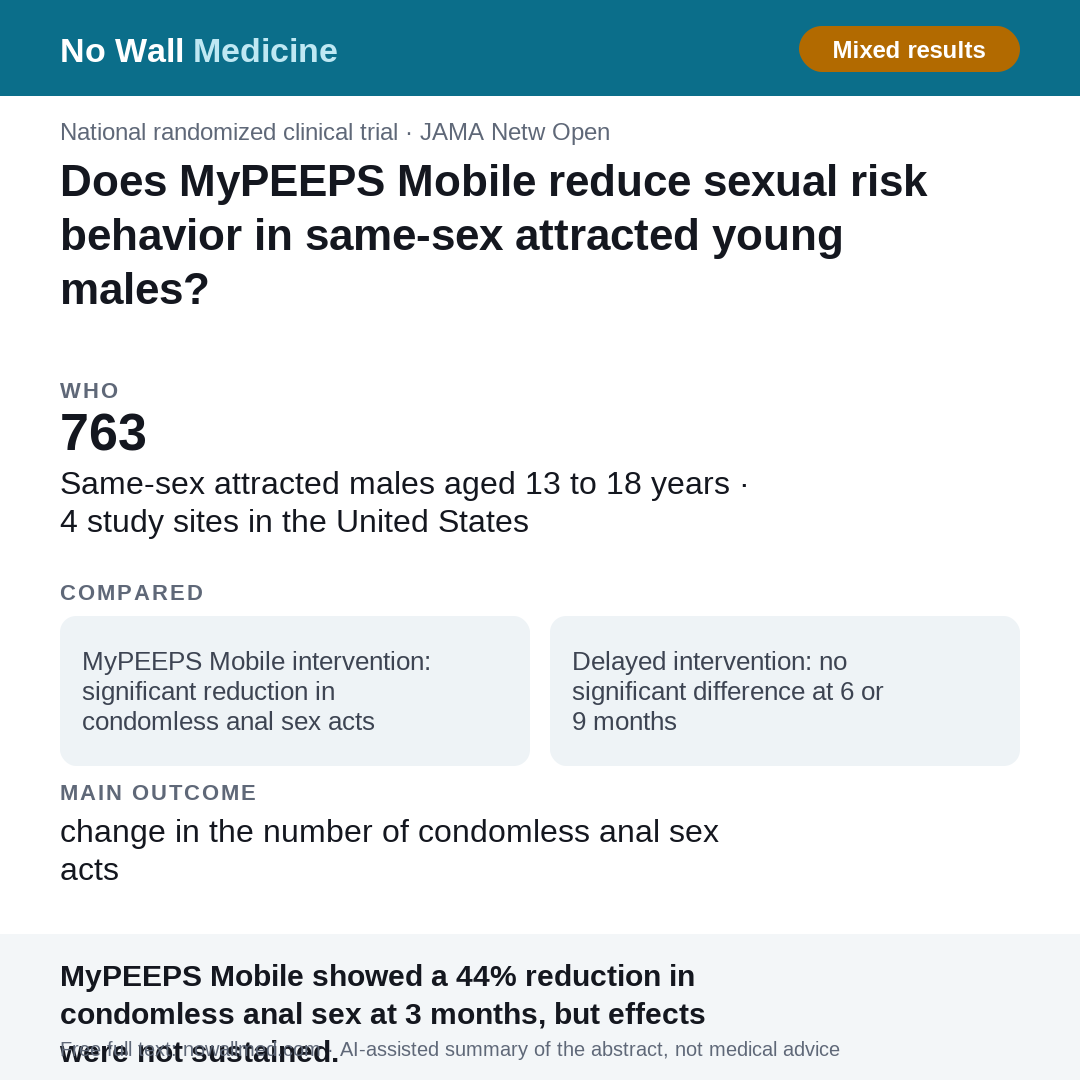
Efficacy of MyPEEPS Mobile, an HIV Prevention Intervention Using Mobile Technology, on Reducing Sexual Risk Among Same-Sex Attracted Adolescent Males: A Randomized Clinical Trial
National randomized clinical trialMixed results
Does MyPEEPS Mobile reduce sexual risk behavior in same-sex attracted young males?
Who
763
Same-sex attracted males aged 13 to 18 years · 4 study sites in the United States
Compared
MyPEEPS Mobile intervention: significant reduction in condomless anal sex acts
Delayed intervention: no significant difference at 6 or 9 months
Main outcome
change in the number of condomless anal sex acts
Result: incidence rate ratio 0.56 (95% CI, 0.32-0.99)
Bottom line: MyPEEPS Mobile showed a 44% reduction in condomless anal sex at 3 months, but effects were not sustained.
JAMA Netw Open · 2022-09-01Download image
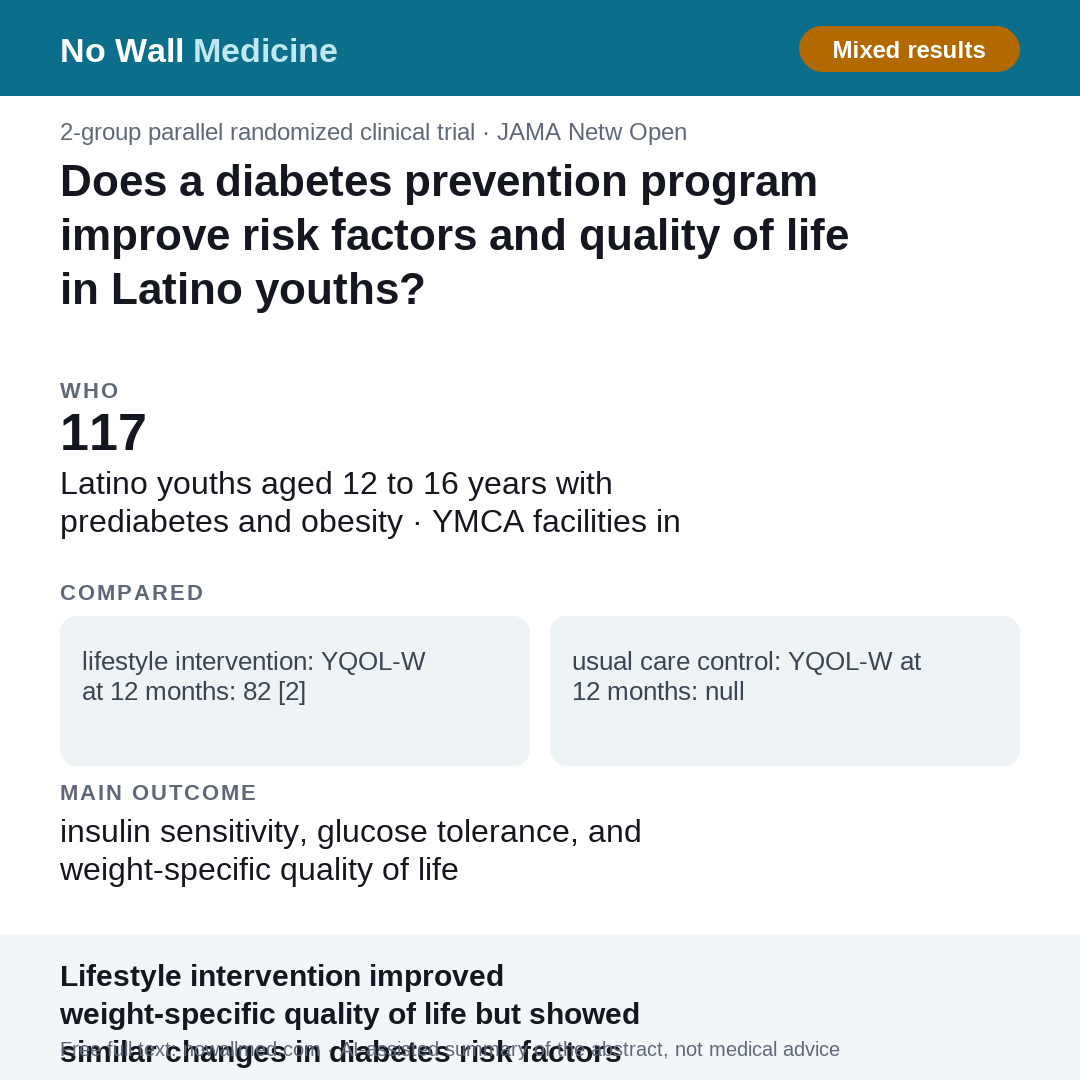
Effects of a Diabetes Prevention Program on Type 2 Diabetes Risk Factors and Quality of Life Among Latino Youths With Prediabetes: A Randomized Clinical Trial
2-group parallel randomized clinical trialMixed results
Does a diabetes prevention program improve risk factors and quality of life in Latino youths?
Who
117
Latino youths aged 12 to 16 years with prediabetes and obesity · YMCA facilities in Phoenix, Arizona
Compared
lifestyle intervention: YQOL-W at 12 months: 82 [2]
usual care control: YQOL-W at 12 months: null
Main outcome
insulin sensitivity, glucose tolerance, and weight-specific quality of life
Result: YQOL-W mean difference 8.5 (95% CI 0.8 to 16.2)
Bottom line: Lifestyle intervention improved weight-specific quality of life but showed similar changes in diabetes risk factors compared to usual care.
JAMA Netw Open · 2022-09-01Download image
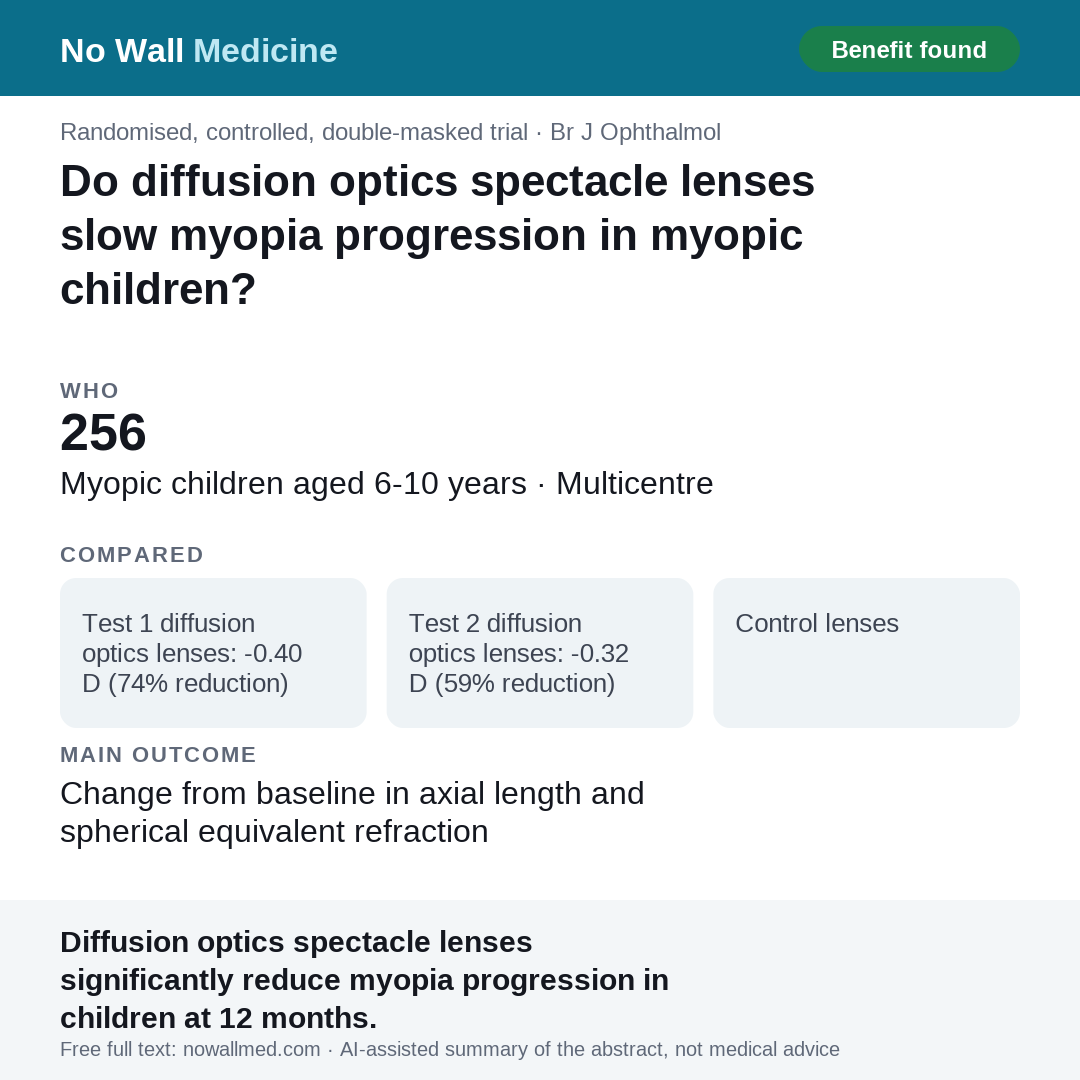
Control of myopia using diffusion optics spectacle lenses: 12-month results of a randomised controlled, efficacy and safety study (CYPRESS)
Randomised, controlled, double-masked trialBenefit found
Do diffusion optics spectacle lenses slow myopia progression in myopic children?
Who
256
Myopic children aged 6-10 years · Multicentre
Compared
Test 1 diffusion optics lenses: -0.40 D (74% reduction)
Test 2 diffusion optics lenses: -0.32 D (59% reduction)
Control lenses
Main outcome
Change from baseline in axial length and spherical equivalent refraction
Bottom line: Diffusion optics spectacle lenses significantly reduce myopia progression in children at 12 months.
Br J Ophthalmol · 2022-09-01Download image
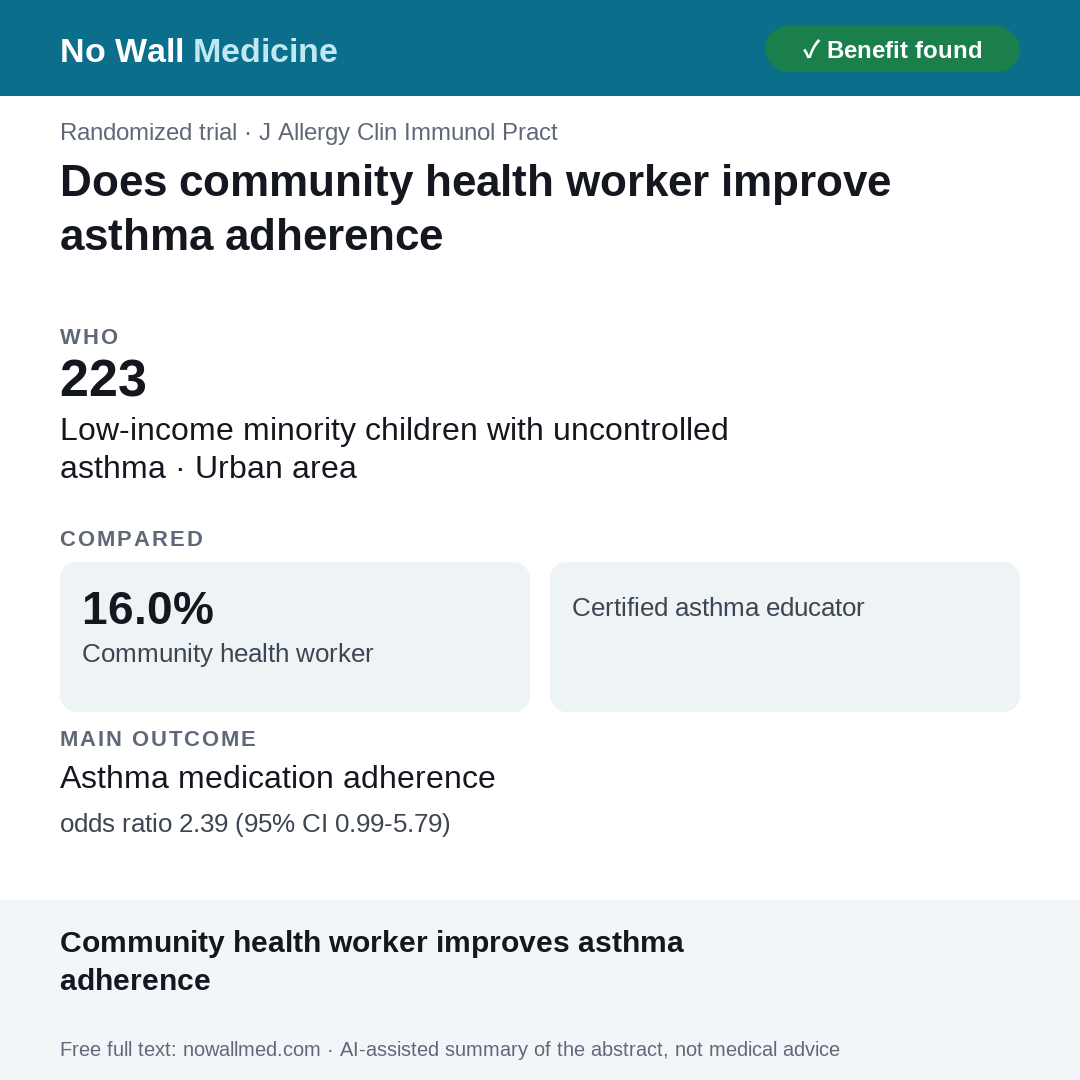
Improving Adherence in Urban Youth With Asthma: Role of Community Health Workers
Randomized trialBenefit found
Does community health worker improve asthma adherence
Who
223
Low-income minority children with uncontrolled asthma · Urban area
Compared
16.0%Community health worker (95% CI 2.3-29.7)
Certified asthma educator
Main outcome
Asthma medication adherence
Result: odds ratio 2.39 (95% CI 0.99-5.79)
Bottom line: Community health worker improves asthma adherence
J Allergy Clin Immunol Pract · 2022-09-01Download image
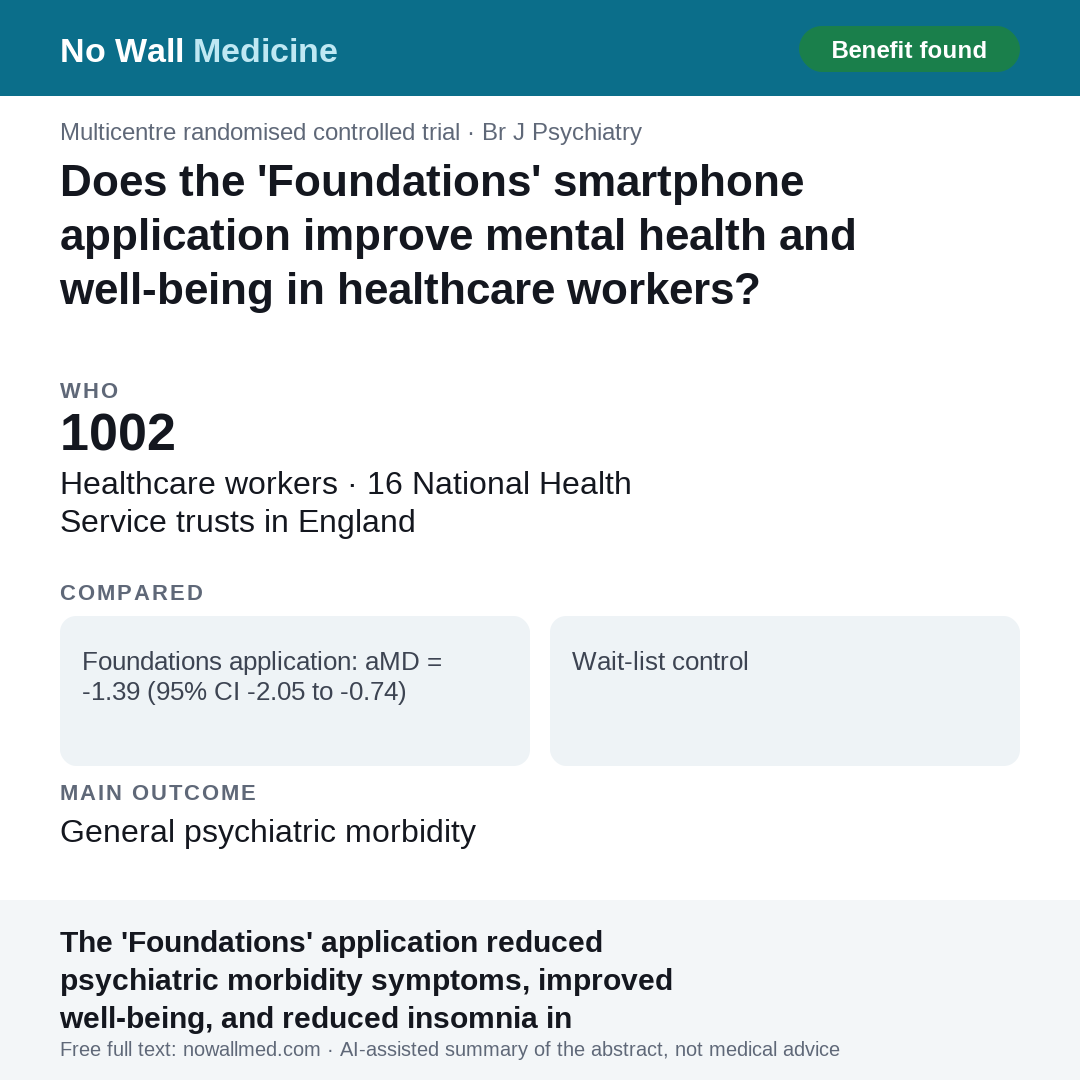
Multicentre, England-wide randomised controlled trial of the 'Foundations' smartphone application in improving mental health and well-being in a healthcare worker population
Multicentre randomised controlled trialBenefit found
Does the 'Foundations' smartphone application improve mental health and well-being in healthcare workers?
Who
1002
Healthcare workers · 16 National Health Service trusts in England
Compared
Foundations application: aMD = -1.39 (95% CI -2.05 to -0.74)
Wait-list control
Main outcome
General psychiatric morbidity
Result: aMD = -1.39 (95% CI -2.05 to -0.74)
Bottom line: The 'Foundations' application reduced psychiatric morbidity symptoms, improved well-being, and reduced insomnia in healthcare workers.
Br J Psychiatry · 2022-08-31Download image
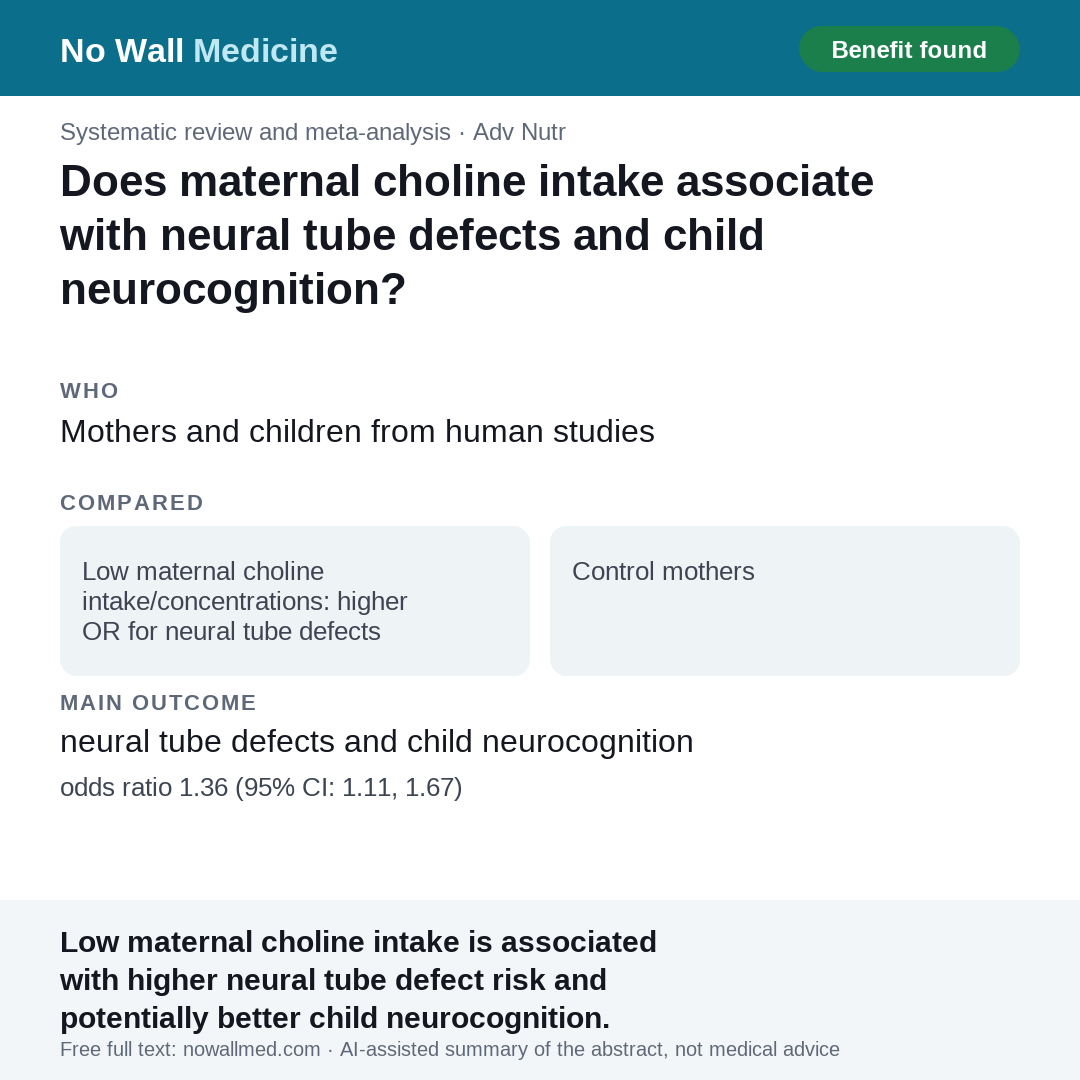
Association between Maternal Choline, Fetal Brain Development, and Child Neurocognition: Systematic Review and Meta-Analysis of Human Studies
Systematic review and meta-analysisBenefit found
Does maternal choline intake associate with neural tube defects and child neurocognition?
Who
Mothers and children from human studies
Compared
Low maternal choline intake/concentrations: higher OR for neural tube defects
Control mothers
Main outcome
neural tube defects and child neurocognition
Result: odds ratio 1.36 (95% CI: 1.11, 1.67)
Bottom line: Low maternal choline intake is associated with higher neural tube defect risk and potentially better child neurocognition.
Limitation: low confidence in the use of plasma choline concentrations as a choline intake marker
Adv Nutr · 2022-08-31Download image
Efficacy and Safety of Vamorolone vs Placebo and Prednisone Among Boys With Duchenne Muscular Dystrophy: A Randomized Clinical Trial
Randomized, double-blind, placebo- and prednisone-controlled trialBenefit found
Is vamorolone effective and safe compared to placebo and prednisone in boys with Duchenne muscular dystrophy?
Who
121
Boys 4 to younger than 7 years with Duchenne muscular dystrophy · 33 referral centers in 11 countries
Compared
Placebo
Prednisone, 0.75 mg/kg per day
Vamorolone, 2 mg/kg per day
Vamorolone, 6 mg/kg per day: 0.05 [0.01] m/s vs placebo -0.01 [0.01] m/s
Main outcome
Time to stand from supine velocity
Result: least-squares mean velocity 0.05 [0.01] m/s vs placebo -0.01 [0.01] m/s; 95% CI, 0.02-0.10
Bottom line: Vamorolone was effective and may be a safer alternative to prednisone for boys with Duchenne muscular dystrophy.
JAMA Neurol · 2022-08-30Download image

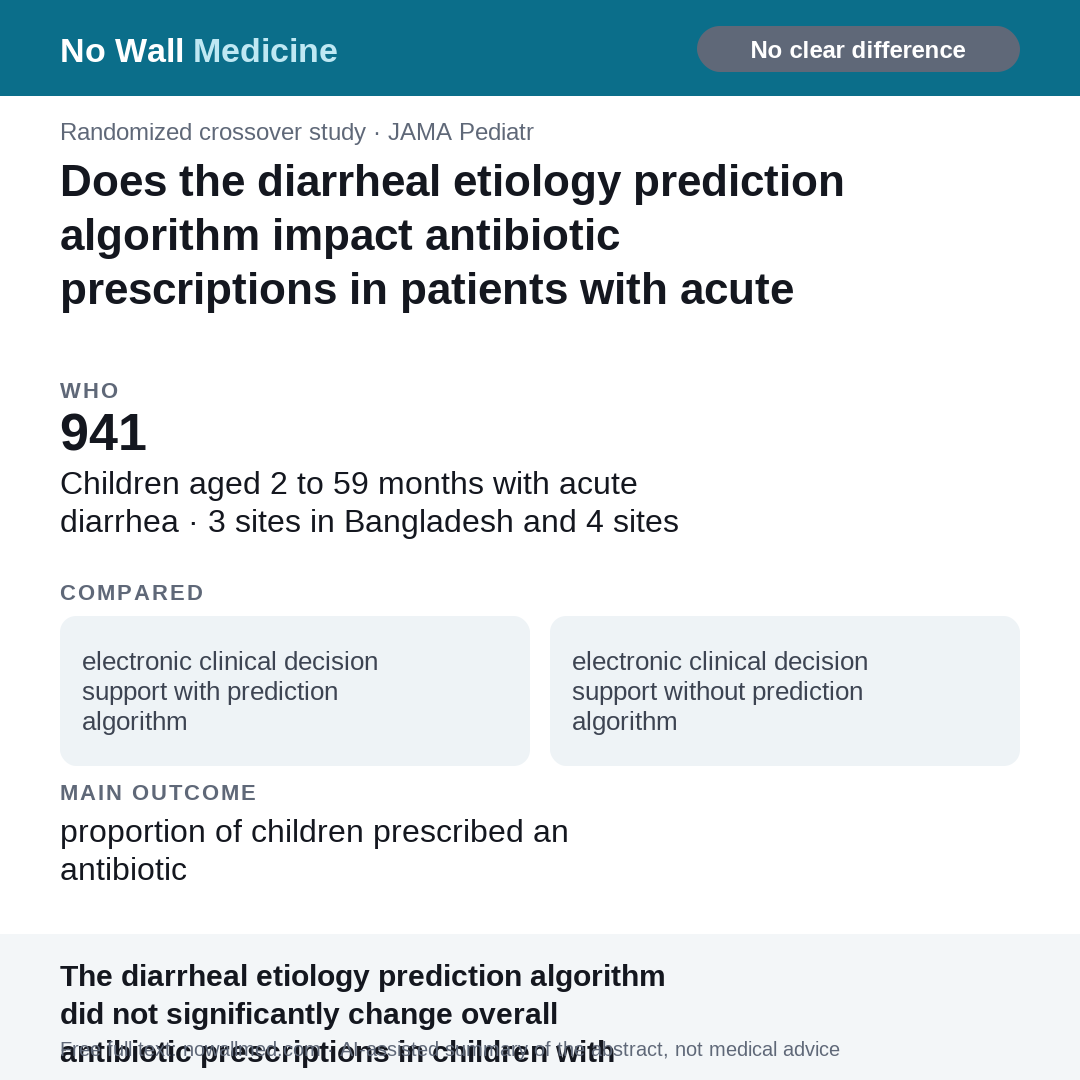
Improving Antibiotic Stewardship for Diarrheal Disease With Probability-Based Electronic Clinical Decision Support: A Randomized Crossover Trial
Randomized crossover studyNo clear difference
Does the diarrheal etiology prediction algorithm impact antibiotic prescriptions in patients with acute diarrhea?
Who
941
Children aged 2 to 59 months with acute diarrhea · 3 sites in Bangladesh and 4 sites in Mali
Compared
electronic clinical decision support with prediction algorithm
electronic clinical decision support without prediction algorithm
Main outcome
proportion of children prescribed an antibiotic
Result: risk difference -4.2% (95% CI, -10.7% to 1.0%)
Bottom line: The diarrheal etiology prediction algorithm did not significantly change overall antibiotic prescriptions in children with acute diarrhea.
JAMA Pediatr · 2022-08-30Download image
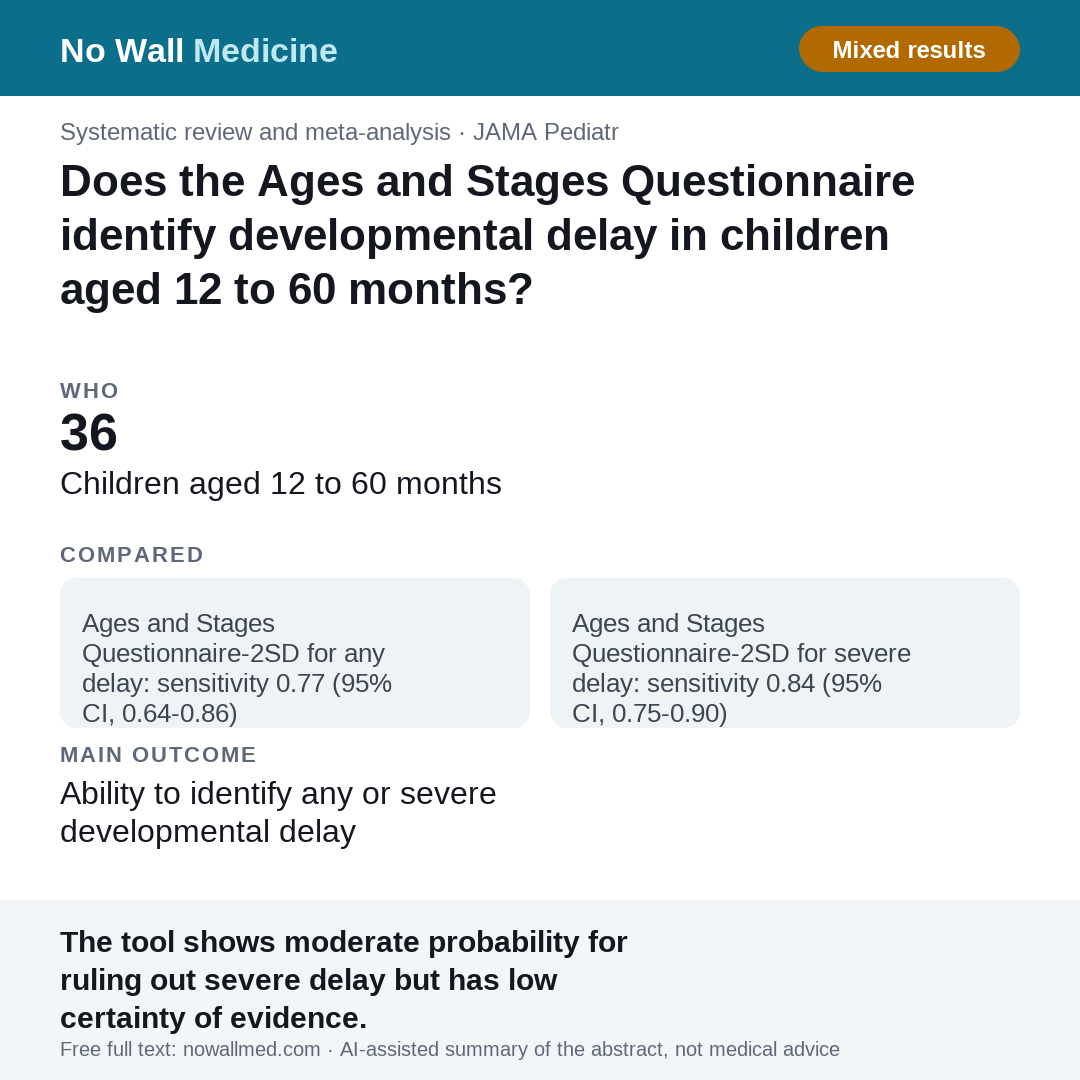
Utility of the Ages and Stages Questionnaire to Identify Developmental Delay in Children Aged 12 to 60 Months: A Systematic Review and Meta-analysis
Systematic review and meta-analysisMixed results
Does the Ages and Stages Questionnaire identify developmental delay in children aged 12 to 60 months?
Who
36
Children aged 12 to 60 months
Compared
Ages and Stages Questionnaire-2SD for any delay: sensitivity 0.77 (95% CI, 0.64-0.86)
Ages and Stages Questionnaire-2SD for severe delay: sensitivity 0.84 (95% CI, 0.75-0.90)
Main outcome
Ability to identify any or severe developmental delay
Result: positive likelihood ratio 4.10 (95% CI, 3.17-5.30) for any delay
Bottom line: The tool shows moderate probability for ruling out severe delay but has low certainty of evidence.
Limitation: The certainty of evidence was low or very low.
JAMA Pediatr · 2022-08-30Download image
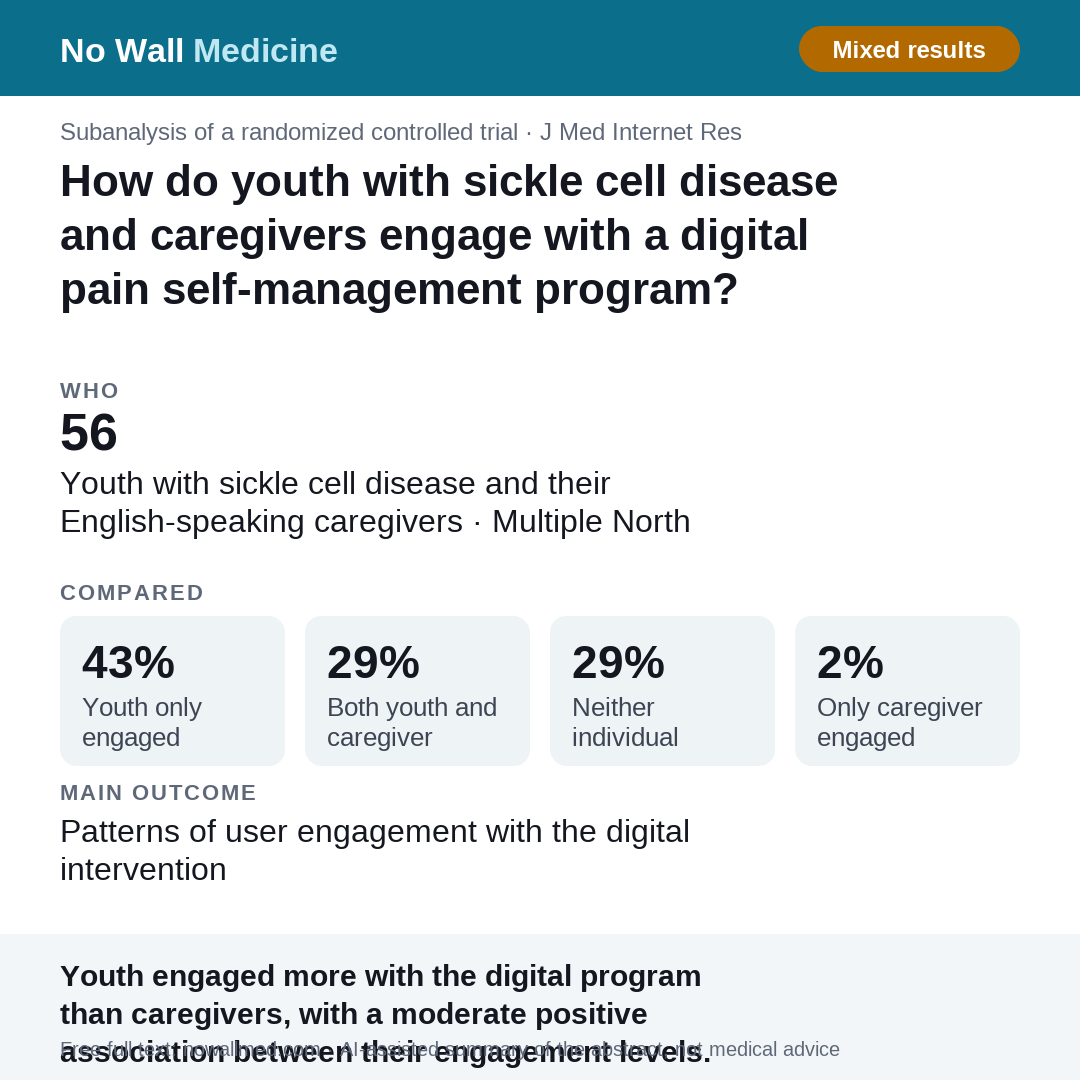
Characterizing User Engagement With a Digital Intervention for Pain Self-management Among Youth With Sickle Cell Disease and Their Caregivers: Subanalysis of a Randomized Controlled Trial
Subanalysis of a randomized controlled trialMixed results
How do youth with sickle cell disease and caregivers engage with a digital pain self-management program?
Who
56
Youth with sickle cell disease and their English-speaking caregivers · Multiple North American sickle cell clinics
Compared
43%Youth only engaged (24/56)
29%Both youth and caregiver engaged (16/56)
29%Neither individual engaged (16/56)
2%Only caregiver engaged (1/56)
Main outcome
Patterns of user engagement with the digital intervention
Bottom line: Youth engaged more with the digital program than caregivers, with a moderate positive association between their engagement levels.
Limitation: This report focused only on engagement among dyads who received the intervention.
J Med Internet Res · 2022-08-30Download image
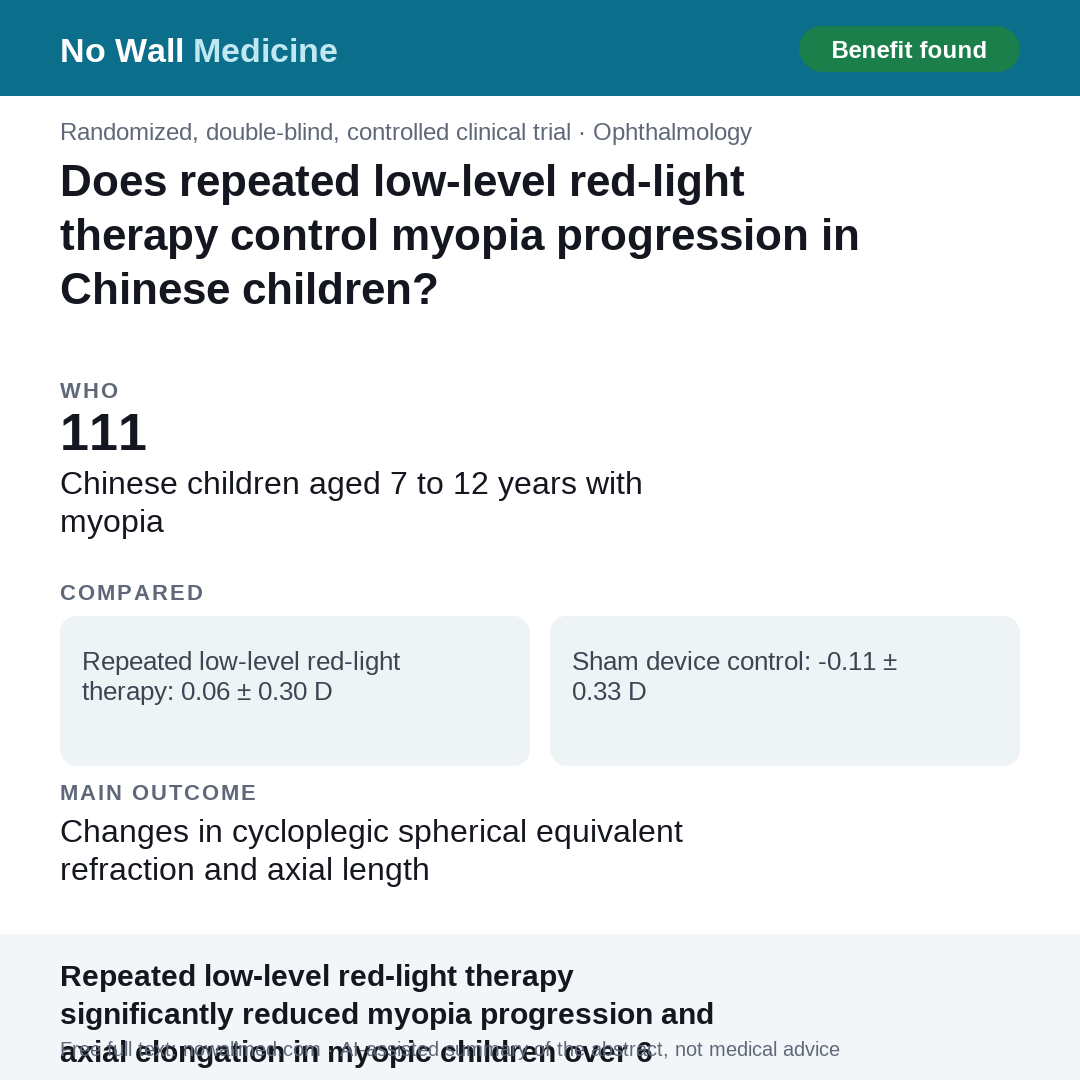
Myopia Control Effect of Repeated Low-Level Red-Light Therapy in Chinese Children: A Randomized, Double-Blind, Controlled Clinical Trial
Randomized, double-blind, controlled clinical trialBenefit found
Does repeated low-level red-light therapy control myopia progression in Chinese children?
Who
111
Chinese children aged 7 to 12 years with myopia
Compared
Repeated low-level red-light therapy: 0.06 ± 0.30 D
Sham device control: -0.11 ± 0.33 D
Main outcome
Changes in cycloplegic spherical equivalent refraction and axial length
Result: SER coefficient 0.167 D (95% CI 0.050-0.283 D)
Bottom line: Repeated low-level red-light therapy significantly reduced myopia progression and axial elongation in myopic children over 6 months.
Ophthalmology · 2022-08-29Download image
Anticoagulation in pediatric cancer-associated venous thromboembolism: a subgroup analysis of EINSTEIN-Jr
Subgroup analysis of a randomized trialBenefit found
Is rivaroxaban safe and effective for pediatric cancer-associated venous thromboembolism?
Who
56
Children with cancer-associated venous thromboembolism
Compared
therapeutic-dose bodyweight-adjusted oral rivaroxaban: no recurrent VTE or major bleeding occurred (95% confidence interval, 0.0%-6.4%)
standard anticoagulation with heparins
Main outcome
recurrent venous thromboembolism or major bleeding
Bottom line: Rivaroxaban appeared safe and efficacious for pediatric cancer-associated venous thromboembolism despite frequent treatment interruptions.
Blood Adv · 2022-08-26Download image

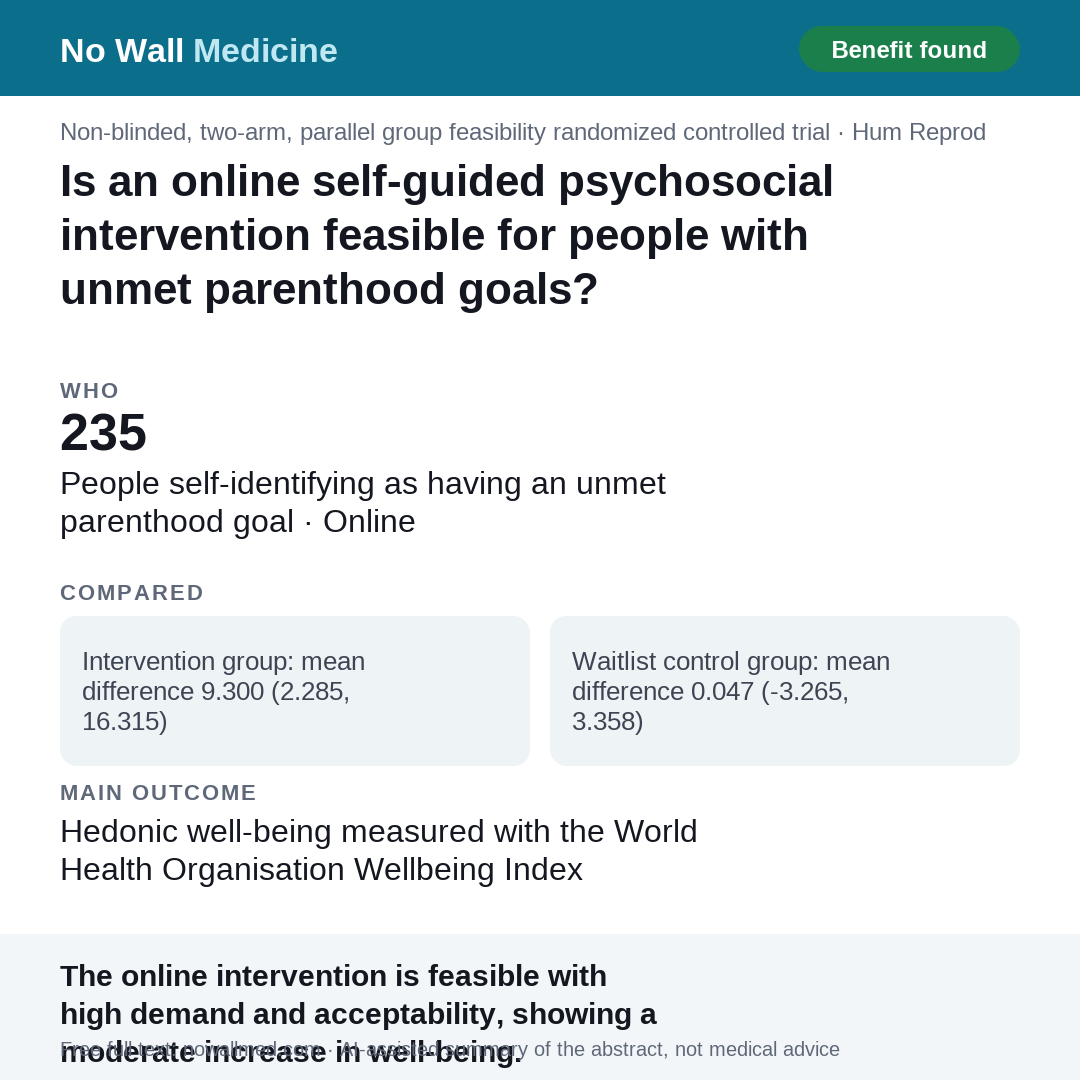
Feasibility randomized controlled trial of a self-guided online intervention to promote psychosocial adjustment to unmet parenthood goals
Non-blinded, two-arm, parallel group feasibility randomized controlled trialBenefit found
Is an online self-guided psychosocial intervention feasible for people with unmet parenthood goals?
Who
235
People self-identifying as having an unmet parenthood goal · Online
Compared
Intervention group: mean difference 9.300 (2.285, 16.315)
Waitlist control group: mean difference 0.047 (-3.265, 3.358)
Main outcome
Hedonic well-being measured with the World Health Organisation Wellbeing Index
Result: mean difference 9.300 (2.285, 16.315)
Bottom line: The online intervention is feasible with high demand and acceptability, showing a moderate increase in well-being.
Limitation: Non-blinded allocation, self-reported assessments, and high attrition could have triggered bias and resulted in low power.
Hum Reprod · 2022-08-25Download image
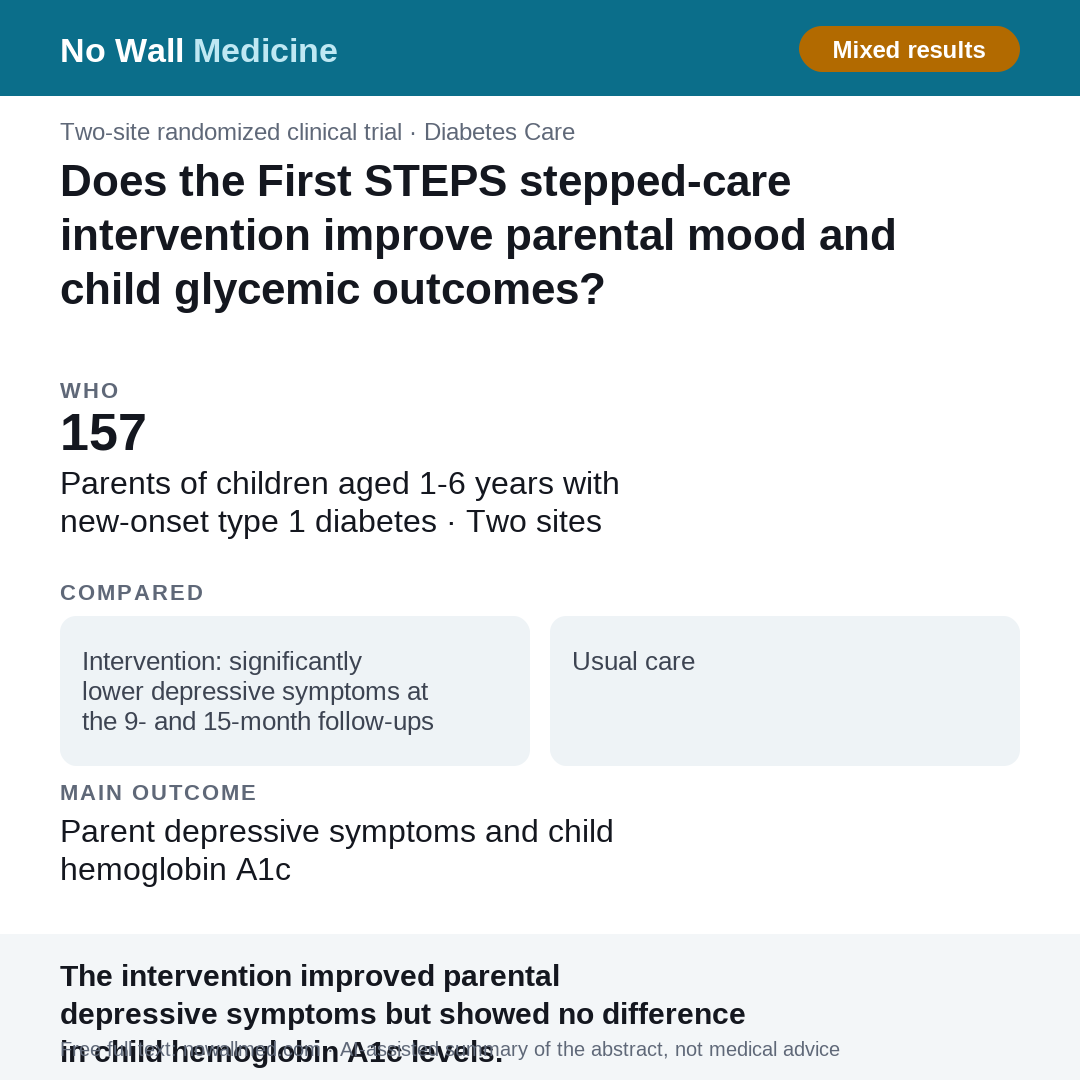
First STEPS: Primary Outcomes of a Randomized, Stepped-Care Behavioral Clinical Trial for Parents of Young Children With New-Onset Type 1 Diabetes
Two-site randomized clinical trialMixed results
Does the First STEPS stepped-care intervention improve parental mood and child glycemic outcomes?
Who
157
Parents of children aged 1-6 years with new-onset type 1 diabetes · Two sites
Compared
Intervention: significantly lower depressive symptoms at the 9- and 15-month follow-ups
Usual care
Main outcome
Parent depressive symptoms and child hemoglobin A1c
Bottom line: The intervention improved parental depressive symptoms but showed no difference in child hemoglobin A1c levels.
Diabetes Care · 2022-08-24Download image
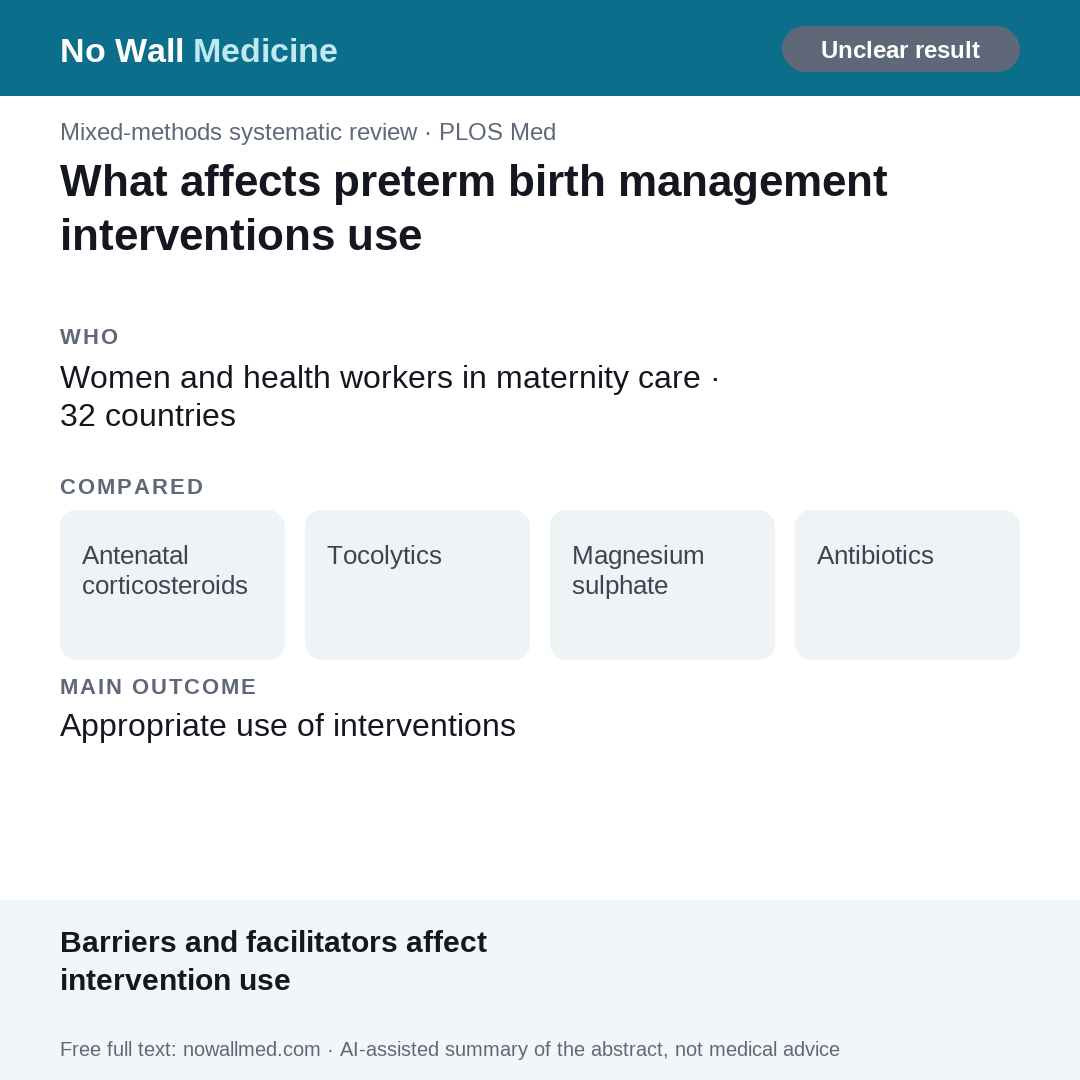
Factors influencing appropriate use of interventions for management of women experiencing preterm birth: A mixed-methods systematic review and narrative synthesis
Mixed-methods systematic reviewUnclear result
What affects preterm birth management interventions use
Who
46
Women and health workers in maternity care · 32 countries
Compared
Antenatal corticosteroids
Tocolytics
Magnesium sulphate
Antibiotics
Main outcome
Appropriate use of interventions
Bottom line: Barriers and facilitators affect intervention use
Limitation: Most studies from high-income countries
PLOS Med · 2022-08-23Download image
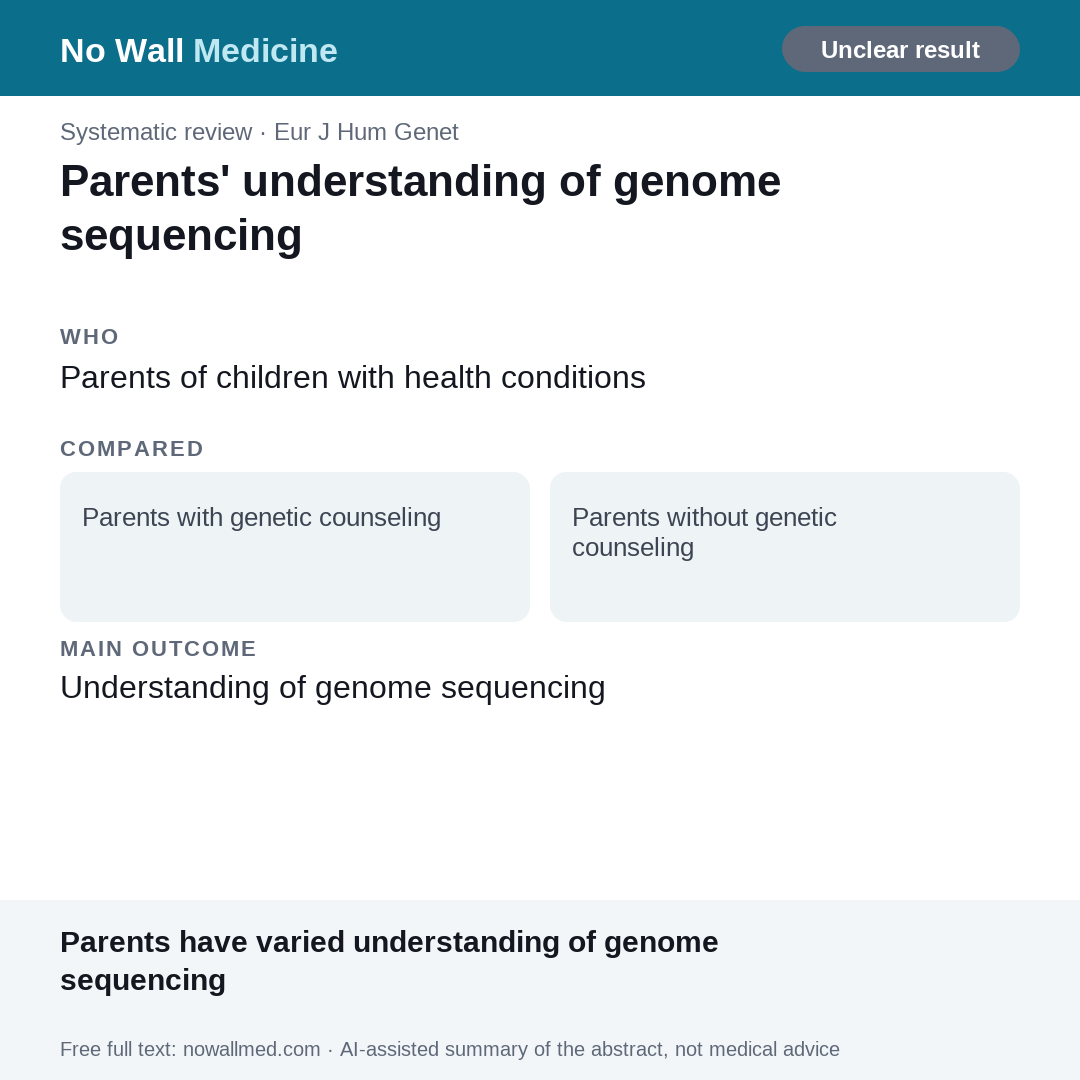
Parents' understanding of genome and exome sequencing for pediatric health conditions: a systematic review
Systematic reviewUnclear result
Parents' understanding of genome sequencing
Who
Parents of children with health conditions
Compared
Parents with genetic counseling
Parents without genetic counseling
Main outcome
Understanding of genome sequencing
Bottom line: Parents have varied understanding of genome sequencing
Eur J Hum Genet · 2022-08-23Download image