Visual abstracts
New randomized trials and meta-analyses from leading journals at a glance: who was studied, what was compared, and what was found. Every paper is free to read in full.
All specialtiesCardiology 4763Oncology 4042Gastroenterology & Hepatology 1902Infectious Disease 3756Neurology 1872Psychiatry & Mental Health 2214Pulmonology 2042Critical Care 1319Endocrinology & Diabetes 2544Pediatrics 2889Surgery 2479Orthopedics & Sports Medicine 917Neurosurgery 525Cardiothoracic & Vascular Surgery 656Plastic & Reconstructive Surgery 574Nephrology 1107Rheumatology 810Hematology 1090Dermatology 611Ophthalmology 532Obstetrics & Gynecology 1645Public & Global Health 1037Radiology & Imaging 617Anesthesiology 957Urology 745ENT (Otolaryngology) 494Emergency Medicine 481Allergy & Immunology 309Geriatrics 972Family Medicine & Primary Care 533Medical Genetics & Genomics 659Pathology & Laboratory Medicine 156Physical Medicine & Rehabilitation 734Palliative Care 421Nutrition 1560Digital Health & AI 2133General Medicine 318
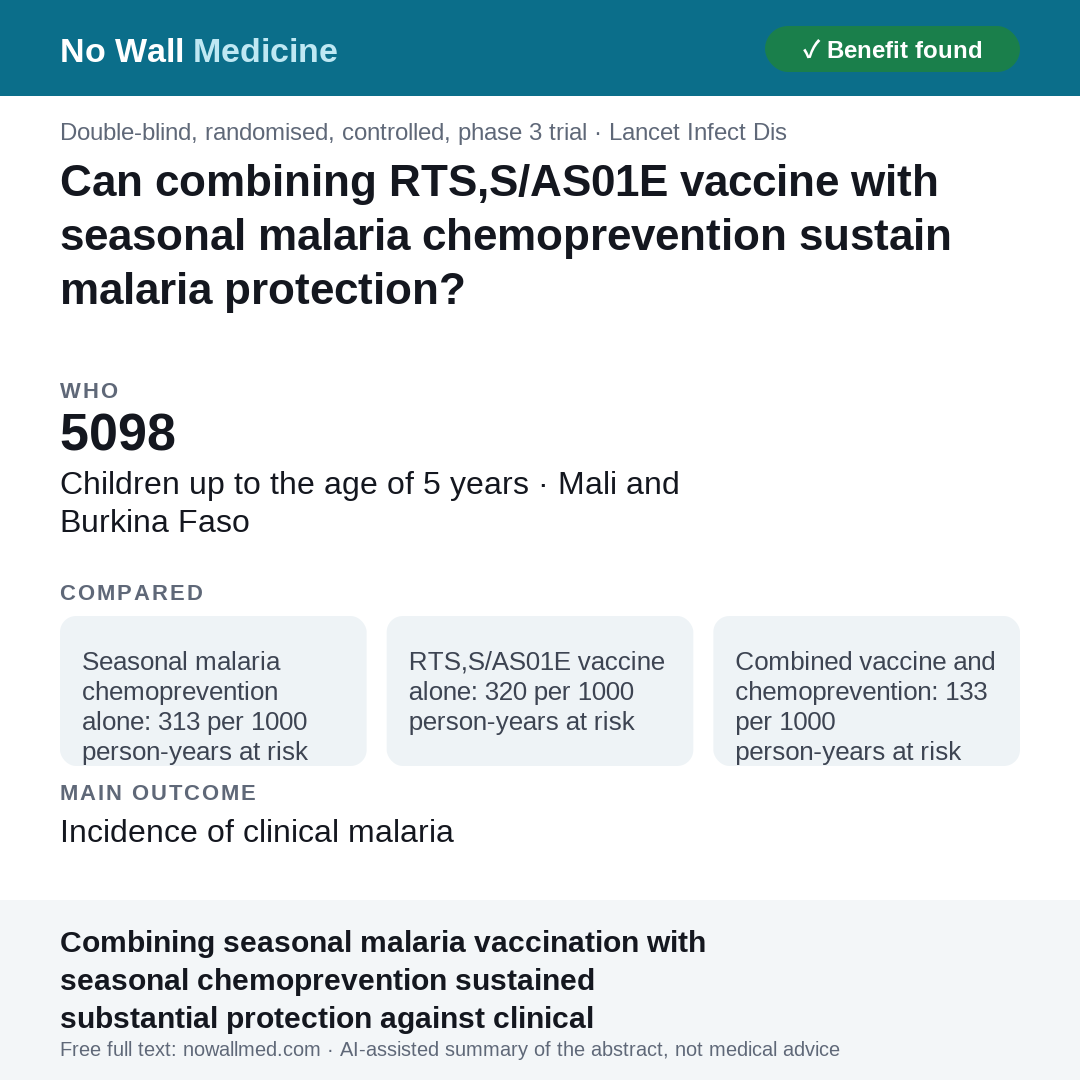
Seasonal vaccination with RTS,S/AS01E vaccine with or without seasonal malaria chemoprevention in children up to the age of 5 years in Burkina Faso and Mali: a double-blind, randomised, controlled, phase 3 trial
Double-blind, randomised, controlled, phase 3 trialBenefit found
Can combining RTS,S/AS01E vaccine with seasonal malaria chemoprevention sustain malaria protection?
Who
5098
Children up to the age of 5 years · Mali and Burkina Faso
Compared
Seasonal malaria chemoprevention alone: 313 per 1000 person-years at risk
RTS,S/AS01E vaccine alone: 320 per 1000 person-years at risk
Combined vaccine and chemoprevention: 133 per 1000 person-years at risk
Main outcome
Incidence of clinical malaria
Result: protective efficacy 57·7%, 95% CI 53·3 to 61·7
Bottom line: Combining seasonal malaria vaccination with seasonal chemoprevention sustained substantial protection against clinical malaria over 5 years.
Funded by: UK Joint Global Health Trials and PATH's Malaria Vaccine Initiative
Lancet Infect Dis · 2023-08-22Download image
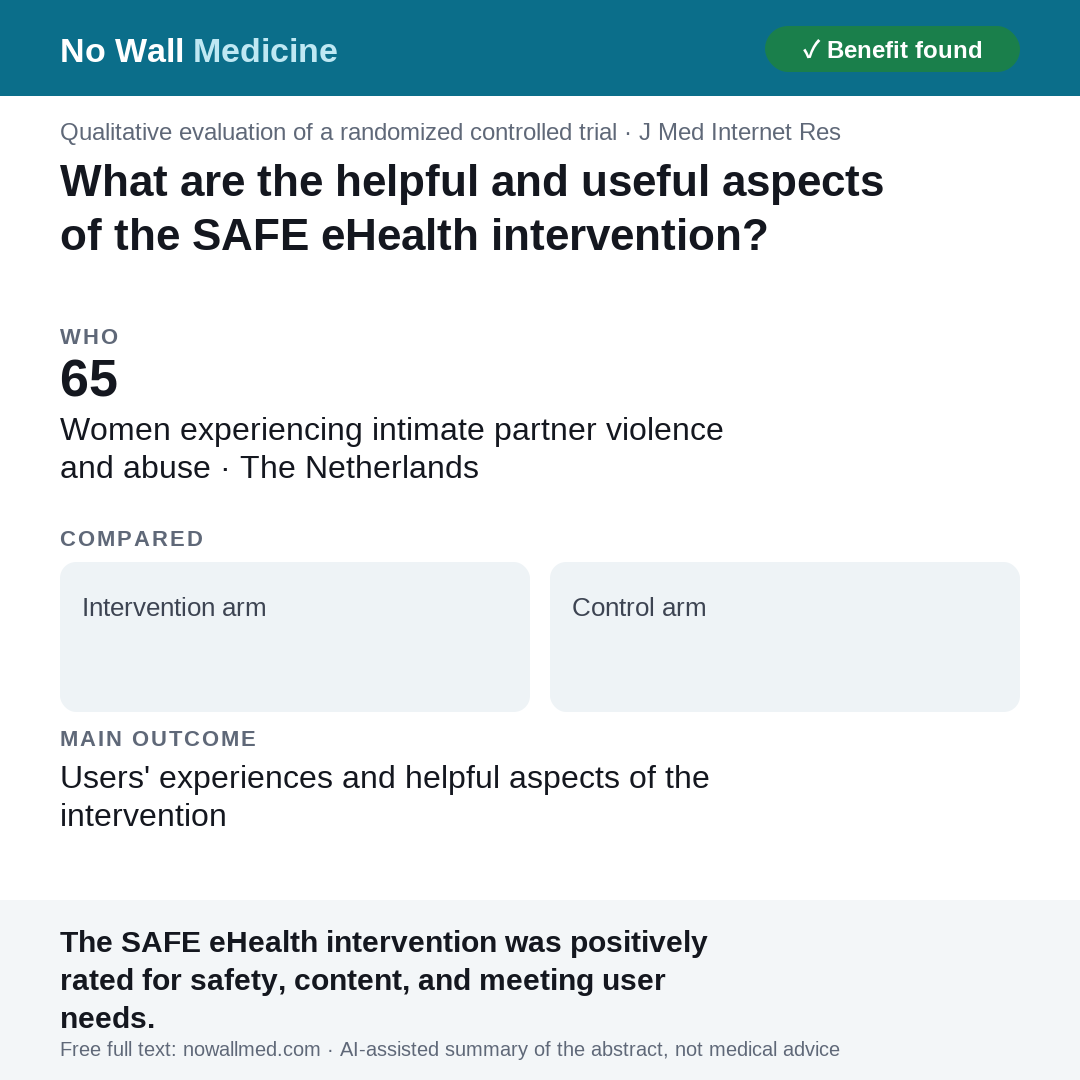
Key Factors in Helpfulness and Use of the SAFE Intervention for Women Experiencing Intimate Partner Violence and Abuse: Qualitative Outcomes From a Randomized Controlled Trial and Process Evaluation
Qualitative evaluation of a randomized controlled trialBenefit found
What are the helpful and useful aspects of the SAFE eHealth intervention?
Who
65
Women experiencing intimate partner violence and abuse · The Netherlands
Compared
Intervention arm
Control arm
Main outcome
Users' experiences and helpful aspects of the intervention
Bottom line: The SAFE eHealth intervention was positively rated for safety, content, and meeting user needs.
Limitation: Participants used interactive features like chat or forums mainly in a passive way.
J Med Internet Res · 2023-08-21Download image
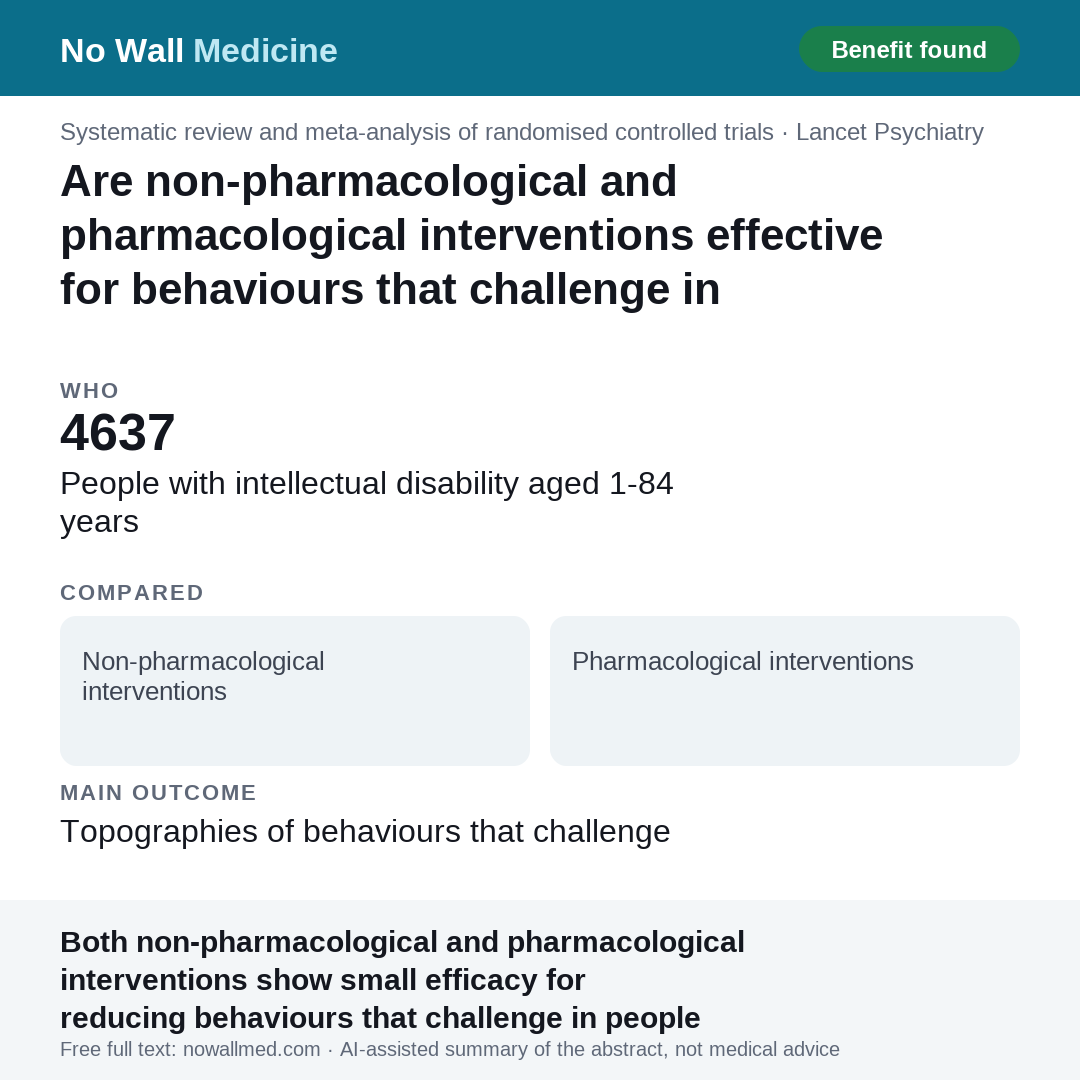
Non-pharmacological and pharmacological interventions for the reduction or prevention of topographies of behaviours that challenge in people with intellectual disabilities: a systematic review and meta-analysis of randomised controlled trials
Systematic review and meta-analysis of randomised controlled trialsBenefit found
Are non-pharmacological and pharmacological interventions effective for behaviours that challenge in intellectual disabilities?
Who
4637
People with intellectual disability aged 1-84 years
Compared
Non-pharmacological interventions
Pharmacological interventions
Main outcome
Topographies of behaviours that challenge
Result: standard mean difference -0·422 (95% CI -0·565 to -0·279)
Bottom line: Both non-pharmacological and pharmacological interventions show small efficacy for reducing behaviours that challenge in people with intellectual disabilities.
Funded by: Cerebra
Lancet Psychiatry · 2023-08-19Download image
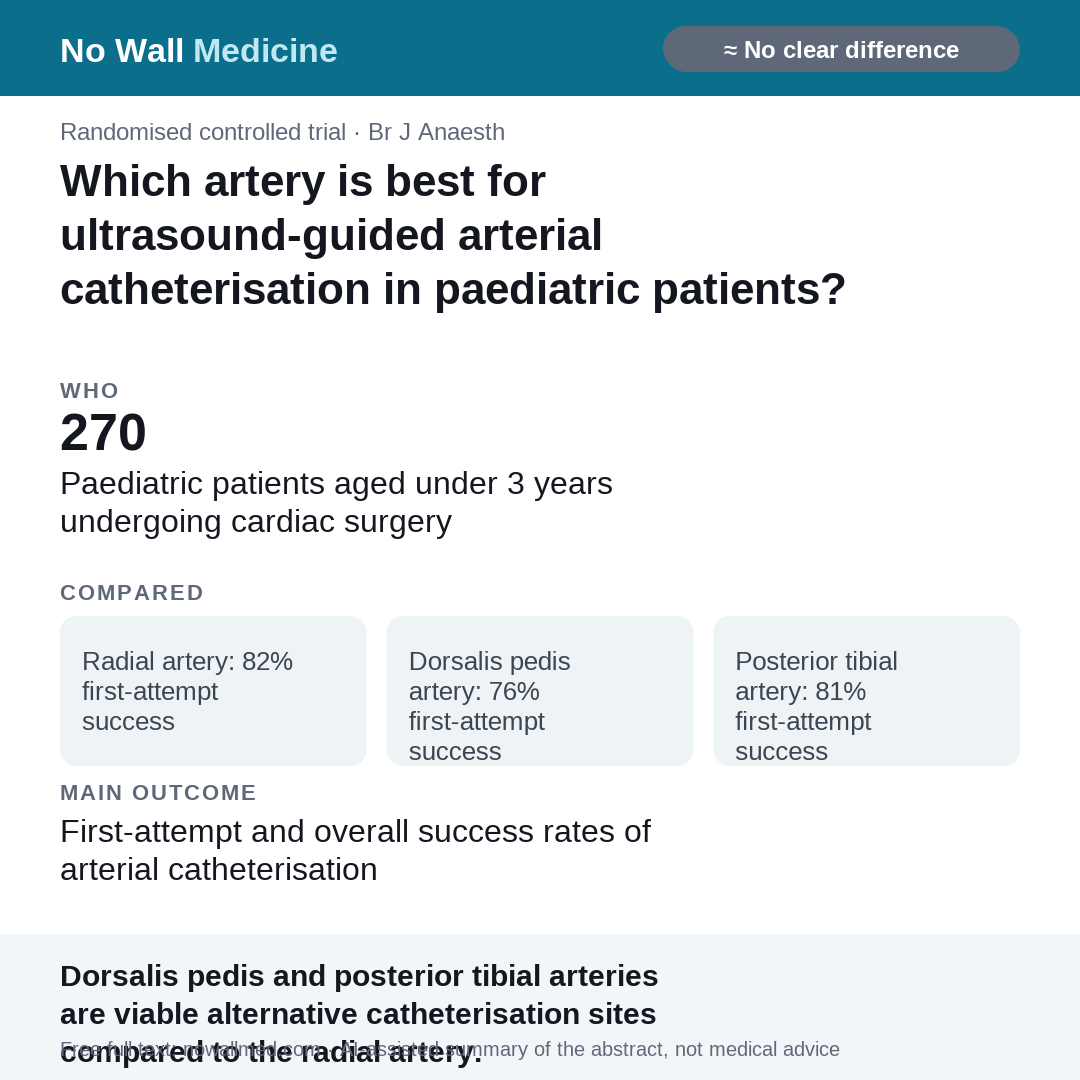
Comparison of radial, dorsalis pedis, and posterior tibial arteries for ultrasound-guided arterial catheterisation with dynamic needle tip positioning in paediatric patients: a randomised controlled trial
Randomised controlled trialNo clear difference
Which artery is best for ultrasound-guided arterial catheterisation in paediatric patients?
Who
270
Paediatric patients aged under 3 years undergoing cardiac surgery
Compared
Radial artery: 82% first-attempt success
Dorsalis pedis artery: 76% first-attempt success
Posterior tibial artery: 81% first-attempt success
Main outcome
First-attempt and overall success rates of arterial catheterisation
Bottom line: Dorsalis pedis and posterior tibial arteries are viable alternative catheterisation sites compared to the radial artery.
Br J Anaesth · 2023-08-19Download image
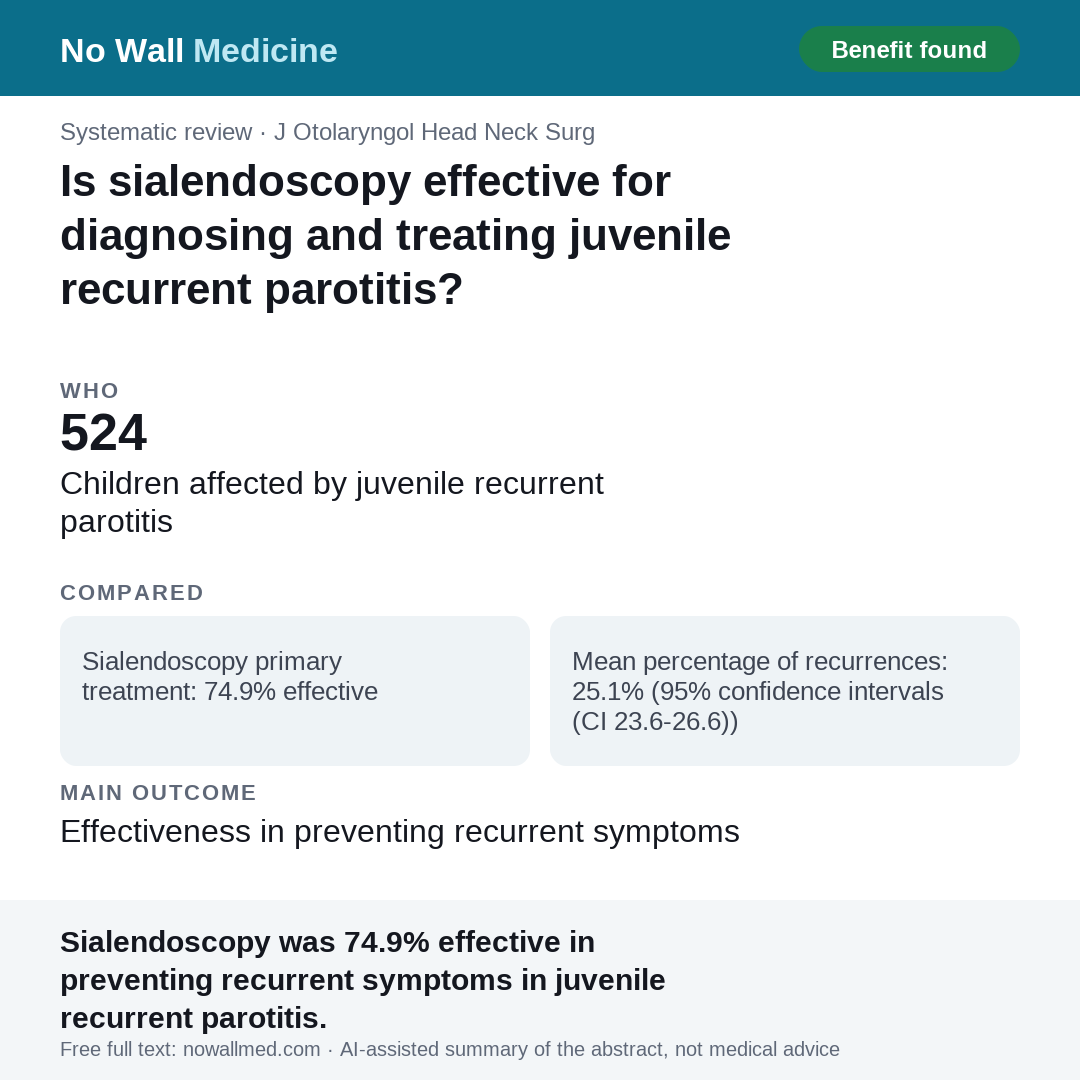
Sialendoscopy approach in treating juvenile recurrent parotitis: a systematic review
Systematic reviewBenefit found
Is sialendoscopy effective for diagnosing and treating juvenile recurrent parotitis?
Who
524
Children affected by juvenile recurrent parotitis
Compared
Sialendoscopy primary treatment: 74.9% effective
Mean percentage of recurrences: 25.1% (95% confidence intervals (CI 23.6-26.6))
Main outcome
Effectiveness in preventing recurrent symptoms
Bottom line: Sialendoscopy was 74.9% effective in preventing recurrent symptoms in juvenile recurrent parotitis.
J Otolaryngol Head Neck Surg · 2023-08-19Download image
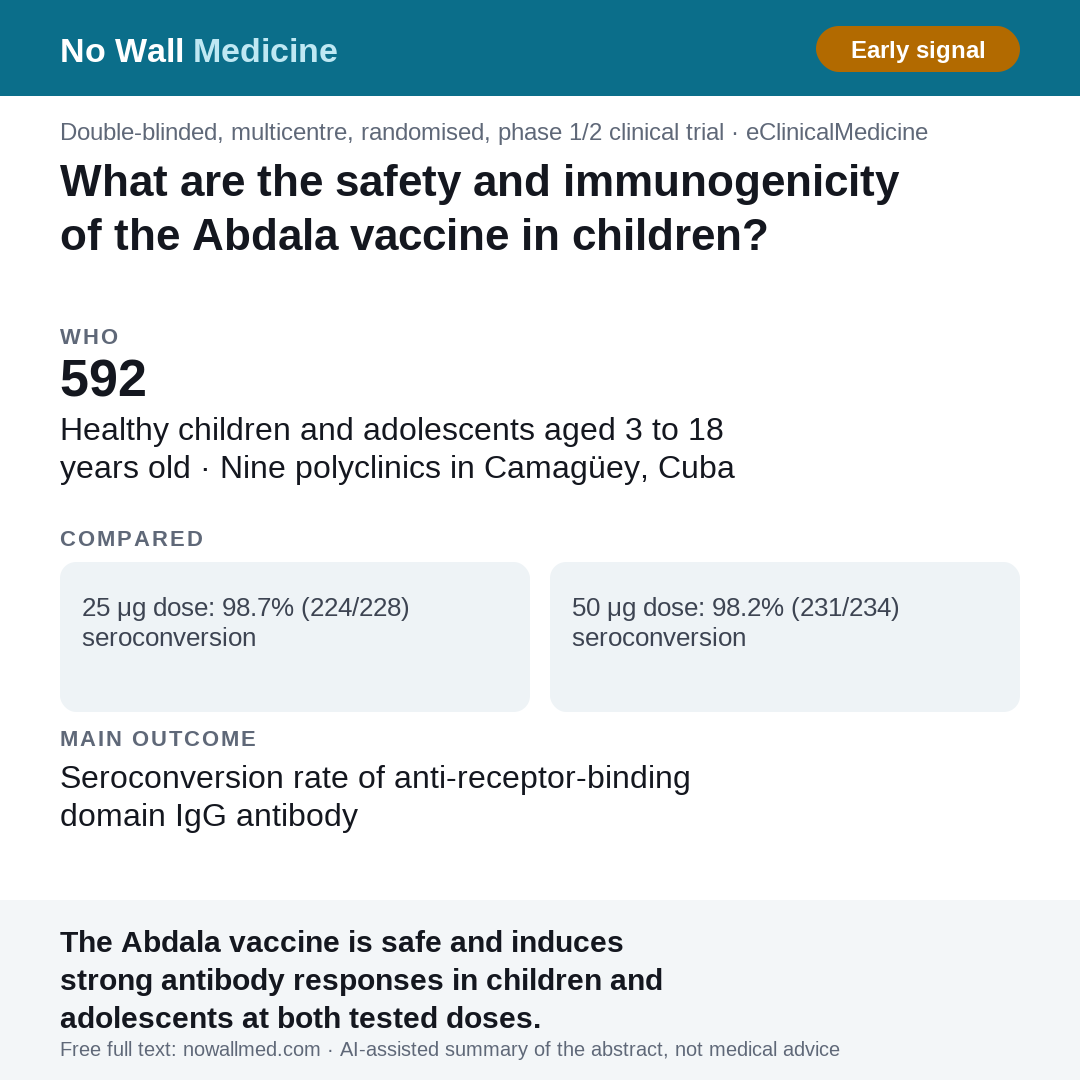
Immunogenicity and safety assessment of a SARS-CoV-2 recombinant spike RBD protein vaccine (Abdala) in paediatric ages 3-18 years old: a double-blinded, multicentre, randomised, phase 1/2 clinical trial (ISMAELILLO study)
Double-blinded, multicentre, randomised, phase 1/2 clinical trialEarly signal
What are the safety and immunogenicity of the Abdala vaccine in children?
Who
592
Healthy children and adolescents aged 3 to 18 years old · Nine polyclinics in Camagüey, Cuba
Compared
25 μg dose: 98.7% (224/228) seroconversion
50 μg dose: 98.2% (231/234) seroconversion
Main outcome
Seroconversion rate of anti-receptor-binding domain IgG antibody
Bottom line: The Abdala vaccine is safe and induces strong antibody responses in children and adolescents at both tested doses.
Funded by: Centre for Genetic Engineering and Biotechnology, Havana, Cuba
eClinicalMedicine · 2023-08-18Download image
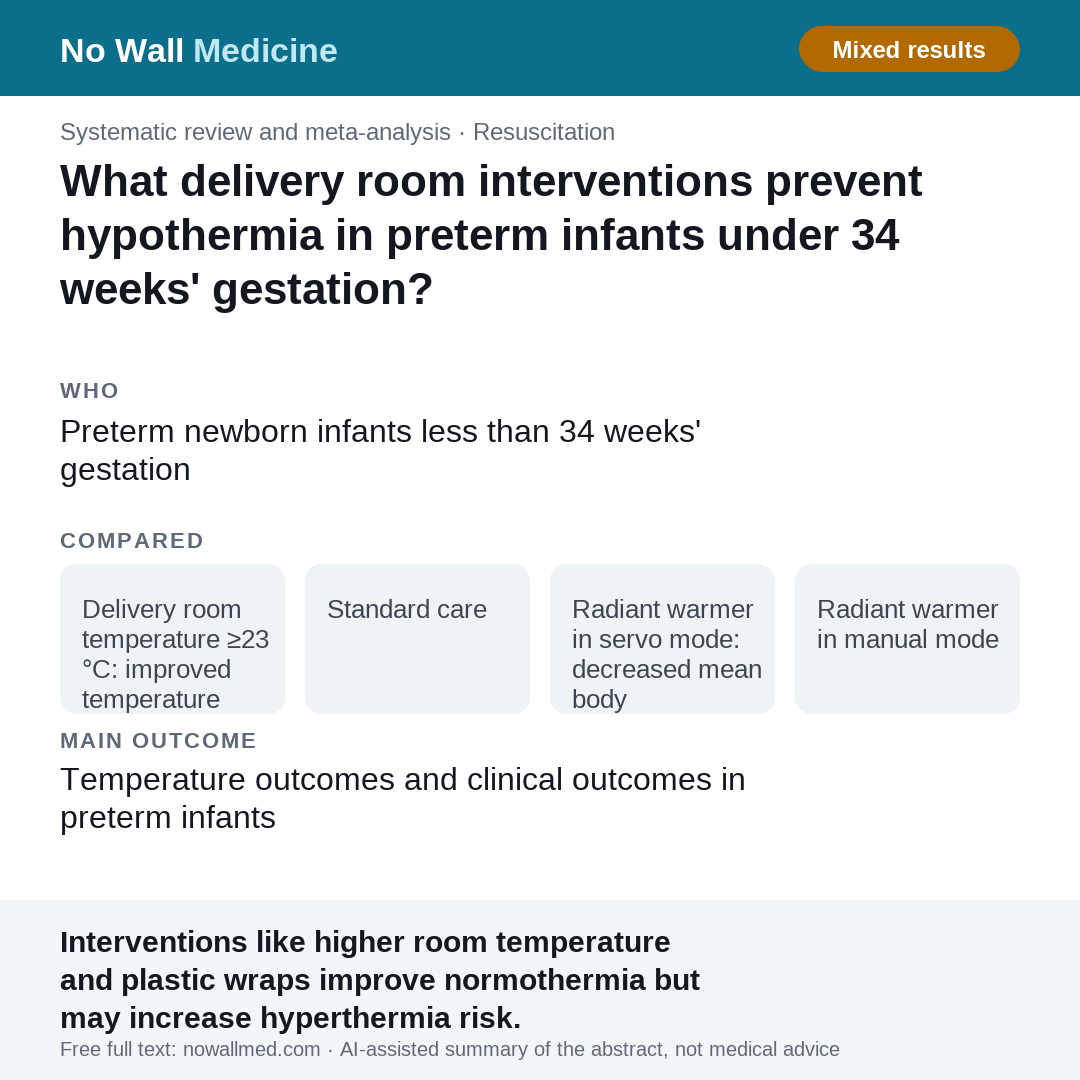
Maintaining normothermia immediately after birth in preterm infants <34 weeks' gestation: A systematic review and meta-analysis
Systematic review and meta-analysisMixed results
What delivery room interventions prevent hypothermia in preterm infants under 34 weeks' gestation?
Who
Preterm newborn infants less than 34 weeks' gestation
Compared
Delivery room temperature ≥23 °C: improved temperature outcomes
Standard care
Radiant warmer in servo mode: decreased mean body temperature
Radiant warmer in manual mode
Main outcome
Temperature outcomes and clinical outcomes in preterm infants
Bottom line: Interventions like higher room temperature and plastic wraps improve normothermia but may increase hyperthermia risk.
Resuscitation · 2023-08-18Download image
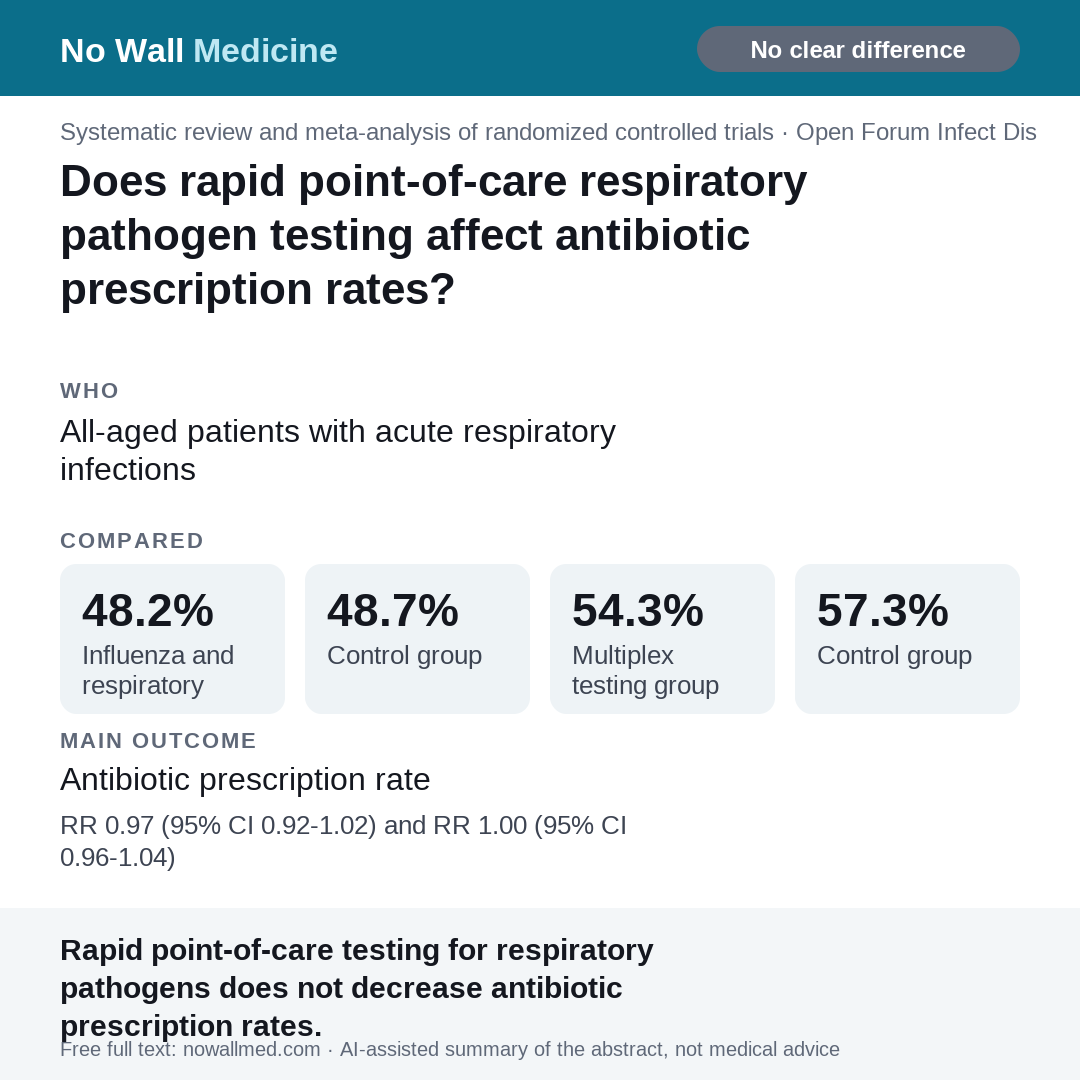
The Effect of Rapid Point-of-Care Respiratory Pathogen Testing on Antibiotic Prescriptions in Acute Infections-A Systematic Review and Meta-analysis of Randomized Controlled Trials
Systematic review and meta-analysis of randomized controlled trialsNo clear difference
Does rapid point-of-care respiratory pathogen testing affect antibiotic prescription rates?
Who
All-aged patients with acute respiratory infections
Compared
48.2%Influenza and respiratory syncytial virus test (496/1029)
48.7%Control group (540/1109)
54.3%Multiplex testing group (1554/2859)
57.3%Control group (1336/2326)
Main outcome
Antibiotic prescription rate
Result: RR 0.97 (95% CI 0.92-1.02) and RR 1.00 (95% CI 0.96-1.04)
Bottom line: Rapid point-of-care testing for respiratory pathogens does not decrease antibiotic prescription rates.
Limitation: Risk of bias was high in 2 studies and had some concerns in 4 studies.
Open Forum Infect Dis · 2023-08-18Download image
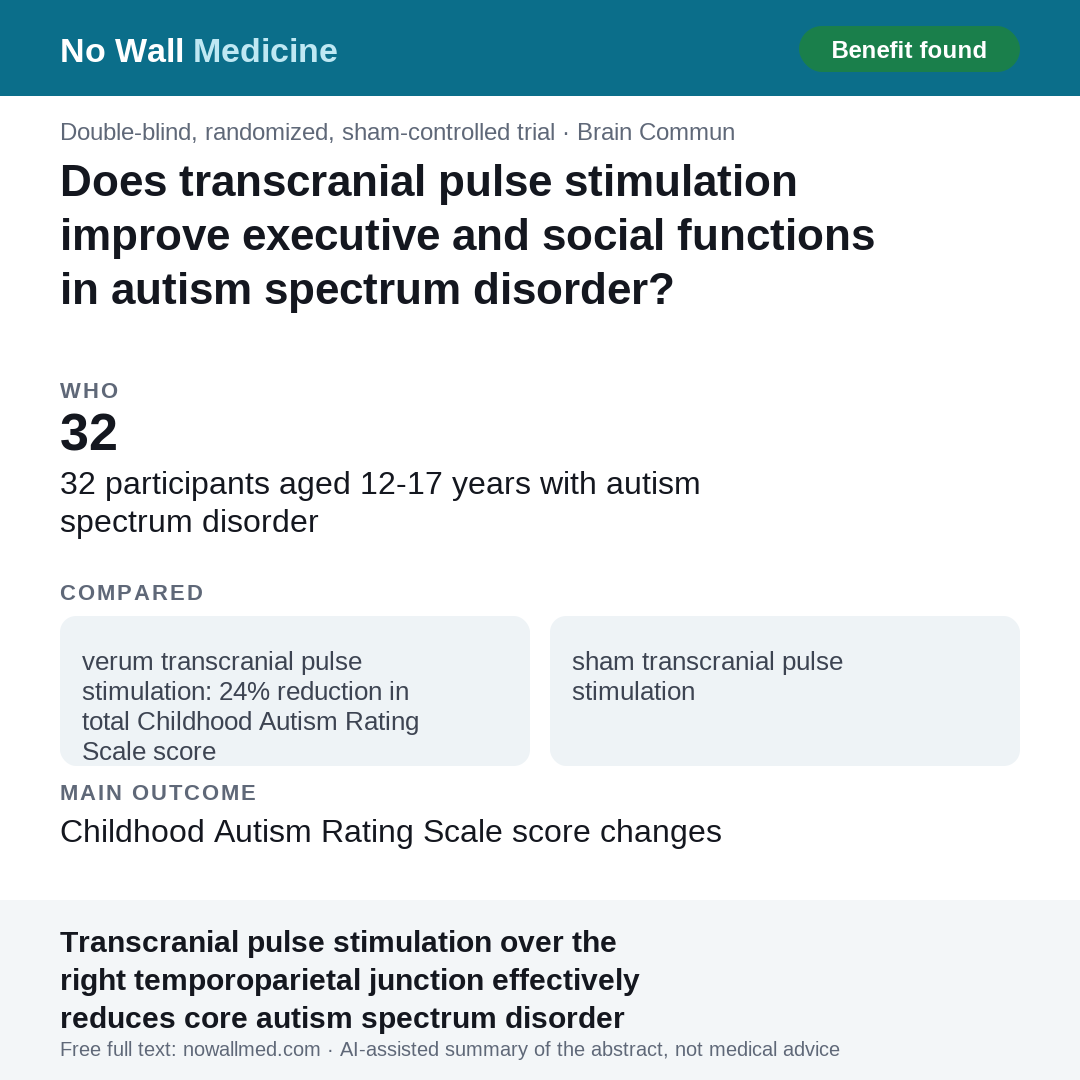
Effects of transcranial pulse stimulation on autism spectrum disorder: a double-blind, randomized, sham-controlled trial
Double-blind, randomized, sham-controlled trialBenefit found
Does transcranial pulse stimulation improve executive and social functions in autism spectrum disorder?
Who
32
32 participants aged 12-17 years with autism spectrum disorder
Compared
verum transcranial pulse stimulation: 24% reduction in total Childhood Autism Rating Scale score
sham transcranial pulse stimulation
Main outcome
Childhood Autism Rating Scale score changes
Result: d = 0.83-0.95
Bottom line: Transcranial pulse stimulation over the right temporoparietal junction effectively reduces core autism spectrum disorder symptoms.
Limitation: Future replication should include a larger sample from multi-nations.
Brain Commun · 2023-08-18Download image
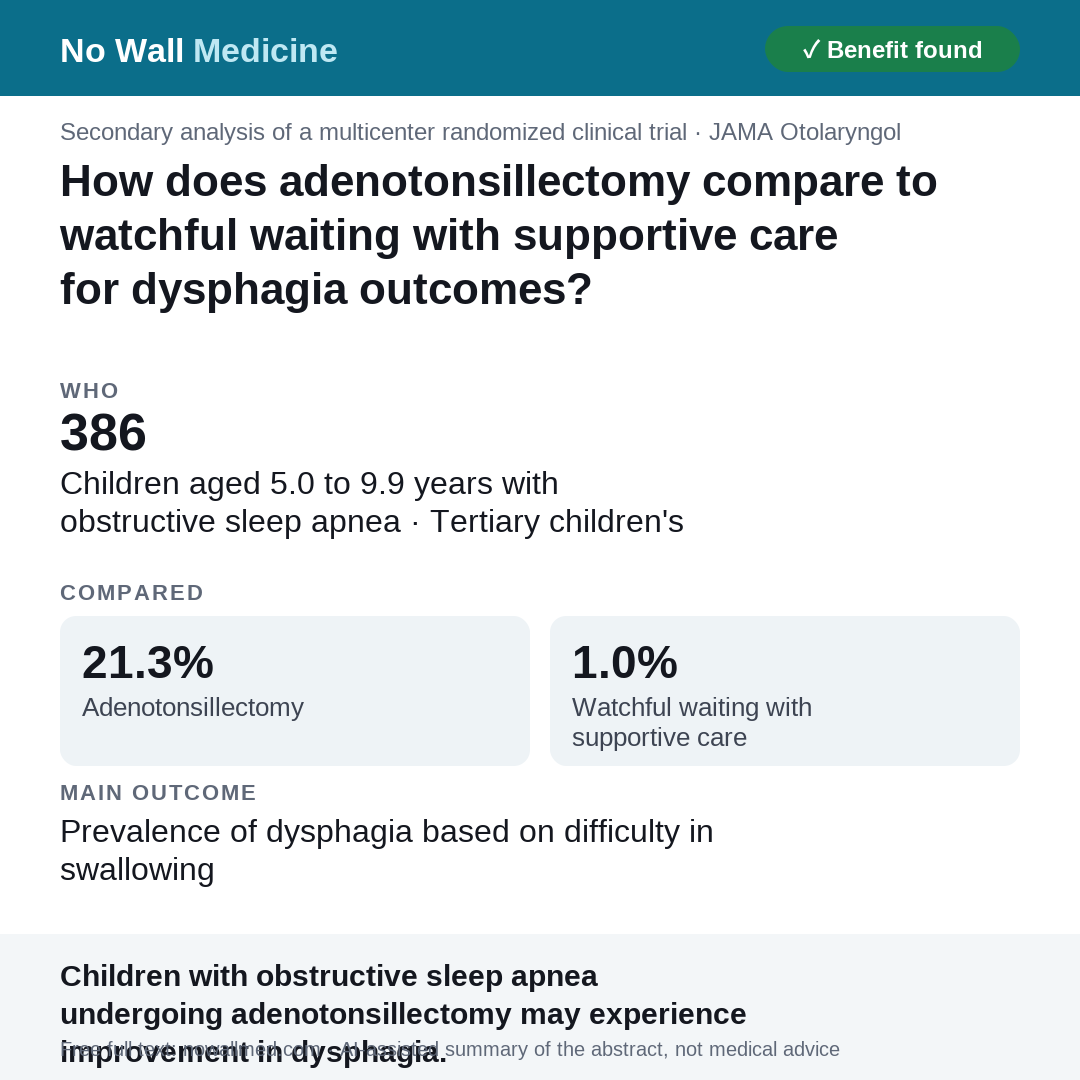
Dysphagia Outcomes Before and After Adenotonsillectomy in Children With Obstructive Sleep Apnea: A Secondary Analysis of a Randomized Clinical Trial
Secondary analysis of a multicenter randomized clinical trialBenefit found
How does adenotonsillectomy compare to watchful waiting with supportive care for dysphagia outcomes?
Who
386
Children aged 5.0 to 9.9 years with obstructive sleep apnea · Tertiary children's hospitals
Compared
21.3%Adenotonsillectomy (95% CI, 13.5%-28.9%)
1.0%Watchful waiting with supportive care (95% CI, -7.6% to 9.6%)
Main outcome
Prevalence of dysphagia based on difficulty in swallowing
Result: adjusted odds ratio 4.84 (95% CI 1.91-12.25)
Bottom line: Children with obstructive sleep apnea undergoing adenotonsillectomy may experience improvement in dysphagia.
Limitation: A prospective randomized trial using a validated dysphagia survey is needed.
JAMA Otolaryngol · 2023-08-17Download image
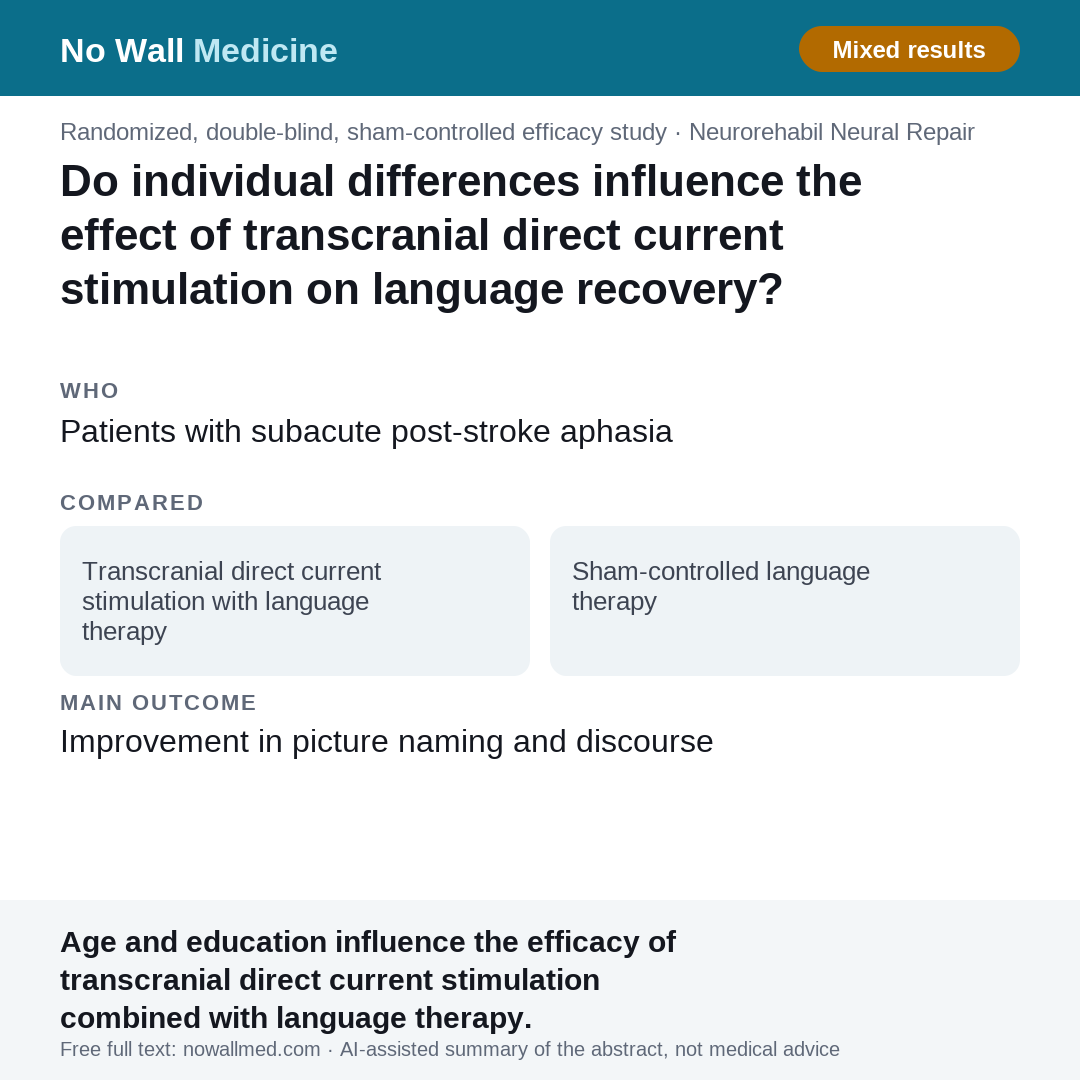
Individual Differences in Response to Transcranial Direct Current Stimulation With Language Therapy in Subacute Stroke
Randomized, double-blind, sham-controlled efficacy studyMixed results
Do individual differences influence the effect of transcranial direct current stimulation on language recovery?
Who
Patients with subacute post-stroke aphasia
Compared
Transcranial direct current stimulation with language therapy
Sham-controlled language therapy
Main outcome
Improvement in picture naming and discourse
Bottom line: Age and education influence the efficacy of transcranial direct current stimulation combined with language therapy.
Limitation: The study used planned exploratory subgroup analyses.
Neurorehabil Neural Repair · 2023-08-17Download image
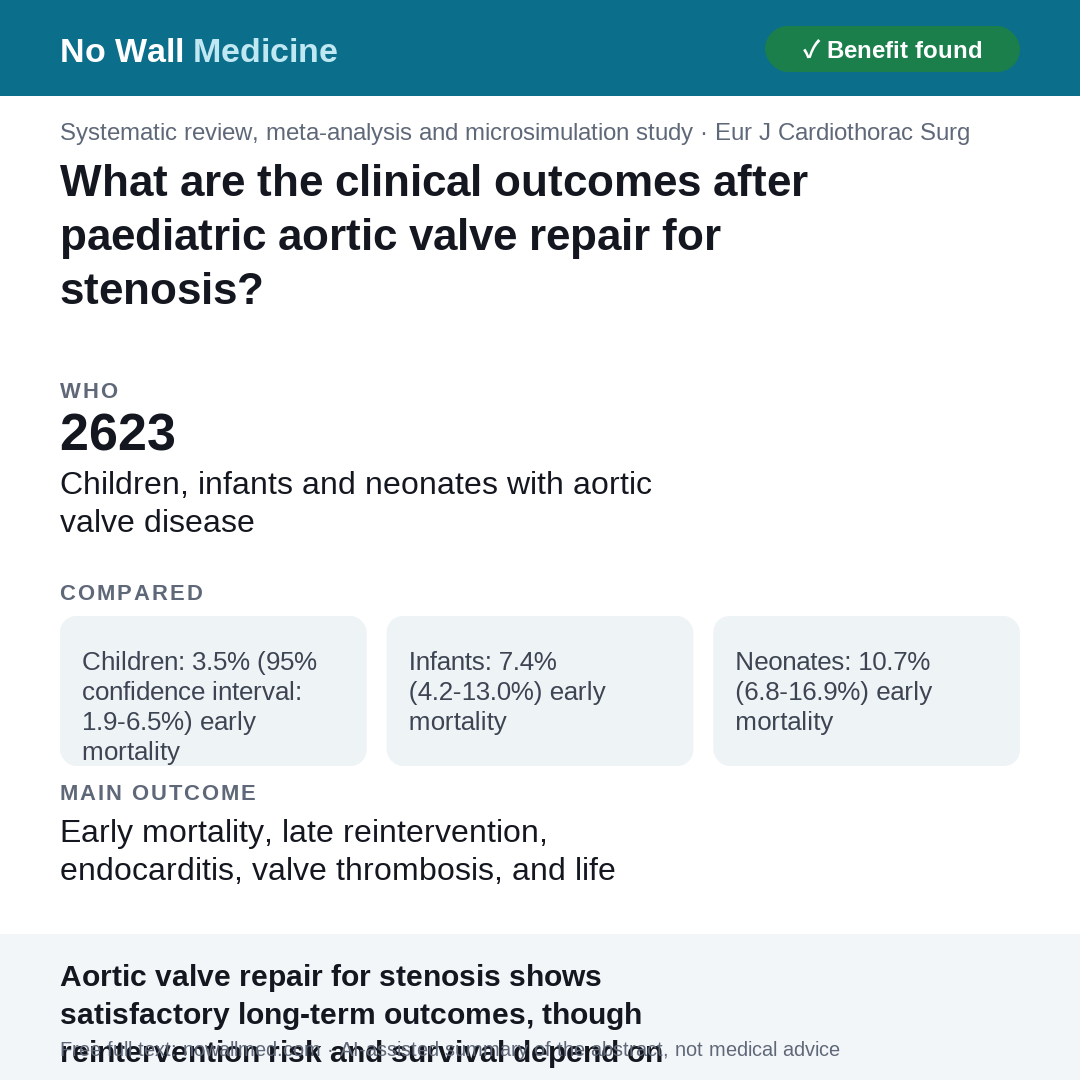
Aortic valve repair in neonates, infants and children: a systematic review, meta-analysis and microsimulation study
Systematic review, meta-analysis and microsimulation studyBenefit found
What are the clinical outcomes after paediatric aortic valve repair for stenosis?
Who
2623
Children, infants and neonates with aortic valve disease
Compared
Children: 3.5% (95% confidence interval: 1.9-6.5%) early mortality
Infants: 7.4% (4.2-13.0%) early mortality
Neonates: 10.7% (6.8-16.9%) early mortality
Main outcome
Early mortality, late reintervention, endocarditis, valve thrombosis, and life expectancy
Bottom line: Aortic valve repair for stenosis shows satisfactory long-term outcomes, though reintervention risk and survival depend on age at surgery.
Eur J Cardiothorac Surg · 2023-08-16Download image
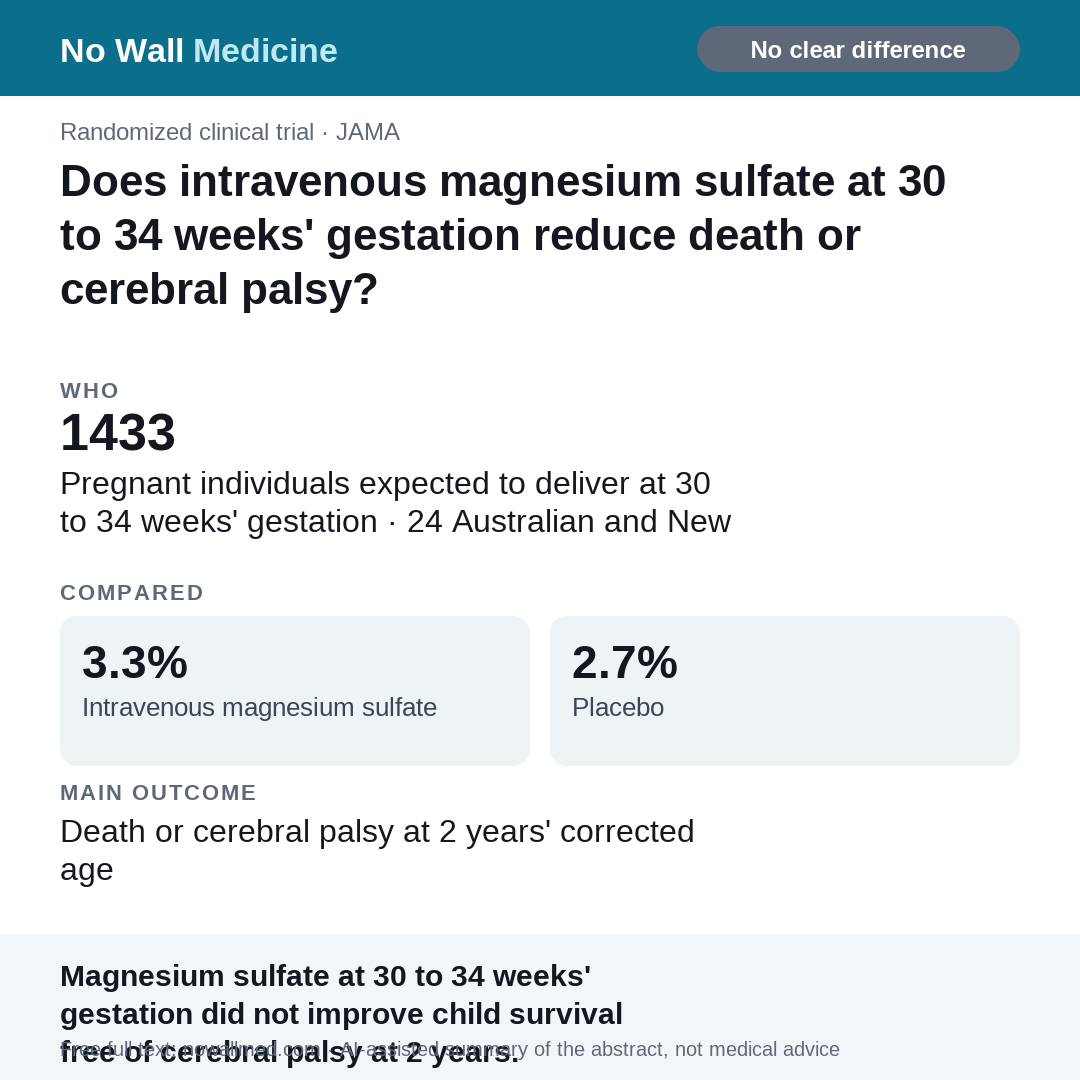
Prenatal Intravenous Magnesium at 30-34 Weeks' Gestation and Neurodevelopmental Outcomes in Offspring: The MAGENTA Randomized Clinical Trial
Randomized clinical trialNo clear difference
Does intravenous magnesium sulfate at 30 to 34 weeks' gestation reduce death or cerebral palsy?
Who
1433
Pregnant individuals expected to deliver at 30 to 34 weeks' gestation · 24 Australian and New Zealand hospitals
Compared
3.3%Intravenous magnesium sulfate (23 of 691 children)
2.7%Placebo (18 of 674 children)
Main outcome
Death or cerebral palsy at 2 years' corrected age
Result: risk difference 0.61% (95% CI -1.27% to 2.50%)
Bottom line: Magnesium sulfate at 30 to 34 weeks' gestation did not improve child survival free of cerebral palsy at 2 years.
Limitation: The study had limited power to detect small between-group differences.
JAMA · 2023-08-15Download image
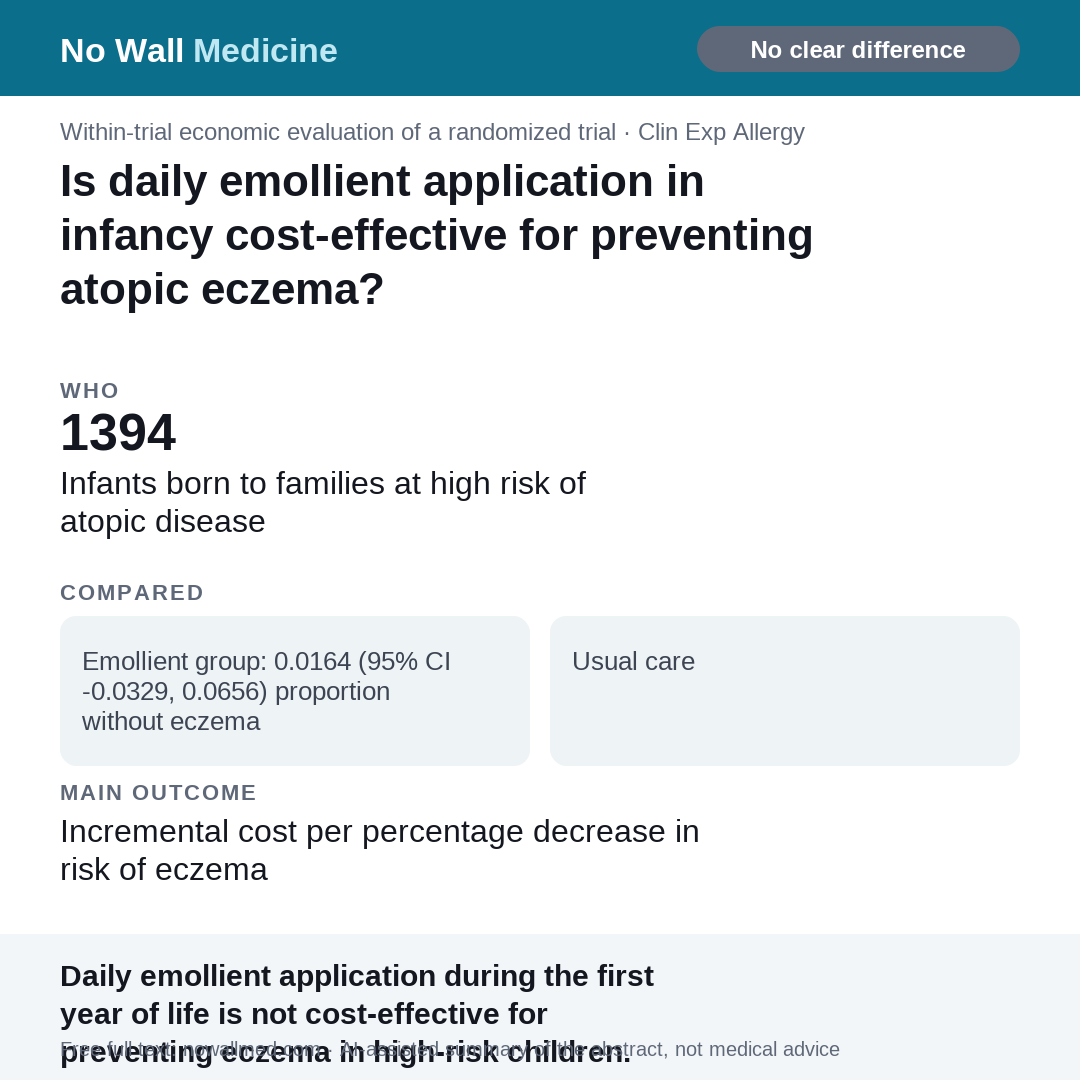
Emollients for preventing atopic eczema: Cost-effectiveness analysis of the BEEP trial
Within-trial economic evaluation of a randomized trialNo clear difference
Is daily emollient application in infancy cost-effective for preventing atopic eczema?
Who
1394
Infants born to families at high risk of atopic disease
Compared
Emollient group: 0.0164 (95% CI -0.0329, 0.0656) proportion without eczema
Usual care
Main outcome
Incremental cost per percentage decrease in risk of eczema
Result: £5337 per percentage decrease in risk of eczema
Bottom line: Daily emollient application during the first year of life is not cost-effective for preventing eczema in high-risk children.
Limitation: When inpatient costs due to wheezing were excluded, results changed.
Clin Exp Allergy · 2023-08-13Download image
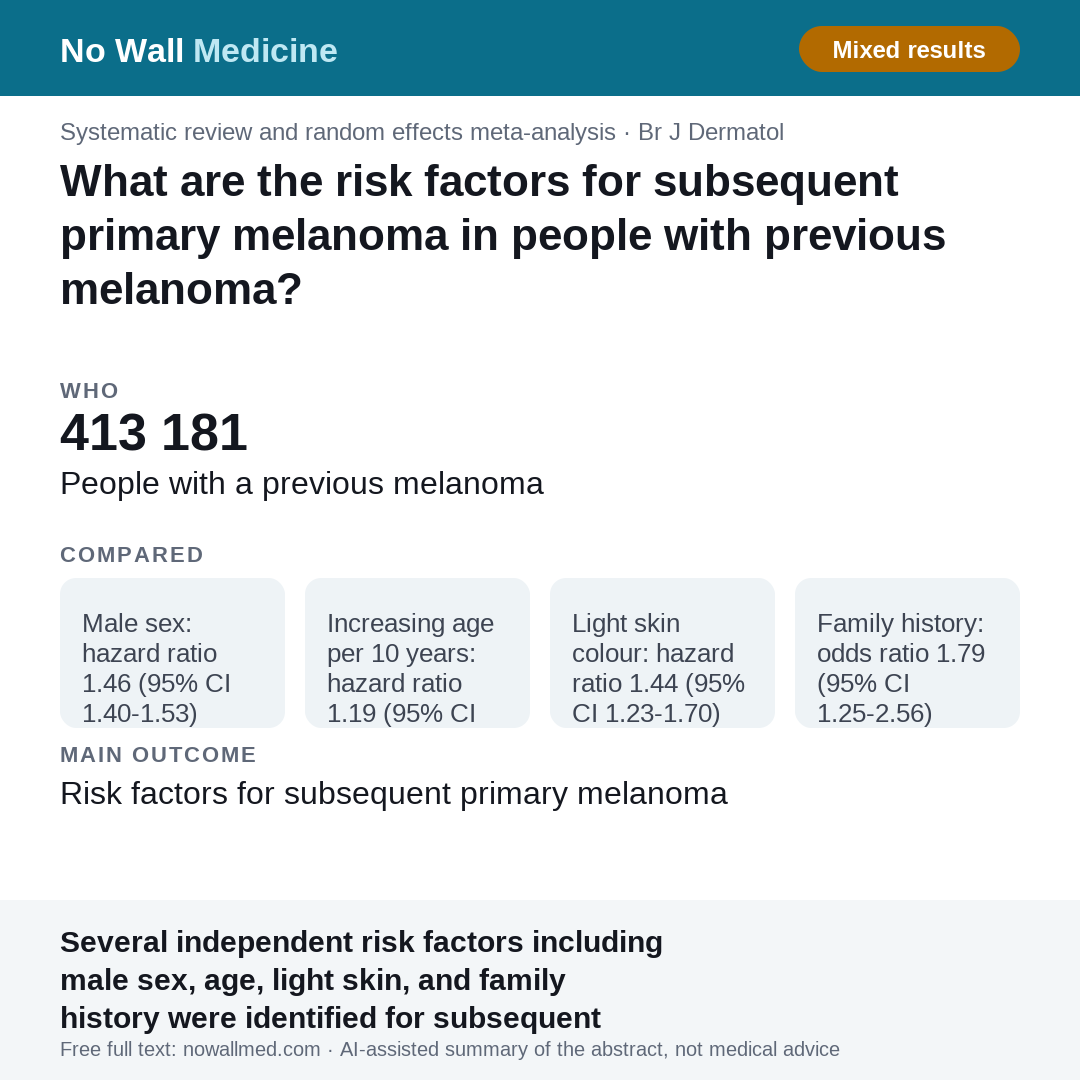
Risk factors for subsequent primary melanoma in patients with previous melanoma: a systematic review and meta-analysis
Systematic review and random effects meta-analysisMixed results
What are the risk factors for subsequent primary melanoma in people with previous melanoma?
Who
413 181
People with a previous melanoma
Compared
Male sex: hazard ratio 1.46 (95% CI 1.40-1.53)
Increasing age per 10 years: hazard ratio 1.19 (95% CI 1.14-1.24)
Light skin colour: hazard ratio 1.44 (95% CI 1.23-1.70)
Family history: odds ratio 1.79 (95% CI 1.25-2.56)
Main outcome
Risk factors for subsequent primary melanoma
Bottom line: Several independent risk factors including male sex, age, light skin, and family history were identified for subsequent melanoma.
Br J Dermatol · 2023-08-10Download image
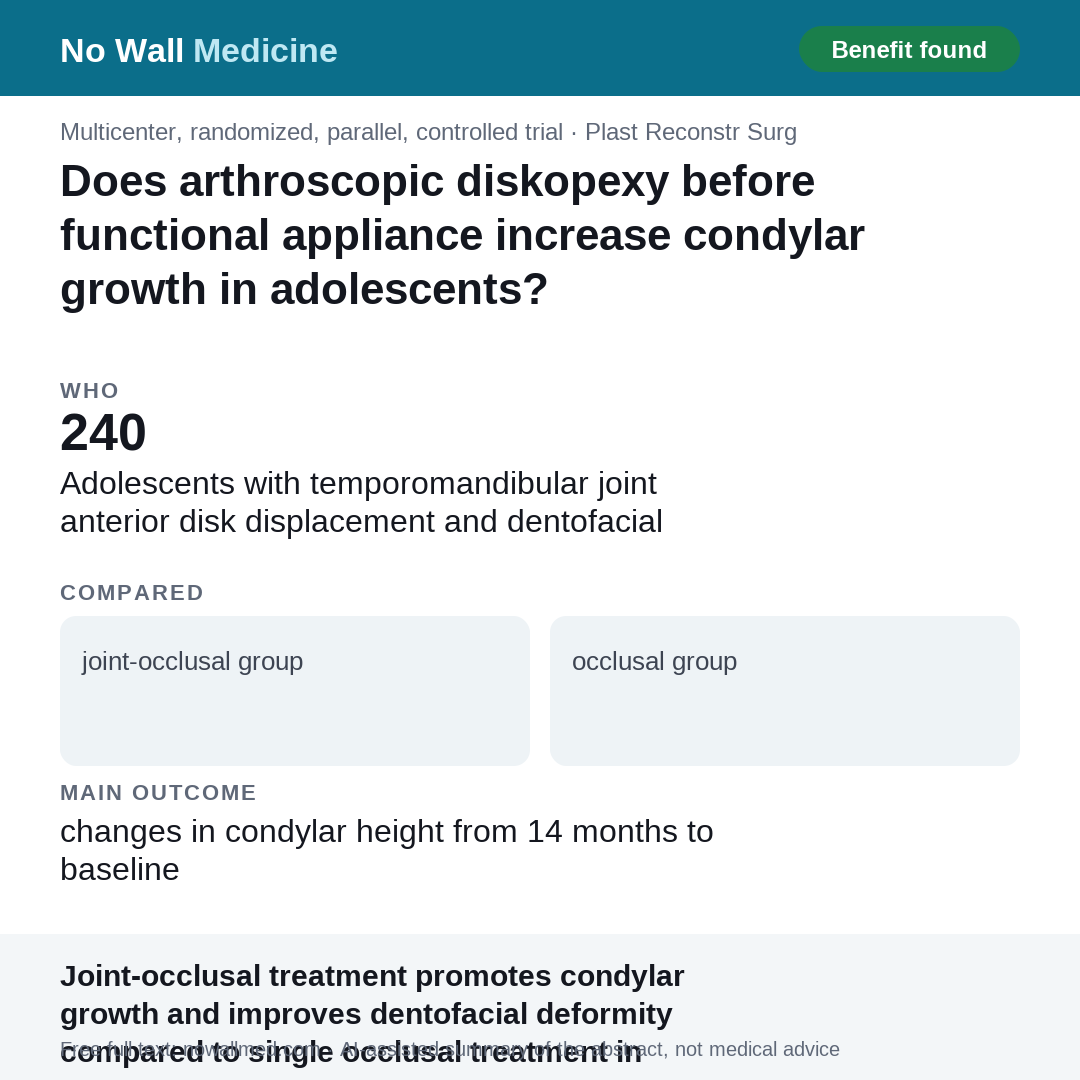
Efficacy of Arthroscopic Diskopexy on Condylar Growth in Temporomandibular Joint Anterior Disk Displacement: A Randomized Clinical Trial
Multicenter, randomized, parallel, controlled trialBenefit found
Does arthroscopic diskopexy before functional appliance increase condylar growth in adolescents?
Who
240
Adolescents with temporomandibular joint anterior disk displacement and dentofacial deformity · 3 centers in China
Compared
joint-occlusal group
occlusal group
Main outcome
changes in condylar height from 14 months to baseline
Result: 3.65 mm (95% CI, 3.10 to 4.19 mm)
Bottom line: Joint-occlusal treatment promotes condylar growth and improves dentofacial deformity compared to single occlusal treatment in adolescents.
Plast Reconstr Surg · 2023-08-10Download image
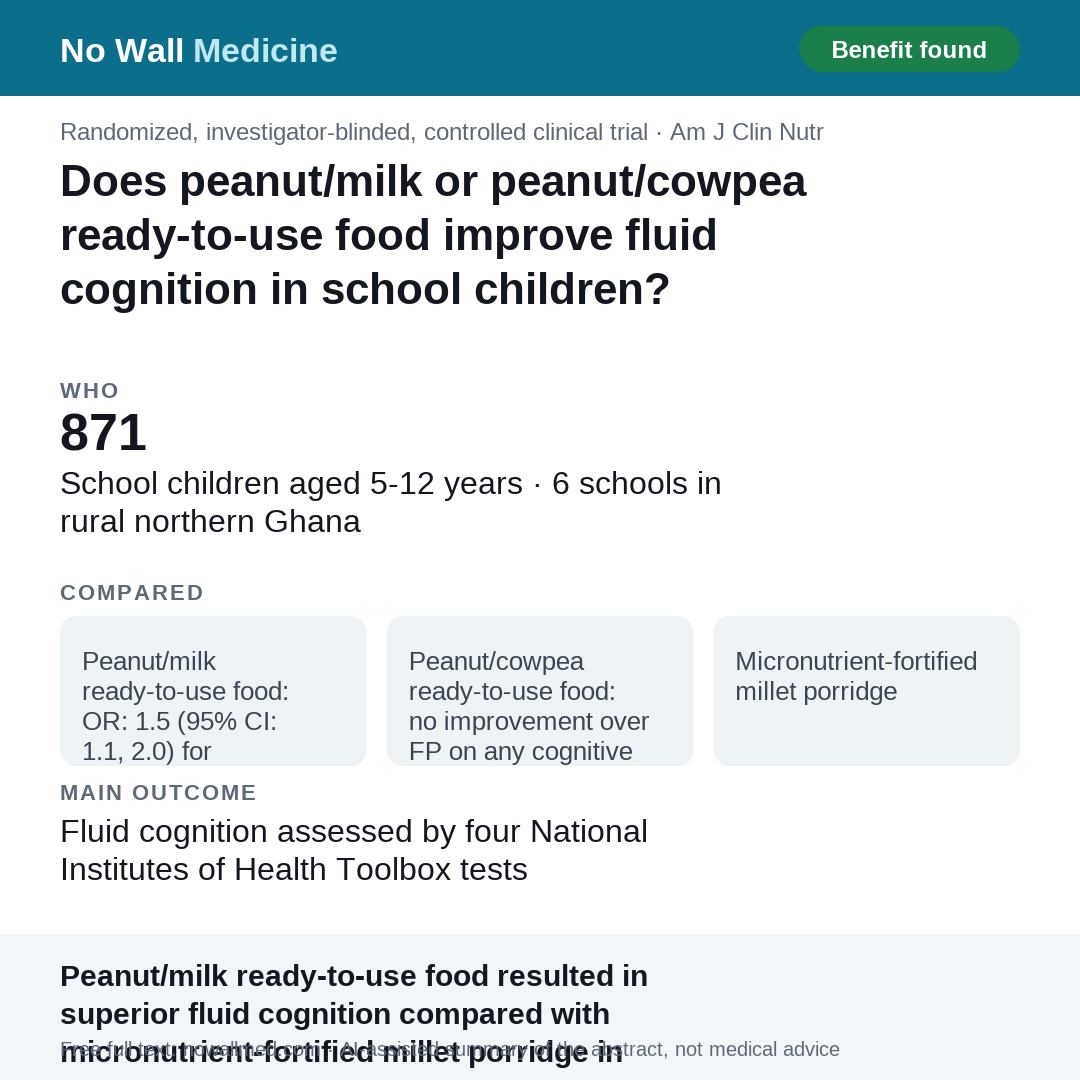
Effect of Peanut Paste-based Ready-to-use School Meals With and Without Milk on Fluid Cognition in Northern Ghana: A Randomized Controlled Trial
Randomized, investigator-blinded, controlled clinical trialBenefit found
Does peanut/milk or peanut/cowpea ready-to-use food improve fluid cognition in school children?
Who
871
School children aged 5-12 years · 6 schools in rural northern Ghana
Compared
Peanut/milk ready-to-use food: OR: 1.5 (95% CI: 1.1, 2.0) for composite median rankings
Peanut/cowpea ready-to-use food: no improvement over FP on any cognitive tests
Micronutrient-fortified millet porridge
Main outcome
Fluid cognition assessed by four National Institutes of Health Toolbox tests
Result: OR: 1.5 (95% CI: 1.1, 2.0) for composite median rankings
Bottom line: Peanut/milk ready-to-use food resulted in superior fluid cognition compared with micronutrient-fortified millet porridge in rural Ghanaian children.
Am J Clin Nutr · 2023-08-09Download image
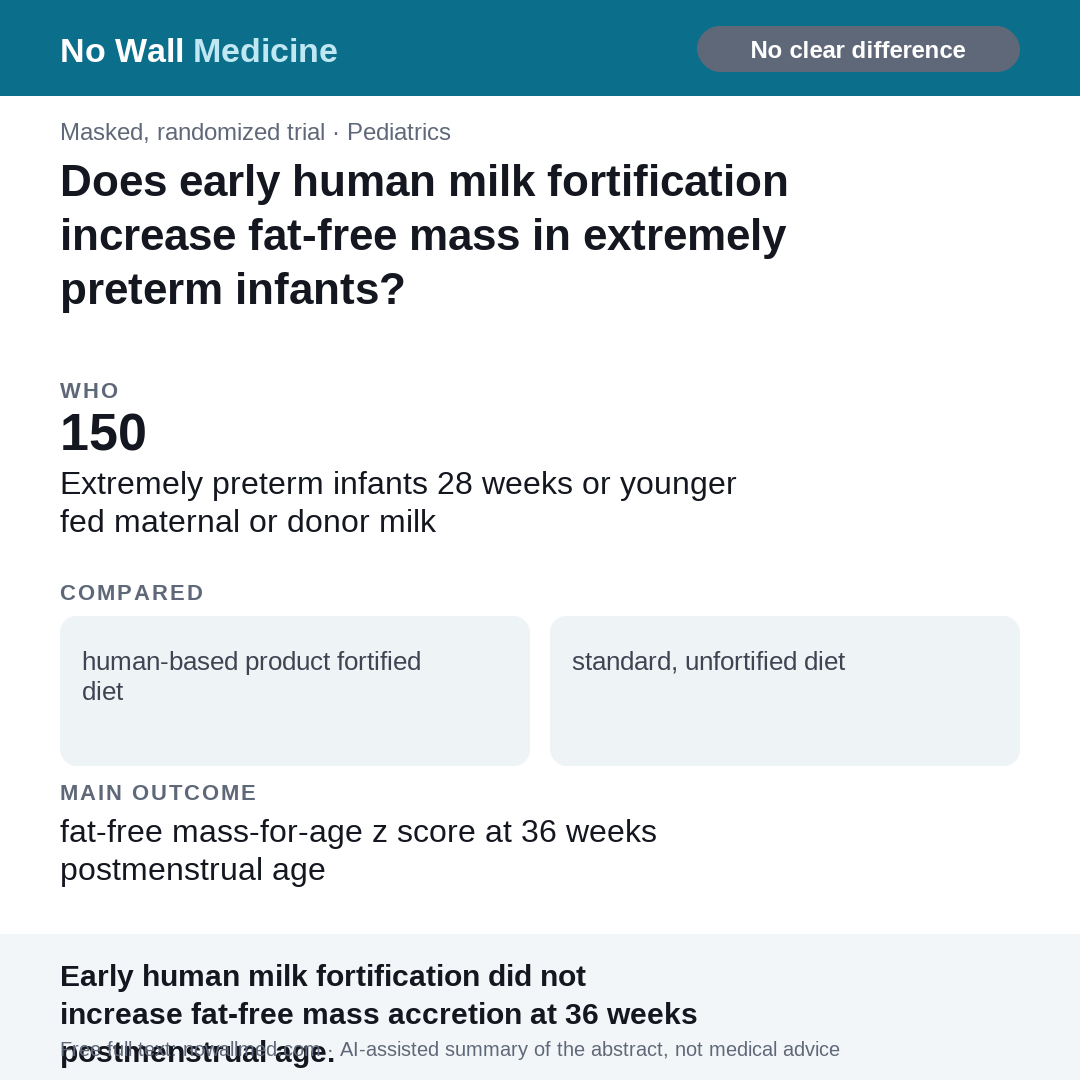
Early Human Milk Fortification in Infants Born Extremely Preterm: A Randomized Trial
Masked, randomized trialNo clear difference
Does early human milk fortification increase fat-free mass in extremely preterm infants?
Who
150
Extremely preterm infants 28 weeks or younger fed maternal or donor milk
Compared
human-based product fortified diet
standard, unfortified diet
Main outcome
fat-free mass-for-age z score at 36 weeks postmenstrual age
Bottom line: Early human milk fortification did not increase fat-free mass accretion at 36 weeks postmenstrual age.
Pediatrics · 2023-08-08Download image
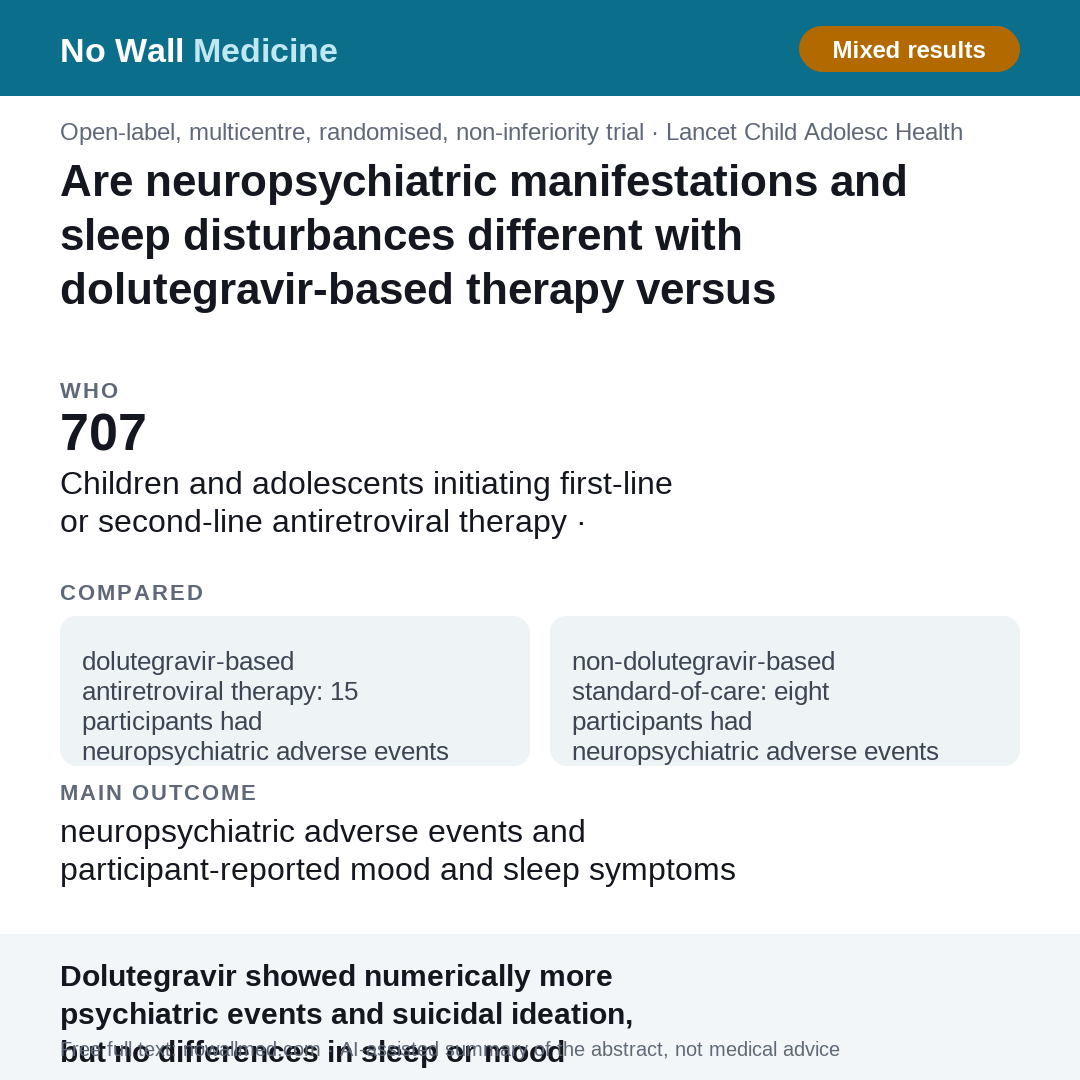
Neuropsychiatric manifestations and sleep disturbances with dolutegravir-based antiretroviral therapy versus standard of care in children and adolescents: a secondary analysis of the ODYSSEY trial
Open-label, multicentre, randomised, non-inferiority trialMixed results
Are neuropsychiatric manifestations and sleep disturbances different with dolutegravir-based therapy versus standard of care in children and adolescents?
Who
707
Children and adolescents initiating first-line or second-line antiretroviral therapy · Multicentre
Compared
dolutegravir-based antiretroviral therapy: 15 participants had neuropsychiatric adverse events
non-dolutegravir-based standard-of-care: eight participants had neuropsychiatric adverse events
Main outcome
neuropsychiatric adverse events and participant-reported mood and sleep symptoms
Bottom line: Dolutegravir showed numerically more psychiatric events and suicidal ideation, but no differences in sleep or mood symptoms.
Limitation: These differences should be interpreted with caution in an open-label trial.
Funded by: Penta Foundation, ViiV Healthcare, and UK Medical Research Council
Lancet Child Adolesc Health · 2023-08-08Download image
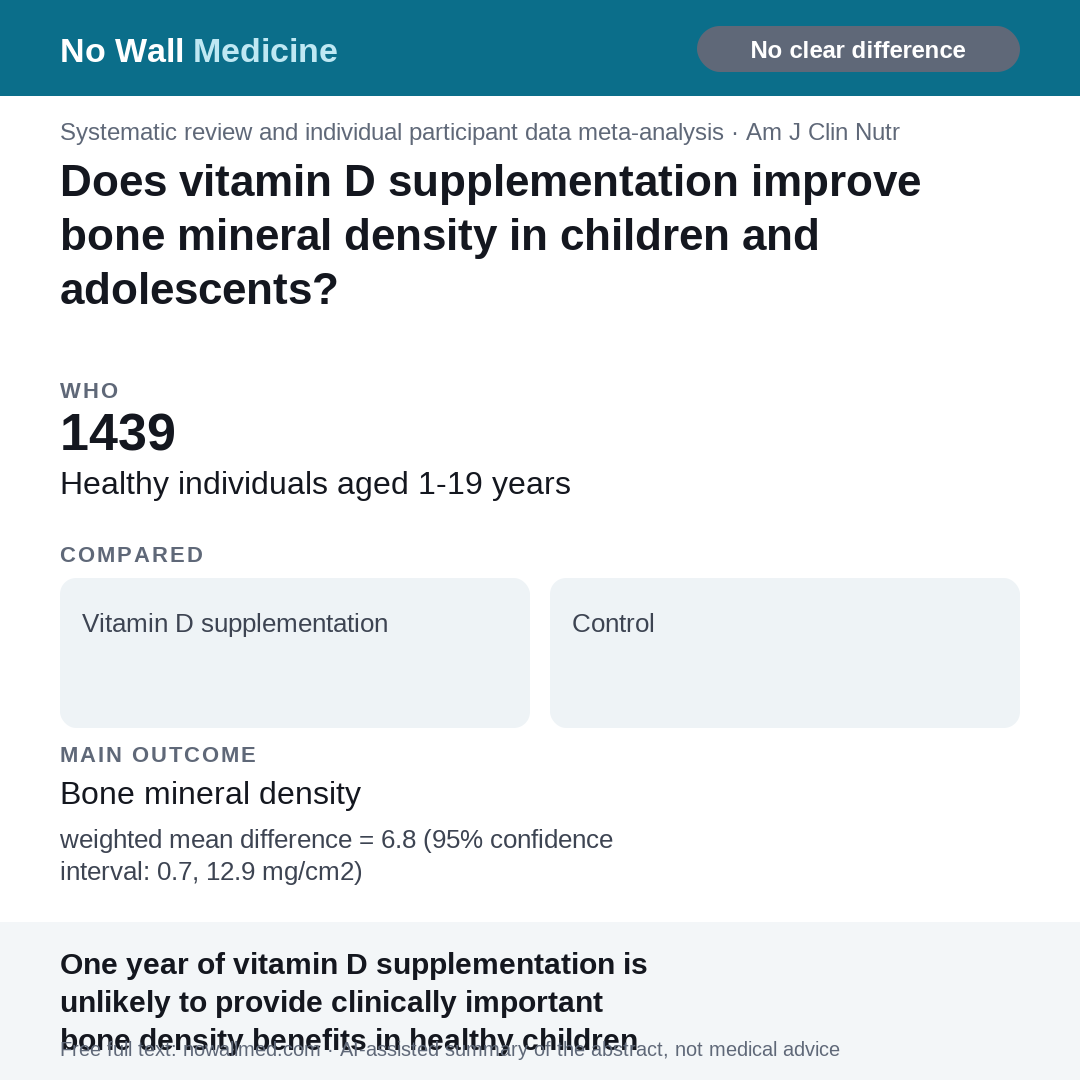
Vitamin D supplementation for improving bone density in vitamin D-deficient children and adolescents: systematic review and individual participant data meta-analysis of randomized controlled trials
Systematic review and individual participant data meta-analysisNo clear difference
Does vitamin D supplementation improve bone mineral density in children and adolescents?
Who
1439
Healthy individuals aged 1-19 years
Compared
Vitamin D supplementation
Control
Main outcome
Bone mineral density
Result: weighted mean difference = 6.8 (95% confidence interval: 0.7, 12.9 mg/cm2)
Bottom line: One year of vitamin D supplementation is unlikely to provide clinically important bone density benefits in healthy children and adolescents.
Limitation: Findings are mostly generalizable to White postpubertal girls and may not apply to symptomatic vitamin D deficiency.
Am J Clin Nutr · 2023-08-08Download image