Visual abstracts
New randomized trials and meta-analyses from leading journals at a glance: who was studied, what was compared, and what was found. Every paper is free to read in full.
All specialtiesCardiology 4877Oncology 4138Gastroenterology & Hepatology 1942Infectious Disease 3837Neurology 1905Psychiatry & Mental Health 2273Pulmonology 2143Critical Care 1365Endocrinology & Diabetes 2580Pediatrics 2980Surgery 2559Orthopedics & Sports Medicine 931Neurosurgery 537Cardiothoracic & Vascular Surgery 674Plastic & Reconstructive Surgery 591Nephrology 1133Rheumatology 823Hematology 1109Dermatology 621Ophthalmology 543Obstetrics & Gynecology 1686Public & Global Health 1058Radiology & Imaging 648Anesthesiology 986Urology 764ENT (Otolaryngology) 503Emergency Medicine 511Allergy & Immunology 313Geriatrics 981Family Medicine & Primary Care 562Medical Genetics & Genomics 676Pathology & Laboratory Medicine 159Physical Medicine & Rehabilitation 757Palliative Care 444Nutrition 1588Digital Health & AI 2201General Medicine 321
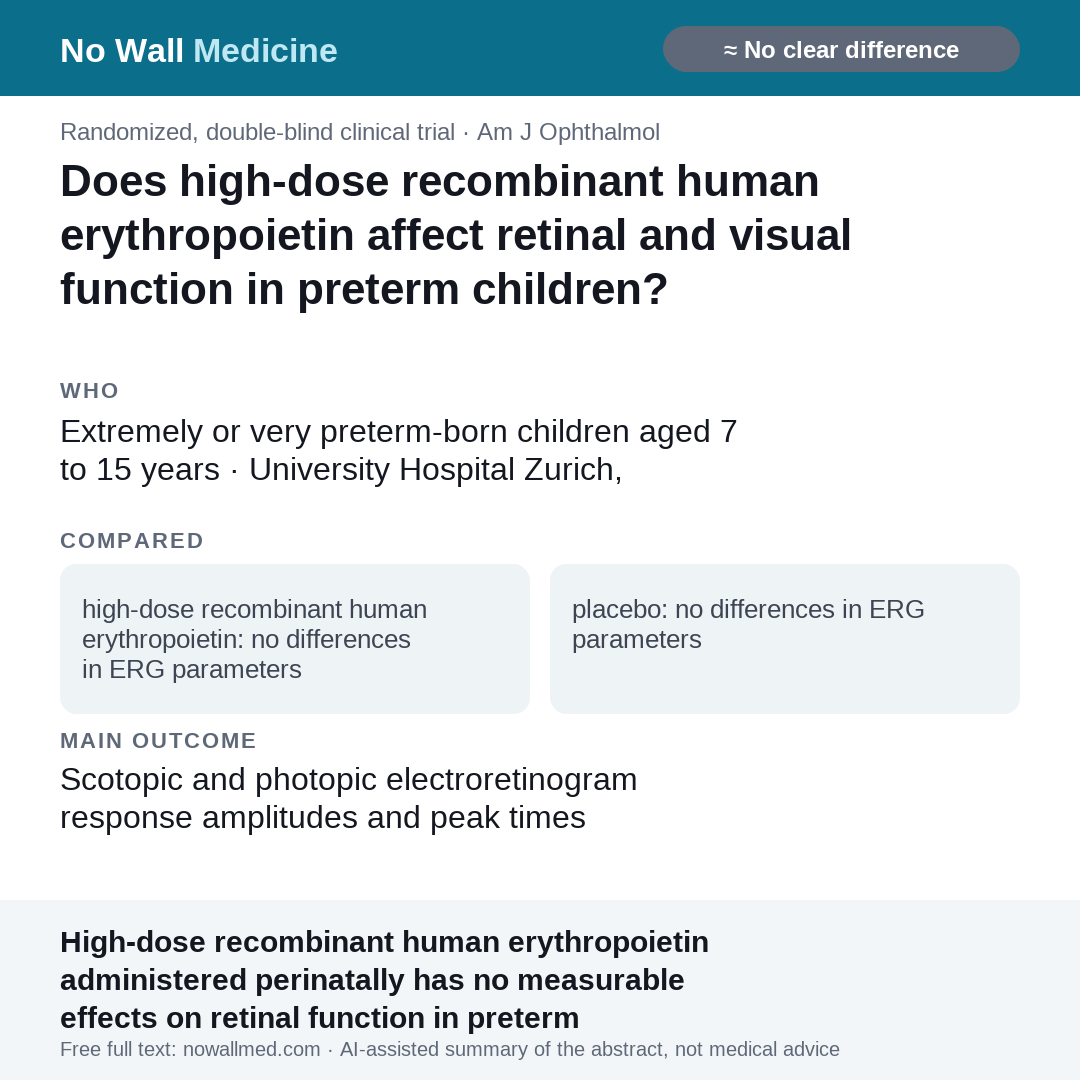
The Effect of High-Dose Erythropoietin Perinatally on Retinal Function in School-Aged Children Born Extremely or Very Preterm
Randomized, double-blind clinical trialNo clear difference
Does high-dose recombinant human erythropoietin affect retinal and visual function in preterm children?
Who
Extremely or very preterm-born children aged 7 to 15 years · University Hospital Zurich, Switzerland
Compared
high-dose recombinant human erythropoietin: no differences in ERG parameters
placebo: no differences in ERG parameters
Main outcome
Scotopic and photopic electroretinogram response amplitudes and peak times
Bottom line: High-dose recombinant human erythropoietin administered perinatally has no measurable effects on retinal function in preterm children.
Am J Ophthalmol · 2024-07-10Download image
Infection in preterm infants receiving topical emollient oil massage: a systematic review and meta-analysis of randomised control trials
Systematic review and meta-analysis of randomised controlled trialsBenefit found
Does topical emollient oil application prevent infections in preterm infants?
Who
Preterm infants
Compared
Emollient oil massage
Non-massaged
Main outcome
Risk of infection
Result: risk ratio 0.79 (95% CI 0.64 to 0.97)
Bottom line: Topical emollient oil application is likely effective in preventing infection in preterm neonates.
Limitation: Further studies, particularly from the African continent, are warranted to support universal recommendations.
BMJ Paediatr Open · 2024-07-10Download image

Cardiovascular disease in adults with a history of out-of-home care during childhood: a systematic review and meta-analysis of prospective cohort studies
Systematic review and meta-analysis of prospective cohort studiesHarm found
Is childhood out-of-home care associated with adult cardiovascular disease risk?
Who
611601
Individuals with childhood out-of-home care and unexposed comparators · United States, United Kingdom, Sweden, Finland, and Australia
Compared
Childhood out-of-home care: 51% greater risk
Unexposed
Main outcome
Adult cardiovascular disease events
Result: rate ratio 1.51 (95% CI 1.22 to 1.86)
Bottom line: Individuals with childhood out-of-home care have a moderately raised risk of cardiovascular disease in adulthood.
Funded by: Medical Research Council, National Institute on Aging, Wellcome Trust
Lancet Reg Health Eur · 2024-07-09Download image

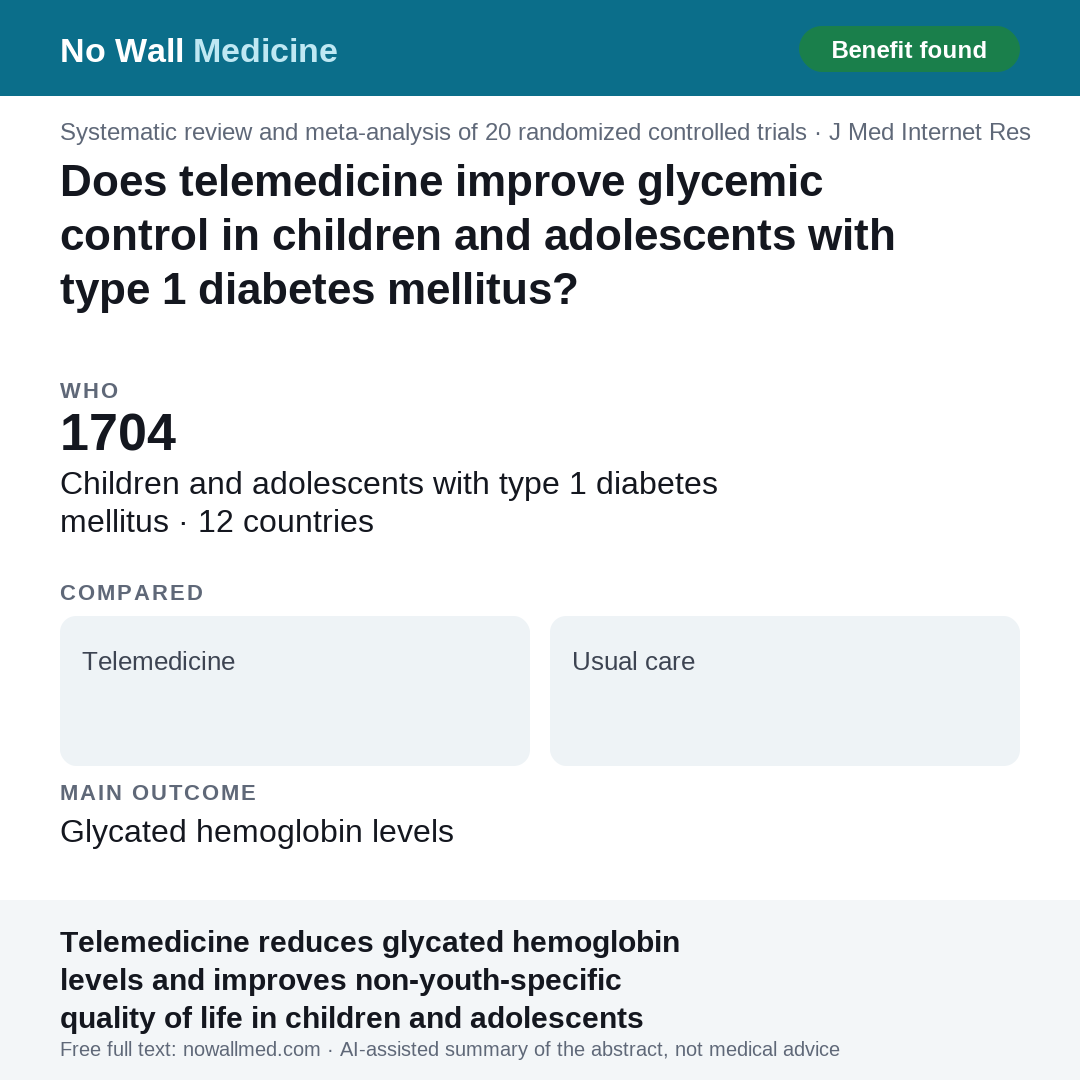
Telemedicine in Improving Glycemic Control Among Children and Adolescents With Type 1 Diabetes Mellitus: Systematic Review and Meta-Analysis
Systematic review and meta-analysis of 20 randomized controlled trialsBenefit found
Does telemedicine improve glycemic control in children and adolescents with type 1 diabetes mellitus?
Who
1704
Children and adolescents with type 1 diabetes mellitus · 12 countries
Compared
Telemedicine
Usual care
Main outcome
Glycated hemoglobin levels
Result: reduction in HbA1c 0.22 (95% CI -0.33 to -0.10)
Bottom line: Telemedicine reduces glycated hemoglobin levels and improves non-youth-specific quality of life in children and adolescents with type 1 diabetes.
Limitation: Researchers should develop higher-quality randomized controlled trials using large samples focusing on hard clinical outcomes.
J Med Internet Res · 2024-07-09Download image
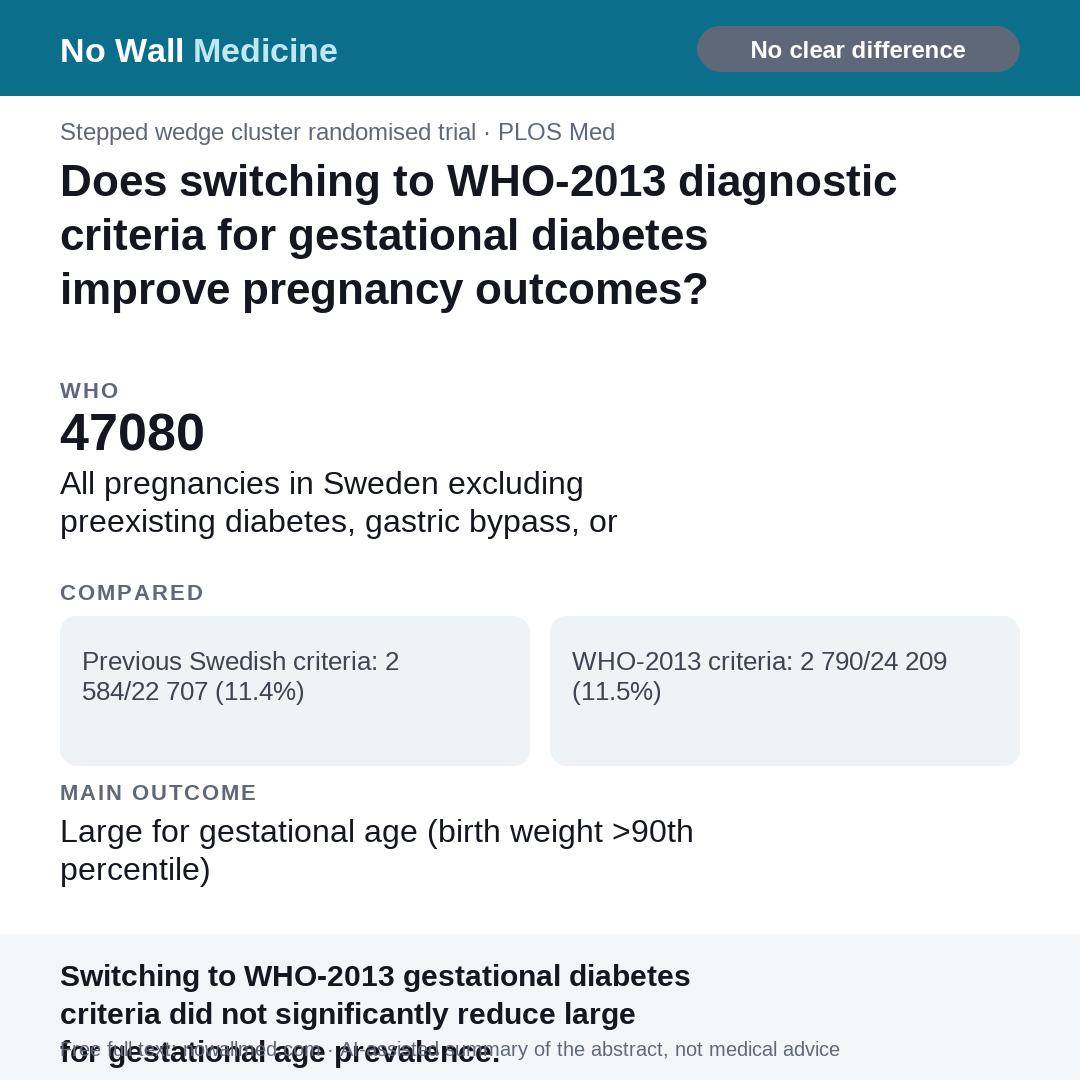
Changing diagnostic criteria for gestational diabetes (CDC4G) in Sweden: A stepped wedge cluster randomised trial
Stepped wedge cluster randomised trialNo clear difference
Does switching to WHO-2013 diagnostic criteria for gestational diabetes improve pregnancy outcomes?
Who
47080
All pregnancies in Sweden excluding preexisting diabetes, gastric bypass, or multifetal pregnancies · 11 clusters (17 delivery units) across Sweden
Compared
Previous Swedish criteria: 2 584/22 707 (11.4%)
WHO-2013 criteria: 2 790/24 209 (11.5%)
Main outcome
Large for gestational age (birth weight >90th percentile)
Result: adjusted risk ratio 0.97 (95% confidence interval 0.91 to 1.02)
Bottom line: Switching to WHO-2013 gestational diabetes criteria did not significantly reduce large for gestational age prevalence.
Limitation: Failure to adhere to guidelines within and between clusters and unidentified temporal variations.
PLOS Med · 2024-07-08Download image
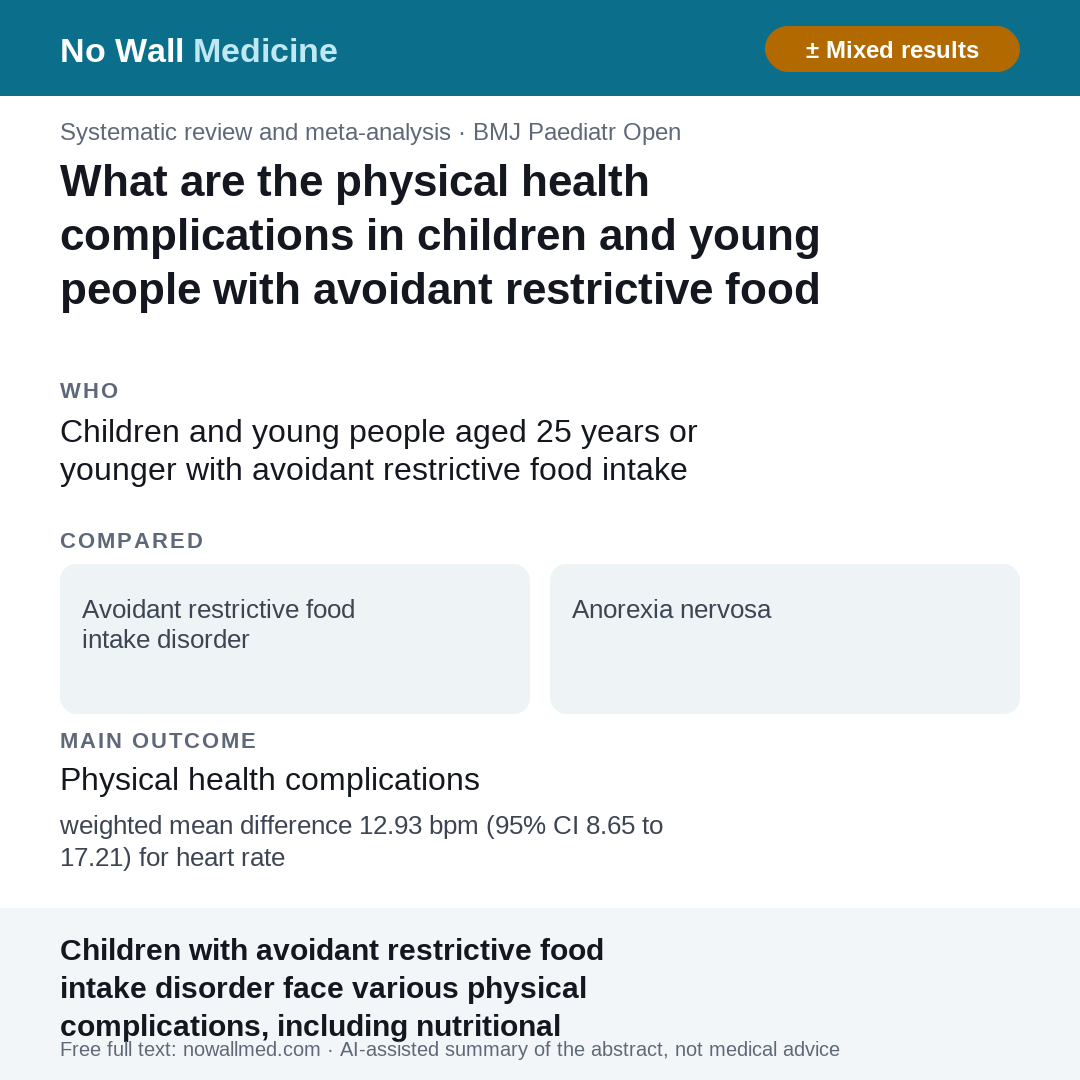
Physical health complications in children and young people with avoidant restrictive food intake disorder (ARFID): a systematic review and meta-analysis
Systematic review and meta-analysisMixed results
What are the physical health complications in children and young people with avoidant restrictive food intake disorder?
Who
Children and young people aged 25 years or younger with avoidant restrictive food intake disorder
Compared
Avoidant restrictive food intake disorder
Anorexia nervosa
Main outcome
Physical health complications
Result: weighted mean difference 12.93 bpm (95% CI 8.65 to 17.21) for heart rate
Bottom line: Children with avoidant restrictive food intake disorder face various physical complications, including nutritional deficiencies and low bone mineral density.
Limitation: High heterogeneity was found in heart rate comparisons (I2: 81.33%).
BMJ Paediatr Open · 2024-07-08Download image
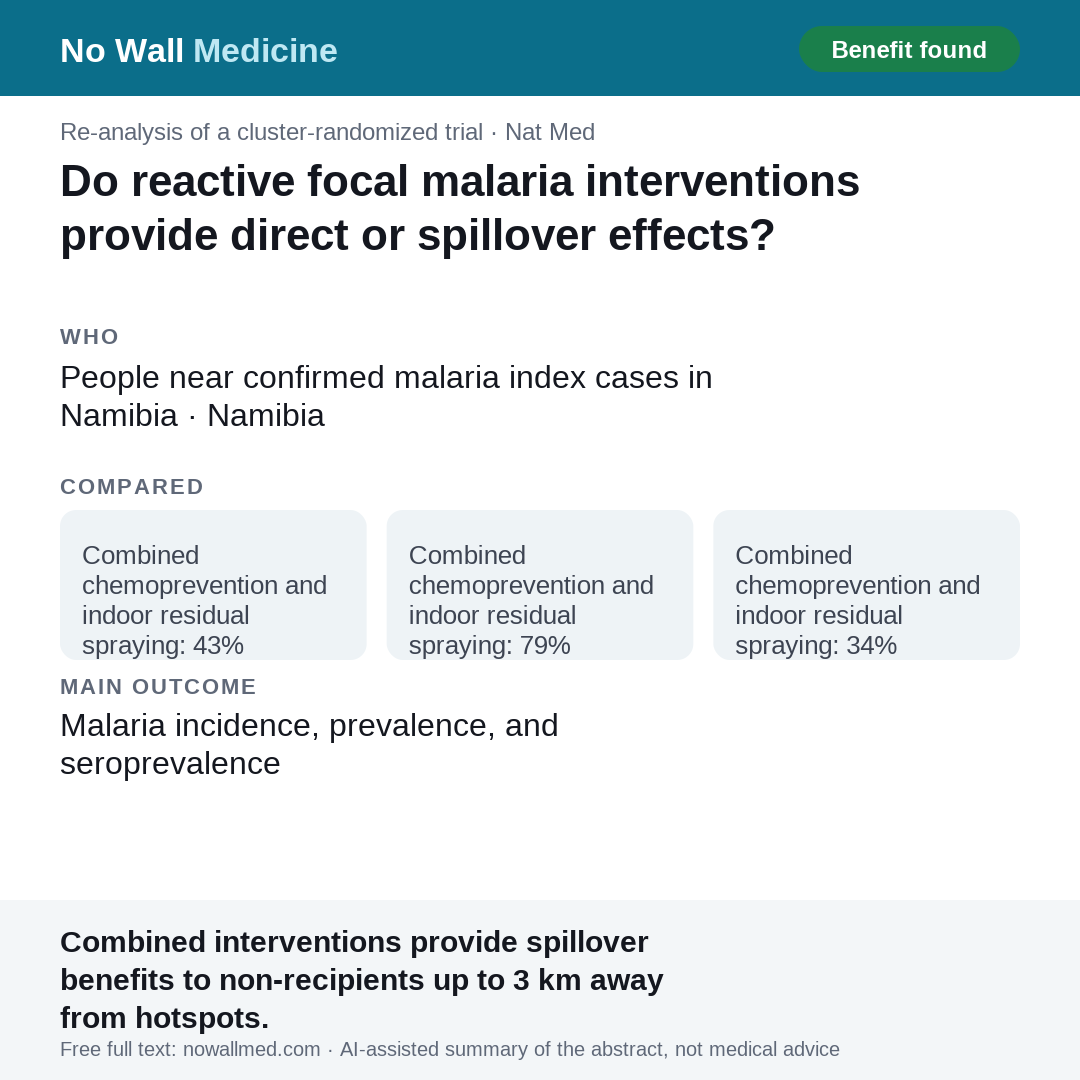
Extension of efficacy range for targeted malaria-elimination interventions due to spillover effects
Re-analysis of a cluster-randomized trialBenefit found
Do reactive focal malaria interventions provide direct or spillover effects?
Who
People near confirmed malaria index cases in Namibia · Namibia
Compared
Combined chemoprevention and indoor residual spraying: 43% reduction in incidence among non-recipients within 1 km
Combined chemoprevention and indoor residual spraying: 79% reduction in infection prevalence among non-recipients within 3 km
Combined chemoprevention and indoor residual spraying: 34% reduction in seroprevalence among non-recipients within 3 km
Main outcome
Malaria incidence, prevalence, and seroprevalence
Bottom line: Combined interventions provide spillover benefits to non-recipients up to 3 km away from hotspots.
Nat Med · 2024-07-04Download image
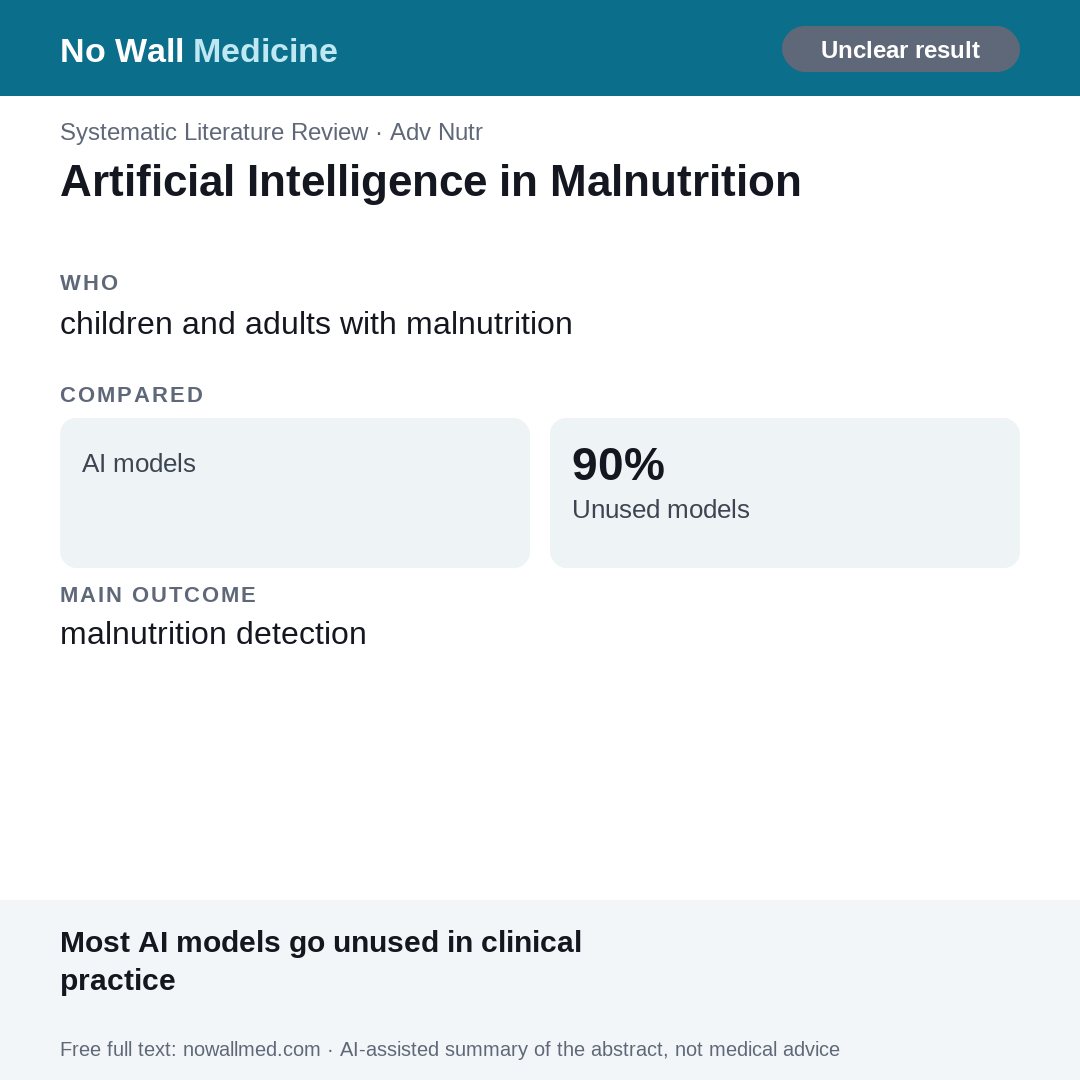
Artificial Intelligence in Malnutrition: A Systematic Literature Review
Systematic Literature ReviewUnclear result
Artificial Intelligence in Malnutrition
Who
children and adults with malnutrition
Compared
AI models
90%Unused models
Main outcome
malnutrition detection
Bottom line: Most AI models go unused in clinical practice
Limitation: most AI models unused
Adv Nutr · 2024-07-04Download image
Fluid accumulation in critically ill children: a systematic review and meta-analysis
Systematic review and meta-analysisHarm found
Is fluid accumulation associated with poor outcomes in critically ill children?
Who
44,682
Critically ill children
Compared
Fluid accumulation present: OR 4.36 (95% CI 3.53-5.38)
Fluid accumulation absent
Main outcome
all-cause mortality
Result: odds ratio 4.36 (95% CI 3.53-5.38)
Bottom line: Fluid accumulation is significantly associated with increased mortality, acute kidney injury, prolonged mechanical ventilation, and longer intensive care unit stays.
Limitation: Thirty-five different fluid accumulation definitions were identified across studies.
eClinicalMedicine · 2024-07-03Download image

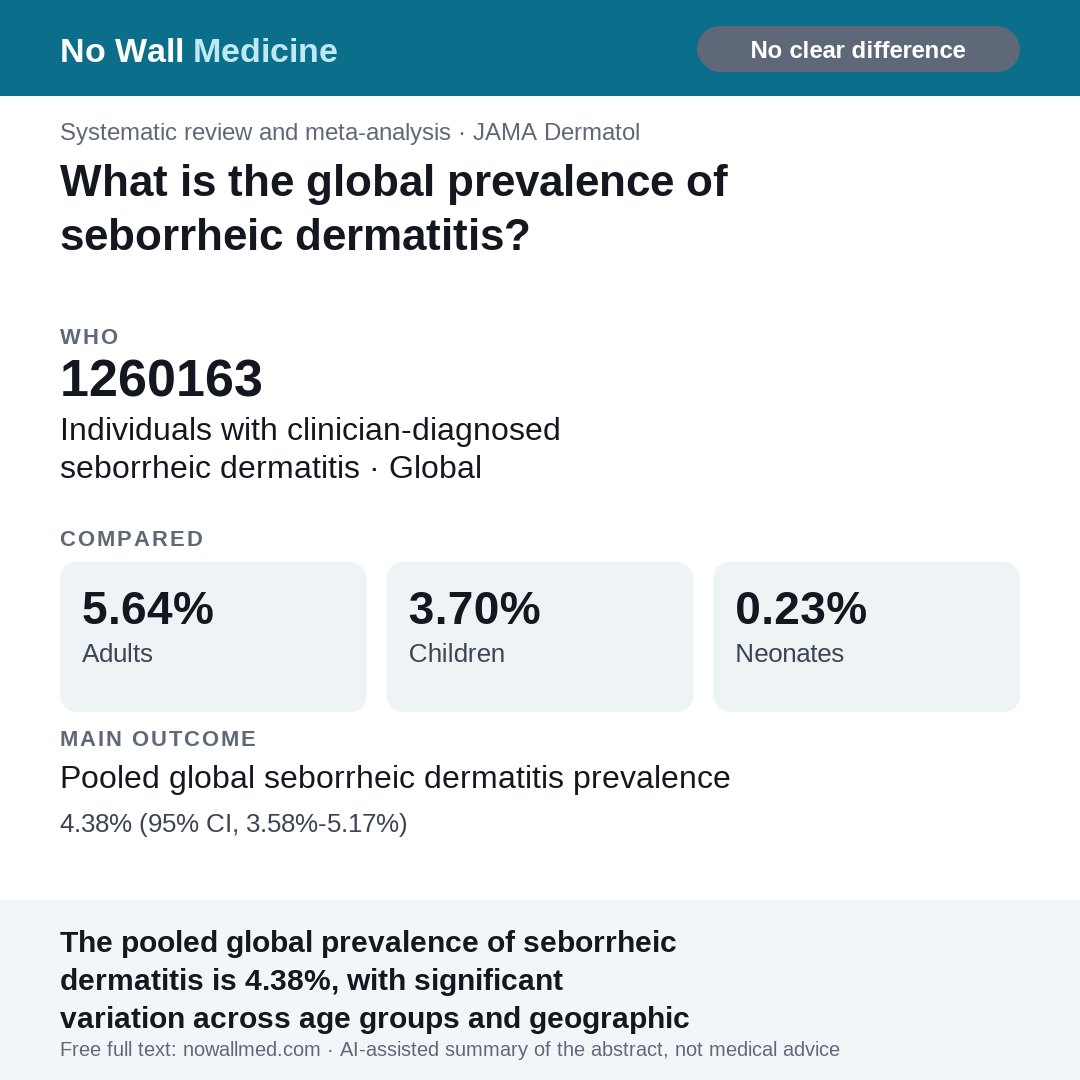
The Global Prevalence of Seborrheic Dermatitis: A Systematic Review and Meta-Analysis
Systematic review and meta-analysisNo clear difference
What is the global prevalence of seborrheic dermatitis?
Who
1260163
Individuals with clinician-diagnosed seborrheic dermatitis · Global
Compared
5.64%Adults (95% CI, 4.01%-7.27%)
3.70%Children (95% CI, 2.69%-4.80%)
0.23%Neonates (95% CI, 0.04%-0.43%)
Main outcome
Pooled global seborrheic dermatitis prevalence
Result: 4.38% (95% CI, 3.58%-5.17%)
Bottom line: The pooled global prevalence of seborrheic dermatitis is 4.38%, with significant variation across age groups and geographic locations.
JAMA Dermatol · 2024-07-03Download image
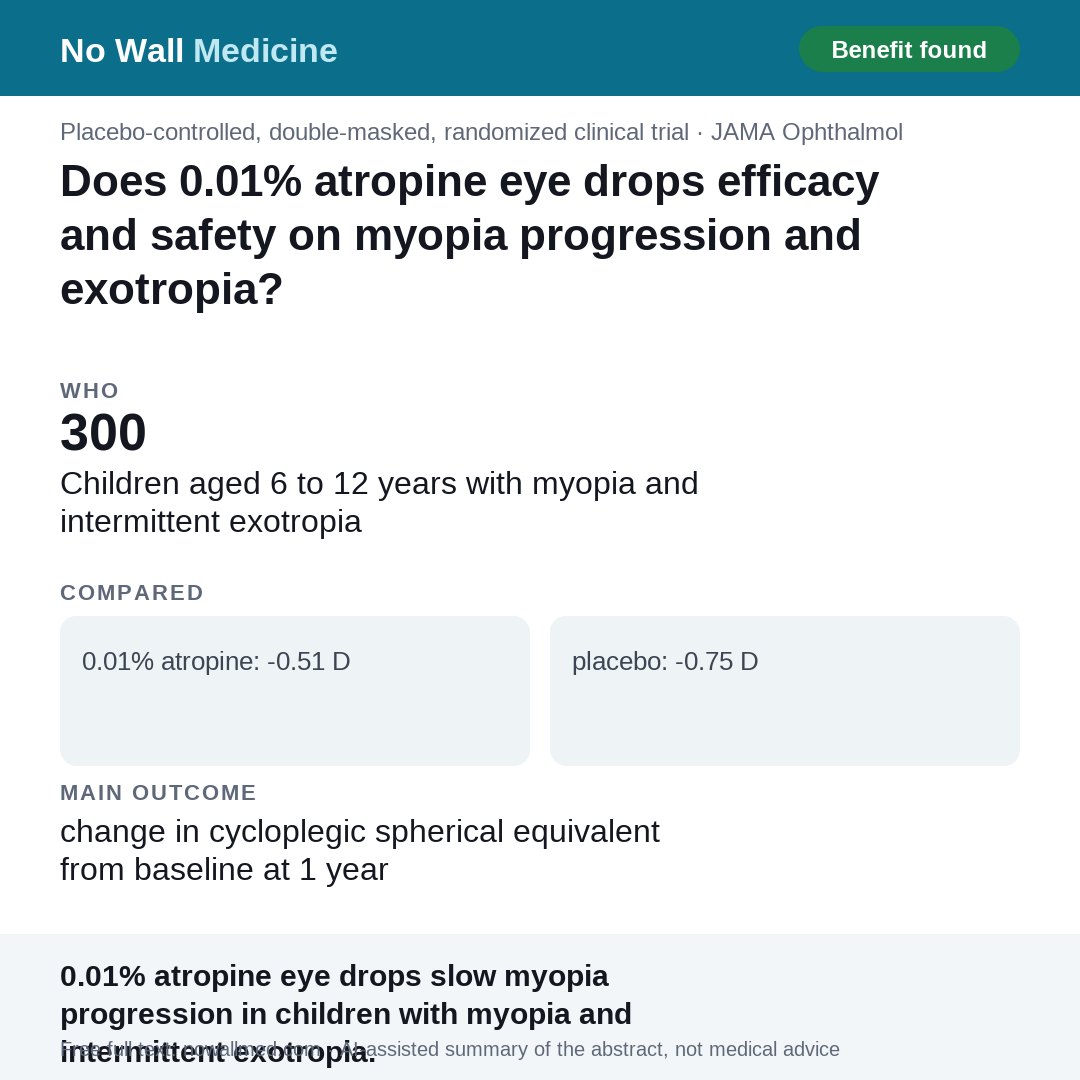
0.01% Atropine Eye Drops in Children With Myopia and Intermittent Exotropia: The AMIXT Randomized Clinical Trial
Placebo-controlled, double-masked, randomized clinical trialBenefit found
Does 0.01% atropine eye drops efficacy and safety on myopia progression and exotropia?
Who
300
Children aged 6 to 12 years with myopia and intermittent exotropia
Compared
0.01% atropine: -0.51 D
placebo: -0.75 D
Main outcome
change in cycloplegic spherical equivalent from baseline at 1 year
Result: difference = 0.24 D; 95% CI, 0.11-0.37 D
Bottom line: 0.01% atropine eye drops slow myopia progression in children with myopia and intermittent exotropia.
JAMA Ophthalmol · 2024-07-03Download image
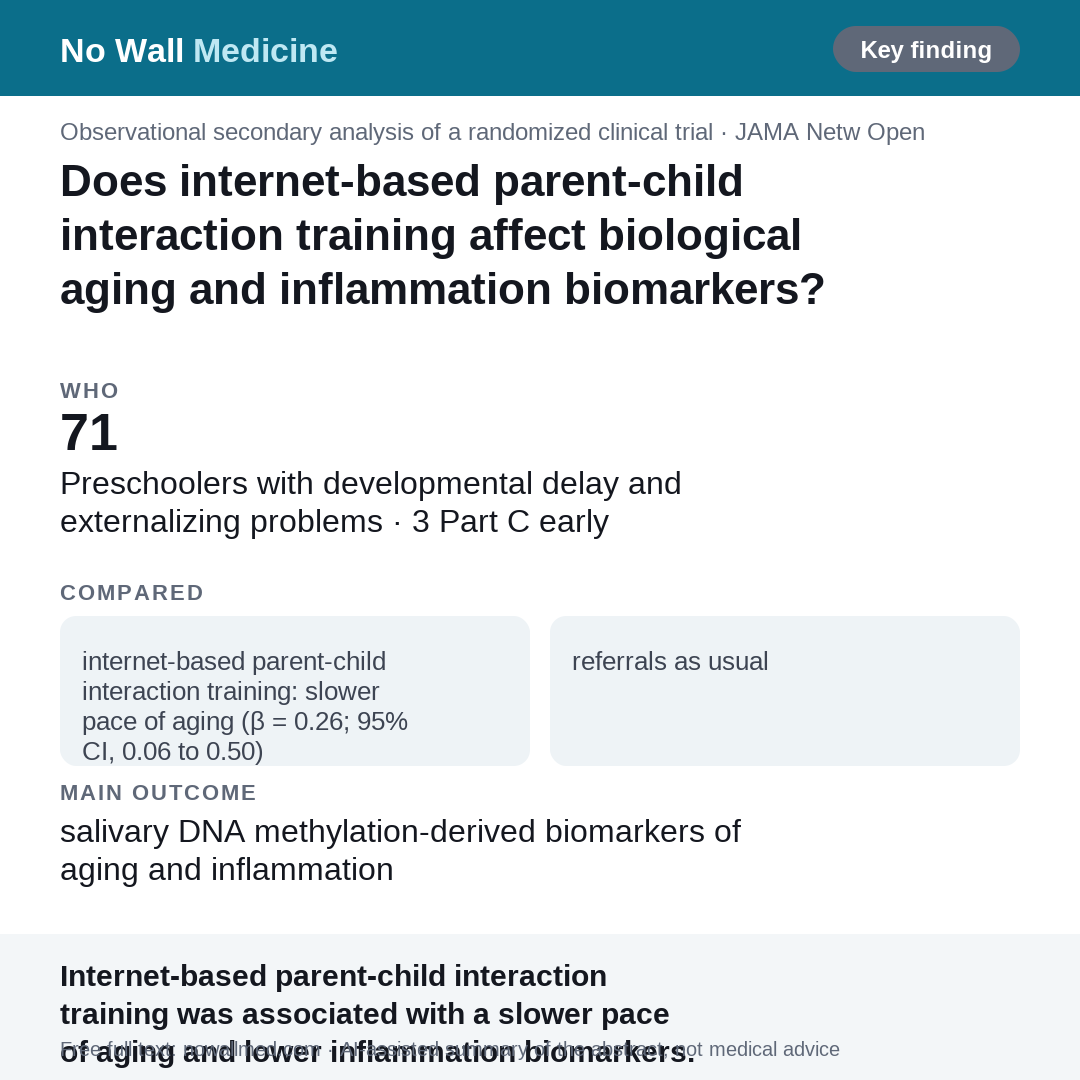
Telehealth Parenting Program and Salivary Epigenetic Biomarkers in Preschool Children With Developmental Delay: NIMHD Social Epigenomics Program
Observational secondary analysis of a randomized clinical trialBenefit found
Does internet-based parent-child interaction training affect biological aging and inflammation biomarkers?
Who
71
Preschoolers with developmental delay and externalizing problems · 3 Part C early intervention sites, southeastern US city
Compared
internet-based parent-child interaction training: slower pace of aging (β = 0.26; 95% CI, 0.06 to 0.50)
referrals as usual
Main outcome
salivary DNA methylation-derived biomarkers of aging and inflammation
Result: DunedinPACE β = 0.26 (95% CI 0.06 to 0.50); CRP β = 0.27 (95% CI 0.05 to 0.49)
Bottom line: Internet-based parent-child interaction training was associated with a slower pace of aging and lower inflammation biomarkers.
JAMA Netw Open · 2024-07-01Download image
Overground Gait Training With a Wearable Robot in Children With Cerebral Palsy: A Randomized Clinical Trial
Single-blind randomized clinical trialBenefit found
Is overground robot-assisted gait training effective in children with cerebral palsy?
Who
90
Children with cerebral palsy in Gross Motor Function Classification System levels II to IV · 5 rehabilitation institutions in Korea
Compared
Robot-assisted gait training: mean difference, 2.64 (95% CI, 0.50-4.78)
Standard physical therapy
Main outcome
Gross Motor Function Measure 88 score
Result: mean difference, 2.64 (95% CI, 0.50-4.78)
Bottom line: Overground robot-assisted gait training significantly improved gross motor function and gait pattern in children with cerebral palsy.
JAMA Netw Open · 2024-07-01Download image

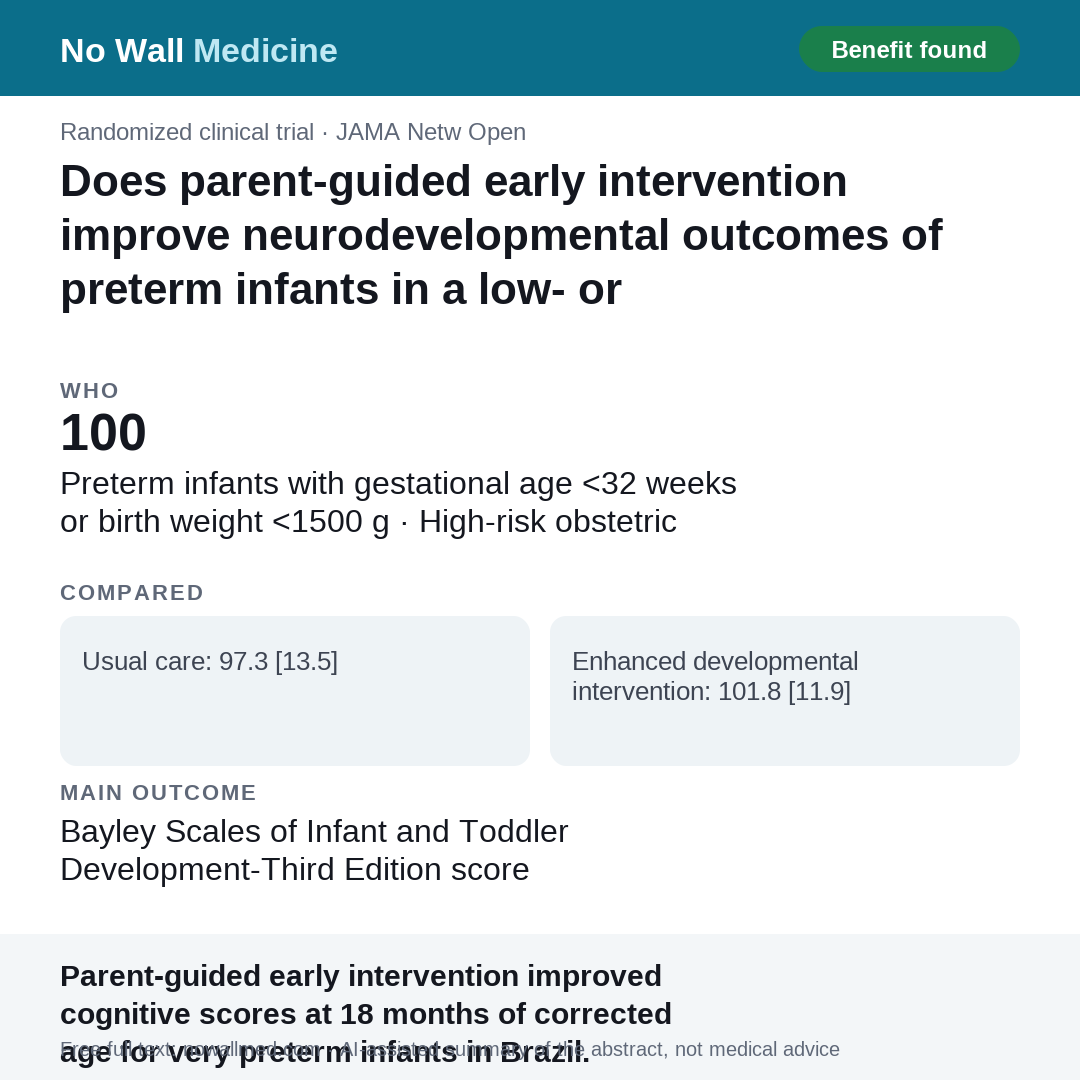
Parent-Guided Developmental Intervention for Infants With Very Low Birth Weight: A Randomized Clinical Trial
Randomized clinical trialBenefit found
Does parent-guided early intervention improve neurodevelopmental outcomes of preterm infants in a low- or middle-income country?
Who
100
Preterm infants with gestational age <32 weeks or birth weight <1500 g · High-risk obstetric referral hospital in Brazil
Compared
Usual care: 97.3 [13.5]
Enhanced developmental intervention: 101.8 [11.9]
Main outcome
Bayley Scales of Infant and Toddler Development-Third Edition score
Result: mean difference, 4.5 [95% CI, 0.1-8.9]
Bottom line: Parent-guided early intervention improved cognitive scores at 18 months of corrected age for very preterm infants in Brazil.
JAMA Netw Open · 2024-07-01Download image
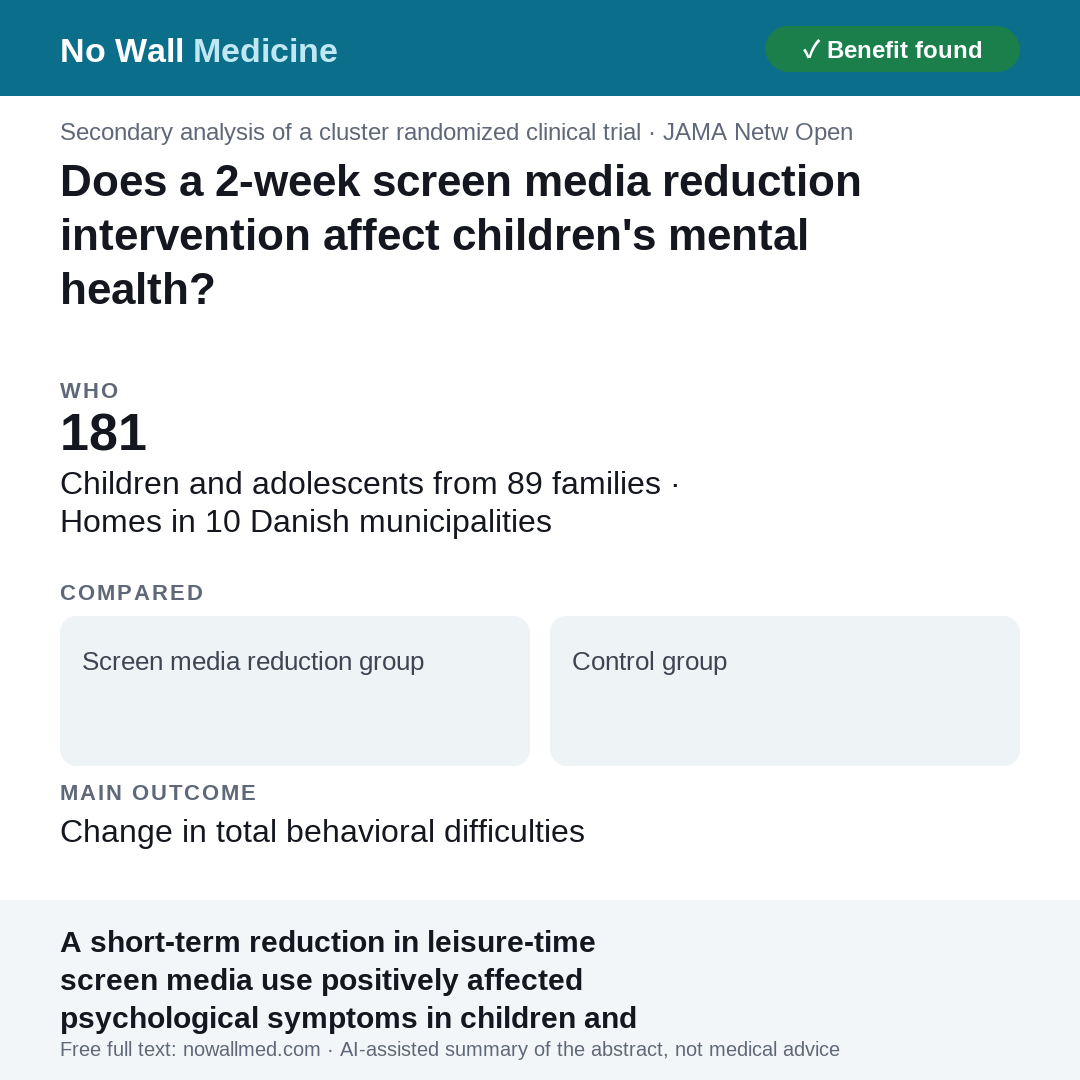
Screen Media Use and Mental Health of Children and Adolescents: A Secondary Analysis of a Randomized Clinical Trial
Secondary analysis of a cluster randomized clinical trialBenefit found
Does a 2-week screen media reduction intervention affect children's mental health?
Who
181
Children and adolescents from 89 families · Homes in 10 Danish municipalities
Compared
Screen media reduction group
Control group
Main outcome
Change in total behavioral difficulties
Result: -1.67 (95% CI, -2.68 to -0.67)
Bottom line: A short-term reduction in leisure-time screen media use positively affected psychological symptoms in children and adolescents.
Limitation: More research is needed to confirm whether these effects are sustainable in the long term.
JAMA Netw Open · 2024-07-01Download image
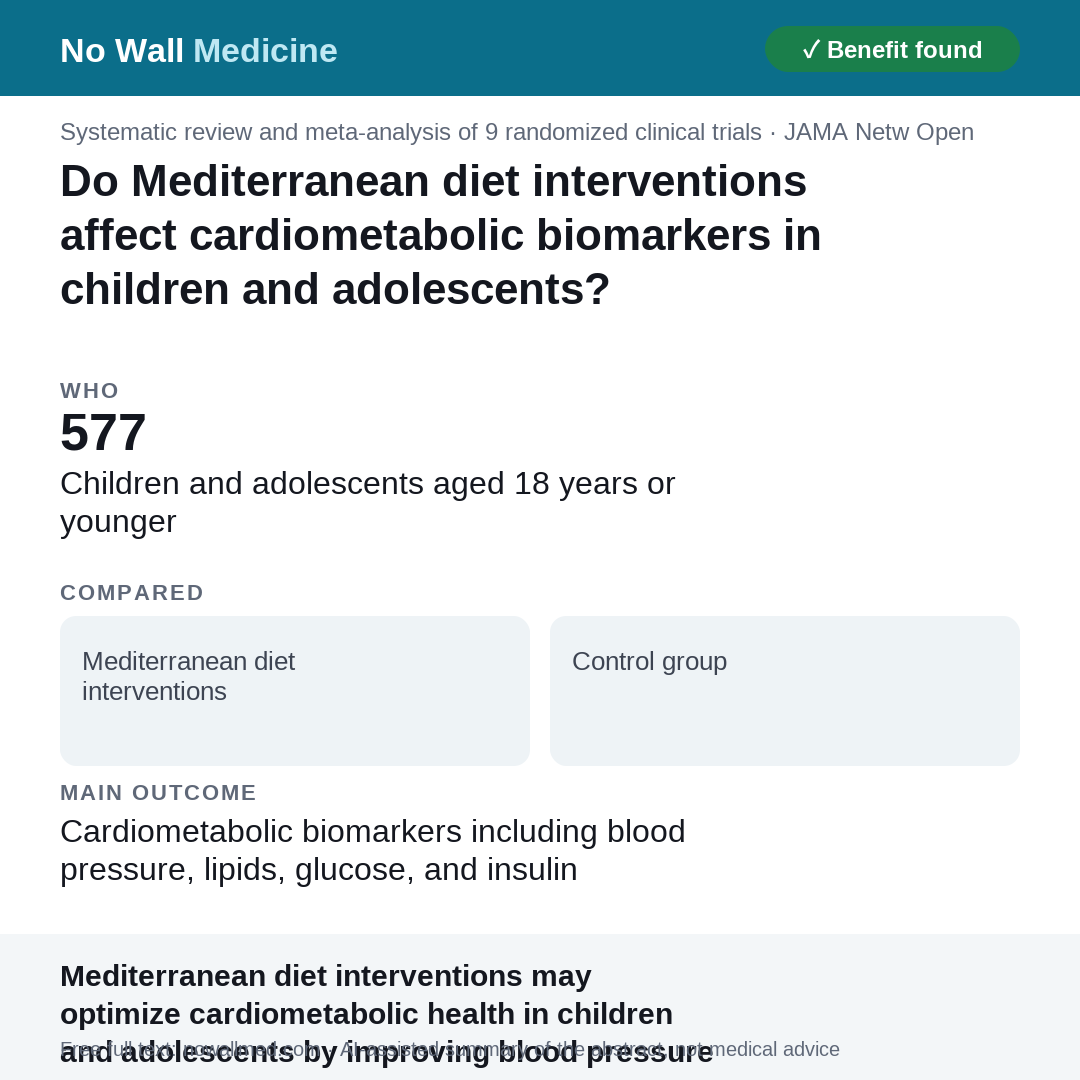
Mediterranean Diet and Cardiometabolic Biomarkers in Children and Adolescents: A Systematic Review and Meta-Analysis
Systematic review and meta-analysis of 9 randomized clinical trialsBenefit found
Do Mediterranean diet interventions affect cardiometabolic biomarkers in children and adolescents?
Who
577
Children and adolescents aged 18 years or younger
Compared
Mediterranean diet interventions
Control group
Main outcome
Cardiometabolic biomarkers including blood pressure, lipids, glucose, and insulin
Result: SBP mean difference -4.75 mm Hg (95% CI -8.97 to -0.52 mm Hg); TGs mean difference -16.42 mg/dL (95% CI -27.57 to -5.27 mg/dL); TC mean difference -9.06 mg/dL (95% CI -15.65 to -2.48 mg/dL); LDL-C mean difference -10.48 mg/dL (95% CI -17.77 to -3.19 mg/dL); HDL-C mean difference 2.24 mg/dL (95% CI 0.34 to 4.14 mg/dL)
Bottom line: Mediterranean diet interventions may optimize cardiometabolic health in children and adolescents by improving blood pressure and lipid profiles.
JAMA Netw Open · 2024-07-01Download image
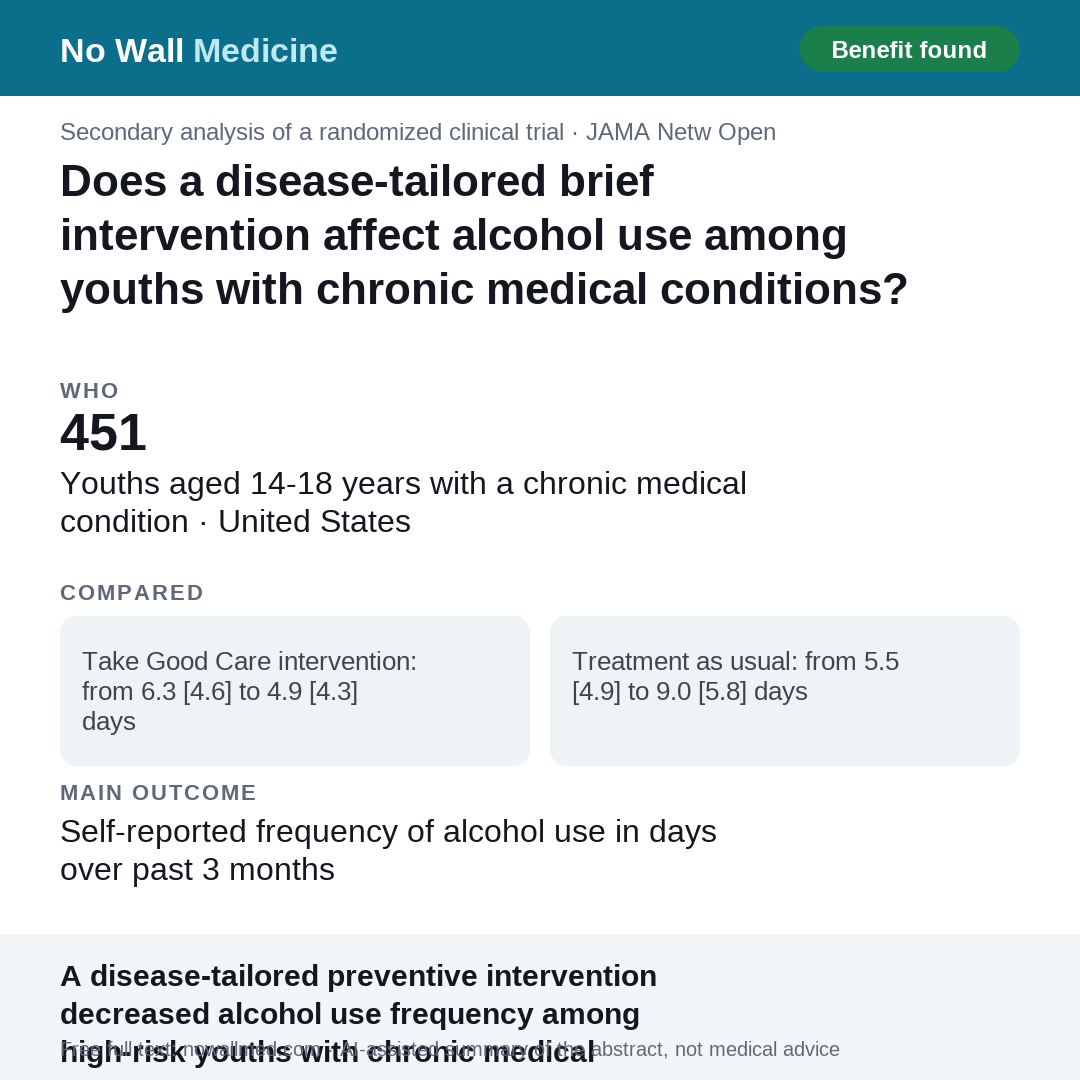
Disease-Tailored Brief Intervention for Alcohol Use Among Youths With Chronic Medical Conditions: A Secondary Analysis of a Randomized Clinical Trial
Secondary analysis of a randomized clinical trialBenefit found
Does a disease-tailored brief intervention affect alcohol use among youths with chronic medical conditions?
Who
451
Youths aged 14-18 years with a chronic medical condition · United States
Compared
Take Good Care intervention: from 6.3 [4.6] to 4.9 [4.3] days
Treatment as usual: from 5.5 [4.9] to 9.0 [5.8] days
Main outcome
Self-reported frequency of alcohol use in days over past 3 months
Result: adjusted relative rate ratio 0.60 (95% CI, 0.38 to 0.94)
Bottom line: A disease-tailored preventive intervention decreased alcohol use frequency among high-risk youths with chronic medical conditions.
JAMA Netw Open · 2024-07-01Download image
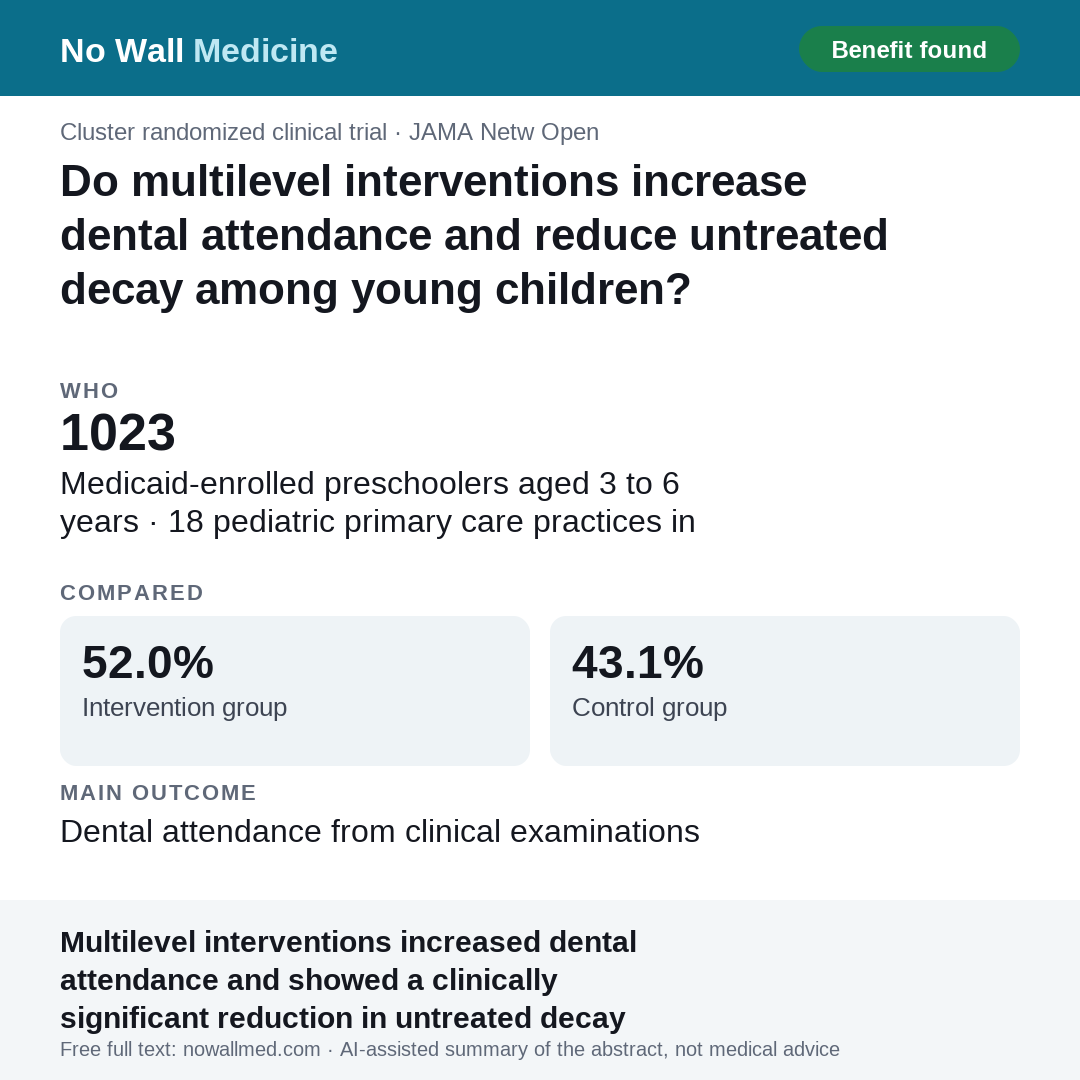
Multilevel Interventions and Dental Attendance in Pediatric Primary Care: A Cluster Randomized Clinical Trial
Cluster randomized clinical trialBenefit found
Do multilevel interventions increase dental attendance and reduce untreated decay among young children?
Who
1023
Medicaid-enrolled preschoolers aged 3 to 6 years · 18 pediatric primary care practices in northeast Ohio
Compared
52.0%Intervention group
43.1%Control group
Main outcome
Dental attendance from clinical examinations
Result: adjusted odds ratio, 1.34 (95% CI, 1.07 to 1.69)
Bottom line: Multilevel interventions increased dental attendance and showed a clinically significant reduction in untreated decay among preschoolers.
Limitation: reduction in mean number of untreated decay was clinically but not statistically significant
JAMA Netw Open · 2024-07-01Download image
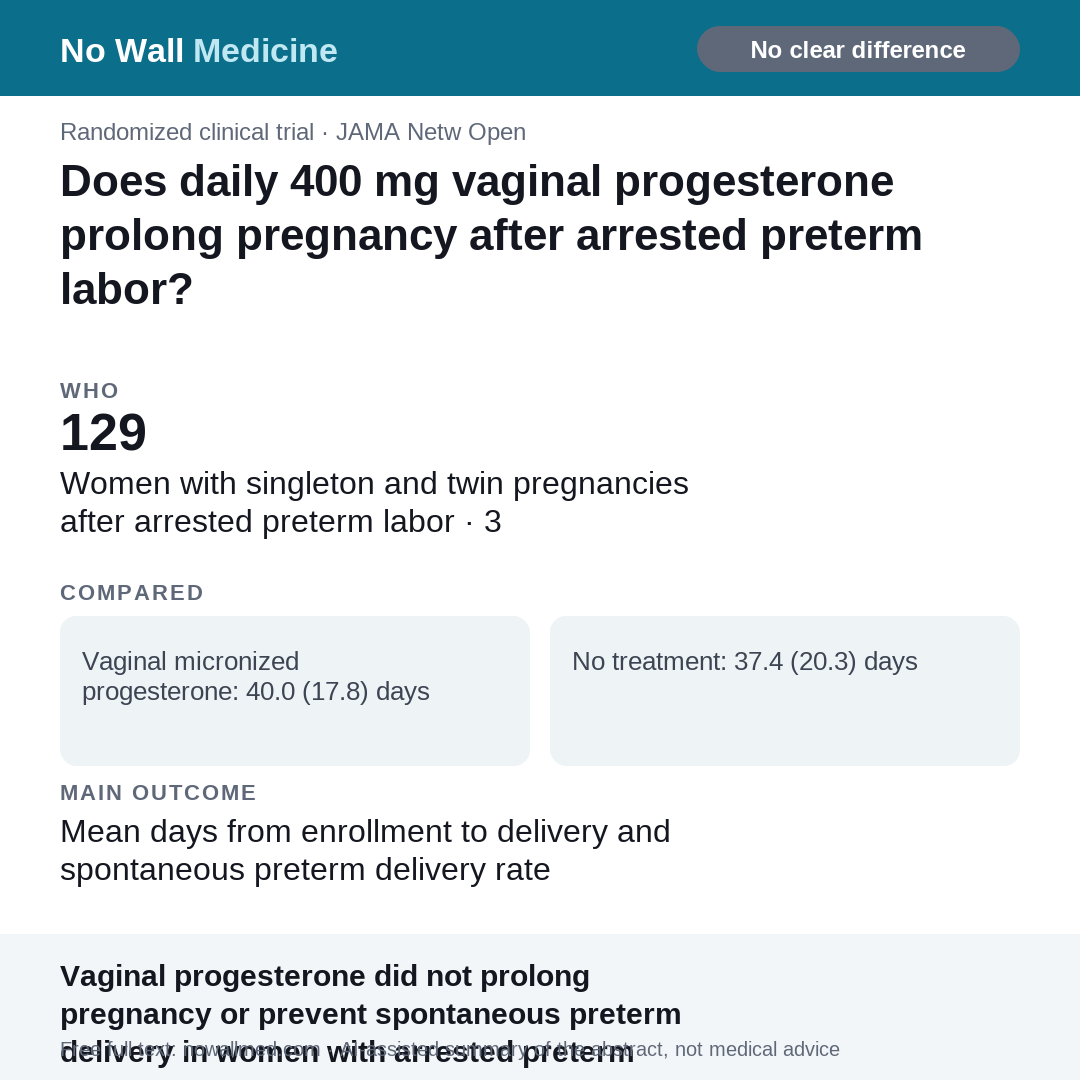
Vaginal Progesterone for Pregnancy Prolongation After Arrested Preterm Labor: A Randomized Clinical Trial
Randomized clinical trialNo clear difference
Does daily 400 mg vaginal progesterone prolong pregnancy after arrested preterm labor?
Who
129
Women with singleton and twin pregnancies after arrested preterm labor · 3 university-affiliated medical centers in Israel
Compared
Vaginal micronized progesterone: 40.0 (17.8) days
No treatment: 37.4 (20.3) days
Main outcome
Mean days from enrollment to delivery and spontaneous preterm delivery rate
Result: relative risk, 0.8 (95% CI, 0.5-1.5)
Bottom line: Vaginal progesterone did not prolong pregnancy or prevent spontaneous preterm delivery in women with arrested preterm labor.
JAMA Netw Open · 2024-07-01Download image
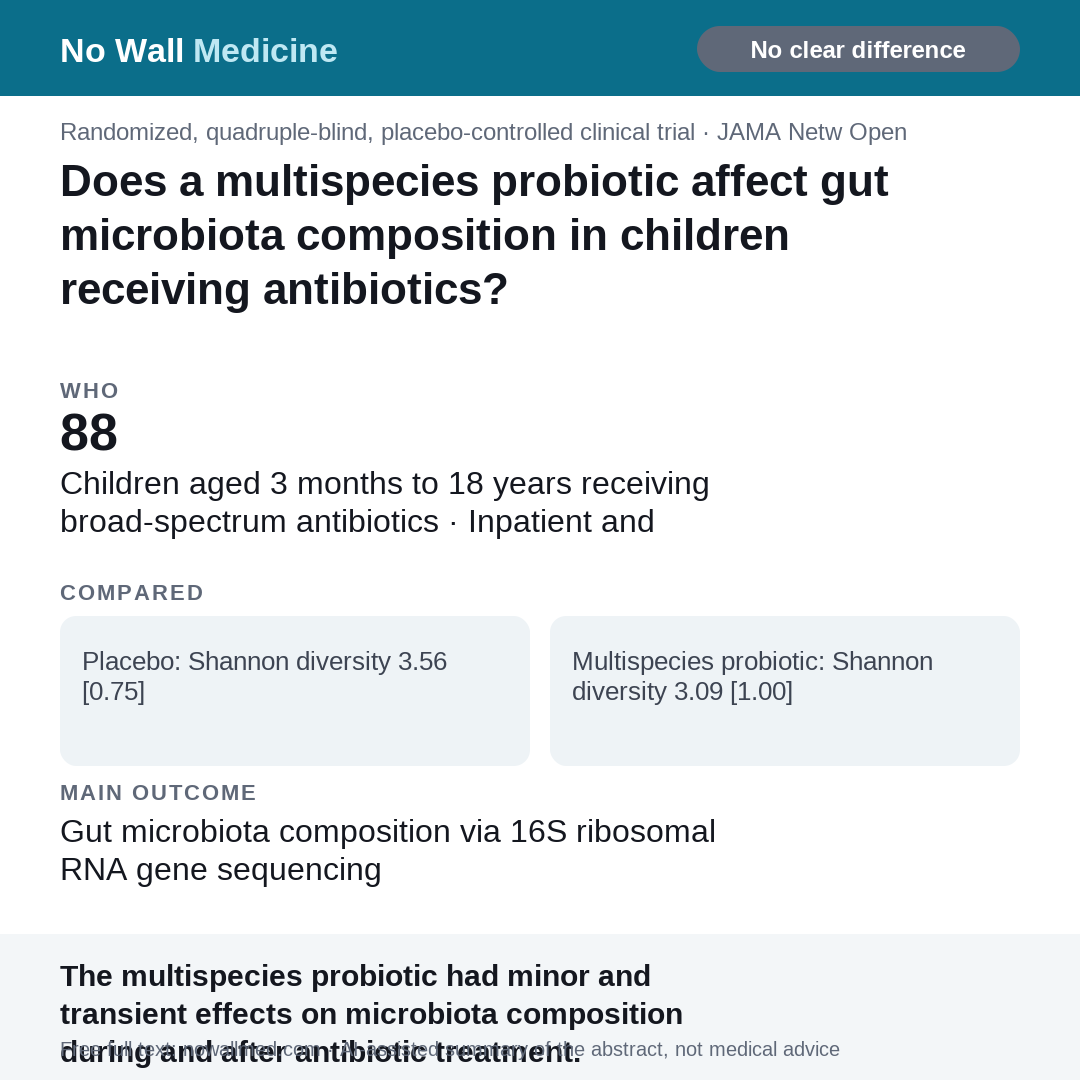
Probiotics and Antibiotic-Induced Microbial Aberrations in Children: A Secondary Analysis of a Randomized Clinical Trial
Randomized, quadruple-blind, placebo-controlled clinical trialNo clear difference
Does a multispecies probiotic affect gut microbiota composition in children receiving antibiotics?
Who
88
Children aged 3 months to 18 years receiving broad-spectrum antibiotics · Inpatient and outpatient settings
Compared
Placebo: Shannon diversity 3.56 [0.75]
Multispecies probiotic: Shannon diversity 3.09 [1.00]
Main outcome
Gut microbiota composition via 16S ribosomal RNA gene sequencing
Bottom line: The multispecies probiotic had minor and transient effects on microbiota composition during and after antibiotic treatment.
Limitation: Only 88 of 350 participants were eligible for the microbiota analysis.
JAMA Netw Open · 2024-07-01Download image