Visual abstracts
New randomized trials and meta-analyses from leading journals at a glance: who was studied, what was compared, and what was found. Every paper is free to read in full.
All specialtiesCardiology 4763Oncology 4043Gastroenterology & Hepatology 1903Infectious Disease 3756Neurology 1872Psychiatry & Mental Health 2216Pulmonology 2044Critical Care 1319Endocrinology & Diabetes 2544Pediatrics 2889Surgery 2480Orthopedics & Sports Medicine 917Neurosurgery 525Cardiothoracic & Vascular Surgery 656Plastic & Reconstructive Surgery 574Nephrology 1107Rheumatology 810Hematology 1090Dermatology 611Ophthalmology 532Obstetrics & Gynecology 1645Public & Global Health 1037Radiology & Imaging 619Anesthesiology 958Urology 745ENT (Otolaryngology) 494Emergency Medicine 481Allergy & Immunology 309Geriatrics 972Family Medicine & Primary Care 534Medical Genetics & Genomics 659Pathology & Laboratory Medicine 156Physical Medicine & Rehabilitation 734Palliative Care 421Nutrition 1560Digital Health & AI 2137General Medicine 318
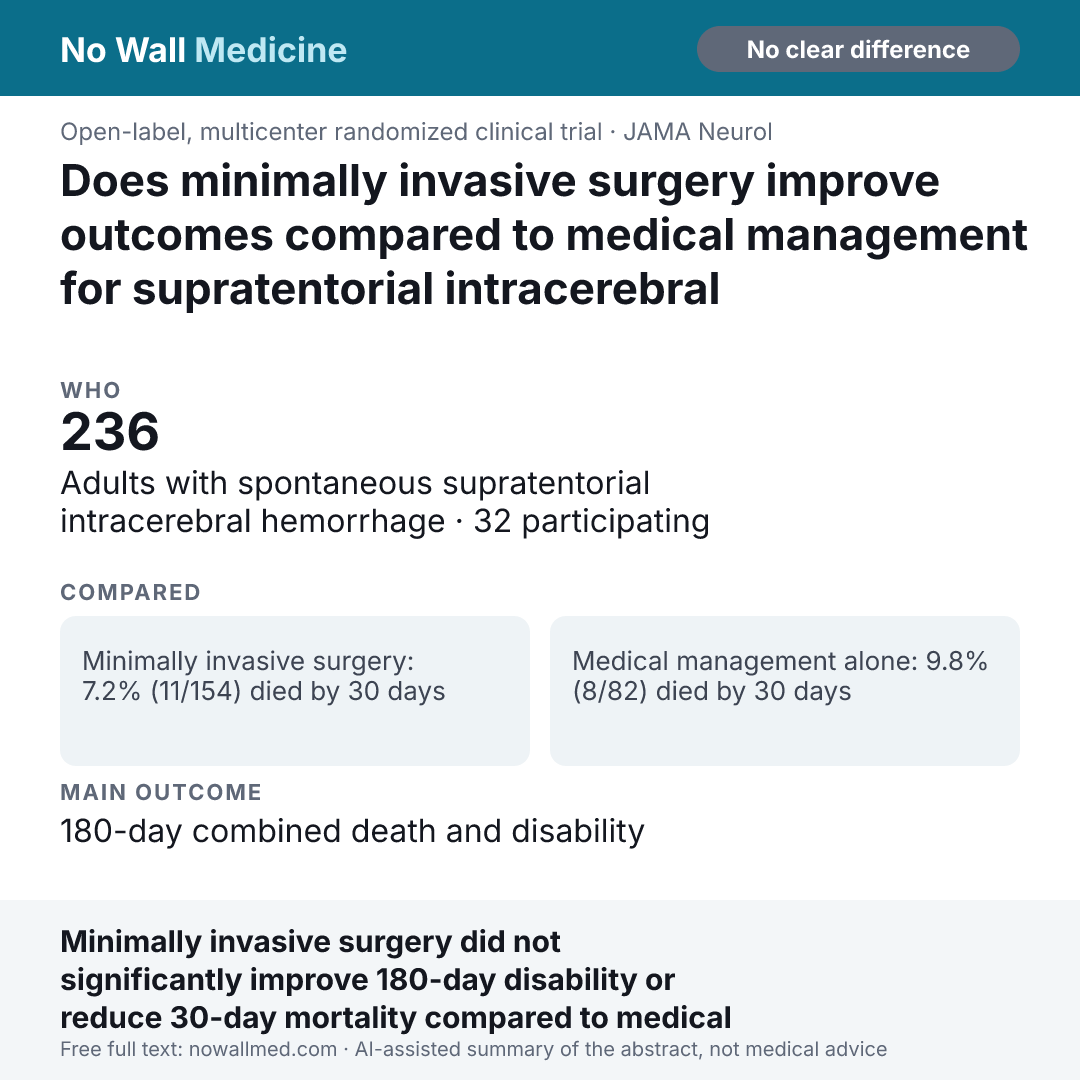
Minimally Invasive Surgery vs Medical Management Alone for Intracerebral Hemorrhage: The MIND Randomized Clinical Trial
Open-label, multicenter randomized clinical trialNo clear difference
Does minimally invasive surgery improve outcomes compared to medical management for supratentorial intracerebral hemorrhage?
Who
236
Adults with spontaneous supratentorial intracerebral hemorrhage · 32 participating global sites
Compared
Minimally invasive surgery: 7.2% (11/154) died by 30 days
Medical management alone: 9.8% (8/82) died by 30 days
Main outcome
180-day combined death and disability
Result: odds ratio 1.03 (96% CI, 0.62-1.72)
Bottom line: Minimally invasive surgery did not significantly improve 180-day disability or reduce 30-day mortality compared to medical management alone.
JAMA Neurol · 2025-09-02 · Save PNG
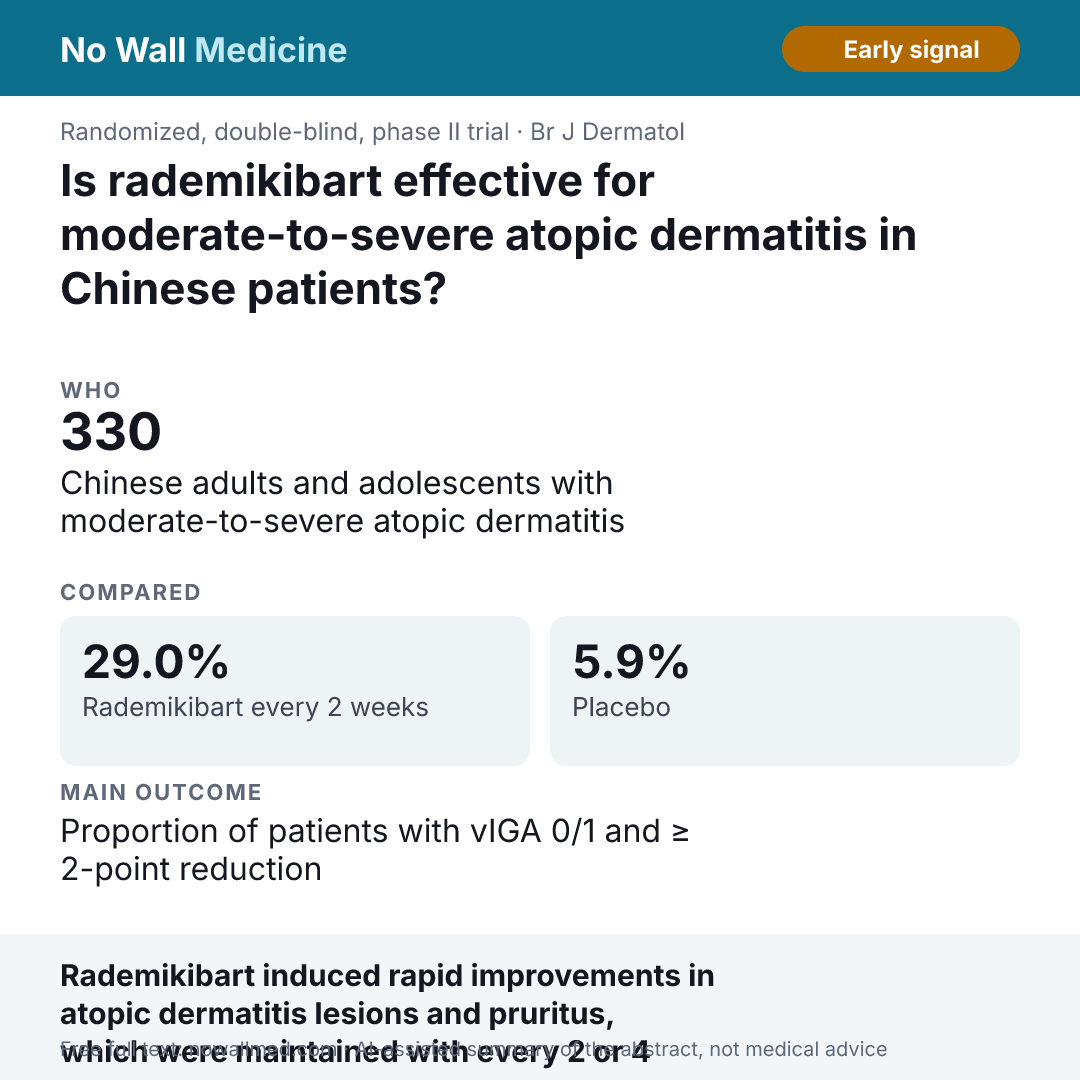
Rademikibart monotherapy for moderate-to-severe atopic dermatitis in a 1-year, randomized phase II trial (SEASIDE CHINA): initial 2-week dosing, followed by 2-week or 4-week dosing
Randomized, double-blind, phase II trialEarly signal
Is rademikibart effective for moderate-to-severe atopic dermatitis in Chinese patients?
Who
330
Chinese adults and adolescents with moderate-to-severe atopic dermatitis
Compared
29.0%Rademikibart every 2 weeks
5.9%Placebo
Main outcome
Proportion of patients with vIGA 0/1 and ≥ 2-point reduction
Bottom line: Rademikibart induced rapid improvements in atopic dermatitis lesions and pruritus, which were maintained with every 2 or 4 weeks dosing.
Br J Dermatol · 2025-09-02 · Save PNG
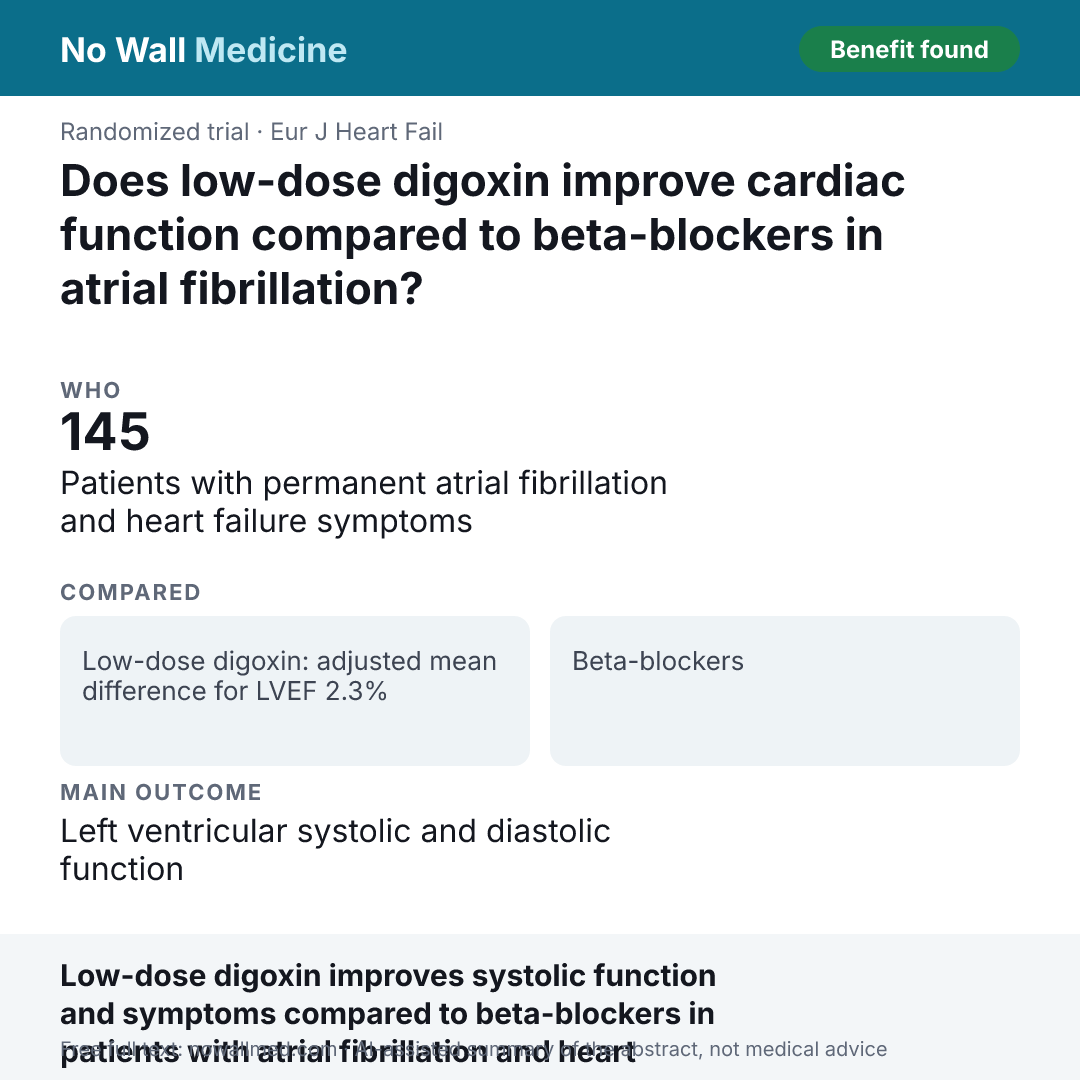
Low-dose digoxin improves cardiac function in patients with heart failure, preserved ejection fraction and atrial fibrillation - the RATE-AF randomized trial
Randomized trialBenefit found
Does low-dose digoxin improve cardiac function compared to beta-blockers in atrial fibrillation?
Who
145
Patients with permanent atrial fibrillation and heart failure symptoms
Compared
Low-dose digoxin: adjusted mean difference for LVEF 2.3%
Beta-blockers
Main outcome
Left ventricular systolic and diastolic function
Result: adjusted mean difference for LVEF 2.3% (95% CI 0.3-4.2)
Bottom line: Low-dose digoxin improves systolic function and symptoms compared to beta-blockers in patients with atrial fibrillation and heart failure.
Eur J Heart Fail · 2025-09-02 · Save PNG
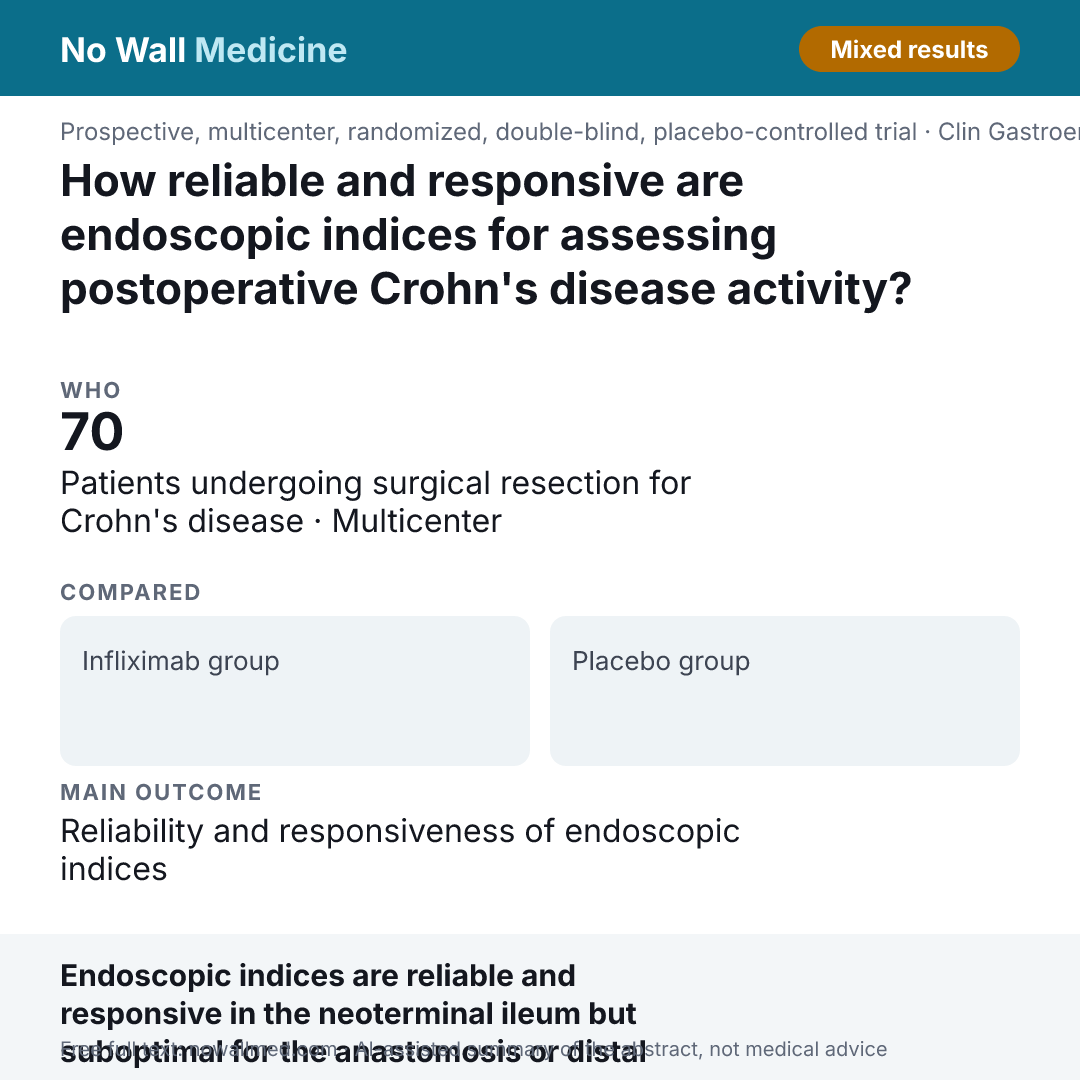
Reliability and Responsiveness of Endoscopic Indices for Assessing Crohn's Disease Postoperative Recurrence in the PREVENT Trial
Prospective, multicenter, randomized, double-blind, placebo-controlled trialMixed results
How reliable and responsive are endoscopic indices for assessing postoperative Crohn's disease activity?
Who
70
Patients undergoing surgical resection for Crohn's disease · Multicenter
Compared
Infliximab group
Placebo group
Main outcome
Reliability and responsiveness of endoscopic indices
Bottom line: Endoscopic indices are reliable and responsive in the neoterminal ileum but suboptimal for the anastomosis or distal colon.
Clin Gastroenterol Hepatol · 2025-09-02 · Save PNG
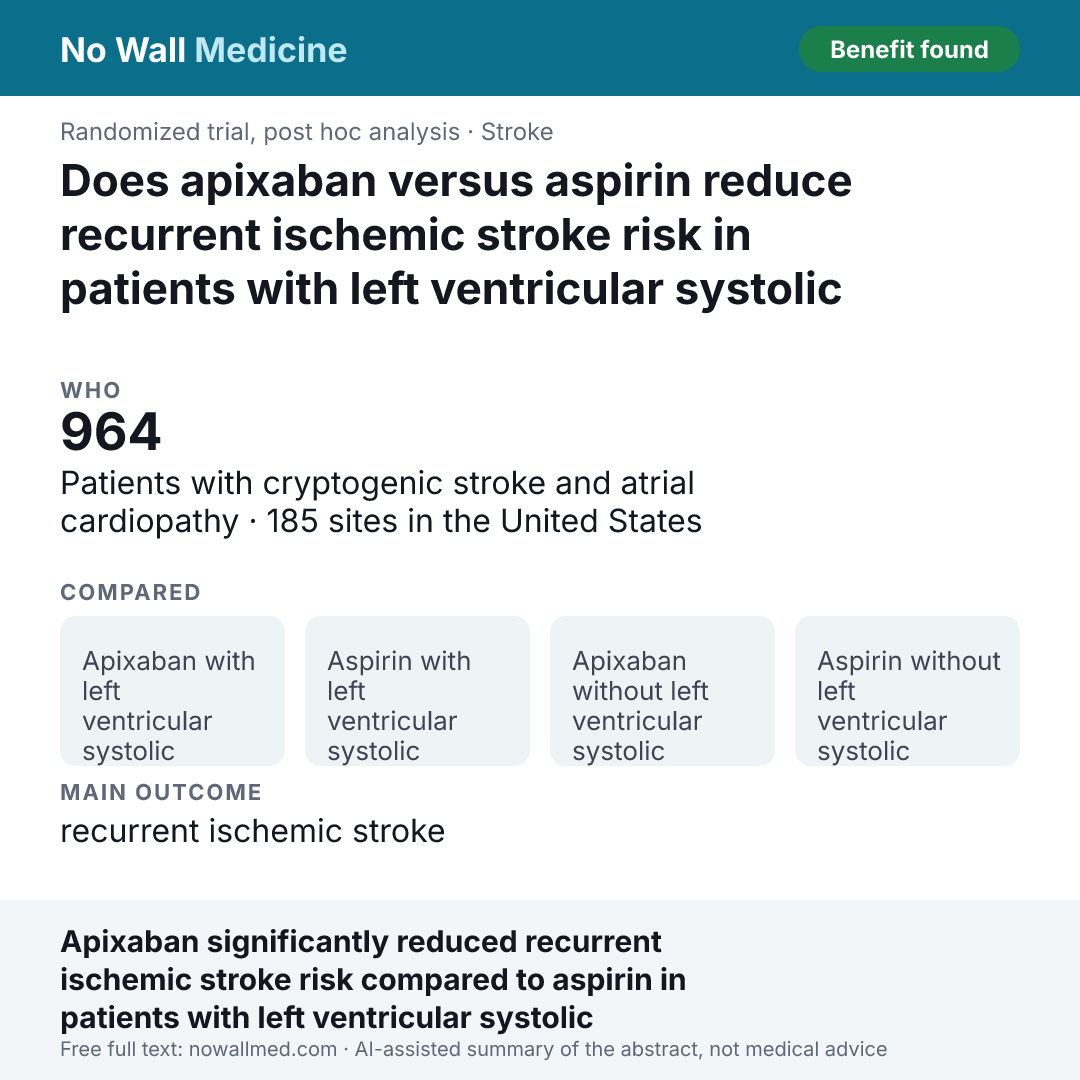
Apixaban and Recurrent Stroke Risk With Left Ventricular Dysfunction: A Secondary Analysis of the ARCADIA Trial
Randomized trial, post hoc analysisBenefit found
Does apixaban versus aspirin reduce recurrent ischemic stroke risk in patients with left ventricular systolic dysfunction?
Who
964
Patients with cryptogenic stroke and atrial cardiopathy · 185 sites in the United States and Canada
Compared
Apixaban with left ventricular systolic dysfunction
Aspirin with left ventricular systolic dysfunction
Apixaban without left ventricular systolic dysfunction
Aspirin without left ventricular systolic dysfunction
Main outcome
recurrent ischemic stroke
Result: hazard ratio 0.24 (95% CI 0.07-0.87) for apixaban vs aspirin with dysfunction
Bottom line: Apixaban significantly reduced recurrent ischemic stroke risk compared to aspirin in patients with left ventricular systolic dysfunction.
Stroke · 2025-09-02 · Save PNG
Extent of Surgical Resection and Predictors of Outcomes in MEN1-related Hyperparathyroidism: A Systematic Review and Meta-analysis
Systematic review and meta-analysisMixed results
What are the outcomes of different surgical approaches in MEN1-related primary hyperparathyroidism?
Who
915
Adult multiple endocrine neoplasia type 1 related primary hyperparathyroidism patients
Compared
Less-than-subtotal parathyroidectomy: higher recurrence
Subtotal or total parathyroidectomy: lower recurrence
Main outcome
recurrence and hypoparathyroidism
Result: RR = 1.23 (95% CI 1.03 to 1.46) for recurrence
Bottom line: Conservative surgery reduces hypoparathyroidism but increases recurrence in multiple endocrine neoplasia type 1 related primary hyperparathyroidism.
J Clin Endocrinol Metab · 2025-09-02 · Save PNG

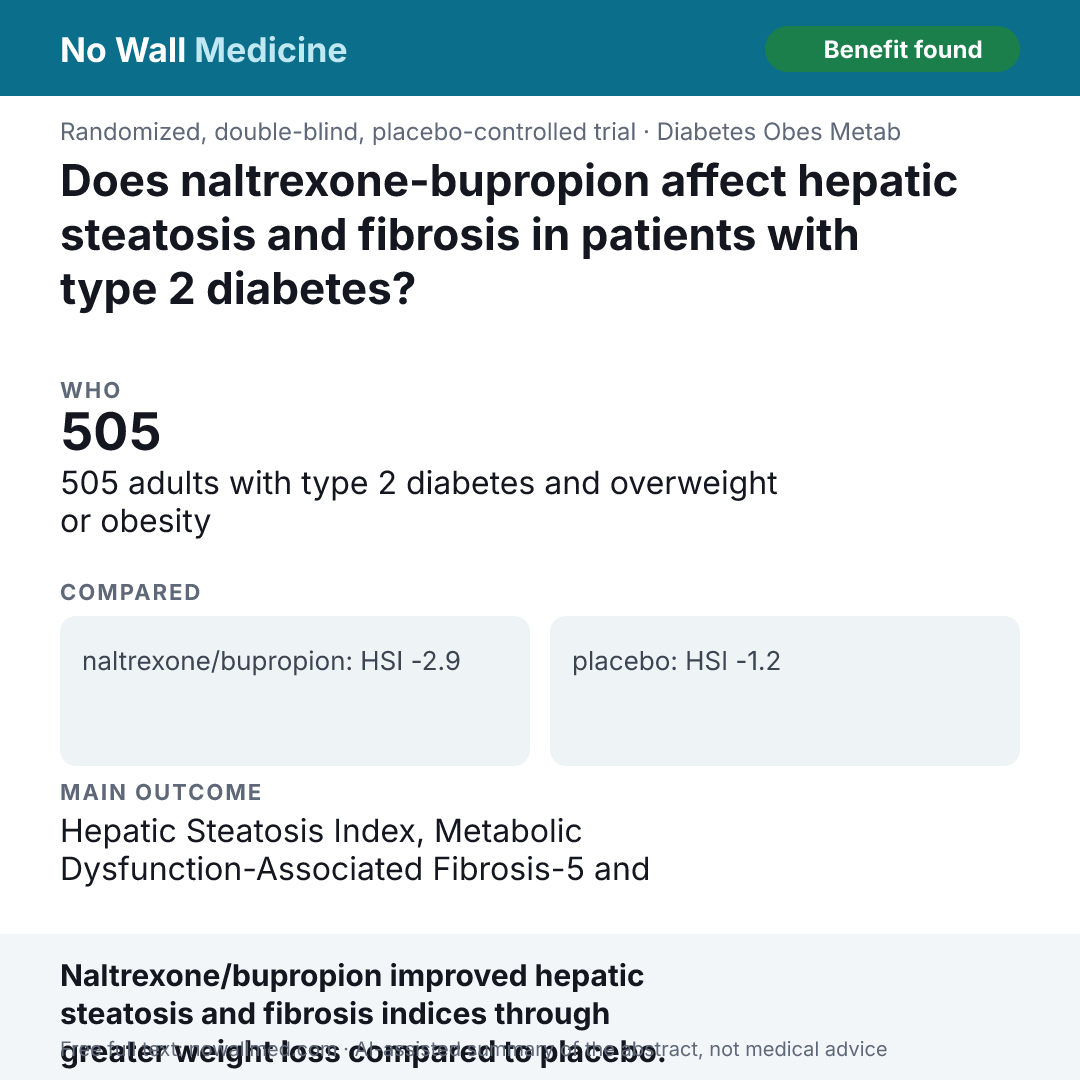
Assessing the effects of naltrexone-bupropion on hepatic steatosis and fibrosis in patients with T2DM and overweight or obesity: Insights from a placebo-controlled trial
Randomized, double-blind, placebo-controlled trialBenefit found
Does naltrexone-bupropion affect hepatic steatosis and fibrosis in patients with type 2 diabetes?
Who
505
505 adults with type 2 diabetes and overweight or obesity
Compared
naltrexone/bupropion: HSI -2.9
placebo: HSI -1.2
Main outcome
Hepatic Steatosis Index, Metabolic Dysfunction-Associated Fibrosis-5 and Fibrosis-4
Bottom line: Naltrexone/bupropion improved hepatic steatosis and fibrosis indices through greater weight loss compared to placebo.
Diabetes Obes Metab · 2025-09-02 · Save PNG
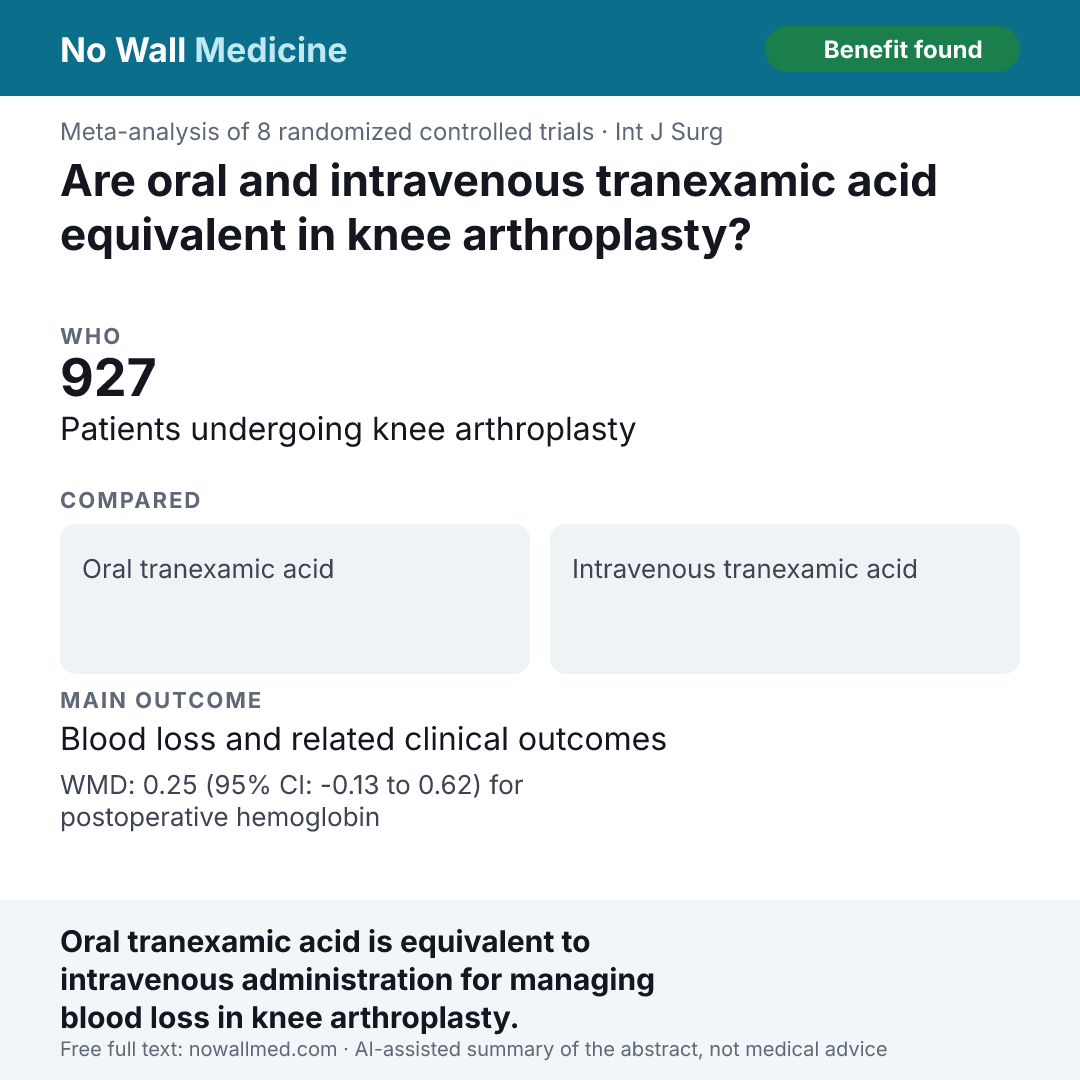
Equivalence of oral and intravenous tranexamic acid in knee arthroplasty: a systematic review and meta-analysis of randomized clinical trials
Meta-analysis of 8 randomized controlled trialsBenefit found
Are oral and intravenous tranexamic acid equivalent in knee arthroplasty?
Who
927
Patients undergoing knee arthroplasty
Compared
Oral tranexamic acid
Intravenous tranexamic acid
Main outcome
Blood loss and related clinical outcomes
Result: WMD: 0.25 (95% CI: -0.13 to 0.62) for postoperative hemoglobin
Bottom line: Oral tranexamic acid is equivalent to intravenous administration for managing blood loss in knee arthroplasty.
Int J Surg · 2025-09-02 · Save PNG
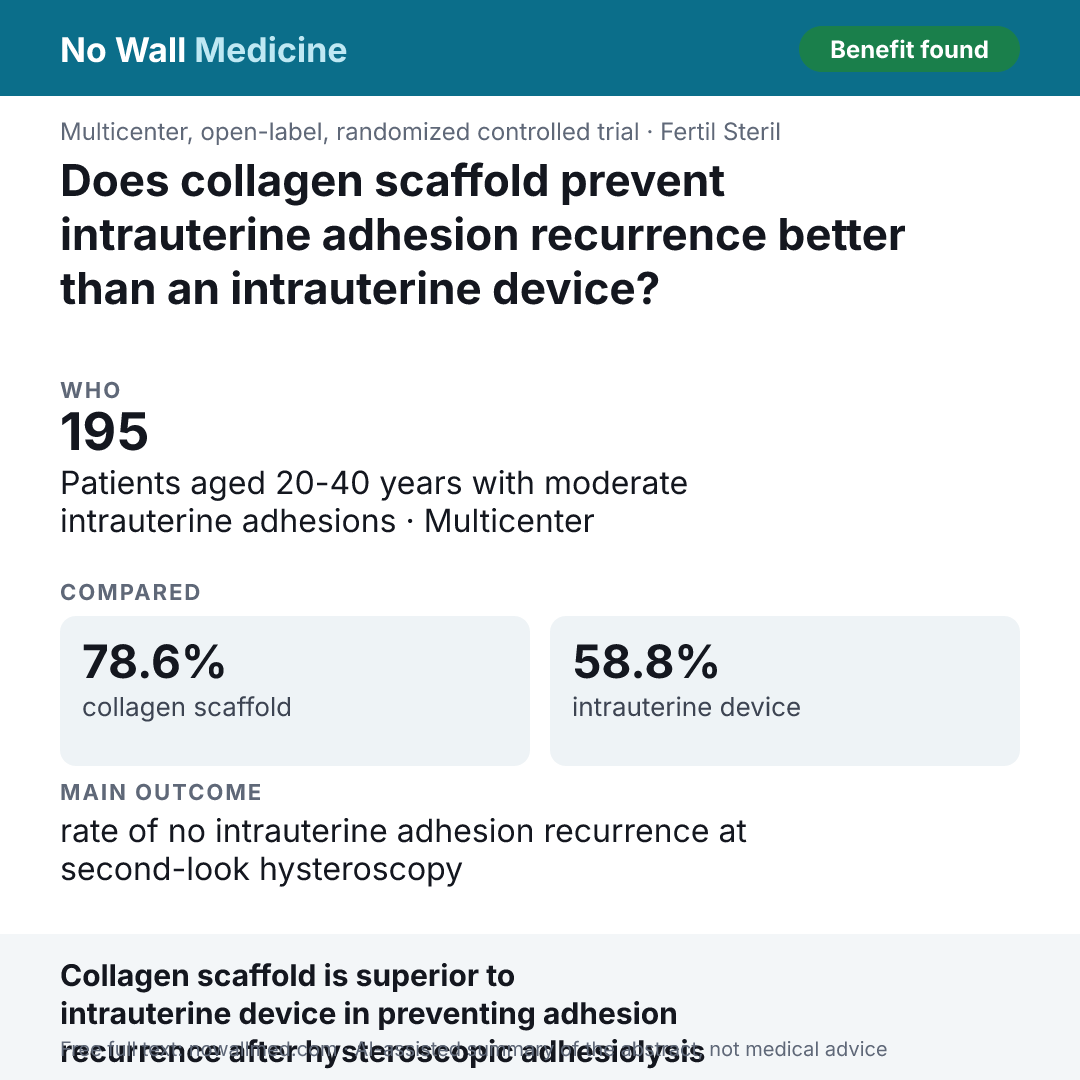
Effect of collagen scaffold vs. intrauterine device on preventing recurrence of intrauterine adhesions: a multicenter randomized controlled trial
Multicenter, open-label, randomized controlled trialBenefit found
Does collagen scaffold prevent intrauterine adhesion recurrence better than an intrauterine device?
Who
195
Patients aged 20-40 years with moderate intrauterine adhesions · Multicenter
Compared
78.6%collagen scaffold
58.8%intrauterine device
Main outcome
rate of no intrauterine adhesion recurrence at second-look hysteroscopy
Result: relative risk 1.4 (95% confidence interval 1.1-1.6)
Bottom line: Collagen scaffold is superior to intrauterine device in preventing adhesion recurrence after hysteroscopic adhesiolysis in moderate intrauterine adhesions.
Fertil Steril · 2025-09-02 · Save PNG
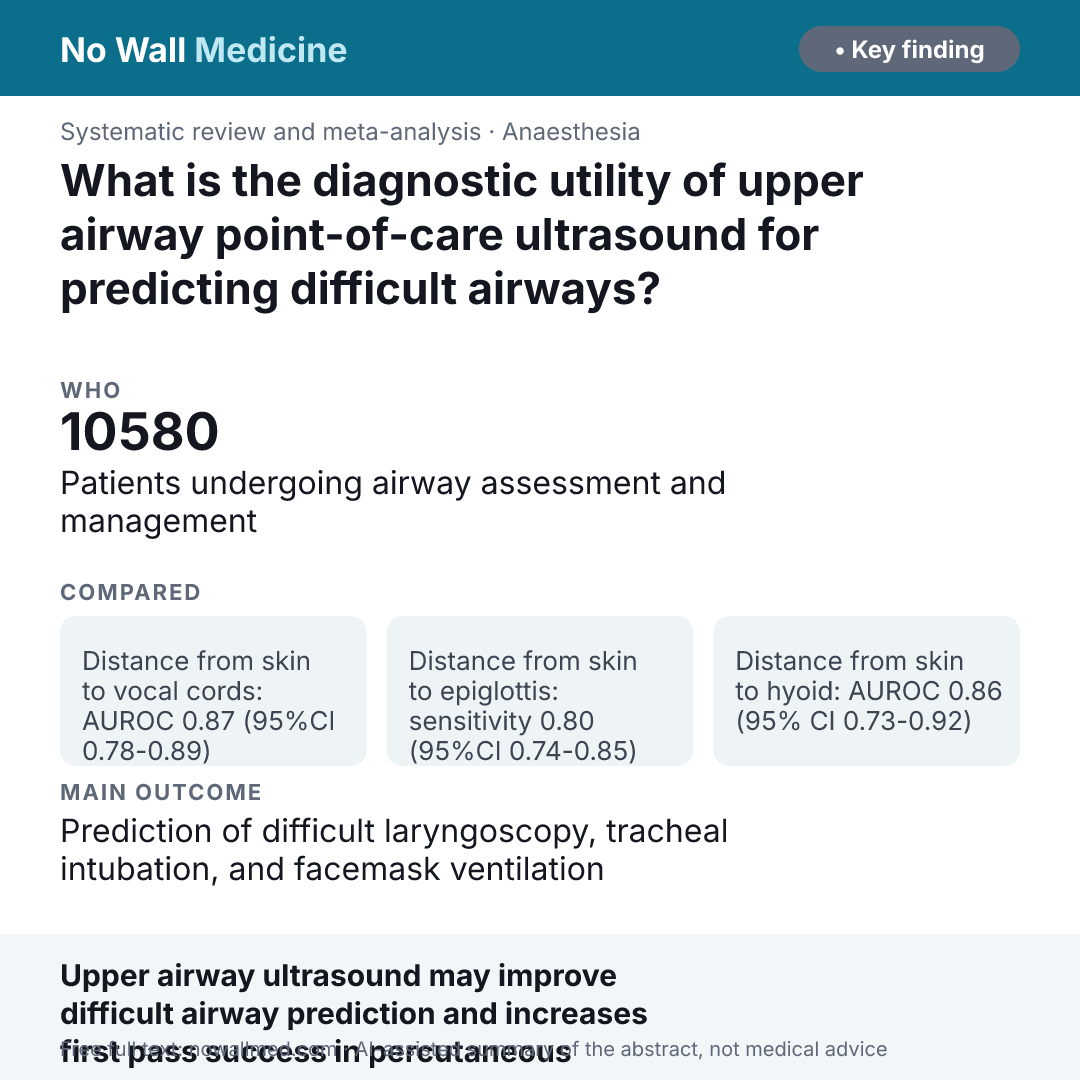
Point-of-care ultrasound of the upper airway in difficult airway management: a systematic review and meta-analysis
Systematic review and meta-analysisKey finding
What is the diagnostic utility of upper airway point-of-care ultrasound for predicting difficult airways?
Who
10580
Patients undergoing airway assessment and management
Compared
Distance from skin to vocal cords: AUROC 0.87 (95%CI 0.78-0.89)
Distance from skin to epiglottis: sensitivity 0.80 (95%CI 0.74-0.85)
Distance from skin to hyoid: AUROC 0.86 (95% CI 0.73-0.92)
Main outcome
Prediction of difficult laryngoscopy, tracheal intubation, and facemask ventilation
Bottom line: Upper airway ultrasound may improve difficult airway prediction and increases first pass success in percutaneous tracheostomy.
Limitation: Future research should evaluate use in combination with history and standard bedside examination tests.
Anaesthesia · 2025-09-02 · Save PNG
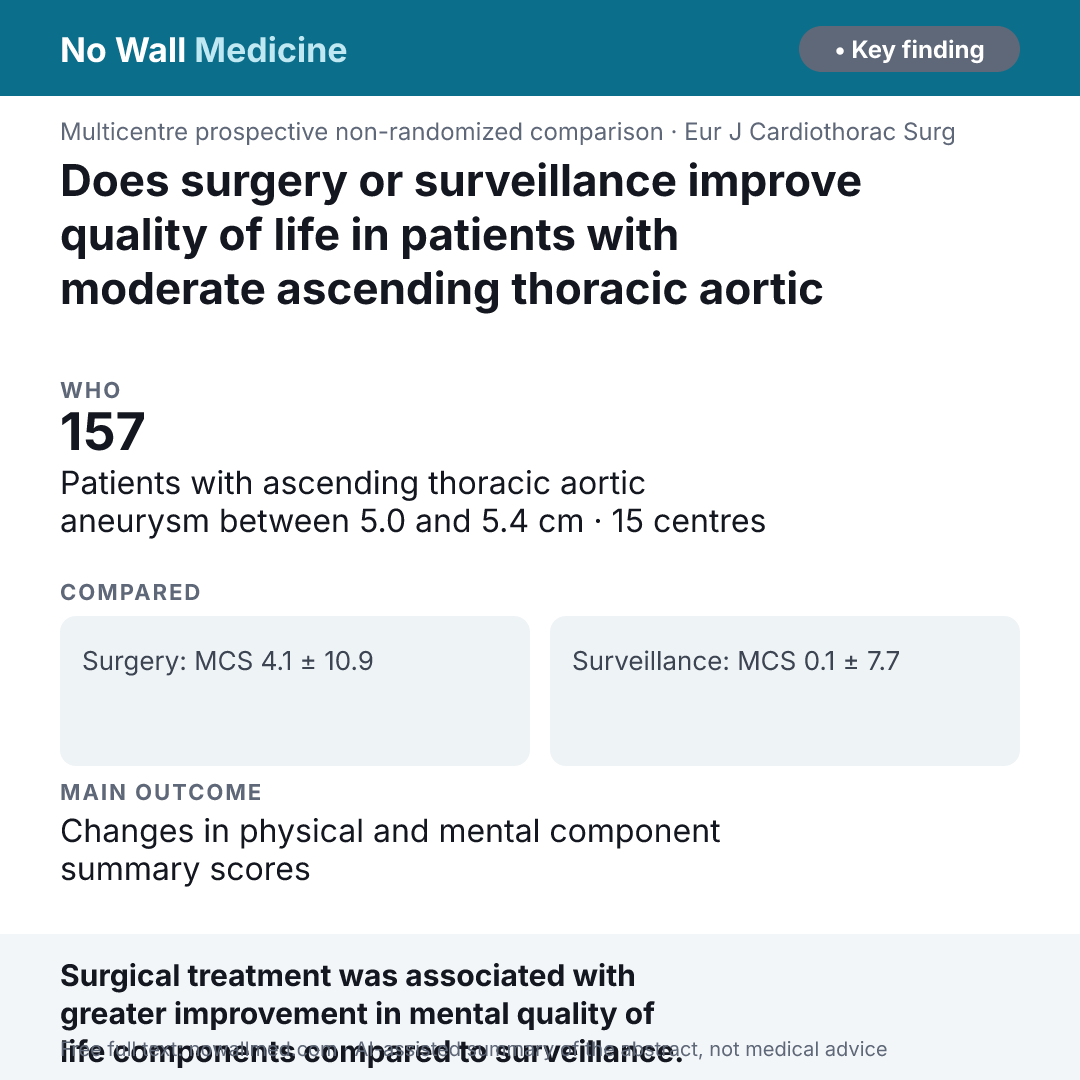
Surgery Versus Surveillance: A Quality-of-Life Analysis of Patients With Moderately Dilated Aortic Root or Ascending Aorta
Multicentre prospective non-randomized comparisonKey finding
Does surgery or surveillance improve quality of life in patients with moderate ascending thoracic aortic aneurysms?
Who
157
Patients with ascending thoracic aortic aneurysm between 5.0 and 5.4 cm · 15 centres
Compared
Surgery: MCS 4.1 ± 10.9
Surveillance: MCS 0.1 ± 7.7
Main outcome
Changes in physical and mental component summary scores
Bottom line: Surgical treatment was associated with greater improvement in mental quality of life components compared to surveillance.
Eur J Cardiothorac Surg · 2025-09-02 · Save PNG
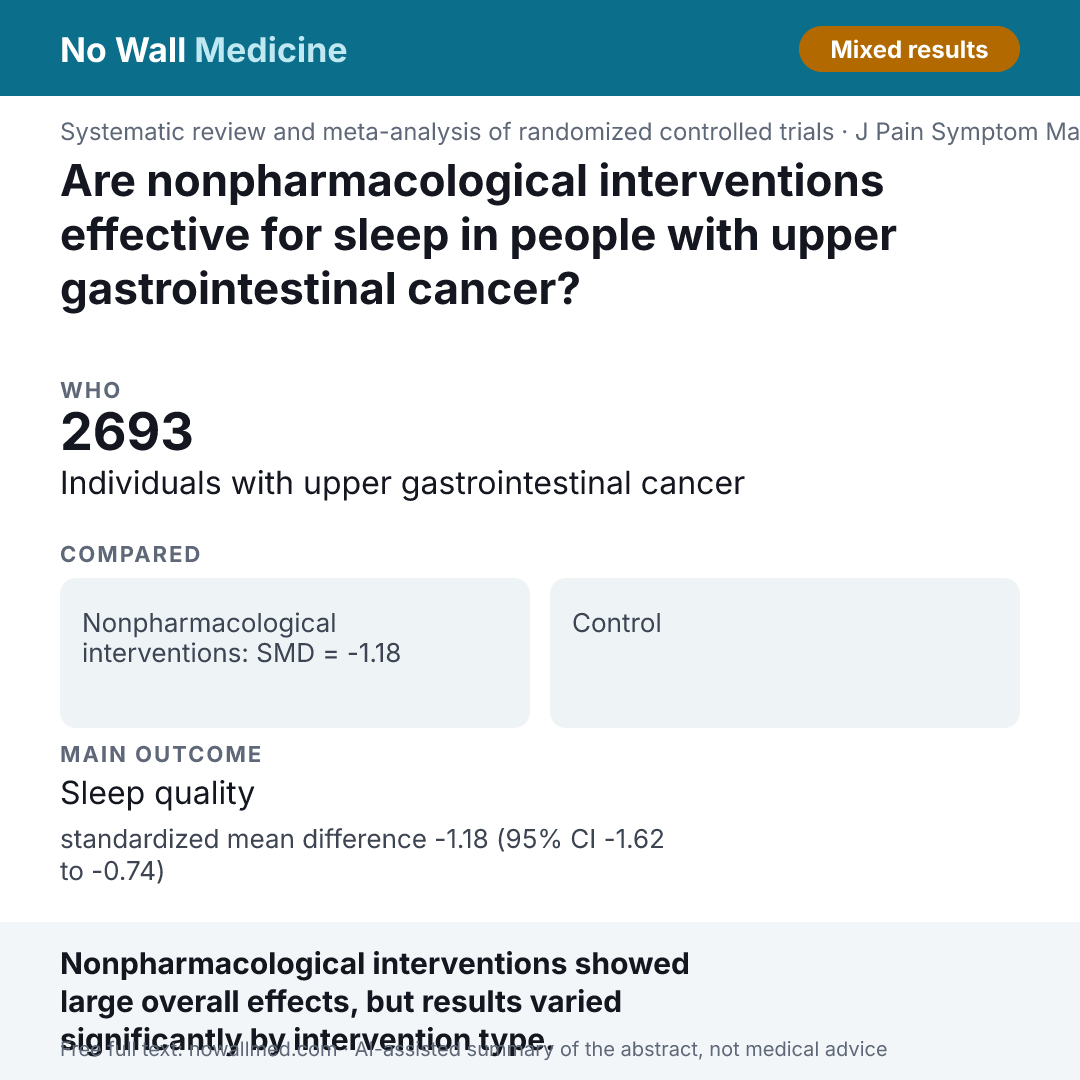
Nonpharmacological Interventions for Sleep in People With Upper Gastrointestinal Cancer: A Systematic Review and Meta-Analysis
Systematic review and meta-analysis of randomized controlled trialsMixed results
Are nonpharmacological interventions effective for sleep in people with upper gastrointestinal cancer?
Who
2693
Individuals with upper gastrointestinal cancer
Compared
Nonpharmacological interventions: SMD = -1.18
Control
Main outcome
Sleep quality
Result: standardized mean difference -1.18 (95% CI -1.62 to -0.74)
Bottom line: Nonpharmacological interventions showed large overall effects, but results varied significantly by intervention type.
Limitation: High heterogeneity and limited number of trials prevent definitive recommendations.
J Pain Symptom Manage · 2025-09-02 · Save PNG
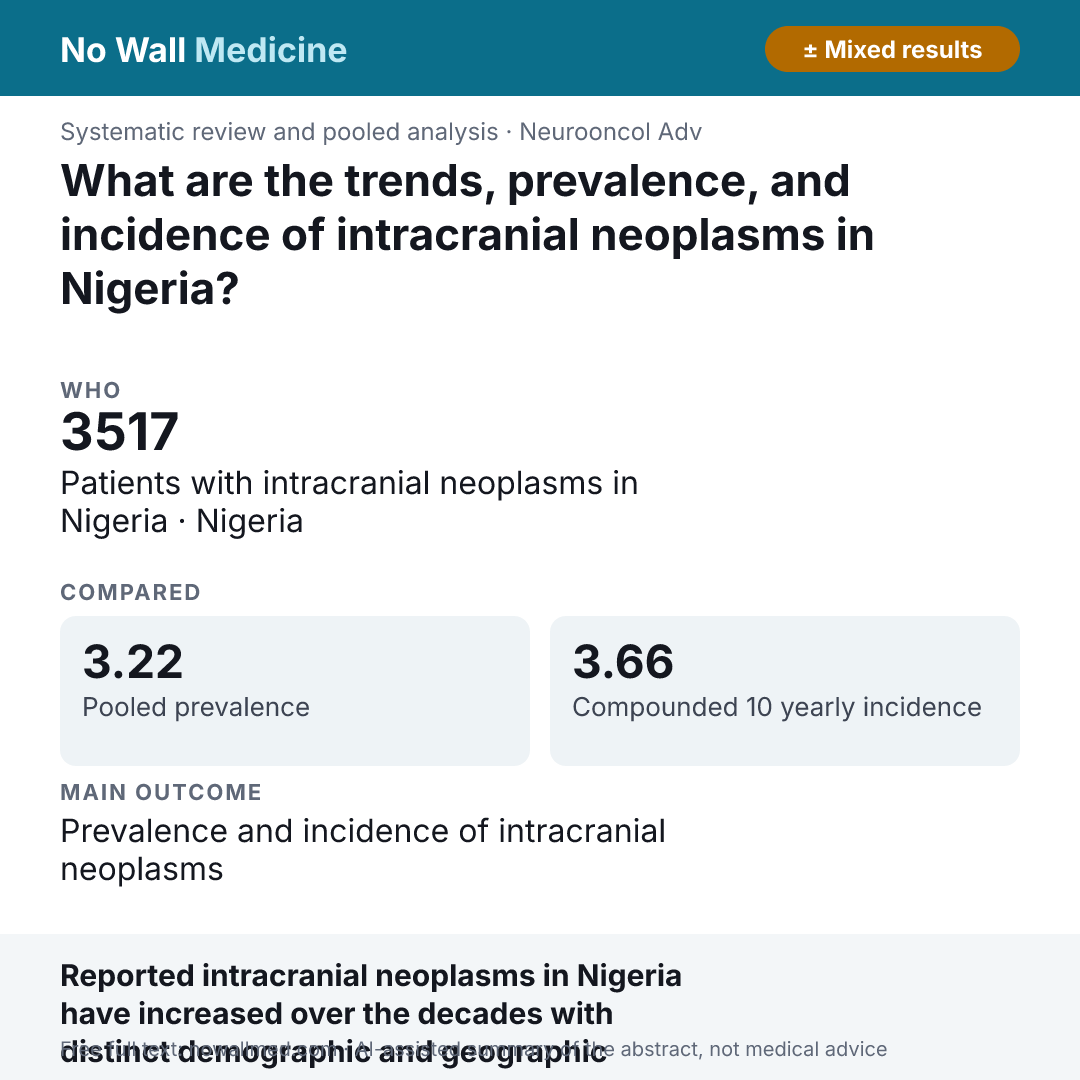
Trends of hospital-based reporting of intracranial neoplasms in Nigeria from 1960 to 2024: A systematic review and pooled analysis of literatures
Systematic review and pooled analysisMixed results
What are the trends, prevalence, and incidence of intracranial neoplasms in Nigeria?
Who
3517
Patients with intracranial neoplasms in Nigeria · Nigeria
Compared
3.22Pooled prevalence (95% CI: 1.66-5.22)
3.66Compounded 10 yearly incidence (95% CI: 1.67-6.32)
Main outcome
Prevalence and incidence of intracranial neoplasms
Bottom line: Reported intracranial neoplasms in Nigeria have increased over the decades with distinct demographic and geographic patterns.
Neurooncol Adv · 2025-09-02 · Save PNG
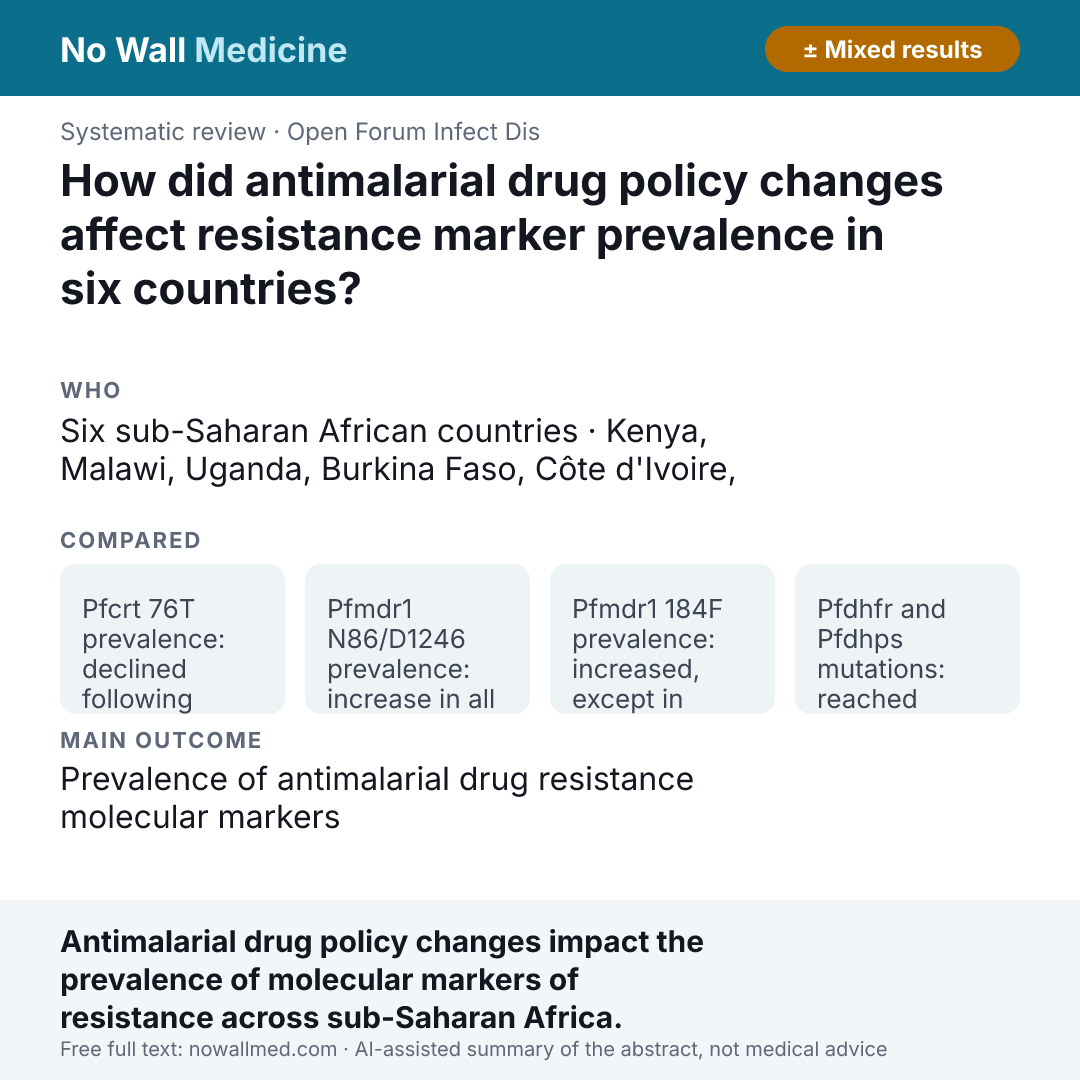
Changes in the Prevalence of Antimalarial Partner Drug Resistance Markers and Policy in 6 Sub-Saharan African Countries From 2000 to 2021: A Systematic Review
Systematic reviewMixed results
How did antimalarial drug policy changes affect resistance marker prevalence in six countries?
Who
Six sub-Saharan African countries · Kenya, Malawi, Uganda, Burkina Faso, Côte d'Ivoire, and Nigeria
Compared
Pfcrt 76T prevalence: declined following cessation of chloroquine
Pfmdr1 N86/D1246 prevalence: increase in all countries
Pfmdr1 184F prevalence: increased, except in Burkina Faso
Pfdhfr and Pfdhps mutations: reached fixation levels in most countries
Main outcome
Prevalence of antimalarial drug resistance molecular markers
Bottom line: Antimalarial drug policy changes impact the prevalence of molecular markers of resistance across sub-Saharan Africa.
Open Forum Infect Dis · 2025-09-02 · Save PNG
Assessing Treatment Efficacy for Dermatologic Immune-Related Adverse Events: A Systematic Review
Systematic reviewUnclear result
What is the level of evidence for reported dermatologic immune-related adverse event treatments?
Who
Patients with dermatologic immune-related adverse events
Compared
Topical and oral corticosteroids and apremilast: strongest evidence rating (3B)
Other treatments
Main outcome
Level of evidence for reported dermatologic immune-related adverse event treatments
Bottom line: Corticosteroids and apremilast have the strongest evidence, but most treatments lack robust validation.
Limitation: Lack of randomized control trials and prospective cohort studies
JID Innov · 2025-09-02 · Save PNG

Laryngeal Clear Cell Carcinoma: A Systematic Review
Systematic reviewHarm found
What are the clinical characteristics, treatment trends, and survival rates of laryngeal clear cell carcinoma?
Who
9
Adult or pediatric patients pathologically diagnosed with laryngeal clear cell carcinoma
Compared
All patients: 55.5% disease recurrence
All patients: 44.4% died due to the disease
Main outcome
Clinical presentation, treatment, and survival
Bottom line: Laryngeal clear cell carcinoma is an aggressive rare tumor with poor survival and high recurrence rates.
Limitation: Current literature is limited to case reports with little comprehensive data available.
OTO Open · 2025-09-02 · Save PNG

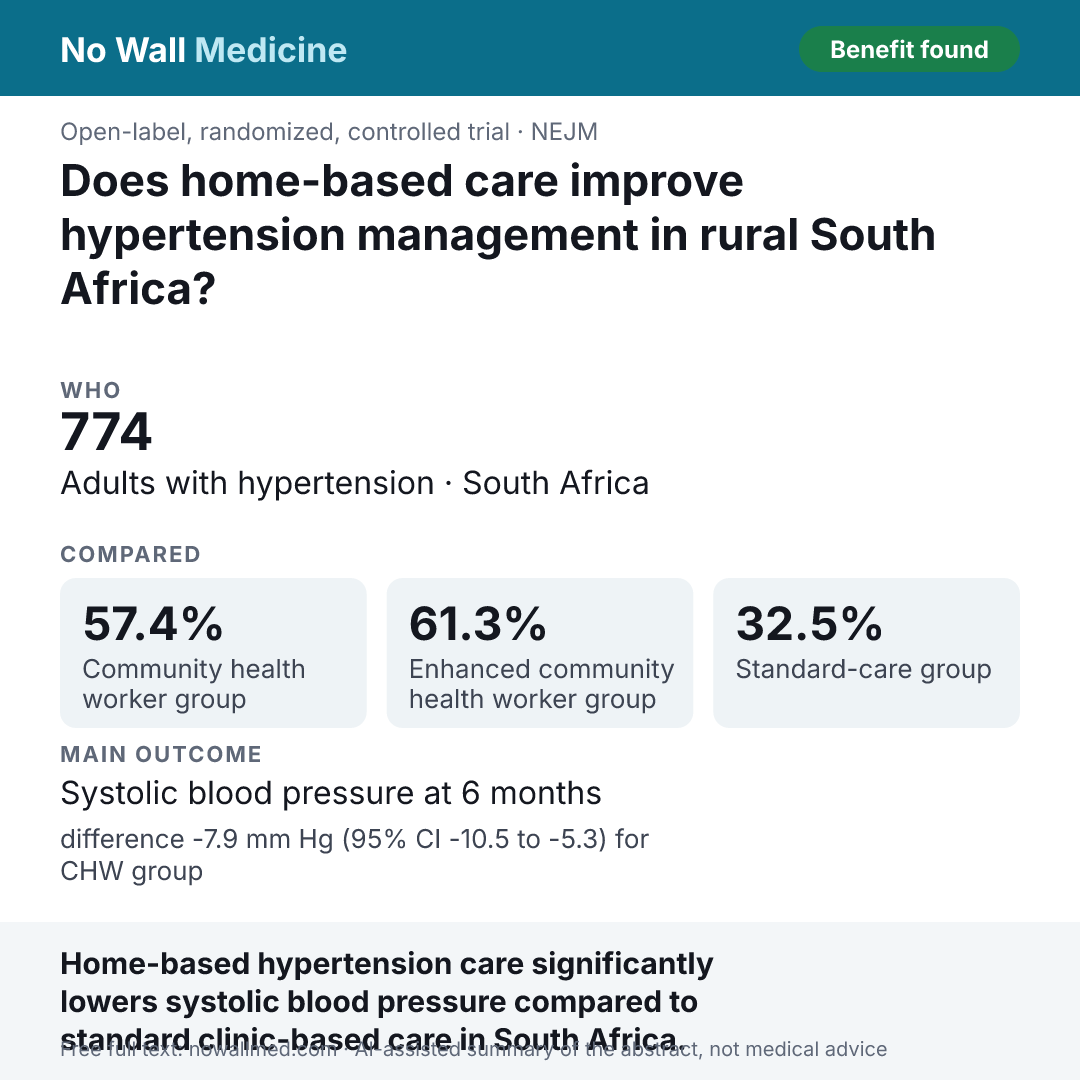
Home-Based Care for Hypertension in Rural South Africa
Open-label, randomized, controlled trialBenefit found
Does home-based care improve hypertension management in rural South Africa?
Who
774
Adults with hypertension · South Africa
Compared
57.4%Community health worker group
61.3%Enhanced community health worker group
32.5%Standard-care group
Main outcome
Systolic blood pressure at 6 months
Result: difference -7.9 mm Hg (95% CI -10.5 to -5.3) for CHW group
Bottom line: Home-based hypertension care significantly lowers systolic blood pressure compared to standard clinic-based care in South Africa.
Funded by: National Institutes of Health and others
NEJM · 2025-09-01 · Save PNG
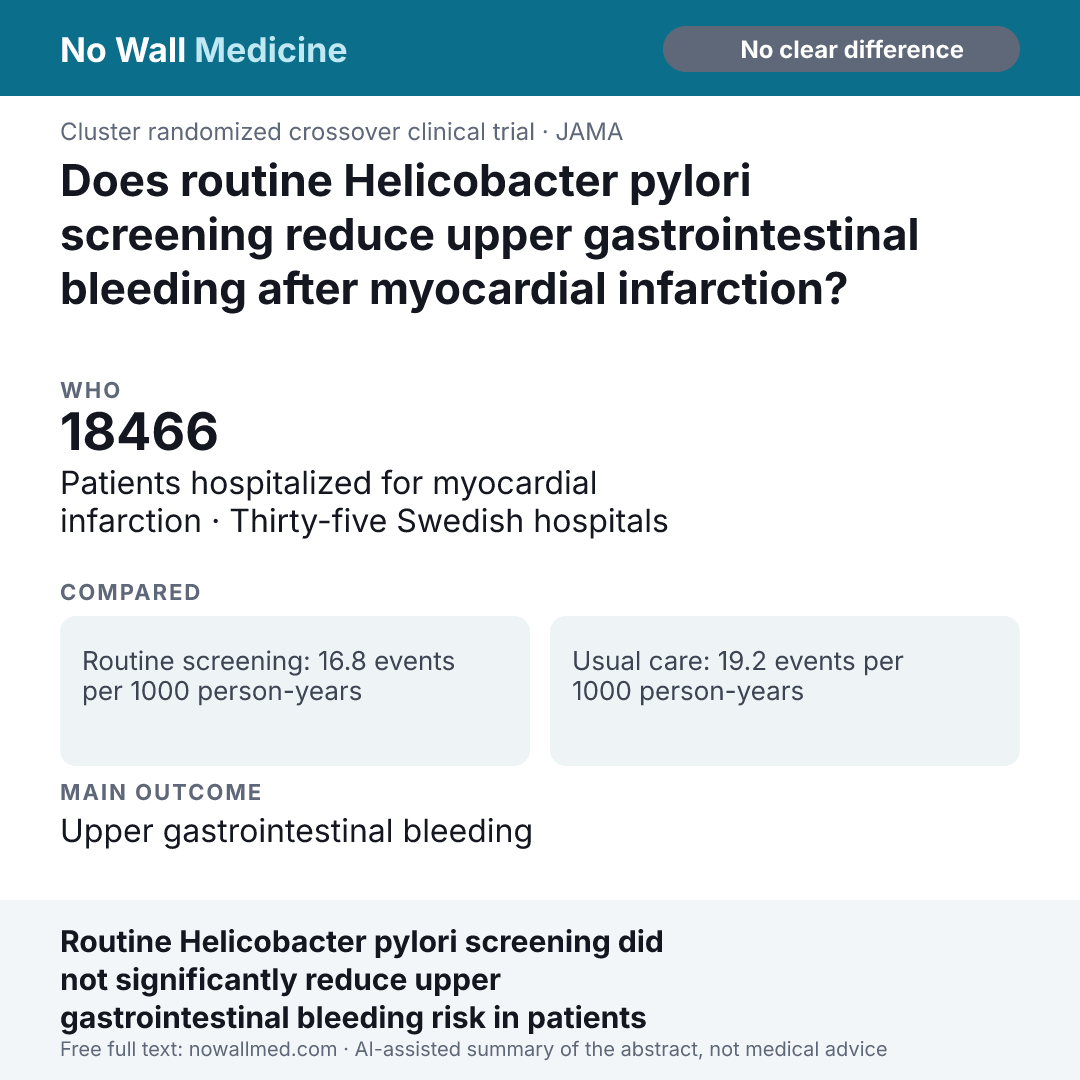
Helicobacter pylori Screening After Acute Myocardial Infarction: The Cluster Randomized Crossover HELP-MI SWEDEHEART Trial
Cluster randomized crossover clinical trialNo clear difference
Does routine Helicobacter pylori screening reduce upper gastrointestinal bleeding after myocardial infarction?
Who
18466
Patients hospitalized for myocardial infarction · Thirty-five Swedish hospitals
Compared
Routine screening: 16.8 events per 1000 person-years
Usual care: 19.2 events per 1000 person-years
Main outcome
Upper gastrointestinal bleeding
Result: rate ratio 0.90 (95% CI, 0.77-1.05)
Bottom line: Routine Helicobacter pylori screening did not significantly reduce upper gastrointestinal bleeding risk in patients with acute myocardial infarction.
JAMA · 2025-09-01 · Save PNG
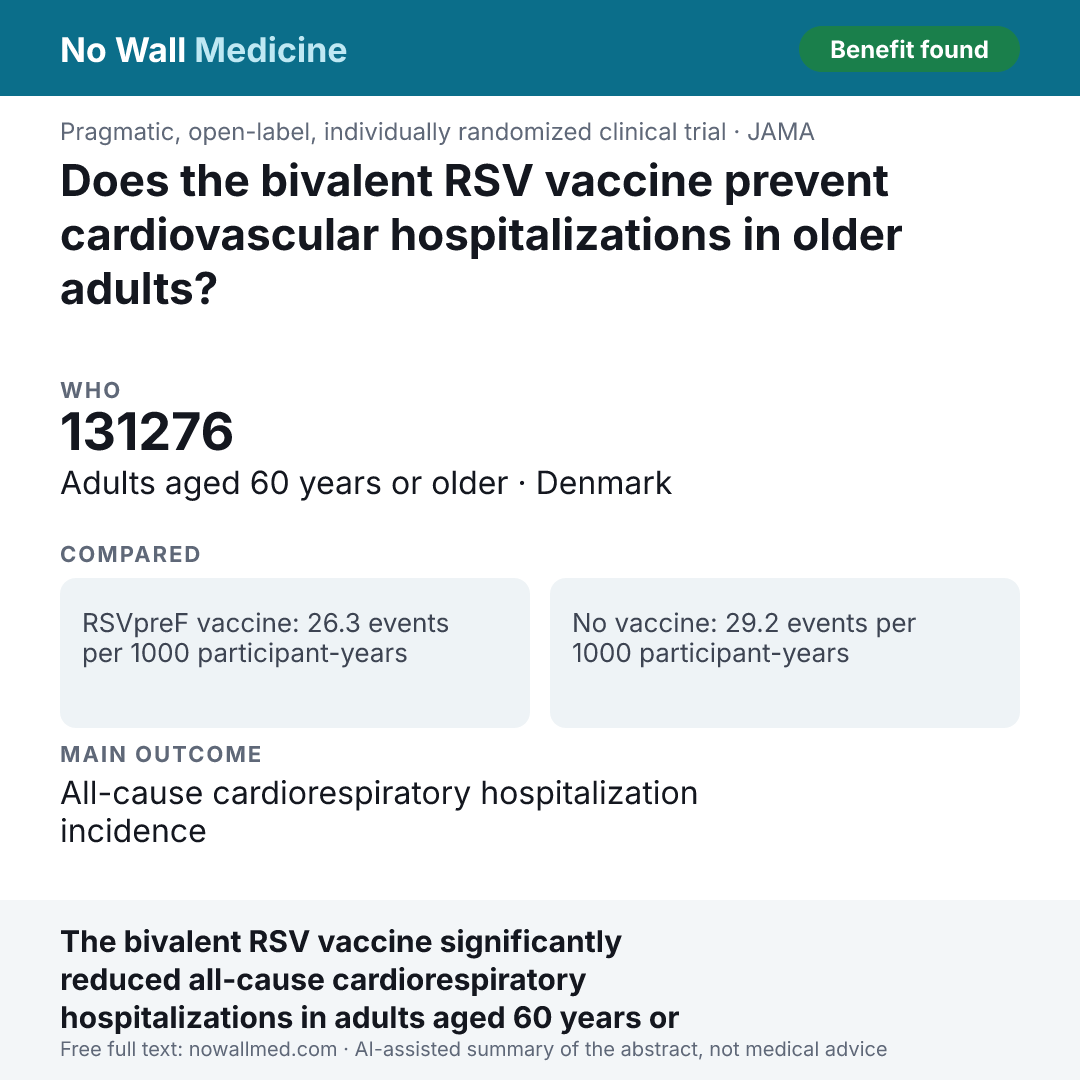
Bivalent RSV Prefusion F Protein-Based Vaccine for Preventing Cardiovascular Hospitalizations in Older Adults: A Prespecified Analysis of the DAN-RSV Trial
Pragmatic, open-label, individually randomized clinical trialBenefit found
Does the bivalent RSV vaccine prevent cardiovascular hospitalizations in older adults?
Who
131276
Adults aged 60 years or older · Denmark
Compared
RSVpreF vaccine: 26.3 events per 1000 participant-years
No vaccine: 29.2 events per 1000 participant-years
Main outcome
All-cause cardiorespiratory hospitalization incidence
Result: vaccine effectiveness, 9.9% (95% CI, 0.3%-18.7%)
Bottom line: The bivalent RSV vaccine significantly reduced all-cause cardiorespiratory hospitalizations in adults aged 60 years or older.
JAMA · 2025-09-01 · Save PNG
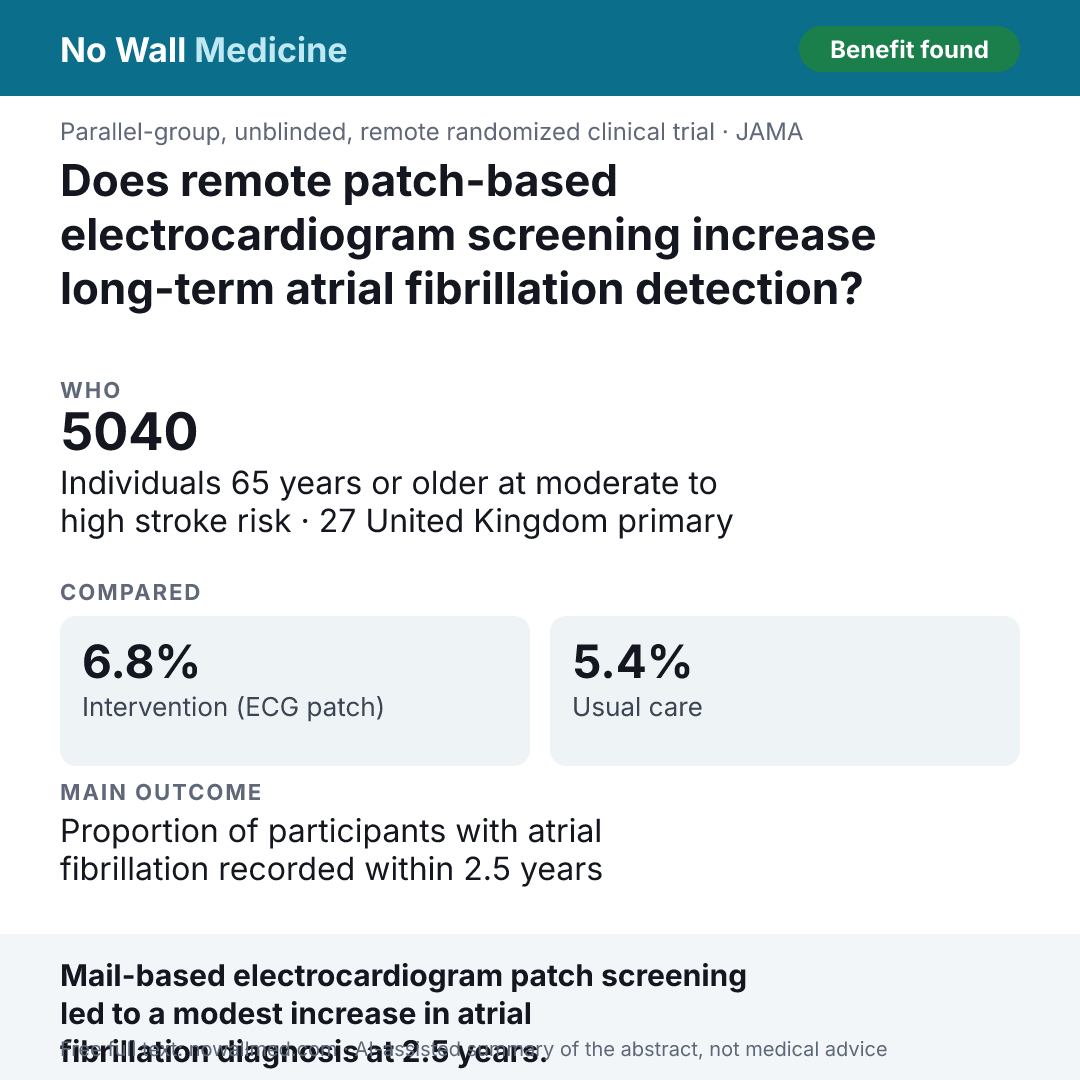
Remote Screening for Asymptomatic Atrial Fibrillation: The AMALFI Randomized Clinical Trial
Parallel-group, unblinded, remote randomized clinical trialBenefit found
Does remote patch-based electrocardiogram screening increase long-term atrial fibrillation detection?
Who
5040
Individuals 65 years or older at moderate to high stroke risk · 27 United Kingdom primary care practices
Compared
6.8%Intervention (ECG patch)
5.4%Usual care
Main outcome
Proportion of participants with atrial fibrillation recorded within 2.5 years
Result: ratio of proportions 1.26 (95% CI 1.02-1.57)
Bottom line: Mail-based electrocardiogram patch screening led to a modest increase in atrial fibrillation diagnosis at 2.5 years.
JAMA · 2025-09-01 · Save PNG