Visual abstracts
New randomized trials and meta-analyses from leading journals at a glance: who was studied, what was compared, and what was found. Every paper is free to read in full.
All specialtiesCardiology 4877Oncology 4138Gastroenterology & Hepatology 1942Infectious Disease 3837Neurology 1905Psychiatry & Mental Health 2273Pulmonology 2143Critical Care 1365Endocrinology & Diabetes 2580Pediatrics 2980Surgery 2559Orthopedics & Sports Medicine 931Neurosurgery 537Cardiothoracic & Vascular Surgery 674Plastic & Reconstructive Surgery 591Nephrology 1133Rheumatology 823Hematology 1109Dermatology 621Ophthalmology 543Obstetrics & Gynecology 1686Public & Global Health 1058Radiology & Imaging 648Anesthesiology 986Urology 764ENT (Otolaryngology) 503Emergency Medicine 511Allergy & Immunology 313Geriatrics 981Family Medicine & Primary Care 562Medical Genetics & Genomics 676Pathology & Laboratory Medicine 159Physical Medicine & Rehabilitation 757Palliative Care 444Nutrition 1588Digital Health & AI 2201General Medicine 321
Oncofertility outcomes in early-onset patients with non-breast solid malignancies: a systematic review
Systematic review of 102 studiesMixed results
What are the gonadal toxicity, fertility outcomes, and preservation strategies in non-breast solid malignancies?
Who
102
Adults with gastrointestinal, sarcoma, lung, and melanoma cancers
Compared
Melanoma: most survivors appear to retain fertility
Sarcoma: highest risk of persistent gonadal failure
Gastrointestinal cancers: near-universal ovarian failure with pelvic radiotherapy
Lung cancer: platinum-based regimens associated with premature menopause
Main outcome
treatment-related fertility impairment and reproductive outcomes
Bottom line: Gonadal toxicity risk varies by cancer type and treatment, but robust evidence for emerging young-onset malignancies is lacking.
Limitation: High heterogeneity in design, treatment exposures, and outcome definitions; formal assessment of publication bias was not undertaken.
Funded by: internal institutional support
eClinicalMedicine · 2026-06-04Download image

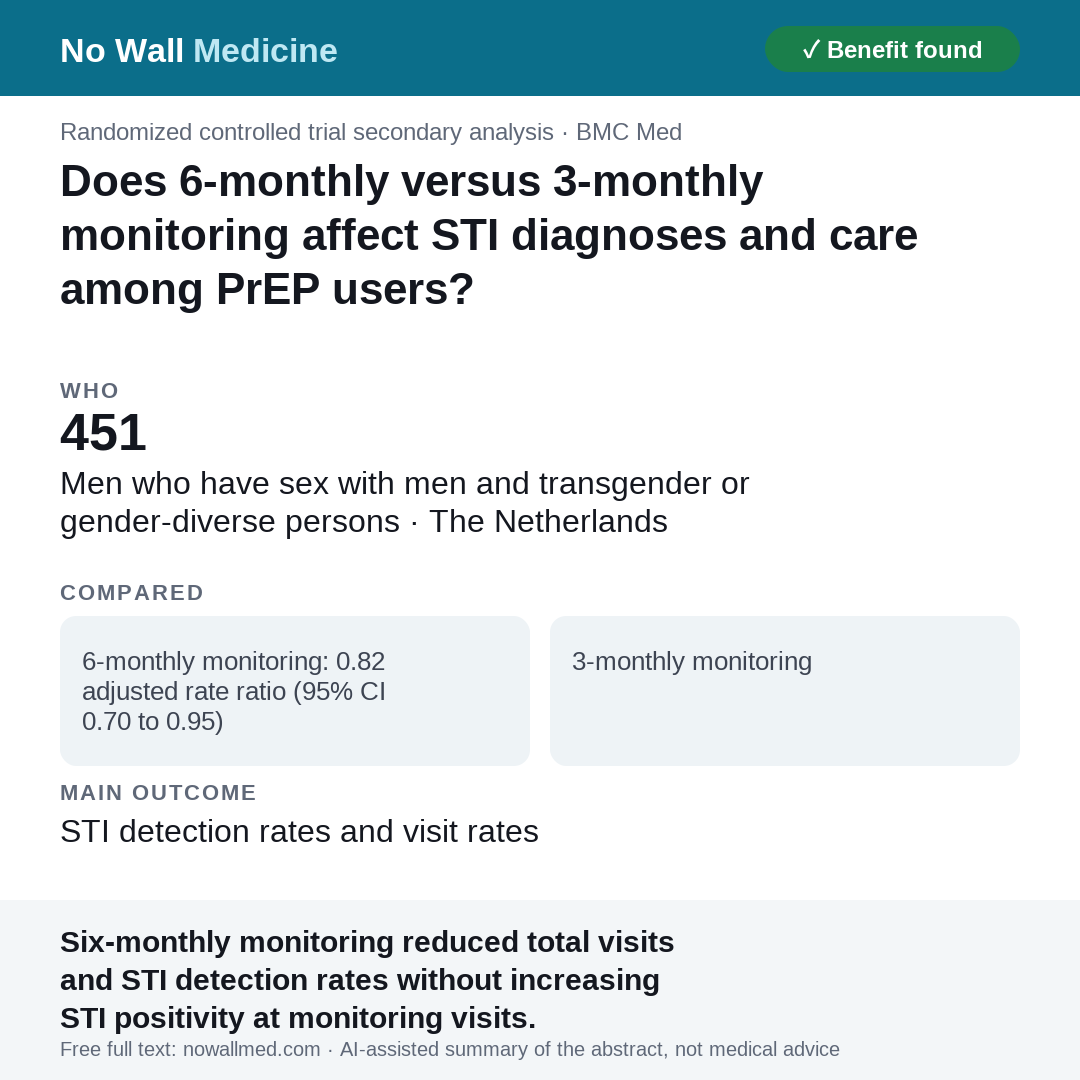
Impact of reduced-frequency monitoring among users of HIV pre-exposure prophylaxis on sexually transmitted infections and associated care: secondary outcomes of a randomized controlled trial
Randomized controlled trial secondary analysisBenefit found
Does 6-monthly versus 3-monthly monitoring affect STI diagnoses and care among PrEP users?
Who
451
Men who have sex with men and transgender or gender-diverse persons · The Netherlands
Compared
6-monthly monitoring: 0.82 adjusted rate ratio (95% CI 0.70 to 0.95)
3-monthly monitoring
Main outcome
STI detection rates and visit rates
Result: adjusted rate ratio 0.82 (95% CI 0.70 to 0.95)
Bottom line: Six-monthly monitoring reduced total visits and STI detection rates without increasing STI positivity at monitoring visits.
BMC Med · 2026-06-04Download image
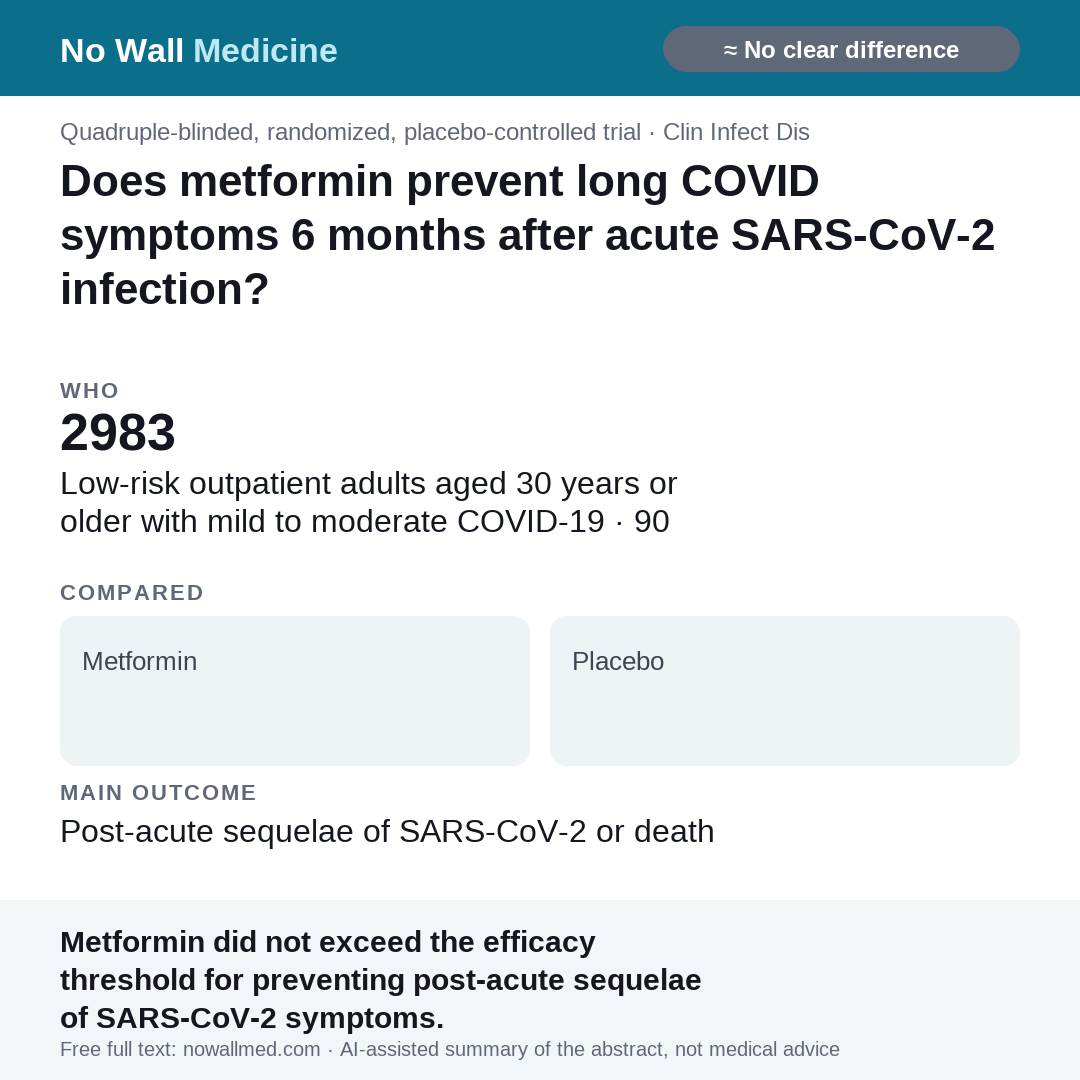
Metformin on the Presence of COVID-19 Symptoms 6 Months after Infection: The ACTIV-6 Randomized Clinical Trial
Quadruple-blinded, randomized, placebo-controlled trialNo clear difference
Does metformin prevent long COVID symptoms 6 months after acute SARS-CoV-2 infection?
Who
2983
Low-risk outpatient adults aged 30 years or older with mild to moderate COVID-19 · 90 sites
Compared
Metformin
Placebo
Main outcome
Post-acute sequelae of SARS-CoV-2 or death
Result: risk ratio 0.79 (95% CrI 0.474 to 1.230)
Bottom line: Metformin did not exceed the efficacy threshold for preventing post-acute sequelae of SARS-CoV-2 symptoms.
Clin Infect Dis · 2026-06-04Download image
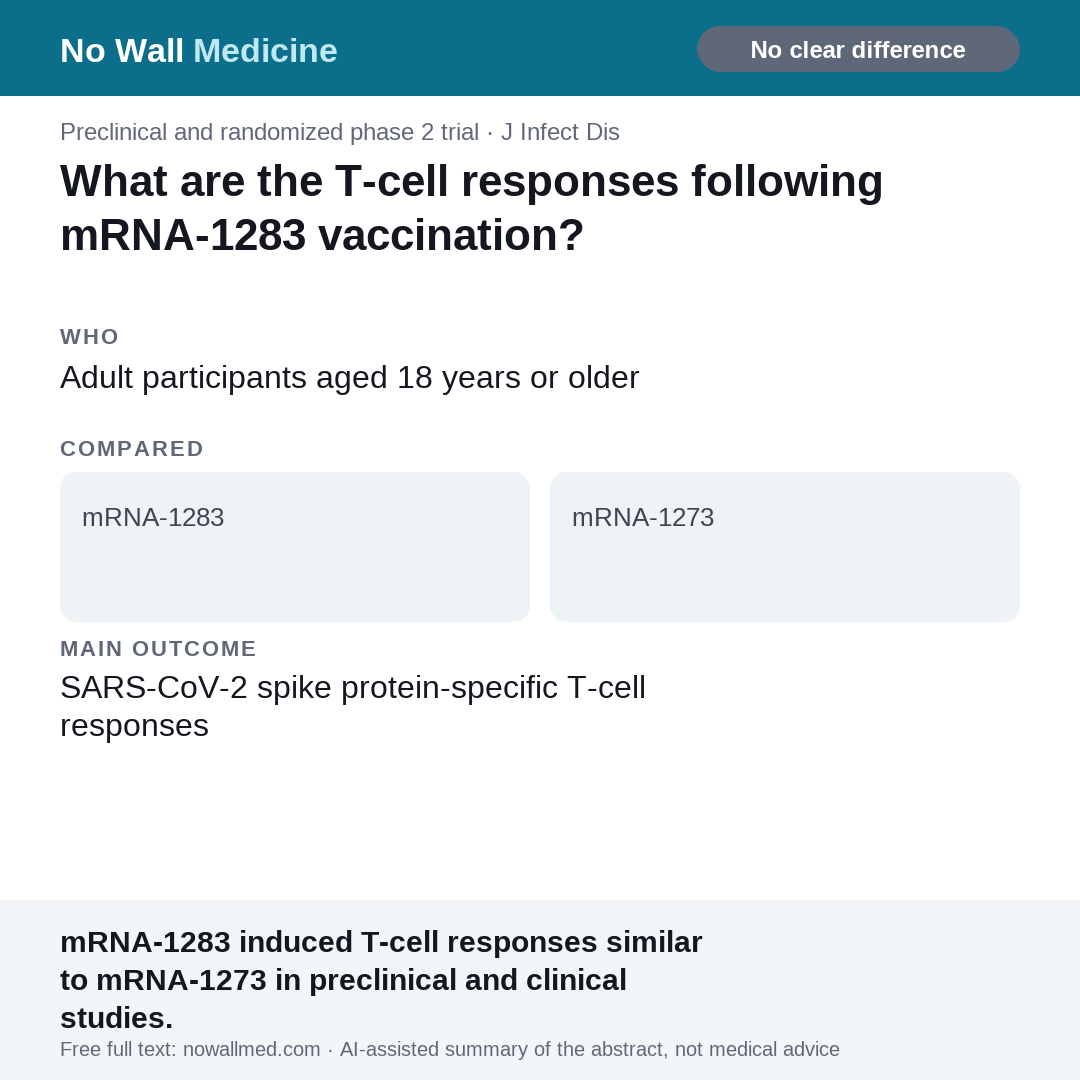
Cell-Mediated Immunity of mRNA-1283 Vaccine Encoding SARS-CoV-2 Spike Receptor-Binding and N-Terminal Domains in Preclinical and Clinical Studies
Preclinical and randomized phase 2 trialNo clear difference
What are the T-cell responses following mRNA-1283 vaccination?
Who
Adult participants aged 18 years or older
Compared
mRNA-1283
mRNA-1273
Main outcome
SARS-CoV-2 spike protein-specific T-cell responses
Bottom line: mRNA-1283 induced T-cell responses similar to mRNA-1273 in preclinical and clinical studies.
J Infect Dis · 2026-06-04Download image
Efficacy of pharmacological and microbiota-based therapies in preclinical models of autism spectrum disorder: a systematic review
Systematic review of 52 studiesMixed results
Do therapies improve autism spectrum disorder
Who
52
animal models of autism spectrum disorder
Compared
pharmacological therapies
microbiota-based therapies
Main outcome
autism spectrum disorder behavioral outcomes
Bottom line: Therapies modulate autism-like behavioral deficits
Limitation: methodological differences and outcome variability
Mol Psychiatry · 2026-06-04Download image

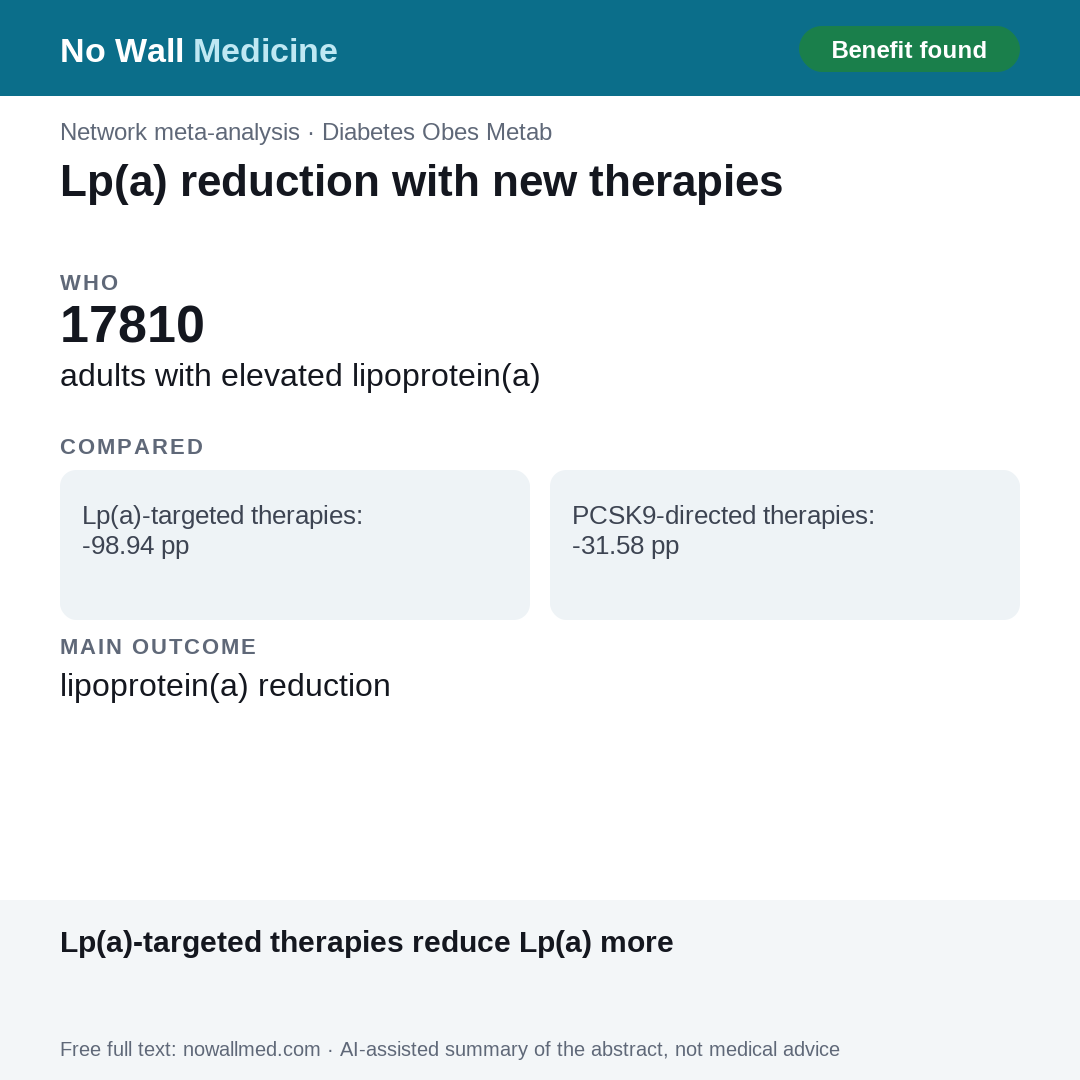
Comparative Effects of Emerging Lp(a)-Lowering Agents and PCSK9-Directed Therapies on Lipoprotein(a): A Network Meta-Analysis of Randomised Clinical Trials
Network meta-analysisBenefit found
Lp(a) reduction with new therapies
Who
17810
adults with elevated lipoprotein(a)
Compared
Lp(a)-targeted therapies: -98.94 pp
PCSK9-directed therapies: -31.58 pp
Main outcome
lipoprotein(a) reduction
Bottom line: Lp(a)-targeted therapies reduce Lp(a) more
Diabetes Obes Metab · 2026-06-04Download image
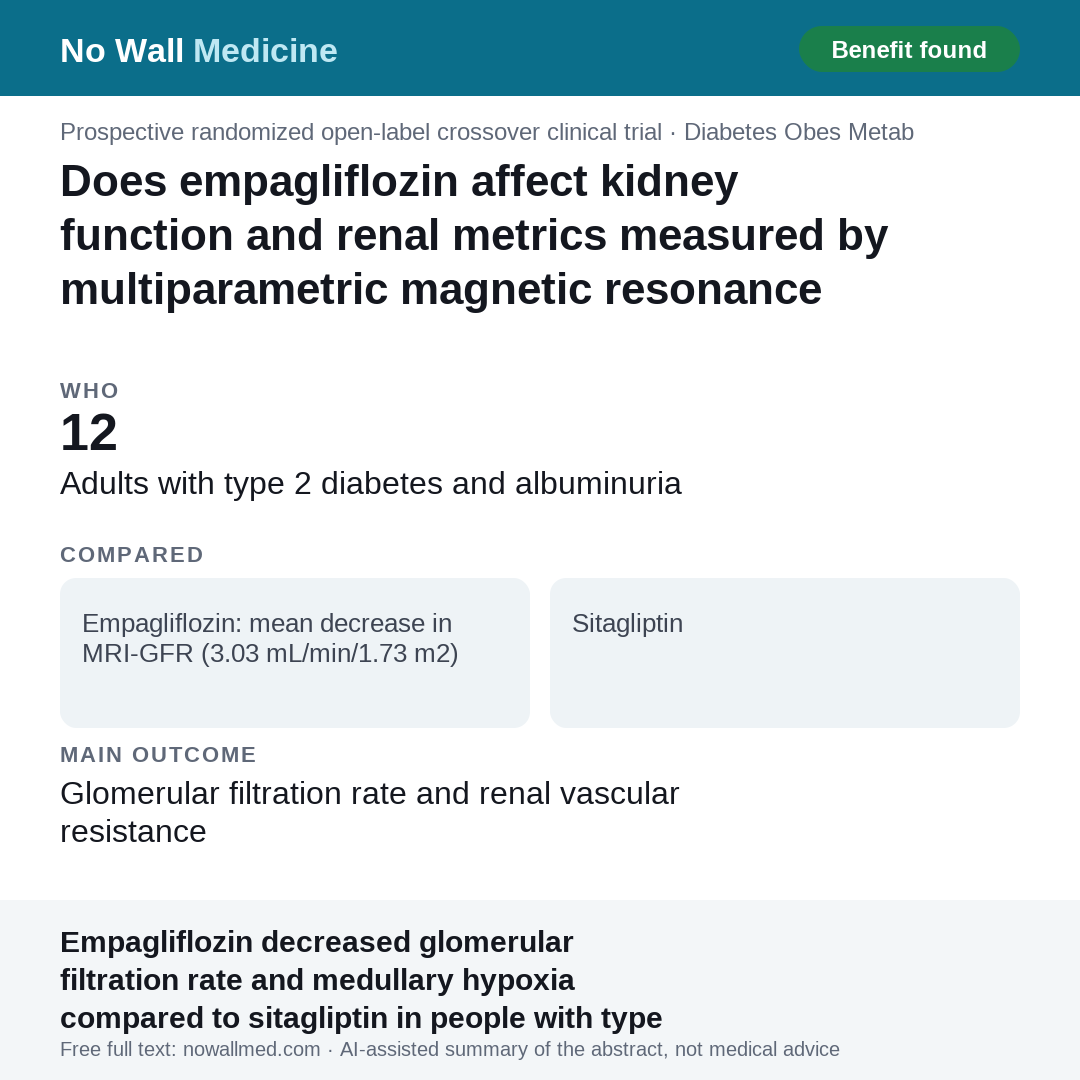
Multi-Parametric Magnetic Resonance Imaging to Assess Empagliflozin Effect on the Kidneys in People With Type 2 Diabetes Mellitus: A Pilot Clinical Trial
Prospective randomized open-label crossover clinical trialBenefit found
Does empagliflozin affect kidney function and renal metrics measured by multiparametric magnetic resonance imaging?
Who
12
Adults with type 2 diabetes and albuminuria
Compared
Empagliflozin: mean decrease in MRI-GFR (3.03 mL/min/1.73 m2)
Sitagliptin
Main outcome
Glomerular filtration rate and renal vascular resistance
Bottom line: Empagliflozin decreased glomerular filtration rate and medullary hypoxia compared to sitagliptin in people with type 2 diabetes.
Diabetes Obes Metab · 2026-06-04Download image
Safety Profile of Sclerosing Agents in the Management of Low-Flow Vascular Malformations of the Head and Neck-A Systematic Review
Systematic reviewMixed results
What are the safety profiles of different sclerosing agents for head and neck vascular malformations?
Who
2508
Patients with low-flow vascular malformations of the head and neck
Compared
Bleomycin: 13.5% complication rate
Ethanol: 9% complication rate
Sodium tetradecyl sulfate: 9.5% complication rate
Polidocanol and doxycycline: 4.2% and 3.8% complication rates
Main outcome
Complication rates per sclerotherapy session
Bottom line: Sclerotherapy is generally safe, but safety profiles vary significantly among different sclerosing agents used.
Limitation: Absence of standardized guidelines and comparative efficacy data
Head Neck · 2026-06-04Download image

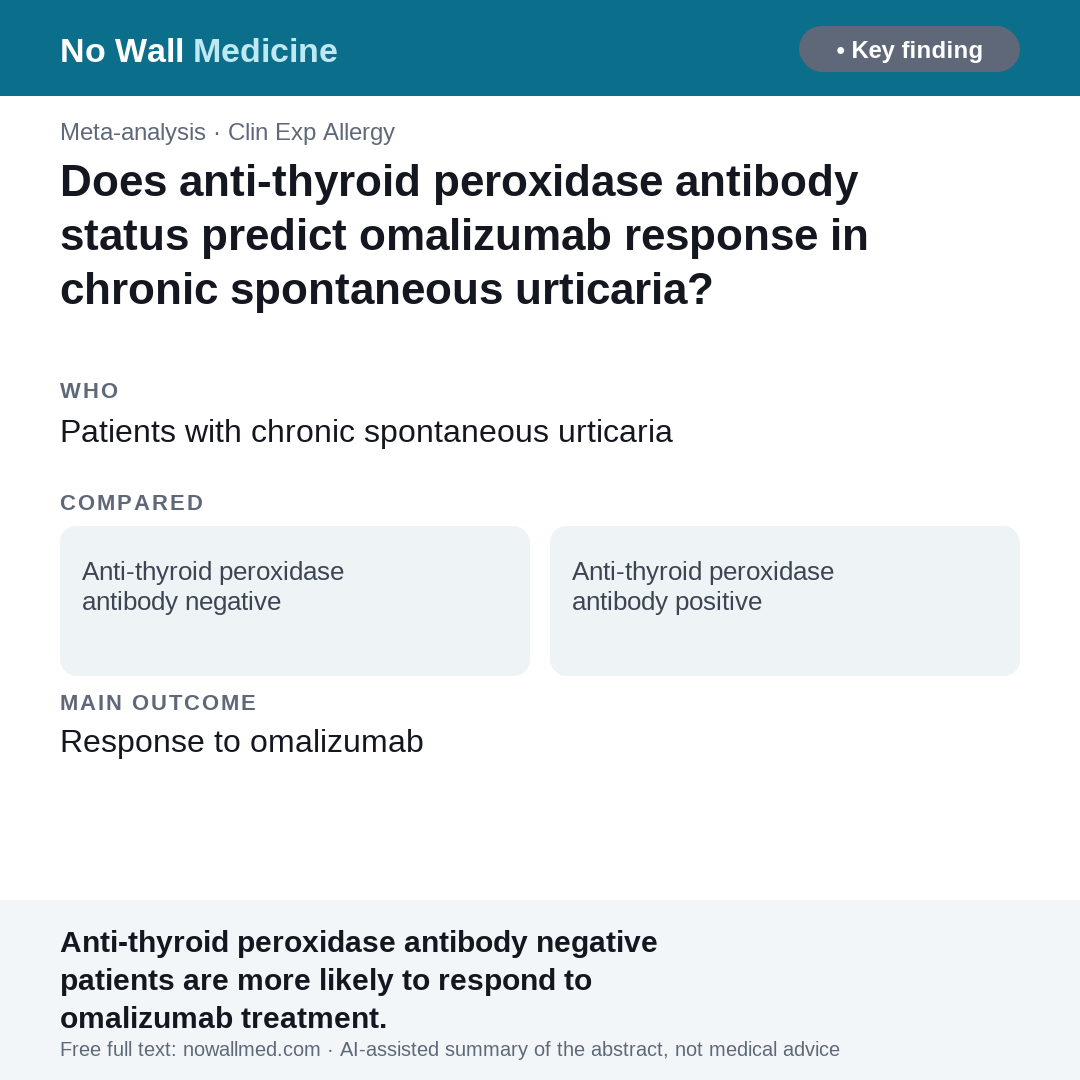
A Meta-Analysis of Anti-Thyroid Peroxidase Antibody and Omalizumab Response in Chronic Spontaneous Urticaria
Meta-analysisBenefit found
Does anti-thyroid peroxidase antibody status predict omalizumab response in chronic spontaneous urticaria?
Who
Patients with chronic spontaneous urticaria
Compared
Anti-thyroid peroxidase antibody negative
Anti-thyroid peroxidase antibody positive
Main outcome
Response to omalizumab
Bottom line: Anti-thyroid peroxidase antibody negative patients are more likely to respond to omalizumab treatment.
Clin Exp Allergy · 2026-06-04Download image
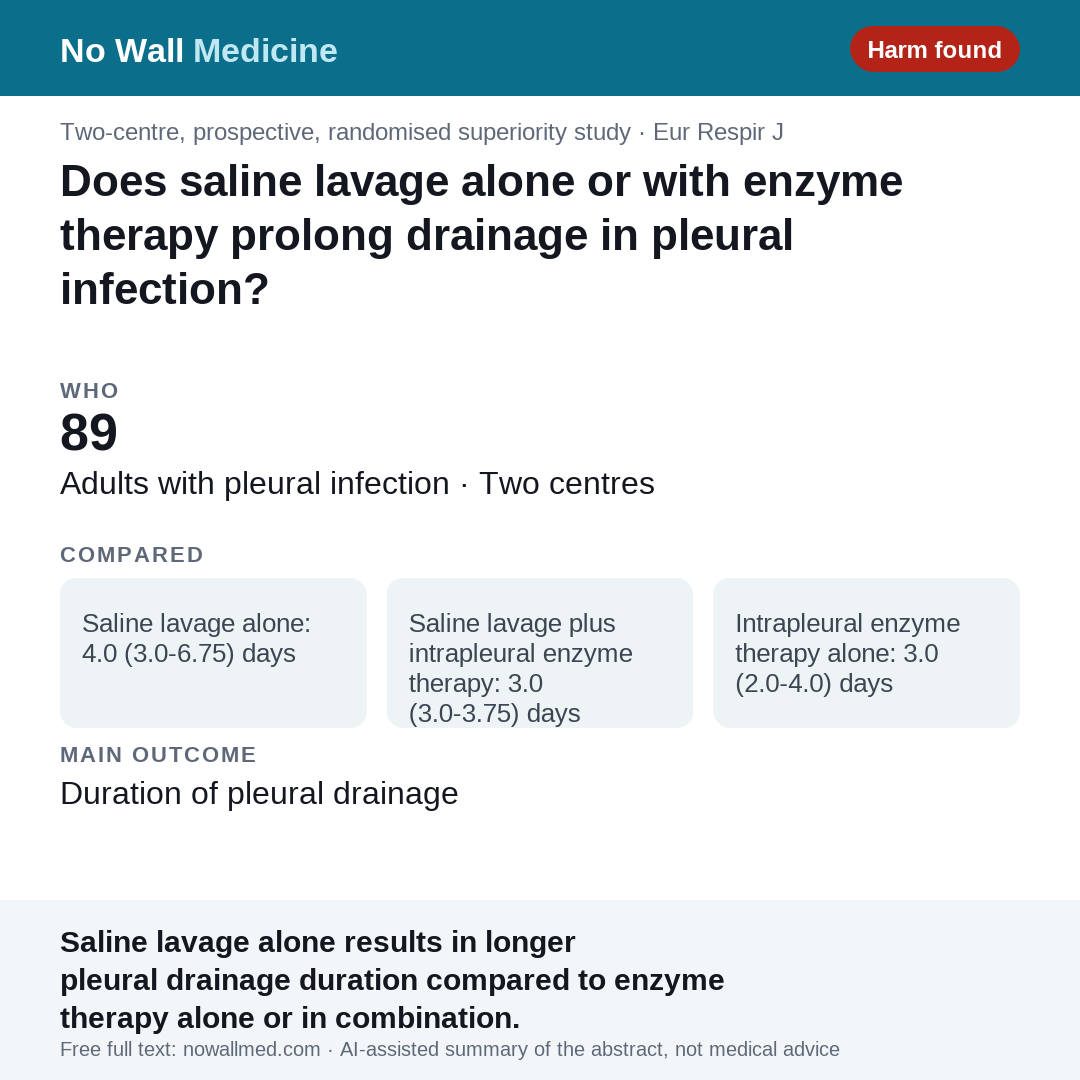
Saline lavage alone prolongs drainage compared with intrapleural enzyme therapy in pleural infection: the SCOPE randomised controlled trial
Two-centre, prospective, randomised superiority studyHarm found
Does saline lavage alone or with enzyme therapy prolong drainage in pleural infection?
Who
89
Adults with pleural infection · Two centres
Compared
Saline lavage alone: 4.0 (3.0-6.75) days
Saline lavage plus intrapleural enzyme therapy: 3.0 (3.0-3.75) days
Intrapleural enzyme therapy alone: 3.0 (2.0-4.0) days
Main outcome
Duration of pleural drainage
Bottom line: Saline lavage alone results in longer pleural drainage duration compared to enzyme therapy alone or in combination.
Limitation: This was a small superiority trial.
Eur Respir J · 2026-06-04Download image
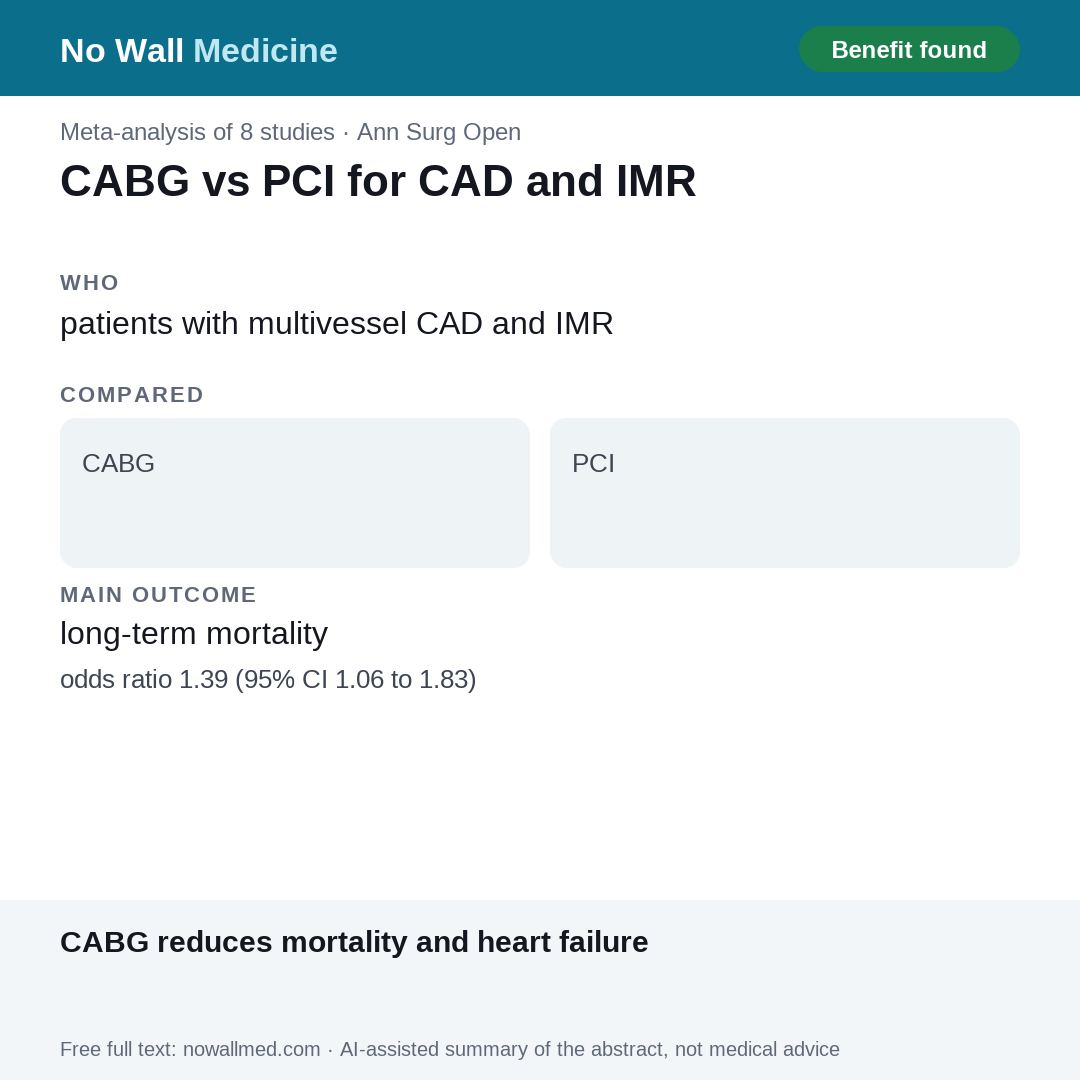
Revascularization for Coronary Artery Disease and Mitral Regurgitation: A Systematic Review and Meta-analysis
Meta-analysis of 8 studiesBenefit found
CABG vs PCI for CAD and IMR
Who
patients with multivessel CAD and IMR
Compared
CABG
PCI
Main outcome
long-term mortality
Result: odds ratio 1.39 (95% CI 1.06 to 1.83)
Bottom line: CABG reduces mortality and heart failure
Limitation: considerable heterogeneity between studies
Ann Surg Open · 2026-06-04Download image
Mental health of internally displaced persons: a meta-analysis
Meta-analysisHarm found
What is the prevalence of mental disorders among internally displaced persons?
Who
195741
Adult internally displaced persons
Compared
Internally displaced persons: 39.8% PTSD
Non-displaced controls
Main outcome
Prevalence of mental disorders
Bottom line: Internally displaced persons face a high burden of mental disorders including post-traumatic stress disorder and depression.
Limitation: High risk of selection and outcome measurement bias was observed.
BMJ Glob Health · 2026-06-04Download image

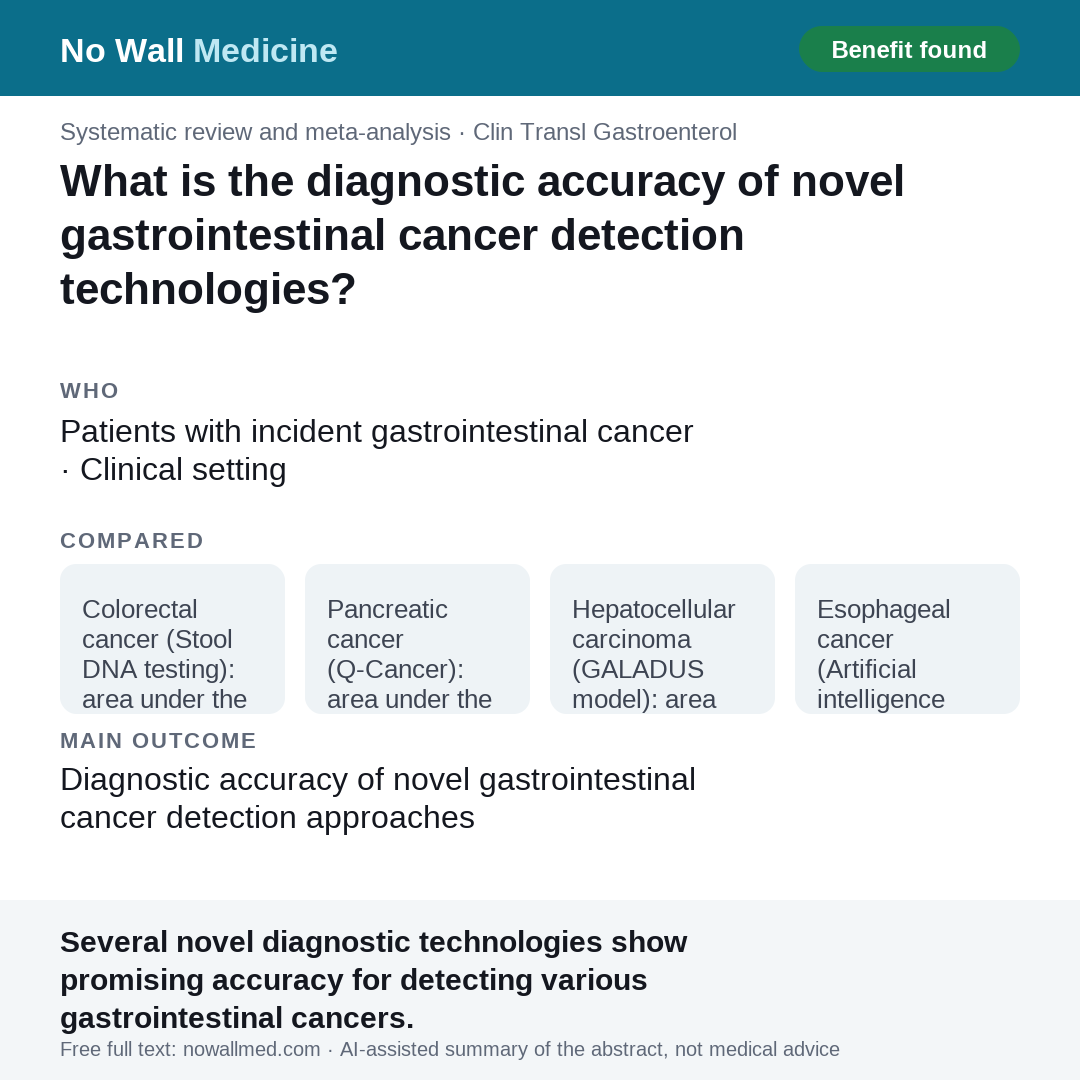
Novel Technologies for Gastrointestinal Cancer Detection: A Systematic Review and Meta-Analysis of Diagnostic Accuracy
Systematic review and meta-analysisBenefit found
What is the diagnostic accuracy of novel gastrointestinal cancer detection technologies?
Who
Patients with incident gastrointestinal cancer · Clinical setting
Compared
Colorectal cancer (Stool DNA testing): area under the receiver operating characteristic curve 0.94-0.98
Pancreatic cancer (Q-Cancer): area under the receiver operating characteristic curve 0.89-0.92
Hepatocellular carcinoma (GALADUS model): area under the receiver operating characteristic curve 0.94
Esophageal cancer (Artificial intelligence model): area under the receiver operating characteristic curve 0.87
Main outcome
Diagnostic accuracy of novel gastrointestinal cancer detection approaches
Bottom line: Several novel diagnostic technologies show promising accuracy for detecting various gastrointestinal cancers.
Limitation: Need for external validation, population-level studies, and health economic evaluation.
Clin Transl Gastroenterol · 2026-06-04Download image
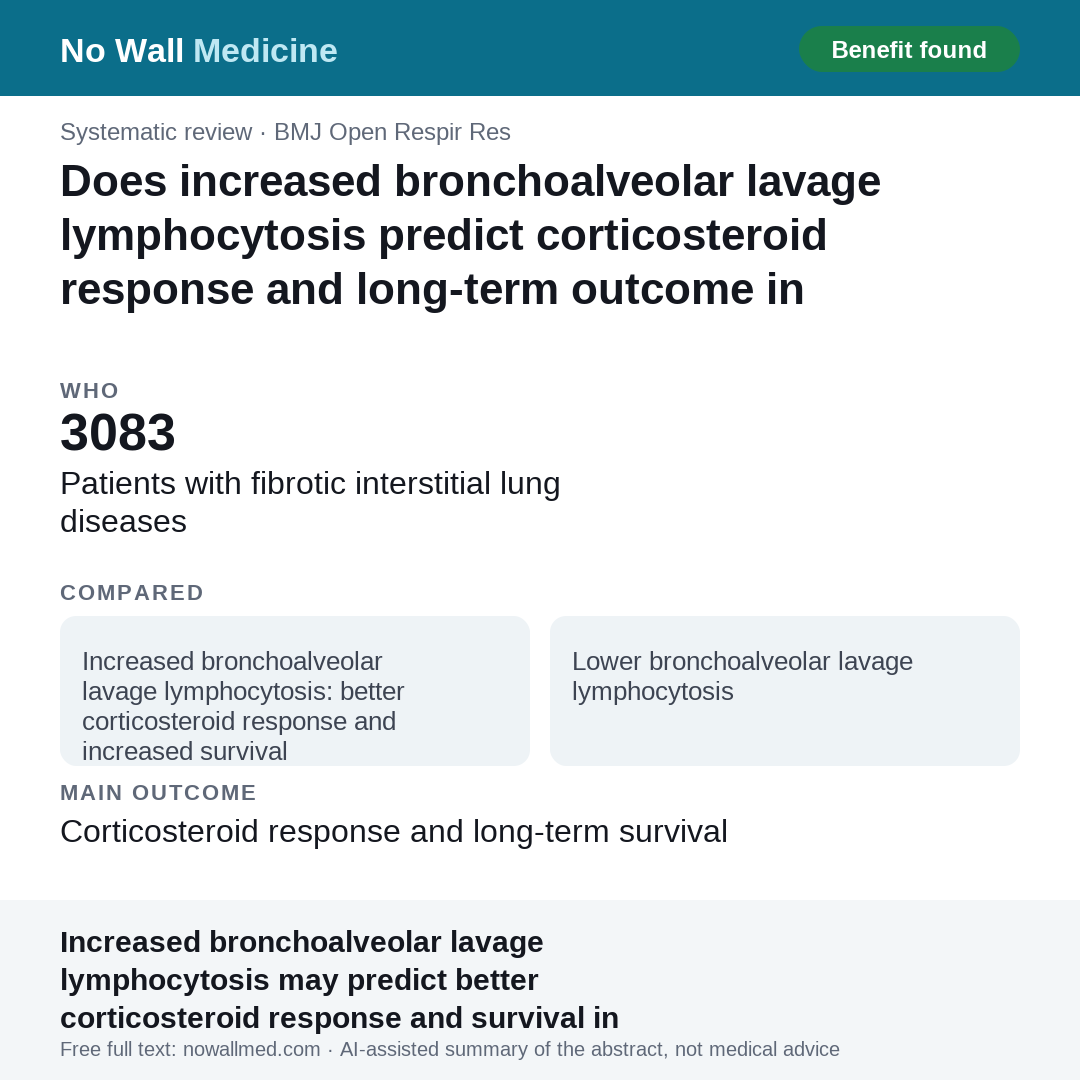
BAL lymphocytosis as a predictive marker for drug response and long-term outcome in fibrotic ILD: systematic review
Systematic reviewBenefit found
Does increased bronchoalveolar lavage lymphocytosis predict corticosteroid response and long-term outcome in fibrotic interstitial lung diseases?
Who
3083
Patients with fibrotic interstitial lung diseases
Compared
Increased bronchoalveolar lavage lymphocytosis: better corticosteroid response and increased survival
Lower bronchoalveolar lavage lymphocytosis
Main outcome
Corticosteroid response and long-term survival
Bottom line: Increased bronchoalveolar lavage lymphocytosis may predict better corticosteroid response and survival in certain fibrotic interstitial lung diseases.
Limitation: Predominantly observational studies, inconsistent thresholds, and study heterogeneity precluded meta-analysis.
BMJ Open Respir Res · 2026-06-04Download image
Effects of digital versus face-to-face peer support on clinical skills: a three-arm randomized trial
Three-arm randomized controlled trialBenefit found
Does digital peer support compare to face-to-face or instructor feedback for clinical skills?
Who
98
Medical students
Compared
Digital interactive peer support: highest and most consistent score
Face-to-face peer support
Routine instructor feedback
Main outcome
Objective Structured Clinical Examination performance and reflection skills
Bottom line: Digital interactive peer support resulted in the highest and most consistent clinical skill scores and reflective ability.
NPJ Digit Med · 2026-06-04Download image

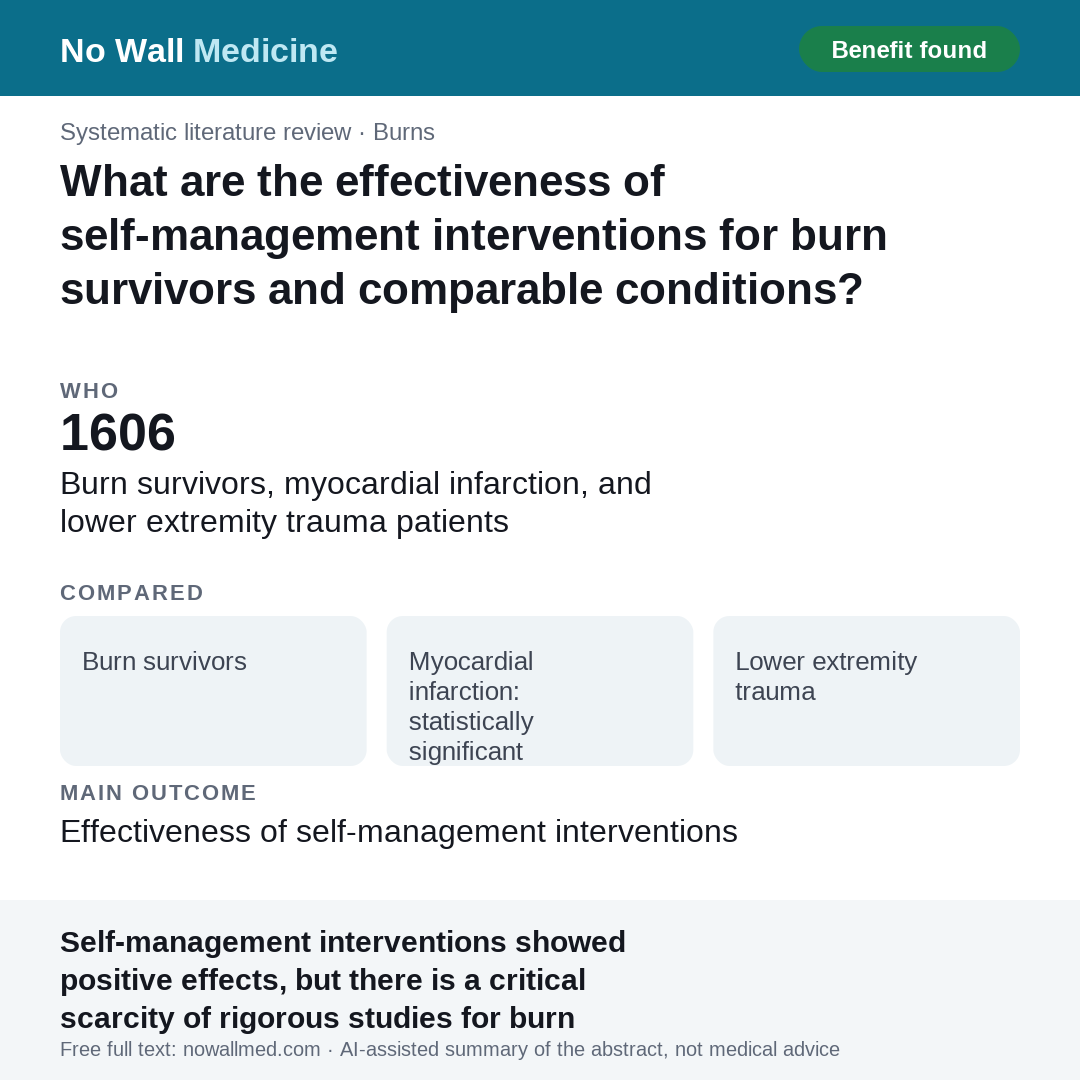
Self-management interventions for burn survivors: A literature review among patients with burns and other comparable chronic conditions
Systematic literature reviewBenefit found
What are the effectiveness of self-management interventions for burn survivors and comparable conditions?
Who
1606
Burn survivors, myocardial infarction, and lower extremity trauma patients
Compared
Burn survivors
Myocardial infarction: statistically significant improvements
Lower extremity trauma
Main outcome
Effectiveness of self-management interventions
Bottom line: Self-management interventions showed positive effects, but there is a critical scarcity of rigorous studies for burn survivors.
Limitation: Only two studies focused on burn survivors, providing limited data to draw conclusions.
Burns · 2026-06-03Download image
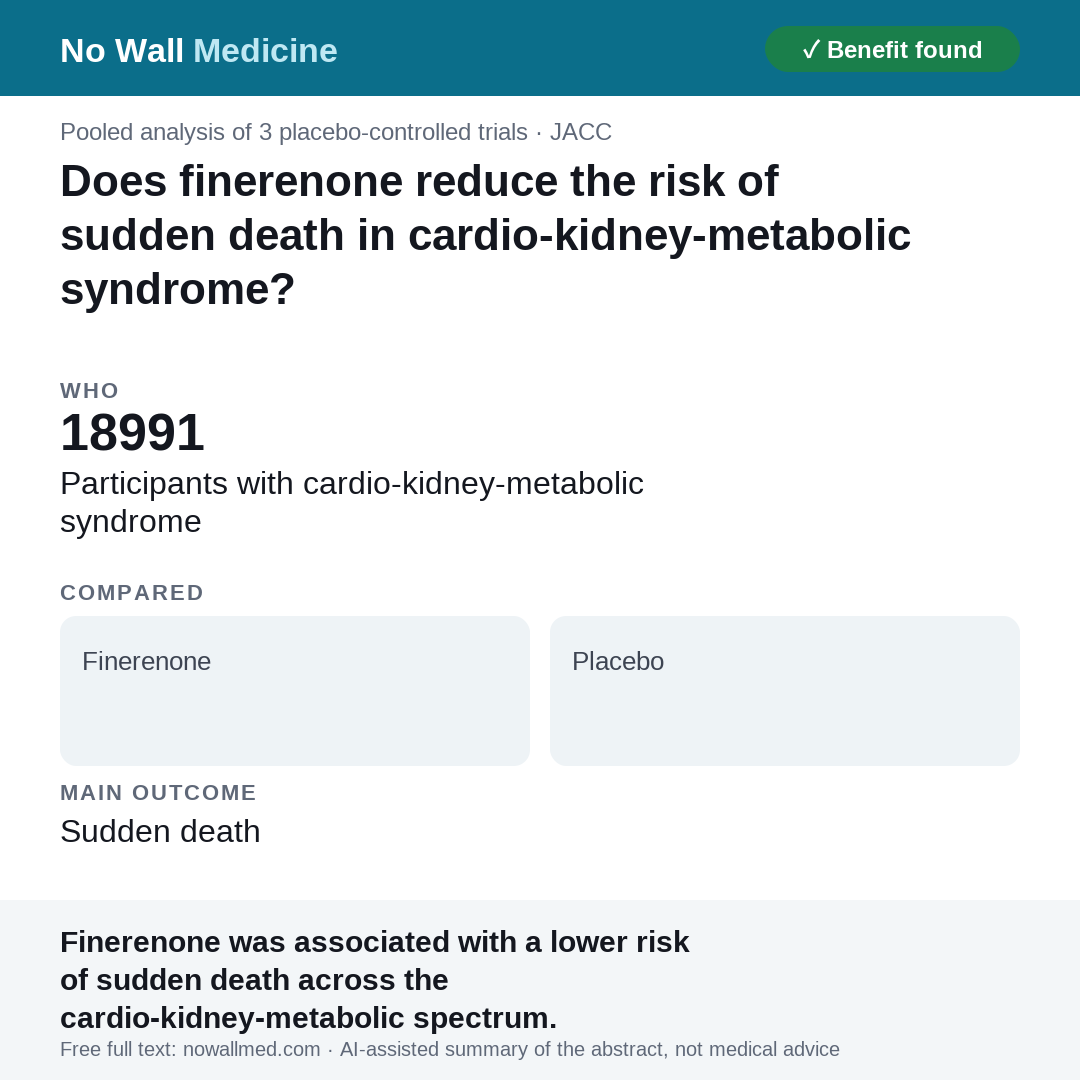
Effects of Finerenone on Sudden Death Across the Cardio-Kidney-Metabolic Landscape: A FINE-HEART Analysis
Pooled analysis of 3 placebo-controlled trialsBenefit found
Does finerenone reduce the risk of sudden death in cardio-kidney-metabolic syndrome?
Who
18991
Participants with cardio-kidney-metabolic syndrome
Compared
Finerenone
Placebo
Main outcome
Sudden death
Result: hazard ratio 0.81 (95% CI 0.67-0.98)
Bottom line: Finerenone was associated with a lower risk of sudden death across the cardio-kidney-metabolic spectrum.
JACC · 2026-06-03Download image
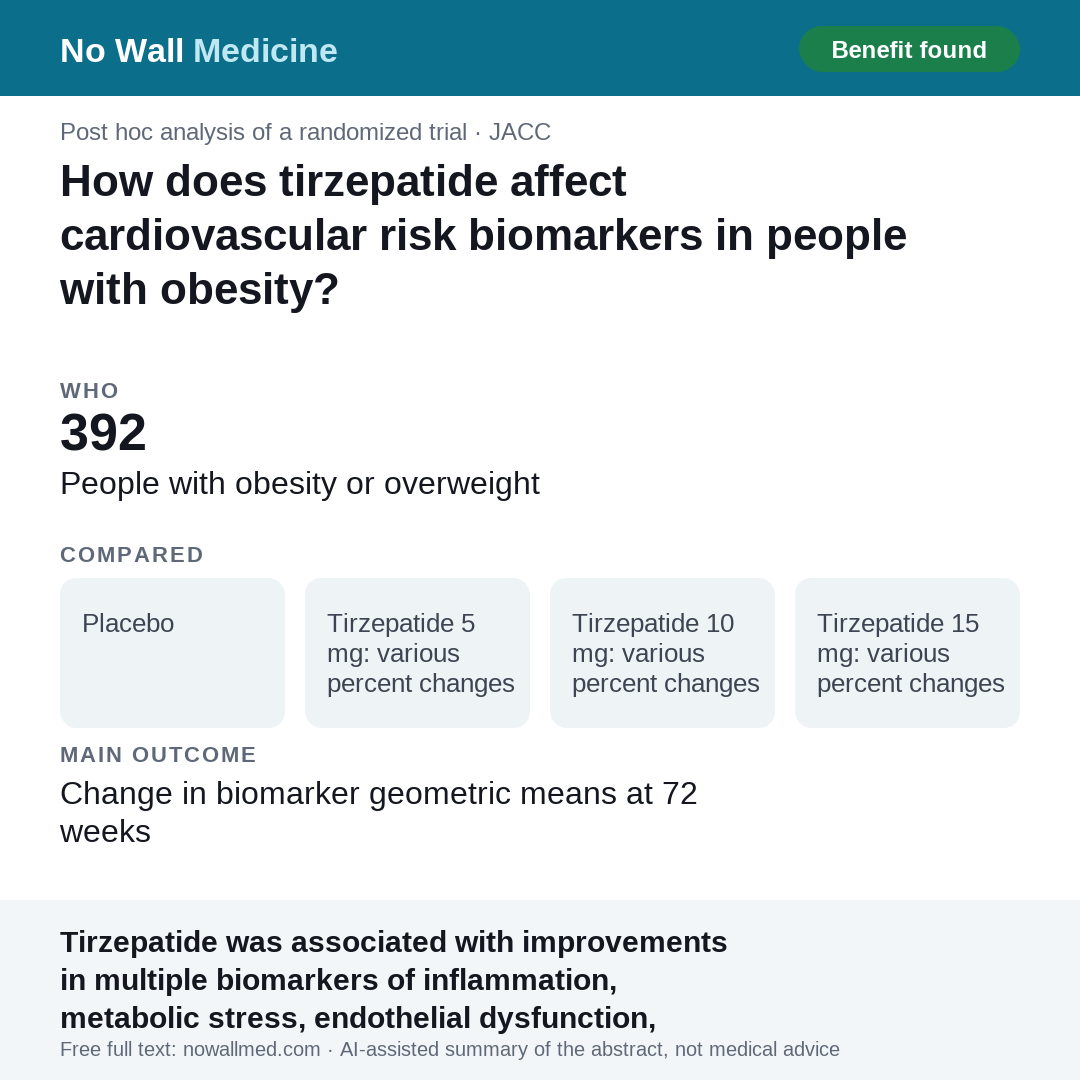
Comprehensive Long-Term Changes in Cardiovascular Risk Biomarkers With Tirzepatide: A SURMOUNT-1 Post Hoc Analysis
Post hoc analysis of a randomized trialBenefit found
How does tirzepatide affect cardiovascular risk biomarkers in people with obesity?
Who
392
People with obesity or overweight
Compared
Placebo
Tirzepatide 5 mg: various percent changes
Tirzepatide 10 mg: various percent changes
Tirzepatide 15 mg: various percent changes
Main outcome
Change in biomarker geometric means at 72 weeks
Bottom line: Tirzepatide was associated with improvements in multiple biomarkers of inflammation, metabolic stress, endothelial dysfunction, and hemostasis.
JACC · 2026-06-03Download image
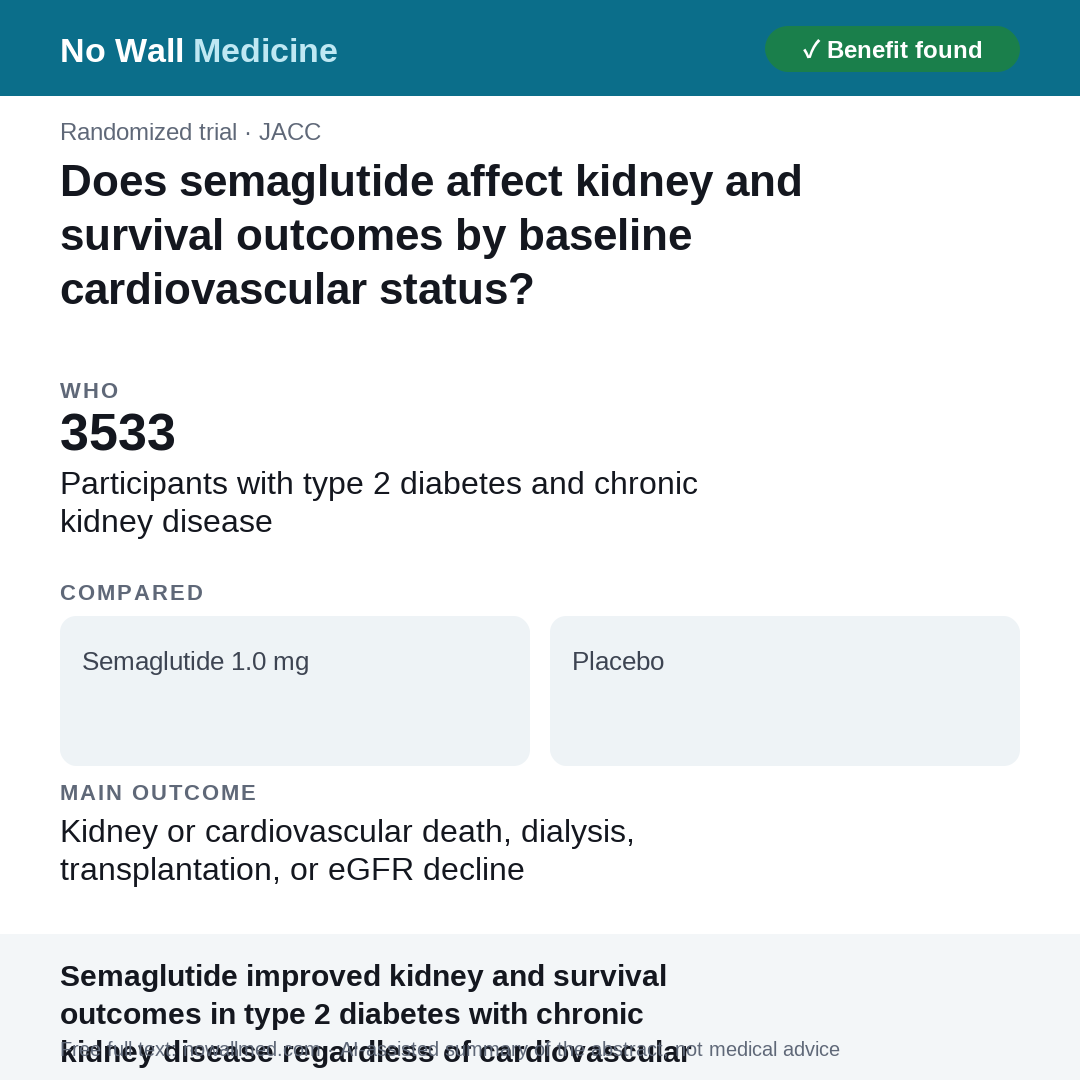
Kidney and Survival Benefits of Semaglutide in Diabetes With Chronic Kidney Disease: FLOW Trial Cardiovascular Subgroup Analyses
Randomized trialBenefit found
Does semaglutide affect kidney and survival outcomes by baseline cardiovascular status?
Who
3533
Participants with type 2 diabetes and chronic kidney disease
Compared
Semaglutide 1.0 mg
Placebo
Main outcome
Kidney or cardiovascular death, dialysis, transplantation, or eGFR decline
Result: not explicitly pooled for all, but subgroups showed benefit
Bottom line: Semaglutide improved kidney and survival outcomes in type 2 diabetes with chronic kidney disease regardless of cardiovascular risk.
JACC · 2026-06-03Download image
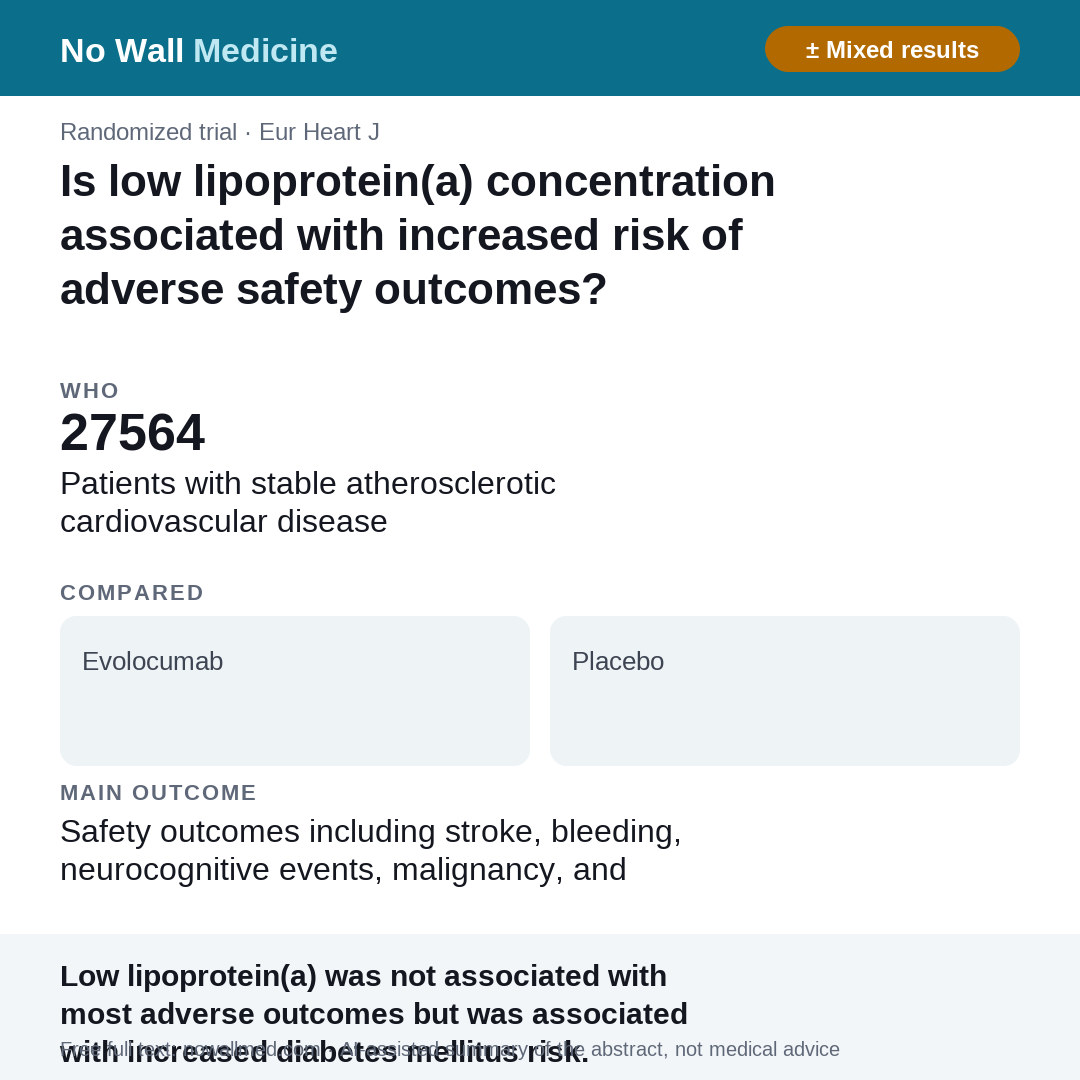
Safety of low lipoprotein(a) levels: the FOURIER trial
Randomized trialMixed results
Is low lipoprotein(a) concentration associated with increased risk of adverse safety outcomes?
Who
27564
Patients with stable atherosclerotic cardiovascular disease
Compared
Evolocumab
Placebo
Main outcome
Safety outcomes including stroke, bleeding, neurocognitive events, malignancy, and diabetes mellitus
Bottom line: Low lipoprotein(a) was not associated with most adverse outcomes but was associated with increased diabetes mellitus risk.
Eur Heart J · 2026-06-03Download image