Visual abstracts
New randomized trials and meta-analyses from leading journals at a glance: who was studied, what was compared, and what was found. Every paper is free to read in full.
All specialtiesCardiology 4763Oncology 4043Gastroenterology & Hepatology 1903Infectious Disease 3756Neurology 1872Psychiatry & Mental Health 2216Pulmonology 2044Critical Care 1319Endocrinology & Diabetes 2544Pediatrics 2889Surgery 2480Orthopedics & Sports Medicine 917Neurosurgery 525Cardiothoracic & Vascular Surgery 656Plastic & Reconstructive Surgery 574Nephrology 1107Rheumatology 810Hematology 1090Dermatology 611Ophthalmology 532Obstetrics & Gynecology 1645Public & Global Health 1037Radiology & Imaging 619Anesthesiology 958Urology 745ENT (Otolaryngology) 494Emergency Medicine 481Allergy & Immunology 309Geriatrics 972Family Medicine & Primary Care 534Medical Genetics & Genomics 659Pathology & Laboratory Medicine 156Physical Medicine & Rehabilitation 734Palliative Care 421Nutrition 1560Digital Health & AI 2137General Medicine 318
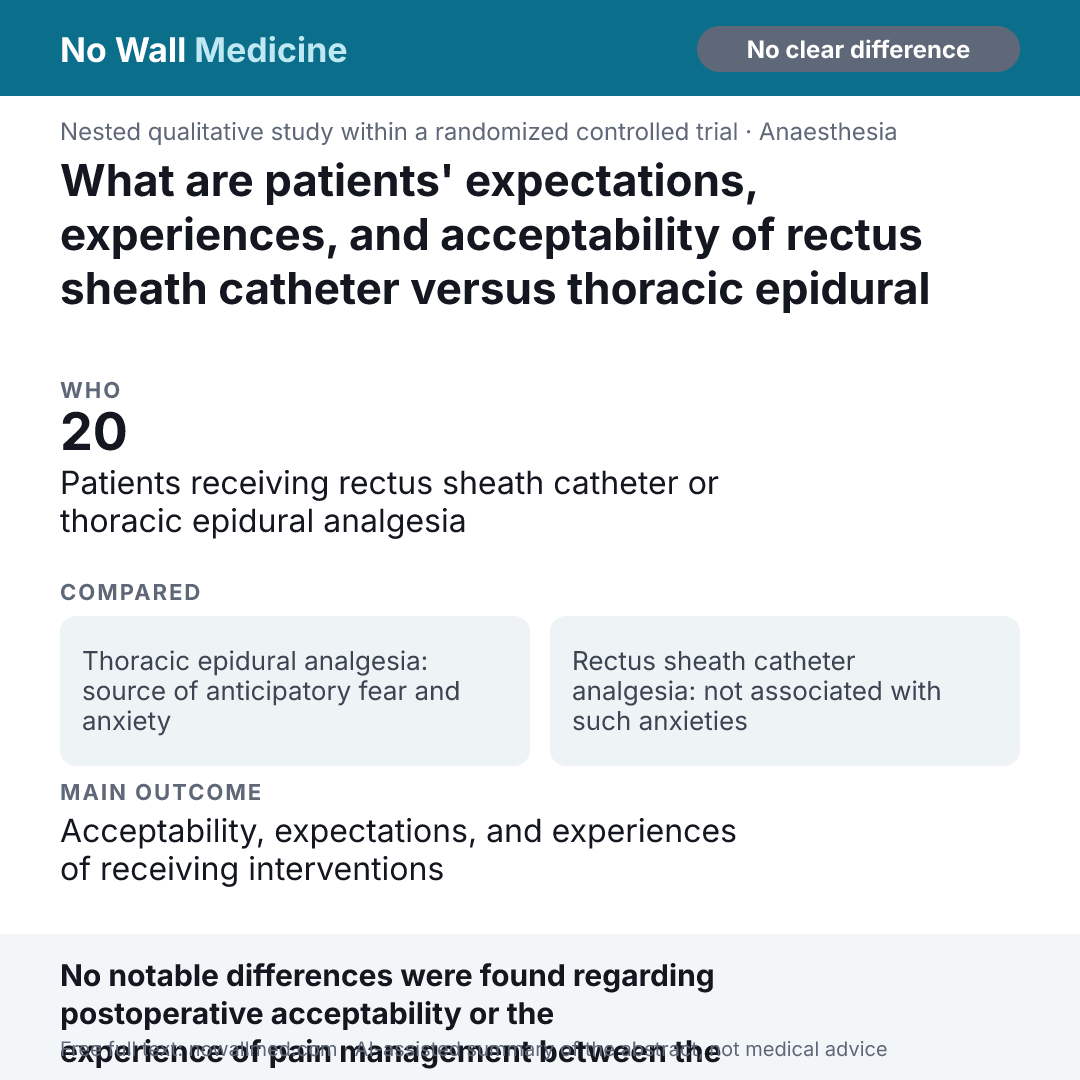
Patients' expectations, experience and acceptability of postoperative analgesia: a nested qualitative study within a randomised controlled trial comparing rectus sheath catheter and thoracic epidural analgesia
Nested qualitative study within a randomized controlled trialNo clear difference
What are patients' expectations, experiences, and acceptability of rectus sheath catheter versus thoracic epidural analgesia?
Who
20
Patients receiving rectus sheath catheter or thoracic epidural analgesia
Compared
Thoracic epidural analgesia: source of anticipatory fear and anxiety
Rectus sheath catheter analgesia: not associated with such anxieties
Main outcome
Acceptability, expectations, and experiences of receiving interventions
Bottom line: No notable differences were found regarding postoperative acceptability or the experience of pain management between the two interventions.
Limitation: Nested qualitative study within a larger randomized controlled trial
Anaesthesia · 2023-07-09 · Save PNG
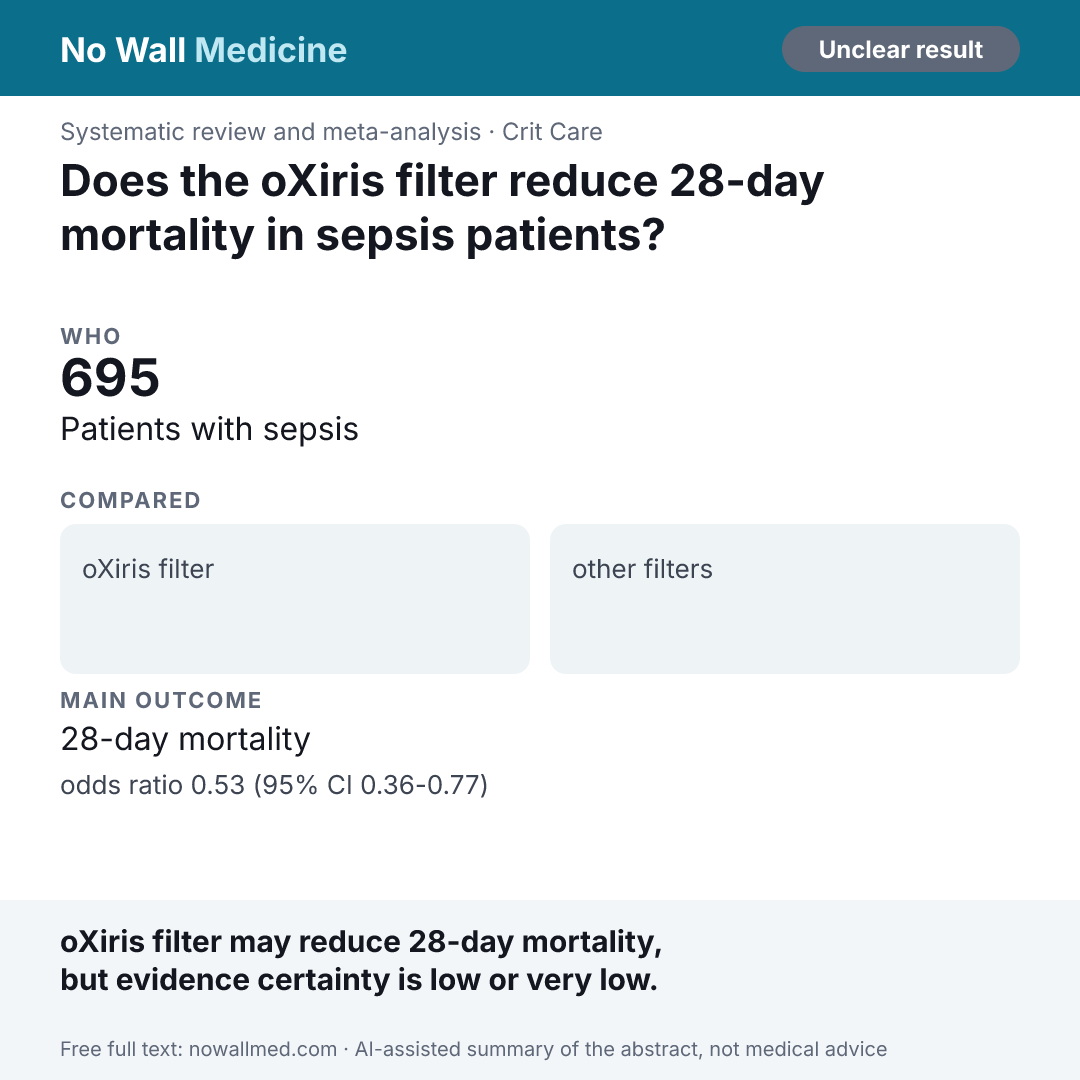
Continuous renal replacement therapy with the adsorptive oXiris filter may be associated with the lower 28-day mortality in sepsis: a systematic review and meta-analysis
Systematic review and meta-analysisUnclear result
Does the oXiris filter reduce 28-day mortality in sepsis patients?
Who
695
Patients with sepsis
Compared
oXiris filter
other filters
Main outcome
28-day mortality
Result: odds ratio 0.53 (95% CI 0.36-0.77)
Bottom line: oXiris filter may reduce 28-day mortality, but evidence certainty is low or very low.
Limitation: Mainly observational studies and randomized controlled trials had unclear risk of bias and small sample size.
Crit Care · 2023-07-09 · Save PNG
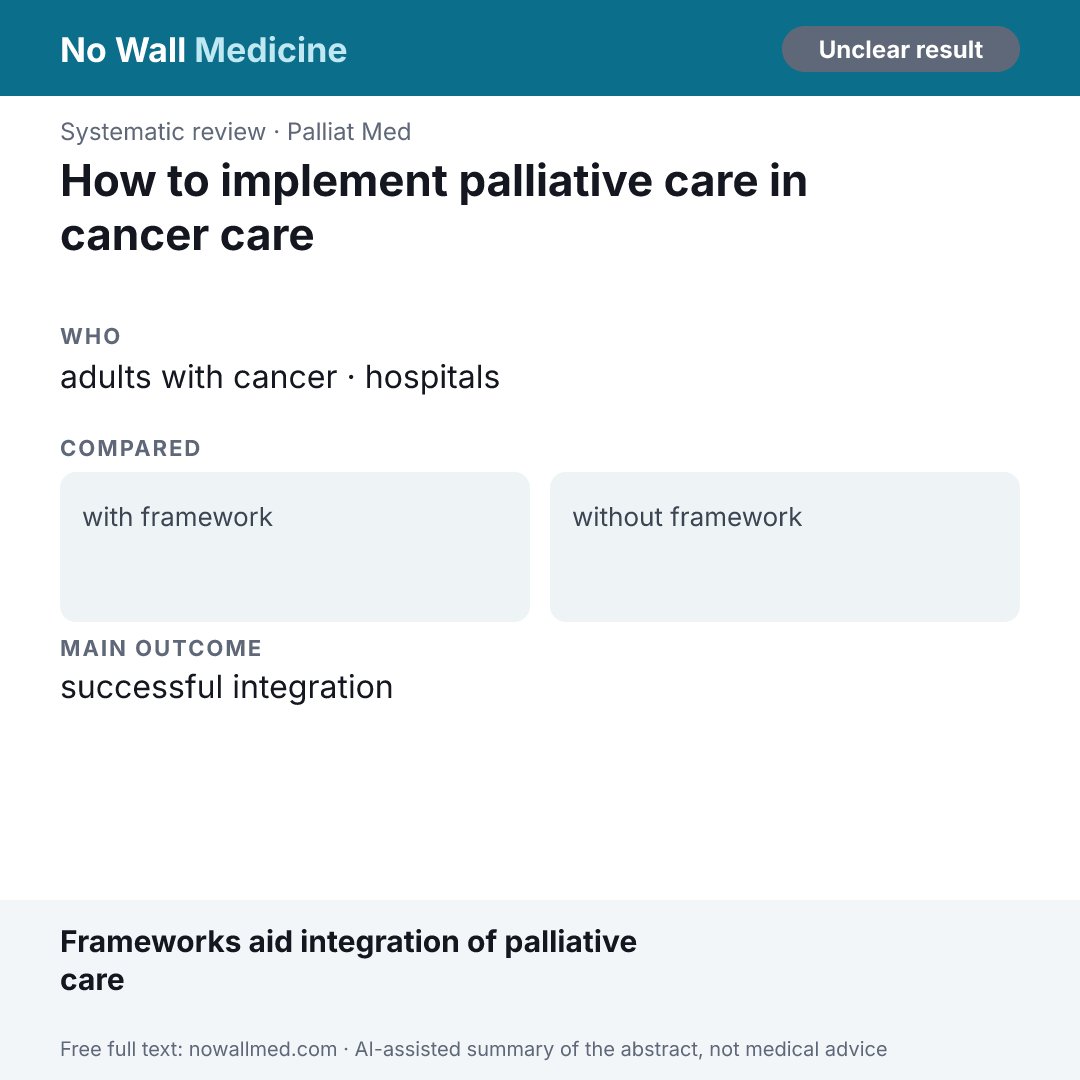
An evidence-base for the implementation of hospital-based palliative care programs in routine cancer practice: A systematic review
Systematic reviewUnclear result
How to implement palliative care in cancer care
Who
adults with cancer · hospitals
Compared
with framework
without framework
Main outcome
successful integration
Bottom line: Frameworks aid integration of palliative care
Palliat Med · 2023-07-08 · Save PNG
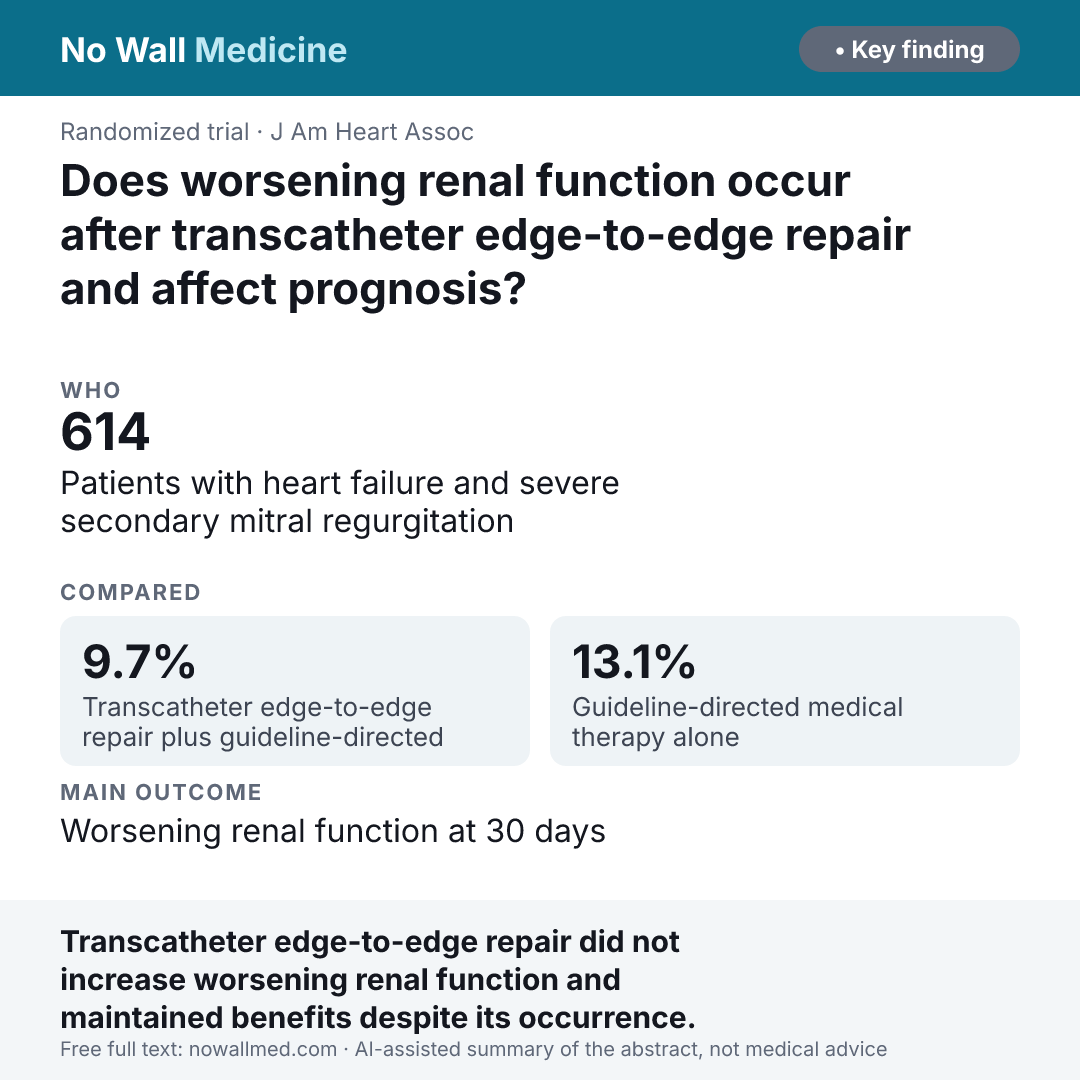
Incidence, Predictors, and Outcomes Associated With Worsening Renal Function in Patients With Heart Failure and Secondary Mitral Regurgitation: The COAPT Trial
Randomized trialKey finding
Does worsening renal function occur after transcatheter edge-to-edge repair and affect prognosis?
Who
614
Patients with heart failure and severe secondary mitral regurgitation
Compared
9.7%Transcatheter edge-to-edge repair plus guideline-directed medical therapy
13.1%Guideline-directed medical therapy alone
Main outcome
Worsening renal function at 30 days
Result: hazard ratio 1.98 (95% CI 1.3-3.03)
Bottom line: Transcatheter edge-to-edge repair did not increase worsening renal function and maintained benefits despite its occurrence.
J Am Heart Assoc · 2023-07-08 · Save PNG
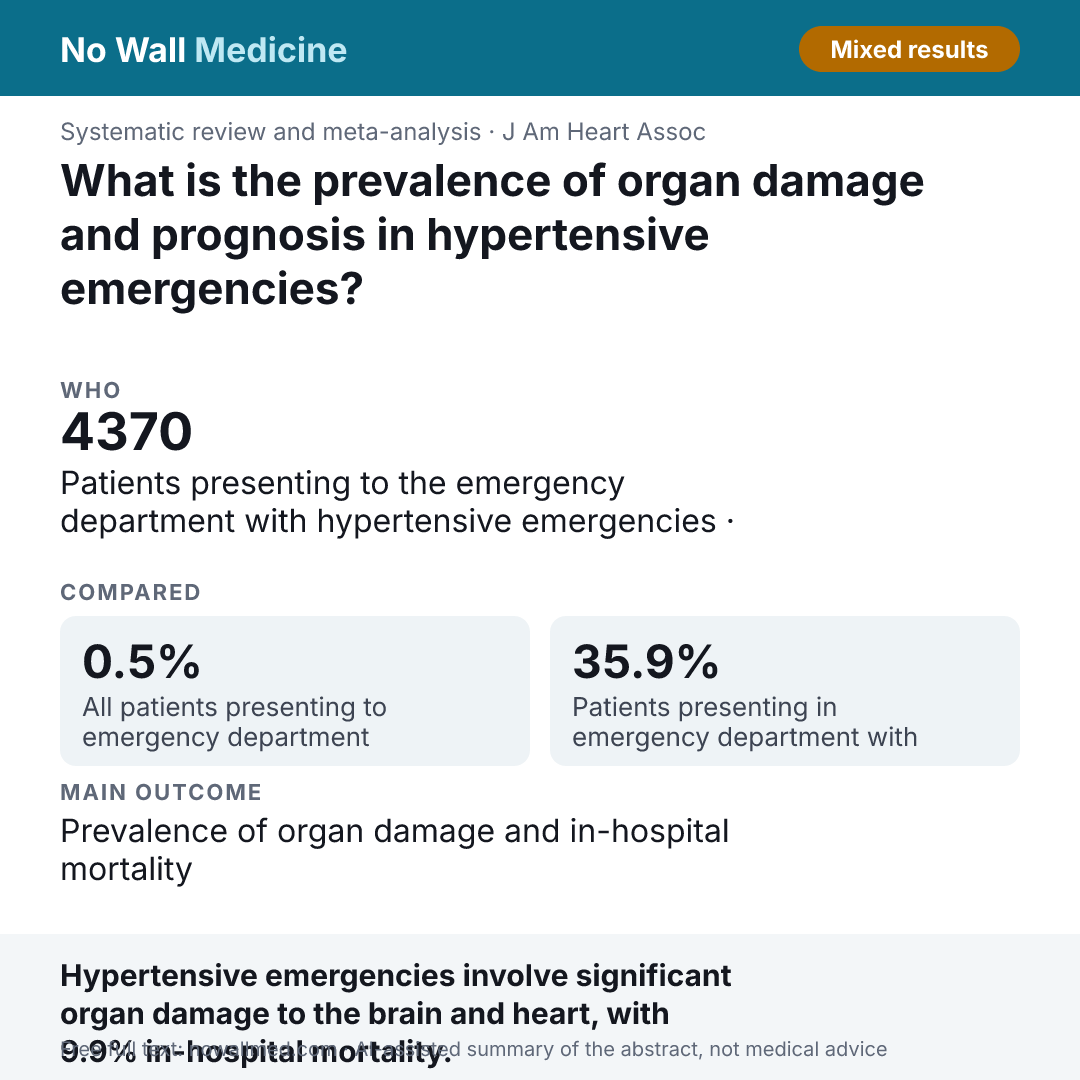
Clinical Outcomes in Hypertensive Emergency: A Systematic Review and Meta-Analysis
Systematic review and meta-analysisMixed results
What is the prevalence of organ damage and prognosis in hypertensive emergencies?
Who
4370
Patients presenting to the emergency department with hypertensive emergencies · Emergency department
Compared
0.5%All patients presenting to emergency department (95% CI, 0.40%-0.70%)
35.9%Patients presenting in emergency department with hypertensive crisis (95% CI, 26.7%-45.5%)
Main outcome
Prevalence of organ damage and in-hospital mortality
Bottom line: Hypertensive emergencies involve significant organ damage to the brain and heart, with 9.9% in-hospital mortality.
J Am Heart Assoc · 2023-07-08 · Save PNG
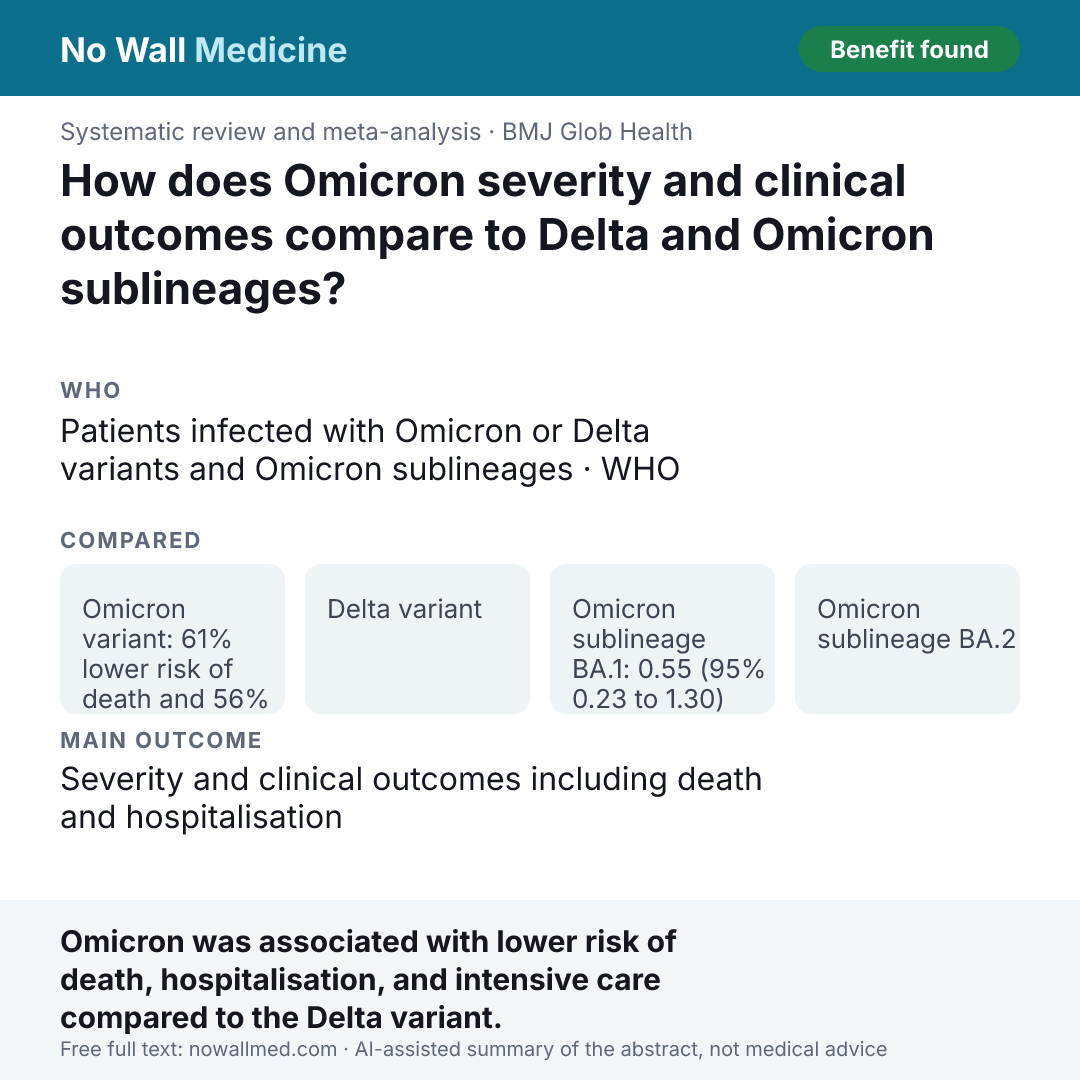
Severity and outcomes of Omicron variant of SARS-CoV-2 compared to Delta variant and severity of Omicron sublineages: a systematic review and metanalysis
Systematic review and meta-analysisBenefit found
How does Omicron severity and clinical outcomes compare to Delta and Omicron sublineages?
Who
Patients infected with Omicron or Delta variants and Omicron sublineages · WHO COVID-19 Research database
Compared
Omicron variant: 61% lower risk of death and 56% lower risk of hospitalisation
Delta variant
Omicron sublineage BA.1: 0.55 (95% 0.23 to 1.30) risk ratio for hospitalisation
Omicron sublineage BA.2
Main outcome
Severity and clinical outcomes including death and hospitalisation
Result: relative risk 0.39 (95% CI 0.33 to 0.46) for death
Bottom line: Omicron was associated with lower risk of death, hospitalisation, and intensive care compared to the Delta variant.
Limitation: Eleven studies were published as preprints.
BMJ Glob Health · 2023-07-08 · Save PNG
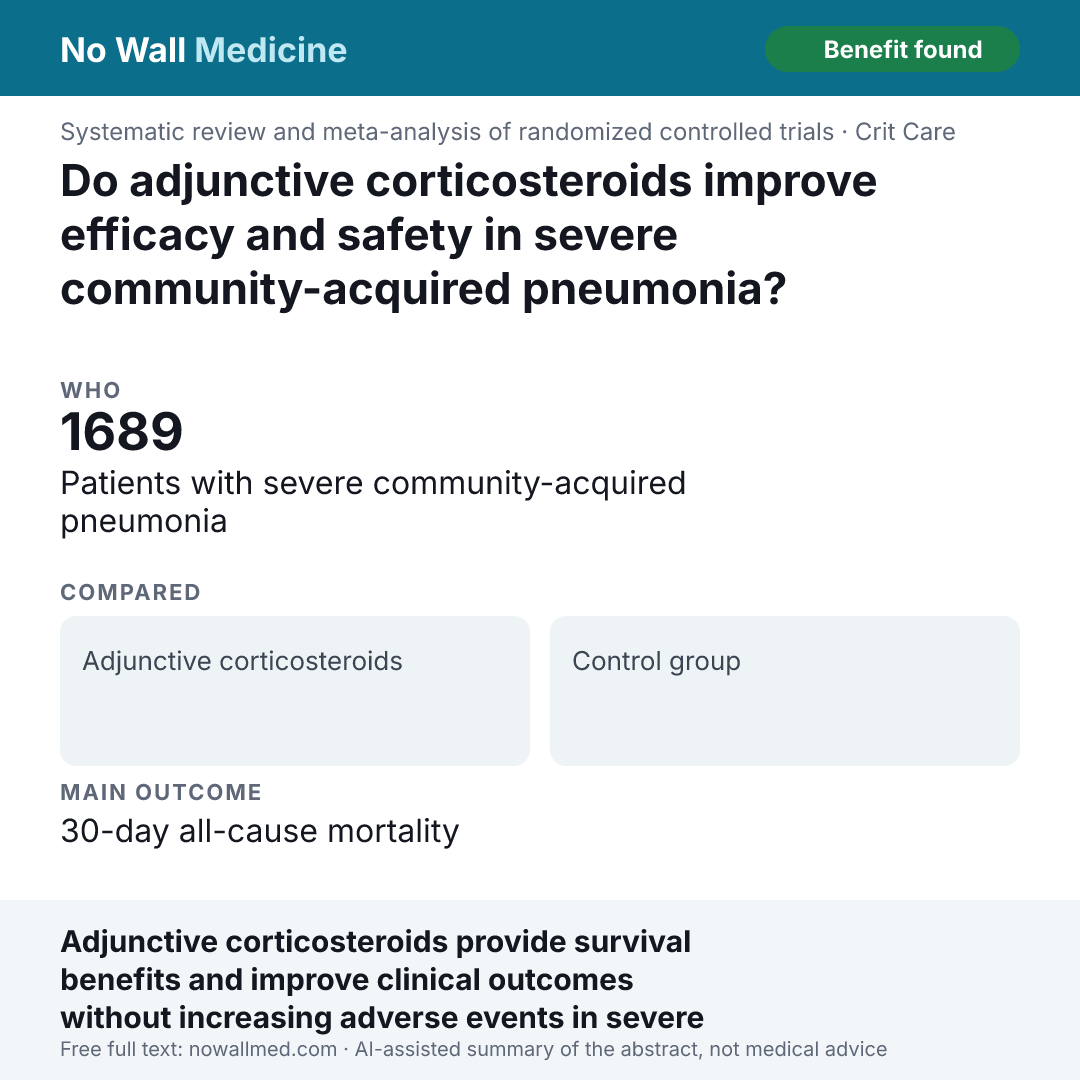
Efficacy and safety of adjunctive corticosteroids in the treatment of severe community-acquired pneumonia: a systematic review and meta-analysis of randomized controlled trials
Systematic review and meta-analysis of randomized controlled trialsBenefit found
Do adjunctive corticosteroids improve efficacy and safety in severe community-acquired pneumonia?
Who
1689
Patients with severe community-acquired pneumonia
Compared
Adjunctive corticosteroids
Control group
Main outcome
30-day all-cause mortality
Result: risk ratio 0.61 (95% CI 0.44 to 0.85)
Bottom line: Adjunctive corticosteroids provide survival benefits and improve clinical outcomes without increasing adverse events in severe community-acquired pneumonia.
Limitation: The pooled evidence remains inconclusive, requiring further studies.
Crit Care · 2023-07-08 · Save PNG
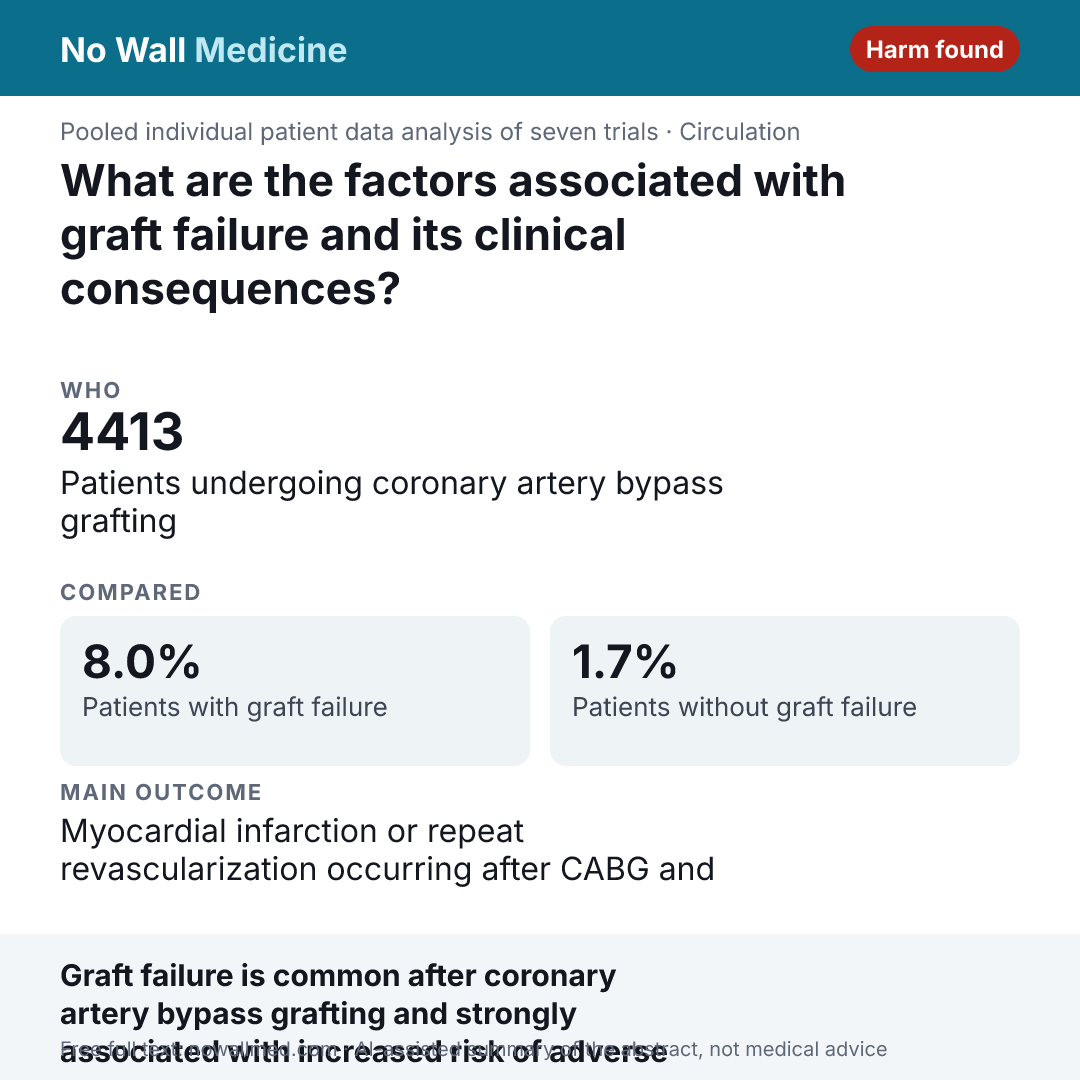
Graft Failure After Coronary Artery Bypass Grafting and Its Association With Patient Characteristics and Clinical Events: A Pooled Individual Patient Data Analysis of Clinical Trials With Imaging Follow-Up
Pooled individual patient data analysis of seven trialsHarm found
What are the factors associated with graft failure and its clinical consequences?
Who
4413
Patients undergoing coronary artery bypass grafting
Compared
8.0%Patients with graft failure
1.7%Patients without graft failure
Main outcome
Myocardial infarction or repeat revascularization occurring after CABG and before imaging
Result: adjusted odds ratio 3.98 (95% CI 3.54 to 4.47)
Bottom line: Graft failure is common after coronary artery bypass grafting and strongly associated with increased risk of adverse cardiac events.
Circulation · 2023-07-07 · Save PNG
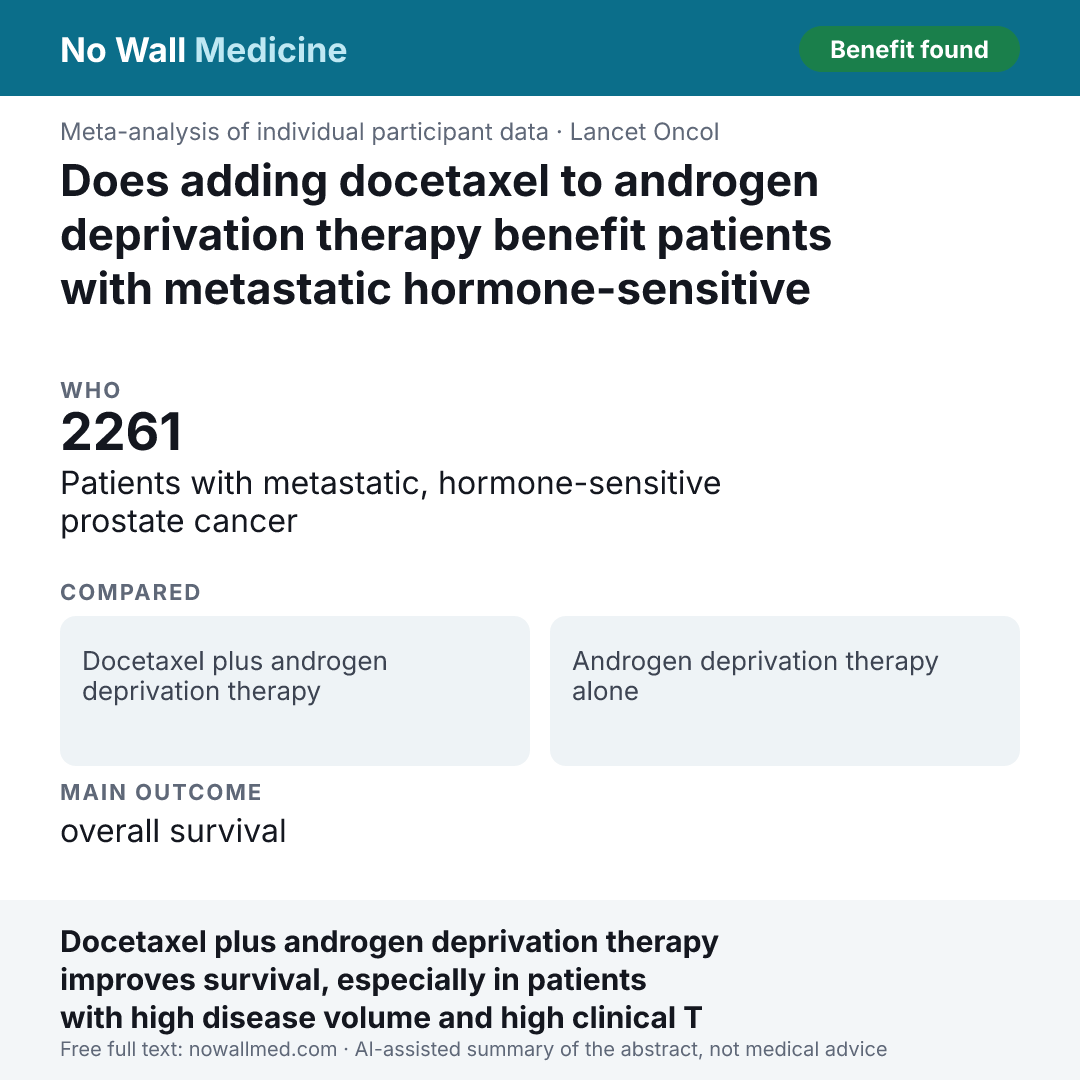
Which patients with metastatic hormone-sensitive prostate cancer benefit from docetaxel: a systematic review and meta-analysis of individual participant data from randomised trials
Meta-analysis of individual participant dataBenefit found
Does adding docetaxel to androgen deprivation therapy benefit patients with metastatic hormone-sensitive prostate cancer?
Who
2261
Patients with metastatic, hormone-sensitive prostate cancer
Compared
Docetaxel plus androgen deprivation therapy
Androgen deprivation therapy alone
Main outcome
overall survival
Result: hazard ratio 0·79, 95% CI 0·70 to 0·88
Bottom line: Docetaxel plus androgen deprivation therapy improves survival, especially in patients with high disease volume and high clinical T stage.
Limitation: Individual participant data were not obtained from two additional small trials.
Lancet Oncol · 2023-07-07 · Save PNG
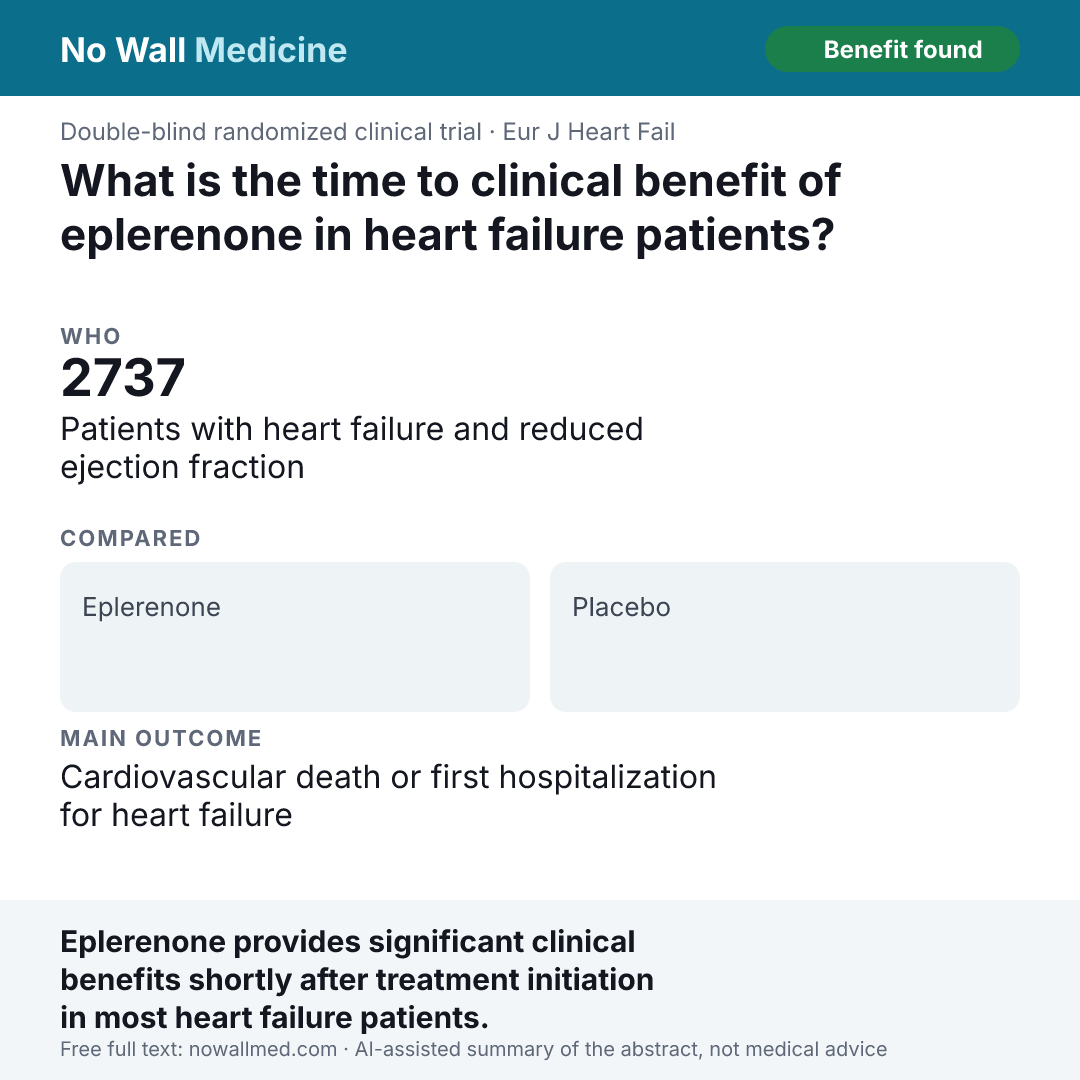
Time to clinical benefit of eplerenone among patients with heart failure and reduced ejection fraction: A subgroups analysis from the EMPHASIS-HF trial
Double-blind randomized clinical trialBenefit found
What is the time to clinical benefit of eplerenone in heart failure patients?
Who
2737
Patients with heart failure and reduced ejection fraction
Compared
Eplerenone
Placebo
Main outcome
Cardiovascular death or first hospitalization for heart failure
Result: hazard ratio 0.58 (95% confidence interval, 0.34-1.00)
Bottom line: Eplerenone provides significant clinical benefits shortly after treatment initiation in most heart failure patients.
Eur J Heart Fail · 2023-07-07 · Save PNG
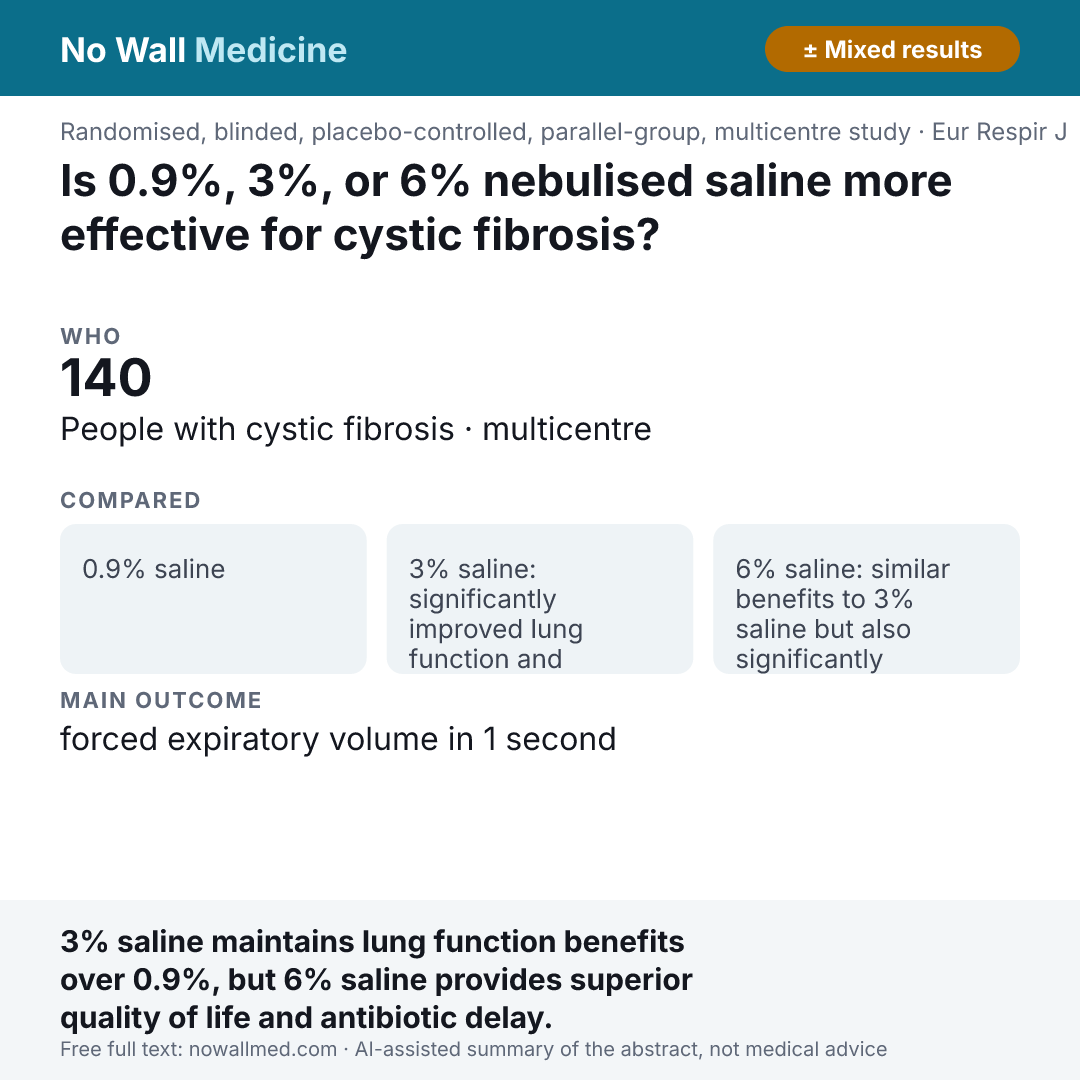
Saline at lower tonicity in cystic fibrosis (SALTI-CF) trial comparing 0.9% versus 3% versus 6% nebulised saline
Randomised, blinded, placebo-controlled, parallel-group, multicentre studyMixed results
Is 0.9%, 3%, or 6% nebulised saline more effective for cystic fibrosis?
Who
140
People with cystic fibrosis · multicentre
Compared
0.9% saline
3% saline: significantly improved lung function and increased the time to first pulmonary exacerbation compared with 0.9% saline
6% saline: similar benefits to 3% saline but also significantly improved quality of life compared with 3% saline
Main outcome
forced expiratory volume in 1 second
Bottom line: 3% saline maintains lung function benefits over 0.9%, but 6% saline provides superior quality of life and antibiotic delay.
Eur Respir J · 2023-07-07 · Save PNG
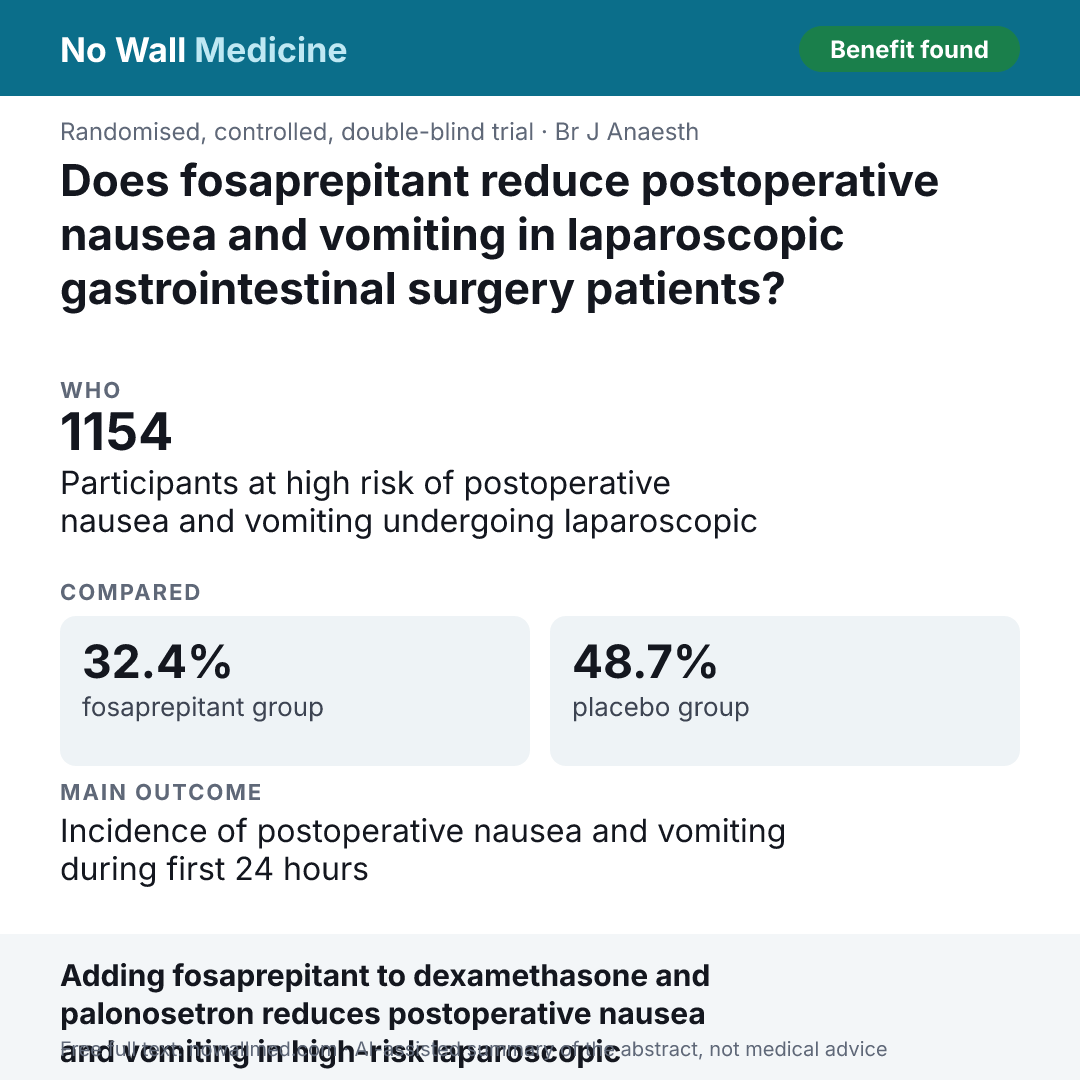
Fosaprepitant for postoperative nausea and vomiting in patients undergoing laparoscopic gastrointestinal surgery: a randomised trial
Randomised, controlled, double-blind trialBenefit found
Does fosaprepitant reduce postoperative nausea and vomiting in laparoscopic gastrointestinal surgery patients?
Who
1154
Participants at high risk of postoperative nausea and vomiting undergoing laparoscopic gastrointestinal surgery
Compared
32.4%fosaprepitant group
48.7%placebo group
Main outcome
Incidence of postoperative nausea and vomiting during first 24 hours
Result: adjusted risk ratio 0.65 (95% CI 0.57 to 0.76)
Bottom line: Adding fosaprepitant to dexamethasone and palonosetron reduces postoperative nausea and vomiting in high-risk laparoscopic surgery patients.
Br J Anaesth · 2023-07-07 · Save PNG
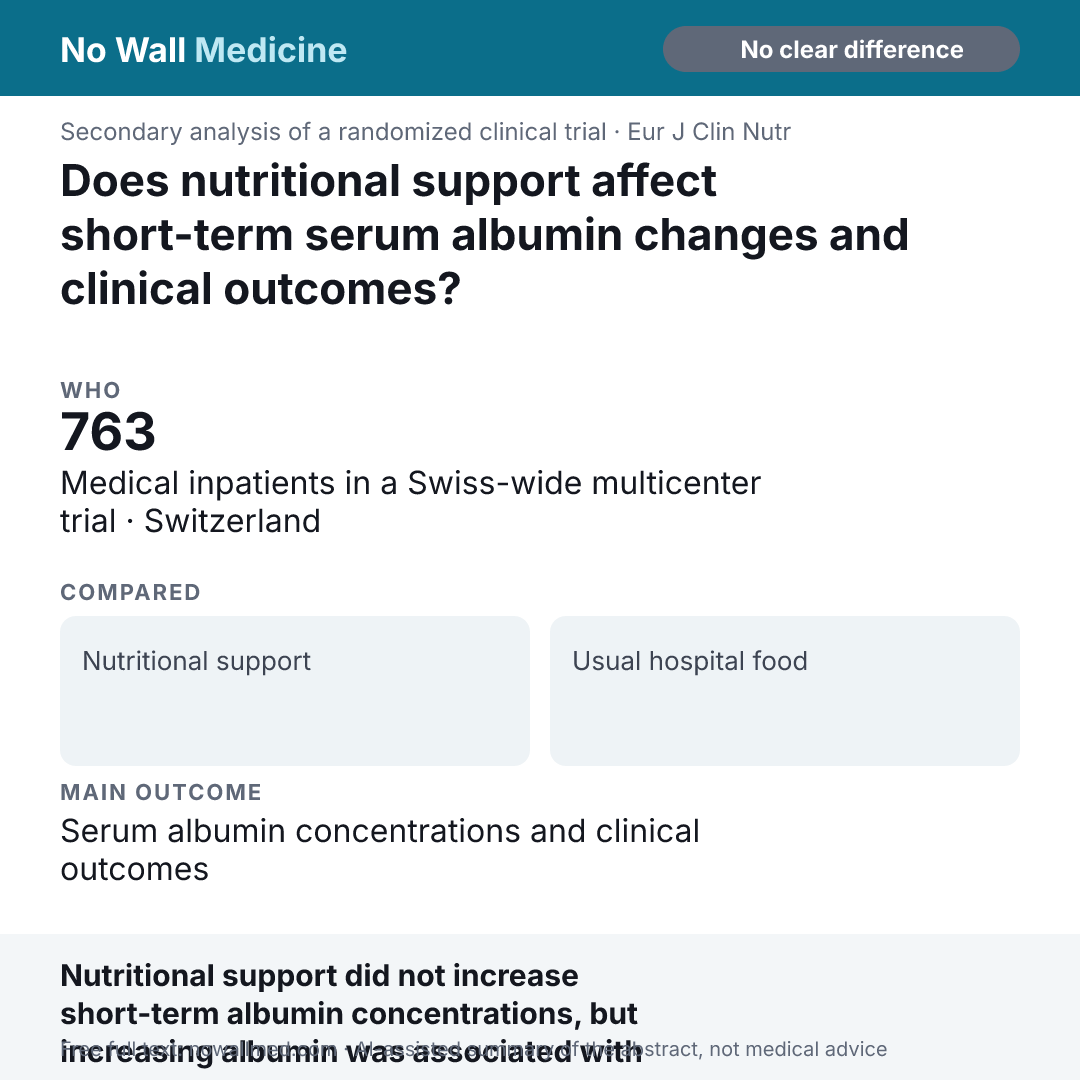
Changes in serum albumin concentrations over 7 days in medical inpatients with and without nutritional support. A secondary post-hoc analysis of a randomized clinical trial
Secondary analysis of a randomized clinical trialNo clear difference
Does nutritional support affect short-term serum albumin changes and clinical outcomes?
Who
763
Medical inpatients in a Swiss-wide multicenter trial · Switzerland
Compared
Nutritional support
Usual hospital food
Main outcome
Serum albumin concentrations and clinical outcomes
Result: adjusted odds ratio 0.63, 95% CI 0.44 to 0.90
Bottom line: Nutritional support did not increase short-term albumin concentrations, but increasing albumin was associated with better clinical outcomes.
Limitation: This is a secondary post-hoc analysis of a randomized clinical trial
Eur J Clin Nutr · 2023-07-07 · Save PNG
Giant cell arteritis-related cerebrovascular ischemic events: a French retrospective study of 271 patients, systematic review of the literature and meta-analysis
Meta-analysis of 14 studiesUnclear result
Giant cell arteritis cerebrovascular events prevalence
Who
3553
Giant cell arteritis patients · France and others
Compared
4%GCA patients (95% CI 3-6)
Control
Main outcome
Cerebrovascular ischemic events
Result: pooled prevalence 4% (95% CI 3-6)
Bottom line: GCA-related cerebrovascular events occur in 4% of patients
Arthritis Res Ther · 2023-07-07 · Save PNG

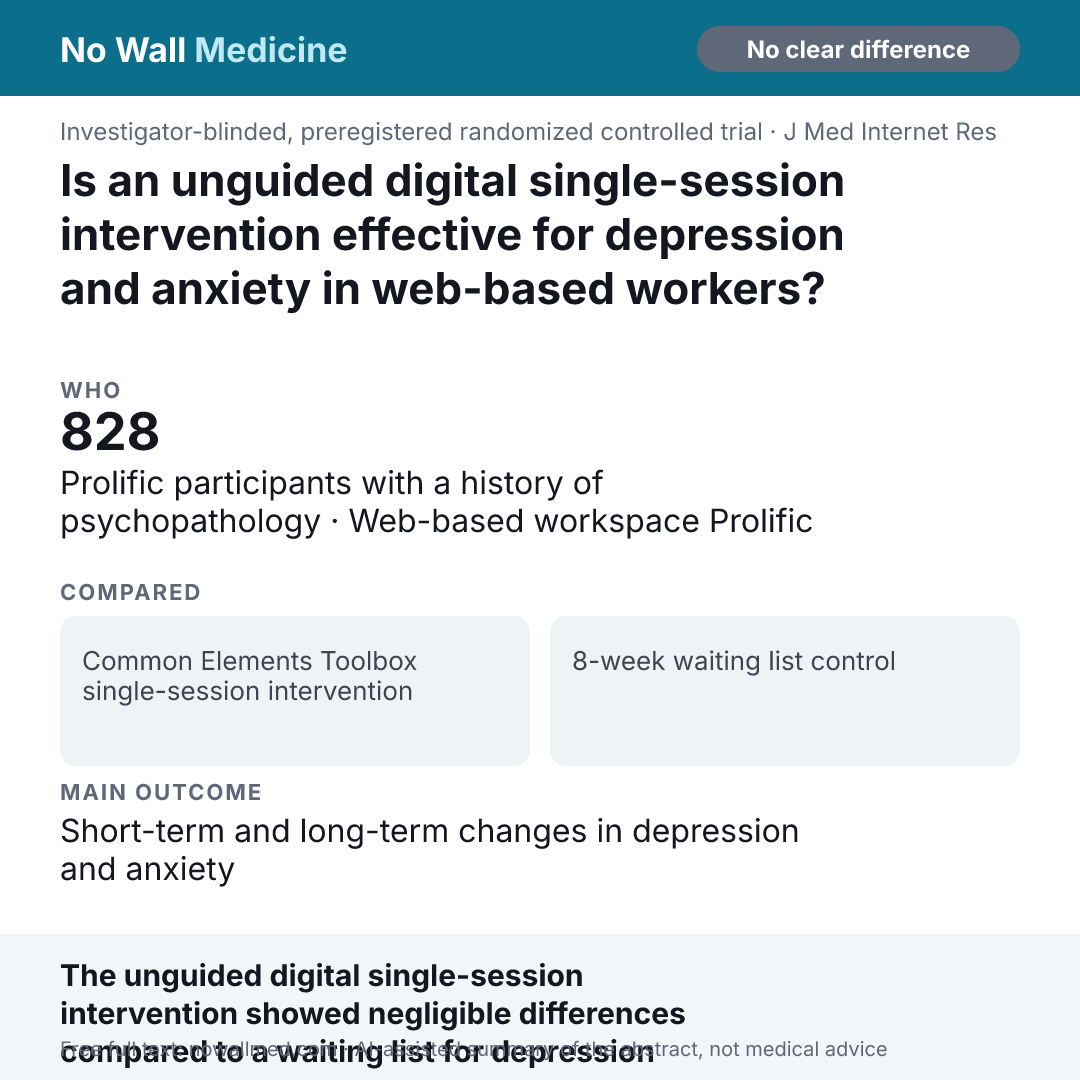
Efficacy of an Unguided, Digital Single-Session Intervention for Internalizing Symptoms in Web-Based Workers: Randomized Controlled Trial
Investigator-blinded, preregistered randomized controlled trialNo clear difference
Is an unguided digital single-session intervention effective for depression and anxiety in web-based workers?
Who
828
Prolific participants with a history of psychopathology · Web-based workspace Prolific
Compared
Common Elements Toolbox single-session intervention
8-week waiting list control
Main outcome
Short-term and long-term changes in depression and anxiety
Bottom line: The unguided digital single-session intervention showed negligible differences compared to a waiting list for depression and anxiety.
Limitation: Future work should explore alternate ways of intervening with paid web-based participants.
J Med Internet Res · 2023-07-07 · Save PNG
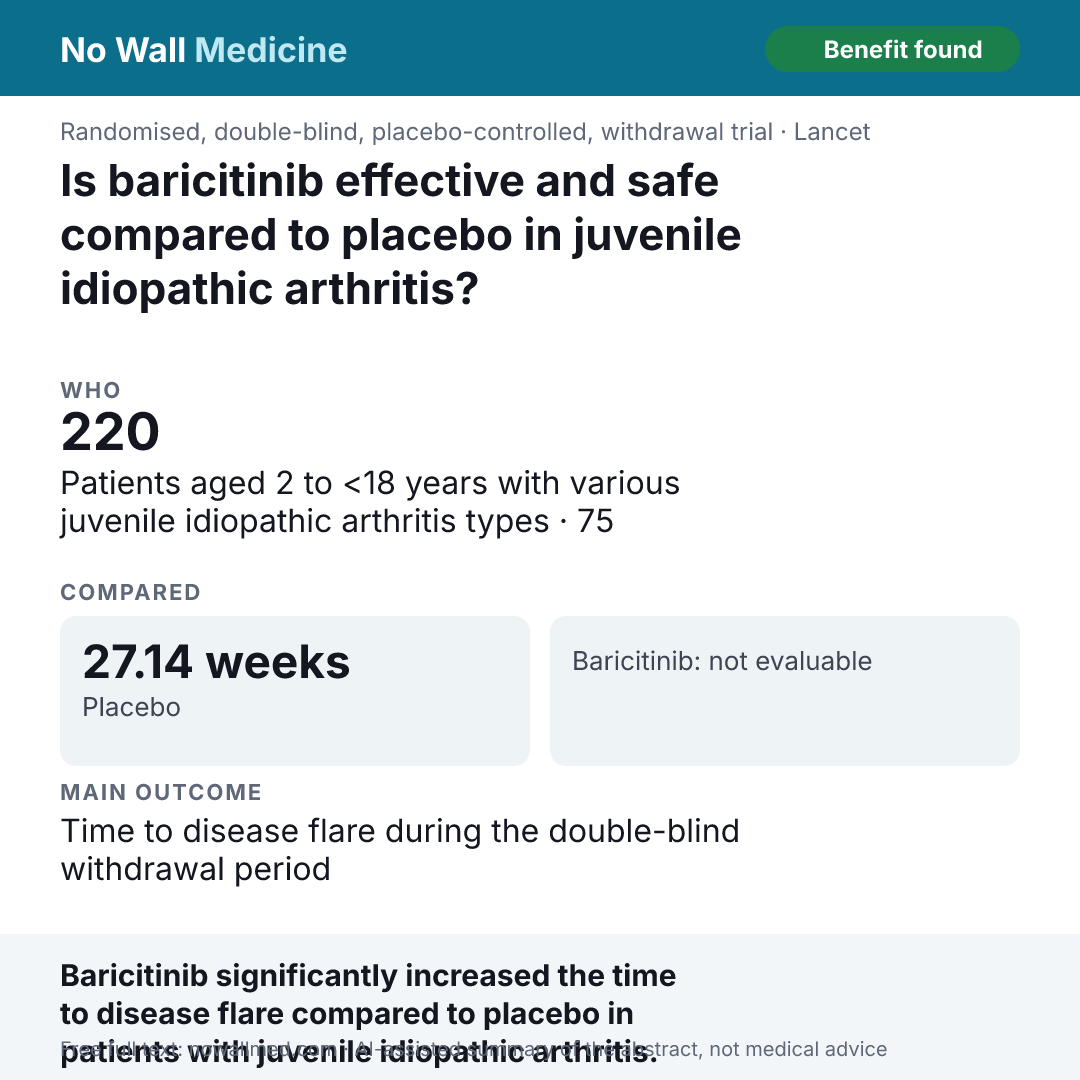
Baricitinib in juvenile idiopathic arthritis: an international, phase 3, randomised, double-blind, placebo-controlled, withdrawal, efficacy, and safety trial
Randomised, double-blind, placebo-controlled, withdrawal trialBenefit found
Is baricitinib effective and safe compared to placebo in juvenile idiopathic arthritis?
Who
220
Patients aged 2 to <18 years with various juvenile idiopathic arthritis types · 75 centres in 20 countries
Compared
27.14 weeksPlacebo (95% CI 15.29-not estimable)
Baricitinib: not evaluable
Main outcome
Time to disease flare during the double-blind withdrawal period
Result: hazard ratio 0.241 (95% CI 0.128-0.453)
Bottom line: Baricitinib significantly increased the time to disease flare compared to placebo in patients with juvenile idiopathic arthritis.
Lancet · 2023-07-06 · Save PNG
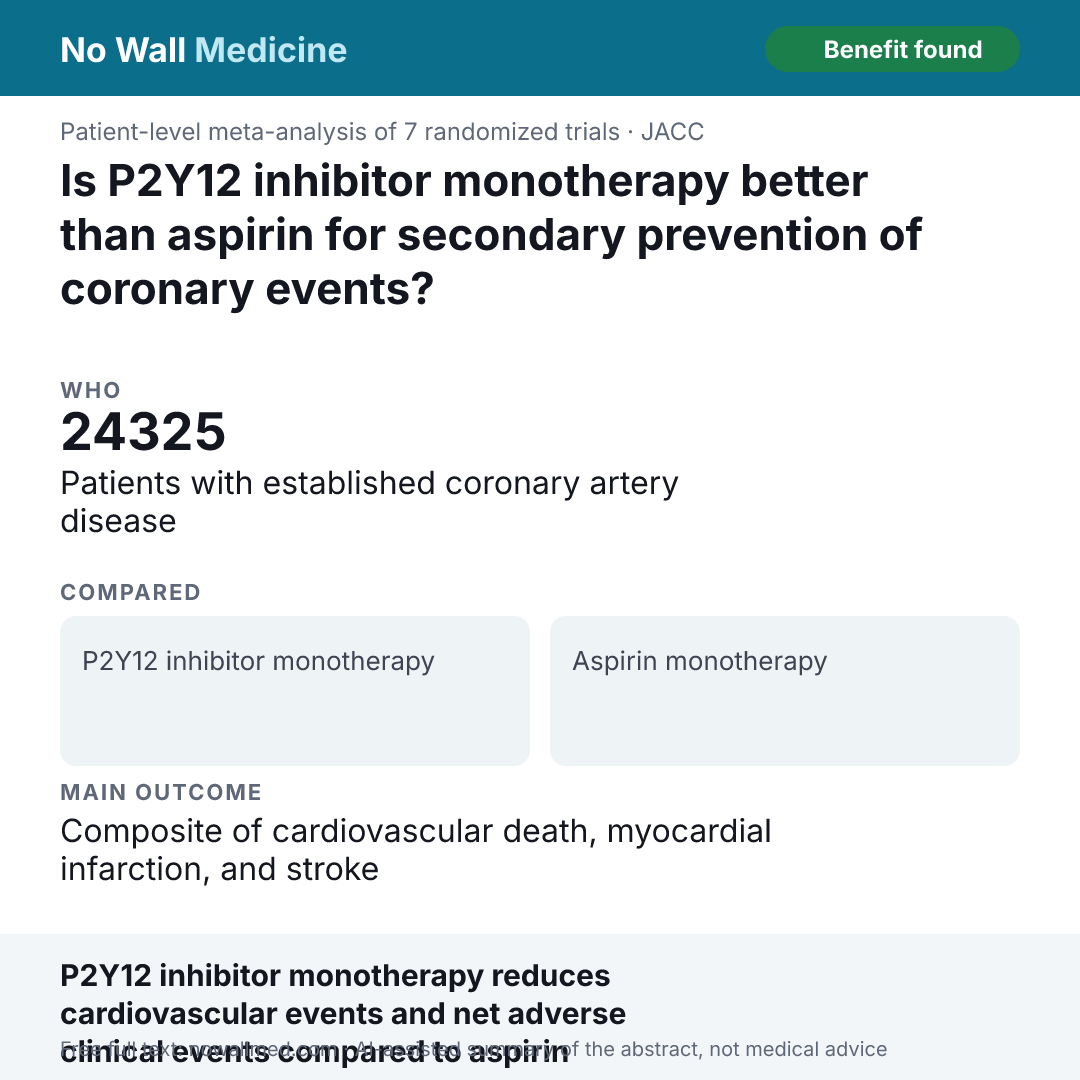
P2Y12 Inhibitor or Aspirin Monotherapy for Secondary Prevention of Coronary Events
Patient-level meta-analysis of 7 randomized trialsBenefit found
Is P2Y12 inhibitor monotherapy better than aspirin for secondary prevention of coronary events?
Who
24325
Patients with established coronary artery disease
Compared
P2Y12 inhibitor monotherapy
Aspirin monotherapy
Main outcome
Composite of cardiovascular death, myocardial infarction, and stroke
Result: hazard ratio 0.88 (95% CI 0.79-0.97)
Bottom line: P2Y12 inhibitor monotherapy reduces cardiovascular events and net adverse clinical events compared to aspirin monotherapy.
JACC · 2023-07-06 · Save PNG
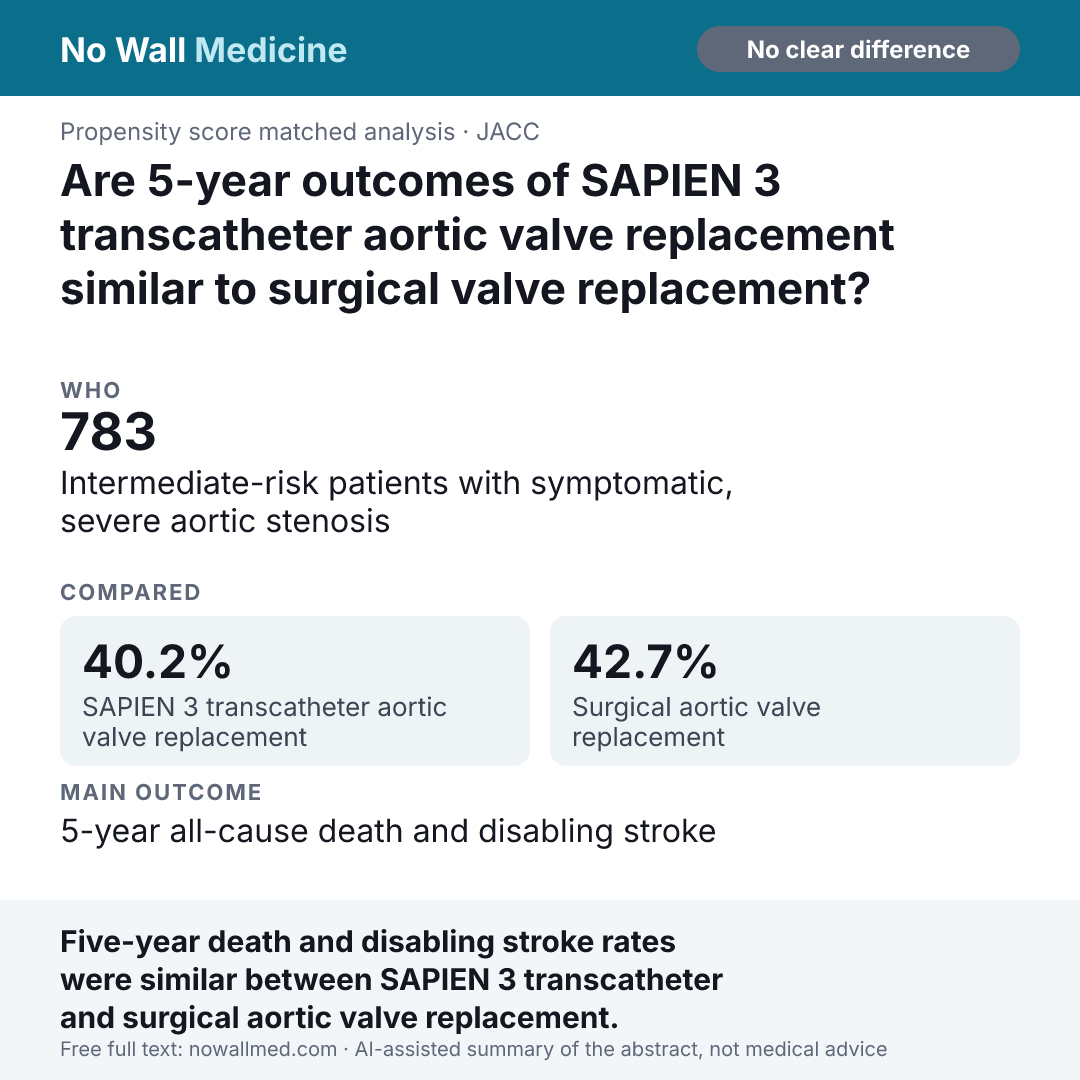
Outcomes of SAPIEN 3 Transcatheter Aortic Valve Replacement Compared With Surgical Valve Replacement in Intermediate-Risk Patients
Propensity score matched analysisNo clear difference
Are 5-year outcomes of SAPIEN 3 transcatheter aortic valve replacement similar to surgical valve replacement?
Who
783
Intermediate-risk patients with symptomatic, severe aortic stenosis
Compared
40.2%SAPIEN 3 transcatheter aortic valve replacement
42.7%Surgical aortic valve replacement
Main outcome
5-year all-cause death and disabling stroke
Result: hazard ratio 0.87 (95% CI 0.74-1.03)
Bottom line: Five-year death and disabling stroke rates were similar between SAPIEN 3 transcatheter and surgical aortic valve replacement.
Limitation: Longer-term follow-up is needed to evaluate late adverse clinical events and bioprosthetic valve durability.
JACC · 2023-07-06 · Save PNG
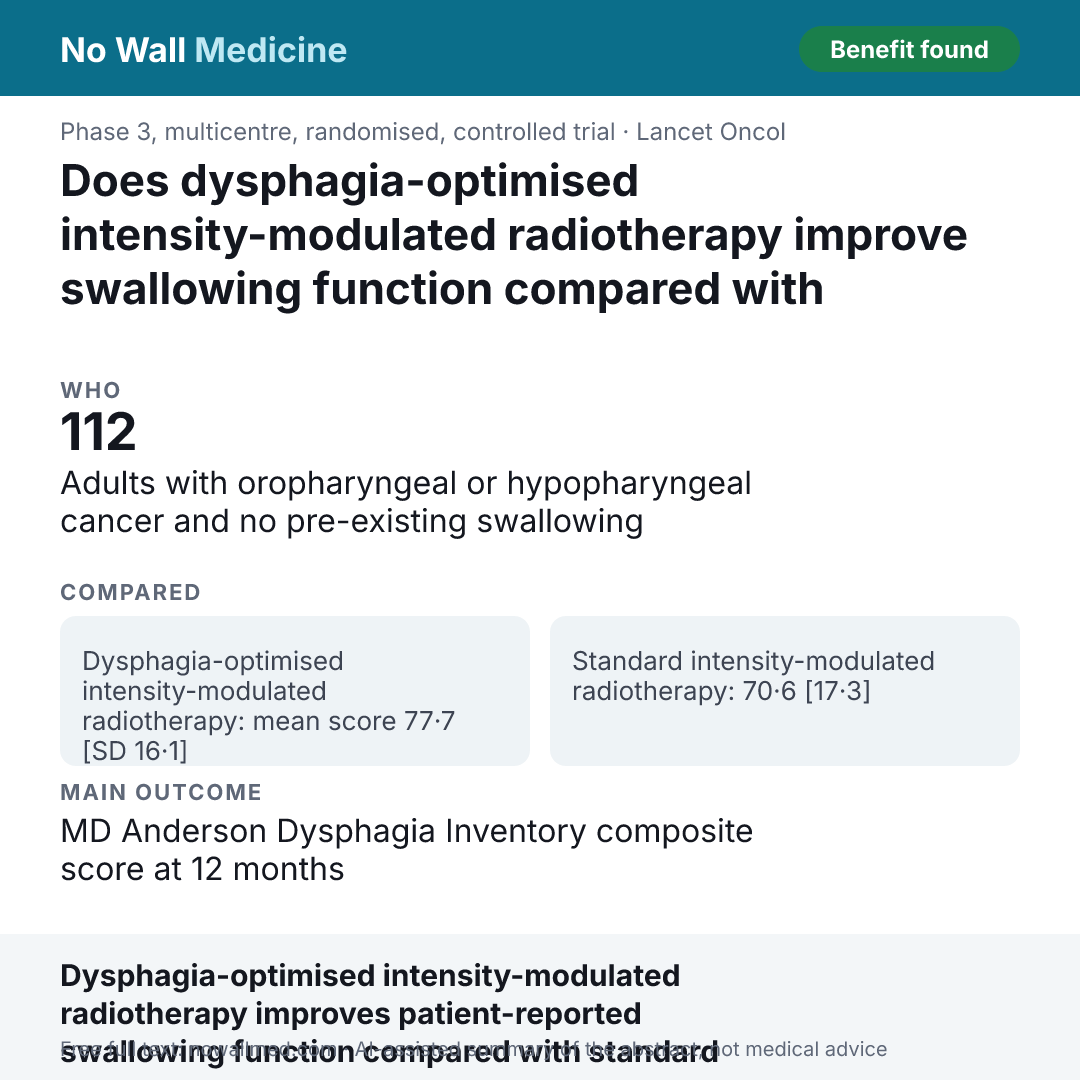
Dysphagia-optimised intensity-modulated radiotherapy versus standard intensity-modulated radiotherapy in patients with head and neck cancer (DARS): a phase 3, multicentre, randomised, controlled trial
Phase 3, multicentre, randomised, controlled trialBenefit found
Does dysphagia-optimised intensity-modulated radiotherapy improve swallowing function compared with standard intensity-modulated radiotherapy?
Who
112
Adults with oropharyngeal or hypopharyngeal cancer and no pre-existing swallowing dysfunction · 22 radiotherapy centres in Ireland and the UK
Compared
Dysphagia-optimised intensity-modulated radiotherapy: mean score 77·7 [SD 16·1]
Standard intensity-modulated radiotherapy: 70·6 [17·3]
Main outcome
MD Anderson Dysphagia Inventory composite score at 12 months
Result: mean difference 7·2 [95% CI 0·4-13·9]
Bottom line: Dysphagia-optimised intensity-modulated radiotherapy improves patient-reported swallowing function compared with standard intensity-modulated radiotherapy in pharyngeal cancers.
Funded by: Cancer Research UK
Lancet Oncol · 2023-07-06 · Save PNG
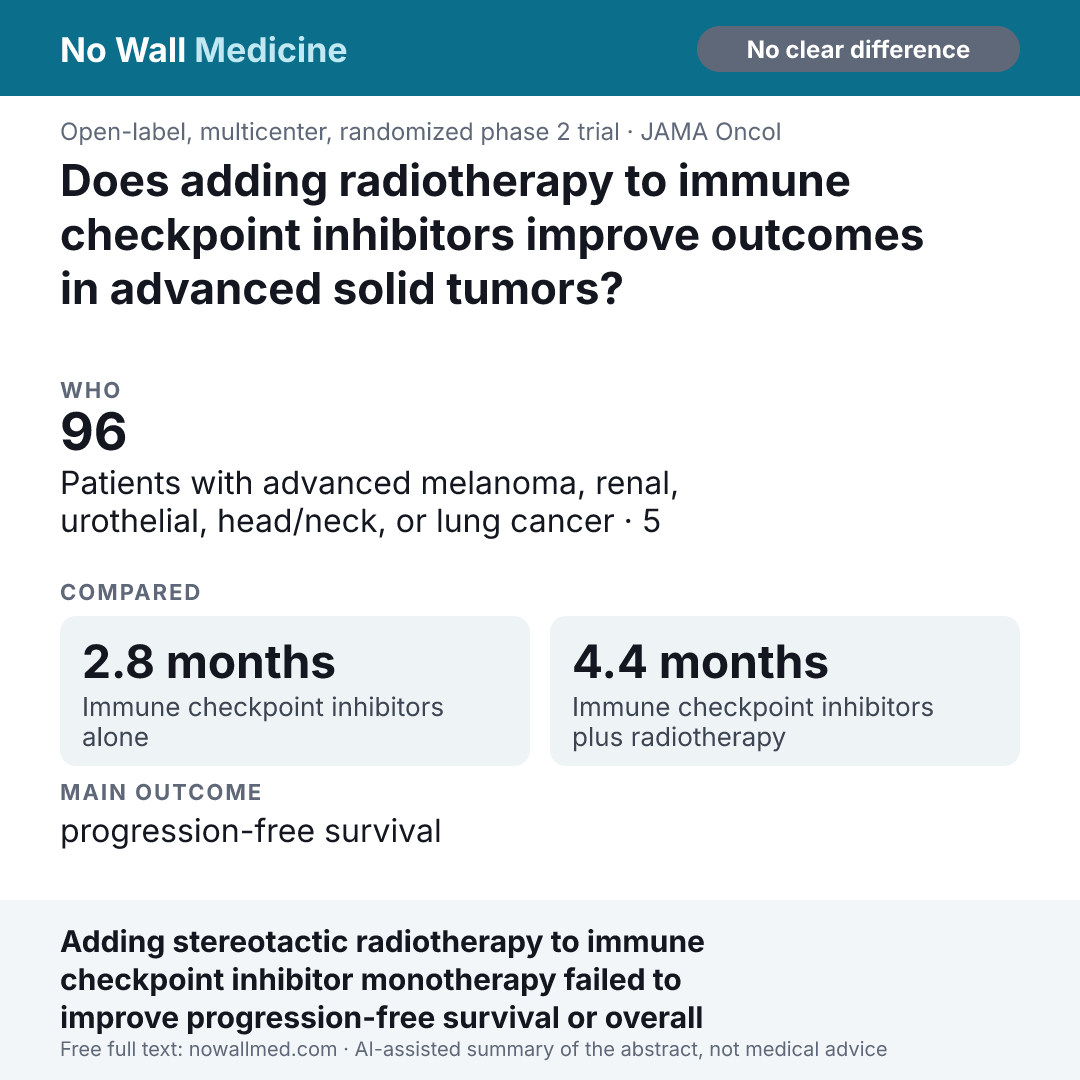
Checkpoint Inhibitors in Combination With Stereotactic Body Radiotherapy in Patients With Advanced Solid Tumors: The CHEERS Phase 2 Randomized Clinical Trial
Open-label, multicenter, randomized phase 2 trialNo clear difference
Does adding radiotherapy to immune checkpoint inhibitors improve outcomes in advanced solid tumors?
Who
96
Patients with advanced melanoma, renal, urothelial, head/neck, or lung cancer · 5 Belgian hospitals
Compared
2.8 monthsImmune checkpoint inhibitors alone
4.4 monthsImmune checkpoint inhibitors plus radiotherapy
Main outcome
progression-free survival
Result: hazard ratio 0.95 (95% CI 0.58-1.53)
Bottom line: Adding stereotactic radiotherapy to immune checkpoint inhibitor monotherapy failed to improve progression-free survival or overall survival.
JAMA Oncol · 2023-07-06 · Save PNG