Visual abstracts
New randomized trials and meta-analyses from leading journals at a glance: who was studied, what was compared, and what was found. Every paper is free to read in full.
All specialtiesCardiology 4763Oncology 4042Gastroenterology & Hepatology 1902Infectious Disease 3756Neurology 1872Psychiatry & Mental Health 2214Pulmonology 2042Critical Care 1319Endocrinology & Diabetes 2544Pediatrics 2889Surgery 2479Orthopedics & Sports Medicine 917Neurosurgery 525Cardiothoracic & Vascular Surgery 656Plastic & Reconstructive Surgery 574Nephrology 1107Rheumatology 810Hematology 1090Dermatology 611Ophthalmology 532Obstetrics & Gynecology 1645Public & Global Health 1037Radiology & Imaging 617Anesthesiology 957Urology 745ENT (Otolaryngology) 494Emergency Medicine 481Allergy & Immunology 309Geriatrics 972Family Medicine & Primary Care 533Medical Genetics & Genomics 659Pathology & Laboratory Medicine 156Physical Medicine & Rehabilitation 734Palliative Care 421Nutrition 1560Digital Health & AI 2133General Medicine 318
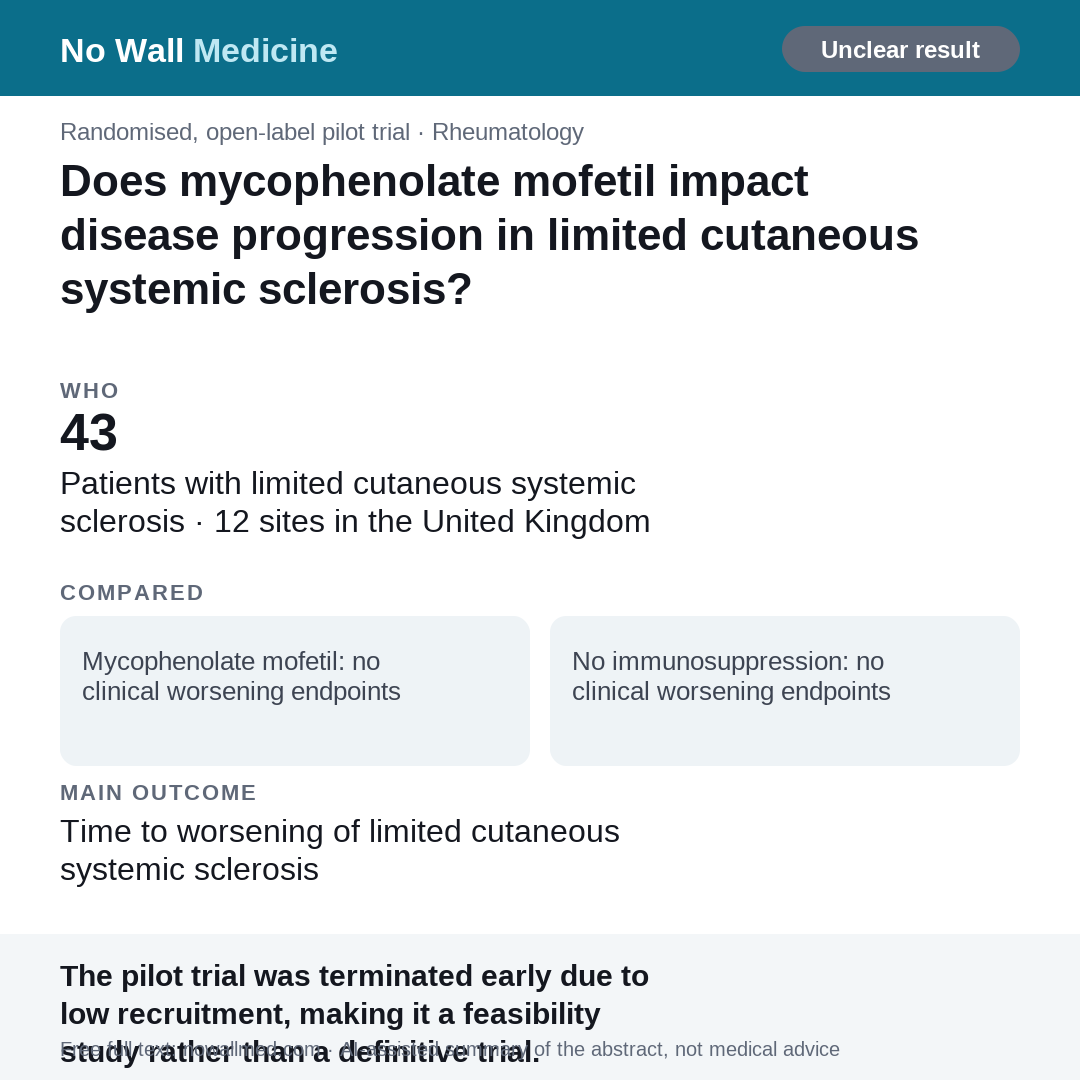
A randomised open-label pilot trial comparing mycophenolate mofetil with no immunosuppression in limited cutaneous systemic sclerosis (MINIMISE-Pilot)
Randomised, open-label pilot trialUnclear result
Does mycophenolate mofetil impact disease progression in limited cutaneous systemic sclerosis?
Who
43
Patients with limited cutaneous systemic sclerosis · 12 sites in the United Kingdom
Compared
Mycophenolate mofetil: no clinical worsening endpoints
No immunosuppression: no clinical worsening endpoints
Main outcome
Time to worsening of limited cutaneous systemic sclerosis
Bottom line: The pilot trial was terminated early due to low recruitment, making it a feasibility study rather than a definitive trial.
Limitation: The study was terminated early because recruitment was below the prespecified threshold.
Rheumatology · 2026-02-24Download image
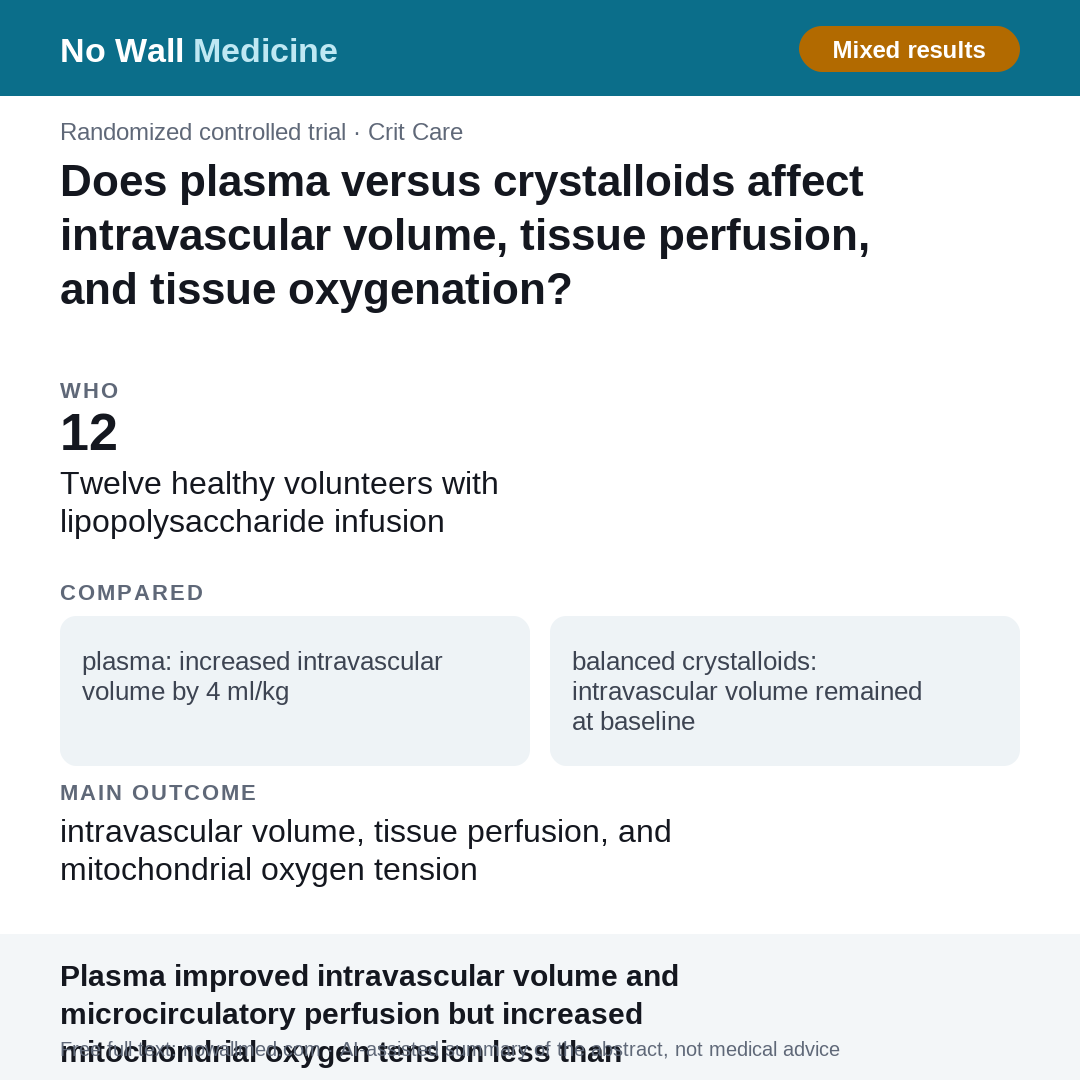
The effect of plasma versus crystalloids on intravascular volume, tissue perfusion and tissue oxygenation: a randomized controlled trial in a human endotoxemia model
Randomized controlled trialMixed results
Does plasma versus crystalloids affect intravascular volume, tissue perfusion, and tissue oxygenation?
Who
12
Twelve healthy volunteers with lipopolysaccharide infusion
Compared
plasma: increased intravascular volume by 4 ml/kg
balanced crystalloids: intravascular volume remained at baseline
Main outcome
intravascular volume, tissue perfusion, and mitochondrial oxygen tension
Bottom line: Plasma improved intravascular volume and microcirculatory perfusion but increased mitochondrial oxygen tension less than crystalloids.
Limitation: The study used a human endotoxemia model in healthy volunteers without shock.
Crit Care · 2026-02-24Download image
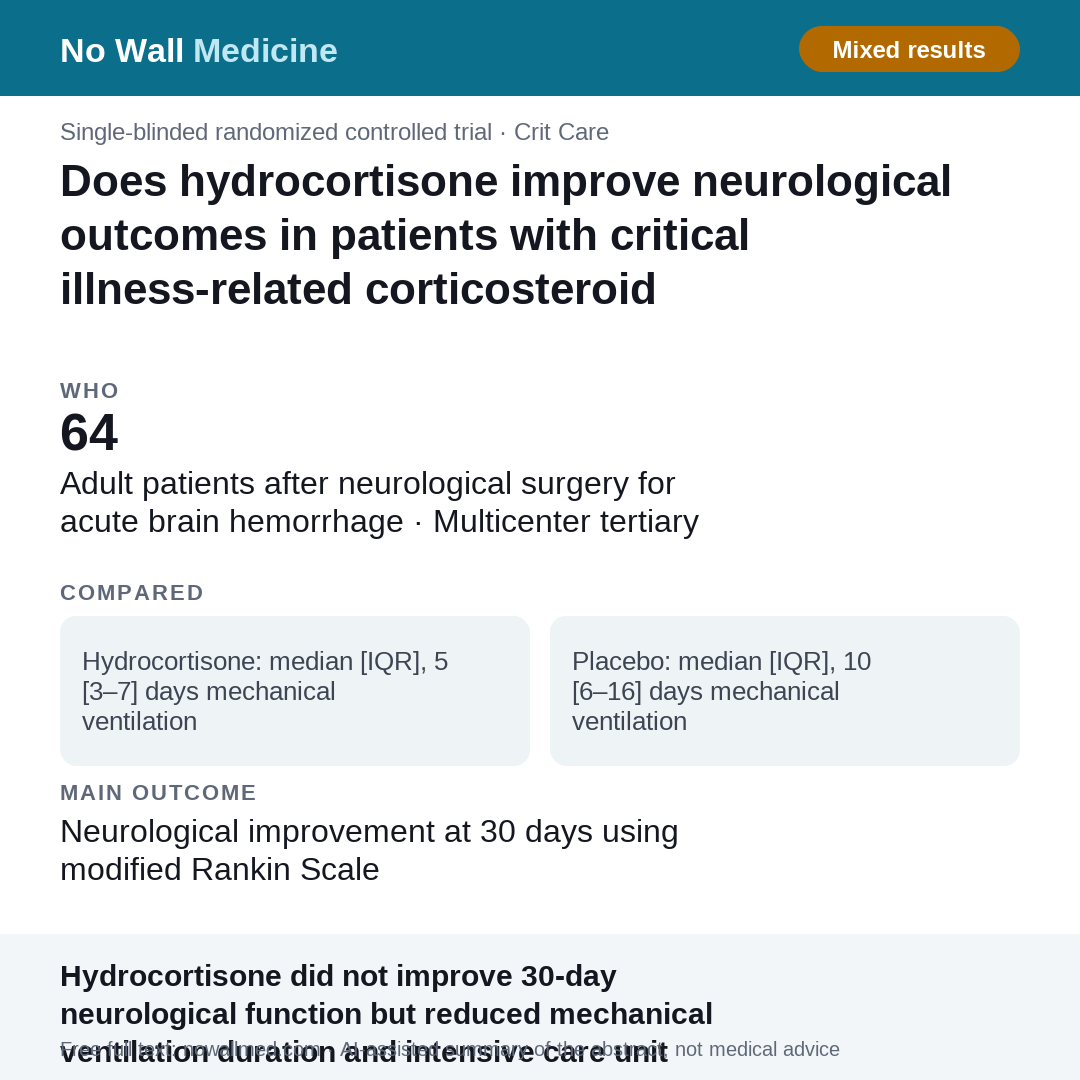
Critical illness-related corticosteroid insufficiency after acute brain hemorrhage surgery: a prospective cohort study with a randomized trial of hydrocortisone : HYdrocortisone theraPy in nEurocRitical illness; HYPER study
Single-blinded randomized controlled trialMixed results
Does hydrocortisone improve neurological outcomes in patients with critical illness-related corticosteroid insufficiency?
Who
64
Adult patients after neurological surgery for acute brain hemorrhage · Multicenter tertiary care hospitals
Compared
Hydrocortisone: median [IQR], 5 [3–7] days mechanical ventilation
Placebo: median [IQR], 10 [6–16] days mechanical ventilation
Main outcome
Neurological improvement at 30 days using modified Rankin Scale
Bottom line: Hydrocortisone did not improve 30-day neurological function but reduced mechanical ventilation duration and intensive care unit stay.
Crit Care · 2026-02-24Download image
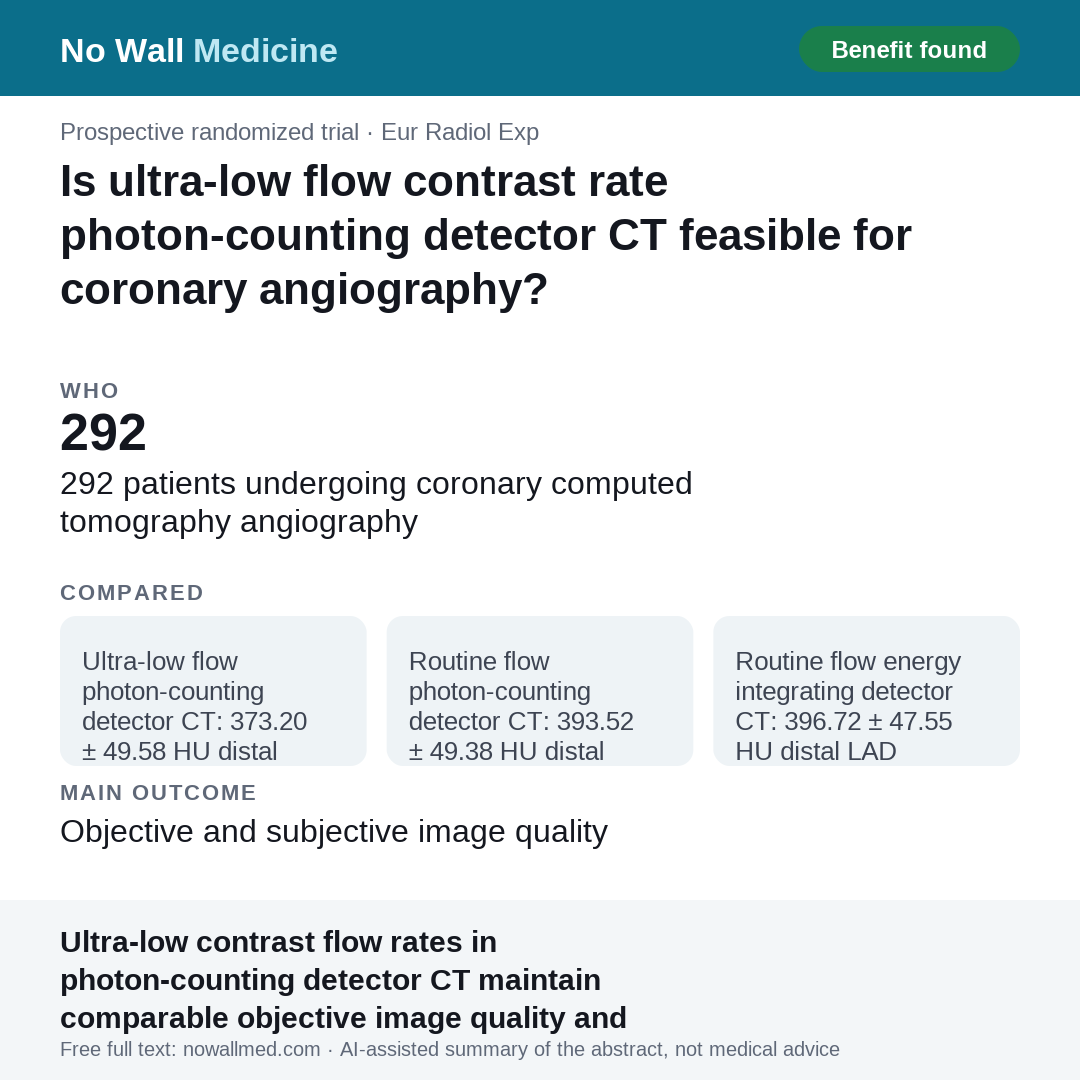
Feasibility of ultra-low flow rate coronary CT angiography using photon-counting detector CT: a prospective randomized trial
Prospective randomized trialBenefit found
Is ultra-low flow contrast rate photon-counting detector CT feasible for coronary angiography?
Who
292
292 patients undergoing coronary computed tomography angiography
Compared
Ultra-low flow photon-counting detector CT: 373.20 ± 49.58 HU distal LAD attenuation
Routine flow photon-counting detector CT: 393.52 ± 49.38 HU distal LAD attenuation
Routine flow energy integrating detector CT: 396.72 ± 47.55 HU distal LAD attenuation
Main outcome
Objective and subjective image quality
Bottom line: Ultra-low contrast flow rates in photon-counting detector CT maintain comparable objective image quality and acceptable diagnostic performance.
Eur Radiol Exp · 2026-02-24Download image
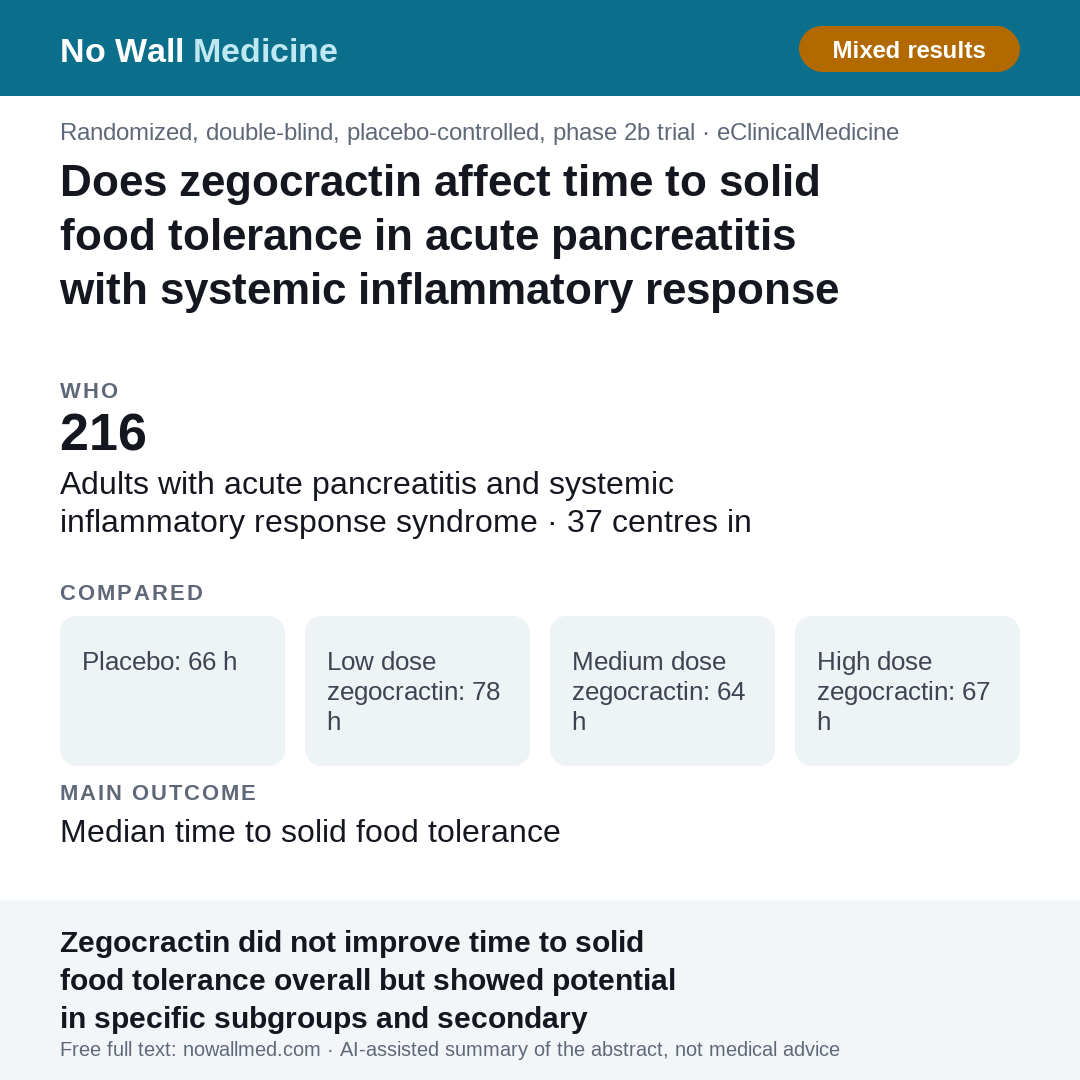
Zegocractin for acute pancreatitis with systemic inflammatory response syndrome: a randomized, controlled, dose-ranging, phase 2b trial
Randomized, double-blind, placebo-controlled, phase 2b trialMixed results
Does zegocractin affect time to solid food tolerance in acute pancreatitis with systemic inflammatory response syndrome?
Who
216
Adults with acute pancreatitis and systemic inflammatory response syndrome · 37 centres in the US and India
Compared
Placebo: 66 h
Low dose zegocractin: 78 h
Medium dose zegocractin: 64 h
High dose zegocractin: 67 h
Main outcome
Median time to solid food tolerance
Result: exploratory win ratio for high dose zegocractin compared to placebo 1.640 (95% CI 1.030-2.612)
Bottom line: Zegocractin did not improve time to solid food tolerance overall but showed potential in specific subgroups and secondary outcomes.
Funded by: CalciMedica
eClinicalMedicine · 2026-02-23Download image
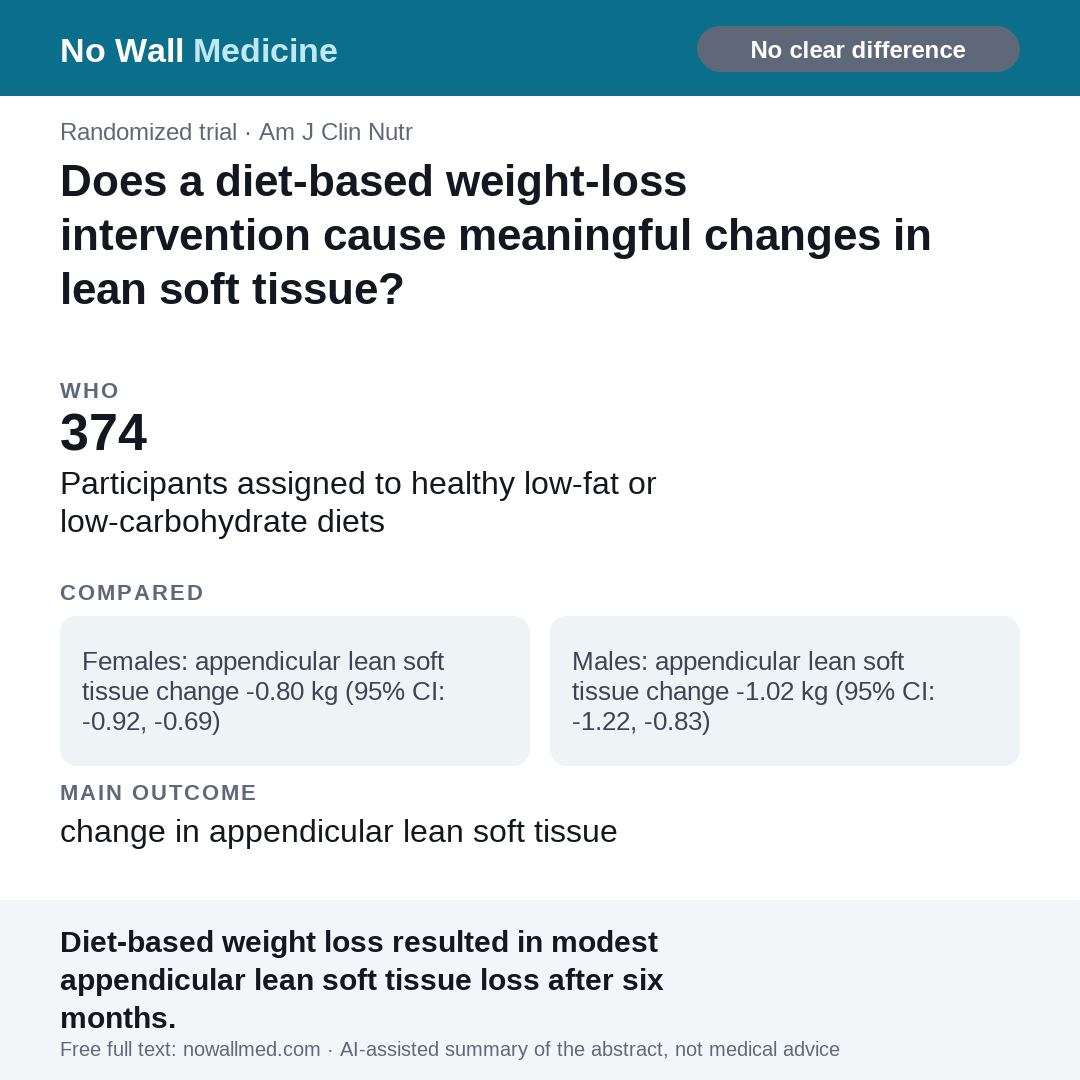
Diet-based weight-loss intervention is not associated with a meaningful change in lean soft tissue
Randomized trialNo clear difference
Does a diet-based weight-loss intervention cause meaningful changes in lean soft tissue?
Who
374
Participants assigned to healthy low-fat or low-carbohydrate diets
Compared
Females: appendicular lean soft tissue change -0.80 kg (95% CI: -0.92, -0.69)
Males: appendicular lean soft tissue change -1.02 kg (95% CI: -1.22, -0.83)
Main outcome
change in appendicular lean soft tissue
Bottom line: Diet-based weight loss resulted in modest appendicular lean soft tissue loss after six months.
Am J Clin Nutr · 2026-02-23Download image
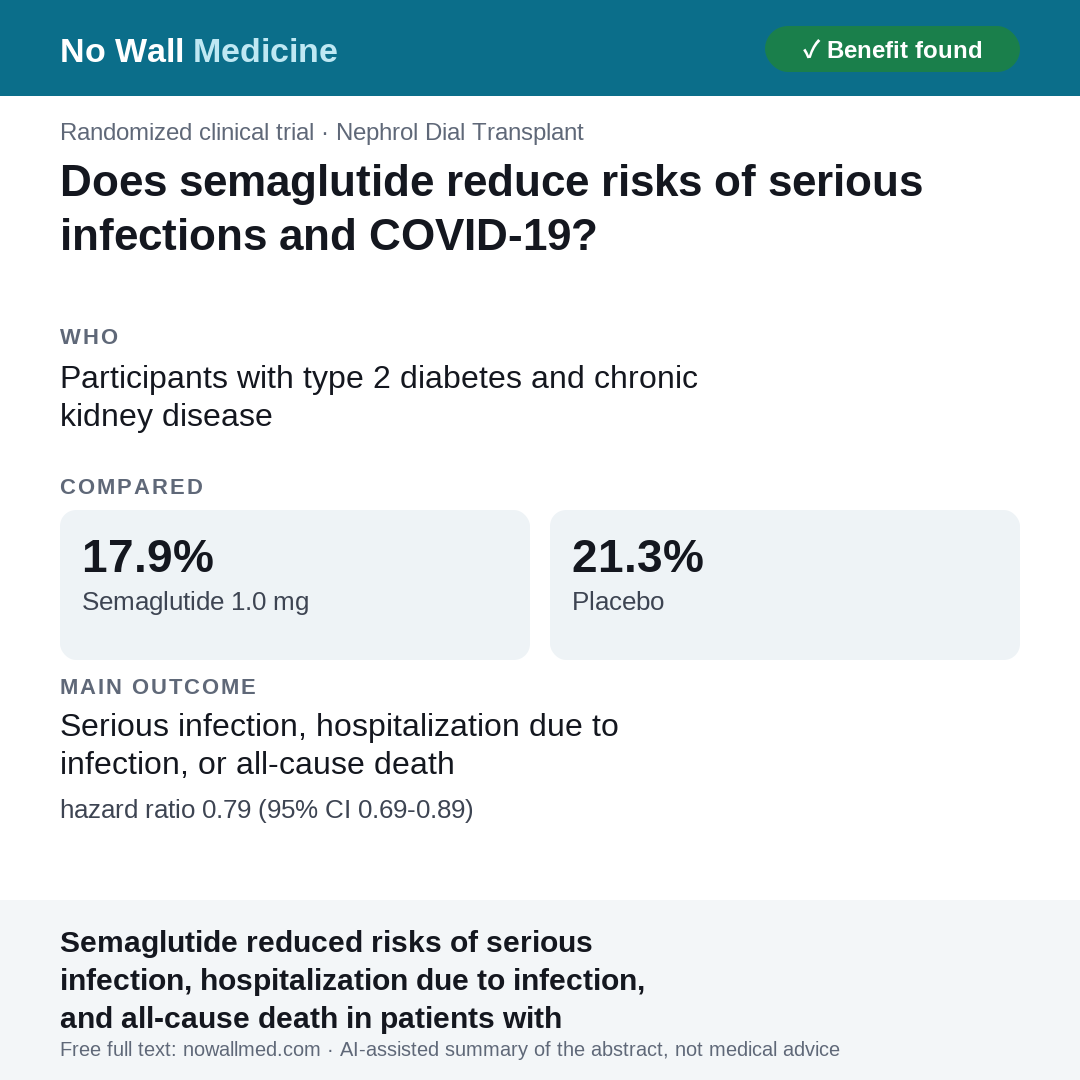
Effect of semaglutide on COVID-19 and other infections: an analysis from the FLOW randomized clinical trial
Randomized clinical trialBenefit found
Does semaglutide reduce risks of serious infections and COVID-19?
Who
Participants with type 2 diabetes and chronic kidney disease
Compared
17.9%Semaglutide 1.0 mg
21.3%Placebo
Main outcome
Serious infection, hospitalization due to infection, or all-cause death
Result: hazard ratio 0.79 (95% CI 0.69-0.89)
Bottom line: Semaglutide reduced risks of serious infection, hospitalization due to infection, and all-cause death in patients with diabetes and kidney disease.
Nephrol Dial Transplant · 2026-02-23Download image
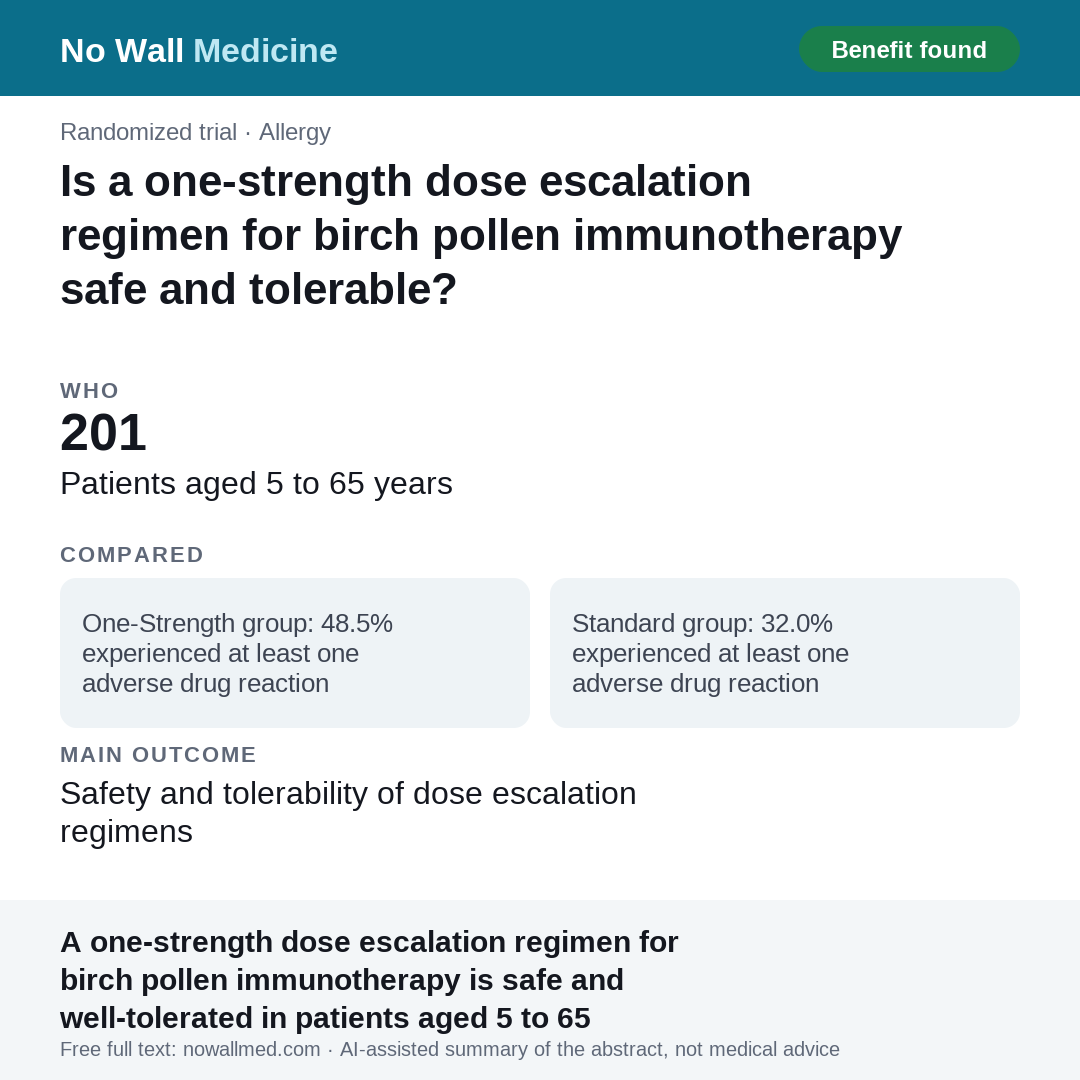
A One-Strength Dose Escalation Regimen for Birch Pollen Subcutaneous Immunotherapy Is Safe and Tolerable in Children, Adolescents, and Adults
Randomized trialBenefit found
Is a one-strength dose escalation regimen for birch pollen immunotherapy safe and tolerable?
Who
201
Patients aged 5 to 65 years
Compared
One-Strength group: 48.5% experienced at least one adverse drug reaction
Standard group: 32.0% experienced at least one adverse drug reaction
Main outcome
Safety and tolerability of dose escalation regimens
Bottom line: A one-strength dose escalation regimen for birch pollen immunotherapy is safe and well-tolerated in patients aged 5 to 65 years.
Allergy · 2026-02-23Download image
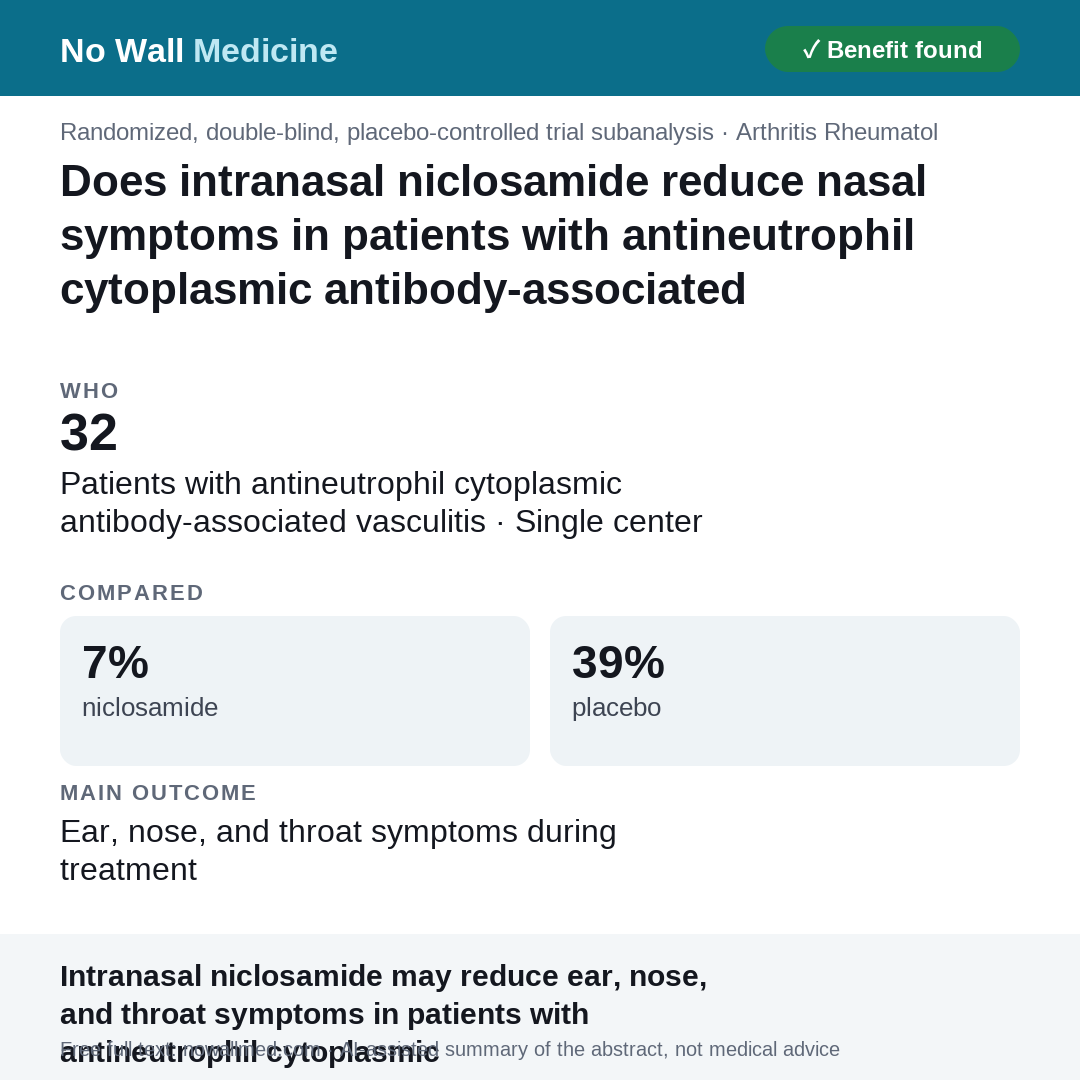
The Effect of Intranasal Niclosamide on Nasal Symptoms in Patients with Antineutrophil Cytoplasmic Antibody-Associated Vasculitis
Randomized, double-blind, placebo-controlled trial subanalysisBenefit found
Does intranasal niclosamide reduce nasal symptoms in patients with antineutrophil cytoplasmic antibody-associated vasculitis?
Who
32
Patients with antineutrophil cytoplasmic antibody-associated vasculitis · Single center
Compared
7%niclosamide (1 of 14)
39%placebo (7 of 18)
Main outcome
Ear, nose, and throat symptoms during treatment
Result: P = 0.04
Bottom line: Intranasal niclosamide may reduce ear, nose, and throat symptoms in patients with antineutrophil cytoplasmic antibody-associated vasculitis.
Arthritis Rheumatol · 2026-02-23Download image
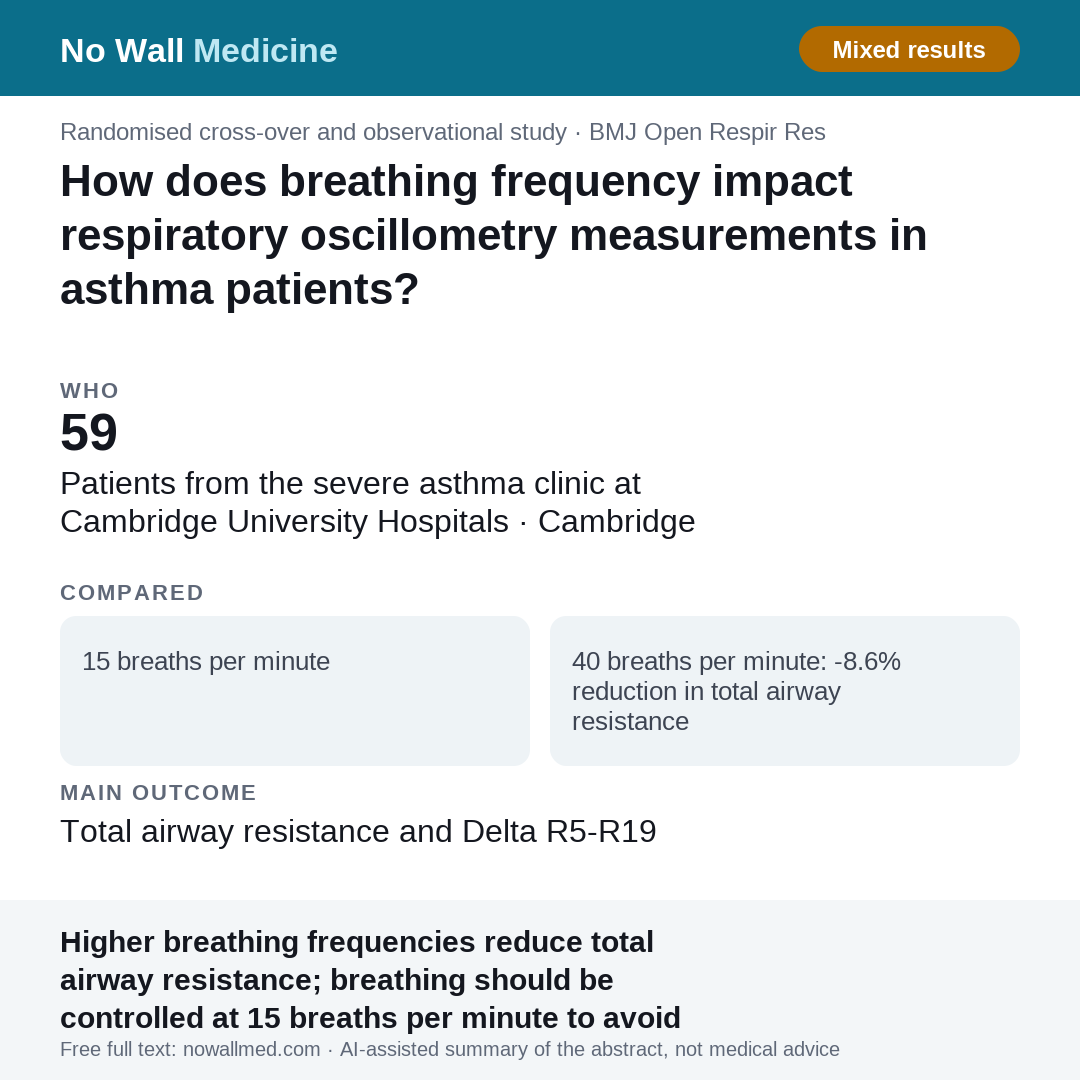
Impact of breathing frequency on respiratory oscillometry measurements: a randomised cross-over and observational study of asthma patients
Randomised cross-over and observational studyMixed results
How does breathing frequency impact respiratory oscillometry measurements in asthma patients?
Who
59
Patients from the severe asthma clinic at Cambridge University Hospitals · Cambridge University Hospitals
Compared
15 breaths per minute
40 breaths per minute: -8.6% reduction in total airway resistance
Main outcome
Total airway resistance and Delta R5-R19
Bottom line: Higher breathing frequencies reduce total airway resistance; breathing should be controlled at 15 breaths per minute to avoid misclassification.
BMJ Open Respir Res · 2026-02-23Download image
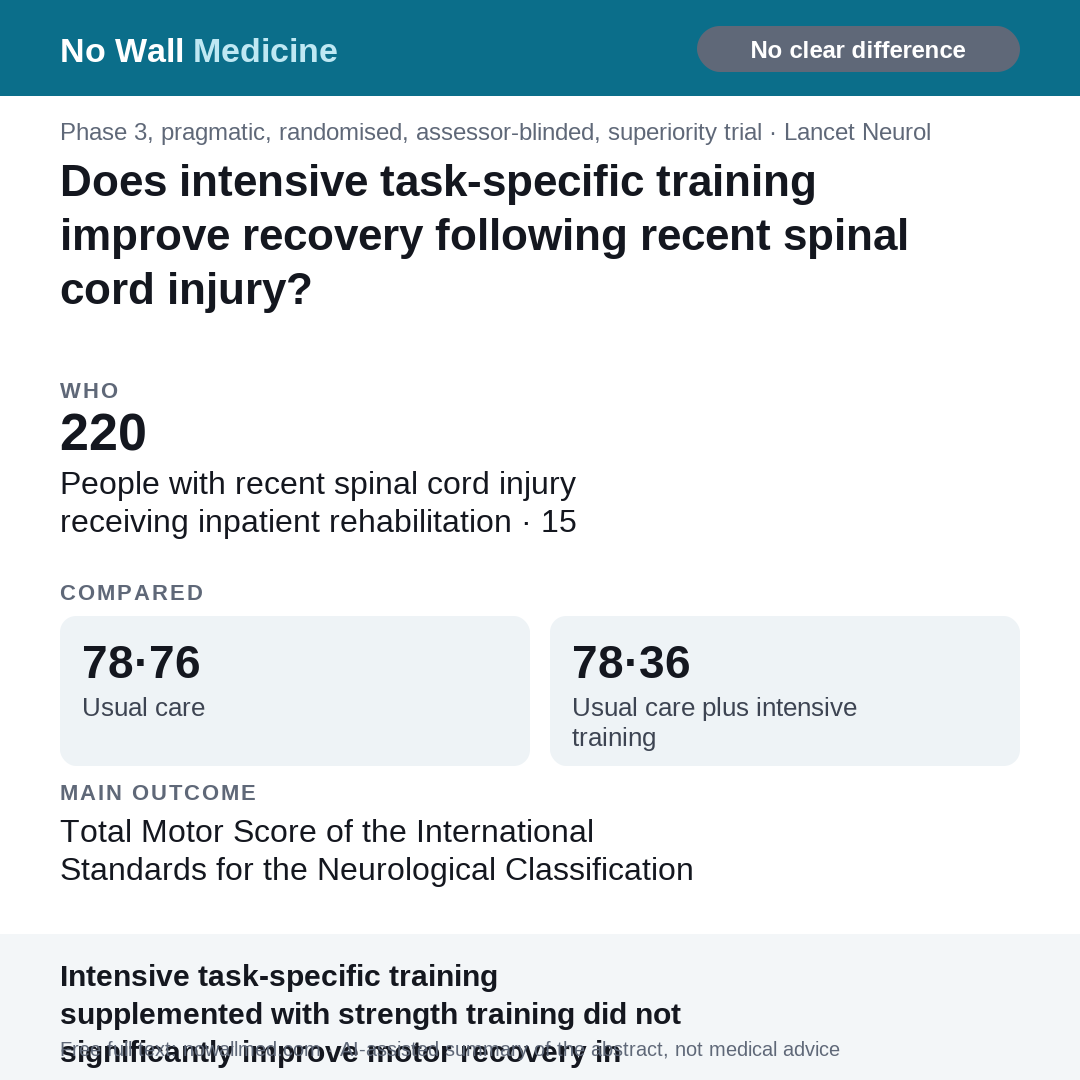
Safety and efficacy of intensive task-specific training in people with recent spinal cord injury: a phase 3, pragmatic, randomised, assessor-blinded, superiority trial
Phase 3, pragmatic, randomised, assessor-blinded, superiority trialNo clear difference
Does intensive task-specific training improve recovery following recent spinal cord injury?
Who
220
People with recent spinal cord injury receiving inpatient rehabilitation · 15 hospitals in six countries
Compared
78·76Usual care (SD 17·34)
78·36Usual care plus intensive training (SD 17·00)
Main outcome
Total Motor Score of the International Standards for the Neurological Classification of SCI
Result: mean between-group difference 0·93 (95% CI -1·63 to 3·48)
Bottom line: Intensive task-specific training supplemented with strength training did not significantly improve motor recovery in people with recent spinal cord injury.
Funded by: New South Wales Ministry of Health, University of Sydney, and Wings for Life
Lancet Neurol · 2026-02-22Download image
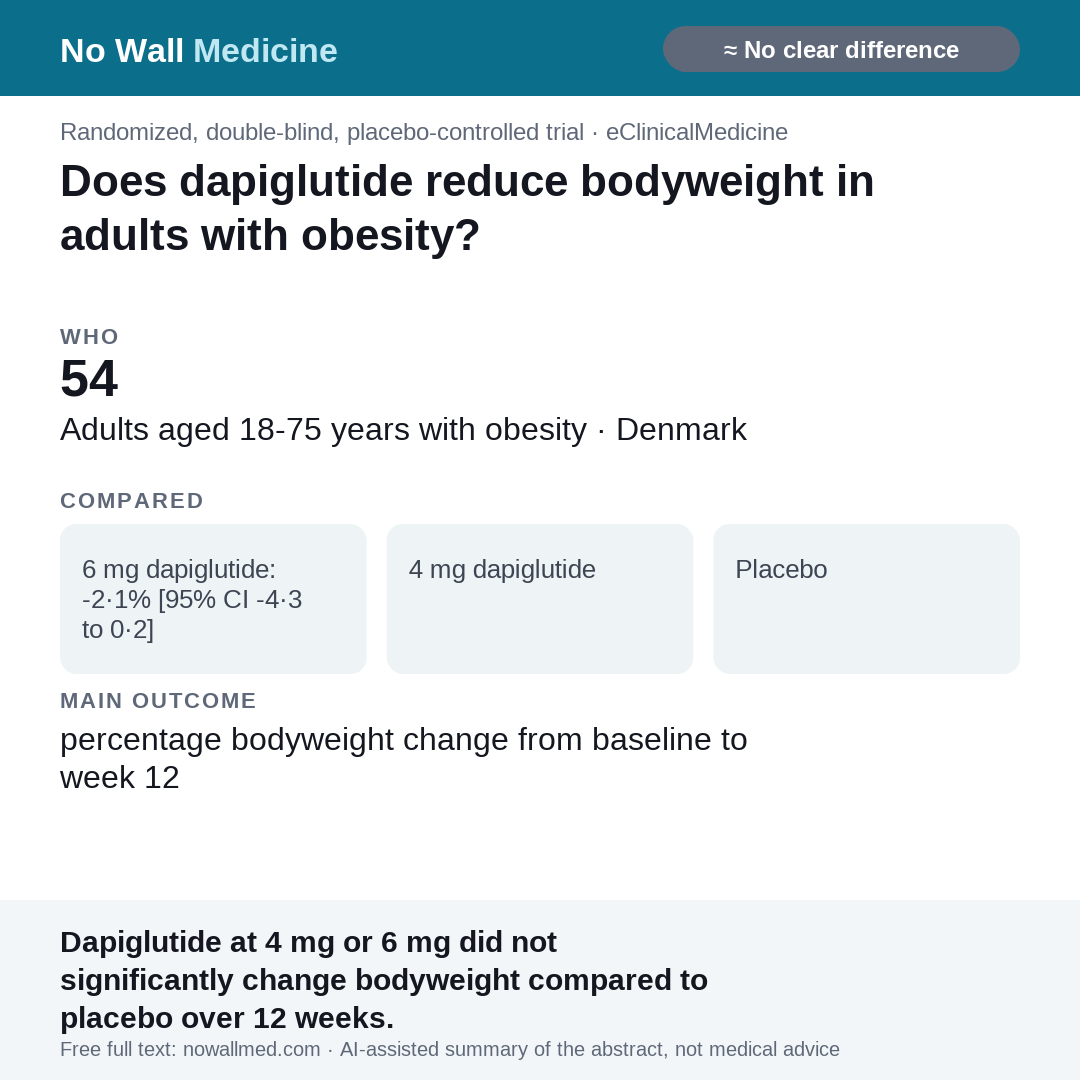
Dapiglutide, a dual GLP-1 and GLP-2 receptor agonist, for obesity: a randomised, double-blind, placebo-controlled parallel-group, proof-of-concept trial
Randomized, double-blind, placebo-controlled trialNo clear difference
Does dapiglutide reduce bodyweight in adults with obesity?
Who
54
Adults aged 18-75 years with obesity · Denmark
Compared
6 mg dapiglutide: -2·1% [95% CI -4·3 to 0·2]
4 mg dapiglutide
Placebo
Main outcome
percentage bodyweight change from baseline to week 12
Bottom line: Dapiglutide at 4 mg or 6 mg did not significantly change bodyweight compared to placebo over 12 weeks.
Funded by: Zealand Pharma
eClinicalMedicine · 2026-02-21Download image
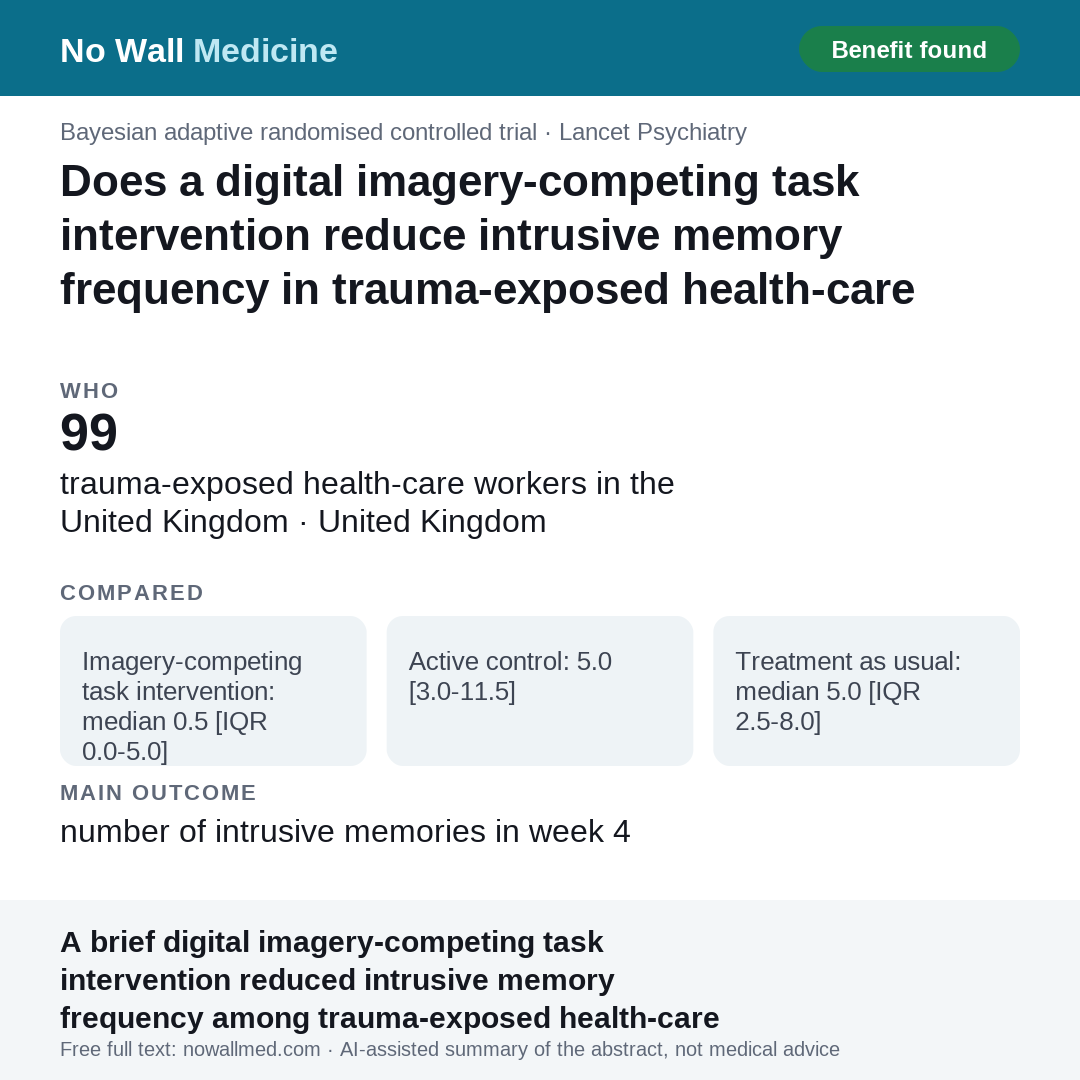
A digital imagery-competing task intervention for stopping intrusive memories in trauma-exposed health-care staff during the COVID-19 pandemic in the UK: a Bayesian adaptive randomised clinical trial
Bayesian adaptive randomised controlled trialBenefit found
Does a digital imagery-competing task intervention reduce intrusive memory frequency in trauma-exposed health-care staff?
Who
99
trauma-exposed health-care workers in the United Kingdom · United Kingdom
Compared
Imagery-competing task intervention: median 0.5 [IQR 0.0-5.0]
Active control: 5.0 [3.0-11.5]
Treatment as usual: median 5.0 [IQR 2.5-8.0]
Main outcome
number of intrusive memories in week 4
Result: βactive control>ICTI 1.29 (95% CrI 0.64-2.00); βtreatment as usual>ICTI 1.21 (95% CrI 0.49-1.98)
Bottom line: A brief digital imagery-competing task intervention reduced intrusive memory frequency among trauma-exposed health-care workers.
Funded by: Wellcome Trust, Swedish Research Council, UK Medical Research Council, and NIHR
Lancet Psychiatry · 2026-02-21Download image
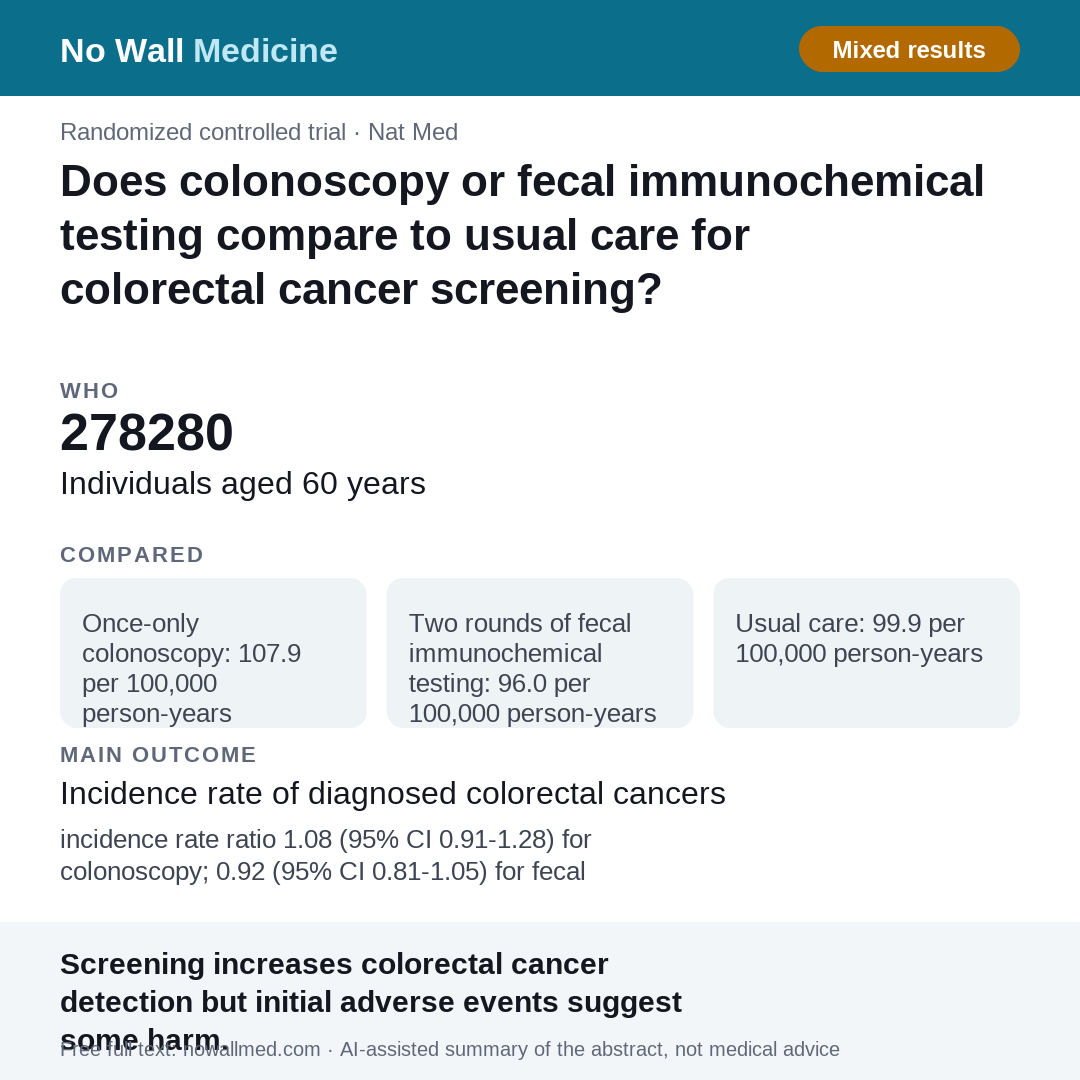
Colonoscopy and fecal immunochemical testing versus usual care in diagnostic colorectal cancer screening: the SCREESCO randomized controlled trial
Randomized controlled trialMixed results
Does colonoscopy or fecal immunochemical testing compare to usual care for colorectal cancer screening?
Who
278280
Individuals aged 60 years
Compared
Once-only colonoscopy: 107.9 per 100,000 person-years
Two rounds of fecal immunochemical testing: 96.0 per 100,000 person-years
Usual care: 99.9 per 100,000 person-years
Main outcome
Incidence rate of diagnosed colorectal cancers
Result: incidence rate ratio 1.08 (95% CI 0.91-1.28) for colonoscopy; 0.92 (95% CI 0.81-1.05) for fecal immunochemical testing
Bottom line: Screening increases colorectal cancer detection but initial adverse events suggest some harm.
Nat Med · 2026-02-20Download image
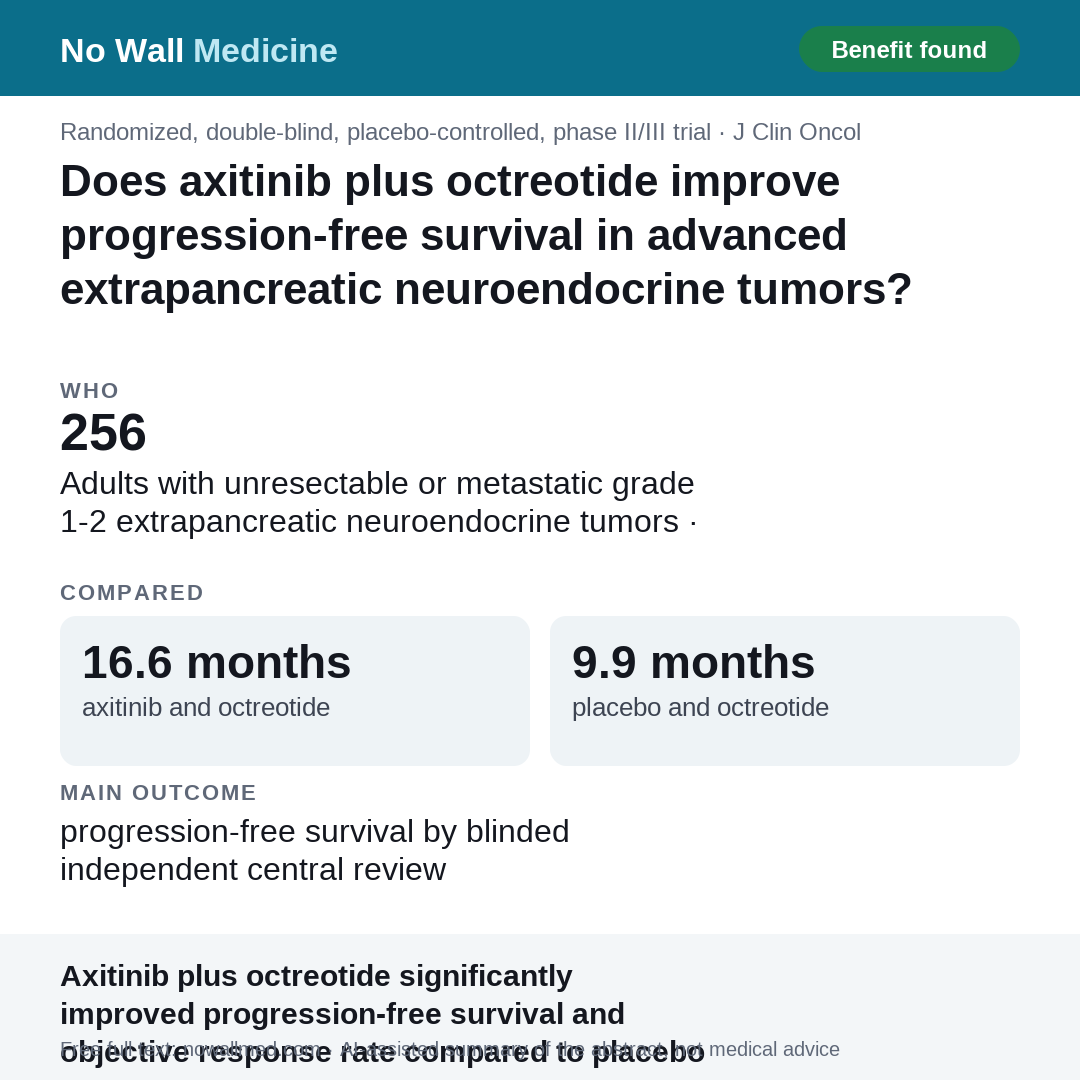
Axitinib and Long-Acting Octreotide in Advanced Extrapancreatic Neuroendocrine Tumors: A Randomized, Double-Blind, Placebo-Controlled, Phase III Clinical Trial (AXINET, GETNE 1107)
Randomized, double-blind, placebo-controlled, phase II/III trialBenefit found
Does axitinib plus octreotide improve progression-free survival in advanced extrapancreatic neuroendocrine tumors?
Who
256
Adults with unresectable or metastatic grade 1-2 extrapancreatic neuroendocrine tumors · international
Compared
16.6 monthsaxitinib and octreotide (95% CI, 13.5 to 24.2)
9.9 monthsplacebo and octreotide (95% CI, 8.2 to 13.9)
Main outcome
progression-free survival by blinded independent central review
Result: hazard ratio 0.71 (95% CI 0.54 to 0.94)
Bottom line: Axitinib plus octreotide significantly improved progression-free survival and objective response rate compared to placebo and octreotide.
J Clin Oncol · 2026-02-20Download image
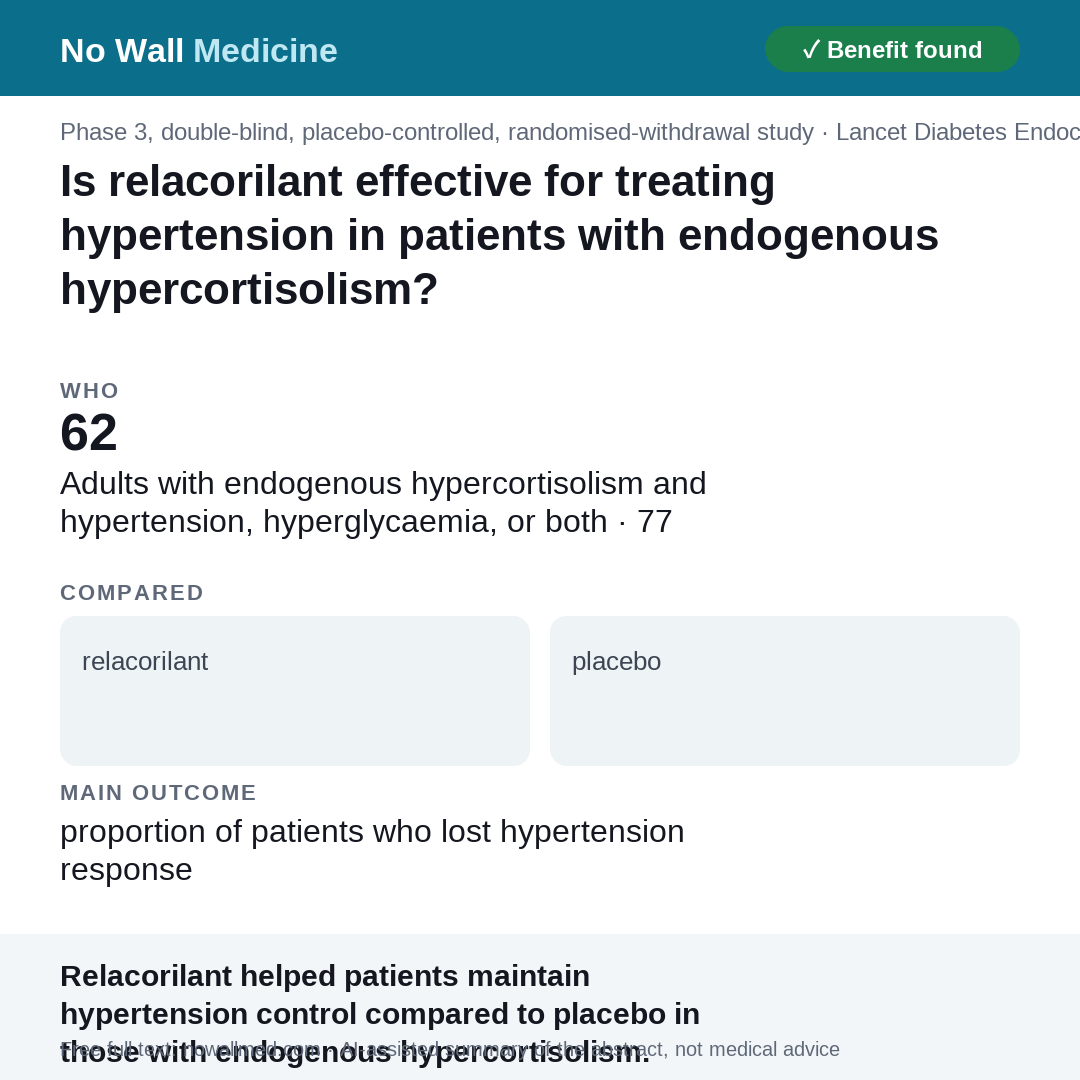
Efficacy and safety of relacorilant for the treatment of patients with Cushing's syndrome (GRACE): a multicentre, phase 3, double-blind, placebo-controlled, randomised-withdrawal study
Phase 3, double-blind, placebo-controlled, randomised-withdrawal studyBenefit found
Is relacorilant effective for treating hypertension in patients with endogenous hypercortisolism?
Who
62
Adults with endogenous hypercortisolism and hypertension, hyperglycaemia, or both · 77 study centres across 11 countries
Compared
relacorilant
placebo
Main outcome
proportion of patients who lost hypertension response
Result: odds ratio 0·17 (95% CI 0·04-0·77)
Bottom line: Relacorilant helped patients maintain hypertension control compared to placebo in those with endogenous hypercortisolism.
Funded by: Corcept Therapeutics
Lancet Diabetes Endocrinol · 2026-02-20Download image
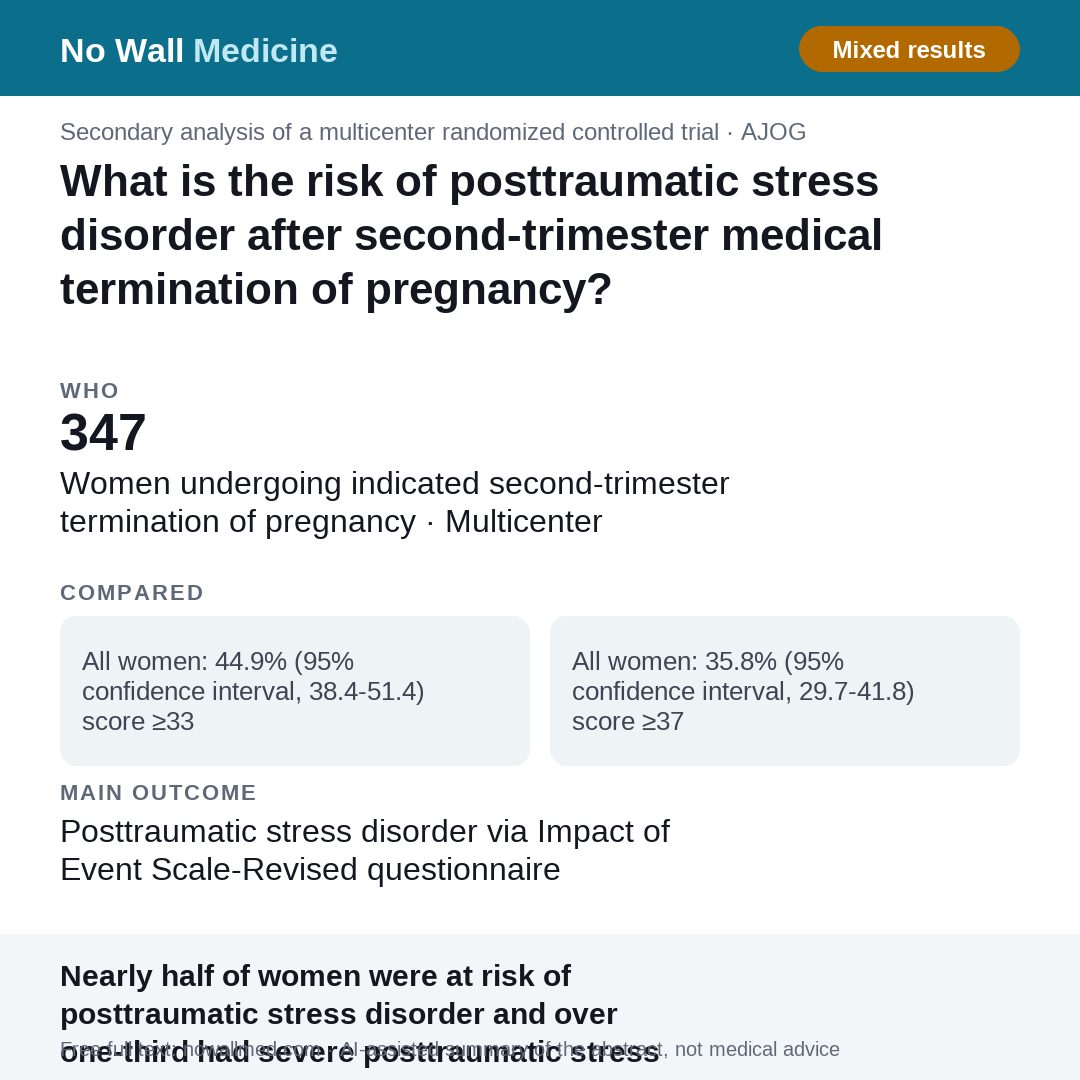
Posttraumatic stress disorder after second-trimester medical termination of pregnancy
Secondary analysis of a multicenter randomized controlled trialMixed results
What is the risk of posttraumatic stress disorder after second-trimester medical termination of pregnancy?
Who
347
Women undergoing indicated second-trimester termination of pregnancy · Multicenter
Compared
All women: 44.9% (95% confidence interval, 38.4-51.4) score ≥33
All women: 35.8% (95% confidence interval, 29.7-41.8) score ≥37
Main outcome
Posttraumatic stress disorder via Impact of Event Scale-Revised questionnaire
Bottom line: Nearly half of women were at risk of posttraumatic stress disorder and over one-third had severe posttraumatic stress disorder.
AJOG · 2026-02-20Download image
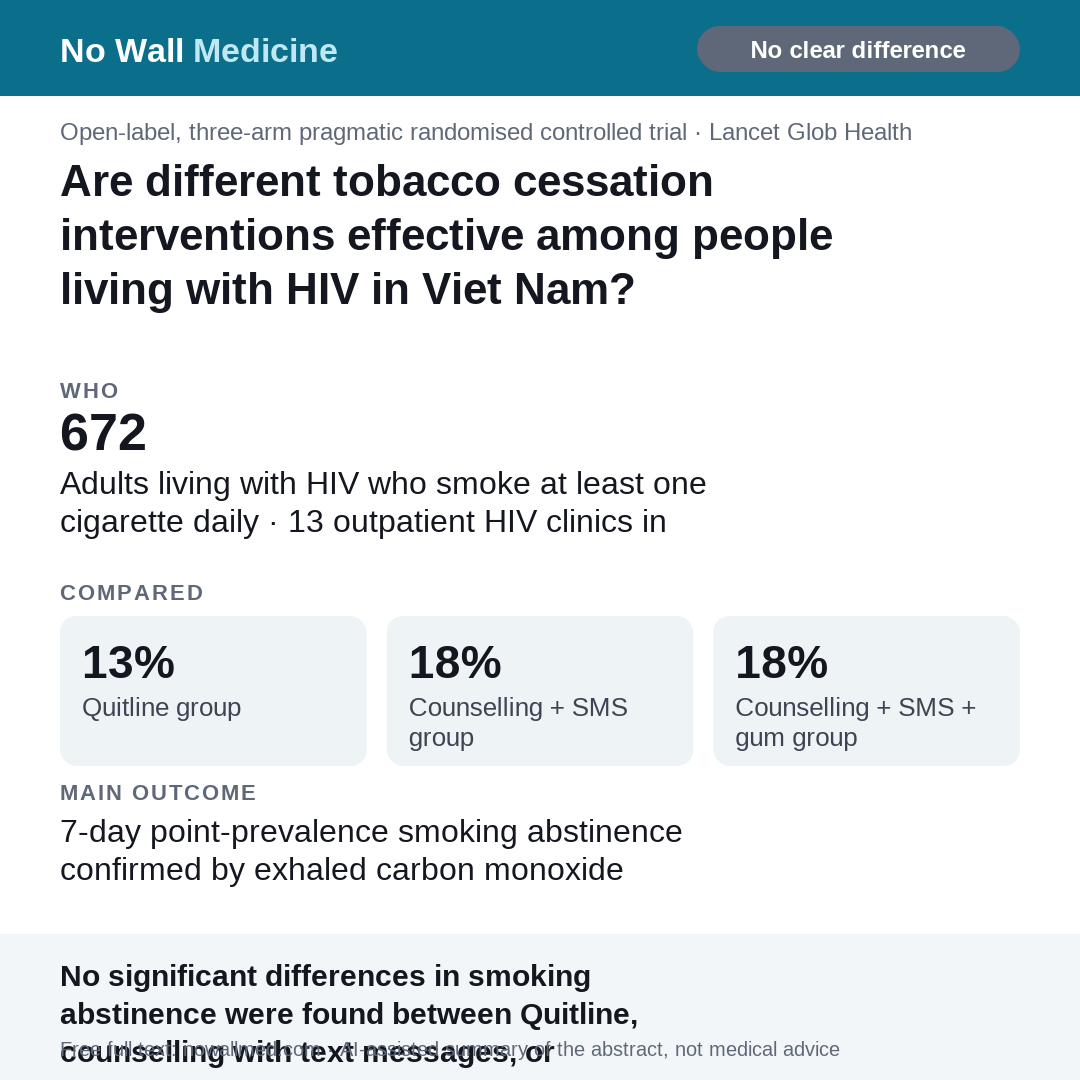
Effectiveness of behavioural tobacco cessation interventions with and without pharmacotherapy among people living with HIV in Viet Nam: a three-arm pragmatic randomised controlled trial
Open-label, three-arm pragmatic randomised controlled trialNo clear difference
Are different tobacco cessation interventions effective among people living with HIV in Viet Nam?
Who
672
Adults living with HIV who smoke at least one cigarette daily · 13 outpatient HIV clinics in Hanoi, Viet Nam
Compared
13%Quitline group
18%Counselling + SMS group
18%Counselling + SMS + gum group
Main outcome
7-day point-prevalence smoking abstinence confirmed by exhaled carbon monoxide
Result: odds ratio 1.48 (95% CI 0.78-2.81) for Counselling + SMS versus Quitline
Bottom line: No significant differences in smoking abstinence were found between Quitline, counselling with text messages, or counselling with nicotine gum.
Funded by: US National Cancer Institute
Lancet Glob Health · 2026-02-20Download image
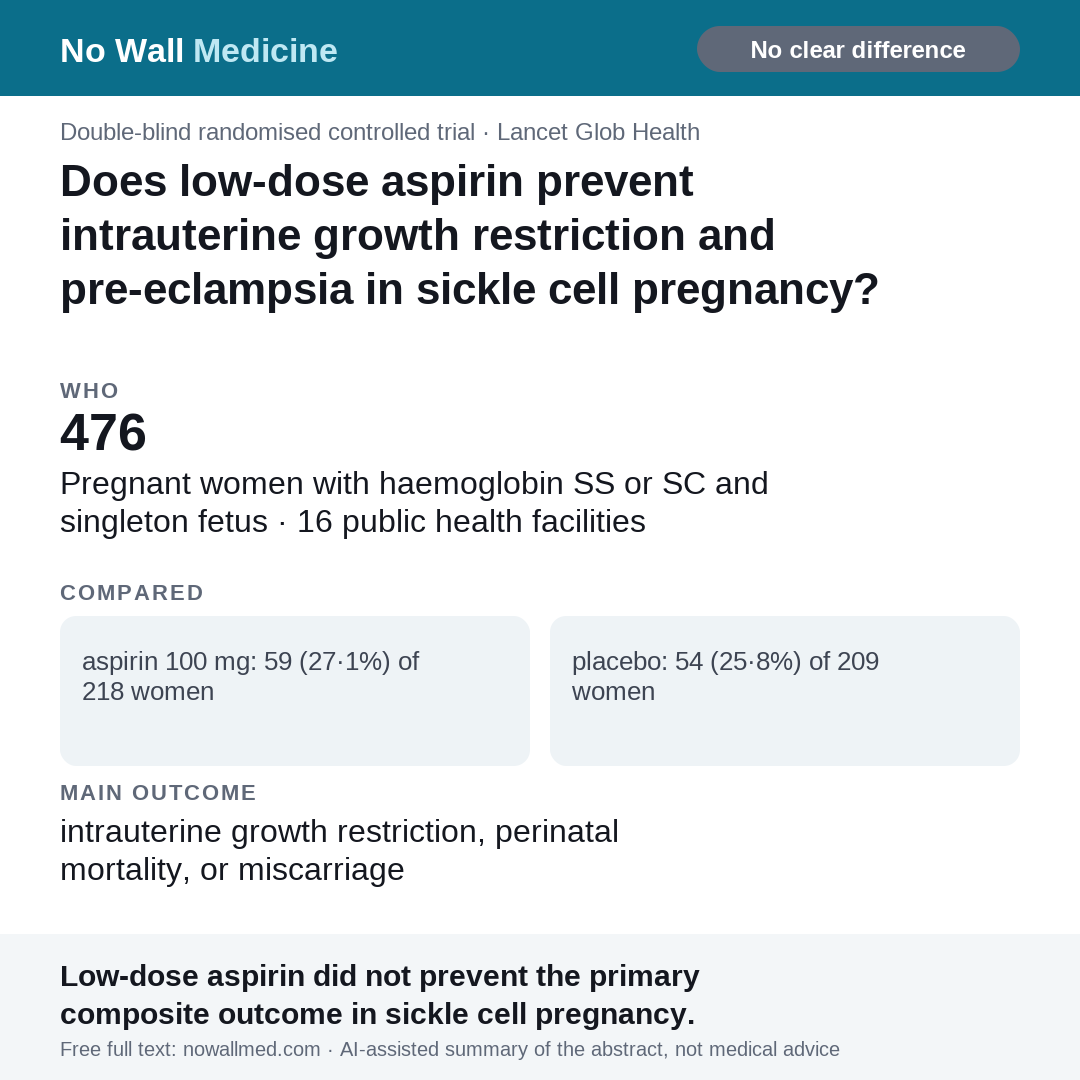
Low-dose aspirin for preventing intrauterine growth restriction and pre-eclampsia in sickle cell pregnancy in Nigeria (PIPSICKLE): a randomised controlled trial
Double-blind randomised controlled trialNo clear difference
Does low-dose aspirin prevent intrauterine growth restriction and pre-eclampsia in sickle cell pregnancy?
Who
476
Pregnant women with haemoglobin SS or SC and singleton fetus · 16 public health facilities in southwest Nigeria
Compared
aspirin 100 mg: 59 (27·1%) of 218 women
placebo: 54 (25·8%) of 209 women
Main outcome
intrauterine growth restriction, perinatal mortality, or miscarriage
Result: risk ratio 1·05 (95% CI 0·75-1·46)
Bottom line: Low-dose aspirin did not prevent the primary composite outcome in sickle cell pregnancy.
Limitation: conclusion is limited by late initiation of the medication after 16 weeks' gestation in three-quarters of the participants
Funded by: Tertiary Education Trust Fund Nigeria
Lancet Glob Health · 2026-02-20Download image
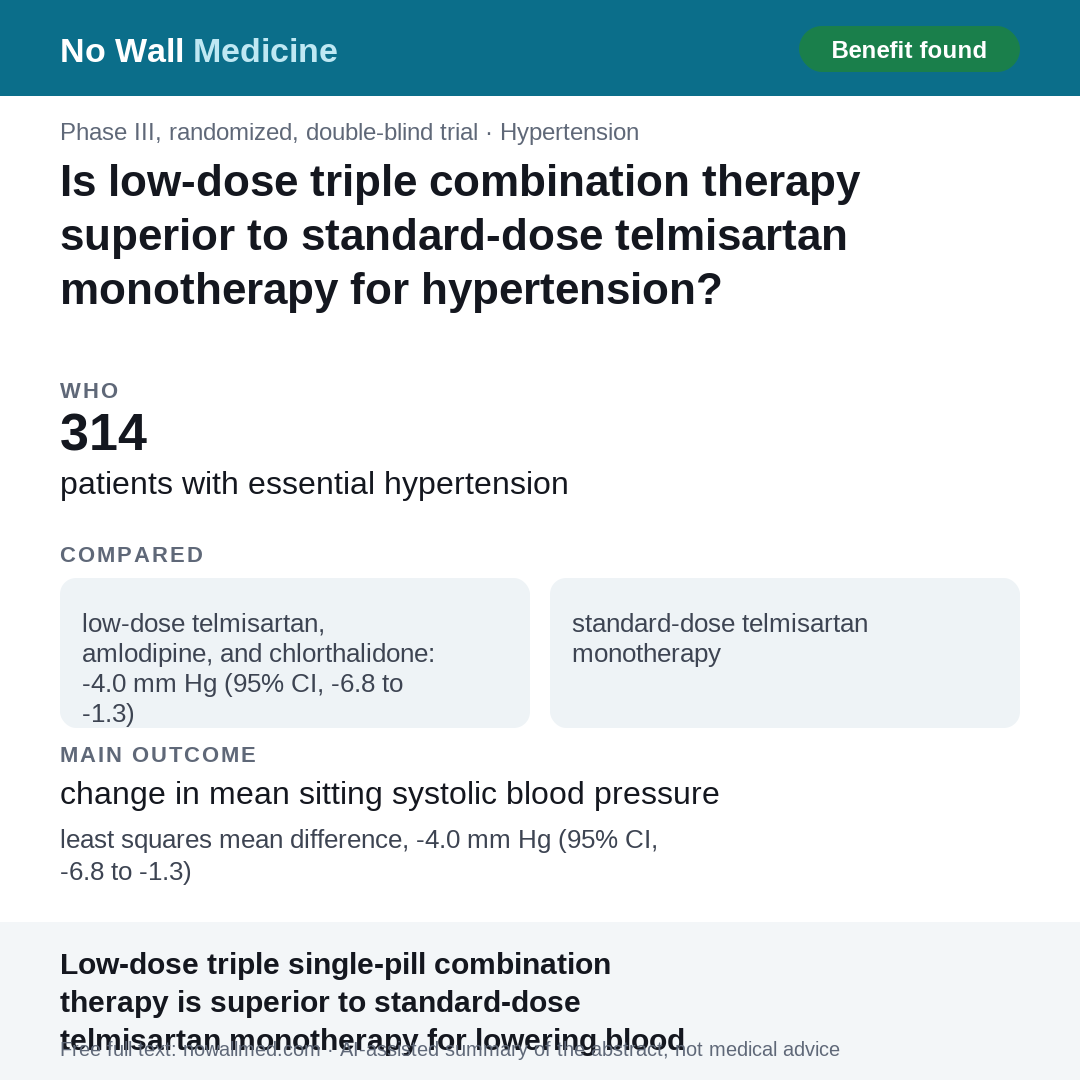
Low-Dose TEL/AML/CHTD SPC Versus Standard-Dose TEL in Hypertension: Phase III RCT
Phase III, randomized, double-blind trialBenefit found
Is low-dose triple combination therapy superior to standard-dose telmisartan monotherapy for hypertension?
Who
314
patients with essential hypertension
Compared
low-dose telmisartan, amlodipine, and chlorthalidone: -4.0 mm Hg (95% CI, -6.8 to -1.3)
standard-dose telmisartan monotherapy
Main outcome
change in mean sitting systolic blood pressure
Result: least squares mean difference, -4.0 mm Hg (95% CI, -6.8 to -1.3)
Bottom line: Low-dose triple single-pill combination therapy is superior to standard-dose telmisartan monotherapy for lowering blood pressure.
Hypertension · 2026-02-20Download image