Visual abstracts
New randomized trials and meta-analyses from leading journals at a glance: who was studied, what was compared, and what was found. Every paper is free to read in full.
All specialtiesCardiology 4763Oncology 4043Gastroenterology & Hepatology 1903Infectious Disease 3756Neurology 1872Psychiatry & Mental Health 2216Pulmonology 2044Critical Care 1319Endocrinology & Diabetes 2544Pediatrics 2889Surgery 2480Orthopedics & Sports Medicine 917Neurosurgery 525Cardiothoracic & Vascular Surgery 656Plastic & Reconstructive Surgery 574Nephrology 1107Rheumatology 810Hematology 1090Dermatology 611Ophthalmology 532Obstetrics & Gynecology 1645Public & Global Health 1037Radiology & Imaging 619Anesthesiology 958Urology 745ENT (Otolaryngology) 494Emergency Medicine 481Allergy & Immunology 309Geriatrics 972Family Medicine & Primary Care 534Medical Genetics & Genomics 659Pathology & Laboratory Medicine 156Physical Medicine & Rehabilitation 734Palliative Care 421Nutrition 1560Digital Health & AI 2137General Medicine 318
A Systematic Review of Pain Drawings for Perioperative Patient Management
Systematic review of 26 studiesBenefit found
Do pain drawings help patient management?
Who
5977
pediatric and adult surgical patients
Compared
Pain drawings
Standard care
Main outcome
pain management
Bottom line: Pain drawings help patient management
Limitation: heterogeneity in methodology
Plast Reconstr Surg Glob Open · 2026-05-28 · Save PNG

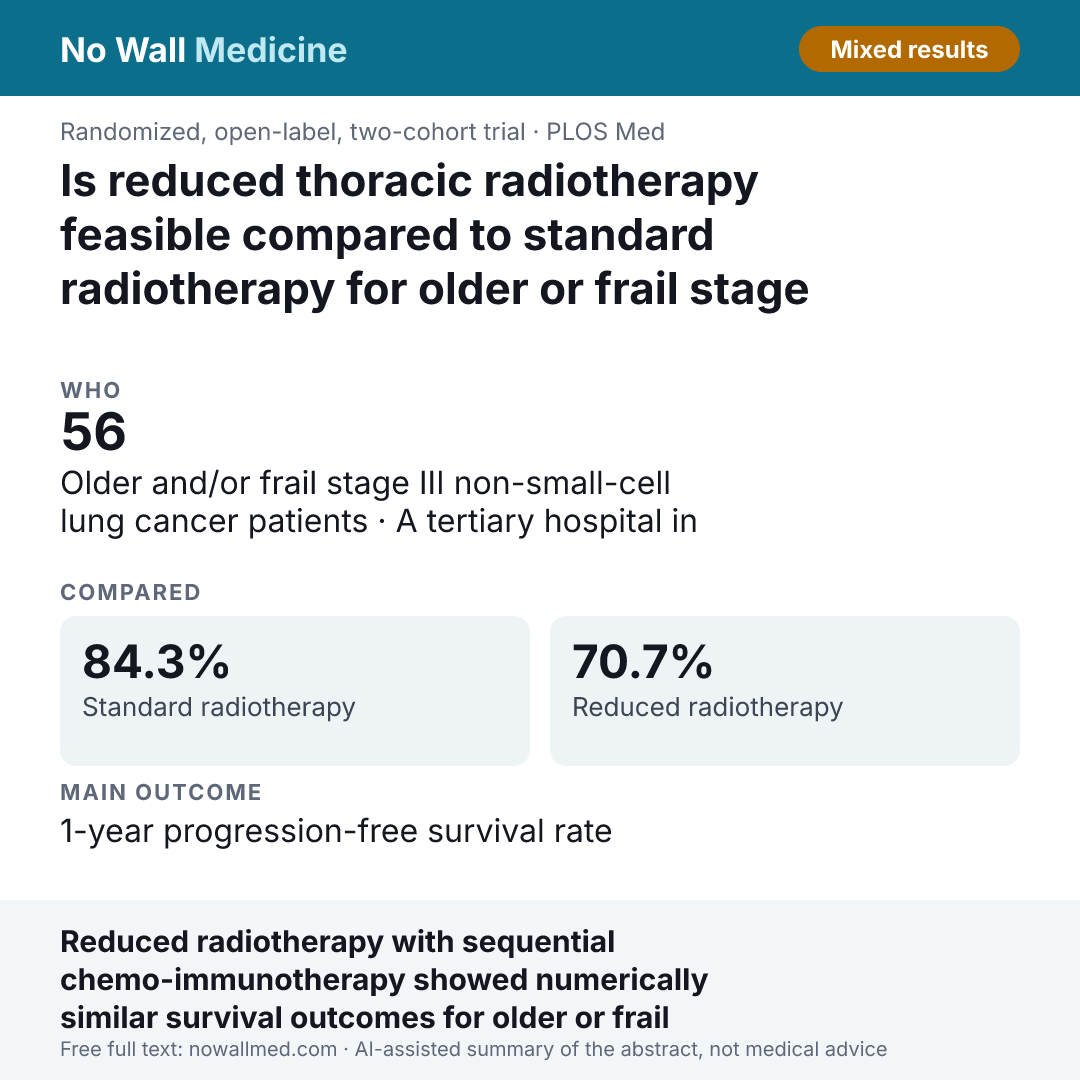
Sequential chemo-immunotherapy followed by standard versus reduced thoracic radiotherapy for older and/or frail stage III non-small-cell lung cancer: A randomized open-label cohort trial
Randomized, open-label, two-cohort trialMixed results
Is reduced thoracic radiotherapy feasible compared to standard radiotherapy for older or frail stage III lung cancer?
Who
56
Older and/or frail stage III non-small-cell lung cancer patients · A tertiary hospital in China
Compared
84.3%Standard radiotherapy (95% CI 70.3% to 98.3%)
70.7%Reduced radiotherapy (95% CI 54.3% to 87.1%)
Main outcome
1-year progression-free survival rate
Bottom line: Reduced radiotherapy with sequential chemo-immunotherapy showed numerically similar survival outcomes for older or frail patients.
Limitation: Non-comparative design, small sample size, and lack of power to establish non-inferiority or superiority.
PLOS Med · 2026-05-27 · Save PNG
WISE-Therapy (What's Important: Schedule and Engage) and bouldering psychotherapy for depression: A randomized clinical trial
Randomized, controlled, assessor-blinded, longitudinal, clinical trialBenefit found
Are WISE-Therapy and bouldering psychotherapy more effective than treatment as usual for depression?
Who
128
128 adults with depression · Monocentric setting in Erlangen, Germany
Compared
-5.5 pointsWhat's Important: Schedule and Engage
-4.2 pointsBouldering Psychotherapy
Treatment as usual
Main outcome
Montgomery-Asberg Depression Rating Scale score
Result: WISE-T: -5.5 points, 95%-CI [-9.5 to -1.5]; BPT: -4.2 points, 95%-CI [-8.2 to -0.3]
Bottom line: Both WISE-Therapy and bouldering psychotherapy significantly reduced depressive symptoms compared to treatment as usual.
BMC Med · 2026-05-27 · Save PNG

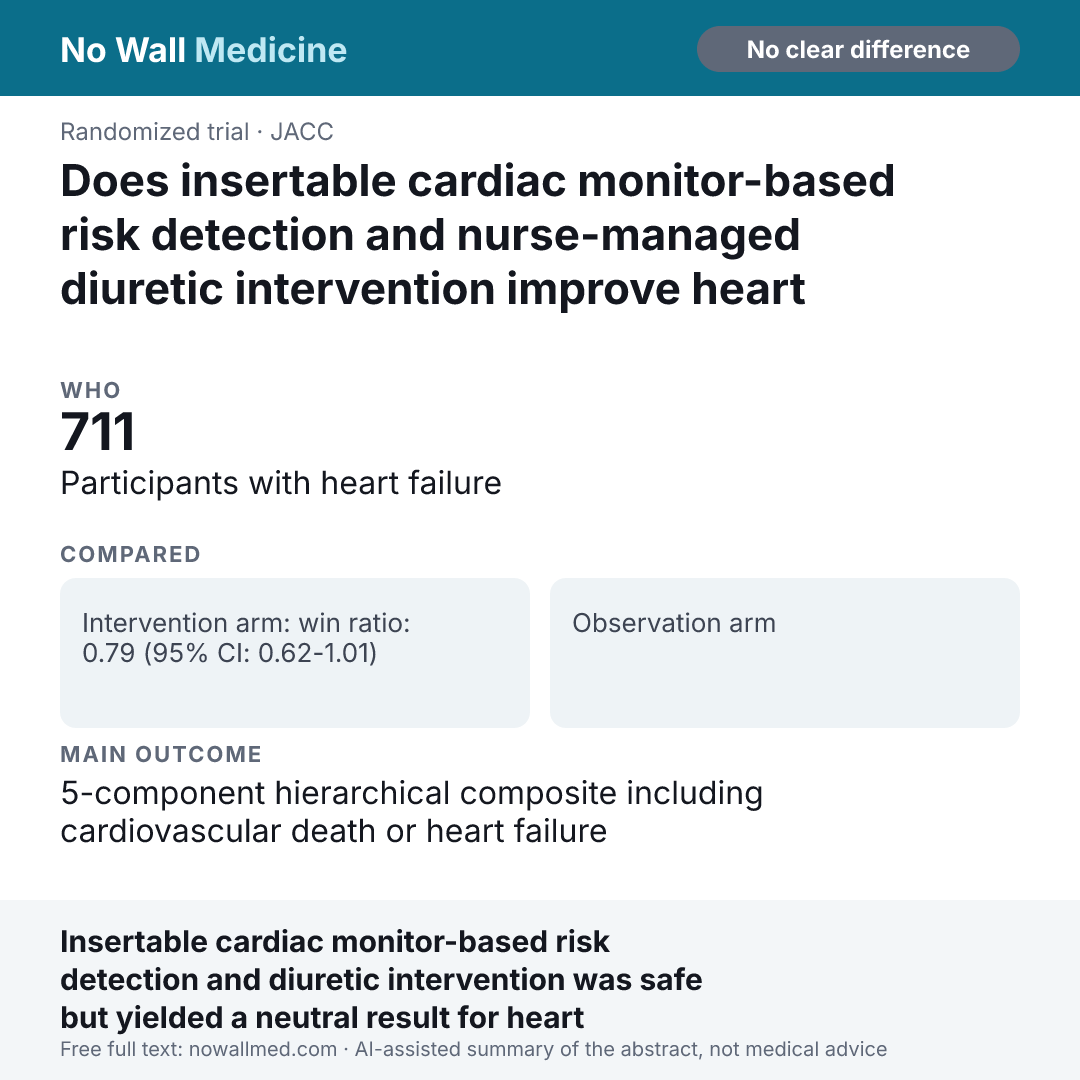
Risk-Based Nurse-Managed Personalized Heart Failure Interventions: The ALLEVIATE-HF Trial
Randomized trialNo clear difference
Does insertable cardiac monitor-based risk detection and nurse-managed diuretic intervention improve heart failure outcomes?
Who
711
Participants with heart failure
Compared
Intervention arm: win ratio: 0.79 (95% CI: 0.62-1.01)
Observation arm
Main outcome
5-component hierarchical composite including cardiovascular death or heart failure hospitalization
Result: win ratio: 0.79 (95% CI: 0.62-1.01)
Bottom line: Insertable cardiac monitor-based risk detection and diuretic intervention was safe but yielded a neutral result for heart failure outcomes.
JACC · 2026-05-27 · Save PNG
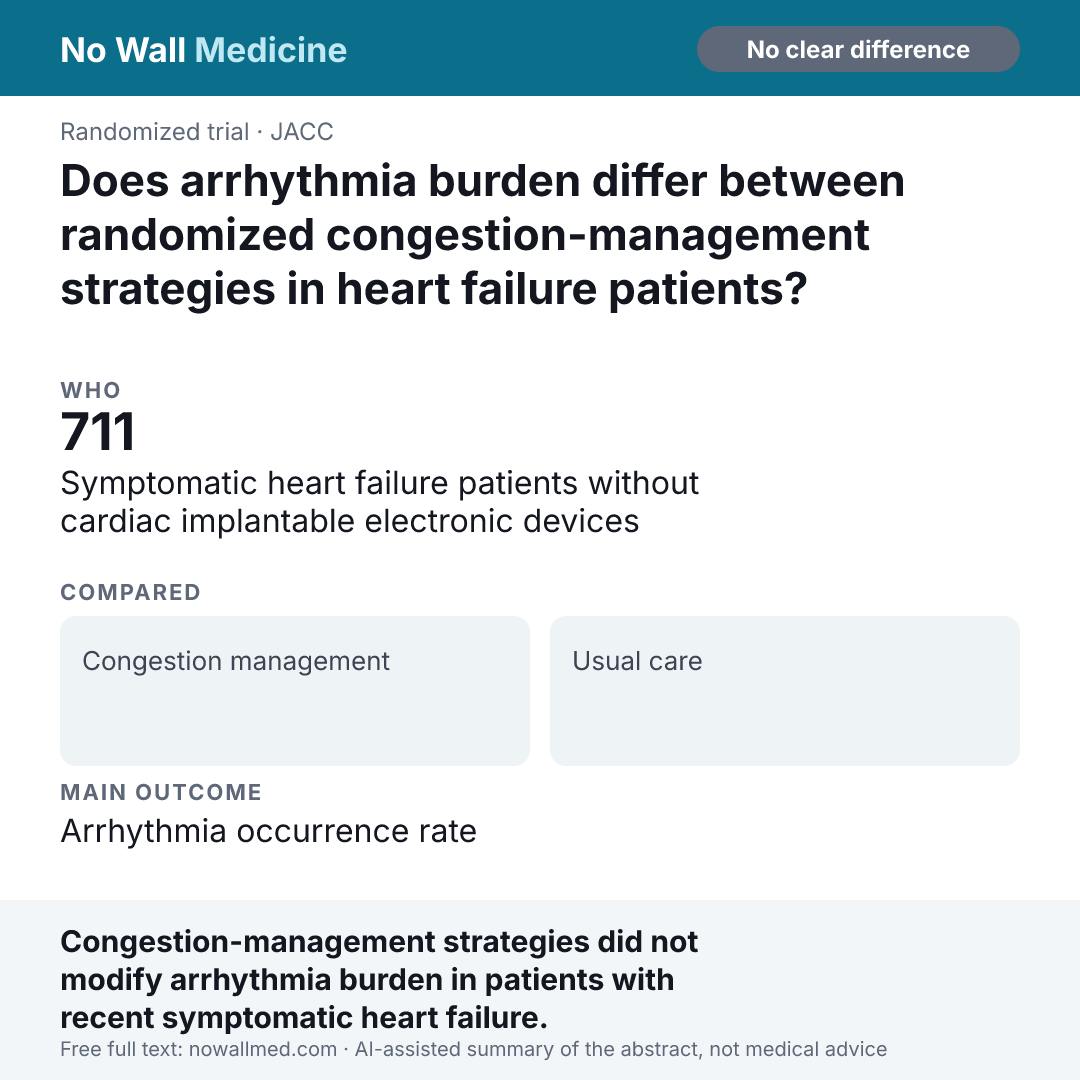
Arrhythmia Burden and Clinical Responses Under Continuous Monitoring in Heart Failure: Observations From the ALLEVIATE-HF Trial
Randomized trialNo clear difference
Does arrhythmia burden differ between randomized congestion-management strategies in heart failure patients?
Who
711
Symptomatic heart failure patients without cardiac implantable electronic devices
Compared
Congestion management
Usual care
Main outcome
Arrhythmia occurrence rate
Bottom line: Congestion-management strategies did not modify arrhythmia burden in patients with recent symptomatic heart failure.
JACC · 2026-05-27 · Save PNG
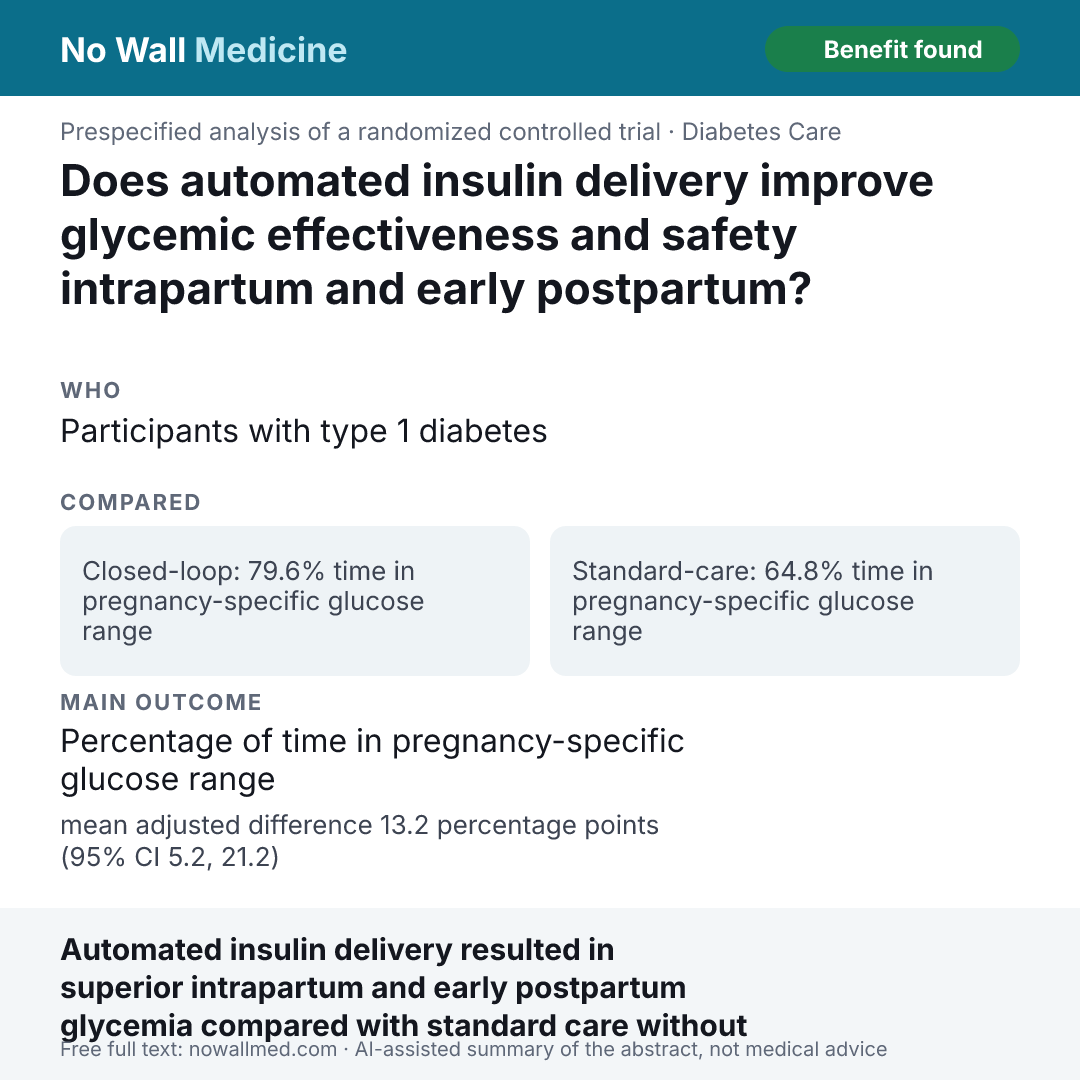
Intrapartum and Early Postpartum Use of Automated Insulin Delivery in Type 1 Diabetes: A Prespecified Analysis of the CIRCUIT Randomized Controlled Trial
Prespecified analysis of a randomized controlled trialBenefit found
Does automated insulin delivery improve glycemic effectiveness and safety intrapartum and early postpartum?
Who
Participants with type 1 diabetes
Compared
Closed-loop: 79.6% time in pregnancy-specific glucose range
Standard-care: 64.8% time in pregnancy-specific glucose range
Main outcome
Percentage of time in pregnancy-specific glucose range
Result: mean adjusted difference 13.2 percentage points (95% CI 5.2, 21.2)
Bottom line: Automated insulin delivery resulted in superior intrapartum and early postpartum glycemia compared with standard care without safety concerns.
Diabetes Care · 2026-05-27 · Save PNG
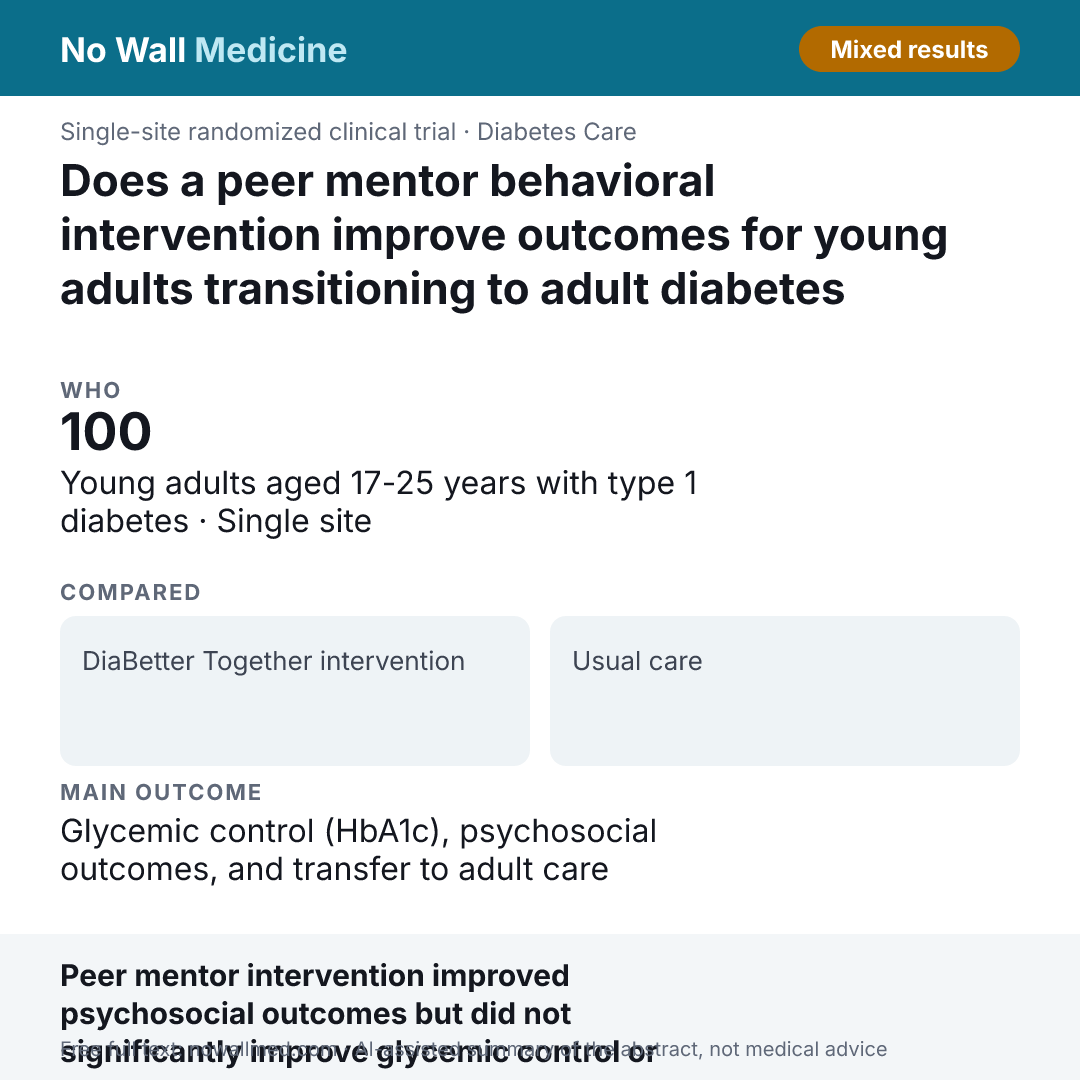
DiaBetter Together: Outcomes of a Randomized Controlled Trial Evaluating a Peer Mentor Behavioral Intervention for Young Adults With Type 1 Diabetes During the Transfer From Pediatric to Adult Care
Single-site randomized clinical trialMixed results
Does a peer mentor behavioral intervention improve outcomes for young adults transitioning to adult diabetes care?
Who
100
Young adults aged 17-25 years with type 1 diabetes · Single site
Compared
DiaBetter Together intervention
Usual care
Main outcome
Glycemic control (HbA1c), psychosocial outcomes, and transfer to adult care
Bottom line: Peer mentor intervention improved psychosocial outcomes but did not significantly improve glycemic control or transfer to adult care.
Limitation: Reduced sample size due to the coronavirus disease 2019 pandemic may have limited power.
Diabetes Care · 2026-05-27 · Save PNG
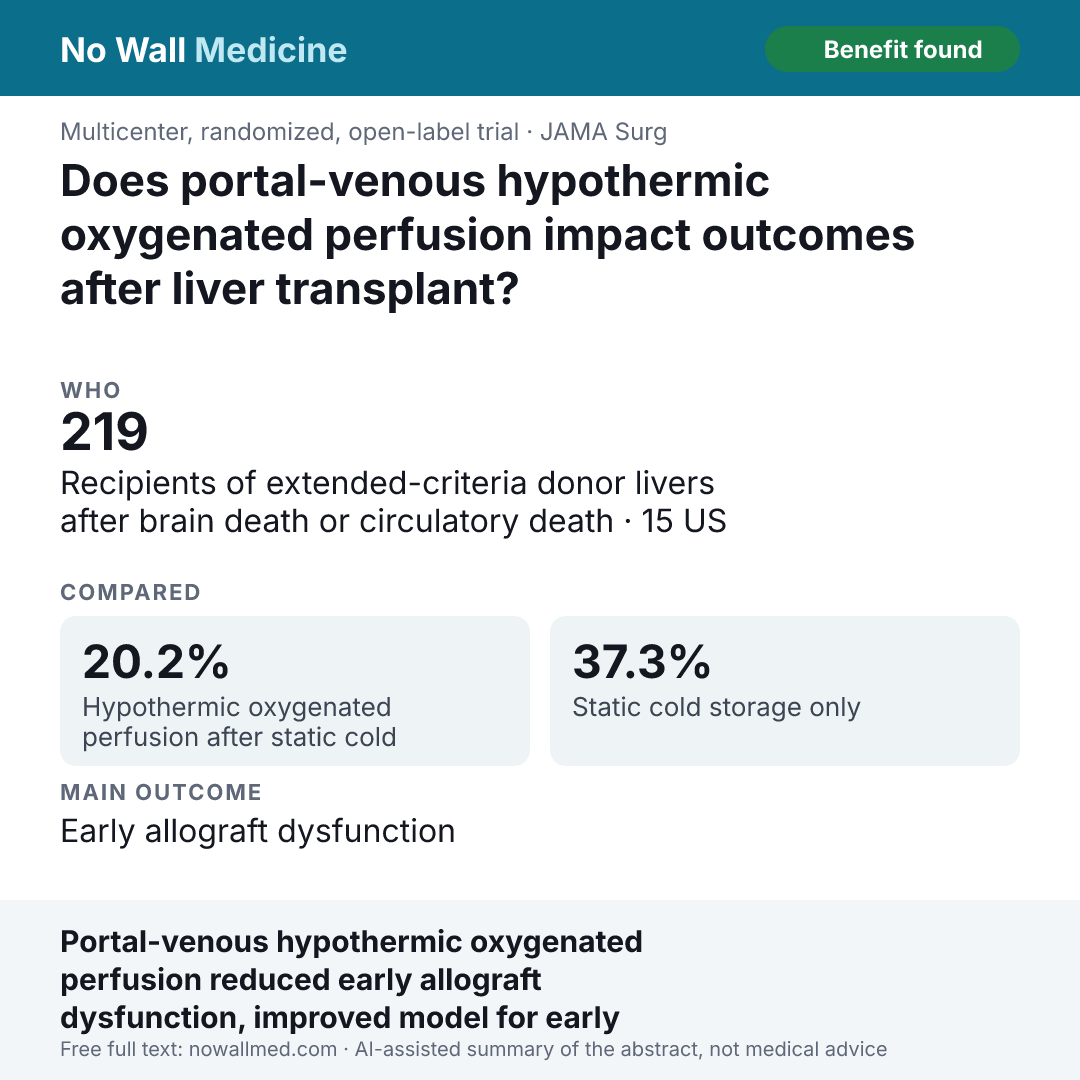
Portal-Venous Hypothermic Oxygenated Perfusion for Liver Transplant: A Randomized Clinical Trial
Multicenter, randomized, open-label trialBenefit found
Does portal-venous hypothermic oxygenated perfusion impact outcomes after liver transplant?
Who
219
Recipients of extended-criteria donor livers after brain death or circulatory death · 15 US liver transplant centers
Compared
20.2%Hypothermic oxygenated perfusion after static cold storage (22/109)
37.3%Static cold storage only (41/110)
Main outcome
Early allograft dysfunction
Result: rate difference, -17.1%; 95% CI, -27.2 to -7.0
Bottom line: Portal-venous hypothermic oxygenated perfusion reduced early allograft dysfunction, improved model for early allograft function scores, and shortened hospital stay.
JAMA Surg · 2026-05-27 · Save PNG
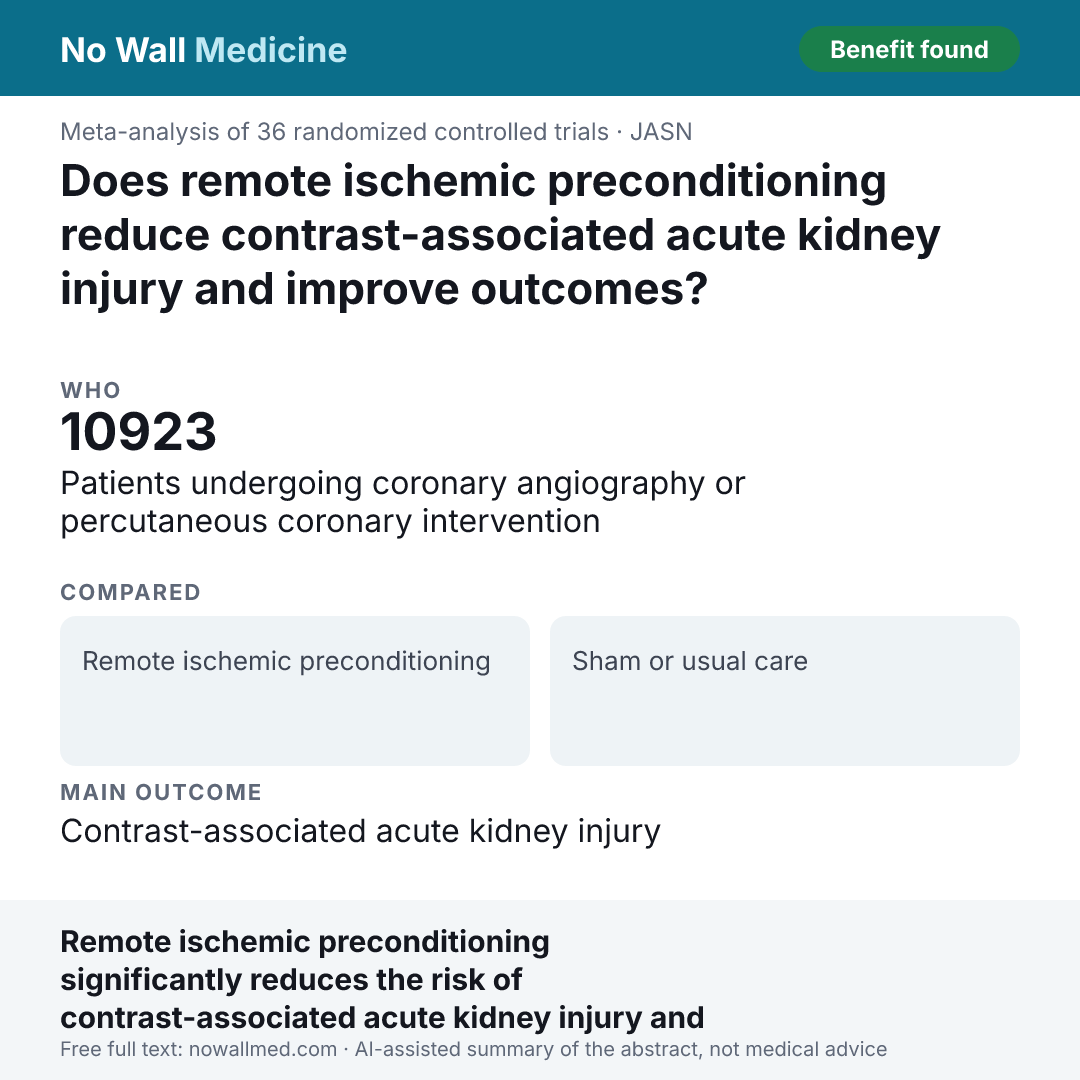
Remote Ischemic Preconditioning for Prevention of Contrast-Associated Acute Kidney Injury following Coronary Angiography or Percutaneous Coronary Intervention
Meta-analysis of 36 randomized controlled trialsBenefit found
Does remote ischemic preconditioning reduce contrast-associated acute kidney injury and improve outcomes?
Who
10923
Patients undergoing coronary angiography or percutaneous coronary intervention
Compared
Remote ischemic preconditioning
Sham or usual care
Main outcome
Contrast-associated acute kidney injury
Result: risk ratio 0.54 (95% CI 0.45 to 0.65)
Bottom line: Remote ischemic preconditioning significantly reduces the risk of contrast-associated acute kidney injury and in-hospital major adverse cardiovascular events.
JASN · 2026-05-27 · Save PNG
Bempedoic Acid and Venous Thromboembolism Risk Among Statin-Intolerant Patients: A Post Hoc Analysis of the CLEAR Outcomes Randomized Clinical Trial
Randomized, double-blind, placebo-controlled clinical trialBenefit found
Is bempedoic acid associated with a reduced risk of venous thromboembolism?
Who
13970
Statin-intolerant individuals with high risk or established atherosclerotic cardiovascular disease · 1250 centers across 32 countries
Compared
39bempedoic acid
67placebo
Main outcome
time to first occurrence of venous thromboembolism
Result: hazard ratio 0.58 (95% CI, 0.39-0.86)
Bottom line: Bempedoic acid was associated with a reduced risk of venous thromboembolism among statin-intolerant patients.
JAMA Cardiol · 2026-05-27 · Save PNG
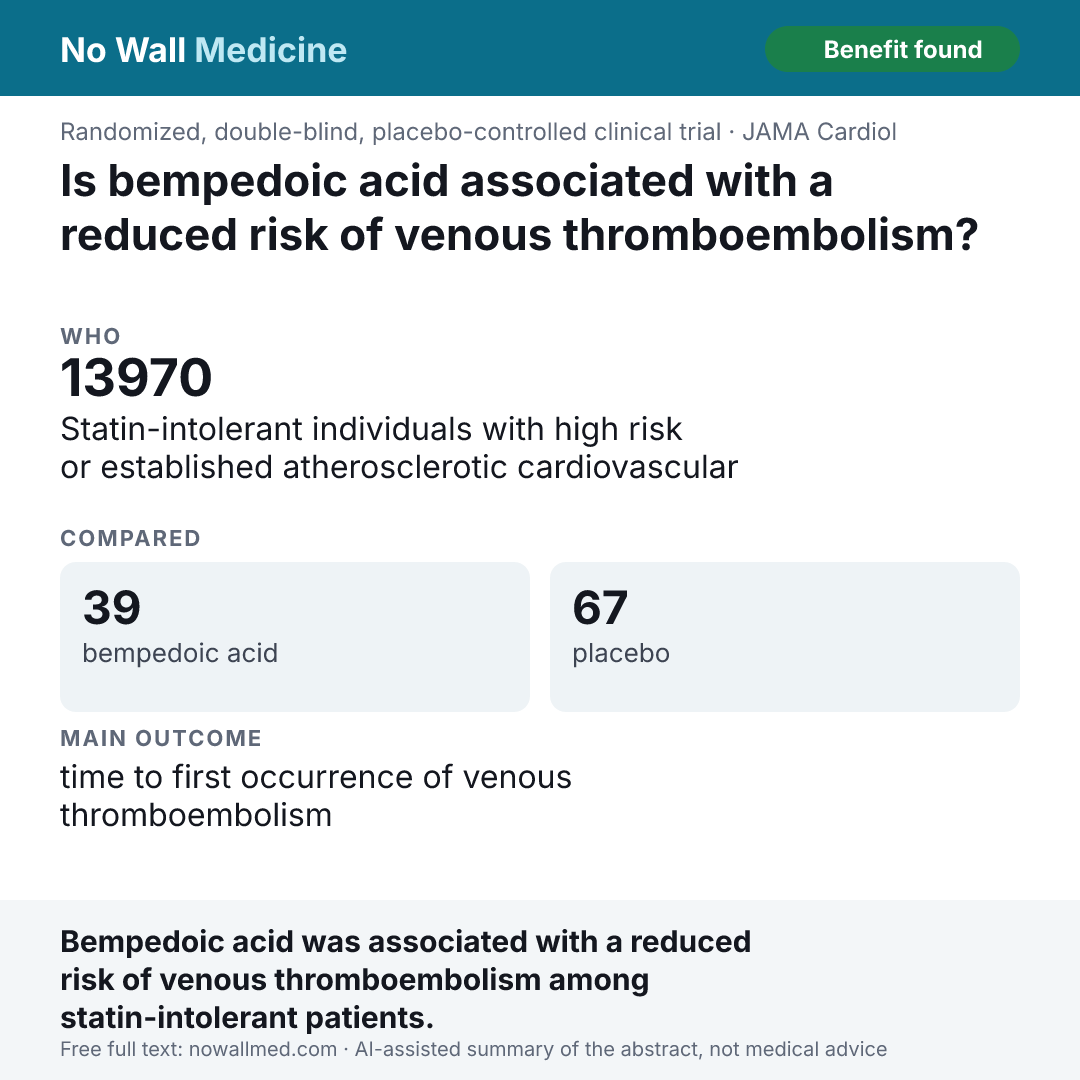
Time to HIV rebound after infusion of long-acting broadly neutralising antibodies 3BNC117-LS and 10-1074-LS and analytical treatment interruption (the RIO trial): a double-blind, randomised, placebo-controlled trial
Double-blind, randomised, placebo-controlled trialBenefit found
Can long-acting broadly neutralising antibodies maintain viral control after interrupting antiretroviral therapy?
Who
68
Adults age 18-60 years with early-stage HIV infection
Compared
long-acting broadly neutralising antibodies: 75% (95% CI 61-92) did not have viral rebound
saline placebo: 11% (4-29) did not have viral rebound
Main outcome
time to viral rebound 20 weeks after antiretroviral therapy interruption
Result: hazard ratio 0·09 (95% CI 0·04-0·21)
Bottom line: Long-acting broadly neutralising antibodies can sustain extended antiretroviral therapy-free viral control in people treated during early-stage HIV.
Funded by: Gates Foundation
Lancet HIV · 2026-05-27 · Save PNG
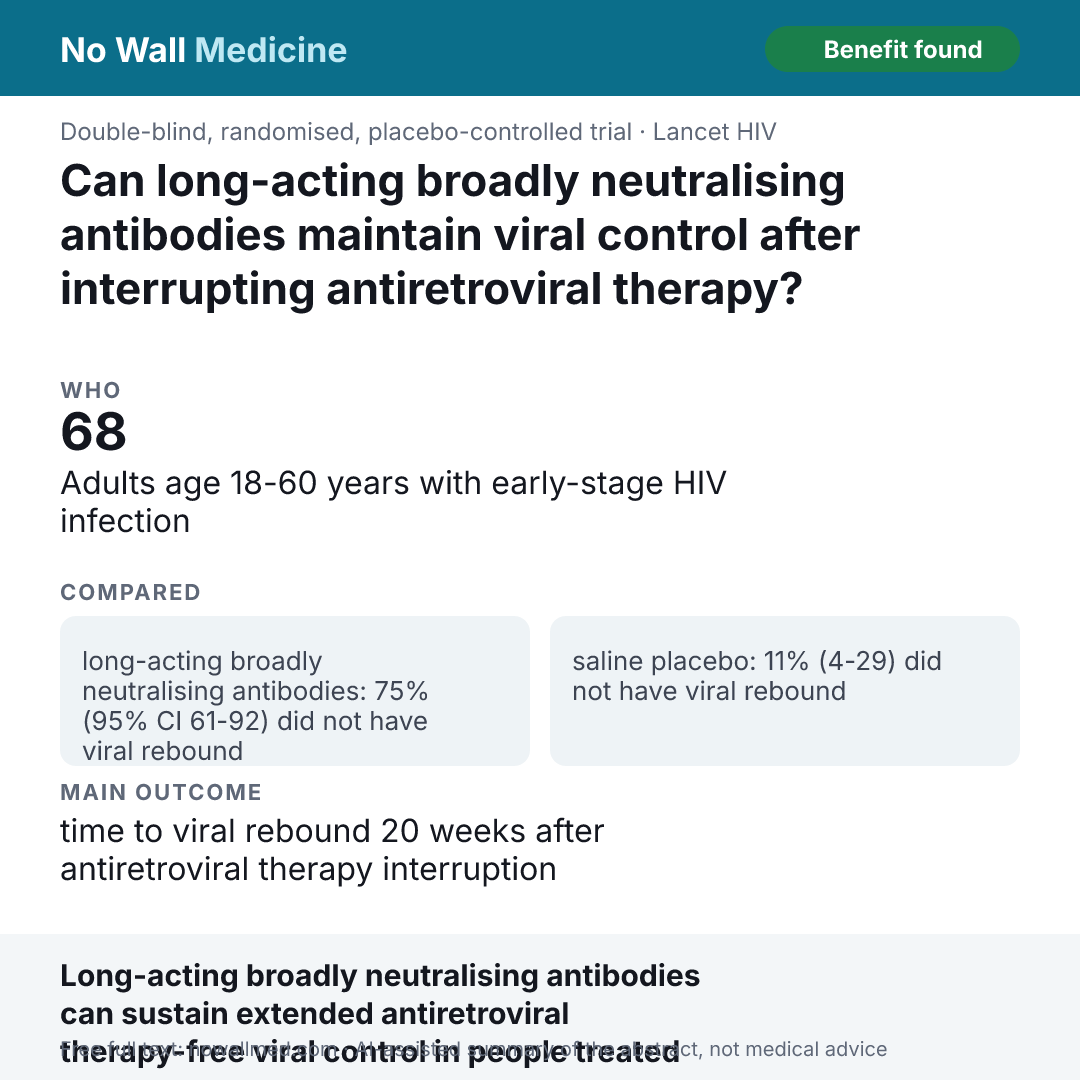
Synaptic biomarkers in Alzheimer's disease dementia and mild cognitive impairment: A systematic review and meta-analysis
Systematic review and meta-analysisMixed results
Are cerebrospinal fluid and blood-based synaptic biomarkers altered in Alzheimer's disease?
Who
Patients with Alzheimer's disease dementia, mild cognitive impairment, and healthy controls
Compared
Alzheimer's disease dementia and mild cognitive impairment
Healthy controls
Main outcome
Cerebrospinal fluid and blood-based synaptic biomarkers
Bottom line: Several cerebrospinal fluid and blood-based synaptic biomarkers are altered in Alzheimer's disease dementia and mild cognitive impairment.
Alzheimers Dement · 2026-05-27 · Save PNG

Beyond fear circuits: multiscale neurobiological architecture of panic disorder
Meta-analysis of functional neuroimaging experimentsMixed results
What is the multiscale neurobiological architecture of panic disorder?
Who
Patients with panic disorder
Compared
Panic disorder: increased activity in a prefrontal-hippocampus-brainstem axis
Control
Main outcome
Patterns of altered brain activity
Bottom line: Panic disorder involves widespread neural alterations across a prefrontal-hippocampus-brainstem axis beyond traditional fear circuitry.
Mol Psychiatry · 2026-05-27 · Save PNG

Randomised Controlled Feasibility Trial of Face-To-Face Diabetes Self-Management Education Shows High Completion Rates Are Needed to Improve Patient-Reported Outcomes
Randomised feasibility trialEarly signal
Does diabetes self-management education attendance dose affect psychological outcomes in type 2 diabetes?
Who
120
120 adults with type 2 diabetes · United Kingdom
Compared
100% completion: clinically meaningful improvements across all psychological domains
60% completion: did not yield meaningful improvements
10% completion: did not yield meaningful improvements
0% delayed completion
Main outcome
changes in self-management skills, health-related quality of life, and diabetes distress
Result: ηp 2 = 0.16-0.17 (95% CI [0.04, 0.27])
Bottom line: Clinically significant psychological benefits from diabetes self-management education required full programme completion.
Diabetes Obes Metab · 2026-05-27 · Save PNG
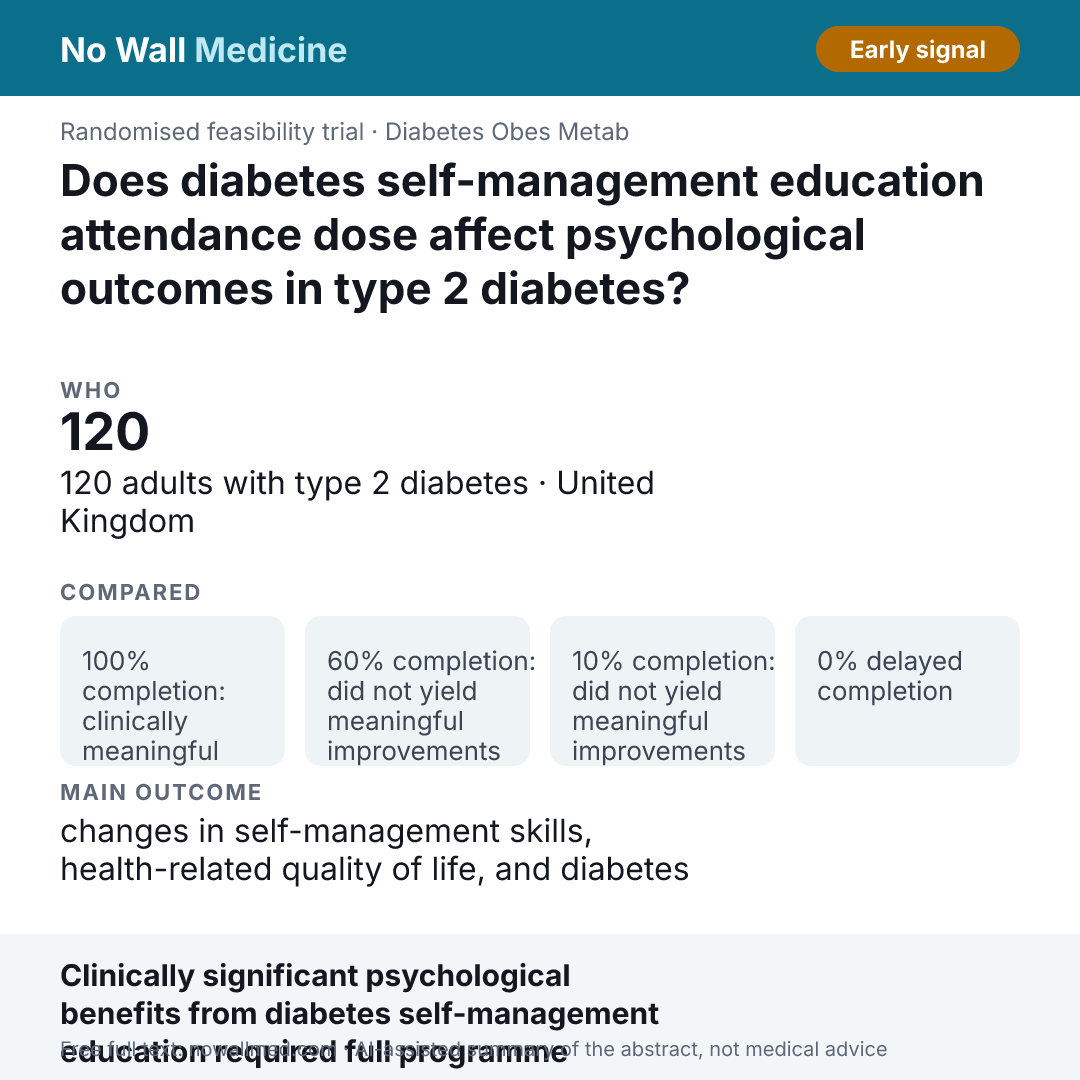
Circulating biomarkers in older adults with and without sarcopenia: a systematic review and meta-analysis
Meta-analysis of 26 observational studiesKey finding
Which circulating biomarkers are associated with sarcopenia in older adults?
Who
1345
Community-dwelling adults aged over 60 years without major comorbidities
Compared
Adults with sarcopenia: SMD: 0.26 (95% CI, 0.03 to 0.50)
Controls without sarcopenia
Main outcome
Circulating biomarkers associated with sarcopenia
Result: GDF-15 SMD: 0.26 (95% CI, 0.03 to 0.50); IGF-1 SMD: -0.40 (95% CI, -0.54 to -0.27)
Bottom line: Elevated GDF-15 and reduced IGF-1 were linked to sarcopenia, while other biomarkers showed no difference.
Limitation: Heterogeneity and causality require larger, longitudinal studies
J Gerontol A · 2026-05-27 · Save PNG
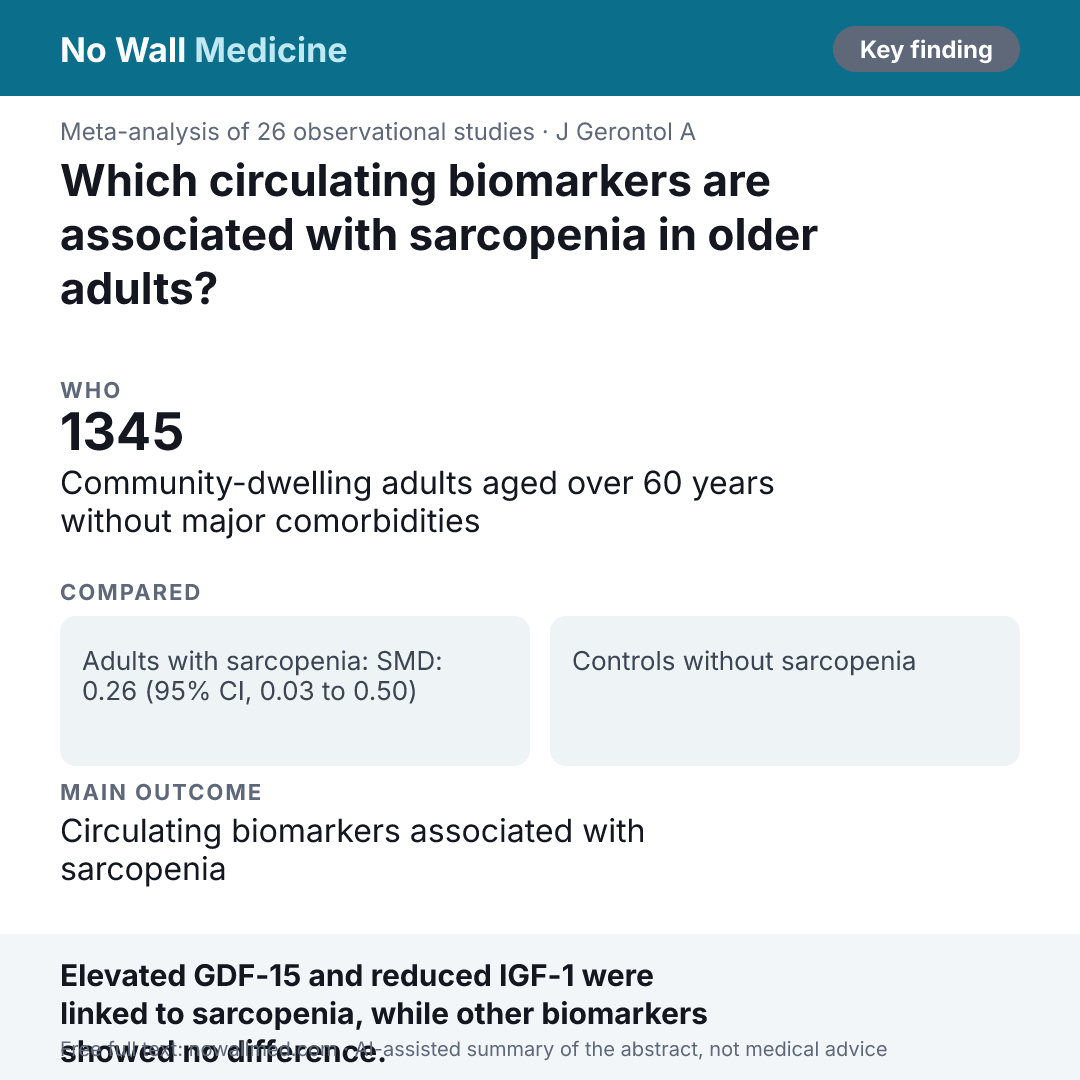
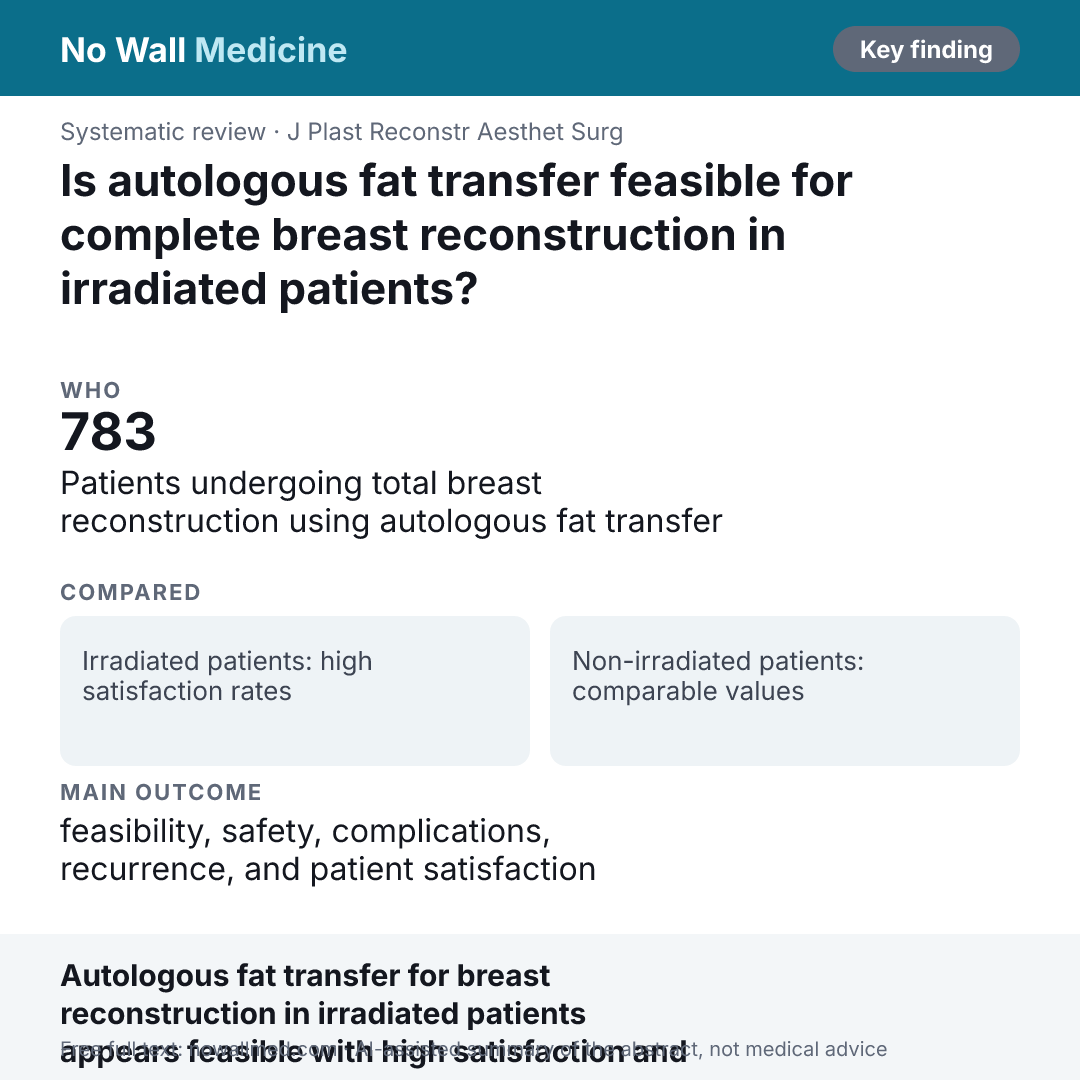
Autologous fat transfer for complete breast reconstruction in irradiated breast cancer patients: A systematic review
Systematic reviewKey finding
Is autologous fat transfer feasible for complete breast reconstruction in irradiated patients?
Who
783
Patients undergoing total breast reconstruction using autologous fat transfer after radiotherapy
Compared
Irradiated patients: high satisfaction rates
Non-irradiated patients: comparable values
Main outcome
feasibility, safety, complications, recurrence, and patient satisfaction
Bottom line: Autologous fat transfer for breast reconstruction in irradiated patients appears feasible with high satisfaction and acceptable complications.
Limitation: The available evidence is predominantly retrospective and heterogeneous.
J Plast Reconstr Aesthet Surg · 2026-05-27 · Save PNG
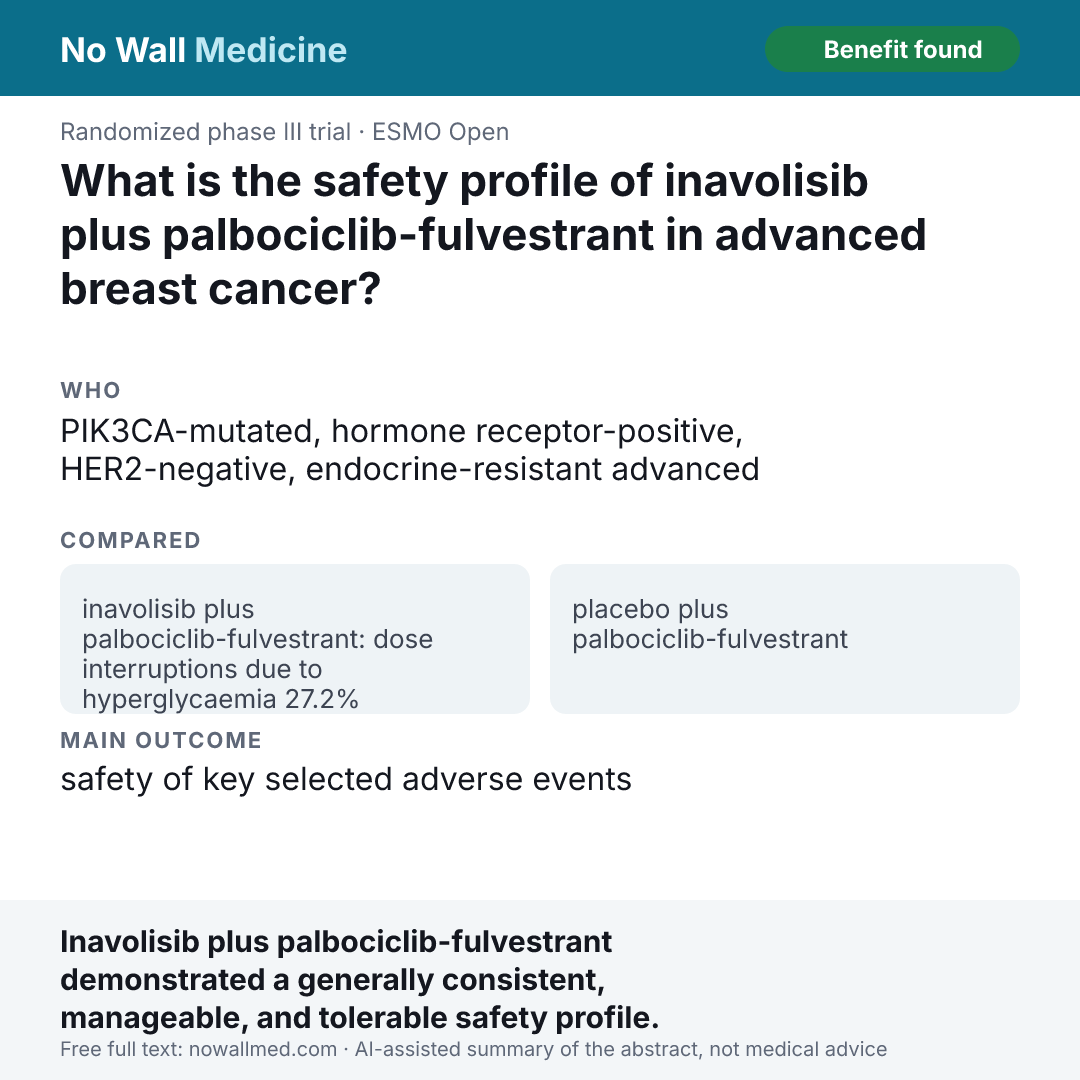
Safety analyses of the INAVO120 randomised phase III trial of inavolisib or placebo with palbociclib-fulvestrant in patients with PIK3CA-mutated, hormone receptor-positive, HER2-negative, endocrine-resistant advanced breast cancer
Randomized phase III trialBenefit found
What is the safety profile of inavolisib plus palbociclib-fulvestrant in advanced breast cancer?
Who
PIK3CA-mutated, hormone receptor-positive, HER2-negative, endocrine-resistant advanced breast cancer
Compared
inavolisib plus palbociclib-fulvestrant: dose interruptions due to hyperglycaemia 27.2%
placebo plus palbociclib-fulvestrant
Main outcome
safety of key selected adverse events
Bottom line: Inavolisib plus palbociclib-fulvestrant demonstrated a generally consistent, manageable, and tolerable safety profile.
ESMO Open · 2026-05-27 · Save PNG
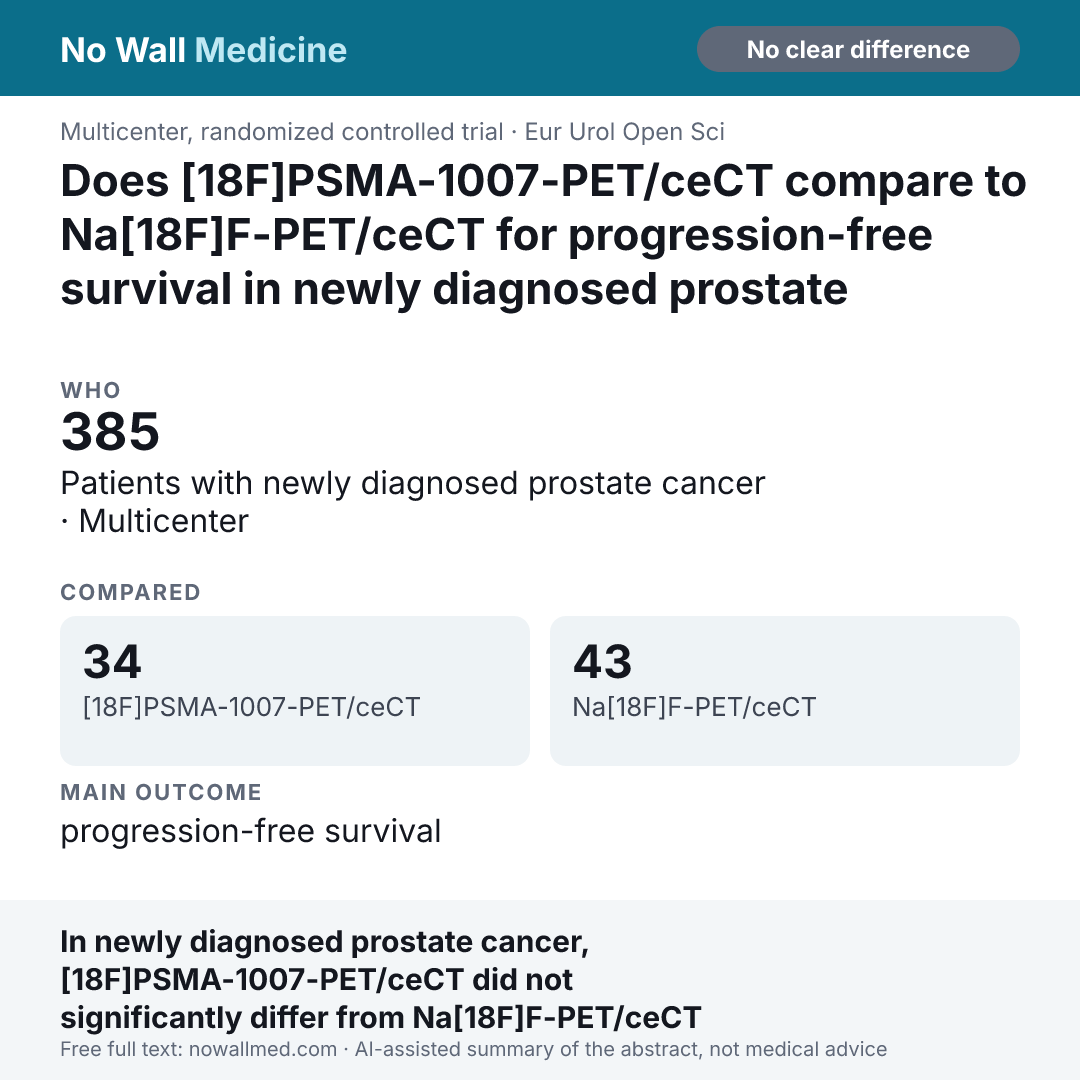
Progression-free Survival Following Primary Staging with [18F]PSMA-1007-PET/ceCT Versus Na[18F]F-PET/ceCT in Prostate Cancer: Results from the PRISMA-PET Randomized Controlled Trial
Multicenter, randomized controlled trialNo clear difference
Does [18F]PSMA-1007-PET/ceCT compare to Na[18F]F-PET/ceCT for progression-free survival in newly diagnosed prostate cancer?
Who
385
Patients with newly diagnosed prostate cancer · Multicenter
Compared
34[18F]PSMA-1007-PET/ceCT (18%)
43Na[18F]F-PET/ceCT (23%)
Main outcome
progression-free survival
Result: hazard ratio 0.74 (95% CI 0.47-1.16)
Bottom line: In newly diagnosed prostate cancer, [18F]PSMA-1007-PET/ceCT did not significantly differ from Na[18F]F-PET/ceCT regarding progression-free survival.
Limitation: The main limitation was the variation in types of progression-free survival events between the two groups.
Eur Urol Open Sci · 2026-05-27 · Save PNG
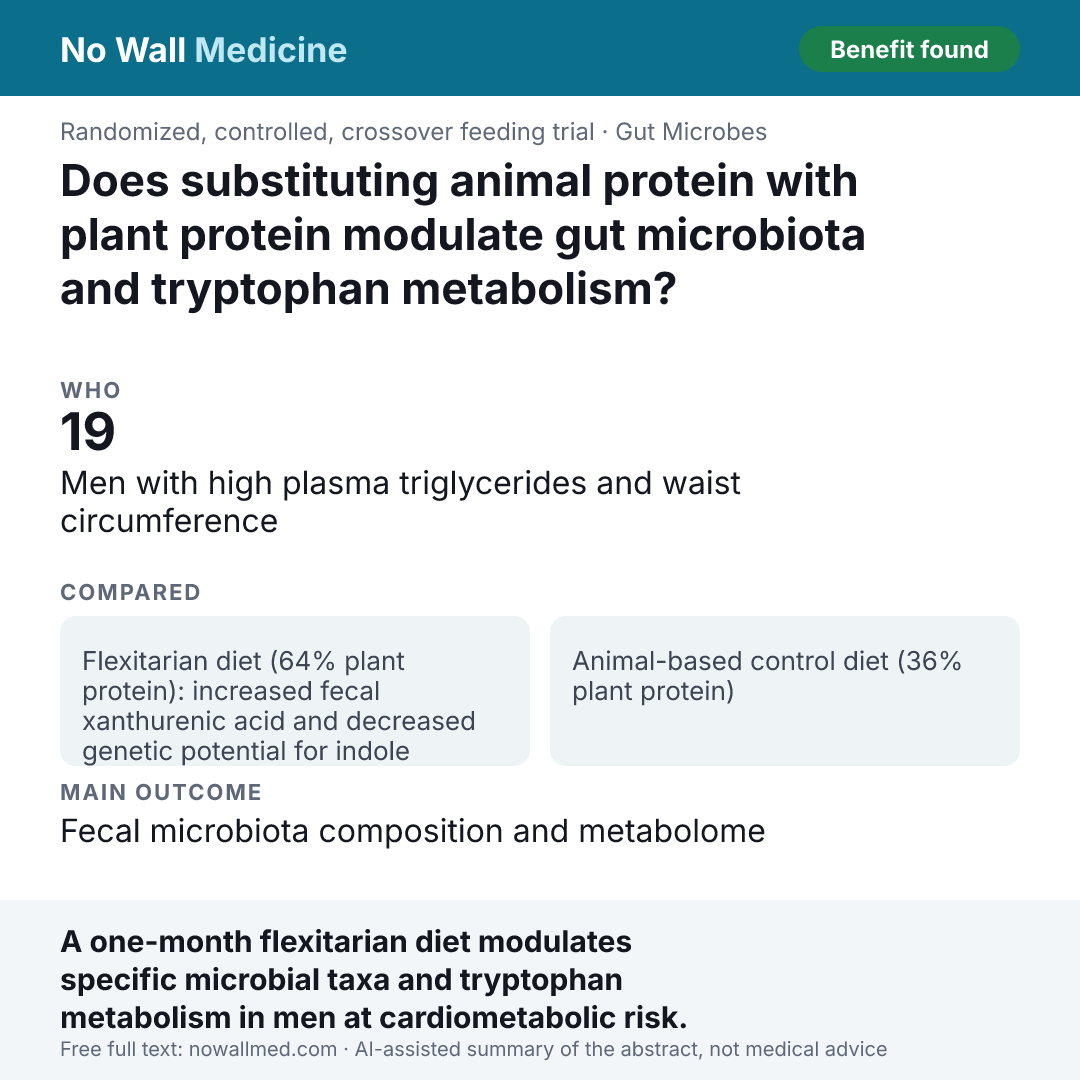
Increasing plant protein sources in the diet modulates gut microbiota and tryptophan metabolism in men at cardiometabolic risk
Randomized, controlled, crossover feeding trialBenefit found
Does substituting animal protein with plant protein modulate gut microbiota and tryptophan metabolism?
Who
19
Men with high plasma triglycerides and waist circumference
Compared
Flexitarian diet (64% plant protein): increased fecal xanthurenic acid and decreased genetic potential for indole production
Animal-based control diet (36% plant protein)
Main outcome
Fecal microbiota composition and metabolome
Bottom line: A one-month flexitarian diet modulates specific microbial taxa and tryptophan metabolism in men at cardiometabolic risk.
Gut Microbes · 2026-05-27 · Save PNG
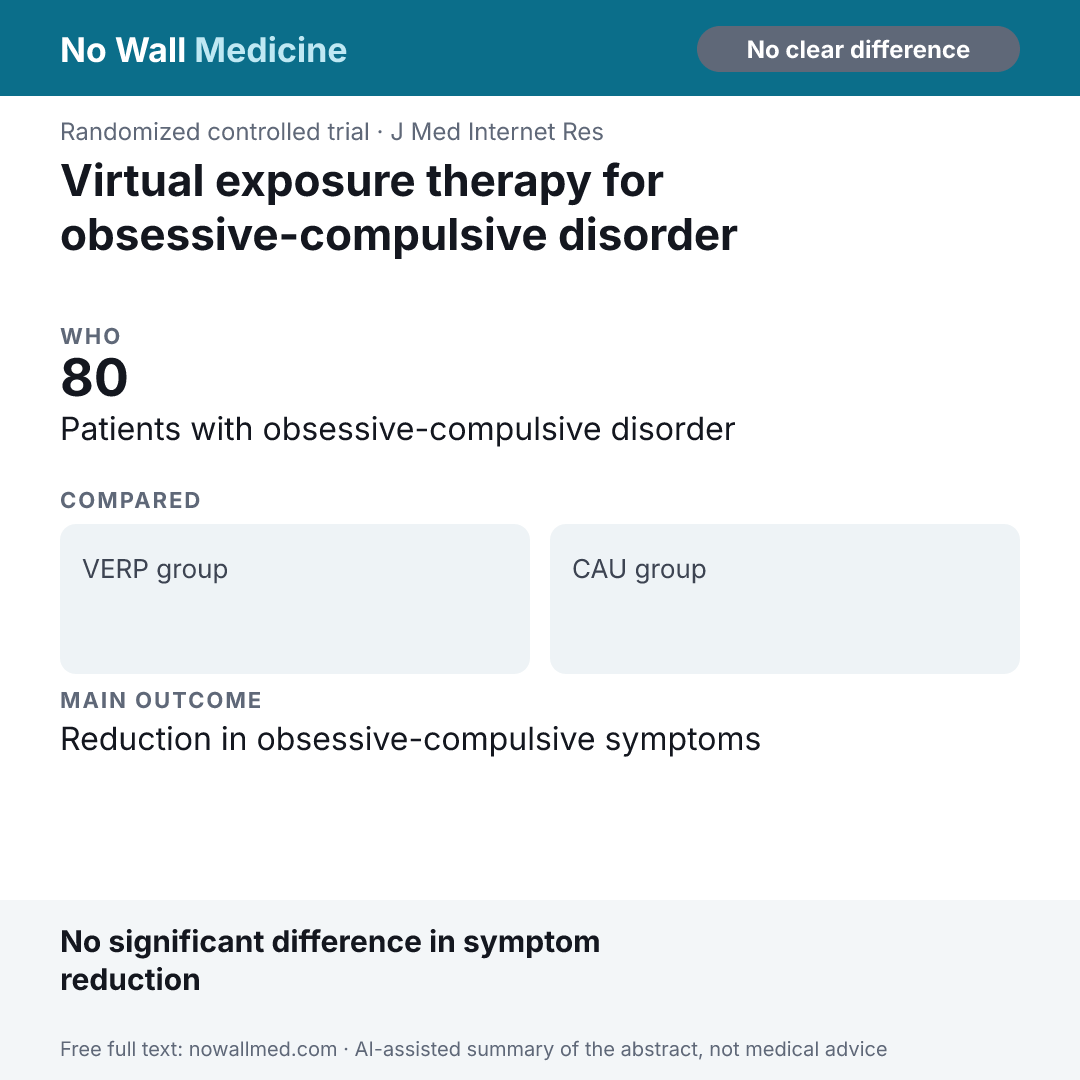
Virtual Exposure With Response Prevention for Obsessive-Compulsive Disorder: Randomized Controlled Trial
Randomized controlled trialNo clear difference
Virtual exposure therapy for obsessive-compulsive disorder
Who
80
Patients with obsessive-compulsive disorder
Compared
VERP group
CAU group
Main outcome
Reduction in obsessive-compulsive symptoms
Bottom line: No significant difference in symptom reduction
J Med Internet Res · 2026-05-27 · Save PNG