Visual abstracts
New randomized trials and meta-analyses from leading journals at a glance: who was studied, what was compared, and what was found. Every paper is free to read in full.
All specialtiesCardiology 4877Oncology 4138Gastroenterology & Hepatology 1942Infectious Disease 3837Neurology 1905Psychiatry & Mental Health 2273Pulmonology 2143Critical Care 1365Endocrinology & Diabetes 2580Pediatrics 2980Surgery 2559Orthopedics & Sports Medicine 931Neurosurgery 537Cardiothoracic & Vascular Surgery 674Plastic & Reconstructive Surgery 591Nephrology 1133Rheumatology 823Hematology 1109Dermatology 621Ophthalmology 543Obstetrics & Gynecology 1686Public & Global Health 1058Radiology & Imaging 648Anesthesiology 986Urology 764ENT (Otolaryngology) 503Emergency Medicine 511Allergy & Immunology 313Geriatrics 981Family Medicine & Primary Care 562Medical Genetics & Genomics 676Pathology & Laboratory Medicine 159Physical Medicine & Rehabilitation 757Palliative Care 444Nutrition 1588Digital Health & AI 2201General Medicine 321
Route of drug administration in out-of-hospital cardiac arrest: A protocol for a randomised controlled trial (PARAMEDIC-3)
Pragmatic, open-label, multi-centre, superiority randomised controlled trialUnclear result
Is an intraosseous first strategy more effective than intravenous first for drug administration?
Who
15000
Adults who have sustained an out-of-hospital cardiac arrest · English and Welsh ambulance services
Compared
intraosseous access first strategy
intravenous access first strategy
Main outcome
survival at 30-days
Bottom line: This protocol describes a trial to evaluate intraosseous versus intravenous first access in out-of-hospital cardiac arrest.
Resusc Plus · 2023-12-30Download image

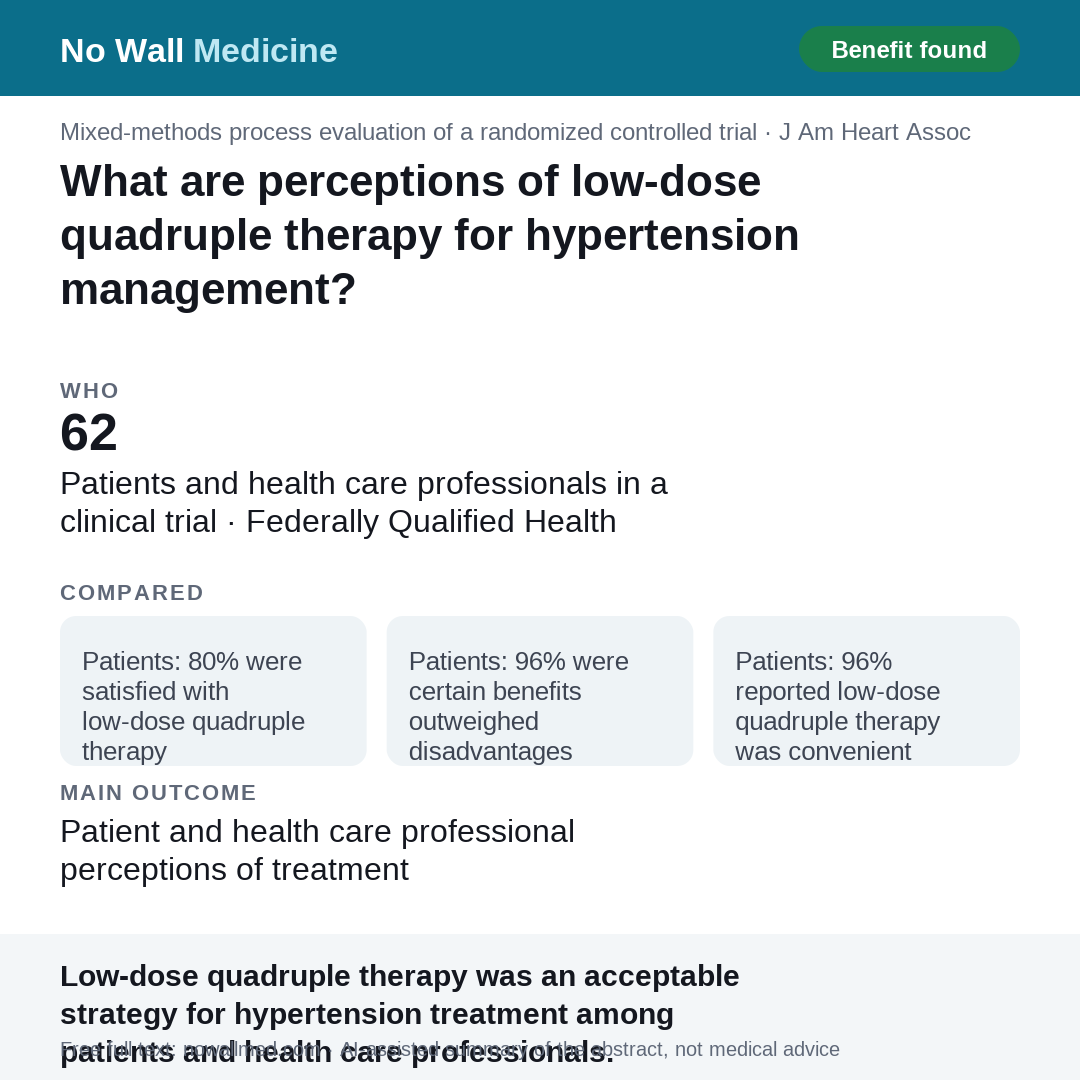
Process Evaluation of a Double-Blind Randomized Controlled Trial to Assess the Efficacy and Safety of a Quadruple Ultra-Low-Dose Treatment for Hypertension Within a Federally Qualified Health Center Network (QUARTET USA)
Mixed-methods process evaluation of a randomized controlled trialBenefit found
What are perceptions of low-dose quadruple therapy for hypertension management?
Who
62
Patients and health care professionals in a clinical trial · Federally Qualified Health Center Network
Compared
Patients: 80% were satisfied with low-dose quadruple therapy
Patients: 96% were certain benefits outweighed disadvantages
Patients: 96% reported low-dose quadruple therapy was convenient
Main outcome
Patient and health care professional perceptions of treatment
Bottom line: Low-dose quadruple therapy was an acceptable strategy for hypertension treatment among patients and health care professionals.
Limitation: Health care professionals perceived limitations in titration inflexibility, adverse effects, and costs.
J Am Heart Assoc · 2023-12-29Download image
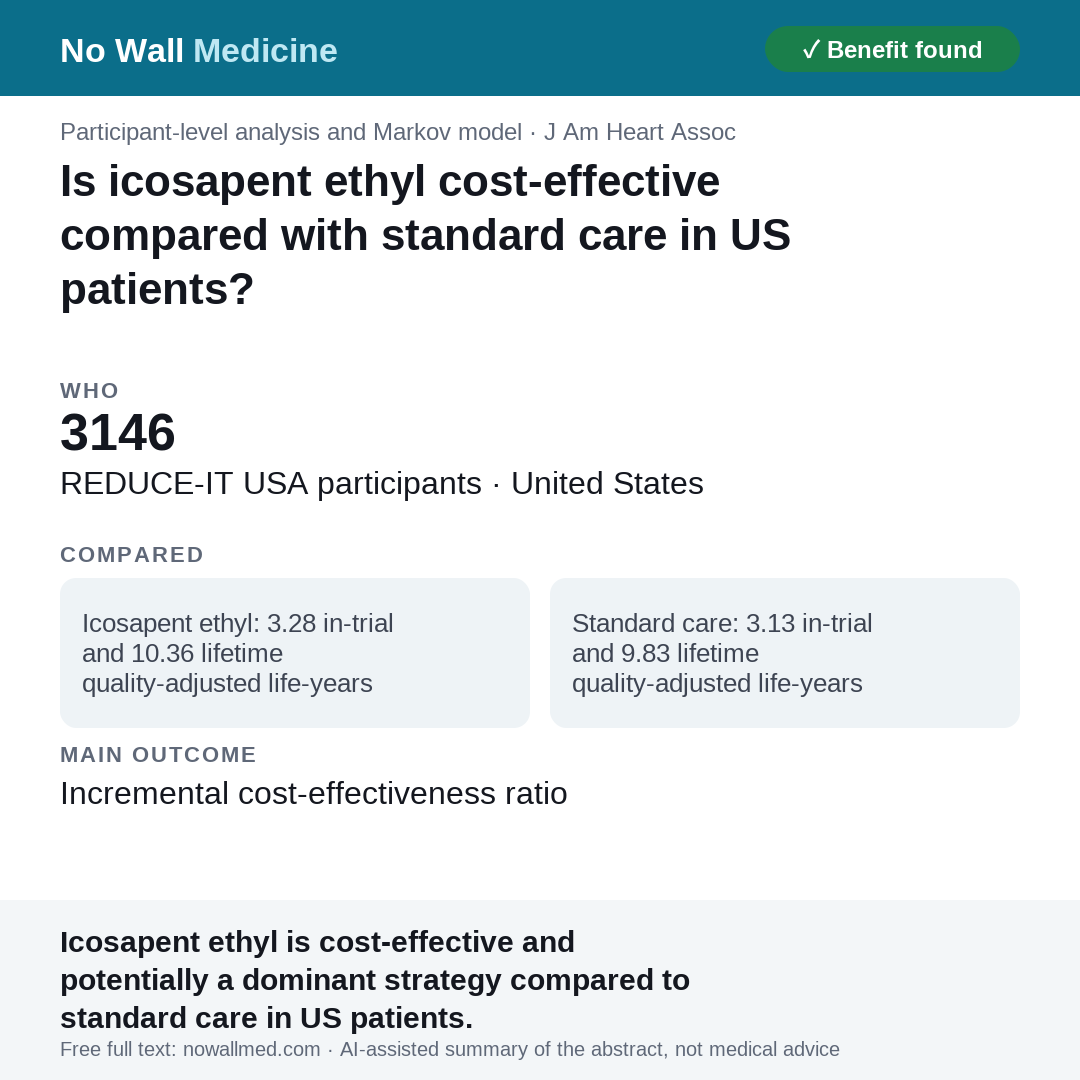
Cost-Effectiveness of Icosapent Ethyl in REDUCE-IT USA: Results From Patients Randomized in the United States
Participant-level analysis and Markov modelBenefit found
Is icosapent ethyl cost-effective compared with standard care in US patients?
Who
3146
REDUCE-IT USA participants · United States
Compared
Icosapent ethyl: 3.28 in-trial and 10.36 lifetime quality-adjusted life-years
Standard care: 3.13 in-trial and 9.83 lifetime quality-adjusted life-years
Main outcome
Incremental cost-effectiveness ratio
Bottom line: Icosapent ethyl is cost-effective and potentially a dominant strategy compared to standard care in US patients.
J Am Heart Assoc · 2023-12-29Download image
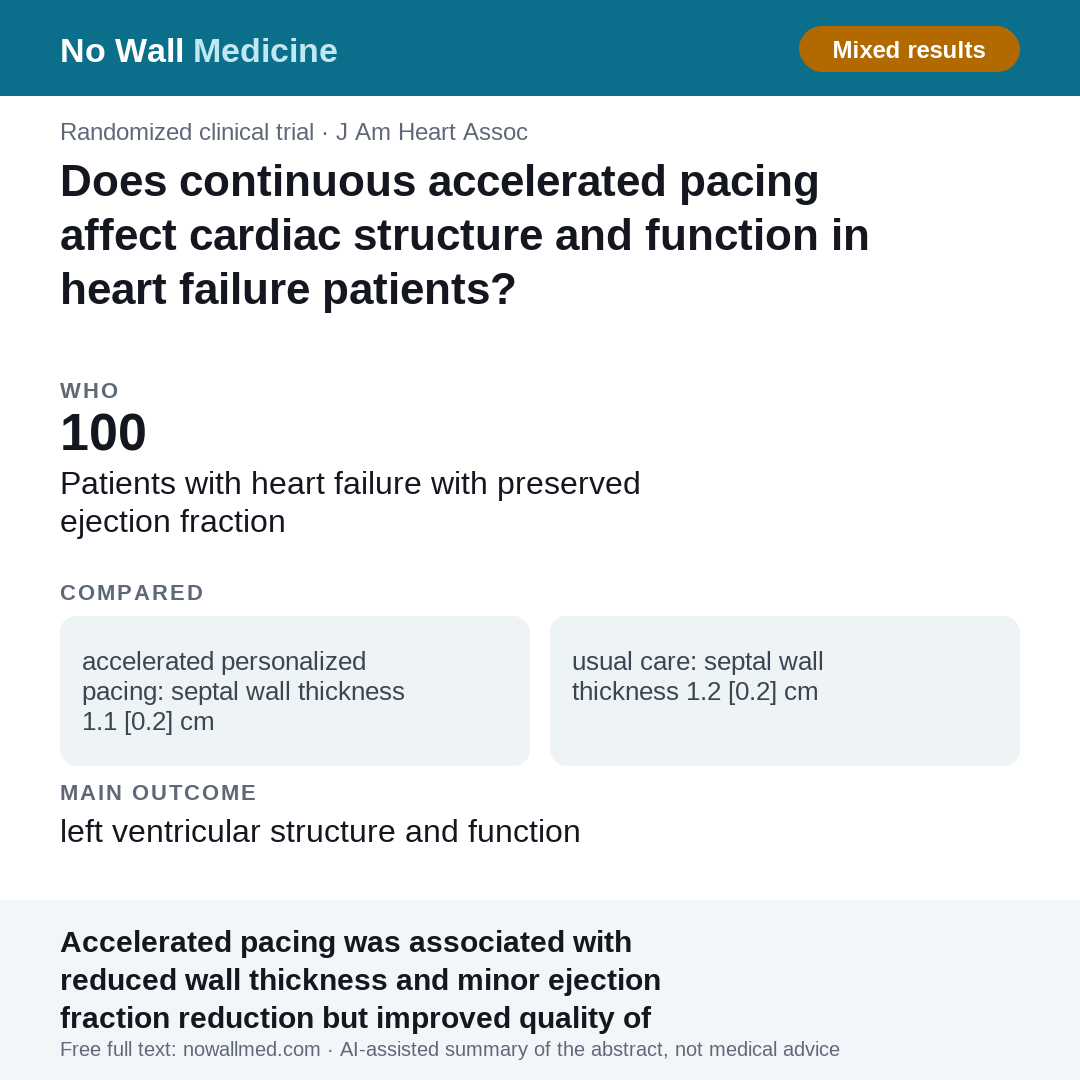
Effects of Continuous Accelerated Pacing on Cardiac Structure and Function in Patients With Heart Failure With Preserved Ejection Fraction: Insights From the myPACE Randomized Clinical Trial
Randomized clinical trialMixed results
Does continuous accelerated pacing affect cardiac structure and function in heart failure patients?
Who
100
Patients with heart failure with preserved ejection fraction
Compared
accelerated personalized pacing: septal wall thickness 1.1 [0.2] cm
usual care: septal wall thickness 1.2 [0.2] cm
Main outcome
left ventricular structure and function
Bottom line: Accelerated pacing was associated with reduced wall thickness and minor ejection fraction reduction but improved quality of life.
J Am Heart Assoc · 2023-12-29Download image
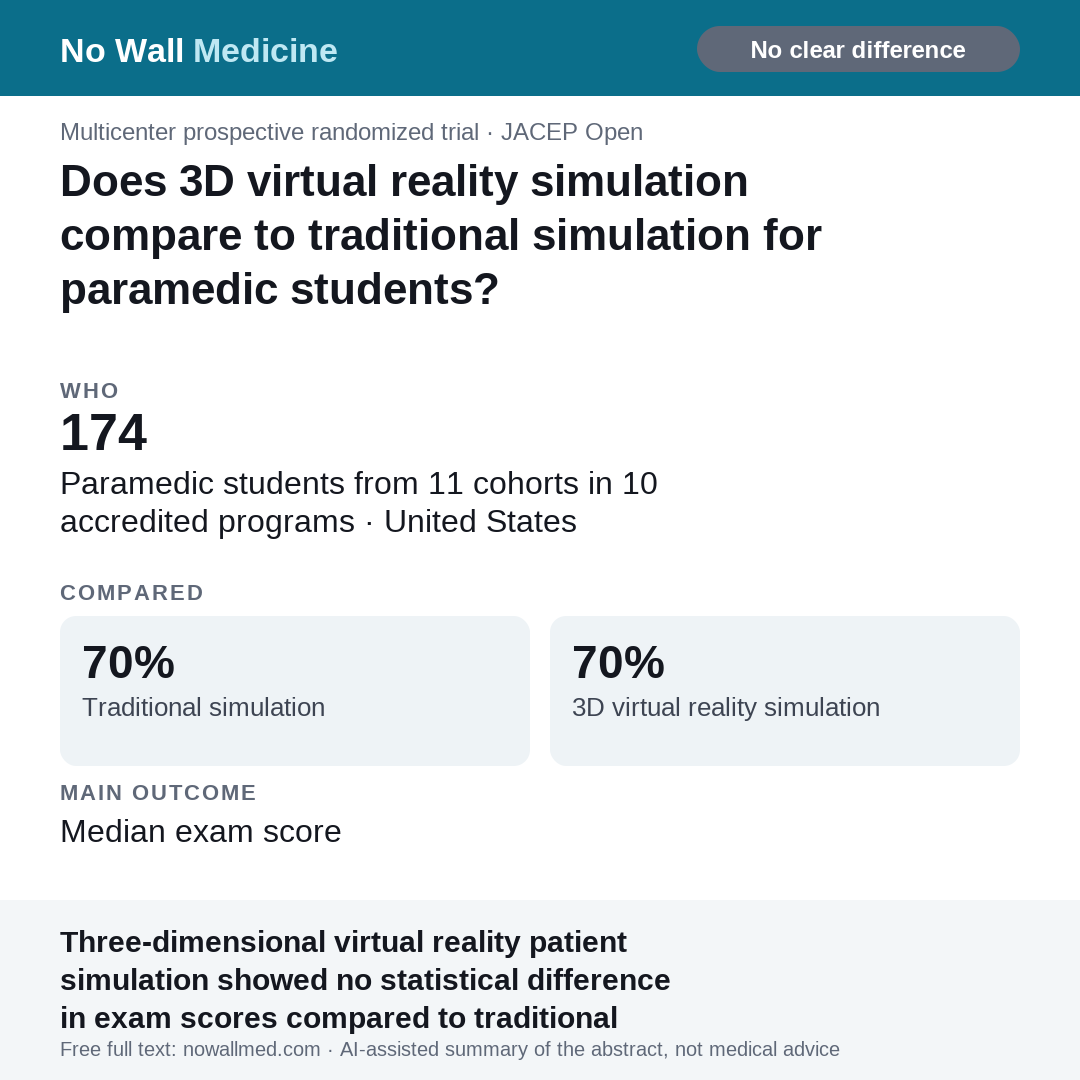
*SMARTSIM* A multicenter prospective randomized trial of 3D virtual reality versus traditional patient simulation
Multicenter prospective randomized trialNo clear difference
Does 3D virtual reality simulation compare to traditional simulation for paramedic students?
Who
174
Paramedic students from 11 cohorts in 10 accredited programs · United States
Compared
70%Traditional simulation
70%3D virtual reality simulation
Main outcome
Median exam score
Bottom line: Three-dimensional virtual reality patient simulation showed no statistical difference in exam scores compared to traditional in-person simulation.
JACEP Open · 2023-12-29Download image
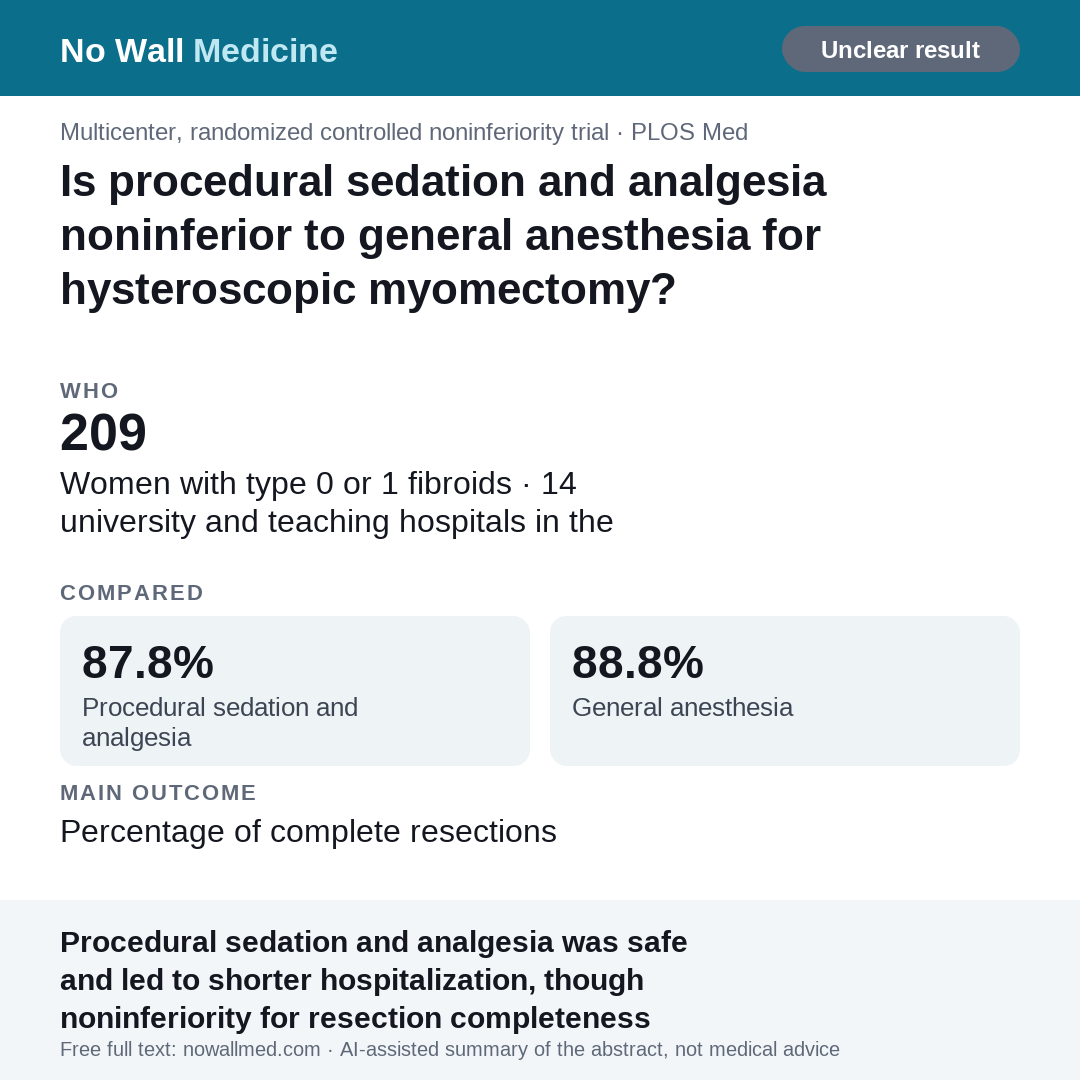
Procedural sedation and analgesia versus general anesthesia for hysteroscopic myomectomy (PROSECCO trial): A multicenter randomized controlled trial
Multicenter, randomized controlled noninferiority trialUnclear result
Is procedural sedation and analgesia noninferior to general anesthesia for hysteroscopic myomectomy?
Who
209
Women with type 0 or 1 fibroids · 14 university and teaching hospitals in the Netherlands
Compared
87.8%Procedural sedation and analgesia
88.8%General anesthesia
Main outcome
Percentage of complete resections
Result: risk difference -1.01% (95% CI -10.36 to 8.34)
Bottom line: Procedural sedation and analgesia was safe and led to shorter hospitalization, though noninferiority for resection completeness was not shown.
Limitation: The choice of primary outcome and the fact that the study was underpowered.
PLOS Med · 2023-12-28Download image
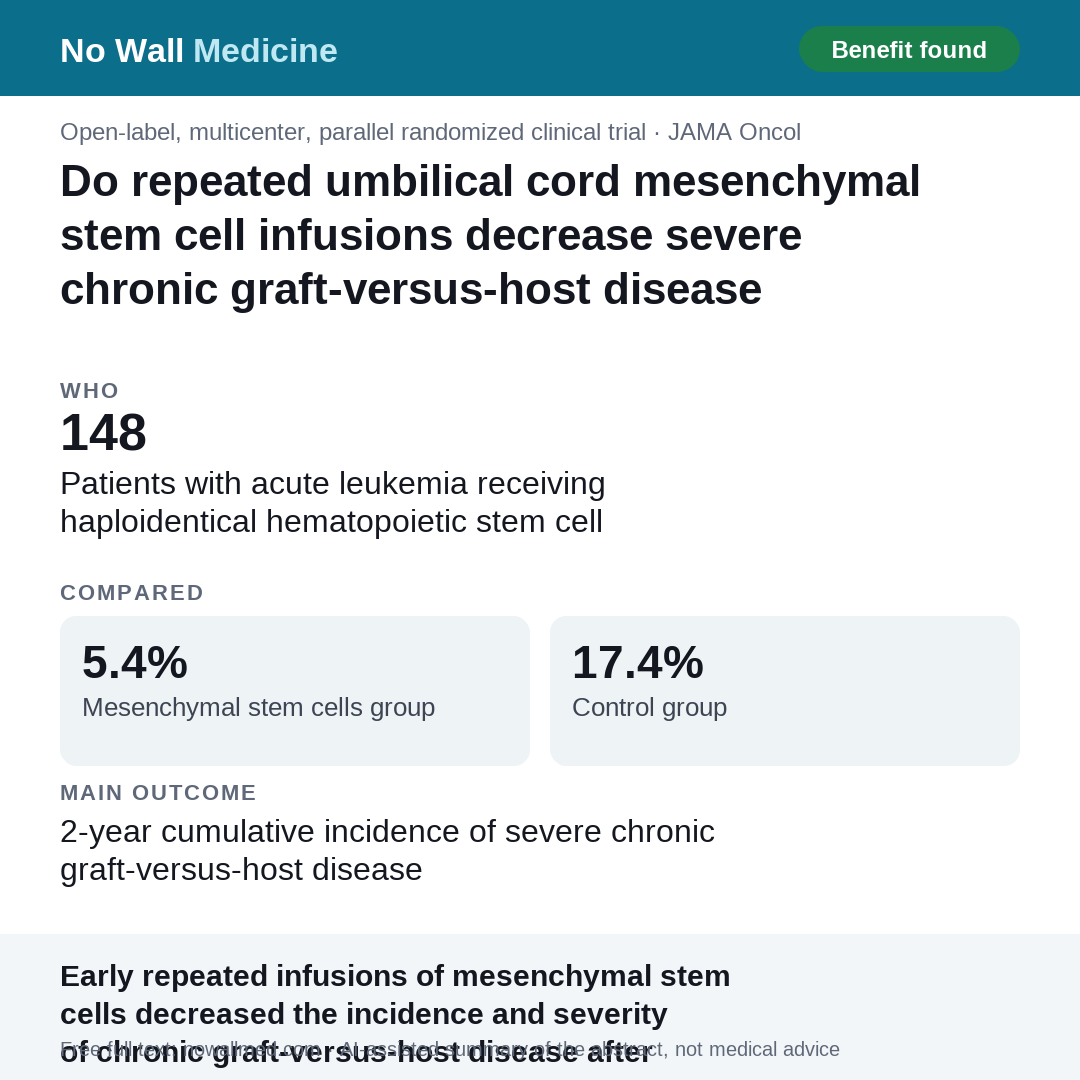
Mesenchymal Stem Cells for Prophylaxis of Chronic Graft-vs-Host Disease After Haploidentical Hematopoietic Stem Cell Transplant: An Open-Label Randomized Clinical Trial
Open-label, multicenter, parallel randomized clinical trialBenefit found
Do repeated umbilical cord mesenchymal stem cell infusions decrease severe chronic graft-versus-host disease incidence?
Who
148
Patients with acute leukemia receiving haploidentical hematopoietic stem cell transplant · Multicenter
Compared
5.4%Mesenchymal stem cells group (95% CI, 1.8%-14.0%)
17.4%Control group (95% CI, 10.1%-28.5%)
Main outcome
2-year cumulative incidence of severe chronic graft-versus-host disease
Result: hazard ratio 0.29 (95% CI, 0.10-0.88)
Bottom line: Early repeated infusions of mesenchymal stem cells decreased the incidence and severity of chronic graft-versus-host disease after haploidentical transplant.
JAMA Oncol · 2023-12-28Download image
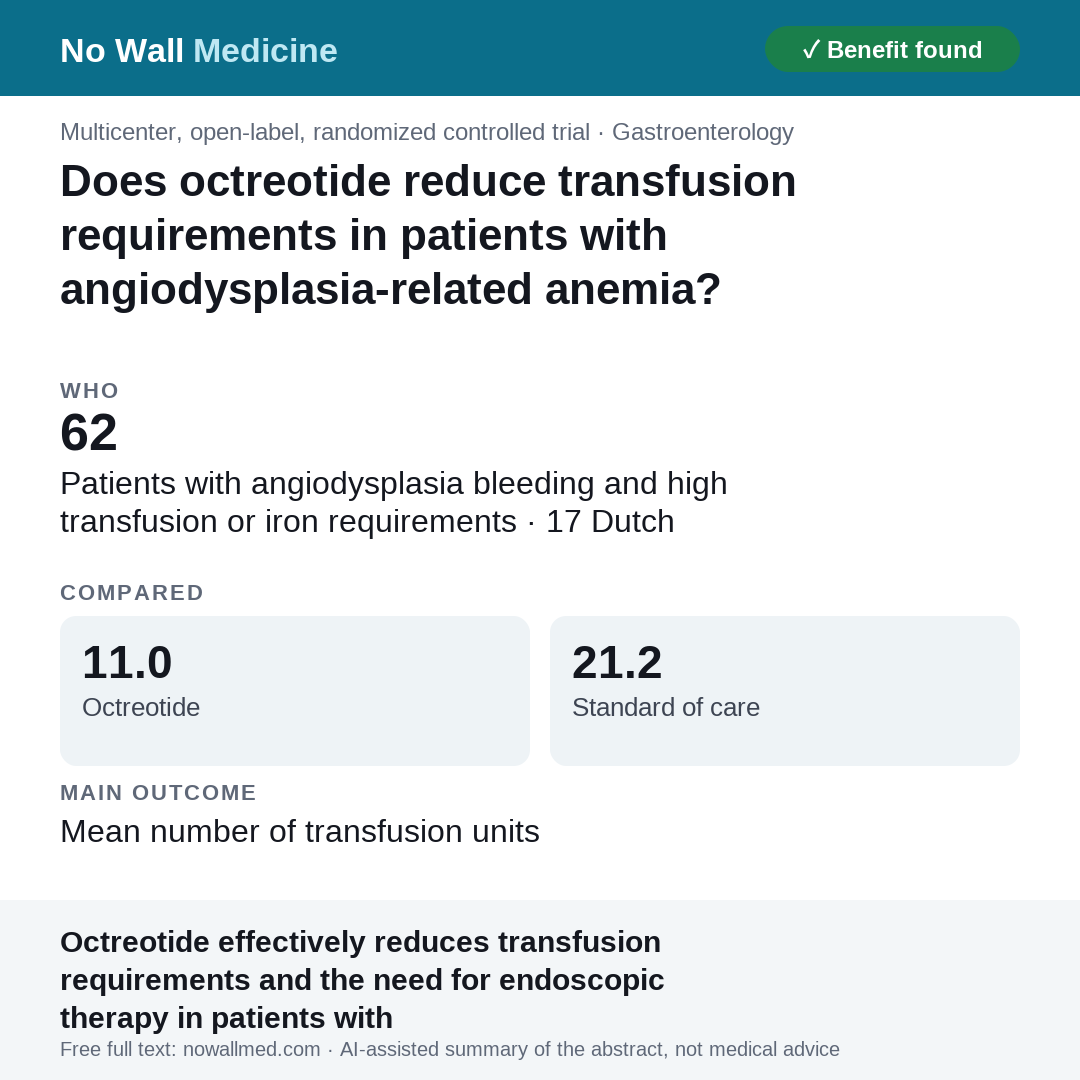
Standard of Care Versus Octreotide in Angiodysplasia-Related Bleeding (the OCEAN Study): A Multicenter Randomized Controlled Trial
Multicenter, open-label, randomized controlled trialBenefit found
Does octreotide reduce transfusion requirements in patients with angiodysplasia-related anemia?
Who
62
Patients with angiodysplasia bleeding and high transfusion or iron requirements · 17 Dutch hospitals
Compared
11.0Octreotide (95% confidence interval 5.5-16.5)
21.2Standard of care (95% confidence interval 15.7-26.7)
Main outcome
Mean number of transfusion units
Result: mean difference -10.2 (95% CI 2.4-18.1)
Bottom line: Octreotide effectively reduces transfusion requirements and the need for endoscopic therapy in patients with angiodysplasia-related anemia.
Gastroenterology · 2023-12-28Download image
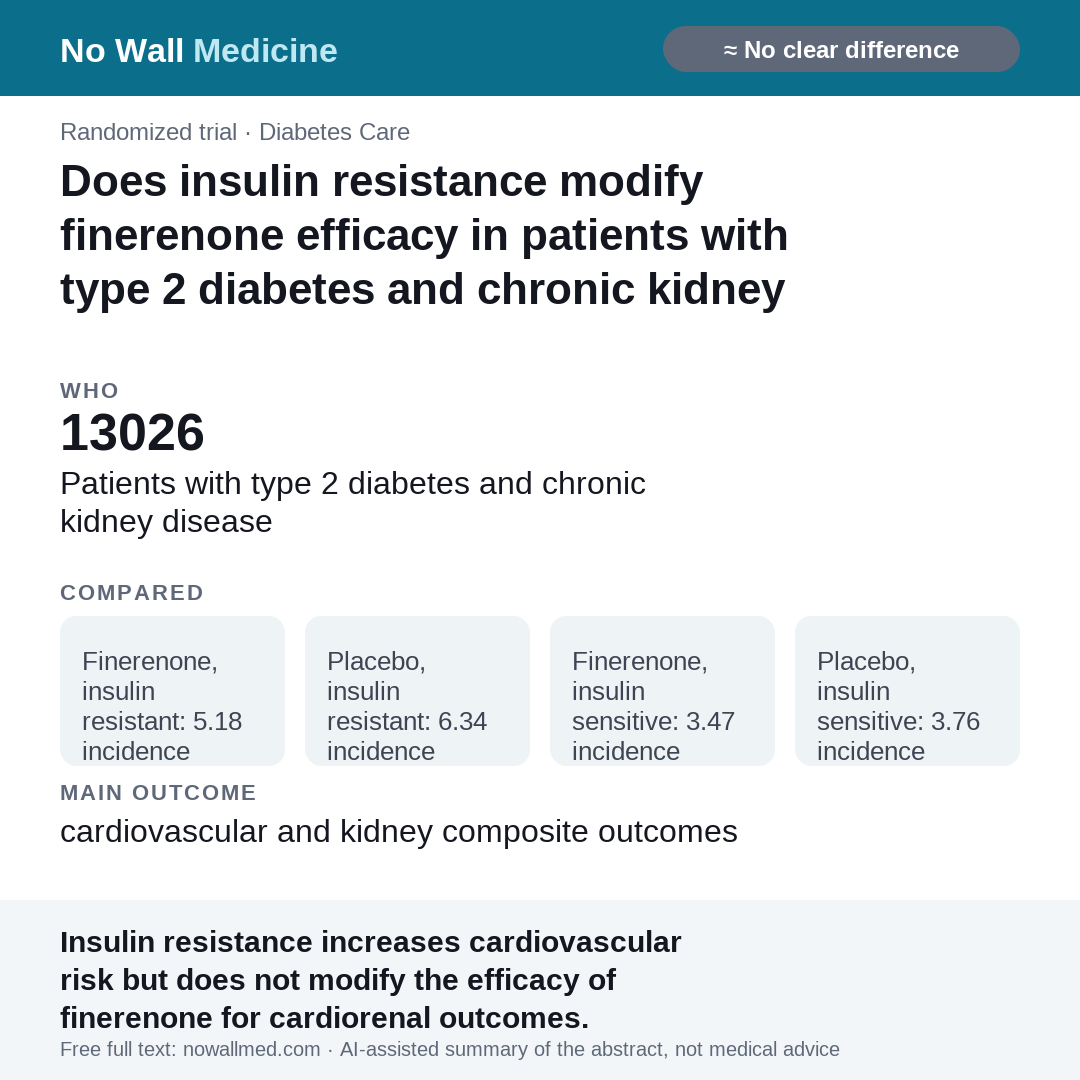
Outcomes With Finerenone in Patients With Chronic Kidney Disease and Type 2 Diabetes by Baseline Insulin Resistance
Randomized trialNo clear difference
Does insulin resistance modify finerenone efficacy in patients with type 2 diabetes and chronic kidney disease?
Who
13026
Patients with type 2 diabetes and chronic kidney disease
Compared
Finerenone, insulin resistant: 5.18 incidence rate/100 patient-years
Placebo, insulin resistant: 6.34 incidence rate/100 patient-years
Finerenone, insulin sensitive: 3.47 incidence rate/100 patient-years
Placebo, insulin sensitive: 3.76 incidence rate/100 patient-years
Main outcome
cardiovascular and kidney composite outcomes
Result: hazard ratio 0.81 (95% CI 0.72-0.92) for cardiovascular in insulin resistant
Bottom line: Insulin resistance increases cardiovascular risk but does not modify the efficacy of finerenone for cardiorenal outcomes.
Diabetes Care · 2023-12-28Download image
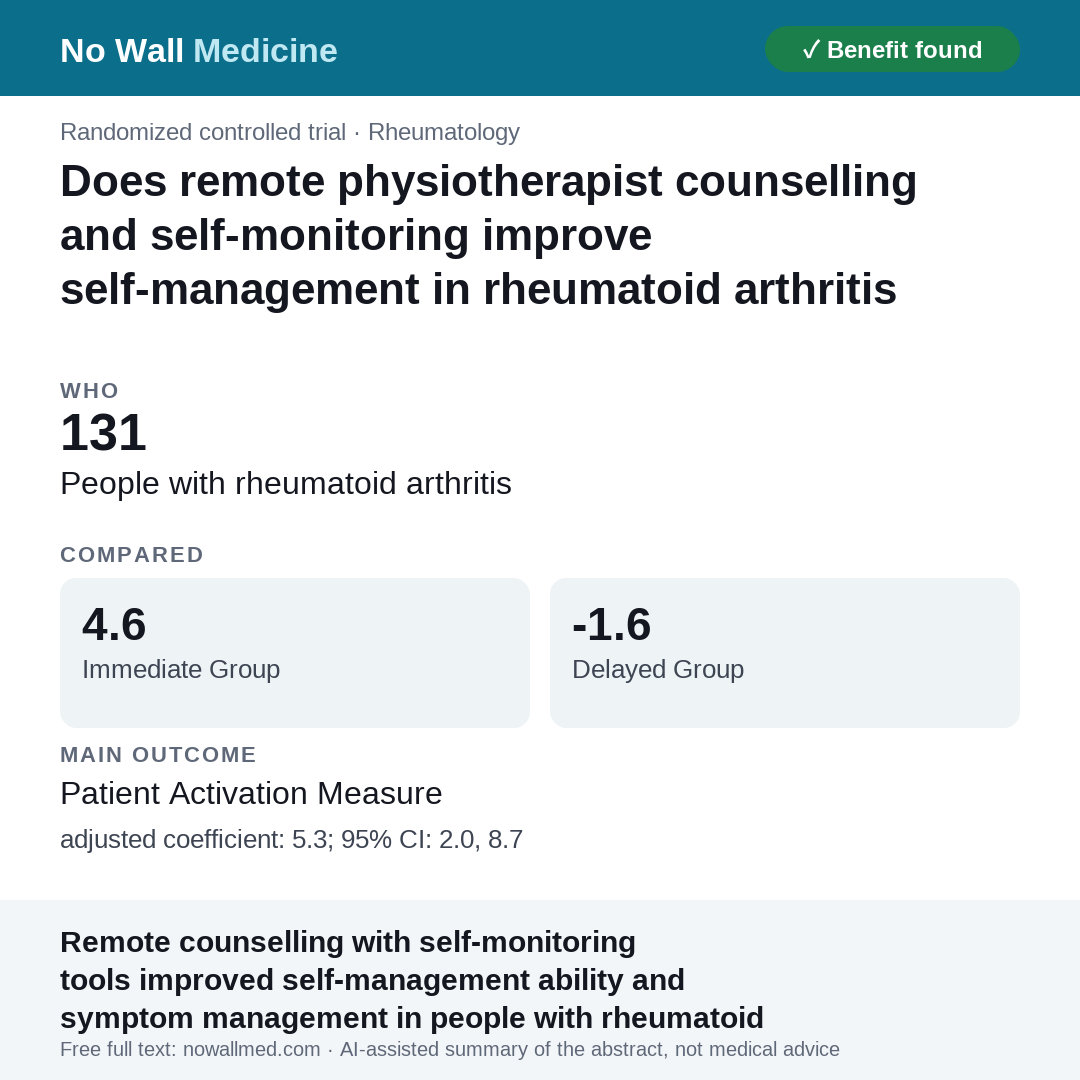
Effect of digital monitoring and counselling on self-management ability in patients with rheumatoid arthritis: a randomised controlled trial
Randomized controlled trialBenefit found
Does remote physiotherapist counselling and self-monitoring improve self-management in rheumatoid arthritis patients?
Who
131
People with rheumatoid arthritis
Compared
4.6Immediate Group (Standard Deviation = 14.7)
-1.6Delayed Group (SD = 12.5)
Main outcome
Patient Activation Measure
Result: adjusted coefficient: 5.3; 95% CI: 2.0, 8.7
Bottom line: Remote counselling with self-monitoring tools improved self-management ability and symptom management in people with rheumatoid arthritis.
Limitation: 80.2% completed during the COVID-19 pandemic
Rheumatology · 2023-12-28Download image
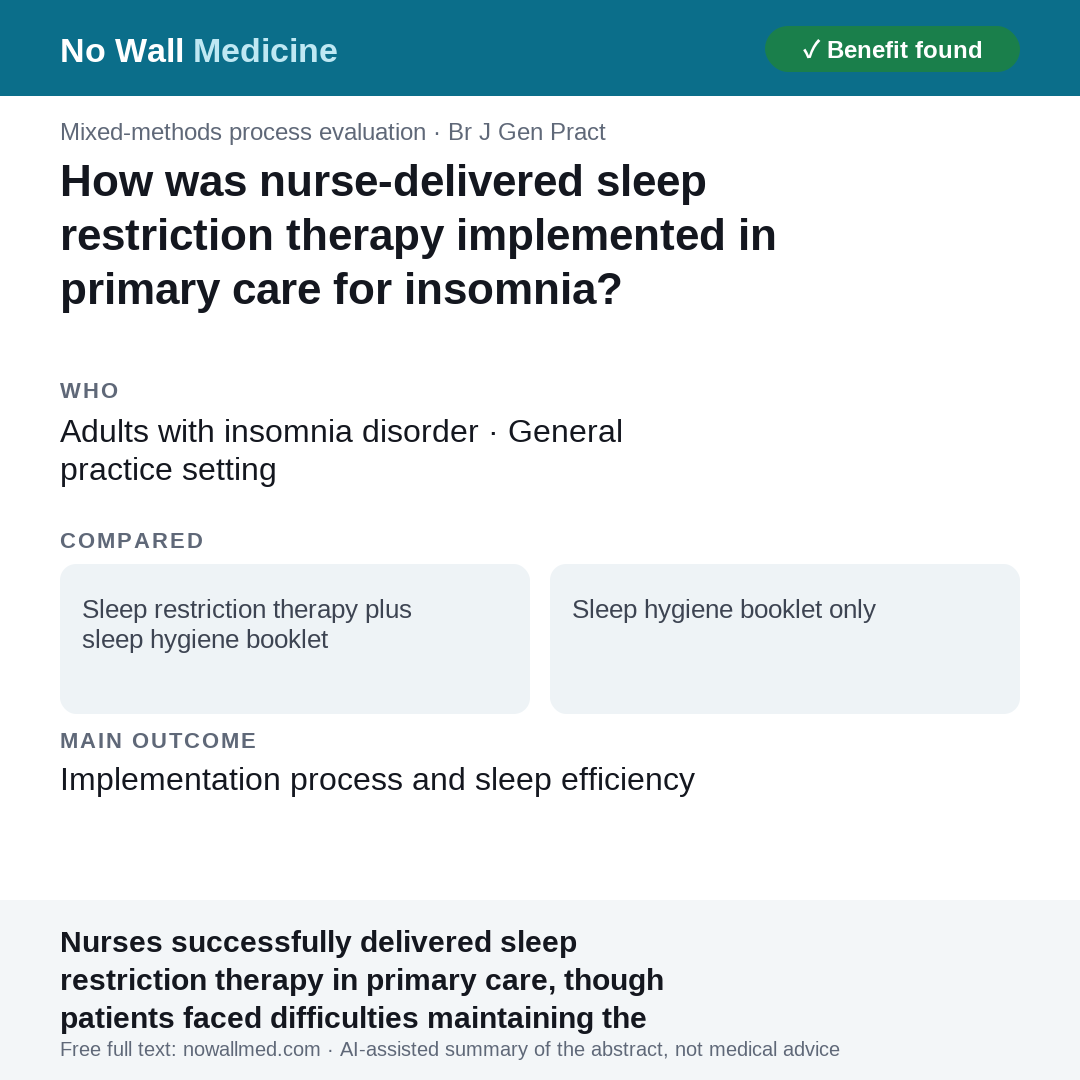
Nurse-delivered sleep restriction therapy in primary care for adults with insomnia disorder: a mixed-methods process evaluation
Mixed-methods process evaluationBenefit found
How was nurse-delivered sleep restriction therapy implemented in primary care for insomnia?
Who
Adults with insomnia disorder · General practice setting
Compared
Sleep restriction therapy plus sleep hygiene booklet
Sleep hygiene booklet only
Main outcome
Implementation process and sleep efficiency
Bottom line: Nurses successfully delivered sleep restriction therapy in primary care, though patients faced difficulties maintaining the intervention.
Br J Gen Pract · 2023-12-28Download image
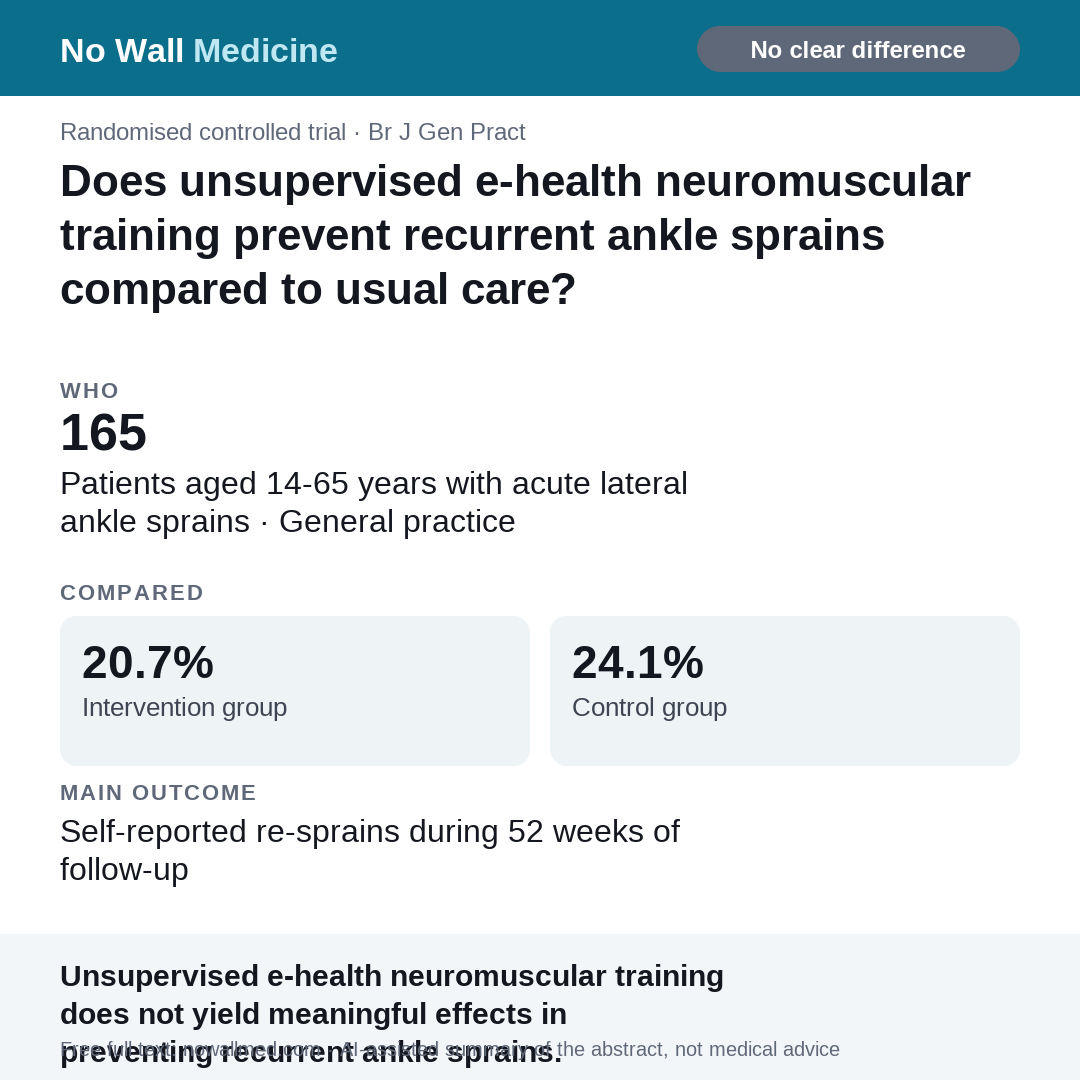
E-health intervention for preventing recurrent ankle sprains: a randomised controlled trial in general practice
Randomised controlled trialNo clear difference
Does unsupervised e-health neuromuscular training prevent recurrent ankle sprains compared to usual care?
Who
165
Patients aged 14-65 years with acute lateral ankle sprains · General practice
Compared
20.7%Intervention group (17/82)
24.1%Control group (20/83)
Main outcome
Self-reported re-sprains during 52 weeks of follow-up
Result: hazard ratio 1.14, 95% confidence interval = 0.59 to 2.21
Bottom line: Unsupervised e-health neuromuscular training does not yield meaningful effects in preventing recurrent ankle sprains.
Limitation: The adherence rate to the programme was low (6.1%, 5/82).
Br J Gen Pract · 2023-12-28Download image
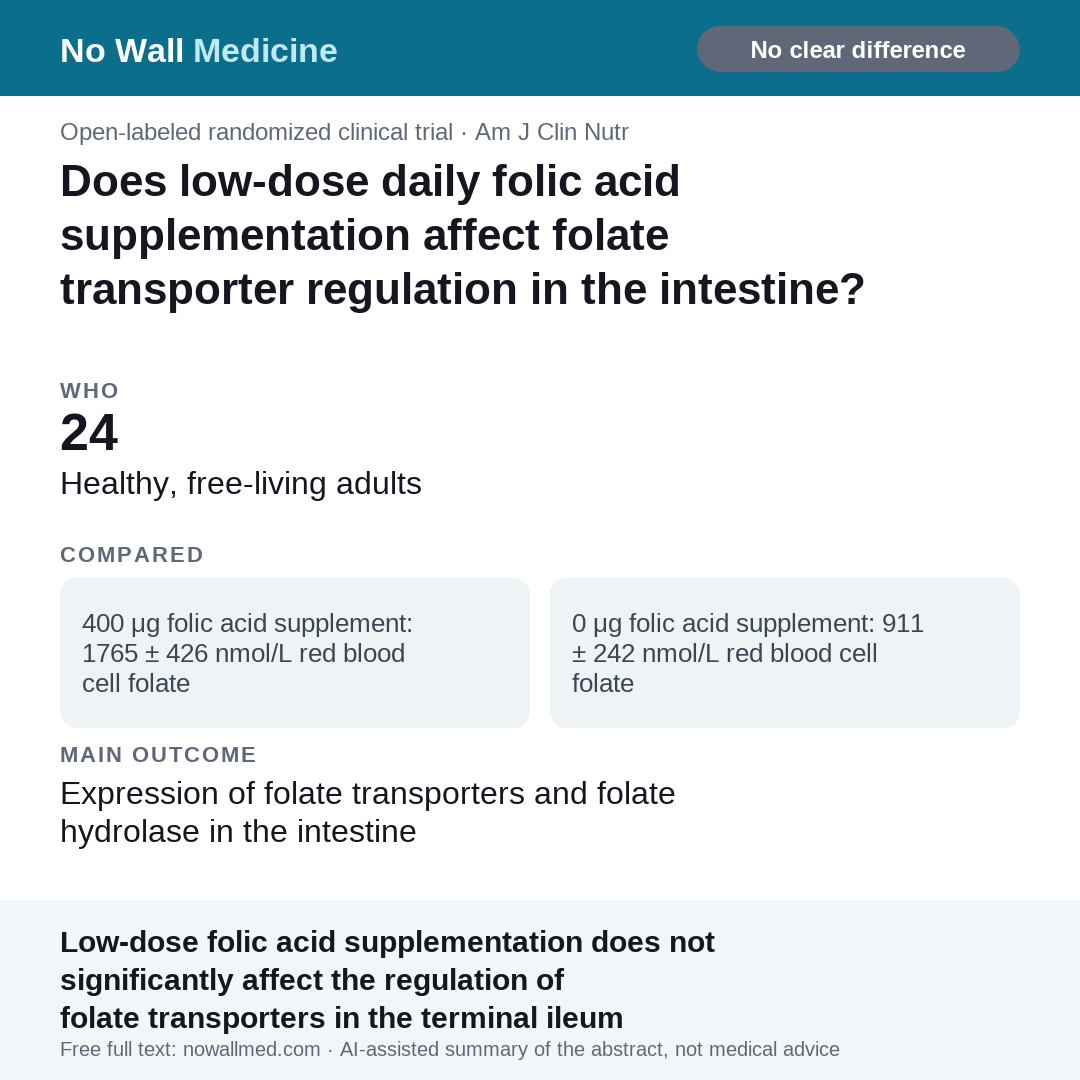
Low-dose daily folic acid (400 μg) supplementation does not affect regulation of folate transporters found present throughout the terminal ileum and colon of humans: a randomized clinical trial
Open-labeled randomized clinical trialNo clear difference
Does low-dose daily folic acid supplementation affect folate transporter regulation in the intestine?
Who
24
Healthy, free-living adults
Compared
400 μg folic acid supplement: 1765 ± 426 nmol/L red blood cell folate
0 μg folic acid supplement: 911 ± 242 nmol/L red blood cell folate
Main outcome
Expression of folate transporters and folate hydrolase in the intestine
Bottom line: Low-dose folic acid supplementation does not significantly affect the regulation of folate transporters in the terminal ileum and colon.
Am J Clin Nutr · 2023-12-28Download image
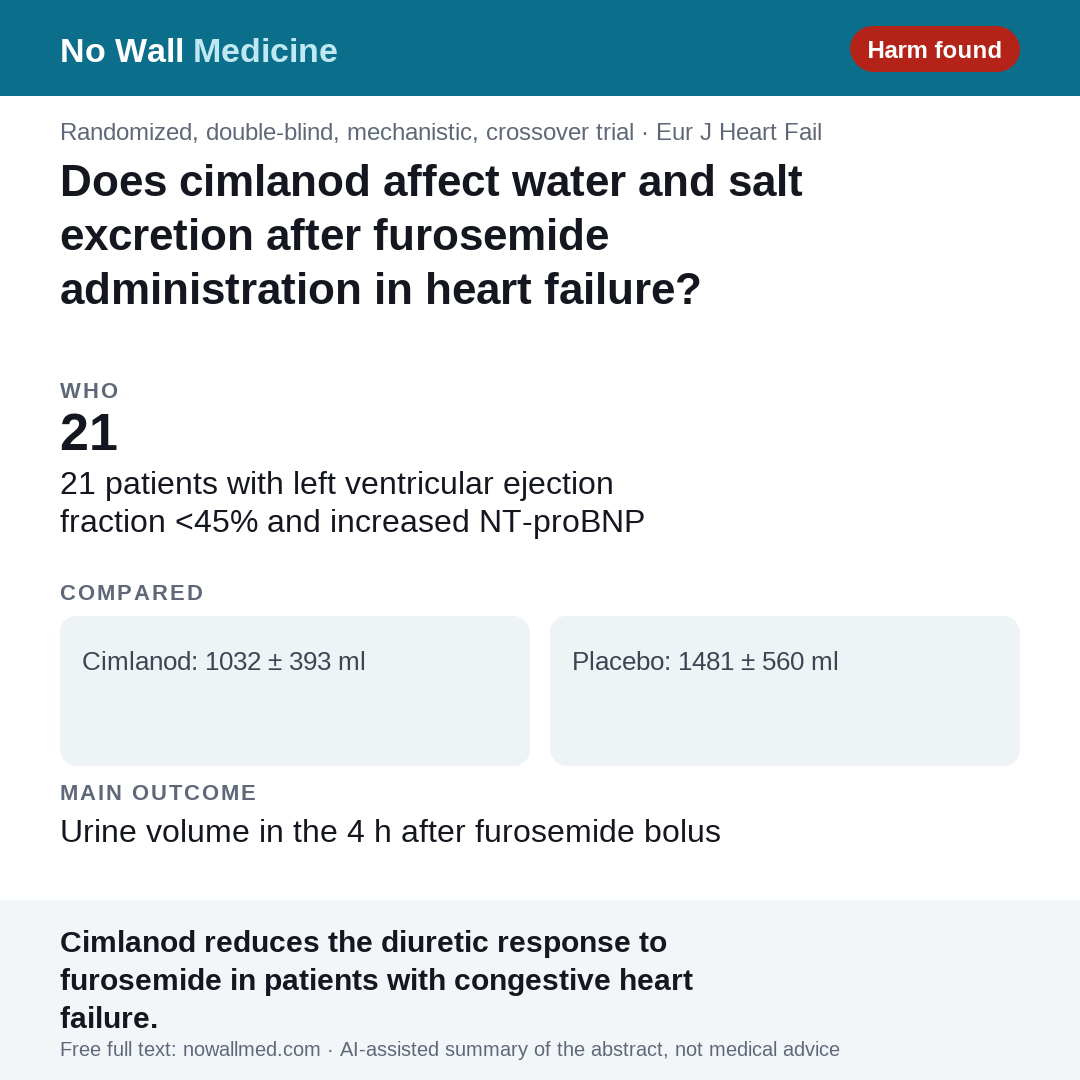
Impact of vasodilators on diuretic response in patients with congestive heart failure: A mechanistic trial of cimlanod (BMS-986231)
Randomized, double-blind, mechanistic, crossover trialHarm found
Does cimlanod affect water and salt excretion after furosemide administration in heart failure?
Who
21
21 patients with left ventricular ejection fraction <45% and increased NT-proBNP
Compared
Cimlanod: 1032 ± 393 ml
Placebo: 1481 ± 560 ml
Main outcome
Urine volume in the 4 h after furosemide bolus
Bottom line: Cimlanod reduces the diuretic response to furosemide in patients with congestive heart failure.
Eur J Heart Fail · 2023-12-28Download image
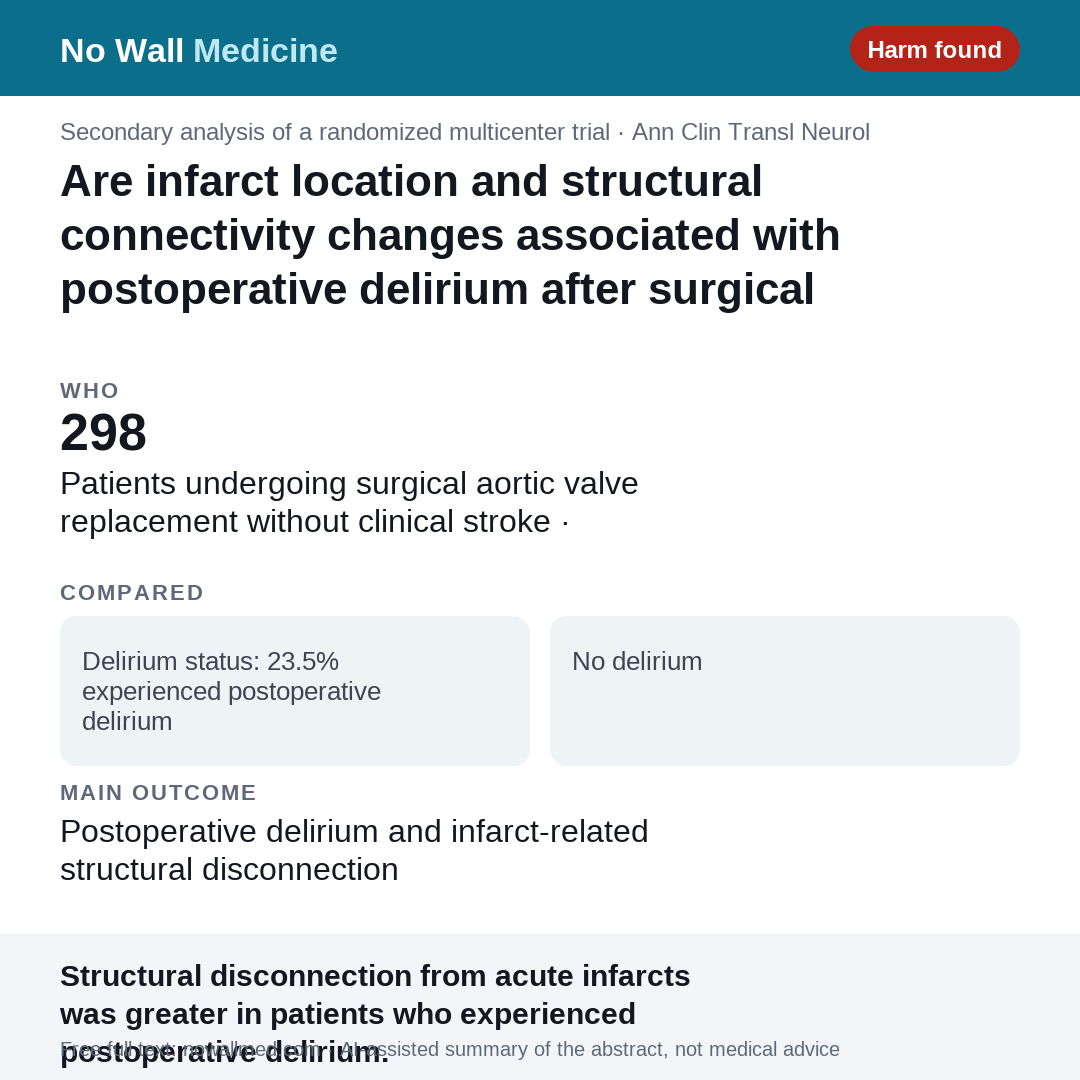
Infarct-related structural disconnection and delirium in surgical aortic valve replacement patients
Secondary analysis of a randomized multicenter trialHarm found
Are infarct location and structural connectivity changes associated with postoperative delirium after surgical aortic valve replacement?
Who
298
Patients undergoing surgical aortic valve replacement without clinical stroke · Multicenter
Compared
Delirium status: 23.5% experienced postoperative delirium
No delirium
Main outcome
Postoperative delirium and infarct-related structural disconnection
Bottom line: Structural disconnection from acute infarcts was greater in patients who experienced postoperative delirium.
Ann Clin Transl Neurol · 2023-12-28Download image
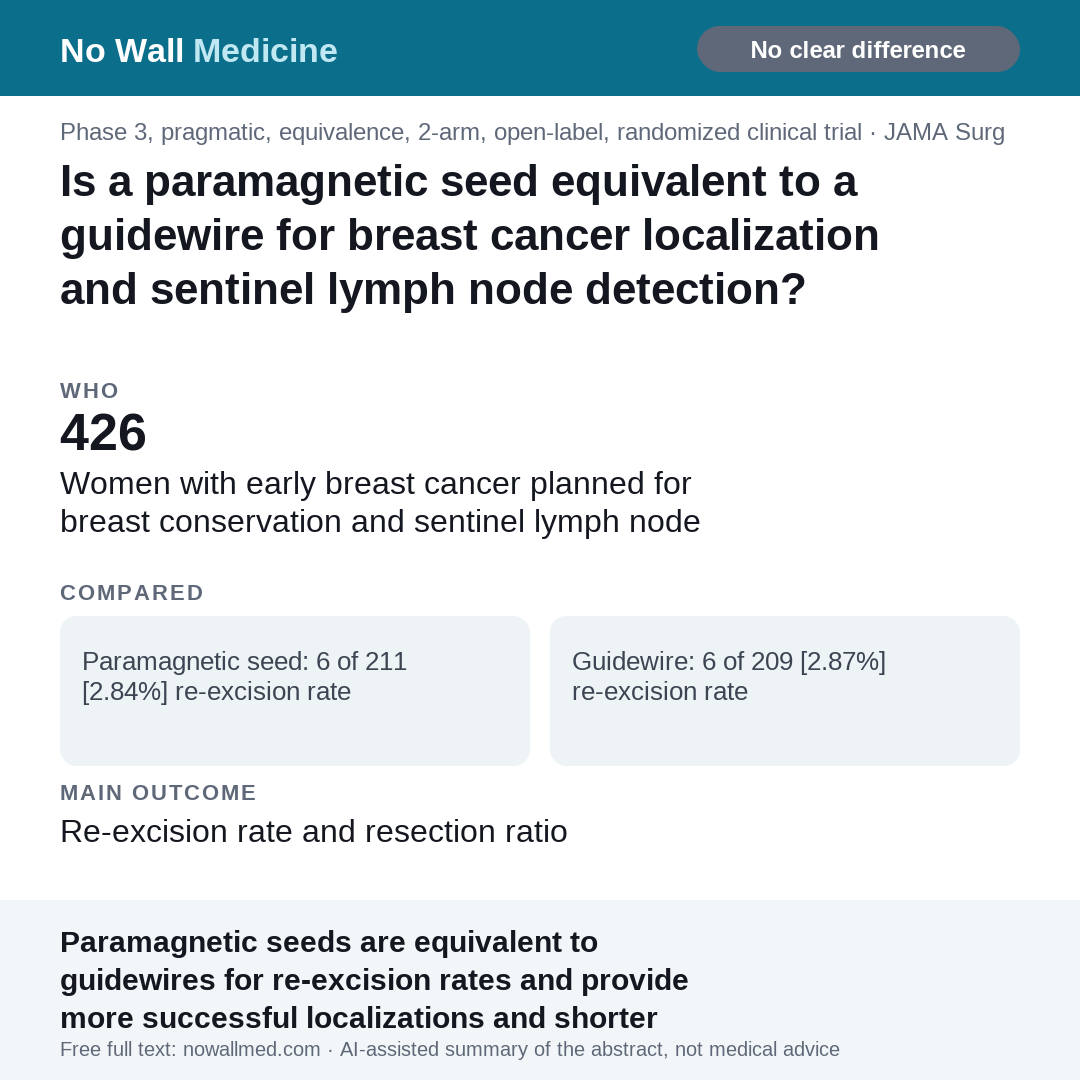
Magnetic Seed vs Guidewire Breast Cancer Localization With Magnetic Lymph Node Detection: A Randomized Clinical Trial
Phase 3, pragmatic, equivalence, 2-arm, open-label, randomized clinical trialNo clear difference
Is a paramagnetic seed equivalent to a guidewire for breast cancer localization and sentinel lymph node detection?
Who
426
Women with early breast cancer planned for breast conservation and sentinel lymph node detection · 3 university and/or community hospitals in Sweden
Compared
Paramagnetic seed: 6 of 211 [2.84%] re-excision rate
Guidewire: 6 of 209 [2.87%] re-excision rate
Main outcome
Re-excision rate and resection ratio
Result: difference, -0.03%; 95% CI, -3.20% to 3.20%; P = .99
Bottom line: Paramagnetic seeds are equivalent to guidewires for re-excision rates and provide more successful localizations and shorter operative times.
JAMA Surg · 2023-12-27Download image
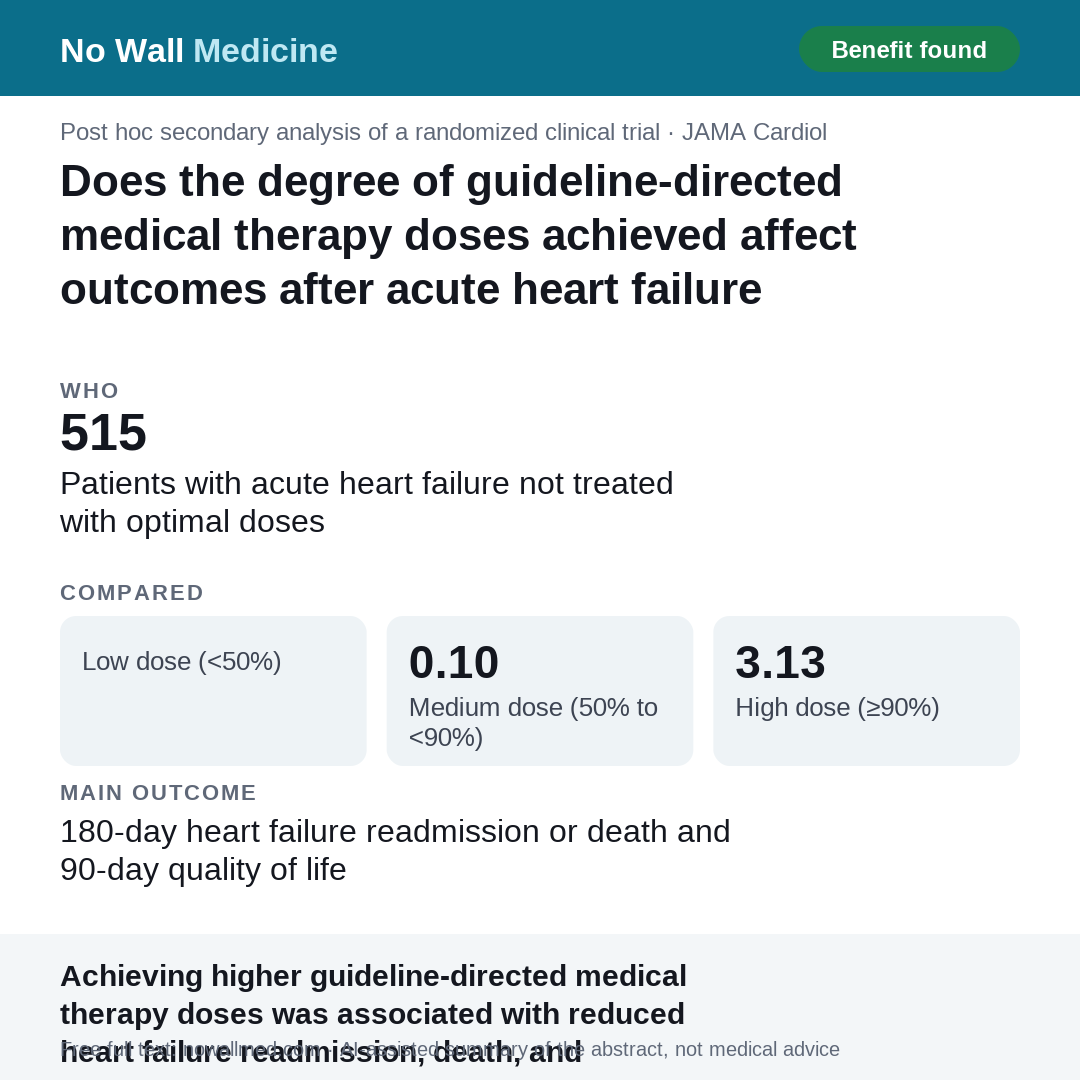
Optimization of Evidence-Based Heart Failure Medications After an Acute Heart Failure Admission: A Secondary Analysis of the STRONG-HF Randomized Clinical Trial
Post hoc secondary analysis of a randomized clinical trialBenefit found
Does the degree of guideline-directed medical therapy doses achieved affect outcomes after acute heart failure admission?
Who
515
Patients with acute heart failure not treated with optimal doses
Compared
Low dose (<50%)
0.10Medium dose (50% to <90%) (95% CI -4.88 to 5.07)
3.13High dose (≥90%) (95% CI -1.98 to 8.24)
Main outcome
180-day heart failure readmission or death and 90-day quality of life
Result: adjusted hazard ratio 0.89 (95% CI 0.81-0.98) per 10% dose increase
Bottom line: Achieving higher guideline-directed medical therapy doses was associated with reduced heart failure readmission, death, and improved quality of life.
JAMA Cardiol · 2023-12-27Download image
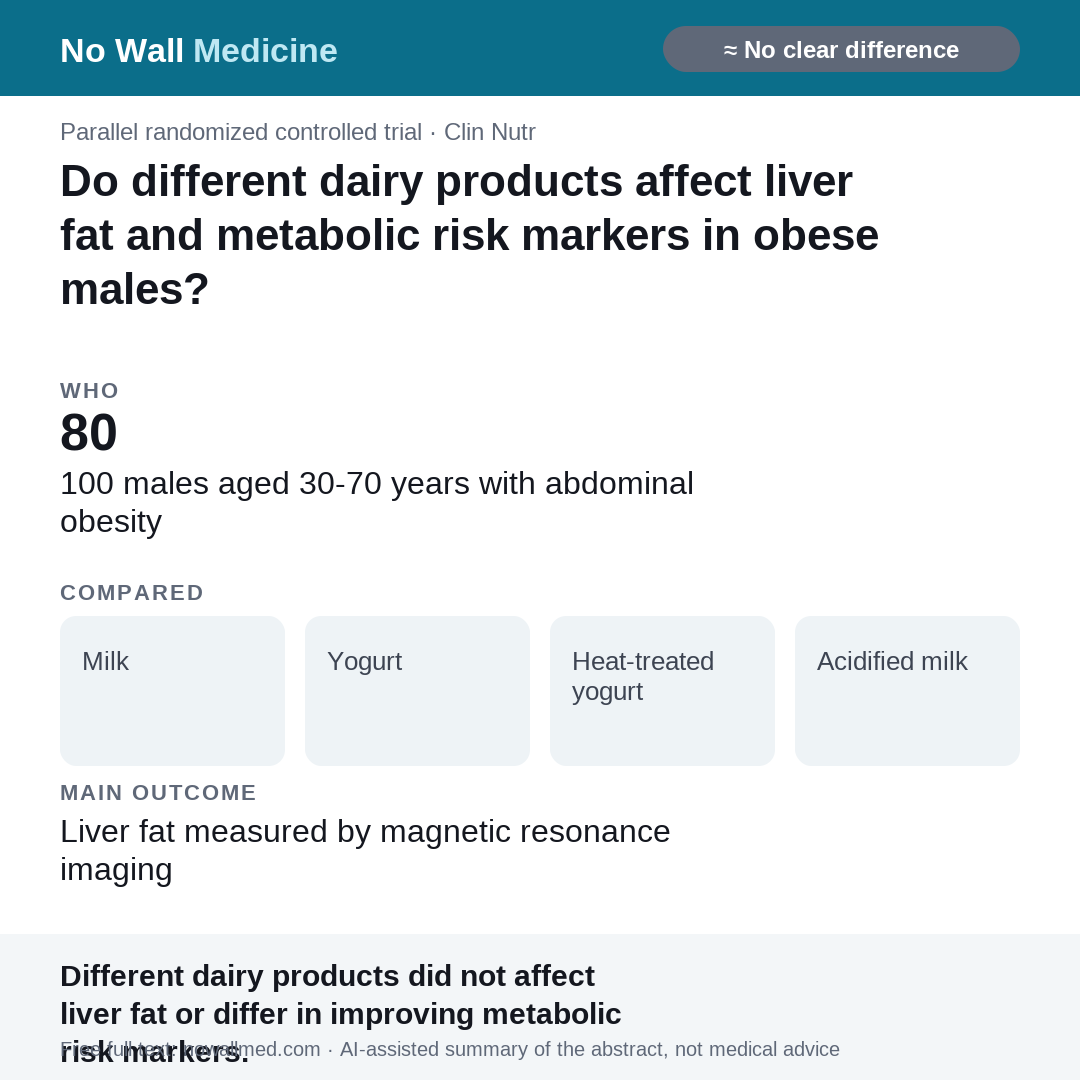
The effect of dairy products on liver fat and metabolic risk markers in males with abdominal obesity - a four-arm randomized controlled trial
Parallel randomized controlled trialNo clear difference
Do different dairy products affect liver fat and metabolic risk markers in obese males?
Who
80
100 males aged 30-70 years with abdominal obesity
Compared
Milk
Yogurt
Heat-treated yogurt
Acidified milk
Main outcome
Liver fat measured by magnetic resonance imaging
Bottom line: Different dairy products did not affect liver fat or differ in improving metabolic risk markers.
Limitation: The results are based on complete case analyses.
Clin Nutr · 2023-12-27Download image
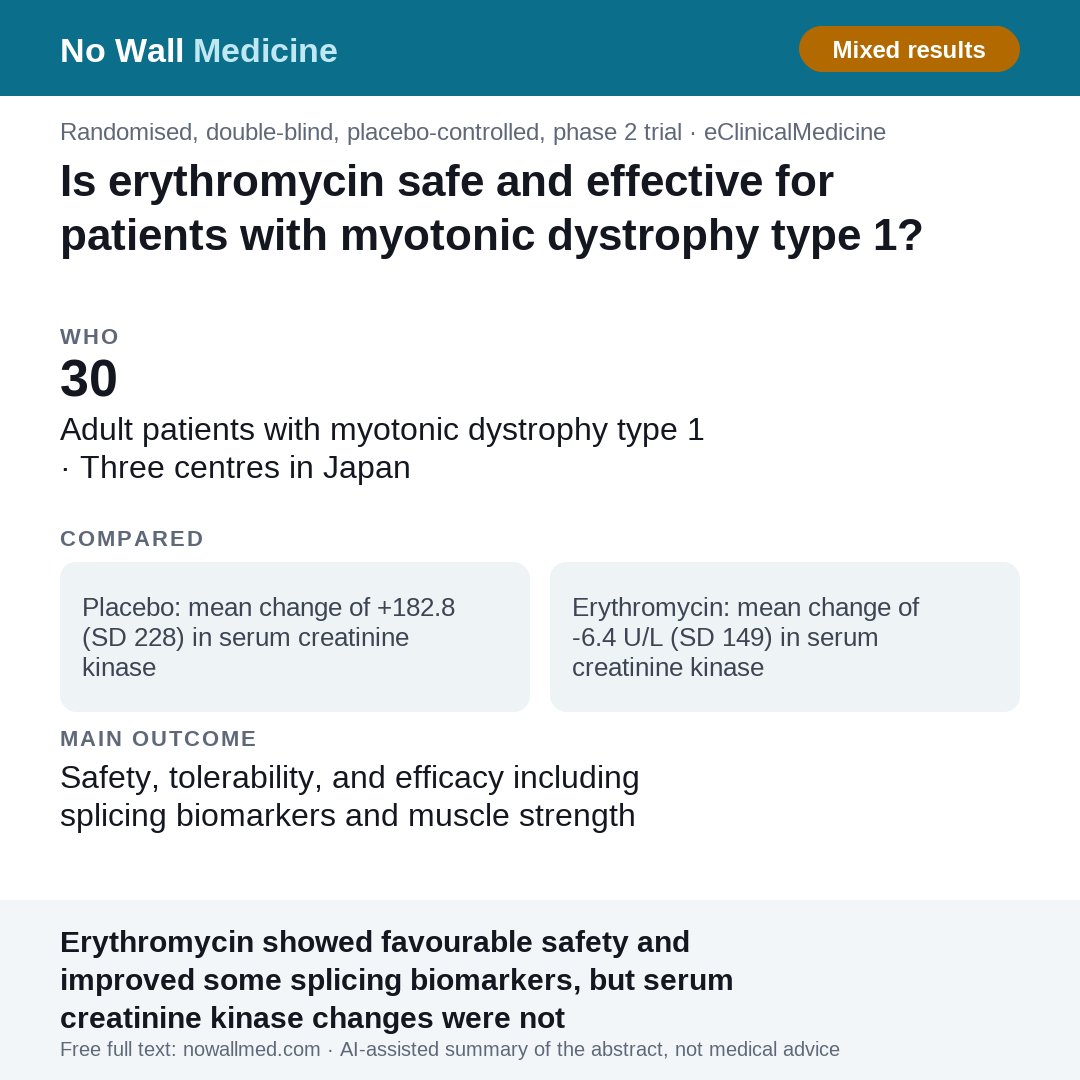
Erythromycin for myotonic dystrophy type 1: a multicentre, randomised, double-blind, placebo-controlled, phase 2 trial
Randomised, double-blind, placebo-controlled, phase 2 trialMixed results
Is erythromycin safe and effective for patients with myotonic dystrophy type 1?
Who
30
Adult patients with myotonic dystrophy type 1 · Three centres in Japan
Compared
Placebo: mean change of +182.8 (SD 228) in serum creatinine kinase
Erythromycin: mean change of -6.4 U/L (SD 149) in serum creatinine kinase
Main outcome
Safety, tolerability, and efficacy including splicing biomarkers and muscle strength
Bottom line: Erythromycin showed favourable safety and improved some splicing biomarkers, but serum creatinine kinase changes were not statistically significant.
Funded by: Japan Agency for Medical Research and Development
eClinicalMedicine · 2023-12-26Download image
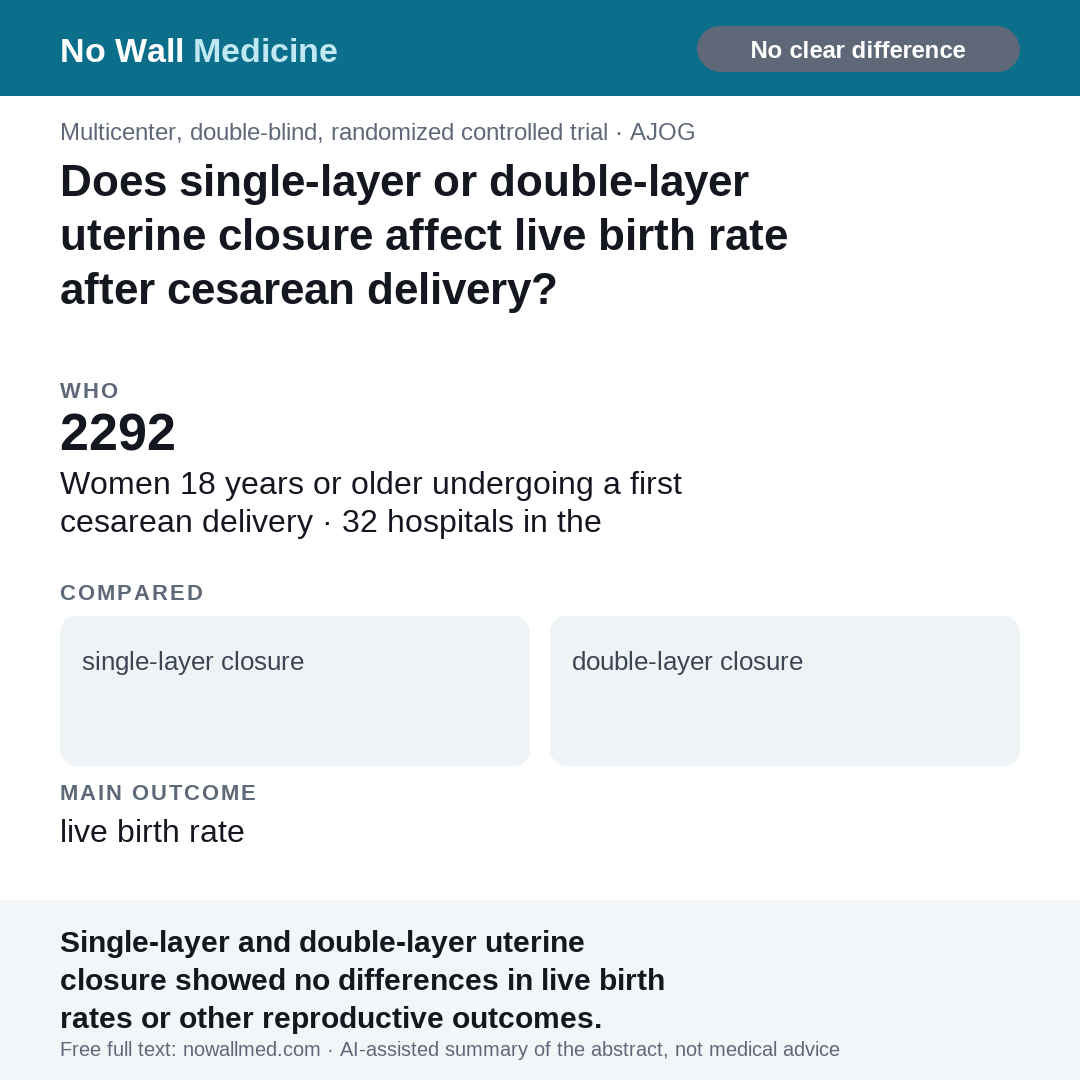
Single-layer vs double-layer uterine closure during cesarean delivery: 3-year follow-up of a randomized controlled trial (2Close study)
Multicenter, double-blind, randomized controlled trialNo clear difference
Does single-layer or double-layer uterine closure affect live birth rate after cesarean delivery?
Who
2292
Women 18 years or older undergoing a first cesarean delivery · 32 hospitals in the Netherlands
Compared
single-layer closure
double-layer closure
Main outcome
live birth rate
Bottom line: Single-layer and double-layer uterine closure showed no differences in live birth rates or other reproductive outcomes.
AJOG · 2023-12-26Download image