Visual abstracts
New randomized trials and meta-analyses from leading journals at a glance: who was studied, what was compared, and what was found. Every paper is free to read in full.
All specialtiesCardiology 4877Oncology 4138Gastroenterology & Hepatology 1942Infectious Disease 3837Neurology 1905Psychiatry & Mental Health 2273Pulmonology 2143Critical Care 1365Endocrinology & Diabetes 2580Pediatrics 2980Surgery 2559Orthopedics & Sports Medicine 931Neurosurgery 537Cardiothoracic & Vascular Surgery 674Plastic & Reconstructive Surgery 591Nephrology 1133Rheumatology 823Hematology 1109Dermatology 621Ophthalmology 543Obstetrics & Gynecology 1686Public & Global Health 1058Radiology & Imaging 648Anesthesiology 986Urology 764ENT (Otolaryngology) 503Emergency Medicine 511Allergy & Immunology 313Geriatrics 981Family Medicine & Primary Care 562Medical Genetics & Genomics 676Pathology & Laboratory Medicine 159Physical Medicine & Rehabilitation 757Palliative Care 444Nutrition 1588Digital Health & AI 2201General Medicine 321
A 25-Year Retrospective of the Use of AI for Diagnosing Acute Stroke: Systematic Review
Systematic reviewBenefit found
What are the methods and performance of artificial intelligence for diagnosing acute stroke?
Who
50
Articles on artificial intelligence for stroke prevention and diagnosis
Compared
Deep learning: superiority over machine learning in segmentation, classification, and risk prediction
Machine learning: good performance in stroke prognosis
Main outcome
stroke lesion segmentation, classification, risk prediction, and prognosis
Bottom line: Artificial intelligence technology has shown promising performance in stroke diagnosis over the past 25 years.
J Med Internet Res · 2024-09-10Download image

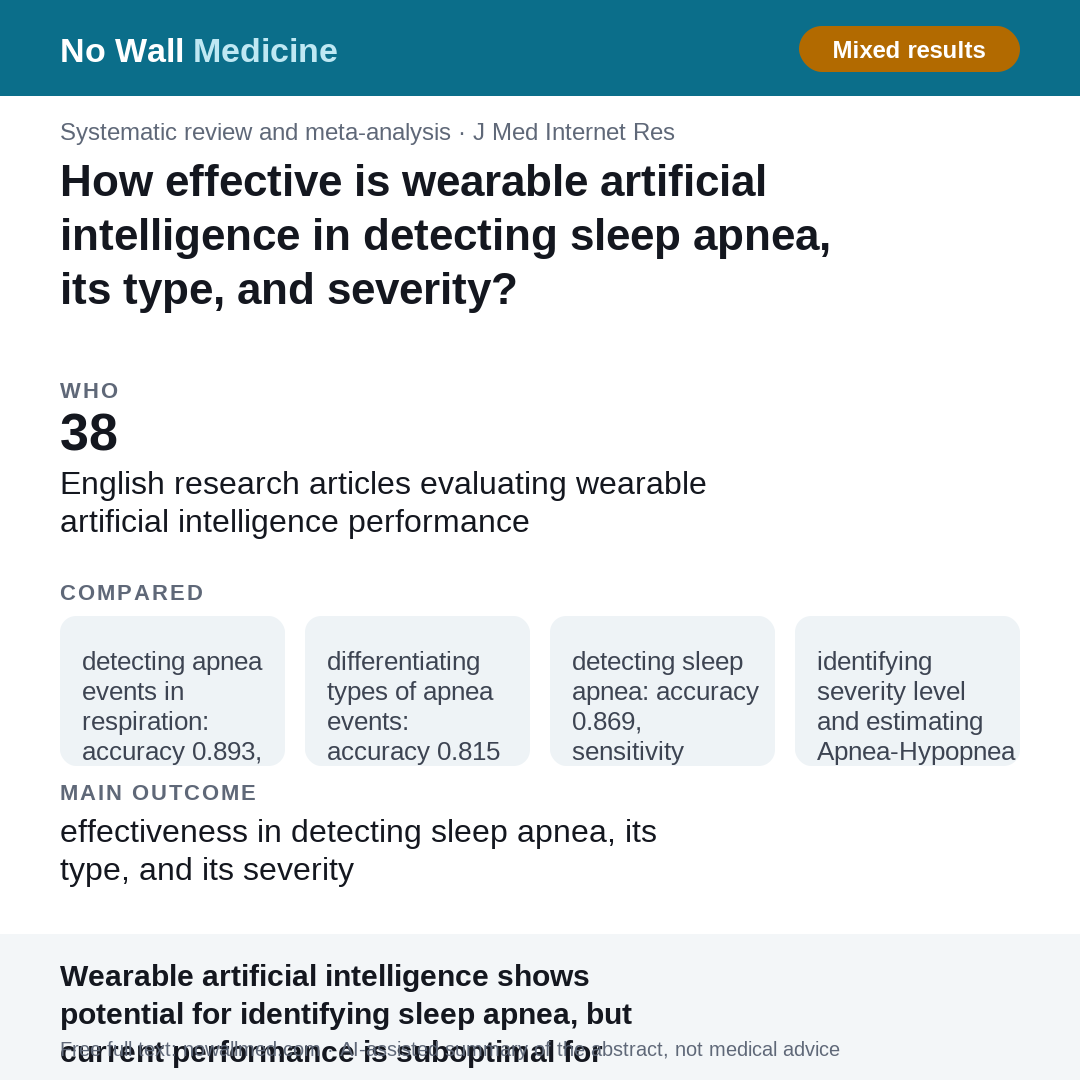
Detection of Sleep Apnea Using Wearable AI: Systematic Review and Meta-Analysis
Systematic review and meta-analysisMixed results
How effective is wearable artificial intelligence in detecting sleep apnea, its type, and severity?
Who
38
English research articles evaluating wearable artificial intelligence performance
Compared
detecting apnea events in respiration: accuracy 0.893, sensitivity 0.793, specificity 0.947
differentiating types of apnea events: accuracy 0.815
detecting sleep apnea: accuracy 0.869, sensitivity 0.938, specificity 0.752
identifying severity level and estimating Apnea-Hypopnea Index: accuracy 0.651 and 0.877
Main outcome
effectiveness in detecting sleep apnea, its type, and its severity
Bottom line: Wearable artificial intelligence shows potential for identifying sleep apnea, but current performance is suboptimal for routine clinical use.
Limitation: Subgroup analyses found different moderators of performance for different outcomes.
J Med Internet Res · 2024-09-10Download image
Effects of a self-guided digital mental health self-help intervention for Syrian refugees in Egypt: A pragmatic randomized controlled trial
Pragmatic randomized controlled trialBenefit found
Does the World Health Organization Step-by-Step program reduce distress and impairment in Syrian refugees?
Who
538
Syrian refugees in Egypt with elevated psychological distress and reduced functioning · Egypt
Compared
Step-by-Step plus care as usual
Care as usual only
Main outcome
psychological distress and impaired functioning
Result: mean difference: -0.15 (95% CI: -0.28, -0.02) for distress; mean difference: -2.04 (95% CI: -3.87, -0.22) for functioning
Bottom line: The digital intervention showed small positive effects on psychological distress and functioning in Syrian refugees in Egypt.
Limitation: High intervention dropout and low utilization of contact-on-demand support.
PLOS Med · 2024-09-09Download image

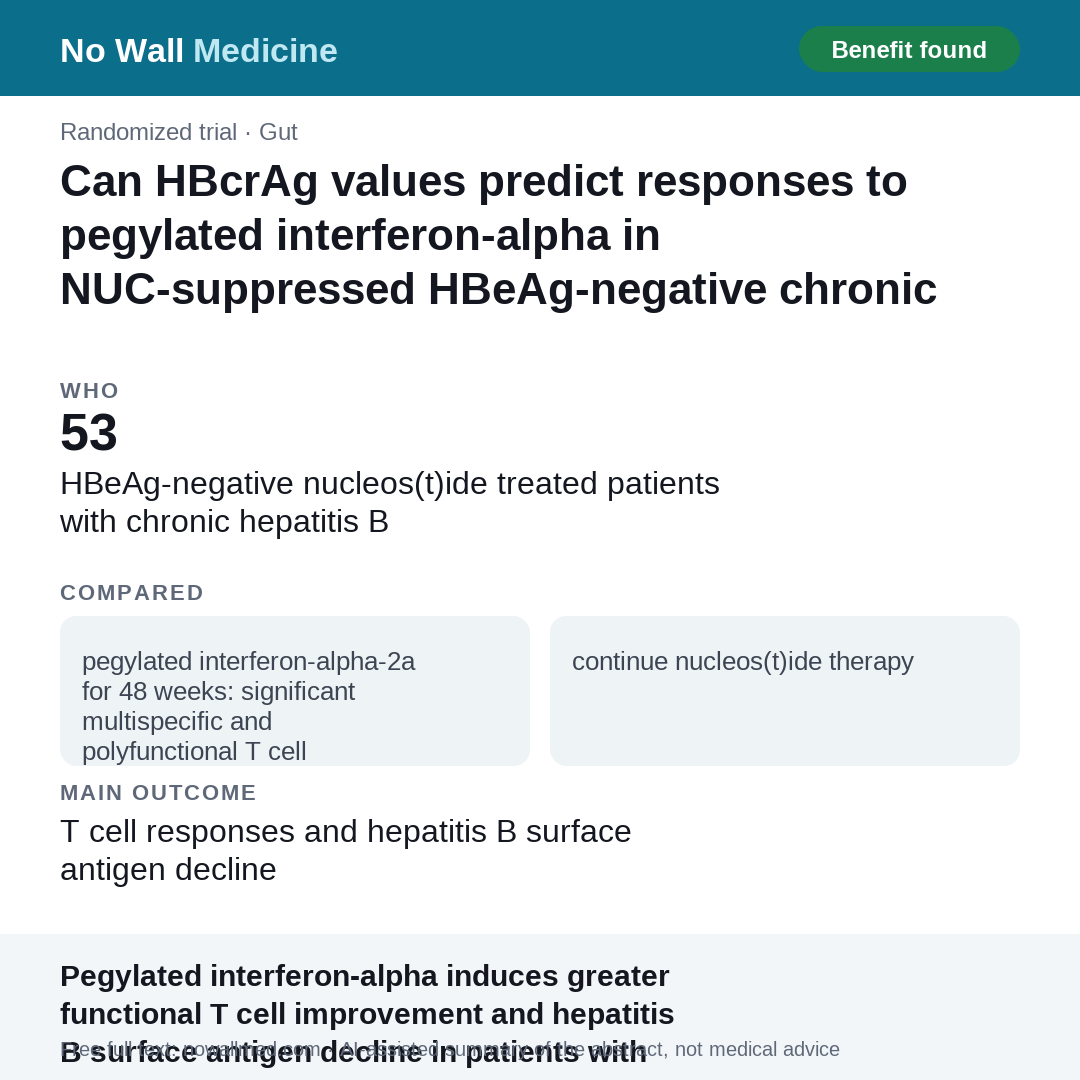
HBcrAg values may predict virological and immunological responses to pegIFN-α in NUC-suppressed HBeAg-negative chronic hepatitis B
Randomized trialBenefit found
Can HBcrAg values predict responses to pegylated interferon-alpha in NUC-suppressed HBeAg-negative chronic hepatitis B?
Who
53
HBeAg-negative nucleos(t)ide treated patients with chronic hepatitis B
Compared
pegylated interferon-alpha-2a for 48 weeks: significant multispecific and polyfunctional T cell improvement at week 24 post-treatment
continue nucleos(t)ide therapy
Main outcome
T cell responses and hepatitis B surface antigen decline
Bottom line: Pegylated interferon-alpha induces greater functional T cell improvement and hepatitis B surface antigen decline in patients with lower baseline HBcrAg levels.
Gut · 2024-09-09Download image
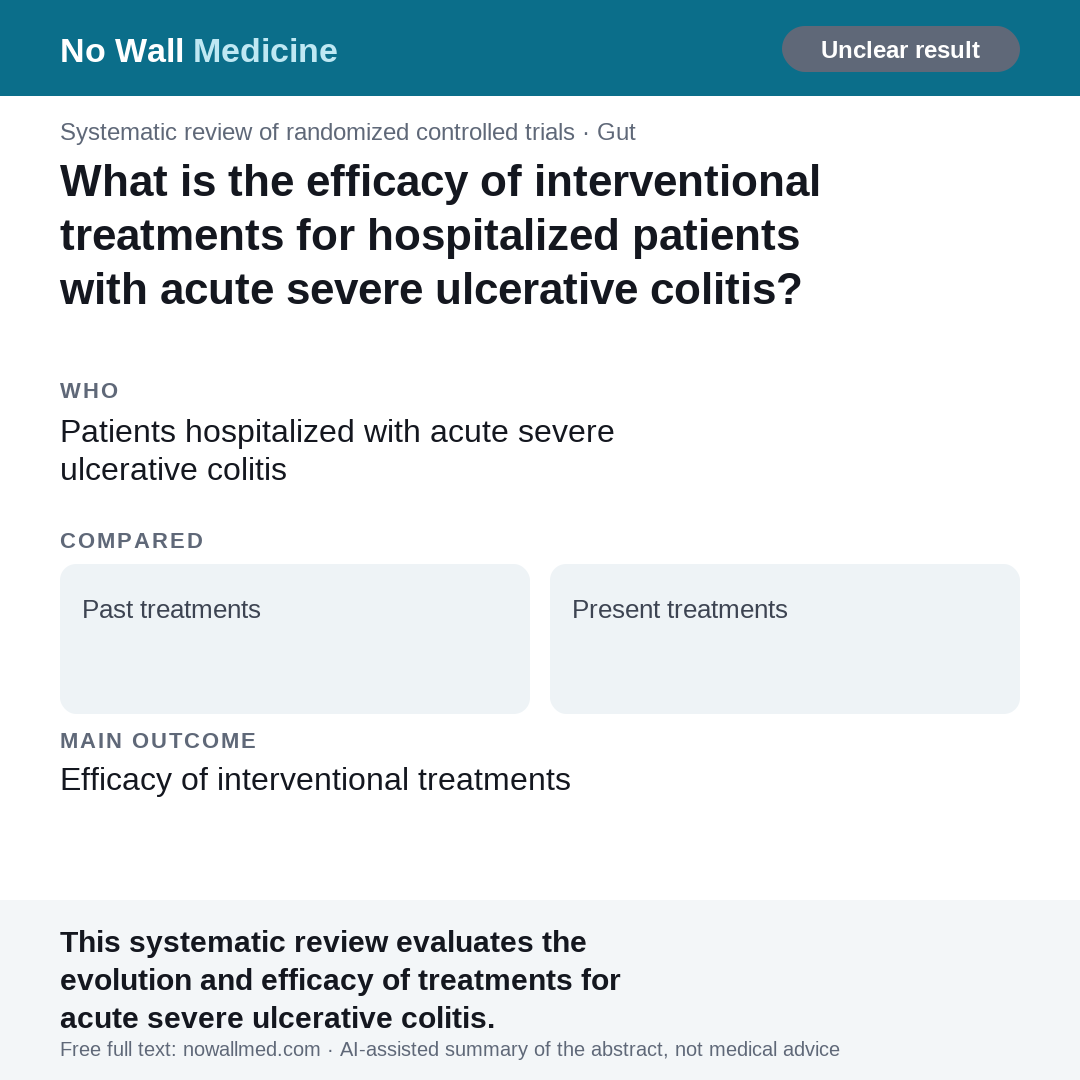
Acute severe ulcerative colitis trials: the past, the present and the future
Systematic review of randomized controlled trialsUnclear result
What is the efficacy of interventional treatments for hospitalized patients with acute severe ulcerative colitis?
Who
Patients hospitalized with acute severe ulcerative colitis
Compared
Past treatments
Present treatments
Main outcome
Efficacy of interventional treatments
Bottom line: This systematic review evaluates the evolution and efficacy of treatments for acute severe ulcerative colitis.
Gut · 2024-09-09Download image
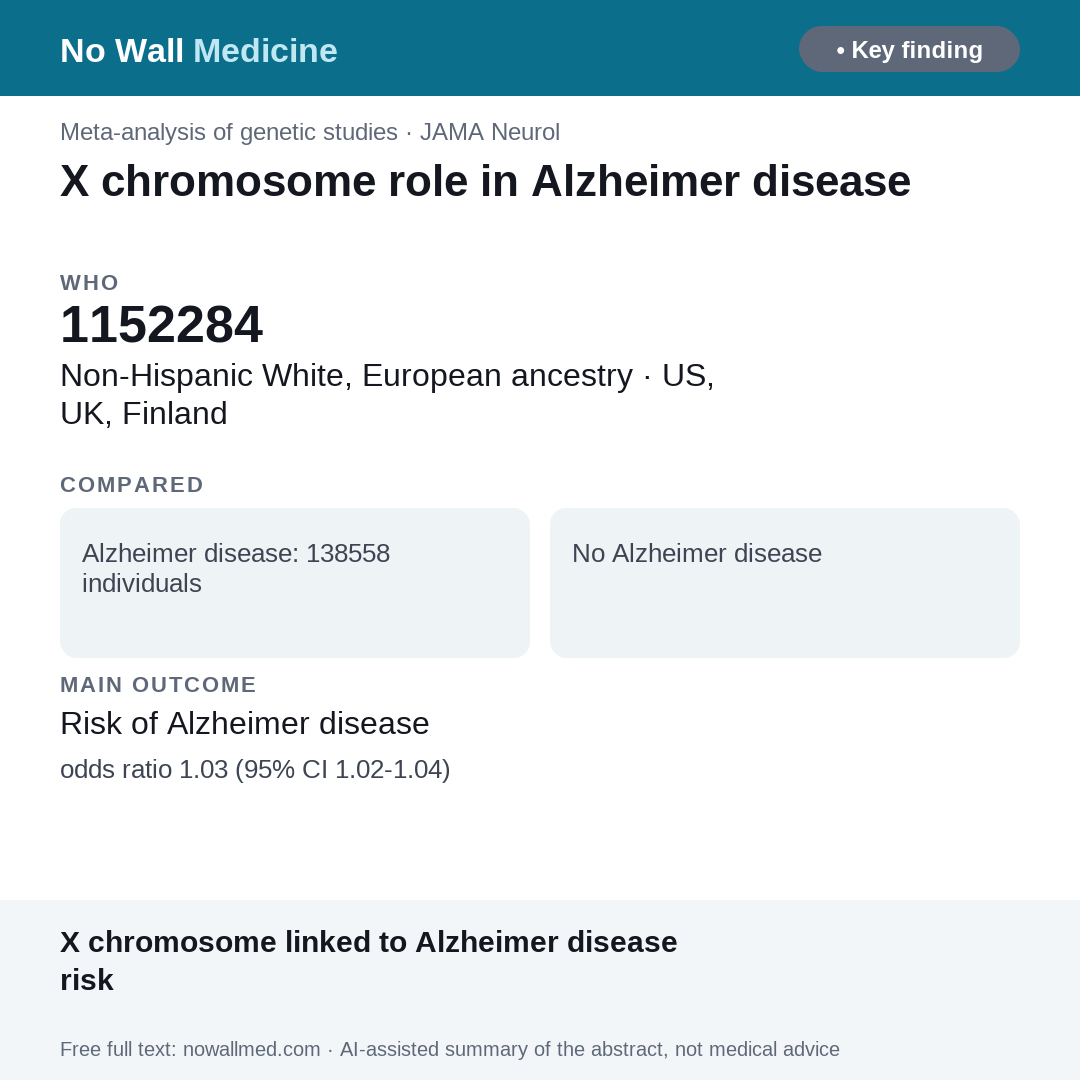
Role of the X Chromosome in Alzheimer Disease Genetics
Meta-analysis of genetic studiesBenefit found
X chromosome role in Alzheimer disease
Who
1152284
Non-Hispanic White, European ancestry · US, UK, Finland
Compared
Alzheimer disease: 138558 individuals
No Alzheimer disease
Main outcome
Risk of Alzheimer disease
Result: odds ratio 1.03 (95% CI 1.02-1.04)
Bottom line: X chromosome linked to Alzheimer disease risk
JAMA Neurol · 2024-09-09Download image
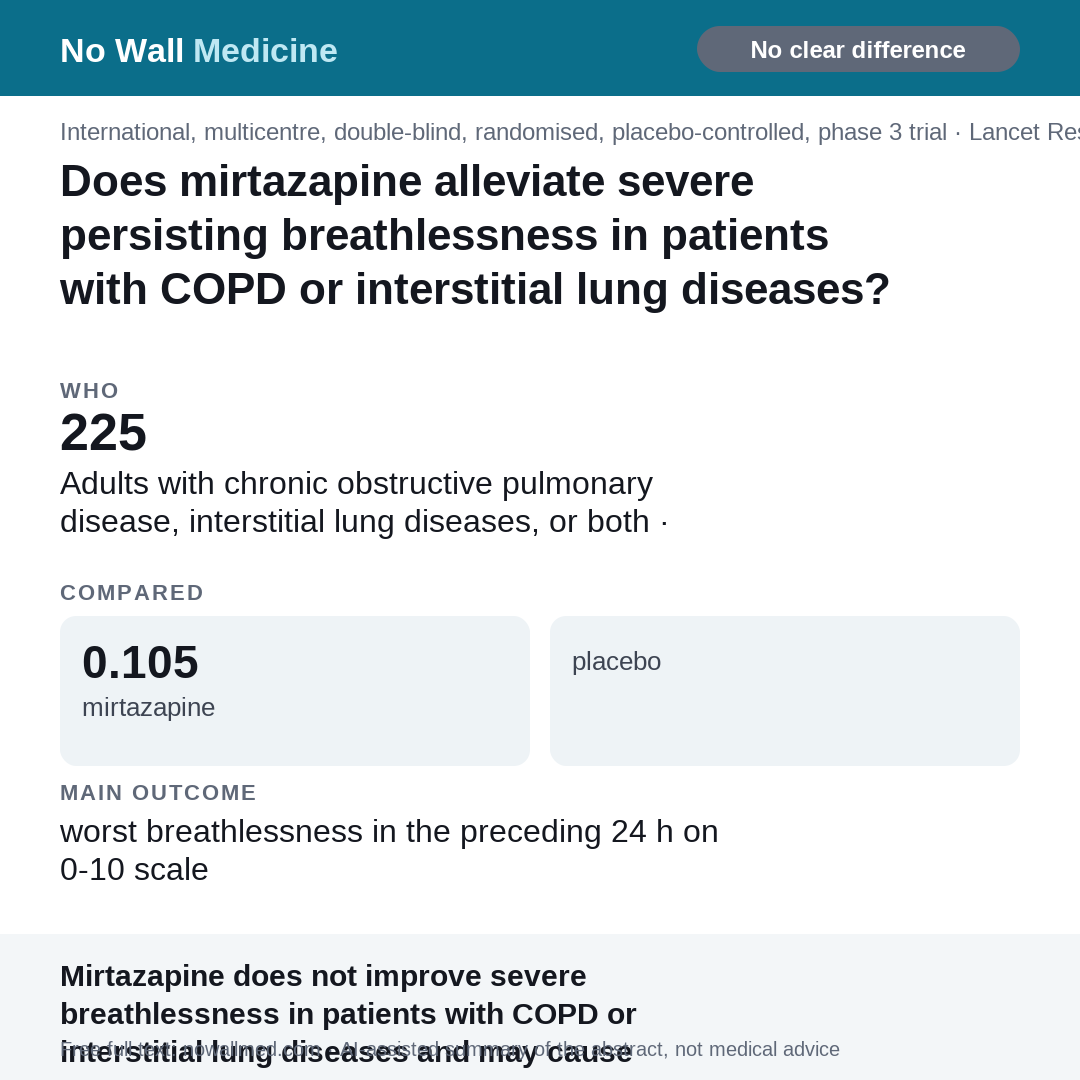
Mirtazapine to alleviate severe breathlessness in patients with COPD or interstitial lung diseases (BETTER-B): an international, multicentre, double-blind, randomised, placebo-controlled, phase 3 mixed-method trial
International, multicentre, double-blind, randomised, placebo-controlled, phase 3 trialNo clear difference
Does mirtazapine alleviate severe persisting breathlessness in patients with COPD or interstitial lung diseases?
Who
225
Adults with chronic obstructive pulmonary disease, interstitial lung diseases, or both · 16 centres in seven countries
Compared
0.105mirtazapine (95% CI -0.407 to 0.618)
placebo
Main outcome
worst breathlessness in the preceding 24 h on 0-10 scale
Result: difference in adjusted mean NRS score 0.105 (95% CI -0.407 to 0.618)
Bottom line: Mirtazapine does not improve severe breathlessness in patients with COPD or interstitial lung diseases and may cause adverse reactions.
Funded by: EU Horizon 2020, Cicely Saunders International, NIHR, Australian NHMRC-EU
Lancet Respir Med · 2024-09-09Download image
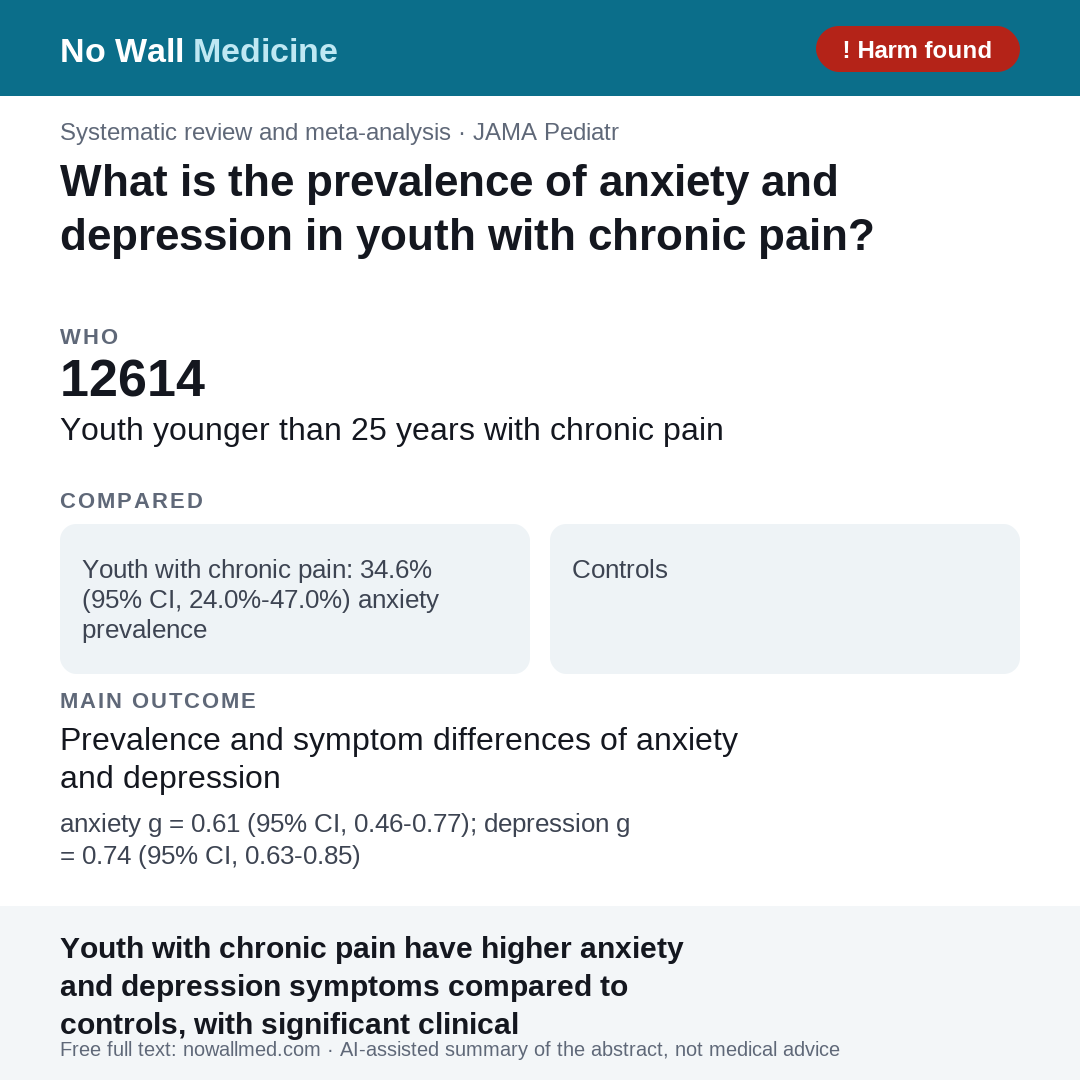
Anxiety and Depression in Youth With Chronic Pain: A Systematic Review and Meta-Analysis
Systematic review and meta-analysisHarm found
What is the prevalence of anxiety and depression in youth with chronic pain?
Who
12614
Youth younger than 25 years with chronic pain
Compared
Youth with chronic pain: 34.6% (95% CI, 24.0%-47.0%) anxiety prevalence
Controls
Main outcome
Prevalence and symptom differences of anxiety and depression
Result: anxiety g = 0.61 (95% CI, 0.46-0.77); depression g = 0.74 (95% CI, 0.63-0.85)
Bottom line: Youth with chronic pain have higher anxiety and depression symptoms compared to controls, with significant clinical comorbidity.
Limitation: Considerable heterogeneity was reported for all outcomes.
JAMA Pediatr · 2024-09-09Download image
Efficacy and safety of angiotensin receptor-neprilysin inhibition in heart failure patients with end-stage kidney disease on maintenance dialysis: A systematic review and meta-analysis
Systematic review and meta-analysisBenefit found
Is angiotensin receptor-neprilysin inhibition effective and safe for heart failure patients on dialysis?
Who
2494
Heart failure patients with end-stage kidney disease on maintenance dialysis
Compared
Angiotensin receptor-neprilysin inhibitor: risk ratio 0.64 (95% CI 0.45-0.92)
Conventional group
Main outcome
all-cause mortality and left ventricular ejection fraction
Result: risk ratio 0.64 (95% CI 0.45-0.92)
Bottom line: Angiotensin receptor-neprilysin inhibition improves left ventricular function and reduces all-cause mortality in patients on dialysis.
Eur J Heart Fail · 2024-09-09Download image

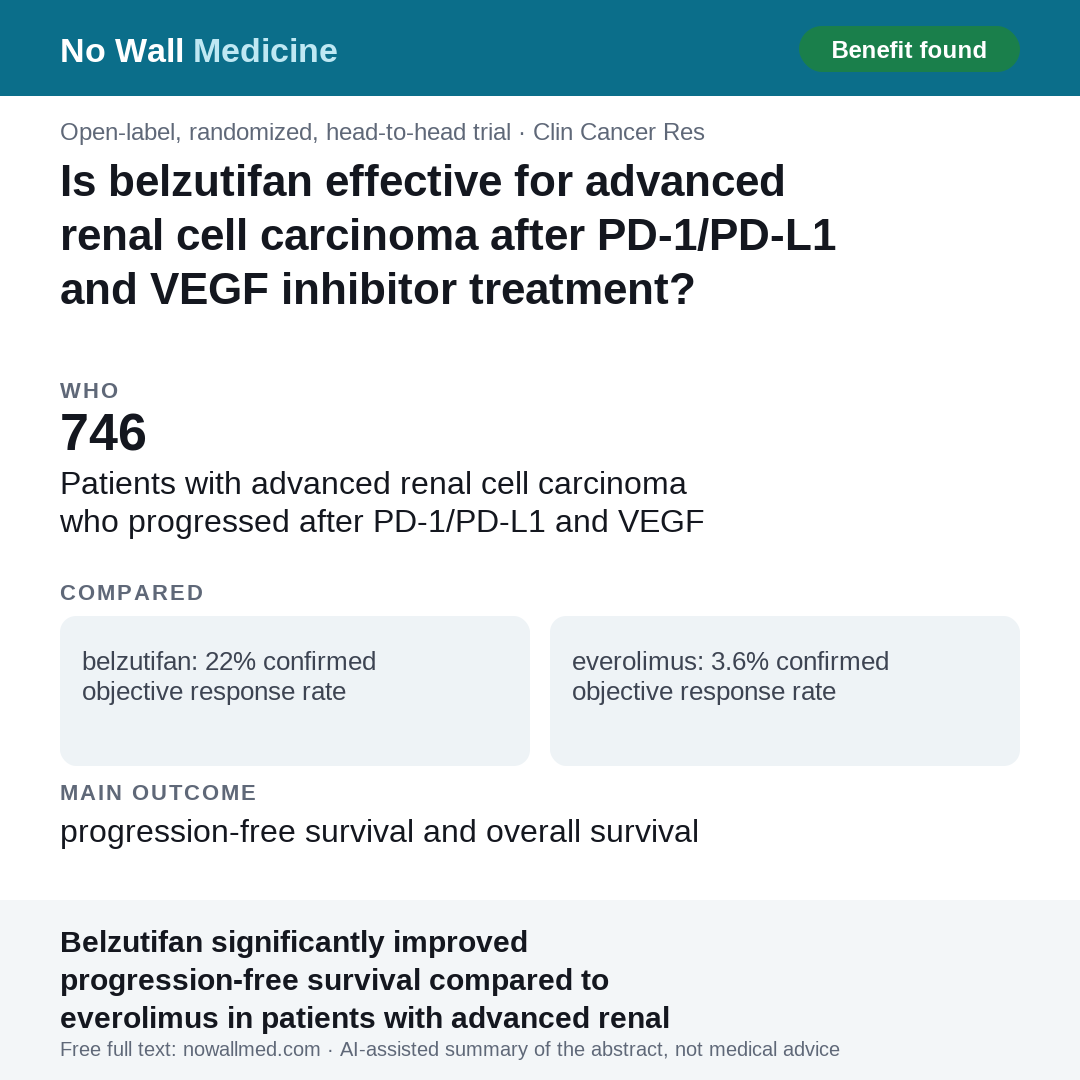
FDA Approval Summary: Belzutifan for Patients with Advanced Renal Cell Carcinoma
Open-label, randomized, head-to-head trialBenefit found
Is belzutifan effective for advanced renal cell carcinoma after PD-1/PD-L1 and VEGF inhibitor treatment?
Who
746
Patients with advanced renal cell carcinoma who progressed after PD-1/PD-L1 and VEGF inhibitor treatment
Compared
belzutifan: 22% confirmed objective response rate
everolimus: 3.6% confirmed objective response rate
Main outcome
progression-free survival and overall survival
Result: hazard ratio 0.75 (95% confidence interval 0.63-0.90)
Bottom line: Belzutifan significantly improved progression-free survival compared to everolimus in patients with advanced renal cell carcinoma.
Clin Cancer Res · 2024-09-09Download image
Vaginal Bacteria and Proinflammatory Host Immune Mediators as Biomarkers of Human Immunodeficiency Virus Acquisition Risk Among African Women
Nested case-control studyBenefit found
Do vaginal bacteria and proinflammatory immune mediators predict HIV acquisition risk?
Who
African women in a tenofovir preexposure prophylaxis trial · Africa
Compared
All 14 high-risk bacterial taxa: adjusted odds ratio 4.45 (95% confidence interval 2.20-8.98)
<14 bacterial taxa
All 6 immune mediators: adjusted odds ratio 1.77 (95% confidence interval 1.24-2.52)
<6 immune mediators
Main outcome
Human immunodeficiency virus acquisition risk
Result: adjusted odds ratio 4.45 (95% CI 2.20-8.98)
Bottom line: Specific bacterial taxa and immune mediators are associated with increased risk of HIV acquisition in African women.
J Infect Dis · 2024-09-09Download image

Cognitive behavioral self-help interventions for individuals experiencing psychosis: a systematic review
Systematic literature reviewBenefit found
Are cognitive behavioral therapy specific self-help interventions effective for individuals experiencing psychosis?
Who
Individuals experiencing psychosis
Compared
Cognitive behavioral therapy self-help
Control
Main outcome
Features of psychosis, depression, well-being, and daily functioning
Bottom line: Cognitive behavioral therapy self-help reduces psychosis features and improves depression, well-being, and functioning.
Psychol Med · 2024-09-09Download image

Exposure to green spaces and schizophrenia: a systematic review
Systematic reviewBenefit found
Does green space exposure affect schizophrenia incidence, symptoms, and health service use?
Who
People with schizophrenia spectrum disorders
Compared
Higher green space exposure: reduced risk of schizophrenia
Lower green space exposure
Main outcome
Schizophrenia incidence, mental health symptoms, and health service use
Result: hazard ratios 0.62-0.37
Bottom line: Green space exposure reduces schizophrenia risk and may reduce symptoms and hospital admission rates.
Psychol Med · 2024-09-09Download image

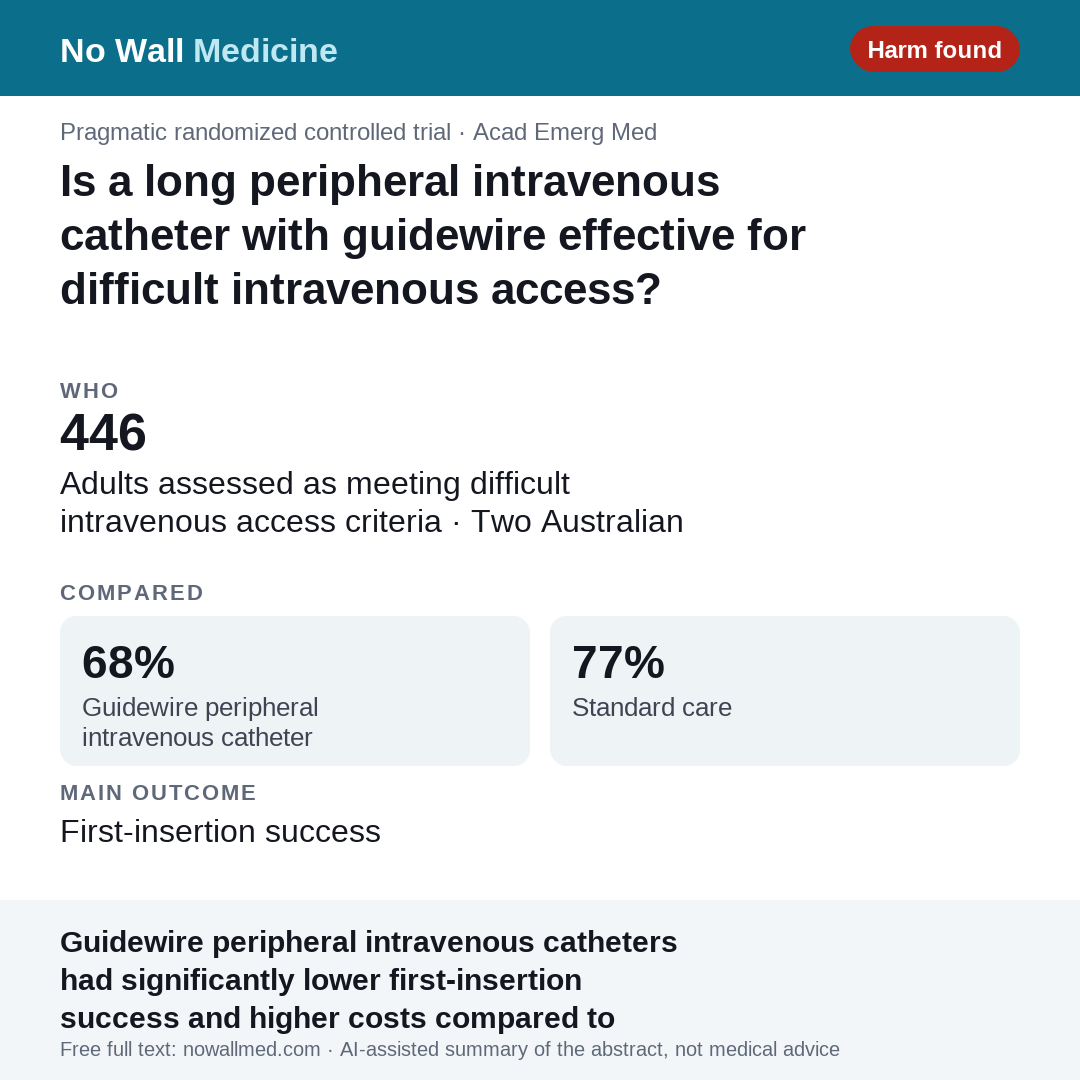
Long guidewire peripheral intravenous catheters in emergency departments for management of difficult intravenous access: A multicenter, pragmatic, randomized controlled trial
Pragmatic randomized controlled trialHarm found
Is a long peripheral intravenous catheter with guidewire effective for difficult intravenous access?
Who
446
Adults assessed as meeting difficult intravenous access criteria · Two Australian emergency departments
Compared
68%Guidewire peripheral intravenous catheter
77%Standard care
Main outcome
First-insertion success
Result: odds ratio 0.65 (95% CI 0.43-0.99)
Bottom line: Guidewire peripheral intravenous catheters had significantly lower first-insertion success and higher costs compared to standard care.
Acad Emerg Med · 2024-09-09Download image
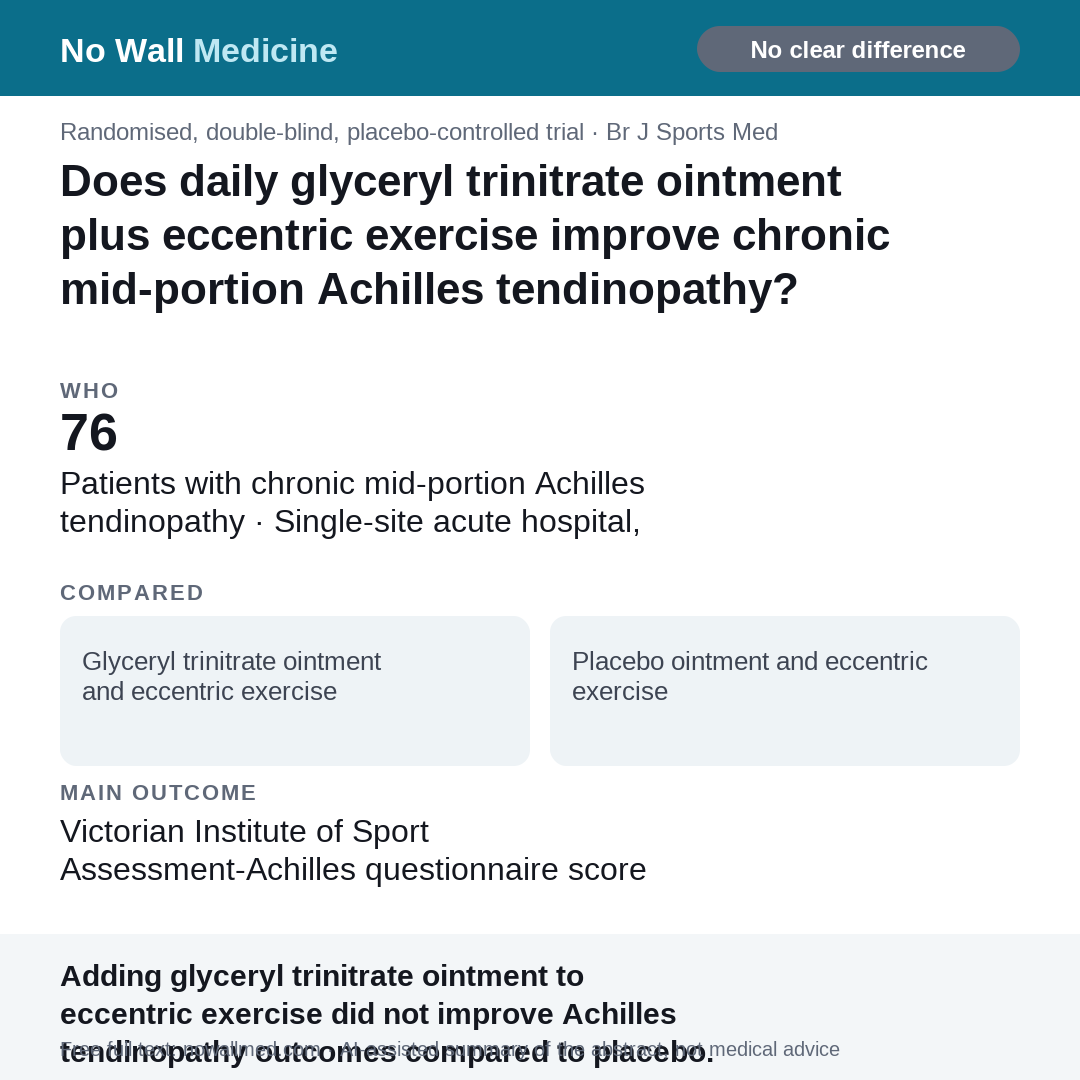
Topical glyceryl trinitrate (GTN) and eccentric exercises in the treatment of mid-portion achilles tendinopathy (the NEAT trial): a randomised double-blind placebo-controlled trial
Randomised, double-blind, placebo-controlled trialNo clear difference
Does daily glyceryl trinitrate ointment plus eccentric exercise improve chronic mid-portion Achilles tendinopathy?
Who
76
Patients with chronic mid-portion Achilles tendinopathy · Single-site acute hospital, Dublin, Ireland
Compared
Glyceryl trinitrate ointment and eccentric exercise
Placebo ointment and eccentric exercise
Main outcome
Victorian Institute of Sport Assessment-Achilles questionnaire score
Result: -3.8 (95% CI -10.6 to 3.0)
Bottom line: Adding glyceryl trinitrate ointment to eccentric exercise did not improve Achilles tendinopathy outcomes compared to placebo.
Br J Sports Med · 2024-09-09Download image
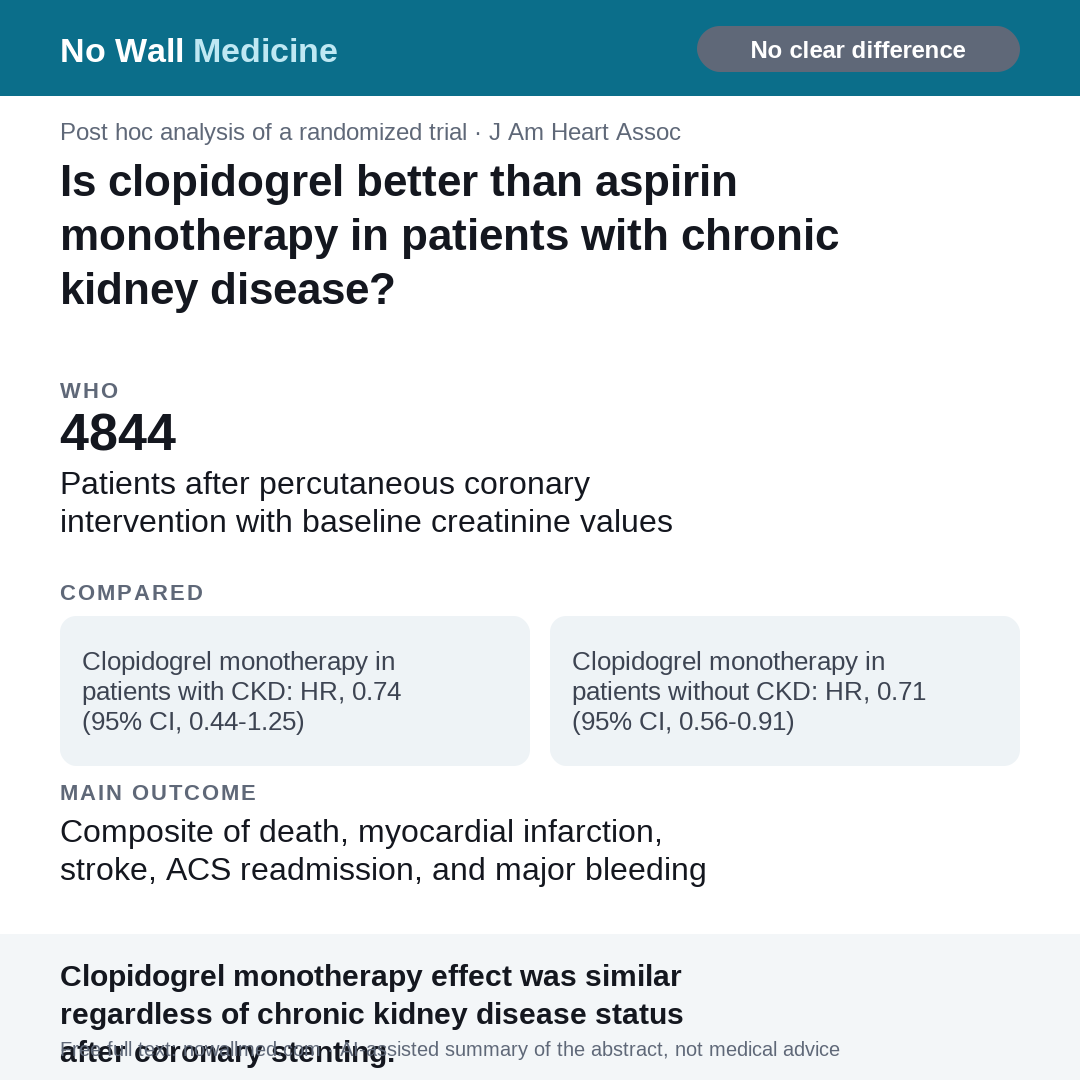
Clopidogrel Versus Aspirin as Chronic Maintenance Antiplatelet Monotherapy in Patients After Percutaneous Coronary Intervention With Chronic Kidney Disease: A Post Hoc Analysis of the HOST-EXAM Trial
Post hoc analysis of a randomized trialNo clear difference
Is clopidogrel better than aspirin monotherapy in patients with chronic kidney disease?
Who
4844
Patients after percutaneous coronary intervention with baseline creatinine values
Compared
Clopidogrel monotherapy in patients with CKD: HR, 0.74 (95% CI, 0.44-1.25)
Clopidogrel monotherapy in patients without CKD: HR, 0.71 (95% CI, 0.56-0.91)
Main outcome
Composite of death, myocardial infarction, stroke, ACS readmission, and major bleeding
Result: no significant interaction (P for interaction=0.889)
Bottom line: Clopidogrel monotherapy effect was similar regardless of chronic kidney disease status after coronary stenting.
Limitation: This was a post hoc analysis of the HOST-EXAM trial.
J Am Heart Assoc · 2024-09-09Download image
Computed Tomography Imaging Measurements as a Surrogate for Clinical Outcomes After Surgical Management of Acute Type A Aortic Dissection: A Systematic Review
Systematic reviewMixed results
Are computed tomography measurements effective surrogates for clinical outcomes after acute type A aortic dissection repair?
Who
7885
Patients after acute type A aortic dissection repair
Compared
Extended repairs: improved false lumen thrombosis, decreased aortic growth rate, and decreased rates of reintervention
Standard repairs: not improved survival
Main outcome
Mortality or aortic reintervention after 1 year
Bottom line: Extended repairs improve false lumen thrombosis and growth rates but do not improve survival.
Limitation: Future studies should prospectively evaluate and compare prognostic factors.
J Am Heart Assoc · 2024-09-09Download image

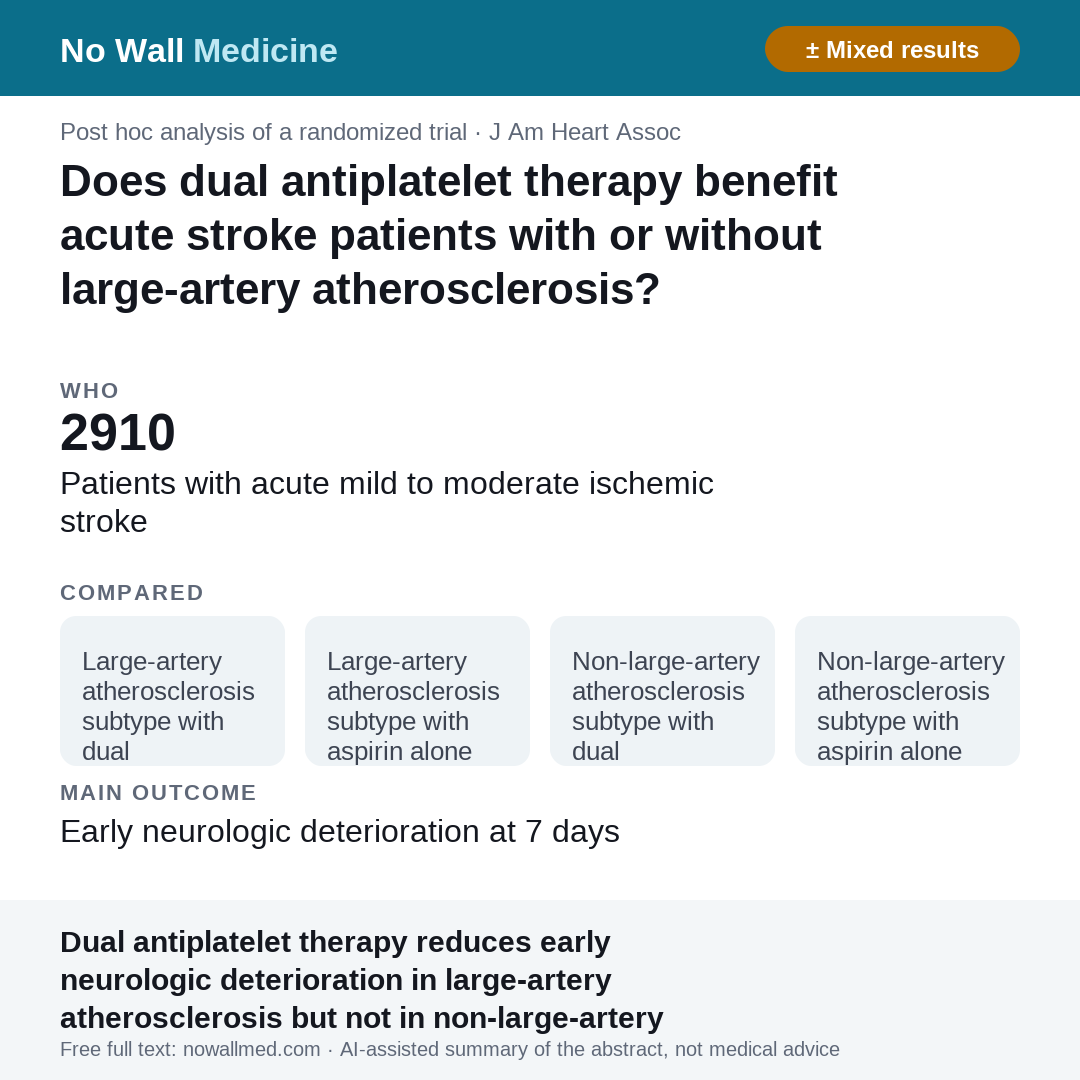
Dual Antiplatelet Therapy and Outcomes in Acute Mild to Moderate Stroke With Versus Without Large-Artery Atherosclerosis Post Hoc Analysis of ATAMIS
Post hoc analysis of a randomized trialMixed results
Does dual antiplatelet therapy benefit acute stroke patients with or without large-artery atherosclerosis?
Who
2910
Patients with acute mild to moderate ischemic stroke
Compared
Large-artery atherosclerosis subtype with dual antiplatelet therapy: adjusted risk difference, -10.4% (95% CI, -16.2% to -4.7%)
Large-artery atherosclerosis subtype with aspirin alone
Non-large-artery atherosclerosis subtype with dual antiplatelet therapy: adjusted risk difference, -1.4% (95% CI, -2.6% to 0.1%)
Non-large-artery atherosclerosis subtype with aspirin alone
Main outcome
Early neurologic deterioration at 7 days
Result: adjusted risk difference, -10.4% (95% CI, -16.2% to -4.7%)
Bottom line: Dual antiplatelet therapy reduces early neurologic deterioration in large-artery atherosclerosis but not in non-large-artery atherosclerosis subtypes.
J Am Heart Assoc · 2024-09-09Download image
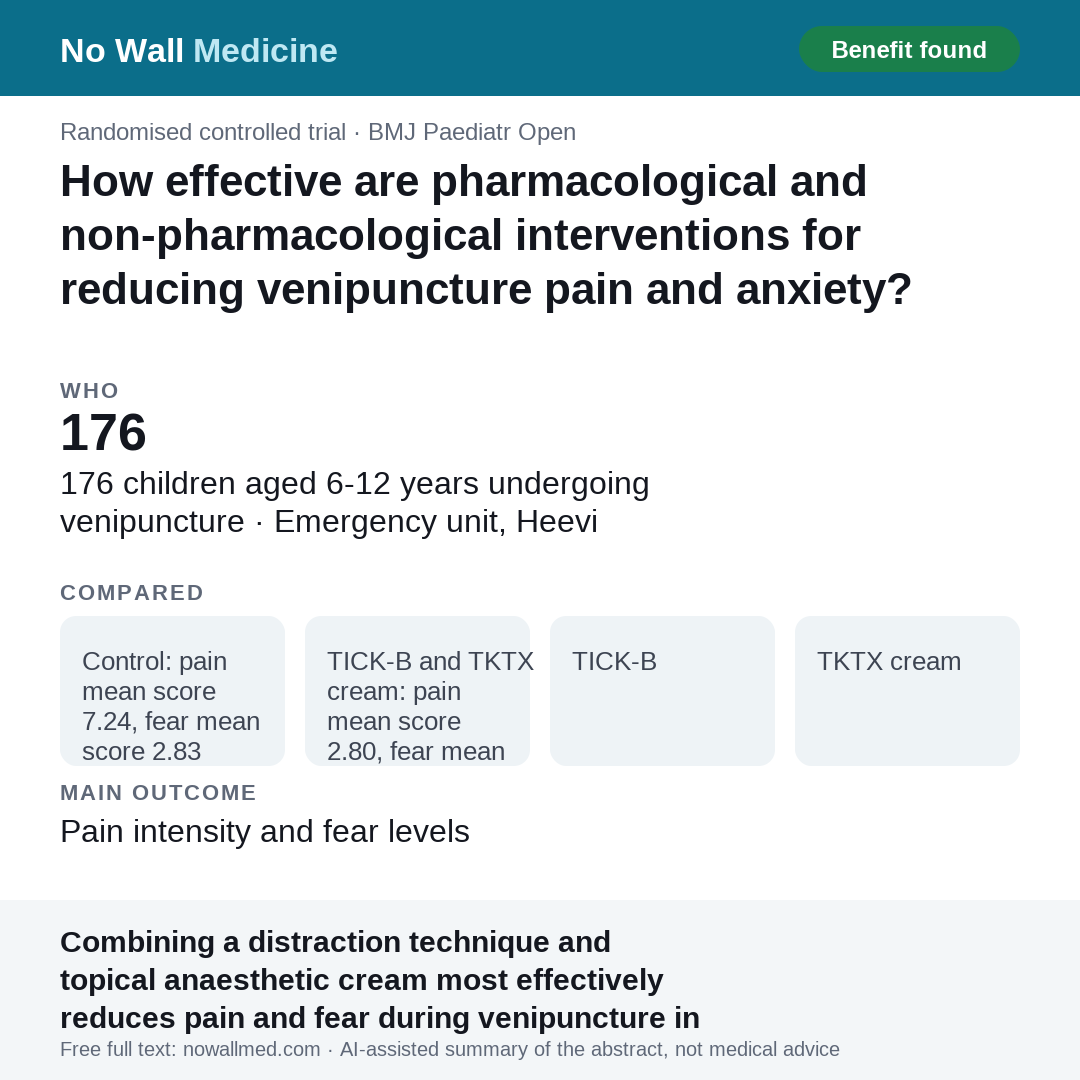
Comparative efficacy of pharmacological and non-pharmacological interventions for mitigating pain and anxiety associated with venipuncture: a randomised controlled trial
Randomised controlled trialBenefit found
How effective are pharmacological and non-pharmacological interventions for reducing venipuncture pain and anxiety?
Who
176
176 children aged 6-12 years undergoing venipuncture · Emergency unit, Heevi paediatric teaching hospital, Iraq
Compared
Control: pain mean score 7.24, fear mean score 2.83
TICK-B and TKTX cream: pain mean score 2.80, fear mean score 0.93
TICK-B
TKTX cream
Main outcome
Pain intensity and fear levels
Bottom line: Combining a distraction technique and topical anaesthetic cream most effectively reduces pain and fear during venipuncture in children.
BMJ Paediatr Open · 2024-09-09Download image
Remote Patient Monitoring and Machine Learning in Acute Exacerbations of Chronic Obstructive Pulmonary Disease: Dual Systematic Literature Review and Narrative Synthesis
Dual systematic review and narrative synthesisMixed results
Does remote patient monitoring and machine learning improve acute exacerbations of chronic obstructive pulmonary disease?
Who
Patients with acute exacerbations of chronic obstructive pulmonary disease
Compared
Remote patient monitoring randomized controlled trials: 57% (16/28) failed to achieve required evidence level
Machine learning integrated with remote patient monitoring: demonstrates promise for increasing predictive accuracy
Main outcome
treatment outcomes and predictive accuracy for exacerbations
Bottom line: Remote patient monitoring trials often lack strong evidence, but integrating machine learning shows promise for improving predictive accuracy.
Limitation: Research gaps concerning patient factors and maintained adoption of remote patient monitoring.
J Med Internet Res · 2024-09-09Download image
