Visual abstracts
New randomized trials and meta-analyses from leading journals at a glance: who was studied, what was compared, and what was found. Every paper is free to read in full.
All specialtiesCardiology 4877Oncology 4138Gastroenterology & Hepatology 1942Infectious Disease 3837Neurology 1905Psychiatry & Mental Health 2273Pulmonology 2143Critical Care 1365Endocrinology & Diabetes 2580Pediatrics 2980Surgery 2559Orthopedics & Sports Medicine 931Neurosurgery 537Cardiothoracic & Vascular Surgery 674Plastic & Reconstructive Surgery 591Nephrology 1133Rheumatology 823Hematology 1109Dermatology 621Ophthalmology 543Obstetrics & Gynecology 1686Public & Global Health 1058Radiology & Imaging 648Anesthesiology 986Urology 764ENT (Otolaryngology) 503Emergency Medicine 511Allergy & Immunology 313Geriatrics 981Family Medicine & Primary Care 562Medical Genetics & Genomics 676Pathology & Laboratory Medicine 159Physical Medicine & Rehabilitation 757Palliative Care 444Nutrition 1588Digital Health & AI 2201General Medicine 321
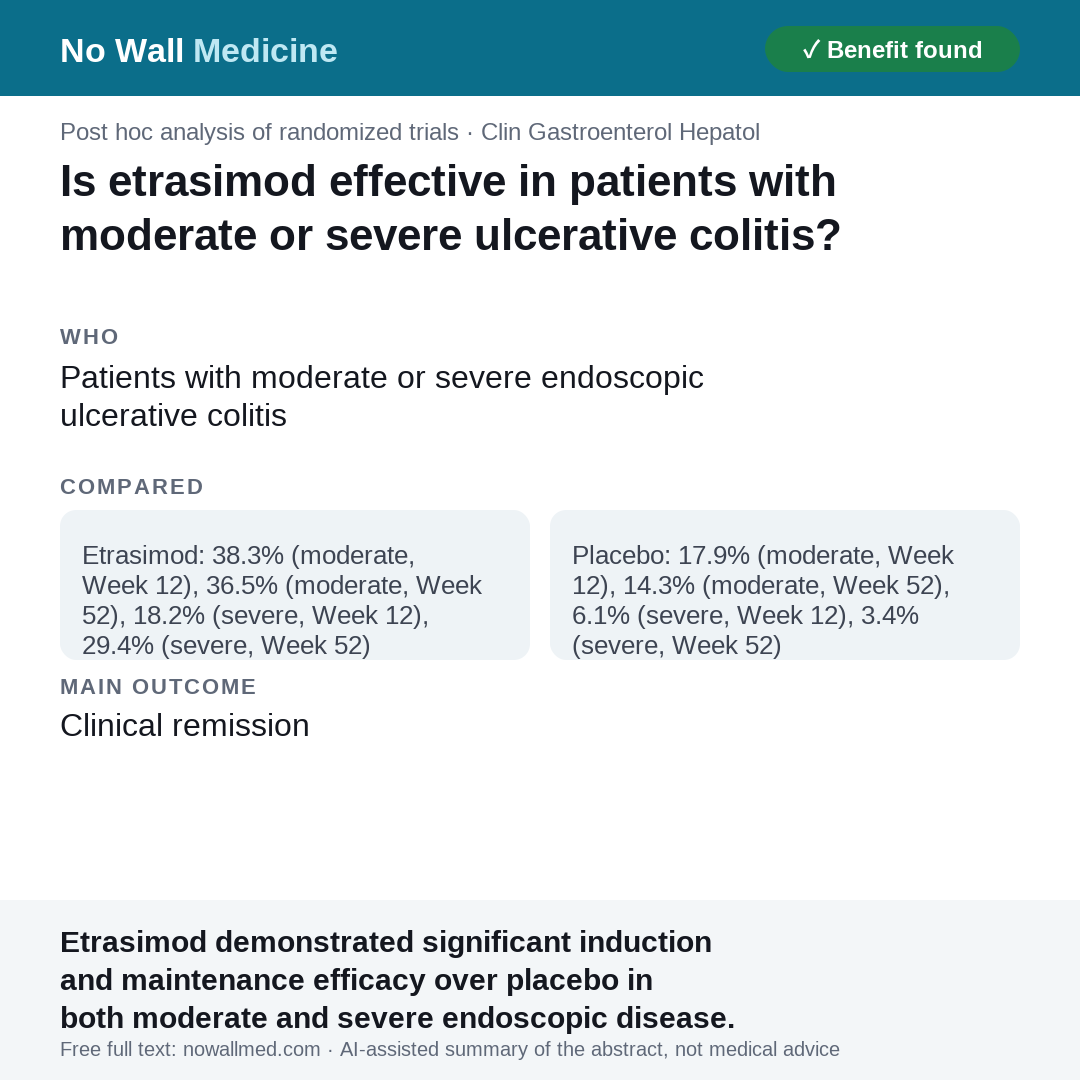
Efficacy of Etrasimod in Ulcerative Colitis: Analysis of ELEVATE UC 52 and ELEVATE UC 12 by Baseline Endoscopic Severity
Post hoc analysis of randomized trialsBenefit found
Is etrasimod effective in patients with moderate or severe ulcerative colitis?
Who
Patients with moderate or severe endoscopic ulcerative colitis
Compared
Etrasimod: 38.3% (moderate, Week 12), 36.5% (moderate, Week 52), 18.2% (severe, Week 12), 29.4% (severe, Week 52)
Placebo: 17.9% (moderate, Week 12), 14.3% (moderate, Week 52), 6.1% (severe, Week 12), 3.4% (severe, Week 52)
Main outcome
Clinical remission
Bottom line: Etrasimod demonstrated significant induction and maintenance efficacy over placebo in both moderate and severe endoscopic disease.
Clin Gastroenterol Hepatol · 2025-07-04Download image
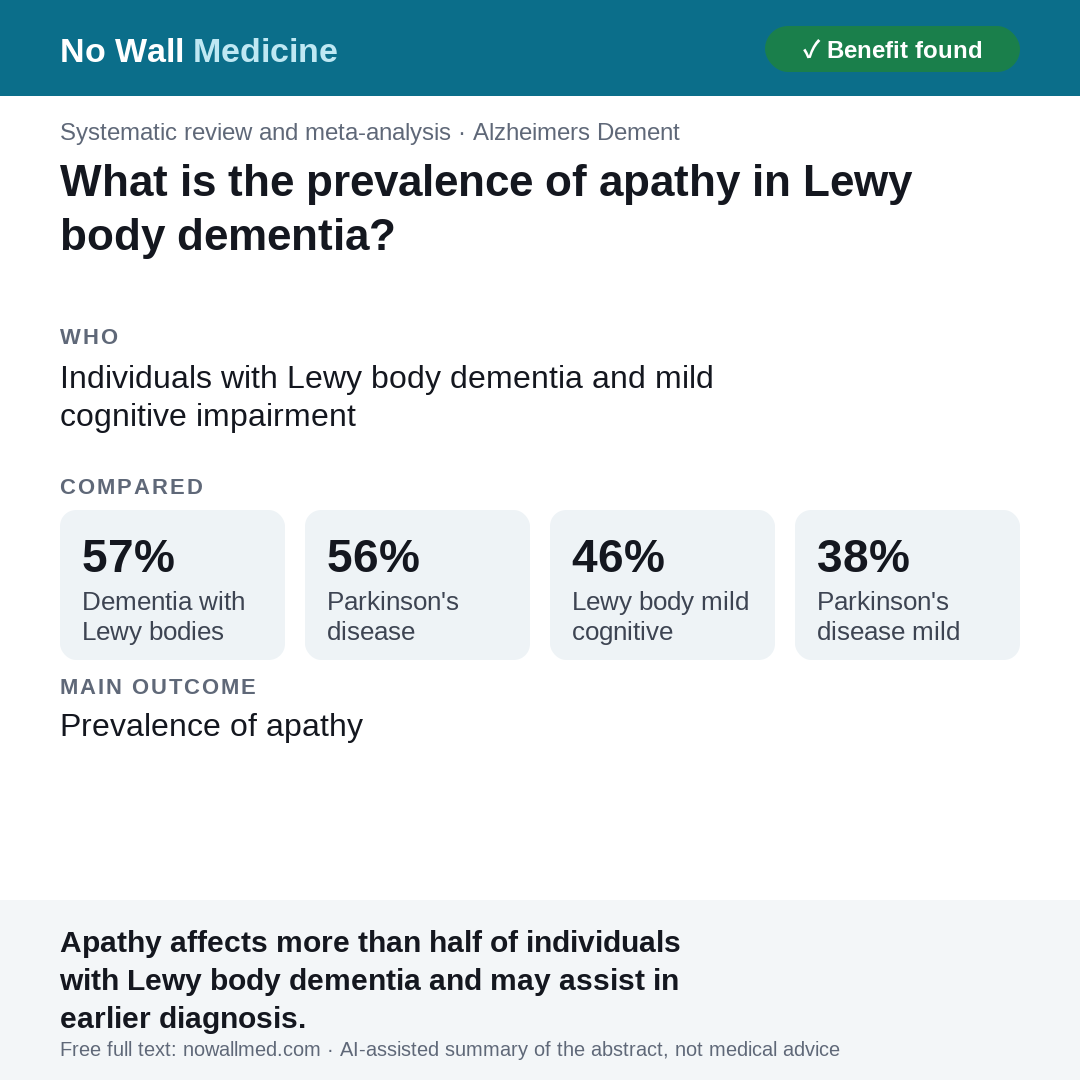
The prevalence of apathy in Lewy body dementia: A systematic review and meta-analysis
Systematic review and meta-analysisBenefit found
What is the prevalence of apathy in Lewy body dementia?
Who
Individuals with Lewy body dementia and mild cognitive impairment
Compared
57%Dementia with Lewy bodies (95% confidence interval 52%-63%)
56%Parkinson's disease dementia (95% CI 43%-70%)
46%Lewy body mild cognitive impairment (95% CI 32%-61%)
38%Parkinson's disease mild cognitive impairment (95% CI 25%-50%)
Main outcome
Prevalence of apathy
Bottom line: Apathy affects more than half of individuals with Lewy body dementia and may assist in earlier diagnosis.
Alzheimers Dement · 2025-07-04Download image
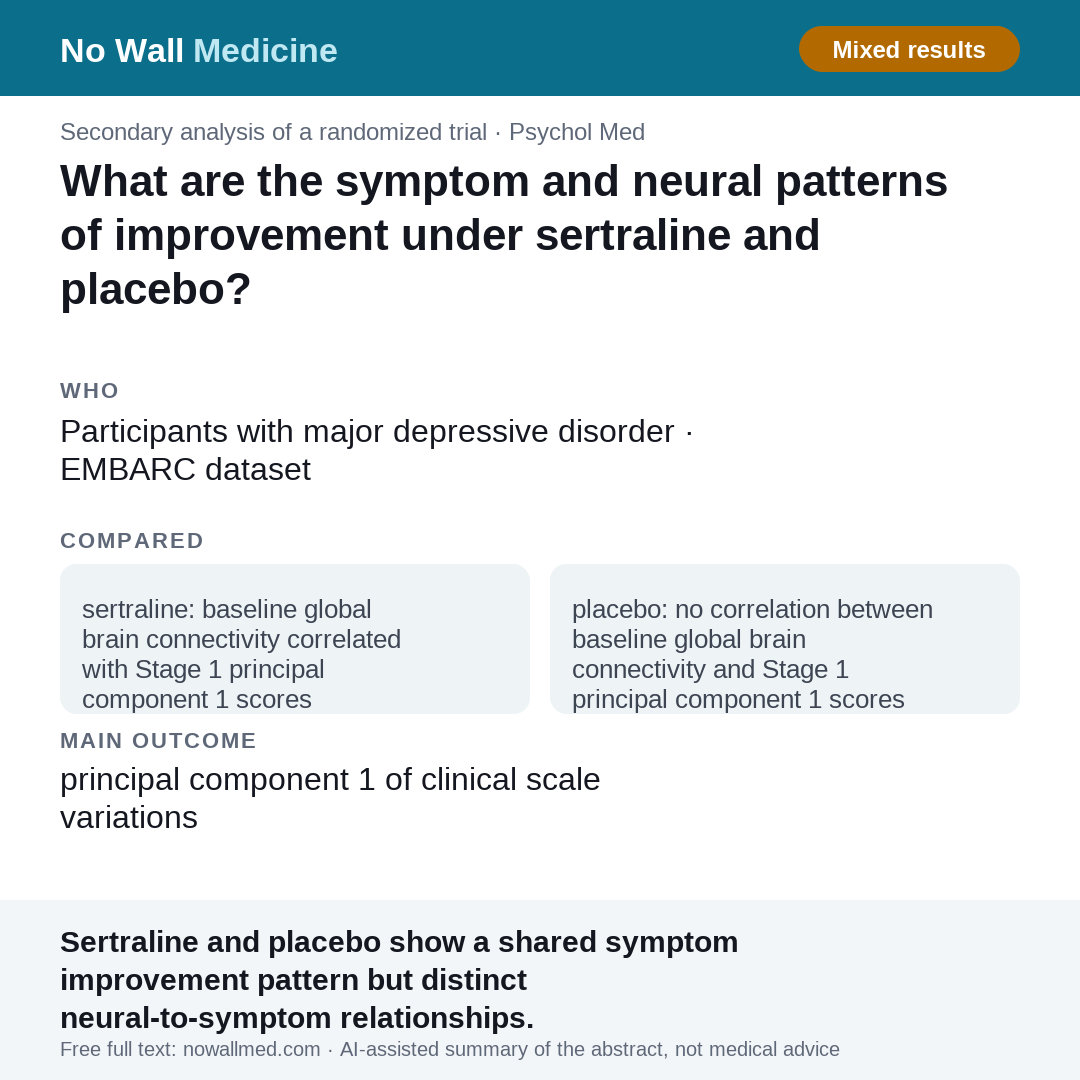
A common symptom geometry of mood improvement under sertraline and placebo associated with distinct neural patterns
Secondary analysis of a randomized trialMixed results
What are the symptom and neural patterns of improvement under sertraline and placebo?
Who
Participants with major depressive disorder · EMBARC dataset
Compared
sertraline: baseline global brain connectivity correlated with Stage 1 principal component 1 scores
placebo: no correlation between baseline global brain connectivity and Stage 1 principal component 1 scores
Main outcome
principal component 1 of clinical scale variations
Bottom line: Sertraline and placebo show a shared symptom improvement pattern but distinct neural-to-symptom relationships.
Psychol Med · 2025-07-04Download image
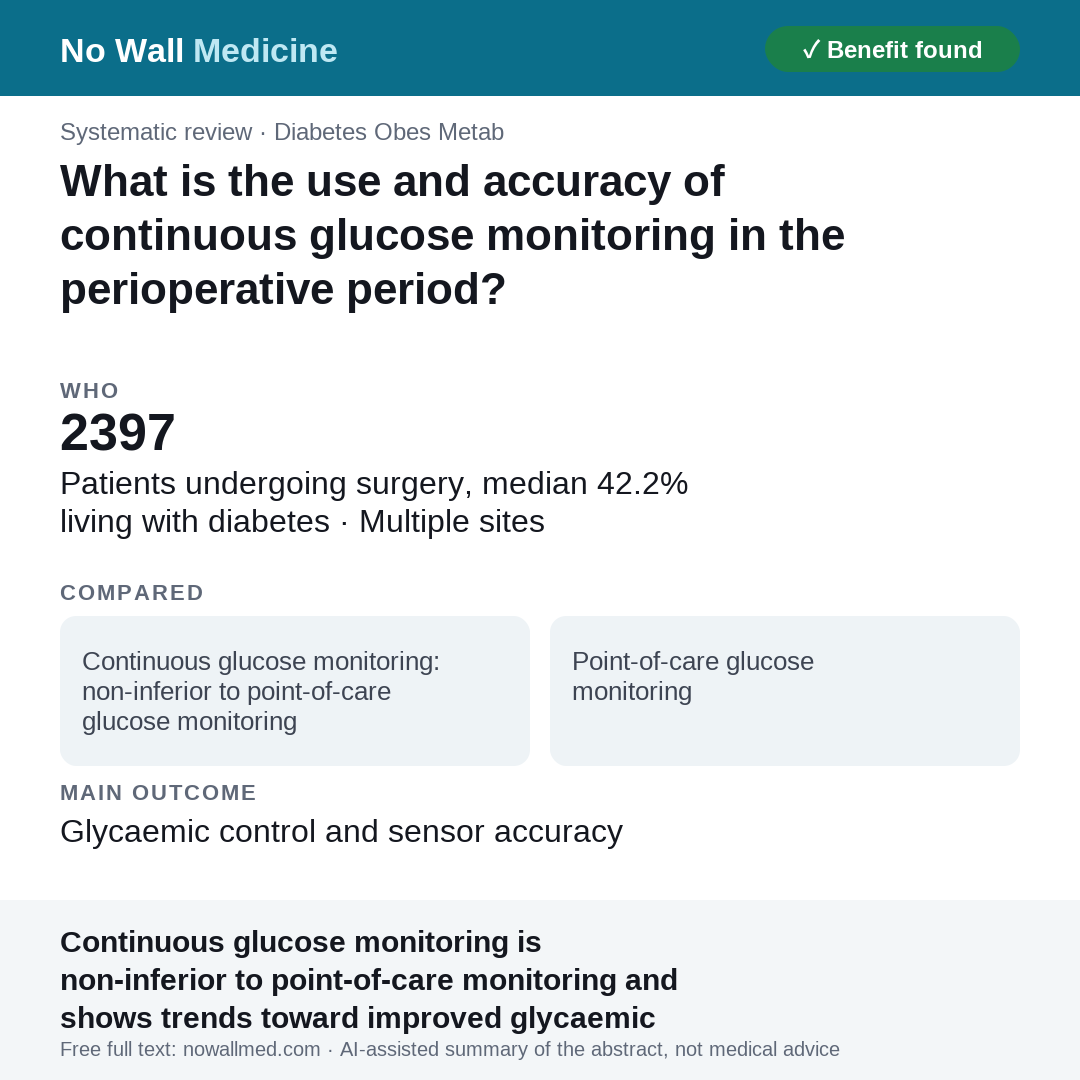
Perioperative use and accuracy of continuous glucose monitoring: A systematic review
Systematic reviewBenefit found
What is the use and accuracy of continuous glucose monitoring in the perioperative period?
Who
2397
Patients undergoing surgery, median 42.2% living with diabetes · Multiple sites including operating room and intensive care unit
Compared
Continuous glucose monitoring: non-inferior to point-of-care glucose monitoring
Point-of-care glucose monitoring
Main outcome
Glycaemic control and sensor accuracy
Bottom line: Continuous glucose monitoring is non-inferior to point-of-care monitoring and shows trends toward improved glycaemic control.
Limitation: Clinical interest remains to be proven by high quality randomized controlled trials regarding technical issues.
Diabetes Obes Metab · 2025-07-04Download image
Cardioprotection from intradialytic exercise: a randomized trial
Prospective, crossover, randomized trialBenefit found
Does intradialytic exercise reduce left ventricular regional wall motion abnormalities during hemodialysis?
Who
72
Patients undergoing hemodialysis
Compared
Standard hemodialysis
Hemodialysis with 30 minutes aerobic exercise
Main outcome
Left ventricular regional wall motion abnormalities
Result: estimated difference: 1.1 segment, 95%CI: 0.33/1.90
Bottom line: Intradialytic exercise reduces hemodialysis-induced regional wall motion abnormalities, with greater cardioprotection observed at the apex.
Limitation: Further studies are needed to elucidate the mechanisms underlying the heterogeneous benefits.
Nephrol Dial Transplant · 2025-07-04Download image
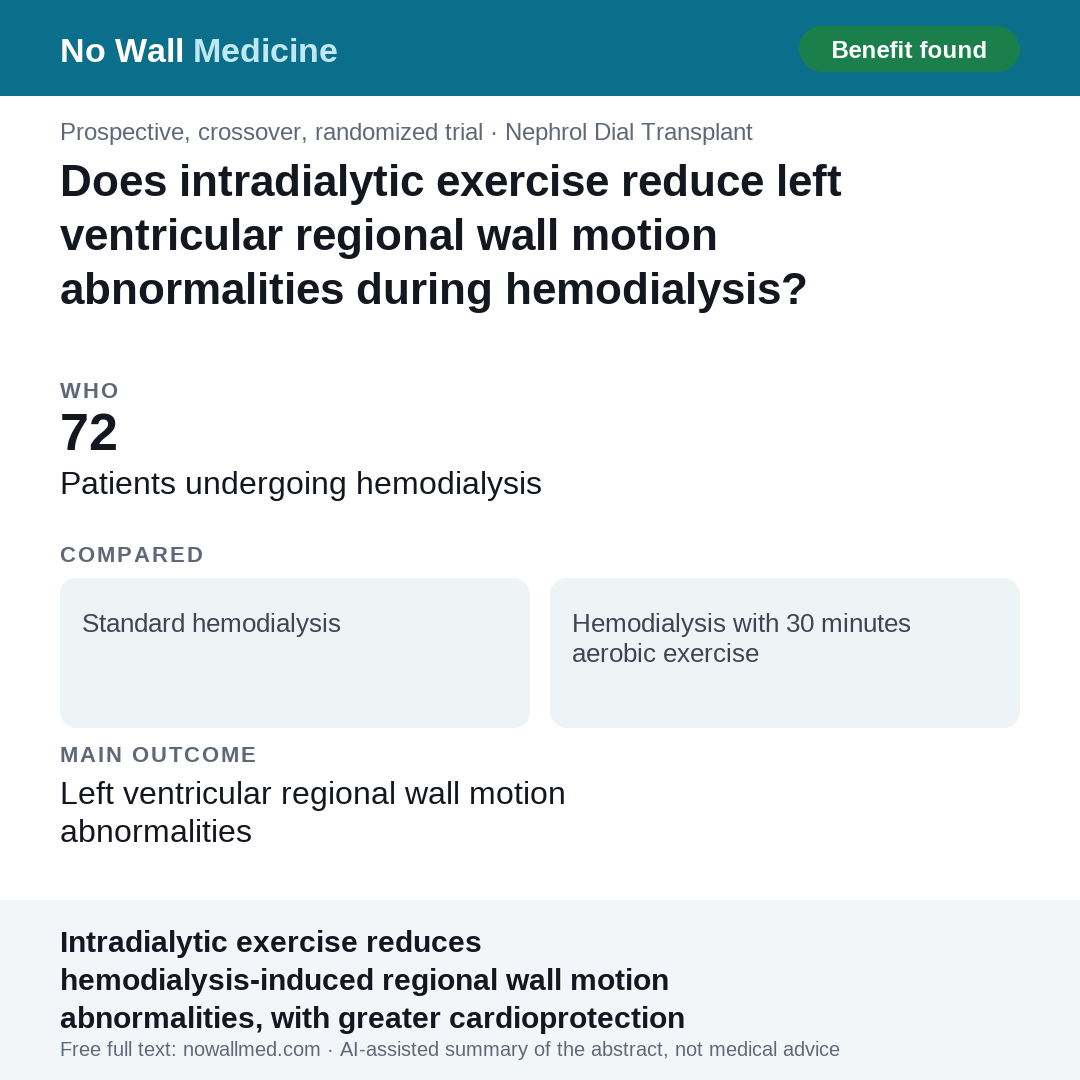
Effect of perioperative autonomic nervous system imbalance on surgical outcomes: a systematic review
Systematic reviewUnclear result
How does perioperative autonomic nervous system imbalance affect surgical outcomes?
Who
Surgical patients
Compared
Autonomic nervous system imbalance
Autonomic nervous system balance
Main outcome
Surgical outcomes and postoperative complications
Bottom line: Autonomic nervous system imbalance may drive systemic stress and increase postoperative complication risks.
Br J Anaesth · 2025-07-04Download image
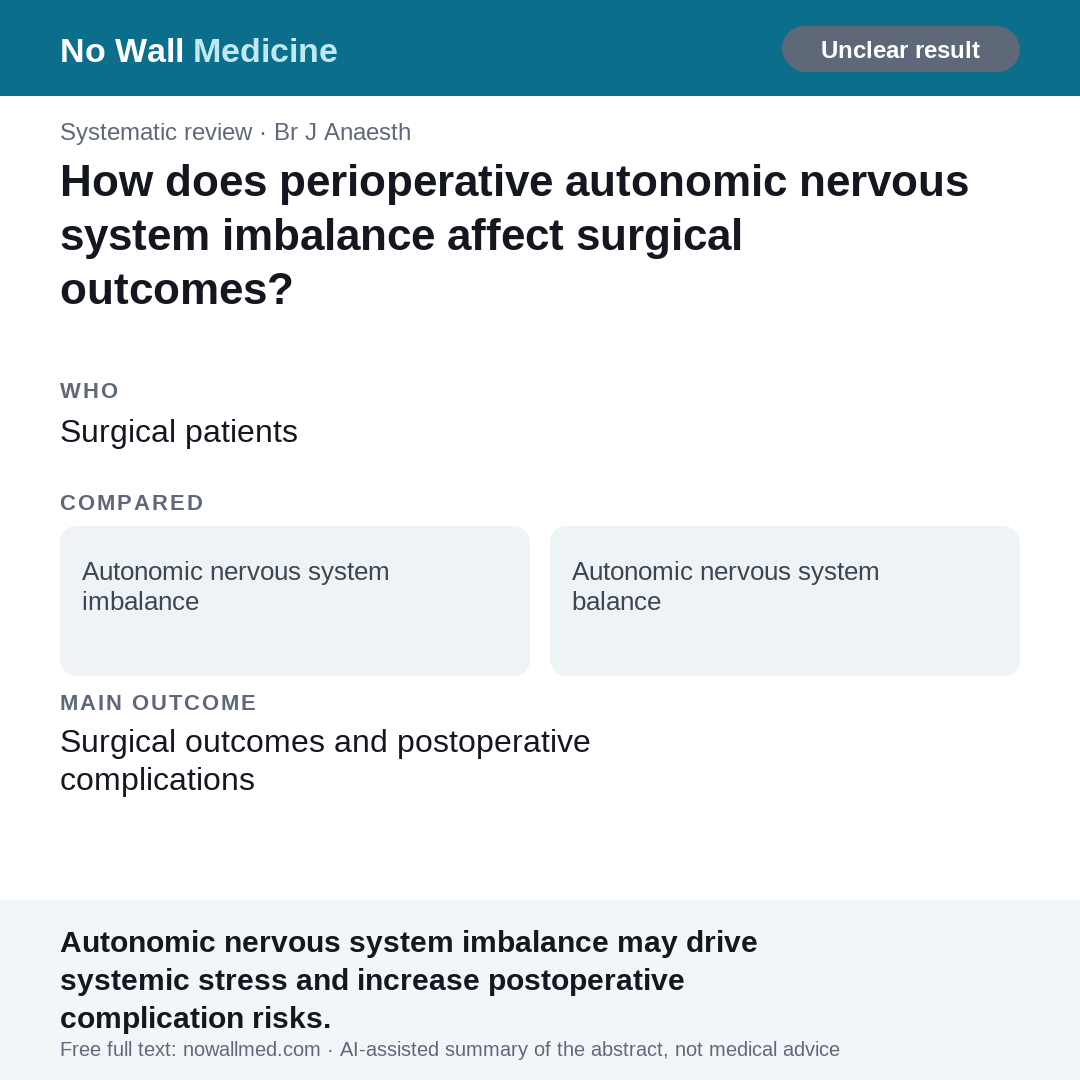
Adherence to prehabilitation in adult surgical patients: a systematic review, meta-analysis, meta-regression, and qualitative synthesis
Meta-analysis of 105 trialsUnclear result
Prehabilitation adherence in surgical patients
Who
4941
Adults undergoing major elective surgery
Compared
79%Prehabilitation (95% CI 70-88)
Control
Main outcome
Adherence to prehabilitation
Result: odds ratio 0.95 (95% CI 0.91-0.99) per year older
Bottom line: Prehabilitation adherence is seventy nine percent
Limitation: Variable adherence metrics across trials
Br J Anaesth · 2025-07-04Download image
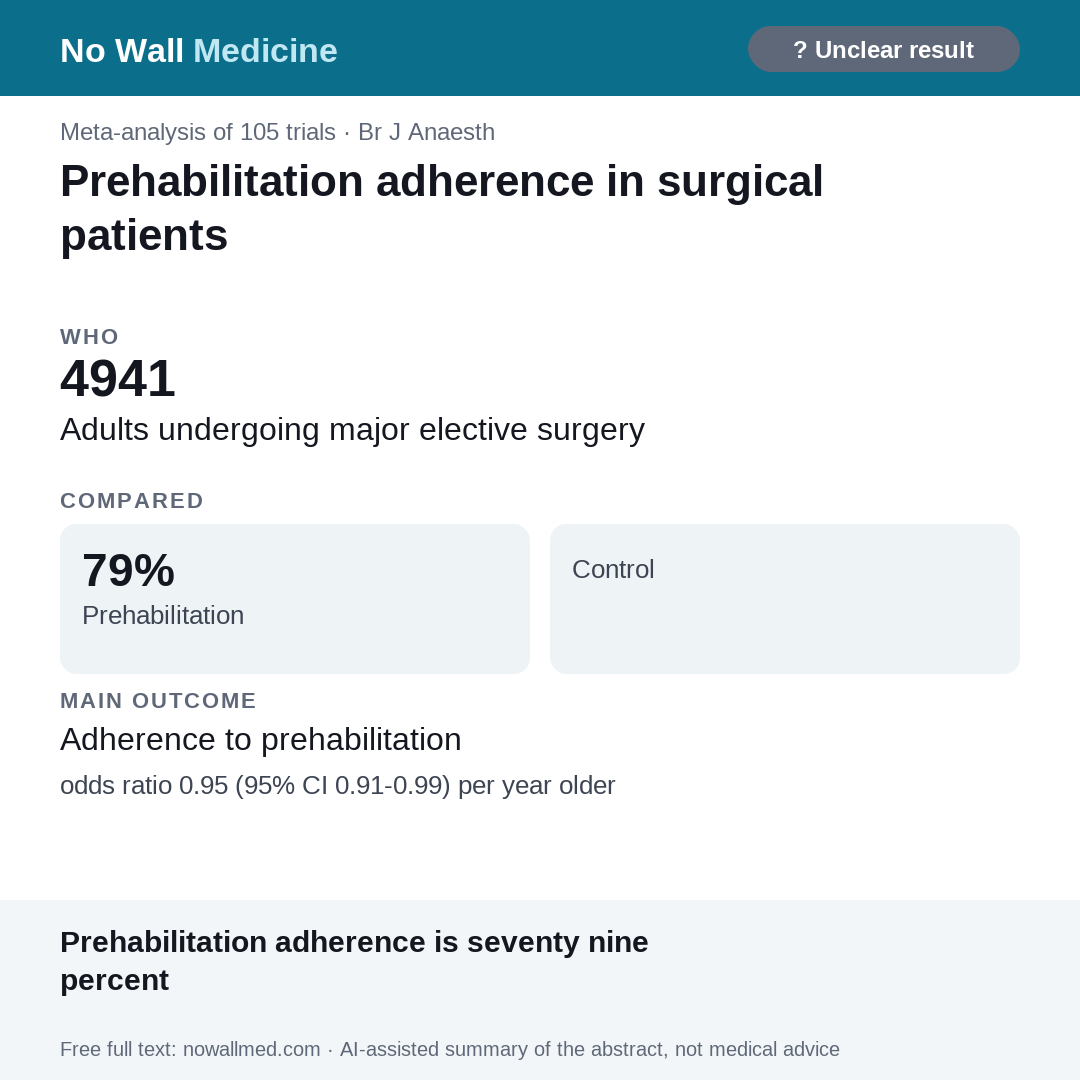
AIRWEIGHS: A Randomized Controlled Trial of Air Cleaners in Normal Weight and Overweight/Obese Children With Asthma
Randomized, placebo-controlled trialNo clear difference
Do air cleaners improve asthma outcomes in normal weight and overweight/obese children?
Who
164
Children with asthma, 59% overweight/obese and 85% Black
Compared
Portable air cleaners with high-efficiency particulate air filters
Identical devices without filters
Main outcome
Maximum symptom days over 2 weeks
Bottom line: Air cleaners effectively reduced indoor air pollution, but there was no observable benefit in asthma outcomes in children.
J Allergy Clin Immunol Pract · 2025-07-04Download image
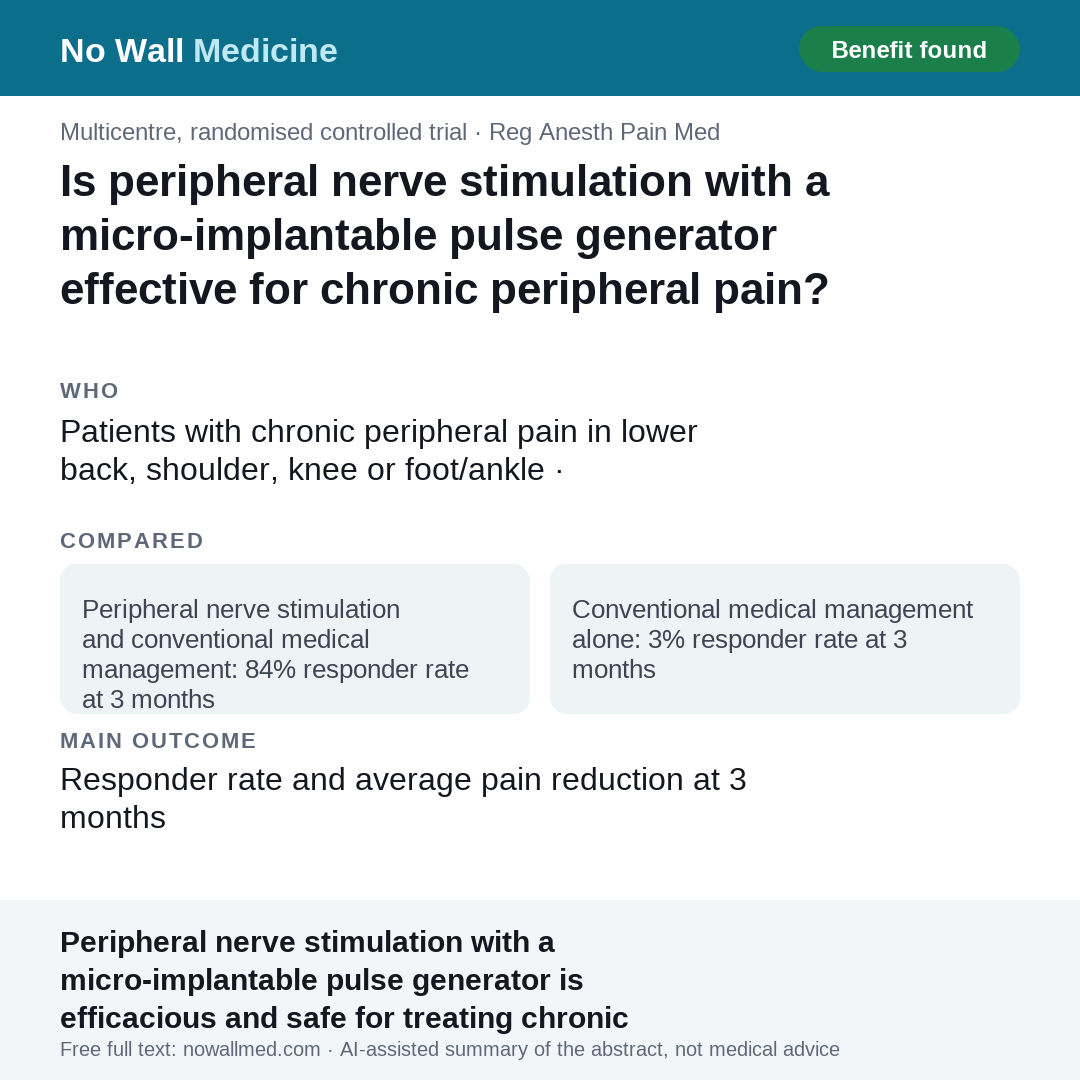
Clinical study of a micro-implantable pulse generator for the treatment of peripheral neuropathic pain: 3-month and 6-month results from the COMFORT-randomised controlled trial
Multicentre, randomised controlled trialBenefit found
Is peripheral nerve stimulation with a micro-implantable pulse generator effective for chronic peripheral pain?
Who
Patients with chronic peripheral pain in lower back, shoulder, knee or foot/ankle · Multicentre
Compared
Peripheral nerve stimulation and conventional medical management: 84% responder rate at 3 months
Conventional medical management alone: 3% responder rate at 3 months
Main outcome
Responder rate and average pain reduction at 3 months
Bottom line: Peripheral nerve stimulation with a micro-implantable pulse generator is efficacious and safe for treating chronic peripheral pain.
Limitation: This is an ongoing study with results to be reported as they become available.
Reg Anesth Pain Med · 2025-07-04Download image
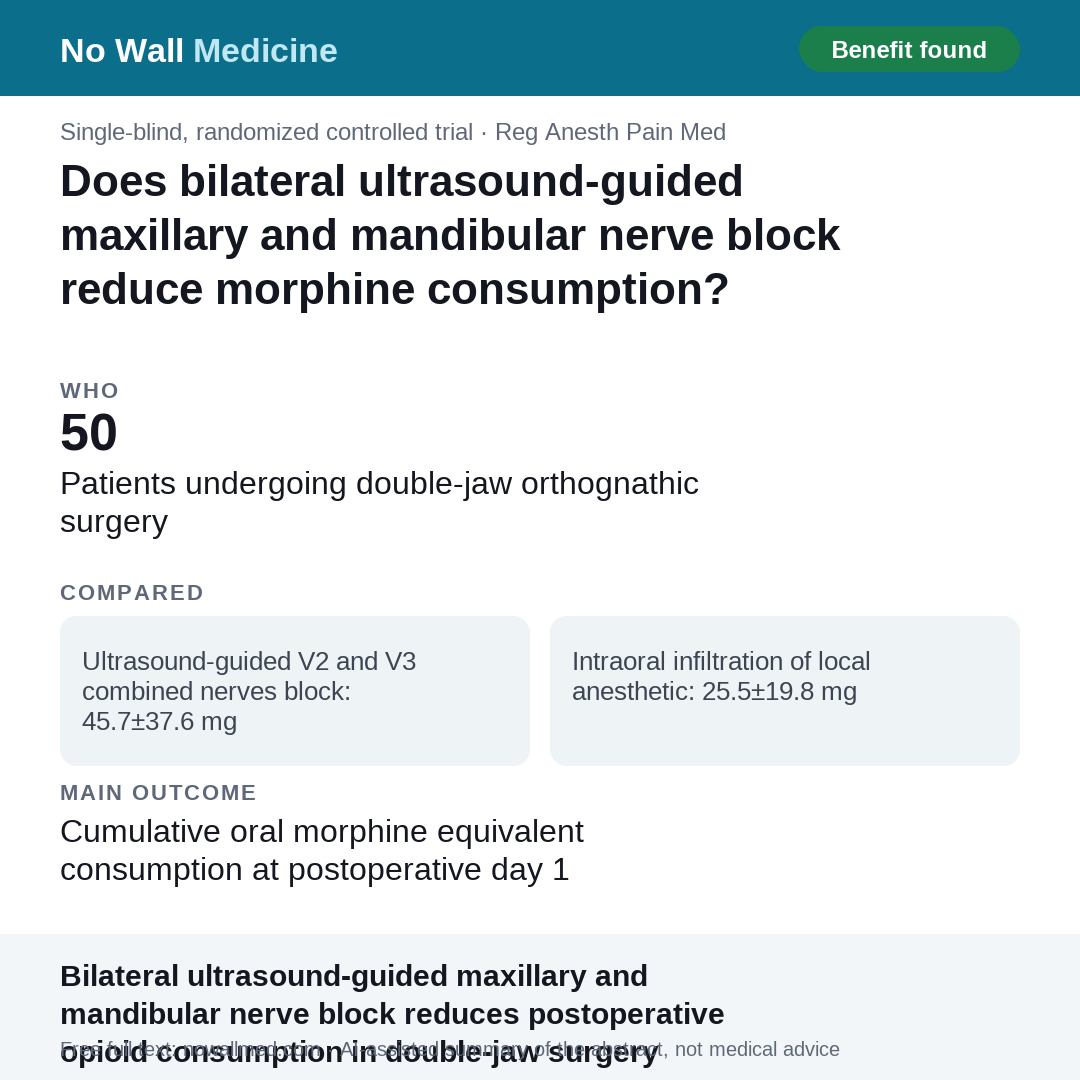
Bilateral ultrasound-guided maxillary and mandibular combined nerves block reduces morphine consumption after double-jaw orthognathic surgery: a randomized controlled trial
Single-blind, randomized controlled trialBenefit found
Does bilateral ultrasound-guided maxillary and mandibular nerve block reduce morphine consumption?
Who
50
Patients undergoing double-jaw orthognathic surgery
Compared
Ultrasound-guided V2 and V3 combined nerves block: 45.7±37.6 mg
Intraoral infiltration of local anesthetic: 25.5±19.8 mg
Main outcome
Cumulative oral morphine equivalent consumption at postoperative day 1
Result: mean difference of -20.1 (95% CI -37.4 to -2.9) mg
Bottom line: Bilateral ultrasound-guided maxillary and mandibular nerve block reduces postoperative opioid consumption in double-jaw surgery patients.
Reg Anesth Pain Med · 2025-07-04Download image
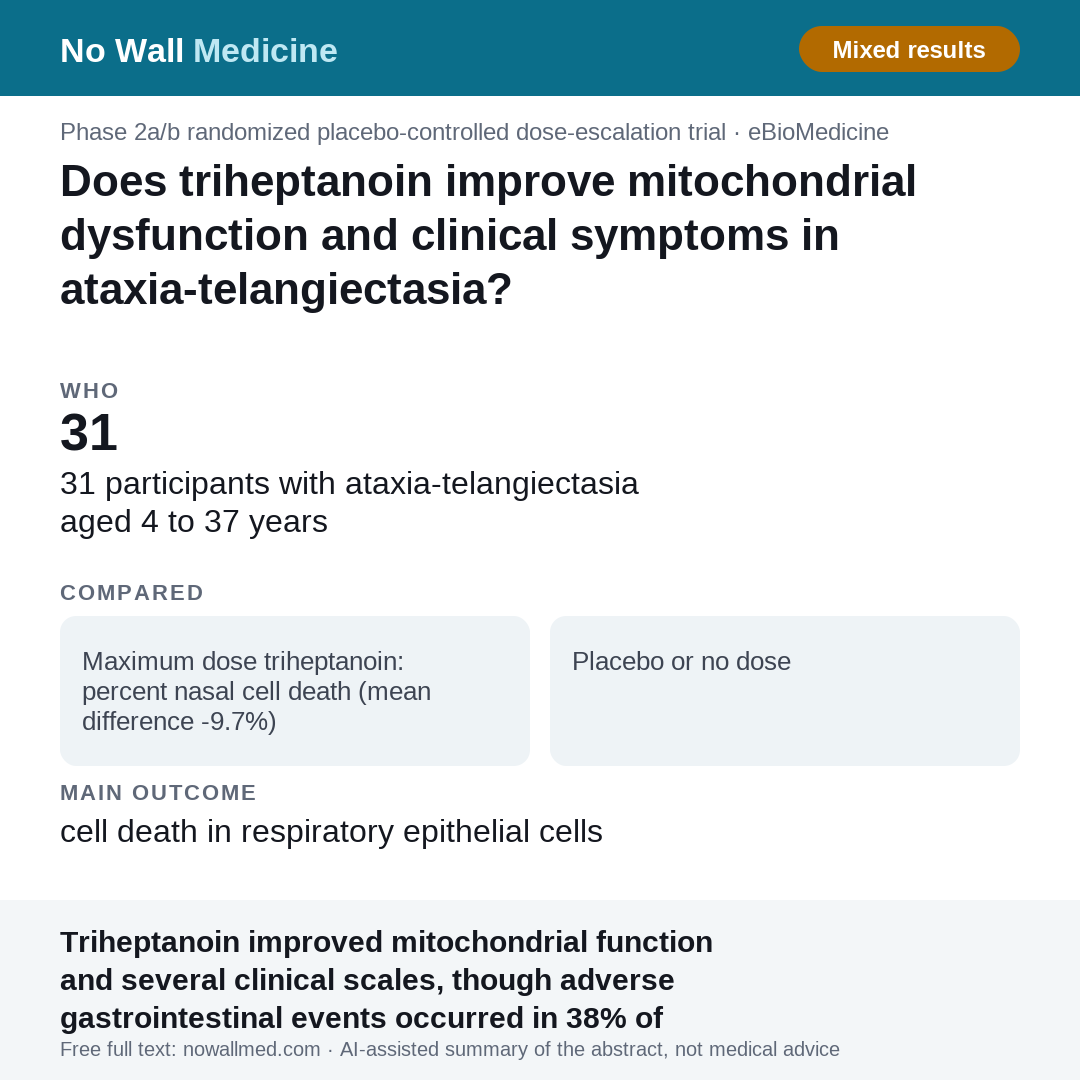
Phase 2a/b randomised placebo-controlled dose-escalation trial of triheptanoin for ataxia-telangiectasia: treating mitochondrial dysfunction with anaplerosis
Phase 2a/b randomized placebo-controlled dose-escalation trialMixed results
Does triheptanoin improve mitochondrial dysfunction and clinical symptoms in ataxia-telangiectasia?
Who
31
31 participants with ataxia-telangiectasia aged 4 to 37 years
Compared
Maximum dose triheptanoin: percent nasal cell death (mean difference -9.7%)
Placebo or no dose
Main outcome
cell death in respiratory epithelial cells
Result: mean difference -9.7%, 95% confidence interval -16.0, 4.6
Bottom line: Triheptanoin improved mitochondrial function and several clinical scales, though adverse gastrointestinal events occurred in 38% of participants.
Funded by: Medical Researcher Futures Fund Australia, University of Queensland, Wesley Research Institute, BrAshA-T
eBioMedicine · 2025-07-04Download image
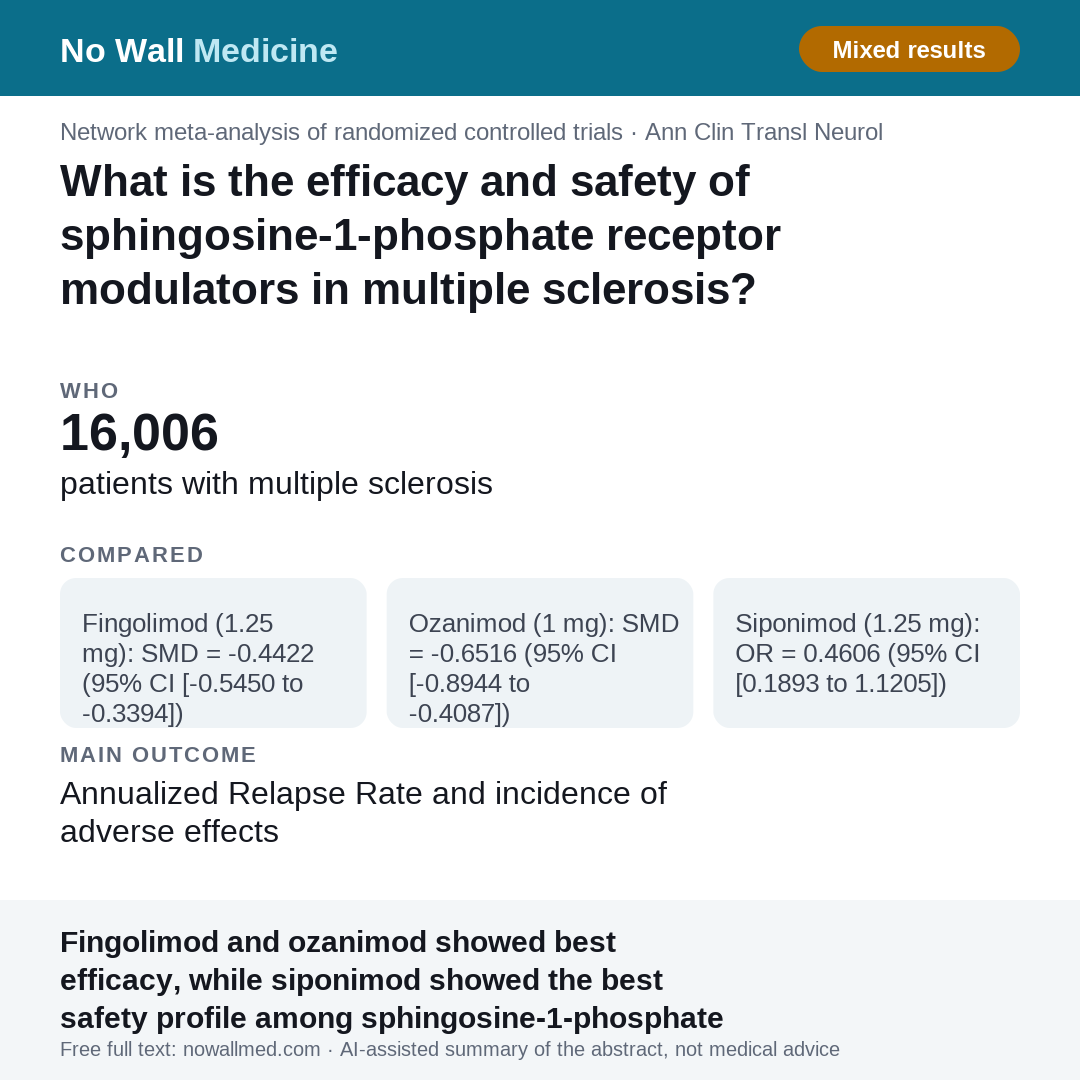
The Comparative Effectiveness and Tolerability of Sphingosine-1-Phosphate Receptor Modulators in Patients With Multiple Sclerosis: A Network Meta-Analysis of Randomized Controlled Trials
Network meta-analysis of randomized controlled trialsMixed results
What is the efficacy and safety of sphingosine-1-phosphate receptor modulators in multiple sclerosis?
Who
16,006
patients with multiple sclerosis
Compared
Fingolimod (1.25 mg): SMD = -0.4422 (95% CI [-0.5450 to -0.3394])
Ozanimod (1 mg): SMD = -0.6516 (95% CI [-0.8944 to -0.4087])
Siponimod (1.25 mg): OR = 0.4606 (95% CI [0.1893 to 1.1205])
Main outcome
Annualized Relapse Rate and incidence of adverse effects
Bottom line: Fingolimod and ozanimod showed best efficacy, while siponimod showed the best safety profile among sphingosine-1-phosphate receptor modulators.
Limitation: Further longitudinal studies should be conducted to assess long-term effects on patient-reported outcomes.
Ann Clin Transl Neurol · 2025-07-04Download image
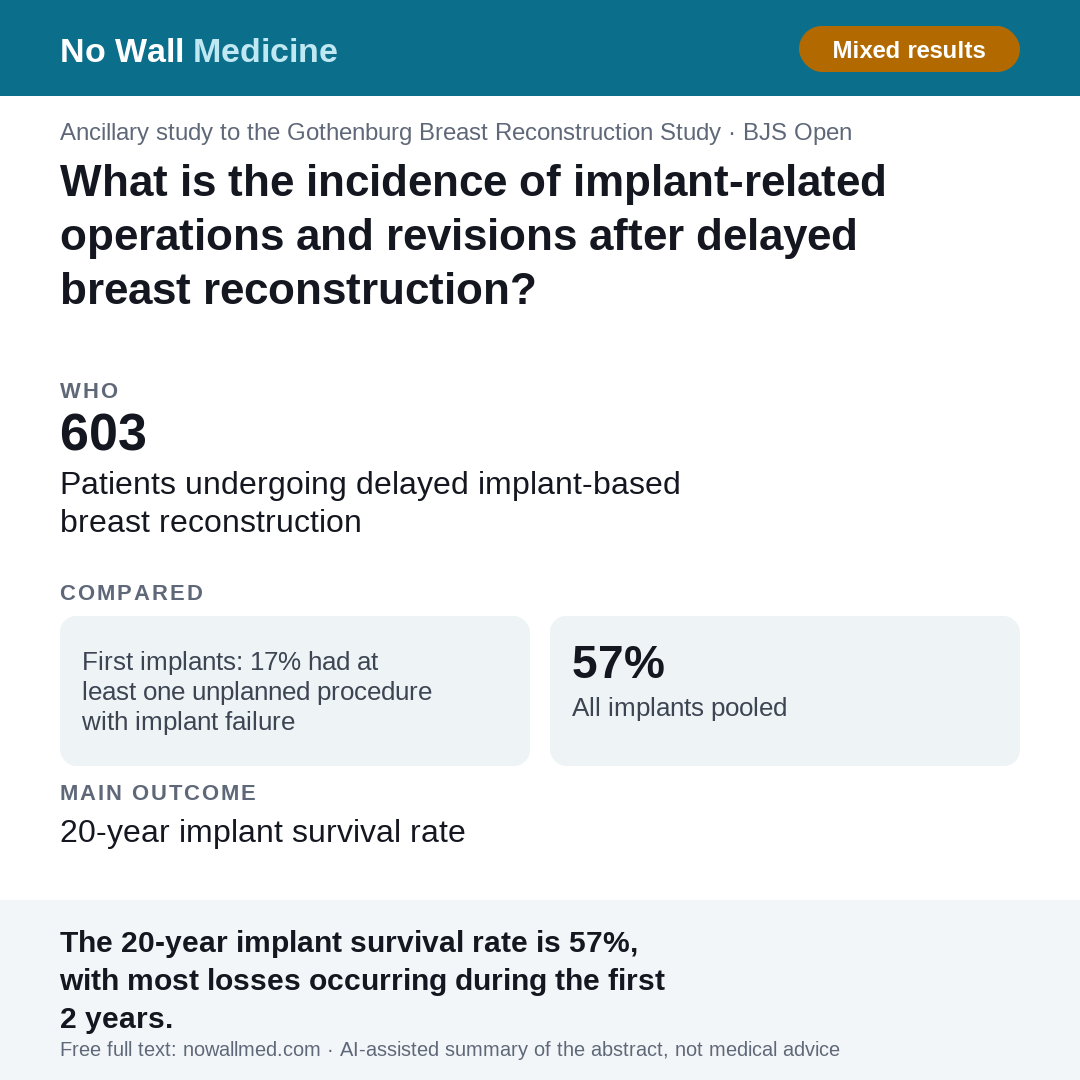
Long-term implant survival in delayed breast reconstruction
Ancillary study to the Gothenburg Breast Reconstruction StudyMixed results
What is the incidence of implant-related operations and revisions after delayed breast reconstruction?
Who
603
Patients undergoing delayed implant-based breast reconstruction
Compared
First implants: 17% had at least one unplanned procedure with implant failure
57%All implants pooled (95% confidence interval 54 to 61%)
Main outcome
20-year implant survival rate
Result: 57% (95% confidence interval 54 to 61%)
Bottom line: The 20-year implant survival rate is 57%, with most losses occurring during the first 2 years.
BJS Open · 2025-07-04Download image
A PRISMA systematic review through time on predictive musculoskeletal simulations
PRISMA systematic reviewUnclear result
What are the current methods and trends in predictive musculoskeletal simulations?
Who
literature on predictive musculoskeletal simulations
Compared
Neural models
Optimization methods
Main outcome
methods, accuracies, simulation times, and limitations of predictive simulations
Bottom line: The review categorizes predictive musculoskeletal simulation methods into neural models and optimization-based approaches.
Limitation: The review calls for quantitative validation to establish comprehensive comparisons between methods.
J Neuroeng Rehabil · 2025-07-04Download image

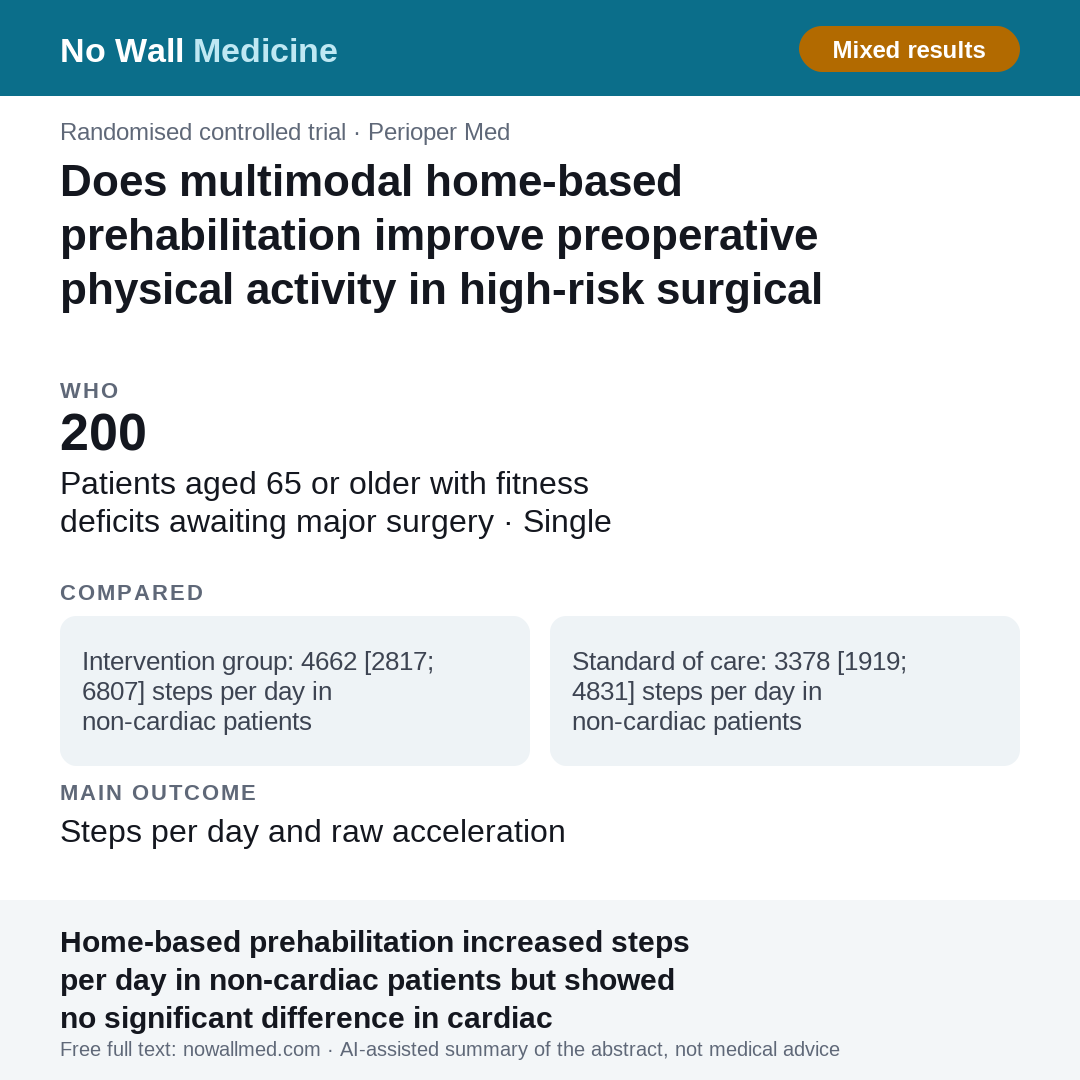
Effect of multimodal home-based prehabilitation on objectively measured physical activity in patients undergoing elective cardiac or non-cardiac major surgery: secondary outcomes from a randomised controlled trial
Randomised controlled trialMixed results
Does multimodal home-based prehabilitation improve preoperative physical activity in high-risk surgical patients?
Who
200
Patients aged 65 or older with fitness deficits awaiting major surgery · Single university hospital in Switzerland
Compared
Intervention group: 4662 [2817; 6807] steps per day in non-cardiac patients
Standard of care: 3378 [1919; 4831] steps per day in non-cardiac patients
Main outcome
Steps per day and raw acceleration
Bottom line: Home-based prehabilitation increased steps per day in non-cardiac patients but showed no significant difference in cardiac patients.
Perioper Med · 2025-07-04Download image
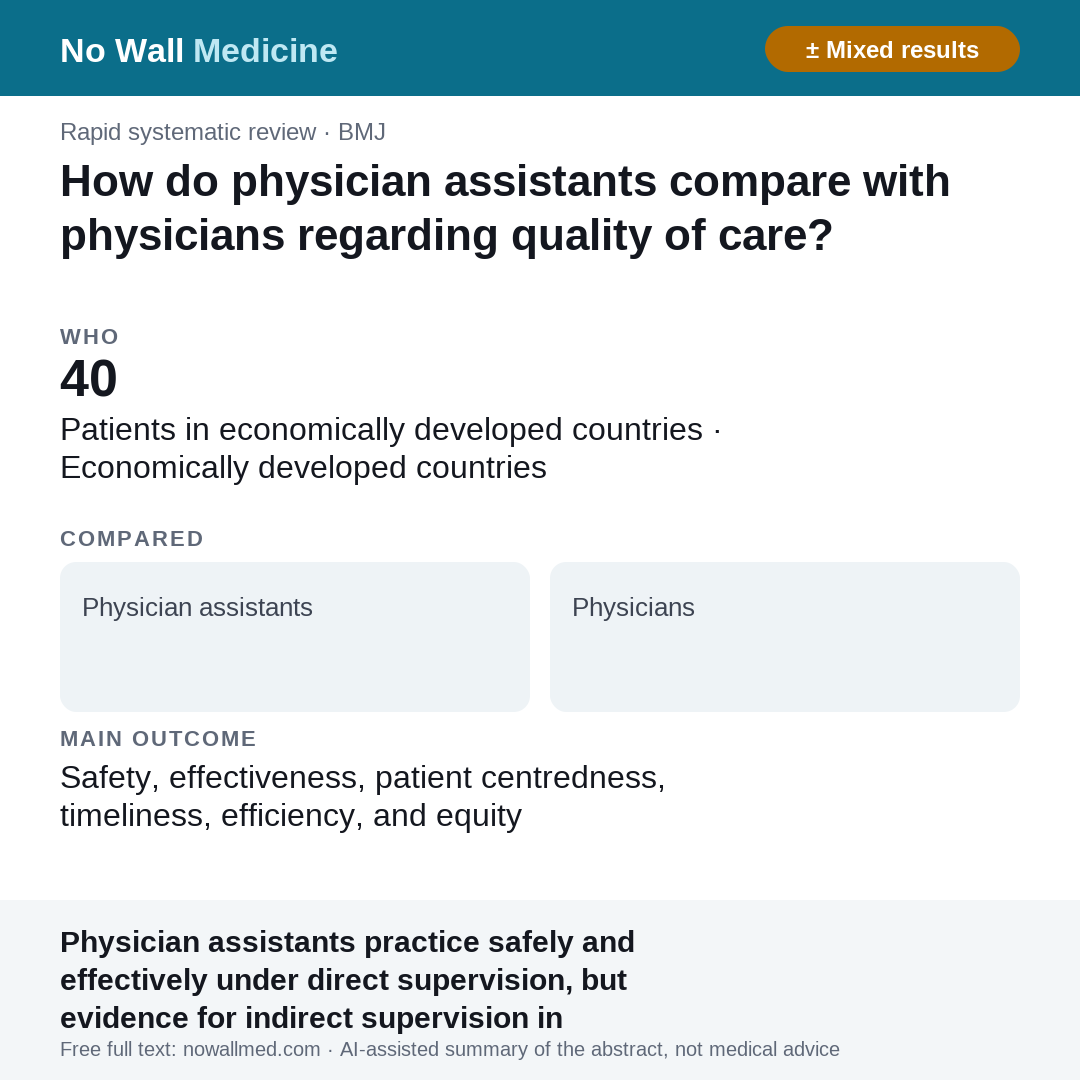
Impact of physician assistants on quality of care: rapid review
Rapid systematic reviewMixed results
How do physician assistants compare with physicians regarding quality of care?
Who
40
Patients in economically developed countries · Economically developed countries
Compared
Physician assistants
Physicians
Main outcome
Safety, effectiveness, patient centredness, timeliness, efficiency, and equity
Bottom line: Physician assistants practice safely and effectively under direct supervision, but evidence for indirect supervision in undifferentiated settings is limited.
Limitation: Most studies were retrospective observational studies of weak quality and no post-covid-19 data were found.
BMJ · 2025-07-03Download image
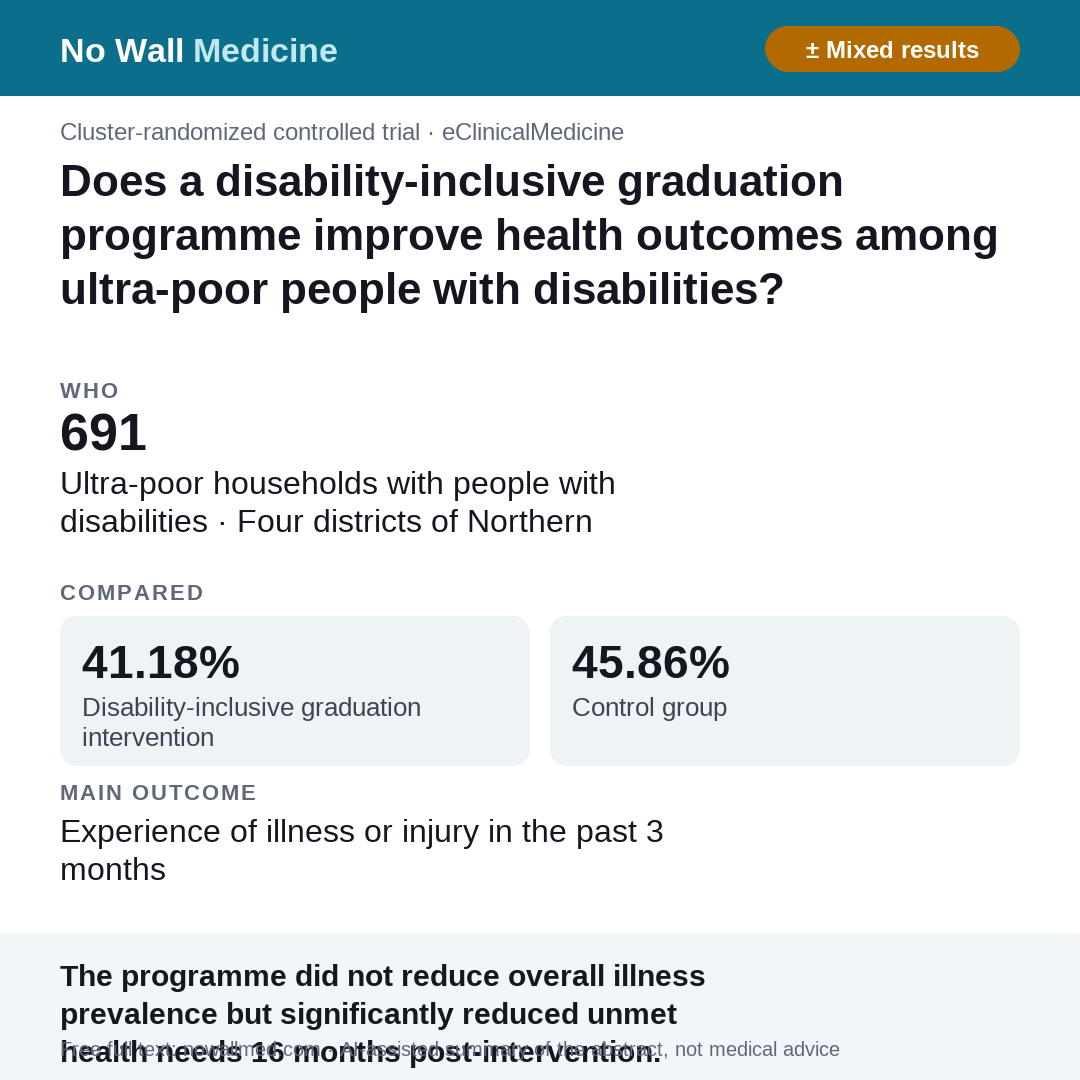
Evaluation of health impacts of a disability-inclusive graduation programme among ultra-poor people with disabilities in Uganda: secondary analysis of a cluster randomized trial
Cluster-randomized controlled trialMixed results
Does a disability-inclusive graduation programme improve health outcomes among ultra-poor people with disabilities?
Who
691
Ultra-poor households with people with disabilities · Four districts of Northern Uganda
Compared
41.18%Disability-inclusive graduation intervention (first follow-up)
45.86%Control group (first follow-up)
Main outcome
Experience of illness or injury in the past 3 months
Result: FAOR 0.84 (95% CI 0.58-1.22)
Bottom line: The programme did not reduce overall illness prevalence but significantly reduced unmet health needs 16 months post-intervention.
Limitation: Subgroup findings regarding sex-differentiated effects require replication in future studies.
Funded by: UK Foreign, Commonwealth and Development Office
eClinicalMedicine · 2025-07-03Download image
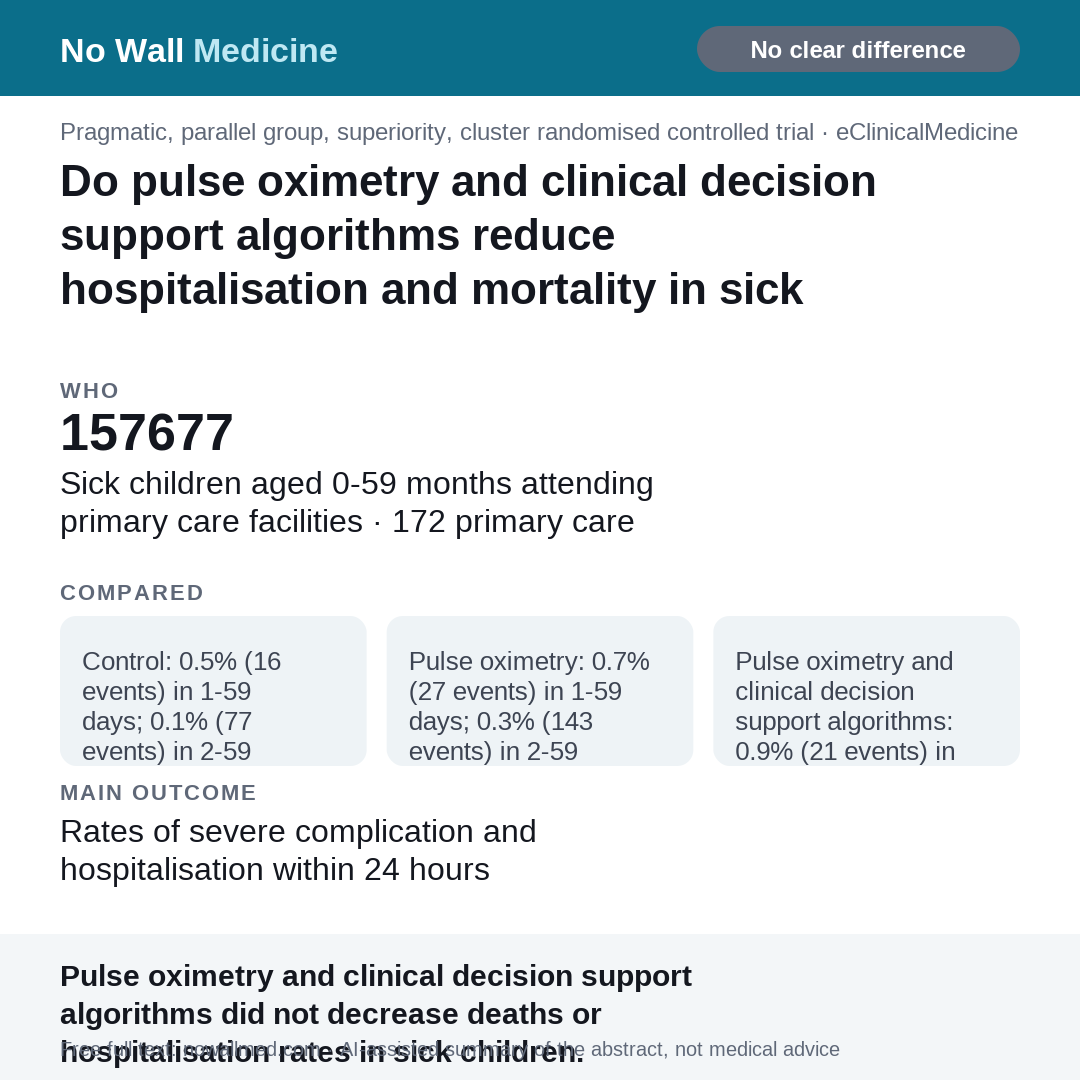
Effectiveness of introducing pulse oximetry and clinical decision support algorithms for the management of sick children in primary care in India and Tanzania on hospitalisation and mortality: the TIMCI pragmatic cluster randomised controlled trial
Pragmatic, parallel group, superiority, cluster randomised controlled trialNo clear difference
Do pulse oximetry and clinical decision support algorithms reduce hospitalisation and mortality in sick children?
Who
157677
Sick children aged 0-59 months attending primary care facilities · 172 primary care facilities in India and Tanzania
Compared
Control: 0.5% (16 events) in 1-59 days; 0.1% (77 events) in 2-59 months
Pulse oximetry: 0.7% (27 events) in 1-59 days; 0.3% (143 events) in 2-59 months
Pulse oximetry and clinical decision support algorithms: 0.9% (21 events) in 1-59 days; 0.3% (128 events) in 2-59 months
Main outcome
Rates of severe complication and hospitalisation within 24 hours
Bottom line: Pulse oximetry and clinical decision support algorithms did not decrease deaths or hospitalisation rates in sick children.
Funded by: Unitaid
eClinicalMedicine · 2025-07-03Download image
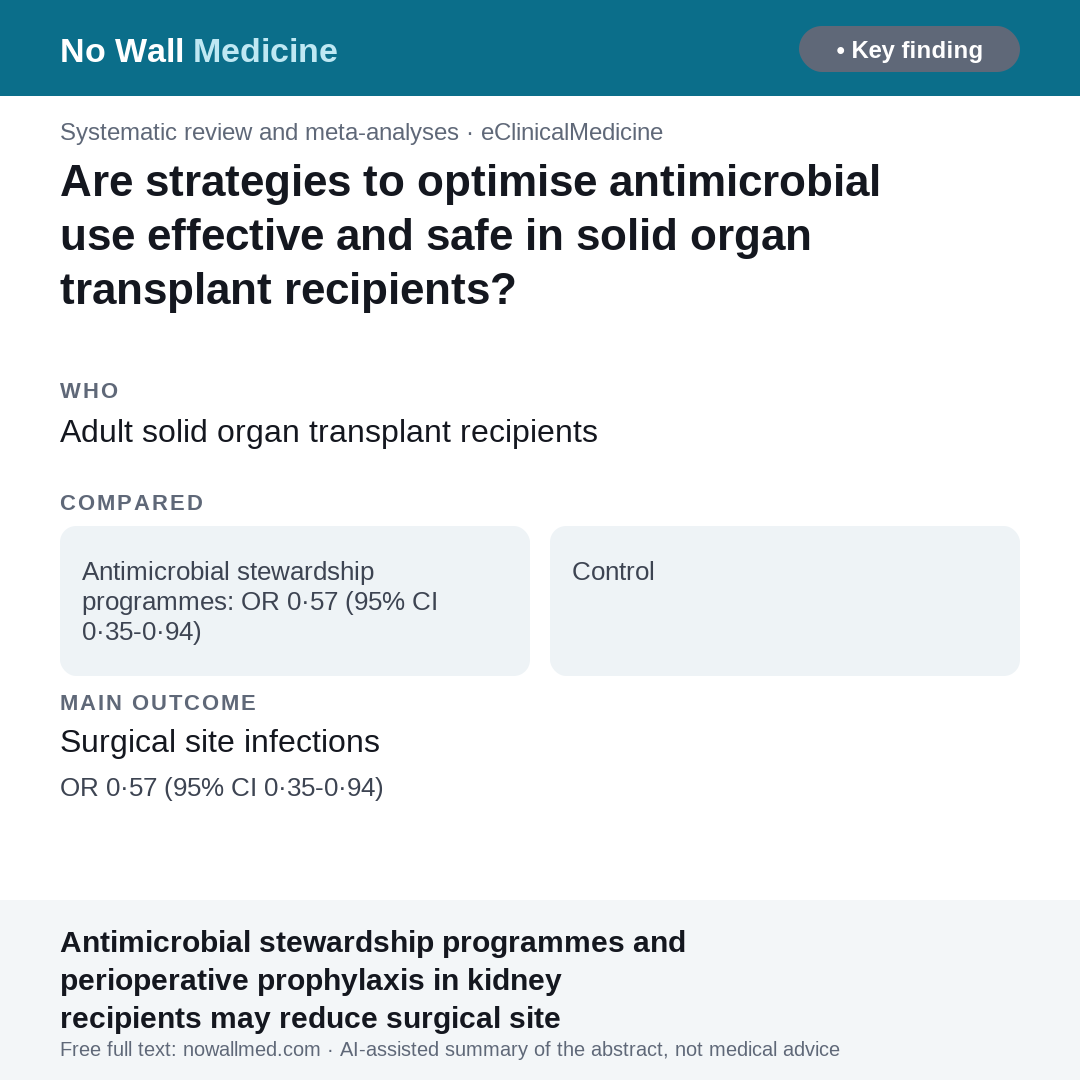
Effectiveness and safety of strategies to optimise antimicrobial use in solid organ transplant recipients. Systematic review and meta-analyses
Systematic review and meta-analysesBenefit found
Are strategies to optimise antimicrobial use effective and safe in solid organ transplant recipients?
Who
Adult solid organ transplant recipients
Compared
Antimicrobial stewardship programmes: OR 0·57 (95% CI 0·35-0·94)
Control
Main outcome
Surgical site infections
Result: OR 0·57 (95% CI 0·35-0·94)
Bottom line: Antimicrobial stewardship programmes and perioperative prophylaxis in kidney recipients may reduce surgical site infections without increasing complications.
Limitation: All included studies had a moderate or high risk of bias.
Funded by: Instituto de Salud Carlos III and CIBERINFEC
eClinicalMedicine · 2025-07-03Download image
3-Year Clinical Outcomes Comparing the Amulet vs Watchman FLX for Left Atrial Appendage Closure in Patients With Atrial Fibrillation: Results From the SWISS-APERO Randomized Clinical Trial
Randomized clinical trialNo clear difference
What are the 3-year clinical outcomes comparing Amulet versus Watchman FLX?
Who
221
Patients with atrial fibrillation and high bleeding risk · 8 centers
Compared
18.2%Amulet
31.0%Watchman FLX
Main outcome
Composite of cardiovascular death, stroke, transient ischemic attack, or systemic embolism
Result: hazard ratio 0.58 (95% CI 0.33-1.03)
Bottom line: At 3 years, there was no significant difference in ischemic risk between Amulet and Watchman FLX.
JACC · 2025-07-03Download image