Visual abstracts
New randomized trials and meta-analyses from leading journals at a glance: who was studied, what was compared, and what was found. Every paper is free to read in full.
All specialtiesCardiology 950Oncology 847Gastroenterology & Hepatology 349Infectious Disease 661Neurology 389Psychiatry & Mental Health 475Pulmonology 416Critical Care 283Endocrinology & Diabetes 528Pediatrics 594Surgery 391Orthopedics & Sports Medicine 170Neurosurgery 120Cardiothoracic & Vascular Surgery 90Plastic & Reconstructive Surgery 145Nephrology 211Rheumatology 119Hematology 203Dermatology 89Ophthalmology 113Obstetrics & Gynecology 288Public & Global Health 185Radiology & Imaging 118Anesthesiology 152Urology 182ENT (Otolaryngology) 121Emergency Medicine 105Allergy & Immunology 65Geriatrics 176Family Medicine & Primary Care 116Medical Genetics & Genomics 94Pathology & Laboratory Medicine 30Physical Medicine & Rehabilitation 151Palliative Care 83Nutrition 231Digital Health & AI 489General Medicine 105
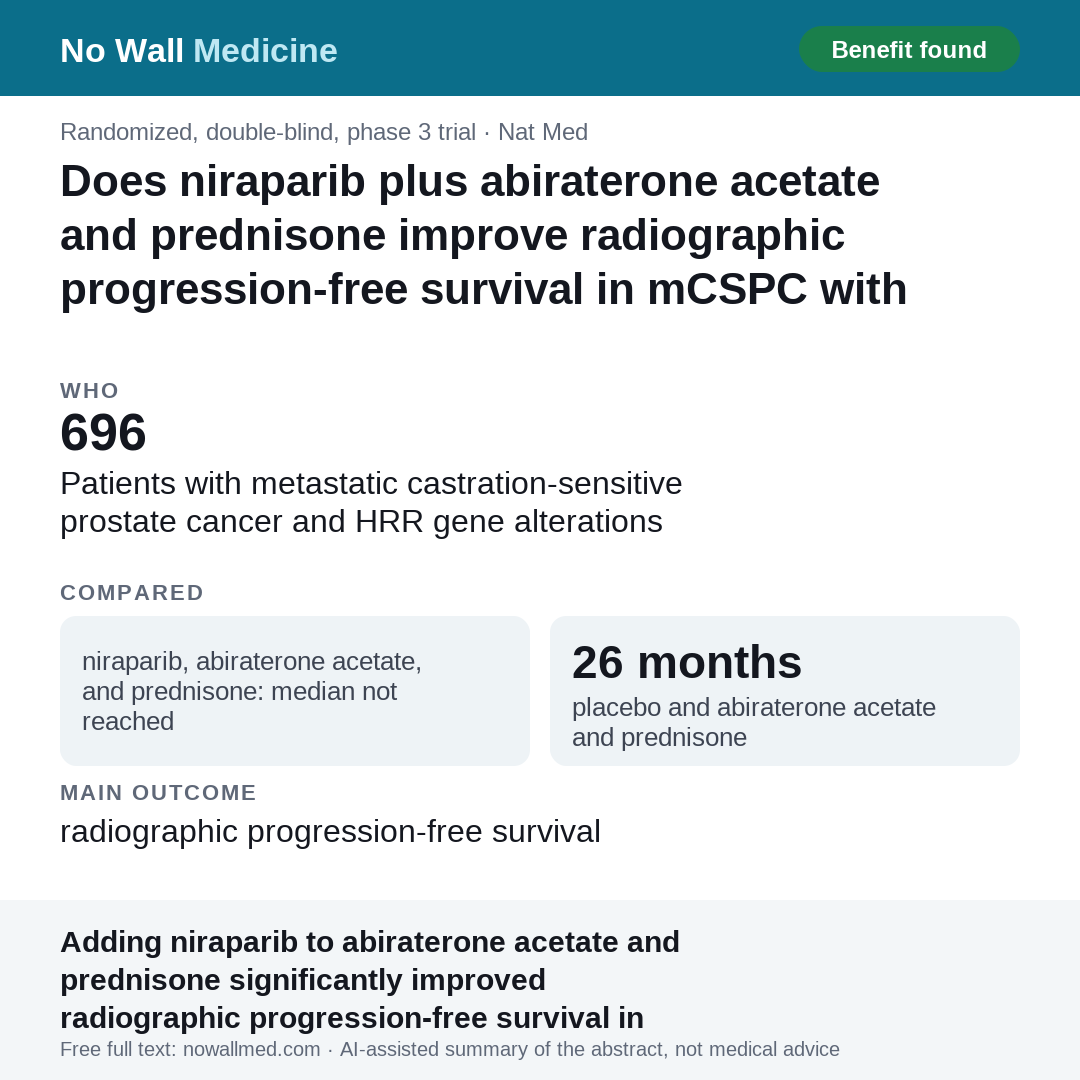
Niraparib and abiraterone acetate plus prednisone for HRR-deficient metastatic castration-sensitive prostate cancer: a randomized phase 3 trial
Randomized, double-blind, phase 3 trialBenefit found
Does niraparib plus abiraterone acetate and prednisone improve radiographic progression-free survival in mCSPC with HRR alterations?
Who
696
Patients with metastatic castration-sensitive prostate cancer and HRR gene alterations
Compared
niraparib, abiraterone acetate, and prednisone: median not reached
26 monthsplacebo and abiraterone acetate and prednisone
Main outcome
radiographic progression-free survival
Result: hazard ratio 0.63 (95% confidence interval: 0.49-0.80)
Bottom line: Adding niraparib to abiraterone acetate and prednisone significantly improved radiographic progression-free survival in patients with HRR-deficient metastatic castration-sensitive prostate cancer.
Nat Med · 2025-10-07Download image
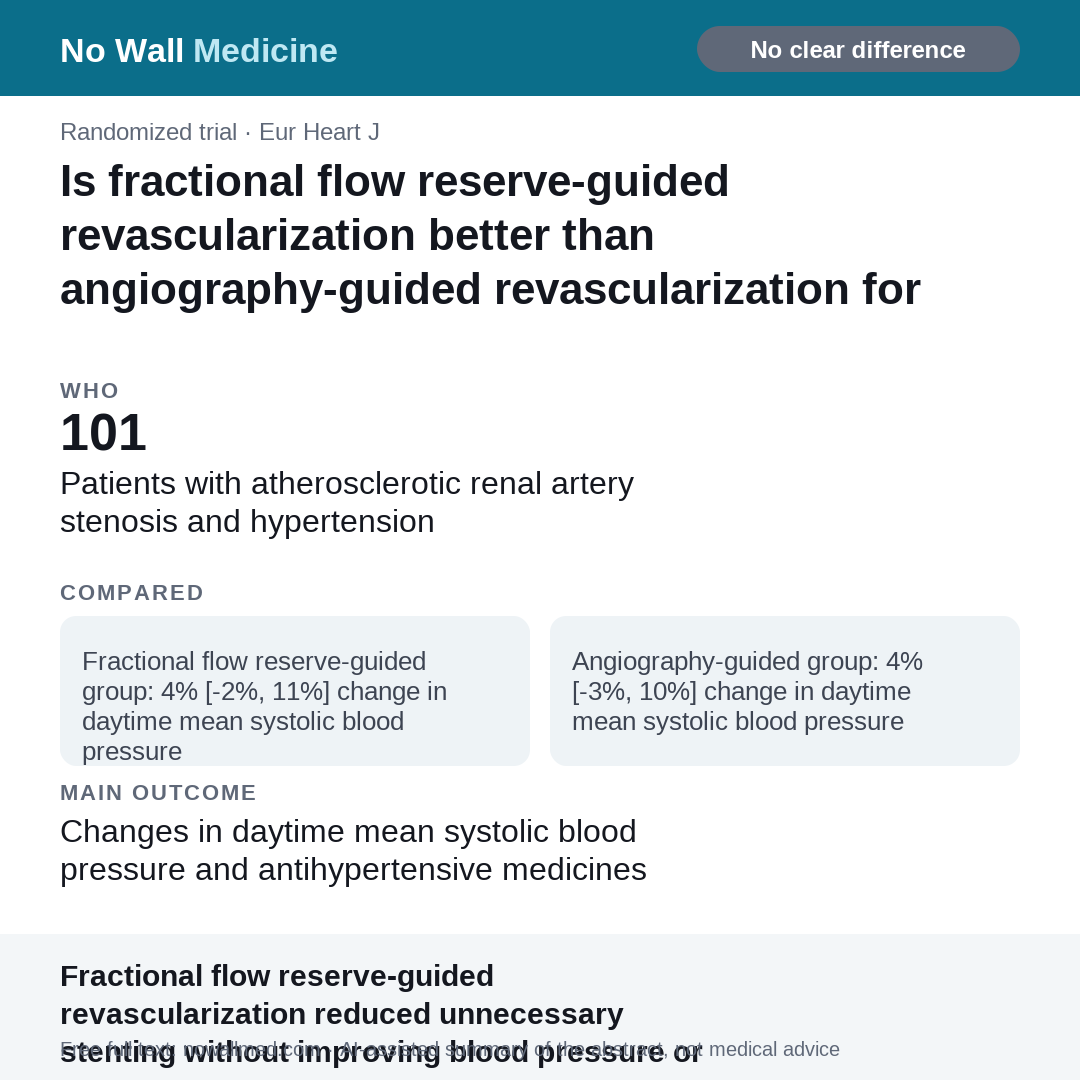
Fractional flow reserve-guided renal artery stenting in atherosclerotic renovascular hypertension: the FAIR randomized trial
Randomized trialNo clear difference
Is fractional flow reserve-guided revascularization better than angiography-guided revascularization for atherosclerotic renal artery stenosis?
Who
101
Patients with atherosclerotic renal artery stenosis and hypertension
Compared
Fractional flow reserve-guided group: 4% [-2%, 11%] change in daytime mean systolic blood pressure
Angiography-guided group: 4% [-3%, 10%] change in daytime mean systolic blood pressure
Main outcome
Changes in daytime mean systolic blood pressure and antihypertensive medicines
Bottom line: Fractional flow reserve-guided revascularization reduced unnecessary stenting without improving blood pressure or medication reduction compared to angiography guidance.
Eur Heart J · 2025-10-07Download image
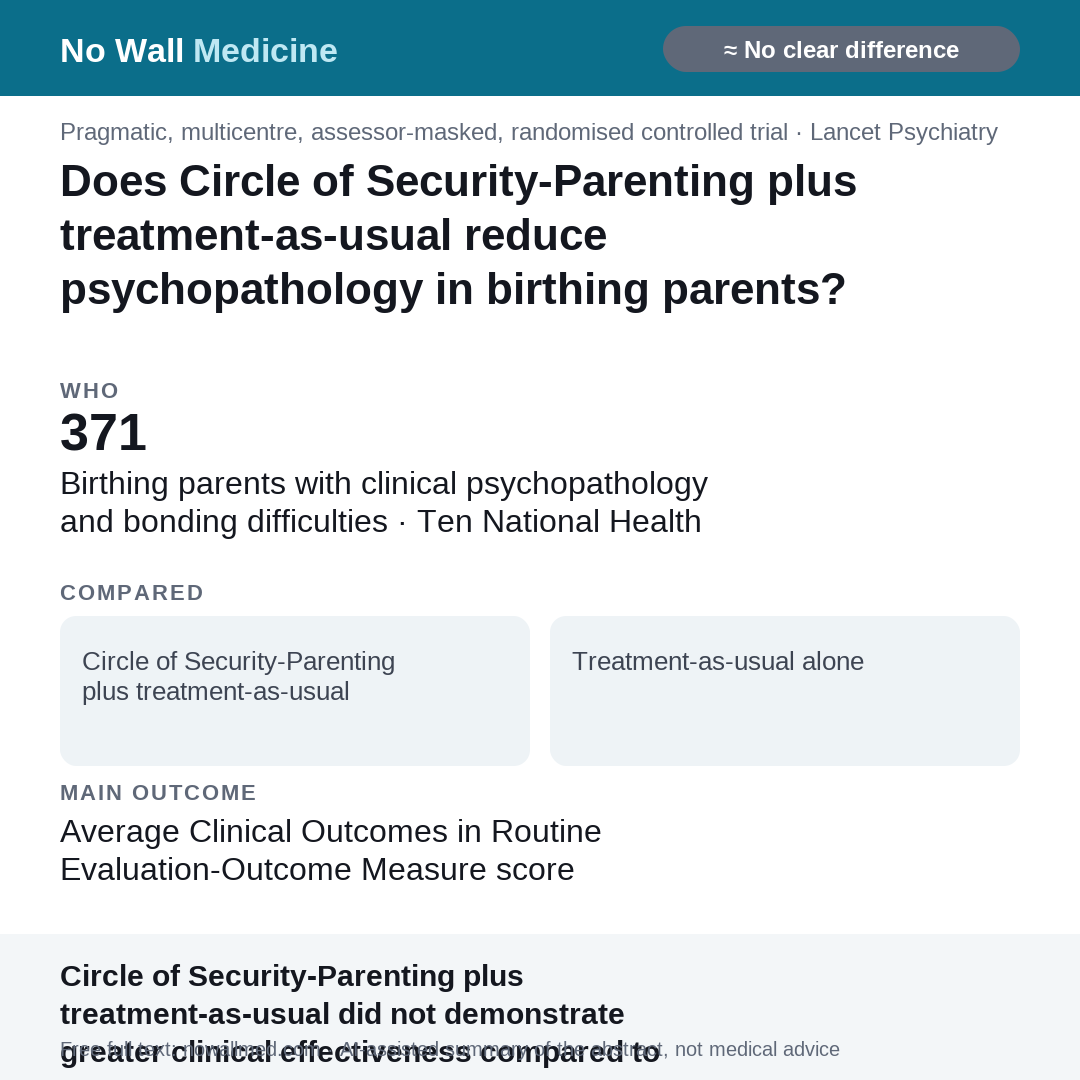
Clinical effectiveness of the Circle of Security-Parenting group intervention for birthing parents in perinatal mental health services in England (COSI): a pragmatic, multicentre, assessor-masked, randomised controlled trial
Pragmatic, multicentre, assessor-masked, randomised controlled trialNo clear difference
Does Circle of Security-Parenting plus treatment-as-usual reduce psychopathology in birthing parents?
Who
371
Birthing parents with clinical psychopathology and bonding difficulties · Ten National Health Service Trusts across England
Compared
Circle of Security-Parenting plus treatment-as-usual
Treatment-as-usual alone
Main outcome
Average Clinical Outcomes in Routine Evaluation-Outcome Measure score
Result: -1·41 (95% CI -5·11 to 2·28)
Bottom line: Circle of Security-Parenting plus treatment-as-usual did not demonstrate greater clinical effectiveness compared to treatment-as-usual alone.
Lancet Psychiatry · 2025-10-07Download image
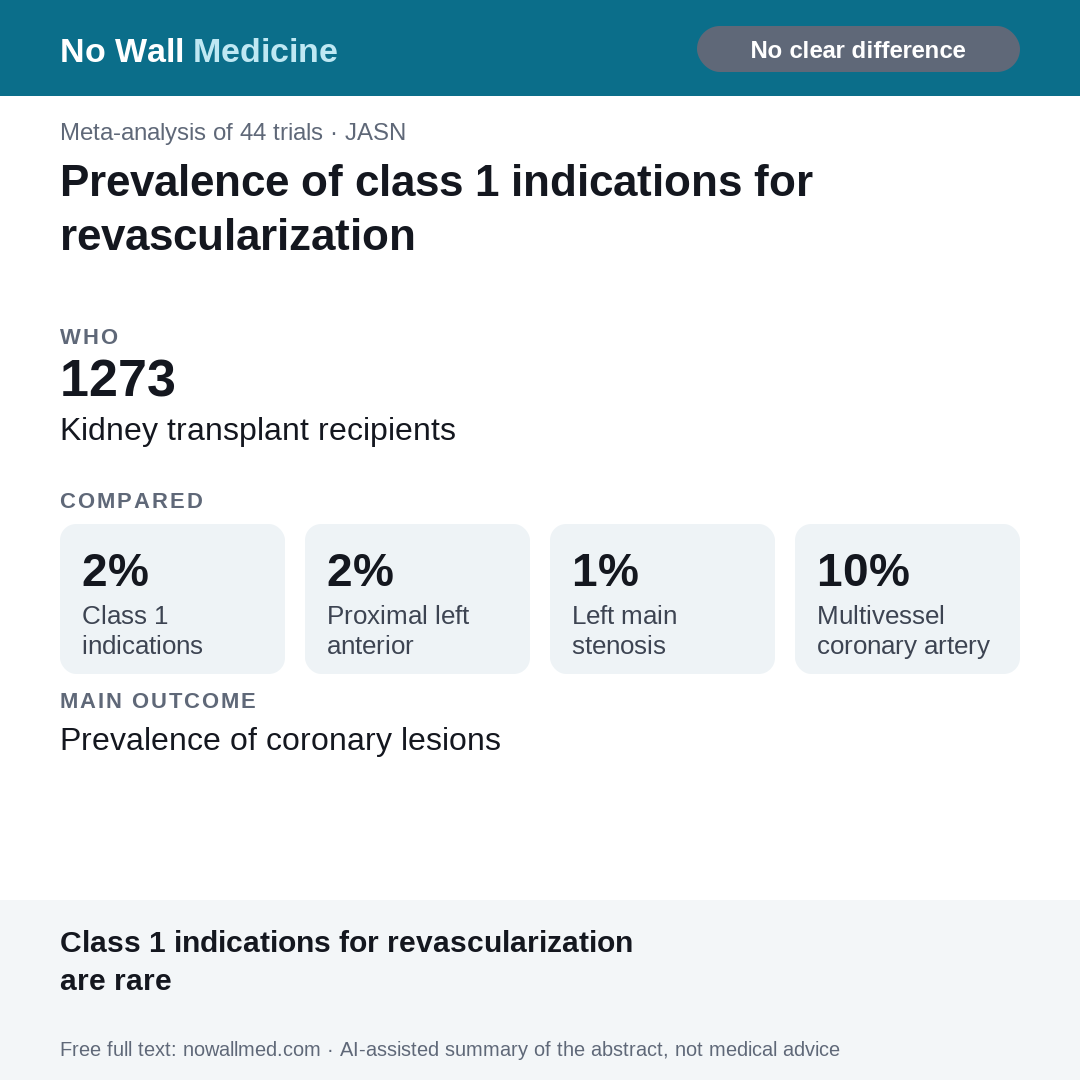
Class 1 Indications for Coronary Revascularization Identified in Prekidney Transplant Screening
Meta-analysis of 44 trialsNo clear difference
Prevalence of class 1 indications for revascularization
Who
1273
Kidney transplant recipients
Compared
2%Class 1 indications
2%Proximal left anterior descending disease
1%Left main stenosis
10%Multivessel coronary artery disease
Main outcome
Prevalence of coronary lesions
Bottom line: Class 1 indications for revascularization are rare
JASN · 2025-10-07Download image
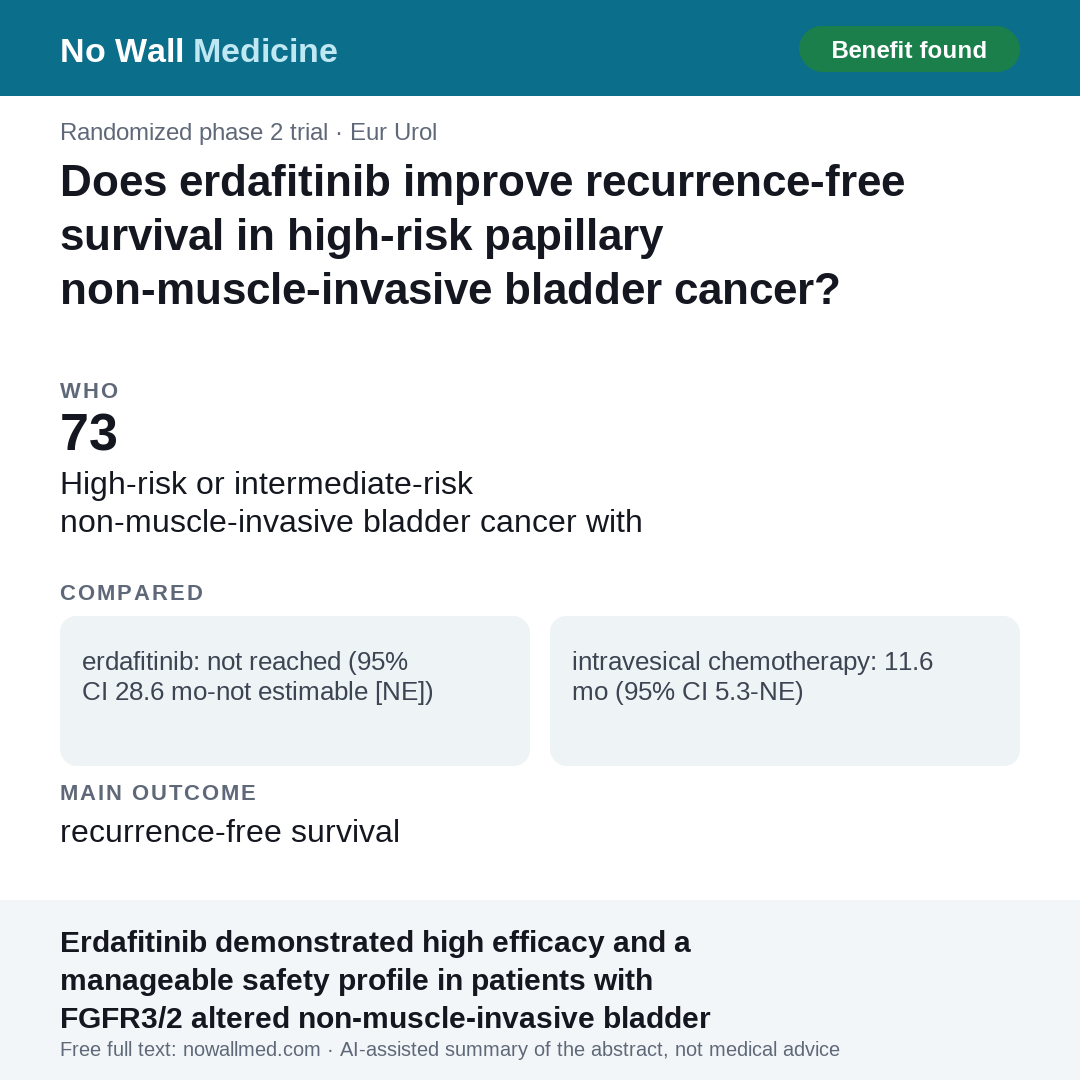
Erdafitinib in Patients with High- and Intermediate-risk Non-muscle-invasive Bladder Cancer: Final Analysis of THOR-2 Study
Randomized phase 2 trialBenefit found
Does erdafitinib improve recurrence-free survival in high-risk papillary non-muscle-invasive bladder cancer?
Who
73
High-risk or intermediate-risk non-muscle-invasive bladder cancer with FGFR3/2 alterations
Compared
erdafitinib: not reached (95% CI 28.6 mo-not estimable [NE])
intravesical chemotherapy: 11.6 mo (95% CI 5.3-NE)
Main outcome
recurrence-free survival
Result: hazard ratio 0.28 (95% CI 0.13-0.61)
Bottom line: Erdafitinib demonstrated high efficacy and a manageable safety profile in patients with FGFR3/2 altered non-muscle-invasive bladder cancer.
Limitation: Early termination in cohort 1 and small sample size that precluded prespecified hypothesis testing.
Eur Urol · 2025-10-07Download image
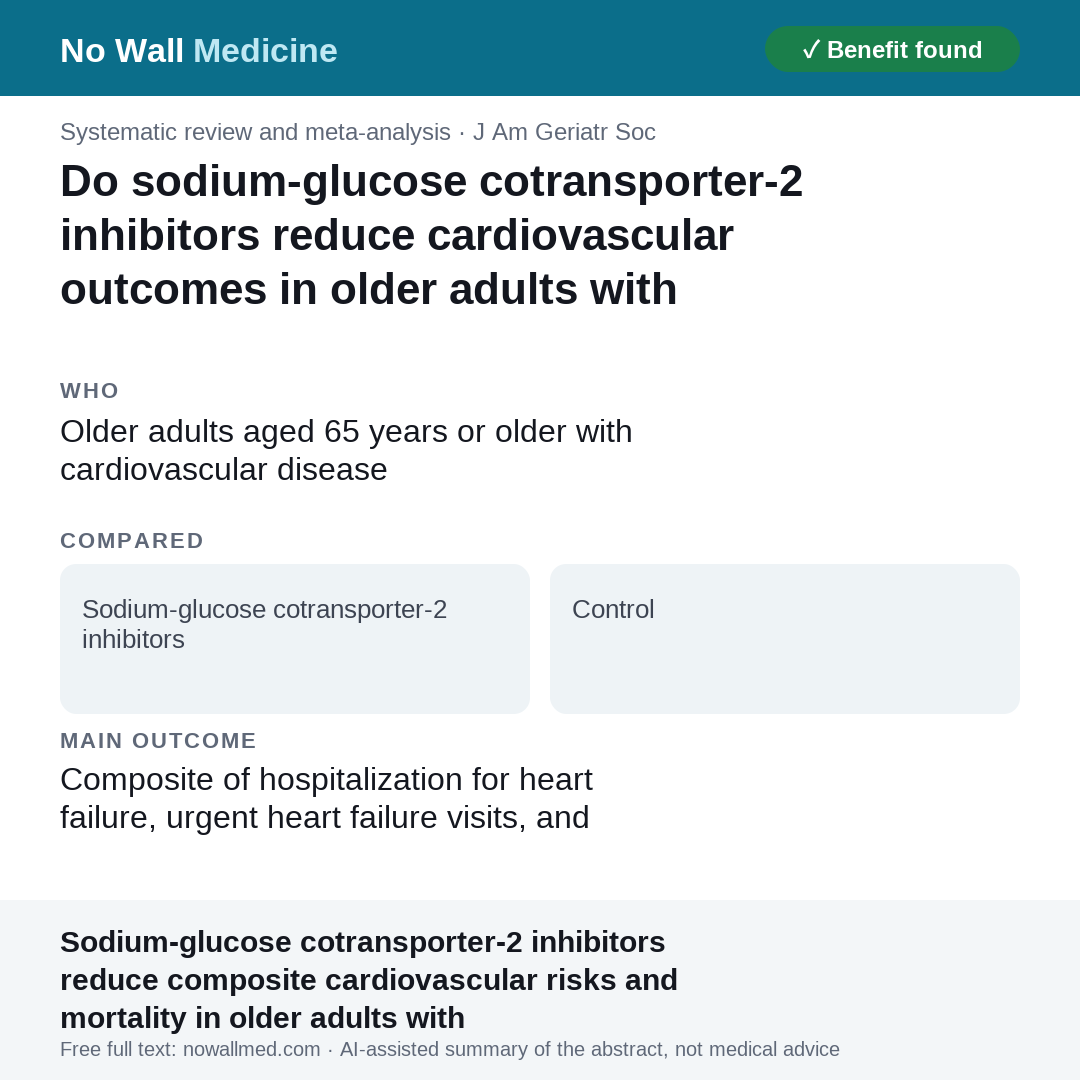
SGLT2 Inhibitors in Older Adults With Cardiovascular Disease: A Systematic Review and Meta-Analysis
Systematic review and meta-analysisBenefit found
Do sodium-glucose cotransporter-2 inhibitors reduce cardiovascular outcomes in older adults with cardiovascular disease?
Who
Older adults aged 65 years or older with cardiovascular disease
Compared
Sodium-glucose cotransporter-2 inhibitors
Control
Main outcome
Composite of hospitalization for heart failure, urgent heart failure visits, and cardiovascular death
Result: hazard ratio 0.75 (95% CI 0.67-0.83)
Bottom line: Sodium-glucose cotransporter-2 inhibitors reduce composite cardiovascular risks and mortality in older adults with cardiovascular disease.
J Am Geriatr Soc · 2025-10-07Download image
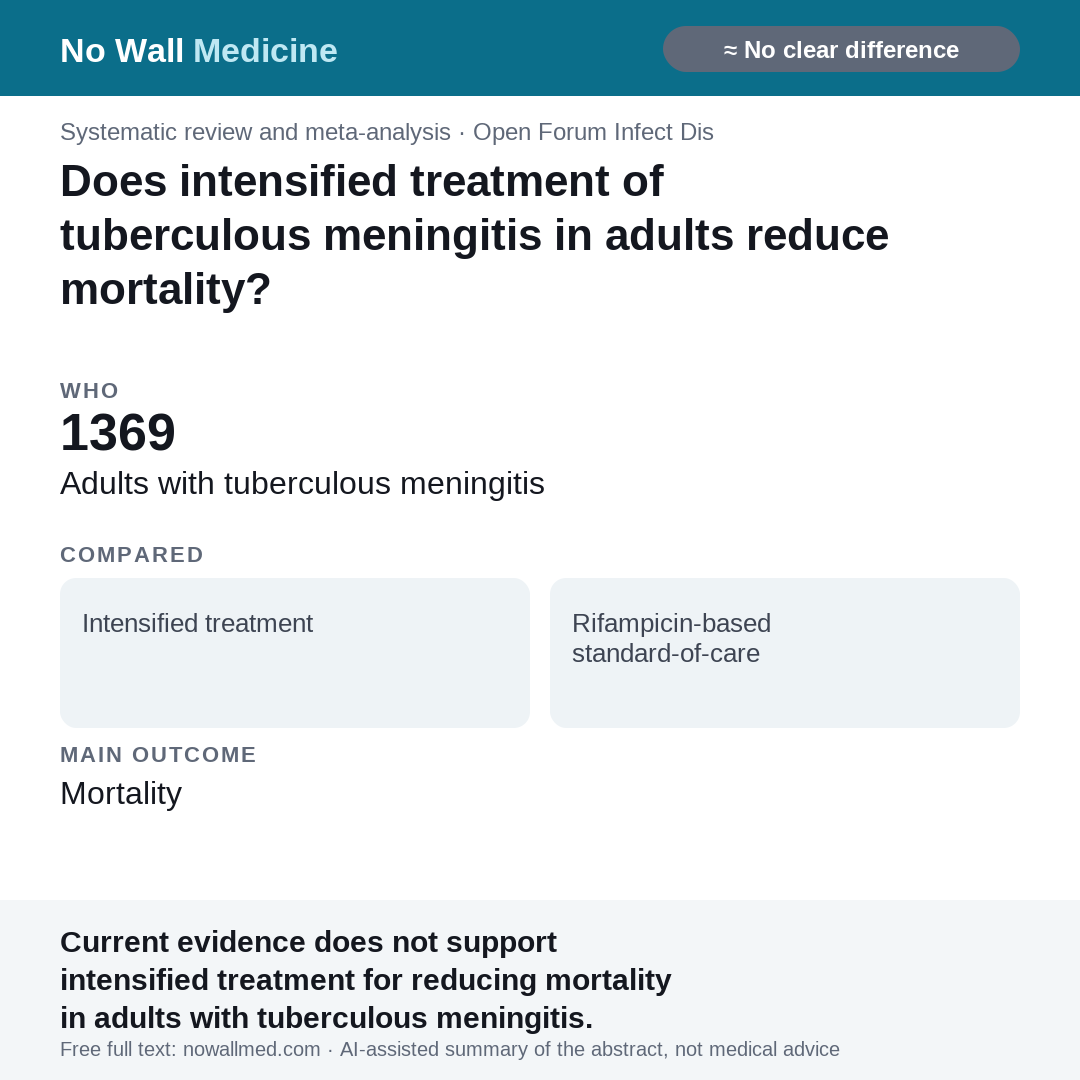
Intensified Treatment of Tuberculous Meningitis in Adults: A Systematic Review and Meta-analysis
Systematic review and meta-analysisNo clear difference
Does intensified treatment of tuberculous meningitis in adults reduce mortality?
Who
1369
Adults with tuberculous meningitis
Compared
Intensified treatment
Rifampicin-based standard-of-care
Main outcome
Mortality
Bottom line: Current evidence does not support intensified treatment for reducing mortality in adults with tuberculous meningitis.
Limitation: Diverse case definitions, variable dosing, and heterogeneous disability and safety outcomes.
Open Forum Infect Dis · 2025-10-07Download image
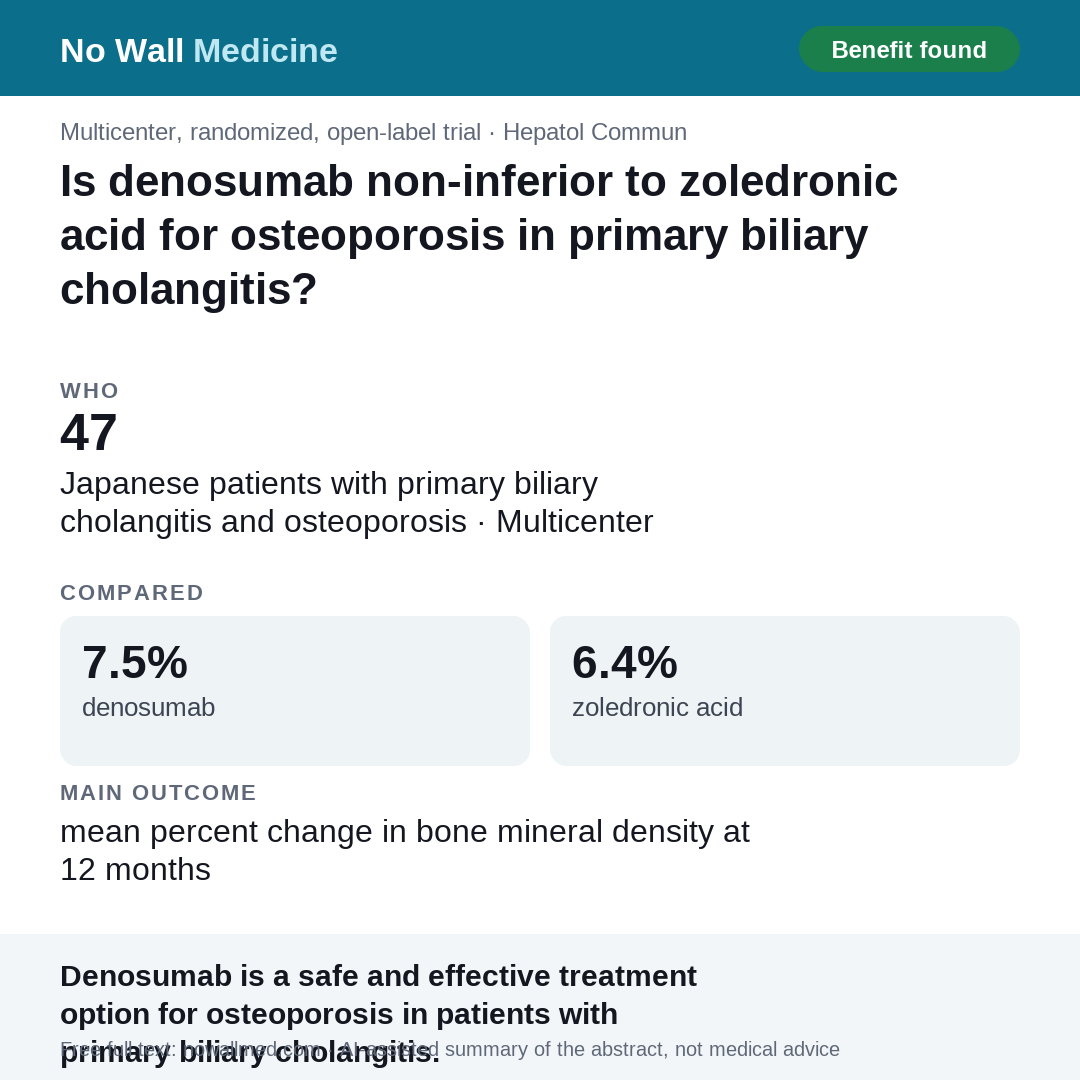
Denosumab versus zoledronic acid for osteoporosis treatment in patients with primary biliary cholangitis (the DELTA Study): A multicenter, non-inferiority randomized trial
Multicenter, randomized, open-label trialBenefit found
Is denosumab non-inferior to zoledronic acid for osteoporosis in primary biliary cholangitis?
Who
47
Japanese patients with primary biliary cholangitis and osteoporosis · Multicenter
Compared
7.5%denosumab
6.4%zoledronic acid
Main outcome
mean percent change in bone mineral density at 12 months
Result: 95% CI: -1.6% to 3.8%
Bottom line: Denosumab is a safe and effective treatment option for osteoporosis in patients with primary biliary cholangitis.
Hepatol Commun · 2025-10-07Download image
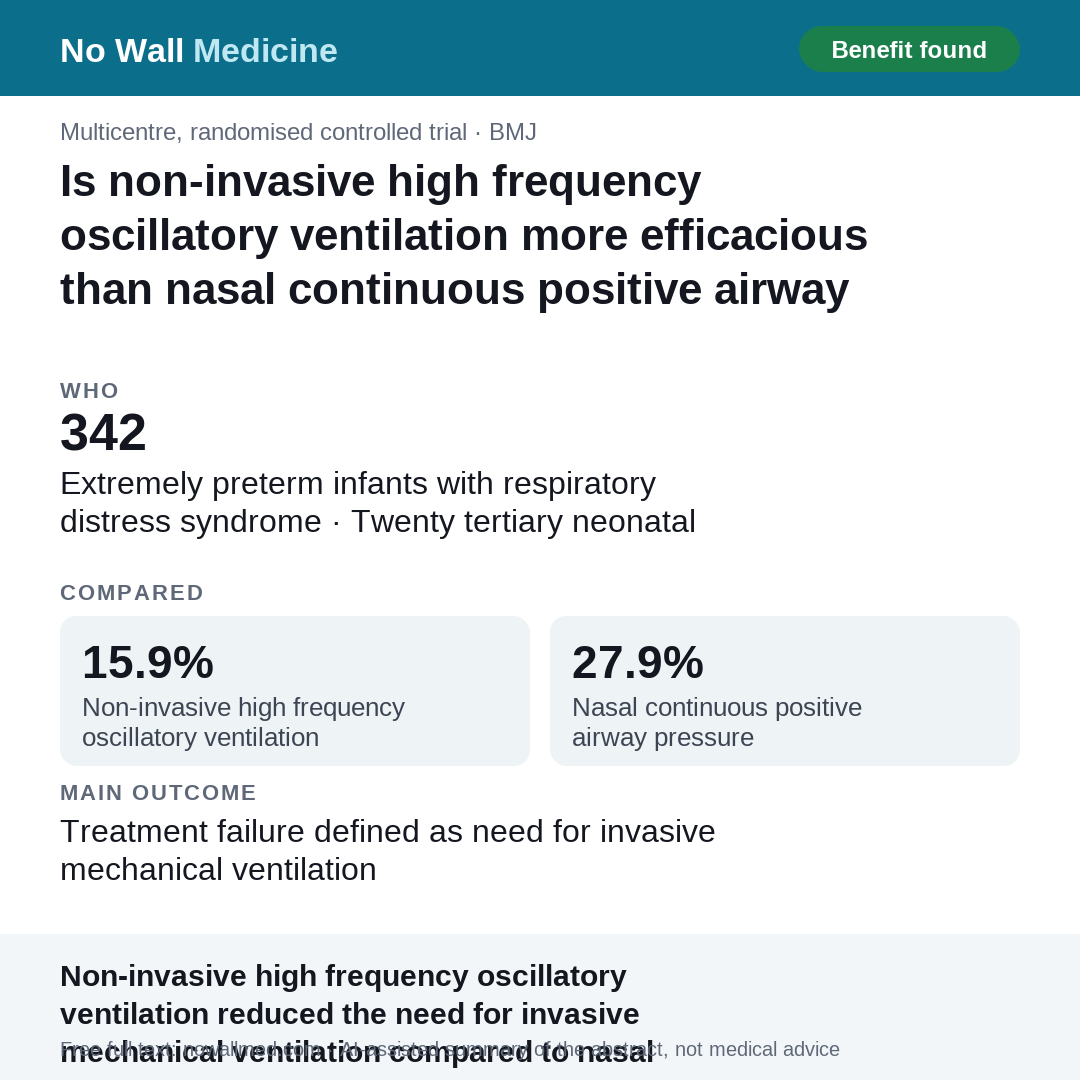
Non-invasive high frequency oscillatory ventilation for primary respiratory support in extremely preterm infants: multicentre randomised controlled trial
Multicentre, randomised controlled trialBenefit found
Is non-invasive high frequency oscillatory ventilation more efficacious than nasal continuous positive airway pressure?
Who
342
Extremely preterm infants with respiratory distress syndrome · Twenty tertiary neonatal intensive care units in China
Compared
15.9%Non-invasive high frequency oscillatory ventilation
27.9%Nasal continuous positive airway pressure
Main outcome
Treatment failure defined as need for invasive mechanical ventilation
Result: risk difference -12.0 percentage points, 95% confidence interval -20.7 to -3.4
Bottom line: Non-invasive high frequency oscillatory ventilation reduced the need for invasive mechanical ventilation compared to nasal continuous positive airway pressure.
BMJ · 2025-10-06Download image
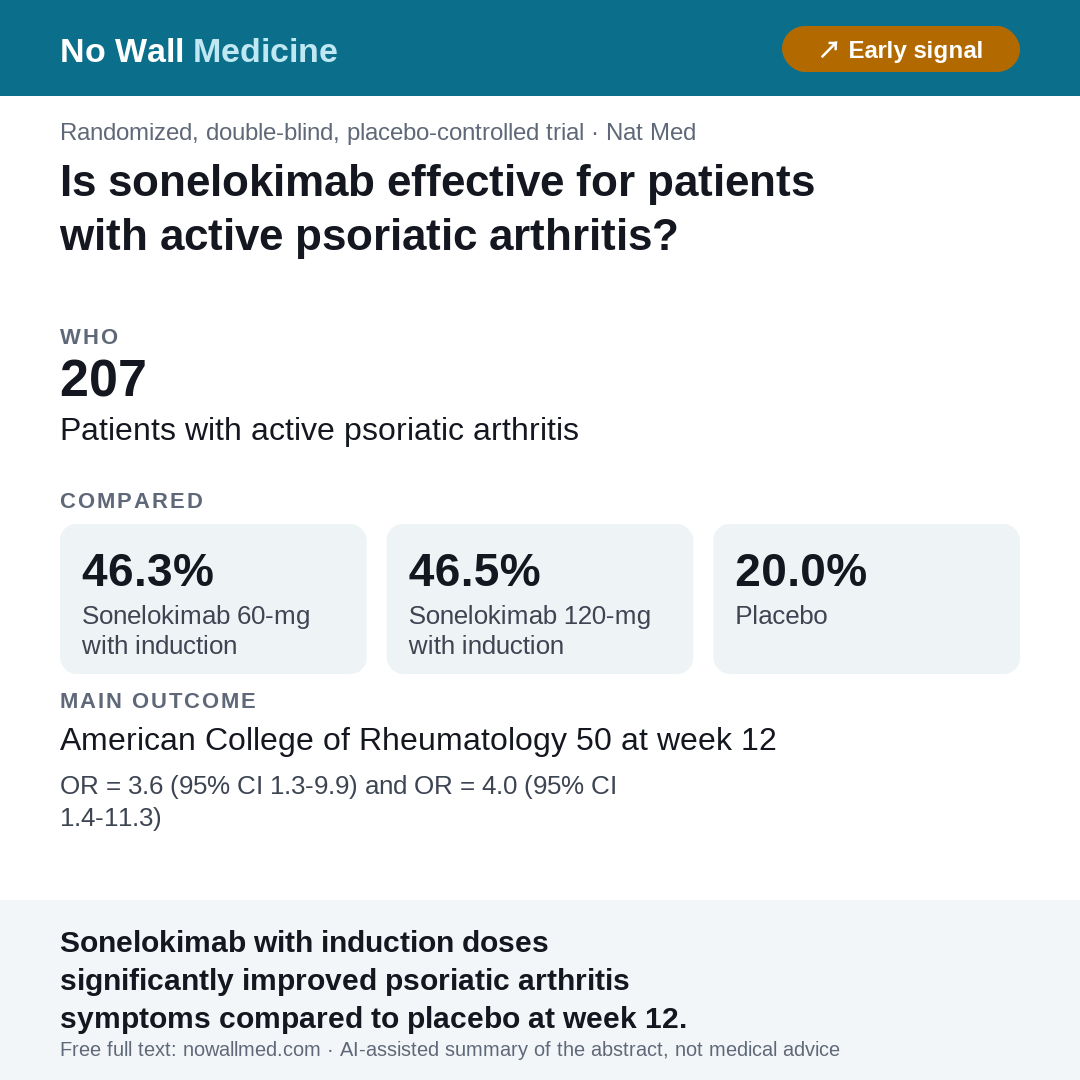
Sonelokimab, an IL-17A/IL-17F-inhibiting nanobody for active psoriatic arthritis: a randomized, placebo-controlled phase 2 trial
Randomized, double-blind, placebo-controlled trialBenefit found
Is sonelokimab effective for patients with active psoriatic arthritis?
Who
207
Patients with active psoriatic arthritis
Compared
46.3%Sonelokimab 60-mg with induction (19/41)
46.5%Sonelokimab 120-mg with induction (20/43)
20.0%Placebo (8/40)
Main outcome
American College of Rheumatology 50 at week 12
Result: OR = 3.6 (95% CI 1.3-9.9) and OR = 4.0 (95% CI 1.4-11.3)
Bottom line: Sonelokimab with induction doses significantly improved psoriatic arthritis symptoms compared to placebo at week 12.
Nat Med · 2025-10-06Download image
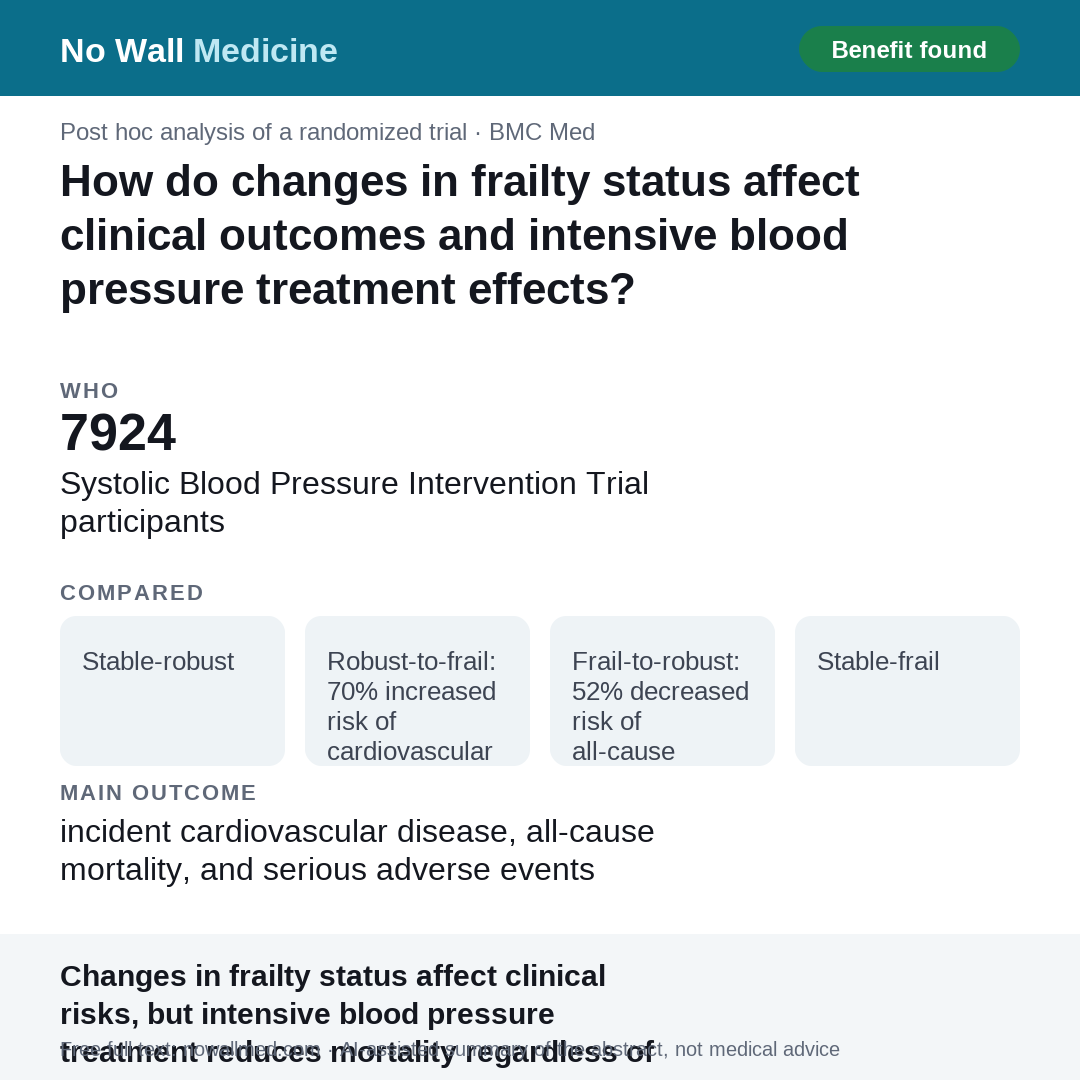
Changes in frailty, intensive blood pressure treatment, and risks of adverse clinical outcomes: a post hoc analysis of the SPRINT trial
Post hoc analysis of a randomized trialBenefit found
How do changes in frailty status affect clinical outcomes and intensive blood pressure treatment effects?
Who
7924
Systolic Blood Pressure Intervention Trial participants
Compared
Stable-robust
Robust-to-frail: 70% increased risk of cardiovascular disease
Frail-to-robust: 52% decreased risk of all-cause mortality
Stable-frail
Main outcome
incident cardiovascular disease, all-cause mortality, and serious adverse events
Bottom line: Changes in frailty status affect clinical risks, but intensive blood pressure treatment reduces mortality regardless of frailty changes.
BMC Med · 2025-10-06Download image
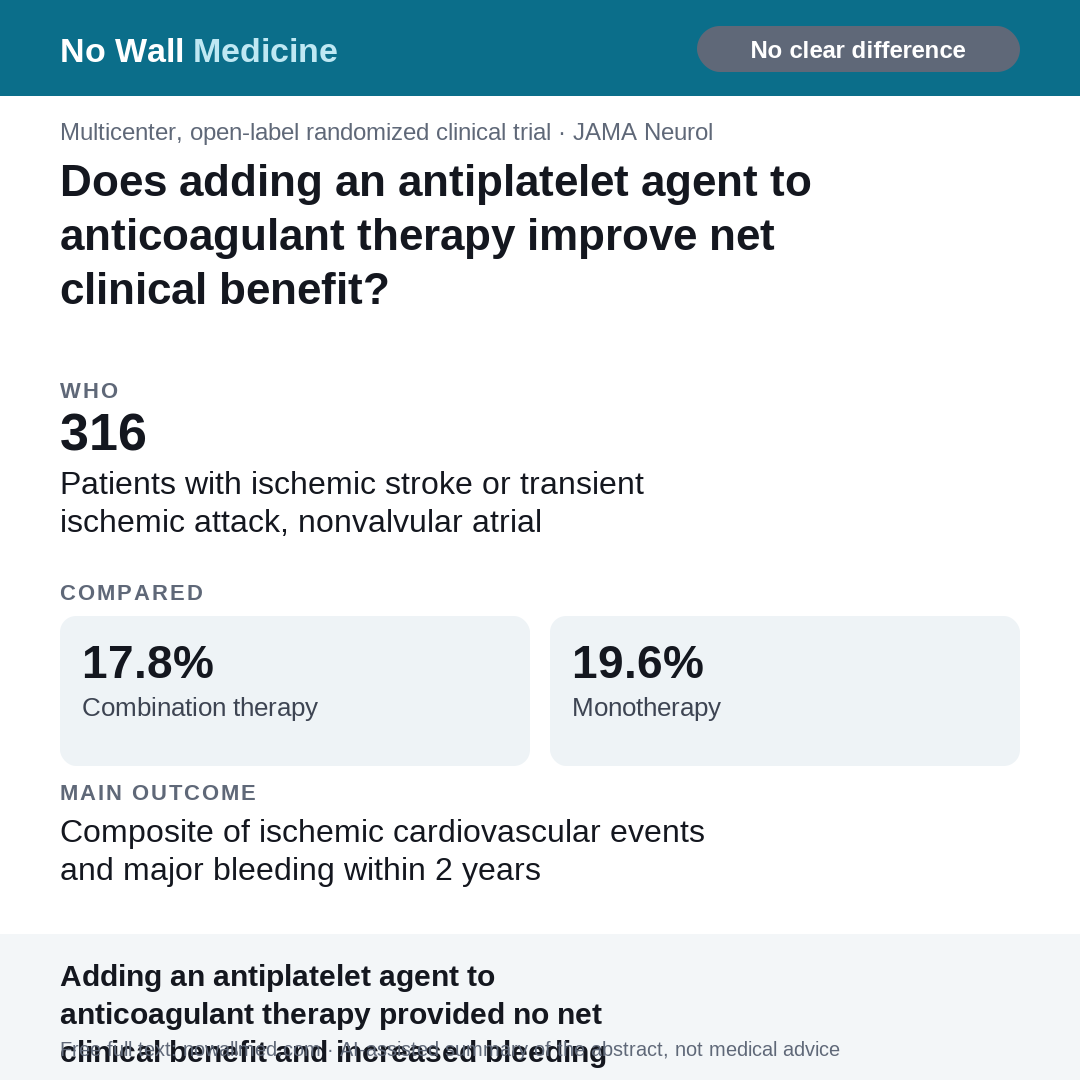
Optimal Antithrombotics for Ischemic Stroke and Concurrent Atrial Fibrillation and Atherosclerosis: A Randomized Clinical Trial
Multicenter, open-label randomized clinical trialNo clear difference
Does adding an antiplatelet agent to anticoagulant therapy improve net clinical benefit?
Who
316
Patients with ischemic stroke or transient ischemic attack, nonvalvular atrial fibrillation, and atherosclerotic cardiovascular disease · 41 sites across Japan
Compared
17.8%Combination therapy
19.6%Monotherapy
Main outcome
Composite of ischemic cardiovascular events and major bleeding within 2 years
Result: hazard ratio 0.91 (95% CI 0.53-1.55)
Bottom line: Adding an antiplatelet agent to anticoagulant therapy provided no net clinical benefit and increased bleeding risk.
JAMA Neurol · 2025-10-06Download image
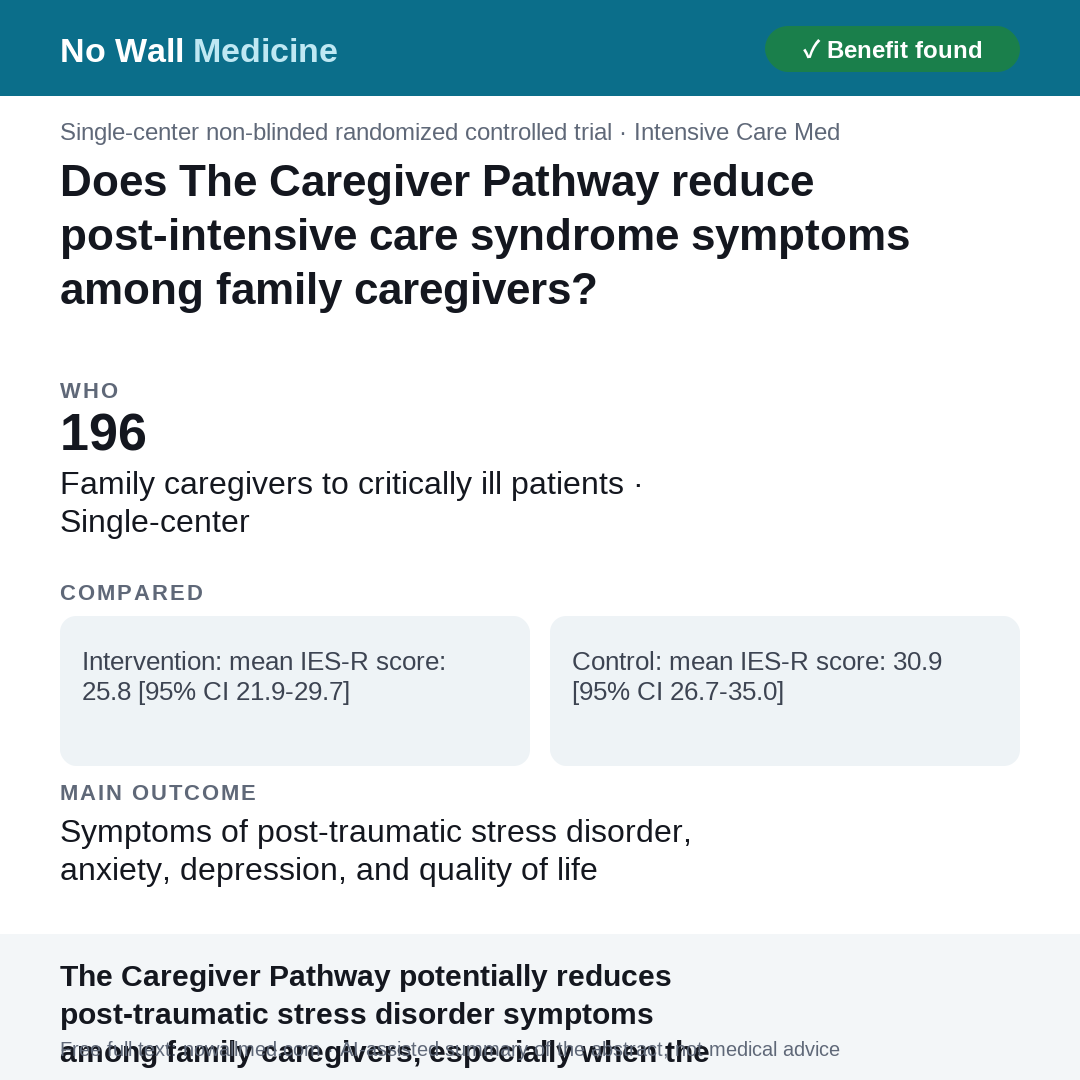
Effects of The Caregiver Pathway intervention on symptoms of post-intensive care syndrome among family caregivers to critically ill patients: long-term results from a randomized controlled trial
Single-center non-blinded randomized controlled trialBenefit found
Does The Caregiver Pathway reduce post-intensive care syndrome symptoms among family caregivers?
Who
196
Family caregivers to critically ill patients · Single-center
Compared
Intervention: mean IES-R score: 25.8 [95% CI 21.9-29.7]
Control: mean IES-R score: 30.9 [95% CI 26.7-35.0]
Main outcome
Symptoms of post-traumatic stress disorder, anxiety, depression, and quality of life
Result: mean IES-R score: 25.8 [95% CI 21.9-29.7] versus 30.9 [95% CI 26.7-35.0], p = 0.009
Bottom line: The Caregiver Pathway potentially reduces post-traumatic stress disorder symptoms among family caregivers, especially when the patient survives.
Intensive Care Med · 2025-10-06Download image
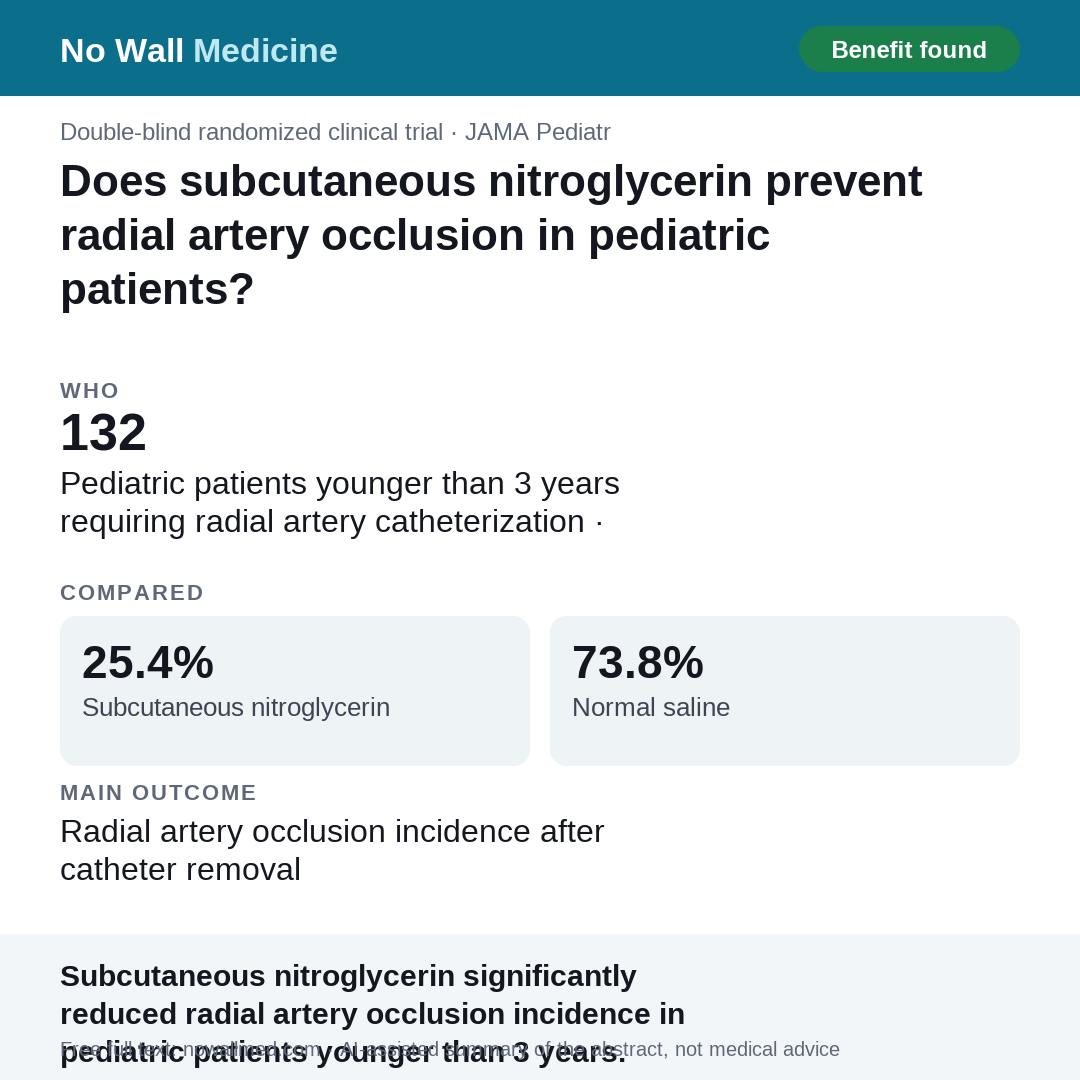
Subcutaneous Nitroglycerin to Prevent Radial Artery Occlusion in Pediatric Patients: A Randomized Clinical Trial
Double-blind randomized clinical trialBenefit found
Does subcutaneous nitroglycerin prevent radial artery occlusion in pediatric patients?
Who
132
Pediatric patients younger than 3 years requiring radial artery catheterization · Single tertiary center
Compared
25.4%Subcutaneous nitroglycerin (17 of 67)
73.8%Normal saline (48 of 65)
Main outcome
Radial artery occlusion incidence after catheter removal
Result: odds ratio 0.12 (95% CI 0.06-0.26)
Bottom line: Subcutaneous nitroglycerin significantly reduced radial artery occlusion incidence in pediatric patients younger than 3 years.
JAMA Pediatr · 2025-10-06Download image
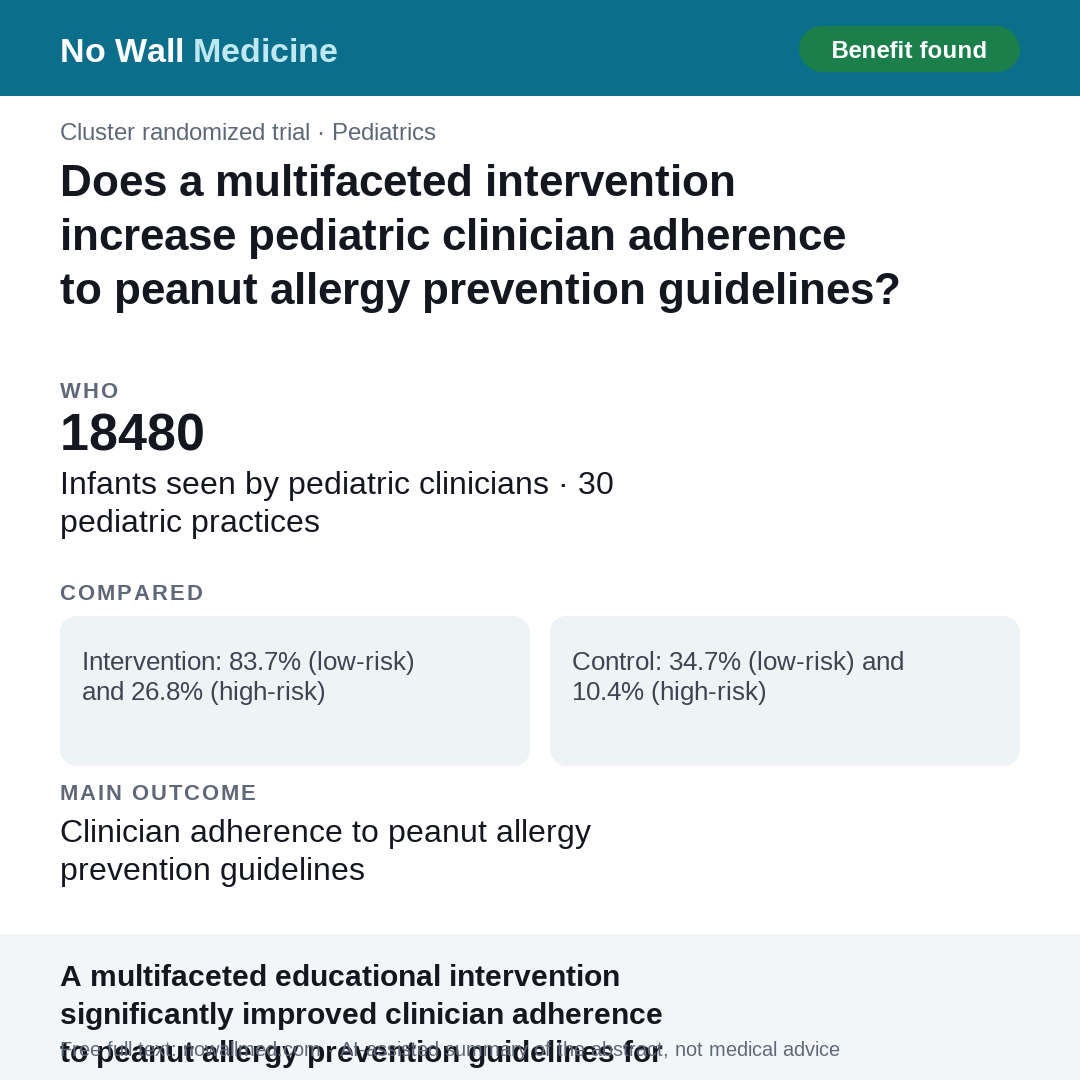
Pediatric Clinician Adherence to Peanut Allergy Prevention Guidelines: A Randomized Trial
Cluster randomized trialBenefit found
Does a multifaceted intervention increase pediatric clinician adherence to peanut allergy prevention guidelines?
Who
18480
Infants seen by pediatric clinicians · 30 pediatric practices
Compared
Intervention: 83.7% (low-risk) and 26.8% (high-risk)
Control: 34.7% (low-risk) and 10.4% (high-risk)
Main outcome
Clinician adherence to peanut allergy prevention guidelines
Result: odds ratio 14.6 (95% CI, 7.0-30.5) for low-risk infants
Bottom line: A multifaceted educational intervention significantly improved clinician adherence to peanut allergy prevention guidelines for low and high-risk infants.
Pediatrics · 2025-10-06Download image
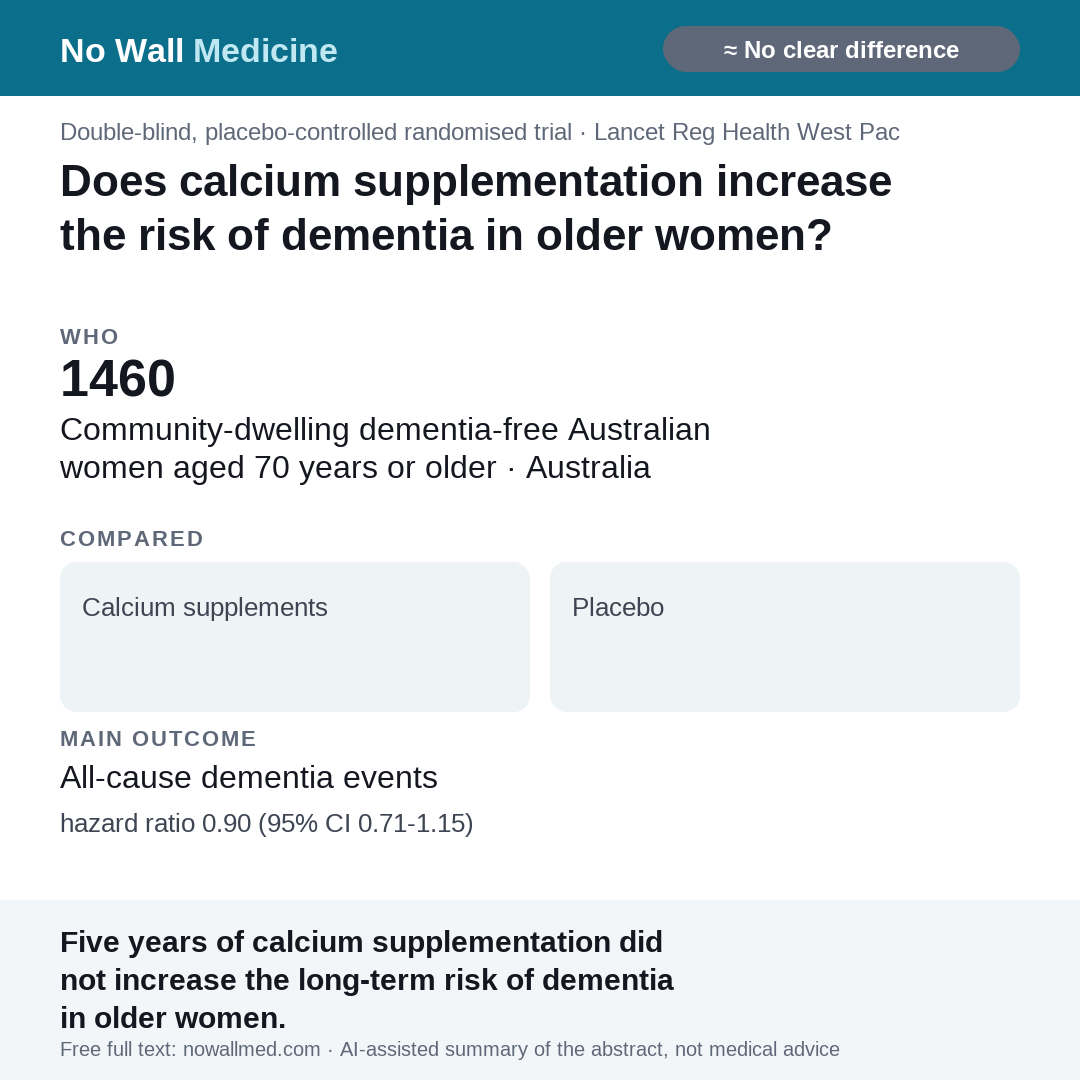
Calcium supplementation and the risk of dementia in the Perth Longitudinal Study of Aging Women: a post-hoc analysis of a randomised clinical trial for fracture prevention
Double-blind, placebo-controlled randomised trialNo clear difference
Does calcium supplementation increase the risk of dementia in older women?
Who
1460
Community-dwelling dementia-free Australian women aged 70 years or older · Australia
Compared
Calcium supplements
Placebo
Main outcome
All-cause dementia events
Result: hazard ratio 0.90 (95% CI 0.71-1.15)
Bottom line: Five years of calcium supplementation did not increase the long-term risk of dementia in older women.
Funded by: National Health and Medical Research Council of Australia
Lancet Reg Health West Pac · 2025-10-06Download image
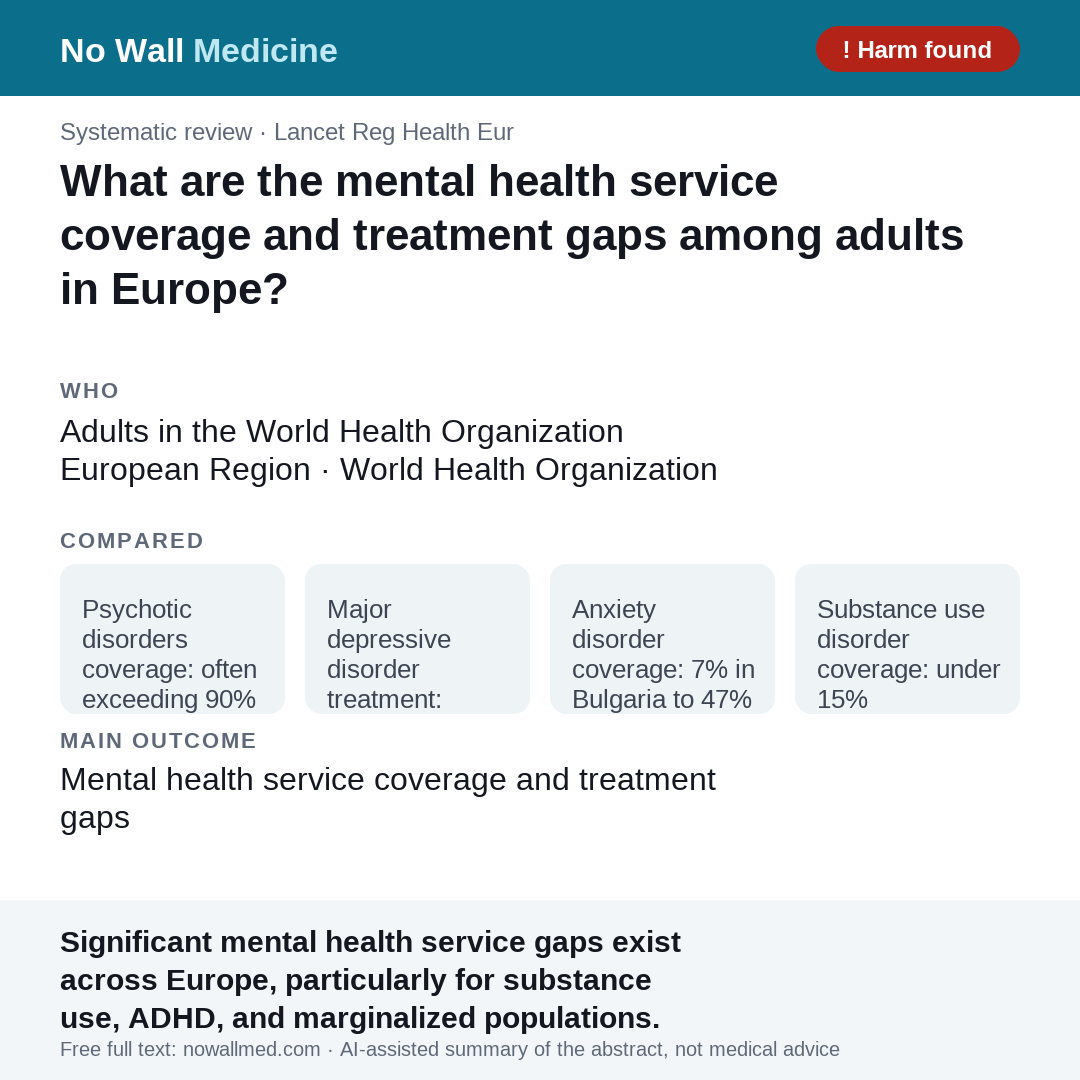
Mental health service coverage and gaps among adults in Europe: a systematic review
Systematic reviewHarm found
What are the mental health service coverage and treatment gaps among adults in Europe?
Who
Adults in the World Health Organization European Region · World Health Organization European Region
Compared
Psychotic disorders coverage: often exceeding 90% in some countries
Major depressive disorder treatment: below 10% in Bulgaria, Tajikistan and Turkmenistan to over 35% in Germany and Czechia
Anxiety disorder coverage: 7% in Bulgaria to 47% in Sweden
Substance use disorder coverage: under 15%
Main outcome
Mental health service coverage and treatment gaps
Bottom line: Significant mental health service gaps exist across Europe, particularly for substance use, ADHD, and marginalized populations.
Lancet Reg Health Eur · 2025-10-06Download image
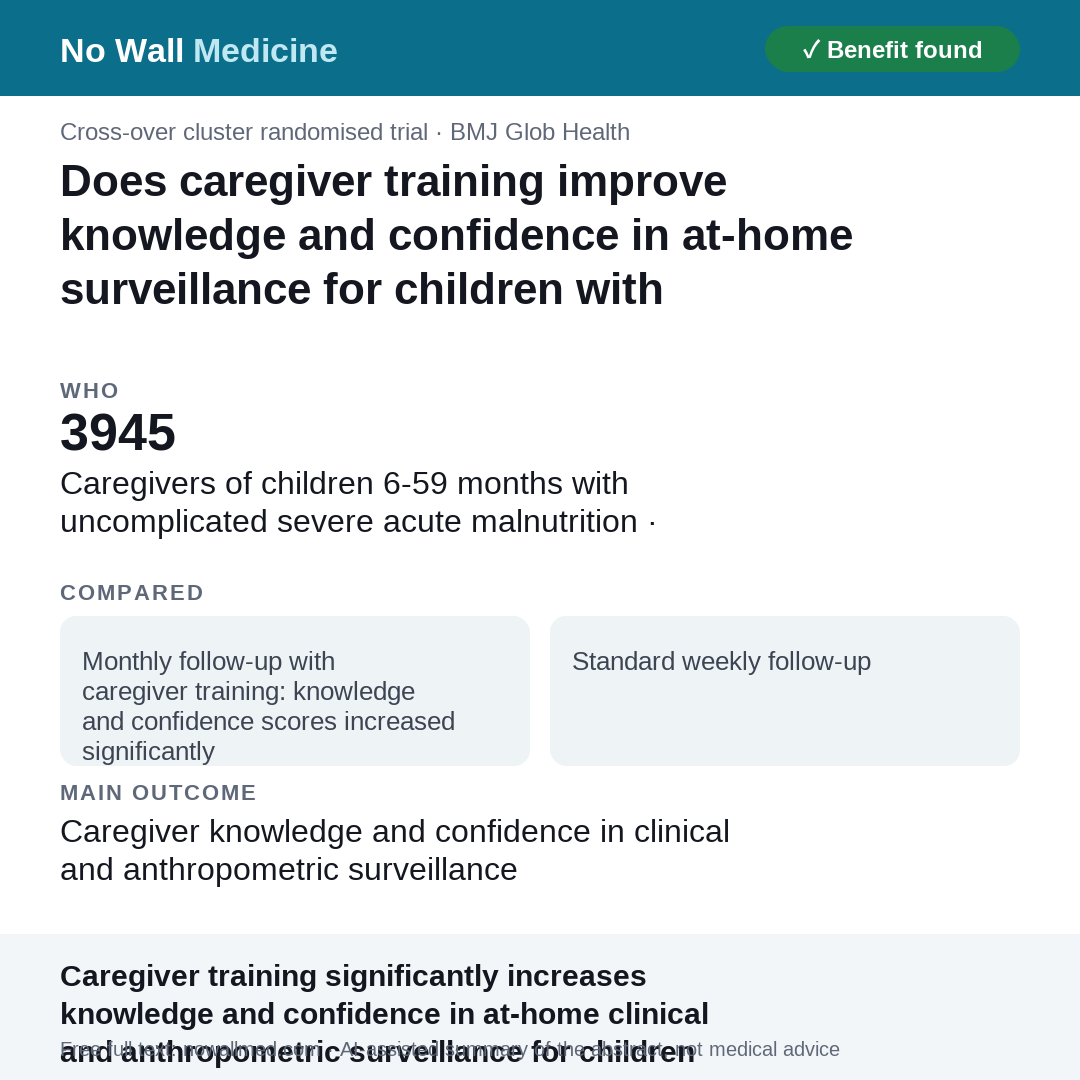
Effect of caregiver training on knowledge and confidence of at-home clinical and anthropometric surveillance of children with uncomplicated severe acute malnutrition: analysis of a cross-over cluster randomised trial in Sokoto, Nigeria
Cross-over cluster randomised trialBenefit found
Does caregiver training improve knowledge and confidence in at-home surveillance for children with malnutrition?
Who
3945
Caregivers of children 6-59 months with uncomplicated severe acute malnutrition · Sokoto, Nigeria
Compared
Monthly follow-up with caregiver training: knowledge and confidence scores increased significantly
Standard weekly follow-up
Main outcome
Caregiver knowledge and confidence in clinical and anthropometric surveillance
Bottom line: Caregiver training significantly increases knowledge and confidence in at-home clinical and anthropometric surveillance for children with malnutrition.
BMJ Glob Health · 2025-10-06Download image
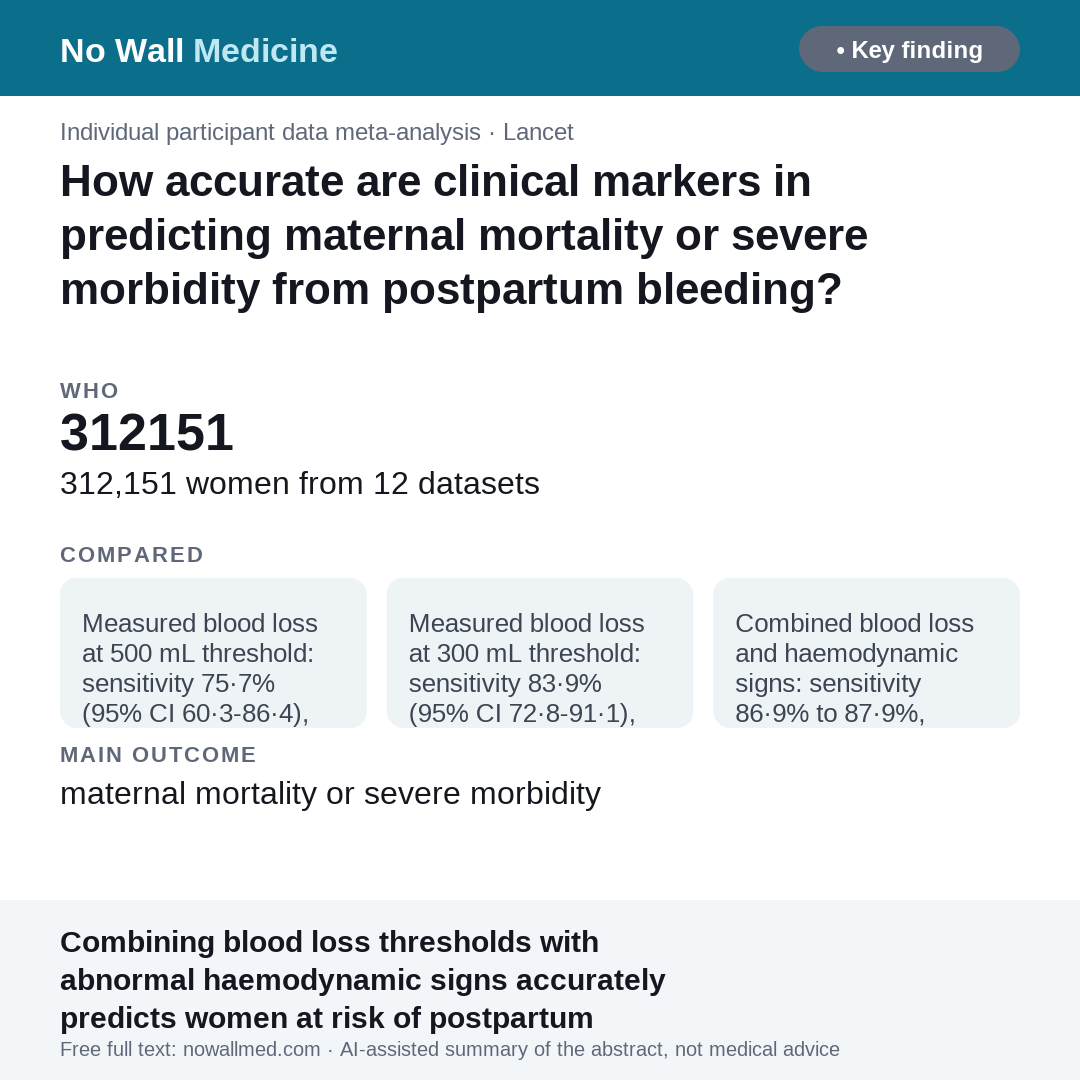
Prognostic accuracy of clinical markers of postpartum bleeding in predicting maternal mortality or severe morbidity: a WHO individual participant data meta-analysis
Individual participant data meta-analysisBenefit found
How accurate are clinical markers in predicting maternal mortality or severe morbidity from postpartum bleeding?
Who
312151
312,151 women from 12 datasets
Compared
Measured blood loss at 500 mL threshold: sensitivity 75·7% (95% CI 60·3-86·4), specificity 81·4% (95% CI 70·7-88·8)
Measured blood loss at 300 mL threshold: sensitivity 83·9% (95% CI 72·8-91·1), specificity 54·8% (95% CI 38·0-70·5)
Combined blood loss and haemodynamic signs: sensitivity 86·9% to 87·9%, specificity 66·6% to 76·1%
Main outcome
maternal mortality or severe morbidity
Bottom line: Combining blood loss thresholds with abnormal haemodynamic signs accurately predicts women at risk of postpartum bleeding complications.
Funded by: Gates Foundation and WHO Special Programme
Lancet · 2025-10-04Download image
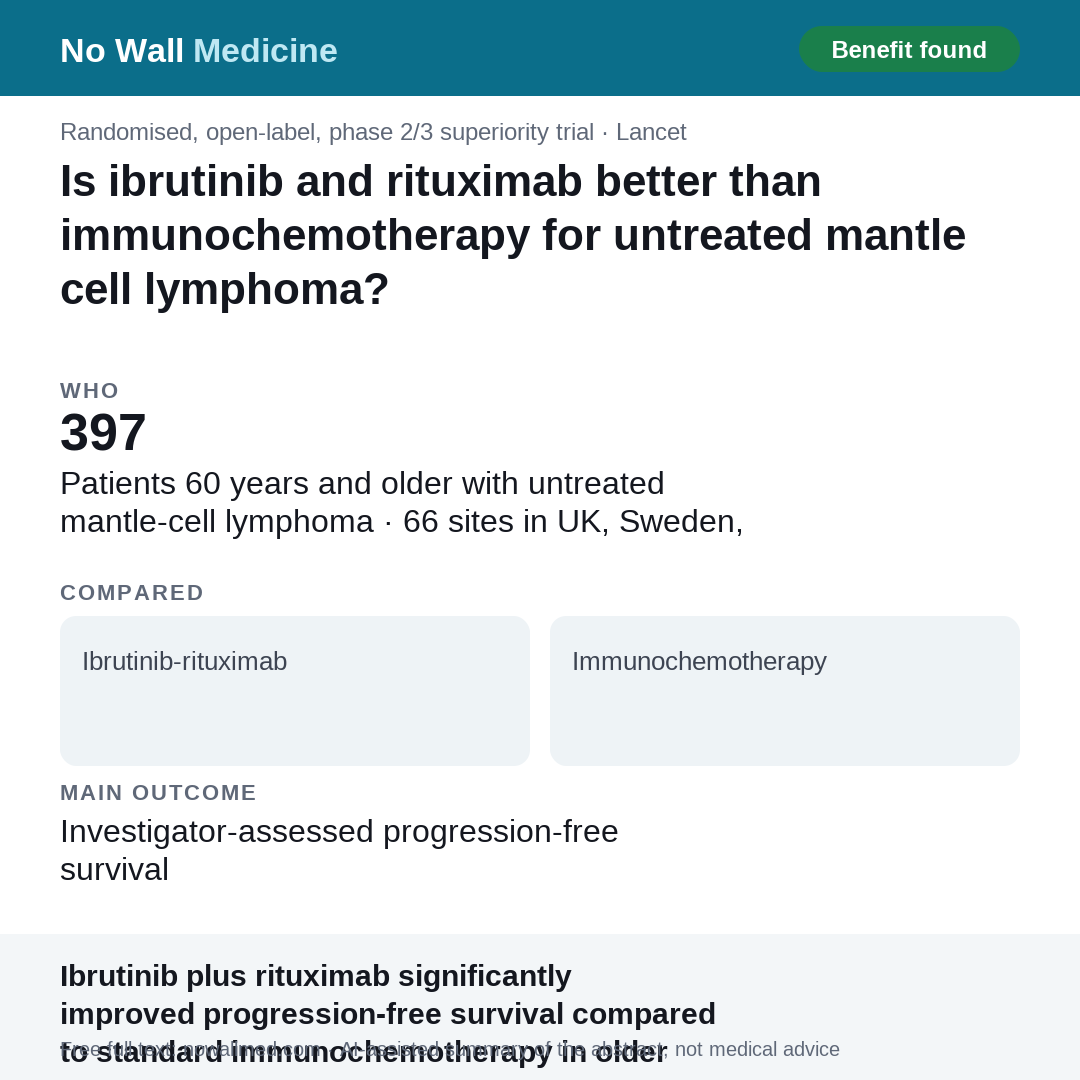
Ibrutinib and rituximab versus immunochemotherapy in patients with previously untreated mantle cell lymphoma (ENRICH): a randomised, open-label, phase 2/3 superiority trial
Randomised, open-label, phase 2/3 superiority trialBenefit found
Is ibrutinib and rituximab better than immunochemotherapy for untreated mantle cell lymphoma?
Who
397
Patients 60 years and older with untreated mantle-cell lymphoma · 66 sites in UK, Sweden, Norway, Finland, and Denmark
Compared
Ibrutinib-rituximab
Immunochemotherapy
Main outcome
Investigator-assessed progression-free survival
Result: hazard ratio 0·69 (95% CI 0·52-0·90)
Bottom line: Ibrutinib plus rituximab significantly improved progression-free survival compared to standard immunochemotherapy in older patients with untreated mantle-cell lymphoma.
Funded by: Cancer Research UK and Johnson and Johnson Pharmaceuticals
Lancet · 2025-10-03Download image