Visual abstracts
New randomized trials and meta-analyses from leading journals at a glance: who was studied, what was compared, and what was found. Every paper is free to read in full.
All specialtiesCardiology 4877Oncology 4138Gastroenterology & Hepatology 1942Infectious Disease 3837Neurology 1905Psychiatry & Mental Health 2273Pulmonology 2143Critical Care 1365Endocrinology & Diabetes 2580Pediatrics 2980Surgery 2559Orthopedics & Sports Medicine 931Neurosurgery 537Cardiothoracic & Vascular Surgery 674Plastic & Reconstructive Surgery 591Nephrology 1133Rheumatology 823Hematology 1109Dermatology 621Ophthalmology 543Obstetrics & Gynecology 1686Public & Global Health 1058Radiology & Imaging 648Anesthesiology 986Urology 764ENT (Otolaryngology) 503Emergency Medicine 511Allergy & Immunology 313Geriatrics 981Family Medicine & Primary Care 562Medical Genetics & Genomics 676Pathology & Laboratory Medicine 159Physical Medicine & Rehabilitation 757Palliative Care 444Nutrition 1588Digital Health & AI 2201General Medicine 321
Physiological Response to the COVID-19 Vaccine: Insights From a Prospective, Randomized, Single-Blinded, Crossover Trial
Prospective, randomized, single-blinded, crossover trialNo clear difference
What are the temporal dynamics of physiological parameters and menstrual cycle phases after COVID-19 vaccination?
Who
17825
Adults in the Netherlands · Netherlands
Compared
After COVID-19 vaccination: short-term increases in breathing rate and heart rate
Menstruating participants menstrual phase: 0.8% decrease
Main outcome
breathing rate, skin temperature, heart rate, heart rate variability, and menstrual cycle phases
Bottom line: COVID-19 vaccines cause short-term increases in breathing and heart rate but no long-term biophysical issues.
J Med Internet Res · 2024-07-31Download image

Robotic-assisted surgery for adult spinal deformity. A systematic review
Systematic reviewMixed results
Does robotic-assisted surgery improve outcomes for adult spinal deformity compared to conventional surgery?
Who
Adults with spinal deformity
Compared
Robotic-assisted surgery
Conventional open surgery
Main outcome
Screw placement precision, operative time, radiation, and complications
Bottom line: Robotic surgery may enhance screw precision and reduce complications, but impact on operation duration requires further investigation.
Limitation: The overall level of evidence in the studies was moderate to low.
Brain Spine · 2024-07-31Download image

Clinical outcomes of breast reconstruction using omental flaps: A systematic review
Systematic reviewBenefit found
What are the clinical outcomes of breast reconstruction using omental flaps?
Who
969
Patients undergoing breast reconstruction with omental flaps
Compared
Omental flap reconstruction: 88.7% satisfactory cosmetic results (patients)
Omental flap reconstruction: 80.0% satisfactory cosmetic results (professionals)
Main outcome
Clinical outcomes including complications and cosmetic results
Bottom line: Omental flaps provide satisfactory cosmetic outcomes and acceptable donor-site morbidity for selected breast reconstruction patients.
Limitation: Further research is needed to determine ideal candidates and long-term effects in young patients.
JPRAS Open · 2024-07-31Download image

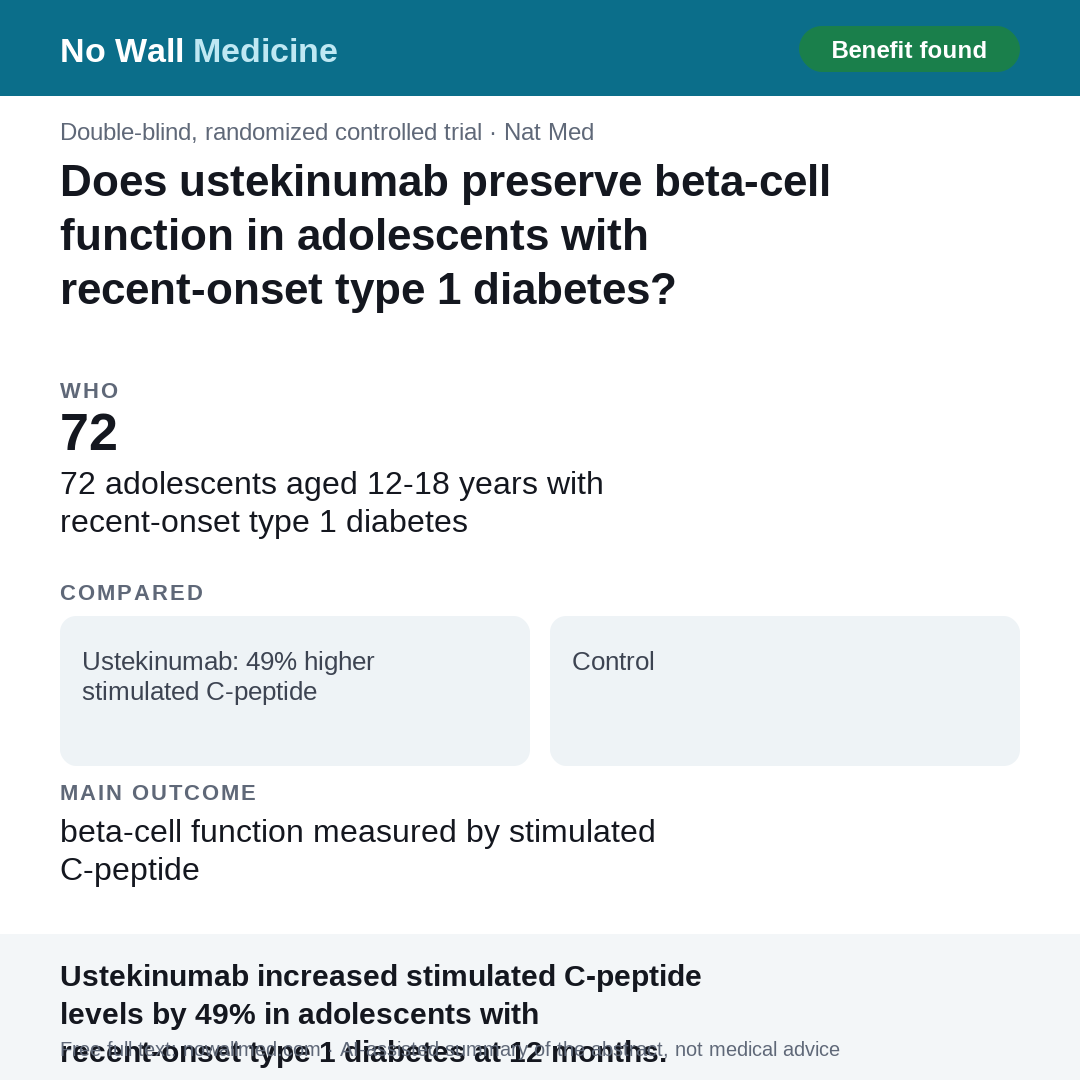
Ustekinumab for type 1 diabetes in adolescents: a multicenter, double-blind, randomized phase 2 trial
Double-blind, randomized controlled trialBenefit found
Does ustekinumab preserve beta-cell function in adolescents with recent-onset type 1 diabetes?
Who
72
72 adolescents aged 12-18 years with recent-onset type 1 diabetes
Compared
Ustekinumab: 49% higher stimulated C-peptide
Control
Main outcome
beta-cell function measured by stimulated C-peptide
Bottom line: Ustekinumab increased stimulated C-peptide levels by 49% in adolescents with recent-onset type 1 diabetes at 12 months.
Nat Med · 2024-07-30Download image
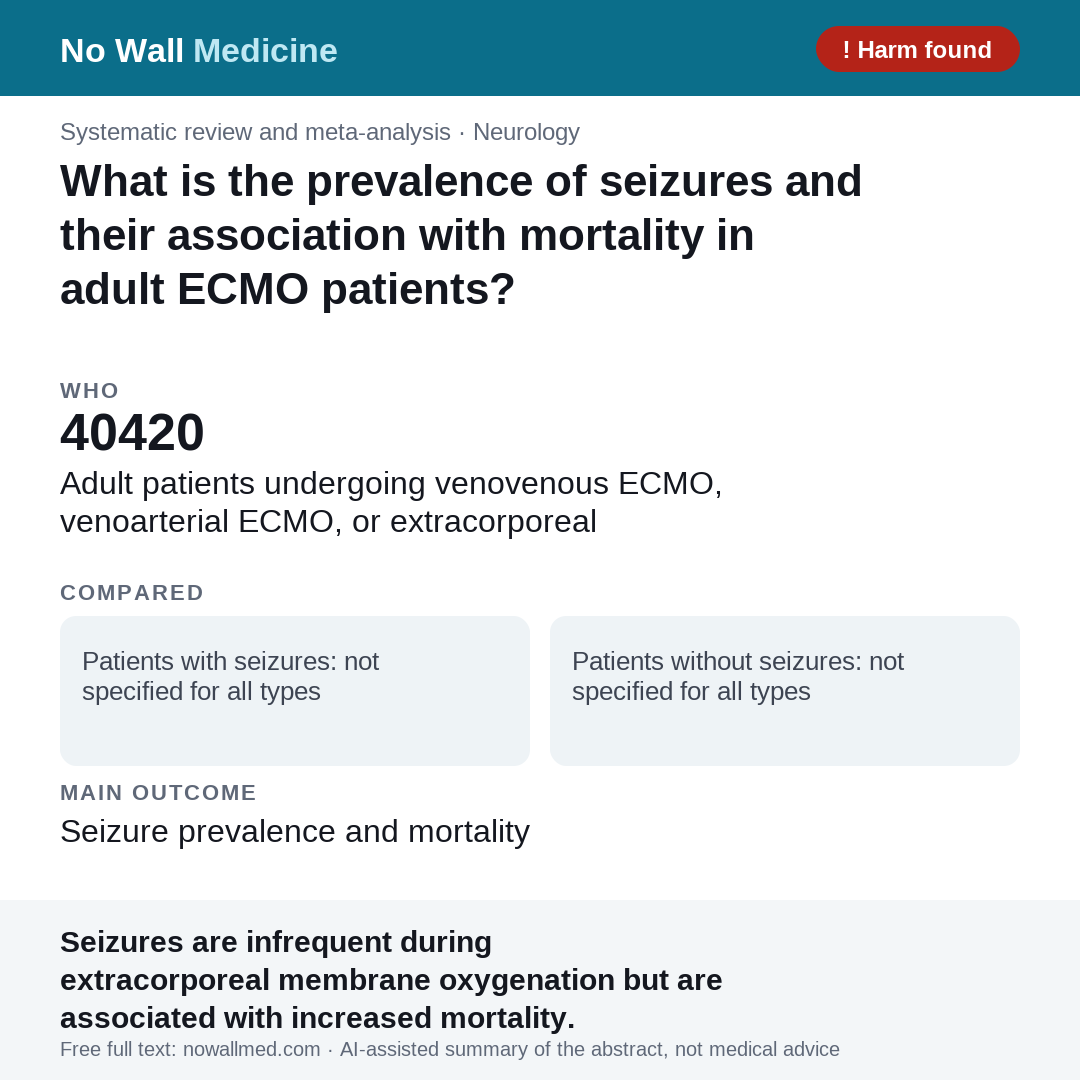
Epidemiology of Seizures and Association With Mortality in Adult Patients Undergoing ECMO: A Systematic Review and Meta-analysis
Systematic review and meta-analysisHarm found
What is the prevalence of seizures and their association with mortality in adult ECMO patients?
Who
40420
Adult patients undergoing venovenous ECMO, venoarterial ECMO, or extracorporeal cardiopulmonary resuscitation
Compared
Patients with seizures: not specified for all types
Patients without seizures: not specified for all types
Main outcome
Seizure prevalence and mortality
Result: relative risk 1.5 (95% CI 1.3-1.7) for VV-ECMO; relative risk 1.3 (95% CI 1.2-1.5) for VA-ECMO
Bottom line: Seizures are infrequent during extracorporeal membrane oxygenation but are associated with increased mortality.
Limitation: Missing data on seizure types, medications, other complications, and electroencephalogram recording protocols.
Neurology · 2024-07-30Download image
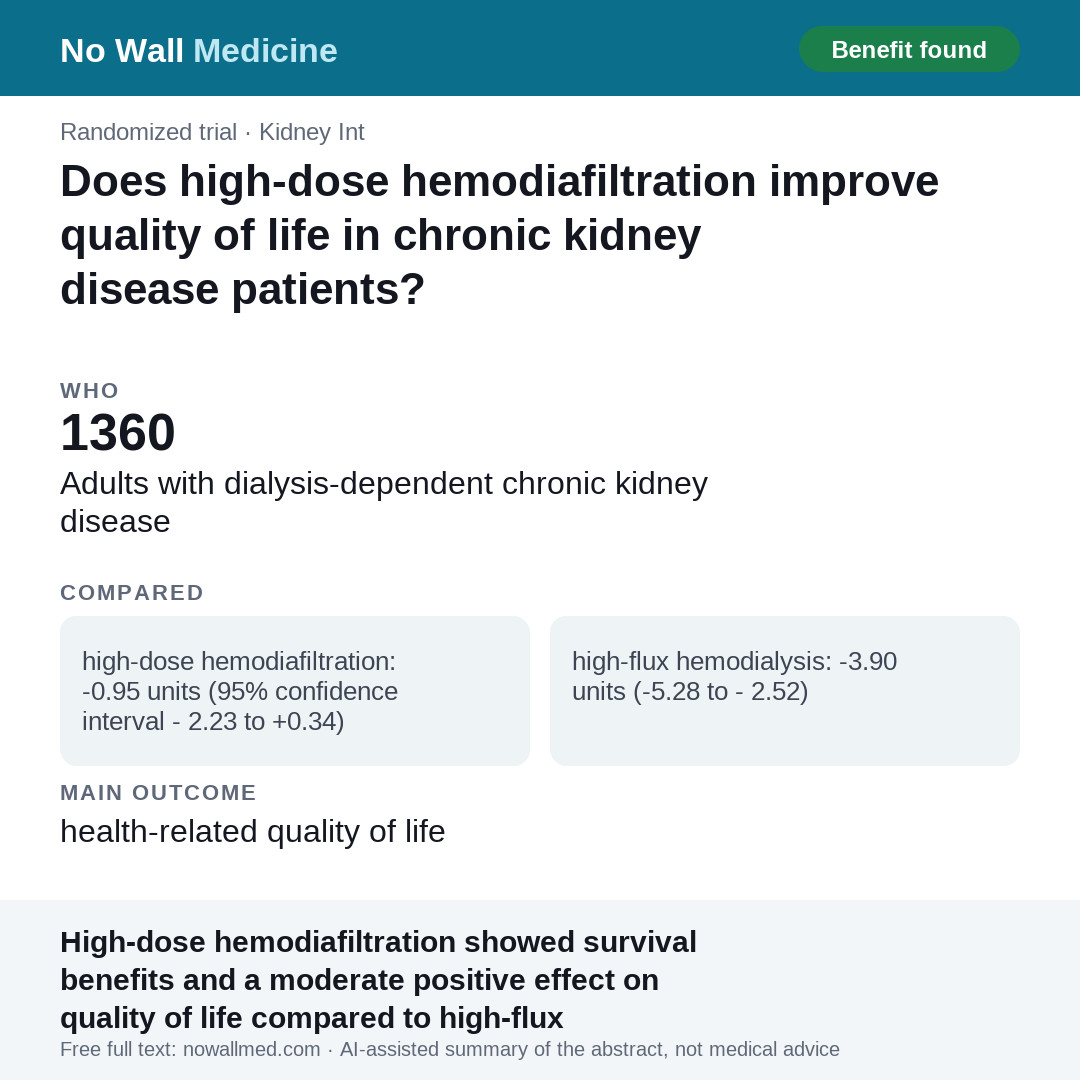
The CONVINCE randomized trial found positive effects on quality of life for patients with chronic kidney disease treated with hemodiafiltration
Randomized trialBenefit found
Does high-dose hemodiafiltration improve quality of life in chronic kidney disease patients?
Who
1360
Adults with dialysis-dependent chronic kidney disease
Compared
high-dose hemodiafiltration: -0.95 units (95% confidence interval - 2.23 to +0.34)
high-flux hemodialysis: -3.90 units (-5.28 to - 2.52)
Main outcome
health-related quality of life
Bottom line: High-dose hemodiafiltration showed survival benefits and a moderate positive effect on quality of life compared to high-flux hemodialysis.
Kidney Int · 2024-07-30Download image
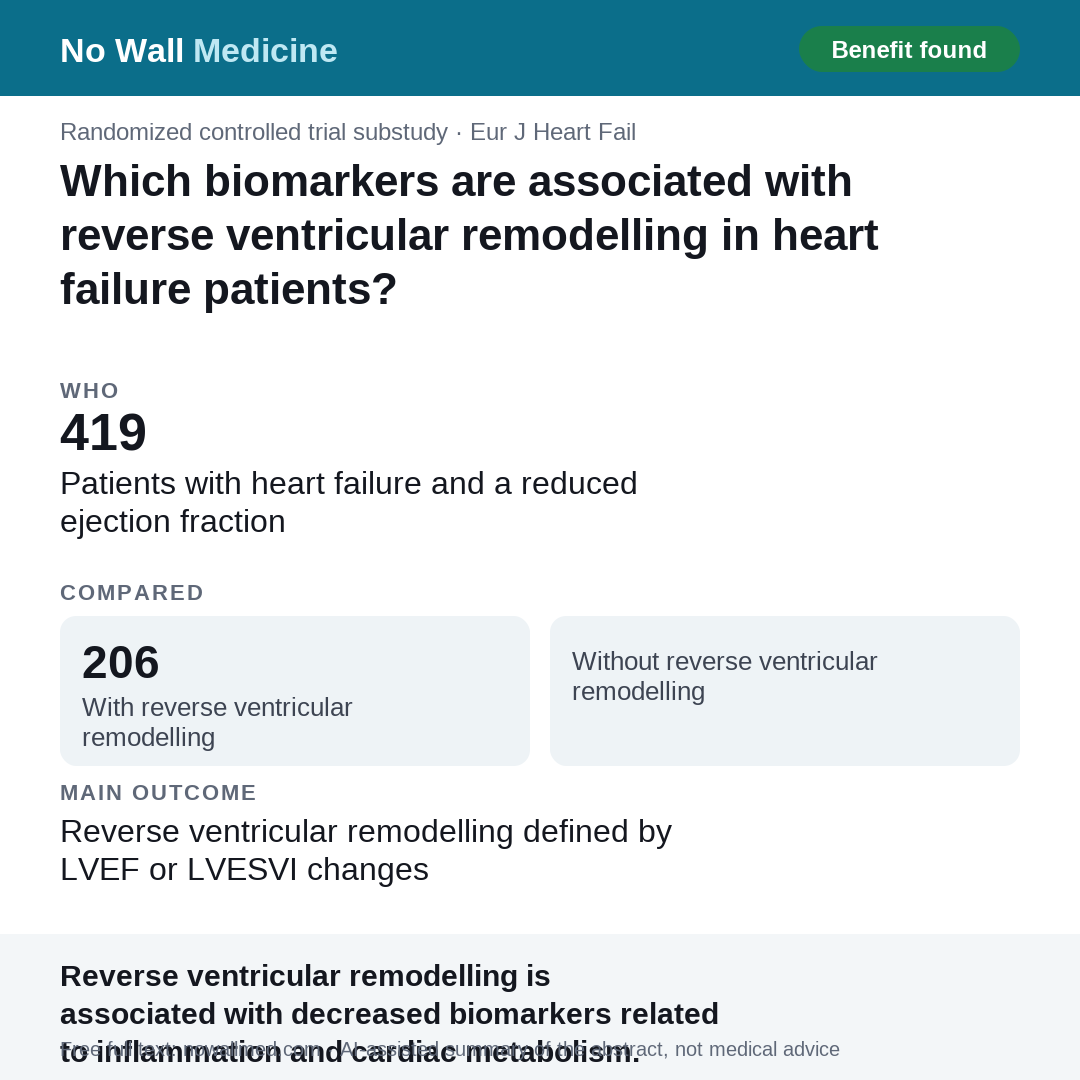
Biomarker profiles associated with reverse ventricular remodelling in patients with heart failure and a reduced ejection fraction: Insights from the echocardiographic substudy of the VICTORIA trial
Randomized controlled trial substudyBenefit found
Which biomarkers are associated with reverse ventricular remodelling in heart failure patients?
Who
419
Patients with heart failure and a reduced ejection fraction
Compared
206With reverse ventricular remodelling (49.2%)
Without reverse ventricular remodelling
Main outcome
Reverse ventricular remodelling defined by LVEF or LVESVI changes
Result: tumor necrosis factor superfamily member 13B ratio 0.82 (95% CI 0.77-0.88)
Bottom line: Reverse ventricular remodelling is associated with decreased biomarkers related to inflammation and cardiac metabolism.
Eur J Heart Fail · 2024-07-30Download image
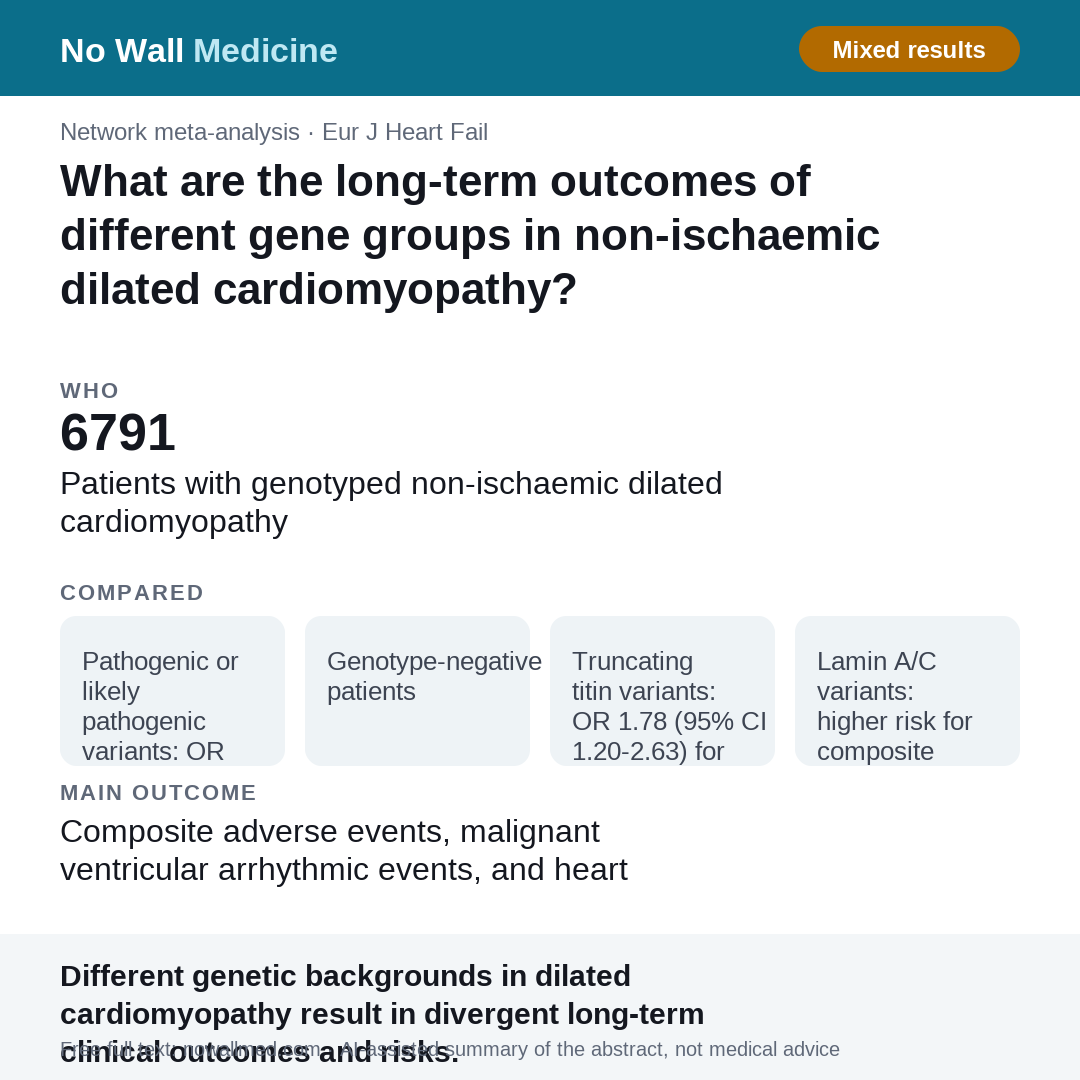
Prognostic implications of genotype findings in non-ischaemic dilated cardiomyopathy: A network meta-analysis
Network meta-analysisMixed results
What are the long-term outcomes of different gene groups in non-ischaemic dilated cardiomyopathy?
Who
6791
Patients with genotyped non-ischaemic dilated cardiomyopathy
Compared
Pathogenic or likely pathogenic variants: OR 2.10 (95% CI 1.67-2.65) for composite adverse events
Genotype-negative patients
Truncating titin variants: OR 1.78 (95% CI 1.20-2.63) for composite adverse events
Lamin A/C variants: higher risk for composite adverse events, malignant ventricular arrhythmic events, and heart failure events
Main outcome
Composite adverse events, malignant ventricular arrhythmic events, and heart failure events
Bottom line: Different genetic backgrounds in dilated cardiomyopathy result in divergent long-term clinical outcomes and risks.
Eur J Heart Fail · 2024-07-30Download image
Pharmacogenomic Score Effectively Personalizes Treatment of Acute Myeloid Leukemia
Randomized clinical trials analysisBenefit found
Does the ACS10 score help personalize induction regimens for pediatric acute myeloid leukemia?
Who
Patients with pediatric acute myeloid leukemia · AML02 and AML08 clinical trials
Compared
Low ACS10 score Clo/ara-C: EFS, HR = 0.45 (95% CI, 0.23-0.88)
Low ACS10 score LDAC
High ACS10 score Clo/ara-C: EFS, HR = 1.95 (95% CI, 1.05-3.63)
High ACS10 score LDAC
Main outcome
event-free survival and overall survival
Result: 9% improvement in outcome with ACS10 score-based tailored induction
Bottom line: Tailoring induction regimens using ACS10 scores can significantly improve outcomes in patients with acute myeloid leukemia.
Clin Cancer Res · 2024-07-30Download image

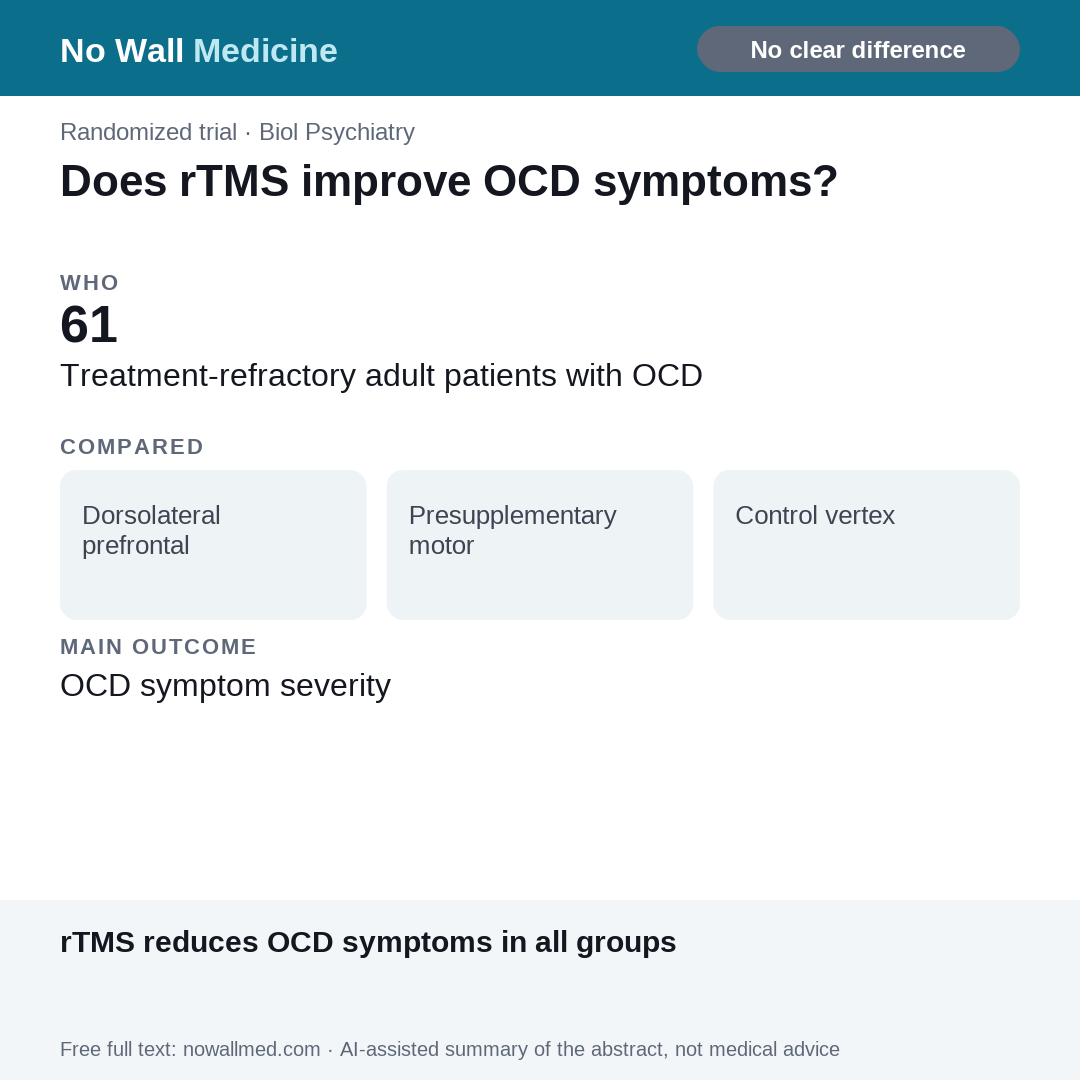
Transcranial Magnetic Stimulation-Induced Plasticity Improving Cognitive Control in Obsessive-Compulsive Disorder, Part I: Clinical and Neuroimaging Outcomes From a Randomized Trial
Randomized trialNo clear difference
Does rTMS improve OCD symptoms?
Who
61
Treatment-refractory adult patients with OCD
Compared
Dorsolateral prefrontal
Presupplementary motor
Control vertex
Main outcome
OCD symptom severity
Bottom line: rTMS reduces OCD symptoms in all groups
Biol Psychiatry · 2024-07-30Download image
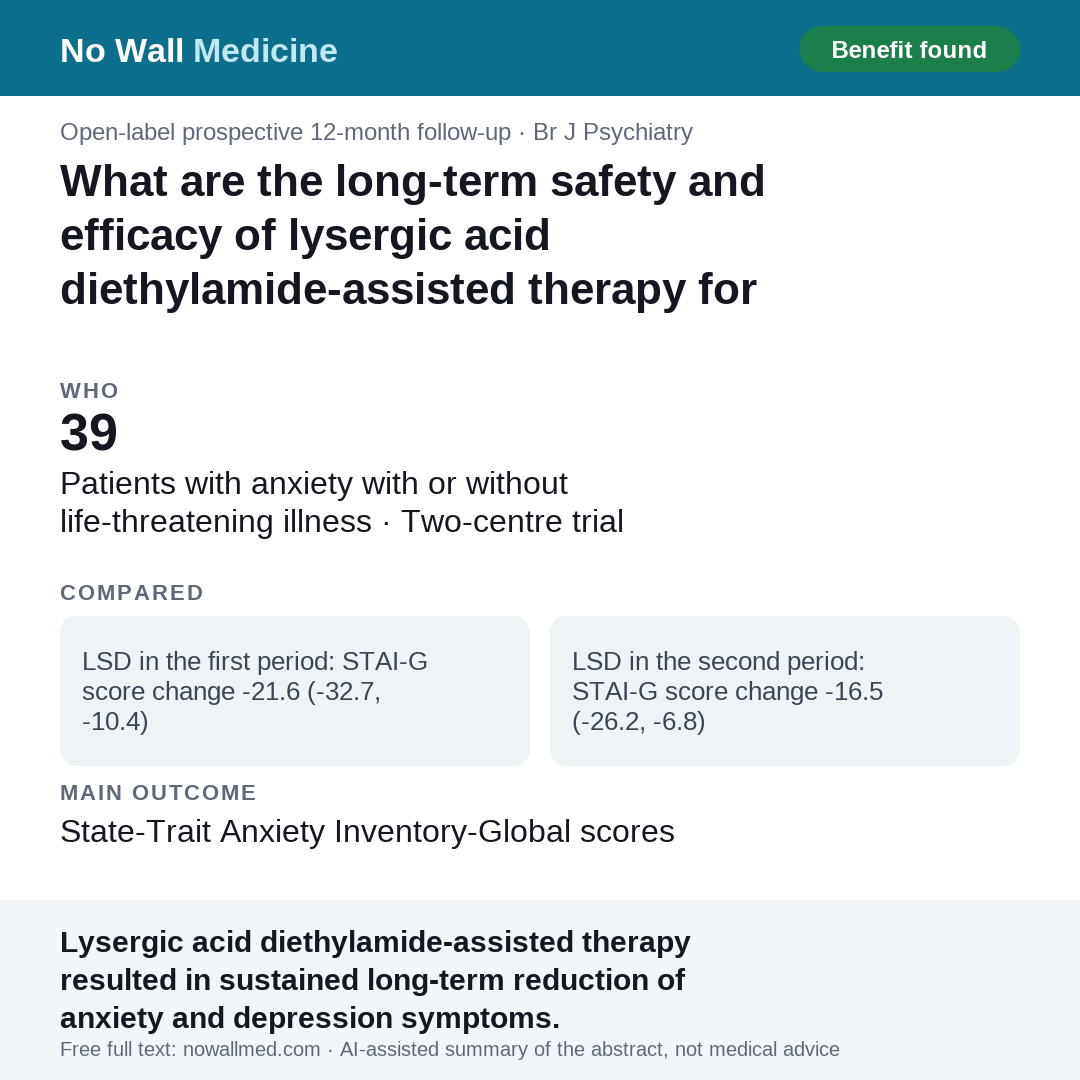
LSD-assisted therapy in patients with anxiety: open-label prospective 12-month follow-up
Open-label prospective 12-month follow-upBenefit found
What are the long-term safety and efficacy of lysergic acid diethylamide-assisted therapy for anxiety?
Who
39
Patients with anxiety with or without life-threatening illness · Two-centre trial
Compared
LSD in the first period: STAI-G score change -21.6 (-32.7, -10.4)
LSD in the second period: STAI-G score change -16.5 (-26.2, -6.8)
Main outcome
State-Trait Anxiety Inventory-Global scores
Bottom line: Lysergic acid diethylamide-assisted therapy resulted in sustained long-term reduction of anxiety and depression symptoms.
Br J Psychiatry · 2024-07-30Download image
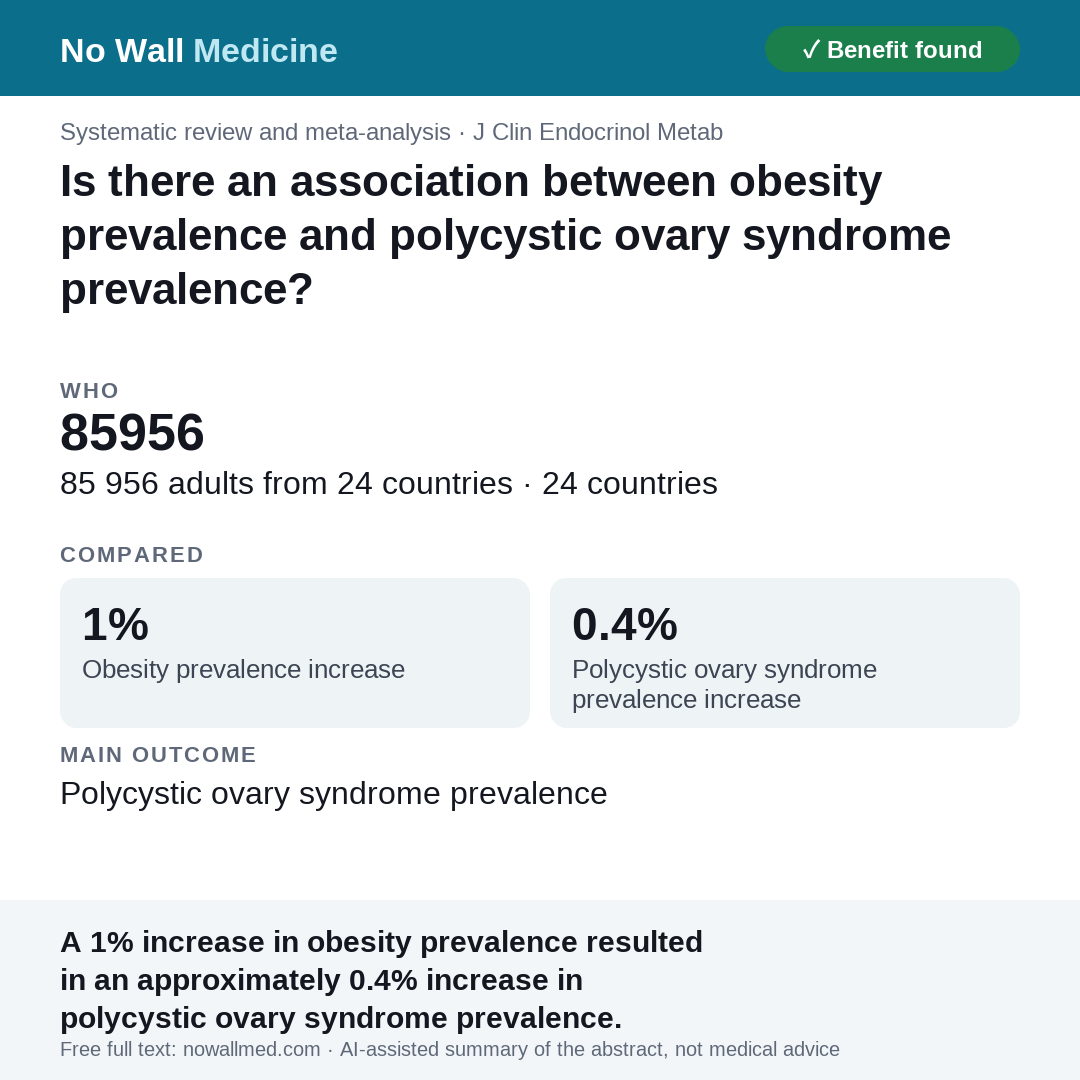
The Association Between Obesity and Polycystic Ovary Syndrome: An Epidemiologic Study of Observational Data
Systematic review and meta-analysisBenefit found
Is there an association between obesity prevalence and polycystic ovary syndrome prevalence?
Who
85956
85 956 adults from 24 countries · 24 countries
Compared
1%Obesity prevalence increase
0.4%Polycystic ovary syndrome prevalence increase
Main outcome
Polycystic ovary syndrome prevalence
Bottom line: A 1% increase in obesity prevalence resulted in an approximately 0.4% increase in polycystic ovary syndrome prevalence.
J Clin Endocrinol Metab · 2024-07-30Download image
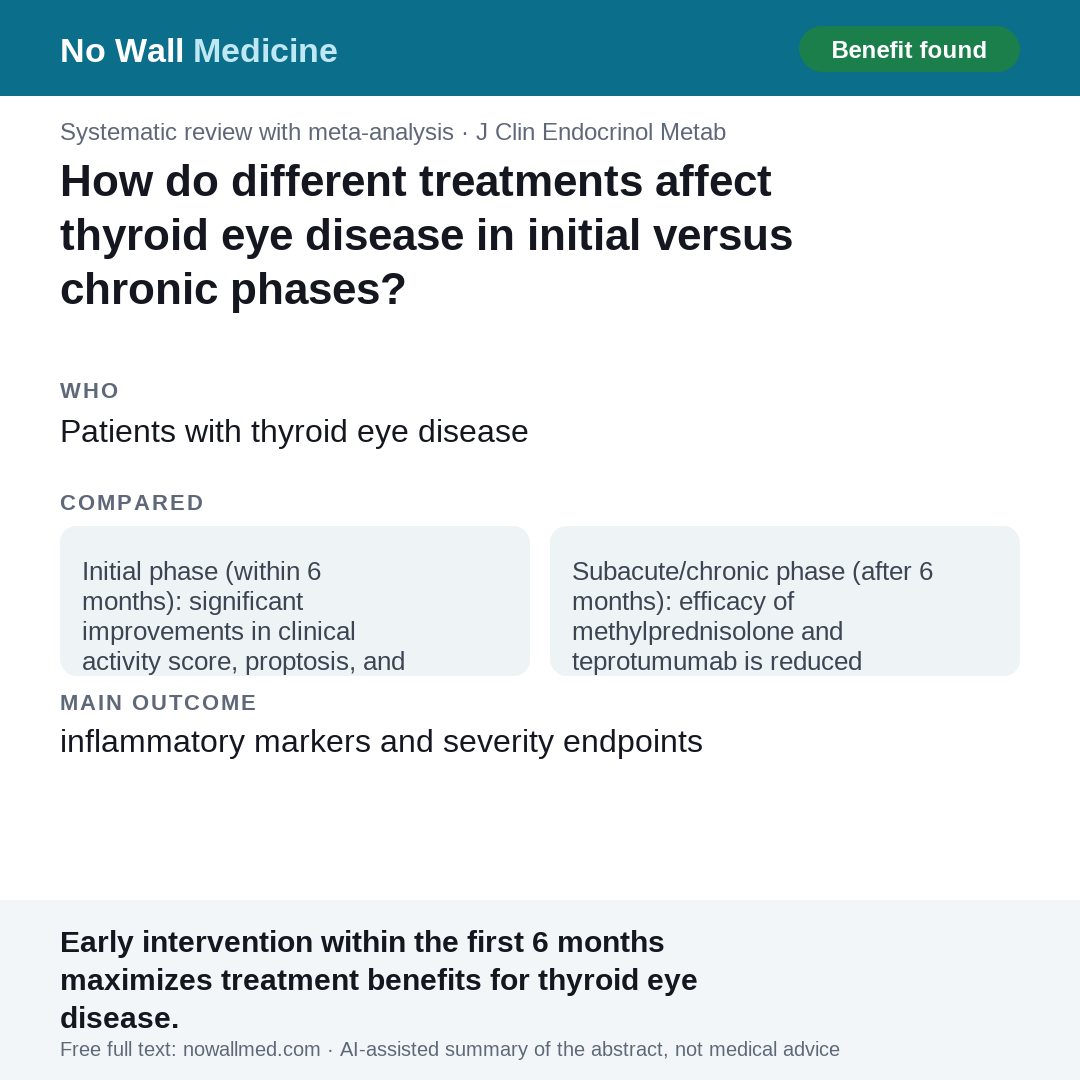
Effectiveness of Different Treatment Modalities in Initial and Chronic Phases of Thyroid Eye Disease: A Systematic Review With Meta-analysis
Systematic review with meta-analysisBenefit found
How do different treatments affect thyroid eye disease in initial versus chronic phases?
Who
Patients with thyroid eye disease
Compared
Initial phase (within 6 months): significant improvements in clinical activity score, proptosis, and diplopia
Subacute/chronic phase (after 6 months): efficacy of methylprednisolone and teprotumumab is reduced
Main outcome
inflammatory markers and severity endpoints
Bottom line: Early intervention within the first 6 months maximizes treatment benefits for thyroid eye disease.
J Clin Endocrinol Metab · 2024-07-30Download image
A systematic review of sex and gender differences in treatment outcome of inflammatory skin diseases: Is it time for new guidelines?
Systematic reviewMixed results
Gender differences in skin disease treatment
Who
men and women with skin diseases
Compared
men
women
Main outcome
treatment outcome
Bottom line: Gender differences found in skin disease treatment
Limitation: major gaps in gender-specific care
J Eur Acad Dermatol Venereol · 2024-07-30Download image

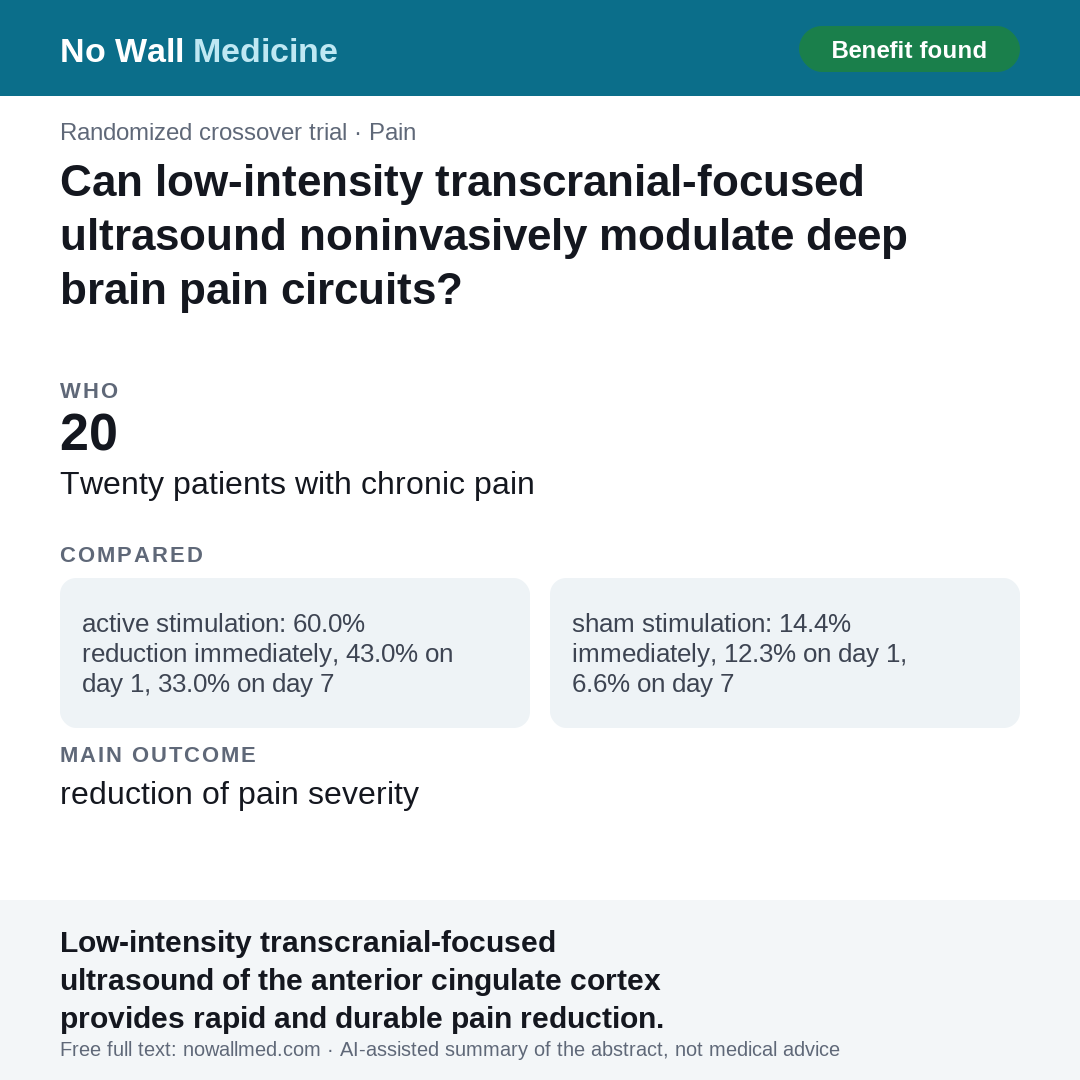
Noninvasive targeted modulation of pain circuits with focused ultrasonic waves
Randomized crossover trialBenefit found
Can low-intensity transcranial-focused ultrasound noninvasively modulate deep brain pain circuits?
Who
20
Twenty patients with chronic pain
Compared
active stimulation: 60.0% reduction immediately, 43.0% on day 1, 33.0% on day 7
sham stimulation: 14.4% immediately, 12.3% on day 1, 6.6% on day 7
Main outcome
reduction of pain severity
Bottom line: Low-intensity transcranial-focused ultrasound of the anterior cingulate cortex provides rapid and durable pain reduction.
Pain · 2024-07-30Download image
Experiences of healthcare staff caring for hospitalised people with delirium: a qualitative systematic review
Qualitative systematic reviewMixed results
What are the experiences of healthcare staff caring for hospitalised people with delirium?
Who
Healthcare providers caring for inpatients with delirium
Compared
Nurses: challenging
Medical and allied health staff: challenging
Main outcome
Healthcare providers' experience of caring for inpatients with delirium
Bottom line: Healthcare providers find caring for hospitalised patients with delirium challenging, complex, and often feel unsupported.
Age Ageing · 2024-07-30Download image

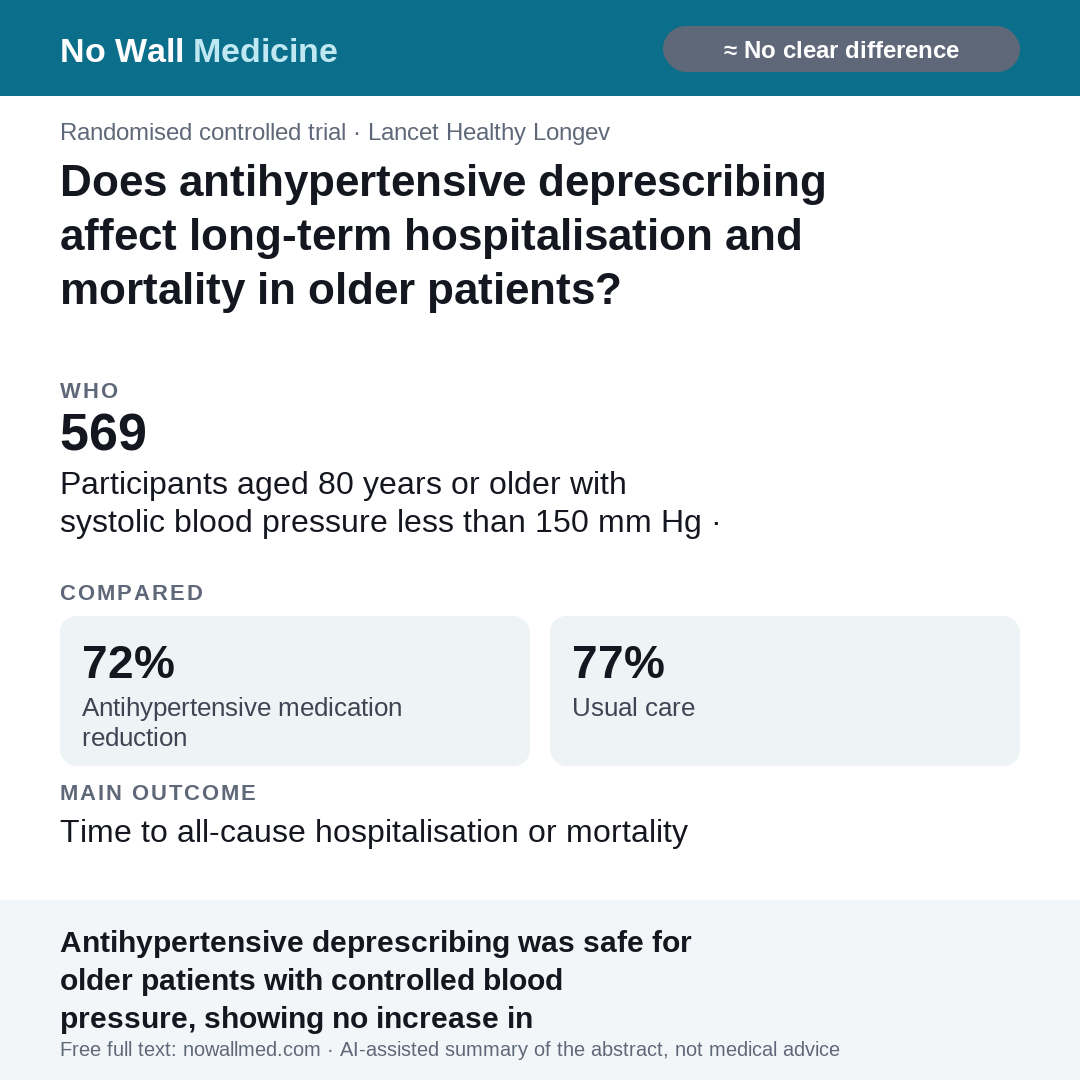
Effect of antihypertensive deprescribing on hospitalisation and mortality: long-term follow-up of the OPTiMISE randomised controlled trial
Randomised controlled trialNo clear difference
Does antihypertensive deprescribing affect long-term hospitalisation and mortality in older patients?
Who
569
Participants aged 80 years or older with systolic blood pressure less than 150 mm Hg · 69 general practices across central and southern England
Compared
72%Antihypertensive medication reduction (202/280)
77%Usual care (218/284)
Main outcome
Time to all-cause hospitalisation or mortality
Result: adjusted hazard ratio 0.93 (95% CI 0.76 to 1.12)
Bottom line: Antihypertensive deprescribing was safe for older patients with controlled blood pressure, showing no increase in hospitalisation or mortality.
Funded by: British Heart Foundation and National Institute for Health and Care Research
Lancet Healthy Longev · 2024-07-30Download image
A systematic review and pooled analysis of penetrance estimates of copy-number variants associated with neurodevelopment
Systematic review and pooled analysisMixed results
What are the penetrance estimates of copy-number variants associated with neurodevelopment?
Who
269885
83 recurrent copy-number variants and 269,885 individuals in control cohort
Compared
Affected cohorts
gnomAD v4.0 control cohort
Main outcome
Penetrance estimates of copy-number variants
Bottom line: The review provides penetrance and pathogenicity synopses for 83 recurrent neurodevelopmental copy-number variants.
Genet Med · 2024-07-30Download image

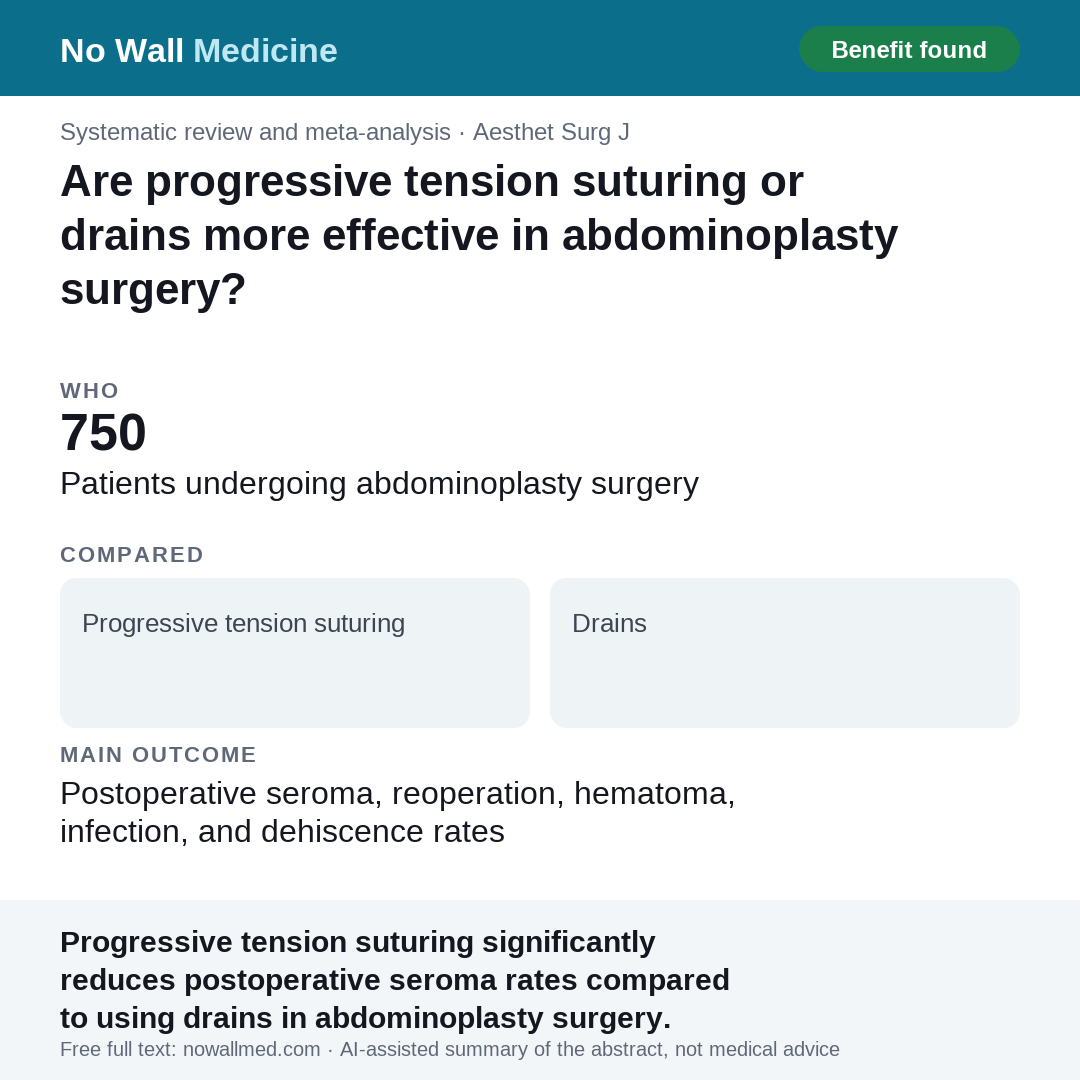
A Systematic Review and Meta-Analysis Evaluating the Surgical Outcomes of Progressive Tension Suturing Compared to Drains in Abdominoplasty Surgery
Systematic review and meta-analysisBenefit found
Are progressive tension suturing or drains more effective in abdominoplasty surgery?
Who
750
Patients undergoing abdominoplasty surgery
Compared
Progressive tension suturing
Drains
Main outcome
Postoperative seroma, reoperation, hematoma, infection, and dehiscence rates
Result: relative risk 0.34 (95% CI 0.15-0.76) for seroma
Bottom line: Progressive tension suturing significantly reduces postoperative seroma rates compared to using drains in abdominoplasty surgery.
Limitation: Larger, high-quality studies are needed to further assess safety and efficacy.
Aesthet Surg J · 2024-07-30Download image
A systematic review of clinical and laboratory studies comparing vascularised versus non-vascularised nerve grafts in peripheral nerve reconstruction
Systematic reviewBenefit found
Are vascularised nerve grafts better than non-vascularised nerve grafts in peripheral nerve reconstruction?
Who
Patients and laboratory models with peripheral nerve injuries
Compared
Vascularised nerve grafts: 90% identified effect on sensibility recovery
Non-vascularised nerve grafts
Main outcome
Clinical, electrophysiological, and histological outcomes
Bottom line: Vascularised nerve grafts may offer advantages in sensibility, motor function, and axonal regeneration over non-vascularised grafts.
Limitation: Low quality of evidence, significant statistical heterogeneity, and clinical diversity of included studies.
J Plast Reconstr Aesthet Surg · 2024-07-30Download image