Visual abstracts
New randomized trials and meta-analyses from leading journals at a glance: who was studied, what was compared, and what was found. Every paper is free to read in full.
All specialtiesCardiology 4877Oncology 4138Gastroenterology & Hepatology 1942Infectious Disease 3837Neurology 1905Psychiatry & Mental Health 2273Pulmonology 2143Critical Care 1365Endocrinology & Diabetes 2580Pediatrics 2980Surgery 2559Orthopedics & Sports Medicine 931Neurosurgery 537Cardiothoracic & Vascular Surgery 674Plastic & Reconstructive Surgery 591Nephrology 1133Rheumatology 823Hematology 1109Dermatology 621Ophthalmology 543Obstetrics & Gynecology 1686Public & Global Health 1058Radiology & Imaging 648Anesthesiology 986Urology 764ENT (Otolaryngology) 503Emergency Medicine 511Allergy & Immunology 313Geriatrics 981Family Medicine & Primary Care 562Medical Genetics & Genomics 676Pathology & Laboratory Medicine 159Physical Medicine & Rehabilitation 757Palliative Care 444Nutrition 1588Digital Health & AI 2201General Medicine 321
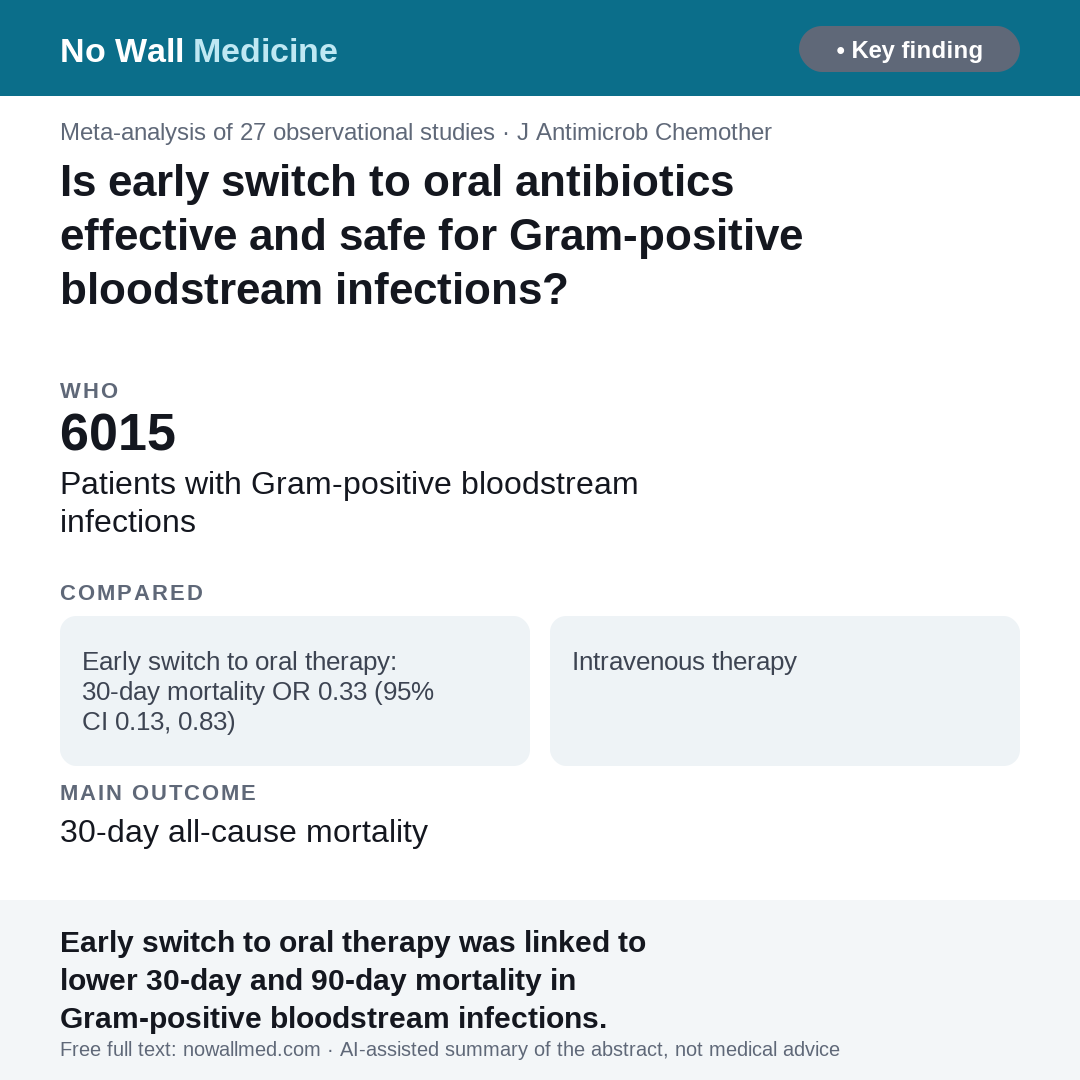
Efficacy and safety of earlier switching to an oral antibiotic therapy for the treatment of Gram-positive bloodstream infections: a systematic review and meta-analysis
Systematic review and meta-analysisBenefit found
Is early switching to oral antibiotics effective for Gram-positive bloodstream infections?
Who
6015
Patients with Gram-positive bloodstream infections
Compared
Oral switch
Intravenous therapy
Main outcome
Treatment failure, mortality, recurrence, readmission, stay, and adverse events
Result: 30-day mortality OR 0.33 (95% CI 0.13, 0.83); 90-day mortality OR 0.59 (95% CI 0.36, 0.97)
Bottom line: Switching from intravenous to oral therapy reduces mortality and hospital stay for Gram-positive bloodstream infections.
J Antimicrob Chemother · 2025-07-15Download image
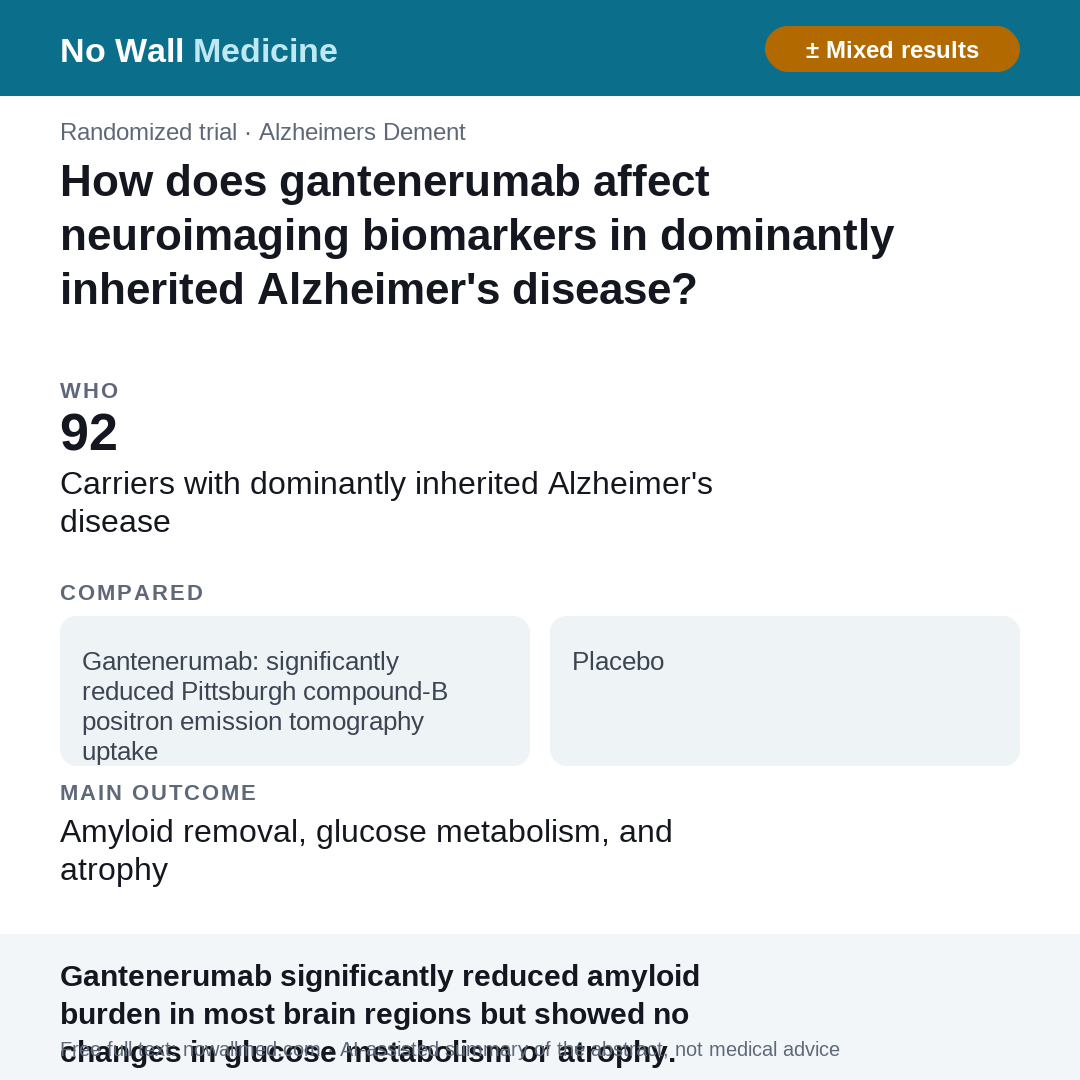
Regional effects of gantenerumab on neuroimaging biomarkers in the DIAN-TU-001 trial
Randomized trialMixed results
How does gantenerumab affect neuroimaging biomarkers in dominantly inherited Alzheimer's disease?
Who
92
Carriers with dominantly inherited Alzheimer's disease
Compared
Gantenerumab: significantly reduced Pittsburgh compound-B positron emission tomography uptake
Placebo
Main outcome
Amyloid removal, glucose metabolism, and atrophy
Bottom line: Gantenerumab significantly reduced amyloid burden in most brain regions but showed no changes in glucose metabolism or atrophy.
Alzheimers Dement · 2025-07-15Download image
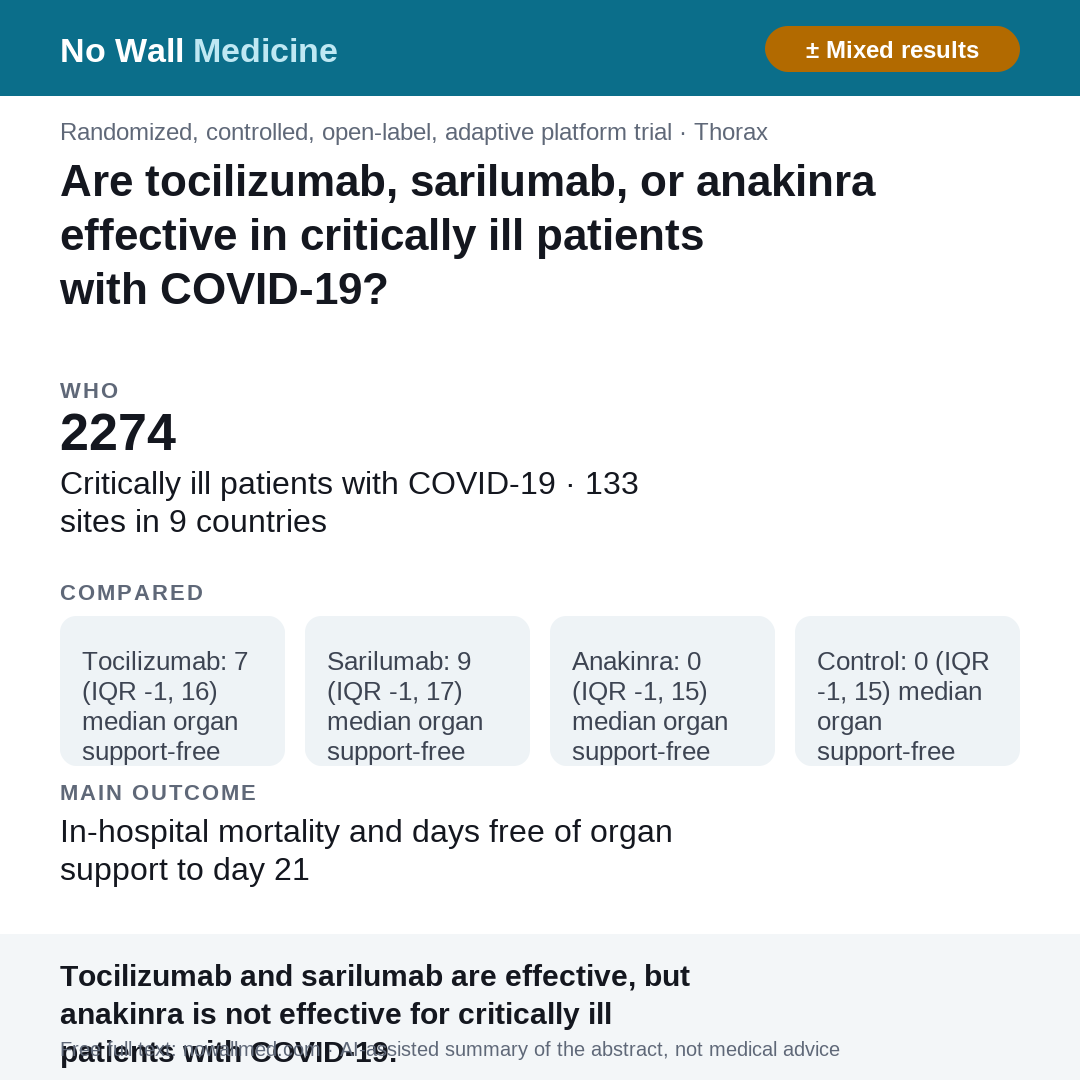
Tocilizumab, sarilumab and anakinra in critically ill patients with COVID-19: a randomised, controlled, open-label, adaptive platform trial
Randomized, controlled, open-label, adaptive platform trialMixed results
Are tocilizumab, sarilumab, or anakinra effective in critically ill patients with COVID-19?
Who
2274
Critically ill patients with COVID-19 · 133 sites in 9 countries
Compared
Tocilizumab: 7 (IQR -1, 16) median organ support-free days
Sarilumab: 9 (IQR -1, 17) median organ support-free days
Anakinra: 0 (IQR -1, 15) median organ support-free days
Control: 0 (IQR -1, 15) median organ support-free days
Main outcome
In-hospital mortality and days free of organ support to day 21
Result: adjusted ORs 1.46 (95% CrI 1.13, 1.87), 1.50 (95% CrI 1.13, 2.00) and 0.99 (95% CrI 0.74, 1.35)
Bottom line: Tocilizumab and sarilumab are effective, but anakinra is not effective for critically ill patients with COVID-19.
Thorax · 2025-07-15Download image
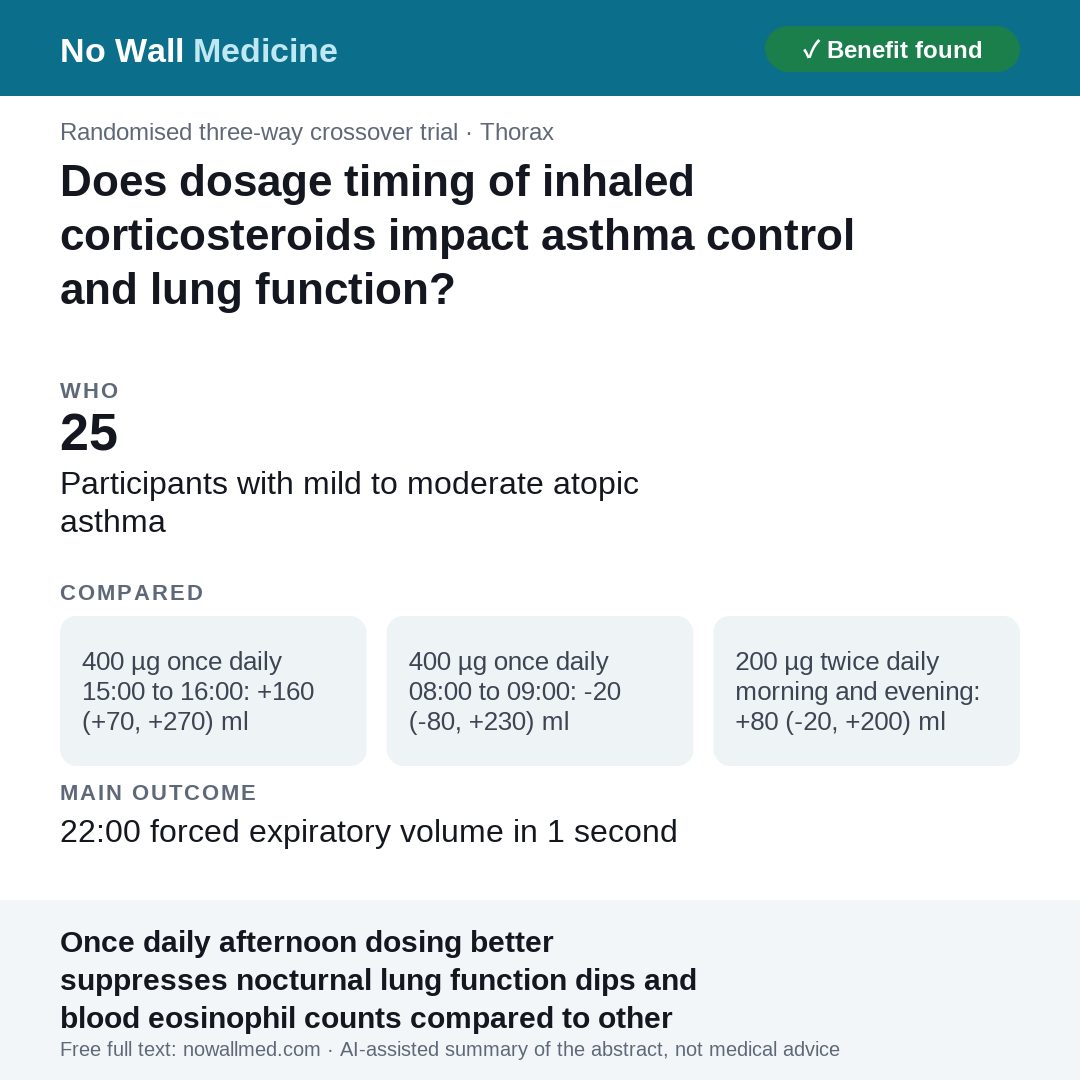
The impact of dosage timing for inhaled corticosteroids in asthma: a randomised three-way crossover trial
Randomised three-way crossover trialBenefit found
Does dosage timing of inhaled corticosteroids impact asthma control and lung function?
Who
25
Participants with mild to moderate atopic asthma
Compared
400 µg once daily 15:00 to 16:00: +160 (+70, +270) ml
400 µg once daily 08:00 to 09:00: -20 (-80, +230) ml
200 µg twice daily morning and evening: +80 (-20, +200) ml
Main outcome
22:00 forced expiratory volume in 1 second
Bottom line: Once daily afternoon dosing better suppresses nocturnal lung function dips and blood eosinophil counts compared to other regimens.
Thorax · 2025-07-15Download image
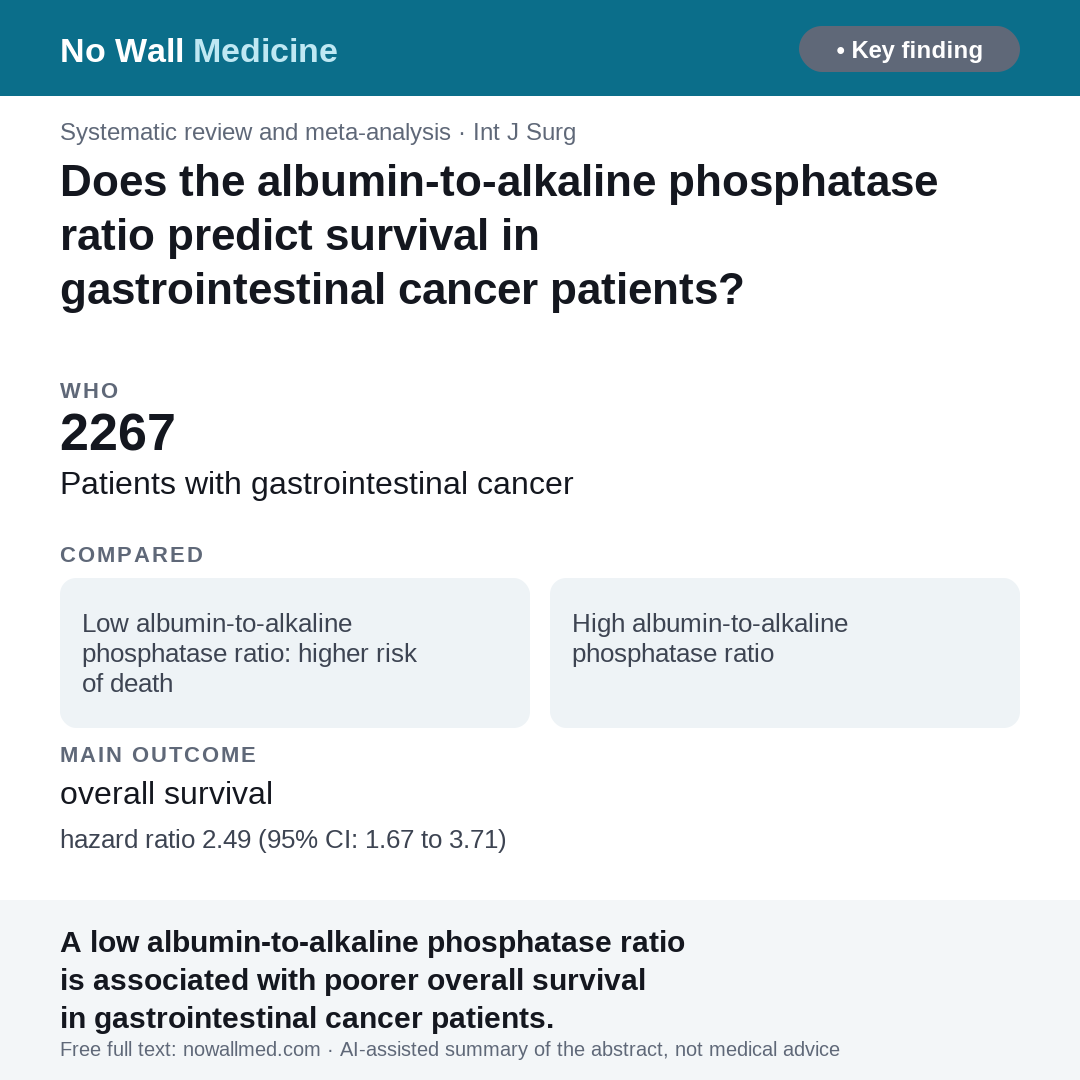
Prognostic significance of the albumin-to-alkaline phosphatase ratio in gastrointestinal cancer patients: a systematic review and meta-analysis
Systematic review and meta-analysisBenefit found
Does the albumin-to-alkaline phosphatase ratio predict survival in gastrointestinal cancer patients?
Who
2267
Patients with gastrointestinal cancer
Compared
Low albumin-to-alkaline phosphatase ratio: higher risk of death
High albumin-to-alkaline phosphatase ratio
Main outcome
overall survival
Result: hazard ratio 2.49 (95% CI: 1.67 to 3.71)
Bottom line: A low albumin-to-alkaline phosphatase ratio is associated with poorer overall survival in gastrointestinal cancer patients.
Limitation: Publication bias was detected in the overall survival meta-analysis.
Int J Surg · 2025-07-15Download image
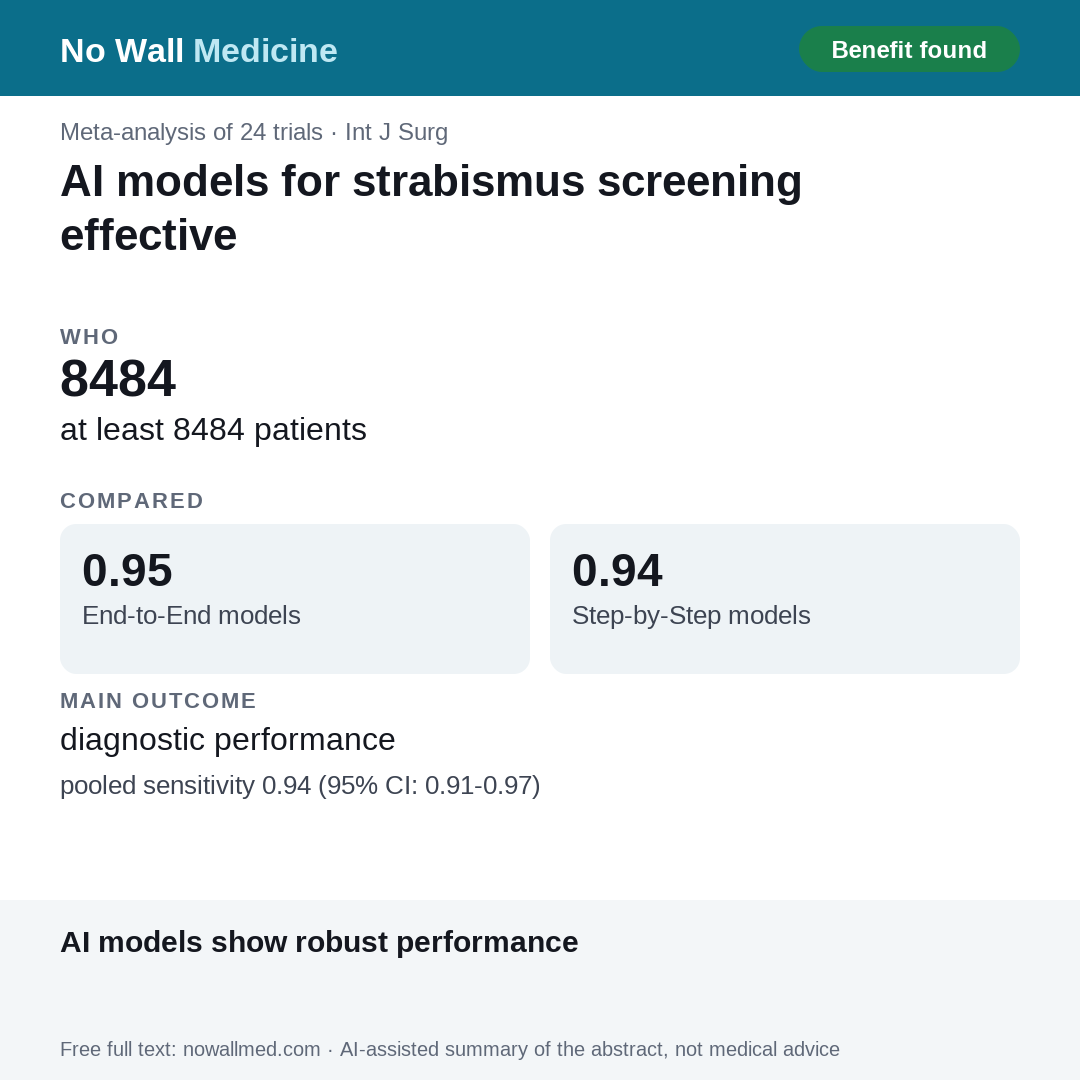
Systematic review and meta-analysis of artificial intelligence models for strabismus screening: methodological insights and future directions
Meta-analysis of 24 trialsBenefit found
AI models for strabismus screening effective
Who
8484
at least 8484 patients
Compared
0.95End-to-End models (0.91-0.97)
0.94Step-by-Step models (0.85-0.97)
Main outcome
diagnostic performance
Result: pooled sensitivity 0.94 (95% CI: 0.91-0.97)
Bottom line: AI models show robust performance
Limitation: low risk of bias except index test
Int J Surg · 2025-07-15Download image
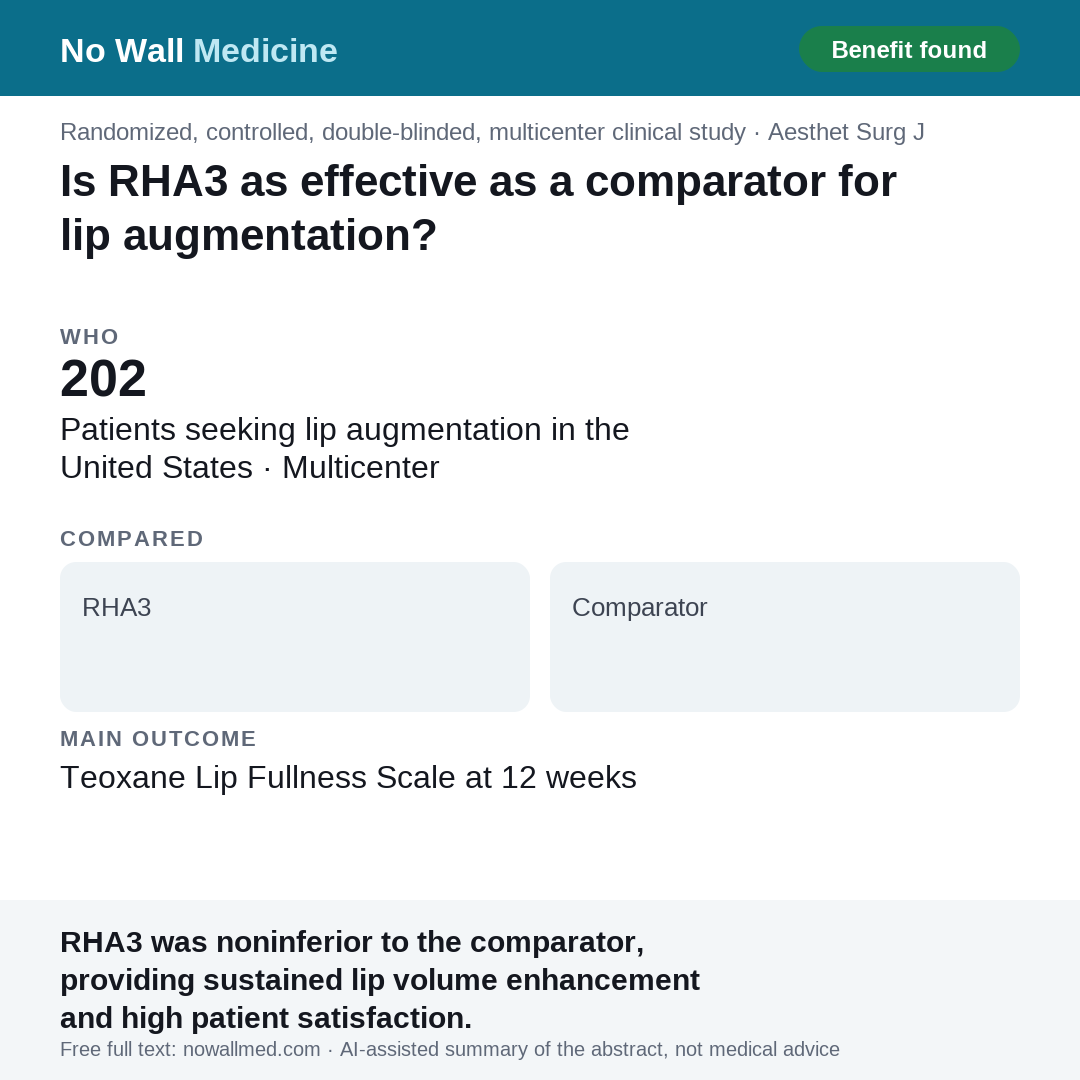
Effectiveness and Safety of RHA3 vs a Comparator Product for Lip Augmentation: A Randomized, Controlled, Prospective, Multicenter Clinical Study
Randomized, controlled, double-blinded, multicenter clinical studyBenefit found
Is RHA3 as effective as a comparator for lip augmentation?
Who
202
Patients seeking lip augmentation in the United States · Multicenter
Compared
RHA3
Comparator
Main outcome
Teoxane Lip Fullness Scale at 12 weeks
Bottom line: RHA3 was noninferior to the comparator, providing sustained lip volume enhancement and high patient satisfaction.
Aesthet Surg J · 2025-07-15Download image
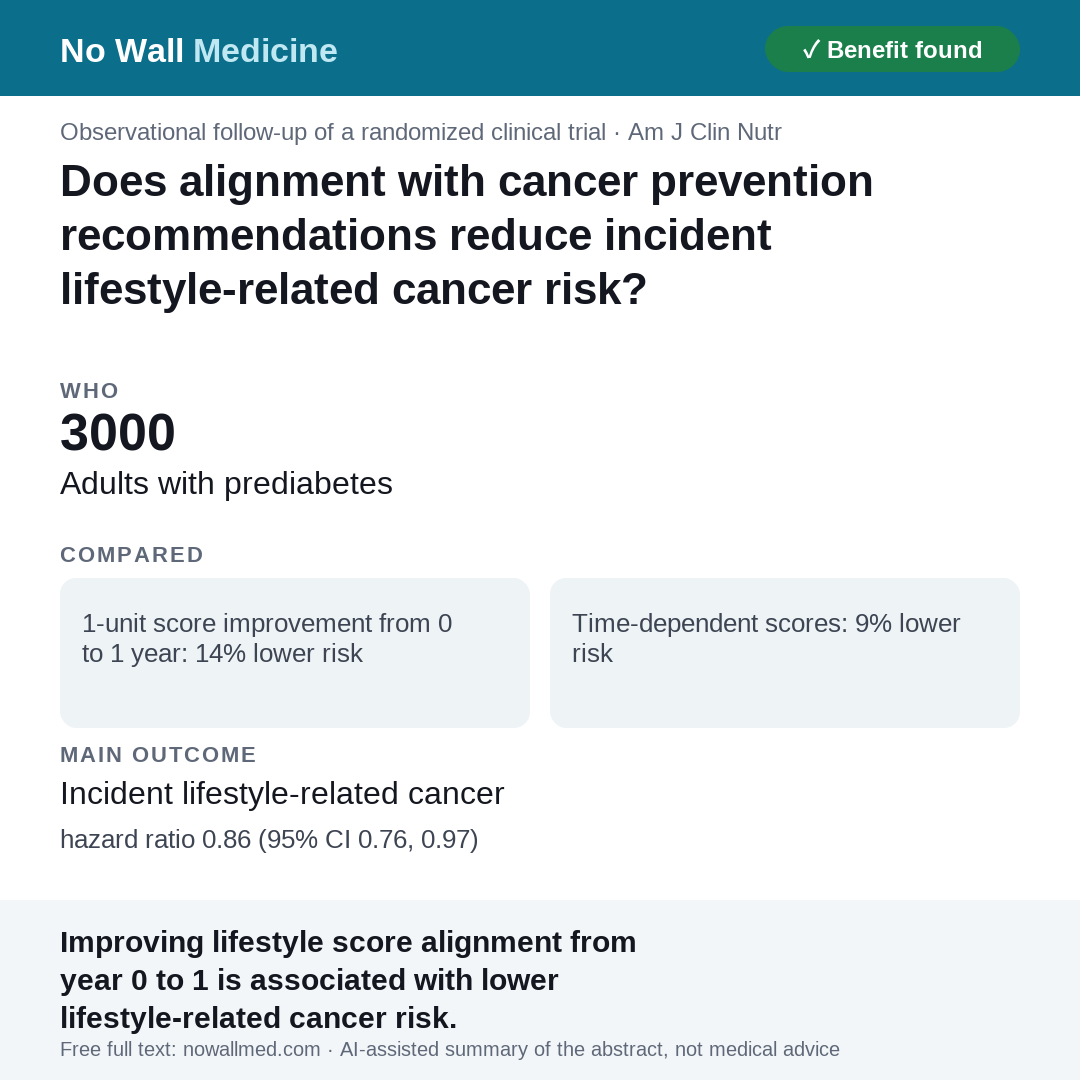
The 2018 World Cancer Research Fund/American Institute for Cancer Research Score and Cancer Risk: results from the diabetes prevention program outcomes study
Observational follow-up of a randomized clinical trialBenefit found
Does alignment with cancer prevention recommendations reduce incident lifestyle-related cancer risk?
Who
3000
Adults with prediabetes
Compared
1-unit score improvement from 0 to 1 year: 14% lower risk
Time-dependent scores: 9% lower risk
Main outcome
Incident lifestyle-related cancer
Result: hazard ratio 0.86 (95% CI 0.76, 0.97)
Bottom line: Improving lifestyle score alignment from year 0 to 1 is associated with lower lifestyle-related cancer risk.
Am J Clin Nutr · 2025-07-15Download image
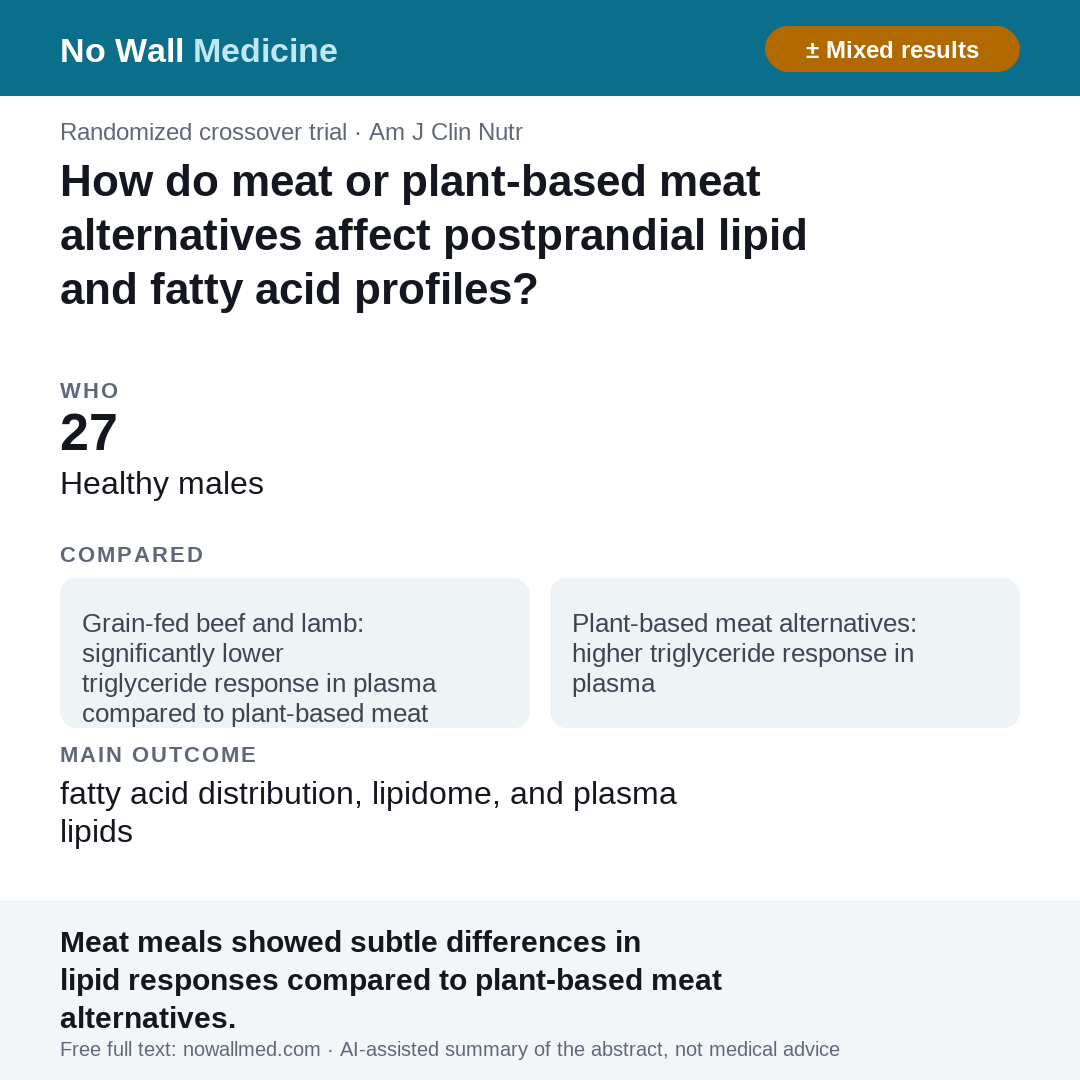
Plasma chylomicron-rich lipidomic and fatty acid profile following a meat or analog meal in healthy males: A randomized controlled trial
Randomized crossover trialMixed results
How do meat or plant-based meat alternatives affect postprandial lipid and fatty acid profiles?
Who
27
Healthy males
Compared
Grain-fed beef and lamb: significantly lower triglyceride response in plasma compared to plant-based meat alternatives
Plant-based meat alternatives: higher triglyceride response in plasma
Main outcome
fatty acid distribution, lipidome, and plasma lipids
Bottom line: Meat meals showed subtle differences in lipid responses compared to plant-based meat alternatives.
Am J Clin Nutr · 2025-07-15Download image
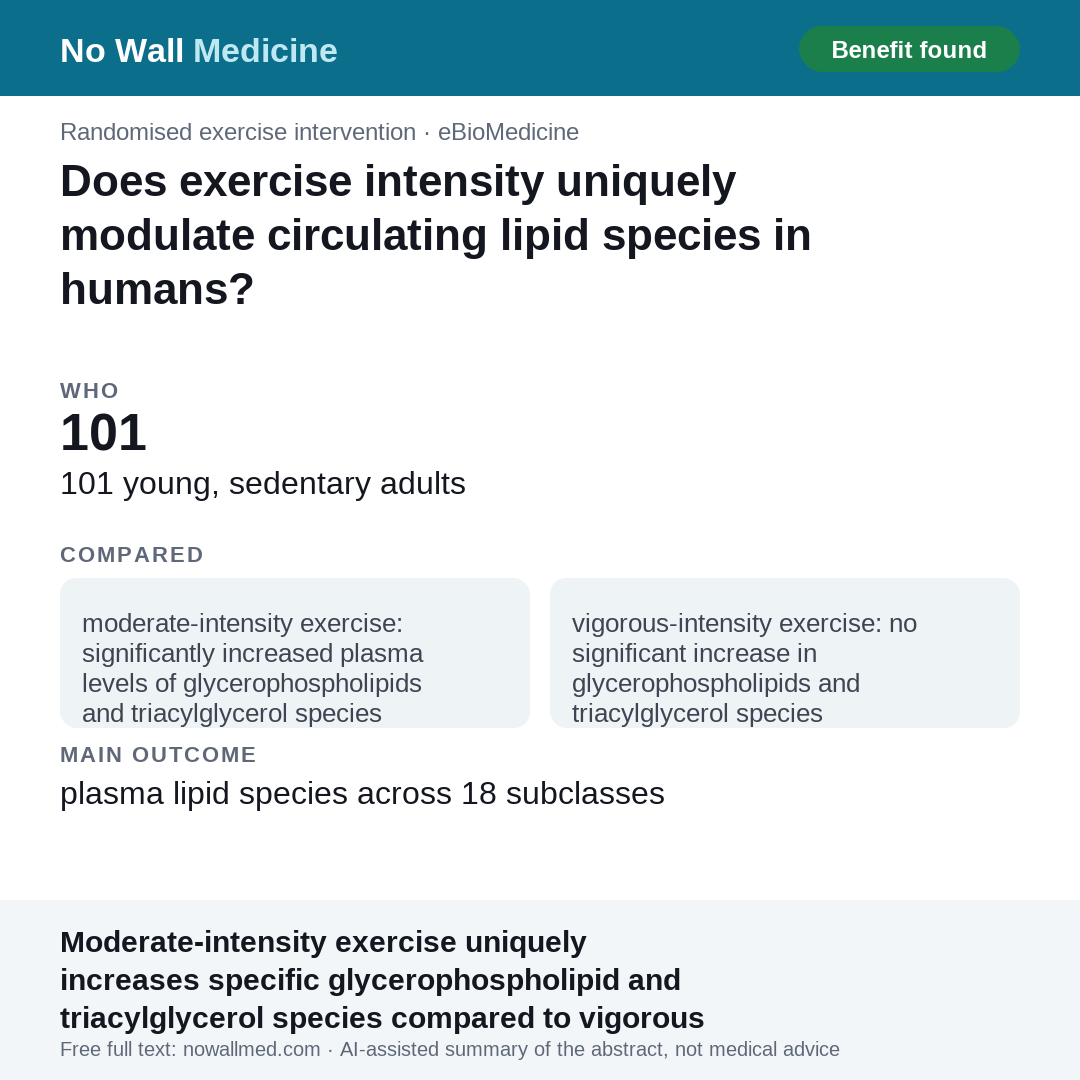
Moderate-intensity exercise training uniquely modulates circulating lipid species beyond classical lipid levels in humans
Randomised exercise interventionBenefit found
Does exercise intensity uniquely modulate circulating lipid species in humans?
Who
101
101 young, sedentary adults
Compared
moderate-intensity exercise: significantly increased plasma levels of glycerophospholipids and triacylglycerol species
vigorous-intensity exercise: no significant increase in glycerophospholipids and triacylglycerol species
Main outcome
plasma lipid species across 18 subclasses
Bottom line: Moderate-intensity exercise uniquely increases specific glycerophospholipid and triacylglycerol species compared to vigorous intensity.
Funded by: Junta de Andalucía, ERDF, Spanish Ministry of Economy, AstraZeneca HealthCare Foundation
eBioMedicine · 2025-07-15Download image
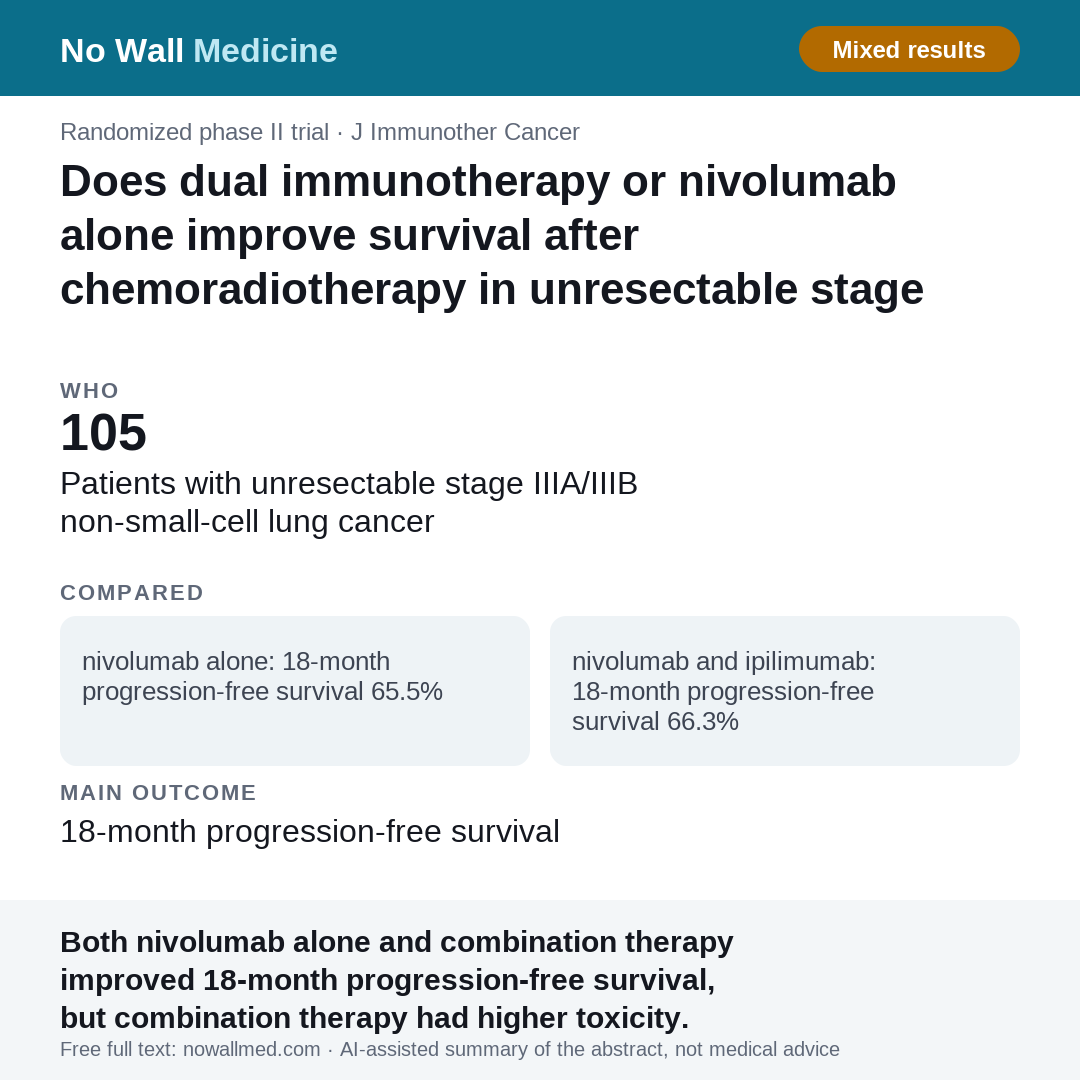
Randomized phase II study of consolidation immunotherapy with nivolumab and ipilimumab or nivolumab alone following concurrent chemoradiotherapy for unresectable stage IIIA/IIIB non-small-cell lung cancer (NSCLC): Big Ten Cancer Research Consortium LUN16-081
Randomized phase II trialMixed results
Does dual immunotherapy or nivolumab alone improve survival after chemoradiotherapy in unresectable stage III lung cancer?
Who
105
Patients with unresectable stage IIIA/IIIB non-small-cell lung cancer
Compared
nivolumab alone: 18-month progression-free survival 65.5%
nivolumab and ipilimumab: 18-month progression-free survival 66.3%
Main outcome
18-month progression-free survival
Bottom line: Both nivolumab alone and combination therapy improved 18-month progression-free survival, but combination therapy had higher toxicity.
J Immunother Cancer · 2025-07-15Download image
A network meta-analysis of randomized clinical trials in lenalidomide-exposed or -refractory multiple myeloma patients
Network meta-analysis of eight randomized controlled trialsBenefit found
Which lenalidomide-free regimen is most effective for relapsed or refractory multiple myeloma?
Who
3952
Lenalidomide-exposed or lenalidomide-refractory multiple myeloma patients
Compared
Belantamab mafodotin, bortezomib, and dexamethasone: highest surface under the cumulative ranking curve for progression-free survival
Other triplet regimens
Main outcome
progression-free survival
Bottom line: Belantamab mafodotin, bortezomib, and dexamethasone is the most effective lenalidomide-free second-line treatment option.
ESMO Open · 2025-07-15Download image
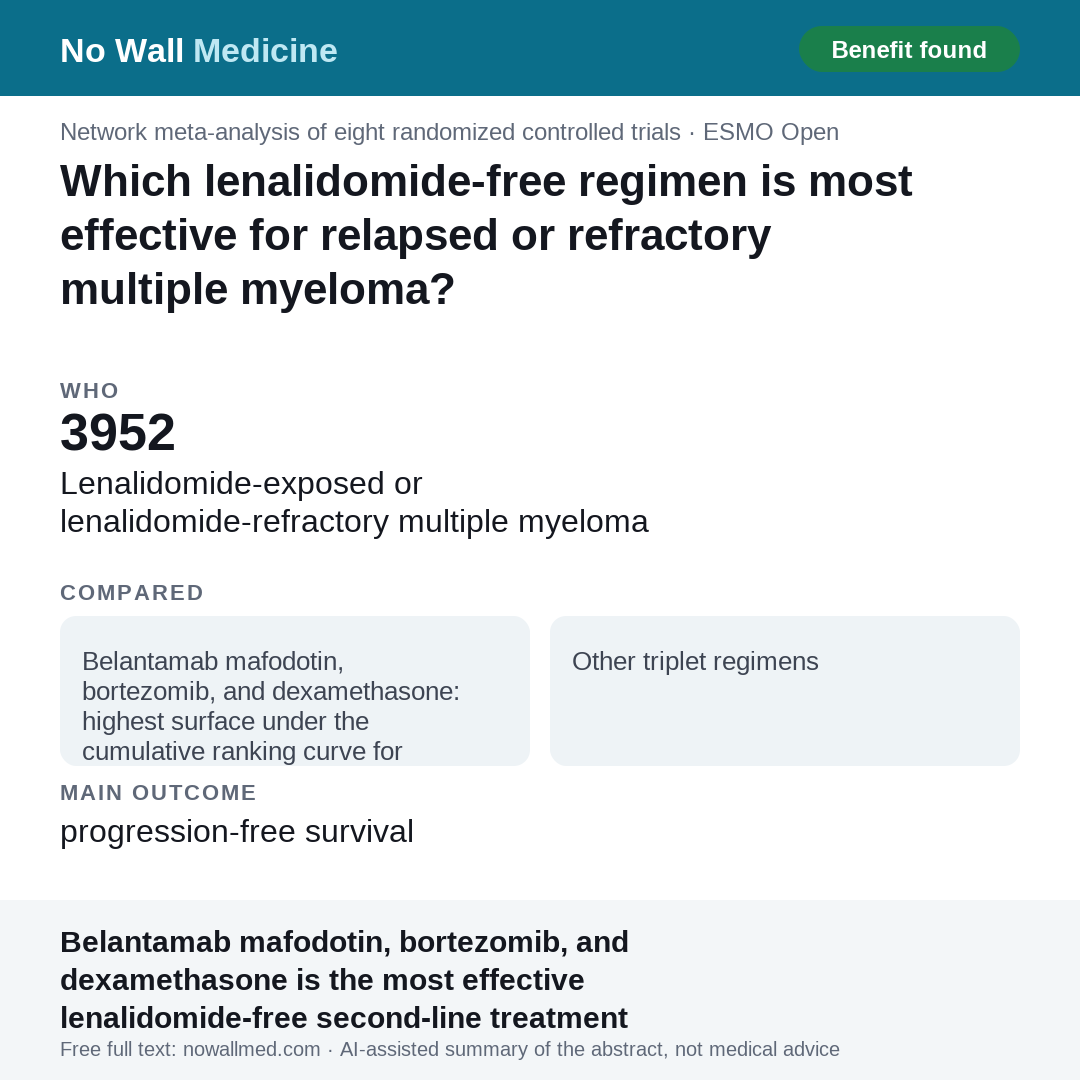
Hyperglycemia and insulin use in patients with COVID-19 and severe hypoxemia allocated to 12 mg vs. 6 mg of dexamethasone: a secondary analysis of the COVID STEROID 2 randomized trial
Secondary analysis of a randomized trialHarm found
Does 12 mg versus 6 mg of dexamethasone affect glycemic outcomes in COVID-19 patients?
Who
321
Patients with COVID-19 and severe hypoxemia
Compared
higher dose (12 mg): 36% severe hyperglycemic events
standard dose (6 mg): 31% severe hyperglycemic events
Main outcome
hyperglycemic, hypoglycemic events and insulin use
Result: adjusted subdistributional hazard ratio 1.76 (95% CI 1.22-2.54)
Bottom line: Higher doses of dexamethasone were associated with a higher incidence of severe hyperglycemia in patients with COVID-19 and severe hypoxemia.
Ann Intensive Care · 2025-07-15Download image
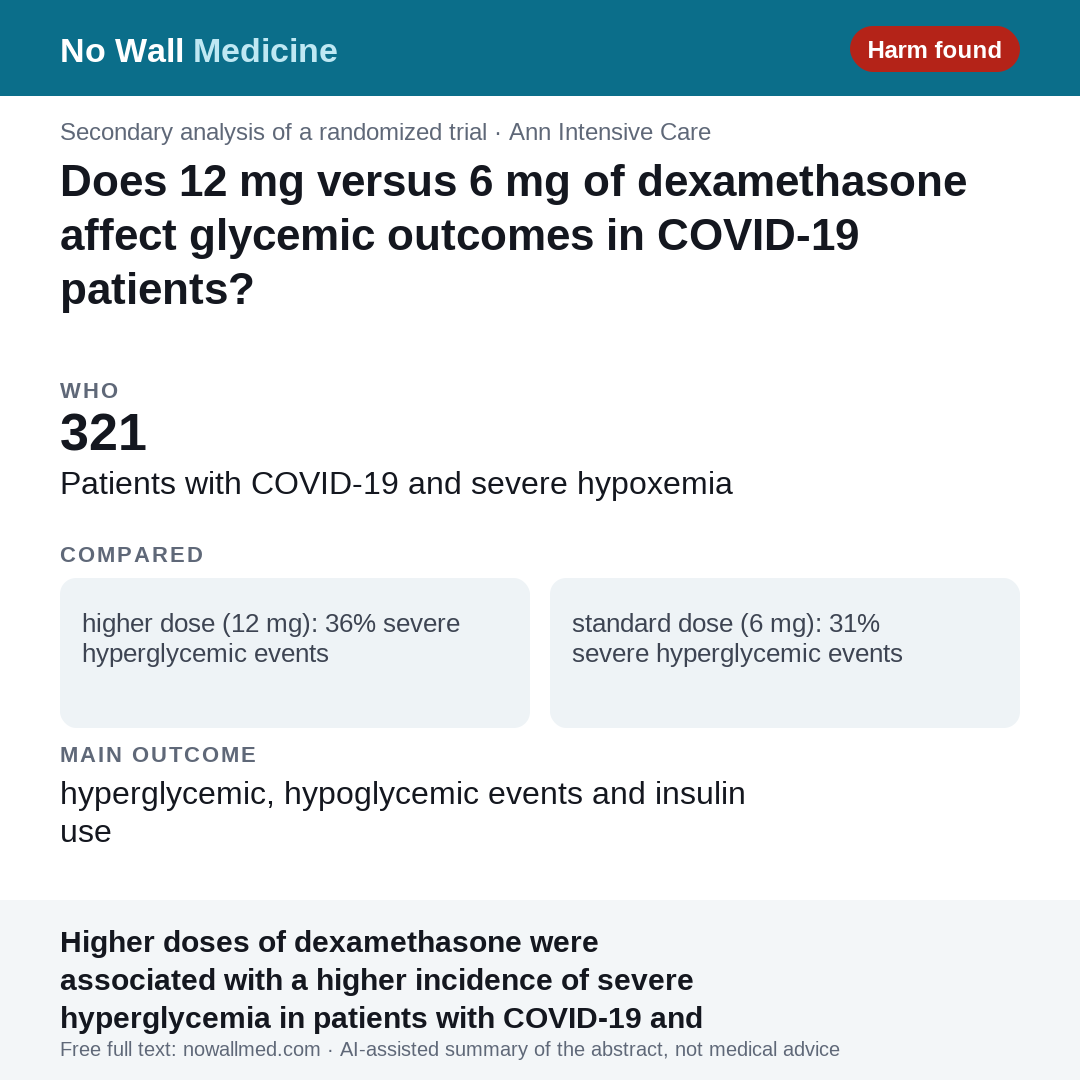
Screening tools for work-related asthma and their diagnostic accuracy: a systematic review
Systematic reviewMixed results
What is the diagnostic accuracy of screening tools for work-related asthma?
Who
Individuals aged 16 years or older · Tertiary hospitals and specialist centres
Compared
Improvement off work question: sensitivity 74-87% and specificity 15-58%
Multiple questions: sensitivity 80-100% and specificity 8-55%
Questionnaire with methacholine challenge test: specificity 75% with sensitivity 65%
Diagnostic models: area under the curve 0.69 to 0.89
Main outcome
Diagnostic accuracy of screening tools for work-related asthma
Bottom line: Screening tools have high sensitivity but low specificity, which may be sufficient for initial screening purposes.
Limitation: Studies are limited, inadequately reported, and need further evaluation in primary care and workplaces.
BMJ Open Respir Res · 2025-07-15Download image
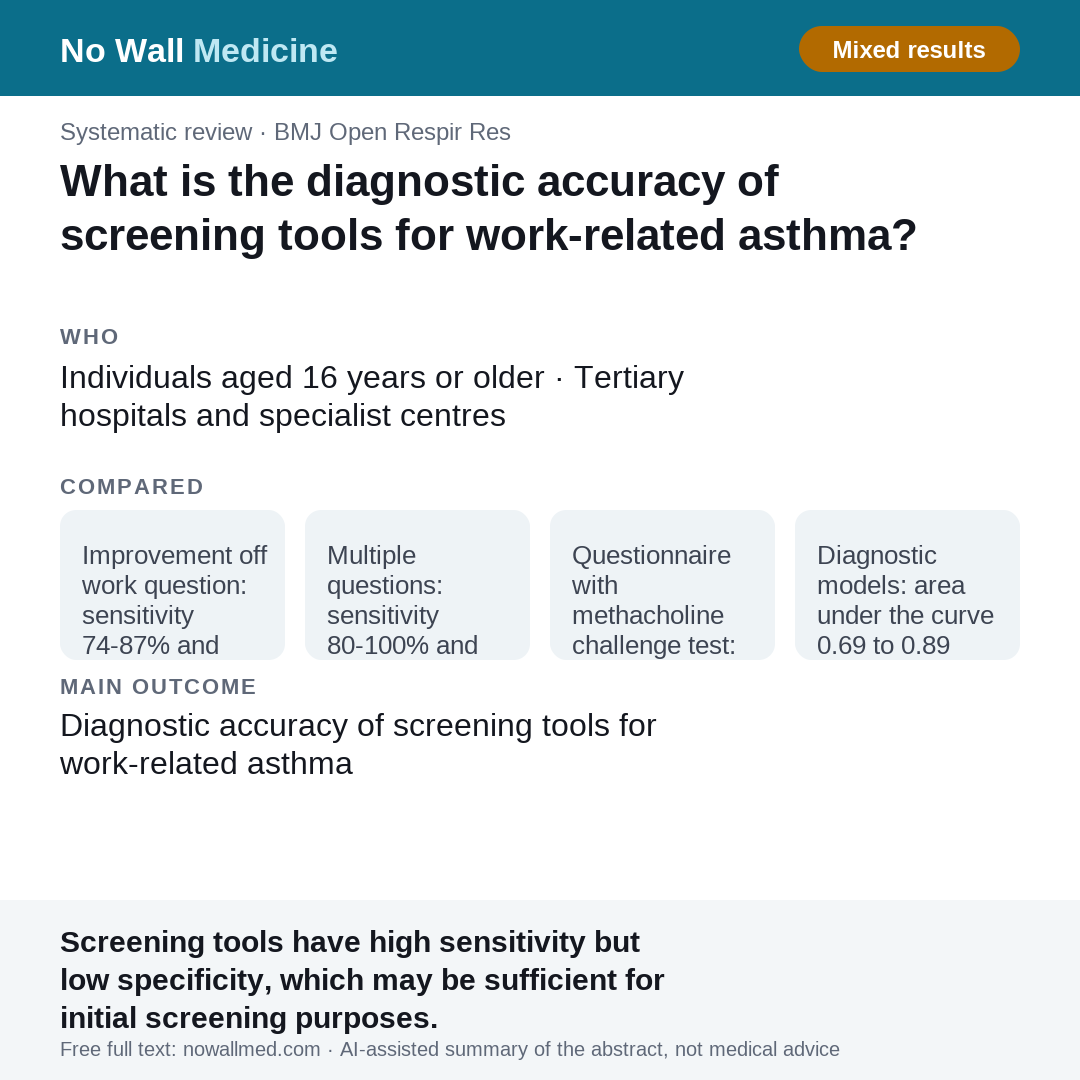
Anorectal malformation and outcome review (ARMOUR) project: a systematic review for the outcomes reported in patients with an anorectal malformation
Systematic reviewUnclear result
Outcomes in anorectal malformation treatment
Who
Patients with anorectal malformation · Europe, Asia, North America
Compared
Medical professionals
Patients
Main outcome
Outcomes reported in literature
Bottom line: 339 outcomes identified in 25 domains
BMJ Paediatr Open · 2025-07-15Download image
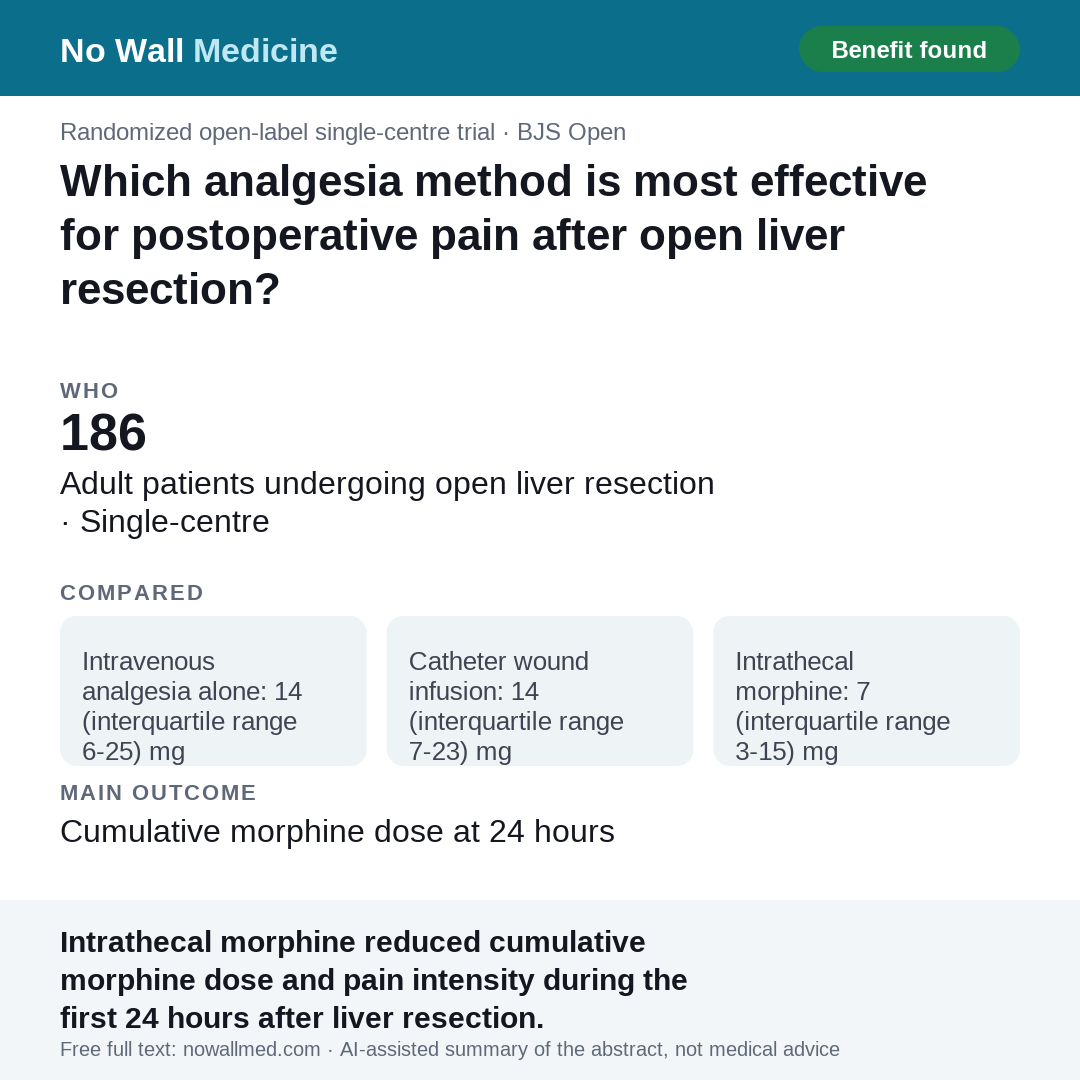
Comparison of catheter wound infusion, intrathecal morphine, and intravenous analgesia for postoperative pain management in open liver resection: randomized clinical trial
Randomized open-label single-centre trialBenefit found
Which analgesia method is most effective for postoperative pain after open liver resection?
Who
186
Adult patients undergoing open liver resection · Single-centre
Compared
Intravenous analgesia alone: 14 (interquartile range 6-25) mg
Catheter wound infusion: 14 (interquartile range 7-23) mg
Intrathecal morphine: 7 (interquartile range 3-15) mg
Main outcome
Cumulative morphine dose at 24 hours
Result: mean difference on log-transformed values 0.57 (95% confidence interval 0.21 to 0.93)
Bottom line: Intrathecal morphine reduced cumulative morphine dose and pain intensity during the first 24 hours after liver resection.
BJS Open · 2025-07-15Download image
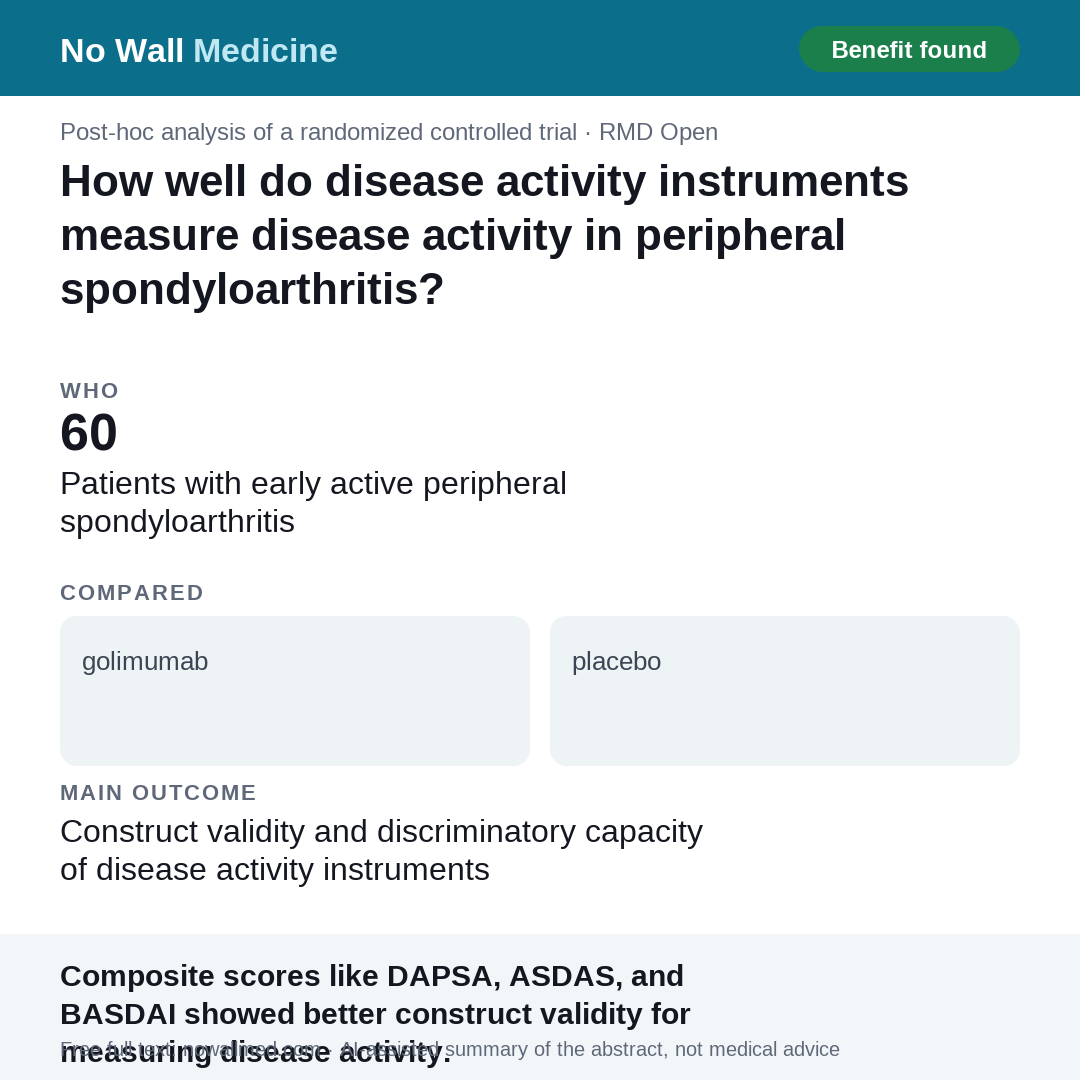
Measurement properties of disease activity instruments in peripheral spondyloarthritis: a post-hoc analysis of the CRESPA trial
Post-hoc analysis of a randomized controlled trialBenefit found
How well do disease activity instruments measure disease activity in peripheral spondyloarthritis?
Who
60
Patients with early active peripheral spondyloarthritis
Compared
golimumab
placebo
Main outcome
Construct validity and discriminatory capacity of disease activity instruments
Bottom line: Composite scores like DAPSA, ASDAS, and BASDAI showed better construct validity for measuring disease activity.
RMD Open · 2025-07-15Download image
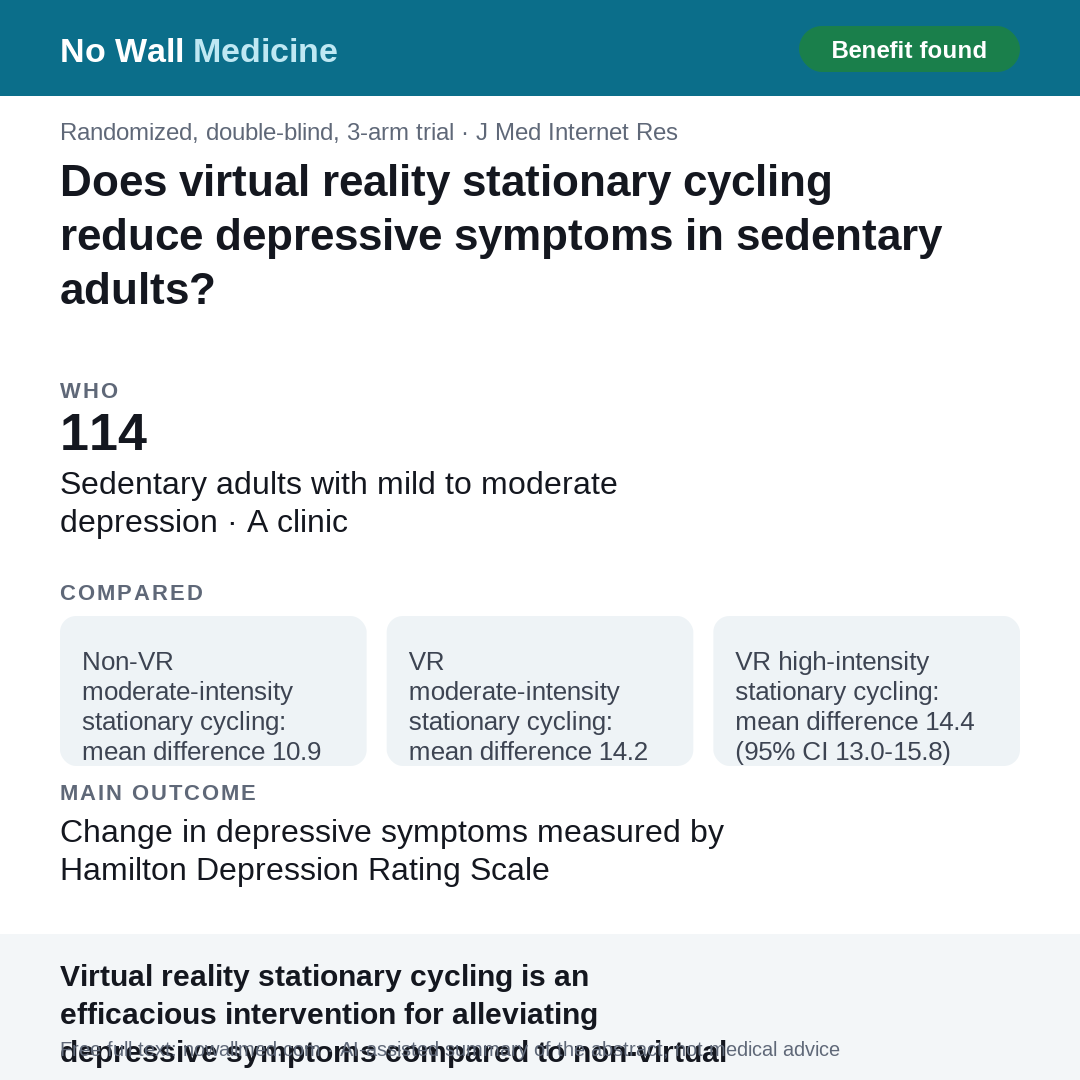
Stationary Cycling Exercise With Virtual Reality to Reduce Depressive Symptoms Among People With Mild to Moderate Depression: Randomized Controlled Trial
Randomized, double-blind, 3-arm trialBenefit found
Does virtual reality stationary cycling reduce depressive symptoms in sedentary adults?
Who
114
Sedentary adults with mild to moderate depression · A clinic
Compared
Non-VR moderate-intensity stationary cycling: mean difference 10.9 (95% CI 9.3-12.5)
VR moderate-intensity stationary cycling: mean difference 14.2 (95% CI 12.7-15.8)
VR high-intensity stationary cycling: mean difference 14.4 (95% CI 13.0-15.8)
Main outcome
Change in depressive symptoms measured by Hamilton Depression Rating Scale
Result: mean difference between groups: 3.3 (95% CI 1.9-4.9) and 3.9 (95% CI 2.5-5.2)
Bottom line: Virtual reality stationary cycling is an efficacious intervention for alleviating depressive symptoms compared to non-virtual reality cycling.
J Med Internet Res · 2025-07-15Download image
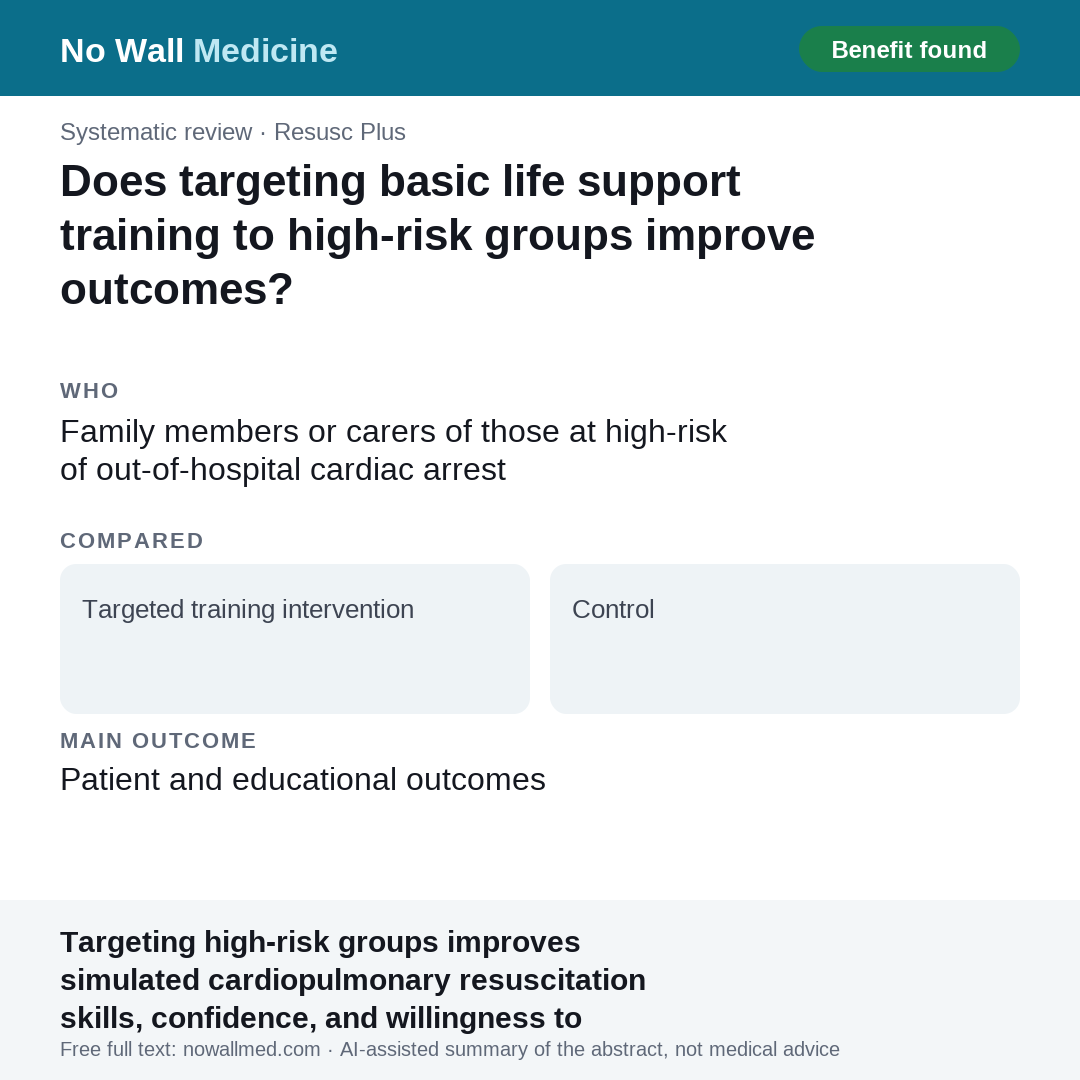
Basic life support training targeted to family members or carers of those at high-risk of out-of-hospital cardiac arrest: a systematic review
Systematic reviewBenefit found
Does targeting basic life support training to high-risk groups improve outcomes?
Who
Family members or carers of those at high-risk of out-of-hospital cardiac arrest
Compared
Targeted training intervention
Control
Main outcome
Patient and educational outcomes
Bottom line: Targeting high-risk groups improves simulated cardiopulmonary resuscitation skills, confidence, and willingness to provide care.
Limitation: Very-low to low quality of evidence due to low event numbers and loss to follow-up.
Resusc Plus · 2025-07-15Download image
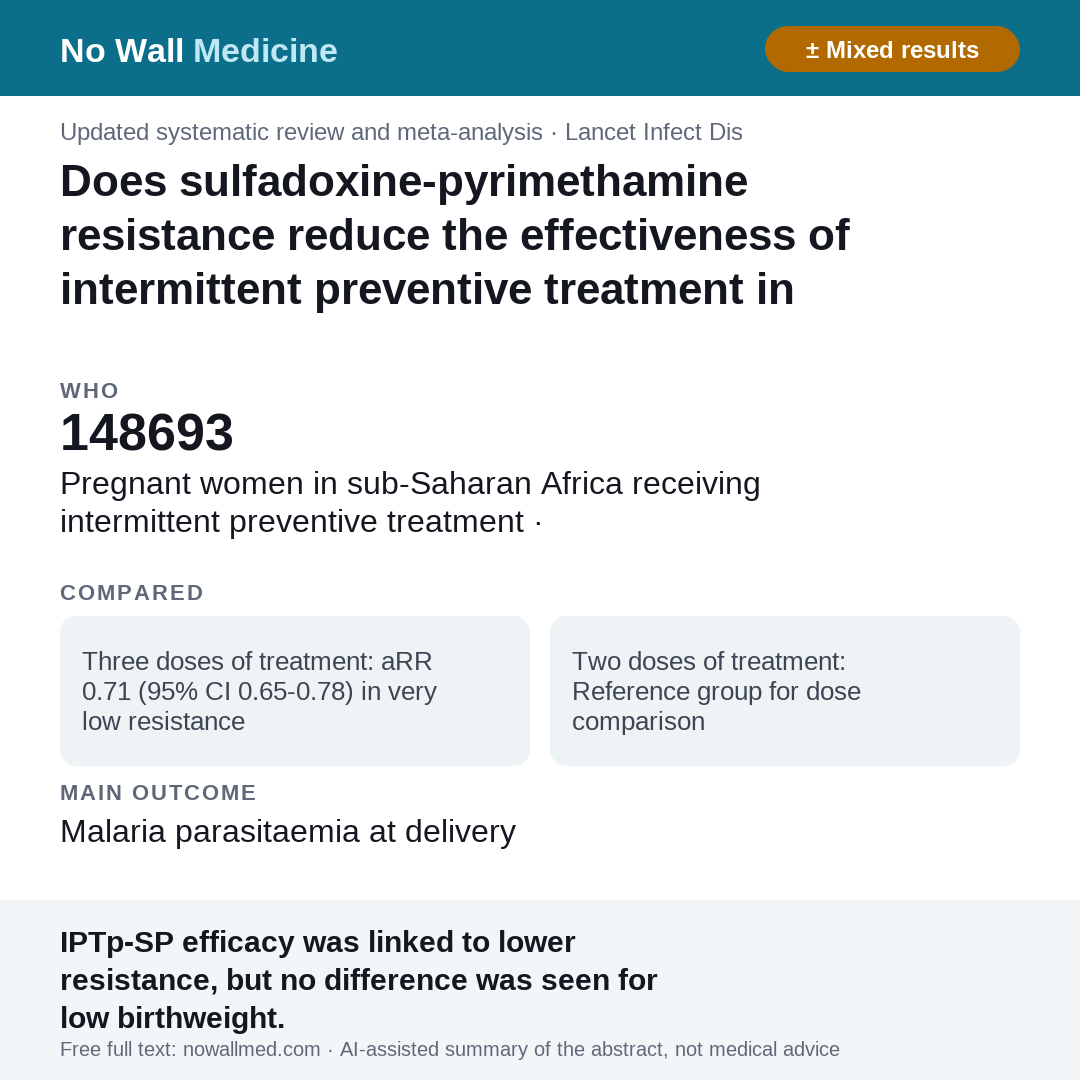
The impact of sulfadoxine-pyrimethamine resistance on the effectiveness of intermittent preventive treatment for the prevention of malaria in pregnancy in Africa: an updated systematic review and meta-analysis
Meta-analysis of 122 studiesHarm found
Does sulfadoxine-pyrimethamine resistance affect IPTp-SP effectiveness
Who
148693
pregnant women in sub-Saharan Africa · Africa
Compared
0.71Very low resistance (95% CI 0.65-0.78)
0.83Low resistance (0.72-0.95)
0.63Moderate resistance (0.57-0.69)
0.89High resistance (0.82-0.96)
Main outcome
malaria infection
Result: adjusted risk ratio 0.71 (95% CI 0.65-0.78) to 0.93 (0.85-1.01)
Bottom line: Sulfadoxine-pyrimethamine resistance reduces IPTp-SP effectiveness
Limitation: limited by sample size in some resistance strata
Lancet Infect Dis · 2025-07-14Download image