Visual abstracts
New randomized trials and meta-analyses from leading journals at a glance: who was studied, what was compared, and what was found. Every paper is free to read in full.
All specialtiesCardiology 4877Oncology 4138Gastroenterology & Hepatology 1942Infectious Disease 3837Neurology 1905Psychiatry & Mental Health 2273Pulmonology 2143Critical Care 1365Endocrinology & Diabetes 2580Pediatrics 2980Surgery 2559Orthopedics & Sports Medicine 931Neurosurgery 537Cardiothoracic & Vascular Surgery 674Plastic & Reconstructive Surgery 591Nephrology 1133Rheumatology 823Hematology 1109Dermatology 621Ophthalmology 543Obstetrics & Gynecology 1686Public & Global Health 1058Radiology & Imaging 648Anesthesiology 986Urology 764ENT (Otolaryngology) 503Emergency Medicine 511Allergy & Immunology 313Geriatrics 981Family Medicine & Primary Care 562Medical Genetics & Genomics 676Pathology & Laboratory Medicine 159Physical Medicine & Rehabilitation 757Palliative Care 444Nutrition 1588Digital Health & AI 2201General Medicine 321
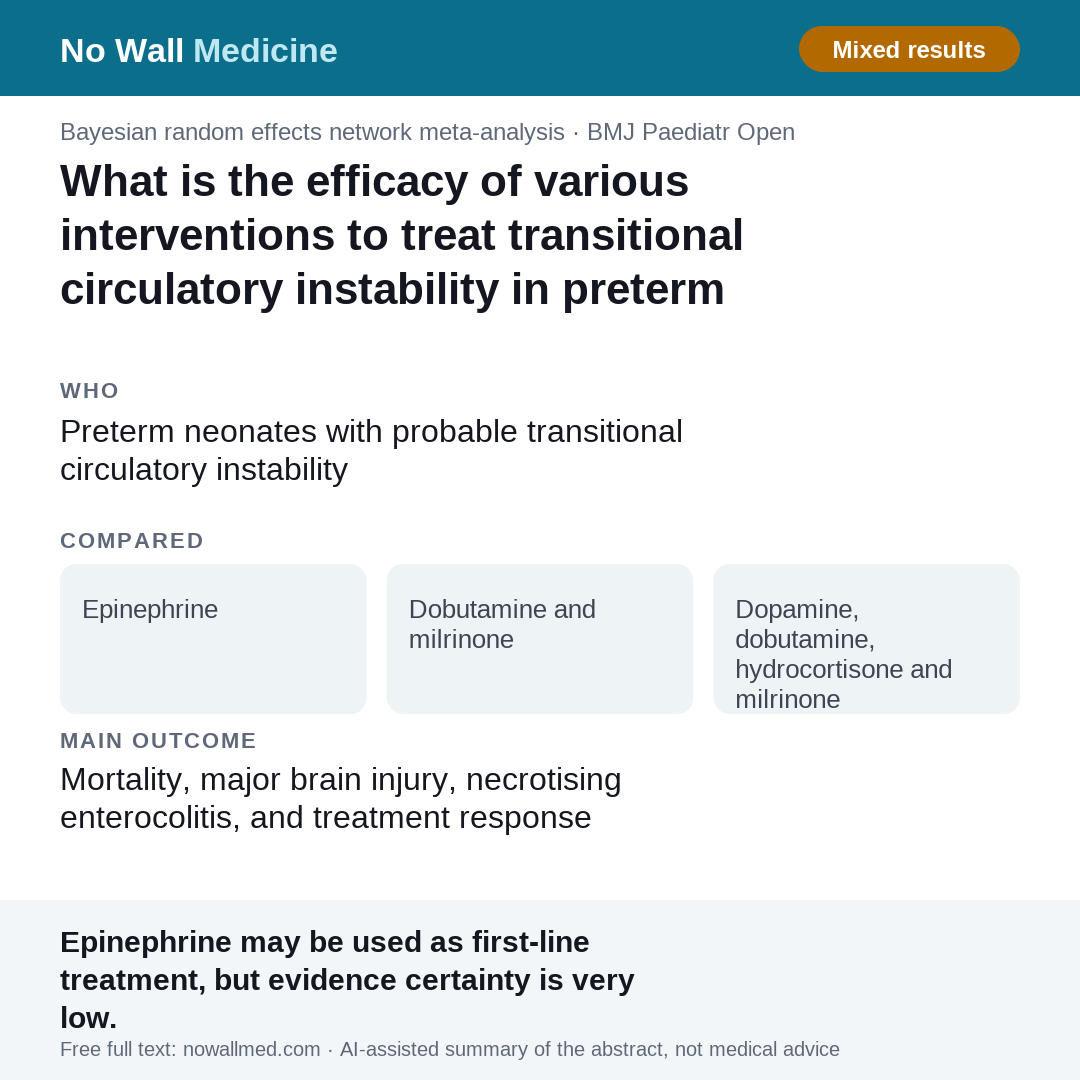
Comparative efficacy of volume expansion, inotropes and vasopressors in preterm neonates with probable transitional circulatory instability in the first week of life: a systematic review and network meta-analysis
Bayesian random effects network meta-analysisMixed results
What is the efficacy of various interventions to treat transitional circulatory instability in preterm neonates?
Who
Preterm neonates with probable transitional circulatory instability
Compared
Epinephrine
Dobutamine and milrinone
Dopamine, dobutamine, hydrocortisone and milrinone
Main outcome
Mortality, major brain injury, necrotising enterocolitis, and treatment response
Bottom line: Epinephrine may be used as first-line treatment, but evidence certainty is very low.
Limitation: Evidence certainty for outcomes was very low.
BMJ Paediatr Open · 2024-05-20Download image
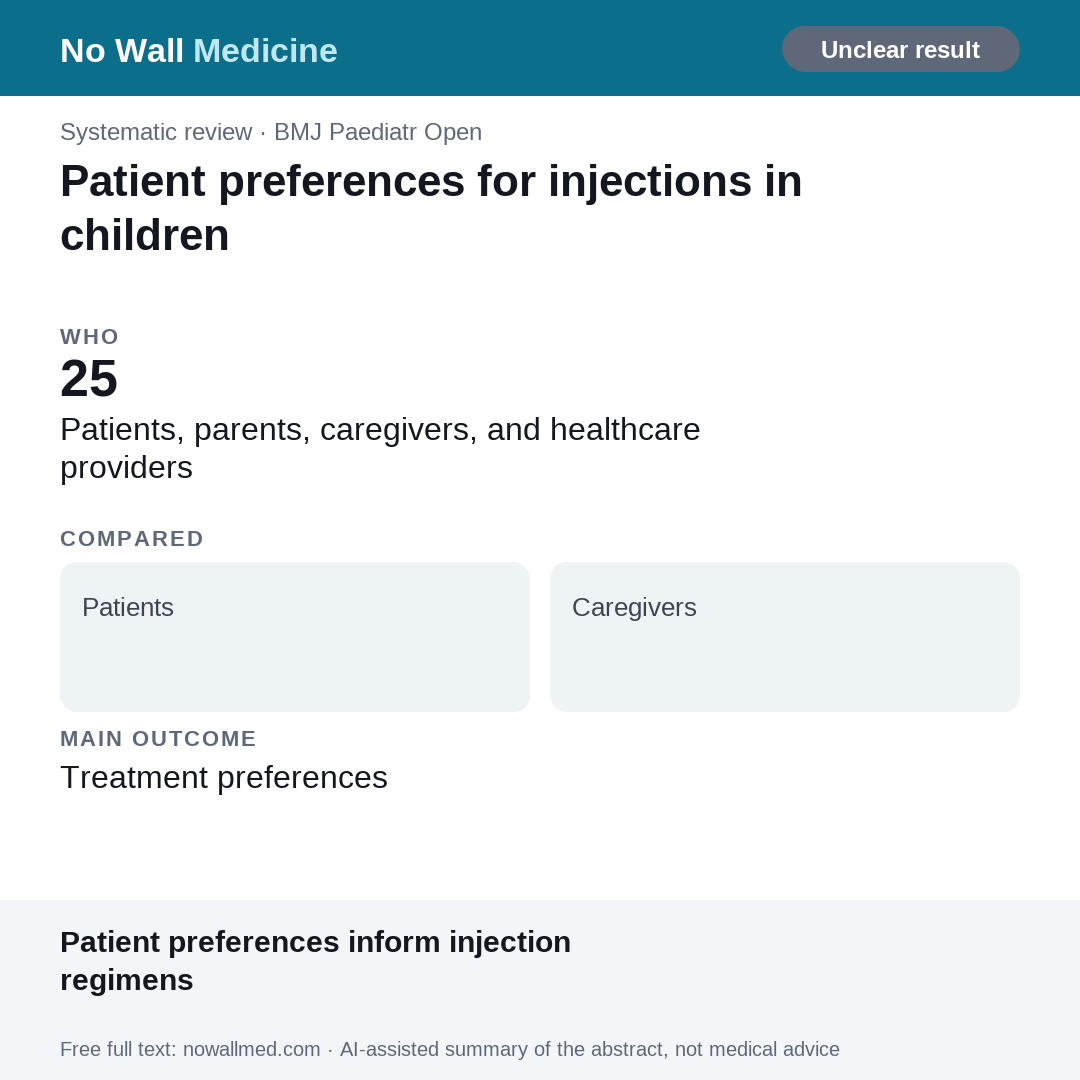
Patient preferences for prophylactic regimens requiring regular injections in children and adolescents: a systematic review and thematic analysis
Systematic reviewUnclear result
Patient preferences for injections in children
Who
25
Patients, parents, caregivers, and healthcare providers
Compared
Patients
Caregivers
Main outcome
Treatment preferences
Bottom line: Patient preferences inform injection regimens
Limitation: Limited available literature
BMJ Paediatr Open · 2024-05-20Download image
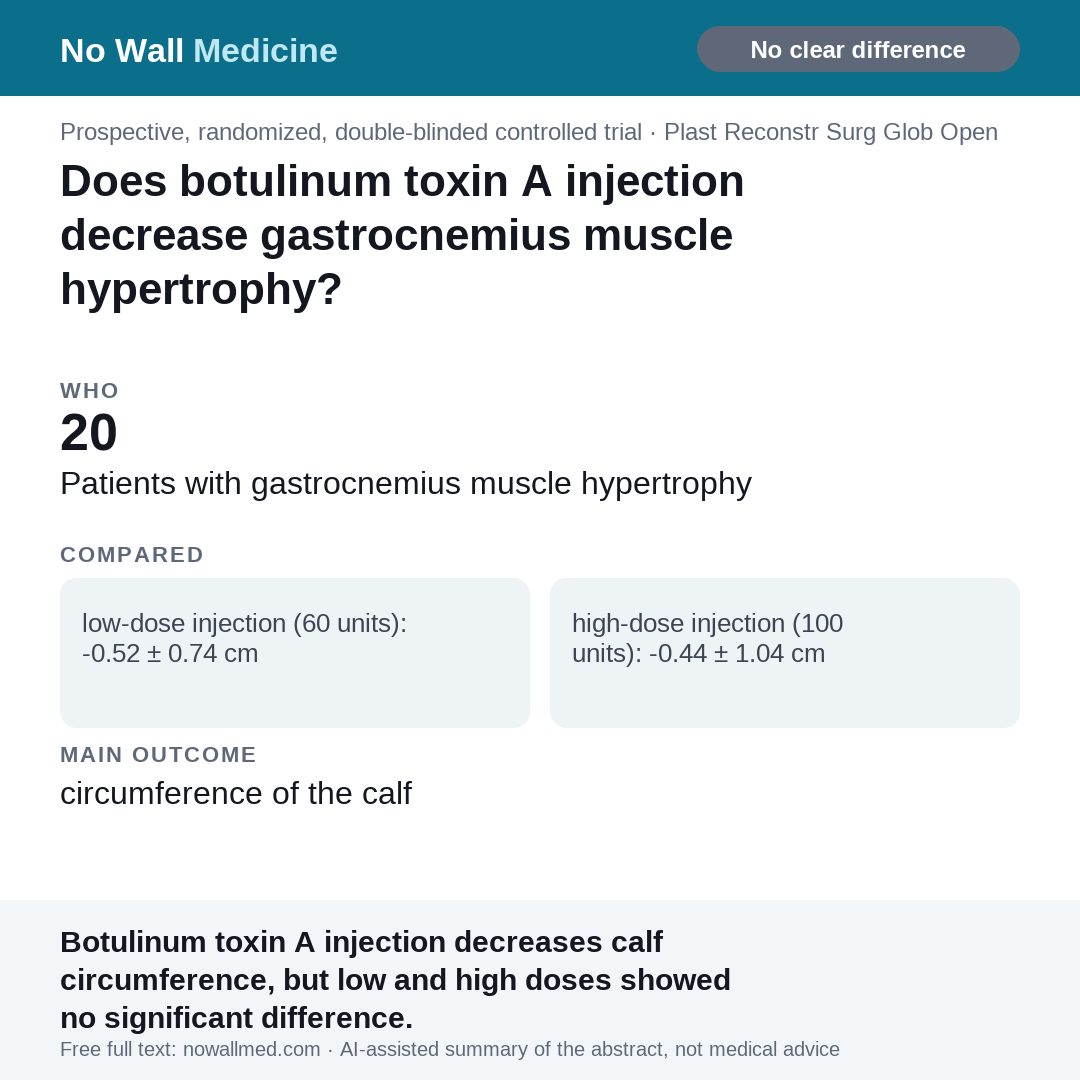
The Efficacy of Botulinum Toxin A Injection for Gastrocnemius Hypertrophy: A Prospective, Randomized, Double-blinded Controlled Trial
Prospective, randomized, double-blinded controlled trialNo clear difference
Does botulinum toxin A injection decrease gastrocnemius muscle hypertrophy?
Who
20
Patients with gastrocnemius muscle hypertrophy
Compared
low-dose injection (60 units): -0.52 ± 0.74 cm
high-dose injection (100 units): -0.44 ± 1.04 cm
Main outcome
circumference of the calf
Bottom line: Botulinum toxin A injection decreases calf circumference, but low and high doses showed no significant difference.
Plast Reconstr Surg Glob Open · 2024-05-20Download image
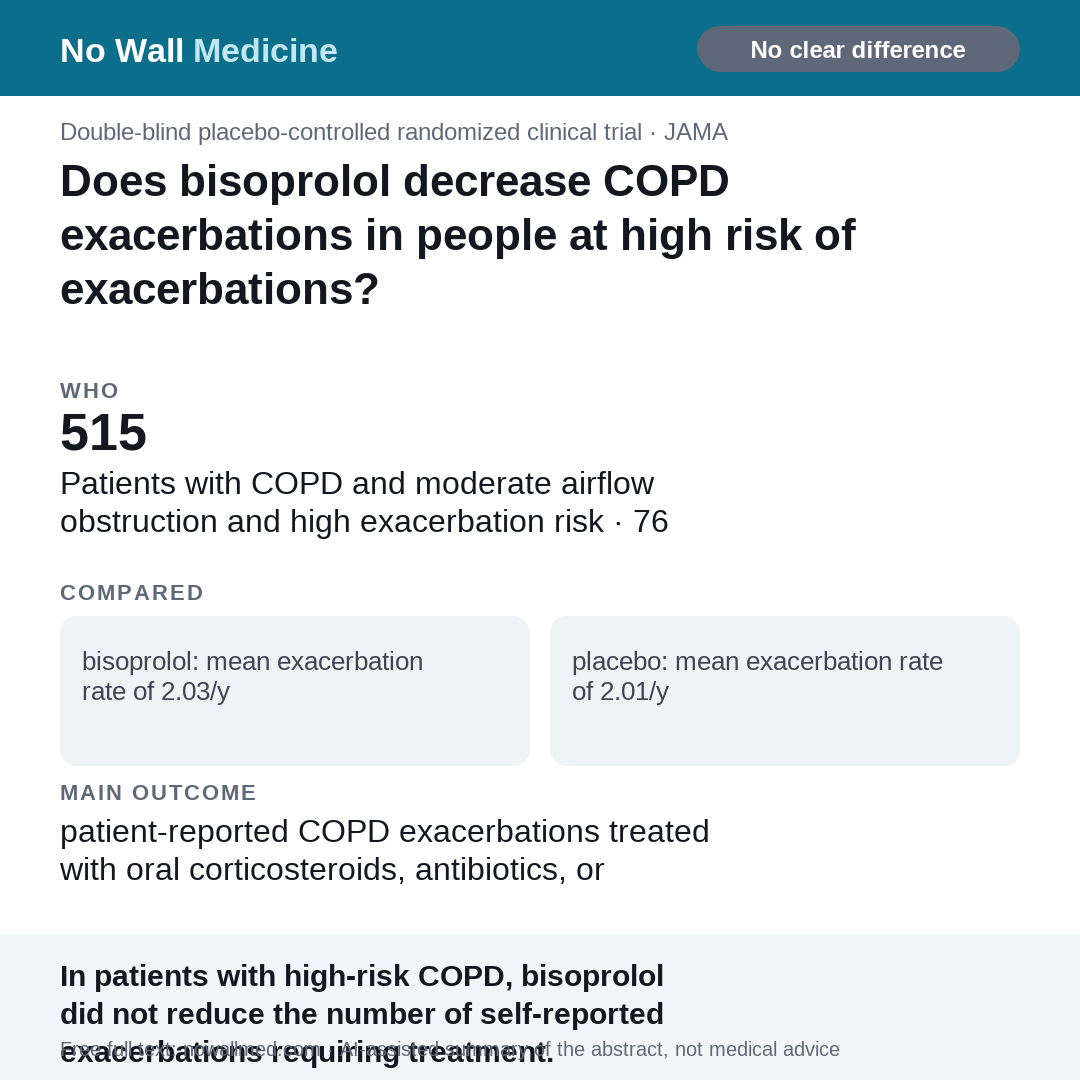
Bisoprolol in Patients With Chronic Obstructive Pulmonary Disease at High Risk of Exacerbation: The BICS Randomized Clinical Trial
Double-blind placebo-controlled randomized clinical trialNo clear difference
Does bisoprolol decrease COPD exacerbations in people at high risk of exacerbations?
Who
515
Patients with COPD and moderate airflow obstruction and high exacerbation risk · 76 United Kingdom sites
Compared
bisoprolol: mean exacerbation rate of 2.03/y
placebo: mean exacerbation rate of 2.01/y
Main outcome
patient-reported COPD exacerbations treated with oral corticosteroids, antibiotics, or both
Result: adjusted incidence rate ratio 0.97 (95% CI, 0.84-1.13)
Bottom line: In patients with high-risk COPD, bisoprolol did not reduce the number of self-reported exacerbations requiring treatment.
Limitation: Recruitment was suspended due to the COVID-19 pandemic.
JAMA · 2024-05-19Download image
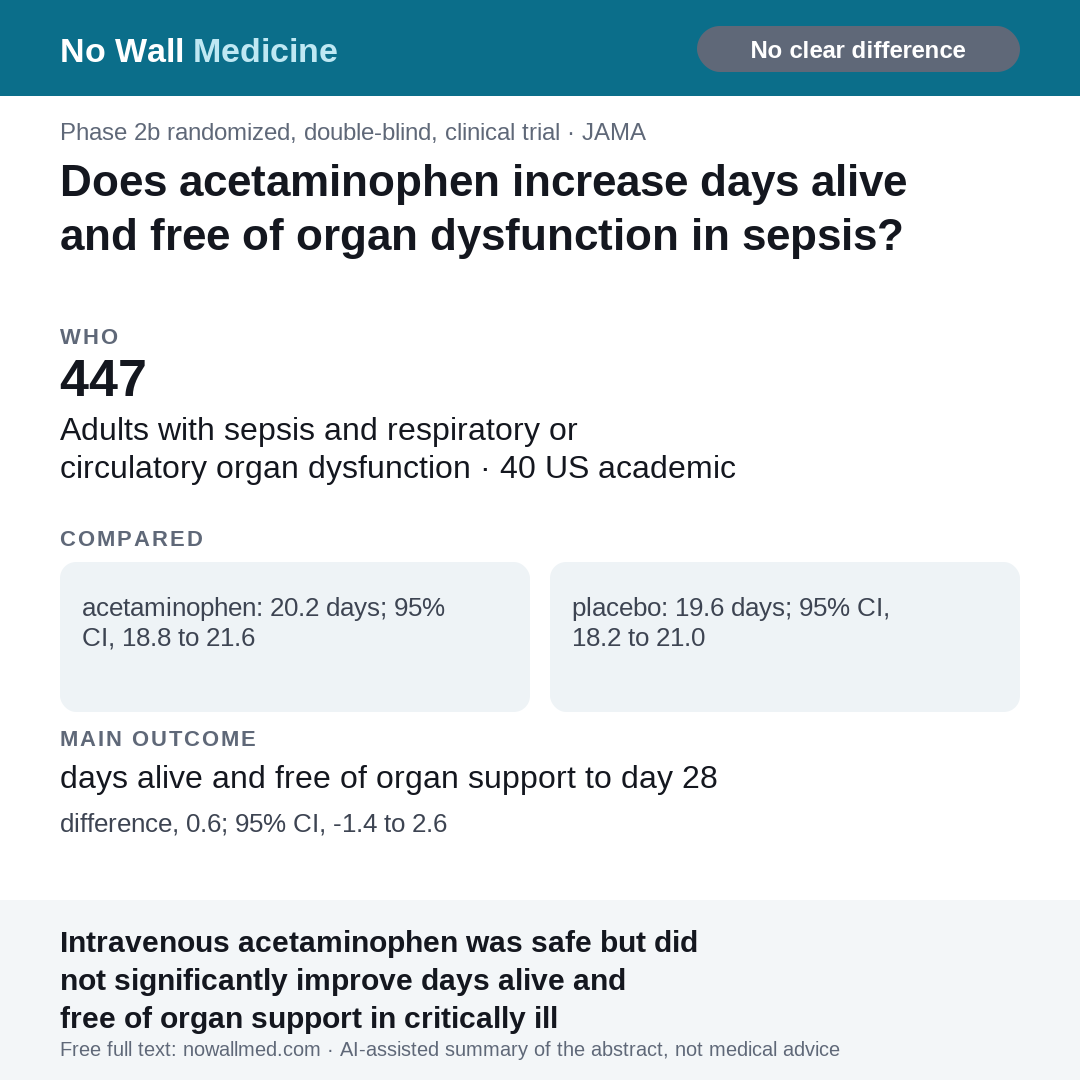
Acetaminophen for Prevention and Treatment of Organ Dysfunction in Critically Ill Patients With Sepsis: The ASTER Randomized Clinical Trial
Phase 2b randomized, double-blind, clinical trialNo clear difference
Does acetaminophen increase days alive and free of organ dysfunction in sepsis?
Who
447
Adults with sepsis and respiratory or circulatory organ dysfunction · 40 US academic hospitals
Compared
acetaminophen: 20.2 days; 95% CI, 18.8 to 21.6
placebo: 19.6 days; 95% CI, 18.2 to 21.0
Main outcome
days alive and free of organ support to day 28
Result: difference, 0.6; 95% CI, -1.4 to 2.6
Bottom line: Intravenous acetaminophen was safe but did not significantly improve days alive and free of organ support in critically ill sepsis patients.
JAMA · 2024-05-19Download image
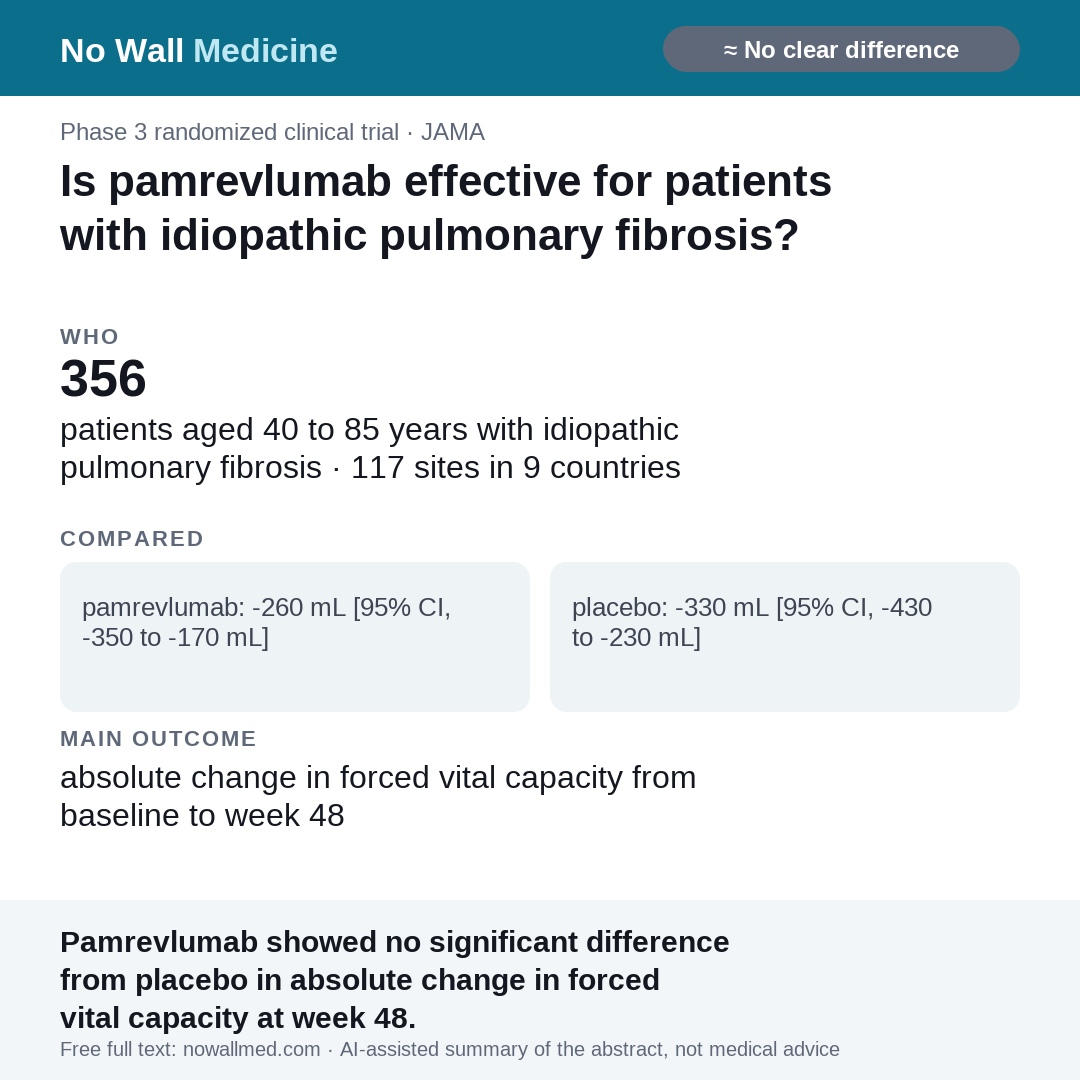
Pamrevlumab for Idiopathic Pulmonary Fibrosis: The ZEPHYRUS-1 Randomized Clinical Trial
Phase 3 randomized clinical trialNo clear difference
Is pamrevlumab effective for patients with idiopathic pulmonary fibrosis?
Who
356
patients aged 40 to 85 years with idiopathic pulmonary fibrosis · 117 sites in 9 countries
Compared
pamrevlumab: -260 mL [95% CI, -350 to -170 mL]
placebo: -330 mL [95% CI, -430 to -230 mL]
Main outcome
absolute change in forced vital capacity from baseline to week 48
Result: mean between-group difference, 70 mL [95% CI, -60 to 190 mL]
Bottom line: Pamrevlumab showed no significant difference from placebo in absolute change in forced vital capacity at week 48.
JAMA · 2024-05-19Download image
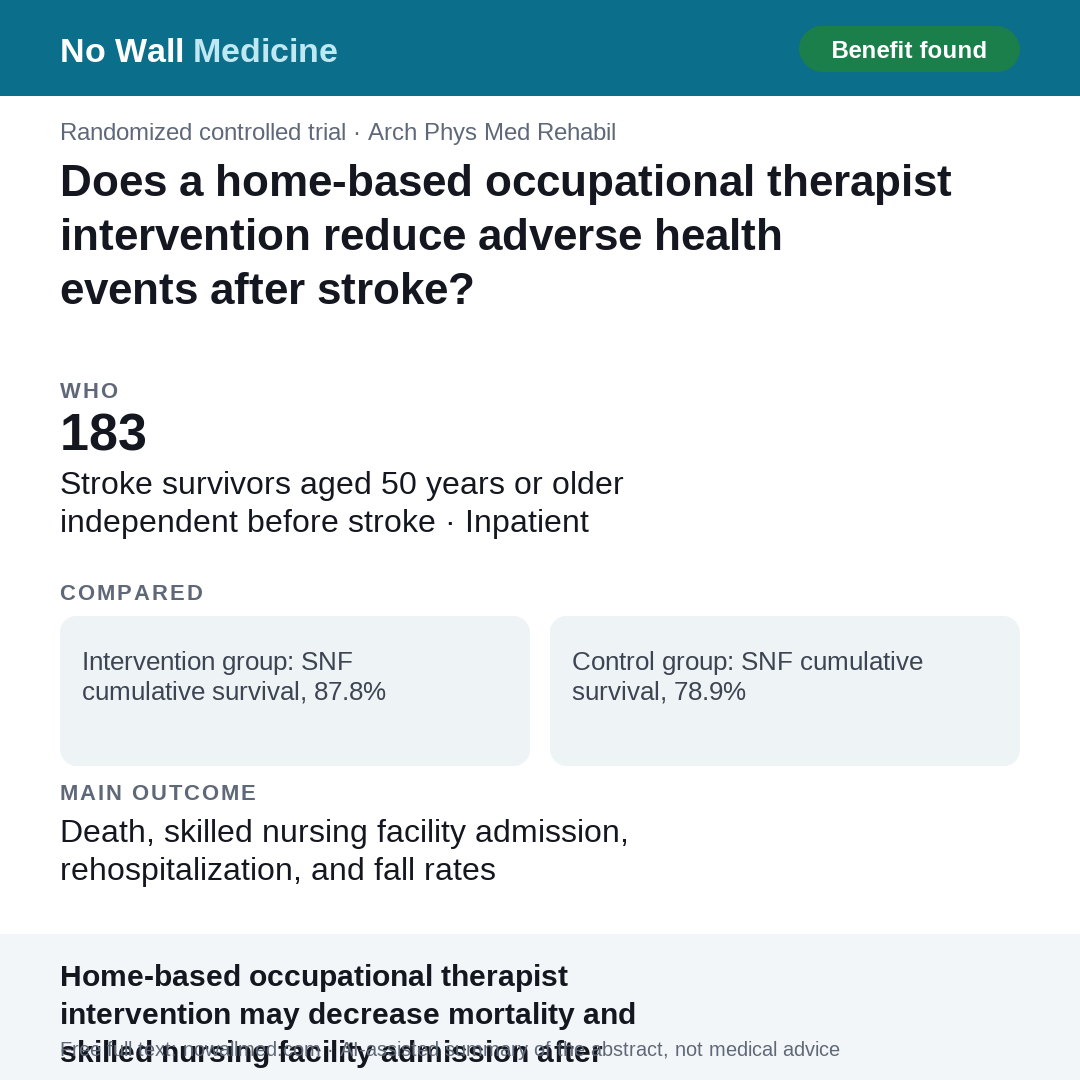
Community Participation Transition After Stroke (COMPASS) Randomized Controlled Trial: Effect on Adverse Health Events
Randomized controlled trialBenefit found
Does a home-based occupational therapist intervention reduce adverse health events after stroke?
Who
183
Stroke survivors aged 50 years or older independent before stroke · Inpatient rehabilitation to home and community transition
Compared
Intervention group: SNF cumulative survival, 87.8%
Control group: SNF cumulative survival, 78.9%
Main outcome
Death, skilled nursing facility admission, rehospitalization, and fall rates
Result: incidence rate ratio 0.78 (95% CI 0.46-1.33) for falls
Bottom line: Home-based occupational therapist intervention may decrease mortality and skilled nursing facility admission after stroke rehabilitation discharge.
Arch Phys Med Rehabil · 2024-05-19Download image
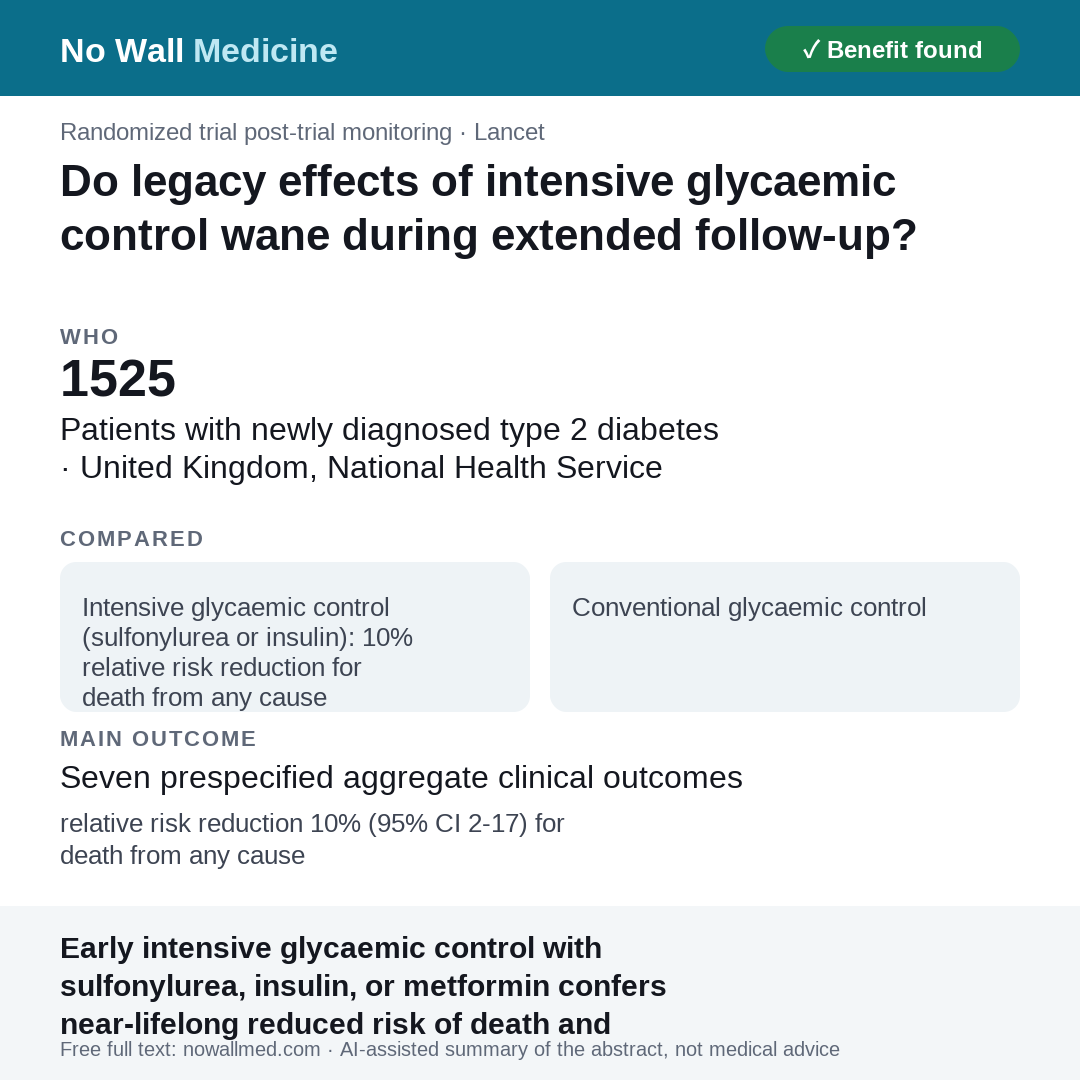
Post-trial monitoring of a randomised controlled trial of intensive glycaemic control in type 2 diabetes extended from 10 years to 24 years (UKPDS 91)
Randomized trial post-trial monitoringBenefit found
Do legacy effects of intensive glycaemic control wane during extended follow-up?
Who
1525
Patients with newly diagnosed type 2 diabetes · United Kingdom, National Health Service
Compared
Intensive glycaemic control (sulfonylurea or insulin): 10% relative risk reduction for death from any cause
Conventional glycaemic control
Main outcome
Seven prespecified aggregate clinical outcomes
Result: relative risk reduction 10% (95% CI 2-17) for death from any cause
Bottom line: Early intensive glycaemic control with sulfonylurea, insulin, or metformin confers near-lifelong reduced risk of death and myocardial infarction.
Funded by: University of Oxford Nuffield Department of Population Health
Lancet · 2024-05-18Download image
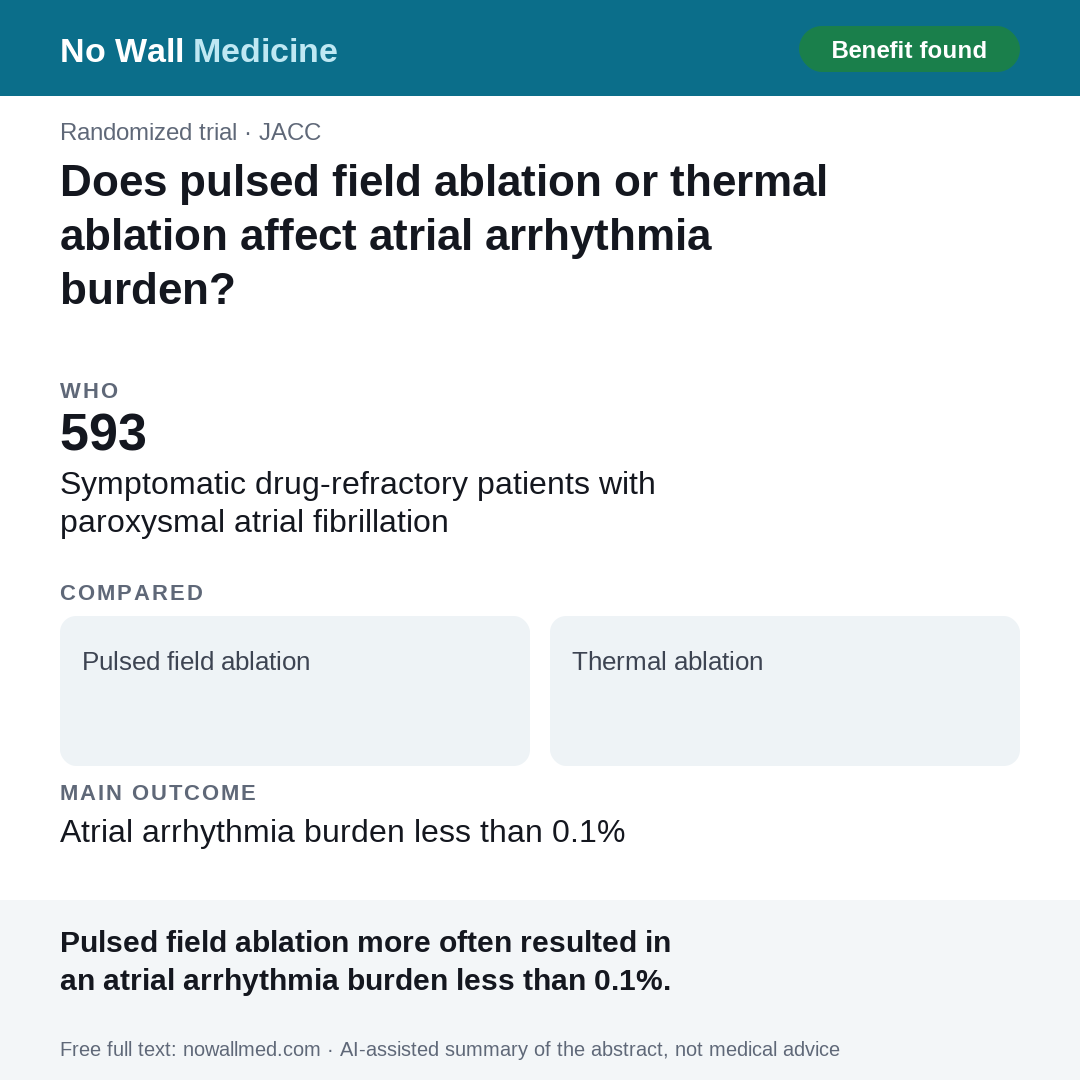
Pulsed Field vs Conventional Thermal Ablation for Paroxysmal Atrial Fibrillation: Recurrent Atrial Arrhythmia Burden
Randomized trialBenefit found
Does pulsed field ablation or thermal ablation affect atrial arrhythmia burden?
Who
593
Symptomatic drug-refractory patients with paroxysmal atrial fibrillation
Compared
Pulsed field ablation
Thermal ablation
Main outcome
Atrial arrhythmia burden less than 0.1%
Result: odds ratio 1.5 (95% CI 1.0-2.3)
Bottom line: Pulsed field ablation more often resulted in an atrial arrhythmia burden less than 0.1%.
JACC · 2024-05-18Download image
Genetic Study of Psoriasis Highlights its Close Link with Socioeconomic Status and Affective Symptoms
Genome-wide association study and meta-analysisMixed results
What are the genetic risk factors and cross-trait correlations for psoriasis?
Who
925649
Individuals from FinnGen, Estonian Biobank, and UK Biobank · Finland, Estonia, and United Kingdom
Compared
22,659Psoriasis cases
902,990Controls
Main outcome
Genetic risk loci and cross-trait genetic correlations
Bottom line: Psoriasis is genetically linked to smoking, higher body weight, lower education, and mood symptoms.
J Invest Dermatol · 2024-05-18Download image

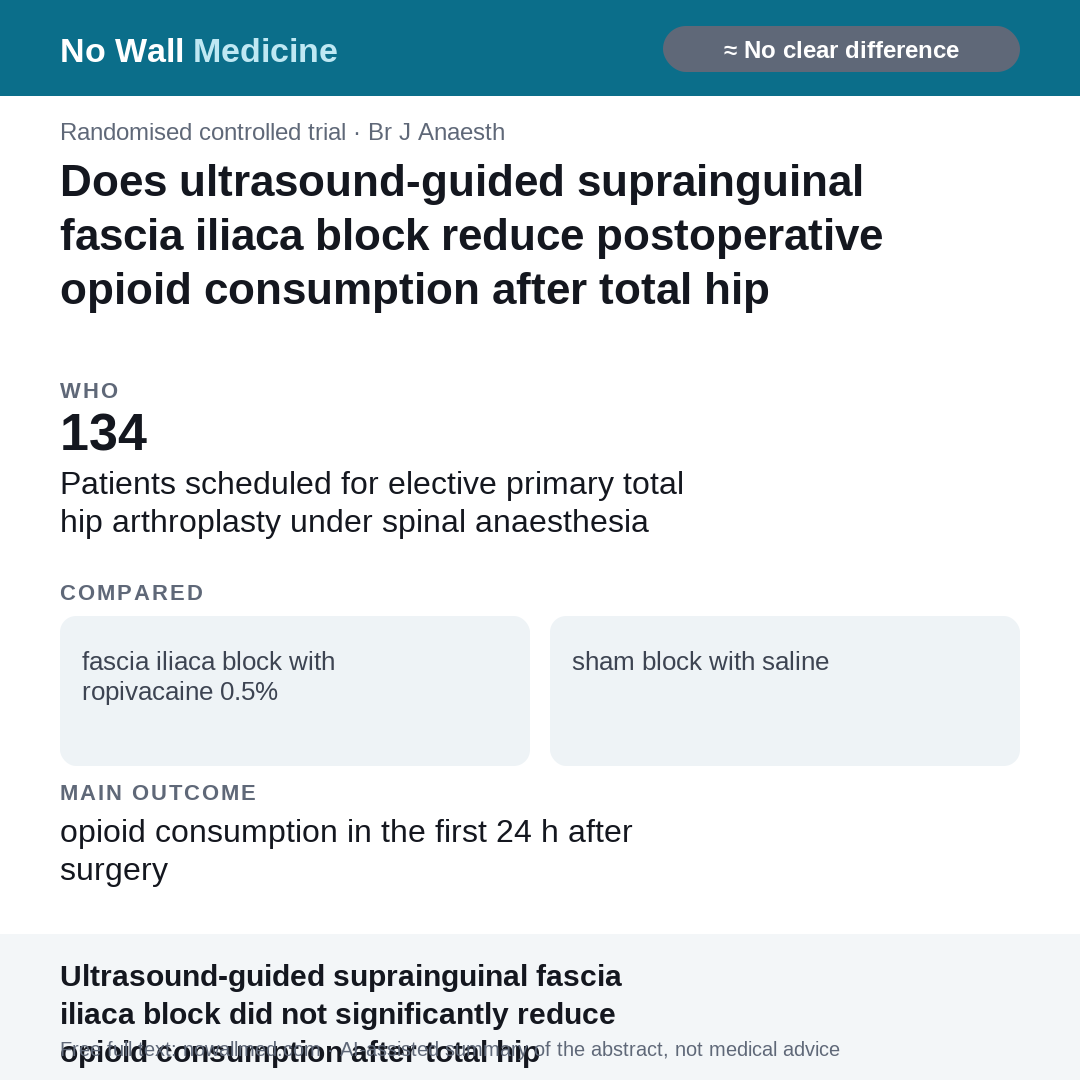
Ultrasound-guided suprainguinal fascia iliaca compartment block and early postoperative analgesia after total hip arthroplasty: a randomised controlled trial
Randomised controlled trialNo clear difference
Does ultrasound-guided suprainguinal fascia iliaca block reduce postoperative opioid consumption after total hip arthroplasty?
Who
134
Patients scheduled for elective primary total hip arthroplasty under spinal anaesthesia
Compared
fascia iliaca block with ropivacaine 0.5%
sham block with saline
Main outcome
opioid consumption in the first 24 h after surgery
Result: mean difference -3.2 mg oral morphine equivalent (95% CI -15.3 to 8.1 mg oral morphine equivalent)
Bottom line: Ultrasound-guided suprainguinal fascia iliaca block did not significantly reduce opioid consumption after total hip arthroplasty.
Br J Anaesth · 2024-05-18Download image
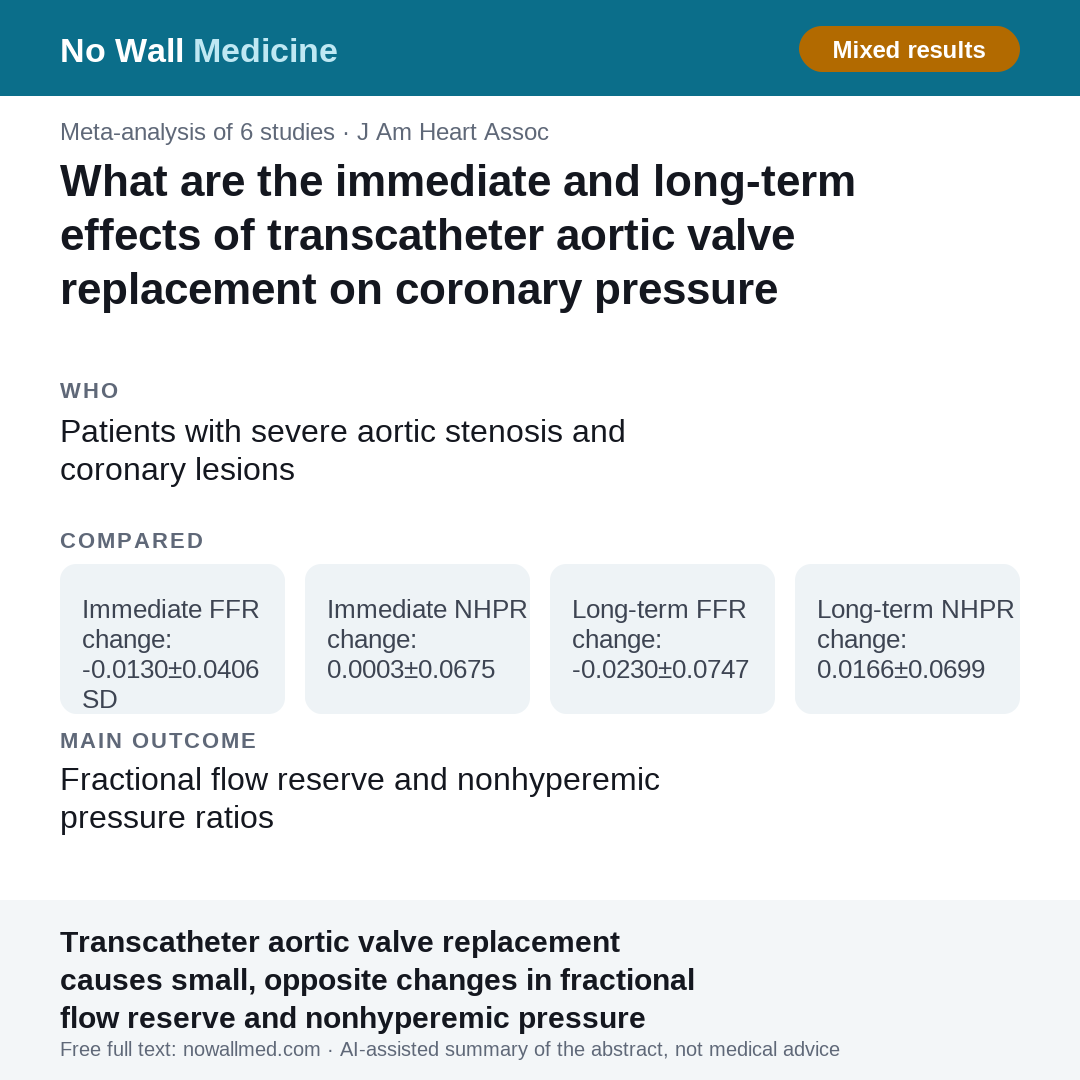
Differential Effect of Aortic Valve Replacement for Severe Aortic Stenosis on Hyperemic and Resting Epicardial Coronary Pressure Indices
Meta-analysis of 6 studiesMixed results
What are the immediate and long-term effects of transcatheter aortic valve replacement on coronary pressure indices?
Who
Patients with severe aortic stenosis and coronary lesions
Compared
Immediate FFR change: -0.0130±0.0406 SD
Immediate NHPR change: 0.0003±0.0675
Long-term FFR change: -0.0230±0.0747
Long-term NHPR change: 0.0166±0.0699
Main outcome
Fractional flow reserve and nonhyperemic pressure ratios
Bottom line: Transcatheter aortic valve replacement causes small, opposite changes in fractional flow reserve and nonhyperemic pressure ratios.
J Am Heart Assoc · 2024-05-18Download image
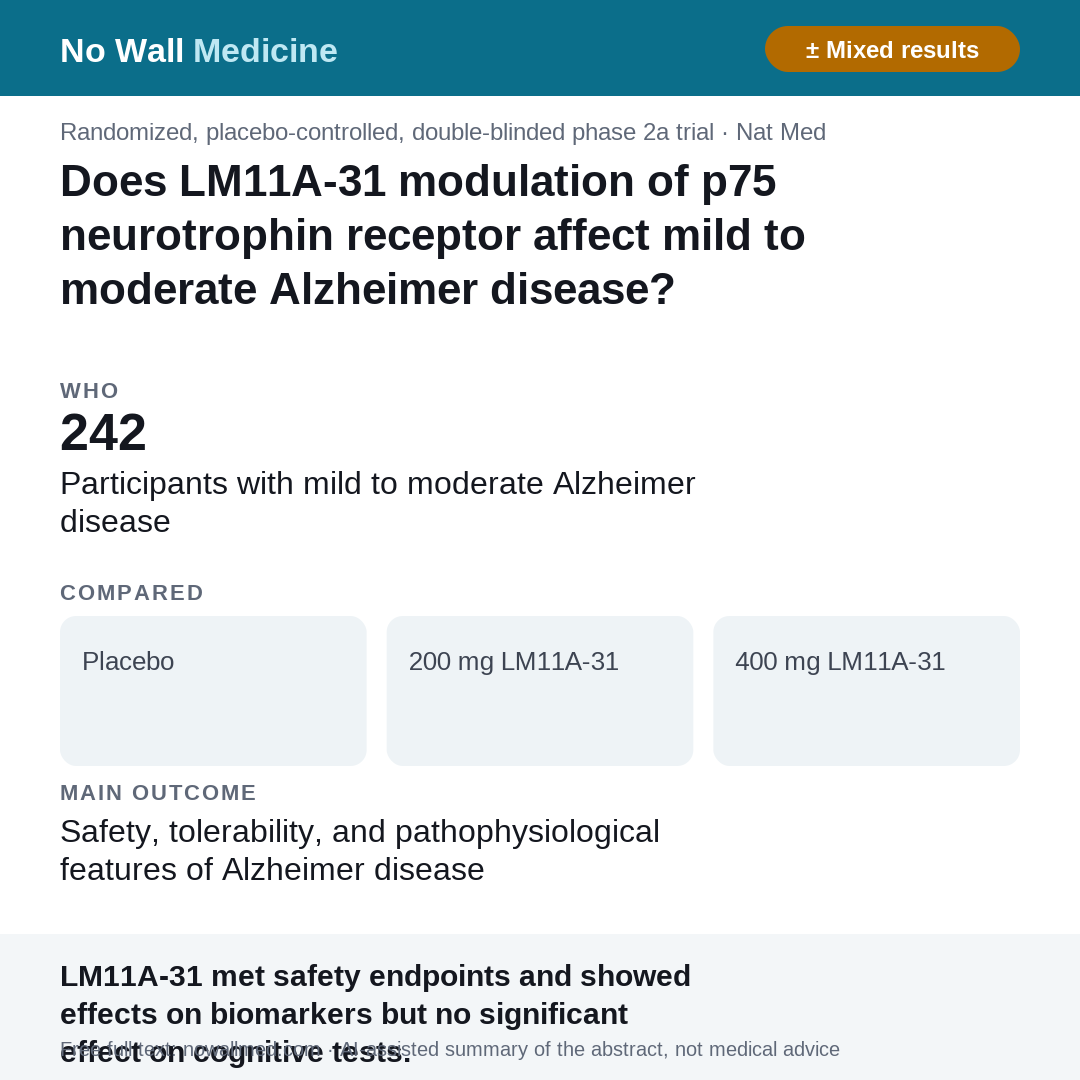
p75 neurotrophin receptor modulation in mild to moderate Alzheimer disease: a randomized, placebo-controlled phase 2a trial
Randomized, placebo-controlled, double-blinded phase 2a trialMixed results
Does LM11A-31 modulation of p75 neurotrophin receptor affect mild to moderate Alzheimer disease?
Who
242
Participants with mild to moderate Alzheimer disease
Compared
Placebo
200 mg LM11A-31
400 mg LM11A-31
Main outcome
Safety, tolerability, and pathophysiological features of Alzheimer disease
Bottom line: LM11A-31 met safety endpoints and showed effects on biomarkers but no significant effect on cognitive tests.
Nat Med · 2024-05-17Download image
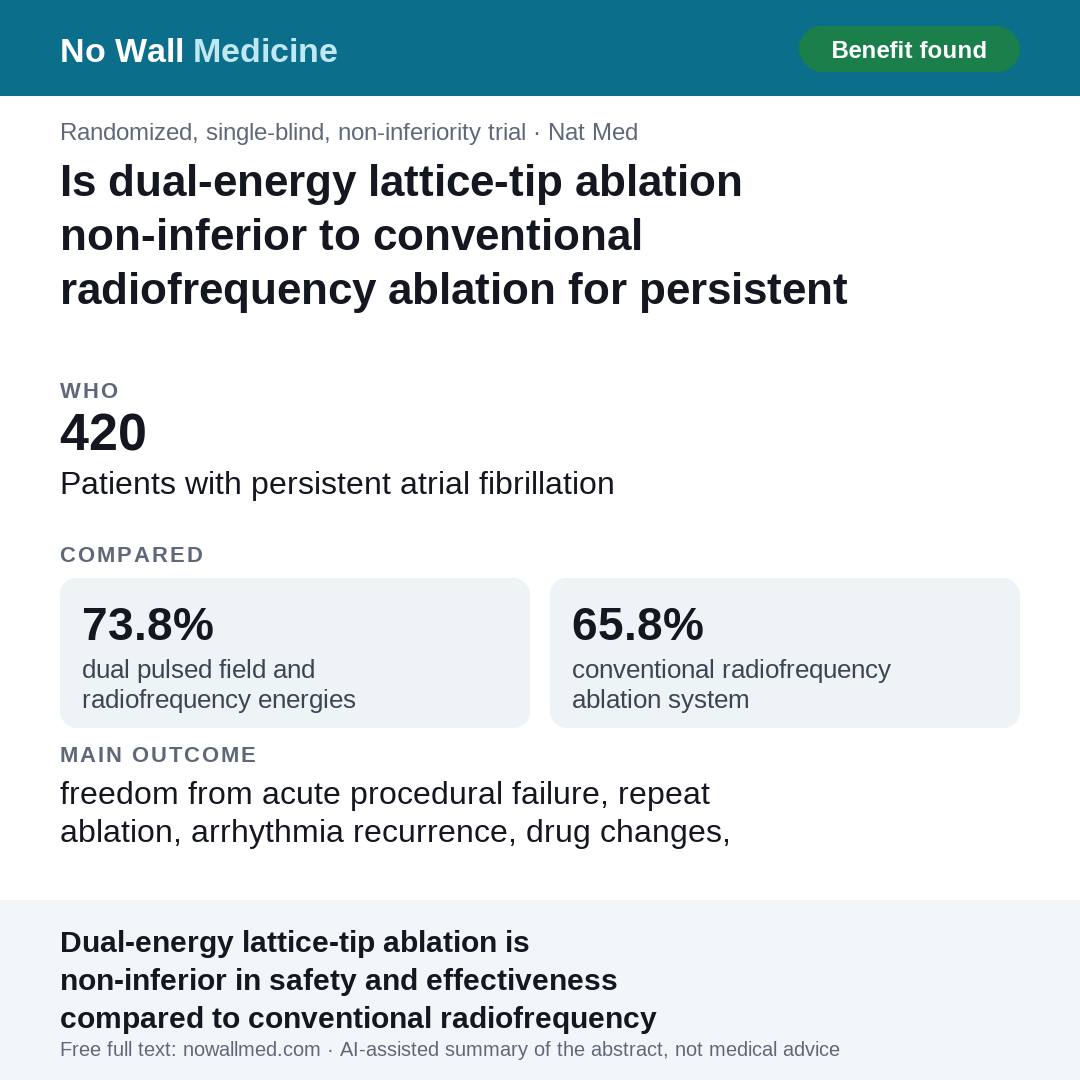
Dual-energy lattice-tip ablation system for persistent atrial fibrillation: a randomized trial
Randomized, single-blind, non-inferiority trialBenefit found
Is dual-energy lattice-tip ablation non-inferior to conventional radiofrequency ablation for persistent atrial fibrillation?
Who
420
Patients with persistent atrial fibrillation
Compared
73.8%dual pulsed field and radiofrequency energies
65.8%conventional radiofrequency ablation system
Main outcome
freedom from acute procedural failure, repeat ablation, arrhythmia recurrence, drug changes, or cardioversion
Result: P < 0.0001 for non-inferiority
Bottom line: Dual-energy lattice-tip ablation is non-inferior in safety and effectiveness compared to conventional radiofrequency ablation for persistent atrial fibrillation.
Nat Med · 2024-05-17Download image
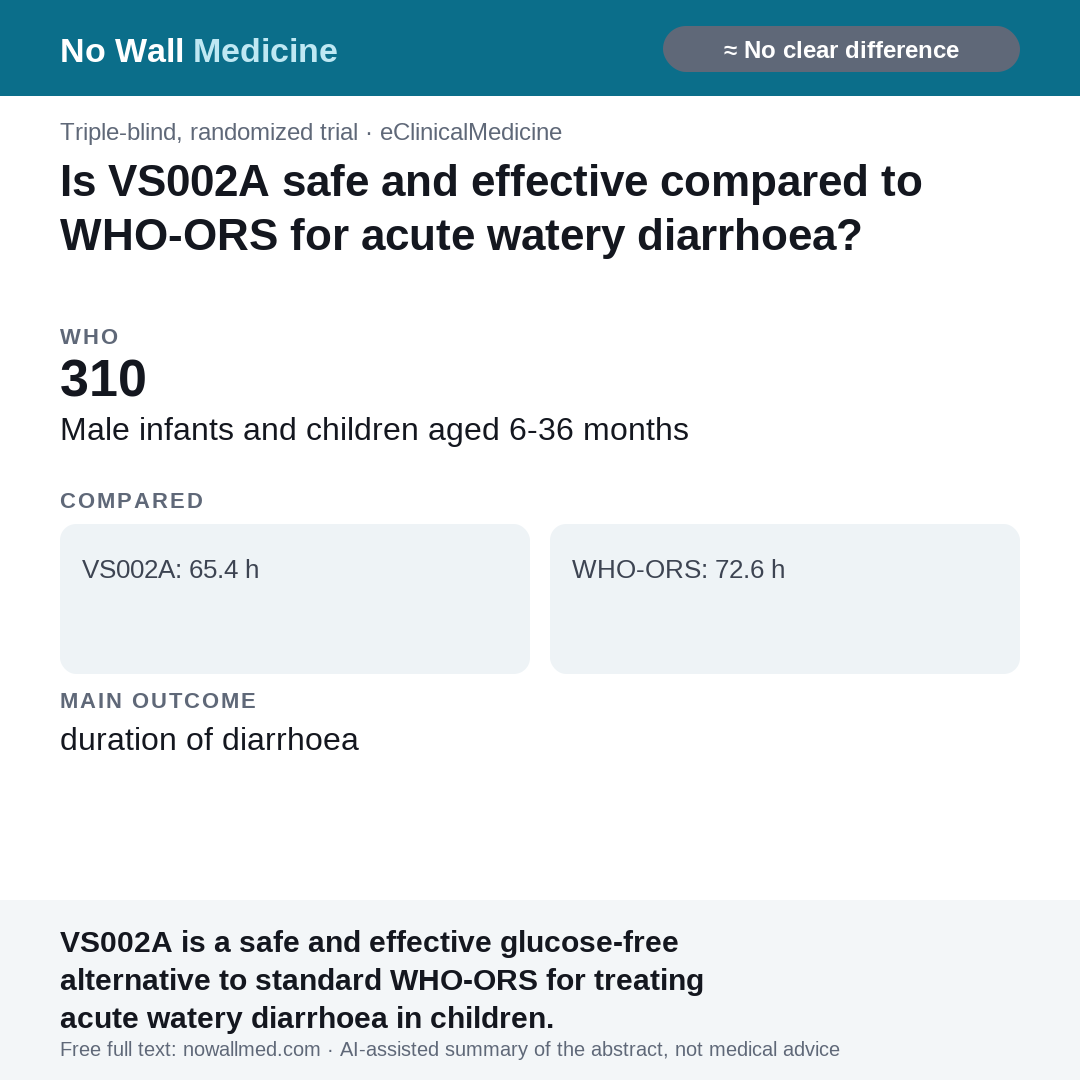
Assessing safety and efficacy of a novel glucose-free amino acid oral rehydration solution for watery diarrhea management in children: a randomized, controlled, phase III trial
Triple-blind, randomized trialNo clear difference
Is VS002A safe and effective compared to WHO-ORS for acute watery diarrhoea?
Who
310
Male infants and children aged 6-36 months
Compared
VS002A: 65.4 h
WHO-ORS: 72.6 h
Main outcome
duration of diarrhoea
Bottom line: VS002A is a safe and effective glucose-free alternative to standard WHO-ORS for treating acute watery diarrhoea in children.
Funded by: Entrinsic Bioscience, LLC.
eClinicalMedicine · 2024-05-17Download image
Restarting pre-exposure prophylaxis (PrEP) for HIV: a systematic review and meta-analysis
Systematic review and meta-analysisMixed results
What proportion of individuals who stopped HIV pre-exposure prophylaxis restart it?
Who
85,683
People who stopped HIV pre-exposure prophylaxis · High-income countries and the USA
Compared
23.8%Overall proportion restarting (95% CI: 15.9-32.7)
Middle-income countries vs high-income: aOR 0.6 (95% CI: 0.50-0.73)
Africa vs USA: aOR 1.55 (95% CI: 1.30-1.86)
Main outcome
Proportion of people who stopped and then restarted pre-exposure prophylaxis
Result: 23.8% (95% CI: 15.9-32.7)
Bottom line: About a quarter of people who stopped pre-exposure prophylaxis restart it, with significant variation across different populations and countries.
Limitation: Observational studies had potential risk of bias regarding confounders and incomplete follow-up.
Funded by: Australian National Health and Medical Research Council
eClinicalMedicine · 2024-05-17Download image

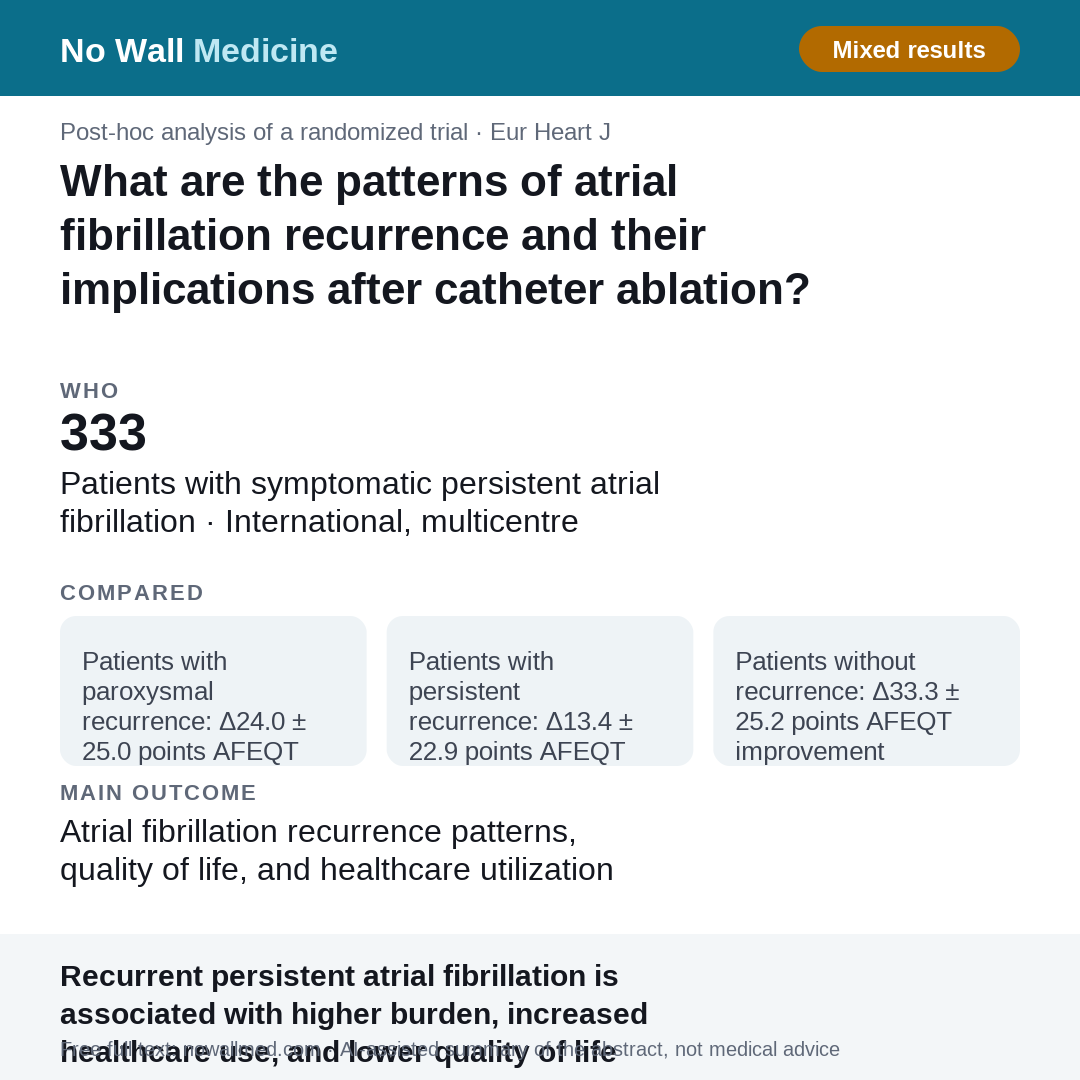
Catheter ablation for persistent atrial fibrillation: patterns of recurrence and impact on quality of life and health care utilization
Post-hoc analysis of a randomized trialMixed results
What are the patterns of atrial fibrillation recurrence and their implications after catheter ablation?
Who
333
Patients with symptomatic persistent atrial fibrillation · International, multicentre study
Compared
Patients with paroxysmal recurrence: Δ24.0 ± 25.0 points AFEQT improvement
Patients with persistent recurrence: Δ13.4 ± 22.9 points AFEQT improvement
Patients without recurrence: Δ33.3 ± 25.2 points AFEQT improvement
Main outcome
Atrial fibrillation recurrence patterns, quality of life, and healthcare utilization
Bottom line: Recurrent persistent atrial fibrillation is associated with higher burden, increased healthcare use, and lower quality of life improvements.
Eur Heart J · 2024-05-17Download image
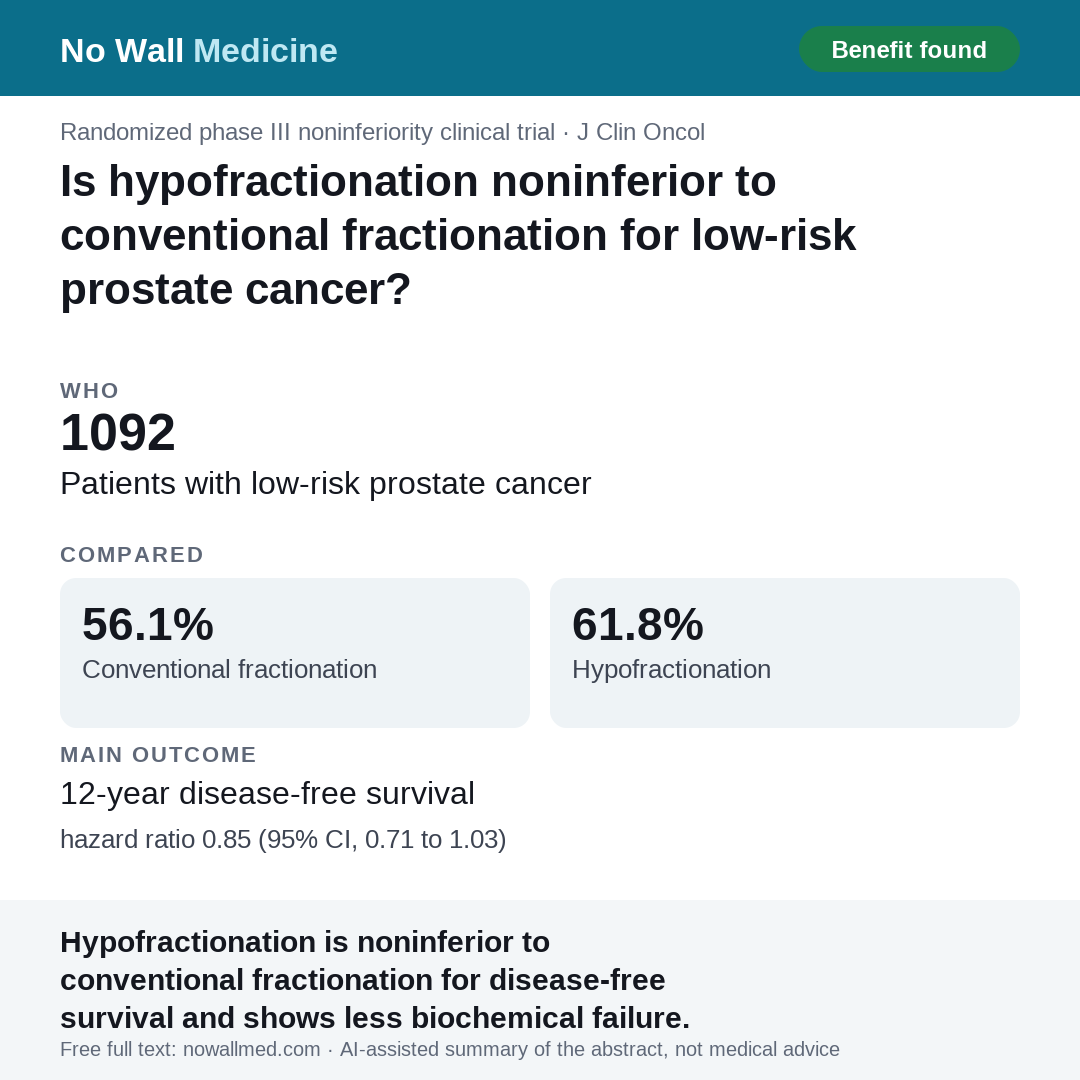
Long-Term Analysis of NRG Oncology RTOG 0415: A Randomized Phase III Noninferiority Study Comparing Two Fractionation Schedules in Patients With Low-Risk Prostate Cancer
Randomized phase III noninferiority clinical trialBenefit found
Is hypofractionation noninferior to conventional fractionation for low-risk prostate cancer?
Who
1092
Patients with low-risk prostate cancer
Compared
56.1%Conventional fractionation (95% CI, 51.5 to 60.5)
61.8%Hypofractionation (95% CI, 57.2 to 66.0)
Main outcome
12-year disease-free survival
Result: hazard ratio 0.85 (95% CI, 0.71 to 1.03)
Bottom line: Hypofractionation is noninferior to conventional fractionation for disease-free survival and shows less biochemical failure.
J Clin Oncol · 2024-05-17Download image
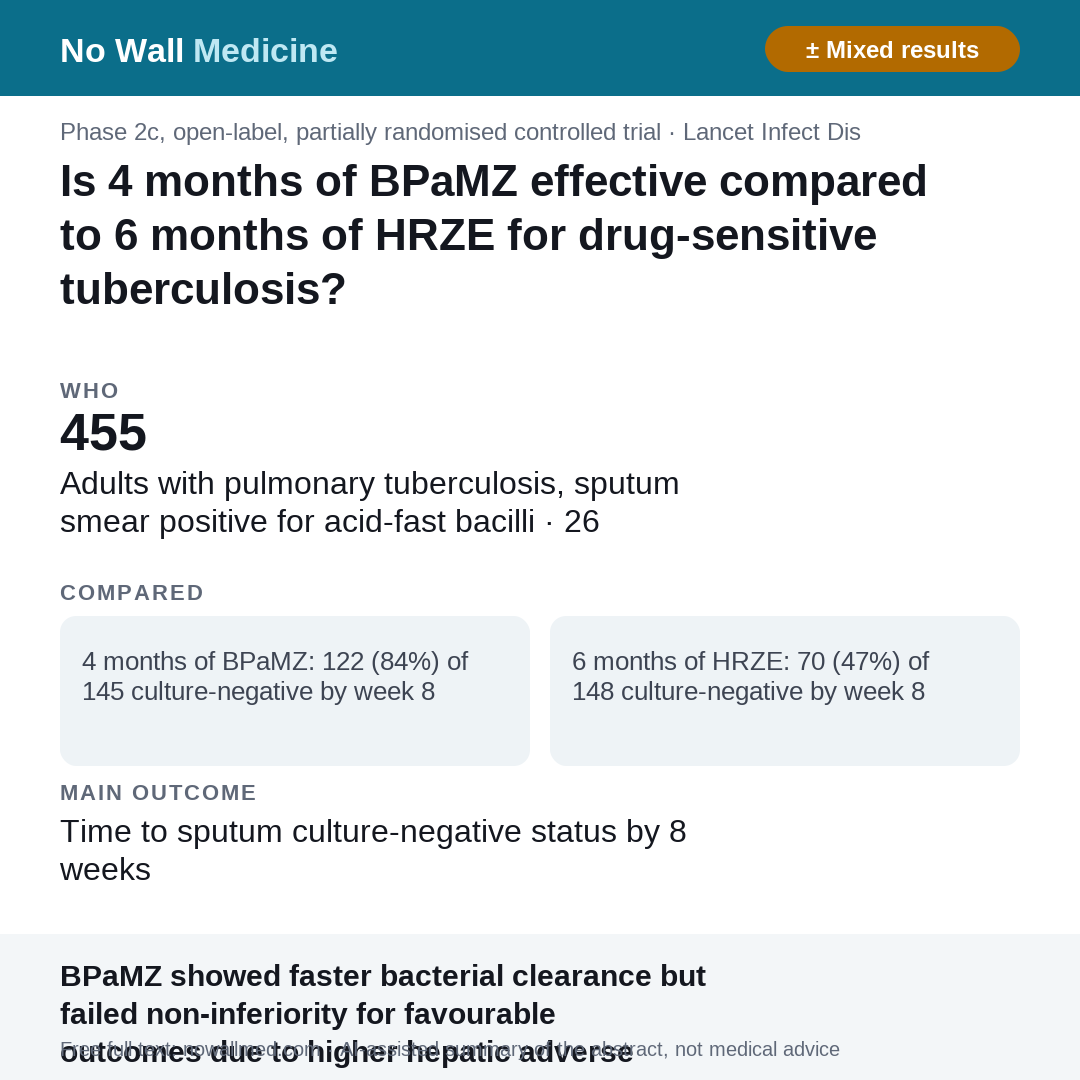
Bedaquiline-pretomanid-moxifloxacin-pyrazinamide for drug-sensitive and drug-resistant pulmonary tuberculosis treatment: a phase 2c, open-label, multicentre, partially randomised controlled trial
Phase 2c, open-label, partially randomised controlled trialMixed results
Is 4 months of BPaMZ effective compared to 6 months of HRZE for drug-sensitive tuberculosis?
Who
455
Adults with pulmonary tuberculosis, sputum smear positive for acid-fast bacilli · 26 sites in eight countries
Compared
4 months of BPaMZ: 122 (84%) of 145 culture-negative by week 8
6 months of HRZE: 70 (47%) of 148 culture-negative by week 8
Main outcome
Time to sputum culture-negative status by 8 weeks
Result: hazard ratio 2.93 (95% CI 2.17 to 3.96)
Bottom line: BPaMZ showed faster bacterial clearance but failed non-inferiority for favourable outcomes due to higher hepatic adverse events.
Limitation: Higher withdrawal rates for adverse hepatic events prevented meeting the non-inferiority margin for the key secondary endpoint.
Lancet Infect Dis · 2024-05-17Download image
Specialist physiotherapy for functional motor disorder in England and Scotland (Physio4FMD): a pragmatic, multicentre, phase 3 randomised controlled trial
Pragmatic, multicentre, phase 3 randomised controlled trialNo clear difference
Is specialist physiotherapy effective for functional motor disorder compared to treatment as usual?
Who
355
Adults with a clinically definite diagnosis of functional motor disorder · 11 hospitals in England and Scotland
Compared
Specialist physiotherapy
Treatment as usual
Main outcome
Physical functioning domain of the 36-item short form health questionnaire
Result: adjusted mean difference 3·5, 95% CI -2·3 to 9·3
Bottom line: Specialist physiotherapy did not result in better self-reported physical functioning at 12 months compared to treatment as usual.
Funded by: National Institute for Health and Care Research and Health Technology Assessment Programme
Lancet Neurol · 2024-05-17Download image