Visual abstracts
New randomized trials and meta-analyses from leading journals at a glance: who was studied, what was compared, and what was found. Every paper is free to read in full.
All specialtiesCardiology 4800Oncology 4084Gastroenterology & Hepatology 1917Infectious Disease 3789Neurology 1886Psychiatry & Mental Health 2240Pulmonology 2061Critical Care 1335Endocrinology & Diabetes 2553Pediatrics 2914Surgery 2500Orthopedics & Sports Medicine 923Neurosurgery 532Cardiothoracic & Vascular Surgery 665Plastic & Reconstructive Surgery 585Nephrology 1115Rheumatology 815Hematology 1099Dermatology 619Ophthalmology 539Obstetrics & Gynecology 1661Public & Global Health 1044Radiology & Imaging 637Anesthesiology 959Urology 751ENT (Otolaryngology) 497Emergency Medicine 484Allergy & Immunology 310Geriatrics 974Family Medicine & Primary Care 538Medical Genetics & Genomics 662Pathology & Laboratory Medicine 156Physical Medicine & Rehabilitation 746Palliative Care 422Nutrition 1566Digital Health & AI 2191General Medicine 319
Preliminary Impact of Group-Based Interventions on Stigma, Mental Health, and Treatment Adherence Among Adolescents Living with Human Immunodeficiency Virus in Uganda
Pilot randomized clinical trialEarly signal
Do group-based interventions improve HIV stigma and mental health in Ugandan adolescents?
Who
89
Adolescents living with HIV and their caregivers · 9 health clinics in Uganda
Compared
Multiple family group-based family strengthening: lower internalized stigma (mean difference = -0.008, 95% CI = -0.015, -0.001)
Group cognitive behavioral therapy: lower anticipated stigma (mean difference = -0.039, 95% CI = -0.072, -0.006)
Usual care
Main outcome
HIV stigma and mental health functioning
Bottom line: Group-based interventions show preliminary evidence to reduce HIV stigma and improve mental health in adolescents.
J Pediatr · 2024-02-23Download image

Effect of a Patient Portal Reminder Message After No-Show on Appointment Reattendance in Ophthalmology: A Randomized Clinical Trial
Prospective, randomized clinical trialBenefit found
Does an electronic health record message after a no-show increase appointment reattendance?
Who
362
Return patients age 18 years or older with a missed appointment · Academic ophthalmology department
Compared
22.2%Intervention (mailed letter plus electronic message) (42/189)
11.6%Control (standard mailed letter only) (20/173)
Main outcome
Attendance of a rescheduled appointment within 30 days
Result: odds ratio 2.186 (95% CI 1.225-3.898)
Bottom line: Electronic health record reminder messages may promote re-engagement in ophthalmology care after a missed appointment.
Am J Ophthalmol · 2024-02-23Download image

Systematic review of the association between short-chain fatty acids and allergic diseases
Systematic reviewBenefit found
What is the association between short-chain fatty acids and allergic diseases?
Who
Patients with pre-existing allergic diseases or prenatal/early childhood subjects
Compared
Short-chain fatty acids
Allergic diseases
Main outcome
Risk of allergic diseases
Bottom line: Evidence suggests acetate, propionate and butyrate in early life may protect against allergic diseases.
Allergy · 2024-02-23Download image

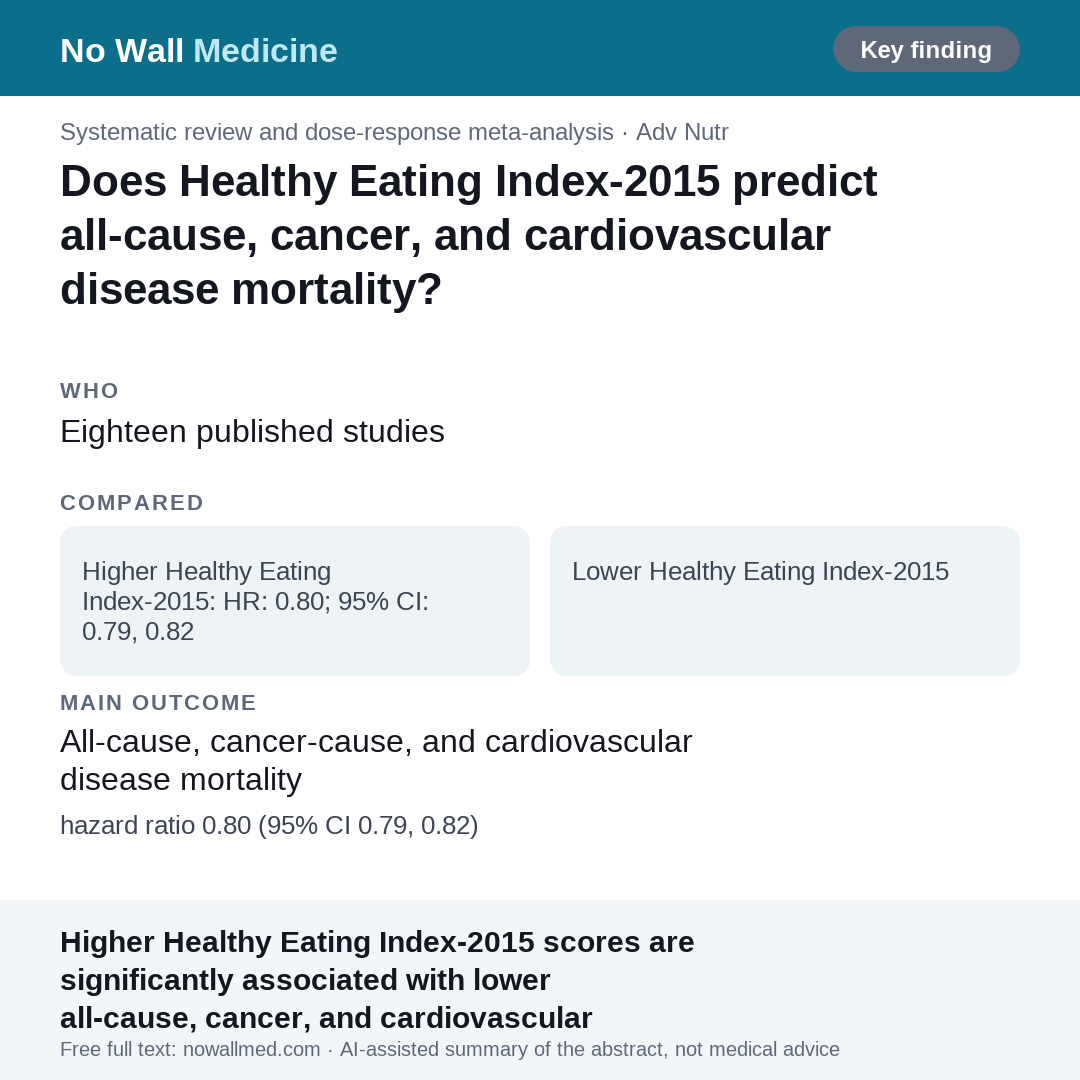
The Healthy Eating Index-2015 and All-Cause/Cause-Specific Mortality: A Systematic Review and Dose-Response Meta-Analysis
Systematic review and dose-response meta-analysisBenefit found
Does Healthy Eating Index-2015 predict all-cause, cancer, and cardiovascular disease mortality?
Who
Eighteen published studies
Compared
Higher Healthy Eating Index-2015: HR: 0.80; 95% CI: 0.79, 0.82
Lower Healthy Eating Index-2015
Main outcome
All-cause, cancer-cause, and cardiovascular disease mortality
Result: hazard ratio 0.80 (95% CI 0.79, 0.82)
Bottom line: Higher Healthy Eating Index-2015 scores are significantly associated with lower all-cause, cancer, and cardiovascular disease mortality.
Adv Nutr · 2024-02-23Download image
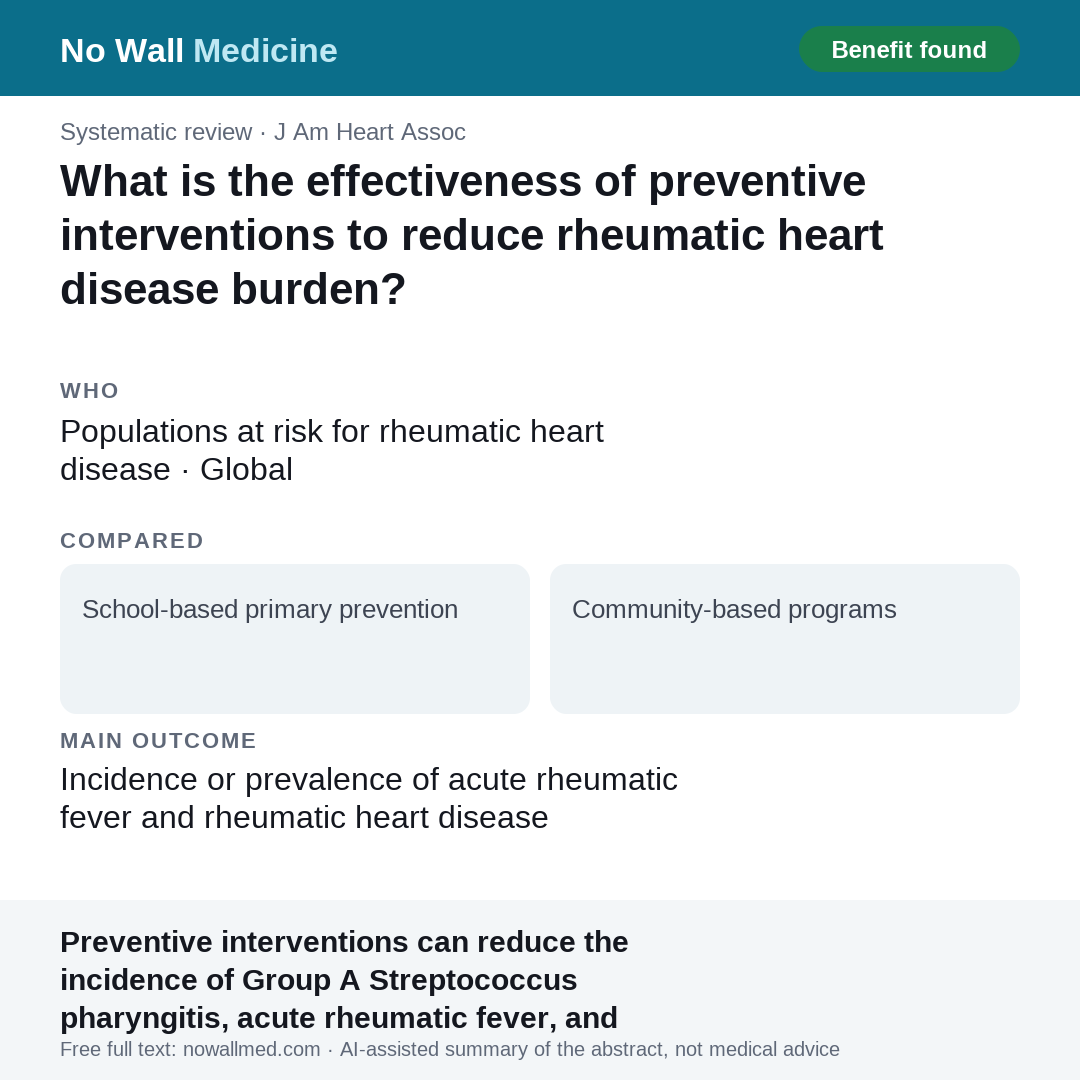
Preventive Interventions to Reduce the Burden of Rheumatic Heart Disease in Populations at Risk: A Systematic Review
Systematic reviewBenefit found
What is the effectiveness of preventive interventions to reduce rheumatic heart disease burden?
Who
Populations at risk for rheumatic heart disease · Global
Compared
School-based primary prevention
Community-based programs
Main outcome
Incidence or prevalence of acute rheumatic fever and rheumatic heart disease
Bottom line: Preventive interventions can reduce the incidence of Group A Streptococcus pharyngitis, acute rheumatic fever, and rheumatic heart disease.
Limitation: Limited evidence from low-middle-income countries and a lack of rigorous evaluations.
J Am Heart Assoc · 2024-02-23Download image
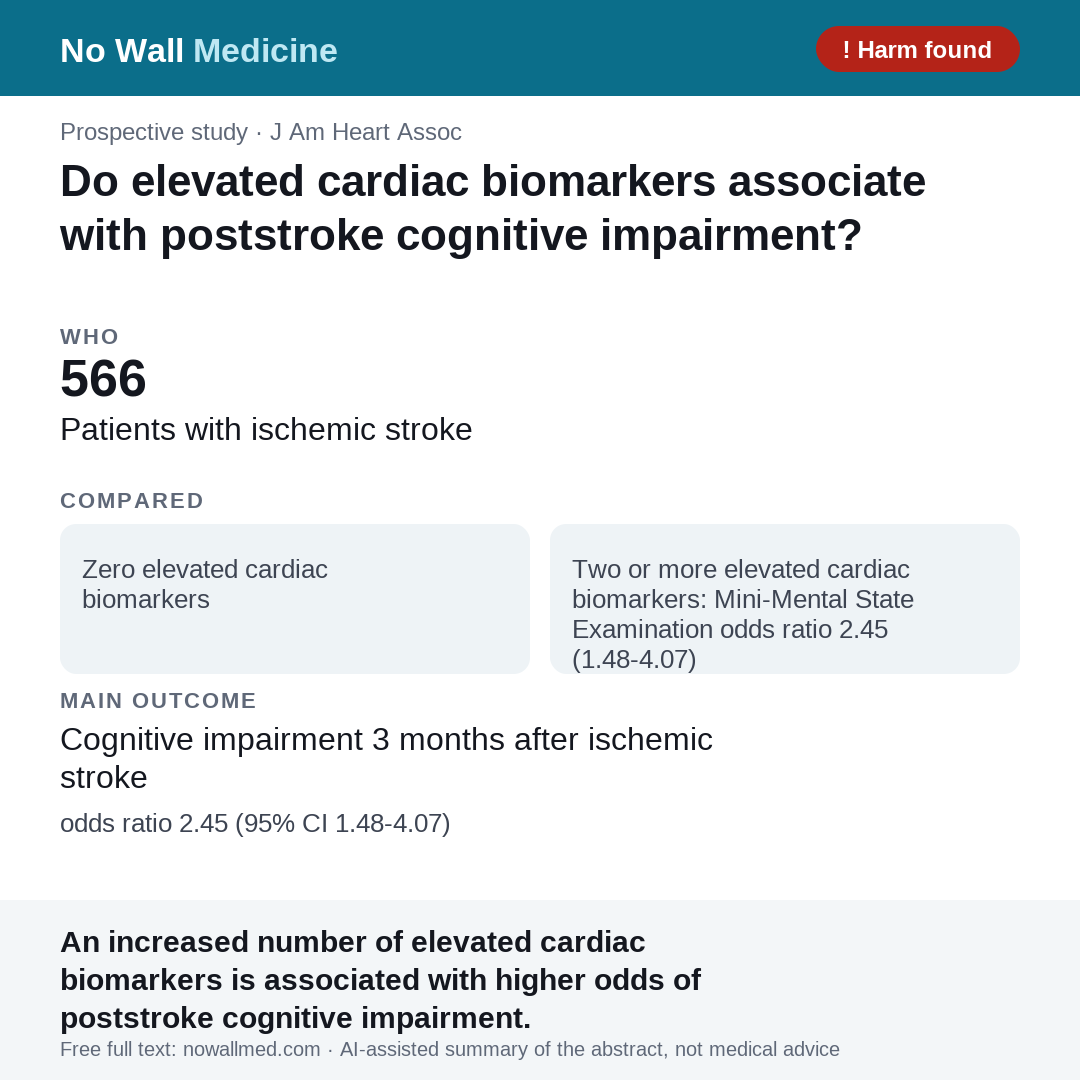
Association of Cardiac Biomarkers in Combination With Cognitive Impairment After Acute Ischemic Stroke
Prospective studyHarm found
Do elevated cardiac biomarkers associate with poststroke cognitive impairment?
Who
566
Patients with ischemic stroke
Compared
Zero elevated cardiac biomarkers
Two or more elevated cardiac biomarkers: Mini-Mental State Examination odds ratio 2.45 (1.48-4.07)
Main outcome
Cognitive impairment 3 months after ischemic stroke
Result: odds ratio 2.45 (95% CI 1.48-4.07)
Bottom line: An increased number of elevated cardiac biomarkers is associated with higher odds of poststroke cognitive impairment.
J Am Heart Assoc · 2024-02-23Download image
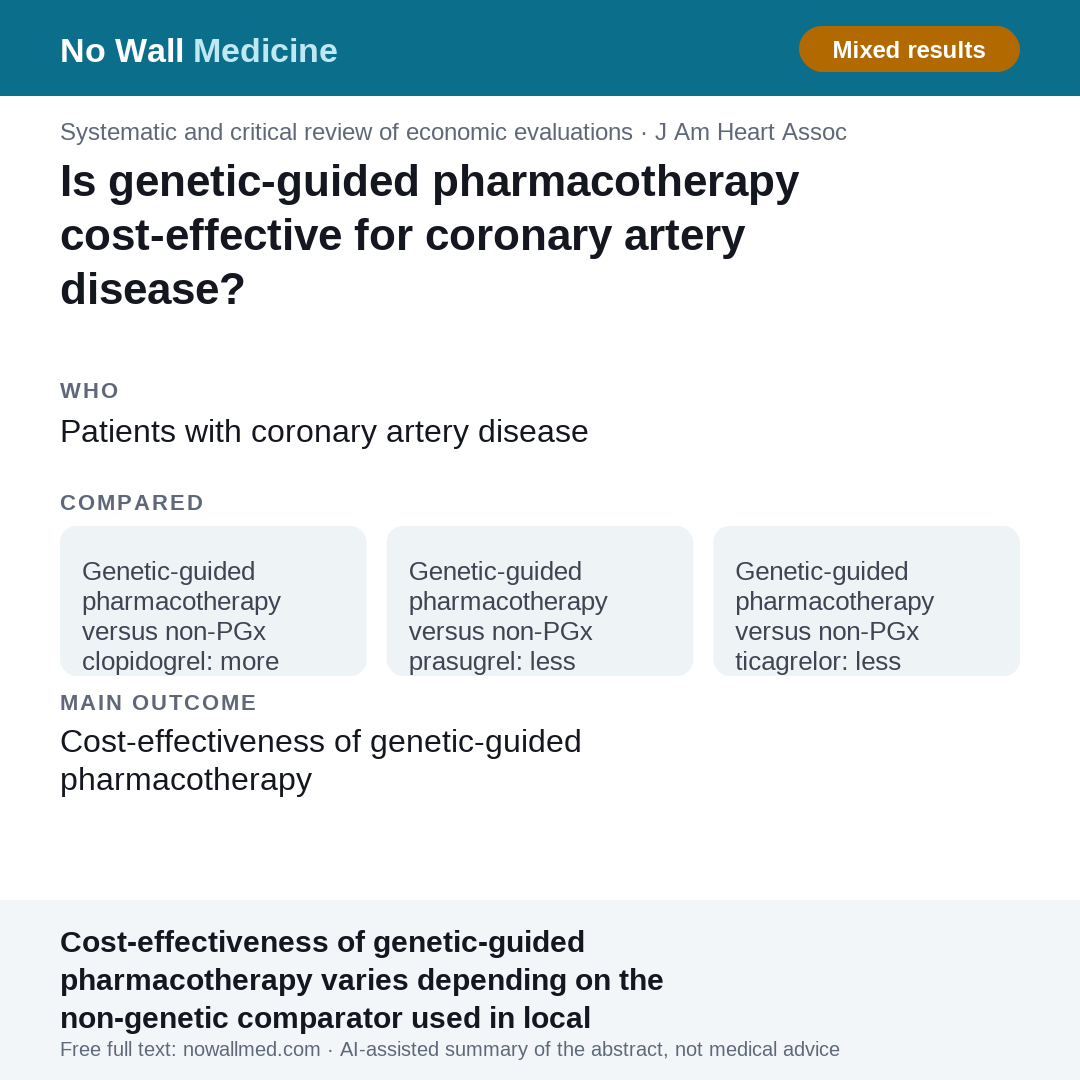
Genetic-Guided Pharmacotherapy for Coronary Artery Disease: A Systematic and Critical Review of Economic Evaluations
Systematic and critical review of economic evaluationsMixed results
Is genetic-guided pharmacotherapy cost-effective for coronary artery disease?
Who
Patients with coronary artery disease
Compared
Genetic-guided pharmacotherapy versus non-PGx clopidogrel: more effective and more costly
Genetic-guided pharmacotherapy versus non-PGx prasugrel: less costly
Genetic-guided pharmacotherapy versus non-PGx ticagrelor: less costly and less effective
Main outcome
Cost-effectiveness of genetic-guided pharmacotherapy
Bottom line: Cost-effectiveness of genetic-guided pharmacotherapy varies depending on the non-genetic comparator used in local practice.
J Am Heart Assoc · 2024-02-23Download image
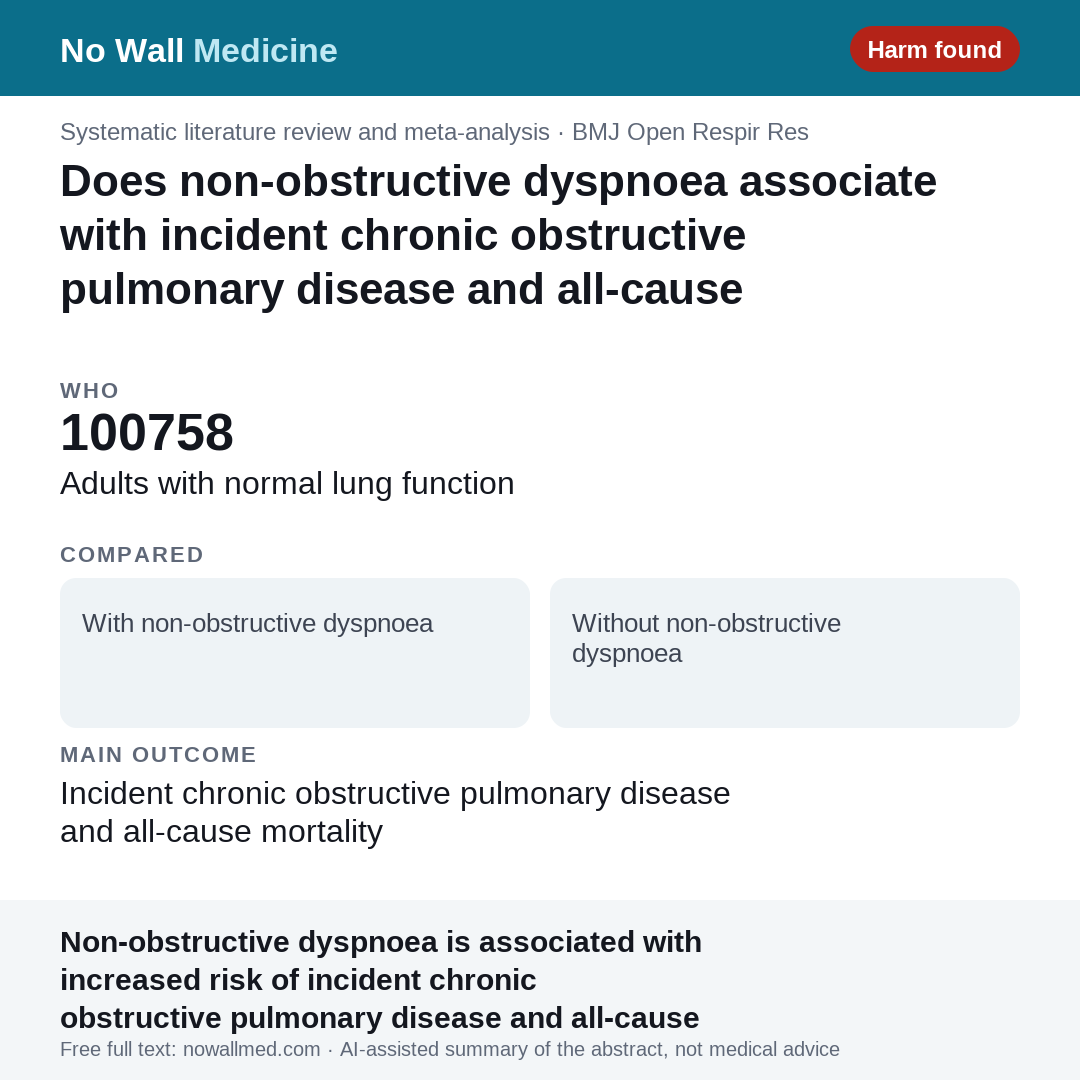
Association of non-obstructive dyspnoea with all-cause mortality and incident chronic obstructive pulmonary disease: a systematic literature review and meta-analysis
Systematic literature review and meta-analysisHarm found
Does non-obstructive dyspnoea associate with incident chronic obstructive pulmonary disease and all-cause mortality?
Who
100758
Adults with normal lung function
Compared
With non-obstructive dyspnoea
Without non-obstructive dyspnoea
Main outcome
Incident chronic obstructive pulmonary disease and all-cause mortality
Result: relative risk 1.41 (95% CI 1.08 to 1.83) for incident COPD; hazard ratio 1.21 (95% CI 1.14 to 1.28) for all-cause mortality
Bottom line: Non-obstructive dyspnoea is associated with increased risk of incident chronic obstructive pulmonary disease and all-cause mortality.
BMJ Open Respir Res · 2024-02-23Download image
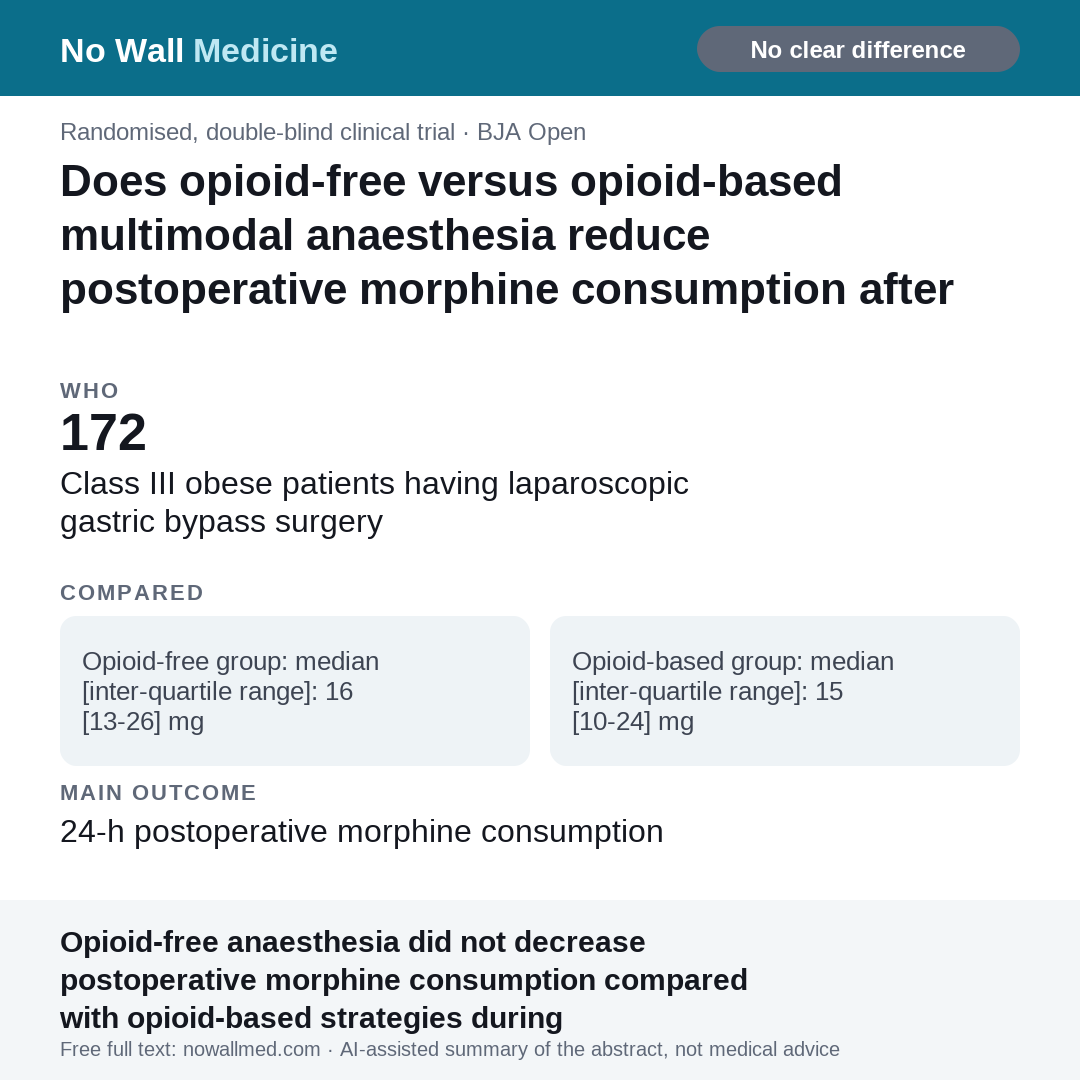
Effect of opioid-free versus opioid-based strategies during multimodal anaesthesia on postoperative morphine consumption after bariatric surgery: a randomised double-blind clinical trial
Randomised, double-blind clinical trialNo clear difference
Does opioid-free versus opioid-based multimodal anaesthesia reduce postoperative morphine consumption after bariatric surgery?
Who
172
Class III obese patients having laparoscopic gastric bypass surgery
Compared
Opioid-free group: median [inter-quartile range]: 16 [13-26] mg
Opioid-based group: median [inter-quartile range]: 15 [10-24] mg
Main outcome
24-h postoperative morphine consumption
Bottom line: Opioid-free anaesthesia did not decrease postoperative morphine consumption compared with opioid-based strategies during bariatric surgery.
BJA Open · 2024-02-23Download image
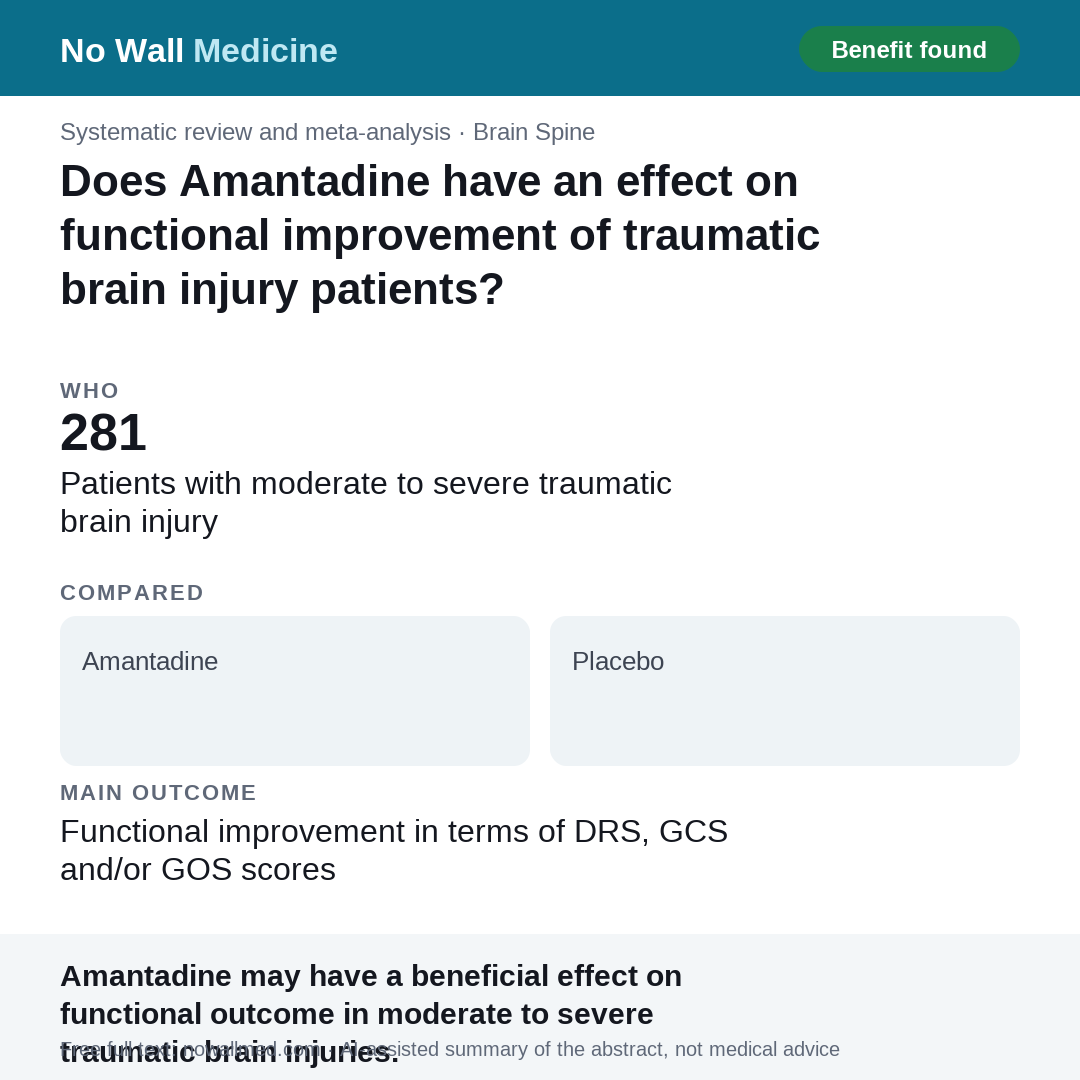
Amantadine for functional improvement in patients with traumatic brain injury: A systematic review with meta-analysis and trial sequential analysis
Systematic review and meta-analysisBenefit found
Does Amantadine have an effect on functional improvement of traumatic brain injury patients?
Who
281
Patients with moderate to severe traumatic brain injury
Compared
Amantadine
Placebo
Main outcome
Functional improvement in terms of DRS, GCS and/or GOS scores
Bottom line: Amantadine may have a beneficial effect on functional outcome in moderate to severe traumatic brain injuries.
Limitation: Limited body of knowledge and need for larger sample sizes.
Brain Spine · 2024-02-23Download image
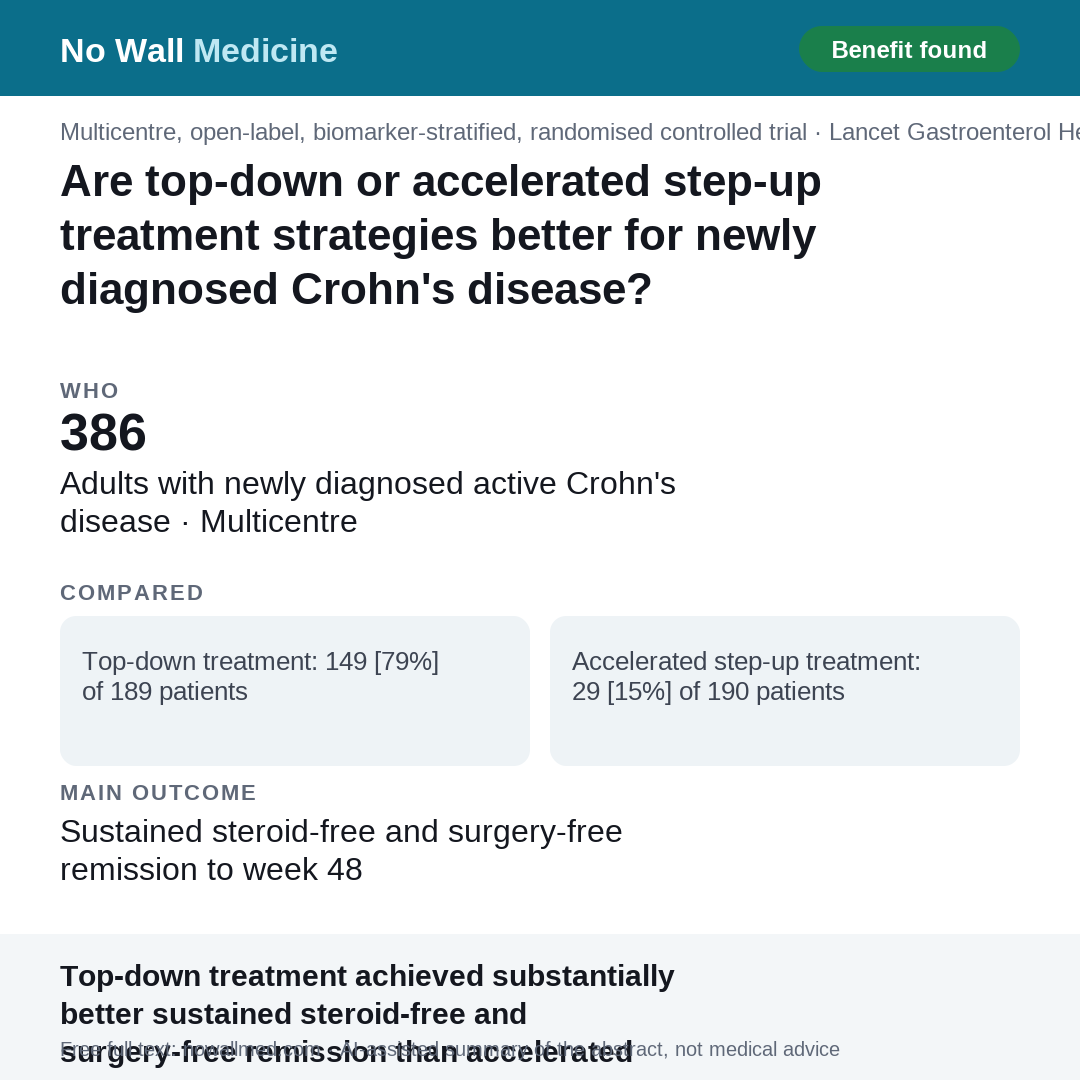
A biomarker-stratified comparison of top-down versus accelerated step-up treatment strategies for patients with newly diagnosed Crohn's disease (PROFILE): a multicentre, open-label randomised controlled trial
Multicentre, open-label, biomarker-stratified, randomised controlled trialBenefit found
Are top-down or accelerated step-up treatment strategies better for newly diagnosed Crohn's disease?
Who
386
Adults with newly diagnosed active Crohn's disease · Multicentre
Compared
Top-down treatment: 149 [79%] of 189 patients
Accelerated step-up treatment: 29 [15%] of 190 patients
Main outcome
Sustained steroid-free and surgery-free remission to week 48
Result: absolute difference 64 percentage points, 95% CI 57 to 72
Bottom line: Top-down treatment achieved substantially better sustained steroid-free and surgery-free remission than accelerated step-up treatment at one year.
Funded by: Wellcome and PredictImmune Ltd.
Lancet Gastroenterol Hepatol · 2024-02-22Download image
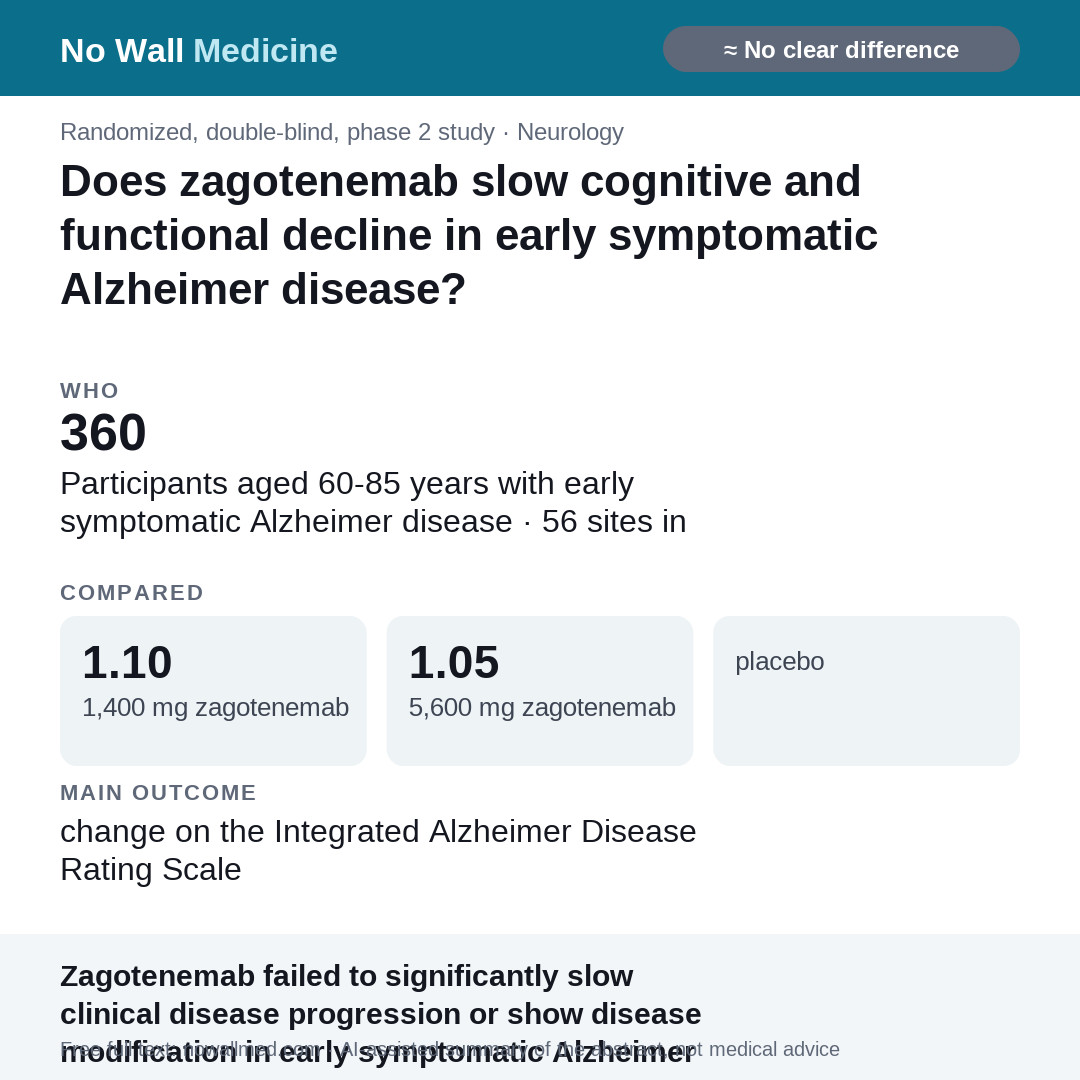
Assessment of Efficacy and Safety of Zagotenemab: Results From PERISCOPE-ALZ, a Phase 2 Study in Early Symptomatic Alzheimer Disease
Randomized, double-blind, phase 2 studyNo clear difference
Does zagotenemab slow cognitive and functional decline in early symptomatic Alzheimer disease?
Who
360
Participants aged 60-85 years with early symptomatic Alzheimer disease · 56 sites in North America and Japan
Compared
1.101,400 mg zagotenemab (95% credible intervals 0.959-1.265)
1.055,600 mg zagotenemab (95% credible intervals 0.907-1.209)
placebo
Main outcome
change on the Integrated Alzheimer Disease Rating Scale
Result: mean disease progression ratio 1.10 (95% credible intervals 0.959-1.265)
Bottom line: Zagotenemab failed to significantly slow clinical disease progression or show disease modification in early symptomatic Alzheimer disease.
Neurology · 2024-02-22Download image
Safety and Immunogenicity of an mRNA-Based RSV Vaccine Including a 12-Month Booster in a Phase 1 Clinical Trial in Healthy Older Adults
Randomized, observer-blind, placebo-controlled phase 1 trialEarly signal
What are the safety and immunogenicity of mRNA-1345 vaccine and a 12-month booster?
Who
298
Healthy adults aged 65 to 79 years
Compared
mRNA-1345 vaccine doses: RSV-A, 10.2-16.5; RSV-B, 5.3-12.5; preF bAb, 7.2-12.1
Placebo
Main outcome
safety, reactogenicity, and immunogenicity
Bottom line: mRNA-1345 was well tolerated and immunogenic following a single injection and a 12-month booster in older adults.
J Infect Dis · 2024-02-22Download image

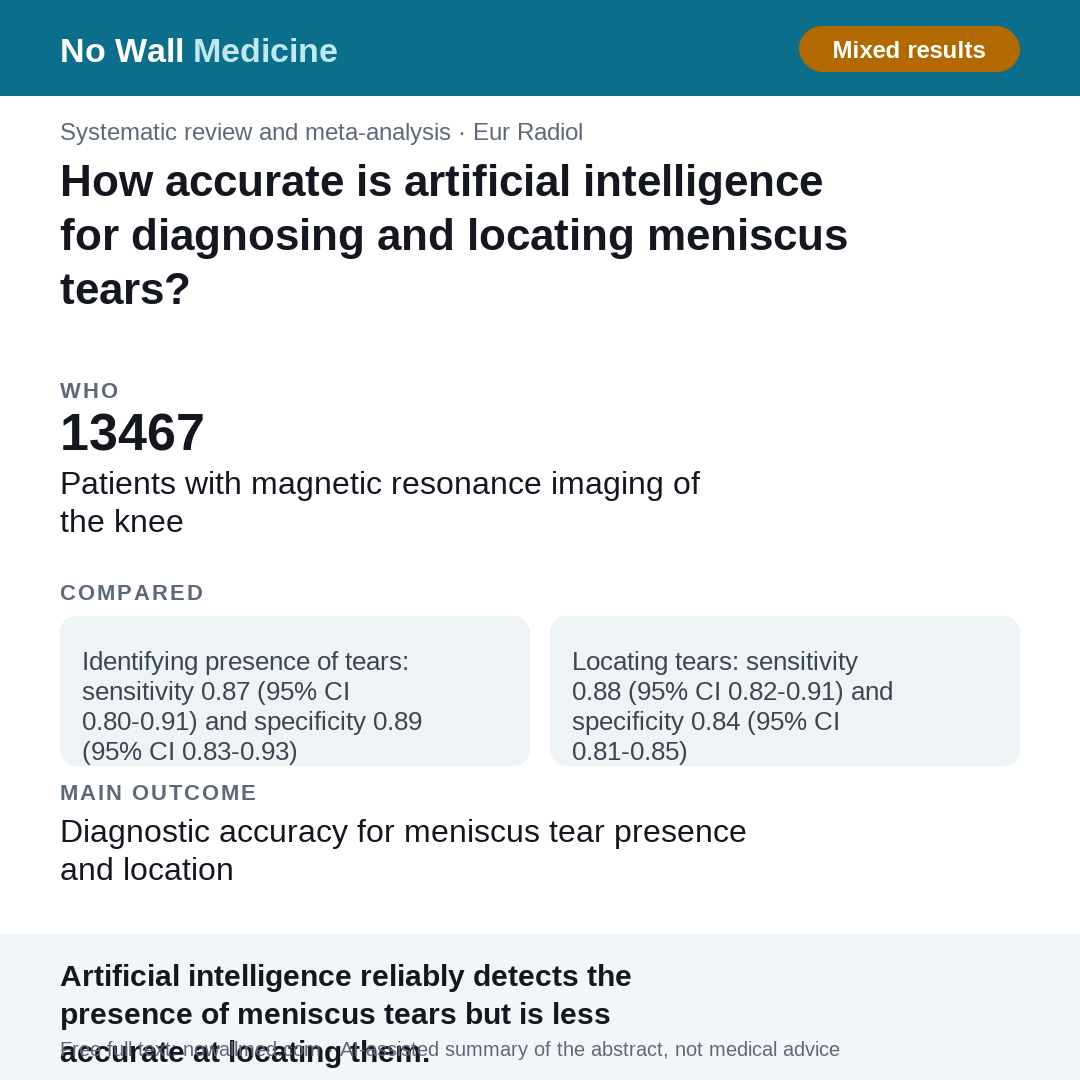
Artificial intelligence applied to magnetic resonance imaging reliably detects the presence, but not the location, of meniscus tears: a systematic review and meta-analysis
Systematic review and meta-analysisMixed results
How accurate is artificial intelligence for diagnosing and locating meniscus tears?
Who
13467
Patients with magnetic resonance imaging of the knee
Compared
Identifying presence of tears: sensitivity 0.87 (95% CI 0.80-0.91) and specificity 0.89 (95% CI 0.83-0.93)
Locating tears: sensitivity 0.88 (95% CI 0.82-0.91) and specificity 0.84 (95% CI 0.81-0.85)
Main outcome
Diagnostic accuracy for meniscus tear presence and location
Result: AUC 0.939 vs 0.905
Bottom line: Artificial intelligence reliably detects the presence of meniscus tears but is less accurate at locating them.
Eur Radiol · 2024-02-22Download image
White Matter Plasticity Underpins Cognitive Gains After Multidomain Adaptive Computerized Cognitive Training
Randomized trialBenefit found
Does multidomain adaptive computerized cognitive training improve white matter neuroplasticity and neuropsychological performance?
Who
128
Community older adults
Compared
Intervention group: improvement in the Stroop Color-Word Test
Control group: a decline in the Stroop Color-Word Test
Main outcome
Stroop Color-Word Test and white matter neuroplasticity
Bottom line: Multidomain adaptive computerized cognitive training improves cognitive performance and is linked to white matter neuroplasticity in older adults.
Limitation: Attrition bias was noted as 61 of 128 participants underwent MRI scans twice.
J Gerontol A · 2024-02-22Download image

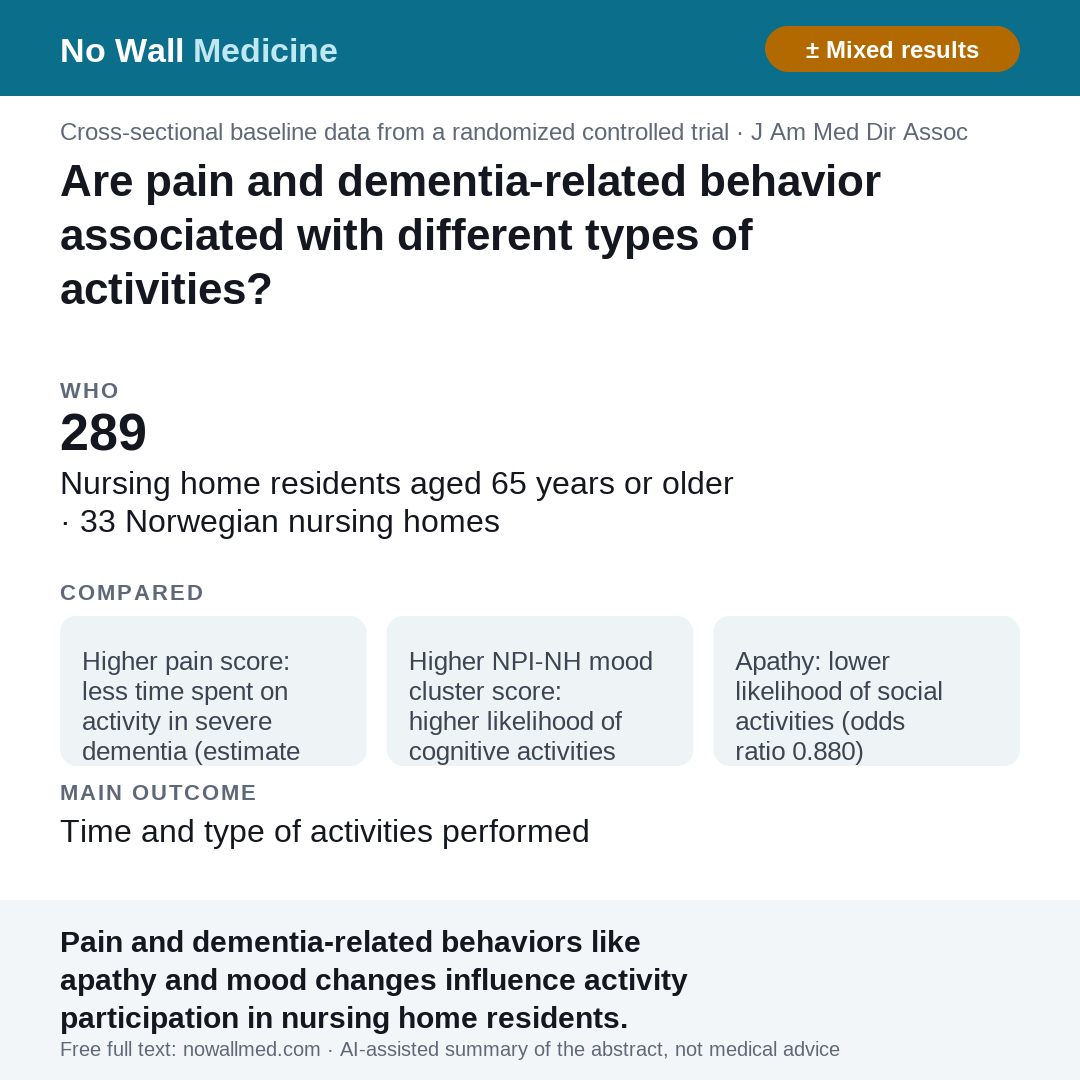
Impact of Pain and Neuropsychiatric Symptoms on Activities in Nursing Home Residents (COSMOS Trial)
Cross-sectional baseline data from a randomized controlled trialMixed results
Are pain and dementia-related behavior associated with different types of activities?
Who
289
Nursing home residents aged 65 years or older · 33 Norwegian nursing homes
Compared
Higher pain score: less time spent on activity in severe dementia (estimate 0.897)
Higher NPI-NH mood cluster score: higher likelihood of cognitive activities (odds ratio 1.073)
Apathy: lower likelihood of social activities (odds ratio 0.880)
Main outcome
Time and type of activities performed
Bottom line: Pain and dementia-related behaviors like apathy and mood changes influence activity participation in nursing home residents.
J Am Med Dir Assoc · 2024-02-22Download image
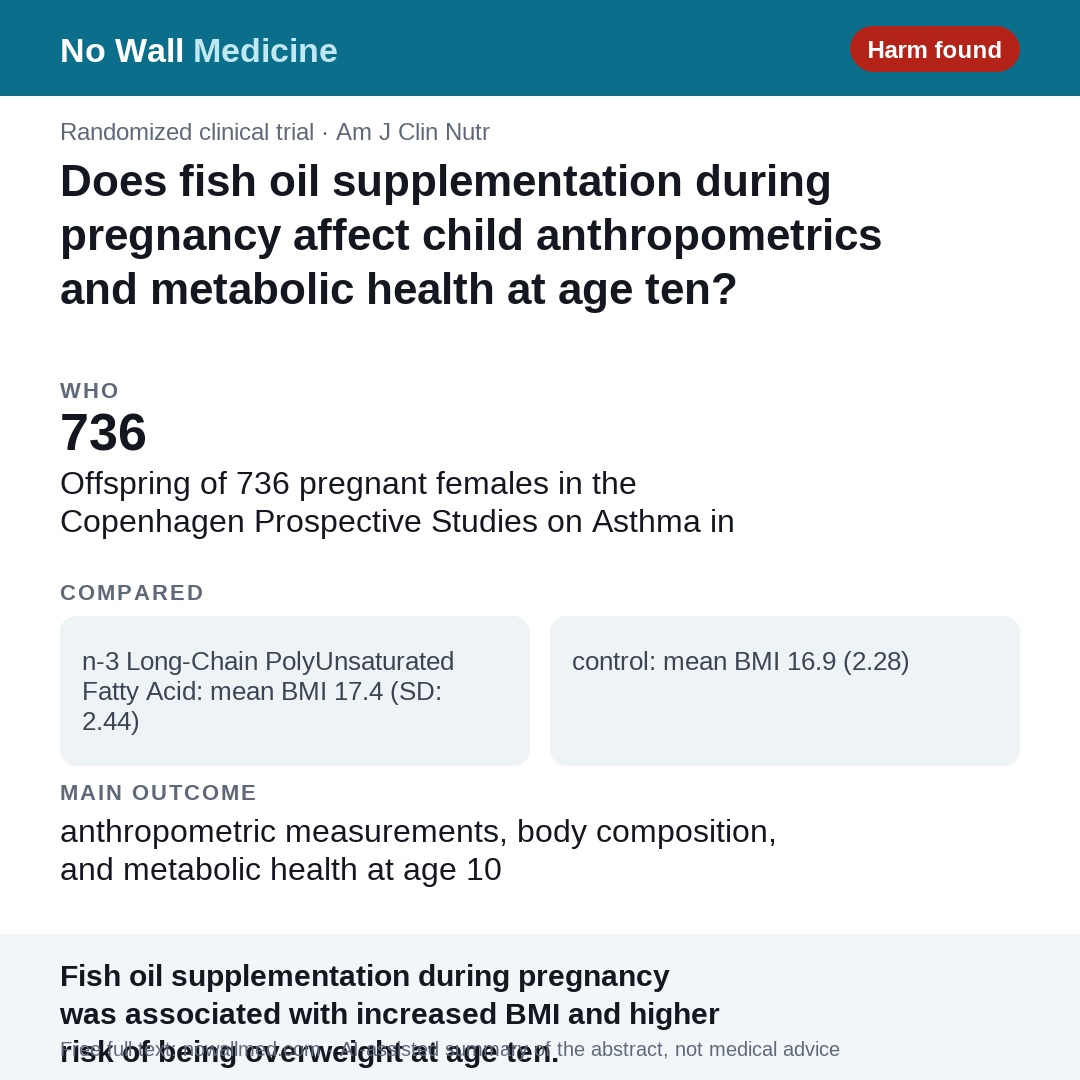
Fish oil supplementation during pregnancy, anthropometrics, and metabolic health at age ten: A randomized clinical trial
Randomized clinical trialHarm found
Does fish oil supplementation during pregnancy affect child anthropometrics and metabolic health at age ten?
Who
736
Offspring of 736 pregnant females in the Copenhagen Prospective Studies on Asthma in Childhood · Copenhagen Prospective Studies on Asthma in Childhood mother-child cohort
Compared
n-3 Long-Chain PolyUnsaturated Fatty Acid: mean BMI 17.4 (SD: 2.44)
control: mean BMI 16.9 (2.28)
Main outcome
anthropometric measurements, body composition, and metabolic health at age 10
Result: odds ratio 1.53 (95% CI 1.01, 2.33)
Bottom line: Fish oil supplementation during pregnancy was associated with increased BMI and higher risk of being overweight at age ten.
Am J Clin Nutr · 2024-02-22Download image
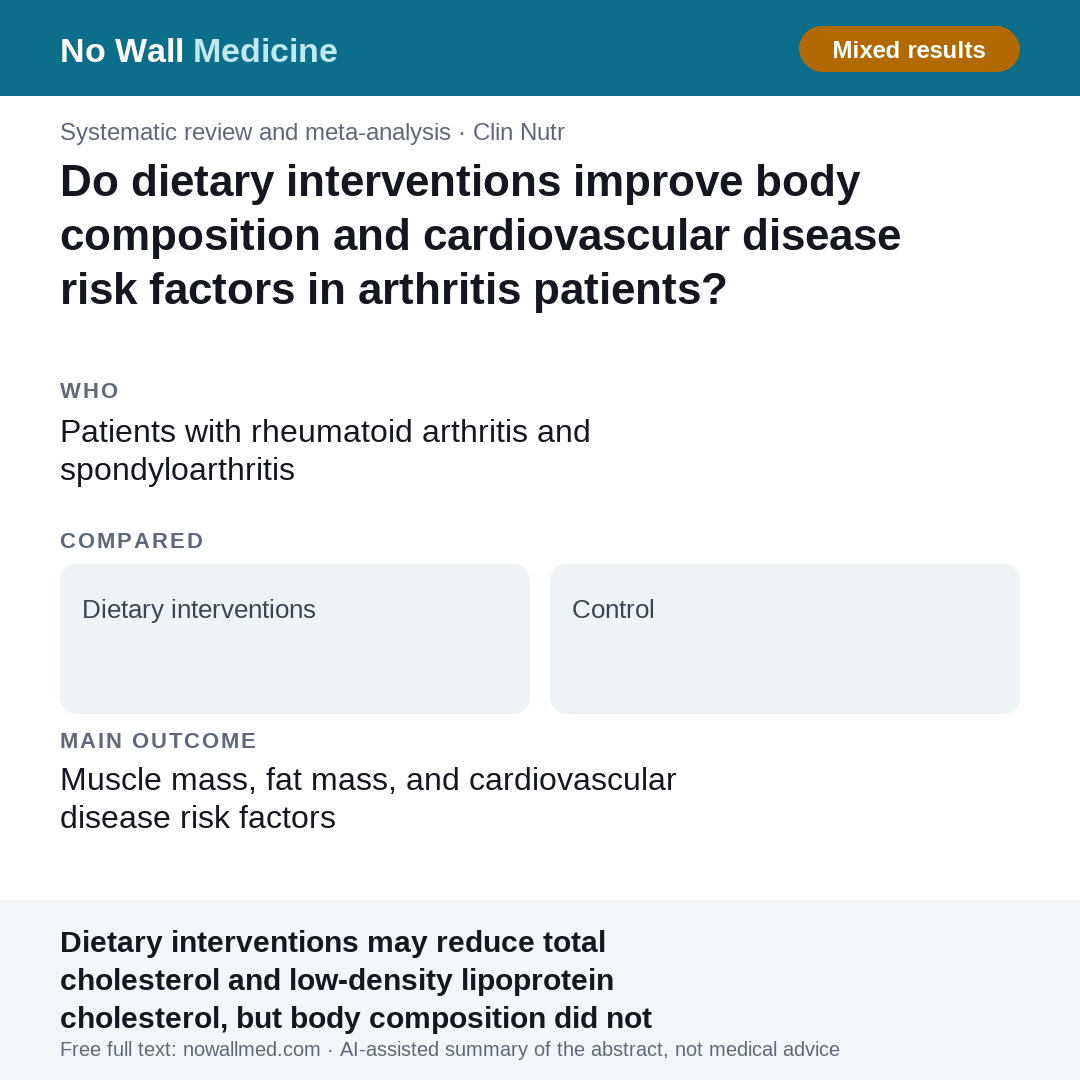
Effect of dietary interventions on nutritional status in patients with rheumatoid arthritis and spondyloarthritis - A systematic review and meta-analysis
Systematic review and meta-analysisMixed results
Do dietary interventions improve body composition and cardiovascular disease risk factors in arthritis patients?
Who
Patients with rheumatoid arthritis and spondyloarthritis
Compared
Dietary interventions
Control
Main outcome
Muscle mass, fat mass, and cardiovascular disease risk factors
Result: total cholesterol mean difference -0.36 (95% CI -0.63 to -0.10); low-density lipoprotein cholesterol mean difference -0.20 (95% CI -0.35 to -0.05)
Bottom line: Dietary interventions may reduce total cholesterol and low-density lipoprotein cholesterol, but body composition did not change significantly.
Limitation: Short intervention period and lack of reliable methods to assess body composition.
Clin Nutr · 2024-02-22Download image
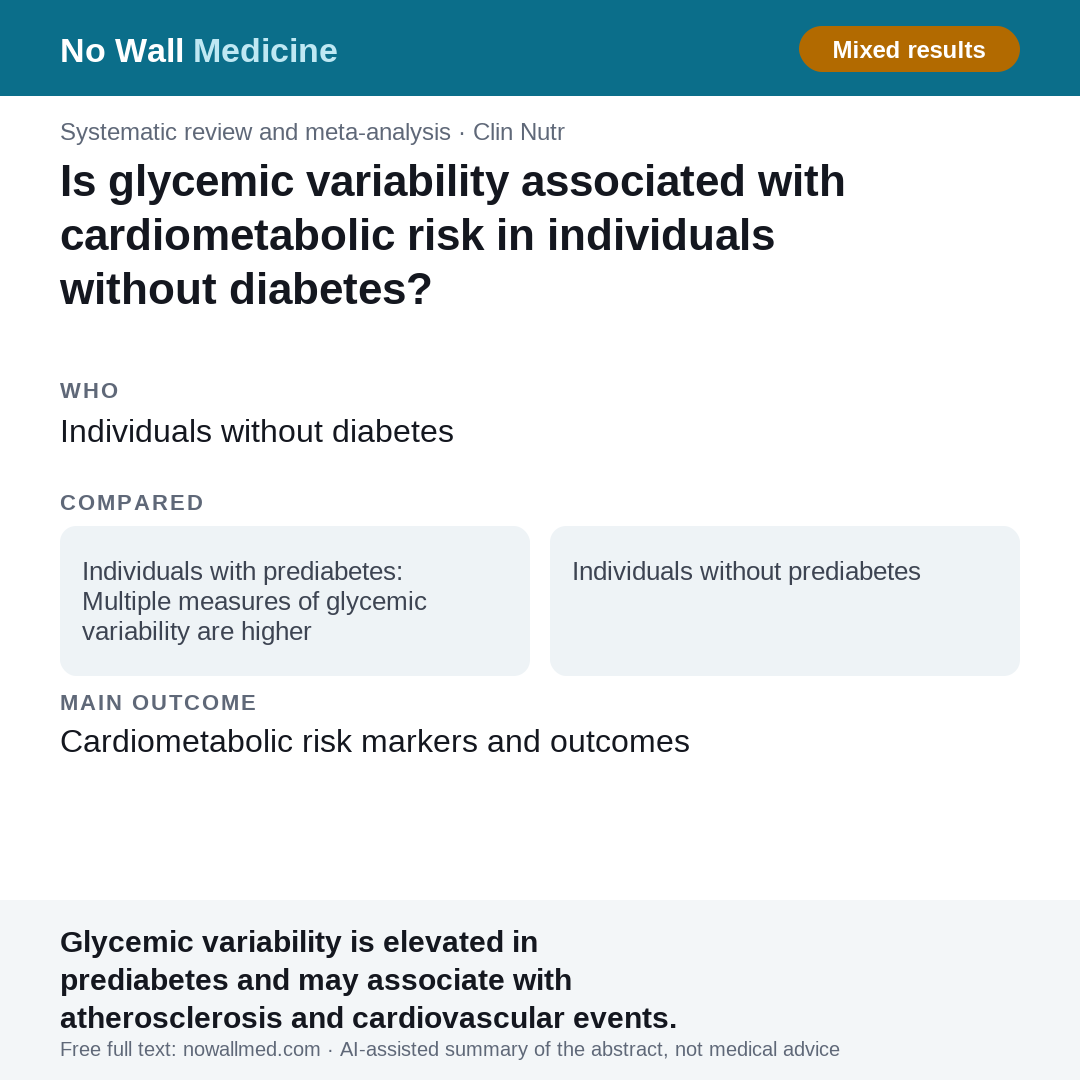
Glycemic variability assessed using continuous glucose monitoring in individuals without diabetes and associations with cardiometabolic risk markers: A systematic review and meta-analysis
Systematic review and meta-analysisMixed results
Is glycemic variability associated with cardiometabolic risk in individuals without diabetes?
Who
Individuals without diabetes
Compared
Individuals with prediabetes: Multiple measures of glycemic variability are higher
Individuals without prediabetes
Main outcome
Cardiometabolic risk markers and outcomes
Bottom line: Glycemic variability is elevated in prediabetes and may associate with atherosclerosis and cardiovascular events.
Limitation: Prospective studies are warranted to investigate predictive power in relation to incident disease.
Clin Nutr · 2024-02-22Download image
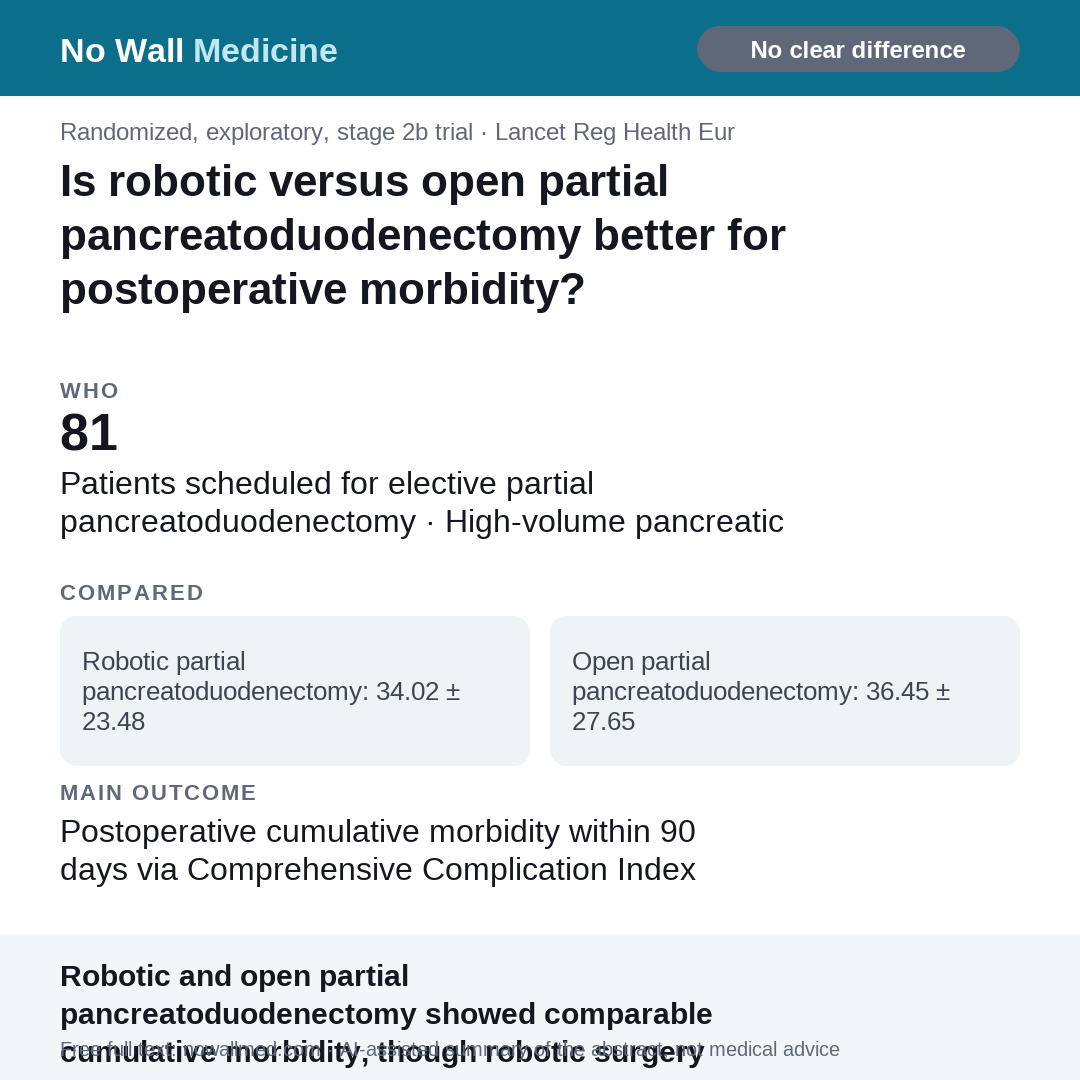
Robotic versus open partial pancreatoduodenectomy (EUROPA): a randomised controlled stage 2b trial
Randomized, exploratory, stage 2b trialNo clear difference
Is robotic versus open partial pancreatoduodenectomy better for postoperative morbidity?
Who
81
Patients scheduled for elective partial pancreatoduodenectomy · High-volume pancreatic centre
Compared
Robotic partial pancreatoduodenectomy: 34.02 ± 23.48
Open partial pancreatoduodenectomy: 36.45 ± 27.65
Main outcome
Postoperative cumulative morbidity within 90 days via Comprehensive Complication Index
Result: difference in means -2.42 (95% CI -15.55 to 10.71)
Bottom line: Robotic and open partial pancreatoduodenectomy showed comparable cumulative morbidity, though robotic surgery had higher grade B/C pancreas-specific complications.
Funded by: Federal Ministry of Education and Research
Lancet Reg Health Eur · 2024-02-22Download image