Visual abstracts
New randomized trials and meta-analyses from leading journals at a glance: who was studied, what was compared, and what was found. Every paper is free to read in full.
All specialtiesCardiology 1893Oncology 1634Gastroenterology & Hepatology 724Infectious Disease 1205Neurology 789Psychiatry & Mental Health 933Pulmonology 813Critical Care 552Endocrinology & Diabetes 1024Pediatrics 1129Surgery 954Orthopedics & Sports Medicine 354Neurosurgery 237Cardiothoracic & Vascular Surgery 208Plastic & Reconstructive Surgery 296Nephrology 389Rheumatology 267Hematology 410Dermatology 208Ophthalmology 225Obstetrics & Gynecology 623Public & Global Health 368Radiology & Imaging 261Anesthesiology 381Urology 328ENT (Otolaryngology) 254Emergency Medicine 212Allergy & Immunology 124Geriatrics 407Family Medicine & Primary Care 225Medical Genetics & Genomics 205Pathology & Laboratory Medicine 59Physical Medicine & Rehabilitation 334Palliative Care 168Nutrition 511Digital Health & AI 1004General Medicine 149
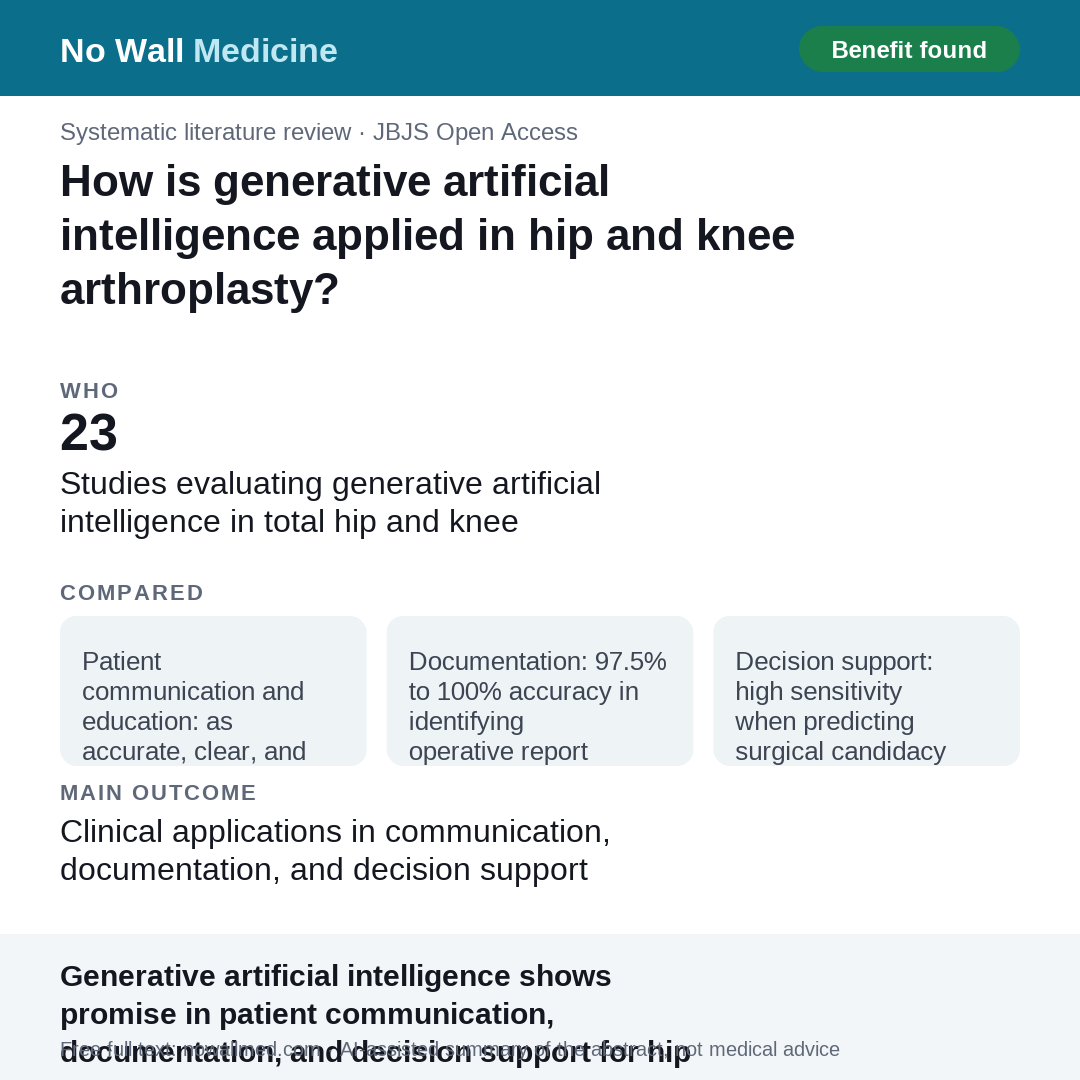
Generative Artificial Intelligence in Hip and Knee Arthroplasty: A Systematic Review of Emerging Clinical Applications in Patient Communication and Education, Documentation, and Decision Support
Systematic literature reviewBenefit found
How is generative artificial intelligence applied in hip and knee arthroplasty?
Who
23
Studies evaluating generative artificial intelligence in total hip and knee arthroplasty
Compared
Patient communication and education: as accurate, clear, and complete as surgeon-written responses
Documentation: 97.5% to 100% accuracy in identifying operative report information
Decision support: high sensitivity when predicting surgical candidacy but low specificity
Main outcome
Clinical applications in communication, documentation, and decision support
Bottom line: Generative artificial intelligence shows promise in patient communication, documentation, and decision support for hip and knee arthroplasty.
Limitation: The heterogeneity of the included studies led to a narrative synthesis.
JBJS Open Access · 2026-09-22Download image
Nanofat in Plastic Surgery: A Systematic Review of Clinical Outcomes, Safety, and Emerging Applications
Systematic literature reviewBenefit found
What are the clinical outcomes, safety, and applications of nanofat in plastic surgery?
Who
768
Patients undergoing plastic surgery procedures
Compared
Nanofat application: most patients reporting above-average satisfaction
Scar assessment: significant improvements in scar characteristics
Main outcome
clinical outcomes, safety, and emerging applications
Bottom line: Nanofat is a promising, well-tolerated regenerative therapy for aesthetic and reconstructive plastic surgery.
Plast Reconstr Surg Glob Open · 2026-09-22Download image

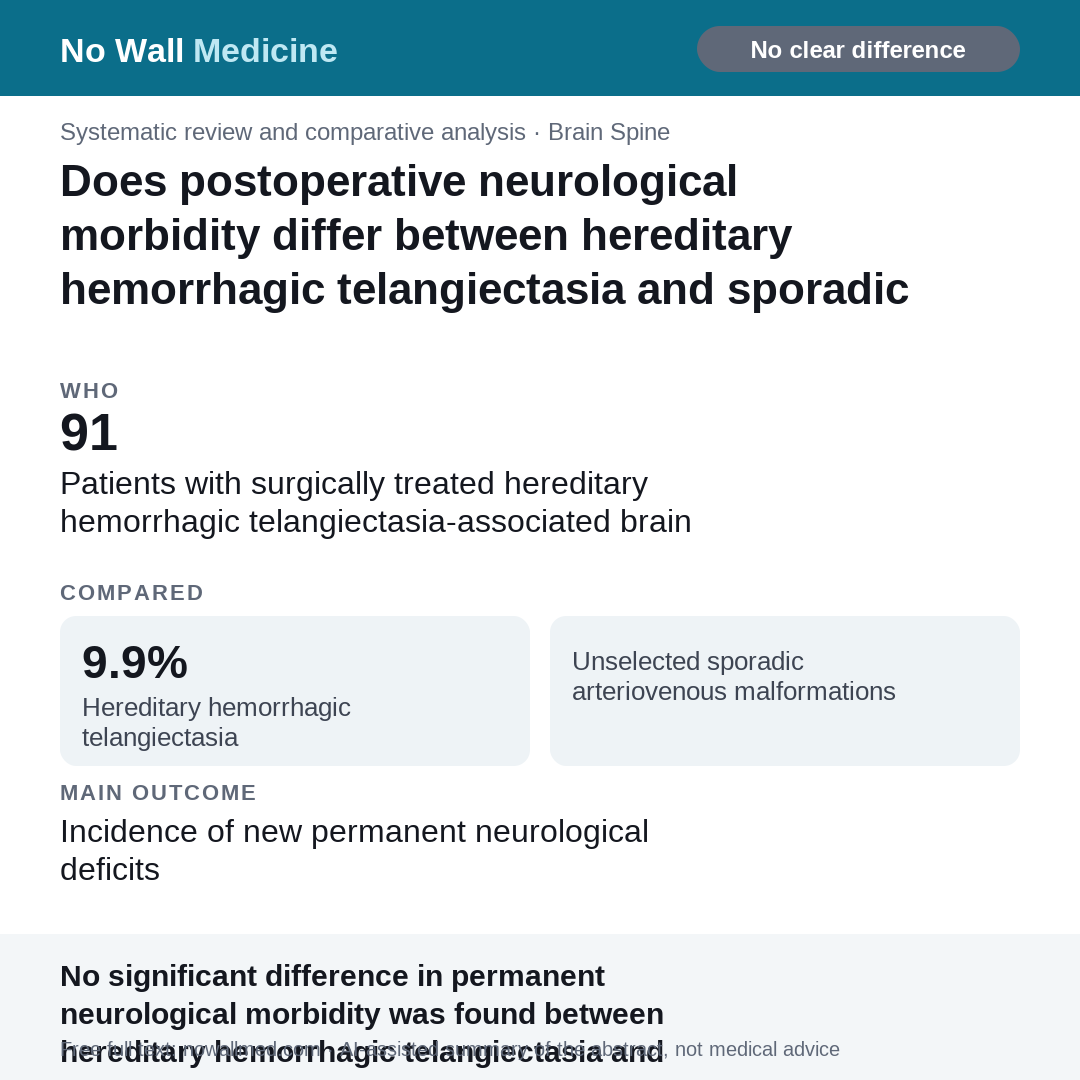
Permanent neurological morbidity after microsurgical resection of hereditary hemorrhagic telangiectasia-associated brain arteriovenous malformations: a systematic review and illustrative case
Systematic review and comparative analysisNo clear difference
Does postoperative neurological morbidity differ between hereditary hemorrhagic telangiectasia and sporadic brain arteriovenous malformations?
Who
91
Patients with surgically treated hereditary hemorrhagic telangiectasia-associated brain arteriovenous malformations
Compared
9.9%Hereditary hemorrhagic telangiectasia (95% CI: 4.6-18.0%)
Unselected sporadic arteriovenous malformations
Main outcome
Incidence of new permanent neurological deficits
Bottom line: No significant difference in permanent neurological morbidity was found between hereditary hemorrhagic telangiectasia and sporadic brain arteriovenous malformation resections.
Limitation: The small sample size precludes definitive conclusions.
Brain Spine · 2026-09-22Download image
CT-derived myocardial extracellular volume: current evidence, clinical utility, and the emerging role of photon-counting CT-a systematic review
Systematic reviewBenefit found
What evidence is available about photon-counting computed tomography-derived myocardial extracellular volume quantification?
Who
113
Patients with various cardiovascular diseases
Compared
Single-energy computed tomography: 65 studies
Dual-energy computed tomography: 34 studies
Photon-counting computed tomography: 14 studies
Main outcome
Myocardial extracellular volume quantification
Bottom line: Computed tomography-derived extracellular volume enables noninvasive assessment of diffuse myocardial fibrosis across multiple cardiovascular diseases.
Eur Radiol Exp · 2026-09-22Download image

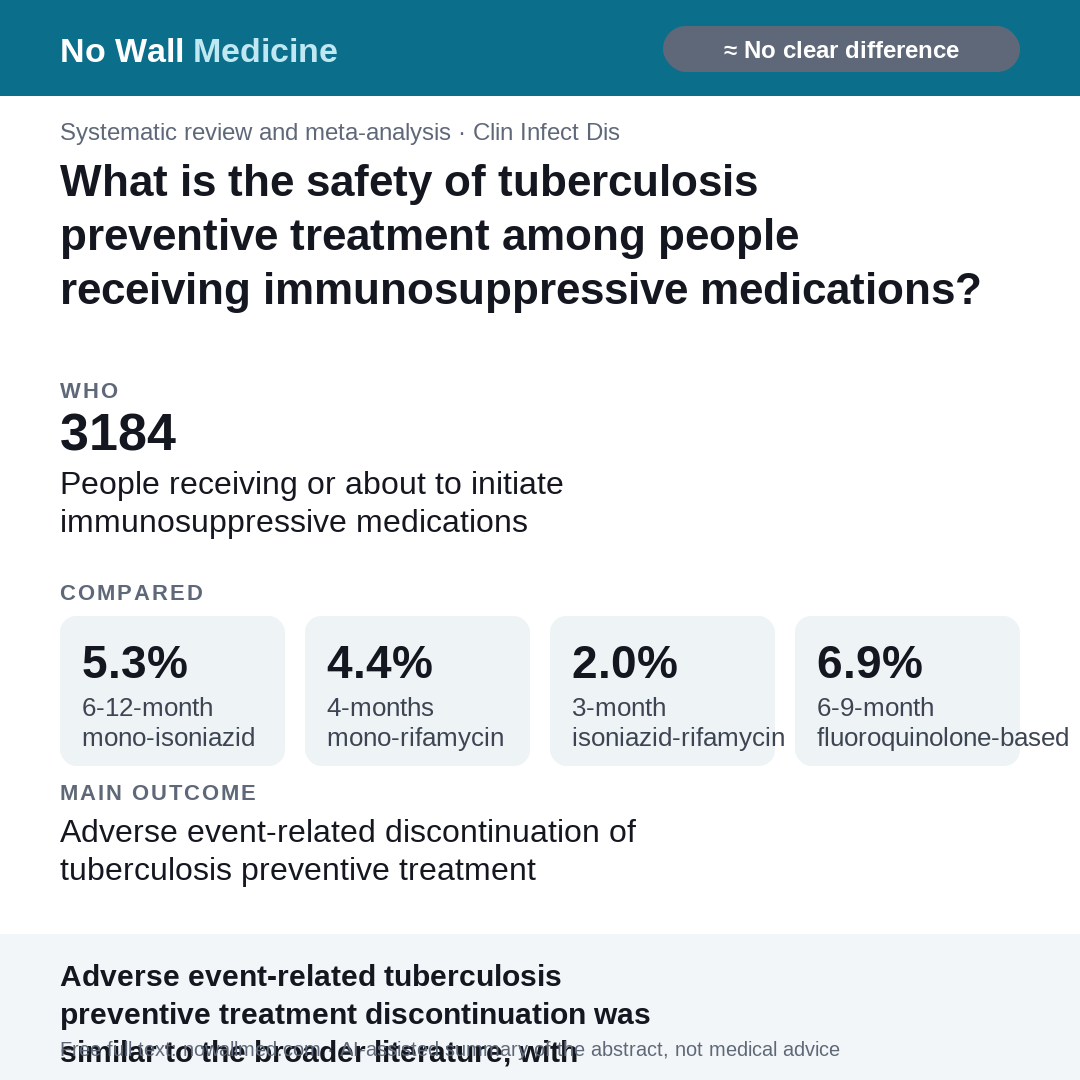
Safety of tuberculosis preventive treatment among people receiving or about to initiate immunosuppressive medications: a systematic review and meta-analysis
Systematic review and meta-analysisNo clear difference
What is the safety of tuberculosis preventive treatment among people receiving immunosuppressive medications?
Who
3184
People receiving or about to initiate immunosuppressive medications
Compared
5.3%6-12-month mono-isoniazid regimens (95% CI: 3.1-8.9%)
4.4%4-months mono-rifamycin regimens (95% CI: 0.1-75.4%)
2.0%3-month isoniazid-rifamycin combination regimens (1.0-4.1%)
6.9%6-9-month fluoroquinolone-based regimens (95% CI: 0-92.3%)
Main outcome
Adverse event-related discontinuation of tuberculosis preventive treatment
Bottom line: Adverse event-related tuberculosis preventive treatment discontinuation was similar to the broader literature, with rifamycin-containing regimens showing the lowest rates.
Limitation: Data on the safety of non-isoniazid regimens among people receiving immunosuppressives are needed.
Clin Infect Dis · 2026-09-21Download image
Safety of the M72/AS01 Tuberculosis Vaccine in People Living With HIV: A Systematic Review and Meta-Analysis
Systematic review and meta-analysis of 3 randomized controlled trialsBenefit found
Is the M72/AS01 tuberculosis vaccine safe in people living with HIV?
Who
510
People living with HIV receiving antiretroviral therapy
Compared
M72/AS01
placebo
Main outcome
Risks of solicited local and systemic adverse events
Result: pain RR 3.24 (95% CI 1.87-5.62), swelling RR 4.64 (95% CI 2.93-7.34), headache RR 1.83 (95% CI 1.52-2.20), myalgia RR 2.36 (95% CI 1.80-3.10), fever RR 1.95 (95% CI 1.45-2.63)
Bottom line: M72/AS01 has a favorable safety profile in adults living with HIV with no serious adverse events reported.
Limitation: Certainty of evidence ranged from high to low due to imprecision for rare grade 3 adverse events.
Open Forum Infect Dis · 2026-09-21Download image

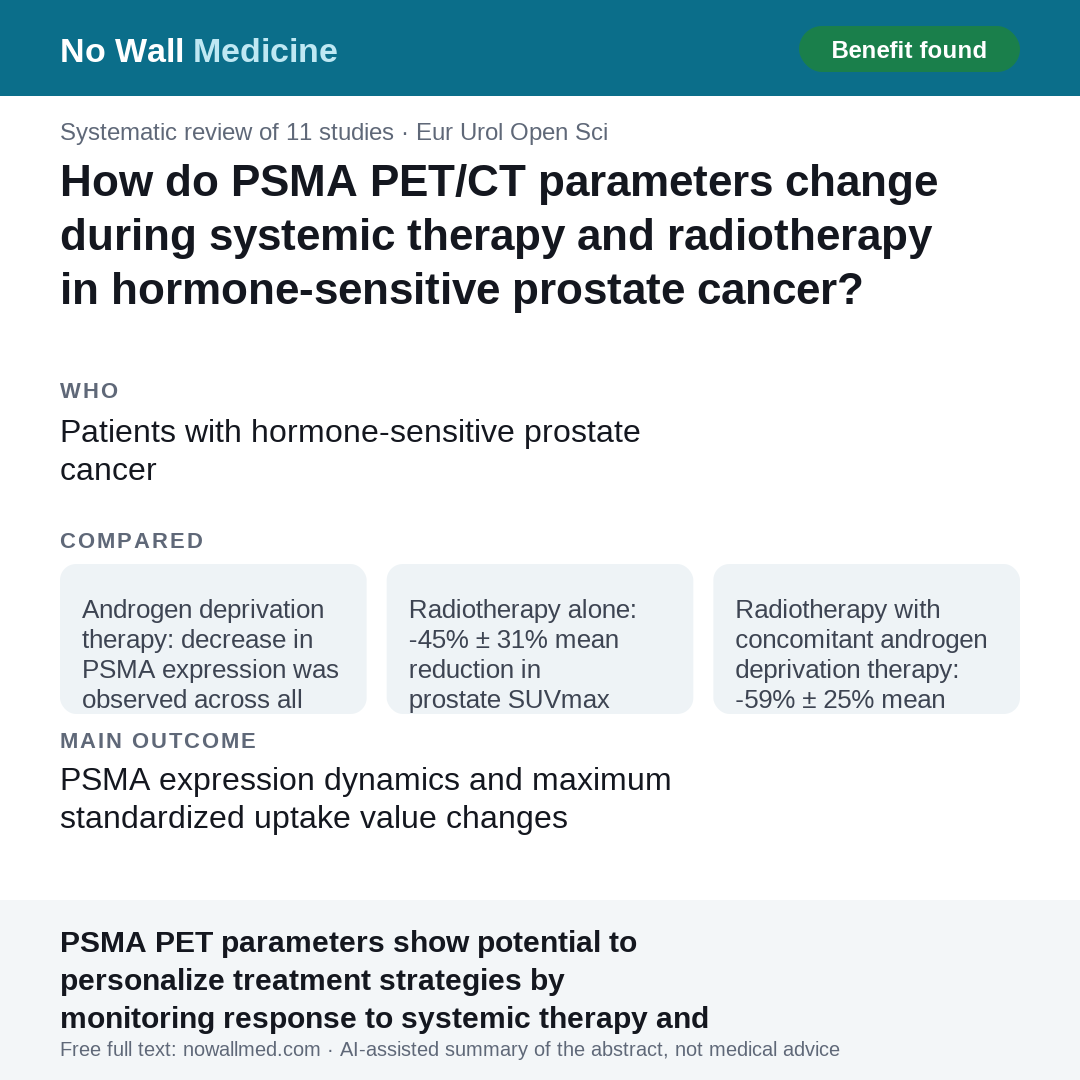
PSMA PET/CT Kinetics During Systemic Therapy and Radiotherapy in Hormone-sensitive Prostate Cancer: A Systematic Review
Systematic review of 11 studiesBenefit found
How do PSMA PET/CT parameters change during systemic therapy and radiotherapy in hormone-sensitive prostate cancer?
Who
Patients with hormone-sensitive prostate cancer
Compared
Androgen deprivation therapy: decrease in PSMA expression was observed across all disease sites
Radiotherapy alone: -45% ± 31% mean reduction in prostate SUVmax
Radiotherapy with concomitant androgen deprivation therapy: -59% ± 25% mean reduction in prostate SUVmax
Main outcome
PSMA expression dynamics and maximum standardized uptake value changes
Bottom line: PSMA PET parameters show potential to personalize treatment strategies by monitoring response to systemic therapy and radiotherapy.
Eur Urol Open Sci · 2026-09-21Download image
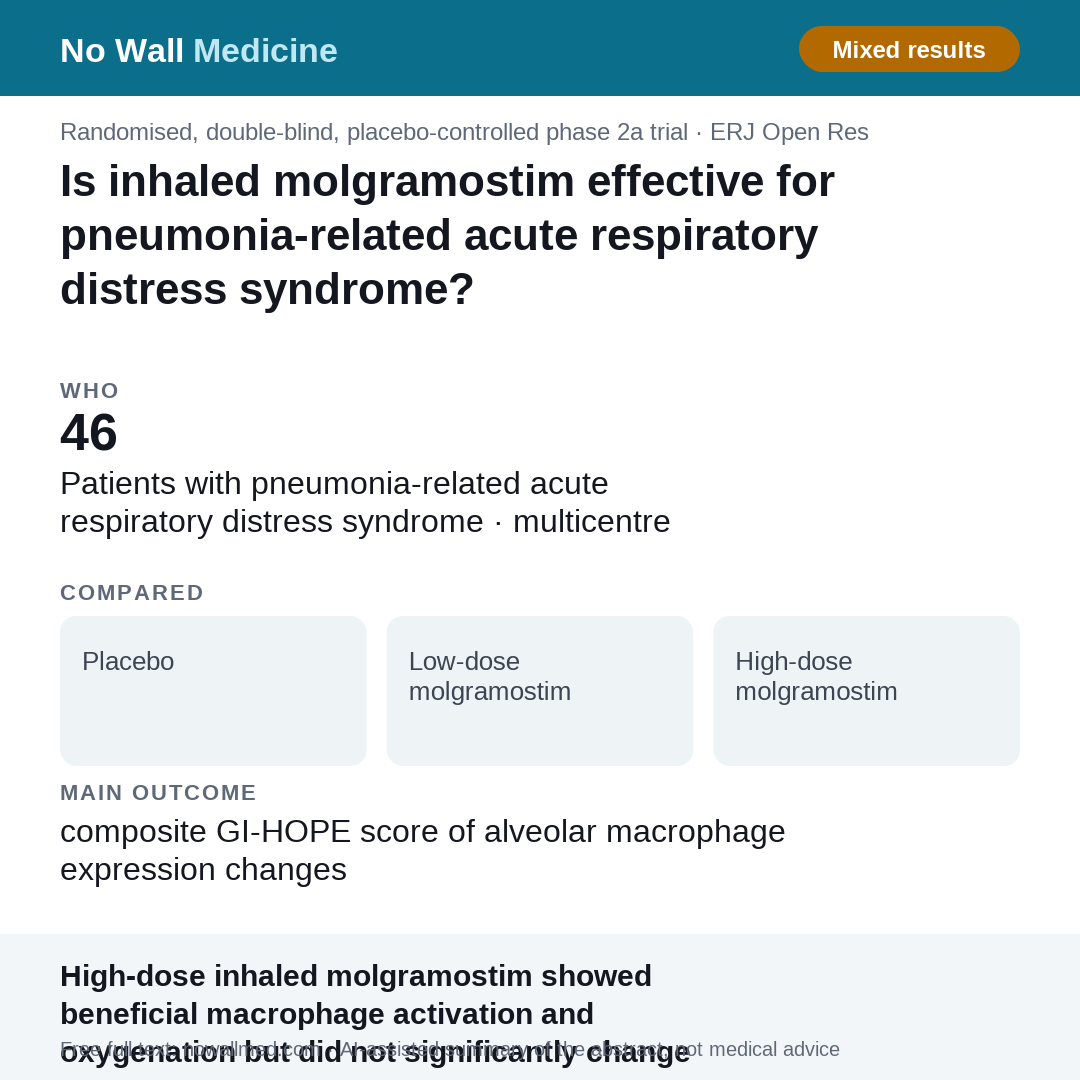
Inhaled granulocyte-macrophage colony-stimulating factor (molgramostim) as host-directed therapy for pneumonia-related acute respiratory distress syndrome: a multicentre, randomised, placebo-controlled phase 2a trial (GI-HOPE)
Randomised, double-blind, placebo-controlled phase 2a trialMixed results
Is inhaled molgramostim effective for pneumonia-related acute respiratory distress syndrome?
Who
46
Patients with pneumonia-related acute respiratory distress syndrome · multicentre
Compared
Placebo
Low-dose molgramostim
High-dose molgramostim
Main outcome
composite GI-HOPE score of alveolar macrophage expression changes
Bottom line: High-dose inhaled molgramostim showed beneficial macrophage activation and oxygenation but did not significantly change the composite GI-HOPE score.
Limitation: The composite biological GI-HOPE score did not reach significance
ERJ Open Res · 2026-09-21Download image
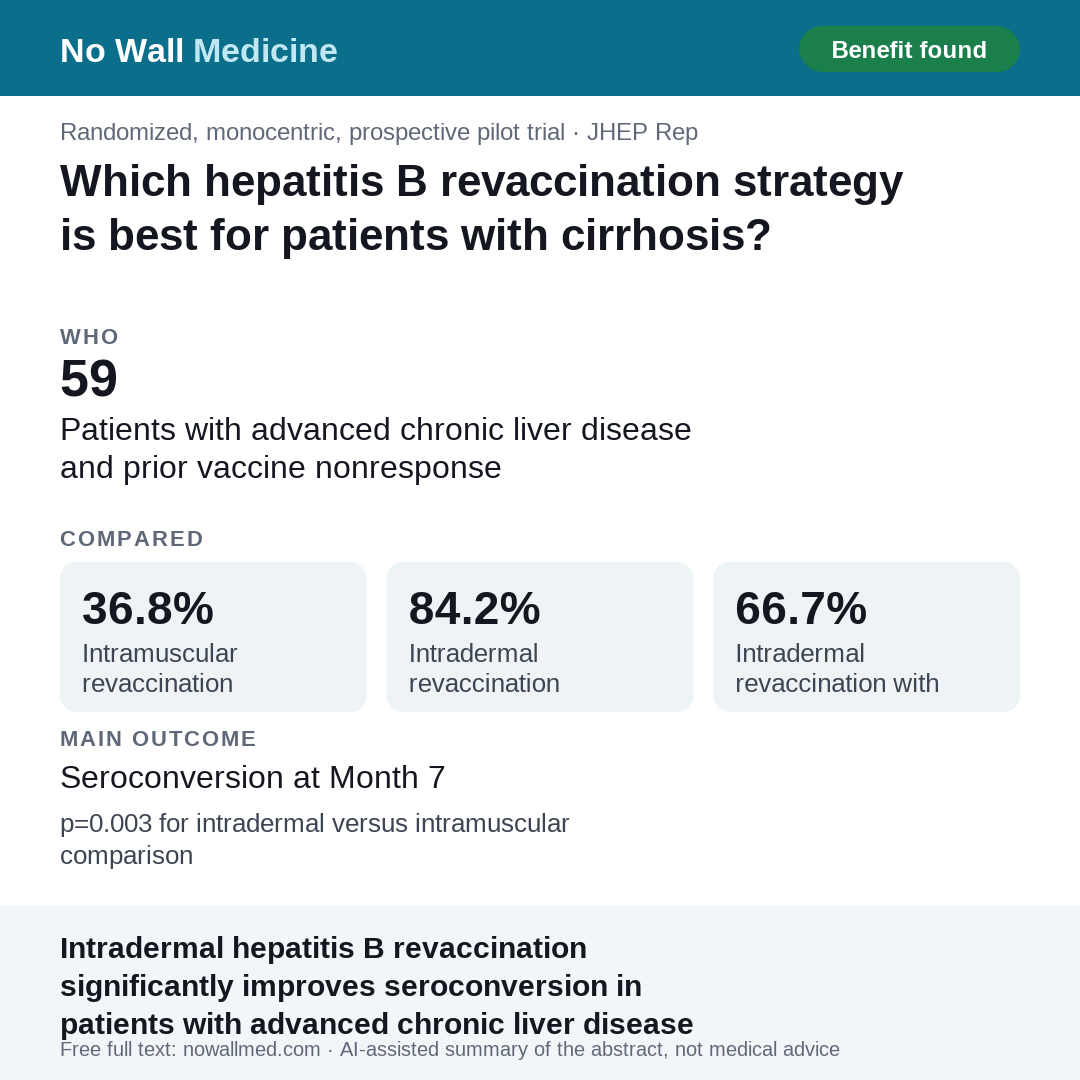
Intradermal hepatitis B vaccination with or without Imiquimod in cirrhosis after prior vaccine nonresponse: A Randomised Trial
Randomized, monocentric, prospective pilot trialBenefit found
Which hepatitis B revaccination strategy is best for patients with cirrhosis?
Who
59
Patients with advanced chronic liver disease and prior vaccine nonresponse
Compared
36.8%Intramuscular revaccination
84.2%Intradermal revaccination
66.7%Intradermal revaccination with imiquimod
Main outcome
Seroconversion at Month 7
Result: p=0.003 for intradermal versus intramuscular comparison
Bottom line: Intradermal hepatitis B revaccination significantly improves seroconversion in patients with advanced chronic liver disease compared to intramuscular vaccination.
JHEP Rep · 2026-09-21Download image
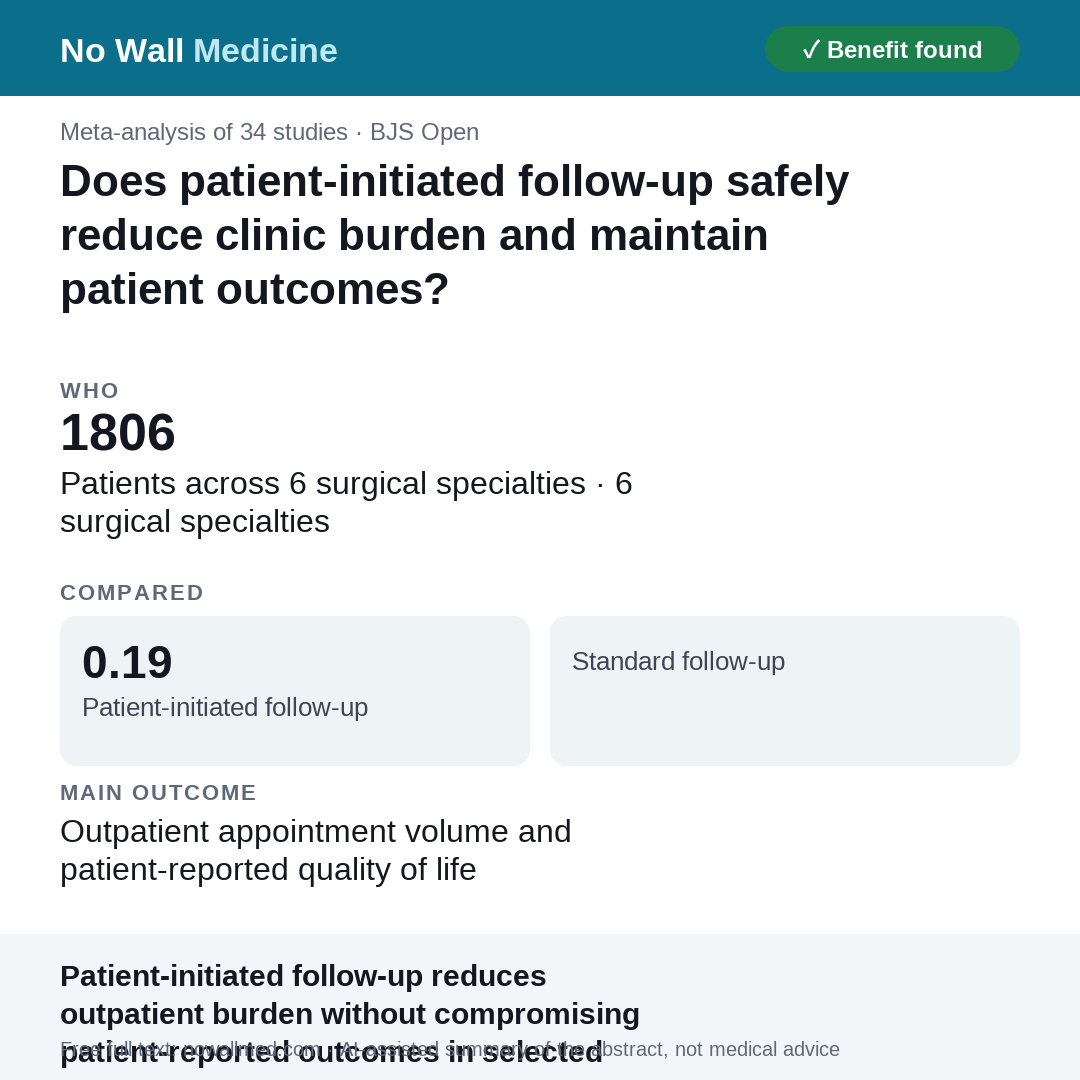
Patient-initiated follow-up in surgical specialties: meta-analysis and meta-regression
Meta-analysis of 34 studiesBenefit found
Does patient-initiated follow-up safely reduce clinic burden and maintain patient outcomes?
Who
1806
Patients across 6 surgical specialties · 6 surgical specialties
Compared
0.19Patient-initiated follow-up (95% confidence interval 0.09 to 0.36)
Standard follow-up
Main outcome
Outpatient appointment volume and patient-reported quality of life
Result: 0.19 (95% confidence interval 0.09 to 0.36)
Bottom line: Patient-initiated follow-up reduces outpatient burden without compromising patient-reported outcomes in selected surgical populations.
Limitation: Effects are dependent on the clinical context and pathway design.
BJS Open · 2026-09-21Download image
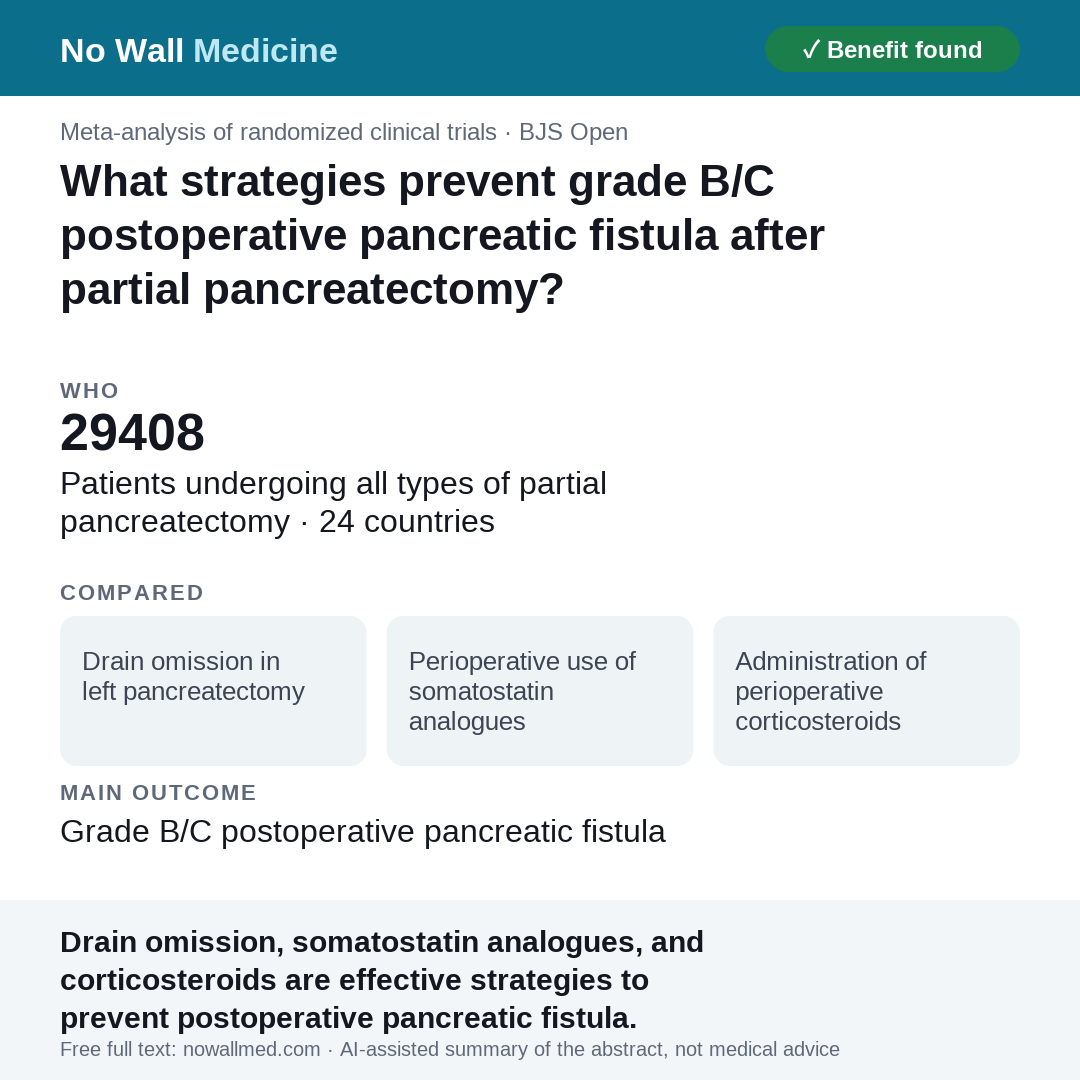
Preventing pancreatic fistula following pancreatectomy: meta-analysis of randomized clinical trials
Meta-analysis of randomized clinical trialsBenefit found
What strategies prevent grade B/C postoperative pancreatic fistula after partial pancreatectomy?
Who
29408
Patients undergoing all types of partial pancreatectomy · 24 countries
Compared
Drain omission in left pancreatectomy
Perioperative use of somatostatin analogues
Administration of perioperative corticosteroids
Main outcome
Grade B/C postoperative pancreatic fistula
Bottom line: Drain omission, somatostatin analogues, and corticosteroids are effective strategies to prevent postoperative pancreatic fistula.
Limitation: Current evidence remains immature and further randomized clinical trials are warranted.
BJS Open · 2026-09-21Download image
Accuracy of Deep Learning in Detecting Cerebral Microbleeds: Systematic Review and Meta-Analysis
Meta-analysis of studiesBenefit found
Deep learning accuracy in detecting cerebral microbleeds
Who
Patients with cerebral microbleeds
Compared
Deep learning models
Traditional detection
Main outcome
Diagnostic accuracy
Result: sensitivity 0.89 (95% CI 0.76-0.96) at patient level, 0.96 (95% CI 0.93-0.98) at lesion level
Bottom line: Deep learning models show favorable diagnostic performance
Limitation: small number of included studies
J Med Internet Res · 2026-09-21Download image

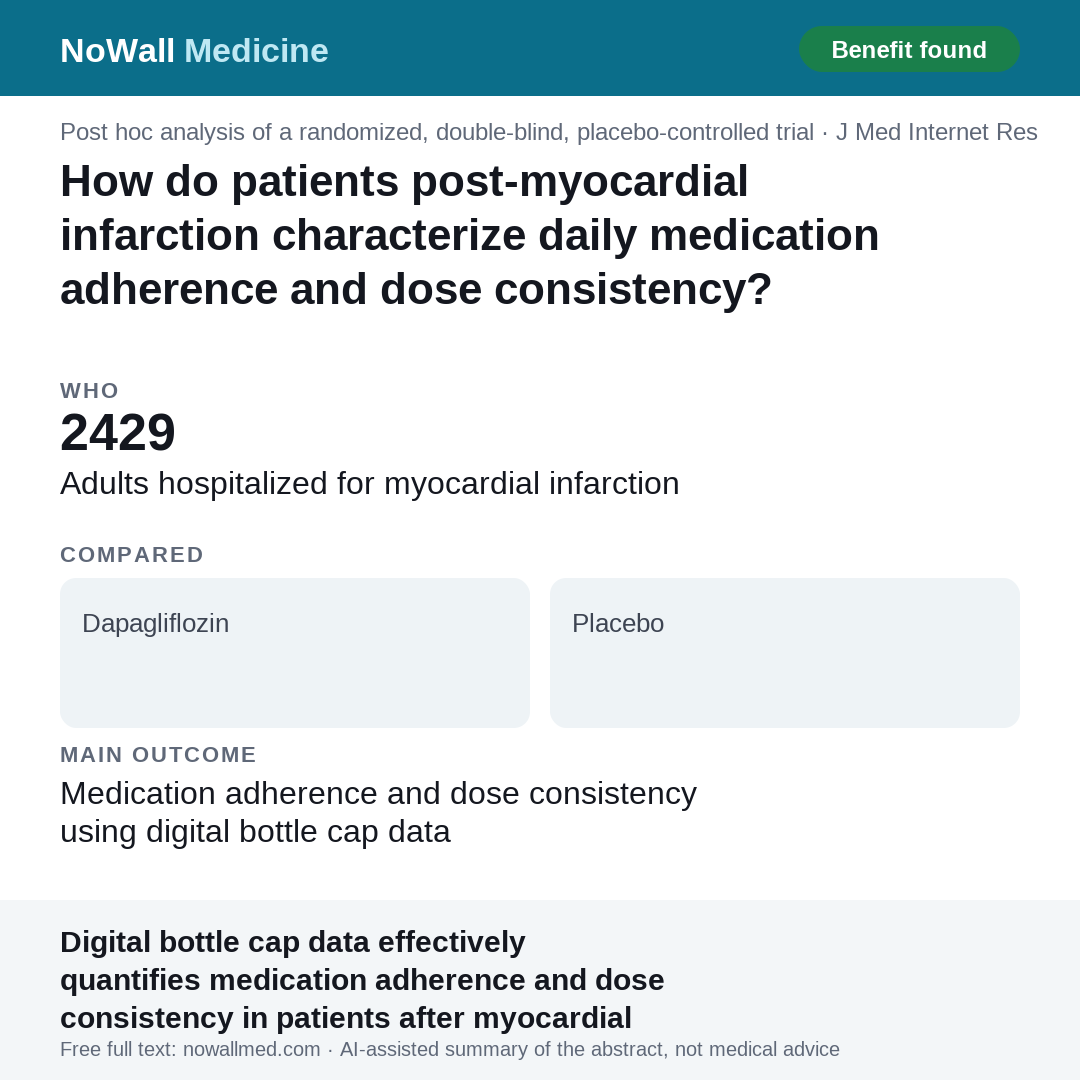
Medication Adherence Behavior Assessed Using a Digital Bottle Cap: Retrospective Cohort Study
Post hoc analysis of a randomized, double-blind, placebo-controlled trialUnclear result
How do digital bottle cap data characterize medication adherence and dose consistency post-myocardial infarction?
Who
2429
Adults hospitalized for myocardial infarction
Compared
Dapagliflozin group
Placebo group
Main outcome
Medication adherence and dose consistency using digital bottle cap data
Bottom line: Digital bottle cap data effectively quantify medication adherence and dose consistency, showing that temporal irregularity may predict future nonadherence.
Limitation: This was a post hoc analysis of existing randomized controlled trial data.
J Med Internet Res · 2026-09-21Download image
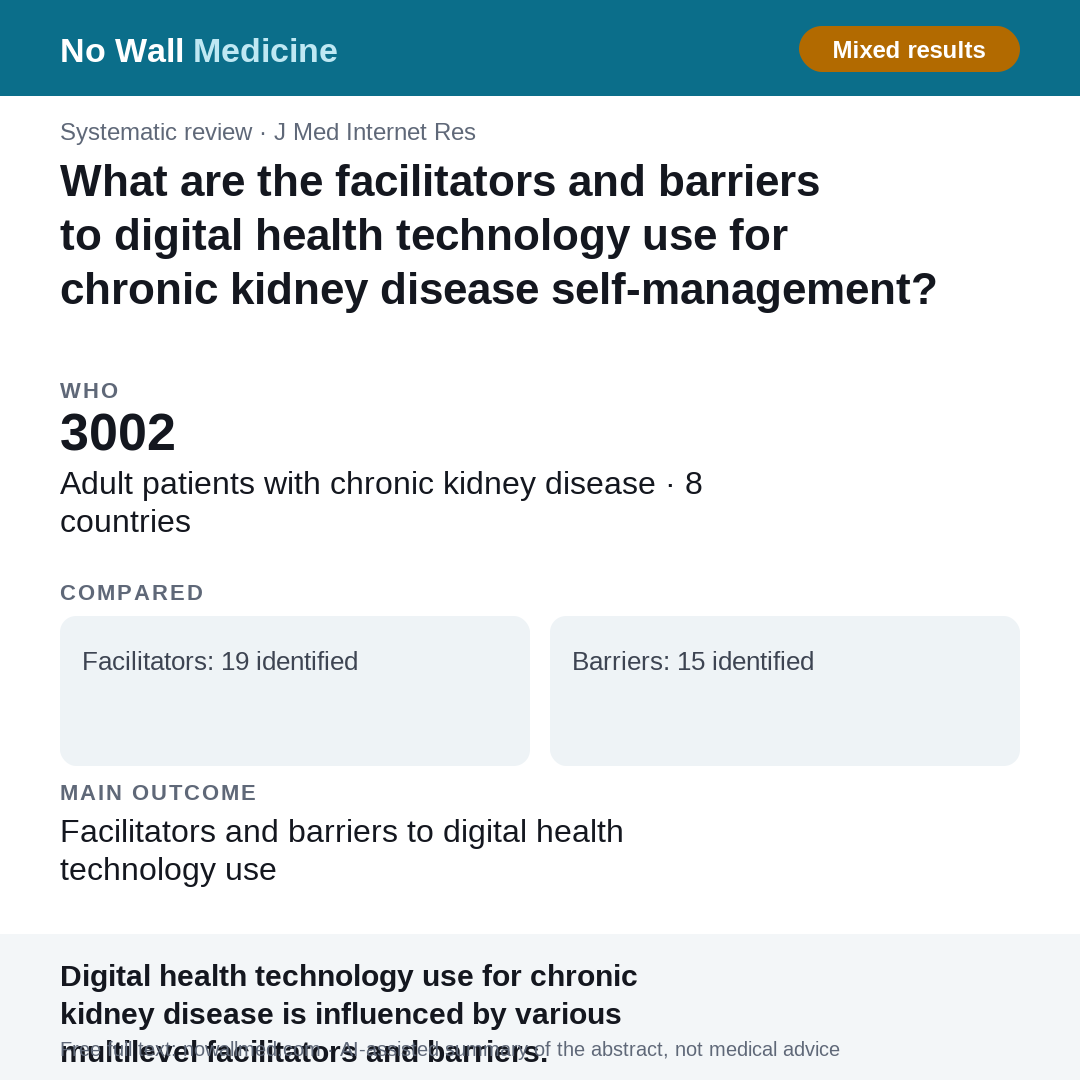
Facilitators and Barriers to Digital Health Technologies for Self-Management in Patients With Chronic Kidney Disease: Systematic Review Based on the Updated CFIR 2.0 Framework
Systematic reviewMixed results
What are the facilitators and barriers to digital health technology use for chronic kidney disease self-management?
Who
3002
Adult patients with chronic kidney disease · 8 countries
Compared
Facilitators: 19 identified
Barriers: 15 identified
Main outcome
Facilitators and barriers to digital health technology use
Bottom line: Digital health technology use for chronic kidney disease is influenced by various multilevel facilitators and barriers.
Limitation: Predominance of mixed methods, lack of longitudinal studies, and concentration in high-income countries.
J Med Internet Res · 2026-09-21Download image
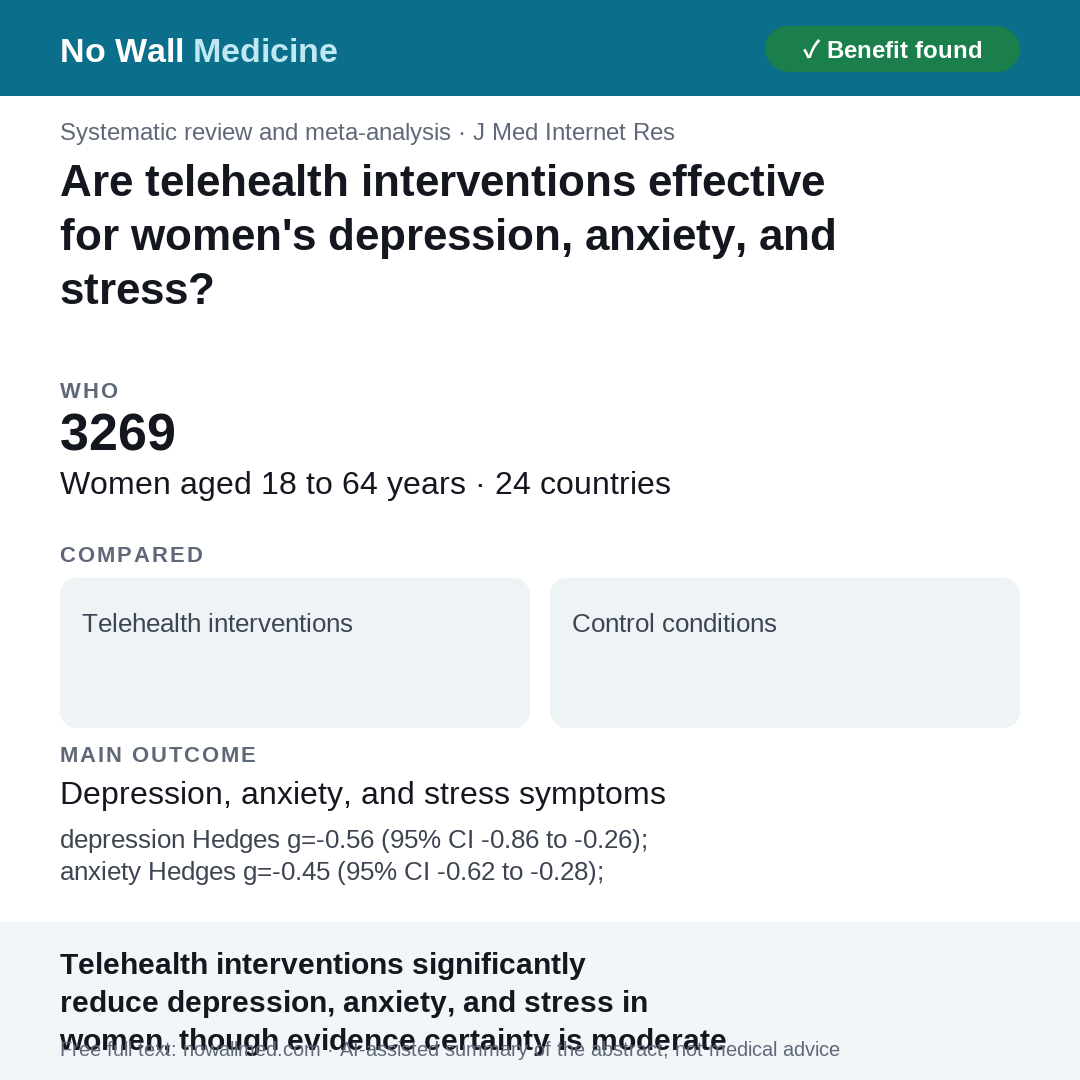
Effectiveness of Telehealth Care Interventions for Women's Mental Health During and After the COVID-19 Pandemic: Systematic Review and Meta-Analysis
Systematic review and meta-analysisBenefit found
Are telehealth interventions effective for women's depression, anxiety, and stress?
Who
3269
Women aged 18 to 64 years · 24 countries
Compared
Telehealth interventions
Control conditions
Main outcome
Depression, anxiety, and stress symptoms
Result: depression Hedges g=-0.56 (95% CI -0.86 to -0.26); anxiety Hedges g=-0.45 (95% CI -0.62 to -0.28); stress Hedges g=-0.25 (95% CI -0.47 to -0.04)
Bottom line: Telehealth interventions significantly reduce depression, anxiety, and stress in women, though evidence certainty is moderate due to heterogeneity.
Limitation: Evidence certainty was downgraded due to heterogeneity, risk of bias, and methodological limitations.
J Med Internet Res · 2026-09-21Download image
Effectiveness of ChatGPT and DeepSeek in Urology Medical Education: Randomized Controlled Trial
Randomized controlled trialBenefit found
Are ChatGPT o3-mini and DeepSeek R1 effective for urology medical undergraduate education?
Who
Medical undergraduates
Compared
DeepSeek R1: surpassed both the control and ChatGPT o3-mini groups in total scores
ChatGPT o3-mini: numerically higher but nonsignificant results
Traditional learning methods
Main outcome
Learning outcomes via total scores across various question types
Bottom line: DeepSeek-assisted self-study was associated with higher posttest scores than traditional internet-based learning.
J Med Internet Res · 2026-09-21Download image

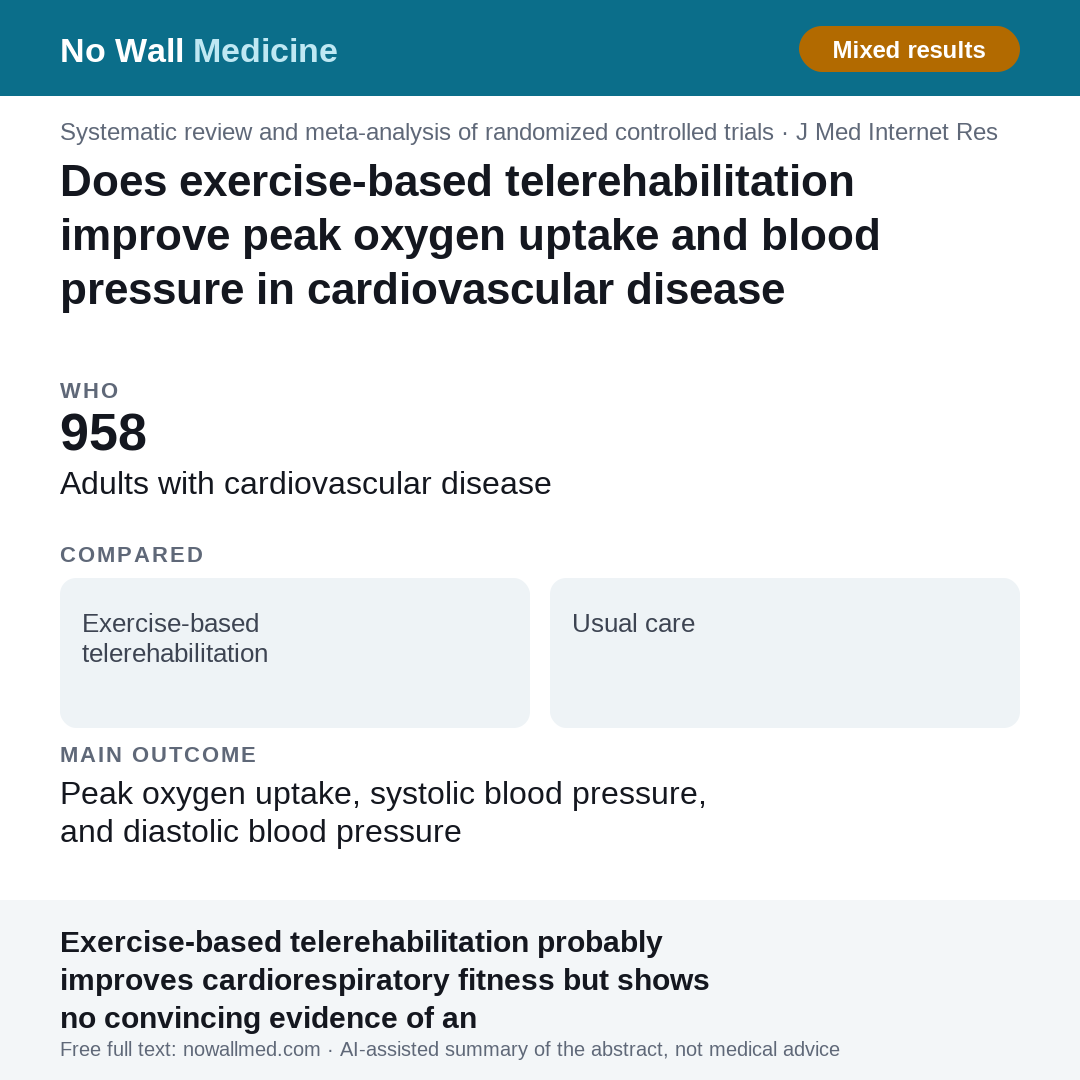
Effects of Telerehabilitation With Exercise as the Core Component on Peak Oxygen Uptake and Blood Pressure in Patients With Cardiovascular Disease: Systematic Review and Meta-Analysis
Systematic review and meta-analysis of randomized controlled trialsMixed results
Does exercise-based telerehabilitation improve peak oxygen uptake and blood pressure in cardiovascular disease patients?
Who
958
Adults with cardiovascular disease
Compared
Exercise-based telerehabilitation
Usual care
Main outcome
Peak oxygen uptake, systolic blood pressure, and diastolic blood pressure
Result: mean difference 2.58 mL/kg/min (95% CI 1.16 to 4.00) for peak oxygen uptake
Bottom line: Exercise-based telerehabilitation probably improves cardiorespiratory fitness but shows no convincing evidence of an antihypertensive effect.
Limitation: GRADE certainty was very low across all outcomes and possible small-study effects were detected.
J Med Internet Res · 2026-09-21Download image
Effect of Semaglutide on Thigh Skeletal Muscle Volume, Fat Infiltration and Physical Function in People With Obesity: Secondary Analysis of STEP UP
Randomized, phase 3b trialMixed results
Effect of semaglutide on body composition and physical function in adults with obesity
Who
55
Adults with body mass index 30 kg/m2 or greater
Compared
pooled semaglutide group: -1.1 L for thigh skeletal muscle volume
placebo
Main outcome
MRI body composition and physical function
Result: -1.1 L (-2.3 to 0.1; p = 0.07) for thigh skeletal muscle volume
Bottom line: Semaglutide was associated with reductions in adipose tissue and muscle fat infiltration but also skeletal muscle volume.
Diabetes Obes Metab · 2026-09-20Download image

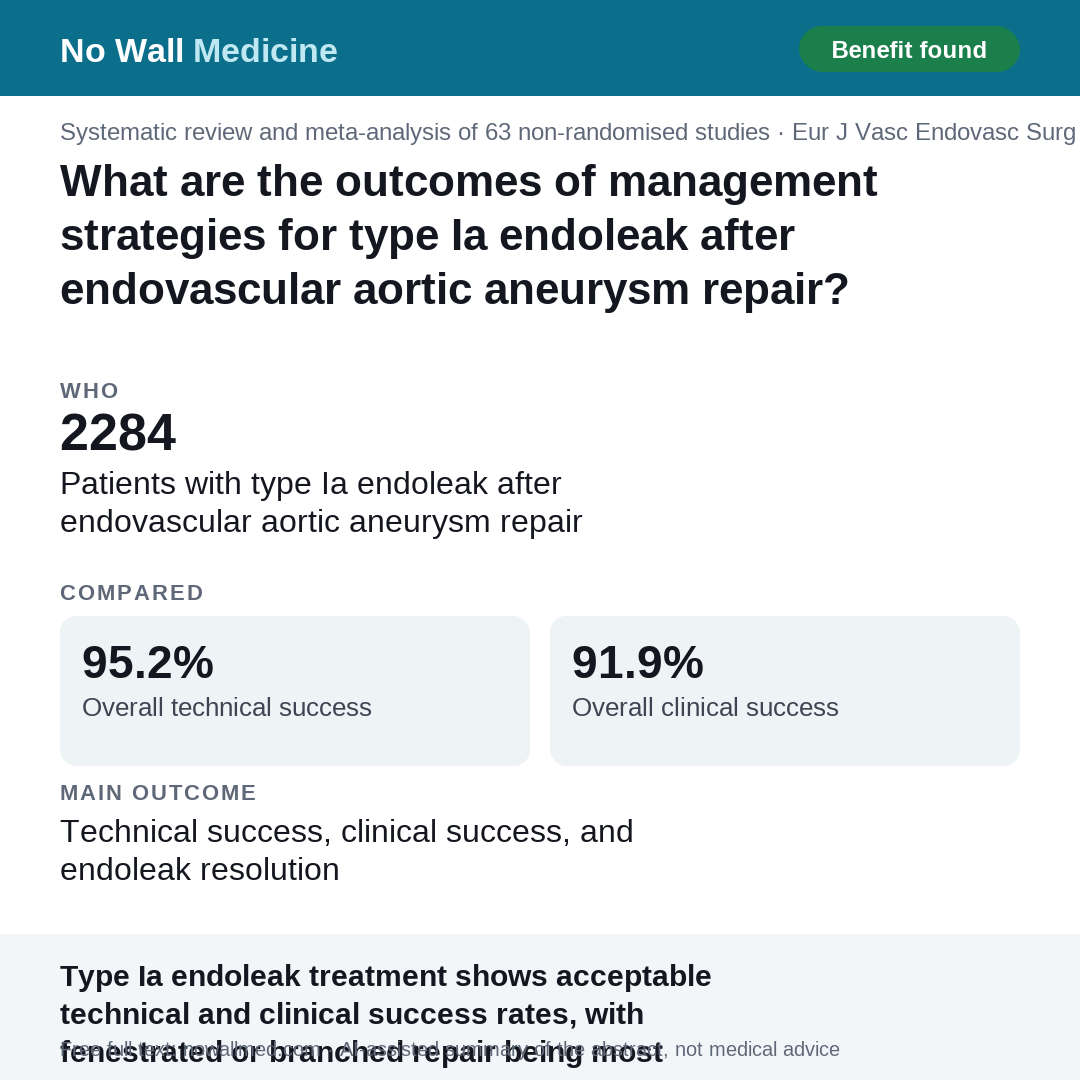
Type Ia Endoleak Management Strategy Outcomes after Endovascular Abdominal Aortic Aneurysm Repair: A Systematic Review and Meta-analysis
Systematic review and meta-analysis of 63 non-randomised studiesBenefit found
What are the outcomes of management strategies for type Ia endoleak after endovascular aortic aneurysm repair?
Who
2284
Patients with type Ia endoleak after endovascular aortic aneurysm repair
Compared
95.2%Overall technical success (95% CI 93.9 - 96.4%)
91.9%Overall clinical success (95% CI 90.0 - 93.8%)
Main outcome
Technical success, clinical success, and endoleak resolution
Bottom line: Type Ia endoleak treatment shows acceptable technical and clinical success rates, with fenestrated or branched repair being most frequent.
Limitation: The overall quality of evidence for all outcomes was very low.
Eur J Vasc Endovasc Surg · 2026-09-20Download image
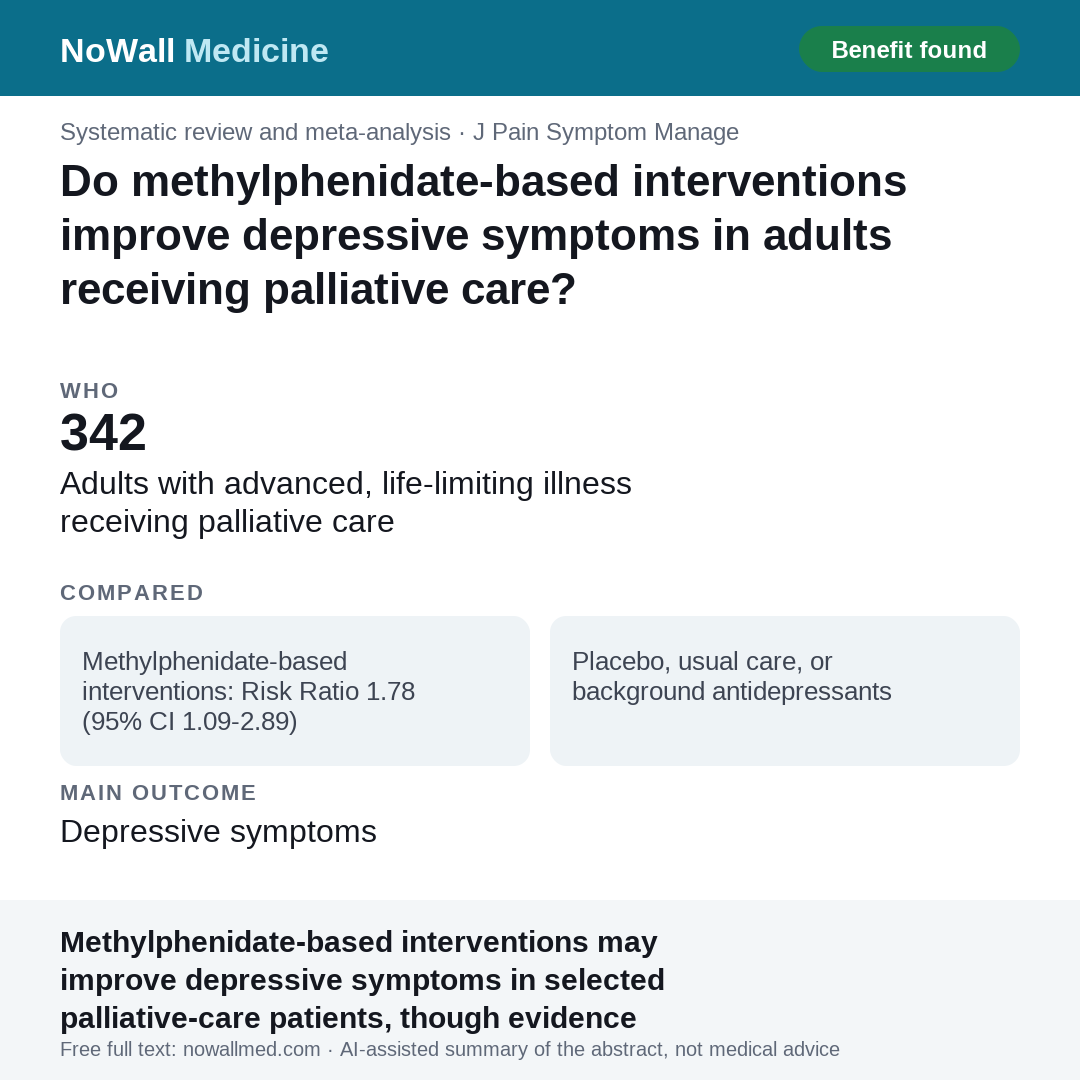
Methylphenidate-Based Interventions for Depressive Symptoms in Palliative Care: A Systematic Review and Meta-analysis
Systematic review and meta-analysisBenefit found
Do methylphenidate-based interventions improve depressive symptoms in adults receiving palliative care?
Who
342
Adults with advanced, life-limiting illness receiving palliative care
Compared
Methylphenidate-based interventions: Risk Ratio 1.78 (95% CI 1.09-2.89)
Placebo, usual care, or background antidepressants
Main outcome
Depressive symptoms
Result: standardized mean difference -0.47 (95% CI -0.81 to -0.13)
Bottom line: Methylphenidate-based interventions may improve depressive symptoms in selected palliative-care patients, though evidence certainty is very low to low.
Limitation: Small samples, heterogeneity, and indirectness resulted in very low to low evidence certainty.
J Pain Symptom Manage · 2026-09-19Download image