Visual abstracts
New randomized trials and meta-analyses from leading journals at a glance: who was studied, what was compared, and what was found. Every paper is free to read in full.
All specialtiesCardiology 1953Oncology 1672Gastroenterology & Hepatology 742Infectious Disease 1240Neurology 808Psychiatry & Mental Health 955Pulmonology 840Critical Care 565Endocrinology & Diabetes 1050Pediatrics 1171Surgery 985Orthopedics & Sports Medicine 364Neurosurgery 248Cardiothoracic & Vascular Surgery 214Plastic & Reconstructive Surgery 304Nephrology 406Rheumatology 279Hematology 423Dermatology 223Ophthalmology 229Obstetrics & Gynecology 635Public & Global Health 382Radiology & Imaging 270Anesthesiology 392Urology 339ENT (Otolaryngology) 263Emergency Medicine 219Allergy & Immunology 126Geriatrics 414Family Medicine & Primary Care 230Medical Genetics & Genomics 212Pathology & Laboratory Medicine 64Physical Medicine & Rehabilitation 340Palliative Care 171Nutrition 526Digital Health & AI 1026General Medicine 152
Revisiting the link between childhood adversity and stress-sensitive brain regions in psychosis and bipolar disorder: a systematic review and meta-analysis
Systematic review and meta-analysisNo clear difference
Are childhood adversity and gray matter volume alterations linked in psychosis and bipolar disorder?
Who
3056
Participants with psychotic disorder and bipolar disorder
Compared
Hippocampus volume: no significant association (p ≥ 0.66)
Amygdala volume: no significant association (p ≥ 0.87)
Main outcome
Gray matter volume alterations in stress-sensitive brain regions
Bottom line: Childhood adversity was not consistently associated with hippocampal or amygdala volume alterations in psychosis and bipolar disorder.
Transl Psychiatry · 2026-09-19Download image

A multidisciplinary nutritional-behavioral intervention improves weight loss and liver-related outcomes in patients with metabolic dysfunction-associated steatotic liver disease: A randomized controlled trial
Randomized controlled trialBenefit found
Does a multidisciplinary nutritional-behavioral intervention improve outcomes in MASLD patients?
Who
286
Patients with metabolic dysfunction-associated steatotic liver disease
Compared
Standard care
Co-Co-Nut multidisciplinary intervention: significantly increased the proportion of patients achieving ≥10% weight loss
Main outcome
Weight loss and liver-related outcomes
Result: hazard ratio 0.36 (95% CI 0.18-0.71)
Bottom line: A multidisciplinary intervention improves weight loss, metabolic profile, and reduces acute cardiovascular event risk in MASLD patients.
Clin Nutr · 2026-09-18Download image

Age-stratified CD19+ B-cell reference values in children and adolescents-a systematic review and meta-analysis
Systematic review and meta-analysisMixed results
What are the age-stratified CD19+ B-cell reference values in healthy children and adolescents?
Who
10399
Healthy children and adolescents aged 0 to 18 years
Compared
Children younger than 6 years
Other age groups
Main outcome
Lower limit of normal for CD19+ B-cell values
Bottom line: CD19+ B-cell lower limits of normal differ according to the age of the child.
JACI · 2026-09-18Download image

The PART randomised trial protocol: Partial Ablation versus Radical Treatment for prostate cancer
Multicentre, pragmatic, randomised controlled trial protocolUnclear result
Is partial ablation non-inferior to radical treatment for localised intermediate-risk prostate cancer?
Who
306
Men with localised intermediate-risk prostate cancer · United Kingdom
Compared
Partial ablation
Radical treatment
Main outcome
Oncological treatment success
Bottom line: This trial protocol aims to determine if partial ablation is non-inferior to radical treatment.
BJU Int · 2026-09-18Download image

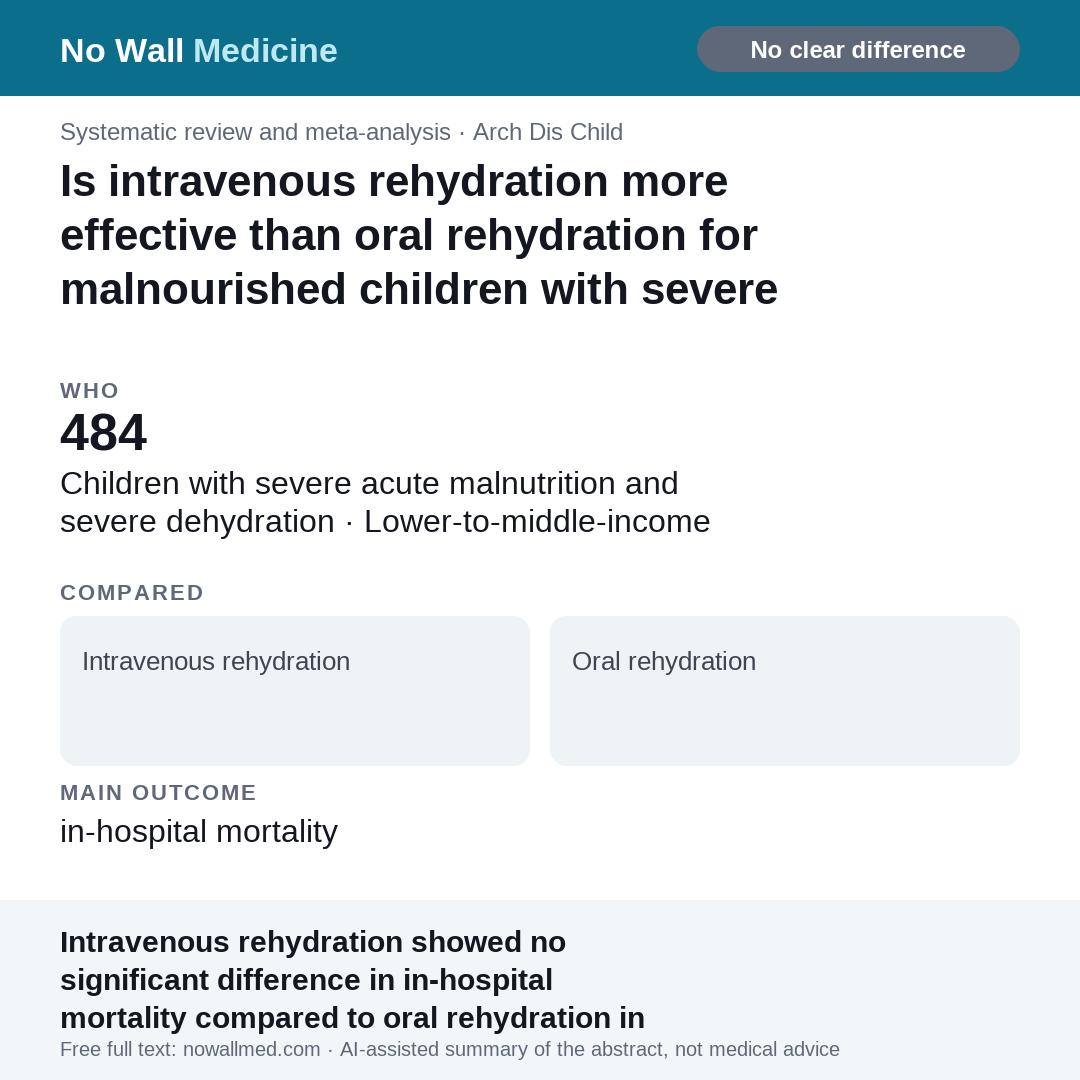
Intravenous rehydration in children with severe malnutrition and severe dehydration: a systematic review and meta-analysis
Systematic review and meta-analysisNo clear difference
Is intravenous rehydration more effective than oral rehydration for malnourished children with severe dehydration?
Who
484
Children with severe acute malnutrition and severe dehydration · Lower-to-middle-income countries
Compared
Intravenous rehydration
Oral rehydration
Main outcome
in-hospital mortality
Result: risk ratio 0.71 (95% CI 0.46 to 1.10)
Bottom line: Intravenous rehydration showed no significant difference in in-hospital mortality compared to oral rehydration in children with severe malnutrition.
Limitation: Only three randomized controlled trials were identified
Arch Dis Child · 2026-09-18Download image
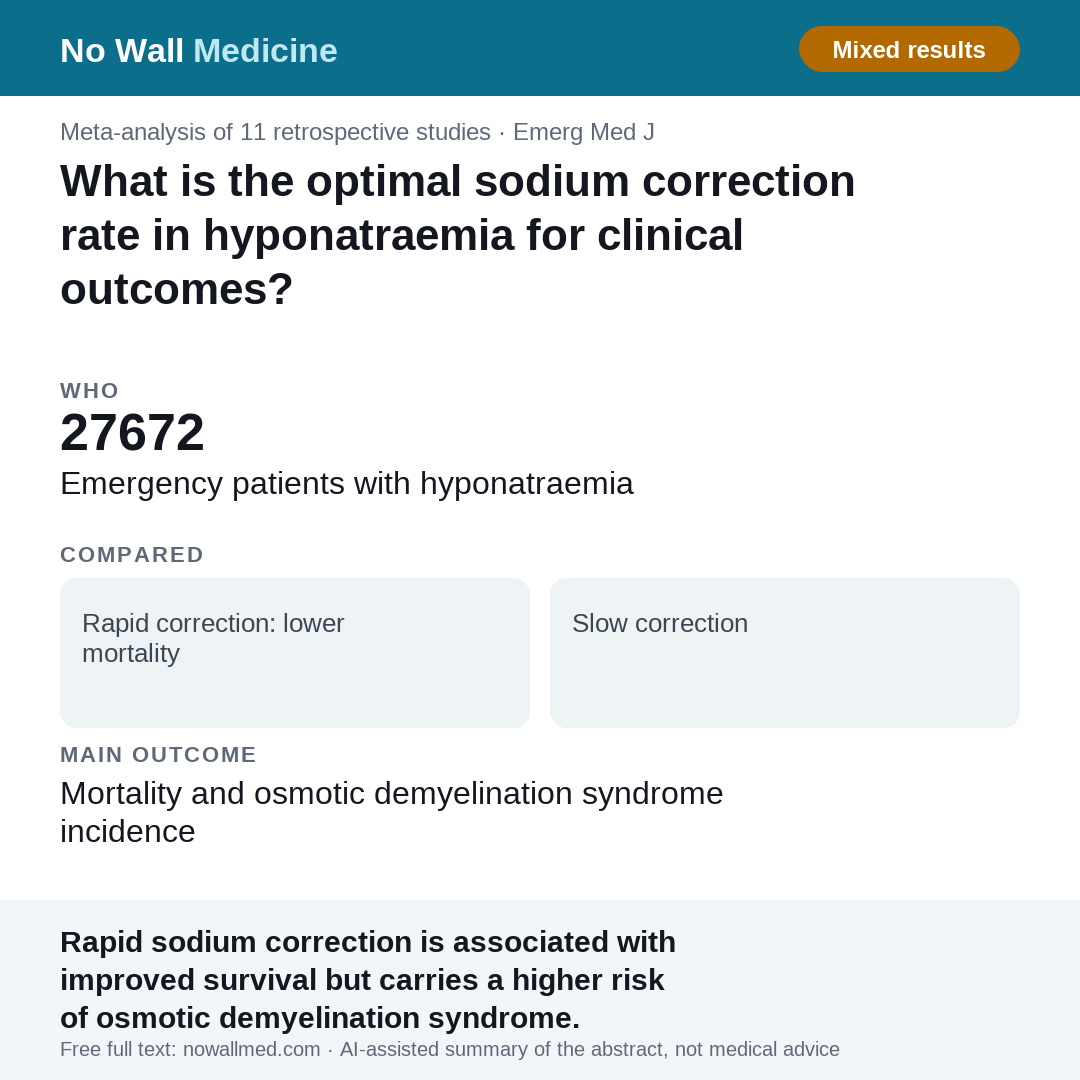
On the optimal sodium correction rate in hyponatraemia and clinical outcome: a meta-analysis
Meta-analysis of 11 retrospective studiesMixed results
What is the optimal sodium correction rate in hyponatraemia for clinical outcomes?
Who
27672
Emergency patients with hyponatraemia
Compared
Rapid correction: lower mortality
Slow correction
Main outcome
Mortality and osmotic demyelination syndrome incidence
Result: OR: 0.398, p<0.001; OR: 0.489, p<0.001; OR: 0.57, p<0.001
Bottom line: Rapid sodium correction is associated with improved survival but carries a higher risk of osmotic demyelination syndrome.
Limitation: No causal relation can be concluded
Emerg Med J · 2026-09-18Download image
Epidemiology of Kyasanur forest disease in India, 2000-2025: a systematic review and meta-analysis
Systematic review and meta-analysisUnclear result
What are the pooled Kyasanur forest disease positivity and case-fatality rates in India?
Who
7907
Clinically suspected Kyasanur forest disease patients in India · India
Compared
Suspected patients: 21% (1431/7907) positivity rate
Cumulative cases: 4% case-fatality ratio
Main outcome
Diagnostic positivity and case-fatality ratio
Result: positivity 21% (95% CI: 14-30); case fatality ratio 4% (95% CI: 2-8)
Bottom line: Kyasanur forest disease shows a 21% diagnostic positivity rate and a 4% case-fatality ratio across India.
Limitation: Positivity varied substantially by district.
Lancet Reg Health Southeast Asia · 2026-09-18Download image

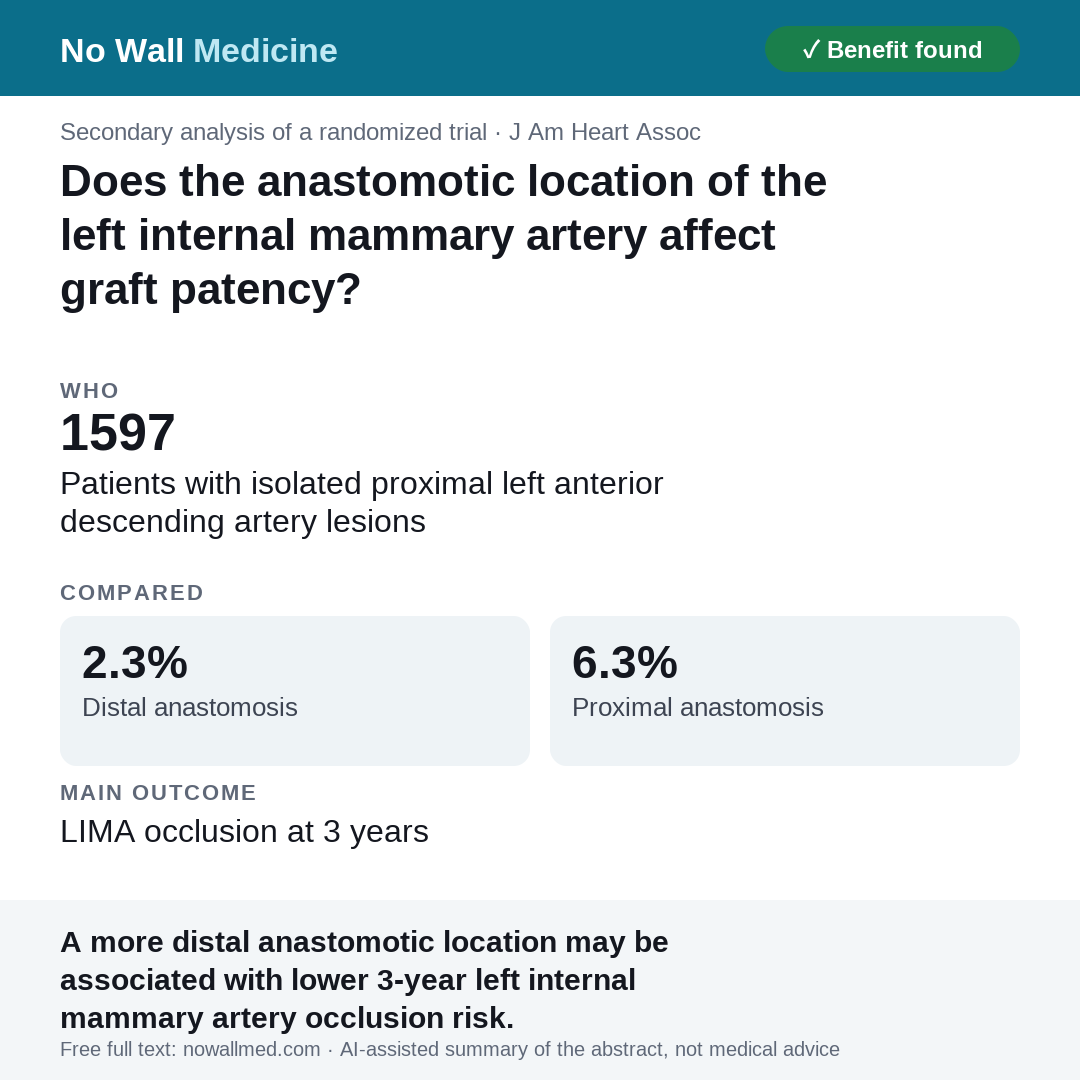
Impact of Left Internal Mammary Artery-to-Left Anterior Descending Artery Anastomotic Location on Graft Patency: A Secondary Analysis of the PATENCY Trial Data Set
Secondary analysis of a randomized trialBenefit found
Does the anastomotic location of the left internal mammary artery affect graft patency?
Who
1597
Patients with isolated proximal left anterior descending artery lesions
Compared
2.3%Distal anastomosis
6.3%Proximal anastomosis
Main outcome
LIMA occlusion at 3 years
Result: adjusted odds ratio, 0.37 (95% CI, 0.20-0.68)
Bottom line: A more distal anastomotic location may be associated with lower 3-year left internal mammary artery occlusion risk.
J Am Heart Assoc · 2026-09-18Download image
Associations of Plasma Deoxycholic Acid and Its Conjugates With the Clinical Outcomes After Ischemic Stroke
Multicenter prognostic cohort studyBenefit found
Do plasma deoxycholic acid and its conjugates associate with ischemic stroke outcomes?
Who
3405
Chinese patients with hypertensive stroke · Multicenter
Compared
Elevated plasma deoxycholic acid: odds ratio 0.65 (95% CI, 0.53-0.80)
Elevated glycodeoxycholic acid: odds ratio 0.76 (95% CI, 0.61-0.93)
Elevated 23-nordeoxycholic acid: odds ratio 0.73 (95% CI, 0.59-0.89)
Main outcome
Death and major disability at 3 months
Bottom line: High levels of deoxycholic acid and its conjugates are associated with decreased risks of adverse outcomes after ischemic stroke.
J Am Heart Assoc · 2026-09-18Download image

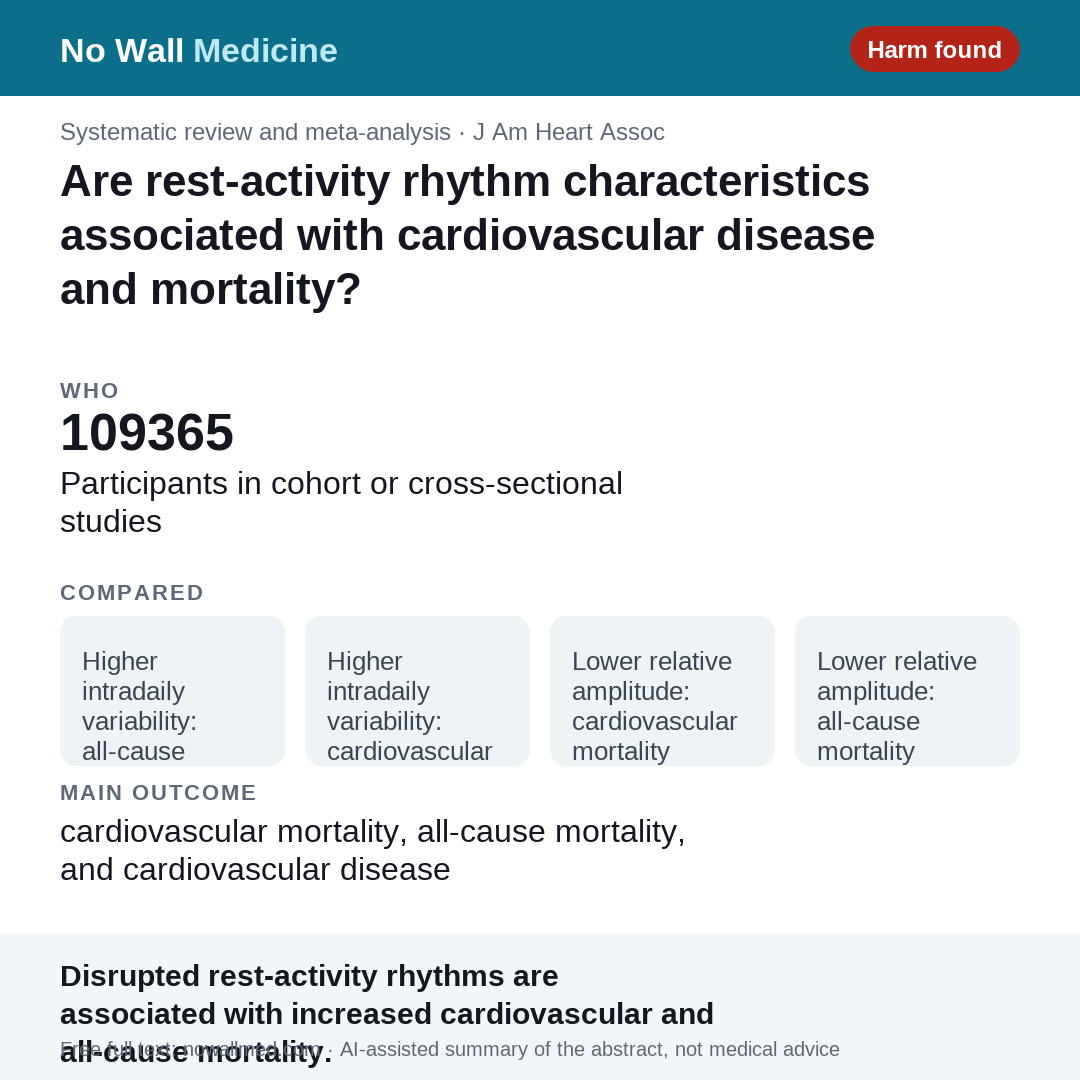
Association Between Rest-Activity Rhythm and Cardiovascular Disease, Cardiovascular Mortality, and All-Cause Mortality: A Systematic Review and Meta-Analysis
Systematic review and meta-analysisHarm found
Are rest-activity rhythm characteristics associated with cardiovascular disease and mortality?
Who
109365
Participants in cohort or cross-sectional studies
Compared
Higher intradaily variability: all-cause mortality hazard ratio 1.05 (95% CI 1.02-1.09)
Higher intradaily variability: cardiovascular disease prevalence odds ratio 1.73 (95% CI 1.21-2.47)
Lower relative amplitude: cardiovascular mortality hazard ratio 1.50 (95% CI 1.13-1.98)
Lower relative amplitude: all-cause mortality hazard ratio 1.46 (95% CI 1.27-1.68)
Main outcome
cardiovascular mortality, all-cause mortality, and cardiovascular disease
Bottom line: Disrupted rest-activity rhythms are associated with increased cardiovascular and all-cause mortality.
J Am Heart Assoc · 2026-09-18Download image
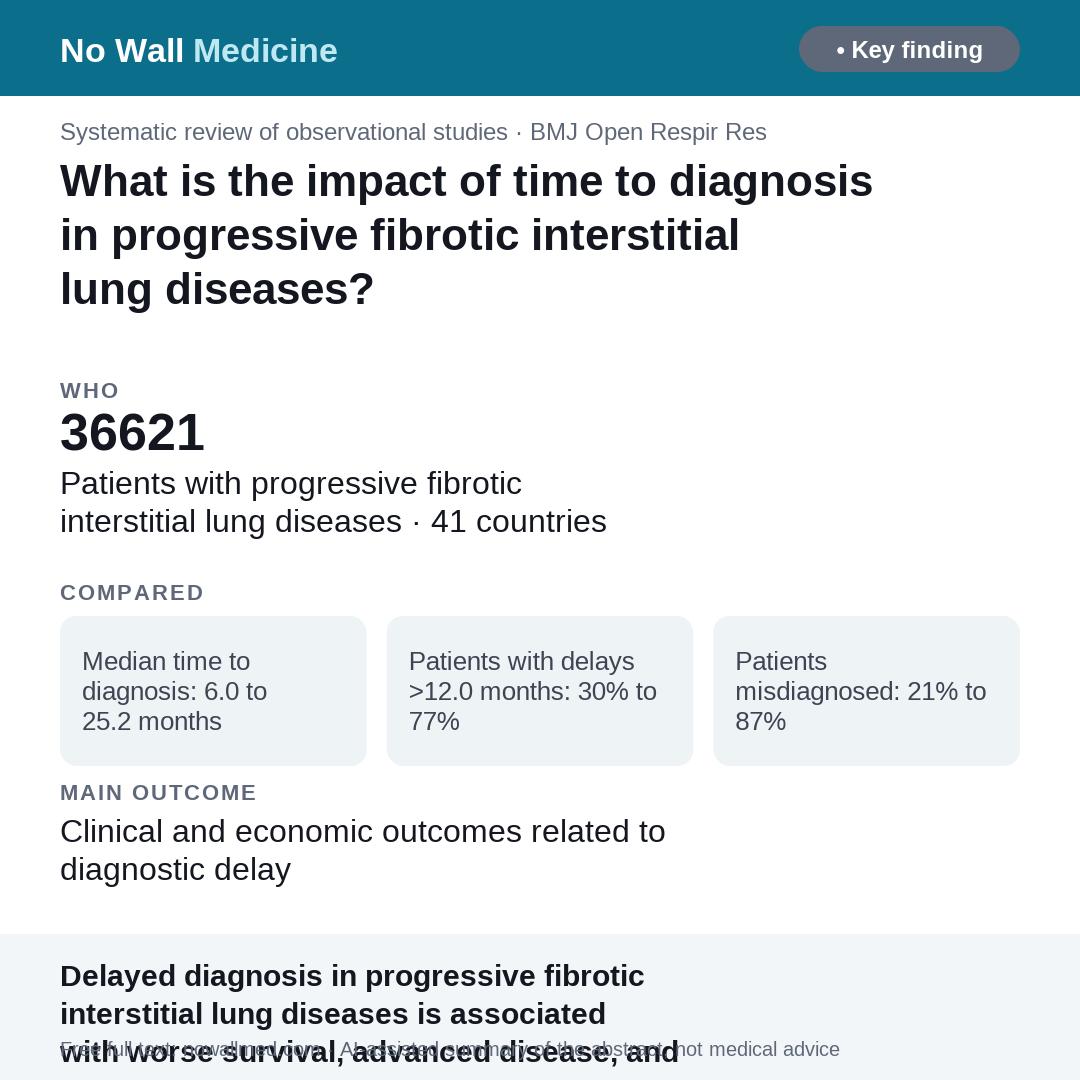
Impact of time to diagnosis in patients with progressive fibrotic ILD: a systematic review
Systematic review of observational studiesHarm found
What is the impact of time to diagnosis in progressive fibrotic interstitial lung diseases?
Who
36621
Patients with progressive fibrotic interstitial lung diseases · 41 countries
Compared
Median time to diagnosis: 6.0 to 25.2 months
Patients with delays >12.0 months: 30% to 77%
Patients misdiagnosed: 21% to 87%
Main outcome
Clinical and economic outcomes related to diagnostic delay
Bottom line: Delayed diagnosis in progressive fibrotic interstitial lung diseases is associated with worse survival, advanced disease, and increased hospitalisation.
Limitation: Direct economic burden resulting from delayed diagnosis is currently poorly understood.
BMJ Open Respir Res · 2026-09-18Download image
Economic Outcomes of Dalbavancin versus Standard Therapy in Staphylococcus aureus Bacteremia in the DOTS Randomized Clinical Trial
Randomized clinical trialBenefit found
Are economic outcomes different for dalbavancin versus standard therapy in Staphylococcus aureus bacteremia?
Who
200
Adults with complicated Staphylococcus aureus bacteremia
Compared
Dalbavancin: Net costs $5931 lower (home-based) or $4574 lower (clinic-based)
Standard therapy
Main outcome
Net costs for Staphylococcus aureus bacteremia related care
Bottom line: Dalbavancin savings from reduced inpatient care and outpatient therapy offset its higher drug cost.
Clin Infect Dis · 2026-09-17Download image

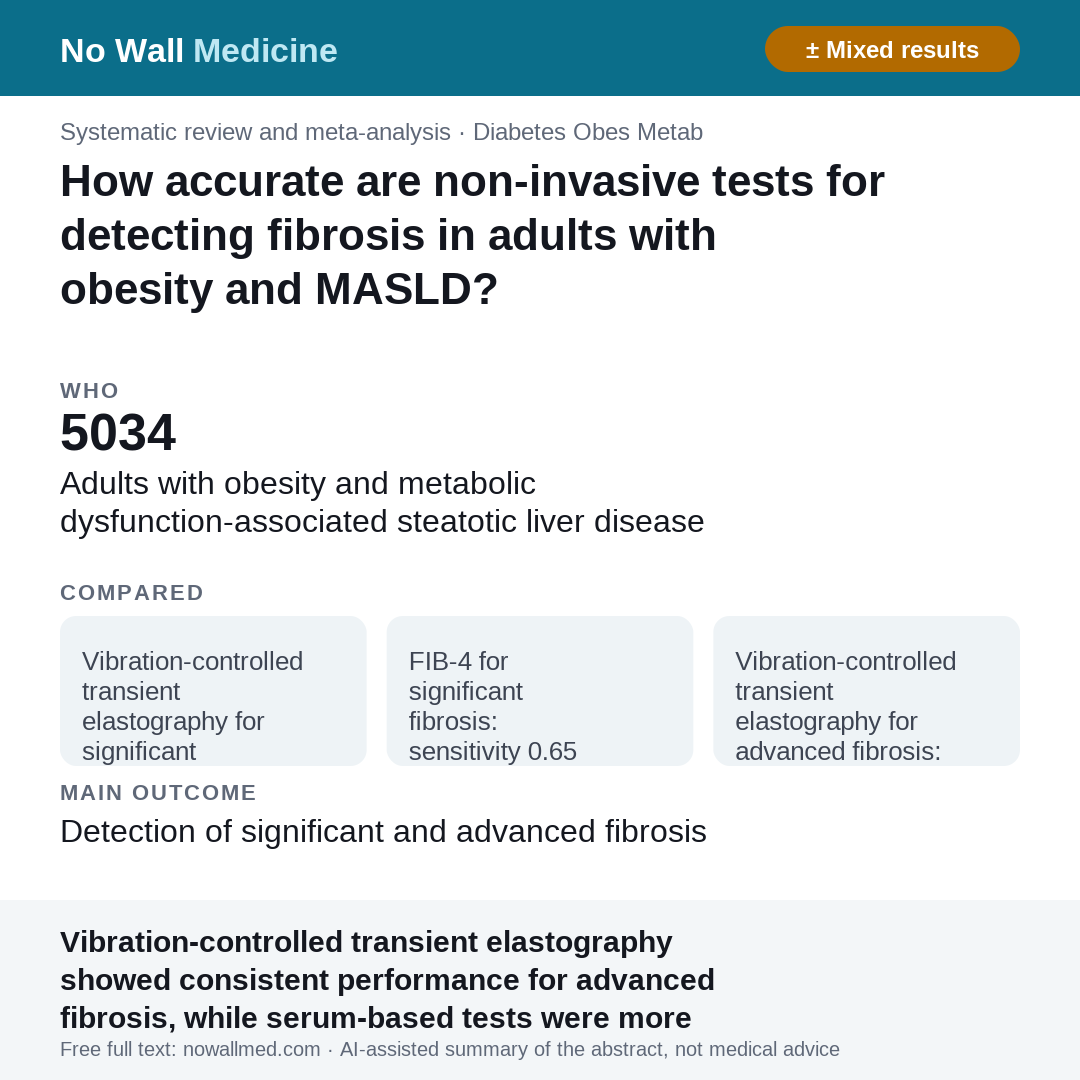
Non-Invasive Fibrosis Testing in Adults With Obesity and MASLD: A Systematic Review and Meta-Analysis
Systematic review and meta-analysisMixed results
How accurate are non-invasive tests for detecting fibrosis in adults with obesity and MASLD?
Who
5034
Adults with obesity and metabolic dysfunction-associated steatotic liver disease
Compared
Vibration-controlled transient elastography for significant fibrosis: sensitivity 0.64 (95% CI, 0.49-0.77)
FIB-4 for significant fibrosis: sensitivity 0.65 (95% CI, 0.53-0.75)
Vibration-controlled transient elastography for advanced fibrosis: sensitivity 0.77 (95% CI, 0.67-0.85)
Main outcome
Detection of significant and advanced fibrosis
Bottom line: Vibration-controlled transient elastography showed consistent performance for advanced fibrosis, while serum-based tests were more variable.
Diabetes Obes Metab · 2026-09-17Download image
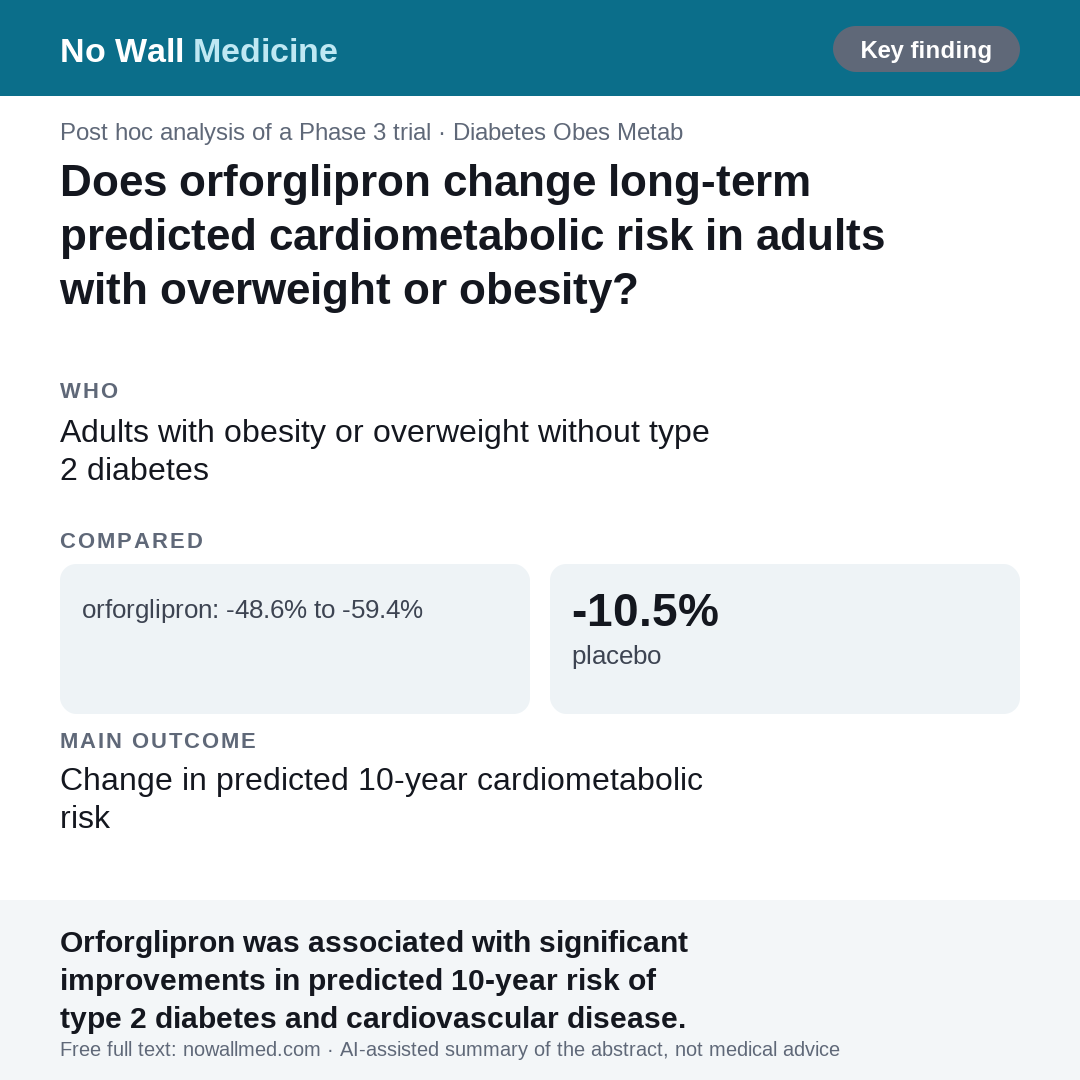
Predicting the Long-Term Risk of Type 2 Diabetes and Cardiovascular Disease With Orforglipron in People With Overweight or Obesity: A Post Hoc Analysis of the ATTAIN-1 Trial
Post hoc analysis of a Phase 3 trialBenefit found
Does orforglipron change long-term predicted cardiometabolic risk in adults with overweight or obesity?
Who
Adults with obesity or overweight without type 2 diabetes
Compared
orforglipron: -48.6% to -59.4%
-10.5%placebo
Main outcome
Change in predicted 10-year cardiometabolic risk
Bottom line: Orforglipron was associated with significant improvements in predicted 10-year risk of type 2 diabetes and cardiovascular disease.
Diabetes Obes Metab · 2026-09-17Download image
RSV Vaccination in Systemic Autoimmune Rheumatic Diseases: A Systematic Review
Systematic reviewBenefit found
What are the epidemiology, effectiveness, immunogenicity, and safety of RSV vaccination in SARDs?
Who
Adults with systemic autoimmune rheumatic diseases
Compared
Immunocompromised adults: 60-73% first-season effectiveness
Immunocompetent populations
Main outcome
vaccine effectiveness, immunogenicity, and safety
Bottom line: RSV vaccination appears effective and safe in immunocompromised populations, though protection may wane more rapidly.
Limitation: No study evaluated vaccine effectiveness stratified by disease-modifying antirheumatic drugs class.
Rheumatology · 2026-09-17Download image

Effectiveness of high-dose versus standard-dose influenza vaccines against hospitalisation according to frailty risk: a prespecified analysis of the randomised trial DANFLU-2
Open-label, individually randomised trialMixed results
Is high-dose versus standard-dose influenza vaccine effective against hospitalisation according to frailty risk?
Who
332438
Adults aged 65 years or older · Denmark
Compared
High-dose inactivated influenza vaccine
Standard-dose inactivated influenza vaccine
Main outcome
Hospitalisation for influenza or pneumonia
Result: relative vaccine effectiveness 0.2% (95% CI -10.8 to 10.2) in low frailty risk
Bottom line: High-dose influenza vaccines may show higher effectiveness in more frail adults, but subgroup estimates were imprecise.
Limitation: Effect modification was not evident in categorical subgroups and estimates were imprecise with confidence intervals crossing the null.
Funded by: Sanofi
Lancet Healthy Longev · 2026-09-17Download image

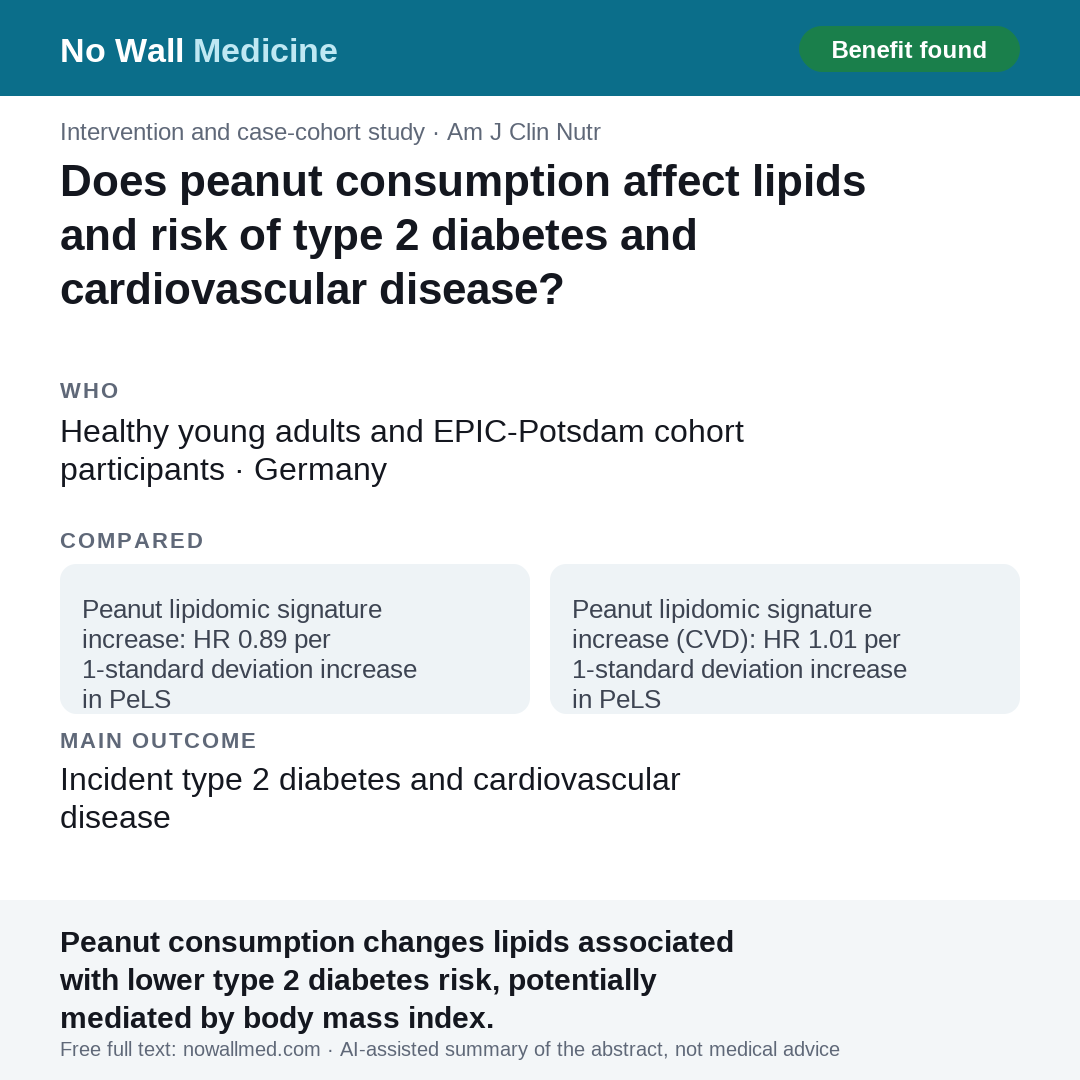
Peanuts-derived plasma lipids and lower risk of type 2 diabetes: association mediated by body mass index-an intervention and case-cohort study
Intervention and case-cohort studyBenefit found
Does peanut consumption affect lipids and risk of type 2 diabetes and cardiovascular disease?
Who
Healthy young adults and EPIC-Potsdam cohort participants · Germany
Compared
Peanut lipidomic signature increase: HR 0.89 per 1-standard deviation increase in PeLS
Peanut lipidomic signature increase (CVD): HR 1.01 per 1-standard deviation increase in PeLS
Main outcome
Incident type 2 diabetes and cardiovascular disease
Result: hazard ratio 0.89 (95% CI 0.80, 0.99) for type 2 diabetes
Bottom line: Peanut consumption changes lipids associated with lower type 2 diabetes risk, potentially mediated by body mass index.
Am J Clin Nutr · 2026-09-17Download image
Long-Term Outcomes of Expectant Management versus Early Ibuprofen for Patent Ductus Arteriosus: 24-Month Follow-Up of the BeNeDuctus Trial
International, multicenter, randomized trialNo clear difference
Does early ibuprofen versus expectant management improve survival without neurodevelopmental impairment?
Who
273
Extremely preterm infants with patent ductus arteriosus · International, multicenter
Compared
Expectant management: 51 of 104 patients (49%)
Early ibuprofen treatment: 47 of 96 (49%)
Main outcome
Survival without neurodevelopmental impairment
Result: relative risk 1.00 (95% CI 0.76-1.33)
Bottom line: Early ibuprofen treatment showed no advantage for survival and neurodevelopmental outcomes at 24 months corrected age.
J Pediatr · 2026-09-17Download image

Dose-Specific Network Meta-Analysis of Mineralocorticoid Receptor Antagonists in CKD
Meta-analysis of 32 trialsBenefit found
Do MRAs reduce albuminuria in CKD?
Who
21678
Patients with chronic kidney disease
Compared
Spironolactone 25 mg
Finerenone 20 mg
Main outcome
Change in urine albumin-to-creatinine ratio
Bottom line: MRAs reduce albuminuria in CKD patients
Limitation: Short-term studies informed eGFR results
Kidney Int Rep · 2026-09-17Download image

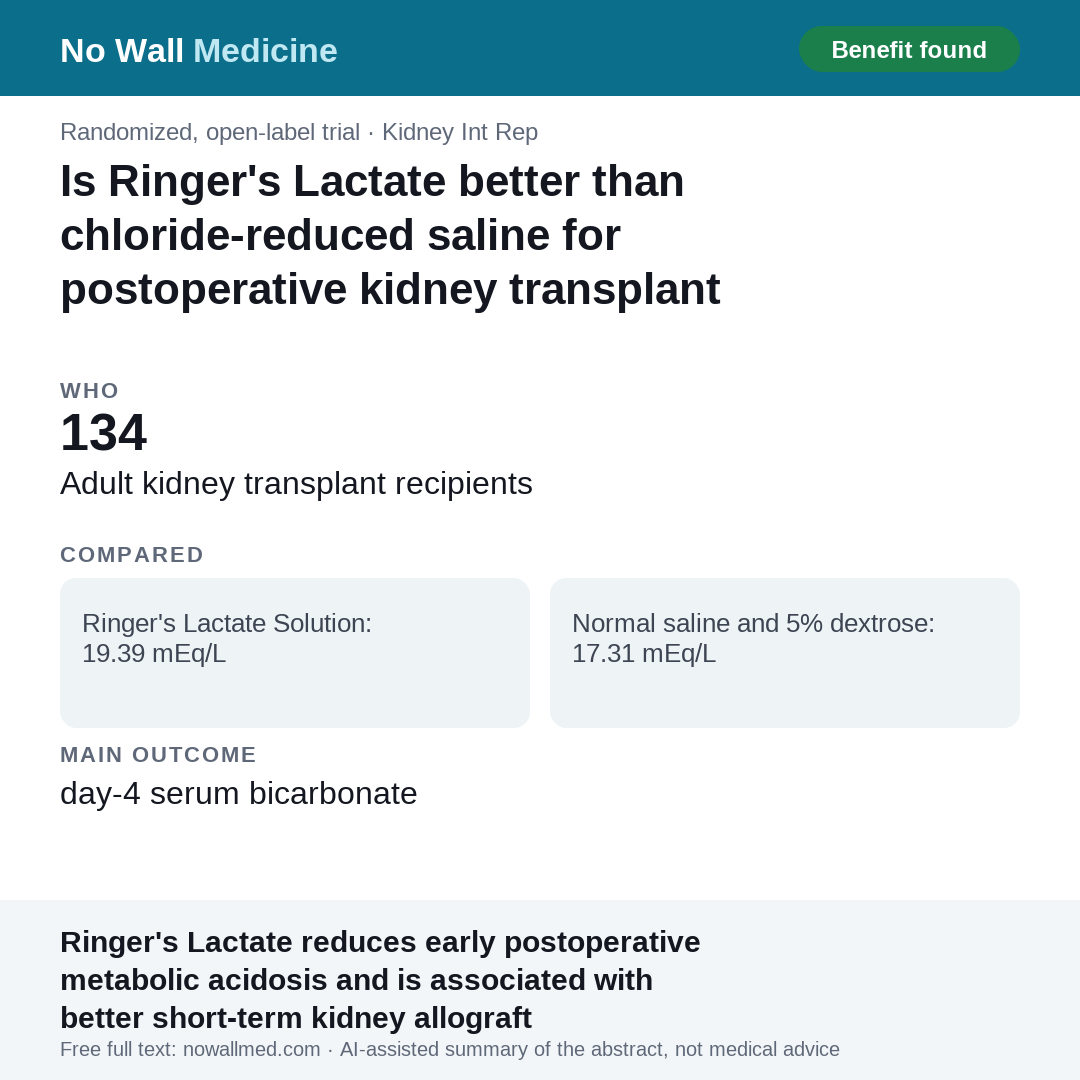
Randomized Clinical Trial of Ringer's Lactate Versus Chloride-Reduced Saline-Dextrose in Postoperative Kidney Transplantation
Randomized, open-label trialBenefit found
Is Ringer's Lactate better than chloride-reduced saline for postoperative kidney transplant recipients?
Who
134
Adult kidney transplant recipients
Compared
Ringer's Lactate Solution: 19.39 mEq/L
Normal saline and 5% dextrose: 17.31 mEq/L
Main outcome
day-4 serum bicarbonate
Bottom line: Ringer's Lactate reduces early postoperative metabolic acidosis and is associated with better short-term kidney allograft functional recovery.
Limitation: Benefits are most applicable to allografts exhibiting immediate or early function.
Kidney Int Rep · 2026-09-17Download image