Visual abstracts
New randomized trials and meta-analyses from leading journals at a glance: who was studied, what was compared, and what was found. Every paper is free to read in full.
All specialtiesCardiology 4877Oncology 4138Gastroenterology & Hepatology 1942Infectious Disease 3837Neurology 1905Psychiatry & Mental Health 2273Pulmonology 2143Critical Care 1365Endocrinology & Diabetes 2580Pediatrics 2980Surgery 2559Orthopedics & Sports Medicine 931Neurosurgery 537Cardiothoracic & Vascular Surgery 674Plastic & Reconstructive Surgery 591Nephrology 1133Rheumatology 823Hematology 1109Dermatology 621Ophthalmology 543Obstetrics & Gynecology 1686Public & Global Health 1058Radiology & Imaging 648Anesthesiology 986Urology 764ENT (Otolaryngology) 503Emergency Medicine 511Allergy & Immunology 313Geriatrics 981Family Medicine & Primary Care 562Medical Genetics & Genomics 676Pathology & Laboratory Medicine 159Physical Medicine & Rehabilitation 757Palliative Care 444Nutrition 1588Digital Health & AI 2201General Medicine 321
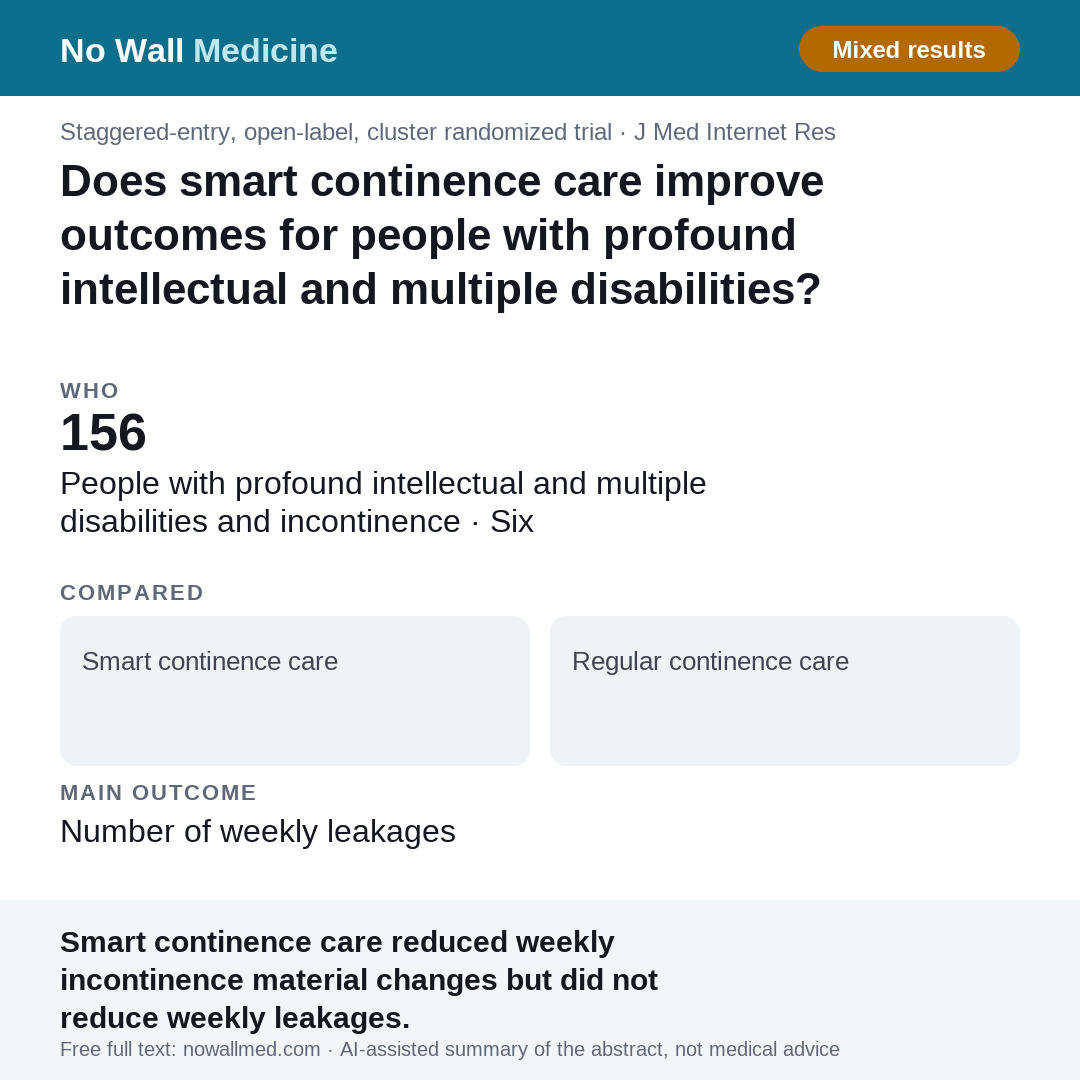
Effectiveness of Smart Continence Care for People With Profound Intellectual and Multiple Disabilities: Cluster Randomized Trial
Staggered-entry, open-label, cluster randomized trialMixed results
Does smart continence care improve outcomes for people with profound intellectual and multiple disabilities?
Who
156
People with profound intellectual and multiple disabilities and incontinence · Six residential care facilities in the Netherlands
Compared
Smart continence care
Regular continence care
Main outcome
Number of weekly leakages
Result: β coefficient=1.013, 95% CI 0.217-1.808
Bottom line: Smart continence care reduced weekly incontinence material changes but did not reduce weekly leakages.
Limitation: An unexpected effect on leakage may be due to increased leakages at one residential care facility.
J Med Internet Res · 2025-07-31Download image
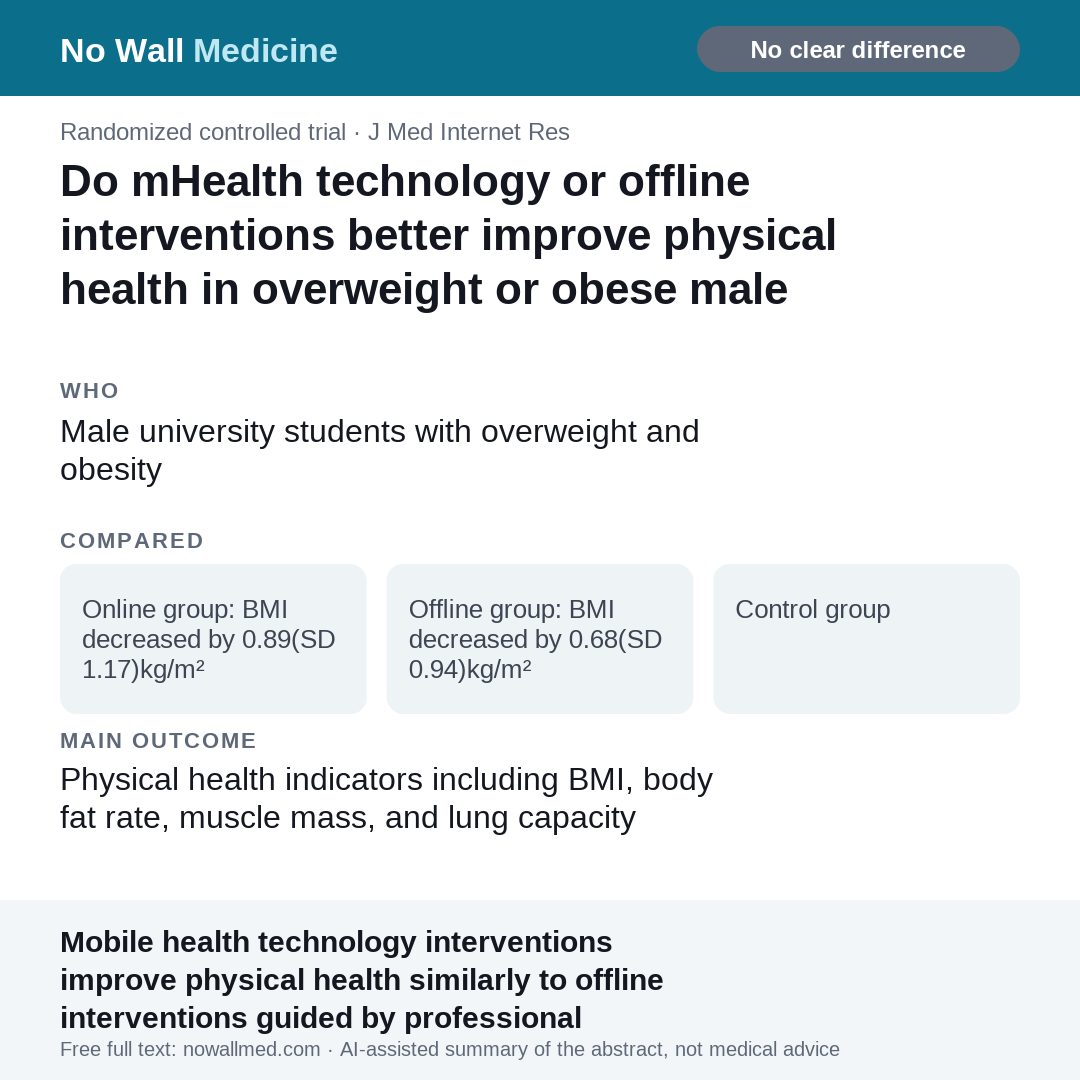
Effects of an Exercise Intervention Based on mHealth Technology on the Physical Health of Male University Students With Overweight and Obesity: Randomized Controlled Trial
Randomized controlled trialNo clear difference
Do mHealth technology or offline interventions better improve physical health in overweight or obese male students?
Who
Male university students with overweight and obesity
Compared
Online group: BMI decreased by 0.89(SD 1.17)kg/m²
Offline group: BMI decreased by 0.68(SD 0.94)kg/m²
Control group
Main outcome
Physical health indicators including BMI, body fat rate, muscle mass, and lung capacity
Bottom line: Mobile health technology interventions improve physical health similarly to offline interventions guided by professional trainers.
J Med Internet Res · 2025-07-31Download image
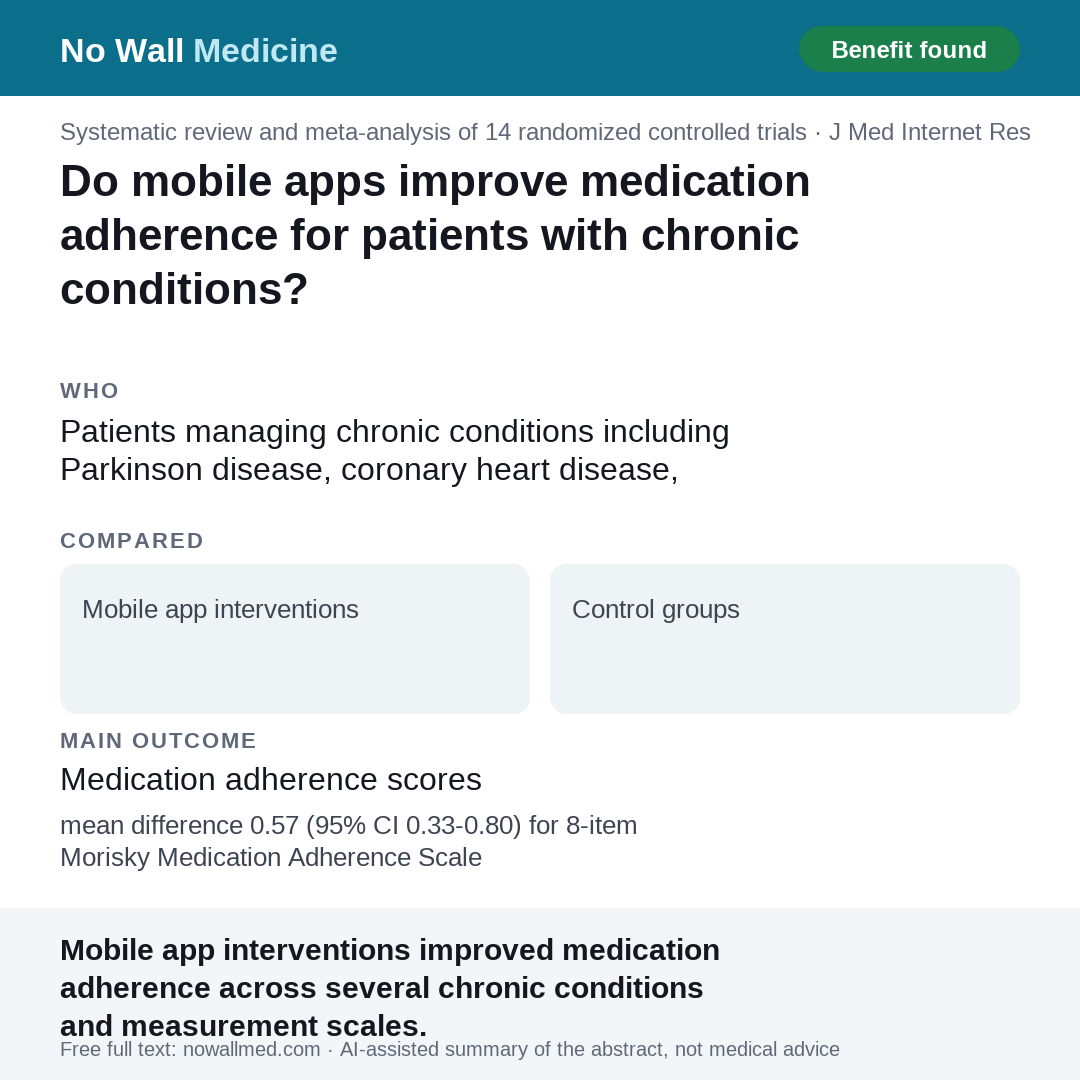
Evaluating the Effectiveness of Mobile Apps on Medication Adherence for Chronic Conditions: Systematic Review and Meta-Analysis
Systematic review and meta-analysis of 14 randomized controlled trialsBenefit found
Do mobile apps improve medication adherence for patients with chronic conditions?
Who
Patients managing chronic conditions including Parkinson disease, coronary heart disease, psoriasis, and hypertension
Compared
Mobile app interventions
Control groups
Main outcome
Medication adherence scores
Result: mean difference 0.57 (95% CI 0.33-0.80) for 8-item Morisky Medication Adherence Scale
Bottom line: Mobile app interventions improved medication adherence across several chronic conditions and measurement scales.
J Med Internet Res · 2025-07-31Download image
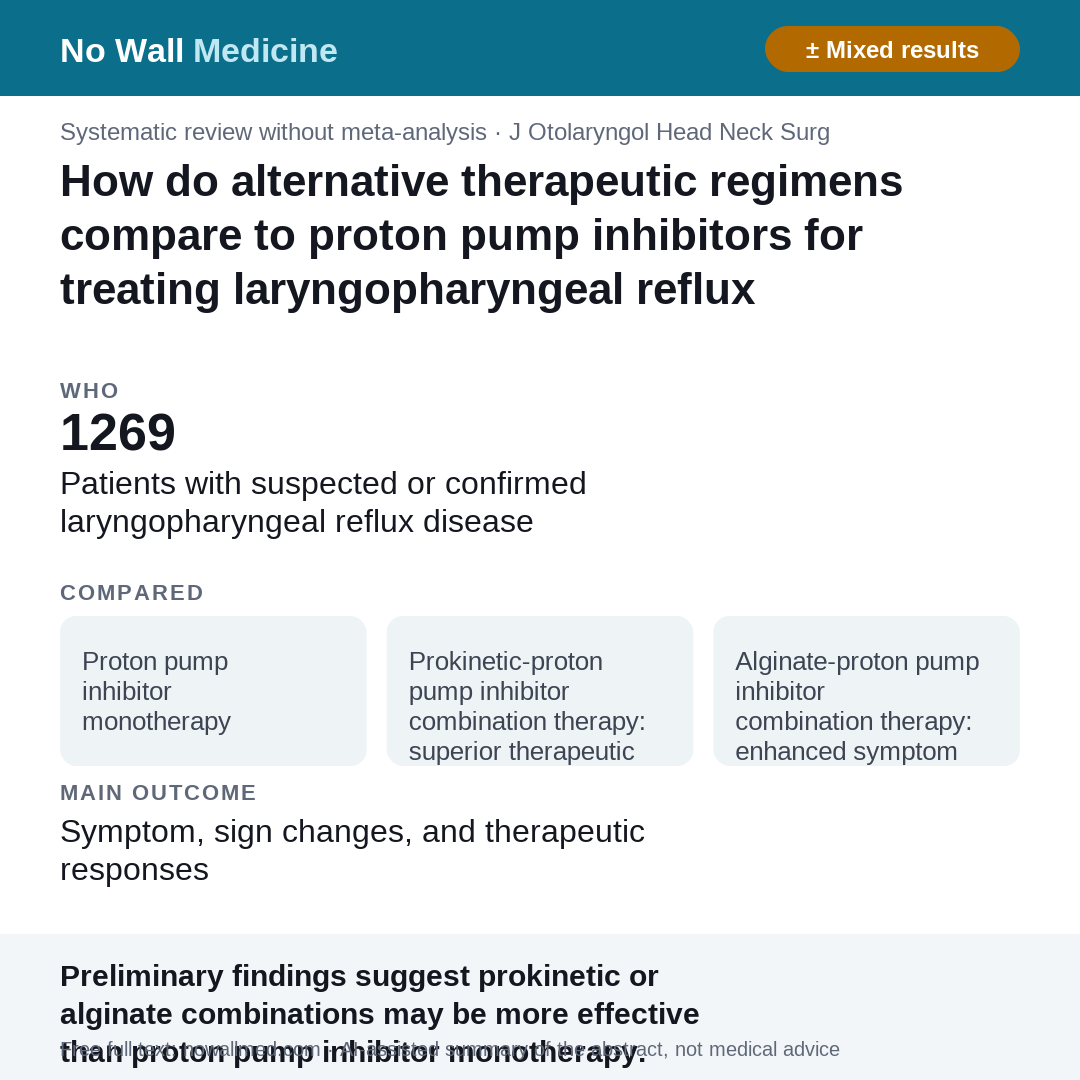
Treatment for Laryngopharyngeal Reflux Disease: A Systematic Review of Controlled Studies
Systematic review without meta-analysisMixed results
How do alternative therapeutic regimens compare to proton pump inhibitors for treating laryngopharyngeal reflux disease?
Who
1269
Patients with suspected or confirmed laryngopharyngeal reflux disease
Compared
Proton pump inhibitor monotherapy
Prokinetic-proton pump inhibitor combination therapy: superior therapeutic efficacy
Alginate-proton pump inhibitor combination therapy: enhanced symptom amelioration
Main outcome
Symptom, sign changes, and therapeutic responses
Bottom line: Preliminary findings suggest prokinetic or alginate combinations may be more effective than proton pump inhibitor monotherapy.
Limitation: Limited number of studies and substantial heterogeneity preclude definitive conclusions.
J Otolaryngol Head Neck Surg · 2025-07-31Download image
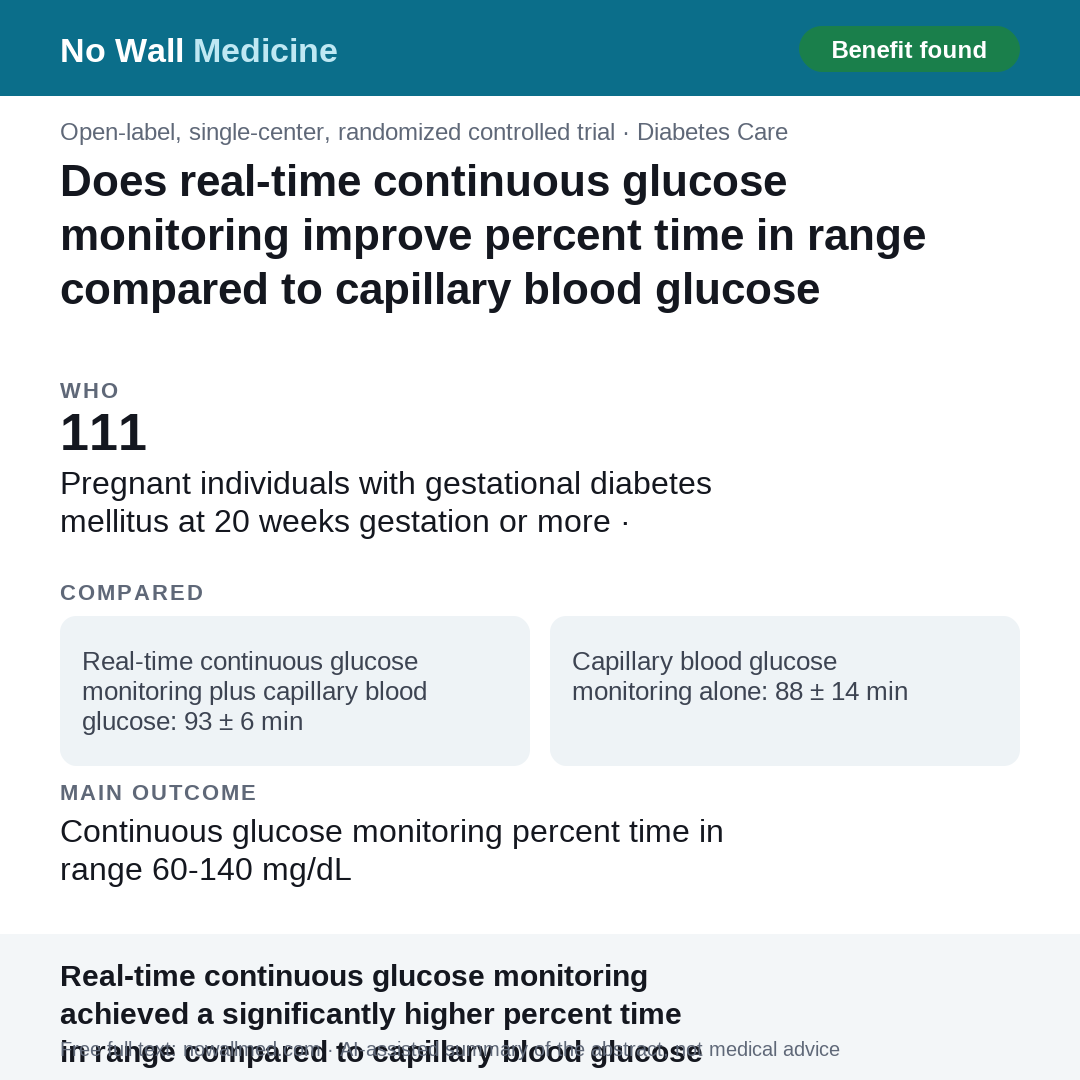
Real-Time Continuous Glucose Monitoring in Pregnancies With Gestational Diabetes Mellitus: A Randomized Controlled Trial
Open-label, single-center, randomized controlled trialBenefit found
Does real-time continuous glucose monitoring improve percent time in range compared to capillary blood glucose monitoring?
Who
111
Pregnant individuals with gestational diabetes mellitus at 20 weeks gestation or more · Single-center
Compared
Real-time continuous glucose monitoring plus capillary blood glucose: 93 ± 6 min
Capillary blood glucose monitoring alone: 88 ± 14 min
Main outcome
Continuous glucose monitoring percent time in range 60-140 mg/dL
Bottom line: Real-time continuous glucose monitoring achieved a significantly higher percent time in range compared to capillary blood glucose monitoring.
Diabetes Care · 2025-07-30Download image
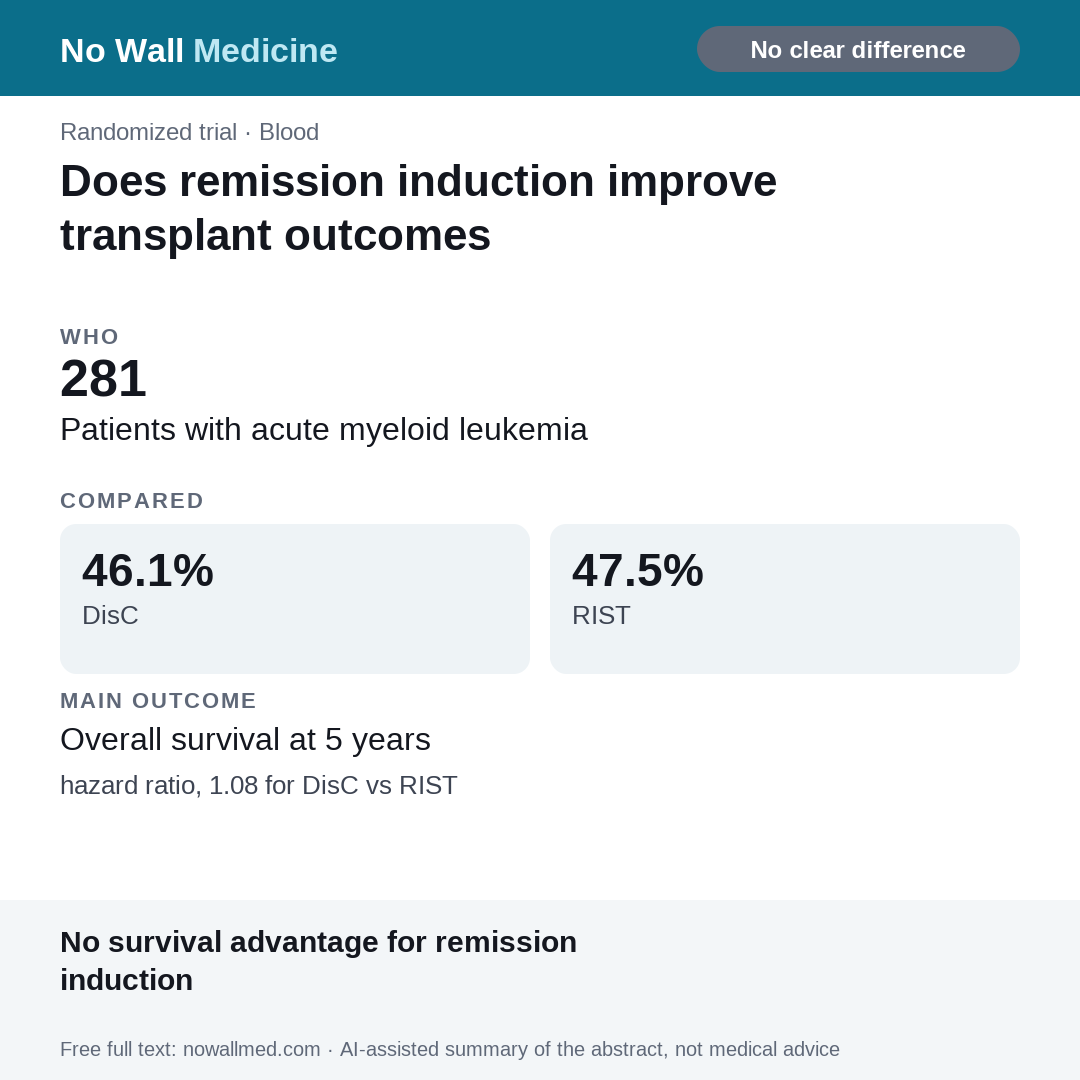
Disease risk but not remission status determines transplant outcomes in AML: long-term outcomes of the ASAP trial
Randomized trialNo clear difference
Does remission induction improve transplant outcomes
Who
281
Patients with acute myeloid leukemia
Compared
46.1%DisC
47.5%RIST
Main outcome
Overall survival at 5 years
Result: hazard ratio, 1.08 for DisC vs RIST
Bottom line: No survival advantage for remission induction
Blood · 2025-07-30Download image
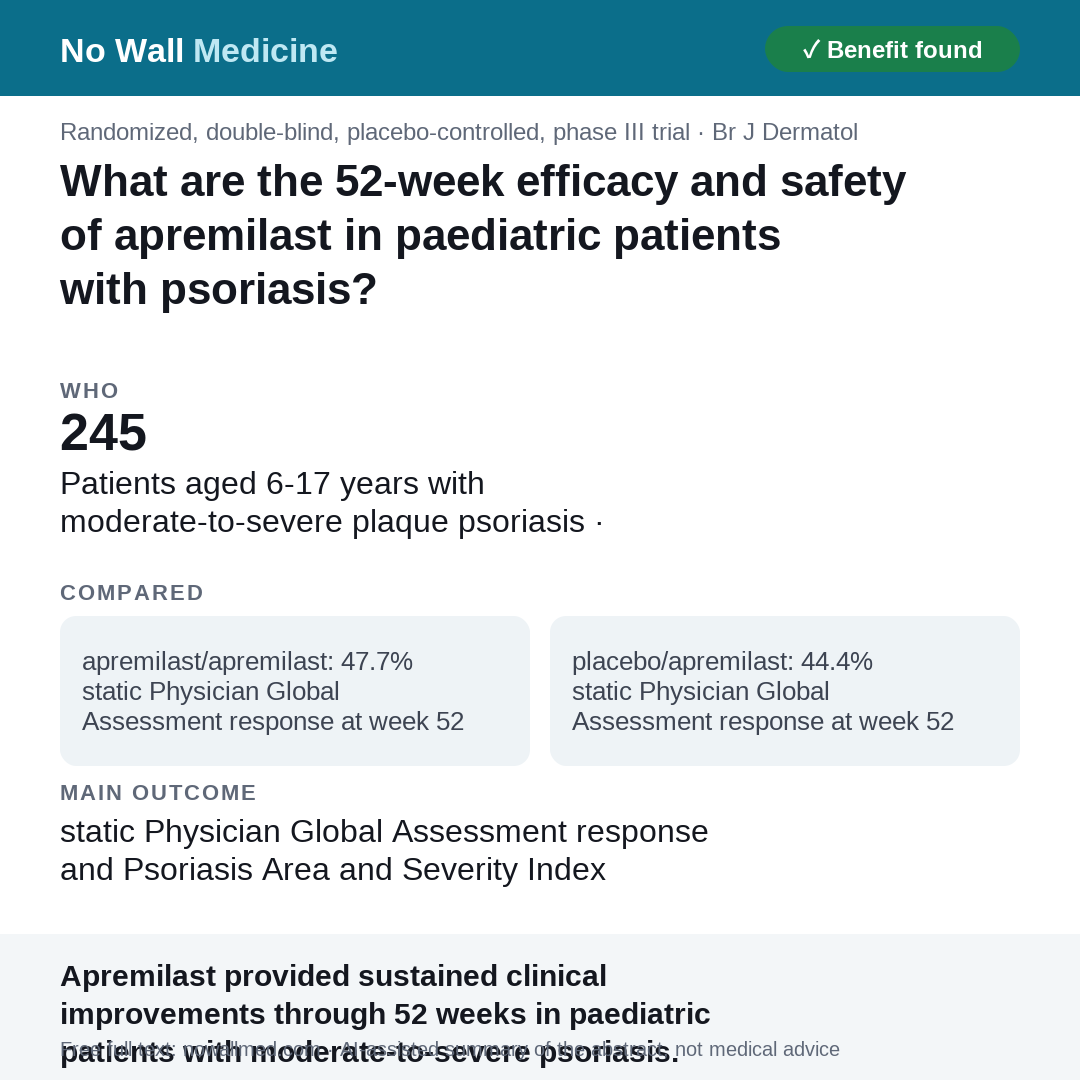
Efficacy and safety of apremilast in paediatric patients with moderate-to-severe plaque psoriasis: 52-week results from the SPROUT randomized controlled trial
Randomized, double-blind, placebo-controlled, phase III trialBenefit found
What are the 52-week efficacy and safety of apremilast in paediatric patients with psoriasis?
Who
245
Patients aged 6-17 years with moderate-to-severe plaque psoriasis · multicentre
Compared
apremilast/apremilast: 47.7% static Physician Global Assessment response at week 52
placebo/apremilast: 44.4% static Physician Global Assessment response at week 52
Main outcome
static Physician Global Assessment response and Psoriasis Area and Severity Index
Bottom line: Apremilast provided sustained clinical improvements through 52 weeks in paediatric patients with moderate-to-severe psoriasis.
Br J Dermatol · 2025-07-30Download image
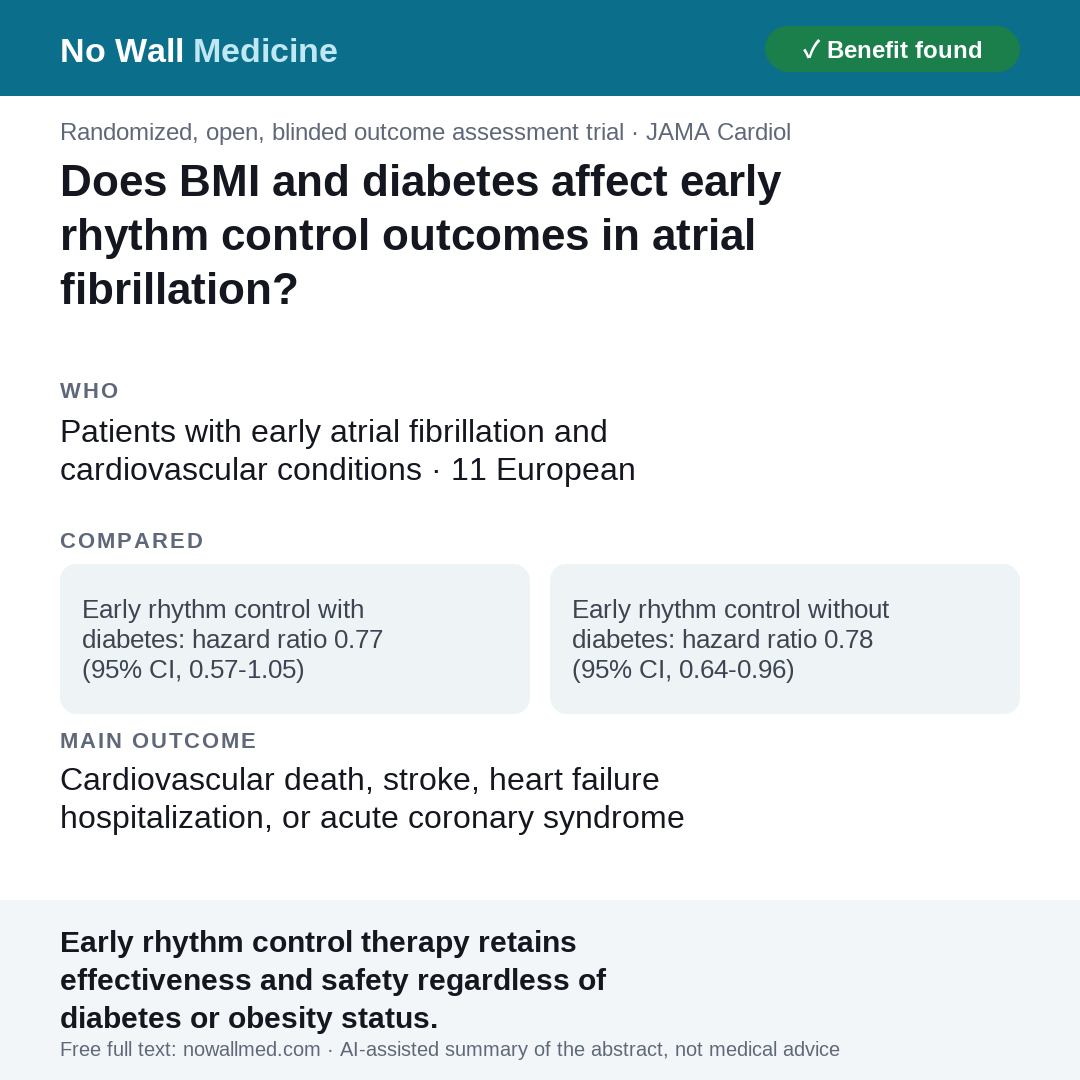
Diabetes and Obesity and Treatment Effect of Early Rhythm Control vs Usual Care in Patients With Atrial Fibrillation: A Secondary Analysis of the EAST-AFNET 4 Randomized Clinical Trial
Randomized, open, blinded outcome assessment trialBenefit found
Does BMI and diabetes affect early rhythm control outcomes in atrial fibrillation?
Who
Patients with early atrial fibrillation and cardiovascular conditions · 11 European countries
Compared
Early rhythm control with diabetes: hazard ratio 0.77 (95% CI, 0.57-1.05)
Early rhythm control without diabetes: hazard ratio 0.78 (95% CI, 0.64-0.96)
Main outcome
Cardiovascular death, stroke, heart failure hospitalization, or acute coronary syndrome
Result: hazard ratio 0.77 (95% CI, 0.57-1.05) vs 0.78 (95% CI, 0.64-0.96)
Bottom line: Early rhythm control therapy retains effectiveness and safety regardless of diabetes or obesity status.
Limitation: This is a prespecified secondary analysis of the EAST-AFNET 4 trial.
JAMA Cardiol · 2025-07-30Download image
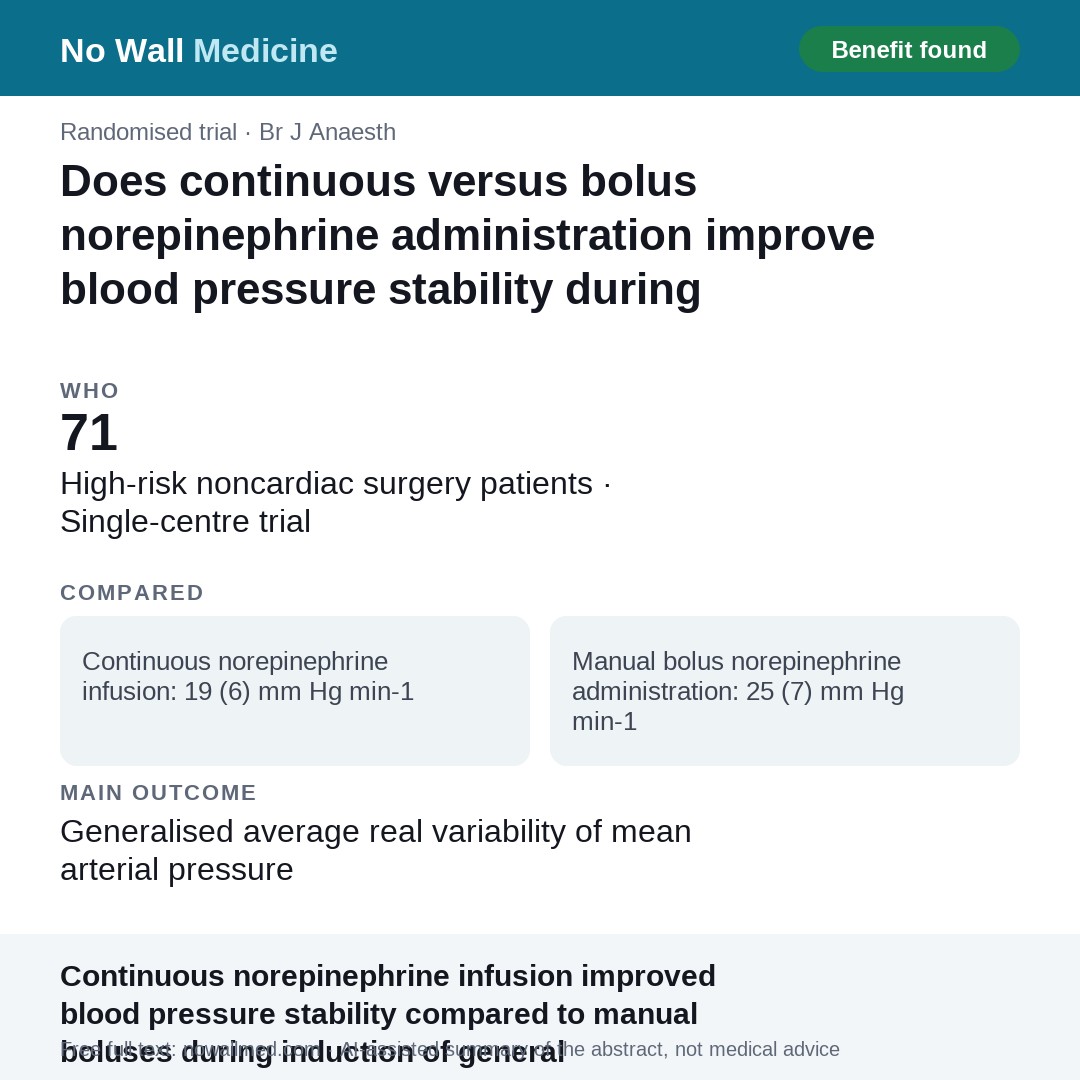
Continuous versus bolus norepinephrine administration and arterial blood pressure stability during induction of general anaesthesia in high-risk noncardiac surgery patients: a randomised trial
Randomised trialBenefit found
Does continuous versus bolus norepinephrine administration improve blood pressure stability during induction?
Who
71
High-risk noncardiac surgery patients · Single-centre trial
Compared
Continuous norepinephrine infusion: 19 (6) mm Hg min-1
Manual bolus norepinephrine administration: 25 (7) mm Hg min-1
Main outcome
Generalised average real variability of mean arterial pressure
Bottom line: Continuous norepinephrine infusion improved blood pressure stability compared to manual boluses during induction of general anaesthesia.
Br J Anaesth · 2025-07-30Download image
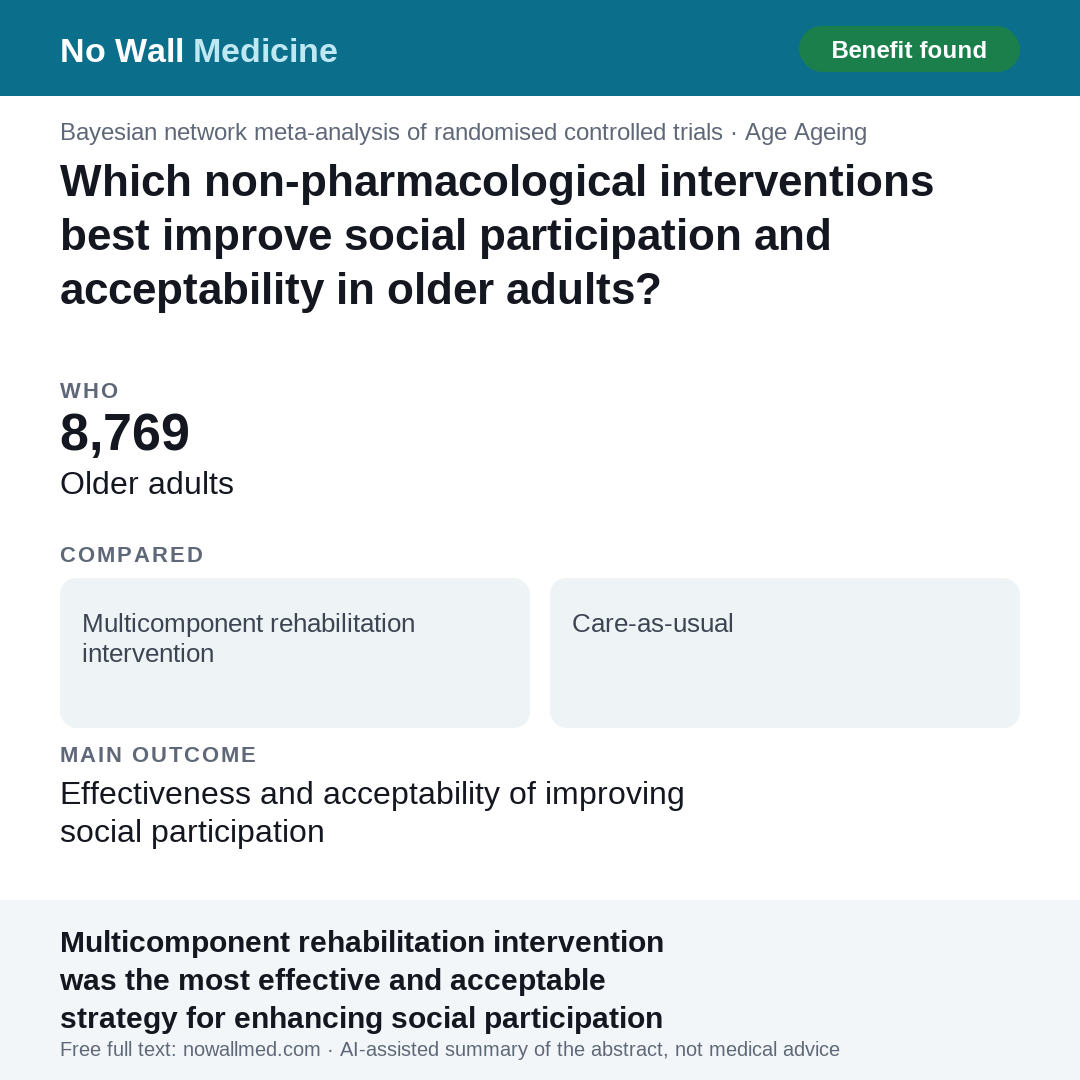
Comparative effectiveness and acceptability of non-pharmacological interventions on improving social participation among older adults: a Bayesian network meta-analysis of randomised controlled trials
Bayesian network meta-analysis of randomised controlled trialsBenefit found
Which non-pharmacological interventions best improve social participation and acceptability in older adults?
Who
8,769
Older adults
Compared
Multicomponent rehabilitation intervention
Care-as-usual
Main outcome
Effectiveness and acceptability of improving social participation
Result: Standardized Mean Differences ranged from 0.32 to 0.77
Bottom line: Multicomponent rehabilitation intervention was the most effective and acceptable strategy for enhancing social participation among older adults.
Limitation: Most comparisons were rated as moderate to low for the certainty of evidence.
Age Ageing · 2025-07-30Download image
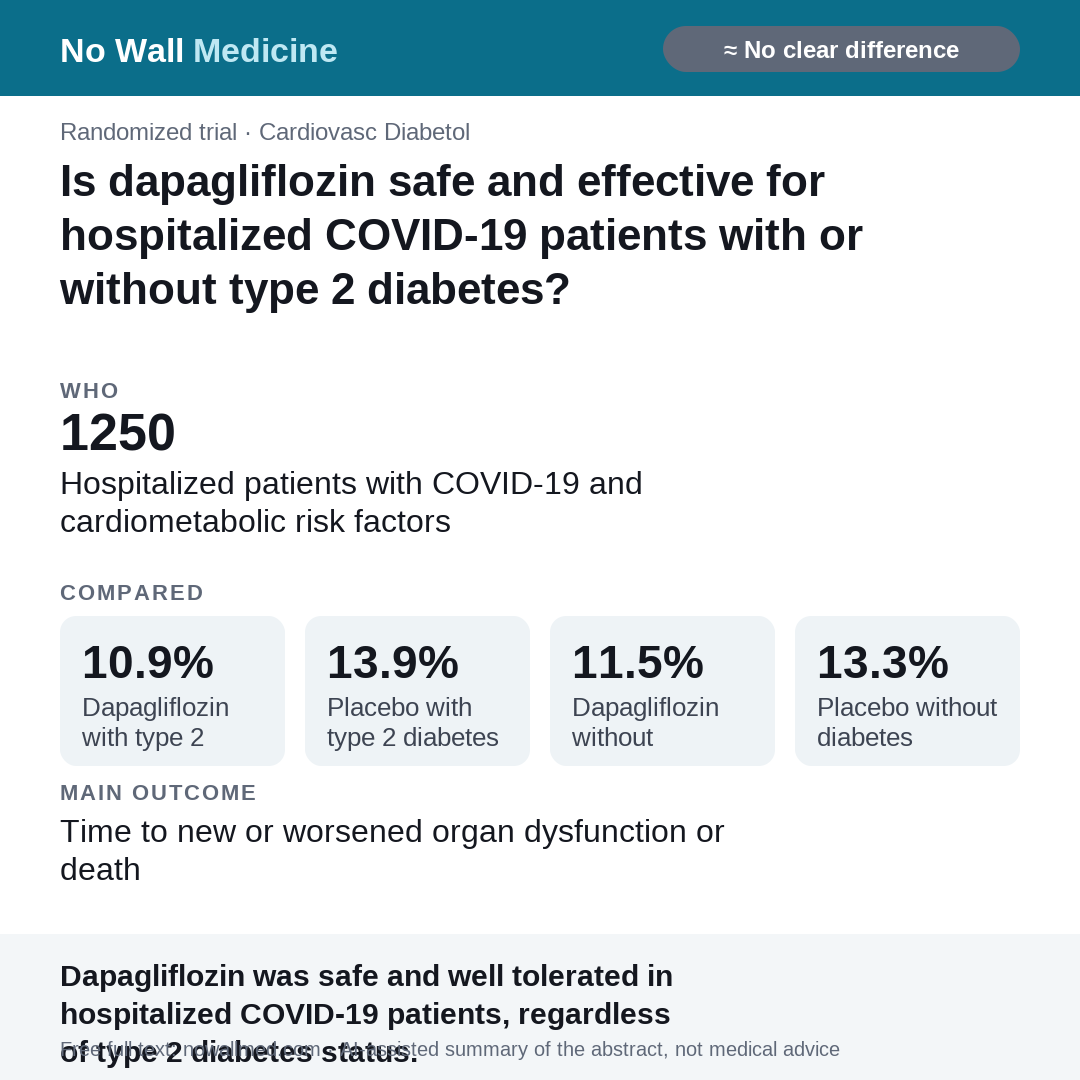
Efficacy and safety of dapagliflozin in patients hospitalized with COVID-19 with and without type 2 diabetes: a prespecified analysis of the DARE-19 randomized trial
Randomized trialNo clear difference
Is dapagliflozin safe and effective for hospitalized COVID-19 patients with or without type 2 diabetes?
Who
1250
Hospitalized patients with COVID-19 and cardiometabolic risk factors
Compared
10.9%Dapagliflozin with type 2 diabetes
13.9%Placebo with type 2 diabetes
11.5%Dapagliflozin without diabetes
13.3%Placebo without diabetes
Main outcome
Time to new or worsened organ dysfunction or death
Result: hazard ratio 0.76 (95% CI 0.49-1.18) in patients with type 2 diabetes
Bottom line: Dapagliflozin was safe and well tolerated in hospitalized COVID-19 patients, regardless of type 2 diabetes status.
Cardiovasc Diabetol · 2025-07-30Download image
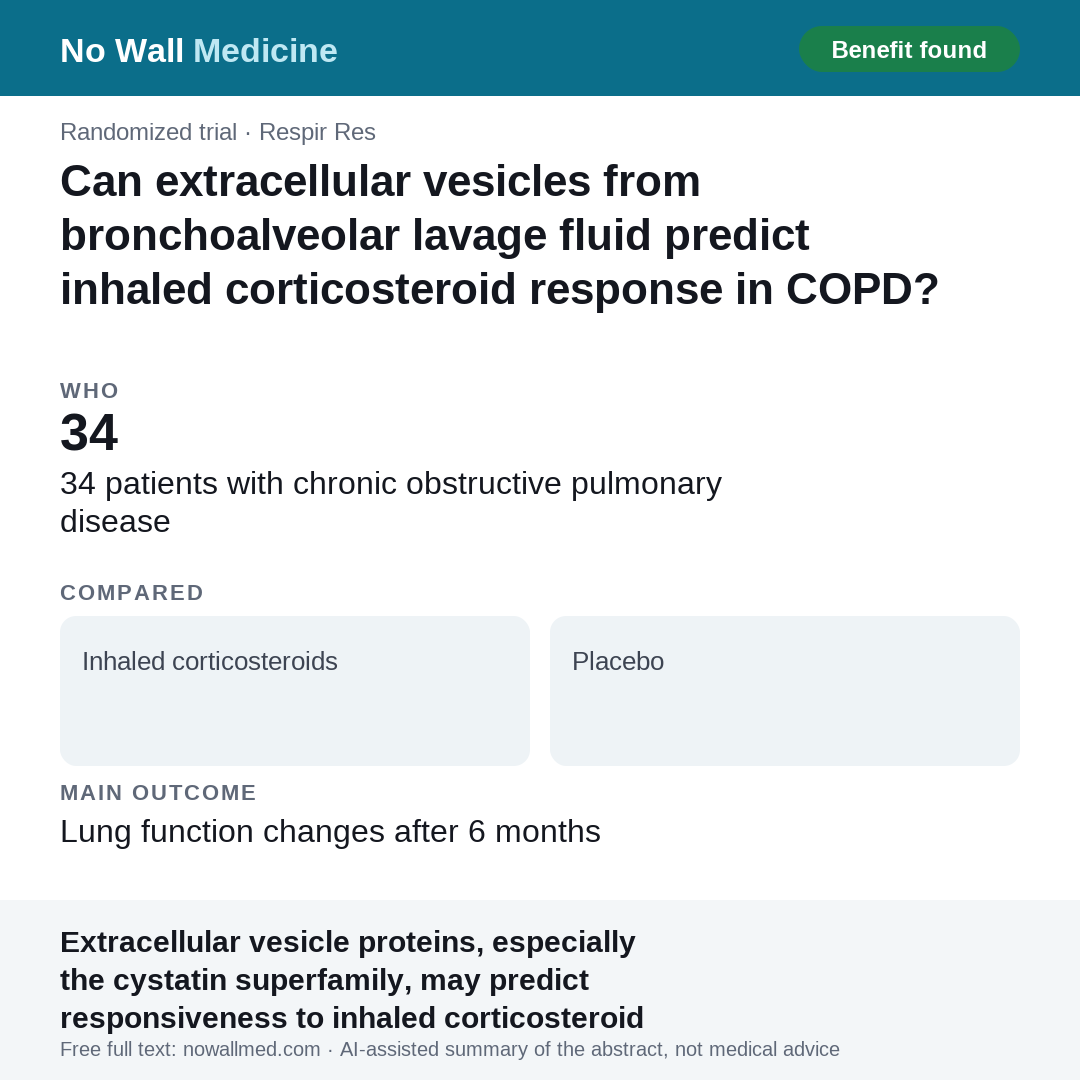
Extracellular vesicles from bronchoalveolar lavage fluid provide insights into the inhaled corticosteroids treatment response in COPD
Randomized trialBenefit found
Can extracellular vesicles from bronchoalveolar lavage fluid predict inhaled corticosteroid response in COPD?
Who
34
34 patients with chronic obstructive pulmonary disease
Compared
Inhaled corticosteroids
Placebo
Main outcome
Lung function changes after 6 months
Bottom line: Extracellular vesicle proteins, especially the cystatin superfamily, may predict responsiveness to inhaled corticosteroid treatment in COPD.
Respir Res · 2025-07-30Download image
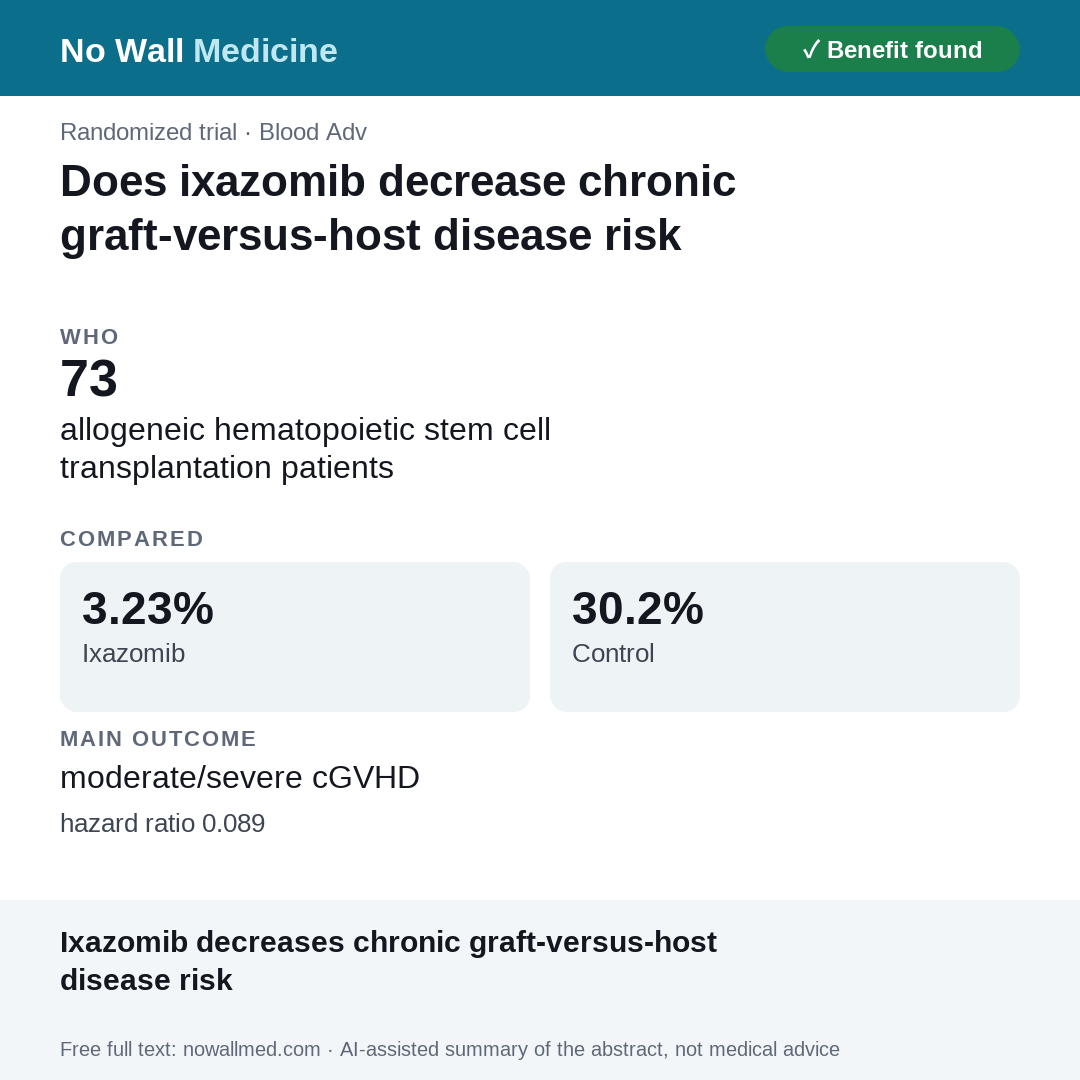
Ixazomib decreases the risk of chronic graft-versus-host disease: identification of cGVHD biomarkers
Randomized trialBenefit found
Does ixazomib decrease chronic graft-versus-host disease risk
Who
73
allogeneic hematopoietic stem cell transplantation patients
Compared
3.23%Ixazomib
30.2%Control
Main outcome
moderate/severe cGVHD
Result: hazard ratio 0.089
Bottom line: Ixazomib decreases chronic graft-versus-host disease risk
Blood Adv · 2025-07-30Download image
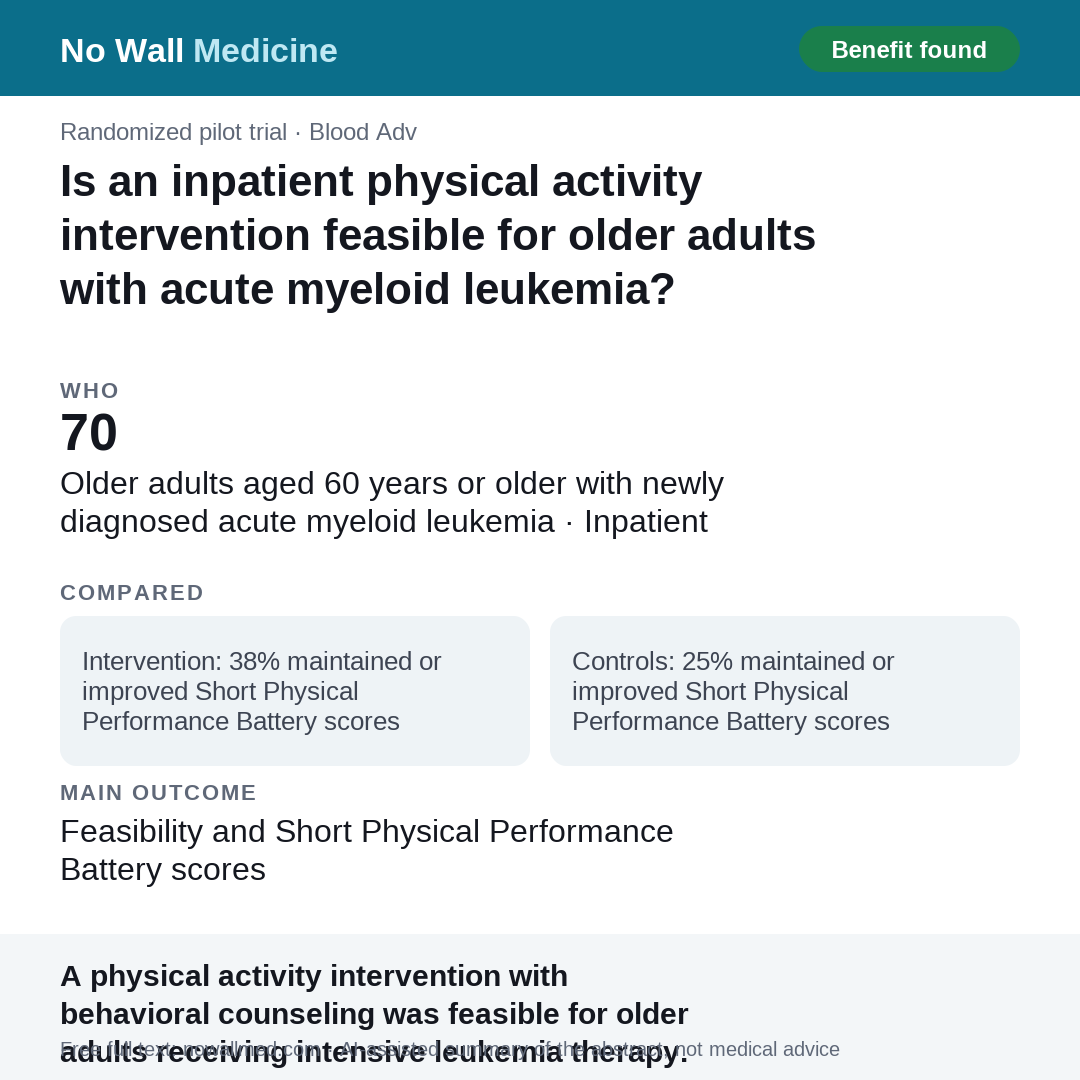
Pilot study of an inpatient physical activity intervention for older adults treated intensively for acute myeloid leukemia
Randomized pilot trialBenefit found
Is an inpatient physical activity intervention feasible for older adults with acute myeloid leukemia?
Who
70
Older adults aged 60 years or older with newly diagnosed acute myeloid leukemia · Inpatient hospitalization
Compared
Intervention: 38% maintained or improved Short Physical Performance Battery scores
Controls: 25% maintained or improved Short Physical Performance Battery scores
Main outcome
Feasibility and Short Physical Performance Battery scores
Bottom line: A physical activity intervention with behavioral counseling was feasible for older adults receiving intensive leukemia therapy.
Blood Adv · 2025-07-30Download image
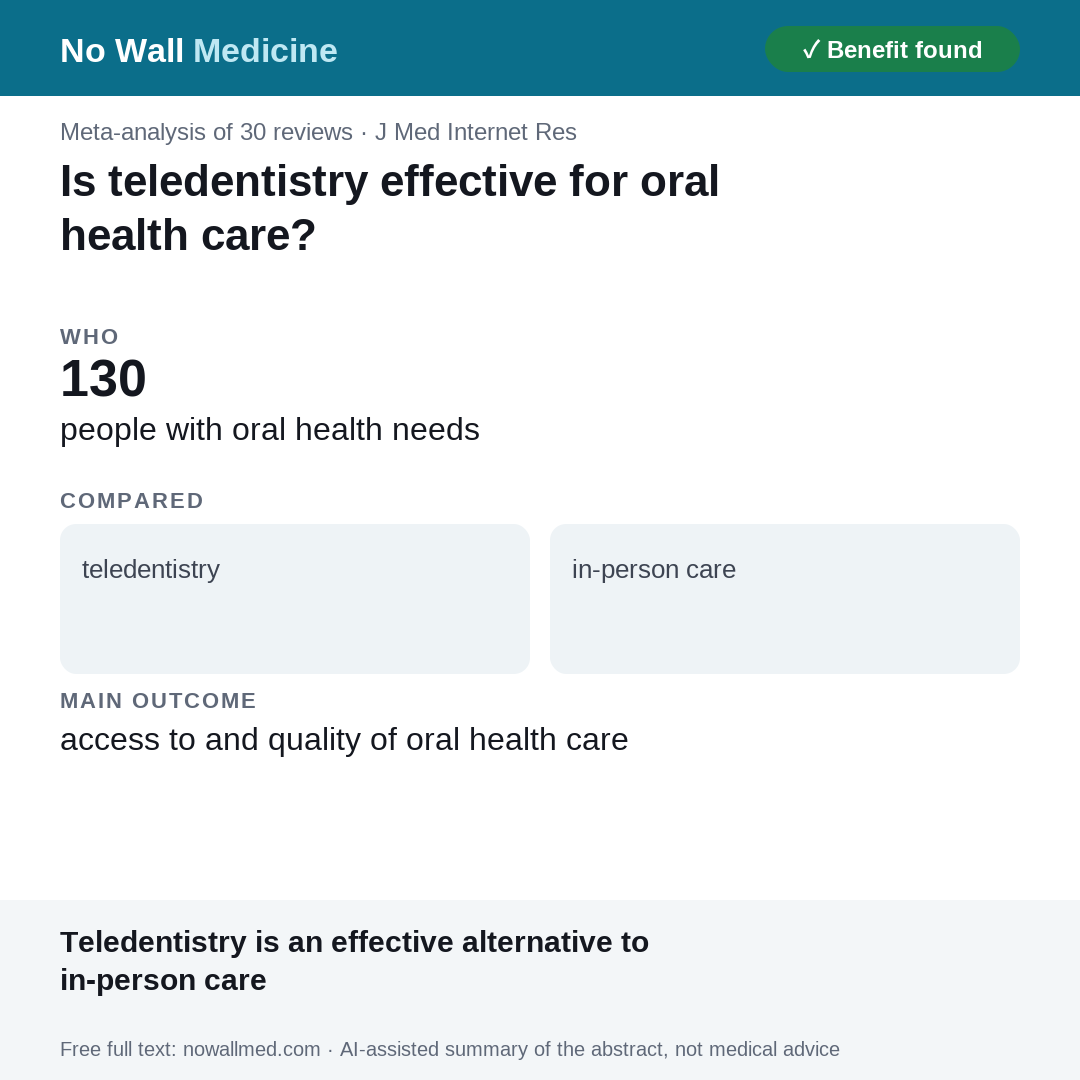
Teledentistry for Improving Access To, and Quality of Oral Health Care: Overview of Systematic Reviews and Meta-Analyses
Meta-analysis of 30 reviewsBenefit found
Is teledentistry effective for oral health care?
Who
130
people with oral health needs
Compared
teledentistry
in-person care
Main outcome
access to and quality of oral health care
Bottom line: Teledentistry is an effective alternative to in-person care
Limitation: low methodological quality of reviews
J Med Internet Res · 2025-07-30Download image
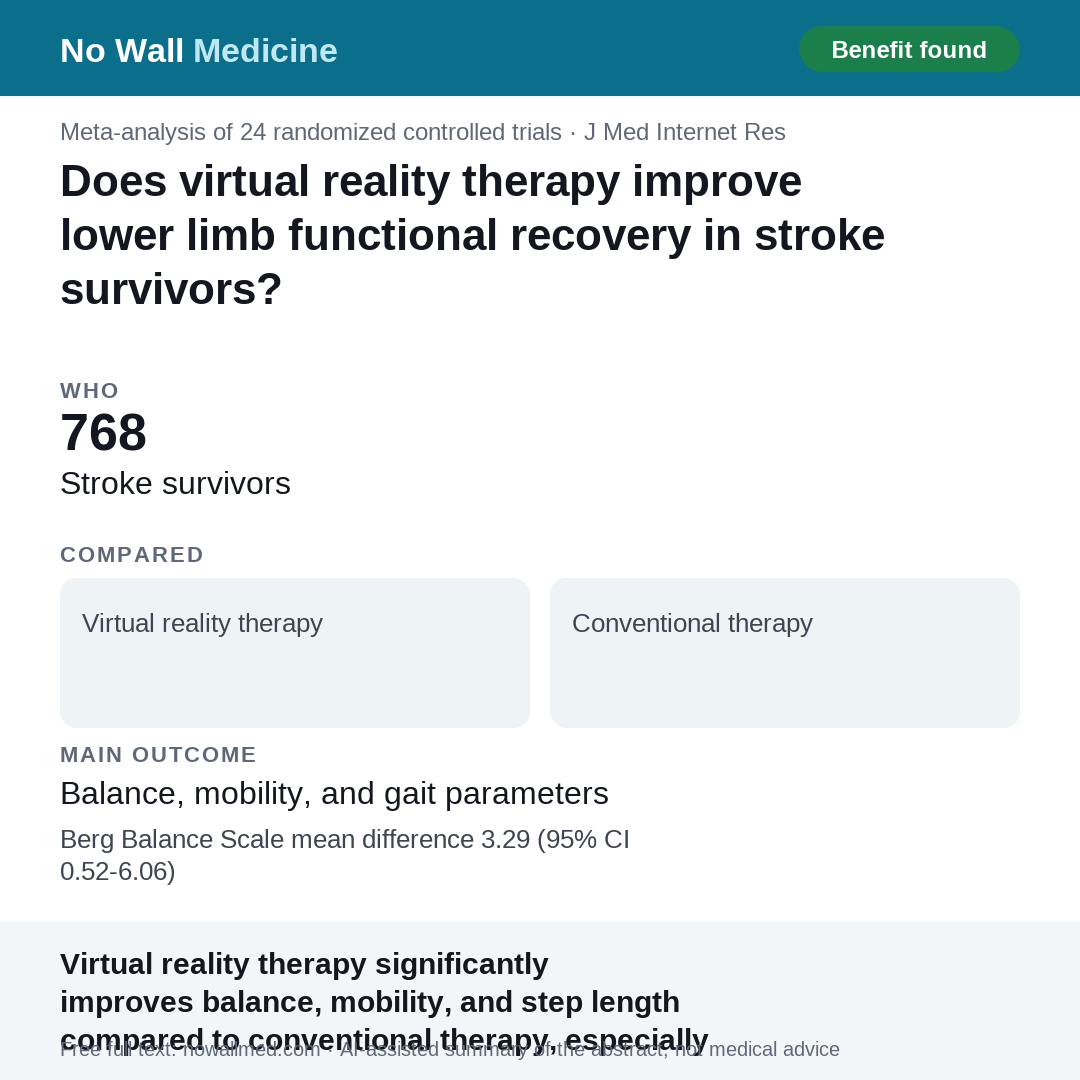
Effect of Virtual Reality-Based Therapies on Lower Limb Functional Recovery in Stroke Survivors: Systematic Review and Meta-Analysis
Meta-analysis of 24 randomized controlled trialsBenefit found
Does virtual reality therapy improve lower limb functional recovery in stroke survivors?
Who
768
Stroke survivors
Compared
Virtual reality therapy
Conventional therapy
Main outcome
Balance, mobility, and gait parameters
Result: Berg Balance Scale mean difference 3.29 (95% CI 0.52-6.06)
Bottom line: Virtual reality therapy significantly improves balance, mobility, and step length compared to conventional therapy, especially with 20 or more sessions.
J Med Internet Res · 2025-07-30Download image
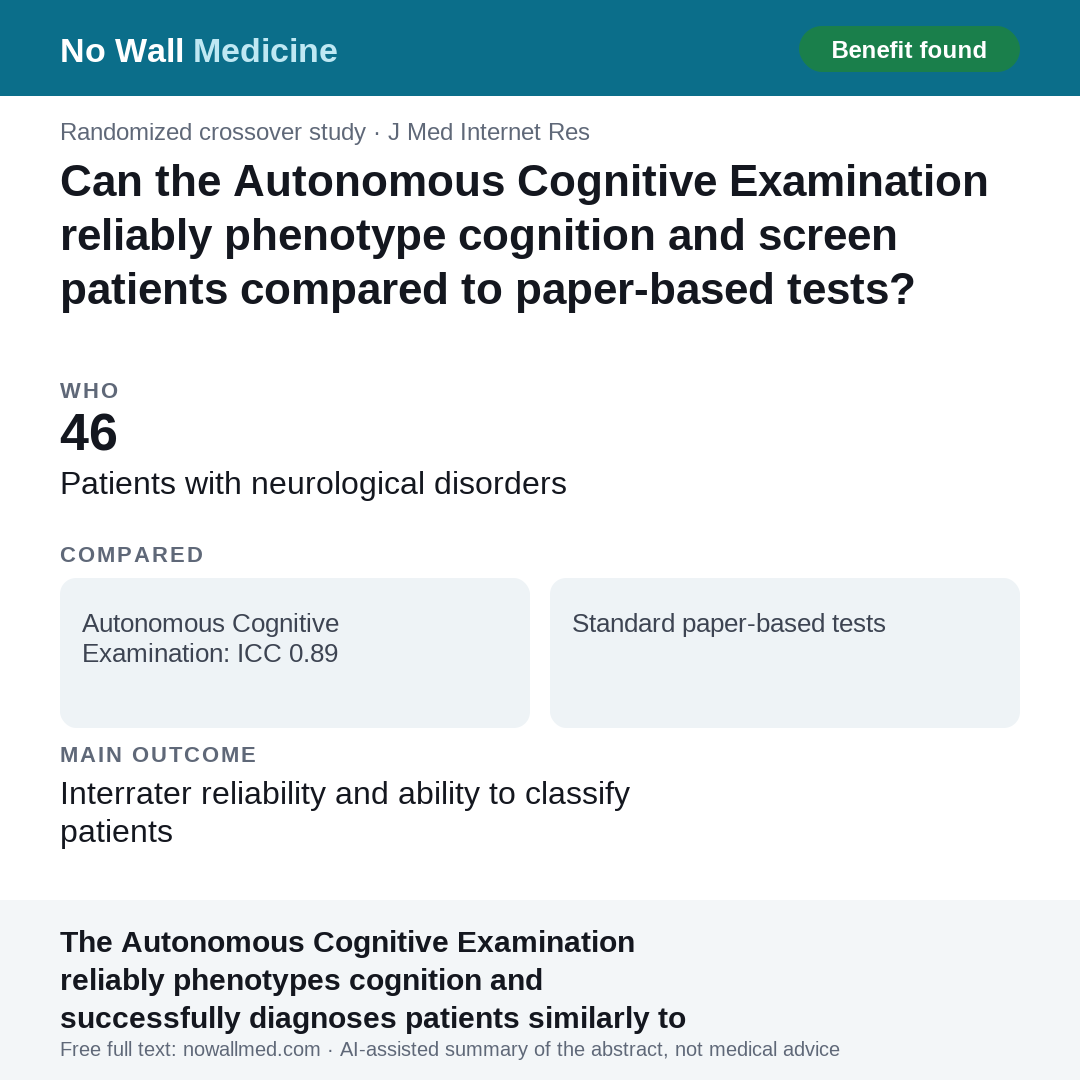
Machine Learning-Based Cognitive Assessment With The Autonomous Cognitive Examination: Randomized Controlled Trial
Randomized crossover studyBenefit found
Can the Autonomous Cognitive Examination reliably phenotype cognition and screen patients compared to paper-based tests?
Who
46
Patients with neurological disorders
Compared
Autonomous Cognitive Examination: ICC 0.89
Standard paper-based tests
Main outcome
Interrater reliability and ability to classify patients
Result: area under the receiver operating characteristic curve=0.96
Bottom line: The Autonomous Cognitive Examination reliably phenotypes cognition and successfully diagnoses patients similarly to standard paper-based tests.
J Med Internet Res · 2025-07-30Download image
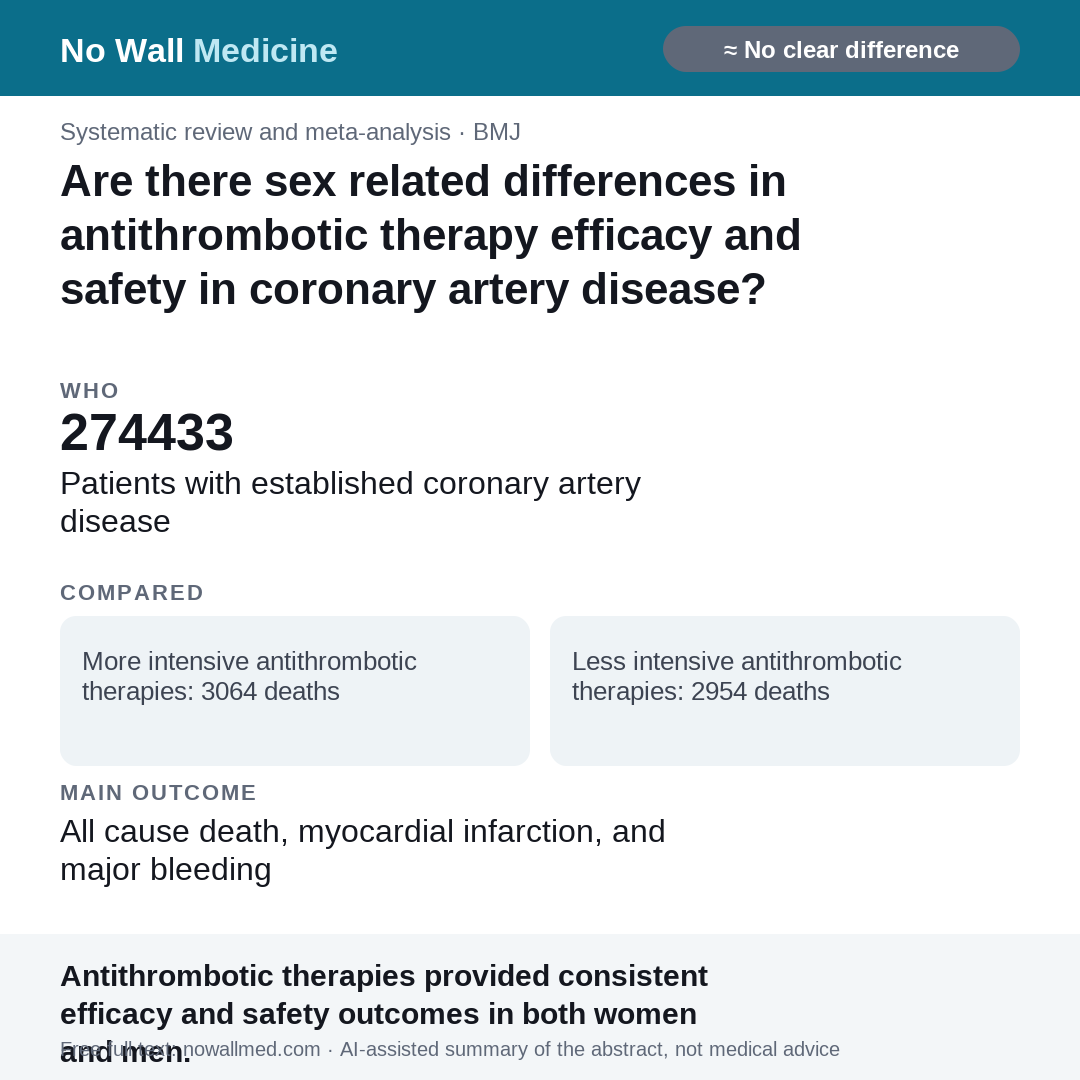
Sex related differences in efficacy and safety of antithrombotic therapy in patients with coronary artery disease: systematic review and meta-analysis
Systematic review and meta-analysisNo clear difference
Are there sex related differences in antithrombotic therapy efficacy and safety in coronary artery disease?
Who
274433
Patients with established coronary artery disease
Compared
More intensive antithrombotic therapies: 3064 deaths
Less intensive antithrombotic therapies: 2954 deaths
Main outcome
All cause death, myocardial infarction, and major bleeding
Result: interaction hazard ratio 1.06 (95% CI 0.94 to 1.19) for death
Bottom line: Antithrombotic therapies provided consistent efficacy and safety outcomes in both women and men.
BMJ · 2025-07-29Download image
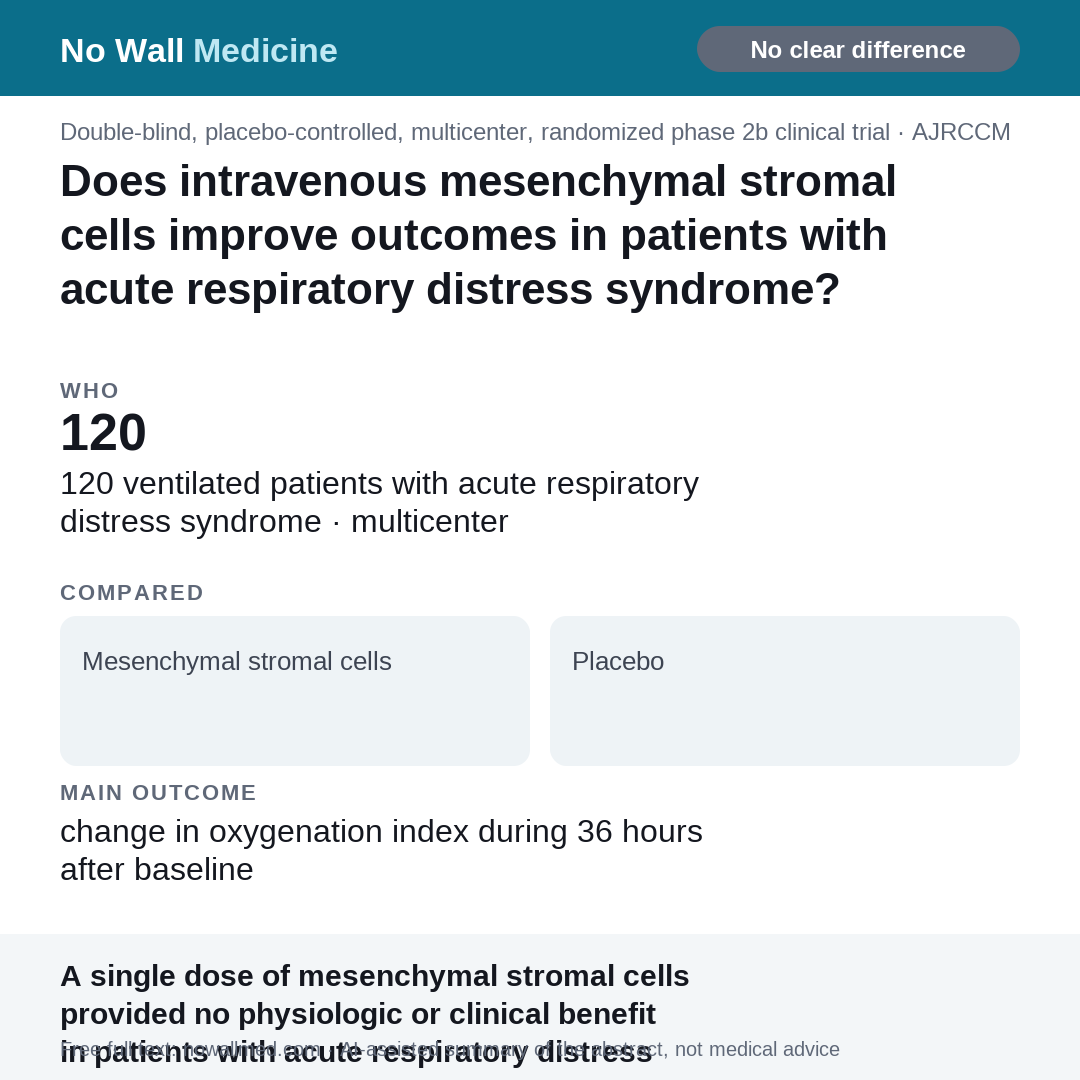
Treatment with Allogeneic Mesenchymal Stromal Cells for Moderate to Severe Acute Respiratory Distress Syndrome: A Double-Blind, Placebo-controlled, Multicenter Phase 2b Clinical Trial (STAT)
Double-blind, placebo-controlled, multicenter, randomized phase 2b clinical trialNo clear difference
Does intravenous mesenchymal stromal cells improve outcomes in patients with acute respiratory distress syndrome?
Who
120
120 ventilated patients with acute respiratory distress syndrome · multicenter
Compared
Mesenchymal stromal cells
Placebo
Main outcome
change in oxygenation index during 36 hours after baseline
Bottom line: A single dose of mesenchymal stromal cells provided no physiologic or clinical benefit in patients with acute respiratory distress syndrome.
AJRCCM · 2025-07-29Download image
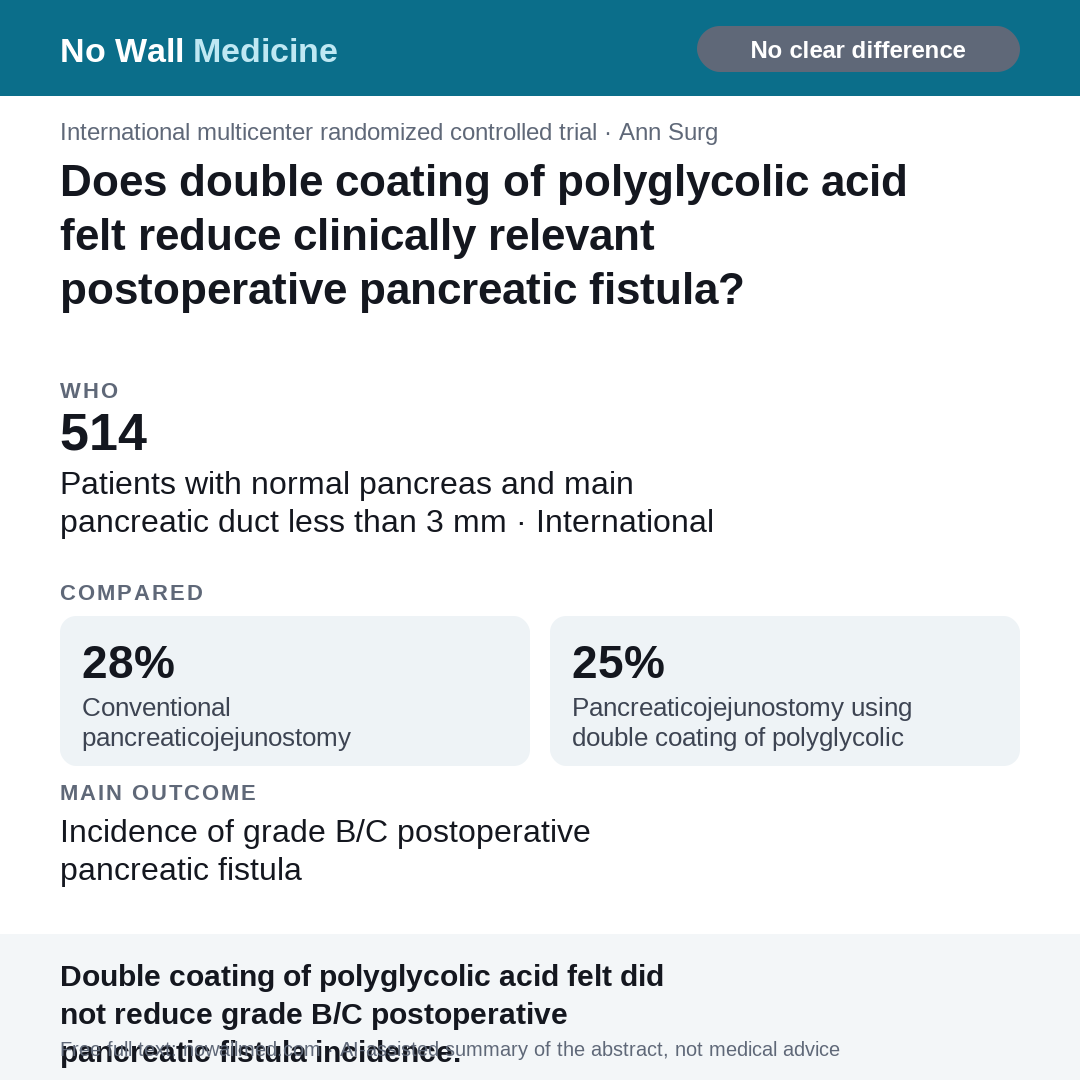
Effect of Double Layer Polyglycolic Acid Felt for Reducing Pancreatic Fistula After Pancreatoduodenectomy: Results of a Multicenter Randomized Control Trial (PLANET-PJ trial)
International multicenter randomized controlled trialNo clear difference
Does double coating of polyglycolic acid felt reduce clinically relevant postoperative pancreatic fistula?
Who
514
Patients with normal pancreas and main pancreatic duct less than 3 mm · International multicenter
Compared
28%Conventional pancreaticojejunostomy
25%Pancreaticojejunostomy using double coating of polyglycolic acid felt
Main outcome
Incidence of grade B/C postoperative pancreatic fistula
Result: adjusted odds ratio 0.97 (95% CI 0.90-1.05)
Bottom line: Double coating of polyglycolic acid felt did not reduce grade B/C postoperative pancreatic fistula incidence.
Ann Surg · 2025-07-29Download image