Visual abstracts
New randomized trials and meta-analyses from leading journals at a glance: who was studied, what was compared, and what was found. Every paper is free to read in full.
All specialtiesCardiology 4763Oncology 4043Gastroenterology & Hepatology 1903Infectious Disease 3756Neurology 1872Psychiatry & Mental Health 2216Pulmonology 2044Critical Care 1319Endocrinology & Diabetes 2544Pediatrics 2889Surgery 2480Orthopedics & Sports Medicine 917Neurosurgery 525Cardiothoracic & Vascular Surgery 656Plastic & Reconstructive Surgery 574Nephrology 1107Rheumatology 810Hematology 1090Dermatology 611Ophthalmology 532Obstetrics & Gynecology 1645Public & Global Health 1037Radiology & Imaging 619Anesthesiology 958Urology 745ENT (Otolaryngology) 494Emergency Medicine 481Allergy & Immunology 309Geriatrics 972Family Medicine & Primary Care 534Medical Genetics & Genomics 659Pathology & Laboratory Medicine 156Physical Medicine & Rehabilitation 734Palliative Care 421Nutrition 1560Digital Health & AI 2137General Medicine 318
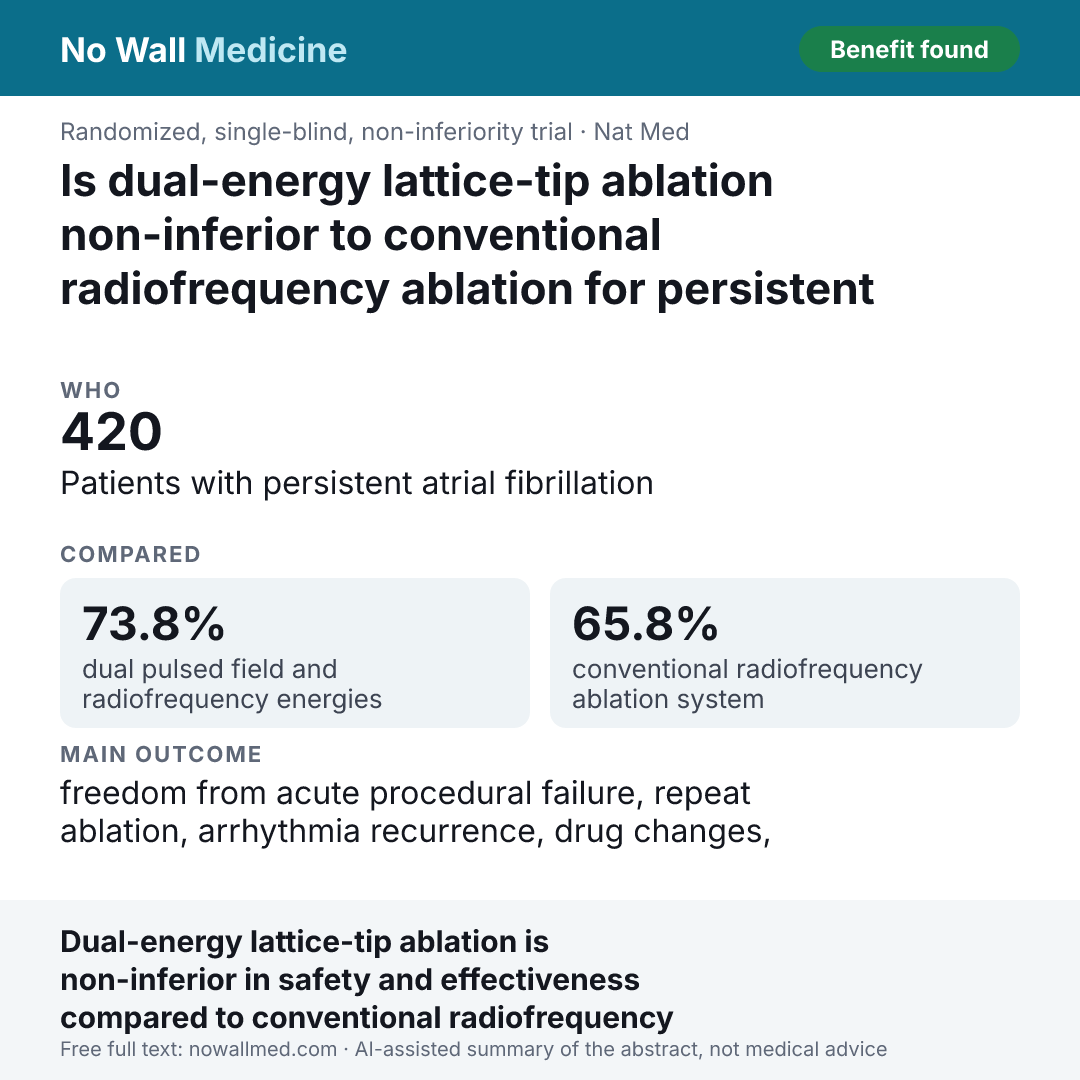
Dual-energy lattice-tip ablation system for persistent atrial fibrillation: a randomized trial
Randomized, single-blind, non-inferiority trialBenefit found
Is dual-energy lattice-tip ablation non-inferior to conventional radiofrequency ablation for persistent atrial fibrillation?
Who
420
Patients with persistent atrial fibrillation
Compared
73.8%dual pulsed field and radiofrequency energies
65.8%conventional radiofrequency ablation system
Main outcome
freedom from acute procedural failure, repeat ablation, arrhythmia recurrence, drug changes, or cardioversion
Result: P < 0.0001 for non-inferiority
Bottom line: Dual-energy lattice-tip ablation is non-inferior in safety and effectiveness compared to conventional radiofrequency ablation for persistent atrial fibrillation.
Nat Med · 2024-05-17 · Save PNG
Assessing safety and efficacy of a novel glucose-free amino acid oral rehydration solution for watery diarrhea management in children: a randomized, controlled, phase III trial
Triple-blind, randomized trialNo clear difference
Is VS002A safe and effective compared to WHO-ORS for acute watery diarrhoea?
Who
310
Male infants and children aged 6-36 months
Compared
VS002A: 65.4 h
WHO-ORS: 72.6 h
Main outcome
duration of diarrhoea
Bottom line: VS002A is a safe and effective glucose-free alternative to standard WHO-ORS for treating acute watery diarrhoea in children.
Funded by: Entrinsic Bioscience, LLC.
eClinicalMedicine · 2024-05-17 · Save PNG

Restarting pre-exposure prophylaxis (PrEP) for HIV: a systematic review and meta-analysis
Systematic review and meta-analysisMixed results
What proportion of individuals who stopped HIV pre-exposure prophylaxis restart it?
Who
85,683
People who stopped HIV pre-exposure prophylaxis · High-income countries and the USA
Compared
23.8%Overall proportion restarting (95% CI: 15.9-32.7)
Middle-income countries vs high-income: aOR 0.6 (95% CI: 0.50-0.73)
Africa vs USA: aOR 1.55 (95% CI: 1.30-1.86)
Main outcome
Proportion of people who stopped and then restarted pre-exposure prophylaxis
Result: 23.8% (95% CI: 15.9-32.7)
Bottom line: About a quarter of people who stopped pre-exposure prophylaxis restart it, with significant variation across different populations and countries.
Limitation: Observational studies had potential risk of bias regarding confounders and incomplete follow-up.
Funded by: Australian National Health and Medical Research Council
eClinicalMedicine · 2024-05-17 · Save PNG

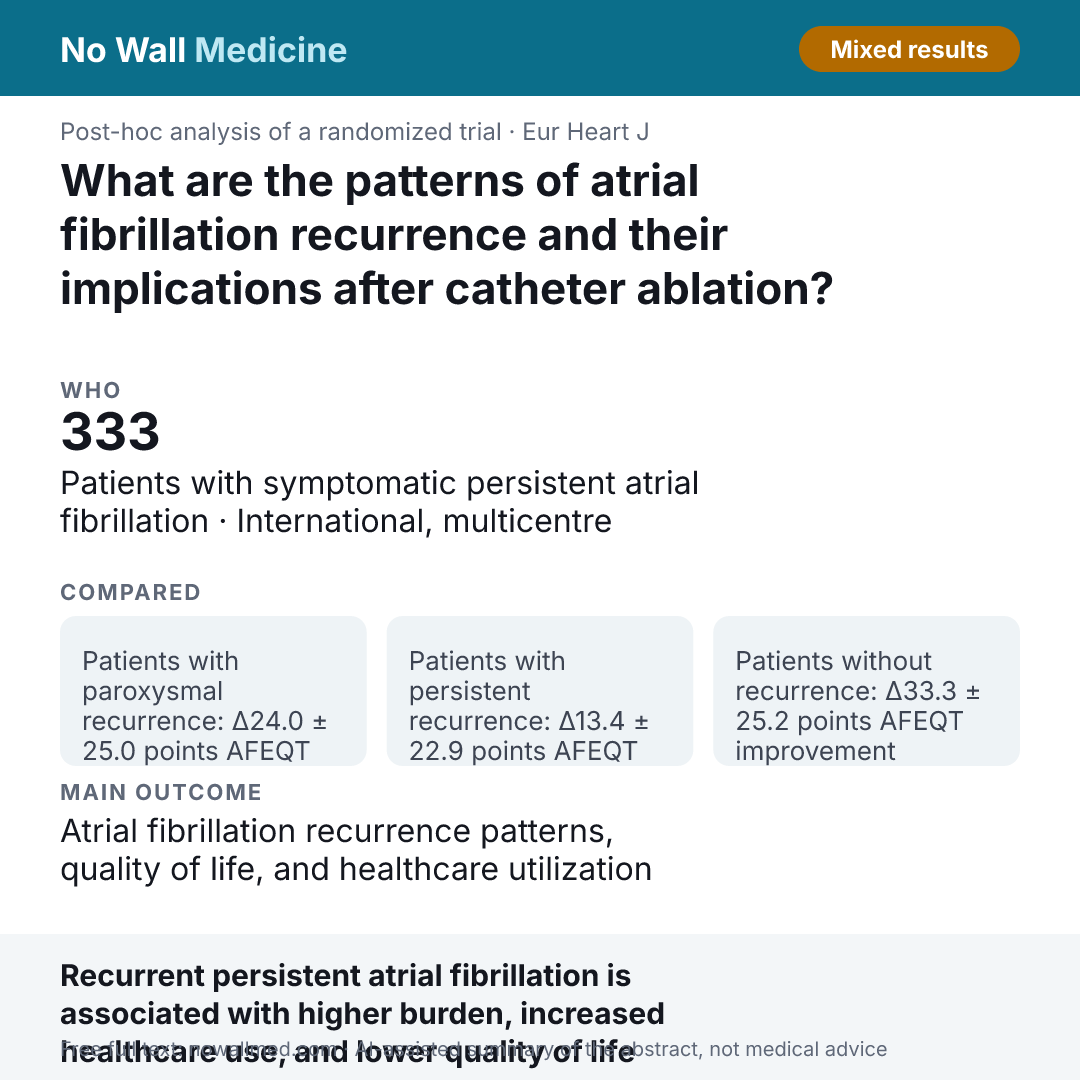
Catheter ablation for persistent atrial fibrillation: patterns of recurrence and impact on quality of life and health care utilization
Post-hoc analysis of a randomized trialMixed results
What are the patterns of atrial fibrillation recurrence and their implications after catheter ablation?
Who
333
Patients with symptomatic persistent atrial fibrillation · International, multicentre study
Compared
Patients with paroxysmal recurrence: Δ24.0 ± 25.0 points AFEQT improvement
Patients with persistent recurrence: Δ13.4 ± 22.9 points AFEQT improvement
Patients without recurrence: Δ33.3 ± 25.2 points AFEQT improvement
Main outcome
Atrial fibrillation recurrence patterns, quality of life, and healthcare utilization
Bottom line: Recurrent persistent atrial fibrillation is associated with higher burden, increased healthcare use, and lower quality of life improvements.
Eur Heart J · 2024-05-17 · Save PNG
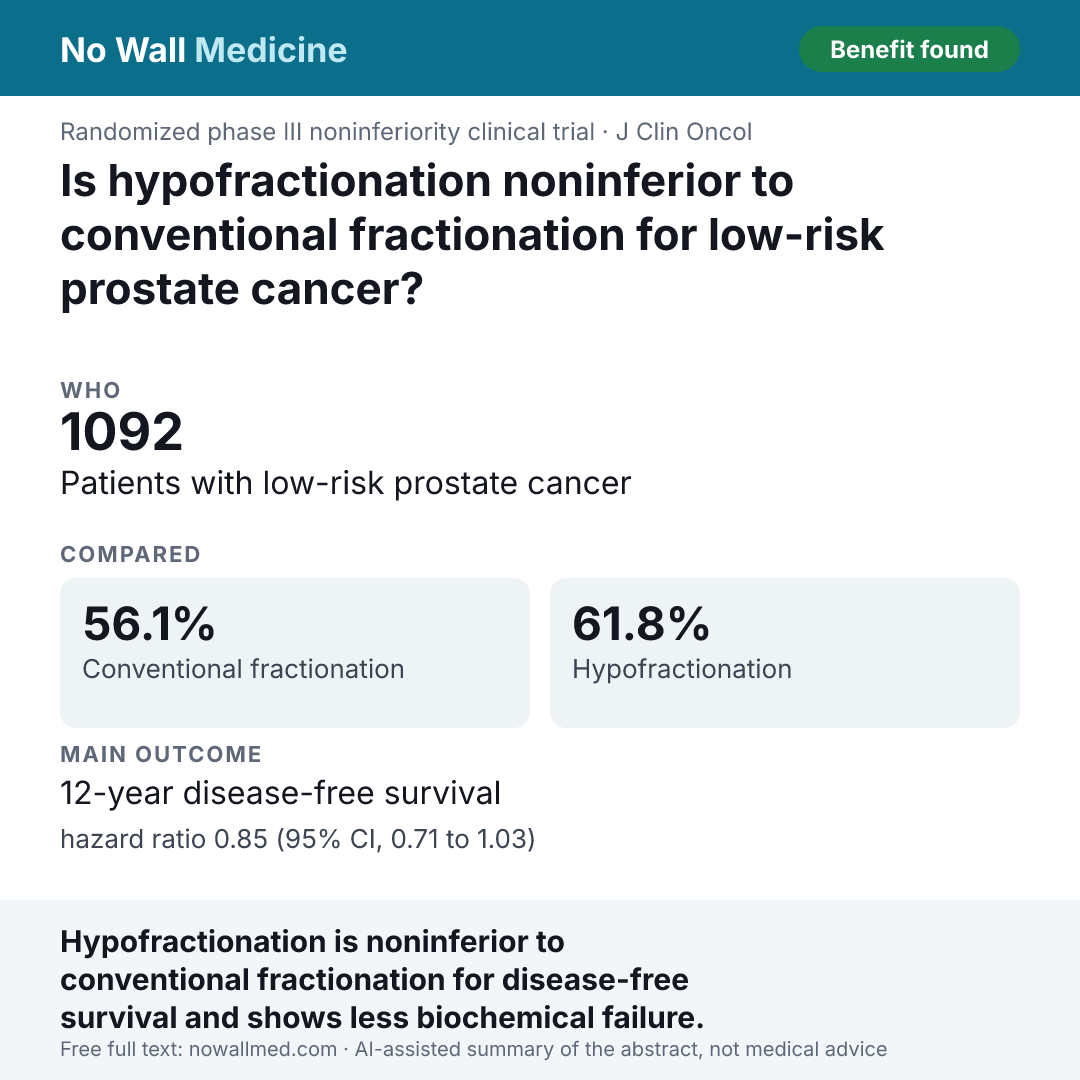
Long-Term Analysis of NRG Oncology RTOG 0415: A Randomized Phase III Noninferiority Study Comparing Two Fractionation Schedules in Patients With Low-Risk Prostate Cancer
Randomized phase III noninferiority clinical trialBenefit found
Is hypofractionation noninferior to conventional fractionation for low-risk prostate cancer?
Who
1092
Patients with low-risk prostate cancer
Compared
56.1%Conventional fractionation (95% CI, 51.5 to 60.5)
61.8%Hypofractionation (95% CI, 57.2 to 66.0)
Main outcome
12-year disease-free survival
Result: hazard ratio 0.85 (95% CI, 0.71 to 1.03)
Bottom line: Hypofractionation is noninferior to conventional fractionation for disease-free survival and shows less biochemical failure.
J Clin Oncol · 2024-05-17 · Save PNG
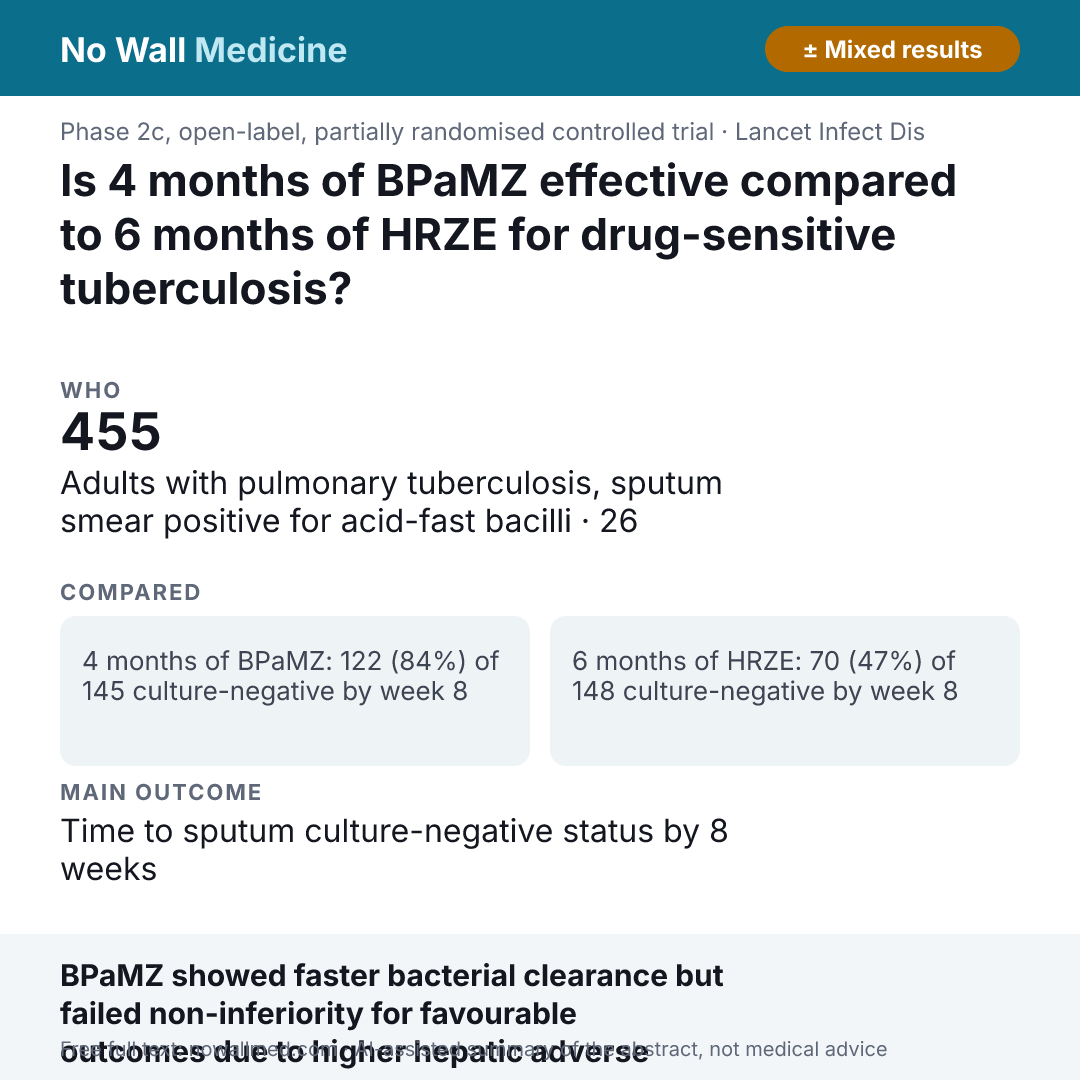
Bedaquiline-pretomanid-moxifloxacin-pyrazinamide for drug-sensitive and drug-resistant pulmonary tuberculosis treatment: a phase 2c, open-label, multicentre, partially randomised controlled trial
Phase 2c, open-label, partially randomised controlled trialMixed results
Is 4 months of BPaMZ effective compared to 6 months of HRZE for drug-sensitive tuberculosis?
Who
455
Adults with pulmonary tuberculosis, sputum smear positive for acid-fast bacilli · 26 sites in eight countries
Compared
4 months of BPaMZ: 122 (84%) of 145 culture-negative by week 8
6 months of HRZE: 70 (47%) of 148 culture-negative by week 8
Main outcome
Time to sputum culture-negative status by 8 weeks
Result: hazard ratio 2.93 (95% CI 2.17 to 3.96)
Bottom line: BPaMZ showed faster bacterial clearance but failed non-inferiority for favourable outcomes due to higher hepatic adverse events.
Limitation: Higher withdrawal rates for adverse hepatic events prevented meeting the non-inferiority margin for the key secondary endpoint.
Lancet Infect Dis · 2024-05-17 · Save PNG
Specialist physiotherapy for functional motor disorder in England and Scotland (Physio4FMD): a pragmatic, multicentre, phase 3 randomised controlled trial
Pragmatic, multicentre, phase 3 randomised controlled trialNo clear difference
Is specialist physiotherapy effective for functional motor disorder compared to treatment as usual?
Who
355
Adults with a clinically definite diagnosis of functional motor disorder · 11 hospitals in England and Scotland
Compared
Specialist physiotherapy
Treatment as usual
Main outcome
Physical functioning domain of the 36-item short form health questionnaire
Result: adjusted mean difference 3·5, 95% CI -2·3 to 9·3
Bottom line: Specialist physiotherapy did not result in better self-reported physical functioning at 12 months compared to treatment as usual.
Funded by: National Institute for Health and Care Research and Health Technology Assessment Programme
Lancet Neurol · 2024-05-17 · Save PNG

Very young and advanced maternal age strongly elevates the occurrence of nonchromosomal congenital anomalies: a systematic review and meta-analysis of population-based studies
Systematic review and meta-analysis of population-based studiesKey finding
How does maternal age affect the incidence of nonchromosomal congenital anomalies?
Who
Pregnant women in population-based studies assessing maternal age impact
Compared
Maternal age >35: RR: 1.31, CI: 1.07 -1.61
Maternal age >40: RR: 1.44, CI: 1.25 -1.66
Mothers <20: RR: 3.08, CI: 2.74 -3.47
Main outcome
Incidence of nonchromosomal congenital anomalies
Result: RR: 1.31, CI: 1.07 -1.61 for age >35
Bottom line: Both very young and advanced maternal ages were linked to increased nonchromosomal congenital anomalies.
AJOG · 2024-05-17 · Save PNG

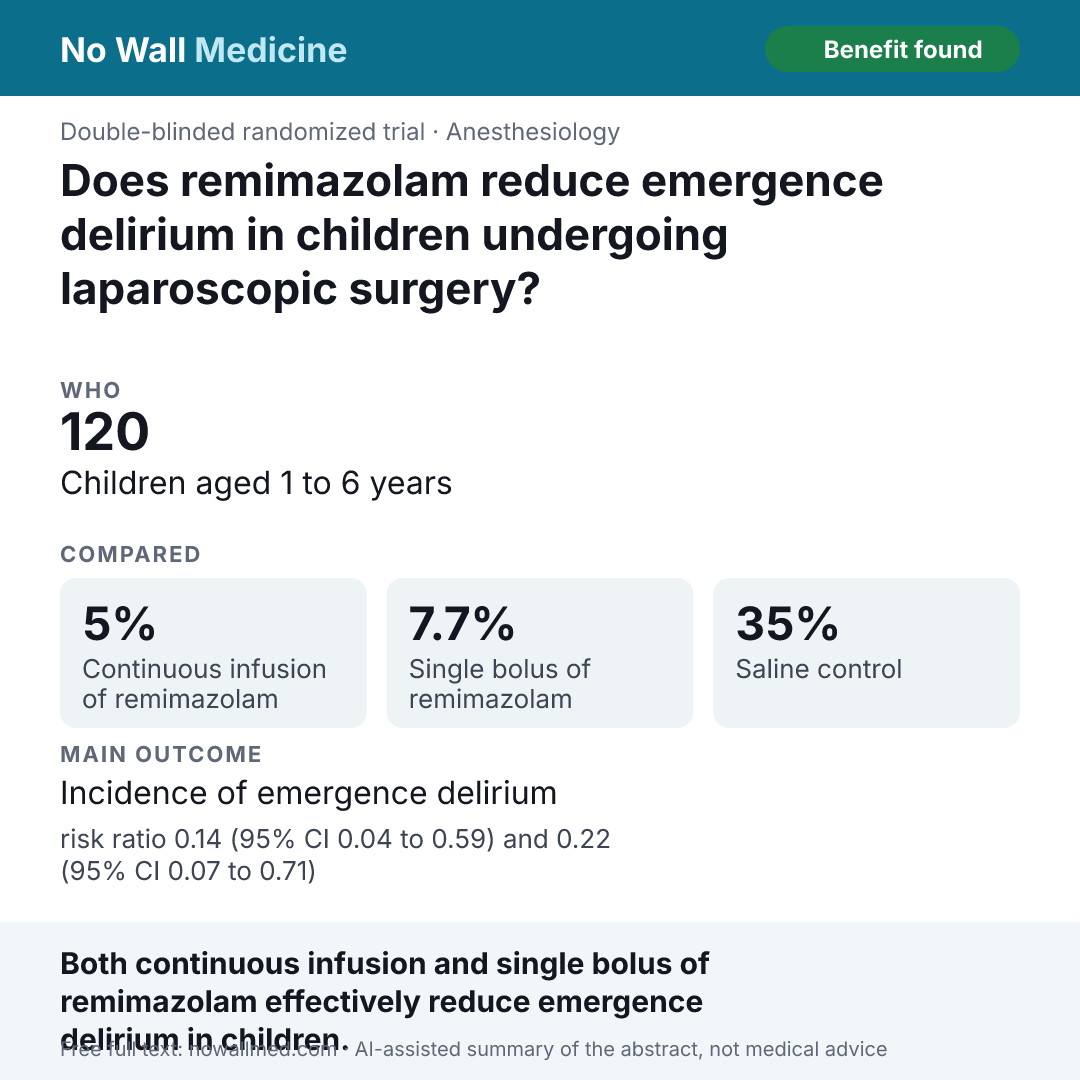
Effect of Remimazolam on Emergence Delirium in Children Undergoing Laparoscopic Surgery: A Double-blinded Randomized Trial
Double-blinded randomized trialBenefit found
Does remimazolam reduce emergence delirium in children undergoing laparoscopic surgery?
Who
120
Children aged 1 to 6 years
Compared
5%Continuous infusion of remimazolam (2/40)
7.7%Single bolus of remimazolam (3/39)
35%Saline control (14/40)
Main outcome
Incidence of emergence delirium
Result: risk ratio 0.14 (95% CI 0.04 to 0.59) and 0.22 (95% CI 0.07 to 0.71)
Bottom line: Both continuous infusion and single bolus of remimazolam effectively reduce emergence delirium in children.
Anesthesiology · 2024-05-17 · Save PNG
Tenofovir, emtricitabine, lamivudine and dolutegravir concentrations in plasma and urine following drug intake cessation in a randomized controlled directly observed pharmacokinetic trial to aid point-of-care testing
Randomized controlled directly observed pharmacokinetic trialMixed results
What are the plasma and urine drug concentrations following drug intake cessation?
Who
29
30 individuals (72% female at birth, 90% Caucasian)
Compared
Dolutegravir, emtricitabine, and tenofovir alafenamide
Dolutegravir, lamivudine, and tenofovir disoproxil fumarate
Main outcome
Plasma and urine drug concentrations following drug cessation
Bottom line: Urinary tenofovir thresholds can mark missed doses, but dolutegravir urine concentrations only reflect recent intake.
Limitation: Low dolutegravir concentrations in urine limit point-of-care testing to recent intake.
J Antimicrob Chemother · 2024-05-17 · Save PNG

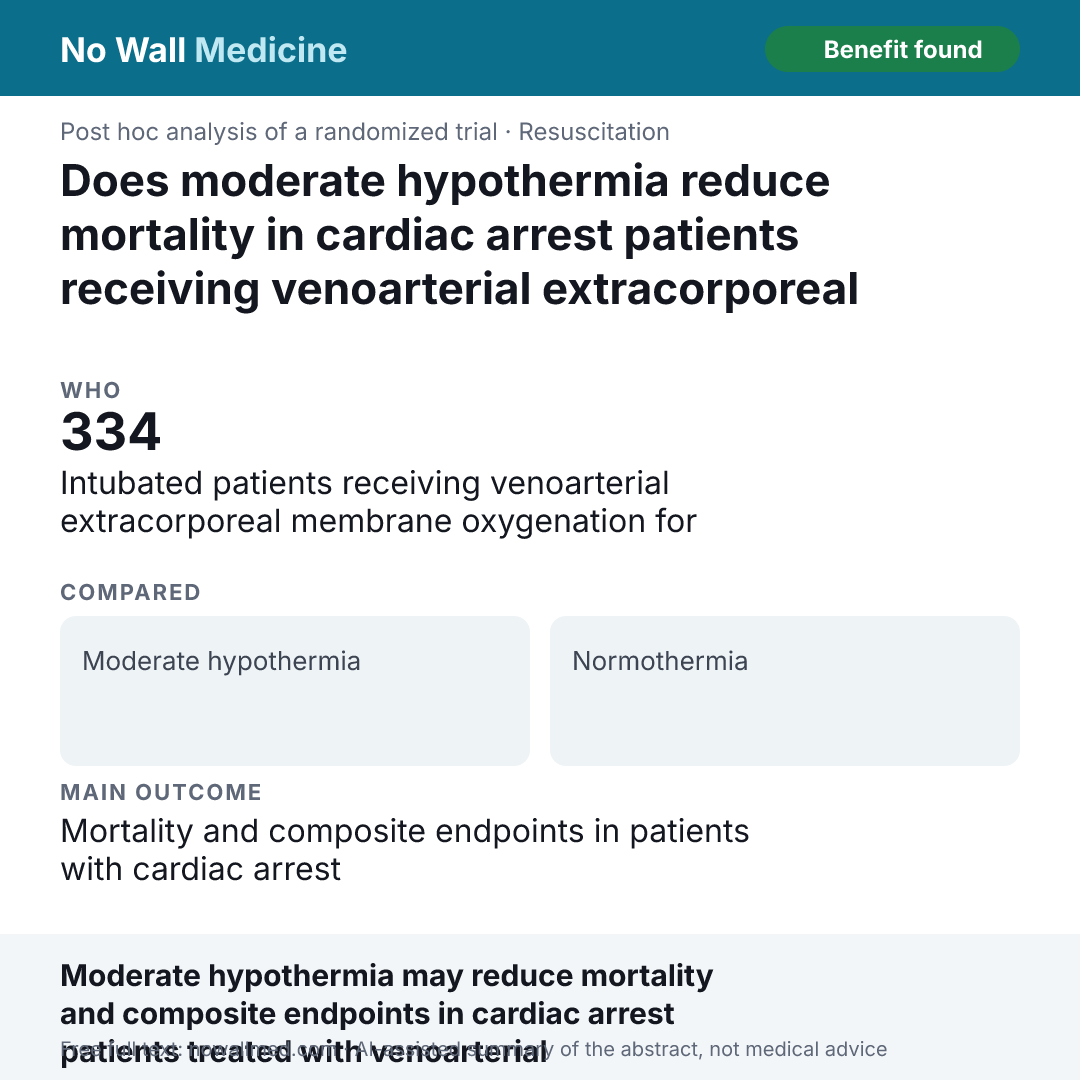
Hypothermia in patients with cardiac arrest prior to ECMO-VA: Insight from the HYPO-ECMO trial
Post hoc analysis of a randomized trialBenefit found
Does moderate hypothermia reduce mortality in cardiac arrest patients receiving venoarterial extracorporeal membrane oxygenation?
Who
334
Intubated patients receiving venoarterial extracorporeal membrane oxygenation for cardiogenic shock · 20 French cardiac shock care centers
Compared
Moderate hypothermia
Normothermia
Main outcome
Mortality and composite endpoints in patients with cardiac arrest
Result: risk difference -13.3% [-16.3 to -0.3%]
Bottom line: Moderate hypothermia may reduce mortality and composite endpoints in cardiac arrest patients treated with venoarterial extracorporeal membrane oxygenation.
Resuscitation · 2024-05-17 · Save PNG
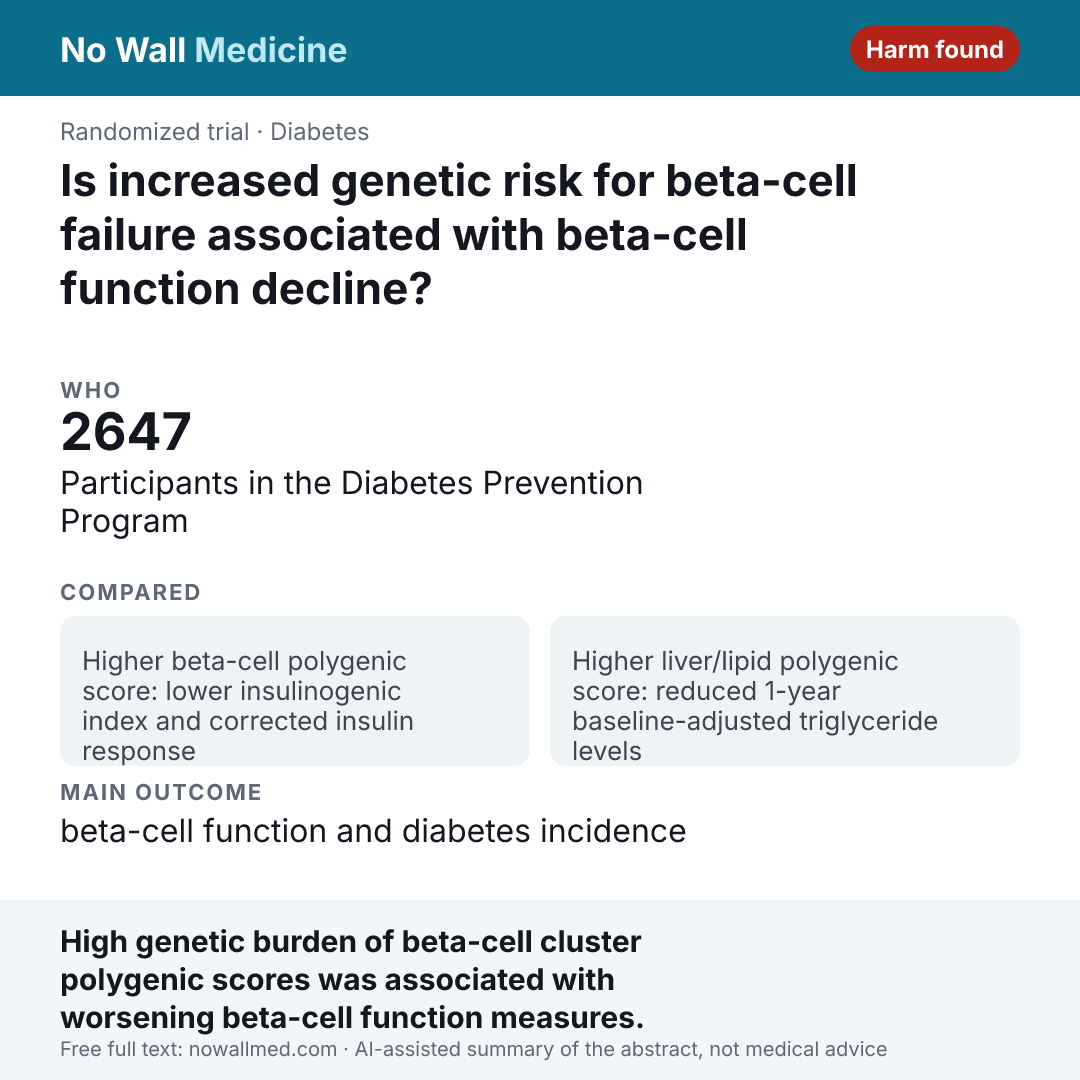
Increased Genetic Risk for β-Cell Failure Is Associated With β-Cell Function Decline in People With Prediabetes
Randomized trialHarm found
Is increased genetic risk for beta-cell failure associated with beta-cell function decline?
Who
2647
Participants in the Diabetes Prevention Program
Compared
Higher beta-cell polygenic score: lower insulinogenic index and corrected insulin response
Higher liver/lipid polygenic score: reduced 1-year baseline-adjusted triglyceride levels
Main outcome
beta-cell function and diabetes incidence
Result: hazard ratio 1.10 per SD (P = 0.035)
Bottom line: High genetic burden of beta-cell cluster polygenic scores was associated with worsening beta-cell function measures.
Diabetes · 2024-05-17 · Save PNG
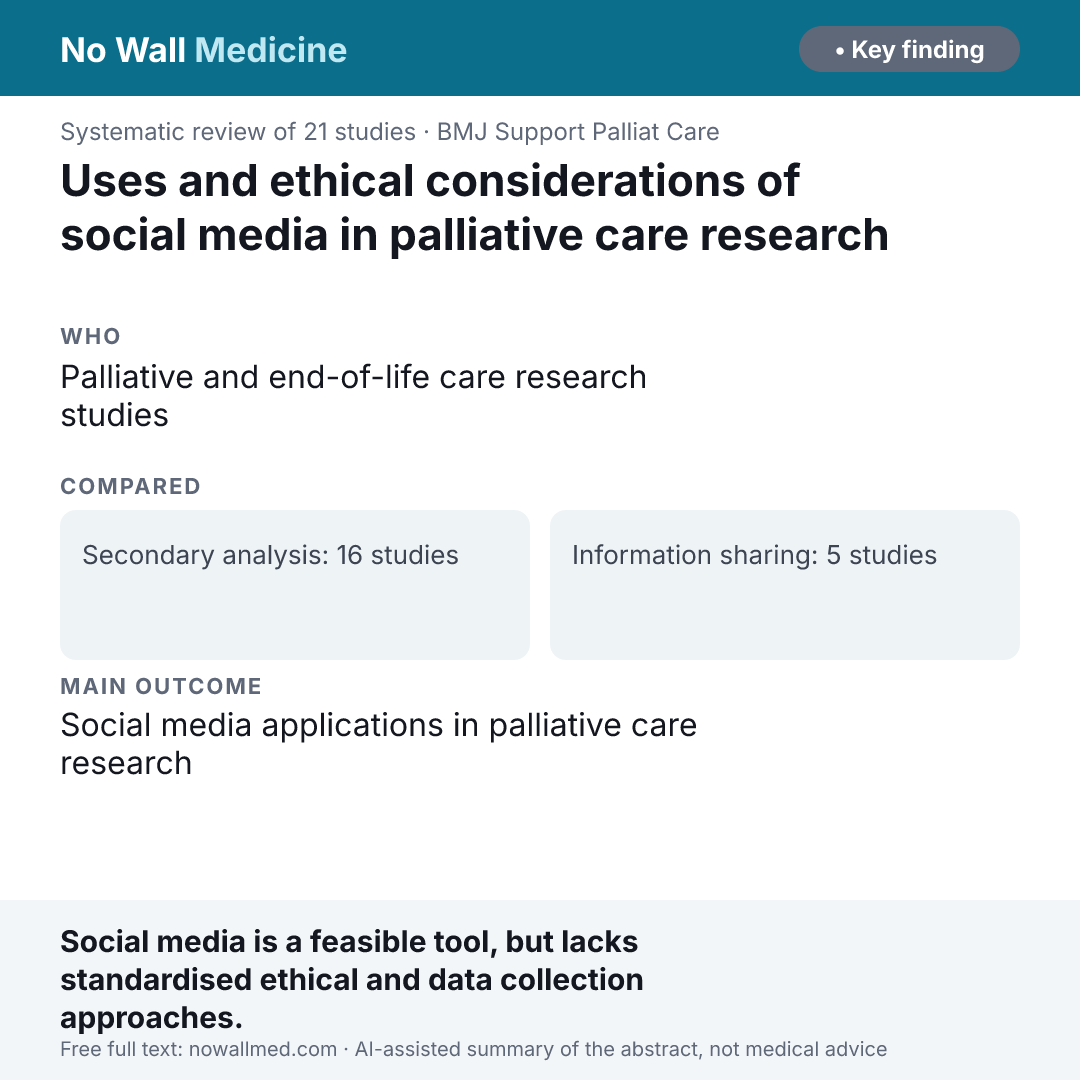
Social media for palliative and end-of-life care research: a systematic review
Systematic review of 21 studiesKey finding
Uses and ethical considerations of social media in palliative care research
Who
Palliative and end-of-life care research studies
Compared
Secondary analysis: 16 studies
Information sharing: 5 studies
Main outcome
Social media applications in palliative care research
Bottom line: Social media is a feasible tool, but lacks standardised ethical and data collection approaches.
Limitation: Absence of standardised ethical handling and data collection approaches
BMJ Support Palliat Care · 2024-05-17 · Save PNG
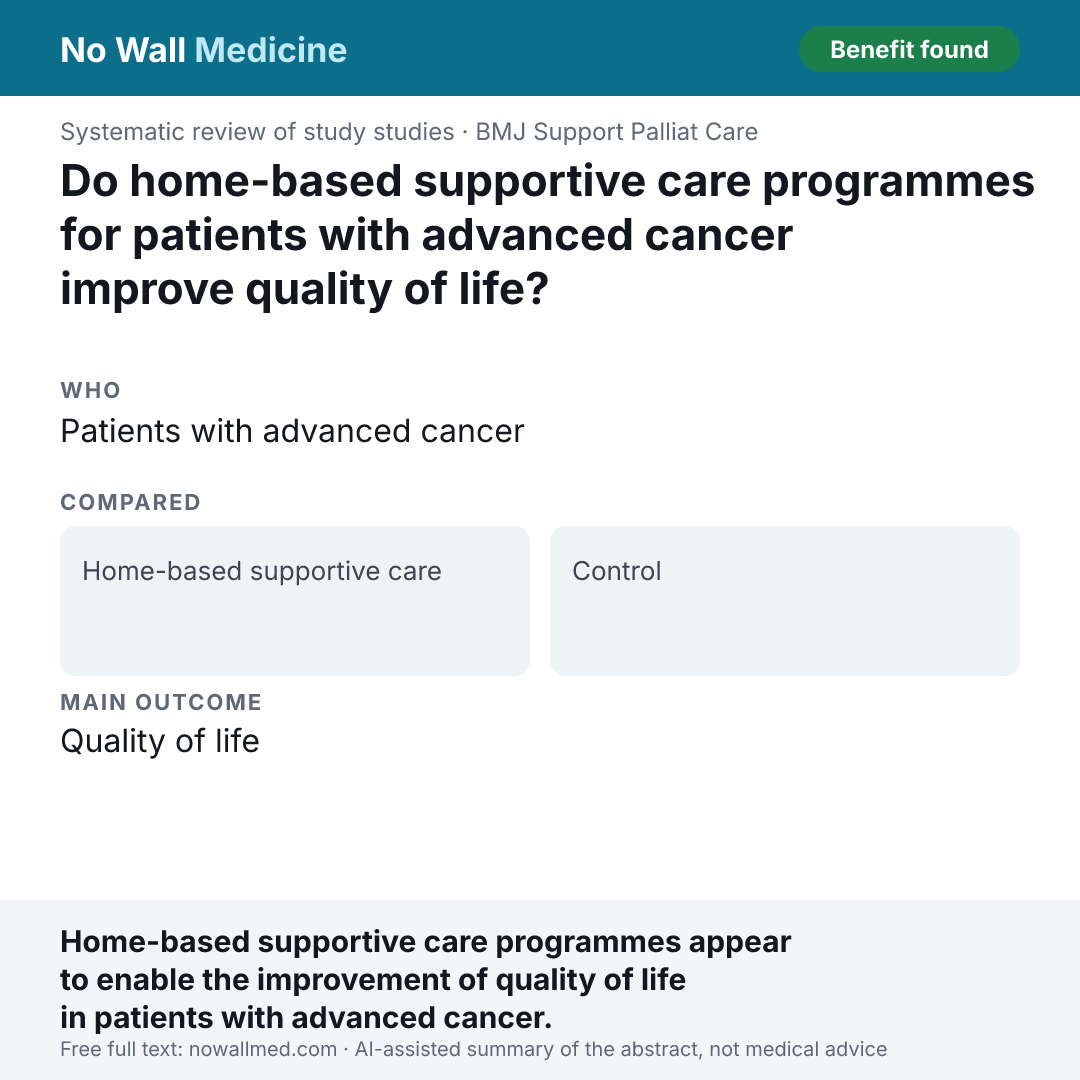
Home-based supportive care in advanced cancer: systematic review
Systematic review of study studiesBenefit found
Do home-based supportive care programmes for patients with advanced cancer improve quality of life?
Who
Patients with advanced cancer
Compared
Home-based supportive care
Control
Main outcome
Quality of life
Bottom line: Home-based supportive care programmes appear to enable the improvement of quality of life in patients with advanced cancer.
BMJ Support Palliat Care · 2024-05-17 · Save PNG
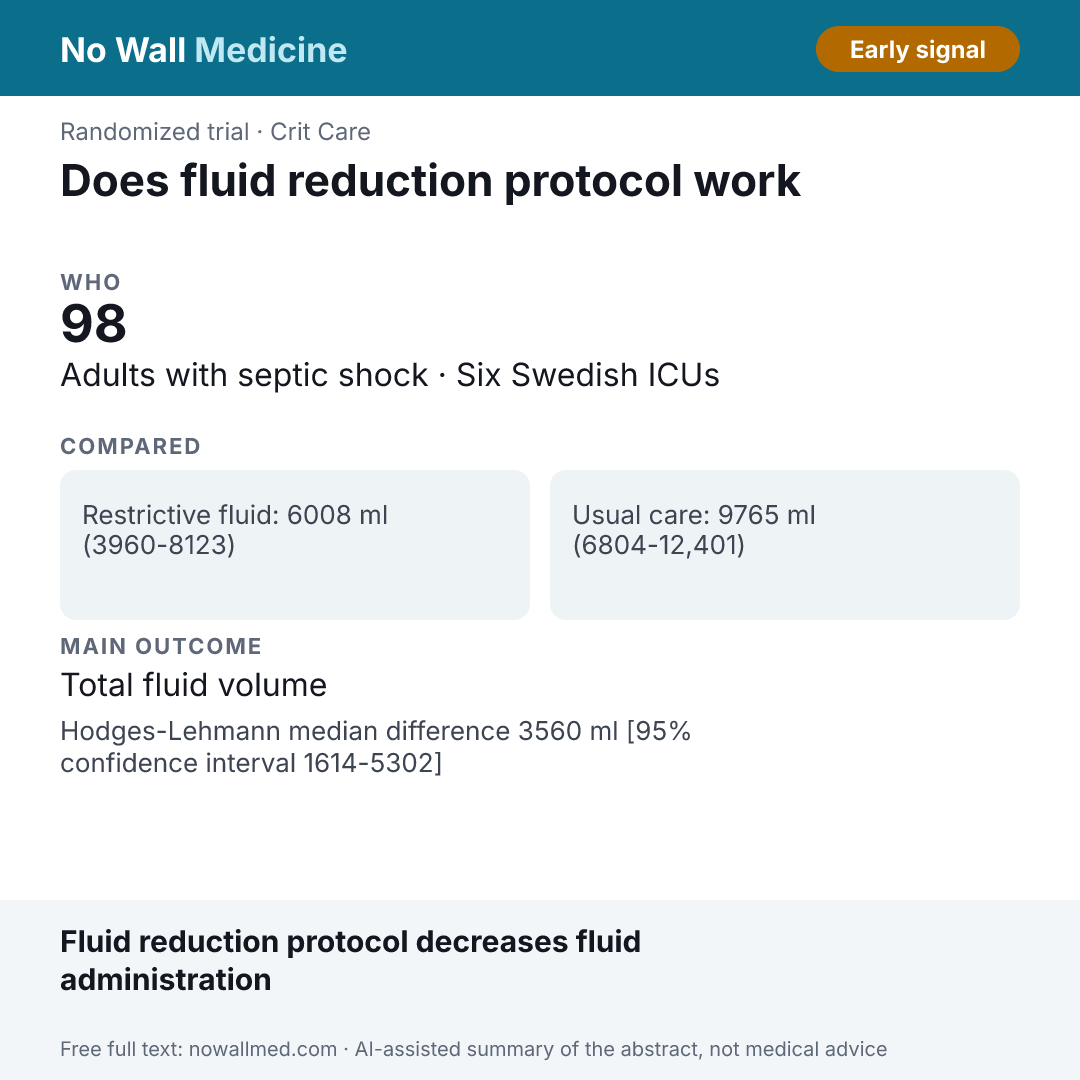
Protocolized reduction of non-resuscitation fluids versus usual care in septic shock patients (REDUSE): a randomized multicentre feasibility trial
Randomized trialEarly signal
Does fluid reduction protocol work
Who
98
Adults with septic shock · Six Swedish ICUs
Compared
Restrictive fluid: 6008 ml (3960-8123)
Usual care: 9765 ml (6804-12,401)
Main outcome
Total fluid volume
Result: Hodges-Lehmann median difference 3560 ml [95% confidence interval 1614-5302]
Bottom line: Fluid reduction protocol decreases fluid administration
Crit Care · 2024-05-17 · Save PNG
Overall survival after mastectomy versus breast-conserving surgery with adjuvant radiotherapy for early-stage breast cancer: meta-analysis
Meta-analysis of 35 observational studiesBenefit, low certainty
Does breast-conserving surgery with radiotherapy improve overall survival compared to mastectomy?
Who
909077
Women with unilateral stage 1-3 breast cancer
Compared
Breast-conserving surgery with adjuvant radiotherapy: 546687 patients
Mastectomy: 362390 patients
Main outcome
Overall survival
Result: hazard ratio 0.72 (95% c.i. 0.68 to 0.75)
Bottom line: Breast-conserving surgery with adjuvant radiotherapy suggests improved overall survival compared to mastectomy for early-stage breast cancer.
Limitation: The overall certainty of the evidence was very low.
BJS Open · 2024-05-17 · Save PNG

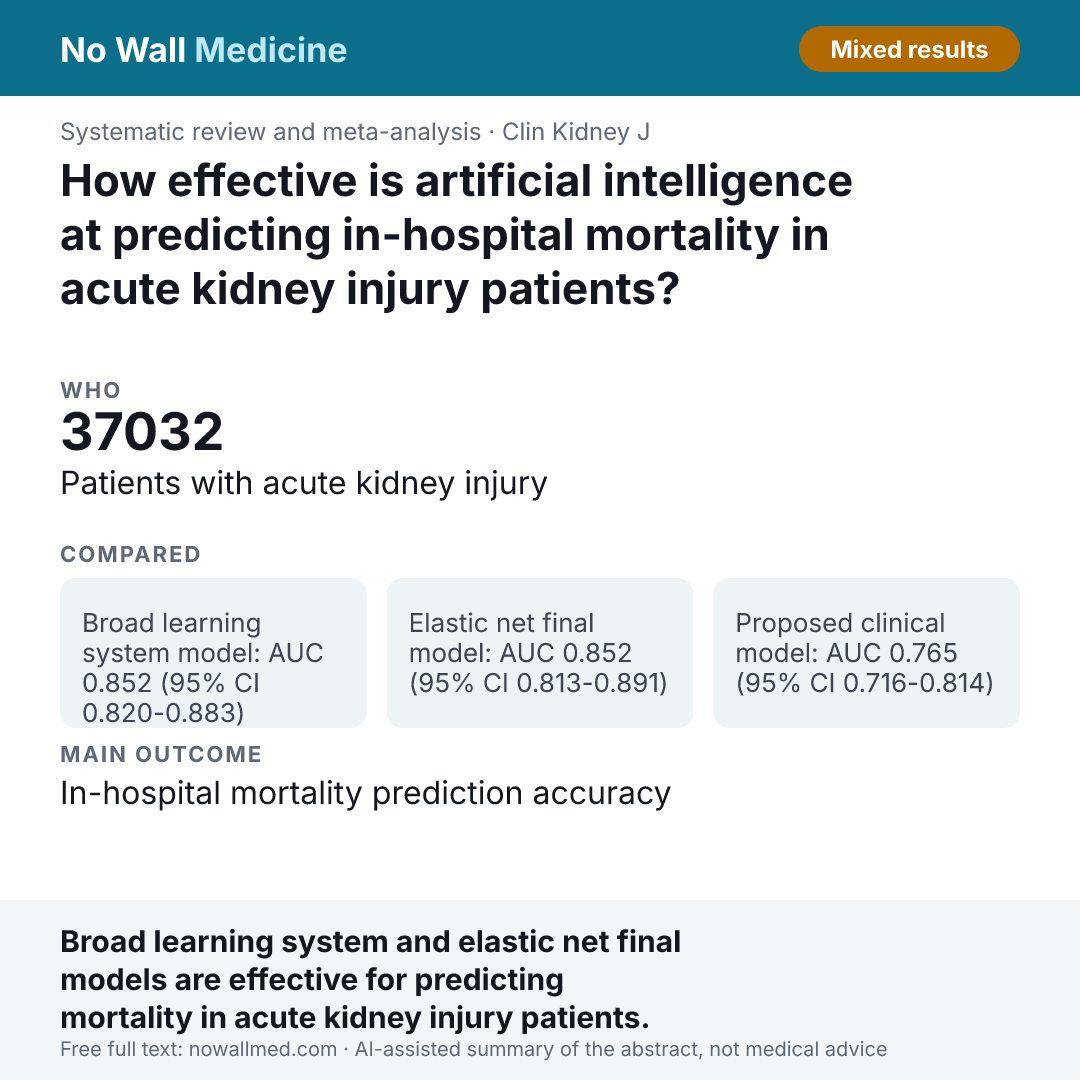
Using artificial intelligence to predict mortality in AKI patients: a systematic review/meta-analysis
Systematic review and meta-analysisMixed results
How effective is artificial intelligence at predicting in-hospital mortality in acute kidney injury patients?
Who
37032
Patients with acute kidney injury
Compared
Broad learning system model: AUC 0.852 (95% CI 0.820-0.883)
Elastic net final model: AUC 0.852 (95% CI 0.813-0.891)
Proposed clinical model: AUC 0.765 (95% CI 0.716-0.814)
Main outcome
In-hospital mortality prediction accuracy
Bottom line: Broad learning system and elastic net final models are effective for predicting mortality in acute kidney injury patients.
Clin Kidney J · 2024-05-17 · Save PNG
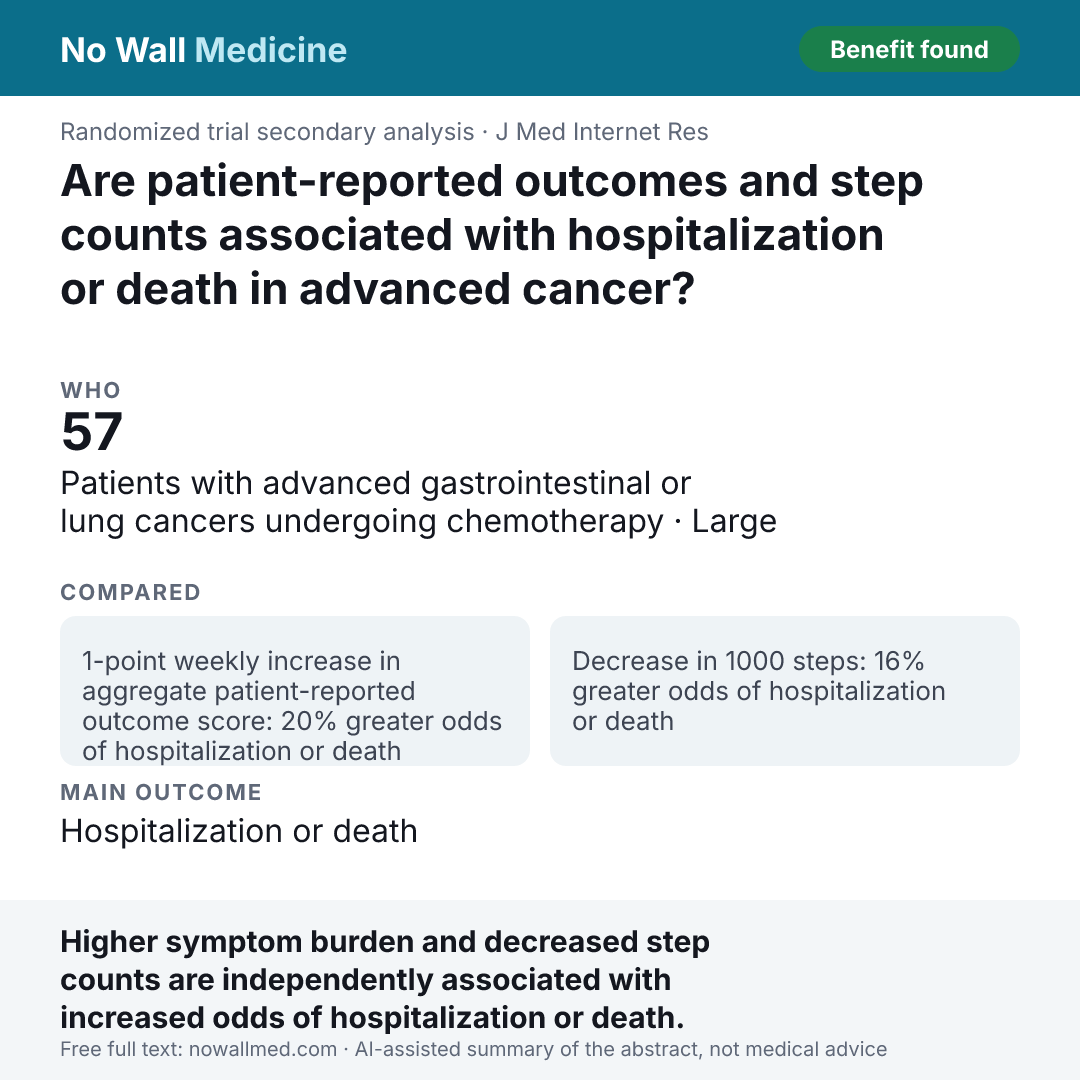
Association of Remote Patient-Reported Outcomes and Step Counts With Hospitalization or Death Among Patients With Advanced Cancer Undergoing Chemotherapy: Secondary Analysis of the PROStep Randomized Trial
Randomized trial secondary analysisBenefit found
Are patient-reported outcomes and step counts associated with hospitalization or death in advanced cancer?
Who
57
Patients with advanced gastrointestinal or lung cancers undergoing chemotherapy · Large academic cancer center
Compared
1-point weekly increase in aggregate patient-reported outcome score: 20% greater odds of hospitalization or death
Decrease in 1000 steps: 16% greater odds of hospitalization or death
Main outcome
Hospitalization or death
Result: adjusted odds ratio 1.2 (95% CI 1.1-1.4)
Bottom line: Higher symptom burden and decreased step counts are independently associated with increased odds of hospitalization or death.
J Med Internet Res · 2024-05-17 · Save PNG
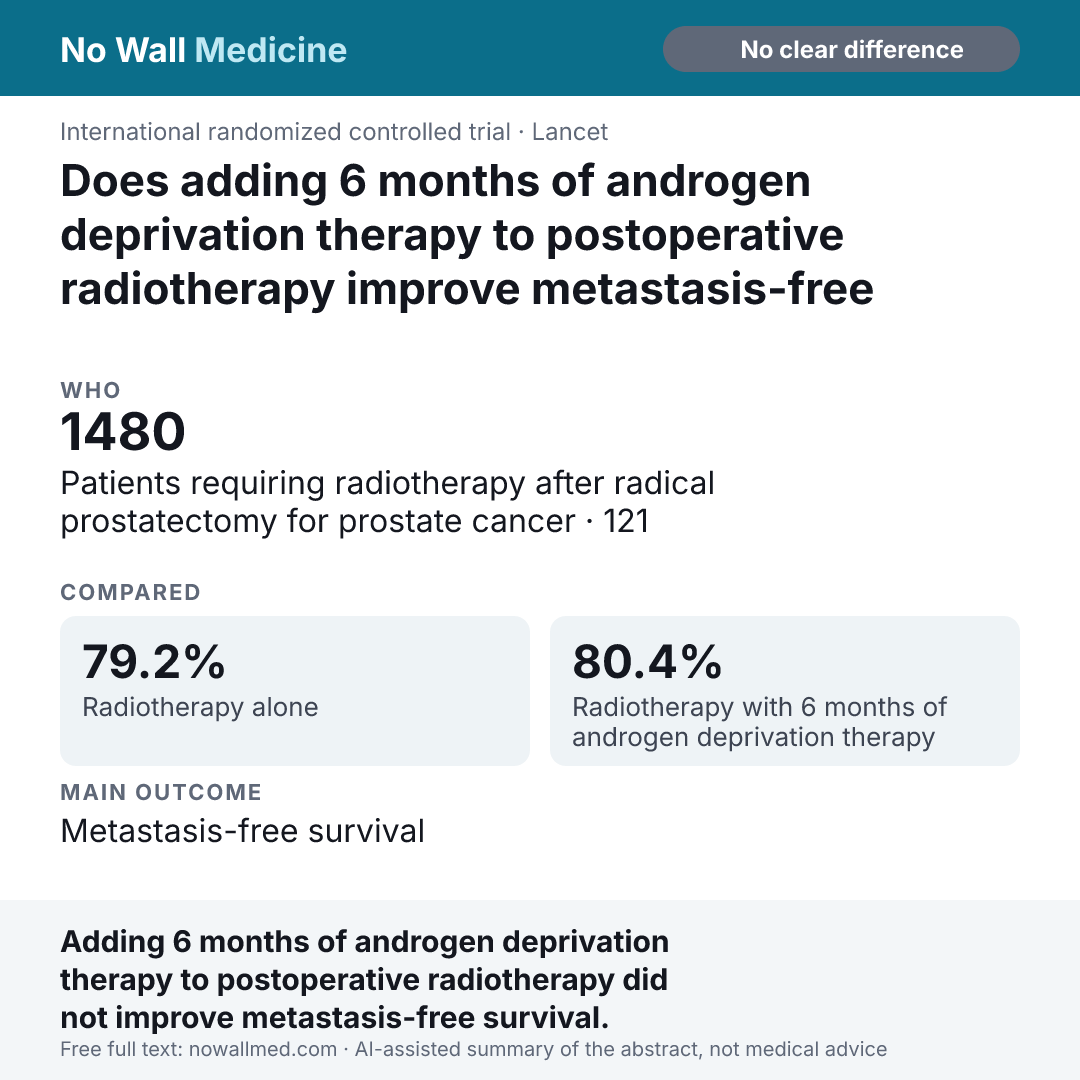
Adding 6 months of androgen deprivation therapy to postoperative radiotherapy for prostate cancer: a comparison of short-course versus no androgen deprivation therapy in the RADICALS-HD randomised controlled trial
International randomized controlled trialNo clear difference
Does adding 6 months of androgen deprivation therapy to postoperative radiotherapy improve metastasis-free survival?
Who
1480
Patients requiring radiotherapy after radical prostatectomy for prostate cancer · 121 centres in Canada, Denmark, Ireland, and the UK
Compared
79.2%Radiotherapy alone (95% CI 75.4-82.5)
80.4%Radiotherapy with 6 months of androgen deprivation therapy (76.6-83.6%)
Main outcome
Metastasis-free survival
Result: hazard ratio 0.886 (95% CI 0.688-1.140)
Bottom line: Adding 6 months of androgen deprivation therapy to postoperative radiotherapy did not improve metastasis-free survival.
Funded by: Cancer Research UK, UK Research and Innovation, Canadian Cancer Society
Lancet · 2024-05-16 · Save PNG
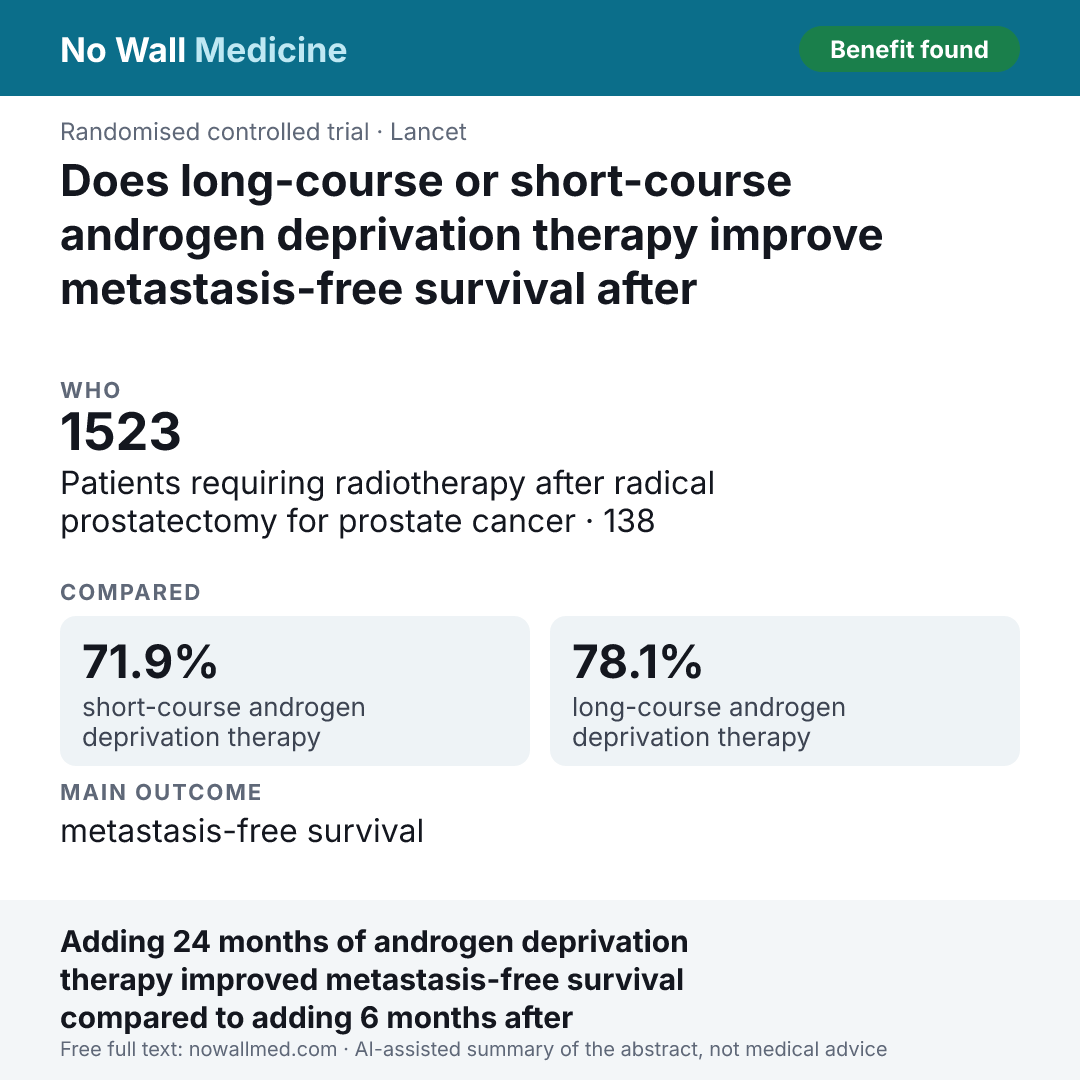
Duration of androgen deprivation therapy with postoperative radiotherapy for prostate cancer: a comparison of long-course versus short-course androgen deprivation therapy in the RADICALS-HD randomised trial
Randomised controlled trialBenefit found
Does long-course or short-course androgen deprivation therapy improve metastasis-free survival after postoperative radiotherapy?
Who
1523
Patients requiring radiotherapy after radical prostatectomy for prostate cancer · 138 centres in Canada, Denmark, Ireland, and the UK
Compared
71.9%short-course androgen deprivation therapy (95% CI 67.6-75.7)
78.1%long-course androgen deprivation therapy (74.2-81.5)
Main outcome
metastasis-free survival
Result: hazard ratio 0.773 (95% CI 0.612-0.975)
Bottom line: Adding 24 months of androgen deprivation therapy improved metastasis-free survival compared to adding 6 months after postoperative radiotherapy.
Limitation: The allocated treatment was not masked.
Funded by: Cancer Research UK, UK Research and Innovation, Canadian Cancer Society
Lancet · 2024-05-16 · Save PNG