Visual abstracts
New randomized trials and meta-analyses from leading journals at a glance: who was studied, what was compared, and what was found. Every paper is free to read in full.
All specialtiesCardiology 857Oncology 770Gastroenterology & Hepatology 311Infectious Disease 626Neurology 354Psychiatry & Mental Health 430Pulmonology 370Critical Care 260Endocrinology & Diabetes 484Pediatrics 542Surgery 351Orthopedics & Sports Medicine 166Neurosurgery 115Cardiothoracic & Vascular Surgery 87Plastic & Reconstructive Surgery 144Nephrology 197Rheumatology 108Hematology 183Dermatology 82Ophthalmology 97Obstetrics & Gynecology 266Public & Global Health 168Radiology & Imaging 105Anesthesiology 130Urology 162ENT (Otolaryngology) 115Emergency Medicine 103Allergy & Immunology 58Geriatrics 160Family Medicine & Primary Care 111Medical Genetics & Genomics 91Pathology & Laboratory Medicine 27Physical Medicine & Rehabilitation 149Palliative Care 81Nutrition 223Digital Health & AI 462General Medicine 101
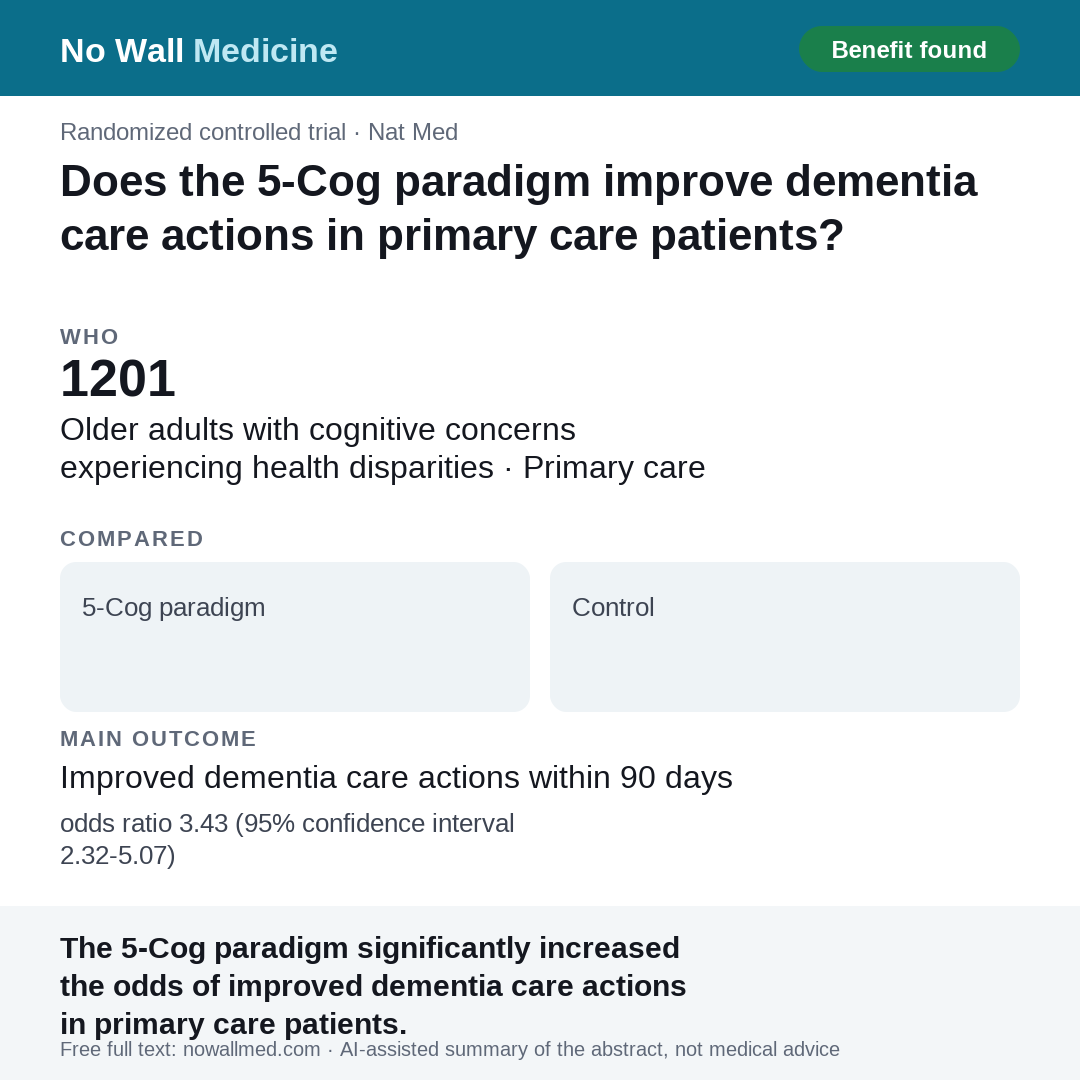
Non-literacy biased, culturally fair cognitive detection tool in primary care patients with cognitive concerns: a randomized controlled trial
Randomized controlled trialBenefit found
Does the 5-Cog paradigm improve dementia care actions in primary care patients?
Who
1201
Older adults with cognitive concerns experiencing health disparities · Primary care
Compared
5-Cog paradigm
Control
Main outcome
Improved dementia care actions within 90 days
Result: odds ratio 3.43 (95% confidence interval 2.32-5.07)
Bottom line: The 5-Cog paradigm significantly increased the odds of improved dementia care actions in primary care patients.
Nat Med · 2024-06-04Download image
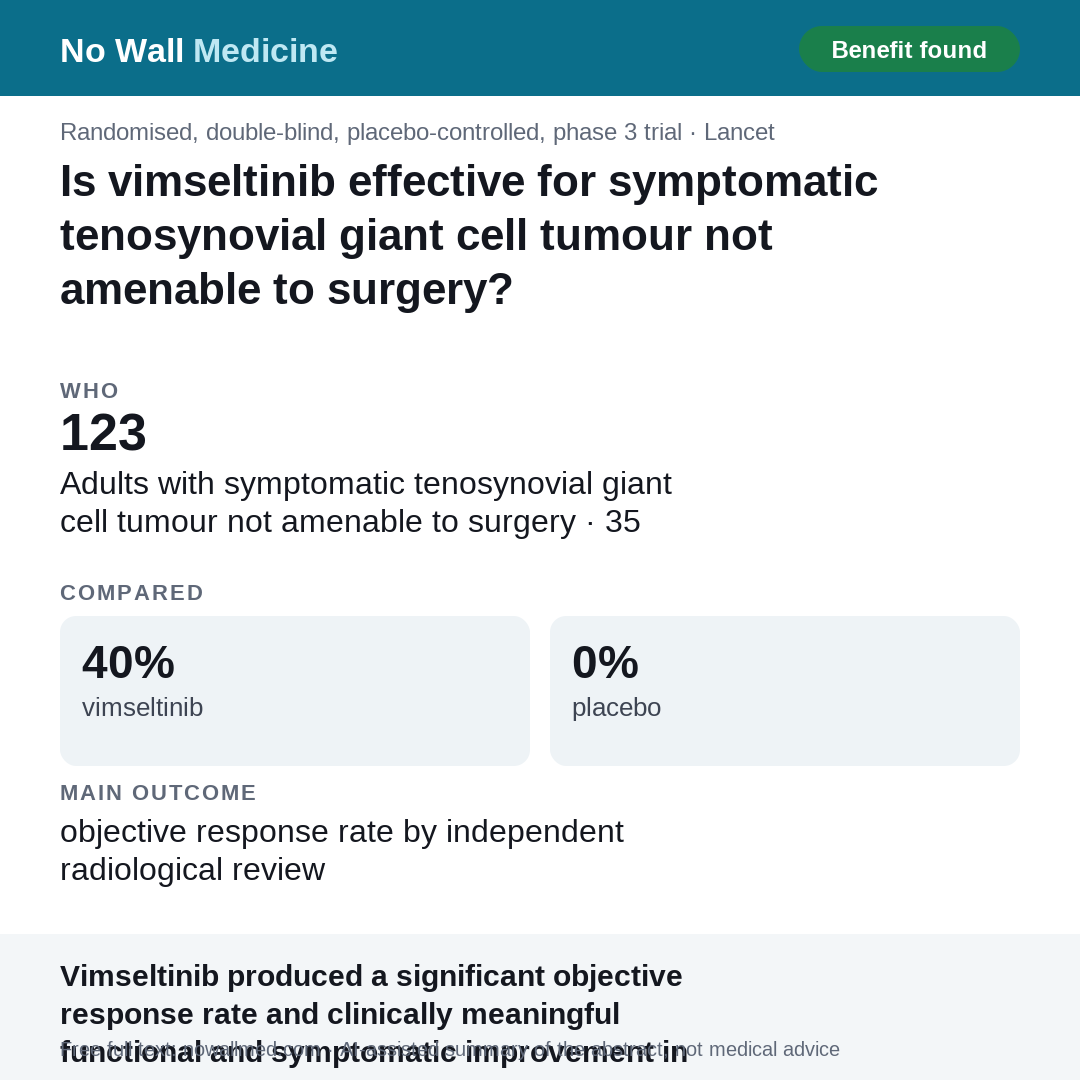
Vimseltinib versus placebo for tenosynovial giant cell tumour (MOTION): a multicentre, randomised, double-blind, placebo-controlled, phase 3 trial
Randomised, double-blind, placebo-controlled, phase 3 trialBenefit found
Is vimseltinib effective for symptomatic tenosynovial giant cell tumour not amenable to surgery?
Who
123
Adults with symptomatic tenosynovial giant cell tumour not amenable to surgery · 35 specialised hospitals in 13 countries
Compared
40%vimseltinib (33 of 83 patients)
0%placebo (none of 40)
Main outcome
objective response rate by independent radiological review
Result: difference 40% (95% CI 29-51)
Bottom line: Vimseltinib produced a significant objective response rate and clinically meaningful functional and symptomatic improvement in patients with tenosynovial giant cell tumour.
Funded by: Deciphera Pharmaceuticals
Lancet · 2024-06-03Download image
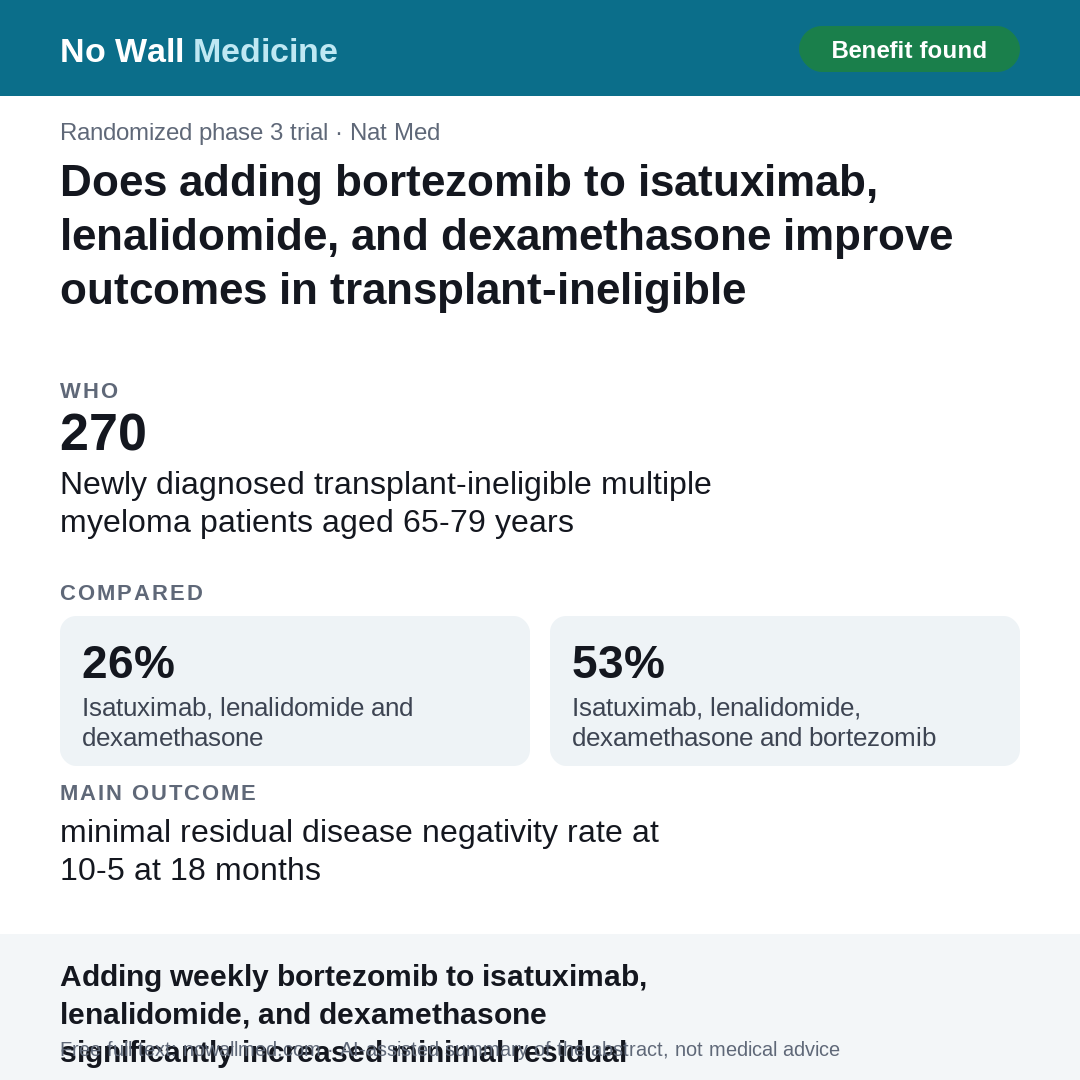
Isatuximab, lenalidomide, dexamethasone and bortezomib in transplant-ineligible multiple myeloma: the randomized phase 3 BENEFIT trial
Randomized phase 3 trialBenefit found
Does adding bortezomib to isatuximab, lenalidomide, and dexamethasone improve outcomes in transplant-ineligible multiple myeloma?
Who
270
Newly diagnosed transplant-ineligible multiple myeloma patients aged 65-79 years
Compared
26%Isatuximab, lenalidomide and dexamethasone (95% CI 19-34)
53%Isatuximab, lenalidomide, dexamethasone and bortezomib (95% CI 44-61)
Main outcome
minimal residual disease negativity rate at 10-5 at 18 months
Result: odds ratio 3.16 (95% CI 1.89-5.28)
Bottom line: Adding weekly bortezomib to isatuximab, lenalidomide, and dexamethasone significantly increased minimal residual disease negativity rates.
Nat Med · 2024-06-03Download image
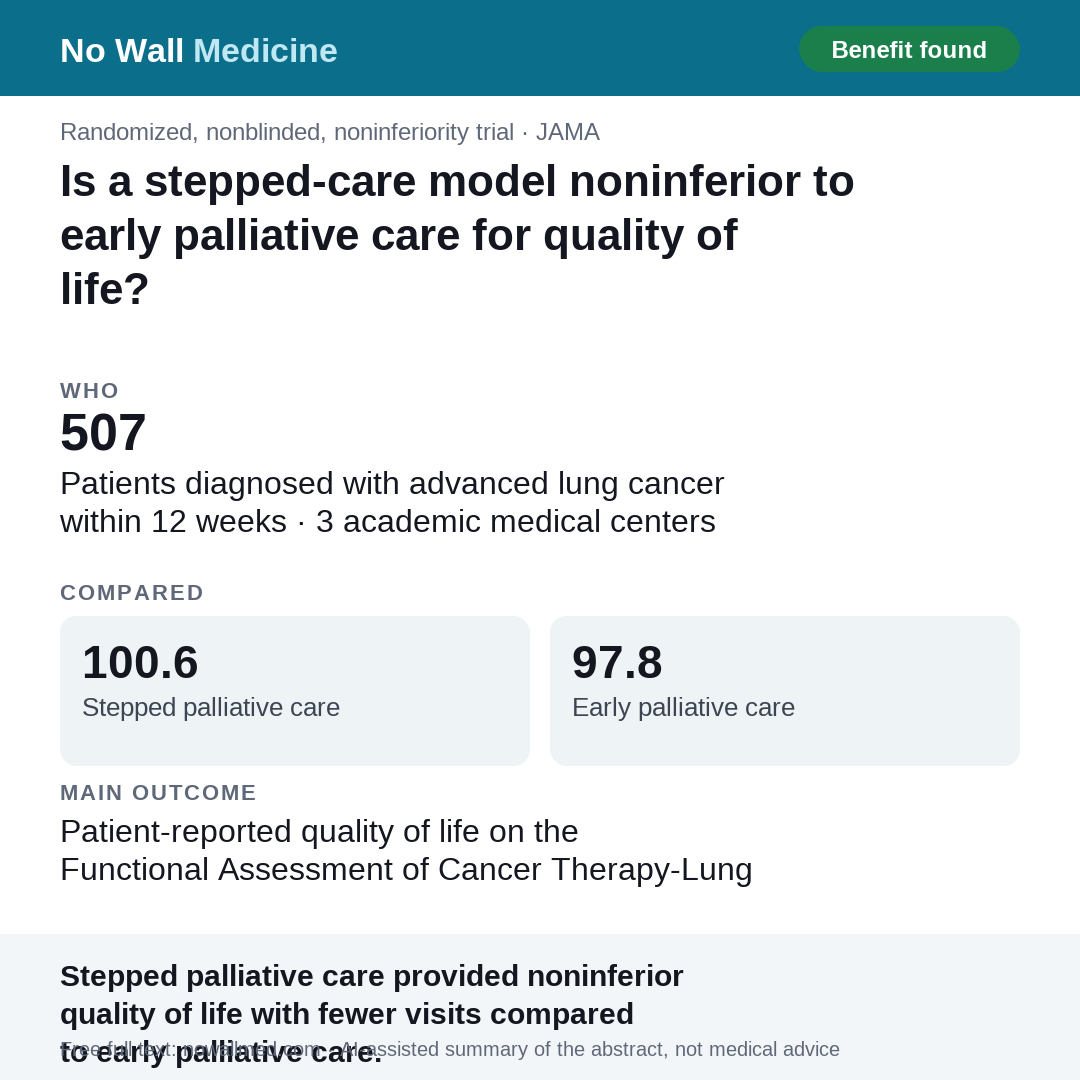
Stepped Palliative Care for Patients With Advanced Lung Cancer: A Randomized Clinical Trial
Randomized, nonblinded, noninferiority trialBenefit found
Is a stepped-care model noninferior to early palliative care for quality of life?
Who
507
Patients diagnosed with advanced lung cancer within 12 weeks · 3 academic medical centers in Massachusetts, Pennsylvania, and North Carolina
Compared
100.6Stepped palliative care
97.8Early palliative care
Main outcome
Patient-reported quality of life on the Functional Assessment of Cancer Therapy-Lung
Result: difference 2.9; lower 1-sided 95% confidence limit, -0.1
Bottom line: Stepped palliative care provided noninferior quality of life with fewer visits compared to early palliative care.
Limitation: Noninferiority was not demonstrated for days in hospice.
JAMA · 2024-06-02Download image
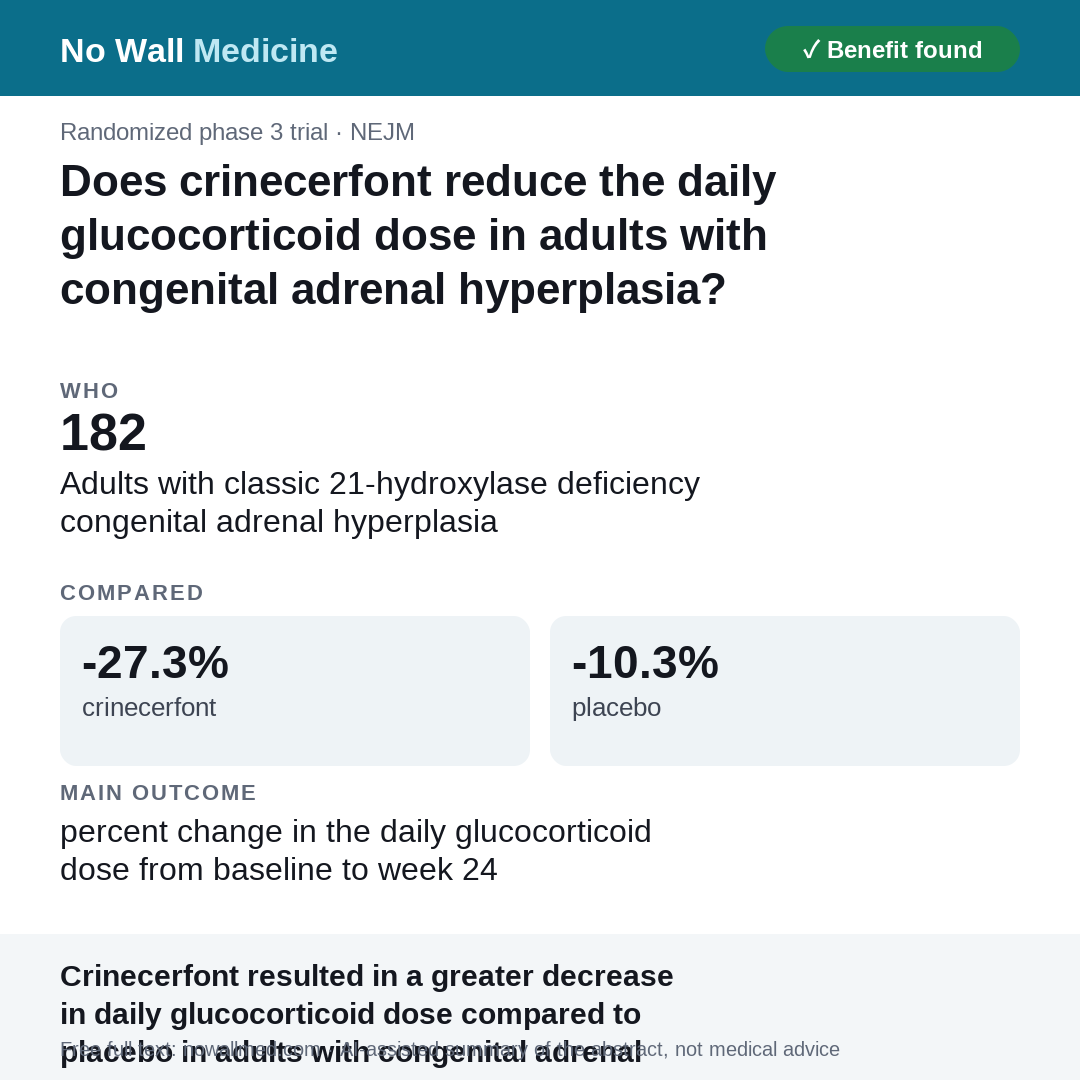
Phase 3 Trial of Crinecerfont in Adult Congenital Adrenal Hyperplasia
Randomized phase 3 trialBenefit found
Does crinecerfont reduce the daily glucocorticoid dose in adults with congenital adrenal hyperplasia?
Who
182
Adults with classic 21-hydroxylase deficiency congenital adrenal hyperplasia
Compared
-27.3%crinecerfont
-10.3%placebo
Main outcome
percent change in the daily glucocorticoid dose from baseline to week 24
Result: least-squares mean difference, -17.0 percentage points
Bottom line: Crinecerfont resulted in a greater decrease in daily glucocorticoid dose compared to placebo in adults with congenital adrenal hyperplasia.
Funded by: Neurocrine Biosciences
NEJM · 2024-06-01Download image
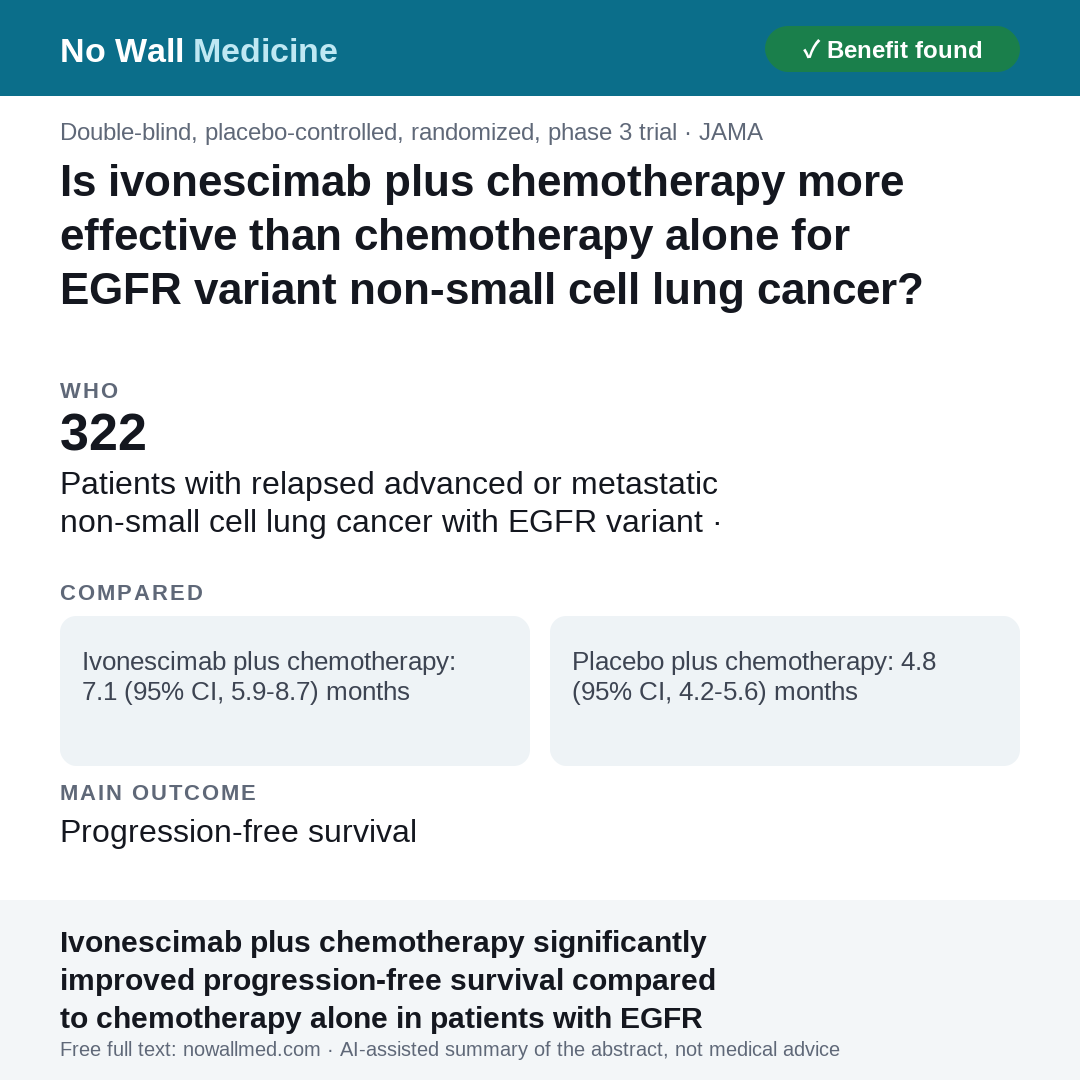
Ivonescimab Plus Chemotherapy in Non-Small Cell Lung Cancer With EGFR Variant: A Randomized Clinical Trial
Double-blind, placebo-controlled, randomized, phase 3 trialBenefit found
Is ivonescimab plus chemotherapy more effective than chemotherapy alone for EGFR variant non-small cell lung cancer?
Who
322
Patients with relapsed advanced or metastatic non-small cell lung cancer with EGFR variant · 55 sites in China
Compared
Ivonescimab plus chemotherapy: 7.1 (95% CI, 5.9-8.7) months
Placebo plus chemotherapy: 4.8 (95% CI, 4.2-5.6) months
Main outcome
Progression-free survival
Result: hazard ratio 0.46 (95% CI 0.34-0.62)
Bottom line: Ivonescimab plus chemotherapy significantly improved progression-free survival compared to chemotherapy alone in patients with EGFR variant lung cancer.
Limitation: The median overall survival data were not mature.
JAMA · 2024-05-31Download image
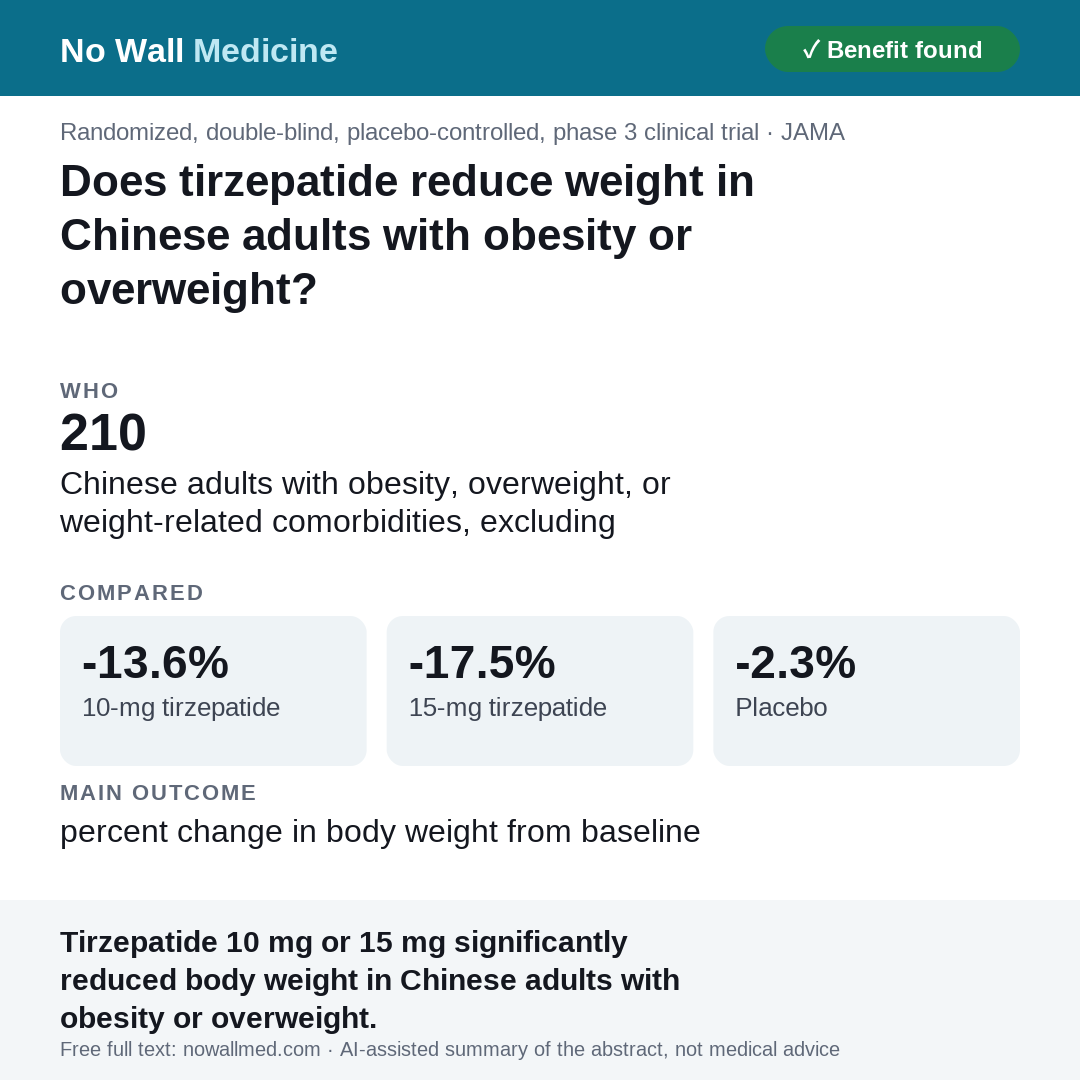
Tirzepatide for Weight Reduction in Chinese Adults With Obesity: The SURMOUNT-CN Randomized Clinical Trial
Randomized, double-blind, placebo-controlled, phase 3 clinical trialBenefit found
Does tirzepatide reduce weight in Chinese adults with obesity or overweight?
Who
210
Chinese adults with obesity, overweight, or weight-related comorbidities, excluding diabetes · 29 centers in China
Compared
-13.6%10-mg tirzepatide
-17.5%15-mg tirzepatide
-2.3%Placebo
Main outcome
percent change in body weight from baseline
Result: difference between 15 mg and placebo, -15.1% (95% CI, -18.2% to -12.1%)
Bottom line: Tirzepatide 10 mg or 15 mg significantly reduced body weight in Chinese adults with obesity or overweight.
JAMA · 2024-05-31Download image
Revisiting Race and the Benefit of RAS Blockade in Heart Failure: A Meta-Analysis of Randomized Clinical Trials
Meta-analysis of randomized clinical trialsBenefit found
Do renin-angiotensin system blockers benefit Black versus non-Black patients with heart failure?
Who
8825
Adults with heart failure and reduced ejection fraction
Compared
Black patients: hazard ratio 0.84 (95% CI, 0.69-1.03)
non-Black patients: hazard ratio 0.73 (95% CI, 0.67-0.79)
Main outcome
first hospitalization for heart failure or cardiovascular death
Result: hazard ratio 0.84 (95% CI, 0.69-1.03) in Black patients and 0.73 (95% CI, 0.67-0.79) in non-Black patients
Bottom line: Renin-angiotensin system blockade provides similar mortality benefits for both Black and non-Black patients with heart failure.
JAMA · 2024-05-29Download image

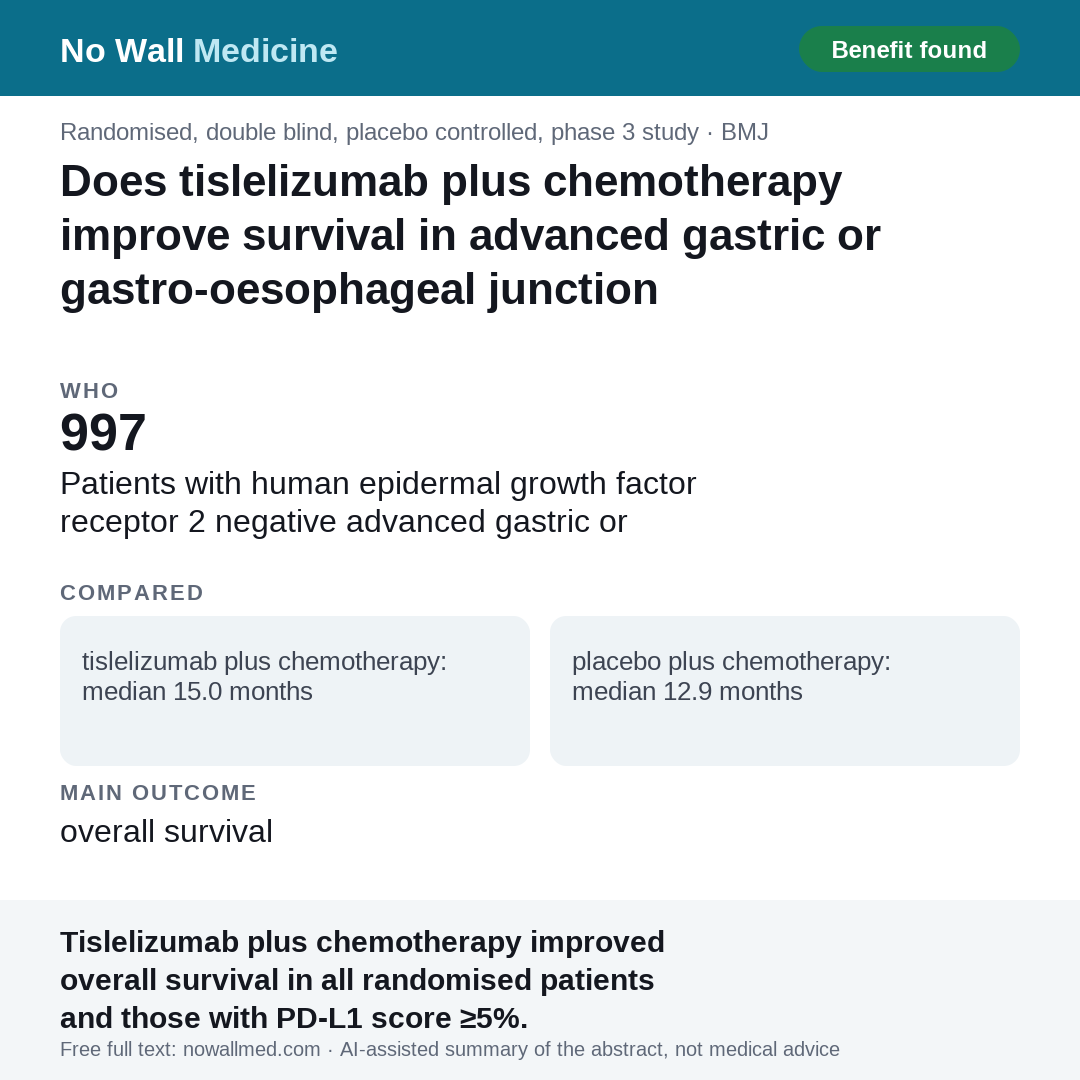
Tislelizumab plus chemotherapy versus placebo plus chemotherapy as first line treatment for advanced gastric or gastro-oesophageal junction adenocarcinoma: RATIONALE-305 randomised, double blind, phase 3 trial
Randomised, double blind, placebo controlled, phase 3 studyBenefit found
Does tislelizumab plus chemotherapy improve survival in advanced gastric or gastro-oesophageal junction adenocarcinoma?
Who
997
Patients with human epidermal growth factor receptor 2 negative advanced gastric or gastro-oesophageal junction adenocarcinoma · 146 medical centres across Asia, Europe, and North America
Compared
tislelizumab plus chemotherapy: median 15.0 months
placebo plus chemotherapy: median 12.9 months
Main outcome
overall survival
Result: hazard ratio 0.80 (95% CI 0.70 to 0.92)
Bottom line: Tislelizumab plus chemotherapy improved overall survival in all randomised patients and those with PD-L1 score ≥5%.
BMJ · 2024-05-28Download image
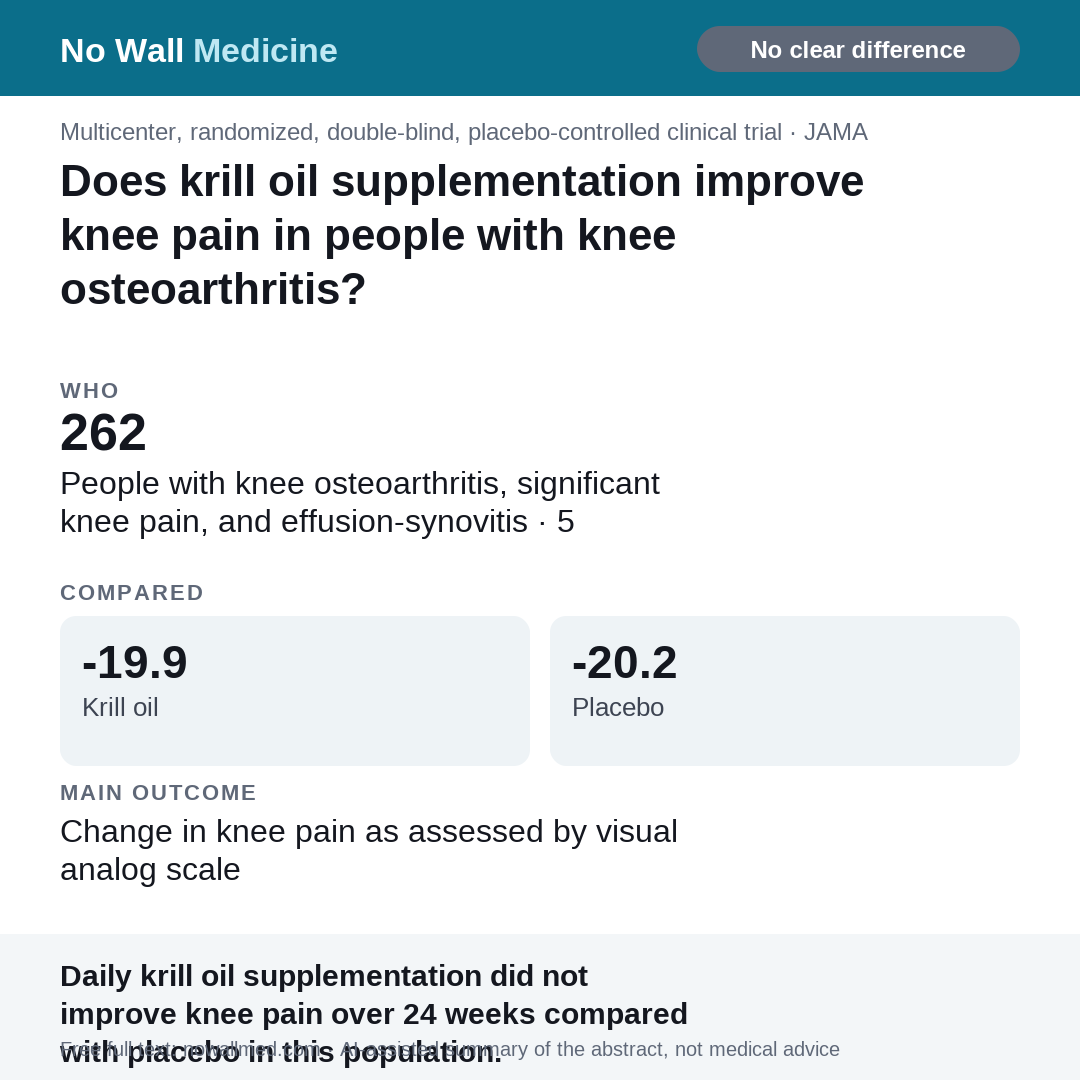
Krill Oil for Knee Osteoarthritis: A Randomized Clinical Trial
Multicenter, randomized, double-blind, placebo-controlled clinical trialNo clear difference
Does krill oil supplementation improve knee pain in people with knee osteoarthritis?
Who
262
People with knee osteoarthritis, significant knee pain, and effusion-synovitis · 5 Australian cities
Compared
-19.9Krill oil
-20.2Placebo
Main outcome
Change in knee pain as assessed by visual analog scale
Result: between-group mean difference, -0.3; 95% CI, -6.9 to 6.4
Bottom line: Daily krill oil supplementation did not improve knee pain over 24 weeks compared with placebo in this population.
JAMA · 2024-05-22Download image
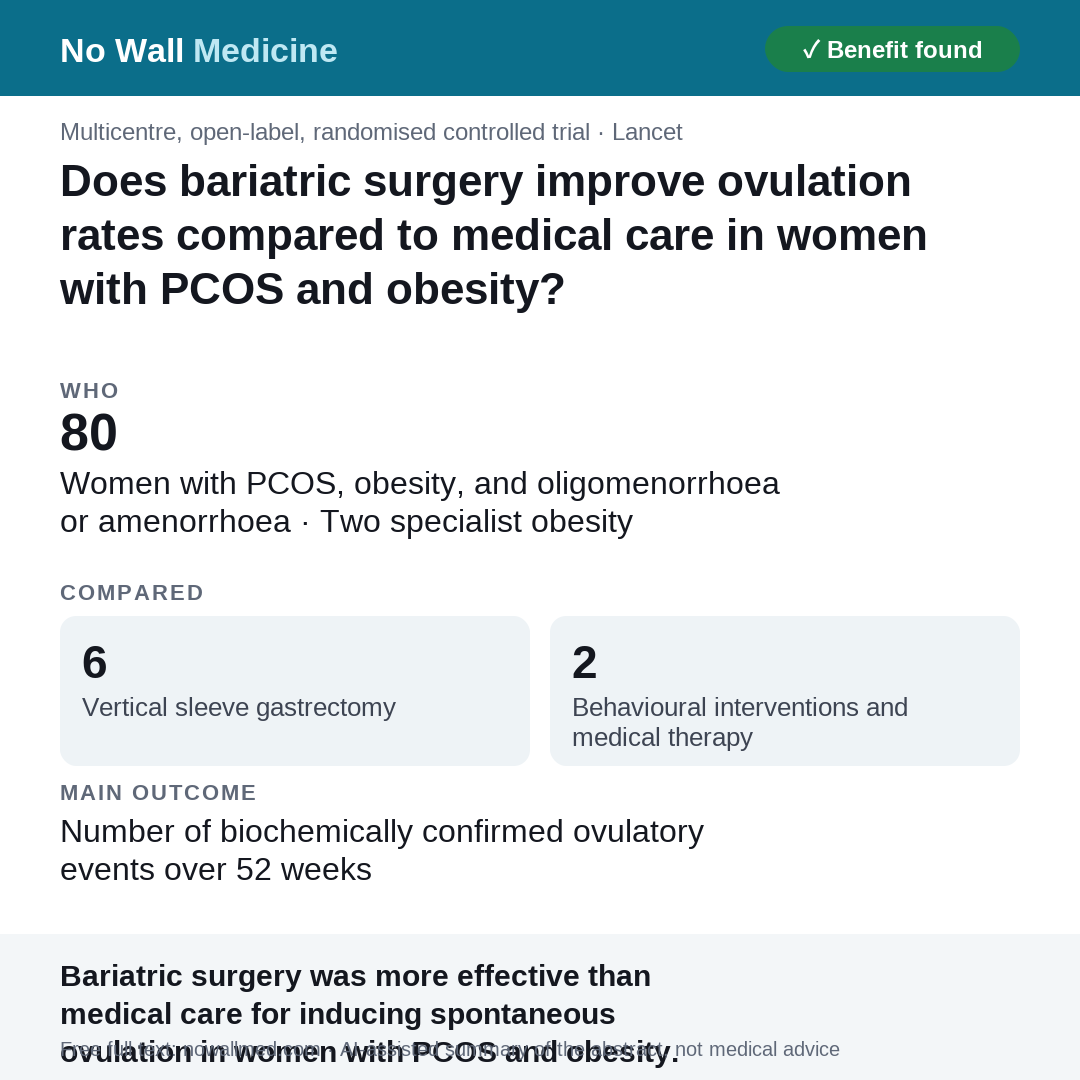
Bariatric surgery for spontaneous ovulation in women living with polycystic ovary syndrome: the BAMBINI multicentre, open-label, randomised controlled trial
Multicentre, open-label, randomised controlled trialBenefit found
Does bariatric surgery improve ovulation rates compared to medical care in women with PCOS and obesity?
Who
80
Women with PCOS, obesity, and oligomenorrhoea or amenorrhoea · Two specialist obesity management centres
Compared
6Vertical sleeve gastrectomy (IQR 3·5-10·0)
2Behavioural interventions and medical therapy (0·0-4·0)
Main outcome
Number of biochemically confirmed ovulatory events over 52 weeks
Result: incidence rate ratio 2·5 (95% CI 1·5-4·2)
Bottom line: Bariatric surgery was more effective than medical care for inducing spontaneous ovulation in women with PCOS and obesity.
Limitation: There were more adverse events in the surgical group than the medical group.
Funded by: The Jon Moulton Charity Trust
Lancet · 2024-05-20Download image
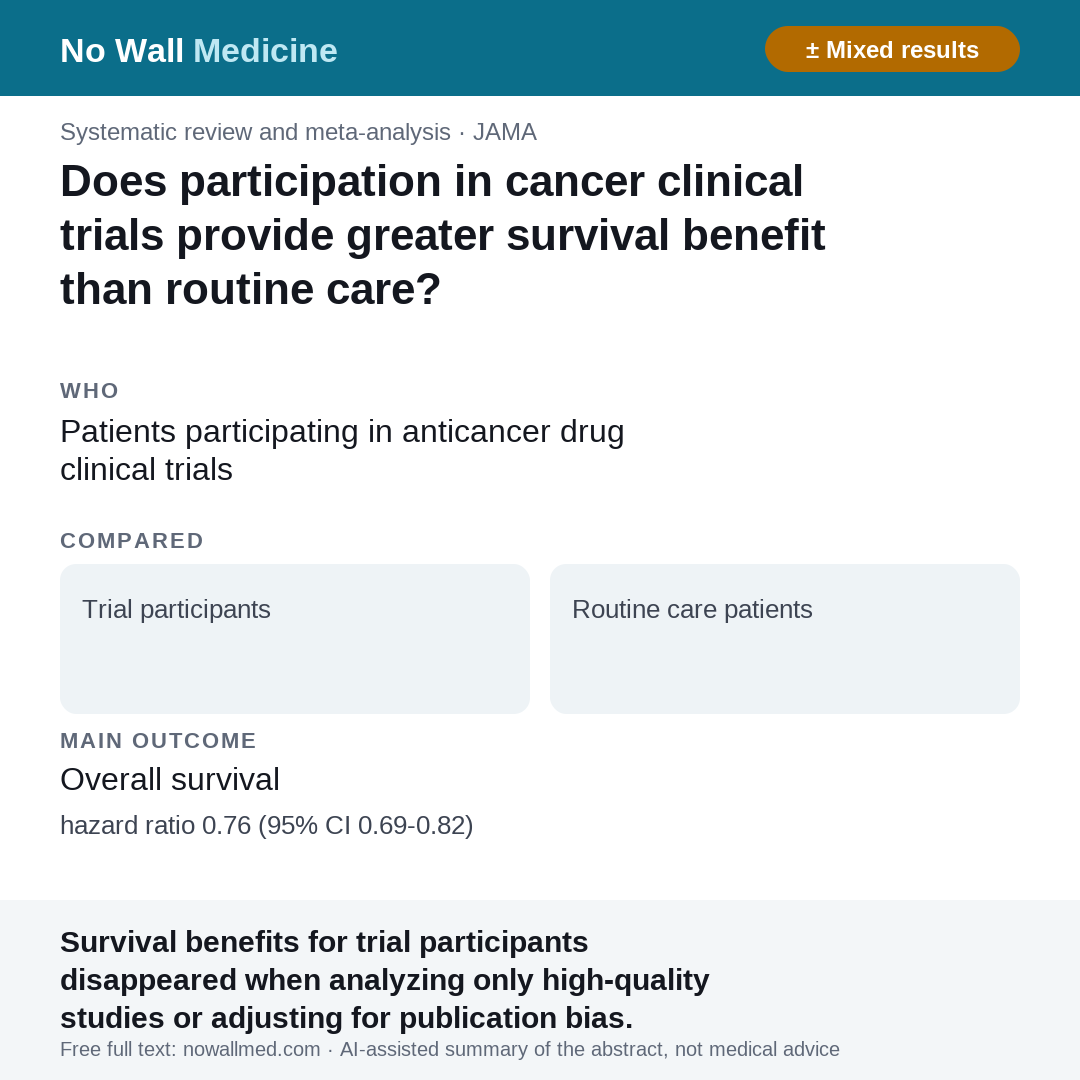
Survival Benefit Associated With Participation in Clinical Trials of Anticancer Drugs: A Systematic Review and Meta-Analysis
Systematic review and meta-analysisMixed results
Does participation in cancer clinical trials provide greater survival benefit than routine care?
Who
Patients participating in anticancer drug clinical trials
Compared
Trial participants
Routine care patients
Main outcome
Overall survival
Result: hazard ratio 0.76 (95% CI 0.69-0.82)
Bottom line: Survival benefits for trial participants disappeared when analyzing only high-quality studies or adjusting for publication bias.
Limitation: Benefits were not detected in studies addressing important sources of bias and confounding.
JAMA · 2024-05-20Download image
Bisoprolol in Patients With Chronic Obstructive Pulmonary Disease at High Risk of Exacerbation: The BICS Randomized Clinical Trial
Double-blind placebo-controlled randomized clinical trialNo clear difference
Does bisoprolol decrease COPD exacerbations in people at high risk of exacerbations?
Who
515
Patients with COPD and moderate airflow obstruction and high exacerbation risk · 76 United Kingdom sites
Compared
bisoprolol: mean exacerbation rate of 2.03/y
placebo: mean exacerbation rate of 2.01/y
Main outcome
patient-reported COPD exacerbations treated with oral corticosteroids, antibiotics, or both
Result: adjusted incidence rate ratio 0.97 (95% CI, 0.84-1.13)
Bottom line: In patients with high-risk COPD, bisoprolol did not reduce the number of self-reported exacerbations requiring treatment.
Limitation: Recruitment was suspended due to the COVID-19 pandemic.
JAMA · 2024-05-19Download image
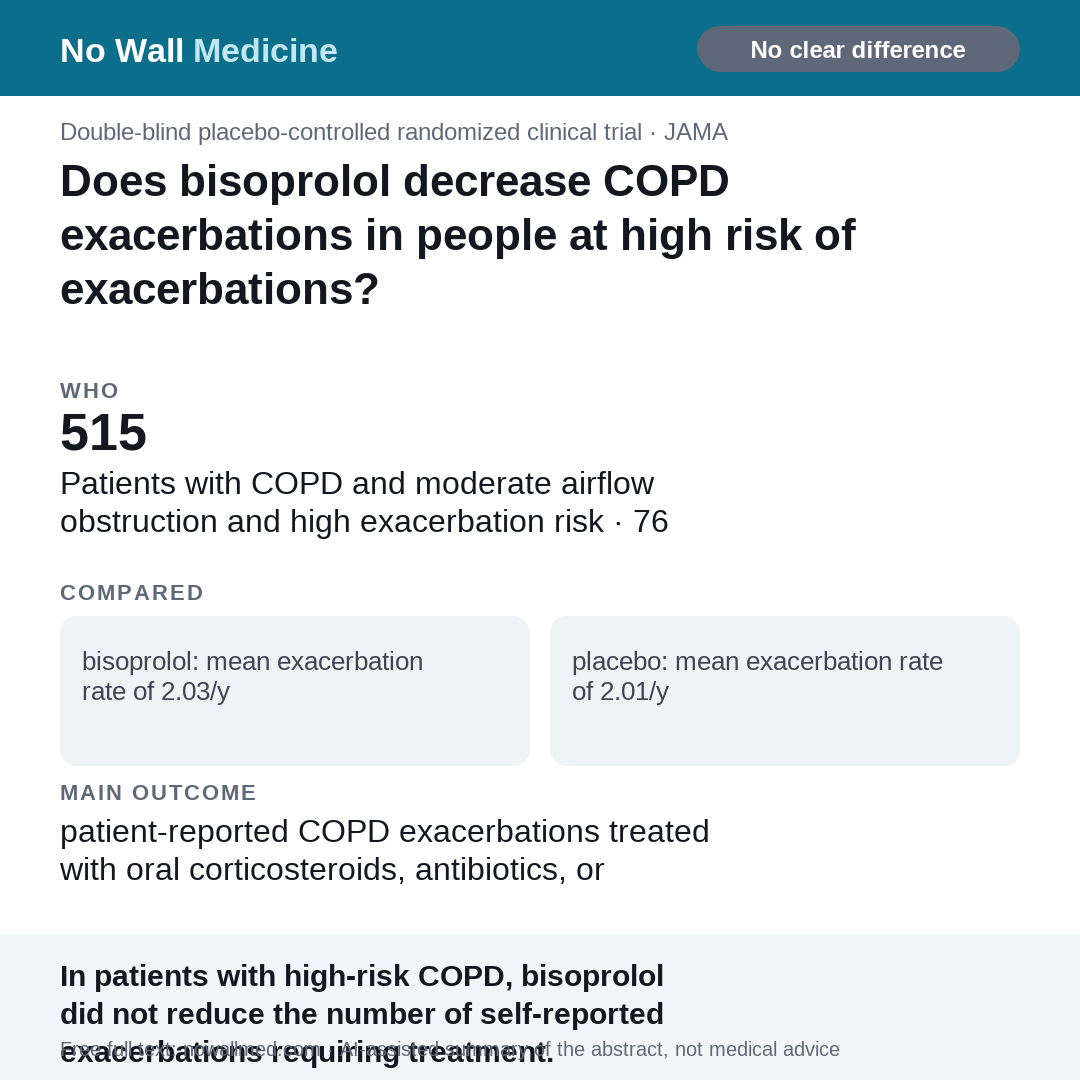
Acetaminophen for Prevention and Treatment of Organ Dysfunction in Critically Ill Patients With Sepsis: The ASTER Randomized Clinical Trial
Phase 2b randomized, double-blind, clinical trialNo clear difference
Does acetaminophen increase days alive and free of organ dysfunction in sepsis?
Who
447
Adults with sepsis and respiratory or circulatory organ dysfunction · 40 US academic hospitals
Compared
acetaminophen: 20.2 days; 95% CI, 18.8 to 21.6
placebo: 19.6 days; 95% CI, 18.2 to 21.0
Main outcome
days alive and free of organ support to day 28
Result: difference, 0.6; 95% CI, -1.4 to 2.6
Bottom line: Intravenous acetaminophen was safe but did not significantly improve days alive and free of organ support in critically ill sepsis patients.
JAMA · 2024-05-19Download image
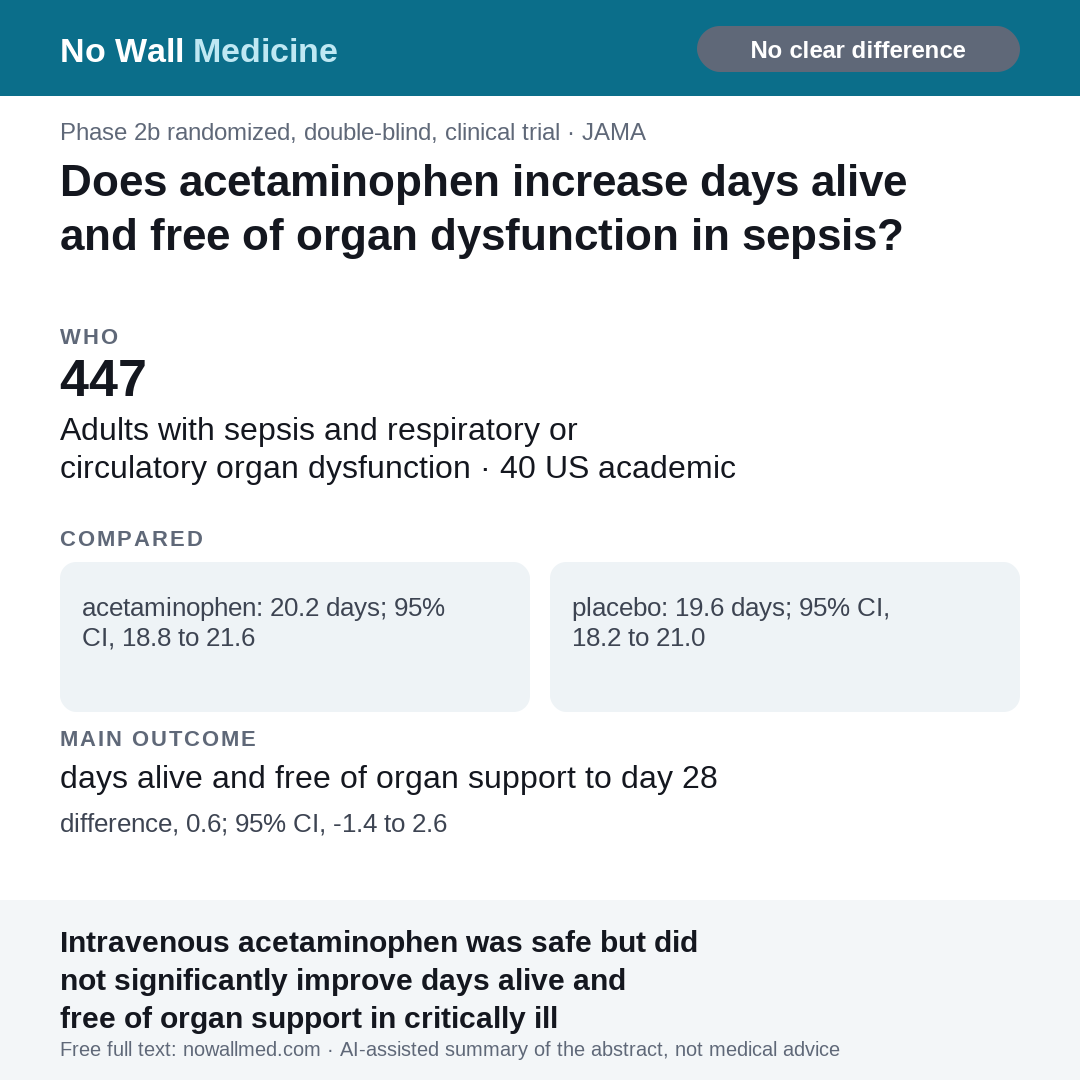
Pamrevlumab for Idiopathic Pulmonary Fibrosis: The ZEPHYRUS-1 Randomized Clinical Trial
Phase 3 randomized clinical trialNo clear difference
Is pamrevlumab effective for patients with idiopathic pulmonary fibrosis?
Who
356
patients aged 40 to 85 years with idiopathic pulmonary fibrosis · 117 sites in 9 countries
Compared
pamrevlumab: -260 mL [95% CI, -350 to -170 mL]
placebo: -330 mL [95% CI, -430 to -230 mL]
Main outcome
absolute change in forced vital capacity from baseline to week 48
Result: mean between-group difference, 70 mL [95% CI, -60 to 190 mL]
Bottom line: Pamrevlumab showed no significant difference from placebo in absolute change in forced vital capacity at week 48.
JAMA · 2024-05-19Download image
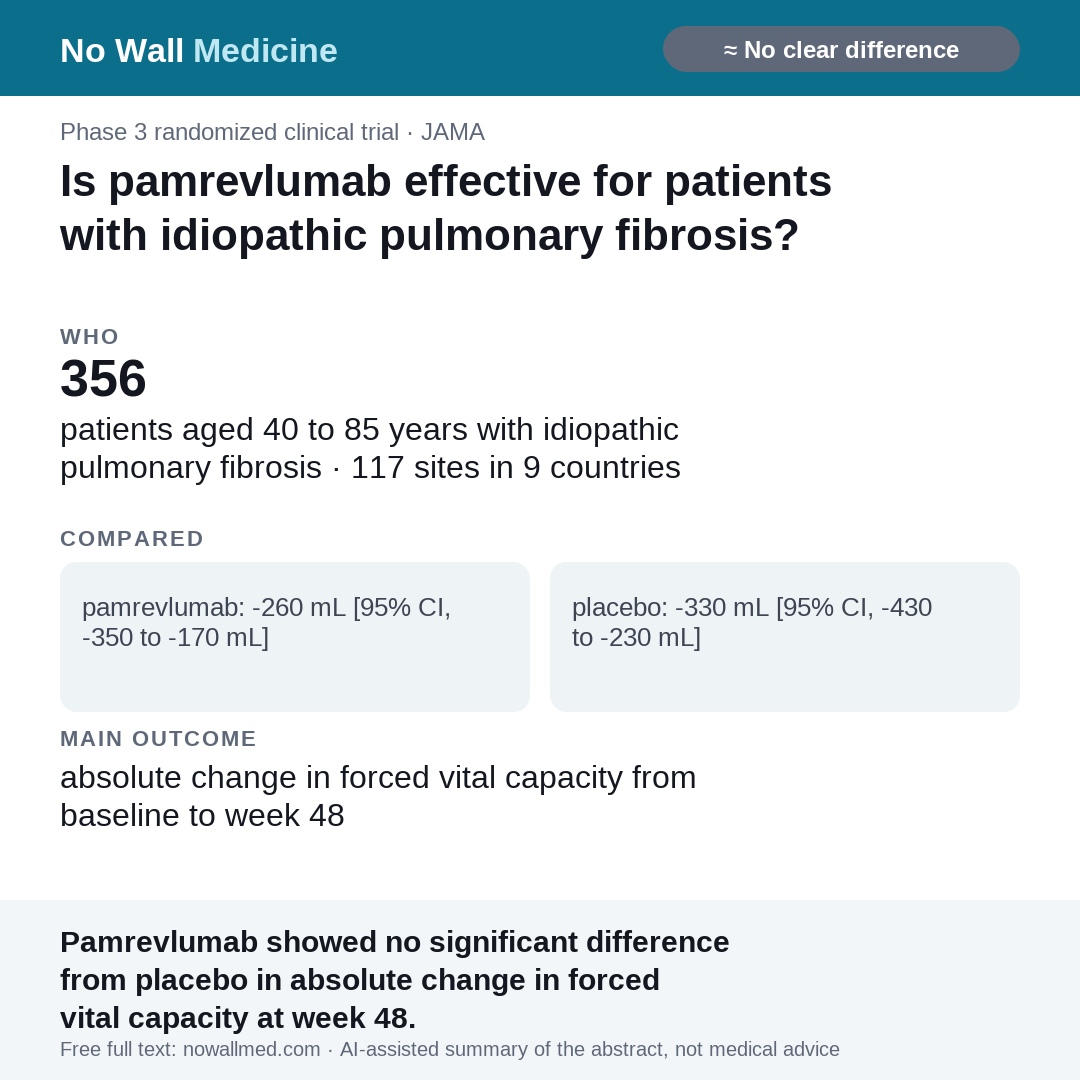
Post-trial monitoring of a randomised controlled trial of intensive glycaemic control in type 2 diabetes extended from 10 years to 24 years (UKPDS 91)
Randomized trial post-trial monitoringBenefit found
Do legacy effects of intensive glycaemic control wane during extended follow-up?
Who
1525
Patients with newly diagnosed type 2 diabetes · United Kingdom, National Health Service
Compared
Intensive glycaemic control (sulfonylurea or insulin): 10% relative risk reduction for death from any cause
Conventional glycaemic control
Main outcome
Seven prespecified aggregate clinical outcomes
Result: relative risk reduction 10% (95% CI 2-17) for death from any cause
Bottom line: Early intensive glycaemic control with sulfonylurea, insulin, or metformin confers near-lifelong reduced risk of death and myocardial infarction.
Funded by: University of Oxford Nuffield Department of Population Health
Lancet · 2024-05-18Download image
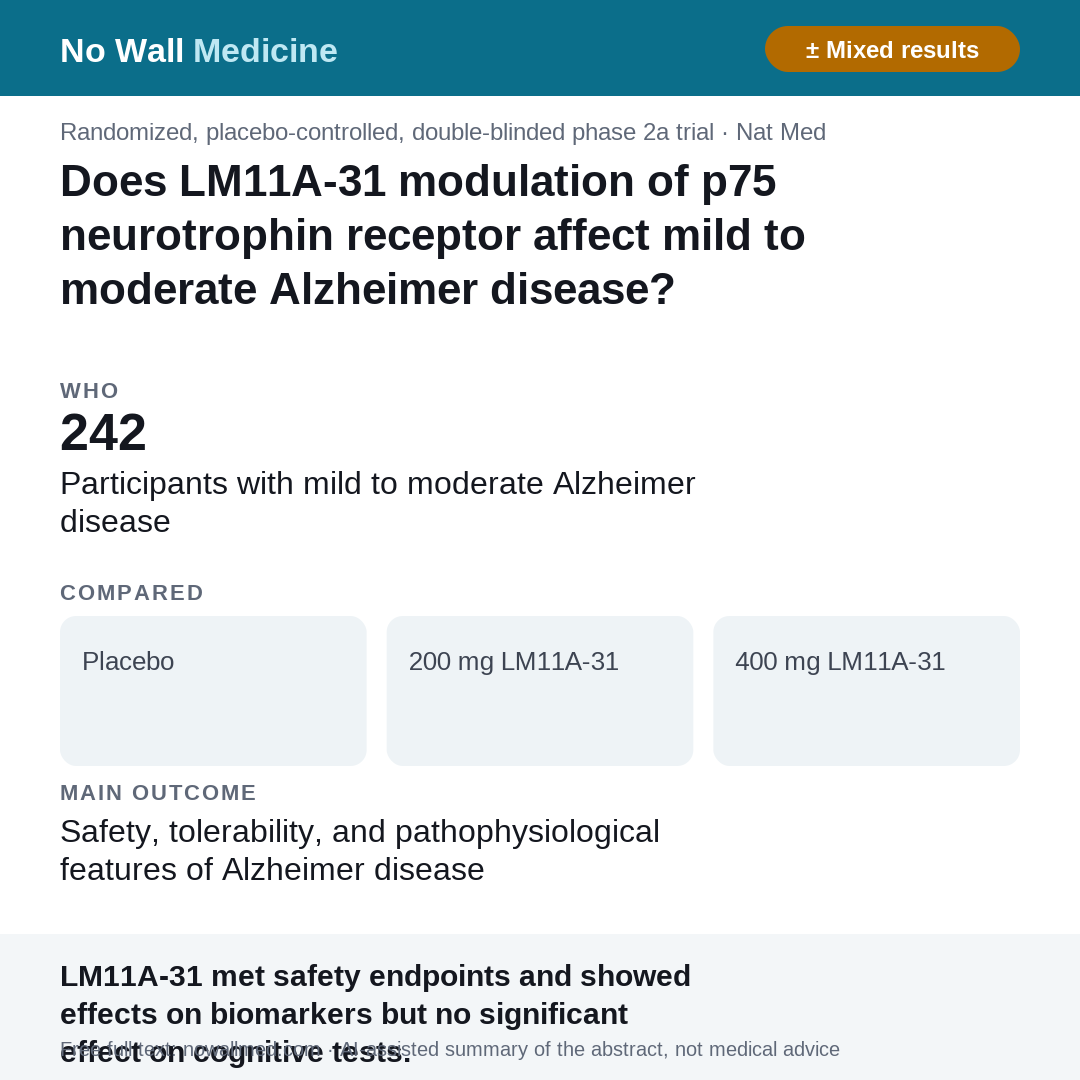
p75 neurotrophin receptor modulation in mild to moderate Alzheimer disease: a randomized, placebo-controlled phase 2a trial
Randomized, placebo-controlled, double-blinded phase 2a trialMixed results
Does LM11A-31 modulation of p75 neurotrophin receptor affect mild to moderate Alzheimer disease?
Who
242
Participants with mild to moderate Alzheimer disease
Compared
Placebo
200 mg LM11A-31
400 mg LM11A-31
Main outcome
Safety, tolerability, and pathophysiological features of Alzheimer disease
Bottom line: LM11A-31 met safety endpoints and showed effects on biomarkers but no significant effect on cognitive tests.
Nat Med · 2024-05-17Download image
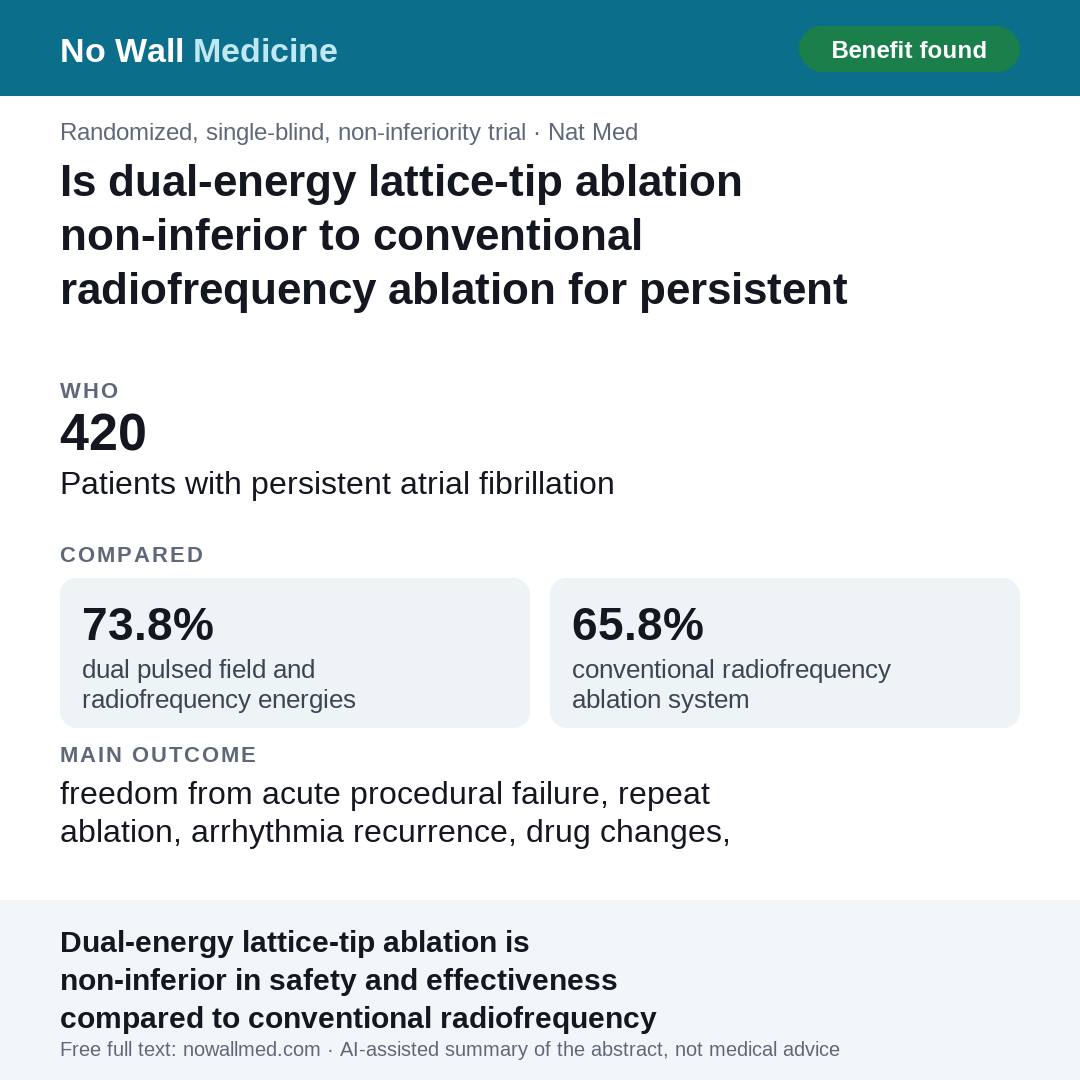
Dual-energy lattice-tip ablation system for persistent atrial fibrillation: a randomized trial
Randomized, single-blind, non-inferiority trialBenefit found
Is dual-energy lattice-tip ablation non-inferior to conventional radiofrequency ablation for persistent atrial fibrillation?
Who
420
Patients with persistent atrial fibrillation
Compared
73.8%dual pulsed field and radiofrequency energies
65.8%conventional radiofrequency ablation system
Main outcome
freedom from acute procedural failure, repeat ablation, arrhythmia recurrence, drug changes, or cardioversion
Result: P < 0.0001 for non-inferiority
Bottom line: Dual-energy lattice-tip ablation is non-inferior in safety and effectiveness compared to conventional radiofrequency ablation for persistent atrial fibrillation.
Nat Med · 2024-05-17Download image
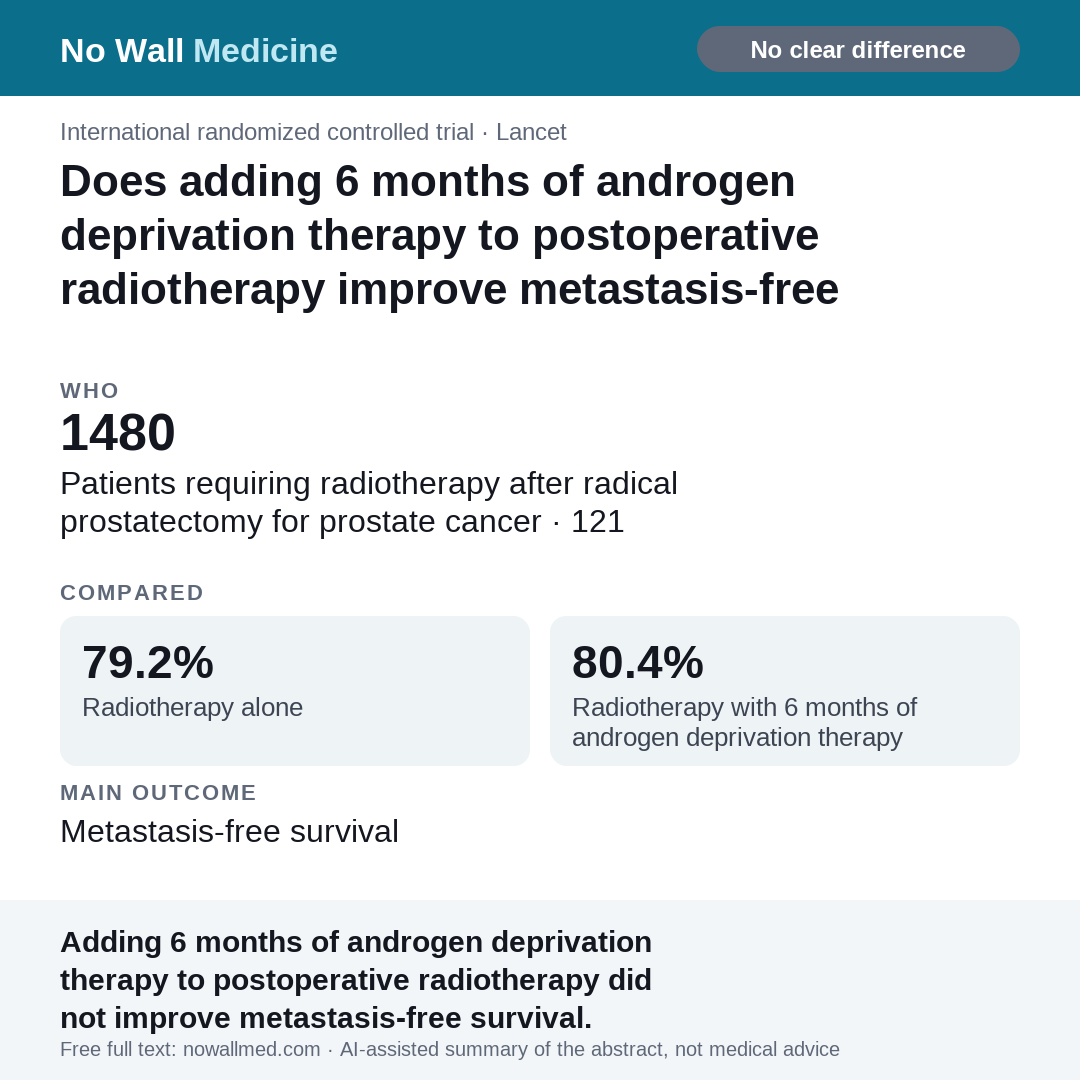
Adding 6 months of androgen deprivation therapy to postoperative radiotherapy for prostate cancer: a comparison of short-course versus no androgen deprivation therapy in the RADICALS-HD randomised controlled trial
International randomized controlled trialNo clear difference
Does adding 6 months of androgen deprivation therapy to postoperative radiotherapy improve metastasis-free survival?
Who
1480
Patients requiring radiotherapy after radical prostatectomy for prostate cancer · 121 centres in Canada, Denmark, Ireland, and the UK
Compared
79.2%Radiotherapy alone (95% CI 75.4-82.5)
80.4%Radiotherapy with 6 months of androgen deprivation therapy (76.6-83.6%)
Main outcome
Metastasis-free survival
Result: hazard ratio 0.886 (95% CI 0.688-1.140)
Bottom line: Adding 6 months of androgen deprivation therapy to postoperative radiotherapy did not improve metastasis-free survival.
Funded by: Cancer Research UK, UK Research and Innovation, Canadian Cancer Society
Lancet · 2024-05-16Download image
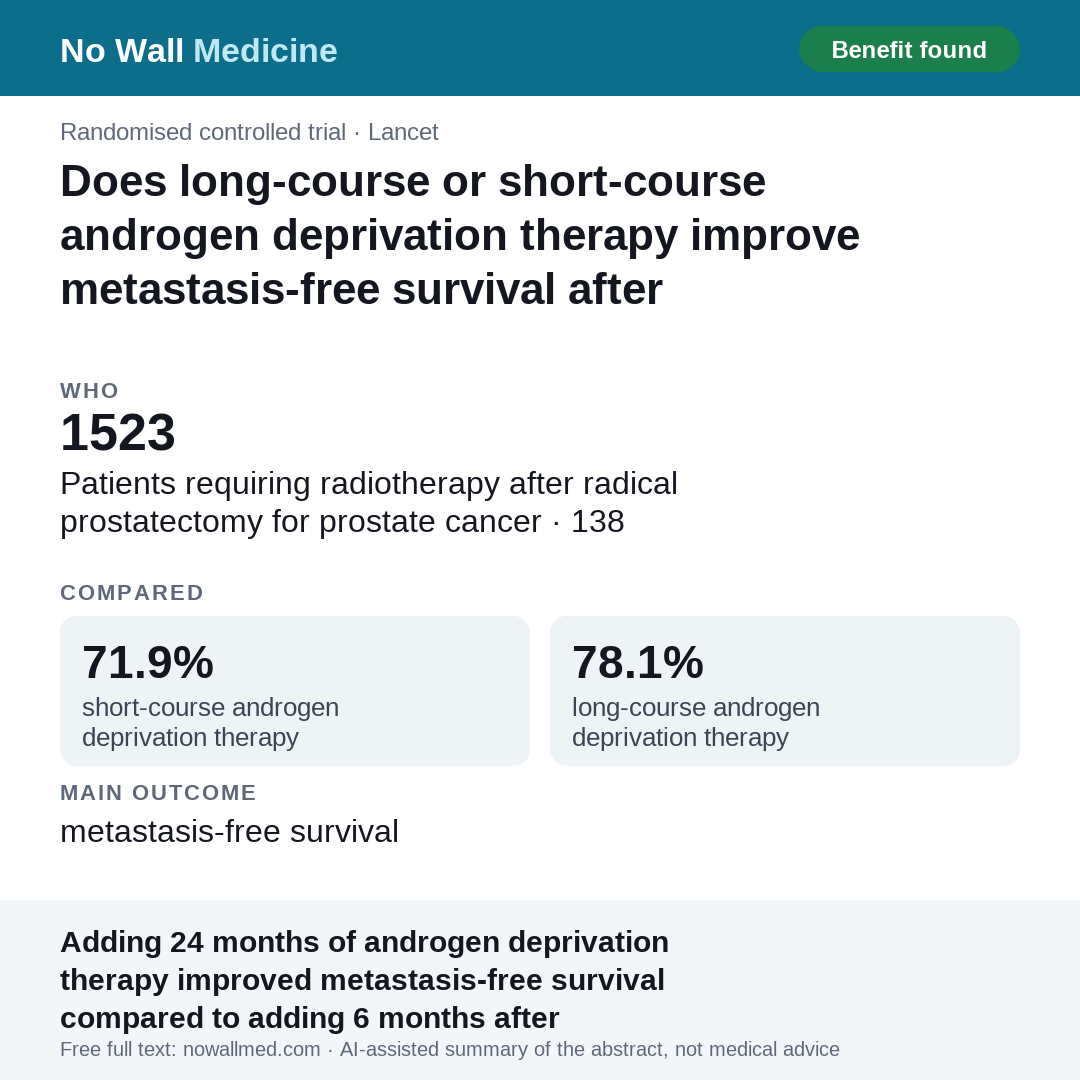
Duration of androgen deprivation therapy with postoperative radiotherapy for prostate cancer: a comparison of long-course versus short-course androgen deprivation therapy in the RADICALS-HD randomised trial
Randomised controlled trialBenefit found
Does long-course or short-course androgen deprivation therapy improve metastasis-free survival after postoperative radiotherapy?
Who
1523
Patients requiring radiotherapy after radical prostatectomy for prostate cancer · 138 centres in Canada, Denmark, Ireland, and the UK
Compared
71.9%short-course androgen deprivation therapy (95% CI 67.6-75.7)
78.1%long-course androgen deprivation therapy (74.2-81.5)
Main outcome
metastasis-free survival
Result: hazard ratio 0.773 (95% CI 0.612-0.975)
Bottom line: Adding 24 months of androgen deprivation therapy improved metastasis-free survival compared to adding 6 months after postoperative radiotherapy.
Limitation: The allocated treatment was not masked.
Funded by: Cancer Research UK, UK Research and Innovation, Canadian Cancer Society
Lancet · 2024-05-16Download image