Visual abstracts
New randomized trials and meta-analyses from leading journals at a glance: who was studied, what was compared, and what was found. Every paper is free to read in full.
All specialtiesCardiology 4877Oncology 4138Gastroenterology & Hepatology 1942Infectious Disease 3837Neurology 1905Psychiatry & Mental Health 2273Pulmonology 2143Critical Care 1365Endocrinology & Diabetes 2580Pediatrics 2980Surgery 2559Orthopedics & Sports Medicine 931Neurosurgery 537Cardiothoracic & Vascular Surgery 674Plastic & Reconstructive Surgery 591Nephrology 1133Rheumatology 823Hematology 1109Dermatology 621Ophthalmology 543Obstetrics & Gynecology 1686Public & Global Health 1058Radiology & Imaging 648Anesthesiology 986Urology 764ENT (Otolaryngology) 503Emergency Medicine 511Allergy & Immunology 313Geriatrics 981Family Medicine & Primary Care 562Medical Genetics & Genomics 676Pathology & Laboratory Medicine 159Physical Medicine & Rehabilitation 757Palliative Care 444Nutrition 1588Digital Health & AI 2201General Medicine 321
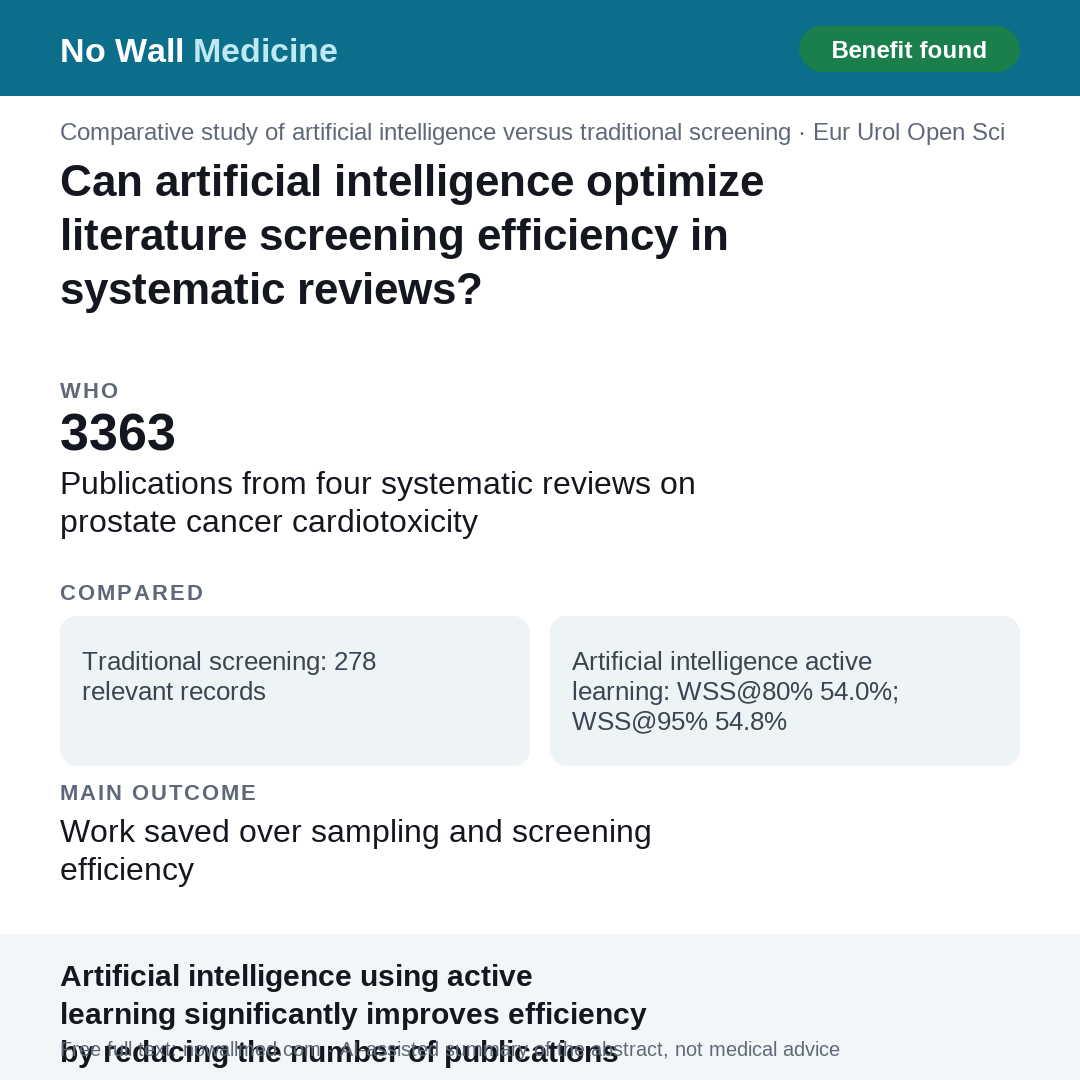
Using Artificial Intelligence for Text Screening in a Systematic Review of Cardiotoxicity
Comparative study of artificial intelligence versus traditional screeningBenefit found
Can artificial intelligence optimize literature screening efficiency in systematic reviews?
Who
3363
Publications from four systematic reviews on prostate cancer cardiotoxicity
Compared
Traditional screening: 278 relevant records
Artificial intelligence active learning: WSS@80% 54.0%; WSS@95% 54.8%
Main outcome
Work saved over sampling and screening efficiency
Bottom line: Artificial intelligence using active learning significantly improves efficiency by reducing the number of publications required for screening.
Eur Urol Open Sci · 2025-09-27Download image
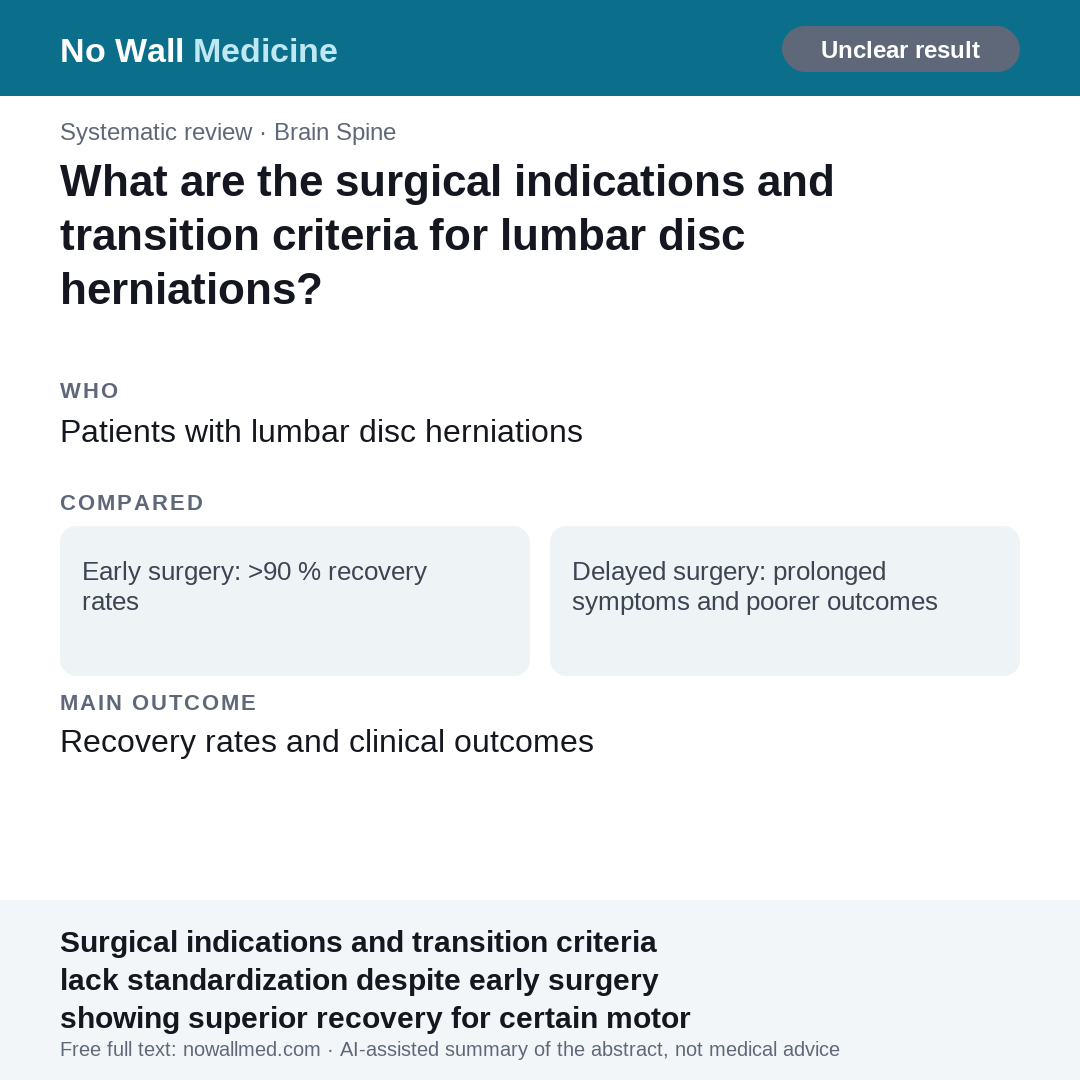
Indications for surgery versus conservative treatment in the management of lumbar disc herniations: A systematic review
Systematic reviewUnclear result
What are the surgical indications and transition criteria for lumbar disc herniations?
Who
Patients with lumbar disc herniations
Compared
Early surgery: >90 % recovery rates
Delayed surgery: prolonged symptoms and poorer outcomes
Main outcome
Recovery rates and clinical outcomes
Bottom line: Surgical indications and transition criteria lack standardization despite early surgery showing superior recovery for certain motor deficits.
Limitation: Significant heterogeneity in surgical indications, timing, and decision-making criteria.
Brain Spine · 2025-09-27Download image
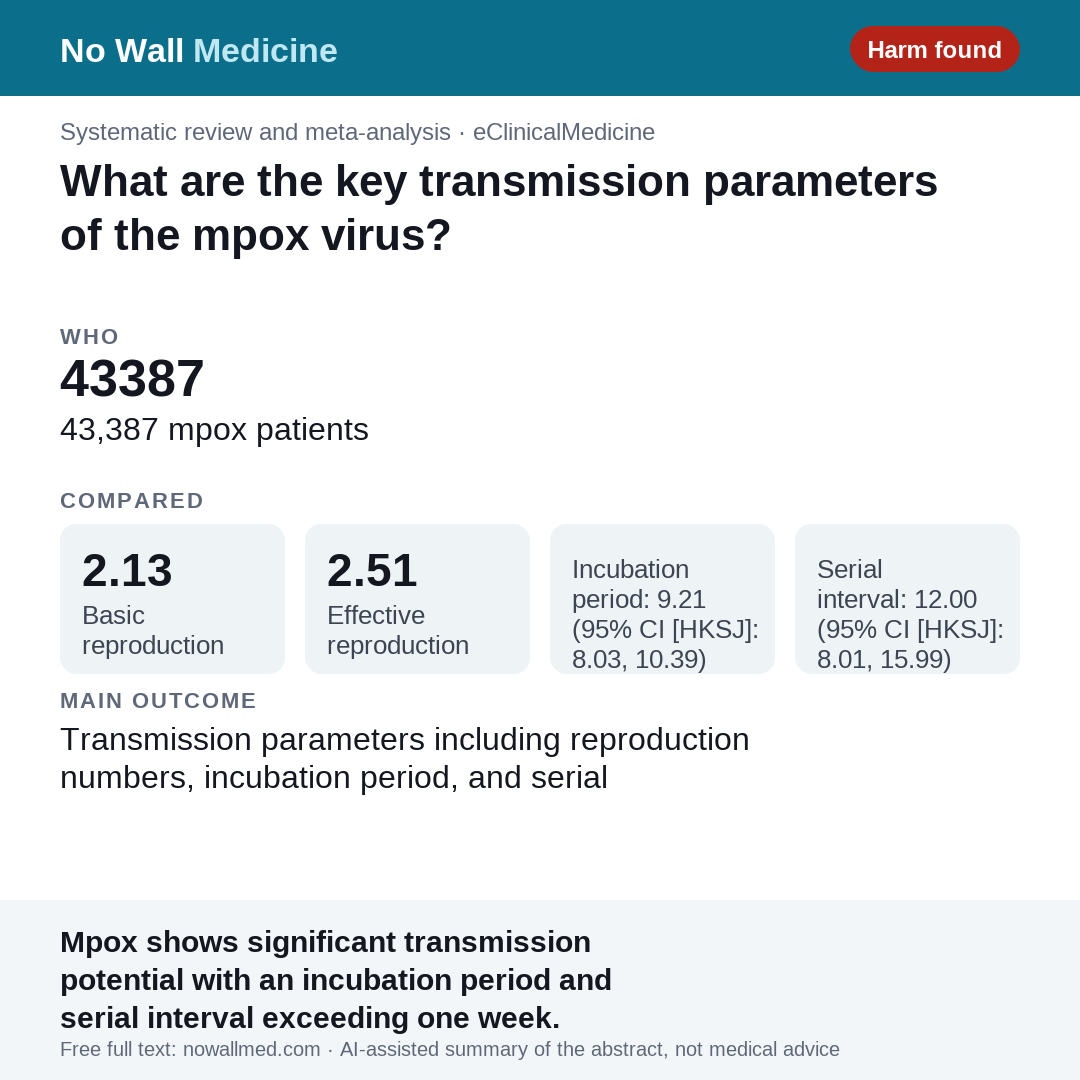
Global transmission characteristics of mpox outbreaks: a systematic review and meta-analysis
Systematic review and meta-analysisHarm found
What are the key transmission parameters of the mpox virus?
Who
43387
43,387 mpox patients
Compared
2.13Basic reproduction number (95% CI [HKSJ]: 1.63, 2.62)
2.51Effective reproduction number (95% CI [HKSJ]: 2.05, 2.97)
Incubation period: 9.21 (95% CI [HKSJ]: 8.03, 10.39) days
Serial interval: 12.00 (95% CI [HKSJ]: 8.01, 15.99) days
Main outcome
Transmission parameters including reproduction numbers, incubation period, and serial interval
Bottom line: Mpox shows significant transmission potential with an incubation period and serial interval exceeding one week.
eClinicalMedicine · 2025-09-26Download image
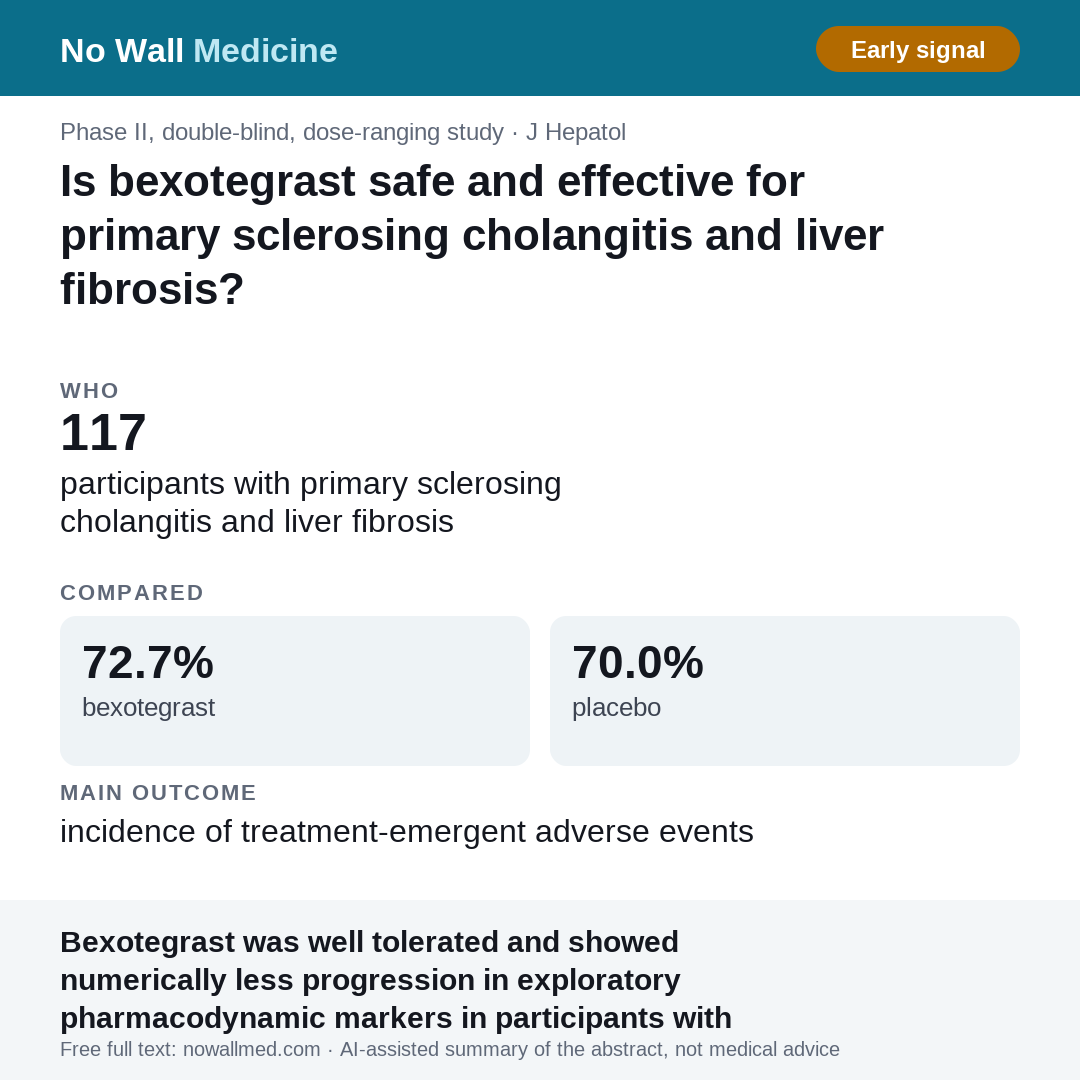
Phase II INTEGRIS-PSC trial of bexotegrast, an αvβ6/αvβ1 integrin inhibitor, in primary sclerosing cholangitis
Phase II, double-blind, dose-ranging studyBenefit found
Is bexotegrast safe and effective for primary sclerosing cholangitis and liver fibrosis?
Who
117
participants with primary sclerosing cholangitis and liver fibrosis
Compared
72.7%bexotegrast
70.0%placebo
Main outcome
incidence of treatment-emergent adverse events
Bottom line: Bexotegrast was well tolerated and showed numerically less progression in exploratory pharmacodynamic markers in participants with primary sclerosing cholangitis.
J Hepatol · 2025-09-26Download image
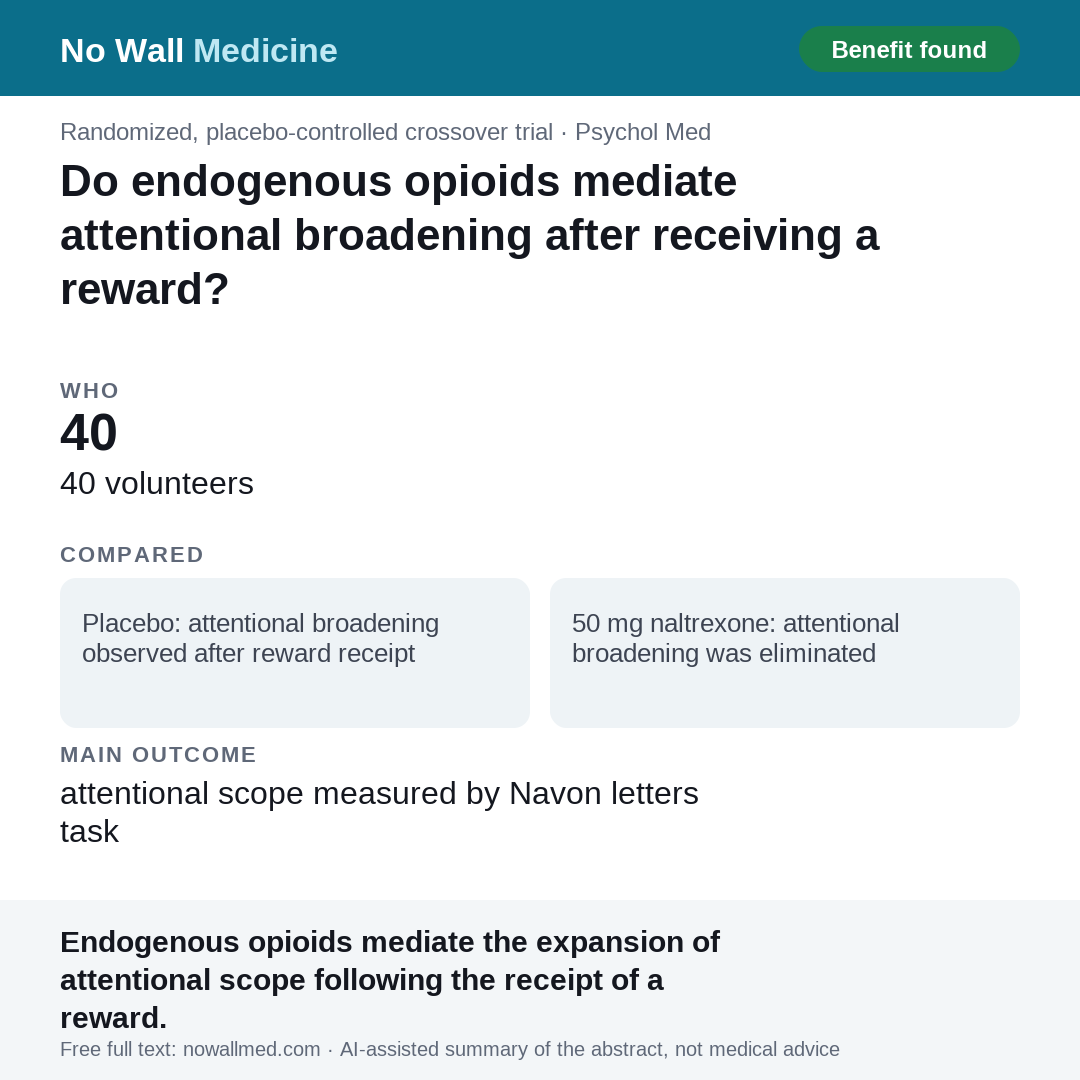
Seeing the bigger picture: endogenous opioids mediate attentional broadening after reward receipt
Randomized, placebo-controlled crossover trialBenefit found
Do endogenous opioids mediate attentional broadening after receiving a reward?
Who
40
40 volunteers
Compared
Placebo: attentional broadening observed after reward receipt
50 mg naltrexone: attentional broadening was eliminated
Main outcome
attentional scope measured by Navon letters task
Bottom line: Endogenous opioids mediate the expansion of attentional scope following the receipt of a reward.
Psychol Med · 2025-09-26Download image
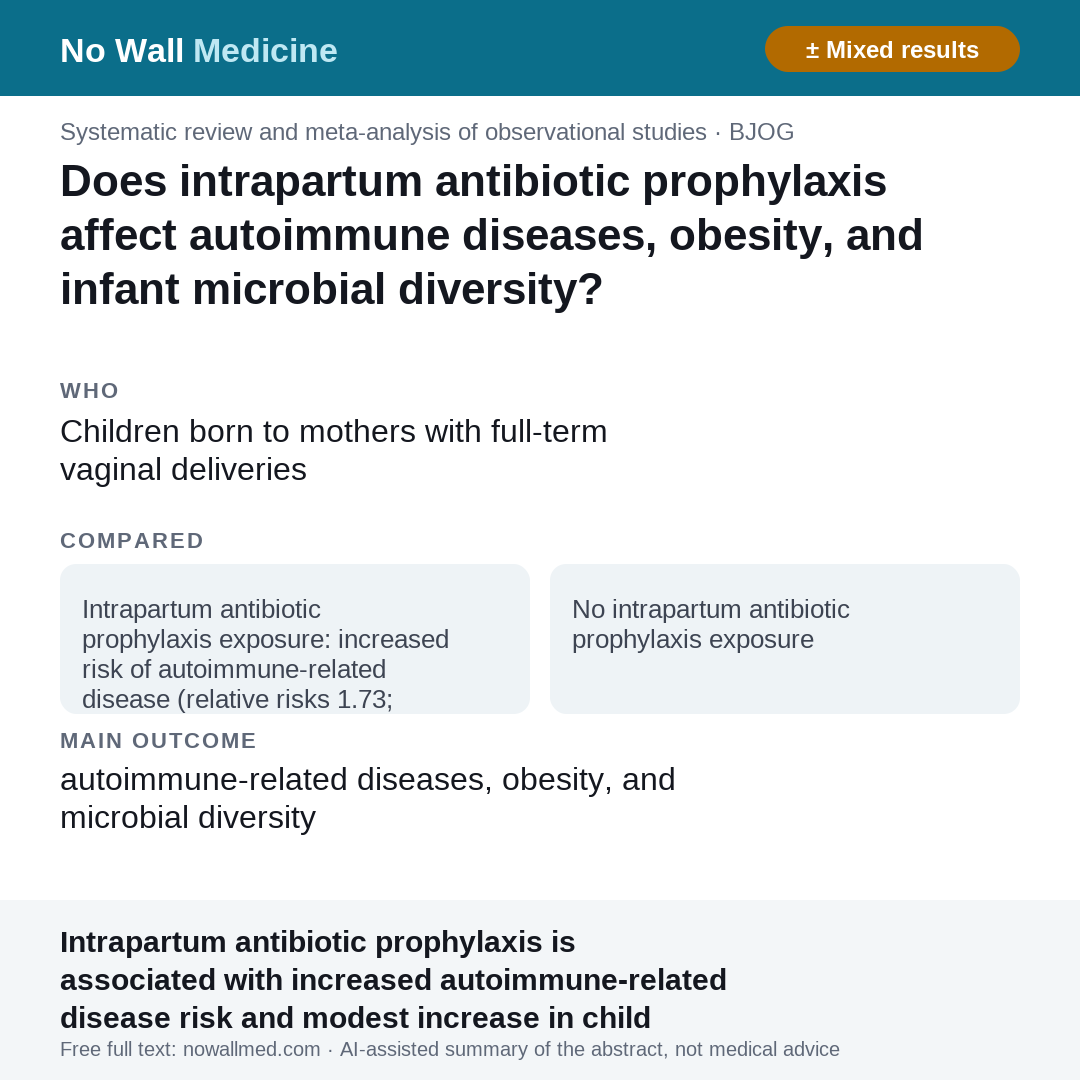
Intrapartum Antibiotic Prophylaxis and Child Health Outcomes: A Systematic Review and Meta-Analysis of Observational Studies
Systematic review and meta-analysis of observational studiesMixed results
Does intrapartum antibiotic prophylaxis affect autoimmune diseases, obesity, and infant microbial diversity?
Who
Children born to mothers with full-term vaginal deliveries
Compared
Intrapartum antibiotic prophylaxis exposure: increased risk of autoimmune-related disease (relative risks 1.73; 95% CI: 1.08-2.78)
No intrapartum antibiotic prophylaxis exposure
Main outcome
autoimmune-related diseases, obesity, and microbial diversity
Result: relative risks 1.73 (95% CI 1.08-2.78)
Bottom line: Intrapartum antibiotic prophylaxis is associated with increased autoimmune-related disease risk and modest increase in child BMI.
BJOG · 2025-09-26Download image
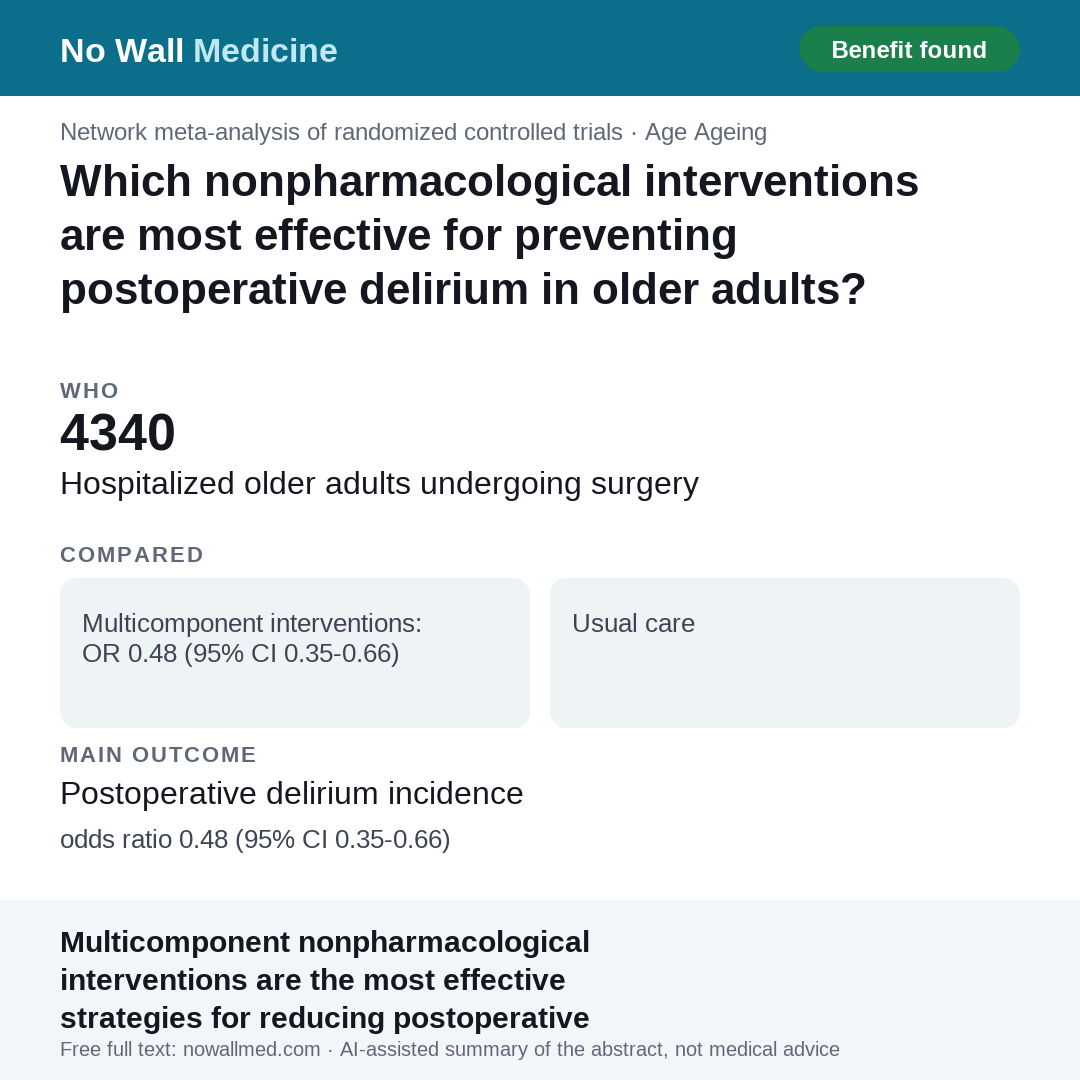
Comparative efficacy of nonpharmacological interventions for preventing postoperative delirium in hospitalized older adults: a systematic review and network meta-analysis
Network meta-analysis of randomized controlled trialsBenefit found
Which nonpharmacological interventions are most effective for preventing postoperative delirium in older adults?
Who
4340
Hospitalized older adults undergoing surgery
Compared
Multicomponent interventions: OR 0.48 (95% CI 0.35-0.66)
Usual care
Main outcome
Postoperative delirium incidence
Result: odds ratio 0.48 (95% CI 0.35-0.66)
Bottom line: Multicomponent nonpharmacological interventions are the most effective strategies for reducing postoperative delirium incidence in hospitalized older adults.
Age Ageing · 2025-09-26Download image
The Effect of Community-based Group Activities on Psychological Well-Being in People Living With Dementia: A Systematic Review
Systematic reviewBenefit found
Do community-based group activities improve psychological well-being in people living with dementia?
Who
18
People living with dementia in community settings · Community settings
Compared
Community-based group activities
Control
Main outcome
Psychological well-being
Bottom line: Community-based group activities show a positive trend in improving psychological well-being for people living with dementia.
Limitation: Limited research and need for more high-quality research to understand effectiveness.
J Am Med Dir Assoc · 2025-09-26Download image

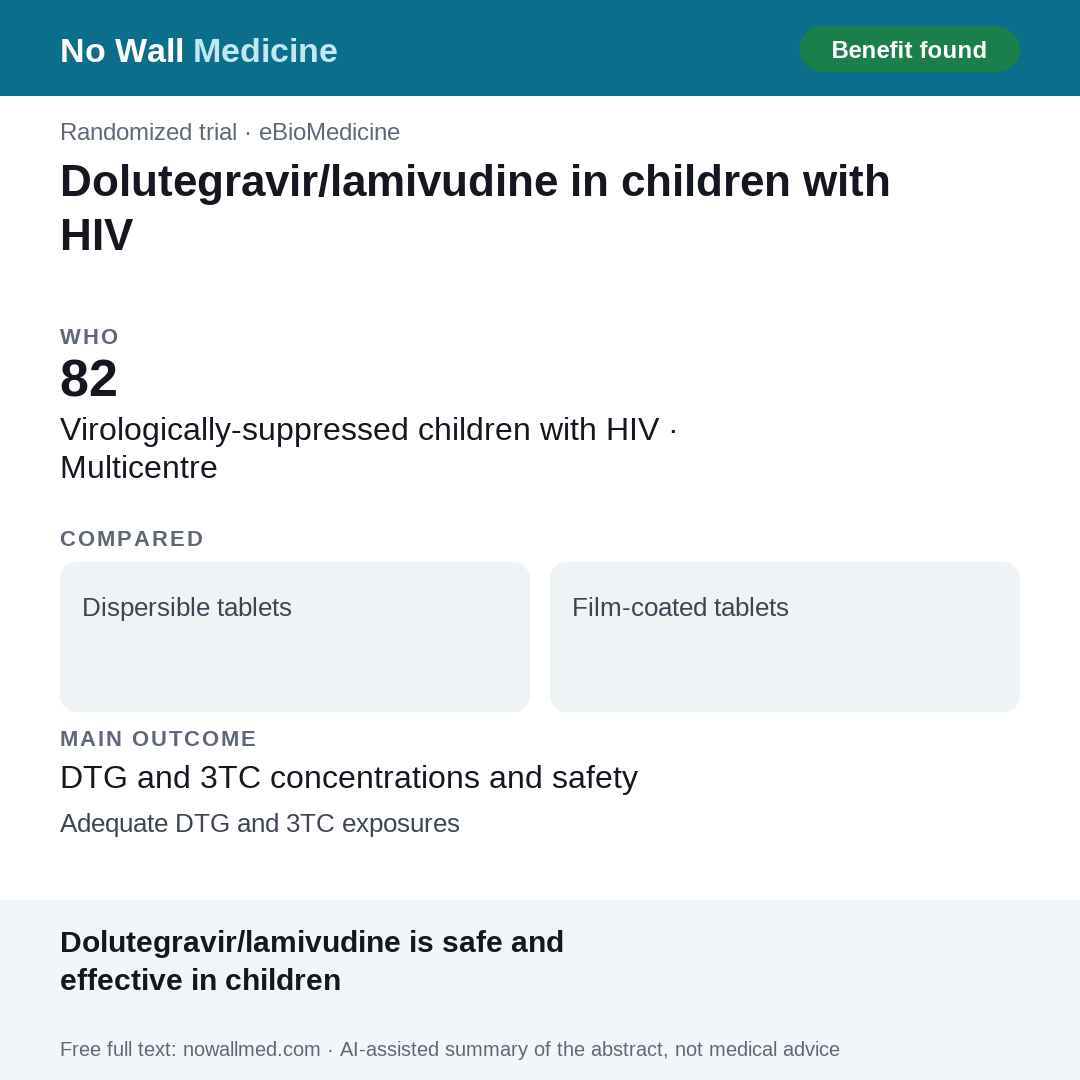
Once-daily dolutegravir/lamivudine fixed-dose formulations in children living with HIV: a pharmacokinetic and safety sub-study nested in the open-label, multicentre, randomised, non-inferiority D3/PENTA 21 trial
Randomized trialBenefit found
Dolutegravir/lamivudine in children with HIV
Who
82
Virologically-suppressed children with HIV · Multicentre
Compared
Dispersible tablets
Film-coated tablets
Main outcome
DTG and 3TC concentrations and safety
Result: Adequate DTG and 3TC exposures
Bottom line: Dolutegravir/lamivudine is safe and effective in children
Funded by: ViiV Healthcare
eBioMedicine · 2025-09-26Download image
Artificial intelligence for tracking social behaviours and supporting an autism spectrum disorder diagnosis: systematic review and meta-analysis
Systematic review and meta-analysisBenefit found
How accurate are artificial intelligence algorithms for autism spectrum disorder diagnosis and tracking?
Who
Human participants with an autism spectrum disorder diagnosis
Compared
Artificial intelligence algorithms
Control
Main outcome
Diagnostic accuracy in autism spectrum disorder classification
Result: diagnostic odds ratio 15.917 (95% CI 4.775 to 53.059)
Bottom line: Artificial intelligence can accurately augment autism spectrum disorder assessments and track social behaviours through facial information.
Limitation: Further validation in diverse populations is needed to ensure clinical applicability and ethical use.
eBioMedicine · 2025-09-26Download image

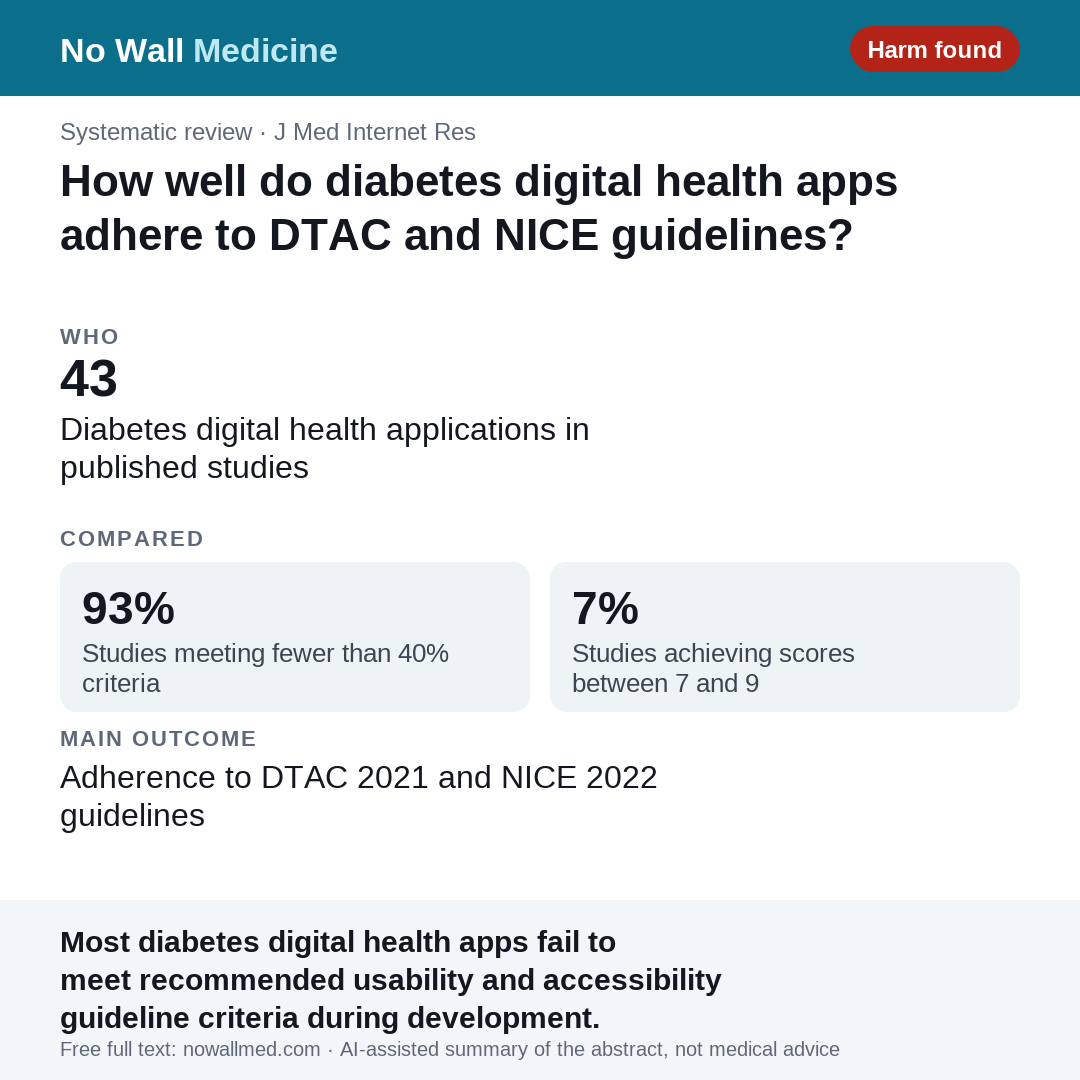
Adherence to Usability and Accessibility Principles in Digital Health Applications for Patients With Diabetes: Systematic Review
Systematic reviewHarm found
How well do diabetes digital health apps adhere to DTAC and NICE guidelines?
Who
43
Diabetes digital health applications in published studies
Compared
93%Studies meeting fewer than 40% criteria (n=40)
7%Studies achieving scores between 7 and 9 (3)
Main outcome
Adherence to DTAC 2021 and NICE 2022 guidelines
Bottom line: Most diabetes digital health apps fail to meet recommended usability and accessibility guideline criteria during development.
J Med Internet Res · 2025-09-26Download image
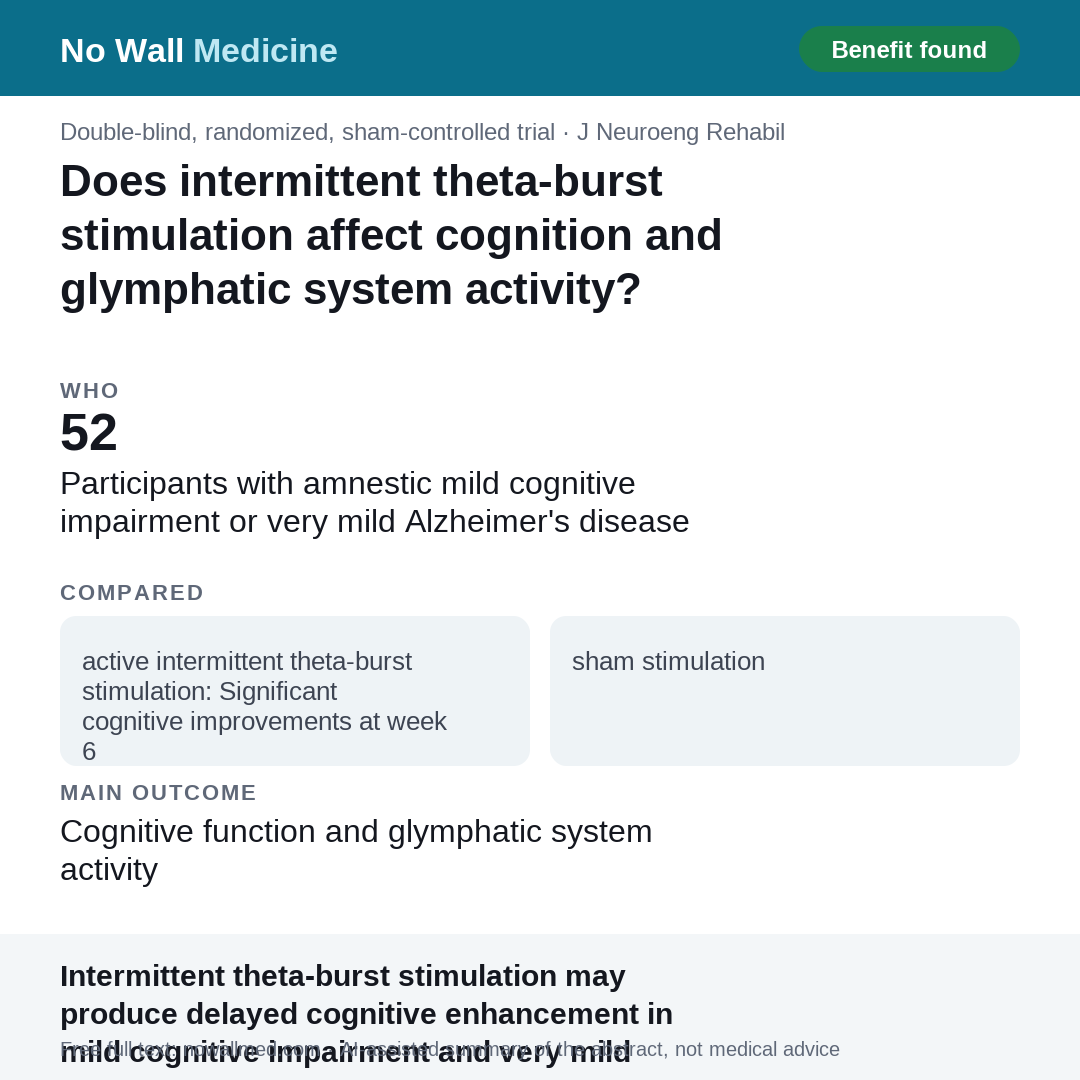
Effects of intermittent theta-burst stimulation on cognition and glymphatic system activity in mild cognitive impairment and very mild Alzheimer's disease: a randomized controlled trial
Double-blind, randomized, sham-controlled trialBenefit found
Does intermittent theta-burst stimulation affect cognition and glymphatic system activity?
Who
52
Participants with amnestic mild cognitive impairment or very mild Alzheimer's disease
Compared
active intermittent theta-burst stimulation: Significant cognitive improvements at week 6
sham stimulation
Main outcome
Cognitive function and glymphatic system activity
Bottom line: Intermittent theta-burst stimulation may produce delayed cognitive enhancement in mild cognitive impairment and very mild Alzheimer's disease.
J Neuroeng Rehabil · 2025-09-26Download image
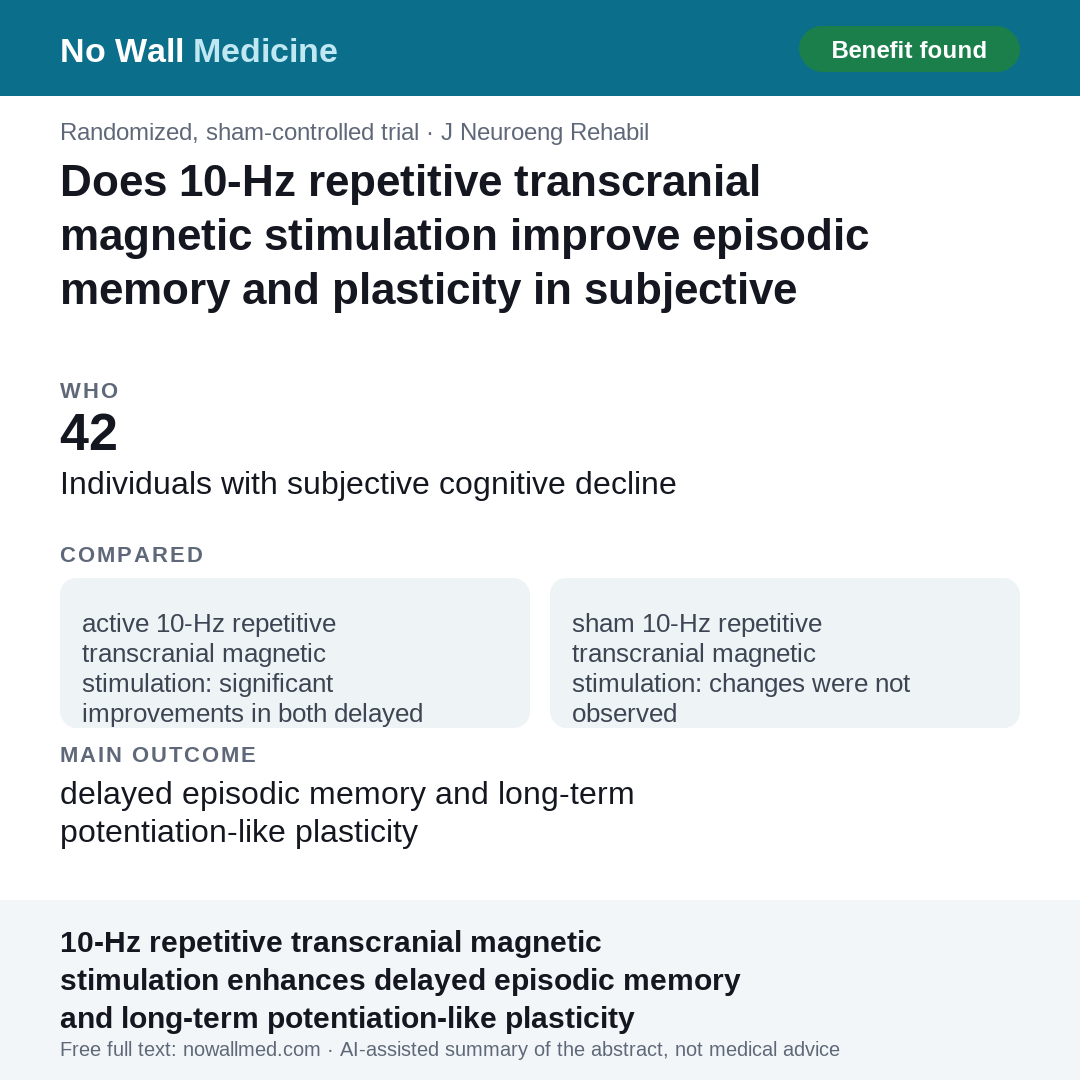
Enhanced episodic memory and LTP-like plasticity in subjective cognitive decline following 10-Hz repetitive transcranial magnetic stimulation
Randomized, sham-controlled trialBenefit found
Does 10-Hz repetitive transcranial magnetic stimulation improve episodic memory and plasticity in subjective cognitive decline?
Who
42
Individuals with subjective cognitive decline
Compared
active 10-Hz repetitive transcranial magnetic stimulation: significant improvements in both delayed episodic memory (AVLT-N5) and MEP amplitudes
sham 10-Hz repetitive transcranial magnetic stimulation: changes were not observed
Main outcome
delayed episodic memory and long-term potentiation-like plasticity
Bottom line: 10-Hz repetitive transcranial magnetic stimulation enhances delayed episodic memory and long-term potentiation-like plasticity in individuals with subjective cognitive decline.
J Neuroeng Rehabil · 2025-09-26Download image
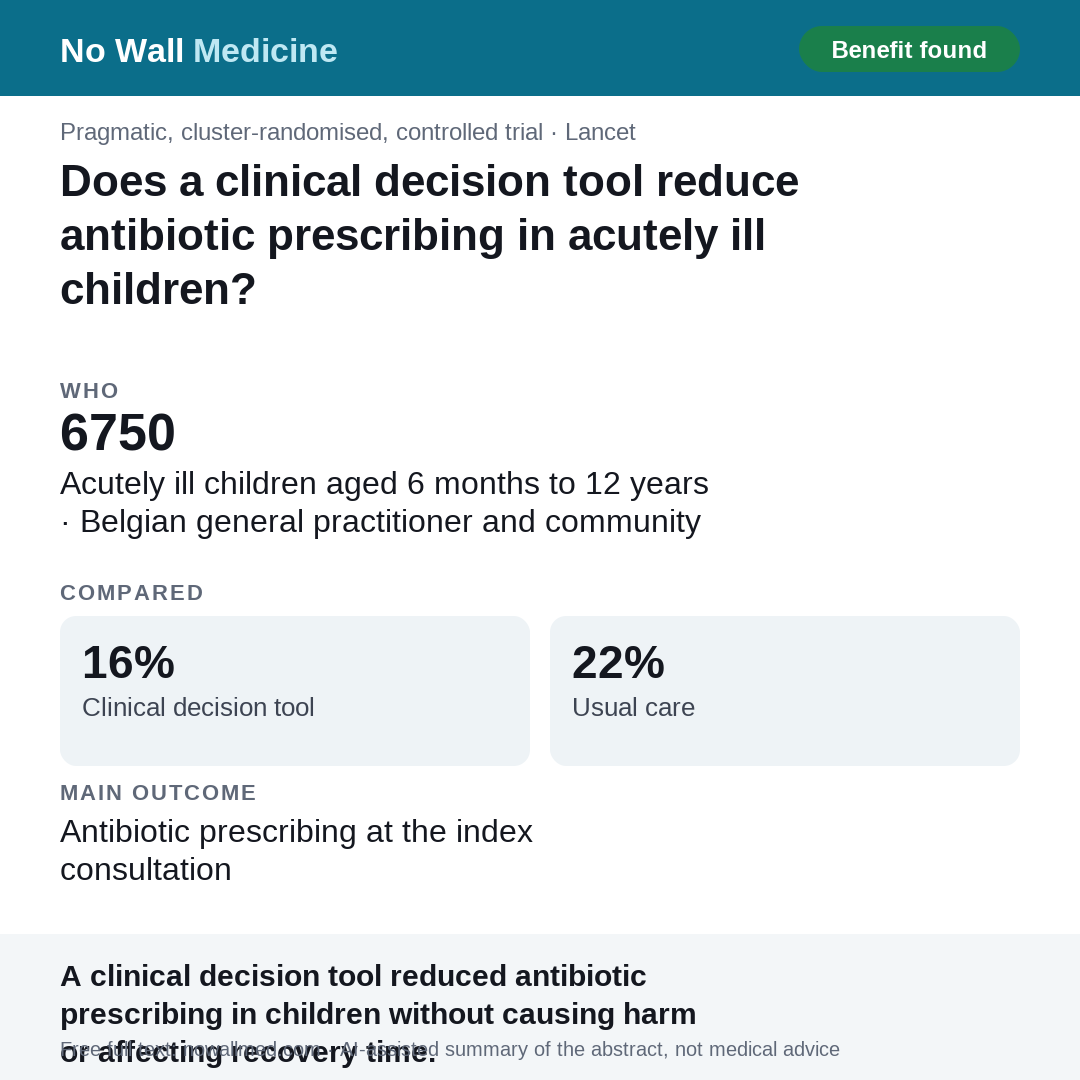
A clinical decision tool including a decision tree, point-of-care testing of CRP, and safety-netting advice to guide antibiotic prescribing in acutely ill children in primary care in Belgium (ARON): a pragmatic, cluster-randomised, controlled trial
Pragmatic, cluster-randomised, controlled trialBenefit found
Does a clinical decision tool reduce antibiotic prescribing in acutely ill children?
Who
6750
Acutely ill children aged 6 months to 12 years · Belgian general practitioner and community paediatrician practices
Compared
16%Clinical decision tool
22%Usual care
Main outcome
Antibiotic prescribing at the index consultation
Result: adjusted odds ratio 0·72 (95% CI 0·55-0·94)
Bottom line: A clinical decision tool reduced antibiotic prescribing in children without causing harm or affecting recovery time.
Funded by: Belgian Health Care Knowledge Centre
Lancet · 2025-09-25Download image
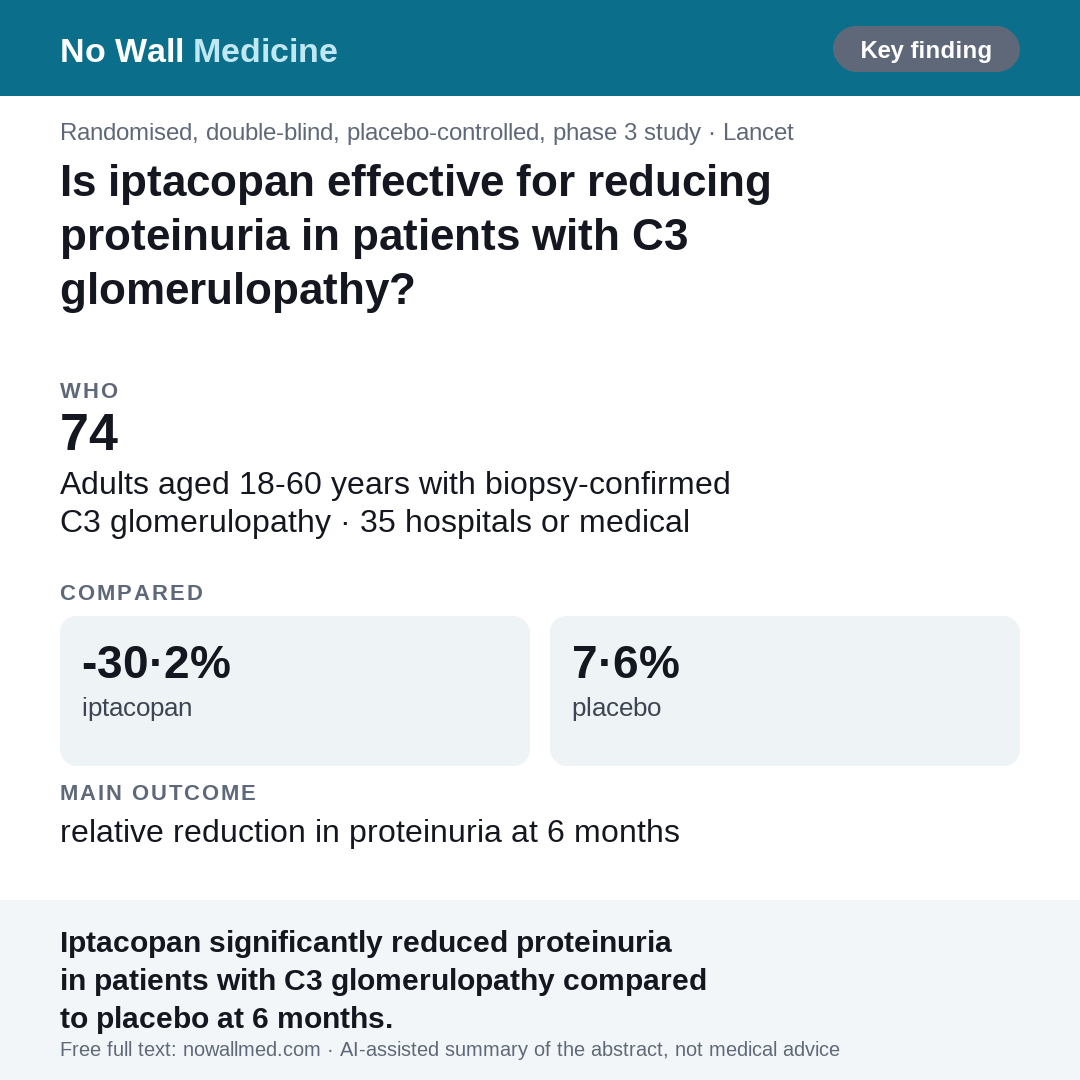
Oral iptacopan therapy in patients with C3 glomerulopathy: a randomised, double-blind, parallel group, multicentre, placebo-controlled, phase 3 study
Randomised, double-blind, placebo-controlled, phase 3 studyBenefit found
Is iptacopan effective for reducing proteinuria in patients with C3 glomerulopathy?
Who
74
Adults aged 18-60 years with biopsy-confirmed C3 glomerulopathy · 35 hospitals or medical centres in 18 countries
Compared
-30·2%iptacopan (95% CI -42·8 to -14·8)
7·6%placebo (-11·9 to 31·3)
Main outcome
relative reduction in proteinuria at 6 months
Result: 35·1% (13·8 to 51·1; p=0·0014)
Bottom line: Iptacopan significantly reduced proteinuria in patients with C3 glomerulopathy compared to placebo at 6 months.
Funded by: Novartis Pharma
Lancet · 2025-09-25Download image
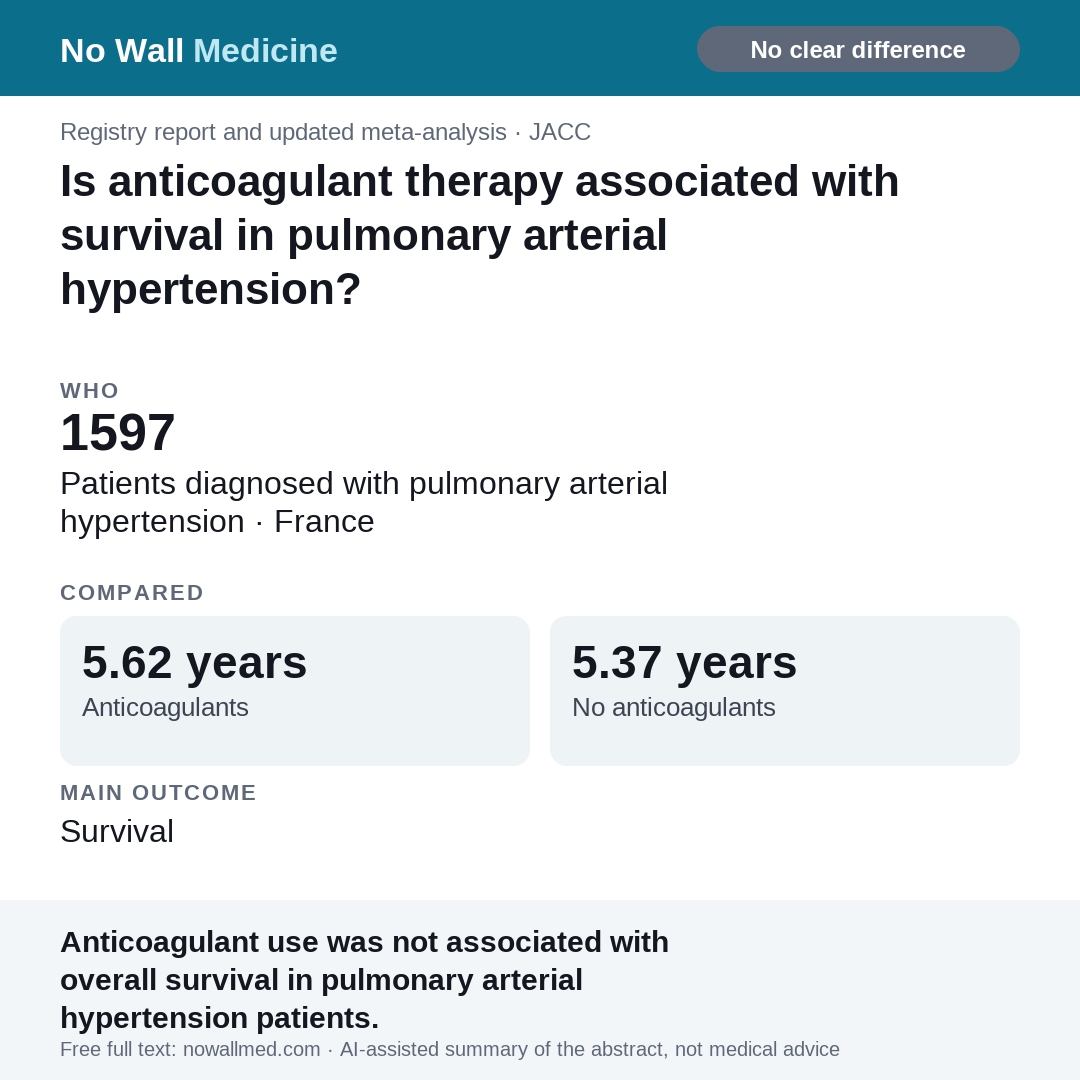
Association Between Anticoagulant Therapy and Survival in Pulmonary Arterial Hypertension: A Registry Report and Updated Meta-Analysis
Registry report and updated meta-analysisNo clear difference
Is anticoagulant therapy associated with survival in pulmonary arterial hypertension?
Who
1597
Patients diagnosed with pulmonary arterial hypertension · France
Compared
5.62 yearsAnticoagulants (95% CI: 4.76-6.58)
5.37 yearsNo anticoagulants (95% CI: 4.96-5.82)
Main outcome
Survival
Result: hazard ratio 0.98 (95% CI 0.78-1.23)
Bottom line: Anticoagulant use was not associated with overall survival in pulmonary arterial hypertension patients.
JACC · 2025-09-25Download image
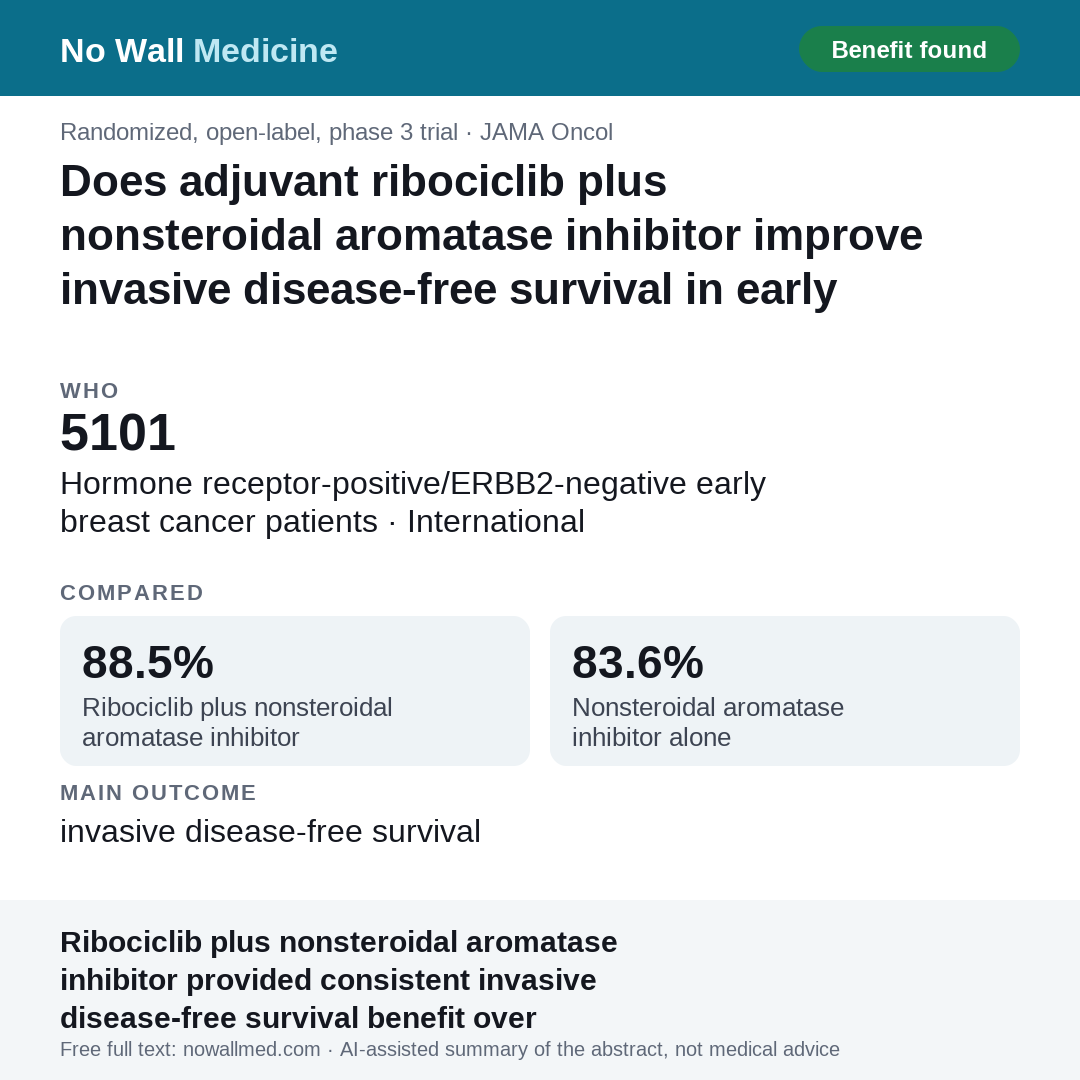
Ribociclib Plus Endocrine Therapy in Hormone Receptor-Positive/ERBB2-Negative Early Breast Cancer: 4-Year Outcomes From the NATALEE Randomized Clinical Trial
Randomized, open-label, phase 3 trialBenefit found
Does adjuvant ribociclib plus nonsteroidal aromatase inhibitor improve invasive disease-free survival in early breast cancer?
Who
5101
Hormone receptor-positive/ERBB2-negative early breast cancer patients · International
Compared
88.5%Ribociclib plus nonsteroidal aromatase inhibitor
83.6%Nonsteroidal aromatase inhibitor alone
Main outcome
invasive disease-free survival
Result: hazard ratio 0.72 (95% CI 0.61-0.84)
Bottom line: Ribociclib plus nonsteroidal aromatase inhibitor provided consistent invasive disease-free survival benefit over nonsteroidal aromatase inhibitor alone at 4 years.
JAMA Oncol · 2025-09-25Download image
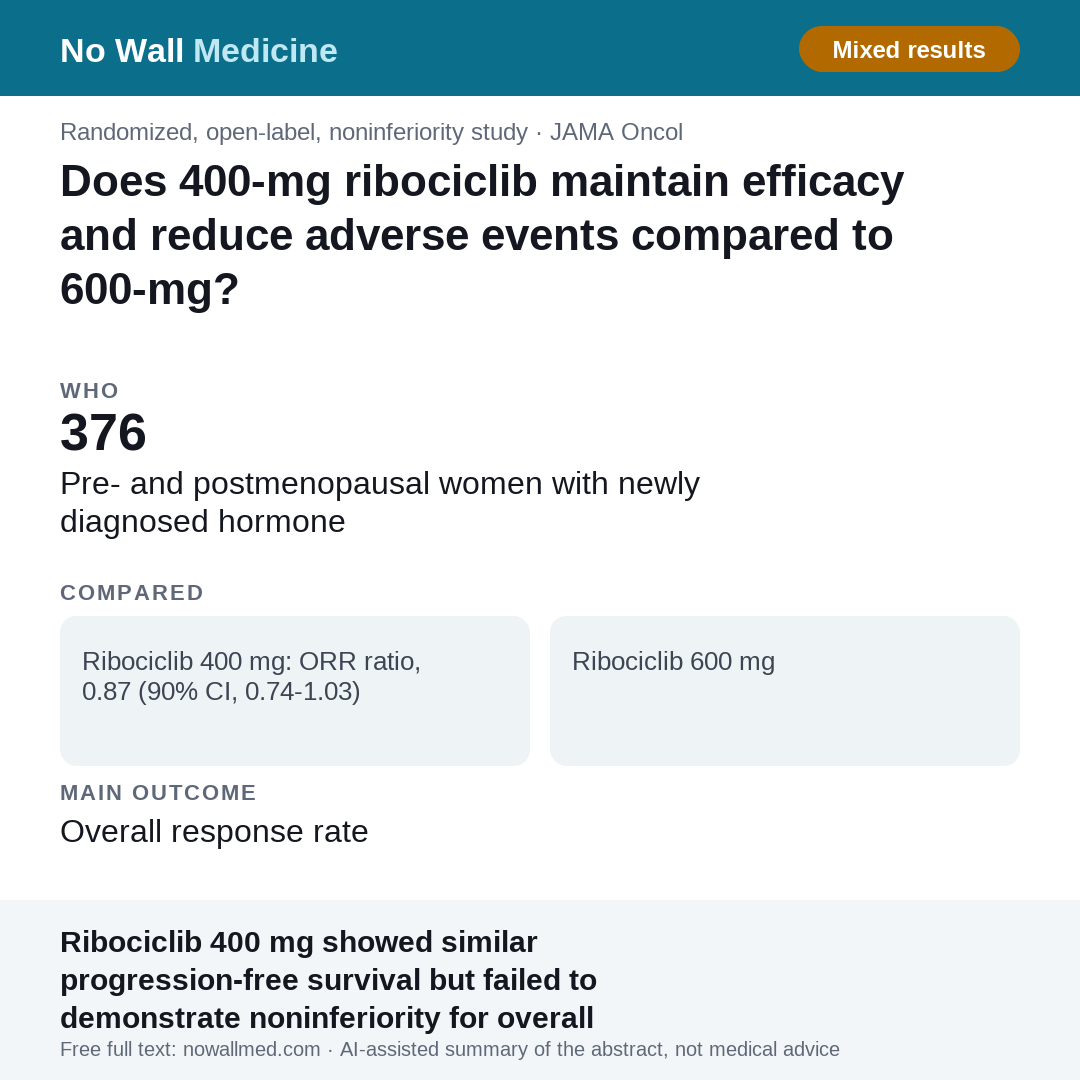
600- vs 400-mg First-Line Ribociclib in Hormone Receptor-Positive/ERBB2-Negative Advanced Breast Cancer: The AMALEE Randomized Clinical Trial
Randomized, open-label, noninferiority studyMixed results
Does 400-mg ribociclib maintain efficacy and reduce adverse events compared to 600-mg?
Who
376
Pre- and postmenopausal women with newly diagnosed hormone receptor-positive/ERRB2-negative advanced breast cancer · 107 sites in 23 countries
Compared
Ribociclib 400 mg: ORR ratio, 0.87 (90% CI, 0.74-1.03)
Ribociclib 600 mg
Main outcome
Overall response rate
Result: ORR ratio, 0.87 (90% CI, 0.74-1.03)
Bottom line: Ribociclib 400 mg showed similar progression-free survival but failed to demonstrate noninferiority for overall response rate.
JAMA Oncol · 2025-09-25Download image
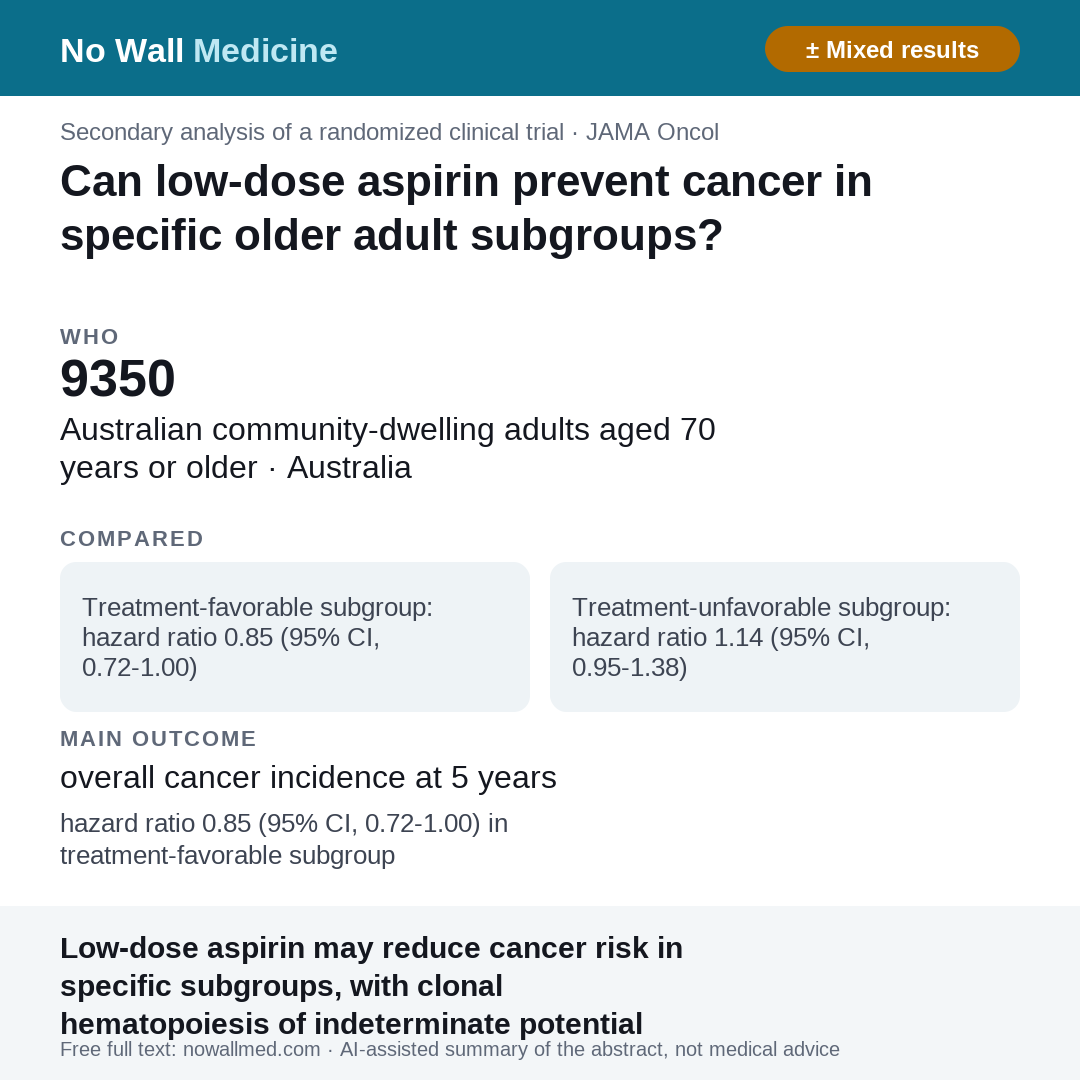
Low-Dose Aspirin for Individualized Cancer Prevention in Older Adults: A Secondary Analysis of the ASPREE Randomized Clinical Trial
Secondary analysis of a randomized clinical trialMixed results
Can low-dose aspirin prevent cancer in specific older adult subgroups?
Who
9350
Australian community-dwelling adults aged 70 years or older · Australia
Compared
Treatment-favorable subgroup: hazard ratio 0.85 (95% CI, 0.72-1.00)
Treatment-unfavorable subgroup: hazard ratio 1.14 (95% CI, 0.95-1.38)
Main outcome
overall cancer incidence at 5 years
Result: hazard ratio 0.85 (95% CI, 0.72-1.00) in treatment-favorable subgroup
Bottom line: Low-dose aspirin may reduce cancer risk in specific subgroups, with clonal hematopoiesis of indeterminate potential being a key predictor.
JAMA Oncol · 2025-09-25Download image
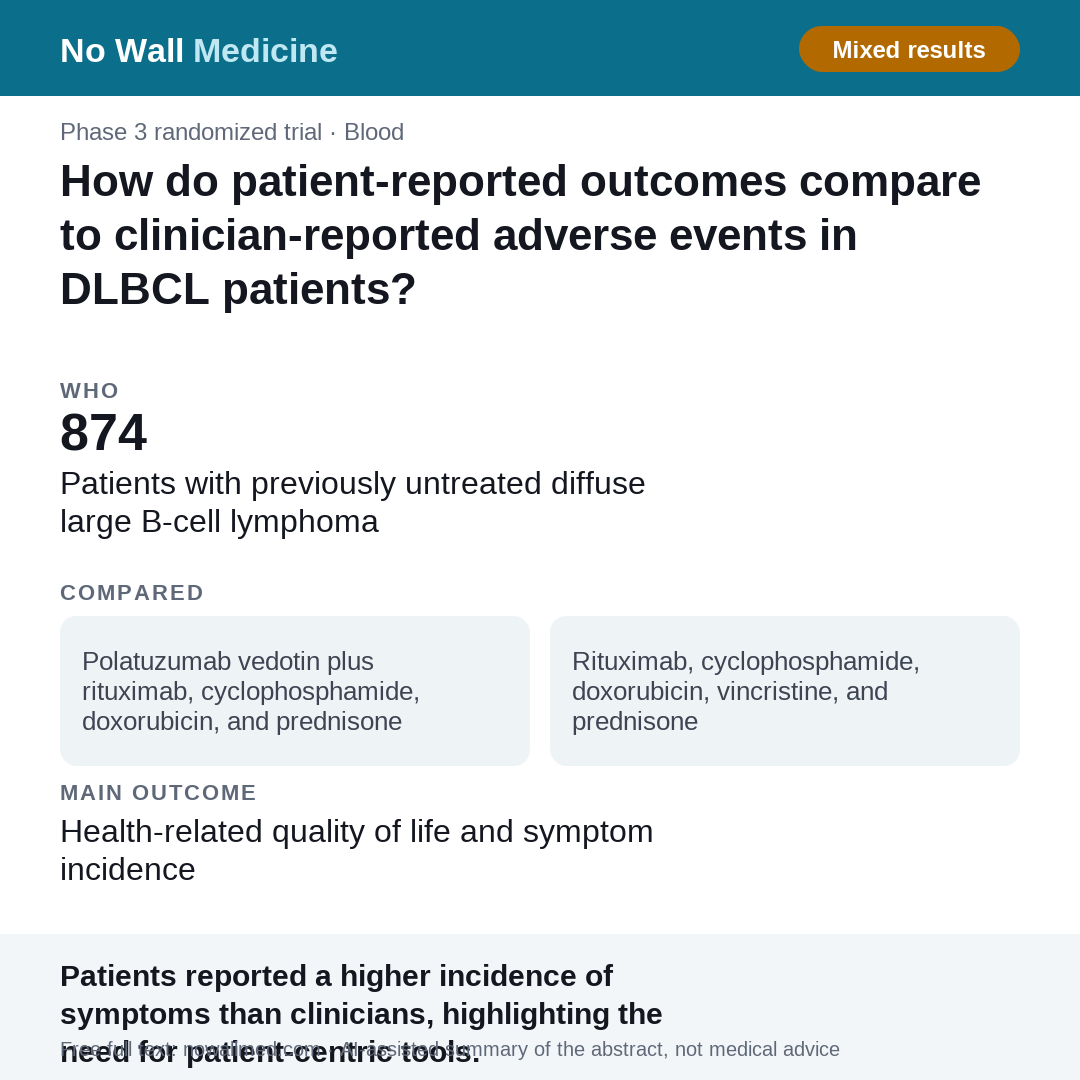
PROs vs clinician-reported adverse events in a large clinical trial: findings from the phase 3 POLARIX study
Phase 3 randomized trialMixed results
How do patient-reported outcomes compare to clinician-reported adverse events in DLBCL patients?
Who
874
Patients with previously untreated diffuse large B-cell lymphoma
Compared
Polatuzumab vedotin plus rituximab, cyclophosphamide, doxorubicin, and prednisone
Rituximab, cyclophosphamide, doxorubicin, vincristine, and prednisone
Main outcome
Health-related quality of life and symptom incidence
Bottom line: Patients reported a higher incidence of symptoms than clinicians, highlighting the need for patient-centric tools.
Blood · 2025-09-25Download image