Visual abstracts
New randomized trials and meta-analyses from leading journals at a glance: who was studied, what was compared, and what was found. Every paper is free to read in full.
All specialtiesCardiology 4877Oncology 4138Gastroenterology & Hepatology 1942Infectious Disease 3837Neurology 1905Psychiatry & Mental Health 2273Pulmonology 2143Critical Care 1365Endocrinology & Diabetes 2580Pediatrics 2980Surgery 2559Orthopedics & Sports Medicine 931Neurosurgery 537Cardiothoracic & Vascular Surgery 674Plastic & Reconstructive Surgery 591Nephrology 1133Rheumatology 823Hematology 1109Dermatology 621Ophthalmology 543Obstetrics & Gynecology 1686Public & Global Health 1058Radiology & Imaging 648Anesthesiology 986Urology 764ENT (Otolaryngology) 503Emergency Medicine 511Allergy & Immunology 313Geriatrics 981Family Medicine & Primary Care 562Medical Genetics & Genomics 676Pathology & Laboratory Medicine 159Physical Medicine & Rehabilitation 757Palliative Care 444Nutrition 1588Digital Health & AI 2201General Medicine 321
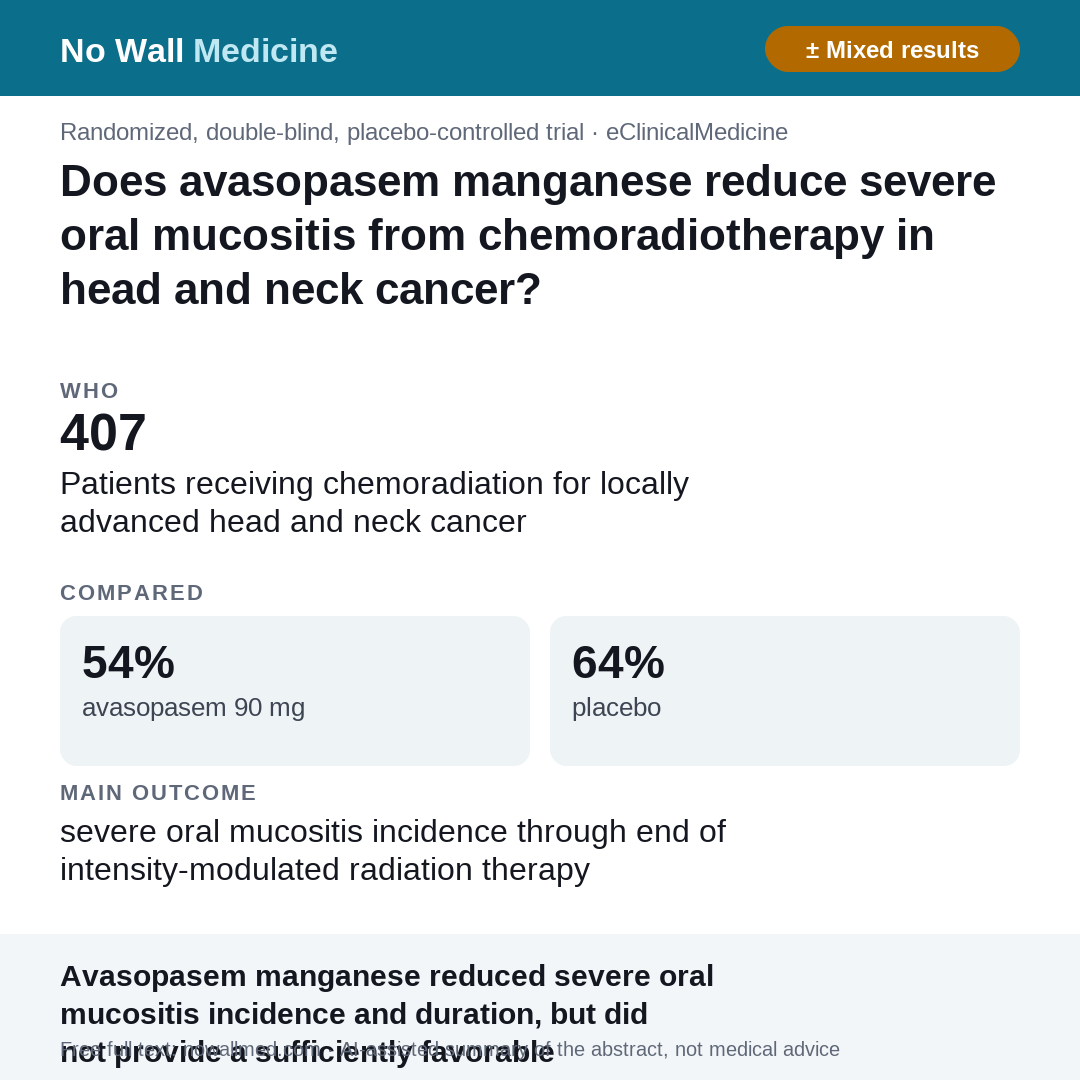
Avasopasem manganese treatment for severe oral mucositis from chemoradiotherapy for locally advanced head and neck cancer: phase 3 randomized controlled trial (ROMAN)
Randomized, double-blind, placebo-controlled trialMixed results
Does avasopasem manganese reduce severe oral mucositis from chemoradiotherapy in head and neck cancer?
Who
407
Patients receiving chemoradiation for locally advanced head and neck cancer
Compared
54%avasopasem 90 mg
64%placebo
Main outcome
severe oral mucositis incidence through end of intensity-modulated radiation therapy
Result: relative risk 0·84 (95% CI 0·71, 1·00)
Bottom line: Avasopasem manganese reduced severe oral mucositis incidence and duration, but did not provide a sufficiently favorable benefit-risk determination.
Funded by: Galera Therapeutics, Inc.
eClinicalMedicine · 2025-10-08Download image
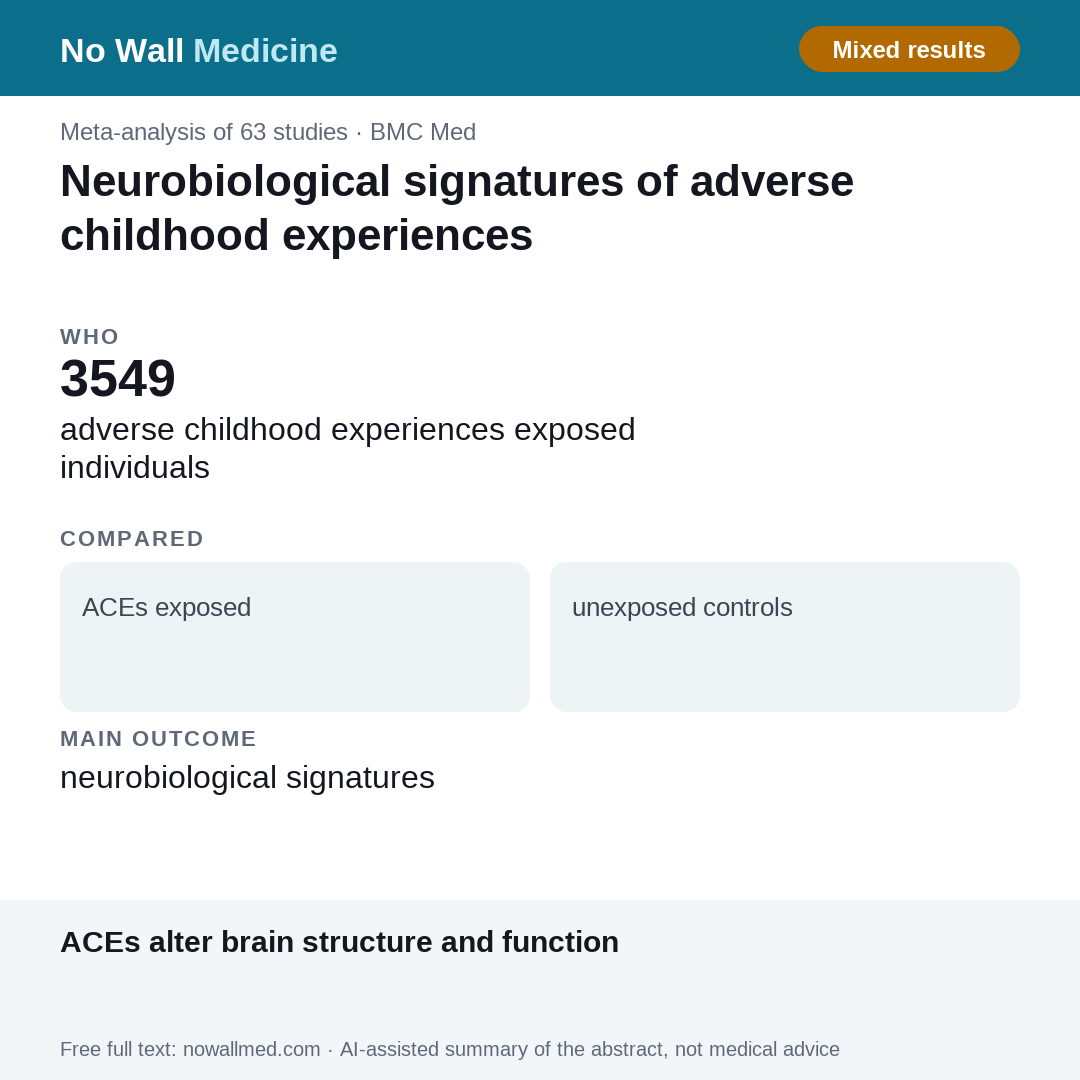
The multimodal neuroimaging signatures and gene expression profiles for adverse childhood experiences
Meta-analysis of 63 studiesMixed results
Neurobiological signatures of adverse childhood experiences
Who
3549
adverse childhood experiences exposed individuals
Compared
ACEs exposed
unexposed controls
Main outcome
neurobiological signatures
Bottom line: ACEs alter brain structure and function
BMC Med · 2025-10-08Download image
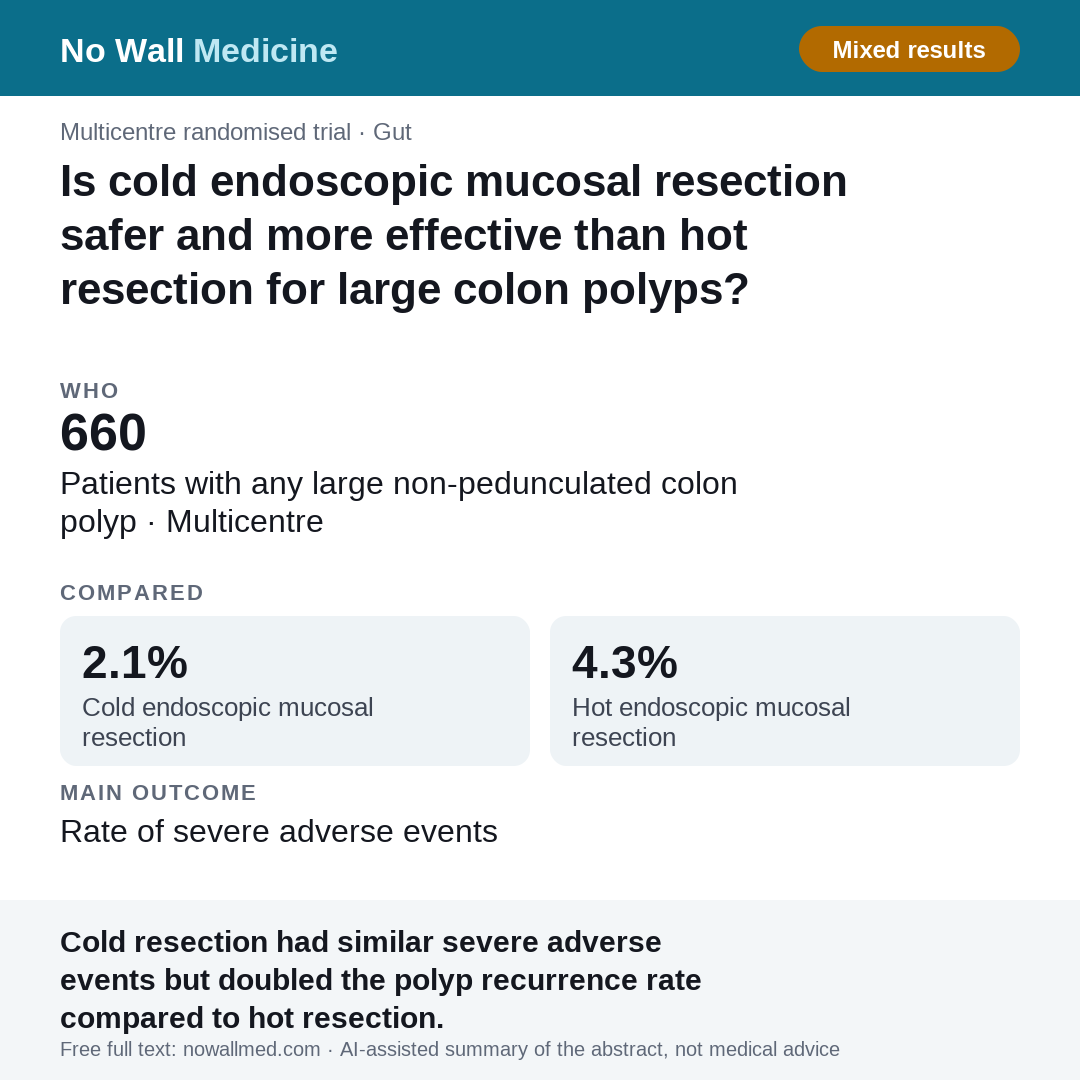
Cold snare endoscopic resection for large colon polyps: a randomised trial
Multicentre randomised trialMixed results
Is cold endoscopic mucosal resection safer and more effective than hot resection for large colon polyps?
Who
660
Patients with any large non-pedunculated colon polyp · Multicentre
Compared
2.1%Cold endoscopic mucosal resection
4.3%Hot endoscopic mucosal resection
Main outcome
Rate of severe adverse events
Bottom line: Cold resection had similar severe adverse events but doubled the polyp recurrence rate compared to hot resection.
Gut · 2025-10-08Download image
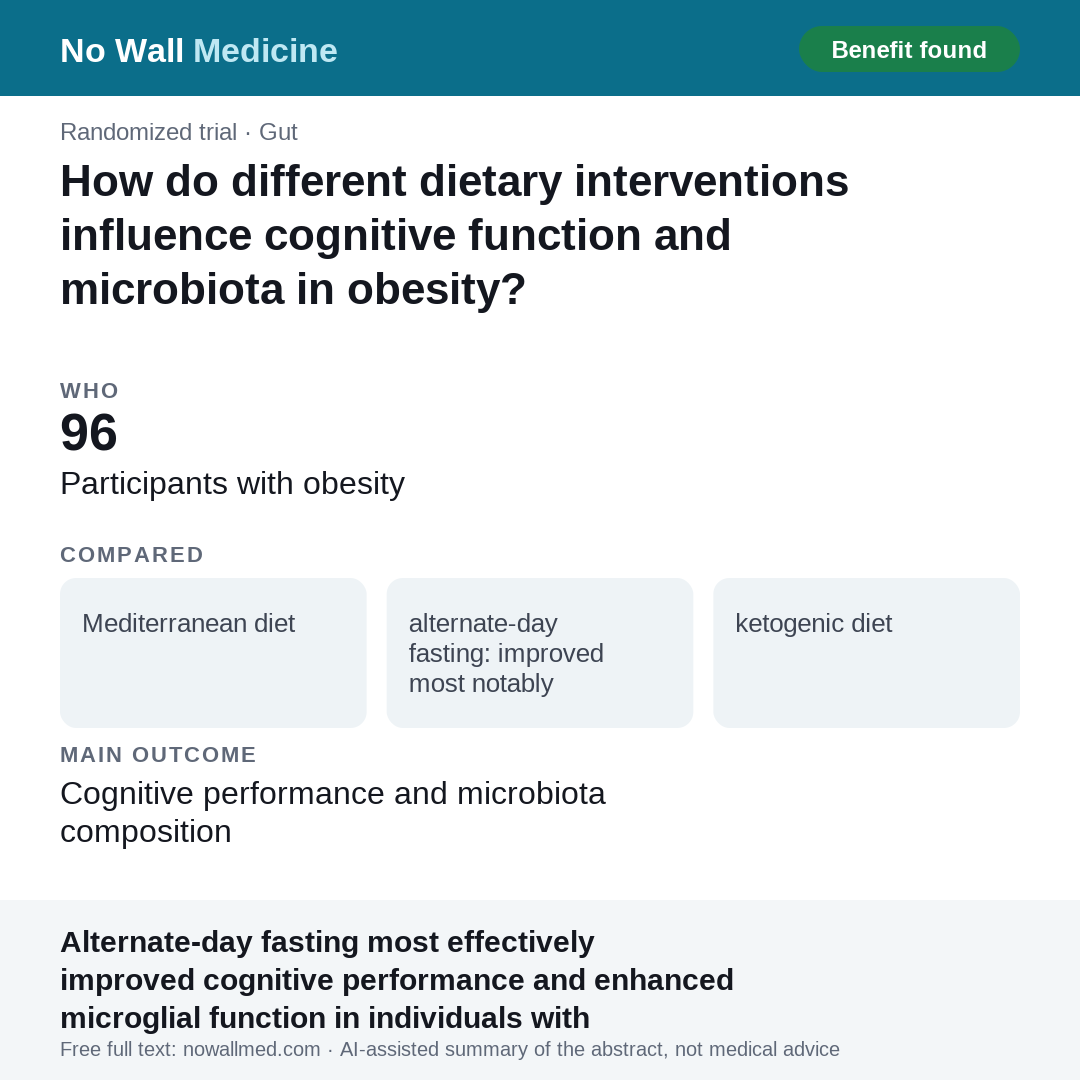
Microbiota fasting-related changes ameliorate cognitive decline in obesity and boost ex vivo microglial function through the gut-brain axis
Randomized trialBenefit found
How do different dietary interventions influence cognitive function and microbiota in obesity?
Who
96
Participants with obesity
Compared
Mediterranean diet
alternate-day fasting: improved most notably
ketogenic diet
Main outcome
Cognitive performance and microbiota composition
Bottom line: Alternate-day fasting most effectively improved cognitive performance and enhanced microglial function in individuals with obesity.
Gut · 2025-10-08Download image
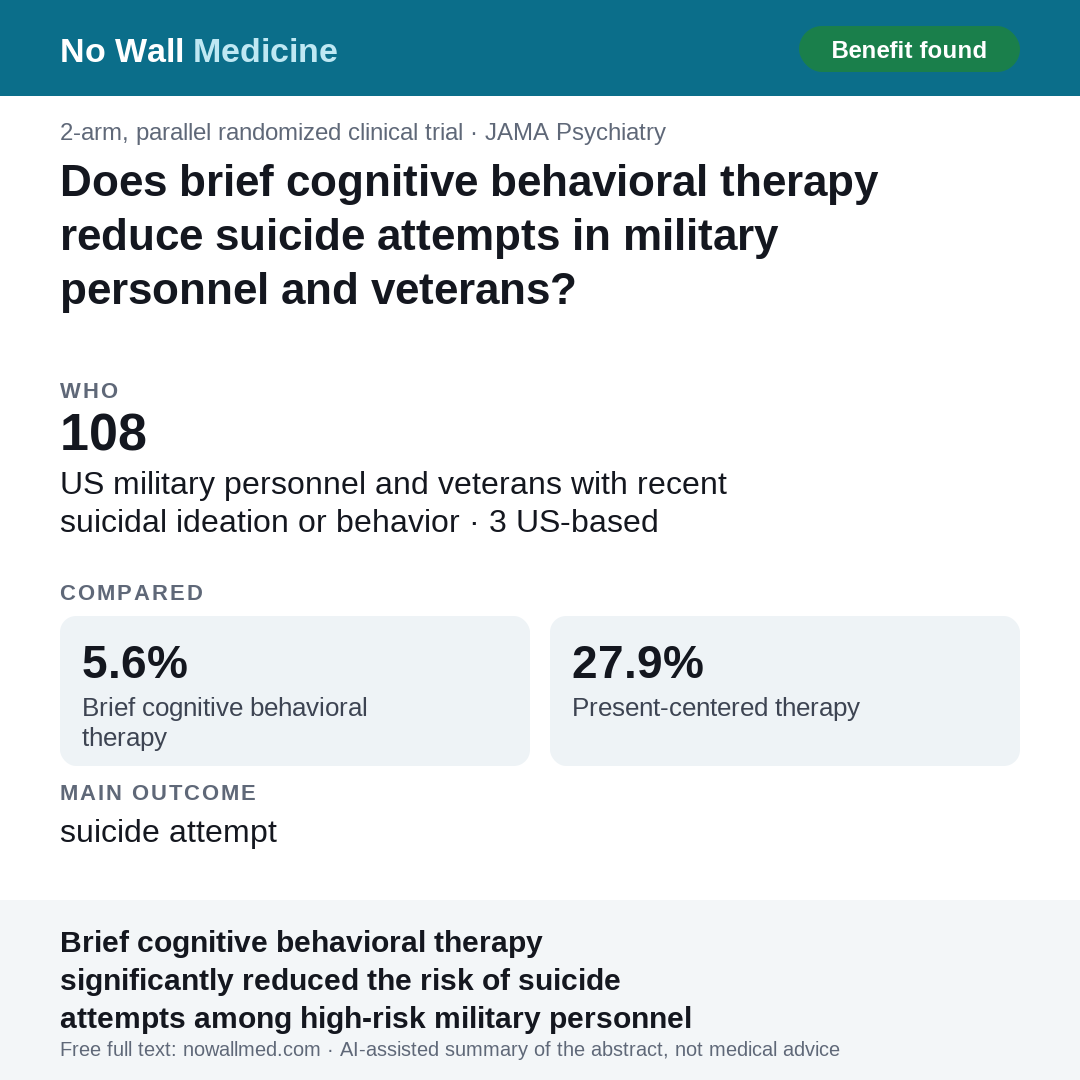
Brief Cognitive Behavioral Therapy for Suicidal Military Personnel and Veterans: The Military Suicide Prevention Intervention Research (MSPIRE) Randomized Clinical Trial
2-arm, parallel randomized clinical trialBenefit found
Does brief cognitive behavioral therapy reduce suicide attempts in military personnel and veterans?
Who
108
US military personnel and veterans with recent suicidal ideation or behavior · 3 US-based outpatient psychiatric clinics
Compared
5.6%Brief cognitive behavioral therapy
27.9%Present-centered therapy
Main outcome
suicide attempt
Result: hazard ratio 0.25 (90% CI 0.07-0.90)
Bottom line: Brief cognitive behavioral therapy significantly reduced the risk of suicide attempts among high-risk military personnel and veterans.
JAMA Psychiatry · 2025-10-08Download image
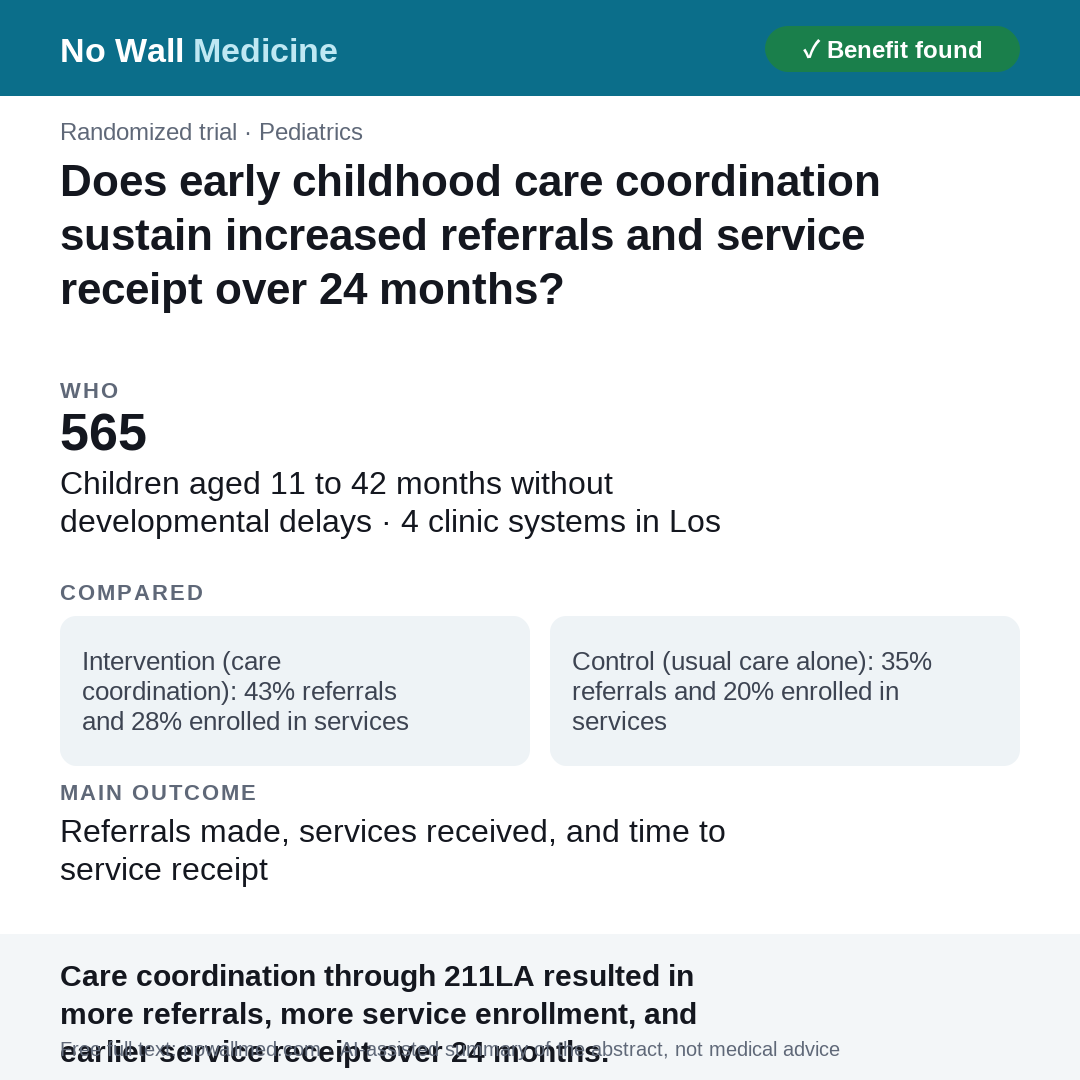
Sustained Effectiveness of a 211 Call Center With Early Childhood Care Coordination
Randomized trialBenefit found
Does early childhood care coordination sustain increased referrals and service receipt over 24 months?
Who
565
Children aged 11 to 42 months without developmental delays · 4 clinic systems in Los Angeles County
Compared
Intervention (care coordination): 43% referrals and 28% enrolled in services
Control (usual care alone): 35% referrals and 20% enrolled in services
Main outcome
Referrals made, services received, and time to service receipt
Bottom line: Care coordination through 211LA resulted in more referrals, more service enrollment, and earlier service receipt over 24 months.
Pediatrics · 2025-10-08Download image
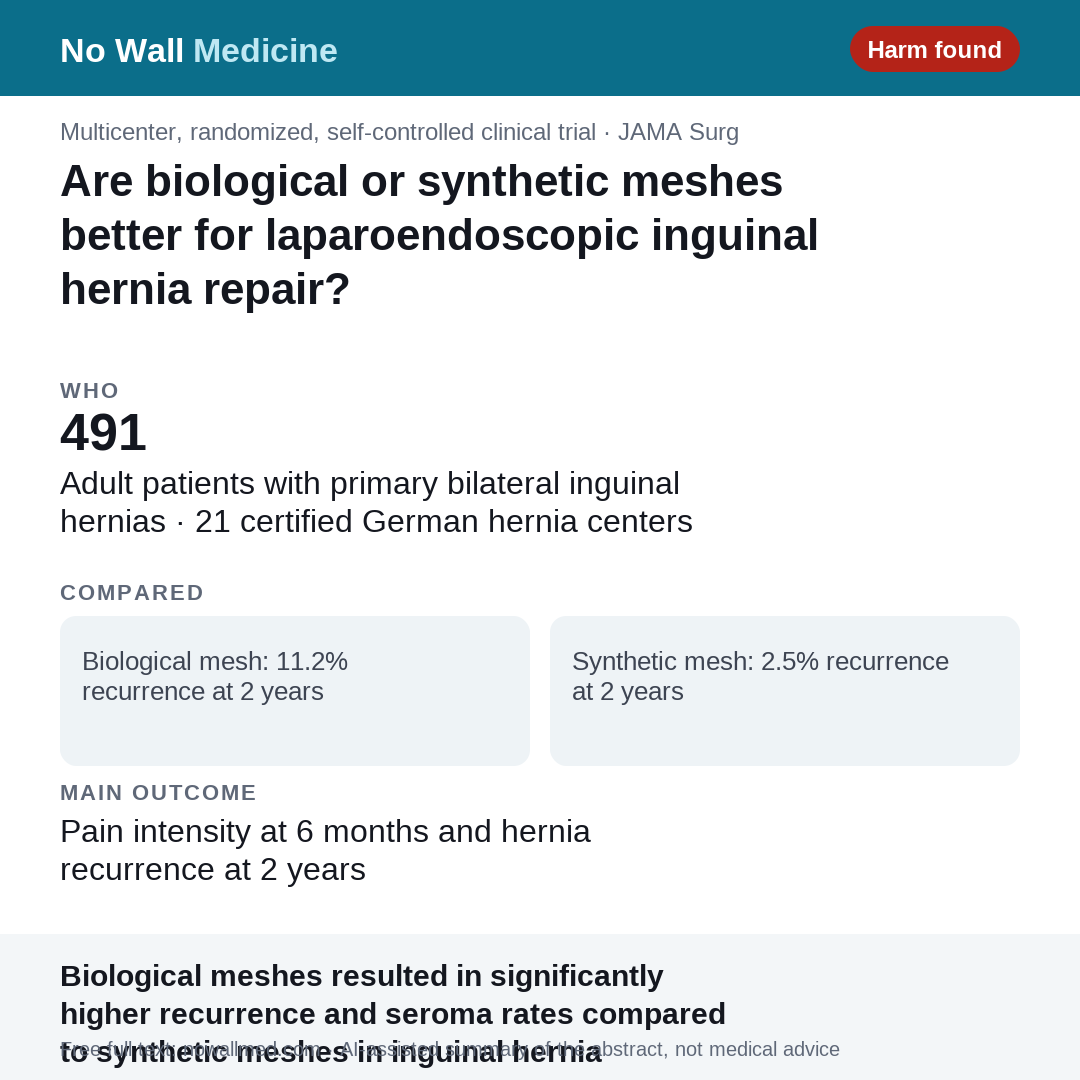
Biological vs Synthetic Mesh in Laparoendoscopic Inguinal Hernia Repair: The BIOLAP Randomized Clinical Trial
Multicenter, randomized, self-controlled clinical trialHarm found
Are biological or synthetic meshes better for laparoendoscopic inguinal hernia repair?
Who
491
Adult patients with primary bilateral inguinal hernias · 21 certified German hernia centers
Compared
Biological mesh: 11.2% recurrence at 2 years
Synthetic mesh: 2.5% recurrence at 2 years
Main outcome
Pain intensity at 6 months and hernia recurrence at 2 years
Bottom line: Biological meshes resulted in significantly higher recurrence and seroma rates compared to synthetic meshes in inguinal hernia repair.
JAMA Surg · 2025-10-08Download image
Minimally Invasive vs Open Left Pancreatectomy for Resectable Pancreatic Cancer: Long-Term Results of the Randomized DIPLOMA Trial
Randomized, patient-blinded and pathologist-blinded trialNo clear difference
Are long-term oncological outcomes different between minimally invasive and open left pancreatectomy?
Who
258
Patients with upfront resectable pancreatic ductal adenocarcinoma · 35 centers in 12 countries worldwide
Compared
Minimally invasive left pancreatectomy: median 32 months
Open left pancreatectomy: median 34 months
Main outcome
Overall survival and disease-free survival
Result: hazard ratio 1.02 (95% CI 0.72-1.44)
Bottom line: Minimally invasive left pancreatectomy showed comparable long-term overall survival and disease-free survival to open left pancreatectomy.
JAMA Surg · 2025-10-08Download image
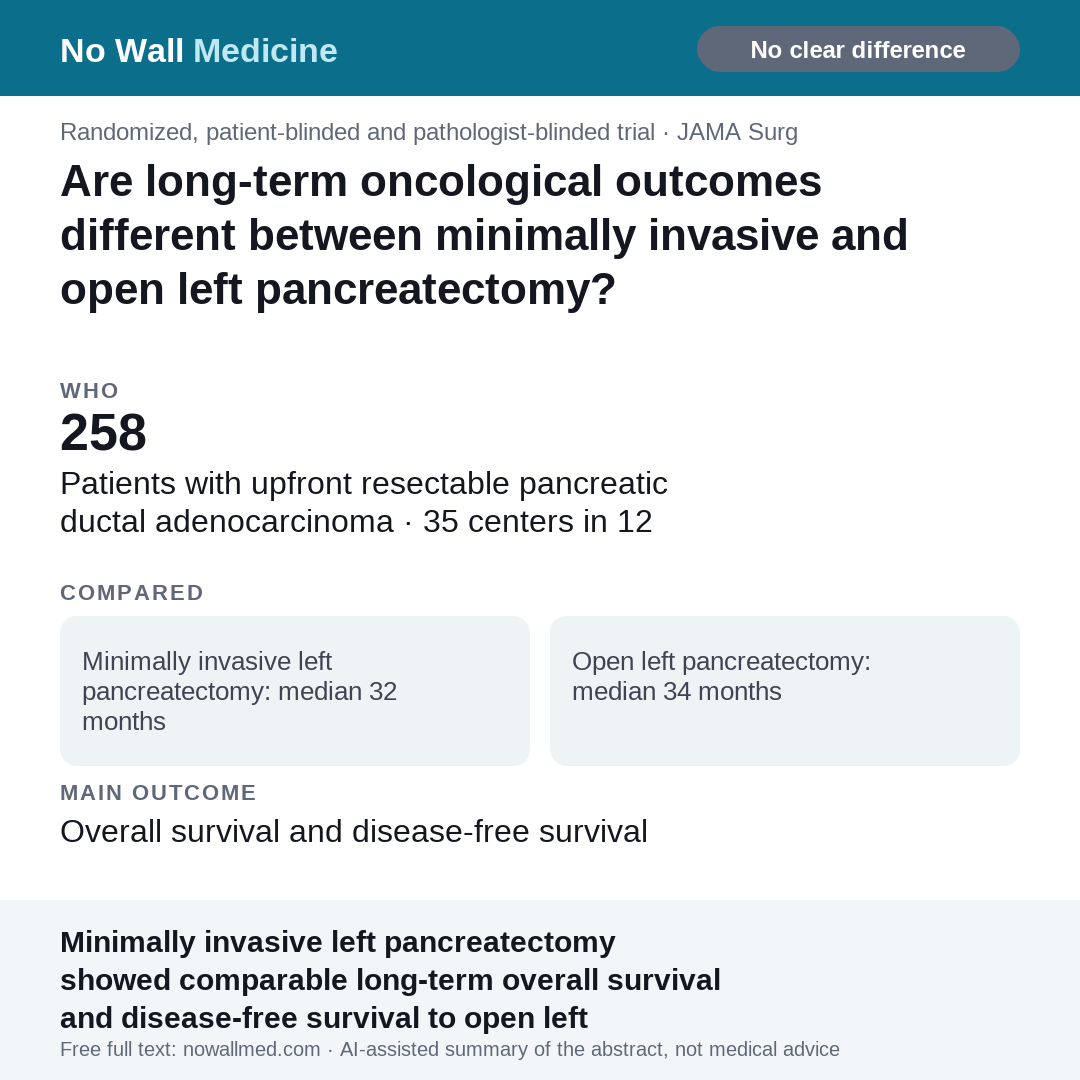
Circulating tumor cells predict myeloma outcomes in patients treated with daratumumab, bortezomib, lenalidomide, and dexamethasone
Randomized phase 3 trialBenefit found
Do circulating tumor cells predict outcomes in transplant-eligible multiple myeloma patients receiving D-VRd?
Who
451
Transplant-eligible newly diagnosed multiple myeloma patients
Compared
88%D-VRd group (4-year PFS rate in CTC-low)
74%VRd group (4-year PFS rate in CTC-low)
Main outcome
progression-free survival and minimal residual disease negativity
Result: hazard ratio 1.36 (95% confidence interval 1.15-1.60)
Bottom line: Circulating tumor cells are independent prognostic factors, and D-VRd improves progression-free survival and minimal residual disease negativity.
Limitation: CTC analysis was performed on a subset of the total trial patients
Blood · 2025-10-08Download image
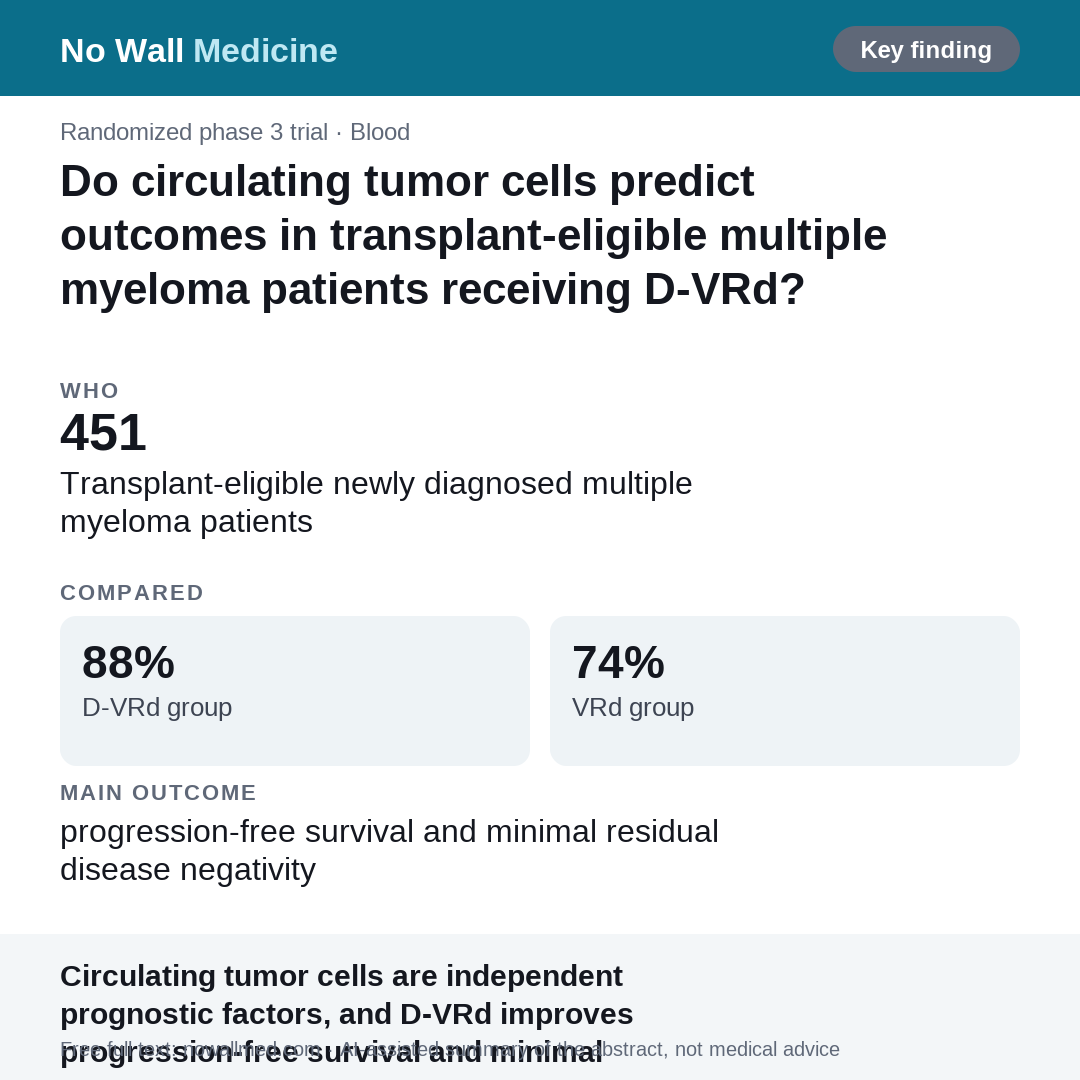
Ocular Hypertension and Glaucoma After Pars Plana Vitrectomy: A Systematic Review and Meta-Analysis
Systematic review and meta-analysisHarm found
Does pars plana vitrectomy increase the risk of ocular hypertension and glaucoma?
Who
54006
Adults undergoing pars plana vitrectomy
Compared
5.6%Post-pars plana vitrectomy ocular hypertension (95% CI: 3.1-9.9)
3.9%Post-pars plana vitrectomy glaucoma (95% CI: 2.0-7.2)
Main outcome
Ocular hypertension and glaucoma
Bottom line: Pars plana vitrectomy is associated with meaningful risk of ocular hypertension and glaucoma, especially in pseudophakic eyes.
Limitation: Limitations from nonrandomized data and heterogeneity.
Ophthalmology · 2025-10-08Download image
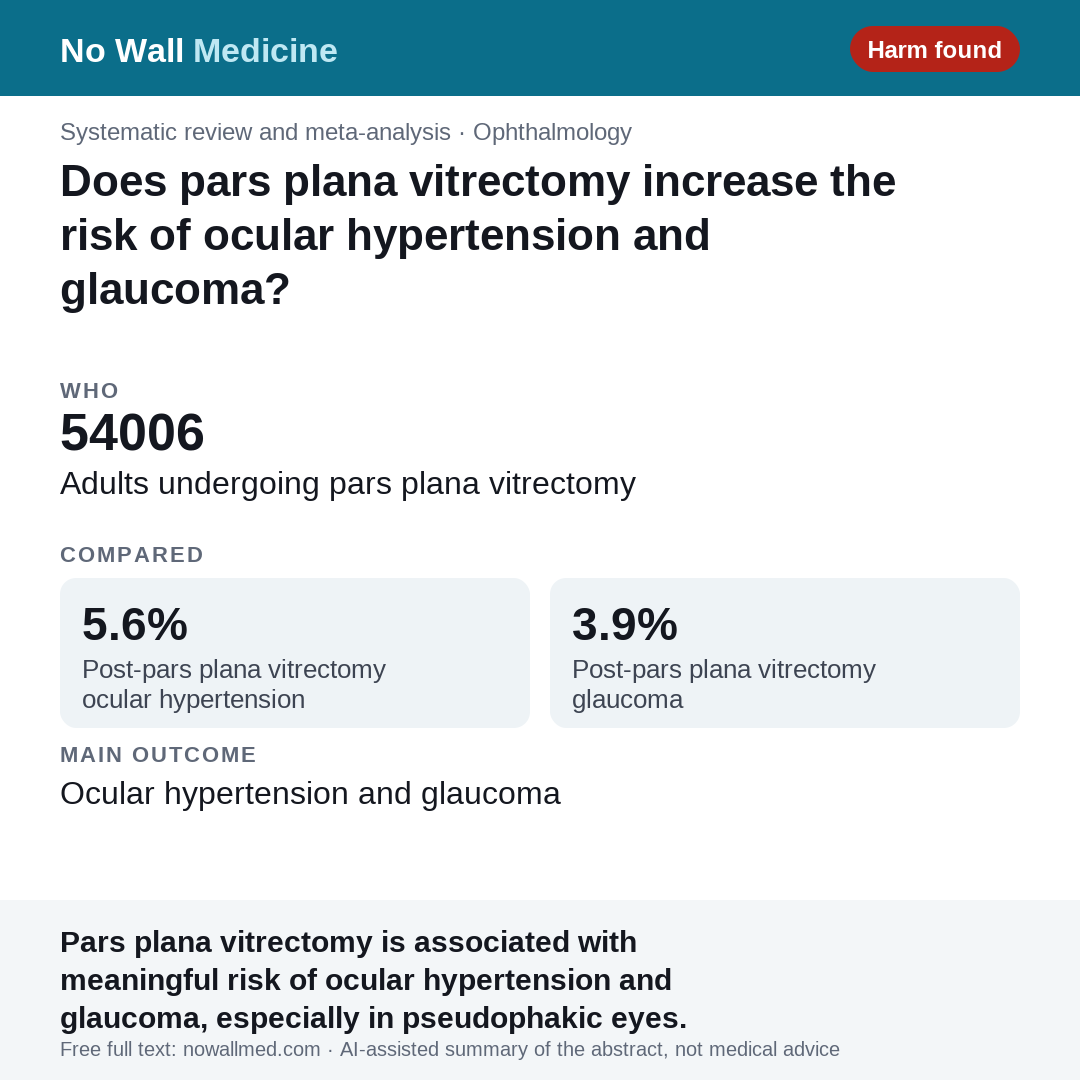
Intracardiac vs Transesophageal Echocardiography in Atrial Fibrillation Ablation: A Randomized Clinical Trial
Multicenter randomized clinical trialBenefit found
Is intracardiac echocardiography noninferior to transesophageal echocardiography in preventing periprocedural thromboembolic events?
Who
1810
Adults with atrial fibrillation scheduled for catheter ablation · 10 hospitals in China
Compared
0.4%Intracardiac echocardiography
0.6%Transesophageal echocardiography
Main outcome
Incidence of periprocedural thromboembolic events
Result: risk difference, -0.11%; Farrington-Manning 95% CI, -0.84% to 0.62%
Bottom line: Intracardiac echocardiography is noninferior to transesophageal echocardiography for preventing thromboembolic events and offers procedural advantages.
JAMA Cardiol · 2025-10-08Download image
Diagnostic potential of near-infrared spectroscopy in mild cognitive impairment and neurodegenerative disorders: Implications for resource-limited settings
Systematic reviewBenefit found
What is the diagnostic potential of near-infrared spectroscopy for cognitive impairment?
Who
Individuals with mild cognitive impairment and neurodegenerative disorders
Compared
Mild cognitive impairment and neurodegenerative disorders: reduced prefrontal connectivity and decreased oxyhemoglobin levels
Healthy controls
Main outcome
Diagnostic accuracy for cognitive assessment and neurodegeneration
Bottom line: Near-infrared spectroscopy shows considerable potential for early detection of cognitive impairment and neurodegenerative diseases.
Alzheimers Dement · 2025-10-08Download image

Cholesterol-lowering drug targets reduce risk of dementia: Mendelian randomization and meta-analyses of 1 million individuals
Mendelian randomization and meta-analysesBenefit found
Do genetically proxied non-high-density lipoprotein cholesterol-lowering drug targets reduce dementia risk?
Who
1091775
1,091,775 individuals from general population cohorts and consortia · three prospective general population cohorts
Compared
HMGCR: odds ratio 0.24 (0.18-0.31)
NPC1L1: odds ratio 0.18 (0.12-0.25)
PCSK9: odds ratio 0.97 (0.70-1.35)
ANGPTL4: odds ratio 1.66 (0.52-5.36)
Main outcome
all-cause dementia risk
Bottom line: Genetic lowering of non-high-density lipoprotein cholesterol via HMGCR, NPC1L1, and CETP reduces dementia risk.
Alzheimers Dement · 2025-10-08Download image

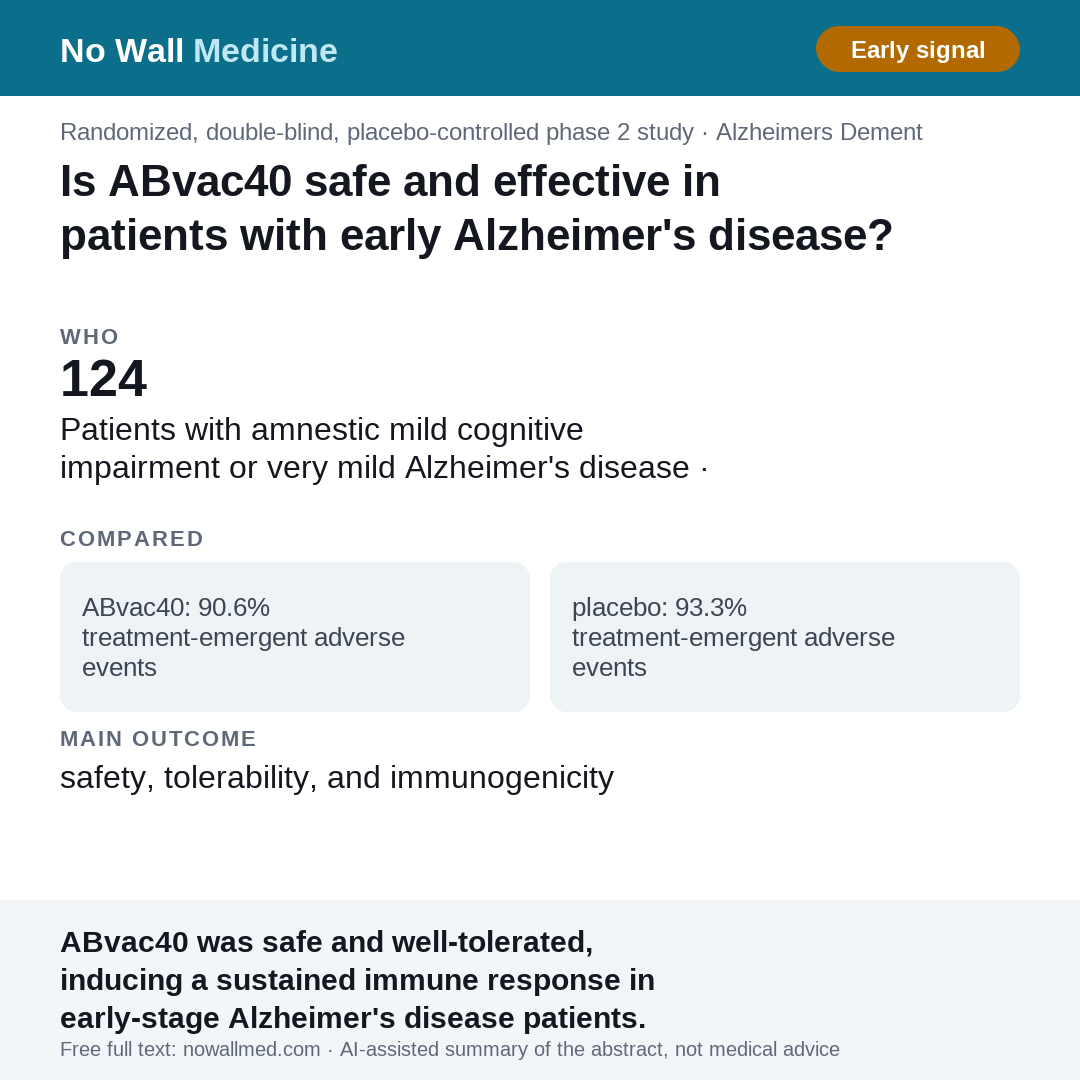
Safety, tolerability, immunogenicity, and efficacy of ABvac40 active immunotherapy against Aβ40 in patients with mild cognitive impairment or very mild Alzheimer's disease: A randomized, double-blind, placebo-controlled phase 2 study
Randomized, double-blind, placebo-controlled phase 2 studyBenefit found
Is ABvac40 safe and effective in patients with early Alzheimer's disease?
Who
124
Patients with amnestic mild cognitive impairment or very mild Alzheimer's disease · multicenter
Compared
ABvac40: 90.6% treatment-emergent adverse events
placebo: 93.3% treatment-emergent adverse events
Main outcome
safety, tolerability, and immunogenicity
Bottom line: ABvac40 was safe and well-tolerated, inducing a sustained immune response in early-stage Alzheimer's disease patients.
Alzheimers Dement · 2025-10-08Download image
Effect modifiers of the MIND diet for cognition in older adults: The MIND diet trial
Randomized trialBenefit found
Do participant characteristics modify the effect of the MIND diet on cognition?
Who
604
Overweight or obese adults aged 65 to 85 years
Compared
MIND diet: 0.040 standardized units per year (BMI ≥ 35 kg/m2)
Control diet
Main outcome
Annual change in a global cognition score
Result: 0.040 (standard error = 0.017, p = 0.018) for BMI ≥ 35 kg/m2
Bottom line: The MIND diet may provide cognitive benefits specifically for individuals with a body mass index ≥ 35 kg/m2.
Alzheimers Dement · 2025-10-08Download image

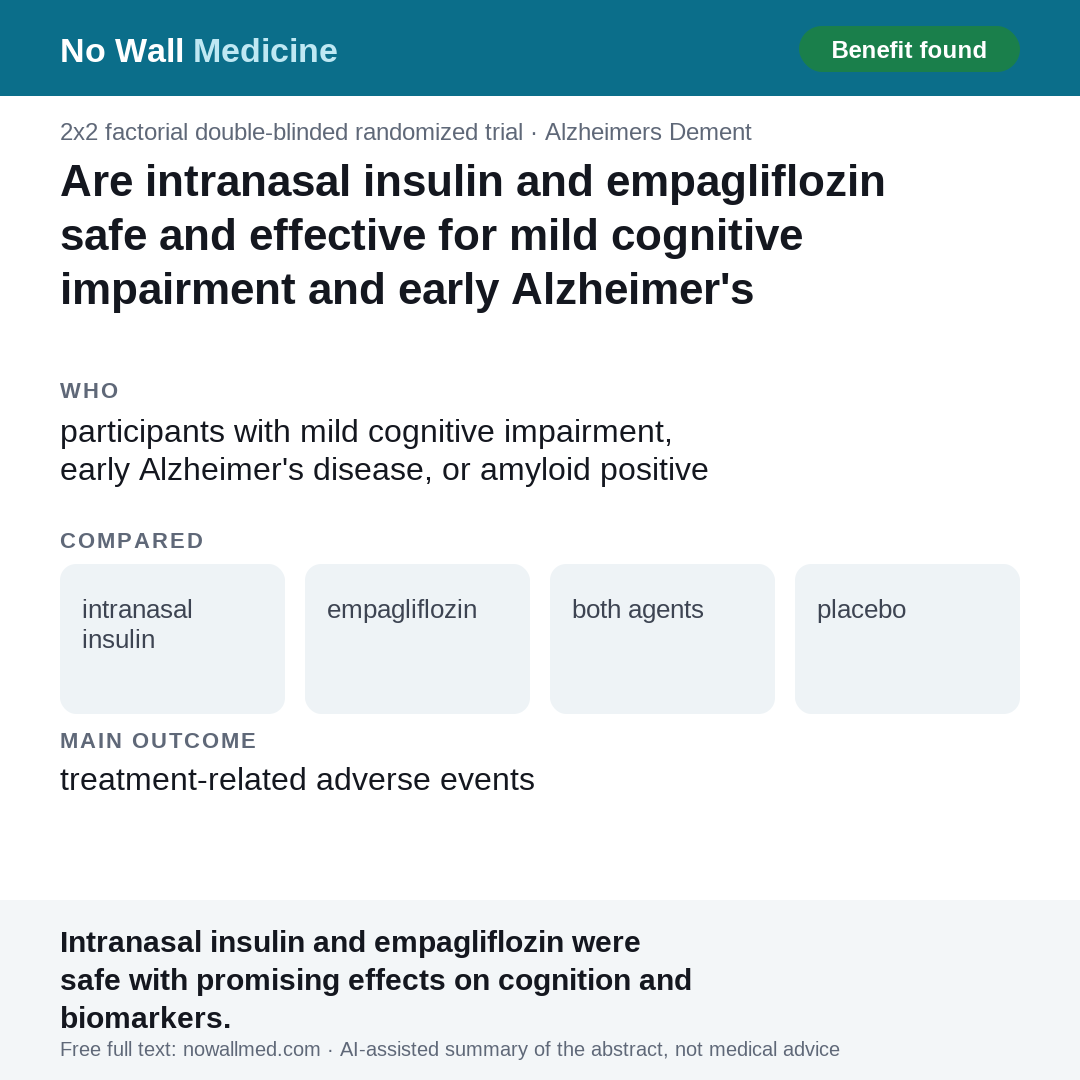
A phase 2A/B randomized trial of metabolic modulators intranasal insulin and empagliflozin for MCI and early AD
2x2 factorial double-blinded randomized trialBenefit found
Are intranasal insulin and empagliflozin safe and effective for mild cognitive impairment and early Alzheimer's disease?
Who
participants with mild cognitive impairment, early Alzheimer's disease, or amyloid positive
Compared
intranasal insulin
empagliflozin
both agents
placebo
Main outcome
treatment-related adverse events
Bottom line: Intranasal insulin and empagliflozin were safe with promising effects on cognition and biomarkers.
Alzheimers Dement · 2025-10-08Download image
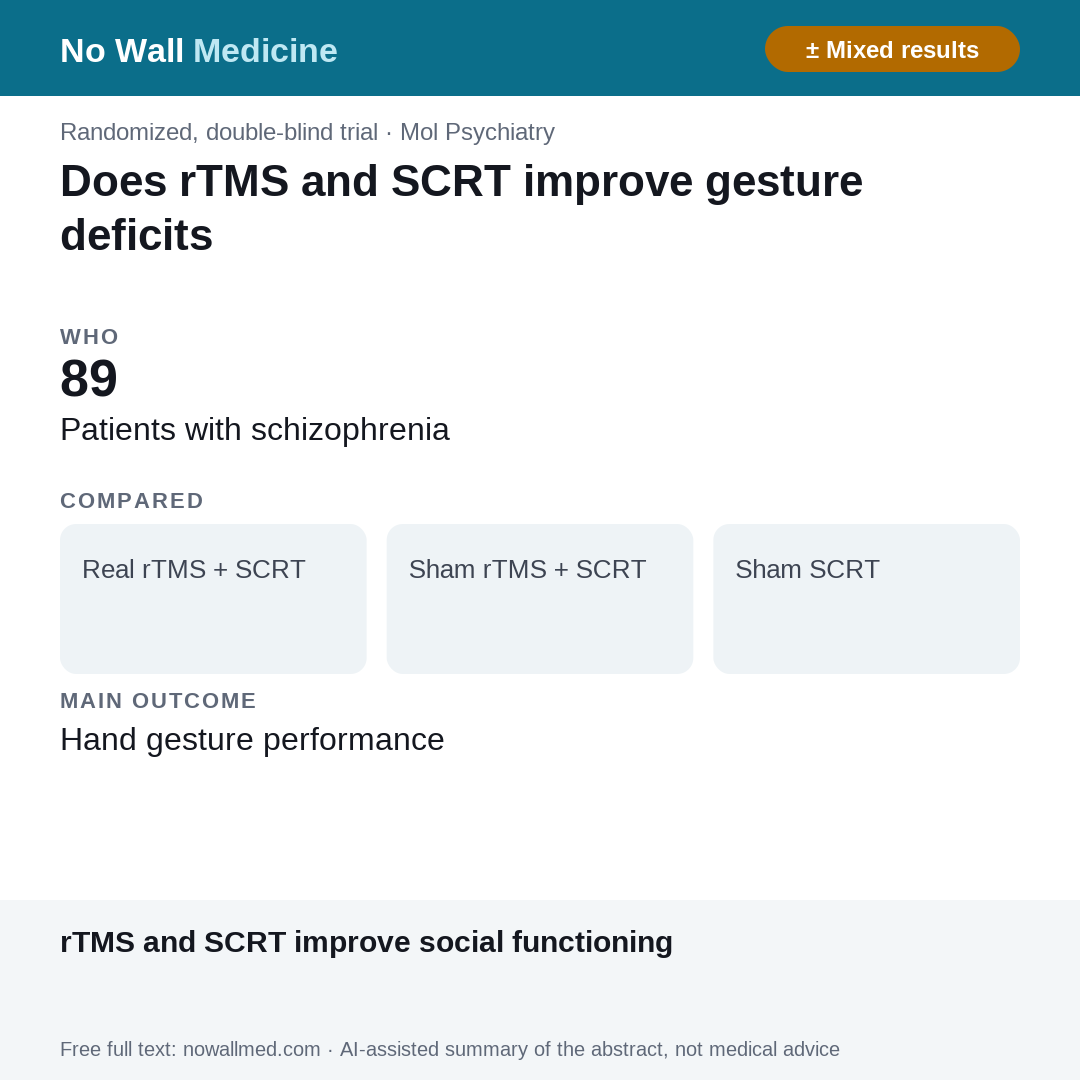
Gesture deficits in psychosis and the combination of group psychotherapy and transcranial magnetic stimulation: A randomized clinical trial
Randomized, double-blind trialMixed results
Does rTMS and SCRT improve gesture deficits
Who
89
Patients with schizophrenia
Compared
Real rTMS + SCRT
Sham rTMS + SCRT
Sham SCRT
Main outcome
Hand gesture performance
Bottom line: rTMS and SCRT improve social functioning
Mol Psychiatry · 2025-10-08Download image
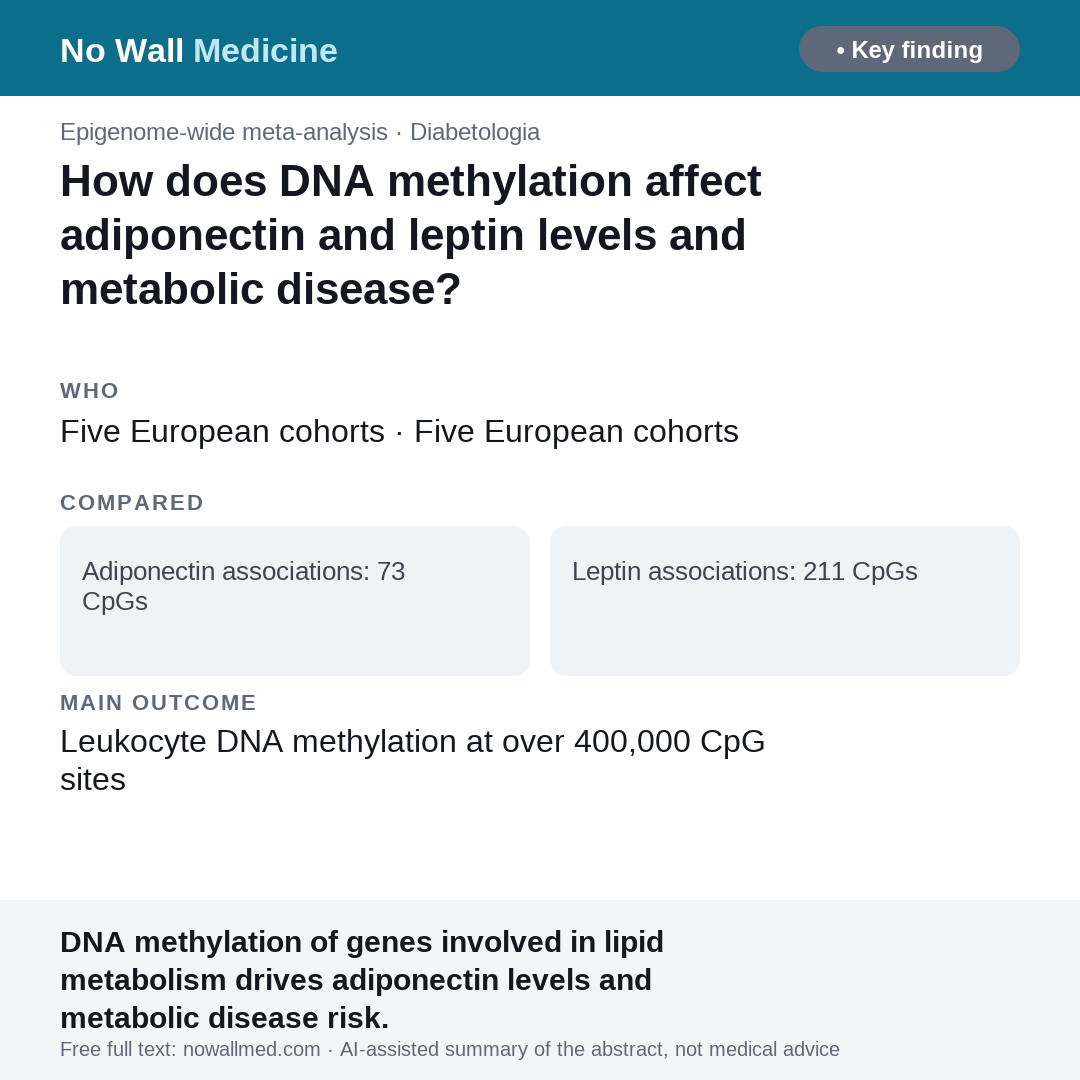
DNA methylation of genes involved in lipid metabolism drives adiponectin levels and metabolic disease
Epigenome-wide meta-analysisBenefit found
How does DNA methylation affect adiponectin and leptin levels and metabolic disease?
Who
Five European cohorts · Five European cohorts
Compared
Adiponectin associations: 73 CpGs
Leptin associations: 211 CpGs
Main outcome
Leukocyte DNA methylation at over 400,000 CpG sites
Bottom line: DNA methylation of genes involved in lipid metabolism drives adiponectin levels and metabolic disease risk.
Diabetologia · 2025-10-08Download image
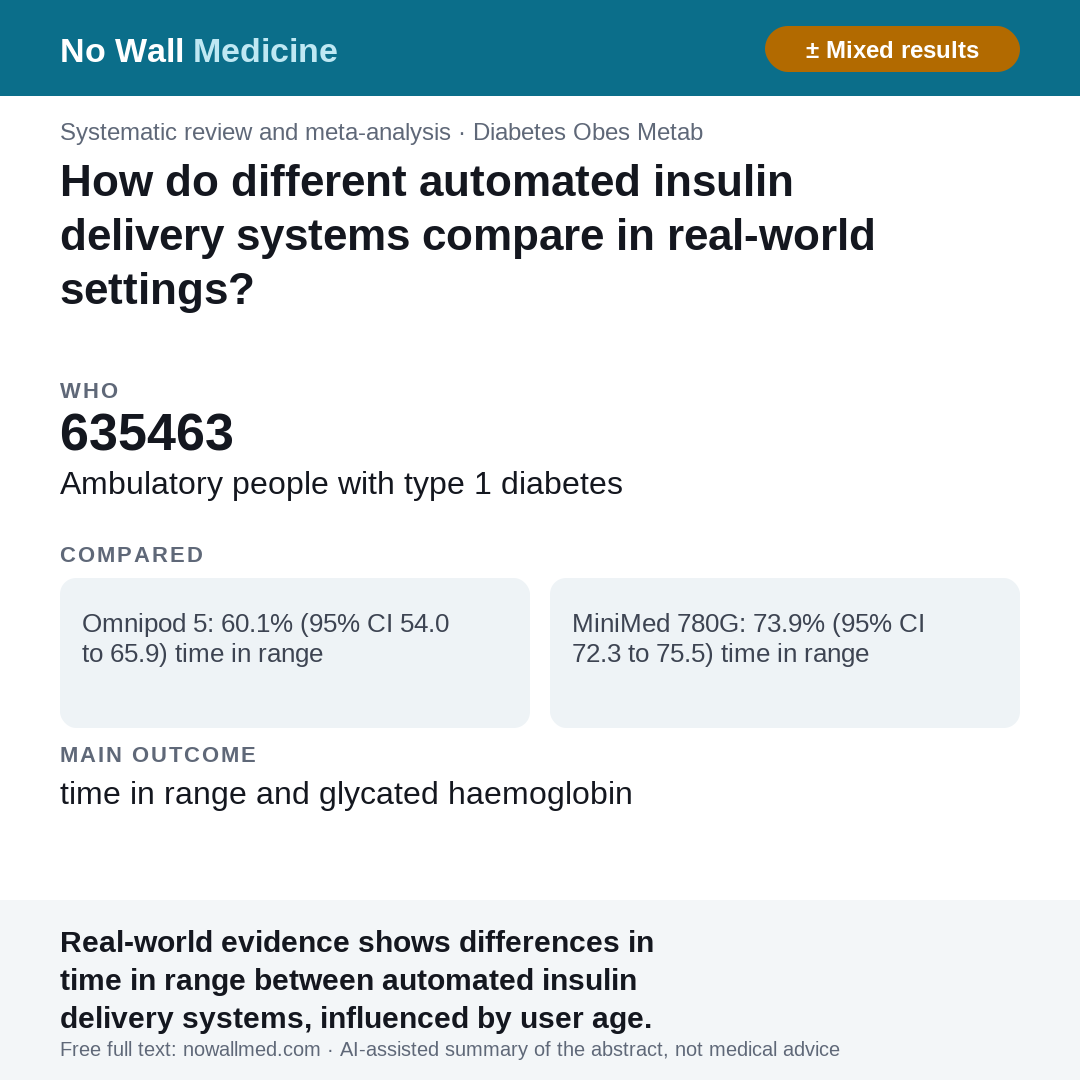
A systematic literature review and meta-analysis of real-world evidence on commercially available automated insulin delivery systems in people with type 1 diabetes
Systematic review and meta-analysisMixed results
How do different automated insulin delivery systems compare in real-world settings?
Who
635463
Ambulatory people with type 1 diabetes
Compared
Omnipod 5: 60.1% (95% CI 54.0 to 65.9) time in range
MiniMed 780G: 73.9% (95% CI 72.3 to 75.5) time in range
Main outcome
time in range and glycated haemoglobin
Bottom line: Real-world evidence shows differences in time in range between automated insulin delivery systems, influenced by user age.
Limitation: Results must be interpreted cautiously given challenges and potential biases with real-world evidence.
Diabetes Obes Metab · 2025-10-08Download image
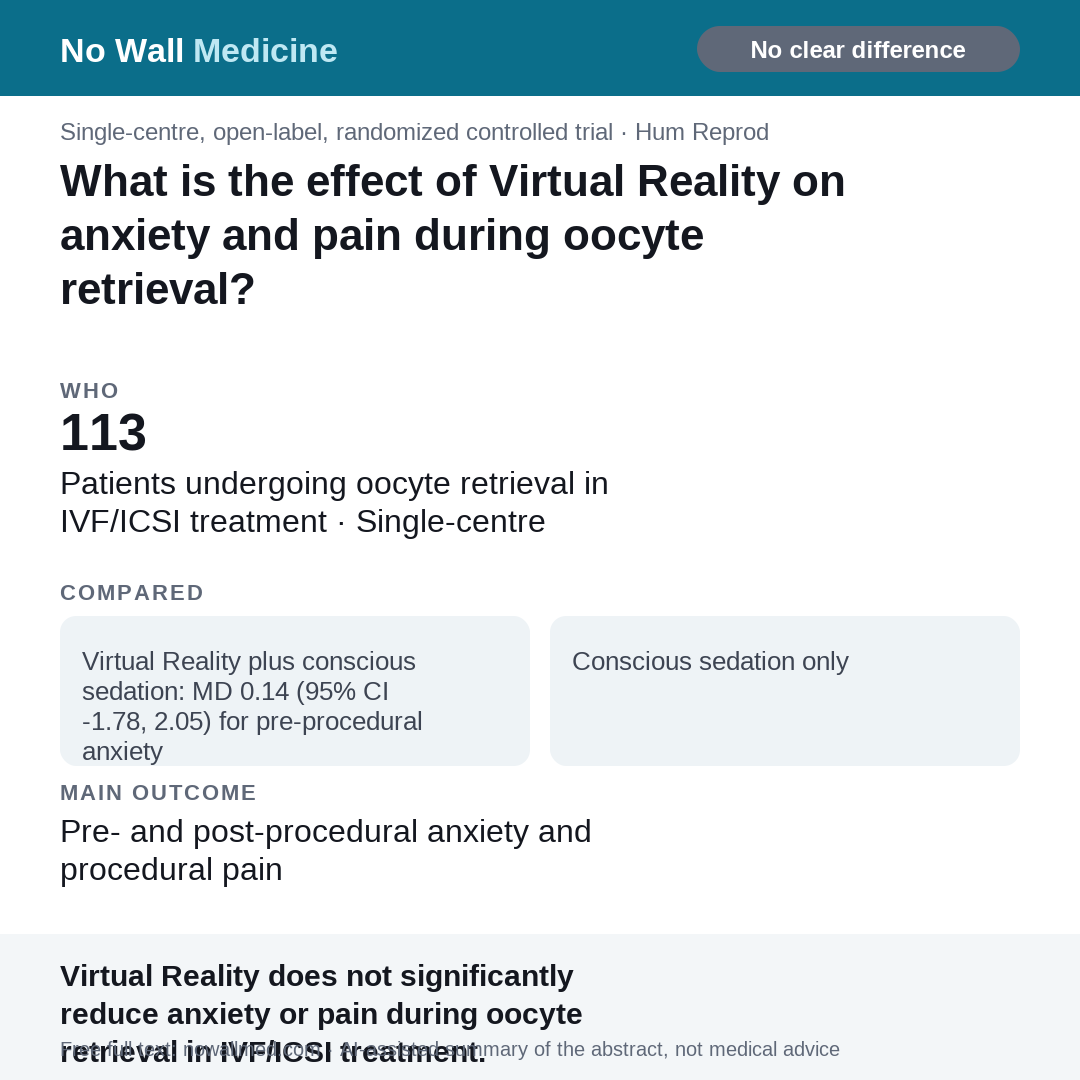
No anxiety or pain reduction by Virtual Reality during oocyte retrieval in IVF/ICSI treatment: results of a randomized controlled trial
Single-centre, open-label, randomized controlled trialNo clear difference
What is the effect of Virtual Reality on anxiety and pain during oocyte retrieval?
Who
113
Patients undergoing oocyte retrieval in IVF/ICSI treatment · Single-centre
Compared
Virtual Reality plus conscious sedation: MD 0.14 (95% CI -1.78, 2.05) for pre-procedural anxiety
Conscious sedation only
Main outcome
Pre- and post-procedural anxiety and procedural pain
Result: MD 0.14 (95% CI -1.78, 2.05) for pre-procedural anxiety
Bottom line: Virtual Reality does not significantly reduce anxiety or pain during oocyte retrieval in IVF/ICSI treatment.
Limitation: Virtual Reality might only be effective for a certain group of patients or specific procedure durations.
Funded by: ZonMw, Implementation and Scale-up Coaching, and Theramex
Hum Reprod · 2025-10-08Download image