Visual abstracts
New randomized trials and meta-analyses from leading journals at a glance: who was studied, what was compared, and what was found. Every paper is free to read in full.
All specialtiesCardiology 4877Oncology 4138Gastroenterology & Hepatology 1942Infectious Disease 3837Neurology 1905Psychiatry & Mental Health 2273Pulmonology 2143Critical Care 1365Endocrinology & Diabetes 2580Pediatrics 2980Surgery 2559Orthopedics & Sports Medicine 931Neurosurgery 537Cardiothoracic & Vascular Surgery 674Plastic & Reconstructive Surgery 591Nephrology 1133Rheumatology 823Hematology 1109Dermatology 621Ophthalmology 543Obstetrics & Gynecology 1686Public & Global Health 1058Radiology & Imaging 648Anesthesiology 986Urology 764ENT (Otolaryngology) 503Emergency Medicine 511Allergy & Immunology 313Geriatrics 981Family Medicine & Primary Care 562Medical Genetics & Genomics 676Pathology & Laboratory Medicine 159Physical Medicine & Rehabilitation 757Palliative Care 444Nutrition 1588Digital Health & AI 2201General Medicine 321
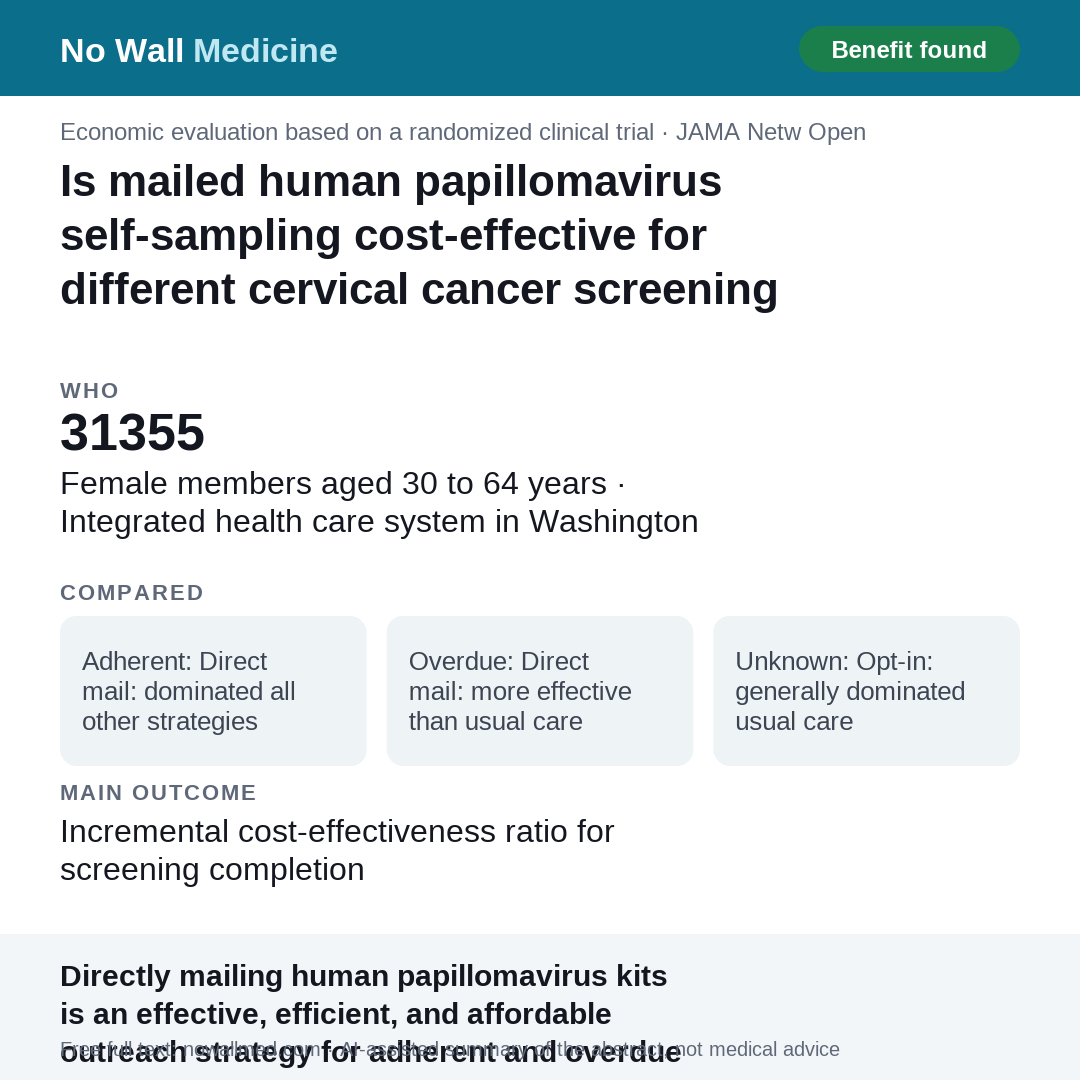
Cost-Effectiveness of HPV Self-Testing Options for Cervical Cancer Screening
Economic evaluation based on a randomized clinical trialBenefit found
Is mailed human papillomavirus self-sampling cost-effective for different cervical cancer screening histories?
Who
31355
Female members aged 30 to 64 years · Integrated health care system in Washington State
Compared
Adherent: Direct mail: dominated all other strategies
Overdue: Direct mail: more effective than usual care
Unknown: Opt-in: generally dominated usual care
Main outcome
Incremental cost-effectiveness ratio for screening completion
Bottom line: Directly mailing human papillomavirus kits is an effective, efficient, and affordable outreach strategy for adherent and overdue individuals.
JAMA Netw Open · 2025-10-01Download image
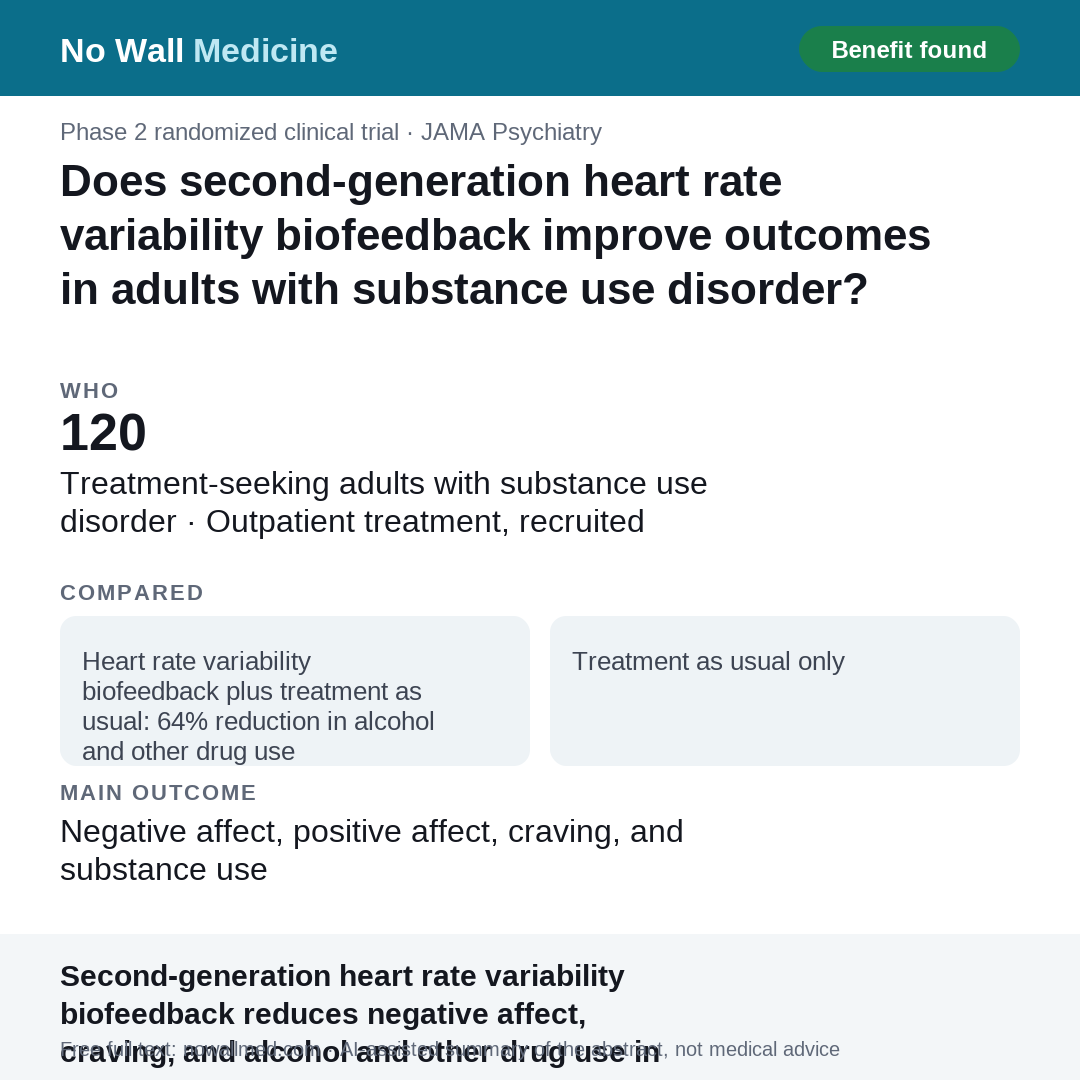
Heart Rate Variability Biofeedback for Substance Use Disorder: A Randomized Clinical Trial
Phase 2 randomized clinical trialBenefit found
Does second-generation heart rate variability biofeedback improve outcomes in adults with substance use disorder?
Who
120
Treatment-seeking adults with substance use disorder · Outpatient treatment, recruited virtually across the United States
Compared
Heart rate variability biofeedback plus treatment as usual: 64% reduction in alcohol and other drug use
Treatment as usual only
Main outcome
Negative affect, positive affect, craving, and substance use
Result: odds ratio 0.36 (95% credible interval 0.25-0.54)
Bottom line: Second-generation heart rate variability biofeedback reduces negative affect, craving, and alcohol and other drug use in adults with substance use disorder.
JAMA Psychiatry · 2025-10-01Download image
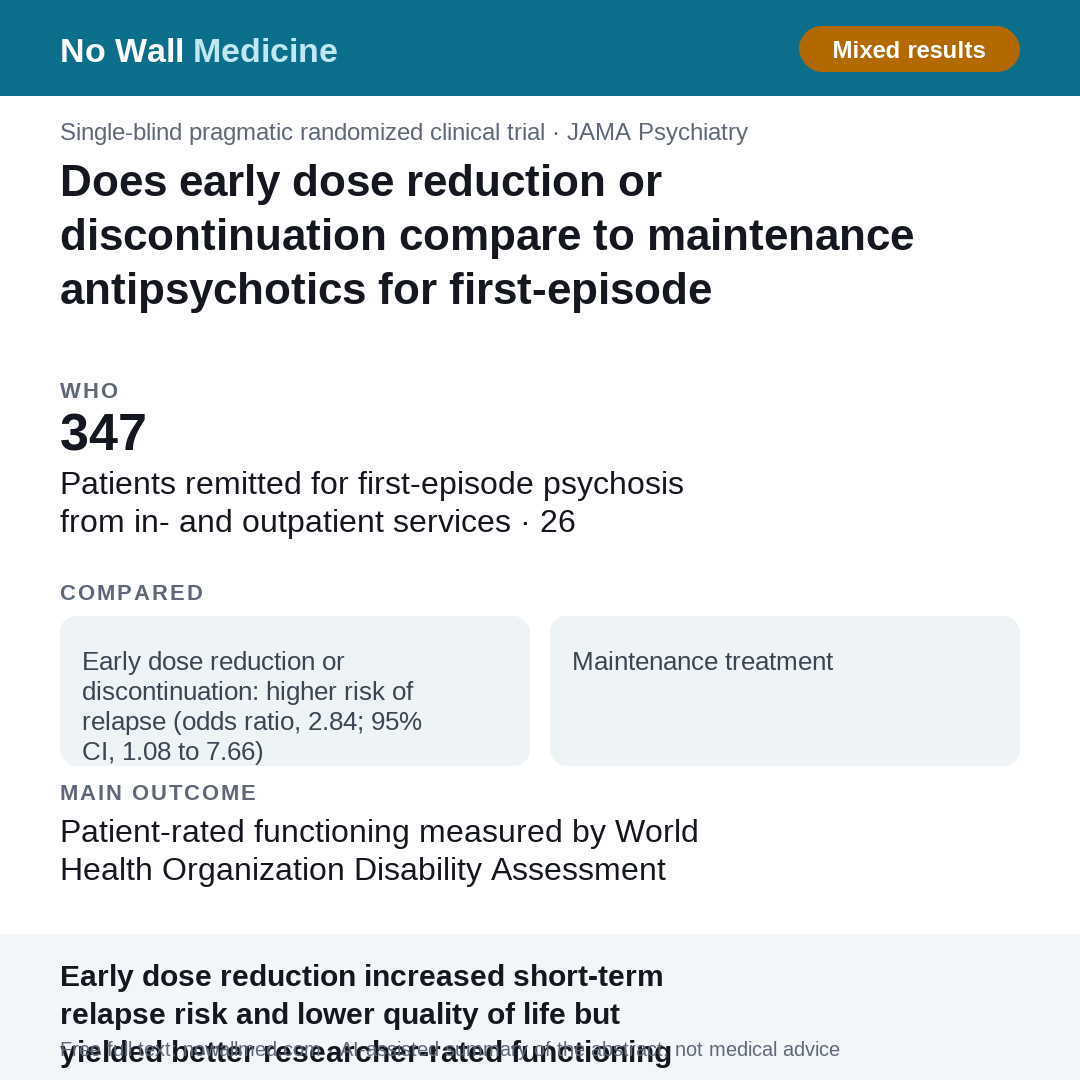
Early Dose Reduction or Discontinuation vs Maintenance Antipsychotics After First Psychotic Episode Remission: A Randomized Clinical Trial
Single-blind pragmatic randomized clinical trialMixed results
Does early dose reduction or discontinuation compare to maintenance antipsychotics for first-episode psychosis?
Who
347
Patients remitted for first-episode psychosis from in- and outpatient services · 26 specialized psychosis units in the Netherlands
Compared
Early dose reduction or discontinuation: higher risk of relapse (odds ratio, 2.84; 95% CI, 1.08 to 7.66)
Maintenance treatment
Main outcome
Patient-rated functioning measured by World Health Organization Disability Assessment Schedule 2.0
Bottom line: Early dose reduction increased short-term relapse risk and lower quality of life but yielded better researcher-rated functioning at years three and four.
JAMA Psychiatry · 2025-10-01Download image
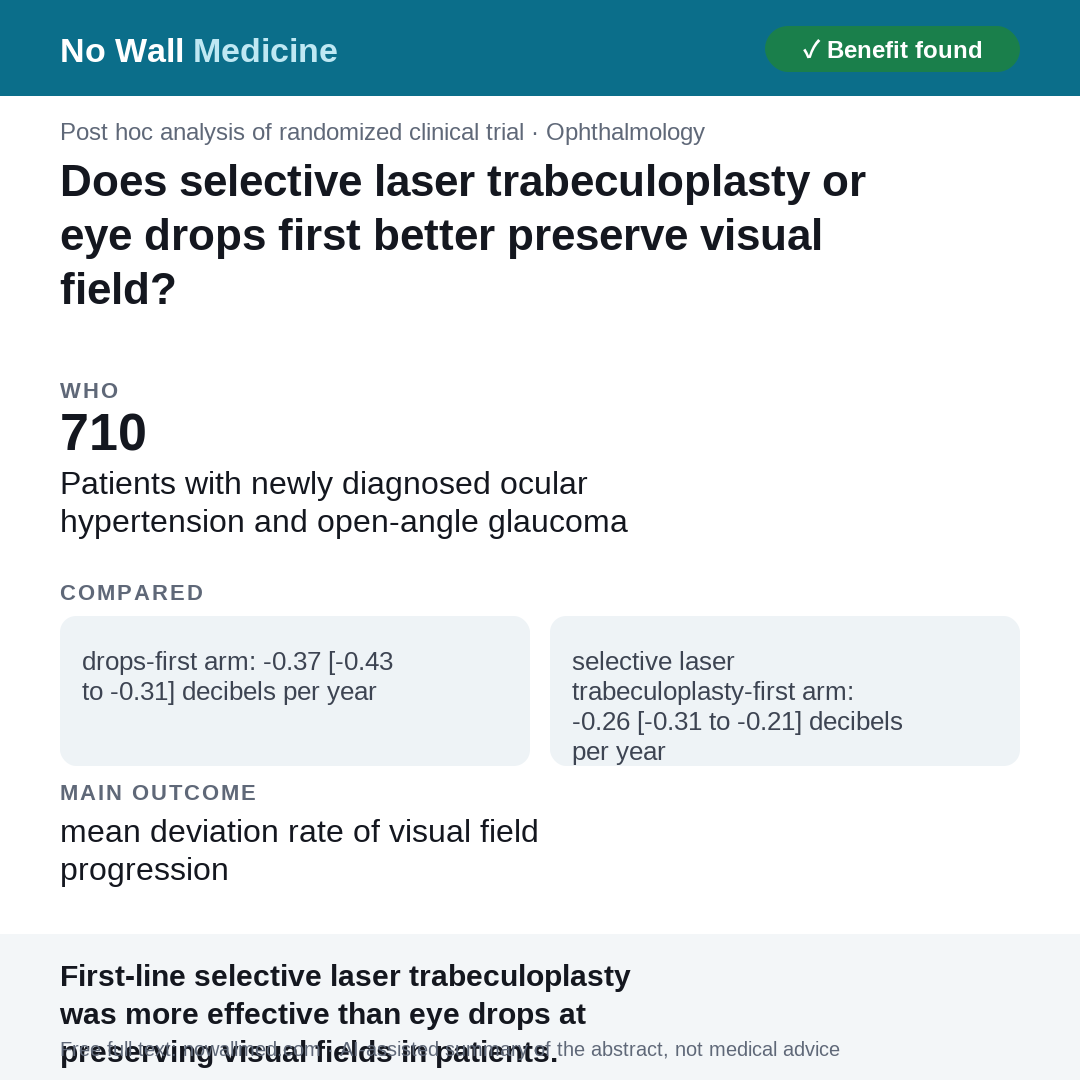
Six-Year Rate of Visual Field Progression in the Laser in Glaucoma and Ocular Hypertension Trial
Post hoc analysis of randomized clinical trialBenefit found
Does selective laser trabeculoplasty or eye drops first better preserve visual field?
Who
710
Patients with newly diagnosed ocular hypertension and open-angle glaucoma
Compared
drops-first arm: -0.37 [-0.43 to -0.31] decibels per year
selective laser trabeculoplasty-first arm: -0.26 [-0.31 to -0.21] decibels per year
Main outcome
mean deviation rate of visual field progression
Bottom line: First-line selective laser trabeculoplasty was more effective than eye drops at preserving visual fields in patients.
Ophthalmology · 2025-10-01Download image
Incomplete Evidence of Bone Density Normalization Following Long-Term Reproductive Hormone Treatment in Men With Hypogonadotropic Hypogonadism
Systematic review and meta-analysisMixed results
Does reproductive hormone treatment normalize bone mineral density in men with hypogonadotropic hypogonadism?
Who
625
Men with hypogonadotropic hypogonadism
Compared
Men with hypogonadotropic hypogonadism: lower lumbar spine bone mineral density
Healthy controls
Main outcome
Lumbar spine bone mineral density
Result: standardized mean difference -5.98 (95% CI -11.5 to -0.47)
Bottom line: Bone mineral density improves with hormone treatment but may not fully normalize, especially in congenital hypogonadotropic hypogonadism.
Limitation: Based on several small, observational studies.
J Clin Endocrinol Metab · 2025-10-01Download image

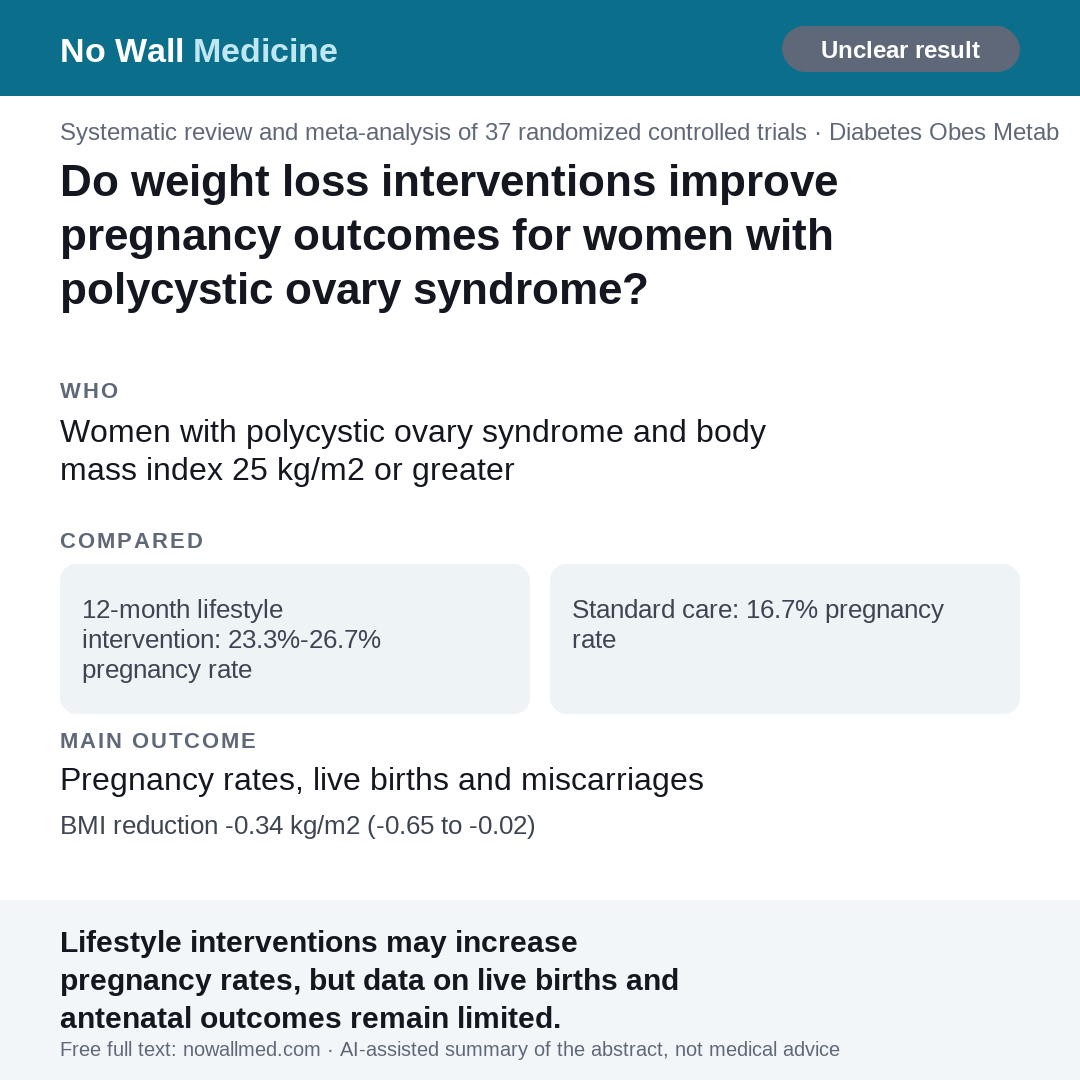
Pre-conception weight loss interventions in women with polycystic ovary syndrome and the effect on perinatal outcomes: A quantitative synthesis of surrogate outcomes
Systematic review and meta-analysis of 37 randomized controlled trialsUnclear result
Do weight loss interventions improve pregnancy outcomes for women with polycystic ovary syndrome?
Who
Women with polycystic ovary syndrome and body mass index 25 kg/m2 or greater
Compared
12-month lifestyle intervention: 23.3%-26.7% pregnancy rate
Standard care: 16.7% pregnancy rate
Main outcome
Pregnancy rates, live births and miscarriages
Result: BMI reduction -0.34 kg/m2 (-0.65 to -0.02)
Bottom line: Lifestyle interventions may increase pregnancy rates, but data on live births and antenatal outcomes remain limited.
Limitation: Outcome measure heterogeneity, intervention heterogeneity, inconsistent definitions and low use of core outcome sets.
Diabetes Obes Metab · 2025-10-01Download image
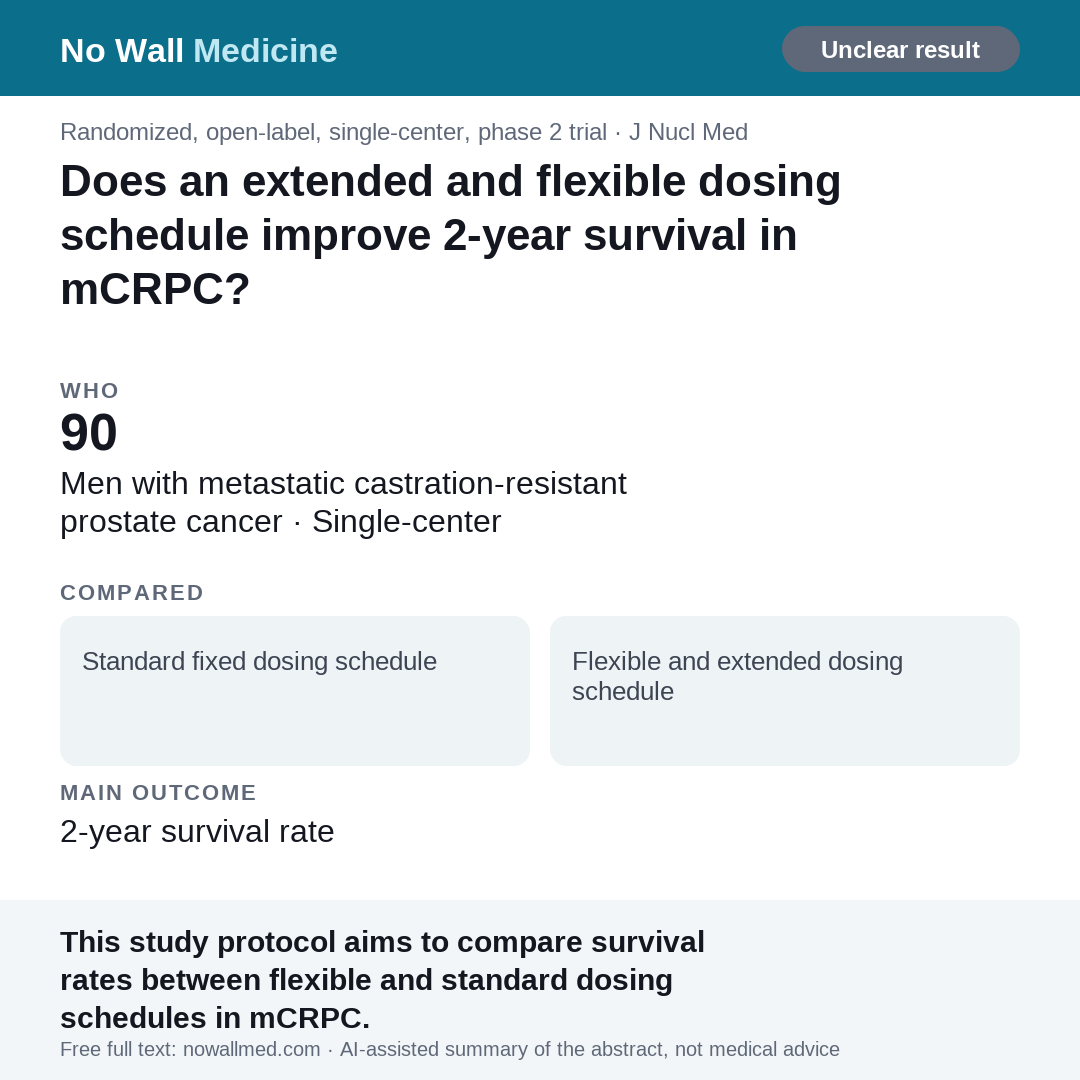
Randomized Phase 2 Trial of an Extended and Flexible Dosing Schedule of 177Lu-PSMA Molecular Radiotherapy in Patients with Metastatic Castration-Resistant Prostate Cancer (FLEX-MRT): Study Protocol
Randomized, open-label, single-center, phase 2 trialUnclear result
Does an extended and flexible dosing schedule improve 2-year survival in mCRPC?
Who
90
Men with metastatic castration-resistant prostate cancer · Single-center
Compared
Standard fixed dosing schedule
Flexible and extended dosing schedule
Main outcome
2-year survival rate
Bottom line: This study protocol aims to compare survival rates between flexible and standard dosing schedules in mCRPC.
J Nucl Med · 2025-10-01Download image
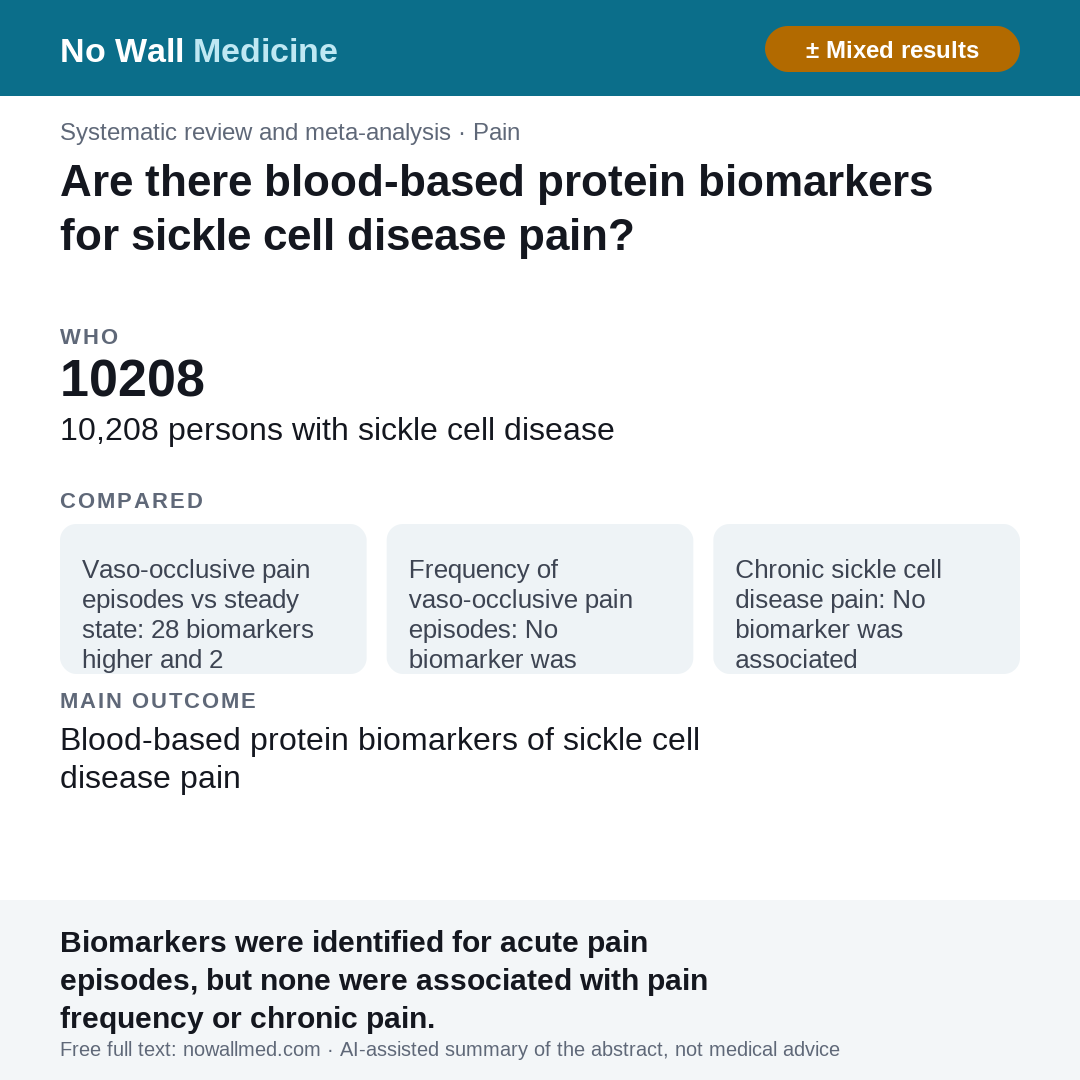
Blood-based protein biomarkers of sickle cell disease pain: a systematic review and meta-analysis
Systematic review and meta-analysisMixed results
Are there blood-based protein biomarkers for sickle cell disease pain?
Who
10208
10,208 persons with sickle cell disease
Compared
Vaso-occlusive pain episodes vs steady state: 28 biomarkers higher and 2 biomarkers lower
Frequency of vaso-occlusive pain episodes: No biomarker was associated
Chronic sickle cell disease pain: No biomarker was associated
Main outcome
Blood-based protein biomarkers of sickle cell disease pain
Bottom line: Biomarkers were identified for acute pain episodes, but none were associated with pain frequency or chronic pain.
Limitation: Current approaches and gaps in scientific literature require unbiased proteomic platform-based approaches.
Pain · 2025-10-01Download image
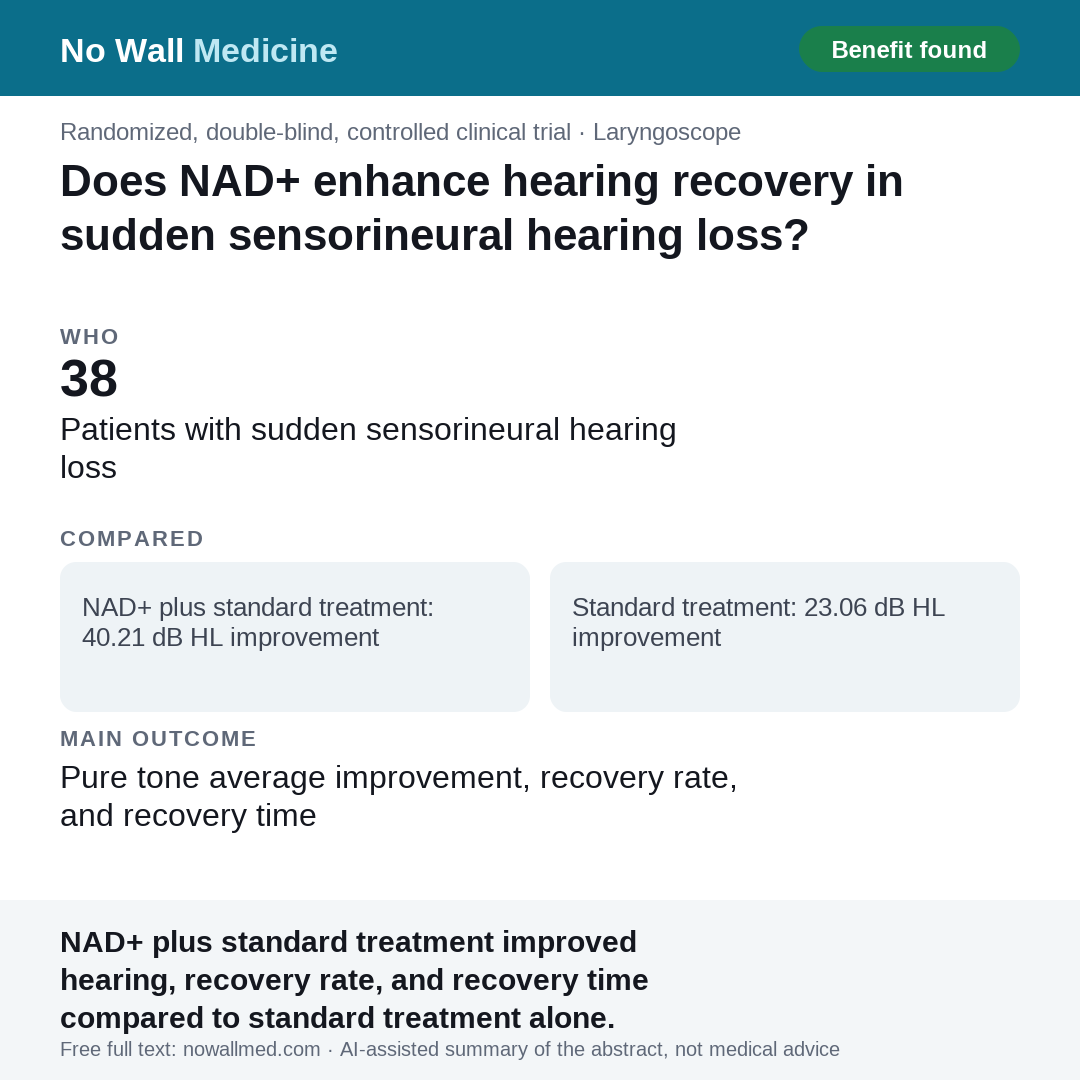
NAD+ Enhanced on Hearing Recovery in Sudden Sensorineural Hearing Loss: Randomized Controlled Trial
Randomized, double-blind, controlled clinical trialBenefit found
Does NAD+ enhance hearing recovery in sudden sensorineural hearing loss?
Who
38
Patients with sudden sensorineural hearing loss
Compared
NAD+ plus standard treatment: 40.21 dB HL improvement
Standard treatment: 23.06 dB HL improvement
Main outcome
Pure tone average improvement, recovery rate, and recovery time
Bottom line: NAD+ plus standard treatment improved hearing, recovery rate, and recovery time compared to standard treatment alone.
Laryngoscope · 2025-10-01Download image
Evaluating the association between bronchoscopic severity of burns-related smoke inhalation injury and clinical outcomes: A systematic review and meta-analysis
Systematic review and meta-analysisMixed results
Does bronchoscopic severity of smoke inhalation injury associate with clinical outcomes?
Who
Patients with burns-related smoke inhalation injury
Compared
More severe injury (AIS grades 3-4)
Milder injury (AIS grades 1-2)
Main outcome
Pneumonia, acute respiratory distress syndrome, and mortality
Result: pneumonia RD 0.319 (95% CI 0.020-0.618), ARDS RD 0.242 (95% CI 0.118-0.367)
Bottom line: Severe bronchoscopic grades are associated with increased pneumonia and acute respiratory distress syndrome, but mortality association was not statistically significant.
Limitation: Substantial study heterogeneity and inconsistent grading methodologies limit confidence in these associations.
Burns · 2025-10-01Download image

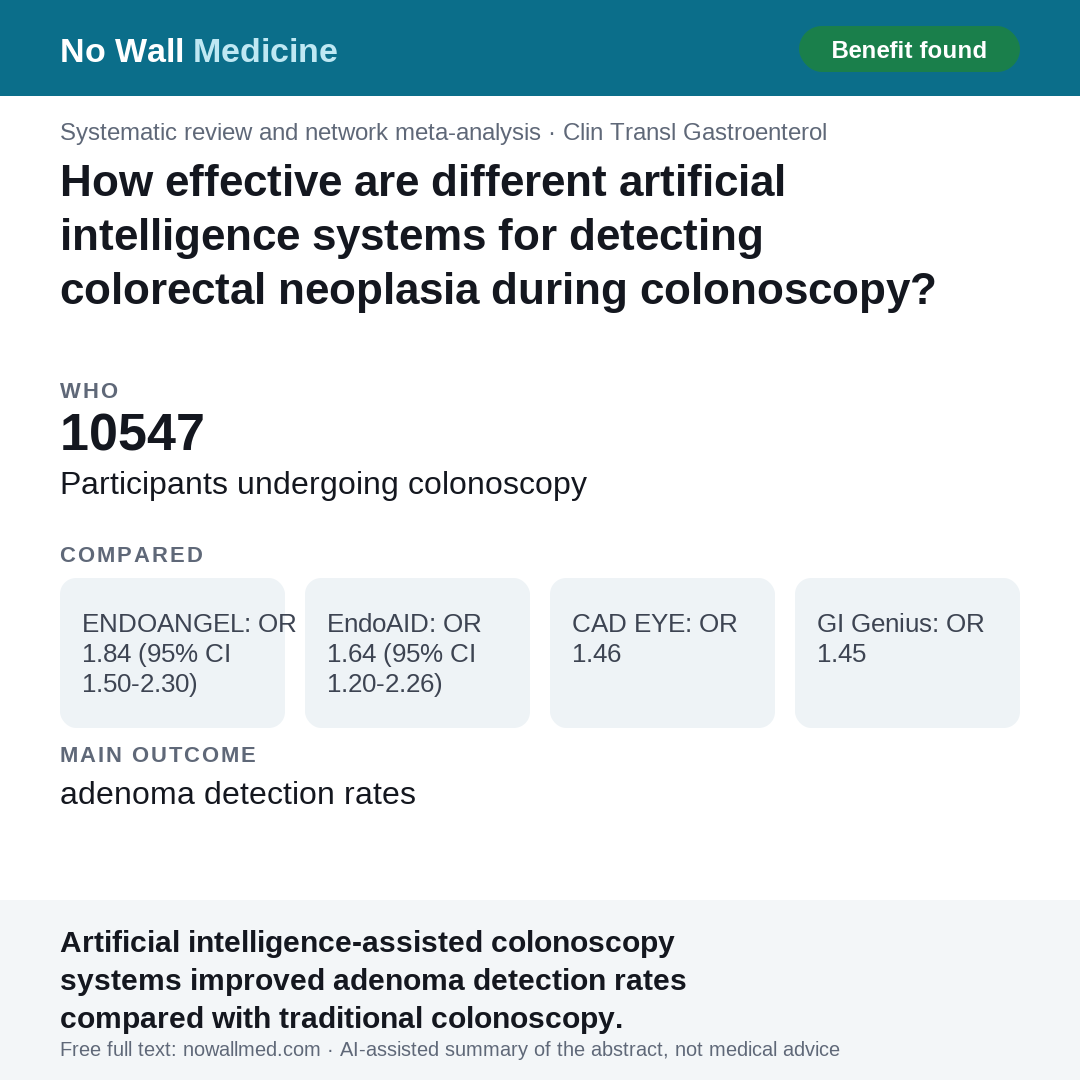
Novel Artificial Intelligence Systems in Detecting Adenomas in Colonoscopy: A Systemic Review and Network Meta-Analysis
Systematic review and network meta-analysisBenefit found
How effective are different artificial intelligence systems for detecting colorectal neoplasia during colonoscopy?
Who
10547
Participants undergoing colonoscopy
Compared
ENDOANGEL: OR 1.84 (95% CI 1.50-2.30)
EndoAID: OR 1.64 (95% CI 1.20-2.26)
CAD EYE: OR 1.46
GI Genius: OR 1.45
Main outcome
adenoma detection rates
Bottom line: Artificial intelligence-assisted colonoscopy systems improved adenoma detection rates compared with traditional colonoscopy.
Limitation: additional large-scale studies are needed to confirm these findings
Clin Transl Gastroenterol · 2025-10-01Download image
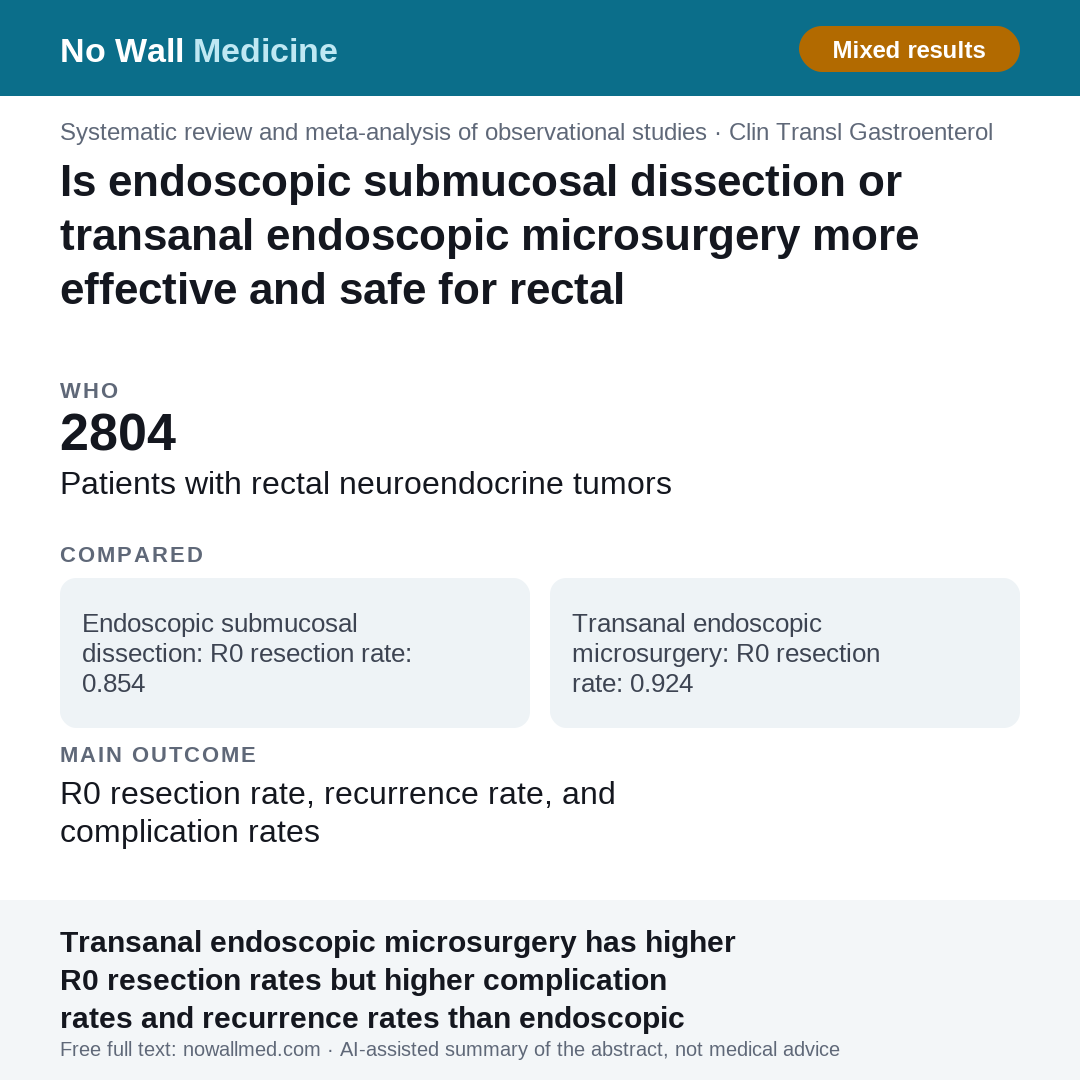
Endoscopic Submucosal Dissection and Transanal Endoscopic Microsurgery in the Treatment of Rectal Neuroendocrine Tumors: Systematic Review and Meta-Analysis of the Observational Studies
Systematic review and meta-analysis of observational studiesMixed results
Is endoscopic submucosal dissection or transanal endoscopic microsurgery more effective and safe for rectal neuroendocrine tumors?
Who
2804
Patients with rectal neuroendocrine tumors
Compared
Endoscopic submucosal dissection: R0 resection rate: 0.854
Transanal endoscopic microsurgery: R0 resection rate: 0.924
Main outcome
R0 resection rate, recurrence rate, and complication rates
Result: risk ratio for R0 resection was approximately 10% lower for ESD
Bottom line: Transanal endoscopic microsurgery has higher R0 resection rates but higher complication rates and recurrence rates than endoscopic submucosal dissection.
Clin Transl Gastroenterol · 2025-10-01Download image
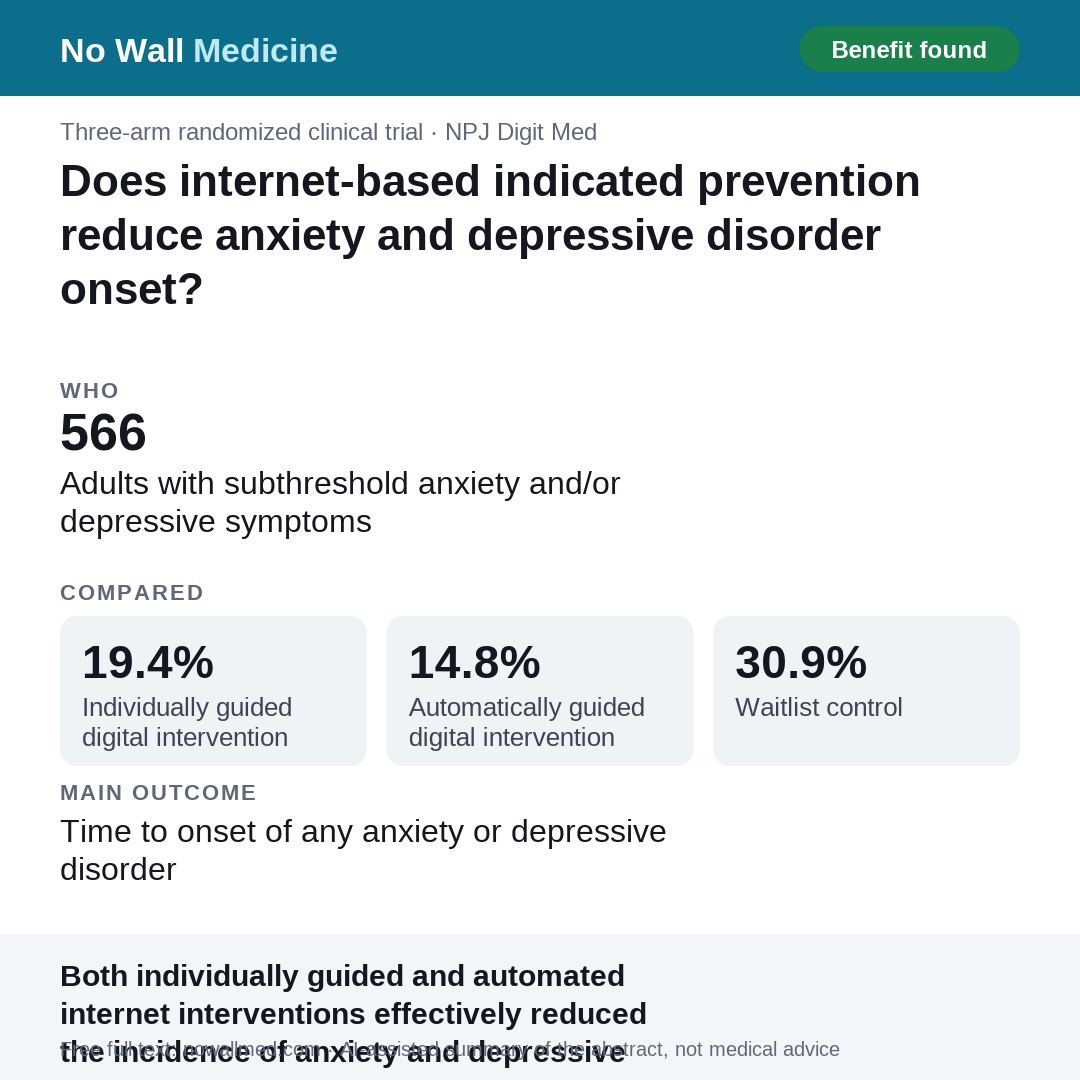
Internet-based indicated prevention of anxiety and depression disorder onset three-arm randomized clinical trial
Three-arm randomized clinical trialBenefit found
Does internet-based indicated prevention reduce anxiety and depressive disorder onset?
Who
566
Adults with subthreshold anxiety and/or depressive symptoms
Compared
19.4%Individually guided digital intervention
14.8%Automatically guided digital intervention
30.9%Waitlist control
Main outcome
Time to onset of any anxiety or depressive disorder
Result: hazard ratios 0.59 and 0.47
Bottom line: Both individually guided and automated internet interventions effectively reduced the incidence of anxiety and depressive disorders.
NPJ Digit Med · 2025-10-01Download image
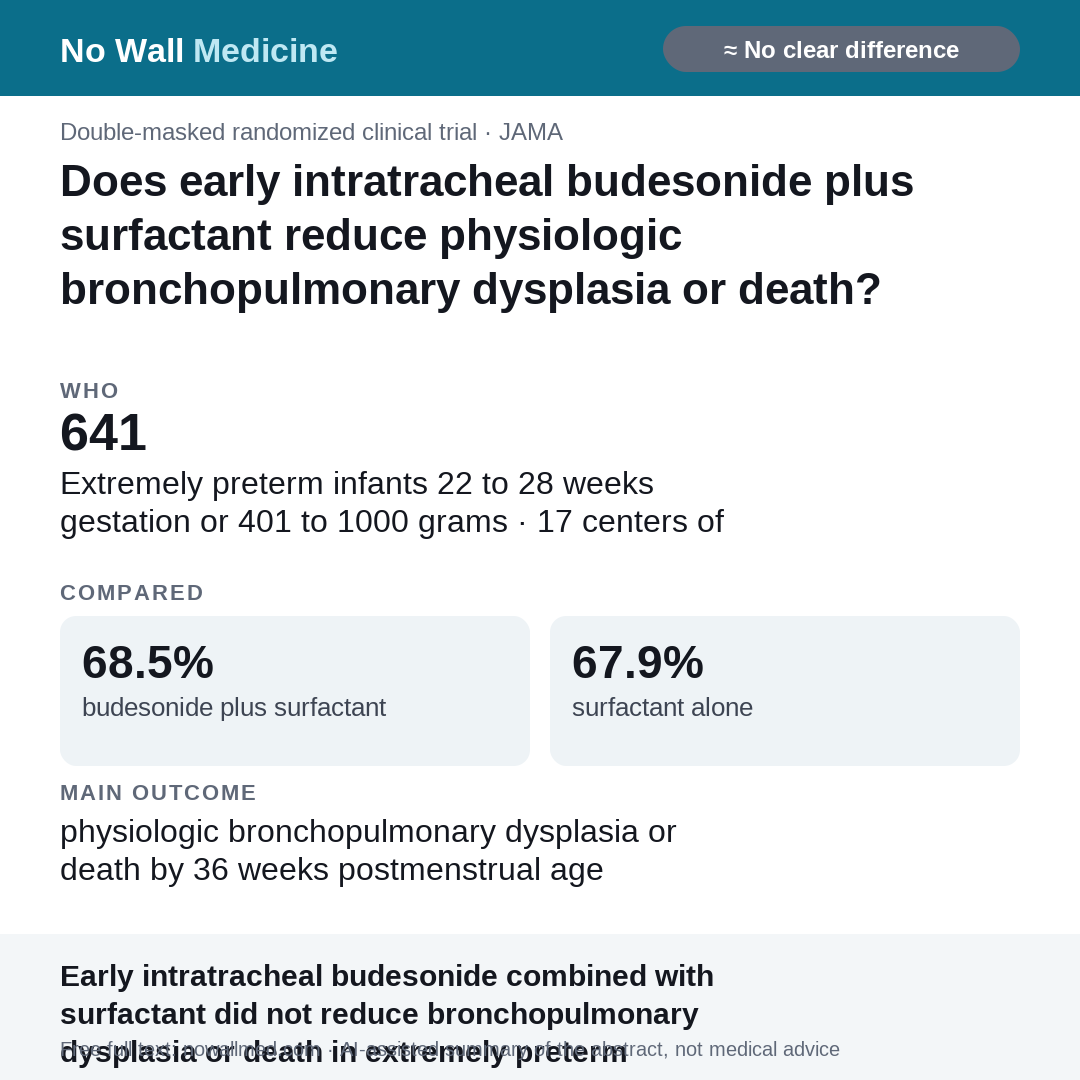
Early Intratracheal Budesonide to Reduce Bronchopulmonary Dysplasia in Extremely Preterm Infants: The Budesonide in Babies (BiB) Randomized Clinical Trial
Double-masked randomized clinical trialNo clear difference
Does early intratracheal budesonide plus surfactant reduce physiologic bronchopulmonary dysplasia or death?
Who
641
Extremely preterm infants 22 to 28 weeks gestation or 401 to 1000 grams · 17 centers of the United States Neonatal Research Network
Compared
68.5%budesonide plus surfactant
67.9%surfactant alone
Main outcome
physiologic bronchopulmonary dysplasia or death by 36 weeks postmenstrual age
Result: adjusted relative risk 1.00 (95% CI 0.90-1.11)
Bottom line: Early intratracheal budesonide combined with surfactant did not reduce bronchopulmonary dysplasia or death in extremely preterm infants.
JAMA · 2025-09-30Download image
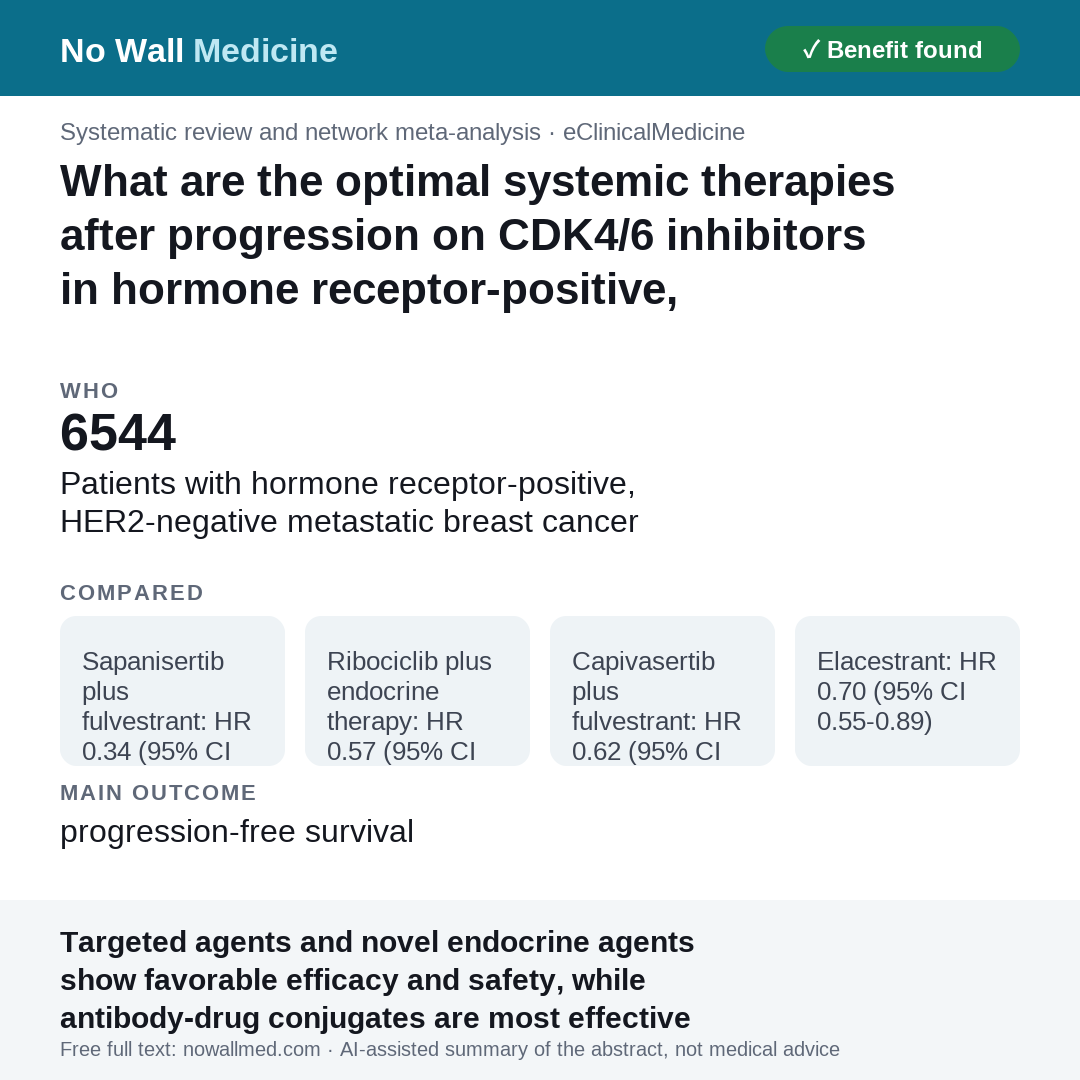
Efficacy and safety of systemic therapies following progression on CDK4/6 inhibitors in patients with HR+/HER2- metastatic breast cancer: a systematic review and network meta-analysis
Systematic review and network meta-analysisBenefit found
What are the optimal systemic therapies after progression on CDK4/6 inhibitors in hormone receptor-positive, HER2-negative metastatic breast cancer?
Who
6544
Patients with hormone receptor-positive, HER2-negative metastatic breast cancer progressing on CDK4/6 inhibitor therapy
Compared
Sapanisertib plus fulvestrant: HR 0.34 (95% CI 0.14-0.82)
Ribociclib plus endocrine therapy: HR 0.57 (95% CI 0.39-0.84)
Capivasertib plus fulvestrant: HR 0.62 (95% CI 0.51-0.75)
Elacestrant: HR 0.70 (95% CI 0.55-0.89)
Main outcome
progression-free survival
Result: HR 0.34 (95% CI 0.14-0.82) for sapanisertib plus fulvestrant
Bottom line: Targeted agents and novel endocrine agents show favorable efficacy and safety, while antibody-drug conjugates are most effective when chemotherapy is required.
Funded by: Italian Ministry of University and Research and European Union
eClinicalMedicine · 2025-09-30Download image
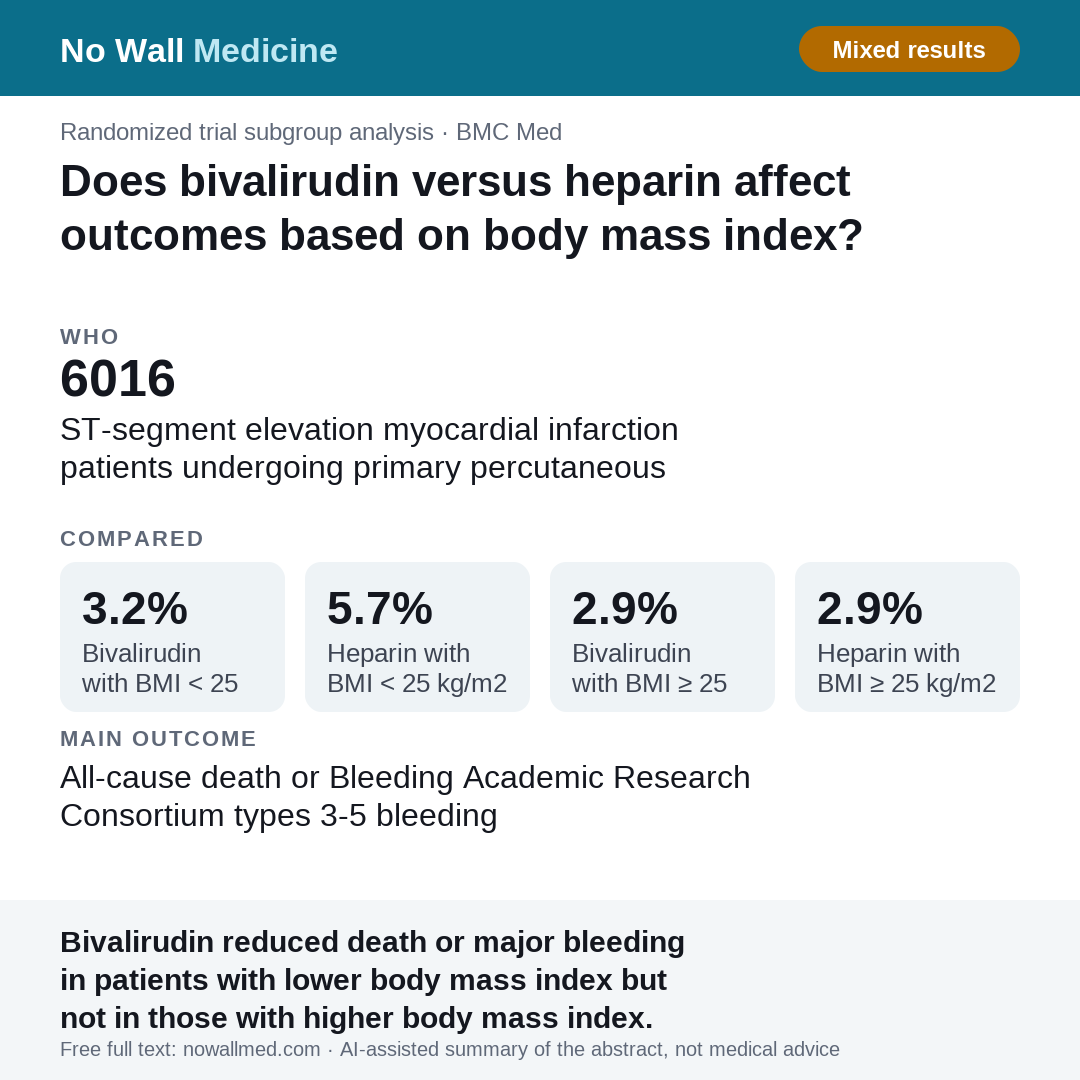
BMI differences on anticoagulation with bivalirudin vs. heparin during primary PCI: a BRIGHT-4 subanalysis
Randomized trial subgroup analysisMixed results
Does bivalirudin versus heparin affect outcomes based on body mass index?
Who
6016
ST-segment elevation myocardial infarction patients undergoing primary percutaneous coronary intervention
Compared
3.2%Bivalirudin with BMI < 25 kg/m2
5.7%Heparin with BMI < 25 kg/m2
2.9%Bivalirudin with BMI ≥ 25 kg/m2
2.9%Heparin with BMI ≥ 25 kg/m2
Main outcome
All-cause death or Bleeding Academic Research Consortium types 3-5 bleeding
Result: adjusted HR 0.56 (95% CI 0.40-0.79) for BMI < 25
Bottom line: Bivalirudin reduced death or major bleeding in patients with lower body mass index but not in those with higher body mass index.
Limitation: The difference in outcomes between BMI groups was no longer significant after adjusting for confounders.
BMC Med · 2025-09-30Download image
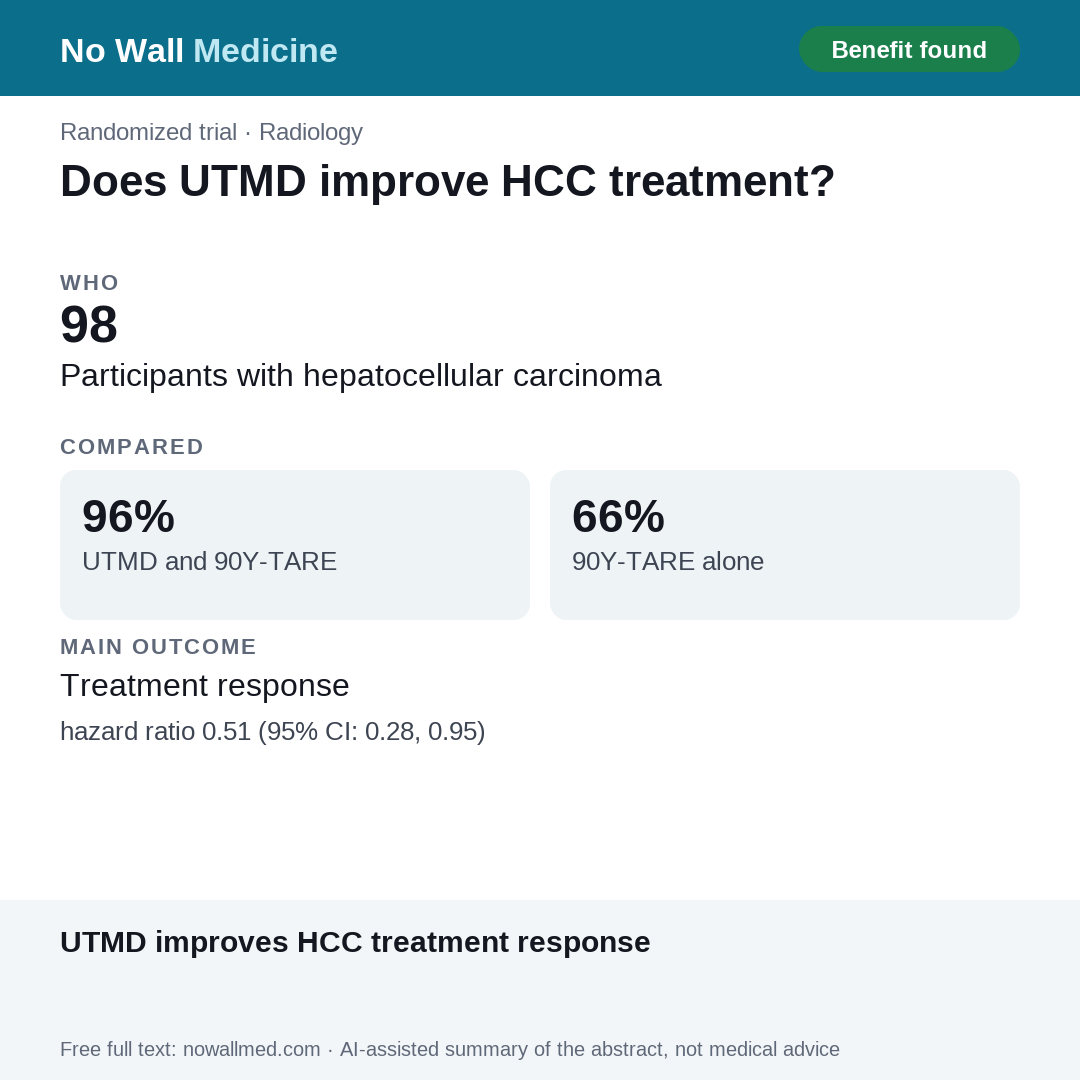
Microbubble-based Radiosensitization of Hepatocellular Carcinoma: Evaluation of Safety and Efficacy in a Phase II Randomized Trial
Randomized trialBenefit found
Does UTMD improve HCC treatment?
Who
98
Participants with hepatocellular carcinoma
Compared
96%UTMD and 90Y-TARE (46/48)
66%90Y-TARE alone (33/50)
Main outcome
Treatment response
Result: hazard ratio 0.51 (95% CI: 0.28, 0.95)
Bottom line: UTMD improves HCC treatment response
Radiology · 2025-09-30Download image
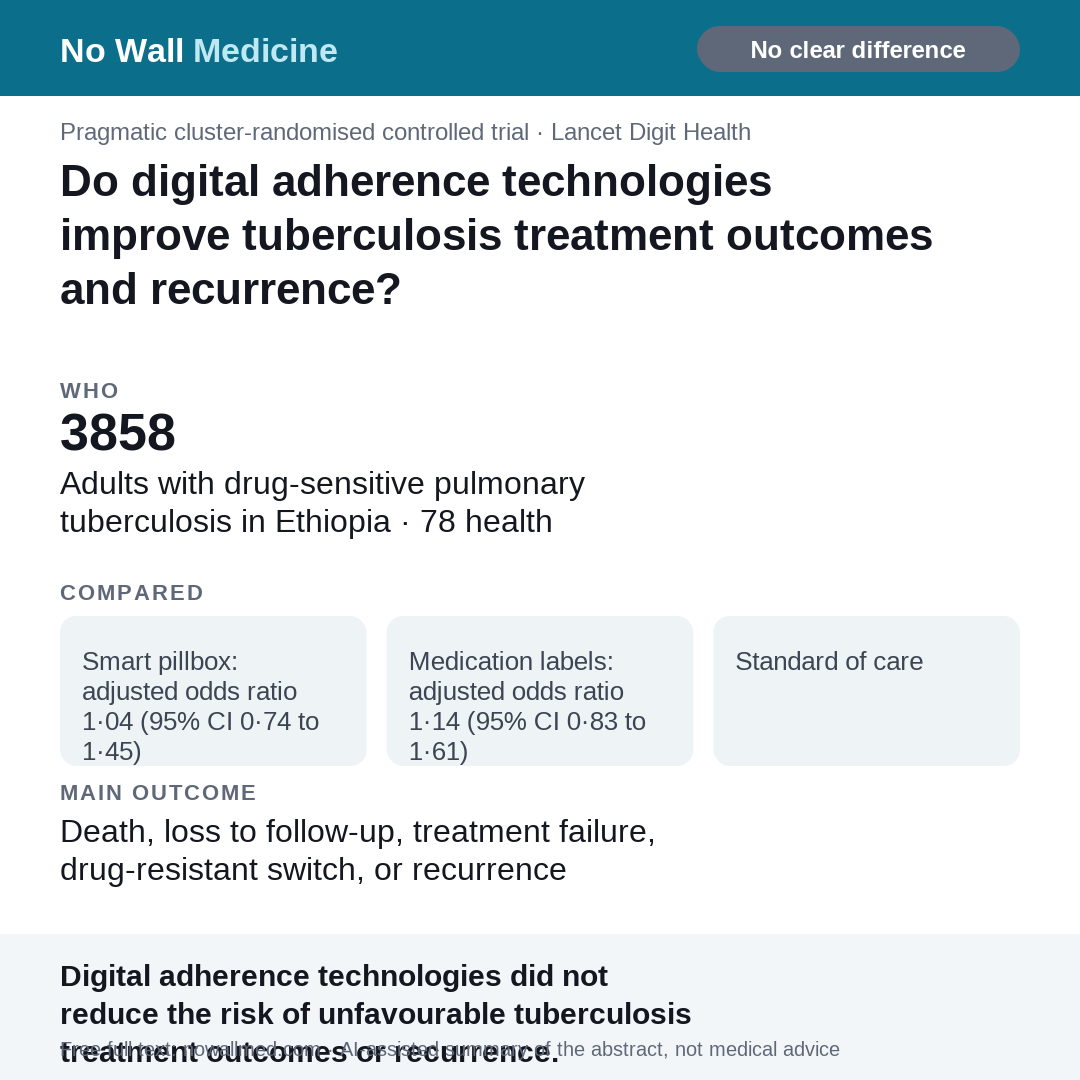
Digital adherence technology interventions to reduce poor end-of-treatment outcomes and recurrence among adults with drug-sensitive tuberculosis in Ethiopia: a three-arm, pragmatic, cluster-randomised, controlled trial
Pragmatic cluster-randomised controlled trialNo clear difference
Do digital adherence technologies improve tuberculosis treatment outcomes and recurrence?
Who
3858
Adults with drug-sensitive pulmonary tuberculosis in Ethiopia · 78 health facilities in Ethiopia
Compared
Smart pillbox: adjusted odds ratio 1·04 (95% CI 0·74 to 1·45)
Medication labels: adjusted odds ratio 1·14 (95% CI 0·83 to 1·61)
Standard of care
Main outcome
Death, loss to follow-up, treatment failure, drug-resistant switch, or recurrence
Result: adjusted odds ratio 1·04 (95% CI 0·74 to 1·45)
Bottom line: Digital adherence technologies did not reduce the risk of unfavourable tuberculosis treatment outcomes or recurrence.
Funded by: Unitaid
Lancet Digit Health · 2025-09-30Download image
Effects of a virtual iSupport Program on carers and people with dementia
Pragmatic randomized controlled trialBenefit found
Does a virtual iSupport Program benefit carers and people living with dementia?
Who
149
Carers of people living with dementia · Four organizations
Compared
Intervention group: 60% lower hospital admission rate
Usual care group
Main outcome
Quality of life and secondary clinical outcomes
Bottom line: The virtual iSupport Program improved carer quality of life and reduced hospital admissions for people living with dementia.
Alzheimers Dement · 2025-09-30Download image

Fluoxetine for anorexia nervosa after weight restoration: moderation of effect by depression
Secondary analysis of a randomized trialBenefit found
Is fluoxetine effective for relapse prevention in anorexia nervosa patients with depression?
Who
92
Weight-restored women with anorexia nervosa
Compared
Fluoxetine
Placebo
Main outcome
Time to relapse
Result: hazard ratio 0.46 (95% CI: [0.25, 0.85])
Bottom line: Fluoxetine was more effective than placebo in reducing relapse among more depressed, weight-restored individuals with anorexia nervosa.
Limitation: These results require replication
Psychol Med · 2025-09-30Download image