Visual abstracts
New randomized trials and meta-analyses from leading journals at a glance: who was studied, what was compared, and what was found. Every paper is free to read in full.
All specialtiesCardiology 975Oncology 867Gastroenterology & Hepatology 354Infectious Disease 670Neurology 408Psychiatry & Mental Health 495Pulmonology 429Critical Care 292Endocrinology & Diabetes 546Pediatrics 610Surgery 414Orthopedics & Sports Medicine 187Neurosurgery 142Cardiothoracic & Vascular Surgery 101Plastic & Reconstructive Surgery 159Nephrology 219Rheumatology 127Hematology 208Dermatology 91Ophthalmology 117Obstetrics & Gynecology 298Public & Global Health 187Radiology & Imaging 120Anesthesiology 164Urology 186ENT (Otolaryngology) 133Emergency Medicine 110Allergy & Immunology 67Geriatrics 189Family Medicine & Primary Care 131Medical Genetics & Genomics 99Pathology & Laboratory Medicine 30Physical Medicine & Rehabilitation 171Palliative Care 91Nutrition 247Digital Health & AI 509General Medicine 105
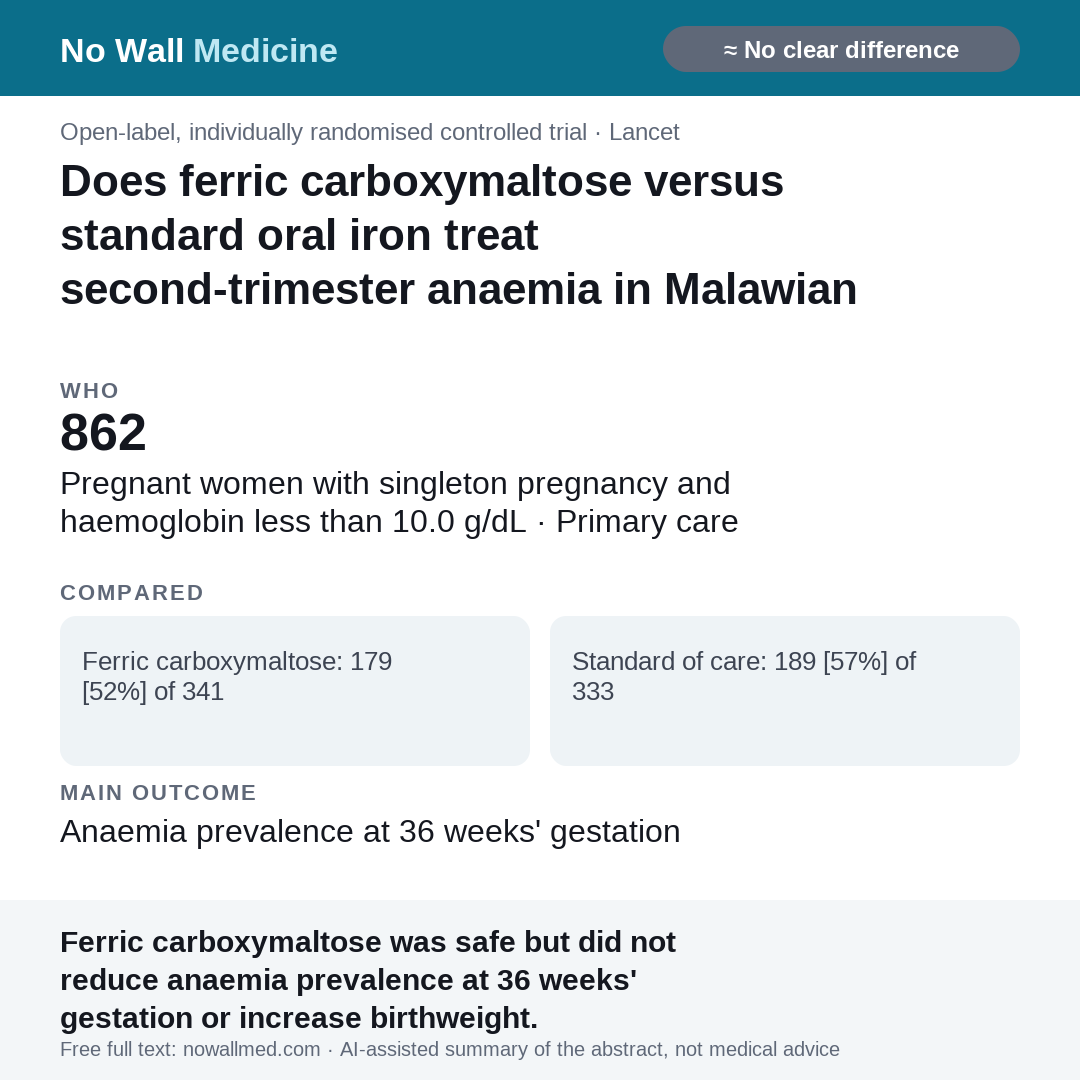
Ferric carboxymaltose versus standard-of-care oral iron to treat second-trimester anaemia in Malawian pregnant women: a randomised controlled trial
Open-label, individually randomised controlled trialNo clear difference
Does ferric carboxymaltose versus standard oral iron treat second-trimester anaemia in Malawian pregnant women?
Who
862
Pregnant women with singleton pregnancy and haemoglobin less than 10.0 g/dL · Primary care and outpatient settings in southern Malawi
Compared
Ferric carboxymaltose: 179 [52%] of 341
Standard of care: 189 [57%] of 333
Main outcome
Anaemia prevalence at 36 weeks' gestation
Result: prevalence ratio 0.92 (95% CI 0.81 to 1.06)
Bottom line: Ferric carboxymaltose was safe but did not reduce anaemia prevalence at 36 weeks' gestation or increase birthweight.
Funded by: Bill & Melinda Gates Foundation
Lancet · 2023-04-21Download image
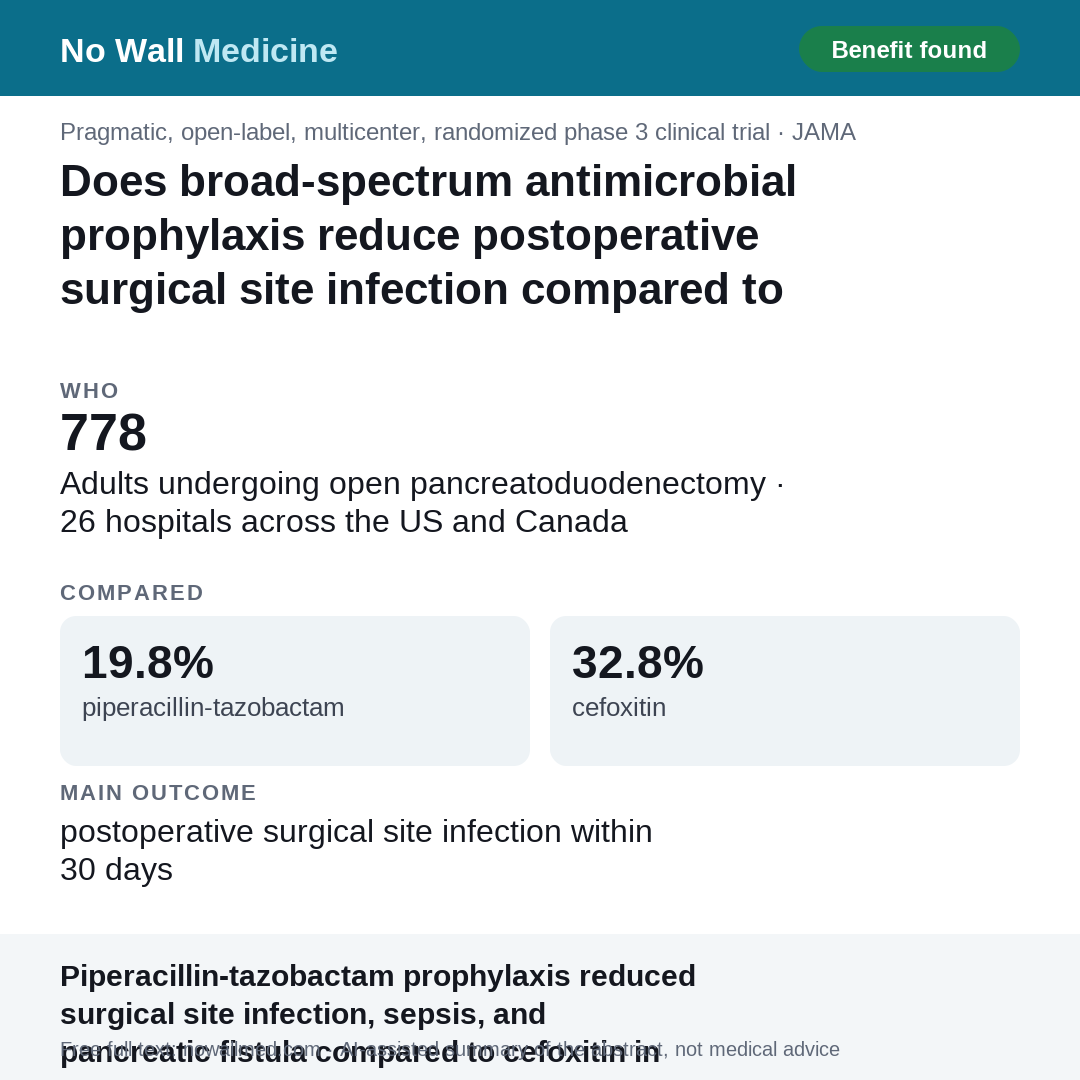
Piperacillin-Tazobactam Compared With Cefoxitin as Antimicrobial Prophylaxis for Pancreatoduodenectomy: A Randomized Clinical Trial
Pragmatic, open-label, multicenter, randomized phase 3 clinical trialBenefit found
Does broad-spectrum antimicrobial prophylaxis reduce postoperative surgical site infection compared to standard care antibiotics?
Who
778
Adults undergoing open pancreatoduodenectomy · 26 hospitals across the US and Canada
Compared
19.8%piperacillin-tazobactam
32.8%cefoxitin
Main outcome
postoperative surgical site infection within 30 days
Result: absolute difference, -13.0% (95% CI, -19.1% to -6.9%)
Bottom line: Piperacillin-tazobactam prophylaxis reduced surgical site infection, sepsis, and pancreatic fistula compared to cefoxitin in pancreatoduodenectomy patients.
JAMA · 2023-04-20Download image
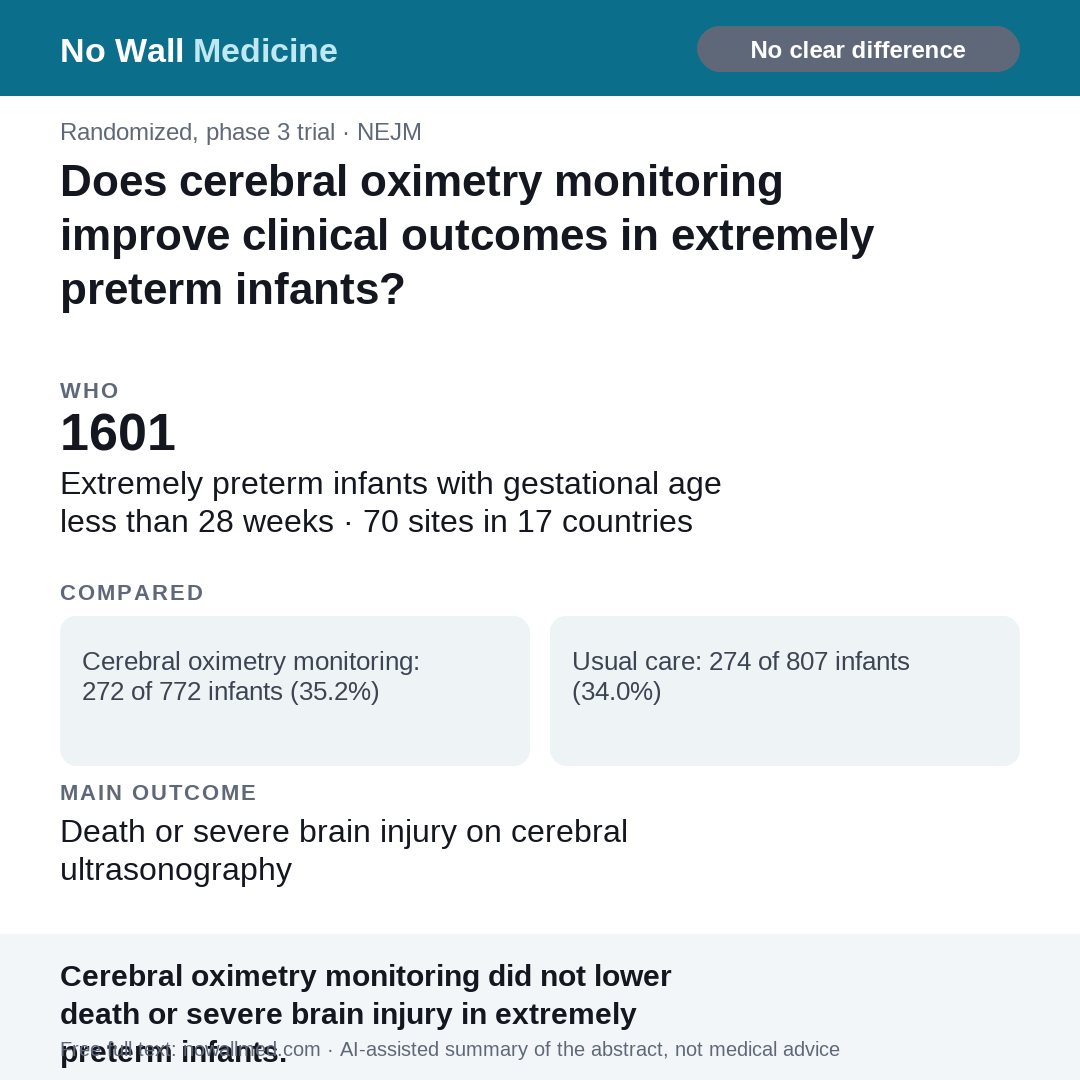
Cerebral Oximetry Monitoring in Extremely Preterm Infants
Randomized, phase 3 trialNo clear difference
Does cerebral oximetry monitoring improve clinical outcomes in extremely preterm infants?
Who
1601
Extremely preterm infants with gestational age less than 28 weeks · 70 sites in 17 countries
Compared
Cerebral oximetry monitoring: 272 of 772 infants (35.2%)
Usual care: 274 of 807 infants (34.0%)
Main outcome
Death or severe brain injury on cerebral ultrasonography
Result: relative risk 1.03 (95% confidence interval, 0.90 to 1.18)
Bottom line: Cerebral oximetry monitoring did not lower death or severe brain injury in extremely preterm infants.
Funded by: Elsass Foundation and others
NEJM · 2023-04-19Download image
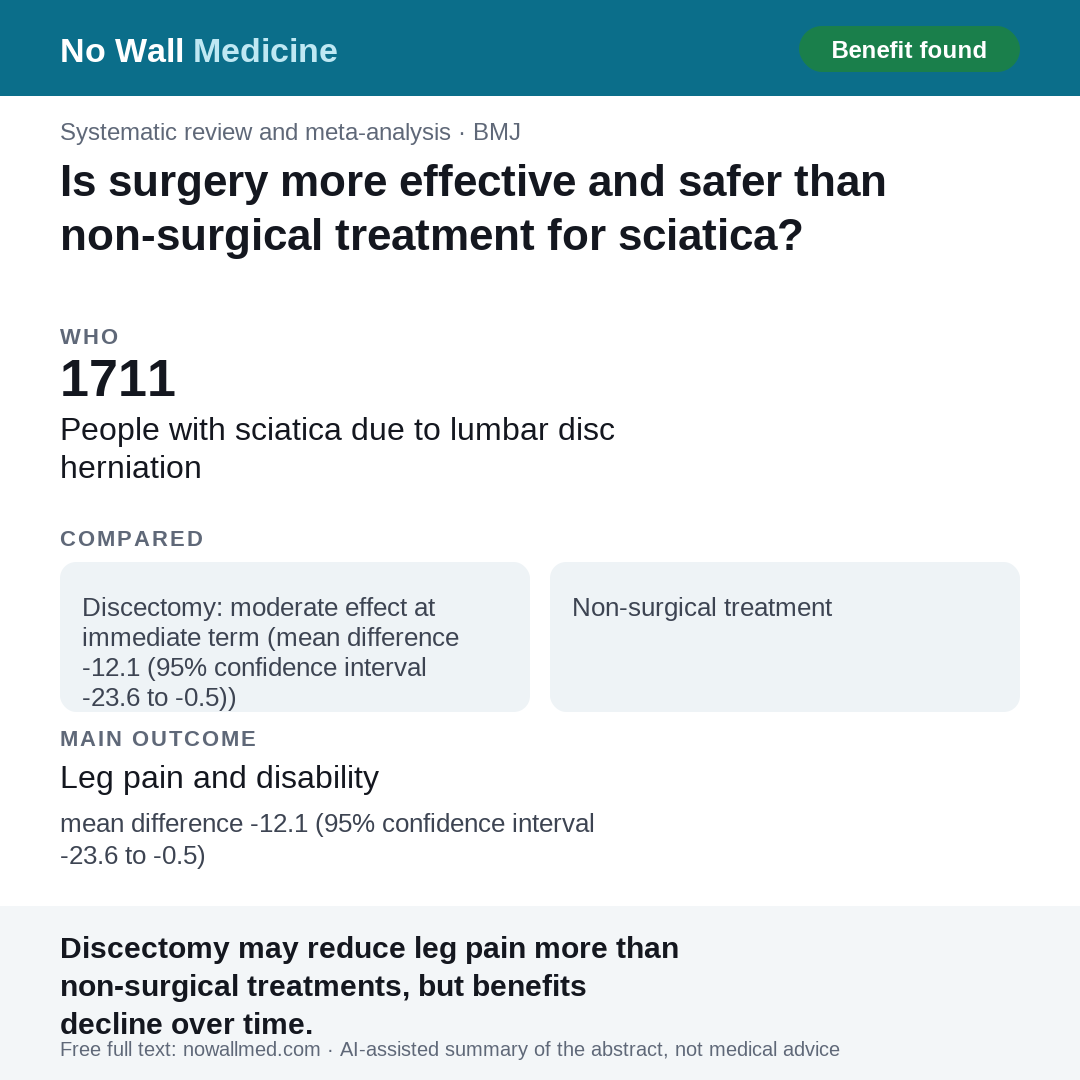
Surgical versus non-surgical treatment for sciatica: systematic review and meta-analysis of randomised controlled trials
Systematic review and meta-analysisBenefit found
Is surgery more effective and safer than non-surgical treatment for sciatica?
Who
1711
People with sciatica due to lumbar disc herniation
Compared
Discectomy: moderate effect at immediate term (mean difference -12.1 (95% confidence interval -23.6 to -0.5))
Non-surgical treatment
Main outcome
Leg pain and disability
Result: mean difference -12.1 (95% confidence interval -23.6 to -0.5)
Bottom line: Discectomy may reduce leg pain more than non-surgical treatments, but benefits decline over time.
Limitation: Very low to low certainty evidence
BMJ · 2023-04-19Download image
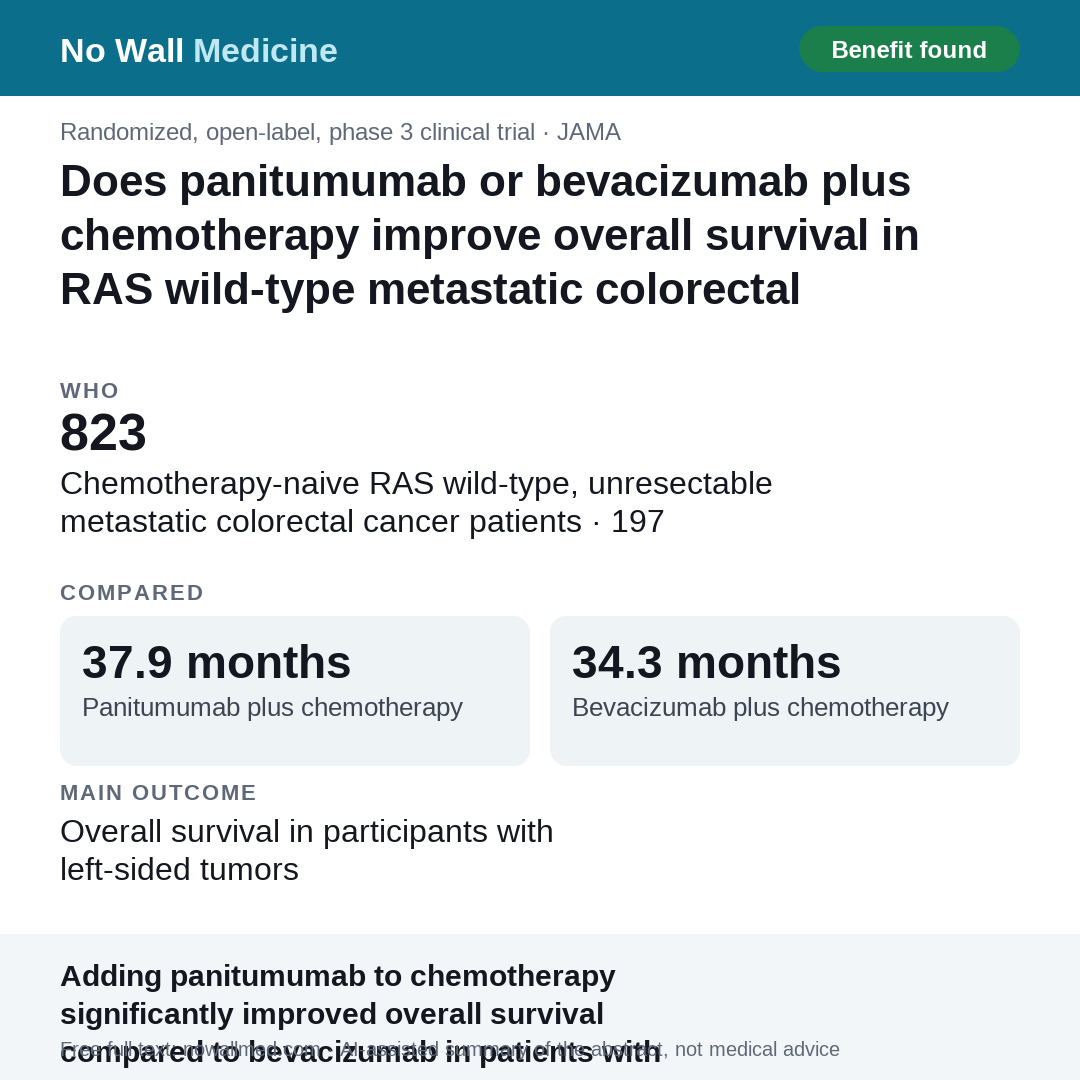
Panitumumab vs Bevacizumab Added to Standard First-line Chemotherapy and Overall Survival Among Patients With RAS Wild-type, Left-Sided Metastatic Colorectal Cancer: A Randomized Clinical Trial
Randomized, open-label, phase 3 clinical trialBenefit found
Does panitumumab or bevacizumab plus chemotherapy improve overall survival in RAS wild-type metastatic colorectal cancer?
Who
823
Chemotherapy-naive RAS wild-type, unresectable metastatic colorectal cancer patients · 197 sites in Japan
Compared
37.9 monthsPanitumumab plus chemotherapy
34.3 monthsBevacizumab plus chemotherapy
Main outcome
Overall survival in participants with left-sided tumors
Result: hazard ratio 0.82 (95.798% CI, 0.68-0.99)
Bottom line: Adding panitumumab to chemotherapy significantly improved overall survival compared to bevacizumab in patients with left-sided tumors and the overall population.
JAMA · 2023-04-18Download image
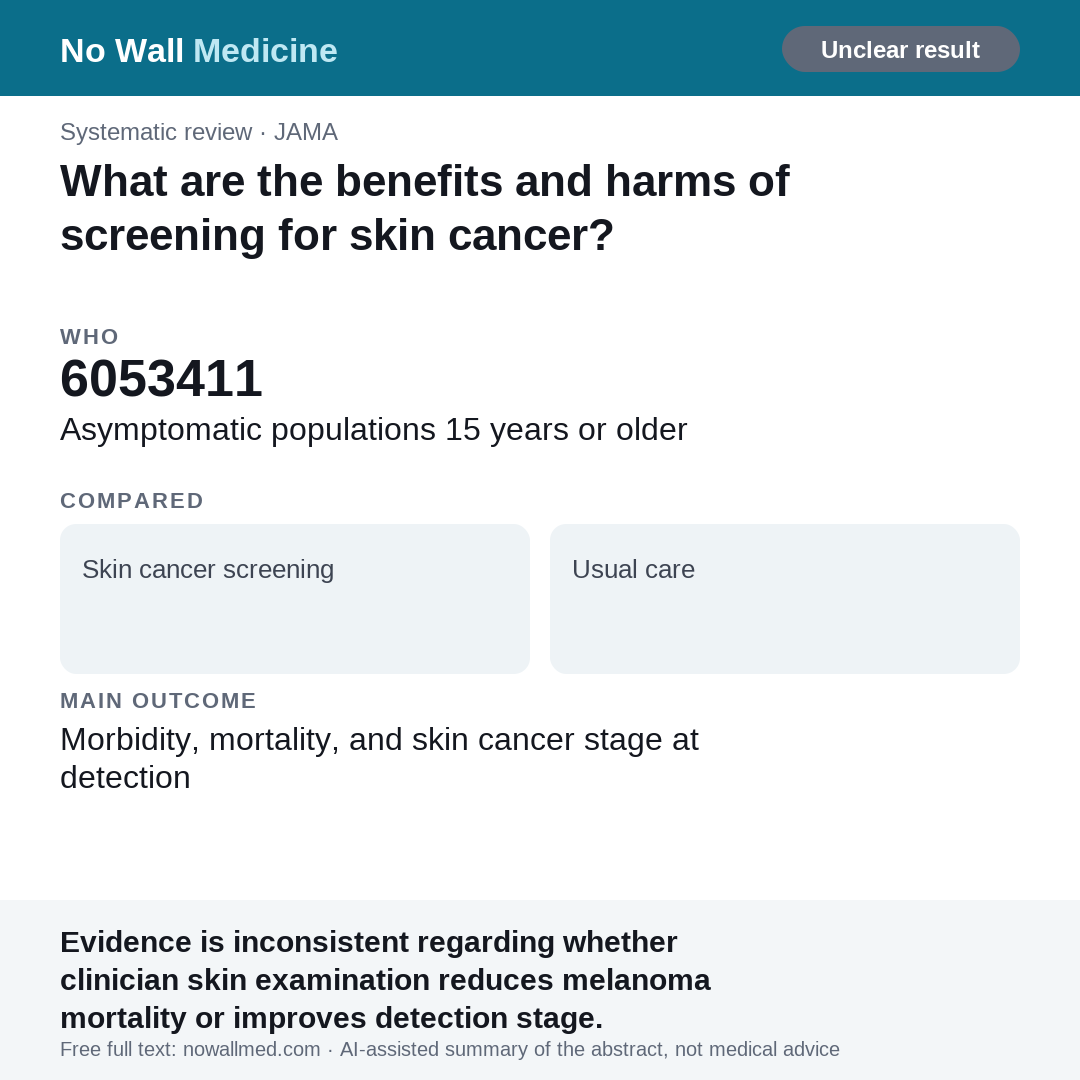
Skin Cancer Screening: Updated Evidence Report and Systematic Review for the US Preventive Services Task Force
Systematic reviewUnclear result
What are the benefits and harms of screening for skin cancer?
Who
6053411
Asymptomatic populations 15 years or older
Compared
Skin cancer screening
Usual care
Main outcome
Morbidity, mortality, and skin cancer stage at detection
Bottom line: Evidence is inconsistent regarding whether clinician skin examination reduces melanoma mortality or improves detection stage.
Limitation: Evidence is based on nonrandomized studies and results are inconsistent.
JAMA · 2023-04-18Download image
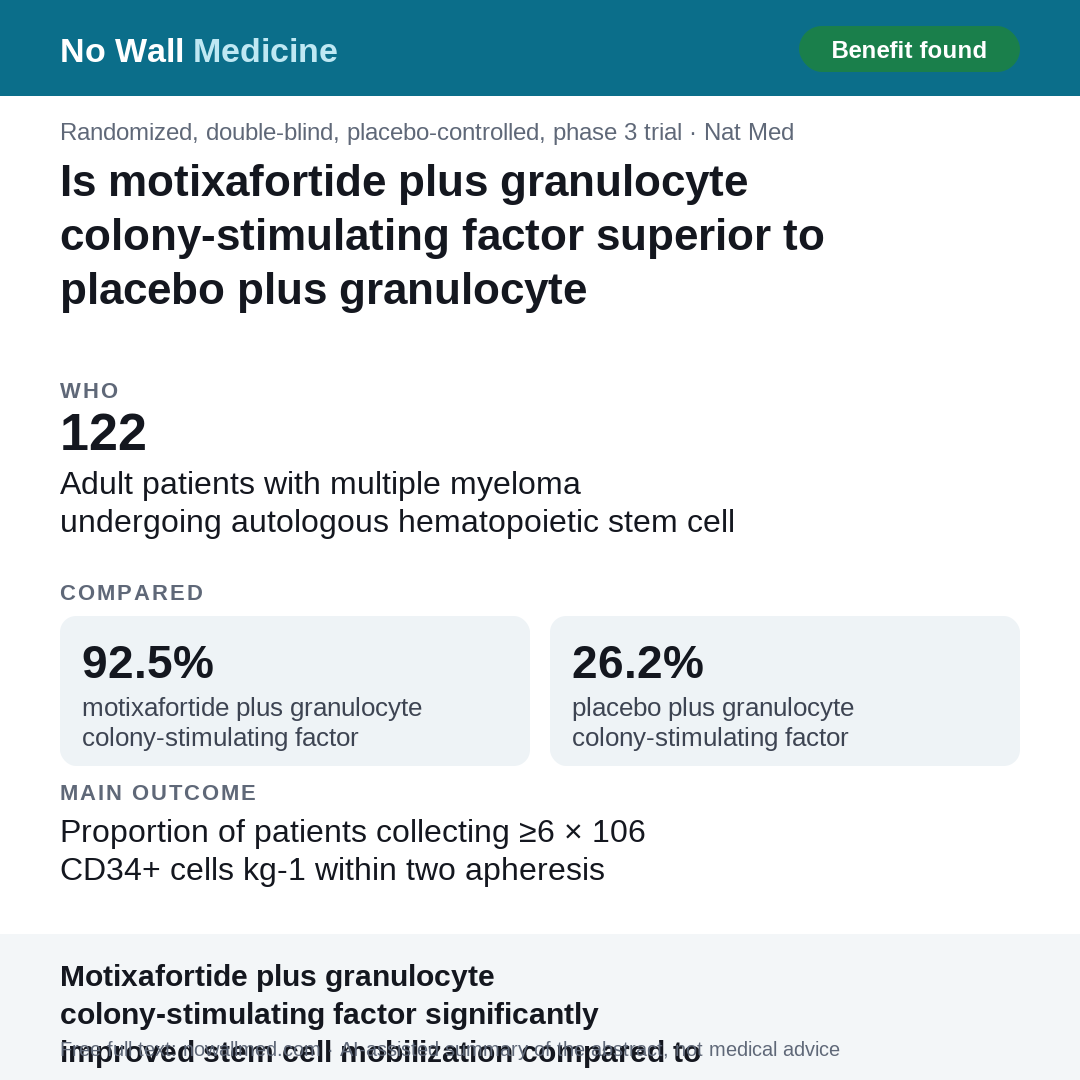
Motixafortide and G-CSF to mobilize hematopoietic stem cells for autologous transplantation in multiple myeloma: a randomized phase 3 trial
Randomized, double-blind, placebo-controlled, phase 3 trialBenefit found
Is motixafortide plus granulocyte colony-stimulating factor superior to placebo plus granulocyte colony-stimulating factor for stem cell mobilization?
Who
122
Adult patients with multiple myeloma undergoing autologous hematopoietic stem cell transplantation · 18 sites across five countries
Compared
92.5%motixafortide plus granulocyte colony-stimulating factor
26.2%placebo plus granulocyte colony-stimulating factor
Main outcome
Proportion of patients collecting ≥6 × 10⁶ CD34+ cells kg-1 within two apheresis procedures
Result: odds ratio 53.3 (95% CI 14.12-201.33)
Bottom line: Motixafortide plus granulocyte colony-stimulating factor significantly improved stem cell mobilization compared to placebo plus granulocyte colony-stimulating factor.
Nat Med · 2023-04-17Download image
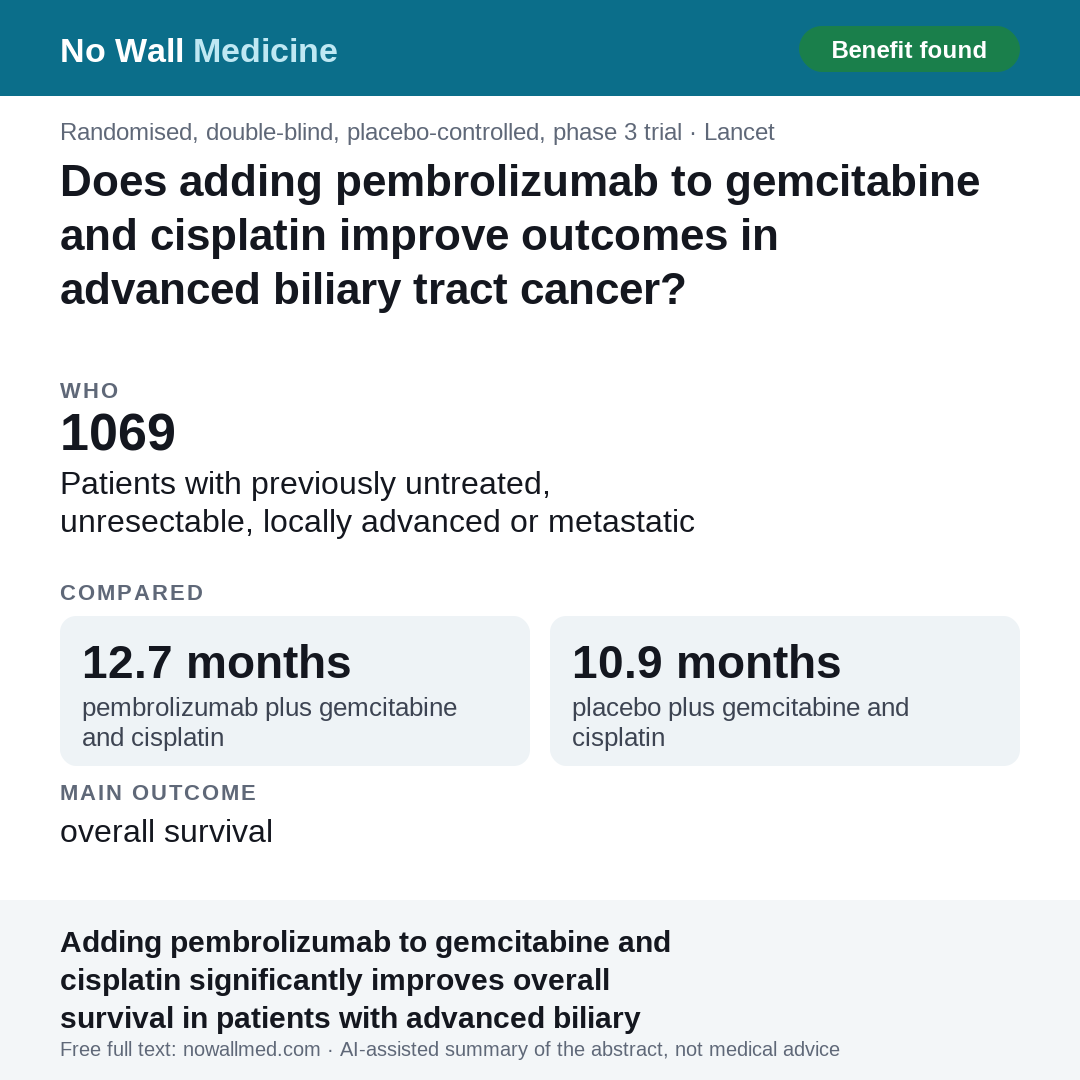
Pembrolizumab in combination with gemcitabine and cisplatin compared with gemcitabine and cisplatin alone for patients with advanced biliary tract cancer (KEYNOTE-966): a randomised, double-blind, placebo-controlled, phase 3 trial
Randomised, double-blind, placebo-controlled, phase 3 trialBenefit found
Does adding pembrolizumab to gemcitabine and cisplatin improve outcomes in advanced biliary tract cancer?
Who
1069
Patients with previously untreated, unresectable, locally advanced or metastatic biliary tract cancer · 175 medical centres globally
Compared
12.7 monthspembrolizumab plus gemcitabine and cisplatin (95% CI 11.5-13.6)
10.9 monthsplacebo plus gemcitabine and cisplatin (9.9-11.6)
Main outcome
overall survival
Result: hazard ratio 0.83 (95% CI 0.72-0.95)
Bottom line: Adding pembrolizumab to gemcitabine and cisplatin significantly improves overall survival in patients with advanced biliary tract cancer.
Funded by: Merck Sharp & Dohme
Lancet · 2023-04-16Download image
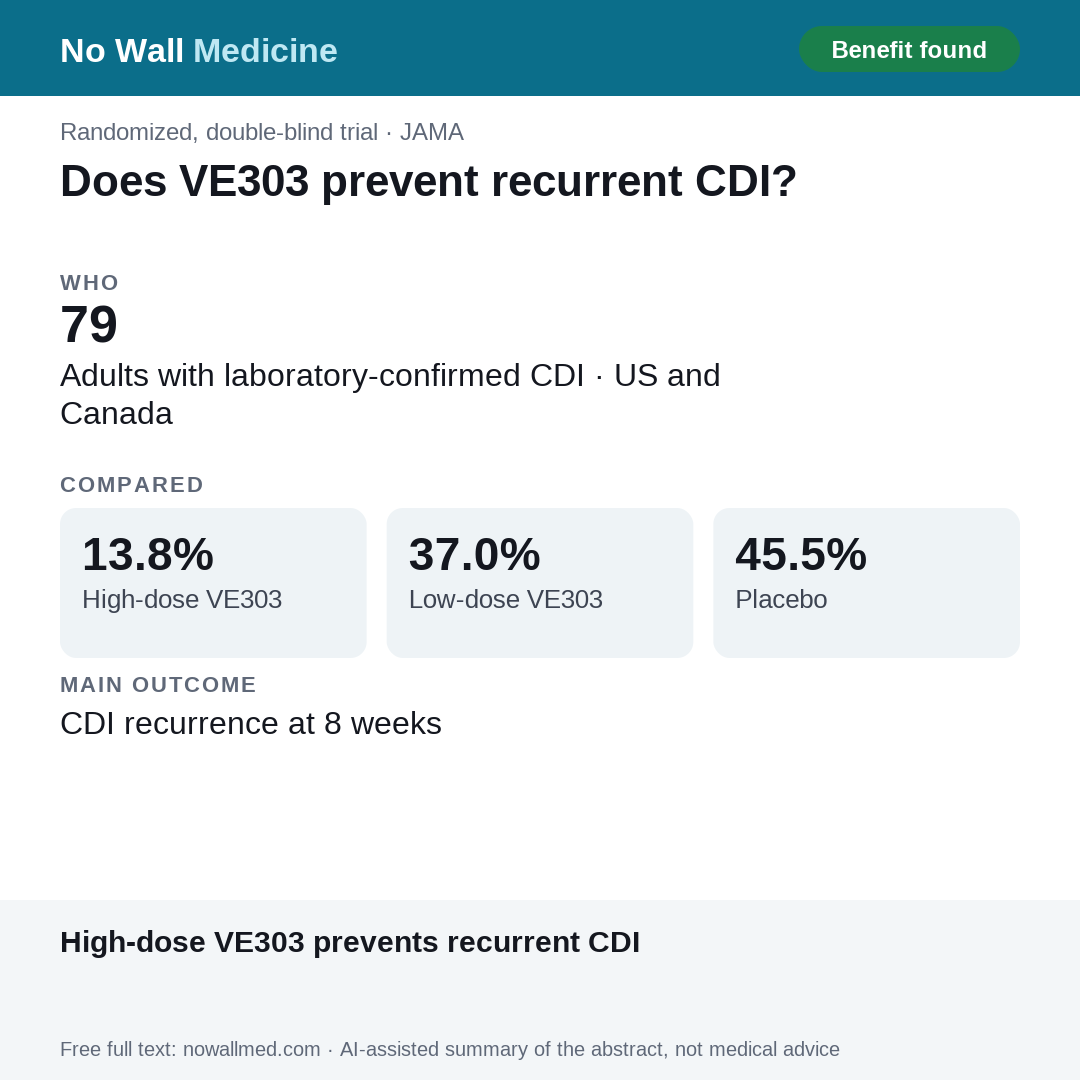
VE303, a Defined Bacterial Consortium, for Prevention of Recurrent Clostridioides difficile Infection: A Randomized Clinical Trial
Randomized, double-blind trialBenefit found
Does VE303 prevent recurrent CDI?
Who
79
Adults with laboratory-confirmed CDI · US and Canada
Compared
13.8%High-dose VE303 (4/29)
37.0%Low-dose VE303 (10/27)
45.5%Placebo (10/22)
Main outcome
CDI recurrence at 8 weeks
Bottom line: High-dose VE303 prevents recurrent CDI
JAMA · 2023-04-16Download image
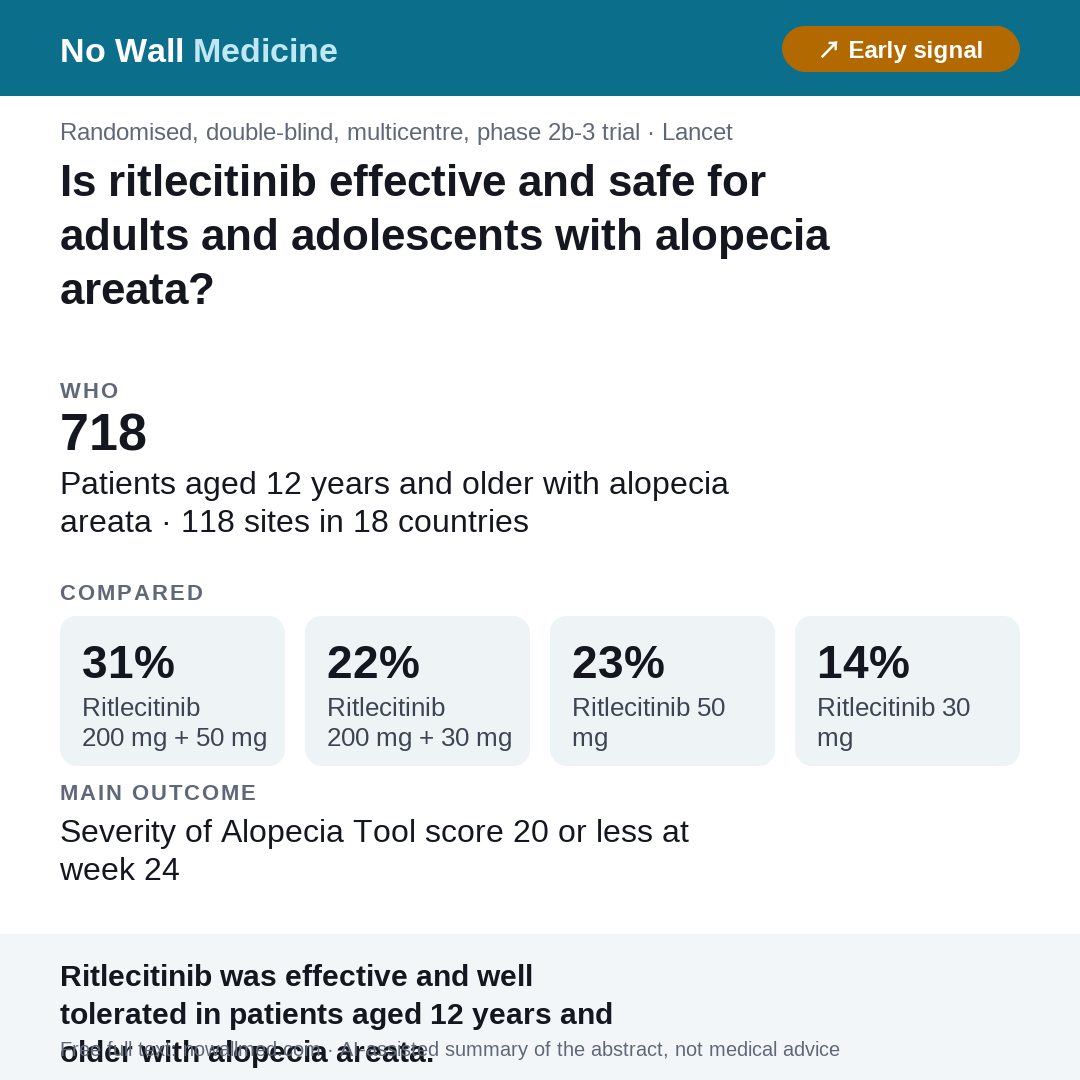
Efficacy and safety of ritlecitinib in adults and adolescents with alopecia areata: a randomised, double-blind, multicentre, phase 2b-3 trial
Randomised, double-blind, multicentre, phase 2b-3 trialBenefit found
Is ritlecitinib effective and safe for adults and adolescents with alopecia areata?
Who
718
Patients aged 12 years and older with alopecia areata · 118 sites in 18 countries
Compared
31%Ritlecitinib 200 mg + 50 mg (38/124)
22%Ritlecitinib 200 mg + 30 mg (27/121)
23%Ritlecitinib 50 mg (29/124)
14%Ritlecitinib 30 mg (17/119)
Main outcome
Severity of Alopecia Tool score 20 or less at week 24
Result: 29.1% (95% CI 21.2-37.9; p<0.0001) for 200 mg + 50 mg vs placebo
Bottom line: Ritlecitinib was effective and well tolerated in patients aged 12 years and older with alopecia areata.
Funded by: Pfizer
Lancet · 2023-04-14Download image
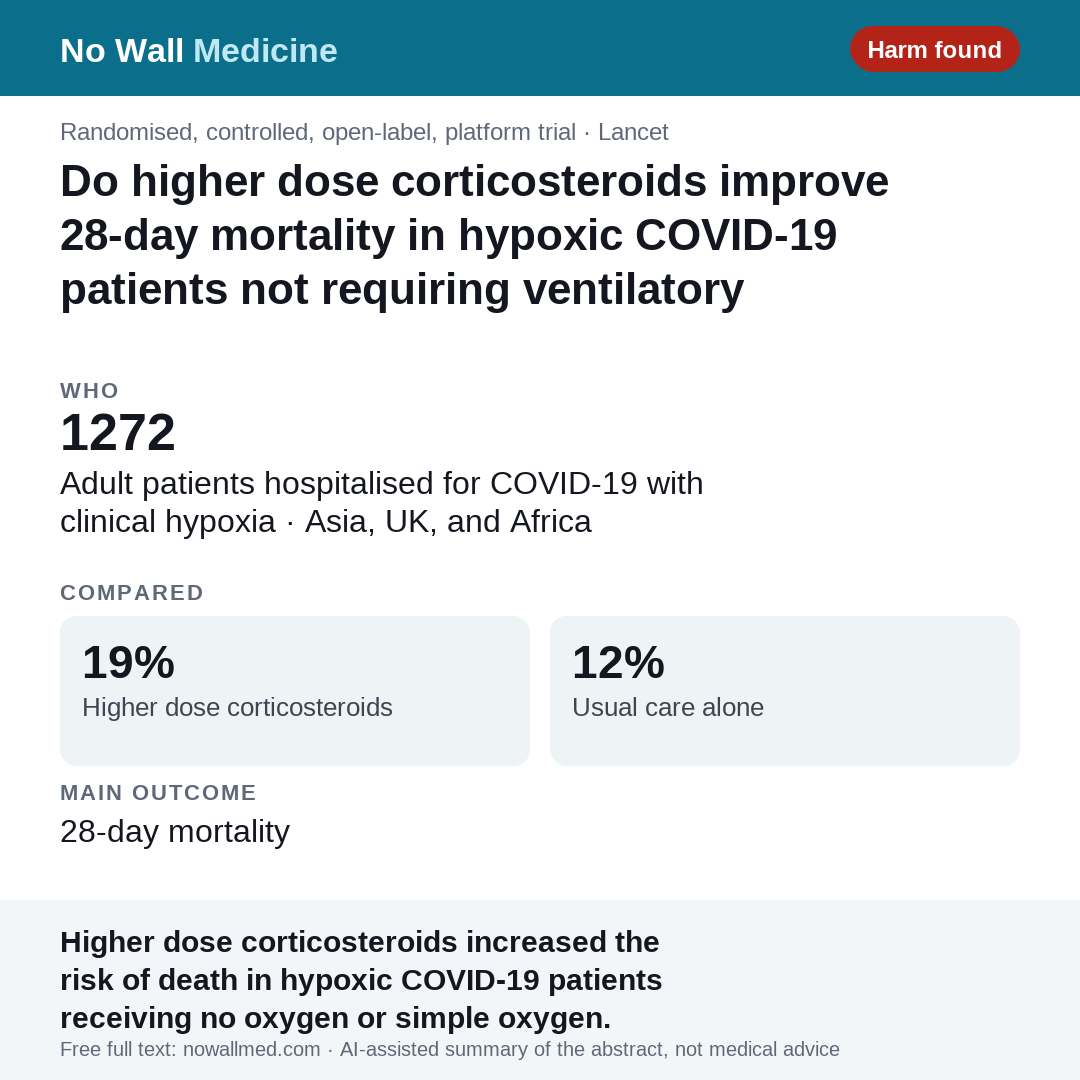
Higher dose corticosteroids in patients admitted to hospital with COVID-19 who are hypoxic but not requiring ventilatory support (RECOVERY): a randomised, controlled, open-label, platform trial
Randomised, controlled, open-label, platform trialHarm found
Do higher dose corticosteroids improve 28-day mortality in hypoxic COVID-19 patients not requiring ventilatory support?
Who
1272
Adult patients hospitalised for COVID-19 with clinical hypoxia · Asia, UK, and Africa
Compared
19%Higher dose corticosteroids
12%Usual care alone
Main outcome
28-day mortality
Result: rate ratio 1·59 (95% CI 1·20-2·10)
Bottom line: Higher dose corticosteroids increased the risk of death in hypoxic COVID-19 patients receiving no oxygen or simple oxygen.
Funded by: UK Research and Innovation, National Institute of Health and Care Research, and Wellcome Trust
Lancet · 2023-04-13Download image
Tranexamic Acid to Prevent Obstetrical Hemorrhage after Cesarean Delivery
Randomized trialNo clear difference
Does tranexamic acid prevent maternal death or blood transfusion after cesarean delivery?
Who
11000
Patients undergoing cesarean delivery · 31 U.S. hospitals
Compared
3.6%Tranexamic acid (201/5525)
4.3%Placebo (233/5470)
Main outcome
Maternal death or blood transfusion by hospital discharge or 7 days postpartum
Result: adjusted relative risk 0.89 (95.26% CI 0.74 to 1.07)
Bottom line: Tranexamic acid did not significantly lower the risk of maternal death or blood transfusion compared to placebo after cesarean delivery.
Funded by: Eunice Kennedy Shriver National Institute of Child Health and Human Development
NEJM · 2023-04-12Download image
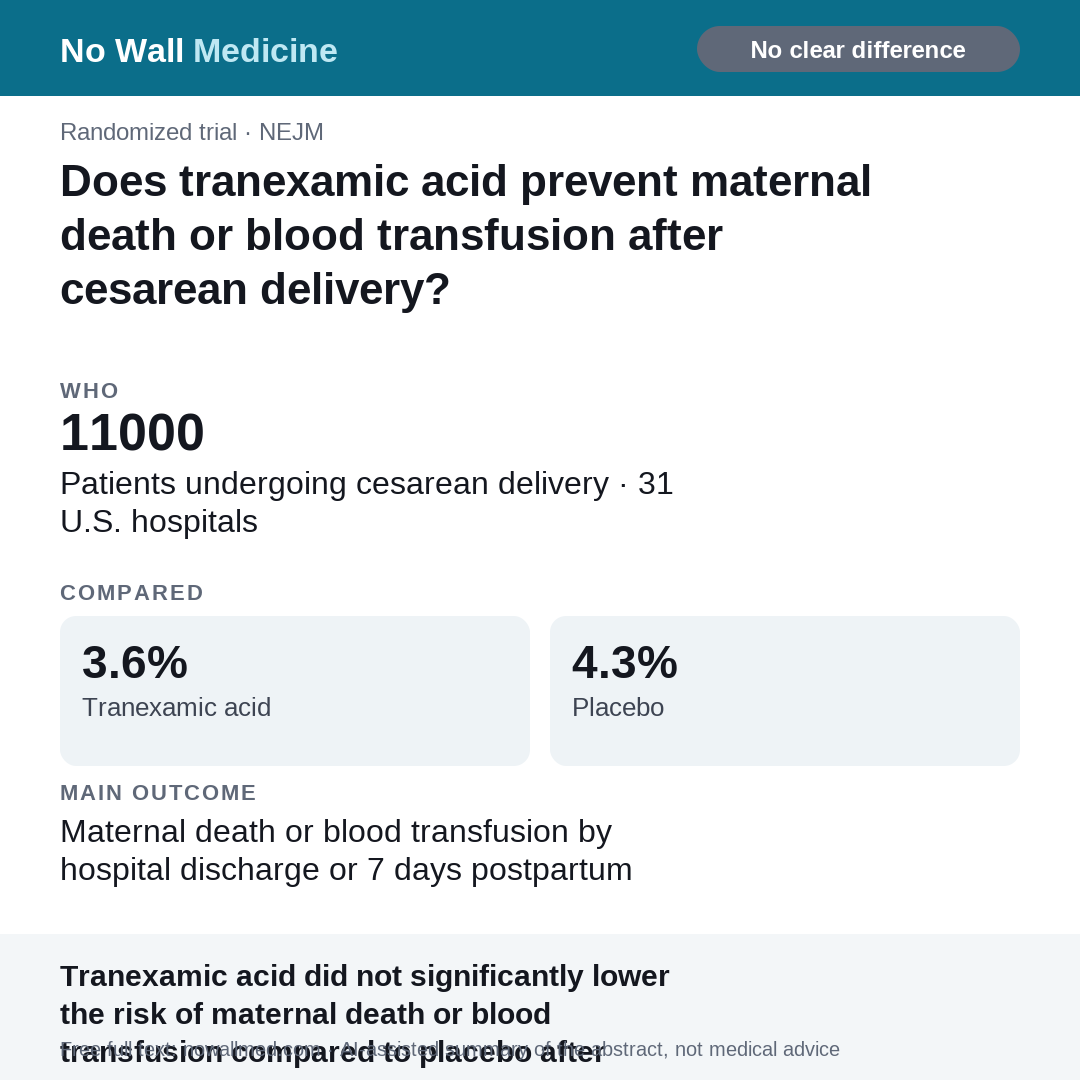
Operative Hysteroscopy vs Vacuum Aspiration for Incomplete Spontaneous Abortion: A Randomized Clinical Trial
Randomized, single-blind trialNo clear difference
Is hysteroscopy superior to vacuum aspiration for subsequent pregnancy after incomplete spontaneous abortion?
Who
574
Patients aged 18 to 44 years with incomplete spontaneous abortion · 15 French hospitals
Compared
62.8%Hysteroscopy
67.6%Vacuum aspiration
Main outcome
Pregnancy of at least 22 weeks' duration during 2-year follow-up
Result: hazard ratio 0.87 (95% CI 0.71 to 1.07)
Bottom line: Hysteroscopy was not associated with more subsequent births or a better safety profile than vacuum aspiration.
JAMA · 2023-04-11Download image
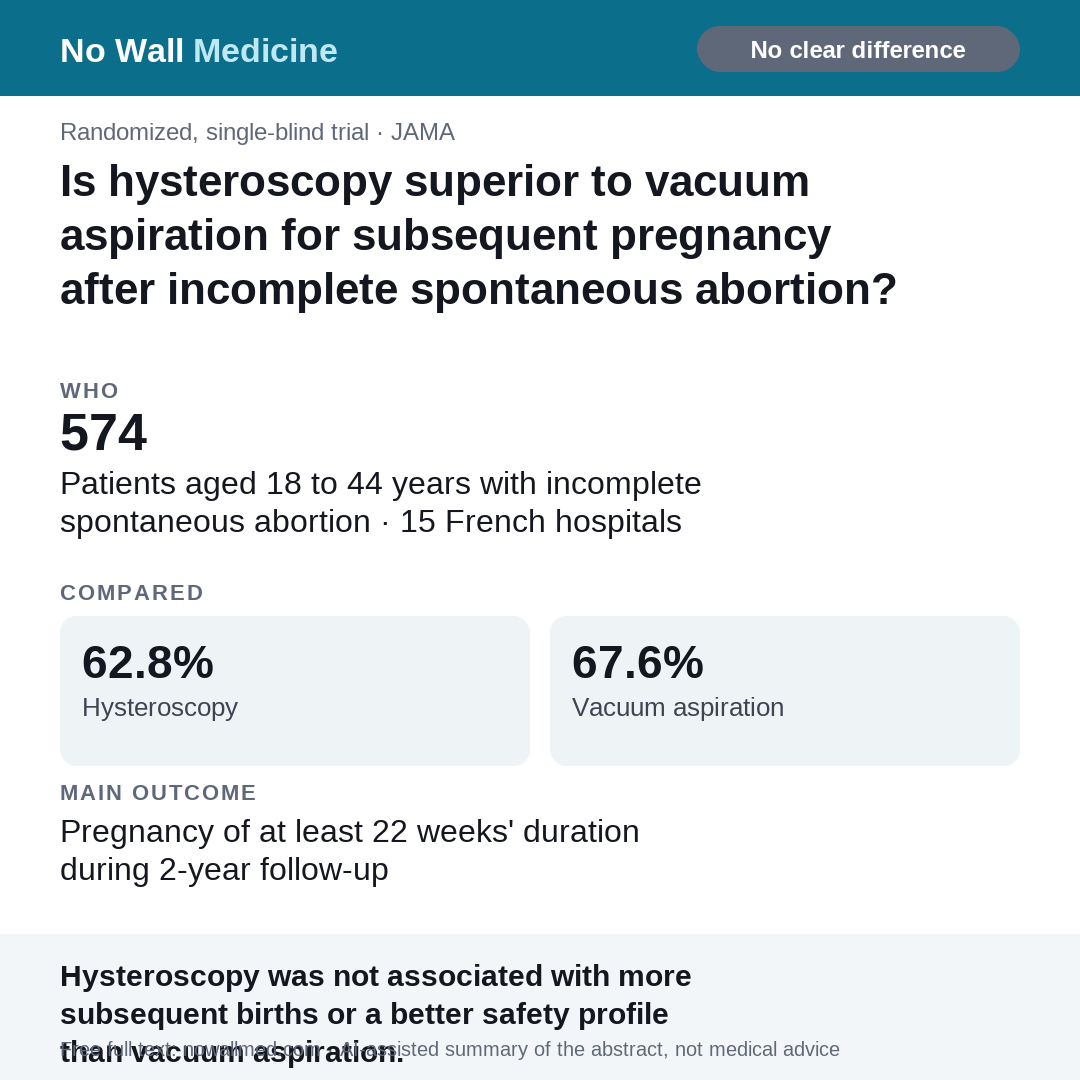
Heterogeneity in Blood Pressure Response to 4 Antihypertensive Drugs: A Randomized Clinical Trial
Randomized, double-blind, repeated crossover trialBenefit found
Can personalized drug targeting maximize blood pressure lowering effects?
Who
280
Men and women with grade 1 hypertension · Outpatient research clinic in Sweden
Compared
Personalized treatment: 4.4 mm Hg-lower systolic blood pressure
Standard treatment
Main outcome
Ambulatory daytime systolic blood pressure
Bottom line: Personalized treatment had the potential to provide an additional 4.4 mm Hg-lower systolic blood pressure.
JAMA · 2023-04-11Download image
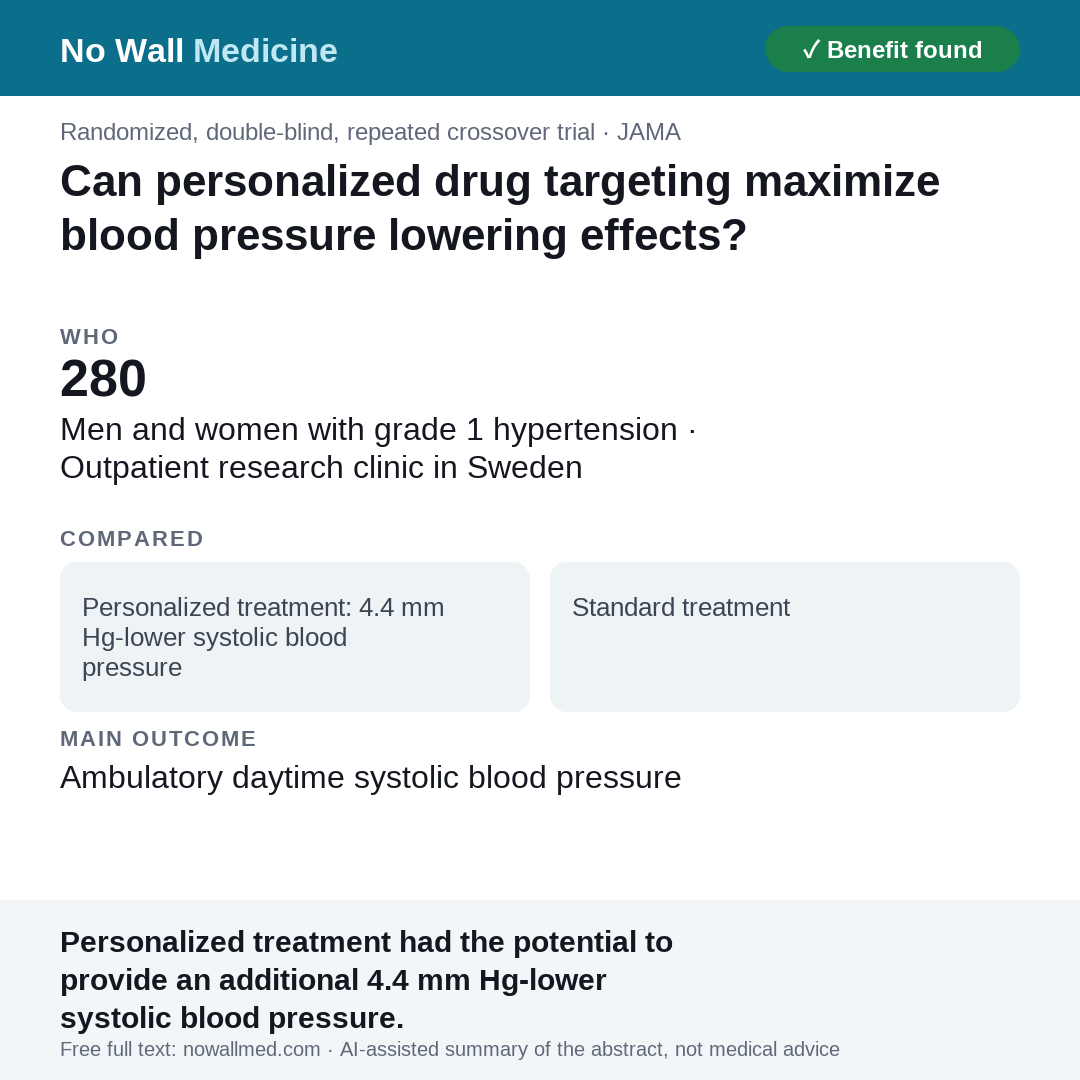
Nirmatrelvir and risk of hospital admission or death in adults with covid-19: emulation of a randomized target trial using electronic health records
Emulation of a randomized target trialBenefit found
Does nirmatrelvir reduce hospital admission or death at 30 days in high-risk adults?
Who
256288
Adults with SARS-CoV-2 and risk factors for severe disease · United States Department of Veterans Affairs healthcare databases
Compared
Nirmatrelvir
No treatment
Main outcome
Hospital admission or death at 30 days
Bottom line: Nirmatrelvir reduced the risk of hospital admission or death at 30 days across various vaccination and infection statuses.
BMJ · 2023-04-11Download image
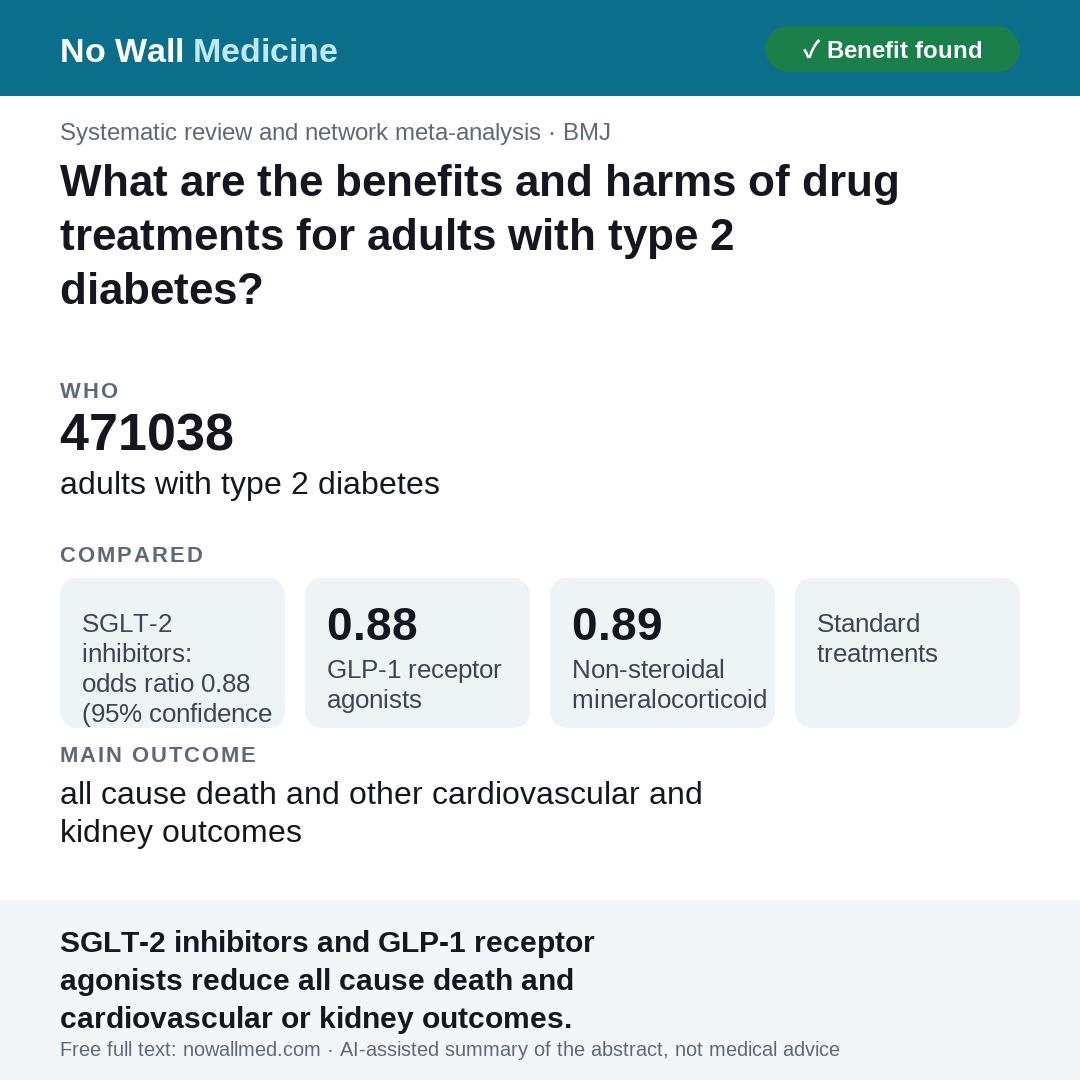
Benefits and harms of drug treatment for type 2 diabetes: systematic review and network meta-analysis of randomised controlled trials
Systematic review and network meta-analysisBenefit found
What are the benefits and harms of drug treatments for adults with type 2 diabetes?
Who
471038
adults with type 2 diabetes
Compared
SGLT-2 inhibitors: odds ratio 0.88 (95% confidence interval 0.83 to 0.94)
0.88GLP-1 receptor agonists (0.82 to 0.93)
0.89Non-steroidal mineralocorticoid receptor antagonists (0.79 to 1.00)
Standard treatments
Main outcome
all cause death and other cardiovascular and kidney outcomes
Result: odds ratio 0.88 (95% CI 0.83 to 0.94) for SGLT-2 inhibitors
Bottom line: SGLT-2 inhibitors and GLP-1 receptor agonists reduce all cause death and cardiovascular or kidney outcomes.
BMJ · 2023-04-06Download image
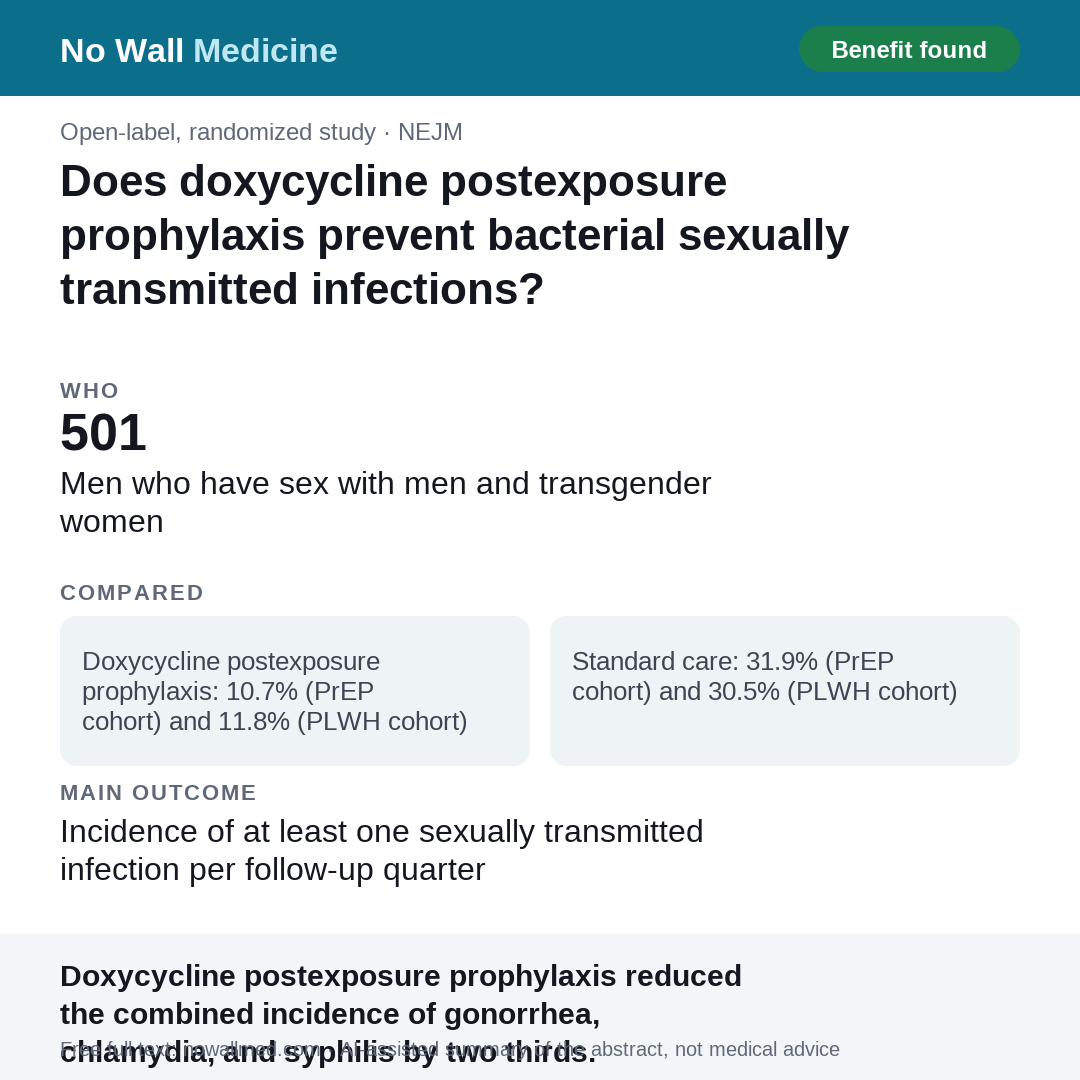
Postexposure Doxycycline to Prevent Bacterial Sexually Transmitted Infections
Open-label, randomized studyBenefit found
Does doxycycline postexposure prophylaxis prevent bacterial sexually transmitted infections?
Who
501
Men who have sex with men and transgender women
Compared
Doxycycline postexposure prophylaxis: 10.7% (PrEP cohort) and 11.8% (PLWH cohort)
Standard care: 31.9% (PrEP cohort) and 30.5% (PLWH cohort)
Main outcome
Incidence of at least one sexually transmitted infection per follow-up quarter
Result: relative risk 0.34 (95% CI, 0.24 to 0.46) in PrEP cohort
Bottom line: Doxycycline postexposure prophylaxis reduced the combined incidence of gonorrhea, chlamydia, and syphilis by two thirds.
Funded by: National Institutes of Health
NEJM · 2023-04-05Download image
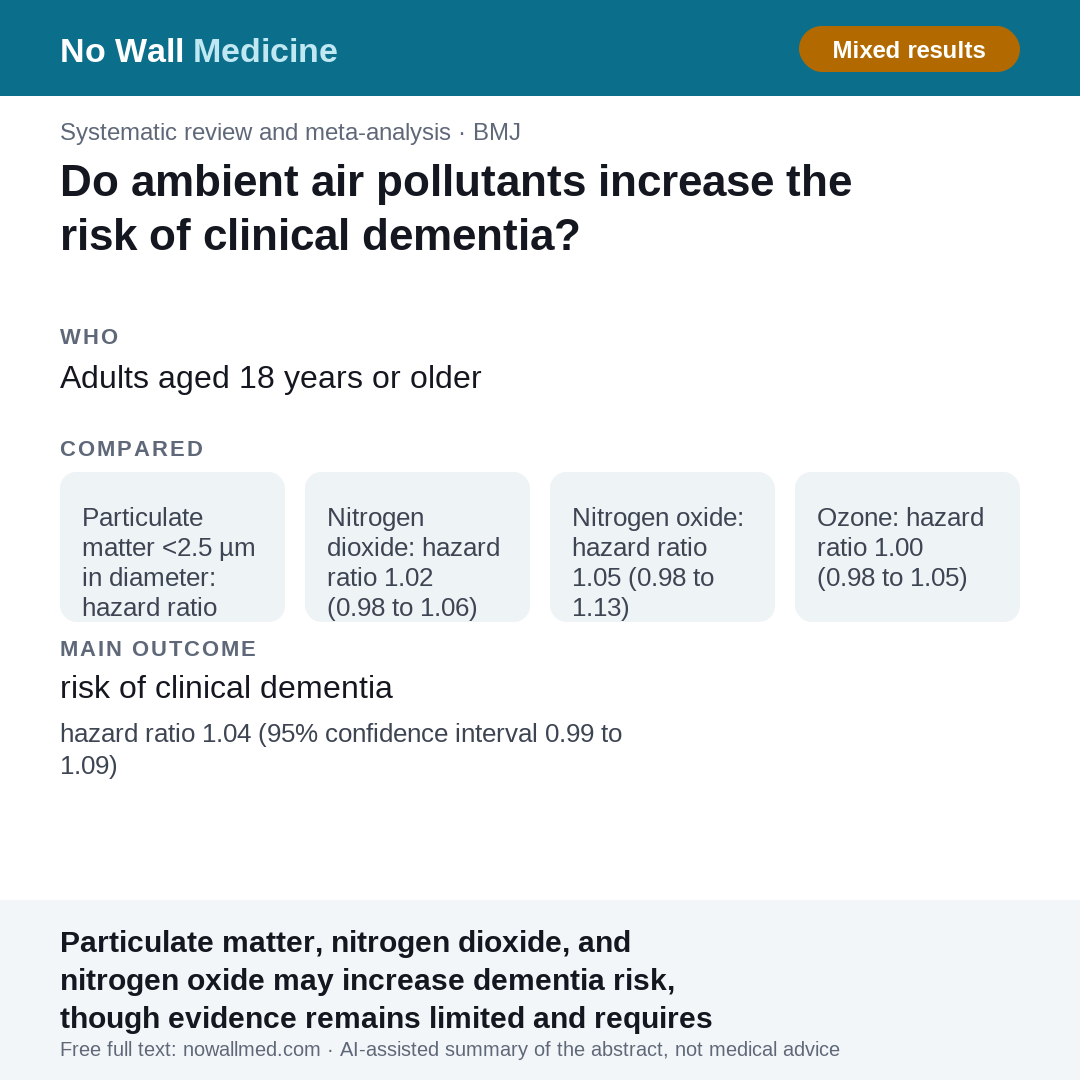
Ambient air pollution and clinical dementia: systematic review and meta-analysis
Systematic review and meta-analysisMixed results
Do ambient air pollutants increase the risk of clinical dementia?
Who
Adults aged 18 years or older
Compared
Particulate matter <2.5 µm in diameter: hazard ratio 1.04 (95% confidence interval 0.99 to 1.09)
Nitrogen dioxide: hazard ratio 1.02 (0.98 to 1.06)
Nitrogen oxide: hazard ratio 1.05 (0.98 to 1.13)
Ozone: hazard ratio 1.00 (0.98 to 1.05)
Main outcome
risk of clinical dementia
Result: hazard ratio 1.04 (95% confidence interval 0.99 to 1.09)
Bottom line: Particulate matter, nitrogen dioxide, and nitrogen oxide may increase dementia risk, though evidence remains limited and requires cautious interpretation.
Limitation: Most studies were at high risk of bias and outcome ascertainment approaches differ across studies.
BMJ · 2023-04-05Download image
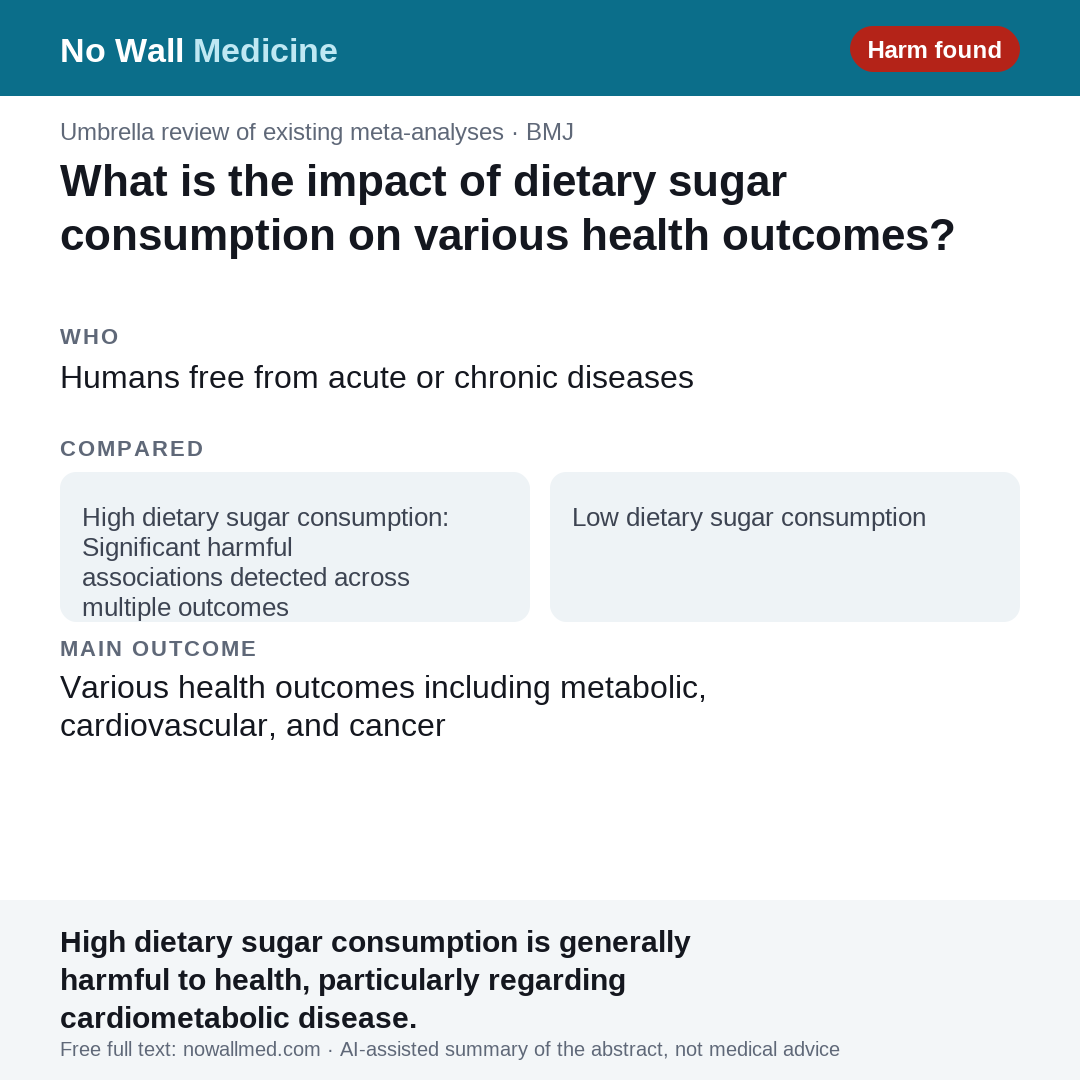
Dietary sugar consumption and health: umbrella review
Umbrella review of existing meta-analysesHarm found
What is the impact of dietary sugar consumption on various health outcomes?
Who
Humans free from acute or chronic diseases
Compared
High dietary sugar consumption: Significant harmful associations detected across multiple outcomes
Low dietary sugar consumption
Main outcome
Various health outcomes including metabolic, cardiovascular, and cancer
Bottom line: High dietary sugar consumption is generally harmful to health, particularly regarding cardiometabolic disease.
BMJ · 2023-04-05Download image
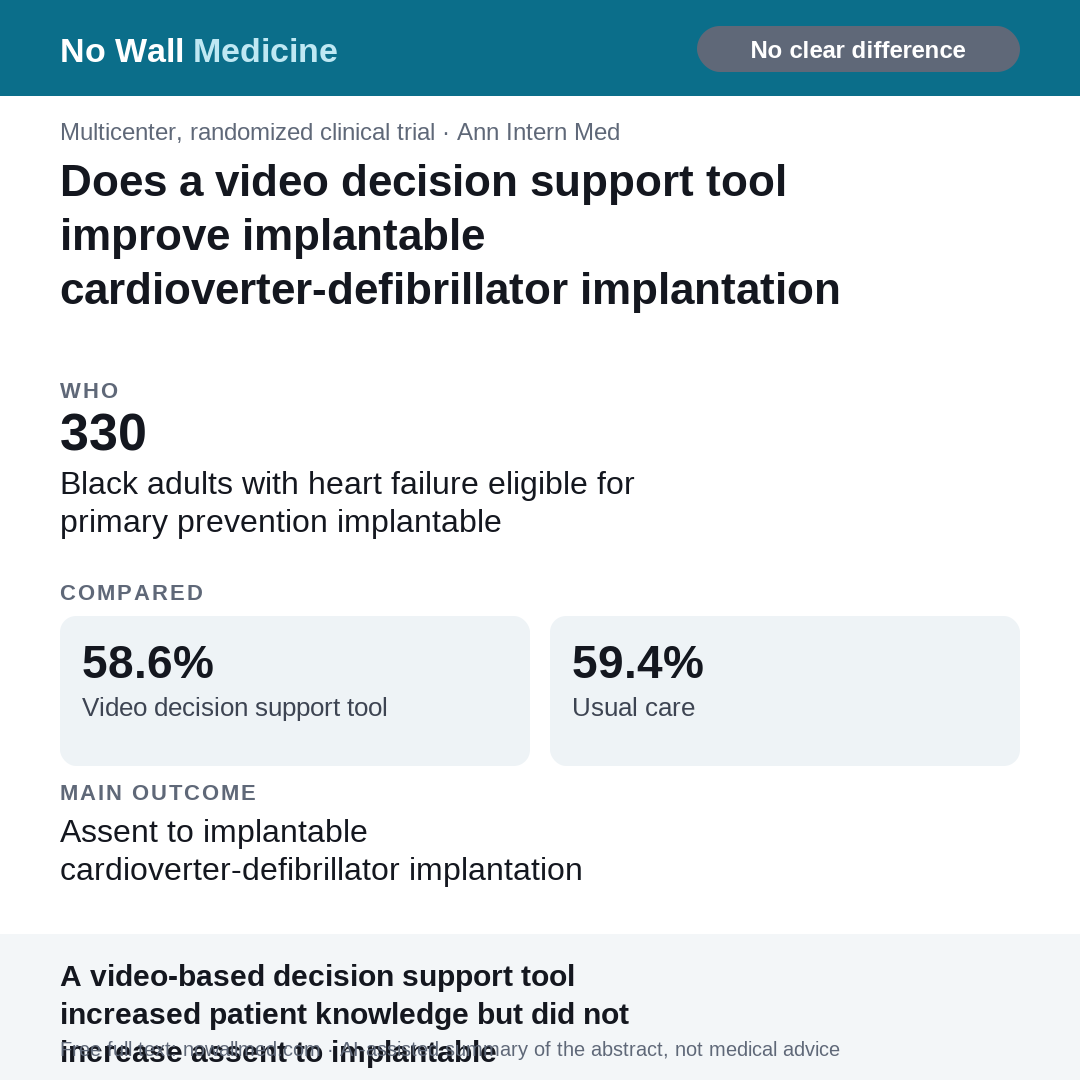
Facilitating Shared Decision Making Among Black Patients at Risk for Sudden Cardiac Arrest : A Randomized Clinical Trial
Multicenter, randomized clinical trialNo clear difference
Does a video decision support tool improve implantable cardioverter-defibrillator implantation decisions among Black patients?
Who
330
Black adults with heart failure eligible for primary prevention implantable cardioverter-defibrillator · Fourteen academic and community-based electrophysiology clinics in the United States
Compared
58.6%Video decision support tool
59.4%Usual care
Main outcome
Assent to implantable cardioverter-defibrillator implantation
Result: difference, -0.8 percentage point (95% CI, -13.2 to 11.1 percentage points)
Bottom line: A video-based decision support tool increased patient knowledge but did not increase assent to implantable cardioverter-defibrillator implantation.
Limitation: Centers for Medicare & Medicaid Services implemented a requirement for shared decision making during the study.
Funded by: Patient-Centered Outcomes Research Institute
Ann Intern Med · 2023-04-04Download image