Visual abstracts
New randomized trials and meta-analyses from leading journals at a glance: who was studied, what was compared, and what was found. Every paper is free to read in full.
All specialtiesCardiology 1407Oncology 1248Gastroenterology & Hepatology 509Infectious Disease 905Neurology 580Psychiatry & Mental Health 703Pulmonology 606Critical Care 413Endocrinology & Diabetes 765Pediatrics 840Surgery 672Orthopedics & Sports Medicine 267Neurosurgery 189Cardiothoracic & Vascular Surgery 157Plastic & Reconstructive Surgery 222Nephrology 300Rheumatology 187Hematology 295Dermatology 147Ophthalmology 157Obstetrics & Gynecology 446Public & Global Health 273Radiology & Imaging 178Anesthesiology 273Urology 261ENT (Otolaryngology) 192Emergency Medicine 156Allergy & Immunology 92Geriatrics 292Family Medicine & Primary Care 175Medical Genetics & Genomics 151Pathology & Laboratory Medicine 43Physical Medicine & Rehabilitation 247Palliative Care 127Nutrition 370Digital Health & AI 732General Medicine 123
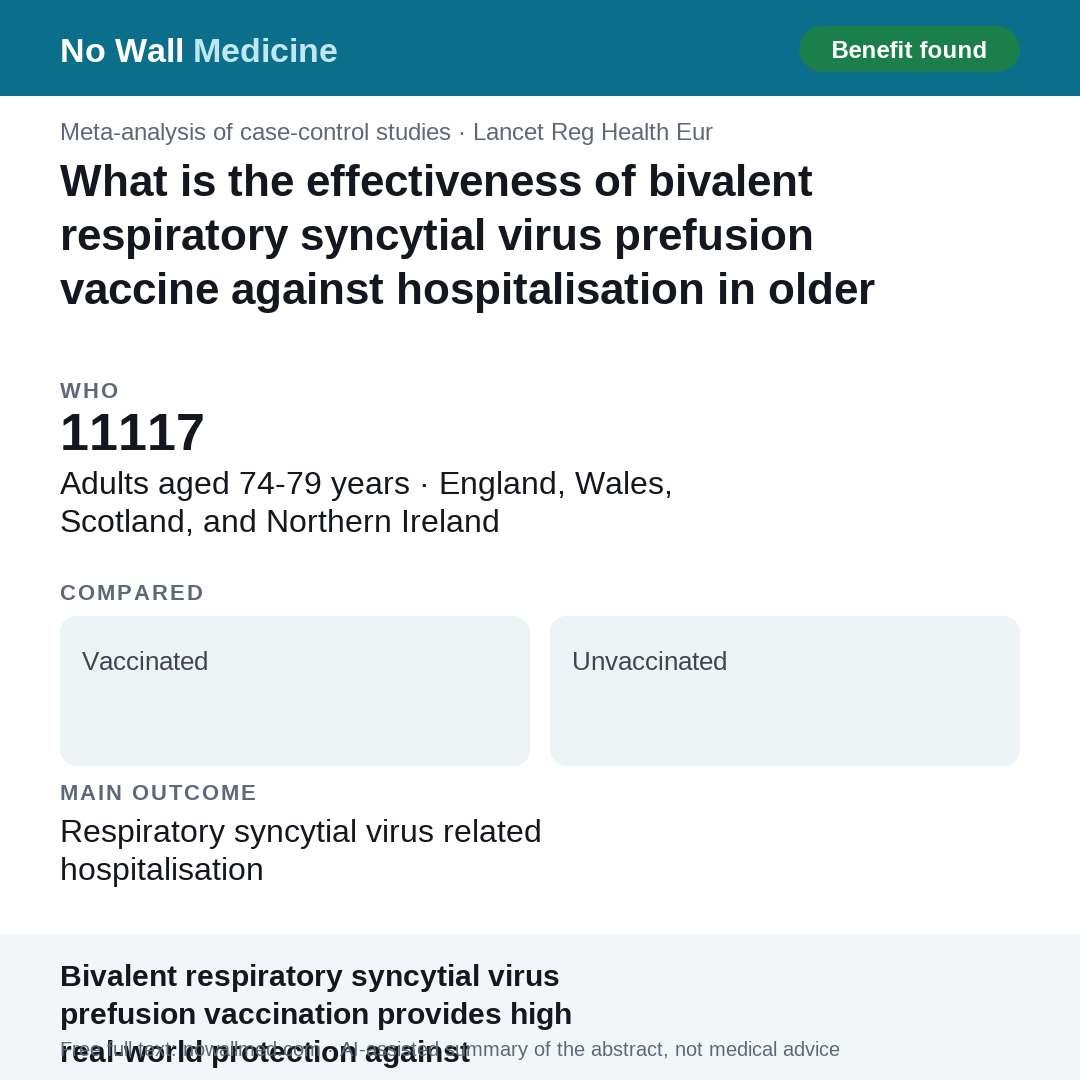
Bivalent RSV prefusion vaccine effectiveness against hospitalisation in older adults: meta-analysis of case-control studies in England, Wales, Scotland, and Northern Ireland
Meta-analysis of case-control studiesBenefit found
What is the effectiveness of bivalent respiratory syncytial virus prefusion vaccine against hospitalisation in older adults?
Who
11117
Adults aged 74-79 years · England, Wales, Scotland, and Northern Ireland
Compared
Vaccinated
Unvaccinated
Main outcome
Respiratory syncytial virus related hospitalisation
Result: 75% (95% CI 69-80)
Bottom line: Bivalent respiratory syncytial virus prefusion vaccination provides high real-world protection against hospitalisation in older adults.
Lancet Reg Health Eur · 2026-03-31Download image
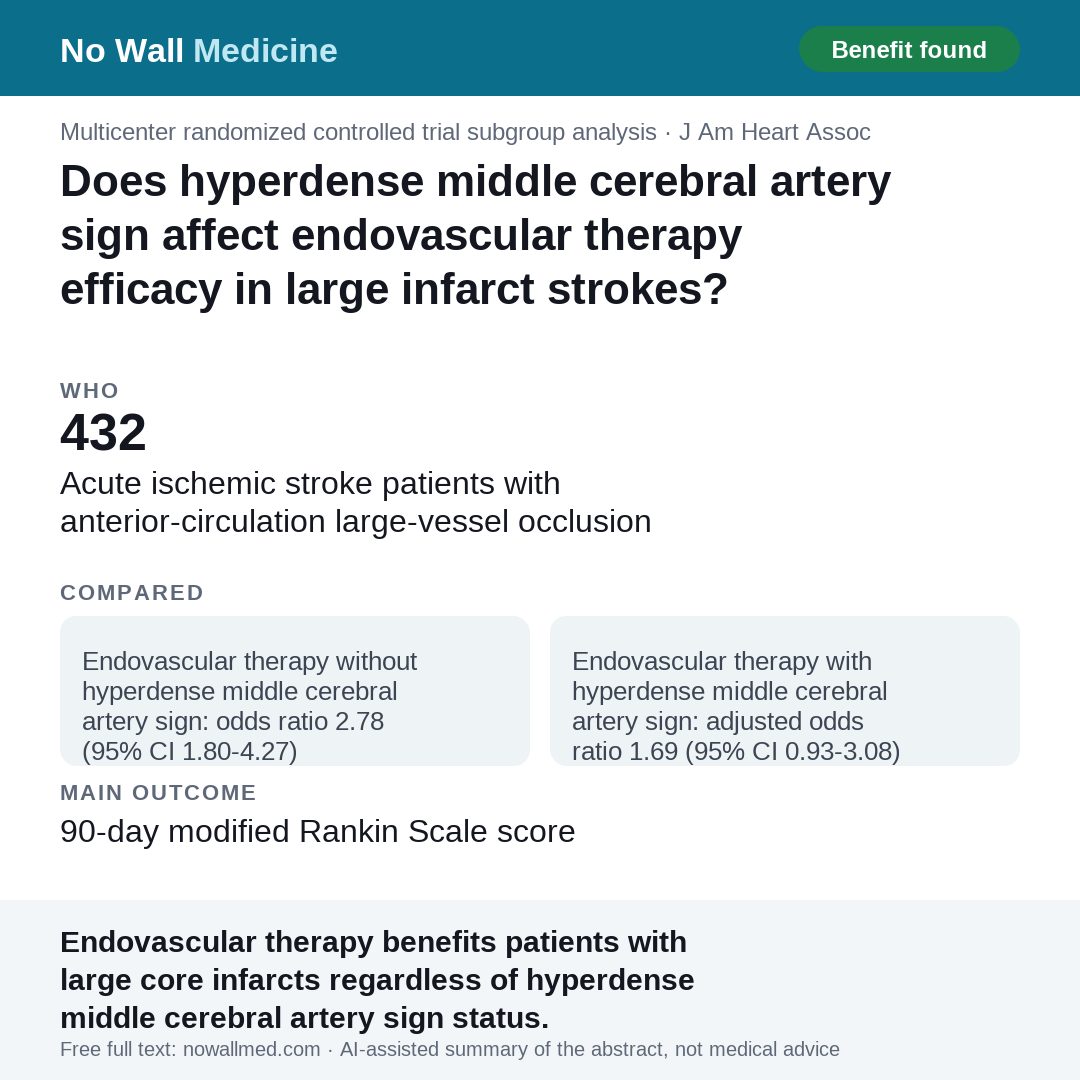
Effects of Computed Tomography Hyperdense Middle Cerebral Artery Sign on the Efficacy of Endovascular Therapy in Acute Ischemic Stroke With Large Infarcts: A Subgroup Analysis of the ANGEL-ASPECT Trial
Multicenter randomized controlled trial subgroup analysisBenefit found
Does hyperdense middle cerebral artery sign affect endovascular therapy efficacy in large infarct strokes?
Who
432
Acute ischemic stroke patients with anterior-circulation large-vessel occlusion and large infarct cores · China
Compared
Endovascular therapy without hyperdense middle cerebral artery sign: odds ratio 2.78 (95% CI 1.80-4.27)
Endovascular therapy with hyperdense middle cerebral artery sign: adjusted odds ratio 1.69 (95% CI 0.93-3.08)
Main outcome
90-day modified Rankin Scale score
Result: no significant interaction between hyperdense middle cerebral artery sign and treatment (P=0.19)
Bottom line: Endovascular therapy benefits patients with large core infarcts regardless of hyperdense middle cerebral artery sign status.
J Am Heart Assoc · 2026-03-31Download image
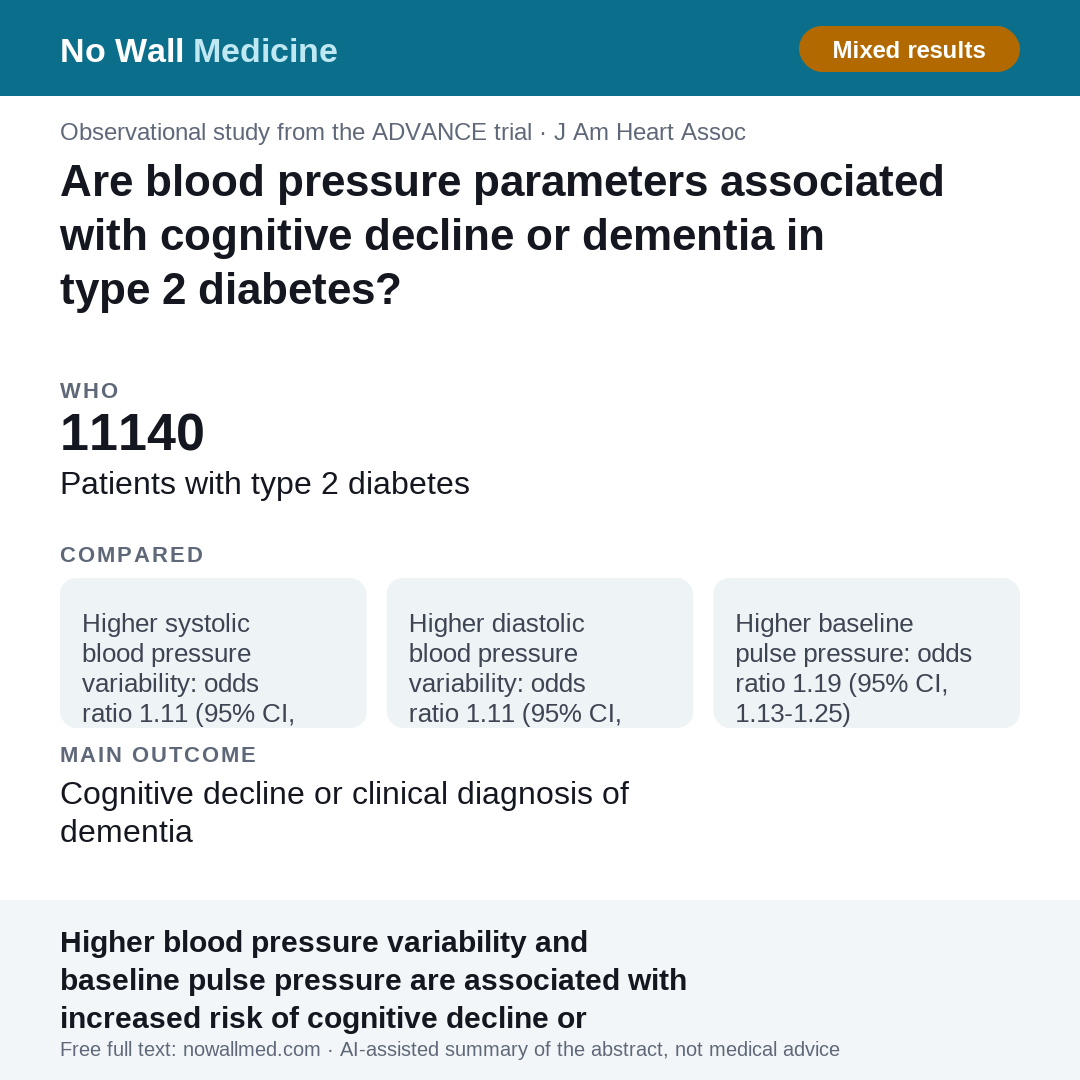
Blood Pressure Parameters and Risk of Cognitive Decline and Dementia in Type 2 Diabetes: Results From the ADVANCE Trial
Observational study from the ADVANCE trialMixed results
Are blood pressure parameters associated with cognitive decline or dementia in type 2 diabetes?
Who
11140
Patients with type 2 diabetes
Compared
Higher systolic blood pressure variability: odds ratio 1.11 (95% CI, 1.05-1.17)
Higher diastolic blood pressure variability: odds ratio 1.11 (95% CI, 1.05-1.17)
Higher baseline pulse pressure: odds ratio 1.19 (95% CI, 1.13-1.25)
Main outcome
Cognitive decline or clinical diagnosis of dementia
Result: baseline pulse pressure odds ratio 1.19 (95% CI, 1.13-1.25)
Bottom line: Higher blood pressure variability and baseline pulse pressure are associated with increased risk of cognitive decline or dementia.
J Am Heart Assoc · 2026-03-31Download image
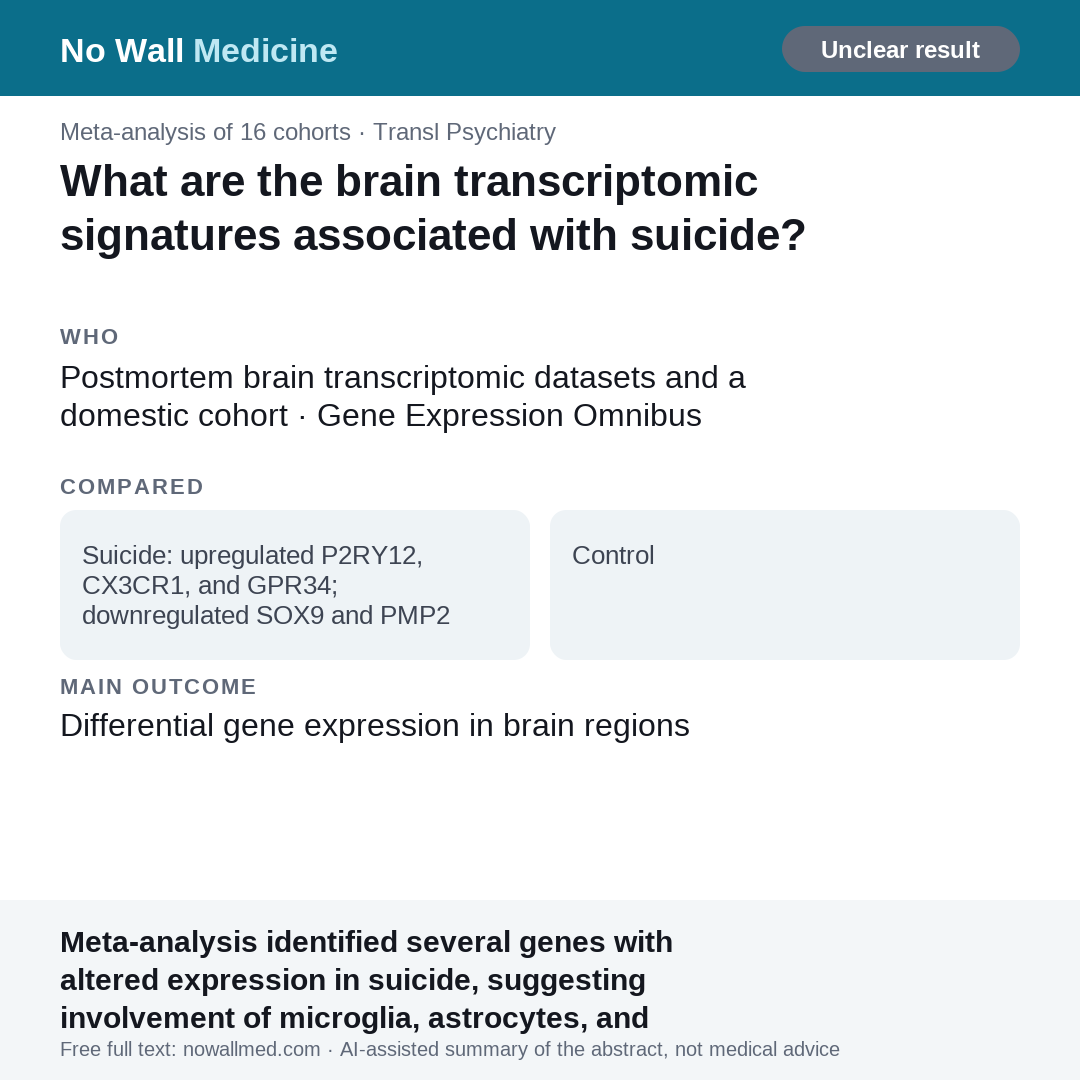
Identification of suicide brain transcriptomic signatures using meta-analysis of multiple cohorts
Meta-analysis of 16 cohortsUnclear result
What are the brain transcriptomic signatures associated with suicide?
Who
Postmortem brain transcriptomic datasets and a domestic cohort · Gene Expression Omnibus repository and domestic cohort
Compared
Suicide: upregulated P2RY12, CX3CR1, and GPR34; downregulated SOX9 and PMP2
Control
Main outcome
Differential gene expression in brain regions
Bottom line: Meta-analysis identified several genes with altered expression in suicide, suggesting involvement of microglia, astrocytes, and immune responses.
Transl Psychiatry · 2026-03-31Download image
Subgenual anterior cingulate cortex in major depression: a systematic review and meta-analysis of MRI studies with patients and healthy controls
Systematic review and meta-analysisMixed results
Are there anatomical and functional MRI differences in the subgenual anterior cingulate cortex in major depression?
Who
Medication-free patients with major depressive disorder and healthy controls
Compared
Major depressive disorder
Healthy controls
Main outcome
Subgenual anterior cingulate cortex gray matter volume, activity, and network coherence
Bottom line: Major depression shows non-uniform gray matter volume, activity, and network coherence patterns in the subgenual anterior cingulate cortex.
Transl Psychiatry · 2026-03-31Download image

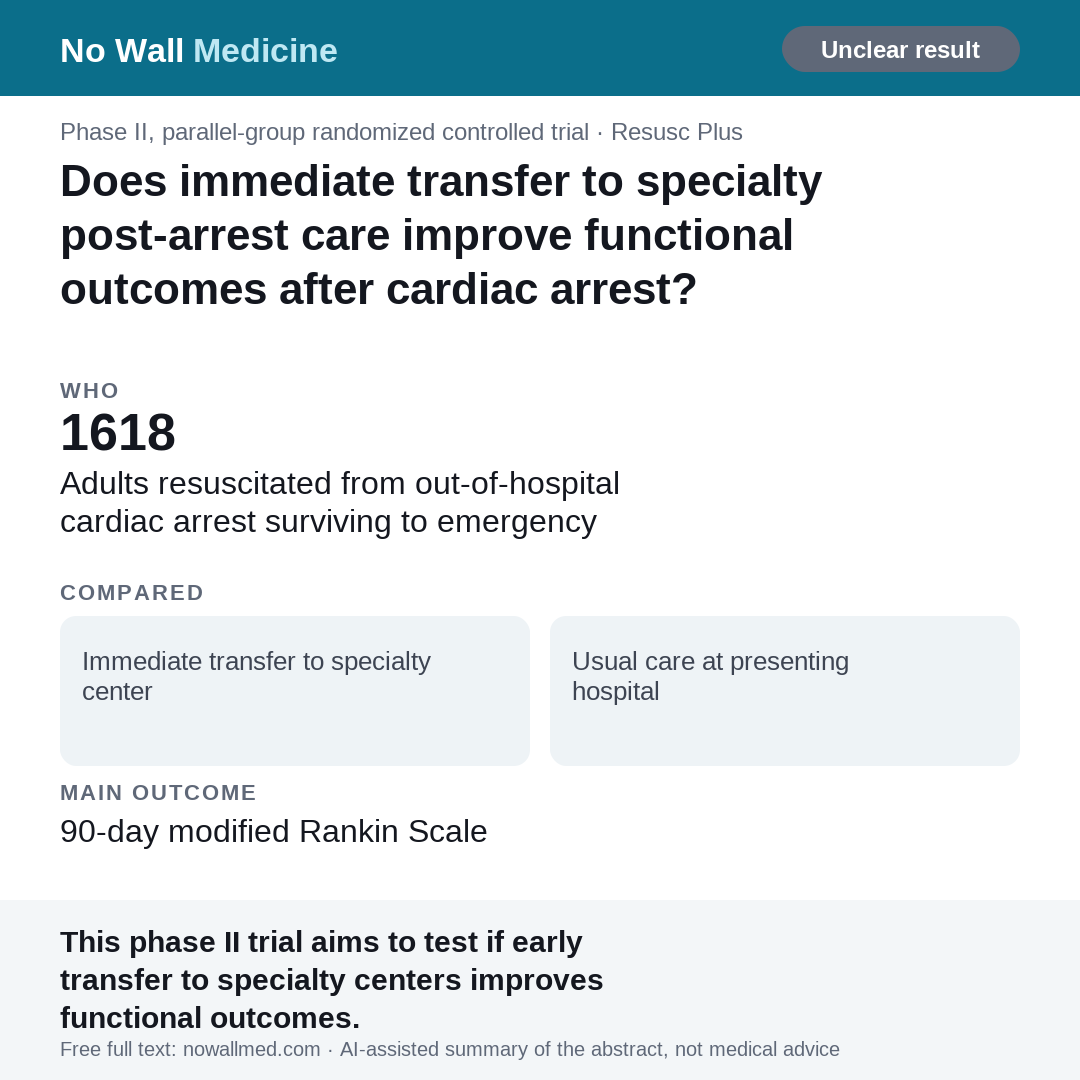
Ultrasound assessment of muscle atrophy and its association with functional outcomes in critically ill patients: a systematic review and meta-analysis
Systematic review and meta-analysisBenefit found
Does ultrasound detect muscle atrophy and predict functional outcomes in critically ill patients?
Who
Critically ill adults · Intensive Care Units
Compared
Patients with ICU-acquired weakness: mean difference: − 3.58%
Patients without ICU-acquired weakness
Main outcome
Rectus femoris cross-sectional area changes
Result: mean difference: − 3.58% (95% CI − 5.95 to − 1.22)
Bottom line: Ultrasound detects rapid muscle wasting and early changes associated with ICU-acquired weakness in critically ill adults.
Limitation: Very low certainty of evidence due to heterogeneity and methodological limitations.
Crit Care · 2026-03-31Download image
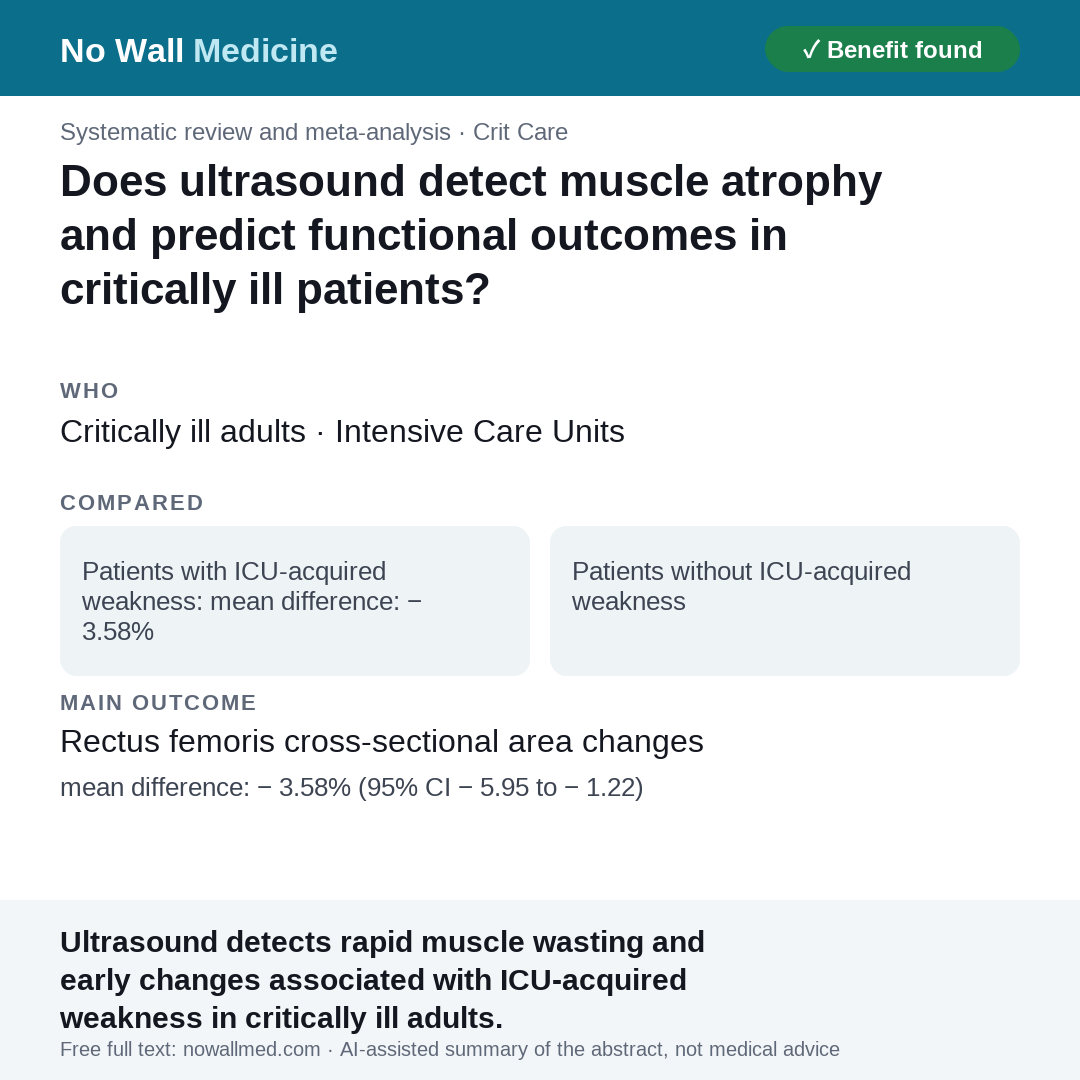
A randomized trial of a digitally delivered, home-based neuromodulation and mindfulness intervention for pain management in older adults with knee osteoarthritis
Randomized, double-blind trialMixed results
Does digital neuromodulation help knee pain?
Who
208
Older adults with knee osteoarthritis
Compared
tDCS + MBM
tDCS alone
MBM alone
double sham
Main outcome
Knee pain intensity
Bottom line: Digital intervention rapidly reduces knee pain
Limitation: Benefits not sustained at 3 months
NPJ Digit Med · 2026-03-31Download image
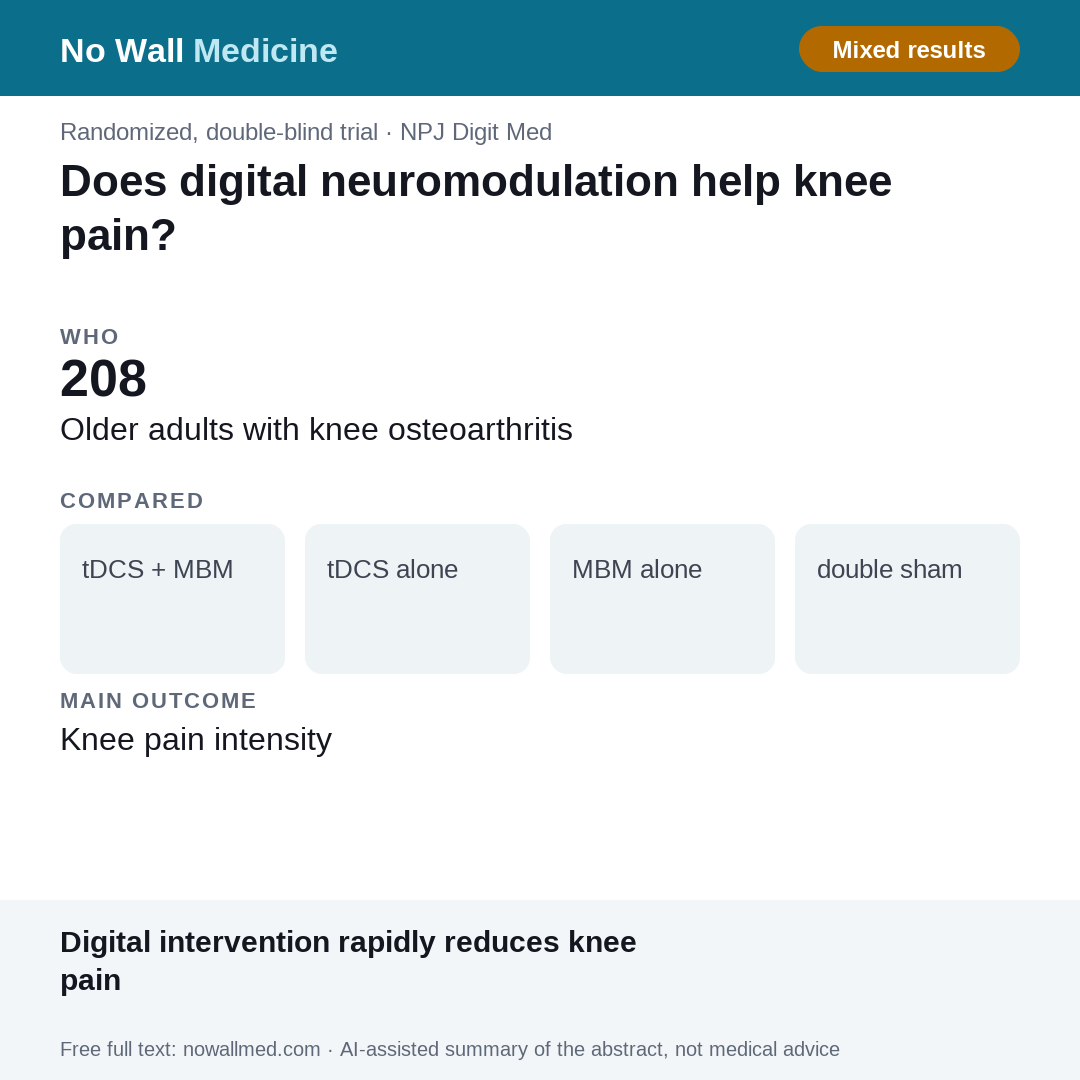
Rezivertinib in EGFR-Mutated Non-Small Cell Lung Cancer Patients with Central Nervous System Metastasis: Central Nervous System Efficacy from the Phase III REZOR Study
Randomized Phase III trialBenefit found
Does rezivertinib improve central nervous system outcomes in EGFR-mutated non-small cell lung cancer?
Who
369
Treatment-naïve non-small cell lung cancer patients with EGFR mutations and CNS metastases
Compared
24.9 monthsrezivertinib plus gefitinib placebo
15.2 monthsgefitinib plus rezivertinib placebo
Main outcome
central nervous system progression-free survival
Result: hazard ratio 0.58 (95% CI, 0.34 to 0.99)
Bottom line: Rezivertinib significantly improved central nervous system progression-free survival compared to gefitinib in patients with EGFR-mutated lung cancer.
Cancer Commun · 2026-03-31Download image
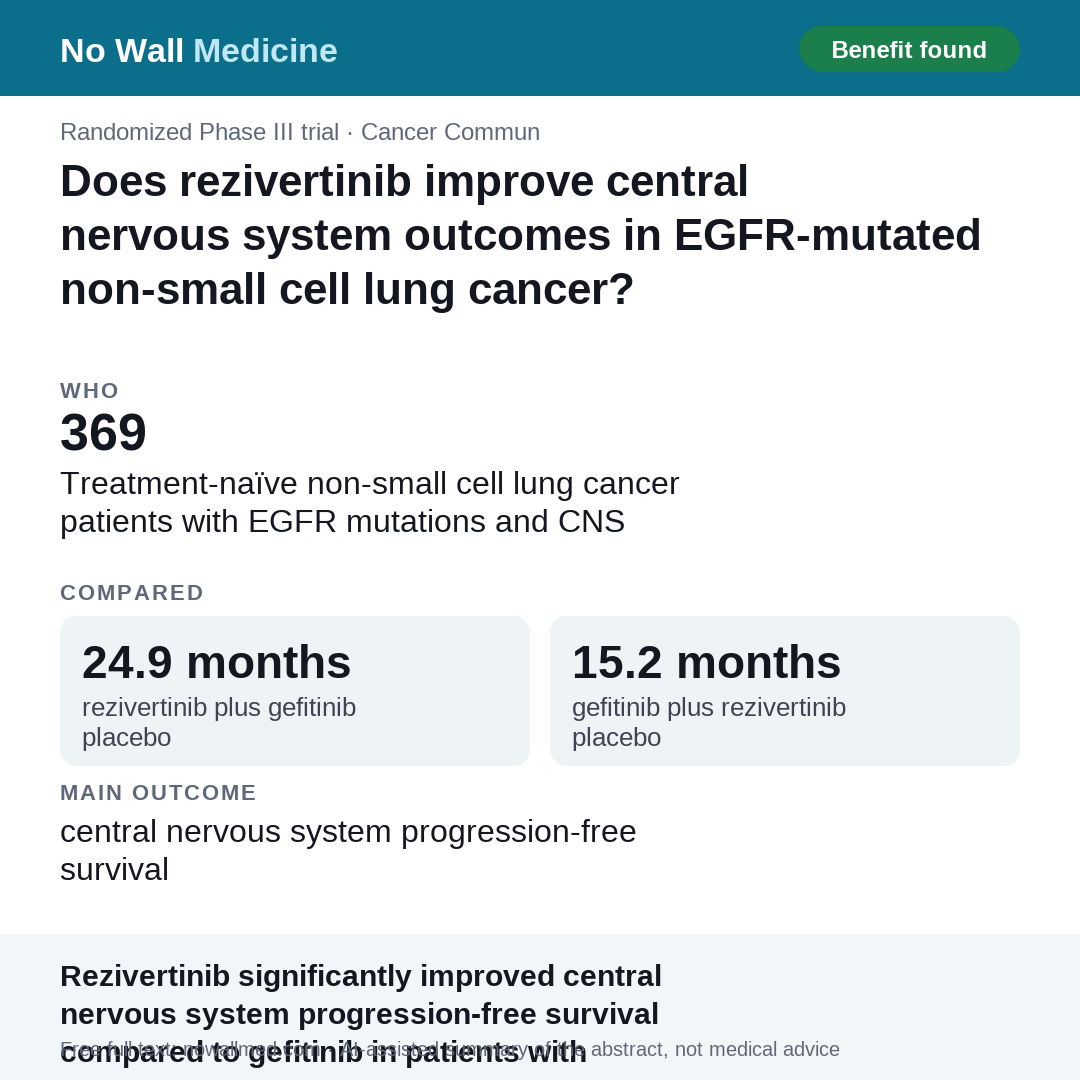
Design and rationale of the SPARC trial: a phase II, single-system randomized controlled trial of immediate transfer to specialty post-arrest care
Phase II, parallel-group randomized controlled trialUnclear result
Does immediate transfer to specialty post-arrest care improve functional outcomes after cardiac arrest?
Who
1618
Adults resuscitated from out-of-hospital cardiac arrest surviving to emergency department care · Single United States health system
Compared
Immediate transfer to specialty center
Usual care at presenting hospital
Main outcome
90-day modified Rankin Scale
Bottom line: This phase II trial aims to test if early transfer to specialty centers improves functional outcomes.
Resusc Plus · 2026-03-31Download image
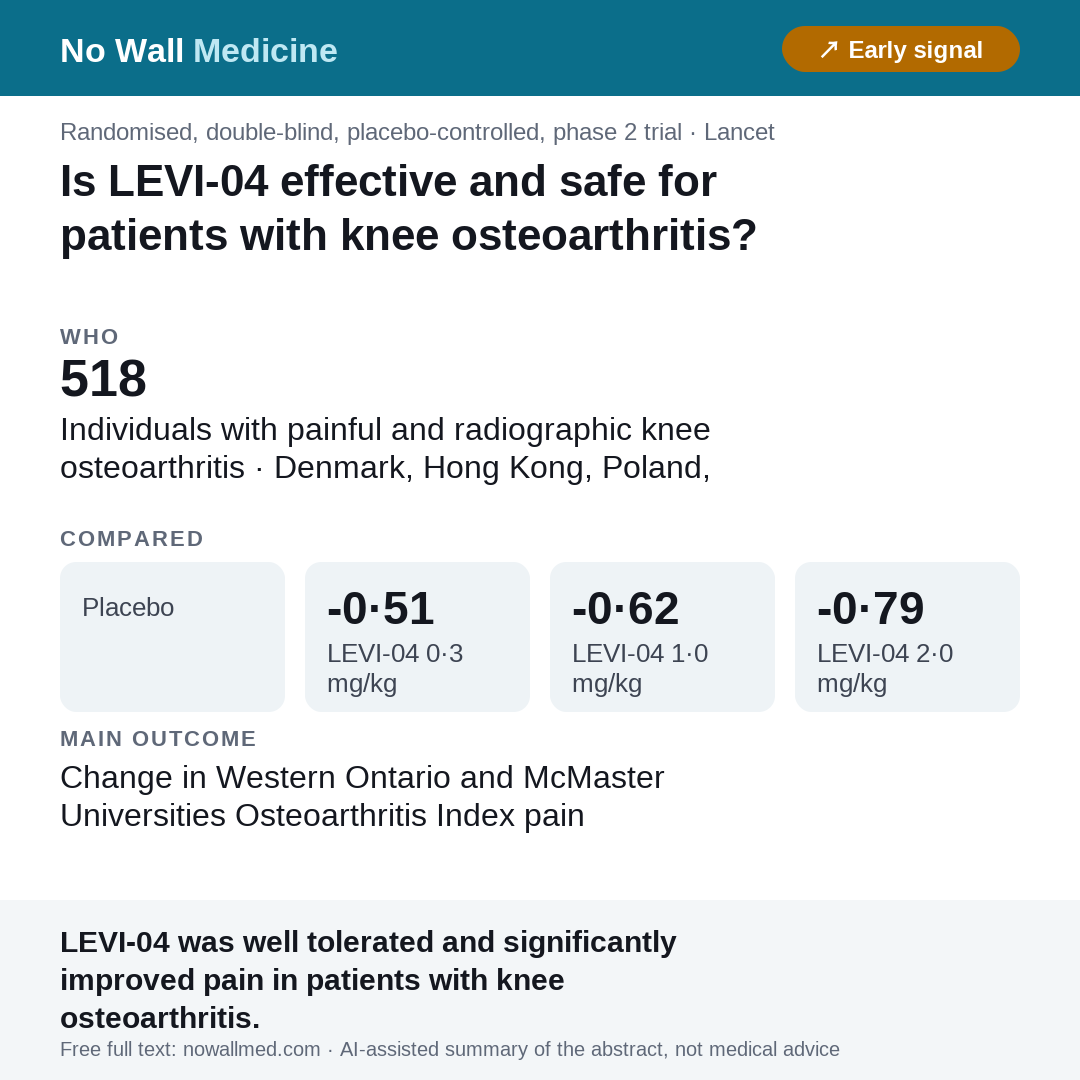
Efficacy and safety of LEVI-04 in patients with osteoarthritis of the knee: a randomised, double-blind, placebo-controlled, phase 2 trial
Randomised, double-blind, placebo-controlled, phase 2 trialBenefit found
Is LEVI-04 effective and safe for patients with knee osteoarthritis?
Who
518
Individuals with painful and radiographic knee osteoarthritis · Denmark, Hong Kong, Poland, Moldova, and the Czech Republic
Compared
Placebo
-0·51LEVI-04 0·3 mg/kg (95% CI -0·96 to -0·07)
-0·62LEVI-04 1·0 mg/kg (-1·07 to -0·17)
-0·79LEVI-04 2·0 mg/kg (-1·24 to -0·35)
Main outcome
Change in Western Ontario and McMaster Universities Osteoarthritis Index pain
Result: least squares mean difference versus placebo: -0·51 (95% CI -0·96 to -0·07) to -0·79 (95% CI -1·24 to -0·35)
Bottom line: LEVI-04 was well tolerated and significantly improved pain in patients with knee osteoarthritis.
Funded by: Levicept
Lancet · 2026-03-30Download image
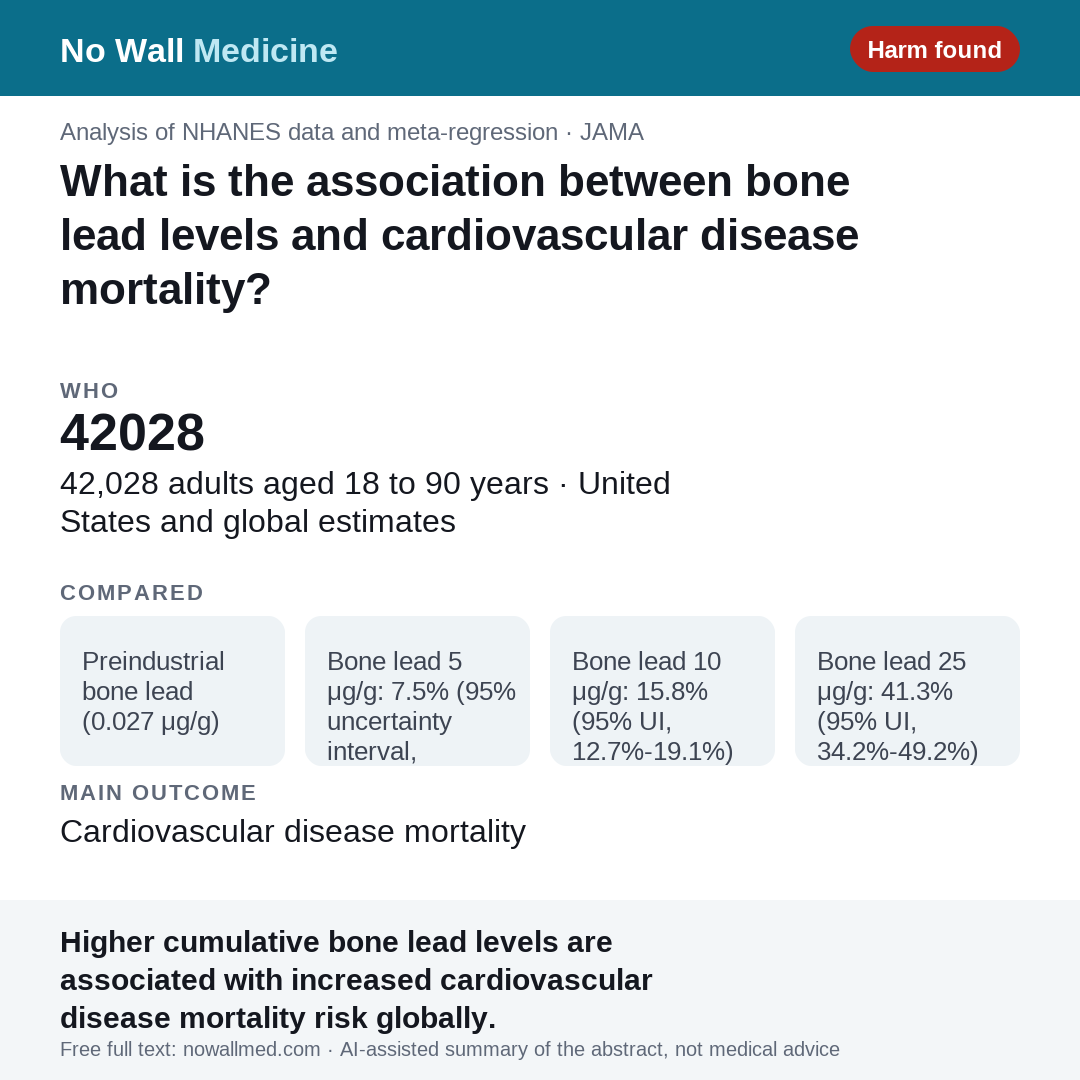
Lead-Attributable Cardiovascular Disease Burden: Global Burden of Disease Study 2023
Analysis of NHANES data and meta-regressionHarm found
What is the association between bone lead levels and cardiovascular disease mortality?
Who
42028
42,028 adults aged 18 to 90 years · United States and global estimates
Compared
Preindustrial bone lead (0.027 μg/g)
Bone lead 5 μg/g: 7.5% (95% uncertainty interval, 1.7%-14.1%) greater risk
Bone lead 10 μg/g: 15.8% (95% UI, 12.7%-19.1%) greater risk
Bone lead 25 μg/g: 41.3% (95% UI, 34.2%-49.2%) greater risk
Main outcome
Cardiovascular disease mortality
Bottom line: Higher cumulative bone lead levels are associated with increased cardiovascular disease mortality risk globally.
JAMA · 2026-03-30Download image
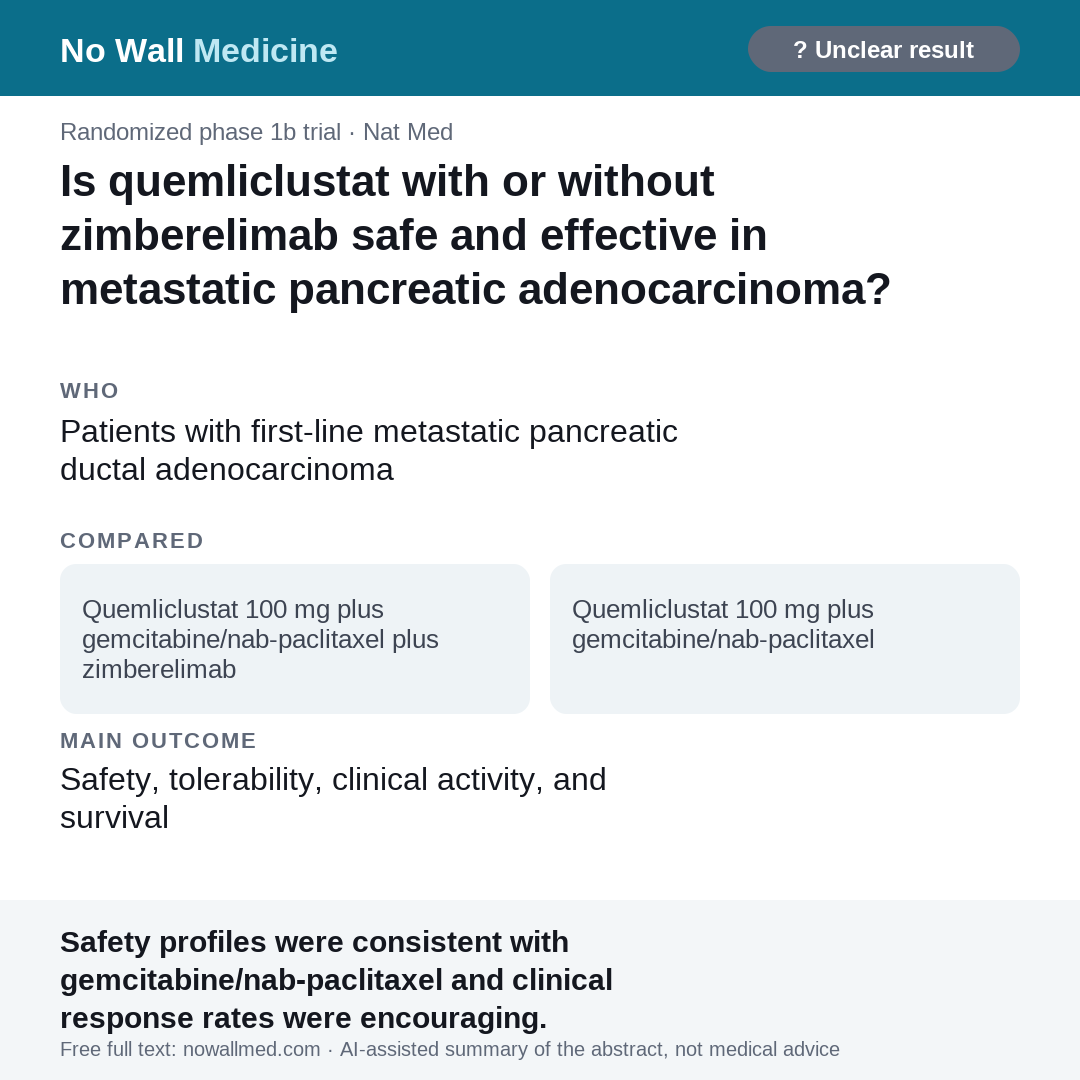
Quemliclustat and chemotherapy with or without zimberelimab in metastatic pancreatic adenocarcinoma: a randomized phase 1 trial
Randomized phase 1b trialUnclear result
Is quemliclustat with or without zimberelimab safe and effective in metastatic pancreatic adenocarcinoma?
Who
Patients with first-line metastatic pancreatic ductal adenocarcinoma
Compared
Quemliclustat 100 mg plus gemcitabine/nab-paclitaxel plus zimberelimab
Quemliclustat 100 mg plus gemcitabine/nab-paclitaxel
Main outcome
Safety, tolerability, clinical activity, and survival
Bottom line: Safety profiles were consistent with gemcitabine/nab-paclitaxel and clinical response rates were encouraging.
Nat Med · 2026-03-30Download image
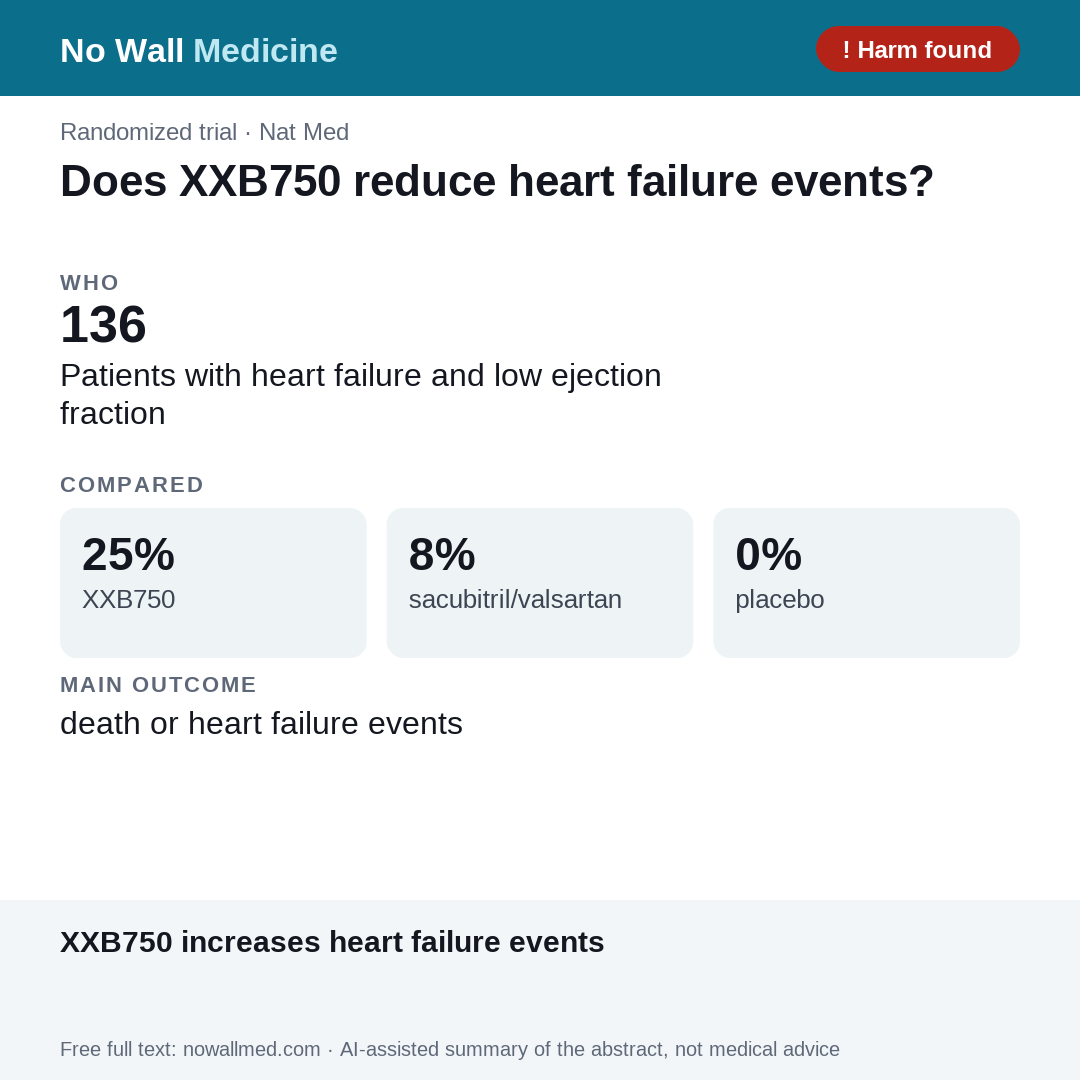
The NPR1 agonist antibody XXB750 in heart failure: a phase 2 randomized trial
Randomized trialHarm found
Does XXB750 reduce heart failure events?
Who
136
Patients with heart failure and low ejection fraction
Compared
25%XXB750
8%sacubitril/valsartan
0%placebo
Main outcome
death or heart failure events
Bottom line: XXB750 increases heart failure events
Nat Med · 2026-03-30Download image
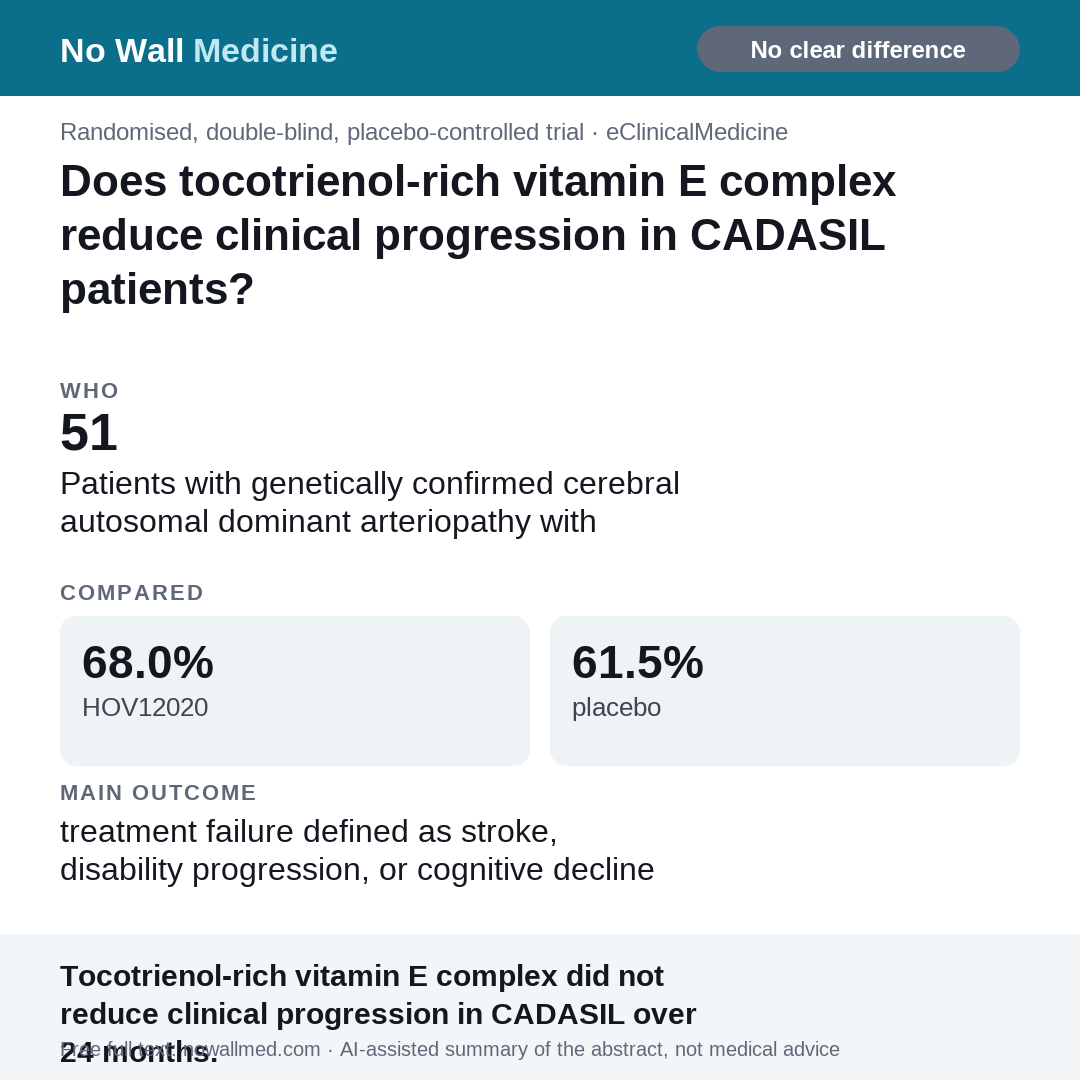
Tocotrienol-rich vitamin E complex in CADASIL (T3CAD): a randomised, double-blind, placebo-controlled trial
Randomised, double-blind, placebo-controlled trialNo clear difference
Does tocotrienol-rich vitamin E complex reduce clinical progression in CADASIL patients?
Who
51
Patients with genetically confirmed cerebral autosomal dominant arteriopathy with subcortical infarcts and leukoencephalopathy
Compared
68.0%HOV12020
61.5%placebo
Main outcome
treatment failure defined as stroke, disability progression, or cognitive decline
Bottom line: Tocotrienol-rich vitamin E complex did not reduce clinical progression in CADASIL over 24 months.
Funded by: Hovid Berhad
eClinicalMedicine · 2026-03-30Download image
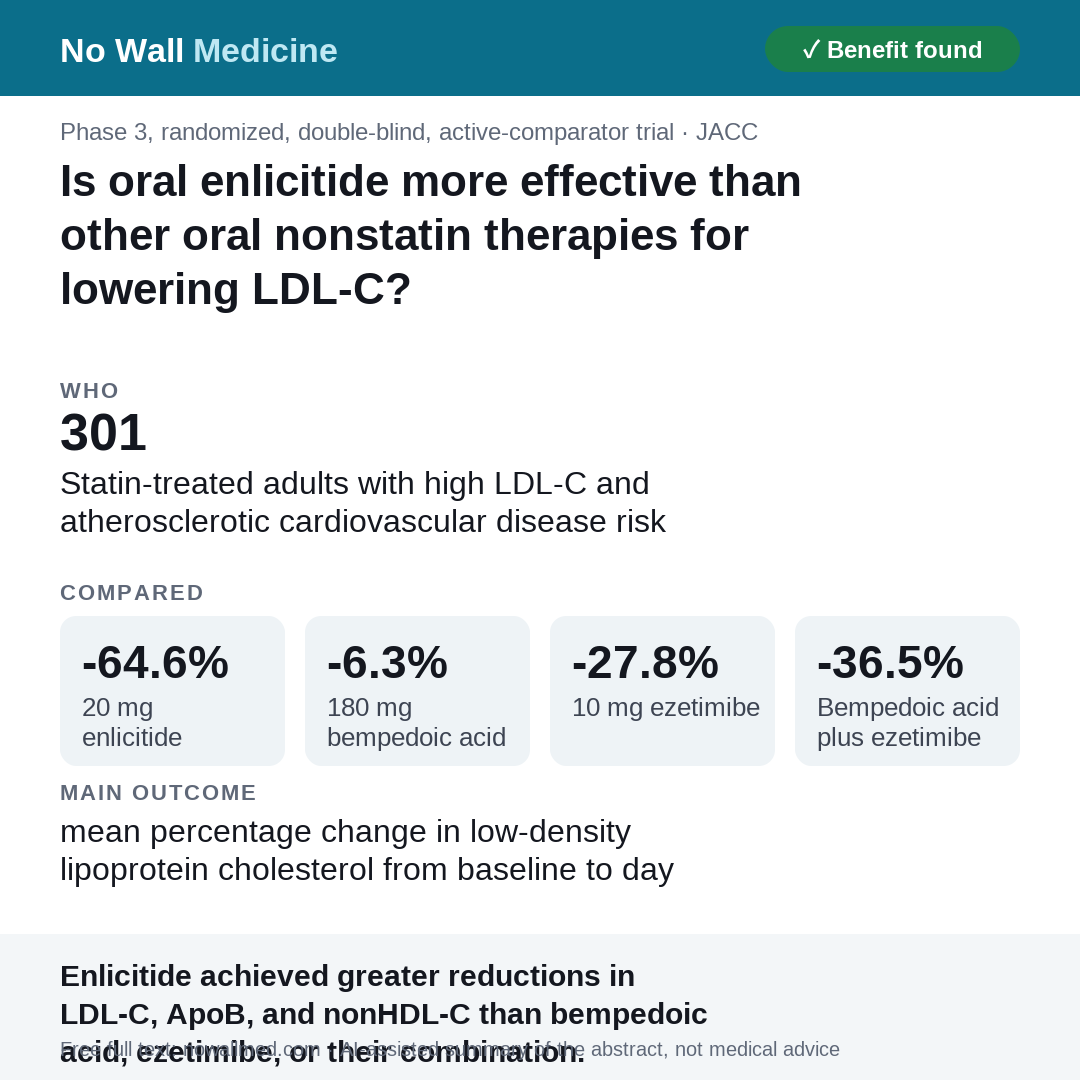
Oral PCSK9 Inhibitor Enlicitide Versus Oral Nonstatin Therapies: A Phase 3 Randomized Clinical Trial
Phase 3, randomized, double-blind, active-comparator trialBenefit found
Is oral enlicitide more effective than other oral nonstatin therapies for lowering LDL-C?
Who
301
Statin-treated adults with high LDL-C and atherosclerotic cardiovascular disease risk
Compared
-64.6%20 mg enlicitide (95% CI: -68.3% to -60.9%)
-6.3%180 mg bempedoic acid (95% CI: -13.5% to 0.8%)
-27.8%10 mg ezetimibe (95% CI: -32.3% to -23.4%)
-36.5%Bempedoic acid plus ezetimibe (95% CI: -40.8% to -32.2%)
Main outcome
mean percentage change in low-density lipoprotein cholesterol from baseline to day 56
Bottom line: Enlicitide achieved greater reductions in LDL-C, ApoB, and nonHDL-C than bempedoic acid, ezetimibe, or their combination.
JACC · 2026-03-30Download image
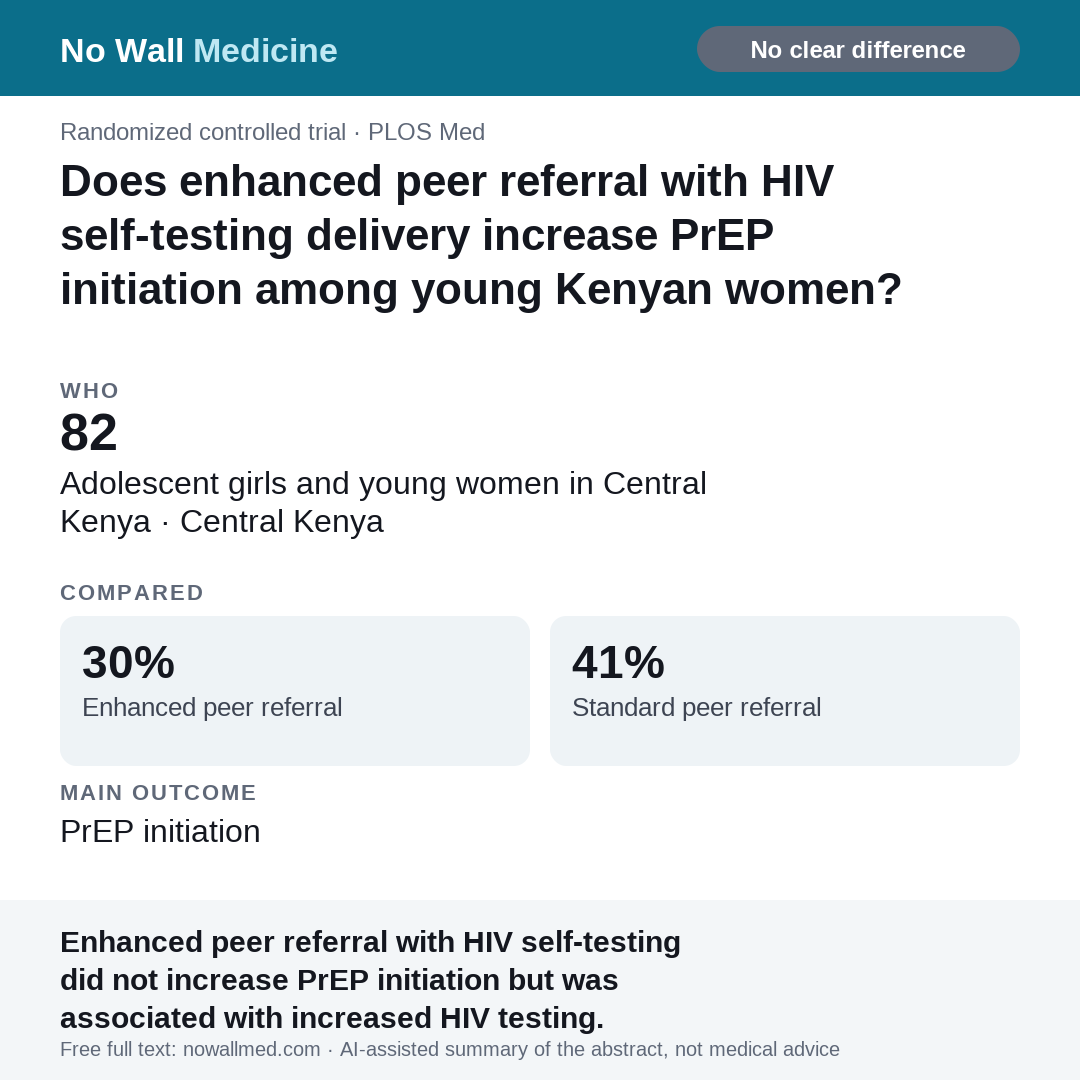
Effect of enhanced peer PrEP referral with HIV self-testing delivery among young Kenyan women: A randomized controlled trial of peer networks
Randomized controlled trialNo clear difference
Does enhanced peer referral with HIV self-testing delivery increase PrEP initiation among young Kenyan women?
Who
82
Adolescent girls and young women in Central Kenya · Central Kenya
Compared
30%Enhanced peer referral (41/137)
41%Standard peer referral (41/104)
Main outcome
PrEP initiation
Result: risk difference -6%, 95% CI [-26%, 11%]
Bottom line: Enhanced peer referral with HIV self-testing did not increase PrEP initiation but was associated with increased HIV testing.
Limitation: Relying on index peers to report outcomes for referred peers was a study limitation.
PLOS Med · 2026-03-30Download image
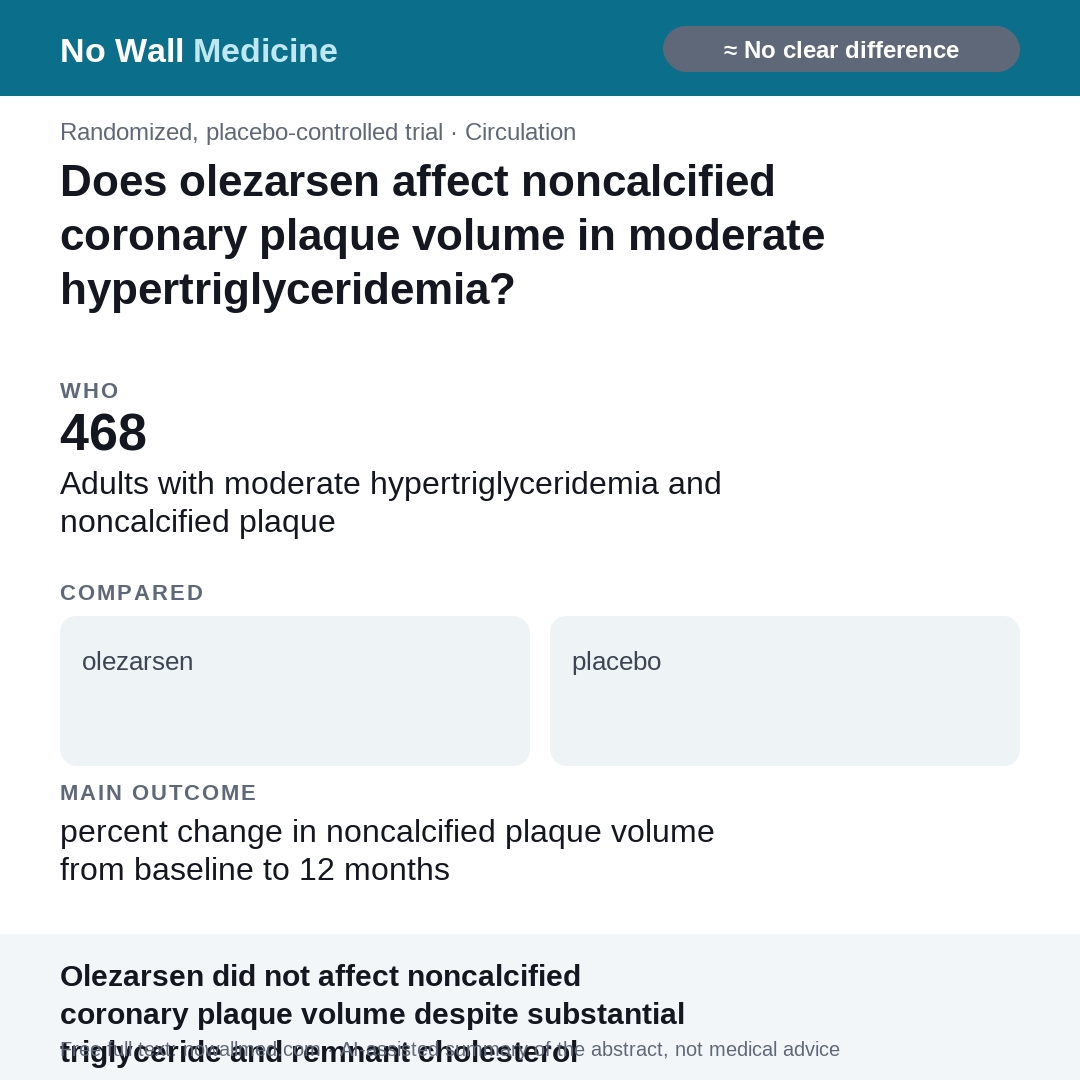
Effect of APOC3 Inhibition With Olezarsen on Coronary Atherosclerosis: Essence-TIMI 73b Imaging Study
Randomized, placebo-controlled trialNo clear difference
Does olezarsen affect noncalcified coronary plaque volume in moderate hypertriglyceridemia?
Who
468
Adults with moderate hypertriglyceridemia and noncalcified plaque
Compared
olezarsen
placebo
Main outcome
percent change in noncalcified plaque volume from baseline to 12 months
Result: placebo-adjusted least-squares mean difference, 2.98% (95% CI, -3.4 to 9.3)
Bottom line: Olezarsen did not affect noncalcified coronary plaque volume despite substantial triglyceride and remnant cholesterol lowering.
Circulation · 2026-03-30Download image
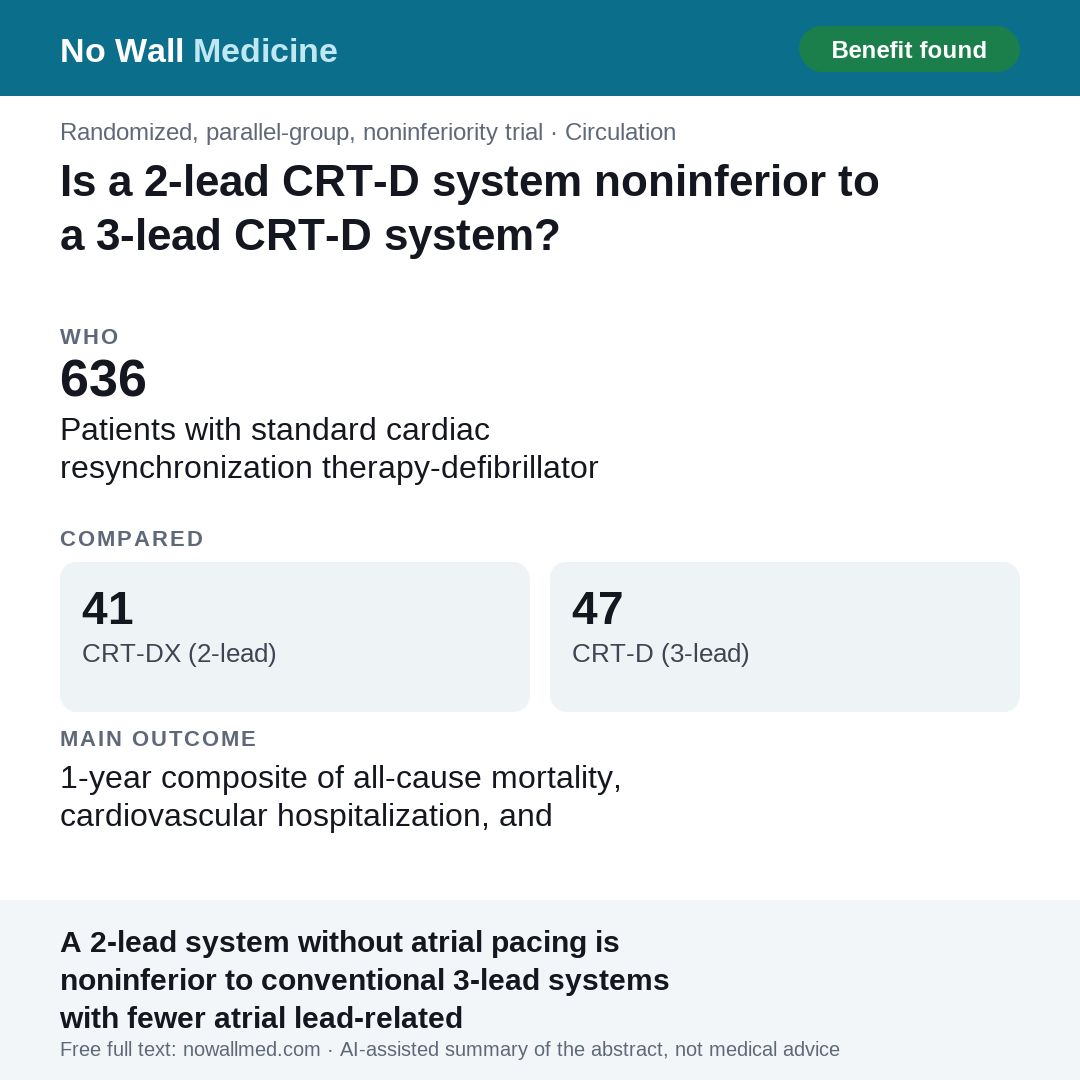
Role of Atrial Pacing Support in Cardiac Resynchronization Therapy: A Noninferiority Randomized Trial
Randomized, parallel-group, noninferiority trialBenefit found
Is a 2-lead CRT-D system noninferior to a 3-lead CRT-D system?
Who
636
Patients with standard cardiac resynchronization therapy-defibrillator indication and resting sinus rate ≥45 beats/min · 23 Italian sites
Compared
41CRT-DX (2-lead) (13.1%)
47CRT-D (3-lead) (15.6%)
Main outcome
1-year composite of all-cause mortality, cardiovascular hospitalization, and lead-related complications
Result: hazard ratio 0.82 (95% CI 0.54-1.25)
Bottom line: A 2-lead system without atrial pacing is noninferior to conventional 3-lead systems with fewer atrial lead-related complications.
Circulation · 2026-03-30Download image
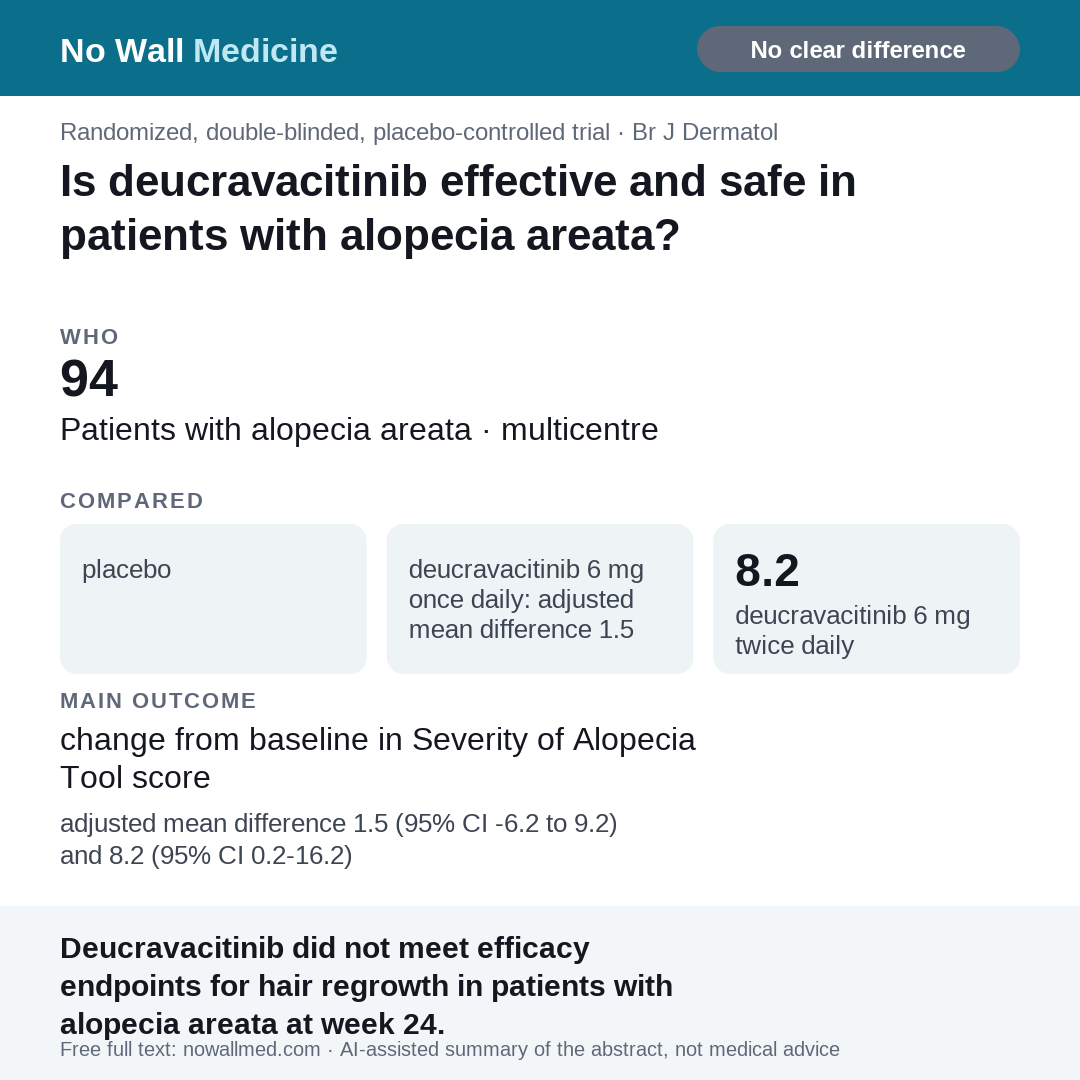
Deucravacitinib, an oral, selective, allosteric tyrosine kinase 2 inhibitor, in patients with alopecia areata: efficacy and safety results of a phase II, multicentre, randomized, double-blinded, placebo-controlled trial
Randomized, double-blinded, placebo-controlled trialNo clear difference
Is deucravacitinib effective and safe in patients with alopecia areata?
Who
94
Patients with alopecia areata · multicentre
Compared
placebo
deucravacitinib 6 mg once daily: adjusted mean difference 1.5
8.2deucravacitinib 6 mg twice daily
Main outcome
change from baseline in Severity of Alopecia Tool score
Result: adjusted mean difference 1.5 (95% CI -6.2 to 9.2) and 8.2 (95% CI 0.2-16.2)
Bottom line: Deucravacitinib did not meet efficacy endpoints for hair regrowth in patients with alopecia areata at week 24.
Br J Dermatol · 2026-03-30Download image
Long-Term Durability of Acoramidis Efficacy in Transthyretin Amyloid Cardiomyopathy: Open-Label Extension of the ATTRibute-CM Randomized Clinical Trial
Open-label extension of a randomized clinical trialBenefit found
What is the long-term efficacy and safety of acoramidis through month 54?
Who
389
Participants with transthyretin amyloid cardiomyopathy aged 18-90 years · International, multicenter
Compared
Continuous acoramidis: hazard ratio 0.55 (95% CI, 0.42-0.74) for all-cause mortality
Placebo to acoramidis
Main outcome
All-cause mortality, cardiovascular-related mortality, and first cardiovascular hospitalization
Result: hazard ratio 0.55 (95% CI, 0.42-0.74) for all-cause mortality
Bottom line: Early and continuous acoramidis treatment resulted in sustained reductions in mortality and cardiovascular hospitalization through month 54.
JAMA Cardiol · 2026-03-30Download image