Visual abstracts
New randomized trials and meta-analyses from leading journals at a glance: who was studied, what was compared, and what was found. Every paper is free to read in full.
All specialtiesCardiology 1953Oncology 1671Gastroenterology & Hepatology 742Infectious Disease 1240Neurology 808Psychiatry & Mental Health 954Pulmonology 839Critical Care 565Endocrinology & Diabetes 1050Pediatrics 1171Surgery 985Orthopedics & Sports Medicine 364Neurosurgery 248Cardiothoracic & Vascular Surgery 214Plastic & Reconstructive Surgery 304Nephrology 406Rheumatology 279Hematology 423Dermatology 223Ophthalmology 229Obstetrics & Gynecology 635Public & Global Health 382Radiology & Imaging 269Anesthesiology 392Urology 339ENT (Otolaryngology) 263Emergency Medicine 219Allergy & Immunology 126Geriatrics 414Family Medicine & Primary Care 230Medical Genetics & Genomics 212Pathology & Laboratory Medicine 64Physical Medicine & Rehabilitation 340Palliative Care 171Nutrition 526Digital Health & AI 1026General Medicine 152
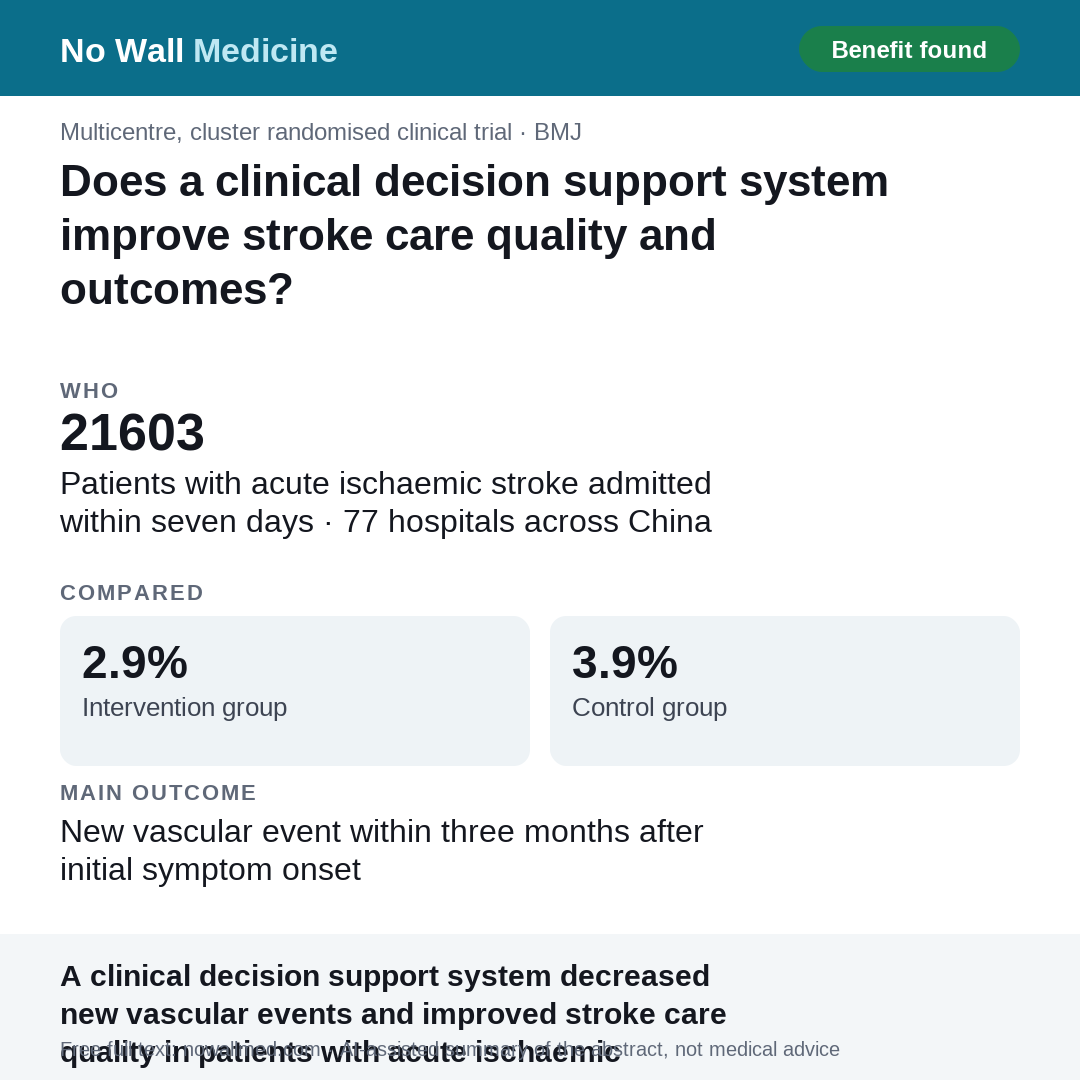
Effect of a clinical decision support system on stroke care quality and outcomes in patients with acute ischaemic stroke (GOLDEN BRIDGE II): cluster randomised clinical trial
Multicentre, cluster randomised clinical trialBenefit found
Does a clinical decision support system improve stroke care quality and outcomes?
Who
21603
Patients with acute ischaemic stroke admitted within seven days · 77 hospitals across China
Compared
2.9%Intervention group (320/11054)
3.9%Control group (416/10549)
Main outcome
New vascular event within three months after initial symptom onset
Result: adjusted hazard ratio 0.74 (95% CI 0.58 to 0.93)
Bottom line: A clinical decision support system decreased new vascular events and improved stroke care quality in patients with acute ischaemic stroke.
BMJ · 2026-03-20Download image
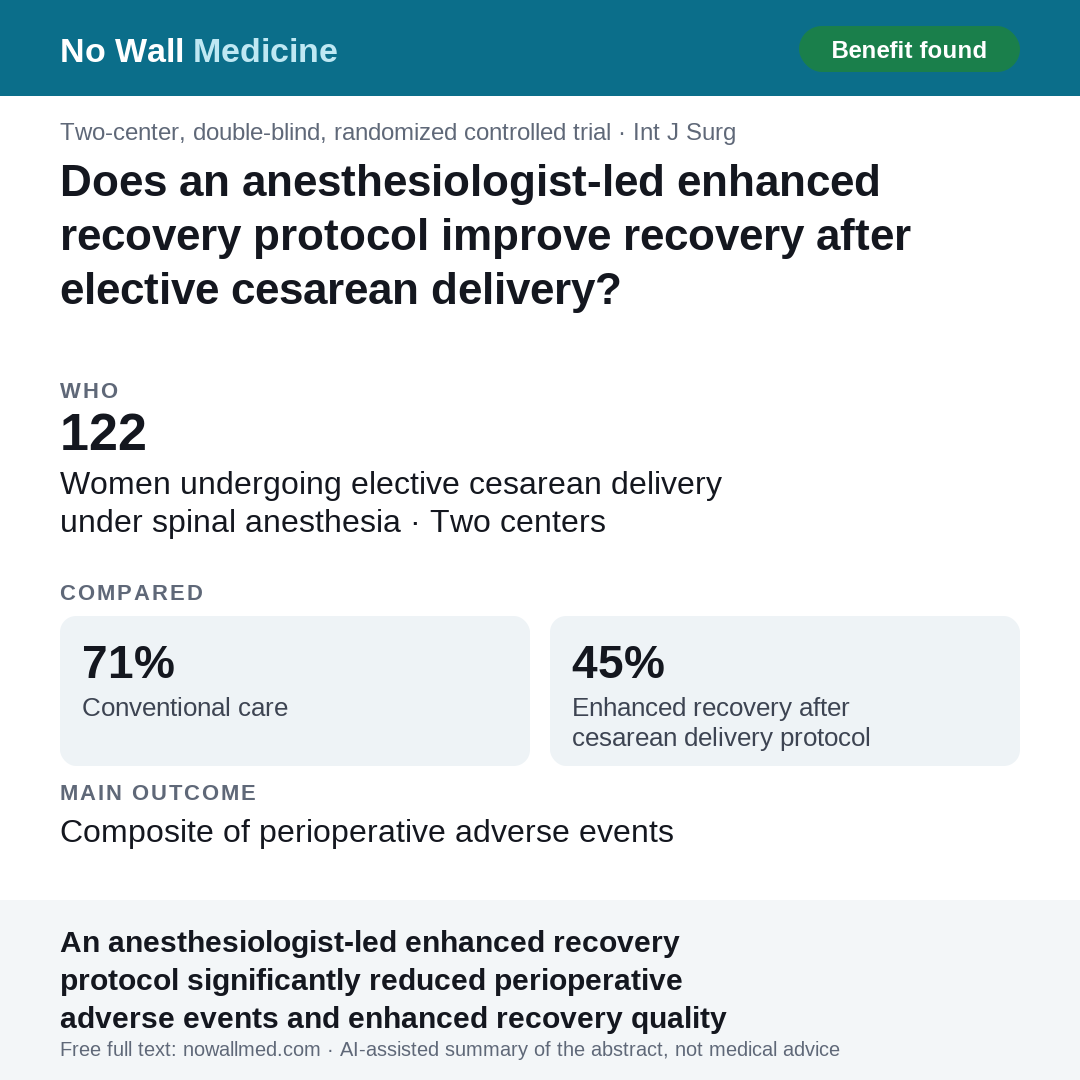
Comparison of enhanced recovery after surgery protocol and standard protocol for cesarean delivery: A two-center, double-blind, randomized controlled trial
Two-center, double-blind, randomized controlled trialBenefit found
Does an anesthesiologist-led enhanced recovery protocol improve recovery after elective cesarean delivery?
Who
122
Women undergoing elective cesarean delivery under spinal anesthesia · Two centers
Compared
71%Conventional care
45%Enhanced recovery after cesarean delivery protocol
Main outcome
Composite of perioperative adverse events
Result: odds ratio 0.25, 95% CI 0.11 to 0.56
Bottom line: An anesthesiologist-led enhanced recovery protocol significantly reduced perioperative adverse events and enhanced recovery quality after elective cesarean delivery.
Int J Surg · 2026-03-20Download image
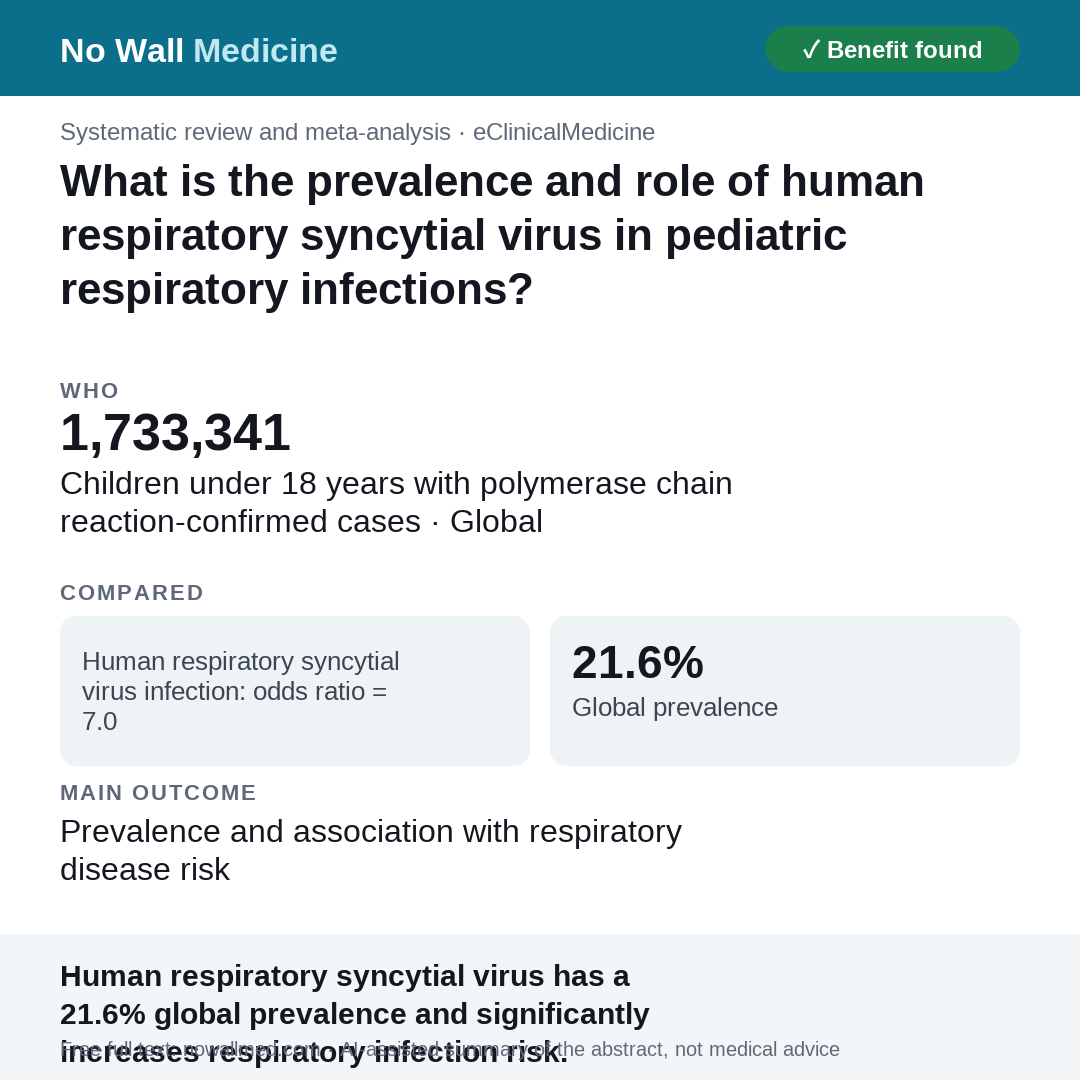
The prevalence and role of human respiratory syncytial virus in pediatric respiratory tract infections: a systematic review and meta-analysis of global data
Systematic review and meta-analysisBenefit found
What is the prevalence and role of human respiratory syncytial virus in pediatric respiratory infections?
Who
1,733,341
Children under 18 years with polymerase chain reaction-confirmed cases · Global
Compared
Human respiratory syncytial virus infection: odds ratio = 7.0
21.6%Global prevalence
Main outcome
Prevalence and association with respiratory disease risk
Result: odds ratio = 7.0
Bottom line: Human respiratory syncytial virus has a 21.6% global prevalence and significantly increases respiratory infection risk.
eClinicalMedicine · 2026-03-20Download image
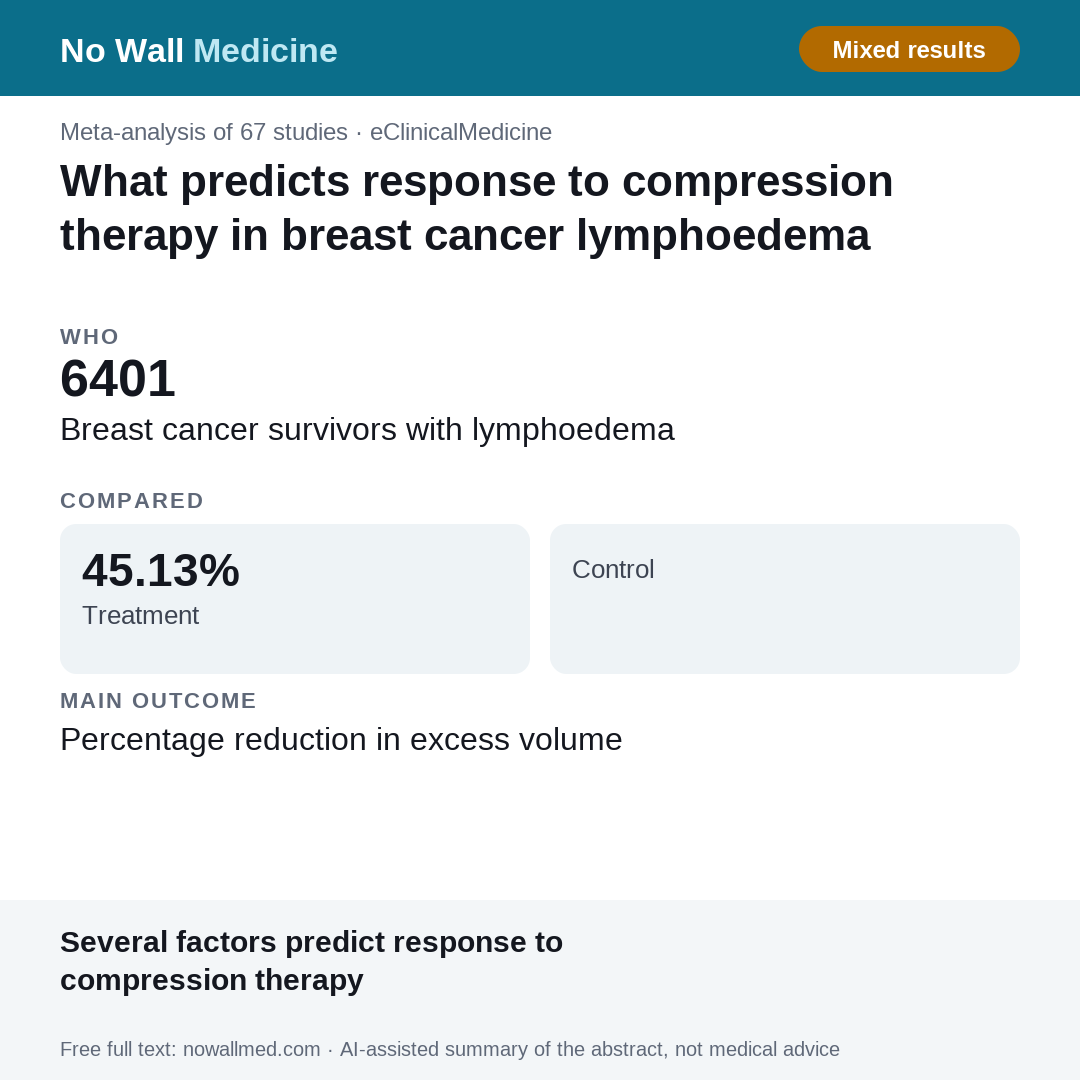
Predictors of response to compression therapy in breast cancer-related lymphoedema: a systematic review and meta-analysis
Meta-analysis of 67 studiesMixed results
What predicts response to compression therapy in breast cancer lymphoedema
Who
6401
Breast cancer survivors with lymphoedema
Compared
45.13%Treatment (mean PREV)
Control
Main outcome
Percentage reduction in excess volume
Bottom line: Several factors predict response to compression therapy
Limitation: Variability in study characteristics and analysis
eClinicalMedicine · 2026-03-20Download image
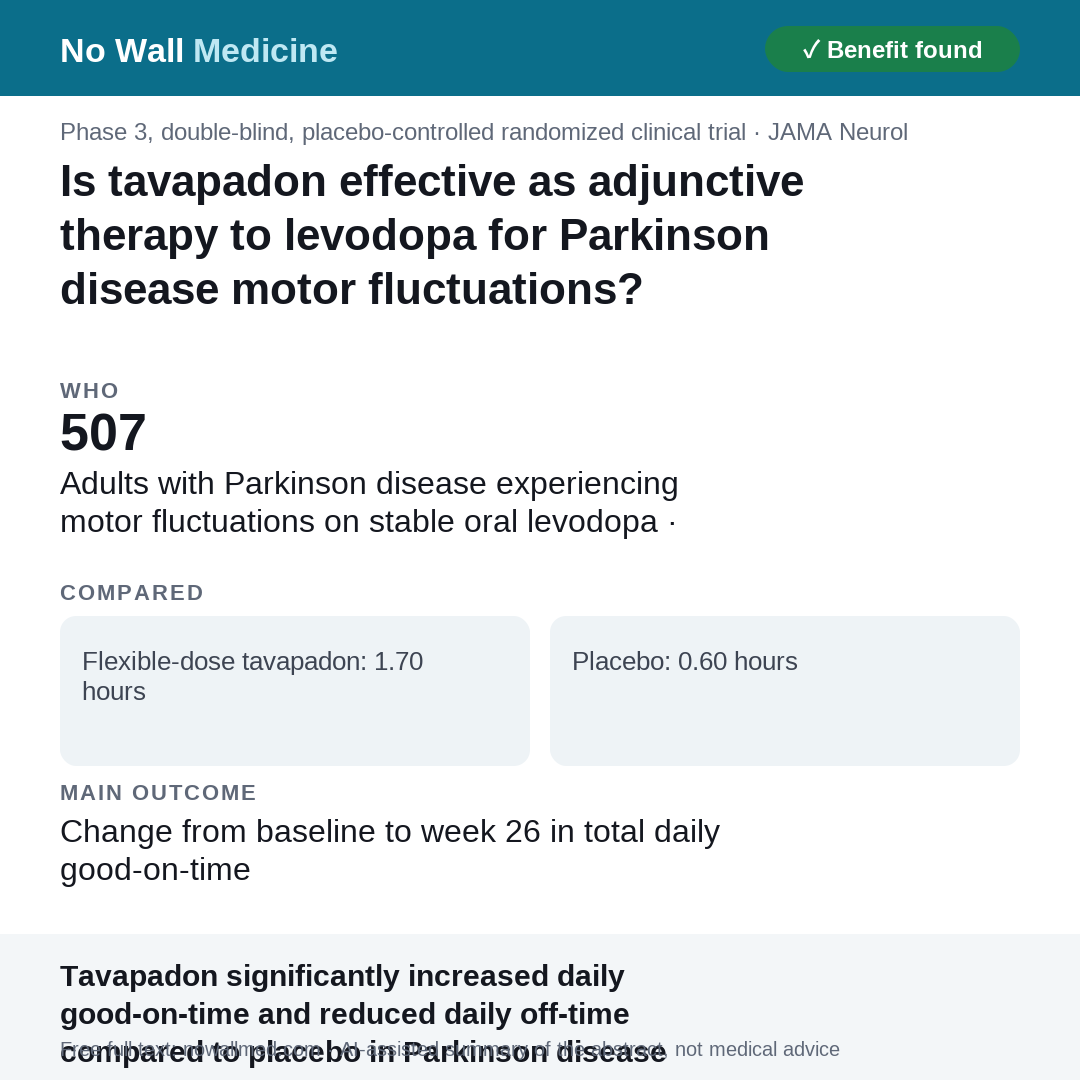
Tavapadon as Adjunctive Treatment for Parkinson Disease: The TEMPO-3 Randomized Clinical Trial
Phase 3, double-blind, placebo-controlled randomized clinical trialBenefit found
Is tavapadon effective as adjunctive therapy to levodopa for Parkinson disease motor fluctuations?
Who
507
Adults with Parkinson disease experiencing motor fluctuations on stable oral levodopa · 148 sites across 14 countries
Compared
Flexible-dose tavapadon: 1.70 hours
Placebo: 0.60 hours
Main outcome
Change from baseline to week 26 in total daily good-on-time
Result: 1.10 hours (95% CI, 0.60-1.70)
Bottom line: Tavapadon significantly increased daily good-on-time and reduced daily off-time compared to placebo in Parkinson disease patients.
JAMA Neurol · 2026-03-20Download image
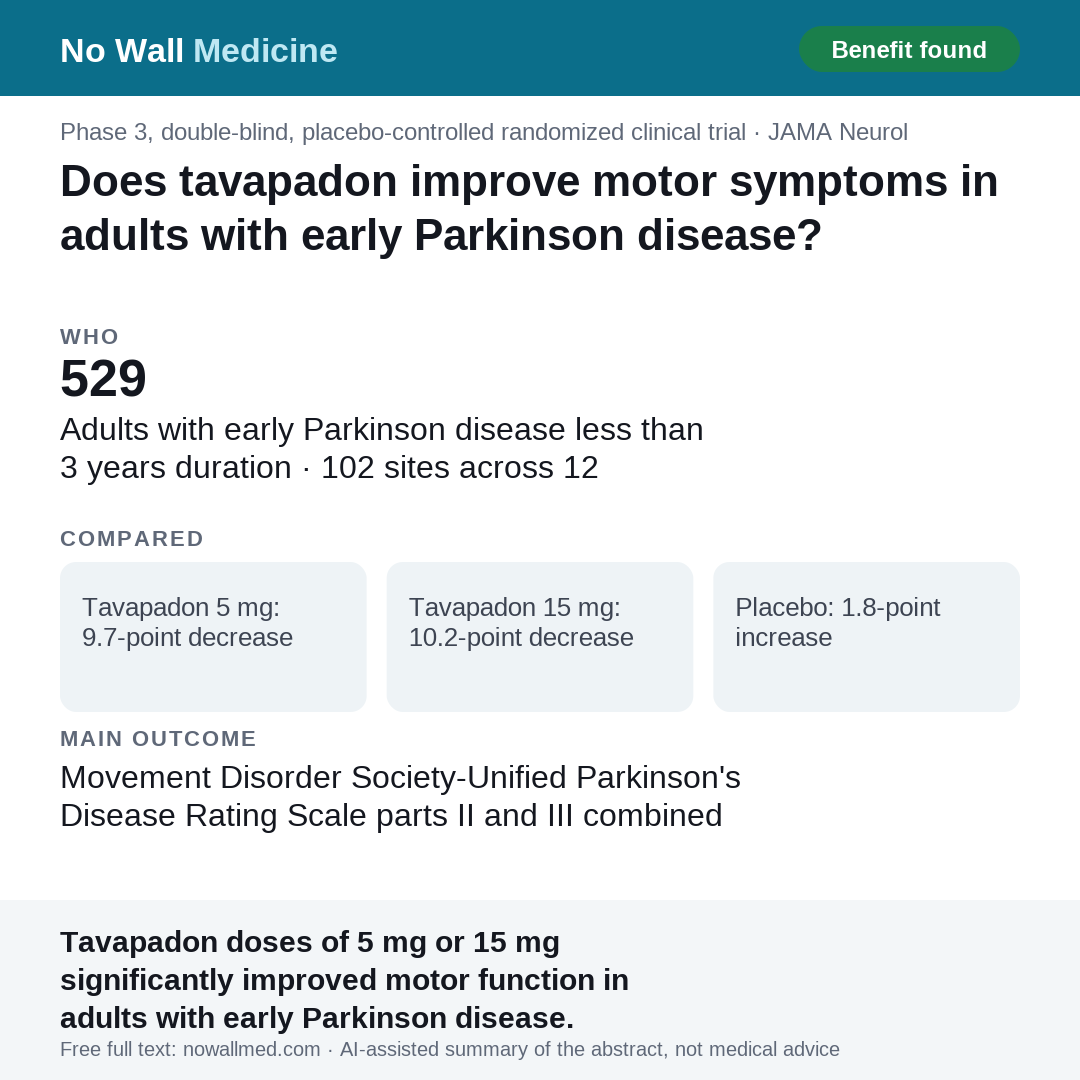
Fixed-Dose Tavapadon for Early Parkinson Disease: A Randomized Clinical Trial
Phase 3, double-blind, placebo-controlled randomized clinical trialBenefit found
Does tavapadon improve motor symptoms in adults with early Parkinson disease?
Who
529
Adults with early Parkinson disease less than 3 years duration · 102 sites across 12 countries
Compared
Tavapadon 5 mg: 9.7-point decrease
Tavapadon 15 mg: 10.2-point decrease
Placebo: 1.8-point increase
Main outcome
Movement Disorder Society-Unified Parkinson's Disease Rating Scale parts II and III combined score
Result: -11.5 points (95% CI, -13.8 to -9.2) for 5 mg; -12.1 points (95% CI, -14.4 to -9.8) for 15 mg
Bottom line: Tavapadon doses of 5 mg or 15 mg significantly improved motor function in adults with early Parkinson disease.
JAMA Neurol · 2026-03-20Download image
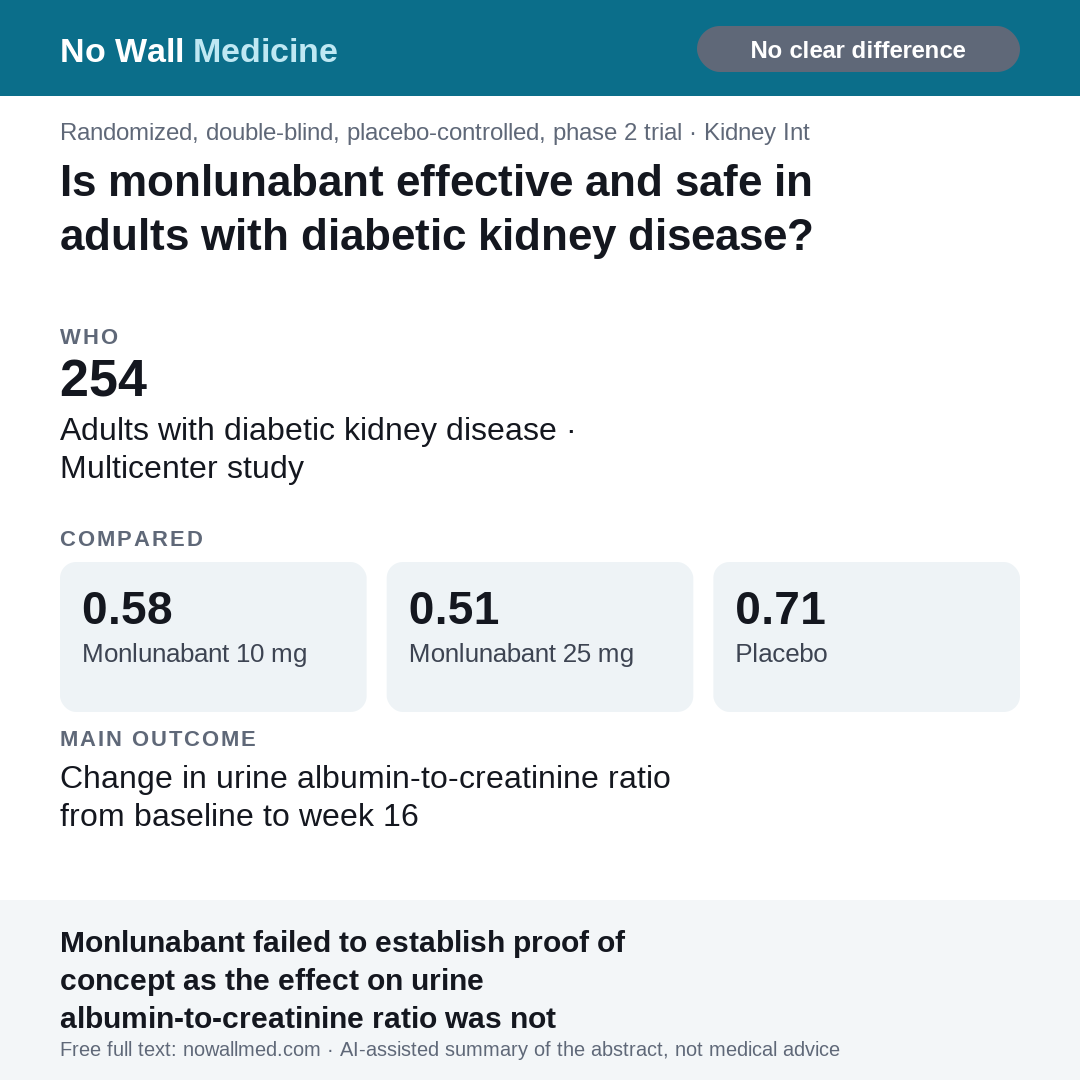
A double-blind, randomized, placebo-controlled, phase 2 trial examined the efficacy and safety of monlunabant in adults with diabetic kidney disease
Randomized, double-blind, placebo-controlled, phase 2 trialNo clear difference
Is monlunabant effective and safe in adults with diabetic kidney disease?
Who
254
Adults with diabetic kidney disease · Multicenter study
Compared
0.58Monlunabant 10 mg
0.51Monlunabant 25 mg
0.71Placebo
Main outcome
Change in urine albumin-to-creatinine ratio from baseline to week 16
Result: estimated treatment ratio 0.72 (95% confidence interval 0.46 to 1.14)
Bottom line: Monlunabant failed to establish proof of concept as the effect on urine albumin-to-creatinine ratio was not significantly different from placebo.
Limitation: Greater than anticipated variability and a large placebo response affect interpretation.
Kidney Int · 2026-03-20Download image
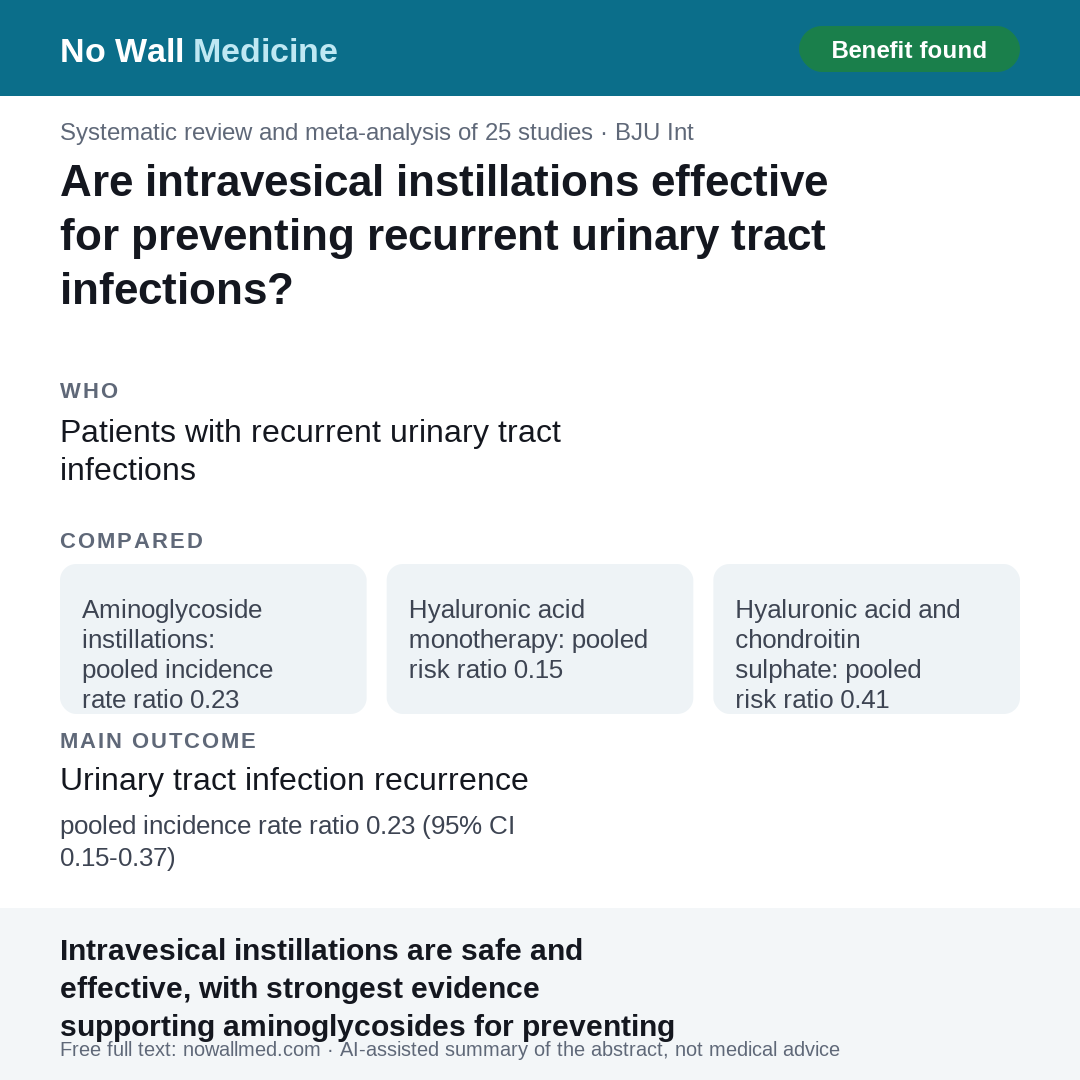
Strategies to reduce antimicrobial resistance in newborns in low-income and middle-income countries: a systematic review and meta-analysis
Systematic review and meta-analysisBenefit found
What is the effectiveness of antimicrobial resistance mitigation strategies for newborn care in low-income and middle-income countries?
Who
Newborns receiving facility-based or community-based care in low-income and middle-income countries · Low-income and middle-income countries
Compared
Regulation: risk of newborns receiving at least one antimicrobial reduced by 21%
Optimisation: culture-positive sepsis risk reduced by 32%
Regulation, education, and optimisation: neonatal mortality risk reduced by 27%
Main outcome
clinical and antibiotic use outcomes
Bottom line: Combining regulation, education, and optimisation is necessary to effectively reduce antimicrobial resistance and neonatal mortality.
Funded by: Bill & Melinda Gates Foundation
Lancet Glob Health · 2026-03-20Download image
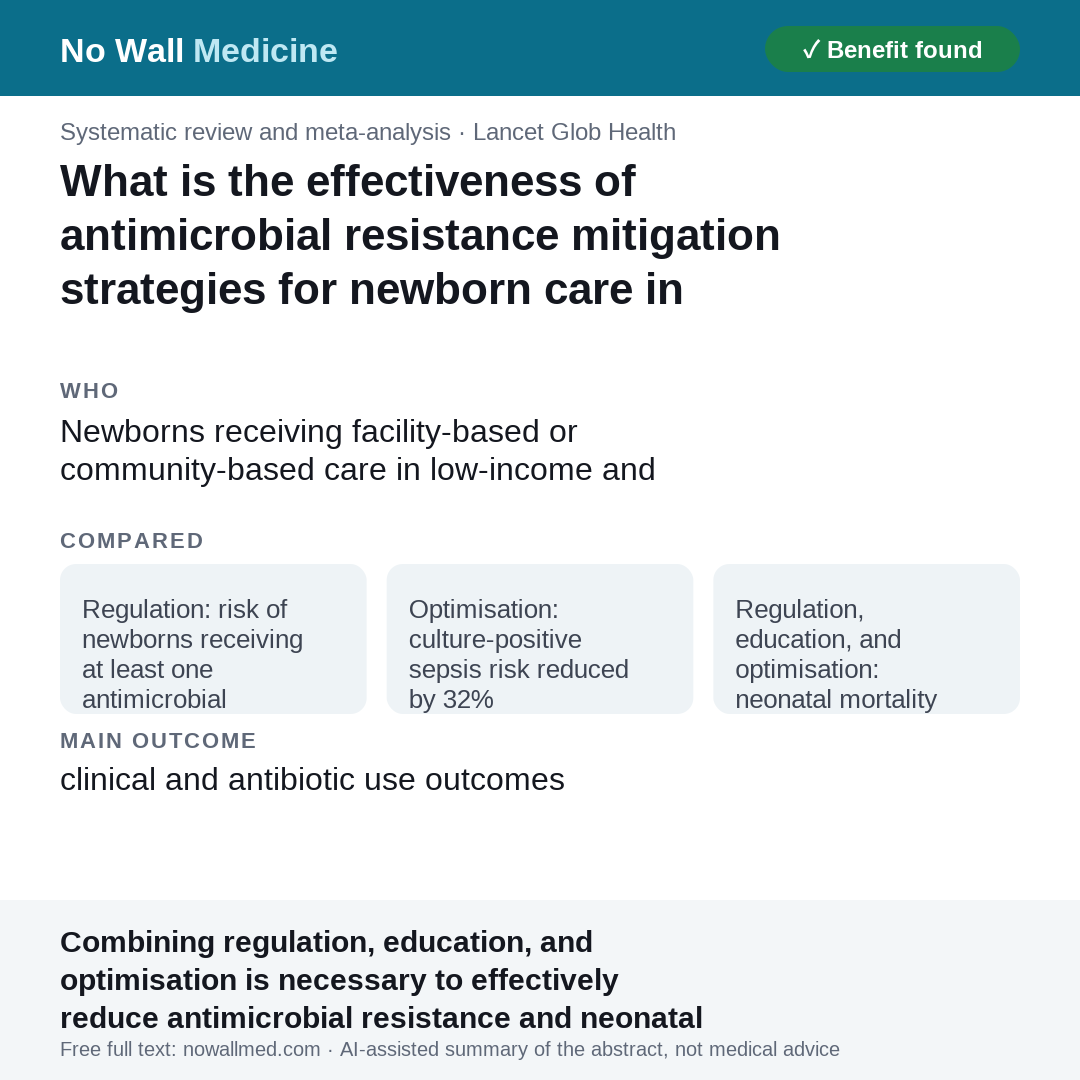
Stroke Risk After Bioprosthetic Aortic Valve Replacement in Aortic Stenosis: Systematic Review and Meta-Analysis
Systematic review and meta-analysisMixed results
What is the proportion of ischemic stroke after bioprosthetic aortic valve replacement?
Who
Adults aged >18 with severe aortic stenosis
Compared
Transcatheter aortic valve replacement: 3.0% (95% CI, 2.5-3.9) at 30 days
Surgical aortic valve replacement
Main outcome
Ischemic stroke proportion
Result: odds ratio 0.73 (95% CI 0.57-0.93) for 30-day all stroke
Bottom line: Transcatheter aortic valve replacement had lower 30-day stroke odds than surgical replacement, but no long-term difference was observed.
Stroke · 2026-03-20Download image
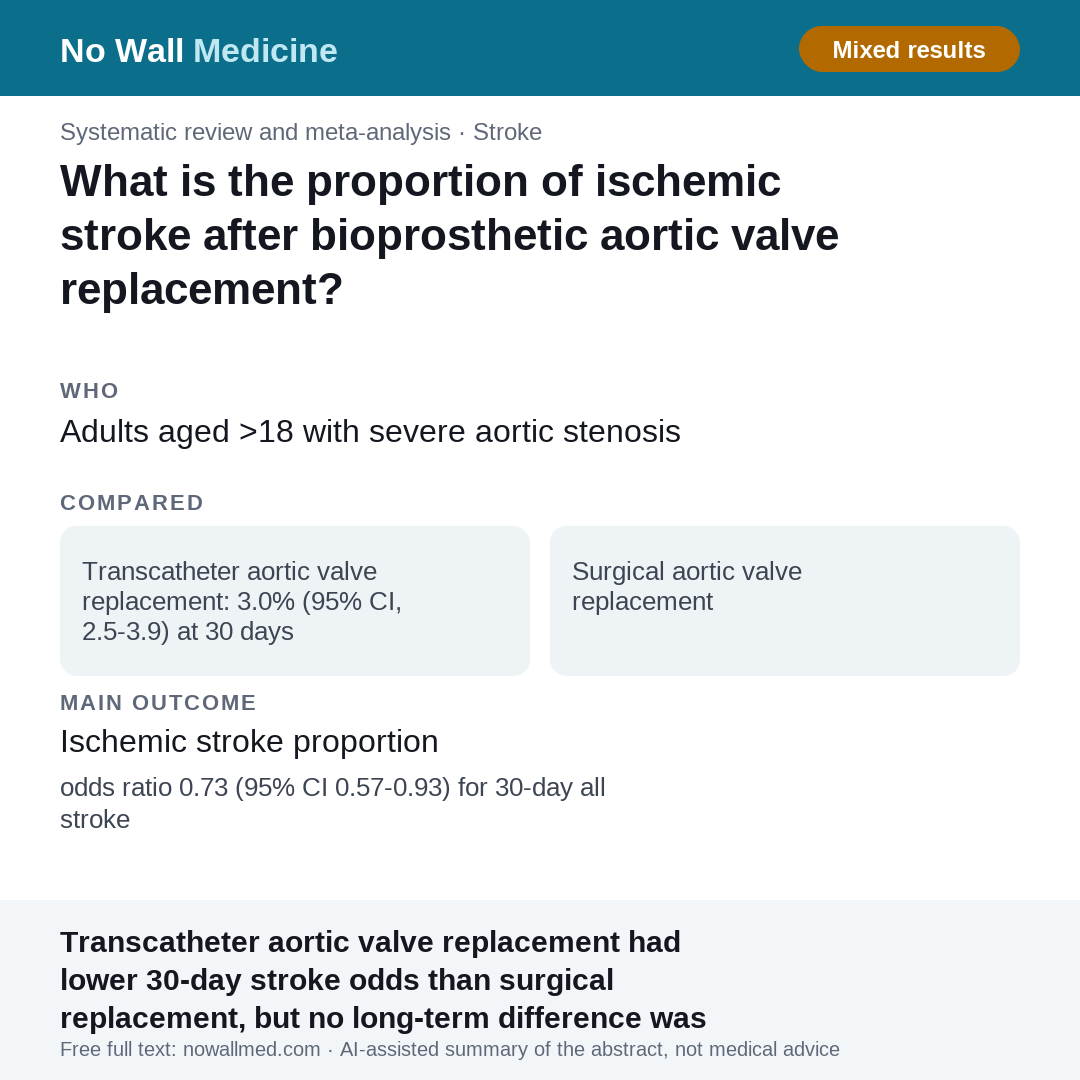
CD138 expression in the endometrium associates with endometrial timing and inflammatory status but not microbiota composition
Translational cohort studyNo clear difference
Does constitutive CD138 expression in the endometrium relate to reproductive tract microbiota composition?
Who
103
Women aged 18 to 42 with two or more consecutive miscarriages · Specialist recurrent pregnancy loss clinics
Compared
CD138-negative samples
Conspicuous diffuse CD138 staining: significantly earlier endometrial histological dating (P < 0.01)
Main outcome
Endometrial timing and microbiota composition
Bottom line: CD138 expression is cycle-dependent and associates with endometrial timing but not with microbial composition.
Limitation: Relied on patient-reported ovulation-based timing and lacked data on underlying fertility-related co-morbidities.
Hum Reprod · 2026-03-20Download image
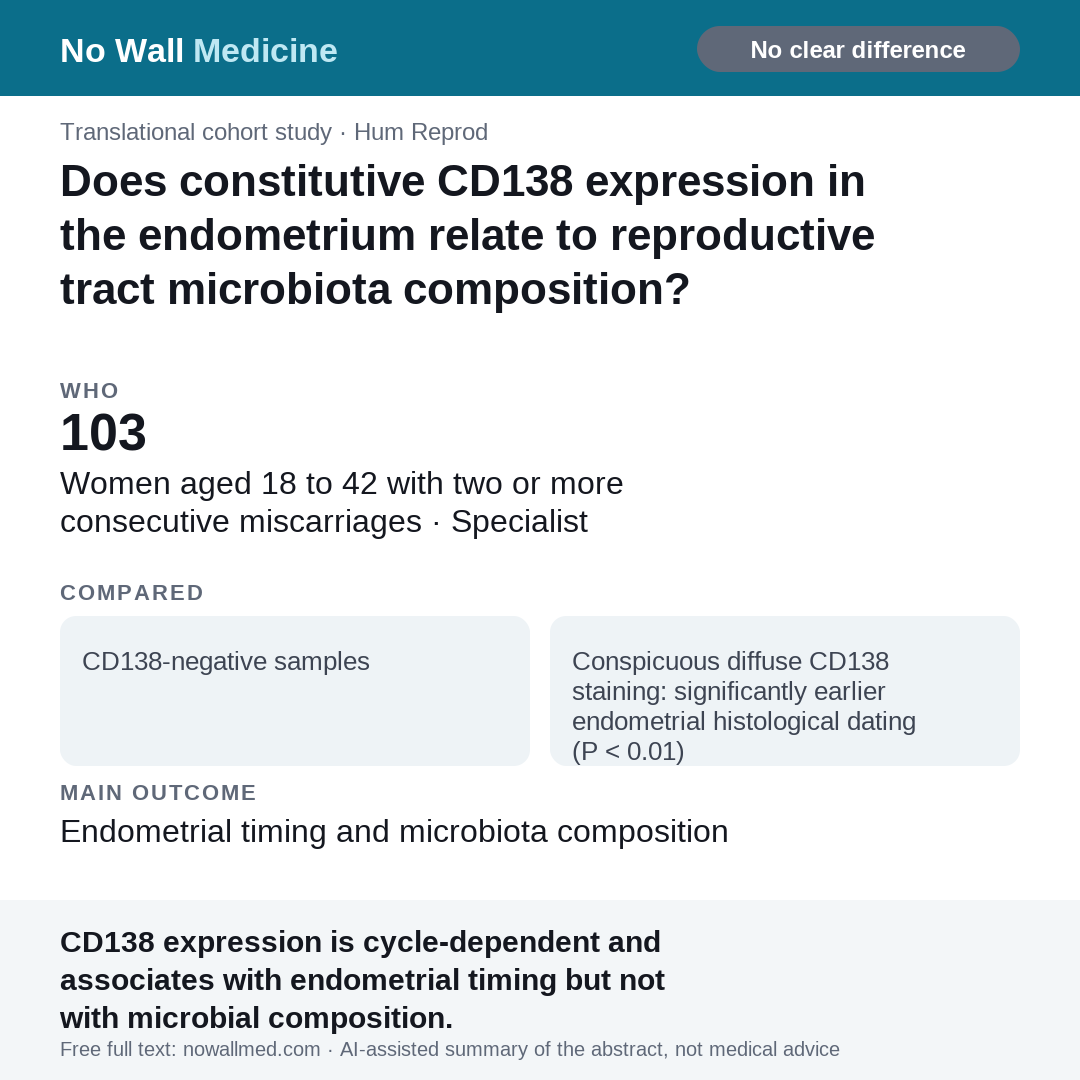
Intravesical therapy for recurrent urinary tract infection: a systematic review and meta-analysis
Systematic review and meta-analysis of 25 studiesBenefit found
Are intravesical instillations effective for preventing recurrent urinary tract infections?
Who
Patients with recurrent urinary tract infections
Compared
Aminoglycoside instillations: pooled incidence rate ratio 0.23
Hyaluronic acid monotherapy: pooled risk ratio 0.15
Hyaluronic acid and chondroitin sulphate: pooled risk ratio 0.41
Main outcome
Urinary tract infection recurrence
Result: pooled incidence rate ratio 0.23 (95% CI 0.15-0.37)
Bottom line: Intravesical instillations are safe and effective, with strongest evidence supporting aminoglycosides for preventing recurrent urinary tract infections.
BJU Int · 2026-03-20Download image
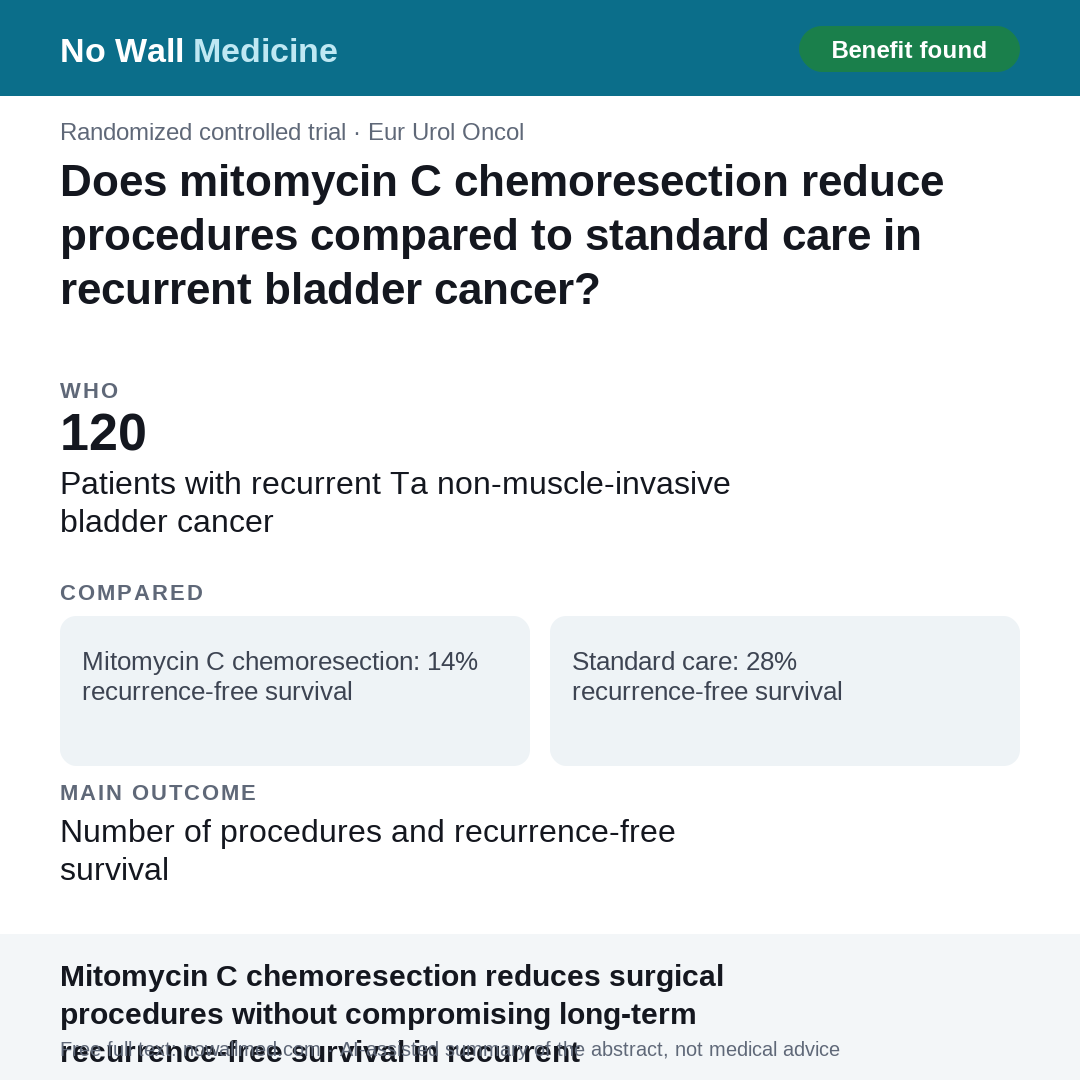
DaBlaCa-13 Study: Five-year Follow-up from the Randomized Controlled Trial of Chemoresection with Intravesical Mitomycin C in Recurrent Ta Non-muscle-invasive Bladder Cancer
Randomized controlled trialBenefit found
Does mitomycin C chemoresection reduce procedures compared to standard care in recurrent bladder cancer?
Who
120
Patients with recurrent Ta non-muscle-invasive bladder cancer
Compared
Mitomycin C chemoresection: 14% recurrence-free survival
Standard care: 28% recurrence-free survival
Main outcome
Number of procedures and recurrence-free survival
Result: hazard ratio 1.32 (95% confidence interval 0.86-2.01)
Bottom line: Mitomycin C chemoresection reduces surgical procedures without compromising long-term recurrence-free survival in recurrent bladder cancer.
Limitation: Findings are limited by a few high-grade tumors at baseline.
Eur Urol Oncol · 2026-03-20Download image
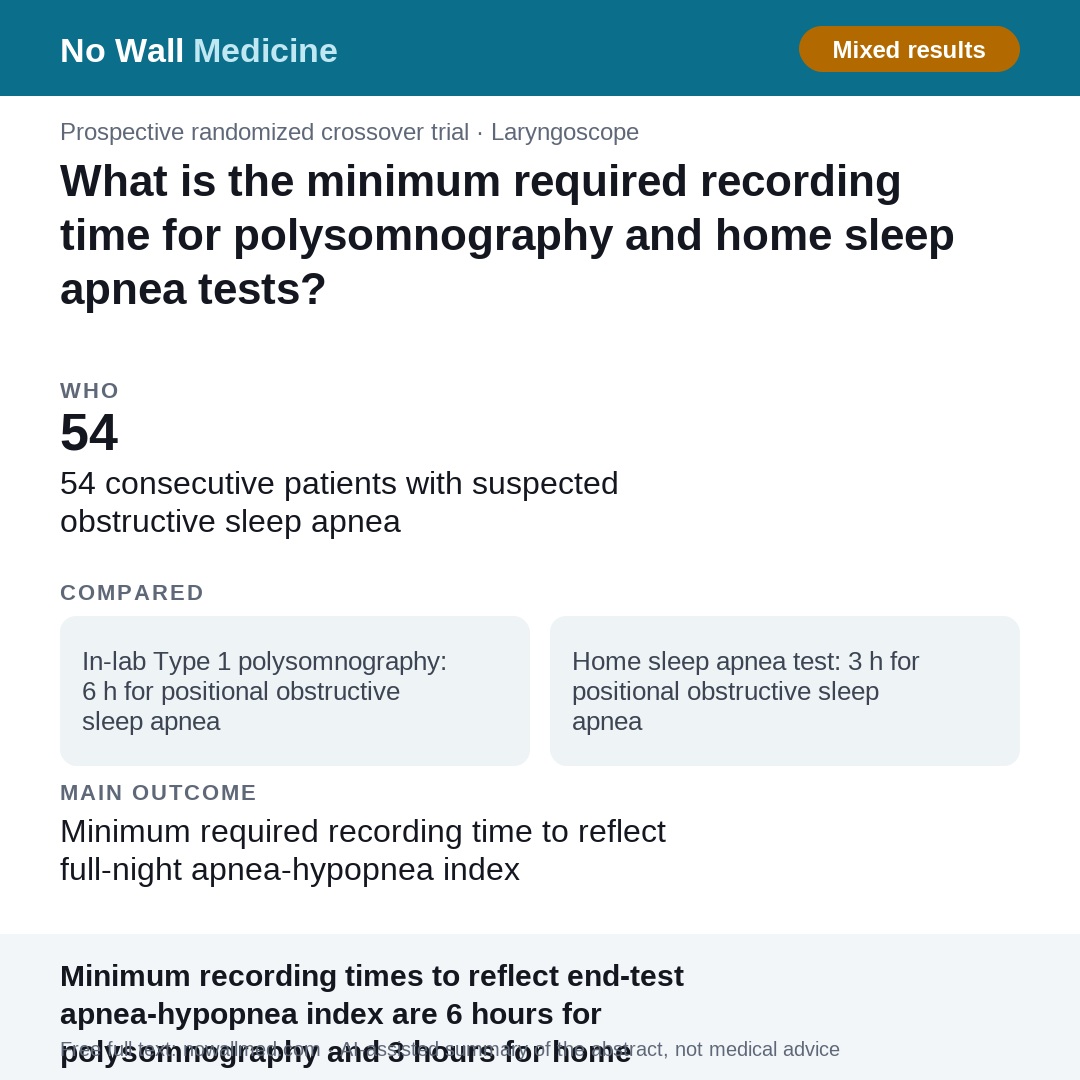
Evaluating Sleep Apnea: In-Lab Versus at-Home Recording Time and the Impact of Positional Disease
Prospective randomized crossover trialMixed results
What is the minimum required recording time for polysomnography and home sleep apnea tests?
Who
54
54 consecutive patients with suspected obstructive sleep apnea
Compared
In-lab Type 1 polysomnography: 6 h for positional obstructive sleep apnea
Home sleep apnea test: 3 h for positional obstructive sleep apnea
Main outcome
Minimum required recording time to reflect full-night apnea-hypopnea index
Bottom line: Minimum recording times to reflect end-test apnea-hypopnea index are 6 hours for polysomnography and 3 hours for home testing.
Laryngoscope · 2026-03-20Download image
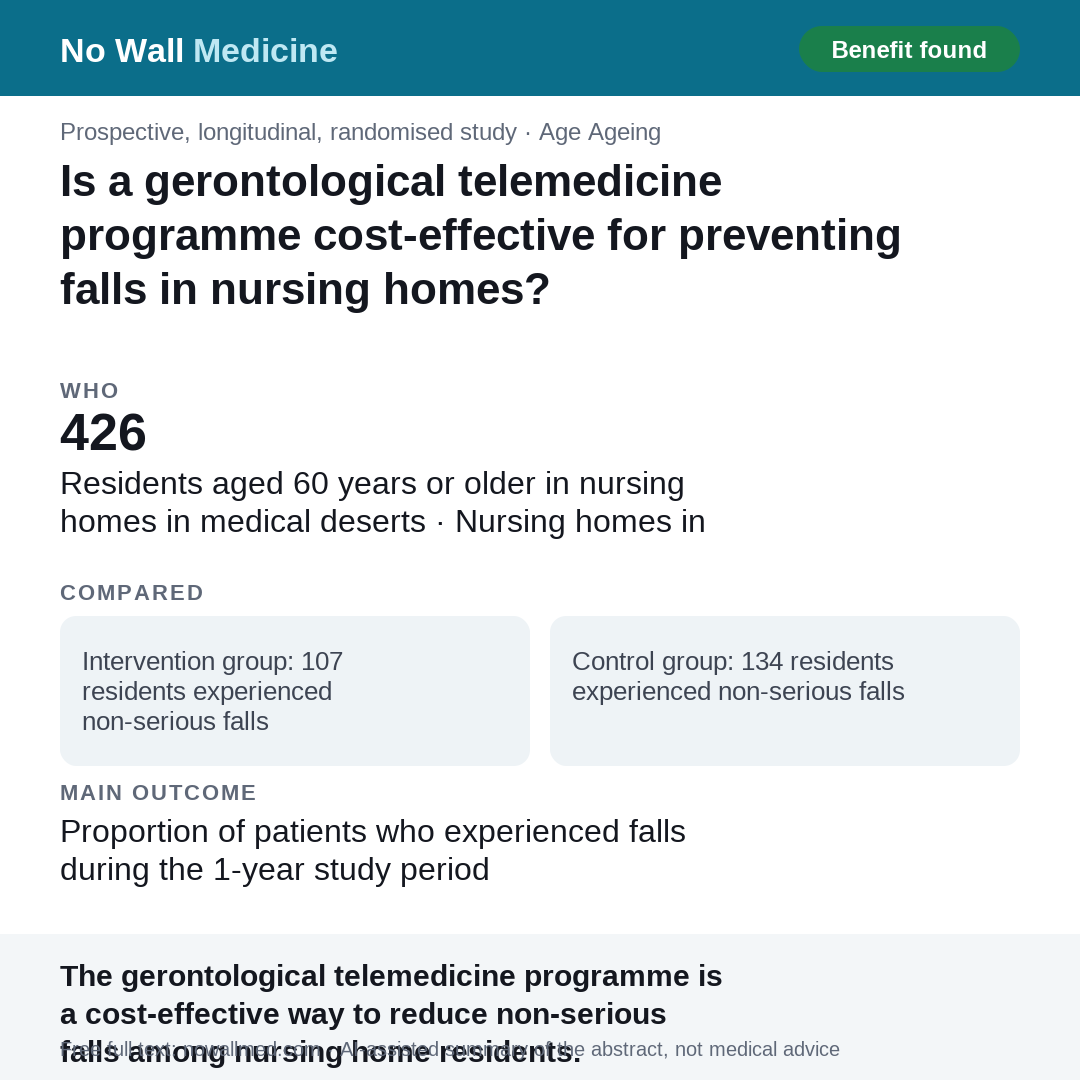
A person-centred ehealth intervention for fall prevention in nursing homes lacking geriatric expertise: cost-effectiveness analysis within a randomised controlled trial
Prospective, longitudinal, randomised studyBenefit found
Is a gerontological telemedicine programme cost-effective for preventing falls in nursing homes?
Who
426
Residents aged 60 years or older in nursing homes in medical deserts · Nursing homes in medical deserts
Compared
Intervention group: 107 residents experienced non-serious falls
Control group: 134 residents experienced non-serious falls
Main outcome
Proportion of patients who experienced falls during the 1-year study period
Bottom line: The gerontological telemedicine programme is a cost-effective way to reduce non-serious falls among nursing home residents.
Age Ageing · 2026-03-20Download image
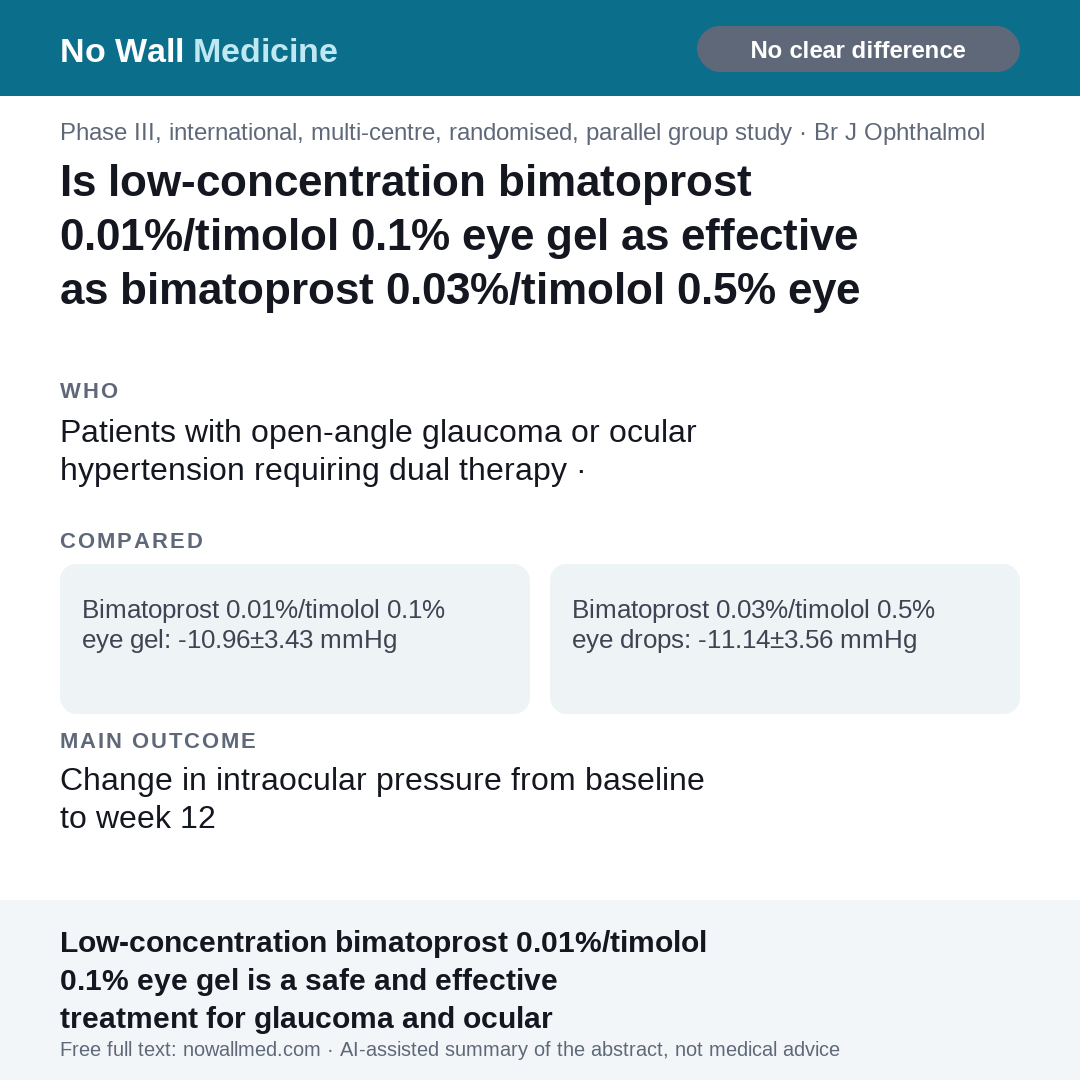
Low-concentration bimatoprost 0.01% and timolol 0.1% eye gel versus bimatoprost 0.03% and timolol 0.5% eye drops in open-angle glaucoma or ocular hypertension: a phase III randomised study
Phase III, international, multi-centre, randomised, parallel group studyNo clear difference
Is low-concentration bimatoprost 0.01%/timolol 0.1% eye gel as effective as bimatoprost 0.03%/timolol 0.5% eye drops?
Who
Patients with open-angle glaucoma or ocular hypertension requiring dual therapy · International, multi-centre
Compared
Bimatoprost 0.01%/timolol 0.1% eye gel: -10.96±3.43 mmHg
Bimatoprost 0.03%/timolol 0.5% eye drops: -11.14±3.56 mmHg
Main outcome
Change in intraocular pressure from baseline to week 12
Result: -0.04±0.24 mmHg (95% CI -0.51 to 0.43 mmHg)
Bottom line: Low-concentration bimatoprost 0.01%/timolol 0.1% eye gel is a safe and effective treatment for glaucoma and ocular hypertension.
Br J Ophthalmol · 2026-03-20Download image
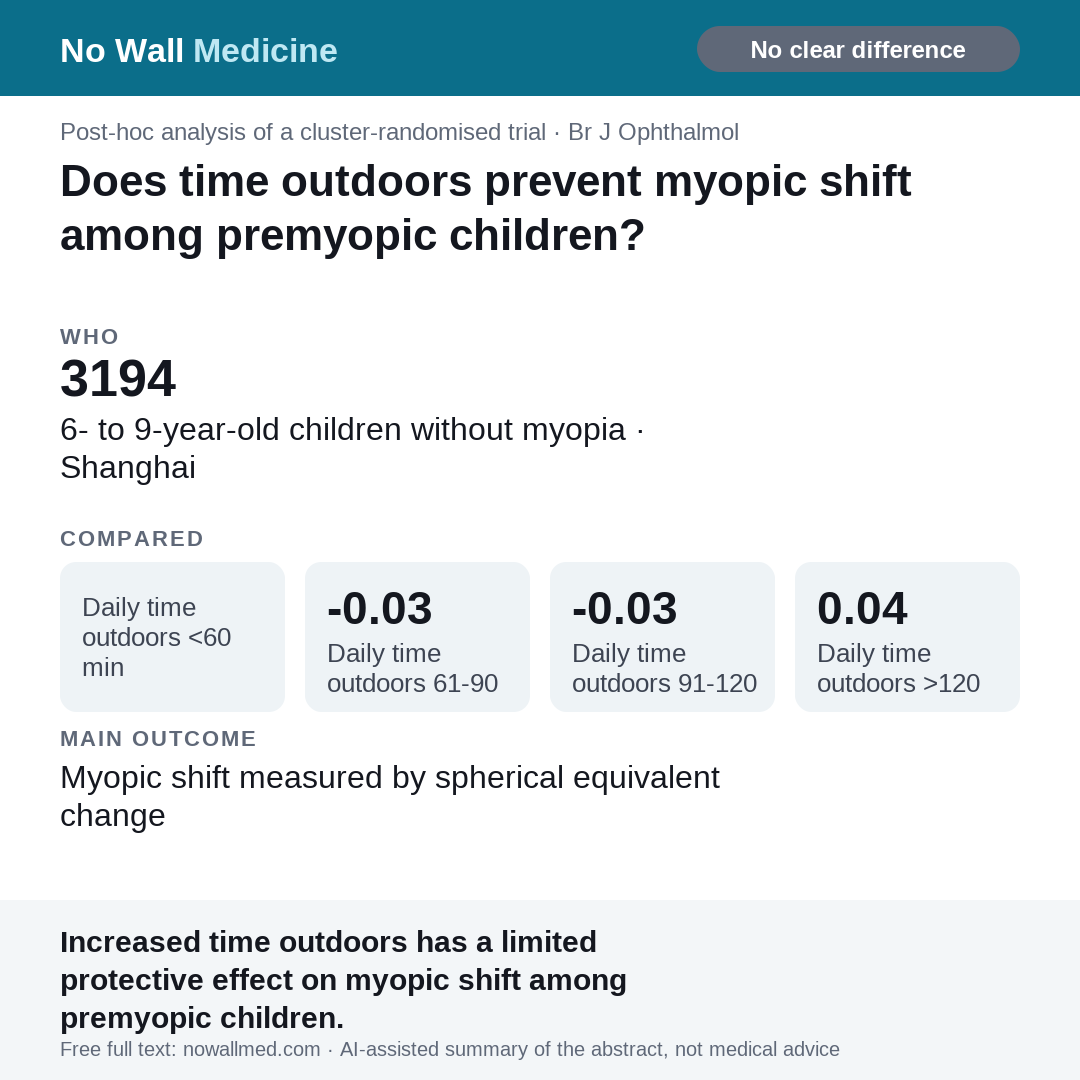
Time outdoors prevents myopia in hyperopic children, but protection is weaker in premyopic children: a post-hoc analysis of a cluster-randomised trial
Post-hoc analysis of a cluster-randomised trialNo clear difference
Does time outdoors prevent myopic shift among premyopic children?
Who
3194
6- to 9-year-old children without myopia · Shanghai
Compared
Daily time outdoors <60 min
-0.03Daily time outdoors 61-90 min/d (95% CI -0.10 to 0.05)
-0.03Daily time outdoors 91-120 min/d (95% CI -0.11 to 0.05)
0.04Daily time outdoors >120 min/d (95% CI -0.05 to 0.14)
Main outcome
Myopic shift measured by spherical equivalent change
Bottom line: Increased time outdoors has a limited protective effect on myopic shift among premyopic children.
Br J Ophthalmol · 2026-03-20Download image
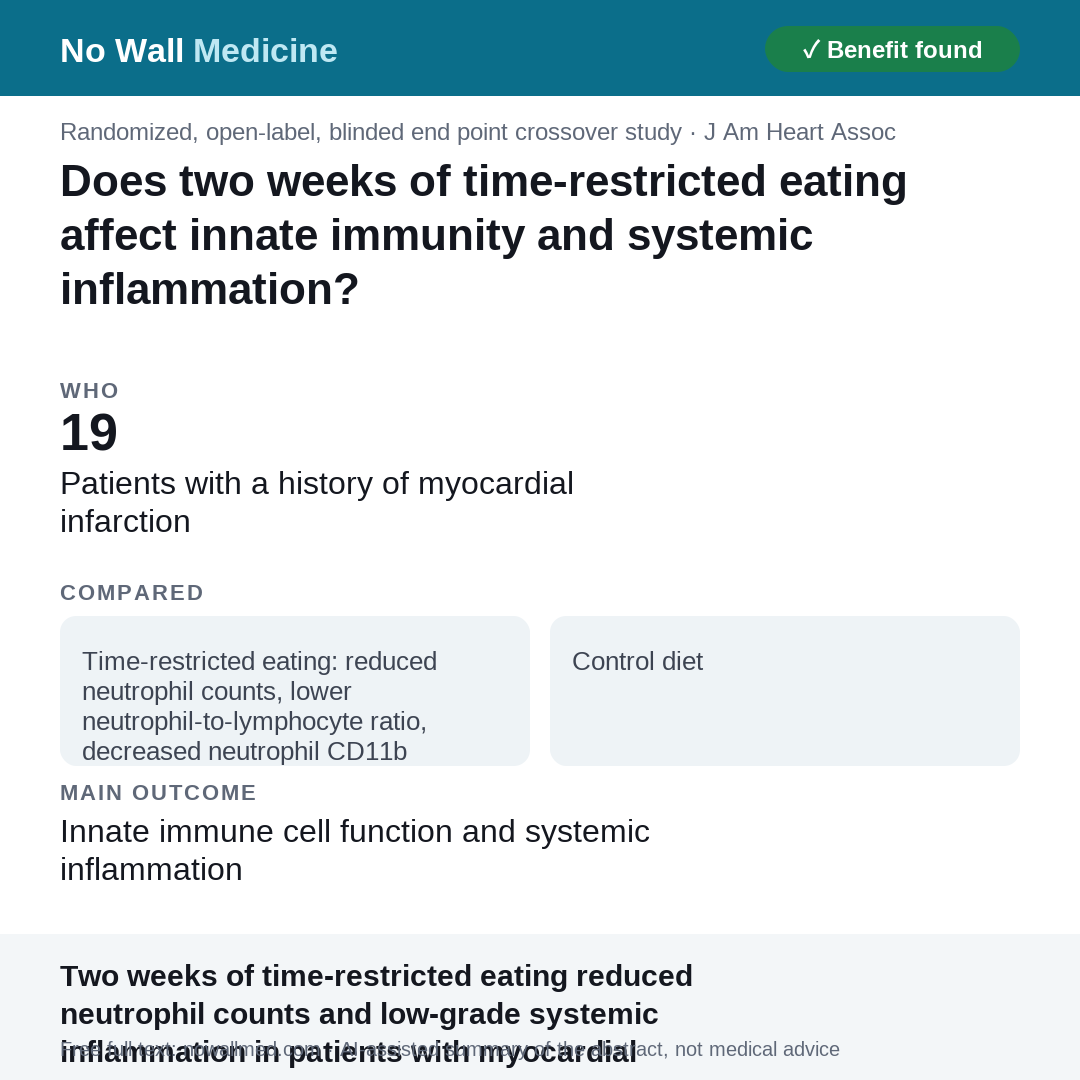
Effect of 2 Weeks of Time-Restricted Eating on Innate Immunity and Systemic Inflammation in Patients With a History of Myocardial Infarction: A Randomized-Controlled Crossover Study
Randomized, open-label, blinded end point crossover studyBenefit found
Does two weeks of time-restricted eating affect innate immunity and systemic inflammation?
Who
19
Patients with a history of myocardial infarction
Compared
Time-restricted eating: reduced neutrophil counts, lower neutrophil-to-lymphocyte ratio, decreased neutrophil CD11b expression
Control diet
Main outcome
Innate immune cell function and systemic inflammation
Bottom line: Two weeks of time-restricted eating reduced neutrophil counts and low-grade systemic inflammation in patients with myocardial infarction.
J Am Heart Assoc · 2026-03-20Download image
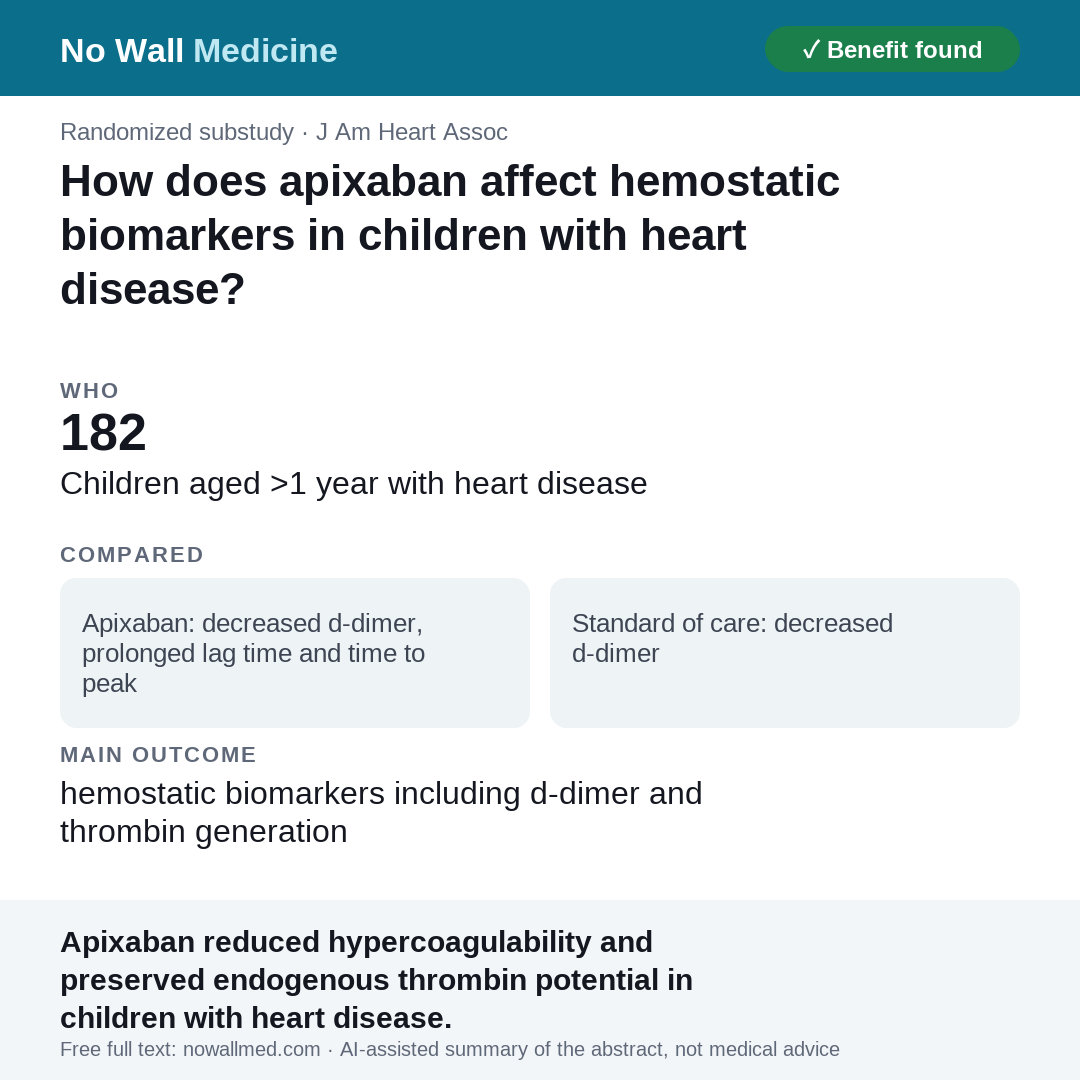
Ex Vivo Effect of Apixaban on Hemostatic Biomarkers in Children With Heart Disease: A SAXOPHONE Trial Substudy
Randomized substudyBenefit found
How does apixaban affect hemostatic biomarkers in children with heart disease?
Who
182
Children aged >1 year with heart disease
Compared
Apixaban: decreased d-dimer, prolonged lag time and time to peak
Standard of care: decreased d-dimer
Main outcome
hemostatic biomarkers including d-dimer and thrombin generation
Bottom line: Apixaban reduced hypercoagulability and preserved endogenous thrombin potential in children with heart disease.
J Am Heart Assoc · 2026-03-20Download image
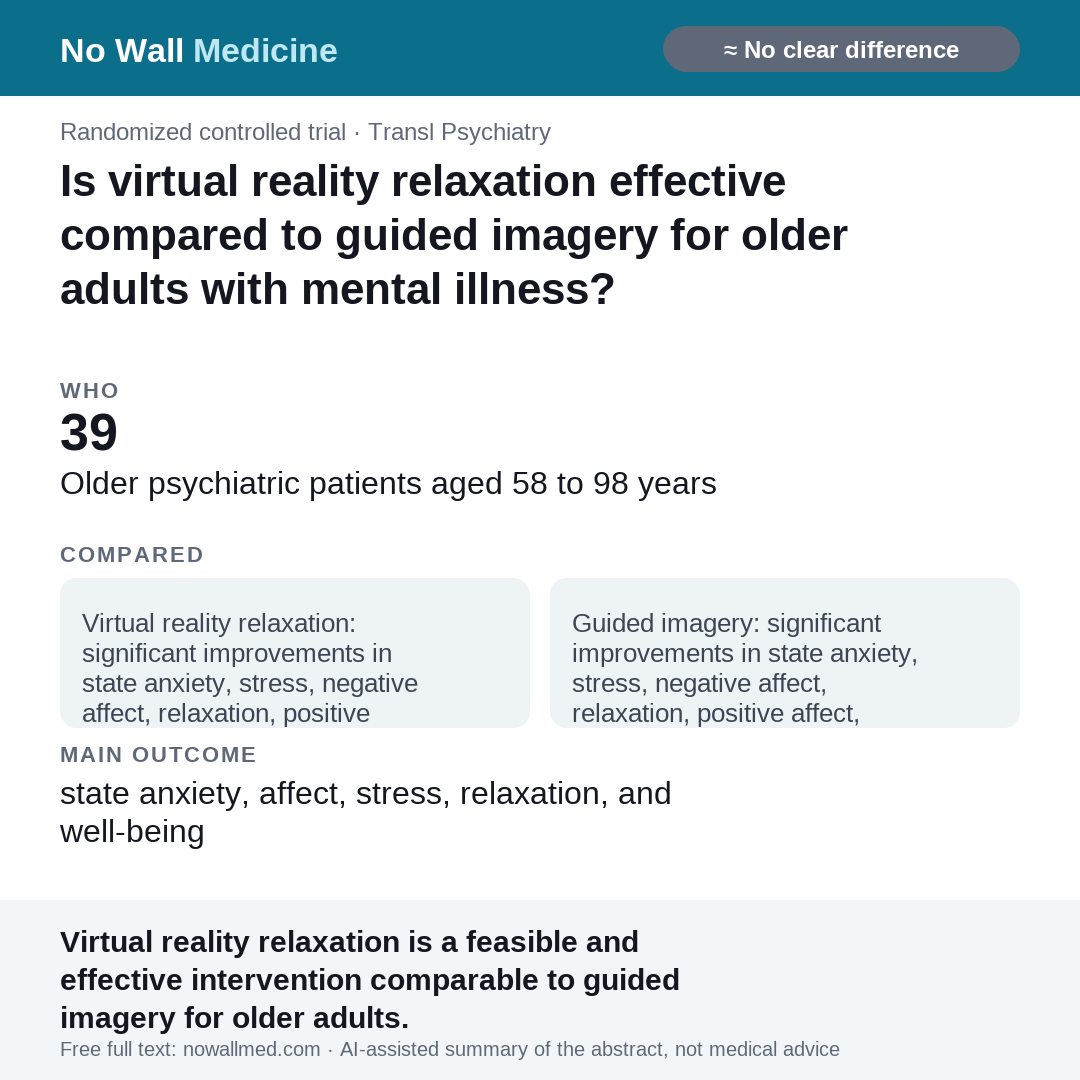
Managing emotional distress in older adults with mental illness: a randomized controlled trial evaluating virtual reality relaxation
Randomized controlled trialNo clear difference
Is virtual reality relaxation effective compared to guided imagery for older adults with mental illness?
Who
39
Older psychiatric patients aged 58 to 98 years
Compared
Virtual reality relaxation: significant improvements in state anxiety, stress, negative affect, relaxation, positive affect, and well-being
Guided imagery: significant improvements in state anxiety, stress, negative affect, relaxation, positive affect, and well-being
Main outcome
state anxiety, affect, stress, relaxation, and well-being
Bottom line: Virtual reality relaxation is a feasible and effective intervention comparable to guided imagery for older adults.
Transl Psychiatry · 2026-03-20Download image
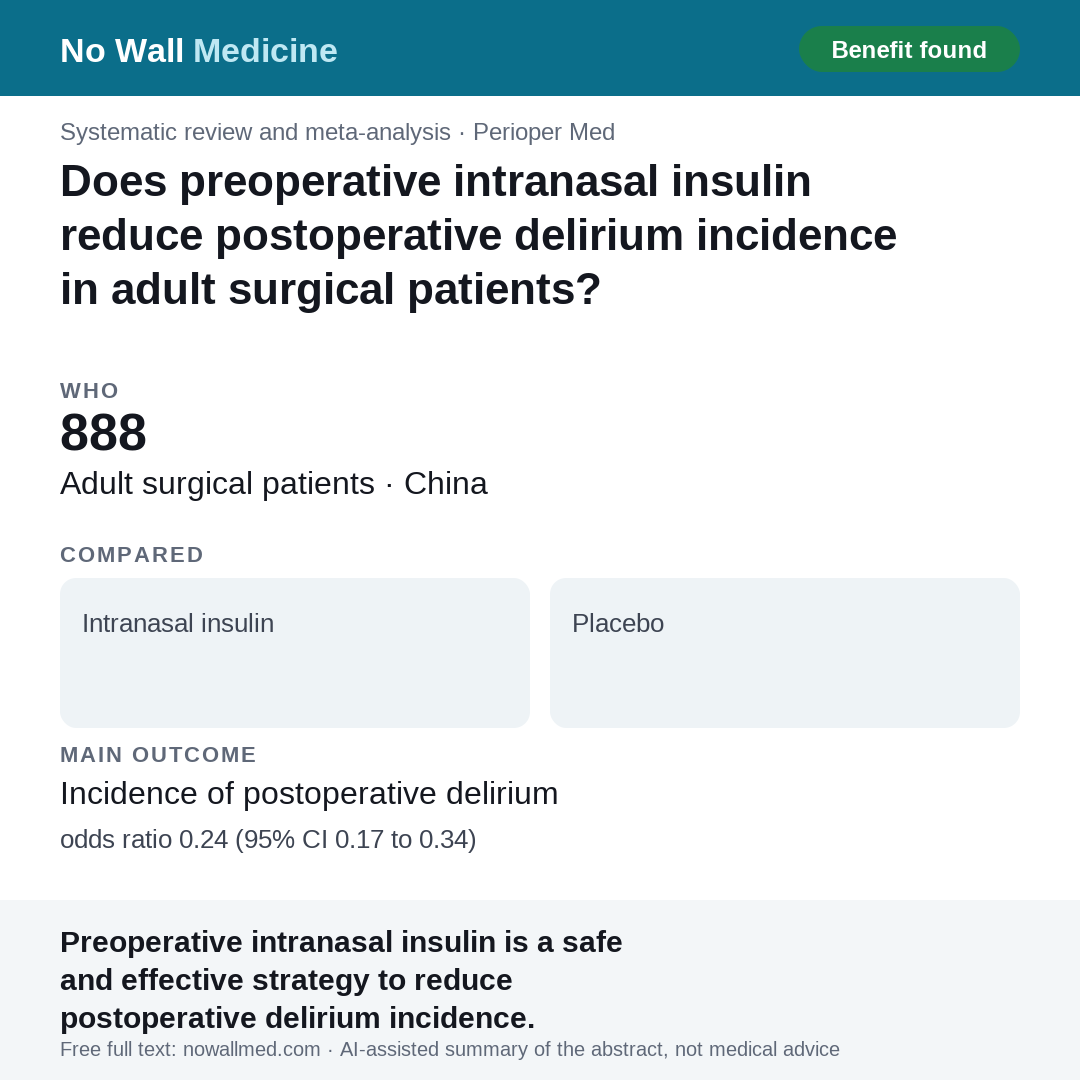
Effect of preoperative intranasal insulin on postoperative delirium in adult surgical patients: a systematic review, meta-analysis, and trial sequential analysis
Systematic review and meta-analysisBenefit found
Does preoperative intranasal insulin reduce postoperative delirium incidence in adult surgical patients?
Who
888
Adult surgical patients · China
Compared
Intranasal insulin
Placebo
Main outcome
Incidence of postoperative delirium
Result: odds ratio 0.24 (95% CI 0.17 to 0.34)
Bottom line: Preoperative intranasal insulin is a safe and effective strategy to reduce postoperative delirium incidence.
Perioper Med · 2026-03-20Download image