Visual abstracts
New randomized trials and meta-analyses from leading journals at a glance: who was studied, what was compared, and what was found. Every paper is free to read in full.
All specialtiesCardiology 857Oncology 770Gastroenterology & Hepatology 311Infectious Disease 626Neurology 354Psychiatry & Mental Health 430Pulmonology 370Critical Care 260Endocrinology & Diabetes 484Pediatrics 542Surgery 351Orthopedics & Sports Medicine 166Neurosurgery 115Cardiothoracic & Vascular Surgery 87Plastic & Reconstructive Surgery 144Nephrology 197Rheumatology 108Hematology 183Dermatology 82Ophthalmology 97Obstetrics & Gynecology 266Public & Global Health 168Radiology & Imaging 105Anesthesiology 130Urology 162ENT (Otolaryngology) 115Emergency Medicine 103Allergy & Immunology 58Geriatrics 160Family Medicine & Primary Care 111Medical Genetics & Genomics 91Pathology & Laboratory Medicine 27Physical Medicine & Rehabilitation 149Palliative Care 81Nutrition 223Digital Health & AI 462General Medicine 101
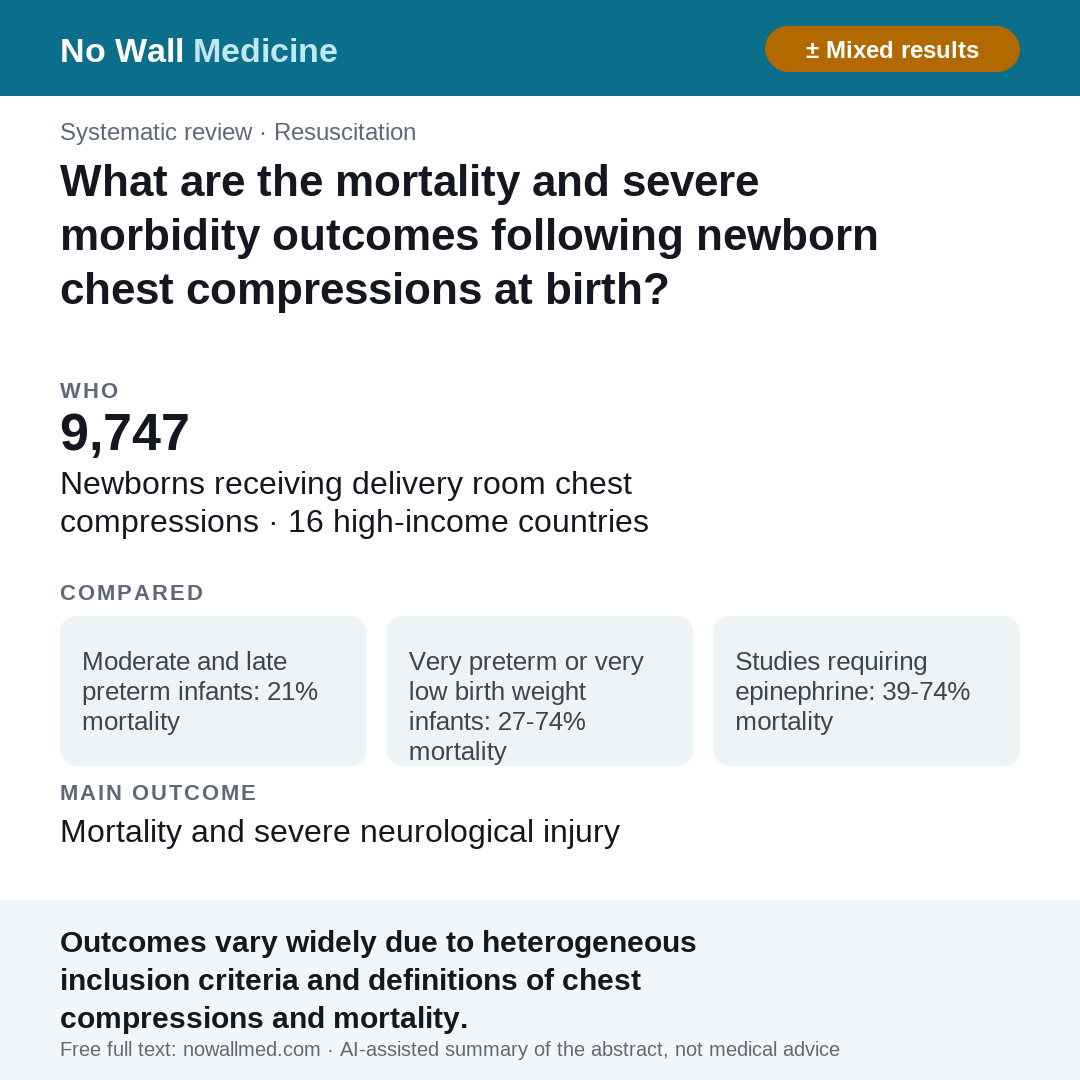
A systematic review of mortality and severe morbidities following newborn chest compressions at birth
Systematic reviewMixed results
What are the mortality and severe morbidity outcomes following newborn chest compressions at birth?
Who
9,747
Newborns receiving delivery room chest compressions · 16 high-income countries
Compared
Moderate and late preterm infants: 21% mortality
Very preterm or very low birth weight infants: 27-74% mortality
Studies requiring epinephrine: 39-74% mortality
Main outcome
Mortality and severe neurological injury
Bottom line: Outcomes vary widely due to heterogeneous inclusion criteria and definitions of chest compressions and mortality.
Limitation: Heterogeneity in inclusion criteria and sparse evidence for low- and middle-income countries.
Resuscitation · 2026-04-30Download image
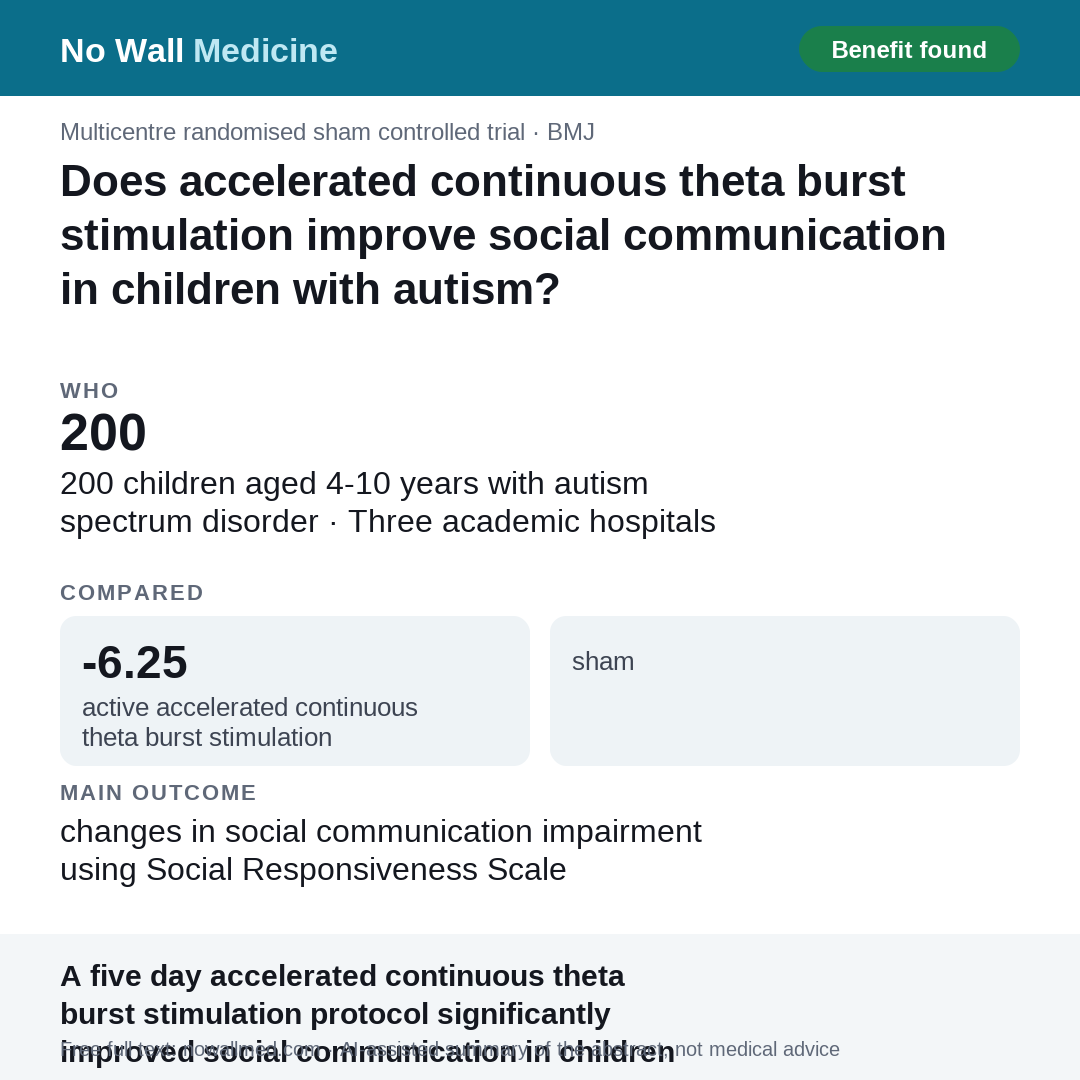
Accelerated continuous theta burst stimulation targeting left primary motor cortex for children with autism spectrum disorder: multicentre randomised sham controlled trial
Multicentre randomised sham controlled trialBenefit found
Does accelerated continuous theta burst stimulation improve social communication in children with autism?
Who
200
200 children aged 4-10 years with autism spectrum disorder · Three academic hospitals in China
Compared
-6.25active accelerated continuous theta burst stimulation (95% confidence interval -8.69 to -3.81)
sham
Main outcome
changes in social communication impairment using Social Responsiveness Scale
Result: -6.25 (95% confidence interval -8.69 to -3.81)
Bottom line: A five day accelerated continuous theta burst stimulation protocol significantly improved social communication in children with autism spectrum disorder.
BMJ · 2026-04-29Download image
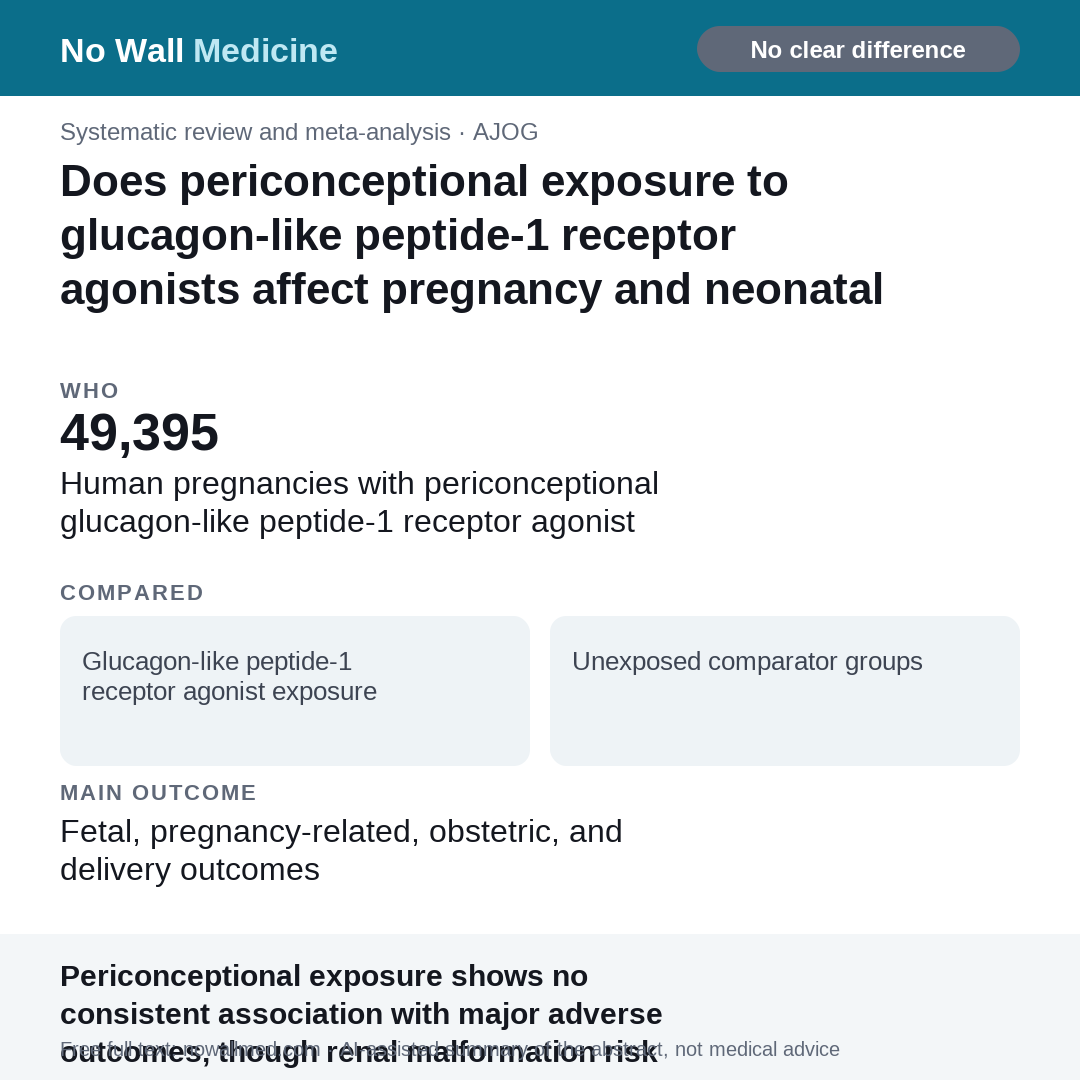
Neonatal and obstetric outcomes following periconceptional exposure to glucagon-like peptide-1 receptor agonists: a systematic review and meta-analysis
Systematic review and meta-analysisNo clear difference
Does periconceptional exposure to glucagon-like peptide-1 receptor agonists affect pregnancy and neonatal outcomes?
Who
49,395
Human pregnancies with periconceptional glucagon-like peptide-1 receptor agonist exposure
Compared
Glucagon-like peptide-1 receptor agonist exposure
Unexposed comparator groups
Main outcome
Fetal, pregnancy-related, obstetric, and delivery outcomes
Result: odds ratio 1.23 (95% confidence interval 1.09-1.39) for renal malformations
Bottom line: Periconceptional exposure shows no consistent association with major adverse outcomes, though renal malformation risk requires cautious interpretation.
Limitation: Renal malformation risk likely reflects residual confounding by maternal disease severity.
AJOG · 2026-04-28Download image
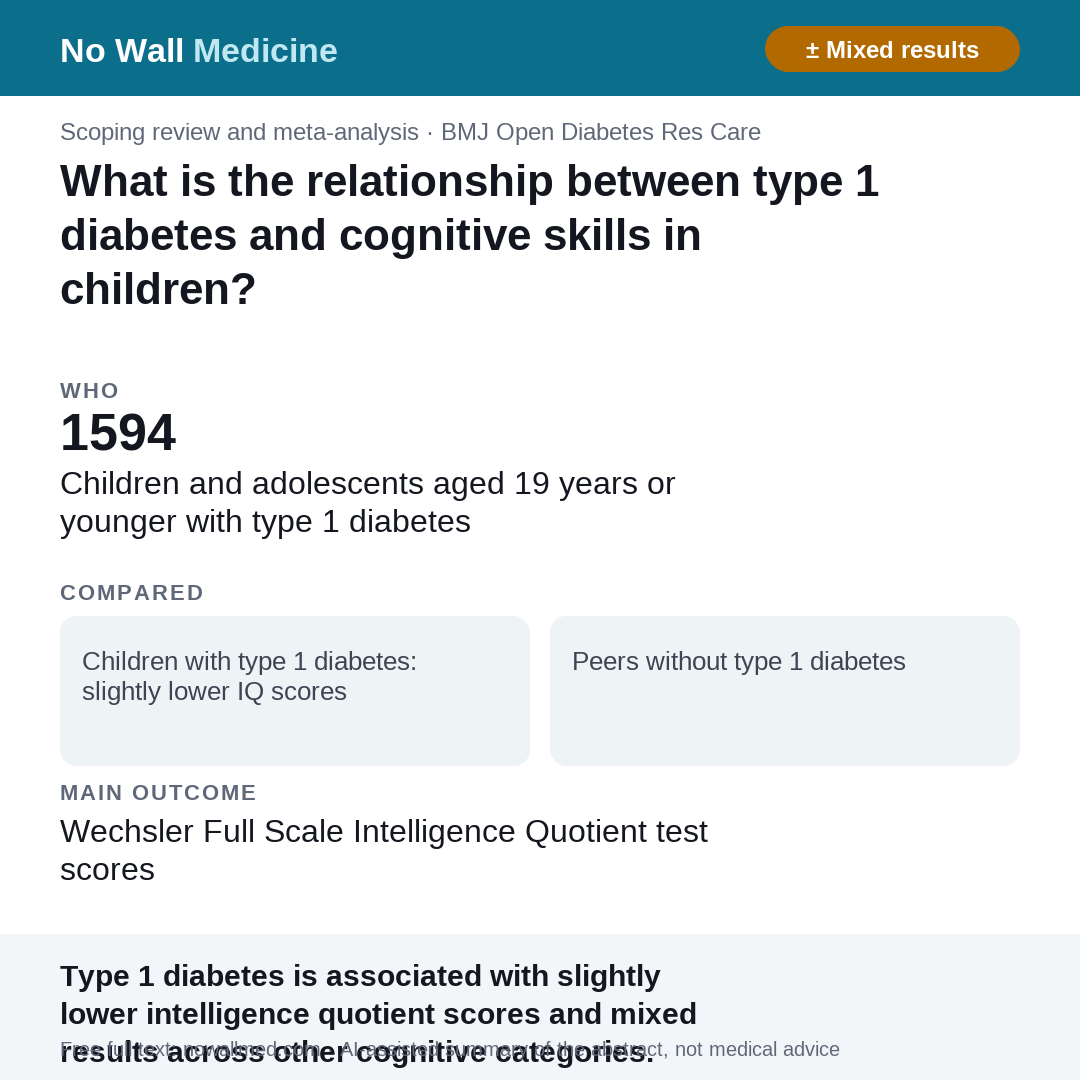
Cognitive skills in children and adolescents with type 1 diabetes: a scoping review and meta-analysis
Scoping review and meta-analysisMixed results
What is the relationship between type 1 diabetes and cognitive skills in children?
Who
1594
Children and adolescents aged 19 years or younger with type 1 diabetes
Compared
Children with type 1 diabetes: slightly lower IQ scores
Peers without type 1 diabetes
Main outcome
Wechsler Full Scale Intelligence Quotient test scores
Result: mean difference -3.49 (95% CI -6.16 to -0.82)
Bottom line: Type 1 diabetes is associated with slightly lower intelligence quotient scores and mixed results across other cognitive categories.
BMJ Open Diabetes Res Care · 2026-04-28Download image
Safety and efficacy of the monoclonal antibody L9LS for malaria prevention in children exposed to perennial malaria transmission in Kenya: a randomised, double-blind, placebo-controlled, phase 2 trial
Randomised, double-blind trialBenefit found
Is L9LS safe and effective for malaria prevention
Who
384
Children exposed to perennial malaria transmission · Western Kenya
Compared
66%Two-dose L9LS (70/106)
83%Placebo (91/110)
Main outcome
Plasmodium falciparum infection
Result: protective efficacy 42·7% (95% CI 22·5-57·7)
Bottom line: L9LS prevents malaria in young children
Funded by: Gates Foundation
Lancet · 2026-04-27Download image

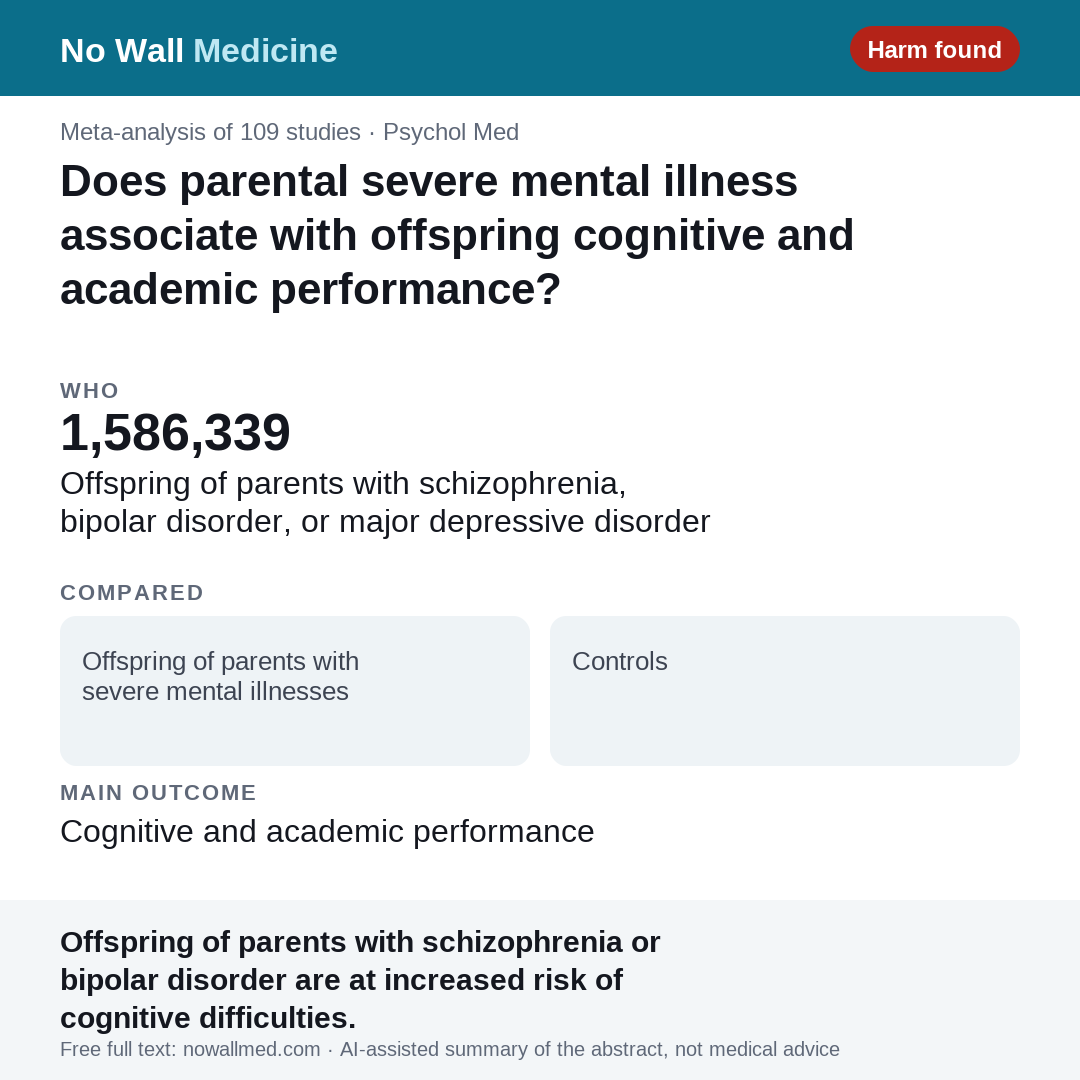
Cognitive performance in offspring of parents with severe mental illness: a meta-analysis
Meta-analysis of 109 studiesHarm found
Does parental severe mental illness associate with offspring cognitive and academic performance?
Who
1,586,339
Offspring of parents with schizophrenia, bipolar disorder, or major depressive disorder
Compared
Offspring of parents with severe mental illnesses
Controls
Main outcome
Cognitive and academic performance
Bottom line: Offspring of parents with schizophrenia or bipolar disorder are at increased risk of cognitive difficulties.
Psychol Med · 2026-04-27Download image
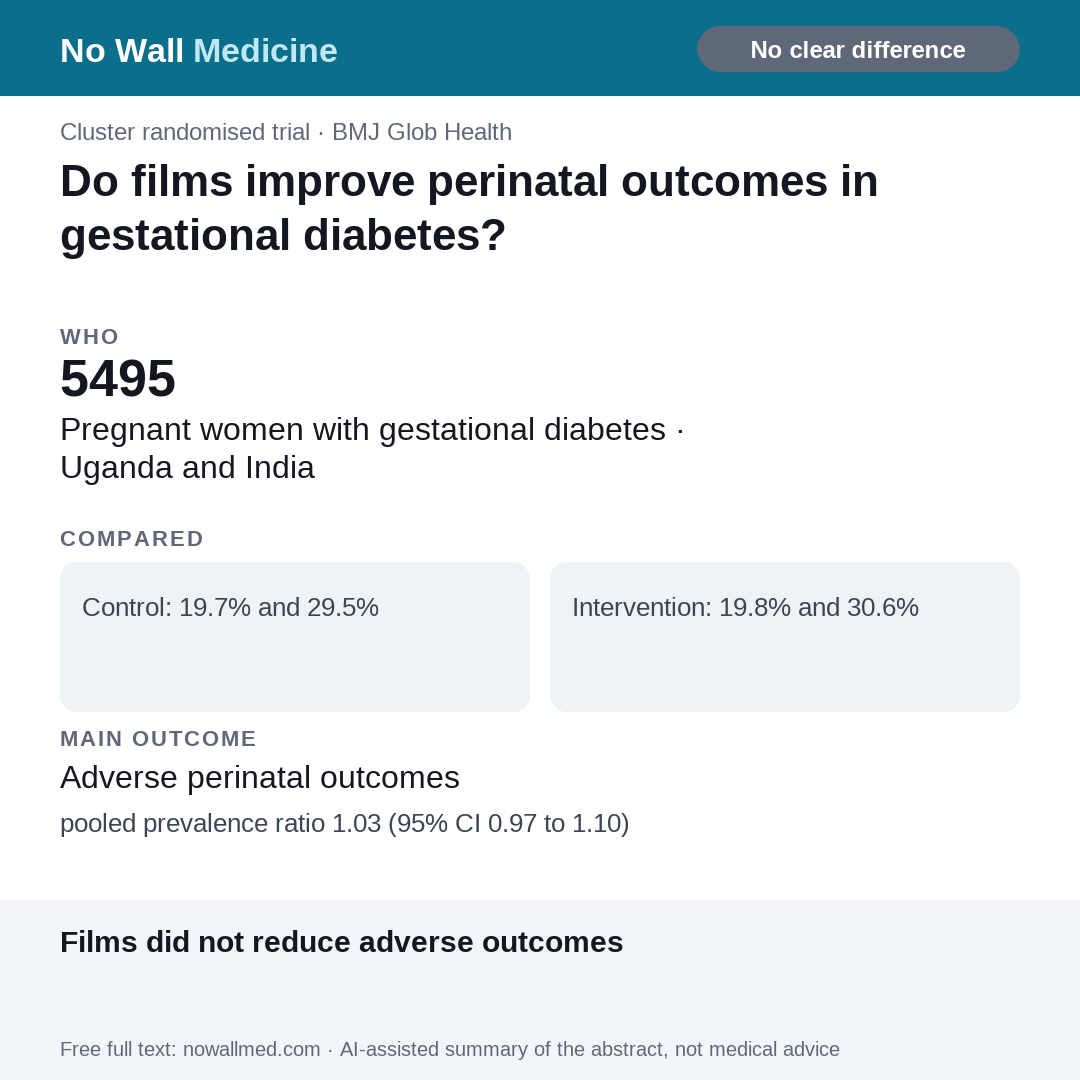
Educational films for improving perinatal outcomes associated with gestational diabetes in Uganda and India: a cluster randomised trial
Cluster randomised trialNo clear difference
Do films improve perinatal outcomes in gestational diabetes?
Who
5495
Pregnant women with gestational diabetes · Uganda and India
Compared
Control: 19.7% and 29.5%
Intervention: 19.8% and 30.6%
Main outcome
Adverse perinatal outcomes
Result: pooled prevalence ratio 1.03 (95% CI 0.97 to 1.10)
Bottom line: Films did not reduce adverse outcomes
BMJ Glob Health · 2026-04-27Download image
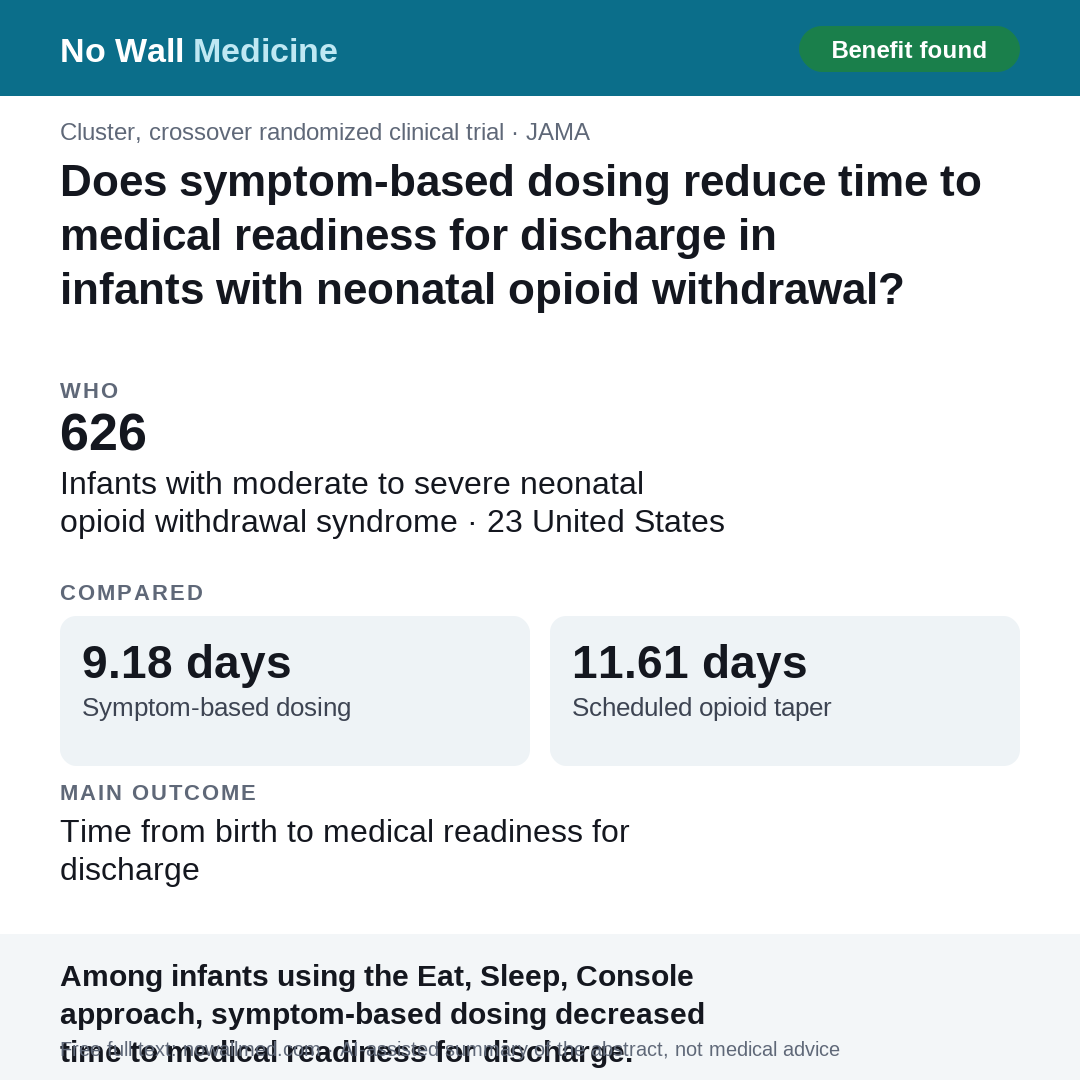
Symptom-Based Dosing for Neonatal Opioid Withdrawal: The OPTimize NOW Randomized Clinical Trial
Cluster, crossover randomized clinical trialBenefit found
Does symptom-based dosing reduce time to medical readiness for discharge in infants with neonatal opioid withdrawal?
Who
626
Infants with moderate to severe neonatal opioid withdrawal syndrome · 23 United States hospitals
Compared
9.18 daysSymptom-based dosing
11.61 daysScheduled opioid taper
Main outcome
Time from birth to medical readiness for discharge
Result: adjusted mean ratio 0.79 (95% CI 0.65-0.96)
Bottom line: Among infants using the Eat, Sleep, Console approach, symptom-based dosing decreased time to medical readiness for discharge.
JAMA · 2026-04-26Download image
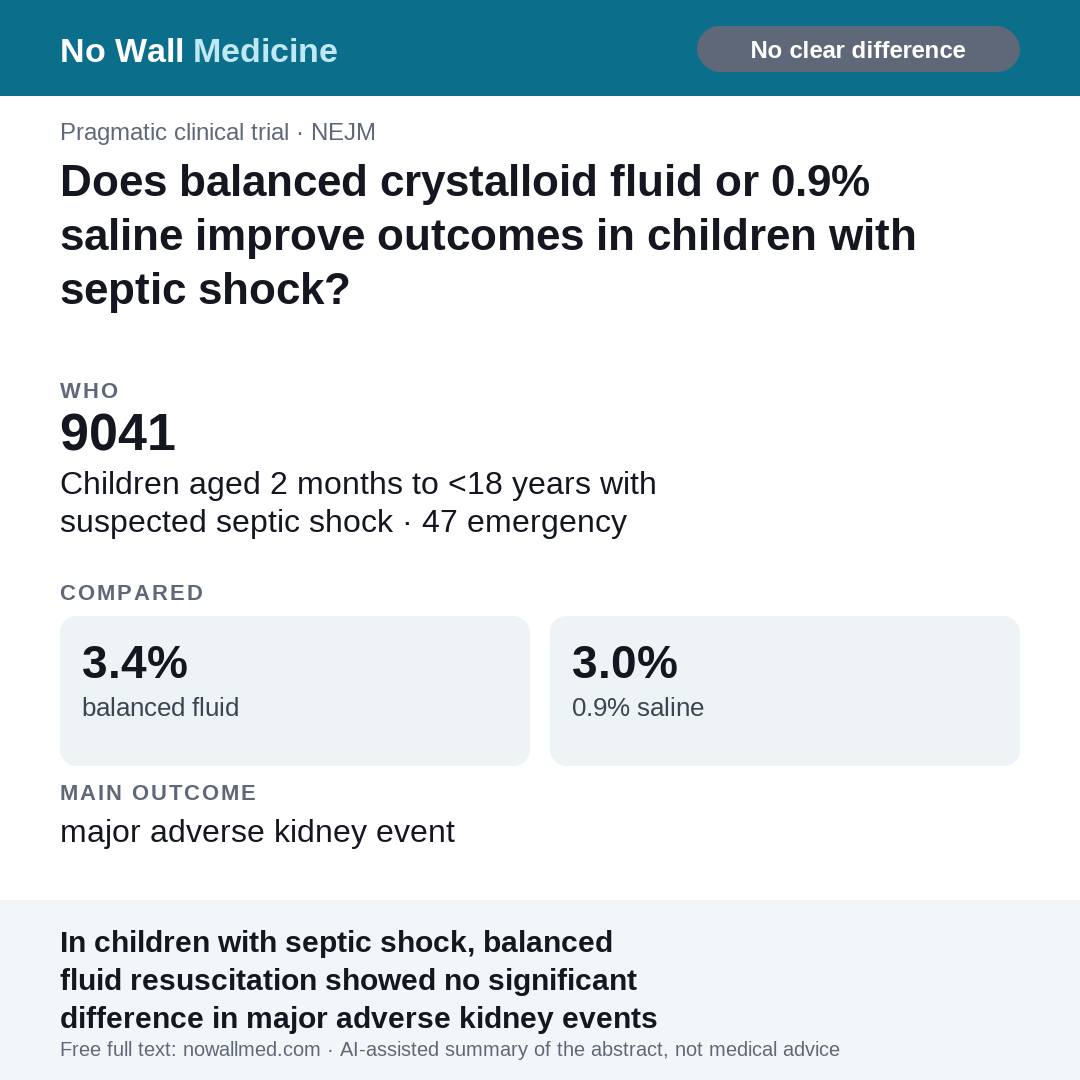
Balanced Fluid or 0.9% Saline in Children Treated for Septic Shock
Pragmatic clinical trialNo clear difference
Does balanced crystalloid fluid or 0.9% saline improve outcomes in children with septic shock?
Who
9041
Children aged 2 months to <18 years with suspected septic shock · 47 emergency departments in five countries
Compared
3.4%balanced fluid
3.0%0.9% saline
Main outcome
major adverse kidney event
Result: risk ratio 1.10 (95% CI 0.88 to 1.40)
Bottom line: In children with septic shock, balanced fluid resuscitation showed no significant difference in major adverse kidney events compared to 0.9% saline.
Funded by: Eunice Kennedy Shriver National Institute of Child Health and Human Development
NEJM · 2026-04-24Download image
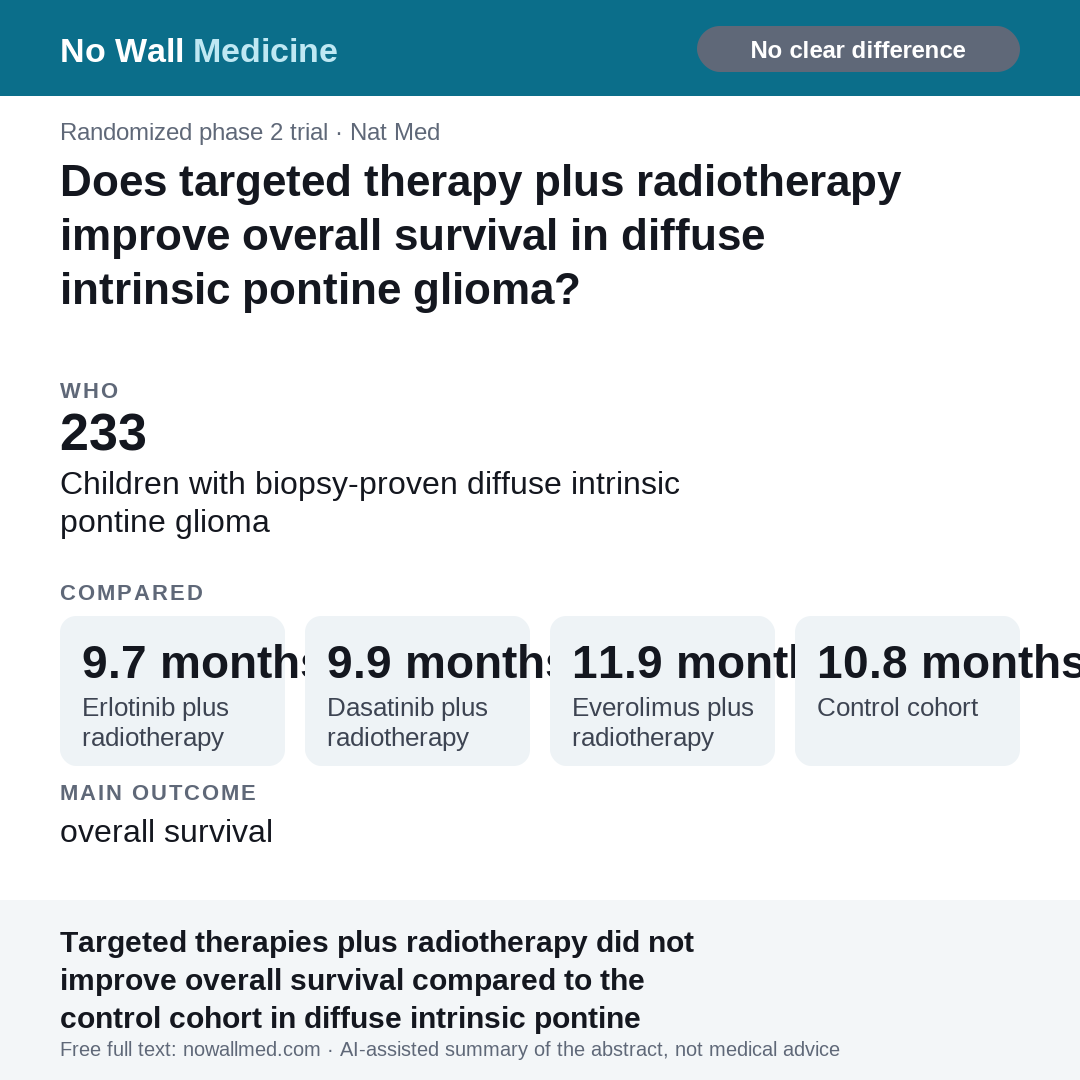
Targeted therapies plus radiotherapy for diffuse intrinsic pontine glioma: the randomized phase 2 BIOMEDE trial
Randomized phase 2 trialNo clear difference
Does targeted therapy plus radiotherapy improve overall survival in diffuse intrinsic pontine glioma?
Who
233
Children with biopsy-proven diffuse intrinsic pontine glioma
Compared
9.7 monthsErlotinib plus radiotherapy (95% CI: 7.8-14.6)
9.9 monthsDasatinib plus radiotherapy (95% CI: 8.8-11.2)
11.9 monthsEverolimus plus radiotherapy (95% CI: 10.7-14.2)
10.8 monthsControl cohort (95% CI: 9.5-13.0)
Main outcome
overall survival
Bottom line: Targeted therapies plus radiotherapy did not improve overall survival compared to the control cohort in diffuse intrinsic pontine glioma.
Nat Med · 2026-04-24Download image
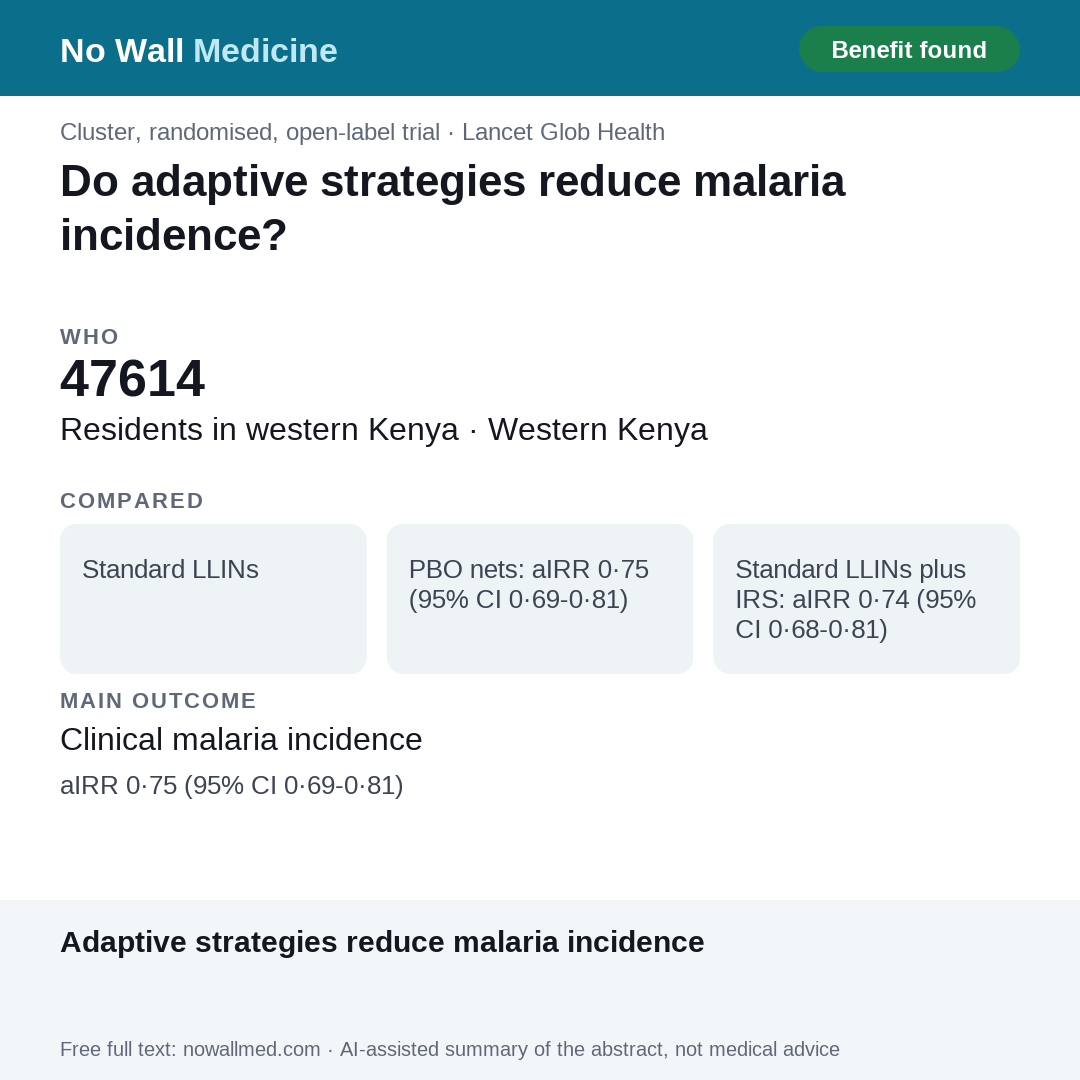
Adaptive intervention strategies for malaria vector control in western Kenya: a cluster, sequential, multiple-assignment, randomised, open-label trial
Cluster, randomised, open-label trialBenefit found
Do adaptive strategies reduce malaria incidence?
Who
47614
Residents in western Kenya · Western Kenya
Compared
Standard LLINs
PBO nets: aIRR 0·75 (95% CI 0·69-0·81)
Standard LLINs plus IRS: aIRR 0·74 (95% CI 0·68-0·81)
Main outcome
Clinical malaria incidence
Result: aIRR 0·75 (95% CI 0·69-0·81)
Bottom line: Adaptive strategies reduce malaria incidence
Funded by: US National Institutes of Health
Lancet Glob Health · 2026-04-24Download image
Effectiveness of Digital Serious Games on Knowledge and Attitudes in Public Health Education: Systematic Review and Bayesian Network Meta-Analysis of Randomized Controlled Trials
Systematic review and Bayesian network meta-analysisBenefit found
Do digital serious games improve public health knowledge and attitudes compared to traditional education?
Who
8764
Nonprofessional participants · 19 countries
Compared
Digital serious games
Traditional or noninteractive education
Main outcome
Public health knowledge and attitudes
Result: knowledge standardized mean difference 0.66 (95% CI 0.32-0.99); attitudes standardized mean difference 0.50 (95% CI 0.27-0.76)
Bottom line: Digital serious games significantly improve public health knowledge and attitudes compared to traditional or noninteractive education methods.
Limitation: Future research requires adequately powered trials, longer follow-up, and standardized frameworks.
J Med Internet Res · 2026-04-24Download image

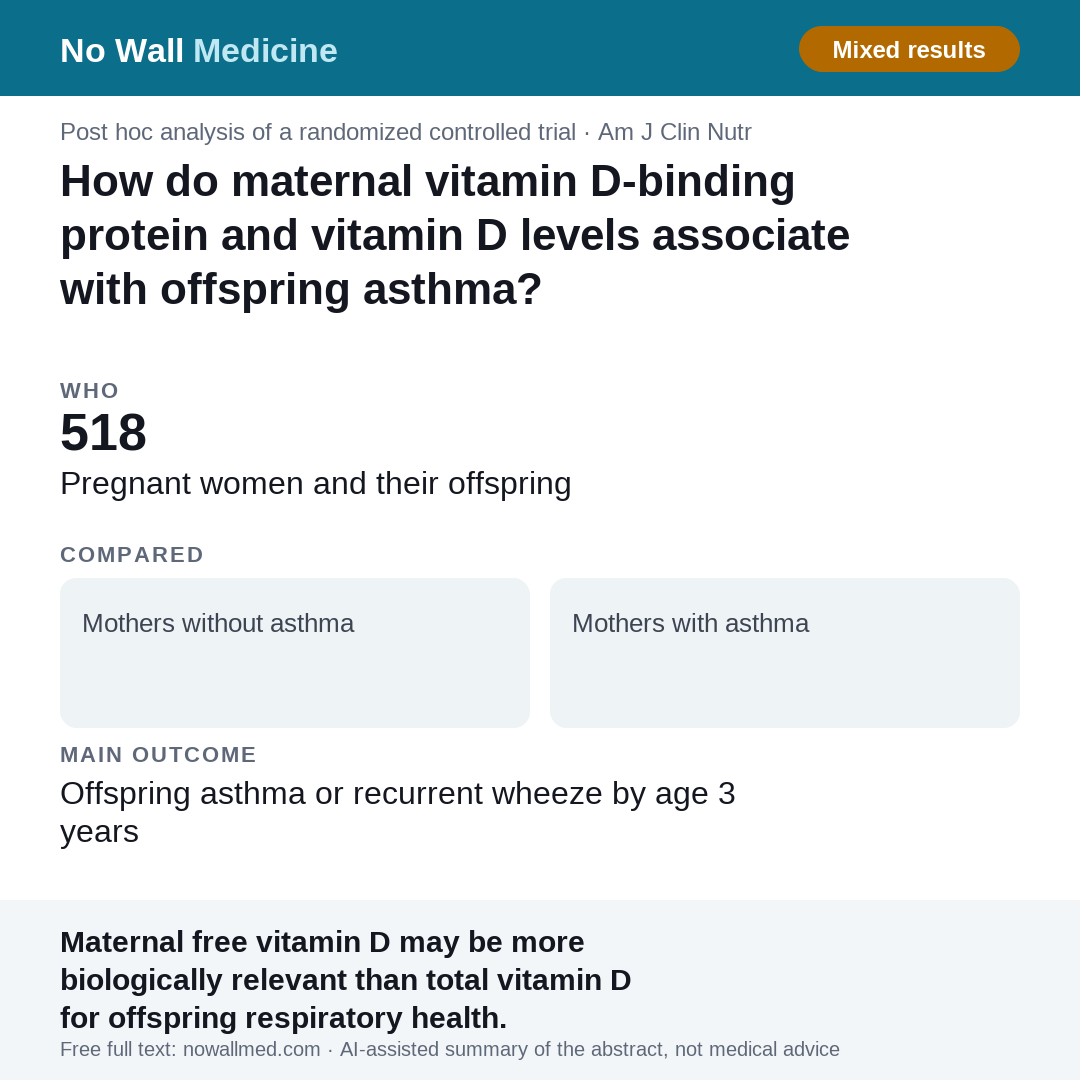
Exploring associations between maternal vitamin D-binding protein, vitamin D, and offspring asthma/recurrent wheeze
Post hoc analysis of a randomized controlled trialMixed results
How do maternal vitamin D-binding protein and vitamin D levels associate with offspring asthma?
Who
518
Pregnant women and their offspring
Compared
Mothers without asthma
Mothers with asthma
Main outcome
Offspring asthma or recurrent wheeze by age 3 years
Bottom line: Maternal free vitamin D may be more biologically relevant than total vitamin D for offspring respiratory health.
Am J Clin Nutr · 2026-04-23Download image
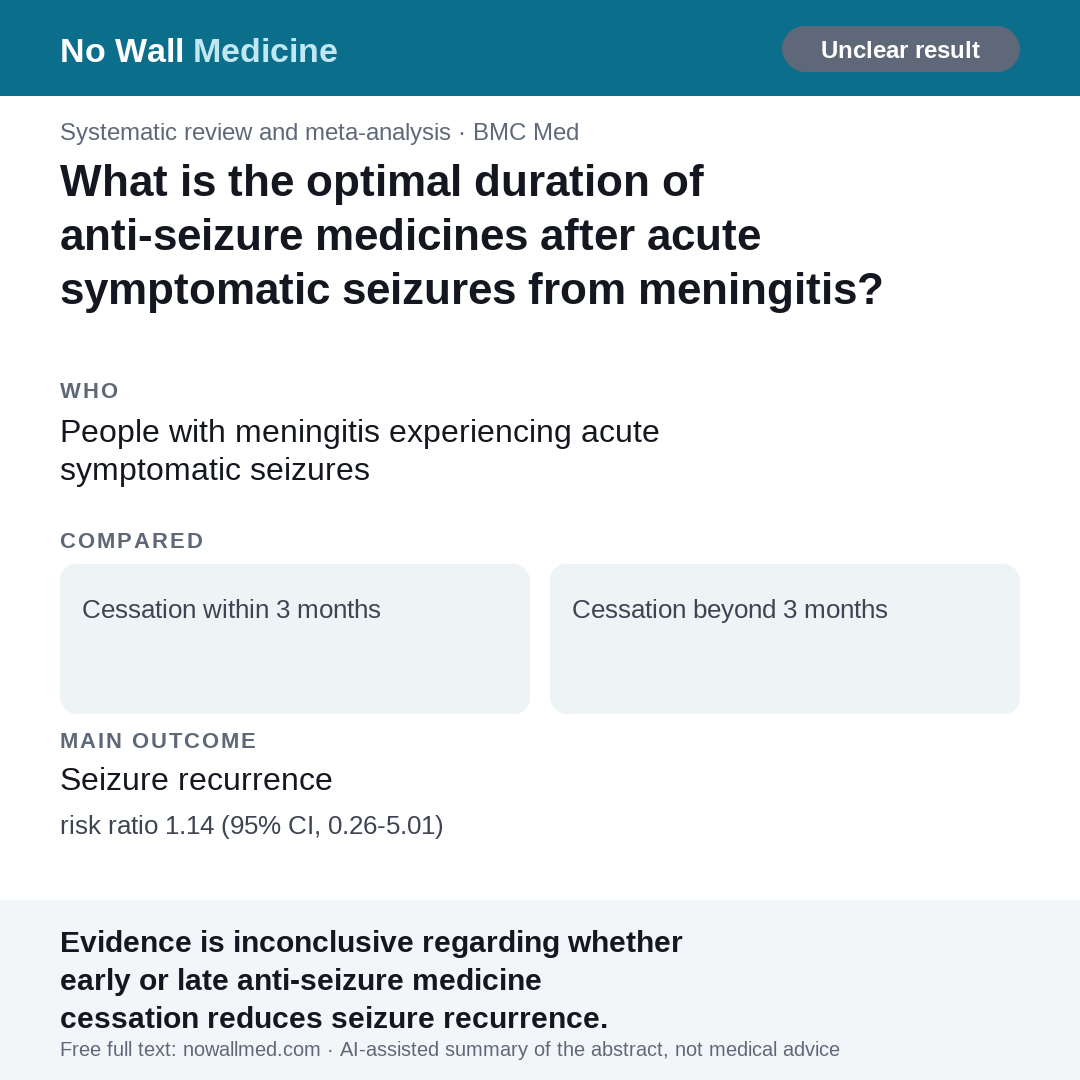
Duration of anti-seizure medicines started for acute symptomatic seizures due to acute meningitis: a systematic review and meta-analysis
Systematic review and meta-analysisUnclear result
What is the optimal duration of anti-seizure medicines after acute symptomatic seizures from meningitis?
Who
People with meningitis experiencing acute symptomatic seizures
Compared
Cessation within 3 months
Cessation beyond 3 months
Main outcome
Seizure recurrence
Result: risk ratio 1.14 (95% CI, 0.26-5.01)
Bottom line: Evidence is inconclusive regarding whether early or late anti-seizure medicine cessation reduces seizure recurrence.
BMC Med · 2026-04-22Download image
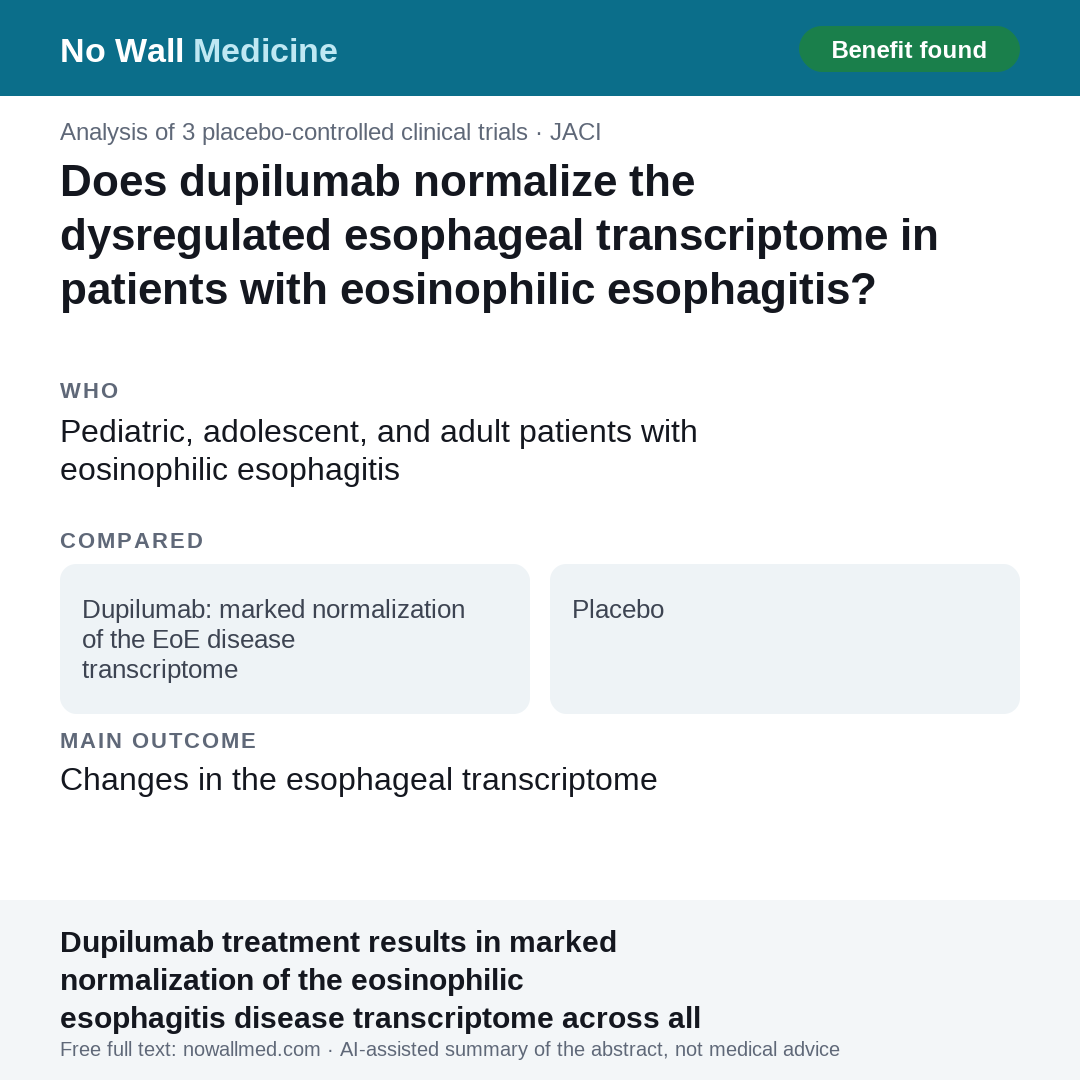
Dupilumab normalizes the eosinophilic esophagitis disease transcriptome
Analysis of 3 placebo-controlled clinical trialsBenefit found
Does dupilumab normalize the dysregulated esophageal transcriptome in patients with eosinophilic esophagitis?
Who
Pediatric, adolescent, and adult patients with eosinophilic esophagitis
Compared
Dupilumab: marked normalization of the EoE disease transcriptome
Placebo
Main outcome
Changes in the esophageal transcriptome
Bottom line: Dupilumab treatment results in marked normalization of the eosinophilic esophagitis disease transcriptome across all age groups.
JACI · 2026-04-22Download image
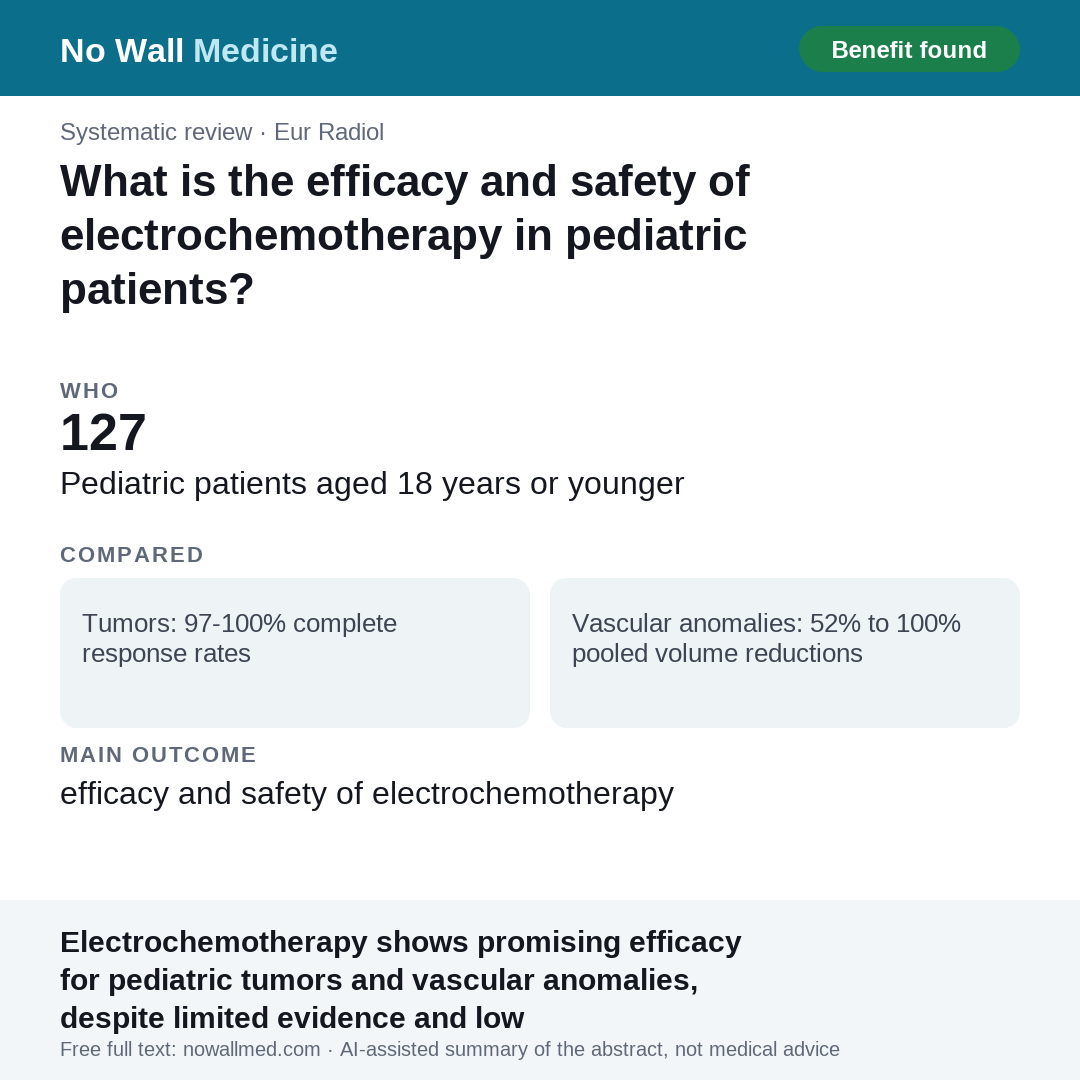
Electrochemotherapy in pediatrics: a systematic review
Systematic reviewBenefit found
What is the efficacy and safety of electrochemotherapy in pediatric patients?
Who
127
Pediatric patients aged 18 years or younger
Compared
Tumors: 97-100% complete response rates
Vascular anomalies: 52% to 100% pooled volume reductions
Main outcome
efficacy and safety of electrochemotherapy
Bottom line: Electrochemotherapy shows promising efficacy for pediatric tumors and vascular anomalies, despite limited evidence and low methodological quality.
Limitation: Low methodological quality, small sample sizes, and inconsistent reporting of multiple parameters.
Eur Radiol · 2026-04-22Download image
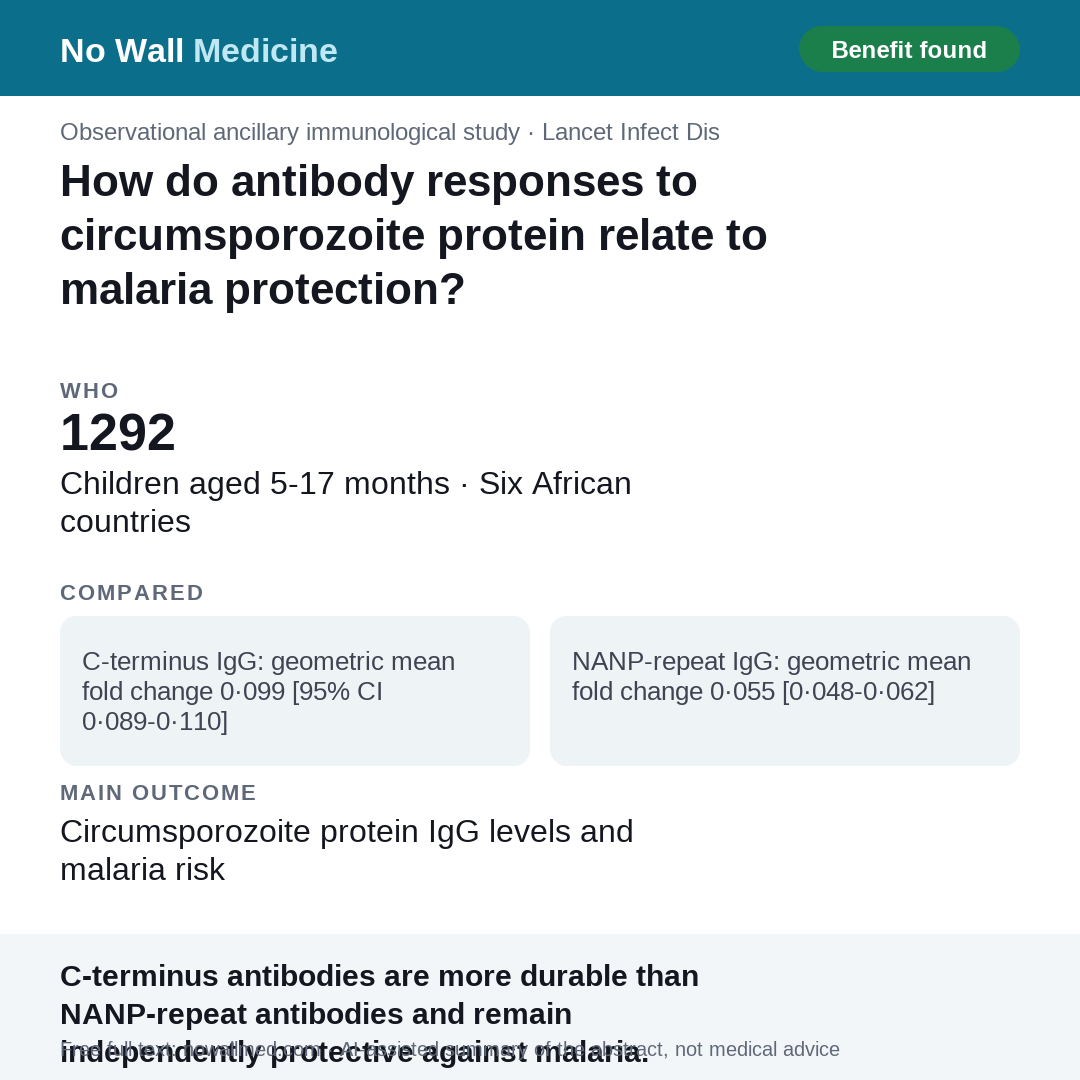
Duration and association with protection of NANP-repeat-specific and C-terminus-specific anti-circumsporozoite protein IgG responses following RTS,S/AS01E vaccination: an observational ancillary immunological study of a phase 3 clinical trial
Observational ancillary immunological studyBenefit found
How do antibody responses to circumsporozoite protein relate to malaria protection?
Who
1292
Children aged 5-17 months · Six African countries
Compared
C-terminus IgG: geometric mean fold change 0·099 [95% CI 0·089-0·110]
NANP-repeat IgG: geometric mean fold change 0·055 [0·048-0·062]
Main outcome
Circumsporozoite protein IgG levels and malaria risk
Result: hazard ratio 0·60, 95% CI 0·43-0·83
Bottom line: C-terminus antibodies are more durable than NANP-repeat antibodies and remain independently protective against malaria.
Funded by: National Institute of Allergy and Infectious Diseases and others
Lancet Infect Dis · 2026-04-21Download image
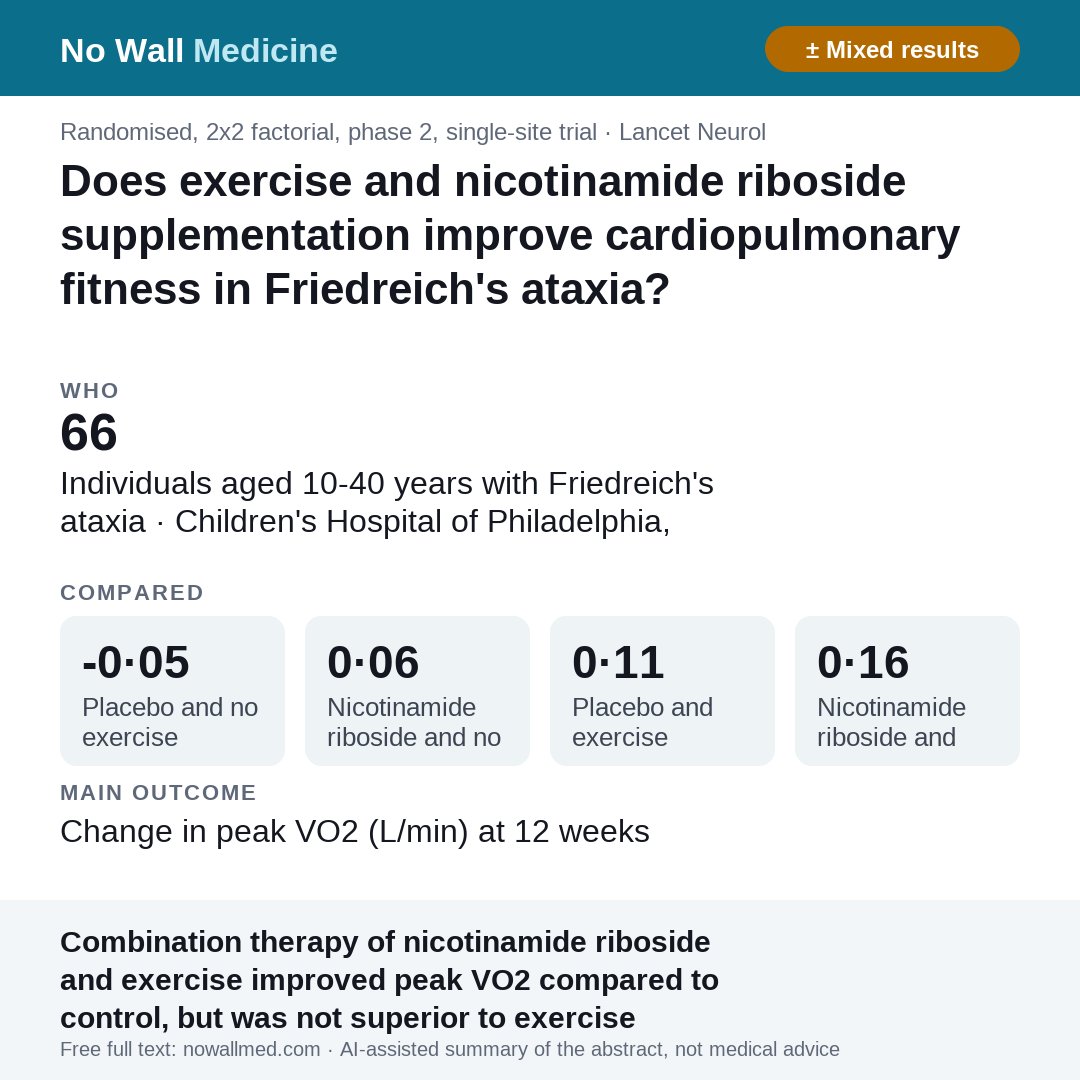
Safety and efficacy of individualised exercise and NAD+ precursor supplementation in patients with Friedreich's ataxia in the USA: a single-centre, 2 × 2 factorial, randomised controlled trial
Randomised, 2x2 factorial, phase 2, single-site trialMixed results
Does exercise and nicotinamide riboside supplementation improve cardiopulmonary fitness in Friedreich's ataxia?
Who
66
Individuals aged 10-40 years with Friedreich's ataxia · Children's Hospital of Philadelphia, USA
Compared
-0·05Placebo and no exercise (95% CI -0·16 to 0·06)
0·06Nicotinamide riboside and no exercise (-0·05 to 0·17)
0·11Placebo and exercise (0·00 to 0·22)
0·16Nicotinamide riboside and exercise (0·05 to 0·27)
Main outcome
Change in peak VO2 (L/min) at 12 weeks
Result: 0·21 (95% CI 0.05 to 0.36) for combination vs control
Bottom line: Combination therapy of nicotinamide riboside and exercise improved peak VO2 compared to control, but was not superior to exercise alone.
Lancet Neurol · 2026-04-21Download image
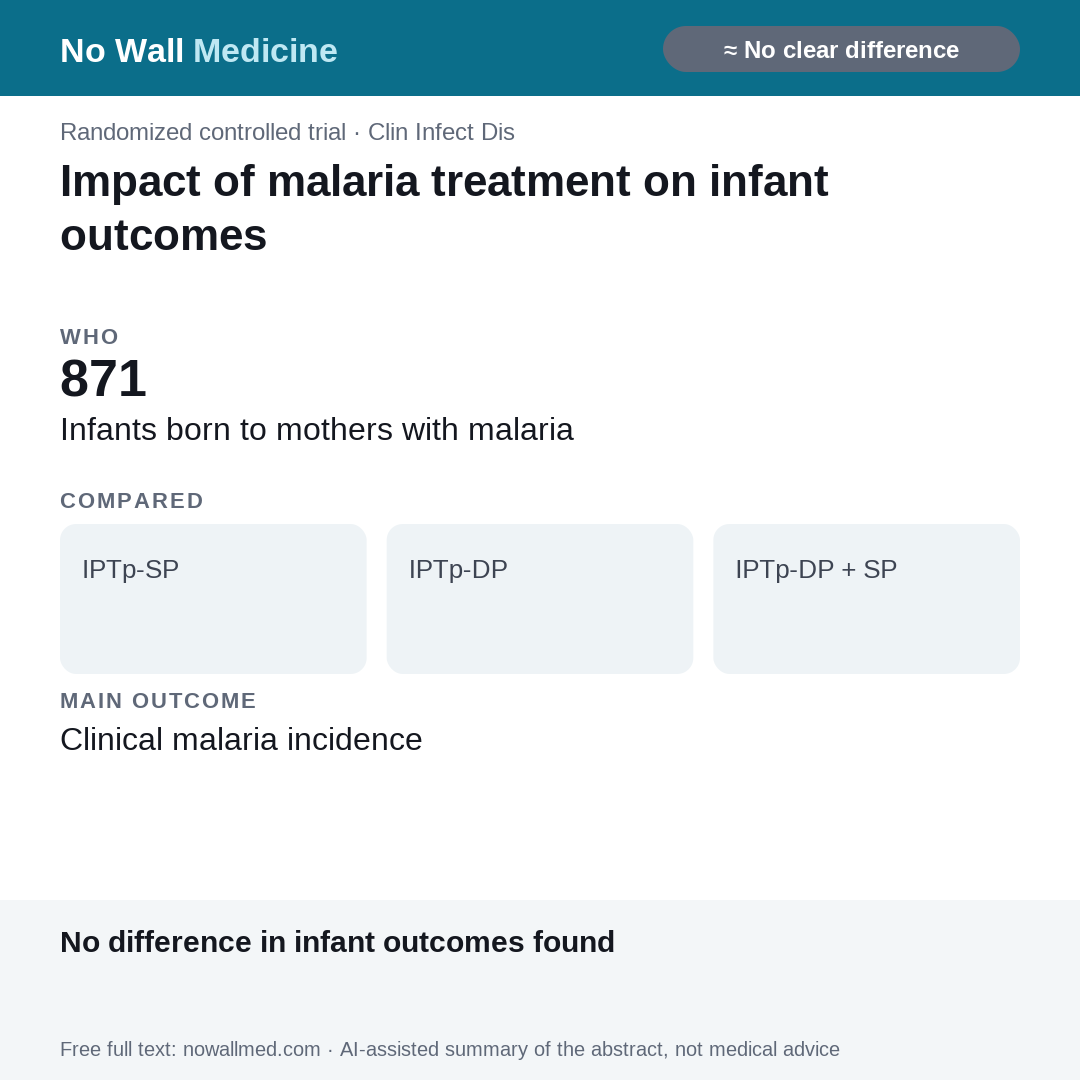
Impact of Intermittent Preventive Treatment for Malaria in Pregnancy With Sulfadoxine-Pyrimethamine, Dihydroartemisinin-Piperaquine, and Their Combination on Infant Outcomes: A Randomized Controlled Trial
Randomized controlled trialNo clear difference
Impact of malaria treatment on infant outcomes
Who
871
Infants born to mothers with malaria
Compared
IPTp-SP
IPTp-DP
IPTp-DP + SP
Main outcome
Clinical malaria incidence
Bottom line: No difference in infant outcomes found
Clin Infect Dis · 2026-04-20Download image
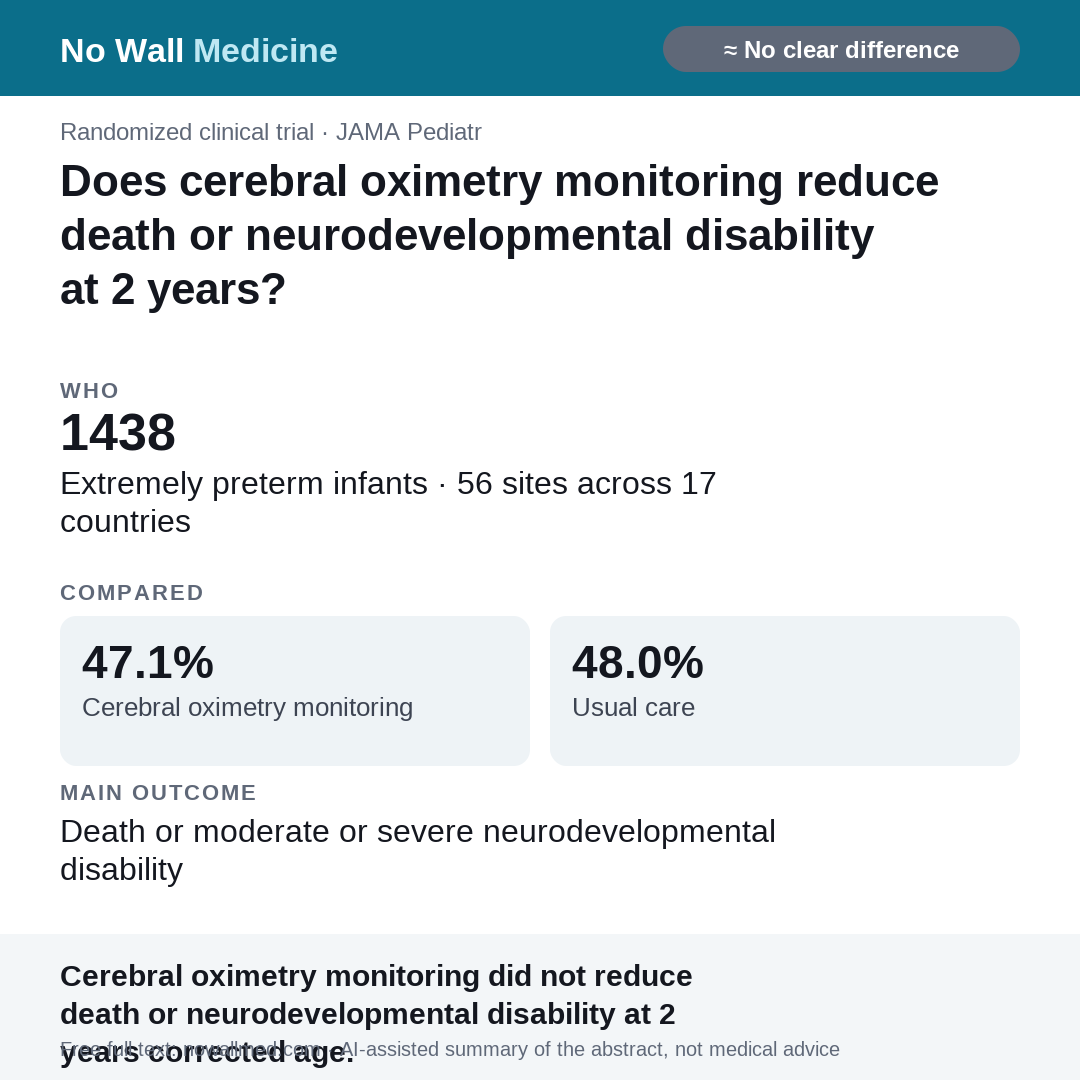
Cerebral Oximetry in Extremely Preterm Infants: 2-Year Follow-Up of the SafeBoosC-III Randomized Clinical Trial
Randomized clinical trialNo clear difference
Does cerebral oximetry monitoring reduce death or neurodevelopmental disability at 2 years?
Who
1438
Extremely preterm infants · 56 sites across 17 countries
Compared
47.1%Cerebral oximetry monitoring (292/620)
48.0%Usual care (321/669)
Main outcome
Death or moderate or severe neurodevelopmental disability
Result: relative risk 0.96 (97.5% CI 0.85-1.07)
Bottom line: Cerebral oximetry monitoring did not reduce death or neurodevelopmental disability at 2 years corrected age.
JAMA Pediatr · 2026-04-20Download image