Visual abstracts
New randomized trials and meta-analyses from leading journals at a glance: who was studied, what was compared, and what was found. Every paper is free to read in full.
All specialtiesCardiology 2019Oncology 1740Gastroenterology & Hepatology 768Infectious Disease 1281Neurology 830Psychiatry & Mental Health 992Pulmonology 864Critical Care 575Endocrinology & Diabetes 1078Pediatrics 1200Surgery 1024Orthopedics & Sports Medicine 376Neurosurgery 251Cardiothoracic & Vascular Surgery 216Plastic & Reconstructive Surgery 309Nephrology 420Rheumatology 285Hematology 444Dermatology 231Ophthalmology 232Obstetrics & Gynecology 657Public & Global Health 391Radiology & Imaging 278Anesthesiology 404Urology 355ENT (Otolaryngology) 269Emergency Medicine 223Allergy & Immunology 128Geriatrics 433Family Medicine & Primary Care 238Medical Genetics & Genomics 219Pathology & Laboratory Medicine 66Physical Medicine & Rehabilitation 356Palliative Care 174Nutrition 549Digital Health & AI 1051General Medicine 155
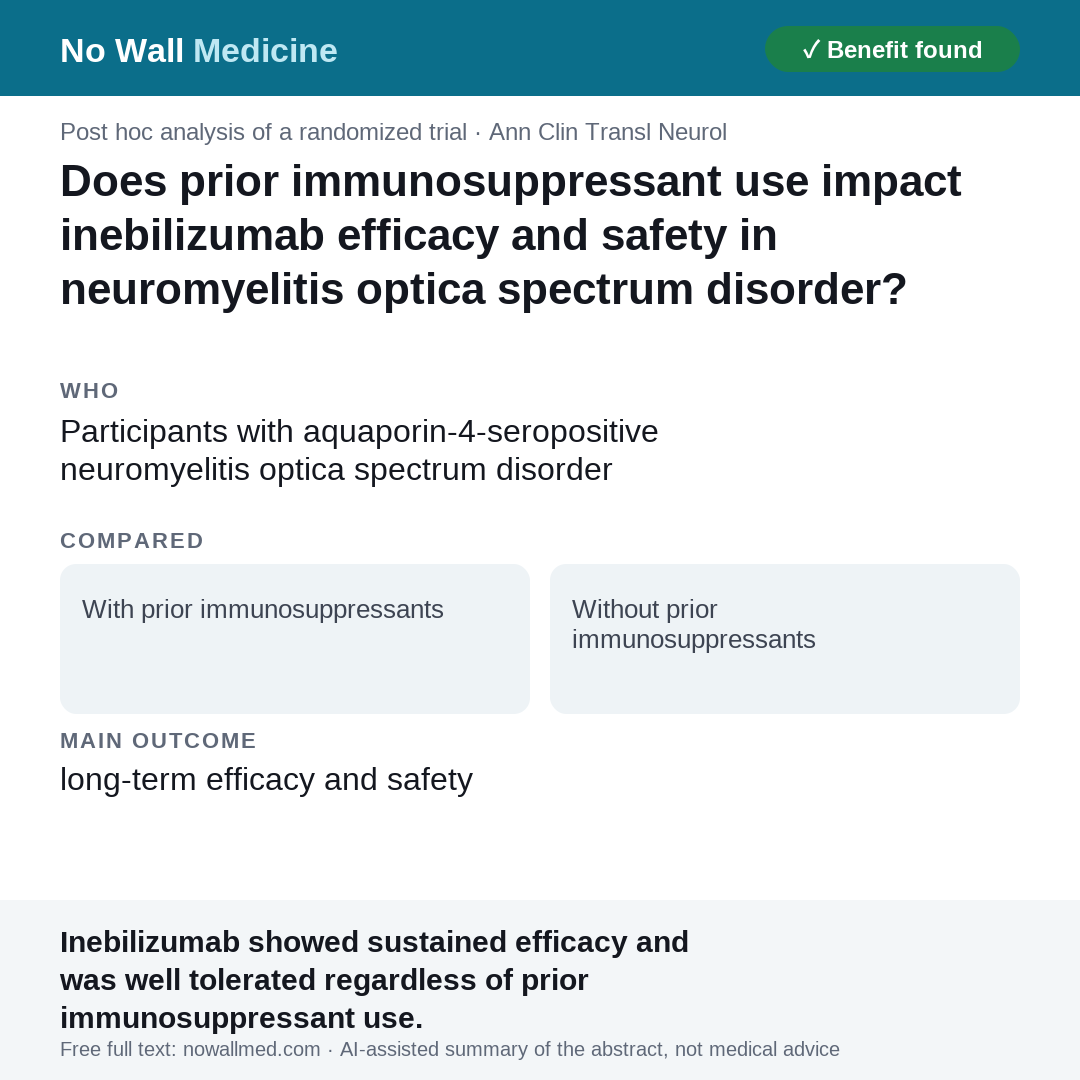
Efficacy of Inebilizumab in N-MOmentum Trial Participants With or Without Prior Immunosuppressants
Post hoc analysis of a randomized trialBenefit found
Does prior immunosuppressant use impact inebilizumab efficacy and safety in neuromyelitis optica spectrum disorder?
Who
Participants with aquaporin-4-seropositive neuromyelitis optica spectrum disorder
Compared
With prior immunosuppressants
Without prior immunosuppressants
Main outcome
long-term efficacy and safety
Bottom line: Inebilizumab showed sustained efficacy and was well tolerated regardless of prior immunosuppressant use.
Ann Clin Transl Neurol · 2026-05-12Download image
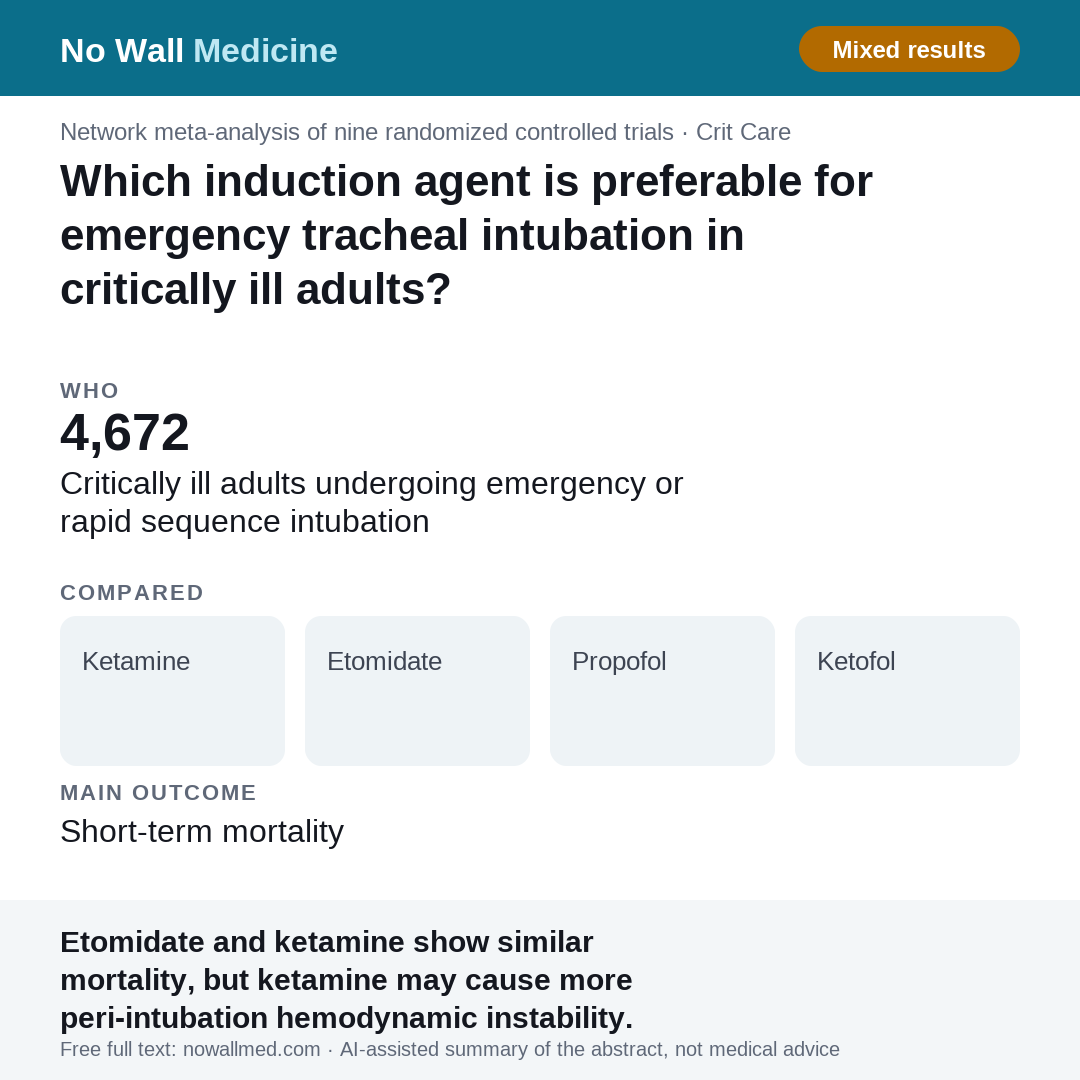
Induction agents for emergency tracheal intubation in critically ill adults: a systematic review and network meta-analysis
Network meta-analysis of nine randomized controlled trialsMixed results
Which induction agent is preferable for emergency tracheal intubation in critically ill adults?
Who
4,672
Critically ill adults undergoing emergency or rapid sequence intubation
Compared
Ketamine
Etomidate
Propofol
Ketofol
Main outcome
Short-term mortality
Result: OR 0.96 (95% CI 0.80-1.16) for ketamine vs etomidate
Bottom line: Etomidate and ketamine show similar mortality, but ketamine may cause more peri-intubation hemodynamic instability.
Crit Care · 2026-05-12Download image
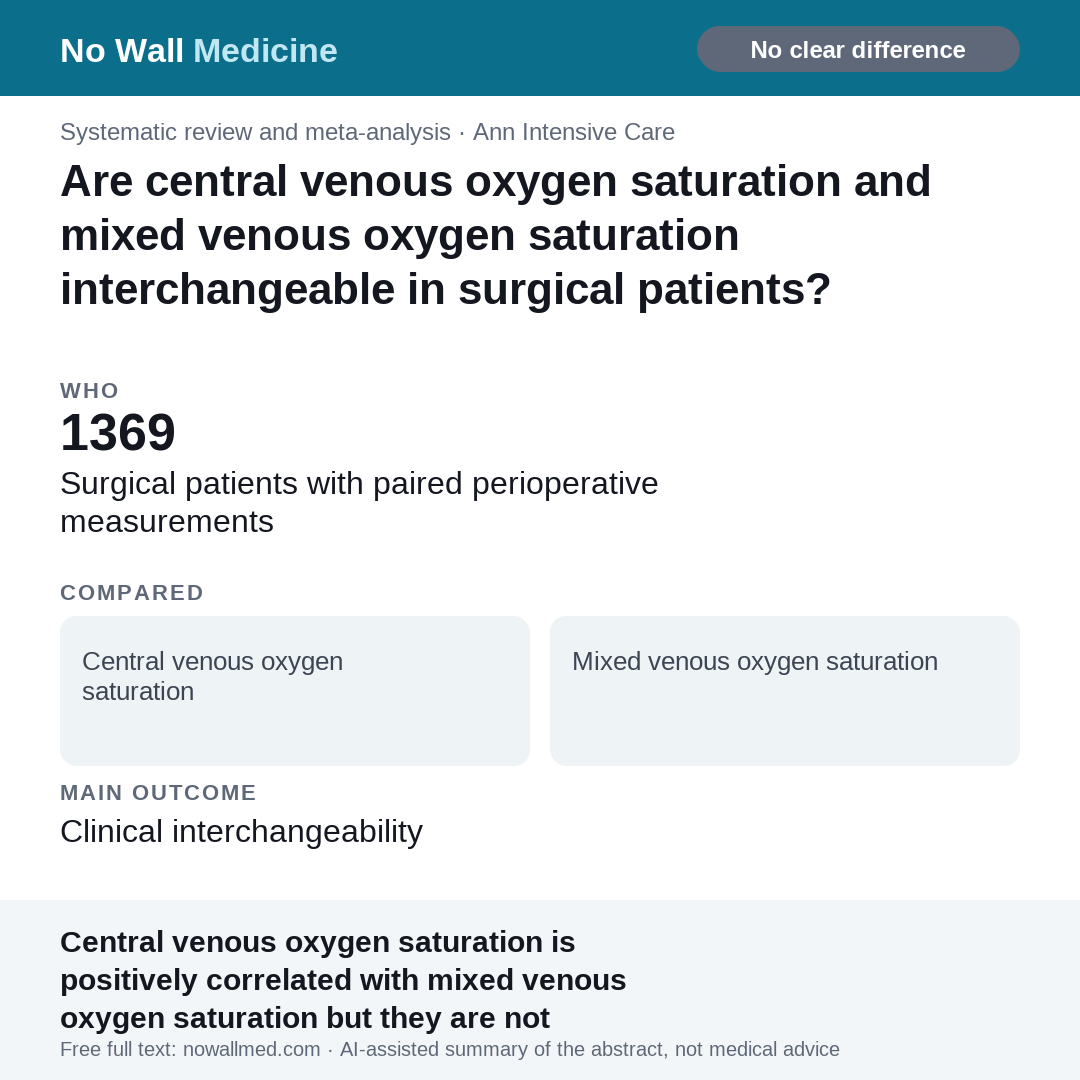
Correlation between central venous oxygen saturation and mixed venous oxygen saturation in surgical patients: A systematic review and meta-analysis
Systematic review and meta-analysisNo clear difference
Are central venous oxygen saturation and mixed venous oxygen saturation interchangeable in surgical patients?
Who
1369
Surgical patients with paired perioperative measurements
Compared
Central venous oxygen saturation
Mixed venous oxygen saturation
Main outcome
Clinical interchangeability
Result: mean difference -0.49% (95% CI, -1.34 to 0.35)
Bottom line: Central venous oxygen saturation is positively correlated with mixed venous oxygen saturation but they are not clinically interchangeable.
Ann Intensive Care · 2026-05-12Download image
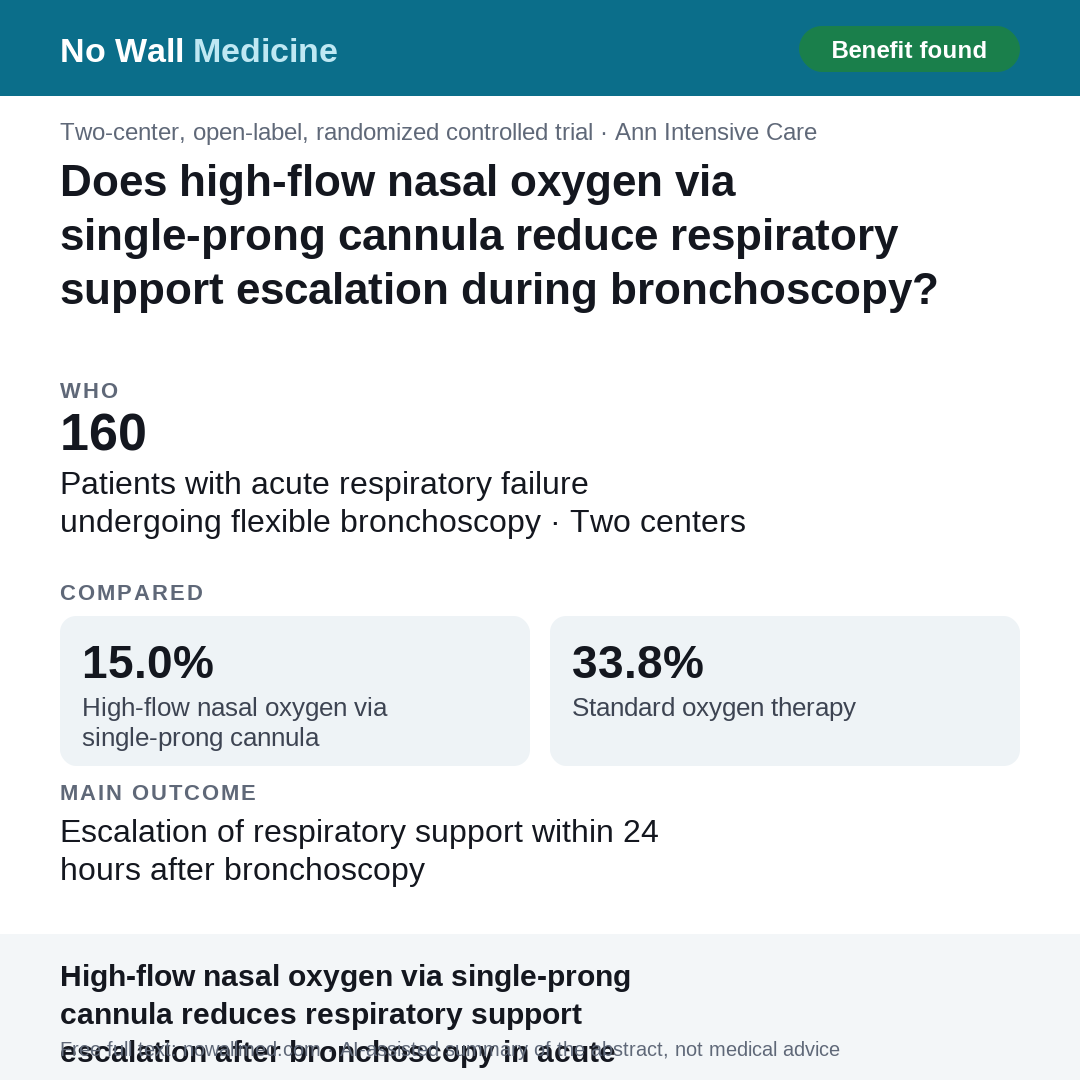
High-flow nasal oxygen therapy via a single-prong cannula interface during bronchoscopy in patients with acute respiratory failure: a two-center, open-label, randomized controlled trial
Two-center, open-label, randomized controlled trialBenefit found
Does high-flow nasal oxygen via single-prong cannula reduce respiratory support escalation during bronchoscopy?
Who
160
Patients with acute respiratory failure undergoing flexible bronchoscopy · Two centers
Compared
15.0%High-flow nasal oxygen via single-prong cannula
33.8%Standard oxygen therapy
Main outcome
Escalation of respiratory support within 24 hours after bronchoscopy
Bottom line: High-flow nasal oxygen via single-prong cannula reduces respiratory support escalation after bronchoscopy in acute respiratory failure patients.
Ann Intensive Care · 2026-05-12Download image
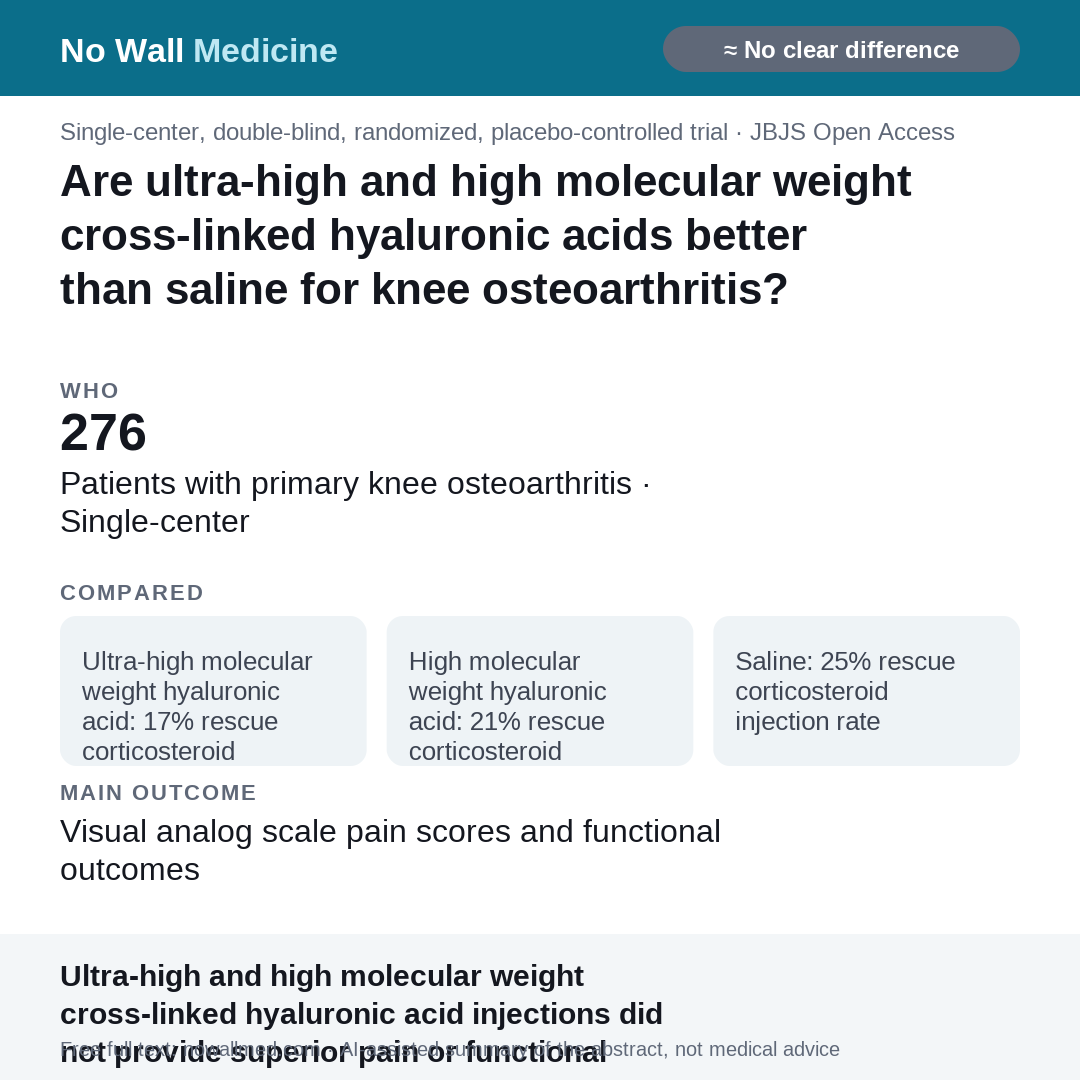
Efficacy of Ultra-high and High Molecular Weight Cross-Linked Hyaluronic Acids Compared with Saline in Knee Osteoarthritis: A Randomized Controlled Trial
Single-center, double-blind, randomized, placebo-controlled trialNo clear difference
Are ultra-high and high molecular weight cross-linked hyaluronic acids better than saline for knee osteoarthritis?
Who
276
Patients with primary knee osteoarthritis · Single-center
Compared
Ultra-high molecular weight hyaluronic acid: 17% rescue corticosteroid injection rate
High molecular weight hyaluronic acid: 21% rescue corticosteroid injection rate
Saline: 25% rescue corticosteroid injection rate
Main outcome
Visual analog scale pain scores and functional outcomes
Bottom line: Ultra-high and high molecular weight cross-linked hyaluronic acid injections did not provide superior pain or functional outcomes compared with saline.
JBJS Open Access · 2026-05-12Download image
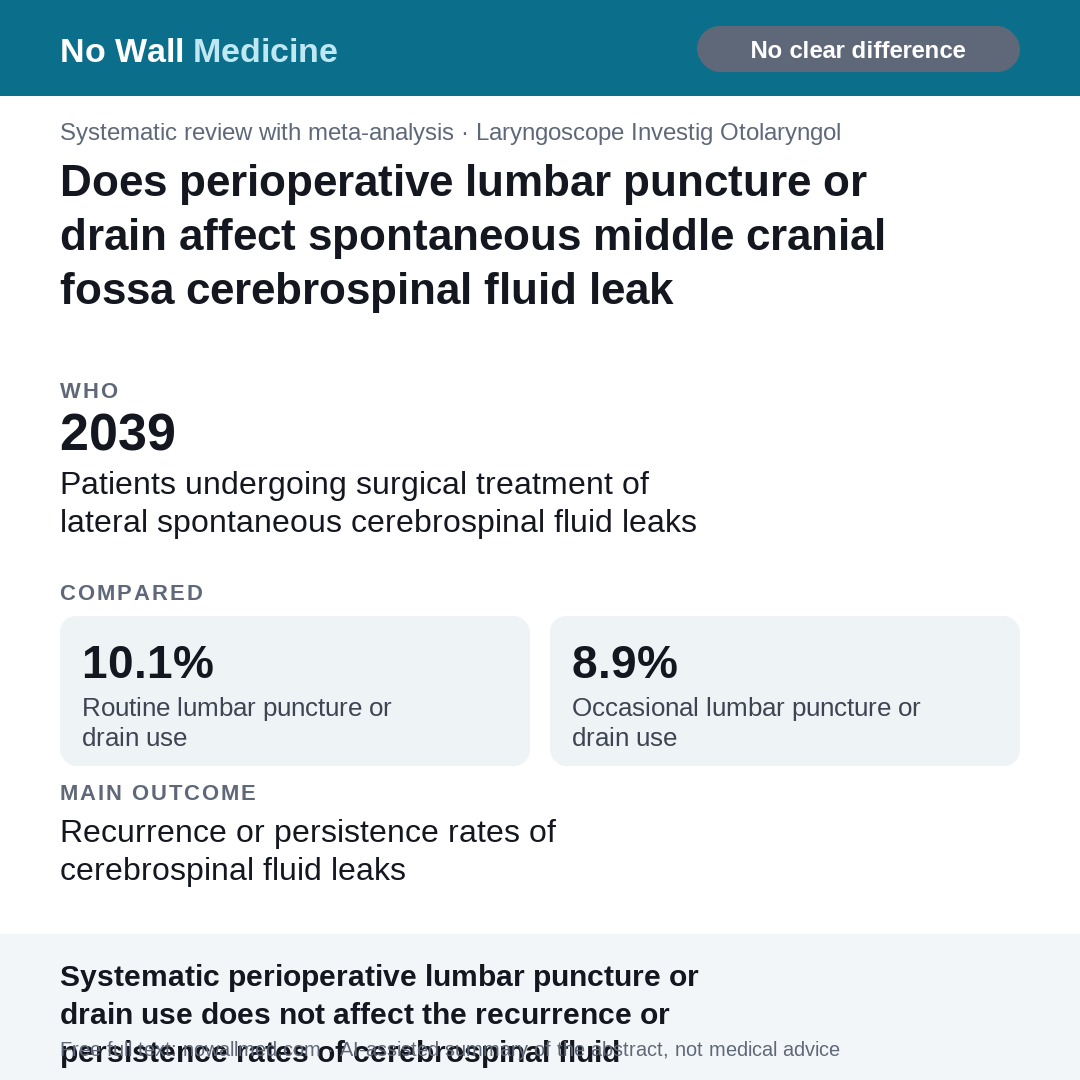
Spontaneous Middle Cranial Fossa Cerebrospinal Fluid Leaks and Intracranial Hypertension: Systematic Review With Meta-Analysis
Systematic review with meta-analysisNo clear difference
Does perioperative lumbar puncture or drain affect spontaneous middle cranial fossa cerebrospinal fluid leak recurrence?
Who
2039
Patients undergoing surgical treatment of lateral spontaneous cerebrospinal fluid leaks
Compared
10.1%Routine lumbar puncture or drain use
8.9%Occasional lumbar puncture or drain use
Main outcome
Recurrence or persistence rates of cerebrospinal fluid leaks
Bottom line: Systematic perioperative lumbar puncture or drain use does not affect the recurrence or persistence rates of cerebrospinal fluid leaks.
Limitation: Decision making for lumbar puncture, drain, acetazolamide, or shunt use is inconsistently reported.
Laryngoscope Investig Otolaryngol · 2026-05-12Download image
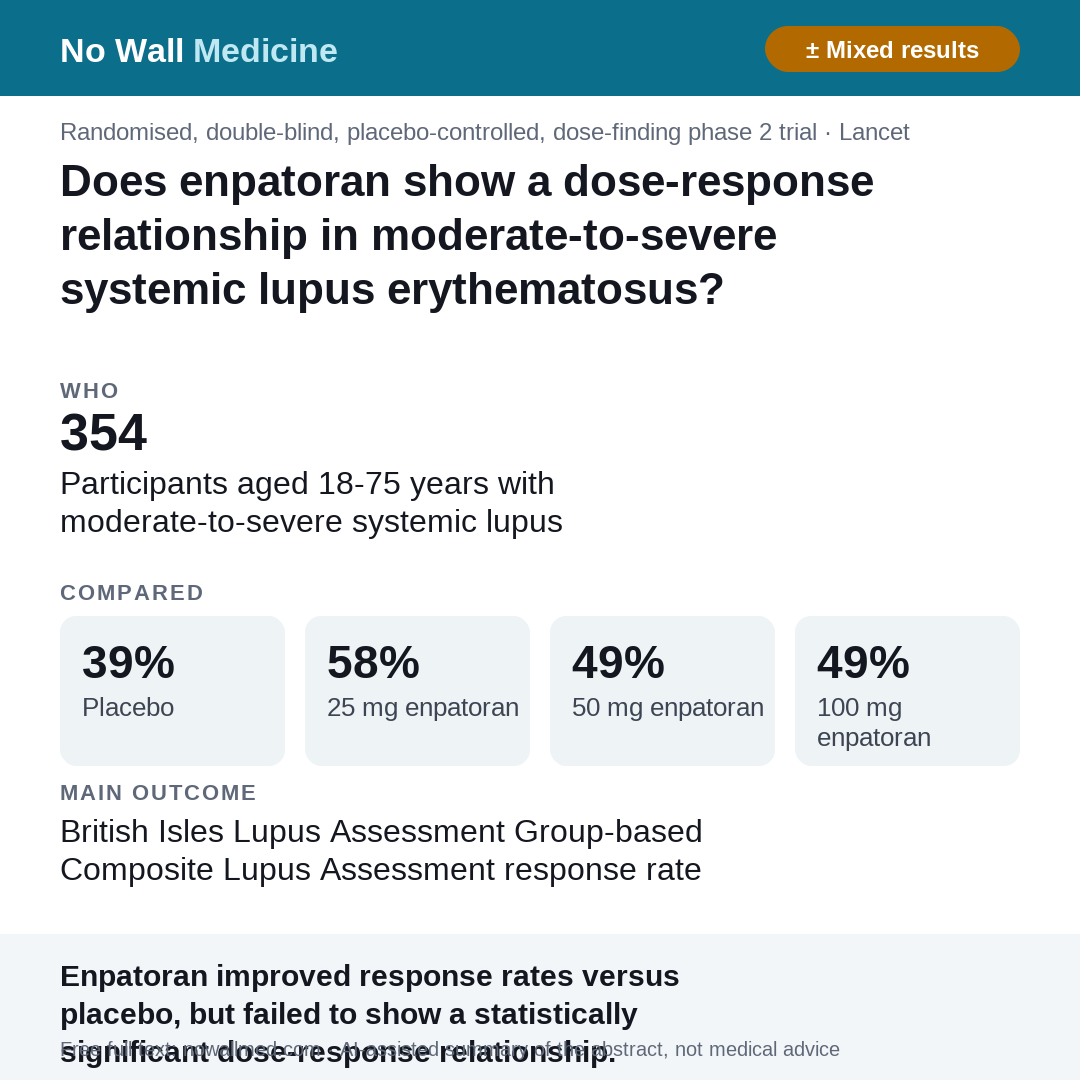
Enpatoran, a Toll-like receptor 7/8 inhibitor, in moderate-to-severe systemic lupus erythematosus: findings from Cohort B of a multicentre, international, double-blind, placebo-controlled dose-finding phase 2 trial
Randomised, double-blind, placebo-controlled, dose-finding phase 2 trialMixed results
Does enpatoran show a dose-response relationship in moderate-to-severe systemic lupus erythematosus?
Who
354
Participants aged 18-75 years with moderate-to-severe systemic lupus erythematosus · 132 centres in 22 countries
Compared
39%Placebo
58%25 mg enpatoran
49%50 mg enpatoran
49%100 mg enpatoran
Main outcome
British Isles Lupus Assessment Group-based Composite Lupus Assessment response rate
Result: p=0·14
Bottom line: Enpatoran improved response rates versus placebo, but failed to show a statistically significant dose-response relationship.
Funded by: Merck Healthcare
Lancet · 2026-05-11Download image
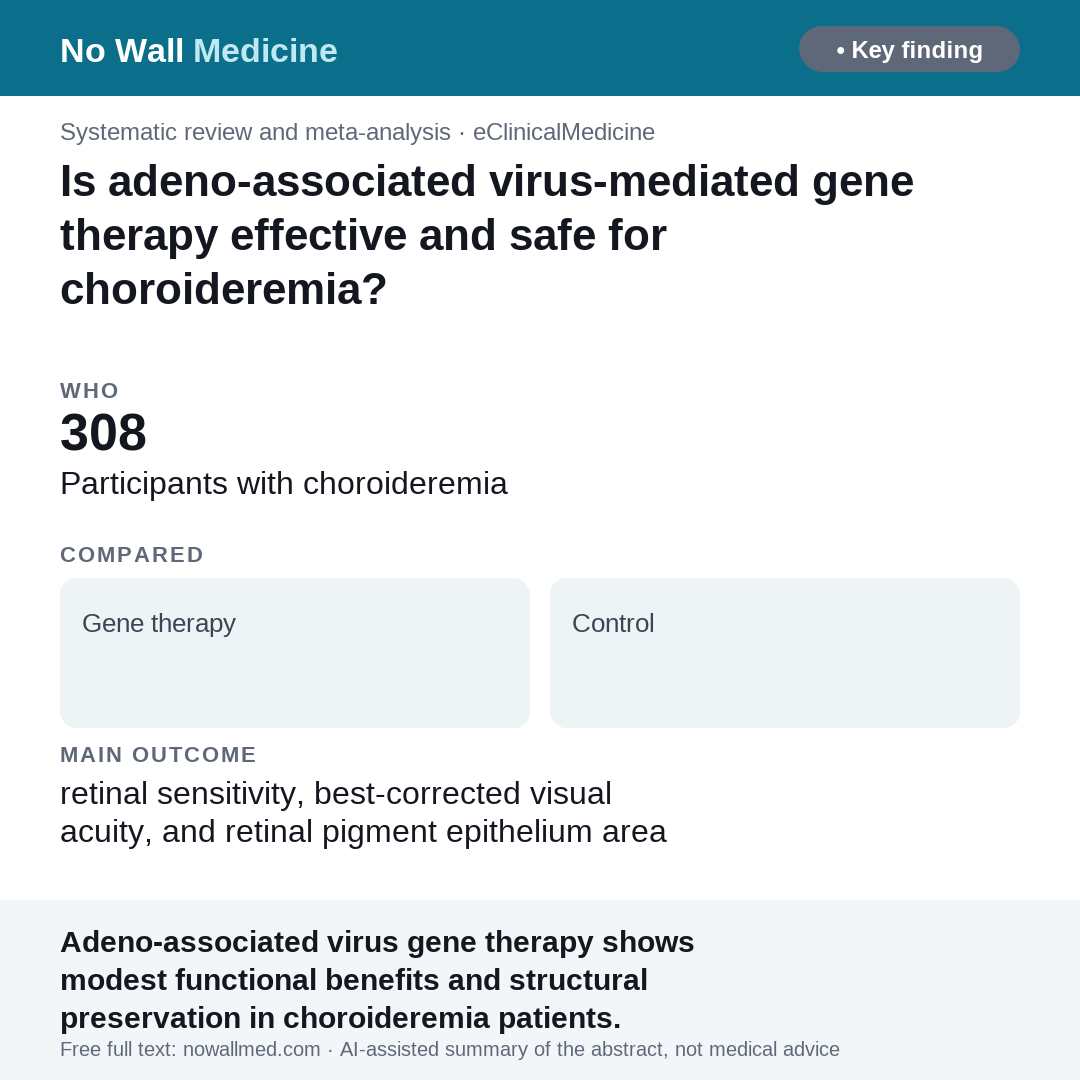
Efficacy and safety of AAV-mediated gene therapy for choroideremia: a systematic review and meta-analysis
Systematic review and meta-analysisBenefit found
Is adeno-associated virus-mediated gene therapy effective and safe for choroideremia?
Who
308
Participants with choroideremia
Compared
Gene therapy
Control
Main outcome
retinal sensitivity, best-corrected visual acuity, and retinal pigment epithelium area
Result: mean difference 0.78 dB (95% CI: 0.58-0.99) for retinal sensitivity
Bottom line: Adeno-associated virus gene therapy shows modest functional benefits and structural preservation in choroideremia patients.
eClinicalMedicine · 2026-05-11Download image
Long-term mortality in women with a history of hypertensive disorders of pregnancy: a systematic review and meta-analysis
Systematic review and meta-analysisHarm found
What is the risk of all-cause and cause-specific mortality in women with hypertensive disorders of pregnancy?
Who
14221347
Women with a history of hypertensive disorders of pregnancy
Compared
Hypertensive disorders of pregnancy: 45% increased risk of all-cause mortality
Preeclampsia or eclampsia: 64% increased risk of all-cause mortality
Gestational hypertension: 34% increased risk of all-cause mortality
Main outcome
All-cause and cause-specific mortality
Result: RR = 1.45, 95% CI = 1.30-1.61
Bottom line: Women with a history of hypertensive disorders of pregnancy, especially preeclampsia or eclampsia, face increased all-cause and cause-specific mortality risks.
Limitation: Certainty of evidence was rated as very low certainty and heterogeneity was substantial.
Funded by: Noncommunicable Chronic Diseases-National Science and Technology Major Project
eClinicalMedicine · 2026-05-11Download image

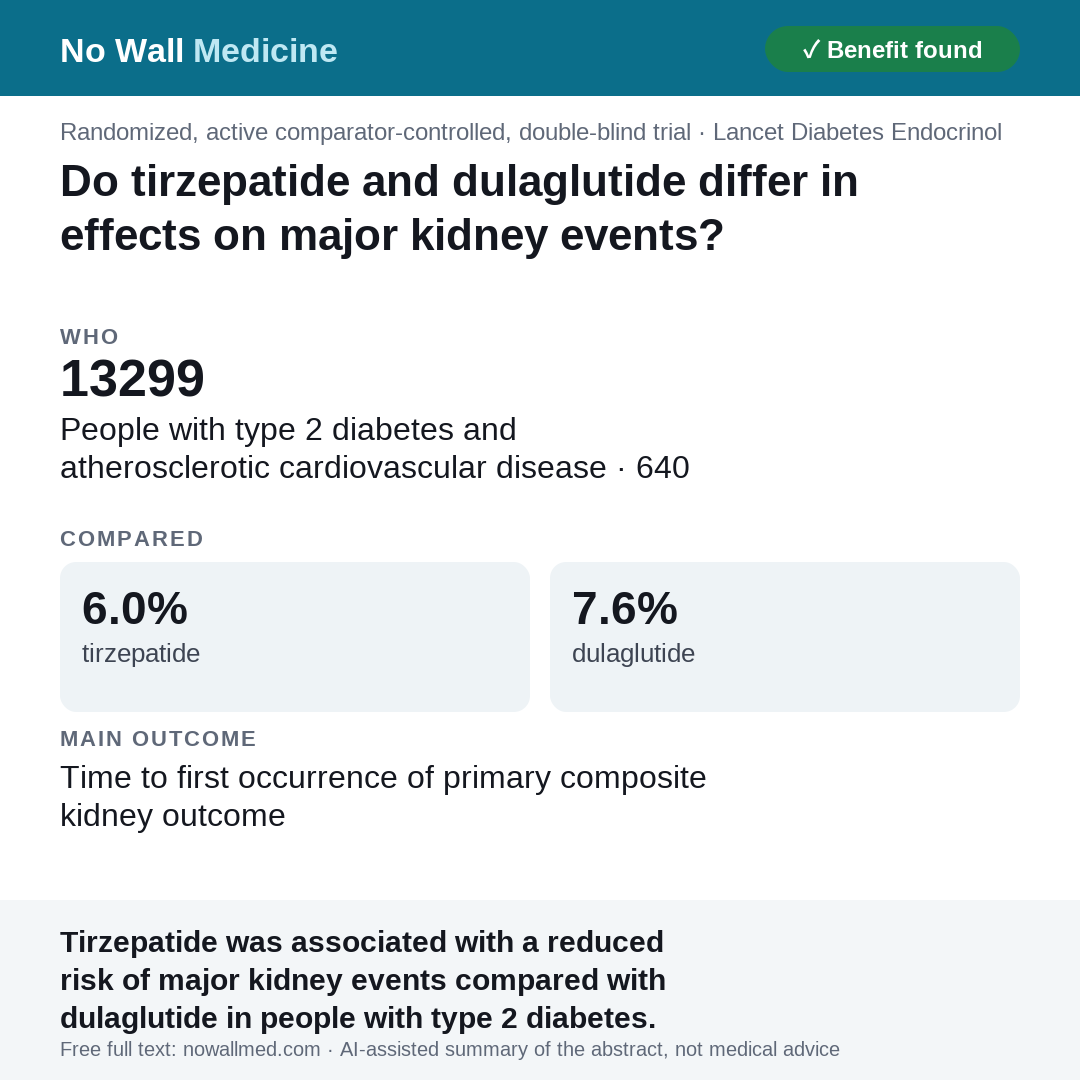
A comparison of the effects of tirzepatide and dulaglutide on major kidney events in people with type 2 diabetes: pre-specified exploratory analyses of the SURPASS-CVOT trial
Randomized, active comparator-controlled, double-blind trialBenefit found
Do tirzepatide and dulaglutide differ in effects on major kidney events?
Who
13299
People with type 2 diabetes and atherosclerotic cardiovascular disease · 640 sites in 30 countries
Compared
6.0%tirzepatide
7.6%dulaglutide
Main outcome
Time to first occurrence of primary composite kidney outcome
Result: hazard ratio 0.77 (95% CI 0.68 to 0.88)
Bottom line: Tirzepatide was associated with a reduced risk of major kidney events compared with dulaglutide in people with type 2 diabetes.
Lancet Diabetes Endocrinol · 2026-05-11Download image
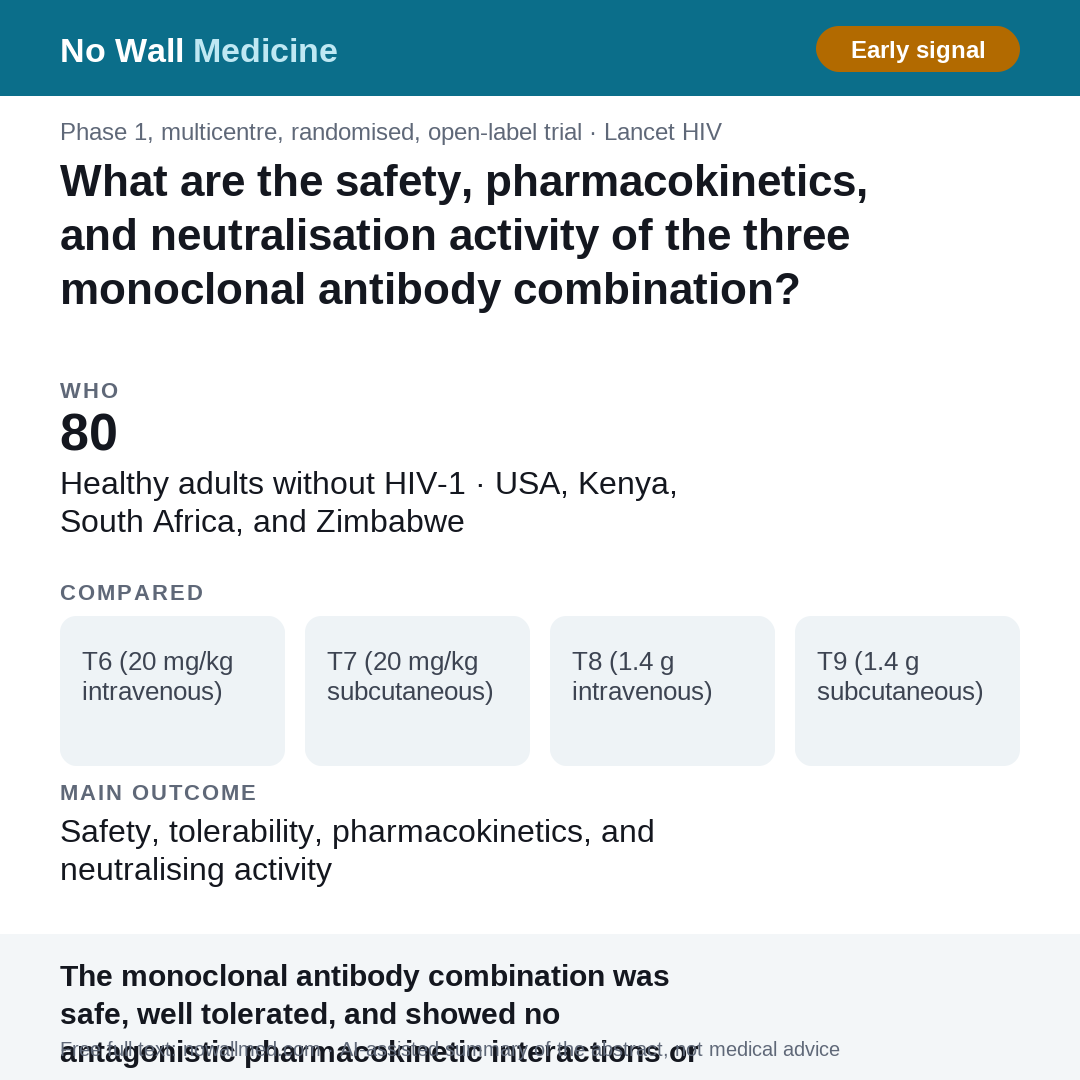
Safety, pharmacokinetics, and neutralisation activity of PGDM1400LS, VRC07-523LS, and PGT121.414.LS infused intravenously or subcutaneously (HVTN 140/HPTN 101 part B): a phase 1, randomised trial
Phase 1, multicentre, randomised, open-label trialBenefit found
What are the safety, pharmacokinetics, and neutralisation activity of the three monoclonal antibody combination?
Who
80
Healthy adults without HIV-1 · USA, Kenya, South Africa, and Zimbabwe
Compared
T6 (20 mg/kg intravenous)
T7 (20 mg/kg subcutaneous)
T8 (1.4 g intravenous)
T9 (1.4 g subcutaneous)
Main outcome
Safety, tolerability, pharmacokinetics, and neutralising activity
Bottom line: The monoclonal antibody combination was safe, well tolerated, and showed no antagonistic pharmacokinetic interactions or loss of neutralisation activity.
Funded by: National Institute of Allergy and Infectious Diseases-National Institutes of Health
Lancet HIV · 2026-05-11Download image
Antimicrobial resistance in bacterial pathogens causing community-acquired and hospital-acquired lower respiratory tract infections (2010-24): a systematic review and meta-analysis
Systematic review and meta-analysisHarm found
What is the prevalence of antimicrobial resistance in bacterial pathogens causing lower respiratory tract infections?
Who
336389
Individuals with microbiologically confirmed lower respiratory tract infections · 51 countries
Compared
23.7%Community-acquired lower respiratory tract infections
47.4%Hospital-acquired lower respiratory tract infections
Main outcome
Antimicrobial resistance prevalence for target bacterial pathogens
Bottom line: Antimicrobial resistance in lower respiratory tract infections is concerningly high, with significant regional and socioeconomic disparities observed.
Funded by: Fleming Fund, US Centers for Disease Control and Prevention, WHO
Lancet Microbe · 2026-05-11Download image

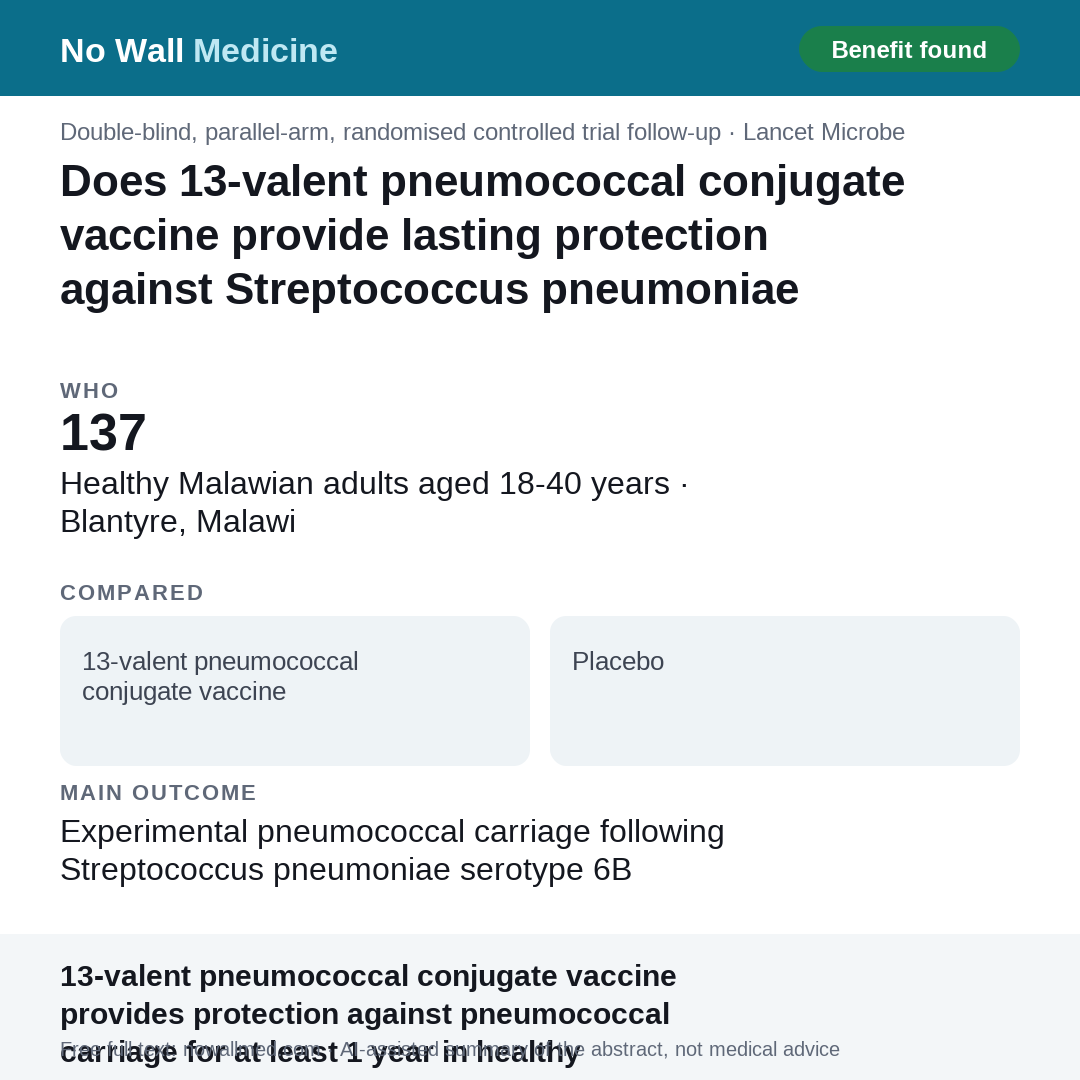
Effect of 13-valent pneumococcal conjugate vaccine on experimental carriage at 1-year post-vaccination on rechallenge with Streptococcus pneumoniae serotype 6B in Blantyre, Malawi: a controlled human infection study and longitudinal follow-up of a randomised controlled trial
Double-blind, parallel-arm, randomised controlled trial follow-upBenefit found
Does 13-valent pneumococcal conjugate vaccine provide lasting protection against Streptococcus pneumoniae serotype 6B carriage?
Who
137
Healthy Malawian adults aged 18-40 years · Blantyre, Malawi
Compared
13-valent pneumococcal conjugate vaccine
Placebo
Main outcome
Experimental pneumococcal carriage following Streptococcus pneumoniae serotype 6B rechallenge
Result: relative risk 0·27 (95% CI 0·08-0·98)
Bottom line: 13-valent pneumococcal conjugate vaccine provides protection against pneumococcal carriage for at least 1 year in healthy adults.
Funded by: Wellcome Trust
Lancet Microbe · 2026-05-11Download image
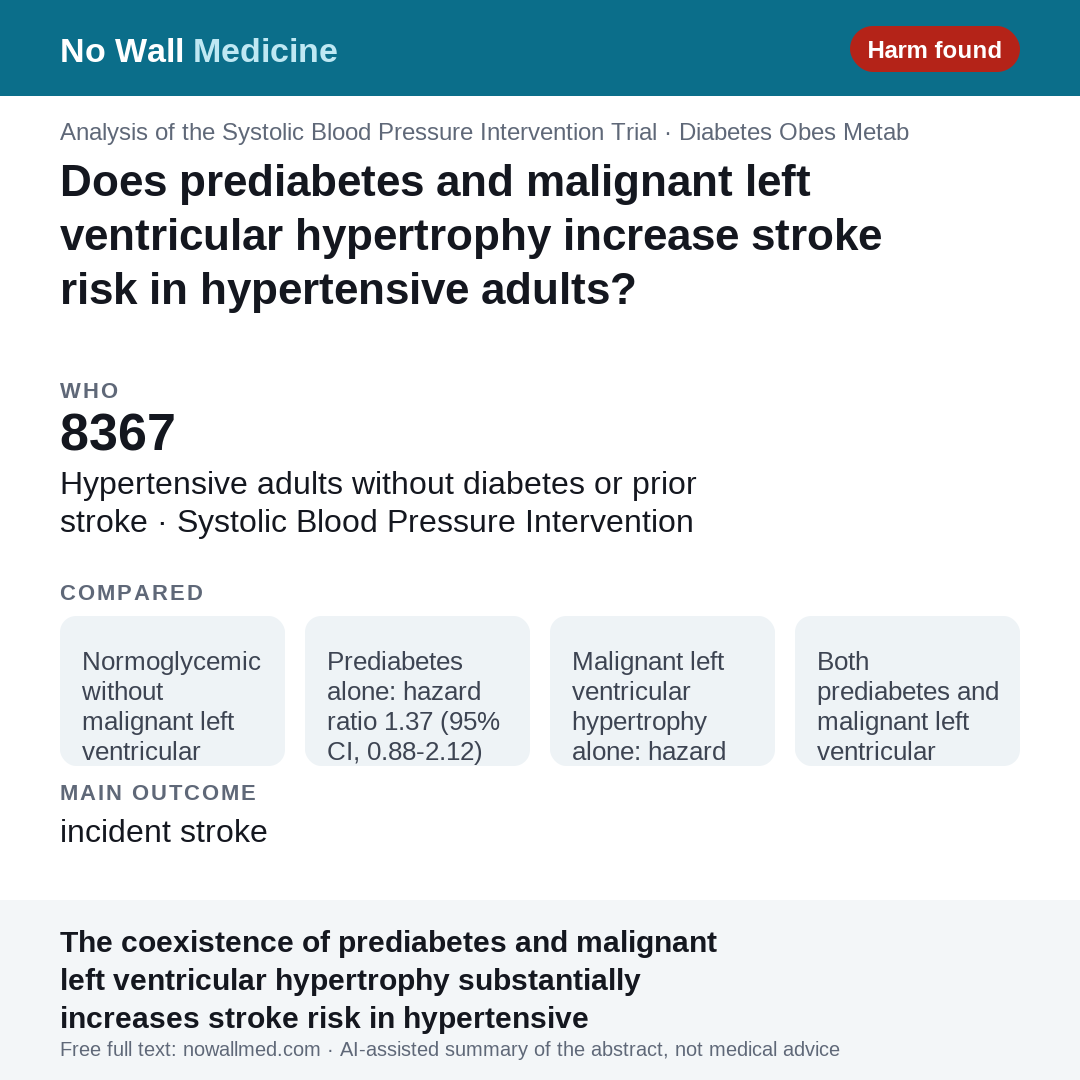
Prediabetes, Malignant Ventricular Hypertrophy and Stroke: The SPRINT Trial
Analysis of the Systolic Blood Pressure Intervention TrialHarm found
Does prediabetes and malignant left ventricular hypertrophy increase stroke risk in hypertensive adults?
Who
8367
Hypertensive adults without diabetes or prior stroke · Systolic Blood Pressure Intervention Trial
Compared
Normoglycemic without malignant left ventricular hypertrophy
Prediabetes alone: hazard ratio 1.37 (95% CI, 0.88-2.12)
Malignant left ventricular hypertrophy alone: hazard ratio 1.94 (95% CI, 1.06-3.53)
Both prediabetes and malignant left ventricular hypertrophy: hazard ratio 3.07 (95% CI, 1.66-5.70)
Main outcome
incident stroke
Result: hazard ratio 3.07 (95% CI, 1.66-5.70) for both conditions
Bottom line: The coexistence of prediabetes and malignant left ventricular hypertrophy substantially increases stroke risk in hypertensive adults.
Diabetes Obes Metab · 2026-05-11Download image
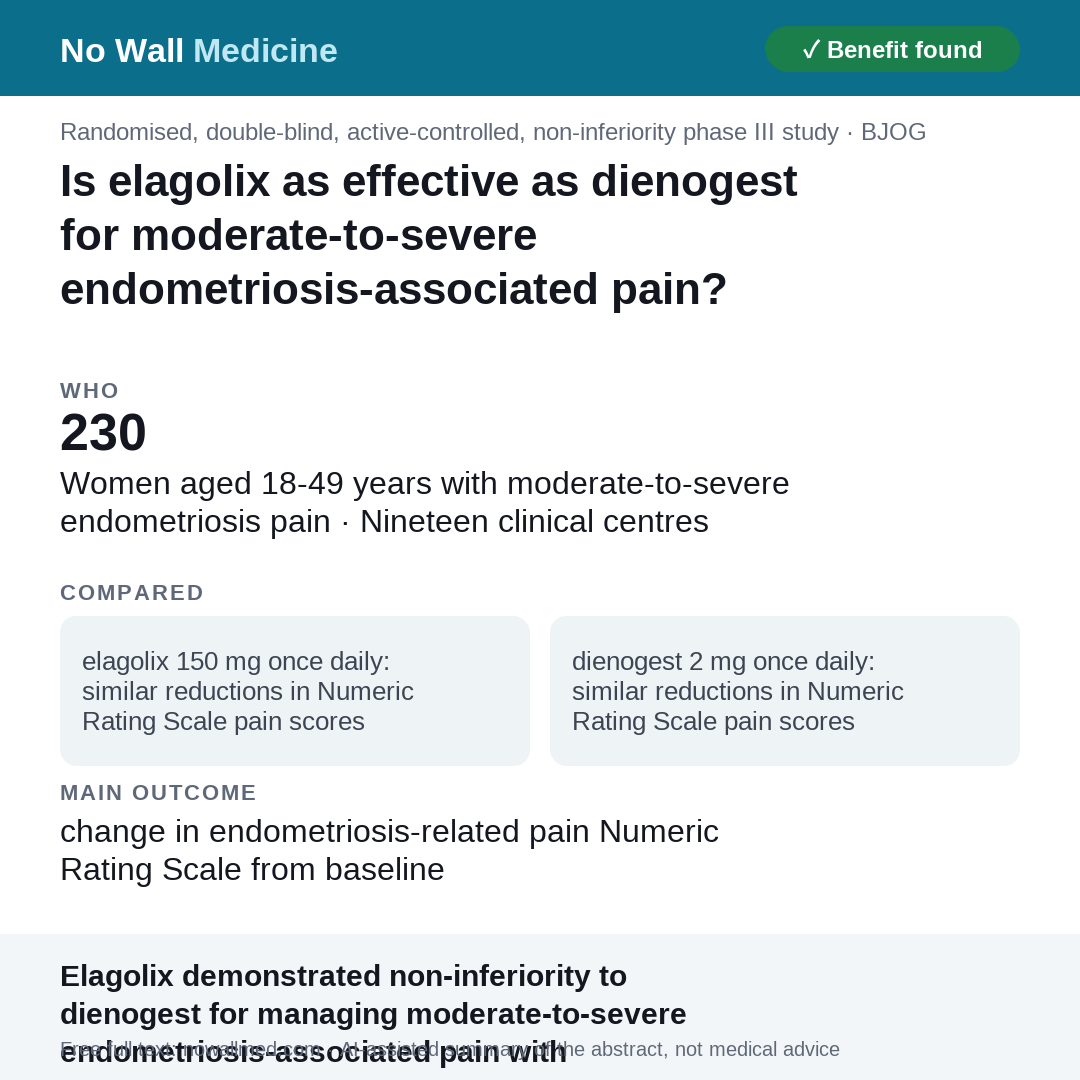
Efficacy and Safety of Elagolix Versus Dienogest for Treatment of Moderate-to-Severe Endometriosis Pain: A Phase III, Multicentric, Double-Blind, Active-Controlled, Non-Inferiority Study
Randomised, double-blind, active-controlled, non-inferiority phase III studyBenefit found
Is elagolix as effective as dienogest for moderate-to-severe endometriosis-associated pain?
Who
230
Women aged 18-49 years with moderate-to-severe endometriosis pain · Nineteen clinical centres across India
Compared
elagolix 150 mg once daily: similar reductions in Numeric Rating Scale pain scores
dienogest 2 mg once daily: similar reductions in Numeric Rating Scale pain scores
Main outcome
change in endometriosis-related pain Numeric Rating Scale from baseline
Result: treatment difference 0.04 (95% CI: -0.3, 0.37)
Bottom line: Elagolix demonstrated non-inferiority to dienogest for managing moderate-to-severe endometriosis-associated pain with acceptable safety.
BJOG · 2026-05-11Download image
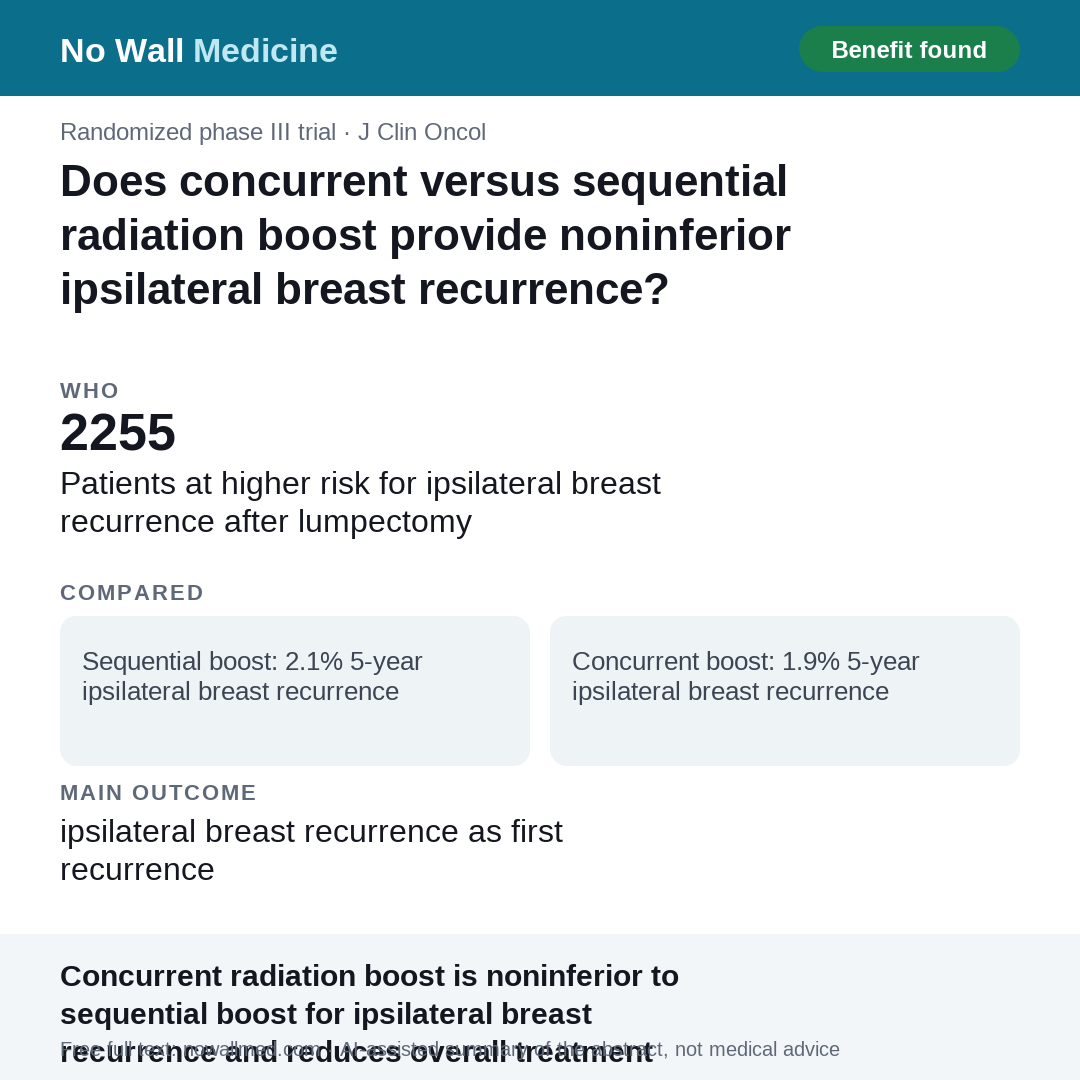
Concurrent Versus Sequential Radiation Dose Escalation to the Surgical Cavity for Conservative Treatment of High-Risk Early Breast Cancer: NRG/RTOG 1005 Phase III Trial
Randomized phase III trialBenefit found
Does concurrent versus sequential radiation boost provide noninferior ipsilateral breast recurrence?
Who
2255
Patients at higher risk for ipsilateral breast recurrence after lumpectomy
Compared
Sequential boost: 2.1% 5-year ipsilateral breast recurrence
Concurrent boost: 1.9% 5-year ipsilateral breast recurrence
Main outcome
ipsilateral breast recurrence as first recurrence
Result: hazard ratio 1.31 (90% CI 0.84 to 2.04)
Bottom line: Concurrent radiation boost is noninferior to sequential boost for ipsilateral breast recurrence and reduces overall treatment time.
J Clin Oncol · 2026-05-11Download image
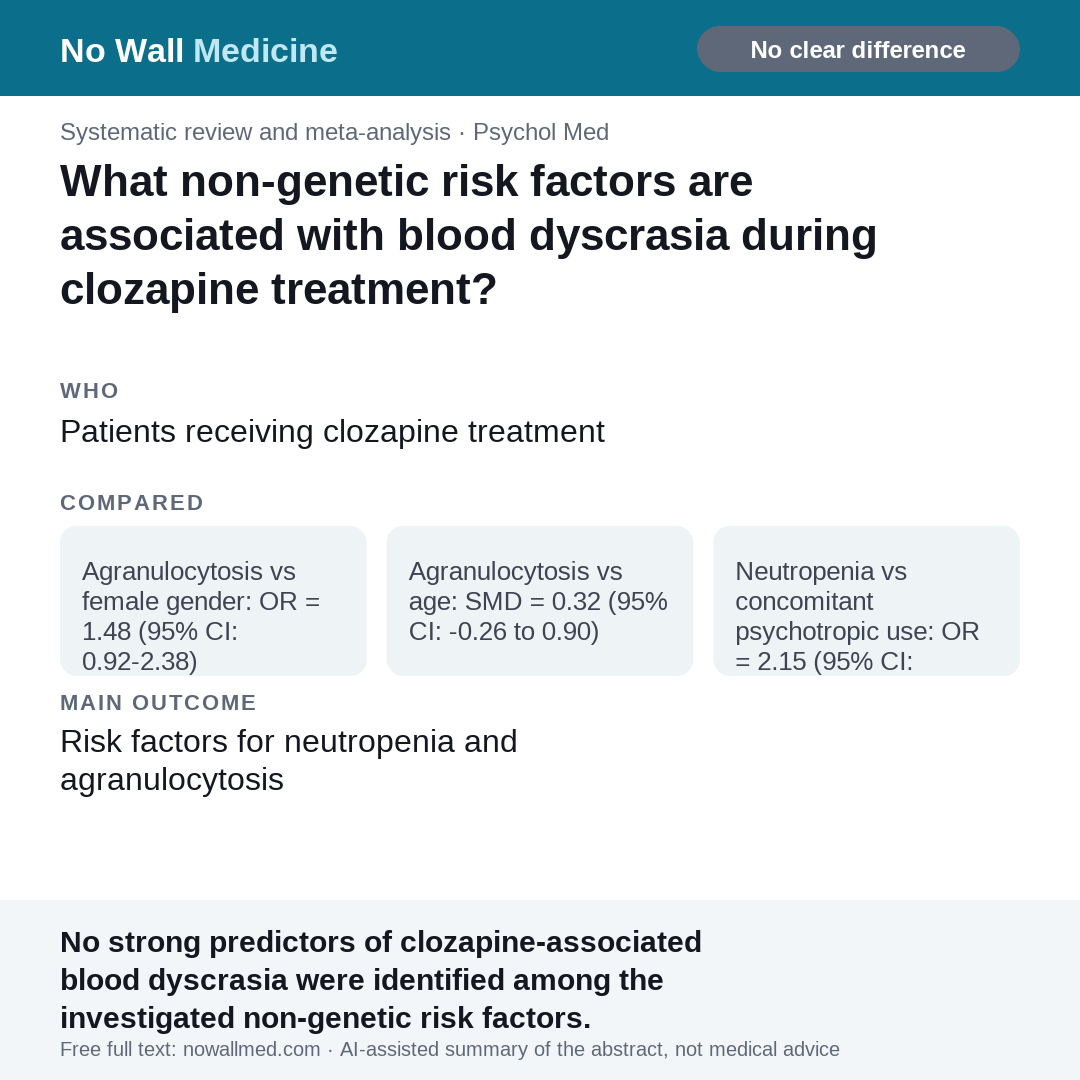
Risk factors associated with blood dyscrasia during clozapine treatment: a systematic review and meta-analysis
Systematic review and meta-analysisNo clear difference
What non-genetic risk factors are associated with blood dyscrasia during clozapine treatment?
Who
Patients receiving clozapine treatment
Compared
Agranulocytosis vs female gender: OR = 1.48 (95% CI: 0.92-2.38)
Agranulocytosis vs age: SMD = 0.32 (95% CI: -0.26 to 0.90)
Neutropenia vs concomitant psychotropic use: OR = 2.15 (95% CI: 1.13-4.07)
Main outcome
Risk factors for neutropenia and agranulocytosis
Bottom line: No strong predictors of clozapine-associated blood dyscrasia were identified among the investigated non-genetic risk factors.
Limitation: Study variability, surveillance bias, and lack of consistent differentiation between agranulocytosis and milder neutropenia.
Psychol Med · 2026-05-11Download image
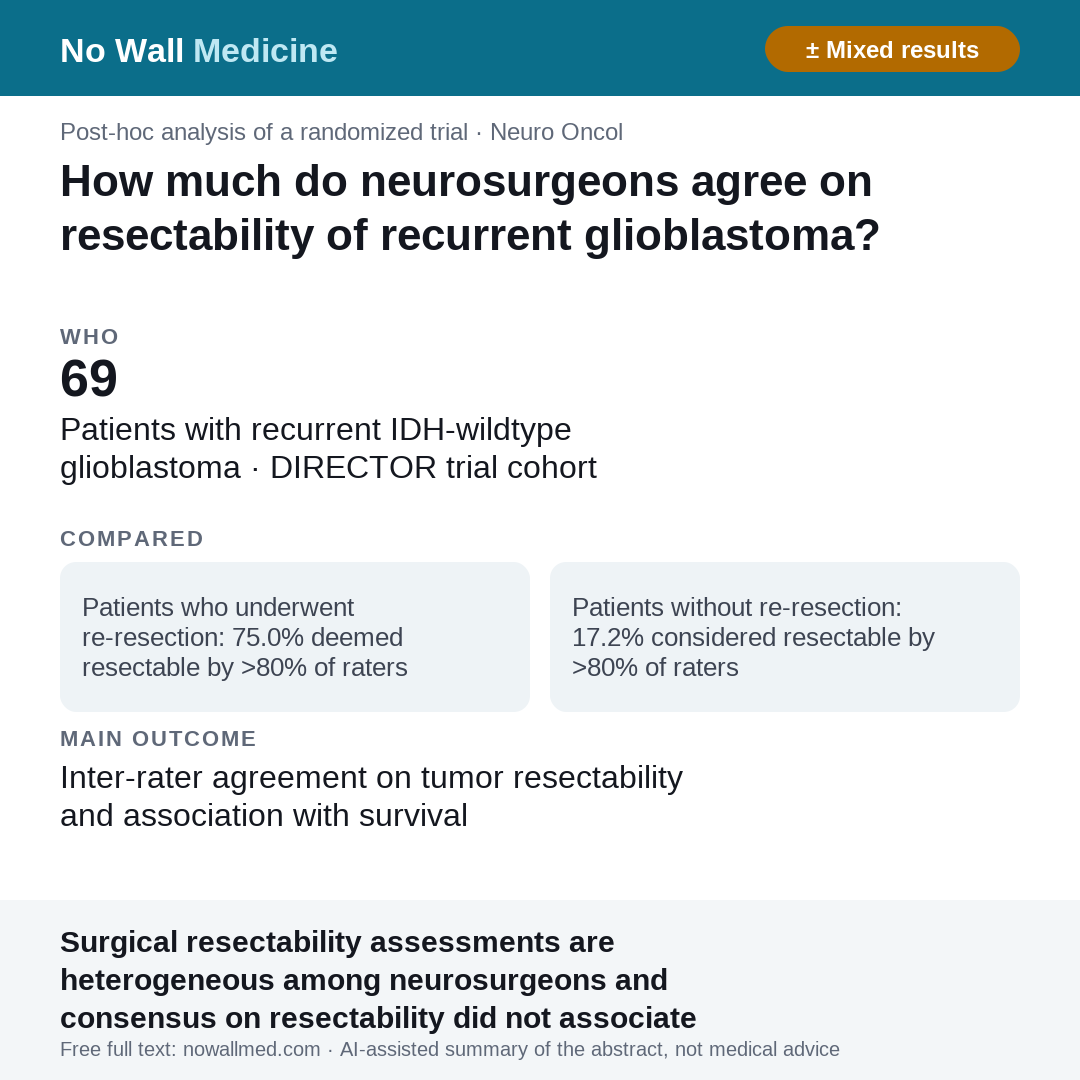
Discrepancies in inter-rater agreement on resectability of recurrent glioblastoma: Complementary post-hoc analysis of the prospective, randomized DIRECTOR trial
Post-hoc analysis of a randomized trialMixed results
How much do neurosurgeons agree on resectability of recurrent glioblastoma?
Who
69
Patients with recurrent IDH-wildtype glioblastoma · DIRECTOR trial cohort
Compared
Patients who underwent re-resection: 75.0% deemed resectable by >80% of raters
Patients without re-resection: 17.2% considered resectable by >80% of raters
Main outcome
Inter-rater agreement on tumor resectability and association with survival
Bottom line: Surgical resectability assessments are heterogeneous among neurosurgeons and consensus on resectability did not associate with prolonged overall survival.
Limitation: Findings are limited by the number of surgical raters and the size of the cohort.
Neuro Oncol · 2026-05-11Download image
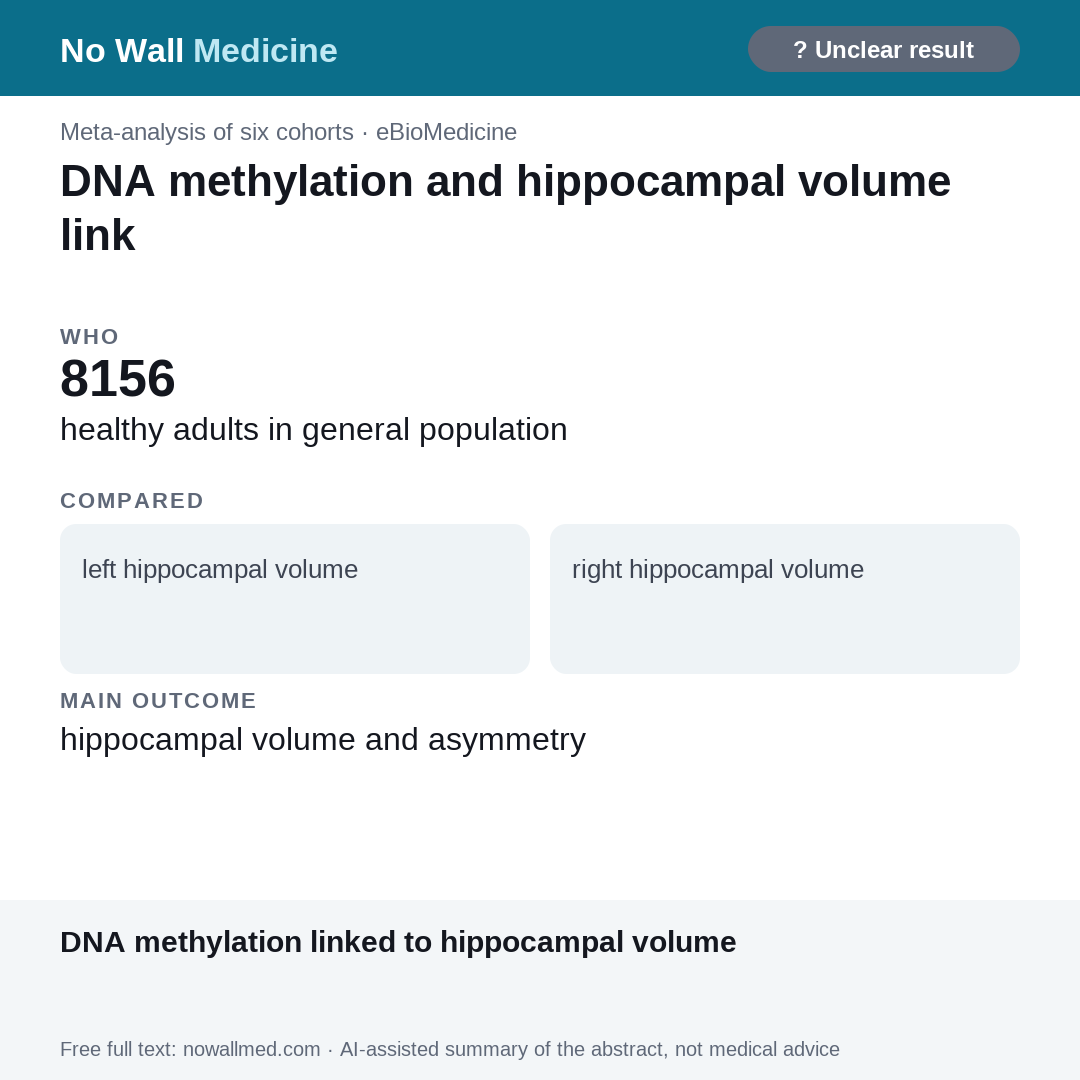
DNA methylation signatures of bilateral hippocampal volume, asymmetry and atrophy: a cross-omics analysis in the general population
Meta-analysis of six cohortsUnclear result
DNA methylation and hippocampal volume link
Who
8156
healthy adults in general population
Compared
left hippocampal volume
right hippocampal volume
Main outcome
hippocampal volume and asymmetry
Bottom line: DNA methylation linked to hippocampal volume
Funded by: Institutional funds and others
eBioMedicine · 2026-05-11Download image
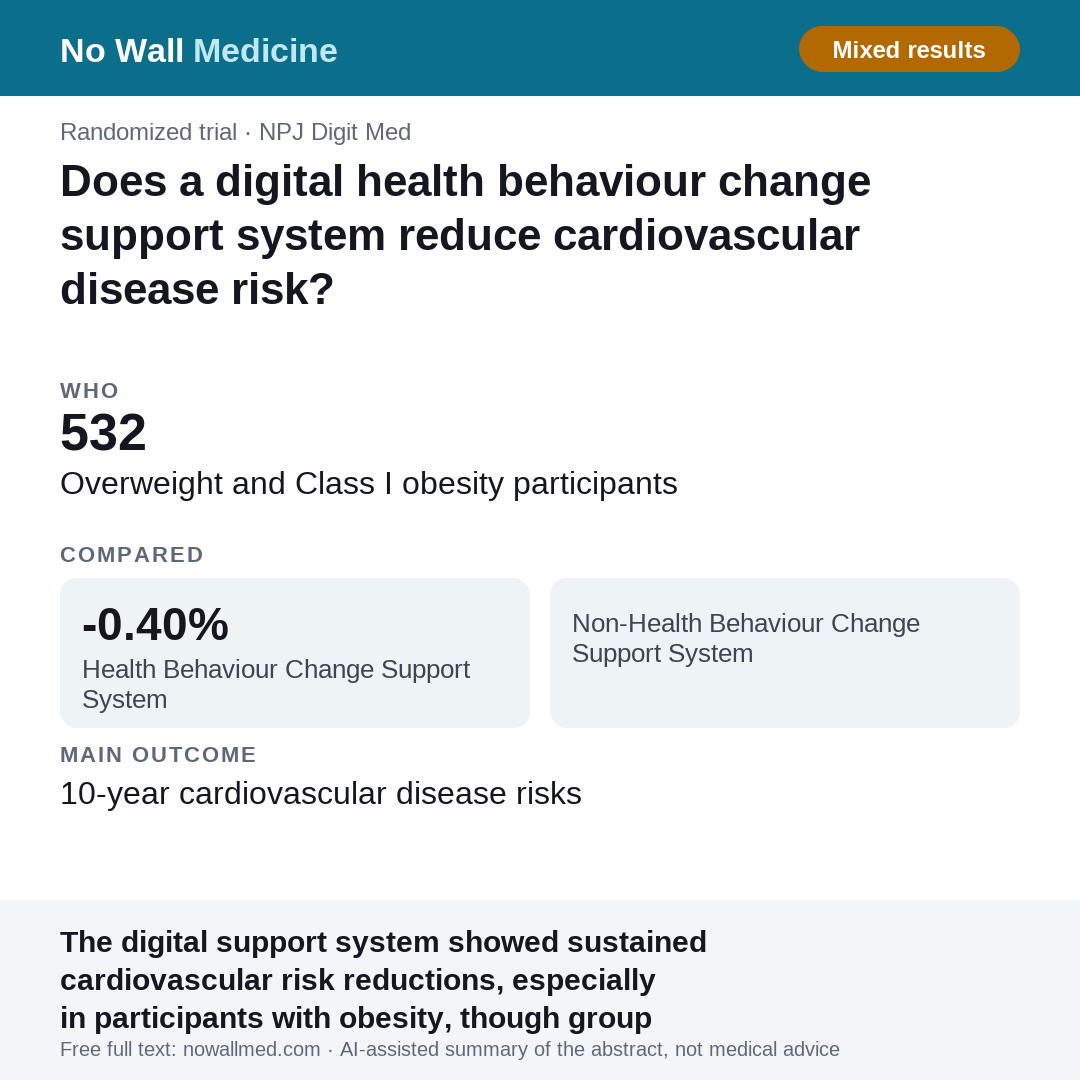
Effect of a digital health behaviour change support system on cardiovascular disease risk in a randomized weight loss trial
Randomized trialMixed results
Does a digital health behaviour change support system reduce cardiovascular disease risk?
Who
532
Overweight and Class I obesity participants
Compared
-0.40%Health Behaviour Change Support System
Non-Health Behaviour Change Support System
Main outcome
10-year cardiovascular disease risks
Bottom line: The digital support system showed sustained cardiovascular risk reductions, especially in participants with obesity, though group differences were not significant.
Limitation: Differences between groups were not significant in any analyses conducted.
NPJ Digit Med · 2026-05-11Download image