Visual abstracts
New randomized trials and meta-analyses from leading journals at a glance: who was studied, what was compared, and what was found. Every paper is free to read in full.
All specialtiesCardiology 842Oncology 763Gastroenterology & Hepatology 307Infectious Disease 626Neurology 350Psychiatry & Mental Health 430Pulmonology 366Critical Care 245Endocrinology & Diabetes 480Pediatrics 536Surgery 324Orthopedics & Sports Medicine 162Neurosurgery 93Cardiothoracic & Vascular Surgery 87Plastic & Reconstructive Surgery 124Nephrology 197Rheumatology 108Hematology 182Dermatology 80Ophthalmology 97Obstetrics & Gynecology 261Public & Global Health 167Radiology & Imaging 98Anesthesiology 114Urology 162ENT (Otolaryngology) 91Emergency Medicine 73Allergy & Immunology 58Geriatrics 160Family Medicine & Primary Care 111Medical Genetics & Genomics 91Pathology & Laboratory Medicine 24Physical Medicine & Rehabilitation 148Palliative Care 81Nutrition 223Digital Health & AI 460General Medicine 101
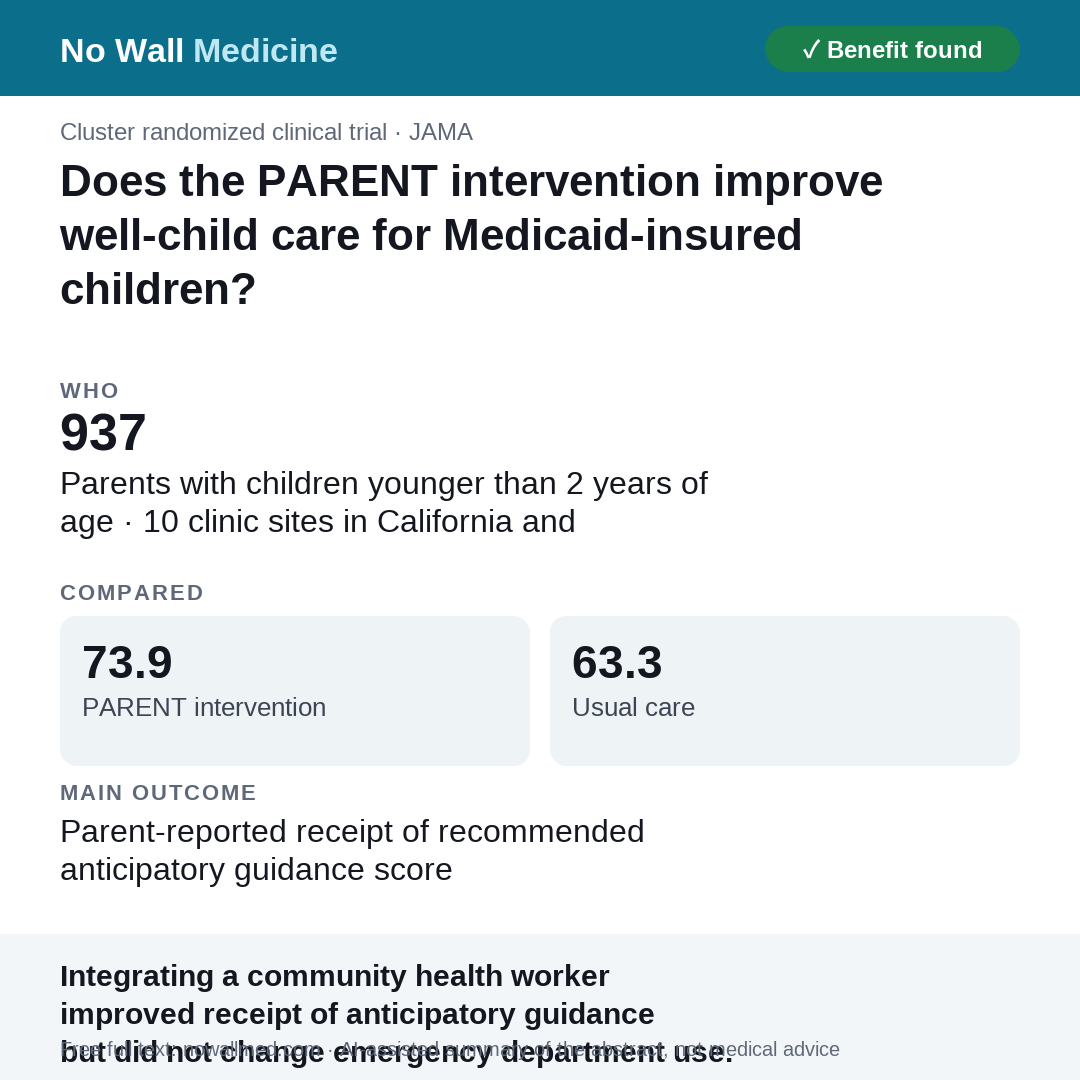
Community Health Workers in Early Childhood Well-Child Care for Medicaid-Insured Children: A Randomized Clinical Trial
Cluster randomized clinical trialBenefit found
Does the PARENT intervention improve well-child care for Medicaid-insured children?
Who
937
Parents with children younger than 2 years of age · 10 clinic sites in California and Washington
Compared
73.9PARENT intervention (SD, 23.4)
63.3Usual care (SD, 27.8)
Main outcome
Parent-reported receipt of recommended anticipatory guidance score
Result: adjusted absolute difference, 11.01 (95% CI, 6.44 to 15.59)
Bottom line: Integrating a community health worker improved receipt of anticipatory guidance but did not change emergency department use.
JAMA · 2023-04-30Download image
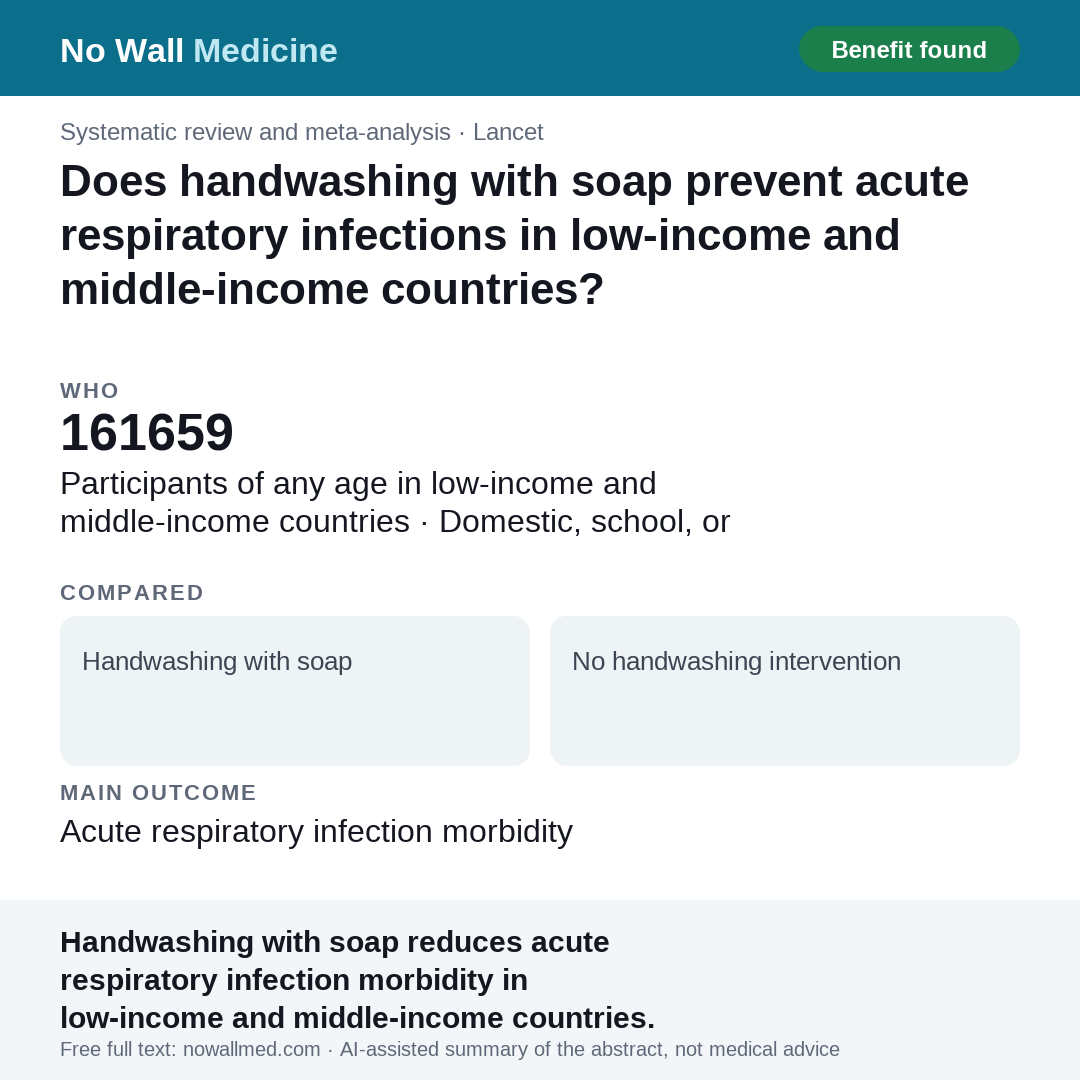
Effectiveness of handwashing with soap for preventing acute respiratory infections in low-income and middle-income countries: a systematic review and meta-analysis
Systematic review and meta-analysisBenefit found
Does handwashing with soap prevent acute respiratory infections in low-income and middle-income countries?
Who
161659
Participants of any age in low-income and middle-income countries · Domestic, school, or childcare settings
Compared
Handwashing with soap
No handwashing intervention
Main outcome
Acute respiratory infection morbidity
Result: relative risk 0·83 (95% CI 0·76-0·90)
Bottom line: Handwashing with soap reduces acute respiratory infection morbidity in low-income and middle-income countries.
Limitation: The GRADE rating for acute respiratory infection was moderate certainty evidence.
Funded by: Bill & Melinda Gates Foundation, Reckitt Global Hygiene Institute, UK FCDO
Lancet · 2023-04-27Download image
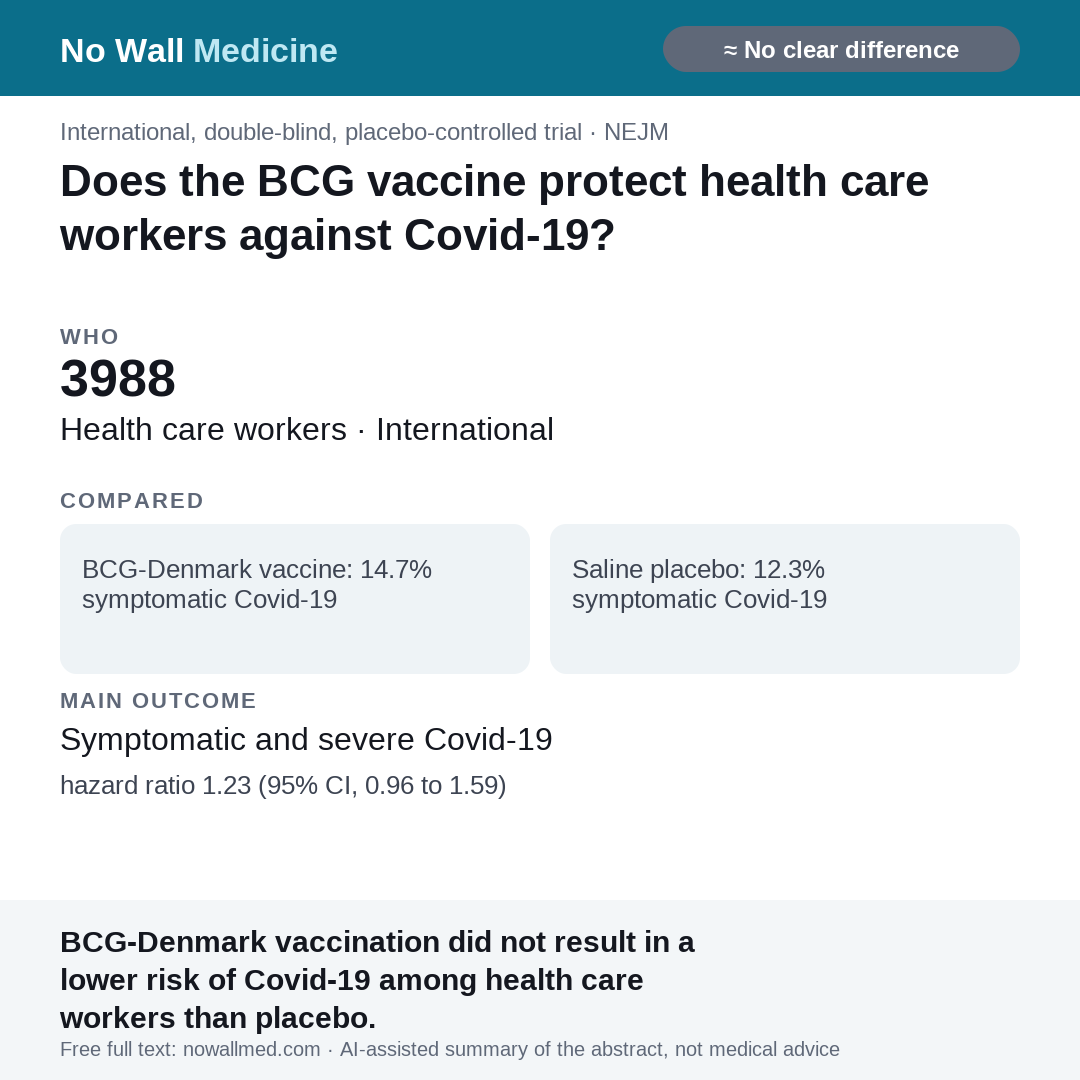
Randomized Trial of BCG Vaccine to Protect against Covid-19 in Health Care Workers
International, double-blind, placebo-controlled trialNo clear difference
Does the BCG vaccine protect health care workers against Covid-19?
Who
3988
Health care workers · International
Compared
BCG-Denmark vaccine: 14.7% symptomatic Covid-19
Saline placebo: 12.3% symptomatic Covid-19
Main outcome
Symptomatic and severe Covid-19
Result: hazard ratio 1.23 (95% CI, 0.96 to 1.59)
Bottom line: BCG-Denmark vaccination did not result in a lower risk of Covid-19 among health care workers than placebo.
Funded by: Bill and Melinda Gates Foundation and others
NEJM · 2023-04-26Download image
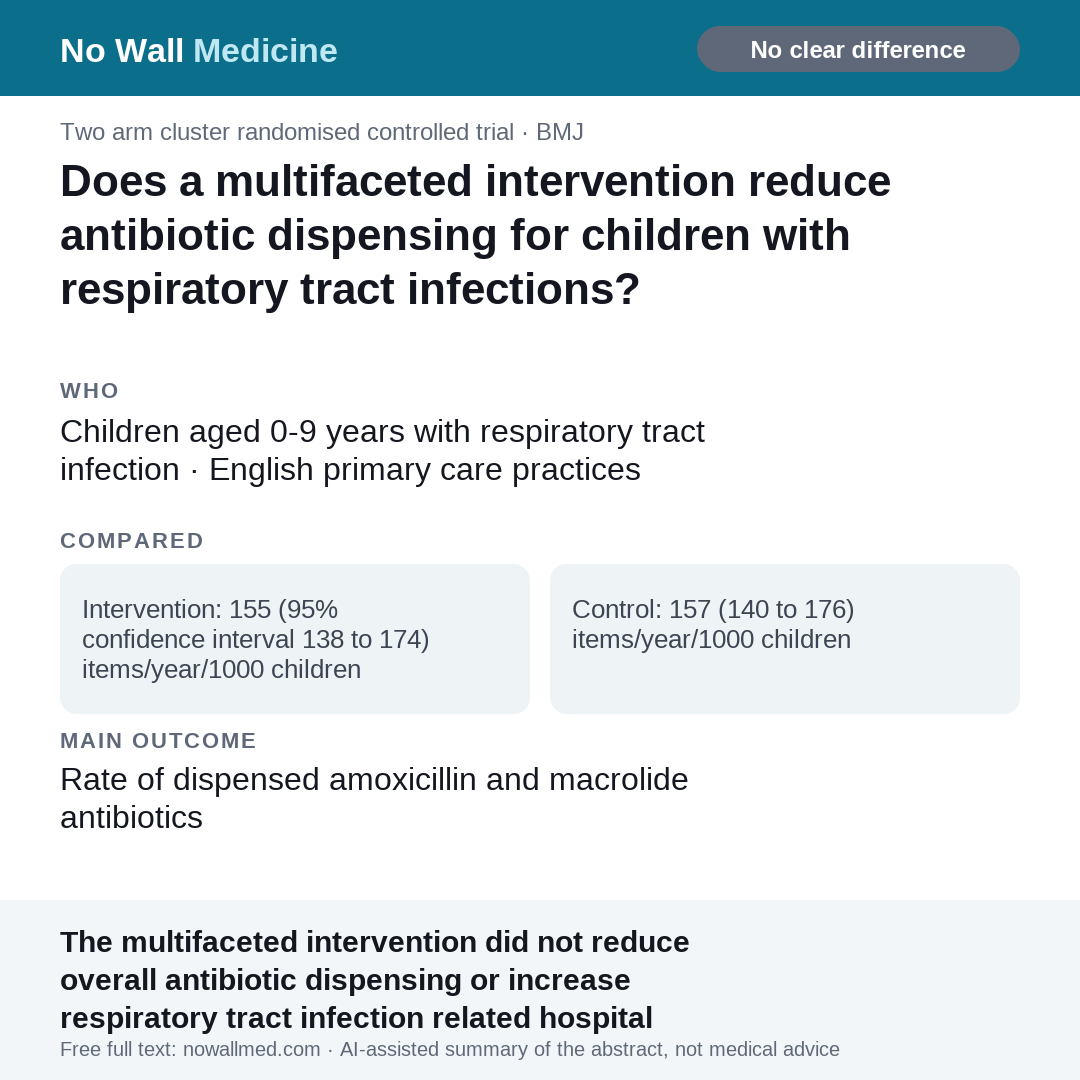
Multi-faceted intervention to improve management of antibiotics for children presenting to primary care with acute cough and respiratory tract infection (CHICO): efficient cluster randomised controlled trial
Two arm cluster randomised controlled trialNo clear difference
Does a multifaceted intervention reduce antibiotic dispensing for children with respiratory tract infections?
Who
Children aged 0-9 years with respiratory tract infection · English primary care practices
Compared
Intervention: 155 (95% confidence interval 138 to 174) items/year/1000 children
Control: 157 (140 to 176) items/year/1000 children
Main outcome
Rate of dispensed amoxicillin and macrolide antibiotics
Result: rate ratio 1.011, 95% confidence interval 0.992 to 1.029
Bottom line: The multifaceted intervention did not reduce overall antibiotic dispensing or increase respiratory tract infection related hospital admissions.
BMJ · 2023-04-26Download image
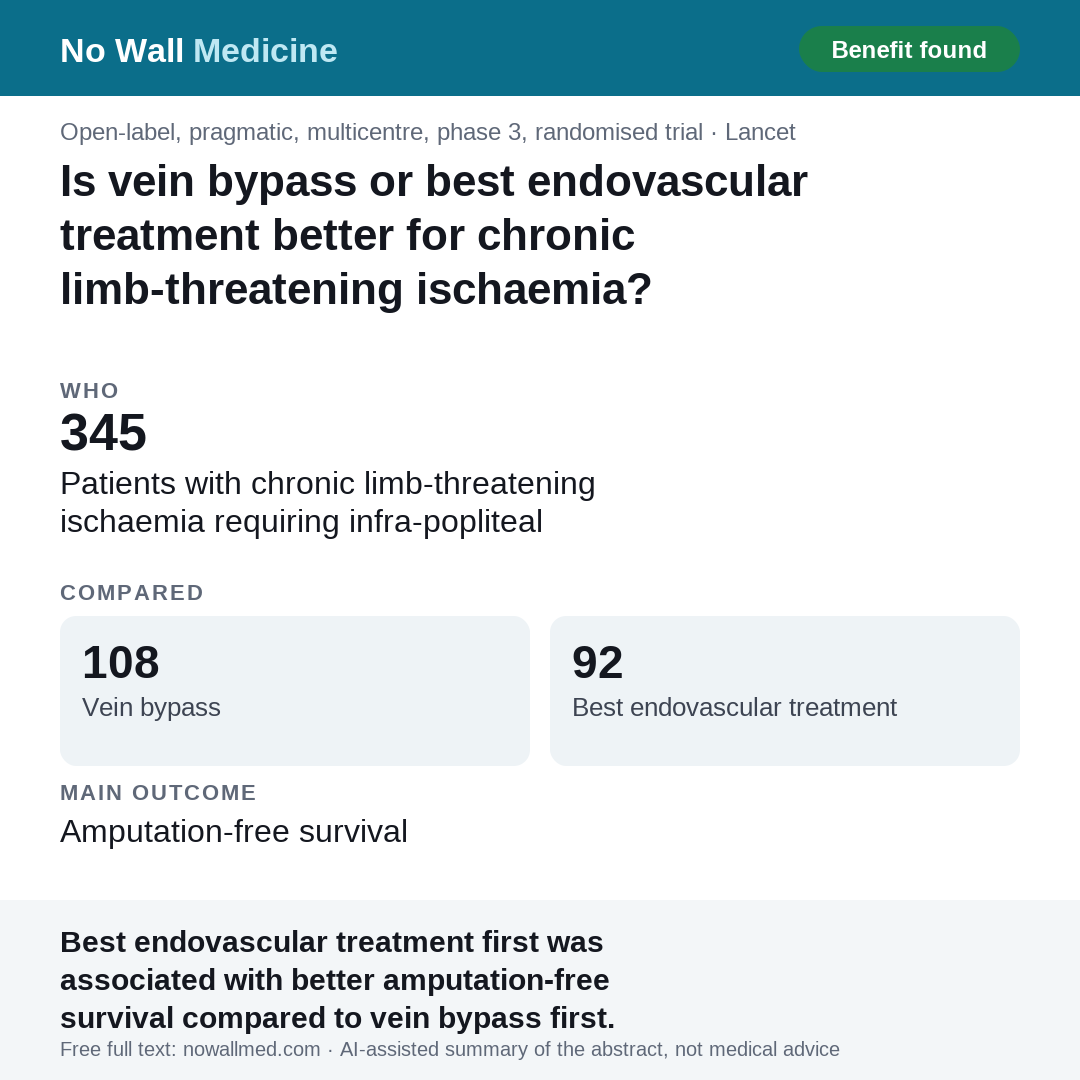
A vein bypass first versus a best endovascular treatment first revascularisation strategy for patients with chronic limb threatening ischaemia who required an infra-popliteal, with or without an additional more proximal infra-inguinal revascularisation procedure to restore limb perfusion (BASIL-2): an open-label, randomised, multicentre, phase 3 trial
Open-label, pragmatic, multicentre, phase 3, randomised trialBenefit found
Is vein bypass or best endovascular treatment better for chronic limb-threatening ischaemia?
Who
345
Patients with chronic limb-threatening ischaemia requiring infra-popliteal revascularisation · 41 sites in UK, Sweden, and Denmark
Compared
108Vein bypass (63%)
92Best endovascular treatment (53%)
Main outcome
Amputation-free survival
Result: adjusted hazard ratio 1·35 (95% CI 1·02-1·80)
Bottom line: Best endovascular treatment first was associated with better amputation-free survival compared to vein bypass first.
Lancet · 2023-04-25Download image
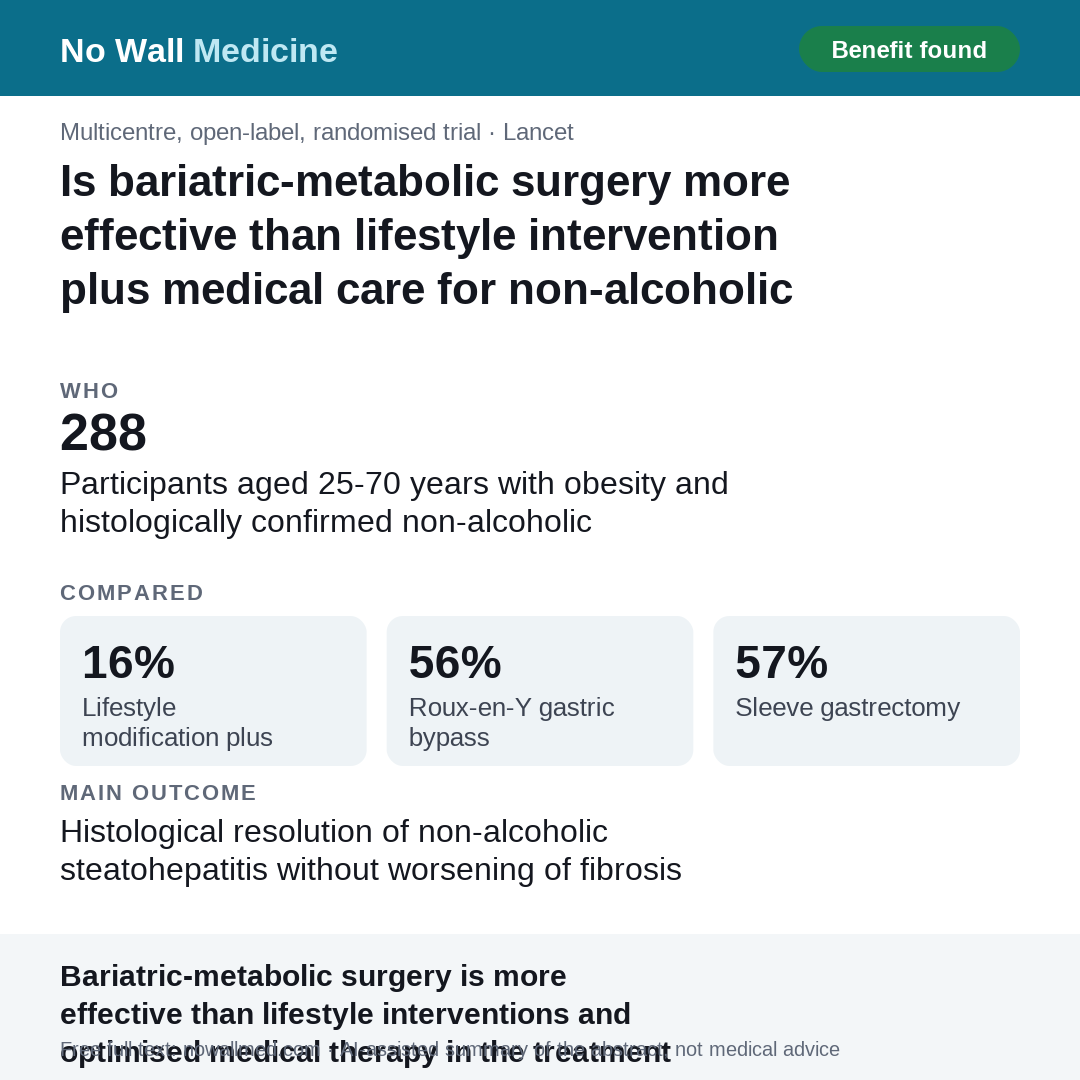
Bariatric-metabolic surgery versus lifestyle intervention plus best medical care in non-alcoholic steatohepatitis (BRAVES): a multicentre, open-label, randomised trial
Multicentre, open-label, randomised trialBenefit found
Is bariatric-metabolic surgery more effective than lifestyle intervention plus medical care for non-alcoholic steatohepatitis?
Who
288
Participants aged 25-70 years with obesity and histologically confirmed non-alcoholic steatohepatitis · Three major hospitals in Rome, Italy
Compared
16%Lifestyle modification plus best medical care
56%Roux-en-Y gastric bypass
57%Sleeve gastrectomy
Main outcome
Histological resolution of non-alcoholic steatohepatitis without worsening of fibrosis
Result: probability of NASH resolution was 3.60 times greater (95% CI 2.19-5.92) for Roux-en-Y gastric bypass
Bottom line: Bariatric-metabolic surgery is more effective than lifestyle interventions and optimised medical therapy in the treatment of non-alcoholic steatohepatitis.
Funded by: Fondazione Policlinico Universitario A Gemelli, Policlinico Universitario Umberto I and S Camillo Hospital
Lancet · 2023-04-21Download image
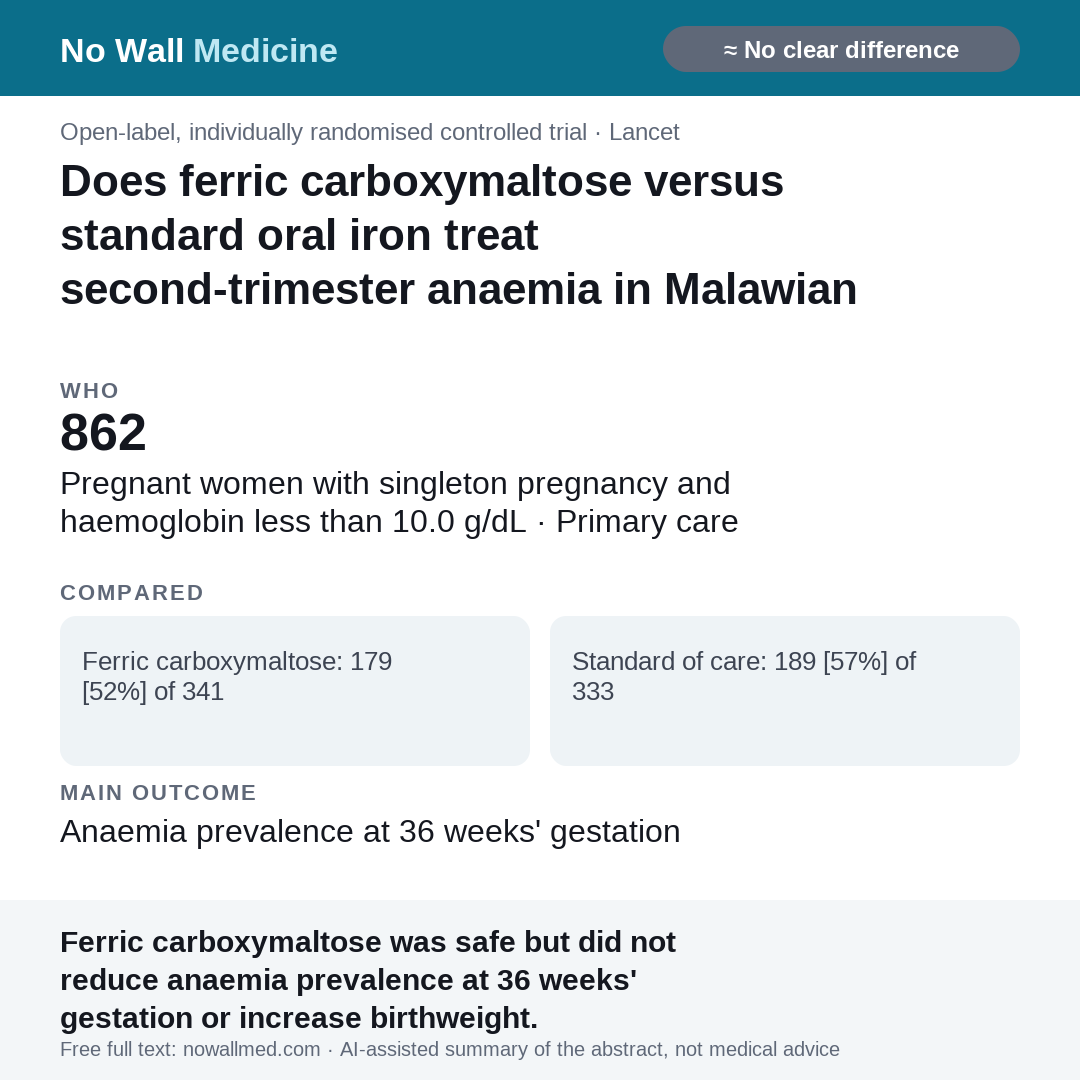
Ferric carboxymaltose versus standard-of-care oral iron to treat second-trimester anaemia in Malawian pregnant women: a randomised controlled trial
Open-label, individually randomised controlled trialNo clear difference
Does ferric carboxymaltose versus standard oral iron treat second-trimester anaemia in Malawian pregnant women?
Who
862
Pregnant women with singleton pregnancy and haemoglobin less than 10.0 g/dL · Primary care and outpatient settings in southern Malawi
Compared
Ferric carboxymaltose: 179 [52%] of 341
Standard of care: 189 [57%] of 333
Main outcome
Anaemia prevalence at 36 weeks' gestation
Result: prevalence ratio 0.92 (95% CI 0.81 to 1.06)
Bottom line: Ferric carboxymaltose was safe but did not reduce anaemia prevalence at 36 weeks' gestation or increase birthweight.
Funded by: Bill & Melinda Gates Foundation
Lancet · 2023-04-21Download image
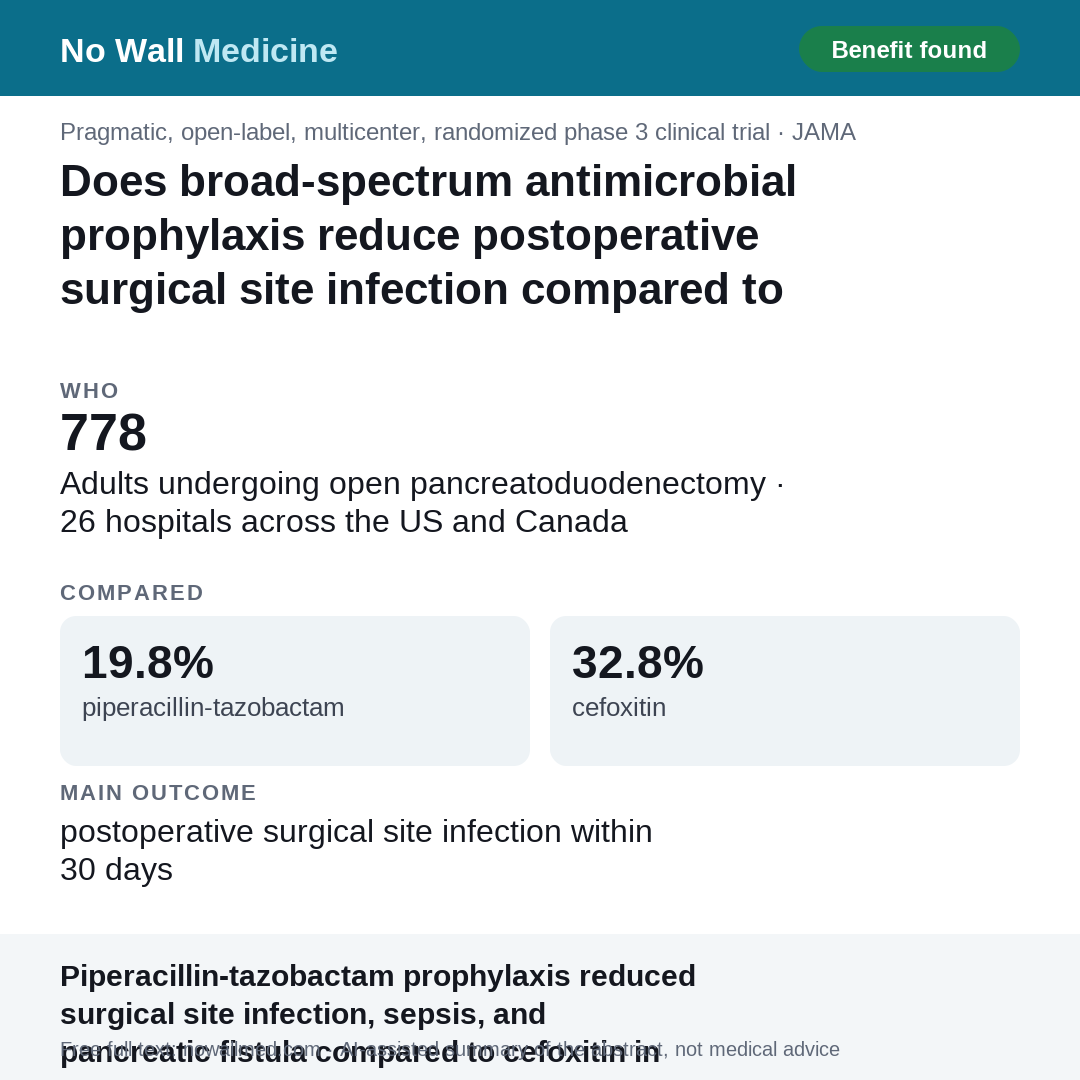
Piperacillin-Tazobactam Compared With Cefoxitin as Antimicrobial Prophylaxis for Pancreatoduodenectomy: A Randomized Clinical Trial
Pragmatic, open-label, multicenter, randomized phase 3 clinical trialBenefit found
Does broad-spectrum antimicrobial prophylaxis reduce postoperative surgical site infection compared to standard care antibiotics?
Who
778
Adults undergoing open pancreatoduodenectomy · 26 hospitals across the US and Canada
Compared
19.8%piperacillin-tazobactam
32.8%cefoxitin
Main outcome
postoperative surgical site infection within 30 days
Result: absolute difference, -13.0% (95% CI, -19.1% to -6.9%)
Bottom line: Piperacillin-tazobactam prophylaxis reduced surgical site infection, sepsis, and pancreatic fistula compared to cefoxitin in pancreatoduodenectomy patients.
JAMA · 2023-04-20Download image
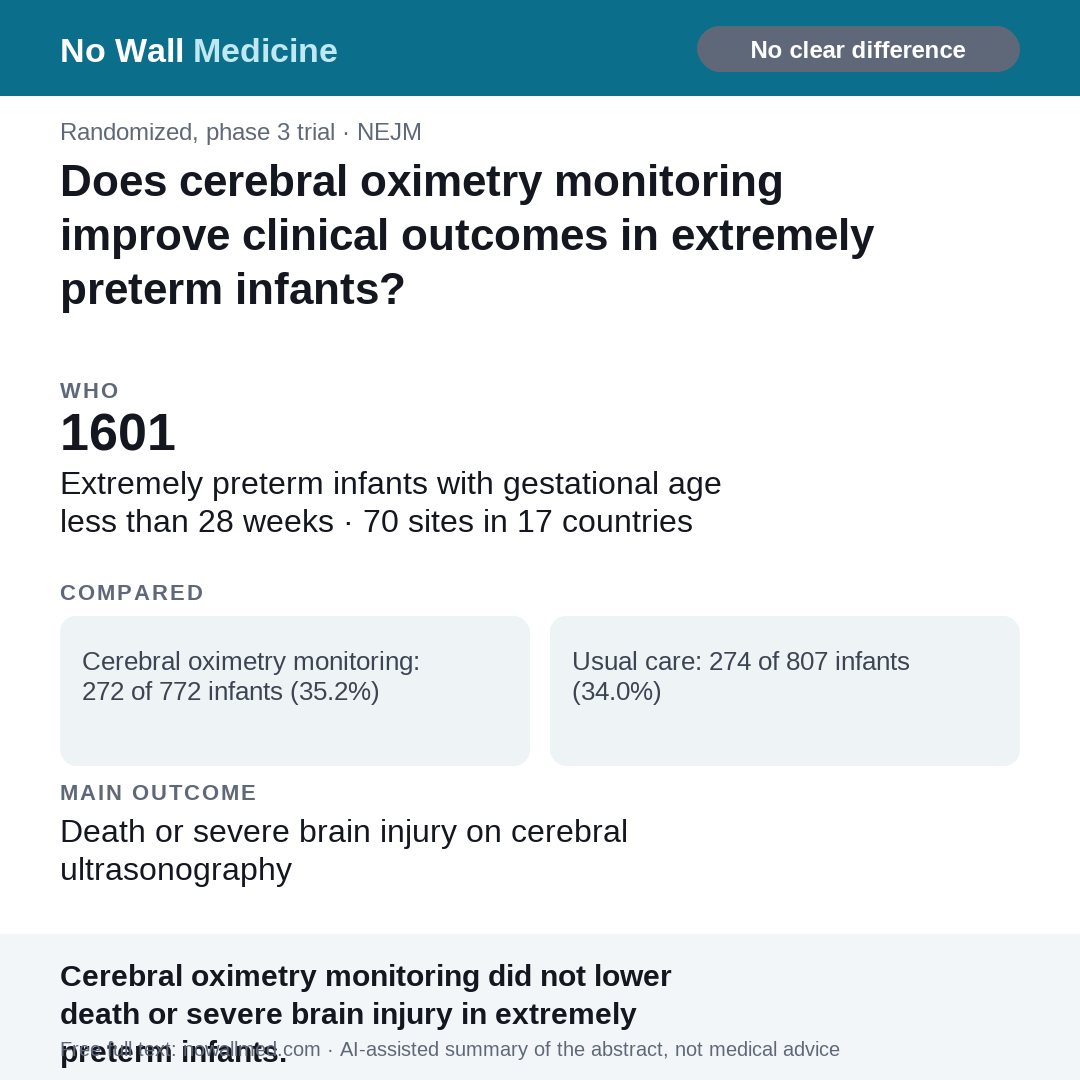
Cerebral Oximetry Monitoring in Extremely Preterm Infants
Randomized, phase 3 trialNo clear difference
Does cerebral oximetry monitoring improve clinical outcomes in extremely preterm infants?
Who
1601
Extremely preterm infants with gestational age less than 28 weeks · 70 sites in 17 countries
Compared
Cerebral oximetry monitoring: 272 of 772 infants (35.2%)
Usual care: 274 of 807 infants (34.0%)
Main outcome
Death or severe brain injury on cerebral ultrasonography
Result: relative risk 1.03 (95% confidence interval, 0.90 to 1.18)
Bottom line: Cerebral oximetry monitoring did not lower death or severe brain injury in extremely preterm infants.
Funded by: Elsass Foundation and others
NEJM · 2023-04-19Download image
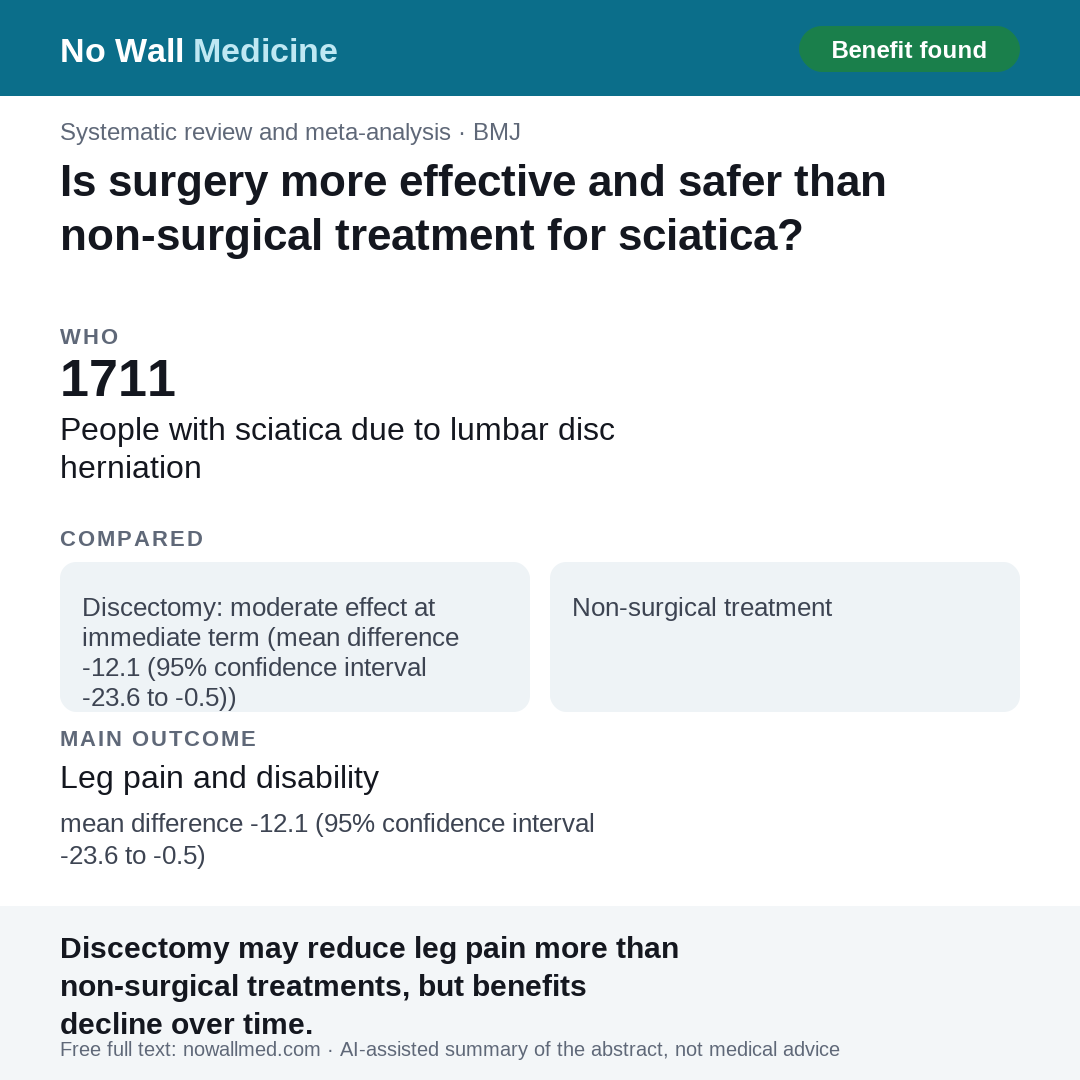
Surgical versus non-surgical treatment for sciatica: systematic review and meta-analysis of randomised controlled trials
Systematic review and meta-analysisBenefit found
Is surgery more effective and safer than non-surgical treatment for sciatica?
Who
1711
People with sciatica due to lumbar disc herniation
Compared
Discectomy: moderate effect at immediate term (mean difference -12.1 (95% confidence interval -23.6 to -0.5))
Non-surgical treatment
Main outcome
Leg pain and disability
Result: mean difference -12.1 (95% confidence interval -23.6 to -0.5)
Bottom line: Discectomy may reduce leg pain more than non-surgical treatments, but benefits decline over time.
Limitation: Very low to low certainty evidence
BMJ · 2023-04-19Download image
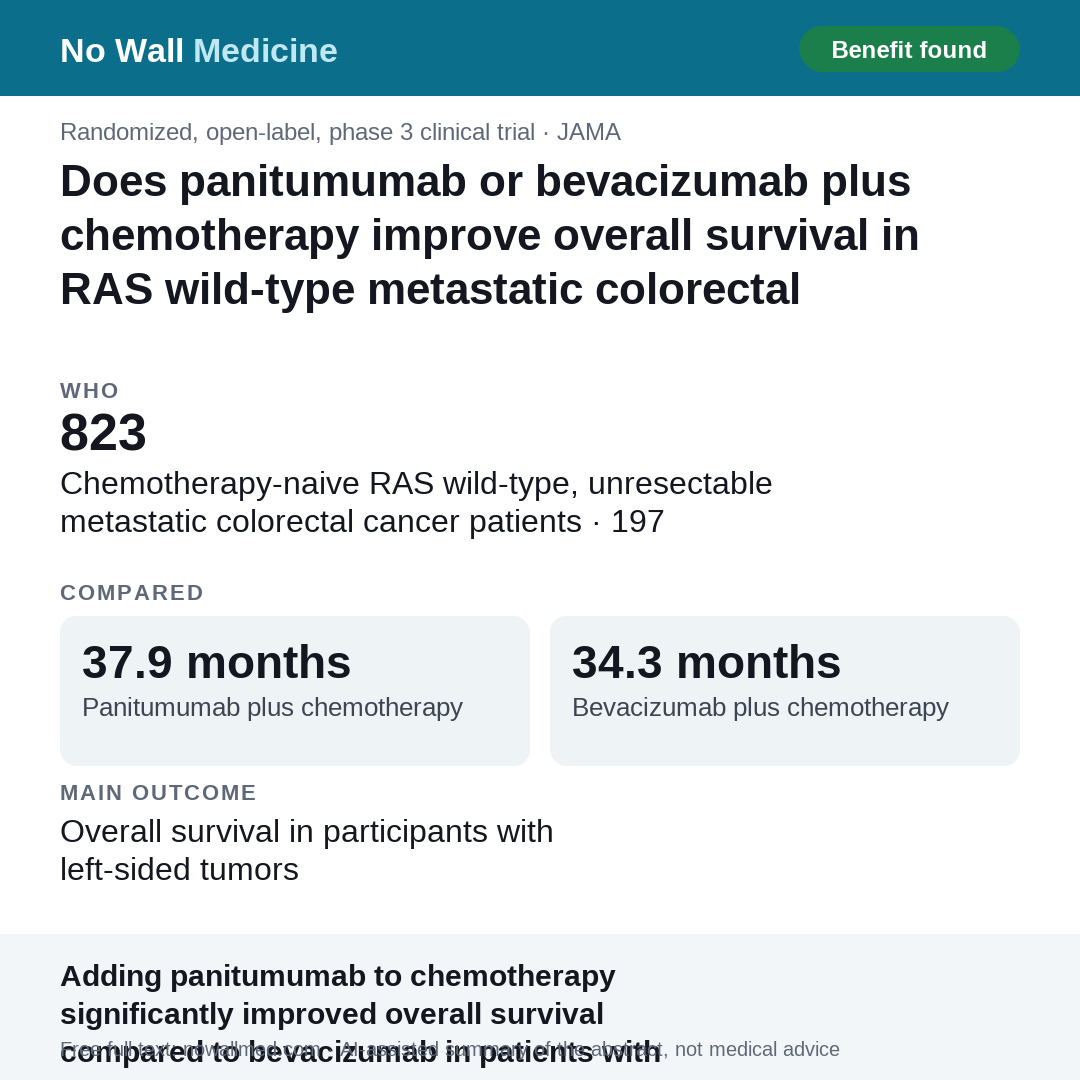
Panitumumab vs Bevacizumab Added to Standard First-line Chemotherapy and Overall Survival Among Patients With RAS Wild-type, Left-Sided Metastatic Colorectal Cancer: A Randomized Clinical Trial
Randomized, open-label, phase 3 clinical trialBenefit found
Does panitumumab or bevacizumab plus chemotherapy improve overall survival in RAS wild-type metastatic colorectal cancer?
Who
823
Chemotherapy-naive RAS wild-type, unresectable metastatic colorectal cancer patients · 197 sites in Japan
Compared
37.9 monthsPanitumumab plus chemotherapy
34.3 monthsBevacizumab plus chemotherapy
Main outcome
Overall survival in participants with left-sided tumors
Result: hazard ratio 0.82 (95.798% CI, 0.68-0.99)
Bottom line: Adding panitumumab to chemotherapy significantly improved overall survival compared to bevacizumab in patients with left-sided tumors and the overall population.
JAMA · 2023-04-18Download image
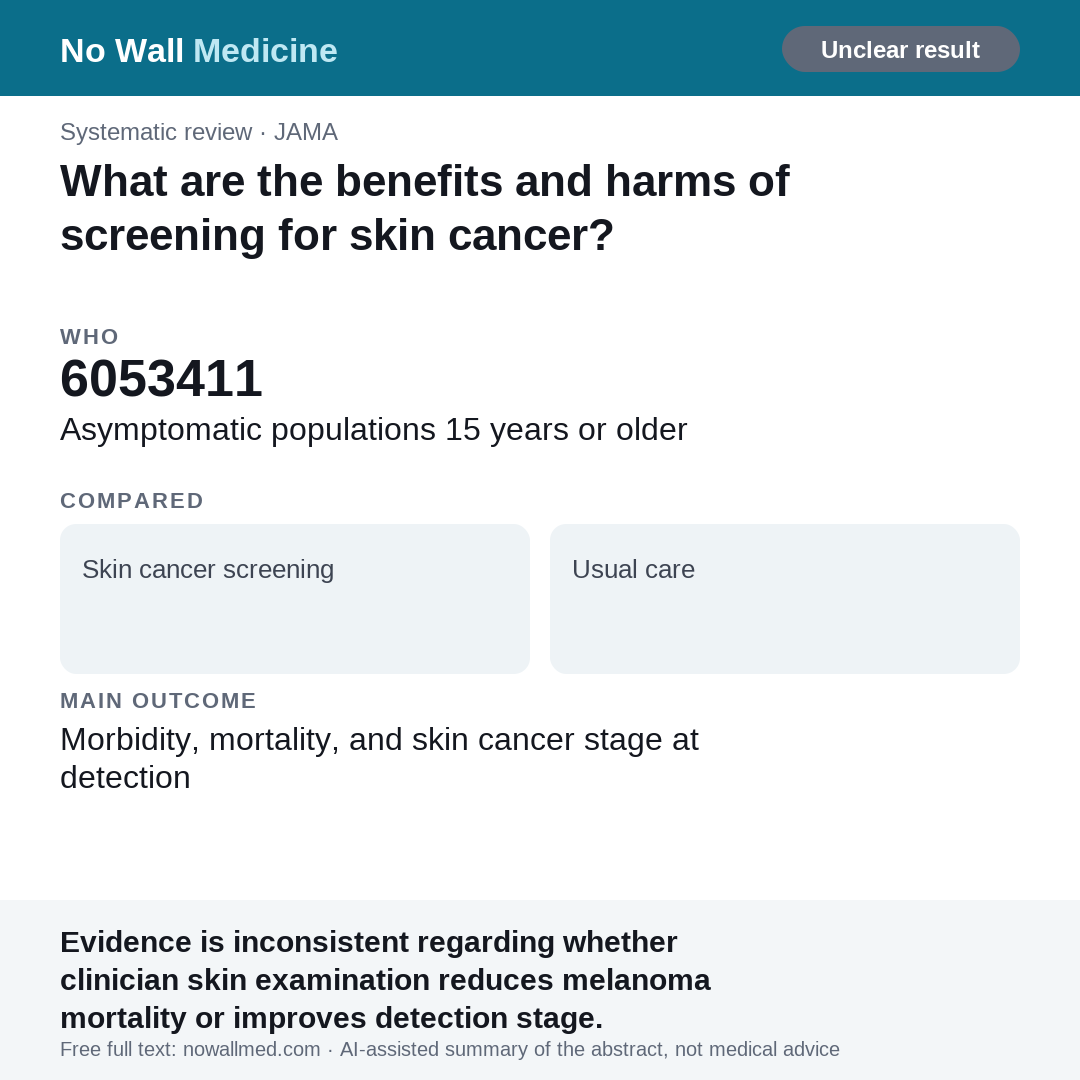
Skin Cancer Screening: Updated Evidence Report and Systematic Review for the US Preventive Services Task Force
Systematic reviewUnclear result
What are the benefits and harms of screening for skin cancer?
Who
6053411
Asymptomatic populations 15 years or older
Compared
Skin cancer screening
Usual care
Main outcome
Morbidity, mortality, and skin cancer stage at detection
Bottom line: Evidence is inconsistent regarding whether clinician skin examination reduces melanoma mortality or improves detection stage.
Limitation: Evidence is based on nonrandomized studies and results are inconsistent.
JAMA · 2023-04-18Download image
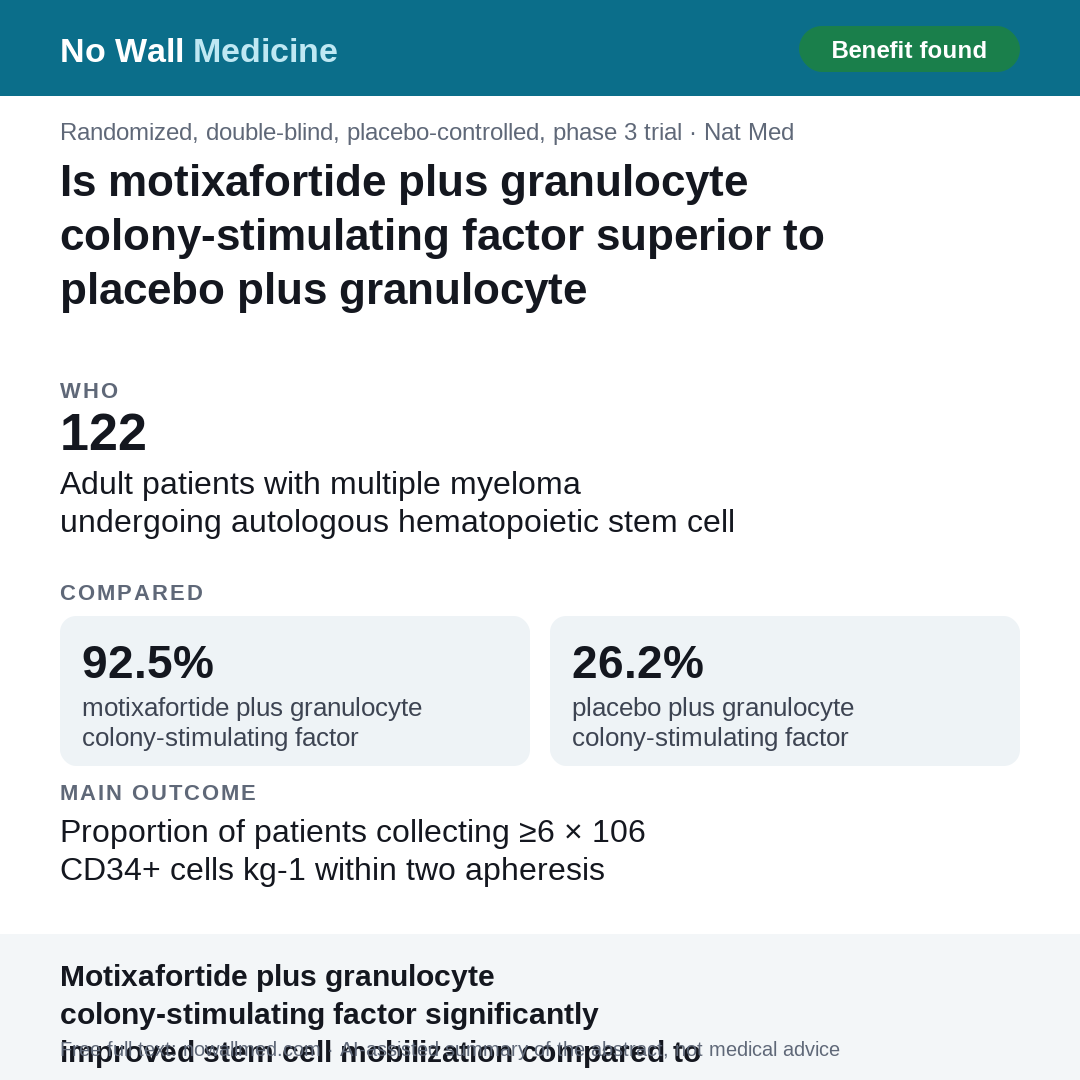
Motixafortide and G-CSF to mobilize hematopoietic stem cells for autologous transplantation in multiple myeloma: a randomized phase 3 trial
Randomized, double-blind, placebo-controlled, phase 3 trialBenefit found
Is motixafortide plus granulocyte colony-stimulating factor superior to placebo plus granulocyte colony-stimulating factor for stem cell mobilization?
Who
122
Adult patients with multiple myeloma undergoing autologous hematopoietic stem cell transplantation · 18 sites across five countries
Compared
92.5%motixafortide plus granulocyte colony-stimulating factor
26.2%placebo plus granulocyte colony-stimulating factor
Main outcome
Proportion of patients collecting ≥6 × 10⁶ CD34+ cells kg-1 within two apheresis procedures
Result: odds ratio 53.3 (95% CI 14.12-201.33)
Bottom line: Motixafortide plus granulocyte colony-stimulating factor significantly improved stem cell mobilization compared to placebo plus granulocyte colony-stimulating factor.
Nat Med · 2023-04-17Download image
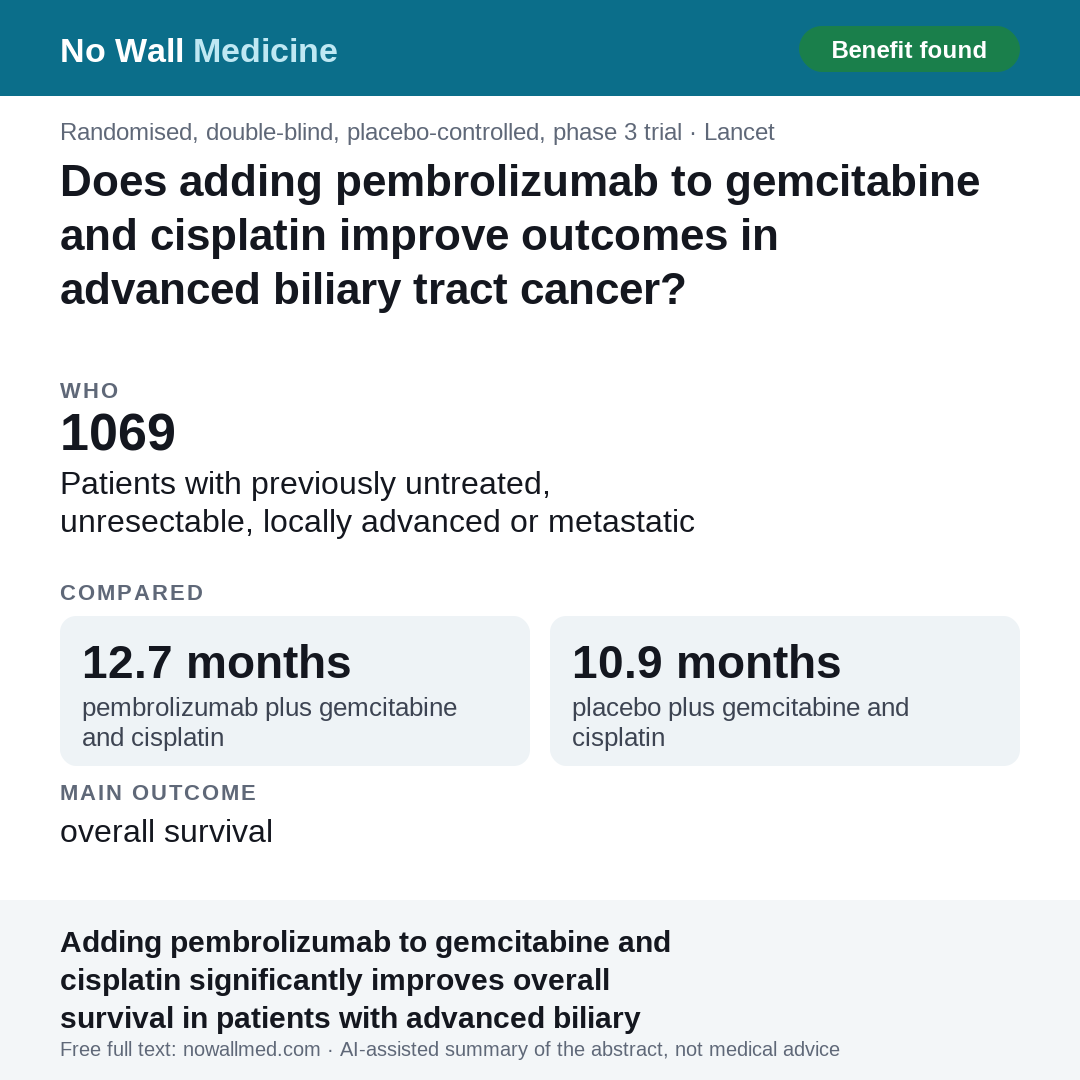
Pembrolizumab in combination with gemcitabine and cisplatin compared with gemcitabine and cisplatin alone for patients with advanced biliary tract cancer (KEYNOTE-966): a randomised, double-blind, placebo-controlled, phase 3 trial
Randomised, double-blind, placebo-controlled, phase 3 trialBenefit found
Does adding pembrolizumab to gemcitabine and cisplatin improve outcomes in advanced biliary tract cancer?
Who
1069
Patients with previously untreated, unresectable, locally advanced or metastatic biliary tract cancer · 175 medical centres globally
Compared
12.7 monthspembrolizumab plus gemcitabine and cisplatin (95% CI 11.5-13.6)
10.9 monthsplacebo plus gemcitabine and cisplatin (9.9-11.6)
Main outcome
overall survival
Result: hazard ratio 0.83 (95% CI 0.72-0.95)
Bottom line: Adding pembrolizumab to gemcitabine and cisplatin significantly improves overall survival in patients with advanced biliary tract cancer.
Funded by: Merck Sharp & Dohme
Lancet · 2023-04-16Download image
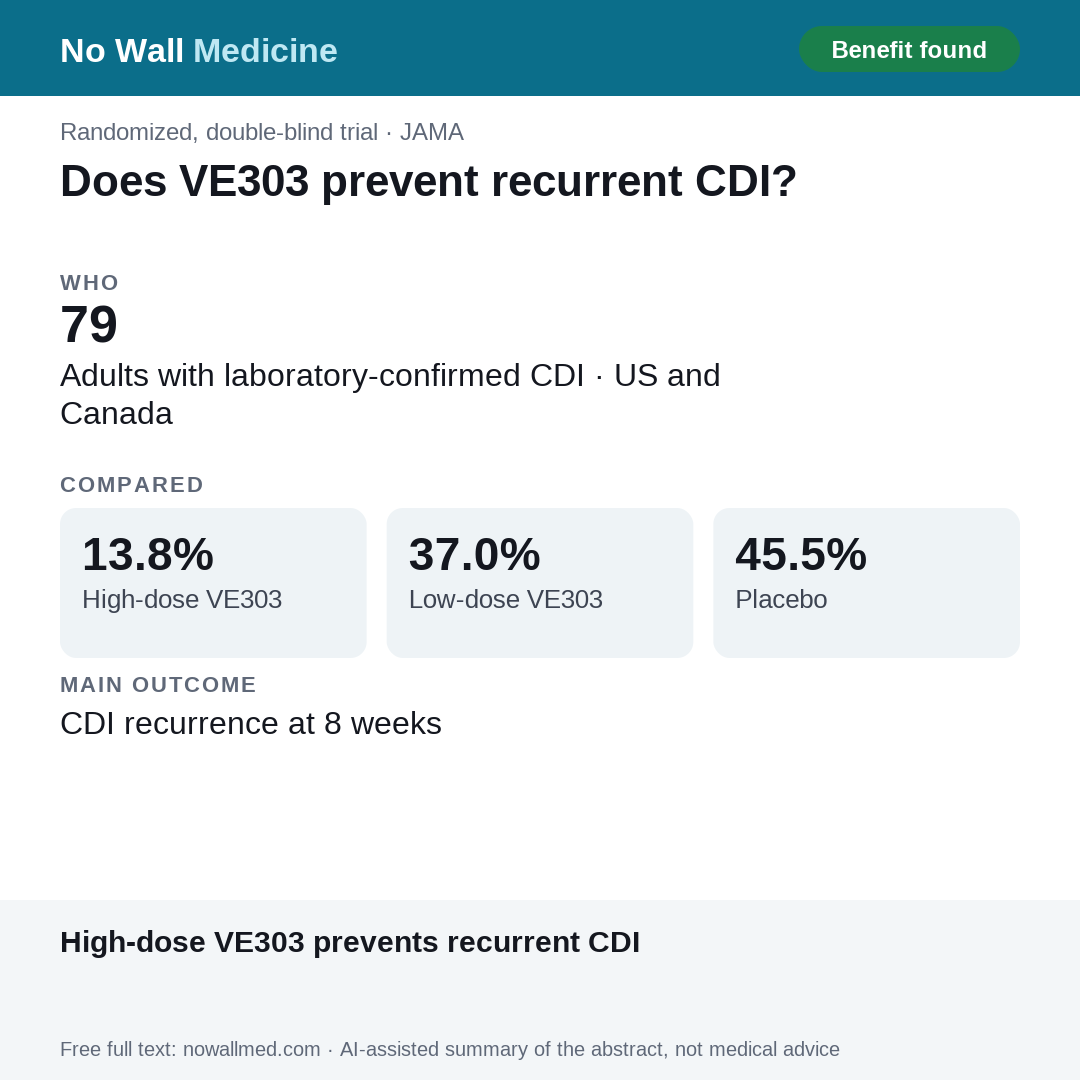
VE303, a Defined Bacterial Consortium, for Prevention of Recurrent Clostridioides difficile Infection: A Randomized Clinical Trial
Randomized, double-blind trialBenefit found
Does VE303 prevent recurrent CDI?
Who
79
Adults with laboratory-confirmed CDI · US and Canada
Compared
13.8%High-dose VE303 (4/29)
37.0%Low-dose VE303 (10/27)
45.5%Placebo (10/22)
Main outcome
CDI recurrence at 8 weeks
Bottom line: High-dose VE303 prevents recurrent CDI
JAMA · 2023-04-16Download image
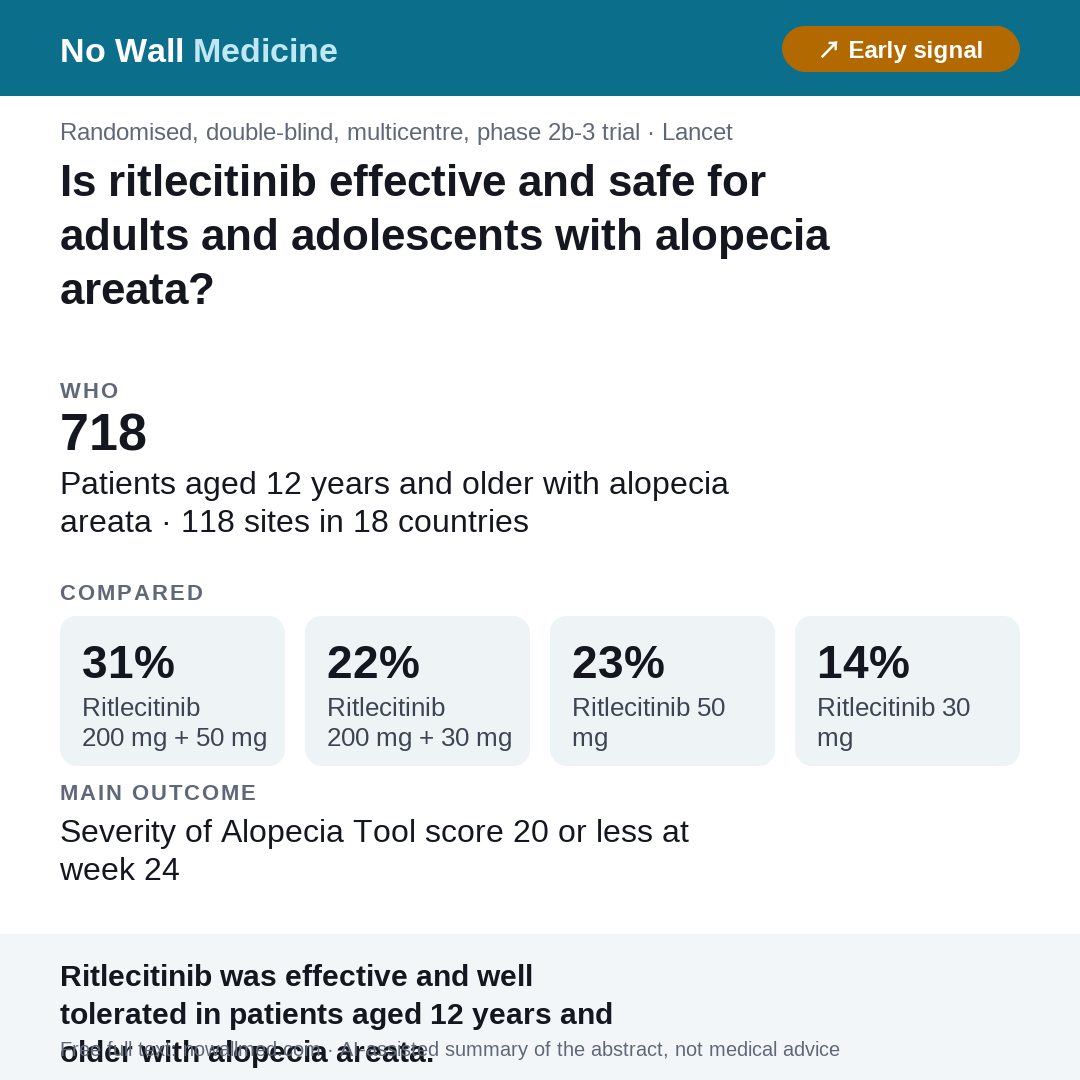
Efficacy and safety of ritlecitinib in adults and adolescents with alopecia areata: a randomised, double-blind, multicentre, phase 2b-3 trial
Randomised, double-blind, multicentre, phase 2b-3 trialBenefit found
Is ritlecitinib effective and safe for adults and adolescents with alopecia areata?
Who
718
Patients aged 12 years and older with alopecia areata · 118 sites in 18 countries
Compared
31%Ritlecitinib 200 mg + 50 mg (38/124)
22%Ritlecitinib 200 mg + 30 mg (27/121)
23%Ritlecitinib 50 mg (29/124)
14%Ritlecitinib 30 mg (17/119)
Main outcome
Severity of Alopecia Tool score 20 or less at week 24
Result: 29.1% (95% CI 21.2-37.9; p<0.0001) for 200 mg + 50 mg vs placebo
Bottom line: Ritlecitinib was effective and well tolerated in patients aged 12 years and older with alopecia areata.
Funded by: Pfizer
Lancet · 2023-04-14Download image
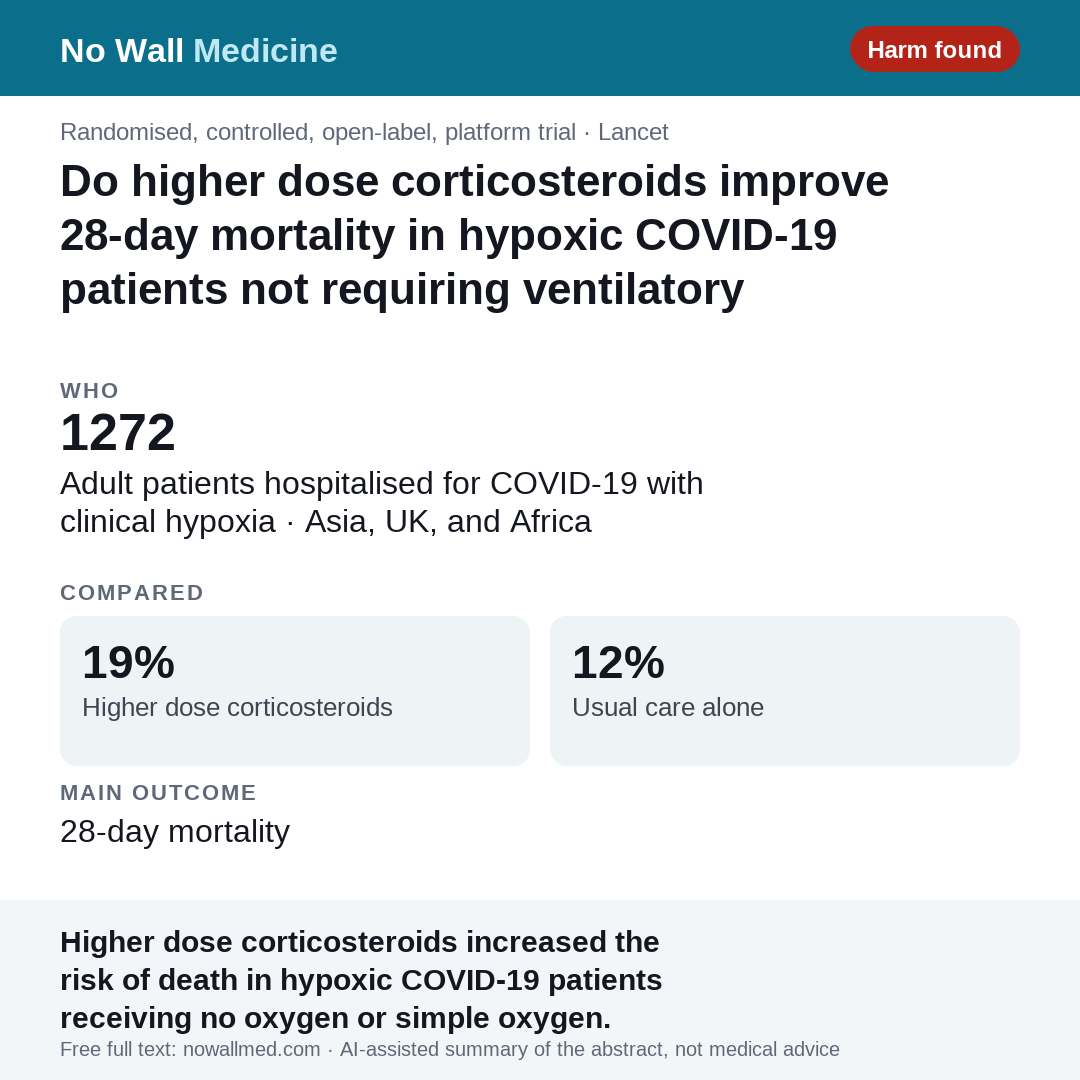
Higher dose corticosteroids in patients admitted to hospital with COVID-19 who are hypoxic but not requiring ventilatory support (RECOVERY): a randomised, controlled, open-label, platform trial
Randomised, controlled, open-label, platform trialHarm found
Do higher dose corticosteroids improve 28-day mortality in hypoxic COVID-19 patients not requiring ventilatory support?
Who
1272
Adult patients hospitalised for COVID-19 with clinical hypoxia · Asia, UK, and Africa
Compared
19%Higher dose corticosteroids
12%Usual care alone
Main outcome
28-day mortality
Result: rate ratio 1·59 (95% CI 1·20-2·10)
Bottom line: Higher dose corticosteroids increased the risk of death in hypoxic COVID-19 patients receiving no oxygen or simple oxygen.
Funded by: UK Research and Innovation, National Institute of Health and Care Research, and Wellcome Trust
Lancet · 2023-04-13Download image
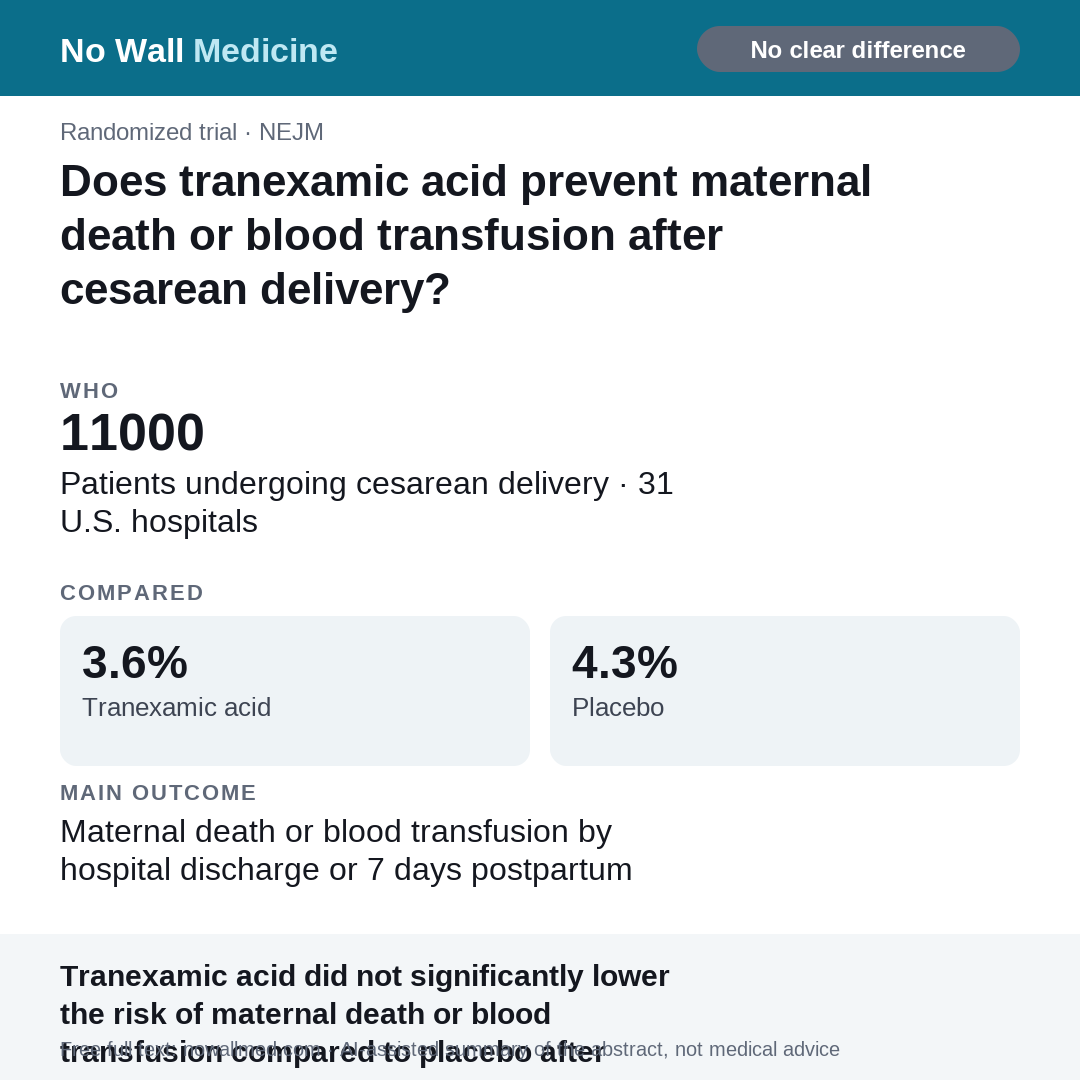
Tranexamic Acid to Prevent Obstetrical Hemorrhage after Cesarean Delivery
Randomized trialNo clear difference
Does tranexamic acid prevent maternal death or blood transfusion after cesarean delivery?
Who
11000
Patients undergoing cesarean delivery · 31 U.S. hospitals
Compared
3.6%Tranexamic acid (201/5525)
4.3%Placebo (233/5470)
Main outcome
Maternal death or blood transfusion by hospital discharge or 7 days postpartum
Result: adjusted relative risk 0.89 (95.26% CI 0.74 to 1.07)
Bottom line: Tranexamic acid did not significantly lower the risk of maternal death or blood transfusion compared to placebo after cesarean delivery.
Funded by: Eunice Kennedy Shriver National Institute of Child Health and Human Development
NEJM · 2023-04-12Download image
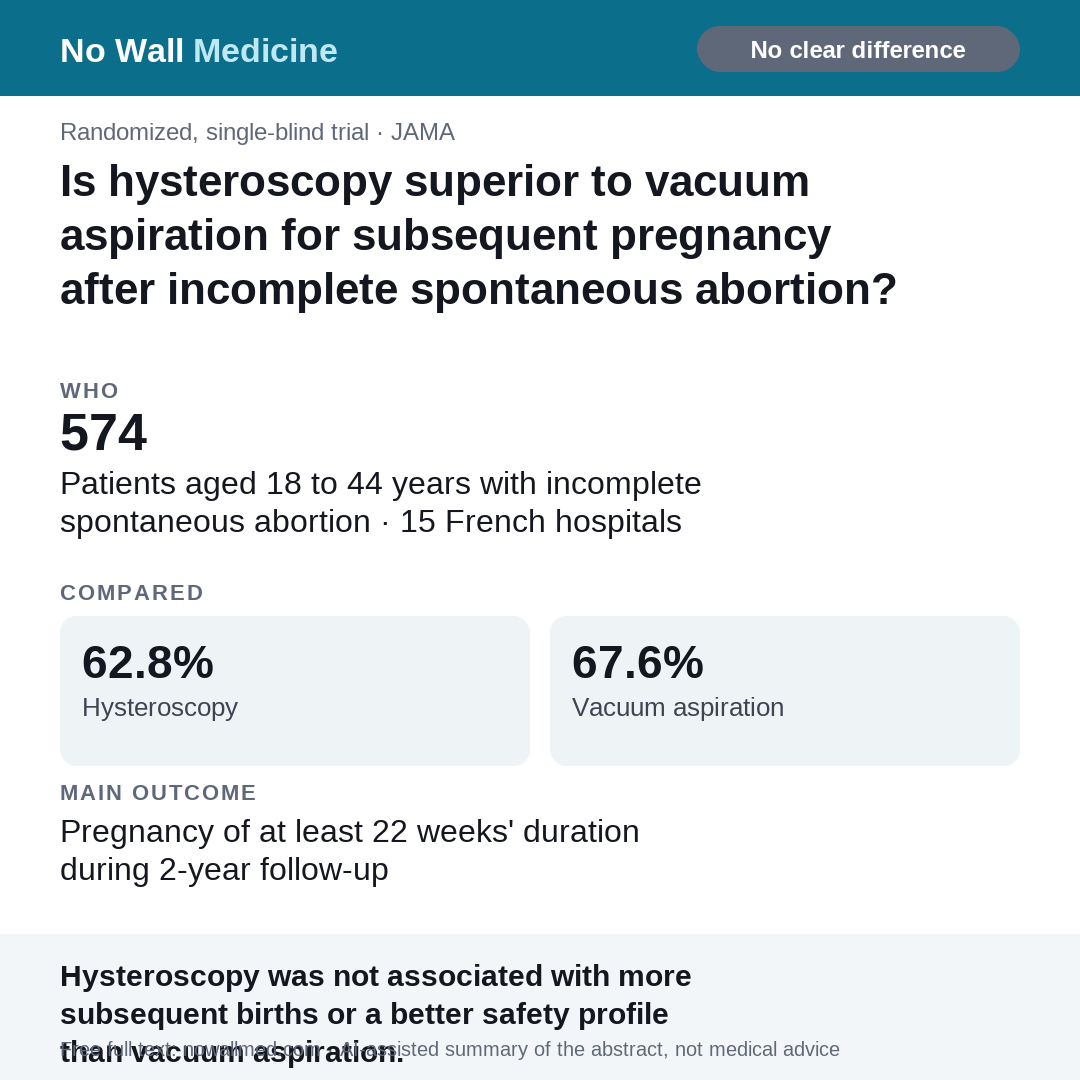
Operative Hysteroscopy vs Vacuum Aspiration for Incomplete Spontaneous Abortion: A Randomized Clinical Trial
Randomized, single-blind trialNo clear difference
Is hysteroscopy superior to vacuum aspiration for subsequent pregnancy after incomplete spontaneous abortion?
Who
574
Patients aged 18 to 44 years with incomplete spontaneous abortion · 15 French hospitals
Compared
62.8%Hysteroscopy
67.6%Vacuum aspiration
Main outcome
Pregnancy of at least 22 weeks' duration during 2-year follow-up
Result: hazard ratio 0.87 (95% CI 0.71 to 1.07)
Bottom line: Hysteroscopy was not associated with more subsequent births or a better safety profile than vacuum aspiration.
JAMA · 2023-04-11Download image
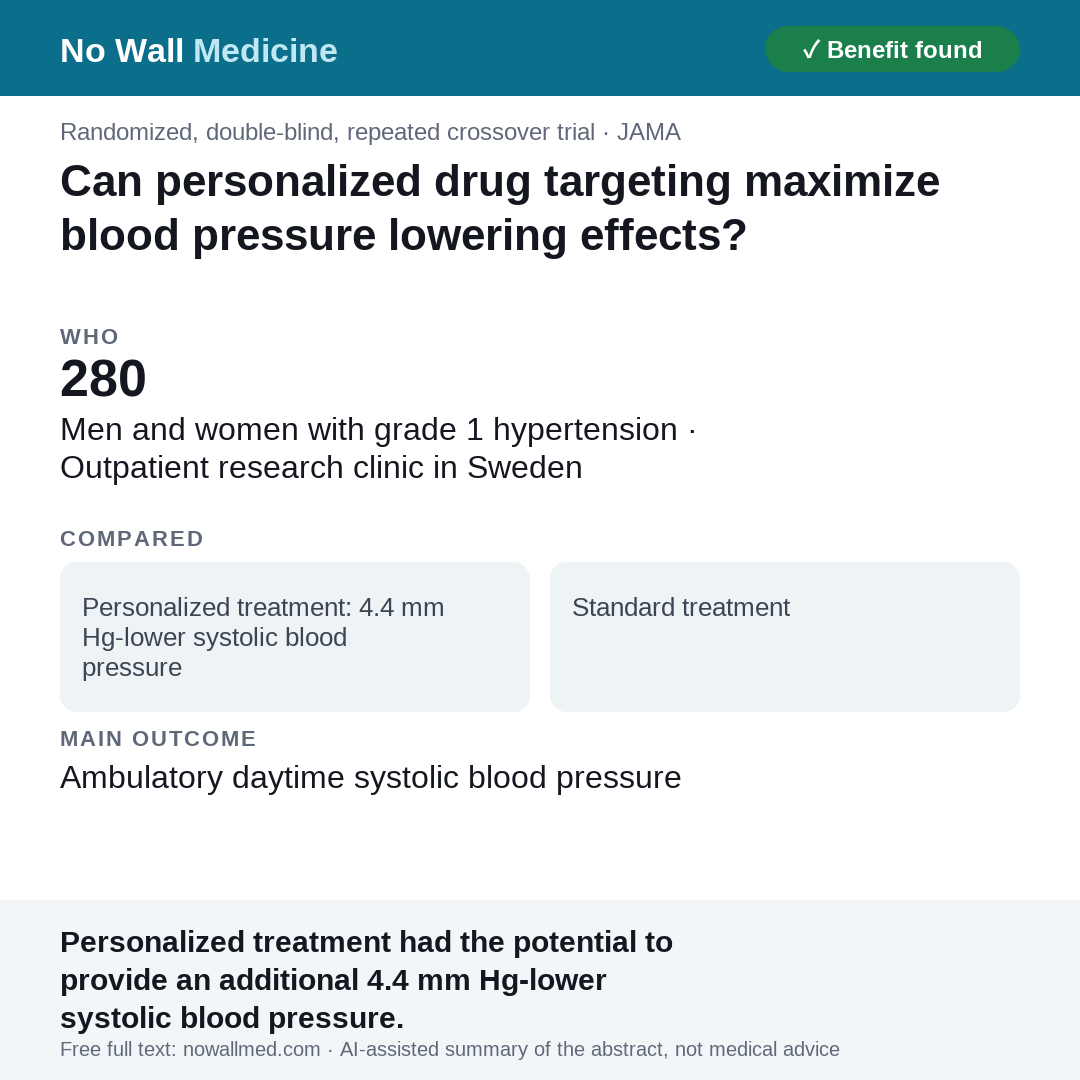
Heterogeneity in Blood Pressure Response to 4 Antihypertensive Drugs: A Randomized Clinical Trial
Randomized, double-blind, repeated crossover trialBenefit found
Can personalized drug targeting maximize blood pressure lowering effects?
Who
280
Men and women with grade 1 hypertension · Outpatient research clinic in Sweden
Compared
Personalized treatment: 4.4 mm Hg-lower systolic blood pressure
Standard treatment
Main outcome
Ambulatory daytime systolic blood pressure
Bottom line: Personalized treatment had the potential to provide an additional 4.4 mm Hg-lower systolic blood pressure.
JAMA · 2023-04-11Download image