Visual abstracts
New randomized trials and meta-analyses from leading journals at a glance: who was studied, what was compared, and what was found. Every paper is free to read in full.
All specialtiesCardiology 4818Oncology 4068Gastroenterology & Hepatology 1915Infectious Disease 3774Neurology 1870Psychiatry & Mental Health 2247Pulmonology 2117Critical Care 1355Endocrinology & Diabetes 2527Pediatrics 2911Surgery 2520Orthopedics & Sports Medicine 911Neurosurgery 526Cardiothoracic & Vascular Surgery 657Plastic & Reconstructive Surgery 586Nephrology 1091Rheumatology 814Hematology 1093Dermatology 616Ophthalmology 533Obstetrics & Gynecology 1665Public & Global Health 1031Radiology & Imaging 638Anesthesiology 971Urology 757ENT (Otolaryngology) 498Emergency Medicine 503Allergy & Immunology 308Geriatrics 964Family Medicine & Primary Care 557Medical Genetics & Genomics 669Pathology & Laboratory Medicine 157Physical Medicine & Rehabilitation 752Palliative Care 436Nutrition 1555Digital Health & AI 2161General Medicine 314
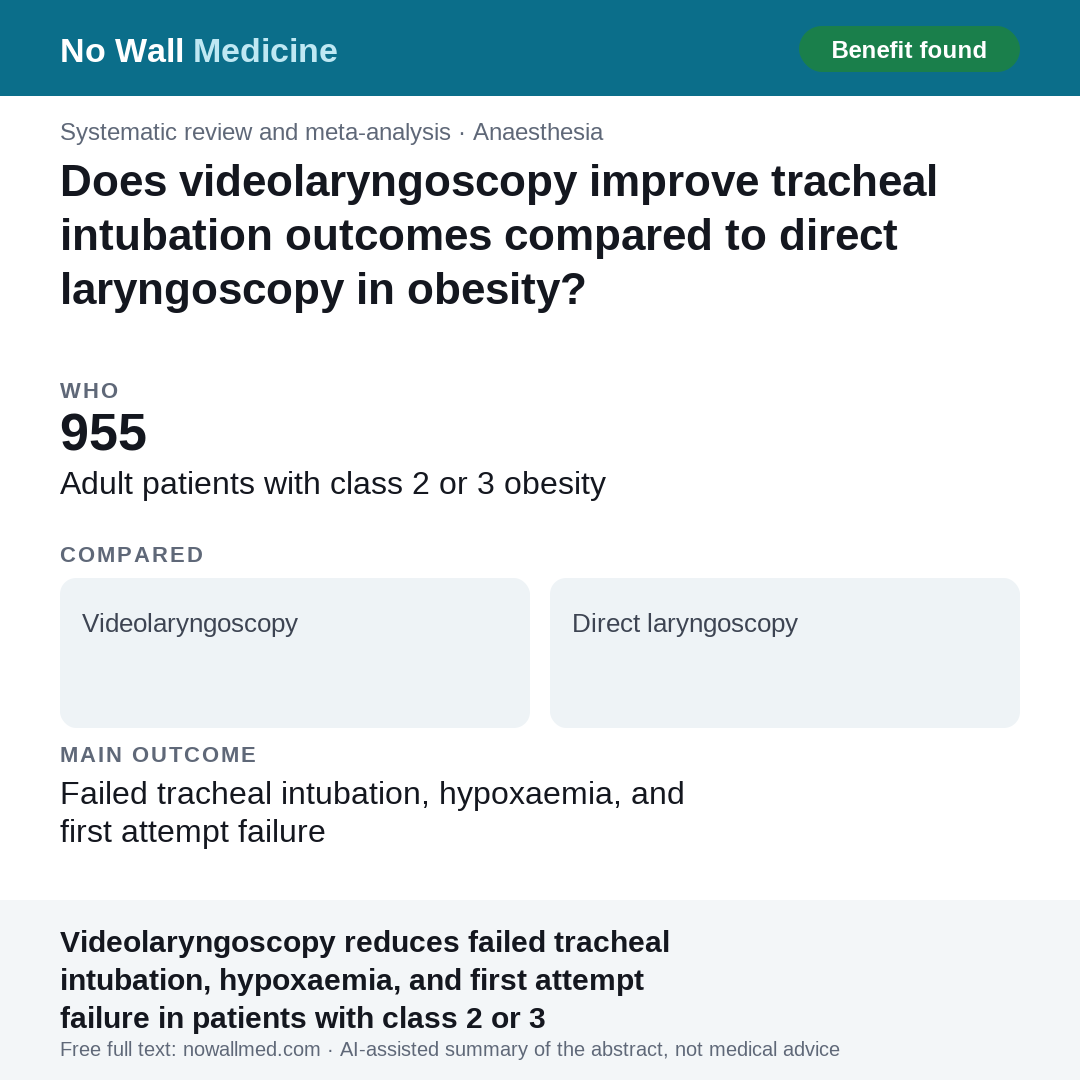
Videolaryngoscopy vs. direct laryngoscopy in class 2 and 3 obesity: a systematic review, meta-analysis and trial sequential analysis of randomised controlled trials
Systematic review and meta-analysisBenefit found
Does videolaryngoscopy improve tracheal intubation outcomes compared to direct laryngoscopy in obesity?
Who
955
Adult patients with class 2 or 3 obesity
Compared
Videolaryngoscopy
Direct laryngoscopy
Main outcome
Failed tracheal intubation, hypoxaemia, and first attempt failure
Result: failed tracheal intubation relative risk 0.15 (95%CI 0.05-0.35)
Bottom line: Videolaryngoscopy reduces failed tracheal intubation, hypoxaemia, and first attempt failure in patients with class 2 or 3 obesity.
Anaesthesia · 2025-04-08Download image
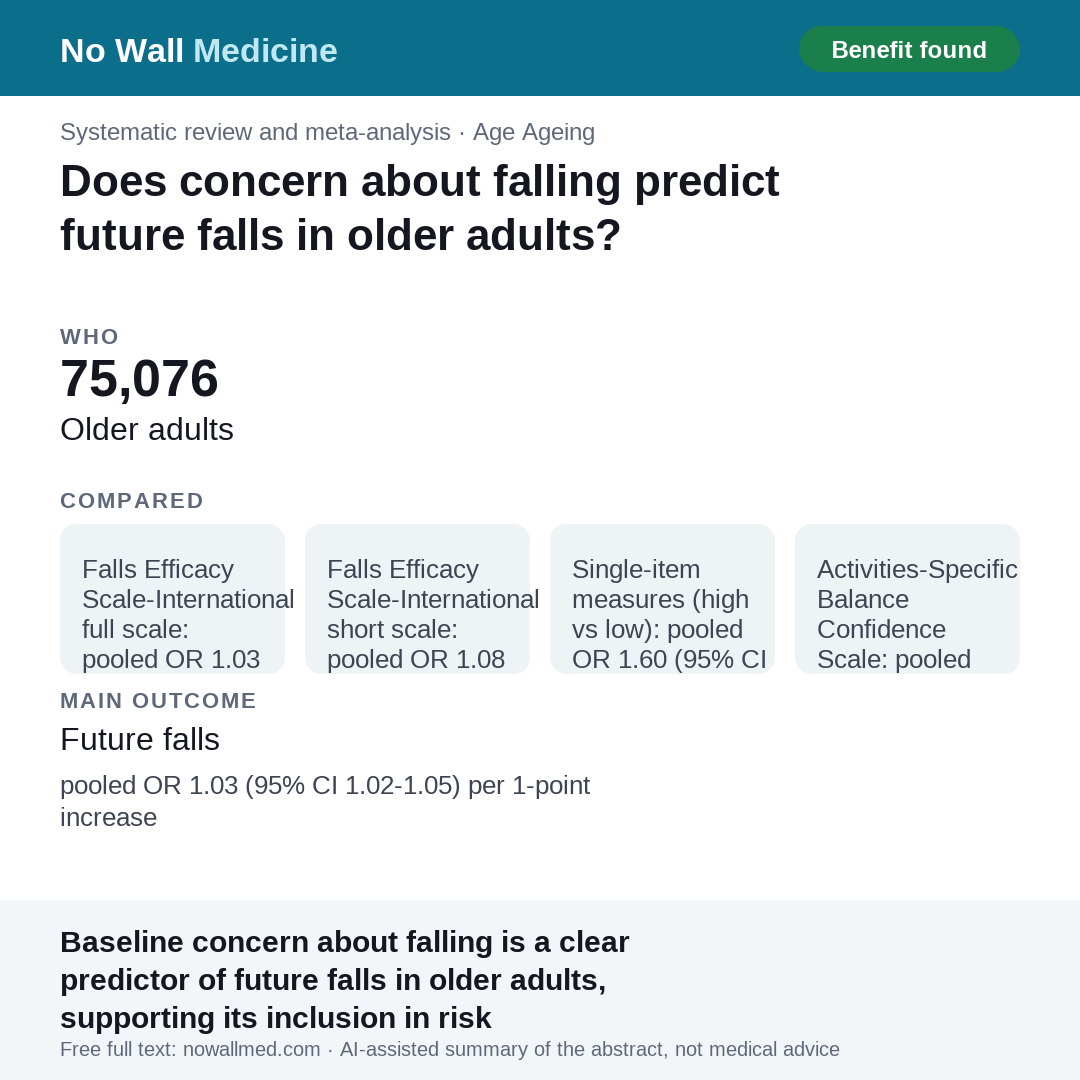
Does concern about falling predict future falls in older adults? A systematic review and meta-analysis
Systematic review and meta-analysisBenefit found
Does concern about falling predict future falls in older adults?
Who
75,076
Older adults
Compared
Falls Efficacy Scale-International full scale: pooled OR 1.03 (95% CI 1.02-1.05) per 1-point increase
Falls Efficacy Scale-International short scale: pooled OR 1.08 (95% CI 1.05-1.11)
Single-item measures (high vs low): pooled OR 1.60 (95% CI 1.36-1.89)
Activities-Specific Balance Confidence Scale: pooled OR 0.97 (95% CI 0.93-1.01)
Main outcome
Future falls
Result: pooled OR 1.03 (95% CI 1.02-1.05) per 1-point increase
Bottom line: Baseline concern about falling is a clear predictor of future falls in older adults, supporting its inclusion in risk assessments.
Limitation: 26 studies were rated as poor quality.
Age Ageing · 2025-04-08Download image
The VaSecure Paclitaxel Drug Coated Balloon Clinical Trial: One Year Outcomes
Prospective, multicentre randomized controlled trialBenefit found
Is VaSecure paclitaxel drug coated balloon better than percutaneous transluminal angioplasty for femoropopliteal chronic limb threatening ischaemia?
Who
199
Patients with chronic limb threatening ischaemia and femoropopliteal lesions · 16 centres
Compared
VaSecure paclitaxel drug coated balloon: 72.7% primary patency
Percutaneous transluminal angioplasty: 50.0% primary patency
Main outcome
Primary patency, re-stenosis, and clinically driven target lesion revascularisation
Result: difference of -0.88 (95% confidence interval [-1.16 - -0.59])
Bottom line: VaSecure paclitaxel drug coated balloon showed superior effectiveness and comparable safety compared to percutaneous transluminal angioplasty at 12 months.
Eur J Vasc Endovasc Surg · 2025-04-08Download image

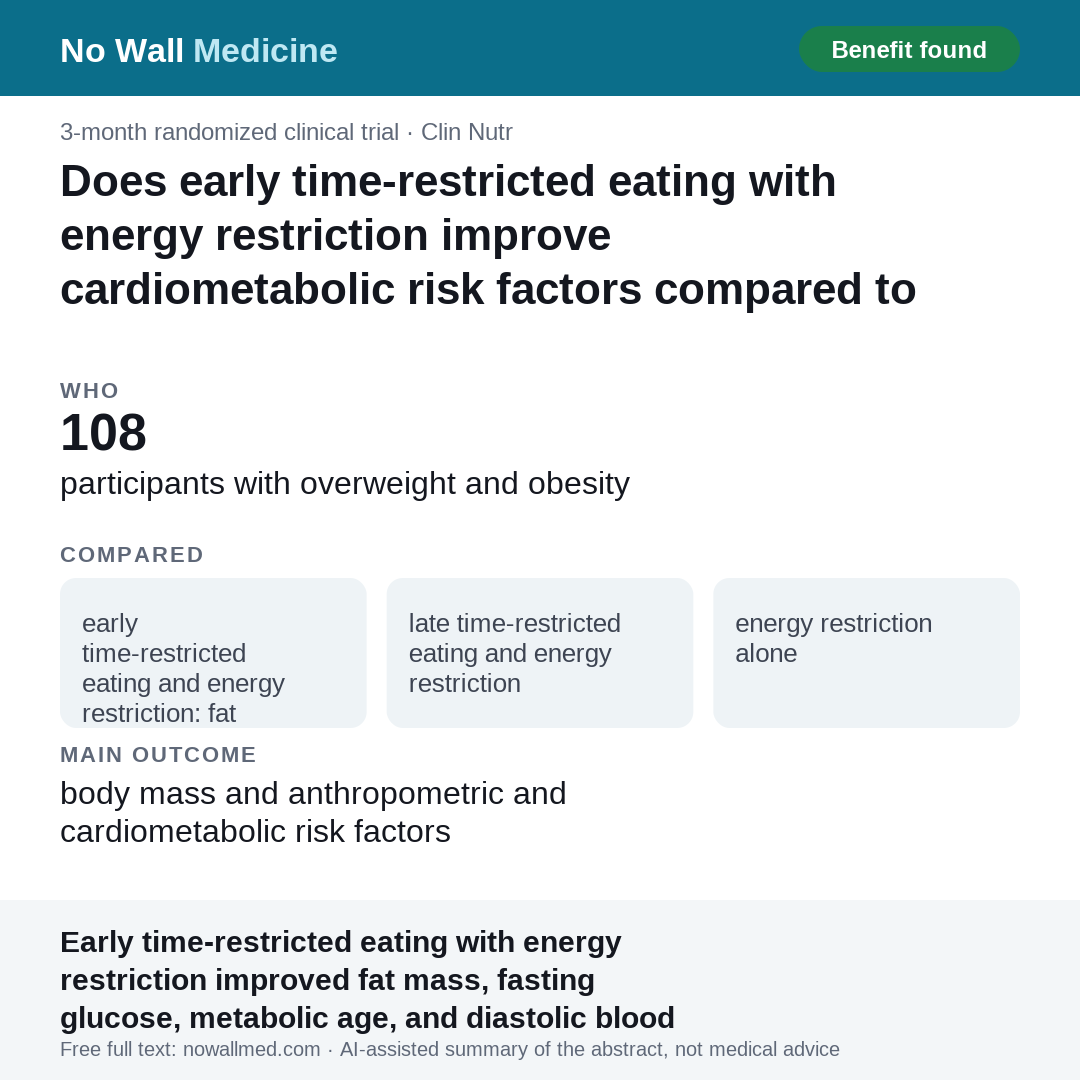
Early time-restricted eating with energy restriction has a better effect on body fat mass, diastolic blood pressure, metabolic age and fasting glucose compared to late time-restricted eating with energy restriction and/or energy restriction alone: A 3-month randomized clinical trial
3-month randomized clinical trialBenefit found
Does early time-restricted eating with energy restriction improve cardiometabolic risk factors compared to other methods?
Who
108
participants with overweight and obesity
Compared
early time-restricted eating and energy restriction: fat mass -1.2 % (95 % CI, -2.1, -0.2)
late time-restricted eating and energy restriction
energy restriction alone
Main outcome
body mass and anthropometric and cardiometabolic risk factors
Bottom line: Early time-restricted eating with energy restriction improved fat mass, fasting glucose, metabolic age, and diastolic blood pressure.
Clin Nutr · 2025-04-08Download image
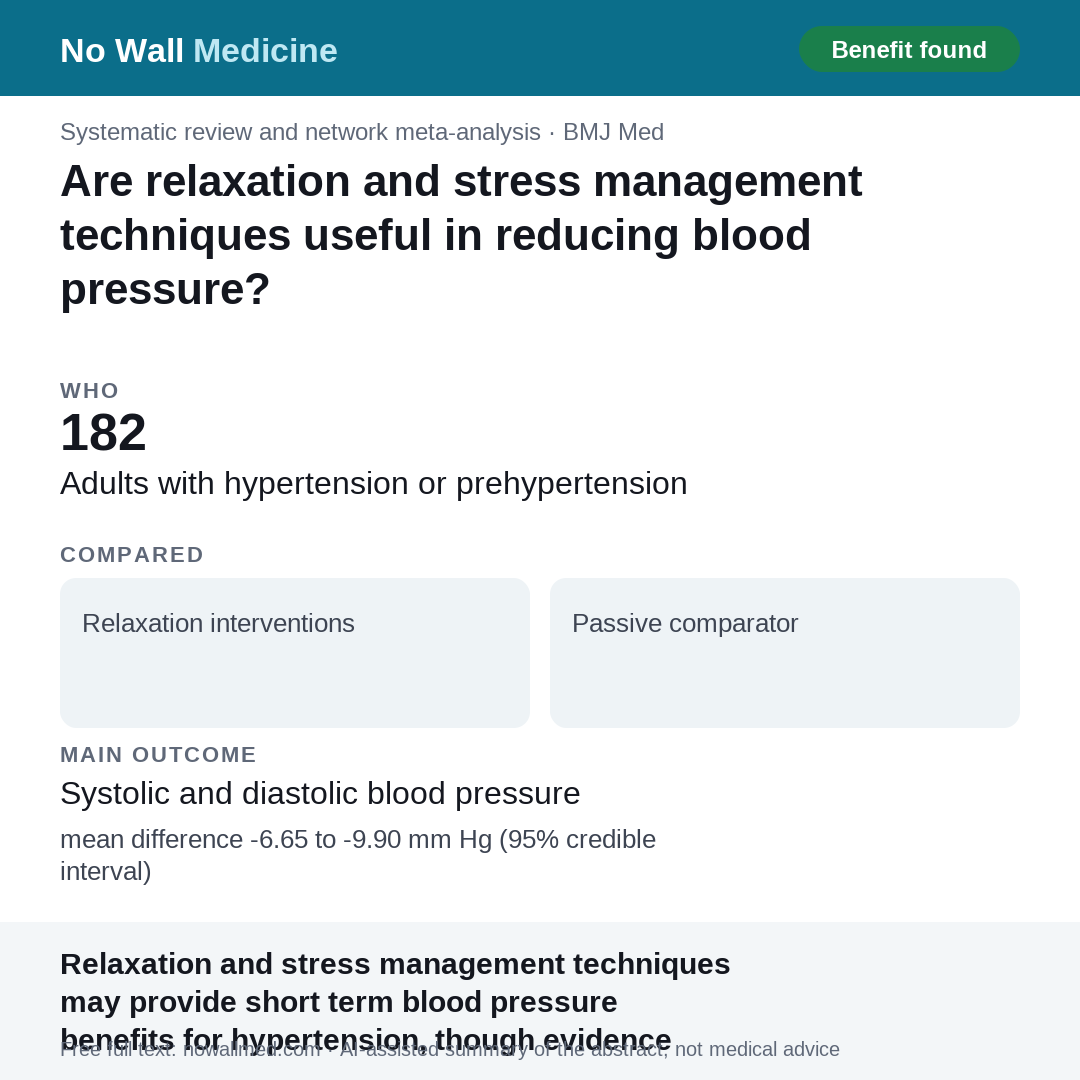
Effectiveness of stress management and relaxation interventions for management of hypertension and prehypertension: systematic review and network meta-analysis
Systematic review and network meta-analysisBenefit found
Are relaxation and stress management techniques useful in reducing blood pressure?
Who
182
Adults with hypertension or prehypertension
Compared
Relaxation interventions
Passive comparator
Main outcome
Systolic and diastolic blood pressure
Result: mean difference -6.65 to -9.90 mm Hg (95% credible interval)
Bottom line: Relaxation and stress management techniques may provide short term blood pressure benefits for hypertension, though evidence certainty is very low.
Limitation: Very low certainty due to risk of bias, potential publication bias, and imprecision.
BMJ Med · 2025-04-08Download image
Bevacizumab, tislelizumab and nab-paclitaxel for previously untreated metastatic triple-negative breast cancer: a phase II trial
Phase II randomized trialBenefit found
What is the efficacy and safety of bevacizumab, tislelizumab and nab-paclitaxel for metastatic triple-negative breast cancer?
Who
30
Female patients with previously untreated advanced triple-negative breast cancer
Compared
bevacizumab 15 mg/kg: 55.5% hypertension rate
bevacizumab 7.5 mg/kg: 0% hypertension rate
Main outcome
investigator-assessed objective response rate
Bottom line: The combination of bevacizumab, tislelizumab and nab-paclitaxel showed promising efficacy and favorable tolerance in metastatic triple-negative breast cancer.
J Immunother Cancer · 2025-04-08Download image

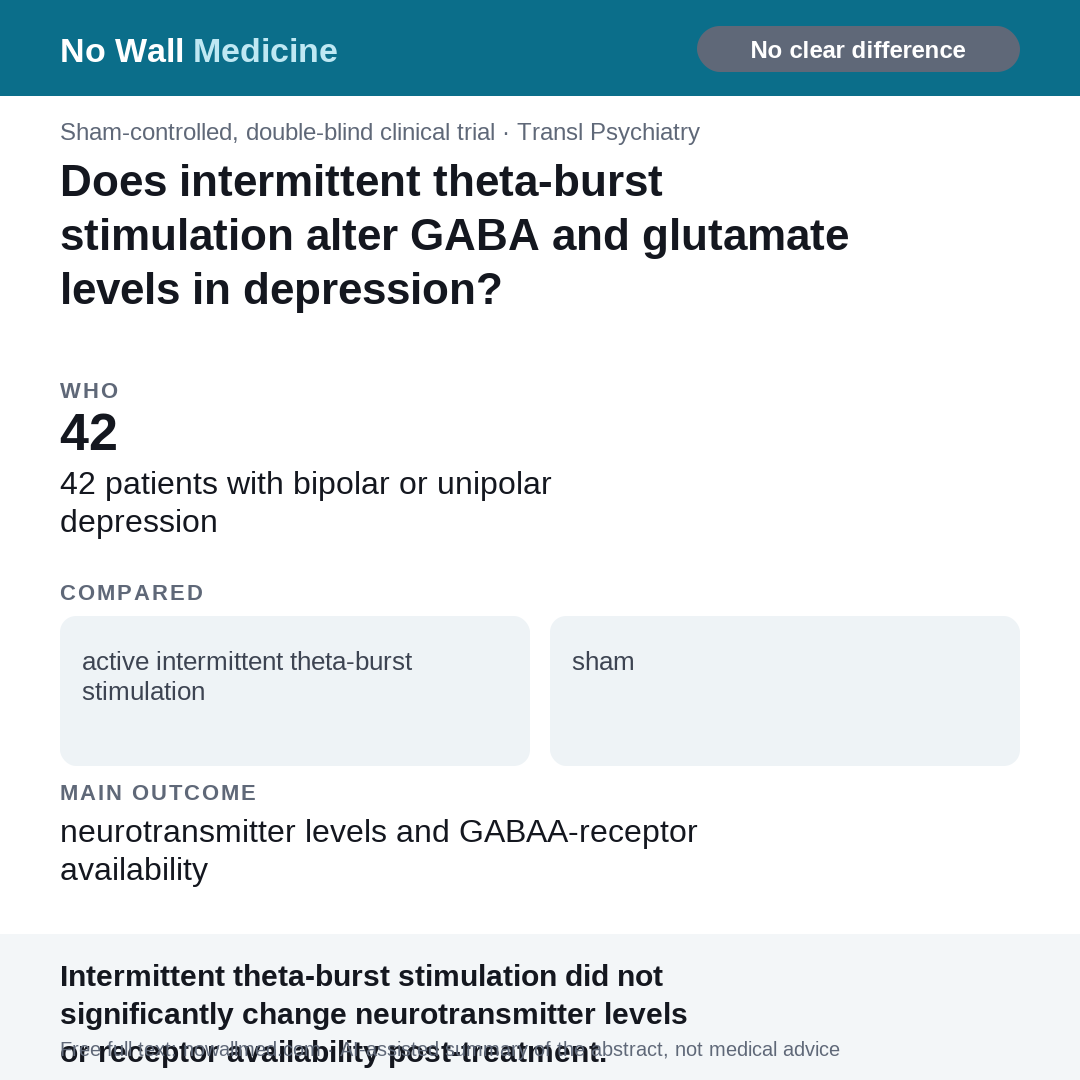
Alterations in gamma-aminobutyric acid and glutamate neurotransmission linked to intermittent theta-burst stimulation in depression: a sham-controlled study
Sham-controlled, double-blind clinical trialNo clear difference
Does intermittent theta-burst stimulation alter GABA and glutamate levels in depression?
Who
42
42 patients with bipolar or unipolar depression
Compared
active intermittent theta-burst stimulation
sham
Main outcome
neurotransmitter levels and GABAA-receptor availability
Bottom line: Intermittent theta-burst stimulation did not significantly change neurotransmitter levels or receptor availability post-treatment.
Transl Psychiatry · 2025-04-08Download image
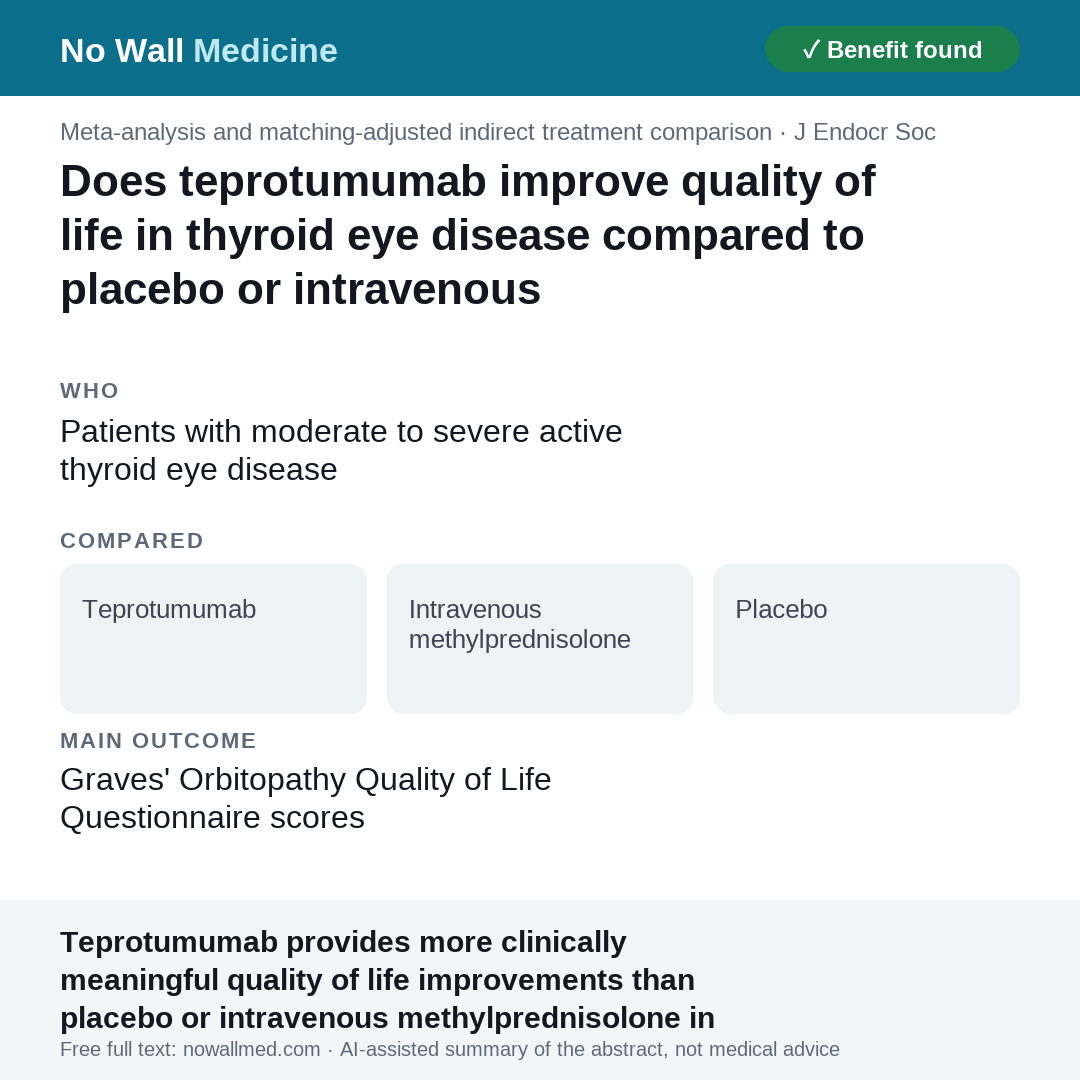
Teprotumumab Improves Quality of Life in Thyroid Eye Disease: Meta-analysis and Matching-adjusted Indirect Comparison
Meta-analysis and matching-adjusted indirect treatment comparisonBenefit found
Does teprotumumab improve quality of life in thyroid eye disease compared to placebo or intravenous methylprednisolone?
Who
Patients with moderate to severe active thyroid eye disease
Compared
Teprotumumab
Intravenous methylprednisolone
Placebo
Main outcome
Graves' Orbitopathy Quality of Life Questionnaire scores
Result: mean difference 13.26 (95% CI 7.44 to 19.09) vs intravenous methylprednisolone
Bottom line: Teprotumumab provides more clinically meaningful quality of life improvements than placebo or intravenous methylprednisolone in thyroid eye disease.
J Endocr Soc · 2025-04-08Download image
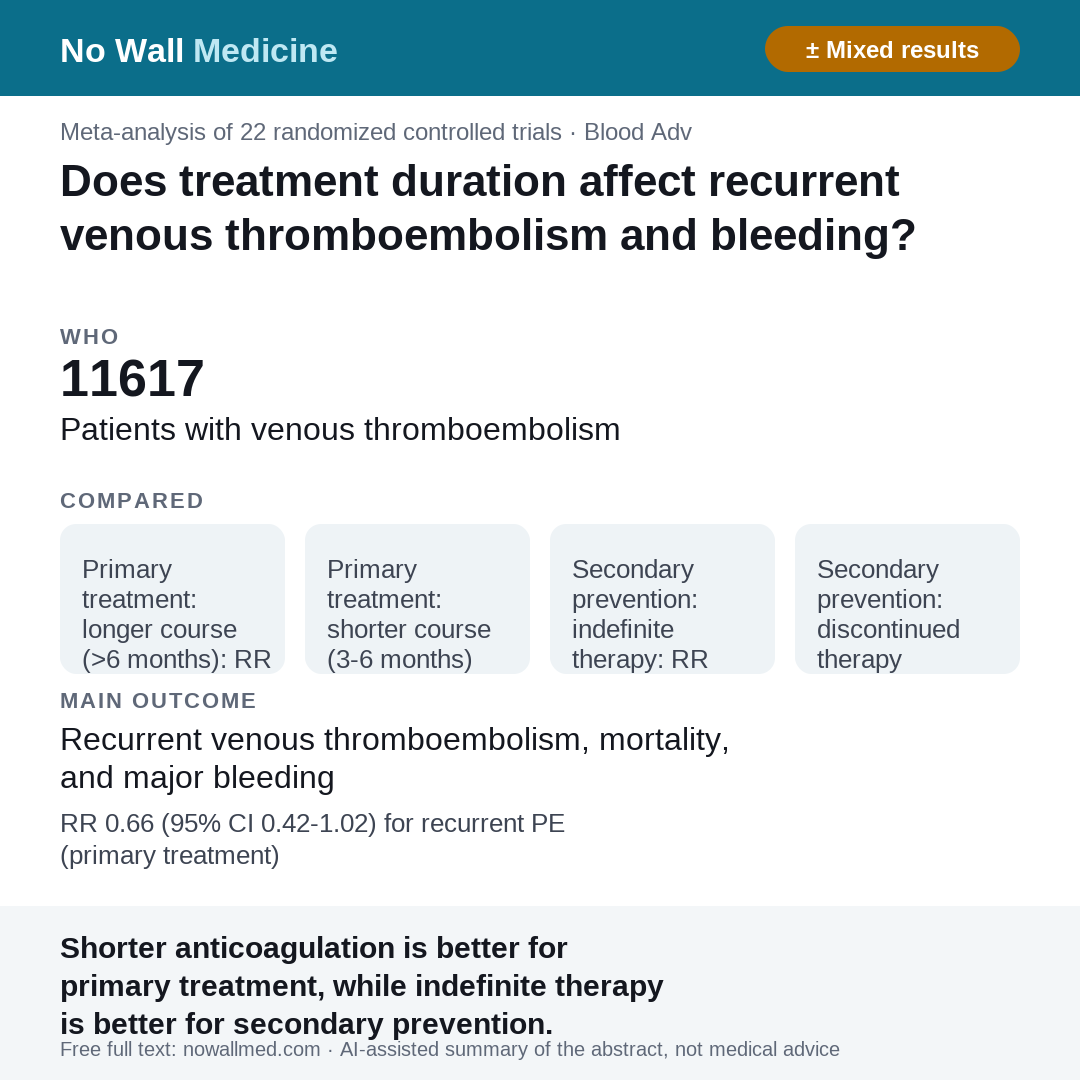
Duration of primary/secondary treatment to prevent recurrent venous thromboembolism: a systematic review and meta-analysis
Meta-analysis of 22 randomized controlled trialsMixed results
Does treatment duration affect recurrent venous thromboembolism and bleeding?
Who
11617
Patients with venous thromboembolism
Compared
Primary treatment: longer course (>6 months): RR 0.66 for recurrent pulmonary embolism
Primary treatment: shorter course (3-6 months)
Secondary prevention: indefinite therapy: RR 0.54 for mortality
Secondary prevention: discontinued therapy
Main outcome
Recurrent venous thromboembolism, mortality, and major bleeding
Result: RR 0.66 (95% CI 0.42-1.02) for recurrent PE (primary treatment)
Bottom line: Shorter anticoagulation is better for primary treatment, while indefinite therapy is better for secondary prevention.
Blood Adv · 2025-04-08Download image
Media Framing and Portrayals of Ransomware Impacts on Informatics, Employees, and Patients: Systematic Media Literature Review
Systematic media literature reviewMixed results
How does news media frame and portray ransomware attack impacts on health systems, employees, and patients?
Who
48
News articles regarding ransomware attacks on healthcare provider information systems · Academic news databases
Compared
Geographic prevalence: United States: 34/48 (71%)
Geographic prevalence: India: 4/48 (8%)
Geographic prevalence: Canada: 3/48 (6%)
Main outcome
Media framings, impact portrayals, and NIST Cybersecurity Framework 2.0 discussions
Bottom line: Media portrayals emphasize human interest, responsibility, and organizational response to cascading ransomware impacts on healthcare systems.
J Med Internet Res · 2025-04-08Download image

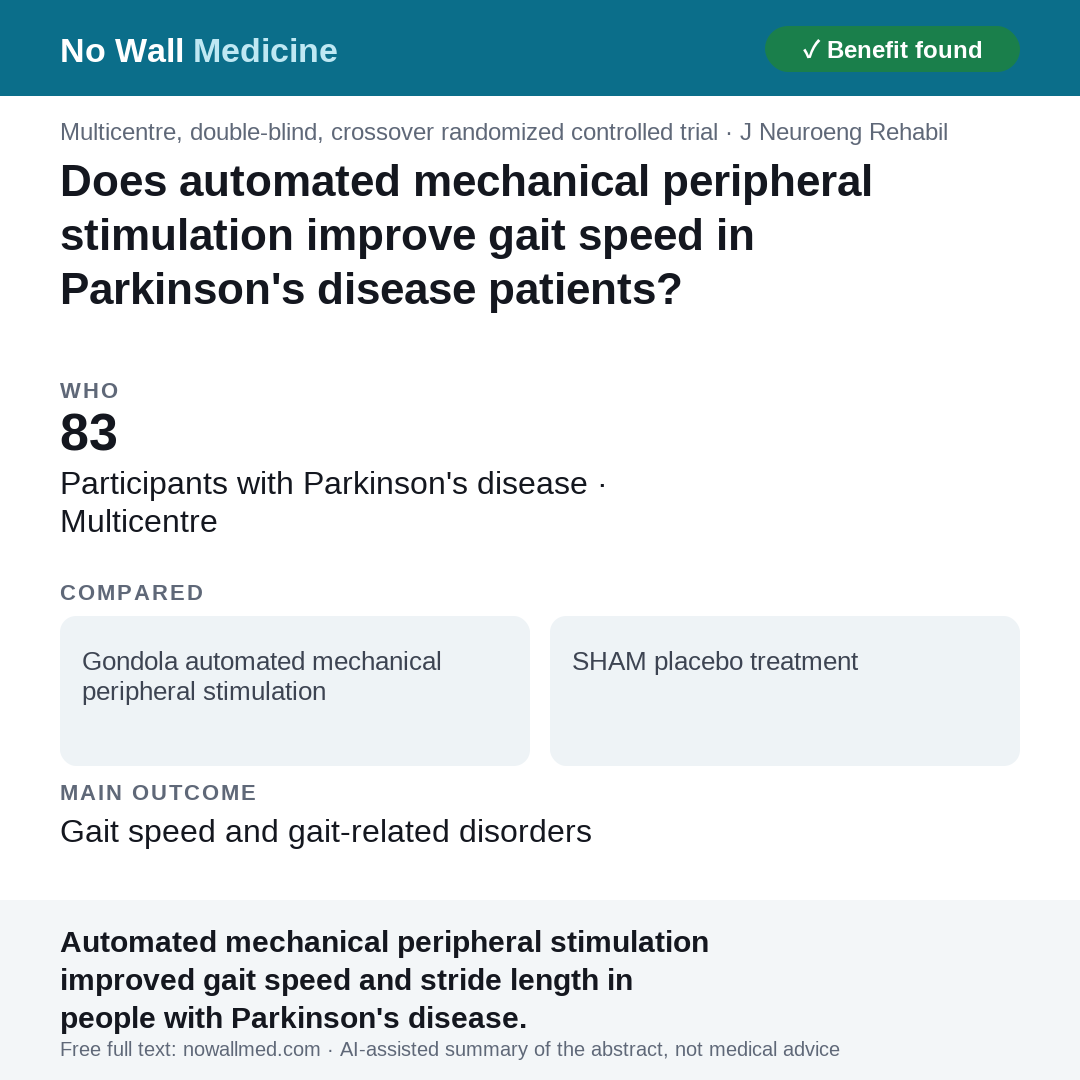
Mechanical peripheral stimulation for the treatment of gait disorders in patients with Parkinson's disease: a multi-centre, double-blind, crossover randomized controlled trial
Multicentre, double-blind, crossover randomized controlled trialBenefit found
Does automated mechanical peripheral stimulation improve gait speed in Parkinson's disease patients?
Who
83
Participants with Parkinson's disease · Multicentre
Compared
Gondola automated mechanical peripheral stimulation
SHAM placebo treatment
Main outcome
Gait speed and gait-related disorders
Bottom line: Automated mechanical peripheral stimulation improved gait speed and stride length in people with Parkinson's disease.
J Neuroeng Rehabil · 2025-04-08Download image
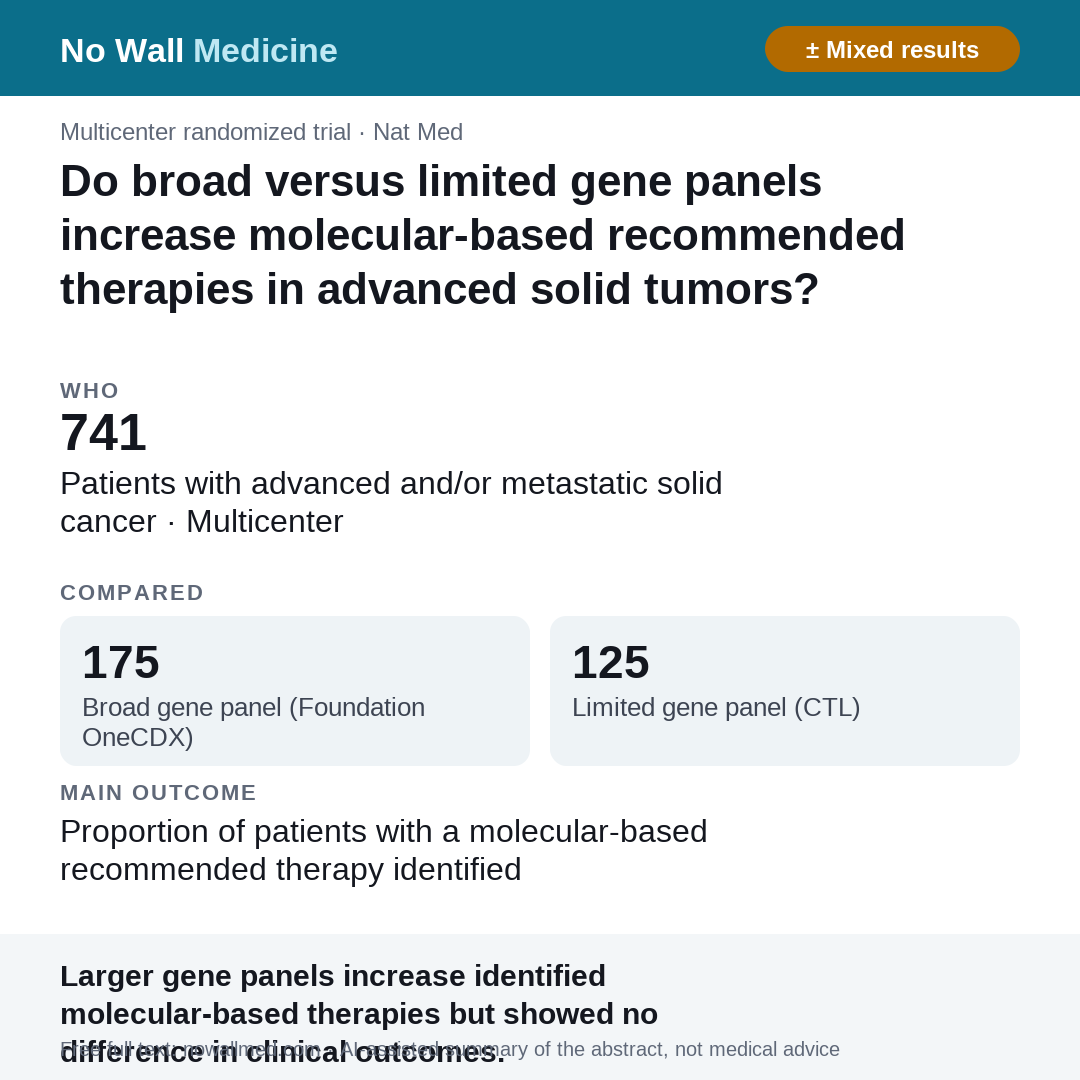
Broad versus limited gene panels to guide treatment in patients with advanced solid tumors: a randomized controlled trial
Multicenter randomized trialMixed results
Do broad versus limited gene panels increase molecular-based recommended therapies in advanced solid tumors?
Who
741
Patients with advanced and/or metastatic solid cancer · Multicenter
Compared
175Broad gene panel (Foundation OneCDX) (51.6%)
125Limited gene panel (CTL) (36.9%)
Main outcome
Proportion of patients with a molecular-based recommended therapy identified
Result: increase of 14.8 percentage points (P < 0.001)
Bottom line: Larger gene panels increase identified molecular-based therapies but showed no difference in clinical outcomes.
Limitation: Larger studies are needed to assess the clinical benefit of expanded molecular-based recommended therapies.
Nat Med · 2025-04-07Download image
A vaccine chatbot intervention for parents to improve HPV vaccination uptake among middle school girls: a cluster randomized trial
School-based cluster randomized trialBenefit found
Does a vaccine chatbot improve human papillomavirus vaccination uptake among parents?
Who
2671
Parents of female middle school students aged 12-15 years · Shanghai and Anhui Province, China
Compared
7.1%Intervention group
1.8%Control group
Main outcome
Receipt or scheduled appointment of the human papillomavirus vaccine
Bottom line: A vaccine chatbot effectively increased vaccination uptake and improved parental vaccine literacy among parents in China.
Nat Med · 2025-04-07Download image

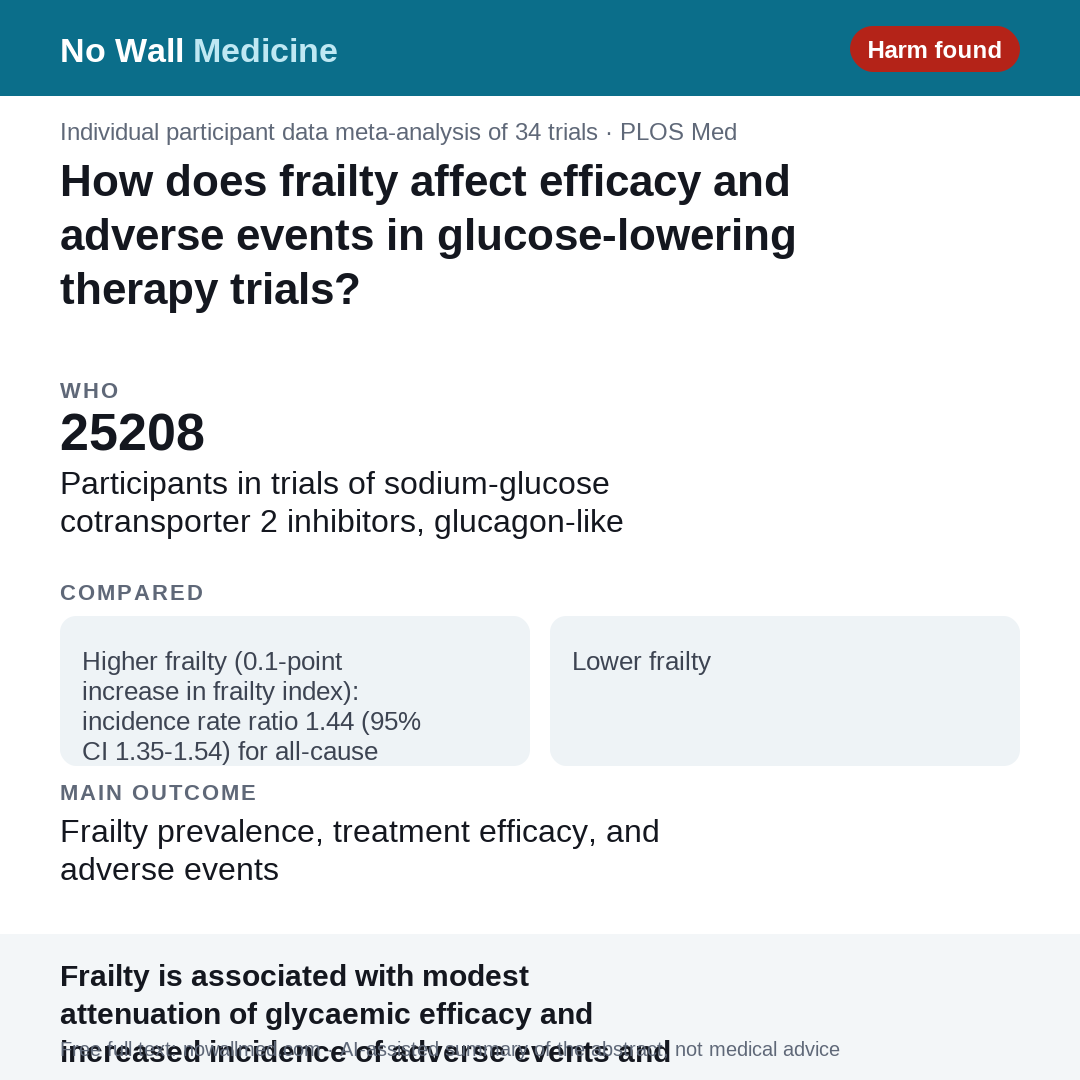
Frailty in randomized controlled trials of glucose-lowering therapies for type 2 diabetes: An individual participant data meta-analysis of frailty prevalence, treatment efficacy, and adverse events
Individual participant data meta-analysis of 34 trialsHarm found
How does frailty affect efficacy and adverse events in glucose-lowering therapy trials?
Who
25208
Participants in trials of sodium-glucose cotransporter 2 inhibitors, glucagon-like peptide-1 receptor agonists, and dipeptidyl peptidase 4 inhibitors
Compared
Higher frailty (0.1-point increase in frailty index): incidence rate ratio 1.44 (95% CI 1.35-1.54) for all-cause adverse events
Lower frailty
Main outcome
Frailty prevalence, treatment efficacy, and adverse events
Result: incidence rate ratio 1.44 (95% CI 1.35-1.54) for all-cause adverse events
Bottom line: Frailty is associated with modest attenuation of glycaemic efficacy and increased incidence of adverse events and cardiovascular events.
Limitation: Large cardiovascular outcome trials did not include data on functional status to assess frailty.
PLOS Med · 2025-04-07Download image
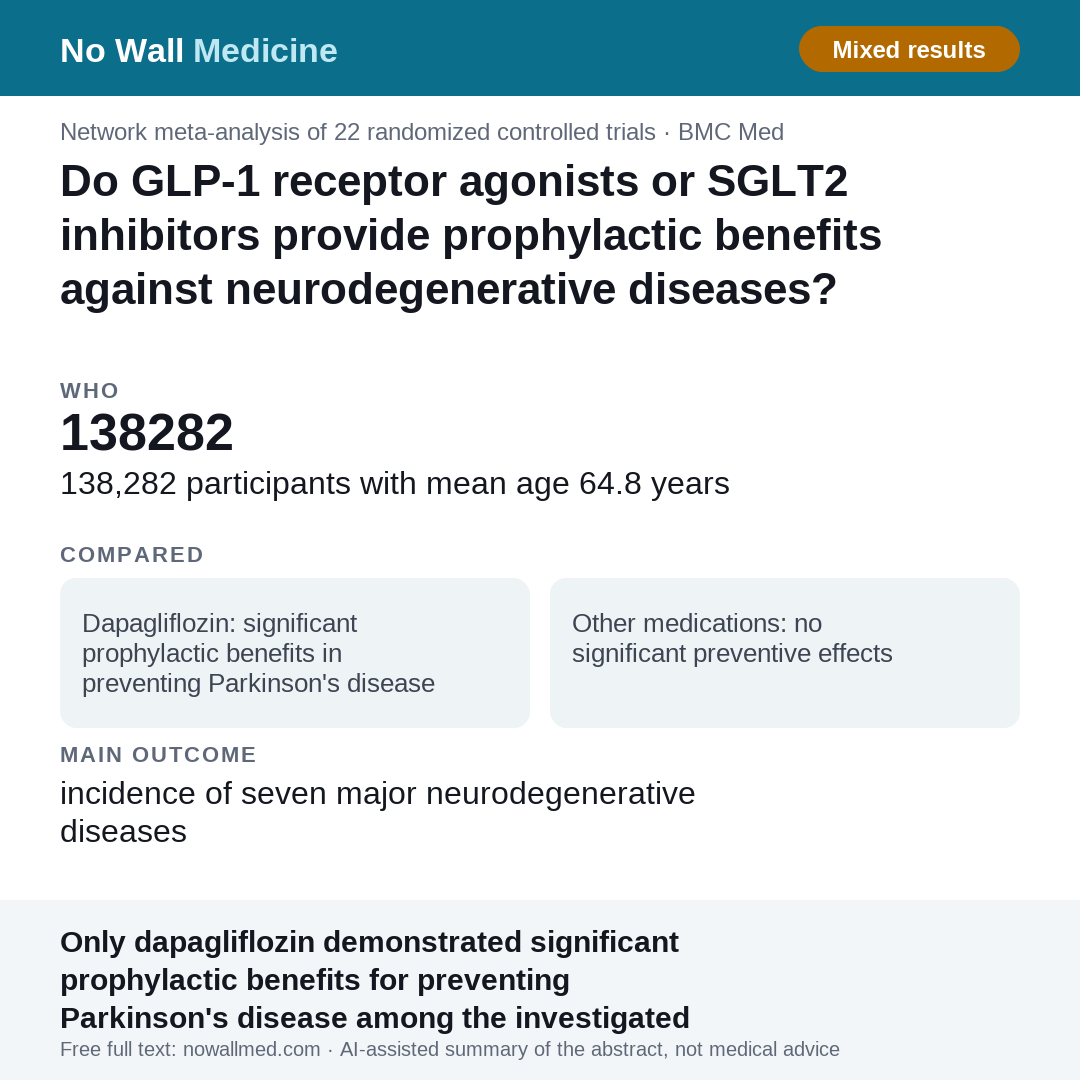
The pharmacodynamics-based prophylactic benefits of GLP-1 receptor agonists and SGLT2 inhibitors on neurodegenerative diseases: evidence from a network meta-analysis
Network meta-analysis of 22 randomized controlled trialsMixed results
Do GLP-1 receptor agonists or SGLT2 inhibitors provide prophylactic benefits against neurodegenerative diseases?
Who
138282
138,282 participants with mean age 64.8 years
Compared
Dapagliflozin: significant prophylactic benefits in preventing Parkinson's disease
Other medications: no significant preventive effects
Main outcome
incidence of seven major neurodegenerative diseases
Result: odds ratio 0.28 (95% confidence intervals 0.09 to 0.93)
Bottom line: Only dapagliflozin demonstrated significant prophylactic benefits for preventing Parkinson's disease among the investigated medications.
BMC Med · 2025-04-07Download image
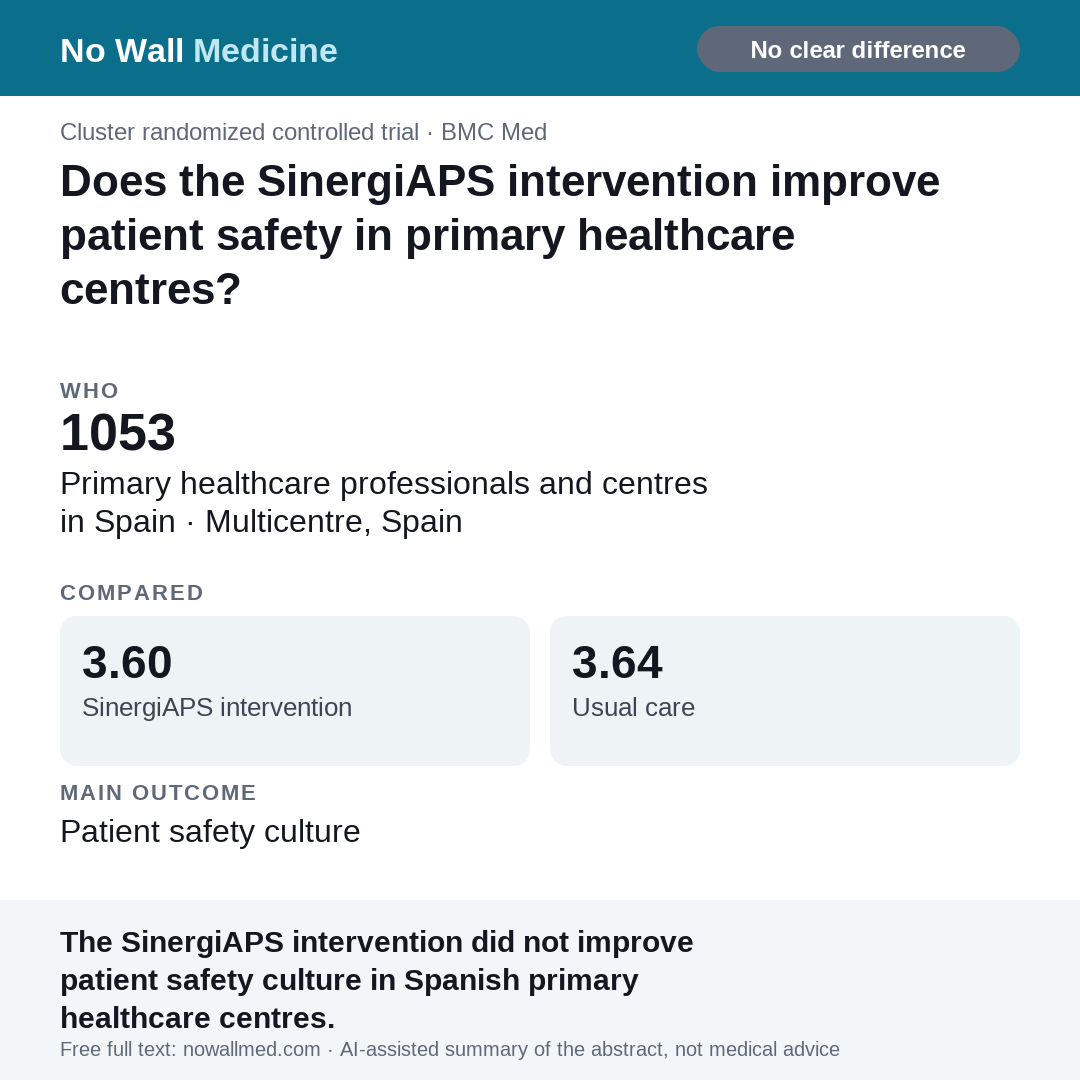
Evaluating SinergiAPS, an intervention based on patient feedback to improve patient safety in primary care: a cluster randomized trial
Cluster randomized controlled trialNo clear difference
Does the SinergiAPS intervention improve patient safety in primary healthcare centres?
Who
1053
Primary healthcare professionals and centres in Spain · Multicentre, Spain
Compared
3.60SinergiAPS intervention (95% CI 3.55 to 3.64)
3.64Usual care (95% CI 3.60 to 3.68)
Main outcome
Patient safety culture
Bottom line: The SinergiAPS intervention did not improve patient safety culture in Spanish primary healthcare centres.
Limitation: The COVID-19 pandemic limited the capacity to develop and implement safety improvement action plans.
BMC Med · 2025-04-07Download image
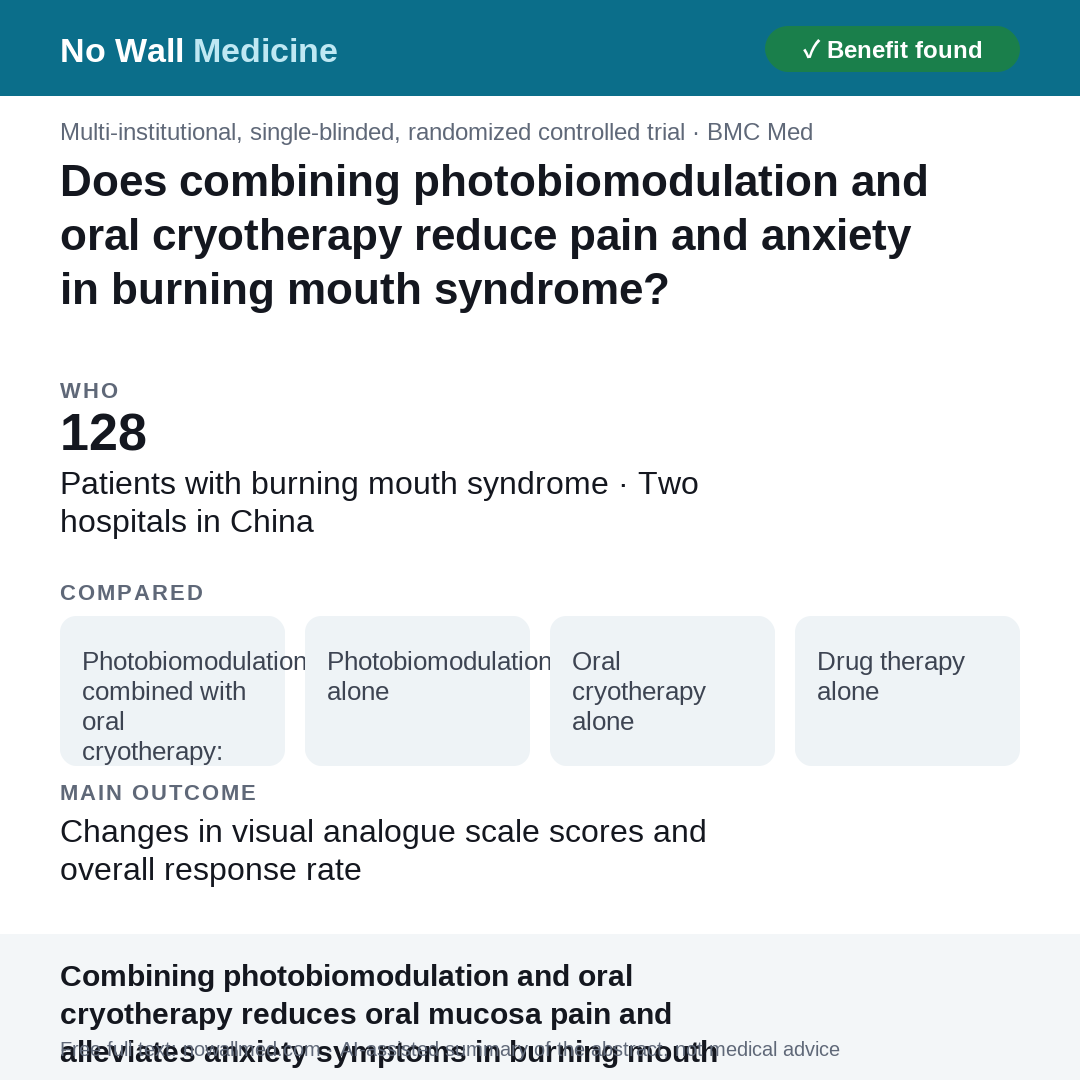
Efficacy and safety of photobiomodulation combined with oral cryotherapy on oral mucosa pain in patients with burning mouth syndrome: a multi-institutional, randomized, controlled trial
Multi-institutional, single-blinded, randomized controlled trialBenefit found
Does combining photobiomodulation and oral cryotherapy reduce pain and anxiety in burning mouth syndrome?
Who
128
Patients with burning mouth syndrome · Two hospitals in China
Compared
Photobiomodulation combined with oral cryotherapy: 81.25% overall response rate
Photobiomodulation alone
Oral cryotherapy alone
Drug therapy alone
Main outcome
Changes in visual analogue scale scores and overall response rate
Bottom line: Combining photobiomodulation and oral cryotherapy reduces oral mucosa pain and alleviates anxiety symptoms in burning mouth syndrome patients.
BMC Med · 2025-04-07Download image
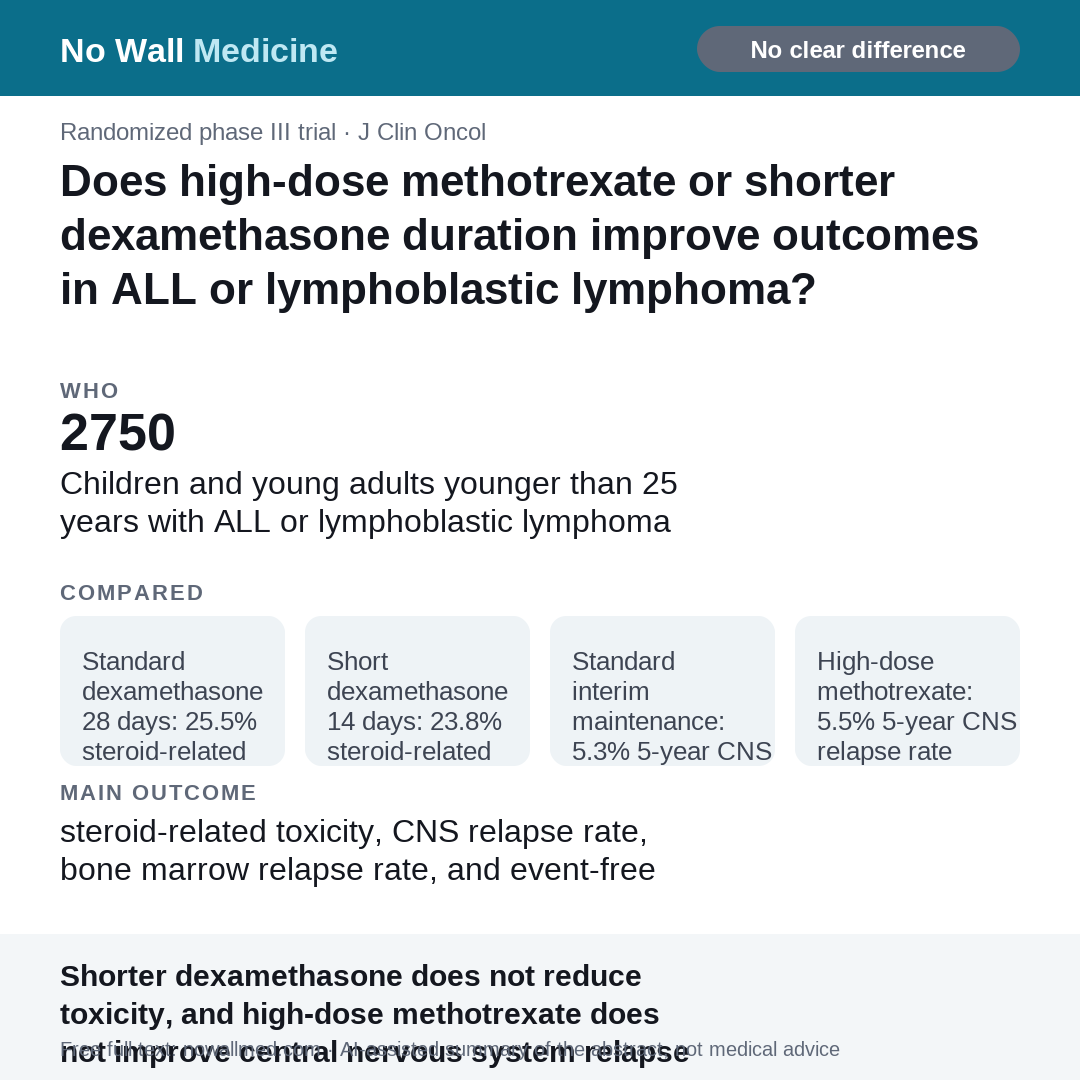
High-Dose Methotrexate in Children and Young Adults With ALL and Lymphoblastic Lymphoma: Results of the Randomized Phase III Study UKALL 2011
Randomized phase III trialNo clear difference
Does high-dose methotrexate or shorter dexamethasone duration improve outcomes in ALL or lymphoblastic lymphoma?
Who
2750
Children and young adults younger than 25 years with ALL or lymphoblastic lymphoma
Compared
Standard dexamethasone 28 days: 25.5% steroid-related toxicity
Short dexamethasone 14 days: 23.8% steroid-related toxicity
Standard interim maintenance: 5.3% 5-year CNS relapse rate
High-dose methotrexate: 5.5% 5-year CNS relapse rate
Main outcome
steroid-related toxicity, CNS relapse rate, bone marrow relapse rate, and event-free survival
Result: hazard ratio 1.19 (95% CI 0.87 to 1.62) for bone marrow relapse
Bottom line: Shorter dexamethasone does not reduce toxicity, and high-dose methotrexate does not improve central nervous system relapse rates.
J Clin Oncol · 2025-04-07Download image
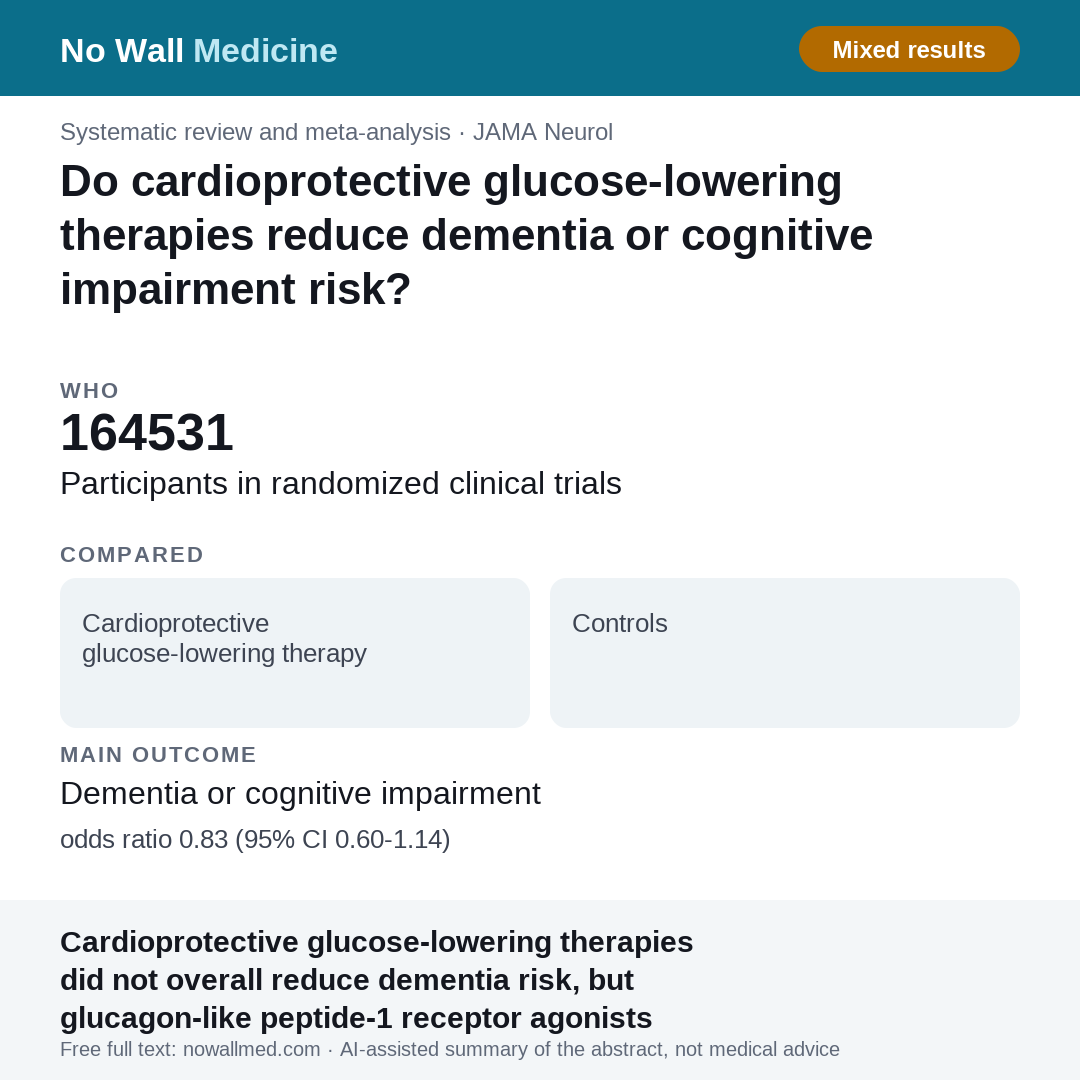
Cardioprotective Glucose-Lowering Agents and Dementia Risk: A Systematic Review and Meta-Analysis
Systematic review and meta-analysisMixed results
Do cardioprotective glucose-lowering therapies reduce dementia or cognitive impairment risk?
Who
164531
Participants in randomized clinical trials
Compared
Cardioprotective glucose-lowering therapy
Controls
Main outcome
Dementia or cognitive impairment
Result: odds ratio 0.83 (95% CI 0.60-1.14)
Bottom line: Cardioprotective glucose-lowering therapies did not overall reduce dementia risk, but glucagon-like peptide-1 receptor agonists were associated with a reduction.
JAMA Neurol · 2025-04-07Download image
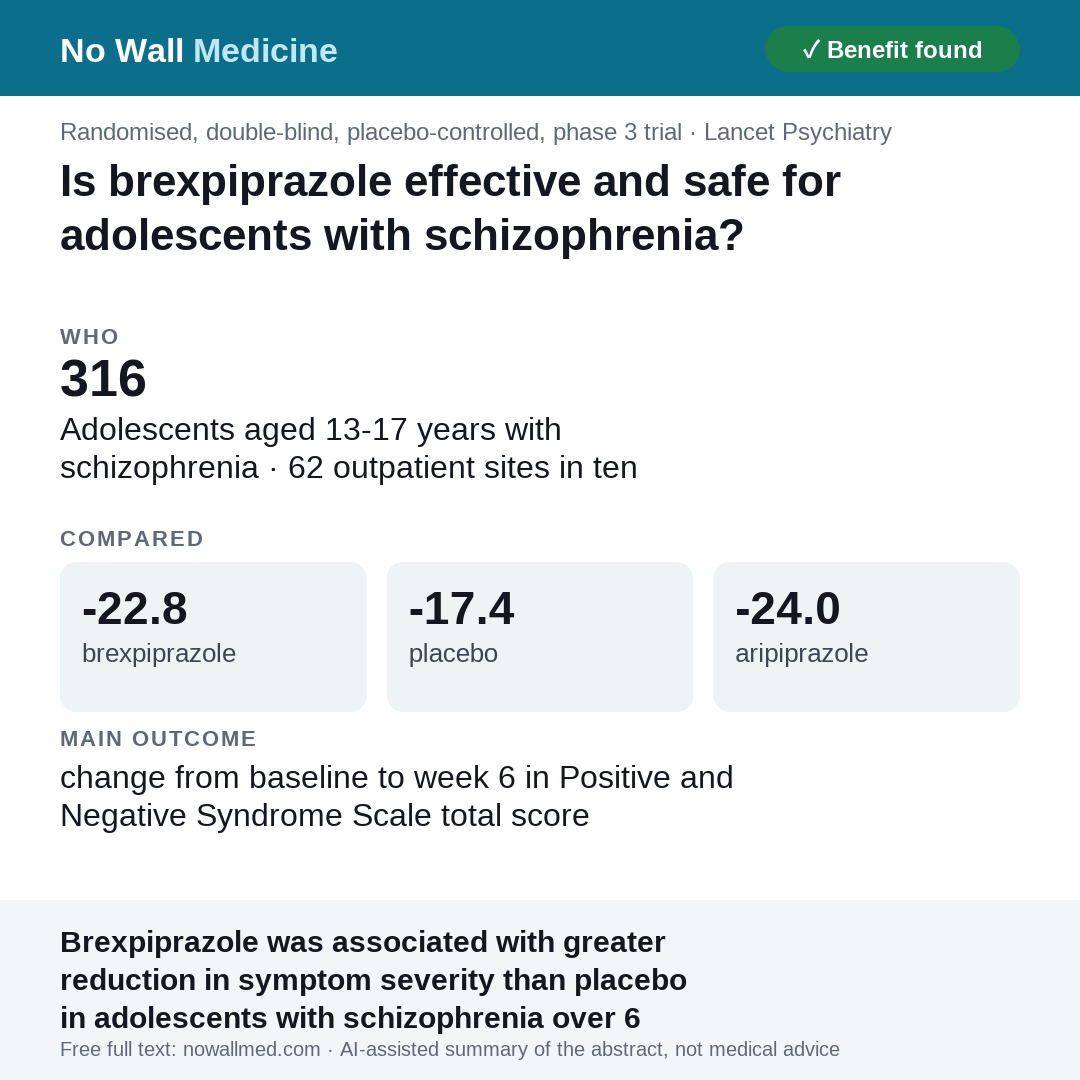
Efficacy and safety of brexpiprazole in adolescents with schizophrenia: a multicountry, randomised, double-blind, placebo-controlled, phase 3 trial with an active reference
Randomised, double-blind, placebo-controlled, phase 3 trialBenefit found
Is brexpiprazole effective and safe for adolescents with schizophrenia?
Who
316
Adolescents aged 13-17 years with schizophrenia · 62 outpatient sites in ten countries
Compared
-22.8brexpiprazole
-17.4placebo
-24.0aripiprazole
Main outcome
change from baseline to week 6 in Positive and Negative Syndrome Scale total score
Result: least squares mean difference -5.33 (95% CI -9.55 to -1.10)
Bottom line: Brexpiprazole was associated with greater reduction in symptom severity than placebo in adolescents with schizophrenia over 6 weeks.
Funded by: Otsuka Pharmaceutical Development & Commercialization and H Lundbeck
Lancet Psychiatry · 2025-04-07Download image