Visual abstracts
New randomized trials and meta-analyses from leading journals at a glance: who was studied, what was compared, and what was found. Every paper is free to read in full.
All specialtiesCardiology 840Oncology 760Gastroenterology & Hepatology 306Infectious Disease 626Neurology 350Psychiatry & Mental Health 430Pulmonology 365Critical Care 243Endocrinology & Diabetes 480Pediatrics 534Surgery 319Orthopedics & Sports Medicine 161Neurosurgery 89Cardiothoracic & Vascular Surgery 87Plastic & Reconstructive Surgery 118Nephrology 197Rheumatology 108Hematology 181Dermatology 78Ophthalmology 97Obstetrics & Gynecology 261Public & Global Health 167Radiology & Imaging 96Anesthesiology 107Urology 162ENT (Otolaryngology) 86Emergency Medicine 68Allergy & Immunology 58Geriatrics 160Family Medicine & Primary Care 111Medical Genetics & Genomics 91Pathology & Laboratory Medicine 24Physical Medicine & Rehabilitation 148Palliative Care 81Nutrition 223Digital Health & AI 460General Medicine 101
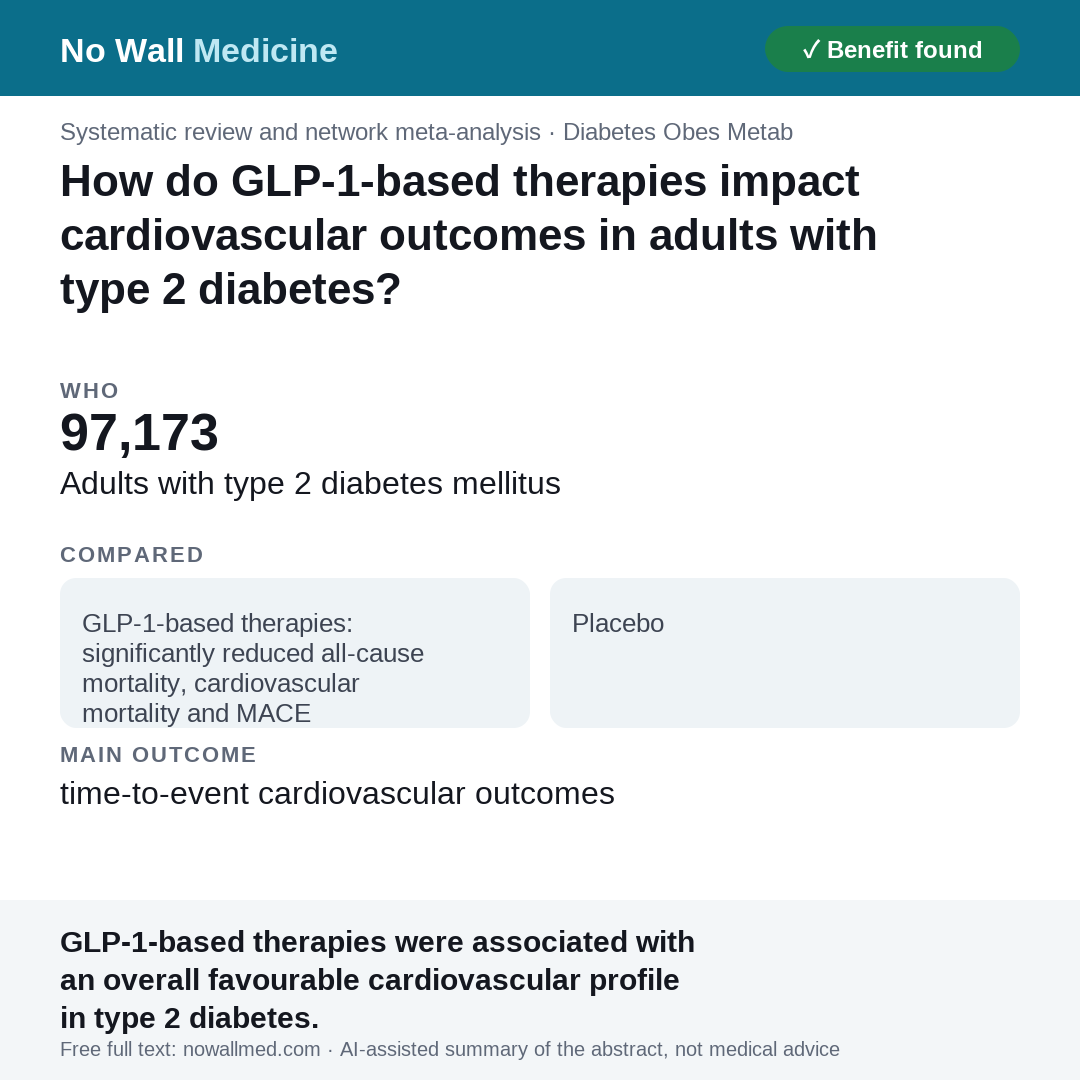
The Impact of GLP-1-Based Therapies on Cardiovascular Outcomes in Type 2 Diabetes: A Comprehensive Systematic Review and Network Meta-Analysis
Systematic review and network meta-analysisBenefit found
How do GLP-1-based therapies impact cardiovascular outcomes in adults with type 2 diabetes?
Who
97,173
Adults with type 2 diabetes mellitus
Compared
GLP-1-based therapies: significantly reduced all-cause mortality, cardiovascular mortality and MACE
Placebo
Main outcome
time-to-event cardiovascular outcomes
Bottom line: GLP-1-based therapies were associated with an overall favourable cardiovascular profile in type 2 diabetes.
Diabetes Obes Metab · 2026-05-31Download image
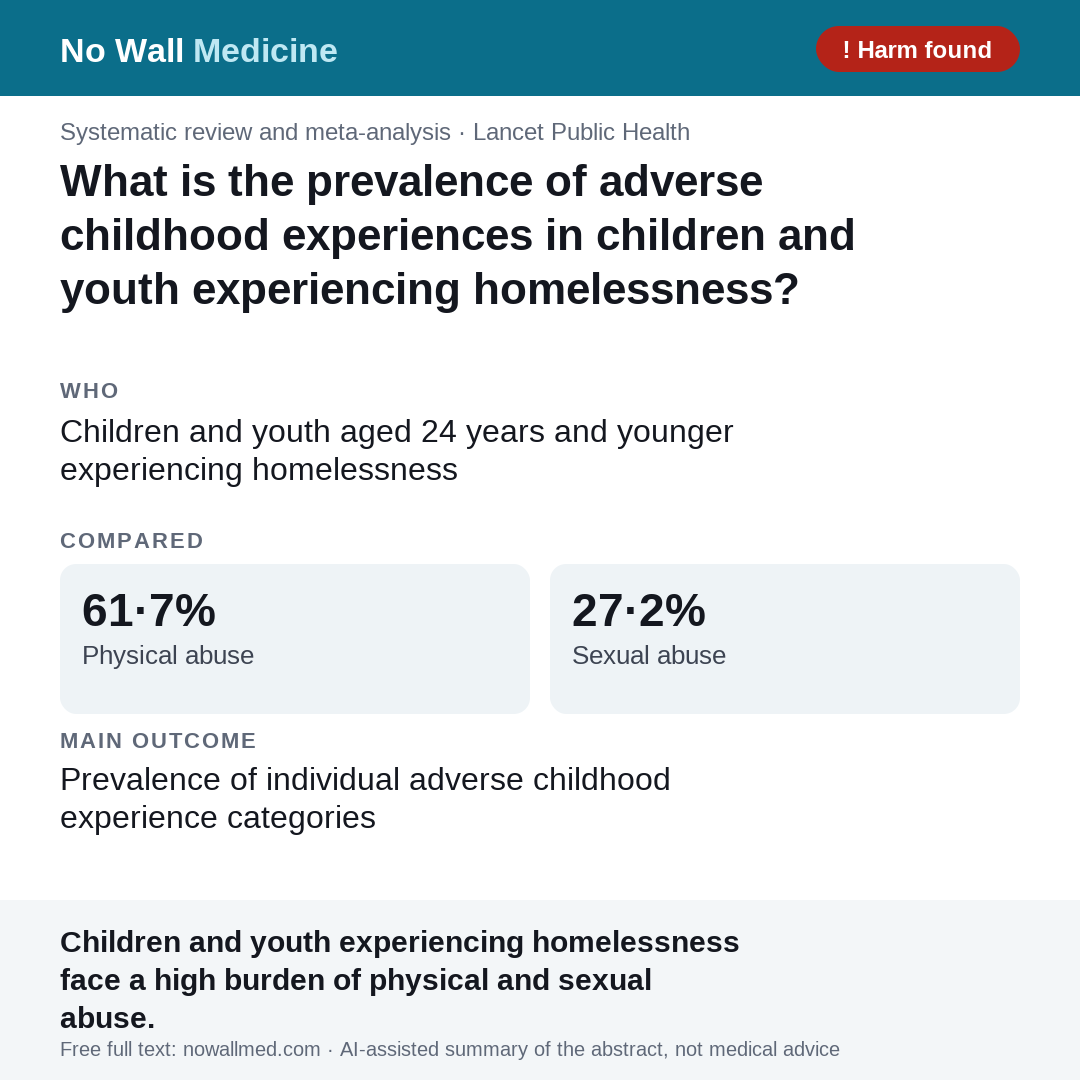
Adverse childhood experiences in children and youth experiencing homelessness: a systematic review and meta-analysis
Systematic review and meta-analysisHarm found
What is the prevalence of adverse childhood experiences in children and youth experiencing homelessness?
Who
Children and youth aged 24 years and younger experiencing homelessness
Compared
61·7%Physical abuse (95% CI 52·9-69·9)
27·2%Sexual abuse (95% CI 23·1-31·8)
Main outcome
Prevalence of individual adverse childhood experience categories
Bottom line: Children and youth experiencing homelessness face a high burden of physical and sexual abuse.
Limitation: Heterogeneity was substantial for both physical and sexual abuse prevalence estimates.
Lancet Public Health · 2026-05-29Download image
Micro- and nanoplastics in the human genitourinary system: oncological impact - a systematic review
Systematic reviewMixed results
Are micro- and nanoplastics present in the human genitourinary system and oncological tissues?
Who
Human tissues of the urinary tract and male reproductive organs
Compared
Malignant tissue: significantly higher microplastic concentrations, particle counts or greater polymer diversity
Adjacent non-malignant tissue
Main outcome
Presence and concentration of micro- and nanoplastics in tissues
Bottom line: Micro- and nanoplastics are widely present in genitourinary tissues and show enrichment in urological malignancies.
Limitation: Substantial methodological heterogeneity across studies limits comparability.
BJU Int · 2026-05-29Download image

Agreement Between Molecular Imaging and Adrenal Vein Sampling for Localization in Primary Aldosteronism: A Systematic Review
Systematic reviewMixed results
How well does molecular imaging agree with adrenal vein sampling for localization?
Who
Patients with primary aldosteronism
Compared
Molecular imaging
Adrenal vein sampling
Main outcome
Agreement for localization in primary aldosteronism
Result: positive percent agreement 0.6 to 0.9, negative percent agreement 0.5 to 0.9
Bottom line: Molecular imaging shows moderate and variable agreement with adrenal vein sampling for localization in primary aldosteronism.
Limitation: Patient outcome-based studies are still needed to define clinical utility.
J Am Heart Assoc · 2026-05-29Download image

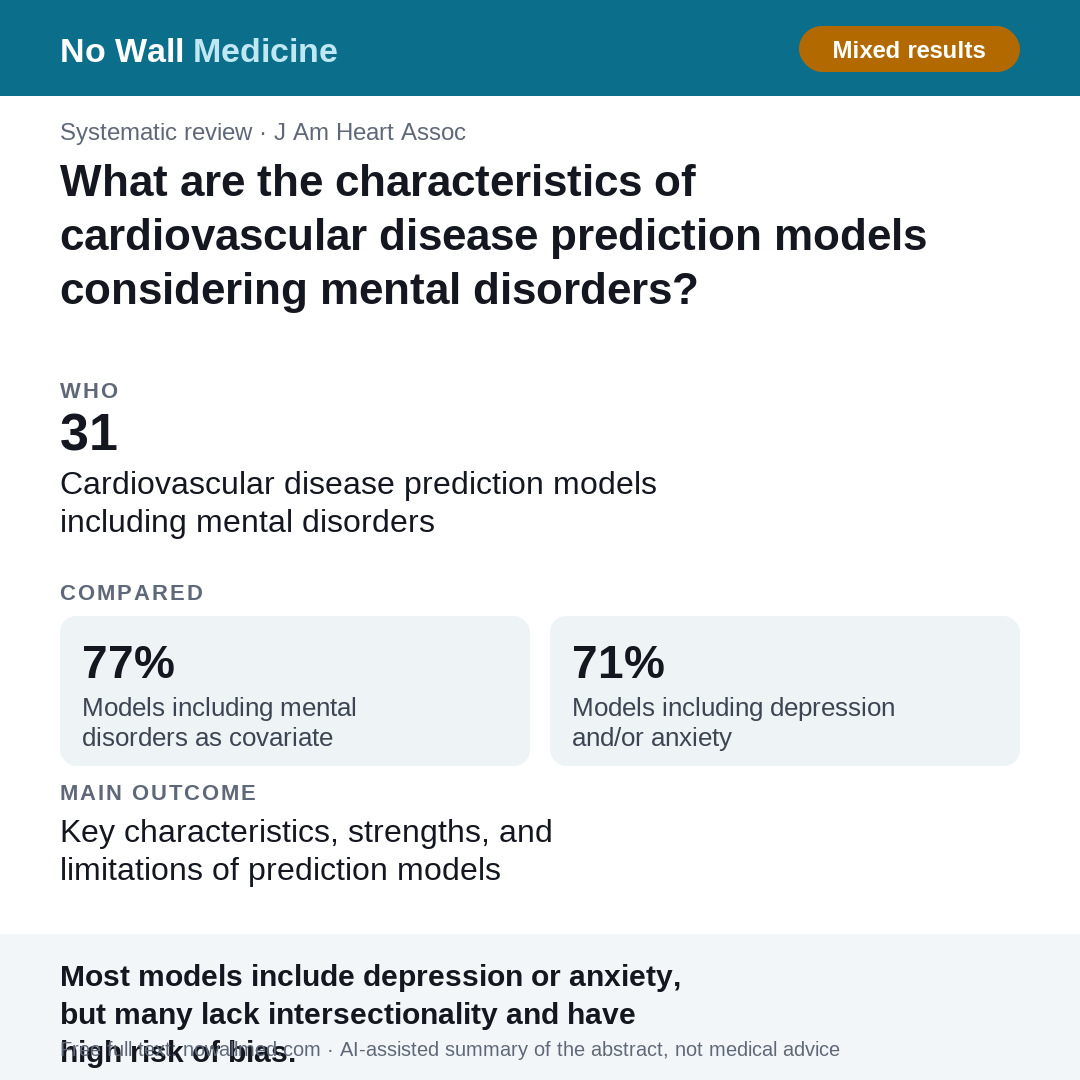
Characteristics of Cardiovascular Disease Prediction Models Considering Mental Disorders: A Systematic Review
Systematic reviewMixed results
What are the characteristics of cardiovascular disease prediction models considering mental disorders?
Who
31
Cardiovascular disease prediction models including mental disorders
Compared
77%Models including mental disorders as covariate
71%Models including depression and/or anxiety
Main outcome
Key characteristics, strengths, and limitations of prediction models
Bottom line: Most models include depression or anxiety, but many lack intersectionality and have high risk of bias.
Limitation: The majority of identified models had analytic concerns and only one had low risk of bias.
J Am Heart Assoc · 2026-05-29Download image
Emotion regulation impairment across psychiatric disorders: a systematic review and meta-analysis
Systematic review and meta-analysisBenefit found
Is emotion regulation impairment a transdiagnostic feature across major psychiatric disorders?
Who
Individuals with psychiatric disorders and healthy controls
Compared
Psychiatric disorders: large and significant differences for all 12 disorders on DERS
Healthy controls
Main outcome
Emotion regulation impairment using various scales
Bottom line: Individuals with major psychiatric disorders demonstrate reduced capacity to regulate emotions across various diagnoses and measures.
Transl Psychiatry · 2026-05-29Download image

Efficacy of AI-delivered cognitive behavioral therapy interventions for anxiety and depressive symptoms: a systematic review
Systematic review of randomized controlled trialsMixed results
Are artificial intelligence delivered cognitive behavioral therapy effective for anxiety and depressive symptoms?
Who
Individuals with anxiety or depressive symptoms
Compared
Artificial intelligence delivered cognitive behavioral therapy
Control
Main outcome
Anxiety and depressive symptoms
Bottom line: Artificial intelligence delivered cognitive behavioral therapy showed limited efficacy for anxiety and depressive symptoms across reviewed studies.
Limitation: Study quality raised concerns and evidence remains highly preliminary.
NPJ Digit Med · 2026-05-29Download image

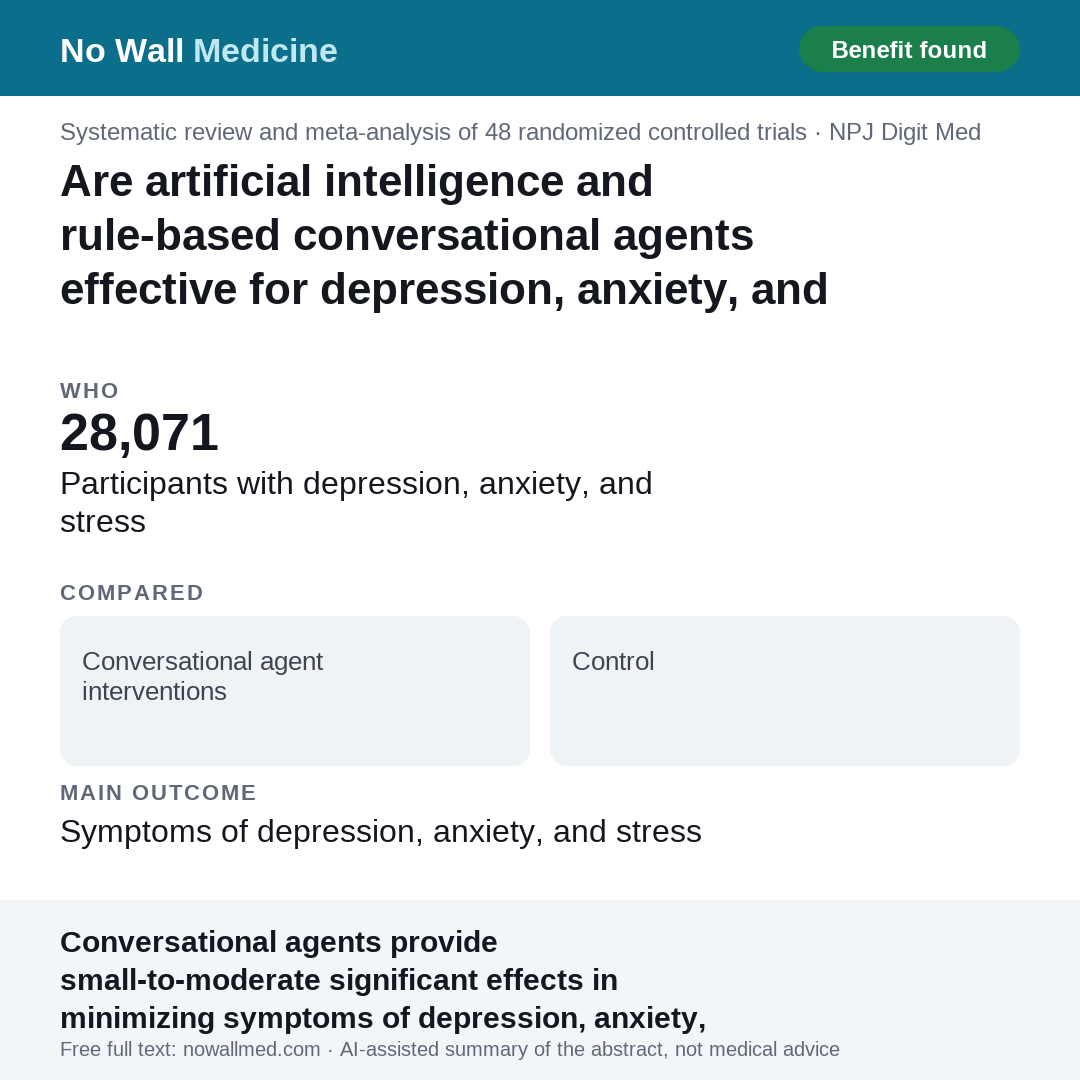
Effectiveness of AI and rule-based conversational agents for depression, anxiety and stress: A meta-analysis
Systematic review and meta-analysis of 48 randomized controlled trialsBenefit found
Are artificial intelligence and rule-based conversational agents effective for depression, anxiety, and stress?
Who
28,071
Participants with depression, anxiety, and stress
Compared
Conversational agent interventions
Control
Main outcome
Symptoms of depression, anxiety, and stress
Result: SMD: -0.27 for depression, -0.20 for anxiety, and -0.26 for stress
Bottom line: Conversational agents provide small-to-moderate significant effects in minimizing symptoms of depression, anxiety, and stress.
Limitation: Some studies had issues due to missing data or selective reporting.
NPJ Digit Med · 2026-05-29Download image
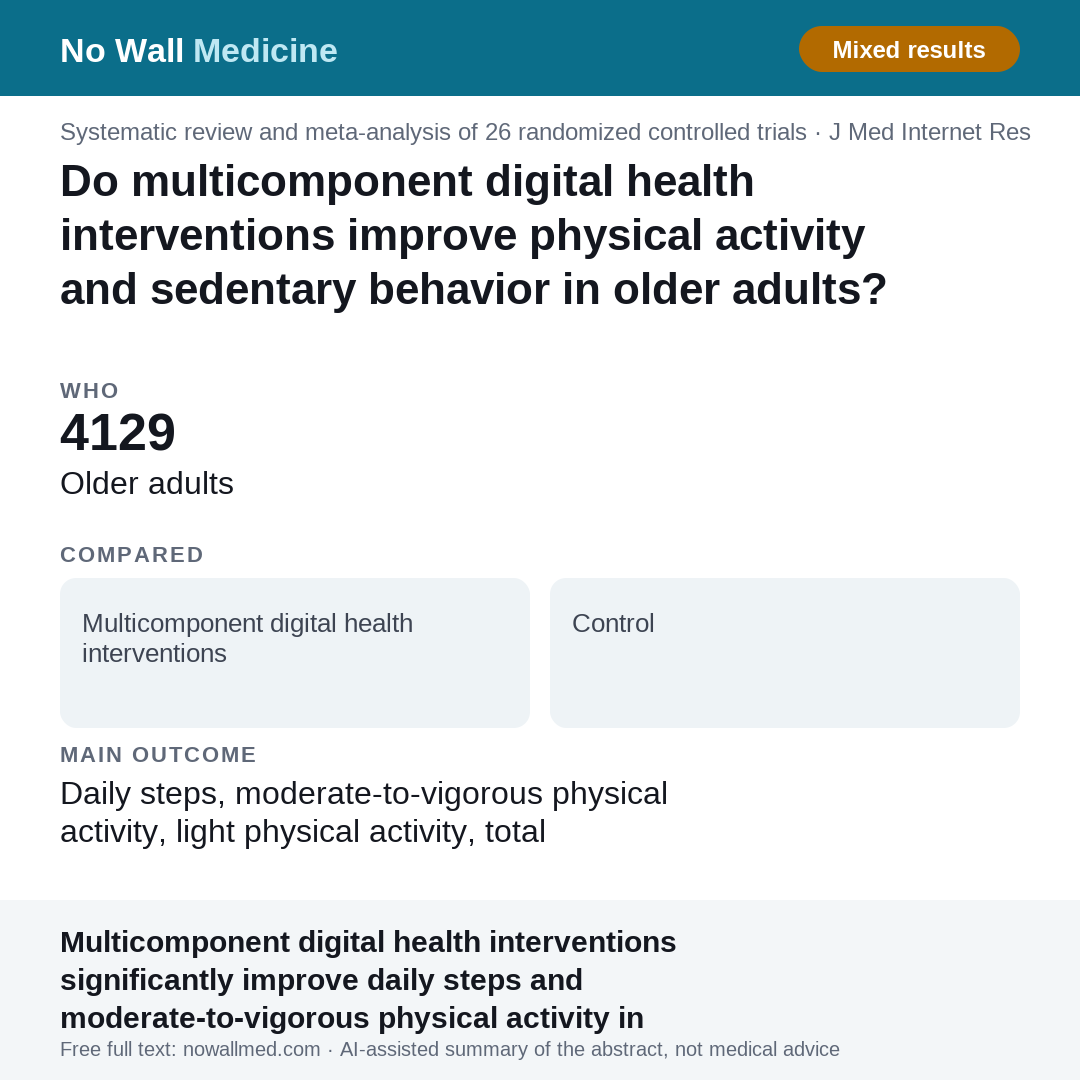
Effects of Multicomponent Digital Health Interventions on Multidimensional Physical Activity in Older Adults: Systematic Review, Meta-Analysis, and Meta-Regression of Randomized Controlled Trials
Systematic review and meta-analysis of 26 randomized controlled trialsMixed results
Do multicomponent digital health interventions improve physical activity and sedentary behavior in older adults?
Who
4129
Older adults
Compared
Multicomponent digital health interventions
Control
Main outcome
Daily steps, moderate-to-vigorous physical activity, light physical activity, total physical activity, and sedentary behavior
Result: daily steps MD 822.8 (95% CI 198.3 to 1447.3 steps/d); MVPA MD 45.9 (95% CI 23.9 to 67.9 min/wk)
Bottom line: Multicomponent digital health interventions significantly improve daily steps and moderate-to-vigorous physical activity in older adults.
Limitation: High heterogeneity, lack of long-term follow-up, and differences between objective and subjective measurement tools.
J Med Internet Res · 2026-05-29Download image
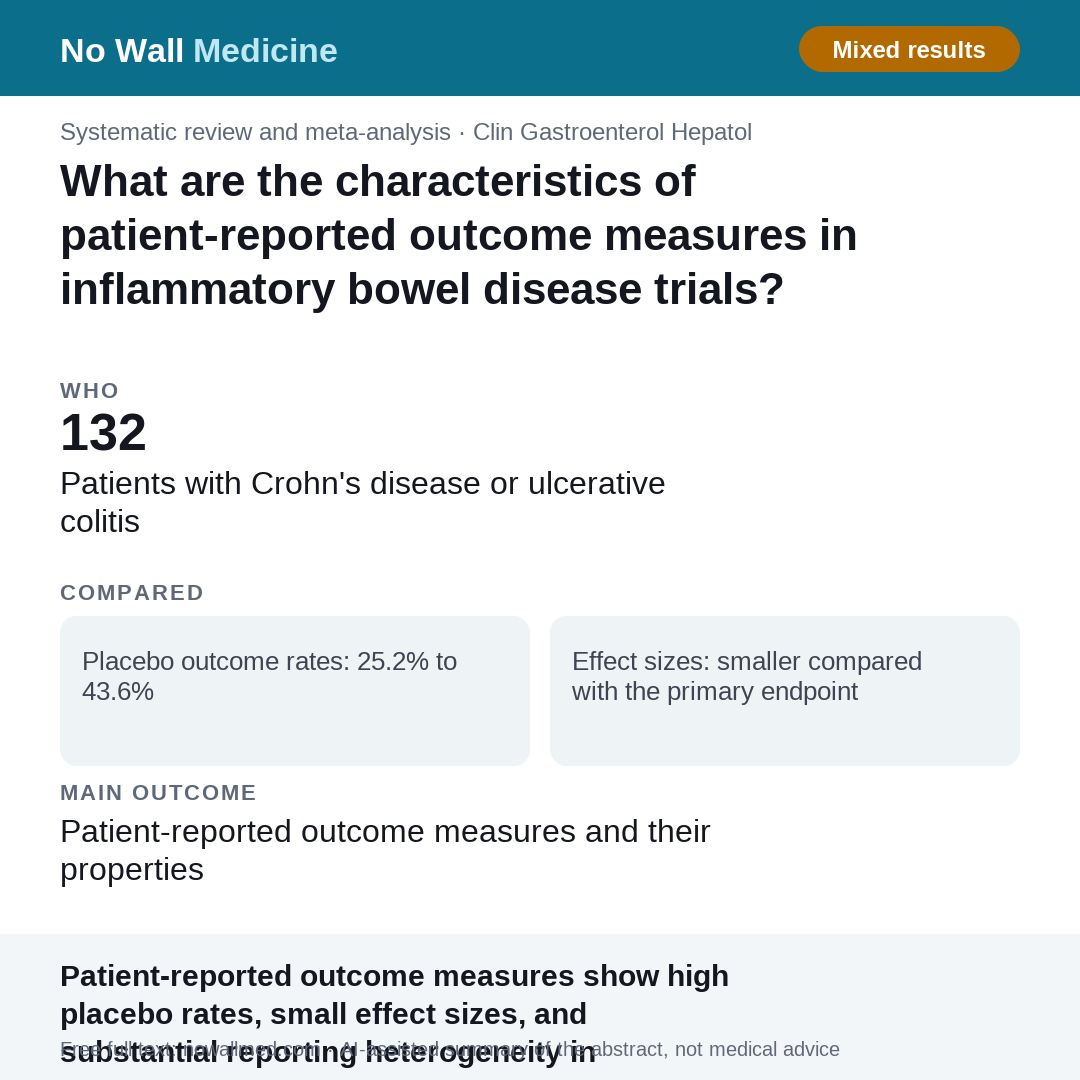
Patient-Reported Outcomes in Clinical Trials of Inflammatory Bowel Disease: A Systematic Review and Meta-Analysis
Systematic review and meta-analysisMixed results
What are the characteristics of patient-reported outcome measures in inflammatory bowel disease trials?
Who
132
Patients with Crohn's disease or ulcerative colitis
Compared
Placebo outcome rates: 25.2% to 43.6%
Effect sizes: smaller compared with the primary endpoint
Main outcome
Patient-reported outcome measures and their properties
Bottom line: Patient-reported outcome measures show high placebo rates, small effect sizes, and substantial reporting heterogeneity in inflammatory bowel disease trials.
Clin Gastroenterol Hepatol · 2026-05-28Download image
Atypical cytokine profiles in people on the autism spectrum: a comprehensive systematic review and meta-analysis including 54 cytokines
Meta-analysis of 98 studiesMixed results
Cytokine levels in autism spectrum people
Who
4236, 3333
autistic and non-autistic people aged 2 to 65
Compared
autistic people
non-autistic controls
Main outcome
peripheral blood cytokine levels
Result: elevated levels of several cytokines, e.g. IL1-beta hazard ratio 0.620 (95%CI 0.32 to 0.92)
Bottom line: Atypical cytokine profiles found in autism spectrum people
Limitation: over a third of studies had high risk of bias
Mol Psychiatry · 2026-05-28Download image

Factors influencing UK medical students' choice of general practice: a systematic review
Systematic review of empirical literatureMixed results
What factors influence United Kingdom medical students' choice of general practice?
Who
United Kingdom undergraduate medical students · United Kingdom medical education contexts
Compared
Educational factors
Hidden curriculum
Clinical placements and role models
Main outcome
Factors influencing career choice in general practice
Bottom line: Medical education structures, institutional cultures, and clinical exposure significantly influence medical students' decisions regarding general practice careers.
Br J Gen Pract · 2026-05-28Download image

General practice incentives: a review of the international literature
Systematic review of reviewsMixed results
How do general practice funding models affect quality outcomes in multidisciplinary primary care?
Who
People with complex chronic conditions · International
Compared
Blended payment models: small improvements in quality outcomes
Capitation payments as part of blended payments: no evidence that it improved quality of care
Main outcome
Quality outcomes in multidisciplinary primary and preventive care
Bottom line: Blended payment models show promise with small quality improvements, but evidence for pay-for-performance effectiveness is highly variable.
Br J Gen Pract · 2026-05-28Download image

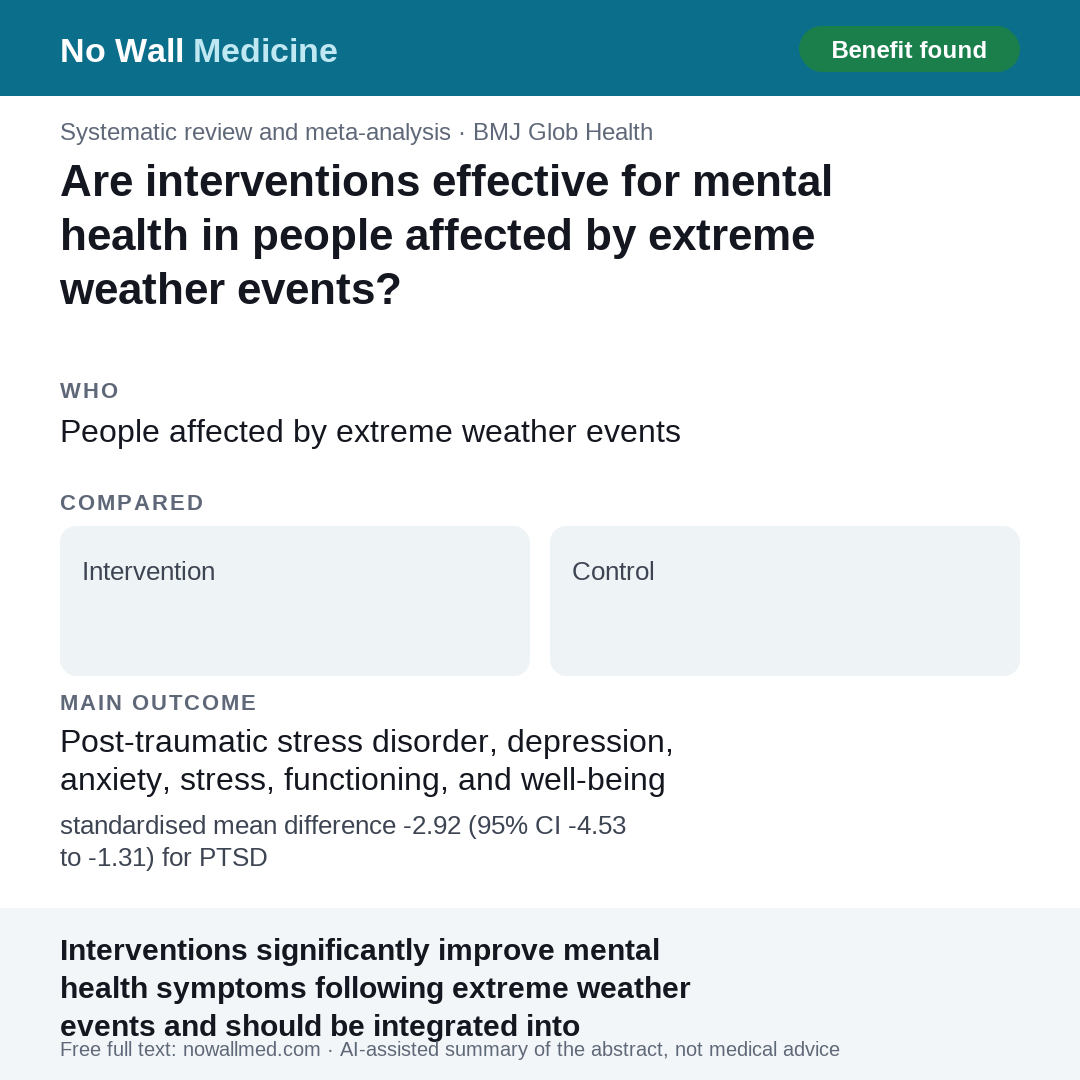
Systematic review and meta-analysis of interventions for mental health in extreme weather events
Systematic review and meta-analysisBenefit found
Are interventions effective for mental health in people affected by extreme weather events?
Who
People affected by extreme weather events
Compared
Intervention
Control
Main outcome
Post-traumatic stress disorder, depression, anxiety, stress, functioning, and well-being
Result: standardised mean difference -2.92 (95% CI -4.53 to -1.31) for PTSD
Bottom line: Interventions significantly improve mental health symptoms following extreme weather events and should be integrated into disaster management plans.
BMJ Glob Health · 2026-05-28Download image
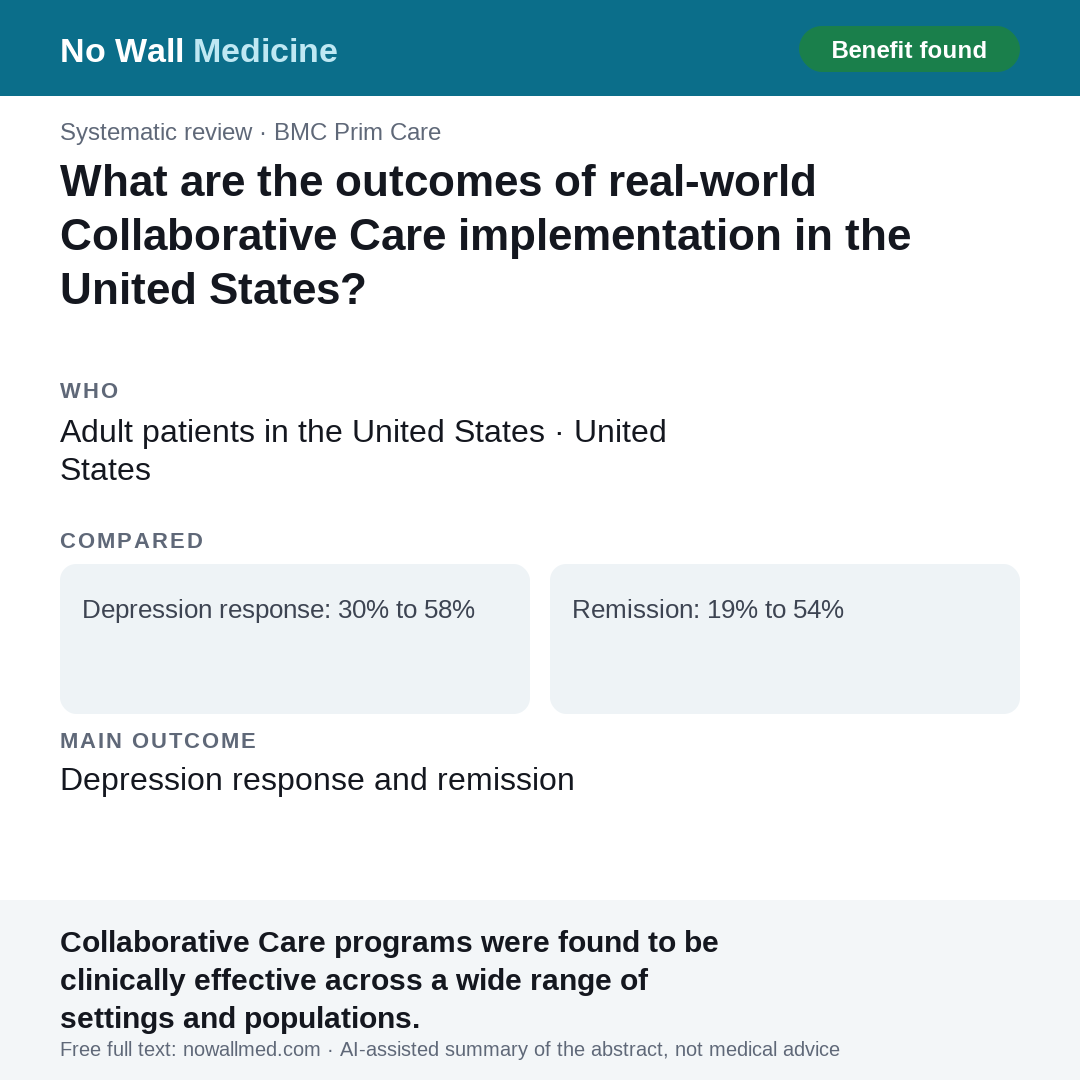
Real-world implementation of Collaborative Care in the United States: a systematic review
Systematic reviewBenefit found
What are the outcomes of real-world Collaborative Care implementation in the United States?
Who
Adult patients in the United States · United States
Compared
Depression response: 30% to 58%
Remission: 19% to 54%
Main outcome
Depression response and remission
Bottom line: Collaborative Care programs were found to be clinically effective across a wide range of settings and populations.
BMC Prim Care · 2026-05-28Download image
A Systematic Review of Pain Drawings for Perioperative Patient Management
Systematic review of 26 studiesBenefit found
Do pain drawings help patient management?
Who
5977
pediatric and adult surgical patients
Compared
Pain drawings
Standard care
Main outcome
pain management
Bottom line: Pain drawings help patient management
Limitation: heterogeneity in methodology
Plast Reconstr Surg Glob Open · 2026-05-28Download image

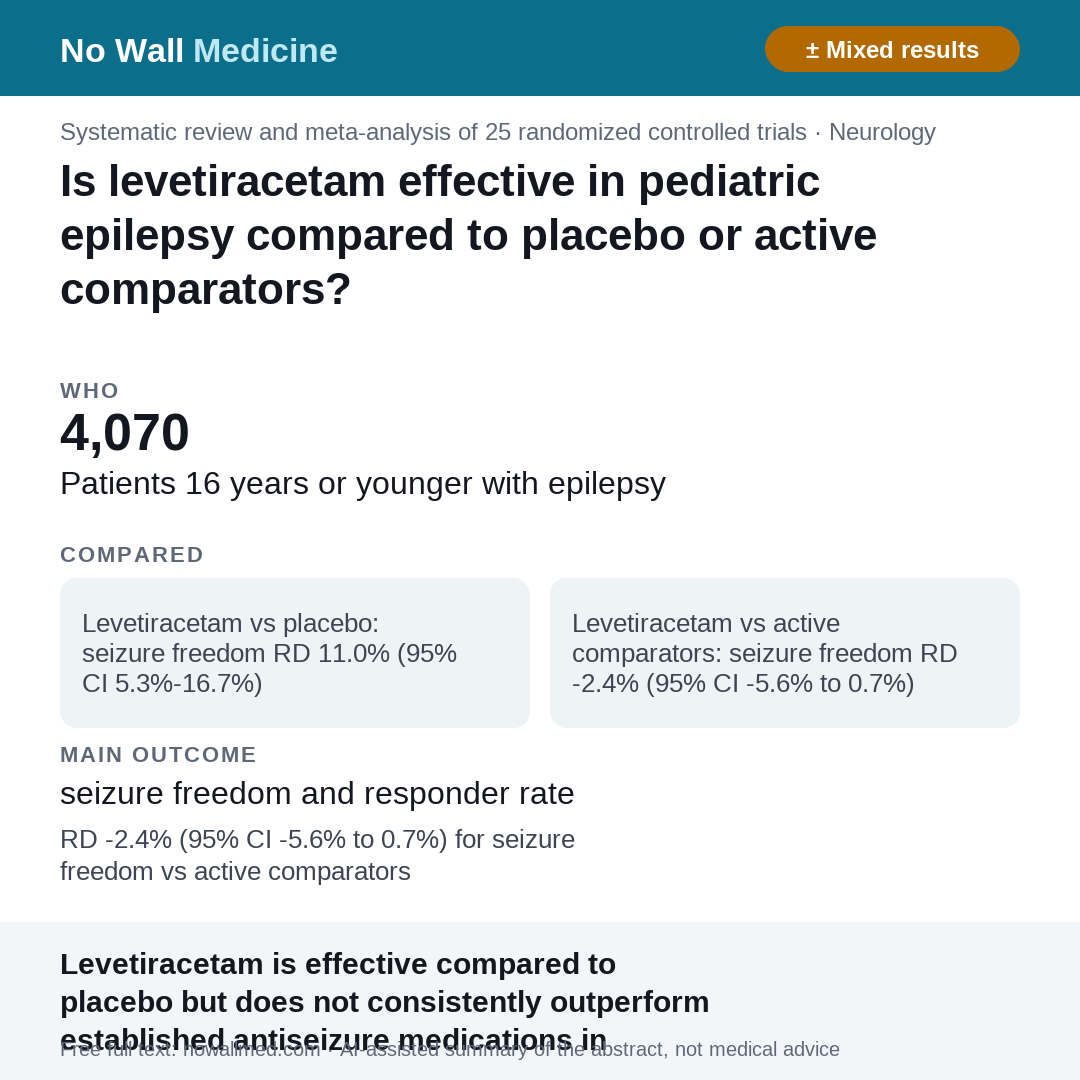
Efficacy of Levetiracetam in Patients With Pediatric Epilepsy: A Systematic Review and Meta-Analysis
Systematic review and meta-analysis of 25 randomized controlled trialsMixed results
Is levetiracetam effective in pediatric epilepsy compared to placebo or active comparators?
Who
4,070
Patients 16 years or younger with epilepsy
Compared
Levetiracetam vs placebo: seizure freedom RD 11.0% (95% CI 5.3%-16.7%)
Levetiracetam vs active comparators: seizure freedom RD -2.4% (95% CI -5.6% to 0.7%)
Main outcome
seizure freedom and responder rate
Result: RD -2.4% (95% CI -5.6% to 0.7%) for seizure freedom vs active comparators
Bottom line: Levetiracetam is effective compared to placebo but does not consistently outperform established antiseizure medications in pediatric epilepsy.
Limitation: Substantial heterogeneity, frequent high risk of bias, variable follow-up, and publication bias.
Neurology · 2026-05-27Download image
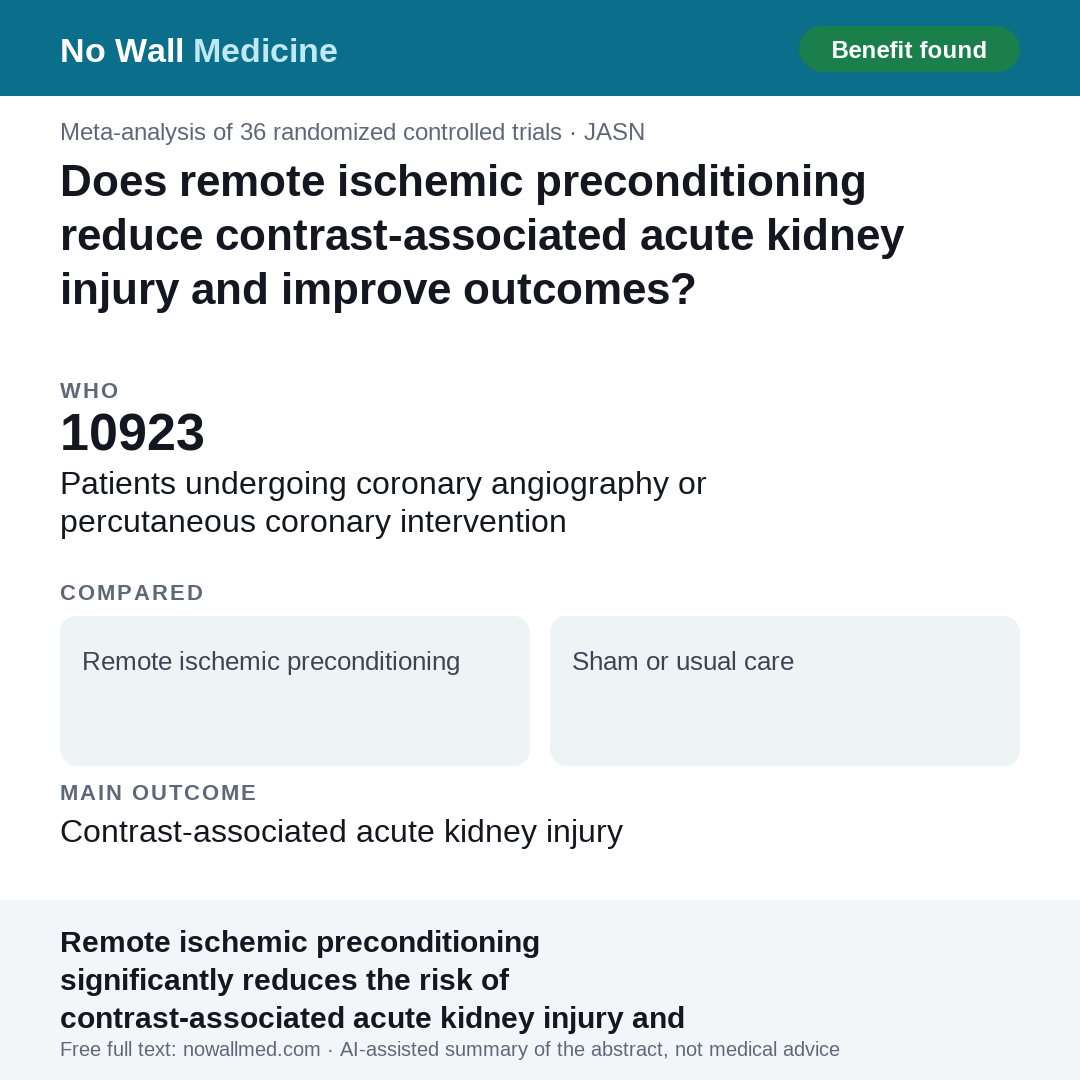
Remote Ischemic Preconditioning for Prevention of Contrast-Associated Acute Kidney Injury following Coronary Angiography or Percutaneous Coronary Intervention
Meta-analysis of 36 randomized controlled trialsBenefit found
Does remote ischemic preconditioning reduce contrast-associated acute kidney injury and improve outcomes?
Who
10923
Patients undergoing coronary angiography or percutaneous coronary intervention
Compared
Remote ischemic preconditioning
Sham or usual care
Main outcome
Contrast-associated acute kidney injury
Result: risk ratio 0.54 (95% CI 0.45 to 0.65)
Bottom line: Remote ischemic preconditioning significantly reduces the risk of contrast-associated acute kidney injury and in-hospital major adverse cardiovascular events.
JASN · 2026-05-27Download image
Synaptic biomarkers in Alzheimer's disease dementia and mild cognitive impairment: A systematic review and meta-analysis
Systematic review and meta-analysisMixed results
Are cerebrospinal fluid and blood-based synaptic biomarkers altered in Alzheimer's disease?
Who
Patients with Alzheimer's disease dementia, mild cognitive impairment, and healthy controls
Compared
Alzheimer's disease dementia and mild cognitive impairment
Healthy controls
Main outcome
Cerebrospinal fluid and blood-based synaptic biomarkers
Bottom line: Several cerebrospinal fluid and blood-based synaptic biomarkers are altered in Alzheimer's disease dementia and mild cognitive impairment.
Alzheimers Dement · 2026-05-27Download image

Beyond fear circuits: multiscale neurobiological architecture of panic disorder
Meta-analysis of functional neuroimaging experimentsMixed results
What is the multiscale neurobiological architecture of panic disorder?
Who
Patients with panic disorder
Compared
Panic disorder: increased activity in a prefrontal-hippocampus-brainstem axis
Control
Main outcome
Patterns of altered brain activity
Bottom line: Panic disorder involves widespread neural alterations across a prefrontal-hippocampus-brainstem axis beyond traditional fear circuitry.
Mol Psychiatry · 2026-05-27Download image